
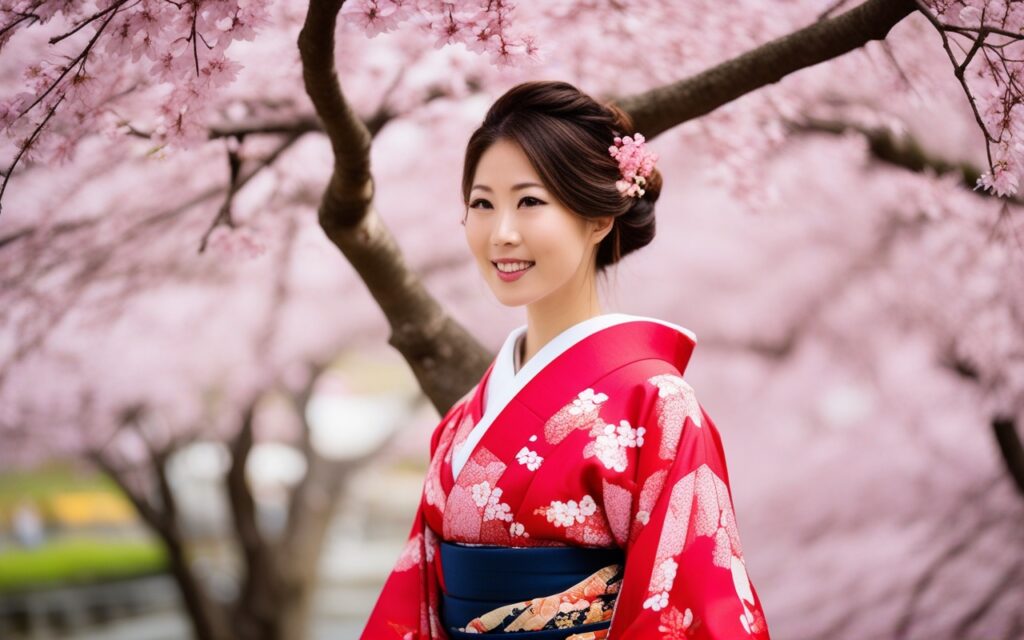
Yokohama Kimono Rental Guide 2026 — Dress Up & Explore…
Overview
Explore the rich cultural heritage and historical significance of Yokohama Kimono Rental Guide 2026 — Dress Up & Explore… in KanaKanagawafecture. This guide delves into the fascinating stories, traditions, and landmarks that define Yokohama. From ancient temples to modern museums, discover how this destination has shaped Japan’s cultural landscape over centuries.
📍 Quick Overview
- Starting from ¥5,000 for a full kimono rental package (includes dressing & hair styling)
- Professional dressing takes 30–60 minutes
- Return by 5:30 PM same day (most shops)
- Perfect for: Instagram-worthy photos, special occasions
- Best areas to explore in kimono: Minato Mirai. Chinatown
I found that visiting during weekday mornings offered the most relaxed time, something I confirmed over multiple trips. —
Introduction: Why Rent a Kimono in Yokohama? Yokohama offers a unique backdrop for kimono dressing that combines traditional Japanese aesthetics with a modern port city atmosphere. Unlike Kyoto’s temple-heavy streets or Asakusa’s crowded lanes. Yokohama provides spacious promenades, and a relaxed pace that makes kimono walking genuinely enjoyable. Why Yokohama over Kyoto or Tokyo:
- Fewer crowds — You won’t be jostling through packed streets
- Waterfront backdrops — Minato Mirai and Yamashita Park offer stunning photo chances
- More affordable — Rental prices are typically 20–30% lower than Kyoto
- Easier walking — Wide pavements and flat terrain throughout the tourist areas
- Diverse scenery — From historic buildings to modern architecture to Japanese gardens
Renting a kimono transforms your sightseeing time. You’ll find that shopkeepers, and locals treat you with extra warmth — and the photos you take will be your most great from the trip. —
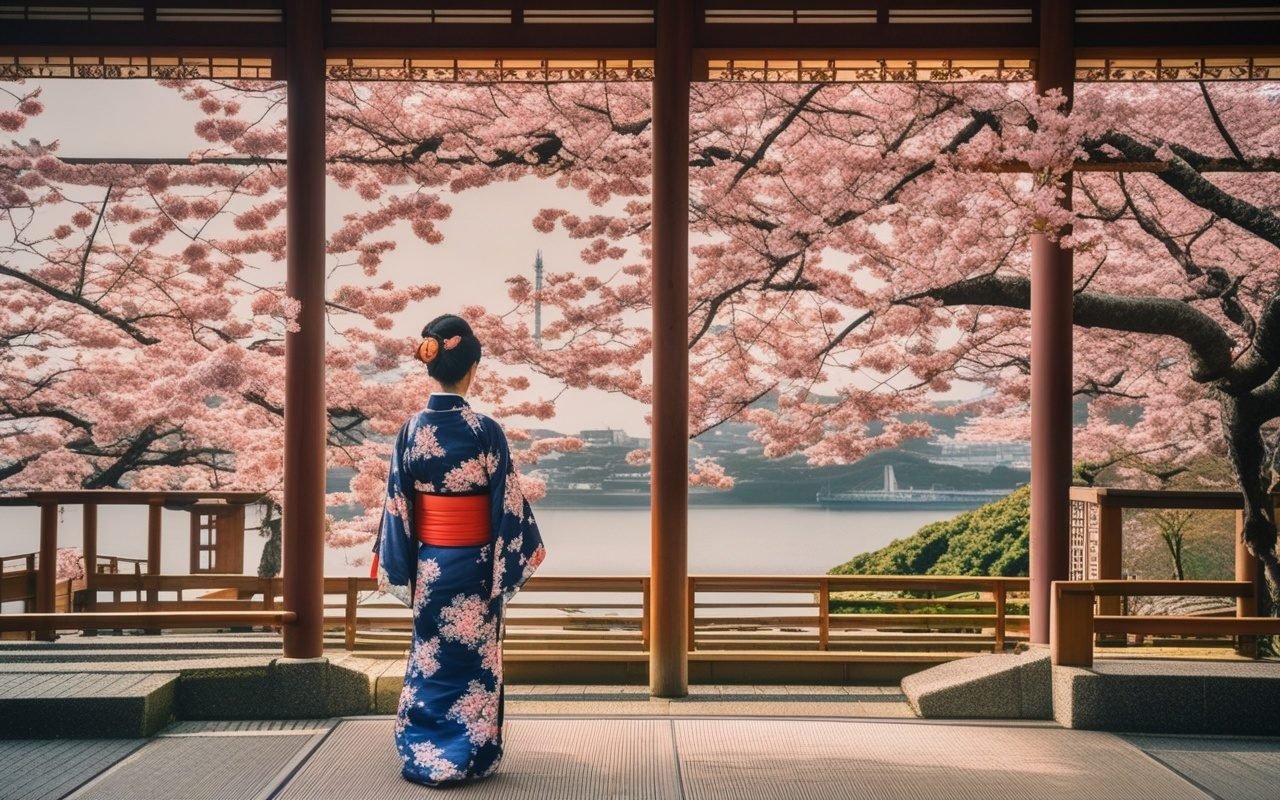
1. VASARA Kimono & Yukata Rental — Yokohama’s Premier Shop
Best for: First-timers. English-friendly service
| Aspect | Detail |
|---|---|
| Location | Central Yokohama, near Kannai Station |
| Price | From ¥5,000 (kimono set). from ¥3,500 (yukata set) |
| Included | Kimono/yukata, hair styling |
| Hours | 9:00 AM – 6:00 PM (return by 5:30 PM) |
| Best For | First-timers, quality-conscious travelers |
VASARA is one of Japan’s largest kimono rental chains, and their Yokohama location delivers the same high standards as their famous Kyoto and Asakusa shops — with the added benefit of Yokohama’s pretty settings. The time:
When you arrive at VASARA Yokohama, you’ll be greeted by professional stylists who guide you through the selection process. The shop carries hundreds of kimono and yukata in every color and pattern imaginable — from classic floral motifs to bold modern designs. Your appointment includes:
- Kimono selection (15–20 minutes) — Browse racks of kimono organized by color. The staff will help you choose based on your preferences and the season
- Dressing (20–30 minutes) — A professional dresser wraps you in layers with practiced efficiency. The process involves multiple steps — undergarment, nagajuban (inner robe), kimono, obi (belt), obijime (cord), and accessories
- Hair styling (10–15 minutes) — Simple but elegant hair arrangements to complement your kimono
- Accessory selection (5 minutes) — Choose your sandals (zori), bag, and any hair ornaments
- Out the door — You’re ready to explore Yokohama in style
Book VASARA Kimono Rental Yokohama on Klook to secure your preferred time slot → Reserve your kimono time
What to Expect:
- The entire process takes about 60 minutes from arrival to departure
- You can leave your belongings at the shop (locked storage provided)
- The kimono is comfy for walking — the stylists ensure the obi is tied securely but not too tightly
- Return by 5:30 PM for undressing (late fees apply after 6:00 PM)
- Next-day return is sometimes available for an additional fee
Pro Tips:
- Book the earliest slot (9:00 AM) for the best selection and the most time to explore
- Choose a kimono with short or pushed-up sleeves if visiting in summer — yukata (cotton kimono) is the standard summer option
- Wear a thin camisole and shorts under your clothes — you’ll be undressed and re-dressed, and fewer layers under your kimono means a smoother result
- Bring your camera — VASARA staff are happy to take photos of you before you leave the shop
2. Where to Go in Kimono — Best Photo Spots in Yokohama
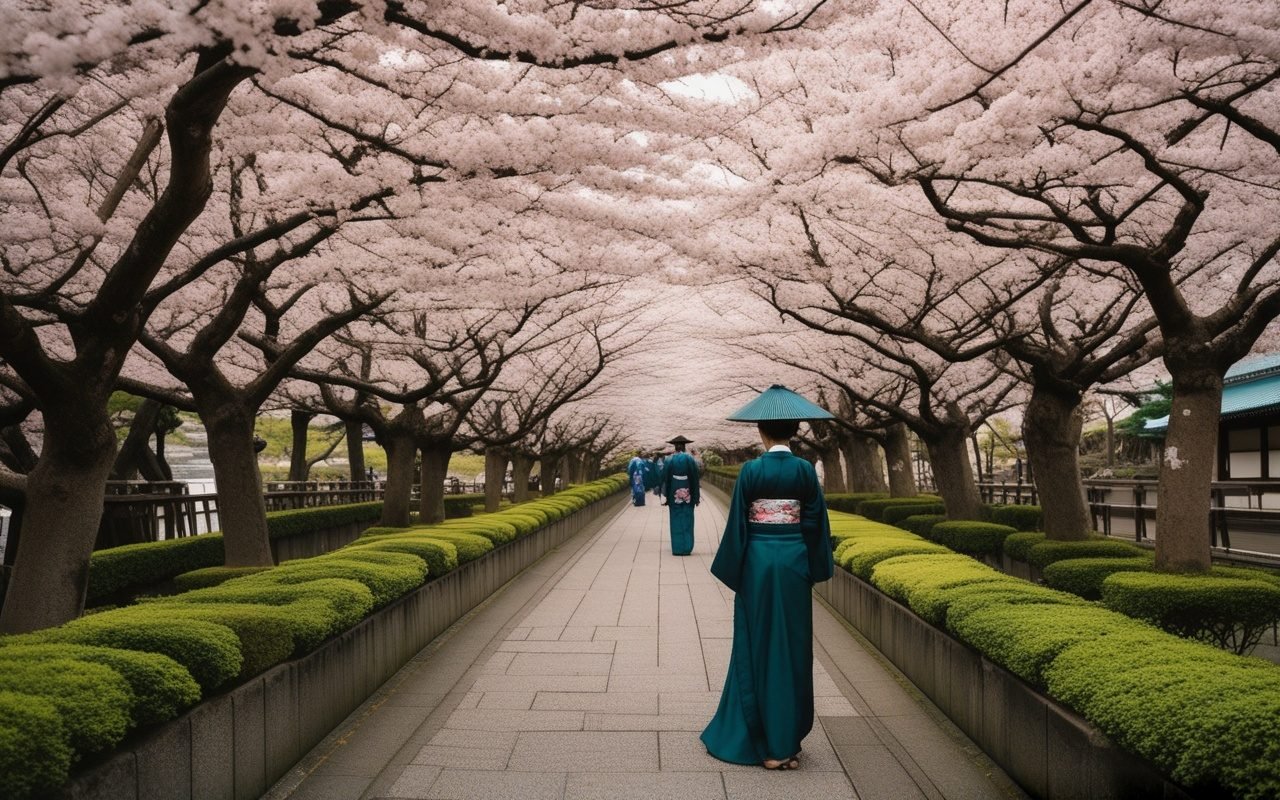
Minato Mirai Waterfront
The broad promenades of Minato Mirai are perfect for kimono walking. The contrast between traditional attire and modern architecture creates striking photos. Top Spots:
- Cosmo World Ferris Wheel — The colorful amusement park provides a fun, vibrant backdrop
- Red Brick Warehouse — The historic brick buildings offer a rustic European feel that contrasts beautifully with kimono
- Queen’s Square Plaza — The open square with fountains and modern glass towers Walking time from VASARA: 15 minutes Best time: Late afternoon (3:00–5:00 PM) for golden hour light on the bay
Yamashita Park
Yokohama’s premier waterfront park stretches along the harbor, and iconic views of the bay. Top Spots:
- The rose garden (seasonal. May–October) — Colorful blooms frame kimono beautifully
- The Hikawa Maru — The permanently docked ocean liner makes a nostalgic backdrop
- The waterfront railings — Classic harbor views with ships and bridges Walking time from VASARA: 10 minutes Best time: Morning (9:00–11:00 AM) for soft light and fewer people
Sankeien Garden
A traditional Japanese garden in southern Yokohama. Sankeien features historic buildings relocated from across Japan. Top Spots:
- Three-story pagoda — A 15th-century pagoda from Kyoto, perfectly framed by cherry trees in spring
- Choshukaku Villa — A 17th-century samurai residence with tatami rooms open to visitors
- The pond with teahouse — Classic Japanese garden scenery Access: 25-minute bus ride from Kannai Station or taxi (¥2,000–2,500) Admission: ¥700 (adults) Best time: Early morning just after opening (9:00 AM) for solitude
Yokohama Chinatown
Yokohama’s vibrant Chinatown offers colorful, energetic backdrops with its ornate gates. Top Spots:
- Zenrinmon Gate (Good Luck Gate) — The most photogenic entrance to Chinatown
- Kanteibyo Temple — An elaborate Chinese temple in the heart of the district
- Colorful alleyways — Lantern-lined streets with food stalls and shops Walking time from VASARA: 12 minutes Best time: Late morning (10:00–11:30 AM) before the lunch crowds
3. What to Know Before You Go
Seasonal Considerations
| Season | Recommended Wear | Duration Comfort | Best Photo Spots |
|---|---|---|---|
| Spring (Mar–May) | Kimono (medium weight) | All day comfy | Sankeien Garden (cherry blossoms). Yamashita Park |
| Summer (Jun–Aug) | Yukata (light cotton) | comfy, but avoid midday heat | Minato Mirai waterfront (evening). Chinatown (air-conditioned) |
| Autumn (Sep–Nov) | Kimono (medium weight) | All day comfy | Sankeien Garden (fall foliage). Red Brick Warehouse |
| Winter (Dec–Feb) | Kimono + shawl provided | 3–4 hours max (cold!) | Indoors: Cup Noodles Museum, outdoor: Yamashita Park (clear skies) |
Kimono vs. Yukata — What’s the Difference? Kimono — The traditional full-length garment worn in cooler months, Made of silk or synthetic silk, with multiple layers, a formal obi, and zori sandals. More elegant, more structured, and warmer. Yukata — A lightweight cotton robe traditionally worn in summer. Single layer, simpler tying, and worn with geta (wooden sandals). More casual, cooler, and easier to move in. For most first-time visitors, yukata in summer and kimono in other seasons is the right choice
Dress Code & Etiquette
- Walk with small steps — The kimono’s narrow hem restricts your stride. This naturally creates the graceful, measured walk associated with kimono
- Sit with care — When sitting on chairs. On tatami, use the proper kneeling position (seiza) or a modified side-sit
- Food and drink — Be careful with dark-colored drinks near light kimono. Most rental shops have stain removal options if accidents happen
- Restrooms — Kimono makes using restrooms a challenge. The staff will show you how to manage before you leave. Yukata is much easier
- photos — Most places welcome kimono-clad visitors. Some temples and gardens offer discounted entry for those wearing kimono
What to Bring
- Thin inner layers (for under the kimono)
- comfy tabi socks (some shops include them, but bring your own if you have them)
- A small bag for your phone and wallet (the rental bag is small)
- Lip balm — Your lips can dry out during the dressing process
- A light jacket if visiting in winter
4. Sample Kimono Itinerary
Classic Yokohama Kimono Day
9:00 AM — Arrive at VASARA Yokohama
  → Kimono selection & dressing
10:00 AM — Depart in full kimono
10:15 AM — Yamashita Park stroll & photos
11:00 AM — Walk to Chinatown
  → Photos at Zenrinmon Gate
  → Dim sum lunch at a Chinatown restaurant
1:00 PM — Walk to Minato Mirai
  → Photos at Red Brick Warehouse
  → Photos at Cosmo World
2:30 PM — Tea break at a cafe near Queen's Square
3:00 PM — Optional: Cup Noodles Museum or Sankeien Garden
4:00 PM — Return to VASARA for undressing
5:00 PM — Free to explore in regular clothes
📊 Kimono Rental Comparison
| Shop | Price (Kimono) | Price (Yukata) | Dressing Time | English Support | Location |
|---|---|---|---|---|---|
| VASARA Yokohama | ¥5,000 | ¥3,500 | 60 min | ✅ great | Kannai |
| VASARA Kamakura | ¥5,000 | ¥3,500 | 60 min | ✅ great | Kamakura Station |
Book VASARA Kimono Rental in Yokohama on Klook for guaranteed availability and exclusive online rates → Secure your kimono time
Frequently Asked Questions
Q: Do I need to make a booking?
A: Yes — bookings are essential, mostly during cherry blossom season (March–April). Golden Week (late April–early May). and autumn foliage season (November). Walk-ins are sometimes accepted but may face long waits or limited selection. Q: Can I wear kimono if I have tattoos?
A: Yes — kimono rental shops generally do not have tattoo restrictions. The kimono covers most of your body, so tattoos are invisible during wear. Q: Is the kimono heavy?
A: A full kimono weighs about 3–5 kg (6–11 lbs). It’s noticeable but not uncomfortable. Most first-timers adjust within 30 minutes. Yukata is a lot lighter. Q: Can I eat and drink in kimono?
A: Yes — just be careful with dark drinks (coffee, red wine) near light-colored kimono. Most rental shops provide napkins and have stain removal services. Q: What if it rains?
A: Most shops provide plastic rain covers for your kimono. Yukata is less suitable for rain. Check the weather forecast before booking.
Final Thoughts
From ancient temples to living traditions, Kanagawa’s cultural heritage offers layers of discovery that reveal themselves with each visit.
Conclusion
Whether you are planning exploring Yokohama for its rental for the first time or returning for another visit, taking a little extra time to go beyond the obvious sights makes all the difference. During my visit to Yokohama I went with a rough plan and found that leaving room to wander made the trip far more memorable. I hope this guide helps you build an itinerary that fits your pace, and that your time in Kanagawa leaves you with memories worth coming back for.