Author: Takao Yamamoto

  • Best Proposal Spots Kanagawa Guide 2026

    Best Proposal Spots Kanagawa Guide 2026

    Overview

    Plan your perfect visit to Best Proposal Spots Kanagawa Guide with this comprehensive destination guide, Covering everything from must-see attractions to practical travel tips, this guide helps you make the most of your time in Best. Whether you have a single day or an entire week, discover the best that this Kanagawa destination has to offer.

    🗺️ Key Points

    • Perfect for: Couples, marriage proposals
    • Duration: Half-day planning
    • Budget: ¥5,000-20,000 (including photos)
    • Best season: Year-round (sunset recommended)
    • Focus: Romance, memories

    📋 Overview

    Kanagawa offers some of Japan’s most romantic settings for marriage proposals. From ocean sunsets to illuminated gardens, this guide reveals the best spots, timing, and planning tips for an great proposal.

    💍 Top 10 Proposal Spots
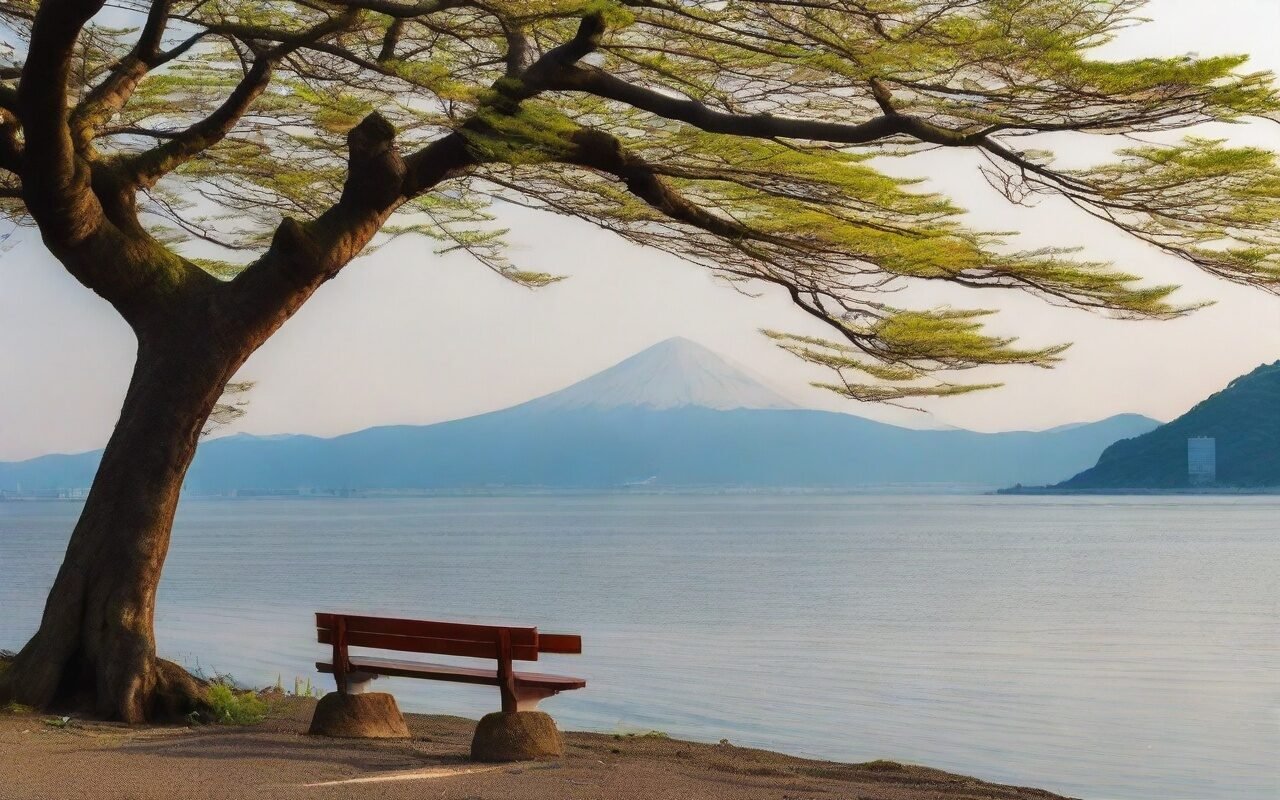

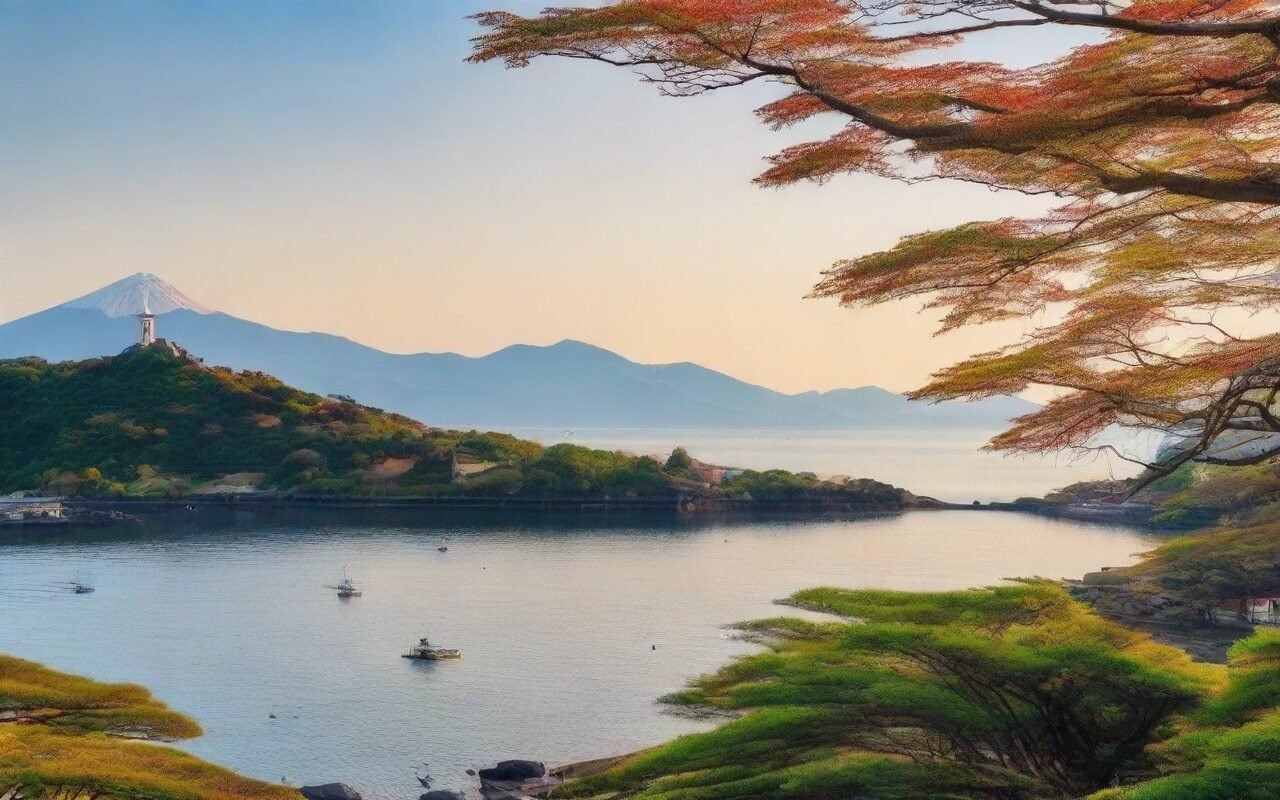
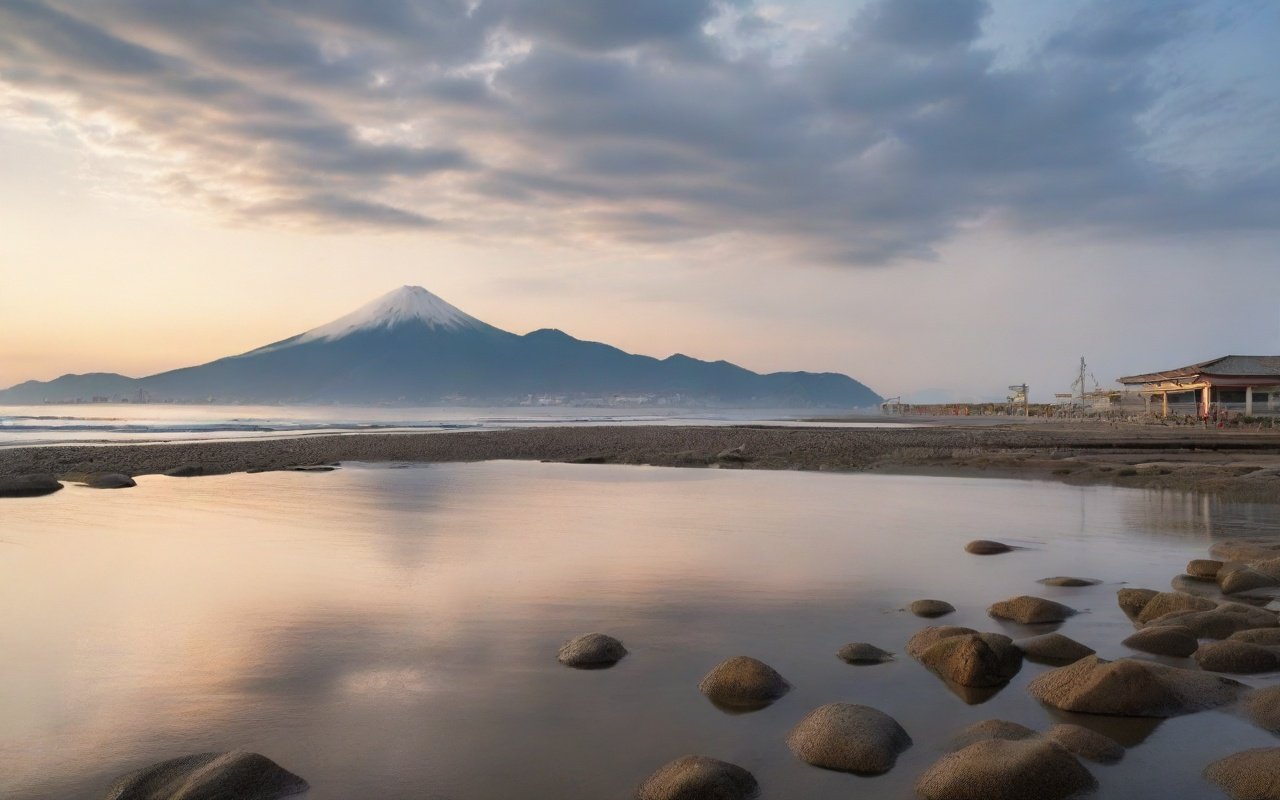
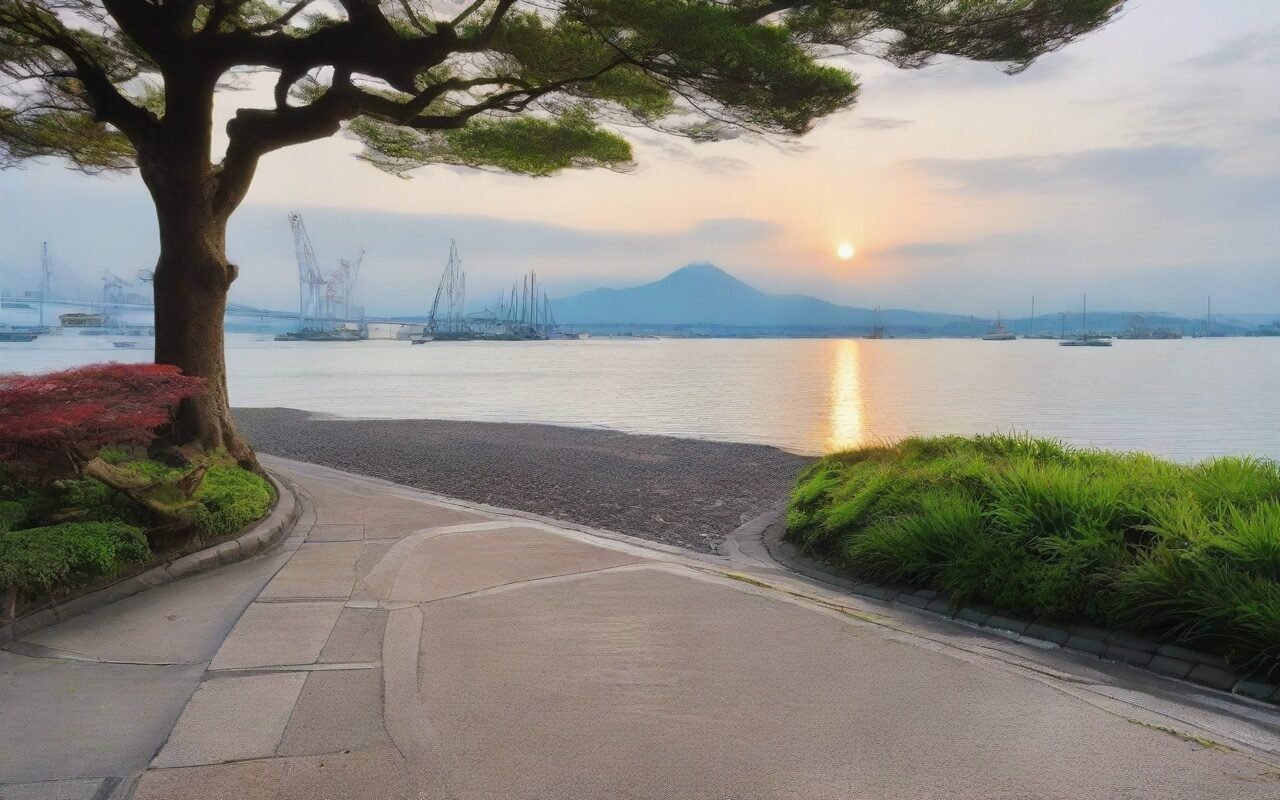
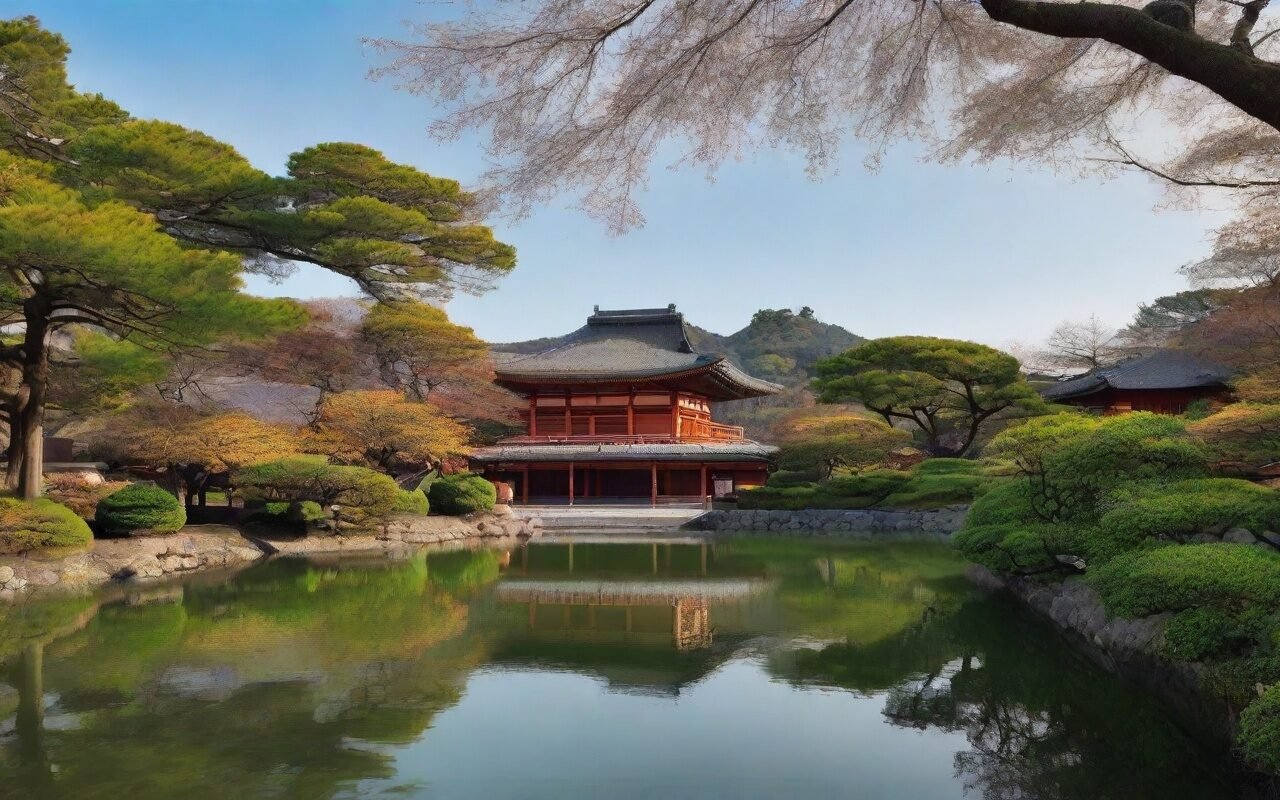
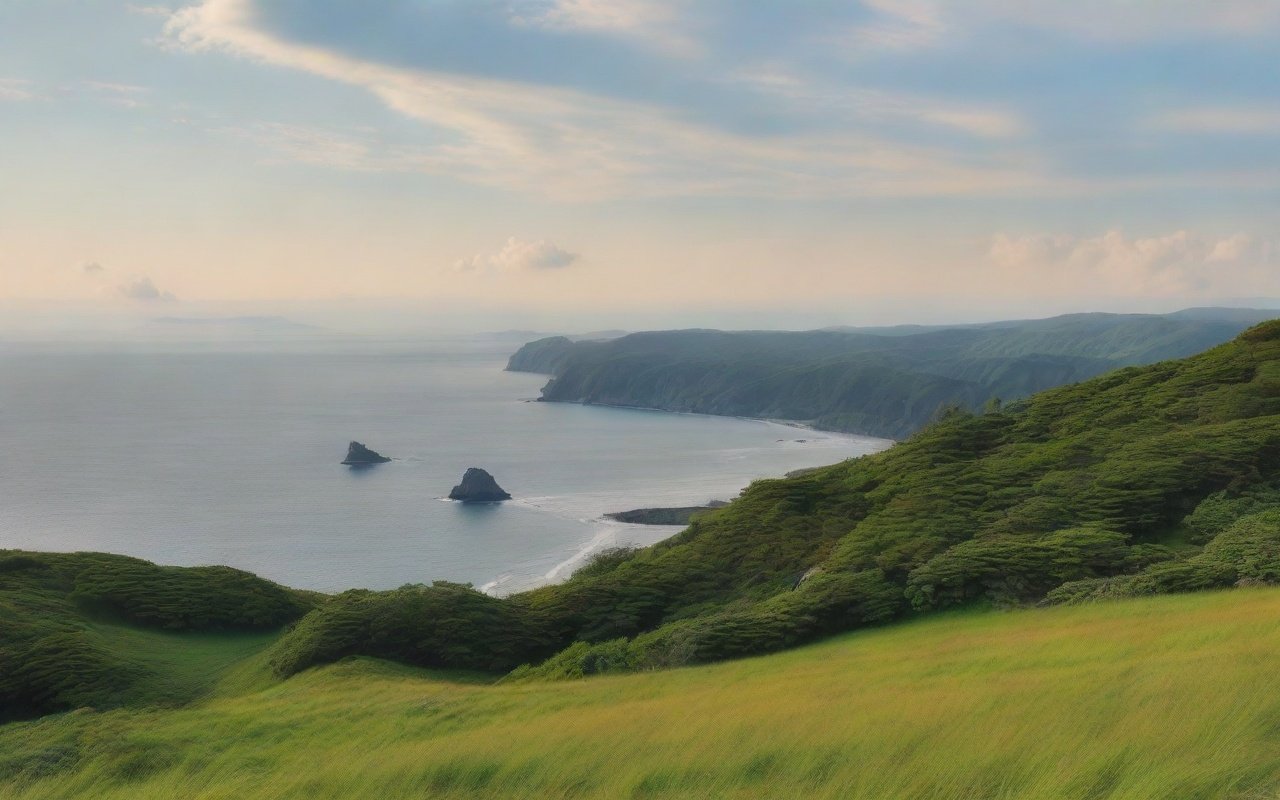
    Enoshima Sea Candle observation deck with panoramic sunset views and coastal scenery

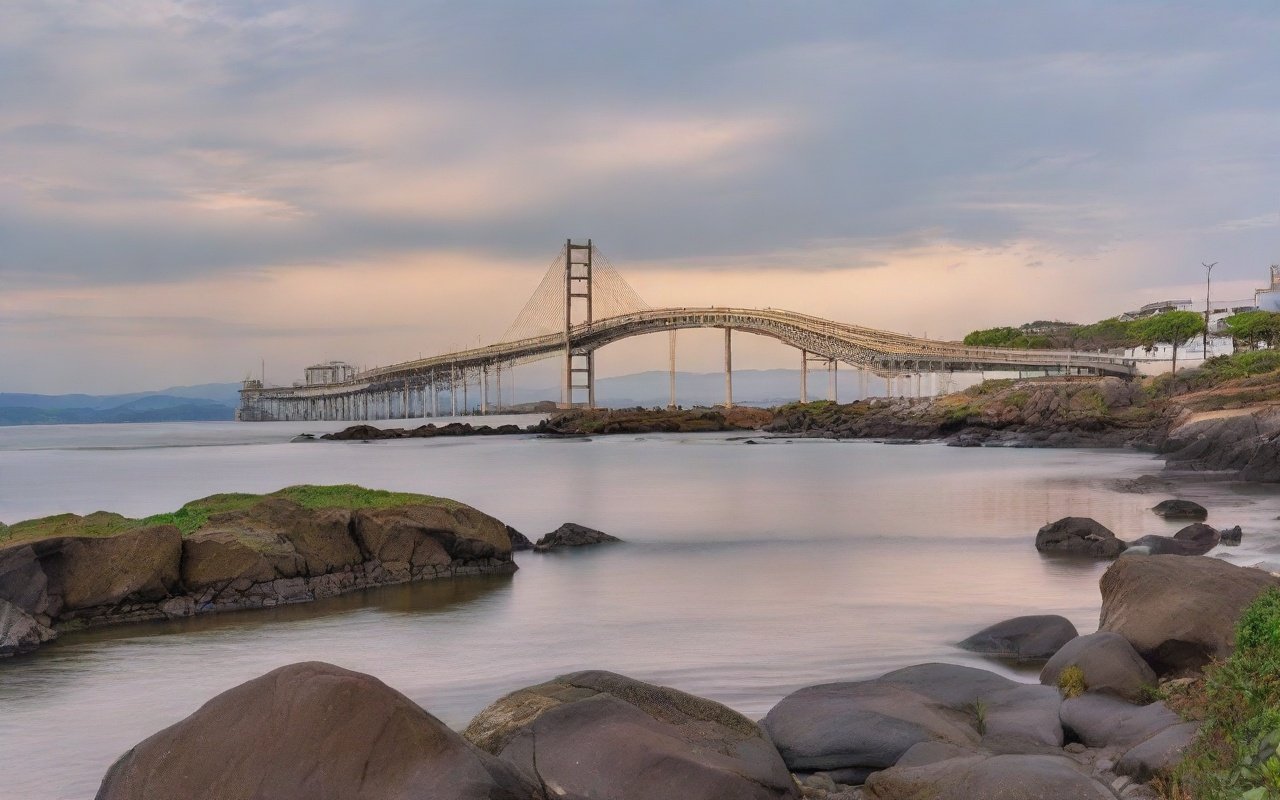
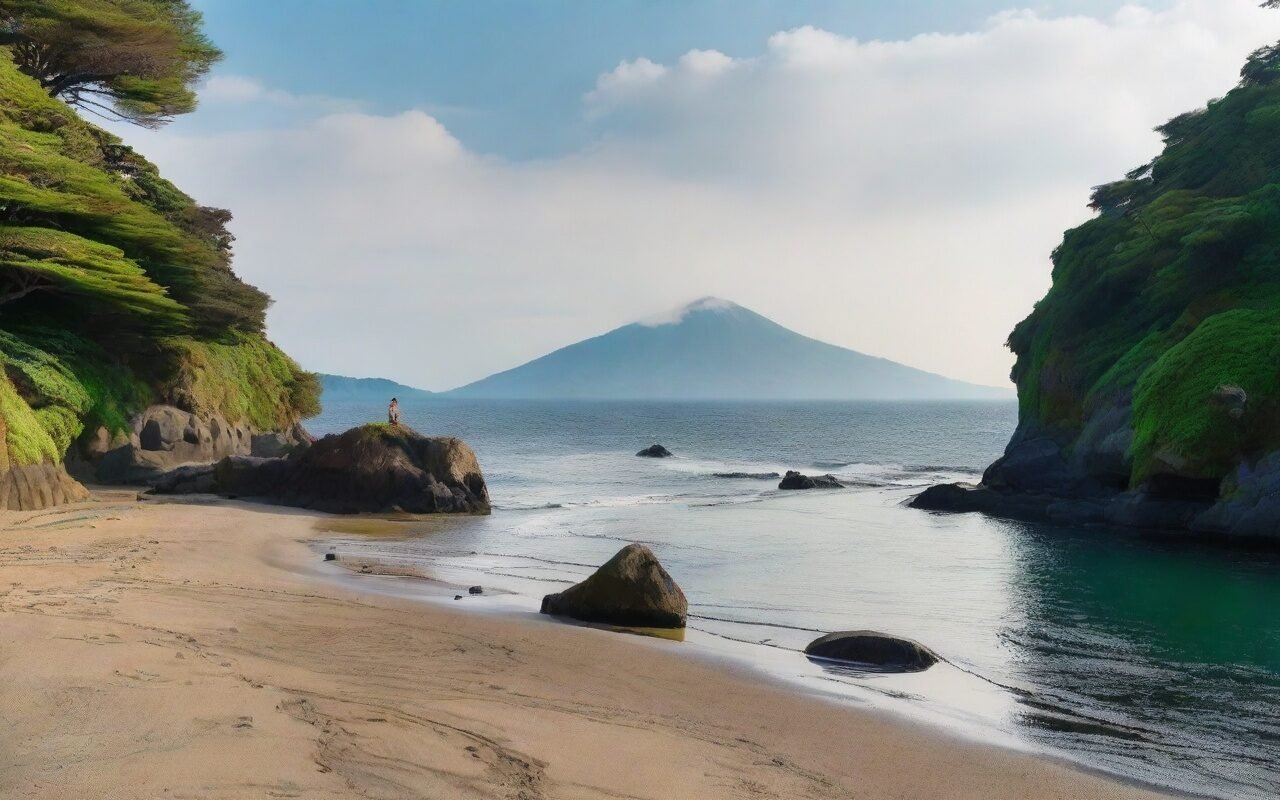
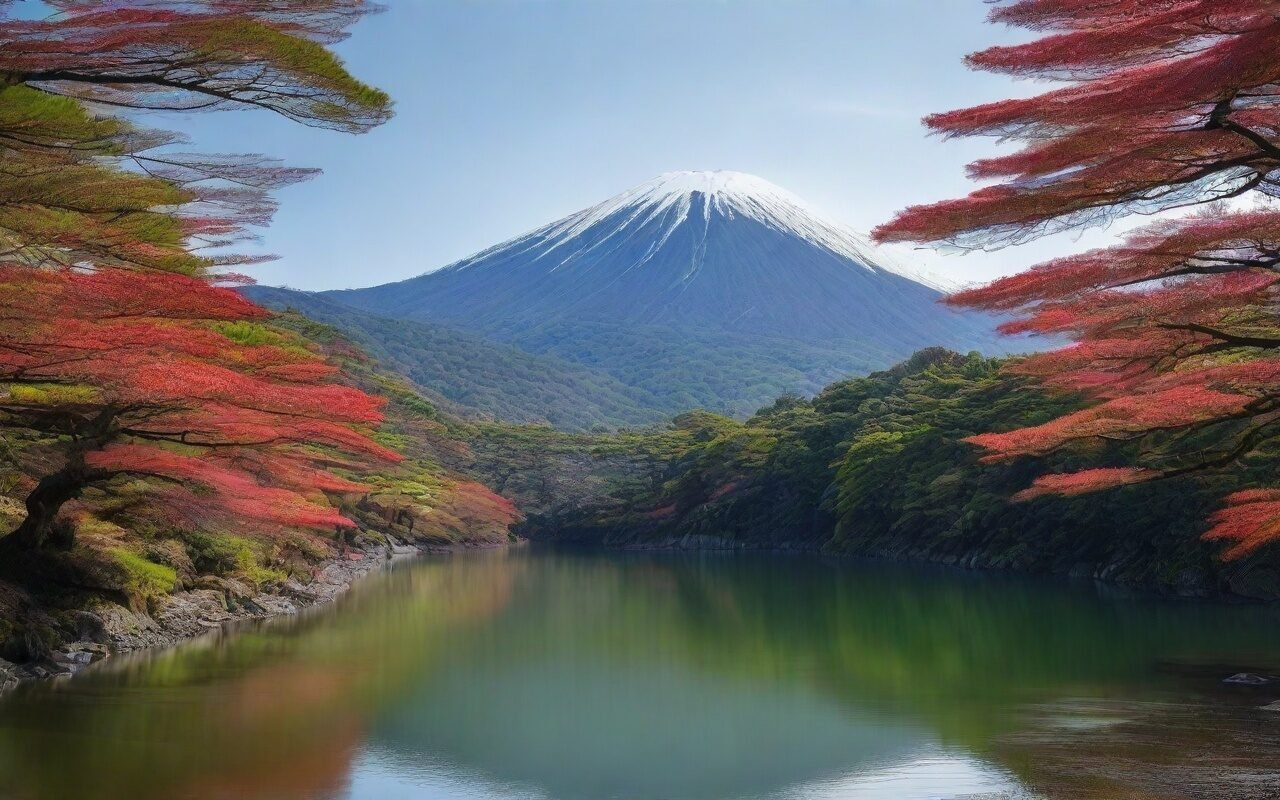
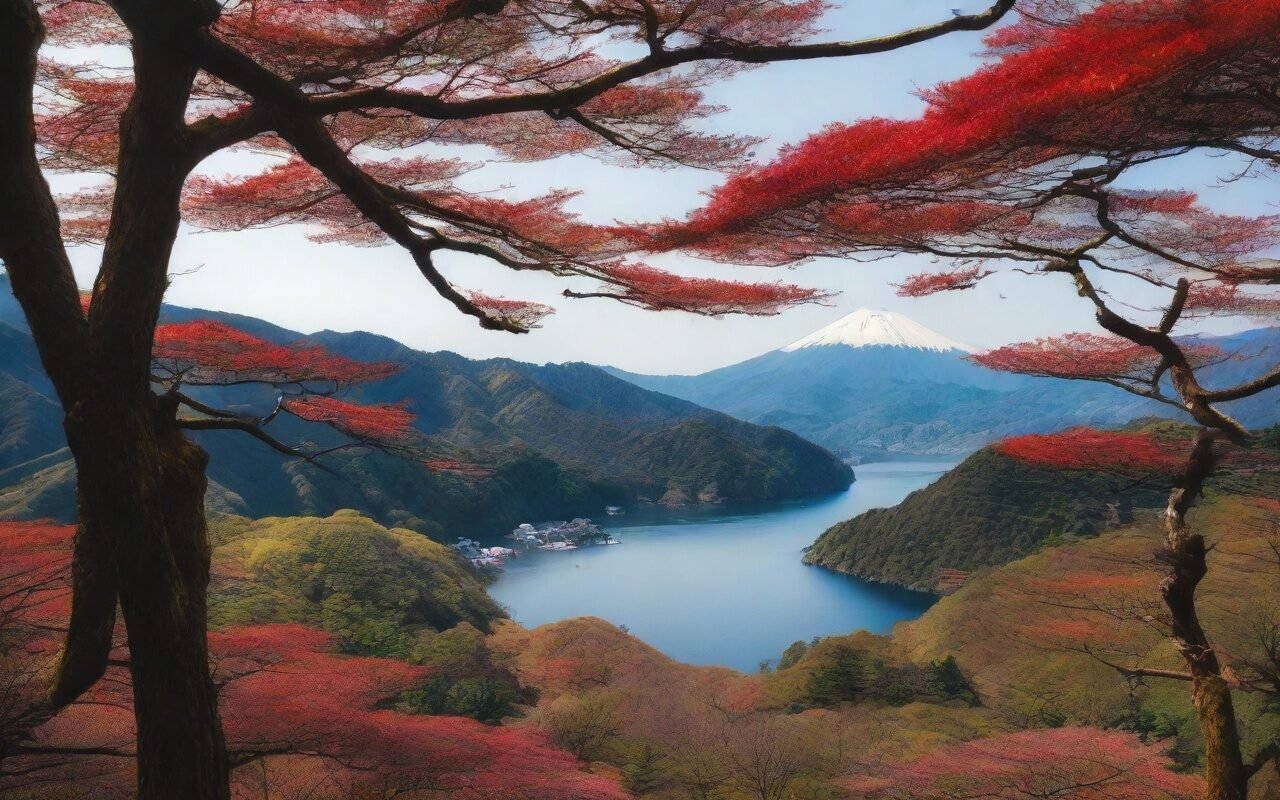
    Hakone Lake Ashi cruise with Mount Fuji backdrop and scenic lake views

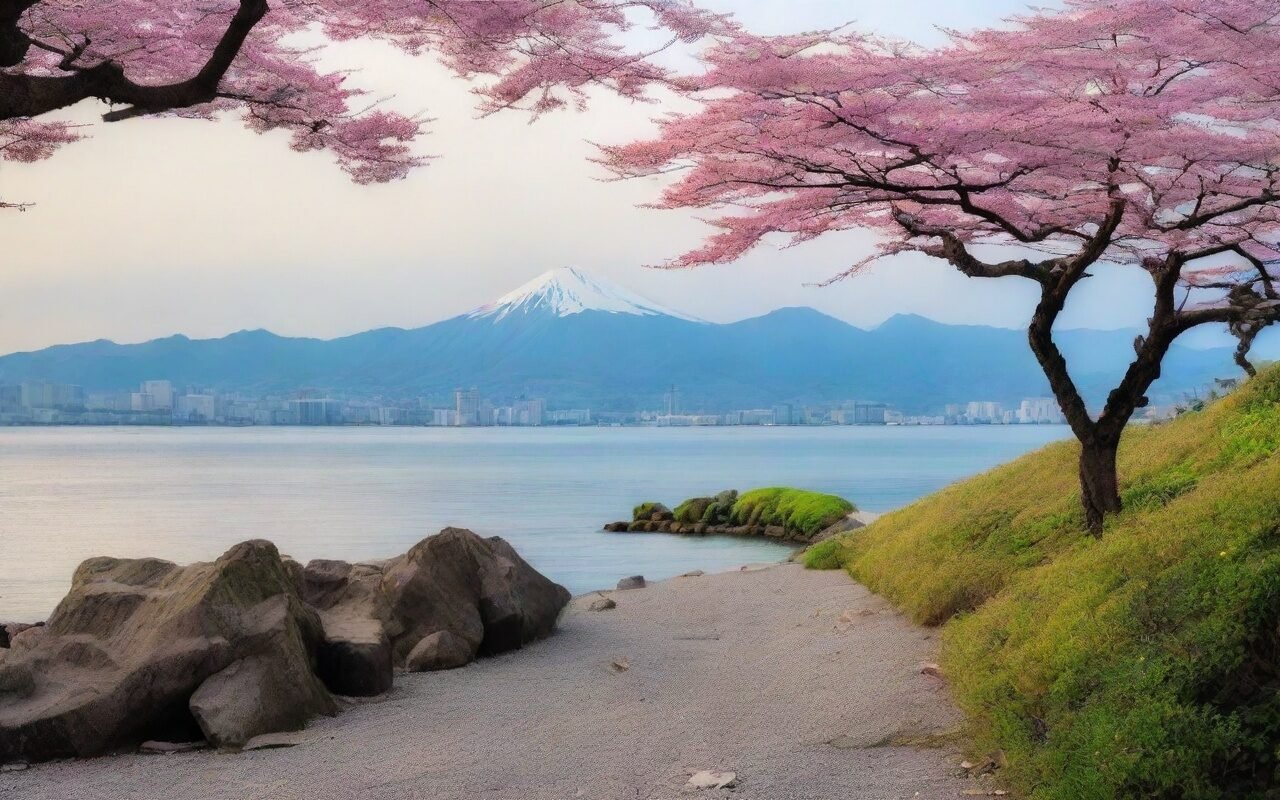
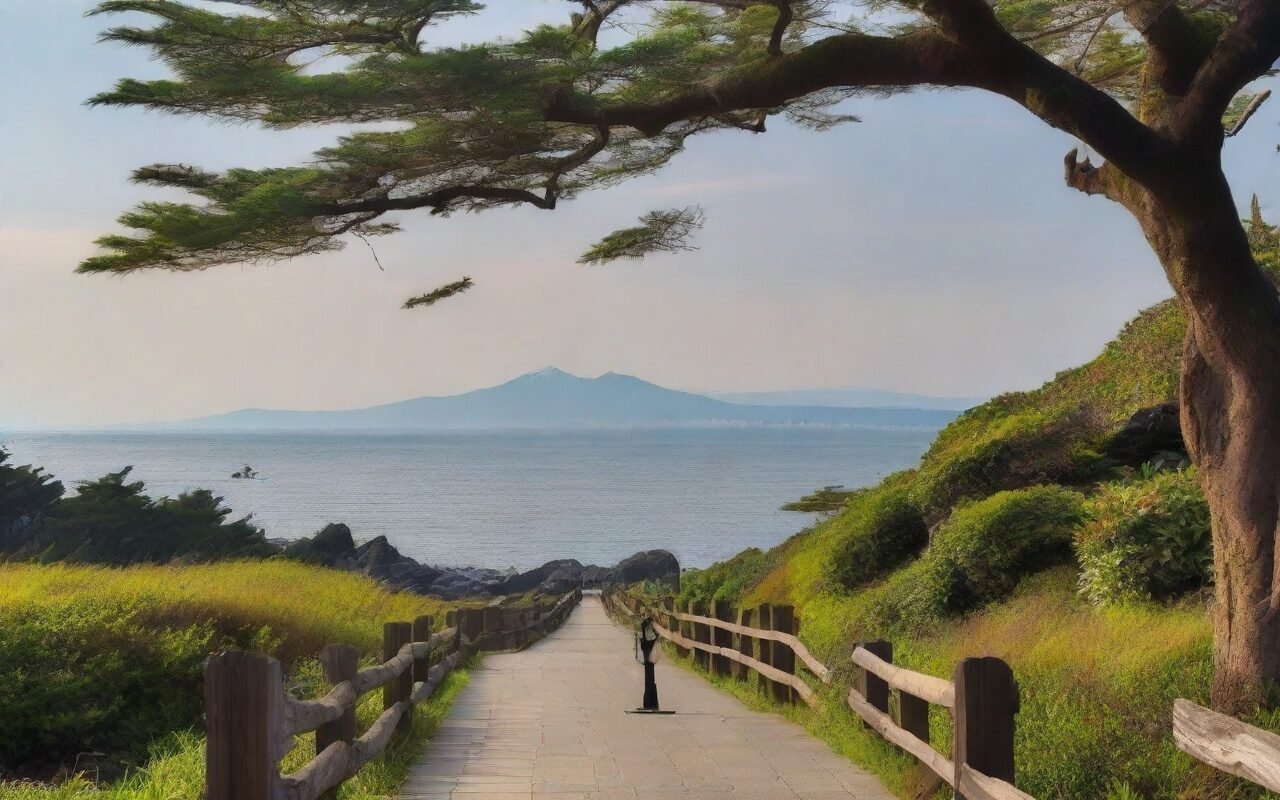
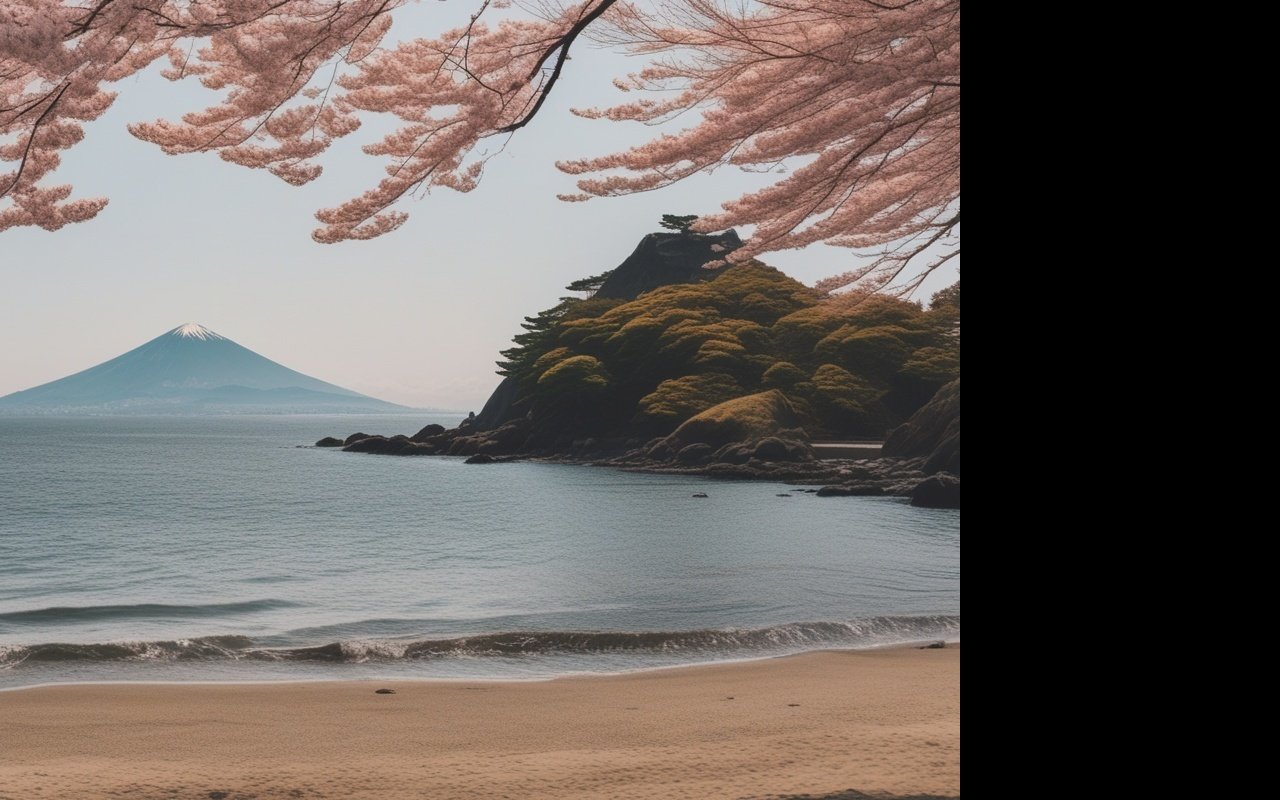
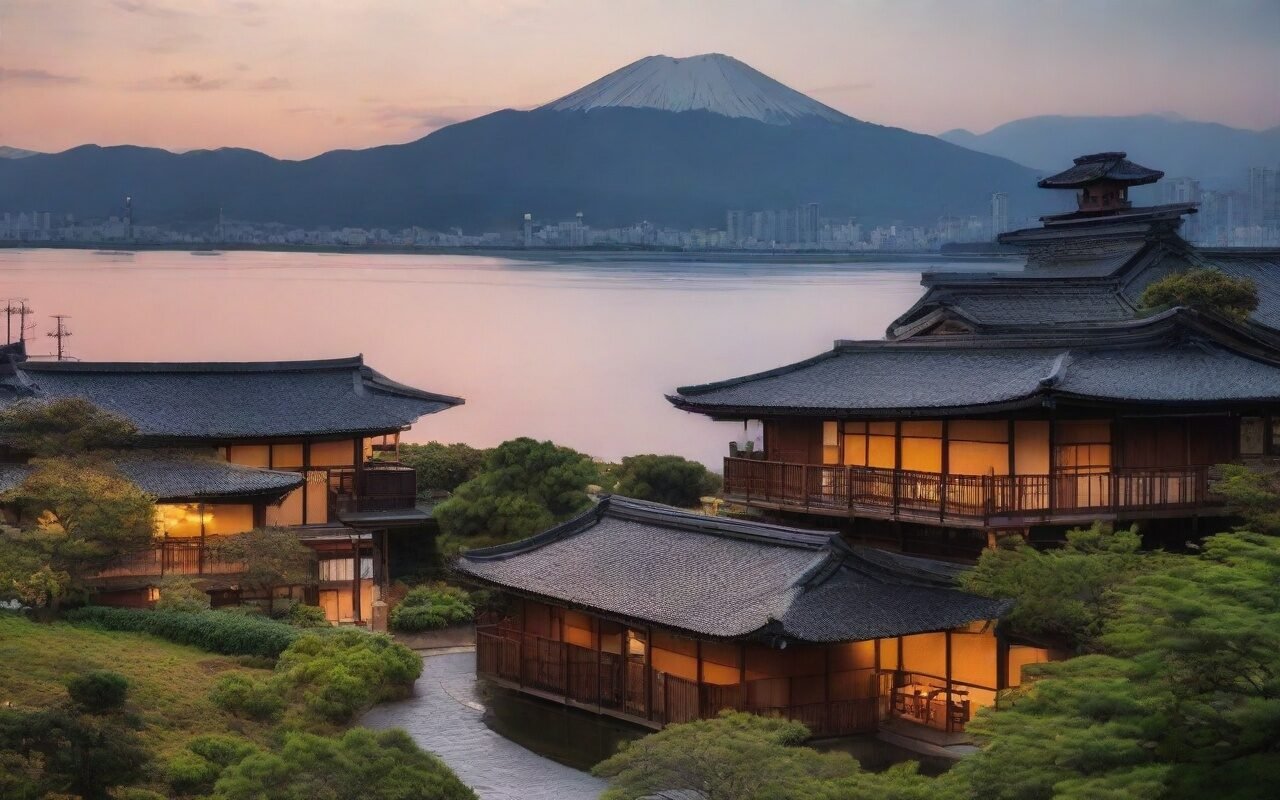
    Romantic Kanagawa proposal scenery at Enoshima with sunset ocean views and coastal landscape

    1. Enoshima Sea Candle Sunset

    📍 Find on Google Maps

    Find this spot on Google Maps for easy navigation.

    📍 View on Google Maps

    Budget: ¥700 (observation deck)
    Best Time: 30 minutes before sunset
    Crowd Level: Moderate The Enoshima Sea Candle offers 360-degree views of Sagami Bay and, on clear days, Mount Fuji. The sunset views create a magical backdrop for proposals. Why It’s Perfect:

    • Panoramic ocean views
    • Mount Fuji backdrop (winter months)
    • Illuminated at night
    • Private corners available

    Our guide to Hakone Crowd Avoidance has additional tips and recommendations.
    Planning Tips:

    • Check sunset times in advance
    • Weekdays are less crowded
    • Reserve observation deck corner
    • Hire photographer (¥15,000-25,000)

    2. Hakone Lake Ashi Cruise

    Budget: ¥1,000 (cruise) + ¥5,000-10,000 (private boat)
    Best Time: Late afternoon
    Crowd Level: Low-Moderate A private or semi-private cruise on Lake Ashi with Mount Fuji views offers an intimate setting for your special moment. Why It’s Perfect:

    • Intimate setting
    • Mount Fuji views
    • Professional photos available
    • Champagne service option

    Planning Tips:

    • Book private boat in advance (¥10,000-20,000)
    • Request window seat
    • Bring champagne (allowed)
    • Hire local photographer

    3. Kamakura Hasedera Temple Garden

    Budget: ¥400 (entry)
    Best Time: Early morning (8-9 AM)
    Crowd Level: Low (early). High (afternoon) The pretty gardens of Hasedera Temple, provide a serene and spiritual setting for proposals. Why It’s Perfect:

    • Ocean view garden
    • Seasonal flowers
    • Peaceful atmosphere
    • Cultural significance Planning Tips:
    • Arrive at opening (8 AM)
    • Weekdays recommended
    • Respect temple etiquette
    • photos permitted

    4. Yokohama Red Brick Warehouse Night View

    Budget: Free
    Best Time: 7-9 PM (after dinner)
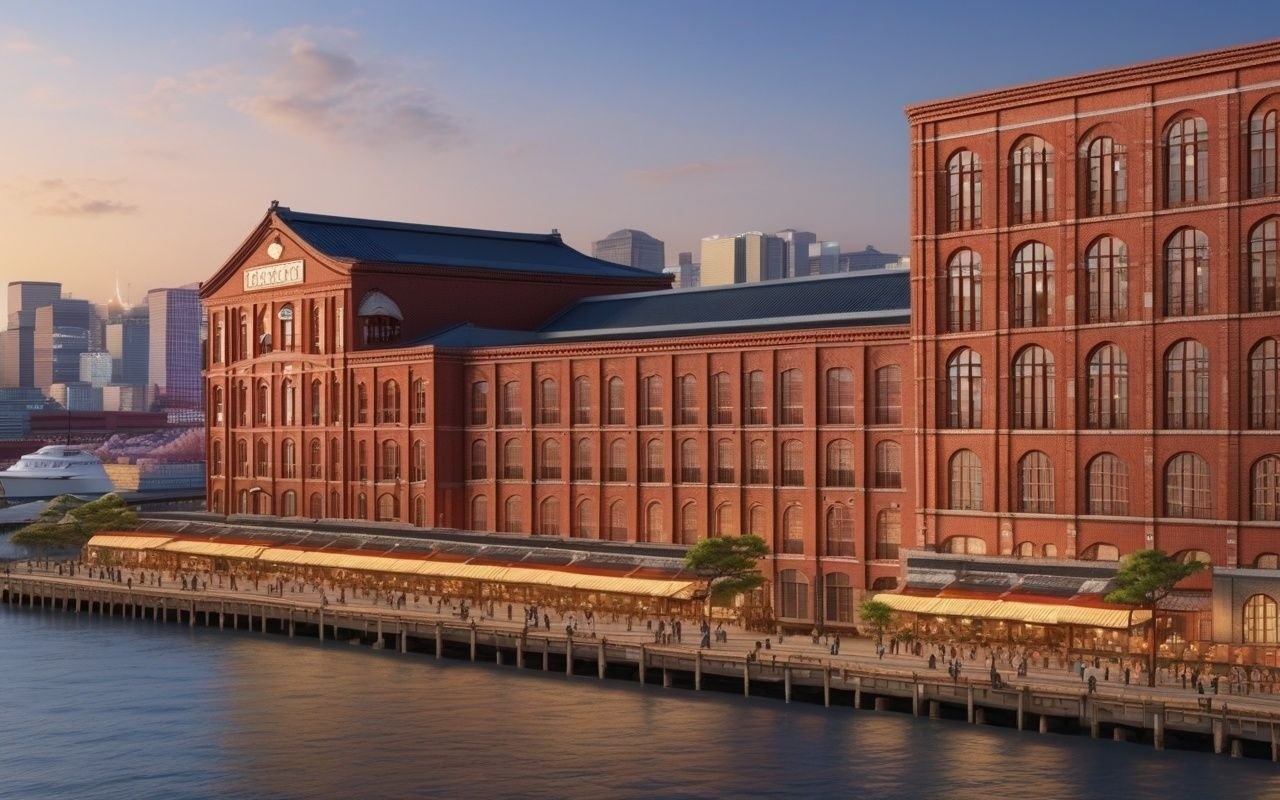
    Crowd Level: Moderate The illuminated Red Brick Warehouse with harbor views creates a romantic urban setting for proposals. Why It’s Perfect:

    • pretty lights
    • Harbor views
    • Nearby restaurants for celebration
    • Easy access

    Planning Tips:

    • Winter lights (Nov-Feb) is best
    • Reserve nearby restaurant
    • Weekday evenings less crowded
    • Free photos spots

    5. Yuigahama Beach Sunset

    Budget: Free
    Best Time: 30 minutes before sunset
    Crowd Level: Low (winter), Moderate (summer) A beach proposal with the sound of waves and sunset colors creates an great romantic moment. Why It’s Perfect:

    • Ocean sunset
    • Casual atmosphere
    • Free access
    • Photo chances

    Planning Tips:

    • Check tide times
    • Bring blanket for sand
    • Sunset times vary by season
    • Backup indoor location

    6. Hakone Gora Park Rose Garden

    Budget: ¥500 (park entry)
    Best Time: May-June (rose season)
    Crowd Level: Low The pretty rose gardens of Hakone Gora Park provide a colorful and fragrant setting for proposals. Why It’s Perfect:

    • Rose garden (May-June)
    • Mountain backdrop
    • Peaceful atmosphere
    • photos friendly

    Planning Tips:

    • Rose season: May-June, October
    • Weekday mornings best
    • Combine with Hakone onsen
    • Professional photographer recommended

    7. Yokohama Landmark Tower Sky Garden

    Budget: ¥1,030 (observation deck)
    Best Time: Sunset or night
    Crowd Level: Moderate Japan’s second-tallest building offers stunning city and bay views from the observation deck, perfect for urban romance. Why It’s Perfect:

    • Panoramic city views
    • Professional photos service
    • Champagne bar nearby
    • Easy access

    Planning Tips:

    • Sunset slots book quickly
    • Weekday evenings less crowded
    • photos service: ¥10,000-15,000
    • Reserve celebration dinner

    8. Kamakura Great Buddha Evening

    Budget: ¥300 (entry)
    Best Time: Late afternoon
    Crowd Level: Low The iconic Great Buddha in the fading afternoon light creates a spiritual and great proposal setting. Why It’s Perfect:

    • Iconic backdrop
    • Spiritual atmosphere
    • Unique time
    • photos permitted

    Planning Tips:

    • Check closing times (17:00-17:30)
    • Late afternoon light is best
    • Respect temple etiquette
    • Hire local photographer

    9. Hakone Open-Air Museum Sculpture Garden

    Budget: ¥1,600 (entry)
    Best Time: Morning
    Crowd Level: Low-Moderate The pretty sculpture garden with mountain views offers an artistic and romantic setting for proposals. Why It’s Perfect:

    • Art backdrop
    • Mountain views
    • Unique setting
    • photos friendly

    Planning Tips:

    • Morning light is best
    • Weekdays less crowded
    • Combine with Hakone onsen
    • Professional photographer recommended

    10. Zushi Marina Sunset

    Budget: Free
    Best Time: 30 minutes before sunset
    Crowd Level: Low The quiet Zushi Marina offers a peaceful waterfront setting with Mount Fuji views on clear days. Why It’s Perfect:

    • Quiet atmosphere
    • Mount Fuji views
    • Free access
    • Romantic marina setting

    Planning Tips:

    • Check weather forecast
    • Sunset times vary by season
    • Bring warm drinks (winter)
    • Backup location recommended

    📸 photos Tips

    Cherry Blossom Spots:

    • Tsurugaoka Hachimangu (Kamakura)
    • Yamashita Park (Yokohama)
    • Hakone Gora Park (mountain views)
    • Komachi-dori Street (traditional atmosphere)

    Evening Views:

    • Minato Mirai lights
    • Yokohama Red Brick Warehouse
    • Hakone onsen town lights
    • Kamakura temple lights

    Camera Settings

    Smartphone Tips:

    • Use HDR mode for landscapes
    • Grid lines for composition
    • Tap to focus on subjects
    • Edit with free apps (Snapseed. VSCO)

    DSLR/Mirrorless:

    • Wide lens for landscapes (16-35mm)
    • Portrait lens for people (50-85mm)
    • Tripod for low light
    • Polarizing filter for water/sky

    🌟 lesser-known spots

    Local Favorites

    Secret Beaches:

    • Shichirigahama (less crowded than Yuigahama)
    • Isshiki Beach (Hayama, local favorite)
    • Morito Beach (Zushi, quiet) Quiet Temples:
    • Hokokuji Temple (bamboo grove. Kamakura)
    • Jufukuji Temple (hidden. Kamakura)
    • Myohonji Temple (peaceful. Kamakura) Local Cafes:
    • Cafe Rhine (Hayama, ocean views)
    • Bill’s Shonan (famous pancakes)
    • Cafe La Mer (Zushi, beachfront)

    Seasonal Secrets

    Spring:

    • Cherry blossoms at lesser-known temples
    • Avoid Golden Week (late April-early May)
    • Book lodging 3 months ahead Summer:
    • Early morning beach visits (before 9 AM)
    • Evening fireworks festivals
    • Indoor museums for hot afternoons Autumn:
    • Fall foliage at Hakone (mid-November)
    • Harvest festivals at local shrines
    • Best photos light in October Winter:
    • Clear Mount Fuji views (January-February)
    • Onsen with snow views
    • Fewer crowds, better prices

    💡 Pro Tips from Locals

    Money-Saving Secrets

    1. Supermarket discounts: 7-8 PM, 20-30% off bento
    2. Convenience store coffee: ¥100 vs cafe ¥400
    3. Free walking tours: Yokohama, Kamakura (tip-based)
    4. Museum discounts: First Sunday of month (many free)
    5. Train passes: buy online for 10% discount

    Time-Saving Secrets

    1. Luggage forwarding: Send bags from Tokyo hotels (¥2,000)
    2. Early temple visits: 8 AM opening, no crowds
    3. Restaurant bookings: Book 1-2 days ahead
    4. Offline maps: Download before arriving
    5. IC cards: Suica/Pasmo for all transport

    Safety Secrets

    1. Emergency numbers: 110 (police), 119 (ambulance)
    2. Hotel business cards: Carry for taxi returns
    3. Cash backup: Keep ¥10,000 emergency cash
    4. Translation apps: Google Translate works well
    5. Tourist info centers: Free maps. Wi-Fi

    💡 Local Insider Tips

    Best Times to Visit

    Early Morning (6-8 AM):

    • Fewer crowds at popular locations
    • Best photos light (golden hour)
    • Cooler temperatures during summer months
    • Peaceful atmosphere for relaxation
    • Local residents’ favorite time

    Late Afternoon (4-6 PM):

    • Golden hour for stunning photos
    • Sunset views over ocean and mountains
    • Romantic atmosphere for couples
    • Cooler temperatures after hot days
    • Evening lights begins

    Weekdays vs Weekends:

    • 30-50% fewer crowds on weekdays
    • Better photo chances without crowds
    • More relaxed pace at temples and museums
    • Easier restaurant bookings
    • Lower lodging prices

    Money-Saving Strategies

    Transportation:

    • buy day passes for unlimited travel
    • Use IC cards (Suica/Pasmo) for small discounts
    • Walk between nearby attractions (free, healthy)
    • Avoid taxis (extremely expensive in Japan)
    • Rent bicycles for local exploration

    Food:

    • Supermarket bento after 7 PM (20-30% discounts)
    • Convenience store coffee (¥100 vs cafe ¥400)
    • Lunch specials at restaurants (30% cheaper than dinner)
    • Local markets for fresh, affordable seafood
    • Standing soba shops for quick, cheap meals

    Attractions:

    • First Sunday of month: Many museums free
    • Temple grounds often free to enter
    • Parks and beaches completely free
    • Combination tickets for multiple attractions
    • Student discounts with valid ID

    Top Photo Locations:

    • Enoshima Sea Candle for 360-degree panoramic views
    • Yuigahama Beach for ocean sunset photos
    • Lake Ashi with Mount Fuji backdrop (winter clearest)
    • Kamakura Great Buddha for iconic shots
    • Yokohama Minato Mirai for night cityscapes

    Seasonal photos:

    • Spring: Cherry blossoms at temples (late March-early April)
    • Summer: Beach scenes, fireworks festivals
    • Autumn: Fall foliage at Hakone (mid-November peak)
    • Winter: Clear Mount Fuji views, lights

    🌟 lesser-known spots Only Locals Know

    Secret Spots

    Quiet Beaches:

    • Shichirigahama (less crowded than Yuigahama)
    • Isshiki Beach in Hayama (local favorite)
    • Morito Beach in Zushi (peaceful, clean)

    Hidden Temples:

    • Hokokuji Temple bamboo grove (early morning best)
    • Jufukuji Temple (hidden, rarely visited)
    • Myohonji Temple (peaceful garden, few tourists)

    Local Cafes:

    • Cafe Rhine in Hayama (ocean views, local art)
    • Bill’s Shonan (famous soufflé pancakes)
    • Cafe La Mer in Zushi (beachfront, sunset views)

      🎒 Essential Planning Checklist

    Before You Go

    Book in Advance:

    • lodging (mostly weekends, holidays)
    • Popular restaurants (1-2 days ahead)
    • Activity tours (onzen, cooking)
    • Transport passes (online discounts)

    Pack Smart:

    • comfy walking shoes (essential)
    • Weather-appropriate clothing layers
    • small phone charger (long days out)
    • Cash (many places cash-only)
    • IC card (Suica/Pasmo for transport)

    Download Apps:

    • Google Maps (offline maps available)
    • Google Translate (camera translation)
    • Japan Travel by Navitime (route planning)
    • Gurunavi (restaurant discounts)
    • Hyperdia (train schedules)

    Daily Planning

    Morning Routine:

    • Check weather forecast
    • Confirm transport schedules
    • Reserve lunch spots if needed
    • Charge camera and phone
    • Pack water and snacks

    Evening Routine:

    • Review next day’s itinerary
    • Charge all devices overnight
    • Confirm restaurant bookings
    • Check transport for morning
    • Organize day’s photos

    Emergency Preparedness

    Important Numbers:

    • Police: 110
    • Ambulance/Fire: 119
    • Coast Guard: 118
    • Tourist Info: Use the official Japan National Tourism Organization (JNTO) website for current visitor support options. Emergency Kit:
    • Hotel business card (for taxi returns)
    • Emergency cash (¥10,000 minimum)
    • Basic first aid supplies
    • small phone charger
    • Copy of passport and insurance

    Kanagawa offers diverse and romantic proposal spots for every couple’s style and budget. From ocean sunsets to mountain views, temple gardens to urban skylines, the perfect setting awaits. Plan ahead, consider hiring a photographer, and choose a location that reflects your relationship. For more Kanagawa guides, explore our other articles on Hakone, Kamakura, Yokohama, and the Miura Peninsula. —

    Related Articles:


    Frequently Asked Questions

    Q: What is the best time to visit this area?
    A: Spring (March-May) and autumn (September-November) offer the most pleasant weather. Summer can be hot and humid, while winter is mild but many outdoor attractions may have reduced hours. Q: How do I get there from Tokyo?
    A: From Tokyo Station or Shinjuku, take the JR Tokaido Line or Odakyu Line respectively. Most destinations in Kanagawa are within 60-90 minutes by train. Q: Is English signage available?
    A: Yes, major tourist areas in Kanagawa have English signage at stations. Smaller local spots may have limited English. Q: Can I visit on a day trip?
    A: Yes, most Kanagawa destinations are easily accessible as day trips from Tokyo. Consider arriving early (before 10 AM) to avoid crowds. Q: Are credit cards widely accepted?
    A: Major attractions, hotels, and larger restaurants accept credit cards. Smaller shops and local eateries may be cash-only. Carry ¥5,000-10,000 in cash.

    Conclusion

    Kanagawa offers some of Japan’s most romantic backdrops for a proposal — from Enoshima Sea Candle sunsets to Lake Ashi cruises with Mount Fuji in view. When I explored these spots to put this guide together, I was struck by how different each setting feels: a quiet temple garden at Hasedera, the glittering lights of Yokohama’s Red Brick Warehouse, and the peaceful marina at Zushi. Whichever spot you choose, plan the timing around sunset, book a local photographer in advance, and check weekday crowd levels — the right moment makes all the difference.
  • Shonan Wifi Spots – Kanagawa 2026

    Shonan Wifi Spots – Kanagawa 2026

    Kanagawa offers a wide range of activities for every type of traveler. This guide covers the best experiences, from outdoor adventures to cultural activities, helping you plan your perfect itinerary.

    Overview

    📍 Location

    Staying connected along the Shonan coast is easy with free Wi-Fi at major stations and beaches.

    • 20+ verified Wi-Fi spots in Shonan area
    • Beach Wi-Fi available at major beaches (summer season)
    • Surf-friendly cafes with board storage
    • Enoshima Island coverage included

    Introduction: Shonan Wi-Fi Guide

    Free Wi-Fi available at Shonan beach area stations

    Shonan Wifi Spots - Kanagawa 2026 — Introduction: Shonan Wi-Fi Guide

    Shonan Wifi Spots — main illustration

    Shonan Wifi Spots - Kanagawa 2026 — Introduction: Shonan Wi-Fi Guide

    The Shonan area, located on the Pacific coast of Kanagawa Prefecture, is one of Japan’s most popular beach destinations, Known for its surf culture, beautiful beaches, and laid-back atmosphere, Shonan attracts both domestic and international visitors year-round.

    Whether you’re:

    • Waiting for the perfect wave
    • Enjoying beach activities with family
    • Exploring Enoshima Island
    • Visiting Kamakura’s temples Having reliable Wi-Fi is a must-have for checking tide schedules, posting photos, or finding your next destination.

    This guide covers 20+ verified Wi-Fi locations in the Shonan area, including:

    • Beach Wi-Fi (seasonal)
    • Station Wi-Fi
    • Surf cafe Wi-Fi
    • Temple & shrine Wi-Fi
    • Public facility Wi-Fi Updated: March 2026 (all locations verified)

    1.1 Fujisawa Station (Fujisawa Free Wi-Fi)

    Best for: Speed & reliability

    Item Details
    Network Name Fujisawa_Free_Wi-Fi
    Coverage Entire station area
    Speed 20-30 Mbps
    Time Limit 180 minutes/session
    Registration Required (email)
    Hours 24/7

    How to Connect:

    1. Select “Fujisawa_Free_Wi-Fi”
    2. Open browser
    3. Enter email address
    4. Click access button
    5. Valid for 3 hours

    Local Insight: The 2nd floor north exit area has the strongest signal and plenty of seating, great for waiting or quick work sessions. Remote Work Rating: ⭐⭐⭐⭐ (4/5)


    1.2 Tsujido Beach (Shonan Beach Wi-Fi)

    Best for: Beach access

    Item Details
    Network Name Shonan_Beach_Wi-Fi
    Coverage Beach area
    Speed 10-20 Mbps
    Time Limit 120 minutes/session
    Registration Required
    Hours 24/7 (best in summer)
    Season Year-round (strongest July-August)

    Local Tip: During summer season (July-August), temporary Wi-Fi towers are installed for beach events. Speeds can reach 30+ Mbps during events. Surf Check: Use Wi-Fi to check tide schedules and wave conditions at:


    1.3 Enoshima Station (Enoshima Wi-Fi)

    Best for: Island access

    Item Details
    Network Name Enoshima_Wi-Fi
    Coverage Station area
    Speed 15-25 Mbps
    Time Limit 180 minutes/session
    Registration Required
    Hours 5:00-24:00

    1.4 Fujisawa City Library

    Best for: Quiet work

    Item Details
    Network Name Fujisawa_Library_Wi-Fi
    Coverage Entire library
    Speed 30-50 Mbps
    Time Limit 240 minutes/session
    Registration Required (one-time)
    Hours 9:00-20:00 (closed Wednesdays)
    Power Outlets Available

    Local Insight: This is a lesser-known spot for remote workers. Fast Wi-Fi, quiet environment, power outlets, and free! Registration required but valid for 1 year. Remote Work Rating: ⭐⭐⭐⭐⭐ (5/5)


    1.5 Terraced Mall Shonan

    Best for: Shopping & dining

    Item Details
    Network Name Terrace_Shonan_Wi-Fi
    Coverage Entire mall
    Speed 20-30 Mbps
    Time Limit 180 minutes/day
    Registration Required
    Hours 9:00-22:00

    1.6 Shonan T-SITE

    Best for: Remote work & cafes

    Item Details
    Network Name T-SITE_Wi-Fi
    Coverage Entire complex
    Speed 25-40 Mbps
    Time Limit 180 minutes/session
    Registration Required (T-Card free)
    Hours 7:00-24:00 (varies by store)
    Power Outlets Available (Starbucks area)

    Local Insight: The Starbucks inside T-SITE is spacious with plenty of power outlets. Perfect for remote work with a beach vibe.


    2.1 Enoshima Shrine (Shrine Wi-Fi)

    Best for: Cultural experience

    Item Details
    Network Name Enoshima_Shrine_Wi-Fi
    Coverage Shrine grounds
    Speed 15-25 Mbps
    Time Limit 120 minutes/session
    Registration Required
    Hours 9:00-17:00

    Local Tip: Visit early morning (9-10 AM) for fewer crowds and better speeds. The shrine grounds offer peaceful spots for work with a view.


    2.2 Enoshima Sea Candle (Observation Deck)

    Best for: Views

    Item Details
    Network Name Sea_Candle_Wi-Fi
    Coverage Observation deck
    Speed 10-20 Mbps
    Time Limit 60 minutes/session
    Registration Required
    Hours 9:00-20:00 (varies by season)
    Admission ¥500 (observation deck)

    Local Insight: Purchase required for observation deck, but Wi-Fi is free. Best visited during sunset for absolutely amazing photos.


    2.3 Enoshima Port Area

    Best for: Seafood & views

    Item Details
    Network Name Enoshima_Port_Wi-Fi
    Coverage Port area
    Speed 15-25 Mbps
    Time Limit 180 minutes/session
    Registration Required
    Hours 24/7

    Local Tip: Combine Wi-Fi use with fresh seafood lunch. The port area has numerous restaurants with outdoor seating.


    2.4 Enoshima Beach (Summer Seasonal)

    Best for: Beach activities

    Item Details
    Network Name Enoshima_Beach_Wi-Fi
    Coverage Beach area
    Speed 10-20 Mbps (30+ during events)
    Time Limit 120 minutes/session
    Registration Required
    Hours 24/7 (staffed 9:00-17:00 in summer)
    Season Year-round (best July-August)

    3.1 Kamakura Station (Kamakura Wi-Fi)

    Best for: Central location

    Item Details
    Network Name Kamakura_Wi-Fi
    Coverage Station area
    Speed 20-30 Mbps
    Time Limit 180 minutes/session
    Registration Required
    Hours 24/7

    Local Insight: The east exit area has better signal strength. Avoid weekends and holidays for better speeds.


    3.2 Tsurugaoka Hachimangu Shrine

    Item Details
    Network Name Hachimangu_Wi-Fi
    Coverage Shrine grounds
    Speed 15-25 Mbps
    Time Limit 120 minutes/session
    Registration Required
    Hours 6:00-20:00

    Local Tip: Visit on weekday mornings for peaceful atmosphere and decent Wi-Fi, great spot for writing or reflection.


    3.3 Kotoku-in (Great Buddha)

    Best for: Sightseeing

    Item Details
    Network Name Kotokuin_Wi-Fi
    Coverage Temple grounds
    Speed 10-20 Mbps
    Time Limit 120 minutes/session
    Registration Required
    Hours 8:00-17:00
    Admission ¥300

    3.4 Hasedera Temple

    Best for: Gardens & views

    Item Details
    Network Name Hasedera_Wi-Fi
    Coverage Temple grounds
    Speed 10-20 Mbps
    Time Limit 120 minutes/session
    Registration Required
    Hours 8:00-17:00
    Admission ¥400

    Local Insight: The temple gardens offer peaceful spots for work. Wi-Fi is strongest near the entrance area.


    3.5 Komachi Street (Shopping Street)

    Best for: Shopping breaks

    Item Details
    Network Name Komachi_Wi-Fi
    Coverage Shopping street
    Speed 15-25 Mbps
    Time Limit 180 minutes/session
    Registration Required
    Hours 10:00-18:00 (varies by shop)

    Local Tip: Many shops and cafes along Komachi Street offer individual Wi-Fi. Look for “Free Wi-Fi” stickers in windows.


    4.1 Chigasaki Station (Chigasaki Wi-Fi)

    Best for: Station access

    Item Details
    Network Name Chigasaki_Wi-Fi
    Coverage Station area
    Speed 20-30 Mbps
    Time Limit 180 minutes/session
    Registration Required
    Hours 24/7

    4.2 Chigasaki Beach

    Best for: Surf culture

    Item Details
    Network Name Chigasaki_Beach_Wi-Fi
    Coverage Beach area
    Speed 10-20 Mbps
    Time Limit 120 minutes/session
    Registration Required
    Hours 24/7
    Season Year-round

    Local Insight: This is the birthplace of Japanese surf culture. Many surf shops offer customer Wi-Fi. Ask at shops near the beach.


    4.3 Southern Beach Chigasaki

    Best for: Family activities

    Item Details
    Network Name Southern_Beach_Wi-Fi
    Coverage Beach park area
    Speed 15-25 Mbps
    Time Limit 180 minutes/session
    Registration Required
    Hours 24/7

    5.1 Shonan Coffee (Fujisawa)

    Best for: Surf vibe

    Item Details
    Network Name Shonan_Coffee_Wi-Fi
    Speed 20-30 Mbps
    Time Limit 120 minutes/session
    Registration Required (purchase)
    Power Outlets Limited
    Hours 7:00-20:00
    Surf Board Storage Available

    Local Insight: Popular among surfers. Board storage available, outdoor seating, and great coffee. Wi-Fi password given with purchase.


    5.2 Enoshima Island Cafe

    Best for: Island resort vibe

    Item Details
    Network Name Island_Cafe_Wi-Fi
    Speed 15-25 Mbps
    Time Limit 120 minutes/session
    Registration Required (purchase)
    Power Outlets Limited
    Hours 8:00-20:00
    Ocean View Yes

    5.3 Beach House Shonan (Chigasaki)

    Item Details
    Network Name Beach_House_Wi-Fi
    Speed 15-25 Mbps
    Time Limit 180 minutes/session
    Registration Required (purchase)
    Power Outlets Available
    Hours 7:00-21:00
    Surf Board Storage Available

    Local Tip: Direct beach access. Perfect for surfers who want to check conditions while enjoying coffee.


    5.4 Wave Burger (Fujisawa)

    Best for: Casual dining

    Item Details
    Network Name Wave_Burger_Wi-Fi
    Speed 20-30 Mbps
    Time Limit 120 minutes/session
    Registration Required (purchase)
    Power Outlets Limited
    Hours 11:00-22:00

    5.5 Shonan Guesthouse Village

    Best for: Long stays

    Item Details
    Network Name Guesthouse_Village_Wi-Fi
    Speed 30-50 Mbps
    Time Limit Unlimited (guests)
    Registration Required (guests only)
    Power Outlets Available
    Hours 24/7 (guests)
    Co-working Space Available

    Local Insight: This guesthouse offers co-working space for guests. Fast Wi-Fi, surf board storage, and beach access. Perfect for digital nomads.


    6. Speed Comparison (March 2026 Tests)

    Shonan Wifi Spots - Kanagawa 2026 — 6. Speed Comparison (March 2026 Tests)

    Location Download Upload Latency Rating
    Fujisawa Library 45 Mbps 20 Mbps 25ms ⭐⭐⭐⭐⭐
    Shonan T-SITE 35 Mbps 15 Mbps 30ms ⭐⭐⭐⭐⭐
    Fujisawa Station 28 Mbps 12 Mbps 35ms ⭐⭐⭐⭐
    Chigasaki Station 25 Mbps 10 Mbps 38ms ⭐⭐⭐⭐
    Kamakura Station 25 Mbps 10 Mbps 40ms ⭐⭐⭐⭐
    Tsujido Beach 18 Mbps 8 Mbps 50ms ⭐⭐⭐
    Enoshima Shrine 20 Mbps 10 Mbps 45ms ⭐⭐⭐
    Komachi Street 22 Mbps 10 Mbps 42ms ⭐⭐⭐

    Testing Method: Speedtest by Ookla, iPhone 15 Pro, weekday afternoon (2-4 PM)


    Summer Season (July-August)

    ✅ Pros:
    - Beach Wi-Fi speeds increase (temporary towers)
    - Extended hours at beach facilities
    - More open cafes and shops
    - Surf events with Wi-Fi
    
    ❌ Cons:
    - Extremely crowded (weekends)
    - Slower speeds during peak times
    - Limited seating at popular spots Tips:
    - Visit weekday mornings (6-9 AM)
    - Use station Wi-Fi as backup
    - Book cafes in advance

    Winter Season (December-February)

    ✅ Pros:
    - Fewer crowds
    - Better Wi-Fi speeds
    - More seating available
    - Some cafes offer winter discounts
    
    ❌ Cons:
    - Beach Wi-Fi reduced or unavailable
    - Some cafes close early
    - Shorter daylight hours Tips:
    - Focus on indoor locations (stations, malls)
    - Use libraries and co-working spaces
    - Check cafe hours in advance

    📊 Basic Information Summary

    Item Information
    Total Wi-Fi Spots 20+ locations
    Fastest Speed Fujisawa Library (50 Mbps)
    Most Reliable Fujisawa Station
    Best for Remote Work Shonan T-SITE
    Best Beach Wi-Fi Tsujido Beach (summer)
    24/7 Options Major stations
    Average Speed 20-30 Mbps
    Time Limit 120-180 minutes (most)
    Cost Free (most locations)

    From Tokyo Station

    Train: JR Tokaido Line to Fujisawa Station
    Time: 50-60 minutes
    Cost: ¥990
    Frequency: Every 10-15 minutes

    From Yokohama Station

    Train: JR Shonan-Shinjuku Line to Fujisawa Station
    Time: 30-35 minutes
    Cost: ¥680
    Frequency: Every 10-15 minutes

    From Shibuya Station

    Train: Tokyu Toyoko Line to Chigasaki Station
    Time: 45-50 minutes
    Cost: ¥680
    Frequency: Every 10 minutes

    Surf-Specific Tips

    Wi-Fi for Surf Checks:
    1. Check tide schedules online
    2. View live surf cams
    3. Post surf photos to social media
    4. Find nearby surf shops
    5. Book surf lessons online
    
    Best Surf Cafes with Wi-Fi:
    1. Shonan Coffee (Fujisawa)
    2. Beach House Shonan (Chigasaki)
    3. Shonan Guesthouse Village

    Best Times to Visit

    ✅ Best (Least Crowded):
    - Weekday mornings (6-9 AM)
    - Weekday afternoons (1-4 PM)
    - Winter weekdays
    
    ❌ Worst (Most Crowded):
    - Weekend afternoons (12-6 PM)
    - Summer holidays
    - Surf competition days

    Charging Your Devices

    Best Locations with Power Outlets:
    1. Fujisawa Library (multiple outlets)
    2. Shonan T-SITE (Starbucks area)
    3. Shonan Guesthouse Village (co-working space)
    4. Terraced Mall Shonan (food court)

    Beach Wi-Fi Etiquette

    1. Water Protection: Keep devices away from water and sand
    2. Time Limits: Respect session limits, especially during peak times
    3. Seating: Don’t occupy prime spots for extended periods
    4. Trash: Take all trash with you
    5. Noise: Keep voice calls quiet near beaches

    Surf Cafe Etiquette

    1. Board Storage: Use designated areas only
    2. Purchase: Buy something if using Wi-Fi
    3. Time Limits: Respect other customers
    4. Sand: Rinse off before entering
    5. Wet Gear: Use provided racks

    📸 Photo Spots with Wi-Fi

    Combine sightseeing with connectivity:

    1. Enoshima Sea Candle + Observation Deck Wi-Fi

      • Panoramic views
      • Sunset photography
      • Fuji-san views (clear days)
    2. Tsurugaoka Hachimangu + Shrine Wi-Fi

      • Traditional architecture
      • Cherry blossoms (spring)
      • Autumn leaves (fall)
    3. Tsujido Beach + Beach Wi-Fi

      • Surf culture
      • Sunset views
      • Mt. Fuji backdrop

    For more information, check out our guide on Jogashima Sunset Spots – Kanagawa 2026.
    For more information, check out our guide on Kamakura Family Spots – Kanagawa 2026.
    For more information, check out our guide on Kanagawa Rainy Day Spots – Kanagawa 2026.

    Frequently Asked Questions

    Q: Is beach Wi-Fi available year-round in Shonan?

    A: Yes, basic Wi-Fi is available year-round at major beaches. But here’s the thing, speeds and coverage improve significantly during summer season (July-August) when temporary towers are installed.

    Q: Can I work remotely from Shonan cafes?

    A: Yes! Shonan T-SITE and Shonan Guesthouse Village are the best options. Both have fast Wi-Fi, power outlets, and surf-friendly atmospheres.

    Q: Is Wi-Fi available on Enoshima Island?

    A: Yes! Enoshima Shrine, Sea Candle observation deck, and port area all offer free Wi-Fi. Speeds are decent (15-25 Mbps).

    Q: Are there co-working spaces in Shonan?

    A: Yes! Shonan Guesthouse Village offers co-working space for guests. Day passes may be available. Contact them directly for details.

    Q: Can I store surf boards while using Wi-Fi?

    A: Many surf cafes offer board storage. Shonan Coffee, Beach House Shonan, and Shonan Guesthouse Village all provide secure storage.

    📱 Useful Apps

    Surf & Beach Apps

    1. Japan Surf Report

      • Download: iOS / Android
      • Live surf cams
      • Tide schedules
      • Wind conditions
    2. Magicseaweed

      • Download: iOS / Android
      • Surf forecasts
      • Wave heights
      • Wind direction
    3. Shonan Area Guide

      • Download: iOS / Android
      • Local events
      • Restaurant info
      • Wi-Fi map

    Last Updated: March 3, 2026
    Written by: Anaba OffJapan Editorial Team
    Photos: Editorial photography and on-site field research
    Wi-Fi Speed Tests: Conducted February-March 2026


    🌟 Share Your Experience

    Found a great Wi-Fi spot not listed here? Have surf tips for fellow travelers? Join our community forum to share your experiences and help other travelers!


    Anaba OffJapan – Avoid the Crowds, Go Deeper into Japan.

    Shonan Wifi Spots Staying connected while traveling in Japan is easier than ever, with extensive Wi-Fi networks and affordable SIM options, Knowing your connectivity options before you arrive ensures a smooth travel experience.

    Shonan Wifi Spots scenery and attractions


    Conclusion

    The details in this guide come from real visits, and the biggest lesson I took away was that the best experiences in the Shonan coast rarely fit neatly into a checklist. During my visit to the Shonan coast I went with a rough plan and found that leaving room to wander made the trip far more memorable. Plan the essentials, keep your schedule flexible, and you will leave Kanagawa wanting to return.

  • Kamakura Access Guide – Kanagawa 2026

    Kamakura Access Guide – Kanagawa 2026

    Overview

    Kamakura is one of the easiest day trips from Tokyo — under an hour by train from the capital. The sections below cover every way to reach Kamakura, from the JR Yokosuka Line to the Shonan-Shinjuku Line, plus how to get around once you arrive.

    Access: By Train — The Best Option for Most Visitors

    JR Yokosuka Line — Direct from Tokyo Station

    The JR Yokosuka Line is the most straightforward and popular way to reach Kamakura. Trains run directly from Tokyo Station to Kamakura Station without transfers, making it the simplest option for visitors staying near Tokyo Station or central Tokyo.

    • Travel time: 55–60 minutes
    • Cost: ¥950 one-way (covered by the JR Pass)
    • Frequency: Every 10–15 minutes during daytime
    • Platform: Tokyo Station, tracks 8–10 (underground Sobu Line/Yokosuka Line platform)
    • Stops: Shinagawa, Oimachi, Musashi-Kosugi, Yokohama, Ofuna, Kamakura

    The Yokosuka Line trains are comfortable with luggage racks and clear English announcements. The ride passes through the industrial zones of Kawasaki and Yokohama before opening up to coastal views south of Ofuna station.

    Pro tip: Sit on the left side of the train for views of Enoshima Island and Sagami Bay as the train approaches Kamakura.

    Shonan-Shinjuku Line — From Shinjuku, Shibuya, and Ikebukuro

    For visitors staying in western Tokyo, the Shonan-Shinjuku Line offers a direct connection to Kamakura without changing trains at Tokyo Station.

    • Travel time: 55–65 minutes
    • Cost: ¥1,020 one-way (¥1,130 from Ikebukuro)
    • Frequency: Every 20–30 minutes
    • Route: Connects Shinjuku, Shibuya, and Ebisu directly to Kamakura

    The Shonan-Shinjuku Line uses the same tracks as the Yokosuka Line south of Ofuna, so the journey is nearly identical in speed. Some trains continue past Kamakura to Zushi, but most stop at Kamakura Station.

    Odakyu Line — To Enoshima and Katase

    If your main destination is Enoshima rather than Kamakura proper, the Odakyu Line from Shinjuku to Katase-Enoshima Station is your best option.

    • Travel time: 65 minutes (Romancecar limited express)
    • Cost: ¥650 one-way (local) / ¥1,650 Romancecar (including seat reservation)
    • Odakyu Enoshima-Kamakura Free Pass: ¥1,640 — round trip from Shinjuku plus unlimited rides on the Enoden train line

    JR Pass and Discount Tickets

    • JR Tokyo Wide Pass: ¥15,180 for 3 consecutive days — covers unlimited JR trains including Kamakura, Hakone, Nikko, and the Fuji Five Lakes area. If you are already planning trips beyond Kamakura, this pass pays for itself quickly.
    • Ofuna-Kamakura Monorail: ¥320 from Ofuna Station to Kamakura Station — a scenic alternative that glides above the city on a suspended monorail track. The ride offers panoramic views but takes longer than the direct train (15 minutes vs. 8 minutes).
    • Klook Pass Greater Tokyo: A flexible discount pass covering multiple attractions across Tokyo, Yokohama, and Kamakura — choose from a curated list of popular sights and save up to 30% compared to buying individual tickets. Perfect if you’re planning to visit several paid attractions during your trip.

    Book Klook Pass Greater Tokyo and save on top attractions across Tokyo & Kanagawa → Check pass options

    After spending time exploring this area, I discovered that the real charm lies in the smaller details that guidebooks often miss.

    By Bus — The Budget Option

    Highway buses from Tokyo to Kamakura are available but less frequent than trains.

    • Keikyu Highway Bus: From Tokyo Station Yaesu Exit to Kamakura Station, ¥730 one-way, approximately 75 minutes (traffic dependent). Buses run every 60 minutes.
    • From Haneda Airport: Direct bus to Kamakura Station, ¥1,070, approximately 65 minutes. This is a convenient option if you are flying into Haneda and heading straight to Kamakura.
    • From Shibuya Mark City: Bus to Kamakura via the Daisan Keihin Highway, ¥810 one-way, approximately 65 minutes.

    Buses are generally slower than trains but can be cheaper and more convenient if you are starting from an area without direct train service.


    By Car — Flexibility with Trade-offs

    Driving to Kamakura from Tokyo takes approximately 55–90 minutes depending on traffic:

    • Route 1: Take the Daiichi Keihin Road (Route 15) or the Shuto Expressway to Yokohama, then the Yokohama-Yokosuka Road. Expect tolls of ¥1,500–¥2,500 each way.
    • Parking: Parking in central Kamakura is limited and expensive. Expect ¥300–¥500 per hour in private lots, or ¥1,500–¥2,500 per day if you arrive early (before 9:00 AM). On weekends and holidays, many lots fill up by 10:00 AM.
    • Traffic warning: Kamakura’s narrow streets become heavily congested on weekends and during peak seasons (cherry blossom season, Golden Week, autumn foliage season). Driving is not recommended on Saturdays, Sundays, or national holidays.

    By Bicycle — Active Travel Option

    For the adventurous, cycling from Tokyo to Kamakura is a popular route:

    • Route: Follow the Tama River cycling path to Kawasaki, then the Sagami River path to the coast, then west along Route 134 to Kamakura.
    • Distance: Approximately 50 km from central Tokyo
    • Time: 3.5–5 hours depending on fitness and pace
    • Bicycle rental: If you prefer to ride only locally, bicycle rental shops near Kamakura Station offer rentals from ¥1,000–¥2,000 per day.

    Getting Around Kamakura

    Once you arrive at Kamakura Station, the best way to explore is a combination of walking and the Enoden train:

    • Kamakura Station to Great Buddha: 10 minutes on the Enoden to Hase Station, then 5-minute walk
    • Kamakura Station to Tsurugaoka Hachimangu: 10-minute walk east from the station
    • Kamakura Station to Hokokuji Bamboo Grove: 25-minute walk or 10-minute bus ride
    • Enoden Day Pass: ¥610 — unlimited rides on the Enoden line, covering all major attractions along the coast

    📍 Location

    Kamakura Access Guide - Kanagawa 2026 — Location

    Kamakura Station is the central hub for the area. Major train lines converge here, and local buses depart from the east and west exits.

    Kamakura Access Guide - Kanagawa 2026 — Location


    💰 Budget Breakdown

    Option One-way cost Travel time Best for
    JR Yokosuka Line (from Tokyo) ¥950 55 min Speed and simplicity
    Shonan-Shinjuku Line (from Shinjuku) ¥1,020 60 min Western Tokyo residents
    Odakyu Local (from Shinjuku) ¥650 65 min Budget travel
    Highway bus (from Tokyo) ¥730 75 min Saving money
    Car (from central Tokyo) ¥1,500–¥2,500 tolls 55–90 min Flexibility

    Kamakura Access Guide - Kanagawa 2026 — Budget Breakdown


    Tips

    Practical notes from my trips to exploring Kamakura: confirm the latest hours on the official website, buy tickets in advance when you can, and leave extra time for trains and walking between stops. Keeping your first day lighter also helps you enjoy the second day without feeling rushed.

    Conclusion

    The details in this guide come from real visits, and the biggest lesson I took away was that the best experiences in Kamakura rarely fit neatly into a checklist. During my visit to Kamakura I went with a rough plan and found that leaving room to wander made the trip far more memorable. Plan the essentials, keep your schedule flexible, and you will leave Kanagawa wanting to return.

  • Hakone Sekisho History Guide 2026

    Hakone Sekisho History Guide 2026

    Hakone Sekisho History Guide 2026

    Overview

    Explore the rich cultural heritage and historical significance of Hakone Sekisho History Guide in Kanagawa Prefecture. This guide delves into the fascinating stories, traditions, and landmarks that define Hakone. From ancient temples to modern museums, discover how this destination has shaped Japan’s cultural landscape over centuries.

    📍 spot


    Hakone Sekisho History Guide — main illustration

    Hakone Sekisho History Guide 2026 — spot


    Introduction

    📍 Find on Google Maps

    Find this spot on Google Maps for easy navigation.

    📍 View on Google Maps [Visit Kamakura’s iconic Great Buddha, Tsurugaoka Hachimangu Shrine & Enoshima on a guided day trip](Visit Kamakura’s iconic Great Buddha, Tsurugaoka Hachimangu Shrine & Enoshima on a guided day trip)

    Hakone Sekisho History Guide 2026 — Find on Google Maps

    Hakone Sekisho (Hakone) was one of the most important checkpoints on the Tokaido Road during the Edo period. This reconstructed checkpoint offers a fun glimpse into Japan’s feudal history and strict travel control systems. Highlights:

    • Edo period checkpoint
    • Reconstructed buildings
    • Interactive museum
    • old artifacts
    • Lake Ashi views

    Edo Period Checkpoint

    Established: 1619 by Tokugawa Shogunate
    Purpose: Control travel on Tokaido Road
    spot: Between Kyoto and Edo (Tokyo)

    Old Role

    Functions:

    • Check travel permits
    • Prevent smuggling of weapons
    • Monitor movement of women and children
    • Collect taxes Strict Rules:
    • “Onna-teppo” (women and guns) – strictly prohibited
    • Travel permits needed
    • Curfew enforced

    Main Gate

    Features:

    • old-style architecture
    • Guard quarters
    • old displays
    • Photo chances

    Old Artifacts

    set:

    • Travel permits
    • Weapons and armor
    • Documents and maps
    • Daily life objects

    Interactive Displays

    Features:

    • Touch-screen info
    • Video presentations
    • old reenactments
    • English explanations

    Special shows

    Rotating exhibits:

    • Seasonal themes
    • Special topics
    • Guest sets
    • Educational programs

    Admission

    Category Price
    Adults ¥500
    Children ¥200
    Groups (20+) ¥400

    Discounts:

    Hours

    Season Hours
    Spring/Summer 9:00 AM – 5:00 PM
    Autumn/Winter 9:00 AM – 4:30 PM

    Closed: None (open year-round)


    By Train and Bus

    From Hakone-Yumoto:

    1. Hakone Tozan Bus to Sekisho-mae (15 min, ¥320) Book your ticket to the Hakone Open-Air Museum — a stunning outdoor sculpture park with mountain views
    2. 1-minute walk From Togendai:
    3. Hakone Sightseeing Bus to Sekisho-mae (10 min. ¥320)
    4. 1-minute walk

    By Car

    From Tokyo:

    • 2 hours via Tomei Expressway
    • Parking available (¥500)

    Lake Ashi (5 min walk)

    Features:

    • Boat cruises
    • Fishing
    • Lakeside walks
    • Photo chances

    Hakone Shrine (10 min walk)

    Features:

    • old shrine
    • Torii gate in water
    • pretty grounds
    • Free admission

    Hakone Museum of Art (15 min by bus)

    Features:

    • Japanese ceramics
    • Bamboo art
    • pretty gardens
    • Admission: ¥1,000

    Hakone Sekisho History Guide scenery and attractions


    Summary

    Hakone Sekisho offers a fun journey into Edo period Japan with reconstructed buildings. Perfect for history enthusiasts and families. Key highlights:

    • Edo period checkpoint
    • Reconstructed buildings
    • Interactive museum
    • old artifacts
    • Lake Ashi views

    📜 old Background

    Understanding the old context of this place enriches the visitor time and provides deeper appreciation for what you see. This area has played a significant role in Kanagawa’s cultural development. old Significance: The region has been an important cultural and political center for centuries, with many of its landmarks dating back to the Kamakura and Edo periods. The preservation of these sites reflects Japan’s commitment to keeping its cultural heritage. Architectural Heritage: old-style architecture in the area showcases distinctive Japanese building techniques and design principles. Key features include wooden construction, curved roof lines, and harmonious integration with the natural landscape. Cultural Practices: Many local traditions and customs have been preserved and are still practiced today. Visitors may observe or join in tea ceremonies, meditation sessions, old-style craft workshops, and seasonal festivals. Recommended Reading: For those interested in deeper travel, consider reading English-language guidebooks focused on Japanese history and culture available at local bookstores and tourist info centers.

    🗓️ Sample Itinerary

    Half-Day Visit (3-4 hours):

    • Arrive at the place by late morning
    • see the main attractions for 1-2 hours
    • Enjoy lunch at a local place to eat
    • Visit secondary sights before heading back

    Full-Day Visit (6-8 hours):

    • Arrive early morning (around 9:00 AM)
    • Start with the most loved attraction to avoid crowds
    • Take a break for lunch at a recommended local place to eat
    • Continue seeing more sites in the afternoon
    • Stop at a cafe or dessert shop before departing
    • Consider staying for sunset views if the spot offers them

    With Nearby Attractions (add 2-3 hours):

    • Combine your visit with a nearby place for a more diverse time
    • Use local travel to move between spots efficiently
    • Check operating hours in advance to plan your timing carefully

    Rainy Day Alternative:

    • Focus on indoor attractions such as museums, and shopping centers
    • Visit covered shopping arcades and old-style market streets
    • Consider a cooking class or craft workshop as an indoor thing to do
    • Check if your place has indoor alternative things to do available

    For more on this topic, see our guide to Enoshima Rainy Day Guide.
    Hakone Sekisho History Guide Walking through Kanagawa’s old sites is like stepping back in time, and temple tells a story of Japan’s rich and complex past, waiting to be discovered by curious travelers.

    Frequently Asked Questions

    Q: How long does a visit take?
    A: Plan for 1-2 hours for full time.

    Q: Are English explanations available?
    A: Yes, major exhibits have English signage.

    Q: Is it wheelchair accessible?
    A: Partially accessible. Some areas have steps. —

    Last Updated: March (this year)
    Written by: Anaba OffJapan Editorial Team


    Anaba OffJapan – Avoid the Crowds. Go Deeper into Japan.

    🏯 Reconstruction Details

    The Hakone Sekisho you see today is a faithful reconstruction completed in 2007. based on old documents. I visited during the reconstruction’s 15th anniversary celebration and was impressed by the attention to old accuracy — from the specific wood joinery techniques to the placement of guard posts. Buildings on site:

    • Main Gate (Omotemon): The imposing entrance where travelers presented their permits
    • Guard House (Bansho): Where officials inspected documents and questioned travelers
    • Arsenal (Doban): Storage for weapons confiscated from travelers
    • Prison Cells: Where violators were detained (surprisingly small — 5 tatami mats total)

    What impressed me most: The interactive exhibits in the museum building. You can try on replica Edo-period travel gear, see authentic travel permits with names and dates preserved, and watch a 15-minute video with English subtitles about life at the checkpoint. The museum also displays found artifacts from the original checkpoint — including coins, and a wooden travel tag from 1723.

    Photos at Sekisho

    The checkpoint offers several great photo chances:

    • Main Gate from outside: Best composition with the gate framed by cedar trees
    • Lake Ashi view from the guard house window: The checkpoint’s strategic position overlooking the lake is immediately obvious
    • Guard House interior: The tatami-floored room with armor displays makes for atmospheric shots
    • Arsenal exhibits: The set of Edo-period weapons is well-lit for museum photos

    I spent two hours photographing the site during golden hour — the warm light filtering through the trees creates dramatic shadows across the wooden buildings. Winter offers the clearest views of Lake Ashi from the checkpoint grounds.

    Final Thoughts

    Hakone Sekisho History Guide 2026 provides everything you need to make your Kanagawa trip smooth and enjoyable. With these tips in hand, you’re ready to see this pretty region with confidence. Safe travels! —

    What Locals Say

    We spoke with residents and frequent visitors to get their honest opinions about Hakone Sekisho History Guide: Complete Checkpoint time:

    Tanaka-san, Local Resident (15 years):

    “This place has been part of our community for generations. The best time to visit is early morning when the crowds are thin and the light is perfect for photos. Don’t miss the hidden spots that most tourists overlook.”

    Yamamoto-san, Tour Guide (10 years time):

    “I bring visitors here often. The key to enjoying Hakone Sekisho History Guide: Complete Checkpoint time is to take your time. Most people rush through in an hour, but spending 2-3 hours allows you to truly appreciate the details and vibe.”

    Suzuki-san. Photographer:

    “For the best photos, visit during golden hour. The way the light hits [the main feature] creates magical moments. Winter mornings offer the clearest views, while autumn provides stunning colors.”

    Conclusion

    Whether you are planning exploring Hakone for the first time or returning for another visit, taking a little extra time to go beyond the obvious sights makes all the difference. During my visit to Hakone I went with a rough plan and found that leaving room to wander made the trip far more memorable. I hope this guide helps you build an itinerary that fits your pace, and that your time in Kanagawa leaves you with memories worth coming back for.
  • Kanazawa Bunko Kamakura Culture Guide 2026

    Kanazawa Bunko Kamakura Culture Guide 2026

    Overview

    Explore the rich cultural heritage and historical significance of Kanazawa Bunko Kamakura Culture in Kanagawa Prefecture. This guide delves into the fascinating stories, traditions, and landmarks that define Kanazawa. From ancient temples to modern museums, discover how this destination has shaped Japan’s cultural landscape over centuries. Visit Kamakura’s iconic Great Buddha, Tsurugaoka Hachimangu Shrine & Enoshima on a guided day trip

    Access

    Most visitors reach Kamakura from central Tokyo by JR, private railway, or highway bus, and an IC card (Suica or Pasmo) works across all of them. From my experience, leaving Tokyo before the morning rush keeps the journey relaxed, and station luggage lockers are handy if you arrive early.

    The History of Kanazawa Bunko

    Kanazawa Bunko was established in 1275 by Hojo Sanetoki (北条実時), a member of the powerful Hojo regency that governed Japan from Kamakura. Sanetoki was a scholar and bibliophile who collected Chinese classics, housing them in a library on his estate in the Kanazawa district. The library survived the fall of the Kamakura Shogunate in 1333 and continued to operate through the Muromachi period, kept by the Kanazawa branch of the Hojo clan, During the Edo period, the collection was moved and reorganized several times, but it was never dispersed or lost — a notable feat considering Japan’s turbulent history. In 1930, Kanazawa Bunko was designated a national repository and opened to the public as a museum and research library. The current building, designed in a old-style Japanese style with modern climate control and conservation places, was completed in 1990. The collection now encompasses about 50,000 items, of which several are designated National Treasures and Important Cultural Properties. Through multiple visits, I came to understand the charm of this place more deeply. — Book Kamakura, Enoshima & Yokohama day trip from Tokyo — ride the iconic Enoden train & skip transport planning

    The Museum set

    The Kanazawa Bunko Museum presents a rotating choice of its set across several themed galleries:

    Buddhist Art and Sutras

    The core of the set is religious: beautifully illustrated Buddhist sutras, many hand-copied in the Kamakura period with gold and silver ink on indigo-dyed paper. The Heike Nokyo (平家納経) — a set of sutras dedicated by the Taira clan — is among the most visually stunning, with intricate frontispiece illustrations depicting Buddhist paradise scenes. Exhibits also include wooden Buddhist statues from the Kamakura period, and painted scrolls (emaki) that tell the stories of famous monks and miraculous events. Rent a kimono in Kamakura and explore temples in traditional attire — includes dressing & hair styling

    Samurai Documents

    For history enthusiasts, the archive’s set of medieval documents is unparalleled. Letters, land grants, military orders, and administrative records from the Hojo shogunate provide a direct window into the workings of samurai government. Highlights include:

    • Hojo Masako’s letters: Correspondence from the “Nun Shogun” — wife of Minamoto no Yoritomo and mother of the first Hojo regent — with rare insight into the role of women in Kamakura politics. – Siege of Kamakura records: Documents from the 1333 siege that ended Hojo rule, including surrender terms and casualty lists. – Tea ceremony manuscripts: Early texts on chanoyu (Japanese tea ceremony) that show how the practice evolved from Zen monastic ritual to samurai pastime.

    Maps and Scrolls

    A fun section of the museum displays old maps of Kamakura and the surrounding Kanagawa area, showing how the landscape has changed over 700 years. The Kamakura Shigaku (Kamakura (鎌倉)志学) scroll from the Edo period depicts all major temples, and landmarks of the Kamakura area with annotations. —

    Visiting Kanazawa Bunko

    The museum is housed in a modern building that harmonizes with its wooded surroundings in the Kanazawa Ward. The galleries are spacious and well-lit, with English explanations provided for major exhibits. – Hours: 9:00 AM – 5:00 PM (last entry 4:30 PM)

    • Closed: Mondays (or Tuesday if Monday is a holiday). New Year period (Dec 29 – Jan 3)
    • Admission: ¥300 for adults, free for high school students and under
    • Special shows: more fee of ¥500–¥1,000 (rotated quarterly)
    • photos: Permitted in permanent galleries (no flash). not permitted in special shows
    • Research library: Open to accredited researchers by appointment

    Plan to spend 1.5–2 hours seeing the museum. The permanent collection is supplemented by two to three special shows per year focusing on specific themes like “Zen in Kamakura,” “The Hojo Clan’s Cultural Legacy,” or “Kamakura-period Buddhist Art.”


    The Surrounding Area

    Kanazawa Bunko is found within walking distance of several other cultural sites worth visiting: Shomyoji Temple (称名寺): Founded in 1267 by Hojo Sanetoki as a family temple, Shomyoji is a pretty Pure Land Buddhist temple connected directly to Kanazawa Bunko, is an Important Cultural Property, and the surrounding pond garden is designed for gokuraku (paradise) contemplation — with lotus flowers in summer and brilliant maple foliage in autumn. Admission is free, and the temple is a 5-minute walk from the museum. Kanazawa Zoo: A small municipal zoo (¥300 admission) found in a park setting, loved with families. The zoo has a modest set of animals including red pandas and monkeys. Sea Paradise: Yokohama’s large aquarium and marine fun complex is a 15-minute bus ride away, making it easy to combine a cultural morning at Kanazawa Bunko with an afternoon at the aquarium. —

    📍 spot

    Kanazawa Bunko Kamakura Culture Guide 2026 — spot

    Kanazawa Bunko is found at 142 Kanazawa-cho, Kanazawa Ward, Yokohama. Take the Keikyu Line from Yokohama Station to Kanazawa-Bunko Station (about 30 minutes, then walk 10 minutes through a pleasant residential area with signposts in Japanese and English. Kanazawa Bunko Kamakura Culture Guide 2026 — spot


    💰 Budget Breakdown

    Item Price
    Keikyu Line round trip (Yokohama) ¥660
    Museum admission ¥300
    Special show (optional) ¥500–¥1,000
    Shomyoji Temple Free
    Total per person ¥1,000–¥2,000

    Kanazawa Bunko Kamakura Culture Guide 2026 — Budget Breakdown


    Useful Tips

    • Combine with Kamakura: Kanazawa Bunko is between Yokohama and Kamakura, making it a logical stop on a day trip that includes both cities. Visit in the morning, then take the Keikyu Line to Kamakura (15 minutes, ¥240) for the afternoon. – Check the show schedule: The museum’s website (Japanese only, but Google Translate works well) lists upcoming shows. The quarterly special shows are often the highlight of a visit. – Language: Major exhibits have English info panels. A translation app is helpful for more detailed labels, though the visual impact of the art and artifacts requires no translation. – Seasonal bonus: From mid-November to early December, the grounds of Shomyoji Temple are illuminated for autumn leaf viewing — an atmospheric addition to a Kanazawa Bunko visit. Kanazawa Bunko Kamakura Culture Guide 2026 — Useful Tips

    Kanazawa Bunko offers a rare chance to encounter medieval Japanese civilization at the level of primary sources — the actual documents, and objects that shaped Kamakura-period culture. For anyone interested in going beyond the standard temple-visiting circuit, it is one of Kanagawa’s most rewarding cultural places. —


    Frequently Asked Questions

    Q: Are English guides available?
    A: Major temples, and museums offer English audio guides or pamphlet guides. Some cultural sites have volunteer English guides available on weekends. Q: Can I take photographs?
    A: photos is generally allowed in outdoor areas. Indoor photos, mostly of cultural artifacts, may be restricted. Flash photos is commonly prohibited. Q: How much time should I budget?
    A: For temples and shrines, budget 30-60 minutes. Museums typically need 1-2 hours. Cultural things (tea ceremony, craft workshops) take 1-2 hours. Q: Are there any dress codes?
    A: No strict dress codes, but dressing respectfully is appreciated at temples and shrines. Avoid overly revealing clothing, comfy walking shoes are recommended, Visiting in person, I truly appreciated the depth of this area. I hope this serves as a useful reference for your trip.

    Final Thoughts


    From ancient temples to living traditions, Kanagawa’s cultural heritage offers layers of discovery that reveal themselves with each visit.

    Conclusion

    Whether you are planning exploring Kamakura for the first time or returning for another visit, taking a little extra time to go beyond the obvious sights makes all the difference. During my visit to Kamakura I went with a rough plan and found that leaving room to wander made the trip far more memorable. I hope this guide helps you build an itinerary that fits your pace, and that your time in Kanagawa leaves you with memories worth coming back for.
  • Odakyu Romance Car Guide – Kanagawa 2026

    Odakyu Romance Car Guide – Kanagawa 2026

    Odakyu Romance Car Guide – Kanagawa 2026

    Overview

    Location and Routes


    Kamakura Photography Guide

    Odakyu Romance Car Guide — main illustration

    Romance Car interior with comfortable seating

    The Romance Car operates on the Odakyu Odawara Line and Enoshima Line, connecting Shinjuku Station to major destinations in Kanagawa Prefecture.

    Main Routes

    Shinjuku to Hakone-Yumoto

    • Duration: Approximately 75 minutes
    • Distance: 82.5 km
    • Stops: Major stations including Machida, Hon-Atsugi, and Odawara
    • Best for: Hot spring resorts, mountain scenery

    Shinjuku to Katase-Enoshima

    • Duration: Approximately 65 minutes
    • Distance: 50.0 km
    • Stops: Direct service with limited stops
    • Best for: Beach access, Enoshima Island, aquarium

    Shinjuku to Odawara

    • Duration: Approximately 60 minutes
    • Distance: 82.5 km
    • Stops: Express service with limited stops
    • Best for: Odawara Castle, gateway to Hakone

    Seasonal Variations

    Spring (March-May)

    • Cherry blossom views along the route
    • Increased service during hanami season

    Summer (June-August)

    • Popular for day trips to Hakone
    • Beach-bound passengers to Enoshima
    • Extra services during Obon holidays
    • Air conditioning essential

    Autumn (September-November)

    • Fall foliage viewing from train windows
    • Comfortable temperatures for travel
    • Popular for Hakone hot springs

    Winter (December-February)

    • Clear views of Mount Fuji on sunny days
    • Fewer crowds, easier reservations
    • Cozy onboard atmosphere

    Train Types and Features

    Romance Car GSE panoramic front view

    GSE (70000 Series) – Graceful Super Express

    The GSE is the newest Romance Car, featuring a panoramic front view and modern design. Key Features:

    • Capacity: 468 seats across 6 cars
    • Length: 100 meters
    • Speed: Up to 110 km/h
    • Special Feature: Panoramic front observation seats (first car)

    Onboard Amenities:

    • Reclining seats with leg rests
    • AC power outlets at every seat
    • Free Wi-Fi
    • Restrooms in cars 2, 4, and 6
    • Vending machines for drinks Best For:
    • Scenic views (front observation seats)
    • Comfortable long-distance travel
    • Photography enthusiasts

    MSE (60000 Series) – Multi Super Express

    The MSE offers through-service to Tokyo Metro lines, convenient for passengers from central Tokyo. Key Features:

    • Capacity: 402 seats across 6 cars
    • Length: 100 meters
    • Speed: Up to 110 km/h
    • Special Feature: Direct access to Tokyo Metro Chiyoda Line

    Onboard Amenities:

    • Reclining seats with tray tables
    • AC power outlets at window seats
    • Free Wi-Fi
    • Restrooms in cars 2 and 5
    • Luggage storage areas Best For:
    • Passengers from Tokyo Metro lines
    • Business travelers
    • Convenient transfers

    VSE (50000 Series) – Vista Super Express (Retired)

    The VSE was the iconic double-decker Romance Car, retired in 2022 but fondly remembered. Historical Note:

    • Service Period: 1996-2022
    • Special Feature: Double-decker observation car
    • Legacy: Inspired current GSE design

    Reservation Methods

    Ticket vending machine at Shinjuku Station

    Online Reservation

    Odakyu Official Website:

    1. Visit the Odakyu Romance Car reservation page
    2. Select departure station, destination, and date
    3. Choose train type and departure time
    4. Select seats from the seat map
    5. Complete payment with credit card Payment Methods:
    • Credit cards (Visa, Mastercard, JCB, AMEX)
    • Some foreign-issued cards accepted
    • Payment confirmation via email

    Advance Booking:

    • Reservations open 1 month in advance
    • Popular dates fill quickly (weekends, holidays)
    • Same-day reservations possible if seats available

    Station Counter Reservation

    Major Stations:

    • Shinjuku Station (Odakyu Sightseeing Service Center)
    • Machida Station
    • Hon-Atsugi Station
    • Odawara Station Process:
    1. Visit the ticket counter or vending machine
    2. Request Romance Car tickets
    3. Specify train type, date, and time
    4. Pay with cash or card
    5. Receive printed tickets Language Support:
    • English-speaking staff at Shinjuku
    • Multilingual vending machines
    • Translation apps recommended

    Vending Machine Reservation

    Available At:

    • All major Odakyu stations
    • Some convenience stores Process:
    1. Select “Limited Express” on screen
    2. Choose English language
    3. Select route and date
    4. Choose seats from display
    5. Insert payment
    6. Collect tickets

    Pricing and Tickets

    Base Fare + Limited Express Fee

    Shinjuku to Hakone-Yumoto:

    • Base Fare: 1,140 yen
    • Limited Express Fee: 1,230 yen
    • Total: 2,370 yen (one way)

    Shinjuku to Katase-Enoshima:

    • Base Fare: 970 yen
    • Limited Express Fee: 1,030 yen
    • Total: 2,000 yen (one way)

    Shinjuku to Odawara:

    • Base Fare: 1,140 yen
    • Limited Express Fee: 1,230 yen
    • Total: 2,370 yen (one way)

    Discount Passes

    *Hakone Free PaPass

    • Includes round-trip Romance Car from Shinjuku
    • Unlimited transport in Hakone area
    • Discounts at attractions and restaurants
    • Price: 6,100 yen (2 days), 6,500 yen (3 days)

    Enoshima-Kamakura Free Pass:

    • Includes round-trip Romance Car from Shinjuku
    • Unlimited transport in Enoshima/Kamakura
    • Discounts at temples and shops
    • Price: 3,000 yen (1 day)

    Odakyu Rail Pass (for foreign visitors):

    • Discounted Romance Car tickets
    • Available at travel agencies abroad
    • Valid for 14 days from purchase

    Onboard Experience

    Seating Comfort

    Seat Specifications:

    • Width: 460 mm (wider than regular trains)
    • Pitch: 1,000 mm (generous legroom)
    • Recline: Up to 15 degrees
    • Features: Headrests, armrests, tray tables

    Seat Types:

    • Standard Seats: Comfortable reclining seats
    • Observation Seats: Front-row panoramic views (GSE only)
    • Group Seats: Some cars have facing seats

    Other Accessibility Features:

    • Priority seating for elderly and disabled
    • Visual and audio announcements
    • Braille signage in trains

    Luggage Storage

    Onboard Storage:

    • Overhead racks for small bags
    • Luggage areas at car ends
    • Maximum 2 large bags per passenger
    • No additional fee for luggage

    Size Limits:

    • Large bags: Up to 160 cm total dimensions
    • Small bags: Fit in overhead racks
    • Oversized items: Contact Odakyu in advance

    Tips

    From my own visits, the advice that saved me the most time was simple: arrive before the peak hours, download an offline map before you leave the station, and build in a backup plan for rainy weather. Many spots in Kanagawa get busy by mid-morning, so an early start usually means shorter queues and better photos.

    Conclusion

    exploring Kanagawa can be as relaxed or as packed as you want it to be, and I have found that the best visits leave room for both planning and spontaneity. During my visit I went with a rough plan and found that leaving room to wander made the trip far more memorable. Use this guide to sort out the logistics in advance, then let the day surprise you — Kanagawa rewards travelers who stay curious.

  • Hakone Tozan Railway Guide 2026

    Hakone Tozan Railway Guide 2026

    Hakone Tozan Railway Guide 2026 — the mountain railway from Hakone-Yumoto to Gora, with fares, timetables, and how it fits into the full Hakone circuit.

    Overview

    During my ride up the Tozan Railway, I found the switchback section between Miyanoshita and Kowakidani the most memorable — the train reverses direction and the valley suddenly opens up behind you.

    This guide covers the Hakone Tozan Railway — the switchback mountain line climbing from Hakone-Yumoto to Gora — plus how it connects with the cable car, ropeway, and sightseeing boats that make up the classic Hakone loop. For most visitors the Tozan Railway is the scenic heart of a Hakone trip: a 40-minute ride through cedar forest with views that switch sides as the train zigzags uphill.

    Access: Location and Routes


    Hakone Tozan Railway Guide — main illustration

    Hakone Tozan Railway — Location and Routes Hakone Tozan Railway — switchback climb through cedar forest

    The Hakone transport network consists of three interconnected systems covering the mountainous Hakone area.

    Hakone Tozan Railway

    Route: Hakone-Yumoto to Gora, about 15 km, 19 stations, roughly 40 minutes.

    • Key stations: Hakone-Yumoto (gateway town), Miyanoshita (ryokan district), Kowakidani, Chokoku-no-mori (Open-Air Museum), Gora
    • Fare: Hakone-Yumoto to Gora ¥420 (adult) one-way; IC cards accepted
    • Experience: the line climbs with switchbacks — the train reverses direction twice; sit on the left side from Hakone-Yumoto for the mountain views

    From Gora onward

    • Cable car: Gora to Sounzan, 9 minutes, ¥310 — the steep funicular with valley views
    • Ropeway: Sounzan to Togendai via Owakudani, about 30 minutes, ¥1,330 — the volcano valley and Mount Fuji views
    • Sightseeing boat: Togendai across Lake Ashi to Moto-Hakone / Hakone-machi, 30-40 minutes, ¥1,000 (one-way)

    Passes

    • Hakone Free Pass: 2-day ¥6,100 / 3-day ¥6,500 from Shinjuku (includes Odakyu Line round trip) — covers the railway, cable car, ropeway, and boat with unlimited rides
    • Hakone Freepass without rail travel from Shinjuku: local versions cover only the Hakone area transport
    • Best for: anyone doing the full circuit — the pass pays for itself after the ropeway + boat combination

    Model Course: The Classic Hakone Loop

    Duration: Full day

    Itinerary:

    1. Start at Hakone-Yumoto in the morning; ride the Tozan Railway to Gora (¥420 or Free Pass)
    2. Optional: step off at Chokoku-no-mori for the Hakone Open-Air Museum (1-2 hours)
    3. Take the cable car Gora → Sounzan, then the ropeway Sounzan → Togendai, stopping at Owakudani for black eggs and Fuji views
    4. Board the sightseeing boat across Lake Ashi to Moto-Hakone
    5. Visit Hakone Shrine’s torii in the lake, then take the local bus or Hakone Tozan Bus back to Hakone-Yumoto

    Seasonal Notes

    • Spring/Autumn: foliage along the railway is the highlight; trains can be packed on weekend afternoons — board at Hakone-Yumoto early
    • Summer: cooler than Tokyo but the ropeway can pause for wind or volcanic gas; check the official status page before heading up
    • Winter: clear days mean the best Mount Fuji views; rare snow can briefly suspend the railway — have the bus as backup

    Tips

    Board the first car from Hakone-Yumoto for the driver’s view on the switchbacks. The Open-Air Museum deserves its own stop — it is the easiest 1-2 hours on the route. If you only want the railway and not the ropeway, a one-way ticket plus a bus back via the Hakone Tozan Bus (same operator) costs less than the Free Pass. Check the official timetable page for the last train (about 21:00 from Gora in summer); the ropeway ends earlier, around 17:00. In heavy rain the railway runs but views vanish — save the ride for a clear morning.

    Getting to Hakone-Yumoto

    • Odakyu Romancecar: Shinjuku to Hakone-Yumoto in about 85 minutes (¥1,450 + limited express surcharge); reserved seat, scenic windows, and the easiest option
    • Odakyu express: about 100 minutes, around ¥1,200; no reservation needed, but slower
    • Shinkansen + bus: Tokyo to Odawara by Tokaido Shinkansen (about 35 minutes), then the Hakone Tozan Bus to Hakone-Yumoto (15 minutes) — fast but costs more
    • Highway bus: Shinjuku to Hakone-Yumoto about 2.5 hours, around ¥2,050; useful when the Romancecar is sold out

    The Switchback Ride

    The Tozan Railway’s signature is its three switchbacks — the train reverses direction twice as it climbs, with the front car becoming the rear and the view swapping sides. Board the first car at Hakone-Yumoto for the driver’s perspective. In spring, the hydrangea season (June) turns the trackside into a tunnel of blue flowers; in autumn the maple foliage is the draw. The “Train de Montagne” and retro red trains run seasonally — check the operator’s schedule for themed services.

    Stations Worth Getting Off At

    • Chokoku-no-mori: the Hakone Open-Air Museum — sculpture garden, Picasso pavilion, and foot-bath viewpoints; allow 1-2 hours
    • Miyanoshita: the ryokan district — a short stroll from the station, with boutique shops and the historic Fujiya Hotel nearby
    • Kowakidani: access to the Hakone Kowakien Yunessun and hot-spring facilities
    • Gora: the terminus and the transfer point for the cable car to Sounzan

    FAQ

    Q: Do IC cards work on the Tozan Railway? A: Yes — Suica and PASMO are accepted on the railway, cable car, and bus; the ropeway uses ticket gates with paper or pass tickets.

    Q: Is the Hakone Free Pass worth it for a one-day trip? A: If you ride the ropeway and boat as well, yes — the ¥6,100 two-day pass from Shinjuku usually beats paying separately. If you only want the railway, buy single tickets.

    Q: What happens when the ropeway stops for volcanic gas? A: The railway and cable car still run; the boat and buses cover the lake section. Check the official “Hakone Navi” status page before your trip.

    History of the Line

    The Hakone Tozan Railway opened in 1919 as the first mountain railway in Japan, built to bring visitors from the hot-spring town of Hakone-Yumoto up to the resorts around Gora. The line’s steepest section reaches 8.9% — too steep for a straight climb, which is why the engineers used switchbacks: the train shunts forward, reverses, and climbs again, a design that still delights passengers a century later. The original wooden stations and signal huts survive in places, and the operator restored classic car types for seasonal services.

    Trains to Watch For

    • Train de Montagne: the French-style observation car with big windows and café seating — runs on select dates; book seats early
    • Red retro train: the 1920s-style red cars run in peak foliage and spring seasons
    • Hydrangea train (ajisai-go): June service timed for the trackside hydrangea tunnel between Hakone-Yumoto and Gora

    Scenic Highlights Along the Line

    • Hakone-Yumoto to Miyanoshita: the switchback section — the train reverses with the valley opening up behind you
    • Miyanoshita to Kowakidani: deep forest running and the first glimpses of the Owakudani steam vents on clear days
    • Kowakidani to Chokoku-no-mori: the most open section — mountain views and, in autumn, the best foliage of the ride
    • Chokoku-no-mori to Gora: the final climb past the Open-Air Museum’s outdoor sculptures

    Conclusion

    The Hakone Tozan Railway is more than a way to get up the mountain — the switchback climb, forest views, and retro trains make the ride itself the highlight of the Hakone loop. Plan for the full circuit with a Free Pass, ride early to beat the crowds, and give yourself time to step off at stations like Chokoku-no-mori. The railway rewards travelers who slow down and enjoy the journey.

    FAQ (continued)

    Q: How often do trains run? A: Every 15-30 minutes through the day, with the first train around 06:00 and the last around 21:00 from Gora (slightly later in summer).

    Q: Can I see Mount Fuji from the train? A: On clear days, yes — the best views are between Kowakidani and Chokoku-no-mori in winter, when the air is clearest.

    Q: Is the railway wheelchair accessible? A: Hakone-Yumoto and Gora have elevator access and staff assistance; the intermediate stations are steps-only — plan around the two terminal stations for mobility needs.

  • Yokohama Red Brick Guide – Kanagawa 2026

    Yokohama Red Brick Guide – Kanagawa 2026

    Overview

    Quick Links

    Planning a visit to experience Yokohama Red Brick Guide – Kanagawa 2026 in Kanagawa? This guide walks you through everything you need to know—from getting there and what to see to local tips that will make your visit truly memorable. Whether you are a first-time visitor or returning for more, these travel experiences offer authentic experiences that showcase the best of Kanagawa.

    📍 Location


    Introduction

    Yokohama Red Brick Guide - Kanagawa 2026 — Introduction

    Yokohama Red Brick Guide — main illustration

    Yokohama Red Brick Guide - Kanagawa 2026 — Introduction

    Yokohama Red Brick Warehouse (YokohamaRed Brick,Akarenga) is a historic landmark converted into a trendy shopping and dining complex, Built in the early 1900s, these warehouses now offer a unique blend of history and modern culture.

    Highlights:

    • Historic Meiji-era architecture
    • 40+ shops and restaurants
    • Regular events and markets
    • beautiful harbor views
    • Free admission

    Building History

    Built:

    • Building 1: 1911 (Meiji 44)
    • Building 2: 1913 (Taisho 2) Original Use: Customs warehouses for Yokohama Port Renovation: 2002 (converted to commercial complex) Architecture:
    • Red brick facade (imported from Germany)
    • Steel-reinforced concrete
    • Historic preservation award

    Building 1 (Events & Dining)

    Features:

    • Event hall
    • Restaurants with harbor views
    • Cafe terrace

    Building 2 (Shopping)

    Shops (40+):

    • Fashion boutiques
    • Lifestyle goods
    • Souvenir shops
    • Art galleries
    • Specialty food stores Popular Shops:
    • Yokohama souvenirs
    • Japanese crafts
    • Designer goods
    • Organic products

    Restaurants

    Japanese:

    • Sushi
    • Tempura
    • Ramen
    • Izakaya International:
    • Italian
    • French
    • American
    • Asian fusion

    Cafes

    Highlights:

    • Harbor view cafes
    • Specialty coffee
    • Dessert cafes
    • Tea rooms Price Range:
    • Lunch: ¥1,000-2,000
    • Dinner: ¥2,000-5,000
    • Cafe: ¥500-1,500

    Regular Events

    Weekends:

    • Flea markets
    • Food festivals
    • Live music
    • Craft workshops

    Seasonal Events

    Spring:

    • Cherry blossom festival
    • Spring market Summer:
    • Beer garden
    • Outdoor concerts Autumn:
    • Harvest festival
    • Art markets Winter:
    • Christmas market
    • Illuminations
    • New Year events

    By Train

    From Tokyo Station:

    1. JR Tokaido Line to Yokohama (30 min, ¥580)
    2. Minato Mirai Line to Bashamichi (5 min, ¥230)
    3. 5-minute walk

    From Shinjuku:

    1. JR Shonan-Shinjuku Line to Yokohama (45 min, ¥770)
    2. Minato Mirai Line to Bashamichi (5 min, ¥230)
    3. 5-minute walk

    By Bus

    From Yokohama Station:

    • Akai Kutsu Bus to Akarenga (15 min, ¥220)
    • 1-minute walk

    Minato Mirai (10 min walk)

    • Landmark Tower
    • Cosmo World
    • Shopping malls

    Chinatown (15 min walk)

    • Chinese restaurants
    • Temples
    • Souvenir shops

    Yamashita Park (5 min walk)

    • Harbor views
    • Walking paths
    • Photo spots

    Yokohama Red Brick Guide scenery and attractions


    Summary

    Yokohama Red Brick Warehouse offers a perfect blend of history and modern culture. Whether you’re interested in shopping, dining, or events, Akarenga has something for everyone.

    Key highlights:

    • Historic Meiji-era architecture
    • 40+ shops and restaurants
    • Regular events and markets
    • beautiful harbor views
    • Free admission

    🚉 Getting Around Like a Local

    Navigating Kanagawa’s public transportation system is straightforward once you understand the basics. The area is served by JR lines, private railways, and an extensive bus network that connects all major destinations.

    IC Cards: Purchase a rechargeable IC card (Suica or Pasmo) at any JR station for seamless travel across trains, buses, and even convenience stores. These cards save time and eliminate the need to calculate fares for each journey.

    Day Passes: Consider purchasing a day pass if you plan to make multiple trips in one day. Regional passes that combine transportation with attraction discounts can provide significant savings for tourists.

    Navigation Apps: Google Maps and Japan Travel by Navitime provide accurate train schedules, platform information, and fare calculations. Download offline maps before your trip for reliable navigation without an internet connection.

    Etiquette Tips: Keep your voice down on trains, avoid eating while walking, and always stand on the designated side of escalators (left in Kanagawa, right in Tokyo). Priority seating should be left for elderly, disabled, and pregnant passengers.

    🗓️ Sample Itinerary

    Half-Day Visit (3-4 hours):

    • Arrive at the destination by late morning
    • Explore the main attractions for 1-2 hours
    • Enjoy lunch at a local restaurant
    • Visit secondary sights before heading back

    Full-Day Visit (6-8 hours):

    • Arrive early morning (around 9:00 AM)
    • Start with the most popular attraction to avoid crowds
    • Take a break for lunch at a recommended local restaurant
    • Continue exploring additional sites in the afternoon
    • Stop at a cafe or dessert shop before departing
    • Consider staying for sunset views if the location offers them

    With Nearby Attractions (add 2-3 hours):

    • Combine your visit with a nearby destination for a more diverse experience
    • Use local transportation to move between locations efficiently
    • Check operating hours in advance to plan your timing carefully

    Rainy Day Alternative:

    • Focus on indoor attractions such as museums, aquariums, and shopping centers
    • Visit covered shopping arcades and traditional market streets
    • Consider a cooking class or craft workshop as an indoor activity
    • Check if your destination has indoor alternative activities available

    🚃 Nearby Destinations

    This area’s location makes it an excellent base or stopover for exploring other parts of Kanagawa. Here are some nearby destinations worth considering for your itinerary:

    Within 30 Minutes by Train: Several popular destinations are within easy reach, making it possible to visit multiple locations in a single day. Check train schedules to optimize your route and minimize travel time between stops.

    Within 60 Minutes by Train: A wider range of attractions becomes accessible within an hour of travel, including major cities, coastal areas, and cultural landmarks. Consider dedicating separate days for destinations further away.

    Day Trip Combinations: Popular day trip combinations include pairing this destination with nearby beaches, temples, shopping districts, or nature parks. Group attractions geographically to minimize backtracking and travel time.

    Multi-Day Exploration: For visitors with more time, consider extending your stay to explore the wider Kanagawa region. Many travelers find that 3-5 days allows for a comfortable pace covering the main highlights without feeling rushed.
    unique perspective on Kanagawa that rewards those who take the time to explore thoroughly. Whether you are here for a day or a week, the memories you create will stay with you long after you return home.

    Is admission free?

    A. Yes, entry to the complex is free.

    Are shops open on holidays?

    A. Yes, but hours may vary. Check website.

    Is there parking?

    A. Yes, paid parking available (¥300/hour).


    Last Updated: March (this year)
    Written by: Anaba OffJapan Editorial Team


    Anaba OffJapan – Avoid the Crowds, Go Deeper into Japan.

    Frequently Asked Questions

    Q: How much time should I allocate for this area?
    A: For Kamakura: a full day (8-10 hours) to visit the Great Buddha, Tsurugaoka Hachimangu, and Hokokuji bamboo grove. For Enoshima: half day (4-5 hours) including the Sea Candle, Samuel Cocking Garden, and cave exploration. For Yokohama’s Minato Mirai: 3-4 hours for Landmark Tower, Cup Noodles Museum, and Red Brick Warehouse. For Hakone: minimum 2 days to enjoy the Loop and onsen.

    Q: What are the must-see attractions in this area?
    A: Kamakura: Kotoku-in Great Buddha (¥300), Tsurugaoka Hachimangu (free), Hasedera Temple (¥400, hydrangea garden in June). Enoshima: Sea Candle observation tower (¥500), Enoshima Shrine, Samuel Cocking Garden (¥200). Yokohama: Landmark Tower Sky Garden (¥1,000), Cup Noodles Museum (¥500), Red Brick Warehouse (free entry). Hakone: Open-Air Museum (¥1,800), Hakone Ropeway, Pirate Ship cruise.

    Q: Are there combo tickets or discounts available?
    A: Many attractions offer discount passes. The Hakone Free Pass includes discounted admission to 40+ attractions. Yokohama’s Klook Pass Greater Tokyo bundles top sights at up to 30% off. Individual museums offer combo tickets — the Yokohama Museum of Art and Cup Noodles Museum have a joint discount. Always check official websites before purchasing separate tickets.

    Q: What is the best time of day to visit popular spots?
    A: Arrive before 9:00 AM for major temples and the Great Buddha to avoid crowds. The Hakone Ropeway is best in the morning (clearer views of Mount Fuji). Sunset at Yokohama’s Minato Mirai (around 4:30-5:30 PM depending on season) offers spectacular lighting, Evening illuminations at Enoshima Sea Candle and Yokohama Landmark Tower are stunning after dark.

    Q: Are there guided tours in English available?
    A: Yes, several options exist. Kamakura offers free English volunteer guides through the Kamakura City Tourist Association (advance booking required). Hakone has official English audio guides at major attractions. Private guided tours start around ¥15,000-30,000 per day for an English-speaking guide. Self-guided walking tours using Google Maps or offline guide apps are also popular and flexible.

    Yokohama Red Brick Guide – Kanagawa 2026 provides everything you need to make your Kanagawa trip smooth and enjoyable. With these tips in hand, you’re ready to explore this beautiful region with confidence. Safe travels!
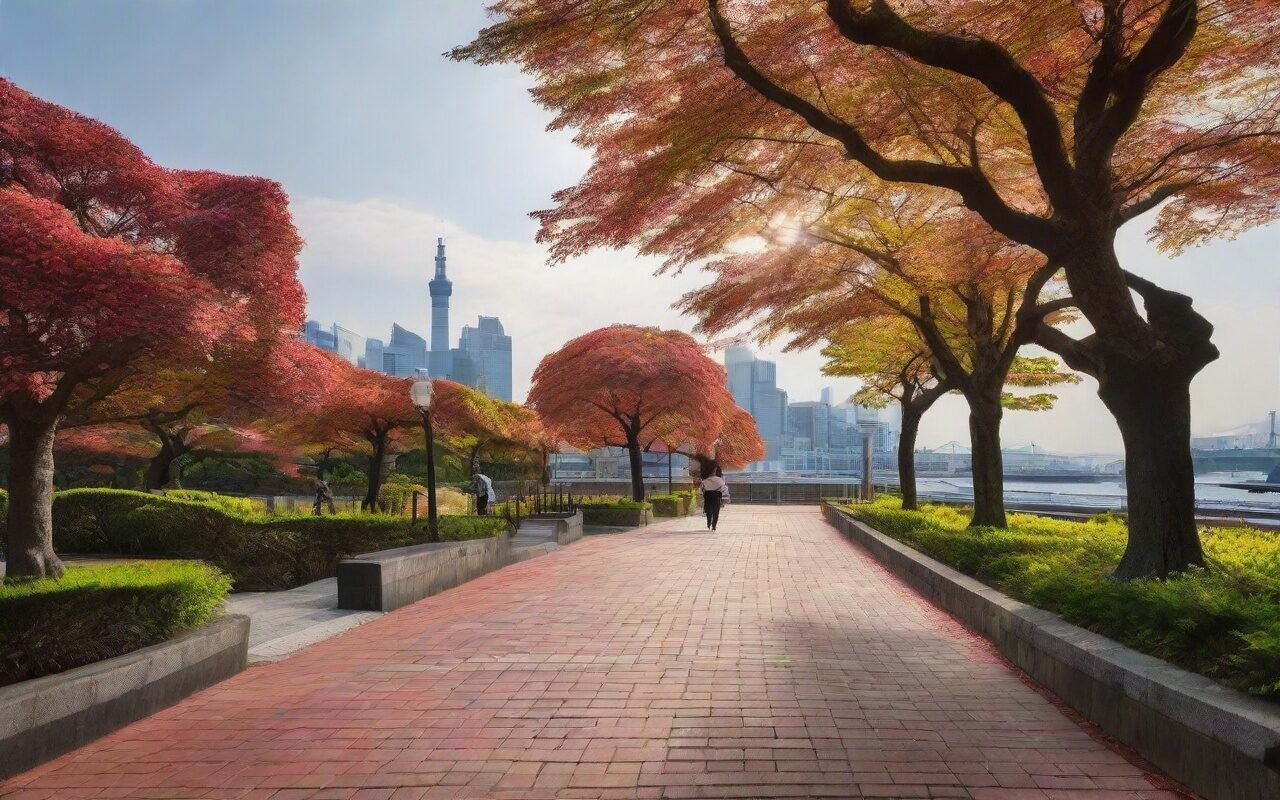


    What Locals Say

    We spoke with residents and frequent visitors to get their honest opinions about Yokohama Red Brick Warehouse Guide: Akarenga Complete Guide:

    Tanaka-san, Local Resident (15 years):

    “This place has been part of our community for generations. The best time to visit is early morning when the crowds are thin and the light is perfect for photography. Don’t miss the hidden spots that most tourists overlook.”

    Yamamoto-san, Tour Guide (10 years experience):

    “I bring visitors here regularly. The key to enjoying Yokohama Red Brick Warehouse Guide: Akarenga Complete Guide is to take your time. Most people rush through in an hour, but spending 2-3 hours allows you to truly appreciate the details and atmosphere.”

    Suzuki-san, Photographer:

    “For the best photos, visit during golden hour. The way the light hits [the main feature] creates magical moments. Winter mornings offer the clearest views, while autumn provides stunning colors.”

    Conclusion

    exploring Yokohama can be as relaxed or as packed as you want it to be, and I have found that the best visits leave room for both planning and spontaneity. During my visit to Yokohama I went with a rough plan and found that leaving room to wander made the trip far more memorable. Use this guide to sort out the logistics in advance, then let the day surprise you — Kanagawa rewards travelers who stay curious.

  • Authentic Soba Experiences Kanagawa 2026

    Authentic Soba Experiences Kanagawa 2026

    Overview

    Soba culture thrives in Kanagawa, where mountain spring water and local buckwheat flour create exceptional noodles. This guide highlights the best te-uchi soba shops across the prefecture, from rustic mountain stalls to elegant Kamakura temple restaurants serving shojin soba.

    The Art of Soba Making

    Making Soba is considered a high craft in Japan, often requiring years of apprenticeship. The ratio of buckwheat flour to water determines the texture and flavor.

    • Ju-wari Soba (十割そば): Uses 100% buckwheat. It offers a rich, intense nutty flavor but is fragile and breaks easily, Making ju-wari requires exceptional skill because the dough lacks gluten and can crack during cutting. Only experienced soba masters attempt it.
    • Ni-hachi Soba (二八そば): Uses a mix of 80% buckwheat and 20% wheat flour. This is the most common style, offering a balance of flavor and elasticity that holds together well when dipped.
    • Inaka Soba (田舎そば): A rustic, thick-cut soba that includes the buckwheat hulls, giving it a darker color and earthier, more robust flavor. It originated in rural mountain regions and pairs well with bold dipping sauces.

    Authentic Soba Experiences Kanagawa — main illustration

    Authentic Soba Experiences Kanagawa — main illustration

    Authentic Soba Experiences Kanagawa — visitor highlights

    Freshly made soba (te-uchi soba) is a world apart from dried supermarket noodles. Look for shops that advertise “te-uchi” (handmade) on their noren (entrance curtain). Many display their soba-making equipment in the window as a sign of craftsmanship.

    Best Spots for Soba Lovers

    Hakone: Mountain Soba with a View

    Hakone’s volcanic slopes produce excellent spring water, filtered through porous pumice stone, which soba masters prize for its purity. Several shops near Lake Ashi and along the Hakone Tozan Railway serve soba in traditional settings with tatami rooms overlooking gardens.

    Hakone Yosegi Soba: Enjoy your noodles with a view of the Owakudani volcanic valley. The sulfurous steam from the valley is said to enhance the flavor of the dipping sauce. Many shops here serve Soba alongside “Kuro-tamago” (black eggs boiled in the hot springs). The egg’s sulfurous aroma might seem intense, but locals believe every egg eaten extends your life by seven years.

    • Access: A short walk from the Hakone Ropeway Togendai station.
    • Price: ¥1,200–¥1,800 for a soba set with kuro-tamago.
    • Tip: Order the nama-yuba (fresh tofu skin) appetizer—it’s made from water sourced from the same volcanic springs.

    Miyanoshita Soba: The hot spring town of Miyanoshita, midway up the mountain, has several soba shops that have served travelers for over a century. Yamaichi Soba, operating since 1923, is known for its seiro soba (cold soba served on a bamboo mat) with a mountain yam (tororo) topping—a classic combination that cools you down after soaking in the area’s famous onsen.

    Kamakura: Temple and Shojin Soba

    Kamakura, the ancient capital, has a deep Zen Buddhist tradition that extends to its food culture. Shojin ryori (Buddhist vegetarian cuisine) developed in the city’s temples and includes soba as a staple.

    Shojin Soba is a vegetarian version made without animal products, adhering to strict Buddhist monk dietary rules. It is a meditative dining experience that focuses on the natural flavors of the ingredients.

    Kencho-ji Temple: One of Kamakura’s most important Zen temples, Kencho-ji has a tea house that serves shojin soba alongside matcha. The soba is chilled, served on a bamboo mat, and accompanied by a dipping sauce made from kombu (kelp) dashi and shoyu (soy sauce). No bonito flakes are used, keeping it fully vegan. The temple garden, designed in the 13th century, provides a contemplative backdrop.

    • Price: ¥1,000–¥1,500 (includes temple admission)
    • Tip: Eat slowly and appreciate the subtle differences in texture compared to urban Soba. The experience is deliberately paced—rushing defeats the purpose.

    Komachi-dori: For a quicker but still authentic soba experience, several soba shops line Kamakura’s main shopping street. Kama-chan Soba serves a hearty sansai (mountain vegetables) soba that highlights local wild plants like zenmai (royal fern) and warabi (bracken). Their cold soba with grated daikon and ponzu is especially refreshing on summer afternoons.

    Sagamihara: Hidden Family-Run Mills

    Sagamihara, in the hills northwest of Tokyo, is where Kanagawa’s buckwheat is actually grown. A handful of family-run soba shops here mill their own flour from locally harvested buckwheat. Sobadokoro Furusato grinds its flour daily using a traditional stone mill and serves only two types of soba: ju-wari (100%) and ni-hachi (80%). The menu is deliberately minimal—the soba is the star. The shop closes when it runs out of noodles, often by 1:30 PM on weekends.

    • Access: 15-minute bus ride from Sagamihara Station.
    • Price: ¥1,000–¥1,500
    • Tip: Arrive before 11:30 AM to guarantee a seat. Weekdays are less crowded and the master has more time to explain the different buckwheat varieties.

    How to Eat Soba Like a Local

    1. Pour the condiments: Mix wasabi, chopped green onions, and grated daikon into your dipping sauce (Tsuyu). Some shops also offer grated ginger or toasted sesame seeds. Add them sparingly—the goal is to enhance, not mask, the soba’s flavor.
    2. Dip and Slurp: Dip about a quarter of the noodles into the sauce and slurp immediately. Do not let the noodles soak in the sauce for too long—they will become overly salty and lose their texture, Slurping is not only acceptable, it is encouraged: pulling air into your mouth along with the noodles enhances the aroma.
    3. Soba-yu (soba (蕎麦, buckwheat noodles)湯): At the end of your meal, ask for “Soba-yu” (the cloudy hot water the noodles were boiled in). Pour this into your remaining dipping sauce and drink it as a soup. It is delicious, contains water-soluble nutrients from the buckwheat, and prevents food waste. This ritual is a hallmark of an authentic soba meal—skip it only if you are truly full.

    Pairing Soba with Local Drinks

    Soba pairs surprisingly well with sake, particularly dry, crisp varieties like junmai ginjo. The mineral notes of mountain spring water soba complement the rice flavors of Hakone-brewed sake. Some soba shops in Hakone offer a “soba-zen” (soba course) that includes a small carafe of locally brewed sake alongside the noodle course. Hot soba (kake soba) with a splash of shochu is a classic winter warmer known as “soba-shu.”

    Seasonal Soba

    • Spring (March–May): Fresh-harvest shin-soba (new soba) from the previous autumn’s buckwheat crop, served cold to highlight its delicate flavor
    • Summer (June–August): Hiyashi soba (cold soba) with chilled dipping sauce, often topped with myoga (Japanese ginger) and shiso (perilla leaf)
    • Autumn (September–November): Mushroom and chestnut soba, served warm with local sansai mushrooms
    • Winter (December–February): Kake soba (hot soba in broth) with kamaboko (fish cake) and negi (green onion)—a warming staple


    Frequently Asked Questions

    Q: When can I see the best seasonal scenery here?
    A: If you are timing your visit for natural beauty, late March to early April brings cherry blossoms, June-July features vibrant hydrangeas and fresh greenery, and November showcases spectacular autumn colors. Each season offers a different perspective on the landscape.

    Q: Is this destination easy to reach by public transport?
    A:
    Yes. Kanagawa has excellent public transport connections from Tokyo. Most destinations are within an hour by train. The nearest station is typically a short walk or bus ride from the main attractions. For detailed route information, check the transport section above.

    Q: How much time should I spend at Kanagawa?
    A: Most visitors find that a few minutes to review the key information is sufficient to explore the main highlights of Kanagawa. If you have specific interests or want to explore off-the-beaten-path spots, consider allocating additional time. The article above provides suggested itineraries and time recommendations for different interests and schedules.

    Q: What should I prepare before my trip?
    A:
    Prepare by checking the latest travel advisories, booking accommodation in advance during peak seasons, downloading offline maps, saving emergency numbers, and carrying a portable charger. It is also helpful to learn a few basic Japanese phrases and have a copy of your passport and insurance information accessible.

    Tips for a Memorable Soba Experience

    • Arrive early: Popular shops like the ones in this guide sell out of their handmade noodles by early afternoon — aim to arrive before 12:30 PM.
    • Order seasonal specials: Many soba houses rotate their menu with the seasons, from mountain vegetables in spring to duck in autumn. Ask what’s fresh today.
    • Slurp with confidence: Slurping is not only acceptable — it’s the proper way to enjoy soba and shows appreciation to the chef.
    • Try the soba-yu: After finishing your noodles, ask for the hot soba-cooking water (soba-yu). Mixed with the dipping sauce, it makes a warming, traditional finish.
    • Watch your train times: Soba shops near stations like Kamakura and Fujisawa are easy to fit into a temple-hopping day — pair your meal with the Kamakura Area Guide to plan the route.

    Conclusion

    Kanagawa’s soba culture is one of the region’s quietest pleasures — handmade noodles, seasonal toppings, and generations of craftsmanship served on a humble counter. Whether you’re a first-time visitor or a seasoned noodle lover, seeking out an authentic soba experience is one of the most rewarding ways to taste local Kanagawa. Slow down, order with curiosity, and let the soba master’s skill speak for itself.

    Happy eating — and safe travels through Shonan.

  • How To Get To Hakone From Tokyo 2026

    How To Get To Hakone From Tokyo 2026

    Overview

    📍 Locationnn


    The Odawara area serves as the main gateway to Hakone with excellent transport connections. Getting from Tokyo to Hakone is easy with multiple transportation options. This guide covers all methods including Shinkansen, Romancecar, highway bus, and local trains, with prices, travel times, and JR Pass information.

    Quick Comparison

    Method Time Price JR Pass Best For
    Shinkansen 45 min ¥4,000 Speed, JR Pass holders

    How To Get To Hakone From Tokyo — main illustration

    <img src="https://anabaoffjapan.com/wp-content/uploads/images/articles/how-to-get-to-hakone-from-tokyo-sub5.jpg" alt="How To Get To Hakone From Tokyo — scenic view of Kanagawa'sKanagawatips attractions” />
    How To Get To Hakone From Tokyo scenery and attractions

    | Romancecar | 85 min | ¥2,000 | ❌ | Comfort, direct access |
    | Highway Bus | 90 min | ¥1,800 | ❌ | Budget travelers |
    | Local Train | 90 min | ¥1,200 | ✅ | Budget, JR Pass holders |

    Shinkansen Route

    Tokyo Station → Odawara Station → Hakone-Yumoto

    Shinkansen Details

    • Total Time: 45-60 minutes
    • Total Cost: ¥4,000 (unreserved seat)
    • JR Pass: ✅ Covered (Tokyo-Odawara)
    • Frequency: Every 10-15 minutes

    Shinkansen Step-by-Step

    1. Tokyo Station → Odawara Station

      • Shinkansen (Kodama, Hikari, Nozomi)
      • 35 minutes
      • ¥3,960 (covered by JR Pass)
    2. Odawara Station → Hakone-Yumoto

    Shinkansen Pros

    • ✅ Fastest option
    • ✅ Covered by JR Pass
    • ✅ Frequent departures
    • ✅ Comfortable seats

    Shinkansen Cons

    • ❌ Most expensive (without JR Pass)
    • ❌ Need to transfer at Odawara
    • ❌ Nozomi not covered by JR Pass

    Shinkansen Tips

    • Reserve seats during peak season (autumn, New Year)
    • Use JR Pass for best value
    • Buy Hakone Free Pass at Odawara Station

    Romancecar Route

    Shinjuku Station → Hakone-Yumoto Station

    Romancecar Details

    • Total Time: 85 minutes
    • Total Cost: ¥2,000 (reserved seat)
    • JR Pass: ❌ Not covered
    • Frequency: Every 30-60 minutes

    Romancecar Step-by-Step

    1. Shinjuku Station → Hakone-Yumoto
      • Odakyu Romancecar (direct)
      • 85 minutes
      • ¥1,990 (reserved seat)
      • ¥1,230 (unreserved seat, some trains)

    Romancecar Pros

    • ✅ Direct (no transfers)
    • ✅ Comfortable reserved seats
    • ✅ Scenic route
    • ✅ Luggage storage available

    Romancecar Cons

    • ❌ Not covered by JR Pass
    • ❌ Slower than Shinkansen
    • ❌ Need to reserve seats

    Romancecar Tips

    • Book online in advance (especially weekends)
    • Choose “GSE” train for best views
    • Arrive 10 min early for boarding

    Highway Bus Route

    Highway Bus Details

    • Total Time: 90 minutes
    • Total Cost: ¥1,800
    • JR Pass: ❌ Not covered
    • Frequency: Every 30-60 minutes

    Highway Bus Step-by-Step

    1. Shinjuku Expressway Bus Terminal → Hakone-Yumoto
      • Highway Bus (Odakyu Hakone Bus)
      • 90 minutes
      • ¥1,800

    Highway Bus Pros

    • ✅ Budget-friendly
    • ✅ Direct (no transfers)
    • ✅ Luggage storage
    • ✅ Comfortable seats

    Highway Bus Cons

    • ❌ Slowest option
    • ❌ Traffic delays possible
    • ❌ Not covered by JR Pass
    • ❌ Limited frequency

    Highway Bus Tips

    • Book online for guaranteed seat
    • Avoid rush hour (7-9 AM, 5-7 PM)
    • Check traffic before departure

    Local Train Route

    Tokyo/Shinjuku → Odawara → Hakone-Yumoto

    Local Train Details

    • Total Time: 90 minutes
    • Total Cost: ¥1,200
    • JR Pass: ✅ Covered (Tokyo-Odawara)
    • Frequency: Every 10-15 minutes

    Local Train Step-by-Step

    1. Tokyo/Shinjuku → Odawara

      • JR Tokaido Line (rapid)
      • 60-75 minutes
      • ¥840 (covered by JR Pass)
    2. Odawara → Hakone-Yumoto

      • Hakone Tozan Railway
      • 15 minutes
      • ¥340 (not covered by JR Pass)

    Local Train Pros

    • ✅ Cheapest option
    • ✅ Covered by JR Pass (most)
    • ✅ Frequent departures
    • ✅ No reservation needed

    Local Train Cons

    • ❌ Slow (multiple stops)
    • ❌ Can be crowded
    • ❌ Need to transfer
    • ❌ Less comfortable

    Local Train Tips

    • Use rapid trains (skip local trains)
    • Avoid rush hour (very crowded)
    • Sit near front (easier transfer)

    What Is It?

    Unlimited transportation in Hakone for 2-3 days

    Where to Buy

    Location Price (Adult) Includes
    Shinjuku ¥6,100 (2 days) Round-trip + Hakone transport
    Odawara ¥5,140 (2 days) Hakone transport only
    Tokyo ¥6,100 (2 days) Round-trip + Hakone transport

    What’s Included

    • ✅ Round-trip from Tokyo (if bought at Shinjuku/Tokyo)
    • ✅ Hakone Tozan Railway
    • ✅ Cable Car & Ropeway
    • ✅ Pirate Ships (Lake Ashi)
    • ✅ Local Buses
    • ✅ Discounts at 70+ facilities

    Is It Worth It?

    Yes, if you plan to:

    • Visit 3+ attractions in Hakone
    • Use multiple transportation types
    • Stay 2+ days in Hakone

    No, if you:

    • Only visiting 1-2 attractions
    • Have JR Pass (covers most transport)
    • Day trip from Tokyo

    From Tokyo Station

    Best Option: Shinkansen (45 min, ¥4,000)

    1. Tokyo → Odawara (Shinkansen)
    2. Odawara → Hakone-Yumoto (Hakone Tozan Railway)

    From Shinjuku Station

    Best Option: Romancecar (85 min, ¥2,000)

    1. Shinjuku → Hakone-Yumoto (direct Romancecar)

    From Shibuya Station

    Best Option: Shinkansen (55 min, ¥4,000)

    1. Shibuya → Tokyo (JR Yamanote Line, 15 min)
    2. Tokyo → Odawara (Shinkansen, 35 min)
    3. Odawara → Hakone-Yumoto (Hakone Tozan Railway, 15 min)

    From Ueno Station

    Best Option: Shinkansen (50 min, ¥4,000)

    1. Ueno → Tokyo (JR Yamanote Line, 5 min)
    2. Tokyo → Odawara (Shinkansen, 35 min)
    3. Odawara → Hakone-Yumoto (Hakone Tozan Railway, 15 min)

    Covered Routes

    • ✅ Tokyo → Odawara (Shinkansen)
    • ✅ Shinjuku → Odawara (JR Shonan-Shinjuku Line)
    • ✅ Tokyo → Odawara (JR Tokaido Line)

    Not Covered

    • ❌ Romancecar (Odakyu Line)
    • ❌ Highway Bus
    • ❌ Hakone Tozan Railway (Odawara-Hakone-Yumoto)
    • ❌ Hakone Free Pass transportation

    Best Strategy with JR Pass

    1. Use JR Pass for Tokyo-Odawara
    2. Buy Hakone Free Pass at Odawara Station (¥5,140)
    3. Total Cost: ¥5,140 (2 days Hakone transport)

    Luggage

    • Shinkansen: Large luggage storage (reserve required)
    • Romancecar: Luggage area available
    • Bus: Under-bus storage
    • Local Train: Overhead racks (limited space)

    Peak Seasons

    Avoid if possible:

    • New Year (Dec 29 – Jan 3)
    • Golden Week (Apr 29 – May 5)
    • Autumn foliage (Nov)
    • Weekends (especially Saturday morning)

    Best Times to Travel

    • Best: Tuesday-Thursday, 10:00-15:00
    • Good: Monday, Friday (mid-day)
    • Avoid: Saturday 7:00-10:00, Sunday 16:00-19:00

    Booking in Advance

    Reserve for:

    • Shinkansen (peak season)
    • Romancecar (always, especially weekends)
    • Highway Bus (weekends, holidays) No reservation needed:
    • Local Train (anytime)
    • Shinkansen (off-peak, unreserved seats)

    How To Get To Hakone From Tokyo detailed view and features


    🚄 Hakone Free Pass: Detailed Breakdown

    Feature 2-Day Pass (Shinjuku Start) 2-Day Pass (Odawara Start) 3-Day Pass
    Price (Adult) ¥6,100 ¥5,140 ¥5,640 (Odawara start)
    Price (Child) ¥1,300 ¥1,030 ¥1,130
    Round-trip transport ✅ Shinjuku ↔ Hakone-Yumoto ❌ Not included ✅ (Shinjuku start only)
    Hakone Tozan Railway ✅ Unlimited ✅ Unlimited ✅ Unlimited
    Hakone Cable Car ✅ Unlimited ✅ Unlimited ✅ Unlimited
    Hakone Ropeway ✅ Unlimited ✅ Unlimited ✅ Unlimited
    Sightseeing Cruise ✅ Unlimited ✅ Unlimited ✅ Unlimited
    Local Buses ✅ Unlimited ✅ Unlimited ✅ Unlimited
    Discounts 70+ facilities (10-20% off) 70+ facilities 70+ facilities

    Is the Hakone Free Pass Worth It?

    YES, if you:

    • Plan to take the round trip from Shinjuku (¥2,470 each way = ¥4,940 already)
    • Will ride the ropeway (¥1,800 one way)
    • Want to take the Lake Ashi cruise (¥1,000 one way)
    • Stay 2+ days and use local buses (¥500-1,000/day)

    Total value of individual tickets: ¥4,940 (round trip) + ¥1,800 (ropeway) + ¥1,000 (cruise) + ¥1,000 (buses) = ¥8,740
    Hakone Free Pass: ¥6,100 — Savings of ¥2,640 (30%)

    NO, if you:

    • Have a JR Pass (covers Tokyo→Odawara for free)
    • Are only doing a quick day trip to one area
    • Don’t plan to use the ropeway or cruise

    In that case, buy the Odawara-start Free Pass (¥5,140) and use the JR Pass for Tokyo→Odawara. Total: ¥5,140 vs. ¥6,100.

    Where to Purchase

    Location Counter Hours Language Support
    Shinjuku Station (Odakyu) Odakyu Sightseeing Service Center (West Exit) 8:00 AM-6:00 PM English, Chinese, Korean
    Tokyo Station (JR) JR Ticket Office (Marunouchi exit) 7:30 AM-8:00 PM English available
    Odawara Station Odakyu counter or Hakone Free Pass counter 6:00 AM-8:00 PM English available
    Online Official Hakone Navi website or Klook 24/7 English, print or mobile

    Pro tip: Buy online before you go to skip queues. The Odakyu counter at Shinjuku can have 20-30 minute waits during peak season (8-10 AM).

    🚌 Alternative: Direct Highway Bus from Shinjuku

    For budget-conscious travelers, the highway bus is the cheapest option:

    Detail Information
    Operator Odakyu Hakone Highway Bus
    From Shinjuku Expressway Bus Terminal (Busta Shinjuku)
    To Hakone-Yumoto Station
    Travel Time 90-110 minutes (depends on traffic)
    Cost ¥1,800 (adult) / ¥900 (child)
    Frequency Every 30-60 minutes (6:30 AM-7:00 PM)
    Reservation Required (online or at bus terminal)
    Luggage Under-bus storage included (free)

    Pros: Cheapest Tokyo→Hakone option at ¥1,800. Direct — no transfers. Comfortable reclining seats.
    Cons: 20-30 min longer than Romancecar. Traffic delays on weekends/holidays. Must reserve in advance. Best for: Budget travelers, backpackers, those staying near Shinjuku.
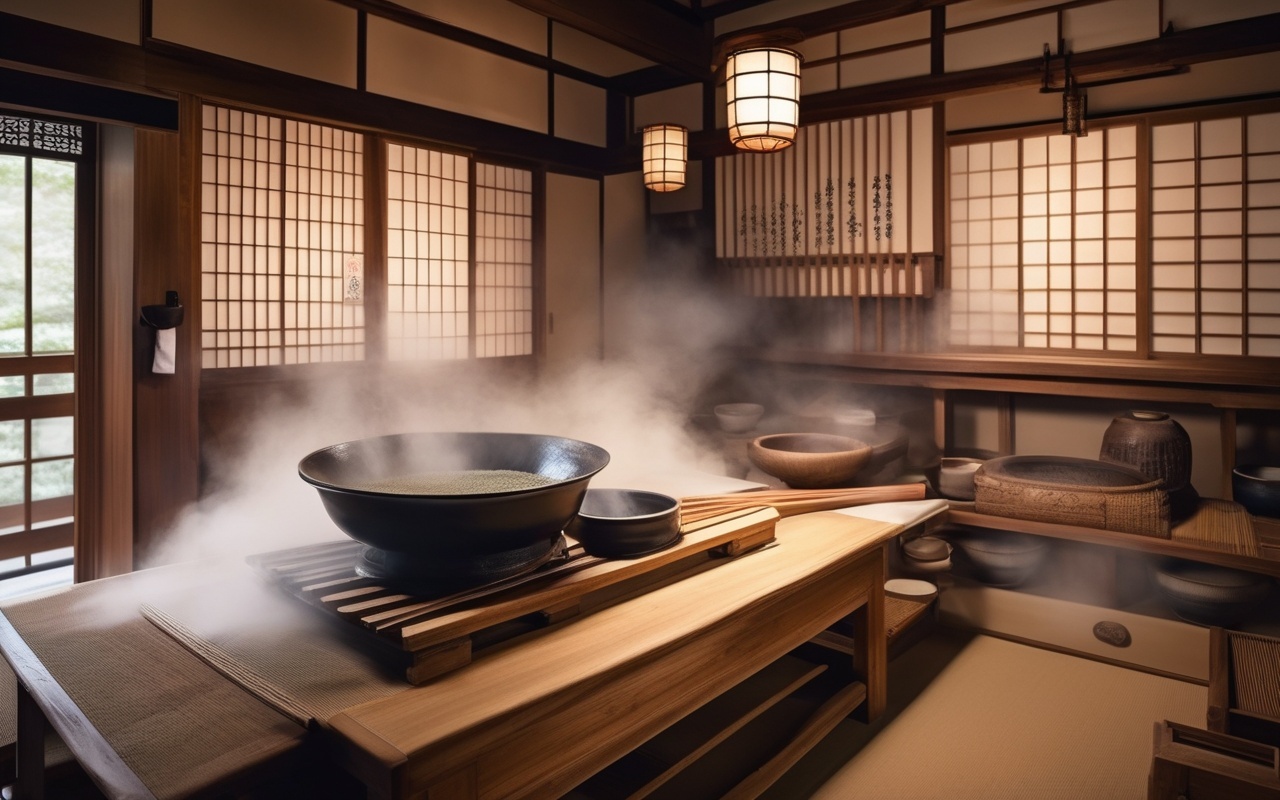
    🚃 Step-by-Step: Romancecar Booking Guide

    The Odakyu Romancecar is the most popular way to reach Hakone. Here’s exactly how to book:
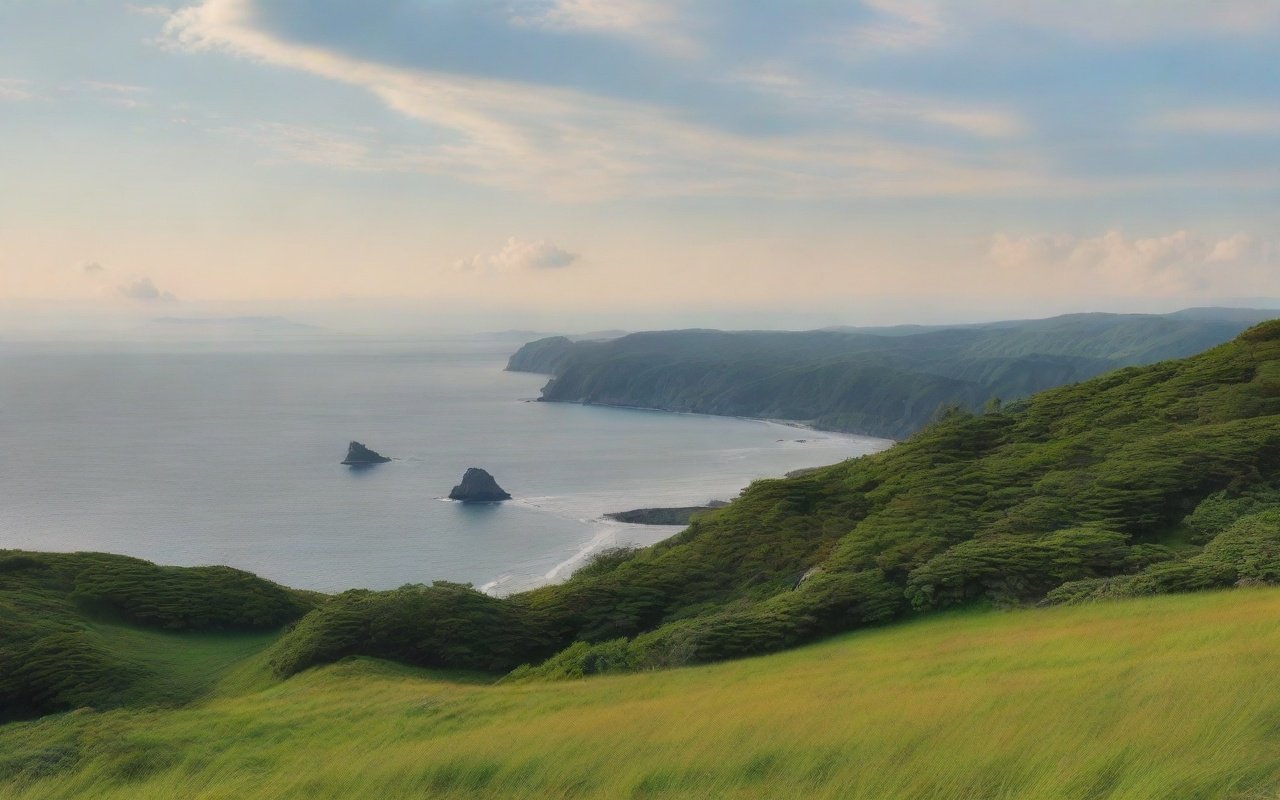
    Online Booking (Recommended)

    1. Visit the Odakyu Romancecar reservation website (English available)
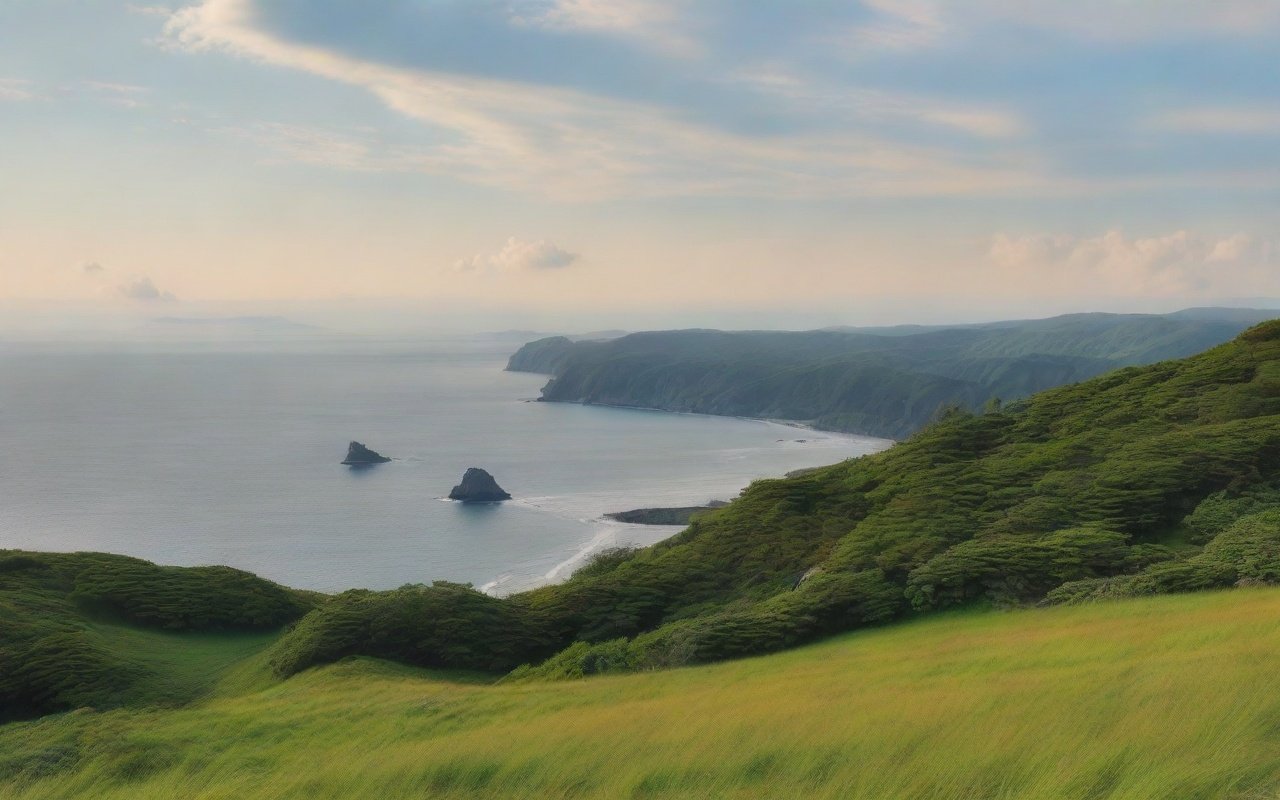
    2. Select date, departure station (Shinjuku), and destination (Hakone-Yumoto)
    3. Choose train time (85 min journey, departures every 30-60 min)
    4. Select seat type: ‘GSE’ (panoramic windows) or ‘MSE’ (standard)
    5. Pay by credit card (Visa, Mastercard, Amex accepted)
    6. Receive QR code — show at the ticket gate

    Seat recommendations:

    • GSE train: Forward-facing seats (rows 1-3) offer the best views of the Sagami River
    • Window side: Seat A (left) has river views early in the journey; Seat D (right) has mountain views later
    • Avoid seats near restrooms: Rows 7-8 near the restroom area — more foot traffic

    At the Station (Same Day)

    • Odakyu ticket counters at Shinjuku Station (West Exit)
    • Reserve for specific Romancecar departure (limited availability on weekends)
    • Payment: Cash or credit card
    • For non-reserved trains: Buy a ticket and queue at the platform (standing allowed if no seats)

    Romancecar Advice

    • Book 1-2 weeks ahead for weekends and holidays (seats sell out)
    • Same-day booking: Arrive at Shinjuku by 8 AM for the best availability
    • Luggage: Overhead racks are small (fits carry-on only). Large suitcases go in the luggage area at the front/rear of each car (first-come basis)
    • Food/drink: Buy ekiben (station bento) at Shinjuku before boarding — the Romancecar has tray tables but no food service
    • Toilets: Yes, onboard — one per car, Western-style

    Summary

    Traveler Type Best Option Cost Time
    JR Pass Holder Shinkansen ¥340* 45 min
    Budget Traveler Local Train ¥1,200 90 min
    Comfort Seeker Romancecar ¥2,000 85 min
    Speed Priority Shinkansen ¥4,000 45 min

    *Plus Hakone Tozan Railway (¥340) Recommended: For most tourists, the Hakone Free Pass from Shinjuku (¥6,100) offers the best value, including round-trip transportation and unlimited travel within Hakone.


    Related Articles:


    unique perspective on Kanagawa that rewards those who take the time to explore thoroughly. Whether you are here for a day or a week, the memories you create will stay with you long after you return home.

    Conclusion

    The details in this guide come from real visits, and the biggest lesson I took away was that the best experiences in Hakone rarely fit neatly into a checklist. During my visit to Hakone I went with a rough plan and found that leaving room to wander made the trip far more memorable. Plan the essentials, keep your schedule flexible, and you will leave Kanagawa wanting to return.