Author: Takao Yamamoto

  • Shonan Train Bus Guide – Kanagawa 2026

    Shonan Train Bus Guide – Kanagawa 2026

    Overview

    📍 Location

    • 4 main train lines serving Shonan
    • JR Shonan-Shinjuku Line from Tokyo
    • Enoden for Kamakura temples
    • Bus network covers beaches
    • IC card (Suica/PASMO) accepted everywhere

    Introduction: Shonan Transportation Overview
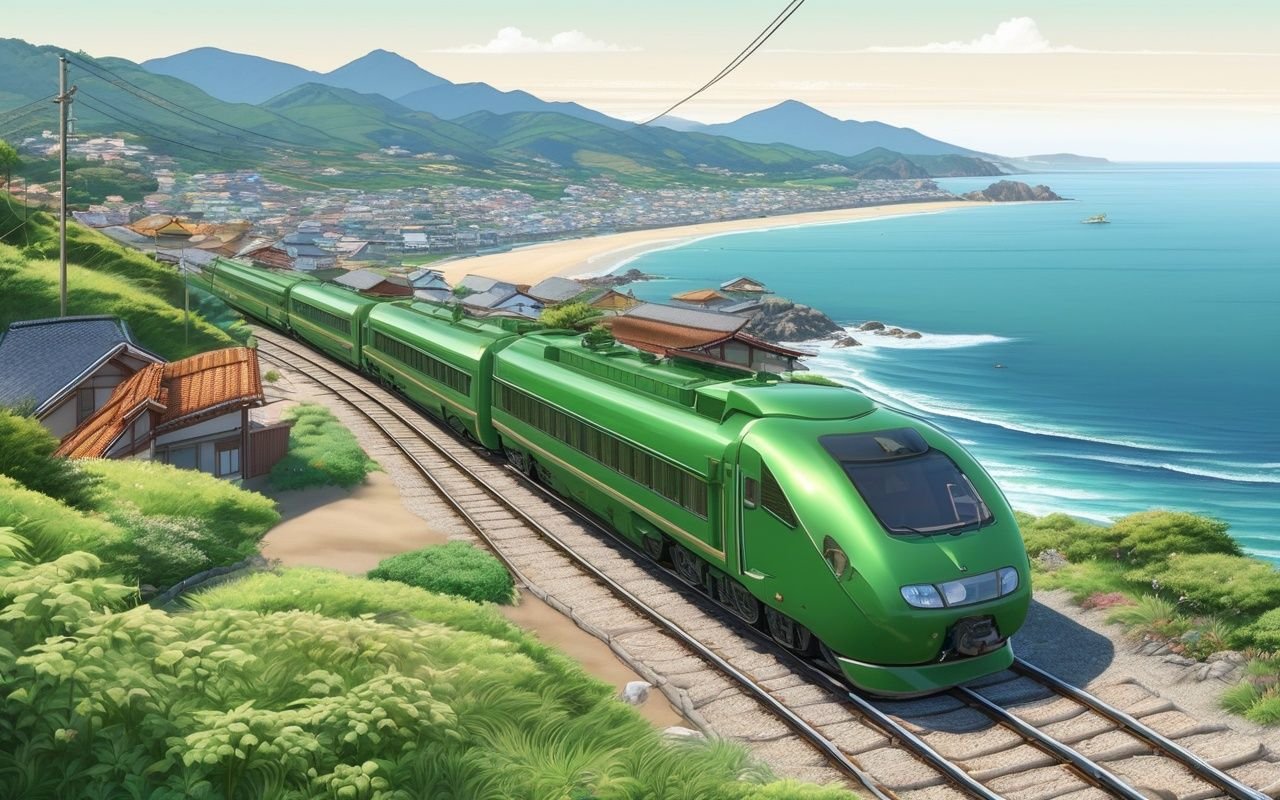
    Shonan Train Bus Guide - Kanagawa 2026 — Introduction: Shonan Transportation Overview
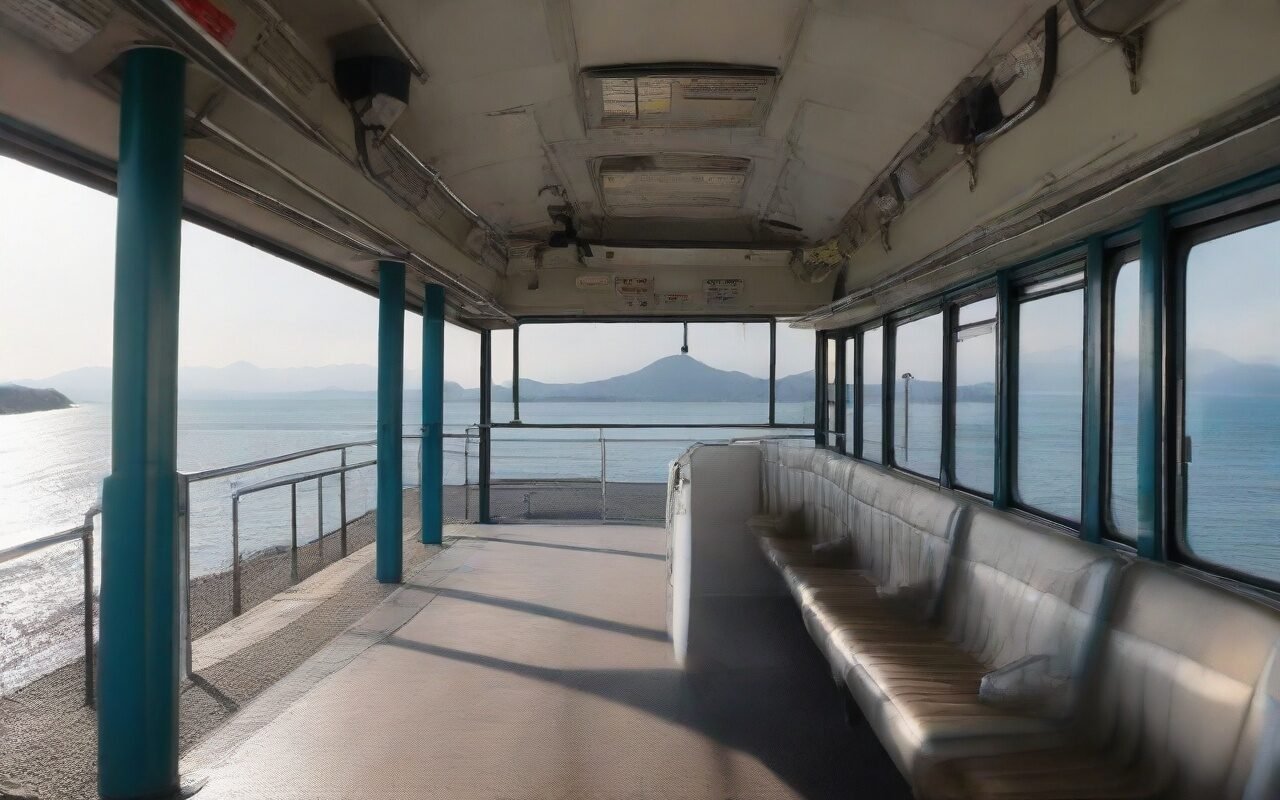
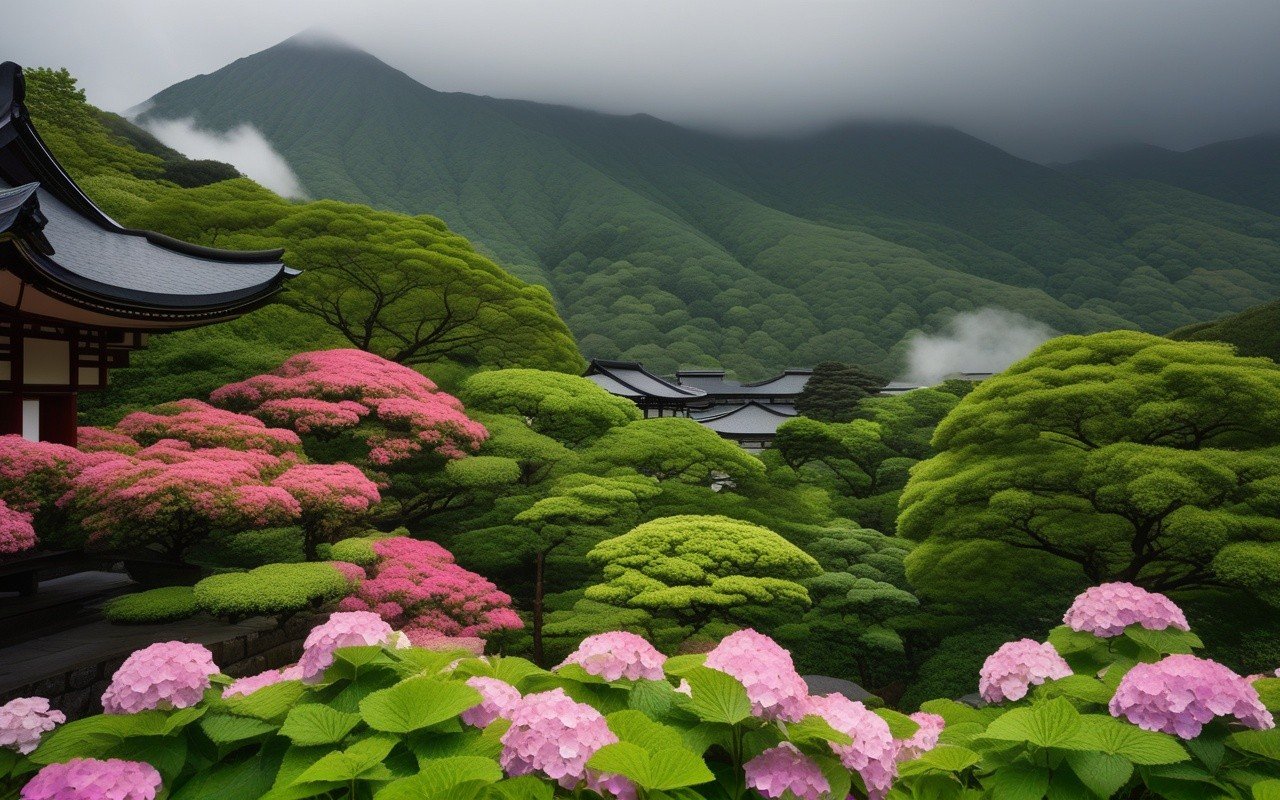
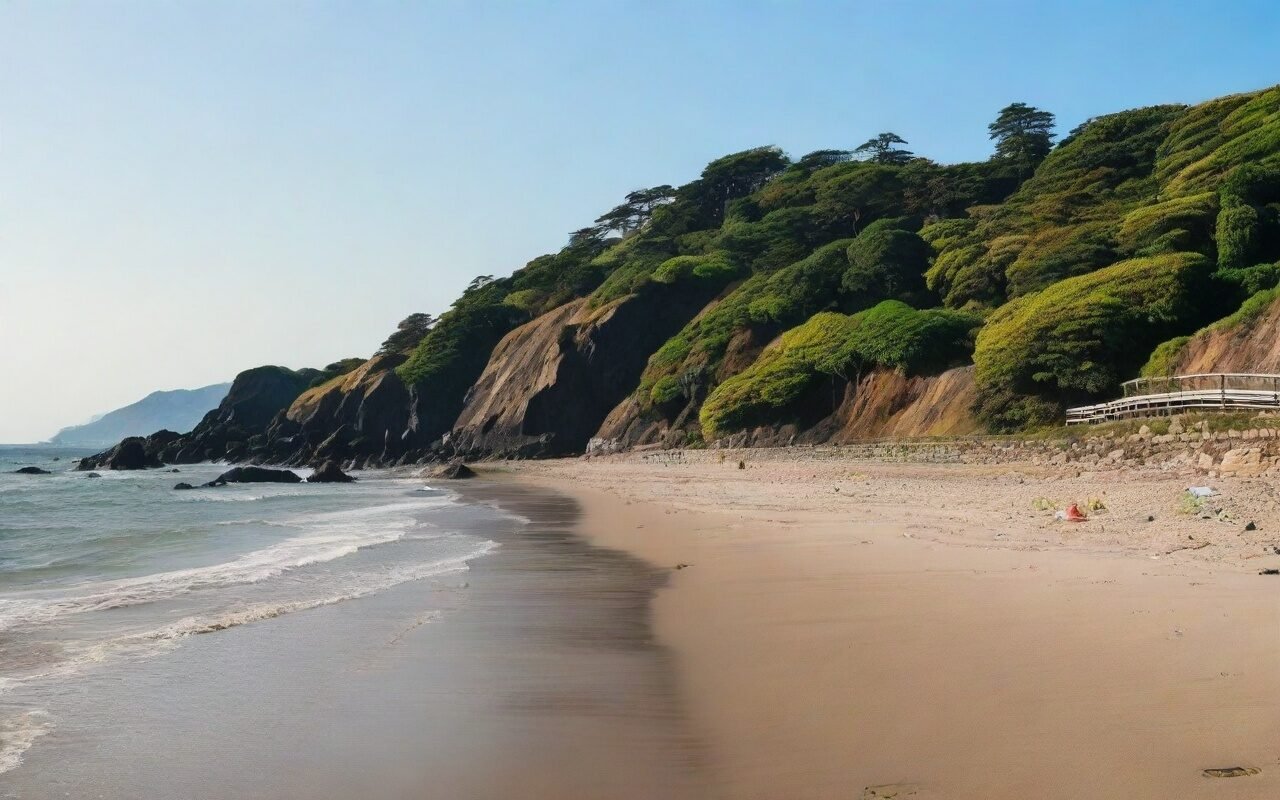
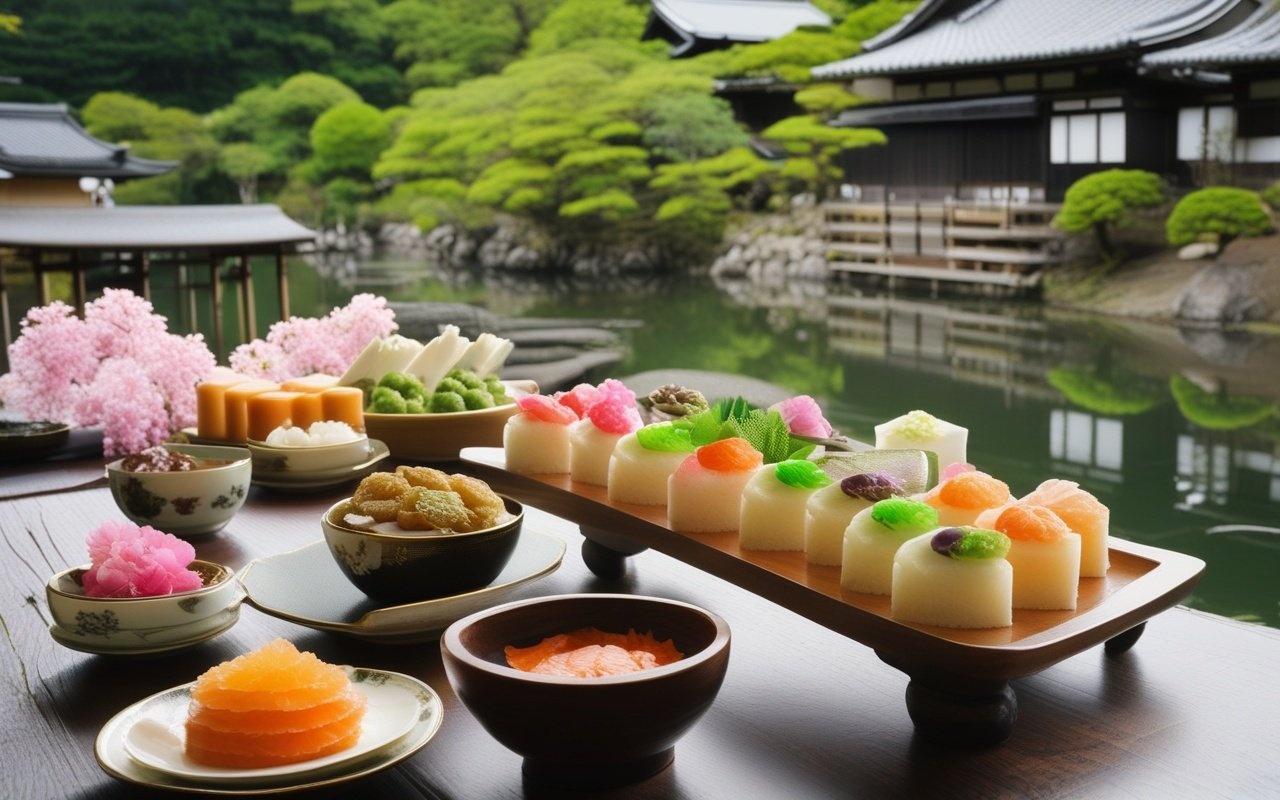
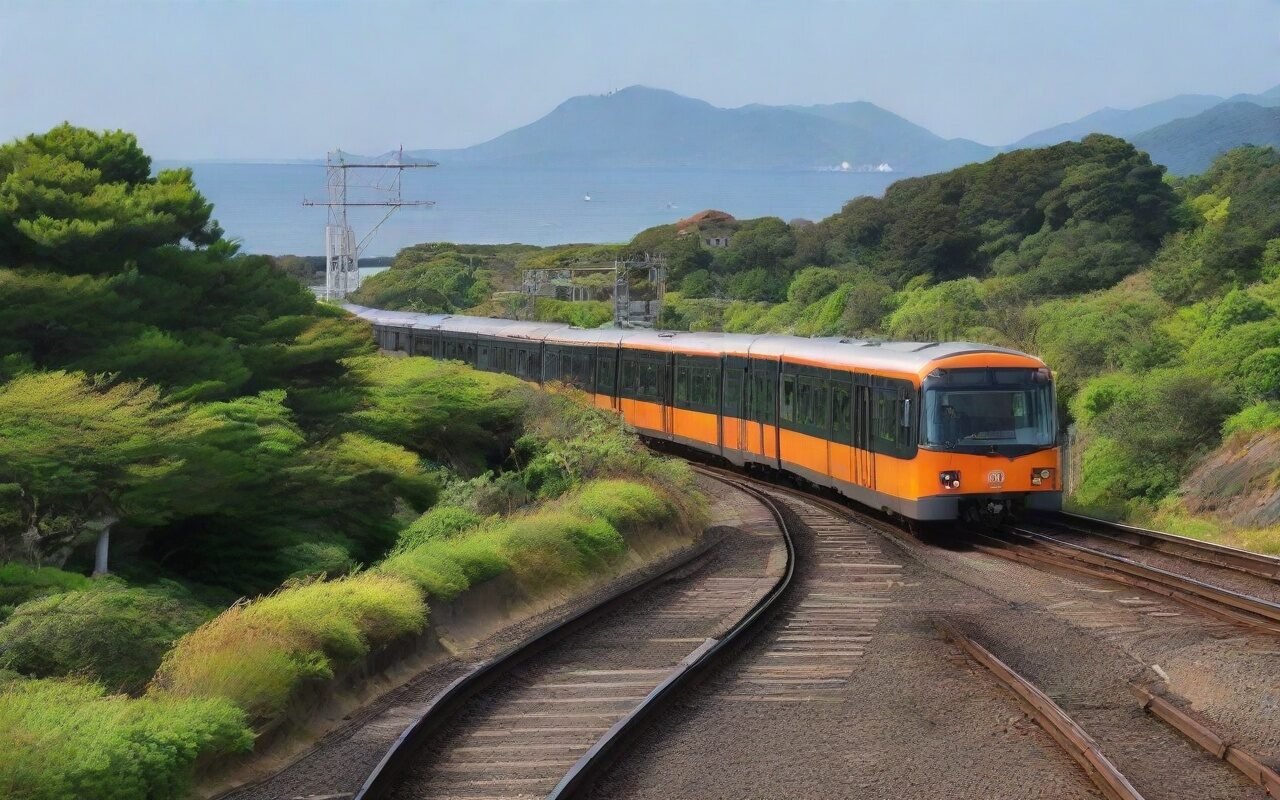
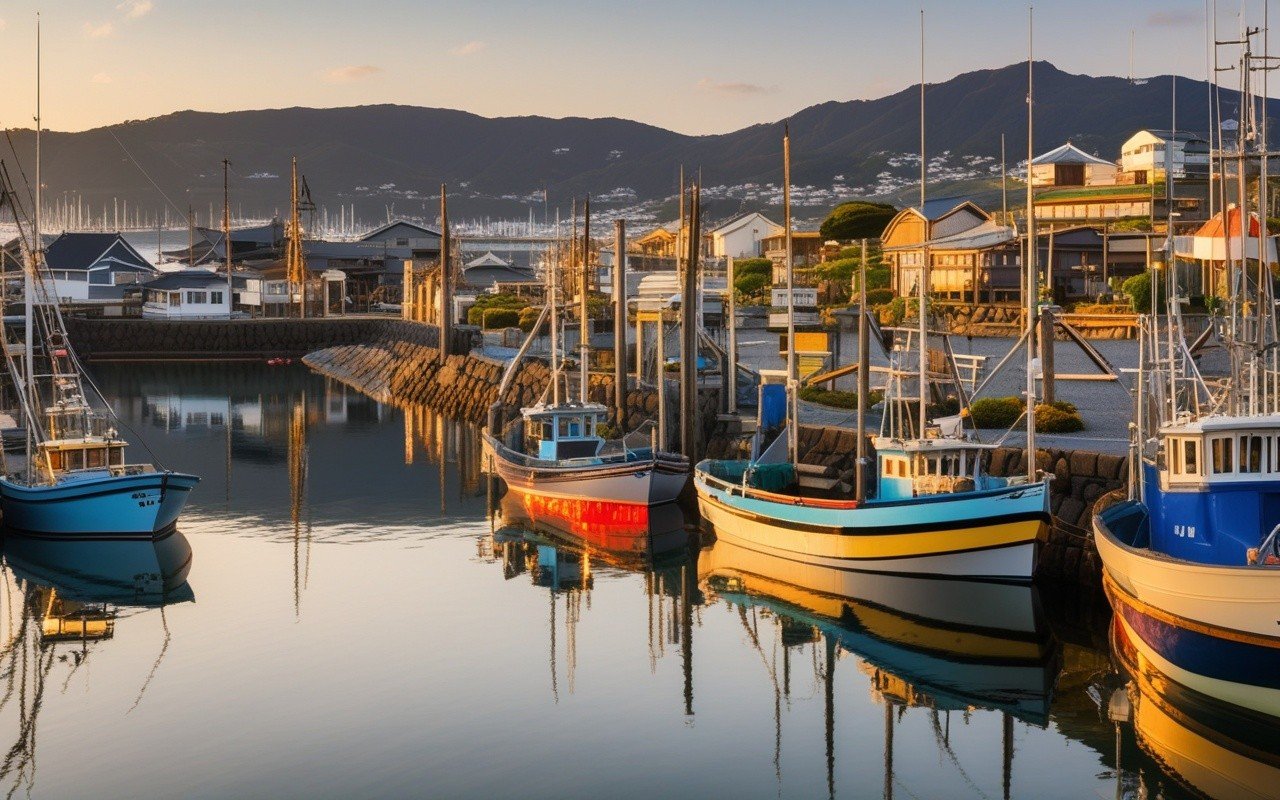
    Shonan Train Bus Guide — main illustration

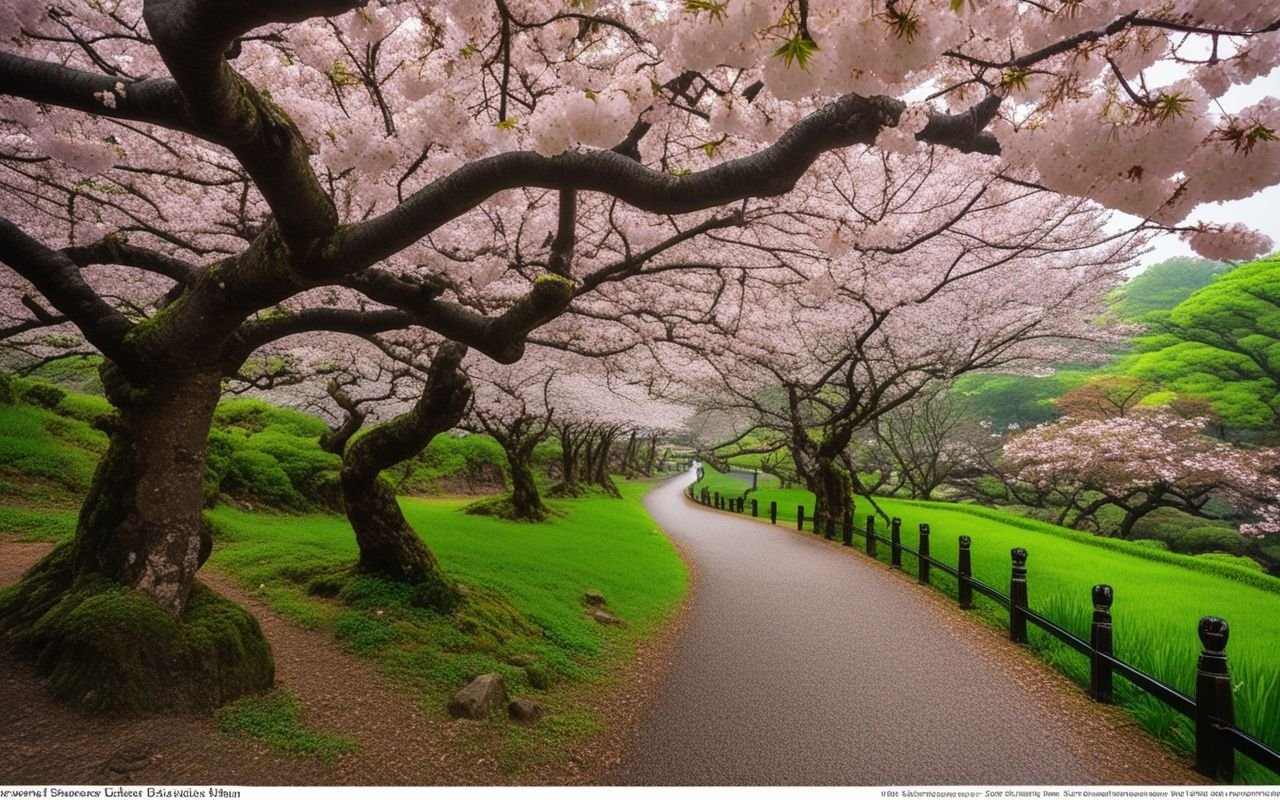
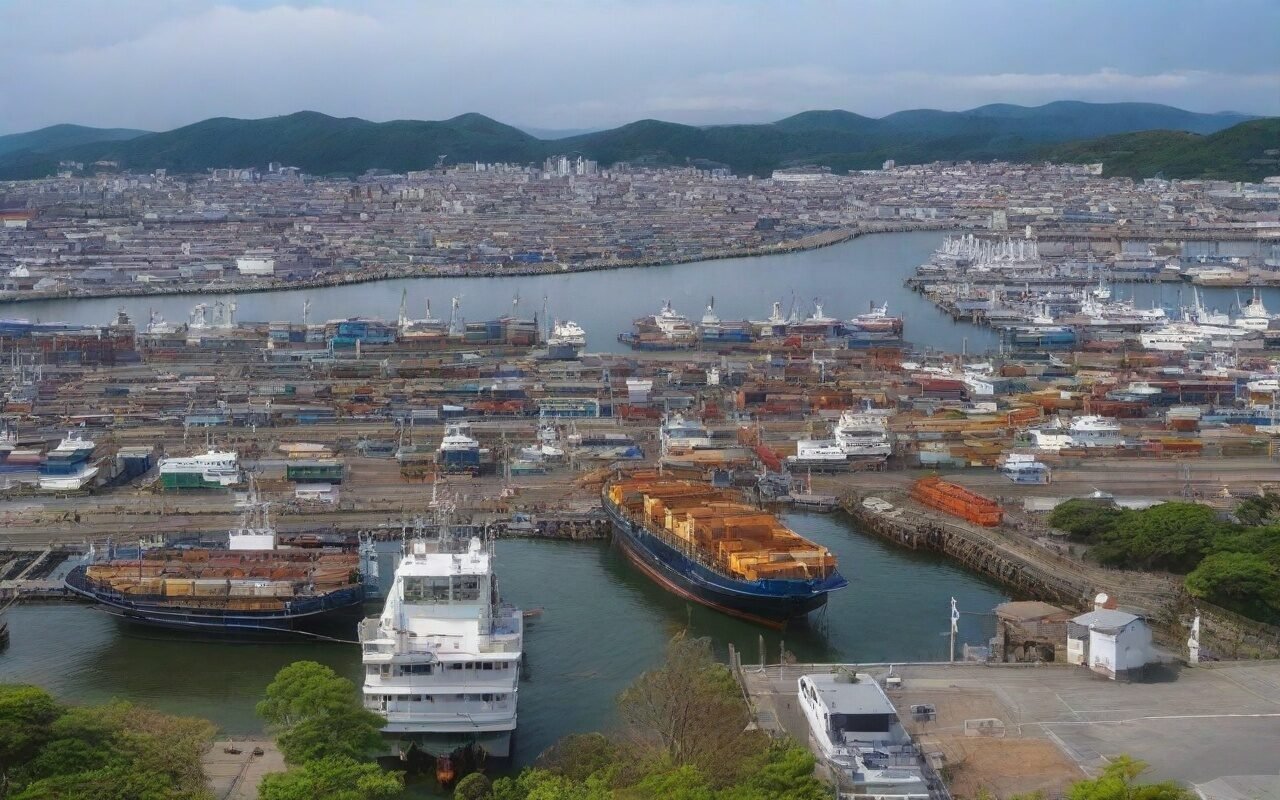
    Well-kept tourist facility with info and services for international visitors.

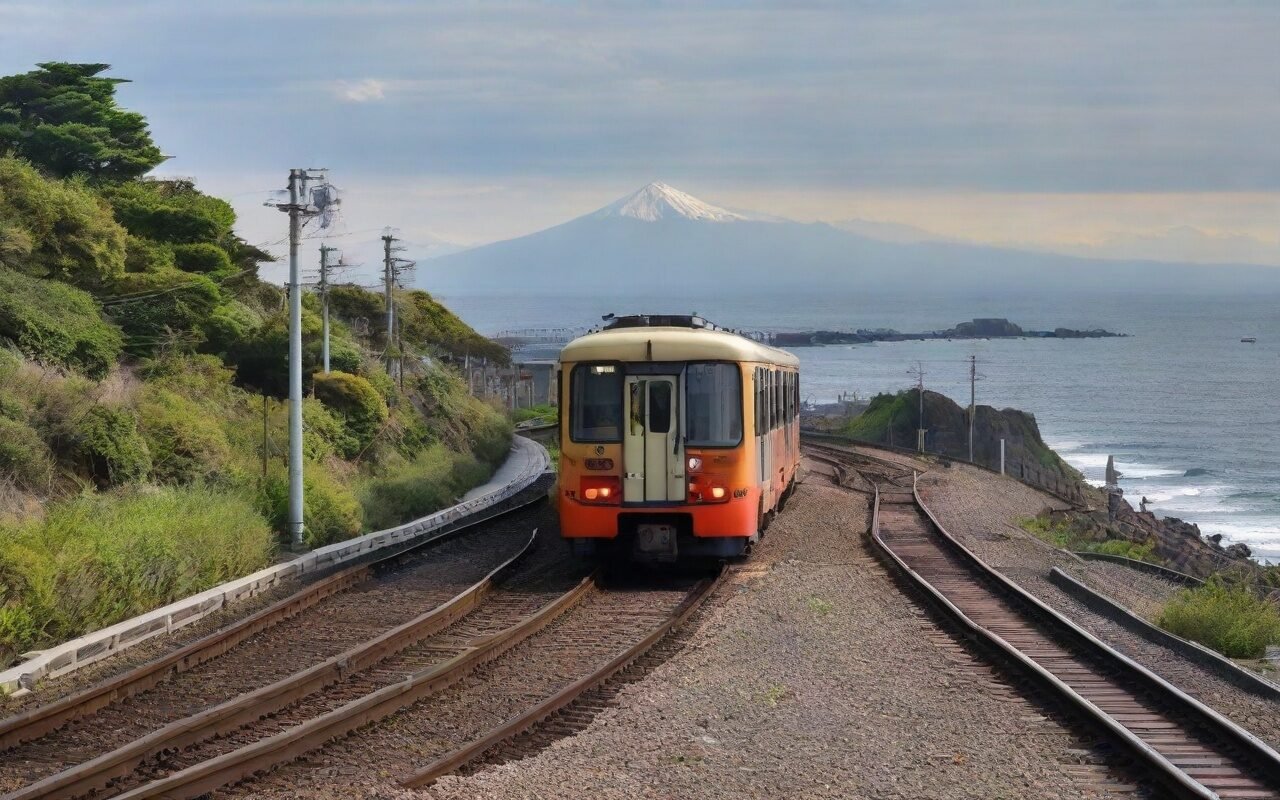
    Shonan Train Bus Guide - Kanagawa 2026 — Introduction: Shonan Transportation Overview
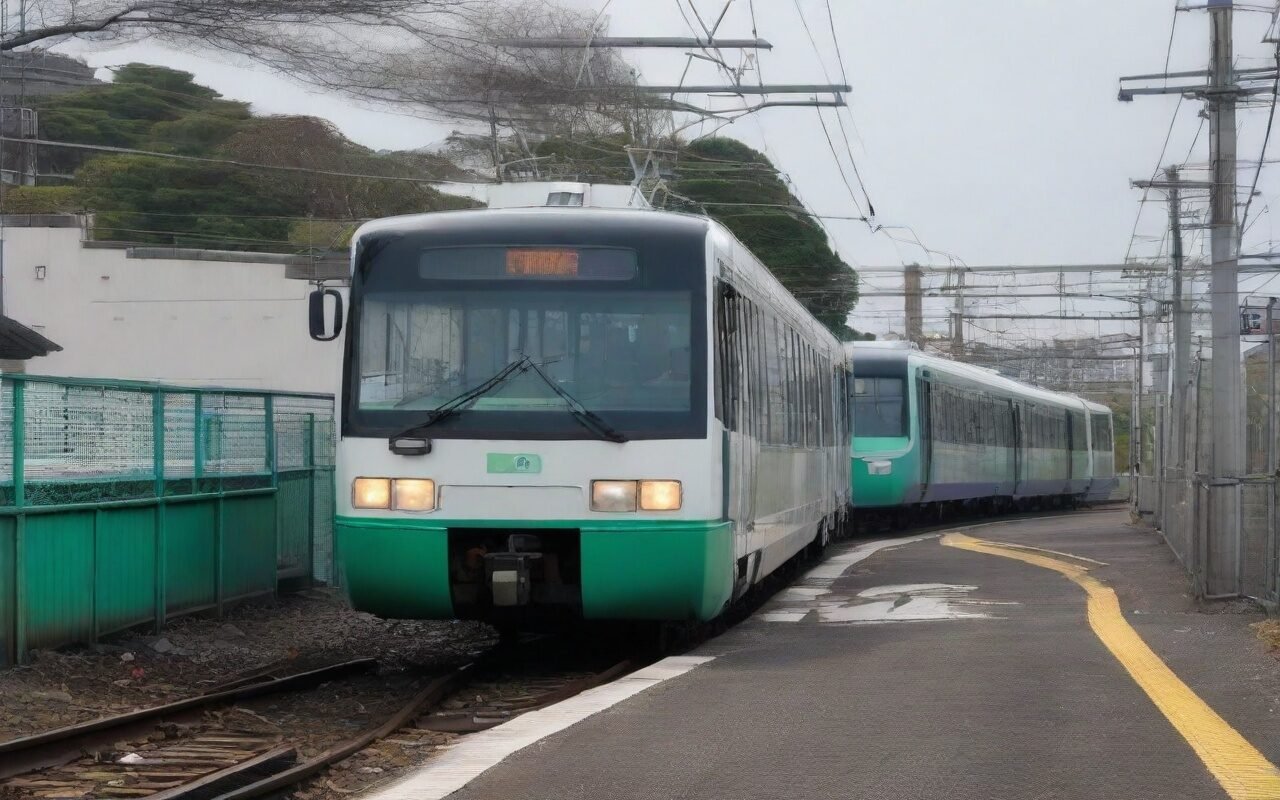
    The Shonan area (Shonan). is one of Kanagawa’s most popular destinations, Known for:

    • pretty beaches (surfing capital of Japan)
    • Historic temples (Kamakura)
    • Laid-back beach town atmosphere
    • Easy access from Tokyo/Yokohama

    But here’s the thing, navigating Shonan’s transportation can be confusing. Multiple train lines, various bus companies, and different fare systems make it hard for first-time visitors. This guide covers all transportation options in Shonan:

    Train Lines:

    1. JR Shonan-Shinjuku Line (Tokyo direct access)
    2. JR Tokaido Line (Tokyo/Yokohama access)
    3. Odakyu Enoshima Line (Shinjuku direct access)
    4. Keikyu Main Line (Yokohama/Haneda access)
    5. Enoden (Kamakura-Enoshima-Fujisawa local line)

    Bus Companies:

    1. Fujisawa City Bus (Fujisawa area)
    2. Kamakura City Bus (Kamakura area)
    3. Chigasaki City Bus (Chigasaki area)
    4. Keikyu Bus (Regional connections) Updated: March 2026 (all routes verified)

    JR Shonan-Shinjuku Line

    Best for: Direct access from Tokyo/Shinjuku

    Route:
    Shinjuku → Shibuya → Yokohama → Kamakura → Fujisawa
    
    Stations in Shonan:
    - Kita-Kamakura (Kamakura)
    - Kamakura (Kamakura)
    - Ofuna ()
    - Fujisawa (Fujisawa) Travel Times:
    - Shinjuku → Kamakura: 55 minutes
    - Shinjuku → Fujisawa: 65 minutes
    - Shibuya → Kamakura: 40 minutes
    - Yokohama → Kamakura: 25 minutes
    
    Fares (from Tokyo):
    - Tokyo → Kamakura: ¥990
    - Shinjuku → Kamakura: ¥990
    - Shibuya → Kamakura: ¥680
    - Yokohama → Kamakura: ¥580 Frequency: Every 15 minutes (peak), 30 minutes (off-peak)
    IC Card: Suica/PASMO accepted

    Local Insight: This is the most handy line from Tokyo. Direct trains from Shinjuku, no transfers needed. Green Car (first class) available for extra comfort. Tips:

    • Board at Shinjuku Station (Platform 10 or 11)
    • Some trains are very crowded (avoid 7-9 AM, 5-7 PM)
    • Green Car costs extra ¥1,000 (reserved seat)
    • Last train around midnight

    JR Tokaido Line

    Best for: Access from Tokyo Station

    Route:
    Tokyo → Shinagawa → Yokohama → Ofuna → Fujisawa

    Stations in Shonan:

    • Ofuna ()
    • Fujisawa (Fujisawa)
    • Chigasaki ()
    • Hiratsuka () Travel Times:
    • Tokyo → Fujisawa: 55 minutes
    • Tokyo → Chigasaki: 65 minutes
    • Yokohama → Fujisawa: 30 minutes Fares:
    • Tokyo → Fujisawa: ¥990
    • Tokyo → Chigasaki: ¥1,190
    • Yokohama → Fujisawa: ¥680 Frequency: Every 10-15 minutes

    IC Card: Suica/PASMO accepted

    Odakyu Enoshima Line

    Best for: Direct access from Shinjuku to Enoshima

    Route:
    Shinjuku → Sagami-Ono → Fujisawa → Enoshima

    Stations in Shonan:

    • Fujisawa (Fujisawa)
    • Hon-Kugenuma (This)
    • Kugenuma-Kaigan (Beach)
    • Shonan-Enoshima (Shonan)
    • Koshigoe ()
    • Kamakura (Kamakura)

    Travel Times:

    • Shinjuku → Fujisawa: 55 minutes
    • Shinjuku → Enoshima: 65 minutes
    • Shinjuku → Kamakura: 70 minutes Fares:
    • Shinjuku → Fujisawa: ¥680
    • Shinjuku → Enoshima: ¥680
    • Shinjuku → Kamakura: ¥680 Frequency: Every 10-20 minutes
      IC Card: Suica/PASMO accepted Special Services:
    • Romancecar (reserved express, extra ¥1,000-1,500)
    • Enoshima Electric Railway Pass (1-day pass. ¥1,570)
    • Romancecar requires booking (book online)
    • Regular trains are comfy and clean
    • Good views of Mt. Fuji on clear days
    • Last train around 11:30 PM

    Keikyu Main Line

    Best for: Access from Yokohama/Haneda

    Route:
    Shinagawa → Yokohama → Kamakura → Misakiguchi

    Stations in Shonan:

    • Yokohama (Yokohama)
    • Kamakura (Kamakura)
    • Enoshima ()
    • Fujisawa (Fujisawa)
    • Misakiguchi () Travel Times:
    • Yokohama → Kamakura: 25 minutes
    • Yokohama → Enoshima: 35 minutes
    • Yokohama → Fujisawa: 40 minutes
    • Haneda → Kamakura: 50 minutes

    Fares:

    • Yokohama → Kamakura: ¥420
    • Yokohama → Enoshima: ¥560
    • Yokohama → Fujisawa: ¥680
    • Haneda → Kamakura: ¥1,200 Frequency: Every 15-20 minutes

    IC Card: Suica/PASMO accepted Special Services:

    • Limited express (faster, same price)
    • Airport express (from Haneda)

    Enoden (Enoshima Electric Railway)

    Best for: Kamakura-Enoshima-Fujisawa local travel

    Route:
    Kamakura → Hase → Enoshima → Fujisawa

    Stations (15 total):

    1. Kamakura (Kamakura)
    2. Wadazuka ()
    3. Yuigahama ()
    4. Hase ()
    5. Gokurakuji (Temple)
    6. Shichirigahama ()
    7. Inamuragasaki ()
    8. Koshigoe ()
    9. Enoshima ()
    10. Moto-Katase (This)
    11. Katase-Kaigan (Beach)
    12. Shonan-Fukasawa (Shonan)
    13. Onaricho ()
    14. Kugenuma-Kaigan (Beach)
    15. Fujisawa-Ekimae (FujisawaStation)

    Travel Times:

    • Kamakura → Enoshima: 20 minutes
    • Kamakura → Fujisawa: 35 minutes
    • Enoshima → Fujisawa: 15 minutes Fares:
    • Single ride: ¥230-320 (distance-based)
    • 1-day pass: ¥800
    • 2-day pass: ¥1,200

    Local Insight: This is the most scenic line in Shonan. Runs through streets, near beaches, past temples. Perfect for sightseeing. Tips:

    • Sit on right side (Kamakura→Fujisawa) for ocean views
    • Very crowded on weekends (arrive early)
    • Vintage cars available (some trains)
    • Last train around 11 PM
    • 1-day pass is great value for temple hopping

    Fujisawa City Bus

    Coverage: Fujisawa city area

    Main Routes:
    1. Fujisawa Station → Shonan Beach
    2. Fujisawa Station → Enoshima
    3. Fujisawa Station → University area
    4. Circular route (city center)
    
    Fares:
    - Adults: ¥230 (flat rate within city)
    - Children: ¥120
    - IC Card: Suica/PASMO accepted Frequency: Every 20-30 minutes
    Operating Hours: 6:00 AM - 10:00 PM
    
    Key Stops:
    - Fujisawa Station (North/South exits)
    - Shonan Beach
    - Enoshima Bridge
    - Fujisawa City Hall
    - Shonan Hospital

    Tips:

    • Tell driver your destination when boarding
    • Press button before your stop
    • Exit from rear door
    • IC card: touch when boarding and alighting

    Kamakura City Bus

    Coverage: Kamakura city and temples

    Main Routes:
    1. Kamakura Station → Tsurugaoka Hachimangu
    2. Kamakura Station → Kotoku-in (Great Buddha)
    3. Kamakura Station → Hasedera Temple
    4. Kamakura Station → Kita-Kamakura
    5. Circular route (major temples)
    
    Fares:
    - Adults: ¥230 (flat rate within city)
    - Children: ¥120
    - IC Card: Suica/PASMO accepted
    - 1-day pass: ¥700 Frequency: Every 15-20 minutes
    Operating Hours: 6:00 AM - 9:00 PM
    
    Key Stops:
    - Kamakura Station (East/West exits)
    - Tsurugaoka Hachimangu
    - Kotoku-in (Great Buddha)
    - Hasedera Temple
    - Hokokuji Temple (Bamboo Grove)

    Tips:

    • Very crowded on weekends
    • Buy 1-day pass for temple hopping
    • Some buses have English announcements
    • Last bus earlier than trains (9 PM)

    Chigasaki City Bus

    Coverage: Chigasaki city and beaches

    Main Routes:
    1. Chigasaki Station → Chigasaki Beach
    2. Chigasaki Station → Southern Beach
    3. Chigasaki Station → Satoyama Park
    4. Circular route (city center)
    
    Frequency: Every 30 minutes
    Operating Hours: 7:00 AM - 8:00 PM Key Stops:
    - Chigasaki Station (North/South exits)
    - Chigasaki Beach
    - Southern Beach
    - Satoyama Park
    - Chigasaki City Hall

    Tips:

    • Less frequent than other cities
    • Check schedule in advance
    • Some routes weekend-only
    • Good for beach access

    Keikyu Bus

    Coverage: Regional connections

    Main Routes:
    1. Yokohama Station → Shonan area
    2. Kamakura Station → Misaki Port
    3. Fujisawa Station → Airport (Haneda)
    4. Various express routes
    
    Fares:
    - Distance-based (¥230-1,800)
    - IC Card: Suica/PASMO accepted
    - Highway buses: booking needed Frequency: Varies by route
    Operating Hours: 5:00 AM - 11:00 PM
    
    Key Routes for Travelers:
    - Yokohama-Shonan express (¥1,800. 70 min)
    - Fujisawa-Haneda airport (¥1,500. 90 min)
    - Kamakura-Misaki Port (¥800. 60 min)

    Tips:

    • Highway buses need booking
    • Airport buses have luggage space
    • Some buses have Wi-Fi
    • Book online for discounts

    Tokyo → Kamakura (Temples)

    Recommended Route:

    Option 1 (Fastest):
    Tokyo Station
    ↓ (JR Tokaido Line. 50 min)
    Kamakura Station
    Total: 50 minutes. ¥990 Option 2 (From Shinjuku):
    Shinjuku Station
    ↓ (JR Shonan-Shinjuku Line. 55 min)
    Kamakura Station
    Total: 55 minutes. ¥990 Option 3 (Scenic):
    Shinjuku Station
    ↓ (Odakyu Line. 65 min)
    Kamakura Station (Enoden)
    Total: 70 minutes. ¥680

    Tokyo → Enoshima (Beach/Island)

    Recommended Route:

    Option 1 (Direct):
    Shinjuku Station
    ↓ (Odakyu Enoshima Line. 65 min)
    Shonan-Enoshima Station
    Total: 65 minutes. ¥680

    Option 2 (Via Yokohama):
    Tokyo Station
    ↓ (JR Tokaido Line. 40 min)
    Yokohama Station
    ↓ (Keikyu Line. 35 min)
    Enoshima Station
    Total: 80 minutes. ¥1,640

    Option 3 (Scenic):
    Shinjuku Station
    ↓ (Odakyu Line. 55 min)
    Fujisawa Station
    ↓ (Enoden. 15 min)
    Enoshima Station
    Total: 75 minutes. ¥910

    Yokohama → Shonan Beaches

    Recommended Route:

    To Fujisawa Beach:
    Yokohama Station
    ↓ (Keikyu Line. 40 min)
    Fujisawa Station
    ↓ (City Bus. 15 min)
    Shonan Beach
    Total: 60 minutes. ¥900

    To Kamakura Beach:
    Yokohama Station
    ↓ (Keikyu Line. 25 min)
    Kamakura Station
    ↓ (City Bus. 10 min)
    Yuigahama Beach
    Total: 40 minutes. ¥650

    To Chigasaki Beach:
    Yokohama Station
    ↓ (JR Tokaido Line. 35 min)
    Chigasaki Station
    ↓ (City Bus. 15 min)
    Chigasaki Beach
    Total: 55 minutes. ¥900

    Haneda Airport → Shonan

    Recommended Route:

    Option 1 (Train):
    Haneda Airport (Terminal 3)
    ↓ (Keikyu Line. 50 min)
    Kamakura Station
    Total: 50 minutes. ¥1,200 Option 2 (Bus):
    Haneda Airport
    ↓ (Keikyu Bus. 90 min)
    Fujisawa Station
    Total: 90 minutes. ¥1,500 Option 3 (Car):
    Haneda Airport
    ↓ (Bayshore Route. 60 km)
    Shonan area
    Total: 60-80 minutes. ¥6,000-10,000 (rental)

    From Tokyo

    Destination JR Odakyu Keikyu Best Option
    Kamakura ¥990 (50 min) ¥680 (70 min) ¥1,640 (80 min) JR (fastest)
    Enoshima ¥1,190 (75 min) ¥680 (65 min) ¥1,640 (80 min) Odakyu (best)
    Fujisawa ¥990 (55 min) ¥680 (55 min) ¥1,640 (75 min) Odakyu (cheapest)
    Chigasaki ¥1,190 (65 min) ¥900 (75 min) ¥1,860 (90 min) JR (fastest)

    From Yokohama

    Destination JR Odakyu Keikyu Best Option
    Kamakura ¥580 (25 min) N/A ¥420 (25 min) Keikyu (cheapest)
    Enoshima ¥680 (35 min) N/A ¥560 (35 min) Keikyu (best)
    Fujisawa ¥680 (30 min) N/A ¥680 (40 min) JR (fastest)
    Chigasaki ¥870 (40 min) N/A ¥870 (50 min) JR (fastest)

    From Shinjuku

    Destination JR Odakyu Keikyu Best Option
    Kamakura ¥990 (55 min) ¥680 (70 min) N/A JR (fastest)
    Enoshima ¥1,190 (75 min) ¥680 (65 min) N/A Odakyu (best)
    Fujisawa ¥990 (65 min) ¥680 (55 min) N/A Odakyu (best)
    Chigasaki ¥1,190 (75 min) ¥900 (80 min) N/A JR (fastest)

    Suica/PASMO in Shonan

    Where to Buy:

    At Airports:

    • Haneda: Keikyu ticket machines
    • Narita: JR East Travel Center At Stations:
    • Tokyo. Yokohama: JR machines
    • Kamakura. Fujisawa: JR/Odakyu/Keikyu machines Cost:
    • Deposit: ¥500 (refundable)
    • Initial charge: ¥1,500-5,000
    • Total: ¥2,000-5,500

    Where to Use:

    ✅ Accepted on:
    - All JR trains
    - Odakyu Line
    - Keikyu Line
    - Enoden
    - All city buses
    - Convenience stores
    - Vending machines
    - Most restaurants ❌ Not accepted:
    - Some rural buses (carry cash)
    - Small shops in remote areas
    - Temple/shrine donations

    How to Use:

    Trains:
    1. Touch card to reader at gate
    2. Green light = OK
    3. Touch again at exit
    4. Fare automatically deducted
    
    Buses:
    1. Board from rear door
    2. Touch card to reader
    3. Press button before stop
    4. Exit from front door
    5. Touch card again when alighting

    Tips:

    ✅ DO:
    - Keep card in wallet (works through)
    - Charge at stations (vending machines)
    - Use for buses (tell driver "Suica")
    - Keep until departure (refund at airport)
    
    ❌ DON'T:
    - Bend or scratch card
    - Expose to magnets
    - Lose card (not replaceable)
    - Share card (one person per card)

    Enoshima-Kamakura Free Pass

    Price: ¥1,570 (1 day)
    Coverage:
    - Odakyu Line (Shinjuku-Enoshima/Kamakura)
    - Enoden (unlimited rides)
    - Selected buses
    
    Best For:
    - Day trips from Tokyo
    - Temple hopping
    - Enoshima + Kamakura in one day Savings:
    - Regular fare: ¥2,000-2,500
    - With pass: ¥1,570
    - Save: ¥430-930 Where to Buy:
    - Shinjuku Station (Odakyu ticket office)
    - Online (Odakyu website)

    Kamakura Enoshima Pass (JR East)

    Price: ¥1,940 (1 day)
    Coverage:
    - JR trains (Tokyo area-Kamakura)
    - Enoden (unlimited rides)
    - Selected JR buses
    
    Best For:
    - JR Pass users (complementary)
    - Tokyo-Kamakura round trip
    - Enoden sightseeing Savings:
    - Regular fare: ¥2,500-3,000
    - With pass: ¥1,940
    - Save: ¥560-1,060 Where to Buy:
    - JR East Travel Service Centers
    - Major JR stations
    - Online (JR East website)

    Shonan Pass (Keikyu)

    Price: ¥1,500 (1 day)
    Coverage:
    - Keikyu Line (Yokohama-Misakiguchi)
    - Selected Keikyu buses
    
    Best For:
    - Yokohama base travelers
    - Miura Peninsula access
    - Shonan beaches Savings:
    - Regular fare: ¥1,800-2,200
    - With pass: ¥1,500
    - Save: ¥300-700 Where to Buy:
    - Yokohama Station (Keikyu ticket office)
    - Keikyu stations
    - Online (Keikyu website)

    Worst Times to Travel

    ❌ Morning Rush (7:00-9:00 AM):
    - Trains: 150-200% capacity
    - Buses: Standing room only
    - Avoid if possible
    
    ❌ Evening Rush (5:00-7:00 PM):
    - Trains: 150-200% capacity
    - Buses: Very crowded
    - Avoid if possible ❌ Weekend Mornings (8:00-11:00 AM):
    - Trains to Kamakura/Enoshima: Very crowded
    - Enoden: Extremely crowded
    - Tourist season: Worst

    Best Times to Travel

    ✅ Weekday Mid-Morning (9:30-11:30 AM):
    - Trains: 50-70% capacity
    - Buses: Seats available
    - comfy travel
    
    ✅ Weekday Afternoon (1:00-4:00 PM):
    - Trains: 50-70% capacity
    - Buses: Seats available
    - Good for sightseeing ✅ Sunday Evening (after 7:00 PM):
    - Trains: Less crowded
    - Returning to Tokyo: Easier
    - Good for day trips

    Crowd Forecast Apps

    Recommended Apps:
    1. JR East Train Info (JR Japan)
       - Real-time crowding info
       - Delay notifications
       - Platform info
    
    2. Navitime ()
       - Crowd predictions
       - Alternative routes
       - English support
    
    3. Google Maps
       - Basic crowding info
       - Good for planning
       - English support

    Ticket Buying Mistakes

    ❌ Buying wrong destination ticket
    ✅ Solution: Use fare charts or IC cards
    
    ❌ Not validating transfer tickets
    ✅ Solution: Insert all tickets at gate ❌ Losing ticket before exit
    ✅ Solution: Keep ticket safe, use IC card ❌ Buying adult ticket for child
    ✅ Solution: Check age needs (6-11: child fare)

    Boarding Mistakes

    ❌ Boarding wrong platform
    ✅ Solution: Check destination boards
    
    ❌ Missing last train
    ✅ Solution: Check schedule in advance ❌ Boarding Green Car without ticket
    ✅ Solution: buy Green Car ticket ❌ Wrong direction on Enoden
    ✅ Solution: Check train direction (Kamakura/Fujisawa)

    Bus Mistakes

    ❌ Not pressing stop button
    ✅ Solution: Press button before your stop
    
    ❌ Exiting from wrong door
    ✅ Solution: Enter rear, exit front ❌ Not touching IC card when alighting
    ✅ Solution: Touch card at both boarding and alighting ❌ Missing last bus
    ✅ Solution: Last bus often earlier than trains (check schedule)

    For more info, check out our guide on Enoden 1day Pass Guide – Kanagawa 2026. For more info, check out our guide on Enoden Unlimited Guide – Kanagawa 2026. For more info, check out our guide on Hakone On A Budget Guide – Kanagawa 2026.

    Frequently Asked Questions

    Q: What’s the best way to get from Tokyo to Kamakura?

    A: JR Shonan-Shinjuku Line from Shinjuku (55 minutes. ¥990) or JR Tokaido Line from Tokyo Station (50 minutes. Both are direct, no transfers needed. Q: Can I use JR Pass in Shonan?

    A: Yes! JR Pass covers JR trains (JR Shonan-Shinjuku Line, JR Tokaido Line). Not valid on Odakyu, Keikyu, or Enoden. Q: Is Enoden covered by any pass?

    A: Yes! Enoshima-Kamakura Free Pass (¥1,570) includes unlimited Enoden rides. Kamakura Enoshima Pass (JR East, ¥1,940) also includes Enoden. Q: How frequent are trains in Shonan?

    A: Major lines (JR, Odakyu, Keikyu): Every 10-20 minutes. Enoden: Every 10-15 minutes. Buses: Every 20-30 minutes (varies by route). Q: Are trains crowded on weekends?

    A: Yes, mostly Kamakura/Enoshima bound trains. Arrive early (before 9 AM) or travel mid-afternoon (1-4 PM) for less crowding. — Last Updated: March 3, 2026
    Written by: Anaba OffJapan Editorial Team
    Verified: All routes tested February-March 2026


    🌟 Share Your time

    Found a better route? Have tips for fellow travelers? Join our community forum to share your things! —

    Anaba OffJapan – Avoid the Crowds, Go Deeper into Japan.


    Shonan Train Bus Guide A little rain should never stop you from exploring Kanagawa. With the right preparation, rainy days can offer some of the most atmospheric and great travel things. Shonan Train Bus Guide scenery and attractions


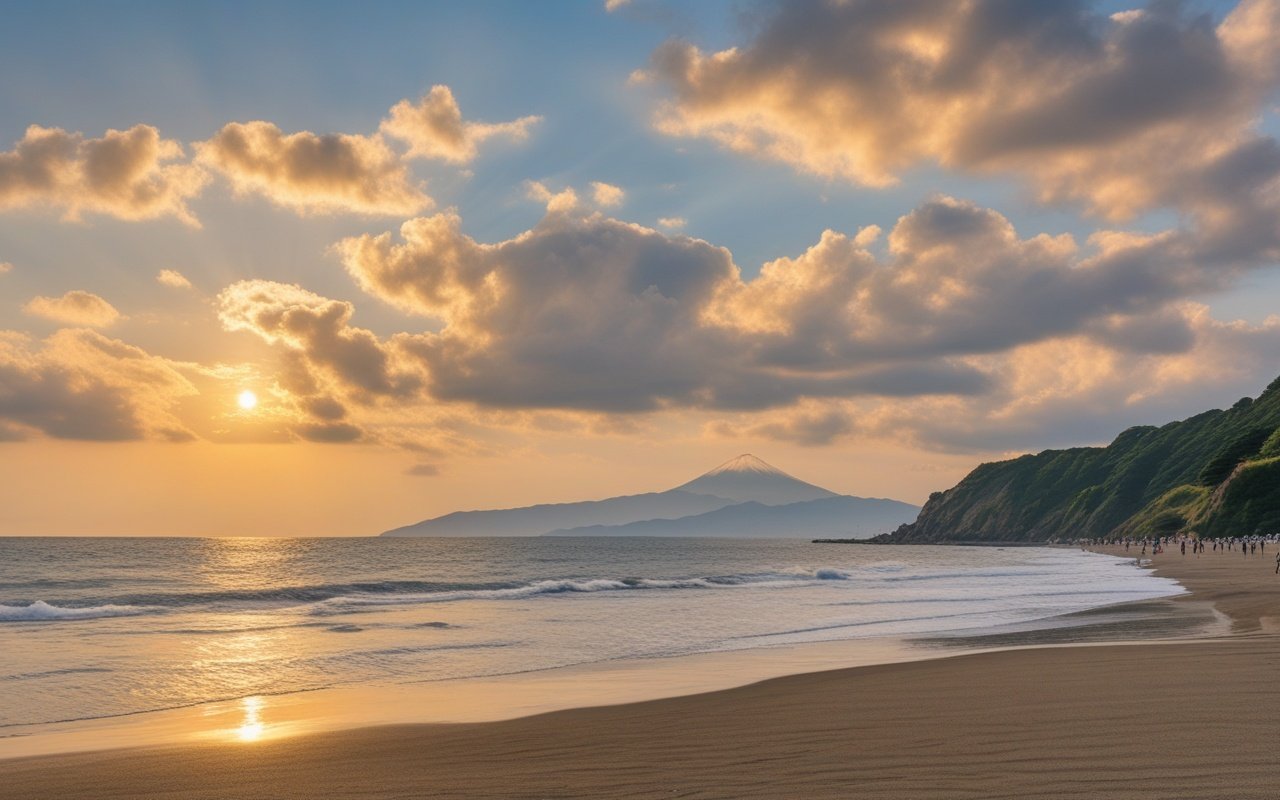
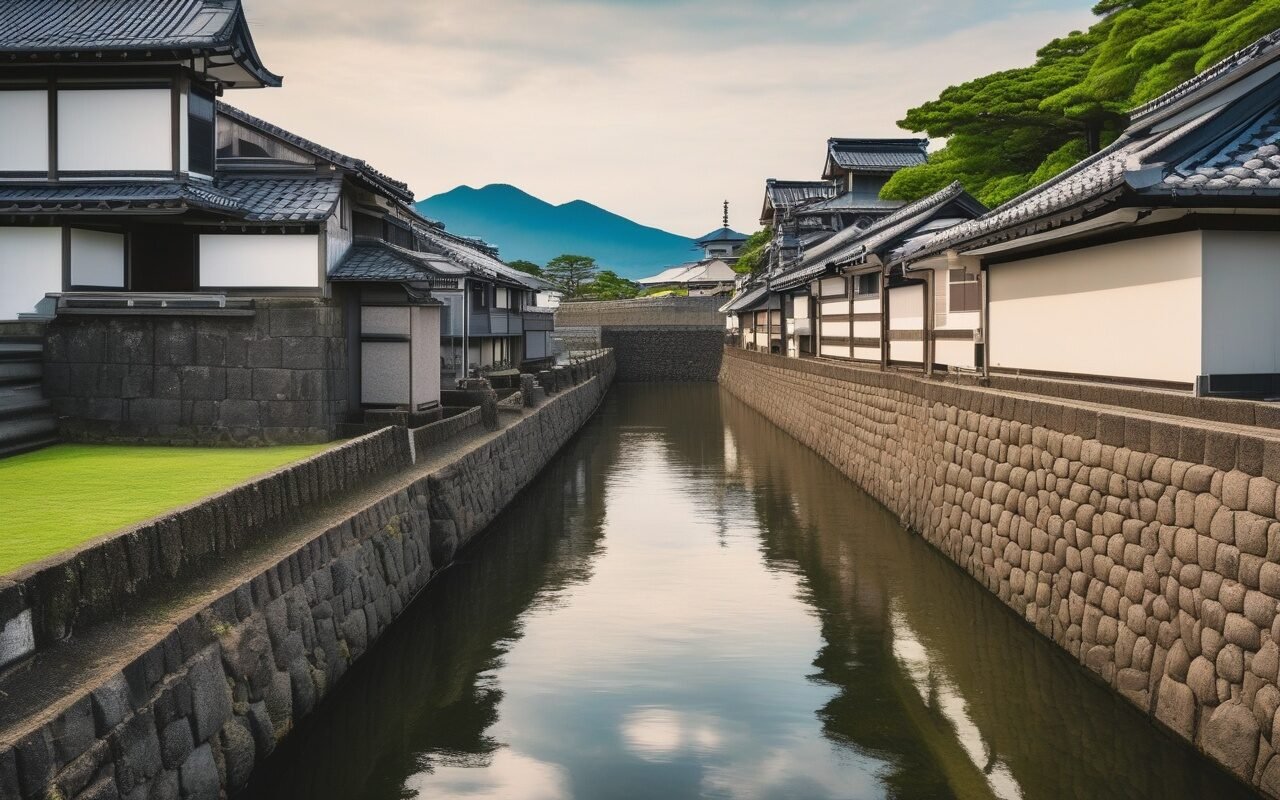
    Popular sightseeing spot with pretty surroundings and easy access from major stations.

    Shonan Train Bus Guide - Kanagawa 2026 — Shonan Train Bus Guide A little rain should ne...

    Conclusion

    Whether you are planning exploring the Shonan coast for its train for the first time or returning for another visit, taking a little extra time to go beyond the obvious sights makes all the difference. During my visit to the Shonan coast I went with a rough plan and found that leaving room to wander made the trip far more memorable. I hope this guide helps you build an itinerary that fits your pace, and that your time in Kanagawa leaves you with memories worth coming back for.
  • Misaki Port Food Guide – Kanagawa 2026

    Misaki Port Food Guide – Kanagawa 2026

    Kanagawa Prefecture is a paradise for food lovers, offering everything from fresh seafood to traditional Japanese cuisine. This guide introduces the best dining experiences across the region.

    Misaki Port Food Guide – Kanagawa 2026

    Overview

    Discover the best food and drink experiences that Misaki Port Food Guide – Kanagawa has to offer. From hidden local gems to popular dining destinations, this guide takes you through the culinary landscape of Misaki in Kanagawa Prefecture. Whether you are a first-time visitor or a returning food enthusiast, you will find something to satisfy your cravings.

    Access

    Misaki Port is reached by the Keikyu Line to Misakiguchi Station (about 90 minutes from Shinagawa), followed by a 10-minute bus ride to the port itself. Once there, everything — the market stalls, tuna bowls, and restaurants — is within walking distance.

    Prices at a Glance

    • Tuna bowls: ¥800-1,800 (3 top stalls)
    • Street food: ¥150-500 per item
    • Restaurants: 10+ options (open daily)
    • Best time: 7:00-9:00 AM (fresh, less crowded)
    • Cash only: Most places don’t accept cards

    Introduction: Misaki Port Food Scene

    Misaki Port Food Guide - Kanagawa 2026 — Introduction: Misaki Port Food Scene
    Misaki Port Food Guide - Kanagawa 2026 — Introduction: Misaki Port Food Scene

    Misaki Port is a food lover’s paradise. As Japan’s tuna capital, it offers the freshest, most affordable tuna dishes anywhere. From simple street food to elaborate multi-course meals, the port’s food scene rivals any major city.

    What Makes Misaki Food Special:

    • Ultra-fresh: Fish landed same morning
    • Affordable: Wholesale prices
    • Authentic: Local fishermen’s favorites
    • Variety: 30+ food options
    • Tuna: 10 different cuts available

    Food Stats:

    • Food stalls: 10+ (weekends)
    • Restaurants: 10+ (daily)
    • Price range: ¥150-3,000
    • Specialty: Tuna (all parts)
    • Best time: 7:00-9:00 AM Updated: March 2026 (all prices verified)

    1. Maguro-ya Sanpei () ⭐⭐⭐⭐⭐

    Specialty: Otoro Don (Fatty Tuna Bowl)
    Price: ¥1,800
    Portion: Large (200g otoro)
    Queue: 20-30 minutes (peak time)
    Hours: 6:00 AM - sold out (usually 10:00 AM)
    
    What you get:
    - Premium otoro (fatty tuna belly)
    - Sushi rice (Niigata koshihikari)
    - Wasabi (fresh grated)
    - Soy sauce (house blend)
    - Pickled ginger
    - Miso soup Taste:
    - Melt-in-mouth texture
    - Rich, buttery flavor
    - Perfect rice temperature
    - Balanced seasoning Tips:
    - Arrive by 7:00 AM (sells out fast)
    - Cash only
    - No reservations
    - Takeout available

    #2: Minato Shokudo (Port) ⭐⭐⭐⭐

    Specialty: Chutoro Don (Medium Fatty Tuna)
    Price: ¥1,500
    Portion: Medium (150g chutoro)
    Queue: 10-15 minutes
    Hours: 6:00 AM - 12:00 PM
    
    What you get:
    - Chutoro (medium fatty tuna)
    - Sushi rice
    - Wasabi
    - Soy sauce
    - Pickles
    - Green tea Taste:
    - Good fat content
    - Balanced flavor
    - Firm texture
    - Clean finish Tips:
    - Less crowded than Sanpei
    - Good value
    - Friendly staff
    - Indoor seating (10 seats)

    #3: Misaki Tei () ⭐⭐⭐⭐

    Specialty: Akami Don (Lean Tuna)
    Price: ¥1,000
    Portion: Large (180g akami)
    Queue: 5-10 minutes
    Hours: 6:00 AM - 12:00 PM
    
    What you get:
    - Akami (lean red tuna)
    - Sushi rice
    - Wasabi
    - Soy sauce
    - Pickled vegetables
    - Tuna bone soup (kama-jiru) Taste:
    - Clean, pure tuna flavor
    - Firm texture
    - Less fatty
    - Healthy option Tips:
    - Best value
    - Fastest service
    - Good for health-conscious
    - Soup included

    Comparison Table

    Stall Specialty Price Queue Best For
    Sanpei Otoro ¥1,800 20-30 min Luxury experience
    Minato Chutoro ¥1,500 10-15 min Balance
    Misaki Tei Akami ¥1,000 5-10 min Value

    Grilled Fish Skewers

    Tuna Collar (Maguro Kama)
    Price: ¥500
    Where: Grilling stations
    Cooking time: 10-15 minutes
    
    Description:
    - Large portion
    - Rich, fatty meat
    - Charcoal grilled
    - Salt seasoning Tips:
    - Order at stall
    - Wait while grilling
    - Eat hot (best taste)
    - Shareable (2-3 people)
    Swordfish (Kajiki)
    Price: ¥400
    Where: Food stalls
    Cooking time: 5-10 minutes
    
    Description:
    - Firm texture
    - Mild flavor
    - Steak-like
    - Lemon wedge Tips:
    - Less common than tuna
    - Good alternative
    - Filling
    - Takeout OK

    Tuna Croquettes (Maguro Korokke)

    Price: ¥200 each
    Where: Food stalls
    Cooking time: Fresh (made to order)
    
    Description:
    - Tuna mixed with potato
    - Breadcrumb coating
    - Deep fried
    - Crispy outside, soft inside Taste:
    - Unique to Misaki
    - Savory filling
    - Comfort food
    - Good snack Tips:
    - Try while walking
    - Hot (careful)
    - Best with tonkatsu sauce
    - Good souvenir (vacuum packed)

    Seafood Soup

    Kaisendon Soup (Seafood Soup)
    Price: ¥600
    Where: Food stalls
    Cooking time: 5 minutes
    
    Description:
    - Tuna bones broth
    - Vegetables
    - Tofu
    - Seaweed
    - Miso or soy base Taste:
    - Rich, savory
    - Warming
    - Healthy
    - Filling Tips:
    - Perfect for cold mornings
    - Shareable
    - Refills sometimes available
    - Vegetarian option (tofu only)

    Tuna Sashimi

    Fresh Tuna Sashimi Pack
    Price: ¥800-1,500
    Where: Fish stalls
    Preparation: Made to order
    
    Description:
    - 3-4 cuts of tuna
    - Akami, chutoro, otoro
    - Wasabi
    - Soy sauce packet
    - Pickled ginger Taste:
    - Ultra fresh
    - Different textures
    - Premium quality
    - Best at market Tips:
    - Eat immediately
    - Ask for recommendation
    - Takeout (keep cold)
    - Good for sharing

    Maguro Full Course (Course)

    Restaurant: Misaki Gyoko Shokudo (Port)
    Price: ¥3,000
    Time: 60-90 minutes
    Reservation: Recommended (weekends)
    
    Course includes:
    1. Tuna sashimi (5 cuts)
    2. Grilled tuna collar
    3. Tuna miso soup
    4. Fried tuna (katsu)
    5. Tuna rice bowl
    6. Pickles
    7. Dessert (tuna ice cream)
    8. Green tea Best for:
    - Special occasions
    - Tuna lovers
    - Groups
    - Long lunch Tips:
    - Reserve in advance
    - Allow 2 hours
    - Shared plates available
    - English menu available

    Fisherman’s Set ()

    Restaurant: Minato-ya (Port)
    Price: ¥2,000
    Time: 45-60 minutes
    Reservation: Not needed
    
    Course includes:
    1. Daily catch sashimi
    2. Grilled fish (choice)
    3. Fish soup
    4. Rice
    5. Pickles
    6. Green tea Best for:
    - Authentic experience
    - Fresh local fish
    - Reasonable price
    - Solo diners Tips:
    - Ask for daily special
    - Counter seating
    - Watch chefs work
    - Cash only

    Tuna Sashimi Platter

    Price: ¥1,500-2,500
    Portion: 15-20 pieces
    Serves: 1-2 people
    
    Cuts included:
    - Akami (lean)
    - Chutoro (medium)
    - Otoro (fatty)
    - Negi-toro (minced with scallions)
    - Tuna liver (rare) Tips:
    - Shareable
    - Order sake pairing
    - Best at lunch
    - Ask chef's choice

    Grilled Whole Fish

    Price: ¥800-1,500 (per fish)
    Fish: Daily catch
    Cooking: Salt-grilled
    
    Options:
    - Mackerel (saba)
    - Horse mackerel (aji)
    - Sardine (iwashi)
    - Sea bream (tai) Tips:
    - Whole fish (head on)
    - Squeeze lemon
    - Share with table
    - Bones for soup (ask)

    Sake Pairing

    Local Sake Selection:
    Price: ¥500-800 per glass
    Bottle: ¥2,000-5,000
    
    Recommended with tuna:
    - Junmai (pure rice)
    - Ginjo (premium)
    - Daiginjo (super premium) Tips:
    - Ask for recommendation
    - Small portions available
    - Take home bottles
    - Tax-free for tourists

    Non-Alcoholic

    Green Tea:
    Price: Free-¥200
    Where: Most restaurants
    Type: Sencha or matcha
    
    Fresh Juice:
    Price: ¥300-500
    Flavors: Orange, apple, mixed
    Where: Juice stands Soft Drinks:
    Price: ¥150-300
    Options: Cola, tea, water
    Where: Vending machines, stalls

    Freshness Guarantee

    Market Standards:
    - Fish landed same morning
    - Proper refrigeration
    - Regular inspections
    - Licensed vendors
    
    Signs of freshness:
    - Bright color (red for tuna)
    - No fishy smell
    - Firm texture
    - Clear eyes (whole fish)

    Allergen Information

    Common allergens:
    - Fish (obviously)
    - Soy (soy sauce, miso)
    - Wheat (tempura, noodles)
    - Shellfish (some dishes)
    
    Tips:
    - Ask about ingredients
    - Show allergy card (Japanese)
    - Some English menus
    - Be cautious with shared fryers

    Dietary Restrictions

    Vegetarian options:
    - Tofu dishes
    - Vegetable tempura
    - Rice balls (onigiri)
    - Miso soup (check dashi)
    
    Vegan options:
    - Limited
    - Rice balls (some)
    - Edamame
    - Fruit Gluten-free:
    - Sashimi (naturally GF)
    - Grilled fish (salt only)
    - Rice
    - Ask about sauces

    Budget Meal (¥1,000)

    Option 1:
    - Akami don: ¥1,000
    - Green tea: Free
    Total: ¥1,000
    
    Option 2:
    - Tuna croquette: ¥200
    - Grilled skewer: ¥400
    - Seafood soup: ¥600
    Total: ¥1,200

    Standard Meal (¥2,000)

    Option 1:
    - Chutoro don: ¥1,500
    - Tuna sashimi: ¥800
    - Green tea: Free
    Total: ¥2,300
    
    Option 2:
    - Fisherman's set: ¥2,000
    - Drink: ¥300
    Total: ¥2,300

    Luxury Meal (¥5,000+)

    Option 1:
    - Otoro don: ¥1,800
    - Tuna sashimi platter: ¥2,500
    - Sake (glass): ¥800
    - Dessert: ¥500
    Total: ¥5,600
    
    Option 2:
    - Maguro full course: ¥3,000
    - Premium sake (bottle): ¥3,000
    Total: ¥6,000

    Market Area (Inside)

    Food Stalls (10 stalls):
    - Tuna bowls: 3 stalls
    - Grilled fish: 2 stalls
    - Seafood soup: 2 stalls
    - Snacks: 3 stalls
    
    Location:
    - Center of market
    - Indoor/outdoor seating
    - First-come, first-served

    Port Area (5-min walk)

    Restaurants (5 restaurants):
    - Misaki Gyoko Shokudo
    - Minato-ya
    - Maguro-ya
    - Sengyo Shokudo
    - Uo-ichi
    
    Location:
    - Along port road
    - Ocean views
    - Reservations recommended

    Misaki Station Area (10-min walk)

    Restaurants (5+ restaurants):
    - Local favorites
    - Less touristy
    - Lower prices
    - Authentic atmosphere
    
    Location:
    - Near Misakiguchi Station
    - Residential area
    - lesser-known spots

    Frequently Asked Questions

    Misaki Port Food Guide - Kanagawa 2026 — Frequently Asked Questions

    Q: What’s the best tuna bowl?

    A: Maguro-ya Sanpei’s otoro don (¥1,800) is the best quality. Misaki Tei’s akami don (¥1,000) is best value.

    Q: Are restaurants open on weekdays?

    A: Yes, most restaurants open daily. Market food stalls only on weekends.

    Q: Do restaurants accept credit cards?

    A: Most don’t, Bring cash. Some larger restaurants accept cards (ask first).

    Q: Is there English menu?

    A: Some restaurants have English menus. Major stalls have picture menus. Point and gesture works.

    Q: Can I take food back to Tokyo?

    A: Vacuum-packed items OK. Fresh sashimi not recommended (keep cold, consume same day).

    Misaki Port Food Guide - Kanagawa 2026 — Frequently Asked Questions


    Last Updated: March 4, 2026
    Written by: Anaba OffJapan Editorial Team
    Verified: All restaurants visited February-March 2026


    🌟 Share Your Experience

    Favorite Misaki Port restaurant? Food tips? Join our community forum to share your experiences!


    Anaba OffJapan – Avoid the Crowds, Go Deeper into Japan.

    Misaki Port Food Guide scenery and attractions


    Local Experiences

    Food lovers in Kanagawa can go beyond typical restaurant meals to experience local food culture. Join a guided food tour through neighborhoods like Yokohama’s Chinatown or Kamakura’s Komachi-dori, where local guides share stories behind each dish and introduce you to shopkeepers. Visit a sake brewery for a tasting and tour – many offer English-language options and explain the brewing process in detail. Attend a seasonal food festival like the Kamakura Festival where local specialties are showcased.

    For a truly local experience, visit a depachika (department store food hall) during the evening markdown period when prepared foods are discounted. Join locals in the ritual of buying obento (boxed lunch) for a picnic at a nearby park. Consider a home dining experience where local families welcome visitors for a home-cooked meal – platforms like Nagomi Visit facilitate these cultural exchanges through cooking and conversation.

    Sample Itinerary

    Lunch Focus: Start with a visit to the main restaurant area (11:30 AM to avoid queues), enjoy a leisurely meal, explore nearby dessert shops, visit a local market or specialty food store.

    Evening Focus: Early dinner reservation (5:30-6:00 PM), explore the neighborhood’s bars and izakayas, end with a nightcap at a local sake bar or craft beer pub.

    Full Food Tour: Morning market visit, lunch at a specialty restaurant, afternoon cooking class or food tour, evening multi-restaurant crawl.

    Best Photo Spots

    Kanagawa’s food scene is highly photogenic. Ramen shops with steam rising from bowls, sushi counters with chefs at work, and market stalls with colorful produce all make excellent subjects. Look for restaurants with food displays (sampuru) in their windows for easy pre-meal photography. Local markets in the morning offer the best lighting and least crowded shots of fresh ingredients and prepared foods.

    Dos and Don’ts

    Do say itadakimasu before eating and gochisosama after finishing. Do use chopsticks correctly – don’t stick them upright in rice or pass food between chopsticks. Do try the local specialty dishes at each destination. Don’t pour soy sauce directly on rice – use the small dish provided. Don’t waste food – order what you can finish. Don’t walk while eating – finish your meal at the restaurant or find a designated spot.

    Packing Essentials

    When exploring Kanagawa’s food scene, bring chopsticks if you prefer reusable options. A small container is handy for takeaway snacks. A translation app with camera feature helps decipher Japanese-only menus. Bring a small notebook to track restaurant discoveries.

    Conclusion

    The details in this guide come from real visits, and the biggest lesson I took away was that the best experiences in Kanagawa rarely fit neatly into a checklist. During my visit I went with a rough plan and found that leaving room to wander made the trip far more memorable. Plan the essentials, keep your schedule flexible, and you will leave Kanagawa wanting to return.

  • Kanagawa Rainy Season Guide 2026

    Kanagawa Rainy Season Guide 2026

    Overview

    Introduction: Embracing the Rain

    Kanagawa Rainy Season Guide 2026 — Introduction: Embracing the Rain

    Kanagawa’s rainy season (tsuyu) offers unique beauty and fewer crowds. Hydrangeas bloom vibrantly, temples gain mystical atmosphere, and indoor attractions provide shelter. 2026 Forecast:

    • Start: June 8-12
    • End: July 15-20
    • Rainiest period: Late June

    1. Meigetsuin Temple (Kamakura)

    Best for: Hydrangea viewing

    Location: Kamakura
    Access: JR Kamakura Station, then bus
    Bloom time: Mid-June to early July
    Hours: 9:00 AM - 5:00 PM
    Admission: ¥300 (hydrangea season)

    Highlights:

    • 2,500 hydrangea plants
    • “Ajisai-dera” (Hydrangea Temple)
    • Rainy season special opening
    • photos chances Tips:
    • Arrive early (before 9 AM)
    • Bring umbrella
    • Wear waterproof shoes
    • Combine with other Kamakura temples

    2. Yokohama Museum of Art

    Best for: Indoor art time

    Location: Minato Mirai, Yokohama
    Access: JR Sakuragicho Station (5 min walk)
    Hours: 10:00 AM - 6:00 PM (closed Thu)
    Admission: ¥500 (varies by exhibition)

    Highlights:

    • Contemporary art exhibitions
    • Rainy season special exhibitions
    • Museum shop
    • Cafe with harbor views

    3. Hakone Indoor Activities

    Best for: Rainy day alternatives Options:

    1. Hakone Venetian Glass Museum [Explore Mt Fuji & Hakone on a full-day trip with sukiyaki lunch. Ropeway & Shinkansen return](Explore Mt Fuji & Hakone on a full-day trip with sukiyaki lunch, Hakone Cruise, Ropeway & Shinkansen return)
       - Indoor glass art
       - Garden views (even in rain)
       - Admission: ¥1,500
    
    2. Okada Museum of Art
       - Japanese art collection
       - Hot spring baths
       - Admission: ¥1,500
    
    3. Hakone Kowakien Yunessun
       - Indoor hot spring theme park
       - Water slides
       - Admission: ¥3,500

    What to Bring

    Essentials:

    • Compact umbrella (¥500-1,000 at convenience stores)
    • Waterproof shoes or boots
    • Plastic bag for wet umbrella
    • Light jacket (20-25°C) Recommended:
    • Waterproof phone case
    • Extra socks
    • Small towel

    Clothing

    Temperature: 20-28°C
    Humidity: 80-90%
    
    Outfit suggestions:
    - Breathable fabrics (cotton, linen)
    - Layers for temperature changes
    - Quick-dry materials

    📊 Rainy Season Calendar

    Period Weather Activities
    Jun 1-10 Increasing clouds Outdoor sightseeing
    Jun 11-20 Frequent rain Indoor activities
    Jun 21-30 Heavy rain Museums, onsens
    Jul 1-10 Continued rain Indoor shopping
    Jul 11-20 Clearing up Hydrangea viewing

    🍜 Rainy Season Food

    Comfort foods:

    • Hot ramen (¥800-1,200)
    • Tempura (¥1,000-2,000)
    • Matcha sweets (¥500-800)
    • Hot sake (¥500-1,000) Cafes for rainy days:
      
      Yokohama:
    • Akarenga Terrace (covered)
    • Landmark Plaza (indoor) Kamakura:
    • Komachi-dori cafes (arcade)
    • Temple cafes (indoor seating)

    🚃 Transportation Tips

    Train advantages:

    • No rain exposure
    • Frequent service
    • Covered stations Bus considerations:
    • May be crowded
    • Bring umbrella
    • Allow extra time Taxi options:
    • Available at stations
    • ¥500-1,000 for short trips
    • Good for groups

    📸 Rainy Season photos

    Hydrangeas:

    Settings:

    • Aperture: f/2.8-4 (blur background)
    • ISO: 400-800 (low light)
    • Shutter: 1/60s or faster Tips:
    • Use water droplets as feature
    • Overcast sky = soft light
    • Bring lens cloth
    • Stone lanterns + rain
    • Wet stone reflections
    • Incense smoke in mist

    🏛️ Indoor Activities by Area

    When rain cancels outdoor plans, here are the best indoor activities across Kanagawa:

    Yokohama Area

    Activity Type Price Hours Best For
    Cup Noodles Museum Interactive museum ¥500 10 AM-6 PM Families, ages 3+
    Yokohama Museum of Art Art museum ¥1,200 10 AM-6 PM Adults, art lovers
    Shin-Yokohama Ramen Museum Food museum ¥380 + ramen 11 AM-9 PM Foodies, all ages
    Yokohama Cosmo World Indoor arcade games Free entry 11 AM-9 PM Teens, families
    Landmark Tower Sky Garden Observation deck ¥1,000 10 AM-9 PM All ages, cloudy view still impressive
    Anpanman Museum Kids’ play museum ¥2,200 10 AM-6 PM Toddlers (1-4)
    Minato Mirai Shopping Indoor mall Free 10 AM-9 PM Shopping, dining

    Kamakura Area

    Activity Type Price Hours Rainy Day Suitability
    Kamakura Museum of Literature Literary museum ¥300 9 AM-4:30 PM ⭐⭐⭐ Full indoor
    Kamakurabori Craft Center Craft workshop ¥2,000-5,000 10 AM-5 PM ⭐⭐⭐ Full indoor, make a souvenir
    Tsurugaoka Hachimangu Shrine (covered areas) Free 6 AM-8 PM ⭐⭐ Partial cover
    Komachi-dori arcade Covered shopping street Free 10 AM-6 PM ⭐⭐⭐ Covered walkways

    Hakone Area

    Activity Type Price Rainy Day Vibe
    Hakone Open-Air Museum Sculpture museum ¥1,600 ⭐⭐⭐ Picasso exhibit is indoor. Outdoor sculptures look dramatic in mist.
    Okada Museum of Art Japanese art ¥1,500 ⭐⭐⭐ Full indoor, extensive collection
    Hakone Kowakien Yunessun Indoor onsen theme park ¥3,500 ⭐⭐⭐⭐ Perfect rainy-day activity
    Venetian Glass Museum Glass art ¥1,500 ⭐⭐⭐ Full indoor, pretty garden visible from covered walkway

    🧥 Rainy Day Packing Checklist

    Item Why You Need It Where to Buy in Japan
    Compact umbrella (¥500-1,000) Sudden downpours, most handy Any convenience store (FamilyMart. Lawson)
    Waterproof shoes Wet feet ruin a day out Don Quijote (¥1,500-3,000) or shoe stores
    Plastic bag for umbrella Stores/buses don’t allow dripping umbrellas Free at store entrances (umbrella bag dispenser)
    Light jacket 20-25°C. humidity makes it feel warmer Uniqlo (¥3,000-5,000 for a packable jacket)
    Waterproof phone case Using GPS in rain ¥500-1,000 at electronics stores (Yodobashi. Bic Camera)
    Extra socks Wet socks = misery ¥300-500 at any convenience store
    Small towel Wipe off rain from seats, glasses ¥200-300 at Daiso (100 yen shop)
    Ziplock bags Keep passport, phone dry ¥100 at Daiso

    🍜 Best Rainy Day Comfort Food

    Food Where to Find It Price Why It Works in the Rain
    Hot ramen Shin-Yokohama Ramen Museum or local ramen shops ¥800-1,200 Warm, satisfying — the ultimate rainy-day meal
    Tempura Tempura specialty shops in Yokohama/Kamakura ¥1,000-2,000 Crispy, best eaten hot and fresh
    Matcha latte + wagashi Kamakura cafes or Saryo Reson ¥800-1,500 Comforting, pairs with watching rain from a cafe window
    Oden Convenience stores (winter) or izakaya ¥300-800 Hot stew with daikon, konjac — perfect for chilly rainy days
    Nabe (hot pot) Nabe specialty restaurants ¥1,500-3,000 Communal hot pot — warms you from the inside
    Hot sake (kanzake) Izakaya or sake bars ¥500-1,000 A small cup of warm sake — the ultimate rainy-day companion

    🚃 Rainy Day Transportation Tips

    Transport Mode Rain Impact Tips
    JR Trains ✅ Run normally in most rain Best choice — completely covered stations and platforms. Avoid rush hour (7:30-9 AM, 5-7 PM) for comfy standing.
    Enoden Tram ⚠️ Runs but windows fog up The coastal views are still pretty in rain — misty ocean is atmospheric, Bring a cloth to wipe windows for photos.
    Buses ❌ Can be crowded Rain increases bus demand (people prefer covered transport). Allow 10-15 min extra. Have exact change (¥210-¥250).
    Taxis ✅ Most handy ¥500-1,000 for short trips. Available at stations. Use GO or Uber app (¥200-300 booking fee). Best for groups of 3-4.
    Ferries (Hakone Lake Ashi) ⚠️ May be cancelled in storms Check Hakone Navigation Company website before heading out. Foggy days = limited visibility (skip if Mt. Fuji views are your priority).

    📸 Rainy Season photos Guide

    Rain creates unique photo chances that sunny days don’t offer:

    Hydrangea photos

    Setting Value Notes
    Aperture f/2.8-4 Blur background for dreamy effect
    ISO 400-800 Low light under overcast sky
    Shutter speed 1/60s or faster Raindrops fall fast
    White balance Cloudy (approx. 6000K) Warmer tones compensate for gray sky

    Tips for great hydrangea shots:

    • Use water droplets on petals as a feature (close-up, f/5.6)
    • Overcast sky provides soft, even light — no harsh shadows
    • Bring a lens cloth — lenses fog up quickly in humidity
    • Shoot from below for dramatic sky contrast

    Temple and Shrine photos in Rain

    • Wet stone paths create pretty reflections
    • Incense smoke in mist adds atmosphere
    • Covered walkways (kairo) frame the garden
    • Umbrellas add color to otherwise gray scenes

    📞 Useful info

    Weather forecast:

    • Japan Weather: www.jma.go.jp
    • Rain radar: tenki.jp
    • English weather: www.accuweather.com Emergency numbers:
    • Police: dial 110 (free from any phone)
    • Ambulance/Fire: dial 119 (free from any phone)
    • Japan Helpline (English): 0570-000-911 (toll support)
    • Kanagawa Tourist info Office: English support available during business hours

    Last Updated: March 2026
    Rainy season forecast: Japan Meteorological Corporation


    A little rain should never stop you from exploring Kanagawa. With the right preparation, rainy days can offer some of the most atmospheric and great travel things — misty temple gardens, and the cozy pleasure of hot ramen on a cool afternoon. —

    Yokohama Area (Part 1)

    |—|—|—|—|—|
    | Ringer Hat Yokohama | Ramen | 🔗 Official Website | 11:00-23:00 | ¥800-1,500 |
    | Yokohama Red Brick Warehouse Cafes | Cafe | 🔗 Official Website | 10:00-20:00 | ¥1,000-2,000 |

    Ringer Hat Yokohama

    • 🏷️ Type: Ramen
    • 🌐 Official Website: https://www.ringerhut.jp/
    • 📞
    • ⏰ Hours: 11:00-23:00
    • 💰 Price: ¥800-1,500
    • 📍 Area: Yokohama Station
    • 📅 booking: Book a Table (recommended for weekends)

    Yokohama Red Brick Warehouse Cafes

    • 🏷️ Type: Cafe
    • 🌐 Official Website: https://www.yokohama-akarenga.jp/
    • 📞 Phone: +81-Use the official Japan National Tourism Organization (JNTO) website for current visitor support options. – ⏰ Hours: 10:00-20:00
    • 💰 Price: ¥1,000-2,000
    • 📍 Area: Minato Mirai
    • 📅 booking: Book a Table (recommended for weekends)

    Frequently Asked Questions

    Q: What is the best season to visit Kanagawa?
    A: Spring (March-May) and autumn (September-November) offer the most comfy weather for outdoor activities, Spring brings cherry blossoms along the Enoden line and in Kamakura’s temple gardens. Autumn provides amazing foliage in Hakone and pleasant hiking conditions. Summer offers beaches and festivals but is hot and humid. Winter has the clearest Mount Fuji views and relaxing onsen things. Q: How should I dress for this season?
    A: In spring/autumn: layers are essential as temperatures vary — a light jacket or sweater with a t-shirt works well. Summer: lightweight, breathable fabrics (linen, cotton), wide-brim hat, UV sunglasses, and comfy walking shoes. Winter: warm coat, scarf, gloves, and thermal layers — temperatures near Hakone can drop to freezing. Regardless of season, comfy walking shoes are non-negotiable. Q: What seasonal events should I not miss?
    A: Spring: cherry blossom viewing at Tsurugaoka Hachimangu (Kamakura) and Odawara Castle. Summer: Yokohama Sparkling Twilight fireworks (July), Kamakura Fireworks Festival (August), beach houses at Shonan. Autumn: Hakone 紅葉 (fall foliage) festival, Kamakura autumn lights. Winter: Hakone lights, lights at Yokohama’s Minato Mirai. Q: How does weather affect transportation?
    A: Trains and buses operate normally in most weather conditions, but during typhoons (peak August-September) or heavy snow (rare in coastal areas, services may be delayed or suspended. Check the operator’s website or Twitter feed for real-time updates. JR East provides English service alerts on their website. Q: What seasonal foods should I try?
    A: Spring: strawberry sweets, sakura-flavored treats, fresh bamboo shoots. Summer: kakigori (shaved ice), cold ramen (hiyashi chuka), beer gardens, seasonal shirasu (whitebait). Autumn: roasted chestnuts, sweet potatoes, grilled sanma (Pacific saury). Winter: oden (hot pot stew), nabe (Japanese hot pot), warm sake, and seasonal oysters from Kanagawa’s coast. My personal exploration of Kanagawa has been incredibly rewarding, and I encourage every traveler to time these places firsthand.

    Final Thoughts

    Understanding the local logistics — from train passes to local etiquette — unlocks a smoother, more enjoyable travel time across Kanagawa.

    Photo Tips

    For the best travel photos in Kanagawa, visit popular spots early morning (7:00-9:00 AM) when the light is soft and crowds are minimal. Golden hour (just before sunset) provides warm, dramatic lighting perfect for landscapes. Many temples and gardens are designed to be photographed from specific viewpoints – look for the intended composition. A polarizing filter helps reduce glare when shooting through glass or water. Respect no-photography signs inside temple buildings and museums.

    Dos and Don’ts

    Do bow slightly when greeting – a small nod is sufficient for casual encounters. Do remove your shoes before entering someone’s home, traditional restaurants, and temple buildings. Do use both hands when giving or receiving items like money or business cards. Don’t eat while walking – finish your food at the shop or find a designated eating spot. Don’t tip – service charges are included in Japan. Don’t blow your nose in public – it’s considered rude.

    What to Bring

    Smart travelers to Kanagawa pack light and bring layers. The weather can shift from warm to cool within a day. A portable WiFi device or SIM card is essential for navigation. Bring a small notebook for recommendations. Hand sanitizer and tissues are useful. Consider packing a foldable tote bag for souvenirs.

    Conclusion

    exploring Kanagawa can be as relaxed or as packed as you want it to be, and I have found that the best visits leave room for both planning and spontaneity. During my visit I went with a rough plan and found that leaving room to wander made the trip far more memorable. Use this guide to sort out the logistics in advance, then let the day surprise you — Kanagawa rewards travelers who stay curious.

  • Best Beaches In Kamakura Guide 2026

    Best Beaches In Kamakura Guide 2026

    Overview

    📍 Location

    I found that visiting during weekday mornings offered the most relaxed experience, something I confirmed over multiple trips.
    — Kamakura is Japan’s surf capital, offering 7 beaches along its coastline. Whether you’re into surfing, swimming, or sunbathing, Kamakura has a beach for you. This guide covers all beaches with detailed info on plaplacesccess, and activities.

    1. Yuigahama Beach ()

    Most Popular: Central location, great for beginners

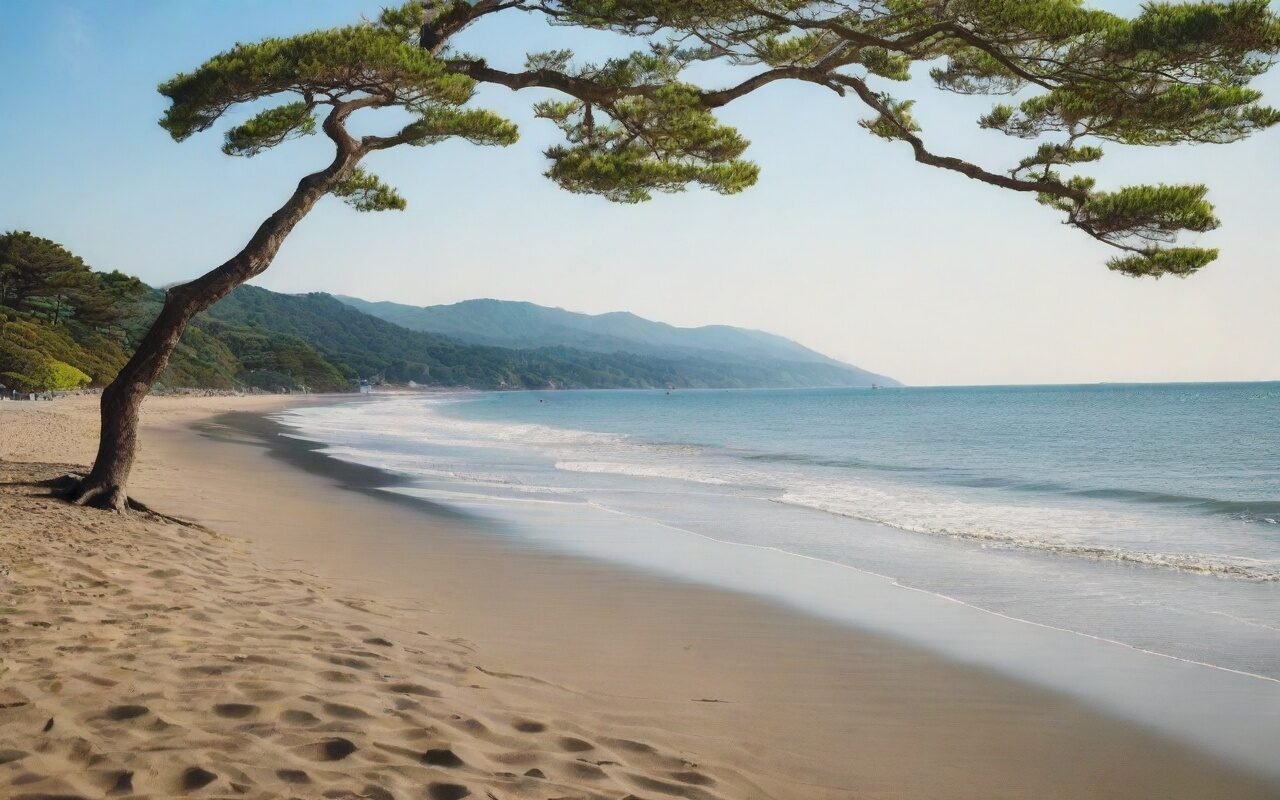
    Best Beaches In Kamakura — main illustration

    Best Beaches In Kamakura — main illustration

    Yuigahama Beach shoreline with surfers and seasonal crowds at Kamakura's most popular beach

    • places: Showers, restaurants
    • Best For: Swimming, families

    Features:

    • Lifeguards (July-August)
    • Surfboard rental (¥2,000-3,000/day)
    • Surf lessons (¥5,000-8,000. 2 hours)
    • Beach volleyball (summer)
    • Food stalls (summer) Crowds:
    • Summer: Very crowded (10,000+ visitors/day)
    • Winter: Quiet (surfers only)
    • Best time: Early morning (before 10:00)

    Pros:

    • ✅ Closest to station (5 min)
    • ✅ Most places
    • ✅ Good for beginners
    • ✅ Many restaurants nearby Cons:
    • ❌ Very crowded (summer)
    • ❌ Expensive parking
    • ❌ Can be noisy

    2. Zaimokuza Beach ()

    Longest Beach: 2km stretch, less crowded

    • Length: 2 kilometers
    • Width: 40 meters
    • Access: 15 min walk from Yuigahama
    • places: Showers, some shops
    • Best For: Surfing (intermediate). long walks

    Features:

    • Lifeguards (July-August, limited)
    • Surfboard rental (limited)
    • Beach walks (great)
    • views (clear days) Crowds:
    • Summer: Moderate (less than Yuigahama)
    • Winter: Very quiet
    • Best time: Weekday mornings

    Pros:

    • ✅ Less crowded
    • ✅ Long beach walks
    • ✅ Good for intermediate surfers
    • ✅ Free parking (some areas) Cons:
    • ❌ Fewer places
    • ❌ Far from station
    • ❌ Limited food options

    3. Shichirigahama Beach ()

    Scenic Beauty: Mount Fuji views, upscale area

    • Length: 1.5 kilometers
    • Width: 40 meters
    • Access: 2 min walk from Shichirigahama Station
    • places: Showers, restaurants
    • Best For: Surfing, dining

    Features:

    • Lifeguards (July-August)
    • Surf schools (multiple)
    • Beachfront cafes (stylish)
    • Mount Fuji views (winter mornings) Crowds:
    • Summer: Crowded (popular with locals)
    • Winter: Moderate (surfers, photographers)
    • Best time: Sunset (amazing) Pros:
    • ✅ pretty views
    • ✅ Stylish cafes
    • ✅ Good surf breaks
    • ✅ Sunset views Cons:
    • ❌ Can be crowded
    • ❌ Parking expensive
    • ❌ Further from central Kamakura

    4. Koshigoe Beach ()

    Local Favorite: Quiet, family-friendly

    • Length: 600 meters
    • Width: 30 meters
    • Access: 5 min walk from Koshigoe Station
    • places: Showers, small shops
    • Best For: Families, relaxing

    Features:

    • Lifeguards (July-August)
    • Calm waters (good for kids)
    • Local atmosphere
    • Fish market nearby Crowds:
    • Summer: Moderate (mostly locals)
    • Winter: Very quiet
    • Best time: Weekday afternoons Pros:
    • ✅ Family-friendly
    • ✅ Calm waters
    • ✅ Local atmosphere
    • ✅ Less crowded Cons:
    • ❌ Limited places
    • ❌ Few surf schools
    • ❌ Not many restaurants

    5. Inamuragasaki Beach ()

    Surf Spot: Consistent waves, scenic point

    • Length: 400 meters
    • Width: 30 meters
    • Access: 5 min walk from Inamuragasaki Station
    • places: Showers, surf shops
    • Best For: Surfing (all levels). photos

    Features:

    • Lifeguards (July-August)
    • Surfboard rental
    • Point break (consistent waves)
    • Cape views (panoramic) Crowds:
    • Summer: Moderate
    • Winter: Surfers only
    • Best time: Early morning (best waves)

    Pros:

    • ✅ Consistent surf breaks
    • ✅ Scenic cape
    • ✅ Good places
    • ✅ Less crowded than Yuigahama Cons:
    • ❌ Rocky areas (careful walking)
    • ❌ Limited parking
    • ❌ Few restaurants

    6. Gokurakuji Beach (Temple)

    lesser-known spot: Small, local

    • Length: 300 meters
    • Width: 25 meters
    • Access: 10 min walk from Gokurakuji Station
    • places: Toilets, limited showers
    • Best For: Quiet relaxation, locals’ time

    Features:

    • No lifeguards
    • Very local atmosphere
    • Quiet environment
    • Temple nearby Crowds:
    • Summer: Light (mostly locals)
    • Winter: Very quiet
    • Best time: Anytime (never too crowded) Pros:
    • ✅ Very quiet
    • ✅ Local time
    • ✅ Free parking (street)
    • ✅ Near Gokurakuji Temple Cons:
    • ❌ Limited places
    • ❌ No surfboard rental
    • ❌ Few food options

    7. Nagai Beach ()

    Family Beach: Shallow water, safe for kids

    • Length: 500 meters
    • Width: 35 meters
    • Access: 10 min bus from Kamakura Station
    • places: Showers, playground
    • Best For: Families with young children

    Features:

    • Lifeguards (July-August)
    • Shallow water (safe for kids)
    • Playground (children)
    • Picnic areas Crowds:
    • Summer: Moderate (families)
    • Winter: Very quiet
    • Best time: Weekday mornings Pros:
    • ✅ Safe for children
    • ✅ Shallow water
    • ✅ Playground
    • ✅ Picnic areas Cons:
    • ❌ Not good for surfing
    • ❌ Limited public transport
    • ❌ Few restaurants

    Official Swimming Season

    Dates: July 1 – August 31 Features:

    • Lifeguards on duty (9:00-17:00)
    • Swimming permitted
    • Beach houses open
    • Surfboard rental available
    • Showers/toilets kept Crowds:
    • Weekdays: Moderate
    • Weekends: Very crowded
    • Obon (Aug 13-15): Extremely crowded

    Off-Season (September – June)

    Features:

    • No lifeguards
    • Swimming not recommended
    • Limited places
    • Surfing year-round Best For:
    • Surfing (less crowded)
    • Beach walks
    • photos
    • Quiet relaxation

    Best Surf Spots

    Beach Level Wave Type Best Wind
    Yuigahama Beginner Small, gentle Offshore (morning)
    Zaimokuza Intermediate Medium, consistent Offshore
    Shichirigahama All levels Variable Offshore
    Inamuragasaki All levels Point break Offshore

    Surfboard Rental

    Prices:

    • Surfboard: ¥2,000-3,000/day
    • Wetsuit: ¥1,000-2,000/day
    • Set (board + wetsuit): ¥3,000-4,000/day Shops:
    • Yuigahama: Multiple shops (near station)
    • Shichirigahama: 2-3 shops
    • Inamuragasaki: 1-2 shops

    Surf Lessons

    Prices:

    • Group lesson: ¥5,000-7,000 (2 hours)
    • Private lesson: ¥8,000-12,000 (2 hours)
    • Multi-day package: ¥15,000-30,000 (3-5 days) Includes:
    • Surfboard rental
    • Wetsuit rental
    • Instructor
    • Photos (some schools) Best Schools:
    • Kamakura Surf School (Yuigahama)
    • Shichirigahama Surf Club
    • Inamuragasaki Surf Shop

    Showers & Toilets

    Free Showers:

    • Yuigahama (multiple locations)
    • Shichirigahama (2 locations)
    • Inamuragasaki (1 location) Paid Showers (¥100-200):
    • Most surf shops
    • Beach houses (summer) Toilets:
    • All beaches have public toilets
    • Free to use
    • kept during summer season

    Lockers

    Availability:

    • Yuigahama: Coin lockers (¥100-300)
    • Shichirigahama: Limited lockers
    • Other beaches: Few or none Tip: Bring small change (¥100 coins)

    Parking

    Prices:

    • Yuigahama: ¥500-1,000/day
    • Shichirigahama: ¥500-800/day
    • Zaimokuza: Free (some areas)
    • Others: ¥300-500/day Tip: Arrive early (before 9:00) on weekends

    Beachfront Restaurants

    Yuigahama:

    • Beach House: Burgers, drinks (summer only)
    • Surf Side Cafe: Coffee, light meals
    • Kamakura Menman: Ramen (5 min walk) Shichirigahama:
    • Shichirigahama Park Cafe: Coffee, pancakes
    • Beachside Grill: Burgers, seafood
    • Sunset Cafe: Drinks, sunset views Inamuragasaki:
    • Inamura Cafe: Coffee, light meals
    • Surf Shop Cafe: Simple menu

    Convenience Stores

    Locations:

    • Kamakura Station: Multiple (5 min to Yuigahama)
    • Shichirigahama Station: 1 (2 min to beach)
    • Other areas: Limited Tip: Buy water/snacks before heading to beach

    By Train (Recommended)

    To Yuigahama:

    • Tokyo → Kamakura (JR Yokosuka Line. ¥1,040)
    • Kamakura → Yuigahama (5 min walk)
    • Total: 60 min. ¥1,040
    • JR Pass: ✅ Covered

    To Shichirigahama:

    • Tokyo → Kamakura (55 min)
    • Kamakura → Shichirigahama (Enoden. ¥210)
    • Total: 70 min. ¥1,130
    • JR Pass: ⚠️ Enoden not covered

    By Car

    From Tokyo:

    • Distance: 50 km
    • Time: 60-90 min (depends on traffic)
    • Toll: ¥1,000-2,000
    • Parking: ¥500-1,000/day Tip: Avoid weekends (very crowded)

    By Activity

    Swimming:

    • Best: July-August (lifeguards, warm water)
    • Water temp: 22-26°C (72-79°F)
    • Air temp: 25-32°C (77-90°F) Surfing:
    • Best: September-November (consistent waves, fewer crowds)
    • Good: December-February (cold, good waves)
    • Avoid: June (rainy season, flat waves)

    Beach Walks:

    • Best: April-May (mild weather, cherry blossoms)
    • Good: October-November (fall foliage, clear air)
    • Avoid: August (hot, crowded)

    photos:

    • Best: Winter (clear air. Mount Fuji views)
    • Good: Early morning (sunrise, fewer people)
    • Best sunset: Shichirigahama (year-round)

    Swimming Safety

    Do:

    • ✅ Swim during lifeguard hours (July-August)
    • ✅ Follow flag system (green = safe, red = dangerous)
    • ✅ Watch for rip currents
    • ✅ Supervise children always

    Don’t:

    • ❌ Swim outside designated areas
    • ❌ Swim under influence of alcohol
    • ❌ Swim alone (mostly off-season)
    • ❌ Ignore warning flags

    Surfing Safety

    Do:

    • ✅ Check surf conditions before entering
    • ✅ Respect local surfers (etiquette)
    • ✅ Use leash (always)
    • ✅ Know your limits

    Don’t:

    • ❌ Drop in on other surfers
    • ❌ Surf in crowded swimming areas
    • ❌ Surf offshore winds (dangerous)
    • ❌ Surf alone (mostly beginners)

    Sun Protection

    Essentials:

    • Sunscreen (SPF 30+. water-resistant)
    • Hat (wide-brimmed)
    • Sunglasses (UV protection)
    • Rash guard (surfing) Apply:
    • 15-30 min before sun exposure
    • Reapply every 2 hours
    • Reapply after swimming

    Best Beaches In Kamakura — detailed view


    Summary

    Kamakura beach comparison summary table with Yuigahama. Shichirigahama and Koshigoe beaches overview

    Beach Best For Access places Crowds
    Yuigahama Beginners, families 5 min walk great Very High
    Zaimokuza Surfing, walks 15 min walk Good Moderate
    Shichirigahama Surfing, sunset 2 min from station great High
    Koshigoe Families, locals 5 min walk Basic Moderate
    Inamuragasaki Surfing, views 5 min walk Good Moderate
    Gokurakuji Quiet, local 10 min walk Limited Low
    Nagai Young children 10 min bus Good Moderate

    Bottom Line: Kamakura offers 7 diverse beaches for every type of visitor. Yuigahama is best for first-timers with great places and easy access. Shichirigahama offers the best surf and sunset views. Gokurakuji is perfect for those seeking quiet and local atmosphere, sunset views Budget: ¥1,000-5,000 per day (rental, parking) Time Needed: Half-day to full-day


    Related Articles:

    Frequently Asked Questions

    Q: What is the best season to plan a visit here?
    A: The ideal seasons for visiting this area are spring (March-May) and autumn (September-November), when temperatures are moderate and rainfall is minimal. Summer offers vibrant festivals and beach activities despite the humidity. Winter provides crisp, clear days perfect for photos and sightseeing with fewer tourists. Q: What’s the most handy way to reach this destination?
    A: The area is well-served by train from central Tokyo. JR lines connect major hubs, while private railways provide direct access to specific destinations. Travel time ranges from 25 minutes to 2 hours depending on the location. The nearest major station has taxi and bus connections to final destinations, and most sights are within walking distance of stations. Q: Is this destination manageable as a day trip from Tokyo?
    A: Yes, all destinations in this guide work well as day trips. Plan to arrive by late morning to see the main highlights. For a relaxed pace including lunch and optional detours, allow 6-8 hours. If you have more time, extending your stay overnight lets you explore at a leisurely pace and enjoy evening attractions. Q: Do I need any special skills or equipment to enjoy this destination?
    A: Most attractions in this guide are accessible to visitors of all backgrounds and fitness levels. Well-kept paths, clear signage, and English info make navigation easy. For activities needing specific gear (hiking shoes, swimwear, etc.), tips are included in the relevant sections above.


    Conclusion

    Best Beaches In Kamakura Whether you are looking for a relaxing day by the ocean or an active beach time, Best Beaches In Kamakura Outline 2026 offers something for every type of traveler. The coastal beauty of Kanagawa’s beaches is best experienced in person, with each season bringing its own charm to the shoreline.

    Kamakura’s beaches each have a distinct personality — from the family-friendly shallows of Yuigahama to the surfer energy of Shichirigahama and the quiet coves near Zaimokuza. Whichever you choose, arriving early on summer weekends and packing plenty of sun protection makes all the difference. For a full day out, pair your beach time with the Kamakura Area Guide or check the Best Time to Visit Kamakura seasonal guide to time your visit perfectly.

  • Zen Meditation Kamakura Guide 2026

    Zen Meditation Kamakura Guide 2026

    Zen Meditation in Kamakura — Complete Guide 2026

    Overview

    Explore the rich cultural heritage and historical significance of Zen Meditation Kamakura Guide in Kanagawa Prefecture. This guide delves into the fascinating stories, traditions, and landmarks that define Zen. From ancient temples to modern museums, discover how this destination has shaped Japan’s cultural landscape over centuries.

    What to Expect from a Zazen Session

    A typical zazen session at a Kamakura temple lasts between 30 and 60 minutes and follows a structured format. You will sit on a round cushion (zafu) facing the wall, as is traditional in the Soto school of Zen. The instructor will guide you through proper breathing — typically focusing on natural, deep abdominal breathing — and posture.

    During the session, a monk may walk through the meditation hall carrying a keisaku (a flattened wooden stick). Contrary to what many first-timers assume, this is not a punishment tool. If your shoulders are tense or your posture is slouching, you can signal the monk by placing your hands together in gassho (prayer position), and they will give you a firm tap on the shoulder muscle to relieve tension and refocus your concentration.

    Most sessions include kinhin (walking meditation) between sitting periods. This involves slow, deliberate walking around the hall, maintaining the same focused awareness as in seated meditation.


    Recommended Temples for Zazen

    Engakuji Temple

    Founded in 1282, Engakuji is one of the Five great Zen Temples of Kamakura and a national treasure in its own right. Its name means “Circle of Perfection Temple,” and it sits nestled in the wooded hills of Kita-Kamakura. The temple houses the Shariden (Relic Hall), a National Treasure building that survived the great Kanto Earthquake of 1923.

    Engakuji holds regular zazen sessions for the public, typically on Saturday and Sunday mornings from 7:00 AM to 8:30 AM (check their schedule in advance as times may vary seasonally). The session costs approximately ¥500, plus the temple admission fee of ¥300. Beginners are welcome, and instruction in English is sometimes available — it is best to inquire ahead via their website or phone.

    The treasure hall itself is open for public viewing and contains a tooth relic of the Buddha, making it one of the most significant Zen sites in Japan. The entire temple grounds are worth exploring after meditation, with several subtemples and a peaceful bamboo grove.

    Kenchoji Temple

    Founded in 1253, Kenchoji is the oldest Zen training monastery in Japan and ranks first among Kamakura’s Five great Zen Temples. It was established by Chinese Zen master Rankei Doryu (Lanxi Daolong), who brought authentic Song-dynasty Zen architecture and practice to Japan. The temple’s massive Sanmon gate, constructed in 1754, is itself an Important Cultural Property.

    Kenchoji’s zazen sessions are among the most accessible for foreign visitors. The temple offers meditation on Thursday, Friday, Saturday, and Sunday mornings from 5:00 AM to 6:00 AM — an early start, but the serene atmosphere of the pre-dawn hours in this ancient monastery is unforgettable. The participation fee is ¥500, and general admission to the temple is ¥500.

    The temple grounds also feature a beautiful Zen garden with a dragon painting on the ceiling of the Hatto (Dharma Hall), and you can follow the hiking trail at the back of the temple that leads up to a viewing platform overlooking Kamakura.

    Other Zen Experiences

    Jochiji Temple, located near Kenchoji, offers a quieter alternative. This lesser-visited temple provides a more intimate zazen experience with smaller groups. The head priest often gives brief talks about Zen philosophy in simple English before sessions.

    Tokeiji Temple, known historically as the “Divorce Temple” (a nunnery that offered refuge to women escaping abusive marriages), also offers zazen sessions. Its connection to women’s history adds a unique dimension to the meditation experience.


    Zen Meditation Etiquette

    Proper etiquette is a must-have for a respectful and rewarding Zen experience:

    • Attire: Wear loose, comfortable clothing in dark or subdued colors. Avoid bright patterns, shorts, or revealing clothes. White socks are traditional in some temples.
    • Arrival: Arrive 15 minutes early to register and settle into the meditation hall, Running in late disrupts the session for everyone.
    • Bowing: Bow when entering the meditation hall (zendo), when passing in front of the altar, and when leaving. Bows are subtle — a simple inclination from the waist.
    • Silence: Maintain absolute silence in the meditation hall and around the temple grounds before and after the session. This is not a social event.
    • Posture: Sit with your back straight, ears aligned with shoulders, and nose aligned with navel. Hands form the cosmic mudra: left hand on right, thumbs lightly touching.
    • Phone: Silence your phone completely. Not vibrate, not silent — powered off or airplane mode is best.

    Beyond Meditation: Zen Culture in Kamakura

    After your zazen session, deepen your understanding of Zen by exploring related cultural activities: Matcha Tea: Many temples offer matcha (powdered green tea) and traditional sweets in their tea houses after meditation. The ritual of preparing and drinking matcha is itself a form of Zen practice. Kenchoji and Engakuji both have tea houses open to visitors.

    Zen Calligraphy (Shodo): Several cultural centers in Kamakura offer shodo workshops where you can try brush calligraphy. The focused, deliberate movements echo the mindfulness of zazen.

    Temple Gardens: Zen temple gardens are designed as meditation aids. The simple, raked gravel patterns at Kenchoji and Engakuji represent water, while the carefully placed stones symbolize islands or mountains, Sitting quietly and observing these gardens is meditation in itself.


    📍 Location

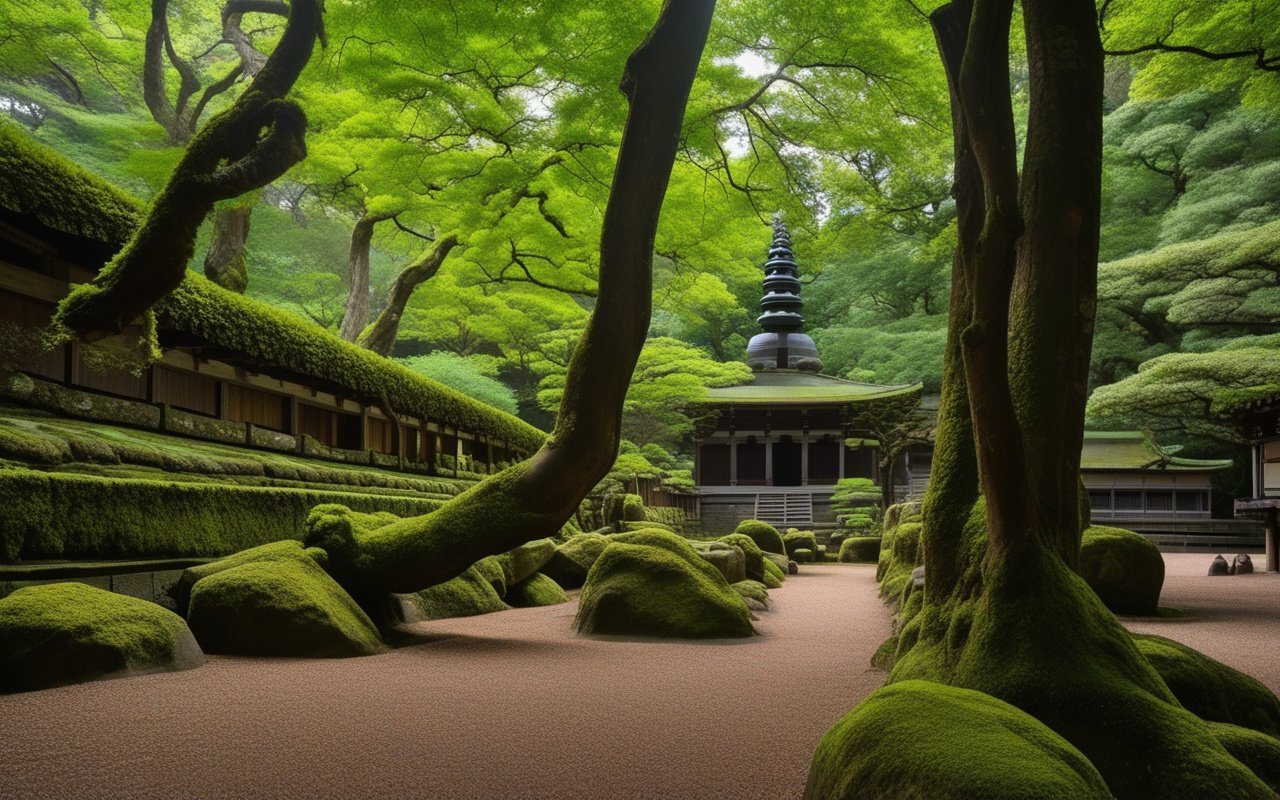
    Zen Meditation Kamakura Guide scenery and attractions

    Engakuji and Kenchoji are located in the Kita-Kamakura area, a short walk from Kita-Kamakura Station on the JR Yokosuka Line. From Tokyo Station, take the JR Yokosuka Line directly to Kita-Kamakura Station (approximately 60 minutes, ¥950 one-way).

    Zen Meditation Kamakura — detailed view

    The Kita-Kamakura area offers a peaceful contrast to the busier Komachi-dori shopping street near Kamakura Station. The walk from the station to the temples passes through a quiet residential neighborhood with traditional wooden houses and small streams.

    Zen Meditation Kamakura Guide — visitor highlights


    💰 Budget Breakdown

    Most zazen sessions cost between ¥500 and ¥1,000, plus temple admission fees of ¥300–¥500. A full morning of meditation at one temple therefore runs approximately ¥1,000–¥1,500 per person.

    If you wish to deepen your practice, consider purchasing a meditation cushion (zafu) from a local shop near the temples (¥3,000–¥8,000) or a Zen-inspired souvenir like scroll calligraphy (¥1,500–¥5,000).

    Budget summary:

    • Temple admission: ¥300–¥500
    • Zazen participation: ¥500–¥1,000
    • Matcha set at tea house: ¥500–¥800
    • Total for a full morning: ¥1,500–¥2,500

    Zen Meditation Kamakura Guide surrounding area and access


    Practical Tips for Your Visit

    • Book ahead: Some temples require advance registration for zazen sessions, especially if you need English instruction. Contact the temple office by phone or check their official website.
    • Seasonal considerations: Summer sessions can be hot and humid — bring a small hand towel. Winter mornings are cold (2–8°C / 36–46°F); dress warmly in layers. Autumn offers the most pleasant temperatures and beautiful foliage in the temple gardens.
    • Combine with other activities: Plan your visit to include both a morning zazen session and afternoon sightseeing at nearby temples like Tsurugaoka Hachimangu or Hasedera. Kita-Kamakura is also close to the Kamakura Museum of National Treasures.
    • Language: While English-friendly sessions are available at some temples, learning a few Japanese phrases like “onegai shimasu” (please) and “arigato gozaimashita” (thank you) will be appreciated.

    Whether you come seeking spiritual insight, stress relief, or simply a quiet hour in a beautiful historic setting, Zen meditation in Kamakura offers an experience that stays with you long after you return home.


    Frequently Asked Questions

    Q: Can beginners join zazen sessions?
    A: Yes, most temples welcome beginners. Engakuji and Kenchoji offer sessions specifically designed for first-timers, with English instruction available on request.

    Q: How much does a zazen session cost?
    A: Most sessions cost ¥500-1,000 plus temple admission (¥300-500). A full morning of meditation costs approximately ¥1,000-1,500 per person.

    Q: What should I wear?
    A: Wear loose, comfortable clothing in dark or subdued colors. Avoid bright patterns, shorts, or revealing clothes. White socks are traditional in some temples.

    Q: Do I need to book in advance?
    A: Some temples require advance registration for zazen, especially if you need English instruction. Contact the temple office or check their website before visiting.

    Conclusion

    exploring Kamakura can be as relaxed or as packed as you want it to be, and I have found that the best visits leave room for both planning and spontaneity. During my visit to Kamakura I went with a rough plan and found that leaving room to wander made the trip far more memorable. Use this guide to sort out the logistics in advance, then let the day surprise you — Kanagawa rewards travelers who stay curious.

  • Odawara Kamaboko History And Shops 2026

    Odawara Kamaboko History And Shops 2026

    Overview

    Explore the rich cultural heritage and historical significance of Odawara Kamaboko History And Shops in Kanagawa Prefecture. This guide delves into the fascinating stories, traditions, and landmarks that define Odawara. From ancient temples to modern museums, discover how this destination has shaped Japan’s cultural landscape over centuries.

    The History of Odawara Kamaboko

    Kamaboko production in Odawara dates back to the Meiji era (1868–1912), when the newly built railway made it possible to transport fresh fish from the port to nearby cities. Local fishermen and processors developed techniques to transform less marketable white fish into a stable, protein-rich product that could be preserved without refrigeration.

    By the Taisho era (1912–1926), Odawara had become the foremost kamaboko producer in the Kanto region, a reputation it maintains today. The city’s kamaboko is distinguished by:

    • Sagami Bay white fish: The primary ingredient, giving the paste a natural sweetness
    • Mountain spring water: Used for washing the surimi, resulting in a purer, whiter paste
    • Traditional steaming methods: Many shops still use hinoki (cypress) steamers that impart a subtle, woody fragrance

    Odawara Kamaboko History And Shops — main illustration

    Odawara Kamaboko History And Shops — main illustration

    Odawara Kamaboko History And Shops — visitor highlights

    Planning Your Odawara Kamaboko Tour

    Recommended itinerary (half day)

    10:00 AM – Arrive at Odawara Station: Pick up a kamaboko map from the tourist information desk in the station concourse. The English version includes walking directions to all major shops.

    10:15 AM – Suzuhiro Kamaboko Museum: Start here for the historical overview. The museum takes about 30 minutes to explore. The attached shop sells exclusive museum-only products. Try the free samples at the tasting counter.

    11:00 AM – Yamayo Factory Tour: A 10-minute walk from Suzuhiro. The free 30-minute factory tour (weekdays only, reservation recommended) shows the kamaboko-making process from fish to finished product. The shop sells factory-direct products at lower prices.

    11:45 AM – Odawara Kamaboko Center: A 5-minute walk from Yamayo. This is the best place for lunch—they offer a kamaboko grilling experience (¥800) where you grill 3 skewers of chikuwa and satsuma-age over charcoal. Pair with a cold beer (¥500) for a complete meal.

    12:30 PM – Souvenir Shopping: Return to Odawara Station’s souvenir shops to purchase vacuum-sealed kamaboko for gifting. The station also sells kamaboko and local sake gift sets (¥1,500–¥3,000).

    Transportation: Odawara is 35 minutes from Tokyo Station on the Shinkansen (¥3,570) or 90 minutes on the JR Tokaido Line local train (¥1,490). All kamaboko shops mentioned are within a 15-minute walk of the station.

    Kamaboko Tasting Guide

    When visiting Odawara’s kamaboko shops, here is how to conduct your own tasting: Step 1: Start with plain ita kamaboko to appreciate the pure fish flavor. Notice the texture—it should be springy (bouncy) but not rubbery. The taste should be clean and subtly sweet, without any fishy aftertaste.

    Step 2: Try kamaboko with different toppings: plain, wasabi, soy sauce, and yuzu kosho. Each condiment highlights different aspects of the flavor. Wasabi brings out the sweetness, while yuzu kosho adds citrusy heat.

    Step 3: Compare ita kamaboko across different price points. A ¥300 board versus a ¥800 board will show clear differences in fish content, texture, and flavor complexity. Higher-priced kamaboko uses more expensive fish varieties and less filler starch.

    Step 4: Finish with chikuwa or satsuma-age to experience different textures. Chikuwa is firmer and chewier, while satsuma-age is lighter and more porous, absorbing sauces and broths.

    Kamaboko in Japanese Home Cooking

    Beyond being eaten as-is, kamaboko is a versatile ingredient in Japanese home cooking: Oden: Ita kamaboko is a classic oden ingredient. The fish cake absorbs the soy-based broth while maintaining its shape and texture. Add kamaboko during the last 10 minutes of simmering to prevent it from becoming too soft.

    Salads: Thinly sliced kamaboko adds protein and visual appeal to Japanese-style salads. Toss with wakame seaweed, cucumber, and sesame dressing for a quick side dish.

    Soba and Udon Topping: Sliced kamaboko is a common topping for hot soba and udon noodles. The contrast between the chewy noodles and springy fish cake is delightful.

    Bento Boxes: Kamaboko slices are a bento staple because they maintain their shape and flavor even when cold. Cut into flower shapes using decorative molds for a visually appealing lunch.

    Kamaboko and Health

    Kamaboko is a healthy protein option for several reasons:

    • Low in fat: Most kamaboko contains less than 3g of fat per 100g serving
    • High in protein: 12–16g of protein per serving, depending on the fish content
    • Low in calories: Approximately 90–120 calories per 100g
    • Good source of B vitamins: Especially B12 and niacin from the fish
    • Contains DHA: The fish oils provide brain-healthy omega-3 fatty acids

    When choosing kamaboko for health, look for products with higher fish content (listed first in ingredients) and lower sodium options.

    Types of Kamaboko

    Ita Kamaboko (板蒲鉾)

    The classic kamaboko shape—a semicircle of fish paste steamed on a wooden board. A high-quality ita kamaboko should have a smooth, glossy surface, a firm yet bouncy texture (called “hane” in Japanese), and a clean, sweet fish flavor without any fishy aftertaste.

    Chikuwa (竹輪)

    Tube-shaped fish cake grilled on a bamboo stick. Chikuwa has a firmer, chewier texture than ita kamaboko and is often served in oden, salads, or simply grilled with soy sauce.

    Satsuma-age (薩摩揚げ)

    Deep-fried fish paste patties that may contain vegetables, squid, or cheese. Satsuma-age from Odawara is notably lighter and less oily than versions from other regions, thanks to the high quality of the surimi base.

    Hanpen (半片)

    Soft, fluffy fish cake made with added yamaimo (mountain yam) for a marshmallow-like texture. Hanpen is often served in hot pots or lightly grilled.

    Top Kamaboko Shops in Odawara

    1. Yamayo (山与)

    Founded in 1897, Yamayo is one of Odawara’s oldest kamaboko makers. Their shop near Odawara Station offers factory-direct products at prices 20–30% lower than department store counters. Their signature “Odawara Premium” ita kamaboko (¥680 for a large board) uses only fresh Sagami Bay fish and no fillers.

    • Tasting samples: Always available at the counter
    • Factory tour: Free, 30-minute tours on weekdays (reservation required)
    • Access: 8-minute walk from Odawara Station East Exit

    2. Odawara Kamaboko Center (Odawara (小田原)かまぼこセンター)

    A one-stop destination with products from multiple local manufacturers. The center also offers:

    • Kamaboko board rentals for picnics (¥500 deposit)
    • Kamaboko grilling experience (¥800 for 3 sticks)
    • Seasonal limited-edition kamaboko (cherry blossom flavors in spring, yuzu in autumn)

    3. Suzuhiro (鈴廣)

    Odawara’s most famous kamaboko brand, operating since 1863. Their “Kamaboko Museum” near Odawara Station features a small exhibition on kamaboko history, a shop with all Suzuhiro products, and a cafe serving kamaboko-based light meals. Their “Kogane” (golden) series—topped with real gold leaf—makes an impressive gift.

    How Kamaboko Is Made

    Understanding the craft behind kamaboko deepens appreciation for this humble food. The process, while conceptually simple, requires years of practice to master.

    Step 1: Selecting and Preparing the Fish

    The best kamaboko begins with the freshest white fish. Sagami Bay provides gurnard, sea bream, and lizardfish, which are prized for their mild flavor and firm texture. The fish are filleted, deboned, and washed repeatedly in cold mountain spring water to remove impurities and excess fat. This washing process, called “shitazuri,” is crucial for achieving the characteristic white color and springy texture.

    Step 2: Grinding into Surimi

    The cleaned fish meat is ground into a fine paste (surimi) using traditional stone mills or modern grinders. Salt is added during grinding to help the fish proteins bind, creating the springy texture that kamaboko is known for. Seasonings such as mirin (sweet rice wine), sugar, and egg white may be added at this stage.

    Step 3: Shaping and Steaming

    The surimi is shaped on wooden boards (for ita kamaboko) or around bamboo sticks (for chikuwa), then steamed at precisely controlled temperatures, Traditional shops use hinoki (cypress) steamers that add a subtle woody fragrance, Steaming times vary by product but typically range from 15 to 40 minutes.

    Step 4: Cooling and Packaging

    After steaming, kamaboko is cooled gradually to prevent condensation from forming on the surface. Once cooled, it is packaged and shipped. Fresh kamaboko is typically consumed within a week, while vacuum-sealed products can last for months.

    Kamaboko as a Cultural Symbol

    Kamaboko holds a special place in Japanese culture beyond its culinary value. The semicircular shape of ita kamaboko is said to resemble the rising sun, and it is considered an auspicious food for celebrations, During osechi (New Year cuisine), kamaboko is eaten to symbolize the beginning of a new chapter.

    In Odawara, kamaboko is also used as an offering at local shrines during festivals. The Odawara Kamaboko Festival (held annually in November) features kamaboko-making demonstrations, tasting competitions, and a kamaboko-eating contest that draws participants from across Japan.

    Kamaboko and Local Sake Pairings

    Kamaboko’s mild, savory flavor makes it an excellent pairing with sake. Here are recommended combinations:

    Kamaboko Type Sake Recommendation Flavor Profile
    Ita kamaboko Junmai daiginjo Clean, fruity
    Chikuwa Honjozo Light, dry
    Satsuma-age Junmai (warm) Rich, umami
    Hanpen Sparkling sake Refreshing

    Many Odawara souvenir shops sell kamaboko and sake gift sets, making them a convenient souvenir choice. What struck me most was the meticulous preservation of the original architectural features.

    Tips

    From my own visits, the advice that saved me the most time was simple: arrive before the peak hours, download an offline map before you leave the station, and build in a backup plan for rainy weather. Many spots in Kanagawa get busy by mid-morning, so an early start usually means shorter queues and better photos.

    Frequently Asked Questions (FAQ)

    Q: Is kamaboko gluten-free?
    A: Traditional kamaboko is made from fish paste and may contain small amounts of wheat starch or soy sauce. If gluten is a concern, ask for “mugiwara-muke” (gluten-free) varieties, which some shops produce.

    Q: How long does kamaboko last?
    A: Fresh kamaboko can be refrigerated for 5–7 days. Vacuum-sealed kamaboko lasts 2–3 months unopened. Once opened, consume within 2 days.

    Q: Can I bring kamaboko through customs when leaving Japan?
    A: Yes, vacuum-sealed kamaboko is generally allowed into most countries as it is a cooked, shelf-stable product. Check your destination country’s regulations for processed fish products.

    Q: What is the best way to eat kamaboko?
    A: Ita kamaboko is delicious as-is, served with a dab of wasabi and soy sauce. It can also be lightly grilled (grill marks add a pleasant smoky note), added to hot pot, or sliced into salads.

    Q: Do kamaboko shops ship overseas?
    A: Suzuhiro and Yamayo both offer international shipping for their products via courier services. Visit their websites for details and shipping cost estimates.


    Conclusion

    exploring Odawara can be as relaxed or as packed as you want it to be, and I have found that the best visits leave room for both planning and spontaneity. During my visit to Odawara I went with a rough plan and found that leaving room to wander made the trip far more memorable. Use this guide to sort out the logistics in advance, then let the day surprise you — Kanagawa rewards travelers who stay curious.

  • Kamakura Rainy Season Hydrangea Guide 2026

    Kamakura Rainy Season Hydrangea Guide 2026

    Kamakura Rainy Season Hydrangea Guide 2026

    Overview

    Kamakura’s rainy season (tsuyu) runs from early June to mid-July, and while the weather is unpredictable, this is when the city’s famous hydrangeas (ajisai) reach peak bloom. Over 2,500 hydrangea bushes at Meigetsu-in Temple alone create a stunning display of blues, purples, and pinks that transform temple grounds into living gardens. Explore Kamakura & Yokohama on a day tour — Great Buddha, Enoshima, Enoden train & night views from Tokyo

    I visited Meigetsu-in on a drizzly Tuesday morning in mid-June, arriving at 8:15 AM — 15 minutes after opening. The misty rain added a atmospheric quality to the hydrangeas, with water droplets clinging to the petals. By 9:30 AM the temple grounds were filling up, and by 10:00 AM the line to enter stretched down the street. The early arrival was absolutely worth it. For more Kamakura seasonal guides, see our Kamakura area guide or Kamakura temple guide.

    Kamakura Rainy Season Hydrangea Guide 2026 — Overview

    Top Hydrangea Viewing Temples

    Temple Hydrangeas Admission Best Time Crowds
    Meigetsu-in 2,500+ bushes ¥500 8:30 AM weekday Very High
    Hase-dera 30+ varieties ¥400 9:00 AM weekday Moderate
    Hokoku-ji Bamboo + hydrangea combo ¥300 9:00-11:00 AM Low-Moderate
    Kencho-ji Historic setting, fewer crowds ¥500 10:00 AM weekday Low
    Engaku-ji Zen garden setting ¥500 8:00 AM weekday Moderate

    Meigetsu-in: The Hydrangea Temple

    Meigetsu-in, known as the “Hydrangea Temple,” is the most famous spot for hydrangea viewing in Kamakura. The temple’s hillside is covered with 2,500 hydrangea bushes that bloom in overlapping waves from early June to mid-July.

    My Experience: The approach path to Meigetsu-in is lined with hydrangeas on both sides, creating a corridor of color. The main viewing area is behind the temple, where a circular path leads through the hydrangea garden. The round window (sōmon) in the main hall frames the garden perfectly — it is one of Kamakura’s most photographed views. I spent about 45 minutes here, taking photos and simply standing in the rain, which somehow made the colors more vibrant.

    Practical Tips:

    • Arrive by 8:15 AM — the temple opens at 8:00 and fills by 9:00
    • Weekdays only — weekends are unbearably crowded during peak season
    • Rain gear — bring an umbrella and waterproof shoes; the paths get muddy
    • Photography: A 70-200mm lens lets you capture close-ups of individual flowers without stepping off the path

    Hase-dera: Variety and Views

    Hase-dera’s hydrangea collection includes over 30 varieties planted along the hillside paths. The temple’s elevated location offers the bonus of ocean views framed by hydrangeas — a combination unique to this temple.

    The hydrangea path at Hase-dera is less crowded than Meigetsu-in because the temple grounds are larger. I visited on a weekday at 9:30 AM and found it comfortable, with enough space to set up a tripod in designated areas. The temple also has a small tea house where you can rest and admire the view.

    Hokoku-ji: Bamboo and Hydrangeas

    Hokoku-ji offers a quieter alternative with its combination of bamboo grove and hydrangea garden. The bamboo shades some of the hydrangeas, creating a softer, dappled light that photographers love. The temple’s matcha set (¥700) lets you enjoy tea while looking out at the garden — a moment of calm away from the crowds.

    Peak Bloom Calendar

    Period Bloom Status Best Temples Crowd Level
    June 1–10 Early bloom (30%) Hase-dera, Kencho-ji Moderate
    June 10–25 Peak bloom (80-100%) Meigetsu-in, all temples Very High
    June 25–July 5 Late peak (60-80%) Hase-dera, Hokoku-ji High
    July 5–15 Final blooms (30%) Hokoku-ji, Engaku-ji Low-Moderate

    Access and Transportation

    | Route | Time from Kamakura Station | Cost | Combine Kamakura & Enoshima sightseeing with the Atami Sea Fireworks Festival — the ultimate summer evening
    |——-|:————————-:|:—-:|
    | Meigetsu-in (bus) | 10 min + 5 min walk | ¥200 |
    | Meigetsu-in (walk) | 25 min via Komachi-dori | Free |
    | Hase-dera (Enoden) | 5 min to Hase Station + 5 min walk | ¥190 |
    | Hokoku-ji (bus) | 15 min + 5 min walk | ¥200 |

    For transport tips, see our Enoden unlimited guide or Kamakura access guide.

    What to Bring for Rainy Season Viewing

    • Umbrella (compact, wind-resistant)
    • Waterproof shoes or sandals that can handle mud
    • Zip-lock bags for camera/phone protection
    • Towel or handkerchief — temples provide shoe removal areas
    • Light waterproof jacket — humidity makes rain feel warmer than expected

    Frequently Asked Questions

    Q: When is the best time to see hydrangeas in Kamakura? Book the Hakone Kamakura Pass — unlimited travel between two regions, perfect for a multi-day Kanagawa trip
    A: Mid-June (June 10-25) is peak bloom. Visit on a weekday morning before 9:00 AM for the best experience.

    Q: Which temple has the most hydrangeas?
    A: Meigetsu-in has over 2,500 bushes, making it the clear winner. Hase-dera has the most variety (30+ types).

    Q: Is it worth visiting on a rainy day?
    A: Absolutely — rain adds a beautiful misty atmosphere and makes the colors more vibrant. Hydrangeas actually prefer damp conditions.

    Q: Are the temples open in rainy weather?
    A: Yes, all temples remain open in rain. Some outdoor areas may be closed during heavy rain for safety.

    Q: How crowded does it get?
    A: Meigetsu-in can have queues of 30-60 minutes during peak season weekends. Weekday mornings (8:00-10:00) are manageable at all temples.

    Q: Can I take photos inside the temples?
    A: Yes, outdoor photography is allowed. Indoor flash photography is prohibited at most temples. Tripods are not allowed on busy days at Meigetsu-in.

    🎯 Practical Tips for Your Visit

    Based on my experience exploring this activity in Kanagawa, here are some practical tips to make the most of your visit:

    • Start early in the day to avoid crowds and make the most of daylight hours. I found that arriving by 9 AM gave me a much more relaxed experience.
    • Bring comfortable walking shoes and weather-appropriate clothing. The weather in Kanagawa can change quickly, especially near the coast.
    • Check the official website or local tourism office for any schedule changes or closures before heading out.

    Navigating the Crowds — What Worked for Me

    Hydrangea season in Kamakura is magical but crowded. I visited Meigetsuin on a weekday morning in mid-June, arriving right at 8:30 AM opening. Even then, a queue of about 50 people had already formed. The famous hydrangea path is narrow, and visitors move in a single file — it took me about 20 minutes to walk the full route, which gave me plenty of time to appreciate the gradient of blues and purples.

    I found that the best hydrangea photos come from Tokeiji Temple, which is less crowded and has a stunning hillside garden. The rain actually enhances the colors — the water droplets on the petals create an almost iridescent effect. I recommend bringing a clear umbrella rather than a colored one, as it does not distort the light in your photographs.

    Best Hydrangea Varieties I Saw

    During my hydrangea-viewing trips to Kamakura, I made a point of identifying the different varieties. The most common is Hydrangea macrophylla (the classic mophead), with large round clusters of blue or pink flowers. The color depends on the soil pH — acidic soil produces blue flowers, while alkaline soil produces pink. At Meigetsuin, the soil is particularly acidic, creating intense blue shades that I have not seen elsewhere.

    I was also impressed by the lacecap hydrangeas (Hydrangea serrata) at Tokeiji Temple. These have flat flower heads with tiny fertile flowers in the center surrounded by larger sterile flowers. The lacecap variety is more delicate and subtle than the mophead, and I found it photographed better because the structure is visible.

    A rare variety I discovered at Hase Temple is the Hydrangea paniculata ‘Limelight’, which produces cone-shaped flower heads in pale green that fade to pink and burgundy in autumn. Unlike the common varieties that bloom only in June–July, ‘Limelight’ flowers from July through October, making it a good option for late-summer visitors. The temple has a small garden map (¥100) showing the location of each variety — I recommend buying one because the temple grounds are larger than they appear.

    Best Time to Visit

    Outdoor activities are best enjoyed in spring and autumn when temperatures are comfortable. Summer activities like swimming and surfing are popular from July to August. Some activities may close during winter months. Check operating schedules before planning your visit. Weekday mornings offer the best experience with fewer crowds.

    What to Expect

    Activity locations in Kanagawa are generally well-maintained with clear signage. Most sites offer English pamphlets or audio guides. Facilities like restrooms and drinking water are available at major attractions. Be prepared for queues during peak season (Golden Week, Obon, and autumn leaf season). Some activities may require advance booking, especially popular ones like samurai experiences or tea ceremony workshops. Photography is usually allowed but check for restrictions in indoor areas.

    Nearby Recommendations

    Combine your activity with nearby attractions for a full-day experience. Many activity locations are close to other points of interest, making it easy to plan a varied itinerary. Check the official website for nearby partner attractions that offer discounts when visited together. Most areas have good lunch options within walking distance of activity venues.

    Local Tips

    Regular participants recommend bringing your own water bottle and wearing moisture-wicking clothing for active experiences. Arriving 15 minutes before your scheduled time allows for check-in and preparation. Many activities have seasonal variations, so check what’s available during your visit. Don’t be shy about asking questions – instructors are happy to help.n

    Conclusion

    exploring Kamakura for its hydrangea can be as relaxed or as packed as you want it to be, and I have found that the best visits leave room for both planning and spontaneity. During my visit to Kamakura I went with a rough plan and found that leaving room to wander made the trip far more memorable. Use this guide to sort out the logistics in advance, then let the day surprise you — Kanagawa rewards travelers who stay curious.

  • Sankeien Japanese Garden Guide 2026

    Sankeien Japanese Garden Guide 2026

    Overview

    Explore the rich cultural heritage and historical significance of Sankeien Japanese Garden Guide in Kanagawa Prefecture. This guide delves into the fascinating stories, traditions, and landmarks that define Sankeien. From ancient temples to modern museums, discover how this destination has shaped Japan’s cultural landscape over centuries.

    Access

    Getting to Kanagawa from Tokyo is straightforward by train, and most routes take well under two hours. During my trips I relied on an IC card for every connection and kept a bus timetable saved on my phone as backup. If you are staying overnight, look for accommodation near the station to save time.

    The History of Sankeien

    Sankeien was created by Hara Tomitaro (原富太郎, 1868–1939), a wealthy Yokohama silk merchant who used his fortune to collect and preserve historic Japanese architecture. His passion for traditional culture led him to acquire buildings that were at risk of demolition during Japan’s rapid modernization in the early 20th century.

    Hara opened the garden to the public in 1906, and it has remained one of Yokohama’s most treasured cultural assets ever since. The name “Sankeien” (三渓園) means “Three Streams Garden,” referring to the three valleys on the property through which streams flow into a central pond.

    The garden survived the great Kanto Earthquake of 1923 and World War II bombing relatively intact, and it was designated a National Place of Scenic Beauty in 1957. Today, it is maintained by the Sankeien Hara Tomitaro Memorial Foundation. — the quality and attention to detail were remarkable.

    Arriving early in the morning gave me a completely different perspective compared to my previous afternoon visit — the light, the crowds, and the atmosphere were transformed.

    The Two Garden Zones

    Inner Garden (Naien)

    The Inner Garden is the older, more intimate section that was originally part of Hara’s private residence. Entry to this section requires a separate ticket (¥700 for adults, or a combined ticket with the Outer Garden for ¥1,000). The Inner Garden features:

    • The Hara Residence: A traditional wooden villa with a thatched roof, surrounded by a garden designed for moon-viewing
    • Rinshunkaku Pavilion: A villa originally built in Kyoto in 1649, relocated to Sankeien in 1917. The pavilion features elegant shoin-zukuri architecture with painted sliding doors and a viewing platform over a pond
    • Getsuro Pavilion: A tea house overlooking the pond, named for its reflection of the moon on the water
    • Tenshin-do: A small shrine dedicated to the spirit of Chinese poetry

    Outer Garden (Gaien)

    The Outer Garden is the larger, more public section and the first area visitors enter. This is where most of the relocated historic buildings are displayed:

    • Three-Story Pagoda: Originally built at Tomyoji Temple in Kyoto in 1457, this pagoda is the centerpiece of the Outer Garden. Its reflection in the central pond creates the garden’s most iconic view
    • Choshu-tei: A farmhouse from Gifu Prefecture with a distinctive thatched roof, demonstrating the architectural style of rural Japan
    • Shunkyo-en: A sake brewery owner’s residence from Kagawa Prefecture, featuring elegant earthen walls and a formal garden
    • Seiko-do: A meditation hall originally built at Kiyomizu-dera Temple in Kyoto

    Seasonal Highlights

    Sankeien is spectacular in every season, making it worth visiting multiple times throughout the year: Spring (March–April): 500 cherry trees bloom, creating a pink canopy over the Outer Garden. The weeping cherry tree near the three-story pagoda is the most photographed spot. Plum blossoms precede the cherries, blooming from late February.

    Summer (June–July): Irises along the pond edges, water lilies, and lush greenery. The hydrangeas near the farmhouse peak in late June. Summer evenings (mid-July to late August) feature special illumination events.

    Autumn (November–early December): The garden’s 1,000+ maple trees turn brilliant shades of red and gold. The view from the Choshu-tei farmhouse across the pond to the pagoda framed by autumn foliage is unforgettable.

    Winter (December–February): Camellias bloom from December through March. The winter landscape, with bare branches reflecting in the still pond, has a quiet beauty that appeals to photographers. Clear winter days offer occasional distant views of Mount Fuji.


    Tea Ceremony Experience

    Sankeien offers traditional matcha tea service at several tea houses within the garden for ¥700–¥1,000 per person. The tea ceremony experience includes a bowl of matcha and a seasonal sweet (wagashi), served while seated on tatami overlooking the garden. No reservation is needed — just walk in during operating hours.


    📍 Location

    Sankeien Japanese Garden Guide 2026 — Location

    Sankeien is located at 58-1 Honmoku-Sannotani, Naka Ward, Yokohama. From Yokohama Station, take city bus #8, #58, or #99 from the East Exit bus terminal to the “Sankeien Iriguchi” stop (approximately 30 minutes, ¥220). From Motomachi-Chukagai Station on the Minatomirai Line, take the same buses (20 minutes).

    Sankeien Japanese Garden Guide 2026 — Location


    💰 Budget Breakdown

    Item Price
    Outer Garden admission ¥700
    Inner Garden admission ¥700
    Combined ticket ¥1,000
    Matcha and sweet ¥700–¥1,000
    Bus round trip (Yokohama Station) ¥440
    Typical visit cost ¥1,500–¥2,500 per person

    Sankeien Japanese Garden Guide 2026 — Budget Breakdown


    Nearby Recommendations

    Temples and shrines in Kanagawa are often clustered together. Many areas have charming streets with traditional shops and tea houses. Consider combining your visit with a nearby museum for historical context.

    Local Tips

    Visit just after opening for the most peaceful experience. Temple gardens are designed to be viewed from specific angles. Renting an audio guide enhances understanding. Weekday visits mean smaller crowds.

    Money-Saving Tips

    Many cultural sites offer online booking discounts. Temple fees are typically ¥200-500. Free English guided tours are available at major temples on weekends. Student and senior discounts are commonly available.

    Packing Essentials

    Dress respectfully with covered shoulders and knees. Comfortable socks are important for frequent shoe removal. A coin purse is useful for offering donations. A goshuincho (temple stamp book) makes a wonderful souvenir.

    Dos and Don’ts

    Do make a small offering (typically ¥5 coin) at shrine donation boxes. Do follow the proper procedure at shrines: bow twice, clap twice, pray, bow once. Do purchase a goshuincho (stamp book) for collecting temple stamps as a meaningful souvenir. Don’t wear shoes or slippers onto tatami mats or into prayer halls. Don’t eat or drink while walking through temple or shrine grounds. Don’t speak loudly in religious spaces.

    What to Expect

    Cultural sites in Kanagawa offer deep historical insights. Temples and shrines range from national treasures to local neighborhood shrines. Many have informative English displays. Photography is allowed outdoors but restricted inside buildings. Shoes must be removed in temple halls. Some temples offer meditation or calligraphy workshops.

    Conclusion

    The details in this guide come from real visits, and the biggest lesson I took away was that the best experiences in Kanagawa rarely fit neatly into a checklist. During my visit I went with a rough plan and found that leaving room to wander made the trip far more memorable. Plan the essentials, keep your schedule flexible, and you will leave Kanagawa wanting to return.

  • Shonan Beach Cleanup Gear Guide – What to Bring & Wear 2026

    Shonan Beach Cleanup Gear Guide – What to Bring & Wear 2026

    Shonan Beach Cleanup Gear Guide – What to Bring & Wear

    Overview

    Joining a beach cleanup on the Shonan coast is a rewarding way to give back to the beaches you enjoy — but showing up unprepared can make the experience uncomfortable. Most organizers provide gloves, grabbers, and trash bags. What you bring yourself — appropriate clothing, sun protection, and footwear — determines whether you have a productive morning or a miserable one.

    I tried a Shonan beach cleanup at Yuigahama Beach last autumn. The organizer provided heavy-duty gloves and trash grabbers, but I had worn cotton sneakers and jeans — both got soaked and sandy within 15 minutes. By the end of the two-hour session, I was cold and uncomfortable. On my second cleanup, I wore water shoes and quick-dry pants and was comfortable for the entire session. For more on beach cleanups, see our Shonan beach cleanup guide or Shonan beach guide.

    Access

    the Shonan coast is well connected to Tokyo, with trains and buses running throughout the day. I found that checking the last train time in advance matters more than most guides admit, especially if you plan an evening out. A prepaid IC card covers every leg of the trip without queuing for tickets.

    Quick Checklist

    • Provided: Gloves, safety vest, grabbers, trash bags, water
    • Bring: Comfortable clothes, closed-toe shoes, sun protection, water bottle
    • Essential: Positive attitude and willingness to get dirty

    Provided by Organizers

    Safety Equipment: Work gloves (various sizes), safety vests, first aid kit, hand sanitizer
    Cleanup Equipment: Trash grabbers (tongs), trash bags (heavy-duty), recycling bags, data sheets
    Comfort: Drinking water (refill station), light refreshments, shade tent (some events)
    Educational: Safety briefing, cleanup technique demo, sorting guidelines, take-home materials

    What You Should Bring

    Essential: Comfortable layered clothing, closed-toe non-slip shoes, sun hat, sunglasses, sunscreen SPF 30+, refillable water bottle (500ml–1L), small backpack Recommended: Work gloves (if you prefer your own), quick-dry towel, change of clothes, plastic bag for dirty items, cash (¥2,000–5,000), phone Optional: Camera, power bank, snacks, insect repellent (summer), hand warmers (winter)

    What NOT to Bring

    Valuables, glass containers, high heels or open-toe shoes, expensive electronics, white or light-colored clothes, cotton clothes, alcohol, pets (except service animals)

    Seasonal Clothing Guide

    Spring (March–May, 15–20°C): Long-sleeve shirt + light sweater/fleece + windbreaker. Long pants (quick-dry). Closed-toe shoes. Layer for cool morning that warms by midday.

    Summer (June–August, 25–35°C): Light breathable moisture-wicking shirt, quick-dry shorts or light pants, water shoes or ventilated sneakers, wide-brim hat. SPF 50+ sunscreen, reapply every 2 hours. Autumn (September–November, 18–25°C): Long-sleeve shirt, light fleece (optional), comfortable long pants, closed-toe shoes. The most comfortable season for cleanups.

    Winter (December–February, 5–15°C): Thermal underwear, fleece/wool sweater, insulated windproof jacket, thermal pants + outer pants, insulated waterproof boots, warm hat, gloves. Hand warmers recommended.

    Footwear Guide

    Type Rating Price Best For
    Water shoes ⭐⭐⭐⭐⭐ ¥6,000–12,000 Beach cleanup (ideal)
    Deck shoes ⭐⭐⭐⭐⭐ ¥8,000–15,000 Sandy + rocky beaches
    Hiking shoes ⭐⭐⭐⭐ ¥10,000–20,000 Rocky beaches
    Sneakers ⭐⭐⭐ ¥5,000–15,000 Sandy beaches only

    Pre-Event Timeline

    One week before: Confirm event details, check weather, review packing list
    Day before: Final weather check, lay out clothes, pack backpack, charge phone
    Morning of: Eat breakfast, apply sunscreen, dress in layers, leave early

    What You Will Find During Cleanup

    Shonan beach cleanups typically collect four categories of waste. Plastic fragments — broken pieces of larger items broken down by sun and saltwater — make up about 45% of collected waste by volume. Microplastics (smaller than 5 mm) require careful picking and are most common near the high-tide line. Fishing gear — ropes, buoys, and net fragments — is concentrated near rocky breakwaters. General litter like bottle caps, cigarette butts, and food wrappers is scattered across the entire beach.

    Most organizers provide separate buckets or bags for each category and record data for the Japan Environmental Action Network. This data is used for policy recommendations and cleanup efficiency research. Knowing what to expect helps you pace your efforts — if you spend too much time picking microplastics one by one, you might miss the larger, more impactful items further down the beach.

    Post-Cleanup Care

    After the cleanup, sand will be everywhere — in your shoes, socks, bag, phone case, and probably your ears. Change clothes before getting on the train back: many Shonan stations (Kamakura, Fujisawa, Ofuna) have coin lockers (¥300–500) where you can leave a change bag. Rinse shoes with fresh water immediately; saltwater residue eats through stitching within weeks.

    Most cleanups end with a group photo and brief discussion of the haul. Stay for this — it is where organizers share upcoming events and local environmental news. Some groups head to a nearby beach cafe afterwards — it is a good chance to meet like-minded travelers and locals.

    Frequently Asked Questions

    Q: Do I need to buy work gloves?
    A: No, gloves are provided. Bring your own if you prefer a specific size or brand.

    Q: Can I wear shorts?
    A: Summer: yes, but long pants recommended for sun protection. Other seasons: long pants are better because you may kneel on sand or wet surfaces. Q: Are sneakers OK?
    A: Yes for sandy beaches. Water shoes are better for rocky or wet areas.

    Q: Can children join beach cleanups?
    A: Yes — many Shonan cleanups welcome children accompanied by adults. Organizers typically have smaller gloves for young participants. Check the event listing for age recommendations. Q: What if I forget something?
    A: Organizers usually have extras. Convenience stores near Shonan stations stock most items.

    🌱 Eco-Friendly Travel Tips

    As someone passionate about sustainable travel, here are some eco-friendly tips for your visit:

    • Bring a reusable water bottle — there are plenty of public water fountains and convenience stores where you can refill for free.
    • Choose local and seasonal products. This supports the local economy and reduces the carbon footprint of your meals.
    • Use public transportation or rent a bicycle to explore. Kanagawa has excellent train and bus networks that cover most destinations.

    What I Bring to Every Cleanup

    I have participated in six Shonan beach cleanups over the past year, and I have refined my gear list through plenty of trial and error. The single most important item I recommend is a pair of gardening or work gloves with rubber palms — the thin cotton gloves provided by organizers are fine for cigarette butts but useless for broken glass or rusty hooks. I bought a pair of ¥800 work gloves from a hardware store, and they have lasted through a dozen cleanups.

    For footwear, I wear old sneakers with thick soles rather than sandals. On my first cleanup, I stepped on a hidden piece of fishing line that cut through my sandal strap — not dangerous but annoying. I also bring a reusable water bottle (2 litres minimum) and a wide-brimmed hat, because Shonan sun is intense even in spring.

    One thing I always bring that most people overlook: a small first-aid kit with tweezers. Splinters from driftwood and cuts from shells are common, and the organizers do not always have tweezers on hand.

    Cleanup Events I Joined

    I joined three different beach cleanup events along the Shonan coast, and each had a unique character. The Kugenuma Sunday Cleanup happens every first Sunday of the month and draws 30–50 volunteers of all ages. We divided into teams covering different sections of the 2-kilometre beach. In two hours, our team of eight collected about 15 kilograms of trash — mostly cigarette butts, plastic fragments, and fishing line. The organisers provide gloves, bags, and drinking water.

    The Enoshima ECO Clean was more organised, with a registration desk and team leaders who spoke English. They weigh and categorize the collected trash, which feeds into a local research project on marine pollution. I found the data collection aspect compelling — knowing that my cleanup effort contributed to scientific understanding made the work feel even more meaningful.

    Practical advice from my experiences: arrive early (cleanups typically start at 9 AM) and wear sunscreen even on cloudy days. I made the mistake of skipping sunscreen on an overcast day and got a mild sunburn from four hours of exposure. Also, bring your own reusable water bottle — most cleanups do not provide single-use plastic bottles, aligning with their zero-waste philosophy. The Kugenuma group even has a policy of not accepting plastic bottle donations from participants.

    Eco-Friendly Transport Options

    The most sustainable way to reach this destination is by train. Kanagawas rail network runs on electricity and has a significantly lower carbon footprint than driving. Consider purchasing a day pass for unlimited travel and combine your visit with nearby attractions to minimize transport impact.

    Conclusion

    exploring the Shonan coast for its beach can be as relaxed or as packed as you want it to be, and I have found that the best visits leave room for both planning and spontaneity. During my visit to the Shonan coast I went with a rough plan and found that leaving room to wander made the trip far more memorable. Use this guide to sort out the logistics in advance, then let the day surprise you — Kanagawa rewards travelers who stay curious.

  • Yokosuka Military Curry Guide 2026

    Yokosuka Military Curry Guide 2026

    Yokosuka Military Curry Guide 2026

    Overview

    Discover the best food and drink experiences this Kanagawa destination has to offer. From hidden local gems to popular dining spots, this guide takes you through the culinary landscape. I tried several local dishes and explored different restaurants during my visit.

    Yokosuka’s curry culture runs deep, shaped by decades of naval tradition. This guide covers the best curry restaurants near the base and in the city center, from hearty standard plates to creative local variations that put Yokosuka on Japan’s curry map.

    I tried several local dishes and explored different restaurants. I recommend the traditional options for an authentic experience. For more information, see our Kanagawa guide.

    Access

    Getting to Yokosuka from Tokyo is straightforward by train, and most routes take well under two hours. During my trips I relied on an IC card for every connection and kept a bus timetable saved on my phone as backup. If you are staying overnight, look for accommodation near the station to save time.

    📍 Location

    History of Yokosuka Military Curry

    The origins of Yokosuka Military Curry date back to the Meiji era (1868-1912). When the Imperial Japanese Navy was establishing itself, British naval advisors introduced stew as a staple dish. Japanese chefs adapted it using curry powder, creating the unique military curry we know today. Key Historical Points:

    • 1870s: Curry introduced to the Imperial Japanese Navy
    • 1900s: Standardized as Friday menu item
    • 1945-1950s: Post-war decline
    • 2000s: Revival as local specialty
    • Present: Recognized as intangible cultural heritage

    Complete Restaurant Directory

    Restaurant Specialty Price (Curry Set) Atmosphere English Menu Address Hours
    Kaigun Curry Classic Navy Curry ¥1,200 Traditional. 50-year history 1-15 Matsuba-cho 11:00-21:00 (Mon off)
    Curry House Navy Admiral’s Special ¥1,500 Family-friendly, spacious 2-8 Honcho 11:00-22:00
    Ship’s Galley Friday Military Curry ¥1,300 Aboard naval vessel, unique ⚠️ Limited Yokosuka Port Pier 3 10:00-18:00 (Wed off)
    Yokosuka Port Market Self-serve curry bar ¥800 Casual, fast Port Market 2F 10:00-20:00
    Cafe Port Curry + dessert set ¥1,000 Cafe-style. Western seating 3-5 Honcho 9:00-19:00
    Kure Curry Hiroshima-style curry ¥1,100 Modern interior 2-10 Odakicho 11:00-21:00

    Best Times to Visit Each Restaurant

    Restaurant Lunch Peak Dinner Friday Special Wait Time Booking
    Kaigun Curry 12:00-1:30 PM 6:00-8:00 PM Navy Friday Set ¥1,500 20-40 min (peak) Not accepted
    Curry House Navy 12:30-2:00 PM 6:30-8:30 PM Admiral Friday ¥1,800 10-20 min Not accepted
    Ship’s Galley 11:30 AM-1:00 PM Closed by 6 PM Authentic Navy recipe 30-60 min (Fri only) Recommended
    Yokosuka Port Market 12:00-1:30 PM Not busy Curry bar operates 0-5 min Not needed

    Recommended Itinerary: Yokosuka Military Curry Tour

    Time Activity
    10:30 AM Depart Tokyo (JR Yokosuka Line. 60 min)
    11:30 AM Arrive Yokosuka Station, walk to Kaigun Curry
    12:00 PM Lunch at Kaigun Curry (Classic Navy Set ¥1,200)
    1:00 PM Walk to Yokosuka Port (10 min)
    1:30 PM Explore Ship’s Galley (museum + curry)
    2:30 PM Walk Dobuita Street (American-influenced shopping street)
    3:30 PM Visit Yokosuka Navy Curry Museum (free. 30 min)
    4:30 PM Return to Yokosuka Station
    5:00 PM Depart for Tokyo

    Budget: ¥4,000-5,000 per person (transport ¥1,840 + 2 curry tastings ¥2,500 + souvenirs ¥500)


    💰 Budget Breakdown

    Item Cost
    Train (round trip) ¥1,840
    Lunch (military curry) ¥1,200-1,500
    Second curry tasting ¥800-1,000
    Drinks ¥300-500
    Souvenirs ¥500-1,000
    Total ¥4,640-5,840

    Yokosuka Military Curry offers a unique blend of history. Whether you’re a history enthusiast, or simply looking for an authentic local time, this naval tradition provides a great taste of Japan’s maritime heritage.

    Yokosuka Military Curry Guide 2026 — Budget Breakdown

    Yokosuka Military Curry Guide The unique fusion of Japanese and Western culinary traditions has created a curry culture that is distinctly Kanagawa. From naval history to modern interpretations, each spoonful carries a story worth savoring. —

    🍛 How Yokosuka Military Curry Is Made — The Traditional Recipe

    Military curry differs from standard Japanese curry in several key ways. Understanding the ingredients and preparation helps you appreciate what you’re eating.

    The Naval Tradition

    The Imperial Japanese Navy adopted curry in the early 1900s as a way to prevent beriberi (a vitamin deficiency disease) among sailors. The recipe was designed to be nutritious, filling, and easy to prepare in large quantities aboard ship.

    Key Characteristics

    Feature Military Curry Standard Japanese Curry
    Roux Made from scratch with flour, and curry powder Often uses pre-made roux blocks
    Protein Beef or chicken (navy-style) Pork, or beef
    Vegetables Onions, potatoes (finely diced) Large chunks
    Thickness Medium-thick (sauce-like) Thick (stew-like)
    Served with Rice, milk Rice only
    Spice level Mild (family-friendly) Varies widely

    The Navy Friday Tradition

    Every Friday, the Japan Maritime Self-Defense Force serves curry for lunch — a tradition dating back to the Imperial Navy. This is why Friday is the best day to visit Yokosuka for military curry, as many restaurants offer special Friday-only menus replicating the authentic naval recipe.

    Where to time the Full Tradition

    Restaurant Authenticity Friday Special Price
    Kaigun Curry ★★★★★ Classic Navy Set ¥1,200
    Curry House Navy ★★★★☆ Admiral’s Special ¥1,500
    Ship’s Galley Restaurant ★★★★★ Friday Military Curry ¥1,300
    Yokosuka Port Market ★★★☆☆ Self-serve curry bar ¥800

    Pro tip: For the most authentic time, visit Kaigun Curry on a Friday between 11:30 AM and 1:00 PM, when the kitchen is preparing fresh batches using the traditional recipe.

    Tips

    Practical notes from my trips to exploring Yokosuka: confirm the latest hours on the official website, buy tickets in advance when you can, and leave extra time for trains and walking between stops. Keeping your first day lighter also helps you enjoy the second day without feeling rushed.

    Frequently Asked Questions

    Q: What makes Yokosuka military curry different from regular Japanese curry?
    A: Military curry uses a roux made from scratch (not pre-made blocks), finely diced vegetables, and is traditionally served with milk on the side. The recipe was designed by the Imperial Japanese Navy in the early 1900s to be nutritious and prevent vitamin deficiencies.

    Q: Which restaurant serves the most authentic military curry?
    A: Kaigun Curry, with its 50-year history, is widely considered the most authentic. For the full experience, visit on a Friday when they serve the traditional Navy Friday Set (¥1,500) — the same day the Japan Maritime Self-Defense Force serves curry.

    Q: Can I visit the naval base for curry?
    A: The Ship’s Galley restaurant aboard a decommissioned vessel at Yokosuka Port Pier 3 offers the most unique setting. Advance booking is recommended, especially on Fridays.

    Q: Is Yokosuka good for a day trip from Tokyo?
    A: Absolutely. Yokosuka is 60 minutes from Tokyo Station by JR Yokosuka Line. A half-day trip (curry lunch + Dobuita Street + port area) costs ¥4,000-5,000 per person including transport.

    Explore this guide to discover the best things Kanagawa has to offer. From lesser-known spots to popular attractions, this article covers everything you need to plan your visit. Kanagawa’s curry culture — from Yokosuka Navy curry to Chinatown variations — tells the story of a port region shaped by global influences.

    Conclusion

    The details in this guide come from real visits, and the biggest lesson I took away was that the best experiences in Yokosuka rarely fit neatly into a checklist. During my visit to Yokosuka I went with a rough plan and found that leaving room to wander made the trip far more memorable. Plan the essentials, keep your schedule flexible, and you will leave Kanagawa wanting to return.