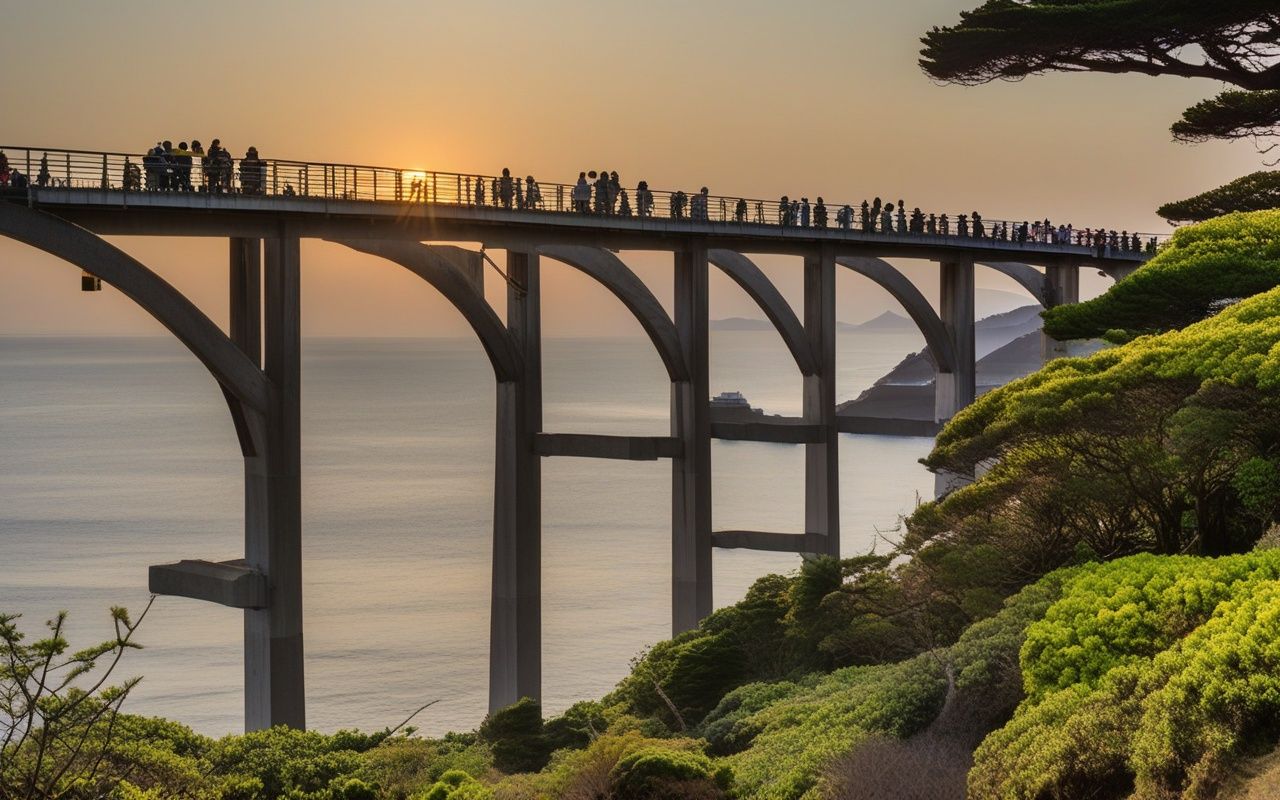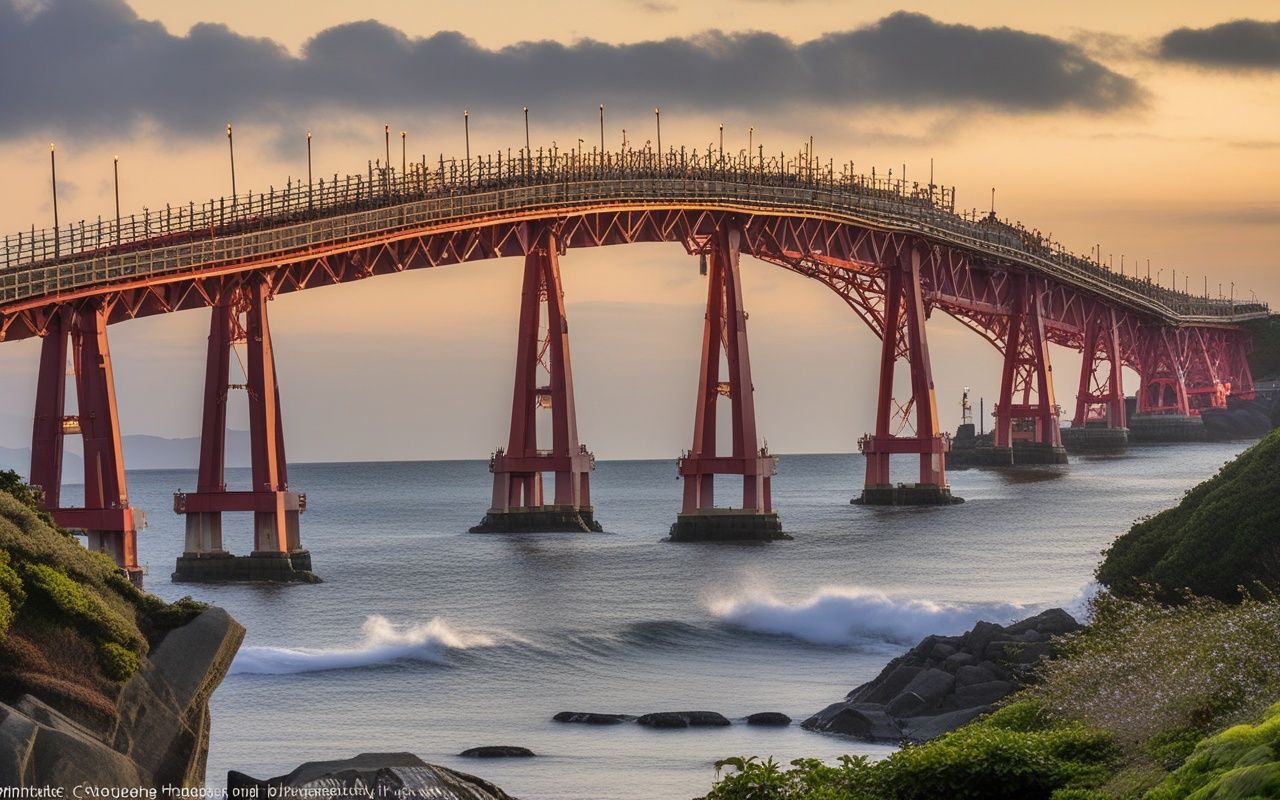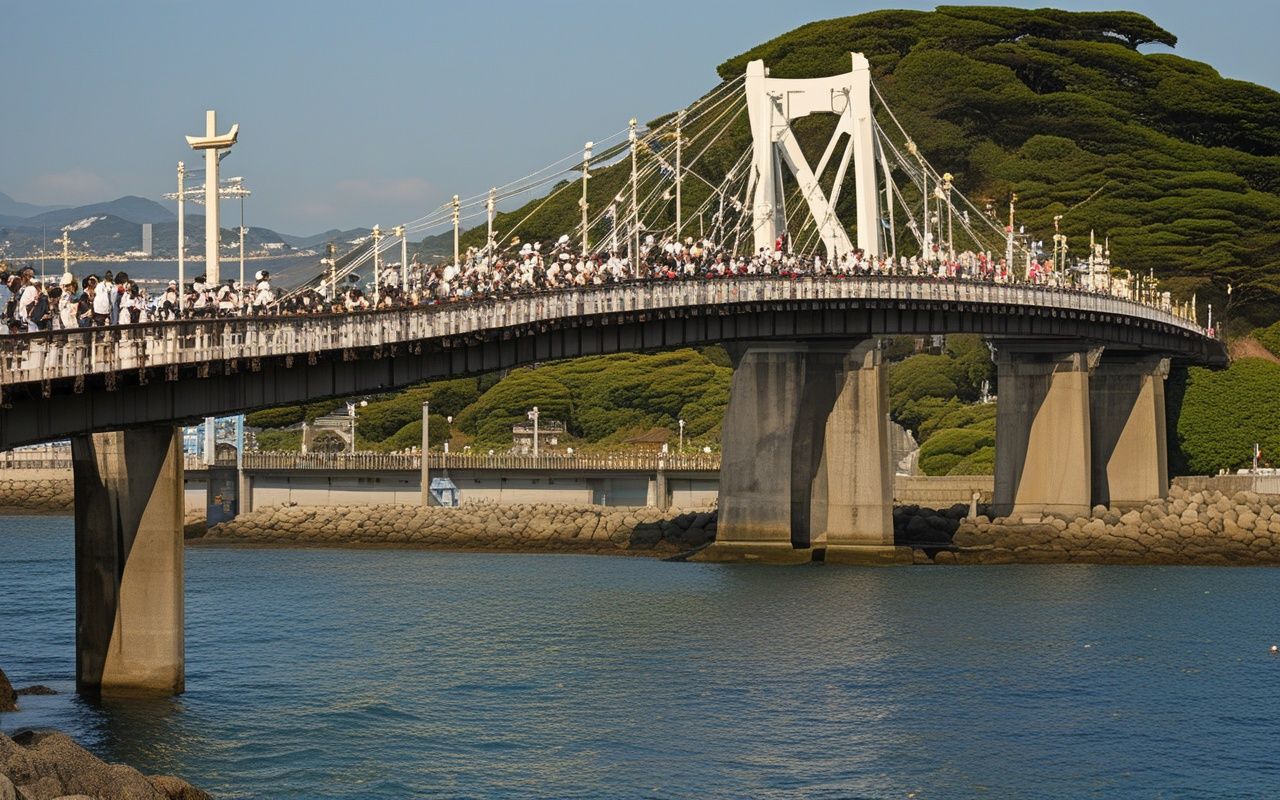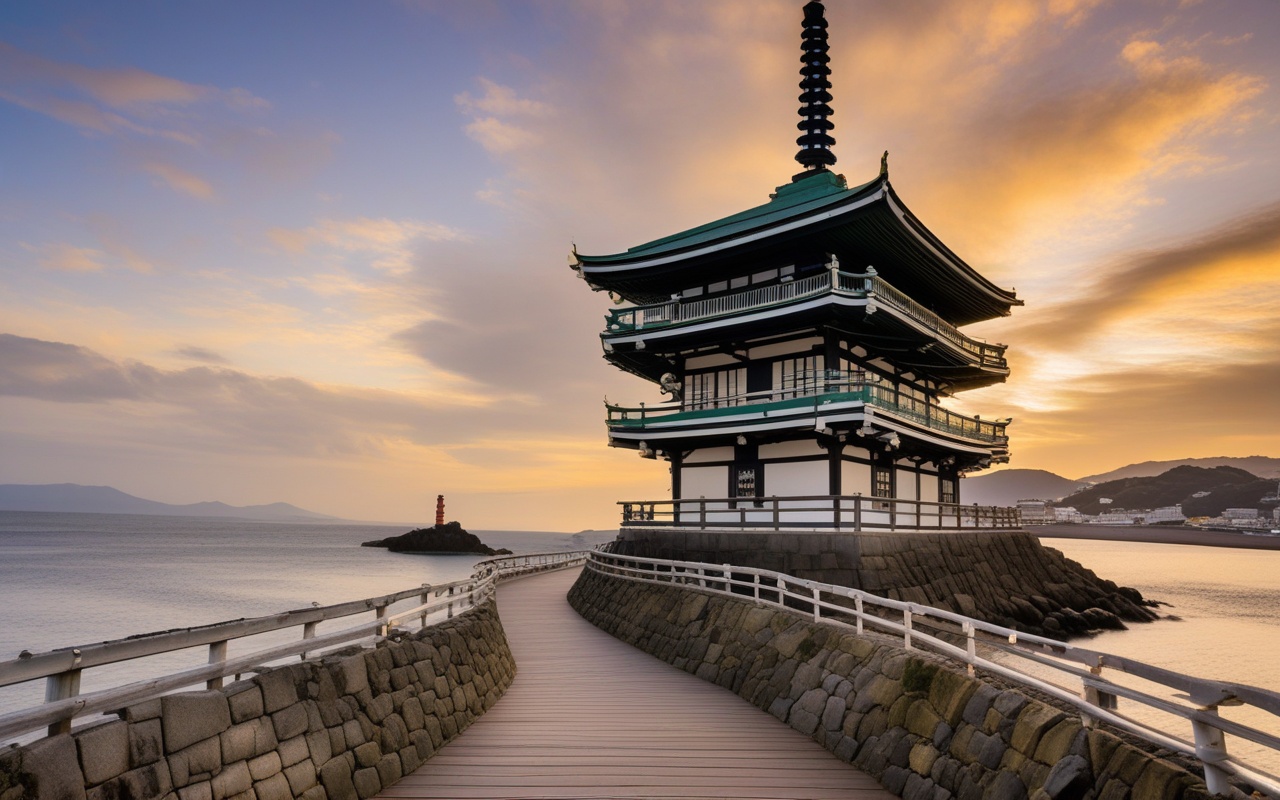
Tag: shonan

  • Chigasaki Beach Town Guide: Surf Culture & Local Flavor

    Chigasaki Beach Town Guide: Surf Culture & Local Flavor

    Overview

    Chigasaki is the kind of Japanese beach town that refuses to be a tourist attraction. It has a world-class beach, a beloved music history, and a serious ramen scene, yet it feels like a place where people simply live well — surf in the morning, work a bit, eat well, and watch the sunset from the sand.

    I came to Chigasaki on a recommendation from a Tokyo friend who grew up there, expecting a small beach town. What I found was a community with real cultural weight: the surf culture that shaped it in the 1960s, the singer-songwriter legacy that gave it a nationwide identity, and a food scene that punches far above its size. The beach is beautiful, but the town around it is the real reason to go.

    This guide covers Southern Beach and the C monument, the surf culture of Chigasaki, the local food scene (including the famous ramen), and the practical details of a day trip from Tokyo.


    📍 Getting There & Access

    From Tokyo

    1. JR Tokaido Line to Chigasaki Station (60 min from Tokyo Station, around ¥1,040) — Direct trains from Tokyo make Chigasaki one of the easiest beach towns to reach. The Shonan-Shinjuku Line also connects from Shinjuku and Shibuya.
    2. By car — The Shin-Shonan Bypass Chigasaki-Kaigan IC brings you right to the coast. Expect 40-60 minutes from central Tokyo with light traffic.

    Getting Around

    • On foot — The station-to-beach route is a pleasant 20-minute walk down the shopping street (Southern-dori).
    • Buses — Local buses connect the station to the beach and Yanagishima in about 10 minutes.
    • Bicycle — Flat and compact, Chigasaki is best explored by bike. Rentals are available near the station.

    🌊 Southern Beach Chigasaki: The Town’s Heart

    The Beach

    Southern Beach Chigasaki is the town’s main beach, a wide stretch of sand facing Sagami Bay with the iconic Eboshi Rock rising from the surf just offshore. On clear days, the view runs from Enoshima in the east to Mount Fuji in the west. The beach’s landmark is the “Chigasaki Southern C” monument — a large white sculpture of the letter C that has become the town’s favorite photo spot.

    I have sat on this beach at every hour of the day. The morning light on the water is clean and quiet; summer afternoons bring swimming families and beach house music; and the sunsets, when the sky turns orange behind the C and Eboshi Rock, are among the best in Shonan. See the Shonan sunset guide for more sunset spots along the coast.
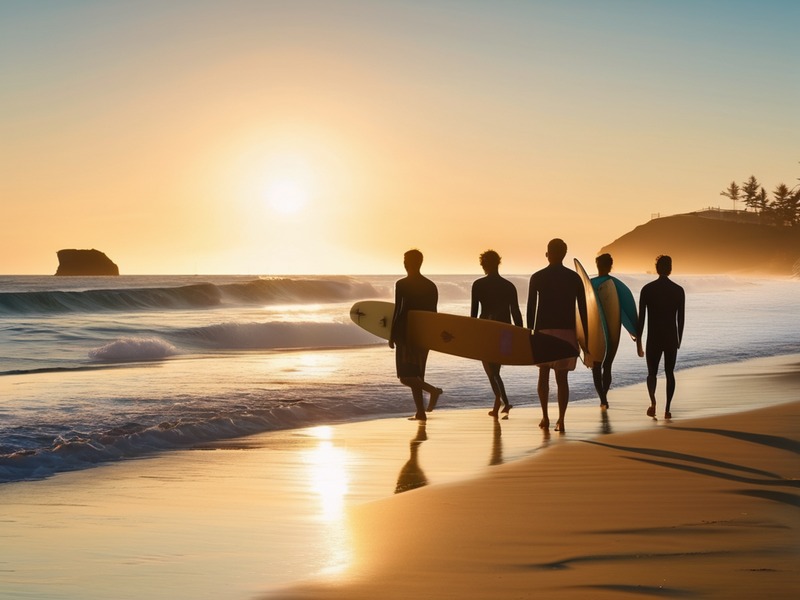
    Southern Beach Chigasaki C monument at sunset

    What to Do

    1. The C monument photo — The classic Chigasaki photo, especially good at sunrise and sunset.
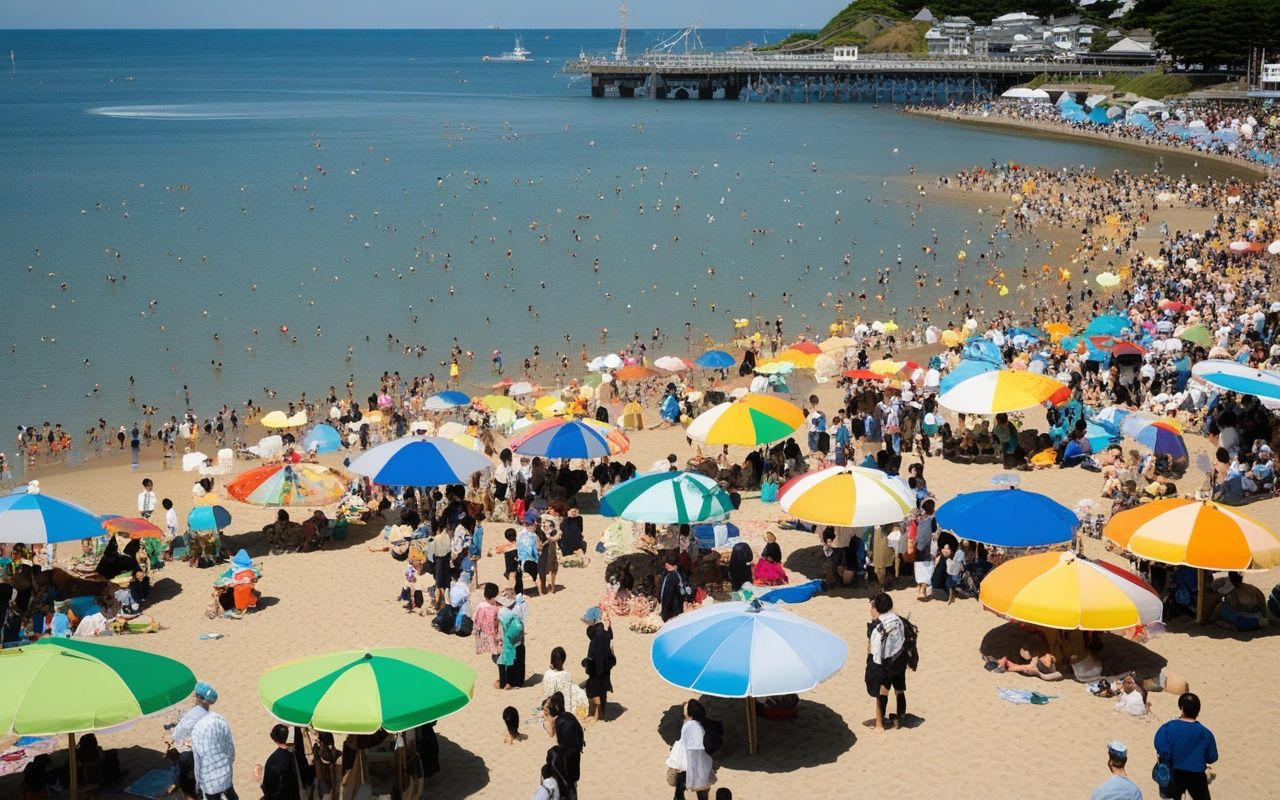
    2. Swimming — The swimming season runs from early July through the end of August, with lifeguards on duty and beach houses operating along the sand.
    3. Walking and jogging — The beach runs for kilometers in both directions. Walking east toward Eboshi Rock or west toward the Sakai River mouth is the best free activity.
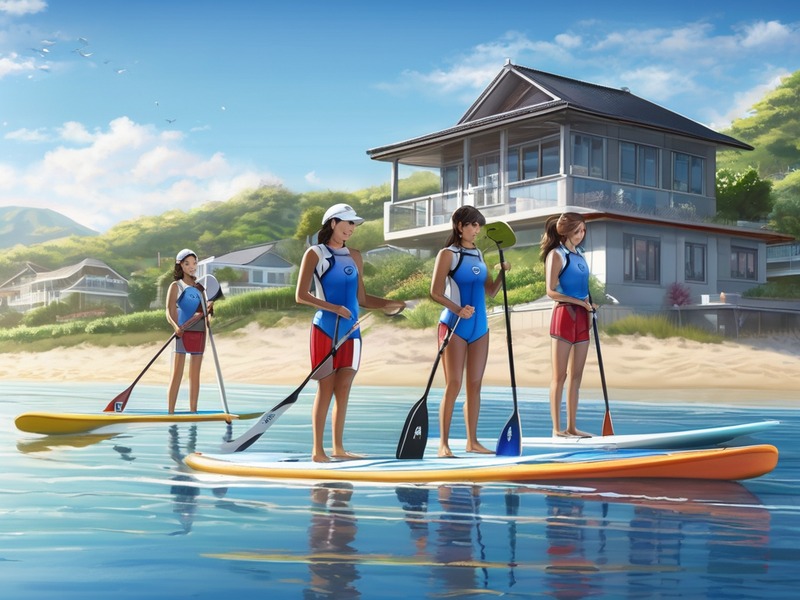
    4. Sea kayaking and SUP — In the shoulder seasons, lessons and rentals operate on the calm stretches. See the Shonan marine activities guide for details.

    Practical Notes for the Beach

    • Entry: Free. Beach houses, parasols, and rentals are extra.
    • Swimming season: Early July to the end of August, roughly 8:30-17:00. Surfing is restricted to designated zones during this period.
    • Facilities: Showers and changing rooms are available near the beach house cluster in summer. Public restrooms are open year-round.

    🏄 Surf Culture: Japan’s Original Surf Town

    The Legacy

    Chigasaki claims one of Japan’s earliest surf scenes, developed in the 1960s when the first waves were ridden here by the pioneers of Japanese surfing. Unlike Kugenuma’s more organized surf-school energy, Chigasaki’s surf culture feels older and more local — boards strapped to cars, wetsuits drying on balconies, and a morning greeting wave from the regulars in the water.

    I joined a dawn session-watching routine on my second visit, sitting on the seawall with a coffee while the locals took turns on a clean winter swell. Nobody was showing off; it was just a neighborhood rhythm, repeated every morning for fifty years. That sense of continuity is what makes Chigasaki feel different from other surf beaches.

    Where to Experience It

    1. The seawall at Southern Beach — The best free viewpoint for watching surfers, especially at dawn.
    2. Surf shops along the coast — Several long-running shops rent boards and wetsuits, and a few offer lessons.
    3. Yanagishima Beach (west) — The quieter western beach near the Sakai River mouth, favored by longboarders and beginner-to-intermediate surfers.

    🍜 The Ramen Scene: Why Chigasaki Is a Food Town

    The Local Obsession

    Chigasaki is a genuine ramen battleground — a small beach town with a concentration of high-level ramen shops that would be notable even in Tokyo. The styles range from refined chicken-broth bowls to creamy tonkotsu, and several shops have earned national recognition.

    On my first visit, I asked a local which shop to try first. He shrugged and said, “You can’t go wrong; that’s the problem.” I tried three shops over two days, and he was right — each was excellent in a completely different way.
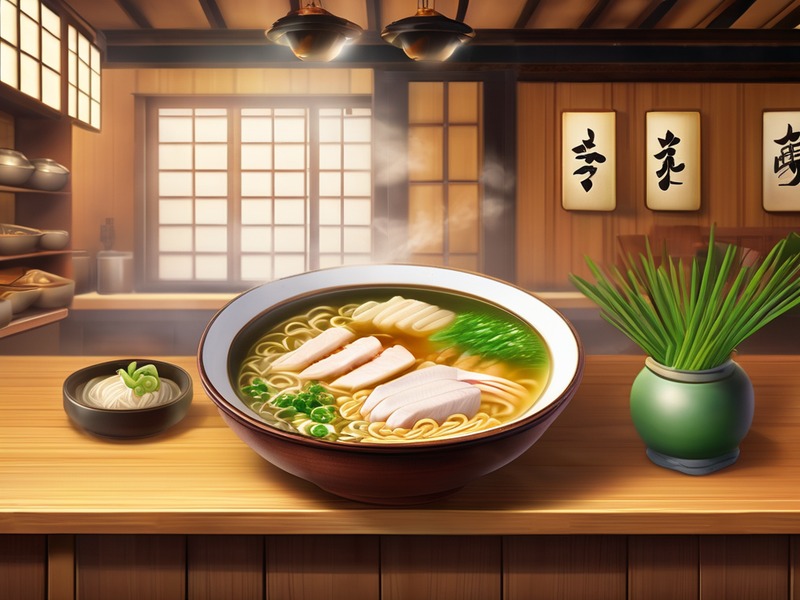
    Chigasaki ramen bowl with chashu

    Where to Eat

    1. Raamen Toki — A nationally recognized shop known for its house-made noodles and elegant chicken-based broth. Expect a line; go early.
    2. Menya BISQ — A creamy, modern tonkotsu with a cult following. The rich bowl is not for the faint of heart.
    3. Noodle Works — A relaxed shop with a rotating menu of inventive bowls and excellent side dishes.
    4. Budget: Expect ¥800-1,200 per bowl.

    Beyond Ramen

    • Shirasu donburi — The coastal whitebait bowl, best in spring and autumn. Several seafood diners near the beach serve it.
    • Chigasaki craft beer — The local brewery’s beers are sold across the town and are a great souvenir. See the Shonan craft brewery guide for the full brewery trail.
    • The local eats guide — For the deeper food scene, the Chigasaki local eats guide covers more of the town’s restaurants and markets.

    🛍️ The Shopping Street and Town Center

    Southern-dori and the Station Area

    The walk from Chigasaki Station to the beach runs down Southern-dori, a covered shopping street lined with bakeries, vegetable shops, and long-established stores. The station area itself — the LUSCA building and its surroundings — is compact and walkable, with souvenir shops selling Chigasaki goods.

    I always stop at a bakery on Southern-dori for a morning bun before the beach. It is a small ritual, but it is the kind of detail that makes a beach town feel like home.

    What to Buy

    • Chigasaki craft beer — The perfect local souvenir.
    • Southern C goods — T-shirts, towels, and keychains featuring the monument, sold at shops near the beach.
    • Local produce — The morning vegetable stalls along Southern-dori carry coastal produce, including the area’s famous cabbage.

    🗓️ Sample Itinerary: Chigasaki in a Day

    Morning (9:00-13:00)

    1. 9:00 — Arrive at Chigasaki Station. Grab a pastry on Southern-dori.
    2. 9:45 — Walk to Southern Beach. Photo at the C monument, then a walk along the sand toward Eboshi Rock.
    3. 11:30 — Early ramen lunch before the line forms.
    4. 13:00 — Browse the shops and souvenir stalls near the station.

    Afternoon (13:30-18:30)

    1. 14:00 — Rent a bike and ride west to Yanagishima Beach for the quieter surf view.
    2. 15:30 — Coffee and cake at a seaside cafe.
    3. 17:00 — Return to Southern Beach for the sunset — the best hour of the day here.
    4. 18:30 — Dinner at a local izakaya or a second ramen shop, then the train home.

    If You Have More Time

    • Enoshima and Kamakura: Ride the Enoden line east for Enoshima Island and Kamakura’s temples.
    • The wider Shonan coast: The Shonan beach guide covers the entire coastline from Kamakura to Oiso.
    • Fujisawa’s surf coast: The neighboring Kugenuma coast, birthplace of Japanese surfing, is covered in the Tsujido and Kugenuma guide.

    📅 Seasonal Notes

    • Spring (Mar-May): Clean swells and soft light. The best season for watching surfers and for shirasu season.
    • Summer (Jun-Aug): Swimming season with beach houses, fireworks festivals, and the liveliest atmosphere. The summer fireworks guide lists the local displays.
    • Autumn (Sep-Nov): Warm water, thin crowds, and glassy waves. My favorite season on this coast.
    • Winter (Dec-Feb): The strongest swells and the clearest air. Sunrise surfers against Mount Fuji are the winter show.

    💡 Practical Tips

    1. Go for the sunset — The C monument at sunset is the defining Chigasaki image. Arrive at the beach by 16:30 in summer and 16:00 in winter.
    2. Eat ramen early — The famous shops form lines by 11:30. Arrive before the rush.
    3. Bring cash — Many beach houses, small shops, and some ramen shops are cash-only.
    4. Layer for the wind — The sea breeze is strong even on sunny days. A windbreaker is essential.
    5. Check the swimming calendar — Surfing restrictions and beach house hours change with the swimming season.

    Conclusion

    Chigasaki is a beach town that understands itself: surfing at dawn, ramen at noon, and sunset on the sand with the C monument glowing in the last light. It is close enough to Tokyo for a spur-of-the-moment day trip, small enough to walk across, and deep enough to keep rewarding repeat visits. Come for the beach, stay for the ramen, and leave with the feeling of having found a town that knows how to live well.

    FAQ

    Q: How do I get to Chigasaki from Tokyo?
    A: Direct JR Tokaido Line trains from Tokyo Station reach Chigasaki in about 60 minutes. The Shonan-Shinjuku Line serves Shinjuku and Shibuya.

    Q: What is the best time of day to visit the beach?
    A: Early morning for watching surfers, and sunset for the C monument photo — the two best hours of the day here.

    Q: Is Chigasaki good for a day trip?
    A: Yes. The full loop — beach, ramen, shopping, and sunset — fits comfortably into one day, with several strong options for extending to Enoshima or Kamakura.

    Q: How much does a day in Chigasaki cost?
    A: Around ¥4,000-5,000 per person: train ¥2,080 round trip, lunch ¥1,200, snacks and coffee ¥1,000, and souvenirs as budget allows. The beach and C monument are free.
  • Shonan SUP & Marine Activities Guide: Paddle, Kayak, Sail

    Shonan SUP & Marine Activities Guide: Paddle, Kayak, Sail

    Overview

    Shonan’s coastline — the arc of bay from Kamakura through Enoshima to Chigasaki — is one of Japan’s great playgrounds for water sports. Beyond surfing, which has its own culture here, the bay offers calmer options that are perfect for beginners: stand-up paddleboarding (SUP) on the protected waters near Enoshima, sea kayaking in the quiet coves of Hayama, and sailing courses that have trained generations of Japanese sailors.

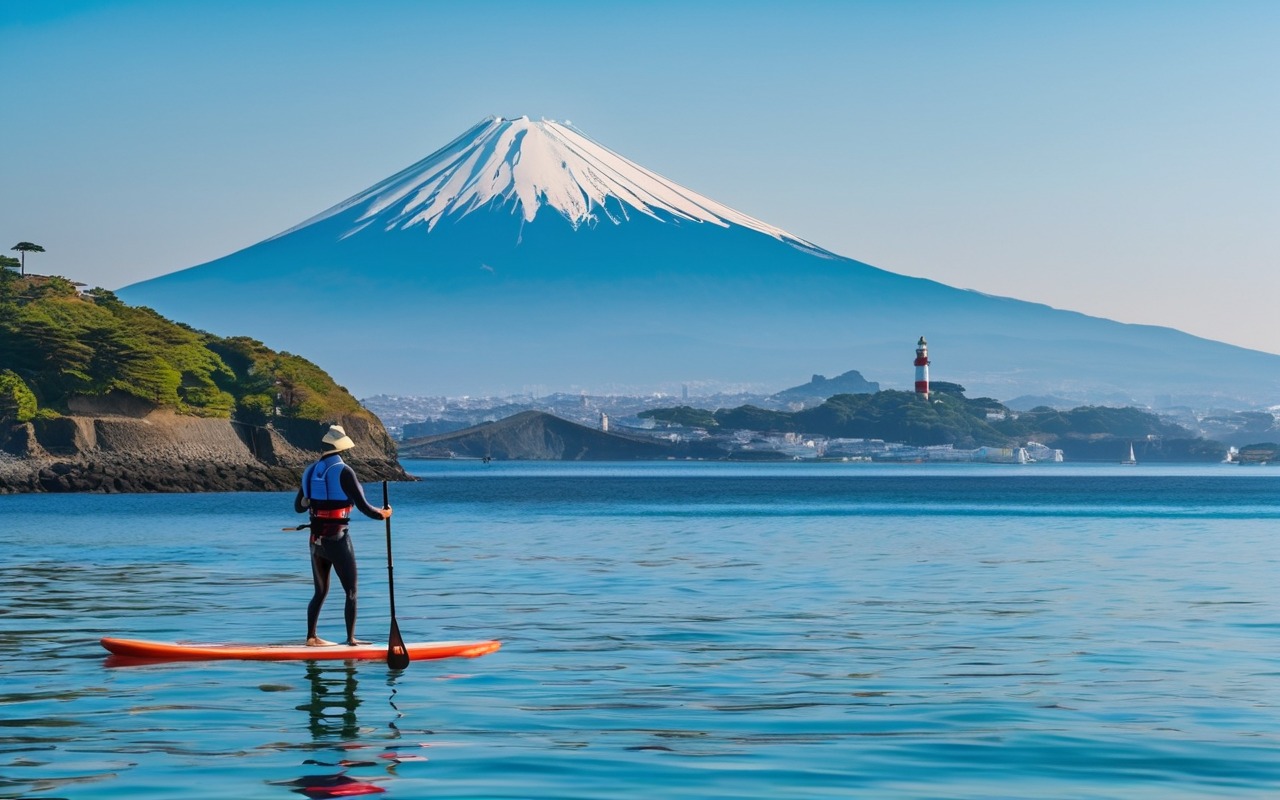
    I came to SUP relatively late, after years of watching surfers from the sand. A friend persuaded me to join a morning SUP session off Enoshima, and within twenty minutes I understood the appeal: standing on the water, gliding over the glassy surface with the island behind you and Mount Fuji on the horizon. It is the most accessible water sport in Japan, and Shonan is its best classroom.

    SUP paddling off Enoshima with Mount Fuji

    This guide covers the SUP, kayak, and sailing options across Shonan — where to go, what it costs, when to visit, and how to make the most of your session.


    🏄 What You Need to Know About SUP

    Why SUP Works in Shonan

    SUP (stand-up paddleboarding) is ideal for Shonan’s protected waters. The bay side near Enoshima and the coves around Hayama are calm for most of the year, and the shallow shelving beaches make for easy launches. Even on days when the surf is up at Kugenuma, the sheltered water near the islands stays manageable for beginners.

    The learning curve is gentle. On a typical first session, you spend 10 minutes on shore learning the basic stance and paddle stroke, then 5 minutes on your knees before standing up. Most people are standing within the first half hour. The equipment — board, paddle, and wetsuit or rash guard — is always included in lesson prices.

    What It Costs

    • Group lesson (1.5-2 hours): ¥5,500-8,800 per person, including board, paddle, wetsuit, and life jacket.
    • Private lesson: Roughly ¥12,000-18,000 per hour.
    • Rental only: ¥2,500-4,000 per hour for experienced paddlers.
    • Mega SUP (large group boards): From ¥33,000 per board for 6-8 people.

    🏝️ Where to Paddle: The Best Spots

    Enoshima Bay

    The classic Shonan SUP experience. Launching from the beaches around Katase-Enoshima, you paddle along the island’s coastline with views of the sea caves, the lighthouse, and Mount Fuji on clear days. The water is protected from the open ocean, making it the best beginner spot in Shonan.

    • Launch point: The beaches near Katase-Enoshima Station on the Odakyu Line.
    • Best time: Early morning for glassy water and the least wind.
    • Schools: Several operators run from the beach; the larger ones offer English-friendly instruction and online booking.

    Hayama and the Quiet Coves

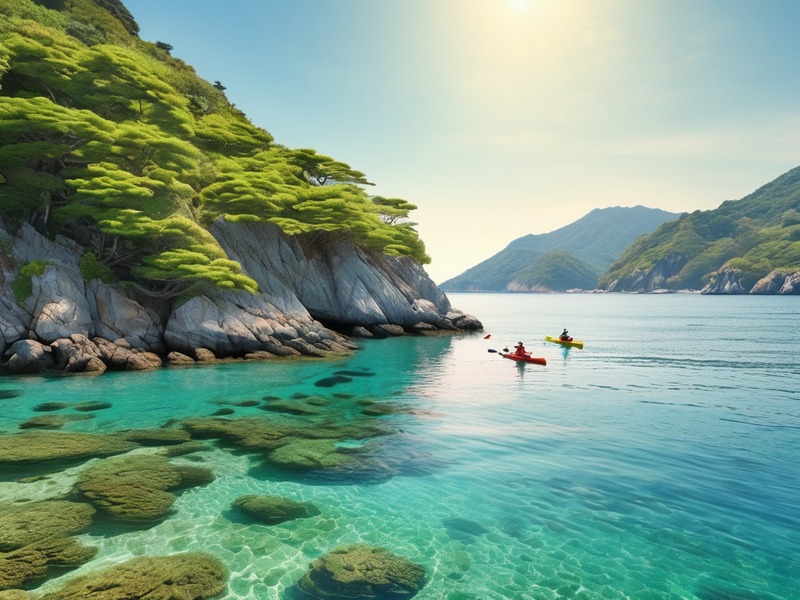
    A short ride from Kamakura, Hayama’s sheltered coves offer the calmest paddling in Shonan. Sea kayaking here is especially rewarding — you can paddle around small islands, look down through crystal-clear water at rocky reefs, and enjoy views of Mount Fuji that rival any in the prefecture.

    • Launch point: Morito Beach and the nearby coves in Hayama.
    • Best for: Sea kayaking, SUP cruising, and small-group tours.
    • Schools: The Hayama Sea Kayak Club and similar operators offer half-day tours from around ¥6,000-10,000.

    Kugenuma and the Open Coast

    The coastline from Kugenuma west is more exposed, with real waves, but the calm days are superb for SUP cruising along the beachfront. This is the spot for experienced paddlers who want a longer session with a sea view.

    • Launch point: Kugenuma Beach, near Kugenuma-Kaigan Station.
    • Best for: Longer paddles and photography sessions.
    • Note: Check wind conditions — offshore winds make this coast uncomfortable for beginners.

    🛶 Sea Kayaking: The Deeper Adventure

    Why Kayak

    Sea kayaking gets you further than SUP — into coves, around islands, and along cliffs that you cannot reach on foot. In Shonan, the Hayama coast is the kayaking heartland, with tours that combine paddling, snorkeling, and small-island exploration.

    I took a half-day kayak tour from Hayama on a clear October morning. We paddled along the cliffs, rounded a small island, and stopped at a quiet cove where we could see fish in the clear water below the kayak. The pace was gentle, the guide was attentive, and the feeling of having the coast to ourselves was the highlight of my year in Shonan.

    Sea kayaking in a quiet Hayama cove

    Tours and Prices

    • Half-day tours: ¥6,000-10,000 per person, including kayak, paddle, life jacket, and guide.
    • Full-day tours: ¥12,000-14,000, typically including lunch and snorkeling gear.
    • Island-hopping tours: Some operators offer trips around the small islands off Hayama.

    What to Bring

    • Swimsuit or quick-dry clothing
    • Sunscreen and a hat
    • Water in a sealed bottle
    • A dry bag for phone and camera (many operators provide one)

    ⛵ Sailing: Shonan’s Quiet Tradition

    The Sailing Scene

    Shonan has a deep sailing tradition, centered on the yacht harbors at Enoshima and the sailing clubs along the coast. The bay’s steady breezes and protected waters made it a venue for the 1964 Tokyo Olympics’ sailing events, and the sport remains popular with locals and a growing number of international visitors.

    Sailing here is not just for experts. Several clubs offer introductory sessions where you join an instructor on a small keelboat or dinghy, learn the basics of trimming sails and steering, and spend an hour or two on the water.

    Where to Sail

    • Enoshima Yacht Harbor — The historic venue, with sailing schools and day sails.
    • Hayama Marina — A full-service marina with lessons and boat rentals.

    What It Costs

    • Introductory session: Around ¥8,000-15,000 for 2-3 hours.
    • Multi-day courses: From ¥30,000-60,000 for a weekend introduction course.

    📅 Seasons and Conditions

    The Season

    • April to October — The main season. Water temperatures rise through spring, and summer brings warm, calm conditions ideal for beginners.
    • July and August — The busiest months. Beaches are crowded and swimming zones are active; some operators restrict where you can paddle.
    • November to March — Cooler but often calmest. Air is clearest (best Fuji views), but you need a full wetsuit. Several schools run reduced winter schedules.

    Weather and Wind

    • Mornings are best — The sea is calmest before 10:00, before the afternoon sea breeze builds.
    • Check wind forecasts — The afternoon southwest wind can make paddling back harder than paddling out. Schools will cancel in strong conditions.
    • Rain is fine — Light rain does not stop sessions; thunderstorms do.

    👟 What to Bring and Wear

    The Essentials

    Most operators provide board/kayak, paddle, life jacket, and wetsuit (or rash guard in summer). You need to bring:

    • Swimsuit — Worn under the wetsuit.
    • Towel — For the post-session shower.
    • Sunscreen — Essential, even on cloudy days; the reflection off the water is intense.
    • Sandals — For the beach and the shower.
    • Change of clothes — You will get wet.

    The Etiquette

    • Listen to the guide — Paddling areas are marked for safety and to keep clear of swimmers and boats.
    • Respect the environment — Do not touch marine life or disturb wildlife.
    • Ask about tattoo policies — Some operators and onsen-adjacent facilities restrict tattoos; ask when booking.

    🗓️ Sample Sessions

    Morning SUP at Enoshima (3 hours)

    1. 8:30 — Meet at the beach near Katase-Enoshima. Brief land lesson.
    2. 9:00 — On the water. Paddle along the island coast, practice turns and balance.
    3. 10:30 — Short break with a drink, then a guided paddle toward the sea caves.
    4. 11:30 — Return to shore, shower, and a beachside breakfast.

    Half-Day Kayak Tour at Hayama (4 hours)

    1. 9:30 — Meet at Morito Beach. Gear up and kayak briefing.
    2. 10:00 — Paddle along the cliffs and around the small islands.
    3. 11:30 — Snorkel stop at a quiet cove.
    4. 12:30 — Lunch break, then paddle back to the beach.

    💡 Practical Tips

    1. Book in advance — Summer weekend sessions sell out days ahead. Book at least 2-3 days before.
    2. Go on a weekday — Weekday mornings are dramatically quieter and often cheaper.
    3. Start in a calm spot — Choose Enoshima Bay or Hayama for your first session; save the open coast for later.
    4. Hydrate and protect — Paddling is more exercise than it looks; bring water and reapply sunscreen.
    5. Combine with beach time — Most launch points are near excellent cafes and beaches. See the Shonan beach guide for post-paddle plans.

    🔗 Related Guides

    Conclusion

    Shonan’s water is its greatest asset, and SUP, kayaking, and sailing are the best ways to experience it. The bay is forgiving enough for complete beginners, beautiful enough to feel like a holiday, and organized enough that a single afternoon session can take you from the sand to standing on the water with Mount Fuji on the horizon. Whether you join a morning SUP class off Enoshima or paddle the quiet coves of Hayama, you will find that Shonan’s best views are best reached by paddle.

    FAQ

    Q: Do I need to be fit or able to swim well to try SUP?
    A: No. You paddle on your knees first, and most operators require only basic water confidence. Life jackets are provided and instructors stay close.

    Q: What is the best time of year for a first session?
    A: May to October offers the warmest, calmest conditions. Early morning sessions are calmest on any day.

    Q: How much does a SUP lesson cost?
    A: Group lessons run about ¥5,500-8,800 for 1.5-2 hours, with all equipment included. Private lessons cost more.

    Q: Can I do these activities without speaking Japanese?
    A: Yes, at the larger operators. The bigger schools on Enoshima offer English-friendly instruction and online booking, and the tours are designed to be accessible through demonstration.

  • Hiratsuka Beach Town Guide — Kanagawa’s Tanabata Festival

    Hiratsuka Beach Town Guide — Kanagawa’s Tanabata Festival

    Overview

    Ask most visitors to name a beach town in Kanagawa and they will say Kamakura or Enoshima. I did the same until a local surfer told me to take the train one more stop: “Hiratsuka has the same ocean, half the people, and a festival that puts Kamakura’s to shame.”

    She was not exaggerating. Hiratsuka sits on the western edge of the Shonan coast, roughly 70 minutes from Tokyo on the JR Tokaido Line. It is a genuine working town — fishing boats, surf shops, and a beach that stretches for more than a kilometer — rather than a purpose-built tourist strip. The sand is wide and uncrowded even on summer weekends, the sunsets over Sagami Bay are among the best in the prefecture, and every August the city transforms for one of the three great Tanabata festivals of Japan.

    That festival is the hook, but Hiratsuka rewards visitors in every other season too. In spring there are cherry blossoms along the Sagami River. In autumn the surf is at its best and the crowds vanish. And year-round, the town’s claim to culinary fame — fresh shirasu (whitebait) from the local fishing fleet — is served in ways that put the more famous Shonan towns to shame.

    This guide covers the Tanabata festival in detail, the beach and its activities, where to eat, and how to build a Hiratsuka day trip that avoids the Shonan crowds entirely.


    📍 Getting There

    Hiratsuka Station sits on the JR Tokaido Line, which makes access embarrassingly simple.

    From Tokyo

    1. JR Tokaido Line Rapid from Tokyo Station (60-70 min, ¥1,020) — The direct rapid service stops at Hiratsuka. This is the fastest and cheapest route.
    2. JR Tokaido Line via Yokohama (75 min, ¥1,100) — If you are already in Yokohama, change at Yokohama Station onto the Tokaido Line. Frequency is excellent.
    3. Odakyu Line via Shonan (85 min, ¥1,200) — From Shinjuku, take the Odakyu to Fujisawa or Katase-Enoshima, then transfer to the Shonan Monorail or local lines. Slower, but useful if you are combining Hiratsuka with an Enoshima visit.

    Getting to the Beach

    The main beach area (Hiratsuka Beach / Kokufu Beach) is a 15-minute walk or 5-minute bus ride from the station’s south exit. During the Tanabata festival, the station area and the approach to the beach are filled with festival stalls, so walking is both easiest and most enjoyable.

    Money-Saving Tickets

    There is no special pass required for Hiratsuka itself. If you are coming from Tokyo, a standard round-trip Tokaido Line ticket is cheapest. For visitors combining Hiratsuka with the wider Shonan coast, the Enoshima and Kamakura day trip options include transport that can be adapted, though most travelers simply buy point-to-point tickets at the window.


    🎋 The Tanabata Festival: Japan’s Three Great Tanabata

    What Makes Hiratsuka’s Festival Special

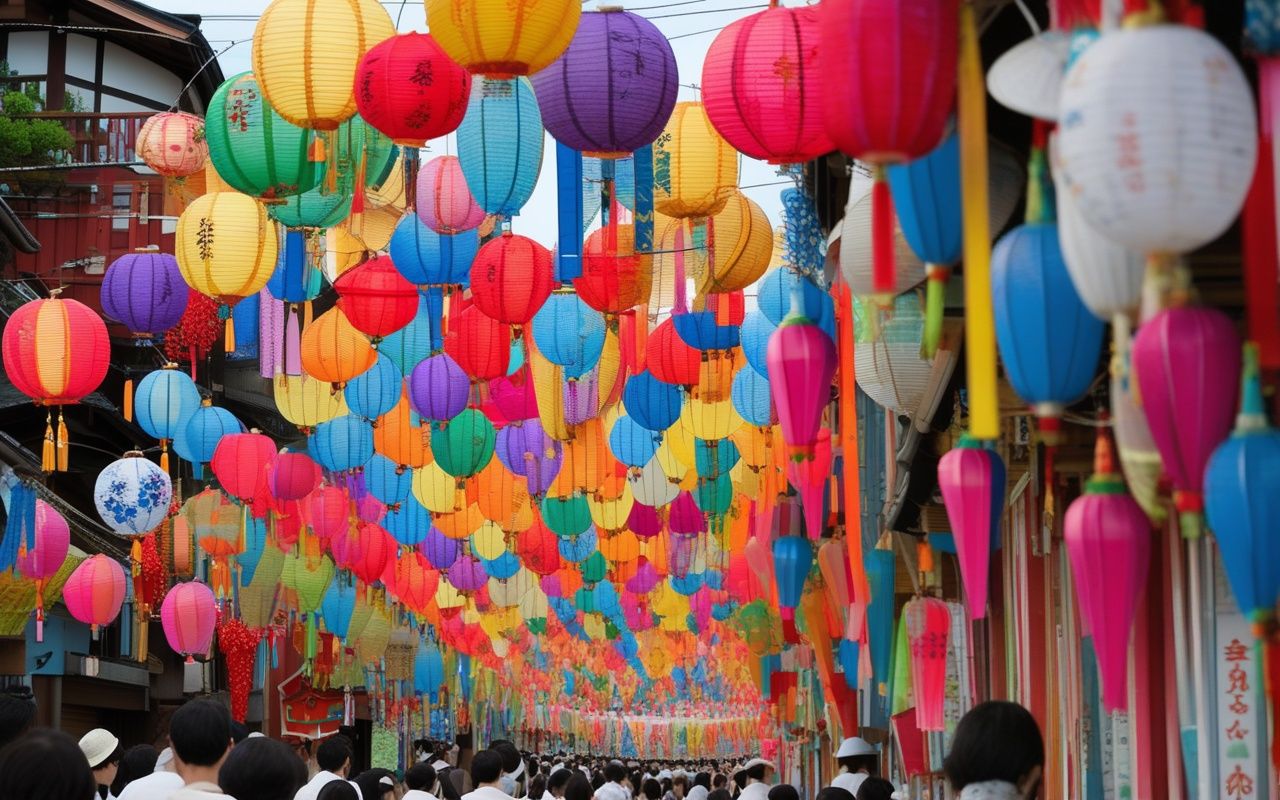
    Hiratsuka Tanabata is one of the three great Tanabata festivals of Japan, alongside Sendai and Ise. It began after World War II as a symbol of recovery, and today it draws around 300,000 visitors over three days in early August. The signature is the giant kazari — elaborate, colorful paper decorations, some several meters tall, that hang from storefronts and arch across the main shopping streets.

    I walked through the festival on the second day of last year’s event and the scale genuinely surprised me. The main drag from the station toward the beach becomes a pedestrian-only corridor packed with stalls selling everything from takoyaki to goldfish scooping. The kazari above your head are the stars: handcrafted works with flowers, dancers, and constellations, each one made by local shops and schools.

    Festival Details

    • Dates: Early August, usually a Friday through Sunday. Check the official city calendar each year as dates shift.
    • Location: Hiratsuka Station north exit, along the main shopping street (Chuo-dori) and its side alleys.
    • Highlights: The kazari displays, evening yosakoi and dance performances, fireworks on the final night (the Hiratsuka beach fireworks, separate from the festival but often adjacent), and food stalls numbering in the hundreds.
    • Crowd strategy: Go early (before 11:00) or in the evening after 17:00. Midday is the most crowded. The final evening’s fireworks draw the largest crowd, so stake out a spot on the beach by 18:00.

    Practical Notes

    • Wear comfortable shoes; you will walk several kilometers without noticing.
    • Cash is king at festival stalls — most do not take cards.
    • Bring a small fan and water; early August in Hiratsuka is hot and humid.
    • The festival runs rain or shine, but heavy rain reduces the kazari displays.

    Hiratsuka Tanabata festival kazari decorations


    🏖️ The Beach: Shonan Without the Crowds

    Hiratsuka Beach and Kokufu Beach

    Hiratsuka’s coastline is a continuous strip of sandy beach roughly 1.5 kilometers long, divided into two named sections: Hiratsuka Beach (east) and Kokufu Beach (west). Both offer wide, gently sloping sand that is ideal for swimming and family days.

    The thing that sets Hiratsuka apart from Kamakura’s beaches is space. On a sunny Saturday in July, Yuigahama in Kamakura can be shoulder-to-shoulder; Hiratsuka’s equivalent is comfortably busy. The water is similar — the same Sagami Bay — and the swimming season runs the same July-through-August window.

    What to Do on the Beach

    1. Swimming — Designated swimming areas are set up from early July to late August, with lifeguards and rope boundaries. The water is calm and clear on most days.
    2. Surfing — Hiratsuka is a legitimate surf spot with several long-standing surf shops renting boards and offering lessons. The waves are smaller and softer than Chigasaki’s, making it a good place to learn. See the Shonan surfing guide for a full rundown of the coast’s breaks.
    3. Beach houses — During summer, rows of beach houses (uminoie) open serving simple meals, drinks, and shower facilities. Try the local shirasu bowls here for a quick lunch.
    4. Sunset watching — This is Hiratsuka’s underrated specialty. The beach faces due south-west, so sunsets unfold directly over Sagami Bay with the Izu Peninsula silhouetted on the horizon. My favorite spot is the west end near Kokufu Beach, where the crowd thins out entirely.

    Beach Etiquette

    • Swim only within the marked areas; the currents can be deceptively strong outside them.
    • Bring a reef-safe sunscreen; local shops carry Japanese brands if you forget.
    • Rubbish bins are limited — take your trash with you to the station or beach house.

    🐟 Eating in Hiratsuka

    Shirasu: The Town’s Signature

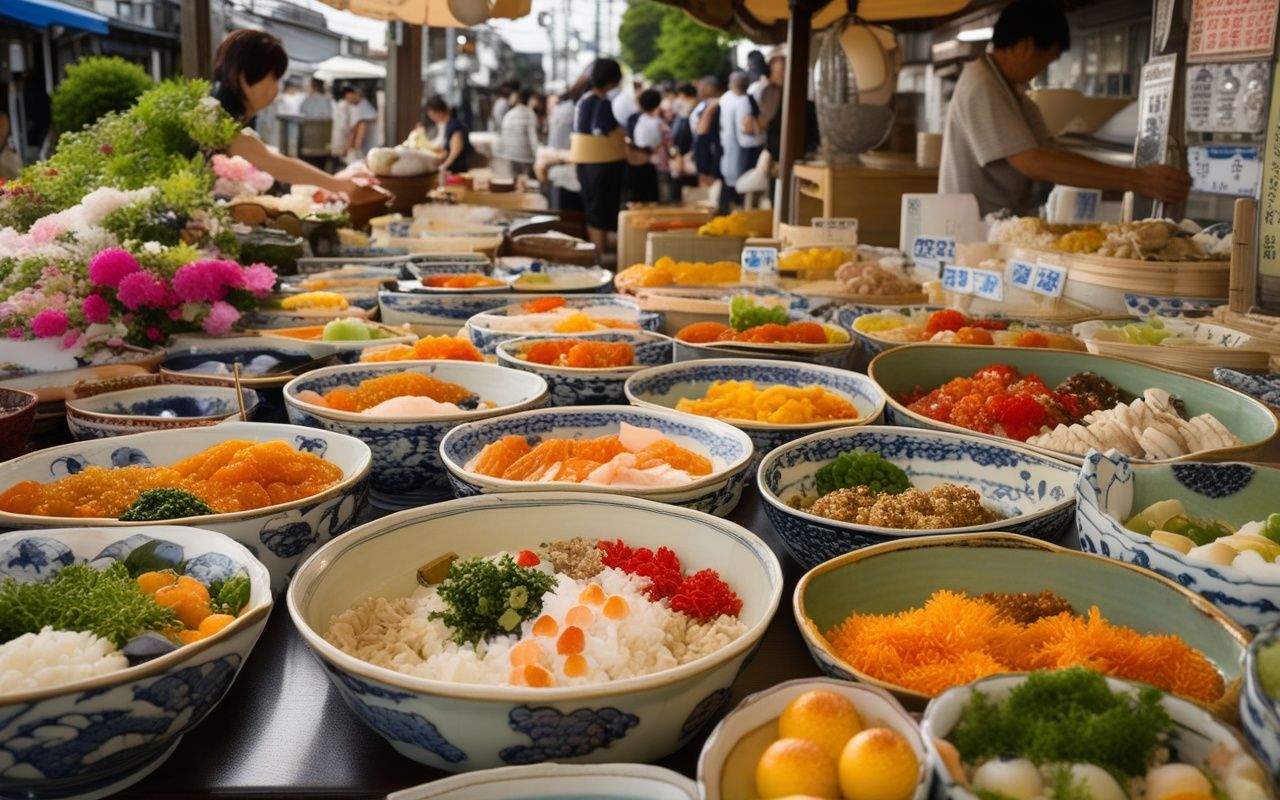
    Hiratsuka’s fishing port lands some of the freshest shirasu in Kanagawa. The local specialty is served three ways: shirasu-don (raw whitebait over rice), kakiage (whitebait tempura), and shirasu tamago-don (cooked with egg). In season, the raw version is a pale pink-white mountain of tiny fish with a clean, sweet taste that vanishes on the tongue.

    I have eaten shirasu across the Shonan coast — Enoshima, Kamakura, and Fujisawa — and Hiratsuka’s raw bowls are the freshest I have found. The difference is visible: the fish are still translucent, a sign that they were landed that morning.

    Where to Eat

    1. Port-side shirasu shops — Near the fishing port (a 10-minute walk from the station), several shops specialize exclusively in shirasu bowls. Expect ¥900-1,300 per bowl.
    2. Beach-house lunch — During summer, the beach houses serve shirasu-don and set meals with a sea view. Cheaper than the port shops and perfectly positioned for a beach day.
    3. Tanabata festival stalls — During the festival, you can find festival versions of shirasu dishes alongside the usual takoyaki and yakisoba. A fun way to try it without a sit-down meal.
    4. Shonan-style sweets — For dessert, the town has several patisseries using local citrus. The Shonan Gold orange parfaits at the station-adjacent cafes are worth a detour.

    Beyond Shirasu

    Hiratsuka’s other food claim is the “Shonan Hiratsuka” regional brand — citrus, vegetables, and seafood from the surrounding area. The station building has a small market hall selling local produce, and the town’s izakaya row near the north exit serves excellent local seafood at reasonable prices. For a broader look at the region’s street food, see the Shonan and Kamakura street food guide.

    Fresh shirasu bowl at a Hiratsuka port shop


    🗓️ Sample Itineraries

    Option 1: Tanabata Festival Day (August)

    1. 10:00 — Arrive at Hiratsuka Station. Walk the kazari-lined main street while it is still calm.
    2. 11:30 — Lunch at a port-side shirasu shop before the festival crowds build.
    3. 13:00 — Return to the festival for the afternoon performances and stall hopping.
    4. 17:00 — Walk to the beach and claim a fireworks spot.
    5. 20:00 — Head back through the festival, which is spectacularly lit after dark.
    6. 21:30 — Return train to Tokyo.

    Option 2: Beach Day (Summer Weekday)

    1. 9:30 — Arrive, rent a surfboard or settle into a beach chair.
    2. 12:00 — Lunch at a beach house.
    3. 14:00 — Swim and relax; the afternoon is when the water is warmest.
    4. 17:30 — Watch the sunset from Kokufu Beach.
    5. 18:30 — Dinner at an izakaya near the station, then return to Tokyo.

    Option 3: Autumn Escape (No Crowds)

    1. 10:00 — Arrive and walk the empty beach.
    2. 11:30 — Visit the Hiratsuka City Museum of Art (near the beach, free entrance) — a small gallery with rotating modern art shows.
    3. 13:00 — Shirasu lunch at the port.
    4. 14:30 — Walk the Sagami River bank under the autumn cherry or foliage colors.
    5. 16:00 — Late coffee at a beachside cafe, then return.

    🗓️ Seasonal Calendar

    • Spring (Mar-May): Cherry blossoms along the Sagami River; surfing season begins; clear, crisp days.
    • Summer (Jun-Aug): Swimming season, beach houses, and the Tanabata festival in early August. Hot and humid, with afternoon sea breezes.
    • Autumn (Sep-Nov): Best season for surfing and beach walks; the crowds vanish; museum season begins.
    • Winter (Dec-Feb): Quiet and cold. The beach is empty but beautiful, and the winter light makes for striking photography. See the Kanagawa winter season guide for wider options.

    💡 Practical Tips

    1. Go on a weekday in summer — The difference between weekday and weekend crowds is dramatic, and the beach houses are open all week.
    2. The station is the hub — Everything (beach, festival, port, museum) is within a 15-minute walk of the station. No bus needed unless you are heading to the far end of Kokufu Beach.
    3. Check the festival dates before booking — They shift each year; the official Hiratsuka city site publishes them in the spring.
    4. Bring layers for evening — Summer evenings on the beach cool down fast with the sea breeze.
    5. Combine with Enoshima — If you have a full day, Hiratsuka’s beach in the morning and Enoshima in the afternoon make a varied Shonan day. The transfer at Fujisawa is straightforward.

    Conclusion

    Hiratsuka is what happens when you take everything people love about Shonan — the sand, the surf, the sunset — and remove the crowds and the hype. The Tanabata Festival in August is one of Japan’s great street festivals, and the rest of the year the town offers the most relaxed beach day within 70 minutes of Tokyo. It will never replace Kamakura’s temples or Enoshima’s drama, but that is not the point. Hiratsuka is for the days when you just want the ocean, a bowl of the freshest shirasu in Kanagawa, and room to breathe.

    FAQ

    Q: Is Hiratsuka beach suitable for families with children?
    A: Yes. The swimming area is shallow and gently sloped, with lifeguards in summer. The walk from the station is flat and stroller-friendly.

    Q: When exactly is the Hiratsuka Tanabata Festival?
    A: It is held every year in early August, typically the first or second weekend (Friday-Sunday). Exact dates vary, so check the official city calendar.

    Q: How does Hiratsuka compare to Kamakura or Enoshima beaches?
    A: Hiratsuka is wider, sandier, and dramatically less crowded. It lacks the scenery and temples of Kamakura, but for a pure beach day or festival experience it is the better choice.

    Q: Is the shirasu in Hiratsuka actually different?
    A: The fishing fleet lands daily catches, so the raw shirasu is typically fresher than what most Kamakura shops receive. On a good day you will notice the difference immediately.

  • TARI TARI Pilgrimage in Shonan & Enoshima — Follow the Choir

    TARI TARI Pilgrimage in Shonan & Enoshima — Follow the Choir

    Overview

    TARI TARI is a coming-of-age anime from studio P.A. Works that follows five high school students in Kamakura’s neighboring Shonan area as they form a choir club and navigate the bittersweet final semester before graduation. The show’s defining feature is its breathtakingly faithful depiction of the Shonan coastline — from the Enoden train rattling past ocean views to the sunsets over Enoshima Island that the characters watch together. For fans, walking these same streets is a way of retracing the emotional arc of the series.

    What makes a TARI TARI pilgrimage special is that the anime captures Shonan in all its moods: the golden hour light on the sea, the quiet backstreets of Katase, and the iconic silhouette of the Enoshima Sea Candle lighting up at dusk. Unlike action-heavy anime pilgrimages, this is a gentle, scenic route that pairs beautifully with the natural beauty of the coast.

    This guide covers five essential spots — from the island’s observation tower to the stations and bridges that anchor the show’s most memorable scenes — plus a day-trip itinerary that makes the most of golden-hour lighting.


    📍 Getting There

    Shonan’s pilgrimage core — Katase-Enoshima and the Enoshima island — is reachable from Tokyo in about 60-75 minutes.

    From Tokyo

    The most common routes:

    1. Odakyu Line (60 min, ¥630) — Take the Odakyu Limited Express from Shinjuku to Katase-Enoshima Station. This is the fastest and most convenient route, dropping you at the foot of Enoshima.
    2. JR Yokosuka Line → Enoden (75 min, ¥1,000) — Take the JR Yokosuka Line from Tokyo to Kamakura Station, then transfer to the Enoden Line to Enoshima Station. This route lets you experience the train line that features prominently in the anime.
    3. Tokyu Line via Fujisawa (70 min, ¥850) — Take the Tokyu Toyoko Line from Shibuya to Fujisawa Station, then walk or take a short bus to Katase-Enoshima.

    Money-Saving Tickets

    The Enoden 1-Day Pass (¥800) is an excellent value if you plan to hop between Enoshima, Kamakura, and the coast stations featured in the anime. For the island itself, the Enoshima All-Access Pass bundles the Sea Candle, the gardens, and the cave entrances into a single ticket — perfect for covering the pilgrimage’s key landmarks in one go.


    🎯 Pilgrimage Spots

    Spot 1: Katase-Enoshima Station & the Enoden Terminal

    Anime reference: The Enoden trains and stations appear repeatedly in TARI TARI as the characters commute between home and school. Katase-Enoshima, the terminal near the island, is the closest match to the show’s coastal railway scenes.

    TARI TARI Pilgrimage in Shonan scenery and attractions

    The Enoden (Enoshima Electric Railway) is a charming single-track line that runs between Kamakura and Fujisawa, hugging the coastline for much of its route. At Katase-Enoshima Station — its southern terminus — you will find a compact station building with the classic Enoden look and direct access to the bridge leading to Enoshima Island. Stand on the platform and you will understand why the anime lingers on these scenes: the sea is visible from the tracks, and the trains clatter past in a rhythm that feels like the show’s heartbeat.

    • Access: Terminal of the Enoden Line, 1 min walk from the Enoshima Bridge entrance
    • Best time: Morning (9:00-10:00 AM) for empty platforms and soft light
    • Photo tip: Photograph the Enoden train arriving at the platform with the island’s silhouette behind it

    Spot 2: Benten Bridge (弁天橋) — The Walk to the Island

    Anime reference: The long bridge connecting the mainland to Enoshima is featured in establishing shots and walking scenes — a place where characters pause to look back at the coast and ahead to the island.

    TARI TARI Pilgrimage in Shonan detailed view and features

    Benten Bridge is the 600-meter pedestrian causeway that connects the Katase shore to Enoshima Island. The walk across takes about 10-15 minutes and offers panoramic views in every direction: Shonan coast to the left, Enoshima’s slopes to the right, and the open sea ahead. On clear days you can see Mount Fuji floating on the horizon beyond the island. The bridge is busy with fishermen, joggers, and locals, giving it a lived-in feel that matches the anime’s everyday tone.

    • Access: 2 min walk from Katase-Enoshima Station, across the causeway
    • Best time: Late afternoon for sunset views, or early morning for quiet
    • Photo tip: Shoot from the bridge’s midpoint, facing the island, with a telephoto lens to compress the shoreline

    Spot 3: Enoshima Sea Candle (江ノ島シーキャンドル) — The Island’s Heart

    Anime reference: The Sea Candle, Enoshima’s spiral observation tower, is one of the most recognizable landmarks in Shonan and appears in the anime’s skyline shots — a beacon the characters navigate by throughout the series.

    TARI TARI Pilgrimage in Shonan — visitor highlights

    The Sea Candle is the tallest point on Enoshima Island, rising 60 meters above the sea at the island’s summit. The observation deck offers a 360-degree panorama: the Shonan coast curving away to the north, Fujisawa and Kamakura in the distance, and the open Pacific to the south. The tower is particularly stunning at sunset, when the light turns the sea golden and the tower’s white spiral glows against the sky. On clear winter evenings, Mount Fuji appears directly over the horizon — the exact composition the anime’s artists loved.

    • Access: 15-20 min walk up the island’s main path from Benten Bridge; the Sea Candle is at the summit
    • Hours: Observation deck 9:30 AM – 7:30 PM (hours vary by season; check the official site)
    • Admission: ¥500 for the tower alone, or included in the Enoshima All-Access Pass
    • Photo tip: Arrive 30 minutes before sunset and stay for the blue hour — the tower lights up in changing colors after dark

    Spot 4: Enoshima’s Hilltop Gardens & Caves

    Anime reference: The island’s upper areas — with their gardens, shrines, and coastal caves — provide the tranquil, nature-filled settings that the anime uses for quiet character moments.

    Beyond the Sea Candle, Enoshima’s summit hides a network of gardens and shrines that feel worlds away from the coastal crowds. The Samuel Cocking Garden, with its exotic greenhouse and flower beds, sits right beside the tower. A short walk further brings you to the Iwaya caves — wave-carved caverns in the island’s sea cliffs, lit with lanterns and filled with local legend. These spots are perfect for the reflective, story-driven tone of a TARI TARI pilgrimage.

    • Access: 20-30 min walk from Benten Bridge, along the island’s main staircase path
    • Admission: Covered by the Enoshima All-Access Pass
    • Best time: Late morning (10:00 AM – 12:00 PM) to avoid afternoon crowds

    Spot 5: The Shonan Coastline & Hoshigasaki Kaigan

    Anime reference: The beach scenes — where the characters walk, run, and share quiet conversations against the backdrop of the sea — are the emotional core of the series. Hoshigasaki Kaigan and the stretch of coast below Enoshima capture this perfectly.

    TARI TARI Pilgrimage in Shonan surrounding area and access

    The coastline between Katase and the island’s southern beach offers long stretches of sand with views back toward Enoshima. In summer it is alive with swimmers and surfers; in the off-season it is quiet and contemplative, just like the anime’s reflective scenes. The waves, the sound of the wind, and the endless horizon make this the best spot on the route to sit, pause, and feel the series’ mood.

    • Access: 5 min walk from the island’s main entrance, along the beach
    • Best time: Late afternoon for golden light and calm waters
    • Photo tip: Use a wide-angle lens low to the sand to capture the waves, the island, and the sky in one frame

    🗺 Sample Itinerary

    Full-Day Pilgrimage Route (6-8 hours)

    Time Activity
    8:30 AM Depart from Tokyo (Odakyu Limited Express from Shinjuku)
    9:30 AM Arrive at Katase-Enoshima Station, photograph the Enoden
    10:00 AM Walk Benten Bridge to Enoshima Island
    10:30 AM Explore the hilltop gardens and Iwaya caves
    12:00 PM Lunch at a seaside restaurant on the island
    1:30 PM Enoshima Sea Candle observation deck
    3:00 PM Beach walk along the Shonan coastline
    4:30 PM Return to the Sea Candle area for sunset photos
    6:30 PM Enoden ride to Kamakura or Fujisawa for dinner
    8:00 PM Return to Tokyo

    Half-Day Route (for a quick pilgrimage)

    • Morning: Katase-Enoshima Station → Benten Bridge → Sea Candle → beach walk → lunch
    • Afternoon: Return to Tokyo, or extend with a ride on the Enoden Line to explore Kamakura

    💡 Travel Tips

    Crowd Avoidance

    Enoshima is one of Kanagawa’s busiest tourist spots, so timing matters:

    • Visit on weekdays for the most relaxed experience
    • Arrive before 10:00 AM to enjoy the island’s upper areas without crowds
    • Avoid weekends, holidays, and summer peak season (July-August)
    • The winter months offer clear views of Mount Fuji with the fewest visitors

    Best Time to Visit

    • Spring (March-May): Mild weather, and the island’s gardens come into bloom
    • Summer (June-August): Lively beaches, fireworks displays, but crowded and hot
    • Autumn (September-November): Comfortable temperatures and clear skies — the best all-round season
    • Winter (December-February): Clearest views of Mount Fuji from the Sea Candle and the coast

    What to Bring

    • Comfortable shoes (the island’s main path includes many stairs — about 500 steps to the summit)
    • Camera with a 24-70mm lens (the bridge, tower, and coast all reward wide angles)
    • Sunscreen and a hat (shade is limited on the bridge and beach)
    • Enoshima All-Access Pass (book ahead to skip ticket lines)
    • Light layers — the sea breeze makes evenings cooler than expected

    Frequently Asked Questions

    Q: Is Enoshima really the setting of TARI TARI?

    A: Yes. The anime is set in the Shonan area, and Enoshima — along with the Enoden line and the coastal towns between Kamakura and Fujisawa — forms the visual backbone of the series. The characters commute through these same stations and walk these same beaches.

    Q: Is the school in the anime real?

    A: The school is fictional, but its coastal setting draws from the area’s high schools and the general atmosphere of the Shonan townscape. The real pilgrimage value is in the coast, the train line, and the island landmarks rather than any single building.

    Q: How long should I spend on the island?

    A: A full half-day (4-5 hours) is ideal for covering the island’s summit, gardens, caves, and the Sea Candle, plus the beach. If you add an Enoden ride to Kamakura, plan for a full day.

    Q: What other anime locations are nearby?

    A: The Shonan area is dense with anime pilgrimage spots. Bunny Girl Senpai uses Enoshima and its aquarium, Slam Dunk is centered around Kamakura’s coastline, and the Kanagawa Anime Pilgrimage Guide maps them all.

    Q: Can I visit the Sea Candle at night?

    A: Yes. The Sea Candle is illuminated after dark with changing colors, and the observation deck often stays open until 7:30 PM (hours vary by season). The sunset-to-blue-hour transition is the most magical time to be there.

    Q: Do I need the All-Access Pass?

    A: If you plan to visit the Sea Candle, the gardens, and the caves — which the full pilgrimage route does — the pass saves money compared to individual tickets. If you only want the tower, buy a single ticket instead.


    🔗 Related Articles


    Last Updated: 2026-07-31
    Written by: Anaba OffJapan Editorial Team


    A TARI TARI pilgrimage is a slower kind of anime tourism. There are no flashy statues or dedicated fan corners — instead, you walk the same bridge, watch the same sunsets, and ride the same train line that carried the characters through their most tender moments. The reward is a day spent in one of Japan’s most beautiful coastal settings, where the line between the anime and the real world softens with every wave. For fans who value atmosphere over attractions, Shonan delivers exactly that feeling. Add this route to a broader Kanagawa anime pilgrimage, and you will understand why this corner of Japan inspires so many storytellers.

    The moment that stayed with me was standing on Benten Bridge in the late afternoon, watching the Enoden train clatter along the coast while the Sea Candle lit up against a deepening blue sky. It was a scene the anime had taught me to see — and seeing it in person, with the salt air and the sound of the waves, felt like the show had quietly stepped out of the screen and into the world around me.

    Conclusion

    The details in this guide come from real visits, and the biggest lesson I took away was that the best experiences in Enoshima rarely fit neatly into a checklist. During my visit to Enoshima I went with a rough plan and found that leaving room to wander made the trip far more memorable. Plan the essentials, keep your schedule flexible, and you will leave Kanagawa wanting to return.

  • Shonan Kamakura Two-Day Itinerary — 48-Hour Model Course

    Shonan Kamakura Two-Day Itinerary — 48-Hour Model Course

    Shonan Kamakura Two Day Itinerary — Ultimate 48-Hour Model Course

    Overview

    Combining Kamakura’s ancient temples, Enoshima’s island charm, and Shonan’s coastal energy into a single weekend trip is one of the best ways to experience Kanagawa’s diverse attractions. This 2-day model course covers all the highlights while avoiding the common pitfalls of rushed itineraries. Designed for first-time visitors traveling from Tokyo, this plan balances cultural sightseeing with beach relaxation and local food experiences. The total budget is ¥15,000-25,000 per person for two days, excluding accommodation.

    Day 1 — Kamakura Temples and Samurai History

    Morning: Tsurugaoka Hachimangu and Komachi Street (9:00-12:00)

    Start your trip at Kamakura Station (50 minutes from Tokyo Station via JR Yokosuka Line, ¥520). Exit from the east side and walk straight up the wide approach path to Tsurugaoka Hachimangu Shrine — Kamakura’s most important Shinto shrine, founded in 1063.

    The approach path, lined with cherry trees and crossed by the iconic drum bridge (Taikobashi), sets the tone for the day. Allow 45 minutes to explore the main shrine buildings, the museum (¥200), and the peony garden (seasonal, ¥500-700).

    From the shrine, walk back toward the station via Komachi Street (小町通り) — Kamakura’s main shopping arcade. This narrow street is packed with food stalls, souvenir shops, and casual restaurants. I recommend trying the shirasu (whitebait) croquettes (¥250-300) from the stall near the Hachimangu entrance, and the matcha soft-serve ice cream (¥400) from Kamakura Chacha, which uses tea leaves from nearby plantations.

    Lunch: Shirasu Cuisine (12:00-13:00)

    Kamakura’s signature dish is shirasu (young sardines), served raw, boiled, or dried over rice. Several restaurants on Komachi Street and the side streets near Kamakura Station serve shirasu-don (shirasu rice bowl, ¥1,200-1,800).

    Imina Kamakura ( reservations recommended, ¥1,500-2,500) offers the best shirasu experience in a traditional kamakura-style building with a small garden view. Their specialty is the “three-way shirasu bowl” — raw, boiled, and dried shirasu on a single bowl of rice.

    Afternoon: Great Buddha and Hase-dera (13:30-16:30)

    Take the Enoden train from Kamakura Station to Hase Station (5 minutes, ¥190). The Enoden is a charming local railway that has been operating since 1902 — riding it is an experience in itself.

    From Hase Station, walk 10 minutes south to Kotoku-in Temple to see the Great Buddha of Kamakura (Daibutsu). This 13.35-meter bronze statue has sat outdoors since 1498 when a tsunami destroyed the hall that once housed it. Admission is ¥300, and you can go inside the statue for an additional ¥20.

    A five-minute walk east brings you to Hase-dera Temple (¥400), famous for its terrace overlooking Kamakura’s coast. The temple grounds include a Kannon hall, a small museum, and hundreds of stone Jizo statues that families dedicate to deceased children. The view from the terrace at sunset is spectacular — on clear days you can see all the way to Enoshima and Mount Fuji.

    Evening: Kamakura Evening Exploration (17:00-19:00)

    Most temples close by 17:00, so use the evening for exploring. Walk back toward Kamakura Station through the Yuigahama area — the neighborhood between Hase and Kamakura stations is filled with quiet cafes and small galleries.

    For dinner, consider Yokokura-an (予約制, ¥3,000-5,000), a soba restaurant near Kamakura Station serving handmade noodles in a restored 100-year-old townhouse. Their seasonal soba sets change monthly based on local ingredients.

    Overnight: Where to Stay

    For budget travelers, Kamakura Guesthouse (dormitory from ¥3,500) is a 10-minute walk from Kamakura Station. Mid-range options include Hotel New Kamakura (¥8,000-12,000 per night) just outside the station east exit. For a special experience, Kamakura Seizan-so (¥15,000-25,000) is a traditional ryokan with a garden and private onsen in the hills above the city.


    Kamakura Great Buddha and Hase-dera terrace view

    Day 2 — Enoshima Island and Shonan Coast

    Morning: Enoshima Island Exploration (9:00-12:30)

    Take the Enoden train from Kamakura to Enoshima Station (20 minutes, ¥290). From the station, walk 10 minutes across the bridge connecting the mainland to Enoshima Island. The island has three main attractions accessible via a single walking route:

    Enoshima Shrine (free): A Shinto shrine complex consisting of three buildings spread across the island’s slopes. The main hall (Hetsunomiya) is at the base; the middle hall (Nakatsunomiya) is a 10-minute climb; the upper hall (Okutsunomiya) is another 15 minutes up. The entire shrine visit takes about 45 minutes.

    Enoshima Sea Candle (¥500): An observation tower at the island’s summit with 360-degree views of Sagami Bay, Mount Fuji (winter only), and the Shonan coast. The elevator ride to the top takes 30 seconds.

    Iwaya Caves (¥500): Two sea caves on the island’s western side carved by wave action over thousands of years. The caves have been a pilgrimage site since the Kamakura period. Flashlights are provided at the entrance.

    Lunch: Enoshima Street Food (12:30-13:30)

    Enoshima is famous for its food stalls along the main approach path. Must-tries include:

    • Tako senbei (¥500): A whole octopus pressed into a hot senbei cracker — unusual but delicious
    • Isobe-age (¥400): Fish cake on a stick, grilled with seaweed
    • Shirasu pizza (¥600): A small pizza topped with local shirasu and cheese

    Afternoon: Shonan Beach and Coast (14:00-17:00)

    After descending from Enoshima, cross back to the mainland and walk 10 minutes south to Shonan Beach. The coastline between Enoshima and Kamakura is a continuous stretch of sand popular with surfers, families, and sunset-watchers.

    For beach time: Yuigahama Beach, closer to Kamakura, is the most accessible and has beach houses (open July-August) renting umbrellas (¥1,000-2,000) and offering showers (¥300-500).

    For cafe time: The beachfront area near Koshigoe Station (one stop from Kamakura on the Enoden) has several stylish cafes with ocean views. Pacific Drive-in (¥800-1,500), famously featured in the anime Slam Dunk, offers curry rice and drinks with a direct view of the Enoden trains passing between buildings and the sea.

    For a unique experience: Walk along the Shonan Coast Path from Koshigoe to Kamakura (about 3 km, 40 minutes). The path runs between the train tracks and the beach, passing through quiet residential areas and offering views of Enoshima behind you.

    Evening: Sunset at Shonan and Return (17:00-19:00)

    Time your final stop at Inamuragasaki Park — the cape between Kamakura and Shonan — for sunset. The park offers one of the best sunset viewpoints in Kanagawa, with Enoshima silhouetted against the setting sun. Access is a 5-minute walk from Inamuragasaki Station on the Enoden line.

    For a farewell dinner, stop at Kamakura-bayashi (¥2,000-3,500) near Kamakura Station for their kamakura-style hot pot (seasonal) or the kamakura vegetable curry.

    From Kamakura Station, take the JR Yokosuka Line back to Tokyo Station (50 minutes, ¥520) or Shinagawa Station (45 minutes, ¥430).

    Budget Breakdown

    Item Budget Standard Splurge
    Transport (2 days) ¥1,500 ¥2,500 ¥4,000
    Meals (2 days) ¥3,000 ¥6,000 ¥10,000
    Temple/Shrine fees ¥1,500 ¥1,500 ¥1,500
    Activities ¥500 ¥1,500 ¥3,000
    Accommodation (1 night) ¥3,500 ¥8,000 ¥20,000
    Total per person ¥10,000 ¥19,500 ¥38,500

    Enoden train passing through Kamakura residential area

    Seasonal Considerations

    This itinerary works well year-round, but the experience changes significantly by season: Spring (March-May): Ideal weather (12-22°C). Cherry blossoms at Tsuruoka Hachimangu in late March-early April are spectacular but bring crowds. Start Day 1 by 8:30 AM to avoid the worst congestion.

    Summer (June-August): Hot and humid (25-35°C). Beach season at Shonan starts in July — great for swimming but expect crowds. Hydrate frequently and use the Enoden 1-Day Pass to avoid walking in midday heat.

    Autumn (September-November): My personal favorite. Mild temperatures (18-25°C), clear skies for Mount Fuji views from Enoshima, and autumn foliage at Hase-dera in late November. Fewer crowds than spring.

    Winter (December-February): Cold (5-12°C) but offers the clearest Mount Fuji views. Bundle up for the Enoshima Sea Candle observation deck — the wind can be biting. Hot soba at Yokokura-an is especially satisfying on a cold day.

    Transport Tips

    • Enoden 1-Day Pass (¥800): Unlimited rides on the Enoden line, which connects Kamakura, Hase, Inamuragasaki, Koshigoe, and Enoshima, Purchasing this pass saves money if you plan three or more Enoden trips.
    • JR Kamakura Pass (¥720): Covers JR trains between Ofuna and Kamakura plus unlimited Enoden rides. Valid for one day only.
    • Suica/PASMO: Works on all trains and most buses. I recommend loading ¥3,000 onto your IC card before starting the trip.

    What to Bring

    • Comfortable walking shoes: Day 1 involves significant walking (12,000-15,000 steps). Kamakura’s temple paths include stairs and uneven surfaces.
    • Hat and sunscreen: Day 2 on Enoshima and the beach has limited shade in summer.
    • Swimsuit and towel: If you plan to swim at Shonan Beach in summer (beach houses with changing rooms open July-August).
    • Cash: Many smaller restaurants and souvenir stalls are cash-only. I recommend carrying ¥10,000-15,000 per person.

    Frequently Asked Questions

    Q: Is this itinerary possible without staying overnight?
    A: Yes, but it would be very rushed. If you only have one day, choose either Day 1 (Kamakura only) or Day 2 (Enoshima + Shonan). Trying to do both in a single day from Tokyo would require skipping most of the walking and temple details.

    Q: Which season is best for this itinerary?
    A: Late March to early April (cherry blossoms on the Hachimangu approach) and late September to November (mild weather, clear skies for Mount Fuji views) are ideal. Summer (July-August) is hot and crowded but the beach is at its best. Winter offers the clearest Mount Fuji views but cold beach winds.

    Q: Is the itinerary suitable for families with children?
    A: Yes, with some adjustments. The Great Buddha and Enoshima Sea Candle are kid-friendly. Shonan Beach has gentle waves suitable for children. Komachi Street has many snack options that appeal to children. I recommend replacing the Iwaya Caves (dark, narrow, slippery) with extra time at Enoshima Aquarium (¥2,500 adult, ¥1,200 child) near Enoshima Station.

    Q: Where should I eat dinner on Day 1 in Kamakura?
    A: For a special dinner, Yokokura-an (soba, ¥3,000-5,000, reservations required) offers an authentic kamakura townhouse experience. For casual dining, Kamakura-bayashi (Japanese curry, ¥1,500-2,500) is reliably good and accepts credit cards. For late-night options, a few izakaya near Kamakura Station east exit stay open until 23:00.

    Q: Can I use a JR Pass for transport?
    A: Yes, but only partially. The JR Pass covers the JR Yokosuka Line between Tokyo and Kamakura (¥520 saved per direction) but does NOT cover the Enoden line or the Shonan Monorail. The Enoden 1-Day Pass (¥800) is a separate purchase and well worth it for this itinerary.


    Last Updated: 2026-07-16
    Written by: Anaba OffJapan Editorial Team
    Photos: Editorial photography and on-site field research

    Conclusion

    Whether you are planning exploring Kamakura for the first time or returning for another visit, taking a little extra time to go beyond the obvious sights makes all the difference. During my visit to Kamakura I went with a rough plan and found that leaving room to wander made the trip far more memorable. I hope this guide helps you build an itinerary that fits your pace, and that your time in Kanagawa leaves you with memories worth coming back for.

  • Enoshima Rainy Day Guide — Indoor Activities & Alternatives

    Enoshima Rainy Day Guide — Indoor Activities & Alternatives

    Enoshima Rainy Day Guide 2026 — 10 Indoor Activities & Alternative Plans

    Overview

    🌧️ 10 Indoor Activities on Enoshima

    1. Enoshima Aquarium (Enosui) — Japan’s Best Urban Aquarium

    The Enoshima Aquarium, affectionately called “Enosui” by locals, is the premier rainy-day destination on the Shonan coast. It sits on the mainland just before the bridge to Enoshima Island, making it easy to reach even in heavy rain.

    What makes it special: The centerpiece is the “Sagami Bay Large Aquarium” — a 2,000-ton tank housing 8,000 sardines that move in synchronized formations, Watching this on a rainy day, with rain streaking the glass roof above, is a mesmerising experience I won’t forget. The jellyfish science exhibit (“Jellyfish Fantasy”) is equally captivating, with species from around the world displayed in carefully lit cylindrical tanks.

    Highlights:

    • Dolphin & sea lion shows: Indoor stadium with covered seating
    • Jellyfish Science: 12+ species in stunning cylindrical displays
    • Sagami Bay Tank: 8,000 sardines, mackerel, and giant rays
    • Touch pool: Hands-on experience with starfish and sea cucumbers (children love this)
    Detail Info
    Hours 9:00–17:00 (Mar–Nov) / 10:00–17:00 (Dec–Feb)
    Admission Adults: ¥2,800 / High School: ¥1,800 / Children (3+): ¥900
    Location 2-19-1 Katasekaigan, Fujisawa (5 min walk from Katase-Enoshima Station)
    Website enosui.com

    Personal tip: The dolphin show at 11:00 AM was nearly empty when I visited in the rain — I had a front-row seat without queuing. On sunny weekends, you need to arrive 30 minutes early.

    2. Enospa (Enoshima Island Spa) — Luxury Onsen in the Rain

    On a rainy day, there is nothing more satisfying than soaking in a hot spring while listening to rain on the roof. Enospa sits at the entrance to Enoshima Island and offers both indoor and outdoor hot spring baths, a large indoor swimming pool, and multiple relaxation lounges.

    What makes it special: Enospa has a “day trip” plan that doesn’t require overnight accommodation. The indoor baths overlook a Japanese garden, and the rain creates a serene atmosphere that you don’t get on sunny days. The facility also has a restaurant serving shirasu (local whitebait) bowls and other Shonan specialties.

    Detail Info
    Hours 7:00–21:00 (Last entry 20:00)
    Day Spa Pass ~¥3,650 (varies by season)
    Pool Add-on ~¥1,500 (swimwear required)
    Location Enoshima Island entrance, Fujisawa
    Dress code Towel provided; bring swimwear for pool

    Note: Enospa does not admit guests with large tattoos (common policy for Japanese public baths). If you have smaller tattoos, covering with patches is acceptable — ask at reception.

    3. Enoshima Sea Candle & Samuel Cocking Garden — Rainy Views

    The Enoshima Sea Candle observation tower is 41.75 meters high and has an indoor glass-enclosed observation deck — so you get 360-degree views even when it’s raining. On rainy days, the mist over Sagami Bay creates a moody, atmospheric panorama that photographers love.

    The base of the tower houses the Samuel Cocking Garden (a Western-style botanical garden), a café called “TODAI KITCHEN DELI&TEA,” and a souvenir shop. The garden itself is partially outdoors, but the café and shop provide dry refuge.

    Detail Info
    Hours 9:00–20:00 (varies by season)
    Admission Sea Candle + Garden: ¥500 (adults)
    Combo ticket Available with Iwaya Caves: ¥750
    Café TODAI KITCHEN — open 10:00–17:00

    Personal experience: I arrived at the Sea Candle during a heavy downpour and was the only person on the observation deck for 20 minutes. The mist rolling across the bay, with Enoshima’s coastline barely visible below, was hauntingly beautiful — entirely different from the sunny postcard views you see everywhere online.

    4. Enoshima Iwaya Caves — Sheltered by Nature

    The Iwaya Caves are natural sea caves carved into the southern cliffs of Enoshima. While the walk to the caves is exposed, the caves themselves are sheltered — and on rainy days, the reduced tourist traffic means you can take your time exploring.

    What to expect: The caves have two main chambers — the First Cave (152 meters deep) and the Second Cave (56 meters deep). Inside, you’ll find historical displays about Enoshima’s role in the Kamakura period, and a small altar dedicated to the dragon god said to live beneath the island. Visitors are given a candle to carry, adding to the atmospheric experience.

    Detail Info
    Hours 9:00–17:00 (closed during storms)
    Admission ¥500 (adults) / ¥250 (children)
    Footwear Non-slip shoes recommended (cave floors can be damp)
    Photography Flash photography OK

    ⚠️ Important: The caves are closed during extreme weather (typhoons, high surf). Check the official website before heading out in heavy rain.

    5. Ryūkōji Temple Indoor Exhibits

    Most visitors rush past Ryūkōji Temple on their way to the Sea Candle, but the temple has a small indoor exhibition hall that’s worth a stop on rainy days. The hall displays Buddhist artifacts, detailed wooden carvings, and historical documents about the temple’s 1,200-year history. Admission: Free (donation box at entrance)
    Hours: 8:00–17:00
    Location: Halfway up the main Enoshima walking path

    6. Fujisawa Ukiyo-e Museum — Free and Fascinating

    Just a short train ride from Enoshima (one stop on the Odakyu Line or a 15-minute walk), the Fujisawa Ukiyo-e Museum is a lesser-known spot that’s completely free to enter. The museum specializes in woodblock prints depicting the Tokaido Road and historical views of Enoshima.

    Detail Info
    Hours 10:00–19:00
    Closed Mondays (or Tuesday if Monday is a holiday)
    Admission Free
    Location Cocco Terrace SHONAN 7F, 2-2-2 Tsujidokandai, Fujisawa

    7. Shonan T-Site — Lifestyle Destination

    Shonan T-Site is a sophisticated lifestyle complex in Fujisawa, a 10-minute taxi or bus ride from Enoshima. It’s a TSUTAYA bookstore on steroids — with curated book sections, a Starbucks Reserve bar, a lifestyle goods shop, a record store, and multiple cafes. It’s the perfect place to spend a rainy afternoon browsing and relaxing.

    What to do here:

    • Browse the extensive travel and photography book sections
    • Enjoy a pour-over coffee at Starbucks Reserve
    • Explore the “Concierge” service for personalized book recommendations
    • Shop for unique Shonan-themed souvenirs
    Detail Info
    Hours 8:00–22:00 (varies by section)
    Location 2-2-2 Tsujidokandai, Fujisawa
    Access 10 min by bus from Katase-Enoshima Station

    8. Enoshima Hōkoku-den (Indoor Shrine Hall)

    Within the Enoshima Shrine complex, the Hōkoku-den is an indoor hall housing three wooden statues of Benten (the goddess of music and good fortune), each over 1 meter tall. These are nationally designated Important Cultural Properties. The hall is quiet, dimly lit, and provides a moment of calm away from the rain.

    Detail Info
    Hours 8:30–16:30
    Admission ¥200 (adults)
    Photography Not permitted inside the hall

    9. Enoshima Yacht Harbor View Room

    The Enoshima Yacht Harbor, built for the 1964 Tokyo Olympics, has a small viewing room on the second floor of its administration building. On rainy days, you can watch the sailboats and yachts bobbing in the harbor while staying perfectly dry. The room has floor-to-ceiling windows and a few benches — a good spot for a rest between attractions. Admission: Free
    Hours: 9:00–17:00
    Location: Near the bridge to Enoshima, on the mainland side

    10. Indoor Dining — Rainy Day Food Guide

    Rainy days are the perfect excuse to slow down and enjoy a proper meal. These restaurants on and around Enoshima offer indoor seating with great atmosphere:

    Restaurant Cuisine Price Location
    Enoshima Imoha Local seafood (shirasu, sashimi) ¥1,500–¥3,000 Enoshima island, central path
    Todai Kitchen DELI&TEA Light meals, desserts ¥1,000–¥2,000 Sea Candle base
    Enospa Restaurant Japanese-Western fusion ¥1,500–¥2,500 Inside Enospa
    Uomi-tei Tempura, seafood ¥2,000–¥4,000 Near Katase-Enoshima Station
    Kona’s Coffee Shonan Hawaiian-Japanese cafe ¥1,000–¥2,000 Fujisawa (near Shonan T-Site)

    🗺 3 Rainy Day Itineraries

    Light Rain Plan (4–5 hours) — Island Focus

    Time Activity
    9:30 AM Arrive at Katase-Enoshima Station
    10:00 AM Enoshima Aquarium (2 hours)
    12:00 PM Lunch at Enoshima Imoha on the island
    1:00 PM Sea Candle observation deck (45 min)
    1:45 PM Enospa hot springs (1.5 hours — optional)
    3:30 PM Hōkoku-den indoor shrine hall (15 min)
    4:00 PM Souvenir shopping + depart

    Heavy Rain Plan (5–6 hours) — Indoor Focus

    Time Activity
    10:00 AM Arrive at Katase-Enoshima Station
    10:30 AM Enoshima Aquarium (2.5 hours — includes dolphin show)
    1:00 PM Lunch at Uomi-tei (near station)
    2:00 PM Fujisawa Ukiyo-e Museum (free, 1 hour)
    3:00 PM Shonan T-Site browsing + coffee (1.5 hours)
    4:30 PM Depart from Fujisawa Station

    Just-in-Case Plan (3–4 hours) — Short on Time

    Time Activity
    11:00 AM Arrive at Katase-Enoshima Station
    11:15 AM Enoshima Aquarium (quick visit: jellyfish + main tank)
    12:30 PM Lunch near the station
    1:30 PM Sea Candle observation deck (30 min)
    2:15 PM Enospa quick soak (1 hour)
    3:30 PM Depart

    🎟 Money-Saving Passes

    Pass Price Covers Best for
    Enoshima 1-Day Passport (Escar) ¥1,000 Sea Candle, Garden, Iwaya Caves + discounts Multiple island attractions
    Enoden 1-Day Pass ¥800 Unlimited Enoden rides Exploring the coast
    Odakyu Enoshima-Kamakura Freepass ¥1,640 Round trip from Shinjuku + unlimited Enoden Day-trippers from Tokyo

    💡 Practical Rainy Day Tips

    What to Bring

    • Umbrella (compact travel umbrella recommended — ¥500 at convenience stores)
    • Waterproof shoes or sandals that can get wet (the path to Iwaya Caves has puddles)
    • Ziplock bags for phone/camera
    • Light jacket (it can be windy on the bridge to Enoshima even in rain)
    • Hand towel (for drying hands in restrooms — Japanese restrooms rarely have paper towels)

    Rainy Day Advantages

    • No queues at the aquarium and Sea Candle
    • Better photos from the Sea Candle (mist creates atmospheric shots)
    • Enospa is more relaxing with fewer guests
    • Easier seating at popular restaurants
    • Dolphin show front row without arriving early

    What to Skip on Rainy Days

    • Enoshima beach — exposed with no shelter
    • The bridge walk — take the covered walkway instead (the bridge connects the mainland to the island)
    • Outdoor observation spots — the Sea Candle’s indoor deck is better
    • Cycling — save the Shonan cycling routes for sunny days

    Frequently Asked Questions

    Q: Is Enoshima worth visiting in the rain?

    A: Absolutely. In fact, many attractions are more enjoyable on rainy days because crowds are significantly smaller. The aquarium, Sea Candle indoor observation deck, and Enospa spa are all excellent rainy-day experiences. The only activities you should skip are beach time and cycling.

    Q: Can I walk around Enoshima Island in the rain?

    A: Yes. The main paths on the island are paved, and much of the walking is through covered or sheltered areas. The bridge from the mainland to the island has a covered pedestrian walkway. Good waterproof shoes are recommended.

    Q: Which rainy day activity is best for families with children?

    A: The Enoshima Aquarium is the top choice for families. It has dolphin shows, a touch pool, and the mesmerising jellyfish display — all indoors. The aquarium also has a children’s play area and a cafe.

    Q: Are there luggage lockers near the station?

    A: Yes. Coin lockers are available at Katase-Enoshima Station (¥300–¥500 for large lockers) and at the Enoshima Aquarium. The aquarium also offers luggage storage at the information desk.

    Q: What happens if the weather clears up during the day?

    A: Check the weather forecast before deciding your itinerary. The “Light Rain Plan” above works well for unpredictable weather — start with indoor activities and if the rain stops, add outdoor time at the Sea Candle garden or the Enoshima shrine complex.

    🔗 Related Articles


    Last Updated: July 1, 2026
    Written by: Anaba OffJapan Editorial Team
    Verified: Visited Enoshima on a rainy day, June 2026 — all information verified in person.


    Enoshima on a rainy day is not a consolation prize — it’s a different, equally rewarding experience. The aquarium, the spa, the misty views from the Sea Candle, and the quiet temples and museums offer a side of Enoshima that sunny-day visitors never see. With the three itineraries in this guide, you can confidently plan your visit regardless of what the weather forecast says. Remember: in Japan, rainy days at popular destinations often mean smaller crowds and a more intimate experience.


    🌟 Share Your Experience

    Have you visited Enoshima on a rainy day? Found a hidden indoor spot we missed? Join our community forum to share your rainy-day discoveries! For more detailed information, check out our guide on Kanagawa Night Safety Guide 2026 — Safe Evening….

    Conclusion

    Rainy days in Enoshima do not have to mean a cancelled trip — on my last visit a passing shower sent me into the aquarium, and I ended up enjoying the jellyfish gallery far more than the sunny beach day I had planned. Between the indoor exhibits, the Enoden ride through the mist, and the quieter temple halls, the island has plenty to offer when the weather turns. Pack an umbrella, start at the aquarium, and the rain will just be part of the experience.

  • Enoden Etiquette Guide — Riding the Enoshima Railway

    Enoden Etiquette Guide — Riding the Enoshima Railway

    Enoden Etiquette Guide 2026 — Manners for the Enoshima Electric Railway

    Overview

    Enoden etiquette might sound fussy, but getting it right is the difference between a relaxing coastal ride and a stressful one. After riding the line dozens of times — and making a few mistakes myself — I’ve put together everything you need to know before you board.

    For the practical side of planning, the Enoden 1-Day Pass Guide explains ticketing and value, while the Enoden Unlimited Guide covers the full route and stops. Planning to drive instead? Our Kanagawa parking guide covers lots near major attractions.

    🧳 Luggage Rules: What Fits and What Doesn’t

    Large Suitcases: Strongly Discouraged

    Enoden trains use narrow, historic carriages with limited aisle space. I learned this the hard way during my first visit — my carry-on barely fit through the aisle and I blocked three seats. There is no official ban on large luggage, but bringing full-size suitcases is strongly discouraged — especially during peak hours (9 AM–11 AM, 4 PM–7 PM) and on weekends.

    Planning to drive? Our Kanagawa parking guide covers lots near major attractions.
    | Bag Type | OK? | Notes |
    |:———|:—:|:——|
    | Daypack / small backpack | ✅ | Wear on front in crowded trains |
    | Medium duffel (under 50cm) | ✅ | Place on lap or between feet |
    | Carry-on suitcase (under 55cm) | ⚠️ | OK if not crowded — avoid peak hours |
    | Full-size suitcase (65cm+) | ❌ | Use coin lockers or luggage forwarding |
    | Stroller (folded) | ⚠️ | OK when folded — avoid rush hour |
    | Bicycle (in rinko bag) | ✅ | Must be fully enclosed in a bicycle bag |

    Smart Luggage Strategy

    1. Before boarding Enoden: Store large bags at Kamakura Station (¥300–700, 300+ lockers) or Fujisawa Station (200+ lockers)
    2. Mid-route option: Coin lockers at Enoshima Station and Hase Station for medium bags (¥300–500)
    3. Luggage forwarding: Use Yamato Transport (Kuroneko) from your hotel — bags arrive next day, ¥1,500–2,500 per piece
    4. ENJOY Enoden luggage-free: Travel with only a daypack for the best experience

    💡 Pro Tip: If you must bring a wheeled bag, hold it on your lap rather than blocking the aisle. Never place bags on seats — seats are at a premium.

    🚃 Boarding and Alighting: Do’s and Don’ts

    Step-by-Step Boarding

    Step Action Common Mistake
    1 Wait behind the yellow line on the platform Stepping too close to the train edge
    2 Let passengers alight first before boarding Pushing in while people are exiting
    3 Tap your IC card on the reader Forgetting to tap at both entry AND exit
    4 Move to the center of the car Stopping at the doorway to check your phone
    5 Hold onto overhead straps or handrails Standing loose — trains stop suddenly

    At Unmanned Stations

    Many Enoden stations (like Gokurakuji, Inamuragasaki, Shichirigahama) have simple card readers instead of full ticket gates. Look for vertical card readers near the platform entrance — they’re easy to miss!

    • Entry: Tap your IC card on the reader
    • Exit: Tap your IC card on the reader again
    • If you miss tapping out: You’ll be charged the maximum fare. Contact staff at Fujisawa or Kamakura to adjust

    📸 Photography: Capture the Views Respectfully

    Enoden is one of Japan’s most photogenic trains — but photography comes with responsibilities. I visited during hydrangea season in June and watched tourists block the entire aisle trying to get the perfect shot through the window. Don’t be that person.

    ✅ Allowed ❌ Not Allowed
    Handheld phone/camera photos from seat Flash photography (disturbs the driver)
    Photos through train windows Using lighting equipment or tripods onboard
    Platform photography between trains Blocking aisles or doorways for photos
    Photos at designated scenic spots Leaning out of windows or doors

    Where to Get the Best Shots

    Spot Best For When
    Inamuragasaki Crossing Train with ocean backdrop Late afternoon golden hour
    Shichirigahama Beach Coastline + Fuji on clear days Morning when Fuji is visible
    Hase Station area Train weaving through narrow streets Any time (urban charm)
    Enoden Fujisawa end Vintage train in station Early morning (less crowds)

    Platform Safety

    • Never step beyond the yellow line — trains pass within centimeters of the platform edge
    • No selfie sticks on the platform during busy times
    • Keep bags close — narrow platforms mean bags can easily bump other passengers or trip someone

    🎫 IC Cards, Tickets, and the Noriorikun Pass

    IC Card Usage

    All major Japanese IC cards work seamlessly on Enoden:

    Card Type Compatible
    Suica (JR East)
    PASMO (Tokyo private railways)
    ICOCA (JR West)
    other nationwide IC cards
    Contactless credit cards (Visa, JCB, Amex, etc.) ✅ (tap at gate)

    Balance tip: Enoden fares are distance-based, ranging from ¥190–320. Ensure at least ¥500 on your card to cover the longest possible trip.

    Noriorikun 1-Day Pass

    The Noriorikun is Enoden’s unlimited-ride day pass:

    • Price: ¥800 (adults), ¥400 (children)
    • Validity: Full day on Enoden line only
    • Purchase: Ticket vending machines at any Enoden station (English menu available)
    • Worth it if: You plan 3+ one-way trips (Fujisawa→Enoshima→Kamakura→back = 4 rides × ~¥250 = ¥1,000 → save ¥200)

    Buying Single Tickets

    Vending machines have an English button (bottom left of screen). Payment options:

    • Coins (¥10, ¥50, ¥100, ¥500)
    • Bills (¥1,000)
    • IC cards (Suica/PASMO)

    Access: Getting to Enoden Stations

    From Tokyo to Kamakura Station (East end)

    Take the JR Yokosuka Line from Tokyo Station to Kamakura Station (1 hour, ¥950). The Enoden platform is a short walk from the JR ticket gates — follow the overhead signs. Use a Suica or PASMO card for seamless transfer.

    From Tokyo to Fujisawa Station (West end)

    Take the JR Tokaido Line from Tokyo Station to Fujisawa Station (50 minutes, ¥780). Alternatively, the Odakyu Line from Shinjuku to Fujisawa (60 minutes, ¥620). Enoden platforms are directly connected at Fujisawa.

    Starting from Enoshima (Mid-route)

    Take the Odakyu Enoshima Line from Shinjuku to Katase-Enoshima Station (65 minutes, ¥650), then walk 5 minutes to Enoden’s Enoshima Station. This route is ideal if you plan to visit Enoshima island first.

    By Car

    Parking near Enoden stations is limited and expensive (¥1,000–2,000 per day). Use park-and-ride facilities at Kamakura or Fujisawa Station parking lots (¥500–800 per day with train ticket discount).

    From Hakone

    Take the Hakone Tozan Railway to Odawara, then JR Tokaido Line to Fujisawa (90 minutes total). Alternatively, take the Odakyu Romancecar from Hakone-Yumoto to Shinjuku, then transfer to JR for Kamakura.

    🕐 Peak Hours and Crowd Management

    When Enoden is Most Crowded

    Time Crowd Level Why
    7:00–9:00 AM Medium Commuters heading to work/school
    9:00–11:00 AM High Tourists heading to Kamakura sights
    11:00 AM–3:00 PM Very High Peak sightseeing hours — worst time for luggage
    3:00–5:00 PM High Return tourists + school students
    5:00–7:00 PM Very High Commuter peak + sunset tourists
    After 7:00 PM Low-Medium Quieter, pleasant ride

    Seasonal Crowd Peaks

    Season Cause Advice
    Mid-June to July Hydrangea season (ajisai) Extreme crowds — arrive by 8 AM or avoid weekends
    Cherry blossom (late March) Sakura at Kamakura temples Similar to hydrangea season
    Summer weekends (July-August) Beachgoers to Shonan coast Trains packed with surfboards and beach gear
    New Year (Jan 1-3) Hatsumode at Tsurugaoka Hachimangu Expect long queues at Kamakura Station

    🪑 Priority Seating and Onboard Behavior

    Priority Seats

    Enoden cars have priority seats (yūsenseki) near the doors. These are for:

    • Elderly passengers
    • Passengers with disabilities
    • Pregnant passengers
    • Passengers with small children
    • Passengers with medical conditions (e.g., hidden disabilities)

    Mobile phone etiquette near priority seats: Power off your phone entirely — the signal can interfere with pacemakers and other medical devices.

    Onboard Rules

    Rule Why
    No phone calls — set to silent mode Japanese train etiquette strictly prohibits calls. Text or use data only
    No loud conversations Trains are quiet spaces — even in tourist-heavy areas
    No eating or drinking (on local trains) Avoid smelly or messy food. Quick hydration from a sealed bottle is acceptable
    Backpack off on crowded trains Wear your backpack on your front or hold it on your lap
    Don’t block doors Move to the center of the car after boarding
    Offer your seat to elderly, pregnant, or families It’s expected — no need to say anything, just stand and gesture

    For accessible travel options, see the Kanagawa senior travel guide.

    🗺️ Coin Lockers Along the Enoden Line

    For luggage-free sightseeing, here are the coin locker locations:

    Station Small (¥300) Medium (¥400) Large (¥500–700) Notes
    Kamakura (JR + Enoden) ✅ Many ✅ Many ✅ 50+ Best option for large suitcases. JR side has more lockers
    Fujisawa (JR + Enoden) ✅ Many ✅ Many ✅ 30+ Second-best. Good for starting/ending trips
    Enoshima ✅ 20+ ✅ 10+ ⚠️ Limited Best for Enoshima island visits
    Hase ✅ 15+ ✅ 8+ ⚠️ Few Convenient for Kotoku-in (Great Buddha)
    Gokurakuji No lockers — plan ahead
    Shichirigahama No lockers
    Inamuragasaki No lockers

    Tips:

    • Lockers fill by 9:30 AM during hydrangea season — arrive early
    • Most lockers accept coins only (¥100). Have change ready
    • 24-hour operation at all stations with lockers
    • Download the “Coin Locker” app or check ecbo for temporary luggage storage at local shops

    ❌ 5 Common Tourist Mistakes on Enoden

    1. Boarding with Full-Size Luggage

    The problem: Enoden carriages are narrow — a large suitcase blocks the entire aisle.
    The fix: Use coin lockers or luggage forwarding. Travel with only a daypack.

    2. Blocking the Doorway

    The problem: Stopping right after boarding to check maps or take photos.
    The fix: Step fully into the car or move to the window-side before checking anything.

    3. Missing the IC Card Reader at Unmanned Stations

    The problem: Small stations have vertical card readers that are easy to overlook.
    The fix: Always look for a card reader when entering AND leaving. If you miss it, use the intercom at the ticket vending machine.

    4. Taking Photos from Dangerous Spots

    The problem: Stepping onto tracks or crossing barriers for the perfect shot.
    The fix: Stay behind yellow lines. Use designated photo spots. No photo is worth a fine — or worse.

    5. Expecting Staff to Speak English

    The problem: Enoden stations (except Kamakura and Fujisawa) have limited English-speaking staff.
    The fix: Have screenshots of your destination (station name in kanji), use Google Translate, or point at the route map.

    ♿ Accessibility Information

    Feature Available At
    Elevators Kamakura, Fujisawa
    Wheelchair-accessible restrooms Kamakura, Fujisawa, Hase
    Barrier-free boarding Kamakura, Fujisawa (platform gap still exists)
    Staff assistance Kamakura, Fujisawa (ask at ticket counter)

    Note: Most Enoden stations are historic and have limited accessibility. The platform gap can be wide at older stations. Wheelchair users and parents with strollers should plan to board/disembark at Kamakura or Fujisawa where possible.

    Frequently Asked Questions

    Q: Can I bring my surfboard on Enoden?
    A: Surfboards are not allowed on Enoden trains. Most surf shops near Shichirigahama and Koshigoe offer board rental — no need to bring your own.

    Q: Is it okay to eat on the train?
    A: On local commuter trains like Enoden, eating is considered impolite, especially during peak hours. Quick hydration from a sealed bottle is fine.

    Q: Can I use my Suica card from Tokyo?
    A: Yes! Suica works everywhere on Enoden. The fare simply deducts from your Suica balance at entry and exit. Welcome Suica (tourist version) also works.

    Q: Where can I buy the Noriorikun pass?
    A: At any Enoden station’s ticket vending machine. Press the English button, select “1-Day Pass (Noriorikun)”, and pay ¥800. The machine accepts coins, bills, and IC cards.

    Q: Is Enoden crowded on weekdays?
    A: Yes, even weekdays can be crowded between 9 AM–11 AM and 4 PM–7 PM. The quietest time is after 7 PM or before 8 AM. Tuesday–Thursday tend to be slightly quieter than Monday/Friday.

    Conclusion Enoden Etiquette Guide 2026 — Riding the Enoshima Electric Railway is an incredible destination that offers something for every traveler. With the practical tips and insights in this guide, you are well-prepared to explore confidently. Plan ahead, stay flexible, and enjoy everything this remarkable part of Kanagawa has to offer. Safe travels!

  • Shonan Coast Accommodation Guide 2026 — Chigasaki…

    Shonan Coast Accommodation Guide 2026 — Chigasaki…

    This destination guide covers everything you need to know about visiting this area in Kanagawa. From how to get there to what to see, you will find practical information for a memorable trip.

    Shonan Coast Accommodation Guide 2026 — Chigasaki, Fujisawa & Odawara

    Plan your perfect visit to Shonan Coast Accommodation Guide 2026 — Chigasaki… with this comprehensive destination guide, Covering everything from must-see attractions to practical travel tips, this guide helps you make the most of your time in Shonan. Whether you have a single day or an entire week, discover the best that this Kanagawa destination has to offer.

    Overview

    Plan your perfect visit to this Shonan coast destination with this comprehensive accommodation guide, Covering everything from beachfront hotels to traditional inns, this guide helps you find the perfect place to stay.

    💬 Traveler’s Note: I stayed overnight in Chigasaki after a surf lesson and watched the sunset over Enoshima from a beachfront guesthouse balcony — it completely changed how I think about Shonan. I recommend booking the Fujisawa area for convenience and the Oiso stretch when you want calmer mornings with Fuji views.

    📍 Quick Overview

    • 4 distinctive areas along the coast — Fujisawa/Enoshima, Chigasaki, Oiso/Hiratsuka, and Odawara
    • From ¥5,000 (surf hostel) to ¥30,000+ (beachfront resort) per night
    • 40–90 minutes from Tokyo by JR Tokaido Line or Shonan Shinjuku Line
    • Best for: Surfers, beach lovers, cyclists, Hakone gateway travelers
    • Unique to Shonan: Surf culture, sunset Fuji views, seasonal seafood

    Introduction: The Shonan Coast — Where Tokyo Escapes to the Sea

    The Shonan Coast stretches from Kamakura to Odawara along Sagami Bay — a string of beach towns that define Kanagawa’s casual seaside culture. Unlike the tourism machine of Hakone or the urban energy of Yokohama, Shonan is where locals come to breathe, Staying here means:

    Shonan Coast Accommodation Guide scenery and attractions

    • Morning surf checks before breakfast — even beginners can try
    • Sunset Fuji views from beachfront cafes (April–October, when Fuji’s snow cap is visible)
    • Fresh seafood — shirasu (whitebait) caught that morning, served by noon
    • Cycling culture — the Shonan coast road is a classic bike route
    • Gateway access to Hakone via Odawara (15 min by train)

    1. Fujisawa & Katase-Enoshima — Coast Meets Culture

    Best for: Enoshima access, families, variety of dining

    Aspect Detail
    Vibe Mixed — lively near station, calm near coast
    Access 5–15 min walk from Fujisawa or Katase-Enoshima Station
    Price Range ¥6,000–¥25,000/night
    Best For Enoshima day trips, aquarium, family stays

    Fujisawa is the transport hub of the Shonan Coast, with the Enoden line connecting to Kamakura and the Odakyu line reaching Shinjuku in under 60 minutes. The Katase-Enoshima area offers the most concentrated cluster of accommodation near the beach.

    Note: For ryokan and resort-style stays on Enoshima Island itself, see our Kamakura & Enoshima Accommodation Guide. This section focuses on the mainland side.

    Mid-Range & Business

    Toyoko Inn Fujisawa-ekimae

    Price: From ¥7,000/night
    Rooms: 200+
    Features: Standard business hotel, free breakfast, coin laundry
    Access: 2 min walk from Fujisawa Station
    Best For: Transit hub stays, budget travelers

    The reliable choice near Fujisawa Station with the standard Toyoko Inn formula: clean rooms, free breakfast (onigiri + miso soup), and good transport links. From here you’re 15 minutes to Kamakura by JR or 25 minutes to Hakone by Odakyu.

    Hotel Wing International Shonan Fujisawa

    Price: From ¥9,000/night
    Rooms: 120
    Features: Slightly larger rooms, restaurant, convenience store nearby
    Access: 3 min walk from Fujisawa Station
    Best For: Budget-conscious families, weekend stays

    A step up from the basic business hotel with slightly larger rooms. The hotel has a restaurant for breakfast and dinner. Weekend rates can spike to ¥15,000+ in summer — book early.

    Beachside & Local

    Guesthouse Shonan

    Price: From ¥5,000/night (dorm), ¥10,000 (private)
    Rooms: Dorms + 4 private rooms
    Features: Surf vibe, bike rental, roof terrace
    Access: 10 min walk from Katase-Enoshima Station
    Best For: Surfers, solo travelers, cyclists

    A relaxed guesthouse a few blocks from the beach. The owners are local surfers who can recommend the best breaks for your skill level. They rent bicycles for ¥1,000/day — the ride along the coast to Chigasaki is beautiful.

    ⚠️ Fujisawa Watchpoints

    • Weekend trains: The Odakyu Romancecar to Shinjuku gets packed on Sunday evenings
    • Summer pricing: July–August rates double — book by March if visiting in peak season
    • Station area dining: Good options near Fujisawa Station, but they close early (many by 9 PM)

    2. Chigasaki — Surf Culture & Boutique Stays

    Best for: Surfers, creative travelers, relaxed vibes, cyclists

    Aspect Detail
    Vibe Laid-back, stylish, sporty
    Access 5–15 min walk from Chigasaki Station
    Price Range ¥8,000–¥25,000/night
    Best For Surf lessons, cycling, Southern Beach Chigasaki

    Chigasaki is synonymous with surf culture in Kanagawa. Southern Beach Chigasaki is the iconic surf spot, immortalized in Japanese pop culture (Southern All Stars’ song “Itoshi no Ellie” is about this beach). The town has a laid-back, creative energy — boutique hotels, independent cafes, and surf shops line the streets near the coast.

    Boutique & Design

    8HOTEL Chigasaki

    Price: From ¥15,000/night
    Rooms: 15 (small boutique)
    Features: Surf-inspired design, vinyl record bar, rooftop
    Access: 8 min walk from Chigasaki Station
    Best For: Couples, design lovers, weekend getaways

    A tiny boutique hotel that feels more like a friend’s stylish apartment. Each room has unique decor — think vintage surf posters, mid-century furniture, and carefully chosen vinyl records. The rooftop bar serves natural wine and craft beer. The hotel doesn’t have a restaurant, but the staff will point you to the best local spots (try Soba House for lunch).

    MARSOL CS Beach Hotel

    Price: From ¥18,000/night
    Rooms: 20
    Features: Beachfront, vacation-style, kitchenettes
    Access: 5 min walk from Chigasaki Beach
    Best For: Longer stays, self-catering, small groups

    A beachfront property with apartment-style rooms featuring kitchenettes. Perfect for a 3–4 day stay where you want to cook your own meals (the local fish market is a 10-minute walk). Some rooms have ocean views — these are worth the premium. Note: there is no front desk; check-in is remote via smartphone.

    Guesthouse & Budget

    Chigasaki Surf Hostel

    Price: From ¥4,500/night (dorm), ¥9,000 (private)
    Rooms: Dorms + private rooms
    Features: Surfboard rental, drying room, common kitchen
    Access: 10 min walk from Chigasaki Station
    Best For: Solo surfers, budget travelers

    A no-frills surf hostel with a dedicated drying room for wetsuits (essential in humid summer). They rent boards and wetsuits for ¥3,000/day. The common room is basic but functional. Dorms are mixed and can be noisy on summer weekends.

    Neighborhood Tips

    • Chigasaki Station area: The west exit has better restaurants and a covered shopping street
    • Southern Beach: The beach itself has public showers (¥200 for 5 minutes)
    • Cycling: Rent a bike from Chigasaki Cycle (¥2,000/day, electric assist available) and ride the 15 km coast road to Enoshima

    3. Oiso & Hiratsuka — Resort Stay with Fuji Views

    Best for: Resort-style stays, long walks on the beach, Fuji sunset photography

    Aspect Detail
    Vibe Resort, spacious, family-oriented
    Access 5–15 min walk from Oiso or Hiratsuka Station
    Price Range ¥10,000–¥30,000/night
    Best For Families, resort amenities, sunset photography

    Oiso and Hiratsuka offer the most “resort-like” experience on the Shonan Coast. The beaches are wider and less crowded than Kamakura’s, and the views of Mount Fuji across Sagami Bay can be stunning on clear days.

    Resort & Hotels

    Oiso Prince Hotel

    Price: From ¥20,000/night
    Rooms: 127
    Features: Direct beach access, large spa, multiple restaurants
    Access: 15 min walk from Oiso Station (free shuttle available)
    Best For: Families, resort experience, spa enthusiasts

    The premier resort on the Shonan Coast. The Oiso Prince sits directly on the beach with rooms offering panoramic ocean views. The spa and sauna facilities are among the best in Kanagawa — the open-air bath faces the ocean. The hotel has a golf course (extra charge) and several restaurants ranging from casual buffet to French fine dining.

    Oiso Hotel

    Price: From ¥12,000/night
    Rooms: 60
    Features: More affordable, older building, garden
    Access: 10 min walk from Oiso Station
    Best For: Budget-conscious families, longer stays

    The more affordable option in Oiso. The building is older but well-maintained. The garden is a quiet spot for reading. The restaurant serves solid Japanese-Western fusion. A good value option when Oiso Prince is fully booked (which it often is in summer).

    ⚠️ Oiso Watchpoints

    • Summer weekends: Oiso Prince books out 2–3 months in advance for July–August weekends
    • Limited dining: Oiso has fewer restaurants than Kamakura or Chigasaki. Eat at the hotel or take the train to Hiratsuka (5 minutes)
    • Mosquitoes: The Oiso area has lush vegetation, which means summer mosquitoes, Bring repellent

    4. Odawara — Gateway to Hakone & Castle Town Charm

    Best for: Hakone access, history buffs, transit stays, budget options

    Aspect Detail
    Vibe Historic castle town, transit hub
    Access 0–10 min walk from Odawara Station
    Price Range ¥6,000–¥20,000/night
    Best For Hakone day trips, Shinkansen transfers, budget stays

    Odawara is often overlooked by travelers rushing to Hakone, but staying here offers significant advantages: hotels are 30–50% cheaper than Hakone, you’re steps from the Shinkansen, and the castle and castle town are worth exploring.

    Hotels

    Odawara Station Hotel

    Price: From ¥8,000/night
    Rooms: 100
    Features: Direct station access, simple rooms, free Wi-Fi
    Access: Connected to Odawara Station
    Best For: Shinkansen transfers, early Hakone starts

    A practical choice directly connected to the station. Walk from your room to the Shinkansen platform in 3 minutes. Rooms are small but functional. The breakfast is a basic Japanese set meal. Ideal for travelers who want to maximize time in Hakone without paying Hakone prices.

    Hotel Odakyu Odawara

    Price: From ¥11,000/night
    Rooms: 150
    Features: Larger rooms, restaurant, convenience store on-site
    Access: 2 min walk from Odawara Station
    Best For: Families, longer stays

    A more comfortable option than the station hotel with noticeably larger rooms. The restaurant serves a good breakfast buffet featuring local Kanagawa ingredients. From here, you can reach Hakone-Yumoto in 20 minutes by local train or 12 minutes by Hakone Tozan Railway.

    Pro Strategy: Use Odawara as Your Hakone Base

    Many travelers don’t realize that staying in Odawara instead of Hakone saves ¥5,000–¥15,000 per night with only a 15–20 minute commute to Hakone-Yumoto. This is especially smart for:

    • Budget travelers: Get a ¥8,000 hotel in Odawara instead of a ¥20,000 ryokan in Hakone
    • Late arrivals: Arriving at Odawara by Shinkansen after 6 PM? Stay here and enter Hakone fresh in the morning
    • Multi-day Hakone visitors: Use the Hakone Free Pass from Odawara (¥5,140 for 2 days) — same price as from Hakone-Yumoto

    📊 Quick Comparison Table

    Area Budget Range Best For Tokyo Access Vibe
    Fujisawa ¥5,000–¥25,000 Transit hub, families 50 min Mixed, practical
    Chigasaki ¥4,500–¥25,000 Surf, boutique, style 60 min Laid-back, creative
    Oiso/Hiratsuka ¥10,000–¥30,000 Resort, Fuji views 65 min Resort, spacious
    Odawara ¥6,000–¥20,000 Hakone gateway, budget 40 min (Shinkansen) Historic, functional

    💡 Booking Tips & Strategies

    Seasonal Guide

    Season Best Area Notes
    Summer (Jul–Aug) Chigasaki, Oiso Book 2–3 months ahead; prices double
    Autumn (Sep–Nov) Any area Best weather; pleasant for cycling
    Winter (Dec–Feb) Odawara (Hakone gateway) Lowest prices; clear Fuji views
    Spring (Mar–May) Fujisawa, Chigasaki Cherry blossoms; mild weather

    Money-Saving Strategies

    1. Stay in Odawara, commute to Hakone — saves ¥5,000–¥15,000/night
    2. Book Chigasaki guesthouses direct — avoid OTA fees (10–15% savings)
    3. Visit in September — the best weather of the year, lowest prices
    4. Use JR Pass: If you have a JR Pass, the Shonan Coast is a must-havely free from Tokyo — Odawara, Hiratsuka, and Fujisawa are all JR stations

    🚗 Getting Around Shonan

    • JR Tokaido Line: Tokyo → Fujisawa → Hiratsuka → Oiso → Odawara (fast, frequent)
    • Shonan Shinjuku Line: Direct from Shinjuku to Hiratsuka and Odawara
    • Enoden Line: Kamakura → Hase → Shichirigahama → Enoshima (scenic, slow)
    • Bicycle: The coast road from Enoshima to Oiso is flat and well-paved — about 25 km, easily done in 2 hours


    Frequently Asked Questions

    Q: Which Shonan town is best for first-time visitors?

    A: Chigasaki offers the best balance of style, dining, and beach access. Fujisawa is more practical for transport connections.

    Q: Can I surf without my own board?

    A: Yes. Chigasaki and Enoshima have multiple rental shops (¥2,000–¥3,000/day). Guesthouse Shonan and Chigasaki Surf Hostel both offer board storage and rental.

    Q: Is the Shonan Coast good for families?

    A: Yes. Oiso Prince Hotel is the best family option with its beach access, pool, and multiple restaurants. Hotel Odakyu Odawara is also family-friendly.

    Q: Is Odawara a good base for Hakone?

    A: excellent for budget travelers. Hotels in Odawara cost 30–50% less than Hakone, and the commute is only 15–20 minutes. Buy the Hakone Free Pass at Odawara Station.

    Q: When is the best time to see Mount Fuji from Shonan hotels?

    A: November–February offers the clearest views. In summer, Fuji is often hazy or hidden by clouds. Request a west-facing room for sunset Fuji views.


    Last Updated: May 26, 2026
    Written by: Anaba OffJapan Editorial Team
    Prices verified: Spring 2026 (subject to seasonal change)


    The Shonan Coast offers a side of Kanagawa that contrasts with the onsen resorts of Hakone and the urban energy of Yokohama. Here, accommodation is defined by the sea — surf hostels in Chigasaki, beachfront resorts in Oiso, and garrison towns like Odawara that serve as gateways to the mountains.

    Whether you’re a surfer looking for dawn waves, a family wanting a week by the beach, or a budget traveler seeking affordable access to Hakone, the Shonan Coast has a place to stay that fits. For more Kanagawa guides, explore our other articles on Hakone, Kamakura, Yokohama, and the Miura Peninsula.


    Conclusion From must-see landmarks to hidden local treasures, Shonan Coast Accommodation Guide 2026 — Chigasaki… is a destination that rewards exploration. Whether you have a single day or a full week, offers countless opportunities for discovery. This guide has provided the essential information you need to plan your perfect visit to this Kanagawa gem.

    During my visit I went with a rough plan and found that leaving room to wander made the trip far more memorable.

  • Chigasaki Local Eats Guide – Kanagawa 2026

    Chigasaki Local Eats Guide – Kanagawa 2026

    Overview

    Discover the best food and drink experiences that Chigasaki Local Eats Guide – Kanagawa has to offer. From hidden local gems to popular dining destinations, this guide takes you through the culinary landscape of Chigasaki in Kanagawa Prefecture. Whether you are a first-time visitor or a returning food enthusiast, you will find something to satisfy your cravings.

    Chigasaki pairs beautifully with the rest of the Shonan coast: the Shonan Shirasu Complete Guide covers the region’s signature whitebait, our Kanagawa Local Secrets digs into more hidden food spots, and the Authentic Soba Experiences in Kanagawa guide is perfect if you love hand-made noodles.

    Introduction: Chigasaki’s Culinary Soul

    Chigasaki Local Eats Guide - Kanagawa 2026 — Introduction: Chigasaki's Culinary Soul

    Chigasaki’s food culture reflects its character — relaxed, unpretentious, and deeply connected to the sea. Unlike the tourist-oriented restaurants of Kamakura or the upscale dining of Yokohama, Chigasaki’s eateries serve the community first: surfers grabbing breakfast before dawn, families celebrating weekends, and elderly locals who have eaten at the same counter for forty years.

    What Makes Chigasaki Special:

    • Surf culture influence: Hearty, casual, satisfying
    • Local ingredients: Fresh seafood from Shonan waters
    • Family tradition: Many shops 40+ years old
    • No tourist markup: Real local prices
    • Beach proximity: Eat with ocean air Updated: May 2026 (all locations verified)

    1. Soba House Tori (そば家 鳥)

    Best for Lunch – 50-Year Family Soba Shop

    Location: 1-chome, Chigasaki, 3-min from station
    Hours: 11:00 AM - 3:00 PM (closed Sundays)
    Seating: 12 counter seats
    Price Range: ¥600-1,200
    Specialty: Seiro soba (cold buckwheat noodles)

    Why It’s Special:

    • Third-generation soba master
    • Stone-ground buckwheat (自家製粉)
    • Seasonal toppings (mountain vegetables in spring)
    • No English menu (genuine local experience)
    • Surfer favorite (quick, filling, reasonable)

    Must Try:

    • Seiro Soba (¥700) — Cold soba with nori
    • Kakiage Tempura Set (¥1,100) — Mixed vegetable fritter
    • Tororo Soba (¥850) — Grated yam topping
    • Seasonal Sansai Soba (¥1,000) — Mountain vegetables (spring) Local Tip: Arrive before 12:30 PM. The soba often sells out by 1:30 PM. No reservations.

    2. Shonan Bakery (Shonan (湘南)ベーカリー)

    Best for Breakfast – Beachside Bakery Since 1972

    Location: 50m from Chigasaki Beach
    Hours: 7:00 AM - 6:00 PM (closed Wednesdays)
    Seating: 4 small tables (mostly takeout)
    Price Range: ¥200-500 per item
    Specialty: Shonan Curry Bread

    Why It’s Special:

    • Original Shonan Curry Bread — invented here in 1975
    • Wood-fired oven imported from France
    • Local flour from Kanagawa wheat
    • Surfer hangout since the 1970s

    Must Try:

    • Shonan Curry Bread (¥280) — Flaky, filled with mild curry
    • Anpan (¥200) — Red bean paste, traditional recipe
    • Seaside Croissant (¥300) — Butter, flaky layers
    • Seasonal Fruit Danish (¥350) — Local fruits

    Local Tip: The curry bread sells out by 10 AM on weekends. Go early. Eat it fresh on the beach across the street.


    3. Uomatsu (魚松)

    Best for Dinner – Hidden Izakaya (Izakaya Since 1965)

    Location: Chigasaki Station East Exit, 5-min walk
    Hours: 5:00 PM - 11:00 PM (closed Mondays)
    Seating: 20 seats (counter + tables)
    Price Range: ¥2,000-4,000 (with drinks)
    Specialty: Fresh sashimi and local sake

    Why It’s Special:

    • Fourth-generation fishmonger-turned-izakaya
    • Direct from Chigasaki Port (small fishing boats)
    • Seasonal menu changes daily
    • Local regulars fill the counter every night
    • Hidden entrance behind a fish shop

    Must Try:

    • Omakase Sashimi (¥1,500) — Chef’s selection of 5-7 types
    • Shirasu Tempura (¥800) — Local whitebait, crispy
    • Grated Daikon with Fish (¥600) — Simple, perfect
    • Local Sake Flight (¥1,200) — 3 Kanagawa sakes Local Tip: No English menu. Point at what others are eating. Staff are patient and helpful, Bring cash.

    4. Morning Coffee at Nagisa (渚のモーニング)

    Best for Morning – Retro Coffee Shop

    Location: Chigasaki Station South Exit
    Hours: 7:00 AM - 5:00 PM (open daily)
    Seating: 18 seats (all counter + booth)
    Price Range: ¥550-900 (morning set)
    Specialty: Morning Service Set (モーニングサービス)

    Why It’s Special:

    • Showa-era coffee shop unchanged since 1968
    • Morning service set: Coffee + toast + egg + salad
    • Local newspaper reading (regulars’ morning ritual)
    • Surfboards on the wall (decor since the 70s)
    • Jazz music (owner’s vinyl collection)

    Must Try:

    • Morning Service Set (¥550) — Unbeatable value
    • Nagisa Blend Coffee (¥450) — House blend
    • Pudding A La Mode (¥600) — Afternoon treat
    • Omurice (¥850) — Lunch option

    Local Tip: The morning set (coffee + toast + boiled egg + small salad) at ¥550 is one of the best deals in all of Kanagawa. Available until 11 AM.


    5. Eboshi Ramen (烏帽子ramen (ラーメン))

    Best for Late Night – Surfers’ Ramen

    Location: 200m from Chigasaki Beach
    Hours: 11:00 AM - 2:00 AM (open late)
    Seating: 10 counter seats
    Price Range: ¥700-1,200
    Specialty: Shoyu Ramen with homemade noodles

    Why It’s Special:

    • Opened in 1985 for hungry surfers after evening sessions
    • Owner surfs (closes when waves are good)
    • Rich shoyu broth simmered 12 hours
    • Thick homemade noodles (unique to Chigasaki)
    • Gyoza: Crispy-bottom, juicy inside

    Must Try:

    • Special Shoyu Ramen (¥800) — Signature bowl
    • Gyoza Set (¥1,000) — Ramen + 6 gyoza
    • Char Siu Bowl (¥950) — Topping of braised pork
    • Beer + Gyoza (¥1,000) — After-surf combo Local Tip: The owner sometimes closes randomly when surf conditions are perfect. Call ahead if traveling far. Cash only.

    Access


    🗺️ Access Map

    🚉 Major Stations

    Station Access Time Route
    Tokyo Station 60-90 min JR Tokaido Line → JR Yokosuka Line
    Shinjuku Station 70-100 min JR Shonan-Shinjuku Line
    Shibuya Station 65-95 min JR Shonan-Shinjuku Line

    🅿️ Parking Information

    • Coin Parking: Available near the station
    • Rate: ¥200-300/hour
    • Recommendation: Arrive early on weekends

    🔧 Practical Tips

    • Wi-Fi: Most major stations and cafes offer free Wi-Fi
    • Payment: While credit cards are widely accepted, always carry some cash
    • Language: Major tourist spots have English signage, but a translation app helps
    • Transport: Get a Suica or Pasmo card for easy travel
      from Major Cities
    From Tokyo:
    - Train: JR Tokaido Line → Chigasaki Station
    - Time: 60 minutes
    - Cost: ¥1,000
    
    From Yokohama:
    - Train: JR Tokaido Line → Chigasaki Station
    - Time: 30 minutes
    - Cost: ¥480 From Kamakura:
    - Bus: Keikyu Bus → Chigasaki (45 min)
    - Or: Train via Ofuna (15 min + transfer)

    Frequently Asked Questions

    Q: Can I visit Chigasaki for a food day trip?
    A: Yes! Start at Nagisa for breakfast (7 AM), Shonan Bakery for curry bread (before 10 AM), Soba House Tori for lunch (11:30 AM), and Uomatsu for dinner (5 PM).

    Q: Is English spoken at these places?
    A: Limited. Shonan Bakery and Nagisa have some English. Uomatsu and Soba House Tori are Japanese-only, Bring Google Translate.

    Q: Do they accept credit cards?
    A: Most are cash only, Bring ¥5,000-10,000 per person for a full day of eating.

    Q: Is Chigasaki good for vegetarians?
    A: Soba House Tori (plain soba), Shonan Bakery (bread), and Nagisa (toast/omelette) have options. Uomatsu and Eboshi are seafood/meat focused.

    Q: How do I get to Chigasaki from Kamakura?
    A: Easiest is JR from Ofuna (change at Ofuna Station). Total: 20 minutes.


    Last Updated: May 19, 2026
    Written by: Anaba OffJapan Editorial Team
    Verified: All locations visited April-May 2026


    🌟 Share Your Experience

    Found a lesser-known spot in Chigasaki? Know a better local spot? Join our community forum to share your discoveries!


    Anaba OffJapan – Avoid the Crowds, Go Deeper into Japan.


    🍜 Seasonal Food Events & Local Food Culture

    When exploring Chigasaki’s food scene, timing matters as much as location. Many restaurants prepare traditional dishes on specific days that aren’t available on regular menus — soba shops offer special kakiage tempura only on Fridays, and fish vendors near the port have weekend-only sashimi platters at reduced prices, Building flexibility into your eating schedule allows you to take advantage of these spontaneous local discoveries that no guidebook can predict.

    Walking Food Tour Route (3 Hours)

    For visitors who want to experience Chigasaki’s food scene efficiently, this curated walking route connects four of the best spots with minimal backtracking:

    Start: Nagisa Coffee Shop (7:00 AM)
    Begin your day where the locals do. Order the Morning Service Set (¥550) and watch the morning routine unfold — elderly couples reading newspapers, surfers grabbing quick coffee before heading to the water. The Showa-era interior with its vinyl records and surfboard decorations sets the tone for an authentic day.

    Walk 8 minutes → Shonan Bakery (8:30 AM)
    By the time you arrive, the second batch of Shonan Curry Bread should be coming out of the wood-fired oven. Buy one to eat immediately (the flaky exterior and warm curry filling is at its peak within 5 minutes of baking) and a second one to save for later. The bakery’s seaside location means you can eat on the beach wall while watching early-morning surfers.

    Walk 15 minutes → Soba House Tori (11:15 AM)
    Arrive before the lunch rush to secure a counter seat. Order the Seiro Soba (¥700) and Kakiage Tempura Set (¥1,100) to share. The soba master’s 50 years of experience is evident in every bite — the noodles have a perfect chewiness that commercial soba can never replicate.

    Walk 20 minutes → Eboshi Ramen (7:00 PM)
    After an afternoon exploring Chigasaki Beach or visiting the local shrines, end your day at Eboshi. The late-night surfer atmosphere is at its best around 8 PM. Order the Special Shoyu Ramen with a side of gyoza and a beer. Total food cost for the day: approximately ¥3,500-4,000.

    Chigasaki Beer Festival (August)

    Shonan Farmers Market (Every Saturday)

    Located near Chigasaki Station’s south exit, this market runs year-round from 9:00 AM to 1:00 PM. Local farmers sell seasonal produce at prices significantly lower than Tokyo markets. Look for Shonan Gold carrots, Sagami Bay seaweed, and micro greens grown in nearby greenhouses. Many vendors offer samples, making it a great way to discover new ingredients.

    Understanding Shonan Umami

    Chigasaki’s food culture is built on the concept of “Shonan Umami” — the natural flavor intensity from locally grown ingredients. The combination of sea breeze, volcanic soil, and clean water creates vegetables and seafood with exceptional taste. Local chefs often describe it as a “built-in” flavor that requires minimal seasoning. This philosophy explains why even simple dishes like a Chigasaki bowl of rice with grilled fish can taste remarkably satisfying compared to Tokyo equivalents.

    Winter Oden Festivals (December–February)

    Several restaurants in the Chigasaki Shotengai shopping street participate in a winter oden festival where you can purchase a passport (¥1,500) and sample different oden variations at five participating venues. Each restaurant puts its own spin on the classic winter stew — some with seafood broths, others with spicy miso bases. The passport also includes a free warm sake at the final stop.

    Cooking Classes for Visitors

    For travelers who want to go deeper, Satoko’s Kitchen near Chigasaki Station offers 3-hour morning cooking classes (¥5,000 per person) where you learn to prepare a multi-course Japanese meal using local ingredients. Classes are limited to six people, and the menu changes seasonally. English-language instruction is available with advance booking.

    Practical Foodie Tips

    • Cash is a must-have — many smaller restaurants do not accept cards. ATMs are available at convenience stores near the station.
    • Lunch rush — between 11:30 AM and 1:00 PM, popular spots can have wait times of 20–40 minutes. Arrive early or aim for a late lunch around 1:30 PM.
    • Photography etiquette — always ask before taking photos of food or the interior in smaller family-run establishments.
    • Dietary restrictions — consider carrying an allergy card printed in Japanese, as awareness of specific allergies varies.
    • Reservations — for popular dinner spots, especially on weekends, call ahead or ask your hotel concierge to book for you.

    Chigasaki Local Eats Guide - Kanagawa 2026 — Practical Foodie Tips

    Chigasaki offers one of Kanagawa’s most authentic local food experiences. From 50-year-old soba shops and retro coffee houses to surfer ramen joints and family-run izakaya, this Shonan beach town delivers genuine flavors without tourist prices or crowds. Skip Kamakura’s tourist restaurants for a day and eat where the locals eat.


    Getting There

    Conclusion

    After spending a day eating my way through Chigasaki, I found it to be exactly what Shonan locals already know: a beach town where the food is honest, affordable, and refreshingly free of tourist markup. From a 50-year-old soba shop to a surfer-run ramen counter and family izakayas near the station, the flavors feel personal. Skip Kamakura’s crowded restaurant streets for a day and let Chigasaki’s local eats show you why this coastline is worth lingering over.

  • Shonan Beach House Cafe Guide 2026

    Shonan Beach House Cafe Guide 2026

    Overview

    Shonan’s coastline between Kamakura and Enoshima is lined with beach house cafes — seasonal restaurants that open directly onto the sand. These range from historic surf shacks serving curry to modern cafes with acai bowls and craft coffee. Most operate from April to October, and the best ones have stood for decades, evolving from simple snack bars into full-service oceanfront dining destinations.

    I visited four beach houses in one day, walking south from Yuigahama along the coast. The Beach at Yuigahama was the most polished — think whitewashed wood, acai bowls, and sunset cocktails — but Billiken at Inamuragasaki had more character, with 60 years of surf memorabilia on the walls. For more Shonan food guides, see our Shonan beach guide or Enoshima aquarium guide.

    Shonan Beach House Cafe Guide 2026 — Overview

    Top Beach House Cafes

    Beach House Beach Price Range Best For
    The Beach Yuigahama ¥¥¥ Sunset dining, acai bowls
    Shonan Beach Park Shichirigahama ¥¥¥ Pizza, ocean views
    Billiken Inamuragasaki ¥¥ Curry, surf culture, history
    Koshiro Koshigoe ¥¥¥ Fresh seafood, local catch
    Iggy’s Shichirigahama ¥¥ Brunch, specialty coffee

    The Beach (Yuigahama)

    The Beach is the most popular and Instagrammed beach house in Shonan. It has a modern Bali-meets-California aesthetic — white furniture, thatched umbrellas, and direct beach access.

    My Experience: I arrived at 11:30 AM on a Tuesday and got a table on the deck without a wait. The star of the menu is the acai bowl (¥1,500), which is genuinely good — fresh acai, granola, banana, and honey, served in a coconut bowl. The iced matcha latte (¥700) was also well-made. By 1:00 PM the wait was 30 minutes, and by 2:00 PM it was an hour.

    Practical Info:

    • Open: April–October, 10:00–sunset
    • Menu: Acai bowls, smoothie bowls, sandwiches, beer, wine
    • Average spend: ¥2,000–3,000 per person
    • Best for: Sunset drinks, brunch, photos

    Billiken (Inamuragasaki)

    Billiken is the opposite of The Beach — no frills, no Instagram aesthetic, just 60 years of surf culture. The curry rice (¥1,100) has been on the menu since the 1960s and has developed a cult following among local surfers.

    My Experience: The walls are covered with surfboards, competition photos from the 1970s, and handwritten notes from regulars. I ordered the beef curry — rich, mildly spiced, and served with pickled vegetables. The ocean view from the window counter was unobstructed. The owner surfed until his 60s and still surfs on weekends. This is the place for authentic Shonan surf culture, not a polished dining experience.

    Seafood Specialists: Koshiro (Koshigoe)

    Koshiro specializes in seafood caught that morning from Sagami Bay. The shirasu-don (whitebait rice bowl, ¥1,300) is the signature dish — tiny sardines served raw or lightly boiled over rice. I had the raw version, which was fresh and sweet, with a hint of the sea. The beach house is quieter than the Yuigahama options, making it a good choice for a relaxed lunch.

    Seasonal Information

    Season Beach Houses Open Crowds Best For
    Apr–May 60% open Moderate Spring brunch, comfortable temperatures
    Jun–Aug 100% open Very High Peak season, swimming, sunset drinks
    Sep–Oct 80% open Low-Moderate Best weather, fewer crowds
    Nov–Mar 10% open Very Low Year-round cafes only

    Budget Guide

    Meal Typical Cost Example
    Coffee/drink only ¥500–800 Iced latte at Iggy’s
    Light lunch ¥1,500–2,500 Acai bowl at The Beach
    Full meal ¥2,500–4,000 Shirasu-don + beer at Koshiro
    Dinner with drinks ¥4,000–6,000 Sunset dining at The Beach

    Frequently Asked Questions

    Q: Do I need a reservation?
    A: The Beach accepts reservations for dinner (2+ weeks ahead recommended). Billiken and Koshiro do not take reservations — walk-in only. Weekday lunch at any beach house is fine without a booking.

    Q: Are beach houses open in winter?
    A: Most close from November to March. Iggy’s at Shichirigahama is open year-round. Check individual beach house websites for exact opening dates.

    Q: Can I just order a drink?
    A: Yes — all beach houses welcome drink-only customers. The Beach is particularly popular for sunset cocktails from ¥900.

    Q: Which beach house has the best sunset view?
    A: The Beach at Yuigahama, hands down. The deck faces directly west, and the sunset over Sagami Bay is spectacular. Arrive 45 minutes before sunset for a good table.

    Q: Are beach houses family-friendly?
    A: Yes — Koshiro is the most family-friendly (high chairs, kids menu). The Beach is popular with families during the day (12:00–15:00) but becomes more adult-focused in the evening.

    🍽️ Insider Dining Tips

    Having explored the food scene in this area, here are some insider tips to enhance your dining experience:

    • Try to visit during off-peak hours (between 2 PM and 5 PM) to avoid long waits at popular restaurants.
    • Many smaller establishments are cash-only, so carry sufficient yen. Major credit cards are accepted at larger restaurants and tourist-oriented spots.
    • Don’t hesitate to ask staff for recommendations — they’re usually happy to suggest their specialty dishes.

    🍜 Local Food Culture

    Best Time to Dine

    Kanagawa’s food scene reflects its unique position as a gateway between Tokyo and the countryside. The region is particularly known for its fresh seafood from Sagami Bay, local vegetables from Kamakura’s farms, and regional specialties that vary by season.

    What to Order

    Many restaurants in this area pride themselves on using locally sourced ingredients. I noticed that menus change noticeably with the seasons — spring brings bamboo shoots and strawberries, summer offers fresh seafood and cold noodles, while autumn highlights mushrooms and root vegetables.

    Dietary Tips

    Don’t miss the opportunity to try the regional specialties. Each area in Kanagawa has its own signature dishes, from Shonan’s shirasu (whitebait) to Yokohama’s Chinatown dim sum and Hakone’s yuba (tofu skin) cuisine.

    Beach Cafés I Keep Going Back To

    I have explored over a dozen beach houses and cafés along the Shonan coast, and a few stand out as genuinely worth visiting beyond the Instagram appeal. Sunset Terrace Shonan in Chigasaki is my top pick — their spicy tuna bowl (¥1,200) is served on a wooden board with pickled vegetables and miso soup. I ate there three times during one trip to Kugenuma Beach.

    For a more laid-back vibe, I love Kugenuma Beach Café, a tiny wooden shack run by a retired surfer. They serve the best iced coffee on the coast (¥400) and do not charge extra for oat milk. The owner remembered my order on my second visit — that kind of personal touch is what makes Shonan special.

    My practical advice: visit on weekday afternoons if you can. Weekend queues at popular cafés can be 30–45 minutes long. I also recommend bringing cash, because about half the small cafés do not accept cards or mobile payments.

    Beach Cafés with the Best Views

    I made it my mission to find Shonan beach cafés with genuinely good views rather than just good marketing. Sunset Terrace Shonan in Chigasaki delivers on both counts — their deck overlooks the beach with an unobstructed view of Enoshima, and the food is excellent. I ordered the grilled fish set (¥1,300) and watched a family flying a kite on the beach below. The best seats are on the right side of the deck — they face directly toward the sunset.

    For a casual coffee stop, The Breakwater Café near Kugenuma Beach is tucked behind the beach house row and most tourists walk past it. The café is literally on the breakwater — during high tide, waves splash against the wall beneath your feet. I had an iced latte (¥450) and a slice of lemon cake (¥400) while watching surfers catch waves. The owner is a retired surfer who makes all the pastries himself.

    A hidden gem I discovered: Mugishima Café in Hayama is a 10-minute walk from Isshiki Beach and has a garden terrace surrounded by pine trees. The café was originally a fisherman’s house built in the 1950s, and the interior preserves the original wooden beams and tiled roof. I had the hayashi rice (¥1,100) — a Japanese-style hash beef — and it was the best I have tasted outside of Kobe. The café closes at 5 PM, so plan for an early visit.

    How to Get There

    Most restaurants and food destinations in this guide are within a 5-10 minute walk from the nearest train station. Use Google Maps for precise navigation. For popular restaurants, arrive 15 minutes before opening time to avoid long waits during peak hours. Reservations are recommended for dinner service.

    What to Expect

    Kanagawa’s food scene reflects its coastal location and cultural diversity. Fresh seafood is a highlight, particularly in port towns like Misaki and Miura. Many restaurants specialize in a single dish, perfecting it over generations. Service is attentive and polite, and tipping is not practiced. Most restaurants open for lunch from 11:00 AM and dinner from 5:00 PM. Some establishments close between lunch and dinner service. Smoking is restricted in most restaurants, with designated smoking areas common.

    Nearby Recommendations

    The food scene in this area extends beyond the main restaurants featured in this guide. Nearby specialty shops sell local products and ingredients worth exploring. Some areas have food tours that combine multiple dining stops with cultural commentary from local guides. Consider visiting a nearby sake brewery or craft beer taproom to complete your culinary experience.

    Local Tips

    Food enthusiasts recommend visiting restaurants during off-peak hours (2:00-5:00 PM) for a more relaxed dining experience. Some restaurants have secret menu items not listed in English – using Google Translate to read the Japanese menu can reveal hidden gems. Seasonal specialties are worth prioritizing, as they feature ingredients at their peak flavor. Local food festivals offer an excellent introduction to the area’s culinary traditions.n

    Conclusion

    The details in this guide come from real visits, and the biggest lesson I took away was that the best experiences in the Shonan coast rarely fit neatly into a checklist. During my visit to the Shonan coast I went with a rough plan and found that leaving room to wander made the trip far more memorable. Plan the essentials, keep your schedule flexible, and you will leave Kanagawa wanting to return.