Category: sagamihara-atsugi

相模原・厚木地域の旅行ガイド

  • Sagamihara & Tsukui Lake Guide: Space Science & Forest Walks

    Sagamihara & Tsukui Lake Guide: Space Science & Forest Walks

    Overview

    Sagamihara, in the northwestern corner of Kanagawa Prefecture, rarely appears on foreign tourist itineraries. That is a shame, because it contains one of the most unique attractions in the entire Kanto region — the JAXA space science campus — as well as two beautiful dam lakes, forest parks, and some of the best cherry blossom views near Tokyo.

    I first visited Sagamihara because of the space center, having followed Japan’s Hayabusa asteroid missions for years. What I found was a city with far more to offer than its utilitarian reputation suggests: quiet lakeside paths, a hilltop panorama that reaches Tokyo Tower on clear days, and parks that families can enjoy for free. Best of all, almost everything here is free or very cheap, which makes Sagamihara a refreshing change from the tourist-ticket economy of Kamakura.

    This guide covers the JAXA space center, Tsukui Lake, Shiroyama Lake, and the practical details of combining them into a relaxed day trip.


    📍 Getting There & Access

    From Tokyo

    1. JR Yokohama Line to Fuchinobe Station (60-70 min from Shinjuku via Hashimoto, around ¥800) — The JAXA campus is a 20-minute walk from Fuchinobe’s south exit, or a short bus ride.
    2. Odakyu Line to Sagami-Ono (45 min from Shinjuku) — The gateway to the southern part of the city, with good bus connections toward the lakes.
    3. By car — The Ken-O Expressway and Tomei routes reach Sagamihara in about 50-70 minutes from central Tokyo. Parking at the parks is free or cheap.

    Getting Around

    • Buses — Kanagawa Chuo Kotsu buses connect the stations to the lakes and JAXA. Service to the lakes is roughly hourly.
    • Rental car — A car makes the lake loop far easier. Rentals are available near Sagami-Ono and Hashimoto stations.

    🚀 JAXA Sagamihara Campus: Japan’s Space Science Hub

    Why It Matters

    The JAXA Sagamihara Campus is the headquarters of Japan’s space science program — the home of the Hayabusa asteroid probes, the Akatsuki Venus orbiter, and a long line of lunar and planetary missions. The campus’s public facility, the Space Science Exploration Exchange Center, is one of the most impressive free attractions in the Kanto area: a working science facility where you can see real spacecraft hardware, rocket engines, and mission artifacts up close.

    I spent an entire morning here on my first visit and could easily have stayed longer. The highlight for me was the full-scale model of the Hayabusa2 probe and the sample return capsule — the actual technology that brought asteroid material back to Earth. For anyone with even a passing interest in space, this is unmissable, and it is completely free.
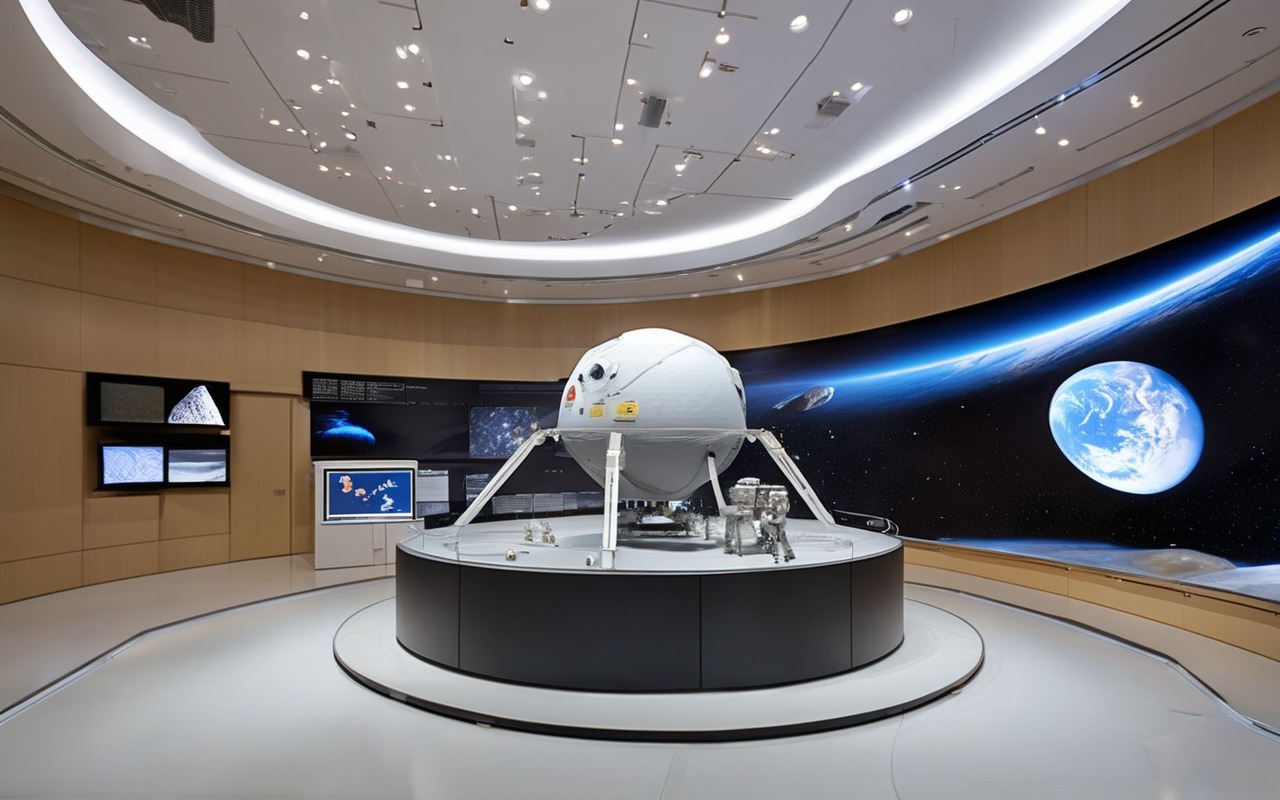
    JAXA Sagamihara space science exhibition hall

    What to See

    1. The exhibition hall — Full-scale spacecraft models, including Hayabusa and Hayabusa2, the IKAROS solar sail, and lunar lander prototypes. English panels cover most displays.
    2. The rocket engine collection — Real engines and test hardware, including early Japanese liquid-fuel engines.
    3. The mission timeline — A clear walkthrough of Japan’s space science history, from the first satellites to current deep-space missions.
    4. The cooperative store and cafeteria — JAXA-branded goods (T-shirts, model kits, pens) and a cafeteria used by staff and visitors alike. The curry is a staff favorite.

    Practical Notes for JAXA

    • Hours: 10:00-17:00 (last entry 16:45).
    • Closed: Mondays, Tuesdays, the day after national holidays, and year-end holidays. Check the calendar before traveling.
    • Admission: Free. No reservation needed for individuals; groups of 10+ should contact in advance.
    • Getting there: From Fuchinobe Station south exit, walk 20 minutes or take a bus to the City Museum stop.

    🏞️ Tsukui Lake and Shiroyama Park

    The Lake and the Dam

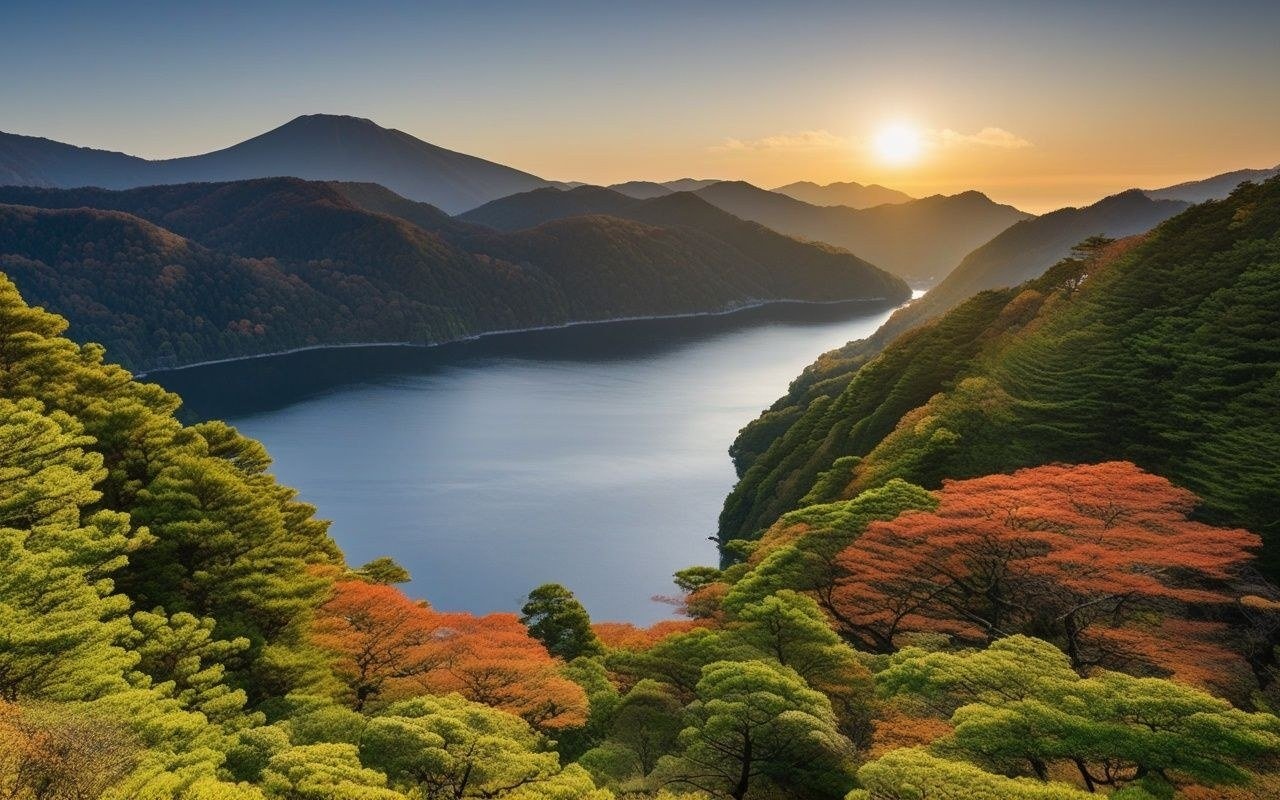
    Tsukui Lake is a long, narrow reservoir created by the Shiroyama Dam on the Sagami River. Its banks are ringed by the Tsukui Lake Shiroyama Prefectural Park, a collection of gardens, walking paths, and viewpoints that are especially famous for cherry blossoms in spring and foliage in autumn.

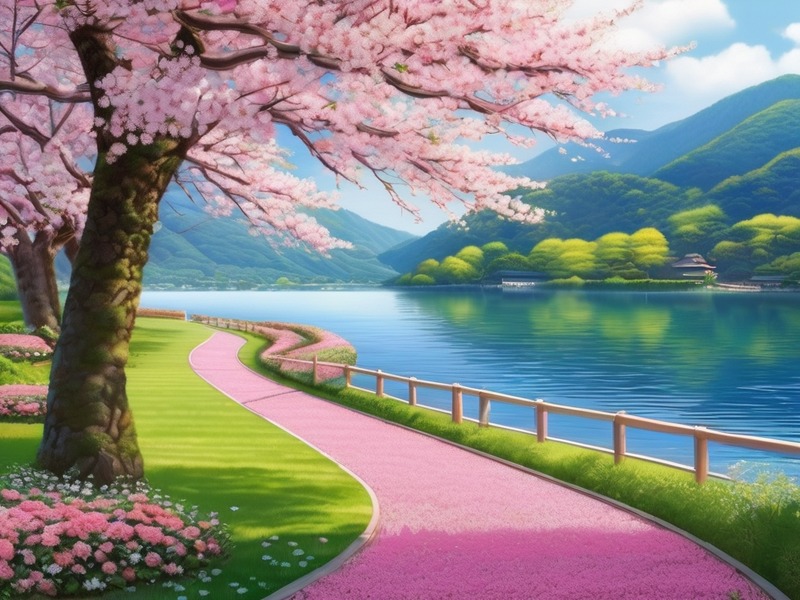
    The park is split into sections — the Flower Garden (Hanano Enchi) on one bank and the Water Garden (Mizuno Enchi) on the other — connected across the dam. On a weekday in April, I walked the flower garden in near solitude while the cherry trees dropped petals onto the water. It remains one of the most quietly beautiful afternoons I have spent in Kanagawa.
    Tsukui Lake flower garden cherry blossoms

    What to See

    1. The Flower Garden (Hanano Enchi) — Cherry trees, seasonal flower beds, and picnic lawns. The sakura tunnel along the shore is the star in spring.
    2. The Water Garden (Mizuno Enchi) — Lawns and paths along the calmer upper reach of the lake, plus a small museum about the dam’s history.
    3. The Tsukui Lake Memorial Hall — Displays about the dam’s construction and the villages that were submerged when the lake was created.
    4. The dam observation points — Walk across the dam crest for the classic view down the lake.

    Practical Notes for Tsukui Lake

    • Admission: Free. Parking is free at most lots.
    • Best time: Cherry blossom season (late March to early April) and foliage season (mid-November) are the showpiece times; weekdays are wonderfully quiet.
    • Getting there: Buses from Hashimoto Station reach the park in about 25 minutes. By car, use the Ken-O Expressway Sagamihara IC and follow signs for about 15 minutes.

    🌄 Shiroyama Lake and the Hilltop View

    The Secret Viewpoint

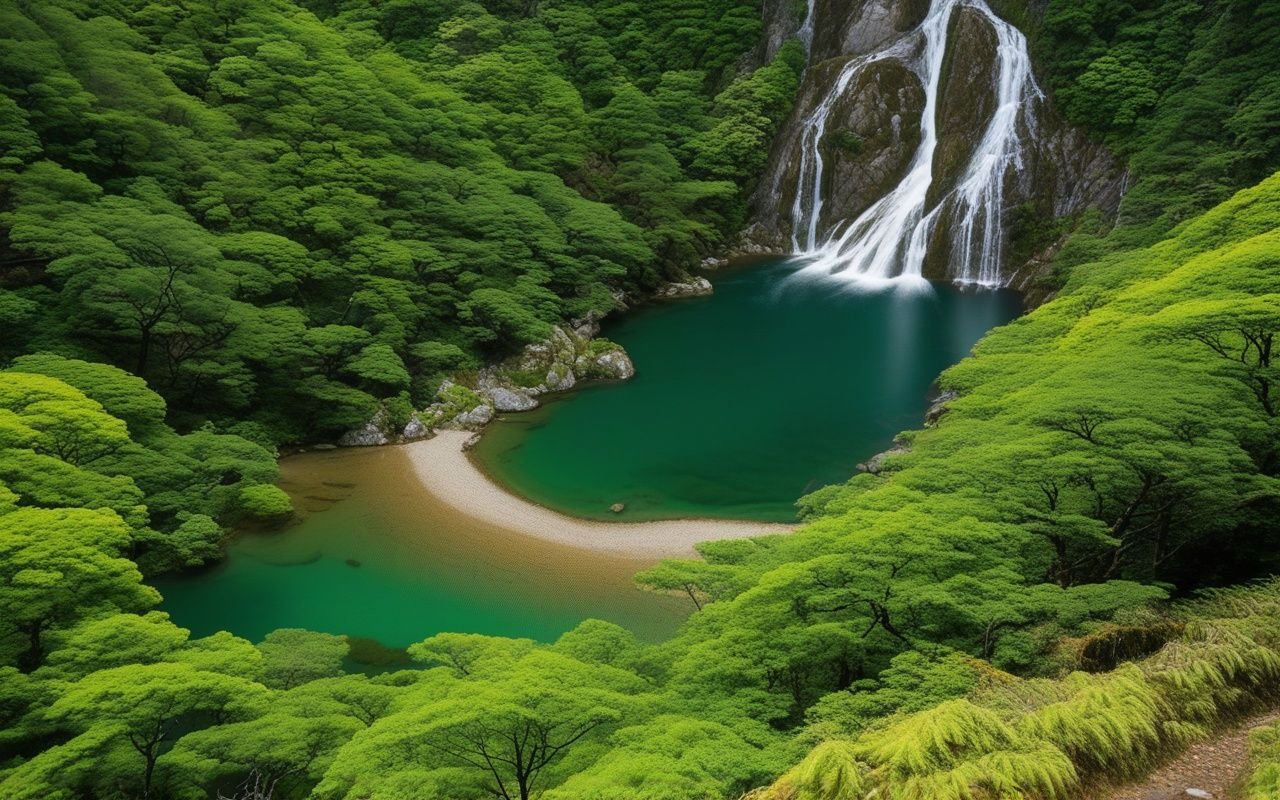
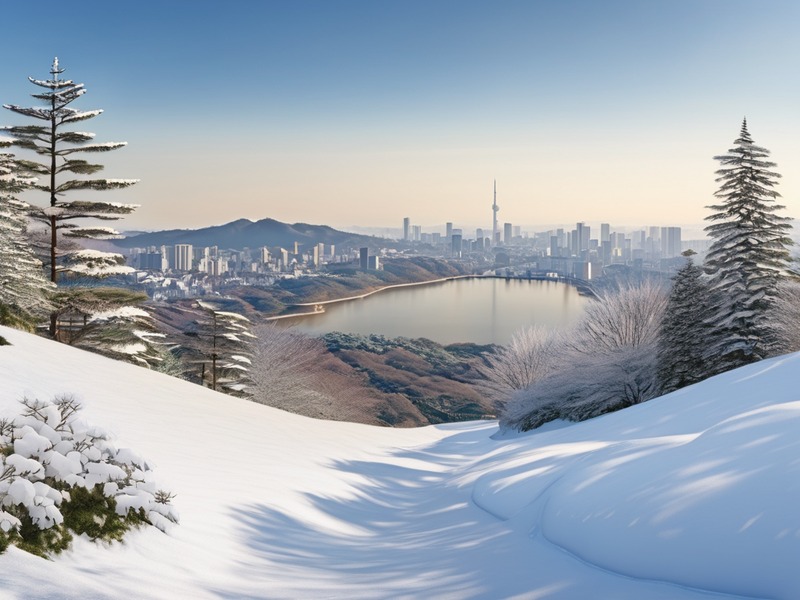
    Shiroyama Lake (also called Honzawa Lake) is a second, smaller reservoir tucked into the hills above Tsukui Lake. A 5 km walking path circles it, and at the high point near the Konpira Shrine, an observation deck offers a panoramic view that, on clear days, reaches the skyscrapers of Shinjuku and Tokyo Tower in the distance.

    I climbed the loop on a crisp winter morning when the air was at its clearest. The view — lake below, forest rolling to the horizon, Tokyo’s towers rising in the distance — was the kind of surprise that makes you recommend a place to everyone. In winter, you can also see Mount Fuji on the western horizon.

    Practical Notes for Shiroyama

    • The loop: About 5 km and 1.5-2 hours at a relaxed pace, with steady but manageable climbs.
    • Getting there: Buses from Hashimoto Station toward Wakabadai or Odo stop near the trailhead. Parking is free at the small trailhead lot.
    • Facilities: Limited — bring water and snacks. The best restrooms are at the trailhead.
    • Footwear: The path is well maintained, but running shoes or light hiking shoes are recommended.

    🌸 Seasonal Highlights

    Spring (Late March – April)

    • Cherry blossoms at Tsukui Lake — The flower garden’s shore tunnel is one of Kanagawa’s best free sakura spots. See the prefecture-wide sakura spot guide for more locations.
    • Fresh green on the hills and pleasant hiking weather.

    Summer (June – August)

    • Green and humid, with cool breezes at the lakes. A good season for an early morning loop around Shiroyama Lake before the heat peaks.

    Autumn (Mid-November)

    • Foliage at Tsukui Lake — The maples along the shore and the views across the lake are at their peak. This is the busiest season, so go on a weekday.

    Winter (December – February)

    • The clearest skies of the year. The Shiroyama viewpoint offers winter views of Tokyo’s skyline and Mount Fuji.

    🧒 For Families

    Sagamihara is an excellent family destination, with most attractions free or very cheap.

    • JAXA space center — The spacecraft models and hands-on displays fascinate children of all ages. The cafeteria and store make it easy to spend a full morning.
    • Tsukui Lake parks — Plenty of lawn space for running and picnicking. The flower garden is stroller-friendly in most areas.
    • Sagamihara City Museum — Next to the JAXA campus, this museum covers local nature and history and is a good rainy-day backup.
    • See also — The prefecture’s baby-friendly travel guide has more family-tested ideas across Kanagawa.

    🗓️ Sample Itinerary: Sagamihara in a Day

    Morning: Space (9:00-13:00)

    1. 9:00 — Arrive at Fuchinobe Station. Walk or bus to the JAXA campus.
    2. 9:30-12:30 — Explore the space center. Don’t miss the Hayabusa2 display and the store.
    3. 13:00 — Lunch at the campus cafeteria or at a restaurant near Fuchinobe Station.

    Afternoon: Lakes (13:30-17:30)

    1. 13:30 — Bus to Tsukui Lake. Walk the flower garden and cross the dam.
    2. 15:30 — If time and legs allow, climb the Shiroyama Lake loop for the hilltop view.
    3. 17:00 — Return bus to Hashimoto, then the JR line back to Tokyo.

    If You Have More Time

    • Combine with Atsugi and Zama: The neighboring cities offer the car culture guide — museums and motor-themed sights about 30 minutes away.
    • Lake Sagami extension: The outdoor base of Lake Sagami lies just to the west and offers boating and camping.
    • Hadano and Oyama: A scenic route across the mountains reaches the Hadano spring water guide.

    💡 Practical Tips

    1. Check JAXA’s closed days — The center closes on Mondays and Tuesdays. Plan your visit for Wednesday through Sunday.
    2. Go early to the lakes in blossom season — The best parking and the quietest paths are before 10:00.
    3. Bring yen — The lakeside vending machines and small shops are cash-friendly. The JAXA store and cafeteria accept cards.
    4. Layer up at the lakes — The reservoirs sit in a valley that runs cooler than the city, especially in the morning.
    5. Consider a car — While the bus connections work, a rental car lets you combine JAXA, Tsukui, and Shiroyama in one efficient loop.

    Conclusion

    Sagamihara is proof that Kanagawa’s best surprises are not always on the tourist map. It offers something genuinely rare — the chance to stand next to real spacecraft hardware for free — and then wraps it in quiet forest parks, dam lakes, and blossom tunnels that reward a slow pace. It is close enough to Tokyo for a day trip, cheap enough for a budget week, and interesting enough to come back to in every season. Start at the space center, end at the hilltop view, and you will understand why locals keep this city to themselves.

    FAQ

    Q: Is the JAXA space center really free?
    A: Yes. Admission is free and no reservation is needed for individuals. It is open 10:00-17:00, closed Mondays and Tuesdays.

    Q: Can I do both JAXA and the lakes in one day?
    A: Yes, with the itinerary above. JAXA in the morning and Tsukui Lake in the afternoon works well by public transport; adding the Shiroyama loop is easier with a car.

    Q: What is the best season to visit Tsukui Lake?
    A: Late March to early April for cherry blossoms and mid-November for autumn foliage. Weekdays are dramatically quieter than weekends.

    Q: How much does a day in Sagamihara cost?
    A: About ¥3,000-4,000 per person by train: transport ¥1,600 round trip, bus fares ¥800, lunch ¥1,000. JAXA and the parks are free.
  • Atsugi & Zama: Car Culture Heartland

    Atsugi & Zama: Car Culture Heartland

    Atsugi & Zama: Japan’s Car-Culture Heartland and the Nissan Heritage Collection

    Overview

    Ask a car enthusiast what they want to see in Japan and the answer is usually a list of Tokyo icons: Daikoku PA, the JDM meetups, the tuning shops. Very few mention Kanagawa’s western suburbs, and that is exactly why I am writing this guide. Between Atsugi and Zama — twenty minutes west of Yokohama by train — sits some of the most concentrated automotive history in the world, anchored by a museum that most visitors do not even know exists.

    I am not a mechanic. My interest is the culture: the stories, the design, and the people who treat machines as art. So when a friend at Nissan told me the company’s internal heritage collection in Zama opens its doors to the public, I cleared a weekend and went. What I found was a warehouse-sized shrine to Japanese engineering — GT-Rs in every generation, rally legends with the mud still on their fenders, and concept cars that never reached production — plus a town with a Showa-era retro quarter that feels frozen in the 1970s.

    That combination — a world-class museum hidden in a suburb, plus a retro district, plus the region’s famous spring-water sake breweries — makes Atsugi and Zama one of the most underrated day trips in Kanagawa. This guide covers the Nissan Heritage Collection in detail, the retro streets of Atsugi, the region’s breweries, and how to combine them into a single day.


    📍 Getting There

    Atsugi and Zama sit on the Odakyu Odawara Line, roughly 20-30 minutes west of Shinjuku.

    From Tokyo

    1. Odakyu Odawara Line from Shinjuku (50-65 min, ¥700-900) — Take a Limited Express to Hon-Atsugi Station, the main access point for both towns. This is the most direct route.
    2. JR Sagami Line from Hashimoto (40 min, ¥500) — If you are coming from the Yokohama area, the JR Sagami Line connects Hashimoto (on the Yokohama Line) to Atsugi and Isehara. Slower, but useful if you are combining with a Yokohama visit.
    3. Car — Atsugi and Zama are well served by the Tomei Expressway (Atsugi IC). Rental is an option if you want to include the surrounding countryside; see the rental car guide for requirements and costs.

    Getting to the Nissan Heritage Collection

    The Nissan Heritage Collection is inside the Nissan Motor Corporation’s Oppama plant area, officially addressed in Zama City. From Hon-Atsugi Station it is about 15 minutes by taxi (¥2,000-2,500) or 30 minutes by bus. From Zama Station it is a 20-minute walk or short taxi ride.

    Important: The museum requires a reservation. Foreign visitors can book through the official Nissan Heritage Collection website, which offers an English reservation page. Visits are guided and last about 90 minutes. Book at least 2-3 weeks ahead; weekend slots fill quickly.

    Money-Saving Tickets

    Admission to the Nissan Heritage Collection is free, though the reservation is mandatory. For transport, the Odakyu Free Pass covers the round trip from Tokyo if you are also visiting other Odakyu-line destinations. If you are combining with Hakone, the Hakone Free Pass includes the Odakyu line out to Odawara, and Atsugi is a stop along the way — though the pass’s value only makes sense if you actually reach Hakone.


    🏎️ The Nissan Heritage Collection: A Cathedral of JDM

    What It Is

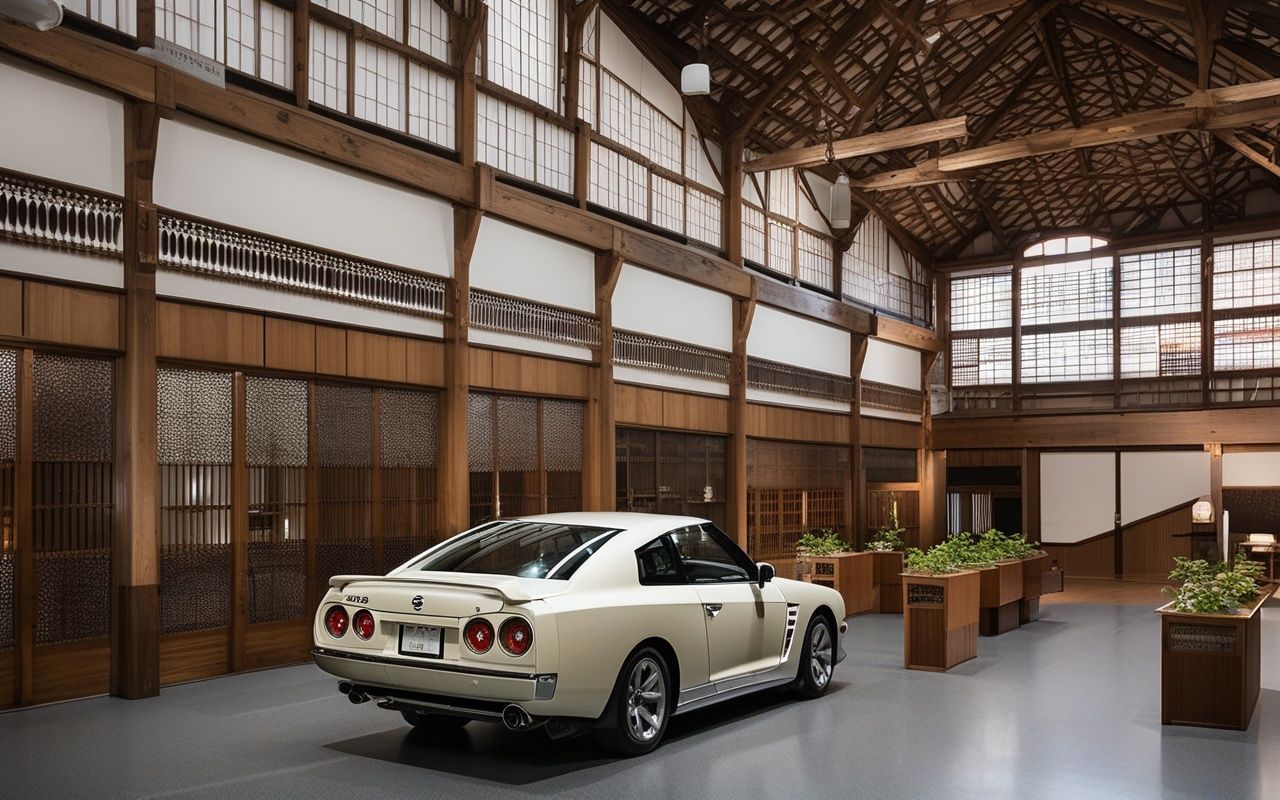
    The Nissan Heritage Collection is the automaker’s private museum, housing over 400 vehicles spanning the company’s 90-year history. It opened to the public in 2010 and remains a working archive: many of the cars are drivable, and staff move them between storage and display on a rotating basis. What you see on a given visit depends on what is being conserved, restored, or prepared for an event — which makes every visit different.

    The collection is displayed in a single enormous hall, with rows of cars organized by era. The effect is overwhelming in the best way. I spent the first ten minutes just walking the perimeter, trying to take it all in — then spent the next hour with my nose against the glass of specific cars.

    The Highlights

    1. The GT-R lineage — Every generation is represented, from the original 1969 PGC10 Skyline GT-R to the modern R35. Seeing the legendary R34 V-Spec in person, with its unmistakable angular body, is worth the trip alone. The cars are displayed with their racing history documented — the R32’s dominance in Australian touring cars, the R33’s record Nürburgring lap.
    2. The rally legends — The collection includes the 240RS and the GT-Rs that competed in Group A and Group N rallying. Several still carry the scars of competition: stone chips, faded decals, and the occasional repaired panel.
    3. The Le Mans cars — Nissan’s Le Mans prototypes, including the R90CK that raced in the early 1990s, are displayed in a dedicated corner. The aero work on these cars is extraordinary up close.
    4. The concept cars — Some of the wildest vehicles in the collection never reached production. The IDx NISMO and other show cars offer a glimpse of what designers dreamed up — often more interesting than what actually shipped.
    5. The race team corner — Super GT and Formula E machinery, including the current Nissan Formula E car, complete the picture of a company that has always raced.

    Practical Notes

    • Reservation is mandatory — Book through the official site. English tours are available but limited; request one when booking.
    • Photography — Allowed in most areas, but some prototype sections prohibit photos. Respect the signs; staff are strict.
    • Time — Allocate 90 minutes to 2 hours. There is no cafe inside, but there are vending machines.
    • Weekend note — The museum is popular with Japanese families and enthusiasts. The atmosphere is relaxed and family-friendly, with stroller access throughout.

    Nissan Heritage Collection GT-R display hall


    🏮 Atsugi’s Showa Retro Quarter

    The Town’s Surprising Character

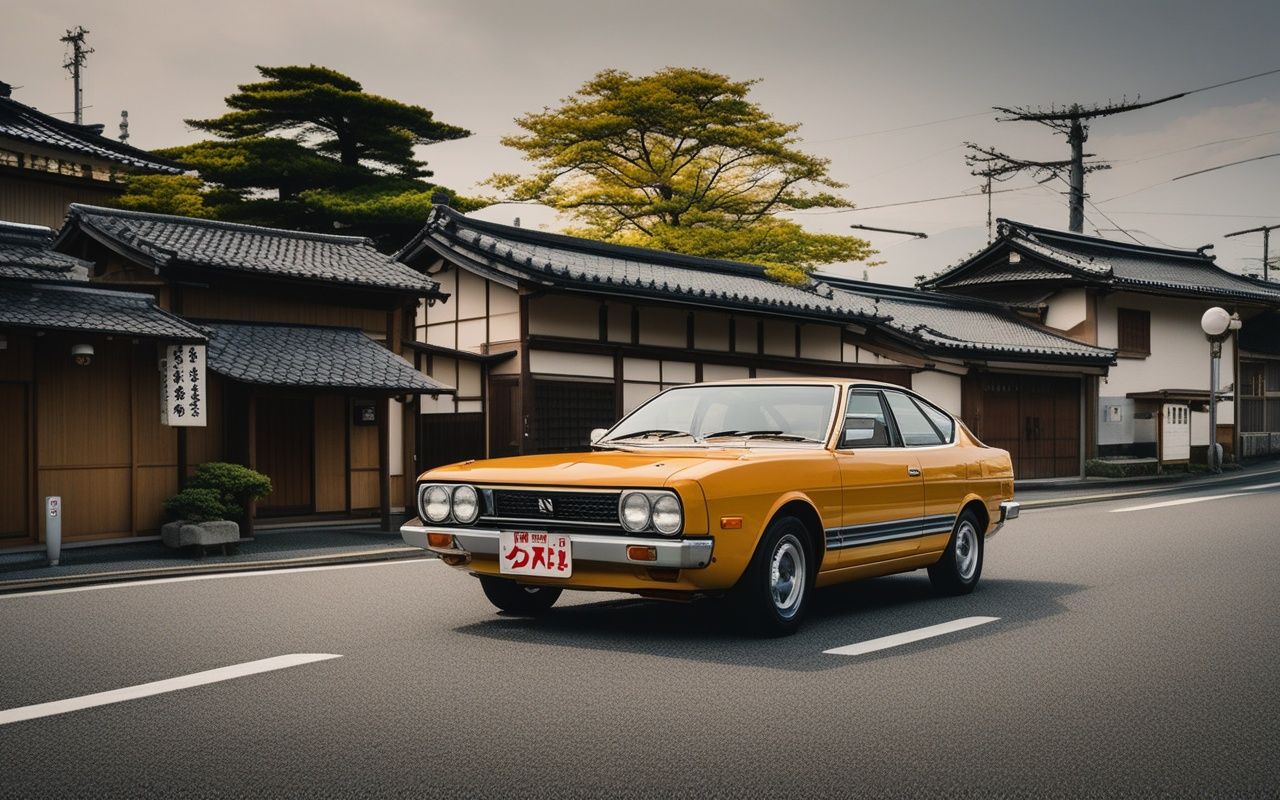
    After the museum, a 15-minute taxi brings you back to Hon-Atsugi Station — and the town’s retro shopping streets. Atsugi grew rapidly in the post-war decades as a dormitory town and military-city neighbor (the U.S. Naval Air Facility Atsugi is nearby), and its shopping arcades retain a distinct Showa-era character that the mall-ification of most Japanese towns never touched.

    The main arcade, Marunaka Shotengai, runs a few blocks from the station’s south exit. It is a covered shopping street with butcher shops, fishmongers, a coin-operated retro game arcade, and a series of tiny izakaya and coffee shops where time genuinely seems to have stopped in the 1970s. On my visit, an elderly shopkeeper insisted on showing me the neighborhood’s old photo album — the kind of interaction that makes you realize how few places like this remain.

    What to Do

    1. Walk the arcades — Marunaka Shotengai and its side alleys are the highlight. Go in the late afternoon when the shops are open and the evening crowd begins to gather.
    2. Coffee at a retro kissaten — The town has several old-style coffee shops serving hand-dripped coffee with the traditional heavy silver pot. A perfect post-museum rest stop.
    3. Izakaya hop at night — Atsugi’s izakaya row near the station is famous among locals for its atmosphere. For a deeper look at this style of dining, see the Yokohama izakaya guide, which covers the same culture in the city.
    4. The game arcade — A small retro arcade with genuine 1980s cabinets. Bring ¥1,000 in coins; you will spend all of it.

    A Note on the Neighborhood

    The area around the U.S. base retains a slightly different character — a mix of American-style diners, jazz bars, and shops serving a fusion of Japanese and American tastes that dates to the post-war occupation era. It is a fascinating micro-culture that is easy to miss; walk the streets around the station’s north exit to find it.


    🍶 The Breweries of the Atsugi Region

    Atsugi and Zama sit in the same water-rich basin that makes western Kanagawa a brewing center. The region’s breweries use soft spring water from the Tanzawa range, and several offer tasting rooms and tours.

    Breweries to Visit

    1. Sake breweries — The area has several long-established kura (breweries) producing local sake. Many have small tasting corners where you can sample three or four varieties with a small fee. The water’s softness makes the sake noticeably cleaner and lighter than Tokyo equivalents.
    2. Craft breweries — The region’s craft beer scene has grown in recent years. For a full guide to the breweries and their tasting rooms, see the Kanagawa craft beer guide, which covers Atsugi-area spots alongside the rest of the prefecture.
    3. Brewery etiquette — Tastings are usually ¥500-1,000 for a flight. Ask for “kikizake” (sake tasting) if you want to sample. Most breweries require no reservation for the tasting corner, but tours need advance booking.

    Where to Eat

    The region’s food culture is anchored by the same spring water: tofu, soba, and the local specialty of “Atsugi tofu” — a dense, sweet variety served grilled. Several restaurants near the station serve set meals built around it. For a broader look at local dining, see the Kanagawa local production guide.

    Atsugi Showa-era shopping arcade at dusk


    🗓️ Sample Itinerary: The Car Culture Day

    Morning (9:00-13:00)

    1. 8:30 — Depart Shinjuku on the Odakyu Limited Express to Hon-Atsugi (55 min).
    2. 9:30 — Taxi to the Nissan Heritage Collection (15 min). Arrive for your 10:00 reservation.
    3. 10:00-11:30 — Guided tour of the collection. Focus on the GT-R hall and the Le Mans corner.
    4. 11:30-12:30 — Optional second loop of the museum (the guided tour covers specific cars; a second walk lets you revisit favorites).
    5. 12:30 — Taxi back to Hon-Atsugi Station.

    Afternoon (13:00-18:00)

    1. 13:00 — Lunch near the station: Atsugi tofu set or a bowl of soba from the arcade shops.
    2. 14:00 — Walk the Marunaka Shotengai arcade. Stop for retro coffee at a kissaten.
    3. 15:30 — Visit a local brewery’s tasting corner (sake or craft beer).
    4. 16:30 — Optional: the retro game arcade or the base-adjacent quarter.
    5. 17:30 — Early izakaya dinner in the retro quarter.
    6. 19:00 — Return train to Tokyo.

    If You Have More Time

    • Combine with Odawara — Atsugi is on the same Odakyu line as Odawara (20 min further west). The Odawara castle town makes a natural second stop.
    • Combine with Yokohama — The JR Sagami Line connects to the Yokohama Line at Hashimoto. A two-day trip pairing Atsugi’s car culture with Yokohama’s sights works well.
    • Visit on a weekday — The museum is quieter, and the retro arcade is open. Weekends add festival-like energy to the arcade but longer queues at the museum entrance.

    📅 Seasonal Notes

    • Spring and autumn — The best seasons. Mild weather for walking the arcades, and the museum’s grounds are pleasant.
    • Summer — Hot and humid. The museum is air-conditioned; the arcades are covered but warm.
    • Winter — Cold but clear. The museums and izakayas are warm, and the sake tasting rooms are at their coziest.

    💡 Practical Tips

    1. Book the museum early — The reservation system fills 2-3 weeks out. Book before you plan anything else.
    2. Allow buffer time — Taxis in Zama are plentiful at the station but scarcer near the museum. Book a return taxi with your driver, or use the bus.
    3. The museum has no cafe — Eat before you go or bring snacks (vending machines only inside).
    4. Carry cash — The retro arcades and many izakayas are cash-only.
    5. Respect the machinery — The museum cars are genuine artifacts, many still drivable. Do not touch the displays or lean over barriers.

    Conclusion

    Atsugi and Zama are living proof that Japan’s most rewarding destinations are rarely the ones in the guidebooks. A museum with over 400 of the world’s most significant Japanese cars, tucked inside a working factory complex; a shopping arcade that has barely changed since the 1970s; and a brewing culture built on the same clean water as the region’s mountains — all within an hour of Tokyo. For car enthusiasts it is a pilgrimage site, but even for the rest of us, the day offers a rare glimpse of the Japan that tourists usually miss.

    FAQ

    Q: Do I need a reservation for the Nissan Heritage Collection?
    A: Yes, absolutely. Reservations are mandatory and made through the official website. Weekend slots often book out 2-3 weeks in advance.

    Q: Is the collection suitable for non-car enthusiasts?
    A: The sheer visual spectacle — hundreds of beautifully preserved vehicles — appeals to most visitors, and the guides are engaging. But it is fundamentally a car museum; if classic cars do not interest you, budget less time here.

    Q: Can I combine Atsugi with a day trip from Tokyo?
    A: Yes. The round trip from Shinjuku takes about 2 hours total, and the museum plus the retro quarter fit comfortably into a single day.

    Q: Are there English tours at the museum?
    A: English tours are available but limited in number. Request one when making your reservation; they fill fast.

  • Hadano & Mount Oyama: Spring Water & Mountain Day Trip

    Hadano & Mount Oyama: Spring Water & Mountain Day Trip

    Overview

    When most visitors to Kanagawa plan a day away from Tokyo, they head straight for Kamakura or Hakone. I did the same on my first four trips. But on a rainy weekend when the Shonan beaches were buried in cloud, a friend who grew up in the prefecture suggested something different: “Go inland to Hadano. The water there is the best in Kanagawa, and Mount Oyama is the mountain people forget.”

    She was right, and I have been back three times since. Hadano is a compact basin town tucked between the Tanzawa mountain range and the Oyama ridge, roughly 90 minutes from central Tokyo by train. It is famous for two things that sound mundane until you experience them: water and mountains. The town sits on one of the richest spring-water tables in the Kanto region, with over 40 public spring points feeding the streets, and the guardian mountain of Oyama (1,252 m) has been a place of worship for over a thousand years.

    What makes a Hadano trip work so well is the contrast. In the morning you can ride the Mount Oyama cable car through cedar forest and stand at the summit shrine with a clear view of Sagami Bay. By early afternoon you are back at street level, drinking water straight from a stone fountain that has been running for centuries, and finishing with a bowl of soba made with the same water you just tasted.

    This guide covers the Oyama pilgrim route, the town’s spring-water culture, where to eat, and the practical details — transport, costs, and how to combine Hadano with a small-city day trip on the Odakyu Line.


    📍 Getting There

    Hadano sits on the Odakyu Odawara Line, which connects Shinjuku directly to the town. There is no shinkansen and no airport link, which is precisely why the town stays calm even at the height of summer. Access from Tokyo is straightforward and well signposted in English at both stations.

    From Tokyo

    1. Odakyu Limited Express from Shinjuku (75-85 min, ¥1,000-1,200) — Take a Limited Express bound for Odawara or Hakone-Yumoto and get off at Hadano Station. The Romancecar adds a reserved seat and a 10-15 minute saving for about ¥500 more.
    2. JR Tokaido Line via Odawara (100 min, ¥1,300) — Take the Tokaido Line from Tokyo Station to Odawara, then the Odakyu Line back two stops to Hadano. This route is useful if you are combining Hadano with an Odawara castle visit.
    3. Odakyu Romancecar (65-75 min, ¥1,500) — The easiest option for families, with guaranteed seats and a snack counter on board.

    Getting to Mount Oyama

    From Hadano Station, the Oyama cable car base (Oyama Cable Station) is about 25 minutes by bus (¥400, roughly hourly). The bus drops you at the cable car terminal, where a funicular climbs 700 m of mountainside in about 6 minutes (¥1,100 round trip).

    You can also walk the old pilgrimage path from the foot of the mountain — a stone staircase that pilgrims have climbed since the Edo period. It takes 2-3 hours and is rewarding, but it is steep enough that I recommend the cable car up and the path down on your first visit.

    Money-Saving Tickets

    If you are coming from Tokyo, the Odakyu Free Pass covers the round trip plus unlimited Odakyu rides — useful if you want to combine Hadano with a same-day stop in Odawara or even Hakone. For the mountain itself, the cable car round-trip ticket at the window is the simplest option; there is no separate attraction pass needed for the shrines.


    ⛰️ Mount Oyama: The Mountain of a Thousand Years of Faith

    Why Oyama Matters

    Oyama is one of the great pilgrimage mountains of the Kanto plain. The Oyama Afuri Shrine at the summit has been a center of rain-prayer and mountain worship since the Heian period, and during the Edo era the approach to the mountain was so busy that guidebook-style travel brochures were printed for pilgrims — the Tokaido’s most popular mountain after Fuji itself.

    What strikes me every time is how the mountain manages to feel both sacred and welcoming. The cable car ride is short, but the moment you step out at the upper station, the air changes — cooler, quieter, and scented with cedar. A 20-minute forest path leads to the summit shrine, and the view from the observation point is one of the best in the prefecture: Sagami Bay curving away to the south, the Miura Peninsula on the horizon, and on clear winter days a full sweep of the Tanzawa range behind you.

    Mount Oyama summit shrine and cedar forest approach

    The Route in Detail

    1. Oyama Cable Car (6 min each way) — The funicular climbs through thick cedar forest. Sit on the left side going up for the best view of the valley. Round trip ¥1,100.
    2. Oyama Afuri Shrine Main Hall (20 min walk from the upper station) — The main shrine building was rebuilt in 2004 and retains the dramatic crimson-and-gold style of the original. The shrine offers goshuin (calligraphy stamps) at the counter near the main hall for ¥500.
    3. Summit Observation Point (10 min beyond the shrine) — This is the spot for Fuji views on clear days. In summer the trees block much of the view; in winter and early spring, the mountain appears framed by the ridge. I saw Fuji perfectly on a February visit and only a hazy outline in July.
    4. The Pilgrim Staircase Descent (2-3 hours down) — The old stone path to the foot is lined with tea houses and stone lanterns that date from the Edo era. Several of the tea houses serve simple mountain meals (tofu dengaku, soba) if you time your descent around lunch.

    Practical Notes for the Mountain

    • Cable car hours: roughly 9:00-17:00, with seasonal variation. Check the board at the base before committing.
    • Crowd strategy: Go on a weekday or arrive before 10:00. On sunny weekends in October (foliage season), the cable car line can reach 40 minutes.
    • Footwear: The forest path to the shrine is well maintained, but the descent stairs are uneven. Running shoes are fine; sandals are not.
    • Weather: The mountain creates its own weather. I have been up in light rain and the path becomes slippery; check the forecast and bring a light shell.

    💧 Hadano’s Spring Water Culture

    The Basin That Filters Everything

    Hadano’s secret is geology. The town sits in a basin where rainwater from the Tanzawa and Oyama mountains filters through ancient gravel beds, emerging as naturally filtered spring water that the local government measures constantly. The result is soft, clean water with almost no mineral aftertaste — the kind that Japanese restaurants pay premiums for, and that the town’s tofu, soba, and sake makers all rely on.

    I did not fully appreciate this until my second visit, when I started paying attention. Every public spring point has a plaque describing the water’s origin, and locals carry plastic bottles to fill up. It is a small ritual that makes you slow down.

    The Best Spring Points to Visit

    1. Hadano Station’s Underground Spring Gallery (free) — In the station building itself, a small display shows the basin’s water system with a working model. Good first stop to understand what you are about to taste.
    2. Sohara Spring (Sohara no Izumi) (free) — The most famous spring point in town, set in a small park with a wooden scoop. The water here is exceptionally soft; locals say it is best drunk cold on the spot. It is a 10-minute walk or short bus ride from Hadano Station.
    3. Kumozawa Spring Park (free) — A larger green space with multiple spring points and picnic tables. This is the spot I would bring children; there is room to run, and the water channels are shallow and safe.
    4. Oyama Foot of the Mountain Springs — Several springs run near the cable car base, traditionally used by pilgrims to purify before climbing. Water is drinkable at the marked points.

    A Tasting Note

    One thing that surprised me: water from different points actually tastes slightly different. The Sohara spring is almost sweet; the station-side points have a crisper, cooler profile. Tasting them side by side is a genuine activity, not a gimmick — and it is free.


    🍜 Eating in Hadano

    Hadano’s food culture is built on its water: soba, tofu, and sake that all taste unmistakably clean.

    Soba

    • Soba shops along the Oyama approach — Several long-established shops serve hand-cut soba made with local spring water. The classic order is mori soba (cold, dipped) with a side of tempura. Expect ¥1,000-1,500 for a set.
    • Town-center soba — Near Hadano Station, family-run shops serve cheaper sets in the ¥800-1,200 range. The broth is lighter than Tokyo’s, which lets the buckwheat flavor through. I found the contrast striking after years of eating hearty Tokyo soba.

    Tofu and Vegetables

    • Oyama tofu — The mountain’s tofu is legendary among pilgrims. Firm, dense, and faintly sweet, it is served grilled with miso (tofu dengaku) at tea houses on the descent path and at restaurants near the cable car base.
    • Hadano vegetables — The basin’s clean water produces excellent greens. Look for seasonal vegetable sets at the station-adjacent market hall (Hadano Otomekan), which also stocks local pickles and wasabi.

    Sake Connection

    Hadano’s water quality made it a natural brewing town, and several of Kanagawa’s sake breweries use water sourced from the Tanzawa basin. For the full story, see my guide to Kanagawa’s sake breweries, where I compare the region’s spring-water breweries and tasting rooms.

    Spring water and soba lunch in Hadano


    🗓️ Sample Itinerary: The Best of Hadano in a Day

    Morning (9:00-13:00)

    1. 9:00 — Arrive at Hadano Station. Grab a coffee and check the spring-water gallery in the station building.
    2. 9:30 — Take the Oyama bus to the cable car base (25 min).
    3. 10:00 — Ride the cable car up and walk the forest path to the summit shrine (20 min). Spend 30-45 minutes at the shrine and observation point.
    4. 11:30 — Start the descent on the pilgrim staircase. Stop at a tea house for tofu dengaku or soba around 12:30.
    5. 13:00 — Bus back to Hadano Station.

    Afternoon (13:30-17:00)

    1. 13:30 — Walk to Sohara Spring and taste the water (10 min walk from the station).
    2. 14:15 — Visit Kumozawa Spring Park for a slower pace, or browse the Otomekan market hall for local produce.
    3. 15:30 — Late soba or sweet-bean dessert (anmitsu) in the town center. The local anmitsu shops use spring-water kanten jelly.
    4. 16:30 — Return train to Tokyo. If the weather is clear and you have energy, consider an overnight version combining Hadano with the Odawara castle town one station away.

    If You Have More Time

    • Overnight option: A handful of small ryokan-style inns near the Oyama base offer mountain views and kaiseki-style dinners. Book well ahead for foliage weekends.
    • Combine with Odawara: Odawara Station is two Odakyu stops past Hadano. The Odawara castle and its surrounding town make an easy half-day add-on.
    • Tanzawa extension: For experienced hikers, the ridge from Oyama continues into the Tanzawa range. The full traverse requires a full day and proper equipment — see the Tanzawa and Oyama hiking guide for routes and safety notes.

    📅 Seasonal Notes

    • Spring (Mar-May): Cherry blossoms at the Oyama approach and the town’s riverside paths. Fuji views begin to clear by late April.
    • Summer (Jun-Aug): Green, humid, and quiet. The shade of the cedar forest is a relief, and the springs are at their coldest. Soba is the perfect summer lunch.
    • Autumn (Oct-Nov): The best season overall. Foliage on the mountain, clear air, and the most reliable Fuji views. Expect weekend crowds.
    • Winter (Dec-Feb): Crisp, cold, and empty. This is the season for the clearest views of Sagami Bay and Fuji, and the town’s sake and hot soba are at their most appealing.

    💡 Practical Tips

    1. Fill a bottle at the springs — Bring an empty water bottle; every major spring point has a public tap. It is free, delicious, and one of the trip’s best souvenirs.
    2. Check cable car hours before going — Hours shrink in winter. The schedule is posted at the station information desk.
    3. Carry cash — Tea houses on the mountain and many town-center shops are cash-only.
    4. Beware the stairs — The descent path is beautiful but steep. Allow 2-3 hours and go slowly if you have knee trouble.
    5. Respect the water — The springs are drinking water, not paddling pools. The locals are friendly, but the plaques ask visitors to keep the points clean.

    Conclusion

    Hadano is the rare Kanagawa day trip that rewards you for going slow: a mountain that has been climbed by pilgrims for a thousand years, water so clean the town drinks it straight from the ground, and food that tastes like the landscape it came from. It is not the easiest destination to reach — the extra hour beyond Kamakura keeps the crowds away — and that is exactly its value. Whether you ride the cable car to the summit shrine or simply spend an afternoon tasting spring water and soba, you will leave with something most visitors to the prefecture never find: a quiet corner of Japan that still belongs to itself.

    FAQ

    Q: Is Mount Oyama suitable for beginners?
    A: Yes. The cable car does the hard work, and the path from the upper station to the summit shrine is a gentle 20-minute forest walk. The optional descent staircase is steep but manageable at a slow pace.

    Q: Can I visit Hadano and Mount Oyama as a day trip from Tokyo?
    A: Absolutely. The whole loop — train, bus, cable car, shrine, descent, and lunch — fits comfortably into one day. Expect about 1.5 hours of total travel time each way.

    Q: Is the spring water really safe to drink?
    A: Yes. The public spring points are monitored by the city and clearly marked. Drink only from points with the official drinking-water sign.

    Q: What is the total cost for a day in Hadano?
    A: Approximately ¥4,000-5,000 per person: train ¥2,200 round trip, bus ¥800, cable car ¥1,100, lunch ¥1,200, and small purchases. The springs and shrines themselves are free.

  • Sagamihara & Lake Sagami Guide — Nature Escape from Tokyo

    Sagamihara & Lake Sagami Guide — Nature Escape from Tokyo

    Sagamihara & Lake Sagami Outdoor Guide 2026 — Nature Escape from Tokyo

    Overview

    Overview of Sagamihara & Lake Sagami

    Detail Information
    Location Northern Kanagawa Prefecture (bordering Tokyo)
    Key areas Lake Sagami (Sagamiko), Lake Tsukui, Sagamihara City
    Nearest station Sagamiko Station (JR Chuo Line)
    Travel time from Tokyo 60-90 minutes by train
    Main season April–November (outdoor activities), December–April (Illumillion)
    Difficulty range Easy (lake walks) to Moderate (mountain hiking)

    Walking around the area, I discovered so much charm that guidebooks alone cannot convey.

    💬 Traveler’s Note: I visited Lake Sagami on a crisp autumn morning and tried the lakeside cycling loop before the rental shops got busy. I recommend starting at Sagamiko Station and riding counterclockwise — the path stays flat and you catch the morning light on the water the whole way.

    Getting There

    By Train (Recommended)

    Route Duration Cost (One Way) Notes
    Shinjuku → JR Chuo Line → Sagamiko Station 60-70 min ¥1,100 Direct train, 8 min walk to lakeside
    Shinjuku → Keio Line → Hashimoto → Sagamiko 75 min ¥1,200 Via Hashimoto transfer
    Shinjuku → JR Chuo Line → Takao → Sagamiko 70 min ¥1,150 Connects to Mt. Takao hiking

    By Highway Bus

    Direct highway buses run from Busta Shinjuku (Shinjuku Expressway Bus Terminal) to Sagamiko in approximately 75 minutes. This is a comfortable option if you prefer not to deal with train transfers.

    By Car

    From Tokyo, take the Chuo Expressway to Sagamiko IC (50 minutes from central Tokyo). Parking is available at the Sagamiko MORI MORI resort (¥500-1,000/day). Note that traffic can be heavy on weekends and holiday afternoons.


    Outdoor Activities

    1. Sagamiko MORI MORI Resort

    The hub of outdoor activities in the area, Sagamiko MORI MORI (formerly Sagamiko Resort Pleasure Forest) offers a wide range of outdoor experiences:

    Activity Details Price
    Camping Tent sites, cabins, and wooden cottages ¥3,000-15,000/night
    BBQ (Wild Cooking Garden) Equipment rental available, bring your own food ¥1,000-3,000
    Adventure Course (Muscle Monster) Giant outdoor climbing obstacle course ¥2,500
    Kids’ Adventure (Picasso’s Eggs) Child-friendly climbing and obstacle course ¥1,500
    Boat Rental Rowboats and pedal boats on Lake Sagami ¥1,500-2,500/hour
    Sagamiko Onsen Hot spring bath with lake views ¥1,200

    Hours: 9:00-17:00 (weekdays), 9:00-18:00 (weekends). Check ahead for seasonal variations.

    2. Hiking Trails

    The area around Lake Sagami serves as a gateway to the mountains west of Mount Takao, offering several excellent hiking routes:

    Trail Duration Distance Difficulty Best For
    Takao-to-Sagamiko Ridge 4-5 hours 10 km Moderate Ridge walking, views
    Mt. Kobotoke-Shiroyama 3-4 hours 7 km Moderate Panoramic views, fewer crowds
    Lake Sagami Loop 1.5-2 hours 5 km Easy Families, photo walks
    Mt. Kagenobu 4-5 hours 8 km Moderate Forest hiking, wildlife

    Takao-to-Sagamiko Route: This point-to-point hike starts at Takaosanguchi Station (Keio Line), passes over the summit of Mount Takao (599m), continues along the ridge to Mount Kobotoke-Shiroyama, and descends toward Lake Sagami. It exits near Sagamiko Station (JR Chuo Line), making it a perfect one-way hike with train access at both ends.

    Lake Sagami Loop: A flat, well-maintained walking path around the lake. Perfect for families, casual walkers, and photographers. The path is paved and passes several rest areas with views of the lake and surrounding mountains.

    3. Cycling

    The roads around Lake Sagami and the nearby Tanzawa foothills are popular with recreational cyclists. The loop around the lake is approximately 10 km and offers gentle elevation changes suitable for casual cyclists. More experienced riders can extend their route toward the Tanzawa mountain passes, but be prepared for significant climbs. Bike rental: Available at Sagamiko MORI MORI (¥1,500/half day). Bring your own bike for the best experience.

    4. Fishing

    Lake Sagami is known for bass fishing, attracting anglers from across the Kanto region, Fishing is permitted from the shore or by boat (rentals available at the resort). A fishing license is required and can be purchased at local tackle shops near the lake.


    Attractions

    Sagamiko Illumillion (Winter Only)

    From late November to April, the resort transforms into one of the Kanto region’s most spectacular illumination displays. Over 6 million LEDs turn the forest and lakeside into a magical light show.

    Detail Information
    Period Late November – April
    Hours 17:00-21:00
    Admission ¥1,500
    Best time Weekday evenings (avoid weekends for the lightest crowds)

    Retro Vending Machine Collection

    One of the area’s most unique lesser-known spots is the Used Tire Market Sagamihara Store (中古タイヤ市場 相模原店), which features a massive collection of retro 1960s-70s vending machines. These vintage machines serve hot food like udon, soba, ramen, and even hamburgers — a true piece of Japanese pop culture history. Location: Near Sagamihara Station. Tip: Bring small change (¥100 and ¥500 coins) as some machines don’t accept bills.

    Lake Tsukui (Tsukui-ko)

    Just a short distance from Lake Sagami, this quieter lake formed by the Shiroyama Dam offers beautiful views, hiking trails, and the ruins of Tsukui Castle — particularly impressive during cherry blossom season in spring. Access: 15 minutes by bus from Sagamiko Station. Best time: Late March-April for cherry blossoms.


    Seasonal Highlights

    Season What to See Best Activities
    Spring (March-May) Cherry blossoms at Lake Tsukui, fresh greenery Hiking, cycling, picnics
    Summer (June-August) Lake activities, Sagamiko Lake Fireworks Festival (August) Camping, BBQs, water sports
    Autumn (October-November) Spectacular autumn foliage, cool hiking weather Hiking, photography
    Winter (December-April) Sagamiko Illumillion, crisp mountain air Illumination viewing, onsen

    Where to Eat

    Restaurant Type Price Notes
    Sagamiko MORI MORI Food Court Casual ¥800-1,500 Located inside the resort, family-friendly
    Lakeside Restaurants Japanese ¥1,000-2,000 Several small restaurants near the dock serve fresh lake fish
    Used Tire Market (retro vending machines) Unique ¥300-800 per item Vintage vending machines serving hot food — a must-try experience
    Convenience stores near Sagamiko Station Takeaway ¥500-1,000 Good for picnic supplies

    What to Expect

    Most activities are designed to be accessible for international visitors. Staff at popular attractions are accustomed to non-Japanese speakers and can communicate through basic English or translation apps. Duration varies from 1-2 hour experiences to half-day adventures. Wear appropriate clothing – many activities involve walking or standing for extended periods. Some outdoor activities may have age or height restrictions. Always check the official website before visiting for the latest information.

    Nearby Recommendations

    The area surrounding this activity has plenty to offer. Nearby cafes and restaurants provide good options for a meal before or after your activity. Consider checking local event calendars for festivals or special events happening during your visit. Many activity venues offer guided combinations that include multiple experiences in one booking.

    Local Tips

    Regular participants recommend bringing your own water bottle and wearing moisture-wicking clothing for active experiences. Arriving 15 minutes before your scheduled time allows for check-in and preparation. Many activities have seasonal variations, so check what’s available during your visit. Don’t be shy about asking questions – instructors are happy to help.n

    Conclusion

    Whether you are planning exploring Sagami Bay for the first time or returning for another visit, taking a little extra time to go beyond the obvious sights makes all the difference. During my visit I went with a rough plan and found that leaving room to wander made the trip far more memorable. I hope this guide helps you build an itinerary that fits your pace, and that your time in Kanagawa leaves you with memories worth coming back for.

  • Tanzawa-Oyama Hiking Guide 2026 — Best Day Hikes from Tokyo

    Tanzawa-Oyama Hiking Guide 2026 — Best Day Hikes from Tokyo

    Overview

    💬 Traveler’s Note: I visited Mount Oyama on a clear late-autumn morning and explored the stone staircase through the cedar forest before the crowds arrived. I recommend taking the first cable car up — the summit views over Sagami Bay are worth the early start, and the trail is far quieter before 9 AM.

    Overview of Tanzawa-Oyama

    Detail Information
    Location Western Kanagawa Prefecture
    Area 27,000+ hectares of protected forest
    Peak Mount Hiru (1,673m)
    Season April–November (main season), December–March (winter gear required)
    Getting there 90 minutes from Shinjuku by Odakyu Line
    Difficulty range Easy (family walks) to Challenging (full-day summit hikes)

    Getting to Tanzawa-Oyama

    By Train (Recommended)

    Route Duration Cost (One Way) Notes
    Shinjuku → Odakyu Line → Shibusawa Station 90 min ¥1,100 Most common access, bus to trailheads
    Shinjuku → Odakyu Line → Hon-Atsugi Station 65 min ¥830 Access to Mount Oyama
    Shinjuku → Odakyu Romancecar → Hon-Atsugi 50 min ¥1,320 Reserved seat, comfortable

    By Car

    From Tokyo, take the Tomei Expressway to Atsugi IC (50 minutes), then follow Route 246 toward Tanzawa, Parking available at most trailheads (¥500-1,000/day).


    Best Hiking Trails

    1. Mount Oyama (Beginner-Friendly)

    Mount Oyama (1,252m) is the most popular hiking destination in Tanzawa and the easiest summit to reach. The mountain has been a sacred site for centuries and is dotted with Shinto shrines.

    Detail Information
    Duration 3-4 hours round trip
    Distance 5.5 km round trip
    Elevation gain 600m
    Difficulty Easy to Moderate
    Best season April–November

    Route:

    1. From Hon-Atsugi Station, take the bus to Oyama Cable Car Station (30 min, ¥700)
    2. Ride the Oyama Cable Car to the top station (7 min, ¥700 one way)
    3. Hike from the cable car top to the summit (45 min-1 hour)
    4. Visit Oyama Afuri Shrine (main shrine, waterfall, views)
    5. Descend via the same route or the longer womenmonomichi trail

    Highlights: Oyama Afuri Shrine, panoramic views of Sagami Bay, Mount Fuji on clear days Discover Mt Fuji’s 5th Station, World Heritage Center & Owakudani on this Hakone day trip

    2. Lake Tanzawa Loop (Easy, FLakey-Friendly)

    A flat, well-maintained walking path around Lake Tanzawa (Miyagase Lake) — perfect for families and casual walkers.

    Detail Information
    Duration 1.5-2 hours
    Distance 5 km loop
    Elevation gain Minimal (flat)
    Difficulty Easy
    Best season Year-round

    Route: From Shibusawa Station, take the bus to Lake Tanzawa (25 min, ¥500). Follow the paved path around the lake, stopping at rest areas, picnic spots, and the Miyagase Dam. Highlights: Lake views, Miyagase Dam, picnic areas, restrooms at multiple points

    3. Mount Hiru Summit (Challenging, Full Day)

    Mount Hiru (1,673m) is the highest peak in the Tanzawa range and the most rewarding hike for experienced hikers.

    Detail Information
    Duration 6-8 hours round trip
    Distance 12 km round trip
    Elevation gain 900m
    Difficulty Challenging
    Best season May–October

    Route:

    1. From Shibusawa Station, bus to the trailhead at Yabitsu Pass (40 min, ¥800)
    2. Hike from Yabitsu Pass to Mount Hiru summit (3-4 hours)
    3. Summit break (30 min-1 hour)
    4. Return via the same route or the Nabewari Pass loop

    Warning: This is a serious mountain hike, Bring proper hiking boots, at least 2 liters of water, food, rain gear, and warm layers even in summer. The temperature at the summit can be 10°C cooler than at the trailhead.

    4. Mizugasenba Plateau (Moderate, Scenic)

    A beautiful highland plateau with rolling hills and panoramic views — perfect for photographers and nature lovers.

    Detail Information
    Duration 3-4 hours round trip
    Distance 6 km
    Elevation gain 350m
    Difficulty Moderate
    Best season June–October (flowers), October–November (autumn colors)

    Route: From Shibusawa Station, bus to Tanzawa-ko (Lake Tanzawa) and follow the signs toward Mizugasenba. The trail climbs through forest before opening onto a massive plateau with 360-degree views. Highlights: Wildflowers in summer, autumn foliage, mountain views


    Trail Comparison

    Trail Duration Difficulty Best For Crowds
    Mount Oyama 3-4 hours Easy-Moderate Beginners, families, shrine visits Medium
    Lake Tanzawa Loop 1.5-2 hours Easy Families, photo walks, picnics Low
    Mount Hiru 6-8 hours Challenging Experienced hikers, summit seekers Low
    Mizugasenba Plateau 3-4 hours Moderate Photographers, nature lovers Low

    Getting to the Trailheads

    All trailheads are accessible by public transport from Shinjuku Station via the Odakyu Line. For Mount Oyama, take the Odakyu Romancecar to Hon-Atsugi Station (50 min, ¥1,320 reserved seat), then bus to Oyama Cable Car Station (30 min, ¥700). For Lake Tanzawa and Mizugasenba, take the Odakyu Line to Shibusawa Station (90 min, ¥1,100), then bus to the trailheads (25-40 min, ¥500-800). Buses run approximately once per hour — always check the return schedule before setting out, as the last bus departs as early as 4:30 PM on some routes.

    Where to Eat

    There are limited food options within the park itself. The Mount Oyama cable car top station has a restaurant serving soba noodles and set meals (¥800-1,200). Lake Tanzawa has a small shop selling snacks and drinks. For all other trails, you must bring your own food and water. After hiking, Hon-Atsugi Station has numerous restaurants and izakayas — try the local Atsugi-style ramen (¥800-1,000) for a rewarding post-hike meal.

    Safety Tips for Beginners

    • Always register your hike at the trailhead box (登山計画書) — it’s mandatory and helps rescue services if you don’t return
    • Download offline maps before heading out — cell reception is unreliable in mountain valleys
    • Check the mountain-specific weather forecast (Tanzawa-sanchi) rather than Tokyo’s forecast
    • Start early (by 8 AM) to ensure you catch the last return bus
    • Carry a whistle and headlamp even for short hikes — trails take longer than expected
    • Tell someone your planned route and expected return time

    Getting There

    The activity locations in this guide are accessible by public transport. Major train stations have clear signage in English. For remote locations, consider renting a bicycle from the station area. Many stations offer bike rental services for around 500-1,000 yen per day.

    What to Expect

    Most activities are designed to be accessible for international visitors. Staff at popular attractions are accustomed to non-Japanese speakers and can communicate through basic English or translation apps. Duration varies from 1-2 hour experiences to half-day adventures. Wear appropriate clothing – many activities involve walking or standing for extended periods. Some outdoor activities may have age or height restrictions. Always check the official website before visiting for the latest information.

    Nearby Recommendations

    Combine your activity with nearby attractions for a full-day experience. Many activity locations are close to other points of interest, making it easy to plan a varied itinerary. Check the official website for nearby partner attractions that offer discounts when visited together. Most areas have good lunch options within walking distance of activity venues.

    Local Tips

    Regular participants recommend bringing your own water bottle and wearing moisture-wicking clothing for active experiences. Arriving 15 minutes before your scheduled time allows for check-in and preparation. Many activities have seasonal variations, so check what’s available during your visit. Don’t be shy about asking questions – instructors are happy to help.n

    Conclusion

    Whether you are planning exploring Kanagawa for its hike for the first time or returning for another visit, taking a little extra time to go beyond the obvious sights makes all the difference. During my visit I went with a rough plan and found that leaving room to wander made the trip far more memorable. I hope this guide helps you build an itinerary that fits your pace, and that your time in Kanagawa leaves you with memories worth coming back for.