
Odawara Castle Town Guide 2026
Overview
Explore the rich cultural heritage and historical significance of Odawara Castle Town Guide in Kanagawa Prefecture. This guide delves into the fascinating stories, traditions, and landmarks that define Odawara. From ancient temples to modern museums, discover how this destination has shaped Japan’s cultural landscape over centuries.
Access
Most visitors reach Odawara from central Tokyo by JR, private railway, or highway bus, and an IC card (Suica or Pasmo) works across all of them. From my experience, leaving Tokyo before the morning rush keeps the journey relaxed, and station luggage lockers are handy if you arrive early.
The History of Odawara Castle
Odawara Castle’s history begins in the early 15th century, when the Omori clan constructed a fortification on the site. The castle reached its peak under the Late Hōjō clan, who ruled the Kanto region from 1495 to 1590. The Hōjō expanded Odawara into one of the largest castle complexes in Japan, with massive stone walls and a network of surrounding fortifications.
In 1590, Toyotomi Hideyoshi laid siege to Odawara Castle with an army of over 150,000 soldiers — one of the largest military campaigns in Japanese history. The siege lasted three months and ended with the Hōjō’s surrender. Hideyoshi’s victory consolidated his control over all of Japan. The castle was later awarded to Tokugawa Ieyasu, who used it as a defensive post on the Tokaido road.
The original castle structures were lost over time — destroyed by earthquakes, fires, and finally dismantled under the Meiji government’s castle abolition order. The current five-tiered castle keep was reconstructed in 1960 using traditional methods and materials, based on historical records, old photographs, and surviving architectural fragments.
Inside the Castle Keep
The castle keep (tenshukaku) houses a museum across its five floors, each dedicated to a different aspect of the castle’s history and culture.
First floor: A large diorama of the castle as it appeared during the Hōjō period, showing the full extent of the fortifications including the outer moats, secondary keeps, and samurai residences. Information panels in Japanese and English explain the castle’s layout and siege history.
Second floor: Samurai armor and weaponry exhibit. Highlights include a full suit of Hōjō-era armor, matchlock muskets used during the siege, and a collection of Japanese swords ranging from the Kamakura period to the Edo period. Interactive displays let you try on replicas of samurai helmets.
Third floor: Daily life in a feudal castle. Exhibits include reconstructed living quarters, tea ceremony utensils, maps of the castle town, and tools used by castle craftsmen.
Fourth floor: A gallery of castle-related art, including folding screens depicting the Tokaido road and woodblock prints of Odawara from the Edo period.
Fifth floor (observation deck): Panoramic views of Odawara city, Sagami Bay, and — on clear days — Mount Fuji to the west. This is the highest public viewpoint in the area, and the sunset hour is particularly spectacular.
Admission to the keep is ¥510 for adults, ¥300 for elementary and junior high school students. Combination tickets with the adjacent Odawara Castle Samurai Museum are available for ¥720. Experience the way of the samurai in Tokyo — learn sword techniques and bushido traditions
The Castle Grounds and Gardens
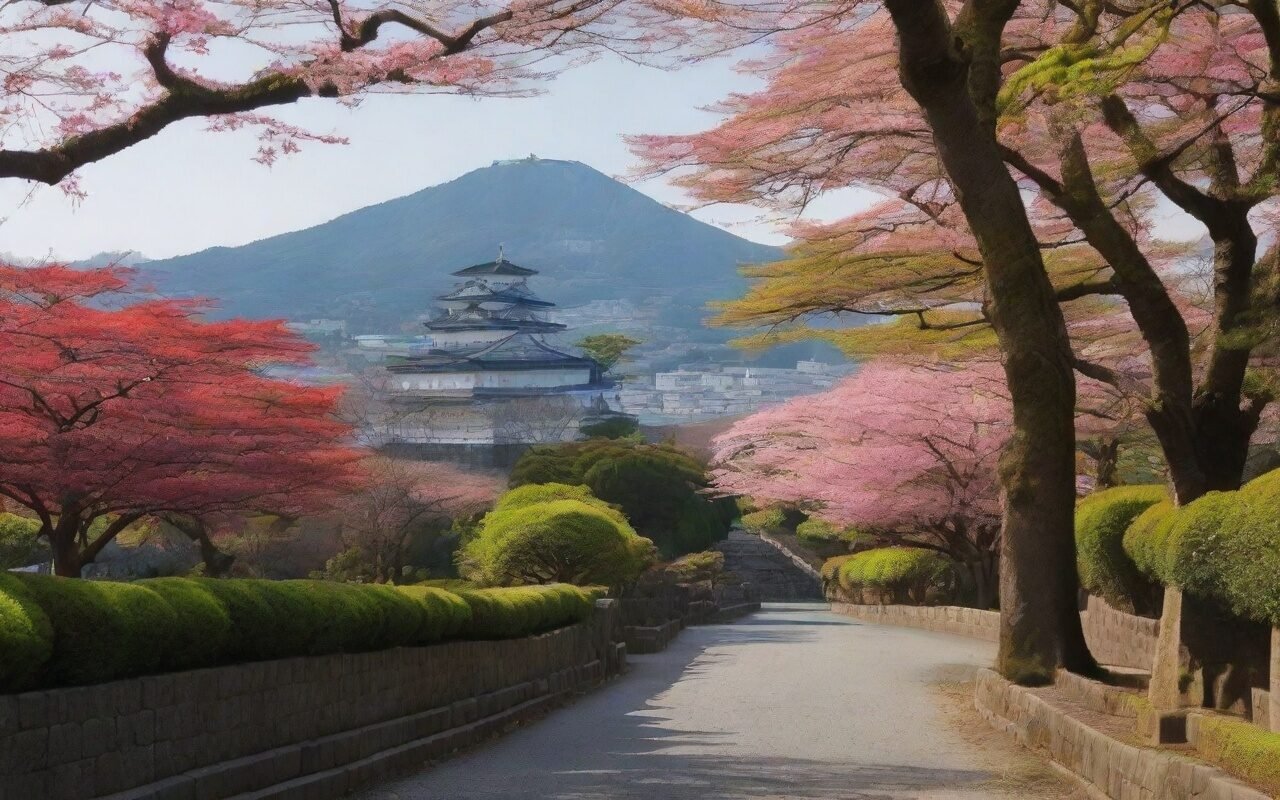
Beyond the keep, the castle grounds offer several attractions worth exploring: Odawara Castle Park surrounds the keep with walking paths, cherry trees, and seasonal flower gardens. The park is famous for its 300+ cherry blossom trees that bloom in late March to early April, and for the wisteria trellises that flower in May.
The Ninja Gate (known as Gōkuraku-mon or “Paradise Gate”) is one of the few original castle structures still standing, Built in the 17th century using the kōraimon style (a gate with a roofed watchtower on top), it was designated an Important Cultural Property in 1935. Despite the nickname, there is no evidence that ninja ever used this gate — the name likely comes from the relief of a sword-wielding figure that resembles a ninja.
The Ume (Plum) Grove contains over 300 plum trees that bloom from late January through February. The contrast of white and pink blossoms against the castle’s white walls makes for stunning photographs.
The Hojo Godaiko Drum Tower near the main entrance displays a giant drum used for festivals and is a popular photo spot.
Castle Town Stroll
The area surrounding Odawara Castle retains the atmosphere of a traditional castle town. Several streets have been preserved with wooden shopfronts, and you can find:
- Kamaboko (fish cake) shops: Odawara is famous for kamaboko, a steamed fish paste product. Try it fresh at Suzuhiro Kamaboko near the station, or buy vacuum-packed varieties as souvenirs.
- Sake breweries: The Odawara area has several small sake breweries using local spring water from the nearby Hakone mountains. Odawara Sake Brewery offers tastings (¥500 for 3 samples). Book your ticket to the Hakone Open-Air Museum — a stunning outdoor sculpture park with mountain views
- Mochi and sweet shops: Nakaya near the castle gate sells kurikinton (sweet chestnut paste) and sakuramochi (cherry blossom rice cakes) seasonally.
Seasonal Highlights
| Season | Event | Timing |
|---|---|---|
| Spring | Cherry blossoms (300+ trees) | Late March–early April |
| Late winter | Plum blossoms at Ume Grove | Late January–February |
| Summer | Odawara Summer Festival (fireworks) | First Saturday in August |
| Autumn | Chrysanthemum exhibition | November |
| Year-round | Castle illumination (night) | Dusk–9:00 PM |
📍 Location
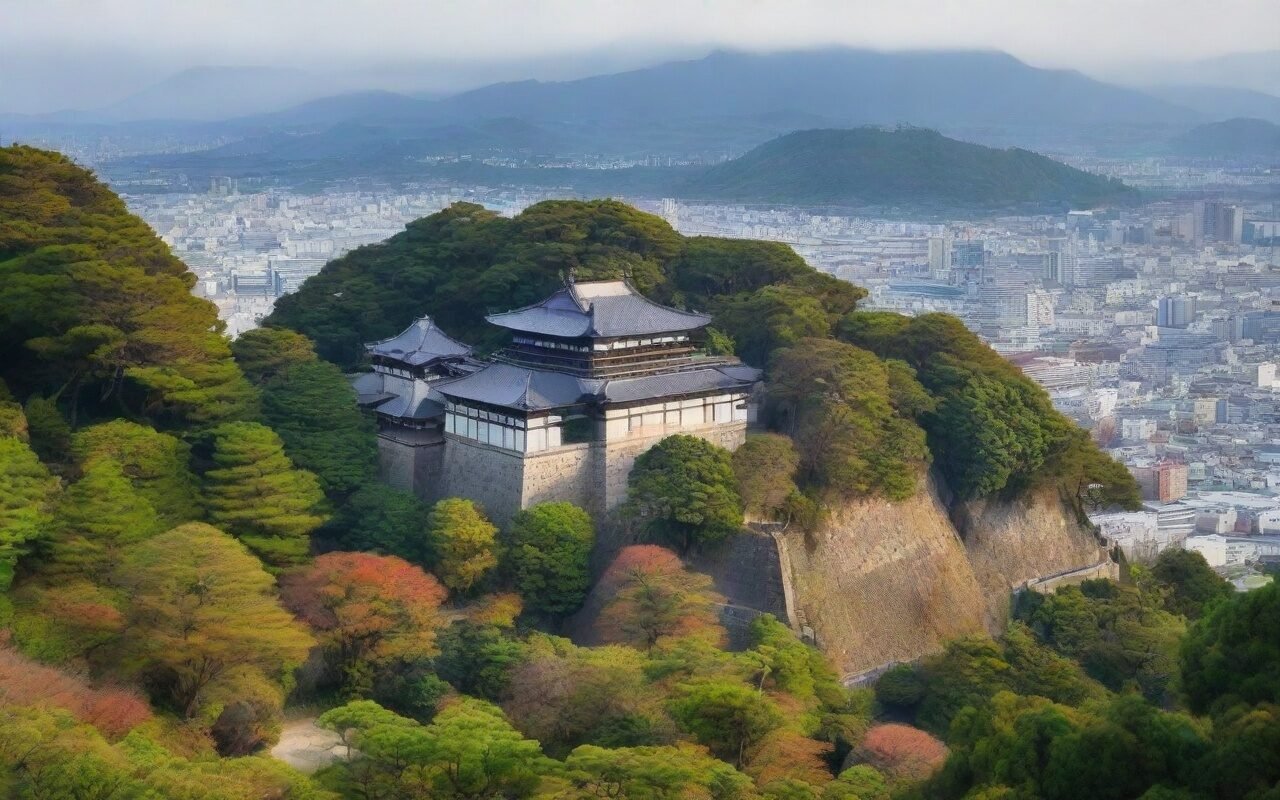
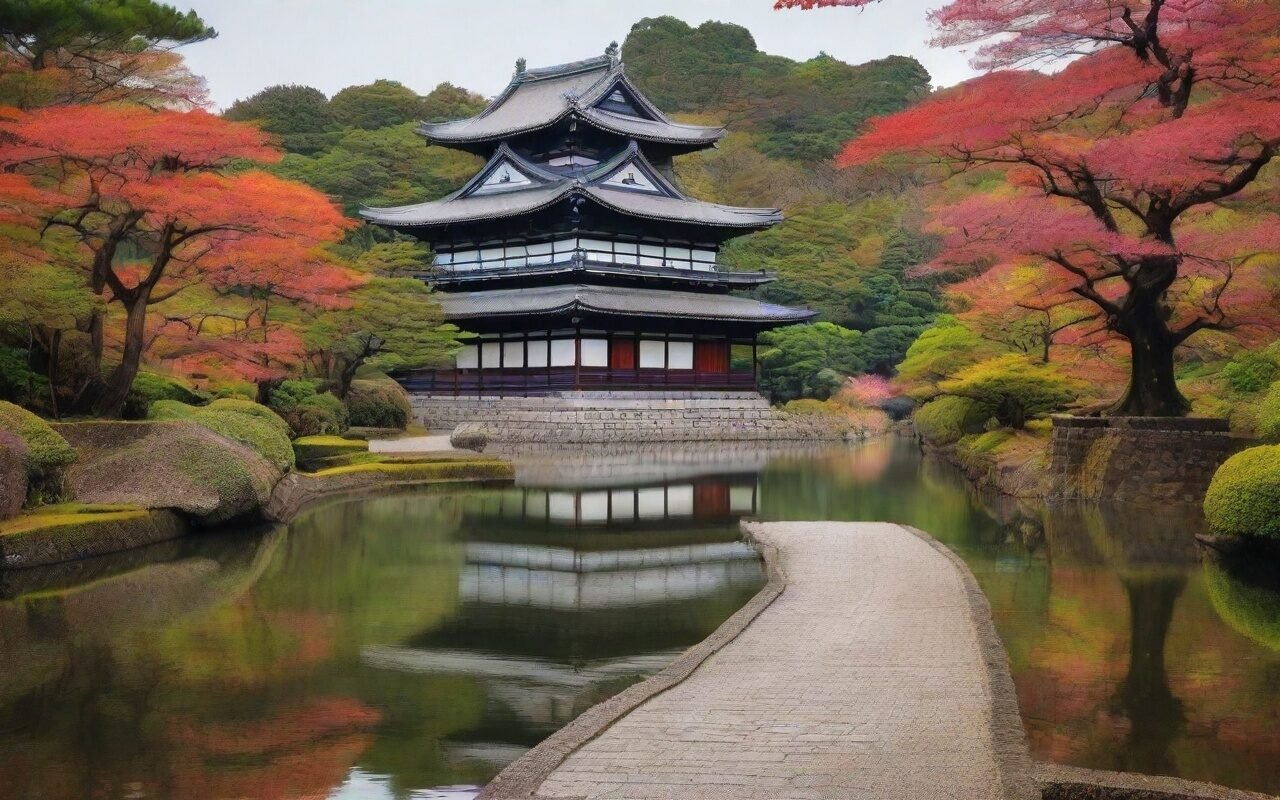
Odawara Castle is a 10-minute walk from Odawara Station, which is served by the Tokaido Shinkansen (35 minutes from Tokyo Station, ¥3,570 one-way) and the Tokaido Main Line (65 minutes, ¥1,490 one-way). From Hakone-Yumoto, take the Hakone Tozan Railway to Odawara (15 minutes, included in the Hakone Free Pass).
💰 Budget Breakdown
| Item | Price |
|---|---|
| Shinkansen round trip (Tokyo) | ¥7,140 |
| Castle keep admission | ¥510 |
| Samurai Museum combo | ¥720 |
| Sake tasting | ¥500 |
| Kamaboko souvenir | ¥800–¥1,500 |
| Lunch in castle town | ¥1,000–¥2,000 |
| Total per person | ¥4,000–¥6,500 (local train) / ¥9,500–¥12,000 (Shinkansen) |
Nearby Recommendations
Temples and shrines in Kanagawa are often clustered together. Many areas have charming streets with traditional shops and tea houses. Consider combining your visit with a nearby museum for historical context.
Local Tips
Visit just after opening for the most peaceful experience. Temple gardens are designed to be viewed from specific angles. Renting an audio guide enhances understanding. Weekday visits mean smaller crowds.
Money-Saving Tips
Many cultural sites offer online booking discounts. Temple fees are typically ¥200-500. Free English guided tours are available at major temples on weekends. Student and senior discounts are commonly available.
Packing Essentials
Dress respectfully with covered shoulders and knees. Comfortable socks are important for frequent shoe removal. A coin purse is useful for offering donations. A goshuincho (temple stamp book) makes a wonderful souvenir.
Dos and Don’ts
Do bow when entering and leaving temples and shrines. Do purify yourself at the temizuya (water pavilion) before approaching a shrine. Do dress modestly with covered shoulders and knees at religious sites. Don’t take photos inside temple buildings where signs prohibit it. Don’t touch or lean on sacred objects or structures. Don’t walk on the raised edges of tatami mats – walk on the floorboards or center of the mat.
What to Expect
Cultural sites in Kanagawa offer deep historical insights. Temples and shrines range from national treasures to local neighborhood shrines. Many have informative English displays. Photography is allowed outdoors but restricted inside buildings. Shoes must be removed in temple halls. Some temples offer meditation or calligraphy workshops.
Conclusion
Whether you are planning exploring Odawara for its castle for the first time or returning for another visit, taking a little extra time to go beyond the obvious sights makes all the difference. During my visit to Odawara I went with a rough plan and found that leaving room to wander made the trip far more memorable. I hope this guide helps you build an itinerary that fits your pace, and that your time in Kanagawa leaves you with memories worth coming back for.