
Overview
Explore the rich cultural heritage and historical significance of Kamakura Literary Walk – Kanagawa in Kanagawa Prefecture. This guide delves into the fascinating stories, traditions, and landmarks that define Kamakura. From ancient temples to modern museums, discover how this destination has shaped Japan’s cultural landscape over centuries.
Food as punctuation marks
Meals structure narrative time. A midday bowl of noodles can mirror a chapter break; an evening snack near the waterfront can echo an epilogue’s reflective tone. Use the Shonan Kamakura street food walk to align calories with walking distance, especially if your literary route includes steep grades. Greasy hands and fragile pages do not mix; pack hand wipes and separate book bags from food bags.
Literature about Kamakura sometimes encodes class through food choices: who can afford café time, who packs rice balls, who drinks beer on a porch. Notice those cues while you choose your own meals. Self-awareness prevents unintentional cosplay of poverty or privilege.
Shrines, temples, and metaphorical literacy
Religious sites appear in fiction as confessionals, hiding places, and acoustic chambers for guilt. On the ground, they remain active worship spaces first. Approach them with the etiquette mindset emphasized across our Kamakura shrine and temple companion. When a novel places a climactic argument in a courtyard, remember that real courtyards host prayers and memorials. Silence phones, avoid dramatic poses on offering boxes, and do not reenact scenes aloud in ways that disturb mourners.
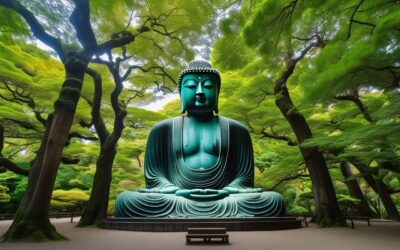
If your reading list includes historical fiction set in the Kamakura shogunate, pair imaginative narrative with the material context in Great Buddha Kamakura history and the spatial orientation in Great Buddha walking context. Fiction compresses decades; monuments anchor centuries.
Museums, archives, and public interpretation
When museums host literature-themed exhibits, they translate private reading into public pedagogy. Read exhibit texts slowly; they often connect local events to national literary movements. Photography rules vary; default to no flash and no close-ups of other visitors. If archives allow sketching, use pencil. Take notes about catalog numbers rather than copying long transcriptions by hand if digitized sources exist later.
Libraries sometimes offer quiet rooms with dictionaries. If you cannot read Japanese, ask whether English pamphlets exist before assuming. Staff time is limited; gratitude and patience matter.
Walking tempo as narrative structure
Think of your day in chapters. Chapter one: approach and acclimation near the station. Chapter two: ascent or intellectual climb. Chapter three: midday meal and reflective writing. Chapter four: descent or resolution walk. Chapter five: evening reading by lamplight in your lodging. Such segmentation prevents the common mistake of cramming too many references into one fatigued afternoon when prose blurs together.
Between chapters, vary sensory channels. After long reading, walk without headphones to let soundscapes return. After long walking, read indoors to let muscles rest. Alternation keeps attention fresh and reduces risk of heat exhaustion during humid months.
Note-taking systems that survive humidity
Paper notebooks warp in humidity; ballpoint ink can smear. Pencil, waterproof notebooks, or phone notes each trade off tactility for durability. Photograph your own written pages rather than fragile exhibit labels. Back up digital notes nightly. If you quote published translations while journaling, cite edition and page for future integrity even if no one else reads the journal.
Soundscapes and silence
Literature trains readers to hear dialogue; Kamakura trains ears toward cicadas, distant surf, temple bells, and bicycle bells on curves. Record only if you have permission in a venue; otherwise rely on written description soon after listening while memory is fresh. Silence is a literary device too; plan moments without podcasts to let mental sentences surface.
Map and orientation
This map centers slightly east of the station toward literary neighborhoods where small museums and hillside approaches intertwine. Use it to relate fiction’s compressed geography to walkable distances.
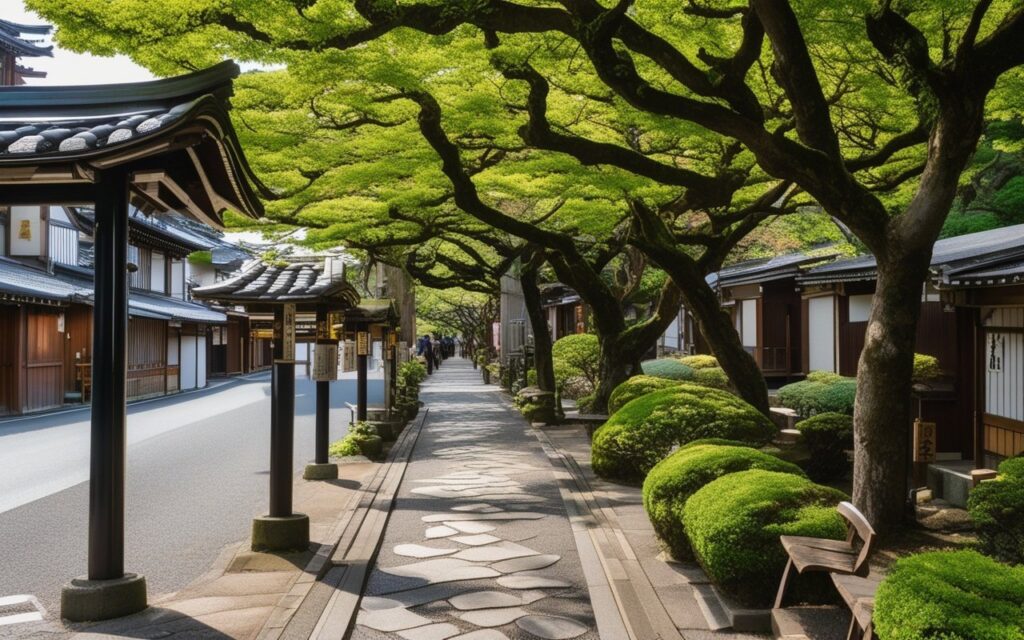
Visual anchors for readerly attention
Translation, bilingual readers, and humility
If you read translations, carry awareness that metaphors may shift. Bilingual friends or annotated editions help, but public strangers are not obliged to tutor. Bookstores sometimes staff knowledgeable clerks; purchase something small if you request extensive recommendations. Respect intellectual labor.
Rain plans that still feel literary
Rain pushes introspection. Umbrellas collide on narrow sidewalks; choose compact gear. Museums, libraries, and hotel lobbies become set pieces. Rewrite a humid scene from your morning reading using new sensory data. Rain also risks landslides on steep paths; obey closures.
Evening pages and responsible lighting
If you read outdoors at dusk, angle book lights away from pedestrians and windows. In lodgings, dim screens to reduce blue-light fatigue before the next walking day, Evening is ideal for comparing how authors end chapters—abrupt cuts versus lingering descriptions—then testing your own travel journal’s closing beats.
Group dynamics and discussion walks
Book clubs walking together should keep discussion volumes low in residential zones. Assign rotating navigators so others can look up without colliding. Share quotations after you reach parks or beaches, not while squeezing through temple gates.
Children, teens, and intergenerational reading
Younger travelers benefit from short texts and scavenger hunts: find three roof animals, listen for one bell, sketch one window. Teens engrossed in serialized fiction can compare pacing to manga chapters. Intergenerational groups might alternate who reads aloud on benches, respecting others nearby with quiet voices.
Accessibility and inclusive literary routes
Choose flatter segments near the station and documented museums if stairs are a barrier. Many literary histories can be encountered through exhibits rather than mountain paths. Ask venues about elevators and seating. Inclusive planning expands who gets to claim Kamakura’s stories.
Avoiding nostalgia traps
Nostalgia sells, but literature also critiques. Notice who disappears from romantic portrayals: laborers, night workers, marginalized communities. Pair pleasure reading with one critical essay to complicate your lens. Kamakura is not a museum diorama; it is a working town.
Margins, margins, margins
Give your sentences literal margin space on the page and your itinerary temporal margins between commitments. Missed connections sometimes produce the most honest paragraphs because they force you to observe waiting rooms, puddles, and overheard apologies. A twenty-minute buffer can become its own vignette rather than a failure state.
Closing lines
A Kamakura literary walk succeeds when reading and walking mutually deepen each other without colonizing private space. Logistics from the Kamakura access guide keep chapters on schedule, while the Kamakura café guide supplies rooms for rewriting experience into sentences. Religious metaphors land more honestly after the Kamakura shrine and temple companion, and monumental history breathes through Great Buddha Kamakura history alongside Great Buddha walking context. When hunger punctuates plot, the Shonan Kamakura street food walk keeps energy aligned with ethics. Carry a book, carry patience, and let Kamakura edit your prose with sea air and stone.
Tips
A few things I learned while researching exploring Kamakura: start early to beat the crowds, check opening days in advance, and carry a little cash for smaller shops and entry fees. Comfortable shoes make a bigger difference than most visitors expect, and an IC card such as Suica or Pasmo speeds up every train ride.
Frequently Asked Questions
Q: Are English guides available?
A: Major temples, shrines, and museums offer English audio guides or pamphlet guides. Some cultural sites have volunteer English guides available on weekends.
Q: Can I take photographs?
A: Photography is generally allowed in outdoor areas. Indoor photography, especially of cultural artifacts, may be restricted. Flash photography is commonly prohibited.
Q: How much time should I budget?
A: For temples and shrines, budget 30-60 minutes. Museums typically require 1-2 hours. Cultural experiences (tea ceremony, craft workshops) take 1-2 hours.
Q: Are there any dress codes?
A: No strict dress codes, but dressing respectfully is appreciated at temples and shrines. Avoid overly revealing clothing. Comfortable walking shoes are recommended.
My personal exploration of Kanagawa has been incredibly rewarding, and I recommend adding this region to any Japan travel itinerary — the variety of experiences within short distances is what makes it special.
Kanagawa’s trails — from coastal paths to mountain ridges — offer accessible adventures that connect you with the region’s natural beauty.
How to Get There
Temples and cultural sites are generally accessible by train plus a short walk. Many temples in Kamakura and Hakone are clustered together, allowing you to visit multiple sites on foot. Wear comfortable walking shoes as some temples are located on hills or up stone staircases.
Best Time to Visit
Temples and cultural sites are most enjoyable during weekdays when crowds are smaller. Early morning before 9 AM offers a peaceful atmosphere. Spring and autumn provide the most pleasant weather for exploring outdoor sites. Many temples have seasonal events and special openings.