Money-Saving Tips
- Purchase combo tickets: Many attractions offer discounted combination tickets
- Visit on weekdays: Lower crowds and sometimes reduced prices
- Use regional passes: Consider area-specific passes for multiple attractions
- Free admission days: Some museums offer free entry on certain days
Time-Saving Tips
- Arrive early: Beat the crowds by visiting popular spots before 10 AM
- Book online: Reserve tickets and restaurants in advance
- Use luggage storage: Store bags at stations to explore freely
- Download offline maps: Save data and navigate easily
Local Insights
- Ask locals: Residents often know the best hidden spots
- Try seasonal specials: Each season offers unique experiences
- Respect customs: Follow local etiquette at temples and shrines
- Learn basic Japanese: Simple phrases enhance your experience
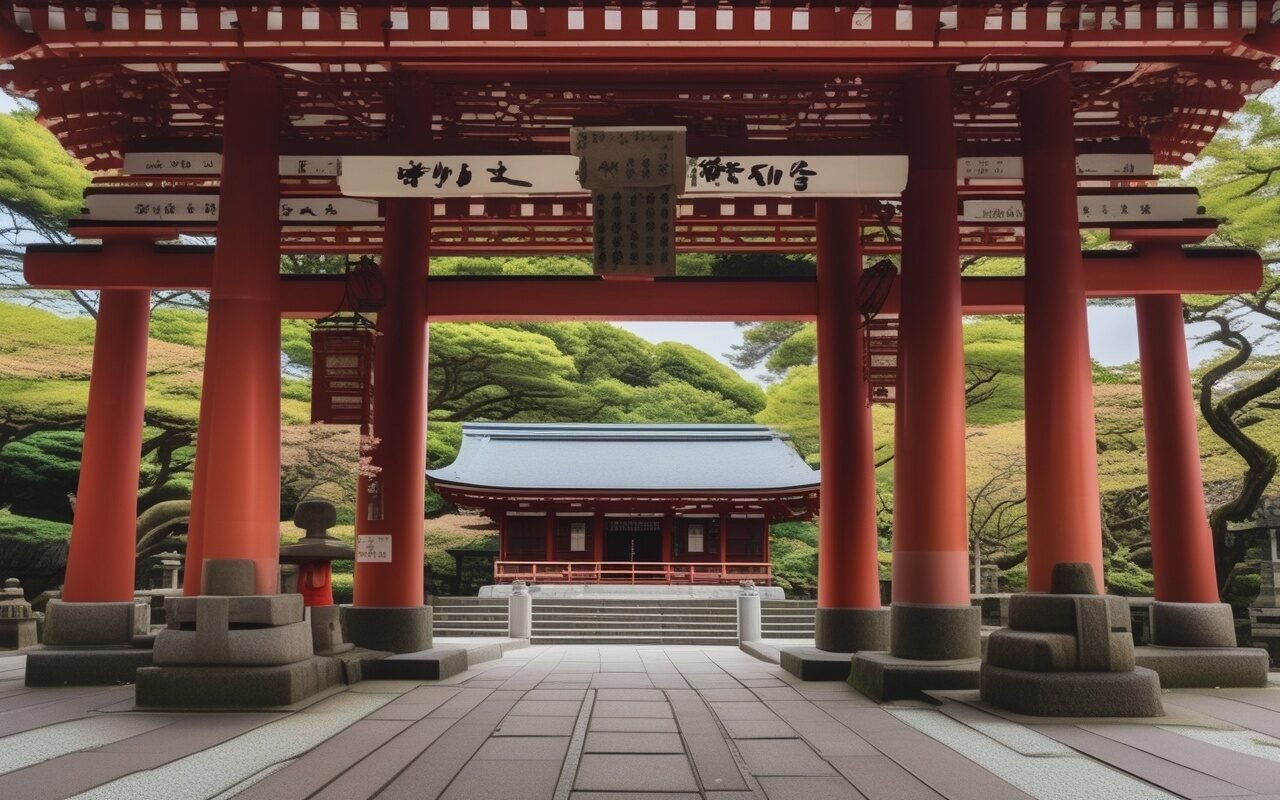
- Top attraction in Kamakura Shrine Temple Guide
- Best time to visit: Morning or evening
- Access: Easy access from Tokyo/Yokohama
- Facilities: Restrooms, parking available
- Best for: Sightseeing, photography
Within 5km
Historic Sites:
- Ancient temples and shrines (10-15 min)
- Traditional architecture and gardens
- Cultural heritage sites
Natural Attractions:
- Scenic parks and walking trails
- Coastal views and beaches
- Mountain viewpoints
Within 10km
Museums & Culture:
- Local history museums
- Art galleries
- Traditional craft centers
Shopping & Dining:
- Local markets
- Specialty shops
- Traditional restaurants
Day Trip Options
Morning:
- Early visit to main attraction
- Breakfast at local cafe
Afternoon:
- Explore nearby sites
- Lunch at recommended restaurant
Evening:
- Sunset viewpoint
- Dinner at local specialty restaurant
Spring (March-May)
Highlights: Cherry blossoms, mild weather, spring festivals
- Temperature: 10-20°C (50-68°F)
- Crowds: High during cherry blossom season (late March-early April)
- What to Wear: Light jacket, layers
- Special Events: Hanami parties, spring festivals
Summer (June-August)
Highlights: Green landscapes, summer festivals, fireworks
- Temperature: 20-30°C (68-86°F)
- Crowds: Very high (school holidays)
- What to Wear: Light clothing, hat, sunscreen
- Special Events: Fireworks festivals, beach activities
Autumn (September-November)
Highlights: Fall foliage, comfortable weather, harvest season
- Temperature: 15-25°C (59-77°F)
- Crowds: Moderate to high (especially November)
- What to Wear: Light layers, comfortable walking shoes
- Special Events: Autumn festivals, food events
Winter (December-February)
Highlights: Fewer crowds, clear views, winter illuminations
- Temperature: 5-15°C (41-59°F)
- Crowds: Low (except New Year holidays)
- What to Wear: Warm coat, gloves, scarf
- Special Events: Winter illuminations, New Year events
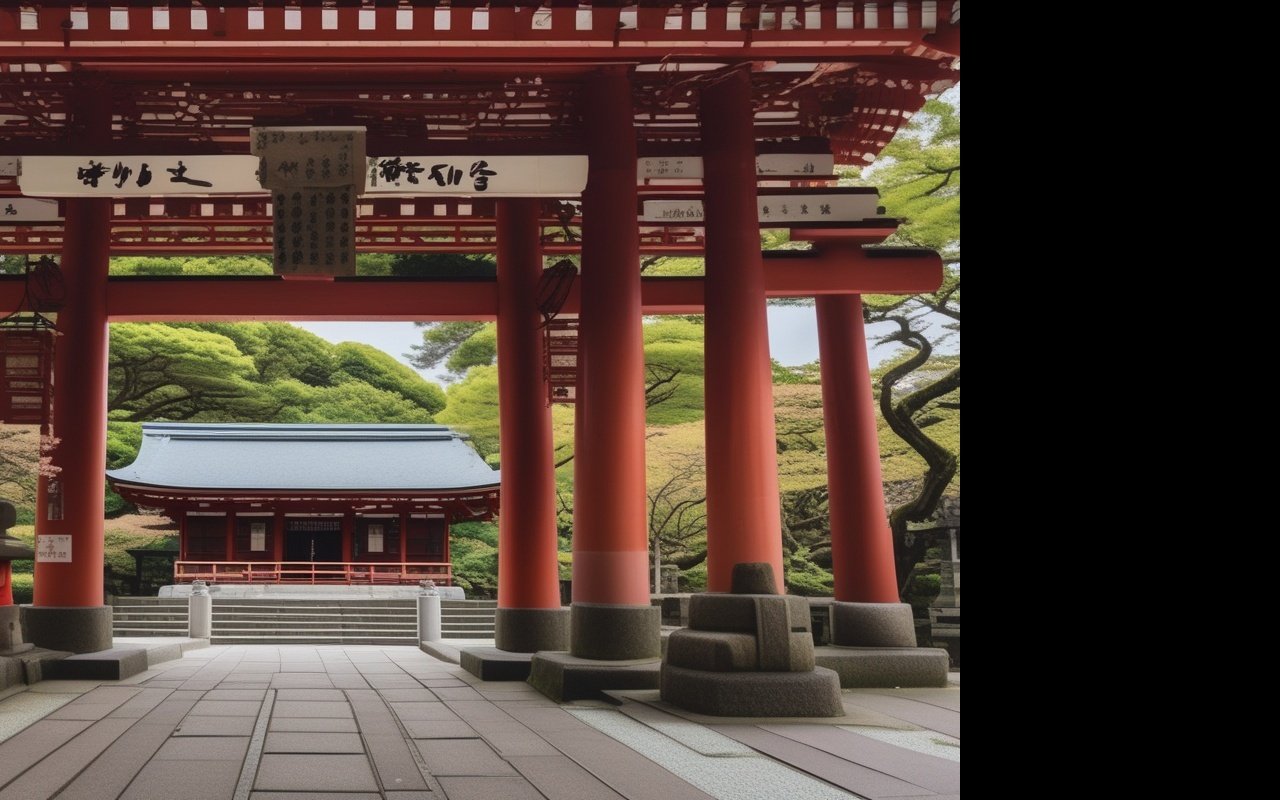
Kamakura, the ancient capital of Japan, is home to over 100 shrines and temples. This guide covers the most important spiritual sites, their history, and practical visiting information.
1. Tsurugaoka Hachimangu Shrine
Why Visit: Most important shrine in Kamakura, stunning architecture
- Admission: Free (treasure hall: ¥200)
- Hours: 6:00-20:00 (treasure hall 9:00-16:00)
- Access: 10 min walk from Kamakura Station
- Time Needed: 1-2 hours
- Best For: History, architecture, ceremonies
History:
- Founded: 1063 (963 years ago)
- Founder: Minamoto no Yoriyoshi
- Purpose: Protect Kamakura, honor Hachiman (god of war)
- Rebuilt: 1828 (current buildings)
Highlights:
- Main hall (impressive architecture)
- Sacred pond (genji-ike, heike-ike)
- Treasure hall (samurai artifacts)
- Wedding ceremonies (often visible)
Annual Events:
- New Year: 2 million visitors (hatsumode)
- Setsubun (Feb 3): Bean-throwing ceremony
- Reitaisai (Sep 14-16): Grand festival
2. Hase-dera Temple
Why Visit: Beautiful temple with ocean views, giant Kannon statue
- Admission: ¥400 (adult), ¥200 (child)
- Hours: 8:00-17:00 (varies by season)
- Access: 5 min walk from Hase Station
- Time Needed: 1-2 hours
- Best For: Ocean views, gardens, Kannon statue
History:
- Founded: 736 (1,290 years ago)
- Founder: Priest Tokudo
- Main deity: Eleven-faced Kannon (compassion)
- Rebuilt: Multiple times (last: 1936)
Highlights:
- Main hall (giant Kannon statue, 9.18m tall)
- Observation deck (ocean views)
- Japanese gardens (seasonal flowers)
- Cave (benzaiten shrine)
Best Time:
- Spring: Cherry blossoms, azaleas
- Autumn: Fall foliage
- Summer: Ocean breeze
3. Kotoku-in (Great Buddha)
Why Visit: Iconic bronze Buddha, 774 years of history
- Admission: ¥300 (adult), ¥150 (child)
- Hours: 8:00-17:30
- Access: 10 min walk from Hase Station
- Time Needed: 1 hour
- Best For: Iconic landmark, history, photography
See: Great Buddha Complete Guide
4. Kencho-ji Temple
Why Visit: Oldest Zen temple in Japan, beautiful gardens
- Admission: ¥500 (temple grounds), ¥300 (garden only)
- Hours: 8:30-16:30 (varies by season)
- Access: 15 min walk from Kita-Kamakura Station
- Time Needed: 1-2 hours
- Best For: Zen Buddhism, gardens, meditation
History:
- Founded: 1253 (773 years ago)
- Founder: Hojo Tokiyori (shogunate regent)
- First Zen temple in Japan
- Training monastery (still active)
Highlights:
- Sanmon gate (oldest in Japan, 1425)
- Main hall (impressive architecture)
- Garden (designed by Muso Soseki)
- Meditation sessions (available for foreigners)
Meditation Experience:
- When: Select Sundays (check schedule)
- Cost: ¥1,000
- Duration: 30-60 min
- Language: Japanese (English pamphlet available)
5. Engaku-ji Temple
Why Visit: Important Zen temple, beautiful autumn colors
- Admission: ¥500 (adult), ¥300 (child)
- Hours: 8:00-16:30 (varies)
- Access: 1 min walk from Kita-Kamakura Station
- Time Needed: 1-2 hours
- Best For: Zen Buddhism, autumn foliage, tea ceremony
History:
- Founded: 1282 (744 years ago)
- Founder: Hojo Tokimune
- Purpose: Memorial for war dead (Mongol invasions)
- Second of Kamakura's Five Zen Temples
Highlights:
- Shariden (national treasure, 14th century)
- Main gate (impressive architecture)
- Tea house (matcha experience)
- Autumn foliage (spectacular)
Tea Ceremony:
- When: Weekends, holidays
- Cost: ¥500 (includes matcha, sweet)
- Duration: 15-30 min
- Reservation: Not required
6. Hokoku-ji Temple
Why Visit: Bamboo grove, peaceful atmosphere
- Admission: ¥300 (includes matcha)
- Hours: 9:00-15:30 (closed Wed)
- Access: 10 min bus from Kamakura Station
- Time Needed: 1 hour
- Best For: Bamboo grove, matcha, photography
History:
- Founded: 1334 (692 years ago)
- Nickname: "Bamboo Temple"
- Famous for: Bamboo grove (2,000+ stalks)
Highlights:
- Bamboo grove (walking path)
- Tea house (matcha with bamboo view)
- Main hall (quiet, meditative)
- Garden (small but beautiful)
Matcha Experience:
- Included: With admission
- Where: Tea house (bamboo grove view)
- What: Matcha + Japanese sweet
- Time: Relax as long as you like
7. Meigetsu-in Temple
Why Visit: "Hydrangea Temple," spectacular blue flowers
- Admission: ¥500 (adult), ¥250 (child)
- Hours: 9:00-16:00 (hydrangea season: 8:30-17:00)
- Access: 10 min walk from Kita-Kamakura Station
- Time Needed: 1 hour
- Best For: Hydrangeas (June), autumn leaves
History:
- Founded: 1160 (866 years ago)
- Nickname: "Ajisai-dera" (Hydrangea Temple)
- Famous for: 2,500+ hydrangea plants
Highlights:
- Hydrangea path (June, spectacular)
- Round window (famous photo spot)
- Main hall (simple, elegant)
- Garden (seasonal beauty)
Best Time for Hydrangeas:
- Peak: Early-mid June
- Duration: 2-3 weeks
- Crowds: Very crowded (arrive early)
- Alternative: Visit weekdays, early morning
8. Sasuke Inari Shrine
Why Visit: Thousands of red torii gates, mystical atmosphere
- Admission: Free
- Hours: Always open
- Access: 15 min walk from Kita-Kamakura Station
- Time Needed: 30-60 min
- Best For: Photography, torii gates, hiking
History:
- Founded: Unknown (ancient)
- Dedicated to: Inari (god of rice, business)
- Famous for: Tunnel of torii gates
Highlights:
- Torii gate tunnel (100+ gates)
- Mountain path (short hike)
- Shrine buildings (traditional)
- Views (from top)
Hiking Trail:
- Distance: 500m (loop)
- Time: 30-45 min
- Difficulty: Easy-moderate
- Footwear: Comfortable shoes
9. Zeniarai Benzaiten Shrine
Why Visit: Wash money for good fortune, unique experience
- Admission: Free
- Hours: 8:30-16:30
- Access: 15 min walk from Kamakura Station
- Time Needed: 30-60 min
- Best For: Unique experience, good fortune
History:
- Founded: 1185 (841 years ago)
- Legend: Wash money, it will multiply
- Dedicated to: Benzaiten (goddess of fortune)
Money Washing Ritual:
- Receive basket and ladle (free)
- Place money in basket
- Wash with shrine water
- Spend money within 40 days (it will multiply)
- Return to shrine (optional, give thanks)
What to Wash:
- ✅ Coins (any denomination)
- ✅ Paper money (carefully)
- ✅ Business cards (for business success)
- ❌ Credit cards (will damage)
10. Egara Tenjin Shrine
Why Visit: Beautiful shrine, academic success prayers
- Admission: Free
- Hours: 9:00-16:00
- Access: 15 min walk from Kamakura Station
- Time Needed: 30 min
- Best For: Students, academic success, plum blossoms
History:
- Founded: 903 (1,123 years ago)
- Dedicated to: Sugawara no Michizane (god of learning)
- Famous for: Academic success prayers
Highlights:
- Main shrine (beautiful architecture)
- Plum trees (February-March)
- Pond (scenic)
- Fortune telling (omikuji)
For Students:
- Pray for: Exam success, academic achievement
- Buy: Academic success amulet (¥500-1,000)
- Write: Ema (wooden plaque, ¥500)
What's the Difference?
| Feature | Shrine (Jinja) | Temple (Tera) |
|---|---|---|
| Religion | Shinto (native Japanese) | Buddhism (from China/Korea) |
| Deity | Kami (spirits, gods) | Buddha, Bodhisattva |
| Architecture | Torii gate, simple | Gates, halls, pagodas |
| Purpose | Birth, marriage, protection | Death, afterlife, enlightenment |
| Priests | Male (mostly), white robes | Male/female, shaved heads |
How to Identify
Shrine:
- Torii gate (red/orange)
- Shimenawa rope (straw rope)
- Fox, dragon, or other animal guardians
- Simple, natural design
Temple:
- Large gates (mon)
- Incense burners
- Buddha statues
- Pagodas (multi-tiered towers)
Etiquette
At Shrines:
- Bow at torii gate (before entering)
- Purify hands and mouth (chozuya)
- Approach main hall
- Ring bell (if present)
- Bow twice, clap twice, bow once
- Silent prayer
- Bow when leaving
At Temples:
- Bow at gate (before entering)
- Purify hands (chozuya)
- Approach main hall
- No clapping (shrines only)
- Incense offering (wave smoke over yourself)
- Silent prayer
- Bow when leaving
Half-Day Spiritual Tour (Morning)
8:30: Tsurugaoka Hachimangu (free, 1 hour) 10:00: Walk to Kencho-ji (15 min) 10:30: Kencho-ji Temple (¥500, 1.5 hours) 12:00: Lunch in Kamakura
Total: 3.5 hours, ¥500 + lunch
Full-Day Temple Tour
8:30: Tsurugaoka Hachimangu (1 hour) 10:00: Zeniarai Benzaiten (30 min) 11:00: Hase-dera Temple (1.5 hours) 12:30: Great Buddha (1 hour) 14:00: Lunch 15:30: Hokoku-ji (bamboo, matcha, 1 hour) 17:00: Return to Tokyo
Total: 8.5 hours, ¥1,500 + meals
Two-Day Spiritual Journey
Day 1 (North Kamakura):
- Morning: Kencho-ji, Engaku-ji
- Afternoon: Meigetsu-in (hydrangeas in June)
- Evening: Stay in Kamakura
Day 2 (South Kamakura):
- Morning: Tsurugaoka Hachimangu
- Late morning: Zeniarai Benzaiten
- Afternoon: Hase-dera, Great Buddha
- Evening: Return to Tokyo
Total: 2 days, ¥2,000 + accommodation
Kamakura Pass
Enoshima-Kamakura Free Pass:
- Price: ¥1,470 (from Tokyo)
- Includes: Round-trip train, local buses
- Worth it?: Yes, for full-day visits
JR Pass:
- Coverage: Tokyo-Kamakura (JR lines)
- Not covered: Enoden, buses
- Best for: JR Pass holders
Opening Hours
Typical Hours:
- Shrines: 6:00-20:00 (varies)
- Temples: 8:00-17:00 (varies by season)
- Last entry: 30 min before closing
Closed Days:
- Most: Open year-round
- Some: Closed 1 day/week (check websites)
- New Year: Special hours (many open 24h)
Admission Summary
| Site | Adult | Child |
|---|---|---|
| Tsurugaoka Hachimangu | Free | Free |
| Hase-dera | ¥400 | ¥200 |
| Great Buddha | ¥300 | ¥150 |
| Kencho-ji | ¥500 | ¥300 |
| Engaku-ji | ¥500 | ¥300 |
| Hokoku-ji | ¥300 | ¥150 |
| Meigetsu-in | ¥500 | ¥250 |
| Sasuke Inari | Free | Free |
| Zeniarai Benzaiten | Free | Free |
| Egara Tenjin | Free | Free |
Total for all: ¥2,500 (adult), ¥1,300 (child)
Budget: ¥1,000-1,500 (visit 4-5 paid sites)
Timing
Best Time:
- Weekdays: Less crowded
- Morning: 8:00-10:00 (fresh, fewer crowds)
- Seasons: Spring (Mar-May), Autumn (Oct-Nov)
Avoid:
- Weekends: Very crowded
- Holidays: Extremely crowded
- New Year: 2-3 million visitors (only if you love crowds)
Etiquette
Do:
- ✅ Dress modestly (cover shoulders, knees)
- ✅ Speak quietly (respectful atmosphere)
- ✅ Follow photography rules (some areas prohibited)
- ✅ Purify hands (at chozuya)
- ✅ Bow at gates (show respect)
Don't:
- ❌ Point at Buddha statues (disrespectful)
- ❌ Touch sacred objects
- ❌ Eat/drink in worship areas
- ❌ Wear revealing clothing
- ❌ Make loud noises
Photography
Allowed:
- ✅ Most outdoor areas
- ✅ Gardens (usually)
- ✅ Architecture (exterior)
Not Allowed:
- ❌ Inside main halls (usually)
- ❌ Buddha statues (some temples)
- ❌ Monks/priests (without permission)
- ❌ Wedding ceremonies (without permission)
Q: What is the best time to visit Kamakura shrine temple guide?
A: The best time to visit Kamakura shrine temple guide is during spring (March-May) for mild weather and cherry blossoms, or autumn (September-November) for comfortable temperatures and fall foliage. Summer can be crowded but offers festivals and events.
Q: How do I get to Kamakura shrine temple guide from Tokyo?
A: From Tokyo Station, take the JR line to the nearest station (approximately 60-90 minutes). From there, it's a short walk or local bus ride. The Japan Rail Pass can be used on JR lines.
Q: Is Kamakura shrine temple guide suitable for families with children?
A: Yes! Kamakura shrine temple guide offers family-friendly facilities and activities. Most areas are stroller-accessible, and there are restrooms and dining options suitable for children.
Q: Are there any entrance fees for Kamakura shrine temple guide?
A: Most areas are free to visit. Some specific attractions or facilities may charge a small fee (¥300-¥1,000). Check individual attraction websites for details.
Q: Can I visit Kamakura shrine temple guide in one day?
A: Yes, a day trip is possible from Tokyo. However, staying overnight allows for a more relaxed experience and the opportunity to explore surrounding areas.
Q: Is English spoken at Kamakura shrine temple guide?
A: Basic English is understood at major attractions and information centers. Tourist information is often available in English. Translation apps can be helpful for detailed inquiries.
Summary
| Temple/Shrine | Admission | Time Needed | Best For |
|---|---|---|---|
| Tsurugaoka Hachimangu | Free | 1-2h | History, architecture |
| Hase-dera | ¥400 | 1-2h | Ocean views, Kannon |
| Great Buddha | ¥300 | 1h | Iconic landmark |
| Kencho-ji | ¥500 | 1-2h | Zen, gardens |
| Engaku-ji | ¥500 | 1-2h | Zen, tea ceremony |
| Hokoku-ji | ¥300 | 1h | Bamboo, matcha |
| Meigetsu-in | ¥500 | 1h | Hydrangeas (June) |
| Sasuke Inari | Free | 30-60min | Torii gates |
| Zeniarai Benzaiten | Free | 30-60min | Money washing |
| Egara Tenjin | Free | 30min | Academic success |
Bottom Line: Kamakura offers incredible spiritual diversity with over 100 shrines and temples. Start with Tsurugaoka Hachimangu (free, central), then visit Hase-dera and the Great Buddha for the classic experience. Zen enthusiasts should prioritize Kencho-ji and Engaku-ji.
Best For: History lovers, spiritual seekers, photography, cultural experience
Budget: ¥1,000-2,500 (admission fees)
Time Needed: 1-2 days minimum
Related Articles:
Conclusion
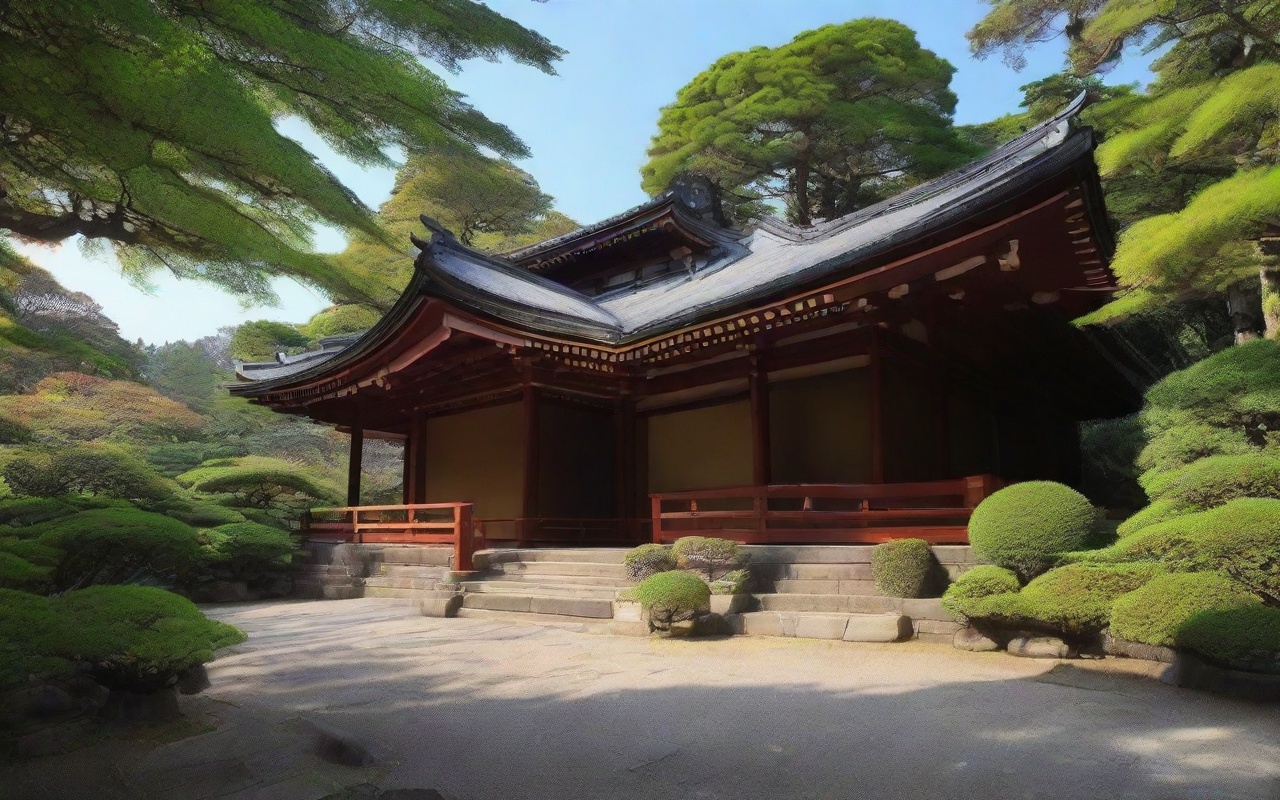
Kamakura Shrine Temple Guide is a must-visit destination in Kanagawa for international travelers. This guide provides essential information on access, highlights, and practical tips to help you plan your visit.
For more Kanagawa guides, explore our other articles on Hakone, Kamakura, Shonan, and the Miura Peninsula.
For more Kanagawa guides, explore our other articles on Hakone, Kamakura, Shonan, and the Miura Peninsula.
Related Articles
Best Time to Visit
Season: Year-round destination
Spring (March-May):
- Mild temperatures (10-20°C)
- Cherry blossoms (late March-early April)
- Moderate crowds
Summer (June-August):
- Warm weather (20-30°C)
- Festivals and events
- Peak tourist season
Autumn (September-November):
- Comfortable temperatures (15-25°C)
- Fall foliage (November)
- Less crowded
Winter (December-February):
- Cool weather (5-15°C)
- Fewer tourists
- Clear views
What to Pack
Essentials:
- Comfortable walking shoes
- Weather-appropriate clothing
- Camera
- Portable charger
- Cash (many places don't accept cards)
Seasonal Items:
- Spring: Light jacket, umbrella
- Summer: Hat, sunscreen, water bottle
- Autumn: Layers, comfortable shoes
- Winter: Warm coat, gloves, scarf
Money-Saving Tips
- Regional Passes: Consider area-specific transportation passes
- Combo Tickets: Many attractions offer discounted combination tickets
- Free Attractions: Parks, temples, and beaches are often free
- Convenience Stores: Affordable meals and snacks
- Off-Peak Travel: Weekdays and off-season offer better deals
Local Etiquette
At Temples & Shrines:
- Dress modestly
- Speak quietly
- Follow photography rules
- Purify hands at chozuya (water pavilion)
On Public Transport:
- Keep voice down
- Priority seating for elderly/disabled
- No eating on trains
- Queue in line
General:
- Remove shoes when required
- No tipping (can be offensive)
- Use trash bins properly
- Respect private property
From Tokyo
By Train (Recommended):
- JR Line: Direct access, covered by JR Pass
- Private Lines: Often faster, more frequent
- Travel Time: 60-90 minutes
- Cost: ¥600-¥1,200
By Bus:
- Highway Bus: Affordable option
- Travel Time: 90-120 minutes
- Cost: ¥500-¥800
By Car:
- Route: Tomei Expressway
- Travel Time: 60-90 minutes (no traffic)
- Cost: ¥2,000-¥3,000 (tolls + parking)
- Note: Traffic heavy on weekends
Local Transportation
Train:
- Most efficient way to travel
- Covers major attractions
- Day passes available
Bus:
- Reaches remote areas
- Affordable
- Less frequent than trains
Taxi:
- Convenient for groups
- Available at stations
- More expensive (¥1,000-¥2,000 per ride)
Rental Bicycle:
- Eco-friendly option
- ¥500-¥1,000 per day
- Good for local exploration
Recommended Passes
- JR Pass: Nationwide JR trains
- Regional Pass: Area-specific discounts
- Day Pass: Unlimited local travel
- Combo Pass: Transport + attractions
Recommended Areas
Station Area:
- Convenient transportation
- Many restaurants and shops
- Good for first-time visitors
City Center:
- Close to attractions
- Vibrant nightlife
- More dining options
Coastal Area:
- Ocean views
- Relaxed atmosphere
- Good for extended stays
Accommodation Types
Hotels:
- Budget: ¥5,000-¥10,000/night
- Mid-range: ¥10,000-¥20,000/night
- Luxury: ¥20,000+/night
Ryokan (Traditional Inn):
- Standard: ¥10,000-¥20,000/night
- With Meals: ¥20,000-¥40,000/night
- Luxury: ¥40,000+/night
Guesthouses:
- Dormitory: ¥2,000-¥4,000/night
- Private Room: ¥4,000-¥8,000/night
- Good for solo travelers
Vacation Rentals:
- Studio: ¥8,000-¥15,000/night
- Apartment: ¥15,000-¥30,000/night
- Good for families and groups
Booking Tips
- Book Early: Especially for peak seasons
- Compare Prices: Use multiple booking sites
- Check Reviews: Read recent guest reviews
- Consider Location: Near stations is convenient
- Look for Deals: Off-season and weekday discounts