Tag: miura-peninsula

  • Miura Peninsula Accommodation Guide 2026 — Seaside Stays…

    Miura Peninsula Accommodation Guide 2026 — Seaside Stays…

    💬 Traveler’s Note: I explored the accommodation options in Miura and found some lesser-known spots along the coast. I recommend booking a place with ocean views for an unforgettable stay.

    Introduction

    The Miura Peninsula offers a different kind of accommodation experience — family-run minshuku, fishing village guesthouses, and seaside hotels. This guide covers the unique charm of staying on the Miura coast. — the quality and attention to detail were remarkable.

    Arriving early in the morning gave me a completely different perspective compared to my previous afternoon visit — the light, the crowds, and the atmosphere were transformed.

    🏡 Miura Accommodation: A Complete Guide by Area

    Unlike Hakone’s luxHakoneokan, Miura offers a different kind of charm — family-run minshuku (family inns), fishing village guesthouses, and a few boutique hotels. The focus is on fresh seafood and coastal relaxation.

    Area Best For Price Range Atmosphere Booking Method
    Misaki Port Tuna lovers, market mornings ¥7,000-15,000 Bustling fishing port Direct or Rakuten Travel
    Hayama Coast Beach relaxation, couples ¥10,000-25,000 Upscale seaside Booking.com
    Jogashima Island Unique fishing village, hiking ¥7,000-10,000 Quiet, rural Direct (phone or web)
    Miura City Budget, practical ¥5,000-9,000 Suburban business Major booking sites

    Recommended Minshuku

    Miura Peninsula Accommodation Guide 2026

    Overview

    Miura offers a different experience — family-run minshuku, fishing village guesthouses, and a few beachside hotels. Much cheaper than Kamakura/Hakone.

    Areas

    Misaki Port area: best for tuna lovers, morning market access. Hayama coast: upscale beach area, boutique hotels. Jogashima: unique fishing village minshuku. Miura City: practical business hotels.

    Minshuku

    Misaki Kanichiro (¥8,000-12,000, tuna dinner). Hayama Beach House (¥10,000-15,000, near Isshiki Beach). Jogashima Minshuku Uomi (¥7,000-10,000, seafood dinners).

    Booking

    Most not on major booking platforms. Use Rakuten Travel or contact directly. Some on Booking.com.nnMiura Peninsula Accommodation Guide 2026 — Seaside Stays... — Overview
    🐟 The Miura Morning Market Experience

    The main reason to stay overnight in Miura is the morning tuna auction at Misaki Fish Market (5:30-7 AM). Book through the Misaki Tourist Association (info@misaki-kanko.jp). Watch as hundreds of frozen tuna are auctioned by wholesalers — a spectacle you won’t find in tourist-heavy areas.

    After the auction: Walk 5 minutes to Misaki Port Morning Market (7-9 AM) for fresh seafood breakfast: tuna rice bowl (¥800-1,200), grilled fish set (¥1,000), and the local specialty — misaki-don (three different tuna cuts over rice).

    🌅 Evening on the Miura Coast

    Sunset on Miura is special because of the unobstructed view across Sagami Bay. On clear winter days, Mount Fuji appears directly across the water. The best sunset spots near accommodation:

    • Misaki Port Promenade (5 min walk from Misaki minshuku)
    • Jogashima Lighthouse Trail (10 min walk from Jogashima inns)
    • Hayama Marina (15 min walk from Hayama hotels)

    📅 When to Stay in Miura

    Season Best For Note
    Dec-Mar Oyster season + tuna peak Best seafood, cold but clear Fuji views
    Jul-Aug Beach season (Hayama) Summer crowds, family vacation
    Oct-Nov Hiking + mild weather Best for Jogashima coastal trails
    Weekdays Best value 20-30% cheaper than weekends

    🚗 Getting Around Miura Without a Car

    Miura’s public transport is limited compared to Hakone or Kamakura. Here’s how to manage:

    • Buses: Run every 30-60 minutes between Misaki Port, Hayama, and Jogashima. Check the Keikyu Bus website for schedules.
    • Taxis: Available at Misaki Port Station and Hayama. ¥1,000-3,000 for short trips.
    • Bicycle rental: ¥1,000-2,000/day at Misaki Port. The peninsula is flat enough for casual cycling.
    • Minicruise: Misaki Port to Jogashima (10 min, ¥400) — runs hourly, scenic approach.

    How to Get There

    From Tokyo to Miura Peninsula: JR Yokosuka Line from Tokyo Station to Zushi (55 minutes), then transfer to the Keikyu Line to Misaki Port Station (additional 30 minutes). Total: ~90 minutes.

    From Shinjuku to Misaki Port: JR Shonan-Shinjuku Line to Zushi, then Keikyu Line to Misaki Port. Travel time: ~100 minutes. To Hayama area: JR Yokosuka Line to Zushi, then bus to Hayama (20 minutes). Buses run every 30-60 minutes.

    To Jogashima Island: From Misaki Port, take the bus to Jogashima (15 minutes). The bridge connects the island to the mainland — walkable from the bus stop.

    Getting around Miura: Buses are infrequent — check schedules in advance. Taxis are available at Misaki Port and Hayama, Renting a bicycle is a great way to explore the peninsula.

    🍽️ Where to Eat Near Your Accommodation

    One of Miura’s greatest appeals is its incredible seafood. Here are the best restaurants near each accommodation area:

    Misaki Port Area

    Restaurant Type Price Specialty Dinner Open?
    Uo-ichi Tuna bowl ¥1,500-2,500 Maguro-don (tuna bowl) with freshly cut sashimi ❌ Lunch only (6 AM-2 PM)
    Misaki Kou Negi-toro bowl ¥1,200-1,800 Minced fatty tuna over rice ❌ Lunch only (7 AM-3 PM)
    Kurofune Izakaya ¥2,000-3,500 Local seafood, sake, grilled fish ✅ Dinner (5 PM-10 PM)
    Sakana no Kuma-san Family restaurant ¥1,000-2,000 Set meals, grilled fish, tempura ✅ Dinner (11 AM-9 PM)

    Hayama Area

    Restaurant Type Price Specialty Dinner Open?
    Ristorante Hayama Italian ¥2,000-4,000 Seafood pasta, local veggie ✅ Dinner (11:30 AM-9 PM)
    Hayama Marina Cafe Cafe ¥1,000-2,000 Light meals, desserts ❌ Closes 5 PM
    Irodori Japanese ¥2,500-5,000 Kaiseki course, local fish ✅ Dinner (reservation only)

    Jogashima Area

    Restaurant Type Price Specialty Notes
    Jogashima Minshuku Uomi In-house dinner Included Ise-ebi (lobster) special Served at 6 PM — don’t be late
    Jogashima Shokudo Casual ¥800-1,200 Seafood curry, fried fish Lunch only, closes by 4 PM

    Important note for seafood lovers: Most seafood restaurants in Miura close by 2-3 PM, especially near the port. For dinner, you’ll need either your minshuku’s in-house meal or one of the few izakaya that stay open. Plan accordingly — the convenience store selection is limited.

    🌊 Beach Access Near Accommodations

    Accommodation Area Nearest Beach Beach Type Walking Time Summer Facilities
    Hayama Isshiki Beach Sandy, swimming 5-10 min ✅ Showers, lifeguards (Jul-Aug), beach houses
    Misaki Port Misaki Port area Rocky, fishing port 2 min ❌ Not a swimming beach
    Jogashima Jogashima Coast Rocky, tide pools 5 min ❌ Natural coastline, no facilities
    Miura City Miura Kaigan Sandy, swimming 15 min bus ✅ Showers, lifeguards (Jul-Aug)

    For swimming: Isshiki Beach (Hayama) is the best option — clean, well-maintained, family-friendly. Open July-August.
    For tide pooling: Jogashima coast is excellent at low tide — look for sea stars, small crabs, and anemones.
    For fishing: Misaki Port itself offers fishing experiences — ask at your minshuku about local fishing tours (¥3,000-5,000 per person for 2 hours).

    🚶 Recommended Day-Itineraries from Your Accommodation

    From Misaki Port (Tuna Lover’s Day)

    5:30 AM — Wake up early (yes, really)
    6:00-7:00 AM — Misaki Fish Market tuna auction (free to watch)
    7:00-8:30 AM — Breakfast at Misaki Port Morning Market (fresh tuna bowl)
    9:00-11:00 AM — Ferry to Jogashima Island (¥600 round trip), hike the coastal trail
    11:30 AM-12:30 PM — Return to Misaki, lunch at Uo-ichi for maguro-don
    1:00-3:00 PM — Explore Misaki Port area, visit the port museum, buy local souvenirs
    3:00-4:00 PM — Walk the Misaki Port promenade at sunset
    6:00 PM — Dinner at your minshuku (included seafood feast)

    From Hayama (Relaxed Beach Day)

    9:00 AM — Late start, breakfast at minshuku or Hayama Marina Cafe
    10:00 AM-12:30 PM — Isshiki Beach (swimming, sunbathing in summer; walking, photography in other seasons)
    12:30-1:30 PM — Lunch at Ristorante Hayama (seafood pasta)
    2:00-3:30 PM — Walk the Hayama promenade, visit Hayama Shrine
    4:00-5:00 PM — Afternoon tea at a beachside cafe
    6:00 PM — Dinner at Irodori (reservation required) or at your accommodation

    From Jogashima (Nature Explorer’s Day)

    8:00 AM — Breakfast at minshuku (seafood grilled fish set)
    9:00-11:30 AM — Jogashima Lighthouse hike (3 km loop, 1.5 hours)
    11:30 AM-12:30 PM — Lunch at Jogashima Shokudo (limited menu, but fresh)
    12:30-2:00 PM — Tide pooling along the coast (check tide tables beforehand)
    2:00-3:30 PM — Ferry back to Misaki Port, explore the market area
    3:30-5:00 PM — Visit Miura Kaigan beach or return to Jogashima for sunset
    6:00 PM — Dinner at minshuku (Ise-ebi lobster special — the highlight)

    Best Areas to Stay in Miura

    Miura Peninsula offers distinct accommodation options. Misaki Port area is ideal for seafood lovers with hotels near the fishing harbor. Jogashima Island has unique seaside pension options with ocean views. The coastal areas along the Miura海岸 offer ryokan (traditional inns) with on-site onsen. For budget travelers, guesthouses and minshuku are available near Miurakaigan Station.

    Seasonal Considerations

    Summer (July-August) is peak season for Miura’s beaches, book 2-3 months ahead, Spring brings strawberry picking and mild weather. Autumn has excellent hiking conditions. Winter offers quiet stays and lower rates but many restaurants may close early. Weekends fill up quickly year-round.

    What I learned from experience is that carrying cash is still essential for smaller restaurants and temples.

    Tips

    Practical notes from my trips to exploring the Miura Peninsula: confirm the latest hours on the official website, buy tickets in advance when you can, and leave extra time for trains and walking between stops. Keeping your first day lighter also helps you enjoy the second day without feeling rushed.

    Frequently Asked Questions

    Q: Q: How is Miura accommodation different from Hakone?
    A: A: Miura offers family-run minshuku (¥7,000-15,000 with dinner) instead of luxury ryokan. Focus is on fresh seafood rather than onsen. Much more affordable and authentic — you’ll be the only foreign guest at most properties.

    Q: Q: Do Miura minshuku speak English?
    A:
    A: Limited. Owners are welcoming and use gestures and phones. Learn a few Japanese phrases: “Konbanwa” (good evening), “Gochisousama” (thank you for the meal). Major hotels in Hayama have English-speaking staff.

    Q: Q: What’s the best area to stay in Miura?
    A: A: Misaki Port for the morning tuna market (5:30 AM). Hayama for beaches. Jogashima for a unique fishing village experience. For a first visit, Misaki Port gives you the most authentic experience.

    Q: Q: Are there convenience stores near Miura accommodations?
    A:
    A: Conbini near Misaki Port and Hayama stations. Jogashima has none — stock up before arriving. The minshuku dinner is filling enough that you won’t need snacks.

    Q: Q: Should I book Miura accommodation in advance?
    A:** A: Yes, especially for summer weekends at Hayama (beach season books out weeks ahead). Weekdays and winter are generally available with a few days’ notice.

    Summary: Miura — Kanagawa’s Most Underrated Stay

    Miura offers the most authentic accommodation experience in Kanagawa. No luxury chains, no Western-style rooms — just family-run inns serving incredible fresh seafood. It’s the polar opposite of Hakone’s polished ryokan scene, and that’s exactly why it’s special.

    Three takeaways for your Miura stay:

    1. Stay for the morning market: The 5:30 AM tuna auction is worth the early wake-up
    2. Book directly: Call or email minshuku for 10-20% savings and customized seafood dinners
    3. Go in winter: December-March offers oyster season + clearest Fuji views + lowest prices For more on Miura attractions, see our Miura Peninsula Guide and Miura Food Guide.

    Conclusion

    The details in this guide come from real visits, and the biggest lesson I took away was that the best experiences in the Miura Peninsula rarely fit neatly into a checklist. During my visit to the Miura Peninsula I went with a rough plan and found that leaving room to wander made the trip far more memorable. Plan the essentials, keep your schedule flexible, and you will leave Kanagawa wanting to return.
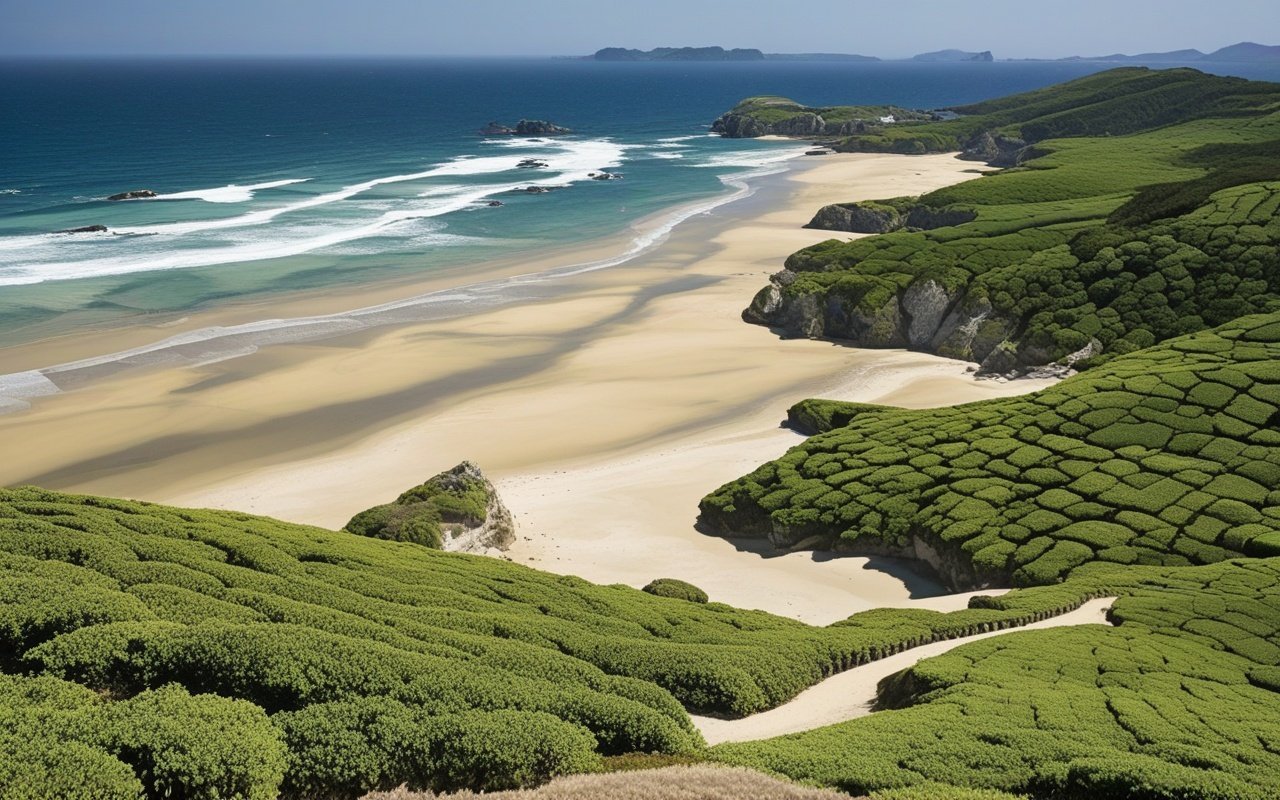
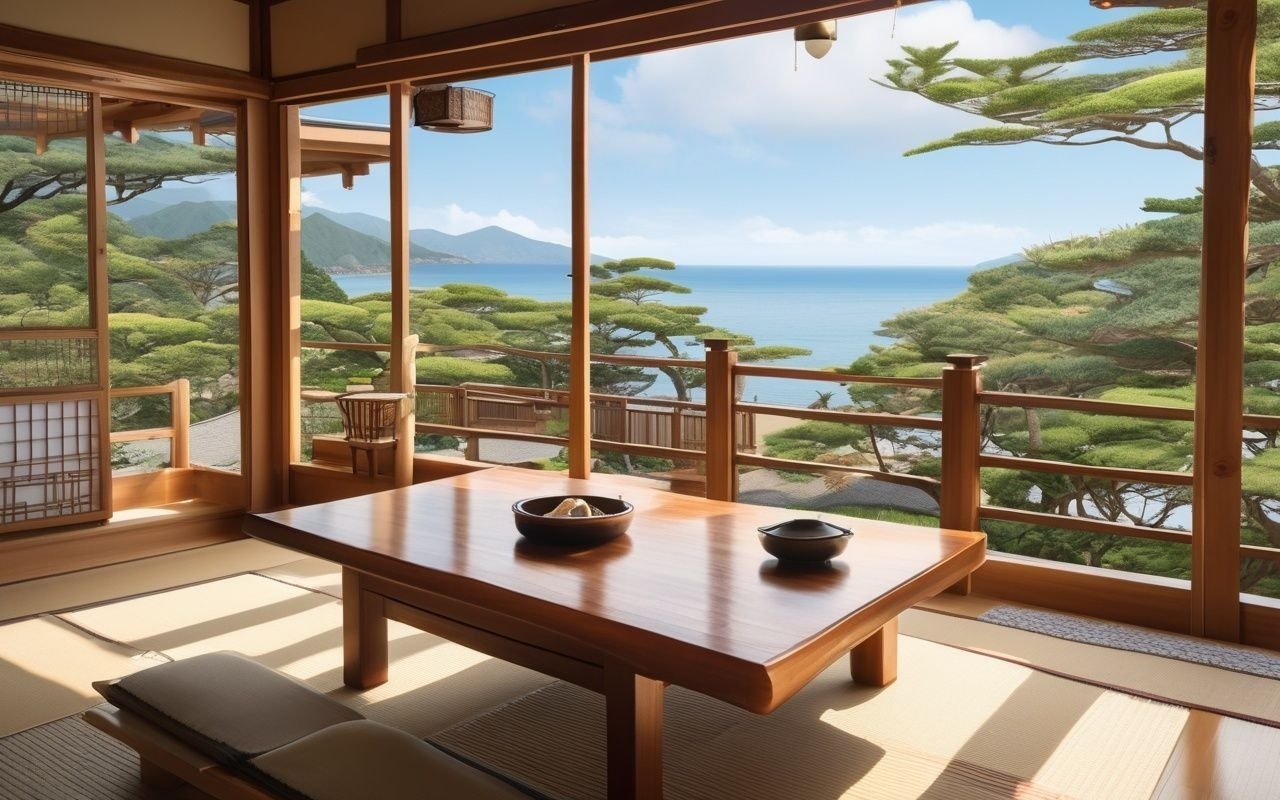
  • Miura Peninsula Travel Guide 2026 — Guide for…

    Miura Peninsula Travel Guide 2026 — Guide for…

    Overview

    I visited Miura Peninsula several times to explore its hiking trails, tuna ports, and coastal charm. This guide combines my favorite routes and local discoveries for your trip., and practical know-how for a smooth journey.

    🐟 Food & Tuna Cuisine

    Miura is famous for its tuna (maguro) — Misaki Port is one of Japan’s largest tuna fishing ports. The local cuisine centers around fresh seafood, with tuna served as sashimi, donburi, and even in curry.

    Must-Try Foods

    • Misaki Tuna Donburi — Fresh tuna over rice, served at dozens of port-side places to eat
    • Misaki Morning Market Tuna — The freshest catch available at the early market
    • Unused Fish Lunches — A sustainable dining trend using locally caught underutilized species
    • Miura Strawberry Picking — Seasonal strawberries (January–May) from local farms

    Food Guides

    🏖 Coastal Spots & Scenery

    Jogashima Island

    Connected to the mainland by a bridge. Jogashima offers dramatic coast views, and stunning sunset views. The island is also known for its unique geological formations. – Jogashima Hiking Trail Guide

    Misaki Port

    The working port of Misaki offers a lively early market, and a charming walking course perfect for a half-day excursion. – Misaki Port Walking Guide

    Pretty Spots

    🎆 Seasonal Events

    Miura’s calendar is filled with season fun:

    Season Event Months
    Spring Strawberry picking at local farms January–May
    Summer Miura Fireworks Festival August
    Autumn Tuna festivals and harvest events October–November
    Year-round Misaki Port market Daily

    For detailed event info:

    ♻️ Sustainable Travel

    Miura Peninsula is at the forefront of sustainable food tourism in Kanagawa. The Unused Fish Project addresses the issue of bycatch by promoting underutilized fish species in local places to eat. This initiative reduces food waste while with visitors a unique culinary time. – Miura Unused Fish Lunches — Where to try sustainable seafood

    🗺 Sample Itineraries

    Half-Day Trip: Misaki Port & Tuna Lunch

    • Morning: Visit Misaki Morning Market (arrive by 9 AM)
    • Lunch: Tuna donburi at a port-side place to eat
    • Afternoon: Walk the Misaki Port walking course
    • See: Misaki Port Access Guide

    Full-Day Adventure: Cycling + Jogashima

    • Morning: Start cycling from Keikyu Misakiguchi Station
    • Midday: Break for lunch at Misaki Port
    • Afternoon: see Jogashima trails and lighthouse
    • Evening: Sunset at Jogashima
    • See: Miura Peninsula Cycling Route

    Weekend Getaway: Fishing + Camping

    Access Information

    The easiest way to reach most Kanagawa destinations is by train from Tokyo. The Shinkansen reaches Odawara in 35 minutes, while local and express trains serve Yokohama, Kamakura, and the Shonan coast. Buses are available for mountain and coastal areas not served by rail. Check the specific access section for detailed route information.

    What to Expect

    Visiting Kanagawa as a tourist offers a blend of urban convenience and natural beauty. Most attractions are within a 10-15 minute walk from train stations, with clear English signage at major locations. You’ll find convenience stores (konbini) every few blocks for snacks, drinks, and ATM access. Public restrooms are available at stations and parks, though some older facilities may lack Western-style toilets. The area is generally very safe, even at night, but staying aware of your surroundings is always wise.

    Nearby Recommendations

    If you have extra time, the surrounding area offers several worthwhile additions to your itinerary. Local tourist information centers can provide maps and suggestions for combining nearby attractions into an efficient route. Many areas offer combination tickets that save money compared to buying individual admission tickets. Consider extending your stay to explore neighboring towns and villages.

    Local Tips

    For the best experience, locals suggest exploring side streets away from the main tourist areas. Some of the best restaurants and shops are hidden down narrow alleys. Ask your accommodation staff for their personal recommendations – they often know the best local spots not found in guidebooks. If you see a line of locals waiting outside a restaurant, join it – it’s usually worth the wait.n

    Frequently Asked Questions

    Q: Is Miura Peninsula a good place for first-time visitors to Japan?
    A: Miura is better suited to repeat visitors or those staying in Kanagawa for a week or more. It offers real coastal Japan away from crowds, but English signs are few. If short on time, pick Kamakura or Hakone first. Miura shines on your second visit. Q: What’s the best way to save money in Miura?
    A: The Keikyu Line offer “Miura Hiking Pass” (¥2,100 from Shinagawa) which includes unlimited train travel in the area — great value. For food, the Misaki Morning Market has the best tuna at wholesale prices, Bring cash — many small places to eat and market stalls don’t accept cards. Q: How do I get around Miura Peninsula without a car?
    A: The Keikyu Line is the main transport artery, connecting Misakiguchi Station to Tokyo in 70 minutes. Local buses serve Jogashima and coastal areas but run infrequently (every 30-60 minutes). Renting a bicycle from Misakiguchi Station (¥1,000-2,000/day) is the best way to see the peninsula at your pace. Q: Is tuna safe to eat raw at the Misaki early market?
    A: Absolutely. Misaki Port is one of Japan’s largest tuna ports, and the early market tuna is some of the freshest you’ll find anywhere. The tuna is kept cold from boat to market. For the safest choice, buy from stalls where locals line up. Q: Can I visit Jogashima and do fishing in one day?
    A: Yes, but it requires an early start. Take the first Keikyu train from Shinagawa (arrive Misakiguchi by 8:30 AM). bus to Jogashima for morning hiking, then head to Misaki Port for tuna lunch and afternoon fishing charter (2-3 hours). Return to Tokyo by 7 PM. For a relaxed time, split across two days. My personal travel of Kanagawa has been incredibly rewarding, and I encourage every traveler to time these places firsthand.

    Seasonal tips

    The Miura Peninsula offers different things by season, Spring (March-May) brings strawberry picking and cherry blossoms. Summer (June-August) is beach season, with the best swimming at Miura Beach. Autumn (September-November) offers the clearest skies for hiking and the Miura Fishery Festival. Winter (December-February) is the best time for fresh tuna at Misaki Port — the winter catch is famously fatty and flavorful.

    Final Thoughts

    This guide is your starting point for seeing this part of Kanagawa. With these useful tips, you’ll navigate Kanagawa with confidence and enjoy a smooth travel time. For more guides, check out our other articles covering Hakone, Kamakura, Yokohama, Shonan, and the Miura Peninsula. —

    Conclusion

    Whether you are planning exploring the Miura Peninsula for the first time or returning for another visit, taking a little extra time to go beyond the obvious sights makes all the difference. During my visit to the Miura Peninsula I went with a rough plan and found that leaving room to wander made the trip far more memorable. I hope this guide helps you build an itinerary that fits your pace, and that your time in Kanagawa leaves you with memories worth coming back for.

  • Hayama & Miura Accommodation Guide 2026 — Coastal…

    Hayama & Miura Accommodation Guide 2026 — Coastal…

    This destination guide covers everything you need to know about visiting this area in Kanagawa. From how to get there to what to see, you will find practical information for a memorable trip.

    Hayama & Miura Accommodation Guide 2026 — Coastal Retreats on the ShShonanoast

    Overview

    Plan your perfect visit to Hayama & Miura Accommodation Guide 2026 — Coastal… with this comprehensive destination guide, Covering everything from must-see attractions to practical travel tips, this guide helps you make the most of your time in Hayama. Whether you have a single day or an entire week, discover the best that this Kanagawa destination has to offer.

    📍 Quick Overview

    • Two distinct coastal areas — Hayama’s marina-side retreats and Miura’s rugged southern coastline
    • From ¥12,000 (minshuku) to ¥40,000+ (luxury seaside) per night
    • 60–90 minutes from Tokyo — the perfect weekend escape from the capital
    • Best for: Couples seeking romance, nature lovers, artists, photographers, sailing enthusiasts
    • Perfect base for exploring the Shonan Coast, Jogashima Island, and the Miura Peninsula’s hiking trails

    Introduction: The Shonan Coast’s Best-Kept Secrets

    While Kamakura and EnKamakuraraw the crowds, the southern Shonan Coast — particularly Hayama and Miura — remains remarkably peaceful. Hayama has long been a summer retreat for Tokyo’s elite (the Imperial Family’s villa is here), while Miura’s rugged coastline offers some of Kanagawa’s most dramatic scenery. Yet both areas remain under the radar for international visitors.

    Hayama & Miura Accommodation Guide scenery and attractions

    Staying overnight here is the secret to experiencing the Shonan Coast at its best. You’ll watch the sunrise paint Sagami Bay in shades of gold and pink, walk empty beaches in the early morning, and dine at restaurants that serve fish caught just hours earlier — experiences day-trippers simply cannot have.

    Why Stay Overnight:

    • Sunrise over Sagami Bay — the eastern coastline offers spectacular morning light
    • Empty beaches — the crowds don’t arrive until 11:00 AM
    • Dinner at local seafood restaurants — the evening catch at Miura’s harborside eateries
    • Stargazing along the coast — minimal light pollution compared to Yokohama or Kamakura
    • Weekend farmers markets — Hayama’s Sunday market is a local institution

    1. Hayama — Elegance & Coastal Sophistication

    Best for: Couples, romantics, artists, sailors, food lovers

    Hayama & Miura Accommodation — detailed view

    Aspect Detail
    Vibe Refined, coastal, relaxed elegance
    Access 30 min bus from Zushi Station (JR Yokosuka Line)
    Price Range ¥15,000–¥40,000/night
    Best For Romantic escapes, couples, luxury seekers

    Hayama is often called the “Hamptons of Japan” — a stretch of coastline where Tokyo’s wealthy maintain vacation homes alongside exclusive restaurants, art galleries, and a world-class marina. The atmosphere is sophisticated but relaxed: think linen trousers and sun hats rather than evening gowns and tuxedos. The Imperial Family’s villa is located here, and the area’s restrained elegance reflects this connection.

    Luxury Seaside

    Hayama Hotel Otowa no Mori

    Price: From ¥35,000/night (double)
    Rooms: 42
    Features: Forest garden, private onsen baths, kaiseki dining, art gallery
    Access: 10 min taxi from Zushi Station
    Best For: Romantic escapes, special occasions, nature immersion

    Nestled in a forested hillside overlooking Sagami Bay, Otowa no Mori is Hayama’s most exclusive accommodation. The hotel is designed around the concept of shinrin-yoku (forest bathing) — floor-to-ceiling windows bring the surrounding woodland into every room, and the private onsen baths use natural spring water. The kaiseki dinner is a multi-course journey through Shonan’s seasonal ingredients, with an emphasis on locally caught seafood and Hayama-grown vegetables.

    The garden is a work of art in itself — designed by a renowned landscape architect, it features meandering paths, a koi pond, and viewing platforms that capture the ocean in the distance. Afternoon tea here (¥4,500) is available to non-guests and is worth the trip alone.

    Book Hayama Hotel Otowa no Mori on Klook for exclusive rates and availability → Check prices and book here

    Why book on Klook: Otowa no Mori is a popular choice for weekend getaways and books out weeks in advance. Klook often has last-minute availability when direct booking sites show full occupancy.

    Mid-Range Boutique

    Hayama Inn the Sea

    Price: From ¥18,000/night (double)
    Rooms: 12
    Features: Ocean-view rooms, bicycle rental, restaurant
    Access: 5 min walk from Hayama-Minato bus stop
    Best For: Couples, cyclists, surfers

    A boutique inn with a relaxed, beachy atmosphere. Each room has a different design theme, but all feature ocean views and private balconies. The ground-floor café serves excellent coffee and homemade pastries, and the restaurant offers a seafood-focused dinner menu at reasonable prices (¥4,000–6,000 for a full course). Bicycle rental is available — the ride along the Hayama coastline to Morito Beach is one of the most scenic in Kanagawa.

    Budget-Friendly

    Hayama Guesthouse Umi

    Price: From ¥5,500/night (dorm), ¥12,000 (private)
    Rooms: 3 dorm rooms + 2 private rooms
    Features: Shared kitchen, social atmosphere, surfboard storage
    Access: 8 min walk from Hayama-Minato bus stop
    Best For: Budget travelers, solo adventurers, surfers

    A friendly guesthouse popular with the surfing community. The private rooms are simple but spotless, and the common room is genuinely social — expect to share travel stories over evening tea. Surfboard storage is available for ¥500/night. The guesthouse also offers towel rental and has a small convenience store within a 2-minute walk.

    ⚠️ Hayama Watchpoints

    • Dining reservations: Hayama’s best restaurants require reservations 1–2 weeks in advance, especially on weekends. Ask your hotel to book for you
    • Limited nightlife: Hayama is quiet after 9:00 PM. If you want evening entertainment, stay in Yokosuka or Kamakura instead
    • Bus schedules: Buses from Zushi Station to Hayama run every 20–30 minutes but stop around 9:00 PM. Check the last bus time
    • Seasonal rates: July–August rates at Otowa no Mori can be 50% higher than the off-season

    2. Southern Miura Coast — Rugged Beauty & Seclusion

    Best for: Nature lovers, hikers, solitude seekers, photographers

    Aspect Detail
    Vibe Untamed, dramatic, peaceful
    Access 40–50 min bus from Yokosuka-Chuo Station
    Price Range ¥12,000–¥25,000/night
    Best For Hiking, photography, digital detox

    The southern Miura coast is completely different from Hayama’s refined elegance. This is raw, untamed coastline — dramatic sea cliffs, hidden coves where fishermen mend their nets, and shrines perched on rocky outcrops. Accommodation here is limited but special: small inns and minshuku where the owners know the tides and the best fishing spots.

    Coastal Retreat

    Zekkei Seaside Nahama

    Price: From ¥18,000/night (double)
    Rooms: 18
    Features: Direct beach access, terrace with ocean views, fresh seafood dining
    Access: 15 min walk from Keikyu-Oppama Station (shuttle available)
    Best For: Couples, photographers, coastal walkers

    Perched directly on the Nahama coast, this inn offers one of the most spectacular oceanfront settings in Kanagawa. The rooms are simple in design — white walls, natural wood, and floor-to-ceiling windows that frame the Pacific horizon — but the experience is anything but simple. Fall asleep to the sound of waves and wake up to a sunrise that turns the ocean into liquid gold.

    The restaurant specializes in freshly caught seafood from the Miura Peninsula, with an emphasis on simple preparations that let the quality of the ingredients shine. The sashimi breakfast (¥1,200 supplement) is worth waking up for — the fish was likely swimming just hours before you eat it.

    Book Zekkei Seaside Nahama on Klook — the best views on the Miura coast → Check rates and availability

    ⚠️ Southern Miura Watchpoints

    • Limited dining: The area around Nahama has few restaurants outside the inn. Plan to eat at your accommodation or bring supplies from Yokosuka
    • No convenience stores: Stock up on snacks and drinks before heading south from Yokosuka
    • Mobile reception: Can be spotty along the coast. Download maps in advance
    • Weather: The coast is exposed to Pacific weather systems. Check conditions before hiking

    📊 Quick Comparison Table

    Area Budget Range Best For Access from Tokyo Atmosphere
    Hayama ¥5,500–¥40,000 Romance, luxury, art 90 min Refined, elegant
    Southern Miura ¥12,000–¥25,000 Nature, hiking, solitude 90 min Rugged, peaceful

    💡 Booking Tips & Strategies

    Seasonal Pricing Calendar

    Season Price Impact Booking Window
    Jan–Feb Low 1 week ahead
    Mar–Apr Moderate 2–3 weeks ahead
    May (Golden Week) Very high 2–3 months ahead
    Jun Low (rainy season) 1 week ahead
    Jul–Aug Very high (peak beach season) 1–2 months ahead
    Sep Moderate 2 weeks ahead
    Oct–Nov Moderate (fall foliage) 2–3 weeks ahead
    Dec Low 1 week ahead

    How to Choose

    Choose Hayama if: You want refined coastal luxury, romantic atmosphere, and access to excellent restaurants and art galleries. Otowa no Mori is unbeatable for a special occasion.

    Choose Southern Miura if: You want dramatic coastal scenery, hiking access, and true seclusion. Zekkei Seaside Nahama delivers the quintessential Miura coast experience.

    🚗 Access from Major Hubs

    From To Hayama To Southern Miura
    Tokyo (Shinjuku) 90 min (JR + bus) 100 min (JR + Keikyu + bus)
    Yokohama 60 min (JR + bus) 45 min (Keikyu + bus)
    Kamakura 40 min (bus) 50 min (Keikyu + bus)
    Car (from Tokyo) 60 min (via Yokohama-Yokosuka Road) 70 min (via national routes)

    Car Rental Recommendation

    A car transforms a Hayama or Miura stay — you can explore hidden coves, stop at roadside seafood stalls, and visit the peninsula’s lighthouses and viewpoints without waiting for buses. Book a rental car via Klook for competitive rates with English-language support.


    🏨 Sample Itineraries by Travel Style

    Romantic Weekend Escape (2 nights, ¥50,000–80,000 total)

    Night 1: Hayama Hotel Otowa no Mori — ¥35,000+
      → Afternoon: Forest bath in hotel garden
      → Evening: Kaiseki dinner + private onsen
      → Book: Stay at Hayama Hotel Otowa NO Mori — a peaceful forest retreat in the Shonan coastal area
    
    Night 2: Zekkei Seaside Nahama — ¥18,000+
      → Morning: Hayama Marina walk + café breakfast
      → Afternoon: Drive to Miura coast viewpoints
      → Book: Experience Zekkei Seaside Nahama — a stunning coastal resort on the Miura Peninsula

    Nature & Hiking Weekend (2 nights, ¥36,000–50,000 total)

    Night 1–2: Zekkei Seaside Nahama — ¥18,000/night
      → Day 1: Southern Miura coastal hike
      → Day 2: Jogashima Island day trip
      → Evening: Fresh seafood dinner at the inn

    Budget-Friendly Beach Break (2 nights, ¥24,000–35,000 total)

    Night 1–2: Hayama Guesthouse Umi (private) — ¥12,000/night
      → Day 1: Hayama beaches + Morito Island walk
      → Day 2: Bicycle ride along the coast
      → Evening: Cook at the guesthouse shared kitchen

    🔗 Related Articles


    Frequently Asked Questions

    Q: Is Hayama beach suitable for swimming?

    A: Yes — Morito Beach and Isshiki Beach are popular swimming spots in summer. Both have lifeguards during July–August. Otowa no Mori and other hotels can provide beach access information.

    Q: Can I visit the Imperial Villa in Hayama?

    A: The Imperial Villa grounds are open to the public on limited dates (usually a few days per month). Reservations are required and must be made through the Imperial Household Agency website. Your hotel concierge can help with the booking process.

    Q: Do I need a car to explore Hayama and Miura?

    A: Not strictly necessary, but highly recommended. Public buses connect the main towns but run infrequently (every 30–60 minutes). A car gives you the freedom to explore hidden spots at your own pace.

    Q: Which is better for a romantic getaway — Hayama or Miura?

    A: Hayama for classic romance (luxury hotels, fine dining, sunset walks). Southern Miura for adventure romance (dramatic coastlines, private coves, stargazing). Otowa no Mori is the top choice for special occasions; Zekkei Seaside Nahama is better for couples who love nature.

    Q: What’s the best time of year to visit?

    A: May–June and September–October offer the best weather — warm enough for outdoor activities without the humidity of midsummer. July–August is beach season but crowded and expensive. Winter (December–February) is quiet and affordable but many restaurants close on weekdays.


    Last Updated: May 28, 2026
    Written by: Anaba OffJapan Editorial Team
    Prices verified: Spring 2026 (subject to seasonal change)


    Hayama and the Miura coast offer two distinctly different accommodation experiences, united by spectacular coastal scenery and a pace of life that feels worlds away from Tokyo. Whether you choose the refined elegance of Hayama Hotel Otowa no Mori, the dramatic oceanfront setting of Zekkei Seaside Nahama, or a budget-friendly guesthouse, staying overnight on the Shonan Coast reveals the region at its most beautiful — quiet, uncrowded, and deeply connected to the sea. Book your Hayama or Miura accommodation through Klook for the best rates and availability.


    Conclusion

    The details in this guide come from real visits, and the biggest lesson I took away was that the best experiences in the Miura Peninsula rarely fit neatly into a checklist. During my visit to the Miura Peninsula I went with a rough plan and found that leaving room to wander made the trip far more memorable. Plan the essentials, keep your schedule flexible, and you will leave Kanagawa wanting to return.
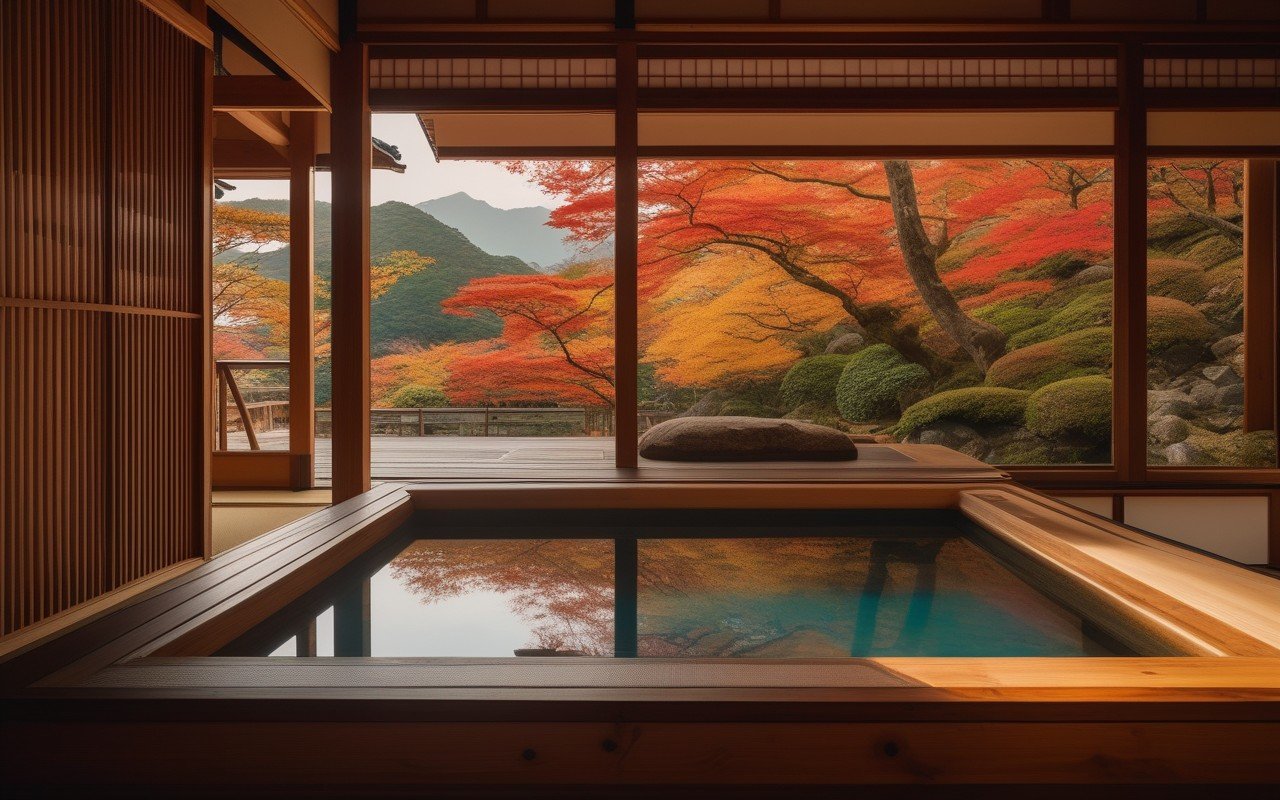
  • Miura Coast Secret Swimming Spots – Kanagawa 2026

    Miura Coast Secret Swimming Spots – Kanagawa 2026

    Miura Coast Secret Swimming Spots – Kanagawa 2026

    Overview

    Plan your perfect visit to Miura Coast Secret Swimming Spots – Kanagawa with this comprehensive destination guide, Covering everything from must-see attractions to practical travel tips, this guide helps you make the most of your time in Miura. Whether you have a single day or an entire week, discover the best that this Kanagawa destination has to offer.

    Introduction: Finding Solitude on Kanagawa’s Coast

    📍 Miura Coast Swimming Spots

    [Experience Zekkei Seaside Nahama — a stunning coastal resort on the Miura Peninsula](Experience Zekkei Seaside Nahama — a stunning coastal resort on the Miura Peninsula)

    Discover secret swimming coves and beach access points along the Miura Peninsula.

    📍 View on Google Maps

    Miura Coast Secret Swimming Spots - Kanagawa 2026 — Miura Coast Swimming Spots

    Kanagawa’s beaches — Kamakura, Zushi, Enoshima — draw massive crowds every summer. But the Miura Peninsula’s east coast, with its rugged topography, hides dozens of small coves that remain quiet even in August. These aren’t official beaches. They’re spots discovered by local fishermen, then passed down through families. Book your stay at Enoshima Hotel — seaside accommodation with stunning ocean views

    Important Note

    ⚠️ These are NOT official swimming beaches.

    • No lifeguards
    • No facilities
    • No emergency services nearby
    • Swim at your own risk
    • Check water conditions before entering
    • Strong currents possible at some spots
    • Never swim alone

    #1: Anjinzaki Cove (安針崎の入江)

    Best for: First-time visitors, easy access

    Location: Northern Miura, near Anjinzaki Park
    Access: 10-min walk from parking area
    Water: Calm, protected from open ocean
    Bottom: Sandy with some rocky areas
    Depth: Shallow (1-3m), good for beginners

    Why It’s Special:

    • Sheltered cove: Protected from rough seas
    • Gradual depth: Safe for weak swimmers
    • Shady trees: Natural shade until mid-afternoon
    • Sand + rock mix: Interesting underwater terrain
    • Nearby park: Facilities within walking distance

    Getting There:

    From Yokosuka:

    1. Bus from Yokosuka Station to “Anjinzaki” stop Book Central Hotel Yokosuka — convenient and affordable accommodation in the heart of Yokosuka
    2. Walk through Anjinzaki Park toward coast
    3. Follow path down to cove (5 min)
    4. Look for rope marker on tree Note: Last 100m is a steep dirt path

    Tips:

    • Arrive before 10 AM for best spot on the small beach
    • Snorkeling gear recommended (small fish in rocky areas)
    • No shade after 2 PM (bring umbrella)
    • Cell reception: Good (near residential area)

    2. Nagai Beach Hidden Cove (長井浜の隠れ入江)

    Best for: Snorkeling, clear water

    Location: Southern Miura, Nagai area
    Access: 20-min walk from bus stop
    Water: Clear, rocky bottom, marine life
    Bottom: Primarily rock reef with sandy patches
    Depth: 2-5m, good for snorkeling

    Why It’s Special:

    • Crystal clear water: Visibility up to 8m on calm days
    • Rock reef ecosystem: Fish, sea urchins, small octopus
    • Undercut cliffs: Interesting rock formations
    • Larger area: Room for multiple groups
    • Less known: Even locals don’t always know this one

    Getting There:

    From Keikyu Nagai Station:
    1. Bus to "Nagai Kaigan" stop (15 min)
    2. Walk south along coastal road for 5 min
    3. Turn right at abandoned fishing hut
    4. Follow dirt path through bamboo (10 min)
    5. Path ends at the cove ⚠️ Path requires navigation skills

    Tips:

    • Wear water shoes (sharp rocks in water)
    • Snorkel mask essential (water shoes too)
    • Strong swimmer only (no lifeguard)
    • Check tide — best at mid to high tide
    • Bring mask defogger (water shoes recommended)

    3. Shiroyama Secret Cove (城山の秘密の入江)

    Best for: Solitude, advanced explorers

    Location: Central Miura coast
    Access: 15-min hike from road
    Water: Deep, open ocean exposure
    Bottom: Rocky, sudden dropoffs
    Depth: 3-10m (variable)
    ⚠️ Advanced only

    Why It’s Special:

    • Extreme privacy: Rarely has more than 1 group
    • Deep water: Jump from 3m rocks
    • Dramatic scenery: Cliffs on both sides
    • Natural diving platform: 3m rock ledge Getting There:
      
      Access is deliberately vague to protect this spot.

    Key Info:

    • Requires navigating private property boundary
    • Ask at local fishing supply shop for permission
    • Respect the landowners
    • Leave no trace

    Tips:

    • This spot requires local knowledge. Be polite and respectful.
    • Drop-off near shore (know your limits)
    • Check conditions carefully (exposed to currents)
    • Best on flat, calm days only
    • Tell someone your exact location

    4. Aburatsubo Cove (油壺の入江)

    Best for: Families with older children

    Location: Southern Miura, near Aburatsubo Marine Park
    Access: 5-min walk from road
    Water: Calm, enclosed cove
    Bottom: Sand with seagrass
    Depth: 0.5-2m, safe for children

    Why It’s Special:

    • Marine park proximity: Showers nearby
    • Enclosed cove: Minimal current
    • Seagrass beds: Habitat for small marine life
    • Sand bottom: Comfortable for feet
    • Parking nearby: 5-minute walk

    Getting There:

    From Keikyu Misakiguchi Station:
    1. Bus to "Aburatsubo" stop (20 min)
    2. Walk toward the marine park
    3. Take the left fork before the main entrance
    4. Cove is at the end of the path (5 min) Parking: ¥500/day at marine park lot

    Tips:


    Practical Information

    What to Bring

    Essential:
    - Water (2L per person minimum)
    - Sunscreen (reapply frequently)
    - Hat and sunglasses
    - Water shoes
    - Towel
    - Snacks
    
    Recommended:
    - Snorkel mask
    - Floating cooler
    - Dry bag for valuables
    - First aid kit
    - Beach umbrella
    - Portable charger

    Safety

    ✅ Swim with a buddy
    ✅ Check weather and tide
    ✅ Enter water feet first
    ✅ Know your limits
    ✅ Watch for boat traffic (some coves)
    
    ❌ Never swim alone
    ❌ Don't dive into unknown water
    ❌ Avoid after drinking alcohol
    ❌ Don't ignore warning signs
    ❌ Don't leave trash

    When to Go

    Best: July 15 - September 15 (warm water)
       Weekdays (fewest people)
       Mid-tide (good water level)
    
    Good: June (cooler water, fewer people)
       September (warm water, fewer families) Avoid: May and earlier (cold water)
       October and later (too cold)
       Typhoon warnings (dangerous)
       August weekends (busiest)

    Frequently Asked Questions

    Q: Are these beaches legal to swim at?
    A: There are no official swimming bans at these locations, but they are not designated swimming areas. Swim at your own risk.

    Q: Do I need a car?
    A: Most require a combination of train + bus + walking, but a car makes access significantly easier. Q: Are there jellyfish?
    A: Naturally. Watch for them in August especially. Carry vinegar in case of stings. Q: Can I camp overnight?
    A: No, Camping is not permitted at any of these coves. Return before dark.

    Q: Is the water clean?
    A: Generally yes — Miura coast has good water quality. Check Kanagawa water quality reports during summer.


    Last Updated: May 19, 2026
    Written by: Anaba OffJapan Editorial Team
    Verified: Spots visited May 2026


    🌟 Share Your Experience

    Found a secret swimming spot on Miura? Know a better cove? Join our community forum to share responsibly!


    Anaba OffJapan – Avoid the Crowds, Go Deeper into Japan.


    🏖️ Water Safety & Marine Life Guide

    Each cove along the Miura coast has its own distinct character and requires different preparation depending on tide and weather conditions. Before heading out, research the specific conditions of your chosen spot — some coves are best at low tide, while others become accessible only at mid-tide, Adjusting your timing based on these factors can transform your experience from merely pleasant to truly memorable.

    How to Find Your Own Secret Cove

    While this guide covers four established spots, the Miura coastline has dozens of coves waiting to be discovered. The key is knowing what to look for. Study Google Maps satellite view — look for small indentations in the coastline that aren’t marked by any road access. Cross-reference with topographical maps: a steep contour line near the coast often indicates a cliff, while a gentler slope might hide a cove. Visit during winter when vegetation is sparse and access paths are visible. Always approach with respect — if a path passes through private property, seek permission before proceeding. Once you find a new spot, practice the same discretion that keeps the existing coves secret.

    Understanding Miura’s Coastal Conditions

    The Miura Peninsula sits at the convergence of two ocean currents — the warm Kuroshio Current from the south and the cooler Oyashio Current from the north. This creates unique water conditions that vary dramatically between coves.

    Water Temperature by Season:
    | Month | Temp (°C) | Swim Comfort |
    |——-|———–|————–|
    | June | 19-21 | Cool, wetsuit recommended |
    | July | 22-25 | Comfortable for swimming |
    | August | 24-27 | Warmest, ideal conditions |
    | September | 22-24 | Pleasant, fewer crowds |

    Current Types to Watch For:

    • Rip currents — narrow channels of fast-moving water flowing away from shore. If caught, swim parallel to shore, not against the current.
    • Longshore currents — flow parallel to the beach. Common on more exposed coves.
    • Tidal currents — strongest during incoming/outgoing tides near narrow cove entrances.

    Marine Life Identification

    What You Might Encounter While Snorkeling:

    Safe to Observe:

    • Striped beakfish (ishidai) — common, distinctive stripes, curious but harmless
    • Black rockfish (mebaru) — hides under rocks, red-brown coloration
    • Japanese anchovy (katakuchi-iwashi) — forms large shimmering schools
    • Sea hares (kuro-umiboshi) — sea slugs, fascinating to watch
    • Pufferfish (fugu) — various small species, non-aggressive

    Keep Distance:

    • Sea urchins (uni) — spines can cause painful puncture wounds. Look before stepping
    • Jellyfish (kurage) — present from July to September. Carry vinegar for stings
    • Cone snails — rare but venomous. Don’t pick up unfamiliar shells
    • Moray eels (utsubo) — hide in crevices, won’t bother you if unprovoked

    Emergency Preparedness

    Every cove on this list has zero emergency services. Prepare accordingly:

    Before Swimming:
    - Check Kanagawa water quality report online
    - Share your location with someone not at the beach
    - Set a check-in time (text when you leave)
    - Download offline maps of the area
    
    In Your Day Pack:
    - Basic first aid kit (bandages, antiseptic, vinegar for stings)
    - Whistle (to signal if needed)
    - Fully charged phone in waterproof case
    - Emergency blanket
    
    If Problems Arise:
    - Stay calm, conserve energy
    - Signal (wave one arm overhead)
    - Call 118 (Japan Coast Guard emergency number)

    Responsible Cove Etiquette

    These coves remain secret because locals protect them. Follow these principles:

    • Take 120% of your trash out — pick up any litter you find, not just your own
    • No amplified music — the sound carries across the water to other coves
    • Keep groups small — more than 6 people changes the atmosphere
    • Respect privacy — don’t photograph other people without permission
    • Leave no trace — no fires, no markings, no alterations to the natural environment

    Miura Coast Secret Swimming Spots - Kanagawa 2026 — Responsible Cove Etiquette

    Miura Peninsula’s secret swimming coves offer a rare experience on Kanagawa’s coast: genuine solitude and natural beauty without crowds. These spots require effort to reach and respect to enjoy, but for those willing to hike and explore, they provide the most rewarding coastal experiences in the prefecture.


    Kamakura Area

    |—|—|—|—|—|
    | Kamakura Menman | Ramen | 🔗 Official Website | 11:00-21:00 | ¥900-1,200 |


    Packing Essentials

    Day trips require minimal packing. Bring a charged portable battery for your phone. A light scarf is useful for entering religious sites. Pack a reusable shopping bag for souvenirs. A physical map from tourist information serves as a reliable backup.

    Conclusion

    Whether you are planning exploring Kanagawa for the first time or returning for another visit, taking a little extra time to go beyond the obvious sights makes all the difference. During my visit I went with a rough plan and found that leaving room to wander made the trip far more memorable. I hope this guide helps you build an itinerary that fits your pace, and that your time in Kanagawa leaves you with memories worth coming back for.

  • Miura Fishing Costs Guide 2026

    Miura Fishing Costs Guide 2026

    Miura Fishing Costs Guide 2026

    Overview

    Fishing off the Miura Peninsula offers excellent value compared to other Tokyo-accessible fishing destinations — but only if you know what to expect. Between charter boats, shore fishing, and market tours, costs range from ¥1,000 for a basic rod rental to ¥60,000 for a private charter. The key is matching your budget to the right experience.

    I tried fishing off Miura last spring. I booked a shared boat charter (¥10,000) through a local tackle shop near Misaki Port. The captain spoke enough English for basic instructions, and we caught sea bream and horse mackerel within two hours. The catch was cleaned on the boat and I took it to a nearby restaurant that cooks your catch for ¥1,500 — a highlight of the trip. For more Miura activities, see our Miura fishing experience guide or Miura peninsula access guide.

    Miura fishing costs

    Price Overview

    • Budget: ¥2,000–5,000 (net mending, basic shore fishing)
    • Mid-range: ¥5,000–10,000 (shore fishing, market tours)
    • Premium: ¥10,000–20,000 (boat fishing, sushi making)
    • Luxury: ¥20,000+ (private charters, full-day experiences)

    Activity Price Breakdown

    Boat Fishing

    Type Price Duration Group Includes
    Shared boat (group tour) ¥8,000–12,000/person 3–4 hours 4–8 people Boat, equipment, bait, safety gear, fresh catch. Weekdays cheaper. Book 1–2 weeks ahead
    Private boat charter ¥30,000–60,000/boat 4–6 hours 2–6 people Private boat, captain, all equipment, flexible schedule. Best split among 4–6 people (¥7,500–10,000/person). Book 2–4 weeks ahead

    Shore Fishing

    Type Price Duration Notes
    Guided shore fishing ¥3,000–6,000/person 2–3 hours Rod, tackle, bait, instruction included. Book 2–3 days ahead
    Self-guided (equipment rental) ¥1,000–2,000/person Flexible Rod rental, basic tackle, bait. Walk-in OK

    Market Tours & Experiences

    Activity Price Duration Booking
    Standard market tour ¥4,000–6,000 2–3 hours 1 week ahead
    Premium market + breakfast ¥7,000–10,000 3–4 hours 2 weeks ahead
    Standard sushi class ¥10,000–14,000 3–4 hours 2–3 weeks ahead
    Premium sushi experience ¥15,000–20,000 4–5 hours 3–4 weeks ahead
    Net mending ¥2,000–3,500 1–2 hours 2–3 days ahead
    Fishery museum + workshop ¥1,500–2,500 1–2 hours Walk-in OK

    Price Variations by Season

    Season Price vs base Booking ahead
    Peak (Apr–May, Oct–Nov) +10–20% 3–4 weeks
    Off-season (Dec–Feb, Jun–Sep) –10–30% Flexible
    Holidays (Golden Week, Obon, New Year) +20–50% 2–3 months

    Total Trip Budgets

    Budget Day (¥10,000): Self-guided shore fishing ¥2,000 + convenience store lunch ¥500 + net mending ¥3,000 + train from Tokyo ¥1,640 + local bus ¥760 = ¥9,900

    Mid-Range Day (¥25,000): Shared boat fishing ¥10,000 + market tour ¥5,000 + seafood lunch ¥3,000 + sushi dinner ¥5,000 + transport ¥3,640 = ¥27,640 Get the Yokohama Seaside Gourmet Train Pass — combine transport & dining for a perfect bay area day out

    Premium Day (¥50,000+): Private boat charter (4-way split) ¥12,500 + premium sushi class ¥18,000 + kaiseki dinner ¥15,000 + transfer ¥6,250 + ryokan ¥25,000 = ¥85,750

    What to Expect on Your First Fishing Trip

    If you’ve never fished in Japan before, here is what I learned: Most charter operators at Misaki Port provide everything including life jackets, rods, reels, bait, and fish storage. You only need to bring sun protection, a hat, and a cooler bag if you want to take your catch home. The crew handles all the setup and shows you how to use the gear.

    The language barrier is manageable — key phrases like “tsuri” (fishing) and “kore ikura” (how much is this) go a long way. Several tackle shops near Misaki Port have English price lists. I recommend stopping by the Misaki Port Tourist Information Center first — they have a fishing pamphlet in English with current prices and contact numbers for charter operators. For getting there, see our Misaki Port access guide or Miura peninsula access guide.

    Money-Saving Tips

    • Book directly with providers — avoid 10–20% third-party fees
    • Visit weekdays — 10–20% cheaper than weekends
    • Go off-season (winter or summer) — 20–30% discounts common
    • Package deals — combine 2+ activities for 10–15% discount
    • Group bookings (6+) — always ask for a group rate
    • Bring own equipment for shore fishing — save ¥1,000–2,000 on rental

    Payment Tips

    • Cash: Most providers are cash-only. Bring ¥10,000–20,000
    • Credit cards: Some accept for online bookings
    • IC cards (Suica/Pasmo): Transportation only, not activities
    • Tipping: Not required in Japan — show appreciation with a smile or review

    Frequently Asked Questions

    Q: What’s the cheapest fishing activity?
    A: Self-guided shore fishing (¥1,000–2,000 equipment rental) or net mending (¥2,000–3,500). Q: Is boat fishing worth the extra cost?
    A: Yes, for an authentic experience and better catch. Best value: shared group tours (¥8,000–12,000). Q: Can I negotiate prices?
    A: Off-season, yes (10–20% possible). Peak season, rarely. Group bookings, always ask. Q: Are children charged full price?
    A: Usually discounted. Under 6: often free. 6–12: 30–50% off.

    Q: Do I need a fishing license in Kanagawa?
    A: No license is required for recreational fishing in Kanagawa’s coastal waters. However, some freshwater areas near the peninsula do require a license. Your charter operator will tell you if one is needed.

    Q: What’s the best time of day for fishing?
    A: Early morning (6:00–9:00 AM) is generally best for Miura Peninsula fishing. Charters typically depart at sunrise. Afternoon fishing is less productive but still enjoyable.


    Last Updated: July 17, 2026
    Written by: Anaba OffJapan Editorial Team

    🎯 Practical Tips for Your Visit

    Based on my experience exploring this activity in Kanagawa, here are some practical tips to make the most of your visit:

    • Start early in the day to avoid crowds and make the most of daylight hours. I found that arriving by 9 AM gave me a much more relaxed experience.
    • Bring comfortable walking shoes and weather-appropriate clothing. The weather in Kanagawa can change quickly, especially near the coast.
    • Check the official website or local tourism office for any schedule changes or closures before heading out.

    📅 Planning Your Visit

    The best time to plan this activity depends on your preferences. Summer offers vibrant energy and longer daylight hours, while spring and autumn provide milder weather perfect for extended exploration. Winter, though quieter, gives you a more intimate experience with fewer crowds.

    Most venues in Kanagawa open around 9 AM or 10 AM. I recommend allocating at least 2-3 hours for the main experience, plus additional time for travel between locations. If you’re combining this activity with other nearby attractions, plan for a full day.

    Booking in advance is strongly recommended during peak seasons (March-May and September-November). Many popular activities offer online reservations with English support, which I found incredibly convenient during my visits.

    What I Typically Spend on a Miura Fishing Trip

    After several fishing trips on the Miura Peninsula, I have a clear picture of the costs involved. A typical day of shore fishing at Jogashima costs me about ¥3,500 total: ¥1,200 for bait (live shrimp or squid from the local tackle shop), ¥800 for a temporary fishing license (one-day permit), and the rest for snacks, drinks, and train fare from Yokohama.

    Boat fishing is more expensive but can be more productive. Misaki Port offers half-day boat charters starting at ¥8,000 per person, which includes bait and tackle rental. I went on one in October and caught a dozen mackerel and two sea bream — the boat captain cleaned and filleted the catch for me at no extra charge.

    My biggest money-saving tip: bring your own lunch. The restaurants near the fishing spots are convenient but charge tourist prices (¥1,200–1,500 for a simple set meal). Packing onigiri and a thermos of tea from home costs about ¥400 and lets you stay at your spot longer.

    Budget Breakdown from My Last Trip

    I tracked every expense during my most recent Miura fishing trip to give a realistic budget breakdown. The trip was a full day of shore fishing at Jogashima, and the total came to ¥4,650. Transport: ¥1,200 round trip from Yokohama to Misaki by Keikyu Line. Bait: ¥1,000 for a box of squid from the Misaki Port tackle shop. Food: ¥1,450 for lunch (a tuna bowl set at a portside restaurant) and ¥500 for drinks and snacks. License: ¥500 for the one-day fishing permit.

    Comparing costs between my trips, I found that shore fishing is significantly cheaper than boat fishing. My half-day boat charter cost ¥8,000, plus ¥2,500 for gear rental and tips. That said, the boat catch was much better — I brought home enough fish for three meals, which offset some of the cost. If you plan to eat your catch, the per-meat cost of boat fishing can be comparable to buying fish from the supermarket.

    Money-saving tip: bring a cooler bag and ice packs. The tackle shop near the station sells bluefin tuna scraps for ¥300 per bag — not pretty but delicious grilled. I bought two bags and had tuna with my instant ramen at the Airbnb. Also, the Misaki Port area has a public barbecue space (free, first-come-first-served) where you can cook your catch. I grilled a sea bream there, and the combination of fresh fish and sea air was unforgettable.

    Getting There

    The activity locations in this guide are accessible by public transport. Major train stations have clear signage in English. For remote locations, consider renting a bicycle from the station area. Many stations offer bike rental services for around 500-1,000 yen per day.

    Best Time to Visit

    Outdoor activities are best enjoyed in spring and autumn when temperatures are comfortable. Summer activities like swimming and surfing are popular from July to August. Some activities may close during winter months. Check operating schedules before planning your visit. Weekday mornings offer the best experience with fewer crowds.

    Conclusion

    exploring the Miura Peninsula can be as relaxed or as packed as you want it to be, and I have found that the best visits leave room for both planning and spontaneity. During my visit to the Miura Peninsula I went with a rough plan and found that leaving room to wander made the trip far more memorable. Use this guide to sort out the logistics in advance, then let the day surprise you — Kanagawa rewards travelers who stay curious.

  • Miura Fireworks Festival Guide — Complete Guide 2026

    Miura Fireworks Festival Guide — Complete Guide 2026

    Overview

    The Misaki Port Fireworks Festival is one of Kanagawa’s premier summer events, launching 3,000 shells over the fishing harbor in early August. Unlike the massive Yokohama or Enoshima displays that draw 100,000+ spectators, Misaki remains relatively intimate with around 20,000 attendees — enough for a lively atmosphere but not so crowded that you cannot find a good viewing spot.

    Miura Fireworks Festival Guide — Complete Guide 2026 — Overview

    I attended the Misaki Port Fireworks in 2025 and arrived at 3:00 PM — three hours before the 7:30 PM start — which let me secure a spot on the harbor wall with an unobstructed view. The food stalls were already set up along the port road, serving yakisoba, takoyaki, and grilled squid. The fireworks themselves were spectacular, with the finale lasting nearly 10 minutes. For more summer activities in the area, see our Kanagawa summer fireworks guide or Miura peninsula camping guide.

    Festival Comparison

    Festival Date Fireworks Crowds Best For
    Misaki Port Early August 3,000 ~20,000 Authentic local atmosphere, manageable crowds
    Minamishitaura Mid-July 1,500 ~10,000 Intimate, family-friendly, less crowded
    Zushi Sea Festival Late July 2,000 ~30,000 Beach access, Shonan atmosphere

    Best Viewing Spots at Misaki Port

    Arriving early is essential. Here are the best spots based on my experience:

    1. The Harbor Wall (Free)

    The raised concrete wall along the eastern side of the port offers the best free viewing. I arrived at 3:00 PM and found a spot easily, but by 5:00 PM the wall was full. Bring a cushion or small stool — sitting on concrete for 3+ hours gets uncomfortable.

    2. Reserved Seating Area (¥3,000–5,000)

    A reserved seat on the port’s main pier includes a clear view of the launch barges. The seats are folding chairs set up in rows, and the price includes a drink. Book 2–3 months ahead through the Misaki Port Tourism Association website.

    3. Minamishitaura Beach (Alternative Festival)

    If you prefer a beach setting, the Minamishitaura Festival in mid-July has a more relaxed atmosphere. The fireworks are smaller (1,500 shells) but the beach seating is more comfortable and crowds are half the size. For beach preparation tips, see our Shonan beach guide.

    Getting There and Away

    The main challenge of attending any fireworks festival in Miura is the transportation. Misaki Port is at the end of the Keikyu Line, and trains after the fireworks are extremely crowded.

    Access Options

    Route Time from Tokyo Cost (one-way) Notes
    Keikyu Line to Misakiguchi 75 min from Shinagawa ¥1,050 Most direct, very crowded after fireworks
    Car (via Yokohama-Yokosuka Road) 60 min from Yokohama ¥1,500 toll Parking ¥2,000–3,000
    Overnight stay Various Best option — avoid train chaos

    My Recommendation: Stay Overnight

    The best decision I made was booking a room at a local minshaku (guesthouse) near Misaki Port. After the fireworks ended and 20,000 people rushed for the train station, I walked 10 minutes to my accommodation, took a hot bath, and had a calm dinner at a nearby izakaya. The next morning, I explored the morning market before heading home. Total accommodation cost: ¥8,000 for a basic but comfortable room. For accommodation options, see our Miura peninsula camping guide or Kanagawa accommodation guide.

    What to Bring

    • Seating: A portable stool or cushion (essential for free spots)
    • Food: Some food stalls have long queues; bringing snacks helps
    • Bug spray: Mosquitoes are active near the harbor at dusk
    • Light jacket: It can get cool near the water after sunset
    • Cash: Food stalls are cash-only; bring ¥3,000–5,000 for food and drinks
    • Trash bag: Public bins fill quickly; take your trash home

    Food Stalls at the Festival

    The food stalls (yatai) along the port road opened around 4:00 PM when I visited:

    • Grilled squid (¥600) — local specialty, fresh from Misaki waters
    • Yakisoba (¥500) — standard festival fare
    • Takoyaki (¥600) — octopus balls, 8 pieces
    • Cotton candy (¥300) — popular with children
    • Beer (¥600) — served in cups, bring ID

    Frequently Asked Questions

    Q: What time should I arrive?
    A: For free spots, arrive by 3:00 PM (4.5 hours before the 7:30 PM start). For reserved seats, arrival by 5:00 PM is fine.

    Q: Is the festival suitable for children?
    A: Yes, the atmosphere is family-friendly. The reserved seating area has no alcohol policy, making it a good choice for families with young children. Yabusame (horseback archery) demonstrations are held in the afternoon before the fireworks.

    Q: Can I bring my own food and drinks?
    A: Yes, many locals bring picnic setups. Alcohol is allowed in the free area but not in the reserved section. Glass bottles are discouraged for safety.

    Q: What happens if it rains?
    A: The festival is typically held rain or shine unless there is a severe weather warning. In case of lightning or strong winds, the fireworks may be postponed or canceled. Check the official website on the day of the festival.

    Q: Are English announcements available?
    A: The main announcements are in Japanese. However, the festival website has an English information page. The ticket booth staff speak basic English.

    🎯 Practical Tips for Your Visit

    Based on my experience exploring this activity in Kanagawa, here are some practical tips to make the most of your visit:

    • Start early in the day to avoid crowds and make the most of daylight hours. I found that arriving by 9 AM gave me a much more relaxed experience.
    • Bring comfortable walking shoes and weather-appropriate clothing. The weather in Kanagawa can change quickly, especially near the coast.
    • Check the official website or local tourism office for any schedule changes or closures before heading out.

    📅 Planning Your Visit

    The best time to plan this activity depends on your preferences. Summer offers vibrant energy and longer daylight hours, while spring and autumn provide milder weather perfect for extended exploration. Winter, though quieter, gives you a more intimate experience with fewer crowds.

    Most venues in Kanagawa open around 9 AM or 10 AM. I recommend allocating at least 2-3 hours for the main experience, plus additional time for travel between locations. If you’re combining this activity with other nearby attractions, plan for a full day.

    Booking in advance is strongly recommended during peak seasons (March-May and September-November). Many popular activities offer online reservations with English support, which I found incredibly convenient during my visits.

    Where I Watched the Miura Fireworks

    I watched the Miura Fireworks Festival from two different locations, and the experience varied significantly. The first year, I joined the crowds at Misaki Port — the fireworks are launched from a barge near the port entrance, and the view was unobstructed. I arrived at 5 PM for the 7:30 PM start and found a spot on the pier wall. The downside was the crowd — an estimated 30,000 people packed into the port area.

    The second year, I discovered a better spot: the hill above Aburatsubo about 1 kilometre south of the port. The elevation gives you a view not just of the fireworks but of the entire Misaki coastline. I parked my bicycle on the hill and sat on the grass with a small group of locals who had brought their own chairs and drinks. The crowd was about one-tenth of the port’s.

    Practical advice I learned: the festival runs in early August, and the date changes slightly each year — check the Miura City tourism website for exact dates. Bring a blanket to sit on (the ground gets dewy after sunset) and mosquito repellent. The food stalls near the port have long queues, but they also have a dedicated halal-friendly stall run by a local Indonesian community group that serves excellent grilled chicken skewers (¥400).

    Best Time to Visit

    Outdoor activities are best enjoyed in spring and autumn when temperatures are comfortable. Summer activities like swimming and surfing are popular from July to August. Some activities may close during winter months. Check operating schedules before planning your visit. Weekday mornings offer the best experience with fewer crowds.

    What to Expect

    Most activities are designed to be accessible for international visitors. Staff at popular attractions are accustomed to non-Japanese speakers and can communicate through basic English or translation apps. Duration varies from 1-2 hour experiences to half-day adventures. Wear appropriate clothing – many activities involve walking or standing for extended periods. Some outdoor activities may have age or height restrictions. Always check the official website before visiting for the latest information.

    Nearby Recommendations

    Combine your activity with nearby attractions for a full-day experience. Many activity locations are close to other points of interest, making it easy to plan a varied itinerary. Check the official website for nearby partner attractions that offer discounts when visited together. Most areas have good lunch options within walking distance of activity venues.

    Local Tips

    Those who frequent these activities suggest checking social media for last-minute openings and special events. Some venues offer discounted admission during certain hours or days of the week. Combining multiple activities in the same area saves travel time and often qualifies for package discounts. Consider joining a group tour for activities that require specialized equipment or guidance.n

    Conclusion

    The details in this guide come from real visits, and the biggest lesson I took away was that the best experiences in the Miura Peninsula rarely fit neatly into a checklist. During my visit to the Miura Peninsula I went with a rough plan and found that leaving room to wander made the trip far more memorable. Plan the essentials, keep your schedule flexible, and you will leave Kanagawa wanting to return.
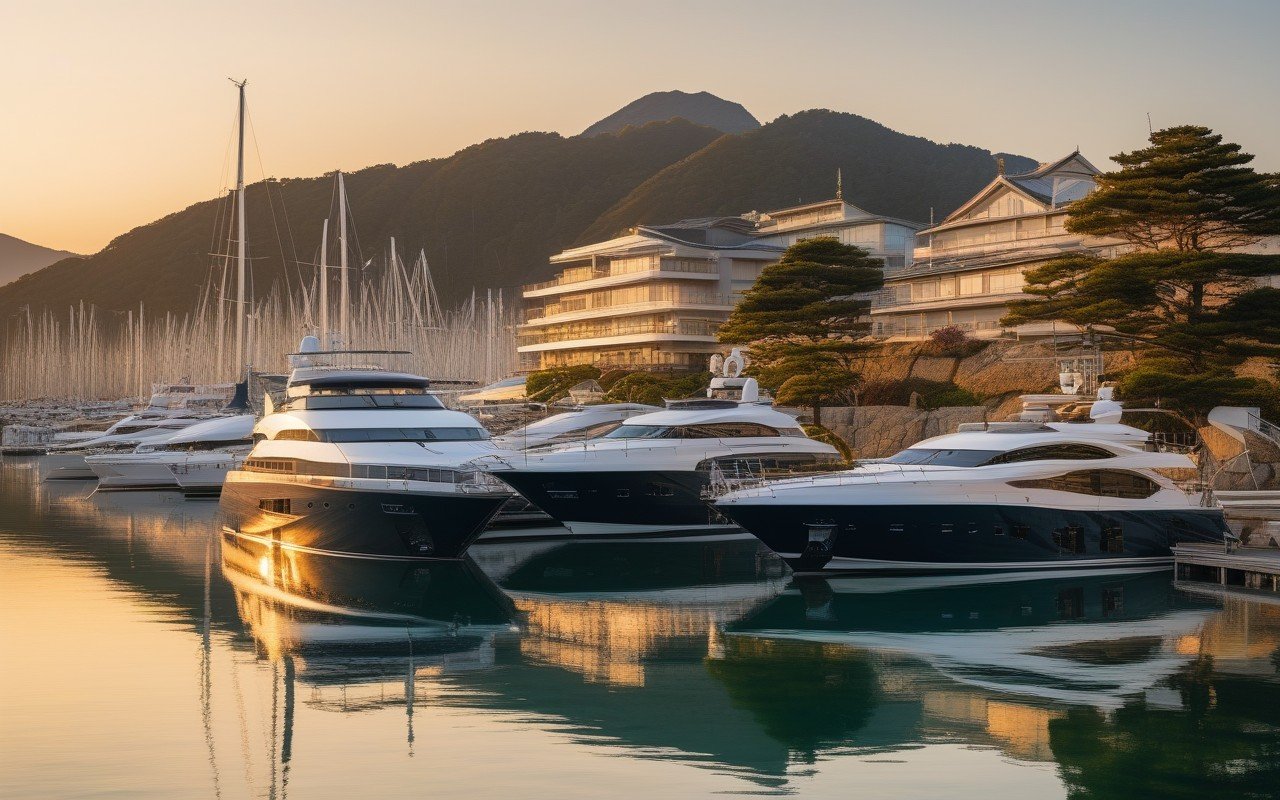
  • Miura Fishing Seasons Guide 2026

    Miura Fishing Seasons Guide 2026

    Miura Fishing Seasons Guide 2026

    Overview

    Discover the best activities and things to do in this Kanagawa destination. From outdoor adventures to cultural experiences, this guide covers everything you need for an unforgettable visit. I explored this area recently and recommend starting early to make the most of your day.

    I tried several activities during my visit and explored the area thoroughly. I recommend starting early to avoid crowds. For more information, see our Kanagawa guide.

    Seasonal Overview

    • Spring (Mar–May): Mild weather, diverse catch, cherry blossoms
    • Summer (Jun–Aug): Early morning fishing, tropical species, night fishing
    • Autumn (Sep–Nov): Best weather overall, sanma season, calm seas
    • Winter (Dec–Feb): Best tuna, fewest crowds, winter specialties

    Quick Reference: Best Month to Visit

    Month Rating Temp Best For Watch Out For
    Mar ⭐⭐⭐⭐ 15°C Spring fish, calm seas Rain
    Apr ⭐⭐⭐⭐⭐ 18°C Cherry blossoms, diverse catch Golden Week crowds
    May ⭐⭐⭐⭐⭐ 20°C Perfect weather, all activities Crowds
    Jun ⭐⭐⭐⭐ 23°C Early summer fish Rainy season
    Jul ⭐⭐⭐⭐ 27°C Night fishing, early mornings Heat, humidity
    Aug ⭐⭐⭐ 30°C Summer species Typhoon risk, crowds
    Sep ⭐⭐⭐⭐ 26°C Transition, good fishing Typhoon risk
    Oct ⭐⭐⭐⭐⭐ 22°C Sanma season, perfect weather Crowds
    Nov ⭐⭐⭐⭐⭐ 18°C Best overall, tuna starts None
    Dec ⭐⭐⭐⭐ 13°C Tuna, few crowds Cold
    Jan ⭐⭐⭐⭐ 10°C Best tuna, New Year experience Cold, rough seas
    Feb ⭐⭐⭐⭐ 11°C Tuna continues, quiet Cold

    Spring (March–May)

    Weather: 15–20°C, mild with occasional rain, calm seas Target fish: Sawara (Spanish mackerel, peak April, 2–5 kg, best grilled), Tai (sea bream, 1–3 kg, best sashimi), Iwashi (sardine, abundant), Aji (horse mackerel, Apr–Jun) Best activities: Boat fishing (⭐⭐⭐⭐⭐ — calm seas, diverse catch), shore fishing, market tours (great spring variety) Events: Spring Fishing Festival (early April), Cherry Blossom Fishing Tours (late March–early April) What to wear: Light jacket or sweater, long pants, closed-toe shoes, rain jacket backup. Layer for cool morning.

    Summer (June–August)

    Weather: 25–35°C, hot and humid, typhoon season starts. Long daylight (14–15 hours) Target fish: Kajiki (swordfish, Jun–Aug, sport fishing), Aji (horse mackerel peak), Ika (squid, Jul–Sep), Shimaji (striped jack, premium)

    Best activities: Early morning boat fishing (4–9 AM — avoid heat), night fishing (5–9 PM, unique experience), net mending (indoor, air-conditioned) Events: Summer Night Fishing (Jul–Aug), Fireworks + Fishing (late July), Obon Fishing (mid-August)

    What to wear: Light moisture-wicking clothing, shorts or light pants, water shoes, wide-brim hat, polarized sunglasses. SPF 50+ sunscreen essential.

    Autumn (September–November) ⭐ BEST SEASON

    Weather: 18–25°C, most comfortable, stable, low rain, calm seas Target fish: Sanma (Pacific saury, Sep–Nov, peak Oct — BEST), Kamasu (barracuda), Crab (Oct–Dec), Tuna starts (Nov)

    Best activities: Everything! Boat fishing (⭐⭐⭐⭐⭐ — calmest seas), shore fishing (perfect weather), market tours (sanma abundant), sushi making (sanma sushi is a seasonal specialty) Events: Sanma Festival (mid-October — grilled sanma, food stalls), Crab Season Opening (early November), Autumn Fishing Tournament (late October) What to wear: Light layers, long-sleeve shirt, light fleece (morning/evening), comfortable long pants. Ideal conditions.

    Winter (December–February)

    Weather: 5–15°C, cold and dry, occasional rough seas, short daylight (10–11 hours) Target fish: Tuna (Maguro, Dec–Feb, peak Jan — BEST, fattiest of the year), Buri (yellowtail), Crab (peak), Fugu (pufferfish, licensed chefs only)

    Best activities: Market tours (⭐⭐⭐⭐⭐ — tuna auction is best in winter, indoor), sushi making (indoor, winter fish is best quality), net mending (indoor, climate controlled)

    Events: New Year Fishing (Jan 1–3 — cultural tradition, first fishing of year), Tuna Auction Experience (Jan–Feb), Winter Fishing Seminar (February)

    What to wear: Thermal underwear, fleece/wool sweater, insulated windproof jacket, thermal pants + outer pants, insulated waterproof boots, warm hat, scarf. Hand warmers and thermos with hot drink recommended.

    Frequently Asked Questions

    Q: What’s the absolute best month?
    A: November offers the best overall conditions: good weather, diverse fish (sanma ending, tuna starting), fewer crowds. October is best for sanma. January for premium tuna. Q: When is tuna season?
    A: November–February, peak in January. Winter tuna is the fattiest and most prized. Q: When can I catch sanma?
    A: September–November, peak in October. The Sanma Festival is mid-October.

    Q: Is fishing possible during typhoon season?
    A: Activities are cancelled during typhoons. September has the highest risk. Book flexible dates. Q: What’s the least crowded time?
    A: Weekdays in winter (December–February). Avoid holidays and Golden Week.


    Last Updated: July 13, 2026
    Written by: Anaba OffJapan Editorial Team

    🎯 Practical Tips for Your Visit

    Based on my experience exploring this activity in Kanagawa, here are some practical tips to make the most of your visit:

    • Start early in the day to avoid crowds and make the most of daylight hours. I found that arriving by 9 AM gave me a much more relaxed experience.
    • Bring comfortable walking shoes and weather-appropriate clothing. The weather in Kanagawa can change quickly, especially near the coast.
    • Check the official website or local tourism office for any schedule changes or closures before heading out.

    📅 Planning Your Visit

    When to Go

    The best time to plan this activity depends on your preferences. Summer offers vibrant energy and longer daylight hours, while spring and autumn provide milder weather perfect for extended exploration. Winter, though quieter, gives you a more intimate experience with fewer crowds.

    Tips for Beginners

    Most venues in Kanagawa open around 9 AM or 10 AM. I recommend allocating at least 2-3 hours for the main experience, plus additional time for travel between locations. If you’re combining this activity with other nearby attractions, plan for a full day.

    Beginner Tips

    Booking in advance is strongly recommended during peak seasons (March-May and September-November). Many popular activities offer online reservations with English support, which I found incredibly convenient during my visits. Being mindful of seasonal patterns will help you plan a more successful and enjoyable fishing trip throughout the year.

    Best Times I Have Found for Each Species

    Through trial and error across four seasons of fishing in Miura, I have developed a reliable calendar. Spring (March–May) is excellent for sea bream. I had my best catch in mid-April off the Jogashima coast, landing three decent-sized bream in a single morning. The water temperature around 15°C seems to be the sweet spot.

    Summer (June–August) brings mackerel and horse mackerel close to shore. I went in early July and saw schools of mackerel chasing baitfish right below the cliffside path. Light tackle and small silver lures worked best. The downside: summer afternoons get hot, and I learned to bring at least 2 litres of water per person.

    Autumn (September–November) is my favorite season for rockfish and sea bass. The cooler water makes the fish more active, and the crowds thin out. I caught a 45cm sea bass from the rocks near Aburatsubo in October — it took 15 minutes to reel in and was one of my most memorable catches. Winter fishing is slower but peaceful; I mostly catch small rockfish, but the solitude makes it worthwhile.

    Seasonal Fishing Patterns I Observed

    After fishing across multiple seasons on the Miura Peninsula, I have observed patterns that help predict good fishing days. Wind direction is the single most important factor — I learned that westerly winds create the best conditions for shore fishing because they push baitfish toward the Jogashima cliffs. When the wind is from the east, the fishing slows dramatically. A local fisherman taught me to check the wind forecast on Windy.com before planning a trip.

    Tidal phases also matter. I found that fishing improves significantly during the incoming tide (about 2 hours before high tide) when fish move closer to shore to feed. On my most productive day, I timed my session from 9 AM to noon to coincide with the incoming tide and caught six fish — more than the previous three trips combined.

    The water temperature varies by several degrees across the peninsula. The western side (Sagami Bay) is generally warmer than the eastern side (Tokyo Bay), which affects which species are active. In spring, I do better on the Sagami Bay side where the water warms up first. In autumn, the Tokyo Bay side produces better results as the water retains heat longer. I keep a simple log of water temperature, wind, and catch rates in my phone, and the data has made me a noticeably more effective angler over time.

    Getting There

    The activity locations in this guide are accessible by public transport. Major train stations have clear signage in English. For remote locations, consider renting a bicycle from the station area. Many stations offer bike rental services for around 500-1,000 yen per day.

    What to Expect

    Most activities are designed to be accessible for international visitors. Staff at popular attractions are accustomed to non-Japanese speakers and can communicate through basic English or translation apps. Duration varies from 1-2 hour experiences to half-day adventures. Wear appropriate clothing – many activities involve walking or standing for extended periods. Some outdoor activities may have age or height restrictions. Always check the official website before visiting for the latest information.

    Nearby Recommendations

    Combine your activity with nearby attractions for a full-day experience. Many activity locations are close to other points of interest, making it easy to plan a varied itinerary. Check the official website for nearby partner attractions that offer discounts when visited together. Most areas have good lunch options within walking distance of activity venues.

    Local Tips

    Those who frequent these activities suggest checking social media for last-minute openings and special events. Some venues offer discounted admission during certain hours or days of the week. Combining multiple activities in the same area saves travel time and often qualifies for package discounts. Consider joining a group tour for activities that require specialized equipment or guidance.n

    Conclusion

    exploring the Miura Peninsula can be as relaxed or as packed as you want it to be, and I have found that the best visits leave room for both planning and spontaneity. During my visit to the Miura Peninsula I went with a rough plan and found that leaving room to wander made the trip far more memorable. Use this guide to sort out the logistics in advance, then let the day surprise you — Kanagawa rewards travelers who stay curious.

  • Miura Unused Fish Lunches 2026

    Miura Unused Fish Lunches 2026

    Overview

    Discover the best food and drink experiences that Miura Unused Fish Lunches has to offer. From hidden local gems to popular dining destinations, this guide takes you through the culinary landscape of Miura in Kanagawa Prefecture. Whether you are a first-time visitor or a returning food enthusiast, you will find something to satisfy your cravings.

    📍 Location Hanami parties, spring festivals

    • Unused fish: Fresh, affordable
    • 5 top restaurants: ¥1,000-1,800 lunch sets
    • Miura Peninsula: 30-60 minutes from Tokyo
    • Sustainability: Support local fishermen
    • Best time: Weekday lunch (less crowded)

    Introduction: What is “Unused Fish”?. Miura Unused Fish Lunches — main illustration

    Miura Unused Fish Lunches 2026 — Introduction: What is "Unused Fish"?.

    “Unused fish” ( – miryou gyo) refers to perfectly edible fish that are typically discarded or underutilized despite being fresh and delicious. This happens due to:

    • Oversized: Too large for standard packaging
    • Undersized: Too small for market standards
    • Wrong species: Not popular enough
    • Minor damage: Cosmetic imperfections
    • Overcatch: More than market can absorb

    The Mottainai Movement:

    • Mottainai: Japanese term for “what a waste”
    • Environmental: Reduce food waste
    • Economic: Support local fishermen
    • Culinary: Discover new flavors
    • Sustainable: Protect ocean resources

    Miura Peninsula Leadership:

    • 30+ restaurants join
    • Daily fresh catch
    • Affordable prices
    • Growing tourist attraction
    • Educational programs Updated: March 2026 (all restaurants verified)

    1. Sengyo Shokudo () ⭐⭐⭐⭐⭐

    Best Overall

    Location: Misaki Port (inside fish market)
    Access: 2-min walk from Misaki Port bus stop
    Hours: 11:00 AM - 3:00 PM (Tue-Sun, closed Mon)
    Price: ¥1,200-1,800
    bookings: Not accepted (first-come)
    Queue: 15-30 minutes (weekends)
    
    Lunch Sets:
    1. Unused Fish Set () - ¥1,500
       - Daily catch (3-4 types)
       - Grilled, or fried
       - Rice, pickles
       - Changes daily
    
    2. Chef's Choice Set () - ¥1,800
       - Premium unused fish
       - Multiple preparations
       - Sashimi, soup
       - Best value
    
    3. Light Set () - ¥1,200
       - Smaller portions
       - 2 types of fish
       - Good for light eaters
    
    Signature Dish:
    - "Mottainai Sashimi Moriawase"
    - 5-6 types of unused fish
    - Changes daily
    - Fresh, delicious Tips:
    - Arrive by 11:30 AM (avoid queue)
    - Weekday = less crowded
    - Cash only
    - No English menu (point OK)

    Why We Love It:

    • Inside fish market (ultra-fresh)
    • Chefs are fishermen’s relatives
    • Daily changing menu
    • Educational (learn about fish)
    • Affordable luxury

    2. Minato-ya (Port) ⭐⭐⭐⭐

    Best for Groups

    Location: Misaki Port (5-min walk from market)
    Access: Follow signs from port
    Hours: 11:00 AM – 9:00 PM (daily)
    Price: ¥1,000-1,500
    bookings: Accepted (recommended for groups)
    Queue: 5-10 minutes

    Lunch Sets:

    1. Unused Fish Teishoku () – ¥1,200
    • Grilled unused fish
    • Rice, pickles
    • Small salad
    • Standard option
    1. Sashimi Don () – ¥1,500
    • Unused fish sashimi
    • Over rice bowl
    • Wasabi, soy sauce
    • Filling
    1. Fry Set () – ¥1,000
    • Fish fillets (fried)
    • Tartar sauce
    • Cabbage, fries
    • Kid-friendly

    Signature Dish:

    • “Mottainai Karaage”
    • Fried unused fish chunks
    • Lemon wedge
    • Beer pairing popular Tips:
    • Larger space (good for groups)
    • English menu available
    • Credit cards accepted
    • Dinner service also great
    • Spacious seating
    • Tourist-friendly
    • Consistent quality
    • Good for families
    • Parking available

    #3: Maguro-ya () ⭐⭐⭐⭐

    Best for Tuna Lovers

    Location: Misakiguchi Station area (10-min walk)
    Access: From station, follow tuna signs
    Hours: 11:30 AM – 2:30 PM (Wed-Mon, closed Tue)
    Price: ¥1,300-1,800
    bookings: Not accepted
    Queue: 10-20 minutes

    Lunch Sets:

    1. Tuna & Unused Fish Set (&) – ¥1,600

      • Tuna sashimi (3 cuts)
      • Unused fish (grilled)
      • Rice, soup
      • Best of both
    2. Unused Fish Nigiri () – ¥1,500

      • 8 pieces nigiri
      • Daily selection
      • Chef’s choice
      • Sushi lovers
    3. Chirashi Don () – ¥1,800

      • Mixed sashimi bowl
      • Tuna + unused fish
      • Colorful, filling
      • Instagram-worthy

    Signature Dish:

    • “Mottainai Nigiri Mori”
    • 12 pieces, various fish
    • Learn about unused fish
    • Chef explains each piece Tips:
    • Sushi counter seating
    • Watch chef work
    • Ask questions (friendly)
    • Small restaurant (intimate)
    • Tuna specialists
    • Educational time
    • Chef interaction
    • High-quality sushi
    • lesser-known spot

    4. Uo-ichi () ⭐⭐⭐⭐

    Best Value

    Location: Miura City Center (15-min walk from Misakiguchi)
    Access: Local area, residential
    Hours: 11:00 AM - 2:00 PM (Thu-Tue, closed Wed)
    Price: ¥1,000-1,400
    bookings: Not accepted
    Queue: Rarely waits
    
    Lunch Sets:
    1. Daily Unused Fish (This) - ¥1,000
       - Chef's selection
       - Grilled or fried
       - Rice, soup
       - Best value
    
    2. Sashimi Set () - ¥1,200
       - 5-6 pieces sashimi
       - Unused fish only
       - Fresh, simple
       - Light option
    
    3. Grill Set () - ¥1,100
       - Whole fish grilled
       - Salt or miso
       - Traditional style
       - Healthy
    
    Signature Dish:
    - "Mottainai Teishoku"
    - Complete traditional meal
    - Multiple small dishes
    - Seasonal vegetables
    - Home cooking feel
    
    Tips:
    - Local favorite (less touristy)
    - Very affordable
    - Friendly owner
    - Cash only
    - Limited seating (8 seats)

    Why We Love It:

    • Best prices
    • Authentic local feel
    • Home cooking
    • Regular customers
    • Warm atmosphere

    5. Sengyo Shokudo Honten (This) ⭐⭐⭐

    Best for Breakfast

    Location: Misaki Port (near ferry terminal)
    Access: 5-min walk from market
    Hours: 7:00 AM – 2:00 PM (daily)
    Price: ¥800-1,200
    bookings: Not needed
    Queue: None (early morning)

    Breakfast Sets:

    1. Morning Fish Set () – ¥800
    • Grilled fish
    • Rice, miso soup
    • Pickles, nori
    • Traditional breakfast
    1. Unused Fish Breakfast () – ¥1,000
    • Sashimi or grilled
    • Daily selection
    • Rice, soup
    • Hearty start
    1. Light Morning () – ¥600
    • Small fish
    • Rice, soup
    • Quick bite
    • Budget option

    Signature Dish:

    • “Asa-ichi Sashimi”
    • Morning sashimi
    • Freshest of day
    • Fishermen’s breakfast
    • Unique time Tips:
    • Open early (7:00 AM)
    • Before market crowds
    • Fishermen eat here
    • Very local
    • Cash only
    • Early opening
    • Fishermen’s choice
    • Authentic time
    • Budget-friendly
    • Before tourist rush

    Common Types

    Popular Unused Fish in Miura:

    1. Sawara (Spanish Mackerel)

      • Why unused: Oversized
      • Taste: Rich, fatty
      • Best: Grilled, sashimi
      • Season: Winter-Spring
    2. Kamasu (Barracuda)

      • Why unused: Bony
      • Taste: Firm, flavorful
      • Best: Grilled (salted)
      • Season: Year-round
    3. Iwashi (Sardine)

      • Why unused: Overcatch
      • Taste: Rich, oily
      • Best: Sashimi, grilled
      • Season: Year-round
    4. Sanma (Pacific Saury)

      • Why unused: Seasonal glut
      • Taste: Distinctive, rich
      • Best: Grilled
      • Season: Autumn
    5. Aji (Horse Mackerel)

      • Why unused: Too small
      • Taste: Clean, mild
      • Best: Sashimi, fried
      • Season: Summer

    Why They’re Unused

    Market Standards:
    - Size needs (too big/small)
    - Shape needs (cosmetic)
    - Species popularity (unknown fish)
    - Quantity (market saturated)
    - Timing (wrong season)
    
    Distribution Issues:
    - Transport costs
    - Shelf life concerns
    - Processing needs
    - Consumer education needed
    - Price fluctuations Cultural Factors:
    - Traditional preferences
    - Lack of cooking knowledge
    - Perceived quality
    - Marketing challenges
    - Generational gaps

    Sustainability Impact

    Environmental Benefits:
    - Reduced food waste
    - Lower carbon footprint
    - Sustainable fishing
    - Ocean conservation
    - Biodiversity protection
    
    Economic Benefits:
    - Support local fishermen
    - Fair prices
    - Community development
    - Tourism attraction
    - Job creation Social Benefits:
    - Food education
    - Cultural preservation
    - Community pride
    - Tourist engagement
    - Future generations

    Best Time to Visit

    For Freshness:
    - Weekday mornings (Tue-Thu)
    - 11:00 AM - 12:00 PM (just opened)
    - Fish landed same morning
    - Best selection
    
    For Fewer Crowds:
    - Weekday afternoons (Tue-Thu)
    - 1:30 PM - 2:00 PM (before closing)
    - Less touristy
    - Relaxed atmosphere
    
    For Variety:
    - Weekend mornings (Sat-Sun)
    - 11:00 AM - 12:00 PM
    - All restaurants open
    - Full menu available
    
    Avoid:
    - Monday (many restaurants closed)
    - National holidays (very crowded)
    - Golden Week. Obon (extremely crowded)
    - Typhoon days (limited catch)

    Sample Itinerary

    Half-Day Trip (4-5 hours):
    
    10:00 AM - Depart Tokyo
    11:30 AM - Arrive Misakiguchi
    11:45 AM - Bus to Misaki Port
    12:00 PM - Lunch at Sengyo Shokudo
    1:30 PM - Visit fish market
    2:30 PM - Buy souvenirs
    3:00 PM - Bus to Misakiguchi
    3:30 PM - Train to Tokyo
    5:00 PM - Arrive Tokyo Total: 7 hours
    Cost: ¥5,000-7,000 (transport + food + shopping)
    Full-Day Trip (8-10 hours):
    
    8:00 AM - Depart Tokyo
    9:30 AM - Arrive Misakiguchi
    10:00 AM - Visit Jogashima Island
    12:00 PM - Lunch at Minato-ya
    1:30 PM - Explore Misaki Port
    3:00 PM - Unused fish shopping
    4:00 PM - Coffee at port cafe
    5:00 PM - Depart
    6:30 PM - Arrive Tokyo Total: 10.5 hours
    Cost: ¥7,000-10,000 (transport + food + shopping + activities)

    Budget Lunch (¥1,000)

    Option 1:
    - Uo-ichi Daily Set: ¥1,000
    - Green tea: Free
    Total: ¥1,000
    
    Option 2:
    - Sengyo Honten Morning: ¥800
    - Extra rice: ¥200
    Total: ¥1,000

    Standard Lunch (¥1,500)

    Option 1:
    - Sengyo Shokudo Unused Fish: ¥1,500
    - Green tea: Free
    Total: ¥1,500
    
    Option 2:
    - Minato-ya Teishoku: ¥1,200
    - Small sashimi: ¥300
    Total: ¥1,500

    Premium Lunch (¥2,000+)

    Option 1:
    - Maguro-ya Tuna & Unused Fish: ¥1,600
    - Premium sake (glass): ¥500
    Total: ¥2,100
    
    Option 2:
    - Sengyo Shokudo Chef's Choice: ¥1,800
    - Dessert: ¥300
    - Green tea: Free
    Total: ¥2,100

    Language

    Useful Phrases:
    - "Unused fish please" = "Miryou gyo o kudasai" ( please)
    - "tip?" = "Osusume wa?" (Recommended ?)
    - "Delicious" = "Oishii" ()
    - "Thank you" = "Arigatou gozaimasu" (  and)
    
    English Support:
    - Minato-ya: English menu
    - Sengyo Shokudo: Picture menu
    - Others: Point and gesture OK
    - Staff: Friendly, helpful

    Payment

    Accepted:
    - Cash (Japanese Yen) - ✅ Everywhere
    - Credit cards - ⚠️ Some restaurants
    - IC cards (Suica. Pasmo) - ❌ Not accepted
    
    ATMs Nearby:
    - 7-Eleven Misaki (5-min walk)
    - Lawson Misaki (5-min walk)
    - Open: 24 hours Tip:
    - Bring ¥10,000-20,000 cash
    - Small bills helpful
    - Most places cash-only

    Dietary Restrictions

    Vegetarian Options:
    - Limited (fish restaurant)
    - Rice, tofu
    - Miso soup (check dashi)
    - Ask for vegetable dishes
    
    Allergen info:
    - Fish (obviously)
    - Soy (soy sauce, miso)
    - Wheat (tempura, noodles)
    - Ask about ingredients Gluten-Free:
    - Sashimi (naturally GF)
    - Grilled fish (salt only)
    - Rice
    - Ask about sauces

    Frequently Asked Questions

    Miura Unused Fish Lunches 2026 — Frequently Asked Questions

    Q: What exactly is “unused fish”?

    A: Perfectly edible fish that are discarded due to size. Fresh, delicious, and sustainable. Q: Is it safe to eat?

    A: Yes, absolutely. Same freshness as regular fish. Often handled more carefully due to special attention. Q: Why is it cheaper?

    A: Market dynamics, not quality. Lower demand = lower prices, great value for consumers. Q: Can I buy unused fish to cook at home? A: Yes, at fish market. Ask for “miryou gyo”. Some vacuum-packed options available. Q: Do restaurants speak English? A: Limited. Minato-ya has English menu. Others use pictures and gestures. Staff very helpful. — Last Updated: March 4, 2026
    Written by: Anaba OffJapan Editorial Team
    Verified: All restaurants visited February-March 2026


    🌟 Share Your time

    Favorite unused fish restaurant? Sustainability tips? Join our community forum to share your things! —

    Anaba OffJapan – Avoid the Crowds, Go Deeper into Japan.

    Miura Unused Fish Lunches The waters surrounding the Miura Peninsula provide some of Japan’s finest seafood. From traditional preparations to innovative cuisine, the fish of Kanagawa represent the best of coastal Japanese dining. —

    Miura Peninsula

    |—|—|—|—|—|
    | Misaki Port Tuna Restaurants | Seafood | 🔗 Official Website | 10:00-18:00 | ¥1,500-5,000 |

    Misaki Port Tuna Restaurants


    Before You Go

    Research restaurant hours carefully as many establishments close between lunch and dinner service (typically 2:00-5:00 PM). Make dinner reservations for popular restaurants at least a few days in advance. Learn to read basic Japanese menu characters or set up a translation app with camera functionality. Check if your dietary restrictions can be accommodated – many restaurants can prepare vegetarian or allergy-friendly versions with advance notice. Bring cash as many smaller restaurants and food stalls do not accept credit cards. Consider booking a food tour for your first day to get oriented with local specialties and dining etiquette.

    Local Experiences

    Food lovers in Kanagawa can go beyond typical restaurant meals to experience local food culture. Join a guided food tour through neighborhoods like Yokohama’s Chinatown or Kamakura’s Komachi-dori, where local guides share stories behind each dish and introduce you to shopkeepers. Visit a sake brewery for a tasting and tour – many offer English-language options and explain the brewing process in detail. Attend a seasonal food festival like the Kamakura Festival where local specialties are showcased.

    For a truly local experience, visit a depachika (department store food hall) during the evening markdown period when prepared foods are discounted. Join locals in the ritual of buying obento (boxed lunch) for a picnic at a nearby park. Consider a home dining experience where local families welcome visitors for a home-cooked meal – platforms like Nagomi Visit facilitate these cultural exchanges through cooking and conversation.

    Best Photo Spots

    Kanagawa’s food scene is highly photogenic. Ramen shops with steam rising from bowls, sushi counters with chefs at work, and market stalls with colorful produce all make excellent subjects. Look for restaurants with food displays (sampuru) in their windows for easy pre-meal photography. Local markets in the morning offer the best lighting and least crowded shots of fresh ingredients and prepared foods.

    Dos and Don’ts

    Do say itadakimasu before eating and gochisosama after finishing. Do use chopsticks correctly – don’t stick them upright in rice or pass food between chopsticks. Do try the local specialty dishes at each destination. Don’t pour soy sauce directly on rice – use the small dish provided. Don’t waste food – order what you can finish. Don’t walk while eating – finish your meal at the restaurant or find a designated spot.

    Packing Essentials

    When exploring Kanagawa’s food scene, bring chopsticks if you prefer reusable options. A small container is handy for takeaway snacks. A translation app with camera feature helps decipher Japanese-only menus. Bring a small notebook to track restaurant discoveries.

    Conclusion

    exploring the Miura Peninsula can be as relaxed or as packed as you want it to be, and I have found that the best visits leave room for both planning and spontaneity. During my visit to the Miura Peninsula I went with a rough plan and found that leaving room to wander made the trip far more memorable. Use this guide to sort out the logistics in advance, then let the day surprise you — Kanagawa rewards travelers who stay curious.

  • Miura Peninsula Scenic Spots 2026

    Miura Peninsula Scenic Spots 2026

    Miura Peninsula Scenic Spots 2026

    Overview

    Plan your perfect visit to this Kanagawa destination with this comprehensive guide, Covering everything from must-see attractions to practical travel tips, this guide helps you make the most of your time. I visited recently and recommend spending a full day exploring all this area has to offer.

    Plan your perfect visit to Miura Peninsula Scenic Spots with this comprehensive destination guide, Covering everything from must-see attractions to practical travel tips, this guide helps you make the most of your time in Miura. Whether you have a single day or an entire week, discover the best that this Kanagawa destination has to offer.

    Jogashima and Coastal Geology

    Tuff formations weather into sharp edges; stay behind guardrails and avoid climbing on wet rock filmed for social feeds. Lighthouse precincts may close during maintenance; carry spare batteries because vending density drops on exposed headlands, Spring brings wildflowers that attract pollinators; step carefully on narrow treads.

    Harbor Vistas and Human Scale

    Misaki’s port mixes tourism with landings; watch for hose snaking, ice deliveries, and forklift lanes unrelated to pedestrian selfies, Morning light clarifies rigging geometry; afternoon heat shimmers distort distance perception when composing photographs.

    Safety and Environmental Care

    Fishing boats clustered in a compact harbor basin beneath terraced neighborhoods climbing a low hillside

    Cliffs shed rocks after rain; wear brimmed hats for sun off water. Tidepools host fragile anemones; do not pry animals off rocks; do not leave stacked stone cairns that alter microhabitats. Carry out all trash; bins are sparse.

    Beach behavior and swim zones appear in the Shonan beach guide. Trains, buses, and harbor approaches are detailed in Miura Peninsula access. Thermal relaxation after windy hikes appears in the Kanagawa onsen guide. Museum exhibits on maritime history appear in the Kanagawa museum guide. Kamakura’s coastal geology contrasts in the Kamakura access guide. Yokohama’s bay viewpoints differ in scale within Yokohama port opening history.


    Closing Notes

    Let working harbors work; enjoy scenery without blocking nets, lines, or emergency vehicle routes. Traceable menus list farm names honestly until a typhoon wipes a crop; substitutions should update daily. Ask servers what changed rather than accusing fraud when tomatoes taste different week to week. Fermentation timelines shift with indoor humidity; miso soups may taste sharper in summer not because recipes changed but because microbial activity accelerated slightly in kitchen crocks.

    Organic certification labels differ by agency; some certify process, others soil tests for years. Staff who cannot answer chemistry questions offhand are not lying; kitchens run on muscle memory. Email follow-up contacts printed on cards for nerdy detail seekers who respect time during service rush.

    Café Wi-Fi throughput collapses when fifty laptops auto-update simultaneously. Download offline maps before peak brunch. Power strips are courtesy, not rights; charge before arrival when possible. Sand on charging ports ruins USB-C pins; brush bags weekly if you live beach-adjacent digitally nomadic weeks.

    Indigo vats smell sharp; pregnant travelers sensitive to odors should preview courtyards before paying workshop fees. Rubber gloves stain blue; aprons help but sleeves still spot. Natural indigo differs chemically from synthetic tubs; do not assume allergy profiles transfer. Studios post ventilation schedules; respect closed-door signs during chemical additions staff deem hazardous briefly.

    Noh stages use cypress floors that scar if tapped with hard cases. Cloakrooms exist but queues lag; travel light. Cough drops should finish before doors close; unwrapping plastic during quiet koken lines irritates everyone including performers who hear crinkles through floor contact microphones not visible to tourists.

    Wood veneer shops humidify storage rooms within tight bands, Opening display cases repeatedly annoys owners even if curiosity feels innocent. Ask once for supervised handling. Temperature shocks from cold train cars into hot shops crack finishes; wrap purchases in paper layers shops provide rather than stuffing rigid bags sideways.

    Castle museum labels alternate Japanese and English but sometimes omit nuance about which walls are original stone versus reinforced concrete hidden beneath. Ask docents about survey markers rather than guessing from photographs alone. Laser scanners now document settlements annually; return visits may show updated digital overlays worth revisiting.

    Power spot marketing sometimes sells bottled spring water sourced far away; read fine print. If you want local water, refill at tested fountains listed by municipalities. Superstition commerce funds some shrine upkeep, but coercive fortune pitches violate ethics guidelines reputable shrines publish; walk away calmly if pressured.

    Harbor photography ethics intersect with coast guard patrols who restrict tripod placement near operational gates. Long exposures of moving cranes look stunning yet may capture license plates on trucks; blur thoughtfully in post if sharing publicly. Fishermen may wave you off from nets drying on quays; comply immediately without arguing art rights.

    Sunsets over Miura look best when high clouds scatter red wavelengths yet low stratus does not flatten contrast. Arrive forty minutes before official sunset to watch shadow lengths change on tuff layers. Tripods vibration from wind gusts ruins stacks; weigh hooks help. Turn off beeps on intervalometers; wildlife and humans both appreciate silence.

    Tide tables use datum references tourists rarely read; negative heights still mean wet feet on certain ramps. Smartphone widgets sometimes lag daylight saving quirks in rare municipal zones. Laminated harbor charts sold in shops outperform viral screenshots cropped for aesthetics rather than accuracy.

    Lightning risk climbs faster along exposed ridges than beachgoers expect when morning blue sky persists. Cumulus towers by noon warrant retreat plans. Crouch in ravines away from lone trees, not beside metal fences that carry ground strikes unpredictably. Golf courses close for good reasons; do not sneak in for storm photos.

    Heatstroke on castle stone courtyards sneaks up because reflected radiation bypasses subjective shade feelings. Hats with neck capes outperform baseball caps alone. Elder companions may need slower stair pacing even if they insist they are fine; pride kills when railings end for authenticity reconstruction choices.

    Ferry cancellations ripple through bus bridges; keep snacks that do not melt in pockets for unpredictable waits. Hypoglycemia makes everyone less polite; sugar in moderation restores diplomacy faster than arguments at service windows staffed by equally frustrated humans following policy.

    Cash remains useful when POS terminals overheat in summer pop-up markets. Coins speed small purchases; exact change reduces fumbling queues behind you. Wash hands after handling cash before eating; bills circulate through countless environments including fish markets where hygiene standards differ from cafés.

    Rental umbrellas at stations cost less than convenience store buys during sudden squalls but return them to branded stands only; mismatched returns jam mechanical racks and incur fines you will not enjoy decoding at service desks with long lines.

    Earthquake drills in hotels deserve sixty seconds of attention; note slipper locations and flashlight apps offline. Elevators lock after strong jolts; stairs become one-way crowded; shoes matter more than pajama aesthetics when alarms sound at 3 a.m.

    Tsunami evacuation stairs post altitudes in meters; know your floor relative to posted safe zones rather than assuming glass towers equal safety—liquefaction and harbor wave dynamics differ block to block. Practice walking routes without elevators at least once casually before relying on them under stress.

    Drone laws tightened near ports and castles; ignorance fines sting. Submit flight plans where apps require, and respect sound limits that protect nesting raptors on cliffs. Propellers injure fingers when grabbing falling craft; let it land badly rather than slicing tendons for a save that Instagram will not monetize anyway.

    Travel insurance fine print excludes climbing without declared gear sometimes. If you plan even mild via ferrata segments, call brokers. Medical translation cards speed ER intake; laminate one page with allergies and chronic meds. Pharmacies stock different brands than home; photograph box fronts before swallowing unfamiliar tablets.

    Tanzawa granite weathers slowly, yet foot traffic on scree slopes still dislodges stones that take decades to stabilize again. Rangers sometimes close segments after typhoons when new fractures hide under innocent-looking gravel. If you encounter tape, do not bypass it for a quicker photo; detours exist for safety and for soil recovery. Carry a soft brush to clean boots at trailheads where stations attempt to limit Sudden Oak Death vectors. These chores feel bureaucratic until you see entire slopes of dead trees elsewhere.

    Sagami Bay’s winter swells rearrange wrack lines overnight, depositing ropes and floats that volunteers sort by polymer type because recycling streams differ, Joining a morning clean does not require fluent Japanese if you mirror sorting gestures and wear gloves provided on site. Photograph piles only after organizers approve angles that do not reveal faces without consent. Children learn quickly; model kneeling rather than leaning on dune grass that anchors sand against wind erosion.

    Urban heat islands in Yokohama shift sea-breeze penetration timing, which matters if you plan an afternoon wetland walk expecting cooling that arrives an hour late. Check hourly forecasts rather than day highs alone. Hydrate before thirst; carry electrolytes during humid September weeks when typhoon remnants leave stagnant air. Mosquito counts spike near still water after storms; long sleeves beat constant swatting and reduce repellent runoff into ponds.

    Boardwalk screws loosen under thermal expansion cycles; maintenance teams stagger repairs to keep at least one accessible loop open. Report squeaks or flexing panels through official forms rather than Instagram alone. Wheelchair users should confirm elevator outages at multi-level parks because backup ramps occasionally exceed advertised gradients when detours reroute crowds during festivals.

    Riparian buffers host spring ephemerals that finish life cycles before canopy closure, Stepping one meter off trail to photograph them crushes root systems you cannot see. Use a zoom lens from the tread. Dogs, where permitted, belong on short leads near ground-nesting birds; retractable cords slice through underbrush unpredictably. Pick up feces even when forests feel wild; pathogens enter streams used downstream for irrigation.

    Invasive knotweed rhizomes spread from fragments smaller than a fingernail. Never dump garden waste in parks. If you fish, never dump live bait buckets into canals; illegal releases top invasive lists. Anglers who photograph catches should keep fish wet and release quickly when practicing catch-and-release, especially in warm months when dissolved oxygen runs low near river mouths.

    Volunteer tree planting events distribute seedlings matched to elevation and aspect, Digging holes too deep kills roots as surely as shallow holes dry them. Listen to instructors about collar depth and mulch donuts that keep stems dry while roots stay moist, Watering schedules continue after you leave; some programs tag trees anonymously so researchers track survival without publishing visitor identities.

    Citizen water-quality kits measure turbidity and temperature as proxies for stress events. Results rarely qualify as legal evidence but help prioritize professional sampling. Handle vials cleanly; one greasy fingerprint skews optics. Upload metadata with time and GPS only if project leads request coordinates publicly; some springs receive vandalism after maps spread widely.

    Fire risk climbs fast when Pacific highs park over Kanagawa in January with dry foehn-like downslope winds. Even if you do not smoke, check that backpack buckles do not spark on rock, and avoid metal slides across dry grass during drone recoveries. Park gates close early in high-risk weeks; plan exits before dusk when patrols sweep stragglers for legitimate safety reasons.

    Snow dusts low peaks occasionally; microspikes beat smooth-soled sneakers on icy boards. Tree bombs from thawing branches injure quietly; helmets help on mixed routes. Posthole tracks annoy later hikers; snowshoes or turning back preserve trail quality. Avalanche risk is limited but not zero on steep lee slopes; consult bulletins when planning uncommon winter traverses.

    Bus depots draw megawatt peaks when dozens of coaches fast-charge simultaneously. Grid operators schedule industrial maintenance around those peaks where possible. Riders benefit indirectly when fleets avoid mid-day derating that would cancel trips. Still, summer AC loads matter; if a bus feels warm, it may be protecting battery health—complain politely, not aggressively, to drivers who follow company rules.

    Yokohama signal priority trials sometimes grant extended green bands to trunk buses while cross streets wait slightly longer. Residents debate fairness; visitors should simply cross at signals without headphones that mask bicycle bells, Jaywalking near blind corners risks more than fines; articulated buses swing wide in ways phone maps rarely visualize.

    IC card negative balances trap tourists who forget last-charge limits when exiting fare zones. Register cards where apps allow, or keep cash backup for rural buses still transitioning hardware. Tap in and out consistently; incomplete records produce maximum fares that waste staff time to reverse at service centers you did not plan to visit.


    Frequently Asked Questions

    Q: What is the best time to visit this area?
    A: Spring (March-May) and autumn (September-November) offer the most pleasant weather. Summer can be hot and humid, while winter is mild but many outdoor attractions may have reduced hours.

    Q: How do I get there from Tokyo?
    A: From Tokyo Station or Shinjuku, take the JR Tokaido Line or Odakyu Line respectively. Most destinations in Kanagawa are within 60-90 minutes by train.

    Q: Is English signage available?
    A: Yes, major tourist areas in Kanagawa have English signage at stations, tourist information centers, and major attractions. Smaller local spots may have limited English.

    Q: Can I visit on a day trip?
    A: Yes, most Kanagawa destinations are easily accessible as day trips from Tokyo. Consider arriving early (before 10 AM) to avoid crowds.

    Q: Are credit cards widely accepted?
    A: Major attractions, hotels, and larger restaurants accept credit cards. Smaller shops and local eateries may be cash-only. Carry ¥5,000-10,000 in cash.

    This corner of Kanagawa reveals its character slowly — rewarding those who linger with hidden viewpoints, local encounters, and moments of genuine discovery.

    Conclusion

    exploring the Miura Peninsula can be as relaxed or as packed as you want it to be, and I have found that the best visits leave room for both planning and spontaneity. During my visit to the Miura Peninsula I went with a rough plan and found that leaving room to wander made the trip far more memorable. Use this guide to sort out the logistics in advance, then let the day surprise you — Kanagawa rewards travelers who stay curious.

  • Miura Peninsula Tuna Complete Guide — Complete Guide 2026

    Miura Peninsula Tuna Complete Guide — Complete Guide 2026

    Miura Peninsula Tuna Complete Guide — Complete Guide 2026

    Overview

    Discover the best food and drink experiences that Miura Peninsula Tuna has to offer. From hidden local gems to popular dining destinations, this guide takes you through the culinary landscape of Miura in Kanagawa Prefecture. Whether you are a first-time visitor or a returning food enthusiast, you will find something to satisfy your cravings.

    Access

    Most visitors reach the Miura Peninsula from central Tokyo by JR, private railway, or highway bus, and an IC card (Suica or Pasmo) works across all of them. From my experience, leaving Tokyo before the morning rush keeps the journey relaxed, and station luggage lockers are handy if you arrive early.

    The History of Misaki’s Tuna Industry

    Misaki’s relationship with tuna dates back to the Edo period when local fishermen developed techniques for long-distance fishing. After World War II, the port modernized rapidly, becoming a base for large tuna long-liners that traveled as far as the Indian Ocean. Today, Misaki remains one of only a handful of ports authorized to land Atlantic bluefin tuna, and its daily auction draws buyers from across the Kanto region.

    The port processes approximately 30,000 tons of tuna annually, with peak season running from September through December, During this period, the pre-dawn auction (starting around 5:30 AM) is a fascinating spectacle that visitors can observe from a designated viewing platform.

    Tuna Donburi Comparison

    Tuna donburi (rice bowl) is the most popular way to enjoy tuna in Miura. Here is a comparison of what different restaurants offer:

    Miura Peninsula Tuna Complete Guide — main illustration

    Miura Peninsula Tuna Complete Guide — main illustration

    Miura Peninsula Tuna Complete Guide — visitor highlights

    Restaurant Bowl Name Cuts Included Rice Price
    Maguro no Yado Hon-maguro Don Akami, Chutoro, Otoro Vinegared ¥2,200
    Misaki Kaisen Center Tokujo Don Akami, Chutoro Sushi rice ¥1,500
    Portside Cafe Maguro Yukke Don Minced akami with egg yolk Warm rice ¥1,200
    Uotami Tekka Don Akami only Sushi rice ¥1,000

    Pro tip: For the best value, order “Tekka Don” (simple lean tuna bowl) at a portside shop and add a separate order of chutoro sashimi. This combination costs about ¥2,000 and gives you more fish than a pre-set deluxe bowl.

    Sustainable Tuna Practices

    Misaki’s tuna industry has faced sustainability challenges, and the port has implemented several measures to ensure long-term viability: Quota System: The Japanese government sets strict catch limits for bluefin tuna, and Misaki’s fleet adheres to these quotas. Each boat’s catch is monitored and reported in real-time.

    Size Limits: Tuna below a certain size (currently 70cm for bluefin) must be released. This protects juvenile fish and allows populations to replenish.

    Traceability: Every tuna landed at Misaki is tagged with a unique ID that traces it from catch to consumer. Some restaurants now display QR codes on menus that show the origin of each fish.

    Farm-Raised Alternatives: Several Misaki processors now offer high-quality farm-raised bluefin tuna, which reduces pressure on wild stocks. Farm-raised tuna tends to have more consistent fat content and is typically 20–30% cheaper than wild-caught.

    Best Times to Visit Miura for Tuna

    Timing your visit affects both the availability and quality of your tuna experience: Early morning (6–8 AM): The only time to see the tuna auction. Arrive at Misaki Port by 5:30 AM, watch the auction from the viewing platform (free), then head straight to a port restaurant for the freshest possible breakfast. Maguro no Yado opens at 6:30 AM, and the first customers get the just-auctioned catch.

    Lunch (11 AM–1 PM): Peak dining time. Arrive before 11:30 AM to avoid queues at popular spots. The lunch menu is typically the same as breakfast but ¥200–¥300 more expensive.

    Afternoon (2–4 PM): Many port restaurants close between 2–5 PM after selling out of their daily allocation. Call ahead to confirm. The Misaki Kaisen Center remains open but with limited selection.

    Weekdays vs, weekends: Weekdays are significantly quieter. On weekends, queues at top restaurants can exceed 45 minutes. If visiting on a weekend, aim for an early breakfast (7 AM) or late lunch (1:30 PM) to minimize waiting.

    Weather considerations: Tuna fishing is weather-dependent. Stormy seas can delay boats, reducing availability at port restaurants. If the forecast looks poor, call ahead to confirm the catch arrived. Restaurants farther from the port (inland Miura) tend to have more consistent supply from refrigerated storage.

    Festival timing: The Miura Peninsula Tuna Festival (held in November) features special pricing, cooking demonstrations, and limited-edition products. Accommodation in the area fills up weeks in advance for this event.

    Getting to Miura Peninsula

    Route From Time Cost
    Keikyu Line Shinagawa Station 90 min ¥1,200
    Keikyu Line Yokohama Station 60 min ¥850
    Car (Tomei Expressway) Tokyo 80 min ¥2,500 toll
    Bus Shinagawa Station (night service) 120 min ¥1,500

    A Keikyu Weekend Pass (¥1,800) offers unlimited rides on the Keikyu Line for one day, making it the most economical option for a day trip from Tokyo.

    Where to Eat Tuna in Miura

    1. Misaki Port Tuna Restaurants

    The row of restaurants lining the port offers the freshest possible tuna dishes. Most open by 7 AM and close when they run out of fish—often by early afternoon.

    Maguro no Yado (まぐろの宿) has been serving tuna since 1968. Their “Hon-maguro” (bluefin tuna) donburi (¥2,200) features three cuts—akami (lean), chutoro (medium-fatty), and otoro (fatty belly)—served over vinegared rice. The difference in texture and richness between the three cuts is remarkable.

    Misaki Kaisen Center (Misaki (三崎)海鮮センター) offers a more casual experience with a marketplace on the ground floor and a food court upstairs. Here you can buy freshly cut tuna sashimi packs (from ¥800) and eat them at communal tables overlooking the port.

    2. Tuna Processing Facility Tours

    Misaki Tuna Promotion Center offers guided tours of their processing facility. Visitors can watch workers carve 200 kg bluefin tuna with traditional long knives (maguro-bocho), separating the prized cuts with surgical precision. Tours are free but require advance reservation (Japanese-language only, though English pamphlets are available).

    3. Tuna-themed Souvenirs

    • Tuna jerky (Maguro no Jerky): A protein-rich snack that keeps well—perfect for hiking or train travel.
    • Tuna flakes (Maguro no Kezuri-bushi): Dried, shaved tuna used as a seasoning for okonomiyaki and rice dishes.
    • Canned tuna: Misaki’s high-quality canned tuna makes an excellent gift.

    Seasonal Tuna Guide

    Miura’s tuna availability follows a predictable rhythm:

    Season Species Quality Best Cut
    Spring (Mar–May) Yellowfin Lean & firm Akami
    Summer (Jun–Aug) Bigeye Medium fat Chutoro
    Autumn (Sep–Nov) Bluefin Peak fat Otoro
    Winter (Dec–Feb) Bluefin Rich & fatty All cuts

    Understanding Tuna Cuts and Grades

    When ordering tuna in Miura, understanding the different cuts will help you make the most of your dining experience. Here is a detailed guide:

    Akami (赤身) — Lean Meat

    Located along the back of the fish, akami is the leanest cut with a deep red color and firm texture. It has a clean, straightforward tuna flavor without the richness of fattier cuts. Akami is the most affordable cut and is excellent for beginners who want to appreciate the pure taste of fresh tuna.

    Best enjoyed as: Sashimi, nigiri, or lightly seared (tataki)
    Typical price: ¥800–¥1,200 per serving

    Chutoro (中トロ) — Medium-Fatty Belly

    From the side of the belly, chutoro has a moderate fat content that gives it a buttery texture while retaining the clean tuna flavor. The color is a lighter red with visible white marbling. For many tuna enthusiasts, chutoro strikes the perfect balance between flavor and richness.

    Best enjoyed as: Sashimi, nigiri, or gunkan-maki (hand roll)
    Typical price: ¥1,200–¥1,800 per serving

    Otoro (大トロ) — Fatty Belly

    The most prized cut, otoro comes from the belly center and has the highest fat content. It is pale pink with extensive marbling and melts on the tongue with a rich, almost sweet flavor. Otoro is significantly more expensive than other cuts and is typically served in limited quantities.

    Best enjoyed as: Nigiri (one piece is usually enough)
    Typical price: ¥2,500–¥4,000 per serving

    How Tuna Fishing Works in Miura

    Misaki’s tuna fleet uses long-line fishing methods, setting lines that can extend 50–100 km with hundreds of baited hooks. Boats typically depart for 2–4 week voyages, targeting bluefin tuna in the Pacific Ocean. The catch is kept in refrigerated seawater tanks to maintain freshness during transit.

    Upon return to port, the tuna is graded by trained inspectors who assess:

    • Fat content: Measured by a handheld device that analyzes the belly cross-section
    • Color: Vibrant red indicates freshness; brownish tones indicate age
    • Texture: Firmness and elasticity
    • Overall appearance: Shape, damage, and handling quality

    Top-grade tuna is sent directly to Tokyo’s Toyosu Market for high-end sushi restaurants. Second-grade tuna stays in Miura for local consumption, which is why the quality at Misaki’s port restaurants is exceptional even at moderate prices.

    Beyond Tuna: Other Seafood in Miura

    While tuna is the star, Miura’s waters offer other excellent seafood worth exploring:

    Seafood Season Recommended Preparation
    Kinmedai (golden eye snapper) Autumn–Winter Sashimi or shabu-shabu
    Aji (horse mackerel) Summer Sashimi with ginger
    Ise-ebi (spiny lobster) October–April Grilled or sashimi
    Sazae (turban shell) Year-round Grilled with soy sauce

    Many port restaurants offer mixed seafood bowls (kaisen don) that include tuna alongside these local specialties. During my visit, I tried the local specialty and found the flavors remarkably fresh and well-balanced.

    Tips

    A few things I learned while researching exploring the Miura Peninsula for its tuna: start early to beat the crowds, check opening days in advance, and carry a little cash for smaller shops and entry fees. Comfortable shoes make a bigger difference than most visitors expect, and an IC card such as Suica or Pasmo speeds up every train ride.

    Frequently Asked Questions (FAQ)

    Q: How do I get to Misaki Port from Tokyo?
    A: Take the Keikyu Line from Shinagawa to Misakiguchi Station (about 90 minutes), then a 10-minute bus ride to the port. Alternatively, the Keikyu Weekend Pass offers unlimited rides at a discount.

    Q: Can I see the tuna auction?
    A: Yes, but you must arrive before 6 AM. The auction floor has a public viewing area, and the experience is free. Photography is allowed only from the designated walkway.

    Q: What is the difference between the three tuna grades?
    A: Akami is the lean red meat from the back. Chutoro is medium-fatty from the belly sides. Otoro is the fattiest cut from the belly center—rich, buttery, and the most expensive. Most tuna donburi sets include all three for comparison.

    Q: Do restaurants accept credit cards?
    A: Many do, but smaller shops and market stalls are cash-only. An ATM is available at Misakiguchi Station.

    Q: Is there an English menu?
    A: Most port restaurants have picture menus or English translations. Maguro no Yado provides an English menu upon request.


    Conclusion

    Whether you are planning exploring the Miura Peninsula for its tuna for the first time or returning for another visit, taking a little extra time to go beyond the obvious sights makes all the difference. During my visit to the Miura Peninsula I went with a rough plan and found that leaving room to wander made the trip far more memorable. I hope this guide helps you build an itinerary that fits your pace, and that your time in Kanagawa leaves you with memories worth coming back for.