
Shonan Beach Guide – Kanagawa 2026
Overview
Quick Links
Planning a visit to experience Shonan Beach Guide – Kanagawa 2026 in Kanagawa? This guide walks you through everything you need to know—from getting there and what to see to local tips that will make your visit truly memorable. Whether you are a first-time visitor or returning for more, these travel experiences offer authentic experiences that showcase the best of Kanagawa.
📍 Location
- Access: 1 hour from Tokyo by train
- Best beaches: Yuigahama, Zaimokuza, Koshigoe
- Best for: Swimming, surfing, beach volleyball
- Season: July-August (official swimming season)
Introduction
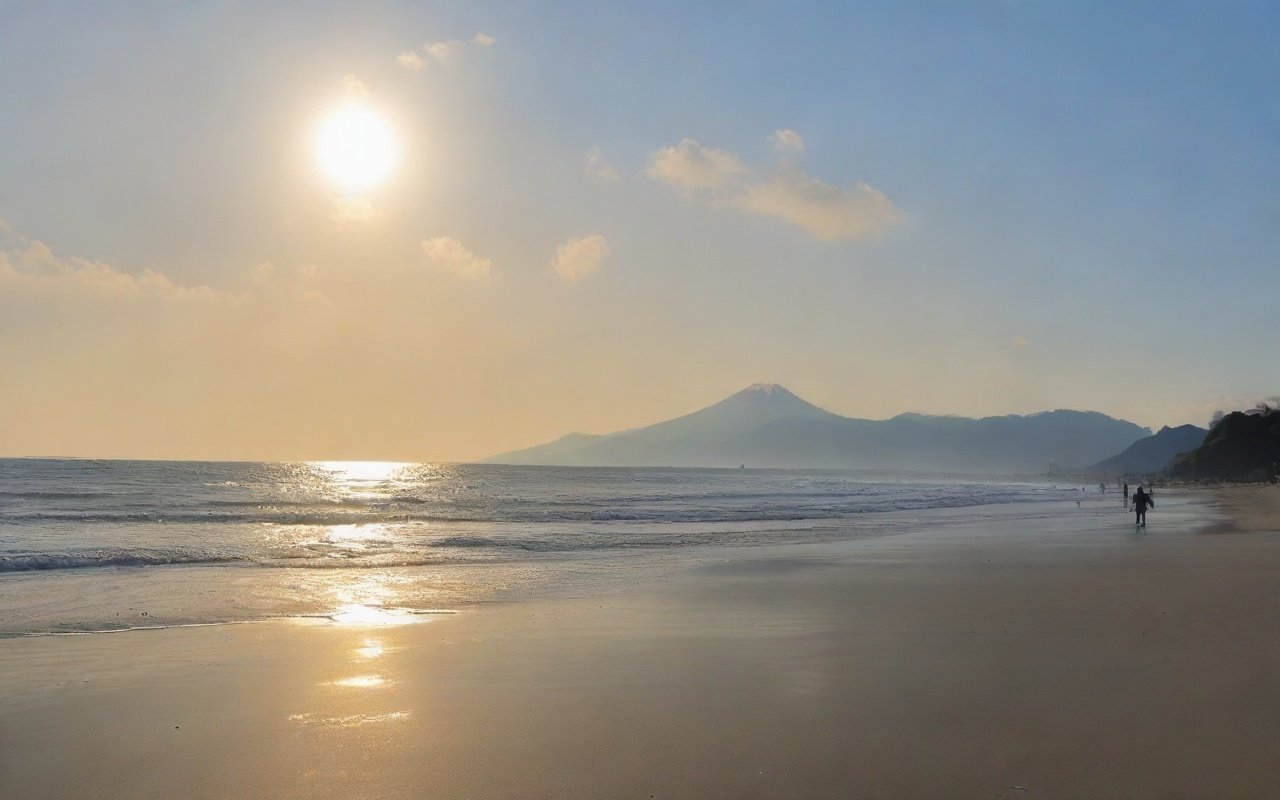
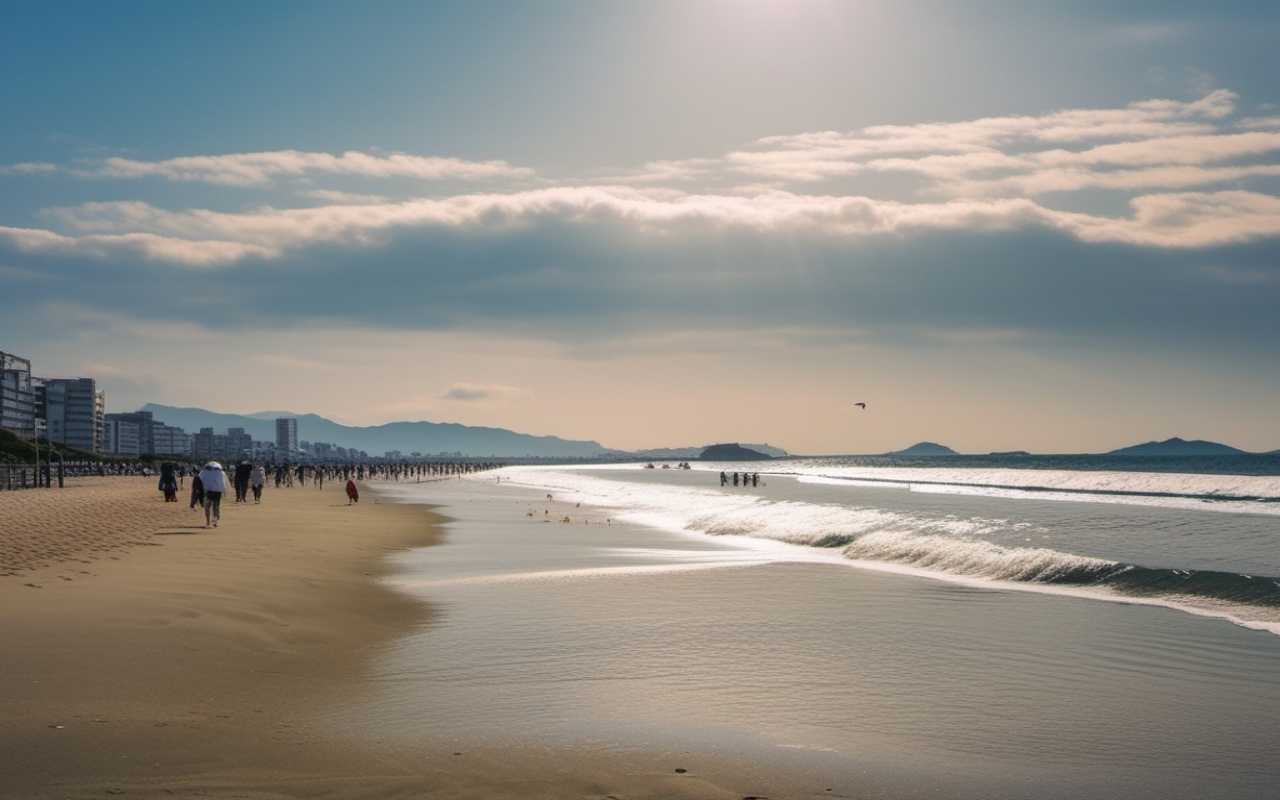
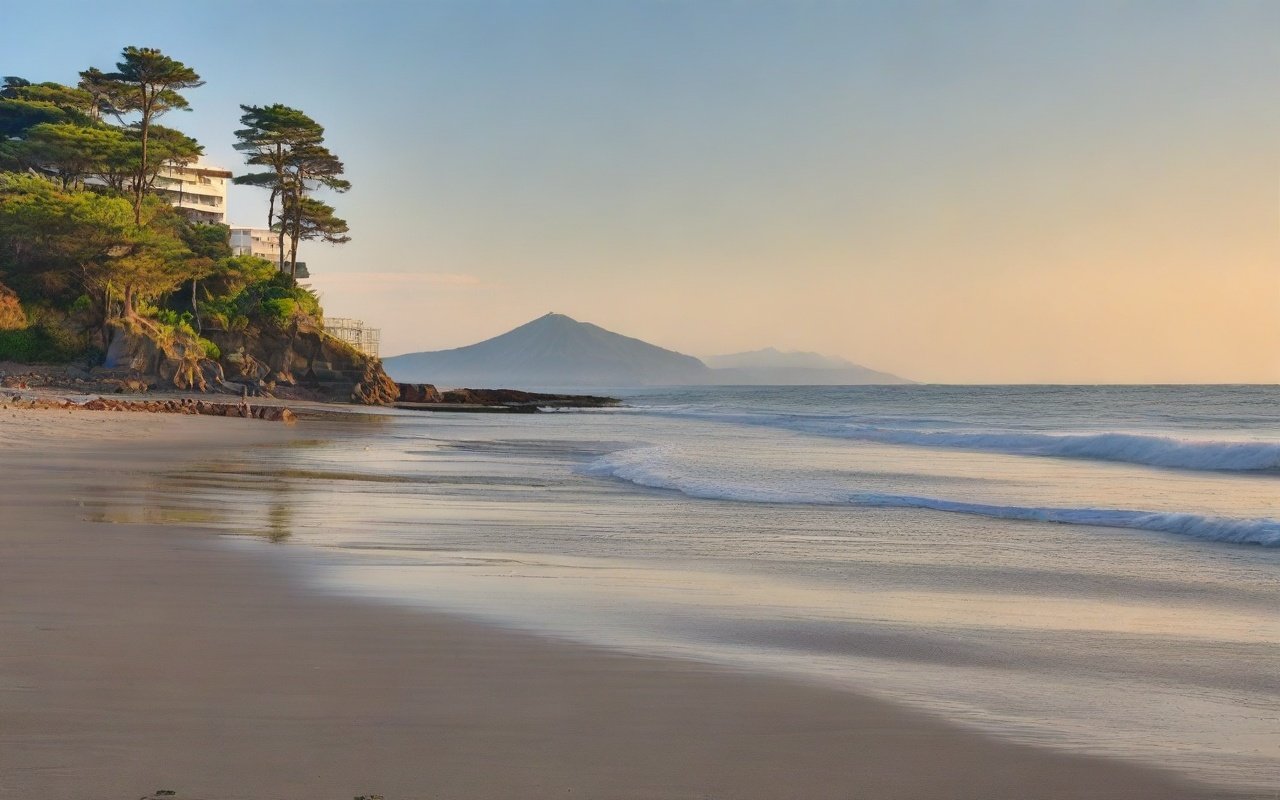
Shonan is the collective name for the coastal areas of southern Kanagawa Prefecture, Known for its beautiful beaches, surfing culture, and laid-back atmosphere, it’s a popular summer destination for Tokyo residents.
Highlights:
- 10+ beautiful beaches
- World-class surfing spots
- Beach cafes and restaurants
- Water sports activities
- Stunning sunset views
Yuigahama Beach (Kamakura)
Best for: Swimming, surfing, beach volleyball
Season: Early July to late August
Hours: 9:00 AM - 5:00 PM (swimming season)
Facilities: Showers, restrooms, shops, restaurants
Access: 5 min walk from Kamakura Station
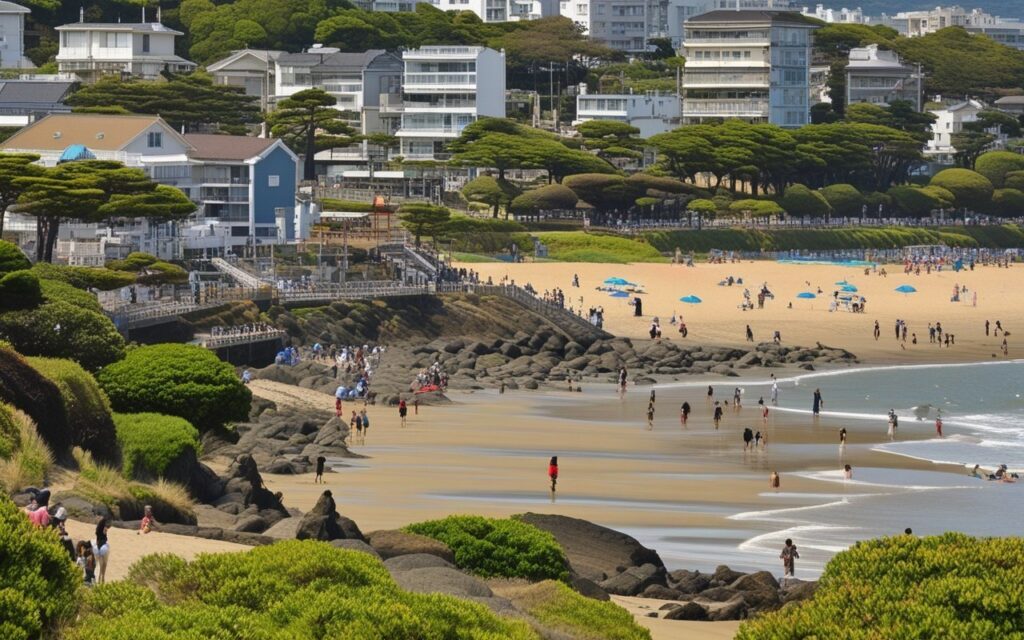
The most popular beach in Shonan, with excellent facilities and a vibrant atmosphere. Features:
- Beach volleyball courts
- Surfboard rentals
- Numerous beach houses
- Fireworks displays (summer weekends)
Zaimokuza Beach (Kamakura)
Best for: Quiet swimming, long walks, families
Season: Early July to late August
Hours: 9:00 AM - 5:00 PM
Facilities: Showers, restrooms, shops
Access: 15 min walk from Kamakura Station
A quieter alternative to Yuigahama, popular with families and those seeking a more relaxed atmosphere. Features:
- Less crowded
- Long sandy beach
- Good for beach walks
- Family-friendly
Koshigoe Beach
Best for: Surfing, sunset views, locals’ beach
Season: Early July to late August
Hours: 9:00 AM - 5:00 PM
Facilities: Showers, restrooms
Access: 10 min walk from Koshigoe Station
A local favorite with great surfing conditions and beautiful sunset views. Features:
- Less touristy
- Good surf breaks
- Local food stalls
- beautiful sunsets
Enoshima Beach
Best for: Surfing, beach activities, views
Season: Early July to late August
Hours: 9:00 AM - 5:00 PM
Facilities: Showers, restrooms, shops, restaurants
Access: 10 min walk from Enoshima Station
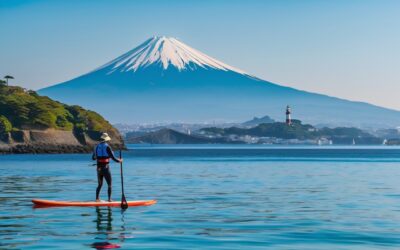
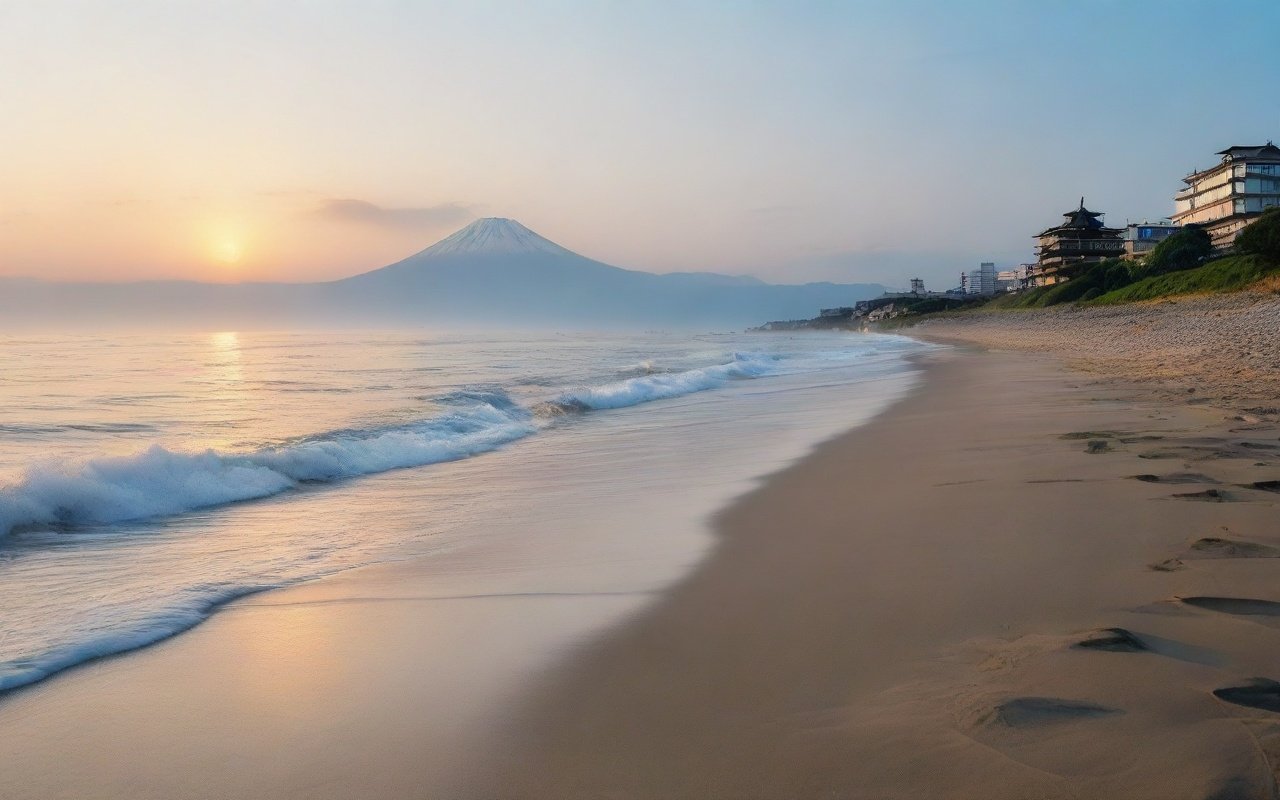
Located on the Enoshima island, this beach offers great surfing and beautiful views of Mount Fuji. Features:
- Multiple surf schools
- Beach volleyball courts
- Seafood restaurants
- Mount Fuji views
Best Surf Spots
Beginner:
- Yuigahama (gentle waves, surf schools)
- Enoshima (multiple breaks, lessons available) Intermediate:
- Koshigoe (consistent waves)
- Shichirigahama (longer rides) Advanced:
- Inamuragasaki (challenging breaks)
- Nagai (powerful waves)
Surf Schools
Shonan Surf School
Location: Yuigahama Beach
Price: ¥8,000-12,000 (2 hours)
Includes: Board, wetsuit, instruction
Location: Enoshima Beach
Price: ¥7,000-10,000 (2 hours)
Includes: Board, wetsuit, instruction
Beach Amenities Comparison
| Beach | Lifeguards (Jul-Aug) | Showers (¥) | Restrooms | Lockers | Umbrella Rental | Beach Houses |
|---|---|---|---|---|---|---|
| Yuigahama | ✅ 9 AM-5 PM | ¥100-200 | ✅ Free | ¥100-200 | ¥500-1,000/day | 5+ popular ones |
| Zaimokuza | ✅ 9 AM-5 PM | ¥100-200 | ✅ Free | ¥100-200 | ¥500-800/day | 2-3 smaller ones |
| Koshigoe | ✅ 9 AM-5 PM | ¥100 | ✅ Free | ¥100 | ¥500/day | 1-2 local houses |
| Enoshima | ✅ 9 AM-5 PM | ¥200-300 | ✅ Free | ¥200-300 | ¥800-1,000/day | 3-4 options |
| Shichirigahama | ✅ Weekends only | ¥100 | ✅ Free | ¥100 | ¥500/day | 1 cafe-style |
| Inamuragasaki | ❌ No lifeguards | ❌ None | ❌ None | ❌ None | ❌ None | ❌ None |
Key tips:
- Yuigahama has the best facilities but fills up by 10 AM on summer weekends
- Zaimokuza is the best family option with good facilities but fewer crowds
- Inamuragasaki is for experienced surfers only — no facilities or lifeguards
- Showers cost ¥100-200 for 3-5 minutes — bring ¥100 coins
🍽️ Beachside Dining: Best Eats Near Each Beach
| Beach | Restaurant | Type | Price | Must-Try |
|---|---|---|---|---|
| Yuigahama | The Beach | Brunch/Cafe | ¥1,000-2,000 | Acai bowl, eggs benedict |
| Yuigahama | Seaside Cafe Yuigahama | Cafe/Bar | ¥800-1,500 | Smoothies, craft beer |
| Zaimokuza | Cafe M | Casual dining | ¥700-1,200 | Curry rice, toast sets |
| Koshigoe | Koshigoe Cafe | Seafood | ¥1,200-2,000 | Shirasu pasta |
| Enoshima | Billiken | Izakaya/Cafe | ¥1,000-2,500 | Seafood platter, sunset drinks |
| Enoshima | Pacific Drive-in | Casual | ¥800-1,500 | Hot dogs, ice cream |
| Shichirigahama | Sunset Cafe | Cafe/Bar | ¥1,000-2,000 | Coffee, cake, beer |
Beach food pricing: Beach house food is 20-30% more expensive than nearby restaurants. A bowl of ramen at a beach house costs ¥1,200-1,500 vs. ¥800-900 at a restaurant 5 minutes inland. For budget dining, eat at a restaurant before heading to the beach.
🏄 Surfing Guide: Best Beaches by Skill Level
| Skill Level | Best Beach | Wave Type | Surf School | Lesson Price (2h) |
|---|---|---|---|---|
| Beginner | Yuigahama | Gentle 0.5-1m waves | Shonan Surf School | ¥8,000-12,000 |
| Beginner | Zaimokuza | Small 0.3-0.8m waves | Kamakura Surf Club | ¥7,000-10,000 |
| Intermediate | Koshigoe | Consistent 1-2m waves | Koshigoe Surf Academy | ¥10,000-15,000 |
| Intermediate | Shichirigahama | Longer rides 1-2m | Shonan Surf Company | ¥10,000-15,000 |
| Advanced | Inamuragasaki | Powerful 2-3m waves | Private lessons only | ¥12,000-18,000 |
Beginner tips:
- Yuigahama is the most beginner-friendly — gentle waves, shallow entry, and multiple surf schools
- Rent equipment from a school (board + wetsuit: ¥3,000-5,000 per day)
- Best time for beginners: early morning (6-8 AM) when waves are smallest
- Avoid weekends if possible — crowded lineups make learning harder
Best surf season: September-October offers the best combination of warm water (still 22-24°C from summer), consistent swell, and fewer crowds. Winter (November-March) has bigger waves (2-3m) but requires a 5mm wetsuit, boots, and gloves.
🌅 Sunset Viewing Guide
| Beach | Best Sunset Spot | Sunset Time (Summer) | Vibe | Photography Tip |
|---|---|---|---|---|
| Yuigahama | Near the pier | 6:30-7:00 PM | Lively, social | Use the pier as foreground |
| Enoshima | Sea Candle observation deck | 6:30-7:00 PM | Romantic, panoramic | Best Mt. Fuji silhouette views |
| Koshigoe | Western end of beach | 6:30-7:00 PM | Quiet, local | Long exposure for smooth water |
| Shichirigahama | Along the seawall | 6:30-7:00 PM | Peaceful, sparse | Fuji appears to the left of Enoshima |
Pro tip: The 30 minutes after sunset (blue hour) offer the most dramatic colors. Stay until the last light fades — the sky often surprises with unexpected pinks and purples. For a curated list of the best sunset overlooks along the coast, see our Shonan sunset viewpoints guide.
🚗 Beyond the Beach: Nearby Attractions
When you’ve had enough sun and sand, these attractions are within walking distance of each beach: Near Yuigahama/Zaimokuza:
- Kamakura Great Buddha (20 min walk) — iconic 13m bronze statue
- Hasedera Temple (15 min walk) — ocean-view temple with cave tunnels
- Komachi-dori shopping street (15 min walk) — souvenirs, street food, cafes
Near Enoshima:
- Enoshima Island (5 min walk across bridge) — Sea Candle, shrine, caves, gardens
- Enoshima Aquarium (10 min walk) — dolphin shows, jellyfish exhibits
- Enoden train ride to Kamakura (15 min) — scenic coastal tram
Near Koshigoe:
- Koshigoe Fishing Port (5 min walk) — watch local fishermen, buy fresh catch
- Shichirigahama coastline walk (20 min) — scenic coastal path with Fuji views
📅 Seasonal Events at Shonan Beaches
| Month | Event | Location | Description |
|---|---|---|---|
| Late July | Yuigahama Fireworks | Yuigahama Beach | 3,000 fireworks over the bay. Best viewed from the beach or nearby cafes. |
| Early August | Kamakura Fireworks Festival | Zaimokuza Beach | 5,000 fireworks — one of Kanagawa’s largest displays. Arrive by 4 PM for a good spot. |
| Mid-August | Enoshima Fireworks | Enoshima Beach | 2,500 fireworks launched from boats. Spectacular reflection on the water. |
| Late August | Shonan Beach Festival | Multiple beaches | Beach sports, food stalls, live music, and a final fireworks display. |
| September | Beach Clean-up Day | All beaches | Community volunteer event. Join local surfers and residents for a morning clean-up. |
Fireworks viewing tips:
- Arrive 3-4 hours early to claim your spot (bring a blanket or blue sheet)
- Convenience stores mark up drinks/snacks on fireworks days — bring your own
- Trains after fireworks are extremely crowded (30-60 min wait to board) — consider staying nearby or walking part of the way
🚣 Water Sports Beyond Surfing
| Activity | Location | Price | Duration | Best For |
|---|---|---|---|---|
| Stand-up Paddleboarding (SUP) | Yuigahama | ¥3,000-5,000 | 1-2 hours | All ages, calm days |
| Kayaking | Enoshima | ¥3,000-4,000 | 1 hour | Families, beginners |
| Parasailing | Enoshima Bay | ¥8,000-12,000 | 15 min flight | Thrill-seekers |
| Jet Skiing | Enoshima Bay | ¥5,000-8,000 | 30 min | Adventurous |
| Snorkeling | Jogashima (nearby) | ¥2,000-3,000 (rental) | 2-3 hours | Calm days only |
Note: Water sports other than surfing are only available during the summer season (July-August). Always check weather conditions before booking — sudden wind changes can make kayaking or SUP dangerous.
Common Facilities
Most beaches offer:
- Showers (¥100-200)
- Restrooms (free)
- Lockers (¥100)
- Beach chair rentals (¥500-1000/day)
- Umbrella rentals (¥500-1000/day)
Beach Houses
Features:
- Food and drinks
- Music and entertainment
- Changing rooms
- Equipment rentals Popular Beach Houses:
- The Beach (Yuigahama)
- Billiken (Enoshima)
- Mellow (Koshigoe)
By Train
To Kamakura (Yuigahama/Zaimokuza):
- JR Yokosuka Line: 1 hour from Tokyo (¥1,040)
- JR Shonan-Shinjuku Line: 1 hour from Shinjuku (¥1,040) To Enoshima:
- Odakyu Line: 65 minutes from Shinjuku (¥650)
- Enoden: 10 minutes from Kamakura (¥320)
By Car
- From Tokyo: 1.5 hours via Yokohama-Yokosuka Road
- Parking: ¥500-1000/day at beach lots
Swimming Season
Official Season: Early July to late August Pros:
- Lifeguards on duty
- All facilities open
- Beach houses operating
- Water sports available Cons:
- Very crowded (especially weekends)
- Higher prices
- Limited parking
Off-Season
September to June
Pros:
- Fewer crowds
- Good for surfing
- Lower prices
- beautiful scenery Cons:
- No lifeguards
- Limited facilities
- Cold water (winter)
- Some shops closed
Do’s
- ✅ Use designated swimming areas
- ✅ Shower before and after
- ✅ Dispose of trash properly
- ✅ Respect local residents
- ✅ Follow lifeguard instructions
Don’ts
- ❌ No smoking on most beaches
- ❌ No alcohol after 8 PM
- ❌ No loud music
- ❌ No camping
- ❌ No fires (except designated areas)
Beachfront Hotels
Shonan Beach Park Hotel
Price: ¥15,000-25,000/night
Features: Ocean views, onsen, restaurant
Guesthouses
Shonan Backpackers
Price: ¥3,000-5,000/night
Features: Shared kitchen, surfboard storage
Summary
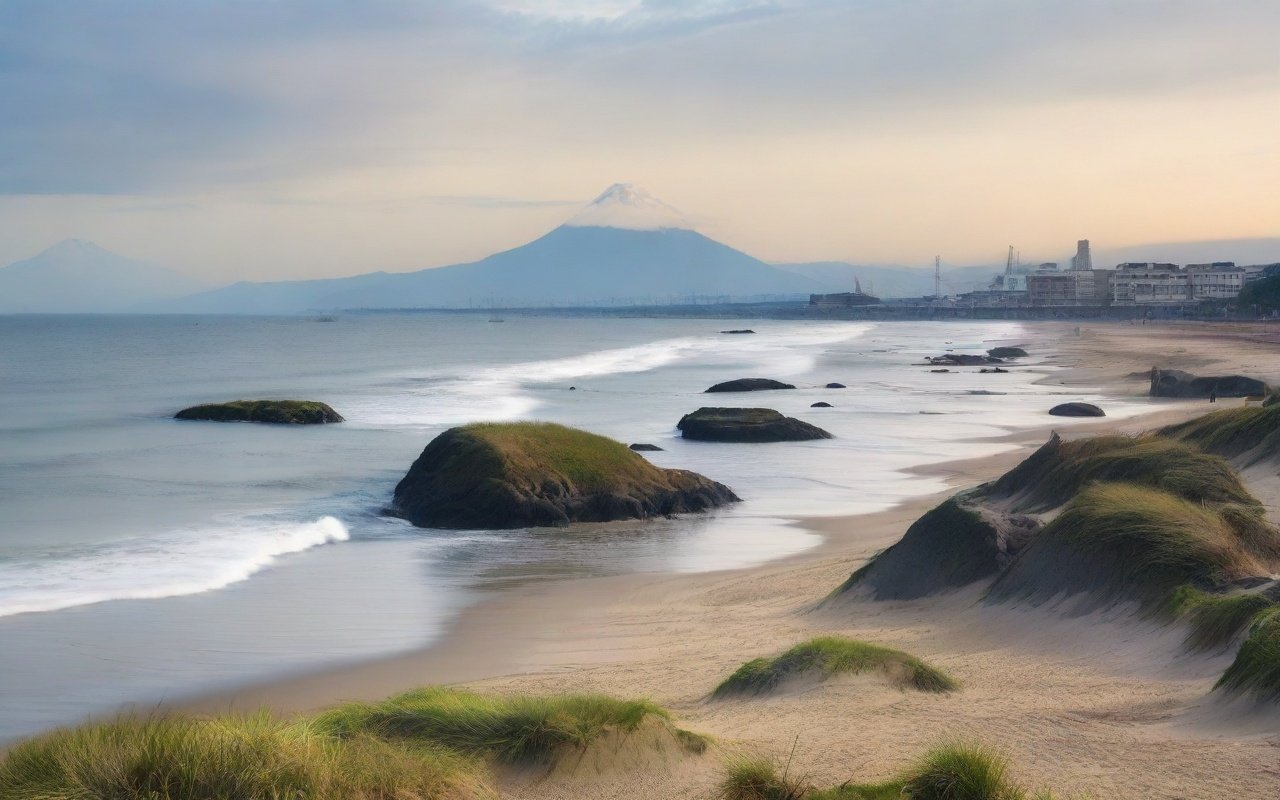
Shonan offers some of the best beaches near Tokyo, perfect for swimming, surfing, and relaxation. Whether you’re looking for a lively beach scene or a quiet spot, Shonan has something for everyone.
Key highlights:
- 10+ beautiful beaches
- World-class surfing
- Easy access from Tokyo (1 hour)
- great food scene
- Perfect for summer day trips
Shonan Beach Guide Whether you are looking for a relaxing day by the ocean or an active beach experience, Shonan Beach Guide – Kanagawa 2026 offers something for every type of traveler. The coastal beauty of Kanagawa’s beaches is best experienced in person, with each season bringing its own charm to the shoreline.
Q, When is the best time to visit?
A. July-August for swimming, September-October for surfing.
Are beaches crowded on weekends?
A. Yes, very crowded. Visit on weekdays if possible.
Can I surf in winter?
A. Yes, with a wetsuit. Winter waves are good for experienced surfers.
Are dogs allowed on beaches?
A. Most beaches prohibit dogs during swimming season. Check local rules.
Frequently Asked Questions
Q: Is there a best time of day to visit?
A: Early mornings (before 10 AM) are ideal for experiencing attractions with minimal crowds and optimal lighting for photography. Late afternoons (after 3 PM) also offer good conditions as tour groups depart. Midday hours (11 AM-2 PM) are the busiest across most destinations in Kanagawa.
Q: What’s the most convenient way to reach this destination?
A: The area is well-served by train from central Tokyo. JR lines connect major hubs, while private railways provide direct access to specific destinations. Travel time ranges from 25 minutes to 2 hours depending on the location. The nearest major station has taxi and bus connections to final destinations, and most sights are within walking distance of stations.
Q: Is this destination manageable as a day trip from Tokyo?
A: Yes, all destinations in this guide work well as day trips. Plan to arrive by late morning to see the main highlights. For a relaxed pace including lunch and optional detours, allow 6-8 hours. If you have more time, extending your stay overnight lets you explore at a leisurely pace and enjoy evening attractions.
Q: Do I need any special skills or equipment to enjoy this destination?
A: Most attractions in this guide are accessible to visitors of all backgrounds and fitness levels. Well-maintained paths, clear signage, and English information make navigation easy. For activities requiring specific gear (hiking shoes, swimwear, etc.), recommendations are included in the relevant sections above.
Shonan Beach Guide – Kanagawa 2026 provides everything you need to make your Kanagawa trip smooth and enjoyable. With these tips in hand, you’re ready to explore this beautiful region with confidence. Safe travels!
Conclusion
exploring the Shonan coast for its beach can be as relaxed or as packed as you want it to be, and I have found that the best visits leave room for both planning and spontaneity. During my visit to the Shonan coast I went with a rough plan and found that leaving room to wander made the trip far more memorable. Use this guide to sort out the logistics in advance, then let the day surprise you — Kanagawa rewards travelers who stay curious.