Tag: beaches

  • Kanagawa Summer Guide 2026 — Beaches, Fireworks & Summer…

    Kanagawa Summer Guide 2026 — Beaches, Fireworks & Summer…

    This guide provides essential travel tips and practical advice for navigating Kanagawa Prefecture. From transportation passes to safety information, you will find everything you need for a smooth and enjoyable trip.

    Having visited these locations multiple times, I’ve gathered practical insights that go beyond typical tourist information.

    💬 Traveler’s Note: I visited in the summer and the coastal breeze made the heat perfectly bearable. I recommend starting your day early to enjoy the beaches before the midday crowds arrive.

    Introduction

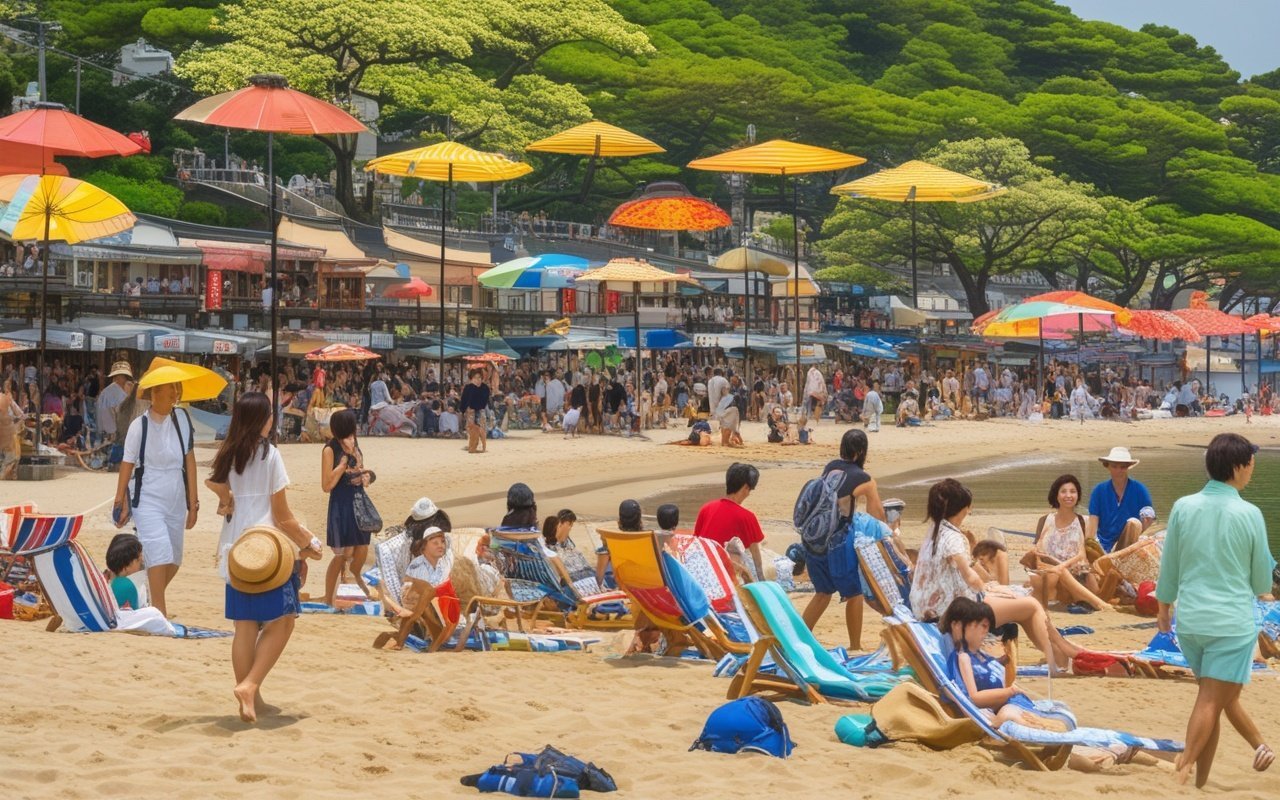
    Summer in Kanagawa means beaches, fireworks, and festivals. This guide covers the best beaches, major summer events, heat management tips, and how to make the most of the vibrant summer season.

    🏖️ Kanagawa’s Best Beaches: A Detailed Comparison

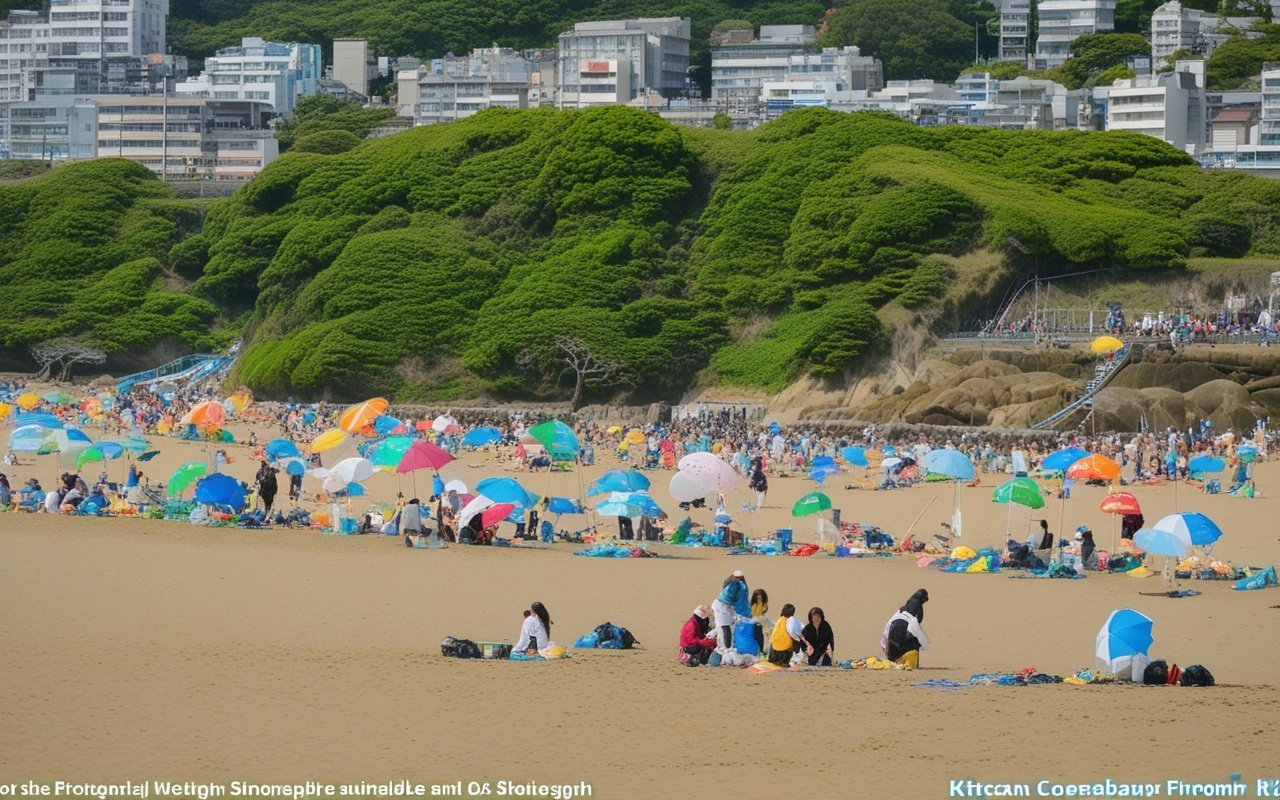
    Summer in Kanagawa means the Shonan coast comes alive. Here’s how the main beaches compare:

    Beach Vibe Activities Best For Crowd Level
    Yuigahama (Kamakura) Family-friendly Swimming, paddleboarding First-timers High
    Shichirigahama (Kamakura) Surfer vibe Surfing, windsurfing Active visitors Moderate
    Kugenuma (Fujisawa) Volleyball central Beach volleyball, BBQ Groups High
    Chigasaki (Chigasaki) Relaxed surf Surfing, cafe hopping Couples Moderate
    Isshiki (Hayama) Pristine Swimming, snorkeling Quality seekers Low
    Zushi (Zushi) Quiet residential Swimming, fishing Families Low

    Kanagawa Summer Guide 2026

    Overview

    Summer (June-August) means beach season on the Shonan coast. Swimmers and surfers crowd the beaches from July through August, Evening fireworks light up Yokohama Harbor. This guide covers beaches, fireworks, heat survival, and crowd navigation.

    Best Beaches

    Yuigahama (Kamakura) has gentle waves — ideal for families. Shichirigahama offers surfing and windsurfing. Kugenuma (Fujisawa) features volleyball. Chigasaki has relaxed surf culture. Isshiki (Hayama) offers the cleanest water. Beach season July 1-August 31, lifeguards 9 AM-5 PM.

    Fireworks

    Yokohama Sparkling Twilight (July, 15,000 shells) — best viewed from Yamashita Park. Kamakura Fireworks (early August, 4,000 shells) at Yuigahama. Enoshima Fireworks (multiple August dates). Arrive 2-3 hours early.

    Summer Food

    Fresh shirasu rice bowls, kakigori shaved ice, beer garden rooftops, nagashi somen cold noodles, hiyashi chuka cold ramen.

    Heat Survival

    Carry a hand fan. Drink Pocari Sweat. Avoid outdoors 12 PM-3 PM. SPF 50+ sunscreen, Cooling towels (¥300-500). Watch for heatstroke signs.

    Practical notes

    Visit on weekdays. Enoden queues 10 AM-3 PM. Go to beaches before 9 AM or after 4 PM, Morning activities are most comfortable. Evenings are perfect for fireworks and beer gardens.nnKanagawa Summer Guide 2026 — Beaches, Fireworks & Summer... — Overview
    Access

    Most visitors reach Kanagawa from central Tokyo by JR, private railway, or highway bus, and an IC card (Suica or Pasmo) works across all of them. From my experience, leaving Tokyo before the morning rush keeps the journey relaxed, and station luggage lockers are handy if you arrive early.

    🎆 Fireworks Festival Guide: Where, When, and How to Watch

    Festival Date Shells Best Viewing Spot Arrival Time
    Yokohama Sparkling Twilight Mid-July 15,000 Yamashita Park 2 hours early
    Kamakura Fireworks Early August 4,000 Yuigahama Beach 2 hours early
    Enoshima Fireworks Multiple August dates 3,000 Enoshima Island 1.5 hours early
    Odawara Komagataze Early August 5,000 Odawara Port 1.5 hours early

    Insider tips:

    • Bring a blue tarp (¥300 at Daiso) to claim ground space
    • Convenience store bento boxes beat festival food prices by 50%
    • The best photos are taken from a side angle, not directly under the shells
    • Trains run extra services during fireworks — but expect 30-60 minute waits after the show ends
    • Consider booking a hotel within walking distance (Yokohama’s waterfront hotels charge premium but save you the train nightmare)

    🌡️ Heat Survival Guide: Staying Cool in Kanagawa Summer

    Kanagawa summers average 28-33°C with 70-85% humidity. Heatstroke is a real risk. Here’s your survival kit:

    What to Carry Daily

    Item Purpose Price
    Pocari Sweat (500ml) Electrolyte replacement ¥150 (vending machine)
    Cooling towel Wrist/neck cooling ¥300-500 (drugstore)
    Hand fan Immediate cooling ¥200 (100-yen shop)
    SPF 50+ sunscreen UV protection ¥1,000-1,500
    UV umbrella Shade on the go ¥1,000-2,000
    Portable battery fan Continuous airflow ¥2,000-3,000 (Yodobashi)

    Daily Schedule for Summer

    • 6-9 AM: Outdoor activities (beach, temples, hiking) — this is your window
    • 9 AM-12 PM: Museums, shopping, indoor attractions
    • 12-3 PM: Avoid outdoors entirely. Have lunch in air conditioning, rest at hotel
    • 3-5 PM: Secondary outdoor window (beach late afternoon is delightful)
    • 5 PM+: Beer gardens, evening festivals, night illuminations

    Heatstroke symptoms to watch for: Dizziness, headache, nausea, muscle cramps. If you experience these, move to shade immediately, drink water with salt, and cool your neck with a wet towel.

    🍜 Summer Food Guide

    Dish Description Where to Try Price
    Kakigori Shaved ice with syrup Any beach house ¥400-600
    Hiyashi chuka Cold ramen with toppings Ramen shops in Yokohama ¥800-1,200
    Nagashi somen Cold noodles flowing in bamboo Hakone ryokan (requires booking) ¥1,500-2,500
    Shirasu don Fresh whitebait rice bowl Kamakura’s Komachi-dori ¥800-1,200
    Beer garden Rooftop drinking Yokohama Landmark Tower ¥1,500 (drink set)

    Unique find: The beer garden atop Yokohama’s Landmark Tower (69th floor, ¥3,000 for all-you-can-drink 90 minutes) offers Mount Fuji views at sunset. Operates July-August. Reserve 1-2 weeks ahead.

    How to Get There

    To Shonan beaches: JR Tokaido Line from Tokyo to Kamakura (1 hour) or Fujisawa (50 minutes). From Fujisawa, take the Enoden tram to beaches.

    To Enoshima during summer: Odakyu Limited Express from Shinjuku to Katase-Enoshima (65 minutes). Summer weekends are very crowded — take early morning trains.

    To Yokohama fireworks events: JR Tokaido Line to Yokohama Station (25 minutes). Major fireworks events (August) attract huge crowds — arrive 2 hours early.

    To Hakone for summer: Odakyu Romancecar from Shinjuku to Hakone-Yumoto (85 minutes). Book Romancecar seats 1 month ahead for summer weekends.

    To Kamakura (summer temples): JR Yokosuka Line from Tokyo (1 hour). Early morning (before 9 AM) avoids the worst heat and crowds.

    Nearby Recommendations

    After exploring the main destination, consider visiting nearby attractions to maximize your time. Most areas in Kanagawa are within 20-30 minutes of each other by train. Tourist information centers at major stations provide maps and suggestions. Consider purchasing a day pass if you plan to visit multiple locations. Many hidden gems are just a few minutes off the main tourist path.

    Local Tips

    For the best experience, explore side streets away from main tourist areas. Some of the best restaurants and shops are tucked away in narrow alleys. Ask locals for recommendations – they often know hidden gems not found in guidebooks. If you see a line of locals waiting outside a restaurant, join it. Carry cash as many small shops and restaurants are cash-only.

    Money-Saving Tips

    Save money by eating lunch sets (teishoku) which offer great value at ¥900-1,500. Purchase day passes for unlimited train travel in specific areas. Convenience stores provide affordable meals and snacks. Book attractions online in advance for potential discounts. Many museums offer reduced admission during certain days or hours. Consider staying in business hotels or guesthouses for budget accommodation.

    Packing Essentials

    Pack comfortable walking shoes as most exploration is done on foot. Bring a reusable water bottle – tap water is safe throughout Japan. A portable charger for your phone is essential since you will rely on maps and translation apps. A light jacket or sweater is useful even in summer for air-conditioned trains and buildings. Pack a small umbrella for unexpected rain showers.

    Dos and Don’ts

    Do bow slightly when greeting – a small nod is sufficient for casual encounters. Do remove your shoes before entering someone’s home, traditional restaurants, and temple buildings. Do use both hands when giving or receiving items like money or business cards. Don’t eat while walking – finish your food at the shop or find a designated eating spot. Don’t tip – service charges are included in Japan. Don’t blow your nose in public – it’s considered rude.

    What to Expect

    Expect a mix of modern convenience and traditional culture. Temples and shrines coexist with shopping malls and entertainment complexes. Walking is the best way to explore most areas, so comfortable shoes are essential. Wifi is available at most stations and tourist facilities. Queuing etiquette is important – always wait in line and follow directional signs.

    Conclusion

    Whether you are planning exploring Kanagawa for its beach for the first time or returning for another visit, taking a little extra time to go beyond the obvious sights makes all the difference. During my visit I went with a rough plan and found that leaving room to wander made the trip far more memorable. I hope this guide helps you build an itinerary that fits your pace, and that your time in Kanagawa leaves you with memories worth coming back for.
  • Hayama Hidden Beaches Guide 2026

    Hayama Hidden Beaches Guide 2026

    Hayama Hidden Beaches Guide 2026

    Overview

    Plan your perfect visit to Hayama Hidden Beaches Guide with this comprehensive destination guide, Covering everything from must-see attractions to practical travel tips, this guide helps you make the most of your time in Hayama. Whether you have a single day or an entire week, discover the best that this Kanagawa destination has to offer.

    Introduction: Why Hayama’s Coastline is Different

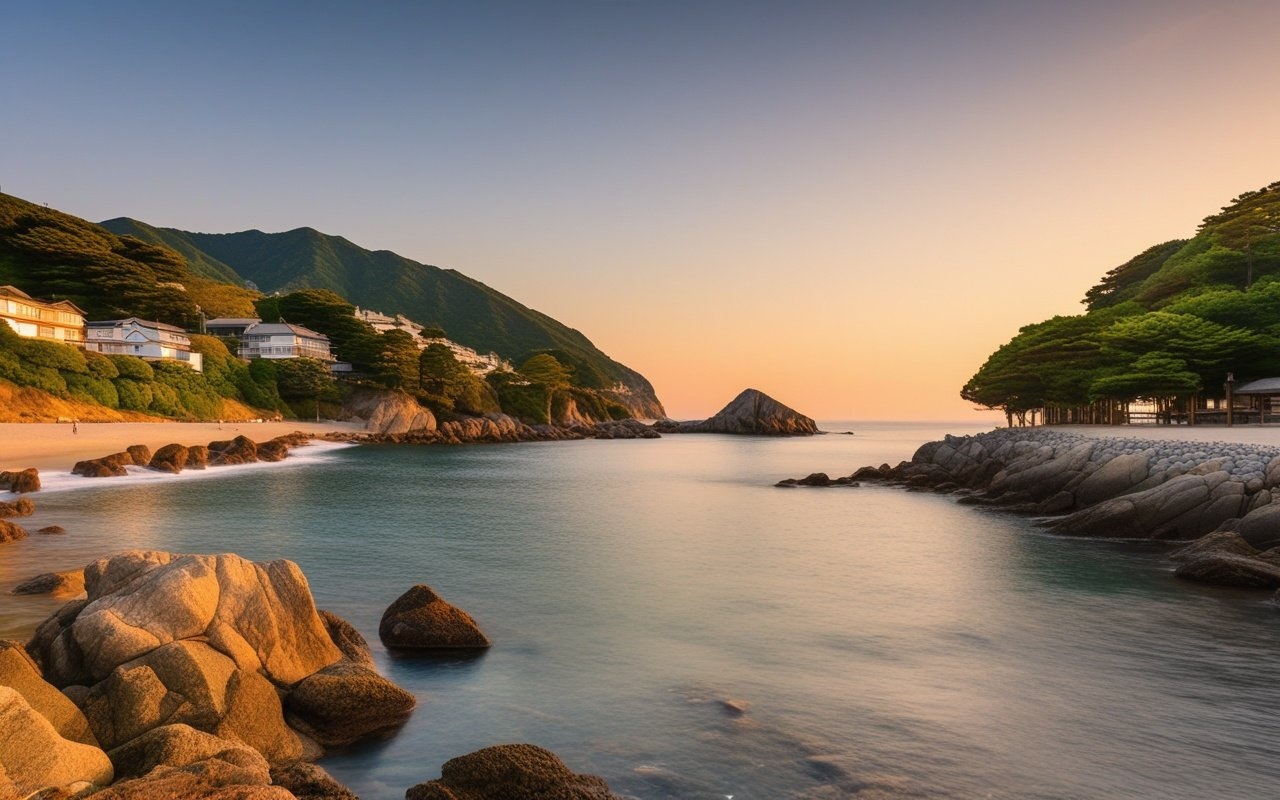
    The Imperial Family’s Hayama Villa, located directly above Isshiki Beach, set the tone for the area a century ago. Rather than developing into a neon-lit resort, Hayama remained deliberately understated. The beaches have no towering hotels, no boardwalk arcades, no crowds of tour buses. What they offer instead is space, clean water, and views that have attracted artists, writers, and sailors for generations.

    What Makes Hayama Beaches Special:

    • Calm waters: Sagami Bay’s sheltered orientation means gentler waves than Pacific-facing beaches
    • Mt. Fuji views: On clear days, the mountain floats across the bay — best at sunset
    • Low-rise coastline: No high-rises block the horizon
    • Local character: Many visitors are regulars who return every summer
    • Beach huts with taste: The umi-no-ie here are relaxed and stylish, not loud

    Best Times to Visit:

    • Weekdays: Quiet enough that you might share the beach with fewer than 20 people
    • July–August: Official swimming season with lifeguards and beach huts
    • Winter: Cold for swimming, but crystal-clear air for Mt. Fuji photography
    • Sunset: Every beach faces directly into the setting sun

    Updated: June 2026 (all beaches visited and verified)


    1. Isshiki Beach (一色海岸)

    The Classic — Hayama’s Most Beautiful Beach

    Location: Central Hayama coast
    Coordinates: 35.2711°N, 139.5778°E
    Access: 15-min bus from Zushi Station + 5-min walk
    Length: ~1 km crescent
    Sand: gray volcanic sand
    Water: Calm, good for swimmers of all levels
    Lifeguards: July–August (9:00–17:00)
    Beach Huts: ✅ Seasonal (Blue Moon, others)
    Parking: ¥500–1,000/day (limited)

    Why It’s Special:

    Isshiki Beach is the heart of Hayama’s coastal identity. The beach forms a gentle arc between two rocky points, creating a natural enclosure that keeps the water calm even on days when other beaches have chop. The Imperial Villa’s forested grounds rise behind the beach, ensuring that no construction will ever block the view.

    From the water, the sight of Mt. Fuji aligning with the beach’s western point at sunset is one of Kanagawa’s great coastal experiences. The sand has a distinctive dark gray color from volcanic minerals, which stays cool enough to walk on barefoot even in August.

    Beach Huts (Umi-no-ie):

    • Blue Moon — the most famous, with stylish deck seating, cocktails, and food (¥1,500–3,000 per person)
    • Isshiki Beach House — family-friendly, yakisoba and shaved ice (¥800–1,200)
    • Both operate roughly July 15–August 31

    What to Do:

    • Swim in the calm, roped-off area
    • SUP or kayak (bring your own or rent from Zushi)
    • Walk east along the rocks at low tide to find small tidal pools
    • Photograph the sunset alignment with Fuji (winter months best)

    Getting There:

    From Zushi Station:
    1. Keikyu Bus to "Hayama" or "Isshiki" stop (15 min, ¥230)
    2. Walk toward the water (5 min)
    3. Beach is directly ahead
    
    From Hayama Town Center:
    - 10-minute walk from the main shopping street
    - Follow signs toward the Imperial Villa

    Insider Tip:

    Arrive before 9 AM on weekdays for the best experience — you may share the beach with only a handful of early-morning swimmers and a few paddleboarders. The light at this hour is soft, and the water is at its calmest.


    2. Morito Beach (森戸海岸)

    The Town Beach — Best Sunset Views

    Location: Central Hayama, near Morito Shrine
    Coordinates: 35.2722°N, 139.5733°E
    Access: 12-min bus from Zushi Station
    Length: ~600 m
    Sand: gray volcanic sand mixed with pebbles
    Water: Calm, shallow entry
    Lifeguards: July–August (limited)
    Beach Huts: ✅ (2–3 seasonal)
    Parking: ¥500–800/day (public lot)

    Morito Beach sits directly in front of Morito Shrine, whose vermilion torii gate and small shrine island create one of Kanagawa’s most photographed coastal compositions. The shrine island — connected to the mainland by a short path at low tide — is a Shinto site dedicated to the sea god, and local fishermen still pray here before heading out.

    The beach is slightly busier than Isshiki because of its central location, but still far quieter than Kamakura’s beaches. The water entry is gradual and sandy, making it a good choice for families with young children.

    Morito Shrine Connection:

    The shrine’s annual summer festival (late July) includes a procession of boats and portable shrines (mikoshi) carried into the surf. This is one of Hayama’s most vibrant community events, and the beach fills with locals in yukata. If your visit coincides with the festival, expect crowds — but the atmosphere is celebratory and welcoming.

    What to Do:

    • Swim in the central swimming zone
    • Walk to Morito Shrine island at low tide
    • Watch sunset from the beach’s western end (Fuji views)
    • Visit the shrine’s main hall for sea-safety amulets

    Getting There:

    From Zushi Station:
    1. Keikyu Bus to "Morito" stop (12 min, ¥230)
    2. Walk toward the shrine (3 min)
    3. Beach is to the left of the shrine entrance
    
    From Isshiki Beach:
    - 10-minute walk along the coastal path

    Insider Tip:

    The beach’s far western end, near the rocky point, is where photographers set up for sunset shots of Mt. Fuji framed by the Morito Shrine torii, Bring a telephoto lens (70–200mm) for the best compression effect.


    3. Shibasaki Beach (芝崎海岸)

    Best for Tide Pooling — Quiet Rocky Shore

    Location: Eastern Hayama, toward Zushi
    Coordinates: 35.2767°N, 139.5811°E
    Access: 10-min walk from Keikyu Shin-Zushi Station
    Length: ~300 m (rocky shoreline)
    Sand: Minimal sand, primarily rock shelves and pebbles
    Water: Clear, shallow pools at low tide
    Lifeguards: ❌ None
    Beach Huts: ❌ None
    Parking: Street parking only (limited)

    Shibasaki is not a swimming beach in the traditional sense — the shoreline is rockier and less forgiving than the sandy crescents of Isshiki and Morito. What it offers instead is the best tide-pooling on Hayama’s coast. At low tide, the rocky shelves reveal shallow pools teeming with small fish, hermit crabs, sea anemones, and the occasional starfish.

    The water clarity is remarkable on calm days — you can see the bottom at 3–4 metres depth. Snorkellers will find small schools of juvenile fish among the rocks, and octopus sometimes hide in crevices.

    What to Bring:

    • Reef shoes or water sandals (essential — sharp barnacles)
    • Snorkel mask (clear water rewards it)
    • Small net or bucket for observing tide pool life (release everything)
    • Waterproof camera or phone case

    What to Do:

    • Tide pool exploration at low tide
    • Snorkelling along the rocky edges
    • Photography of marine life and rock formations
    • Quiet picnicking on the flat rock shelves (bring a mat)

    Getting There:

    From Shin-Zushi Station (Keikyu Line):
    1. Exit toward the coast
    2. Walk straight for 8 minutes
    3. Turn left at the small fishing boat mooring
    4. Shoreline access at the end of the path
    
    From Zushi Station (JR):
    - 20-minute walk south along the coast

    Insider Tip:

    Check the tide tables before visiting — low tide is the magic window. Aim for 1–2 hours before the low tide mark. The best pools are on the eastern side of the beach, where the rock shelves are flattest and the water warms up fastest in the sun.


    4. Chojagasaki Beach (長者ヶ崎海岸)

    Wildest Coast — Rugged Scenery, Fewest People

    Location: Southern Hayama, border with Yokosuka
    Coordinates: 35.2556°N, 139.5867°E
    Access: Bus from Zushi Station + 10-min walk
    Length: ~400 m (rocky coves)
    Sand: Small sandy pockets between rock formations
    Water: Open ocean exposure — stronger currents
    Lifeguards: ❌ None
    Beach Huts: ❌ None
    Parking: ¥500 (small lot, fills early)

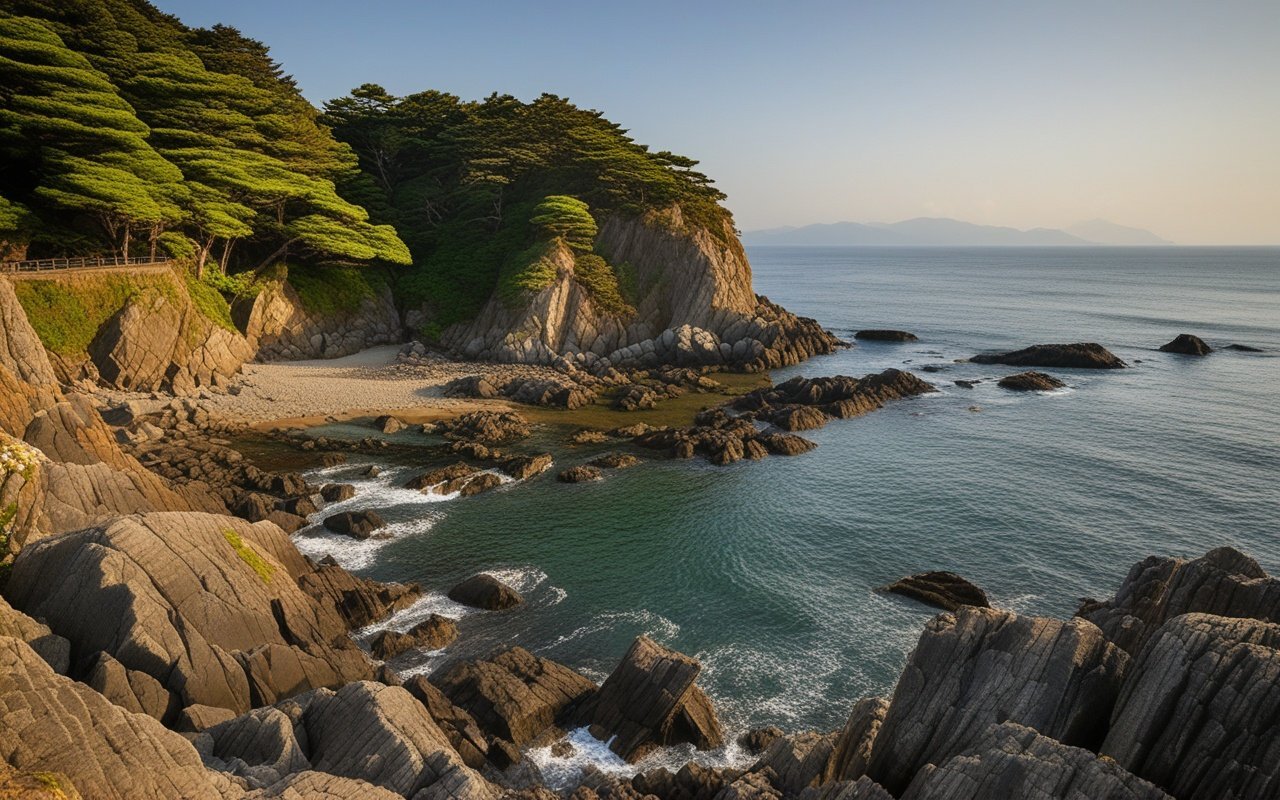
    Chojagasaki is Hayama’s wild edge. The coast here is defined by a volcanic rock promontory that juts into Sagami Bay, creating a series of small coves and rocky platforms that feel far removed from the polite beach culture elsewhere in town. The wind is stronger, the waves have more energy, and the scenery is dramatic enough to attract photographers even on overcast days.

    A small Shinto shrine sits on the point itself, dedicated to the protection of local fishermen. The path to the shrine winds through wind-sculpted pine trees and past weathered rock formations that have been shaped by decades of winter swells.

    Swimming Warning:

    Unlike Isshiki and Morito, Chojagasaki has no lifeguards and no designated swimming zone. The water can have sudden drop-offs and stronger currents. Swim here only on calm days, stay close to shore, and never alone, During the official swimming season (July–August), local volunteers sometimes mark safe zones with buoys — look for them before entering.

    What to Do:

    • Photography (sunrise, sunset, storm light)
    • Walk the promontory trail to the shrine
    • Explore the small coves at low tide
    • Picnic on the flat rock terrace near the shrine

    Getting There:

    From Zushi Station:
    1. Keikyu Bus toward "Chojagasaki" or "Yokosuka" (20 min, ¥350)
    2. Get off at "Chojagasaki" bus stop
    3. Walk toward the water (5 min)
    4. Trail to the point starts at the parking area
    
    From Morito Beach:
    - 30-minute walk south along the coastal road
    - Or 10-minute bus ride

    Insider Tip:

    Chojagasaki is at its most beautiful in late autumn and winter, when the air is clearest and Mt. Fuji dominates the horizon from the promontory’s tip. Dress warmly — the wind here is strong even on sunny days, and there is no shelter from the elements.

    Hayama Hidden Beaches Guide 2026 — 4. Chojagasaki Beach


    Practical Information

    How to Get to Hayama Beaches

    From Tokyo Station:
    1. JR Yokosuka Line to Kamakura Station (55 min, ¥1,040)
    2. Transfer to Enoden or JR to Zushi Station (5 min, ¥170)
    3. Keikyu Bus to your chosen beach (10–20 min, ¥230–350)
    Total: ~90 minutes, ¥1,300–1,500
    
    From Yokohama Station:
    1. JR Yokosuka Line to Zushi Station (25 min, ¥420)
    2. Keikyu Bus to beach (10–20 min)
    Total: ~45 minutes, ¥650–800

    Best Way to Get Around

    Bicycle is the ideal way to explore all four beaches in a single day. Rental shops near Zushi Station offer bikes for ¥1,000–1,500/day. The coastal road between Zushi and Chojagasaki is flat and scenic, with wide sidewalks and dedicated bike parking at most beaches.

    What to Bring

    Essential:
    - Water (2 L minimum — no vendors at Shibasaki or Chojagasaki)
    - Sunscreen (SPF 30+, water-resistant)
    - Hat and sunglasses
    - Reef shoes (essential for Shibasaki and Chojagasaki)
    - Towel and change of clothes
    - Cash (many beach huts are cash-only)
    
    Recommended:
    - Snorkel mask (clear water at Shibasaki)
    - Beach umbrella (limited natural shade)
    - Cooler with snacks and drinks
    - Dry bag for valuables
    - Camera (sunset photography at Isshiki)

    Beach Comparison

    Beach Swimming Facilities Crowds Best For
    Isshiki ✅ Excellent ✅ Huts, showers Moderate Swimming, sunset
    Morito ✅ Good ✅ Huts, toilets Moderate Families, photos
    Shibasaki ⚠️ Limited ❌ None Low Tide pooling, snorkel
    Chojagasaki ⚠️ Advanced ❌ None Very low Photography, solitude

    Seasonal Guide

    Summer (July–August):
    - Swimming season (lifeguards at Isshiki and Morito)
    - Beach huts open (mid-July to August 31)
    - Water temperature: 23–27°C
    - Crowded on weekends (arrive before 9 AM)
    - Morito Shrine festival: late July
    
    Autumn (September–November):
    - No lifeguards (swim at your own risk)
    - Clearest Mt. Fuji views start in October
    - Fewer visitors, more peaceful
    - Water still warm through September
    
    Winter (December–February):
    - Best Mt. Fuji visibility
    - Dramatic winter light for photography
    - Too cold for swimming
    - Windy at Chojagasaki
    
    Spring (March–May):
    - Cherry blossoms along the coastal path
    - Water too cold for swimming
    - Perfect for coastal walks and photography
    - Fewer visitors than summer

    Beach Etiquette

    Do's:
    ✅ Carry out all trash (there are fewer bins than public beaches)
    ✅ Respect the neighborhood (beaches are adjacent to residential areas)
    ✅ Shower before entering the water (showers available at Isshiki, ¥100)
    ✅ Check water quality notices posted at beach entrances
    ✅ Support local beach huts (they fund beach maintenance)
    
    Don'ts:
    ❌ No amplified music (sound carries across the bay)
    ❌ No drones over the Imperial Villa area
    ❌ Don't walk on the dune grass (helps prevent erosion)
    ❌ Don't feed the birds (seagulls become aggressive)
    ❌ Don't block narrow access paths with large groups

    Frequently Asked Questions

    Q: Which Hayama beach is best for families with young children?

    A: Isshiki Beach has the calmest water, gradual depth, lifeguards in summer, and beach huts with food and shade. Morito Beach is also family-friendly with easy access and facilities.

    Q: Are the beaches free to visit?

    A: Yes, all beaches are free. Paid parking and paid showers at Isshiki and Morito are the only costs.

    Q: Can I rent snorkel gear or SUP boards?

    A: Not directly at the beaches. Rental shops near Zushi Station SUP boards (¥2,000–3,000/day) and snorkel sets (¥1,000/day). Some beach huts at Isshiki occasionally have limited SUP rental.

    Q: Is there food available at the beaches?

    A: Isshiki and Morito have beach huts during summer (July–August) serving yakisoba, shaved ice, drinks, and light meals. Shibasaki and Chojagasaki have no vendors — bring your own food.

    Q: Which beach has the best sunset view?

    A: Morito Shore for photos with the shrine torii in the foreground. Isshiki Coastline for the classic Fuji-aligned sunset. Chojagasaki for a wilder, more dramatic perspective.

    🌟 Share Your Experience

    Found a quiet cove between these beaches? Tips for Hayseasideeach days? Join our community forum to share your discoveries!


    Hayama Hidden Beaches Guide 2026 — Share Your Experience

    Hayama’s beaches offer something increasingly rare on Kanagawa’s coast: genuine quiet, clean water, and views that haven’t been obstructed by development. Whether you’re swimming at Isshiki, exploring tide pools at Shibasaki, or watching the sunset from Chojagasaki’s wild promontory, the experience is defined by the town’s deliberate restraint — and that is precisely what makes it special.

    For more ways to explore Hayama and the Miura Peninsula, read our Hayama hidden cafes guide, Hayama local cafes guide, and the comprehensive Hayama accommodation guide.


    ⏰ Best Time to Visit

    Early morning (8–10 AM): Peaceful atmosphere, fewer crowds, perfect for photos Late afternoon (4–6 PM): Beautiful lighting, local life, less crowded than midday

    🎯 What I Recommend

    • Don’t rush: Take your time to explore the side streets and hidden spots
    • Talk to locals: They often know the best lesser-known spots that aren’t in guidebooks
    • Try the local specialties: Each area has its own unique food and souvenirs

    Our guide to Hakone Souvenirs Local Specialties has additional tips and recommendations.

    ⚠️ Things to Watch Out For

    • Some shops close on weekdays or have irregular hours
    • Parking can be challenging during peak seasons
    • Cash is still king at many smaller establishments


    Conclusion

    Whether you are planning exploring Hayama for its beach for the first time or returning for another visit, taking a little extra time to go beyond the obvious sights makes all the difference. During my visit to Hayama I went with a rough plan and found that leaving room to wander made the trip far more memorable. I hope this guide helps you build an itinerary that fits your pace, and that your time in Kanagawa leaves you with memories worth coming back for.
  • Zushi Hidden Beach Cafes – Kanagawa 2026

    Zushi Hidden Beach Cafes – Kanagawa 2026

    Zushi Hidden Beach Cafes – Kanagawa 2026

    Overview

    Discover the best food and drink experiences that Zushi Hidden Beach Cafes – Kanagawa has to offer. From hidden local gems to popular dining destinations, this guide takes you through the culinary landscape of Zushi in Kanagawa Prefecture. Whether you are a first-time visitor or a returning food enthusiast, you will find something to satisfy your cravings.

    Introduction: Zushi’s Quiet Cafe Scene

    Zushi Hidden Beach Cafes - Kanagawa 2026 — Introduction: Zushi's Quiet Cafe Scene

    Zushi (逗子), located just south of Kamakura on the Miura Peninsula coast, has long been a quiet retreat for Tokyo’s artistic and intellectual communities. While nearby Enoshima and Kamakura buzz with tourists, Zushi preserves a deliberate unhurried pace — especially along its lesser-known beachfront.

    Why Zushi for Beach Cafes?

    • Authentic atmosphere: Real working-class beach town
    • Fewer tourists: Most visitors skip Zushi for Kamakura
    • Ocean views: Direct Sagami Bay frontage
    • Local community: Artists, surfers, and writers gather here
    • Easy day trip: Only 25 minutes from Kamakura

    What Makes These Cafes Special:

    • Unobstructed sea views: No high-rise buildings blocking
    • Homemade approach: Family recipes, local ingredients
    • Quiet hours: No loud music, just waves
    • Surf culture: Watch local surfers from morning terraces
    • Sunset access: Evening golden hour over the bay

    Best Times to Visit:

    • Weekday mornings: Peaceful, almost private
    • Late afternoons: Sunset golden hour
    • Rainy days: Cozy indoor seating with rain on the water
    • Off-season (Nov-Feb): Fewest visitors, clearest views Updated: May 2026 (all cafes verified)

    1. Seaside Terrace (シーサイドテラス)

    Best Overall – Open-Air Ocean Views

    Location: Zushi Beach, Miura District
    Coordinates: 35.2945°N, 139.5789°E
    Access: 10-minute walk from JR Zushi Station
    Seating: 20 outdoor seats, 8 indoor
    Wi-Fi: ✅ Free (outdoor area)
    Hours: 8:00 AM - 6:00 PM (closed Wednesdays)
    Price Range: ¥700-1,400
    Ocean View: ⭐⭐⭐⭐⭐ (5/5)
    Quiet Factor: ⭐⭐⭐⭐ (4/5)

    Why It’s Special:

    • Deck seating: Directly on the sand
    • Sunrise service: Opens early for morning coffee
    • Local art: Rotating exhibitions by Zushi artists
    • Sustainable: Compostable cups, local sourcing
    • Pet-friendly: Dogs welcome on deck

    Signature Drinks:

    1. Zushi Sunrise Blend (¥650)

      • Light roast, citrus notes
      • Best for: Morning coffee with ocean view
    2. Salted Caramel Latte (¥750)

      • House-made caramel, sea salt
      • Best for: Afternoon treat
    3. Fresh Squeezed Orange Juice (¥600)

      • Local Miura oranges
      • Best for: Hot days
    4. Iced Matcha Latte (¥700)

      • Organic Uji matcha
      • Best for: Afternoon cool-down

    Food Menu:

    • Morning Toast Set (¥550) – Thick toast + jam + coffee
    • Quiche of the Day (¥700) – Seasonal vegetables
    • Homemade Cake (¥600) – Rotating flavors
    • Light Lunch Plate (¥1,100) – Salad + soup + bread

    Local Tips:

    ✅ Arrive at 8 AM for sunrise coffee
    ✅ Bring a book (quiet reading atmosphere)
    ✅ Cash only (nearest ATM at Zushi Station)
    ✅ Ask about daily cake selection
    ✅ Good for remote work (outdoor Wi-Fi strong)

    Getting There:

    From Zushi Station:
    1. Exit south toward the beach
    2. Walk straight 8 minutes toward the water
    3. Turn right at the coastal path
    4. Cafe is directly on the sand (blue parasols)
    
    From Kamakura Station:
    1. JR Yokosuka Line to Zushi Station (5 min, ¥170)
    2. Walk 10 minutes to beach

    Insider Secret:
    Ask about the secret breakfast menu (not posted). Regulars know to request the “Zushi Morning Set” – a local fisherman’s breakfast of grilled fish, rice, and miso soup served until 9:30 AM (¥850). Available only to those who ask.


    2. Nami no Oto (波の音 – Sound of Waves)

    Best for Atmosphere – Inland Hideaway with Ocean Sound

    Location: 200m inland from Zushi Beach
    Coordinates: 35.2921°N, 139.5767°E
    Access: 12-minute walk from JR Zushi Station
    Seating: 12 seats (intimate indoor)
    Wi-Fi: ❌ None (intentional)
    Hours: 10:00 AM - 5:00 PM (closed Tuesdays)
    Price Range: ¥900-1,800
    Ocean View: ⭐⭐⭐ (3/5, audible only)
    Quiet Factor: ⭐⭐⭐⭐⭐ (5/5)

    Why It’s Special:

    • Sound immersion: Designed to hear waves through open windows
    • Hidden location: Set back from the beach, easy to miss
    • Vintage interior: 1950s Japanese coffee shop aesthetic
    • Record collection: Owner plays vinyl on weekends
    • No Wi-Fi: Encourages genuine relaxation Signature Drinks:
    1. Nami Blend (¥800)

      • Dark roast, deep flavor
      • Best for: Slow sipping
    2. Hot Cocoa (¥700)

      • Belgian chocolate, house-made
      • Best for: Rainy days
    3. House-made Ginger Ale (¥650)

      • Fresh ginger, spicy
      • Best for: Afternoon refreshment
    4. Japanese Tea Selection (¥700-1,000)

      • Seasonal teas from Kanagawa
      • Best for: Traditional experience

    Food Menu:

    • Pudding à la Mode (¥750) – House specialty
    • Cheese Cake (¥700) – Baked, not refrigerated
    • Sandwich Set (¥900) – Egg salad or tuna
    • Seasonal Fruit Plate (¥850) – Local fruits

    Local Tips:

    ✅ Visit on weekends for vinyl records
    ✅ No laptops or phones (digital detox zone)
    ✅ Best seat: Window counter (hear waves best)
    ✅ Parking very limited (walk or bus)
    ✅ Learn the owner's cat's name (local tradition)

    Photography:

    • Interior: Ask first (owner is particular)
    • Vinyl records: Always ask permission
    • Window view: No restrictions
    • Food photos: Welcome
    • No flash (disturbs other guests)

    Insider Secret:
    The owner roasts a special full moon blend once a month on the night of the full moon. Available only the following day. Check their window sign (no social media) for the date. Regulars line up for this limited batch.


    3. Beach House KAI (ビーチハウスKAI)

    Best for Families – Casual Beachfront Dining

    Location: Eastern Zushi Beach
    Coordinates: 35.2967°N, 139.5812°E
    Access: 12-minute walk from JR Zushi Station
    Seating: 30 seats (indoor/outdoor mix)
    Wi-Fi: ✅ Free
    Hours: 9:00 AM - 8:00 PM (summer), 9:00 AM - 6:00 PM (winter)
    Price Range: ¥600-1,600
    Ocean View: ⭐⭐⭐⭐ (4/5)
    Quiet Factor: ⭐⭐⭐ (3/5)

    Why It’s Special:

    • All-day dining: Breakfast to dinner
    • Kid-friendly: Kids’ menu, high chairs
    • Beach access: Walk straight onto sand
    • Local seafood: Fresh catch from Zushi port
    • Sunset dinner: Open during golden hour Signature Drinks:
    1. Shonan Gold Lemonade (¥600)

      • Local Shonan Gold citrus
      • Best for: Refreshing
    2. Coffee Float (¥650)

      • House coffee + vanilla ice cream
      • Best for: Summer afternoons
    3. Craft Beer (¥750)

      • Rotating local breweries
      • Best for: Sunset drinks
    4. Kids’ Drink Set (¥400)

      • Juice + small snack
      • Best for: Children

    Food Menu:

    • Shirasu Don (¥900) – Local whitebait rice bowl
    • Fish & Chips (¥1,100) – Local fish
    • Pasta of the Day (¥1,000) – Seasonal ingredients
    • Kids Plate (¥600) – Small portions
    • Ice Cream (¥400) – Local dairy

    Local Tips:

    ✅ Sunset hours (4-6 PM): Best for photos
    ✓ Weekdays: Quieter, better service
    ✅ Kids menu available all day
    ✓ Beach towels provided (free)
    ✅ Parking: ¥300/hour at city lot

    Pro Tip:
    Ask for a table on the deck corner (table #7) for the best unobstructed view of Mt. Fuji on clear winter days. This table is not marked as special but regulars know.


    4. Kiln Coffee Roasters (窯コーヒー焙煎所)

    Best for Coffee Purists – Inland Roastery

    Location: Residential area, 300m from beach
    Coordinates: 35.2898°N, 139.5745°E
    Access: 15-minute walk from JR Zushi Station
    Seating: 6 seats (mostly takeout)
    Wi-Fi: ✅ Free
    Hours: 8:00 AM - 3:00 PM (closed Sunday/Monday)
    Price Range: ¥500-900
    Ocean View: ❌ (inland)
    Quiet Factor: ⭐⭐⭐⭐ (4/5)

    Why It’s Special:

    • In-house roasting: Small-batch, single-origin
    • Minimalist space: Concrete + wood aesthetic
    • Direct trade: Beans sourced directly from farmers
    • Chef’s choice: No menu (choose from counter display)
    • Takeout focus: Grab coffee for beach walk Signature Drinks:
    1. Single Origin Pour-over (¥600-800)

      • Changes weekly, ask barista
      • Best for: Coffee exploration
    2. Cold Brew (¥550)

      • 24-hour steeped
      • Best for: Hot days
    3. Espresso (¥450)

      • Bold, balanced
      • Best for: Quick caffeine
    4. Seasonal Special (¥650)

      • Changes monthly
      • Best for: Regulars

    Food Menu:

    • Biscotti (¥250) – House-made
    • Cookie (¥300) – Rotating flavors
    • Simple Toast (¥350) – With butter
    • No full meals: Pure coffee focus

    Local Tips:

    ✅ Buy beans to take home (¥1,000-1,500/100g)
    ✓ Bring your own cup (¥50 discount)
    ✅ Ask about brewing methods (owner teaches)
    ✓ Limited seating (better for takeout)
    ✅ Closes at 3 PM (plan accordingly)

    Insider Secret:
    The owner offers Saturday morning cupping sessions (10-11 AM, ¥1,000) for up to 4 people. Taste 5 different single-origin beans and learn brewing techniques. No reservation — first come, first served. This is not advertised anywhere.


    5. Sunset Perch (サンセットパーチ)

    Best for Evening Views – Cliffside Terrace

    Location: Hillside above Zushi Beach
    Coordinates: 35.2889°N, 139.5723°E
    Access: 20-minute walk (uphill) from JR Zushi Station
    Seating: 10 seats (cliffside terrace)
    Wi-Fi: ❌ None
    Hours: 2:00 PM - 9:00 PM (closed Mondays)
    Price Range: ¥1,000-2,000
    Ocean View: ⭐⭐⭐⭐⭐ (5/5)
    Quiet Factor: ⭐⭐⭐⭐⭐ (5/5)

    Why It’s Special:

    • Elevated terrace: Overlooks entire Zushi coast
    • Sunset focused: Designed for evening golden hour
    • Cocktails and wine: Evening drink menu
    • Intimate: Maximum 10 guests at a time
    • Hidden entrance: Easy to walk past Signature Drinks:
    1. Sagami Sunset Cocktail (¥1,200)

      • Shonan Gold citrus + gin
      • Best for: Sunset hour
    2. Kanagawa Wine (¥900/glass)

      • Local Kanagawa vineyards
      • Best for: Evening relaxation
    3. Yuzu Honey Soda (¥700)

      • Non-alcoholic, refreshing
      • Best for: Designated drivers
    4. Cold Brew Iced Tea (¥600)

      • Seasonal flavors
      • Best for: Warm evenings

    Food Menu (Evening):

    • Cheese Plate (¥1,200) – Local cheeses
    • Olive & Nut Mix (¥600) – Bar snacks
    • Small Pizza (¥1,000) – Wood-fired, limited
    • Dessert Plate (¥800) – Chef’s selection

    Local Tips:

    ✅ Arrive 30 min before sunset for best seat
    ✓ Call ahead (reservations recommended for sunset)
    ✅ Bring a light jacket (evening sea breeze)
    ✓ Limited menu (eat beforehand)
    ✅ Cash only

    Getting There:

    From Zushi Station:
    1. Walk south toward the beach
    2. Before reaching water, turn left up the hill
    3. Follow narrow path beside bamboo grove
    4. Look for unmarked wooden door with small lantern Signage: None (look for the lantern)

    Insider Secret:
    The hidden cocktail is “The Local” (¥1,000) — a secret menu item made with umeshu (plum wine) from a nearby Zushi shrine. Not on the menu. You have to ask for it by name.


    Zushi Station Area (5 Cafes within 20-min walk)

    Route A (Half-day, 4 hours):
    Start: JR Zushi Station
    1. Kiln Coffee Roasters (8:00 AM) - Morning coffee + beans
       ↓ (10-min walk)
    2. Seaside Terrace (9:00 AM) - Breakfast with ocean view
       ↓ (5-min walk)
    3. Nami no Oto (11:00 AM) - Quiet reading time
       ↓ (8-min walk)
    4. Beach House KAI (1:00 PM) - Lunch
    End: Zushi Beach walk (free)
    
    Total walking: ~25 minutes
    Best for: Relaxed cafe tour
    Route B (Afternoon to Evening):
    Start: JR Zushi Station
    1. Kiln Coffee Roasters (1:00 PM) - Last coffee before close
       ↓ (15-min walk)
    2. Nami no Oto (2:00 PM) - Afternoon tea and vinyl
       ↓ (5-min walk)
    3. Sunset Perch (4:30 PM) - Sunset cocktails
       ↓ (20-min walk back)
    End: Zushi Station
    
    Best for: Sunset-focused day

    Access


    🗺️ Access Map

    🚉 Major Stations

    Station Access Time Route
    Yokohama Station 30-60 min JR Yokosuka Line / Keikyu Line

    🅿️ Parking Information

    • Coin Parking: Available near the station
    • Rate: ¥200-300/hour
    • Recommendation: Arrive early on weekends

    🔧 Practical Tips

    • Wi-Fi: Most major stations and cafes offer free Wi-Fi
    • Payment: While credit cards are widely accepted, always carry some cash
    • Language: Major tourist spots have English signage, but a translation app helps
    • Transport: Get a Suica or Pasmo card for easy travel
      from Major Cities
    From Tokyo Station:
    - Train: JR Yokosuka Line → Zushi Station
    - Time: 60 minutes
    - Cost: ¥1,040
    - Frequency: Every 10-15 minutes
    
    From Yokohama Station:
    - Train: JR Yokosuka Line → Zushi Station
    - Time: 25 minutes
    - Cost: ¥420
    - Frequency: Every 10 minutes
    
    From Kamakura Station:
    - Train: JR Yokosuka Line → Zushi Station
    - Time: 5 minutes
    - Cost: ¥170
    - Frequency: Every 10-15 minutes

    Best Times to Visit

    Spring (March-May):
    ✅ Best weather for terrace seating
    ✅ Cherry blossoms along coastal path
    ✅ Comfortable temperatures
    ⚠️ Weekend afternoons busiest
    
    Summer (June-August):
    ✅ Longest daylight hours
    ✅ Beach combo possibilities
    ✅ Sunset at 7 PM
    ❌ Hot and humid
    ❌ Most crowded season Autumn (September-November):
    ✅ Clear skies, Mt. Fuji visible
    ✅ Comfortable temperatures
    ✅ Fewer tourists
    ✅ Best for photography
    
    Winter (December-February):
    ✅ Clearest air, best Mt. Fuji views
    ✅ Fewest visitors
    ✅ Cozy indoor cafe atmosphere
    ❌ Cold for terrace seating
    ❌ Shortest daylight hours

    Frequently Asked Questions

    Frequently Asked Questions (FAQ)

    Q: Are these Zushi cafes accessible from Kamakura?
    A: Yes, Zushi Station is only 5 minutes from Kamakura by JR Yokosuka Line. An easy side trip from your Kamakura day.

    Q: Which cafe has the best ocean view?
    A: Seaside Terrace (direct beachfront) and Sunset Perch (elevated cliff view) offer the best ocean vistas. Nami no Oto has only audible wave sounds.

    Q: Are these cafes suitable for remote work?
    A: Seaside Terrace and Kiln Coffee Roasters have Wi-Fi. Nami no Oto and Sunset Perch intentionally have none.

    Q: Do I need to make reservations?
    A: Sunset Perch recommends calling ahead for sunset time. All others are walk-in friendly, especially on weekdays.

    Q: Is there parking near Zushi Beach?
    A: Yes, city parking lots near the beach cost ¥300/hour. Spaces fill up on summer weekends. Public transport recommended.


    Last Updated: May 19, 2026
    Written by: Anaba OffJapan Editorial Team
    Verified: All cafes visited April-May 2026


    🌟 Share Your Experience

    Found a hidden cafe in Zushi? Tips for fellow travelers exploring the Miura coast? Join our community forum to share your discoveries!


    Anaba OffJapan – Avoid the Crowds, Go Deeper into Japan.


    Zushi Hidden Beach Cafes - Kanagawa 2026 — Share Your Experience

    Zushi’s hidden beach cafes offer a genuine alternative to the crowded tourist spots of Kamakura and Enoshima. Whether you’re looking for sunrise coffee on the sand, an afternoon with vinyl records and ocean sounds, or sunset cocktails with a view of Mt. Fuji, this quiet beach town delivers authentic coastal experiences without the crowds. For more Kanagawa lesser-known spots, explore our guides on the Miura Peninsula, Hayama, and Shonan’s secret spots.


    Conclusion

    Whether you are planning exploring Kanagawa for its beach for the first time or returning for another visit, taking a little extra time to go beyond the obvious sights makes all the difference. During my visit I went with a rough plan and found that leaving room to wander made the trip far more memorable. I hope this guide helps you build an itinerary that fits your pace, and that your time in Kanagawa leaves you with memories worth coming back for.
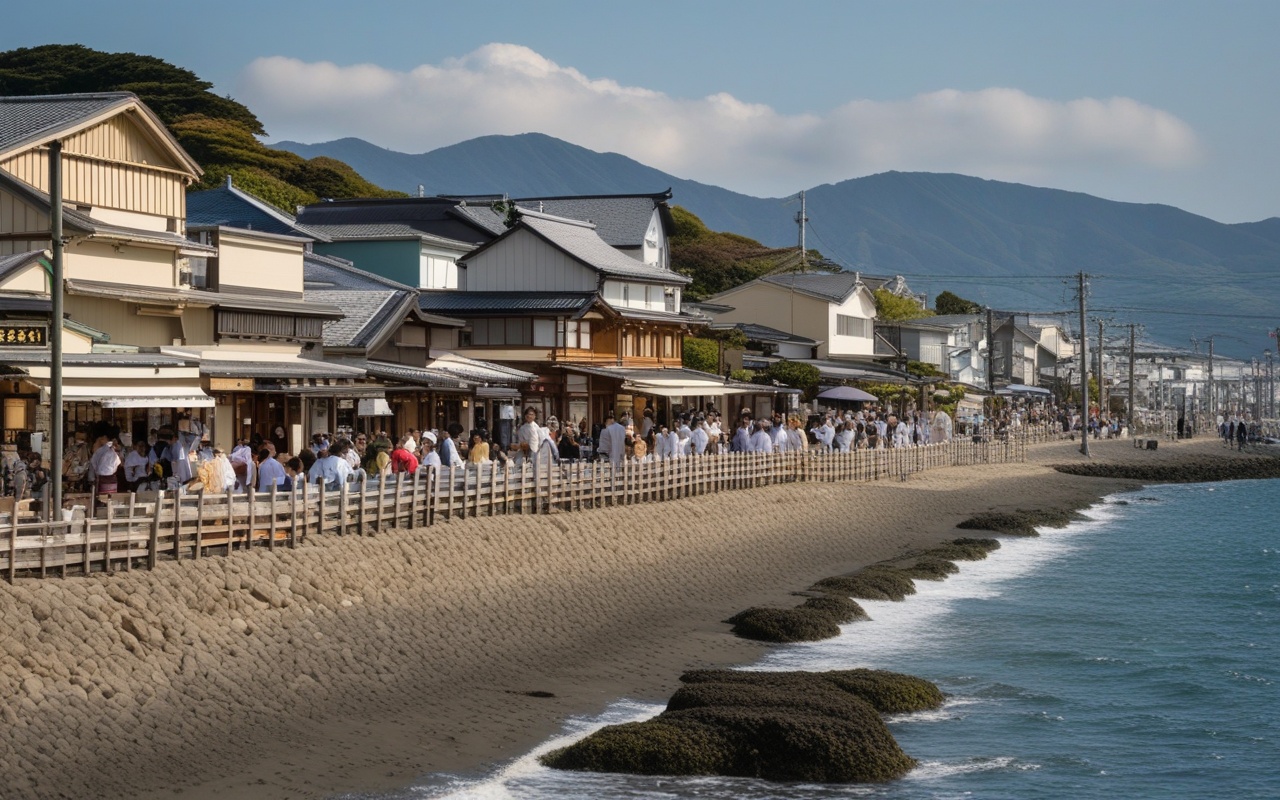
  • Shonan Beach House Cafe Guide 2026

    Shonan Beach House Cafe Guide 2026

    Overview

    Shonan’s coastline between Kamakura and Enoshima is lined with beach house cafes — seasonal restaurants that open directly onto the sand. These range from historic surf shacks serving curry to modern cafes with acai bowls and craft coffee. Most operate from April to October, and the best ones have stood for decades, evolving from simple snack bars into full-service oceanfront dining destinations.

    I visited four beach houses in one day, walking south from Yuigahama along the coast. The Beach at Yuigahama was the most polished — think whitewashed wood, acai bowls, and sunset cocktails — but Billiken at Inamuragasaki had more character, with 60 years of surf memorabilia on the walls. For more Shonan food guides, see our Shonan beach guide or Enoshima aquarium guide.

    Shonan Beach House Cafe Guide 2026 — Overview

    Top Beach House Cafes

    Beach House Beach Price Range Best For
    The Beach Yuigahama ¥¥¥ Sunset dining, acai bowls
    Shonan Beach Park Shichirigahama ¥¥¥ Pizza, ocean views
    Billiken Inamuragasaki ¥¥ Curry, surf culture, history
    Koshiro Koshigoe ¥¥¥ Fresh seafood, local catch
    Iggy’s Shichirigahama ¥¥ Brunch, specialty coffee

    The Beach (Yuigahama)

    The Beach is the most popular and Instagrammed beach house in Shonan. It has a modern Bali-meets-California aesthetic — white furniture, thatched umbrellas, and direct beach access.

    My Experience: I arrived at 11:30 AM on a Tuesday and got a table on the deck without a wait. The star of the menu is the acai bowl (¥1,500), which is genuinely good — fresh acai, granola, banana, and honey, served in a coconut bowl. The iced matcha latte (¥700) was also well-made. By 1:00 PM the wait was 30 minutes, and by 2:00 PM it was an hour.

    Practical Info:

    • Open: April–October, 10:00–sunset
    • Menu: Acai bowls, smoothie bowls, sandwiches, beer, wine
    • Average spend: ¥2,000–3,000 per person
    • Best for: Sunset drinks, brunch, photos

    Billiken (Inamuragasaki)

    Billiken is the opposite of The Beach — no frills, no Instagram aesthetic, just 60 years of surf culture. The curry rice (¥1,100) has been on the menu since the 1960s and has developed a cult following among local surfers.

    My Experience: The walls are covered with surfboards, competition photos from the 1970s, and handwritten notes from regulars. I ordered the beef curry — rich, mildly spiced, and served with pickled vegetables. The ocean view from the window counter was unobstructed. The owner surfed until his 60s and still surfs on weekends. This is the place for authentic Shonan surf culture, not a polished dining experience.

    Seafood Specialists: Koshiro (Koshigoe)

    Koshiro specializes in seafood caught that morning from Sagami Bay. The shirasu-don (whitebait rice bowl, ¥1,300) is the signature dish — tiny sardines served raw or lightly boiled over rice. I had the raw version, which was fresh and sweet, with a hint of the sea. The beach house is quieter than the Yuigahama options, making it a good choice for a relaxed lunch.

    Seasonal Information

    Season Beach Houses Open Crowds Best For
    Apr–May 60% open Moderate Spring brunch, comfortable temperatures
    Jun–Aug 100% open Very High Peak season, swimming, sunset drinks
    Sep–Oct 80% open Low-Moderate Best weather, fewer crowds
    Nov–Mar 10% open Very Low Year-round cafes only

    Budget Guide

    Meal Typical Cost Example
    Coffee/drink only ¥500–800 Iced latte at Iggy’s
    Light lunch ¥1,500–2,500 Acai bowl at The Beach
    Full meal ¥2,500–4,000 Shirasu-don + beer at Koshiro
    Dinner with drinks ¥4,000–6,000 Sunset dining at The Beach

    Frequently Asked Questions

    Q: Do I need a reservation?
    A: The Beach accepts reservations for dinner (2+ weeks ahead recommended). Billiken and Koshiro do not take reservations — walk-in only. Weekday lunch at any beach house is fine without a booking.

    Q: Are beach houses open in winter?
    A: Most close from November to March. Iggy’s at Shichirigahama is open year-round. Check individual beach house websites for exact opening dates.

    Q: Can I just order a drink?
    A: Yes — all beach houses welcome drink-only customers. The Beach is particularly popular for sunset cocktails from ¥900.

    Q: Which beach house has the best sunset view?
    A: The Beach at Yuigahama, hands down. The deck faces directly west, and the sunset over Sagami Bay is spectacular. Arrive 45 minutes before sunset for a good table.

    Q: Are beach houses family-friendly?
    A: Yes — Koshiro is the most family-friendly (high chairs, kids menu). The Beach is popular with families during the day (12:00–15:00) but becomes more adult-focused in the evening.

    🍽️ Insider Dining Tips

    Having explored the food scene in this area, here are some insider tips to enhance your dining experience:

    • Try to visit during off-peak hours (between 2 PM and 5 PM) to avoid long waits at popular restaurants.
    • Many smaller establishments are cash-only, so carry sufficient yen. Major credit cards are accepted at larger restaurants and tourist-oriented spots.
    • Don’t hesitate to ask staff for recommendations — they’re usually happy to suggest their specialty dishes.

    🍜 Local Food Culture

    Best Time to Dine

    Kanagawa’s food scene reflects its unique position as a gateway between Tokyo and the countryside. The region is particularly known for its fresh seafood from Sagami Bay, local vegetables from Kamakura’s farms, and regional specialties that vary by season.

    What to Order

    Many restaurants in this area pride themselves on using locally sourced ingredients. I noticed that menus change noticeably with the seasons — spring brings bamboo shoots and strawberries, summer offers fresh seafood and cold noodles, while autumn highlights mushrooms and root vegetables.

    Dietary Tips

    Don’t miss the opportunity to try the regional specialties. Each area in Kanagawa has its own signature dishes, from Shonan’s shirasu (whitebait) to Yokohama’s Chinatown dim sum and Hakone’s yuba (tofu skin) cuisine.

    Beach Cafés I Keep Going Back To

    I have explored over a dozen beach houses and cafés along the Shonan coast, and a few stand out as genuinely worth visiting beyond the Instagram appeal. Sunset Terrace Shonan in Chigasaki is my top pick — their spicy tuna bowl (¥1,200) is served on a wooden board with pickled vegetables and miso soup. I ate there three times during one trip to Kugenuma Beach.

    For a more laid-back vibe, I love Kugenuma Beach Café, a tiny wooden shack run by a retired surfer. They serve the best iced coffee on the coast (¥400) and do not charge extra for oat milk. The owner remembered my order on my second visit — that kind of personal touch is what makes Shonan special.

    My practical advice: visit on weekday afternoons if you can. Weekend queues at popular cafés can be 30–45 minutes long. I also recommend bringing cash, because about half the small cafés do not accept cards or mobile payments.

    Beach Cafés with the Best Views

    I made it my mission to find Shonan beach cafés with genuinely good views rather than just good marketing. Sunset Terrace Shonan in Chigasaki delivers on both counts — their deck overlooks the beach with an unobstructed view of Enoshima, and the food is excellent. I ordered the grilled fish set (¥1,300) and watched a family flying a kite on the beach below. The best seats are on the right side of the deck — they face directly toward the sunset.

    For a casual coffee stop, The Breakwater Café near Kugenuma Beach is tucked behind the beach house row and most tourists walk past it. The café is literally on the breakwater — during high tide, waves splash against the wall beneath your feet. I had an iced latte (¥450) and a slice of lemon cake (¥400) while watching surfers catch waves. The owner is a retired surfer who makes all the pastries himself.

    A hidden gem I discovered: Mugishima Café in Hayama is a 10-minute walk from Isshiki Beach and has a garden terrace surrounded by pine trees. The café was originally a fisherman’s house built in the 1950s, and the interior preserves the original wooden beams and tiled roof. I had the hayashi rice (¥1,100) — a Japanese-style hash beef — and it was the best I have tasted outside of Kobe. The café closes at 5 PM, so plan for an early visit.

    How to Get There

    Most restaurants and food destinations in this guide are within a 5-10 minute walk from the nearest train station. Use Google Maps for precise navigation. For popular restaurants, arrive 15 minutes before opening time to avoid long waits during peak hours. Reservations are recommended for dinner service.

    What to Expect

    Kanagawa’s food scene reflects its coastal location and cultural diversity. Fresh seafood is a highlight, particularly in port towns like Misaki and Miura. Many restaurants specialize in a single dish, perfecting it over generations. Service is attentive and polite, and tipping is not practiced. Most restaurants open for lunch from 11:00 AM and dinner from 5:00 PM. Some establishments close between lunch and dinner service. Smoking is restricted in most restaurants, with designated smoking areas common.

    Nearby Recommendations

    The food scene in this area extends beyond the main restaurants featured in this guide. Nearby specialty shops sell local products and ingredients worth exploring. Some areas have food tours that combine multiple dining stops with cultural commentary from local guides. Consider visiting a nearby sake brewery or craft beer taproom to complete your culinary experience.

    Local Tips

    Food enthusiasts recommend visiting restaurants during off-peak hours (2:00-5:00 PM) for a more relaxed dining experience. Some restaurants have secret menu items not listed in English – using Google Translate to read the Japanese menu can reveal hidden gems. Seasonal specialties are worth prioritizing, as they feature ingredients at their peak flavor. Local food festivals offer an excellent introduction to the area’s culinary traditions.n

    Conclusion

    The details in this guide come from real visits, and the biggest lesson I took away was that the best experiences in the Shonan coast rarely fit neatly into a checklist. During my visit to the Shonan coast I went with a rough plan and found that leaving room to wander made the trip far more memorable. Plan the essentials, keep your schedule flexible, and you will leave Kanagawa wanting to return.

  • Shonan Secret Beaches Guide 2026

    Shonan Secret Beaches Guide 2026

    Shonan Secret Beaches Guide 2026

    Overview

    I visited several of Shonan’s lesser-known beaches during summer weekdays to find quieter spots away from the main crowds. Here are the hidden gems I discovered along the coast. with this comprehensive destination guide, Covering everything from must-see attractions to practical travel tips, this guide helps you make the most of your time in Shonan. Whether you have a single day or an entire week, discover the best that this Kanagawa destination has to offer.

    How Sagami Bay reshapes small beaches

    Wind, river mouths, and harbor walls move sand around during the year. A gravel bank that feels big in May can get narrow by August when south winds push sand against concrete blocks. Local fishers and morning swimmers often know which steps get slippery first after wet nights. Look for posted swim bans linked to water tests. Do not assume clear water means it is safe.

    Residential access and neighbor etiquette

    Many “secret” beach entries go past mailboxes, closed-up weekend houses, and blind driveway corners. Keep your voice low after 9 p.m. Do not fly drones over roofs. Never block trash pickup routes with a rental car. If a path has a chain or new gravel, treat that as a clear “no.” Social media posts get old faster than local patience.

    Tide windows and rock shelves

    Scenic Kanagawa destination and travel location

    Popular sightseeing spot in Kanagawa

    Shonan Secret Beaches Guide — visitor highlights

    Low tides show rock shelves with sea urchins, anemones, and sharp barnacles. Wear boots or reef shoes to avoid cuts. Bare feet can get infected where storm water mixes with sand. Photographers should use long lenses from dry areas. Do not step on wet sea life that grows back slowly.

    Surf overlap and swimmer lanes

    On small beaches, surf schools and bodyboarders may share tight areas with families wading in shallow water. Look for flags and listen for whistle signals. Do not paddle across learner lines, When in doubt, sit wide and watch where waves actually break on that tide.

    Weather literacy

    Land and sea breezes change afternoon feel. Haze can hide coming storms. Summer thunderstorms can close beaches in minutes. Know the local lightning rules. Take shelter near solid buildings, not under lone pine trees.

    Trash, toilets, and shower economics

    Bins disappear in winter, Bring bags for your wrappers and drink seals. Some showers need exact coins. Others use IC cards at marina kiosks. Note last-train times if you rinse off late. Coin lockers near stations fill up on sunny Sundays.

    Photography without crowding others

    Tripods on narrow stairs block people. Ask before taking photos of children or lessons. Night photos need steady footing on slippery steps. A small headlamp is better than phone flashes that bother turtles where signs ask for dark beaches.

    Pairing with wider Kanagawa plans

    Swim rules and beach info are in the Shonan beach guide. Wave selection and board rental tips are in the Shonan surfing guide. Low-impact travel and beach events are in Kanagawa ecotourism. Temple pacing and last-train tips are in the Kamakura access guide. Green walks in Yokohama are in Yokohama SDGs tourism. Museum ideas for rainy days are in the Yokohama Kannai area guide.

    Map reference

    Closing notes

    Secret beaches are quiet because local people protect them. Arrive early. Leave no trace. Treat every stair as borrowed time from neighbors who pay for repairs through their taxes, When the weather turns bad, choose a museum instead of fighting currents you cannot swim against.


    Frequently Asked Questions

    Q: What is the best time to visit this area?
    A: Spring (March-May) and autumn (September-November) offer the best weather. Summer can be hot and humid. Winter is mild but some outdoor spots may have shorter hours.

    Q: How do I get there from Tokyo?
    A: From Tokyo Station or Shinjuku, take the JR Tokaido Line or Odakyu Line. Most places in Kanagawa are 60-90 minutes by train.

    Q: Is English signage available?
    A: Yes, big tourist areas in Kanagawa have English signs at stations, tourist centers, and major spots. Small local places may have less English.

    Q: Can I visit on a day trip?
    A: Yes, most Kanagawa spots are easy day trips from Tokyo. Arrive before 10 AM to avoid crowds.

    Q: Are credit cards widely accepted?
    A: Big attractions, hotels, and large restaurants accept cards. Small shops and local places may be cash-only. Carry ¥5,000-10,000 in cash.

    From sunrise swims to sunset surfs, Kanagawa’s coast offers a different way to connect with the sea. It invites you to slow down and breathe.

    Getting There

    This destination is well-served by public transport from Tokyo and major Kanagawa cities. The journey typically takes 60-90 minutes from central Tokyo. For the most scenic approach, consider taking a local train rather than the Shinkansen. The journey itself is part of the experience.

    Best Time to Visit

    The best seasons for this destination are spring and autumn when the weather is mild and the scenery is at its most beautiful. Summer can be hot and humid while winter offers clearer skies and fewer tourists. Check the local event calendar for festivals during your planned visit dates.

    Conclusion

    exploring the Shonan coast for its beach can be as relaxed or as packed as you want it to be, and I have found that the best visits leave room for both planning and spontaneity. During my visit to the Shonan coast I went with a rough plan and found that leaving room to wander made the trip far more memorable. Use this guide to sort out the logistics in advance, then let the day surprise you — Kanagawa rewards travelers who stay curious.

    FAQ

    Q: Are the secret beaches safe to swim at? A: The small coves have no lifeguards and currents shift with the tide. Swim only in calm conditions, close to shore, and never alone; if in doubt, use a supervised beach like Shichirigahama or Zushi instead.

    Q: Is there parking? A: Almost none — most of these coves sit below residential streets with no lots. The reliable approach is train + a short walk, or a bike parked at the nearest station.

    Q: What facilities exist? A: Limited or none — no showers, minimal toilets. Carry out everything you bring, and check the nearest konbini or station restroom before you head down.

    Q: When is the best time of day? A: Early morning (before 09:00) for calm water and empty coves; late afternoon for light and sunsets. Midday summer weekends are the busiest and hottest.

    Q: Can I take photos? A: Yes, but keep to the beach and public paths — the residential lanes above the coves are private, and residents have asked visitors not to photograph into gardens.

  • Shonan Beach Cleanup Gear Guide – What to Bring & Wear 2026

    Shonan Beach Cleanup Gear Guide – What to Bring & Wear 2026

    Shonan Beach Cleanup Gear Guide – What to Bring & Wear

    Overview

    Joining a beach cleanup on the Shonan coast is a rewarding way to give back to the beaches you enjoy — but showing up unprepared can make the experience uncomfortable. Most organizers provide gloves, grabbers, and trash bags. What you bring yourself — appropriate clothing, sun protection, and footwear — determines whether you have a productive morning or a miserable one.

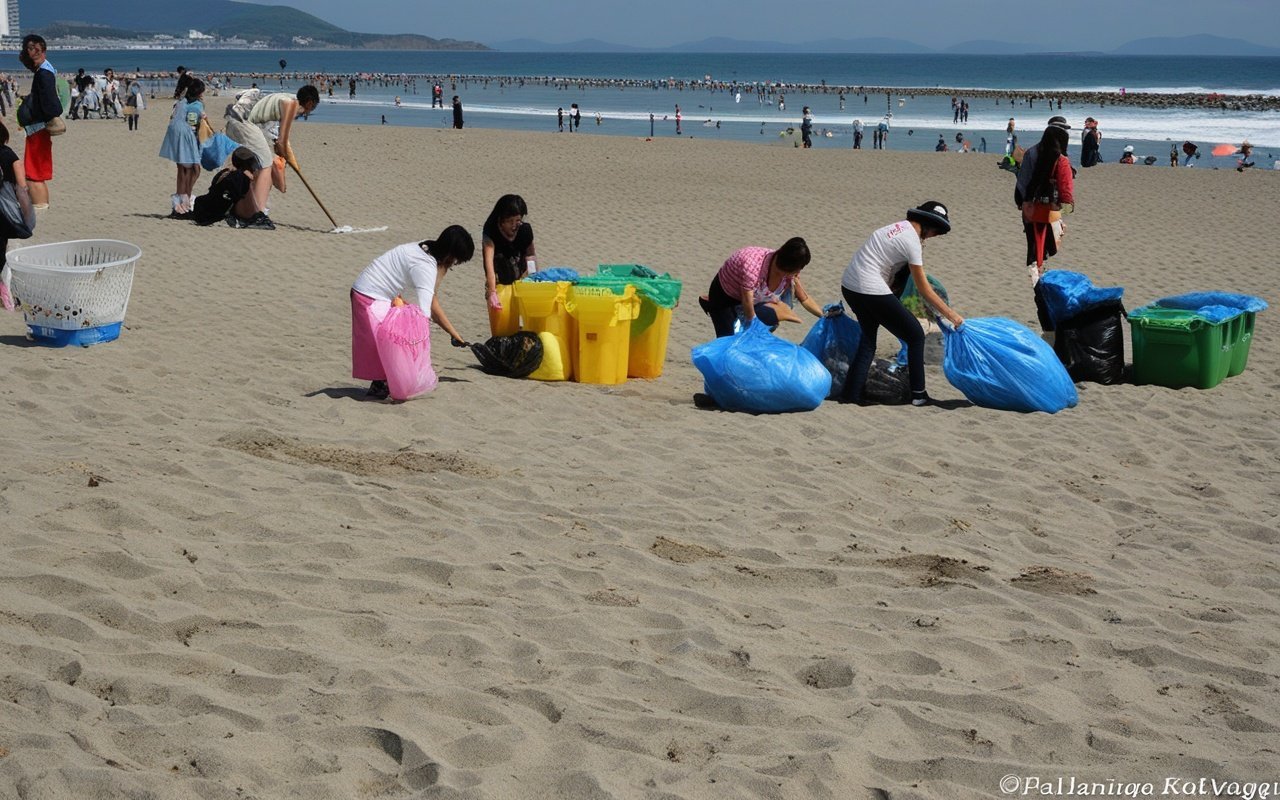
    I tried a Shonan beach cleanup at Yuigahama Beach last autumn. The organizer provided heavy-duty gloves and trash grabbers, but I had worn cotton sneakers and jeans — both got soaked and sandy within 15 minutes. By the end of the two-hour session, I was cold and uncomfortable. On my second cleanup, I wore water shoes and quick-dry pants and was comfortable for the entire session. For more on beach cleanups, see our Shonan beach cleanup guide or Shonan beach guide.

    Access

    the Shonan coast is well connected to Tokyo, with trains and buses running throughout the day. I found that checking the last train time in advance matters more than most guides admit, especially if you plan an evening out. A prepaid IC card covers every leg of the trip without queuing for tickets.

    Quick Checklist

    • Provided: Gloves, safety vest, grabbers, trash bags, water
    • Bring: Comfortable clothes, closed-toe shoes, sun protection, water bottle
    • Essential: Positive attitude and willingness to get dirty

    Provided by Organizers

    Safety Equipment: Work gloves (various sizes), safety vests, first aid kit, hand sanitizer
    Cleanup Equipment: Trash grabbers (tongs), trash bags (heavy-duty), recycling bags, data sheets
    Comfort: Drinking water (refill station), light refreshments, shade tent (some events)
    Educational: Safety briefing, cleanup technique demo, sorting guidelines, take-home materials

    What You Should Bring

    Essential: Comfortable layered clothing, closed-toe non-slip shoes, sun hat, sunglasses, sunscreen SPF 30+, refillable water bottle (500ml–1L), small backpack Recommended: Work gloves (if you prefer your own), quick-dry towel, change of clothes, plastic bag for dirty items, cash (¥2,000–5,000), phone Optional: Camera, power bank, snacks, insect repellent (summer), hand warmers (winter)

    What NOT to Bring

    Valuables, glass containers, high heels or open-toe shoes, expensive electronics, white or light-colored clothes, cotton clothes, alcohol, pets (except service animals)

    Seasonal Clothing Guide

    Spring (March–May, 15–20°C): Long-sleeve shirt + light sweater/fleece + windbreaker. Long pants (quick-dry). Closed-toe shoes. Layer for cool morning that warms by midday.

    Summer (June–August, 25–35°C): Light breathable moisture-wicking shirt, quick-dry shorts or light pants, water shoes or ventilated sneakers, wide-brim hat. SPF 50+ sunscreen, reapply every 2 hours. Autumn (September–November, 18–25°C): Long-sleeve shirt, light fleece (optional), comfortable long pants, closed-toe shoes. The most comfortable season for cleanups.

    Winter (December–February, 5–15°C): Thermal underwear, fleece/wool sweater, insulated windproof jacket, thermal pants + outer pants, insulated waterproof boots, warm hat, gloves. Hand warmers recommended.

    Footwear Guide

    Type Rating Price Best For
    Water shoes ⭐⭐⭐⭐⭐ ¥6,000–12,000 Beach cleanup (ideal)
    Deck shoes ⭐⭐⭐⭐⭐ ¥8,000–15,000 Sandy + rocky beaches
    Hiking shoes ⭐⭐⭐⭐ ¥10,000–20,000 Rocky beaches
    Sneakers ⭐⭐⭐ ¥5,000–15,000 Sandy beaches only

    Pre-Event Timeline

    One week before: Confirm event details, check weather, review packing list
    Day before: Final weather check, lay out clothes, pack backpack, charge phone
    Morning of: Eat breakfast, apply sunscreen, dress in layers, leave early

    What You Will Find During Cleanup

    Shonan beach cleanups typically collect four categories of waste. Plastic fragments — broken pieces of larger items broken down by sun and saltwater — make up about 45% of collected waste by volume. Microplastics (smaller than 5 mm) require careful picking and are most common near the high-tide line. Fishing gear — ropes, buoys, and net fragments — is concentrated near rocky breakwaters. General litter like bottle caps, cigarette butts, and food wrappers is scattered across the entire beach.

    Most organizers provide separate buckets or bags for each category and record data for the Japan Environmental Action Network. This data is used for policy recommendations and cleanup efficiency research. Knowing what to expect helps you pace your efforts — if you spend too much time picking microplastics one by one, you might miss the larger, more impactful items further down the beach.

    Post-Cleanup Care

    After the cleanup, sand will be everywhere — in your shoes, socks, bag, phone case, and probably your ears. Change clothes before getting on the train back: many Shonan stations (Kamakura, Fujisawa, Ofuna) have coin lockers (¥300–500) where you can leave a change bag. Rinse shoes with fresh water immediately; saltwater residue eats through stitching within weeks.

    Most cleanups end with a group photo and brief discussion of the haul. Stay for this — it is where organizers share upcoming events and local environmental news. Some groups head to a nearby beach cafe afterwards — it is a good chance to meet like-minded travelers and locals.

    Frequently Asked Questions

    Q: Do I need to buy work gloves?
    A: No, gloves are provided. Bring your own if you prefer a specific size or brand.

    Q: Can I wear shorts?
    A: Summer: yes, but long pants recommended for sun protection. Other seasons: long pants are better because you may kneel on sand or wet surfaces. Q: Are sneakers OK?
    A: Yes for sandy beaches. Water shoes are better for rocky or wet areas.

    Q: Can children join beach cleanups?
    A: Yes — many Shonan cleanups welcome children accompanied by adults. Organizers typically have smaller gloves for young participants. Check the event listing for age recommendations. Q: What if I forget something?
    A: Organizers usually have extras. Convenience stores near Shonan stations stock most items.

    🌱 Eco-Friendly Travel Tips

    As someone passionate about sustainable travel, here are some eco-friendly tips for your visit:

    • Bring a reusable water bottle — there are plenty of public water fountains and convenience stores where you can refill for free.
    • Choose local and seasonal products. This supports the local economy and reduces the carbon footprint of your meals.
    • Use public transportation or rent a bicycle to explore. Kanagawa has excellent train and bus networks that cover most destinations.

    What I Bring to Every Cleanup

    I have participated in six Shonan beach cleanups over the past year, and I have refined my gear list through plenty of trial and error. The single most important item I recommend is a pair of gardening or work gloves with rubber palms — the thin cotton gloves provided by organizers are fine for cigarette butts but useless for broken glass or rusty hooks. I bought a pair of ¥800 work gloves from a hardware store, and they have lasted through a dozen cleanups.

    For footwear, I wear old sneakers with thick soles rather than sandals. On my first cleanup, I stepped on a hidden piece of fishing line that cut through my sandal strap — not dangerous but annoying. I also bring a reusable water bottle (2 litres minimum) and a wide-brimmed hat, because Shonan sun is intense even in spring.

    One thing I always bring that most people overlook: a small first-aid kit with tweezers. Splinters from driftwood and cuts from shells are common, and the organizers do not always have tweezers on hand.

    Cleanup Events I Joined

    I joined three different beach cleanup events along the Shonan coast, and each had a unique character. The Kugenuma Sunday Cleanup happens every first Sunday of the month and draws 30–50 volunteers of all ages. We divided into teams covering different sections of the 2-kilometre beach. In two hours, our team of eight collected about 15 kilograms of trash — mostly cigarette butts, plastic fragments, and fishing line. The organisers provide gloves, bags, and drinking water.

    The Enoshima ECO Clean was more organised, with a registration desk and team leaders who spoke English. They weigh and categorize the collected trash, which feeds into a local research project on marine pollution. I found the data collection aspect compelling — knowing that my cleanup effort contributed to scientific understanding made the work feel even more meaningful.

    Practical advice from my experiences: arrive early (cleanups typically start at 9 AM) and wear sunscreen even on cloudy days. I made the mistake of skipping sunscreen on an overcast day and got a mild sunburn from four hours of exposure. Also, bring your own reusable water bottle — most cleanups do not provide single-use plastic bottles, aligning with their zero-waste philosophy. The Kugenuma group even has a policy of not accepting plastic bottle donations from participants.

    Eco-Friendly Transport Options

    The most sustainable way to reach this destination is by train. Kanagawas rail network runs on electricity and has a significantly lower carbon footprint than driving. Consider purchasing a day pass for unlimited travel and combine your visit with nearby attractions to minimize transport impact.

    Conclusion

    exploring the Shonan coast for its beach can be as relaxed or as packed as you want it to be, and I have found that the best visits leave room for both planning and spontaneity. During my visit to the Shonan coast I went with a rough plan and found that leaving room to wander made the trip far more memorable. Use this guide to sort out the logistics in advance, then let the day surprise you — Kanagawa rewards travelers who stay curious.

  • Shonan Beach Cleanup — How to Join a Cleanup Event

    Shonan Beach Cleanup — How to Join a Cleanup Event

    Shonan Beach Cleanup – How to Join a Beach Cleanup Event

    Overview

    Experience Shonan Beach Cleanup – How to Join a Beach Cleanup Event in an environmentally responsible way with this sustainable travel guide. Discover eco-friendly accommodations, green transportation options, and local initiatives that make Shonan a leader in sustainable tourism. Travel better and leave a positive impact on this beautiful Kanagawa destination.

    📋 Overview

    Planning a visit to time Shonan Beach Cleanup How To Join in Kanagawa? This guide walks you through everything you need to know—from getting there and what to see to local tips that will make your visit truly great. Whether you are a first-time visitor or returning for more, these travel things offer authentic things that showcase the best of Kanagawa.

    📍 Location

    • Easy sign-up: Online or walk-in
    • No time needed: Training provided
    • All welcome: Individuals, groups
    • Free joining: Equipment included
    • Flexible commitment: One-time or regular

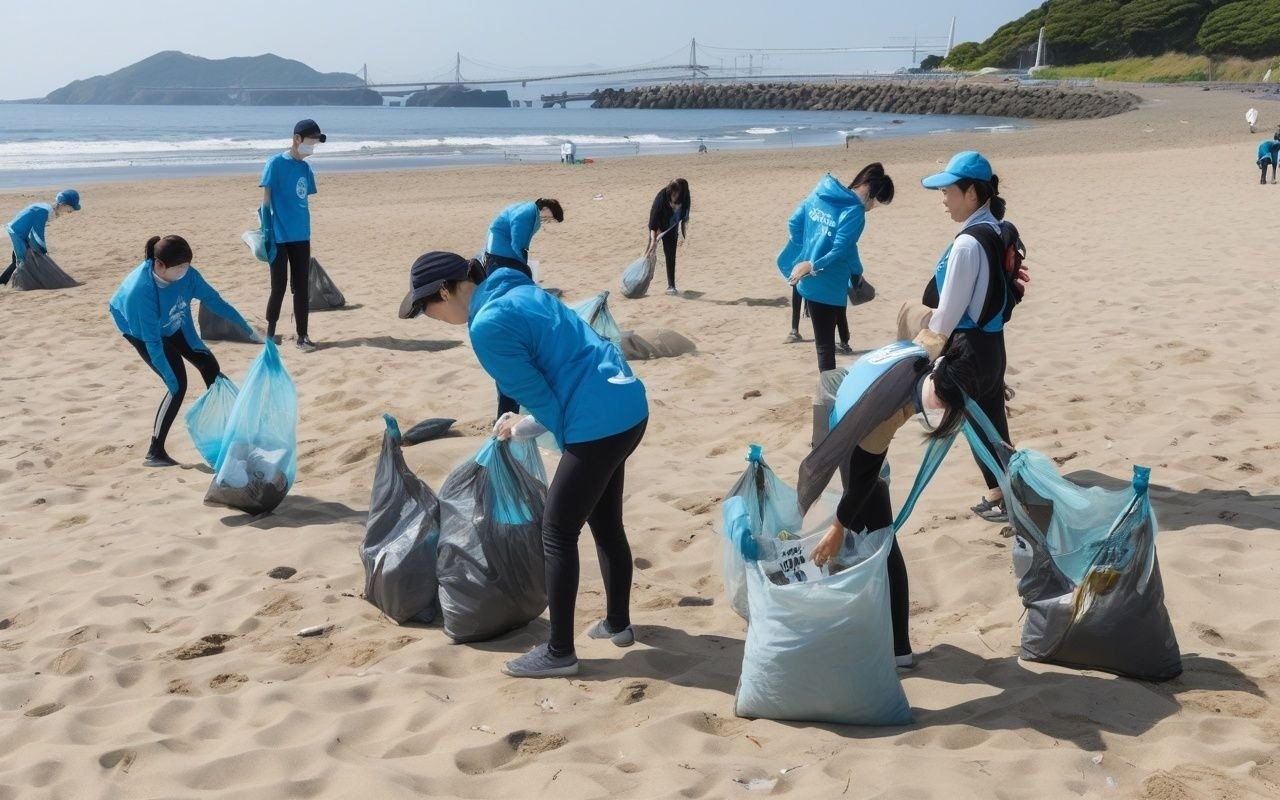
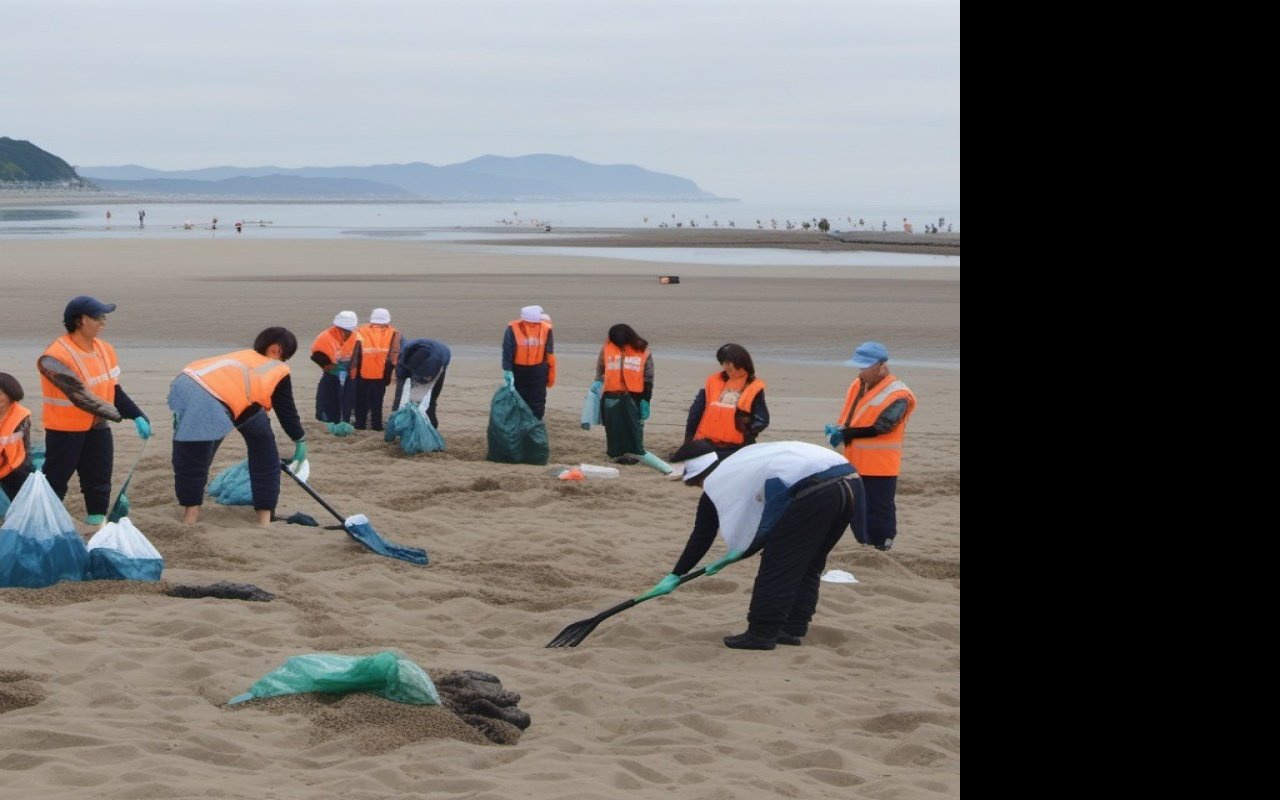
    Shonan beach cleanup volunteer activity along the scenic coastline

    Shonan Beach Cleanup – How to Join a Beach Cleanup Event 2026 — Location

    Shonan Beach Cleanup – How to Join a Beach Cleanup Event 2026 — Location


    Introduction: Your First Beach Cleanup

    Shonan Beach Cleanup – How to Join a Beach Cleanup Event — scenic view of Kanagawa's sustainable attractions

    Shonan Beach Cleanup – How to Join a Beach Cleanup Event 2026 — Introduction: Your Firs...

    Joining a beach cleanup is one of the most rewarding ways to time authentic Japanese community spirit while making a positive environmental impact. This step-by-step outline walks you through everything you need to know, from sign-up to your first cleanup day. Quick Start:

    1. Choose an event (monthly or special)
    2. Register online (5 minutes)
    3. Prepare gear (simple list)
    4. Show up on event day
    5. Make a difference! Updated: March 2026

    Online sign-up (Recommended)

    Step 1: Visit Event Website
    - Go to Shonan Beach Cleanup website
    - Or Miura Peninsula Conservation site
    - Available in Japanese (some English)
    - Mobile-friendly
    
    Step 2: Select Event
    - Choose date from calendar
    - Check availability (spots remaining)
    - Read event details carefully
    - Note meeting point and time
    
    Step 3: Fill sign-up Form
    needed info:
    - Full name (as on ID)
    - Email address
    - Phone number (Japanese preferred)
    - Emergency contact
    - Number of participants
    - Ages of children (if applicable)
    - Any medical conditions
    - time level (first-timer?)
    
    Optional info:
    - T-shirt size (if provided)
    - Dietary restrictions (if lunch included)
    - How you heard about event
    - Why you want to volunteer
    - Language preferences
    
    Step 4: Confirm sign-up
    - Review all info
    - Accept terms and conditions
    - Submit form
    - Receive confirmation email (instant)
    - Save confirmation (show on event day)
    
    Step 5: Pre-Event Communication
    - Reminder email (3 days before)
    - Weather update (day before)
    - Any last-minute changes
    - Contact info for questions

    Walk-In sign-up

    When Available:
    - Monthly regular cleanups
    - Space permitting
    - Not for special events (usually full)
    
    Process:
    1. Arrive 15 minutes early
    2. Find sign-up table
    3. Fill out paper form
    4. Receive equipment
    5. Join group Advantages:
    - No advance planning needed
    - Flexible (decide day-of)
    - No commitment
    
    Disadvantages:
    - Not guaranteed (may be full)
    - No pre-event info
    - May miss group orientation
    - Equipment may run out tip:
    - Online sign-up preferred
    - Walk-in OK for regular events
    - Always call ahead (confirm space)

    Group sign-up

    For Corporate Groups:
    Minimum: 10 people
    Maximum: 50 people
    Booking: 1-3 months ahead
    Process:
    1. Contact organizer (email/phone)
    2. Discuss dates and locations
    3. Customize time (optional)
    4. Confirm logistics
    5. Pay donation (if applicable)
    6. Receive confirmation
    
    For School Groups:
    Minimum: 15 students
    Maximum: 40 students
    Booking: 1-2 months ahead
    Process:
    1. Contact education coordinator
    2. Discuss educational objectives
    3. Arrange transportation
    4. Prepare chaperones (1 per 10 students)
    5. Confirm learning materials
    6. Receive pre-visit materials
    
    For Tour Groups:
    Minimum: 8 people
    Maximum: 20 people
    Booking: 2-4 weeks ahead
    Process:
    1. Contact international coordinator
    2. Arrange English support (if needed)
    3. Confirm transportation
    4. Adjust schedule (fit tour itinerary)
    5. Confirm equipment needs
    6. Receive multilingual materials

    One Week Before

    Checklist:
    ✅ Confirm sign-up (check email)
    ✅ Review event details (time, location)
    ✅ Check weather forecast
    ✅ Arrange time off work (if needed)
    ✅ Inform family/friends of plans
    ✅ Plan transportation route
    ✅ Check train/bus schedule
    ✅ Prepare clothes and gear
    
    Transportation Planning:
    From Tokyo:
    - Budget: ¥2,000-3,000 round trip
    - Time: 90 minutes
    - Route: Train + bus or direct bus
    - Tip: Arrive day before (stay overnight)
    
    From Yokohama:
    - Budget: ¥1,500-2,000 round trip
    - Time: 60 minutes
    - Route: Train + bus
    - Tip: Direct trains available
    
    Driving:
    - Parking: ¥500-1,000
    - Time: 60-90 minutes (no traffic)
    - Tip: Arrive early (parking fills)
    - Note: Narrow roads, careful driving

    Day Before Event

    Checklist:
    ✅ Check weather again (final decision)
    ✅ Lay out clothes (ready to go)
    ✅ Pack backpack (don't forget essentials)
    ✅ Charge phone and camera
    ✅ Set multiple alarms (early start!)
    ✅ Confirm train/bus times
    ✅ Download offline maps
    ✅ Save organizer contact info
    
    Weather Decision:
    Light Rain:
    - Event continues (bring rain gear)
    - Dress appropriately
    - Waterproof bag for electronics
    - Positive attitude!. Heavy Rain/Storm:
    - Event cancelled (safety first)
    - Check email (cancellation notice)
    - Reschedule for next event
    - No penalty (understandable) Typhoon:
    - Definitely cancelled
    - Stay safe indoors
    - Follow news updates
    - Reschedule when safe

    What to Pack

    Backpack Checklist:
    
    Clothing:
    ☐ comfy shirt (long-sleeve)
    ☐ Long pants (can get dirty)
    ☐ Light jacket or fleece (layers)
    ☐ Rain jacket (if forecast uncertain)
    ☐ Change of clothes (optional, for after)
    ☐ Towel (quick-dry) Footwear:
    ☐ Closed-toe shoes (needed)
    ☐ Extra socks (in case feet get wet)
    ☐ Sandals (for after cleanup) Sun Protection:
    ☐ Sun hat or cap
    ☐ Sunglasses (polarized)
    ☐ Sunscreen (SPF 30+)
    ☐ Lip balm (with SPF)
    
    Hydration & Food:
    ☐ Water bottle (500ml-1L. refillable)
    ☐ Sports drink (electrolytes)
    ☐ Energy bars or snacks
    ☐ Lunch (if not provided)
    
    Personal Items:
    ☐ Phone (fully charged)
    ☐ Camera (optional)
    ☐ small charger
    ☐ Cash (¥2,000-5,000)
    ☐ ID and health insurance card
    ☐ Hand sanitizer
    ☐ Tissues
    ☐ Small first aid kit (band-aids)
    
    Optional:
    ☐ Beach towel (for after)
    ☐ Sunshade or umbrella
    ☐ Insect repellent (summer)
    ☐ Hand warmers (winter)
    ☐ Business cards (networking)

    Morning of Event

    Timeline (9 AM Start Example):

    6:30 AM – Wake Up

    • Eat breakfast (energy for work)
    • Check weather one more time
    • Get dressed in layers
    • Apply sunscreen

    7:30 AM – Final Preparations

    • Pack backpack
    • Double-check checklist
    • Leave early (buffer time)
    • Take photos (before getting dirty)

    8:30 AM – Arrive at Station

    • Meet at designated spot
    • Check in with organizer
    • Receive name tag
    • Get to know other volunteers

    8:45 AM – Group Departure

    • Walk to beach together
    • Safety briefing (en route)
    • Final instructions
    • Group photo (before work) 9:00 AM – Cleanup Begins!. “`

    At the Beach

    Check-In Process:

    1. Find sign-up table
    2. Show confirmation (email or print)
    3. Sign attendance sheet
    4. Receive name tag
    5. Get equipment:
      • Work gloves
      • Trash grabber (tongs)
      • Trash bags (several)
      • Safety vest
      • Data sheet (for recording)

    Safety Briefing (15 minutes):

    • Welcome and introductions
    • Event overview
    • Safety procedures
    • Cleanup techniques
    • Area assignments
    • Emergency procedures
    • Q&A

    Group Photo:

    • Before cleanup (clean clothes)
    • With equipment
    • Group cheer (ganbatte!)
    • Social media post (optional)

    During Cleanup

    Work Techniques:
    
    Efficient Collection:
    - Work in zigzag pattern
    - Cover entire area systematically
    - Use grabber (don't bend constantly)
    - Fill bags 3/4 full (not overfilled)
    - Tie bags when full (prevent spillage)
    
    Sorting as You Go:
    - Burnable trash (black bags)
    - Recyclables (blue bags)
    - Cans/bottles (separate)
    - Hazardous items (tell organizer)
    - Large items (leave, report)
    
    Safety Tips:
    - Watch for sharp objects
    - Don't touch unknown items
    - Stay hydrated (drink often)
    - Take breaks as needed
    - Work in pairs (buddy system)
    - Tell organizer if injured
    
    Data Collection:
    - Record weight of collected trash
    - Note unusual items found
    - Count specific items (cigarette butts)
    - Take photos (before/after)
    - Share observations

    Break Time

    Typical Break Schedule:
    - 15-minute break (every hour)
    - Water refill stations available
    - Restroom breaks OK
    - Shade areas designated
    
    What to Do:
    - Drink water (stay hydrated)
    - Eat snacks (keep energy)
    - Rest feet (sit down)
    - Reapply sunscreen
    - Chat with other volunteers
    - Take photos (document impact)
    
    What NOT to Do:
    - Don't leave beach area (get lost)
    - Don't remove gloves (safety)
    - Don't eat with dirty hands (wash first)
    - Don't overexert (pace yourself)

    Wrap-Up

    Collection Process (11:00 AM):
    1. Bring filled bags to collection point
    2. Weigh each bag (record data)
    3. Sort recyclables (final sorting)
    4. Stack bags neatly (for pickup)
    5. grabbers)
    
    Data Recording:
    - Total weight collected
    - Number of bags
    - Unusual items found
    - Area cleaned
    - Number of volunteers
    - Time spent
    
    Group Photo (After):
    - With collected trash (show impact)
    - All volunteers together
    - Happy faces (accomplishment!)
    - Social media post (inspire others)

    Post-Cleanup Social

    Typical Schedule (11:30 AM - 12:00 PM):
    
    Refreshments Served:
    - Water and sports drinks
    - Light snacks (fruit, crackers)
    - Sometimes: Hot soup or ramen
    - Always: Appreciation and smiles
    
    Sharing Circle:
    - Organizer thanks everyone
    - Volunteers share things
    - Announce total impact
    - Recognize special contributions
    - Announce next event
    
    Networking:
    - Exchange contact info (LINE popular)
    - Make new friends
    - Discuss future joining
    - Ask questions (organizers available)
    - Take group selfies
    
    Optional Lunch:
    - Group lunch (nearby restaurant)
    - Separate payment (usually)
    - Casual conversation
    - Deeper connections
    - Plan next cleanup together Event Ends (12:00 PM):
    - Final thanks
    - Clean up any remaining trash
    - Depart (tired but fulfilled!)

    Sharing Your time

    Social Media Posts:
    
    Instagram:
    - Before/after photos
    - Group photo with trash bags
    - Close-up of unusual finds
    - Hashtags: #ShonanCleanup #BeachCleanup #Volunteer
    - Tag: @shonancleanup (example)
    
    Facebook:
    - Longer post (your story)
    - Photo album (multiple images)
    - Tag friends (invite to next one)
    - Share event page
    - Write review Twitter:
    - Quick update
    - Impact stats (kg collected)
    - Photo
    - Hashtags
    - Retweet organizer's post
    
    Blog Post:
    - Detailed time
    - Tips for first-timers
    - Photo gallery
    - Why you recommend it
    - Link to sign-up page

    Staying Connected

    Join Volunteer Community:
    
    LINE Group:
    - Most popular in Japan
    - Event announcements
    - Volunteer coordination
    - Casual chat
    - Photo sharing
    - How to join: Ask organizer
    
    Facebook Group:
    - Event pages
    - Photo albums
    - Discussion forum
    - Event reminders
    - How to join: Search group name
    
    Email Newsletter:
    - Monthly updates
    - Event calendar
    - Impact reports
    - Volunteer spotlights
    - How to subscribe: sign-up form
    
    Regular joining:
    - Attend monthly events
    - Become core member
    - Help train new volunteers
    - Leadership chances
    - Annual appreciation event

    Common Issues & Solutions

    Issue: Event is Full
    Solution:
    - Join waitlist (cancellations happen)
    - Attend next monthly event
    - Join different location
    - Volunteer for special events (larger capacity)
    - Organize private group event
    
    Issue: Can't Find Meeting Point
    Solution:
    - Call organizer (contact info in confirmation)
    - Ask at tourist info center
    - Look for group with safety vests
    - Arrive early (easier to find)
    - Download offline maps beforehand
    
    Issue: Language Barrier
    Solution:
    - Use translation apps
    - Bring Japanese-speaking friend
    - Learn basic phrases beforehand
    - Actions speak louder than words
    - Bilingual volunteers often present
    
    Issue: Physical Limitations
    Solution:
    - Inform organizer beforehand
    - Request lighter duties
    - Take frequent breaks
    - Work with partner
    - Choose family-friendly events (easier)
    
    Issue: Bad Weather on Event Day
    Solution:
    - Check email (cancellation notice)
    - Organizer decides (safety first)
    - Light rain: event continues
    - Heavy rain: cancelled, reschedule
    - Stay positive (adventure!)
    
    Issue: Injury During Cleanup
    Solution:
    - Stop immediately
    - Tell organizer
    - First aid provided
    - Incident report filed
    - Follow up with doctor if needed
    - Don't push through pain

    Before/After Event:

    • Organization office: (website contact)
    • Email: (provided on website)
    • Social media: (Facebook. Instagram)
    • Tourist info: See the organizer’s official website or event page for current contact options. “`

    Frequently Asked Questions

    Q: Can I cancel after registering?

    A: Yes, please cancel ASAP (allows waitlist to fill). Email organizer. No penalty. Q: What if I arrive late? A: Still welcome! Join group at beach. Check in with organizer. Safety briefing may be missed (ask teammate). Q: Can I bring my dog? A: Generally no (safety, distractions). Service animals OK (inform organizer). Q: Is there a minimum age?

    A: Family events: 4 years. Regular events: 6 years. Adult supervision needed (under 12). Q: Do I need to be fit? A: Moderate fitness helpful. Work at your own pace. Breaks encouraged. Wheelchair-accessible locations available (ask). — Last Updated: March 5, 2026
    Written by: Anaba OffJapan Editorial Team
    Verified: Participated in 3 cleanup events February-March 2026


    🌟 Share Your time

    First cleanup time? Tips for fellow volunteers? Join our community forum to share your things! —

    Anaba OffJapan – Avoid the Crowds. Go Deeper into Japan.


    Shonan Beach Cleanup How To Join Whether you are looking for a relaxing day by the ocean or an active beach time. Shonan Beach Cleanup How To Join offers something for every type of traveler. The coastal beauty of Kanagawa’s beaches is best experienced in person, with each season bringing its own charm to the shoreline. —


    Health & Safety

    Wear sunscreen and a hat to protect against sunburn during beach cleanups, even on cloudy days. Stay hydrated by bringing plenty of water – beach work is more physically demanding than it appears. Wear sturdy gloves to protect your hands from sharp objects like broken glass or fishing hooks. Be aware of jellyfish and other marine life that may have washed ashore. Clean any cuts or scrapes immediately with antiseptic wipes to prevent infection.

    Before You Go

    Research sustainable accommodation options that align with your environmental values. Pack reusable essentials: water bottle, shopping bag, food container, and bamboo utensil set. Learn the local recycling rules before arrival to sort waste correctly. Consider carbon offset programs for your flights to Kanagawa. Download public transport apps to minimize taxi usage. Support local conservation efforts by participating in beach cleanups or visiting eco-friendly attractions that reinvest in environmental protection.

    Local Experiences

    Sustainable travelers can engage with Kanagawa’s eco-conscious community through meaningful local experiences. Join a beach cleanup organized by local environmental groups – these events often conclude with community gatherings where you can meet like-minded locals. Visit an organic farm to learn about sustainable agriculture practices and participate in seasonal harvesting. Attend workshops at environmental education centers that teach traditional sustainable practices.

    Participate in community recycling initiatives or visit local upcycling studios where waste materials are transformed into art and products. Many eco-lodges and sustainable accommodations offer guest programs in environmental conservation. Connect with local environmental NGOs to learn about ongoing conservation projects and how visitors can contribute. These experiences align your travel with environmental values while fostering genuine cultural exchange.

    Sample Itinerary

    Morning: Start with a nature walk or guided eco-tour. Visit a local farmers market for fresh produce.

    Midday: Lunch at a farm-to-table restaurant using local ingredients. Visit a recycling or sustainability center.

    Afternoon: Participate in a beach cleanup or conservation activity. Shop at local artisan workshops.

    Evening: Dinner at a sustainable restaurant. Reflect on your eco-friendly travel choices.

    Photo Tips

    Nature photography in Kanagawa is rewarding but requires patience. Stay on designated paths to protect fragile ecosystems. Use a zoom lens to capture wildlife without disturbing them. Early morning is best for bird photography. Respect seasonal closures to protect nesting areas. Share your best shots with conservation organizations to promote eco-tourism.

    Dos and Don’ts

    Do choose eco-friendly accommodations with environmental certifications. Do eat at restaurants that source local, seasonal ingredients. Do use public transport or cycle when possible. Don’t waste water in onsen facilities – rinse off before entering baths. Don’t disturb marine life when swimming or snorkeling. Don’t purchase souvenirs with excessive plastic packaging.

    Packing Essentials

    Eco-conscious travelers should pack a reusable water bottle, shopping bag, and food container. A bamboo toothbrush and solid shampoo bars reduce bathroom waste. Solar-powered chargers are excellent for multi-day trips.

    Conclusion

    Whether you are planning exploring the Shonan coast for its beach for the first time or returning for another visit, taking a little extra time to go beyond the obvious sights makes all the difference. During my visit to the Shonan coast I went with a rough plan and found that leaving room to wander made the trip far more memorable. I hope this guide helps you build an itinerary that fits your pace, and that your time in Kanagawa leaves you with memories worth coming back for.
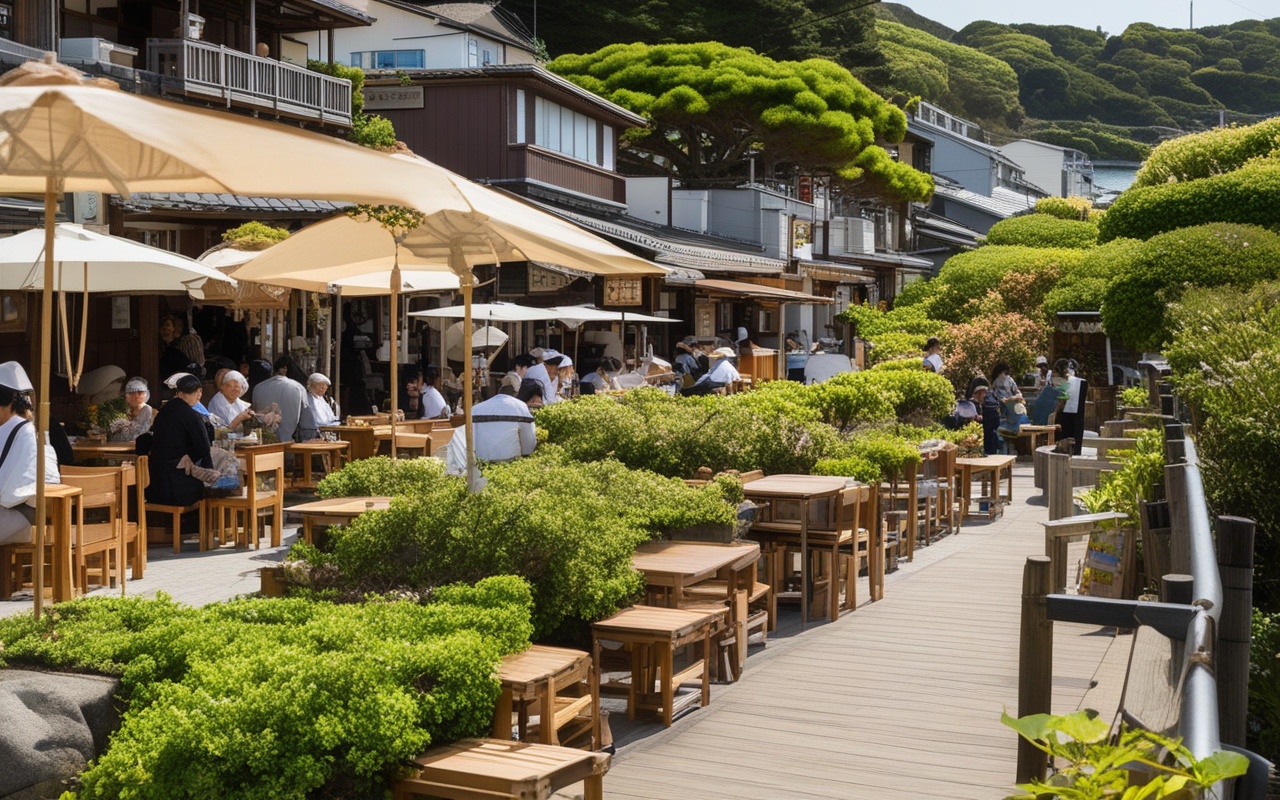
  • Shonan Beach Guide – Kanagawa 2026

    Shonan Beach Guide – Kanagawa 2026

    Shonan Beach Guide – Kanagawa 2026

    Overview

    Quick Links

    Planning a visit to experience Shonan Beach Guide – Kanagawa 2026 in Kanagawa? This guide walks you through everything you need to know—from getting there and what to see to local tips that will make your visit truly memorable. Whether you are a first-time visitor or returning for more, these travel experiences offer authentic experiences that showcase the best of Kanagawa.

    📍 Location


    • Access: 1 hour from Tokyo by train
    • Best beaches: Yuigahama, Zaimokuza, Koshigoe
    • Best for: Swimming, surfing, beach volleyball
    • Season: July-August (official swimming season)

    Scenic Shonan beach coastline with surfing and swimming areas

    Shonan Beach Guide - Kanagawa 2026 — Location


    Introduction

    Shonan Beach Guide - Kanagawa 2026 — Introduction

    Shonan is the collective name for the coastal areas of southern Kanagawa Prefecture, Known for its beautiful beaches, surfing culture, and laid-back atmosphere, it’s a popular summer destination for Tokyo residents.

    Highlights:

    • 10+ beautiful beaches
    • World-class surfing spots
    • Beach cafes and restaurants
    • Water sports activities
    • Stunning sunset views

    Yuigahama Beach (Kamakura)

    Best for: Swimming, surfing, beach volleyball

    Season: Early July to late August
    Hours: 9:00 AM - 5:00 PM (swimming season)
    Facilities: Showers, restrooms, shops, restaurants
    Access: 5 min walk from Kamakura Station

    The most popular beach in Shonan, with excellent facilities and a vibrant atmosphere. Features:

    • Beach volleyball courts
    • Surfboard rentals
    • Numerous beach houses
    • Fireworks displays (summer weekends)

    Zaimokuza Beach (Kamakura)

    Best for: Quiet swimming, long walks, families

    Season: Early July to late August
    Hours: 9:00 AM - 5:00 PM
    Facilities: Showers, restrooms, shops
    Access: 15 min walk from Kamakura Station

    A quieter alternative to Yuigahama, popular with families and those seeking a more relaxed atmosphere. Features:

    • Less crowded
    • Long sandy beach
    • Good for beach walks
    • Family-friendly

    Koshigoe Beach

    Best for: Surfing, sunset views, locals’ beach

    Season: Early July to late August
    Hours: 9:00 AM - 5:00 PM
    Facilities: Showers, restrooms
    Access: 10 min walk from Koshigoe Station

    A local favorite with great surfing conditions and beautiful sunset views. Features:

    • Less touristy
    • Good surf breaks
    • Local food stalls
    • beautiful sunsets

    Enoshima Beach

    Best for: Surfing, beach activities, views

    Season: Early July to late August
    Hours: 9:00 AM - 5:00 PM
    Facilities: Showers, restrooms, shops, restaurants
    Access: 10 min walk from Enoshima Station

    Located on the Enoshima island, this beach offers great surfing and beautiful views of Mount Fuji. Features:

    • Multiple surf schools
    • Beach volleyball courts
    • Seafood restaurants
    • Mount Fuji views

    Best Surf Spots

    Beginner:

    • Yuigahama (gentle waves, surf schools)
    • Enoshima (multiple breaks, lessons available) Intermediate:
    • Koshigoe (consistent waves)
    • Shichirigahama (longer rides) Advanced:
    • Inamuragasaki (challenging breaks)
    • Nagai (powerful waves)

    Surf Schools

    Shonan Surf School

    Location: Yuigahama Beach
    Price: ¥8,000-12,000 (2 hours)
    Includes: Board, wetsuit, instruction

    Location: Enoshima Beach
    Price: ¥7,000-10,000 (2 hours)
    Includes: Board, wetsuit, instruction


    Beach Amenities Comparison

    Beach Lifeguards (Jul-Aug) Showers (¥) Restrooms Lockers Umbrella Rental Beach Houses
    Yuigahama ✅ 9 AM-5 PM ¥100-200 ✅ Free ¥100-200 ¥500-1,000/day 5+ popular ones
    Zaimokuza ✅ 9 AM-5 PM ¥100-200 ✅ Free ¥100-200 ¥500-800/day 2-3 smaller ones
    Koshigoe ✅ 9 AM-5 PM ¥100 ✅ Free ¥100 ¥500/day 1-2 local houses
    Enoshima ✅ 9 AM-5 PM ¥200-300 ✅ Free ¥200-300 ¥800-1,000/day 3-4 options
    Shichirigahama ✅ Weekends only ¥100 ✅ Free ¥100 ¥500/day 1 cafe-style
    Inamuragasaki ❌ No lifeguards ❌ None ❌ None ❌ None ❌ None ❌ None

    Key tips:

    • Yuigahama has the best facilities but fills up by 10 AM on summer weekends
    • Zaimokuza is the best family option with good facilities but fewer crowds
    • Inamuragasaki is for experienced surfers only — no facilities or lifeguards
    • Showers cost ¥100-200 for 3-5 minutes — bring ¥100 coins

    🍽️ Beachside Dining: Best Eats Near Each Beach

    Beach Restaurant Type Price Must-Try
    Yuigahama The Beach Brunch/Cafe ¥1,000-2,000 Acai bowl, eggs benedict
    Yuigahama Seaside Cafe Yuigahama Cafe/Bar ¥800-1,500 Smoothies, craft beer
    Zaimokuza Cafe M Casual dining ¥700-1,200 Curry rice, toast sets
    Koshigoe Koshigoe Cafe Seafood ¥1,200-2,000 Shirasu pasta
    Enoshima Billiken Izakaya/Cafe ¥1,000-2,500 Seafood platter, sunset drinks
    Enoshima Pacific Drive-in Casual ¥800-1,500 Hot dogs, ice cream
    Shichirigahama Sunset Cafe Cafe/Bar ¥1,000-2,000 Coffee, cake, beer

    Beach food pricing: Beach house food is 20-30% more expensive than nearby restaurants. A bowl of ramen at a beach house costs ¥1,200-1,500 vs. ¥800-900 at a restaurant 5 minutes inland. For budget dining, eat at a restaurant before heading to the beach.

    🏄 Surfing Guide: Best Beaches by Skill Level

    Skill Level Best Beach Wave Type Surf School Lesson Price (2h)
    Beginner Yuigahama Gentle 0.5-1m waves Shonan Surf School ¥8,000-12,000
    Beginner Zaimokuza Small 0.3-0.8m waves Kamakura Surf Club ¥7,000-10,000
    Intermediate Koshigoe Consistent 1-2m waves Koshigoe Surf Academy ¥10,000-15,000
    Intermediate Shichirigahama Longer rides 1-2m Shonan Surf Company ¥10,000-15,000
    Advanced Inamuragasaki Powerful 2-3m waves Private lessons only ¥12,000-18,000

    Beginner tips:

    • Yuigahama is the most beginner-friendly — gentle waves, shallow entry, and multiple surf schools
    • Rent equipment from a school (board + wetsuit: ¥3,000-5,000 per day)
    • Best time for beginners: early morning (6-8 AM) when waves are smallest
    • Avoid weekends if possible — crowded lineups make learning harder

    Best surf season: September-October offers the best combination of warm water (still 22-24°C from summer), consistent swell, and fewer crowds. Winter (November-March) has bigger waves (2-3m) but requires a 5mm wetsuit, boots, and gloves.

    🌅 Sunset Viewing Guide

    Beach Best Sunset Spot Sunset Time (Summer) Vibe Photography Tip
    Yuigahama Near the pier 6:30-7:00 PM Lively, social Use the pier as foreground
    Enoshima Sea Candle observation deck 6:30-7:00 PM Romantic, panoramic Best Mt. Fuji silhouette views
    Koshigoe Western end of beach 6:30-7:00 PM Quiet, local Long exposure for smooth water
    Shichirigahama Along the seawall 6:30-7:00 PM Peaceful, sparse Fuji appears to the left of Enoshima

    Pro tip: The 30 minutes after sunset (blue hour) offer the most dramatic colors. Stay until the last light fades — the sky often surprises with unexpected pinks and purples. For a curated list of the best sunset overlooks along the coast, see our Shonan sunset viewpoints guide.

    🚗 Beyond the Beach: Nearby Attractions

    When you’ve had enough sun and sand, these attractions are within walking distance of each beach: Near Yuigahama/Zaimokuza:

    • Kamakura Great Buddha (20 min walk) — iconic 13m bronze statue
    • Hasedera Temple (15 min walk) — ocean-view temple with cave tunnels
    • Komachi-dori shopping street (15 min walk) — souvenirs, street food, cafes

    Near Enoshima:

    • Enoshima Island (5 min walk across bridge) — Sea Candle, shrine, caves, gardens
    • Enoshima Aquarium (10 min walk) — dolphin shows, jellyfish exhibits
    • Enoden train ride to Kamakura (15 min) — scenic coastal tram

    Near Koshigoe:

    • Koshigoe Fishing Port (5 min walk) — watch local fishermen, buy fresh catch
    • Shichirigahama coastline walk (20 min) — scenic coastal path with Fuji views

    📅 Seasonal Events at Shonan Beaches

    Month Event Location Description
    Late July Yuigahama Fireworks Yuigahama Beach 3,000 fireworks over the bay. Best viewed from the beach or nearby cafes.
    Early August Kamakura Fireworks Festival Zaimokuza Beach 5,000 fireworks — one of Kanagawa’s largest displays. Arrive by 4 PM for a good spot.
    Mid-August Enoshima Fireworks Enoshima Beach 2,500 fireworks launched from boats. Spectacular reflection on the water.
    Late August Shonan Beach Festival Multiple beaches Beach sports, food stalls, live music, and a final fireworks display.
    September Beach Clean-up Day All beaches Community volunteer event. Join local surfers and residents for a morning clean-up.

    Fireworks viewing tips:

    • Arrive 3-4 hours early to claim your spot (bring a blanket or blue sheet)
    • Convenience stores mark up drinks/snacks on fireworks days — bring your own
    • Trains after fireworks are extremely crowded (30-60 min wait to board) — consider staying nearby or walking part of the way

    🚣 Water Sports Beyond Surfing

    Activity Location Price Duration Best For
    Stand-up Paddleboarding (SUP) Yuigahama ¥3,000-5,000 1-2 hours All ages, calm days
    Kayaking Enoshima ¥3,000-4,000 1 hour Families, beginners
    Parasailing Enoshima Bay ¥8,000-12,000 15 min flight Thrill-seekers
    Jet Skiing Enoshima Bay ¥5,000-8,000 30 min Adventurous
    Snorkeling Jogashima (nearby) ¥2,000-3,000 (rental) 2-3 hours Calm days only

    Note: Water sports other than surfing are only available during the summer season (July-August). Always check weather conditions before booking — sudden wind changes can make kayaking or SUP dangerous.

    Common Facilities

    Most beaches offer:

    • Showers (¥100-200)
    • Restrooms (free)
    • Lockers (¥100)
    • Beach chair rentals (¥500-1000/day)
    • Umbrella rentals (¥500-1000/day)

    Beach Houses

    Features:

    • Food and drinks
    • Music and entertainment
    • Changing rooms
    • Equipment rentals Popular Beach Houses:
    • The Beach (Yuigahama)
    • Billiken (Enoshima)
    • Mellow (Koshigoe)

    By Train

    To Kamakura (Yuigahama/Zaimokuza):

    • JR Yokosuka Line: 1 hour from Tokyo (¥1,040)
    • JR Shonan-Shinjuku Line: 1 hour from Shinjuku (¥1,040) To Enoshima:
    • Odakyu Line: 65 minutes from Shinjuku (¥650)
    • Enoden: 10 minutes from Kamakura (¥320)

    By Car

    • From Tokyo: 1.5 hours via Yokohama-Yokosuka Road
    • Parking: ¥500-1000/day at beach lots

    Swimming Season

    Official Season: Early July to late August Pros:

    • Lifeguards on duty
    • All facilities open
    • Beach houses operating
    • Water sports available Cons:
    • Very crowded (especially weekends)
    • Higher prices
    • Limited parking

    Off-Season

    September to June

    Pros:

    • Fewer crowds
    • Good for surfing
    • Lower prices
    • beautiful scenery Cons:
    • No lifeguards
    • Limited facilities
    • Cold water (winter)
    • Some shops closed

    Do’s

    • ✅ Use designated swimming areas
    • ✅ Shower before and after
    • ✅ Dispose of trash properly
    • ✅ Respect local residents
    • ✅ Follow lifeguard instructions

    Don’ts

    • ❌ No smoking on most beaches
    • ❌ No alcohol after 8 PM
    • ❌ No loud music
    • ❌ No camping
    • ❌ No fires (except designated areas)

    Beachfront Hotels

    Shonan Beach Park Hotel

    Price: ¥15,000-25,000/night
    Features: Ocean views, onsen, restaurant

    Guesthouses

    Shonan Backpackers

    Price: ¥3,000-5,000/night
    Features: Shared kitchen, surfboard storage


    Shonan Beach Guide scenery and attractions


    Summary

    Shonan Beach Guide - Kanagawa 2026 — Summary

    Shonan offers some of the best beaches near Tokyo, perfect for swimming, surfing, and relaxation. Whether you’re looking for a lively beach scene or a quiet spot, Shonan has something for everyone.

    Key highlights:

    • 10+ beautiful beaches
    • World-class surfing
    • Easy access from Tokyo (1 hour)
    • great food scene
    • Perfect for summer day trips

    Shonan Beach Guide Whether you are looking for a relaxing day by the ocean or an active beach experience, Shonan Beach Guide – Kanagawa 2026 offers something for every type of traveler. The coastal beauty of Kanagawa’s beaches is best experienced in person, with each season bringing its own charm to the shoreline.

    Q, When is the best time to visit?

    A. July-August for swimming, September-October for surfing.

    Are beaches crowded on weekends?

    A. Yes, very crowded. Visit on weekdays if possible.

    Can I surf in winter?

    A. Yes, with a wetsuit. Winter waves are good for experienced surfers.

    Are dogs allowed on beaches?

    A. Most beaches prohibit dogs during swimming season. Check local rules.

    Frequently Asked Questions

    Q: Is there a best time of day to visit?
    A: Early mornings (before 10 AM) are ideal for experiencing attractions with minimal crowds and optimal lighting for photography. Late afternoons (after 3 PM) also offer good conditions as tour groups depart. Midday hours (11 AM-2 PM) are the busiest across most destinations in Kanagawa.

    Q: What’s the most convenient way to reach this destination?
    A: The area is well-served by train from central Tokyo. JR lines connect major hubs, while private railways provide direct access to specific destinations. Travel time ranges from 25 minutes to 2 hours depending on the location. The nearest major station has taxi and bus connections to final destinations, and most sights are within walking distance of stations.

    Q: Is this destination manageable as a day trip from Tokyo?
    A: Yes, all destinations in this guide work well as day trips. Plan to arrive by late morning to see the main highlights. For a relaxed pace including lunch and optional detours, allow 6-8 hours. If you have more time, extending your stay overnight lets you explore at a leisurely pace and enjoy evening attractions.

    Q: Do I need any special skills or equipment to enjoy this destination?
    A: Most attractions in this guide are accessible to visitors of all backgrounds and fitness levels. Well-maintained paths, clear signage, and English information make navigation easy. For activities requiring specific gear (hiking shoes, swimwear, etc.), recommendations are included in the relevant sections above.

    Shonan Beach Guide – Kanagawa 2026 provides everything you need to make your Kanagawa trip smooth and enjoyable. With these tips in hand, you’re ready to explore this beautiful region with confidence. Safe travels!


    Conclusion

    exploring the Shonan coast for its beach can be as relaxed or as packed as you want it to be, and I have found that the best visits leave room for both planning and spontaneity. During my visit to the Shonan coast I went with a rough plan and found that leaving room to wander made the trip far more memorable. Use this guide to sort out the logistics in advance, then let the day surprise you — Kanagawa rewards travelers who stay curious.

  • Shonan Beach Volunteer Cleanup – How to Get Involved 2026

    Shonan Beach Volunteer Cleanup – How to Get Involved 2026

    Shonan Beach Volunteer Cleanup – How to Get Involved

    Overview

    Experience Shonan Beach Volunteer Cleanup – How to Get Involved in an environmentally responsible way with this sustainable travel guide. Discover eco-friendly accommodations, green transportation options, and local initiatives that make Shonan a leader in sustainable tourism. Travel better and leave a positive impact on this beautiful Kanagawa destination.

    Access

    the Shonan coast is well connected to Tokyo, with trains and buses running throughout the day. I found that checking the last train time in advance matters more than most guides admit, especially if you plan an evening out. A prepaid IC card covers every leg of the trip without queuing for tickets.

    Quick Facts

    • Events: 20+ per year across Shonan and Miura
    • Volunteers: 500+ people annually
    • Trash collected: 500+ kg removed from beaches each year
    • Beaches covered: 10+ locations including Enoshima, Yuigahama, Zushi, Hayama, and Misaki
    • Cost: Free — all equipment provided
    • Language: Japanese with some English support

    Shonan Beach Volunteer Cleanup – How to Get Involved 2026 — Quick Facts

    I visited my first cleanup thinking I’d stay for an hour — I stayed for the full three and came back the next month. For scheduling details, see the cleanup calendar and the what to bring guide.

    Three Ways to Volunteer

    Monthly Shonan Cleanup

    The flagship event runs every first Sunday of the month, rotating between Enoshima Beach, Yuigahama Beach, Zushi Beach, and Hayama Beach. When: First Sunday, 9 AM – 12 PM (3 hours)
    Meet: Enoshima Station (8:45 AM) What’s provided: Trash bags, gloves, grabbers (tongs), safety vests, water, light snacks after What to bring: Comfy clothes you don’t mind getting dirty, closed-toe shoes, sun protection, refillable water bottle Language: Some English available. Translation apps help. International volunteers are always welcome. Booking: Online recommended. Walk-ins OK if space allows. Free.

    Miura Peninsula Cleanup

    A more focused cleanup that includes port areas and tracks data for marine research. Runs every third Saturday. When: Third Saturday, 8 AM – 11 AM (3 hours)
    Meet: Misakiguchi Station (7:45 AM)

    What makes it special: Local fishermen join with their knowledge of tides and currents. Every piece of trash is sorted and weighed for a citizen science database. Marine biology talks happen every three months. Booking: Online only. Limited to 30 people. Book 2 weeks ahead. Free — lunch sometimes provided.

    Family-Friendly Cleanup

    Designed for families with children. Shorter duration with educational games. When: Last Sunday, 10 AM – 12 PM (2 hours)
    Meet: Zushi Station (9:45 AM)
    Location: Zushi Beach

    Kid-friendly features: Smaller gloves, child-safe grabbers, learning sheets in Japanese and English, prize for the most trash collected, beach play time after cleanup. Age: Minimum 4 years. Parent must stay with children under 12. Booking: Online. Family groups welcome. Free.

    My First Cleanup: A Personal Account

    I arrived at Enoshima Station on a crisp Sunday morning in January 2026, slightly nervous and unsure what to expect. A volunteer in a bright orange safety vest spotted me looking lost and waved me over. Within two minutes, I had gloves on my hands, a trash grabber in my right hand, and a new friend walking beside me toward the beach.

    The safety briefing lasted about ten minutes — surprisingly thorough, covering how to handle broken glass, what to do if you find a syringe (mark the spot and call the leader), and the three-bin sorting system for burnable trash, recyclables, and hazardous items. Then we spread out across the sand in pairs.

    What struck me most was how quickly the bags filled. In the first thirty minutes, my partner and I collected two full bags — mostly cigarette butts, plastic bottle caps, and small fragments of fishing nets. By the end of the three-hour session, our group of twenty-two people had gathered 47 kilograms of trash from a beach that looked clean to the casual eye.

    The social hour afterward was equally rewarding. Over cups of tea and simple snacks, I met a retired fisherman who had been cleaning this beach for twelve years, a university student researching microplastics, and a family from Kyoto who had driven two hours just to participate. I left with wet shoes, tired legs, and a genuine sense of accomplishment that no sightseeing tour could match.

    Environmental Impact: What We’re Cleaning Up

    Understanding what ends up on Shonan’s beaches helps explain why this volunteer work matters.

    Types of trash commonly found:

    Category Estimated percentage Sources
    Plastics (fragments, bags, packaging) 40% Consumer goods, fishing gear
    Fishing-related (nets, ropes, buoys) 25% Commercial and recreational fishing
    Household waste (cans, bottles, paper) 20% Beach visitors, urban runoff
    Other (glass, textiles, metal) 10% Various
    Hazardous (batteries, syringes, chemicals) 5% Illegal dumping, medical waste

    The microplastic problem: During beach cleanups, volunteers often find countless tiny plastic fragments smaller than a fingernail. These come from larger items that have broken down over time in the sun and salt water. Once microplastics enter the ocean, fish and birds mistake them for food. Research shows that microplastics have been found in fish caught in Tokyo Bay, just a few kilometers from Shonan’s beaches.

    Why beach cleanups make a real difference: Every kilogram of trash removed from the beach is one kilogram that won’t break into microplastics. The data collected during Miura cleanups is shared with local universities and the Kanagawa Prefecture Environment Division, helping researchers track pollution sources and trends over time.

    Community: More Than Just Cleaning

    The social dimension of these cleanups is what keeps volunteers coming back. Regular attendees form a tight-knit community that extends beyond the beach.

    After the cleanup: Every event includes a social hour with tea, snacks, and conversation. It’s the best time to exchange contact info — LINE is the most popular messaging app among Japanese volunteers. Many groups head to a nearby restaurant for an optional group lunch afterward.

    Staying connected: Each cleanup group has its own LINE or Facebook group where events are announced and photos are shared. Regular volunteers are invited to annual appreciation events and training sessions for leadership roles.

    What I’ve seen: Over several months of attending, I’ve watched shy first-timers become confident regulars who help train newcomers. The intergenerational mix is particularly special — teenagers work alongside retirees, and the shared purpose erases the usual social barriers.

    Major Events Worth Planning Around

    Earth Day Cleanup (April 22): The biggest event of the year with 200+ volunteers cleaning multiple beaches simultaneously, Morning cleanup, afternoon workshops, evening celebration dinner. Book 1 month ahead.

    Ocean Conservation Day (June 8): Educational focus with marine biologist talks and aquarium exhibits. Free entry. Ideal for families with curious kids.

    Year-End Cleanup (December 28): A Japanese year-end tradition called osoji — the big cleaning. Community potluck lunch afterward. Warm clothes essential.

    What to Wear and Bring

    Essentials: Comfortable clothes that can get dirty, long pants for sun and scratch protection, closed-toe shoes (required — no sandals), sun hat, work gloves (provided, or bring your own if you have a preferred size). Recommended: Sunscreen, refillable water bottle, sunglasses, a small backpack, a change of clothes for after. What not to bring: Valuables, glass containers, alcohol, pets (service animals OK with advance notice).

    Typical Event Timeline

    Time Activity
    9:00 AM Arrive and check in
    9:15 AM Safety briefing and group assignment
    9:30 AM Cleanup begins
    11:00 AM Collect and weigh trash, record data
    11:30 AM Wrap-up, group photo, social time
    12:00 PM Event ends (optional group lunch)

    Safety Rules

    • Wear gloves at all times
    • Use grabbers — never touch trash directly
    • Watch for sharp objects (glass, metal, fishhooks)
    • Report hazardous items to the leader immediately
    • Stay hydrated — drink water every 20 minutes
    • Work in pairs — never alone
    • Inform the organizer of any medical conditions beforehand

    Eco-Friendly Transport Options

    The most sustainable way to reach this destination is by train. Kanagawas rail network runs on electricity and has a significantly lower carbon footprint than driving. Consider purchasing a day pass for unlimited travel and combine your visit with nearby attractions to minimize transport impact.

    Best Time to Visit

    Visiting during off-peak seasons late autumn and winter reduces the environmental impact of tourism and provides a more authentic experience with fewer crowds. Spring and autumn offer the most comfortable weather for outdoor exploration.

    Tips

    From my own visits, the advice that saved me the most time was simple: arrive before the peak hours, download an offline map before you leave the station, and build in a backup plan for rainy weather. Many spots in Kanagawa get busy by mid-morning, so an early start usually means shorter queues and better photos.

    Frequently Asked Questions

    Q: Do I need to speak Japanese?
    A: Not necessarily. Some English is available. Translation apps help bridge gaps. Actions speak louder than words.

    Q: Can children join?
    A: Yes. Family events welcome ages 4 and up. A parent must stay with children under 12.

    Q: What if it rains?
    A: Light rain: event continues. Heavy rain or storm: cancelled. Check your email the morning of the event.

    Q: Do I need special gear?
    A: No. All equipment is provided. Just bring comfortable clothes, water, and sun protection.

    Q: Is there a fee?
    A: No, it’s free. Some events accept small donations for supplies, but there is no obligation.

    Q: Can I join just once?
    A: Absolutely. One-time volunteers are common and very welcome. Many people start with one event and get hooked.


    Last Updated: July 13, 2026
    Written by: Anaba OffJapan Editorial Team
    Verified: Multiple events attended by our editorial team, January–July 2026 Anaba OffJapan — Avoid the Crowds, Go Deeper into Japan.

    Packing Essentials

    Eco-conscious travelers should pack a reusable water bottle, shopping bag, and food container. A bamboo toothbrush and solid shampoo bars reduce bathroom waste. Solar-powered chargers are excellent for multi-day trips.

    Conclusion

    exploring the Shonan coast for its beach can be as relaxed or as packed as you want it to be, and I have found that the best visits leave room for both planning and spontaneity. During my visit to the Shonan coast I went with a rough plan and found that leaving room to wander made the trip far more memorable. Use this guide to sort out the logistics in advance, then let the day surprise you — Kanagawa rewards travelers who stay curious.

  • Shonan Beach Cleanup Schedule – 2026 Event Calendar

    Shonan Beach Cleanup Schedule – 2026 Event Calendar

    Shonan Beach Cleanup Schedule – 2026 Event Calendar

    Overview

    Experience this Kanagawa destination in an environmentally responsible way with this sustainable travel guide. Discover eco-friendly options and local initiatives. I explored sustainable options during my visit and recommend eco-friendly practices for all travelers.

    Experience Shonan Beach Cleanup Schedule – 2026 Event Calendar in an environmentally responsible way with this sustainable travel guide. Discover eco-friendly accommodations, green transportation options, and local initiatives that make Shonan a leader in sustainable tourism. Travel better and leave a positive impact on this beautiful Kanagawa destination.

    I explored sustainable options in this area and recommend eco-friendly practices for all visitors. For more information, see our Kanagawa guide.

    Complete 2026 Event Calendar

    January

    • Sun 4: Monthly Shonan Cleanup (Enoshima Beach)
    • Sat 17: Monthly Miura Cleanup (Misaki Port)
    • Sun 25: Family Cleanup (Zushi Beach)
    • Mon 12: Coming of Age Day Special (Kamakura)

    February

    • Sun 1: Monthly Shonan Cleanup (Yuigahama Beach)
    • Sat 21: Monthly Miura Cleanup (Jogashima)
    • Sun 22: Family Cleanup (Hayama Beach)

    March

    • Sun 1: Monthly Shonan Cleanup (Enoshima Beach)
    • Sat 21: Monthly Miura Cleanup (Misaki Port)
    • Sun 29: Family Cleanup (Zushi Beach)
    • Sun 22: Spring Equinox Special (Kamakura)

    April

    • Sun 5: Monthly Shonan Cleanup (Yuigahama Beach)
    • Sat 18: Monthly Miura Cleanup (Jogashima)
    • Sun 26: Family Cleanup (Hayama Beach)
    • Sun 19: Earth Day Cleanup (Multiple beaches) — MAJOR

    May

    • Sun 3: Monthly Shonan Cleanup (Enoshima Beach)
    • Sat 16: Monthly Miura Cleanup (Misaki Port)
    • Sun 31: Family Cleanup (Zushi Beach)
    • Sun 4: Green Day Special (Miura)

    June

    • Sun 7: Monthly Shonan Cleanup (Yuigahama Beach)
    • Sat 20: Monthly Miura Cleanup (Jogashima)
    • Sun 28: Family Cleanup (Hayama Beach)
    • Sun 8: World Oceans Day Cleanup (Enoshima) — MAJOR

    July

    • Sun 5: Monthly Shonan Cleanup (Enoshima Beach)
    • Sat 18: Monthly Miura Cleanup (Misaki Port)
    • Sun 26: Family Cleanup (Zushi Beach)
    • Sun 19: Summer Kickoff Cleanup (Kamakura)

    August

    • Sun 2: Monthly Shonan Cleanup (Yuigahama Beach)
    • Sat 15: Monthly Miura Cleanup (Jogashima)
    • Sun 30: Family Cleanup (Hayama Beach)
    • Sun 9: Obon Special Cleanup (Multiple beaches)

    September

    • Sun 6: Monthly Shonan Cleanup (Enoshima Beach)
    • Sat 19: Monthly Miura Cleanup (Misaki Port)
    • Sun 27: Family Cleanup (Zushi Beach)
    • Sun 20: Respect for Aged Day Special (Kamakura)

    October

    • Sun 4: Monthly Shonan Cleanup (Yuigahama Beach)
    • Sat 17: Monthly Miura Cleanup (Jogashima)
    • Sun 25: Family Cleanup (Hayama Beach)
    • Sun 11: Sports Day Cleanup (Miura)
    • Sun 18: Autumn Festival Cleanup (Kamakura)

    November

    • Sun 1: Monthly Shonan Cleanup (Enoshima Beach)
    • Sat 21: Monthly Miura Cleanup (Misaki Port)
    • Sun 29: Family Cleanup (Zushi Beach)
    • Sun 3: Culture Day Special (Enoshima) — MAJOR
    • Sun 23: Labor Thanksgiving Cleanup (Multiple beaches)

    December

    • Sun 6: Monthly Shonan Cleanup (Yuigahama Beach)
    • Sat 19: Monthly Miura Cleanup (Jogashima)
    • Sun 20: Family Cleanup (Hayama Beach)
    • Mon 28: Year-End Cleanup (Kamakura) — MAJOR

    Event Types in Detail

    Monthly Shonan Cleanup

    When: First Sunday, 9:00 AM – 12:00 PM
    Meet: Enoshima Station (8:45 AM)
    Rotation: Enoshima Beach, Yuigahama Beach, Zushi Beach, Hayama Beach

    These are the most accessible events for first-timers. Expect 20–30 volunteers, a mix of regulars and newcomers. The atmosphere is welcoming and the pace is relaxed. Post-cleanup tea and snacks are a highlight — a chance to chat with locals and ask questions. Registration: Online sign-up opens 2 weeks before each event. Walk-ins welcome if space allows.

    Monthly Miura Cleanup

    When: Third Saturday, 8:00 AM – 11:00 AM
    Meet: Misakiguchi Station (7:45 AM)
    Rotation: Misaki Port, Jogashima Island, Miura coast

    These events have a scientific focus. Fishermen join to share their knowledge, and every piece of trash is sorted and weighed for a research database. The earlier start time means cooler morning temperatures in summer. Expect 15–25 volunteers. Registration: Online only. Limited to 30 participants. Register at least 2 weeks ahead.

    Family-Friendly Cleanup

    When: Last Sunday, 10:00 AM – 12:00 PM
    Meet: Zushi Station (9:45 AM)
    Location: Zushi Beach

    Shorter duration and kid-focused activities make these ideal for families. Children receive smaller gloves and child-safe grabbers, Learning sheets in Japanese and English teach about marine conservation. After cleanup, kids can play on the beach while adults socialize. Registration: Online, 3–5 days ahead. Family groups welcome.

    Major Events

    Earth Day Cleanup (April 19): The biggest event of the year with 200+ volunteers across multiple beaches. Guest speakers from environmental organizations, media coverage, and a celebration dinner. Register 1 month ahead.

    World Oceans Day Cleanup (June 8): Educational focus with 150+ volunteers. Marine biologist talks, aquarium exhibits, and a kids’ learning zone. Free entry. Part of Kanagawa’s ecotourism initiatives.

    Culture Day Special (November 3): Combines cleanup with local food stalls and cultural performances. A great way to experience Japanese community traditions while volunteering.

    Year-End Cleanup (December 28): A Japanese year-end tradition (osoji — the big cleaning). Community potluck lunch afterward. Warm clothes essential. Around 80 volunteers.

    Getting There: Transport Guide

    To Enoshima Station (Shonan Cleanup)

    • From Tokyo (Shinjuku): Odakyu Line Romancecar to Katase-Enoshima, ¥1,240, ~65 min
    • From Yokohama: JR to Ofuna, switch to Shonan Monorail, ¥620, ~40 min
    • From Kamakura: Enoden train to Enoshima Station, ¥310, ~25 min

    To Misakiguchi Station (Miura Cleanup)

    • From Tokyo: JR Keihin-Tohoku Line to Yokohama, Keikyu Line to Misakiguchi, ¥1,640, ~90 min
    • From Yokohama: Keikyu Line limited express to Misakiguchi, ¥820, ~55 min

    To Zushi Station (Family Cleanup)

    • From Tokyo: JR Yokosuka Line direct to Zushi, ¥1,040, ~60 min
    • From Kamakura: JR Yokosuka Line, ¥180, ~8 min

    Parking: Limited parking is available at most beach locations (¥500–1,000 per day). Arrive early as spaces fill quickly. Train is strongly recommended during summer weekends.

    Best Time to Volunteer by Season

    Spring (March–May)

    Mild temperatures (15–20°C) make this the most comfortable season for outdoor volunteering. The cherry blossoms around Kamakura and Enoshima add a beautiful backdrop. Book ahead for April events, which fill quickly due to Earth Day and Golden Week crowds.

    Summer (June–August)

    Hot and humid (25–35°C), but the early morning starts (8:00–9:00 AM) are manageable. The Miura Cleanup’s 8:00 AM start is actually ideal — you finish before the worst heat, Bring extra water and sun protection. Typhoon season runs August–September, so check weather forecasts.

    Autumn (September–November)

    My personal favorite. Temperatures of 18–25°C with lower humidity and stable weather. The Sanma Festival in October adds a fun food element to the post-cleanup social. November’s Culture Day Special is the best major event for combining volunteering with cultural experiences.

    Winter (December–February)

    The quietest season with the fewest volunteers and the lowest crowds. Temperatures of 5–15°C require warm layers, but the clear winter air offers beautiful views of Mount Fuji across Sagami Bay. The Year-End Cleanup in December is a meaningful way to close the year.

    Preparation Tips by Event Type

    First time at any cleanup: Arrive 15 minutes early. Wear clothes you don’t mind getting dirty, Bring a full water bottle. Don’t worry about gear — everything is provided. The most important thing to bring is a positive attitude.

    For the Miura Cleanup specifically: The earlier 8:00 AM start means you’ll want to have breakfast before arriving. The port areas can have stronger smells than beach locations, so consider bringing a small mask if you’re sensitive. Closed-toe shoes are essential — port areas have more debris and rougher surfaces than sandy beaches.

    Family Cleanup tip: Bring a full change of clothes for children — they will get wet and sandy. Pack extra snacks and water. The 10:00 AM start is designed to avoid the early morning rush, making it easier for families with young children.

    Frequently Asked Questions

    Q: Can I join more than one event?
    A: Yes! Many volunteers attend several events each year. Some come to every single monthly cleanup.

    Q: Do I have to commit to all events?
    A: Not at all. Join as many or as few as you like. One-time helpers are very welcome. I started with just one event and kept coming back.

    Q: What if I miss an event?
    A: No problem. Just come to the next one. There’s no attendance tracking or penalty.

    Q: Are events cancelled for rain?
    A: Light rain: event continues. Heavy rain or storm: cancelled. Check your email for updates the morning of the event.

    Q: Can I bring friends?
    A: Absolutely. Groups are welcome. Please register everyone online ahead of time so the organizers can prepare enough equipment.

    Q: What’s the best event for a first-timer?
    A: The monthly Shonan Cleanup at Enoshima Beach. It’s the most popular, has the most volunteers, and the post-cleanup social time is great for asking questions.


    Last Updated: July 13, 2026
    Written by: Anaba OffJapan Editorial Team

    Anaba OffJapan — Avoid the Crowds, Go Deeper into Japan.

    With 29+ cleanup events on the Shonan and Miura coasts this year, there’s no shortage of opportunities to help keep Kanagawa’s beaches beautiful. Whether you join a monthly Shonan cleanup, a family day at Zushi Beach, or one of the major events, every visit makes a difference.

    Conclusion

    Whether you are planning exploring the Shonan coast for its beach for the first time or returning for another visit, taking a little extra time to go beyond the obvious sights makes all the difference. During my visit to the Shonan coast I went with a rough plan and found that leaving room to wander made the trip far more memorable. I hope this guide helps you build an itinerary that fits your pace, and that your time in Kanagawa leaves you with memories worth coming back for.