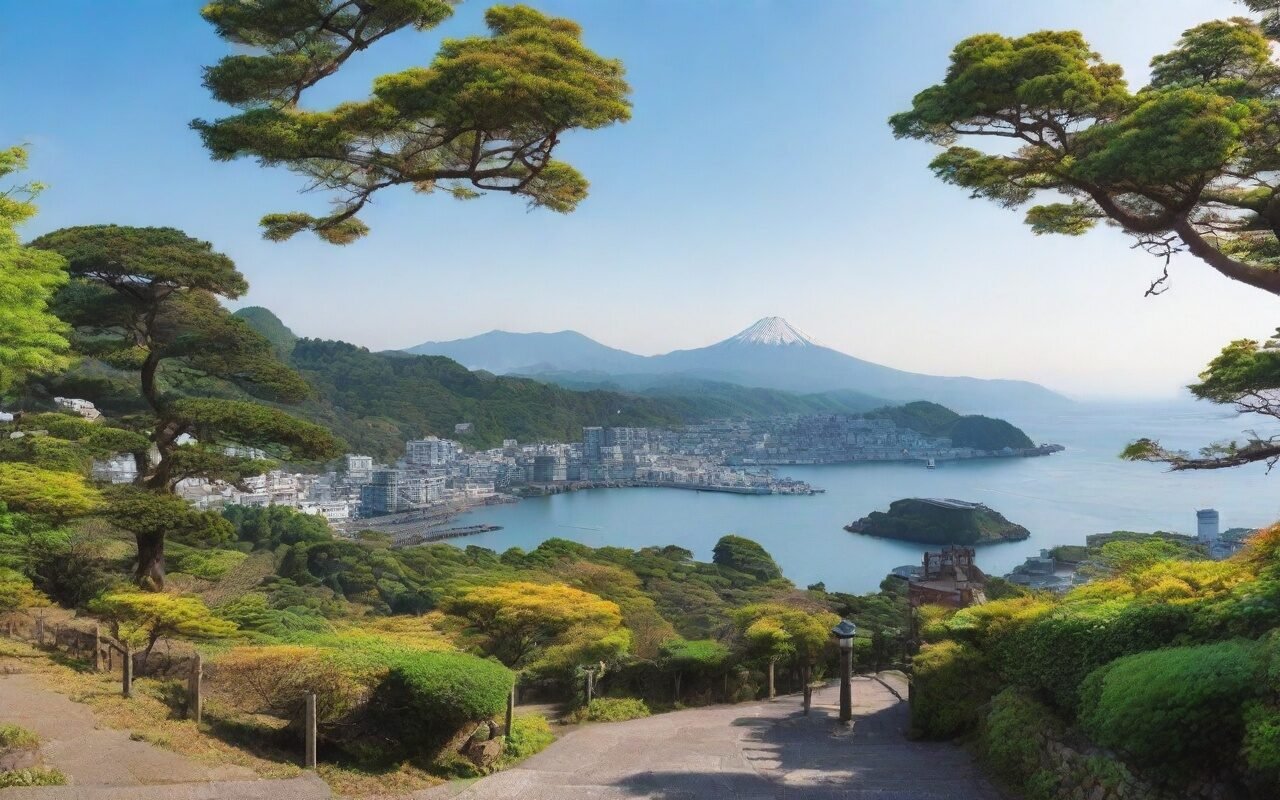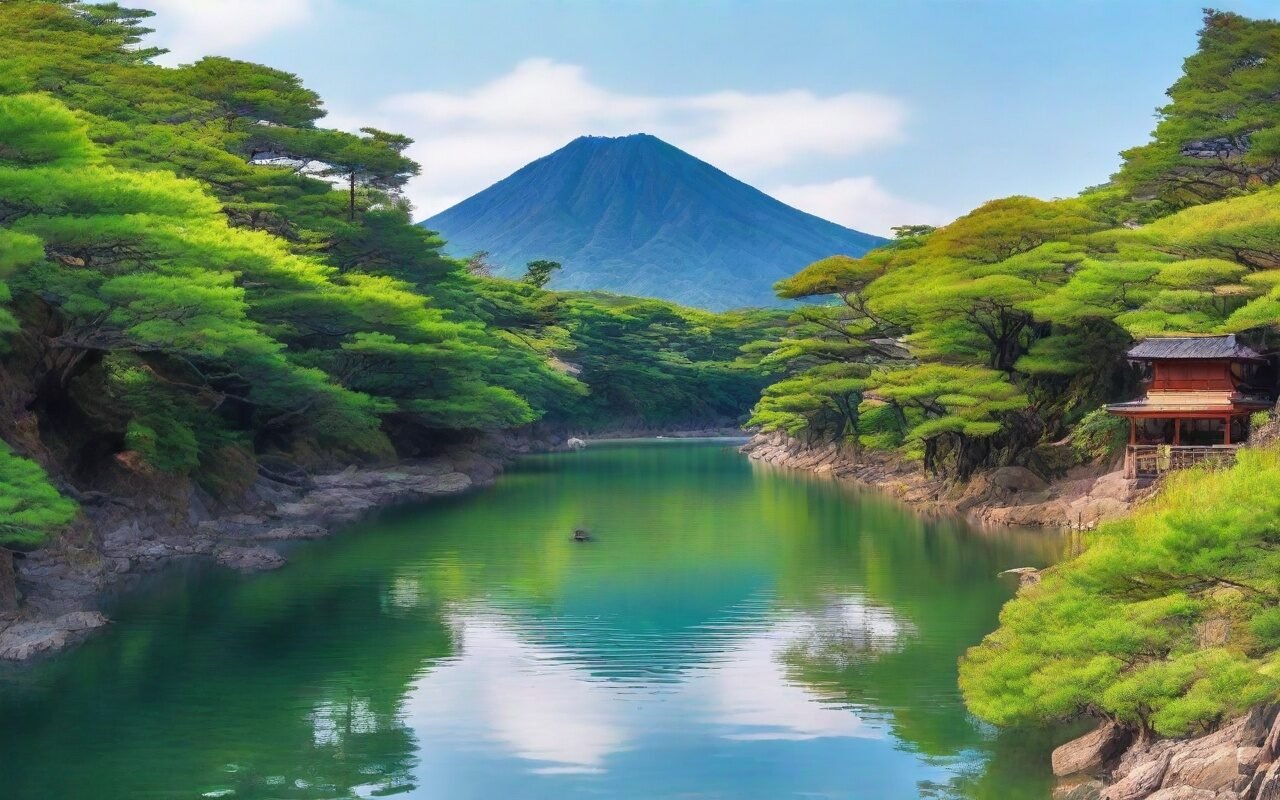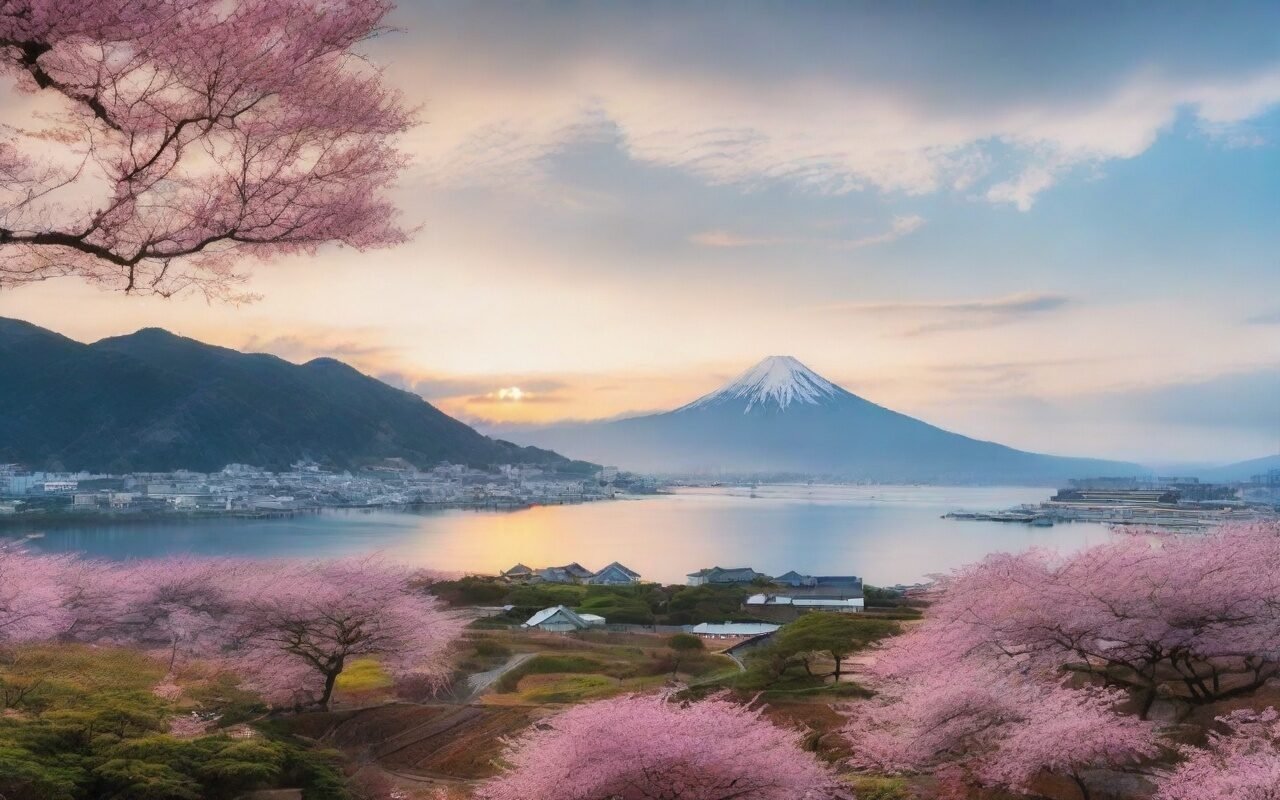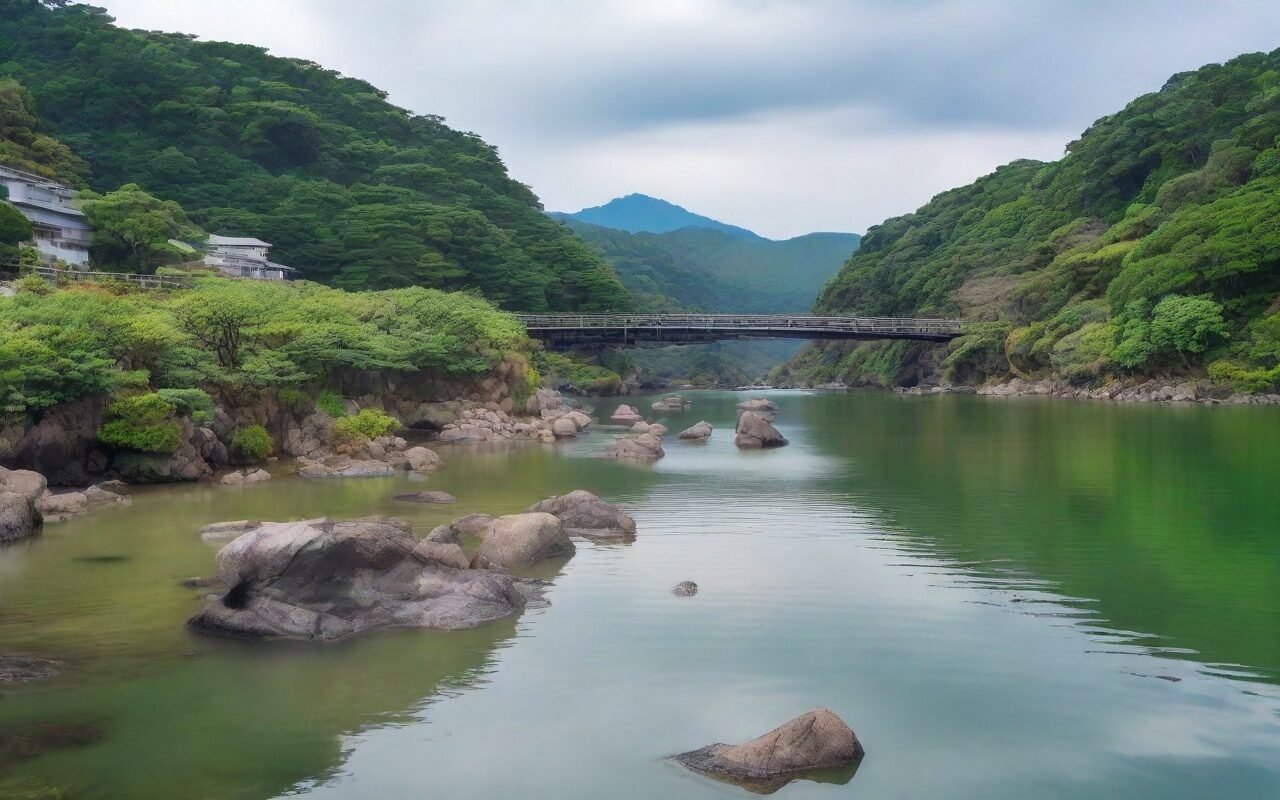
Tag: anime-pilgrimage

  • Ghost in the Shell Pilgrimage in Yokohama β€” Cyberpunk Walk

    Ghost in the Shell Pilgrimage in Yokohama β€” Cyberpunk Walk

    Overview

    Ghost in the Shell β€” from Masamune Shirow’s original manga to Mamoru Oshii’s 1995 film and the Stand Alone Complex series β€” is the definitive cyberpunk anime. Its rain-slicked streets, towering glass headquarters, and fog-draped waterfronts define a vision of a near-future Japan. What many fans do not realize is that Yokohama’s Minato Mirai district, with its glass towers, port facilities, and dramatic bay views, was one of the primary visual inspirations for this world.

    The city’s real geography maps onto the anime’s iconic imagery: the soaring Landmark Tower echoes the mega-corporation headquarters that dominate the series’ skyline, the sweeping curves of Osanbashi Pier feel lifted straight from the movie’s harbor scenes, and the fog that rolls off the bay in spring and autumn gives the whole district the moody, atmospheric quality of the films. For a pilgrimage, Yokohama is a place where you can literally stand at the intersection of the real and the imagined future.

    This guide covers the five essential spots, how to reach them from Tokyo, and how to time your visit for the best cyberpunk atmosphere β€” which, as any fan knows, means fog, rain, or neon-lit evenings.


    πŸ“ Getting There

    Minato Mirai 21 is Yokohama’s bay-front district, about 25-35 minutes from central Tokyo by train.

    From Tokyo

    The most convenient routes:

    1. JR Tokaido Line / Yokosuka Line (25-30 min, Β₯480) β€” Take a rapid train from Tokyo or Shinagawa to Yokohama Station, then transfer to the Minatomirai Line or walk 15 minutes to the bay. Fastest option from east Tokyo.
    2. Tokyu Toyoko Line (35 min, Β₯490) β€” Take the Tokyu Toyoko Line from Shibuya directly to Minatomirai Station, in the heart of the district. No transfer needed.
    3. Keikyu Line (30 min, Β₯450) β€” From Shinagawa to Yokohama Station, then transfer. Useful if you are coming from south Tokyo or Haneda Airport.

    Money-Saving Tickets

    If you plan to explore Minato Mirai comprehensively, the Minato Burari Ticket covers the Minatomirai Line, the Seaside Line, and offers discounts at major attractions β€” a genuine money-saver for a full pilgrimage day. For a broader Yokohama day trip, the Kamakura, Enoshima & Yokohama day tour bundles several areas if you are short on time.


    🎯 Pilgrimage Spots

    Spot 1: Landmark Tower β€” The Corporate HQ of Your Imagination

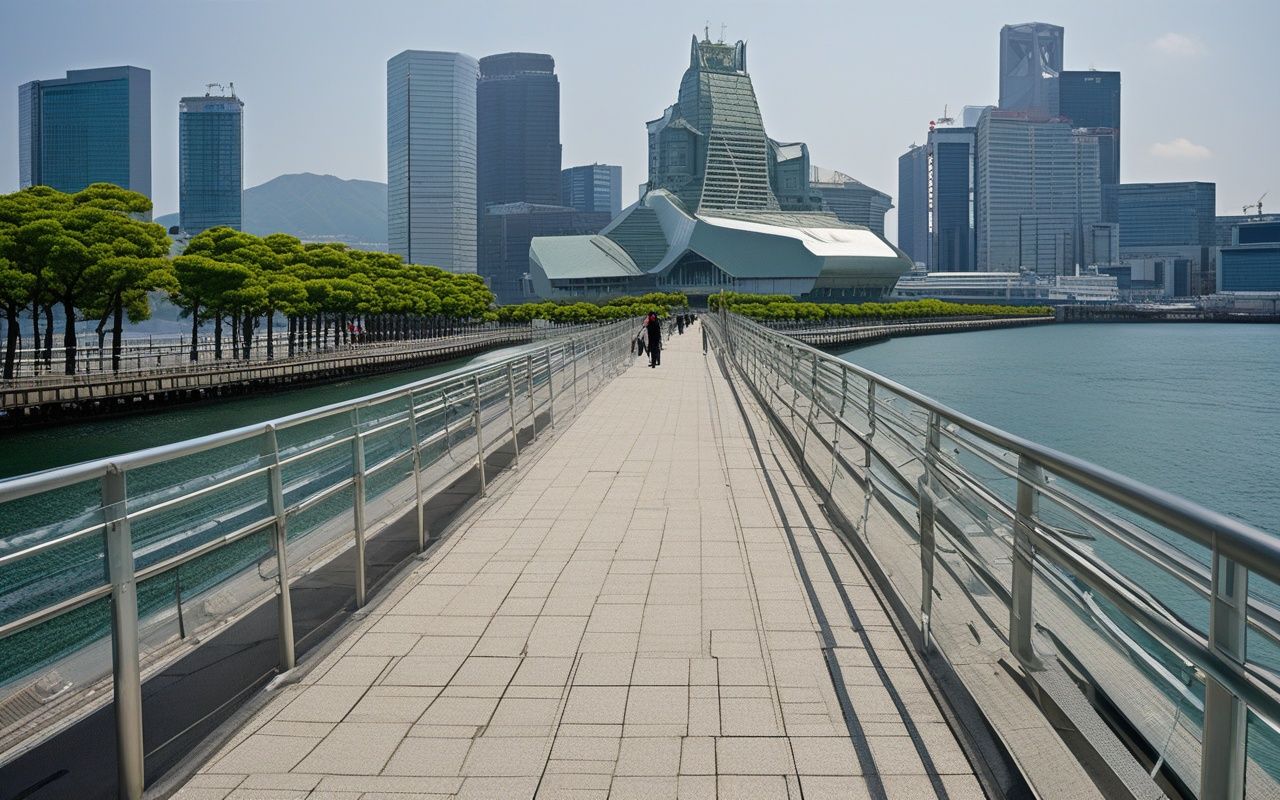
    Anime reference: The towering glass headquarters of megacorporations like Section 6 and its rivals define the Ghost in the Shell skyline. The Landmark Tower β€” Japan’s second-tallest building at 296 meters β€” is the closest real-world match to these monolithic presences.
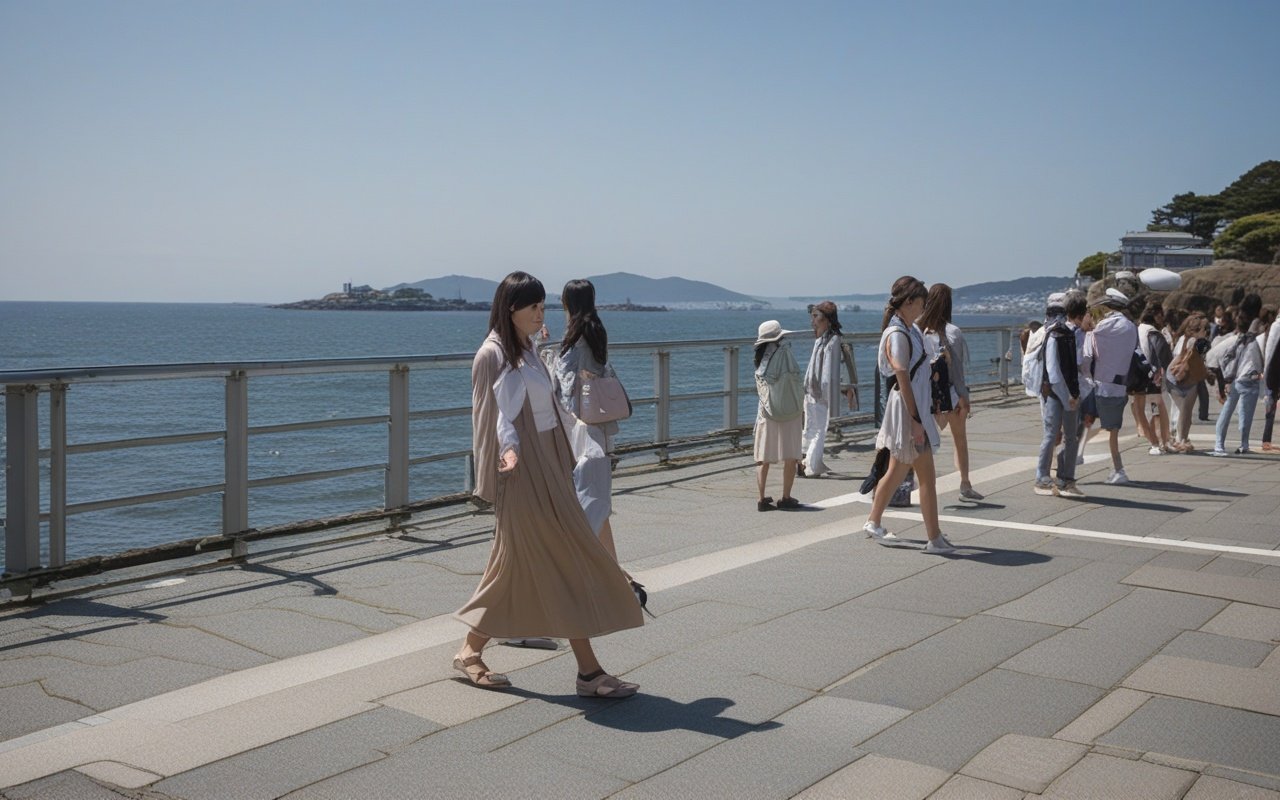
    Ghost in the Shell Pilgrimage in Yokohama scenery and attractions

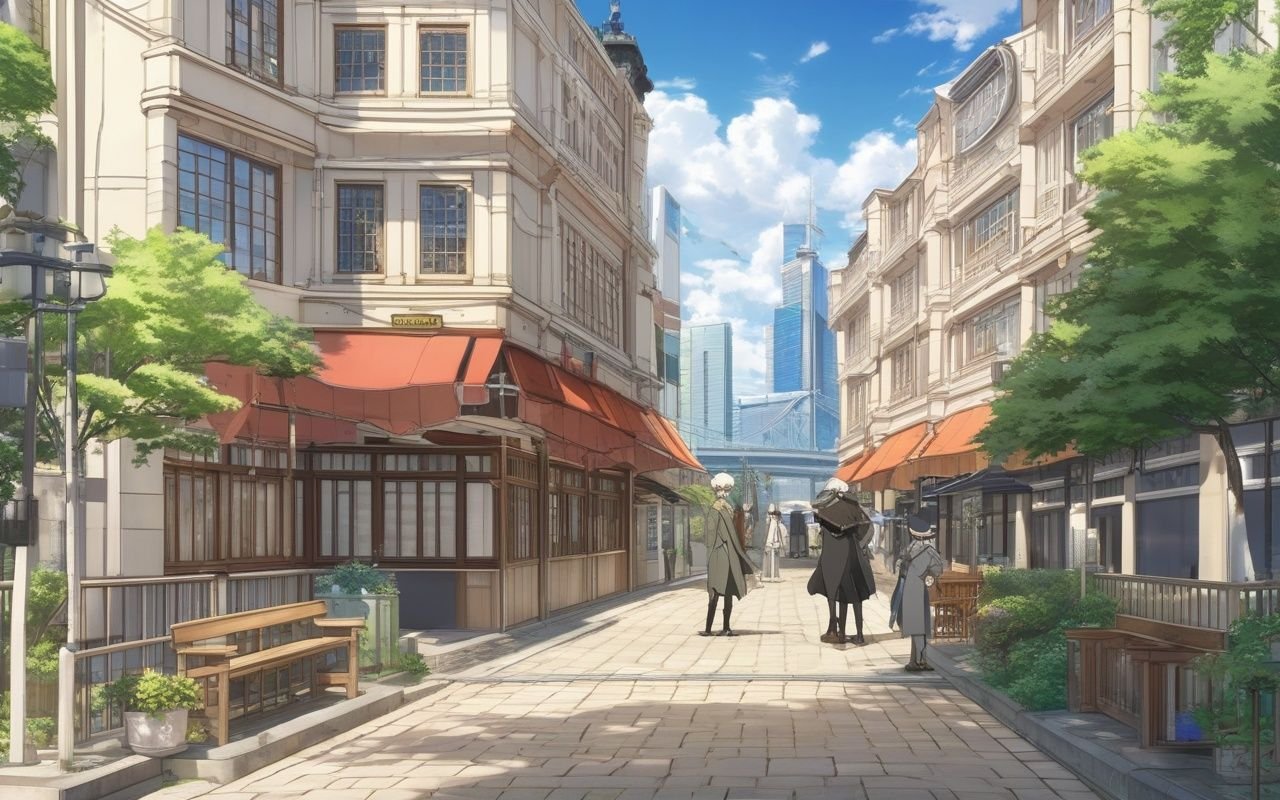
    Standing at the base of the Landmark Tower, looking up at its sheer glass face, you will feel the same vertigo the anime’s establishing shots create. The tower’s Sky Garden observatory on the 69th floor offers a 360-degree view of the bay, the port, and the city stretching to Tokyo β€” a vantage point that mirrors the aerial surveillance shots that open many Ghost in the Shell scenes. On a clear evening, the lights of Yokohama spread out below like a circuit board, exactly the cyberpunk aesthetic the franchise is known for.

    • Access: 3 min walk from Minatomirai Station; Sky Garden entrance on the ground floor
    • Hours: Sky Garden 10:00 AM – 9:00 PM (last entry 8:30 PM)
    • Admission: Β₯1,000 for the observation deck
    • Photo tip: Visit at sunset and shoot through the west-facing glass for silhouettes against the burning sky

    Spot 2: Osanbashi Pier (倧さん橋) β€” The Harbor of Ghosts

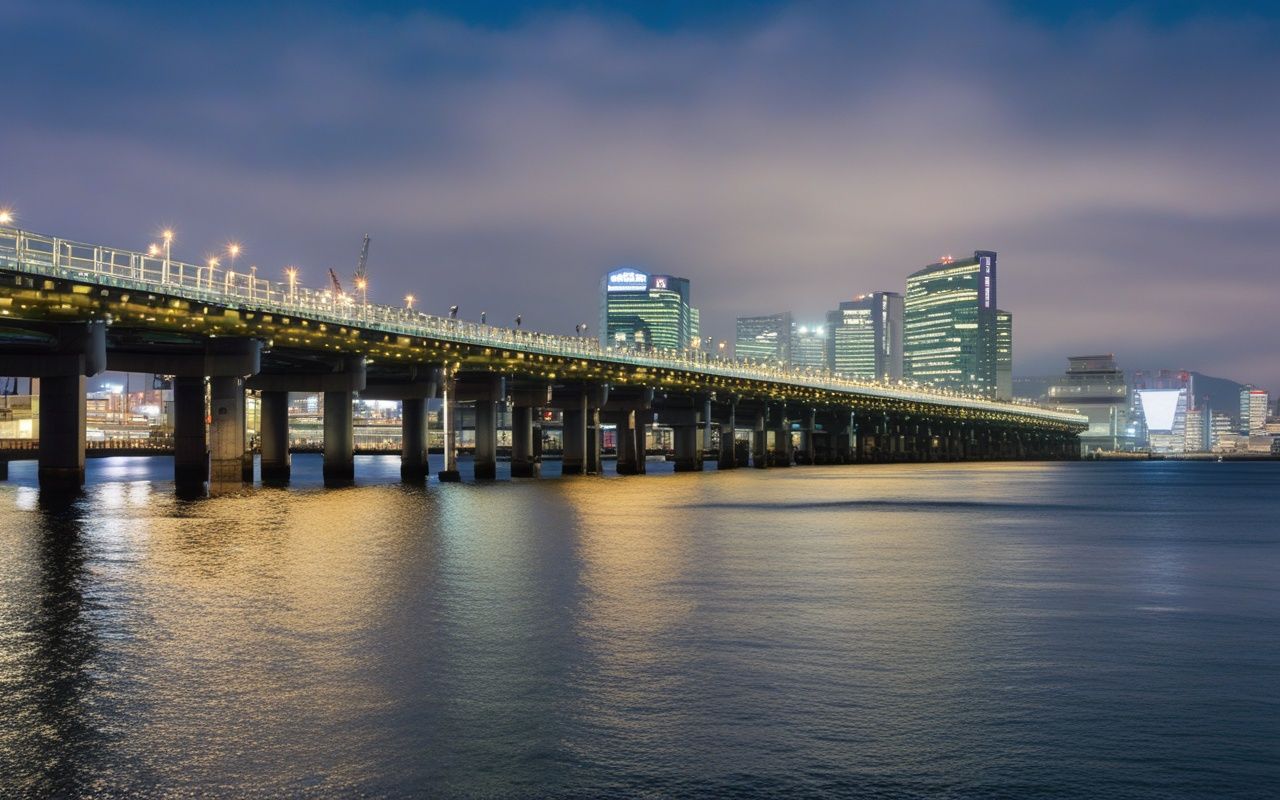
    Anime reference: The long, sweeping curves of Osanbashi Pier β€” Yokohama’s international passenger terminal β€” evoke the futuristic port facilities that appear throughout the films. Its distinctive roof deck is one of the most photogenic spots in the city.
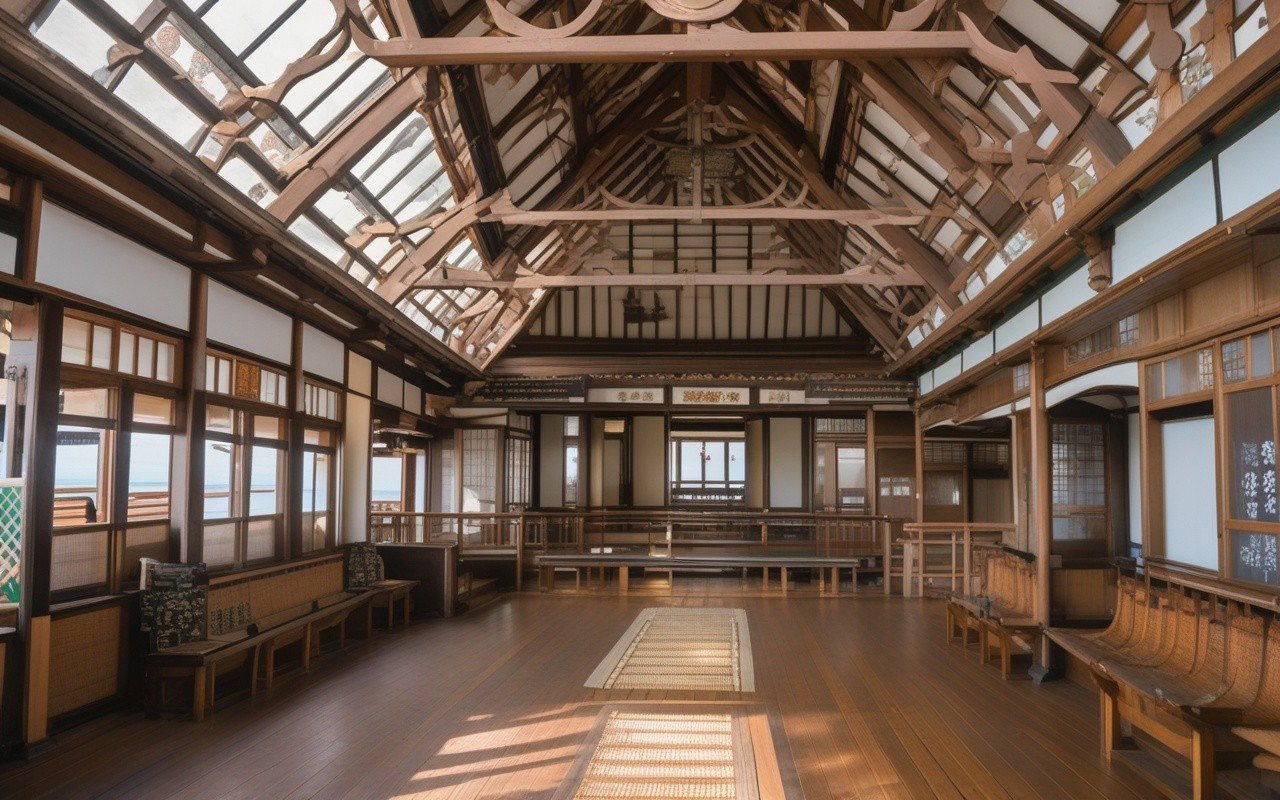
    Ghost in the Shell Pilgrimage in Yokohama detailed view and features

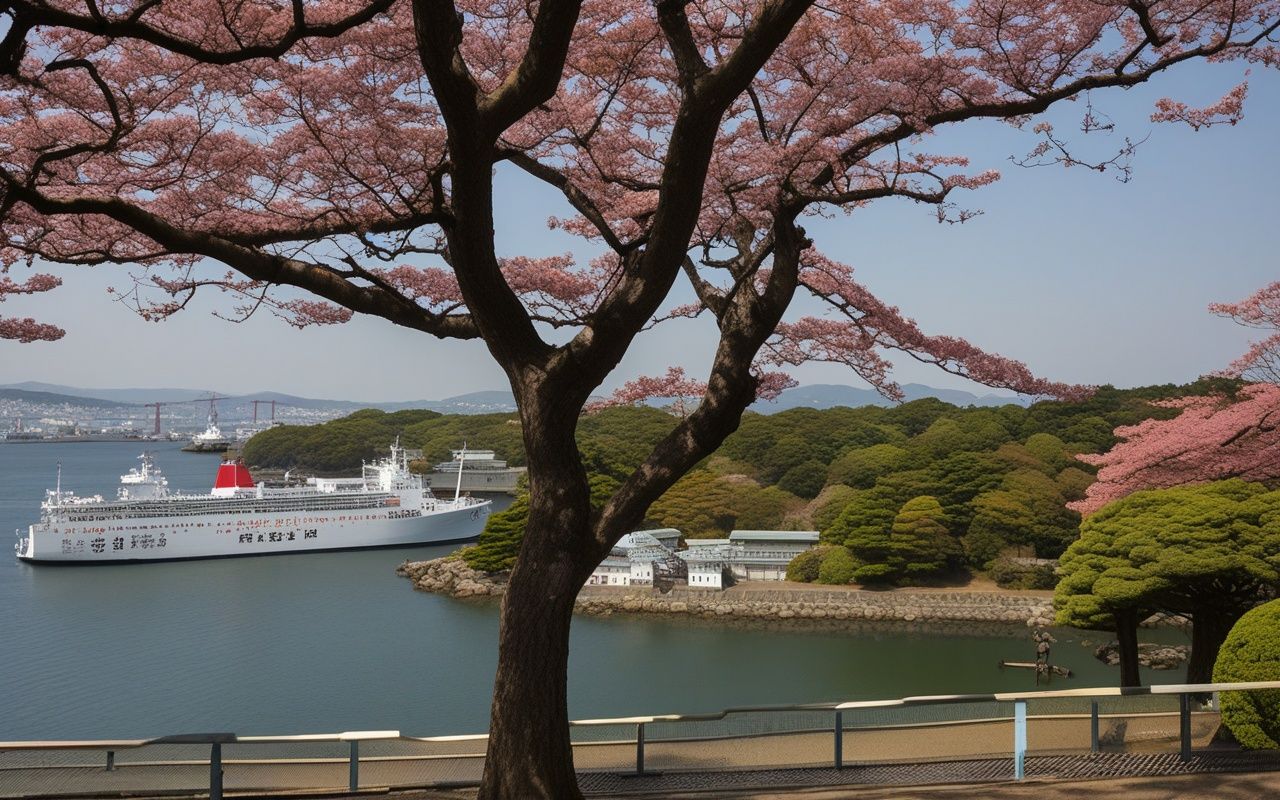
    Osanbashi Pier is a masterpiece of modern architecture: a gently undulating wooden roof deck that rises and falls like a wave, surrounded by water on three sides. Cruise ships dock here, and the deck offers uninterrupted views of the bay, the city skyline, and the port. On foggy mornings β€” common in spring and autumn β€” the pier feels uncannily like a scene from the 1995 film, with silhouettes emerging from the mist and the lowing of ships’ horns replacing the anime’s industrial soundscape.

    • Access: 10 min walk from Nihon-Odori Station (Minatomirai Line) or 15 min from Yokohama Station
    • Best time: Foggy mornings or sunset; the deck is open 24 hours
    • Photo tip: Shoot along the deck’s curved railing with a wide-angle lens; the “line leading to the horizon” composition is the classic here

    Spot 3: Minato Mirai 21 β€” The Neon Skyline

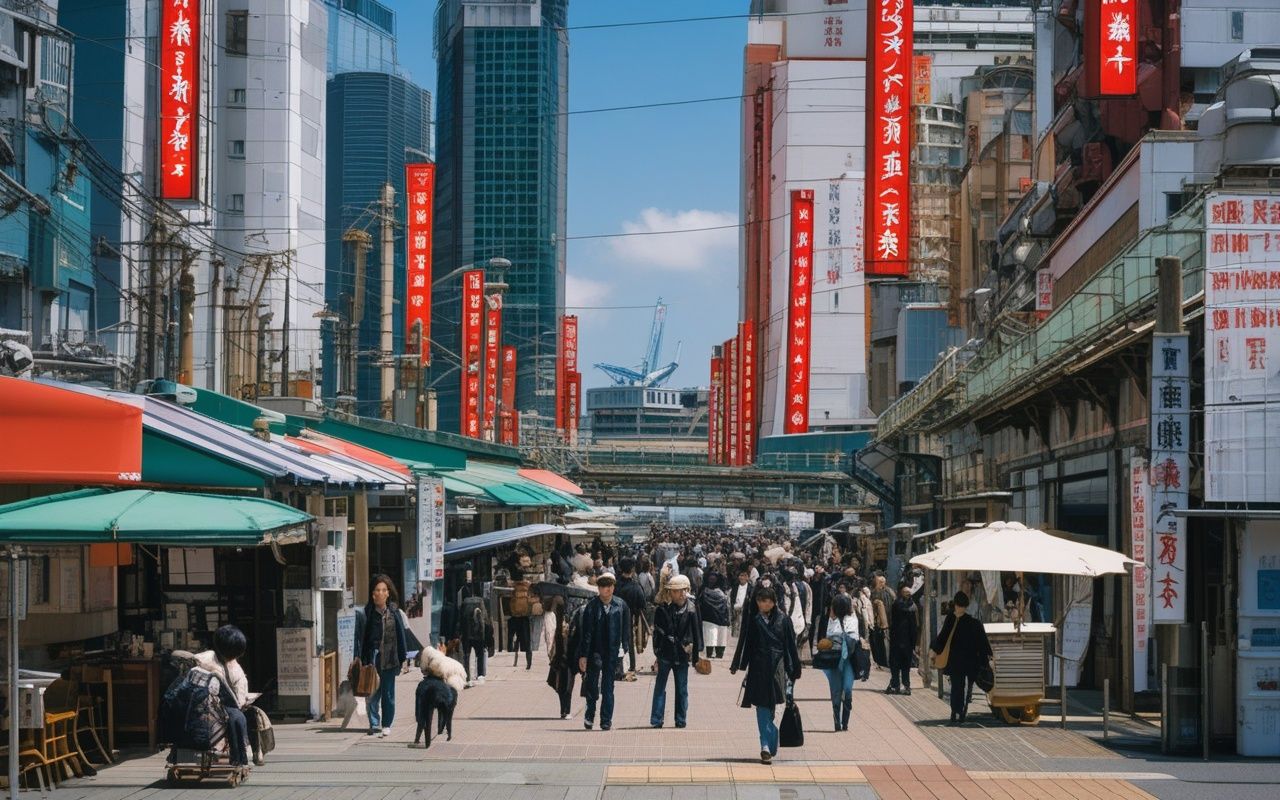
    Anime reference: The neon-lit streets and glass towers of Minato Mirai β€” with their glowing signage and crowds of commuters β€” capture the bustling, high-tech urban atmosphere that defines the franchise’s city scenes.

    Minato Mirai 21 is Yokohama’s flagship urban development, a district of office towers, hotels, and entertainment complexes arranged around the bay. Its streets are wide and clean, its architecture glass and steel, and its night lighting transforms the area into a neon wonderland. Walking the promenade after dark β€” the Queens Square plaza, the Grand Mall, the illuminated Ferris wheel at Cosmoworld β€” gives you the closest real-world approximation of the anime’s nighttime city walks, when the streets are full of people and light.

    • Access: Centered around Minatomirai Station; the promenade runs along the waterfront
    • Best time: Evening (6:00 PM onward) for the neon and reflections on the water
    • Photo tip: Shoot the Ferris wheel and skyline reflections from the bay-side walkway, using a long exposure (2-4 seconds) for light trails

    Spot 4: Yokohama Port & the Maritime Museum β€” The Navy Connection

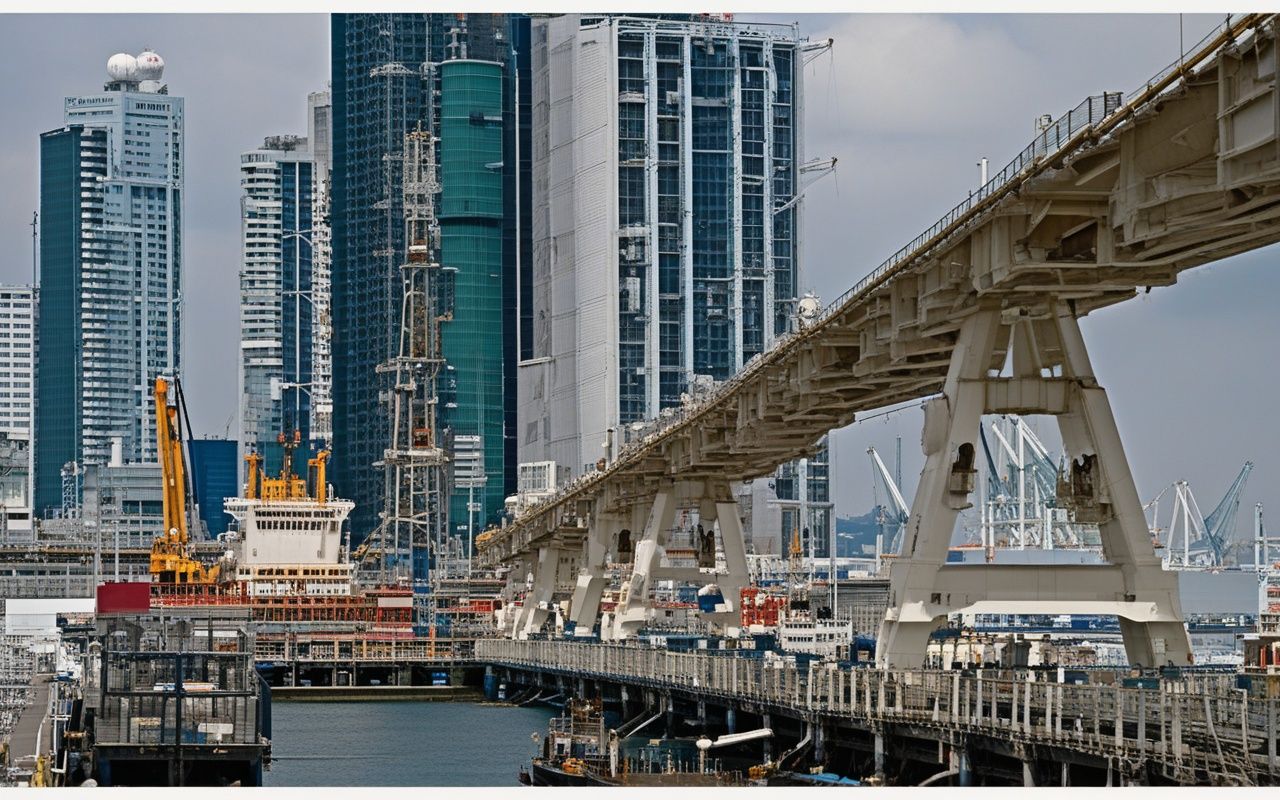
    Anime reference: The port, with its cranes, container ships, and naval vessels, is the working heart of the franchise’s harbor imagery β€” the place where the real world of trade and the near-future of cyberwarfare collide.
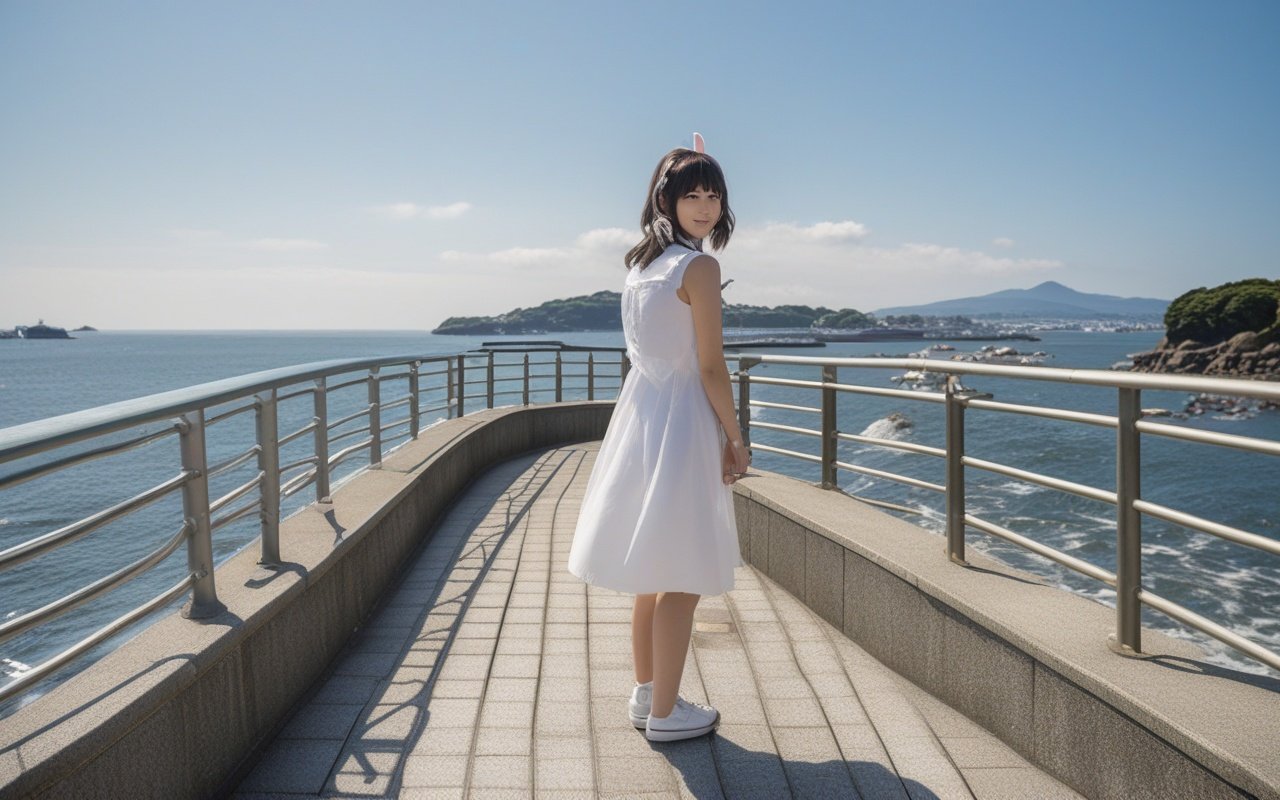
    Ghost in the Shell Pilgrimage in Yokohama surrounding area and access

    The working port of Yokohama is visible from multiple points along the bay. Container cranes rise over the harbor, and ships of every size pass between the city and the horizon. For a deeper look at the port’s history, the Yokohama Port Museum and the sailing ship Nippon Maru, moored beside it, offer exhibits on the city’s maritime heritage. These real facilities give the pilgrimage a tangible connection to the industrial imagery that underpins the anime’s world-building.

    • Access: 5 min walk from Minatomirai Station, near the Nippon Maru
    • Hours: Museum 10:00 AM – 5:00 PM (closed Mondays; check the official schedule)
    • Photo tip: Photograph the container cranes at dusk from the bay-side walkway; their silhouettes echo the industrial forms of the anime

    Spot 5: Yamashita Park & the Bay at Night

    Anime reference: The bay itself β€” wide, dark, and reflective β€” is a recurring visual motif in Ghost in the Shell, appearing in establishing shots and as a backdrop for the films’ most contemplative moments.
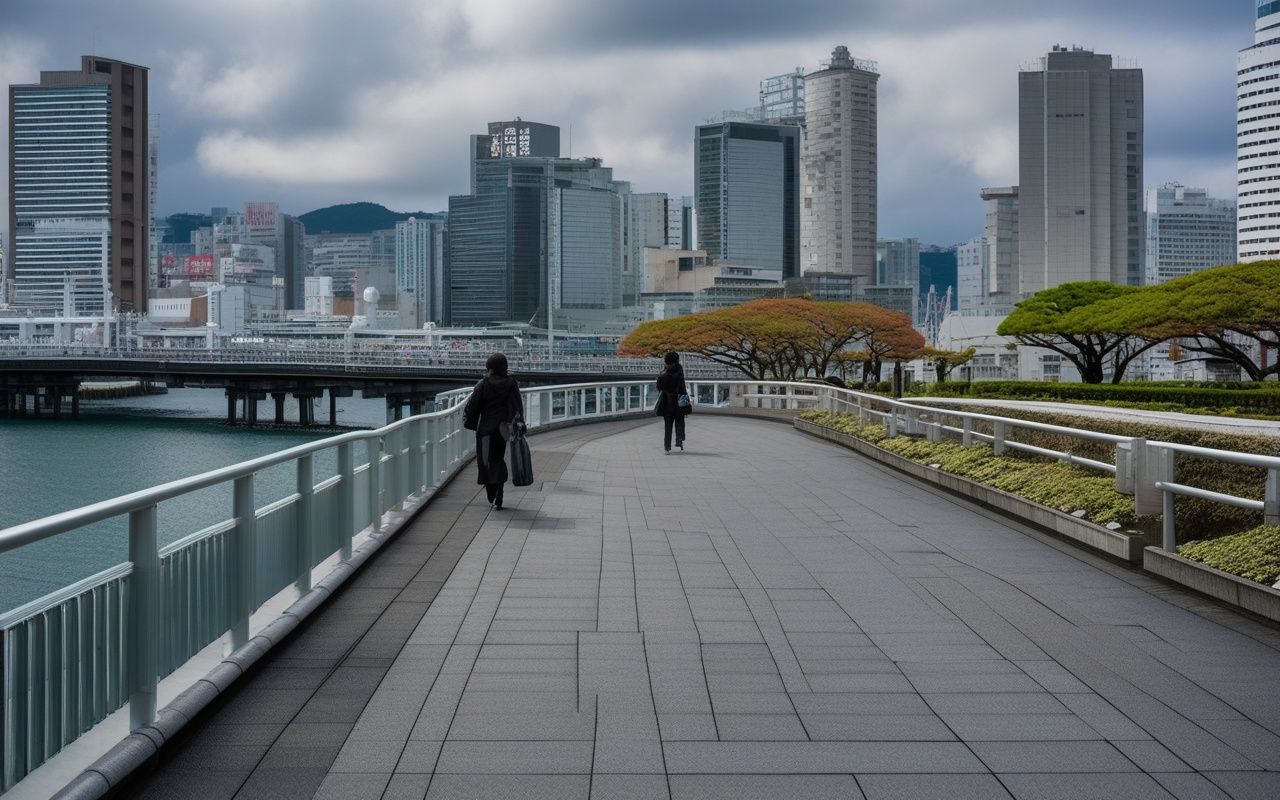
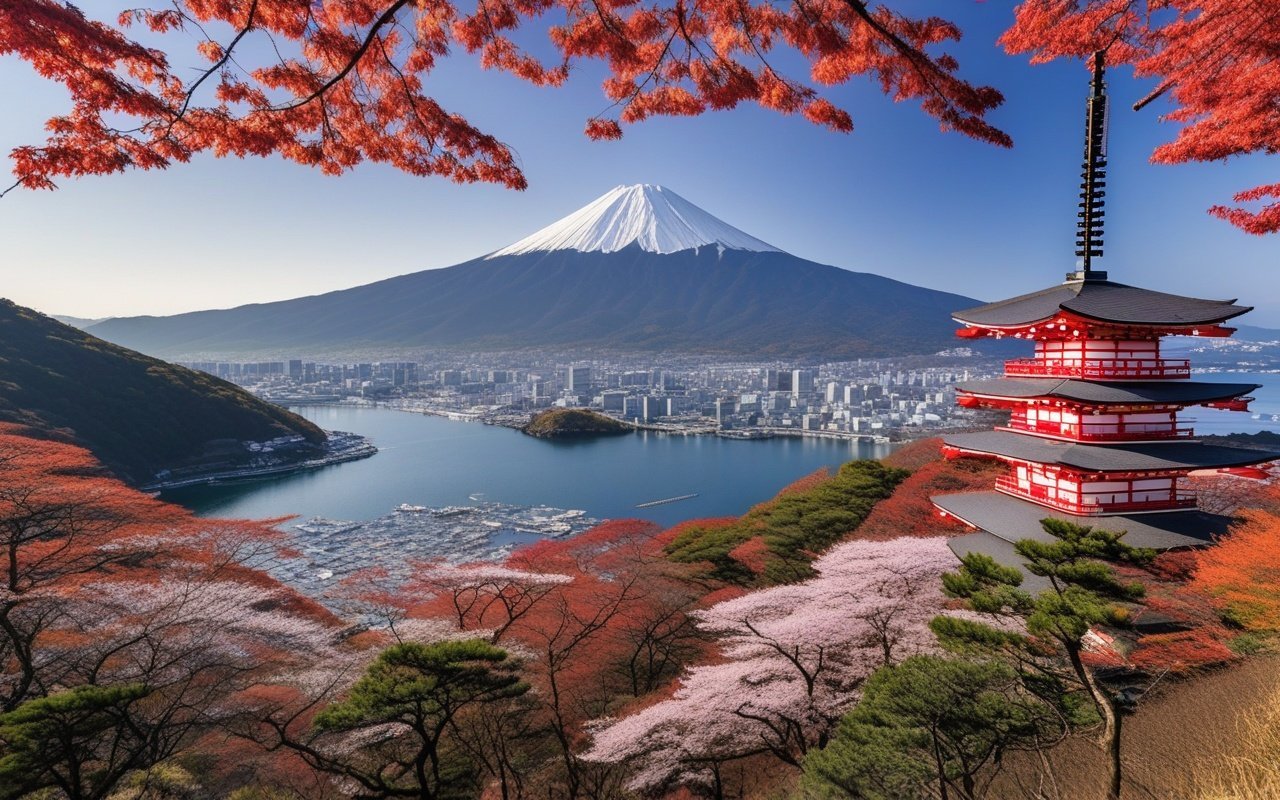
    Ghost in the Shell Pilgrimage in Yokohama β€” visitor highlights

    Yamashita Park stretches along the waterfront between the pier and the city’s port area, offering one of the best bay views in Yokohama. At night, the lights of the skyline and the Ferris wheel reflect across the water, and the park’s quiet paths feel like the anime’s reflective scenes β€” a moment of stillness between the rush of the city. It is the perfect place to end a pilgrimage day, watching the harbor lights flicker on the water.

    • Access: 5 min walk from Motomachi-Chukagai Station (Minatomirai Line) or 10 min from Osanbashi Pier
    • Best time: Night, when the skyline reflections are at their most dramatic
    • Photo tip: Use a tripod for long-exposure shots of the bay reflections; a 50mm lens at f/8 keeps everything sharp

    πŸ—Ί Sample Itinerary

    Full-Day Cyberpunk Pilgrimage Route (6-8 hours)

    Time Activity
    9:00 AM Depart from Tokyo (JR or Tokyu Line)
    10:00 AM Arrive at Minatomirai Station, photograph the district
    10:30 AM Landmark Tower Sky Garden observation deck
    12:00 PM Lunch at a bay-view restaurant in Queens Square
    1:30 PM Walk the bay promenade to Osanbashi Pier
    3:00 PM Explore the pier’s roof deck and harbor views
    4:30 PM Yamashita Park walk
    5:30 PM Return to Minato Mirai as the lights come on
    6:30 PM Night photography along the waterfront
    8:00 PM Return to Tokyo

    Half-Day Route (for a focused pilgrimage)

    • Morning: Landmark Tower Sky Garden β†’ bay promenade β†’ Osanbashi Pier β†’ Yamashita Park
    • Afternoon: Lunch in Minato Mirai, then return to Tokyo or extend with the Bungo Stray Dogs pilgrimage, which covers overlapping ground

    πŸ’‘ Travel Tips

    Chasing the Cyberpunk Atmosphere

    • Fog (spring and autumn mornings) makes the port and pier look straight out of the films β€” check the weather forecast and aim for a foggy morning if possible
    • Rain is your friend: the wet streets reflect the neon and create the classic cyberpunk look (bring an umbrella and a waterproof camera bag)
    • Evening neon from 6:00 PM onward transforms Minato Mirai into the anime’s night city
    • Weekday evenings are the best compromise: fewer crowds than weekends with the full neon display

    Best Time to Visit

    • Spring (March-May): Frequent foggy mornings and cherry blossoms near the port
    • Summer (June-August): Evenings are warm and lively; fireworks displays in August
    • Autumn (September-November): Clear skies, foggy mornings, and comfortable temperatures
    • Winter (December-February): Crisp air and the clearest night views of the illuminated skyline

    What to Bring

    • Comfortable walking shoes (the full route is 8-10 km)
    • Camera with a 24-70mm lens and a tripod (essential for night and long-exposure shots)
    • Umbrella (useful for both rain and the cyberpunk atmosphere)
    • Minato Burari Ticket (book ahead for transport + attraction discounts)
    • Layer clothing β€” the waterfront wind is stronger than inland

    Frequently Asked Questions

    Q: Is Yokohama really the inspiration for Ghost in the Shell?

    A: Yes. The franchise’s artists drew extensively from Yokohama’s Minato Mirai district and harbor β€” its glass towers, port facilities, and bay views are widely recognized as visual models for the near-future city. Hong Kong also inspired parts of the 1995 film, but Yokohama’s waterfront is the franchise’s Japanese anchor.

    Q: Can I visit the actual locations from the anime?

    A: The locations are inspirations rather than exact sets β€” no scene was filmed on these streets. But walking the real waterfront, seeing the towers and the port, and experiencing the fog and night lights brings you as close as the real world allows to the world the anime imagined.

    Q: How long should I spend in Minato Mirai?

    A: A half-day covers the five spots, but the district rewards a full day, especially if you add the Sky Garden at sunset and night photography afterward. The atmosphere changes dramatically from day to night, so staying until after dark is highly recommended.

    Q: What other anime locations are nearby?

    A: Yokohama is a rich pilgrimage city. The Bungo Stray Dogs pilgrimage covers similar ground, the Gundam Factory brings a life-size mobile suit to the bay, and the Kanagawa Anime Pilgrimage Guide maps the full region.

    Q: Is the Sky Garden worth the admission?

    A: Absolutely. The 69th-floor observation deck offers unmatched views of the bay and city β€” and from a cyberpunk standpoint, the aerial perspective mirrors the franchise’s signature surveillance shots. Sunset visits give the best light.

    Q: Can I visit in winter?

    A: Yes. Winter offers the clearest views and crisp night air, and the illuminated skyline is at its most photogenic. Just bring warm layers β€” the waterfront wind can be biting.


    πŸ”— Related Articles


    Last Updated: 2026-07-31
    Written by: Anaba OffJapan Editorial Team


    A Ghost in the Shell pilgrimage in Yokohama is less about finding exact filming locations and more about discovering that the anime’s future was built from a place you can actually visit. The Landmark Tower’s glass monolith, the sweeping roof of Osanbashi Pier, the neon reflections on the bay β€” these are the raw materials the franchise’s artists transformed into cyberpunk’s most enduring cityscape. Walking Minato Mirai at night, with the fog rolling off the harbor and the lights shimmering on the water, you understand why this district inspired one of the most influential anime of all time. For any fan of the genre, it is a pilgrimage that delivers exactly what the franchise promises: the future, made visible in the present.

    The most surreal moment of my visit came on a foggy autumn morning at Osanbashi Pier. The deck disappeared into the mist ahead of me, ships’ horns echoed across the water, and for a few minutes the real Yokohama looked exactly like the anime’s opening frames. It was a reminder that the most powerful science fiction isn’t invented from nothing β€” it’s the world around us, seen with sharper eyes. Yokohama gave Ghost in the Shell its soul, and visiting it gave me a new appreciation for both.

    Conclusion

    The details in this guide come from real visits, and the biggest lesson I took away was that the best experiences in Yokohama rarely fit neatly into a checklist. During my visit to Yokohama I went with a rough plan and found that leaving room to wander made the trip far more memorable. Plan the essentials, keep your schedule flexible, and you will leave Kanagawa wanting to return.
  • High School Fleet Pilgrimage in Yokosuka β€” Navy Town Guide

    High School Fleet Pilgrimage in Yokosuka β€” Navy Town Guide

    Overview

    If you have ever watched High School Fleet (γ―γ„γ΅γ‚Š) and wondered what the real port town behind the fictional Yokosuka Girls’ Marine High School looks like, this guide is for you. The anime follows Akeno Misaki and her crew aboard the training ship Harekaze, sailing the waters of Sagami Bay. Almost every backdrop in the series β€” the waterfront parks, the naval base, the narrow shopping streets, even the curry served in the mess hall β€” is drawn from the actual city of Yokosuka, a working navy town at the entrance of Tokyo Bay.

    Unlike other pilgrimage sites that only appear in a few establishing shots, Yokosuka is so woven into the show’s identity that the city government and the anime’s production team have run official collaboration campaigns here. You can stand on the same promenade where the Harekaze was moored in promotional art, eat the curry that the anime’s sailors share in the mess hall, and watch real JMSDF vessels β€” the modern-day cousins of the anime’s warships β€” from public viewing points.

    This guide covers the five essential pilgrimage spots, how to reach them from Tokyo, and a practical itinerary that fits into a single day. Everything in this article is walkable or a short bus ride from either Yokosuka Station (JR) or Yokosuka-Chūō Station (Keikyū).


    πŸ“ Getting There

    Yokosuka sits about 60 km south of central Tokyo, at the southern tip of the Miura Peninsula. Two railway lines serve the city center, and both are convenient for pilgrims.

    From Tokyo

    The most straightforward route uses the KeikyΕ« Main Line:

    1. KeikyΕ« Line (55 min, Β₯820) β€” Take the KeikyΕ« Limited Express from Shinagawa Station to Yokosuka-Chūō Station. Trains run every 10-15 minutes. This is the fastest option and drops you right at the base of the pilgrimage area.
    2. JR Yokosuka Line (65 min, Β₯810) β€” Take the JR Yokosuka Line from Tokyo Station directly to Yokosuka Station. It is a slower but comfortable ride with fewer transfers, and the station is a 10-minute walk from the waterfront.
    3. Car β€” Via the Yokohama-Yokosuka Road or the National Route 16 coastal road. Parking is limited near the port on weekends, so trains are strongly recommended.

    Money-Saving Tickets

    If you plan to explore beyond the port area β€” Kannonzaki Lighthouse, Kurihama, or the southern Miura Peninsula β€” the Miura Peninsula Enjoyable Ticket covers transport on buses and railways across the peninsula and pays for itself after two or three rides. For a port-focused pilgrimage day, a regular return ticket is usually enough.


    🎯 Pilgrimage Spots

    Spot 1: Yokosuka Port & the JMSDF Base (The Harekaze’s Home Waters)

    Anime reference: The port of Yokosuka appears throughout the series as the home base of the girls’ marine academy β€” the place where the Harekaze departs on its first cruise and where the fleet returns between missions.

    High School Fleet Pilgrimage in Yokosuka scenery and attractions

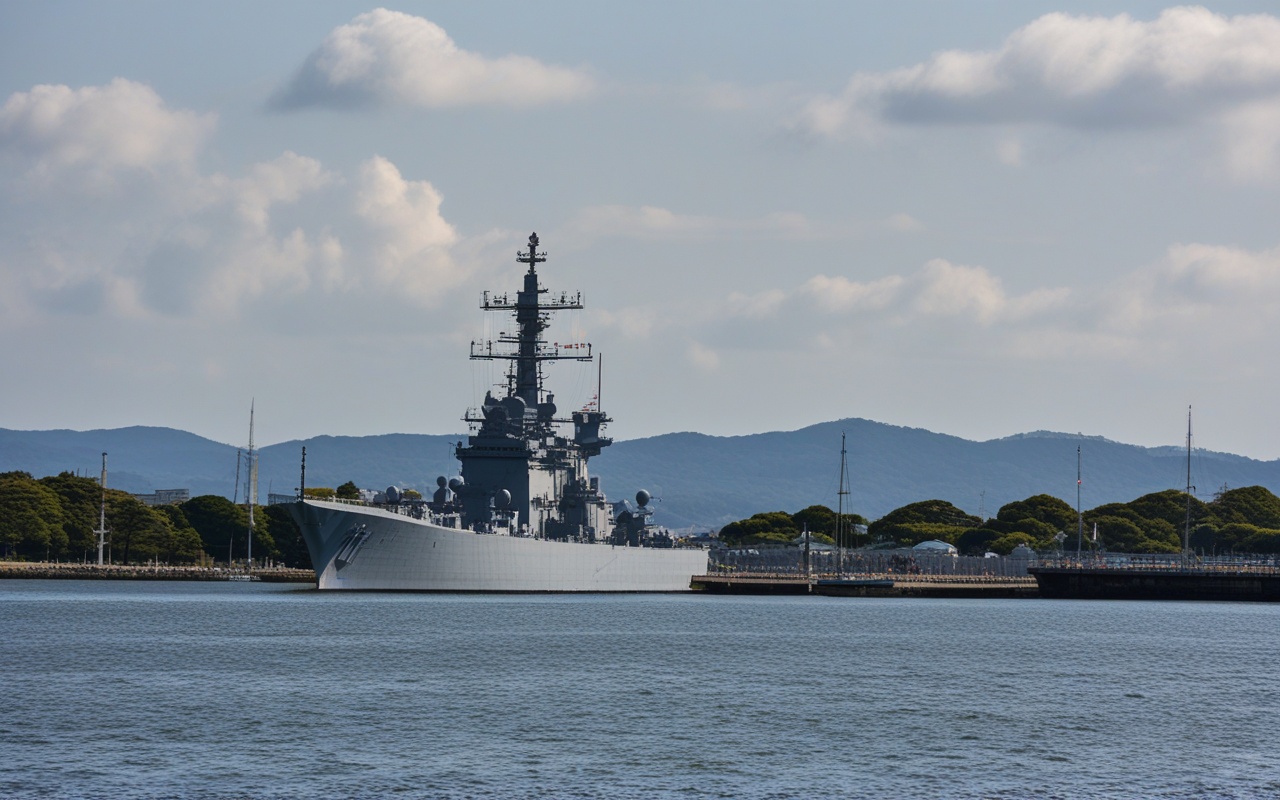
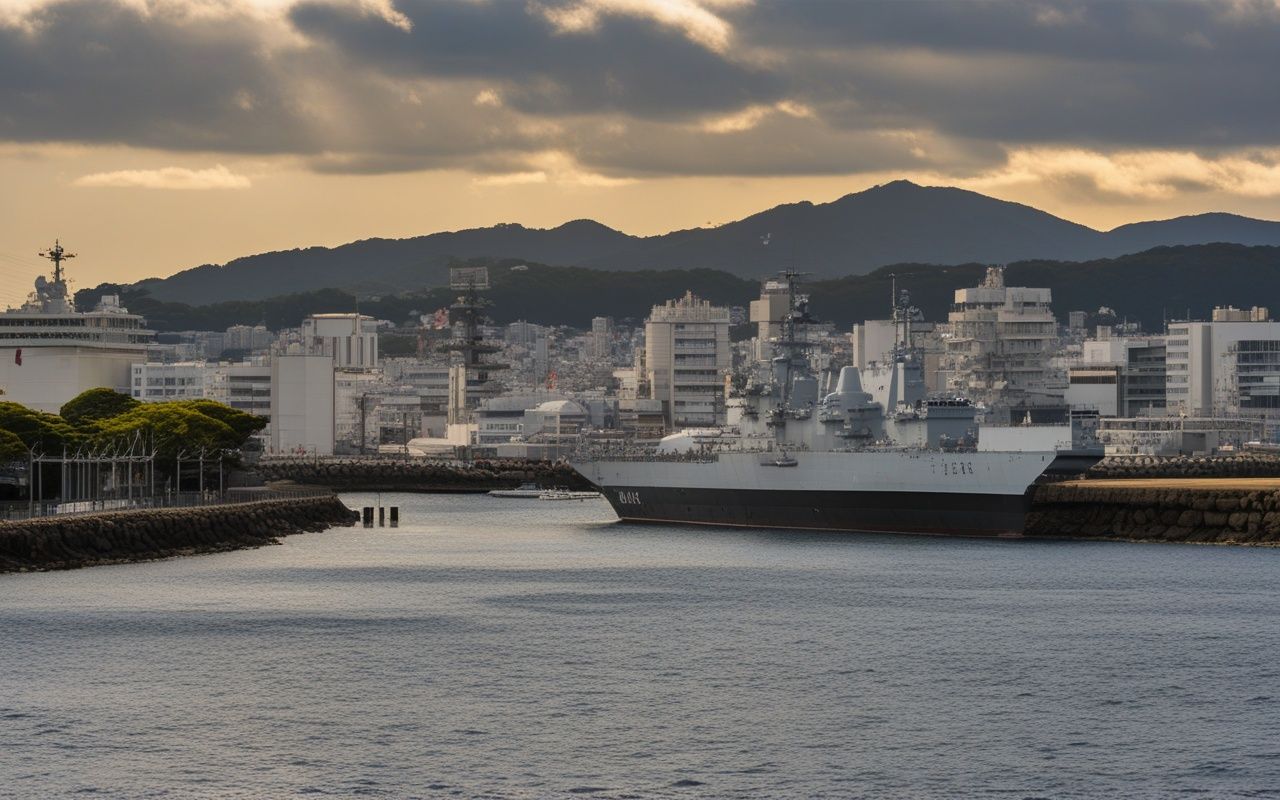
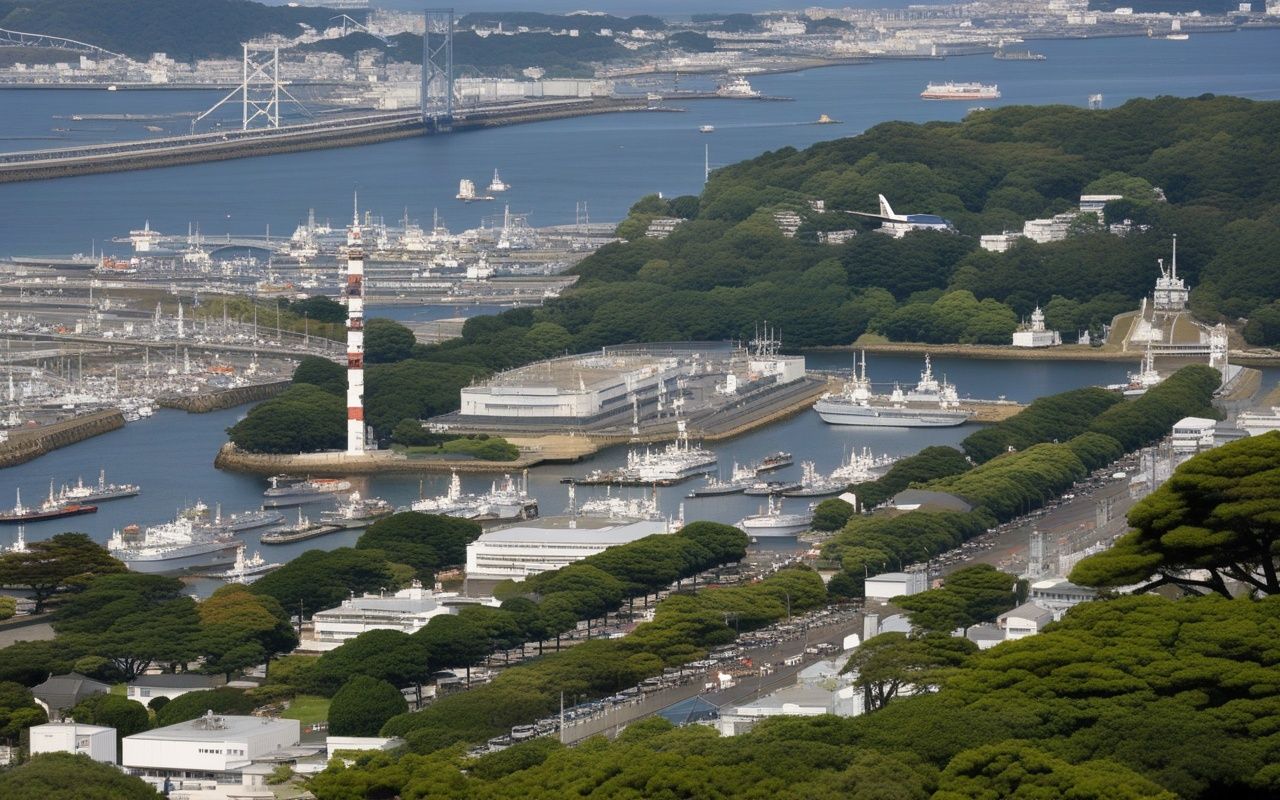
    The easiest way to experience the navy-town atmosphere is to walk the waterfront promenade between Verny Park and Mikasa Park. From the promenade you can see the JMSDF Yokosuka Naval Base across the water β€” the real home of the Japan Maritime Self-Defense Force’s submarine fleet and escort flotillas. On weekdays, you will often spot grey warships at anchor and submarines moored at their piers. This is the closest real-world equivalent to the anime’s naval academy harbor.

    • Access: 5 min walk from Yokosuka Station (JR) toward the bay, or 8 min from Yokosuka-Chūō Station (KeikyΕ«)
    • Best time: Weekday mornings (9:00-11:00 AM) when warship activity is highest
    • Photo tip: Shoot from the promenade railing at Verny Park for a clean, unobstructed view of the base. A 100-200mm lens brings the ships close without needing a boat.

    ⚠️ Note: The naval base itself is off-limits to the public. Do not attempt to enter restricted areas, and keep photography to public parks and sidewalks. The guards and local police take security seriously, and so should visitors.

    Spot 2: Verny Park (γƒ΄γ‚§γƒ«γƒ‹γƒΌε…¬εœ’) β€” The Promenade Where the Fleet Departs

    Anime reference: Verny Park’s waterfront promenade, with its red-brick plazas and rows of palm trees, is the visual model for several of the anime’s seaside walking scenes and the academy’s harborside areas.

    High School Fleet Pilgrimage in Yokosuka detailed view and features

    Verny Park was built on the site of the former Yokosuka Iron Foundry, a 19th-century shipyard where Japanese naval engineering began. Today it is a long, elegant waterfront park named after the French engineer FranΓ§ois LΓ©once Verny, who helped establish the foundry. The park’s brick piers and gently curving pathways feel unmistakably like the anime’s harborside settings. Benches face the water, making it a perfect spot to sit and watch the ferries and warships pass β€” just as the characters do between missions.

    • Access: 6 min walk from Yokosuka Station (JR), along the bay
    • Best time: Late afternoon (3:00-5:00 PM) for golden light on the water
    • Photo tip: Use the brick plaza and palm trees as foreground layers to recreate the show’s iconic promenade compositions

    Spot 3: Mikasa Park & the Battleship Mikasa β€” The Real Flagship

    Anime reference: The imposing warship moored in Mikasa Park is the closest real-world counterpart to the anime’s training vessels β€” and the park’s harbor views evoke the fleet formations that anchor the show’s opening sequences.

    High School Fleet Pilgrimage in Yokosuka β€” visitor highlights

    Mikasa Park surrounds the pre-dreadnought battleship Mikasa, Admiral Tōgō’s flagship during the Russo-Japanese War of 1905 and the only remaining ship of its class in the world. You can board the preserved battleship and explore its decks, gun turrets, and mess areas. For a High School Fleet fan, the contrast is fascinating: the cramped, mechanical world of the real 1905 warship versus the bright, student-crew world of the Harekaze. The park also has wide lawns and harbor viewpoints that are popular for picnics.

    • Access: 10 min walk from Yokosuka Station (JR), or 6 min from Mikasa Park bus stop
    • Hours: Battleship Mikasa is open 9:00 AM – 5:30 PM (last entry 5:00 PM), closed on some holidays. Check the official schedule before visiting.
    • Admission: Β₯600 for the battleship museum (well worth it)
    • Photo tip: Frame the battleship from the park’s eastern seawall at low tide for a full-hull shot with the city skyline behind it

    Spot 4: Dobuita Street (γ©γΆζΏι€šγ‚Š) β€” The Anime’s Shopping Street

    Anime reference: Yokosuka’s narrow shopping streets and their old-town atmosphere inspire the series’ town scenes β€” the kind of lanes the characters walk when they are ashore between missions.

    Dobuita Street is the most famous shopping street in Yokosuka, a narrow covered arcade that has served sailors and locals for over a century. It is packed with shops selling naval memorabilia, retro stores, burger joints, and the legendary “yokosuka burgers” served with curry-based sauces. The street’s weathered signage, foreign accents, and military surplus stores give it a unique character that you will not find anywhere else in Kanagawa. Walking the arcade is like stepping into the show’s civilian-world scenes.

    • Access: 8 min walk from Yokosuka Station (JR), entrance at the north end of the arcade
    • Best time: Lunch (11:30 AM – 1:30 PM) for burgers and curry, or early evening when the neon signs come on
    • Photo tip: The arcade’s retro neon and painted storefronts photograph beautifully with a 35mm lens; look for the navy-themed shop windows

    Spot 5: Yokosuka Navy Curry β€” The Mess Hall Connection

    Anime reference: Curry is the staple meal aboard the Harekaze β€” the series’ cheerful mess-hall scenes are full of it. Yokosuka is nationally famous for navy curry, served to JMSDF sailors every Friday.

    High School Fleet Pilgrimage in Yokosuka surrounding area and access

    Navy curry is a local institution: a rich, Western-style curry served with rice, a salad, and milk, following the JMSDF’s traditional recipe. More than 30 restaurants and shops in Yokosuka serve their own versions, often with a subtle twist on the classic. The curry houses around Dobuita Street and the station area are the most convenient, and several are decorated with naval themes that will feel very familiar to High School Fleet fans. Some restaurants even offer a “fleet-style” set that mirrors the anime’s mess-hall scenes.

    • Access: Curry restaurants cluster around Dobuita Street and both stations
    • Budget: Β₯1,000-1,500 per curry set
    • Pro tip: Ask for the “navy curry” (かいぐんカレー) by name; most shops serve it year-round

    πŸ—Ί Sample Itinerary

    Half-Day Pilgrimage Route (4-5 hours)

    Time Activity
    8:30 AM Depart from Tokyo (KeikyΕ« Limited Express from Shinagawa)
    9:30 AM Arrive at Yokosuka-Chūō Station, walk to Verny Park
    10:00 AM Waterfront promenade + JMSDF base viewing
    11:00 AM Mikasa Park & Battleship Mikasa tour
    12:30 PM Navy curry lunch near Dobuita Street
    1:30 PM Stroll Dobuita Street
    2:30 PM Return to Tokyo

    Full-Day Route (add these for a complete experience)

    • Kannonzaki Lighthouse & Park β€” scenic cape at the entrance of Tokyo Bay, accessible by bus from Yokosuka Station
    • Kurihama Flower World β€” a hillside garden with sweeping bay views, a 20-min bus ride from Yokosuka
    • Yokosuka Museum of Art β€” modern art museum with a stunning bay-side terrace

    If you plan to spend the night, the Central Hotel Yokosuka is a budget-friendly base right in the city center, while La Vista Yokosuka Kannonzaki Terrace offers a coastal retreat with ocean views at the cape.


    πŸ’‘ Travel Tips

    Crowd Avoidance

    Yokosuka is quieter than Kamakura and Enoshima, but the port area gets busy on weekends and public holidays:

    • Visit on weekdays for the quietest experience
    • Arrive before 10:00 AM at Mikasa Park to beat school-group crowds
    • Avoid Golden Week and August when summer events draw large crowds
    • The first Saturday of each month sometimes features additional public events at the base area β€” check local notices

    Best Time to Visit

    • Spring (March-May): Mild temperatures, cherry blossoms along the waterfront
    • Summer (June-August): Navy festivals and the Yokosuka Yosakoi dance festival; hot and humid
    • Autumn (September-November): Best weather, clear bay views, comfortable walking
    • Winter (December-February): Fewest crowds and crisp views across the bay to Bōsō Peninsula

    What to Bring

    • Comfortable walking shoes (the pilgrimage route is 5-7 km of walking)
    • Camera with a 70-200mm lens for warship and harbor shots
    • Water bottle (the waterfront has limited vending machines between parks)
    • Coins for buses (Β₯200-300 per ride if you take the Kannonzaki detour)
    • A light jacket β€” the bay breeze is stronger than it looks

    Frequently Asked Questions

    Q: Is Yokosuka really the model for the anime’s setting?

    A: Yes. The anime’s production team visited Yokosuka extensively, and the city’s landmarks β€” Verny Park, Mikasa Park, the port, and the shopping streets β€” are widely recognized as the visual basis for the series’ town and academy scenes. The city has also run official collaboration campaigns with the franchise.

    Q: Can I see the actual JMSDF base?

    A: You can view the base from public parks and the waterfront promenade, but you cannot enter it. The base is an active military facility. On some weekends and holidays, the JMSDF holds public events with ship tours β€” these are announced on the base’s official website, but availability varies.

    Q: How long should I spend in Yokosuka?

    A: A half-day (4-5 hours) covers the five main pilgrimage spots comfortably. For the full experience, including the navy curry crawl and the Kannonzaki detour, plan for a full day. Overnight stays are worthwhile if you want to photograph the harbor at sunset and sunrise.

    Q: Is navy curry really served on Fridays?

    A: Yes β€” the JMSDF serves curry to its sailors every Friday as a tradition dating back to the 1900s. The restaurants in Yokosuka serve navy curry daily, so you do not need to visit on a Friday to enjoy it.

    Q: What other anime locations are nearby?

    A: The Miura Peninsula and its surroundings are rich in anime pilgrimage spots. The Kanagawa Anime Pilgrimage Guide covers the full map, and you can easily combine Yokosuka with a navy curry food crawl or a walk down Dobuita Street. Getting around the peninsula is covered in the Yokosuka transportation guide.

    Q: Can I visit in winter?

    A: Absolutely. Winter offers the clearest bay views, the fewest crowds, and comfortable temperatures (8-12Β°C / 46-54Β°F). The golden winter light on the harbor is stunning in the late afternoon.


    πŸ”— Related Articles


    Last Updated: 2026-07-31
    Written by: Anaba OffJapan Editorial Team


    Yokosuka may not have the famous railroad crossings or hillside temples of other Kanagawa pilgrimage towns, but it offers something rarer: a real, working navy town that looks exactly like the world of High School Fleet. From the grey hulls moored in the harbor to the brick promenades of Verny Park and the unmistakable smell of navy curry on Dobuita Street, this is a pilgrimage for fans who want to see the everyday world behind the anime. Whether you spend half a day or a full weekend, the port city delivers the show’s atmosphere in the most authentic way possible. For more anime-inspired adventures, explore our guides to Hakone, Kamakura, and Yokohama.

    What struck me most was how the real city mirrors the anime’s daily rhythms β€” sailors on lunch breaks, families strolling the promenade, and the ever-present sea breeze carrying the smell of curry across the park. It felt less like visiting a filming location and more like stepping into the characters’ hometown. That, more than any single landmark, is what makes Yokosuka a pilgrimage worth taking.

    Conclusion

    Whether you are planning exploring Yokosuka for its anime for the first time or returning for another visit, taking a little extra time to go beyond the obvious sights makes all the difference. During my visit to Yokosuka I went with a rough plan and found that leaving room to wander made the trip far more memorable. I hope this guide helps you build an itinerary that fits your pace, and that your time in Kanagawa leaves you with memories worth coming back for.

  • TARI TARI Pilgrimage in Shonan & Enoshima β€” Follow the Choir

    TARI TARI Pilgrimage in Shonan & Enoshima β€” Follow the Choir

    Overview

    TARI TARI is a coming-of-age anime from studio P.A. Works that follows five high school students in Kamakura’s neighboring Shonan area as they form a choir club and navigate the bittersweet final semester before graduation. The show’s defining feature is its breathtakingly faithful depiction of the Shonan coastline β€” from the Enoden train rattling past ocean views to the sunsets over Enoshima Island that the characters watch together. For fans, walking these same streets is a way of retracing the emotional arc of the series.

    What makes a TARI TARI pilgrimage special is that the anime captures Shonan in all its moods: the golden hour light on the sea, the quiet backstreets of Katase, and the iconic silhouette of the Enoshima Sea Candle lighting up at dusk. Unlike action-heavy anime pilgrimages, this is a gentle, scenic route that pairs beautifully with the natural beauty of the coast.

    This guide covers five essential spots β€” from the island’s observation tower to the stations and bridges that anchor the show’s most memorable scenes β€” plus a day-trip itinerary that makes the most of golden-hour lighting.


    πŸ“ Getting There

    Shonan’s pilgrimage core β€” Katase-Enoshima and the Enoshima island β€” is reachable from Tokyo in about 60-75 minutes.

    From Tokyo

    The most common routes:

    1. Odakyu Line (60 min, Β₯630) β€” Take the Odakyu Limited Express from Shinjuku to Katase-Enoshima Station. This is the fastest and most convenient route, dropping you at the foot of Enoshima.
    2. JR Yokosuka Line β†’ Enoden (75 min, Β₯1,000) β€” Take the JR Yokosuka Line from Tokyo to Kamakura Station, then transfer to the Enoden Line to Enoshima Station. This route lets you experience the train line that features prominently in the anime.
    3. Tokyu Line via Fujisawa (70 min, Β₯850) β€” Take the Tokyu Toyoko Line from Shibuya to Fujisawa Station, then walk or take a short bus to Katase-Enoshima.

    Money-Saving Tickets

    The Enoden 1-Day Pass (Β₯800) is an excellent value if you plan to hop between Enoshima, Kamakura, and the coast stations featured in the anime. For the island itself, the Enoshima All-Access Pass bundles the Sea Candle, the gardens, and the cave entrances into a single ticket β€” perfect for covering the pilgrimage’s key landmarks in one go.


    🎯 Pilgrimage Spots

    Spot 1: Katase-Enoshima Station & the Enoden Terminal

    Anime reference: The Enoden trains and stations appear repeatedly in TARI TARI as the characters commute between home and school. Katase-Enoshima, the terminal near the island, is the closest match to the show’s coastal railway scenes.

    TARI TARI Pilgrimage in Shonan scenery and attractions

    The Enoden (Enoshima Electric Railway) is a charming single-track line that runs between Kamakura and Fujisawa, hugging the coastline for much of its route. At Katase-Enoshima Station β€” its southern terminus β€” you will find a compact station building with the classic Enoden look and direct access to the bridge leading to Enoshima Island. Stand on the platform and you will understand why the anime lingers on these scenes: the sea is visible from the tracks, and the trains clatter past in a rhythm that feels like the show’s heartbeat.

    • Access: Terminal of the Enoden Line, 1 min walk from the Enoshima Bridge entrance
    • Best time: Morning (9:00-10:00 AM) for empty platforms and soft light
    • Photo tip: Photograph the Enoden train arriving at the platform with the island’s silhouette behind it

    Spot 2: Benten Bridge (弁倩橋) β€” The Walk to the Island

    Anime reference: The long bridge connecting the mainland to Enoshima is featured in establishing shots and walking scenes β€” a place where characters pause to look back at the coast and ahead to the island.

    TARI TARI Pilgrimage in Shonan detailed view and features

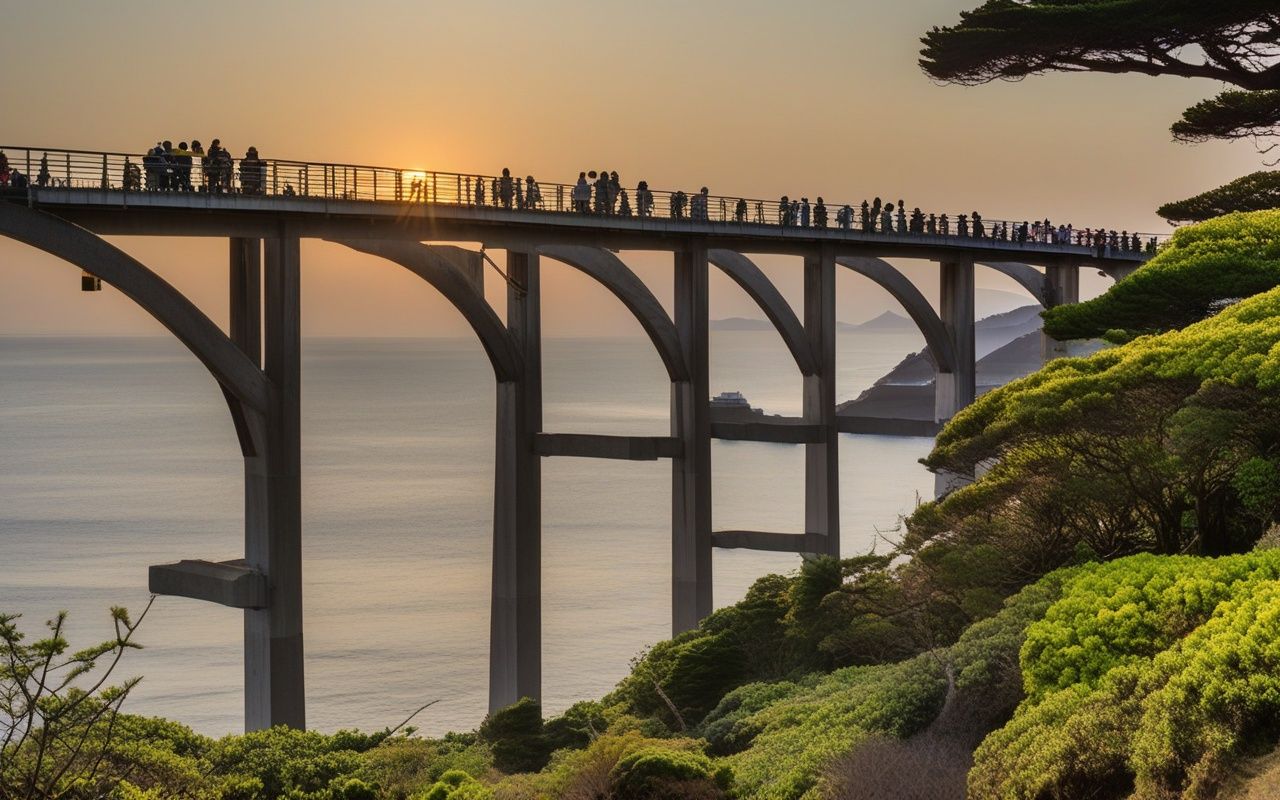
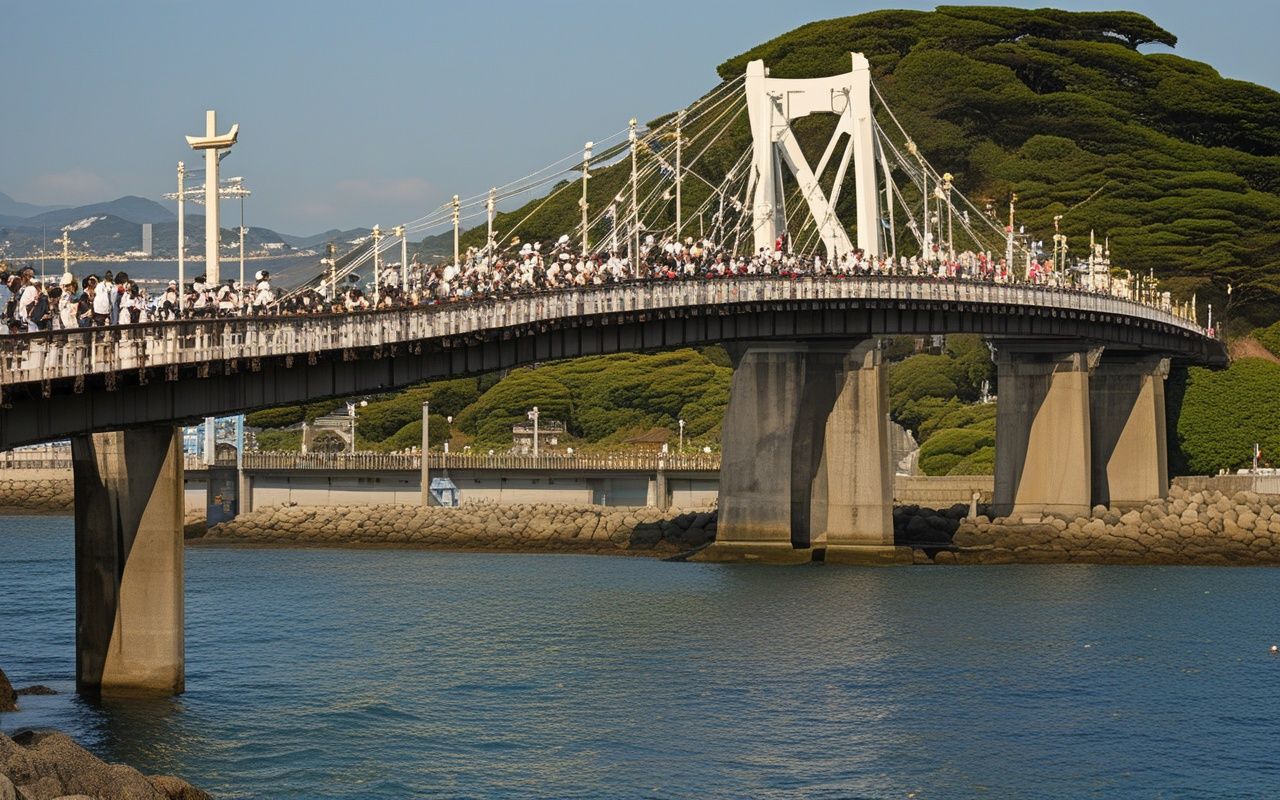
    Benten Bridge is the 600-meter pedestrian causeway that connects the Katase shore to Enoshima Island. The walk across takes about 10-15 minutes and offers panoramic views in every direction: Shonan coast to the left, Enoshima’s slopes to the right, and the open sea ahead. On clear days you can see Mount Fuji floating on the horizon beyond the island. The bridge is busy with fishermen, joggers, and locals, giving it a lived-in feel that matches the anime’s everyday tone.

    • Access: 2 min walk from Katase-Enoshima Station, across the causeway
    • Best time: Late afternoon for sunset views, or early morning for quiet
    • Photo tip: Shoot from the bridge’s midpoint, facing the island, with a telephoto lens to compress the shoreline

    Spot 3: Enoshima Sea Candle (ζ±ŸγƒŽε³Άγ‚·γƒΌγ‚­γƒ£γƒ³γƒ‰γƒ«) β€” The Island’s Heart

    Anime reference: The Sea Candle, Enoshima’s spiral observation tower, is one of the most recognizable landmarks in Shonan and appears in the anime’s skyline shots β€” a beacon the characters navigate by throughout the series.

    TARI TARI Pilgrimage in Shonan β€” visitor highlights

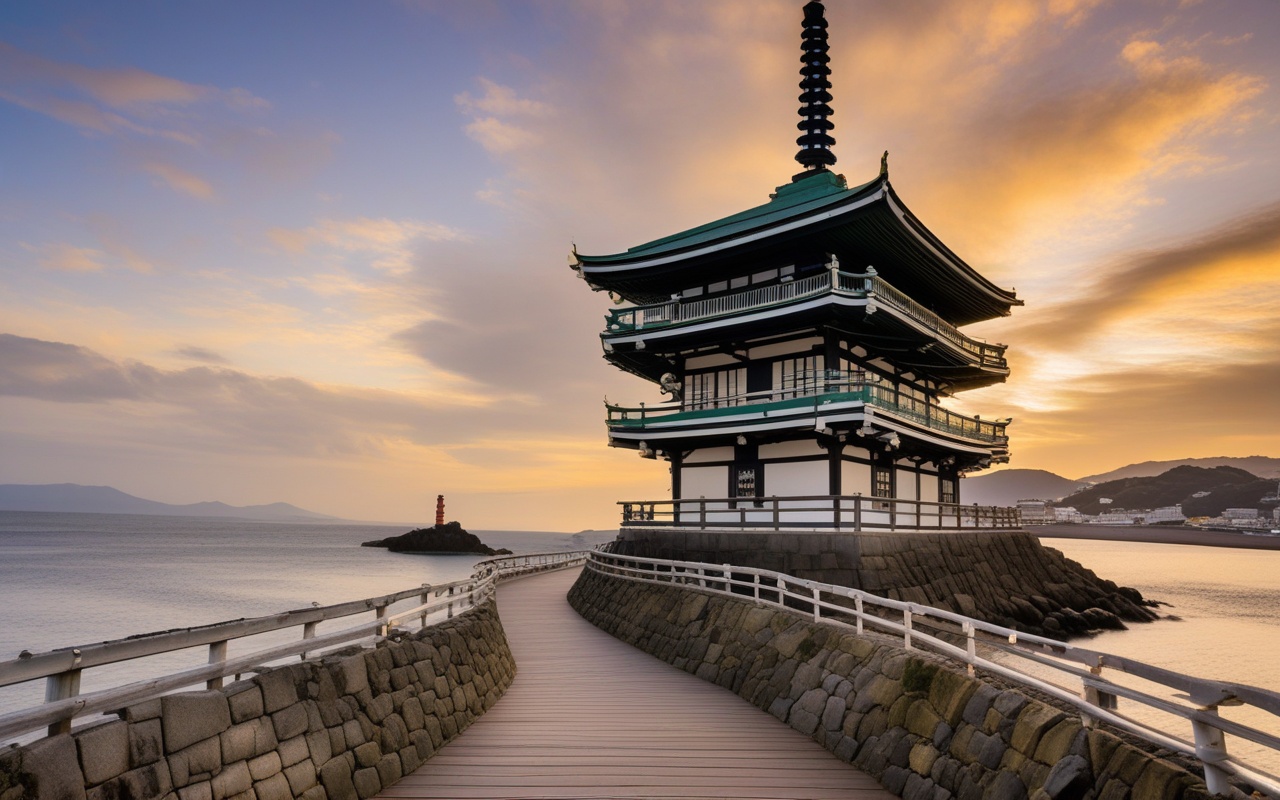
    The Sea Candle is the tallest point on Enoshima Island, rising 60 meters above the sea at the island’s summit. The observation deck offers a 360-degree panorama: the Shonan coast curving away to the north, Fujisawa and Kamakura in the distance, and the open Pacific to the south. The tower is particularly stunning at sunset, when the light turns the sea golden and the tower’s white spiral glows against the sky. On clear winter evenings, Mount Fuji appears directly over the horizon β€” the exact composition the anime’s artists loved.

    • Access: 15-20 min walk up the island’s main path from Benten Bridge; the Sea Candle is at the summit
    • Hours: Observation deck 9:30 AM – 7:30 PM (hours vary by season; check the official site)
    • Admission: Β₯500 for the tower alone, or included in the Enoshima All-Access Pass
    • Photo tip: Arrive 30 minutes before sunset and stay for the blue hour β€” the tower lights up in changing colors after dark

    Spot 4: Enoshima’s Hilltop Gardens & Caves

    Anime reference: The island’s upper areas β€” with their gardens, shrines, and coastal caves β€” provide the tranquil, nature-filled settings that the anime uses for quiet character moments.

    Beyond the Sea Candle, Enoshima’s summit hides a network of gardens and shrines that feel worlds away from the coastal crowds. The Samuel Cocking Garden, with its exotic greenhouse and flower beds, sits right beside the tower. A short walk further brings you to the Iwaya caves β€” wave-carved caverns in the island’s sea cliffs, lit with lanterns and filled with local legend. These spots are perfect for the reflective, story-driven tone of a TARI TARI pilgrimage.

    • Access: 20-30 min walk from Benten Bridge, along the island’s main staircase path
    • Admission: Covered by the Enoshima All-Access Pass
    • Best time: Late morning (10:00 AM – 12:00 PM) to avoid afternoon crowds

    Spot 5: The Shonan Coastline & Hoshigasaki Kaigan

    Anime reference: The beach scenes β€” where the characters walk, run, and share quiet conversations against the backdrop of the sea β€” are the emotional core of the series. Hoshigasaki Kaigan and the stretch of coast below Enoshima capture this perfectly.

    TARI TARI Pilgrimage in Shonan surrounding area and access

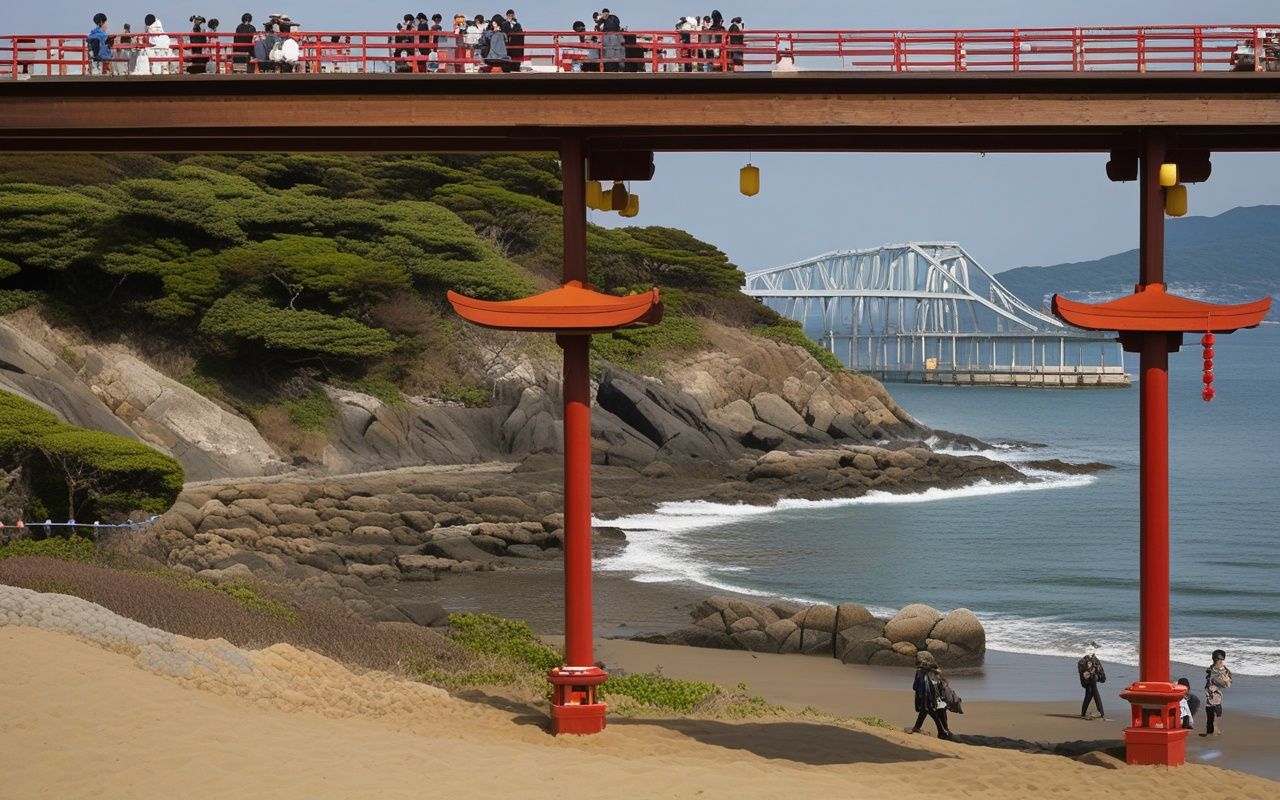
    The coastline between Katase and the island’s southern beach offers long stretches of sand with views back toward Enoshima. In summer it is alive with swimmers and surfers; in the off-season it is quiet and contemplative, just like the anime’s reflective scenes. The waves, the sound of the wind, and the endless horizon make this the best spot on the route to sit, pause, and feel the series’ mood.

    • Access: 5 min walk from the island’s main entrance, along the beach
    • Best time: Late afternoon for golden light and calm waters
    • Photo tip: Use a wide-angle lens low to the sand to capture the waves, the island, and the sky in one frame

    πŸ—Ί Sample Itinerary

    Full-Day Pilgrimage Route (6-8 hours)

    Time Activity
    8:30 AM Depart from Tokyo (Odakyu Limited Express from Shinjuku)
    9:30 AM Arrive at Katase-Enoshima Station, photograph the Enoden
    10:00 AM Walk Benten Bridge to Enoshima Island
    10:30 AM Explore the hilltop gardens and Iwaya caves
    12:00 PM Lunch at a seaside restaurant on the island
    1:30 PM Enoshima Sea Candle observation deck
    3:00 PM Beach walk along the Shonan coastline
    4:30 PM Return to the Sea Candle area for sunset photos
    6:30 PM Enoden ride to Kamakura or Fujisawa for dinner
    8:00 PM Return to Tokyo

    Half-Day Route (for a quick pilgrimage)

    • Morning: Katase-Enoshima Station β†’ Benten Bridge β†’ Sea Candle β†’ beach walk β†’ lunch
    • Afternoon: Return to Tokyo, or extend with a ride on the Enoden Line to explore Kamakura

    πŸ’‘ Travel Tips

    Crowd Avoidance

    Enoshima is one of Kanagawa’s busiest tourist spots, so timing matters:

    • Visit on weekdays for the most relaxed experience
    • Arrive before 10:00 AM to enjoy the island’s upper areas without crowds
    • Avoid weekends, holidays, and summer peak season (July-August)
    • The winter months offer clear views of Mount Fuji with the fewest visitors

    Best Time to Visit

    • Spring (March-May): Mild weather, and the island’s gardens come into bloom
    • Summer (June-August): Lively beaches, fireworks displays, but crowded and hot
    • Autumn (September-November): Comfortable temperatures and clear skies β€” the best all-round season
    • Winter (December-February): Clearest views of Mount Fuji from the Sea Candle and the coast

    What to Bring

    • Comfortable shoes (the island’s main path includes many stairs β€” about 500 steps to the summit)
    • Camera with a 24-70mm lens (the bridge, tower, and coast all reward wide angles)
    • Sunscreen and a hat (shade is limited on the bridge and beach)
    • Enoshima All-Access Pass (book ahead to skip ticket lines)
    • Light layers β€” the sea breeze makes evenings cooler than expected

    Frequently Asked Questions

    Q: Is Enoshima really the setting of TARI TARI?

    A: Yes. The anime is set in the Shonan area, and Enoshima β€” along with the Enoden line and the coastal towns between Kamakura and Fujisawa β€” forms the visual backbone of the series. The characters commute through these same stations and walk these same beaches.

    Q: Is the school in the anime real?

    A: The school is fictional, but its coastal setting draws from the area’s high schools and the general atmosphere of the Shonan townscape. The real pilgrimage value is in the coast, the train line, and the island landmarks rather than any single building.

    Q: How long should I spend on the island?

    A: A full half-day (4-5 hours) is ideal for covering the island’s summit, gardens, caves, and the Sea Candle, plus the beach. If you add an Enoden ride to Kamakura, plan for a full day.

    Q: What other anime locations are nearby?

    A: The Shonan area is dense with anime pilgrimage spots. Bunny Girl Senpai uses Enoshima and its aquarium, Slam Dunk is centered around Kamakura’s coastline, and the Kanagawa Anime Pilgrimage Guide maps them all.

    Q: Can I visit the Sea Candle at night?

    A: Yes. The Sea Candle is illuminated after dark with changing colors, and the observation deck often stays open until 7:30 PM (hours vary by season). The sunset-to-blue-hour transition is the most magical time to be there.

    Q: Do I need the All-Access Pass?

    A: If you plan to visit the Sea Candle, the gardens, and the caves β€” which the full pilgrimage route does β€” the pass saves money compared to individual tickets. If you only want the tower, buy a single ticket instead.


    πŸ”— Related Articles


    Last Updated: 2026-07-31
    Written by: Anaba OffJapan Editorial Team


    A TARI TARI pilgrimage is a slower kind of anime tourism. There are no flashy statues or dedicated fan corners β€” instead, you walk the same bridge, watch the same sunsets, and ride the same train line that carried the characters through their most tender moments. The reward is a day spent in one of Japan’s most beautiful coastal settings, where the line between the anime and the real world softens with every wave. For fans who value atmosphere over attractions, Shonan delivers exactly that feeling. Add this route to a broader Kanagawa anime pilgrimage, and you will understand why this corner of Japan inspires so many storytellers.

    The moment that stayed with me was standing on Benten Bridge in the late afternoon, watching the Enoden train clatter along the coast while the Sea Candle lit up against a deepening blue sky. It was a scene the anime had taught me to see β€” and seeing it in person, with the salt air and the sound of the waves, felt like the show had quietly stepped out of the screen and into the world around me.

    Conclusion

    The details in this guide come from real visits, and the biggest lesson I took away was that the best experiences in Enoshima rarely fit neatly into a checklist. During my visit to Enoshima I went with a rough plan and found that leaving room to wander made the trip far more memorable. Plan the essentials, keep your schedule flexible, and you will leave Kanagawa wanting to return.
  • Bungo Stray Dogs Pilgrimage in Yokohama β€” Real Locations

    Bungo Stray Dogs Pilgrimage in Yokohama β€” Real Locations

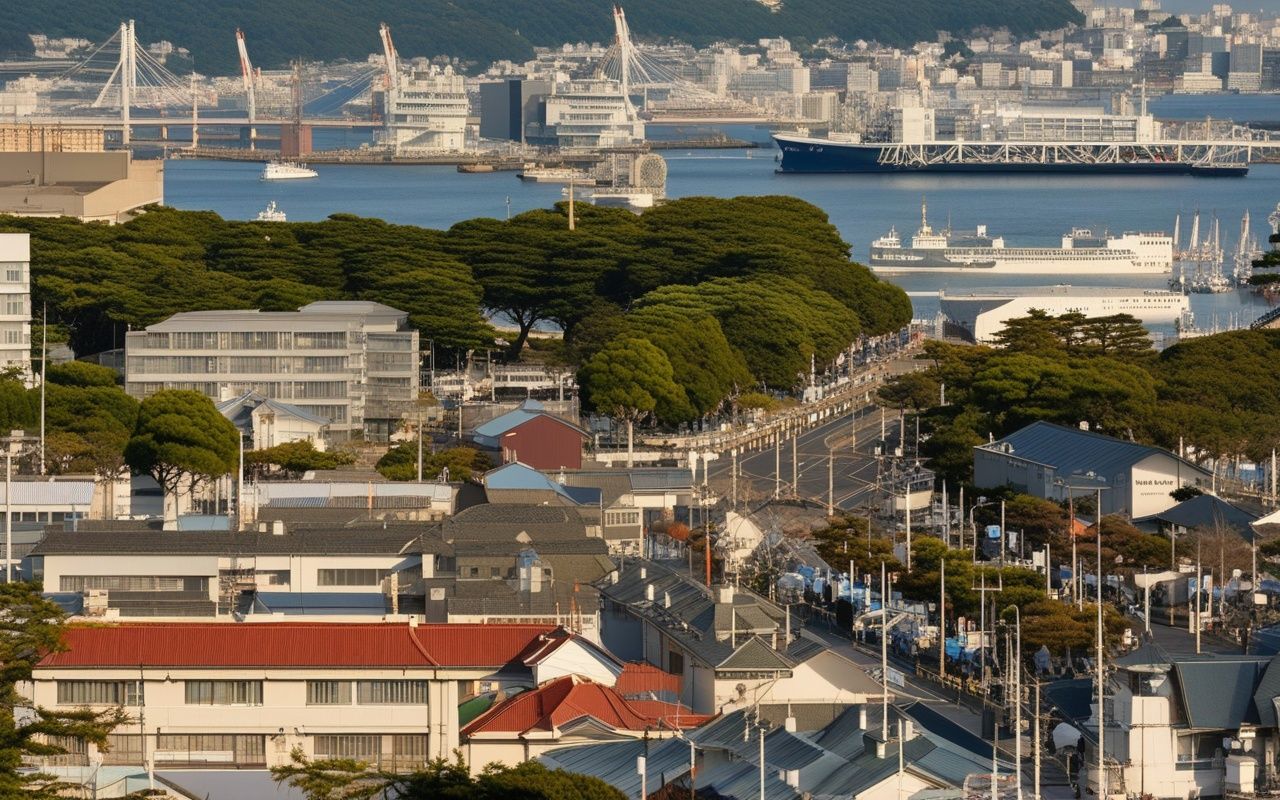
    As an anime fan who has followed Bungo Stray Dogs since Season 1, I visited Yokohama specifically to walk through the real locations that inspired the series. I spent a full day exploring Minato Mirai, climbed the Landmark Tower Sky Garden at sunset, and photographed the Red Brick Warehouse from the exact angles used in the anime’s establishing shots. The experience of seeing these familiar backdrops in person was truly special. *Bungo Stray Dogs* (ζ–‡θ±ͺγ‚Ήγƒˆγƒ¬γ‚€γƒ‰γƒƒγ‚°γ‚Ή) is one of the most popular action anime series of the past decade, and its primary setting β€” the port city of Yokohama β€” is as much a character as the Armed Detective Agency members themselves. From the gleaming towers of Minato Mirai to the historic Red Brick Warehouse, Yokohama’s distinctive skyline and waterfront provide the backdrop for the series’ supernatural battles and detective drama.
    Why American fans love this pilgrimage: Bungo Stray Dogs has been a massive hit on Crunchyroll, with five seasons and a feature film cementing its place among the most popular ongoing anime series in North America. Yokohama’s compact, walkable Minato Mirai district contains most of the key locations within a 15-minute walk, making this one of the most convenient anime pilgrimages in Japan. Plus, Yokohama offers world-class dining, shopping, and night views that make the trip rewarding even for non-anime fans traveling with you.

    Bungo Stray Dogs Pilgrimage in Yokohama β€” Visit the Real Locations of the Armed Detective Agency

    Overview

    πŸ“ Getting There

    Bungo Stray Dogs Pilgrimage in Yokohama scenery and attractions

    Yokohama is just 25-30 minutes from central Tokyo, making it the closest and most accessible anime pilgrimage destination in Kanagawa.

    From Tokyo

    1. JR Tokaido Line (25 min, Β₯480) β€” Tokyo Station β†’ Yokohama Station. Fastest and most frequent.
    2. JR Keihin-Tohoku Line (35 min, Β₯480) β€” Shinagawa, Tokyo, Ueno β†’ Yokohama. Stops at more stations but runs every 3-5 minutes.
    3. Tokyu Toyoko Line (28 min, Β₯310) β€” Shibuya Station β†’ Yokohama Station. Cheapest option from west Tokyo.
    4. Minatomirai Line (30 min, Β₯310) β€” Shibuya β†’ Minatomirai Station (direct connection from Tokyu Toyoko Line). Drops you right in the heart of the Bungo Stray Dogs setting.

    Getting Around Yokohama

    The Minato Mirai area is highly walkable. All the Bungo Stray Dogs locations are within a 15-20 minute walk from Minatomirai Station. If your feet get tired, the Yokohama Air Cabin (ropeway, Β₯1,000) connects Sakuragicho Station to the Red Brick Warehouse area with aerial views of the city.


    🎯 Pilgrimage Spots

    Spot 1: Landmark Tower & Sky Garden β€” The Armed Detective Agency’s Backdrop

    Anime reference: The Yokohama Landmark Tower, with its distinctive 296-meter silhouette, appears in countless establishing shots and background scenes throughout Bungo Stray Dogs. The Sky Garden observation deck (69th floor, 273 meters) offers the exact panoramic view of Yokohama that frames the series’ cityscape.

    The Landmark Tower is Yokohama’s tallest building and the centerpiece of the Minato Mirai skyline. The Sky Garden observation deck on the 69th floor is the highest open-air observation deck in Japan (not counting Tokyo Skytree), offering 360-degree views of Yokohama Bay, Mount Fuji (on clear days), and the entire Minato Mirai district.

    • Access: 3 min walk from Minatomirai Station or 5 min from Sakuragicho Station (connected by the moving walkway)
    • Hours: 10:00-21:00 (last entry 20:30)
    • Admission: Β₯1,000 (adult)
    • Best time: Sunset (4:00-5:30 PM depending on season) β€” watch the city transition from day to night
    • Photo tip: From Sky Garden, shoot toward the Red Brick Warehouse and port area. This matches the establishing shots used in the anime. A polarizing filter helps cut glare through the glass.

    Spot 2: Red Brick Warehouse β€” The Port Mafia’s Territory

    Anime reference: The Yokohama Red Brick Warehouse (Yokohama (ζ¨ͺ桜)血レンガ倉庫) appears as a key location in Bungo Stray Dogs, representing the historic industrial aesthetic of the Port Mafia’s domain. The warehouse’s distinctive red brick architecture and waterfront position make it one of the most recognizable anime locations in Yokohama.

    Bungo Stray Dogs Pilgrimage in Yokohama detailed view and features

    Built in 1911, the Red Brick Warehouse consists of two buildings (Building 1 and Building 2) that have been repurposed as a cultural and commercial complex, Building 1 houses event spaces and exhibition halls, while Building 2 contains shops, restaurants, and cafes. The plaza between the buildings hosts seasonal events throughout the year.

    • Access: 5 min walk from Minatomirai Station or 8 min from Sakuragicho Station
    • Hours: Shops 11:00-20:00, cafes 10:00-21:00 (Building 2 varies by tenant)
    • Best time: Late afternoon (3:00-5:00 PM) for golden light on the red brick facade
    • Photo tip: From the waterfront promenade behind the warehouse, frame the building with Yokohama Bay Bridge in the background. This layered composition captures the Bungo Stray Dogs aesthetic perfectly.

    Spot 3: Minato Mirai 21 β€” The City of Abilities

    Anime reference: The entire Minato Mirai 21 district serves as the primary urban setting for Bungo Stray Dogs. The futuristic skyscrapers, the Cosmo Clock 21 ferris wheel, and the InterContinental Yokohama’s distinctive sail-shaped building all feature in the series as backgrounds for battles, investigations, and character interactions.

    Minato Mirai 21 (MM21) is a sprawling waterfront development that combines corporate headquarters, shopping centers, hotels, and entertainment venues. The district is designed around a central promenade that connects all the major landmarks, making it easy to navigate on foot.

    Key photo spots in Minato Mirai:

    • Cosmo World: The amusement park with the iconic Cosmo Clock 21 ferris wheel (one of the world’s largest timepieces)

    • InterContinental Yokohama Grand: The sail-shaped hotel that defines the Minato Mirai skyline

    • Queen’s Square Yokohama: A large shopping complex connected to Minatomirai Station

    • Yokohama Museum of Art: Featuring a notable collection of modern and contemporary art

    • Access: Minatomirai Station (Minatomirai Line) β€” the station exits directly into Queen’s Square

    • Best time for photos: Dusk/blue hour (30 min after sunset) when the buildings light up against the darkening sky

    • Photo tip: From the pedestrian bridge connecting Landmark Tower to Queen’s Square, set up a tripod and capture the ferris wheel with the InterContinental’s sail behind it. A 10-second exposure at f/8 creates stunning light trails from passing traffic.

    Spot 4: Yamashita Park β€” The Waterfront Stage

    Anime reference: Yamashita Park (ε±±δΈ‹ε…¬εœ’) appears in multiple Bungo Stray Dogs episodes as a location for meetings, confrontations, and quiet character moments. The park’s waterfront promenade, flower gardens, and views of Yokohama Bay provide a natural contrast to the urban intensity of Minato Mirai.

    Bungo Stray Dogs Pilgrimage in Yokohama β€” visitor highlights

    Yamashita Park opened in 1930 as Japan’s first waterfront park, built on reclaimed land from the Great Kanto Earthquake. The park stretches 700 meters along the waterfront, offering unobstructed views of Yokohama Bay, the cruise ship terminal, and the Bay Bridge.

    • Access: 10 min walk from Minatomirai Station or 5 min from Motomachi-Chukagai Station
    • Best time: Early morning (7:00-9:00 AM) for a peaceful atmosphere with soft morning light
    • Photo tip: From the Hikawa Maru (a retired ocean liner permanently docked at the park), shoot back toward the Minato Mirai skyline. This was a popular postcard view long before the anime β€” now it’s a pilgrimage shot.

    Spot 5: Yokohama Stadium β€” The Battle Arena

    Anime reference: Yokohama Stadium appears in Bungo Stray Dogs as a recognizable Yokohama landmark that anchors the city’s geography in the series. Its distinctive rounded form and location near the park make it a useful orientation point.

    Yokohama Stadium is the home of the Yokohama DeNA BayStars baseball team, Located adjacent to Yamashita Park, the stadium’s architecture is distinctive β€” an open-air design that allows glimpses of the field from outside and the Minato Mirai skyline beyond.

    • Access: 8 min walk from Minatomirai Station, adjacent to Yamashita Park
    • Best time: During baseball season (March-October), catch a game for the full experience. Off-season, the exterior is still photogenic.
    • Photo tip: From the pedestrian bridge on the park side, capture the stadium’s curved roofline with the Landmark Tower rising behind it.

    Spot 6: Osanbashi Pier (Yokohama International Passenger Terminal) β€” The Departure Point

    Anime reference: The distinctive wave-like roof of Osanbashi Pier appears in Bungo Stray Dogs as a unique architectural element of Yokohama’s waterfront. Its futuristic design and waterfront position make it a fitting location for the series’ aesthetic.

    Osanbashi Pier is Yokohama’s international cruise ship terminal, but even when no ships are docked, the building itself is worth visiting. The iconic wooden deck roof rises and falls like ocean waves, creating a unique pedestrian promenade with panoramic views of the Minato Mirai skyline, Yokohama Bay Bridge, and the port.

    • Access: 15 min walk from Minatomirai Station or 10 min from Nihon-Odori Station
    • Best time: Late afternoon to sunset (4:00-6:00 PM) for the stunning walkway lighting
    • Photo tip: The roof deck curves create leading lines toward the Minato Mirai skyline. Position yourself low and use a wide-angle lens to emphasize the wave-like architecture.

    πŸ—Ί Sample Itinerary

    Full-Day Bungo Stray Dogs Pilgrimage Route (7-8 hours)

    Time Activity
    10:00 AM Depart from Tokyo (JR Tokaido Line from Tokyo Station)
    10:30 AM Yokohama Station β†’ transfer to Minatomirai Line
    10:45 AM Minatomirai Station β†’ Landmark Tower Sky Garden
    11:45 AM Explore Minato Mirai 21 β€” Cosmo World, Queen’s Square
    12:30 PM Lunch at Red Brick Warehouse (harbor view restaurants)
    1:30 PM Red Brick Warehouse β€” shopping and photo session
    2:30 PM Walk along the waterfront to Yamashita Park
    3:00 PM Yamashita Park β€” stroll and photos
    3:30 PM Yokohama Stadium exterior photo
    4:00 PM Osanbashi Pier β€” wave roof and bay views
    5:00 PM Sunset photos from Osanbashi Pier (golden hour)
    5:30 PM Chinatown dinner (10 min walk from Yamashita Park)
    7:00 PM Night view of Minato Mirai from Sky Garden (optional)
    8:00 PM Return to Tokyo

    πŸ’‘ Travel Tips

    Crowd Avoidance

    • Weekdays are significantly quieter than weekends in Minato Mirai
    • Sky Garden is busiest at sunset β€” arrive 30 min before opening for a good window spot
    • Red Brick Warehouse gets crowded on weekends (especially Sundays) with shoppers
    • Yamashita Park is peaceful year-round and never truly crowded
    • Avoid Golden Week and National holidays (Minato Mirai is a popular domestic destination)

    Best Time to Visit

    • Spring (March-May): Cherry blossoms along the waterfront, mild weather
    • Summer (June-August): Hot and humid but evening illuminations are spectacular
    • Autumn (September-November): Best season β€” comfortable, clear skies, golden light
    • Winter (December-February): Crisp cold air, clearest Mount Fuji views, stunning winter illuminations

    What to Bring

    • Comfortable walking shoes (all locations are walkable, but you’ll cover 8-10 km)
    • Camera with wide-angle lens (16-35mm for architecture, 70-200mm for skyline compression)
    • Tripod (essential for night shots of Minato Mirai’s illuminations)
    • Light jacket (waterfront can be breezy even in summer)
    • IC card (Suica/Pasmo) for easy train access

    Frequently Asked Questions

    Q: Is Yokohama really the setting of Bungo Stray Dogs?

    A: Yes! The series creators have explicitly stated that Yokohama is the primary real-world inspiration for the setting. The Landmark Tower, Red Brick Warehouse, and Minato Mirai skyline are all faithfully depicted in the anime, making location hunting remarkably straightforward.

    Q: Are there any official Bungo Stray Dogs attractions in Yokohama?

    A: Yokohama occasionally hosts Bungo Stray Dogs collaboration events at various locations (cafes, exhibitions). Check the Anaba OffJapan forum for current events. Even without special events, simply visiting the real locations that inspired the anime is a deeply rewarding experience.

    Q: Can I visit all spots in half a day?

    A: Yes. The core 6 locations are all within a 15-minute walk of each other. A focused half-day (4-5 hours) is enough to visit all spots and take photos. Add Chinatown dinner for a full-day experience.

    Q: Is the Sky Garden worth the Β₯1,000 admission?

    A: Absolutely. The 360-degree view from 273 meters is one of the best urban panoramas in Japan, and recognizing the Bungo Stray Dogs skyline from above adds a unique dimension to the pilgrimage.

    Q: Does Yokohama have Bungo Stray Dogs merchandise?

    A: General anime shops in Yokohama (Animate at Yokohama Station, character goods stores in Minato Mirai) carry Bungo Stray Dogs merchandise. Look for Yokohama-exclusive items featuring the characters against the Minato Mirai backdrop.


    πŸ”— Related Articles


    Last Updated: 2026-06-08
    Written by: Anaba OffJapan Editorial Team


    Bungo Stray Dogs Pilgrimage in Yokohama … is your starting point for exploring this part of Kanagawa. From outdoor adventures to cultural experiences, this guide helps you make the most of your time in Kanagawa. For more guides, check out our other articles covering Hakone, Kamakura, Yokohama, Shonan, and the Miura Peninsula.


    Conclusion Whether you prefer outdoor adventures, cultural experiences, or simply relaxing in nature, Bungo Stray Dogs Pilgrimage in Yokohama β€” Visit the Real… offers activities to suit every interest and fitness level. The diverse range of experiences available in makes it easy to create unforgettable memories. Use this guide to plan your perfect itinerary.

  • Rascal Does Not Dream of Bunny Girl Senpai Pilgrimage β€” 2026

    Rascal Does Not Dream of Bunny Girl Senpai Pilgrimage β€” 2026

    *Rascal Does Not Dream of Bunny Girl Senpai* (青ζ˜₯γƒ–γ‚Ώι‡ŽιƒŽ) captured the hearts of anime fans worldwide with its unique blend of supernatural “Puberty Syndrome” phenomena and deeply emotional storytelling. The series is set in the picturesque Enoshima-Fujisawa area of Kanagawa, where the real-life locations bring the story of Sakuta Azusagawa and Mai Sakurajima to life.
    Why American fans love this pilgrimage: Bunny Girl Senpai is one of the most popular anime series on Crunchyroll among Gen Z and millennial audiences. The show’s realistic settings β€” actual stations, the aquarium, and Enoshima Island β€” are beautifully preserved and easily accessible. Unlike many anime that use stylized backgrounds, Bunny Girl Senpai’s locations are instantly recognizable, making the pilgrimage deeply rewarding for fans.

    Rascal Does Not Dream of Bunny Girl Senpai Pilgrimage β€” Explore Enoshima & Fujisawa

    Overview

    πŸ“ Getting There

    Rascal Does Not Dream of Bunny Girl Senpai Pilgrimage scenery and attractions

    The Enoshima-Fujisawa area is located about 60 minutes southwest of Tokyo, making it one of the easiest anime pilgrimage destinations for a day trip.

    From Tokyo

    1. JR Tokaido Line (50 min, Β₯950) β€” Tokyo Station β†’ Fujisawa Station β†’ transfer to Enoden Line β†’ Enoshima Station. Most straightforward.
    2. Odakyu Line (60 min, Β₯620) β€” Shinjuku Station β†’ Fujisawa Station β†’ Enoden β†’ Enoshima. Cheapest option from west Tokyo.
    3. Shonan Shinjuku Line (55 min, Β₯950) β€” Shinjuku Station β†’ Ofuna Station β†’ Fujisawa β†’ Enoden. Good direct option from Shinjuku.

    Money-Saving Tickets

    The Enoden 1-Day Pass (Β₯800) is your best investment. Bunny Girl Senpai’s locations span multiple Enoden stations β€” Shichirigahama, Kamakurakōkōmae, Enoshima, and Katase-Enoshima β€” so unlimited hopping pays for itself in 3-4 rides.


    🎯 Pilgrimage Spots

    Spot 1: Shichirigahama Station β€” The Iconic Platform

    Anime reference: The opening sequence and multiple scenes throughout the series feature the platform of Shichirigahama Station, with the ocean stretching behind the tracks. This is one of the most recognizable Bunny Girl Senpai locations.

    Shichirigahama Station is a small, unstaffed station on the Enoden Line with an elevated platform that offers stunning views of Sagami Bay. The station building itself is minimal β€” just a covered waiting area β€” but the view from the platform toward Fujisawa captures the exact angle seen in the anime’s iconic shots.

    • Access: Shichirigahama Station (Enoden Line), 10 min from Kamakura Station
    • Best time: Late afternoon (3:00-5:00 PM) for golden light over the ocean
    • Photo tip: Stand on the Fujisawa-bound platform and shoot toward the tracks with the ocean in the background. A 50mm lens approximates the anime’s perspective. Time your visit during high tide when the water comes closer to the tracks.

    Spot 2: Katase-Enoshima Station β€” The Ryugu Palace Entrance

    Anime reference: The distinctive Ryugu Palace-style station building of Katase-Enoshima Station appears in establishing shots and transition scenes throughout the series. Its unique architecture makes it one of the most photogenic stops on the Enoden Line.

    Rascal Does Not Dream of Bunny Girl Senpai Pilgrimage detailed view and features

    Katase-Enoshima Station is the terminal station of the Enoden Line, located at the base of the bridge leading to Enoshima Island. The station building is designed to resemble the mythical Ryugu Palace (Dragon Palace) from Japanese folklore, with ornate roofs, decorative elements, and a whimsical atmosphere that perfectly suits the Bunny Girl Senpai vibe.

    • Access: Katase-Enoshima Station (Enoden Line, terminal station)
    • Best time: Morning (9:00-11:00 AM) for fewer crowds around the station
    • Photo tip: Capture the full station facade from the small plaza in front. A wide-angle lens (16-24mm) can fit the entire building. The station sign makes a great foreground element with the palace roof behind it.

    Spot 3: Enoshima Island β€” The Central Stage

    Anime reference: Enoshima Island serves as the central setting for many of the series’ most emotional scenes. The Ben-ten Bridge entrance, the Enoshima Shrine approach, and the Sea Candle observation tower all feature prominently as characters navigate their relationships and Puberty Syndrome.

    Enoshima Island is a small offshore island connected to the mainland by a 600-meter bridge. It’s packed with shrines, gardens, observation decks, and restaurants β€” enough to spend an entire day exploring. For Bunny Girl Senpai fans, the key locations are:

    • Ben-ten Bridge: The main bridge to the island, featured in walking-and-talking scenes

    • Enoshima Shrine approach: The stone steps and lantern-lined path appear in several episodes

    • Enoshima Sea Candle: The observation tower that appears in panoramic shots

    • Samuel Cocking Garden: The botanical garden surrounding the Sea Candle

    • Access: Walk across the bridge from Katase-Enoshima Station (5 min)

    • Best time: Late afternoon through sunset (4:00-6:30 PM) for the best light on the shrine approach

    • Photo tip: On the Ben-ten Bridge, shoot toward the island with the Sea Candle tower centered in the frame. This matches a key visual from the series.

    Spot 4: Enoshima Aquarium β€” The Date Spot

    Anime reference: The Enoshima Aquarium (Enosui) is where Sakuta and Mai go on their first date. The jellyfish exhibit, the main tank, and the outdoor dolphin pool all appear in the series, making this one of the most important pilgrimage locations.

    Rascal Does Not Dream of Bunny Girl Senpai Pilgrimage β€” visitor highlights

    The Enoshima Aquarium, affectionately known as “Enosui” by locals, is one of Kanagawa’s premier aquariums. The jellyfish exhibit β€” featuring multiple species illuminated in color-changing tanks β€” was beautifully recreated in the anime. The main tank with its massive shoals of sardines and the outdoor dolphin performance pool are also must-see spots.

    • Access: 5 min walk from Katase-Enoshima Station, on the beachfront before the bridge
    • Hours: 9:00-17:00 (varies by season)
    • Admission: Β₯2,500 (adult)
    • Best time: Weekday mornings for the fewest crowds
    • Photo tip: The jellyfish exhibit allows photography (no flash). Use a fast lens (f/1.8 or wider) and high ISO to capture the bioluminescent glow without flash. The main tank is best photographed during feeding times (check schedule at entrance).

    Spot 5: Shichirigahama High School Area

    Anime reference: Minegahara High School, the school attended by Sakuta and Mai, is visually inspired by schools in the Shichirigahama area. The coastal road along the seawall, where characters walk and talk, is a real location along Shichirigahama Beach.

    The area around Shichirigahama offers the iconic view of the Enoden train running alongside the coast β€” a scene that appears repeatedly as characters commute to school. While the actual high school is a generic background element, the coastal road and seawall are unmistakably real.

    • Access: 5 min walk south from Shichirigahama Station toward the coast
    • Best time: Early morning (7:00-9:00 AM) for the commuter atmosphere
    • Photo tip: From the seawall, wait for an Enoden train to pass and capture it against the ocean backdrop. This is the classic “anime commute” shot.

    Spot 6: Fujisawa Station Area

    Anime reference: Fujisawa Station and its surrounding shopping streets appear in scenes showing the characters’ daily lives β€” meeting after school, going to restaurants, and navigating the urban environment of Fujisawa city.

    The area around Fujisawa Station is a bustling commercial district with department stores, restaurants, and entertainment. While the specific shops in the anime are fictional, the atmosphere of a medium-sized Japanese city station precinct is faithfully captured.

    • Access: Fujisawa Station (JR Tokaido Line, Odakyu Line, Enoden Line)
    • Best time: Late afternoon through evening (4:00-7:00 PM) for the bustling after-school atmosphere
    • Photo tip: The station’s south exit plaza and the surrounding shopping arcades capture the everyday urban feel of the series.

    πŸ—Ί Sample Itinerary

    Full-Day Bunny Girl Senpai Pilgrimage Route (7-8 hours)

    Time Activity
    9:00 AM Depart from Tokyo (JR Tokaido Line from Tokyo Station)
    10:00 AM Fujisawa Station β€” explore the station area
    10:30 AM Enoden to Shichirigahama Station β€” platform photos
    11:00 AM Walk the coastal seawall β€” commute route photos
    12:00 PM Enoden to Katase-Enoshima Station β€” palace station photos
    12:30 PM Lunch at Enoshima β€” try shirasu (whitebait) bowl
    1:30 PM Enoshima Aquarium β€” the date spot (2 hours)
    3:30 PM Cross Ben-ten Bridge to Enoshima Island
    4:00 PM Enoshima Shrine approach β€” photos
    4:30 PM Sea Candle observation deck β€” sunset views
    5:30 PM Descend the island β€” shopping street souvenirs
    6:30 PM Return via Enoden + JR to Tokyo

    πŸ’‘ Travel Tips

    Crowd Avoidance

    • Weekdays are significantly quieter than weekends
    • Enoshima Aquarium is busiest between 11:00 AM and 2:00 PM
    • Enoshima Island gets crowded on sunny weekends, especially spring and autumn
    • Visit Shichirigahama Station early morning for empty platform shots
    • Summer (July-August) is peak season for Enoshima beaches β€” expect crowds

    Best Time to Visit

    • Spring (March-May): Cherry blossoms + mild weather β€” ideal for walking the island
    • Summer (June-August): Beach season, lively atmosphere, but hot and humid
    • Autumn (September-November): Best season β€” comfortable temperatures, clear skies
    • Winter (December-February): Fewest crowds, crisp winter light, cold but photogenic

    What to Bring

    • Enoden 1-Day Pass (Β₯800) β€” essential for hopping between locations
    • Camera with versatile lens (24-70mm covers station, beach, and indoor aquarium shots)
    • Comfortable walking shoes (you’ll cover 10+ km)
    • Light jacket (ocean breeze can be cool even in summer)
    • Aquarium-friendly camera settings (fast lens or high ISO for jellyfish exhibit)

    Frequently Asked Questions

    Q: Is the Enoshima Aquarium the exact same one from the anime?

    A: Yes! The Enoshima Aquarium (Enosui) is the real-life location that inspired the aquarium date scenes in Bunny Girl Senpai. The jellyfish exhibit, main tank, and outdoor areas are all faithfully recreated in the anime.

    Q: Can I visit all Bunny Girl Senpai locations in one day?

    A: Absolutely. The locations are concentrated along a 5-km stretch of the Enoden Line, making it one of the most compact and accessible anime pilgrimages in Kanagawa. A full day (7-8 hours) is plenty of time.

    Q: When is the best time to photograph Shichirigahama Station?

    A: Late afternoon (3:00-5:00 PM) offers golden-hour light over the ocean. For the iconic platform shot with the sea behind the tracks, position yourself on the Fujisawa-bound platform. Avoid midday when the sun is directly overhead.

    Q: Is there an official Bunny Girl Senpai store in Enoshima?

    A: There is no permanent dedicated store, but the Enoshima area occasionally hosts anime collaboration events. Local souvenir shops in Enoshima sometimes carry Bunny Girl Senpai merchandise. Check the Anaba OffJapan community forum for current event information.

    Q: How much time should I budget for Enoshima Aquarium?

    A: Plan for at least 1.5-2 hours. The jellyfish exhibit alone is worth 30 minutes, and the main tank and dolphin show add another hour. It’s the single most time-consuming pilgrimage spot, but also the most rewarding.


    πŸ”— Related Articles


    Last Updated: 2026-06-08
    Written by: Anaba OffJapan Editorial Team


    Conclusion

    Walking through the Bunny Girl Senpai pilgrimage route in Enoshima was one of my favorite anime trips in Kanagawa β€” the platform at Shichirigahama, the Ryugu Palace station, and the aquarium where the characters go on their date all feel exactly like the anime. I recommend the Enoden 1-Day Pass and an early start, finishing at the Enoshima Sea Candle in time for sunset. Even if you’ve never seen the series, the Enoshima–Fujisawa coastline is one of the most photogenic stretches in Kanagawa. For more anime location guides, check out our Kamakura Enoshima area guide and Enoshima aquarium guide.


  • Kanagawa Anime Pilgrimage Guide β€” Top Filming Locations 2026

    Kanagawa Anime Pilgrimage Guide β€” Top Filming Locations 2026

    Overview

    Explore the rich cultural heritage and historical significance of Kanagawa Anime Fans Pilgrimage in Kanagawa Prefecture. This guide delves into the fascinating stories, traditions, and landmarks that define Kanagawa. From ancient temples to modern museums, discover how this destination has shaped Japan’s cultural landscape over centuries.

    Access

    Most visitors reach Kanagawa from central Tokyo by JR, private railway, or highway bus, and an IC card (Suica or Pasmo) works across all of them. From my experience, leaving Tokyo before the morning rush keeps the journey relaxed, and station luggage lockers are handy if you arrive early.

    πŸ—ΊοΈ Key Points

    • Perfect for: Anime fans, otaku travelers
    • Duration: 1-2 days
    • Budget: Β₯5,000-10,000
    • Best season: Year-round
    • Focus: Anime spots, sacred sites

    πŸ“‹ Overview

    Kanagawa Prefecture has served as the setting for many loved anime series and films. This guide covers the best anime pilgrimage spots, from real-life spots featured in famous series to anime-themed attractions.

    🎬 Top Anime Pilgrimage Spots


    Kanagawa Anime Pilgrimage Guide β€” Top Filming Locations 2026 β€” Top Anime Pilgrimage Spots

    The Enoden train glides past the iconic Kamakurakōkōmae crossing, with the Shonan coast stretching toward Enoshima in the distance β€” the quintessential Slam Dunk view. Kanagawa Anime Pilgrimage Guide β€” Top Filming Locations 2026 β€” Top Anime Pilgrimage Spots

    The Enoshima Sea Candle observation tower rises above the island’s lush greenery, with 360-degree views of Sagami Bay that have appeared in multiple anime series. Kanagawa Anime Pilgrimage Guide β€” Top Filming Locations 2026 β€” Top Anime Pilgrimage Spots

    1. Kamakura (Slam Dunk)

    Budget: Free (spot viewing)
    Duration: 2-3 hours
    Anime: Slam Dunk The iconic railroad crossing from Slam Dunk’s opening sequence is found at Kamakurakokomae Station. This is one of Japan’s most famous anime pilgrimage spots. spot Details:

    • Station: Kamakurakokomae Station (Enoden Line)
    • Spot: Railroad crossing near the station
    • Best Time: Early morning (fewer crowds)
    • Photo Tips: From the platform, capture the crossing Nearby Spots:
    • Shichirigahama Beach (featured in episodes)
    • Kamakura High School area
    • Yuigahama Beach scenes

    Visitor Tips:

    2. Aquarion)

    Budget: Free-Β₯1,000
    Duration: 2-3 hours
    Anime: Tari Tari. Aquarion Enoshima Island has been featured in multiple anime series, with recognizable spots throughout the island. spot Details:

    • Enoshima Shrine: Featured in Tari Tari
    • Sea Candle: Observatory scenes
    • Beach areas: Multiple anime settings
    • Shopping street: Daily life scenes Photo chances:
    • Shrine approach stairs
    • Ocean view points
    • Sunset spots
    • Shopping street scenes

    3. Yokohama (Various Anime)

    Budget: Free-Β₯2,000
    Duration: 3-4 hours
    Anime: Multiple series Yokohama’s futuristic Minato Mirai district and old areas have appeared in many anime productions. Featured spots:

    • Minato Mirai 21: Futuristic cityscapes
    • Red Brick Warehouse: old settings
    • Yokohama Station: Urban scenes
    • Chinatown: Cultural backgrounds Anime Connections:
    • Durarara!! (urban settings)
    • Baccano! (old Yokohama)
    • Various mecha anime (futuristic cityscapes)

    4. Various)

    Budget: Free-Β₯3,000
    Duration: 3-4 hours
    Anime: Neon Genesis Evangelion, others Hakone’s dramatic mountain scenery and Lake Ashi have inspired many anime backgrounds and settings. Featured spots:

    • Lake Ashi: Evangelion settings
    • Owakudani: Volcanic valley scenes
    • Hakone Shrine: old-style architecture
    • Mountain roads: pretty routes

    Photo Tips:

    🎨 Anime-Themed Attractions

    Kanagawa Anime Pilgrimage Guide β€” Top Filming Locations 2026 β€” Anime-Themed Attractions

    1. Cup Noodles Museum (Yokohama)

    Budget: Free entry. Β₯500 things to do
    Duration: 1-2 hours While not anime-specific, this museum appeals to anime fans interested in Japanese pop culture and food history. Highlights:

    • Instant ramen history
    • Custom cup noodle creation
    • Photo chances
    • Anime-style exhibits

    2. Yokohama Anime Stores

    Budget: Β₯2,000-5,000 (shopping)
    Duration: 1-2 hours Several anime goods stores in Yokohama offer exclusive Kanagawa-themed merchandise. Store spots:

    • Yokohama Station area: Multiple anime shops
    • Minato Mirai: Character goods
    • Chinatown: Unique anime-Chinese crossover items Must-Buy Items:
    • Kanagawa anime postcards
    • spot-specific keychains
    • Exclusive collaboration goods
    • Limited edition items

    πŸ—ΊοΈ Anime Pilgrimage Routes

    Route 1: Kamakura Anime Day

    Budget: Β₯3,000-5,000
    Duration: Full day Morning:

    • Kamakurakokomae Station (Slam Dunk crossing)
    • Shichirigahama Beach (anime scenes) Lunch:
    • Kamakura Komachi-dori (Β₯1,000-1,500) Afternoon:
    • Enoshima Island (Tari Tari spots)
    • Enoshima Shrine
    • Sea Candle observatory Evening:
    • Sunset at Enoshima
    • Return via Enoden Line (pretty anime route)

    Route 2: Yokohama Anime Day

    Budget: Β₯4,000-6,000
    Duration: Full day Morning:

    • Minato Mirai 21 (futuristic anime settings)
    • Cup Noodles Museum Lunch:
    • Yokohama Chinatown (Β₯1,500-2,000) Afternoon:
    • Red Brick Warehouse (anime backgrounds)
    • Yokohama Station area (anime shops) Evening:
    • Night view from Landmark Tower
    • Anime shopping at Yokohama stores

    πŸ’° Budget Guide

    Budget Pilgrimage (Β₯3,000-5,000)

    • Transport: Β₯1,500-2,000
    • Food: Β₯1,500-2,000
    • Attractions: Free-Β₯1,000
    • Total: Β₯3,000-5,000

    Mid-Range Pilgrimage (Β₯6,000-10,000)

    • Transport: Β₯2,000-3,000
    • Food: Β₯2,500-3,500
    • Attractions: Β₯1,500-3,500
    • Total: Β₯6,000-10,000

    Premium Pilgrimage (Β₯12,000+)

    • Transport: Β₯3,000-4,000
    • Food: Β₯4,000-5,000
    • Attractions: Β₯5,000+
    • Shopping: Β₯3,000+
    • Total: Β₯12,000+

    πŸ“Έ photos Tips

    Cherry Blossom Spots:

    • Tsurugaoka Hachimangu (Kamakura)
    • Yamashita Park (Yokohama)
    • Hakone Gora Park (mountain views)
    • Komachi-dori Street (old-style vibe)

    Evening Views:

    • Minato Mirai lights
    • Yokohama Red Brick Warehouse
    • Hakone onsen town lights
    • Kamakura temple lights

    Camera Settings

    Smartphone Tips:

    • Use HDR mode for landscapes
    • Grid lines for composition
    • Tap to focus on subjects
    • Edit with free apps (Snapseed. VSCO)

    DSLR/Mirrorless:

    • Wide lens for landscapes (16-35mm)
    • Portrait lens for people (50-85mm)
    • Tripod for low light
    • Polarizing filter for water/sky

    🌟 lesser-known spots

    Local Favorites

    Secret Beaches:

    • Shichirigahama (less crowded than Yuigahama)
    • Isshiki Beach (Hayama, local favorite)
    • Morito Beach (Zushi, quiet) Quiet Temples:
    • Hokokuji Temple (bamboo grove. Kamakura)
    • Jufukuji Temple (hidden. Kamakura)
    • Myohonji Temple (peaceful. Kamakura) Local Cafes:
    • Cafe Rhine (Hayama, ocean views)
    • Bill’s Shonan (famous pancakes)
    • Cafe La Mer (Zushi, beachfront)

    Seasonal Secrets

    Spring:

    • Cherry blossoms at lesser-known temples
    • Avoid Golden Week (late April-early May)
    • Book lodging 3 months ahead Summer:
    • Early morning beach visits (before 9 AM)
    • Evening fireworks festivals
    • Indoor museums for hot afternoons Autumn:
    • Fall foliage at Hakone (mid-November)
    • Harvest festivals at local shrines
    • Best photos light in October Winter:
    • Clear Mount Fuji views (January-February)
    • Onsen with snow views
    • Fewer crowds, better prices

    πŸ’‘ Pro Tips from Locals

    Money-Saving Secrets

    1. Supermarket discounts: 7-8 PM, 20-30% off bento
    2. Convenience store coffee: Β₯100 vs cafe Β₯400
    3. Free walking tours: Yokohama, Kamakura (tip-based)
    4. Museum discounts: First Sunday of month (many free)
    5. Train passes: buy online for 10% discount

    Time-Saving Secrets

    1. Luggage forwarding: Send bags from Tokyo hotels (Β₯2,000)
    2. Early temple visits: 8 AM opening, no crowds
    3. place to eat bookings: Book 1-2 days ahead
    4. Offline maps: Download before arriving
    5. IC cards: Suica/Pasmo for all transport

    Safety Secrets

    1. Emergency numbers: 110 (police), 119 (ambulance)
    2. Hotel business cards: Carry for taxi returns
    3. Cash backup: Keep Β₯10,000 emergency cash
    4. Translation apps: Google Translate works well
    5. Tourist info centers: Free maps. Wi-Fi

    πŸ’‘ Local Insider Tips

    Best Times to Visit

    Early Morning (6-8 AM):

    • Fewer crowds at loved spots
    • Best photos light (golden hour)
    • Cooler temperatures during summer months
    • Peaceful vibe for relaxation
    • Local residents’ favorite time

    Late Afternoon (4-6 PM):

    • Golden hour for stunning photos
    • Sunset views over ocean and mountains
    • Romantic vibe for couples
    • Cooler temperatures after hot days
    • Evening lights begins

    Weekdays vs Weekends:

    • 30-50% fewer crowds on weekdays
    • Better photo chances without crowds
    • More relaxed pace at temples and museums
    • Easier place to eat bookings
    • Lower lodging prices

    Money-Saving Strategies

    travel:

    • buy day passes for unlimited travel
    • Use IC cards (Suica/Pasmo) for small discounts
    • Walk between nearby attractions (free, healthy)
    • Avoid taxis (extremely expensive in Japan)
    • Rent bicycles for local travel

    Food:

    • Supermarket bento after 7 PM (20-30% discounts)
    • Convenience store coffee (Β₯100 vs cafe Β₯400)
    • Lunch specials at places to eat (30% cheaper than dinner)
    • Local markets for fresh, affordable seafood
    • Standing soba shops for quick, cheap meals

    Attractions:

    • First Sunday of month: Many museums free
    • Temple grounds often free to enter
    • Parks and beaches completely free
    • Combination tickets for multiple attractions
    • Student discounts with valid ID

    Top Photo spots:

    • Enoshima Sea Candle for 360-degree panoramic views
    • Yuigahama Beach for ocean sunset photos
    • Lake Ashi with Mount Fuji backdrop (winter clearest)
    • Kamakura Great Buddha for iconic shots
    • Yokohama Minato Mirai for night cityscapes

    Seasonal photos:

    • Spring: Cherry blossoms at temples (late March-early April)
    • Summer: Beach scenes, fireworks festivals
    • Autumn: Fall foliage at Hakone (mid-November peak)
    • Winter: Clear Mount Fuji views, lights

    🌟 lesser-known spots Only Locals Know

    Secret Spots

    Quiet Beaches:

    • Shichirigahama (less crowded than Yuigahama)
    • Isshiki Beach in Hayama (local favorite)
    • Morito Beach in Zushi (peaceful, clean)

    Hidden Temples:

    • Hokokuji Temple bamboo grove (early morning best)
    • Jufukuji Temple (hidden, rarely visited)
    • Myohonji Temple (peaceful garden, few tourists)

    Local Cafes:

    • Cafe Rhine in Hayama (ocean views, local art)
    • Bill’s Shonan (famous soufflΓ© pancakes)
    • Cafe La Mer in Zushi (beachfront, sunset views)

      πŸŽ’ Essential Planning Checklist

    Before You Go

    Book in Advance:

    • lodging (mostly weekends, holidays)
    • loved places to eat (1-2 days ahead)
    • thing to do tours (onzen, cooking)
    • Transport passes (online discounts)

    Pack Smart:

    • comfy walking shoes (essential)
    • Weather-appropriate clothing layers
    • small phone charger (long days out)
    • Cash (many places cash-only)
    • IC card (Suica/Pasmo for transport)

    Download Apps:

    • Google Maps (offline maps available)
    • Google Translate (camera translation)
    • Japan Travel by Navitime (route planning)
    • Gurunavi (place to eat discounts)
    • Hyperdia (train schedules)

    Daily Planning

    Morning Routine:

    • Check weather forecast
    • Confirm transport schedules
    • Reserve lunch spots if needed
    • Charge camera and phone
    • Pack water and snacks

    Evening Routine:

    • Review next day’s itinerary
    • Charge all devices overnight
    • Confirm place to eat bookings
    • Check transport for morning
    • Organize day’s photos

    Emergency Preparedness

    Important Numbers:

    • Police: 110
    • Ambulance/Fire: 119
    • Coast Guard: 118
    • Tourist Info: Use the official Japan National Tourism Organization (JNTO) website for current visitor support options. Emergency Kit:
    • Hotel business card (for taxi returns)
    • Emergency cash (Β₯10,000 minimum)
    • Basic first aid supplies
    • small phone charger
    • Copy of passport and insurance

    Kanagawa offers world-class anime pilgrimage things, from the iconic Slam Dunk crossing in Kamakura to the futuristic cityscapes of Yokohama. Whether you’re a hardcore anime fan or simply interested in pop culture tourism, these spots provide unique insights into the real-world settings that inspired your favorite anime. For more Kanagawa guides, see our other articles on Hakone, Kamakura, Yokohama, and the Miura Peninsula. —

    Related Articles:


    Frequently Asked Questions

    Q: Are English guides available?
    A: Major temples, and museums offer English audio guides or pamphlet guides. Some cultural sites have volunteer English guides available on weekends. Q: Can I take photographs?
    A: photos is generally allowed in outdoor areas. Indoor photos, mostly of cultural artifacts, may be restricted. Flash photos is commonly prohibited. Q: How much time should I budget?
    A: For temples and shrines, budget 30-60 minutes. Museums typically need 1-2 hours. Cultural things (tea ceremony, craft workshops) take 1-2 hours. Q: Are there any dress codes?
    A: No strict dress codes, but dressing respectfully is appreciated at temples and shrines. Avoid overly revealing clothing, comfy walking shoes are recommended.

    Final Thoughts

    see this guide to discover the best things Kanagawa has to offer. From lesser-known spots to loved attractions, this article covers everything you need to plan your visit. For anime fans and pilgrimage seekers, Kanagawa offers the unique thrill of standing where your favorite stories unfolded β€” connecting fiction with place in great ways.

    Conclusion

    Whether you are planning exploring Kanagawa for its anime for the first time or returning for another visit, taking a little extra time to go beyond the obvious sights makes all the difference. During my visit I went with a rough plan and found that leaving room to wander made the trip far more memorable. I hope this guide helps you build an itinerary that fits your pace, and that your time in Kanagawa leaves you with memories worth coming back for.