Anaba OffJapan
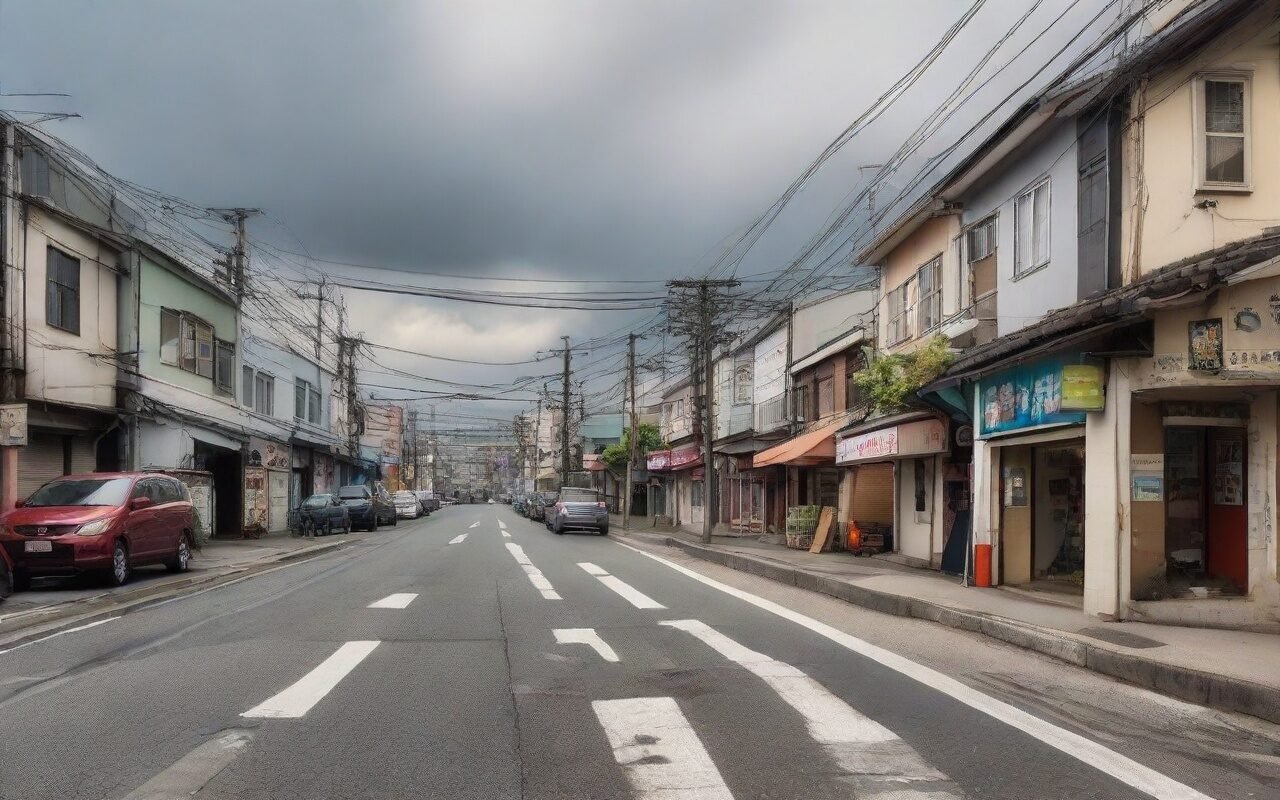
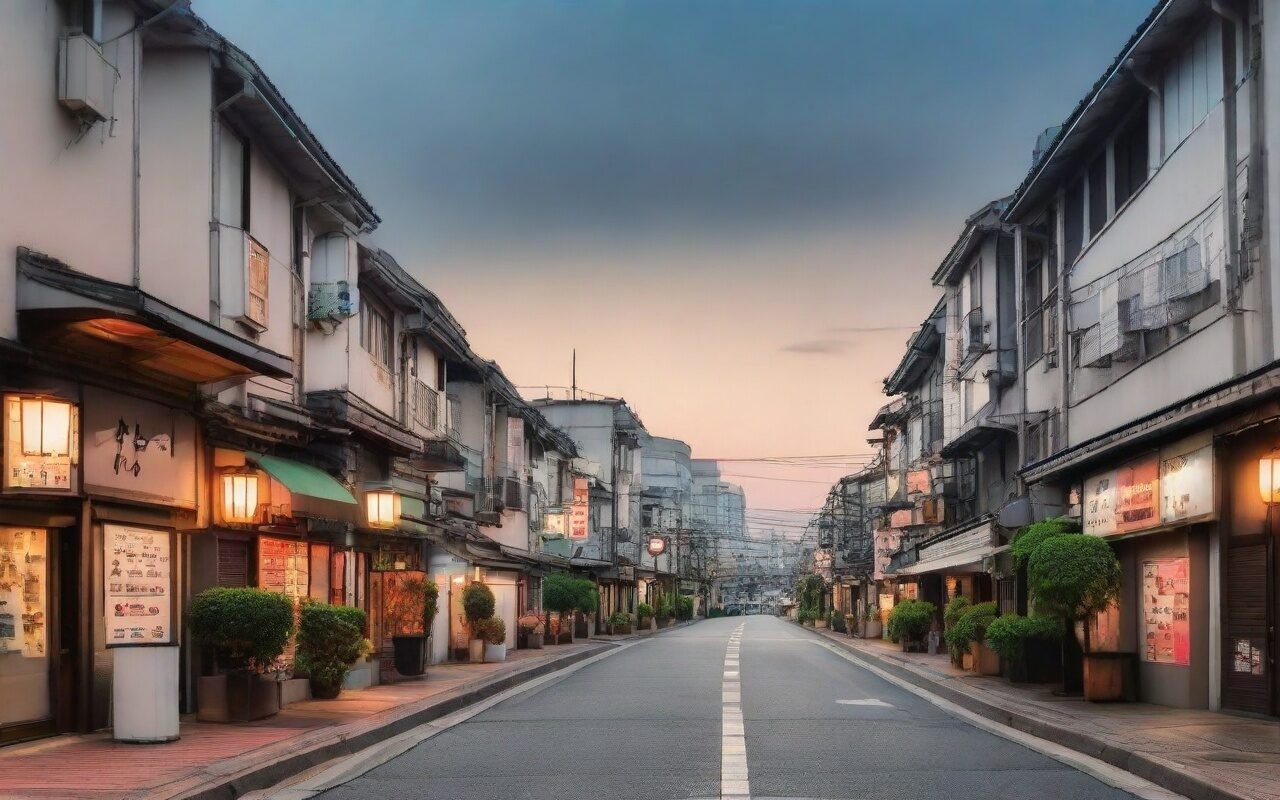
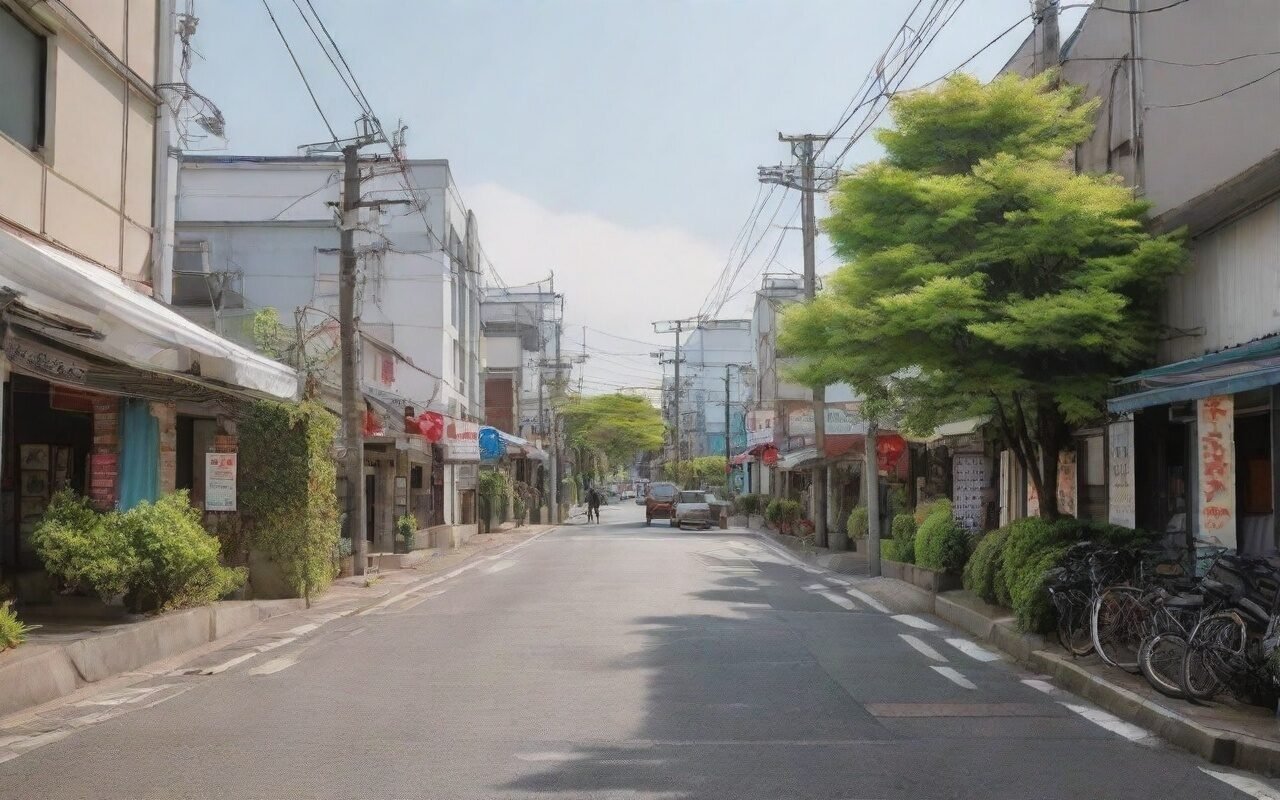
Kanagawa is rich in cultural heritage and historical significance. This guide explores the fascinating history and cultural attractions that make this region unique. Having visited these locations multiple times, I've gathered practical insights that go beyond typical tourist information.
Overview
Explore the unique culture of Yokosuka Dobuita Street, where American military influence meets Japanese tradition. This guide covers the street's history, food, shopping, and vibrant international atmosphere.
Explore the rich cultural heritage and historical significance of Yokosuka Dobuita Street Guide in Kanagawa Prefecture. This guide delves into the fascinating stories, traditions, and landmarks that define Yokosuka. From ancient temples to modern museums, discover how this destination has shaped Japan's cultural landscape over centuries.
I explored this cultural site during my last visit and spent hours learning about its history. I recommend visiting on a weekday for a quieter experience. For more information, see our Kanagawa guide.

Key Points
- Perfect for: Shopping enthusiasts, military history buffs, families
- Duration: 2-3 hours
- Best Beston: Year-round
- Budget: ¥3,000-5,000 per person
- Access: 5 minutes walk from Yokosuka-Chuo station
Location
History of Dobuita Street
Dobuita Street originated in the late 1800s when the Imperial Japanese Navy established its base in Yokosuka. The area developed to serve sailors and their families, evolving into a vibrant international district, much like the broader Yokosuka dining scene.
Key Historical Points:
- 1865: Yokosuka Ironworks established
- 1870s: First foreign shops appear
- 1945-1950s: Post-war American influence
- Present: Popular tourist destination
1. Military Surplus Shops
Authentic military gear, uniforms, and collectibles from various eras. Recommended: Navy Surplus Store Items: Jackets, boots, accessories Price Range: ¥1,000-10,000
2. American Souvenir Shops
Unique American-themed souvenirs and gifts. Recommended: Dobuita Gift Shop Items: T-shirts, magnets, keychains Price Range: ¥500-3,000
3. International Food Stores
Imported snacks, beverages, and specialty foods. Recommended: World Food MarketItems: American candy, coffee, spices Price Range: ¥200-2,000
1. American Diners
Classic American burgers, fries, and milkshakes. Recommended: Dobuita Diner Specialty: Cheeseburgers Price: ¥800-1,500
2. International Cuisine
Mexican, Italian, and Asian fusion restaurants. Recommended: Fiesta Mexicana Specialty: Tacos and burritos Price: ¥700-1,200
Budget Breakdown

| Item | Cost |
|---|---|
| Train (round trip) | ¥1,840 |
| Shopping | ¥2,000-4,000 |
| Lunch | ¥800-1,500 |
| Drinks/Snacks | ¥500-1,000 |
| Total | ¥5,140-8,340 |
Yokosuka Dobuita Street offers a unique shopping and dining experience that blends American and Japanese cultures. Whether you're a military history enthusiast, shopping lover, or simply curious about this international district, Dobuita Street provides a memorable glimpse into Yokosuka's naval heritage.
For more Kanagawa guides, explore our other articles on Yokosuka Military Curry, Yokosuka Accommodation Guide, Kamakura, and the Miura Peninsula.
Photo Spots on Dobuita Street Dobuita Street offers several excellent photo opportunities:
- The Dobuita Street arch at the entrance — the iconic gateway with "Dobuita Street" written in English and Japanese. Best shot: early morning (no crowds) or evening (neon lights illuminated).
- Military surplus store facades — the storefronts with hanging jackets and military gear make for authentic, gritty street photography.
- The Yokosuka Navy Base gate — a short walk from Dobuita, the main gate area is a fascinating contrast between American military presence and Japanese daily life. Photos of the gate itself are permitted; photos of personnel are not.
- Verny Park (5 min walk) — a waterfront park with a French-style garden. Excellent backdrop for portraits, especially during cherry blossom season.

A Self-Guided Walking Tour of Dobuita Street
Start at the Yokosuka-Chuo Station (Keikyu Line) and exit from the central exit. The street begins immediately ahead. Stop 1 (0-5 min): The Dobuita Street entrance arch. Take your photo here before the crowds arrive.
Stop 2 (5-20 min): Explore the military surplus stores on the left side of the street. Even if you are not buying, the displays of vintage jackets, patches, and boots are fascinating to browse.
Stop 3 (20-40 min): Continue to the mid-point where American souvenir shops cluster. Look for T-shirts with "Yokosuka" and "US Navy" designs — these are unique to this area.
Stop 4 (40-60 min): Lunch at Takaraya Honten (navy curry) or Dobuita Diner (burgers). Both are on the main street and easy to spot.
Stop 5 (60-80 min): After lunch, explore the side streets. Izakaya Goto and Fiesta Mexicana are on the side lanes. The side streets also have smaller, more unique shops.
Stop 6 (80-100 min): Walk to the end of Dobuita Street toward the naval base area. The street ends at a T-junction with a view of the base fence.
Stop 7 (100-120 min): Optional — visit Verny Park for a peaceful stroll along the waterfront, or head back to the station area for souvenir shopping.

Annual Events on Dobuita Street
- Yokosuka America Festival (May) — A weekend celebration with parades, live music, food stalls, and street performances. The street is closed to traffic. Expect 50,000+ visitors over two days.
- Yokosuka Navy Curry Festival (October) — Sample navy curry from 20+ restaurants, all competing for the "best curry" title. ¥500-800 per tasting portion.
- Christmas Illumination (December) — Dobuita Street is decorated with lights and Christmas trees. The American-style decorations reflect the area's international character.
- New Year Countdown (December 31) — A small but lively gathering at the street entrance with countdown and champagne.
Check the Yokosuka Tourism website for exact dates, as these vary year to year.

Where to Eat on Dobuita Street: Local Favorites
Dobuita Street is famous for its unique blend of American and Japanese food culture. Here are the must-try experiences:

Yokosuka Navy Curry
Navy curry is Yokosuka's signature dish — a legacy of the Imperial Japanese Navy's tradition of serving curry on Fridays to prevent beriberi. It's thicker, sweeter, and richer than standard Japanese curry.
- Takaraya Honten — The original navy curry restaurant since 1914. Lunch set: ¥1,200. The recipe includes a secret blend of spices and beef stock.
- Cafe & Restaurant Tully's — Modern navy curry interpretation. Lunch set: ¥1,000. Good for first-timers.
- Navy Curry Honpo — Takeout option, ¥800. Perfect for a quick lunch before shopping.
American-Style Dining
- Dobuita Diner (main street) — Classic American burgers, onion rings, and milkshakes. The "Yokosuka Burger" (¥1,200) comes with a fried egg and bacon.
- Hot Dog Stand at the Entrance — ¥350 for a classic American hot dog with sauerkraut. Open until supplies run out.
- Tsunami Bakery — Hard-to-find American-style donuts and cinnamon rolls, Popular with base personnel. ¥200-400 each.
International Snacks
- Fiesta Mexicana — Tacos, burritos, and margaritas. ¥700-1,200. Authentic Mexican food prepared by a Japanese chef who trained in California.
- Matsuya Yokosuka — Late-night ramen, open until 4 AM on weekends. ¥700-900. A local institution.
Evening on Dobuita Street: The Night Scene
Dobuita Street transforms after dark. While the shops close around 6-7 PM, the bars and izakayas come alive from 8 PM onward.
Best for casual drinks:
- Rock n' Roll Cafe — Live music on weekends, draft beer from ¥500. A mix of American and Japanese clientele.
- Irish Pub Yokosuka — Guinness on tap, ¥800. Popular with US Navy personnel and expats.
Izakaya experience:
- Izakaya Goto — Traditional Japanese pub food in the side streets off Dobuita. ¥3,000-4,000 for a full dinner with drinks.
- Yokosuka Tabemono Yokocho — A small alley of tiny food stalls. Great for trying multiple dishes. Open until 10 PM.
Safety note: Dobuita Street is safe at night, with visible police presence and well-lit streets. However, standard precautions apply — keep valuables secure and avoid unlicensed taxis.
Shopping Guide: What to Buy on Dobuita Street
| Item | Where | Price | Best for |
|---|---|---|---|
| Navy jacket | Navy Surplus Store | ¥5,000-8,000 | Authentic souvenir |
| Yokosuka T-shirt | Dobuita Gift Shop | ¥1,200-2,000 | Light souvenir |
| Yokosuka Curry pack | Food Market | ¥500-800 | Edible souvenir |
| Military patches | Surplus shops | ¥200-500 | Collectible |
| Japanese-to-English dictionaries | Local bookstores | ¥1,000-2,000 | Practical |
Best shopping time: Weekday afternoons (Tuesday-Friday, 1-4 PM) are quietest. Saturdays are the busiest but also have the widest selection of street food stalls.
Nearby Attractions Worth Combining
While Dobuita Street is the main attraction, several nearby sites are worth visiting on the same day:
Mikasa Memorial Ship (三笠記念艦)
A 15-minute walk from Dobuita Street, the Mikasa is a pre-dreadnought battleship that served as Admiral Togo's flagship during the Russo-Japanese War (1904-05). It's one of only three pre-dreadnought battleships preserved worldwide.
- Hours: 9:00 AM - 5:00 PM (last entry 4:30 PM)
- Admission: ¥600 adults, ¥300 children
- Time needed: 1-1.5 hours
- Highlights: Original bridge, gun turrets, museum exhibits about the Battle of Tsushima
- Tip: English audio guides are available (¥300). The ship's interior is well-preserved and gives a vivid sense of early 20th-century naval life.
Verny Park (ヴェルニー公園)
A 5-minute walk west of Dobuita Street, this waterfront park was built on reclaimed land where the Yokosuka Ironworks once stood, Named after the French engineer Léonce Verny who designed the ironworks, the park features:
- French-style formal gardens with roses and fountains
- Waterfront promenade with views of Yokosuka Bay and the US Navy base
- Cherry blossom trees (peak bloom: late March to early April)
- A small museum about Verny and the ironworks (free admission)
- Best time: Late afternoon for sunset views over the bay
Sarushima (猿島)
Tokyo Bay's only natural island, a 10-minute ferry ride from Yokosuka Port (15 min walk from Dobuita). The island features abandoned military fortifications from the Meiji and WWII eras, now overgrown with vegetation. It's a unique "urban ruins" experience popular with photographers.
- Ferry: ¥1,600 round trip, every 30-60 minutes (seasonal)
- Open: March-November only
- Time needed: 2-3 hours for a complete exploration
Getting to Dobuita Street from Tokyo: Complete Guide
Dobuita Street is located in central Yokosuka, about 60-90 minutes from central Tokyo depending on your route.
By Train (Recommended)
Option 1: Keikyu Line (Fastest)
- From Shinagawa Station: Take the Keikyu Main Line Limited Express (特急) to Yokosuka-Chuo Station
- Travel time: 55 minutes/ Cost: ¥1,040 one way
- Frequency: Every 10-20 minutes
- Transfer: No transfer needed — direct train from Shinagawa
- Exit: Take the central exit. Dobuita Street is a 5-minute walk straight ahead.
Option 2: JR Yokosuka Line
- From Tokyo Station: Take the JR Yokosuka Line (Yokosuka (横須賀)線) to Yokosuka Station
- Travel time: 65 minutes/ Cost: ¥1,020 one way
- Frequency: Every 15-30 minutes
- Transfer: No transfer needed — direct train from Tokyo Station
- Exit: From Yokosuka Station, walk 15 minutes east or take a local bus (¥210, 5 minutes) to Dobuita Street.
By Car
- Take the Shuto Expressway via Yokohama, then Route 16 south toward Yokosuka
- Travel time: 60-90 minutes from central Tokyo (longer on weekends)
- Parking: Several coin parking lots near Dobuita (¥200-300/hour, ¥1,000-1,500/day)
- Weekend warning: Parking fills by 10 AM. Arrive early or use public transport.
Combining with Other Destinations
Dobuita Street can be easily combined with other Miura Peninsula attractions in a single day:
- Yokosuka Museum of Naval History (Mikasa Park) — 15 min walk from Dobuita. See the preserved pre-dreadnought battleship Mikasa.
- Verny Park — 5 min walk west. A waterfront French-style garden with views of Yokosuka Bay.
- Saru Island — A small island accessible by rental boat from Yokosuka Port (seasonal).

Getting Back to Tokyo
- Last train from Yokosuka-Chuo Station: Keikyu Line departure ~11:30 PM weekdays, ~11:00 PM weekends
- Last train from Yokosuka Station: JR Line departure ~11:45 PM
- Taxi from Yokosuka Station to central Tokyo: ¥20,000-25,000 (fixed fare available from the station taxi rank)
- Ride-share services (Uber, DiDi) operate in Yokosuka but availability is limited compared to Tokyo
Frequently Asked Questions
Q: Is Dobuita Street safe at night? A: Yes, Dobuita Street is generally safe at night with good street lighting and a visible police presence. Standard precautions apply — keep valuables secure and avoid unlicensed taxis. The area is popular with US Navy personnel and tourists, so there are always people around until late.
Q: What are the best souvenirs to buy? A: Top souvenirs include: military surplus jackets (¥5,000-8,000), Yokosuka T-shirts (¥1,200-2,000), navy curry packs (¥500-800), military patches (¥200-500), and American-style snacks from the import food stores. Most shops open from 10 AM to 7 PM.
Q: What time do shops and restaurants open? A: Most shops open around 10:00-11:00 AM and close by 7:00-8:00 PM. Restaurants open earlier (some from 7:00 AM for breakfast) and close later (some until 10:00 PM). Bars stay open until midnight or later on weekends. The street is quietest on Monday mornings — many shops are closed.
Q: How do I get to Dobuita Street from Tokyo? A: Take the Keikyu Line from Shinagawa Station to Yokosuka-Chuo Station (55 minutes, ¥1,040). The street is a 5-minute walk from the central exit. Alternatively, take the JR Yokosuka Line from Tokyo Station to Yokosuka Station (65 minutes, ¥1,020), then a 15-minute walk or short bus ride.
Q: Is Dobuita Street suitable for families? A: Yes, during daytime hours. The military surplus stores and American-style diners are fun for older kids and teenagers. The area is less suitable for very young children in the evening when the bar scene activates. Families should visit between 10 AM and 5 PM.
Q: What's the difference between Dobuita Street and the nearby areas? A: Dobuita Street is the main shopping and dining strip (500m long). Parallel streets are more residential. Verny Park (5 min walk west) is a waterfront park with French gardens. The Mikasa Memorial Ship (10 min walk) is a preserved battleship museum. Honcho Street (parallel to Dobuita) has more Japanese-style restaurants and izakayas.
Practical Tips
- Perfect for: Shopping enthusiasts, military history buffs, families
- Duration: 2-3 hours
- Best season: Year-round
- Budget: ¥3,000-5,000 per person
- Access: 5 minutes walk from Yokosuka-Chuo station
- 1865: Yokosuka Ironworks established
- 1870s: First foreign shops appear
- 1945-1950s: Post-war American influence
After visiting Kanagawa across different seasons, I found that each season transforms the experience entirely — from spring cherry blossoms to autumn foliage.
Yokosuka Dobuita Street Guide 2026 is your starting point for exploring this part of Kanagawa. Kanagawa's rich cultural heritage continues to fascinate visitors from around the world. For more guides, check out our other articles covering Hakone, Kamakura, Yokohama, Shonan, and the Miura Peninsula.
During my research for this article, I discovered historical records that most guidebooks overlook.