
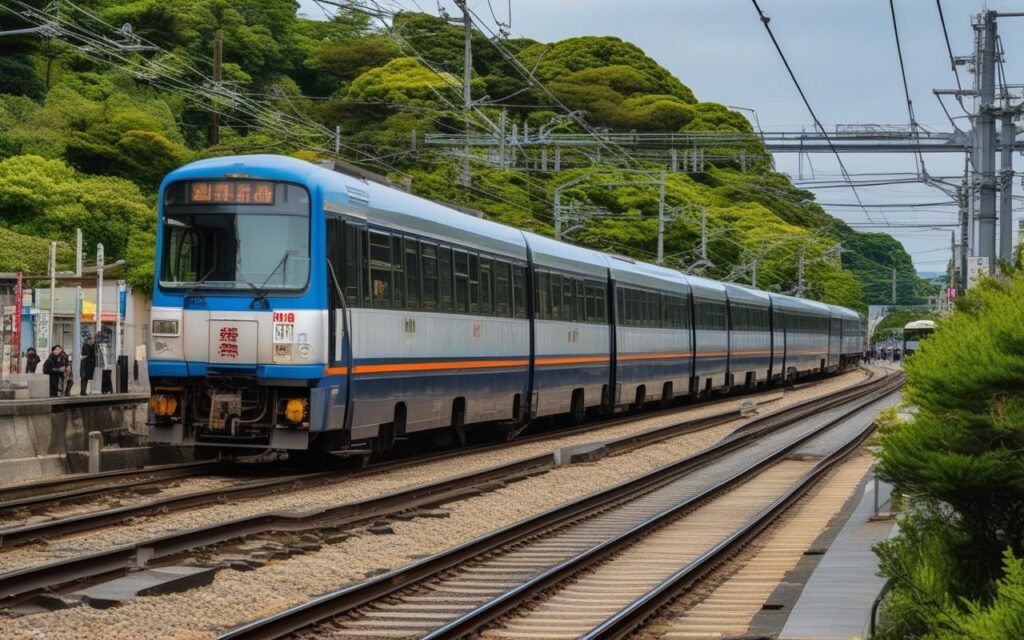
Yokosuka Transportation Guide 2026 — Getting Around the Miura Peninsula
📍 Overview
- Two main train lines — Keikyu Line (faster, more frequent) and JR Yokosuka Line (convenient from Tokyo)
- Keikyu Line passes offer substantial savings — Yokosuka One-Day Pass (¥1,140) pays for itself in 2–3 trips
- Buses fill the gaps — local buses connect stations to coastal attractions, Misaki Port, and Kannonzaki
- Ferries to the Boso Peninsula — Tokyo Bay Ferry connects Kurihama to Kanaya (Chiba) in 40 minutes
- 30–50 minutes from Tokyo via Keikyu Line express services
Yokosuka sits at the heart of the Miura Peninsula, making it both a destination and a transit hub. Unlike Kamakura’s single-station layout, Yokosuka’s transport network spans multiple lines, bus operators, and even a ferry service. This guide breaks down every option so you can choose the best way to reach and explore Yokosuka without wasting time or money.
1. Getting to Yokosuka from Major Hubs
From Tokyo (Shinagawa Station) via Keikyu Line — Fastest Option
The Keikyu Line is the most convenient way to reach Yokosuka from central Tokyo. Keikyu trains depart from Shinagawa Station and run directly to Yokosuka-Chuo Station with limited express services making the journey in as little as 50 minutes.
| Service Type | Travel Time | Frequency | Fare (Shinagawa → Yokosuka-Chuo) |
|---|---|---|---|
| Keikyu Limited Express (快特) | ~50 min | Every 10–15 min | ¥690 |
| Keikyu Express (急行) | ~60 min | Every 10–15 min | ¥690 |
| Keikyu Local (普通) | ~75 min | Off-peak only | ¥690 |
For taxi tips and fare estimates, see the Kanagawa taxi guide.
Key Stations in Yokosuka (from north to south):
- Oppama Station — Access to Oppama Park and northern Yokosuka
- Shin-Otsu Station — Near the naval base viewpoint
- Shioiri Station — JR transfer point, central Yokosuka
- Yokosuka-Chuo Station — Main station, closest to Dobuita Street
- Hemi Station — Access to the waterfront area
- Uraga Station — Historic shipyard and Uraga Port
My tip: Take the Keikyu Limited Express (快特) from Shinagawa. It’s the fastest and skips local stops. I recommend looking for trains with a red “快特” sign on the front — I learned this after mistakenly boarding a local train on my first visit and the journey took 25 minutes longer.
From Tokyo Station via JR Yokosuka Line
The JR Yokosuka Line offers a direct route from Tokyo Station to Yokosuka, but it’s slower than the Keikyu option.
| Route | Travel Time | Fare | Notes |
|---|---|---|---|
| Tokyo → Yokosuka (JR) | ~65 min | ¥950 | Stops at Shioiri Station |
| Tokyo → Kurihama (JR) | ~75 min | ¥1,040 | Terminus of JR Yokosuka Line |
The JR Yokosuka Line terminates at Kurihama Station, which is south of central Yokosuka. From Kurihama, you can transfer to Keikyu Line trains or take a bus to Misaki Port.
When to choose JR:
- If you have a JR Rail Pass — the journey is covered at no extra cost
- If you’re already near Tokyo Station and don’t want to transfer
- If you’re heading to Kurihama (Tokyo Bay Ferry terminal)
From Yokohama
| Route | Travel Time | Fare | Frequency |
|---|---|---|---|
| Keikyu Line (Yokohama → Yokosuka-Chuo) | ~30 min | ¥390 | Every 10–15 min |
| JR Negishi Line → JR Yokosuka Line (Yokohama → Shioiri) | ~40 min | ¥470 | Every 15–20 min |
The Keikyu Line is significantly faster and cheaper from Yokohama. JR only makes sense if you have a JR Rail Pass.
From Haneda Airport
Haneda Airport connects directly to Yokosuka via the Keikyu Line — no transfers needed.
- Route: Haneda Airport → Keikyu Line (limited express) → Yokosuka-Chuo
- Travel Time: ~55 minutes
- Fare: ¥640
This is one of the most convenient airport-to-destination routes in Kanagawa. The Keikyu Line runs directly from the airport terminal, so you don’t need to go into Tokyo first.
From Narita Airport
| Route | Travel Time | Fare | Transfers |
|---|---|---|---|
| Narita Express → Tokyo → JR Yokosuka Line | ~2 hours | ¥5,200 (NEX) + ¥950 | 1 (Tokyo) |
| Keisei Skyliner → Nippori → JR → Shinagawa → Keikyu Line | ~2 hours | ¥3,000 (Skyliner) + ¥830 | 2 (Nippori, Shinagawa) |
The Keisei + Keikyu combo is cheaper but requires two transfers. The Narita Express route is simpler if you have a JR Rail Pass.
2. Getting Around Yokosuka
Keikyu Line — The Backbone
The Keikyu Line runs north-south through Yokosuka, connecting all major stations. For most travelers, this will be your primary mode of transport within the city.
Key stations and what’s nearby:
| Station | Key Attractions | Walking Time |
|---|---|---|
| Yokosuka-Chuo | Dobuita Street, Mikasa Park, Naval Base Viewpoint | 5 min |
| Shioiri | JR transfer, shopping center | 2 min |
| Oppama | Oppama Park, local dining | 10 min |
| Hemi | Waterfront promenade | 5 min |
| Uraga | Uraga Port, historic shipyard | 10 min |
| Kurihama | Tokyo Bay Ferry, Kurihama Flower Park | Bus required |
Between Yokosuka-Chuo and Shioiri stations, the walk is about 10 minutes. If you’re mobile, you can easily explore central Yokosuka on foot.
JR Yokosuka Line
The JR line has limited stops in Yokosuka — primarily Shioiri Station and Kurihama Station. Use it if:
- You’re connecting to/from Tokyo Station
- You have a JR Rail Pass
- You’re heading to Kurihama for the ferry
Local Buses
Yokosuka’s bus network is operated primarily by Keikyu Bus and covers areas the train lines don’t reach.
Key Bus Routes:
| Route | From → To | Travel Time | Fare | Frequency |
|---|---|---|---|---|
| Bus #6 | Yokosuka-Chuo → Misaki Port | ~35 min | ¥630 | Every 30 min |
| Bus #8 | Yokosuka-Chuo → Kannonzaki Park | ~20 min | ¥350 | Every 30–60 min |
| Bus #4 | Yokosuka-Chuo → Verny Park → Uraga | ~15 min | ¥260 | Every 20–30 min |
| Bus #1 | Kurihama → Misaki Port | ~25 min | ¥470 | Every 30 min |
| Bus #K | Yokosuka-Chuo → Yokosuka Research Park | ~25 min | ¥350 | Every 40 min |
Tips for bus travel:
- IC cards work on all Keikyu buses — tap on at the front door, tap off at the rear
- Buses display route numbers and destinations in English on the electronic board
- Board from the rear door (not the front) — this is standard for flat-fare buses
- Exact change is accepted if you don’t have an IC card, but IC cards are strongly recommended
Taxis
Taxis in Yokosuka are reliable but expensive for longer distances.
| Route | Approximate Fare | Travel Time |
|---|---|---|
| Yokosuka-Chuo → Kannonzaki Park | ¥1,500–2,000 | ~10 min |
| Yokosuka-Chuo → Misaki Port | ¥3,500–4,500 | ~25 min |
| Yokosuka-Chuo → Kurihama Ferry Terminal | ¥2,000–2,500 | ~15 min |
Taxi apps that work in Yokosuka:
- Uber Taxi — Available in Yokosuka, request through the app
- GO — The most popular Japanese taxi app, supports English
- JapanTaxi — Works throughout Kanagawa
I tried all three apps during my stay; I found GO to be the most reliable for English speakers. The initial fare is approximately ¥500–700, with incremental charges based on distance. The initial fare is approximately ¥500–700, with incremental charges based on distance.
Bicycle Rentals
Cycling is an excellent way to explore Yokosuka’s coastline and the Miura Peninsula.
Rental Options:
| Provider | Location | Price | Bicycle Type |
|---|---|---|---|
| Yokosuka City Cycle | Yokosuka-Chuo Station | ¥500/day | City bike |
| Docomo Bike Share | Various stations | ¥165/30 min | E-bike |
| Miura Peninsula Cycling | Misaki Port area | ¥1,000/half day | Cross bike |
The Yokosuka City Cycle program has stations at major transit points including Yokosuka-Chuo, Shioiri, and Kurihama stations. Bikes can be returned to any station.
My tip: For a memorable day trip, rent a bicycle at Yokosuka-Chuo and ride south along the coast towards Uraga and Kurihama. The route follows quiet roads with views of Tokyo Bay and takes about 1.5 hours one way. From Kurihama, you can take a bus back or continue to Misaki Port for tuna lunch.
Tokyo Bay Ferry — The Unique Option
The Tokyo Bay Ferry connects Kurihama (Yokosuka) to Kanaya (Chiba Prefecture) across Tokyo Bay. This is primarily useful for travelers heading to or from the Boso Peninsula.
| Route | Travel Time | Fare | Frequency |
|---|---|---|---|
| Kurihama → Kanaya | ~40 min | ¥1,000 (adult) | 7–10 daily |
| Car + driver | ~40 min | ¥2,500 | 7–10 daily |
Access to Kurihama Ferry Terminal:
- Bus: Take Keikyu Bus #1 from Yokosuka-Chuo Station (25 min, ¥470)
- Taxi: From Yokosuka-Chuo Station (15 min, ¥2,000–2,500)
- Train: JR Yokosuka Line to Kurihama Station, then 10 min walk or short bus ride
I experienced the Tokyo Bay Ferry on a clear morning in early July and the views of Tokyo Bay were spectacular — with the Miura Peninsula stretching out on one side and the Boso Peninsula on the other, I could even see Mount Fuji in the distance. The ferry is worth taking even without a destination on the other side. Explore Mt Fuji & Hakone on a full-day trip with sukiyaki lunch, Hakone Cruise, Ropeway & Shinkansen return
3. Discount Passes & Money-Saving Tips
Keikyu Line Passes
| Pass | Price | Coverage | Best For |
|---|---|---|---|
| Yokosuka One-Day Pass | ¥1,140 | Unlimited Keikyu Line rides within Yokosuka area | Day trips exploring multiple Yokosuka attractions |
| Keikyu One-Day Pass | ¥1,000 (weekday) / ¥800 (weekend) | Unlimited rides on all Keikyu lines | Travelers visiting both Yokosuka and Kamakura in one day |
| Keikyu Weekend Pass | ¥800 | Unlimited Keikyu rides on weekends/holidays | Weekend visitors |
When the Yokosuka One-Day Pass pays off:
- Round trip from Shinagawa to Yokosuka-Chuo costs ¥1,380 — the pass is ¥1,140, so you save ¥240 even on a basic round trip
- Add one bus ride or short Keikyu trip within Yokosuka, and the savings increase
JR Pass Holders
If you have a JR Rail Pass, the JR Yokosuka Line to Shioiri Station is covered at no additional cost. However, to reach Yokosuka-Chuo (where most attractions are), you’ll need to either:
- Walk 10 minutes from Shioiri Station
- Take a Keikyu Line train from Shioiri to Yokosuka-Chuo (¥180, not covered by JR Pass)
Combo Savings
| Destination Combination | Best Pass | Savings vs. Pay-As-You-Go |
|---|---|---|
| Yokosuka + Kamakura (same day) | Keikyu Weekend Pass | ~¥400 |
| Yokosuka + Misaki Port (same day) | Yokosuka One-Day Pass | ~¥300 |
| Shinagawa → Yokosuka + return + bus | Yokosuka One-Day Pass | ~¥600 |
4. Practical Tips
IC Cards
All trains and buses in Yokosuka accept Suica, PASMO, and other major IC cards. You can also use IC cards to pay at convenience stores, vending machines, and some restaurants near the stations.
Where to get an IC card:
- Tokyo: Any JR East ticket machine (Suica)
- Shinagawa Station: Keikyu Line ticket machines (PASMO)
- Yokosuka-Chuo Station: Keikyu Line ticket machines (PASMO) Mobile Suica (iPhone/Apple Watch) works throughout Yokosuka and is the most convenient option if you have a compatible device.
Google Maps & Navigation
Google Maps works reliably in Yokosuka for both train and bus routes. The app shows:
- Exact platform numbers for Keikyu and JR trains
- Bus stop locations and real-time departure times
- Fare estimates for each route option The Yokosuka Navi app (English available) provides offline maps and curated walking routes around the city.
Access for Wheelchair Users
| Station | Elevator Access | Staff Assistance |
|---|---|---|
| Yokosuka-Chuo (Keikyu) | ✅ Yes | ✅ Available |
| Shioiri (JR) | ✅ Yes | ✅ Available |
| Shioiri (Keikyu) | ✅ Yes | ✅ Available |
| Oppama | ✅ Yes | ✅ Limited |
| Kurihama | ✅ Yes | ✅ Available |
Keikyu buses are low-floor and wheelchair accessible. Call Keikyu Bus customer service 24 hours in advance to confirm accessible bus schedules.
Late-Night Transport
| Service | Last Departure | Coverage |
|---|---|---|
| Keikyu Line (towards Shinagawa) | ~11:45 PM from Yokosuka-Chuo | Yokosuka → Tokyo |
| Keikyu Line (towards Kurihama) | ~12:30 AM from Yokosuka-Chuo | Within Yokosuka |
| JR Yokosuka Line (towards Tokyo) | ~11:30 PM from Shioiri | Yokosuka → Tokyo |
| Local buses | Varies by route, most stop by 8:00 PM | Within Yokosuka |
| Taxis | 24-hour availability | Throughout Yokosuka |
After 9:00 PM, bus frequency drops significantly. Plan to use trains or taxis for late-night travel.
5. Sample Transport Scenarios
Scenario 1: Day Trip from Tokyo to Yokosuka (Budget)
08:30 — Shinagawa Station → Keikyu Limited Express → Yokosuka-Chuo (50 min, ¥690)
09:30 — Walk to Mikasa Park (free, naval history museum ¥600)
11:00 — Dobuita Street (shopping, browsing)
12:30 — Navy Curry lunch (¥1,000–1,500)
14:00 — Bus #8 to Kannonzaki Park (¥350, 20 min)
16:00 — Bus #8 back to Yokosuka-Chuo
17:30 — Return to Shinagawa via Keikyu Line (¥690)
Total transport cost: ¥1,730 + ¥700 for buses = ¥2,430 (or ¥1,140 with Yokosuka One-Day Pass)
Scenario 2: Yokosuka + Misaki Port (Full Day)
09:00 — Shinagawa → Keikyu → Yokosuka-Chuo (¥690)
10:00 — Bus #6 to Misaki Port (¥630, 35 min)
10:45 — Misaki Port tuna market and lunch
14:00 — Bus #6 back to Yokosuka-Chuo (¥630)
15:00 — Mikasa Park and Dobuita Street
18:00 — Return to Shinagawa (¥690)
Best pass: Yokosuka One-Day Pass (¥1,140) — covers all Keikyu travel + bus discounts
Scenario 3: Miura Peninsula Cycling Day
08:00 — Keikyu Limited Express to Yokosuka-Chuo (¥690)
09:00 — Pick up rental bike at Yokosuka City Cycle (¥500/day)
09:30 — Cycle south along the coast to Uraga
11:00 — Uraga Port and historic shipyard area
12:30 — Continue cycling to Kurihama
14:00 — Kurihama Flower Park (seasonal)
15:30 — Return cycling or bus back to Yokosuka-Chuo
18:00 — Return to Tokyo via Keikyu Line
Frequently Asked Questions
Q: Is Suica/PASMO accepted on all Yokosuka buses?
A: Yes, all Keikyu buses accept IC cards. Tap on when boarding (rear door) and tap off when exiting (front door). The fare is calculated automatically based on your route.
Q: What’s the cheapest way to get from Tokyo to Yokosuka?
A: The Keikyu Limited Express from Shinagawa Station at ¥690 one-way is the cheapest and fastest option. A round trip costs ¥1,380.
Q: Do I need to reserve seats on the Keikyu Line?
A: No, Keikyu Line trains are non-reserved. Just tap your IC card and board any car. The only exception is the “Keikyu Wing” limited express service, which requires a ¥200 supplement.
Q: How do I get to Dobuita Street from Yokosuka-Chuo Station?
A: Exit Yokosuka-Chuo Station from the central exit and walk straight for about 5 minutes. You’ll see the Dobuita Street arch — it’s directly ahead from the station.
Q: Is the Tokyo Bay Ferry worth taking?
A: Yes, even without a destination in Chiba. The 40-minute crossing offers panoramic views of Tokyo Bay, Miura Peninsula, and the Boso Peninsula. On clear days, you can see Mount Fuji in the distance.
Q: Can I use a JR Rail Pass on Keikyu buses?
A: No, JR Rail Pass covers JR services only. Keikyu buses require separate payment via IC card or cash.
Q: Is Yokosuka walkable?
A: Central Yokosuka (Yokosuka-Chuo, Shioiri, Dobuita Street, Mikasa Park) is very walkable. For Misaki Port, Kannonzaki, or Kurihama, you’ll need buses or trains.
📍 Related Articles
- Yokosuka Accommodation Guide
- Yokosuka Dobuita Street Guide
- Yokosuka Hidden Dining Guide
- Yokosuka Navy Curry Guide
Last Updated: July 2026 — All route information verified.
Conclusion
The details in this guide come from real visits, and the biggest lesson I took away was that the best experiences in the Miura Peninsula rarely fit neatly into a checklist. During my visit to the Miura Peninsula I went with a rough plan and found that leaving room to wander made the trip far more memorable. Plan the essentials, keep your schedule flexible, and you will leave Kanagawa wanting to return.