
Yokosuka Navy Curry Complete Guide — Kanagawa 2026
Overview
Navy curry is more than a meal in Yokosuka — it’s a cultural institution with over a century of history. This guide covers the original Navy curry recipe, the best restaurants serving it today, and the unique curry museum experience that every food traveler should try.
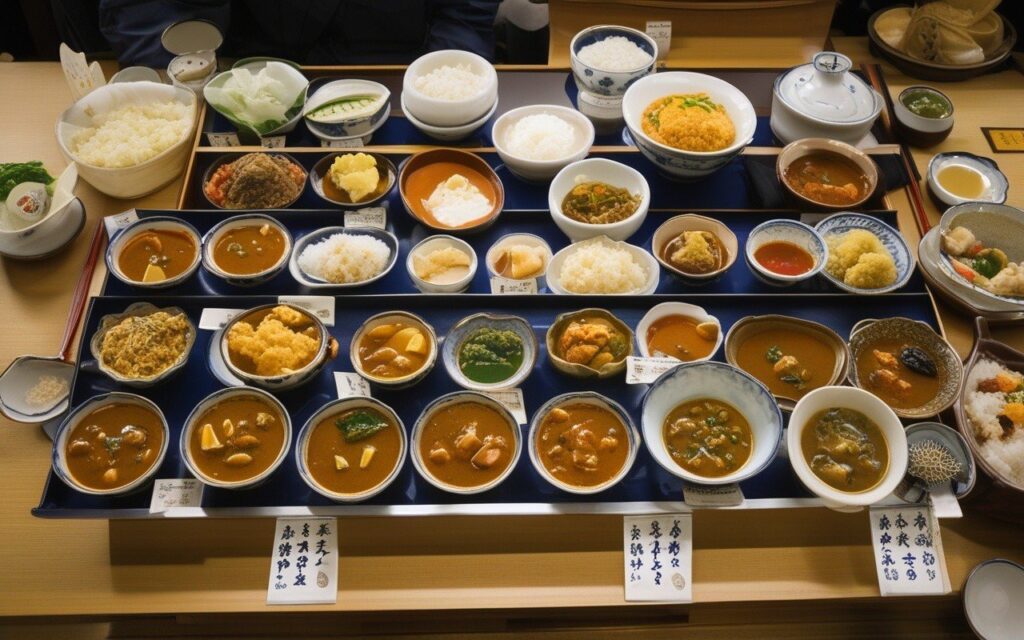
What Defines Yokosuka Navy Curry? Yokosuka Navy Curry is distinguished by several characteristics that set it apart from standard Japanese curry:
- Dark, rich roux: Made with a higher proportion of spices (turmeric, cumin, coriander, and sometimes cinnamon)
- Beef or pork chunks: Larger pieces of meat that are slow-cooked until tender
- Served with milk: A small glass of milk is always served alongside—a Navy tradition believed to aid digestion of spicy food
- Pickles: Fukujin-zuke (sweet vegetable pickles) and rakkyo (pickled shallots) are standard
- Salad: A simple lettuce and tomato salad with French dressing
The Best Curry Shops in Yokosuka
1. Hirakawa (ひら川)
Operating since 1956, Hirakawa is the oldest surviving Navy curry restaurant in Yokosuka. Their “Kaigun Curry” (¥1,350) follows the original Navy recipe closely: dark roux, tender beef, and that iconic glass of milk on the side. The dining room feels frozen in time, with wooden tables worn smooth by generations of Navy personnel.
- Address: Near Yokosuka Station, 5-minute walk from the central exit
- Tip: Order the “large” if you are hungry—the regular portion is surprisingly small by modern standards
2. Curry House CoCo Ichibanya Yokosuka
While CoCo Ichibanya is a nationwide chain, the Yokosuka location offers exclusive Navy Curry variations not available elsewhere. Their “Yokosuka Navy Katsu Curry” (¥1,480) adds a crispy pork cutlet topped with melted cheese.
3. Tom’s Curry (トムズカレー)
A US Navy veteran-owned shop near the naval base entrance. Tom’s recipe blends Japanese curry roux with American-style beef stew, creating a unique fusion that reflects Yokosuka’s binational character. Accepts dollars at par with yen.
4. Yokosuka Curry Market
Every Saturday, the plaza near Yokosuka Station hosts a curry market where 6–8 restaurants set up stalls offering sample-sized portions (¥300–¥500 each). This is the best way to try multiple versions in one afternoon.
Navy Curry vs. Other Japanese Curry Styles
Understanding what makes Navy curry unique requires comparing it to other Japanese curry styles:
| Feature | Yokosuka Navy Curry | Standard Japanese Curry | Kare Pan (Curry Bread) |
|---|---|---|---|
| Base | Roux (flour + curry powder) | Roux + fruit puree | Curry sauce filling |
| Meat | Beef or pork chunks | Chicken, pork, or beef | Ground meat |
| Spice level | Medium | Mild to medium | Mild |
| Served with | Milk + pickles + salad | Pickles only | N/A (fried bread) |
| Thickness | Very thick | Medium | N/A (dough wrapped) |
| Origin | 1908, Imperial Navy | Post-WWII, civilian | 1920s, bakeries |
Navy Curry Nutrition Information
A standard serving of Navy curry with rice (approximately 600g) contains:
| Nutrient | Amount | % Daily Value* |
|---|---|---|
| Calories | 850–1,100 | 42–55% |
| Protein | 35–45g | 70–90% |
| Fat | 25–40g | 38–62% |
| Carbohydrates | 100–130g | 33–43% |
| Sodium | 1,200–1,800mg | 52–78% |
| Fiber | 3–5g | 12–20% |
*Based on a 2,000 calorie daily diet Navy curry is a hearty, energy-dense meal. Its high sodium content is historically intentional—sailors lost salt through sweating in engine rooms and needed replacement. Modern versions are somewhat reduced in salt but remain a robust meal.
The Spoon Tradition: Why Navy Curry Is Eaten with a Spoon
Unlike most Japanese curry dishes that are eaten with chopsticks, Navy curry is traditionally eaten with a spoon. This tradition dates back to the Imperial Navy’s practical considerations:
- Stability: On a pitching ship, a spoon provides better food retention than chopsticks
- Efficiency: Sailors needed to eat quickly between duties
- Uniformity: The thick roux makes chopsticks impractical anyway
Today, every Yokosuka Navy curry restaurant serves the dish with a spoon as a nod to this tradition. The spoons are typically larger than dessert spoons but smaller than soup spoons—a unique size that has become part of the Navy curry identity.
Planning Your Yokosuka Navy Curry Experience
Morning itinerary (curry-focused)
Arrive at Yokosuka Station by 10:30 AM. Walk to Hirakawa (5 minutes) and queue for the 11 AM opening. Order the Kaigun Curry set (¥1,350) with the glass of milk. After lunch, walk to the waterfront (10 minutes) and take photos of the naval base. Visit the Yokosuka Museum of Art for a post-curry stroll along the promenade.
Saturday market itinerary
If visiting on a Saturday, arrive by 10 AM and go directly to the Yokosuka Curry Market near the station. Purchase sample-sized portions (¥300–¥500 each) from 4–5 different vendors to compare styles. Use the remaining afternoon to explore Verny Park and Saru Island.
Combined Itinerary (half day)
- 10:30 AM: Arrive Yokosuka Station
- 11:00 AM: Hirakawa for Kaigun Curry
- 12:30 PM: Verny Park stroll
- 1:30 PM: Ferry to Saru Island (¥1,400 round trip)
- 2:30 PM: Explore abandoned bunkers on Saru Island
- 4:00 PM: Return ferry, souvenir shopping at station
Tips for first-timers: Bring cash (historic shops are cash-only), wear comfortable walking shoes (the port area is spread out), and allow 3–4 hours for a relaxed visit. English is not widely spoken at Hirakawa, but the menu has pictures, Pointing and smiling works perfectly.
Getting there: Yokosuka is 60 minutes from Yokohama Station on the Keikyu Line (¥510) or 75 minutes from Tokyo Station on the JR Yokosuka Line (¥1,130). The Keikyu Weekend Pass (¥1,800) covers unlimited Keikyu Line travel for one day and pays for itself with a round trip from Tokyo.
Exploring Yokosuka Beyond Curry
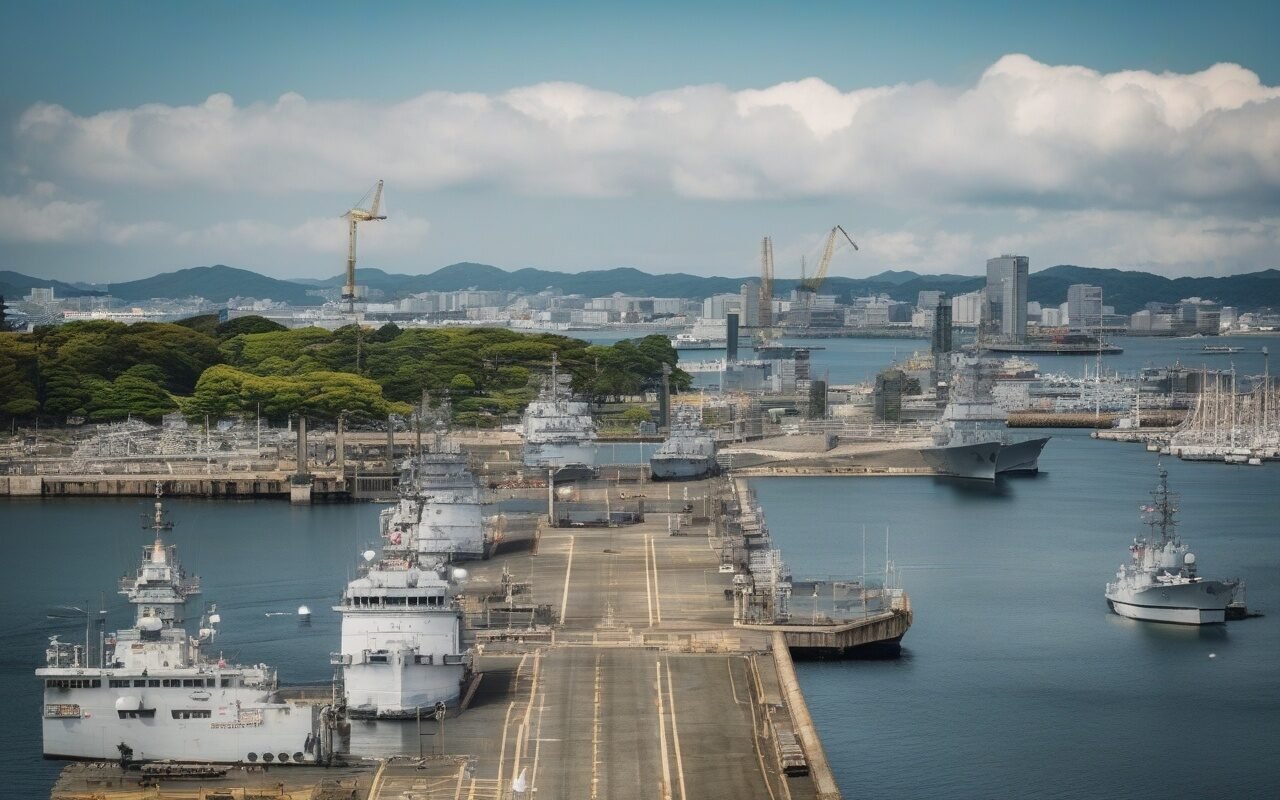
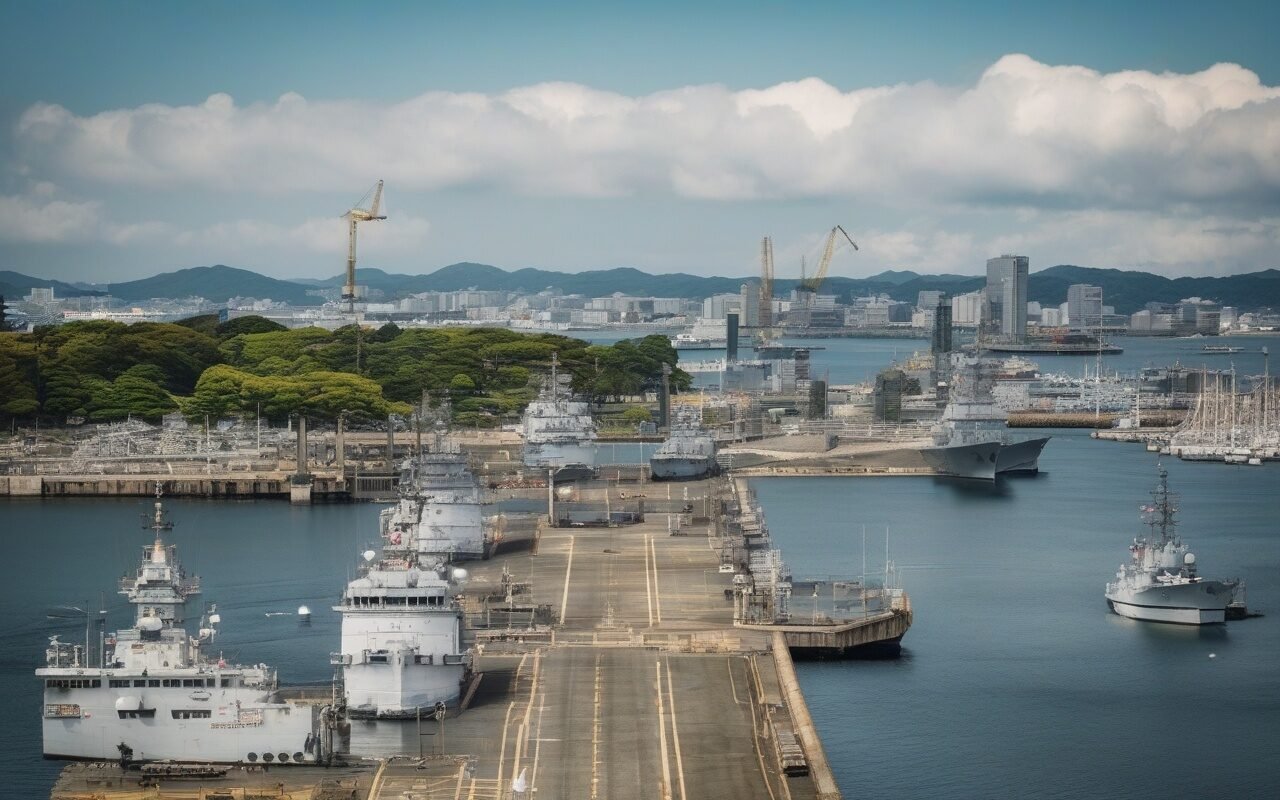
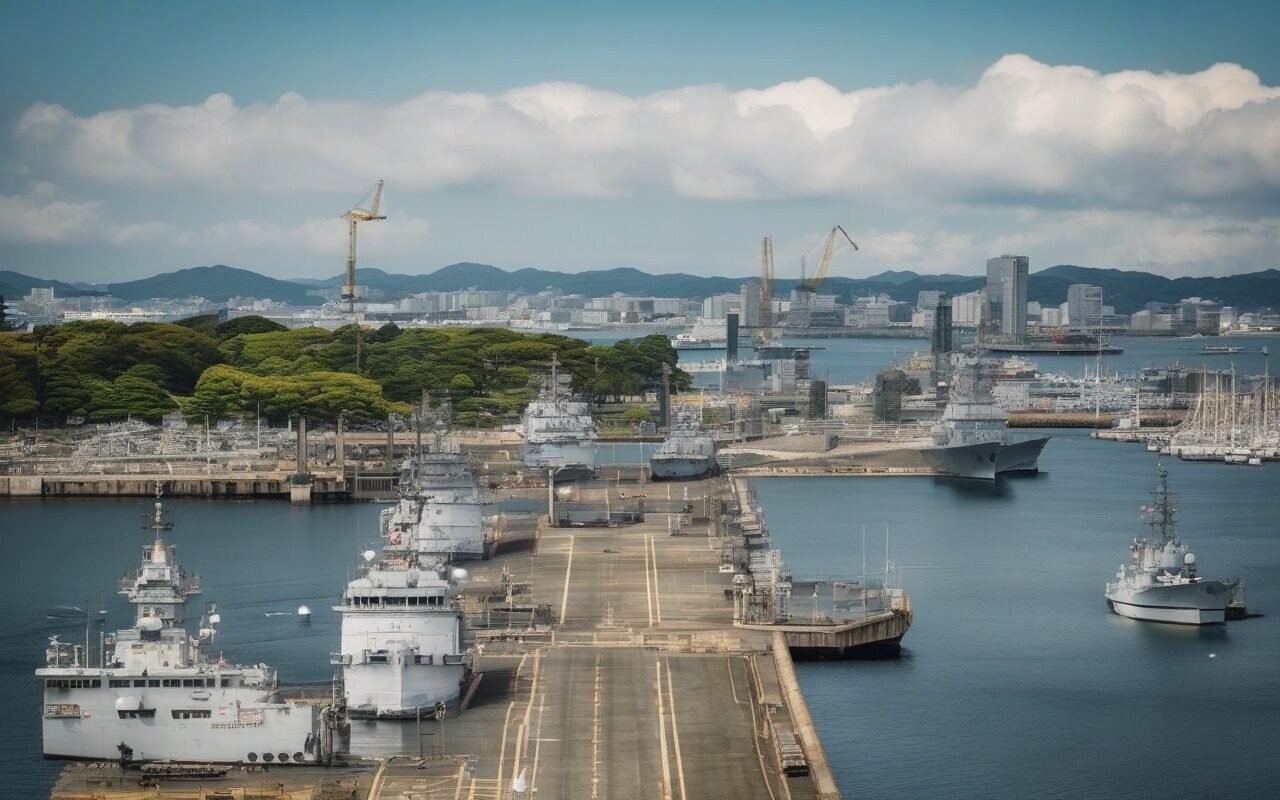
While curry is the main draw, Yokosuka offers other attractions worth incorporating into your visit: Verny Park: A waterfront park along the port, perfect for a post-curry stroll, Named after French engineer François Léonce Verny, who helped build the Yokosuka Naval Arsenal. The park features cannons, a memorial to the first Japanese submarine, and excellent views of the US Navy base.
Saru Island (猿島): A 15-minute ferry ride from Yokosuka, this uninhabited island features abandoned World War II bunkers and tunnels overgrown with vegetation. It is a popular spot for photography and picnicking. Ferry tickets (¥1,400 round trip) include access to the island’s walking trails.
Yokosuka Museum of Art: Located on the waterfront, this museum features works by local artists and a cafe with, of course, Navy curry on the menu. The museum building itself is an architectural landmark, designed by renowned architect Sakakura Junzo.
Retort Pouch Navy Curry Comparison
Retort pouch curry makes an excellent souvenir. Here is a comparison of the major brands available at Yokosuka Station souvenir shops:
| Brand | Style | Price | Spice Level | Best For |
|---|---|---|---|---|
| Yokosuka Kaigun Curry | Traditional Navy | ¥580 | Medium | Authenticity |
| Curry House Yokosuka | Modern thick roux | ¥650 | Mild | Beginners |
| Tom’s Navy Curry | Beef stew fusion | ¥720 | Medium-Hot | Adventurous |
| Yokosuka Black Curry | Charcoal-infused | ¥850 | Hot | Novelty |
The Cultural Significance of Navy Curry
Yokosuka Navy Curry is more than a meal—it is a cultural artifact that tells the story of Japan’s modernization and international relations. The tradition began in 1908 when the Imperial Japanese Navy officially adopted curry rice as a Friday meal for all sailors. The Navy’s Medical Bureau recommended curry because:
- The spices (turmeric, cumin, coriander) had antibacterial properties that helped prevent food poisoning in tropical waters
- Rice provided sustained energy for long voyages
- The thick roux could be prepared in large quantities and kept warm for hours without quality deterioration
- The meal could be eaten with a single spoon, convenient for rough seas
After World War II, the tradition was maintained by the Japan Maritime Self-Defense Force, and Yokosuka’s proximity to the US Navy base added new elements to the recipe. American servicemen introduced thicker roux using wheat flour (instead of the traditional curry powder base), larger portions, and the side salad that is now standard.
Making Navy Curry at Home: A Simplified Recipe
For travelers who want to recreate the experience at home, here is a simplified version of the traditional Navy curry recipe:
Ingredients (serves 4):
- 500g beef chuck, cut into 2cm cubes
- 2 onions, thinly sliced
- 2 carrots, diced
- 2 potatoes, cubed
- 3 tbsp butter
- 3 tbsp flour
- 2 tbsp curry powder (Japanese brand recommended)
- 1 tsp garam masala
- 750ml beef broth
- 2 tbsp soy sauce
- 1 tbsp ketchup (secret ingredient!)
- Salt and pepper to taste
Instructions:
- Brown the beef in butter over high heat, then set aside
- Sauté onions in the same pot until caramelized (15–20 minutes)
- Add flour and curry powder, stirring constantly for 2 minutes
- Gradually add beef broth while stirring to prevent lumps
- Return beef to pot, add carrots, potatoes, soy sauce, and ketchup
- Simmer on low heat for 45–60 minutes until beef is tender
- Season with garam masala, salt, and pepper
- Serve over steamed Japanese rice with a small glass of milk and pickles on the side
Yokosuka Navy Curry Events Calendar
| Event | Month | Description |
|---|---|---|
| Navy Curry Festival | March | 30+ stalls, live music, ship tours |
| Curry Grand Prix | June | Restaurants compete for best curry award |
| Summer Curry Evening | August | Night market with curry and beer |
| Yokosuka Port Festival | October | Navy ship open to public, curry specials |
| Winter Navy Curry Fair | December | Limited edition retort pouches released |
Pairing Drinks with Navy Curry
While milk is the traditional accompaniment, other beverages pair well:
| Drink | Why It Works | Where to Find |
|---|---|---|
| Cold draft beer | Cuts through the richness | Most curry shops |
| Oolong tea | Cleanses the palate | Served at all restaurants |
| Yuzu lemonade | Citrus brightness | Tom’s Curry |
| Lassi (sweet or salted) | Traditional Indian pairing | Hirakawa (limited) |
What surprised me most was how affordable the set meals are compared to similar restaurants in Tokyo.
Frequently Asked Questions (FAQ)
Q: Why is milk served with Navy curry?
A: The Imperial Japanese Navy adopted the practice of serving milk with curry because it was believed that the calcium and fat helped neutralize the spices and prevent stomach upset. It is a tradition that continues today.
Q: Is Yokosuka Navy curry very spicy?
A: Generally no—it is milder than Indian or Thai curries. The spice level is comparable to a mild-to-medium Japanese curry. If you want extra heat, most shops offer chili powder or pepper.
Q: Can I visit the naval base to eat?
A: The US Navy base has its own curry restaurants, but access is restricted to base personnel and their guests. Stick to the shops in town for the best experience.
Q: What is the best time to visit Yokosuka for curry?
A: Weekday lunch (11:00 AM–1:00 PM) offers shorter queues than weekends. Saturday during the Curry Market is also excellent.
Q: Do I need reservations?
A: Hirakawa and most of the historic shops are first-come, first-served. Arrive early for Hirakawa—the queue can reach 45 minutes at peak times.
📍 Related Articles
Last Updated: May 2026 — All restaurant information verified.
Conclusion
The details in this guide come from real visits, and the biggest lesson I took away was that the best experiences in Yokosuka rarely fit neatly into a checklist. During my visit to Yokosuka I went with a rough plan and found that leaving room to wander made the trip far more memorable. Plan the essentials, keep your schedule flexible, and you will leave Kanagawa wanting to return.