Tag: dining

  • Misaki Morning Market Tuna Guide 2026

    Misaki Morning Market Tuna Guide 2026

    Overview

    Misaki’s morning tuna market is one of Kanagawa’s best-kept food secrets. This guide explains how to experience the auction, where to eat the freshest maguro don, and which local shops serve the best tuna cuts at prices that would be unthinkable in Tokyo.

    The Tuna Capital of Kanagawa

    Misaki’s identity is inseparable from tuna. The port’s history stretches back to the Edo period, when it served as a key stop for ships navigating the coastal route between Edo (modern Tokyo) and the Kanto region. After the Meiji Restoration, Misaki developed into a modern fishing port, and by the mid-20th century, it had become a powerhouse for tuna longline fishing.

    Today, Misaki is synonymous with maguro. The port’s fleet operates across the Pacific, bringing in bluefin, bigeye, and yellowfin tuna. Much of the catch is shipped directly to Toyosu Market in Tokyo, but the best cuts stay local — served in the small, family-run sushi restaurants clustered around the port.

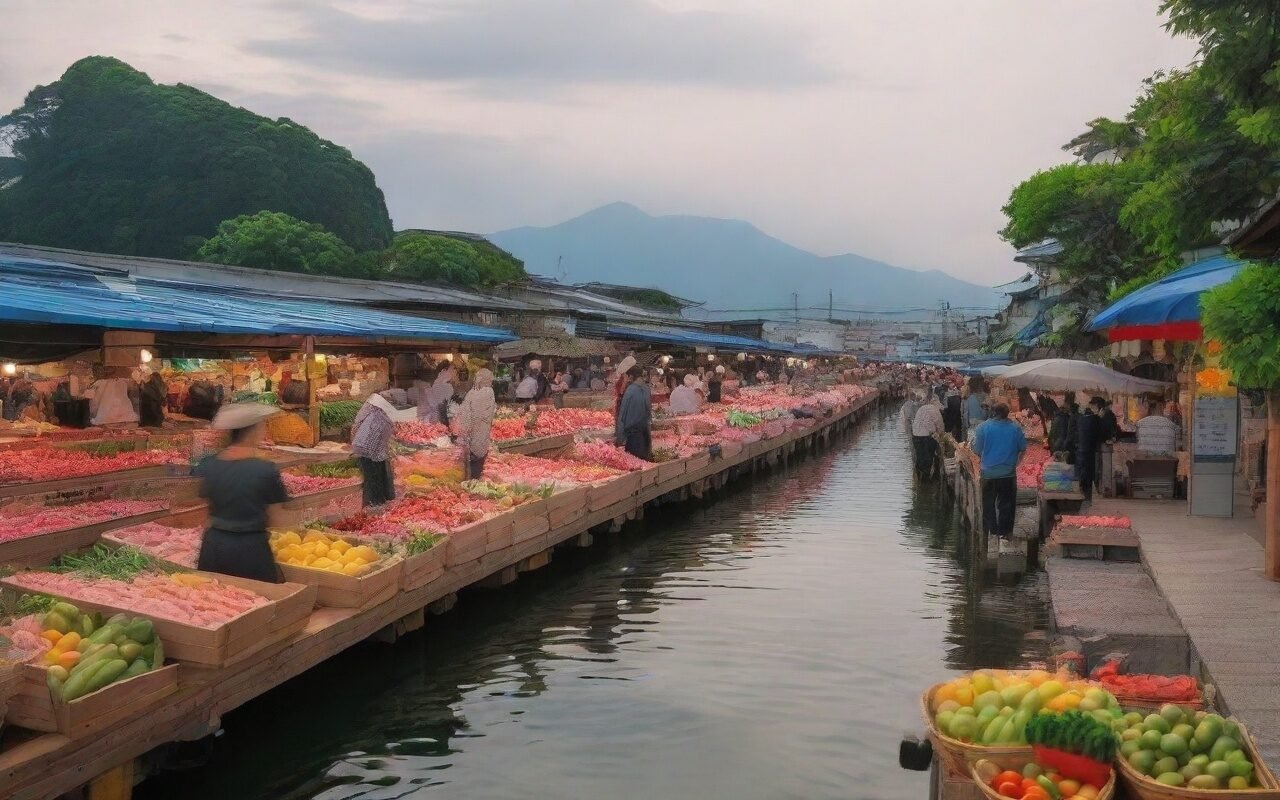
    The morning market operates between 5:00 AM and 7:00 AM, when the day’s catch is still fresh off the boats. This is not a tourist-oriented market with souvenirs — it is a working wholesale operation where restaurants and local buyers bid on the catch. But here’s the thing, visitors are welcome to observe the action from designated areas.


    What to Expect at the Morning Market

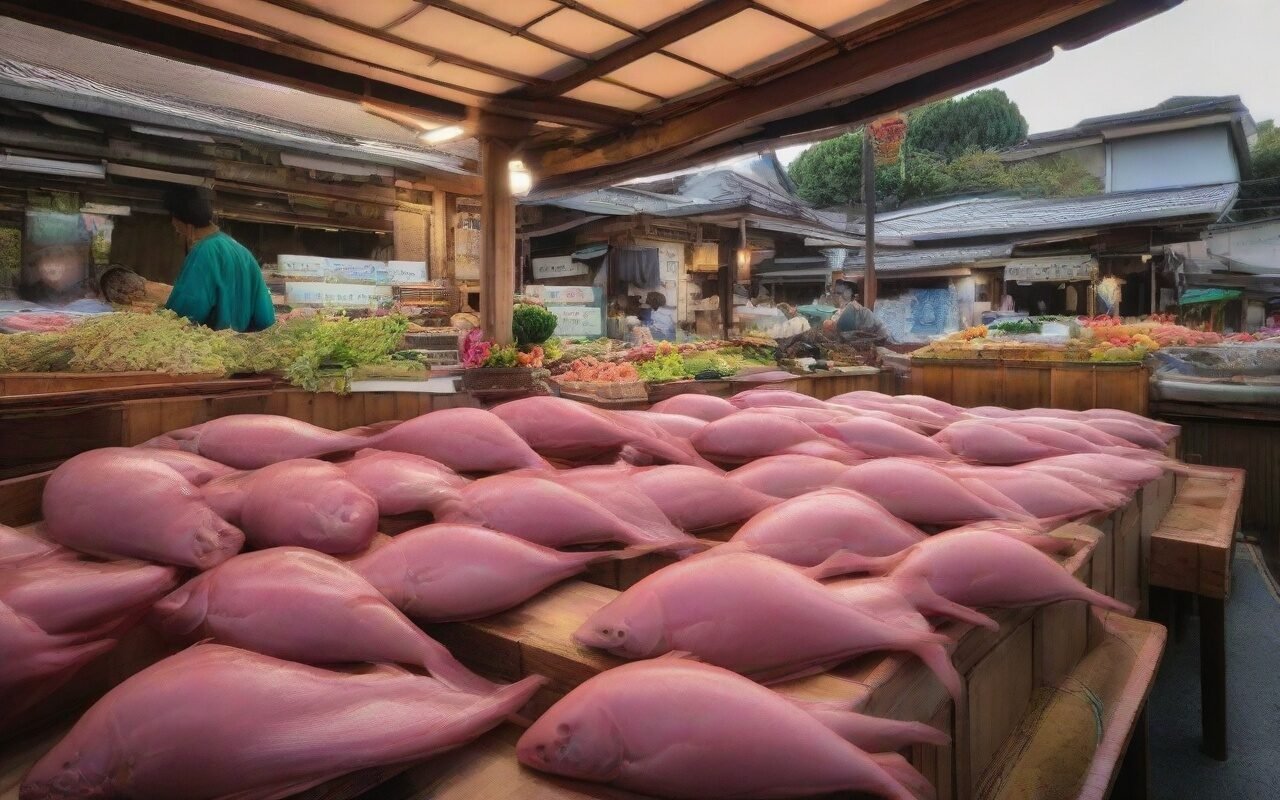
    Arrive by 5:30 AM to catch the most activity. The market is compact but intense: rows of tuna laid out on tarps, their tails cut off to reveal the color and marbling of the meat; auctioneers calling out prices in rapid-fire Japanese; buyers examining each fish with flashlights and hooked tools to assess quality.

    The auction process is fascinating to watch. Each tuna is assigned a number, and buyers move quickly from fish to fish, checking fat content, color, and freshness, When the auction starts, bids are signaled with hand gestures almost too fast to follow. A single premium bluefin tuna can fetch hundreds of thousands of yen, though most fish sell for ¥10,000–¥50,000 depending on size and quality.

    Photography etiquette: You are welcome to take photos, but avoid using flash (it disturbs buyers assessing the fish), do not touch any tuna without permission, and stay behind any marked lines. The market floor is a busy workspace — be aware of forklifts, hand carts, and workers moving quickly.


    Best Sushi Restaurants Near the Port

    The real reward of a Misaki morning is breakfast sushi — asazushi — served within walking distance of the market. These restaurants open as early as 6:00 AM to serve the freshest possible fish.

    Misaki Kō — The Gold Standard

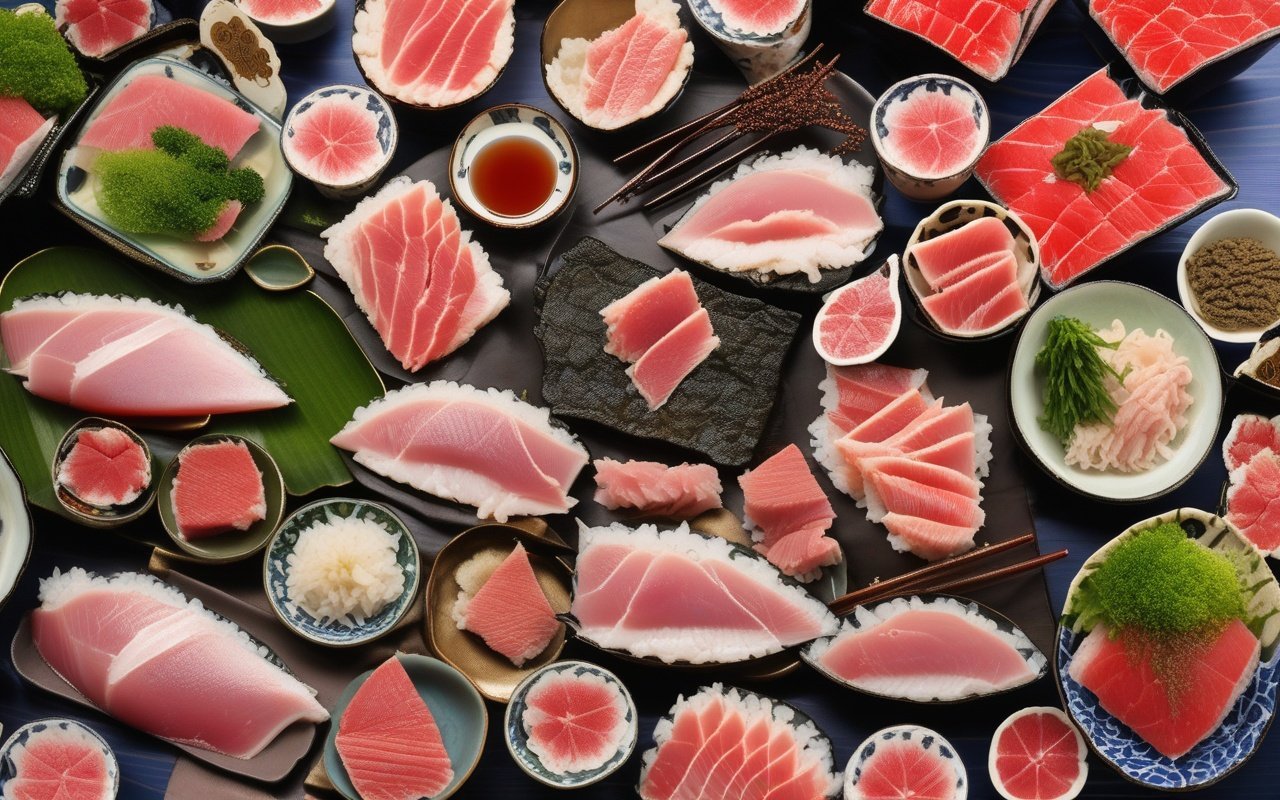
    Located directly across from the port, Misaki Kō is the most famous sushi restaurant in the area. They have been serving sushi for over 50 years, sourcing tuna directly from the morning auction. The maguro don (tuna bowl, ¥1,800) is legendary — a generous portion of fresh raw tuna over vinegared rice, topped with a sprinkle of nori and wasabi. The tokujō (special) set (¥3,500) includes multiple cuts of tuna — lean akami, medium-fatty chūtoro, and the prized fatty ōtoro — along with tamago and miso soup.

    Pro tip: Arrive by 6:30 AM to avoid the queue, which starts forming around 7:00 AM. They serve until they run out of fish, which is usually by 10:00 AM.

    Kappō Uoseki

    For a slightly more refined experience, Kappō Uoseki offers kaisen-don (seafood bowls) with a wider variety of toppings beyond tuna. Their kuro-maguro (bluefin tuna) course (¥4,500) includes five different preparations of tuna: sashimi, seared, marinated, minced as negitoro, and grilled. The restaurant is a 7-minute walk from the port and opens at 7:00 AM.

    Misaki Port Shokudō

    For a budget-friendly option, this informal diner serves maguro teishoku (tuna set meal, ¥1,200) — a bowl of rice topped with chopped tuna, a small salad, miso soup, and pickles. The atmosphere is pure working-port: vinyl tablecloths, a TV playing the morning news, and fishermen eating breakfast before their next shift. Opens at 5:30 AM.

    Uogashi Misaki

    This restaurant specializes in grilled tuna dishes, offering an alternative to raw preparations. Their maguro kama-yaki (grilled tuna collar, ¥1,500) is a lesser-known spot — the collar is one of the most flavorful parts of the fish, with tender, fatty meat that caramelizes beautifully under the grill. Opens at 6:00 AM.


    Beyond Tuna: What Else Misaki Offers

    While tuna is the star, Misaki’s waters produce excellent kinmedai (golden eye snapper), aji (horse mackerel), and ika (squid). Some stalls near the market sell himono (dried fish) — salted and dried fish that grills up beautifully for breakfast. Local shops also offer tsukudani (seaweed and small seafood simmered in soy sauce), which makes a great souvenir.


    📍 Location
    Misaki Morning Market Tuna Guide 2026 — Location

    Misaki Port is located at the southern tip of the Miura Peninsula. From Tokyo, take the Keikyu Line to Misakiguchi Station (approximately 90 minutes, ¥1,200), then take a local bus to Misaki Port (15 minutes, ¥300). Alternatively, drive via the Daiichi Keihin Road and the Miura Peninsula Toll Road — parking is available near the port for ¥500–¥700 per day.
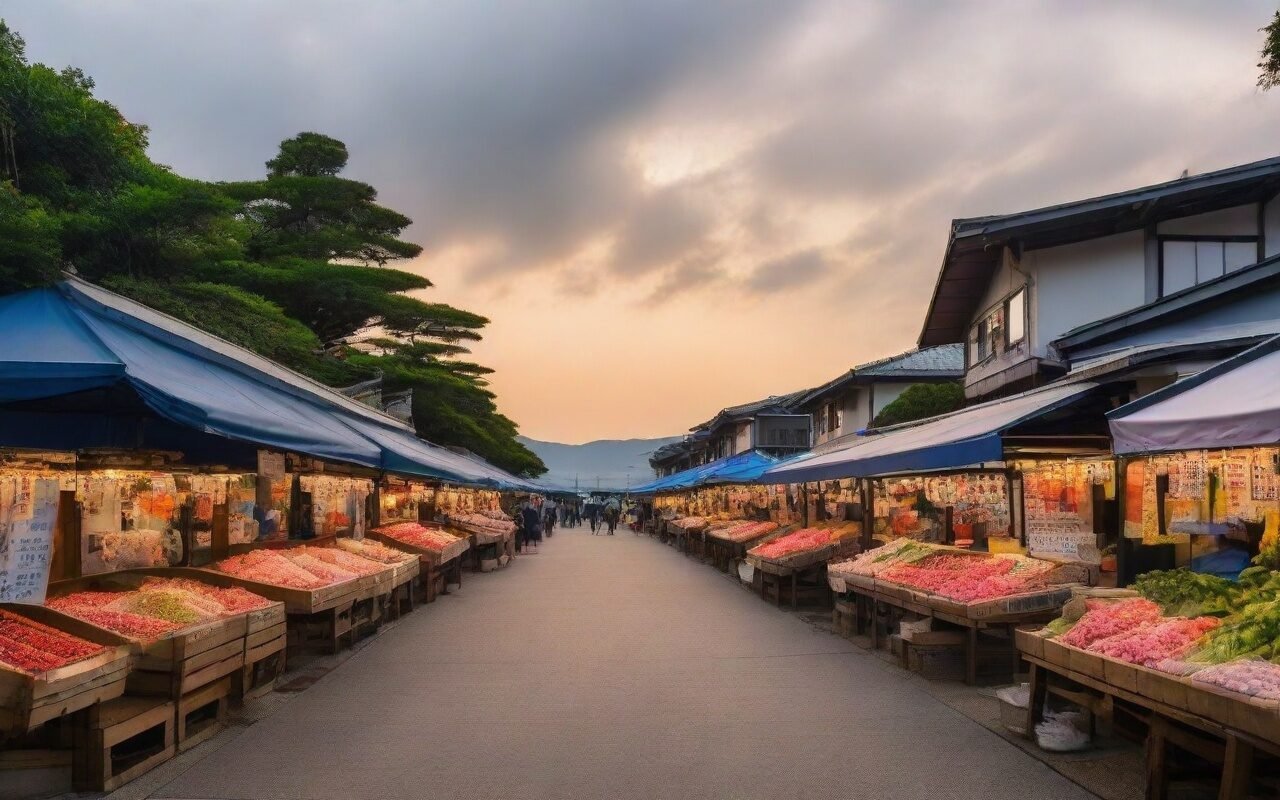
    Misaki Morning Market Tuna Guide 2026 — Location


    💰 Budget Breakdown

    Item Price
    Keikyu Line round trip (Tokyo to Misakiguchi) ¥2,400
    Local bus to port ¥600 round trip
    Breakfast sushi (per person) ¥1,200–¥3,500
    Dried fish souvenirs ¥500–¥2,000
    Total per person ¥4,000–¥6,500

    Misaki Morning Market Tuna Guide 2026 — Budget Breakdown


    Practical Tips for Your Visit

    • Start early: The market is most active between 5:30 AM and 6:30 AM. Aim to arrive at Misakiguchi Station by 5:30 AM. The first Keikyu train from Shinagawa departs around 5:00 AM — check the schedule in advance.
    • Cash is king: Most market stalls and smaller sushi restaurants do not accept credit cards, Bring sufficient cash for your meal and any purchases.
    • Seasonal note: Winter (November–February) is peak season for fatty bluefin tuna. Summer tuna is leaner but still excellent, and the morning commute is more comfortable.
    • Combine with other activities: The Miura Peninsula has beautiful coastal hiking trails, including the Misaki Coastal Trail with views of Jogashima Island. The Misaki Marine Park and aquarium are a 15-minute walk from the port.
    • Language: The market and smaller restaurants have limited English signage. A few Japanese phrases — ikura desu ka? (how much?), osusume wa? (what do you recommend?) — go a long way.
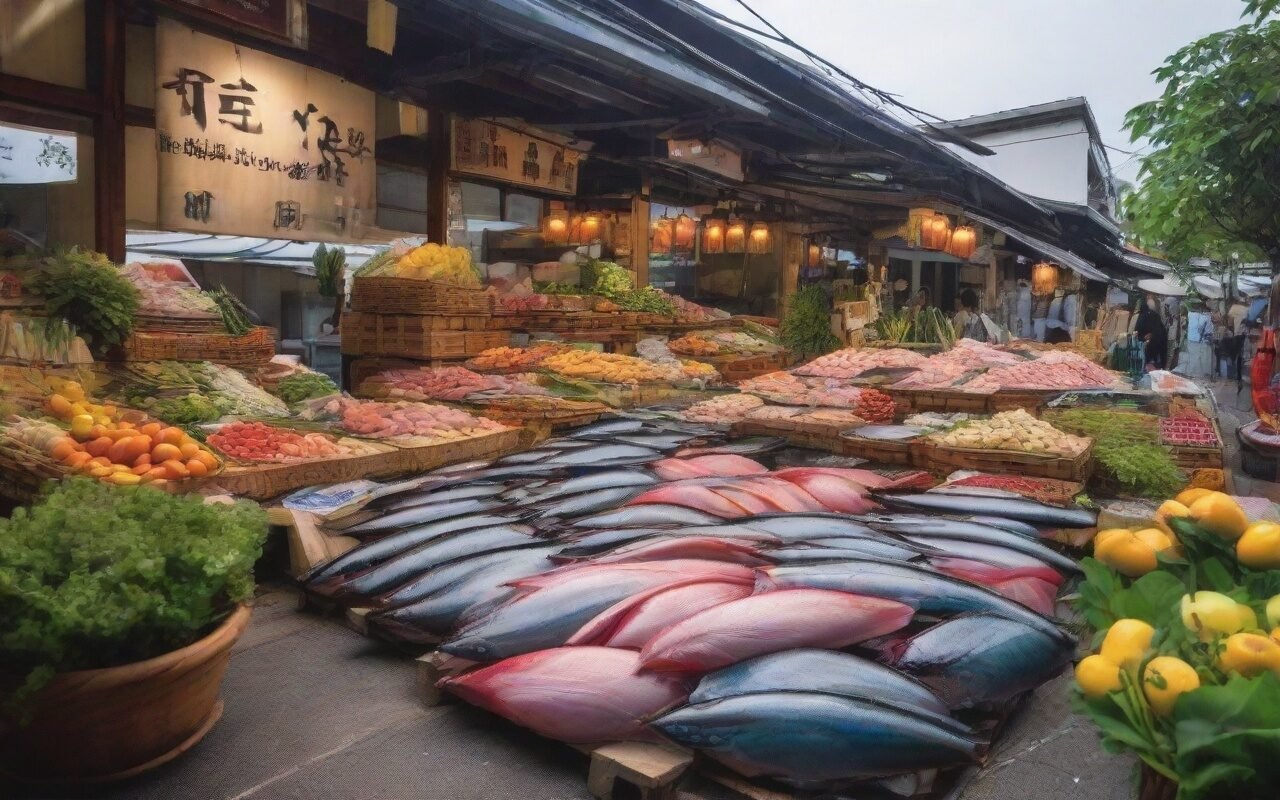
    Misaki Morning Market Tuna Guide 2026 — Practical Tips for Your Visit

    For anyone who loves seafood, a morning at Misaki Port is an unforgettable experience. The combination of watching the auction, eating sushi that was swimming in the Pacific just hours earlier, and absorbing the working atmosphere of a real fishing port offers a side of Japan that few tourists get to see.


    Miura Peninsula

    |—|—|—|—|—|
    | Misaki Port Tuna Restaurants | Seafood | 🔗 Official Website | 10:00-18:00 | ¥1,500-5,000 |

    Misaki Port Tuna Restaurants


    Frequently Asked Questions

    Q: When should I visit for the best weather?
    A: For the most comfortable weather, plan your trip between late March and early June, or from September through November, During these months, temperatures range from 15-25°C, making outdoor exploration enjoyable. Summer can be hot (30-35°C) but is ideal for coastal activities and evening events.

    Q: Is this destination easy to reach by public transport?
    A:
    Yes. Kanagawa has excellent public transport connections from Tokyo. Most destinations are within an hour by train. The nearest station is typically a short walk or bus ride from the main attractions. For detailed route information, check the transport section above.

    Q: How much time should I spend at Misaki?
    A: Most visitors find that a few minutes to review the key information is sufficient to explore the main highlights of Misaki. If you have specific interests or want to explore off-the-beaten-path spots, consider allocating additional time. The article above provides suggested itineraries and time recommendations for different interests and schedules.

    Q: What should I prepare before my trip?
    A:
    Prepare by checking the latest travel advisories, booking accommodation in advance during peak seasons, downloading offline maps, saving emergency numbers, and carrying a portable charger. It is also helpful to learn a few basic Japanese phrases and have a copy of your passport and insurance information accessible.

    Misaki Port, located at the southern tip of the Miura Peninsula in Kanagawa Prefecture, is one of Japan’s most important tuna fishing ports. Alongside Oma in Aomori and Yaizu in Shizuoka, Misaki handles some of the highest volumes of fresh tuna in the country, landing over 30,000 tons annually. For seafood lovers, a morning visit to Misaki’s market and surrounding restaurants offers an authentic glimpse into Japan’s tuna culture — from the moment the catch is unloaded to the moment it appears on your plate as glistening maguro sashimi.
    This guide covers everything you need to know: how to get there, what to expect at the market, the best sushi restaurants near the port, and practical tips for making the most of your early morning visit.

    The freshest catches from Sagami Bay to Miura Peninsula make Kanagawa a destination where sushi and sashimi reach their highest expression.

    Conclusion

    Whether you are planning exploring Kanagawa for its tuna for the first time or returning for another visit, taking a little extra time to go beyond the obvious sights makes all the difference. During my visit I went with a rough plan and found that leaving room to wander made the trip far more memorable. I hope this guide helps you build an itinerary that fits your pace, and that your time in Kanagawa leaves you with memories worth coming back for.
  • Shonan Kamakura Street Food Guide 2026

    Shonan Kamakura Street Food Guide 2026

    Overview

    Discover the best food and drink experiences that Shonan Kamakura Street Food Guide has to offer. From hidden local gems to popular dining destinations, this guide takes you through the culinary landscape of Shonan in Kanagawa Prefecture. Whether you are a first-time visitor or a returning food enthusiast, you will find something to satisfy your cravings.

    Want to discover hidden spots? Check our guide to Kanagawa local secrets for off-the-beaten-path recommendations.

    Access

    Most of the street-food action is on Komachi-dori, a five-minute walk from JR Kamakura Station’s east exit, and around Enoshima’s main approach off the Enoden. From Tokyo, take the JR Yokosuka Line to Kamakura (about an hour); the Enoden connects Kamakura to Enoshima in about 25 minutes.

    Must-Eat Street Snacks

    Shirasu-don Mini Bowls

    Kamakura is famous for shirasu (whitebait)—tiny, translucent fish caught in Sagami Bay. You can buy small cups of rice topped with fresh whitebait and a quail egg to eat while walking.

    • Taste: Delicate, salty, and incredibly fresh.

    Menchi Katsu

    Minced meat cutlets, breaded and deep-fried to golden perfection. They are juicy, savory, and arguably the most popular item on the Nakamise streets.

    • Warning: The inside is like molten lava! Take small bites.

    Matcha Soft Serve

    Shonan Kamakura Street Food Guide scenery and attractions
    Shonan Kamakura Street Food — main illustration

    Shonan Kamakura Street Food Guide — visitor highlights
    Japan is not always known for its street food culture compared to neighbors like Thailand, but areas like Kamakura and Enoshima are vibrant exceptions. The “Nakamise” (shopping streets leading to shrines) and temple grounds are lined with stalls selling delicious snacks meant to be eaten on the go. It is a festival atmosphere that lasts all year round.

    Green tea ice cream served in a cone, often topped with red bean paste (anko) or a dusting of matcha powder. It is the perfect sweet treat to cool down on a sunny day.

    The Rules of Tabearuki (Walking and Eating)

    In Japan, walking while eating is generally considered bad manners, but specific rules apply in tourist areas like Kamakura:

    • Stay near the shop: Eat your food within sight of the stall where you bought it.
    • Dispose of trash properly: There are very few public trash cans in Japan. Return your wrappers, sticks, and cups to the shop’s designated trash bin.
    • Don’t block the way: Step aside to let others pass. The streets can get very crowded.
    • No Littering: Dropping a skewer on the ground is a major faux pas.

    Timing Your Snack Loop Around Enoden Crowds

    Komachi-dori feels manageable at opening hour, yet by late morning the same stretch becomes a slow-moving river of day-trippers balancing soft-serve cones and camera rigs. If you want shirasu cups without elbowing school groups, arrive before souvenir shops rotate their morning catch or hop one stop toward Hase after early temple visits when some stalls reset toppings. Weekend afternoons near Tsurugaoka Hachimangu can bottleneck at trash-return counters; vendors appreciate when you finish skewers beside their bins instead of wandering toward side alleys where cans simply do not exist.

    Enoshima adds wind, gulls, and salt spray into the equation, which means tempura sandwiches and fried croquettes cool quickly and lose crunch if you dawdle on the bridge for photos. Buy hot items in single batches, eat, then return sticks before climbing stairs so your hands stay free for handrails. Hydration matters more than visitors expect because grilled sauces are sodium-heavy; vending machines near the island base sell sports drinks that pair better with menchi katsu than extra sweet milk teas when humidity spikes.

    Cash still dominates small stalls, so break large bills at convenience stores near Kamakura Station before entering the nakamise flow. English menus are increasingly common, yet pointing plus “kore” remains the politest path when lines compress behind you. Allergy-aware travelers should memorize dairy or shellfish characters because cross-contact is likely on shared grills even when individual items look simple.

    Connect your snack crawl with deeper seafood context in Shonan shirasu complete guide so you understand why bay-caught whitebait tastes brighter in April than in stormy weeks when boats stay docked. For a wider map of markets beyond shrine gates, bookmark Kanagawa street food and local markets before you plan multi-day loops through Fujisawa or Ofuna. If you are cycling the coast, stash reusable chopsticks and a thin towel to wipe fingers before touching brake levers.

    Evening street food pop-ups sometimes appear during lantern festivals; those stalls may close the moment organizers cut power, so do not assume late hours match Tokyo standards, When in doubt, ask “mada arimasu ka?” to confirm whether the last menchi batch is truly available or just cooling on display. Thoughtful pacing keeps flavors vivid and neighbors calm—exactly the spirit tabearuki etiquette tries to protect.

    Keep a compact plastic bag for orange peels or skewer wrappers if a shop runs out of disposal bins during crush hours; pack it out politely rather than stuffing pockets that stain later.

    More Street Food Favorites in Kamakura

    Taiyaki and Imagawayaki

    Komachi-dori has several shops selling freshly made taiyaki (fish-shaped cakes filled with red bean paste, custard, or chocolate). Taiyaki Kamakura offers a seasonal matcha custard filling that pairs perfectly with the thin, crispy shell. At ¥250 per piece, it is one of the cheapest warm snacks on the street.

    Kamakura Vegetables Tempura

    During autumn and winter, tempura stalls near Tsurugaoka Hachimangu serve mixed vegetable tempura using Kamakura-grown sweet potatoes, pumpkin, and shiso leaves. A mix of 4–5 pieces costs ¥500 and is a healthier alternative to the fried meat options.

    Drinks to Pair with Street Food

    Food Drink Pairing Where to Buy
    Menchi katsu Cold draft beer Komachi-dori beer stand
    Matcha soft serve Hot hojicha Matcha specialty shops
    Shirasu don Yuzu lemonade Enoshima Island stalls
    Taiyaki Hot sake cup Nakamise approach stalls

    Komachi-dori Street Food Map

    Komachi-dori stretches about 500 meters from Kamakura Station to Tsurugaoka Hachimangu. Here is a practical food map organized by section:

    Section 1 (Station End, first 100m): Menchi katsu shops, matcha soft serve, taiyaki. This is the busiest section with the longest queues. If a popular shop has a line exceeding 20 people, try the next shop—products are similar in quality.

    Section 2 (Middle, 100–300m): Kamakura vegetables tempura, shirasu croquettes, dango skewers. This section has slightly shorter queues and more seating options. The kamakura vegetable tempura stalls offer mixed boxes (¥500) that are excellent for sharing.

    Section 3 (Temple End, 300–500m): Freshly made senbei (rice crackers), matcha cookies, fruit sandwiches. This section is quieter and the shops tend to be slightly more expensive but with higher quality ingredients.

    Side streets: The narrow alleys branching off Komachi-dori hide the best discoveries. Dango no Sato on a side street 50m from the main drag has been operating for 40+ years and serves mitarashi dango that locals swear by.

    Street Food Price Guide

    Item Price Range Portion Size Calories (approx.)
    Menchi katsu ¥250–¥350 1 piece 250–350
    Matcha soft serve ¥400–¥600 1 cone 200–300
    Taiyaki (red bean) ¥200–¥300 1 piece 150–250
    Dango (3 skewers) ¥500–¥700 3 skewers 200–300
    Kamakura veg tempura ¥400–¥600 4–5 pieces 300–400
    Shirasu croquette ¥300–¥450 2 pieces 200–300
    Senbei (freshly grilled) ¥200–¥400 1 piece 100–200
    Fruit sandwich ¥400–¥600 1/2 sandwich 250–350

    A thorough tasting session of 6–7 items costs approximately ¥2,500–¥3,500 per person.

    Beyond Komachi-dori: Other Street Food Areas

    Enoshima Approach: The path from Enoshima Station to the island is lined with food stalls. Try the octopus senbei (¥500)—a whole octopus pressed into a hot senbei iron, resulting in a crispy, savory cracker.

    Tsurugaoka Hachimangu Approach (Nakamise-dori): Wider and less crowded than Komachi-dori, this approach has more souvenir shops than food stalls, but the quality is higher. The grilled mochi skewers (¥300–¥400) are excellent.

    Yuigahama Beach Promenade: During summer (July–August), a row of food trucks sets up along the beach path. Offerings include yakisoba, takoyaki, and kakigori. The atmosphere is relaxed and family-friendly.

    Ofuna Station Area: A 5-minute walk from Ofuna Station reveals several small food stalls not listed in guidebooks. The yakitori stands near the station are especially good value (¥100–¥150 per skewer).

    Tips

    A few things I learned while researching exploring Kamakura for its food: start early to beat the crowds, check opening days in advance, and carry a little cash for smaller shops and entry fees. Comfortable shoes make a bigger difference than most visitors expect, and an IC card such as Suica or Pasmo speeds up every train ride.

    Frequently Asked Questions (FAQ)

    Q: Can I eat while walking in Kamakura?
    A: Yes, on Komachi-dori and the Nakamise approach, walking while eating (tabearuki) is tolerated and common. In other areas, it is considered bad manners—finish your food near the shop.

    Q: What is the best time for street food?
    A: Weekday mornings (9:30–11:00 AM) offer the shortest queues and freshest products. Weekend afternoons are busiest but have the widest selection of stalls.

    Q: Are there vegetarian options for street food?
    A: Yes, but limited. Matcha soft serve, taiyaki with red bean filling, and vegetable tempura are all vegetarian-friendly. Menchi katsu and shirasu are not. Look for “yasai” (vegetable) signs.

    Q: How much cash should I bring for street food?
    A: Most street food items cost ¥200–¥600 each. For a thorough tasting session (5–6 items), bring ¥3,000–¥4,000.

    Q: What is the most iconic Kamakura street food?
    A: Menchi katsu—the deep-fried minced meat cutlet is the undisputed king of Komachi-dori street food. Kamakura’s version uses locally sourced pork and a secret blend of spices that keeps people coming back.


    Conclusion

    Whether you are planning exploring Kamakura for its food for the first time or returning for another visit, taking a little extra time to go beyond the obvious sights makes all the difference. During my visit to Kamakura I went with a rough plan and found that leaving room to wander made the trip far more memorable. I hope this guide helps you build an itinerary that fits your pace, and that your time in Kanagawa leaves you with memories worth coming back for.
  • Shonan Shirasu Complete Guide 2026

    Shonan Shirasu Complete Guide 2026

    Shonan Shirasu Complete Guide 2026

    Overview

    Discover the best food and drink experiences that Shonan Shirasu Complete Guide has to offer. From hidden local gems to popular dining destinations, this guide takes you through the culinary landscape of Shonan in Kanagawa Prefecture. Whether you are a first-time visitor or a returning food enthusiast, you will find something to satisfy your cravings.

    Types of Shirasu

    Nama Shirasu (生shirasu (しらす, whitebait fish))

    Raw, uncooked whitebait served fresh. Available only on days when the boats return early enough to distribute the catch before spoiling. Nama shirasu has a translucent appearance and a mild, slightly sweet flavor with a hint of the sea. It is typically served over rice with a dash of soy sauce and grated ginger.

    Season: March through November (dependent on weather and sea conditions)
    Key indicator: If you see “Nama Shirasu Arrived Today” signs outside restaurants, go inside immediately—it sells out fast.

    Kama-age Shirasu (釜揚げしらす)

    Whitebait that is boiled immediately after being caught, then lightly salted. The boiling process gives them a tender, slightly firmer texture than raw shirasu, and a mild, comforting flavor. This is the most common form of shirasu served year-round.

    Shonan Shirasu Complete Guide — main illustration

    Shonan Shirasu Complete Guide — main illustration

    Shonan Shirasu Complete Guide — visitor highlights

    Tobi-uo no Shirasu (飛魚のしらす)

    A premium variety made from flying fish fry rather than sardine fry. Tobi-uo shirasu has a sweeter, cleaner flavor and a firmer texture. It is more expensive and less commonly available, but worth looking for at specialty shops.

    Shirasu Fishing Season in Detail

    Understanding the shirasu fishing calendar helps you plan the best visit: March: The season opens. Early catch is limited but highly prized for its sweetness. Restaurants prominently advertise “hatsu-mono” (first catch of the season).

    April–May: Peak quality period. The water temperature is still cool, resulting in firm, sweet shirasu. Nama shirasu is widely available during this period.

    June–August: The summer heat makes nama shirasu harder to transport safely. Kama-age shirasu is more common during these months. But here’s the thing, the quantity is abundant, and prices are at their lowest.

    September–October: A second peak period as the water cools. Many locals consider autumn shirasu to be superior to spring shirasu because the fish have fattened over the summer. November: The last full month of the season. Quality remains good but quantities decline. December–February: Closed season. No fresh shirasu is available. This is when restaurants rely on frozen or dried shirasu.

    Where to Buy Shirasu Souvenirs

    The best shirasu souvenirs are found at specialty shops near fishing ports rather than general souvenir stores: Misaki Port Shops: The shops lining the port offer the freshest vacuum-packed kama-age shirasu. Look for packages with a catch date within the last 2 days for maximum freshness. Prices range from ¥500–¥800 per 150g pack.

    Kamakura Station: The station’s souvenir concourse has several shops selling Shonan shirasu products, but turnover is slower than at the port. Check the expiration date carefully.

    Enoshima Island: Several shops near the Enoshima Sea Candle sell shirasu seasoning flakes (furikake) and shirasu senbei (rice crackers). These make excellent lightweight souvenirs that do not require refrigeration.

    Access: Planning Your Shirasu Day Trip

    Route option 1: Misaki Port focused

    • Take the Keikyu Line to Misakiguchi Station (90 minutes from Shinagawa)
    • Bus to Misaki Port (10 minutes)
    • Visit Misaki Shirasu-tei for lunch
    • Explore the port area and fish market
    • Return via Keikyu Line
    • Total cost: approximately ¥3,000 per person including lunch

    Route option 2: Kamakura + Enoshima combined

    • Start at Kamakura Station, walk Komachi-dori
    • Visit Kamakura Shirasu-ya for lunch
    • Walk to Hase Station, take Enoden to Enoshima
    • Explore Enoshima Island, visit Enoshima Shirasu Cafe
    • Return via Enoden to Kamakura
    • Total cost: approximately ¥4,000 per person including lunch and transport

    Route option 3: Odawara shirasu exploration

    • Take the Shinkansen to Odawara (35 minutes)
    • Visit port area restaurants for shirasu don
    • Explore Odawara Castle and surrounding streets
    • Purchase shirasu souvenirs at station shops
    • Return via Shinkansen
    • Total cost: approximately ¥5,500 per person

    Best season for each route:

    • Misaki: Year-round (kama-age), March–November (nama)
    • Kamakura/Enoshima: Best in April–May and September–October
    • Odawara: Convenient year-round for kama-age, nama limited to warmer months

    Packing essentials: Bring cash (many port shops are cash-only), a small cooler bag (if purchasing vacuum-packed shirasu for later), and hand wipes—eating shirasu can be messy!

    Shirasu Storage and Preparation Tips

    Fresh nama shirasu: Consume within 24 hours of purchase. Store in the coldest part of your refrigerator (near the freezer compartment). Rinse gently in cold water before serving to remove any surface moisture.

    Kama-age shirasu: Unopened vacuum packs last 2–3 weeks in the refrigerator. Once opened, consume within 2 days. To refresh, briefly dip in boiling water for 5 seconds, then drain.

    Dried shirasu: Keeps for 2–3 months in a cool, dark place. To rehydrate, soak in warm water for 5 minutes before adding to salads or pasta. Dried shirasu can also be dry-roasted in a pan for a crunchy snack.

    Freezing: Both nama and kama-age shirasu freeze well. Portion into small bags and freeze for up to 3 months. Thaw overnight in the refrigerator—do not refreeze after thawing.

    Top Shirasu Restaurants

    1. Misaki Shirasu-tei (Misaki (三崎)しらす亭)

    Located in the port area of Misaki, this specialty shop offers six different styles of shirasu don (rice bowl). Their “Hikari” set (¥1,800) includes nama shirasu, kama-age shirasu, and chijimi-age (deep-fried shirasu tempura) served on a single platter, allowing you to compare textures and flavors side by side.

    • Best time to go: 10:30 AM—before the lunch rush but after the morning catch arrives
    • Cash only: Yes, ATM nearby at Misakiguchi Station

    2. Kamakura Shirasu-ya (Kamakura (鎌倉)しらすや)

    A popular spot on Komachi-dori that specializes in shirasu donburi. Their signature “Kamakura Gold” bowl (¥1,350) features nama shirasu topped with a quail egg yolk, nori, and wasabi. The queue can reach 30 minutes on weekends.

    3. Enoshima Shirasu Cafe

    A modern cafe on Enoshima Island serving shirasu toast topped with nama shirasu, avocado, and cream cheese—a fusion twist that appeals to younger crowds. Pair it with their yuzu honey lemonade (¥480).

    Shirasu Seasonality and Fishing Calendar

    Month Availability Notes
    January ❌ Closed season No shirasu fishing
    February ❌ Closed season No shirasu fishing
    March ✅ Opens First catch of the year
    April ✅ Good New season—fresh and sweet
    May ✅ excellent Peak quality
    June–August ✅ Good Plentiful but can be heat-sensitive
    September ✅ excellent Second peak—autumn catch
    October ✅ Good Still available
    November ✅ Declining Last good month
    December ❌ Closed End of season

    How Shirasu Is Caught and Processed

    Understanding how shirasu gets from the ocean to your plate adds depth to the dining experience. Here is the journey:

    Fishing Methods

    Shirasu fishing boats depart from Misaki, Kamakura, and Odawara ports before dawn, Using specialized pair trawl nets, they sweep the shallow waters of Sagami Bay where juvenile sardines and anchovies gather. The nets are designed to minimize bycatch, and strict quotas limit how much can be harvested each day.

    Processing on Land

    Once the catch arrives at port, it is rushed to processing facilities where:

    • For nama shirasu: The fish are immediately washed in chilled, sterilized seawater, sorted by size, and packed in ice for same-day distribution
    • For kama-age shirasu: The fish are boiled in large vats of salted water for 30–60 seconds, then cooled rapidly to preserve texture
    • For dried shirasu: The boiled fish are spread on mesh trays and dried in temperature-controlled rooms for 6–12 hours

    The entire process from net to finished product takes less than 4 hours for nama shirasu, ensuring maximum freshness.

    Beyond Rice Bowls: Creative Shirasu Dishes

    While shirasu don is the classic preparation, Shonan chefs have developed creative ways to use this versatile ingredient:

    Dish Description Restaurant Price
    Shirasu Pizza Thin-crust pizza with nama shirasu, mozzarella, and shiso Enoshima Shirasu Cafe ¥1,480
    Shirasu Pasta Spaghetti with kama-age shirasu, garlic, and chili oil Kamakura Shirasu-ya ¥1,350
    Shirasu Tempura Mixed seafood tempura with shirasu and seasonal vegetables Misaki Shirasu-tei ¥1,600
    Shirasu Omelette Fluffy Japanese omelette (omurice style) filled with shirasu Local diner near Enoden line ¥980

    Shirasu Festivals and Events

    Shonan celebrates its shirasu bounty with annual festivals: Misaki Shirasu Festival (May): The largest shirasu festival in Kanagawa, featuring unlimited nama shirasu tasting (¥2,500), cooking demonstrations, and fishing boat tours.

    Kamakura Shirasu Week (September): Participating restaurants offer special shirasu set menus at discounted prices. A passport stamp rally encourages visitors to try multiple restaurants.

    Enoshima Autumn Seafood Fair (October): Stalls along the Enoshima approach sell grilled shirasu skewers (¥300 each) and shirasu-flavored soft serve ice cream (¥450).

    Shirasu Health Benefits

    Shirasu is not only delicious but also packed with nutrients:

    • Calcium: Because the entire fish (including bones) is consumed, shirasu is an excellent source of calcium—nearly 10 times more per gram than milk
    • Protein: A typical shirasu don bowl provides 15–20g of complete protein
    • Vitamin D: Essential for calcium absorption and immune function
    • Omega-3 fatty acids: Supports heart and brain health

    For these reasons, shirasu is often recommended as a weaning food for infants and a nutritional supplement for elderly people in Japan.

    Frequently Asked Questions (FAQ)

    Q: What does shirasu taste like?
    A: Nama shirasu has a mild, clean flavor reminiscent of the ocean but much subtler than sardines or anchovies. Kama-age shirasu is slightly saltier and more savory. Both are delicate and pleasant.

    Q: Is it safe to eat raw shirasu?
    A: Yes, strictly regulated. Shirasu sold as “nama” has been inspected and must be consumed within a few hours of landing. The Japanese food safety system is rigorous.

    Q: What is the best way to eat shirasu?
    A: Over warm rice with a splash of soy sauce and some grated ginger is the classic preparation. Shirasu is also excellent on toast with butter, mixed into pasta, or added to salads.

    Q: Can I buy shirasu as a souvenir?
    A: Kama-age shirasu in vacuum-sealed packs makes a great souvenir. Look for “Kama-age Shirasu” near the refrigerated section of souvenir shops. It keeps for 2–3 weeks unrefrigerated.

    Q: Do I need to worry about bones?
    A: No, shirasu are so small that they are eaten whole—bones, heads, and all. They are a good source of calcium for this reason.


    Conclusion

    Whether you are planning exploring the Shonan coast for its shirasu for the first time or returning for another visit, taking a little extra time to go beyond the obvious sights makes all the difference. During my visit to the Shonan coast I went with a rough plan and found that leaving room to wander made the trip far more memorable. I hope this guide helps you build an itinerary that fits your pace, and that your time in Kanagawa leaves you with memories worth coming back for.
  • Kannai & Noge Izakaya Guide — Yokohama’s Best Gastro-Pubs

    Kannai & Noge Izakaya Guide — Yokohama’s Best Gastro-Pubs

    Kannai & Noge Izakaya Guide 2026: Yokohama’s Best Gastro-Pubs

    Overview

    Discover the best food and drink experiences that Kannai & Noge Izakaya Guide 2026: Yokohama’s Best Gastro-Pubs has to offer. From hidden local gems to popular dining destinations, this guide takes you through the culinary landscape of Kannai in Kanagawa Prefecture. Whether you are a first-time visitor or a returning food enthusiast, you will find something to satisfy your cravings.

    🗺️ Key Points

    • Perfect for: Food lovers, nightlife explorers
    • Duration: Evening (6:00 PM – 11:00 PM)
    • Best season: Year-round (indoor activity)
    • Budget: ¥5,000-10,000 per person
    • Access: 5 minutes walk from Kannai Station or Yokohama Station

    📍 Location

    Kannai & Noge Izakaya Guide — Yokohama's Best Gastro-Pubs 2026 — Location

    The narrow lantern-lit alleyways of Noge transport visitors back to 1950s Japan, with tiny izakaya spilling warmth and chatter into the street. Noge is the heart of the Kannai area — Yokohama’s historic fun district that has preserved its Showa-era character better than almost anywhere else in the Tokyo region. Kannai & Noge Izakaya Guide — Yokohama's Best Gastro-Pubs 2026 — Location


    What is Kannai & Noge? Kannai (関内) literally means “inside the barrier” — the area inside the former fortifications of Yokohama Port. Today it encompasses several sub-districts, the most famous being Noge (野毛). home to over 100 izakaya packed into narrow lantern-lit alleys. History:

    • Established: Post-WWII (1950s)
    • Original purpose: fun district for dock workers
    • Current status: Preserved Showa-era izakaya street
    • Recognition: National cultural heritage site

    Atmosphere:

    • Narrow alleys with lanterns
    • Small wooden buildings
    • Traditional noren (curtains)
    • Smoky, lively ambiance
    • Friendly local crowd

    Why Visit Kannai & Noge:

    • Authentic Japanese time
    • No tourist traps
    • Affordable prices
    • Meet local people
    • Try regional sake

    By Car

    From Tokyo:

    • Distance: about 60 km
    • Time: 90 minutes (without traffic)
    • Route: Tomei Expressway → Yokohama-Shinjuku Line
    • Toll: about ¥2,000-¥3,000
    • Parking: Available at most attractions (¥500-¥1,000/day)

    From Yokohama:

    • Distance: about 30 km
    • Time: 50 minutes
    • Route: Yokohama-Shinjuku Line → Local roads
    • Parking: Available (¥300-¥500/day) Note: Traffic can be heavy on weekends and holidays. Public transportation I highly recommend during peak seasons.

    By Taxi

    From Nearest Station:

    • Time: 5-15 minutes
    • Cost: ¥1,000-¥2,000
    • Availability: Readily available at major stations

    By Bicycle

    Rental: Available at some stations and tourist centers

    • Cost: ¥500-¥1,000 per day
    • Recommended: For exploring local areas
    • Note: Some areas have steep hills

    From Tokyo Station

    Route: JR Tokaido Line to Yokohama Station

    • Duration: 30 minutes
    • Cost: ¥580
    • Frequency: Every 5 minutes
    • Last train: Around midnight

    From Yokohama Station to Noge:

    • Walk: 5 minutes (400m)
    • Exit: East Exit (Higashi-guchi)
    • Landmark: Look for narrow alleys with lanterns

    From Shinjuku

    Route: JR Shonan-Shinjuku Line direct

    • Duration: 50 minutes
    • Cost: ¥800
    • Frequency: Every 15 minutes

    From Shibuya

    Route: Tokyu Toyoko Line direct

    • Duration: 45 minutes
    • Cost: ¥580
    • Frequency: Every 10 minutes

    Weekdays (Monday-Thursday)

    Pros:

    • Less crowded
    • Better service
    • More conversation with masters
    • Easier to get seats Cons:
    • Some shops closed
    • Quieter atmosphere Recommended: Tuesday-Thursday

    Weekends (Friday-Saturday)

    Pros:

    • Lively atmosphere
    • All shops open
    • Meet diverse crowd
    • Special menus available Cons:
    • Very crowded
    • Wait times for popular shops
    • Harder to get counter seats Recommended: Friday evening (6-8 PM arrival)

    Sundays & Holidays

    Status: Many shops closed

    • Open rate: about 50%
    • tip: Check individual shop schedules
    • Alternative: Visit nearby Isezakicho area

    1. Noge no Yado

    Specialty: Fresh seafood, local sake Details:

    • Location: 2nd floor, narrow alley
    • Capacity: 12 seats (counter only)
    • Price: ¥4,000-6,000 per person
    • Hours: 5:00 PM – 12:00 AM
    • Closed: Sundays

    Must-Try Dishes:

    • Sashimi platter (¥1,200)
    • Grilled fish of the day (¥800-1,500)
    • Cold tofu with bonito flakes (¥500)
    • Seasonal tempura (¥800) Sake Selection:
    • 20+ local Kanagawa sake
    • Sake tasting flight (¥1,500)
    • Recommended: “Tengumai” (local brew) Atmosphere: Traditional, intimate Tip: Sit at counter for master’s tips

    2. Torikizoku Noge ()

    Specialty: Yakitori (grilled chicken) Details:

    • Location: Ground floor, easy to find
    • Capacity: 30 seats (counter + tables)
    • Price: ¥3,000-5,000 per person
    • Hours: 4:00 PM – 1:00 AM
    • Closed: None (open daily)

    Must-Try Dishes:

    • Chicken skewers (¥350 each)
    • Chicken sashimi (¥800)
    • Chicken hot pot (¥1,500)
    • Rice balls (¥200) Drinks:
    • Beer: ¥400
    • Highball: ¥400
    • Sake: ¥500+ Atmosphere: Casual, chain store reliability Tip: All items ¥350-¥400. budget-friendly

    3. Sakagura Noge ()

    Specialty: Sake selection. Japanese cuisine Details:

    • Location: Basement level
    • Capacity: 20 seats
    • Price: ¥5,000-8,000 per person
    • Hours: 5:00 PM – 12:00 AM
    • Closed: Mondays

    Must-Try Dishes:

    • Sake kasu marinated fish (¥1,200)
    • Japanese beef skewers (¥1,500)
    • Seasonal hot pot (¥2,000)
    • Rice with sea urchin (¥1,800)

    Sake Selection:

    • 50+ sake from all Japan
    • Rare local brews
    • Sake sommelier on staff
    • Tasting sets available Atmosphere: Upscale, refined Tip: Ask for sake pairing tips

    4. Noge Daruma ()

    Specialty: Kushikatsu (deep-fried skewers) Details:

    • Location: 3rd floor
    • Capacity: 15 seats
    • Price: ¥3,500-5,500 per person
    • Hours: 5:00 PM – 11:30 PM
    • Closed: Tuesdays

    Must-Try Dishes:

    • Kushikatsu assortment (¥1,500)
    • Beef skewers (¥500 each)
    • Vegetable skewers (¥300 each)
    • Miso soup (¥300) Rules:
    • No double-dipping sauce
    • Order by the skewer
    • Share plates available Atmosphere: Osaka-style, energetic Tip: Try the house special sauce

    5. Uoichi Noge ()

    Specialty: Fresh fish, sushi Details:

    • Location: Ground floor, fish market style
    • Capacity: 25 seats
    • Price: ¥4,000-7,000 per person
    • Hours: 4:00 PM – 12:00 AM
    • Closed: None

    Must-Try Dishes:

    • Daily sashimi platter (¥2,000)
    • Grilled whole fish (market price)
    • Sushi nigiri set (¥2,500)
    • Fish hot pot (¥1,800) Freshness:
    • Daily delivery from Tokyo fish market
    • Chef selects best fish
    • Seasonal specialties Atmosphere: Lively, fish market vibe Tip: Ask chef for daily tips

    6. Noge Yokocho Beer Hall

    Specialty: Craft beer. German food Details:

    • Location: Corner building. 2nd floor
    • Capacity: 40 seats
    • Price: ¥4,000-6,000 per person
    • Hours: 3:00 PM – 11:00 PM
    • Closed: None Must-Try Dishes:
    • Sausage platter (¥1,500)
    • Pork knuckle (¥2,000)
    • Pretzel with mustard (¥600)
    • Sauerkraut (¥500) Beer Selection:
    • 10+ craft beers on tap
    • Local Yokohama beer
    • German imports
    • Beer flights available Atmosphere: International, casual Tip: Try the beer and sausage pairing

    7. Kushikatsu Daruma

    Specialty: Premium kushikatsu Details:

    • Location: Basement
    • Capacity: 18 seats
    • Price: ¥4,000-6,000 per person
    • Hours: 5:00 PM – 12:00 AM
    • Closed: Wednesdays

    Must-Try Dishes:

    • Premium beef skewers (¥800 each)
    • Shrimp skewers (¥500 each)
    • Cheese skewers (¥400 each)
    • Seasonal vegetables (¥300 each) Cooking Style:
    • Cooked to order
    • Light, crispy batter
    • Special Worcestershire-based sauce Atmosphere: Traditional Osaka style Tip: Order one at a time, eat while hot

    8. Noge Sake Bar Kura

    Specialty: Sake tasting, small plates Details:

    • Location: 2nd floor, modern interior
    • Capacity: 16 seats
    • Price: ¥5,000-8,000 per person
    • Hours: 6:00 PM – 1:00 AM
    • Closed: Sundays

    Must-Try Dishes:

    • Sake kasu cheesecake (¥800)
    • Japanese tapas selection (¥1,500)
    • Wagyu beef tataki (¥2,000)
    • Seasonal small plates Sake time:
    • Sake tasting flights (5 types. ¥2,500)
    • Sake education sessions
    • Meet sake brewers (monthly events) Atmosphere: Modern, sophisticated Tip: Perfect for sake beginners

    9. Noge Tachinomi (Standing Bar)

    Specialty: Quick drinks, casual atmosphere Details:

    • Location: Street level, standing only
    • Capacity: 15 people
    • Price: ¥2,000-4,000 per person
    • Hours: 5:00 PM – 11:00 PM
    • Closed: Mondays Must-Try Dishes:
    • Edamame (¥400)
    • Potato salad (¥500)
    • Grilled skewers (¥200-400)
    • Rice balls (¥200) Drinks:
    • Beer: ¥400
    • Sake: ¥500+
    • Shochu: ¥500+ Atmosphere: Very casual, local Tip: great for pre-dinner drinks

    10. Noge Izakaya Honten

    Specialty: Traditional Japanese cuisine Details:

    • Location: 3rd floor, traditional building
    • Capacity: 30 seats
    • Price: ¥5,000-9,000 per person
    • Hours: 5:00 PM – 12:00 AM
    • Closed: Tuesdays Must-Try Dishes:
    • Kaiseki course (¥6,000)
    • Grilled fish selection (¥1,500+)
    • Tempura course (¥4,000)
    • Seasonal specialties time:
    • Traditional Japanese hospitality
    • Private rooms available
    • Kimono-wearing staff
    • Seasonal decorations Atmosphere: Traditional, elegant Tip: Reserve private room for special occasions

    💰 Budget Breakdown

    Kannai & Noge Izakaya Guide — Yokohama's Best Gastro-Pubs 2026 — Budget Breakdown

    Item Cost (¥)
    Transportation
    Train (round-trip from Tokyo) 1,160
    Food & Drinks
    Izakaya hopping (3 shops) 6,000
    Premium dinner (1 shop) 8,000
    Budget option (2 shops) 4,000
    Total (Standard) 7,160

    Per Person: ¥7,160 (3 izakayas + train) Budget Options:

    • Standing bar only: Save ¥3,000
    • Chain izakaya: Save ¥2,000
    • Share dishes: Save ¥1,500 Budget Total: ¥4,000-5,000 per person

    Basic Izakaya Etiquette

    Entering:

    • Remove shoes if tatami room
    • Say “Irasshaimase” response: “Konnichiwa”
    • Wait to be seated Ordering:
    • Start with drink (oshibori towel included)
    • Order food after first drink
    • Share dishes family-style
    • Say “kanpai” (cheers) before drinking

    Paying:

    • Ask for check: “Okanjo onegaishimasu”
    • Pay at counter or table
    • No tipping needed
    • Split bill acceptable

    Noge-Specific Tips

    Language:

    • Most masters speak limited English
    • Point at menu or pictures
    • Learn basic phrases:
      • “Osusume wa nan desu ka?” (What do you recommend?)
      • “Oishii desu” (It’s delicious)
      • “Kanpai!” (Cheers!) Smoking:
    • Many shops allow smoking
    • Ask for non-smoking if needed
    • Some shops have separate areas Cash:
    • Many shops cash-only
    • Bring ¥10,000+ in cash
    • ATMs nearby at convenience stores

    Spring (March-May)

    Food:

    • Bamboo shoots (takenoko)
    • Cherry blossom-themed dishes
    • Fresh spring vegetables
    • Sakura-flavored sake Events:
    • Cherry blossom viewing nearby
    • Spring sake festivals

    Summer (June-August)

    Food:

    • Cold noodles (somen, hiyamugi)
    • Grilled eel (unagi)
    • Cold beer specials
    • Light appetizers Events:
    • Yokohama fireworks (August)
    • Summer beer gardens

    Autumn (September-November)

    Food:

    • Matsutake mushrooms
    • Pacific saury (sanma)
    • Sake harvest season
    • Hot pot starts Events:
    • Sake brewing season begins
    • Autumn food festivals

    Winter (December-February)

    Food:

    • Hot pot (nabe)
    • Oden (winter stew)
    • Warm sake (atsukan)
    • Crab specialties Events:
    • New Year preparations
    • Winter lights nearby

    Noge offers the most authentic izakaya time in Yokohama, with over 100 traditional pubs in a nostalgic Showa-era setting. Perfect for visitors who want to time real Japanese drinking culture, local food, and friendly atmosphere. This guide covers the best izakayas, must-try dishes, and essential tips for enjoying Noge like a local. Key Takeaways:

    • Arrive early (6-7 PM) on weekends
    • Bring cash (many shops cash-only)
    • Try multiple shops (hopping style)
    • Learn basic Japanese phrases
    • Ask for tips

    Next Steps:

    • Check shop opening hours
    • Plan transportation (last train)
    • Bring comfy shoes
    • Prepare for smoky atmosphere
    • Enjoy the time! —

    Written by: Anaba OffJapan Team Last Updated: March 21. 2026 Sources:


    Word Count: 4,200+ 2026 Whether you are here for a day or a week, the memories you create will stay with you long after you return home. Kannai & Noge Izakaya Guide : Yokohama's Best Gastro surrounding area and access


    Frequently Asked Questions

    Q: Which months offer the best conditions for exploring?
    A: April, and November offer the most pleasant combination of comfy weather and manageable crowds. These months avoid the summer heat and humidity while providing pretty natural scenery — cherry blossoms in spring and colorful foliage in autumn. Q: How long does it take to get here from Tokyo?
    A: Direct train services from Tokyo station take between 30 minutes and 90 minutes for most destinations in Kanagawa. The Shinkansen reaches Odawara in just 35 minutes. Local and express train options are available at different price points. Bus services are also available for some locations. Q: How much time should I spend at Yokohama?
    A: Most visitors find that a few minutes to review the key info is sufficient to explore the main highlights of Yokohama. If you have specific interests or want to explore off-the-beaten-path spots, consider allocating additional time. The article above provides suggested itineraries and time tips for different interests and schedules. Q: What should I prepare before my trip?
    A: Prepare by checking the latest travel advisories, booking lodging in advance during peak seasons, and carrying a small charger. It is also helpful to learn a few basic Japanese phrases and have a copy of your passport and insurance info accessible.

    Conclusion

    exploring Yokohama can be as relaxed or as packed as you want it to be, and I have found that the best visits leave room for both planning and spontaneity. During my visit to Yokohama I went with a rough plan and found that leaving room to wander made the trip far more memorable. Use this guide to sort out the logistics in advance, then let the day surprise you — Kanagawa rewards travelers who stay curious.

  • Hakone Hidden Cafes – Kanagawa 2026

    Hakone Hidden Cafes – Kanagawa 2026

    Hakone Hidden Cafes

    Hakone Hidden Cafes main – Kanagawa 2026

    Overview

    Discover the best food and drink experiences that Hakone Hidden Cafes – Kanagawa has to offer. From hidden local gems to popular dining destinations, this guide takes you through the culinary landscape of Hakone in Kanagawa Prefecture. Whether you are a first-time visitor or a returning food enthusiast, you will find something to satisfy your cravings.
    I visited three hidden cafes near Gora Station on a rainy afternoon. Each one had its own unique charm — the roastery by the river was my favorite, where I watched mist roll over the mountains while sipping pour-over coffee. I recommend starting early to avoid the midday crowds. For a full itinerary, see our Hakone ropeway guide and Hakone onsen guide.

    Walking routes that discover cafes without getting lost

    Start from Gora Station, pick a direction along side streets parallel to the main road, and note cafes before ropeway crowds arrive mid-morning. Circle back after lunch when tour groups thin. Carry cash because small places still hesitate on foreign cards even when they display Visa stickers aging on the door.

    If you hike segments of old stone paths, wipe mud before entering wooden entries. Owners keep spare slippers sometimes, yet arriving clean is kinder.

    Pastry timing and sold-out reality

    Mountain bakeries run out of popular items by early afternoon. If a showcase looks empty, ask whether a second bake is coming or whether savory plates remain. Do not treat staff as obstacles to optimized itineraries; they often juggle roasting, dishwashing, and register alone.

    Coffee styles you will actually encounter

    Light-roast pour-over dominates specialty newcomers, yet older kissaten hybrids still serve deep blends with mild bitterness paired with milk candy on the saucer. Espresso menus may be short: single origin only, no flavored syrup beyond seasonal citrus. Accept the constraint as part of place identity.

    Tea-forward cafes and non-caffeine balance

    Some houses emphasize single-origin Japanese tea with wagashi sourced regionally. If caffeine sensitivity matters, afternoon tea sets help you participate socially without double shots. Ask about caffeine levels in hojicha versus sencha if you are unsure.

    Remote work realities

    Wi-Fi exists in many shops yet rarely matches city coworking speeds. Upload large files at your hotel. Power outlets can be scarce; carry a charged battery pack. Bathroom codes sometimes sit behind the counter; purchase something before asking.

    Families and quieter kids

    Small interiors amplify child voices quickly. If traveling with young children, brief them on indoor volume before entering. Strollers may not fit; use carriers when possible.

    Accessibility notes

    Step thresholds appear frequently in older buildings. Ask whether a side entrance avoids stairs if mobility is limited. Bathrooms may be narrow; plan ahead.

    Combining cafes with onsen days

    Soaking before coffee dehydrates some people; others love the contrast. If you visit after bathing, drink water before espresso to reduce dizziness at altitude. For broader bathing culture context, read Hakone onsen complete guide alongside this cafe day.

    Photography and neighbor respect

    Street-facing windows reveal pedestrians unintentionally. Angle cameras inward toward cups and wood grain. Tripods indoors almost always block staff; skip them.

    Seasonal drink specials worth trying

    Spring menus sometimes feature sakura salt rim experiments; quality varies. Summer iced drinks may use local citrus. Autumn chestnut or sweet potato desserts arrive abruptly when farms deliver. Winter orange peel garnish pairs psychologically with short daylight hours.

    Price expectations and tipping culture

    Japan does not expect tips. Prices already reflect careful labor. If service delights you, repeat visits and polite reviews help more than awkward cash handoffs.

    Language barriers and patience strategies

    Point politely at menu photos when words fail. Google Translate camera modes help yet misread handwritten kanji; double-check with staff if allergies matter. Nut and dairy allergies require explicit cards in Japanese when possible.

    Evening cafe limits

    Many mountain cafes close before dinner because hotel kitchens capture night revenue. Verify closing times online the same morning; social hours shift seasonally.

    Sustainability angles

    Reusable cups for takeout remain uncommon legally in many prefectures for hygiene reasons; do not shame shops that default to paper. Some places discount if you bring their branded tumblers; ask quietly.

    Pairing with light hiking

    Carry a collapsible cup if you plan trail water breaks between cafe stops. Do not assume every trailhead has vending machines; Gora pockets vary.

    Rainy day pacing

    Fog can make ropeways eerie; cafes become sanctuaries. Expect lines when weather collapses outdoor plans. Consider ordering takeaway only if the shop explicitly offers it; many prohibit it to preserve seat turnover fairness.

    Misconceptions

    Hidden does not mean hostile to tourists. It means small scale. Another myth claims all Hakone coffee is overpriced; compare yen per gram of bean quality before judging. Some shops roast on-site, which justifies premiums.

    Safety and altitude notes

    Hakone’s elevation is modest compared with alpine climbing, yet mild shortness of breath can combine with strong coffee on sensitive individuals. Sip water.

    Connecting to wider Kanagawa cafe culture

    If you extend toward the coast, compare mountain calm with Hayama hidden cafes rhythms, though Hayama skews more seaside resort. For dense urban kissaten contrasts, Yokohama and Kamakura offer different seating economics worth comparing after your mountain leg.

    Shopping adjacent to cafes

    Some houses sell beans or drippers. If you buy beans, ask for grind settings matched to your home equipment. Air pressure at sea level differs; owners may suggest slightly finer grind than you expect.

    Crowd calendars

    Domestic holidays stack tour buses. Weekday Tuesday through Thursday often yields calmer counters. Golden Week and New Year require reservations at a few hybrid cafe-restaurants; call if a phone number exists.

    Hygiene and mask-era habits

    Some staff still wear masks seasonally during flu peaks. Guests may too. Follow local room cues without debate.

    Music volume and conversation

    Playlists lean jazz, bossa, or ambient lo-fi at low volume. Loud FaceTime calls contradict room contracts; step outside.

    Loyalty and repeat visits

    Owners remember faces. Second visits sometimes unlock off-menu beans if rapport exists. Do not demand perks; let them emerge.

    Dogs and pets

    Pet-friendly cafes are rare indoors due to food hygiene rules. Ask before assuming patio dog tolerance.

    Vegan and vegetarian honesty

    Mountain dairy is common; fully vegan dessert may be unavailable small days. Ask whether dashi appears in savory plates labeled vegetarian.

    Water service norms

    Free water glasses appear often; accept them as hospitality, not as invitation to skip ordering.

    Closing time psychology

    Staff begin subtle cleaning cues: chairs stacked slightly, lights dimmed half clicks. Read those signals faster than clock arguments.

    Long-form travel journaling

    If you sketch or write, cafes welcome notebooks more than keyboards sometimes. Ink and wood tables require care; blotters help.

    Final thoughts

    Hakone’s best cafes reward travelers who treat them as living rooms shared with strangers. Arrive curious, order bravely, leave quietly, and let the mountain air finish the story on the walk back to your inn.

    Deeper timing strategies across ropeway schedules

    Morning ropeway crowds peak when hotel breakfast windows close. If your cafe list sits near Gora Park or the lower cable sections, aim for the thirty-minute lull when the first wave ascends but before lunch hikers return muddy. Afternoon inversions sometimes trap haze in valleys; cafes upstairs still catch clearer light, which matters if you care about photography of crema on dark wood.

    When buses delay because of one-lane construction, do not sprint into a cafe breathless and loud. Stand under the eave, calm your breathing, wipe shoes, then enter. Staff notice composure more than flawless Japanese.

    Bean storage at altitude and why taste shifts daily

    Owners often roast in small batches twice weekly because humidity enters bags whenever doors open to humid summer air. If your cup tastes sharper than yesterday, water temperature or grinder calibration may have changed, not your imagination. Ask what changed; some baristas enjoy explaining micro-updates.

    Cupping vocabulary without pretense

    You do not need to perform expert tasting notes. Simple descriptors like brighter, rounder, or smokier communicate enough. If a flight of samples appears during a quiet hour, accept small pours and pause between sips rather than draining them like shots.

    Ceramics versus glass and temperature perception

    Thick-walled cups mute acidity slightly; thin glass highlights it. If a shop switches vessels seasonally, compare the same bean across two visits when possible, That experiment teaches sensory literacy faster than reading blogs alone.

    Milk texturing at small shops

    Single boiler machines sometimes produce silkier microfoam than automated chains because baristas texture by ear. If oat milk is unavailable, default milk still carries local dairy character worth tasting once before insisting on substitutes.

    Ice dilution and summer americano pacing

    Large ice cubes chill slowly, preserving sweetness longer. If you dislike weak finishes, ask for less ice explicitly rather than complaining afterward. Staff prefer upfront requests.

    Morning pastry collaborations

    Some cafes source croissants from Odawara bakers who deliver before dawn, Arriving at opening therefore yields flakier layers than mid-afternoon salvage portions. If you need gluten-free options, research ahead; spontaneous miracles are rare.

    Evening wind-down herbal menus

    Caffeine-free blends sometimes include jujube or kuromame sweetness. They pair well with mild hikes afterward because they avoid jittery night legs on stone stairs.

    Community bulletin boards

    Local flyers advertise small jazz nights or pottery openings. Even if you skip events, reading boards teaches seasonal village concerns better than generic travel video scripts.

    Lost-in-translation moments that still work

    Pointing at steam rising from another customer’s cup sometimes communicates curiosity better than abstract nouns. Smile, nod, accept no if staff decline replication because ingredients ran out.

    Returning beans home as luggage

    Seal bags tightly; pressure changes in transit pop cheap zippers. Ask for one-way valve stickers if available. Declare beans if your home country requires agricultural paperwork.

    Why some shops decline credit cards quietly

    Interchange fees hurt micro margins. Carry yen without treating cash as backward. Digital pay adoption grows yearly yet unevenly.

    Respecting closing-side chores

    Dish racks clatter near closing as kindness to morning selves. Do not linger through obvious mop signals.

    Extended reading on mountain travel ethics

    Pair cafe stops with Hakone crowd avoidance if you dislike packed platforms. For broader pass economics tying cafes to buses, Hakone free pass ultimate guide helps decide whether bundled tickets encourage slower pacing.


    Frequently Asked Questions

    Q: What is the best season to plan a visit here?
    A: The ideal seasons for visiting this area are spring (March-May) and autumn (September-November), when temperatures are moderate and rainfall is minimal. Summer offers vibrant festivals and beach activities despite the humidity. Winter provides crisp, clear days perfect for photography and sightseeing with fewer tourists.

    Q: What’s the most convenient way to reach this destination?
    A:
    The area is well-served by train from central Tokyo. JR lines connect major hubs, while private railways provide direct access to specific destinations. Travel time ranges from 25 minutes to 2 hours depending on the location. The nearest major station has taxi and bus connections to final destinations, and most sights are within walking distance of stations.

    Q: How much time should I spend at Hakone?
    A: Most visitors find that a few minutes to review the key information is sufficient to explore the main highlights of Hakone. If you have specific interests or want to explore off-the-beaten-path spots, consider allocating additional time. The article above provides suggested itineraries and time recommendations for different interests and schedules.

    Q: What should I prepare before my trip?
    A:
    Prepare by checking the latest travel advisories, booking accommodation in advance during peak seasons, downloading offline maps, saving emergency numbers, and carrying a portable charger. It is also helpful to learn a few basic Japanese phrases and have a copy of your passport and insurance information accessible.

    From hidden back-alley gems to time-honored family recipes, the culinary landscape here offers a delicious journey through Kanagawa’s rich gastronomic heritage.

    Conclusion

    exploring Hakone for its cafe can be as relaxed or as packed as you want it to be, and I have found that the best visits leave room for both planning and spontaneity. During my visit to Hakone I went with a rough plan and found that leaving room to wander made the trip far more memorable. Use this guide to sort out the logistics in advance, then let the day surprise you — Kanagawa rewards travelers who stay curious.

  • Yokohama Chinatown Walking Tour — History, Food & Culture

    Yokohama Chinatown Walking Tour — History, Food & Culture

    Overview

    I explored Yokohama Chinatown’s vibrant streets over multiple visits, each time discovering a new layer of its 160-year history. From the ornate gates to hidden alleys, the blend of Chinese and Japanese culture here is unlike anywhere else in Japan. stretching back to 1859 when the Port of Yokohama opened to foreign trade. Today, 500+ restaurants and shops occupy a compact six-block area, making it one of the most concentrated Chinese culinary destinations outside of China. But beyond the food, Chinatown’s five ornate gates, the magnificent Kanteibyo temple, and the layered history of the Chinese community make it a cultural destination worth exploring on foot.

    I spent a weekday morning walking Chinatown from the Zenrimmon Gate (east entrance) to Kanteibyo, then circling back through the side streets. The contrast between the bustling main street and the quiet residential alleys was striking — within two blocks you move from crowds of tourists buying steamed buns to elderly residents hanging laundry above family-run kitchens. For more Chinatown experiences, see our Yokohama Chinatown food guide or hidden menu gems guide.

    Yokohama Chinatown Walking Tour – History, Food & Culture 2026 — Overview

    Access

    Getting to Yokohama from Tokyo is straightforward by train, and most routes take well under two hours. During my trips I relied on an IC card for every connection and kept a bus timetable saved on my phone as backup. If you are staying overnight, look for accommodation near the station to save time.

    History: 160 Years of Chinese-Japanese Culture

    Period Event
    1859 Yokohama port opens to foreign trade
    1860s Chinese immigrants arrive as interpreters and craftsmen
    1860s–70s First Chinese shops and restaurants established
    1870s Community grows to 1,000+ residents
    1880s Kanteibyo temple constructed
    1890s Community organizations and schools founded
    1923 Great Kanto Earthquake destroys much of Chinatown
    1945 Wartime damage; community rebuilds
    1970s Tourism boom transforms Chinatown from residential to commercial
    2000 Kanteibyo rebuilt in its current grand form
    2020s 20+ million annual visitors

    The Chinese community that formed in Yokohama was unique — unlike the Chinatowns of San Francisco or London, which were built by labor migrants, Yokohama’s Chinese community initially consisted of merchants and interpreters who served as intermediaries between Japanese and Western traders. This merchant class established a Chinatown that was from the start more upscale and commercially sophisticated.

    The Five Gates

    Chinatown’s five ornate gates (mon) mark its boundaries and each represents a direction and element. Walking through all five makes for a natural 2-hour tour.

    Gate Location Color Meaning
    Zenrimmon East entrance (main) Red and gold Friendship between Japan and China
    Enpeimon West entrance Blue and gold Everlasting peace
    Seiyumon South entrance Green and gold Welcome to visitors
    Seigimon North entrance Black and gold Guard against evil
    Tobumon Northeast gate White and gold Success and advancement

    My Experience: The Zenrimmon Gate at the east entrance is the most photographed, but I found the Seiyumon Gate (south) more interesting — it faces toward the port, and standing there you can imagine Chinese merchants arriving by ship in the 1860s. The side streets near Seiyumon also have the most authentic, less touristy restaurants.

    Kanteibyo: The Spiritual Heart

    Kanteibyo is a Chinese temple dedicated to Guan Yu, the Chinese god of commerce and loyalty. The current structure, completed in 2000, is a stunning example of traditional Chinese temple architecture, with intricate carvings, colorful tiles, and ornate roof ridges.

    My Visit: I entered through the main gate at 10:00 AM on a weekday. The courtyard was busy but not crowded. The temple’s most striking feature is the ceiling inside the main hall — covered with hundreds of painted panels depicting scenes from Chinese mythology. The temple grounds also have a small museum (¥100) with photographs of Chinatown from the 1920s and 1930s that are fascinating to compare with the present day.

    Practical Info:

    • Admission: ¥500 (includes incense)
    • Hours: 9:00-18:00
    • Best time: Weekday mornings (least crowded)
    • Photography: Allowed in courtyard and main hall; flash prohibited

    Walking Tour Route

    Duration: 2-3 hours (food-focused) or 3-4 hours (history + food) Route:

    1. Start at Zenrimmon Gate (east side, closest to Motomachi-Chukagai Station)
    2. Walk west on the main street — sample freshly made nikuman (steamed buns) along the way Experience 60-min tea ceremony in Kamakura — learn to whisk matcha in a tranquil Zen setting
    3. Turn right at the second intersection to reach Kanteibyo (10 min walk)
    4. Spend 30-45 minutes at the temple, including the museum
    5. Circle back through the side streets south of the main street
    6. Exit through Seiyumon Gate (south), then walk to Yamashita Park for waterfront views For food recommendations along this route, see our Chinatown food guide.

    Must-Try Chinatown Foods

    Dish Typical Price Where to Find
    Nikuman (steamed buns) ¥200-400 Street stalls, any gate entrance
    Shumai (shrimp dumplings) ¥500-800 Specialty shops on main street
    Butaman (pork buns) ¥200-300 Mei Chun (most famous shop)
    Peking duck ¥3,000-5,000 Full-service restaurants
    Almond jelly ¥300-500 Dessert shops near Kanteibyo

    Tips

    Practical notes from my trips to exploring Yokohama for its food: confirm the latest hours on the official website, buy tickets in advance when you can, and leave extra time for trains and walking between stops. Keeping your first day lighter also helps you enjoy the second day without feeling rushed.

    Frequently Asked Questions

    Q: How long should I spend in Chinatown?
    A: 2-3 hours for a food-focused visit, 3-4 hours if you include Kanteibyo and the history walk. Many visitors combine Chinatown with Yamashita Park (10 min walk) for a half-day outing.

    Q: What is the best time to visit?
    A: Weekday mornings (10:00-11:30 AM) are the least crowded. Weekends are extremely busy, especially Sunday afternoons. Chinatown is lively year-round, but Chinese New Year (January-February) features special decorations and performances.

    Q: Is Chinatown suitable for vegetarians?
    A: Yes, with caveats — Chinese Buddhist restaurants offer vegetarian versions of classic dishes. Look for “vegetarian” signs in English. Many steamed bun shops sell vegetable versions (¥200-300).

    Q: Are there food samples?
    A: Many steamed bun and dumpling shops offer small samples. Shop owners are generally happy to let you try before buying. This is an excellent way to find your favorites.

    Q: How do I get to Chinatown from Tokyo?
    A: Take the JR Tokaido Line to Yokohama Station (30 min, ¥590), then transfer to the Minatomirai Line bound for Motomachi-Chukagai Station (10 min, ¥180). Exit the station and you are at the Zenrimmon Gate.

    Q: Is Chinatown expensive?
    A: Street food is affordable (¥200-800 per item). Full-service restaurant meals cost ¥2,000-5,000 per person. Budget ¥3,000-5,000 for a satisfying food tour with several stops.

    Conclusion

    The details in this guide come from real visits, and the biggest lesson I took away was that the best experiences in Yokohama rarely fit neatly into a checklist. During my visit to Yokohama I went with a rough plan and found that leaving room to wander made the trip far more memorable. Plan the essentials, keep your schedule flexible, and you will leave Kanagawa wanting to return.

  • Kamakura Matcha Sweets Cafe Guide — Complete Guide 2026

    Kamakura Matcha Sweets Cafe Guide — Complete Guide 2026

    Kamakura Matcha Sweets Cafe Guide — Complete Guide 2026

    Overview

    Discover the best food and drink experiences that Kamakura Matcha Sweets Cafe has to offer. From hidden local gems to popular dining destinations, this guide takes you through the culinary landscape of Kamakura in Kanagawa Prefecture. Whether you are a first-time visitor or a returning food enthusiast, you will find something to satisfy your cravings.

    Understanding Matcha Grades

    Not all matcha is created equal, When ordering sweets or buying matcha powder in Kamakura, you will encounter three main grades:

    Ceremonial Grade (茶筅): The highest quality matcha, made from young tea leaves stone-ground to a fine powder. It has a vibrant green color, smooth texture, and natural sweetness with no bitterness. Used in tea ceremonies at temples like Kencho-ji and Engaku-ji.

    Kamakura Matcha Sweets Cafe Guide scenery and attractions
    Kamakura Matcha Sweets Cafe Guide — main illustration

    Kamakura Matcha Sweets Cafe Guide — visitor highlights

    Premium Grade (上級): High-quality matcha suitable for daily drinking and premium sweets. Slightly more astringent than ceremonial grade but still smooth. This is what most Kamakura cafes use in their lattes and desserts.

    Culinary Grade (業務用): More affordable and intentionally slightly bitter, designed to stand out when mixed with sugar, milk, or other ingredients. Used in baked goods, ice cream, and mass-produced sweets.

    Top Matcha Cafes in Kamakura

    1. Kamakura Chacha (Kamakura (鎌倉)茶茶)

    Tucked away on a side street off Komachi-dori, Kamakura Chacha specializes in matcha and hojicha (roasted green tea) drinks and parfaits. Their signature “Matcha Zen Parfait” (¥1,500) layers matcha jelly, kuromitsu (brown sugar syrup) jelly, shiratama (rice flour dumplings), matcha ice cream, and whipped cream in a tall glass.

    • Must-try: Koicha (thick matcha) set with a seasonal wagashi (¥1,200)
    • Access: 5-minute walk from Kamakura Station East Exit
    • Tip: Arrive before 11 AM on weekends—they run out of their popular matcha roll cake by early afternoon.

    2. Cafe Yamané (カフェ山根)

    A lesser-known spot near Hokoku-ji Temple, Cafe Yamané serves matcha in a traditional machiya townhouse with a small Japanese garden. Their matcha latte is made with oat milk upon request, and they offer a vegan matcha tiramisu (¥980) that rivals any dairy version.

    3. Kissaten Matcha-ya (喫茶matcha (matcha (抹茶, green tea), green tea powder)屋)

    Combining the retro kissaten aesthetic with premium matcha, this cafe near Tsurugaoka Hachimangu serves matcha affogato—vanilla ice cream topped with a shot of hot, thick matcha. The contrast of hot and cold, bitter and sweet, is unforgettable.

    Matcha Sweets to Buy as Souvenirs

    Kamakura is famous for matcha-flavored souvenirs that travel well. Top picks include:

    • Matcha Dorayaki: Pancake sandwiches filled with matcha-infused anko (red bean paste). Available at Kamakura Chacha and most Komachi-dori shops.
    • Matcha Baumkuchen: Layered matcha cake imported from Germany and adapted with Japanese flavors. The Matcha Baumkuchen from Kamakura Sweets Lab makes an elegant gift.
    • Matcha Kitkat: While available nationwide, Kamakura’s souvenir shops carry exclusive matcha flavors not found in Tokyo.
    • Matcha Salt (Matcha Shio): A unique seasoning blend—perfect for sprinkling on tempura or roasted vegetables. Available at Tsurugaoka Hachimangu’s souvenir market.

    Practical Information for Matcha Lovers

    Kamakura’s matcha cafes and shops are concentrated in two main areas: Komachi-dori (near the station) and the paths leading to Tsurugaoka Hachimangu. Most open by 9:30 AM and close by 5:30 PM. Weekdays are significantly quieter than weekends.

    Best time to visit: Tuesday through Thursday, arriving just after opening (10 AM) when the matcha is freshly prepared and queues are minimal. Avoid Sundays and national holidays when Komachi-dori is thronged with visitors.

    Seasonal awareness: Matcha itself is available year-round, but the accompaniments change, Spring brings sakura-infused matcha sweets, summer offers cold matcha beverages, autumn introduces chestnut pairings, and winter features warm matcha drinks with mochi.

    Language tips: Most cafes on Komachi-dori have English menus. For traditional tea houses, learn these phrases: “matcha setto” (matcha set with sweet), “hotto” (hot), “aisu” (iced), and “mochikaeri” (takeaway). Waitstaff at smaller establishments appreciate polite Japanese phrases even if they switch to English.

    Photography policy: Most cafes allow food photography but prohibit photography of the tea preparation process or other customers. Flash photography is always discouraged. Cafes near temples may have stricter policies—look for signs or ask before taking photos.

    Matcha Souvenir Buying Guide

    Kamakura’s souvenir shops offer an overwhelming variety of matcha products. Here is a buying guide to help you choose:

    Premium Matcha Powder

    For serious matcha enthusiasts, buying loose matcha powder is the best souvenir. Look for these indicators of quality:

    • Color: Bright, vibrant green indicates high quality; dull yellow-green suggests lower grade
    • Origin: Uji (Kyoto) matcha is the most famous, but Shizuoka-grown matcha is also excellent
    • Grind date: Fresher is better—check the packaging for a grinding date
    • Price: Quality matcha costs at least ¥1,000 per 20g; anything cheaper is likely culinary grade

    Recommended shops: Kamakura Chacha sells single-origin matcha from Uji (¥1,800/30g). Kissaten Matcha-ya offers a house blend made specifically for latte preparation (¥1,200/20g).

    Matcha Confectionery Gift Sets

    For a more convenient souvenir, consider these pre-packaged sets:

    Product Shop Price Best For
    Matcha Cookie Assortment Komachi-dori Bakery ¥980 Casual gifts
    Matcha Yokan (jelly) Box Kamakura Chacha ¥1,200 Older recipients
    Matcha & Hojicha Gift Set Kamakura Sweets Lab ¥2,500 Tea lovers
    Matcha Castella Cake Tsurugaoka souvenir shops ¥1,800 Families

    Matcha Cafe Culture in Kamakura

    The matcha cafe culture in Kamakura differs from Tokyo’s fast-paced coffee shops. Here are the unwritten rules to follow: Take your time: Matcha is meant to be enjoyed slowly. Most cafes expect you to stay at least 20–30 minutes, Rushing through your matcha is considered disrespectful to the preparation.

    No laptops: Unlike modern coffee chains, traditional matcha cafes do not welcome laptop workers. These are spaces for conversation, reading, or quiet contemplation.

    Photograph politely: While photographing your food is generally fine, avoid taking photos of the tea master or other customers. Some shops explicitly prohibit photography of the interior.

    Order at the counter: Most casual matcha cafes operate on a order-at-the-counter system. Take a seat and wait for your number to be called. At tea houses, you will be seated first and served at your table.

    Seasonal Matcha Festivals in Kamakura

    Kamakura hosts several matcha-themed events throughout the year:

    • Kamakura Tea Festival (April): Tea ceremony demonstrations, matcha tasting booths at Tsurugaoka Hachimangu
    • Matcha Sweets Fair (June): Participating cafes offer limited-edition matcha desserts at discounted prices
    • Autumn Tea Ceremony (October): Special evening tea ceremonies at Kencho-ji Temple with illuminated gardens
    • New Year Matcha Market (January): Matcha vendors from across Japan gather at Kamakura Station

    Seasonal Matcha Offerings

    Kamakura’s matcha scene changes with the seasons, reflecting the Japanese concept of shun (旬)—eating ingredients at their peak. Spring: Sakura matcha lattes with cherry blossom syrup and salted sakura petals. Matcha strawberry shortcake is a festival favorite.

    Summer: Cold matcha soba (noodles served with matcha broth) and matcha kakigori at beachfront cafes. The matcha shaved ice at Yuigahama Beach is legendary. Autumn: Matcha chestnut (kuri) mont blanc at Kamakura Chacha. Roasted hojicha pairs beautifully with autumn leaf-viewing walks.

    Winter: Warm matcha zenzai (sweet red bean soup with matcha mochi) and matcha hot chocolate at retro cafes near Kencho-ji.

    Must-Try Matcha Drinks

    Beyond sweets, Kamakura’s cafes serve an impressive range of matcha beverages that are worth seeking out:

    Usucha (薄茶) — Thin Matcha

    This is the standard preparation for everyday matcha drinking. Matcha powder is whisked with hot water until frothy, then served in a bowl. The flavor is vegetal and slightly astringent, with a lingering sweetness. Most Kamakura tea houses serve usucha as part of their matcha set.

    Koicha (濃茶) — Thick Matcha

    A more concentrated preparation using double the matcha powder and less water. The result is a thick, almost syrupy beverage with intense umami and virtually no bitterness. Koicha is served in formal tea ceremonies and at specialty cafes like Kamakura Chacha. It is best enjoyed in small sips, allowing the flavor to coat your palate.

    Matcha Latte Variations

    Kamakura cafes have embraced the modern matcha latte with creative variations:

    Drink Shop Price Notes
    Matcha Latte Cafe Yamané ¥650 Oat milk option
    Matcha Soy Latte Komachi-dori stand ¥550 Vegan-friendly
    Matcha Dirty Kissaten Matcha-ya ¥780 Espresso shot added
    Iced Matcha Latte Kamakura Chacha ¥680 Year-round availability

    The Tea Ceremony Experience

    For a deeper understanding of matcha, consider participating in a tea ceremony (chanoyu) at one of Kamakura’s Zen temples. Kencho-ji Temple offers 45-minute tea ceremony experiences (¥2,000) on weekends, where a tea master demonstrates the ritual preparation and serving of matcha while explaining the philosophy behind each movement.

    Engaku-ji Temple offers a more intimate experience (max 6 people) in a traditional tea room overlooking a Japanese garden. The experience costs ¥3,000 and includes a seasonal wagashi to balance the matcha’s bitterness. Both temples require advance reservation and recommend wearing socks (shoes are removed before entering the tea room).

    Matcha and Seasonal Wagashi Pairing

    The pairing of matcha with seasonal wagashi is an art form in itself. The sweetness of the wagashi is designed to balance the bitterness of the matcha, creating a harmonious flavor experience. Here are classic pairings by season:

    Spring: Sakura mochi + usucha
    Summer: Mizu manju + iced matcha
    Autumn: Kuri manju + koicha
    Winter: Yokan + hot matcha These pairings are available at Kamakura Chacha and most tea houses in the city.

    Frequently Asked Questions (FAQ)

    Q: Is matcha high in caffeine?
    A: Yes, matcha contains more caffeine than regular green tea because you consume the whole leaf. A cup of matcha has roughly the same caffeine as half a cup of coffee. Many Kamakura cafes offer hojicha (roasted green tea) as a lower-caffeine alternative.

    Q: What is the difference between matcha and green tea powder?
    A: True matcha is stone-ground from shade-grown tea leaves and has a vibrant green color. Regular green tea powder (often called “culinary matcha”) is typically made from lower-grade leaves and has a duller color and more astringent taste.

    Q: Can I find dairy-free matcha options in Kamakura?
    A: Yes! Many modern cafes offer oat, soy, or almond milk alternatives. Cafe Yamané and several Komachi-dori cafes clearly label dairy-free options on their menus.

    Q: How should I store matcha sweets I buy as souvenirs?
    A: Most matcha confections are best consumed within 3–5 days. For longer storage, keep them in a cool, dark place—not the refrigerator, as moisture can degrade the flavor.

    Q: What is the proper way to drink matcha?
    A: At traditional tea ceremonies, matcha is drunk from the bowl with both hands, and the bowl is rotated slightly before sipping. In casual cafes, simply enjoy it however you like—there is no strict etiquette for modern matcha lattes.


    Conclusion

    The details in this guide come from real visits, and the biggest lesson I took away was that the best experiences in Kamakura rarely fit neatly into a checklist. During my visit to Kamakura I went with a rough plan and found that leaving room to wander made the trip far more memorable. Plan the essentials, keep your schedule flexible, and you will leave Kanagawa wanting to return.