Key Points
- Perfect for: Food lovers, budget travelers
- Duration: Half-day to full day
- Budget: ¥2,000-4,000
- Best season: Year-round
- Focus: Local cuisine, authentic experiences
Overview
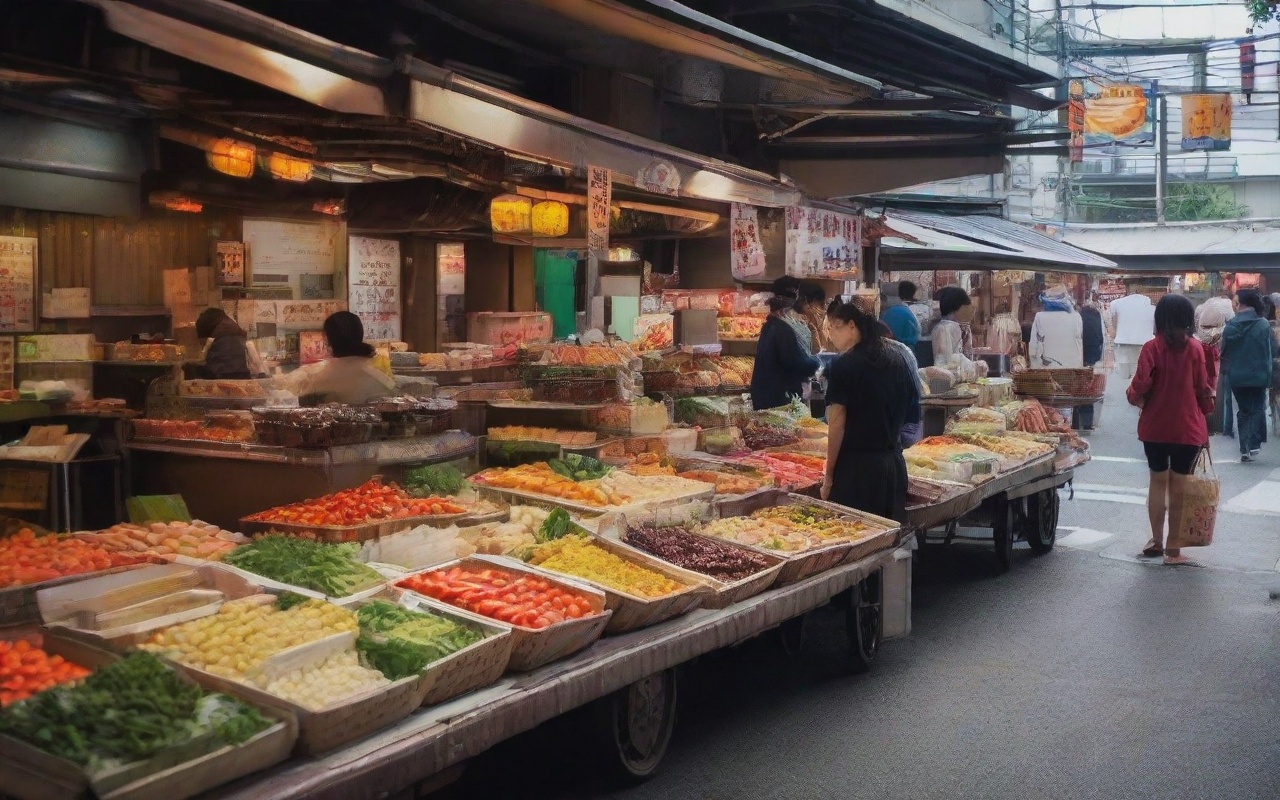
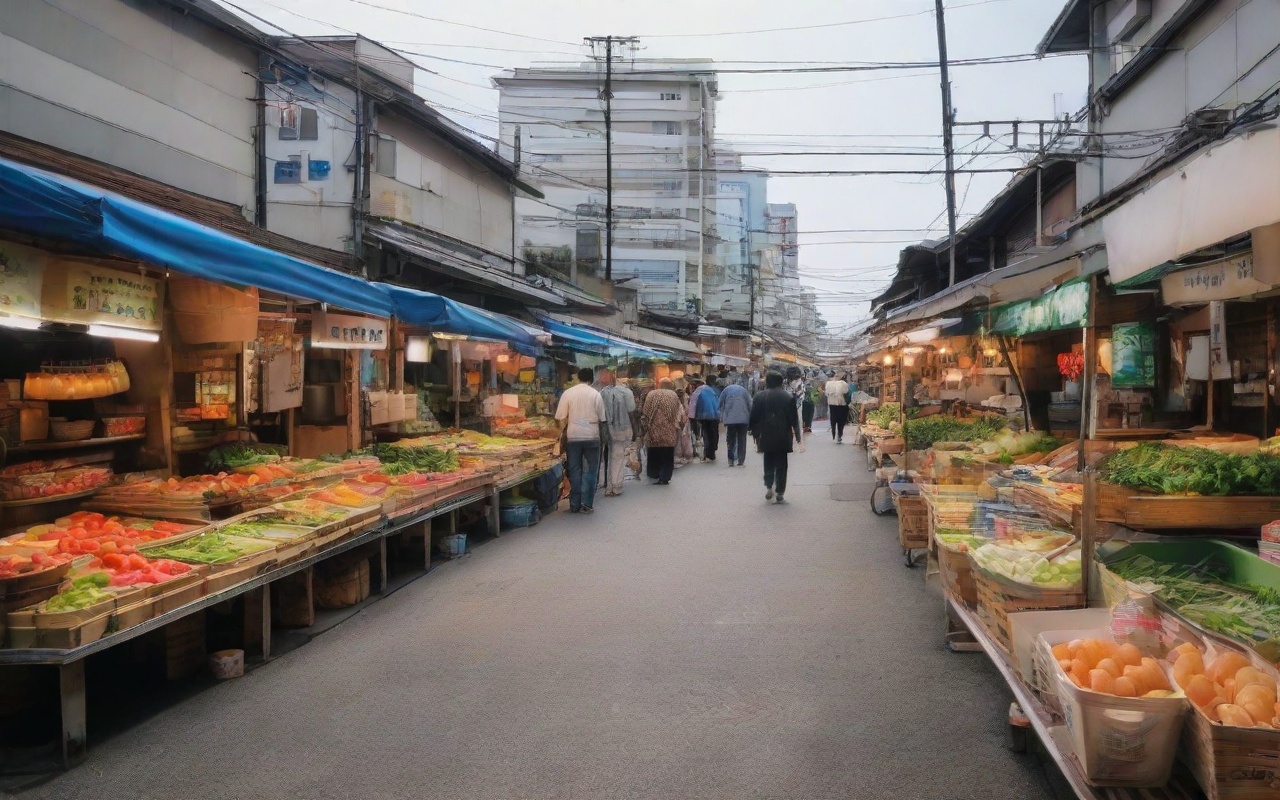
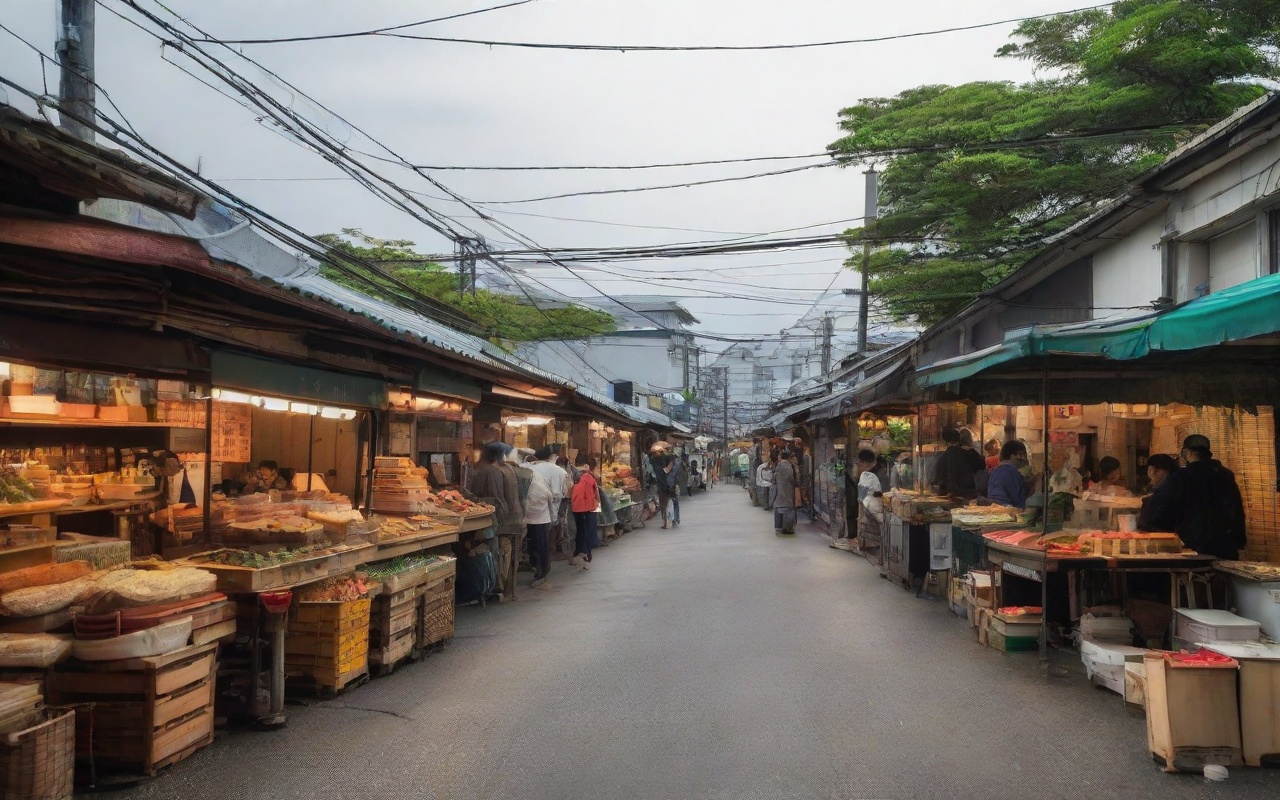
Kanagawa's street food and local markets offer an authentic taste of Japanese culinary culture. From Yokohama Chinatown's bustling food stalls to Kamakura's traditional street food, this guide covers the best food experiences in the region.
Top Street Food Areas
1. Yokohama Chinatown
Budget: ¥1,500-3,000 Duration: 1-2 hours Highlights: Giant soup dumplings, street snacks, tea
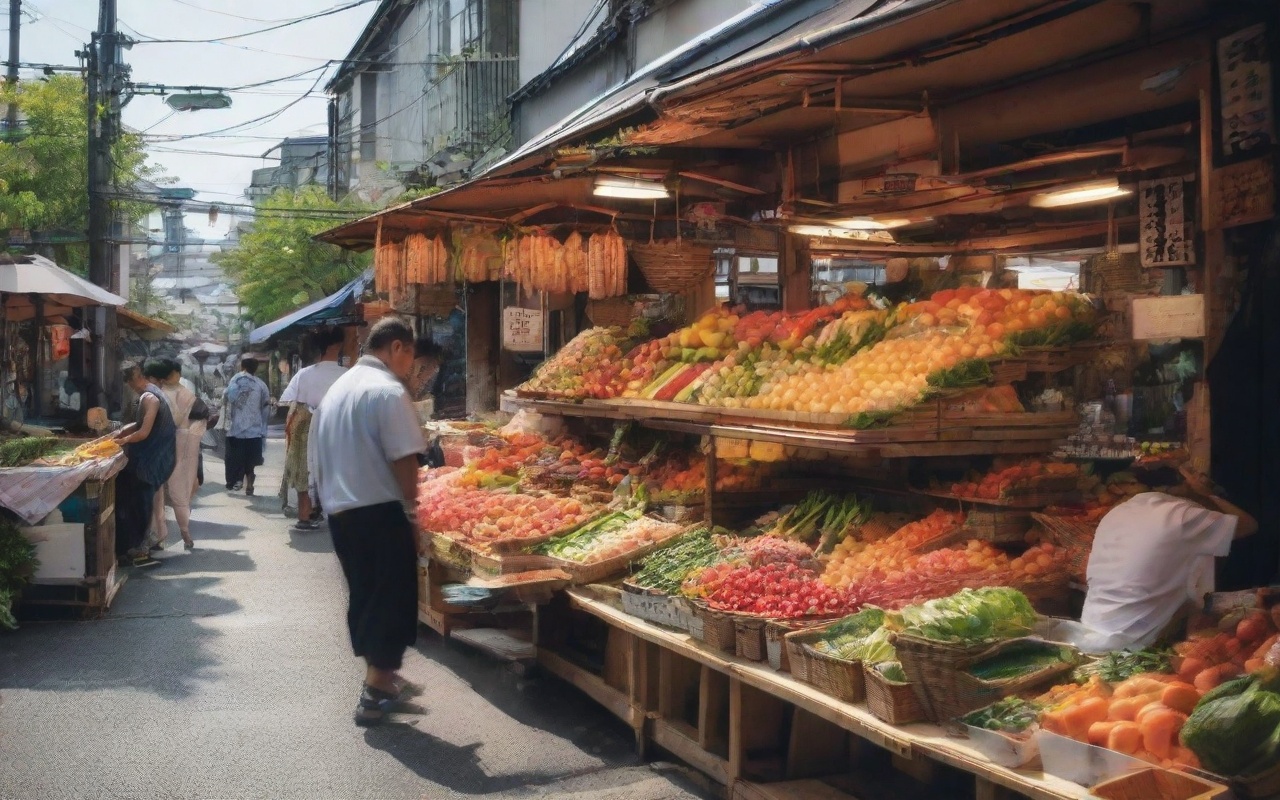
Asia's largest Chinatown features hundreds of food stalls and restaurants offering authentic Chinese street food.
Must-Try Foods:
- Paozu (¥800-1,200): Giant soup dumplings
- Good Luck Dumpling (¥500): Steamed pork buns
- Sesame balls (¥300): Sweet dessert
- Bubble tea (¥500): Taiwanese specialty
Best Times:
- Lunch: 11:30 AM-1:30 PM
- Dinner: 5:30 PM-7:30 PM
- Weekdays less crowded
2. Kamakura Komachi-dori
Budget: ¥1,000-2,000 Duration: 1 hour Highlights: Traditional Japanese street food, local specialties
The main shopping street leading to Tsurugaoka Hachimangu Shrine features numerous street food stalls.
Must-Try Foods:
- Shirasu-don (¥1,200): Whitebait rice bowl
- Kamakura vegetables (¥500-800): Local produce
- Matcha soft serve (¥400): Green tea ice cream
- Menchi katsu (¥300): Minced meat cutlet
Best Times:
- Morning: 9-11 AM (fresh, less crowded)
- Afternoon: 2-4 PM (moderate crowds)
3. Enoshima Island Food Stalls
Budget: ¥1,000-2,000 Duration: 1 hour Highlights: Seafood, ocean views, local specialties
The approach to Enoshima Shrine features numerous food stalls with fresh seafood and local treats.
Must-Try Foods:
- Shirasu (¥800): Fresh whitebait
- Sakura ebi (¥600): Pink shrimp
- Seafood skewers (¥500-800): Grilled seafood
- Soft serve (¥400): Ocean view ice cream
Best Times:
- Morning: 9-11 AM (fresh catch)
- Sunset: 4-6 PM (beautiful views)
4. Hakone Yumoto Street Food
Budget: ¥1,000-2,000 Duration: 30 minutes-1 hour Highlights: Onsen eggs, local specialties, hot spring treats
The main street of Hakone's onsen town features unique hot spring-cooked foods and local delicacies.
Must-Try Foods:
- Black eggs (¥500 for 5): Hot spring-cooked eggs
- Onsen manju (¥300): Hot spring steamed buns
- Hakone tofu (¥800): Silky local tofu
- Soba noodles (¥1,000): Local buckwheat
Best Times:
- Morning: 8-10 AM (fresh tofu)
- Afternoon: 2-4 PM (moderate crowds)
Local Markets
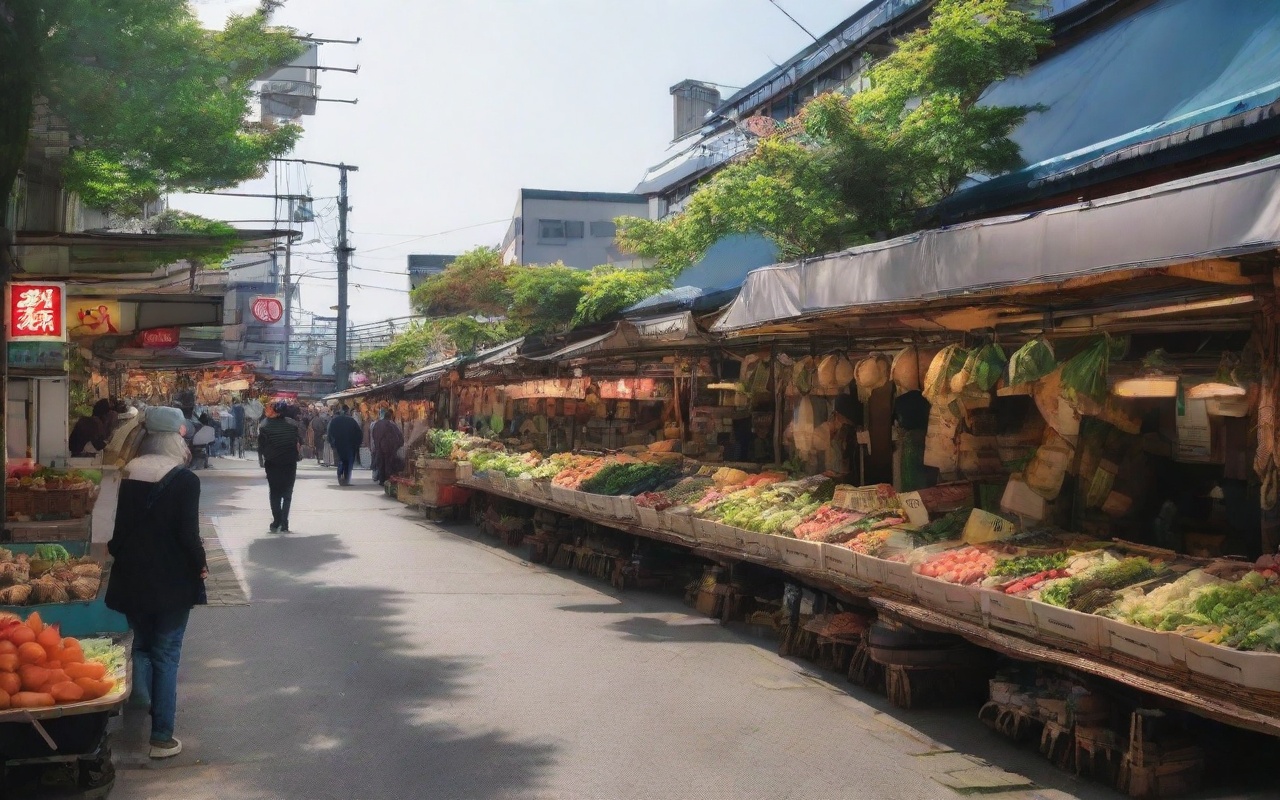
Morning Markets
1. Misaki Morning Market
Budget: ¥1,000-2,000 Hours: 6-10 AM Highlights: Fresh tuna, local seafood, breakfast
The fisherman's market at Misaki Port offers incredibly fresh tuna and seafood at local prices.
Must-Buy:
- Tuna sashimi (¥1,000-1,500): Fresh from boat
- Grilled fish (¥500-800): Morning catch
- Seaweed (¥300-500): Local varieties
- Breakfast set (¥800): Fish, rice, miso soup
Tips:
- Arrive early (6-7 AM) for best selection
- Cash only
- Some stalls offer cooking
2. Kamakura Morning Market
Budget: ¥800-1,500 Hours: 6-9 AM (weekends) Highlights: Local vegetables, traditional foods
A small but charming market featuring local farmers and traditional food producers.
Must-Buy:
- Kamakura vegetables (¥500-800): Heirloom varieties
- Pickles (¥300-500): Traditional tsukemono
- Fresh tofu (¥400): Local specialty
- Matcha products (¥500-800): Green tea treats
Tips:
- Weekend mornings only
- Bring reusable bags
- Sample before buying
3. Yokohama Fish Market
Budget: ¥1,500-3,000 Hours: 5-10 AM Highlights: Wholesale prices, sushi breakfast
One of Japan's largest fish markets, offering wholesale prices and fresh sushi breakfasts.
Must-Buy:
- Sushi breakfast (¥1,500-2,500): Fresh daily catch
- Tuna cuts (¥1,000-2,000): Wholesale prices
- Seafood bowls (¥1,200-1,800): Donburi style
- Grilled fish (¥800-1,200): Morning special
Tips:
- Arrive before 7 AM for best selection
- Cash preferred
- Eat at market restaurants
Street Food Tours
Budget Food Tour (¥2,000-3,000)
Route:
- Kamakura Komachi-dori (¥800)
- Enoshima food stalls (¥800)
- Local market visit (¥500)
Duration: 3-4 hours Distance: 5km walking
Premium Food Tour (¥4,000-6,000)
Route:
- Yokohama Chinatown (¥2,000)
- Yokohama Fish Market (¥2,000)
- Local sake tasting (¥1,500)
Duration: 5-6 hours Distance: 8km with train travel
Money-Saving Tips
Best Value Foods
Under ¥500:
- Onigiri (rice balls): ¥120-200
- Menchi katsu: ¥300
- Soft serve ice cream: ¥400
- Steamed buns: ¥300-400
¥500-1,000:
- Shirasu-don: ¥800-1,200
- Sushi breakfast: ¥1,000-1,500
- Grilled seafood: ¥800-1,000
- Local tofu: ¥800
Market Shopping Tips
- Arrive early: Best selection, lower prices
- Bring cash: Many vendors don't accept cards
- Ask for samples: Most vendors offer tasting
- Buy in bulk: Discounts for multiple items
- Visit on weekdays: Less crowded, better prices
Seasonal Street Food Guide
Spring (March-May)
- Specialties: Sakura mochi, bamboo shoots
- Markets: Morning markets active
- Tips: Cherry blossom viewing foods
Summer (June-August)
- Specialties: Kakigori (shaved ice), grilled corn
- Markets: Early morning best
- Tips: Stay hydrated, eat light
Autumn (September-November)
- Specialties: Sweet potatoes, mushrooms
- Markets: Harvest season abundance
- Tips: Try seasonal specialties
Winter (December-February)
- Specialties: Oden, hot sweet potatoes
- Markets: Cozy indoor options
- Tips: Warm foods, hot drinks
Location
Major street food areas and markets:
- Yokohama Chinatown: 30 minutes from Tokyo
- Kamakura Komachi-dori: 1 hour from Tokyo
- Enoshima: 1 hour from Tokyo
- Hakone Yumoto: 1.5 hours from Tokyo
- Misaki Port: 1.5 hours from Tokyo
Nearby Attractions
Within 1km
- Chinatown: Temples, gardens
- Kamakura: Tsurugaoka Hachimangu, Great Buddha
- Enoshima: Shrine, sea caves
- Hakone: Onsen, Lake Ashi
Within 5km
- Yokohama: Red Brick Warehouse, Minato Mirai
- Kamakura: Beaches, temples
- Misaki: Jogashima Park, lighthouse
Essential Preparation Guide
What to Pack
Essential Items:
- Comfortable walking shoes (most important)
- Weather-appropriate clothing layers
- Portable phone charger (long days out)
- Reusable water bottle (stay hydrated)
- Small backpack for daily essentials
- Cash (many places cash-only in Japan)
- IC card (Suica/Pasmo for transport)
- Pocket tissues (restrooms often lack paper)
Seasonal Additions:
- Spring: Light jacket, allergy medication
- Summer: Sunscreen, hat, cooling towel
- Autumn: Light layers, rain jacket
- Winter: Warm coat, gloves, scarf
Budget Planning
Daily Budget Breakdown:
- Transportation: ¥1,000-2,000
- Breakfast: ¥300-500
- Lunch: ¥800-1,200
- Dinner: ¥1,200-2,000
- Attractions: ¥500-1,500
- Accommodation: ¥3,000-8,000
- Total: ¥6,800-15,200/day
Money-Saving Tips:
- Convenience store breakfast: ¥300-500
- Supermarket dinner bento: ¥500-800 (after 7 PM discount)
- Free attractions: Temples, parks, beaches
- Day passes: Unlimited transport for ¥500-1,500
- Hostel accommodation: ¥3,000-5,000/night
Transportation Mastery
Train System:
- JR lines cover major destinations
- Private lines (Tokyu, Odakyu, Keikyu) offer discounts
- IC cards (Suica/Pasmo) work on all lines
- Day passes save 30-50% on transport
Bus System:
- Local buses reach areas trains don't
- Day passes available for unlimited rides
- English announcements on major routes
- IC cards accepted on most buses
Walking & Cycling:
- Many attractions within walking distance
- Bicycle rental: ¥1,000-1,500/day
- Dedicated cycling paths in some areas
- Best way to discover hidden gems
Insider Secrets
Best Kept Secrets
Hidden Viewpoints:
- Enoshima Sea Candle top floor (less crowded)
- Hakone Shrine back trails (peaceful)
- Kamakura hiking paths (panoramic views)
- Yokohama rooftop gardens (free, stunning)
Local Dining:
- Isezakicho back alleys (authentic, cheap)
- Komachi-dori side streets (local favorites)
- Hakone Yumoto side roads (traditional)
- Shonan fishing ports (fresh, direct)
Quiet Times:
- Temples: 8-9 AM (opening time)
- Beaches: Weekday mornings
- Museums: Tuesday-Thursday afternoons
- Restaurants: 11:30 AM or 2 PM (off-peak)
Photography Masterclass
Golden Hour Locations:
- Yuigahama Beach: 30 min before sunset
- Lake Ashi: Morning (Fuji clearest)
- Enoshima: Late afternoon (ocean glow)
- Yokohama: Blue hour (30 min after sunset)
Composition Tips:
- Use foreground elements (trees, buildings)
- Include people for scale
- Capture local life (markets, temples)
- Shoot vertical for social media
Weather Photography:
- Rainy: Reflections, umbrellas, moody
- Foggy: Mysterious atmosphere, layers
- Clear: Distant views, vibrant colors
- Snow: Rare, magical, capture quickly
Local Neighborhood Guide
Yokohama Neighborhoods
Minato Mirai:
- Modern waterfront district
- Shopping, dining, entertainment
- Best for: First-time visitors
- Time needed: Half day
Chinatown:
- Asia's largest Chinatown
- 500+ restaurants, shops
- Best for: Food lovers
- Time needed: 2-3 hours
Yamashita Park Area:
- Historic waterfront park
- Marine Tower, Red Brick Warehouse
- Best for: Relaxing, photos
- Time needed: 2 hours
Kamakura Neighborhoods
Komachi-dori:
- Main shopping street
- Street food, souvenirs
- Best for: Shopping, snacks
- Time needed: 1-2 hours
Temple District:
- Great Buddha, Hasedera, Hokokuji
- Cultural heart of Kamakura
- Best for: History, spirituality
- Time needed: Half day
Beach Area:
- Yuigahama, Zushi beaches
- Surf culture, beach cafes
- Best for: Ocean, relaxation
- Time needed: 2-3 hours
Hakone Areas
Yumoto:
- Gateway to Hakone
- Onsen town, restaurants
- Best for: Hot springs, base
- Time needed: Half day
Lake Ashi:
- Scenic lake, shrine, cruises
- Mount Fuji views (winter)
- Best for: Nature, photos
- Time needed: 2-3 hours
Owakudani:
- Volcanic valley, black eggs
- Ropeway, hiking trails
- Best for: Unique experience
- Time needed: 1-2 hours
Advanced Local Experiences
Cultural Immersion Activities
Traditional Craft Workshops:
- Pottery making in Kamakura (¥3,000-5,000, 2 hours)
- Incense blending at historic temples (¥2,000-3,000)
- Calligraphy lessons with local masters (¥2,500-4,000)
- Tea ceremony participation (¥3,000-5,000, includes matcha)
- Origami workshops at cultural centers (¥1,000-2,000)
Festival Participation:
- Spring matsuri (March-April): Local shrine festivals
- Summer hanabi (July-August): Fireworks festivals
- Autumn matsuri (September-November): Harvest celebrations
- Winter illuminations (December-February): Light displays
Local Food Experiences:
- Sushi making classes (¥5,000-8,000, includes lunch)
- Ramen broth cooking workshops (¥4,000-6,000)
- Sake tasting tours (¥3,000-5,000, 5-7 varieties)
- Wagashi (Japanese sweets) making (¥3,500-5,000)
- Tofu making at traditional shops (¥2,000-3,000)
Off-the-Beaten-Path Adventures
Hidden Hiking Trails:
- Kamakura Daibutsu hiking trail (2 hours, moderate)
- Hakone old Tokaido road (3 hours, easy)
- Enoshima island circumnavigation (1.5 hours, easy)
- Mount Myojin panoramic trail (2.5 hours, moderate)
- Sagami Bay coastal walk (4 hours, easy-moderate)
Secret Beaches:
- Shichirigahama (local surfers' favorite)
- Isshiki Beach in Hayama (quiet, clean)
- Morito Beach in Zushi (family-friendly)
- Koajiro Beach (hidden gem, few visitors)
- Nagai Beach (local secret, great sunset)
Local Neighborhoods:
- Ofuna in Kamakura (residential, authentic)
- Motomachi in Yokohama (upscale, historic)
- Gora in Hakone (mountain village feel)
- Zushi town center (surf culture, relaxed)
- Fujisawa old town (traditional, unspoiled)
Seasonal Deep Dives
Spring (March-May) Deep Experience:
- Cherry blossom hanami parties in local parks
- Temple garden visits during peak bloom
- Spring vegetable tasting menus at ryokan
- Traditional flower arrangement workshops
- Morning market visits for seasonal produce
Summer (June-August) Deep Experience:
- Early morning beach yoga sessions
- Evening fireworks festivals (free viewing spots)
- Indoor museum hopping during hot afternoons
- Night cycling along coastal paths
- Cold ramen and shaved ice tasting tour
Autumn (September-November) Deep Experience:
- Fall foliage hiking in Hakone mountains
- Harvest festival participation at local shrines
- Mushroom foraging guided tours
- Hot spring visits with mountain views
- Photography workshops for autumn colors
Winter (December-February) Deep Experience:
- Onsen hopping with snow views
- Clear Mount Fuji viewpoint hunting
- Illumination walking tours
- Hot pot restaurant crawling
- Traditional New Year temple visits
Detailed Area Guides
Yokohama Deep Dive
Minato Mirai District:
- Landmark Tower Sky Garden (¥1,030, 360° views)
- Cup Noodles Museum (free entry, ¥500 activities)
- Red Brick Warehouse (free, shopping, dining)
- Cosmo World amusement park (free entry, pay per ride)
- Queen's Square shopping (100+ shops)
Chinatown Exploration:
- 500+ restaurants and food stalls
- Paozu giant soup dumplings (¥800-1,200)
- Good Luck Dumpling budget option (¥500)
- Kanteibyo Temple (free, historic)
- Covered arcades for rainy days
Yamashita Park Area:
- Waterfront park (free, beautiful views)
- Marine Tower (¥1,000, observation deck)
- Hikawa Maru ship museum (¥500, historic)
- NYK Maritime Museum (free, shipping history)
- Harbor cruise boats (¥1,600, 40 minutes)
Kamakura Deep Dive
Temple Circuit:
- Kotoku-in Great Buddha (¥300, iconic)
- Hasedera Temple (¥400, gardens, ocean views)
- Hokokuji Temple (¥300, bamboo grove)
- Kenchoji Temple (¥500, oldest Zen temple)
- Engakuji Temple (¥300, important cultural site)
Beach Culture:
- Yuigahama Beach (surfing, swimming)
- Shichirigahama Beach (local favorite)
- Beachside cafes and restaurants
- Surfboard rental shops (¥3,000-5,000/day)
- Sunset viewing spots
Shopping & Dining:
- Komachi-dori Street (main shopping)
- Side street antique shops
- Local soba noodle restaurants
- Shirasu (whitebait) specialty restaurants
- Matcha cafes and sweets shops
Hakone Deep Dive
Onsen Towns:
- Yumoto (gateway, many options)
- Gora (mountain village, quiet)
- Miyanoshita (historic, traditional)
- Tonosawa (quiet, local feel)
- Sokokura (hidden, authentic)
Nature Experiences:
- Lake Ashi cruise (¥1,000, scenic)
- Owakudani volcanic valley (ropeway access)
- Hakone Shrine (free, lakeside torii)
- Old Tokaido road hiking (free, historic)
- Botanical gardens (¥500, seasonal flowers)
Art & Culture:
- Open-Air Museum (¥1,600, sculpture park)
- Venetian Glass Museum (¥1,800, unique)
- Pola Museum of Art (¥1,800, impressionist)
- Narukawa Art Museum (¥1,000, local artists)
- Hakone Checkpoint (¥500, historic site)
Conclusion
Kanagawa's street food and local markets offer an authentic and affordable way to experience Japanese culinary culture. From the bustling stalls of Yokohama Chinatown to the tranquil morning markets of Kamakura, each area provides unique flavors and local specialties. Plan your food tour, bring cash, and arrive early for the best experiences.
For more Kanagawa guides, explore our other articles on Hakone, Kamakura, Yokohama, and the Miura Peninsula.
Related Articles:
Comprehensive Visitor Guide
This detailed section provides essential information for planning your visit to kanagawa-street-food-local-markets. Whether you are a first-time visitor or returning traveler, this guide covers everything you need to know for an authentic and enjoyable experience in Kanagawa.
What Makes This Destination Special
Kanagawa Street Food Local Markets offers unique experiences that cannot be found elsewhere in Japan. The area combines traditional culture with modern amenities, creating an authentic yet comfortable environment for international visitors. Local residents take pride in sharing their heritage with guests from around the world.
Detailed Seasonal Guide
Spring (March-May)
Spring is one of the most popular seasons for visiting this area. Cherry blossoms typically bloom from late March to early April, creating spectacular scenery throughout the region. Temperatures range from 10-20°C (50-68°F), making it comfortable for walking tours and outdoor activities.
- Highlights: Cherry blossoms, spring festivals, fresh seasonal food
- Crowds: High during peak blossom season (late March-early April)
- What to Wear: Light jacket, layers, comfortable walking shoes
- Special Events: Hanami parties, temple ceremonies, food festivals
Summer (June-August)
Summer brings lush greenery and vibrant energy to the area. Temperatures range from 20-30°C (68-86°F), with higher humidity. This is the season for beach activities, mountain hiking, and evening festivals.
- Highlights: Green landscapes, summer festivals, fireworks, beach access
- Crowds: Very high during school holidays (late July-August)
- What to Wear: Light clothing, hat, sunscreen, umbrella
- Special Events: Fireworks festivals, beach events, night illuminations
Autumn (September-November)
Autumn is arguably the best season for visiting. Fall foliage peaks in November, creating stunning scenery. Temperatures range from 15-25°C (59-77°F), perfect for outdoor exploration.
- Highlights: Fall foliage, comfortable weather, harvest season food
- Crowds: Moderate to high (especially November weekends)
- What to Wear: Light layers, comfortable walking shoes, camera
- Special Events: Autumn festivals, food events, cultural performances
Winter (December-February)
Winter offers a peaceful experience with fewer crowds. Temperatures range from 5-15°C (41-59°F). Clear days provide excellent views of Mount Fuji and distant landscapes.
- Highlights: Fewer crowds, clear views, winter illuminations
- Crowds: Low (except New Year holidays)
- What to Wear: Warm coat, gloves, scarf, hand warmers
- Special Events: New Year shrine visits, winter light-ups, hot springs
Practical Transportation Guide
By Train:
- Direct access from Tokyo Station (30-60 minutes)
- IC cards (Suica, PASMO) accepted
- English announcements on most lines
- Rush hours: 7:30-9:00 AM, 5:00-7:00 PM (avoid if possible)
By Bus:
- Local buses connect major attractions
- Day passes available for unlimited rides
- English route maps at tourist centers
- Frequency: Every 10-20 minutes during daytime
By Car:
- Rental cars available at major stations
- Parking: 500-1,500 yen per day
- Navigation systems with English available
- Toll roads: ETC cards accepted
Accommodation Recommendations
Budget Options (3,000-8,000 yen/night):
- Business hotels near major stations
- Hostels and guesthouses
- Capsule hotels for solo travelers
Mid-Range Options (8,000-20,000 yen/night):
- Traditional ryokan with breakfast
- Modern business hotels with amenities
- Apartment-style accommodations
Luxury Options (20,000+ yen/night):
- Historic ryokan with hot springs
- International chain hotels
- Boutique hotels with local character
Dining and Food Culture
Local cuisine reflects the region's geography and history. Seafood is prominent in coastal areas, while mountain regions offer wild vegetables and traditional preservation methods.
Must-Try Local Dishes:
- Fresh seafood at local markets
- Traditional Japanese set meals (teishoku)
- Regional specialties unique to the area
- Seasonal limited-time offerings
Dining Etiquette:
- Say "itadakimasu" before eating
- Use chopsticks properly
- Tipping is not customary
- Many restaurants accept credit cards now
Money-Saving Tips
Transportation Passes:
- Day passes for unlimited travel
- Multi-day passes for extended stays
- Foreign visitor discounts available
Attraction Discounts:
- Combined tickets for multiple sites
- Free admission days at museums
- Student and senior discounts
Food Savings:
- Lunch sets are cheaper than dinner
- Convenience stores offer quality meals
- Local markets have fresh, affordable options
Safety and Emergency Information
Emergency Numbers:
- Police: 110
- Fire/Ambulance: 119
- Tourist Hotline: Use the official Japan National Tourism Organization (JNTO) website for current visitor support options. (English support)
Medical Facilities:
- Major hospitals with English support
- Clinics near tourist areas
- Pharmacy chains with multilingual staff
General Safety:
- Japan is one of the safest countries
- Keep valuables secure
- Follow local guidelines and signage