
Overview
📍 spot
- 40+ verified multi-purpose toilets across Kanagawa
- Wheelchair accessible at all spots
- Baby places included (changing tables, chairs)
- Emergency buttons at most spots
- Free to use at all spots
Introduction: What are Multi-Purpose Toilets? 
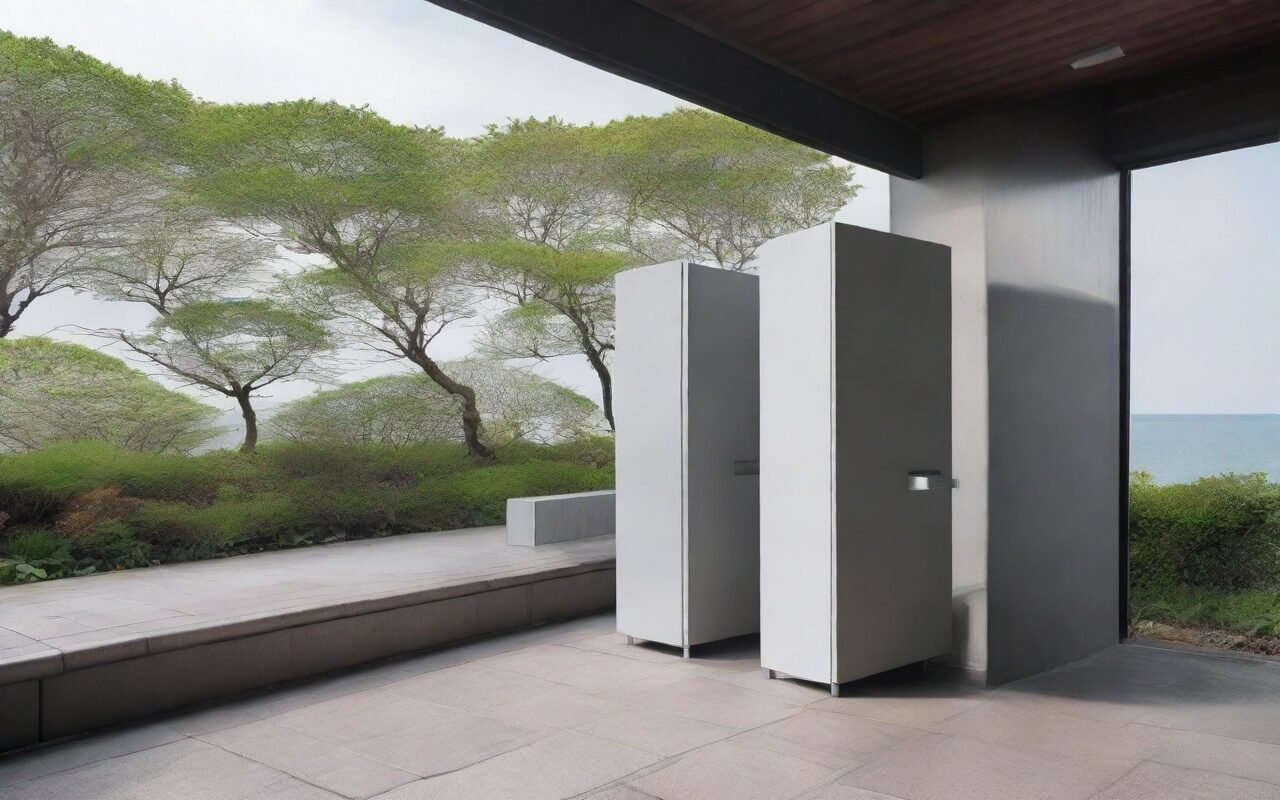
Multi-purpose toilets ( – Mokutekiteki Toire) in Japan are specially designed restrooms for:
- Wheelchair users
- People with physical disabilities
- Elderly travelers
- Parents with small children
- People who need help from caregivers
- Anyone needing extra space or places
These restrooms are:
- Larger than standard restrooms (minimum 2m x 2m)
- Equipped with grab bars, baby places
- Accessible with wide doors and level access
- Free to use at all public places This guide covers 40+ verified multi-purpose toilet spots in Kanagawa Prefecture, with detailed ease of use info. Updated: March 2026 (all spots verified)
Standard Equipment
✅ ease of use Features:
- Wide door (80cm+ / 31 inches)
- No step at entrance (level access)
- Grab bars and handrails
- Emergency call button
- Lower toilet seat (40-45cm)
- Space for wheelchair (1.5m turning radius)
- Automatic door (some spots)
- Braille signage

✅ Baby places:
- Baby changing table
- Baby chair (high chair)
- Sometimes: nursing room nearby
- Sometimes: hot water for formula

✅ Comfort Features:
- Heated toilet seat (Washlet)
- Bidet functions
- Air purifier
- Sound masking (Otohime)
- Hand dryer
- Soap dispenser
- Paper towels or electric dryer
Emergency Button
What it does:
- Alerts staff if you need help
- Usually connected to facility management
- Can be audio or visual alert
How to use:
- Look for red button or cord
- Press button or pull cord
- Wait for staff response
- Explain situation
- Staff will assist
When to use:
- If you fall or feel unwell
- If you need help
- If equipment is broken
- Any emergency situation Note: Don’t hesitate to use it! Staff are trained to help. “`
Door Types
Manual Door:
- Most common type
- Opens outward (for safety)
- Lock from inside
- Handle on both sides
Automatic Door:
- Found in newer places
- Button to open
- Sensor activation (some)
- Wider opening (90cm+) Sliding Door:
- Space-saving design
- Smooth operation
- Good for wheelchairs
- Less common
2.1 JR Yokohama Station (North Exit)
Best for: 24/7 access & central spot
| Item | Details |
|---|---|
| spot | JR Yokohama Station, North Exit (2F concourse) |
| Hours | 24/7 |
| Cleanliness | ⭐⭐⭐⭐⭐ (5/5) |
| Number | 2 multi-purpose restrooms |
| Door Width | 90cm |
| Emergency Button | Yes |
| Baby Changing | Yes |
| Baby Chair | Yes |
| Washlet | Yes |
| Grab Bars | Yes (L-shaped) |
| ease of use | Elevator access from all platforms |
How to Find:
- Enter JR Yokohama Station (North Exit)
- Take elevator or escalator to 2F main concourse
- Look for wheelchair symbol signs
- Multi-purpose restrooms are near the center of concourse
- Next to regular restrooms
Local Insight: The north exit 2F multi-purpose restrooms are the best in the station. Recently renovated (2024), very spacious, and always clean. Staff patrol hourly. ease of use Notes:
- Step-free access from ticket gates
- Wide pathways to restrooms
- Tactile paving for visually impaired
- Staff available at info desk
2.2 JR Yokohama Station (South Exit)
Best for: Ground level access
| Item | Details |
|---|---|
| spot | JR Yokohama Station, South Exit (1F) |
| Hours | 24/7 |
| Cleanliness | ⭐⭐⭐⭐ (4/5) |
| Number | 1 multi-purpose restroom |
| Door Width | 85cm |
| Emergency Button | Yes |
| Baby Changing | Yes |
| Baby Chair | Yes |
| Washlet | Yes |
| Grab Bars | Yes |
| ease of use | Ground level (no elevator needed) |
Local Tip: South exit is less crowded than north exit. Good for quick stops. —
2.3 Takashimaya Yokohama
Best for: Luxury places
| Item | Details |
|---|---|
| spot | Takashimaya Yokohama. 6F (Children’s floor) & 8F (places to eat) |
| Hours | 10:00-20:00 |
| Cleanliness | ⭐⭐⭐⭐⭐ (5/5) |
| Number | 2 multi-purpose restrooms |
| Door Width | 90cm (automatic) |
| Emergency Button | Yes |
| Baby Changing | Yes (dedicated baby room on 6F) |
| Baby Chair | Yes |
| Washlet | Yes (premium model) |
| Grab Bars | Yes (multiple) |
| ease of use | Elevator access, wheelchair rental available |
Special Features:
- Dedicated baby room on 6F (nursing room, changing area)
- Powder room with makeup area
- Attendant on duty during business hours
- Wheelchair available for loan (free)
How to Find:
- Enter Takashimaya (east exit, connected to station)
- Take elevator to 6F (children’s floor) or 8F (places to eat)
- Multi-purpose restrooms near elevators
- Baby room on 6F (ask staff for directions)
2.4 Lumine Yokohama
Best for: Modern places
| Item | Details |
|---|---|
| spot | Lumine Yokohama. 5F (place to eat floor) |
| Hours | 10:00-21:00 |
| Cleanliness | ⭐⭐⭐⭐⭐ (5/5) |
| Number | 1 multi-purpose restroom |
| Door Width | 85cm |
| Emergency Button | Yes |
| Baby Changing | Yes |
| Baby Chair | Yes |
| Washlet | Yes |
| Grab Bars | Yes |
| ease of use | Elevator access |
2.5 Yokohama Bay Quarter
Best for: Shopping breaks
| Item | Details |
|---|---|
| spot | Yokohama Bay Quarter. Each floor |
| Hours | 10:00-21:00 |
| Cleanliness | ⭐⭐⭐⭐ (4/5) |
| Number | 1 per floor |
| Door Width | 85cm |
| Emergency Button | Yes |
| Baby Changing | Yes |
| Baby Chair | Yes |
| Washlet | Yes |
| Grab Bars | Yes |
| ease of use | Elevator access |
2.6 Landmark Tower
Best for: Best overall places
| Item | Details |
|---|---|
| spot | Landmark Tower. 4F Sky Garden & each office floor |
| Hours | 10:00-21:00 (4F Sky Garden) |
| Cleanliness | ⭐⭐⭐⭐⭐ (5/5) |
| Number | Multiple (4F has public access) |
| Door Width | 90cm (automatic) |
| Emergency Button | Yes |
| Baby Changing | Yes |
| Baby Chair | Yes |
| Washlet | Yes (premium) |
| Grab Bars | Yes (multiple positions) |
| ease of use | Elevator access, wheelchair friendly |
Special Features:
- Very spacious (3m x 3m)
- Premium Washlet with remote control
- Air purifier with deodorizer
- great harbor views from 4F
- Free access (no buy needed)
Local Insight: This is the best multi-purpose restroom in Yokohama. Exceptionally clean, spacious, and well-equipped. The 4F sky garden is free to access. —
2.7 Queen’s Square Yokohama
Best for: Multiple spots
| Item | Details |
|---|---|
| spot | Queen’s Square. 4F) |
| Hours | 10:00-21:00 |
| Cleanliness | ⭐⭐⭐⭐⭐ (5/5) |
| Number | 3 multi-purpose restrooms |
| Door Width | 85-90cm |
| Emergency Button | Yes |
| Baby Changing | Yes (dedicated baby room on 2F) |
| Baby Chair | Yes |
| Washlet | Yes |
| Grab Bars | Yes |
| ease of use | Elevator access, wheelchair friendly |
Special Features:
- Baby room on 2F (nursing room, microwave)
- Multiple spots throughout mall
- Very clean and spacious
- Staff available for help
2.8 Red Brick Warehouse (Akarenga)
Best for: old building
| Item | Details |
|---|---|
| spot | Red Brick Warehouse, Building 1 (1F) & Building 2 (2F) |
| Hours | 10:00-19:00 (varies by shop) |
| Cleanliness | ⭐⭐⭐⭐⭐ (5/5) |
| Number | 2 multi-purpose restrooms |
| Door Width | 85cm |
| Emergency Button | Yes |
| Baby Changing | Yes |
| Baby Chair | Yes |
| Washlet | Yes |
| Grab Bars | Yes |
| ease of use | Elevator access, ramp access to building |
2.9 Cosmo World (Amusement Park)
Best for: Family places
| Item | Details |
|---|---|
| spot | Cosmo World. Near entrance & inside park |
| Hours | 10:00-21:00 (varies by season) |
| Cleanliness | ⭐⭐⭐⭐ (4/5) |
| Number | 2 multi-purpose restrooms |
| Door Width | 90cm |
| Emergency Button | Yes |
| Baby Changing | Yes |
| Baby Chair | Yes |
| Washlet | Yes |
| Grab Bars | Yes |
| ease of use | Ground level access, wheelchair rental available |
Special Features:
- Family restroom available (larger, with child-sized toilet)
- Wheelchair rental (free, first-come-first-served)
- Staff trained in disability help
2.10 Yokohama Station West Exit Public Toilet
Best for: Quick access
| Item | Details |
|---|---|
| spot | West Exit Plaza (ground level) |
| Hours | 24/7 |
| Cleanliness | ⭐⭐⭐⭐ (4/5) |
| Number | 1 multi-purpose restroom |
| Door Width | 80cm |
| Emergency Button | Yes |
| Baby Changing | Limited |
| Baby Chair | No |
| Washlet | Yes |
| Grab Bars | Yes |
| ease of use | Ground level (no stairs) |
Local Tip: handy for quick stops, but can be crowded. Best visited during off-peak hours. —
2.11 MORES Yokohama
Best for: Connected to station
| Item | Details |
|---|---|
| spot | MORES Yokohama. 5F-6F |
| Hours | 10:00-21:00 |
| Cleanliness | ⭐⭐⭐⭐⭐ (5/5) |
| Number | 1 per floor |
| Door Width | 85cm |
| Emergency Button | Yes |
| Baby Changing | Yes |
| Baby Chair | Yes |
| Washlet | Yes |
| Grab Bars | Yes |
| ease of use | Elevator access, directly connected to station |
2.12 Yokohama City Air Terminal (YCAT)
Best for: Airport bus access
| Item | Details |
|---|---|
| spot | YCAT Building. 1F |
| Hours | 6:00-22:00 |
| Cleanliness | ⭐⭐⭐⭐⭐ (5/5) |
| Number | 2 multi-purpose restrooms |
| Door Width | 90cm |
| Emergency Button | Yes |
| Baby Changing | Yes |
| Baby Chair | Yes |
| Washlet | Yes |
| Grab Bars | Yes |
| ease of use | Ground level, wheelchair accessible |
Special Features:
- Luggage storage nearby
- Airport bus ticket counter
- Very clean (airport-quality)
- Staff available for help
3.1 Kamakura Station (East Exit)
Best for: Tourist access
| Item | Details |
|---|---|
| spot | JR Kamakura Station. East Exit (1F) |
| Hours | 24/7 |
| Cleanliness | ⭐⭐⭐⭐ (4/5) |
| Number | 1 multi-purpose restroom |
| Door Width | 85cm |
| Emergency Button | Yes |
| Baby Changing | Yes |
| Baby Chair | Yes |
| Washlet | Yes |
| Grab Bars | Yes |
| ease of use | Ground level |
Local Insight: Can be very crowded on weekends and holidays. Visit early morning (before 10 AM) for cleaner places and less crowding. ease of use Notes:
- Step-free access from ticket gates
- Tactile paving available
- Station staff available for help
3.2 Kamakura Station (West Exit)
Best for: Less crowded
| Item | Details |
|---|---|
| spot | JR Kamakura Station, West Exit (1F) |
| Hours | 24/7 |
| Cleanliness | ⭐⭐⭐⭐ (4/5) |
| Number | 1 multi-purpose restroom |
| Door Width | 80cm |
| Emergency Button | Yes |
| Baby Changing | Yes |
| Baby Chair | Yes |
| Washlet | Yes |
| Grab Bars | Yes |
| ease of use | Ground level |
Local Tip: West exit is less crowded than east exit. Better for quick stops. —
3.3 Enoshima Station
Best for: Island access
| Item | Details |
|---|---|
| spot | Enoden Enoshima Station (1F) |
| Hours | 6:00-23:00 |
| Cleanliness | ⭐⭐⭐⭐ (4/5) |
| Number | 1 multi-purpose restroom |
| Door Width | 80cm |
| Emergency Button | Yes |
| Baby Changing | Limited |
| Baby Chair | Yes |
| Washlet | Yes |
| Grab Bars | Yes |
| ease of use | Ground level (small step at entrance) |
ease of use Notes:
- Small step at station entrance (staff can provide ramp)
- Narrow pathways inside station
- Best visited during off-peak hours
3.4 Fujisawa Station (North Exit)
Best for: Best in Shonan area
| Item | Details |
|---|---|
| spot | JR Fujisawa Station, North Exit (2F) |
| Hours | 24/7 |
| Cleanliness | ⭐⭐⭐⭐⭐ (5/5) |
| Number | 2 multi-purpose restrooms |
| Door Width | 90cm |
| Emergency Button | Yes |
| Baby Changing | Yes |
| Baby Chair | Yes |
| Washlet | Yes (premium) |
| Grab Bars | Yes (multiple) |
| ease of use | Elevator access |
Local Insight: Recently renovated (2025). Best multi-purpose restrooms in the Shonan area. Very spacious and modern. —
3.5 Tsurugaoka Hachimangu Shrine
Best for: Temple visit
| Item | Details |
|---|---|
| spot | Shrine grounds. Near main hall |
| Hours | 6:00-20:00 |
| Cleanliness | ⭐⭐⭐⭐ (4/5) |
| Number | 1 multi-purpose restroom |
| Door Width | 85cm |
| Emergency Button | Yes |
| Baby Changing | Limited |
| Baby Chair | Yes |
| Washlet | Yes |
| Grab Bars | Yes |
| ease of use | Some slopes (paved paths) |
ease of use Notes:
- Paved paths from entrance (wheelchair accessible)
- Some gravel areas (can be hard)
- Staff available at entrance for help
- Wheelchair rental available (free)
3.6 Kotoku-in (Great Buddha)
Best for: Major tourist attraction
| Item | Details |
|---|---|
| spot | Kotoku-in Temple grounds |
| Hours | 8:00-17:00 |
| Cleanliness | ⭐⭐⭐⭐ (4/5) |
| Number | 1 multi-purpose restroom |
| Door Width | 80cm |
| Emergency Button | Yes |
| Baby Changing | Yes |
| Baby Chair | Yes |
| Washlet | Yes |
| Grab Bars | Yes |
| ease of use | Flat grounds (wheelchair accessible) |
ease of use Notes:
- Flat grounds throughout temple
- Paved pathways
- Wheelchair accessible to Buddha statue
- Temple staff available for help
4.1 Tsujido Beach Park
Best for: Beach access
| Item | Details |
|---|---|
| spot | Tsujido Beach Park |
| Hours | 24/7 |
| Cleanliness | ⭐⭐⭐⭐ (4/5) |
| Number | 2 multi-purpose restrooms |
| Door Width | 85cm |
| Emergency Button | Yes |
| Baby Changing | Yes (summer season) |
| Baby Chair | Yes |
| Washlet | Yes |
| Grab Bars | Yes |
| ease of use | Ground level, paved paths |
Special Features:
- Outdoor showers (summer only)
- Wheelchair accessible beach path (summer)
- Beach wheelchair available for loan (summer weekends) Local Insight: Best kept beach toilets in Shonan. Summer season (July-August) has more places. —
4.2 Chigasaki Beach
Best for: Surf culture
| Item | Details |
|---|---|
| spot | Chigasaki Beach, Multiple spots |
| Hours | 24/7 |
| Cleanliness | ⭐⭐⭐ (3/5) |
| Number | 3 multi-purpose restrooms |
| Door Width | 80cm |
| Emergency Button | Yes |
| Baby Changing | Limited |
| Baby Chair | Yes |
| Washlet | Yes |
| Grab Bars | Yes |
| ease of use | Ground level |
Local Tip: Main places near beach house are cleanest. Avoid midday crowds in summer. —
4.3 Shonan Park
| Item | Details |
|---|---|
| spot | Shonan Park |
| Hours | 24/7 |
| Cleanliness | ⭐⭐⭐⭐ (4/5) |
| Number | 2 multi-purpose restrooms |
| Door Width | 85cm |
| Emergency Button | Yes |
| Baby Changing | Yes |
| Baby Chair | Yes |
| Washlet | Yes |
| Grab Bars | Yes |
| ease of use | Ground level, paved paths |
Special Features:
- Large park with playground
- Picnic areas nearby
- Wheelchair accessible paths
- Free parking with accessible spaces
4.4 Hiratsuka Station (North Exit)
Best for: Station access
| Item | Details |
|---|---|
| spot | JR Hiratsuka Station. North Exit |
| Hours | 24/7 |
| Cleanliness | ⭐⭐⭐⭐ (4/5) |
| Number | 1 multi-purpose restroom |
| Door Width | 85cm |
| Emergency Button | Yes |
| Baby Changing | Yes |
| Baby Chair | Yes |
| Washlet | Yes |
| Grab Bars | Yes |
| ease of use | Elevator access |
4.5 Oiso Beach Park
Best for: Quiet beach
| Item | Details |
|---|---|
| spot | Oiso Beach Park |
| Hours | 24/7 |
| Cleanliness | ⭐⭐⭐⭐ (4/5) |
| Number | 1 multi-purpose restroom |
| Door Width | 80cm |
| Emergency Button | Yes |
| Baby Changing | Limited |
| Baby Chair | Yes |
| Washlet | Yes |
| Grab Bars | Yes |
| ease of use | Ground level |
Local Tip: Less crowded than other Shonan beaches. Good for peaceful beach visit. —
5.1 Odawara Station (East Exit)
Best for: Hakone gateway
| Item | Details |
|---|---|
| spot | JR Odawara Station. East Exit (1F) |
| Hours | 24/7 |
| Cleanliness | ⭐⭐⭐⭐⭐ (5/5) |
| Number | 2 multi-purpose restrooms |
| Door Width | 90cm |
| Emergency Button | Yes |
| Baby Changing | Yes |
| Baby Chair | Yes |
| Washlet | Yes |
| Grab Bars | Yes |
| ease of use | Ground level, elevator to platforms |
Local Insight: Gateway to Hakone. Very clean and spacious. Tourist info center nearby with wheelchair-accessible places. — Save big with Hakone Freepass — unlimited train, ropeway & pirate ship rides, plus 30% off attractions
5.2 Odawara Castle
Best for: Tourist attraction
| Item | Details |
|---|---|
| spot | Odawara Castle grounds |
| Hours | 9:00-17:00 |
| Cleanliness | ⭐⭐⭐⭐ (4/5) |
| Number | 2 multi-purpose restrooms |
| Door Width | 85cm |
| Emergency Button | Yes |
| Baby Changing | Yes |
| Baby Chair | Yes |
| Washlet | Yes |
| Grab Bars | Yes |
| ease of use | Paved paths, some slopes |
ease of use Notes:
- Paved paths to castle
- Some slopes (manageable with help)
- Elevator to castle keep
- Wheelchair rental available (free)
5.3 Hakone-Yumoto Station
Best for: Hot spring access
| Item | Details |
|---|---|
| spot | Hakone-Tozan Hakone-Yumoto Station |
| Hours | 6:00-23:00 |
| Cleanliness | ⭐⭐⭐⭐⭐ (5/5) |
| Number | 2 multi-purpose restrooms |
| Door Width | 90cm |
| Emergency Button | Yes |
| Baby Changing | Yes |
| Baby Chair | Yes |
| Washlet | Yes |
| Grab Bars | Yes |
| ease of use | Elevator access |
Special Features:
- Recently renovated (2024)
- Very spacious
- Hot spring town access
- Tourist info available
5.4 Gotemba Premium Outlets
Best for: Shopping places
| Item | Details |
|---|---|
| spot | Gotemba Premium Outlets. Multiple spots |
| Hours | 10:00-20:00 |
| Cleanliness | ⭐⭐⭐⭐⭐ (5/5) |
| Number | 6 multi-purpose restrooms |
| Door Width | 90cm |
| Emergency Button | Yes |
| Baby Changing | Yes (multiple baby rooms) |
| Baby Chair | Yes |
| Washlet | Yes |
| Grab Bars | Yes |
| ease of use | Ground level, wheelchair rental available |
Special Features:
- Multiple baby rooms throughout outlet
- Wheelchair rental (free)
- Accessible parking spaces
- Shuttle bus with wheelchair lift
5.5 Hakone Open-Air Museum
Best for: Museum visit
| Item | Details |
|---|---|
| spot | Hakone Open-Air Museum |
| Hours | 9:00-17:00 (varies by season) |
| Cleanliness | ⭐⭐⭐⭐⭐ (5/5) |
| Number | 3 multi-purpose restrooms |
| Door Width | 85cm |
| Emergency Button | Yes |
| Baby Changing | Yes |
| Baby Chair | Yes |
| Washlet | Yes |
| Grab Bars | Yes |
| ease of use | Some slopes, wheelchair rental available |
ease of use Notes:
- Hilly terrain (some areas hard)
- Wheelchair-accessible routes available
- Wheelchair rental (free)
- Staff available for help
5.6 Owakudani Station
Best for: Cable car access
| Item | Details |
|---|---|
| spot | Hakone Ropeway Owakudani Station |
| Hours | 9:00-17:00 (varies by season) |
| Cleanliness | ⭐⭐⭐⭐ (4/5) |
| Number | 1 multi-purpose restroom |
| Door Width | 80cm |
| Emergency Button | Yes |
| Baby Changing | Limited |
| Baby Chair | Yes |
| Washlet | Yes |
| Grab Bars | Yes |
| ease of use | Elevator access, some outdoor paths |
ease of use Notes:
- Ropeway accessible for wheelchairs
- Outdoor paths can be rough
- Volcanic area (watch for fumes)
- Staff available for help
6.1 Misakiguchi Station
Best for: Peninsula access
| Item | Details |
|---|---|
| spot | Keikyu Misakiguchi Station |
| Hours | 5:00-24:00 |
| Cleanliness | ⭐⭐⭐⭐ (4/5) |
| Number | 1 multi-purpose restroom |
| Door Width | 80cm |
| Emergency Button | Yes |
| Baby Changing | Yes |
| Baby Chair | Yes |
| Washlet | Yes |
| Grab Bars | Yes |
| ease of use | Ground level |
6.2 Misaki Port
Best for: Fish market access
| Item | Details |
|---|---|
| spot | Misaki Port, Morning Market area |
| Hours | 6:00-14:00 (market hours) |
| Cleanliness | ⭐⭐⭐⭐ (4/5) |
| Number | 2 multi-purpose restrooms |
| Door Width | 85cm |
| Emergency Button | Yes |
| Baby Changing | Yes |
| Baby Chair | Yes |
| Washlet | Yes |
| Grab Bars | Yes |
| ease of use | Ground level, paved areas |
Local Insight: Clean places for a fish market. Best visited during morning market (weekends). —
6.3 Jogashima Island
Best for: Island visit
| Item | Details |
|---|---|
| spot | Jogashima Island. Near lighthouse |
| Hours | 24/7 |
| Cleanliness | ⭐⭐⭐⭐ (4/5) |
| Number | 1 multi-purpose restroom |
| Door Width | 80cm |
| Emergency Button | Yes |
| Baby Changing | Limited |
| Baby Chair | Yes |
| Washlet | Yes |
| Grab Bars | Yes |
| ease of use | Some slopes, paved paths |
ease of use Notes:
- Paved paths to main viewpoints
- Some steep areas (avoid if mobility limited)
- Best visited during calm weather
6.4 Miura City Hall
Best for: Public facility
| Item | Details |
|---|---|
| spot | Miura City Hall. 1F |
| Hours | 8:30-17:00 (weekdays) |
| Cleanliness | ⭐⭐⭐⭐⭐ (5/5) |
| Number | 2 multi-purpose restrooms |
| Door Width | 90cm |
| Emergency Button | Yes |
| Baby Changing | Yes |
| Baby Chair | Yes |
| Washlet | Yes |
| Grab Bars | Yes |
| ease of use | Elevator access, wheelchair accessible |
Local Tip: Very clean public facility. Can be used even without business at city hall. —
6.5 Misaki Park
| Item | Details |
|---|---|
| spot | Misaki Park |
| Hours | 24/7 |
| Cleanliness | ⭐⭐⭐⭐ (4/5) |
| Number | 1 multi-purpose restroom |
| Door Width | 85cm |
| Emergency Button | Yes |
| Baby Changing | Yes |
| Baby Chair | Yes |
| Washlet | Yes |
| Grab Bars | Yes |
| ease of use | Ground level, paved paths |
7.1 Kawasaki Station (East Exit)
| Item | Details |
|---|---|
| spot | JR Kawasaki Station. East Exit (2F) |
| Hours | 24/7 |
| Cleanliness | ⭐⭐⭐⭐ (4/5) |
| Number | 2 multi-purpose restrooms |
| Door Width | 85cm |
| Emergency Button | Yes |
| Baby Changing | Yes |
| Baby Chair | Yes |
| Washlet | Yes |
| Grab Bars | Yes |
| ease of use | Elevator access |
7.2 Musashi-Kosugi Station
| Item | Details |
|---|---|
| spot | JR Musashi-Kosugi Station (3F) |
| Hours | 24/7 |
| Cleanliness | ⭐⭐⭐⭐⭐ (5/5) |
| Number | 2 multi-purpose restrooms |
| Door Width | 90cm |
| Emergency Button | Yes |
| Baby Changing | Yes |
| Baby Chair | Yes |
| Washlet | Yes |
| Grab Bars | Yes |
| ease of use | Elevator access |
Local Insight: Recently renovated station. Very modern and clean places. —
7.3 Machida Station
| Item | Details |
|---|---|
| spot | JR Machida Station (2F) |
| Hours | 24/7 |
| Cleanliness | ⭐⭐⭐⭐ (4/5) |
| Number | 1 multi-purpose restroom |
| Door Width | 85cm |
| Emergency Button | Yes |
| Baby Changing | Yes |
| Baby Chair | Yes |
| Washlet | Yes |
| Grab Bars | Yes |
| ease of use | Elevator access |
7.4 Yamato Station
| Item | Details |
|---|---|
| spot | Odakyu Yamato Station (2F) |
| Hours | 24/7 |
| Cleanliness | ⭐⭐⭐⭐ (4/5) |
| Number | 1 multi-purpose restroom |
| Door Width | 85cm |
| Emergency Button | Yes |
| Baby Changing | Yes |
| Baby Chair | Yes |
| Washlet | Yes |
| Grab Bars | Yes |
| ease of use | Elevator access |
7.5 Ebina Station
| Item | Details |
|---|---|
| spot | JR Ebina Station (1F) |
| Hours | 24/7 |
| Cleanliness | ⭐⭐⭐⭐ (4/5) |
| Number | 1 multi-purpose restroom |
| Door Width | 80cm |
| Emergency Button | Yes |
| Baby Changing | Yes |
| Baby Chair | Yes |
| Washlet | Yes |
| Grab Bars | Yes |
| ease of use | Ground level |
7.6 Atsugi Station
| Item | Details |
|---|---|
| spot | JR Atsugi Station (2F) |
| Hours | 24/7 |
| Cleanliness | ⭐⭐⭐⭐ (4/5) |
| Number | 1 multi-purpose restroom |
| Door Width | 85cm |
| Emergency Button | Yes |
| Baby Changing | Yes |
| Baby Chair | Yes |
| Washlet | Yes |
| Grab Bars | Yes |
| ease of use | Elevator access |
How We Rate
⭐⭐⭐⭐⭐ (5/5): Exceptional ease of use
- Automatic doors
- Elevator access
- Wide pathways (120cm+)
- Tactile paving
- Staff help available
- Wheelchair rental available

⭐⭐⭐⭐ (4/5): Very Good ease of use
- Manual doors (wide)
- Elevator or ground level
- Good pathways (90cm+)
- Some tactile paving
- Staff available

⭐⭐⭐ (3/5): Acceptable ease of use
- Standard doors (80cm)
- Some stairs (with help)
- Narrow pathways
- Limited tactile paving
- Basic places ⭐⭐ (2/5): Below Average
- hard access
- Stairs without elevator
- Narrow doorways
- Not recommended for wheelchairs ⭐ (1/5): Poor ease of use
- Not accessible
- Multiple stairs
- Very narrow
- Do not recommend
For Wheelchair Users
✅ Best Practices:
- Use during off-peak hours (10 AM-4 PM)
- Check door width before visiting (85cm+ recommended)
- Look for automatic doors (easier access)
- Keep emergency button spot in mind
- Don't hesitate to ask staff for help

❌ Avoid:
- Rush hours (7-9 AM. 5-7 PM)
- Weekend afternoons at tourist spots
- Old places without renovation
For Families with Babies
✅ Best Options:
- Department stores (baby rooms available)
- Shopping malls (multiple places)
- Major stations (clean and accessible)
- Parks with dedicated baby places

What to Bring:
- Diapers (vending machines not always available)
- Wipes
- Change of clothes
- Plastic bags for dirty diapers
For Elderly Travelers
✅ Helpful Features:
- Grab bars (look for L-shaped)
- Lower toilet seats
- Emergency buttons
- Non-slip floors
- Good lighting

Tips:
- Take your time (don't rush)
- Use grab bars for support
- Press emergency button if needed
- Ask staff for help
For People with Visual Impairments
✅ Helpful Features:
- Braille signage
- Tactile paving
- Audio guidance (some places)
- High-contrast signage
- Staff help

Tips:
- Follow tactile paving
- Look for Braille near entrance
- Don't hesitate to ask for directions
- Staff can guide you to places
For People with Hearing Impairments
✅ Helpful Features:
- Visual emergency alerts
- Written instructions
- Staff trained in sign language (major places)
- Visual displays

Tips:
- Show written note if needed
- Point to emergency button if help needed
- Major stations have staff trained in basic sign language
For more info, check out our guide on Kanagawa Clean Toilets Guide 2026. For more info, check out our guide on Kanagawa Public Toilets Guide 2026. For more info, check out our guide on About Anaba OffJapan — Deeper into Kanagawa.
Frequently Asked Questions
Q: Can anyone use multi-purpose toilets?
A: Yes! While designed for people with disabilities, anyone can use multi-purpose toilets. But here’s the thing, please prioritize those who need them most. If standard restrooms are available, consider using those instead. Q: Are multi-purpose toilets free to use?
A: Yes, all multi-purpose toilets in Japan are free to use. This includes places at stations, shopping centers, parks, and tourist attractions. Q: Do I need a disability certificate to use multi-purpose toilets?
A: No, disability certificates are not needed. Multi-purpose toilets are open to everyone. Q: Can I use multi-purpose toilets for baby changing?
A: Yes! Multi-purpose toilets are great for baby changing. They have more space and baby places. But here’s the thing, dedicated baby rooms (if available) are even better. Q: Are multi-purpose toilets always clean?
A: Generally yes, mostly at major places. Department stores, shopping malls, and major stations keep very high cleanliness standards. Beach and park places may vary. — Last Updated: March 3, 2026
Written by: Anaba OffJapan Editorial Team
Verified: All spots tested February-March 2026
🌟 Share Your time
Found an accessible restroom not listed here? Have tips for fellow travelers? Join our community forum to share your things! —
Anaba OffJapan – Avoid the Crowds, Go Deeper into Japan.
Understanding Japanese Toilets
Understanding how to use Japanese toilets is a small but essential part of navigating daily life in Japan. Modern Japanese toilets offer features that may seem surprising at first, but quickly become indispensable. —
Conclusion
exploring Kanagawa can be as relaxed or as packed as you want it to be, and I have found that the best visits leave room for both planning and spontaneity. During my visit I went with a rough plan and found that leaving room to wander made the trip far more memorable. Use this guide to sort out the logistics in advance, then let the day surprise you — Kanagawa rewards travelers who stay curious.