
Overview
Yuba (tofu skin) is Hakone’s signature ingredient, prized for its delicate texture and mild flavor. This guide explores the best restaurants serving yuba cuisine, from traditional kaiseki courses to street-side yuba snacks enjoyed with views of the surrounding mountains.
The Art of Yuba Making in Hakone
Traditional yuba-making is a craft that requires precision and patience. The soy milk must be heated to exactly the right temperature—typically around 70–80°C—so the film forms slowly and evenly. Skilled artisans use long wooden or bamboo skewers to lift the delicate sheets one by one, each layer thinner than the last. In Hakone, several ryokan and specialty restaurants still make yuba fresh daily on-site, allowing diners to experience it moments after it is skimmed from the vat.
Fresh Yuba (Nama Yuba)
Served raw or lightly warmed, nama yuba has a smooth, almost creamy texture. It is often accompanied by ponzu sauce, fresh ginger, and chopped green onions. The flavor is subtly sweet, with a distinct aroma of fresh soybeans.
Dried Yuba (Kanso Yuba)
Dried yuba sheets are rehydrated in broths or used in simmered dishes. They absorb surrounding flavors beautifully while retaining a pleasant chewiness.
Yuba Sashimi
Thick, freshly made yuba slices served cold with soy sauce and wasabi—a simple preparation that showcases the ingredient’s pure flavor.
Where to Experience Yuba Cuisine in Hakone
Yuba Ryokan & Specialty Restaurants
Akira Yuba (あきら湯葉) near Miyanoshita Station serves a multi-course yuba kaiseki that highlights the ingredient in every form—fresh, fried, grilled, and simmered. The lunch course (¥3,800) includes yuba sashimi, yuba tempura, and a small hot pot where you cook fresh yuba sheets yourself.
Hakone Yuba-tei (Hakone (箱根)湯葉亭) in Gora offers a more casual approach with their signature yuba-don—a warm bowl of rice topped with freshly made yuba, topped with a light soy-based broth and grated yuzu. At ¥1,200, it is one of the most affordable ways to taste premium nama yuba.
Yamagishi Ryokan opens its dining hall to non-guests for lunch reservations. Their yuba shabu-shabu allows you to swish fresh yuba sheets in kombu dashi for just a few seconds before dipping them in citrus ponzu.
Cooking Experiences
Several facilities in Hakone offer yuba-making workshops where visitors can try their hand at skimming yuba sheets. Hakone Yuba Kobo in Sengokuhara runs 60-minute sessions (¥2,500 per person) that end with a tasting of freshly made yuba. Reservations are recommended, especially during autumn foliage season.
Seasonal Yuba in Hakone
Hakone’s yuba cuisine changes subtly with the seasons: Spring (March–May): Yuba paired with fresh bamboo shoots and wild mountain vegetables (sansai). Light, seasonal broths highlight the freshness of both ingredients.
Summer (June–August): Chilled yuba salad with tomato and cucumber, or yuba served over ice with cold somen noodles—a refreshing way to enjoy soy protein during humid months.
Autumn (September–November): Yuba hot pot (yuba nabe) with matsutake mushrooms and seasonal root vegetables. This is the most popular season for yuba dining.
Winter (December–February): Rich yuba and mochi stew, or yuba gratin with winter vegetables. Hearty dishes that warm the body after a day exploring Hakone’s cold-weather attractions.
Yuba Restaurants by Area
Hakone’s yuba restaurants are concentrated in three main areas, each offering a different atmosphere:
Hakone-Yumoto Area
The gateway to Hakone has the highest concentration of yuba shops, many within walking distance of the station. Yuba Dining En offers a modern take on traditional yuba with an open kitchen where you can watch chefs prepare dishes. Their lunch set (¥1,800) includes a yuba tasting platter with four different preparations. Reservations are recommended for weekend lunch.
Gora Area
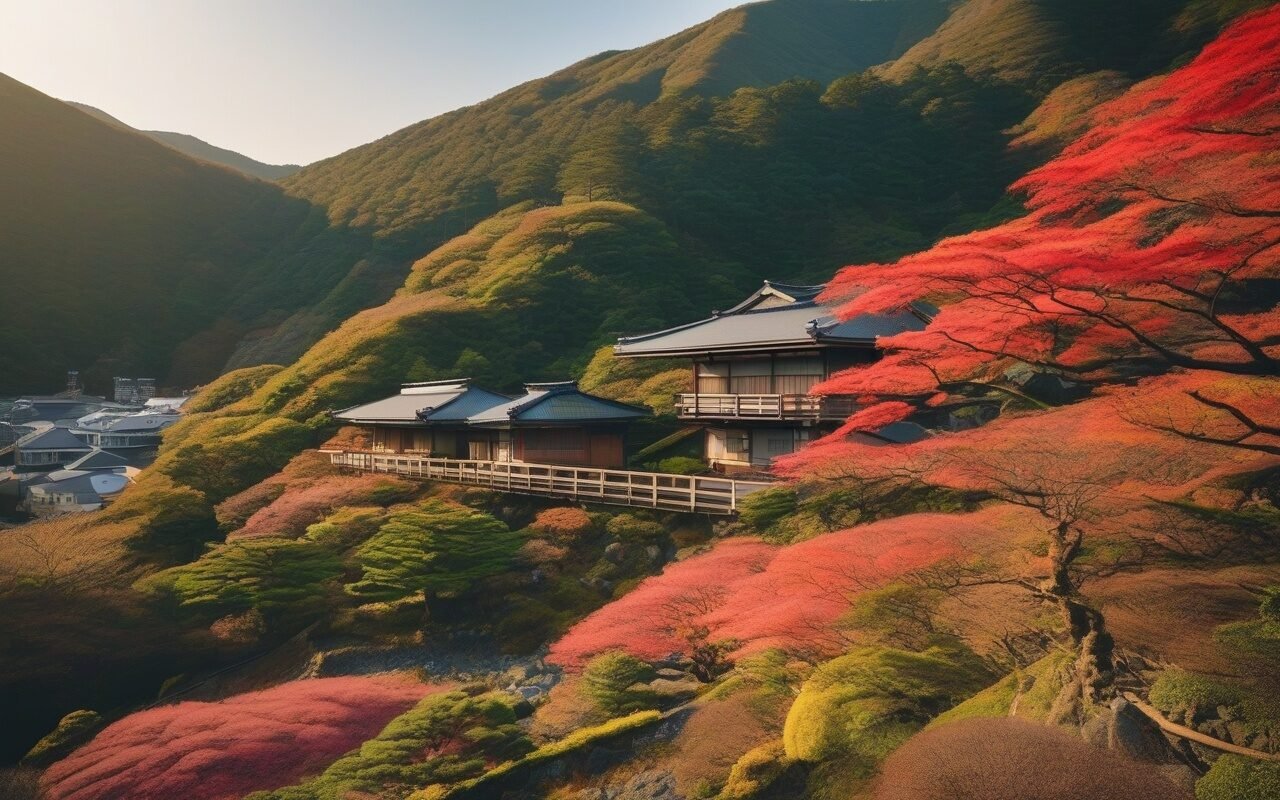
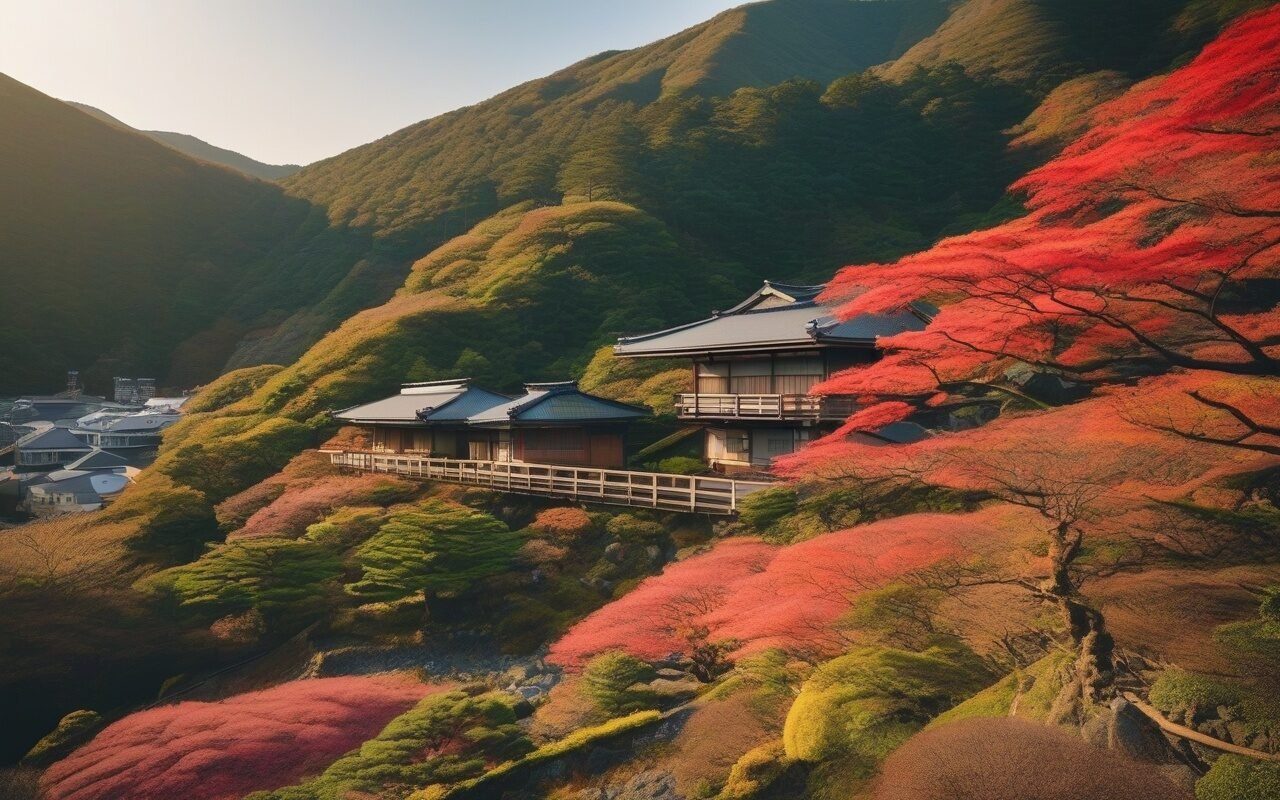
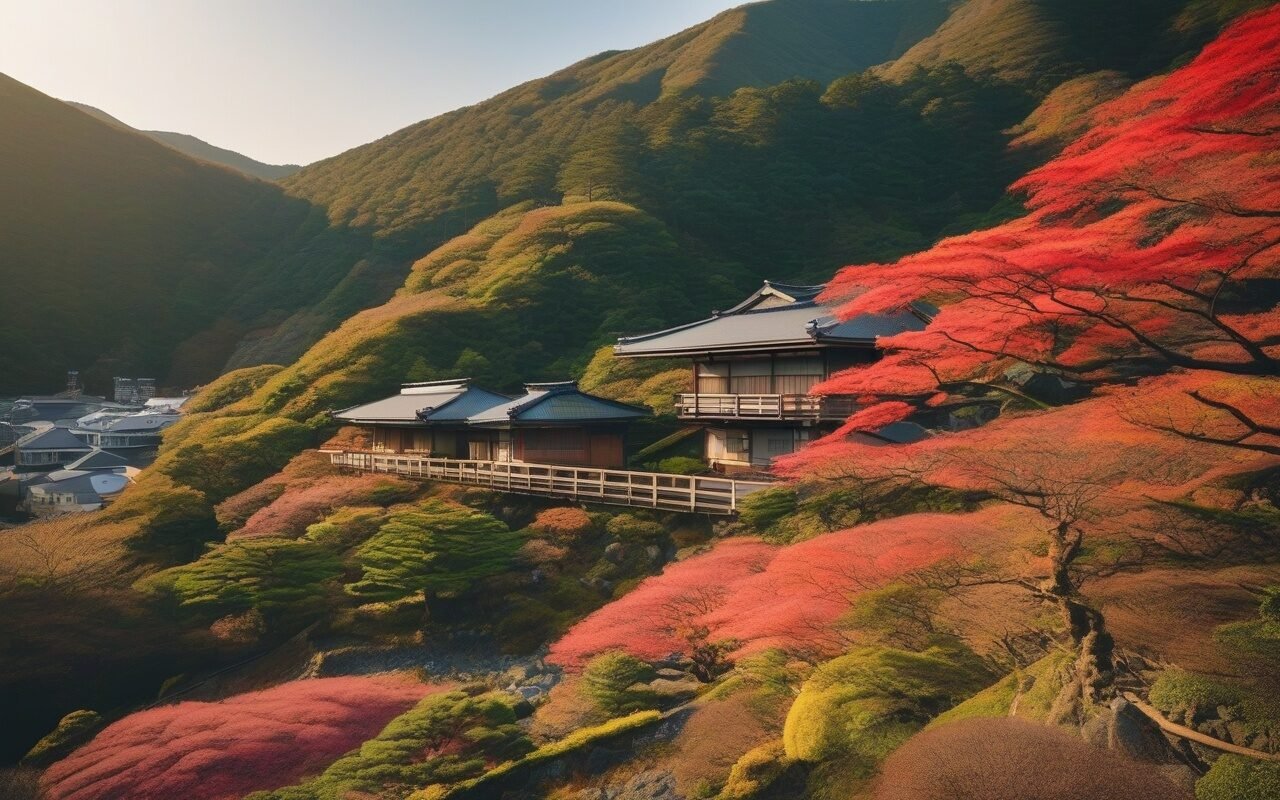
Higher in elevation and surrounded by mountains, Gora’s yuba restaurants often feature spectacular views. Gora Yuba-an has a terrace overlooking the valley where you can enjoy yuba shabu-shabu while watching the seasons change. In autumn, the maple leaves create a stunning backdrop. Their dinner course (¥5,500) is one of the most romantic dining experiences in Hakone.
Sengokuhara Area
Known for its silver grass fields, Sengokuhara offers a more rustic yuba experience. Sengokuhara Yuba Kobo is both a restaurant and workshop where you can see yuba being made throughout the day. The attached shop sells freshly made yuba sheets by weight (¥1,000 per 100g).
Yuba in Japanese Culinary History
Yuba has been part of Japanese cuisine for over 1,200 years. It was first documented during the Nara period (710–794), when Buddhist monks introduced tofu-making techniques from China. Yuba was valued as a protein source during periods when meat consumption was prohibited by Buddhist dietary laws.
During the Edo period (1603–1868), yuba production became a specialized craft in regions with high-quality water sources. Hakone’s pure mountain spring water made it a natural center for yuba production, a reputation that continues to this day.
Access: Visitor Information and Transportation
Getting to Hakone’s yuba restaurants requires some planning. The Hakone Tozan Railway connects Hakone-Yumoto to Gora, with stops at Miyanoshita and Kowakidani where many restaurants are located. A Hakone Free Pass (¥5,500 for 2 days) covers the Tozan Railway, cable car, ropeway, and sightseeing cruise—excellent value for a yuba-focused day trip.
Most yuba restaurants are concentrated within a 10-minute walk of Tozan Railway stations. From Gora Station, it is a 5-minute walk to Gora Yuba-an. From Miyanoshita Station, Akira Yuba is a 3-minute walk. From Hakone-Yumoto Station, the souvenir shops and casual yuba-tei are within the station building itself.
Evening dining options are limited—most yuba specialty shops close by 6 PM. If you plan a late arrival, consider dining at your ryokan, where yuba is often featured in the evening kaiseki. Most ryokan require advance notice for dietary restrictions but accommodate yuba-centric meals readily.
Practical Tips for Visiting Yuba Restaurants
- Best time to visit: Lunch (11:00 AM–1:30 PM) offers the freshest yuba and the best value
- What to wear: Casual attire is fine for most shops; ryokan dining may require smart casual
- Dietary restrictions: Yuba is naturally vegan/vegetarian, but broths may contain fish stock—confirm with staff
- Photography: Most restaurants allow photos of food; ask before photographing the interior
- Payment: Major credit cards accepted at most shops; smaller workshops may be cash-only
Sample One-Day Yuba Itinerary in Hakone
Morning (9:00 AM–11:00 AM): Arrive at Hakone-Yumoto Station. Visit the souvenir shops at the station to see packaged yuba products. Take the Hakone Tozan Railway to Miyanoshita. Lunch (11:30 AM–12:30 PM): Akira Yuba for the yuba kaiseki course. Allow 90 minutes for the full experience. Afternoon (1:00 PM–3:00 PM): Visit Hakone Yuba Kobo in Sengokuhara for a yuba-making workshop (advance reservation required).
Late afternoon (3:30 PM–5:00 PM): Return to Hakone-Yumoto and stop at a casual yuba-tei for a yuba-don snack before departing.
Pairing Yuba with Local Drinks
Yuba’s mild flavor makes it a versatile pairing partner. Hakone Mountain Sake from the Okura distillery has a clean, dry profile that complements nama yuba’s sweetness. Local craft sake from Hakone Brewing Company offers floral notes that match yuba tempura beautifully. For non-alcoholic options, hojicha (roasted green tea) served alongside yuba sashimi is a classic combination.
How to Choose a Yuba Restaurant in Hakone
With dozens of restaurants and ryokan offering yuba dishes, choosing the right experience can be overwhelming. Here is a framework to help you decide based on your priorities:
For the most authentic experience: Choose a ryokan that offers yuba kaiseki. The meal typically lasts 2–3 hours and includes 8–12 courses, each highlighting a different preparation method. Prices range from ¥5,000–¥12,000 per person.
For a quick, affordable meal: Head to a specialty shop like Hakone Yuba-tei for a yuba-don or yuba soba set (¥1,200–¥1,800). These are served quickly and do not require reservations.
For a hands-on experience: Book a yuba-making workshop. These are especially enjoyable for families with children and couples looking for a memorable activity.
Yuba Nutrition and Health Benefits
Yuba is not only delicious but also highly nutritious. A 100g serving of fresh yuba contains approximately:
| Nutrient | Amount | Benefit |
|---|---|---|
| Protein | 18–22g | Complete plant protein |
| Fat | 8–12g | Healthy unsaturated fats |
| Fiber | 1–2g | Digestive health |
| Calcium | 120–180mg | Bone health |
| Iron | 3–5mg | Energy metabolism |
Because yuba is made from the protein-rich skin of soy milk, it concentrates the nutrients of soybeans into a compact, easily digestible form. It is naturally cholesterol-free and low in saturated fat, making it an excellent choice for health-conscious travelers.
Yuba Cooking Classes and Workshops
For visitors who want to bring the taste of Hakone home, several venues offer hands-on yuba cooking classes. Hakone Yuba Kobo in Sengokuhara offers a 90-minute class (¥3,500) where you learn to make fresh yuba from scratch, then prepare two dishes: yuba sashimi and yuba tempura. The class is taught in Japanese with English translations provided via tablet.
Yamagishi Ryokan also offers a shortened version of their yuba-making demonstration for lunch guests (free with kaiseki reservation). Watching the skilled lifting of yuba sheets from the steaming vat is as mesmerizing as it is educational.
Recommended Yuba Souvenirs
Dried yuba sheets make excellent gifts and are significantly lighter than fresh yuba. Look for the following at Hakone-Yumoto Station’s souvenir shops:
- Hakone Yuba Snack Pack (¥580) — Individual serving bags of fried yuba chips, perfect for snacking
- Yuba Miso (¥780) — A spreadable miso paste blended with crumbled yuba
- Dried Yuba Variety Set (¥1,200) — Three types of dried yuba sheets with recipes in English
Most souvenir shops offer free sampling, so try before you buy.
Frequently Asked Questions (FAQ)
Q: Is yuba suitable for vegetarians and vegans?
A: Yes, pure yuba is made from soy milk and contains no animal products. But here’s the thing, some dishes may use dashi (fish stock) in the broth—always confirm with staff if this is a concern.
Q: What is the best time of day to eat fresh yuba?
A: Most specialty shops serve yuba lunch courses from 11:00 AM to 2:00 PM. Fresh yuba is typically made in the morning, so lunchtime offers the freshest experience.
Q: How does Hakone yuba differ from Kyoto yuba?
A: Hakone’s yuba is known for its sweetness, thanks to the soft mountain water. Kyoto yuba is also high quality, but Hakone’s version tends to have a slightly richer flavor and creamier texture.
Q: Can I buy yuba to take home?
A: Yes! Dried yuba sheets and yuba snack packs make excellent souvenirs. Look for them at Hakone-Yumoto Station souvenir shops or at the outlets near major tourist attractions.
Q: Do I need reservations for yuba restaurants?
A: For high-end yuba kaiseki and ryokan dining, reservations are essential—book at least a week in advance during peak seasons. Casual shops like Hakone Yuba-tei accept walk-ins.
Conclusion
The details in this guide come from real visits, and the biggest lesson I took away was that the best experiences in Hakone rarely fit neatly into a checklist. During my visit to Hakone I went with a rough plan and found that leaving room to wander made the trip far more memorable. Plan the essentials, keep your schedule flexible, and you will leave Kanagawa wanting to return.