Tag: itineraries

  • Shonan Kamakura Two-Day Itinerary — 48-Hour Model Course

    Shonan Kamakura Two-Day Itinerary — 48-Hour Model Course

    Shonan Kamakura Two Day Itinerary — Ultimate 48-Hour Model Course

    Overview

    Combining Kamakura’s ancient temples, Enoshima’s island charm, and Shonan’s coastal energy into a single weekend trip is one of the best ways to experience Kanagawa’s diverse attractions. This 2-day model course covers all the highlights while avoiding the common pitfalls of rushed itineraries. Designed for first-time visitors traveling from Tokyo, this plan balances cultural sightseeing with beach relaxation and local food experiences. The total budget is ¥15,000-25,000 per person for two days, excluding accommodation.

    Day 1 — Kamakura Temples and Samurai History

    Morning: Tsurugaoka Hachimangu and Komachi Street (9:00-12:00)

    Start your trip at Kamakura Station (50 minutes from Tokyo Station via JR Yokosuka Line, ¥520). Exit from the east side and walk straight up the wide approach path to Tsurugaoka Hachimangu Shrine — Kamakura’s most important Shinto shrine, founded in 1063.

    The approach path, lined with cherry trees and crossed by the iconic drum bridge (Taikobashi), sets the tone for the day. Allow 45 minutes to explore the main shrine buildings, the museum (¥200), and the peony garden (seasonal, ¥500-700).

    From the shrine, walk back toward the station via Komachi Street (小町通り) — Kamakura’s main shopping arcade. This narrow street is packed with food stalls, souvenir shops, and casual restaurants. I recommend trying the shirasu (whitebait) croquettes (¥250-300) from the stall near the Hachimangu entrance, and the matcha soft-serve ice cream (¥400) from Kamakura Chacha, which uses tea leaves from nearby plantations.

    Lunch: Shirasu Cuisine (12:00-13:00)

    Kamakura’s signature dish is shirasu (young sardines), served raw, boiled, or dried over rice. Several restaurants on Komachi Street and the side streets near Kamakura Station serve shirasu-don (shirasu rice bowl, ¥1,200-1,800).

    Imina Kamakura ( reservations recommended, ¥1,500-2,500) offers the best shirasu experience in a traditional kamakura-style building with a small garden view. Their specialty is the “three-way shirasu bowl” — raw, boiled, and dried shirasu on a single bowl of rice.

    Afternoon: Great Buddha and Hase-dera (13:30-16:30)

    Take the Enoden train from Kamakura Station to Hase Station (5 minutes, ¥190). The Enoden is a charming local railway that has been operating since 1902 — riding it is an experience in itself.

    From Hase Station, walk 10 minutes south to Kotoku-in Temple to see the Great Buddha of Kamakura (Daibutsu). This 13.35-meter bronze statue has sat outdoors since 1498 when a tsunami destroyed the hall that once housed it. Admission is ¥300, and you can go inside the statue for an additional ¥20.

    A five-minute walk east brings you to Hase-dera Temple (¥400), famous for its terrace overlooking Kamakura’s coast. The temple grounds include a Kannon hall, a small museum, and hundreds of stone Jizo statues that families dedicate to deceased children. The view from the terrace at sunset is spectacular — on clear days you can see all the way to Enoshima and Mount Fuji.

    Evening: Kamakura Evening Exploration (17:00-19:00)

    Most temples close by 17:00, so use the evening for exploring. Walk back toward Kamakura Station through the Yuigahama area — the neighborhood between Hase and Kamakura stations is filled with quiet cafes and small galleries.

    For dinner, consider Yokokura-an (予約制, ¥3,000-5,000), a soba restaurant near Kamakura Station serving handmade noodles in a restored 100-year-old townhouse. Their seasonal soba sets change monthly based on local ingredients.

    Overnight: Where to Stay

    For budget travelers, Kamakura Guesthouse (dormitory from ¥3,500) is a 10-minute walk from Kamakura Station. Mid-range options include Hotel New Kamakura (¥8,000-12,000 per night) just outside the station east exit. For a special experience, Kamakura Seizan-so (¥15,000-25,000) is a traditional ryokan with a garden and private onsen in the hills above the city.
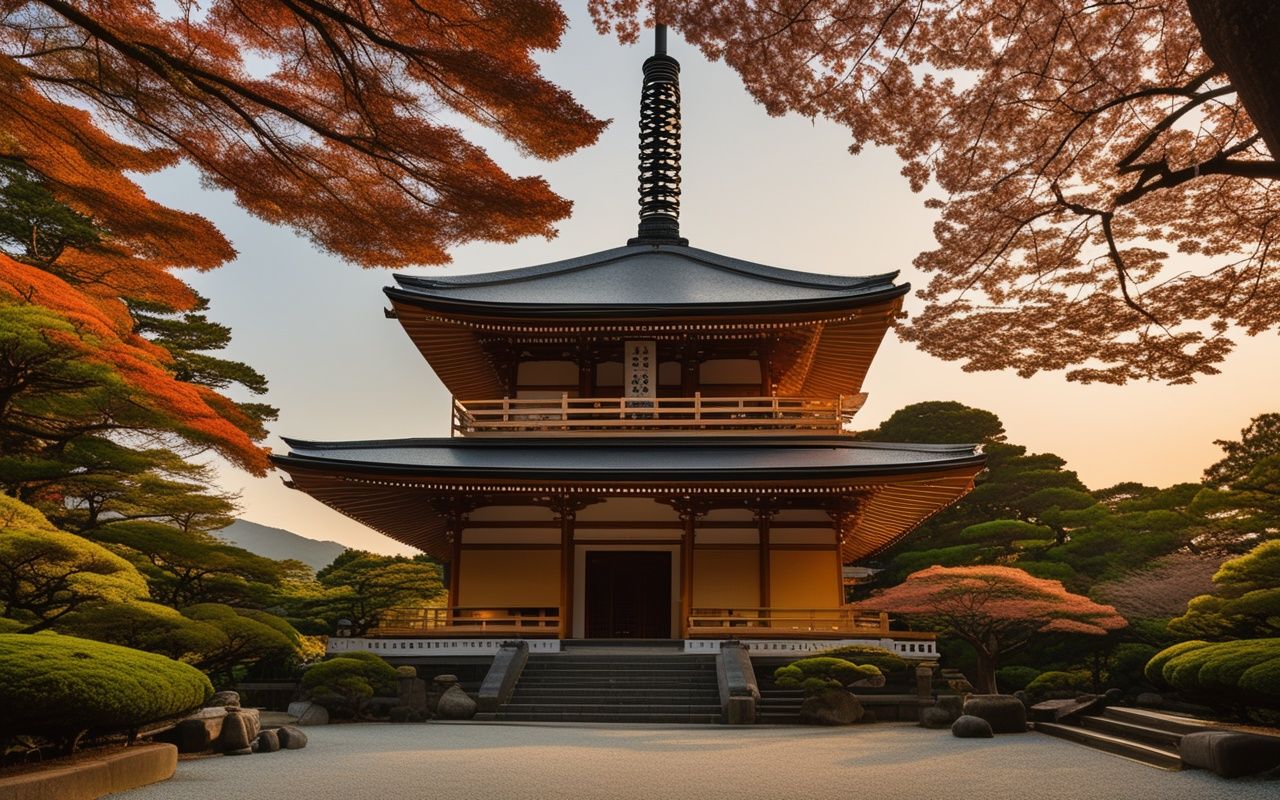

    Kamakura Great Buddha and Hase-dera terrace view

    Day 2 — Enoshima Island and Shonan Coast

    Morning: Enoshima Island Exploration (9:00-12:30)

    Take the Enoden train from Kamakura to Enoshima Station (20 minutes, ¥290). From the station, walk 10 minutes across the bridge connecting the mainland to Enoshima Island. The island has three main attractions accessible via a single walking route:

    Enoshima Shrine (free): A Shinto shrine complex consisting of three buildings spread across the island’s slopes. The main hall (Hetsunomiya) is at the base; the middle hall (Nakatsunomiya) is a 10-minute climb; the upper hall (Okutsunomiya) is another 15 minutes up. The entire shrine visit takes about 45 minutes.

    Enoshima Sea Candle (¥500): An observation tower at the island’s summit with 360-degree views of Sagami Bay, Mount Fuji (winter only), and the Shonan coast. The elevator ride to the top takes 30 seconds.

    Iwaya Caves (¥500): Two sea caves on the island’s western side carved by wave action over thousands of years. The caves have been a pilgrimage site since the Kamakura period. Flashlights are provided at the entrance.

    Lunch: Enoshima Street Food (12:30-13:30)

    Enoshima is famous for its food stalls along the main approach path. Must-tries include:

    • Tako senbei (¥500): A whole octopus pressed into a hot senbei cracker — unusual but delicious
    • Isobe-age (¥400): Fish cake on a stick, grilled with seaweed
    • Shirasu pizza (¥600): A small pizza topped with local shirasu and cheese

    Afternoon: Shonan Beach and Coast (14:00-17:00)

    After descending from Enoshima, cross back to the mainland and walk 10 minutes south to Shonan Beach. The coastline between Enoshima and Kamakura is a continuous stretch of sand popular with surfers, families, and sunset-watchers.

    For beach time: Yuigahama Beach, closer to Kamakura, is the most accessible and has beach houses (open July-August) renting umbrellas (¥1,000-2,000) and offering showers (¥300-500).

    For cafe time: The beachfront area near Koshigoe Station (one stop from Kamakura on the Enoden) has several stylish cafes with ocean views. Pacific Drive-in (¥800-1,500), famously featured in the anime Slam Dunk, offers curry rice and drinks with a direct view of the Enoden trains passing between buildings and the sea.

    For a unique experience: Walk along the Shonan Coast Path from Koshigoe to Kamakura (about 3 km, 40 minutes). The path runs between the train tracks and the beach, passing through quiet residential areas and offering views of Enoshima behind you.

    Evening: Sunset at Shonan and Return (17:00-19:00)

    Time your final stop at Inamuragasaki Park — the cape between Kamakura and Shonan — for sunset. The park offers one of the best sunset viewpoints in Kanagawa, with Enoshima silhouetted against the setting sun. Access is a 5-minute walk from Inamuragasaki Station on the Enoden line.

    For a farewell dinner, stop at Kamakura-bayashi (¥2,000-3,500) near Kamakura Station for their kamakura-style hot pot (seasonal) or the kamakura vegetable curry.

    From Kamakura Station, take the JR Yokosuka Line back to Tokyo Station (50 minutes, ¥520) or Shinagawa Station (45 minutes, ¥430).

    Budget Breakdown

    Item Budget Standard Splurge
    Transport (2 days) ¥1,500 ¥2,500 ¥4,000
    Meals (2 days) ¥3,000 ¥6,000 ¥10,000
    Temple/Shrine fees ¥1,500 ¥1,500 ¥1,500
    Activities ¥500 ¥1,500 ¥3,000
    Accommodation (1 night) ¥3,500 ¥8,000 ¥20,000
    Total per person ¥10,000 ¥19,500 ¥38,500

    Enoden train passing through Kamakura residential area

    Seasonal Considerations

    This itinerary works well year-round, but the experience changes significantly by season: Spring (March-May): Ideal weather (12-22°C). Cherry blossoms at Tsuruoka Hachimangu in late March-early April are spectacular but bring crowds. Start Day 1 by 8:30 AM to avoid the worst congestion.

    Summer (June-August): Hot and humid (25-35°C). Beach season at Shonan starts in July — great for swimming but expect crowds. Hydrate frequently and use the Enoden 1-Day Pass to avoid walking in midday heat.

    Autumn (September-November): My personal favorite. Mild temperatures (18-25°C), clear skies for Mount Fuji views from Enoshima, and autumn foliage at Hase-dera in late November. Fewer crowds than spring.

    Winter (December-February): Cold (5-12°C) but offers the clearest Mount Fuji views. Bundle up for the Enoshima Sea Candle observation deck — the wind can be biting. Hot soba at Yokokura-an is especially satisfying on a cold day.

    Transport Tips

    • Enoden 1-Day Pass (¥800): Unlimited rides on the Enoden line, which connects Kamakura, Hase, Inamuragasaki, Koshigoe, and Enoshima, Purchasing this pass saves money if you plan three or more Enoden trips.
    • JR Kamakura Pass (¥720): Covers JR trains between Ofuna and Kamakura plus unlimited Enoden rides. Valid for one day only.
    • Suica/PASMO: Works on all trains and most buses. I recommend loading ¥3,000 onto your IC card before starting the trip.

    What to Bring

    • Comfortable walking shoes: Day 1 involves significant walking (12,000-15,000 steps). Kamakura’s temple paths include stairs and uneven surfaces.
    • Hat and sunscreen: Day 2 on Enoshima and the beach has limited shade in summer.
    • Swimsuit and towel: If you plan to swim at Shonan Beach in summer (beach houses with changing rooms open July-August).
    • Cash: Many smaller restaurants and souvenir stalls are cash-only. I recommend carrying ¥10,000-15,000 per person.

    Frequently Asked Questions

    Q: Is this itinerary possible without staying overnight?
    A: Yes, but it would be very rushed. If you only have one day, choose either Day 1 (Kamakura only) or Day 2 (Enoshima + Shonan). Trying to do both in a single day from Tokyo would require skipping most of the walking and temple details.

    Q: Which season is best for this itinerary?
    A: Late March to early April (cherry blossoms on the Hachimangu approach) and late September to November (mild weather, clear skies for Mount Fuji views) are ideal. Summer (July-August) is hot and crowded but the beach is at its best. Winter offers the clearest Mount Fuji views but cold beach winds.

    Q: Is the itinerary suitable for families with children?
    A: Yes, with some adjustments. The Great Buddha and Enoshima Sea Candle are kid-friendly. Shonan Beach has gentle waves suitable for children. Komachi Street has many snack options that appeal to children. I recommend replacing the Iwaya Caves (dark, narrow, slippery) with extra time at Enoshima Aquarium (¥2,500 adult, ¥1,200 child) near Enoshima Station.

    Q: Where should I eat dinner on Day 1 in Kamakura?
    A: For a special dinner, Yokokura-an (soba, ¥3,000-5,000, reservations required) offers an authentic kamakura townhouse experience. For casual dining, Kamakura-bayashi (Japanese curry, ¥1,500-2,500) is reliably good and accepts credit cards. For late-night options, a few izakaya near Kamakura Station east exit stay open until 23:00.

    Q: Can I use a JR Pass for transport?
    A: Yes, but only partially. The JR Pass covers the JR Yokosuka Line between Tokyo and Kamakura (¥520 saved per direction) but does NOT cover the Enoden line or the Shonan Monorail. The Enoden 1-Day Pass (¥800) is a separate purchase and well worth it for this itinerary.


    Last Updated: 2026-07-16
    Written by: Anaba OffJapan Editorial Team
    Photos: Editorial photography and on-site field research

    Conclusion

    Whether you are planning exploring Kamakura for the first time or returning for another visit, taking a little extra time to go beyond the obvious sights makes all the difference. During my visit to Kamakura I went with a rough plan and found that leaving room to wander made the trip far more memorable. I hope this guide helps you build an itinerary that fits your pace, and that your time in Kanagawa leaves you with memories worth coming back for.

  • Yokohama & Kamakura Seasonal Sightseeing Routes 2026

    Yokohama & Kamakura Seasonal Sightseeing Routes 2026

    Overview

    Plan your perfect visit to Yokohama & Kamakura Seasonal Sightseeing Routes with this comprehensive destination guide, Covering everything from must-see attractions to practical travel tips, this guide helps you make the most of your time in Yokohama. Whether you have a single day or an entire week, discover the best that this Kanagawa destination has to offer.

    🌸 Spring Route: Cherry Blossoms & Coastal Views (March–May)

    Route Overview

    Yokohama Kamakura Spring Sightseeing Route begins at Minato Mirai and follows the cherry blossom trail south to Kamakura’s ancient temples via the Enoden train. This route takes approximately 10 hours and covers 8 major stops.

    Morning: Yokohama Waterfront

    Start your day at Yokohama’s Yamashita Park, where over 180 cherry trees line the waterfront promenade. From here, walk to Minato Mirai 21 and visit the iconic Yokohama Red Brick Warehouse — the spring flower displays outside the buildings are a local highlight.

    Pro Tip: Visit on a weekday morning before 10 AM. The waterfront path is significantly less crowded and you will have the cherry blossom views almost to yourself.

    Midday: Enoden Coastal Ride

    Take the JR Keihin-Tohoku Line from Yokohama Station to Ofuna, then transfer to the Enoden line at Kamakura Station. The Enoden train’s coastal section between Kamakura and Fujisawa offers stunning views of Sagami Bay with cherry blossoms in the foreground during late March.

    Afternoon: Kamakura Temples & Gardens

    Disembark at Hase Station and walk to Hasedera Temple — its hillside garden features late-blooming cherry varieties that peak in early April. From there, the Great Buddha at Kotokuin Temple is a 10-minute walk away.

    Evening: Komachi-dori & Return

    Stroll through Komachi-dori shopping street for cherry blossom-themed sweets and souvenirs before catching the train back to Yokohama for dinner at Yokohama Chinatown, Japan’s largest Chinatown and a spring evening highlight.


    ☀️ Summer Route: Beaches, Fireworks & Night Views (June–August)

    Summer Route Details

    Summer in Kanagawa means beach culture, evening festivals, and rooftop bars. This Shonan Kamakura itinerary maximizes afternoon beach time and evening illuminations.

    Morning: Zushi & Hayama Beaches

    Start your morning at Zushi Beach, a 25-minute ride from Kamakura Station via the Keikyu Line. The beaches here are less crowded than nearby Kamakura’s beaches and offer clear views of Mount Fuji on summer mornings.

    Midday: Shonan Seafood Lunch

    Head to Enoshima Island via the Enoden line for lunch. The island’s seafood restaurants serve Shirasu (whitebait) — a Sagami Bay specialty available fresh from June to August. For a deeper dive into the area’s marine attractions, explore the Enoshima Aquarium, one of Japan’s largest and most family-friendly aquariums.

    Afternoon: Kamakura Hydrangea Season

    June is hydrangea season in Kamakura, and Meigetsuin Temple (the “Hydrangea Temple”) is the premier spot. The garden path lined with hundreds of hydrangea bushes in full bloom is a breathtaking sight. July and August shift the focus to Kamakura’s beaches — Kamakura Beach and Yuigahama Beach are both easily accessible from Kamakura Station.

    Evening: Minato Mirai Illumination & Fireworks

    Return to Yokohama for the evening. The Minato Mirai waterfront features summer illuminations, and Yokohama’s major fireworks festivals (mid-July and mid-August) launch from the bay directly in front of the Red Brick Warehouse.


    🍂 Autumn Route: Foliage, Museums & Craft Beer (September–November)

    Autumn Route Details

    Autumn foliage season draws visitors from around the world. This Yokohama Kamakura autumn itinerary layers fall colors with cultural experiences.

    Morning: Sankeien Garden

    Begin at Sankeien Garden in Yokohama — a sprawling Japanese landscape garden with historic buildings relocated from across Japan. The maple and ginkgo trees peak in late November, creating a stunning tapestry of red and gold.

    Midday: Kamakura’s Autumn Temples

    Take the train to Kamakura Station and walk to Tsurugaoka Hachimangu Shrine via the Komachi-dori approach. The shrine’s ginkgo avenue turns brilliant yellow in late November. From there, visit Kenchoji Temple — Kamakura’s oldest Zen temple — where the maple-lined approach is at its peak in mid-to-late November.

    For a complete guide to getting around, check the Yokosuka transportation guide for train routes connecting Yokohama, Kamakura, and the Miura Peninsula.

    Afternoon: Yokohama Craft Beer & Culture

    Return to Yokohama and head to the Kamakura-ko area near the Red Brick Warehouse, where autumn craft beer festivals are held on weekends. Visit the Yokohama Museum of Art for its excellent permanent collection of modern art.

    Evening: Autumn Night Illumination

    The Sankeien Garden autumn night illumination runs for two weeks in late November. The garden is dramatically lit, and the reflection of autumn foliage in the central pond is unforgettable.


    ❄️ Winter Route: Illuminations, Onsen & Warming Foods (December–February)

    Winter Route Details

    Winter in Kanagawa features world-class illuminations, clear views of Mount Fuji, and steaming bowls of regional ramen. This winter Yokohama Kamakura route combines all three.

    Morning: Yokohama’s Winter Sights

    Start at the Landmark Tower Sky Garden (69th floor, 273 meters) for panoramic views of Mount Fuji — winter mornings offer the clearest visibility. Then visit the Yokohama Red Brick Warehouse for its winter market, featuring local crafts and warming street food.

    Midday: Kamakura Winter Walk

    Take the train to Kamakura and follow the Tsurugaoka Hachimangu approach to the shrine. Winter is the quietest season in Kamakura, and the bare branches of the ancient ginkgo trees create a serene atmosphere. The nearby Kamakura Museum of National Treasures houses samurai artifacts and Buddhist sculptures.

    Afternoon: Warming Up with Kanagawa Food

    Winter is the perfect time to explore Kanagawa’s comfort food. The Yokosuka Navy Curry is a hearty curry dish with roots in the Japanese Maritime Self-Defense Force — it is served with milk and salad in the traditional style. For ramen lovers, the Yokohama ramen guide covers the city’s signature Iekei ramen style.

    Evening: Minato Mirai Winter Illumination (December–February)

    The Minato Mirai Winter Illumination uses over 300,000 blue and white LEDs to transform the waterfront into a sparkling winter wonderland. The display runs from early November to mid-February. End the evening with dinner at one of the Yokohama premium dining restaurants overlooking the illuminated bay.


    🚃 Transport Pass Recommendations

    To make the most of these seasonal routes, consider purchasing a transport pass:

    Enoshima-Kamakura Free Pass (¥1,470)

    • Round-trip from Shinjuku
    • Unlimited Enoden rides
    • Discounts at 30+ attractions
    • Best for: Spring and autumn routes

    Yokohama Minato Burari Pass (¥500)

    • Unlimited bus travel in Yokohama
    • Discounts at major attractions
    • Best for: Winter route’s Yokohama section

    Kamakura Free Pass (¥2,160)

    • Round-trip from Tokyo Station
    • Unlimited local bus rides
    • Best for: Summer route with beach access

    For a detailed comparison of all Kanagawa transport passes, refer to the Kanagawa transport pass comparison.


    💰 Budget Breakdown by Season

    Season Transport (per person) Meals Admissions Total
    Spring ¥2,000–3,000 ¥3,000–4,000 ¥1,500 ¥6,500–8,500
    Summer ¥2,000–3,000 ¥4,000–5,000 ¥2,500 ¥8,500–10,500
    Autumn ¥2,000–3,000 ¥4,000–5,000 ¥2,000 ¥8,000–10,000
    Winter ¥2,000–3,000 ¥3,000–4,000 ¥2,000 ¥7,000–9,000

    📍 Seasonal Highlights Calendar

    Spring Must-Sees

    • Late March: Cherry blossoms at Yamashita Park
    • Early April: Hasedera Temple cherry trees
    • May: Peonies at Hasedera

    Summer Must-Sees

    • June: Hydrangeas at Meigetsuin Temple
    • July–August: Beach season at Yuigahama
    • August: Yokohama Sparkling Twilight fireworks

    Autumn Must-Sees

    • Mid-November: Kenchoji Temple maples
    • Late November: Sankeien Garden foliage
    • November: Kamakura-ko craft beer festival

    Winter Must-Sees

    • December–February: Minato Mirai illumination
    • December: Red Brick Warehouse winter market
    • January: New Year hatsumode at Tsurugaoka Hachimangu

    🎒 What to Pack by Season

    • Spring: Light jacket, comfortable walking shoes, umbrella (April showers)
    • Summer: Sunscreen, hat, swimwear, light towel, reusable water bottle
    • Autumn: Layered clothing, light sweater, camera for foliage
    • Winter: Warm coat, gloves, scarf — the bay wind is cold

    💡 Pro Travel Tips

    Pro Tip 1: The Enoden train between Kamakura and Fujisawa is scenic but can be crowded during peak seasons (Golden Week in spring, Obon in summer, foliage weekends in autumn). Board at Kamakura Station terminus for the best chance of a window seat.

    Pro Tip 2: Many temples in Kamakura close at 4:30 PM from October to February. Plan your afternoon route accordingly during the winter season.


    Frequently Asked Questions

    Q: Can I combine Yokohama and Kamakura in one day?
    A: Yes — the Yokohama-Kamakura seasonal route is designed as a full-day itinerary. The train between Yokohama and Kamakura takes only 25 minutes on the JR Yokosuka Line. For a single-city focus, see the Yokohama sightseeing guide or the Kamakura one day trip guide.

    Q: What is the best season for first-time visitors?
    A: Spring (March–May) and autumn (September–November) offer the most pleasant weather and the most spectacular natural beauty. Summer is ideal for beach lovers, while winter provides the clearest Mount Fuji views.

    Q: Are these routes suitable for solo travelers?
    A: Absolutely. The train and bus network is well-signposted in English, and all stops on these routes are safe and accessible for solo travelers. See the solo travel Kanagawa 3-day itinerary for an extended solo route.

    Q: Do I need to book attractions in advance?
    A: For temples and shrines, no advance booking is needed. For the Landmark Tower Sky Garden and special seasonal illuminations, advance tickets are recommended on weekends and holidays.

    Q: What is the best transport pass for visiting both cities?
    A: The Enoshima-Kamakura Free Pass covers the Enoden line used heavily in the spring and autumn routes, while individual JR tickets are affordable for the Yokohama-Kamakura connection.

    Q: Are these routes family-friendly?
    A: Yes — each route includes family-friendly stops. The Enoshima Aquarium is excellent for children in summer, and the Minato Mirai area has wide, stroller-friendly walkways year-round.


    Yokohama and Kamakura offer distinct seasonal experiences that reward repeat visits. Each season transforms these cities — from spring cherry blossoms along the Enoden coast to winter illuminations at Minato Mirai. By matching your travel dates to the seasonal highlights in this guide, you will experience the very best of Kanagawa Prefecture.

    Whether you choose a spring flower route, a summer beach escape, an autumn foliage walk, or a winter illumination tour, the transport connections between these two cities make multi-destination sightseeing effortless. Plan your seasonal Kamakura itinerary, pack accordingly, and discover why Kanagawa is one of Japan’s most rewarding regions for seasonal travel.


    Written by: Anaba OffJapan Team
    Last Updated: July 14, 2026
    Sources:

    Conclusion

    exploring Kamakura can be as relaxed or as packed as you want it to be, and I have found that the best visits leave room for both planning and spontaneity. During my visit to Kamakura I went with a rough plan and found that leaving room to wander made the trip far more memorable. Use this guide to sort out the logistics in advance, then let the day surprise you — Kanagawa rewards travelers who stay curious.

  • Solo Travel Kanagawa 3day Itinerary 2026

    Solo Travel Kanagawa 3day Itinerary 2026

    Overview

    Plan your perfect visit to Solo Travel Kanagawa 3day Itinerary with this comprehensive destination guide, Covering everything from must-see attractions to practical travel tips, this guide helps you make the most of your time in Solo. Whether you have a single day or an entire week, discover the best that this Kanagawa destination has to offer.

    📍 Day 1: Yokohama Urban Exploration

    Solo Travel Kanagawa 3day Itinerary 2026 — Day 1: Yokohama Urban Exploration

    Morning: Minato Mirai & Yamashita Park

    Start your Kanagawa adventure at Minato Mirai 21, Yokohama’s futuristic waterfront district. The area is incredibly solo-traveler friendly, with clear English signage and many photo chances. Morning Highlights:

    • Landmark Tower Sky Garden (¥1,030): Japan’s second-tallest building offers panoramic views
    • Cup Noodles Museum (Free entry): Create your own custom cup noodles
    • Yokohama Red Brick Warehouse: Historic buildings converted into shops and cafes

    Solo Traveler Tips:

    • Single ticket available for all attractions
    • Free Wi-Fi throughout the area
    • many solo-dining options available

    Afternoon: Chinatown & Motomachi

    Walk to Yokohama Chinatown, the largest in Asia. This vibrant neighborhood is perfect for solo exploration, with hundreds of food stalls and restaurants offering affordable meals. Lunch tip:

    • Paozu (¥800-1,200): Famous for giant soup dumplings
    • Good Luck Dumpling (¥500): Quick, and budget-friendly After lunch, stroll through Motomachi Shopping Street. a charming blend of Western and Japanese boutiques.

    Evening: Yamashita Park & Night Views

    End your day at Yamashita Park, a pretty waterfront park perfect for sunset viewing. The park is well-lit and safe for solo evening walks. Dinner Options:

    • Isezakicho Shopping Street: Budget-friendly local restaurants (¥800-1,500)
    • Yokohama Bay Quarter: Modern dining with harbor views (¥1,500-2,500)

    lodging:

    • Sakura Hotel Yokohama (¥3,500-5,000/night): Solo-friendly hostel with private rooms
    • Hotel New Grand (¥12,000-18,000/night): Historic luxury hotel with single rooms

    📍 Day 2: Kamakura Cultural Immersion

    Solo Travel Kanagawa 3day Itinerary 2026 — Day 2: Kamakura Cultural Immersion

    Morning: Great Buddha & Temple Hopping

    Take the train to Kamakura (45 minutes from Yokohama). This ancient capital is perfect for solo cultural exploration. Morning Route:

    1. Kotoku-in (Great Buddha) (¥300): Iconic 13th-century bronze statue
    2. Hasedera Temple (¥400): pretty gardens and ocean views
    3. Hokokuji Temple (¥300): Famous bamboo grove and matcha tea

    Solo Traveler Tips:

    • buy the Kamakura Enoshima Pass (¥1,360) for unlimited train travel
    • Temple opening hours: 8:00-17:00 (varies by season)
    • English audio guides available at major temples

    Afternoon: Tsurugaoka Hachimangu & Komachi Street

    Visit Tsurugaoka Hachimangu Shrine. Kamakura’s most important shrine, then explore Komachi-dori Street for lunch and shopping. Lunch tip:

    • Kamakura Hachimangu Soba (¥1,000-1,500): Traditional handmade soba noodles
    • Shirasu-don (¥1,200): Local whitebait rice bowl, a Kamakura specialty

    Evening: Yuigahama Beach & Sunset

    Walk to Yuigahama Beach for a peaceful sunset. The beach is safe and well-populated until evening, making it ideal for solo visitors. Dinner Options:

    • Kamakura Station Area: Izakayas and casual dining (¥1,000-2,000)
    • Yuigahama Beach Cafes: Oceanfront dining (¥1,500-2,500) lodging:
    • Kamakura Guesthouse (¥3,000-4,500/night): Social atmosphere, solo-friendly
    • Kamakura Park Hotel (¥10,000-15,000/night): comfy single rooms

    📍 Day 3: Hakone Nature & Onsen

    Morning: Hakone Loop & Lake Ashi

    Take the Romancecar train from Shinjuku to Hakone-Yumoto (85 minutes). buy the Hakone Free Pass (¥6,100 from Tokyo) for unlimited transport. Morning Route:

    1. Hakone Open-Air Museum (¥1,600): Sculpture park with hot spring foot bath
    2. Lake Ashi Cruise (¥1,000): Scenic boat ride with Mt. Fuji views
    3. Hakone Shrine (Free): pretty torii gate on the water

    Solo Traveler Tips:

    • The Hakone Free Pass covers all transport (trains, ropeway)
    • Luggage forwarding service available from Tokyo hotels
    • English maps available at all major stations

    Afternoon: Owakudani & Onsen time

    Visit Owakudani. an active volcanic valley with hot springs and black eggs (believed to add 7 years to your life). Afternoon Activities:

    • Owakudani Ropeway (included in Free Pass): Volcanic valley views
    • Black Eggs (¥500 for 5): Local specialty cooked in hot springs
    • Hakone Onsen (¥1,500-2,500): Traditional hot spring time

    Solo Onsen Tips:

    • Many onsens offer private baths for solo visitors
    • Tattoos may be restricted; check in advance
    • Bring a small towel for the bathing area

    Evening: Return & Final Dinner

    Return to Tokyo or Yokohama for your final dinner. Farewell Dinner tips:

    • Yokohama Isezakicho: Local atmosphere, budget-friendly (¥1,500-2,500)
    • Shinjuku Omoide Yokocho: Traditional alleyway dining (¥2,000-3,000)

    💰 Budget Breakdown

    Transportation

    • Hakone Free Pass: ¥6,100
    • Kamakura Enoshima Pass: ¥1,360
    • Local trains/buses: ¥1,500
    • Total Transport: ¥8,960

    Lodging (2 Nights)

    • Budget option: ¥6,500-9,000
    • Mid-range option: ¥22,000-33,000

    Food (3 days)

    • Breakfast: ¥500-800/day
    • Lunch: ¥1,000-1,500/day
    • Dinner: ¥1,500-2,500/day
    • Total Food: ¥9,000-14,400

    Attractions

    • Temples/Shrines: ¥1,000-1,500
    • Museums: ¥1,600-2,000
    • Onsen: ¥1,500-2,500
    • Total Attractions: ¥4,100-6,000

    Total Budget

    • Budget traveler: ¥15,000-20,000
    • Mid-range traveler: ¥25,000-35,000

    🎒 Solo Traveler Safety Tips

    General Safety

    • Kanagawa is extremely safe for solo travelers
    • Emergency number: 110 (police). 119 (ambulance)
    • Most stations have English-speaking staff

    Money & Cards

    • ATMs available at 7-Eleven and post offices
    • Credit cards accepted at most hotels and restaurants
    • Carry some cash for small temples and local shops

    Communication

    • Free Wi-Fi at most stations and cafes
    • Pocket Wi-Fi rental: ¥500-800/day
    • Translation apps work well in tourist areas

    Health

    • Pharmacies widely available
    • Travel insurance recommended
    • Tap water is safe to drink

    🌸 Seasonal tips

    Spring (March-May)

    • Cherry blossoms at Tsurugaoka Hachimangu
    • comfy temperatures (15-20°C)
    • Peak season: Book lodging early

    Summer (June-August)

    • Beach activities in Kamakura
    • Hot and humid (25-30°C)
    • Fireworks festivals in July-August

    Autumn (September-November)

    • Fall foliage at Hakone
    • Pleasant weather (15-22°C)
    • Best photos conditions

    Winter (December-February)

    • Onsen season in Hakone
    • Cold but manageable (5-10°C)
    • Fewer crowds, better prices

    📝 Final Tips for Solo Travelers

    1. Book lodging in advance, mostly during cherry blossom season
    2. buy transport passes before arriving to save money
    3. Download offline maps and translation apps
    4. Carry a hotel business card in Japanese for taxi returns
    5. Join free walking tours in Yokohama to meet other travelers
    6. Visit tourist info centers for free maps and advice
    7. Try solo-friendly dining like ramen shops and conveyor belt sushi
    8. Keep emergency contacts saved in your phone

    📍 Location

    Kanagawa Prefecture is found immediately south of Tokyo, accessible via multiple train lines. Major areas covered in this itinerary:

    • Yokohama: 30 minutes from Tokyo Station
    • Kamakura: 1 hour from Tokyo Station
    • Hakone: 1.5 hours from Shinjuku Station

    All locations are well-connected by public transportation and safe for solo exploration. 🗺️ Nearby Attractions

    Within 30km

    • Tokyo: Shibuya. Asakusa
    • Kawasaki: Industrial heritage, temples
    • Fujisawa: Enoshima Island, beaches

    Within 50km

    • Mt. Fuji: Day trip possible from Hakone
    • Izu Peninsula: Hot springs, coastal scenery
    • Nikko: Historical shrines and nature

    🎒 Essential Preparation Guide

    What to Pack

    Essential Items:

    • comfy walking shoes (most important)
    • Weather-appropriate clothing layers
    • small phone charger (long days out)
    • refillable water bottle (stay hydrated)
    • Small backpack for daily essentials
    • Cash (many places cash-only in Japan)
    • IC card (Suica/Pasmo for transport)
    • Pocket tissues (restrooms often lack paper)

    Seasonal Additions:

    • Spring: Light jacket, allergy medication
    • Summer: Sunscreen, cooling towel
    • Autumn: Light layers, rain jacket
    • Winter: Warm coat, scarf

    Money-Saving Tips:

    • Convenience store breakfast: ¥300-500
    • Supermarket dinner bento: ¥500-800 (after 7 PM discount)
    • Free attractions: Temples, beaches
    • Day passes: Unlimited transport for ¥500-1,500
    • Hostel lodging: ¥3,000-5,000/night

    Transportation Mastery

    Train System:

    • JR lines cover major destinations
    • Private lines (Tokyu. Keikyu) offer discounts
    • IC cards (Suica/Pasmo) work on all lines
    • Day passes save 30-50% on transport

    Bus System:

    • Local buses reach areas trains don’t
    • Day passes available for unlimited rides
    • English announcements on major routes
    • IC cards accepted on most buses

    Walking & Cycling:

    • Many attractions within walking distance
    • Bicycle rental: ¥1,000-1,500/day
    • Dedicated cycling paths in some areas
    • Best way to discover lesser-known spots

    🌟 Insider Secrets

    Best Kept Secrets

    Hidden Viewpoints:

    • Enoshima Sea Candle top floor (less crowded)
    • Hakone Shrine back trails (peaceful)
    • Kamakura hiking paths (panoramic views)
    • Yokohama rooftop gardens (free, stunning)

    Local Dining:

    • Isezakicho back alleys (authentic, cheap)
    • Komachi-dori side streets (local favorites)
    • Hakone Yumoto side roads (traditional)
    • Shonan fishing ports (fresh, direct)

    Quiet Times:

    • Temples: 8-9 AM (opening time)
    • Beaches: Weekday mornings
    • Museums: Tuesday-Thursday afternoons
    • Restaurants: 11:30 AM or 2 PM (off-peak)

    Photography Masterclass

    Golden Hour Locations:

    • Yuigahama Beach: 30 min before sunset
    • Lake Ashi: Morning (Fuji clearest)
    • Enoshima: Late afternoon (ocean glow)
    • Yokohama: Blue hour (30 min after sunset)

    Composition Tips:

    • Use foreground elements (trees, buildings)
    • Include people for scale
    • Capture local life (markets, temples)
    • Shoot vertical for social media

    Weather photos:

    • Rainy: Reflections, moody
    • Foggy: Mysterious atmosphere, layers
    • Clear: Distant views, vibrant colors
    • Snow: Rare, capture quickly

    📍 Local Neighborhood Guide

    Yokohama Neighborhoods

    Minato Mirai:

    • Modern waterfront district
    • Shopping, fun
    • Best for: First-time visitors
    • Time needed: Half day Chinatown:
    • Asia’s largest Chinatown
    • 500+ restaurants, shops
    • Best for: Food lovers
    • Time needed: 2-3 hours

    Yamashita Park Area:

    • Historic waterfront park
    • Marine Tower. Red Brick Warehouse
    • Best for: Relaxing, photos
    • Time needed: 2 hours

    Kamakura Neighborhoods

    Komachi-dori:

    • Main shopping street
    • Street food, souvenirs
    • Best for: Shopping, snacks
    • Time needed: 1-2 hours Temple District:
    • Great Buddha. Hokokuji
    • Cultural heart of Kamakura
    • Best for: History, spirituality
    • Time needed: Half day

    Beach Area:

    • Yuigahama. Zushi beaches
    • Surf culture, beach cafes
    • Best for: Ocean, relaxation
    • Time needed: 2-3 hours

    Hakone Areas

    Yumoto:

    • Gateway to Hakone
    • Onsen town, restaurants
    • Best for: Hot springs, base
    • Time needed: Half day

    Lake Ashi:

    • Scenic lake, cruises
    • Mount Fuji views (winter)
    • Best for: Nature, photos
    • Time needed: 2-3 hours

    Owakudani:

    • Volcanic valley, black eggs
    • Ropeway, hiking trails
    • Best for: Unique time
    • Time needed: 1-2 hours

    🌟 Advanced Local things

    Cultural Immersion Activities

    Traditional Craft Workshops:

    • Pottery making in Kamakura (¥3,000-5,000. 2 hours)
    • Incense blending at historic temples (¥2,000-3,000)
    • Calligraphy lessons with local masters (¥2,500-4,000)
    • Tea ceremony joining (¥3,000-5,000. includes matcha)
    • Origami workshops at cultural centers (¥1,000-2,000)

    Festival joining:

    • Spring matsuri (March-April): Local shrine festivals
    • Summer hanabi (July-August): Fireworks festivals
    • Autumn matsuri (September-November): Harvest celebrations
    • Winter lights (December-February): Light displays

    Local Food things:

    • Sushi making classes (¥5,000-8,000. includes lunch)
    • Ramen broth cooking workshops (¥4,000-6,000)
    • Sake tasting tours (¥3,000-5,000. 5-7 varieties)
    • Wagashi (Japanese sweets) making (¥3,500-5,000)
    • Tofu making at traditional shops (¥2,000-3,000)

    Off-the-Beaten-Path Adventures

    Hidden Hiking Trails:

    • Kamakura Daibutsu hiking trail (2 hours, moderate)
    • Hakone old Tokaido road (3 hours, easy)
    • Enoshima island circumnavigation (1.5 hours, easy)
    • Mount Myojin panoramic trail (2.5 hours, moderate)
    • Sagami Bay coastal walk (4 hours, easy-moderate)

    Secret Beaches:

    • Shichirigahama (local surfers’ favorite)
    • Isshiki Beach in Hayama (quiet, clean)
    • Morito Beach in Zushi (family-friendly)
    • Koajiro Beach (lesser-known spot, few visitors)
    • Nagai Beach (local secret, great sunset)

    Local Neighborhoods:

    • Ofuna in Kamakura (residential, authentic)
    • Motomachi in Yokohama (upscale, historic)
    • Gora in Hakone (mountain village feel)
    • Zushi town center (surf culture, relaxed)
    • Fujisawa old town (traditional, unspoiled)

    Seasonal Deep Dives

    Spring (March-May) Deep time:

    • Cherry blossom hanami parties in local parks
    • Temple garden visits during peak bloom
    • Spring vegetable tasting menus at ryokan
    • Traditional flower arrangement workshops
    • Morning market visits for seasonal produce

    Summer (June-August) Deep time:

    • Early morning beach yoga sessions
    • Evening fireworks festivals (free viewing spots)
    • Indoor museum hopping during hot afternoons
    • Night cycling along coastal paths
    • Cold ramen and shaved ice tasting tour

    Autumn (September-November) Deep time:

    • Fall foliage hiking in Hakone mountains
    • Harvest festival joining at local shrines
    • Mushroom foraging guided tours
    • Hot spring visits with mountain views
    • photos workshops for autumn colors

    Winter (December-February) Deep time:

    • Onsen hopping with snow views
    • Clear Mount Fuji viewpoint hunting
    • lights walking tours
    • Hot pot restaurant crawling
    • Traditional New Year temple visits

    📍 Detailed Area Guides

    Yokohama Deep Dive

    Minato Mirai District:

    • Landmark Tower Sky Garden (¥1,030. 360° views)
    • Cup Noodles Museum (free entry. ¥500 activities)
    • Red Brick Warehouse (free, dining)
    • Cosmo World amusement park (free entry, pay per ride)
    • Queen’s Square shopping (100+ shops)

    Chinatown Exploration:

    • 500+ restaurants and food stalls
    • Paozu giant soup dumplings (¥800-1,200)
    • Good Luck Dumpling budget option (¥500)
    • Kanteibyo Temple (free, historic)
    • Covered arcades for rainy days

    Yamashita Park Area:

    • Waterfront park (free, pretty views)
    • Marine Tower (¥1,000. observation deck)
    • Hikawa Maru ship museum (¥500. historic)
    • NYK Maritime Museum (free, shipping history)
    • Harbor cruise boats (¥1,600. 40 minutes)

    Kamakura Deep Dive

    Temple Circuit:

    • Kotoku-in Great Buddha (¥300. iconic)
    • Hasedera Temple (¥400. ocean views)
    • Hokokuji Temple (¥300. bamboo grove)
    • Kenchoji Temple (¥500. oldest Zen temple)
    • Engakuji Temple (¥300. important cultural site)

    Beach Culture:

    • Yuigahama Beach (surfing, swimming)
    • Shichirigahama Beach (local favorite)
    • Beachside cafes and restaurants
    • Surfboard rental shops (¥3,000-5,000/day)
    • Sunset viewing spots

    Shopping & Dining:

    • Komachi-dori Street (main shopping)
    • Side street antique shops
    • Local soba noodle restaurants
    • Shirasu (whitebait) specialty restaurants
    • Matcha cafes and sweets shops

    Hakone Deep Dive

    Onsen Towns:

    • Yumoto (gateway, many options)
    • Gora (mountain village, quiet)
    • Miyanoshita (historic, traditional)
    • Tonosawa (quiet, local feel)
    • Sokokura (hidden, authentic)

    Nature things:

    • Lake Ashi cruise (¥1,000. scenic)
    • Owakudani volcanic valley (ropeway access)
    • Hakone Shrine (free, lakeside torii)
    • Old Tokaido road hiking (free, historic)
    • Botanical gardens (¥500. seasonal flowers)

    Art & Culture:

    • Open-Air Museum (¥1,600. sculpture park)
    • Venetian Glass Museum (¥1,800. unique)
    • Pola Museum of Art (¥1,800. impressionist)
    • Narukawa Art Museum (¥1,000. local artists)
    • Hakone Checkpoint (¥500. historic site)

    📝 Conclusion

    Solo travel in Kanagawa offers an great time combining urban exploration. This 3-day itinerary covers the prefecture’s highlights while keeping a comfy pace for independent travelers. With great public transportation. Kanagawa is an ideal destination for your first solo adventure in Japan. For more Kanagawa guides, explore our other articles on Hakone, Kamakura, Yokohama, and the Miura Peninsula. —

    Related Articles:


    Frequently Asked Questions

    Q: What is the best time to visit this area?
    A: Spring (March-May) and autumn (September-November) offer the most pleasant weather. Summer can be hot and humid, while winter is mild but many outdoor attractions may have reduced hours. Q: How do I get there from Tokyo?
    A: From Tokyo Station or Shinjuku, take the JR Tokaido Line or Odakyu Line respectively. Most destinations in Kanagawa are within 60-90 minutes by train. Q: Is English signage available?
    A: Yes, major tourist areas in Kanagawa have English signage at stations. Smaller local spots may have limited English. Q: Can I visit on a day trip?
    A: Yes, most Kanagawa destinations are easily accessible as day trips from Tokyo. Consider arriving early (before 10 AM) to avoid crowds. Q: Are credit cards widely accepted?
    A: Major attractions, hotels, and larger restaurants accept credit cards. Smaller shops and local eateries may be cash-only. Carry ¥5,000-10,000 in cash.

    Final Thoughts

    Kanagawa Prefecture is a solo traveler’s paradise, offering a perfect blend of urban exploration. . found just south of Tokyo, this diverse region provides everything from bustling city streets to serene mountain retreats, making it an ideal destination for independent travelers seeking adventure without the crowds. Kanagawa welcomes solo travelers with open arms, and rewarding things that make traveling alone feel like a choice.

    Conclusion From must-see landmarks to hidden local treasures, Solo Travel Kanagawa 3day Itinerary is a destination that rewards exploration. Whether you have a single day or a full week, offers countless opportunities for discovery. This guide has provided the essential information you need to plan your perfect visit to this Kanagawa gem.

    During my visit I went with a rough plan and found that leaving room to wander made the trip far more memorable.