
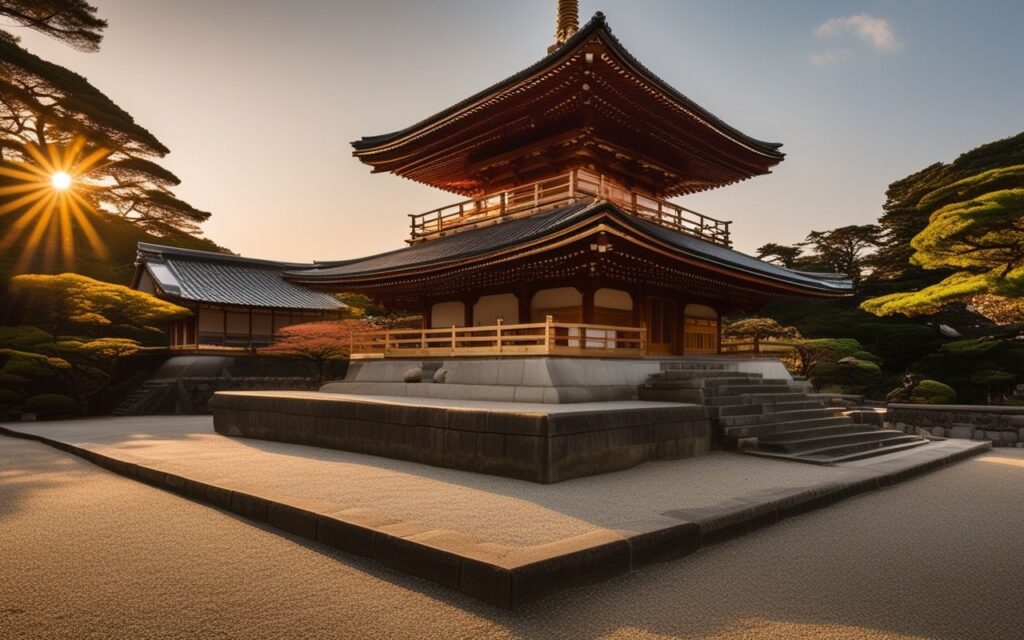
Shonan Kamakura Two Day Itinerary — Ultimate 48-Hour Model Course
Overview
Combining Kamakura’s ancient temples, Enoshima’s island charm, and Shonan’s coastal energy into a single weekend trip is one of the best ways to experience Kanagawa’s diverse attractions. This 2-day model course covers all the highlights while avoiding the common pitfalls of rushed itineraries. Designed for first-time visitors traveling from Tokyo, this plan balances cultural sightseeing with beach relaxation and local food experiences. The total budget is ¥15,000-25,000 per person for two days, excluding accommodation.
Day 1 — Kamakura Temples and Samurai History
Morning: Tsurugaoka Hachimangu and Komachi Street (9:00-12:00)
Start your trip at Kamakura Station (50 minutes from Tokyo Station via JR Yokosuka Line, ¥520). Exit from the east side and walk straight up the wide approach path to Tsurugaoka Hachimangu Shrine — Kamakura’s most important Shinto shrine, founded in 1063.
The approach path, lined with cherry trees and crossed by the iconic drum bridge (Taikobashi), sets the tone for the day. Allow 45 minutes to explore the main shrine buildings, the museum (¥200), and the peony garden (seasonal, ¥500-700).
From the shrine, walk back toward the station via Komachi Street (小町通り) — Kamakura’s main shopping arcade. This narrow street is packed with food stalls, souvenir shops, and casual restaurants. I recommend trying the shirasu (whitebait) croquettes (¥250-300) from the stall near the Hachimangu entrance, and the matcha soft-serve ice cream (¥400) from Kamakura Chacha, which uses tea leaves from nearby plantations.
Lunch: Shirasu Cuisine (12:00-13:00)
Kamakura’s signature dish is shirasu (young sardines), served raw, boiled, or dried over rice. Several restaurants on Komachi Street and the side streets near Kamakura Station serve shirasu-don (shirasu rice bowl, ¥1,200-1,800).
Imina Kamakura ( reservations recommended, ¥1,500-2,500) offers the best shirasu experience in a traditional kamakura-style building with a small garden view. Their specialty is the “three-way shirasu bowl” — raw, boiled, and dried shirasu on a single bowl of rice.
Afternoon: Great Buddha and Hase-dera (13:30-16:30)
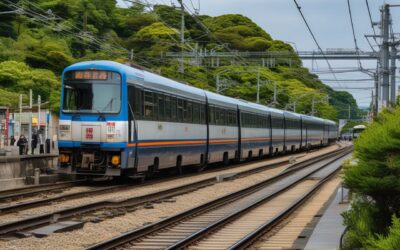
Take the Enoden train from Kamakura Station to Hase Station (5 minutes, ¥190). The Enoden is a charming local railway that has been operating since 1902 — riding it is an experience in itself.
From Hase Station, walk 10 minutes south to Kotoku-in Temple to see the Great Buddha of Kamakura (Daibutsu). This 13.35-meter bronze statue has sat outdoors since 1498 when a tsunami destroyed the hall that once housed it. Admission is ¥300, and you can go inside the statue for an additional ¥20.
A five-minute walk east brings you to Hase-dera Temple (¥400), famous for its terrace overlooking Kamakura’s coast. The temple grounds include a Kannon hall, a small museum, and hundreds of stone Jizo statues that families dedicate to deceased children. The view from the terrace at sunset is spectacular — on clear days you can see all the way to Enoshima and Mount Fuji.
Evening: Kamakura Evening Exploration (17:00-19:00)
Most temples close by 17:00, so use the evening for exploring. Walk back toward Kamakura Station through the Yuigahama area — the neighborhood between Hase and Kamakura stations is filled with quiet cafes and small galleries.
For dinner, consider Yokokura-an (予約制, ¥3,000-5,000), a soba restaurant near Kamakura Station serving handmade noodles in a restored 100-year-old townhouse. Their seasonal soba sets change monthly based on local ingredients.
Overnight: Where to Stay
For budget travelers, Kamakura Guesthouse (dormitory from ¥3,500) is a 10-minute walk from Kamakura Station. Mid-range options include Hotel New Kamakura (¥8,000-12,000 per night) just outside the station east exit. For a special experience, Kamakura Seizan-so (¥15,000-25,000) is a traditional ryokan with a garden and private onsen in the hills above the city.
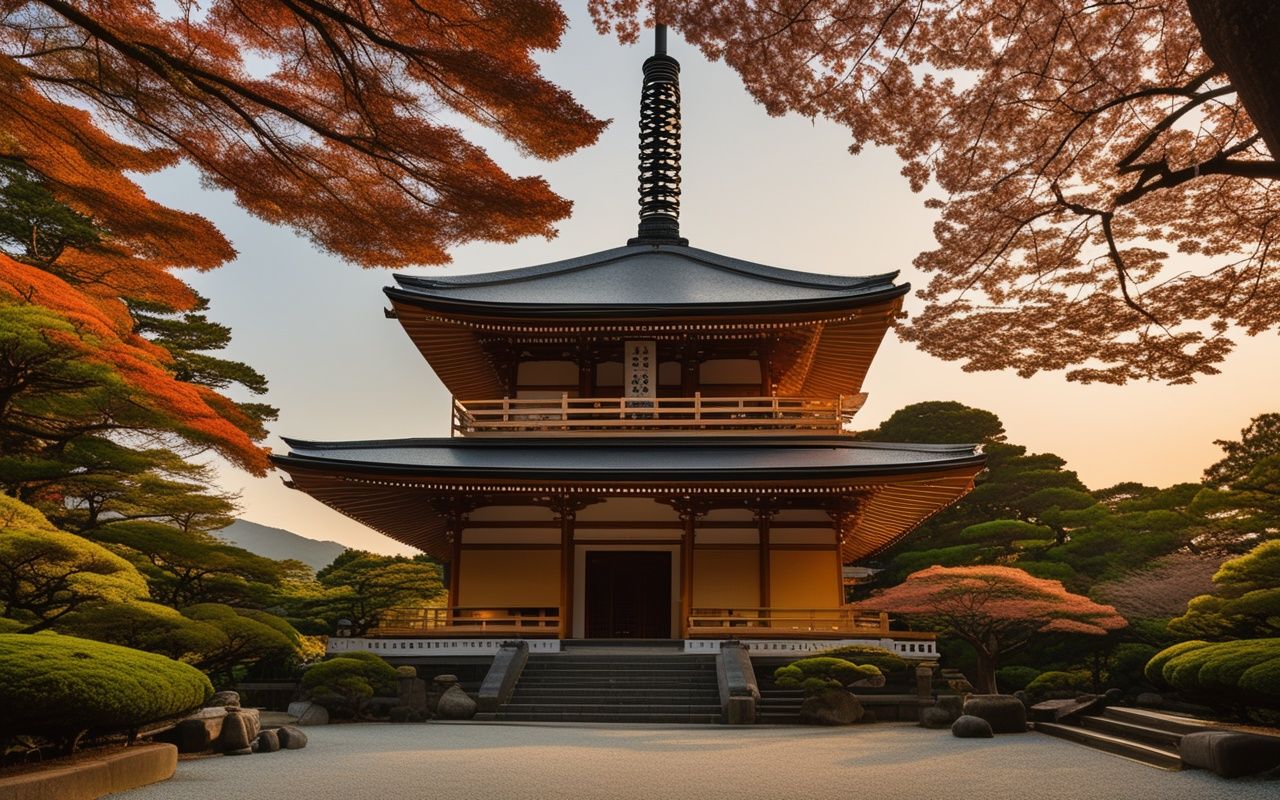
Day 2 — Enoshima Island and Shonan Coast
Morning: Enoshima Island Exploration (9:00-12:30)
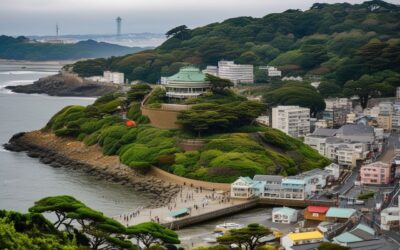
Take the Enoden train from Kamakura to Enoshima Station (20 minutes, ¥290). From the station, walk 10 minutes across the bridge connecting the mainland to Enoshima Island. The island has three main attractions accessible via a single walking route:
Enoshima Shrine (free): A Shinto shrine complex consisting of three buildings spread across the island’s slopes. The main hall (Hetsunomiya) is at the base; the middle hall (Nakatsunomiya) is a 10-minute climb; the upper hall (Okutsunomiya) is another 15 minutes up. The entire shrine visit takes about 45 minutes.
Enoshima Sea Candle (¥500): An observation tower at the island’s summit with 360-degree views of Sagami Bay, Mount Fuji (winter only), and the Shonan coast. The elevator ride to the top takes 30 seconds.
Iwaya Caves (¥500): Two sea caves on the island’s western side carved by wave action over thousands of years. The caves have been a pilgrimage site since the Kamakura period. Flashlights are provided at the entrance.
Lunch: Enoshima Street Food (12:30-13:30)
Enoshima is famous for its food stalls along the main approach path. Must-tries include:
- Tako senbei (¥500): A whole octopus pressed into a hot senbei cracker — unusual but delicious
- Isobe-age (¥400): Fish cake on a stick, grilled with seaweed
- Shirasu pizza (¥600): A small pizza topped with local shirasu and cheese
Afternoon: Shonan Beach and Coast (14:00-17:00)
After descending from Enoshima, cross back to the mainland and walk 10 minutes south to Shonan Beach. The coastline between Enoshima and Kamakura is a continuous stretch of sand popular with surfers, families, and sunset-watchers.
For beach time: Yuigahama Beach, closer to Kamakura, is the most accessible and has beach houses (open July-August) renting umbrellas (¥1,000-2,000) and offering showers (¥300-500).
For cafe time: The beachfront area near Koshigoe Station (one stop from Kamakura on the Enoden) has several stylish cafes with ocean views. Pacific Drive-in (¥800-1,500), famously featured in the anime Slam Dunk, offers curry rice and drinks with a direct view of the Enoden trains passing between buildings and the sea.
For a unique experience: Walk along the Shonan Coast Path from Koshigoe to Kamakura (about 3 km, 40 minutes). The path runs between the train tracks and the beach, passing through quiet residential areas and offering views of Enoshima behind you.
Evening: Sunset at Shonan and Return (17:00-19:00)
Time your final stop at Inamuragasaki Park — the cape between Kamakura and Shonan — for sunset. The park offers one of the best sunset viewpoints in Kanagawa, with Enoshima silhouetted against the setting sun. Access is a 5-minute walk from Inamuragasaki Station on the Enoden line.
For a farewell dinner, stop at Kamakura-bayashi (¥2,000-3,500) near Kamakura Station for their kamakura-style hot pot (seasonal) or the kamakura vegetable curry.
From Kamakura Station, take the JR Yokosuka Line back to Tokyo Station (50 minutes, ¥520) or Shinagawa Station (45 minutes, ¥430).
Budget Breakdown
| Item | Budget | Standard | Splurge |
|---|---|---|---|
| Transport (2 days) | ¥1,500 | ¥2,500 | ¥4,000 |
| Meals (2 days) | ¥3,000 | ¥6,000 | ¥10,000 |
| Temple/Shrine fees | ¥1,500 | ¥1,500 | ¥1,500 |
| Activities | ¥500 | ¥1,500 | ¥3,000 |
| Accommodation (1 night) | ¥3,500 | ¥8,000 | ¥20,000 |
| Total per person | ¥10,000 | ¥19,500 | ¥38,500 |
Seasonal Considerations
This itinerary works well year-round, but the experience changes significantly by season: Spring (March-May): Ideal weather (12-22°C). Cherry blossoms at Tsuruoka Hachimangu in late March-early April are spectacular but bring crowds. Start Day 1 by 8:30 AM to avoid the worst congestion.
Summer (June-August): Hot and humid (25-35°C). Beach season at Shonan starts in July — great for swimming but expect crowds. Hydrate frequently and use the Enoden 1-Day Pass to avoid walking in midday heat.
Autumn (September-November): My personal favorite. Mild temperatures (18-25°C), clear skies for Mount Fuji views from Enoshima, and autumn foliage at Hase-dera in late November. Fewer crowds than spring.
Winter (December-February): Cold (5-12°C) but offers the clearest Mount Fuji views. Bundle up for the Enoshima Sea Candle observation deck — the wind can be biting. Hot soba at Yokokura-an is especially satisfying on a cold day.
Transport Tips
- Enoden 1-Day Pass (¥800): Unlimited rides on the Enoden line, which connects Kamakura, Hase, Inamuragasaki, Koshigoe, and Enoshima, Purchasing this pass saves money if you plan three or more Enoden trips.
- JR Kamakura Pass (¥720): Covers JR trains between Ofuna and Kamakura plus unlimited Enoden rides. Valid for one day only.
- Suica/PASMO: Works on all trains and most buses. I recommend loading ¥3,000 onto your IC card before starting the trip.
What to Bring
- Comfortable walking shoes: Day 1 involves significant walking (12,000-15,000 steps). Kamakura’s temple paths include stairs and uneven surfaces.
- Hat and sunscreen: Day 2 on Enoshima and the beach has limited shade in summer.
- Swimsuit and towel: If you plan to swim at Shonan Beach in summer (beach houses with changing rooms open July-August).
- Cash: Many smaller restaurants and souvenir stalls are cash-only. I recommend carrying ¥10,000-15,000 per person.
Frequently Asked Questions
Q: Is this itinerary possible without staying overnight?
A: Yes, but it would be very rushed. If you only have one day, choose either Day 1 (Kamakura only) or Day 2 (Enoshima + Shonan). Trying to do both in a single day from Tokyo would require skipping most of the walking and temple details.
Q: Which season is best for this itinerary?
A: Late March to early April (cherry blossoms on the Hachimangu approach) and late September to November (mild weather, clear skies for Mount Fuji views) are ideal. Summer (July-August) is hot and crowded but the beach is at its best. Winter offers the clearest Mount Fuji views but cold beach winds.
Q: Is the itinerary suitable for families with children?
A: Yes, with some adjustments. The Great Buddha and Enoshima Sea Candle are kid-friendly. Shonan Beach has gentle waves suitable for children. Komachi Street has many snack options that appeal to children. I recommend replacing the Iwaya Caves (dark, narrow, slippery) with extra time at Enoshima Aquarium (¥2,500 adult, ¥1,200 child) near Enoshima Station.
Q: Where should I eat dinner on Day 1 in Kamakura?
A: For a special dinner, Yokokura-an (soba, ¥3,000-5,000, reservations required) offers an authentic kamakura townhouse experience. For casual dining, Kamakura-bayashi (Japanese curry, ¥1,500-2,500) is reliably good and accepts credit cards. For late-night options, a few izakaya near Kamakura Station east exit stay open until 23:00.
Q: Can I use a JR Pass for transport?
A: Yes, but only partially. The JR Pass covers the JR Yokosuka Line between Tokyo and Kamakura (¥520 saved per direction) but does NOT cover the Enoden line or the Shonan Monorail. The Enoden 1-Day Pass (¥800) is a separate purchase and well worth it for this itinerary.
Last Updated: 2026-07-16
Written by: Anaba OffJapan Editorial Team
Photos: Editorial photography and on-site field research
Conclusion
Whether you are planning exploring Kamakura for the first time or returning for another visit, taking a little extra time to go beyond the obvious sights makes all the difference. During my visit to Kamakura I went with a rough plan and found that leaving room to wander made the trip far more memorable. I hope this guide helps you build an itinerary that fits your pace, and that your time in Kanagawa leaves you with memories worth coming back for.