
Overview
Plan your perfect visit to Yokohama & Kamakura Seasonal Sightseeing Routes with this comprehensive destination guide, Covering everything from must-see attractions to practical travel tips, this guide helps you make the most of your time in Yokohama. Whether you have a single day or an entire week, discover the best that this Kanagawa destination has to offer.
🌸 Spring Route: Cherry Blossoms & Coastal Views (March–May)
Route Overview
Yokohama Kamakura Spring Sightseeing Route begins at Minato Mirai and follows the cherry blossom trail south to Kamakura’s ancient temples via the Enoden train. This route takes approximately 10 hours and covers 8 major stops.
Morning: Yokohama Waterfront
Start your day at Yokohama’s Yamashita Park, where over 180 cherry trees line the waterfront promenade. From here, walk to Minato Mirai 21 and visit the iconic Yokohama Red Brick Warehouse — the spring flower displays outside the buildings are a local highlight.
Pro Tip: Visit on a weekday morning before 10 AM. The waterfront path is significantly less crowded and you will have the cherry blossom views almost to yourself.
Midday: Enoden Coastal Ride
Take the JR Keihin-Tohoku Line from Yokohama Station to Ofuna, then transfer to the Enoden line at Kamakura Station. The Enoden train’s coastal section between Kamakura and Fujisawa offers stunning views of Sagami Bay with cherry blossoms in the foreground during late March.
Afternoon: Kamakura Temples & Gardens
Disembark at Hase Station and walk to Hasedera Temple — its hillside garden features late-blooming cherry varieties that peak in early April. From there, the Great Buddha at Kotokuin Temple is a 10-minute walk away.
Evening: Komachi-dori & Return
Stroll through Komachi-dori shopping street for cherry blossom-themed sweets and souvenirs before catching the train back to Yokohama for dinner at Yokohama Chinatown, Japan’s largest Chinatown and a spring evening highlight.
☀️ Summer Route: Beaches, Fireworks & Night Views (June–August)
Summer Route Details
Summer in Kanagawa means beach culture, evening festivals, and rooftop bars. This Shonan Kamakura itinerary maximizes afternoon beach time and evening illuminations.
Morning: Zushi & Hayama Beaches
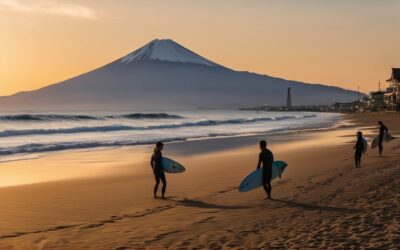
Start your morning at Zushi Beach, a 25-minute ride from Kamakura Station via the Keikyu Line. The beaches here are less crowded than nearby Kamakura’s beaches and offer clear views of Mount Fuji on summer mornings.
Midday: Shonan Seafood Lunch
Head to Enoshima Island via the Enoden line for lunch. The island’s seafood restaurants serve Shirasu (whitebait) — a Sagami Bay specialty available fresh from June to August. For a deeper dive into the area’s marine attractions, explore the Enoshima Aquarium, one of Japan’s largest and most family-friendly aquariums.
Afternoon: Kamakura Hydrangea Season
June is hydrangea season in Kamakura, and Meigetsuin Temple (the “Hydrangea Temple”) is the premier spot. The garden path lined with hundreds of hydrangea bushes in full bloom is a breathtaking sight. July and August shift the focus to Kamakura’s beaches — Kamakura Beach and Yuigahama Beach are both easily accessible from Kamakura Station.
Evening: Minato Mirai Illumination & Fireworks
Return to Yokohama for the evening. The Minato Mirai waterfront features summer illuminations, and Yokohama’s major fireworks festivals (mid-July and mid-August) launch from the bay directly in front of the Red Brick Warehouse.
🍂 Autumn Route: Foliage, Museums & Craft Beer (September–November)
Autumn Route Details
Autumn foliage season draws visitors from around the world. This Yokohama Kamakura autumn itinerary layers fall colors with cultural experiences.
Morning: Sankeien Garden
Begin at Sankeien Garden in Yokohama — a sprawling Japanese landscape garden with historic buildings relocated from across Japan. The maple and ginkgo trees peak in late November, creating a stunning tapestry of red and gold.
Midday: Kamakura’s Autumn Temples
Take the train to Kamakura Station and walk to Tsurugaoka Hachimangu Shrine via the Komachi-dori approach. The shrine’s ginkgo avenue turns brilliant yellow in late November. From there, visit Kenchoji Temple — Kamakura’s oldest Zen temple — where the maple-lined approach is at its peak in mid-to-late November.
For a complete guide to getting around, check the Yokosuka transportation guide for train routes connecting Yokohama, Kamakura, and the Miura Peninsula.
Afternoon: Yokohama Craft Beer & Culture
Return to Yokohama and head to the Kamakura-ko area near the Red Brick Warehouse, where autumn craft beer festivals are held on weekends. Visit the Yokohama Museum of Art for its excellent permanent collection of modern art.
Evening: Autumn Night Illumination
The Sankeien Garden autumn night illumination runs for two weeks in late November. The garden is dramatically lit, and the reflection of autumn foliage in the central pond is unforgettable.
❄️ Winter Route: Illuminations, Onsen & Warming Foods (December–February)
Winter Route Details
Winter in Kanagawa features world-class illuminations, clear views of Mount Fuji, and steaming bowls of regional ramen. This winter Yokohama Kamakura route combines all three.
Morning: Yokohama’s Winter Sights
Start at the Landmark Tower Sky Garden (69th floor, 273 meters) for panoramic views of Mount Fuji — winter mornings offer the clearest visibility. Then visit the Yokohama Red Brick Warehouse for its winter market, featuring local crafts and warming street food.
Midday: Kamakura Winter Walk
Take the train to Kamakura and follow the Tsurugaoka Hachimangu approach to the shrine. Winter is the quietest season in Kamakura, and the bare branches of the ancient ginkgo trees create a serene atmosphere. The nearby Kamakura Museum of National Treasures houses samurai artifacts and Buddhist sculptures.
Afternoon: Warming Up with Kanagawa Food
Winter is the perfect time to explore Kanagawa’s comfort food. The Yokosuka Navy Curry is a hearty curry dish with roots in the Japanese Maritime Self-Defense Force — it is served with milk and salad in the traditional style. For ramen lovers, the Yokohama ramen guide covers the city’s signature Iekei ramen style.
Evening: Minato Mirai Winter Illumination (December–February)
The Minato Mirai Winter Illumination uses over 300,000 blue and white LEDs to transform the waterfront into a sparkling winter wonderland. The display runs from early November to mid-February. End the evening with dinner at one of the Yokohama premium dining restaurants overlooking the illuminated bay.
🚃 Transport Pass Recommendations
To make the most of these seasonal routes, consider purchasing a transport pass:
Enoshima-Kamakura Free Pass (¥1,470)
- Round-trip from Shinjuku
- Unlimited Enoden rides
- Discounts at 30+ attractions
- Best for: Spring and autumn routes
Yokohama Minato Burari Pass (¥500)
- Unlimited bus travel in Yokohama
- Discounts at major attractions
- Best for: Winter route’s Yokohama section
Kamakura Free Pass (¥2,160)
- Round-trip from Tokyo Station
- Unlimited local bus rides
- Best for: Summer route with beach access
For a detailed comparison of all Kanagawa transport passes, refer to the Kanagawa transport pass comparison.
💰 Budget Breakdown by Season
| Season | Transport (per person) | Meals | Admissions | Total |
|---|---|---|---|---|
| Spring | ¥2,000–3,000 | ¥3,000–4,000 | ¥1,500 | ¥6,500–8,500 |
| Summer | ¥2,000–3,000 | ¥4,000–5,000 | ¥2,500 | ¥8,500–10,500 |
| Autumn | ¥2,000–3,000 | ¥4,000–5,000 | ¥2,000 | ¥8,000–10,000 |
| Winter | ¥2,000–3,000 | ¥3,000–4,000 | ¥2,000 | ¥7,000–9,000 |
📍 Seasonal Highlights Calendar
Spring Must-Sees
- Late March: Cherry blossoms at Yamashita Park
- Early April: Hasedera Temple cherry trees
- May: Peonies at Hasedera
Summer Must-Sees
- June: Hydrangeas at Meigetsuin Temple
- July–August: Beach season at Yuigahama
- August: Yokohama Sparkling Twilight fireworks
Autumn Must-Sees
- Mid-November: Kenchoji Temple maples
- Late November: Sankeien Garden foliage
- November: Kamakura-ko craft beer festival
Winter Must-Sees
- December–February: Minato Mirai illumination
- December: Red Brick Warehouse winter market
- January: New Year hatsumode at Tsurugaoka Hachimangu
🎒 What to Pack by Season
- Spring: Light jacket, comfortable walking shoes, umbrella (April showers)
- Summer: Sunscreen, hat, swimwear, light towel, reusable water bottle
- Autumn: Layered clothing, light sweater, camera for foliage
- Winter: Warm coat, gloves, scarf — the bay wind is cold
💡 Pro Travel Tips
Pro Tip 1: The Enoden train between Kamakura and Fujisawa is scenic but can be crowded during peak seasons (Golden Week in spring, Obon in summer, foliage weekends in autumn). Board at Kamakura Station terminus for the best chance of a window seat.
Pro Tip 2: Many temples in Kamakura close at 4:30 PM from October to February. Plan your afternoon route accordingly during the winter season.
Frequently Asked Questions
Q: Can I combine Yokohama and Kamakura in one day?
A: Yes — the Yokohama-Kamakura seasonal route is designed as a full-day itinerary. The train between Yokohama and Kamakura takes only 25 minutes on the JR Yokosuka Line. For a single-city focus, see the Yokohama sightseeing guide or the Kamakura one day trip guide.
Q: What is the best season for first-time visitors?
A: Spring (March–May) and autumn (September–November) offer the most pleasant weather and the most spectacular natural beauty. Summer is ideal for beach lovers, while winter provides the clearest Mount Fuji views.
Q: Are these routes suitable for solo travelers?
A: Absolutely. The train and bus network is well-signposted in English, and all stops on these routes are safe and accessible for solo travelers. See the solo travel Kanagawa 3-day itinerary for an extended solo route.
Q: Do I need to book attractions in advance?
A: For temples and shrines, no advance booking is needed. For the Landmark Tower Sky Garden and special seasonal illuminations, advance tickets are recommended on weekends and holidays.
Q: What is the best transport pass for visiting both cities?
A: The Enoshima-Kamakura Free Pass covers the Enoden line used heavily in the spring and autumn routes, while individual JR tickets are affordable for the Yokohama-Kamakura connection.
Q: Are these routes family-friendly?
A: Yes — each route includes family-friendly stops. The Enoshima Aquarium is excellent for children in summer, and the Minato Mirai area has wide, stroller-friendly walkways year-round.
Yokohama and Kamakura offer distinct seasonal experiences that reward repeat visits. Each season transforms these cities — from spring cherry blossoms along the Enoden coast to winter illuminations at Minato Mirai. By matching your travel dates to the seasonal highlights in this guide, you will experience the very best of Kanagawa Prefecture.
Whether you choose a spring flower route, a summer beach escape, an autumn foliage walk, or a winter illumination tour, the transport connections between these two cities make multi-destination sightseeing effortless. Plan your seasonal Kamakura itinerary, pack accordingly, and discover why Kanagawa is one of Japan’s most rewarding regions for seasonal travel.
Written by: Anaba OffJapan Team
Last Updated: July 14, 2026
Sources:
- Kanagawa Prefecture Official Tourism
- Kamakura Tourism Association
- JR East Enoshima-Kamakura Free Pass
- Yokohama Official Visitors Guide
Conclusion
exploring Kamakura can be as relaxed or as packed as you want it to be, and I have found that the best visits leave room for both planning and spontaneity. During my visit to Kamakura I went with a rough plan and found that leaving room to wander made the trip far more memorable. Use this guide to sort out the logistics in advance, then let the day surprise you — Kanagawa rewards travelers who stay curious.