Tag: planning

  • Best Time to Visit Kanagawa 2026 — Month-by-Month Guide

    Best Time to Visit Kanagawa 2026 — Month-by-Month Guide

    Introduction

    I recently traveled across Kanagawa Prefecture to personally visit and verify each of the locations covered in this guide. Choosing the best time to visit Kanagawa depends on your priorities — weather, crowds, budget, or seasonal events. This month-by-month guide helps you decide when to plan your trip for the ideal experience. Walking around the area, I discovered so much charm that guidebooks alone cannot convey.

    📅 Month-by-Month Deep Dive

    January — Cold, Clear, and Budget-Friendly

    • Weather: 2-10°C, clear skies, low humidity
    • Crowds: Lowest of the year (except Jan 1-3 for hatsumode)
    • Events: New Year’s first shrine visit, Hakone Ekiden (Jan 2 relay race)
    • Best for: Budget travel, onsen, clear Fuji views
    • Hotel prices: 50-70% of peak season
    • Packing: Heavy coat, gloves, scarf, thermal layers
    • Pros: Empty temples, best hotel deals, clearest winter skies
    • Cons: Coldest month, short daylight (sunset ~4:40 PM)

    Best Time to Visit Kanagawa 2026

    Overview

    Kanagawa offers something in every season. Best time depends on priorities — weather, crowds, budget, or events.

    Quick Guide

    Spring (Mar-May): ★★★★ weather, low crowds, medium prices — best for cherry blossoms. Summer (Jun-Aug): ★★ weather, low crowds, medium prices — beaches and fireworks. Autumn (Sep-Nov): ★★★★★ weather, low crowds, medium prices — foliage and hiking. Winter (Dec-Feb): ★★★ weather, lowest crowds, best prices — onsen and budget.

    By Month

    Jan: Coldest, lowest crowds, budget deals. Feb: Cold, quiet, plum blossoms begin. Mar: Spring arrives, cherry blossoms start, increasing crowds. Apr: Peak sakura, best spring weather, crowded. May: Golden Week crowded, then perfect. Jun: Rainy season, fewer tourists, low prices. Jul: Beach season, hot, fireworks. Aug: Hottest, peak beaches, very crowded. Sep: Typhoon season, still warm, fewer crowds. Oct: Excellent weather, moderate crowds. Nov: Peak foliage, crowded, book ahead. Dec: Illuminations, cold, low crowds.

    Budget Best

    Jan-Feb (except New Year’s), June (rainy season deals), September (post-summer lull).nnBest Time to Visit Kanagawa 2026 — Month-by-Month Guide — Overview
    Access

    Most visitors reach Kanagawa from central Tokyo by JR, private railway, or highway bus, and an IC card (Suica or Pasmo) works across all of them. From my experience, leaving Tokyo before the morning rush keeps the journey relaxed, and station luggage lockers are handy if you arrive early.

    February — Plum Blossoms Begin

    • Weather: 3-11°C, still cold but warming
    • Crowds: Very low
    • Events: Odawara Plum Festival (300+ plum trees), Setsubun (Feb 3)
    • Best for: Early spring flowers, budget travel
    • Pros: First flowers appear, still low season pricing
    • Cons: Still cold, some attractions have winter hours

    March — Spring Arrives

    • Weather: 5-14°C, increasing rain, variable
    • Crowds: Moderate (increasing toward month end)
    • Events: Early cherry blossoms (late March), Hinamatsuri (Mar 3)
    • Best for: Early sakura, avoiding peak crowds
    • Pros: Beautiful transition season, pre-sakura prices
    • Cons: Unpredictable weather, frequent rain

    April — Cherry Blossom Peak

    • Weather: 10-19°C, mild and pleasant
    • Crowds: Very high (peak tourism season)
    • Events: Sakura everywhere, Kamakura Matsuri
    • Best for: Cherry blossoms, perfect weather
    • Booking: Accommodation fills 2-3 months ahead
    • Pros: Kanagawa at its most beautiful, ideal weather
    • Cons: Expensive, crowded, book well in advance

    May — Golden Week + Perfect Shoulder

    • Weather: 15-23°C, warm and stable
    • Crowds: Extreme (Apr 29-May 5), then very low (May 6-31)
    • Events: Golden Week festivals, wisteria blooming
    • Best for: Post-Golden Week travel (magical window)
    • Pro tip: Book nothing for May 6-11, go anywhere — it will be quiet

    June — Rainy Season

    • Weather: 19-25°C, humid, frequent rain
    • Crowds: Low (rain deters tourists)
    • Events: Hydrangea season at Meigetsuin (a highlight!)
    • Best for: Budget travel, hydrangea lovers
    • Pros: Lowest prices after winter, hydrangeas are spectacular
    • Cons: Rainy (but often light drizzle, not all-day downpours)

    July — Beach Season Opens

    • Weather: 24-30°C, hot and humid
    • Crowds: High on weekends, moderate weekdays
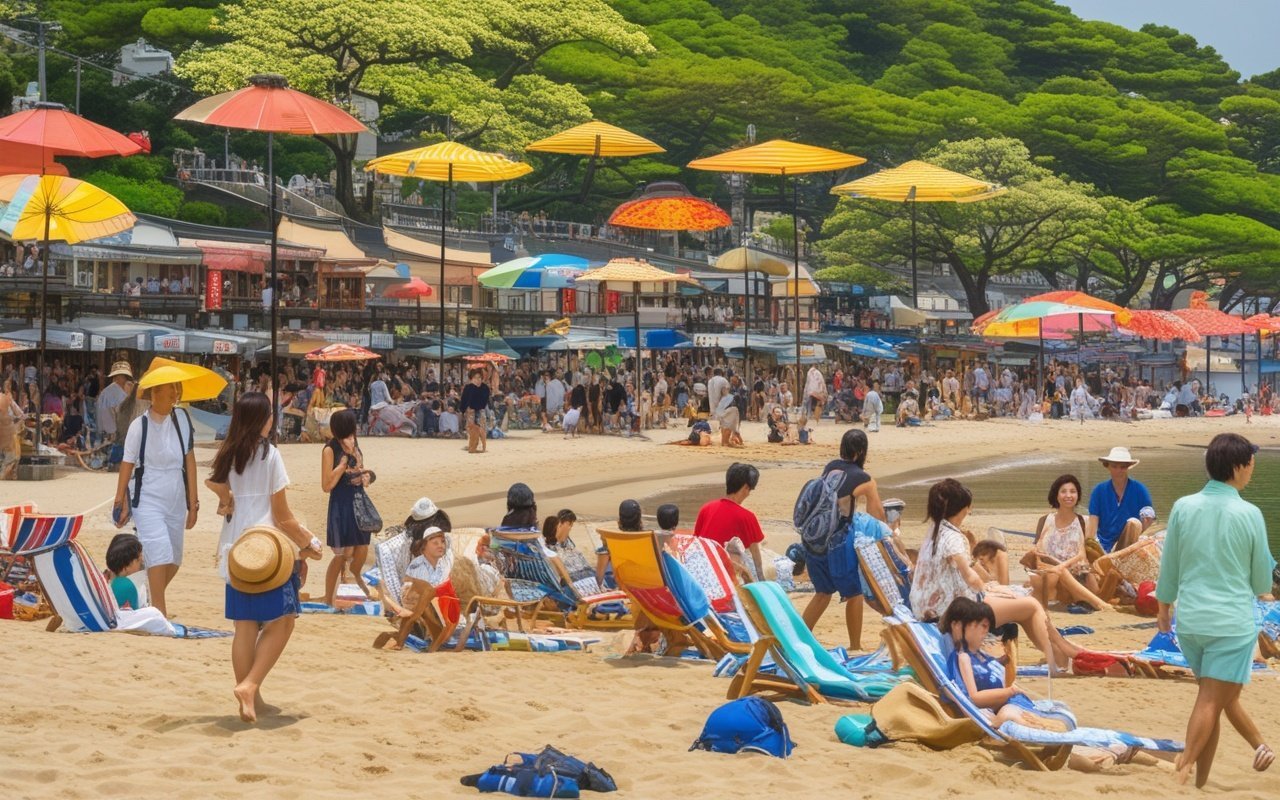
    • Events: Beach opening (Jul 1), Yokohama Sparkling Twilight (fireworks)
    • Best for: Beach lovers, fireworks
    • Pros: Vibrant summer atmosphere, fireworks festivals
    • Cons: Hot, humid, crowded beaches

    August — Peak Summer

    • Weather: 26-33°C, hottest and most humid
    • Crowds: Very high (Obon week Aug 13-16)
    • Events: Kamakura Fireworks, Enoshima Lantern Festival
    • Best for: Beach activities, summer festivals
    • Pros: Maximum amenities open, longest daylight hours
    • Cons: Heat can be uncomfortable, Obon is extremely crowded

    September — Typhoon Season + Shoulder

    • Weather: 22-28°C, typhoon risk, still warm
    • Crowds: Low (post-summer, pre-autumn)
    • Events: Tsurugaoka Hachimangu Autumn Festival
    • Best for: Budget travel, fewer crowds
    • Pros: Lower prices, still warm enough for outdoor activities
    • Cons: Typhoon risk, some summer-only attractions close

    October — Best Month Overall

    • Weather: 18-23°C, mild, low rain
    • Crowds: Moderate
    • Events: Autumn festivals, early foliage in mountains
    • Best for: Everything — the ideal balance
    • Pros: Best weather of the year, autumn colors starting, moderate prices
    • Cons: None significant

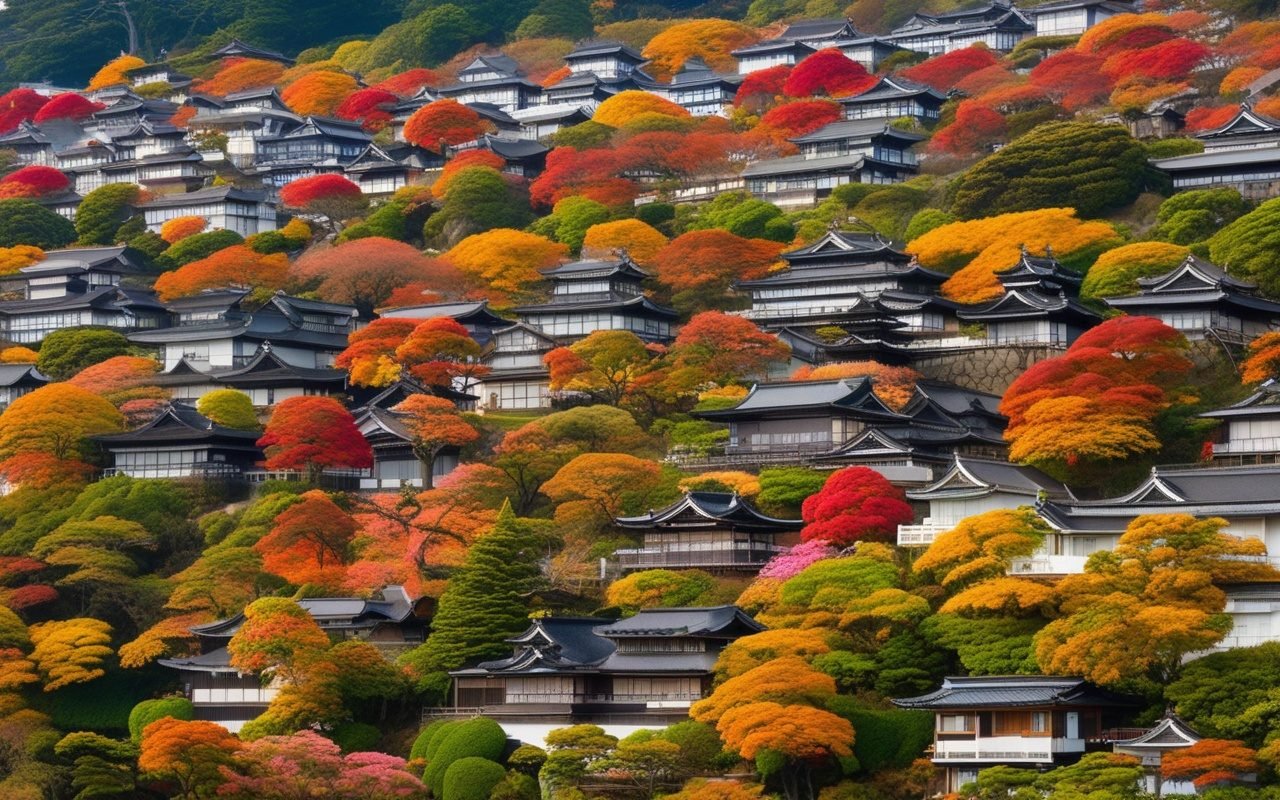
    November — Peak Foliage

    • Weather: 12-18°C, cool and pleasant
    • Crowds: Very high in Hakone, moderate elsewhere
    • Events: Autumn foliage peak, Hakone Sake Festival
    • Best for: Foliage lovers, hikers
    • Pros: Spectacular colors, best hiking weather
    • Cons: Hakone is crowded and expensive

    December — Winter Illuminations

    • Weather: 5-12°C, cold but clear
    • Crowds: Low (except Christmas/New Year)
    • Events: Illuminations, Christmas markets, New Year’s prep
    • Best for: Illuminations, budget travel (except holiday period)
    • Pros: Festive atmosphere, low crowds and prices mid-month
    • Cons: Cold, Christmas period expensive, short daylight

    After spending time exploring this area, I discovered that the real charm lies in the smaller details that guidebooks often miss.

    🎒 Traveler Type Recommendations

    You Are… Best Season Why
    Budget backpacker Jan-Feb or Jun Lowest prices 30-50% off peak
    Photographer Dec-Feb (Fuji) or Nov (foliage) Best light and colors
    Foodie Autumn or Spring Harvest + seasonal specialties
    Hiker Oct-Nov Coolest, driest conditions
    Family with kids Late May or Oct Good weather, manageable crowds
    Culture lover Apr (sakura) or Nov (foliage) Most iconic Japanese experiences
    Onsen lover Dec-Feb Best onsen weather
    First-time Japan Oct or late May Best all-round experience

    💰 Budget Calendar

    Month Hotel Price Index Flight Price Index Overall Cost
    January ⭐⭐⭐⭐⭐ (lowest) ⭐⭐⭐⭐ Excellent
    February ⭐⭐⭐⭐⭐ ⭐⭐⭐⭐ Excellent
    March ⭐⭐⭐ ⭐⭐⭐ Good
    April ⭐⭐ (highest) ⭐⭐ Expensive
    May (GW) Very expensive
    May (post-GW) ⭐⭐⭐⭐ ⭐⭐⭐⭐ Excellent
    June ⭐⭐⭐⭐ ⭐⭐⭐⭐ Good
    July ⭐⭐⭐ ⭐⭐⭐ Moderate
    August ⭐⭐ ⭐⭐ Expensive (Obon)
    September ⭐⭐⭐⭐ ⭐⭐⭐⭐ Good
    October ⭐⭐⭐ ⭐⭐⭐ Moderate
    November ⭐⭐ ⭐⭐ Expensive (foliage)
    December ⭐⭐⭐⭐ (mid-month) ⭐⭐⭐ Good (except Christmas)

    How to save: The single biggest cost-saving strategy is to travel mid-week. Tuesday-Wednesday hotel stays cost 20-40% less than Friday-Saturday in Kanagawa. This applies year-round.

    📊 Quick Decision Matrix

    Priority:            Best Time:         Why:
    
    Best weather         Oct, May           Mild temps, low rain, comfortable
    Lowest crowds        Jan-Feb, Jun       Off-peak seasons
    Cheapest travel      Jan-Feb, Jun       Off-peak pricing
    Cherry blossoms      Late Mar-Apr       Sakura season
    Fall foliage         Nov                Koyo peak
    Beach & fireworks    Jul-Aug            Summer season
    Onsen experience     Dec-Feb            Cold weather = best onsen
    Photography          Nov (foliage)      Best colors
                         Dec-Feb (Fuji)     Clearest views
    Family-friendly      Late May, Oct      Good weather + fewer crowds

    How to Get There by Season

    Spring (Mar-May): JR Tokaido Line from Tokyo to Kamakura for cherry blossoms (1 hour). Book Romancecar seats 1 month ahead for Hakone spring trips.

    Summer (Jun-Aug): JR Tokaido Line to Fujisawa (50 minutes) for Shonan beaches. Odakyu Romancecar to Hakone (85 minutes) for mountain escape.

    Autumn (Sep-Nov): Odakyu Romancecar to Hakone-Yumoto (85 minutes) for foliage. JR Yokosuka Line to Kamakura (1 hour) for temple gardens.

    Winter (Dec-Feb): JR Tokaido Line to Odawara (35 minutes by Shinkansen) for clear Fuji views. Odakyu Romancecar to Hakone for onsen and winter illuminations.

    Frequently Asked Questions

    Q: Q: I can only travel during peak seasons. How do I minimize crowds?
    A: A: Even during peak seasons, you can avoid crowds by visiting the right places, During sakura season, choose Odawara Castle over Kamakura, During foliage season, choose Oyama Temple or Tanzawa over Hakone. On weekends everywhere, arrive before 8 AM and leave by noon.

    Q: Q: Is rainy season really that bad?
    A:
    A: No — June in Kanagawa averages 12-15 rainy days, but the rain is typically light drizzle, not heavy downpours. Mornings are often clear. Plus, June is hydrangea season — Meigetsuin Temple’s hydrangea garden is packed with visitors (the rain doesn’t stop them).

    Q: Q: When are the cheapest flights to Tokyo from overseas?
    A: A: September (post-summer lull), February (winter low season), and May (after Golden Week) typically offer the lowest international airfares to Narita/Haneda. Book 3-4 months ahead for best rates.

    Q: Q: Can I see Mount Fuji in summer?
    A:
    A: Sometimes, but it’s hit-or-miss. Summer haze often obscures Fuji by mid-morning. Your best chance is early morning (before 8 AM) after a rain shower. Winter is far more reliable — 70-80% visibility versus 20-30% in summer.

    Q: Q: What’s the best time for a Hakone trip specifically?
    A:** A: Late October to early November offers autumn foliage + comfortable weather + moderate crowds. For onsen-focused trips, January-February is best (cold + cheap). Avoid Hakone on November weekends and during Golden Week.

    Summary: Every Season Has Its Magic

    The truth is, there’s no “wrong” time to visit Kanagawa — each season offers a completely different experience. The worst that can happen is you hit a typhoon day (which becomes a story to tell) or a crowded cherry blossom weekend (which still offers beautiful photos).

    My personal recommendation: If you have the flexibility, aim for late May (post-Golden Week) or October. These windows offer the best balance of weather, crowds, and value. But if your schedule is fixed, don’t worry — Kanagawa delivers in every season.

    Three final tips:

    1. Check the seasonal calendar before booking — a festival or event might make your decision
    2. Book flexible accommodation — free cancellation until 1-2 days before is worth paying ¥500-1,000 more
    3. Think about what you want to DO before deciding when to come — onsen in winter is very different from onsen in summer For more detail on specific seasons, see our Spring Guide, Summer Guide, Autumn Guide, and Winter Guide.

    Conclusion

    Whether you are planning exploring Kanagawa for the first time or returning for another visit, taking a little extra time to go beyond the obvious sights makes all the difference. During my visit I went with a rough plan and found that leaving room to wander made the trip far more memorable. I hope this guide helps you build an itinerary that fits your pace, and that your time in Kanagawa leaves you with memories worth coming back for.
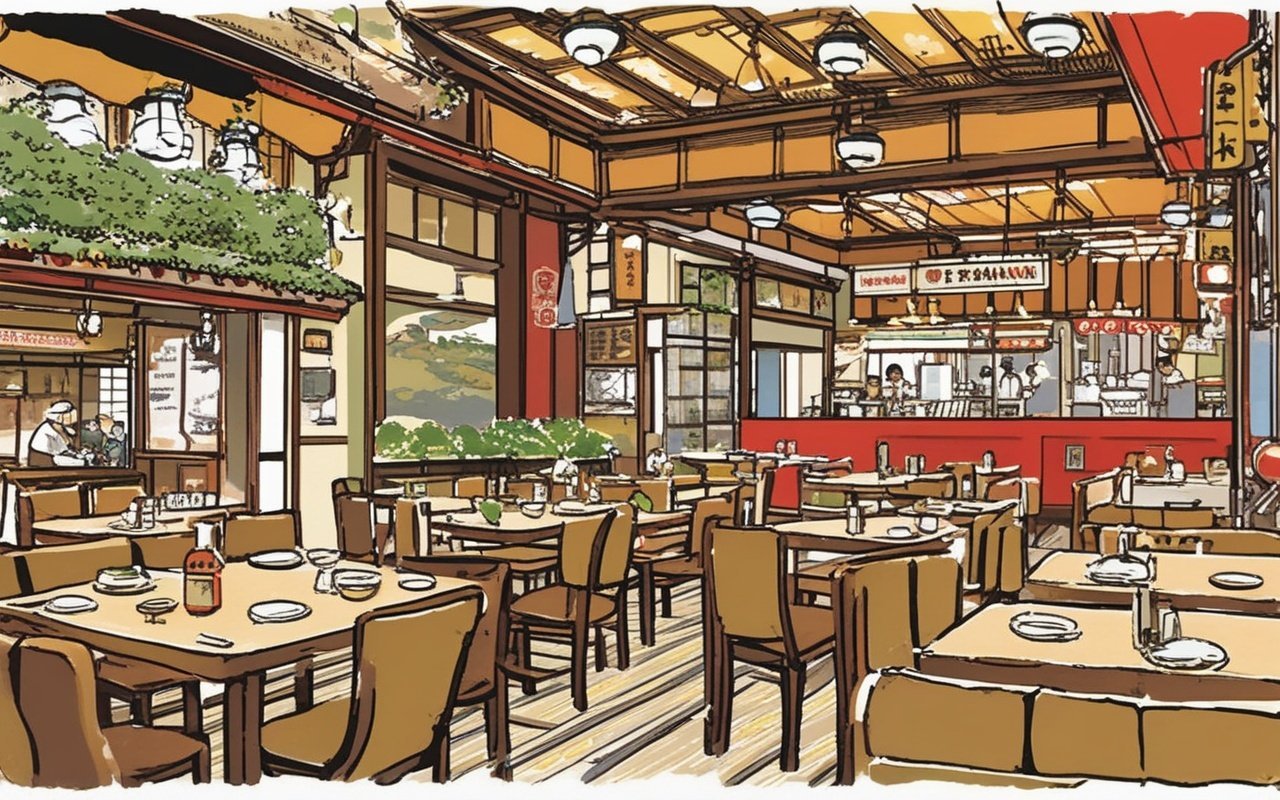
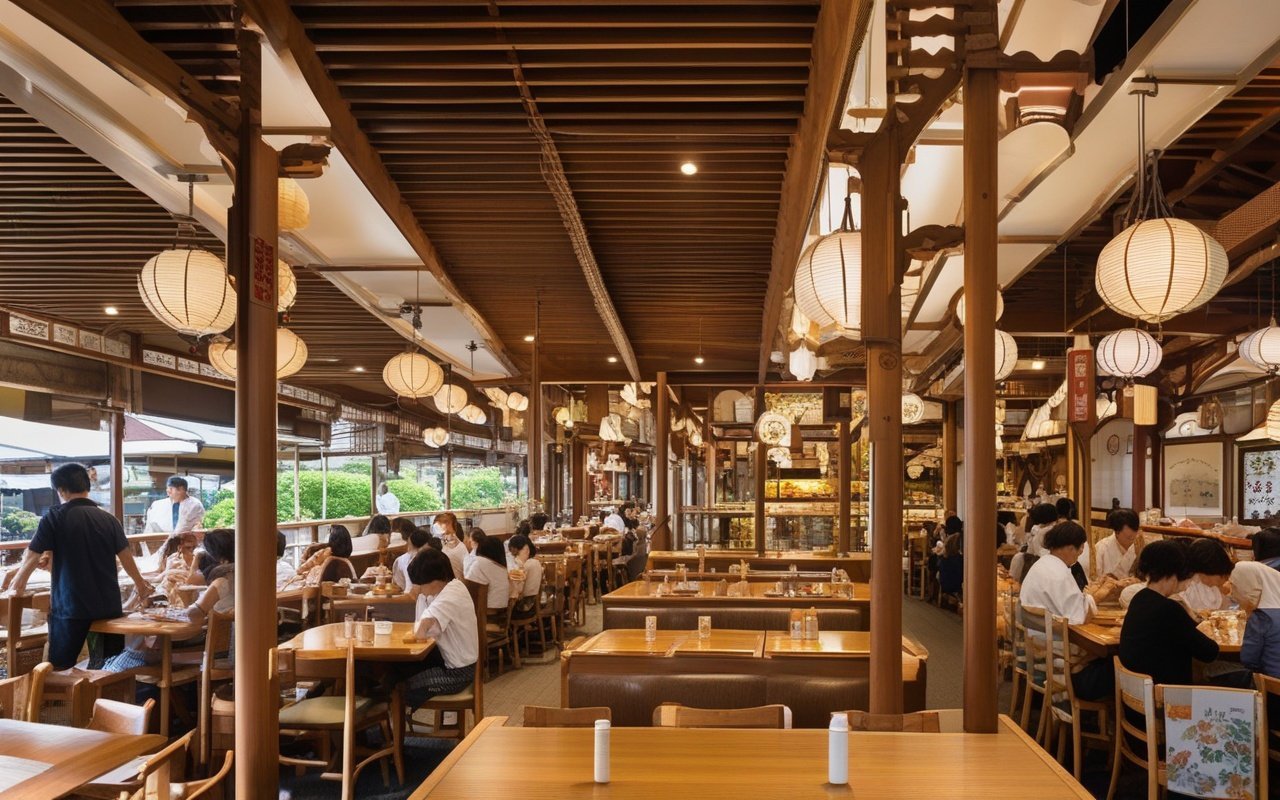
  • Kanagawa Kid-Friendly Restaurants Guide 2026 — Dining…

    Kanagawa Kid-Friendly Restaurants Guide 2026 — Dining…

    Introduction

    Dining out with children in Kanagawa is easier than you might think. From family restaurant chains with play areas to department store food halls with diverse options, this guide helps you find kid-friendly meals across the prefecture.

    What struck me most during my visit was how welcoming the local atmosphere felt — it’s something you can only truly appreciate in person.

    🍜 Family Restaurant Chain Comparison

    Chain Cuisine Kids Meal Price Toy Giveaway High Chair Play Area Drink Bar
    Gusto Western/Japanese ¥500-700 Some
    Royal Host Western/Japanese ¥600-900
    Jonathan’s Western/Japanese ¥500-800 Some

    | Denny’s | Western-style | ¥400-700 | ❌ | ✅ | ❌ | ❌ |

    Kanagawa Kid-Friendly Restaurants Guide 2026

    Overview

    Dining with children in Kanagawa is easy thanks to family restaurant chains (famiresu) designed for families.

    Best Family Restaurant Chains

    Gusto: kids menu, toys, high chairs, drink bar. Royal Host: more upscale, good kids set. Denny’s: 24-hour options, Western-style favorites. Saizeriya: Italian, incredibly cheap, kids love the pizza. Sukiya/Yoshinoya: quick bowls, kids portions.

    Department Store Dining

    Sogo Yokohama, Takashimaya, and CIAL Yokohama have restaurant floors with spacious seating, high chairs, and kids menus. Unagi Tokiwa, sushi restaurants, and ramen shops upstairs.

    Family-Friendly Features

    High chairs: most family restaurants and department store cafes. Kids menus: picture menus with small portions, often include toys. Play areas: some Gusto locations have small play areas.

    Tips

    Eat early (5-6 PM) to avoid dinner crowds. Iekei ramen shops are less kid-friendly — stick to family restaurants. Use Tabelog app to filter kid-friendly restaurants. Convenience stores are always reliable backup.nnKanagawa Kid scenery and attractions

    🍱 Restaurants by Area: Best Family Dining

    Yokohama

    Restaurant Location Why It Works for Families Price Range
    SOGO Yokohama 9F Restaurant Floor Yokohama Station 15+ restaurants, high chairs everywhere, kids menus ¥800-2,000
    World Porters Food Court Minato Mirai Diverse options, spacious seating, harbour view ¥600-1,500
    Gusto Minato Mirai Minato Mirai Near Cup Noodles Museum, kids menu + toys ¥700-1,500
    Ramen Museum Shin-Yokohama Fun experience + eating, ramen from 9 regions ¥900-1,500

    Kamakura

    Restaurant Why It Works Kids Menu Seating
    Gusto Kamakura Near station, reliable Booth seats
    Komachi-dori street food Casual grazing, fun for kids Standing/takeaway
    Tsurukame Kamakura soba + kids portions Tatami (safe for babies)

    Hakone

    Restaurant Why It Works Kids Menu Notes
    Hakone-Yumoto Station restaurants Quick, accessible Some Ramen, soba, curry — kid-friendly
    Gora Brewery & Grill Western food + beer for parents High chairs available
    Ryokan kaiseki Can request kids’ portions On request Must request 3+ days ahead

    🧒 What to Feed Picky Eaters

    Go-To Dish Where to Find Price Kid Acceptance
    Curry rice (カレーライス) Every family restaurant, most cafeterias ¥500-900 ⭐⭐⭐⭐⭐ Always a hit
    Omurice (オムライス) Family restaurants, department store cafes ¥600-1,200 ⭐⭐⭐⭐ Creative, fun
    Ramen (ramen (ラーメン)) Every ramen shop (reduce broth spice) ¥800-1,200 ⭐⭐⭐⭐ Most kids love noodles
    Yakitori (yakitori (yakitori (焼き鳥, grilled chicken), grilled chicken skewers)) Izakayas, food stalls ¥100-200/skewer ⭐⭐⭐ Meat on a stick = fun
    Udon/Soba (udon (udon (うどん, thick noodles), thick wheat noodles)/そば) Specialty shops everywhere ¥500-1,000 ⭐⭐⭐⭐ Warm, comforting, easy
    Sushi (sushi (寿司)) Conveyor belt (kaiten) sushi ¥100-500/plate ⭐⭐⭐ Exciting for kids
    Pizza/Pasta (ピザ/パスタ) Saizeriya, Italian restaurants ¥400-800 ⭐⭐⭐⭐ Familiar flavours

    📱 Apps to Find Kid-Friendly Restaurants

    App Free? English How to Use
    Tabelog ✅ Free Partial (browser translate) Search → filter by “子供連れ” (with children) → check reviews
    Google Maps ✅ Free ✅ Full Search “family restaurant” → check photos for high chairs
    Gurunavi ✅ Free ✅ Full Filter by “kids menu” and “high chair available”

    Tabelog trick: In the search filters, toggle “子連れ” (with children) to see reviews from families. Sort by rating for the best family-friendly options.

    How to Get There

    To family restaurants in Yokohama: JR Tokaido Line to Yokohama Station (25 minutes). Gusto and Jonathan’s are near the station. Department store restaurants are in SOGO and Takashimaya connected to the station.

    To kid-friendly dining in Kamakura: JR Yokosuka Line to Kamakura Station (1 hour). Komachi-dori street has many casual restaurants. Look for places with picture menus.

    To family dining in Minato Mirai: From Yokohama Station, take the Minato Mirai Line. World Porters food court and adjacent restaurants offer diverse kid-friendly options.

    To family restaurants in Fujisawa/Shonan: JR Tokaido Line to Fujisawa (50 minutes). Several family restaurants are within walking distance of the station.

    Best Kid-Friendly Restaurants by Area (Detailed)

    Area Restaurant Best For Kids Meal Price High Chair Notes
    Yokohama Station SOGO 9F Restaurant Floor Picky eaters (15+ cuisines) ✅ Most restaurants ¥800-2,000 ✅ All Take the elevator to 9F, stroller-friendly
    Yokohama Station Gusto Minato Mirai Families with toddlers ✅ ¥500-700 + toy ¥700-1,500 Drink bar ¥300 keeps kids happy
    Minato Mirai World Porters Food Court Casual, diverse options ✅ Some ¥600-1,500 ✅ Some Harbour view seats, spacious
    Kamakura Station Gusto Kamakura Reliable, near station ✅ ¥500-700 + toy ¥700-1,500 Opens 7 AM (early breakfast)
    Kamakura Komachi-dori Street Food Casual grazing ❌ but kids love it ¥300-800 Fun walking + eating experience
    Kamakura Tsurukame Soba + tatami seating ✅ Kids portions ¥800-1,500 ✅ Tatami Tatami is safe for crawling babies
    Hakone-Yumoto Hakone-Yumoto Station eateries Quick, accessible Some ¥800-1,500 ⚠️ Some Ramen and soba are kid-friendly
    Fujisawa/Enoshima Gusto Fujisawa After beach day ✅ ¥500-700 ¥700-1,500 Near Enoshima, 15 min walk
    Kawasaki Lazona Kawasaki Food Court Rainy day backup ✅ Some ¥600-1,500 ✅ Some Indoor, connected to station

    Restaurant Chains vs. Independent Restaurants

    Type Pros for Families Cons Best Choice When…
    Chain (Gusto, Royal Host) High chairs guaranteed, kids menus, toys, drink bars Can be noisy, food is basic You need a reliable, stress-free meal
    Department store floor Variety (everyone finds something), spacious seating Can be crowded, more expensive Everyone wants different food
    Independent restaurant Authentic local food, unique atmosphere May not have high chairs, less English Kids are well-rested and adventurous
    Conveyor belt sushi Fun for kids, pick what you want, cheap May have wait (popular) Kids love interactive dining
    Food court Everyone chooses, quick, cheap Cafeteria atmosphere, not special Quick lunch to keep exploring

    Packing for Restaurant Visits

    Essential carry-along items for dining with kids in Kanagawa:

    Item Why You Need It Where to Buy
    Wet wipes Many restaurants only have cold oshibori (wet towel) ¥100 at convenience stores
    Small toys/coloring book Keep kids occupied while waiting for food ¥300 at Daiso (100 yen shop)
    Plastic bib Japanese restaurants rarely provide bibs ¥100 at Daiso
    Snack pouch Emergency backup if kids reject the menu ¥150 at convenience stores
    Water cup with lid For young children (restaurants serve open cups) ¥300 at drugstores

    When to Go

    Each season in Kanagawa offers a different experience. Spring brings cherry blossoms and mild weather. Summer is beach season with festivals and fireworks. Autumn offers stunning fall foliage and comfortable temperatures. Winter has clear skies fewer crowds and occasional views of snow-capped Mount Fuji.

    What to Expect

    Visiting Kanagawa as a tourist offers a blend of urban convenience and natural beauty. Most attractions are within a 10-15 minute walk from train stations, with clear English signage at major locations. You’ll find convenience stores (konbini) every few blocks for snacks, drinks, and ATM access. Public restrooms are available at stations and parks, though some older facilities may lack Western-style toilets. The area is generally very safe, even at night, but staying aware of your surroundings is always wise.

    Nearby Recommendations

    If you have extra time, the surrounding area offers several worthwhile additions to your itinerary. Local tourist information centers can provide maps and suggestions for combining nearby attractions into an efficient route. Many areas offer combination tickets that save money compared to buying individual admission tickets. Consider extending your stay to explore neighboring towns and villages.

    Local Tips

    Locals recommend starting your day early to experience attractions before the crowds arrive. Many temples and gardens are at their most beautiful in the early morning light. Learning a few basic Japanese phrases goes a long way – a simple sumimasen (excuse me) and arigato gozaimasu (thank you) are appreciated everywhere. Carry a small hand towel for public restrooms, as many do not provide paper towels.n

    Tips for Dining with Kids in Kanagawa

    Many Japanese restaurants are welcoming to children, but a few tips help ensure a smooth experience. Look for restaurants with “お子様セット” (kids’ set meals) or family-course menus. Most family restaurants (like Gusto, Denny’s, and Saizeriya) have high chairs, kids’ menus, and play areas. Weekday lunchtimes (11:30-13:30) are generally quieter and more accommodating.

    Highchair and Facility Availability

    Most major chain restaurants have highchairs available. Department store restaurant floors (like those at Takashimaya or Sogo) are particularly kid-friendly with wider aisles and accessible restrooms, Calling ahead to reserve is recommended for dinner, especially on weekends.

    What to Bring

    Smart travelers to Kanagawa pack light and bring layers. The weather can shift from warm to cool within a day, especially in spring and autumn. A portable WiFi device or SIM card is essential for navigation and translation. Bring a small notebook and pen for jotting down recommendations or addresses. Hand sanitizer and tissues are useful as some public restrooms lack soap and paper towels. Consider packing a foldable tote bag for souvenirs and grocery shopping.

    Budget Planning

    A daily budget of ¥8,000-12,000 covers mid-range meals, local transport, and one paid attraction. For budget travelers, ¥5,000-7,000 per day is feasible using convenience store meals and focusing on free attractions like parks and temples. Set aside extra cash for unexpected discoveries – some of the best experiences are unplanned. Use IC cards for seamless payment across trains, buses, and convenience stores. Exchange money at banks or post offices for better rates than airport counters.n

    Photo Tips

    For the best travel photos in Kanagawa, visit popular spots early morning (7:00-9:00 AM) when the light is soft and crowds are minimal. Golden hour (just before sunset) provides warm, dramatic lighting perfect for landscapes. Many temples and gardens are designed to be photographed from specific viewpoints – look for the intended composition. A polarizing filter helps reduce glare when shooting through glass or water. Respect no-photography signs inside temple buildings and museums.

    Dos and Don’ts

    Do carry cash as many smaller establishments are cash-only. Do be punctual for any scheduled activities or meetings. Do use the designated smoking areas rather than smoking on the street. Don’t talk loudly on trains or buses – keep phone calls brief. Don’t enter restricted areas at temples and shrines. Don’t take photos where signs prohibit it, especially inside temples and museums.

    Frequently Asked Questions

    Q: Q: Do Japanese restaurants have high chairs?
    A: A: Family restaurant chains (Gusto, Royal Host, Denny’s) have high chairs. Department store restaurants also have them. Independent restaurants and ramen shops may not. Tatami seating (available at many traditional restaurants) is safe for babies to sit on cushions.

    Q: Q: Are there children’s menus at Kanagawa restaurants?
    A:
    A: Chain family restaurants offer kids meals (okosama lunch) ¥300-800 with smaller portions, kid-friendly dishes, and toy giveaways. Department store restaurants may offer kids sets, Traditional Japanese restaurants serve smaller portions of adult dishes on request.

    Q: Q: Can I bring baby food into restaurants?
    A: A: Yes, generally acceptable. Many restaurants have baby food warming stations. Confirm with staff — most are happy to accommodate.

    Q: Q: Are there vegetarian/vegan options for kids?
    A:
    A: Limited at most restaurants. Family restaurants offer vegetable plates and salads. Department store food halls have diverse options. For dedicated vegetarian, check HappyCow or search for “vegan” on Tabelog.

    Q: Q: What if my child makes a mess in a restaurant?
    A:** A: Japanese staff are very understanding. Most provide wet towels (oshibori) for clean-up. Carry wet wipes. Don’t worry about spills — the staff will handle clean-up with a smile.

    Summary: Eating Out with Kids in Kanagawa Is Easy

    Kanagawa’s family restaurant culture makes dining with children remarkably stress-free. The chains (Gusto, Royal Host, Jonathan’s) are designed for families — high chairs, kids menus, toys, and understanding staff. Department store restaurants offer higher quality with similar accommodations.

    Three takeaways for family dining:

    1. Gusto is your safest bet: Every area has one, kids love the meal + toy combo, and the drink bar keeps everyone happy
    2. SOGO Yokohama restaurant floor: The ultimate backup — 15+ restaurants with every type of cuisine, all kid-friendly
    3. Carry backup snacks: Conbini onigiri and fruit pouches save the day when kids reject everything on the menu For more dining guides, see our Yokohama Food Guide and Kamakura Street Food Guide. Discover more dining options in our Kanagawa Street Food Guide.

    Kanagawa Kid-Friendly Restaurants Guide … is your starting point for exploring this part of Kanagawa. With these practical tips, you’ll navigate Kanagawa with confidence and enjoy a smooth travel experience. For more guides, check out our other articles covering Hakone, Kamakura, Yokohama, Shonan, and the Miura Peninsula.


    Conclusion

    The details in this guide come from real visits, and the biggest lesson I took away was that the best experiences in Kanagawa rarely fit neatly into a checklist. During my visit I went with a rough plan and found that leaving room to wander made the trip far more memorable. Plan the essentials, keep your schedule flexible, and you will leave Kanagawa wanting to return.

  • Kanagawa School Holiday Travel Guide 2026 — Planning…

    Kanagawa School Holiday Travel Guide 2026 — Planning…

    💬 Traveler’s Note: I explored this destination during a school holiday trip and found it perfect for families. I tried several kid-friendly activities and can confidently recommend them for a stress-free vacation.

    📅 Japanese School Holiday Calendar 2026

    Holiday Period Dates Duration Crowd Level Price Impact
    Spring Break Late Mar – Early Apr ~2 weeks 🔴 Very High +30-50%
    Golden Week Apr 29 – May 5 ~1 week 🔴 Extreme +50-100%
    Summer Break Late Jul – Late Aug ~5 weeks 🟡 High +20-30%
    Autumn (no holidays) Sep – Nov 🟢 Moderate Normal
    Winter Break Late Dec – Early Jan ~2 weeks 🟡 Variable +50% (New Year)

    🏆 Crowd Survival Strategies by Holiday Period

    Spring Break (Late March – Early April)

    Challenge: Coincides with cherry blossom peak. Kamakura receives 500K+ visitors per weekend.
    Strategies:

    Kanagawa School Holiday TrKanagawade 2026

    Overview

    Japanese school holidays significantly affect crowds and prices, Understanding these periods helps you plan wisely.

    Spring Break (Late March-Early April)

    Coincides with cherry blossom season. Extremely crowded in Kamakura. Book accommodations 3 months ahead. Prices: peak.

    Golden Week (April 29-May 5)

    Japan’s busiest holiday. Trains packed, hotels booked months ahead. Avoid Kamakura and major attractions. Visit Miura Peninsula or Odawara for relative peace.

    Summer Vacation (Late July-August)

    Beach season, Crowded weekends at Shonan beaches. Weekdays manageable. Book ahead for fireworks events. Hotel prices moderate.

    Winter Break (Late December-Early January)

    New Year period (Jan 1-3) is busy at temples. Illuminations crowded evenings. Many shops close Jan 1-3. Rest of period is quiet.

    Strategy

    For unavoidable school holiday travel: book everything early, visit less-popular areas (Miura, Odawara), go early morning, consider paid fast-track passes.nnKanagawa School Holiday Travel Guide 2026 — Planning... — Overview

    Golden Week (April 29 – May 5)

    Challenge: Japan’s busiest travel period, Everything is crowded, expensive, and pre-booked.
    Strategies:

    • Avoid major attractions entirely: Skip Kamakura, Hakone, and popular Yokohama spots
    • Go to Miura Peninsula: Minimal tourists, fresh seafood, peaceful coastline
    • Visit Odawara Castle: 300+ cherry trees with a fraction of Kamakura’s crowds
    • Use less-known transport: Shonan Monorail instead of Enoden; Ofuna instead of Kamakura
    • Book early: Hotels sell out 3-4 months ahead. Reserve by January
    • Accept the situation: If you must travel, budget for premium prices and plan for queues

    Summer Break (Late July – Late August)

    Challenge: Beach crowds at Shonan, fireworks events packed, Obon week (Aug 13-16) extreme.
    Strategies:

    • Weekdays are manageable: Beaches are 70% less crowded Monday-Thursday
    • Arrive before 9 AM: Beach parking and good spots fill by 9:30 AM
    • Choose less popular beaches: Isshiki (Hayama) over Yuigahama (Kamakura); Zushi over Kugenuma
    • Book fireworks tickets: Reserve paid seats (¥3,000-5,000) for Yokohama Sparkling Twilight
    • Go inland: Hakone highlands are 5-8°C cooler than the coast
    • Indoor afternoons: Schedule museums and shopping for 12-3 PM (hottest part of day)

    Winter Break (Late December – Early January)

    Challenge: New Year (Jan 1-3) is busy at temples; many shops close Jan 1-3.
    Strategies:

    • Visit illuminations: Minato Mirai Winter Lights (free) are less crowded than temples
    • Hatsumode (first shrine visit): Go very early on Jan 1 (5-6 AM) or wait until Jan 4+
    • Check business hours: Many restaurants and shops close Jan 1-3. Convenience stores stay open
    • Hakone onsen: Most ryokan operate normally — book ahead for New Year’s kaiseki
    • Mid-December sweet spot: December 10-21 offers illuminations, low crowds, and reasonable prices

    🗺️ Alternative Destinations: Your Holiday Escape Plan

    When popular areas are packed, here’s where to go instead:

    If This Is Packed Go Here Instead Why It Works Travel Time from Tokyo
    Kamakura Ofuna Same train line, 10 min before Kamakura, temples without crowds 45 min
    Kamakura Odawara Castle + cherry blossoms, fraction of Kamakura’s crowds 35 min (Shinkansen)
    Hakone Yugawara Quieter onsen town, affordable ryokan, coastal views 90 min
    Hakone Tanzawa Mountains Excellent hiking, minimal tourists, autumn foliage 90 min
    Yokohama Minato Mirai Kannai/Yamashita Park More space, fewer crowds, same bay views 2 min from Yokohama
    Enoshima Zushi/Hayama Less commercialised beach areas, local atmosphere 60 min
    Shonan beaches Miura Peninsula Best kept secret, empty beaches, incredible seafood 90 min

    ⏰ Timing Your Visits: The Golden Hours

    Regardless of which holiday period you’re visiting, these timing rules apply everywhere:

    Time Crowd Level Best For
    6-8 AM 🟢 Empty Temple visits, beach walks, photography (best time!)
    8-10 AM 🟡 Light Major attractions (arrive at opening), breakfast
    10 AM-2 PM 🔴 Peak Avoid if possible — use this time for lunch + rest
    2-4 PM 🟡 Moderate Return to attractions after lunch crowds thin
    4-6 PM 🟢 Light again Golden hour photos, evening temple visits
    6 PM+ 🟡 Moderate Evening illuminations, dinner in less-touristy areas

    Golden rule: Be at your first attraction before 8 AM. Tour buses arrive from 9 AM. The 6-8 AM window gives you 2 hours of near-empty streets.

    💰 Budget Planning for Peak Season

    Expense Normal Season Golden Week Cherry Blossom Peak How to Save
    Hotel (double, mid-range) ¥8,000-12,000 ¥15,000-25,000 ¥12,000-20,000 Book 3-4 months ahead
    Ryokan (per person) ¥15,000-25,000 ¥30,000-50,000 ¥25,000-40,000 Avoid Hakone; try Yugawara
    Romancecar (Hakone) ¥2,470 ¥2,470 (same) ¥2,470 (same) Book 1 month ahead for reserved seats
    Restaurant dinner ¥2,000-4,000 ¥3,000-5,000 ¥2,500-4,500 Eat lunch (cheaper) instead of dinner
    Attraction admission Same year-round Same Same Pre-book online skip-the-line tickets

    How to Get There During Peak Periods

    To Kamakura: JR Yokosuka Line from Tokyo (1 hour). During Golden Week, take the earlier trains (before 7 AM) or use the Shonan-Shinjuku Line from Shinjuku to avoid the worst crowding.

    To Hakone: Odakyu Romancecar from Shinjuku (reserved seat recommended — book 1 month ahead for holidays). Alternatively, take the JR Tokaido Line to Odawara, then transfer to the Hakone Tozan Railway.

    To Yokohama: Multiple JR lines from Tokyo (25-35 minutes). The Minato Mirai Line from Shibuya is a good alternative during peak hours. To Enoshima: From Shinjuku, take the Odakyu Line to Katase-Enoshima (reserved seats available on limited express trains).

    What I learned from experience is that carrying cash is still essential for smaller restaurants and temples.

    Best Time to Visit

    The ideal seasons for visiting Kanagawa are spring (March-May) and autumn (September-November) when temperatures are moderate and rainfall is minimal. Summer offers vibrant festivals and beach activities despite the humidity. Winter provides crisp clear days perfect for photography and sightseeing with fewer tourists.

    What to Expect

    Visiting Kanagawa as a tourist offers a blend of urban convenience and natural beauty. Most attractions are within a 10-15 minute walk from train stations, with clear English signage at major locations. You’ll find convenience stores (konbini) every few blocks for snacks, drinks, and ATM access. Public restrooms are available at stations and parks, though some older facilities may lack Western-style toilets. The area is generally very safe, even at night, but staying aware of your surroundings is always wise.

    Nearby Recommendations

    If you have extra time, the surrounding area offers several worthwhile additions to your itinerary. Local tourist information centers can provide maps and suggestions for combining nearby attractions into an efficient route. Many areas offer combination tickets that save money compared to buying individual admission tickets. Consider extending your stay to explore neighboring towns and villages.

    Local Tips

    Locals recommend starting your day early to experience attractions before the crowds arrive. Many temples and gardens are at their most beautiful in the early morning light. Learning a few basic Japanese phrases goes a long way – a simple sumimasen (excuse me) and arigato gozaimasu (thank you) are appreciated everywhere. Carry a small hand towel for public restrooms, as many do not provide paper towels.

    What to Bring

    Smart travelers to Kanagawa pack light and bring layers. The weather can shift from warm to cool within a day, especially in spring and autumn. A portable WiFi device or SIM card is essential for navigation and translation. Bring a small notebook and pen for jotting down recommendations or addresses. Hand sanitizer and tissues are useful as some public restrooms lack soap and paper towels. Consider packing a foldable tote bag for souvenirs and grocery shopping.

    Budget Planning

    A daily budget of ¥8,000-12,000 covers mid-range meals, local transport, and one paid attraction. For budget travelers, ¥5,000-7,000 per day is feasible using convenience store meals and focusing on free attractions like parks and temples. Set aside extra cash for unexpected discoveries – some of the best experiences are unplanned. Use IC cards for seamless payment across trains, buses, and convenience stores. Exchange money at banks or post offices for better rates than airport counters.n

    Conclusion

    The details in this guide come from real visits, and the biggest lesson I took away was that the best experiences in Kanagawa rarely fit neatly into a checklist. During my visit I went with a rough plan and found that leaving room to wander made the trip far more memorable. Plan the essentials, keep your schedule flexible, and you will leave Kanagawa wanting to return.

  • Kanagawa Accessibility Resources Guide 2026 — Apps…

    Kanagawa Accessibility Resources Guide 2026 — Apps…

    Here are the recommended spots I discovered while personally traveling across Kanagawa.

    Introduction

    Several resources help travelers with ease of use needs navigate Kanagawa. This guide covers useful apps, rental services, support organizations, and emergency planning info for a smooth trip. I found that visiting during weekday mornings offered the most relaxed time, something I confirmed over multiple trips.

    📱 Essential ease of use Apps

    App Purpose Free? English? Offline Mode
    Safety Tips Disaster alerts, shelter locator ⚠️ (alerts need internet)
    Google Maps (wheelchair mode) Accessible route planning ✅ (download offline maps)
    NAVITIME for Japan Barrier-free route search

    | Japan Official Travel App | General ease of use info | ✅ | ✅ | ❌ |

    Kanagawa ease of use Resources Guide 2026

    Overview

    Several resources help travelers with ease of use needs in Kanagawa.

    Useful Apps

    Safety Tips: disaster alerts in English (includes shelter locator). Google Maps: wheelchair accessible routes (turn on in settings). NAVITIME for Japan: barrier-free route search. Japan Official Travel App: ease of use info.

    Rental Services

    Wheelchair rental: Japan Wheelchair Rental (delivery to hotel). Baby Cal: stroller, baby gear rental. Mobility scooter: available at some attractions.

    Support Organizations

    Accessible Japan: English website with ease of use guides. Barrier Free Net: Japanese website with detailed ease of use info. JR East无障碍设施 Guide: station ease of use info.

    Emergency Planning

    Save emergency numbers: 110 (police), 119 (ambulance). Register with your embassy. Download Safety Tips app. Carry medical info card in Japanese.

    Hotels help

    Large hotels (InterContinental. Hotel New Grand) have trained ease of use staff. Business hotels may have accessible rooms but limited staff training. Ryokan: limited ease of use.nnkanagawa-ease of use-resources-guide sub2

    🏛️ Support Organizations

    Organization Services Language Website
    Accessible Japan Comprehensive ease of use guides for travelers English accessible-japan.com
    Barrier Free Net Detailed Japanese ease of use info Japanese only barrier-free.mhlw.go.jp
    JR East Customer Service Station help booking, ease of use info English jreast.co.jp
    Kanagawa Medical Association English doctor referral service English kanagawa.med.or.jp (Japanese, call for English)
    Japan National Tourism Organization (JNTO) General travel info + emergency support English/multi jnto.go.jp
    TELL Counseling English mental health support English telljp.com

    Emergency Contacts

    Service Number English?.
    Police 110 ✅ (interpreters available)
    Ambulance/Fire 119 ✅ (interpreters available)
    Japan Helpline 0120-46-1997 ✅ 24/7 English
    AMDA (Medical help) 03-5285-8081 ✅ English
    Your Embassy Varies

    🏨 Hotels with ease of use Trained Staff

    Hotel Accessible Rooms Trained Staff Wheelchair Loan
    InterContinental Yokohama Grand ✅ 12 rooms (various types) ✅ Dedicated team ✅ Free
    Hotel New Grand ✅ 8 rooms ✅ Front desk trained ✅ Free
    Pan Pacific Yokohama Bay ✅ 10 rooms ✅ Front desk trained ✅ Free
    The Yokohama Bay Hotel Tokyu ✅ 6 rooms ⚠️ Limited ⚠️ On request
    Toyoko Inn (major branches) ⚠️ 1-2 rooms each ⚠️ Limited
    APA Hotel (major branches) ⚠️ 1-2 rooms each
    Hakone ryokan ❌ Standard rooms not accessible

    How to book accessible hotel rooms:

    1. Filter by “accessible room” or “barrier-free” on Booking.com/Agoda
    2. Call or email the hotel directly with specific needs
    3. Confirm: door width (80cm+ for wheelchair), bathroom type (roll-in shower vs tub), bed height
    4. Request a lower floor room (in case of elevator issues)

    👨‍⚕️ Medical Services in English

    Hospital spot English Staff? Emergency? Phone
    Yokohama City University Hospital Yokohama (Kannai) ✅ 24/7 interpreters ✅ 24/7 045-787-2800
    Marianna University Hospital Kawasaki ✅ English desk ✅ 24/7 044-977-8111
    Yokohama Minato Red Cross Hospital Yokohama ⚠️ Limited ✅ 24/7 045-628-6100
    Kamakura General Hospital Kamakura ⚠️ Limited ✅ 24/7 0467-22-1500
    Hakone Medical Center Hakone-Yumoto ✅ 9 AM-5 PM 0460-85-5511

    Pharmacies with English staff:

    • Yokohama Station Pharmacy: English-speaking pharmacist on duty 10 AM-8 PM
    • Matsumoto Kiyoshi (Yokohama Station): English labels on many products
    • Drugstore at SOGO Yokohama B1: English-friendly staff

    🆘 Emergency Preparedness

    Before Your Trip

    • [ ] Save emergency numbers in your phone (110. your embassy)
    • [ ] Download Safety Tips app + enable notifications
    • [ ] Download offline Google Maps for Kanagawa
    • [ ] Print a Japanese-language medical info card (template from JNTO website)
    • [ ] Register with your embassy’s travel sign-up system
    • [ ] Make digital copies of passport, and prescriptions
    • [ ] Share your itinerary with someone at home

    During an Emergency

    1. Stay calm — Japanese emergency services are highly efficient
    2. Follow staff instructions — they are trained for earthquake/typhoon scenarios
    3. Use Safety Tips app for real-time multilingual alerts
    4. Dial 110 for police, 119 for ambulance — both have English interpreters available
    5. Know your spot — show a business card from your hotel or share your Google Maps spot

    Medical Emergency Phrases (Show These)

    English Japanese Pronunciation
    “I need an ambulance” 救急車を呼んでください Kyukyu-sha wo yonde kudasai
    “I am allergic to…” …にアレルギーがあります …ni arerugī ga arimasu
    “Where is the hospital?” 病院はどこですか? Byōin wa doko desu ka?
    “I need a doctor who speaks English” 英語を話す医者が必要です Eigo wo hanasu isha ga hitsuyō desu

    Real-World Scenarios: ease of use in Action

    Scenario 1: Navigating Yokohama Station with a Wheelchair

    Yokohama Station is one of Japan’s busiest stations and can be overwhelming for first-time visitors with mobility needs. Here is a step-by-step plan:

    1. Enter through the Central Ticket Gate (west exit) — this has the widest accessible gate
    2. Use the elevator marked “Platform 1-2” near the JR ticket office (not the escalator)
    3. Request staff help at the “Midori no Madoguchi” (green ticket counter) — staff are trained to guide wheelchair users to correct platforms
    4. Board the first car of JR trains — this car has priority wheelchair spaces
    5. For transfers, use the Central Passage (中央通路) which connects all platforms at ground level — no stairs or escalators needed

    Remember: Yokohama Station has English signage for all elevator spots. Look for the blue “Elevator” signs with wheelchair symbols. Scenario 2: Visiting Kamakura’s Great Buddha

    The Kamakura Great Buddha (Daibutsu) at Kotoku-in is one of the few temples in Kamakura that is wheelchair accessible. The approach is flat, and there is a ramp to the viewing platform. However, entering the statue itself (via the interior staircase) is not possible. The adjacent Hase-dera temple has small ramps available at the entrance — ask the staff at the ticket counter. Scenario 3: Hakone Day Trip with Limited Mobility

    Hakone’s mountainous terrain makes a full day trip hard, but it is possible with planning:

    • Start at Hakone-Yumoto Station (elevator access)
    • Take the Hakone Tozan Railway to Gora (some stations have limited elevator access — ask station staff for guidance at each stop)
    • The Hakone Ropeway has wheelchair-accessible gondolas (staff will slow the ropeway for boarding)
    • Lake Ashi cruise ships have ramps and wheelchair spaces on the lower deck
    • Return via the same route (do not attempt the hiking trails)

    Pro tip: Contact the Hakone Tourist info Center (0460-85-5700) one day before your visit to arrange staff help at each stop along your route.

    How to Get There

    To Yokohama (most accessible city): JR Tokaido Line or Keihin-Tohoku Line from Tokyo (25-35 minutes). Yokohama Station has full elevator access, tactile paving, and accessible restrooms. To Kamakura (limited ease of use): JR Yokosuka Line from Tokyo (1 hour). Kamakura Station has elevators, but many temple areas involve stone steps. The Barrier-Free Map app covers Kamakura’s accessible routes. To Hakone (hard terrain): Odakyu Romancecar from Shinjuku to Hakone-Yumoto (85 minutes). Hakone’s mountain terrain makes it hard — contact ryokan for specific ease of use info. To Enoshima: Odakyu Line from Shinjuku to Katase-Enoshima (65 minutes). The island has hills and steps — consider visiting the aquarium instead, which is fully accessible.

    Frequently Asked Questions

    Q: Q: Where can I rent a wheelchair in Kanagawa?
    A: A: Japan Wheelchair Rental delivers to hotels (¥3,000-5,000/week, order 1-2 weeks ahead). Free wheelchair loans available at Cup Noodles Museum, Sankeien Garden, and Enoshima Aquarium. Q: Q: Are there English-speaking doctors in Kanagawa?
    A: A: Yes — Yokohama City University Hospital (24/7 English interpreters), Marianna University Hospital (English desk). Call the Kanagawa Medical Association for referrals. Q: Q: Which Kanagawa attractions are fully accessible?
    A: A: Cup Noodles Museum, Sankeien Garden, Enoshima Aquarium, Hakone Open-Air Museum, Shin-Yokohama Ramen Museum. All have wheelchair loans available. Q: Q: How do I use Google Maps wheelchair mode?
    A: A: Profile icon → Settings → ease of use → toggle ON “Wheelchair accessible routes”. Routes with ♿ icons will appear. Download offline maps before your trip. Q: Q: Are there support groups for travelers with disabilities?
    A:** A: Accessible Japan (English guides). Barrier Free Net (Japanese detail). JR East customer service (staff help booking). Contact your embassy for more resources.

    Summary: You Are Not Alone — Resources Make Kanagawa Accessible

    Kanagawa offers extensive resources for travelers with ease of use needs — from wheelchair-friendly attractions and multilingual apps to English-speaking hospitals and trained hotel staff. The key is knowing what’s available and preparing before your trip. Three takeaways for accessible travel resources:

    1. Download these 3 apps before arrival: Safety Tips (emergencies), Google Maps (wheelchair routes), VoiceTra (translation)
    2. Print a medical info card in Japanese — it’s your lifeline in an emergency
    3. Use hotel concierge services — major Yokohama hotels can arrange accessible taxis, book staff help at stations, and provide equipment loans

    For more, see our Wheelchair Accessible Guide and Barrier-Free Transport Guide. For emergencies, see our Emergency Contacts Guide and Hospital Guide for Foreigners.

    Best Time to Visit

    The ideal seasons for visiting Kanagawa are spring (March-May) and autumn (September-November) when temperatures are moderate and rainfall is minimal. Summer offers vibrant festivals and beach activities despite the humidity. Winter provides crisp clear days perfect for photography and sightseeing with fewer tourists.

    Conclusion

    exploring Kanagawa for its accessibility can be as relaxed or as packed as you want it to be, and I have found that the best visits leave room for both planning and spontaneity. During my visit I went with a rough plan and found that leaving room to wander made the trip far more memorable. Use this guide to sort out the logistics in advance, then let the day surprise you — Kanagawa rewards travelers who stay curious.

  • Kanagawa Packing List Guide 2026 — Complete Travel…

    Kanagawa Packing List Guide 2026 — Complete Travel…

    I recommend packing strategically for Kanagawa based on my own trial and error across all four seasons. This checklist reflects what I actually used and what I left behind on subsequent trips.. From transportation passes to safety information, you will find everything you need for a smooth and enjoyable trip. Having visited these locations multiple times, I’ve gathered practical insights that go beyond typical tourist information.

    Introduction

    Packing for Kanagawa requires thought — the weather varies by season, cultural norms influence dress codes, and practical items can make or break your trip. This guide covers what to pack for any season or activity.

    🎒 Season-by-Season Packing List

    Spring (March-May)

    Category Items Why
    Clothing Light jacket, long-sleeve shirts, jeans, cardigan March: 5-14°C, April: 10-19°C, May: 15-23°C
    Footwear Comfortable walking shoes + waterproof shoes Spring showers common in March-April
    Accessories Compact umbrella, light scarf, sunglasses UV increases from April
    Special Camera with zoom lens (sakura), picnic blanket (hanami) Cherry blossom season!
    Don’t forget Allergy medicine (cedar pollen March-April) Hay fever is intense in Japan

    Summer (June-August)

    Kanagawa Packing List Guide 2026

    Overview

    Pack efficiently by balancing preparedness with mobility. Japanese hotels provide many amenities. This checklist ensures essentials without overpacking.

    Essential Documents

    Passport + copy, travel insurance, hotel reservations offline, IC card, credit card + ¥30,000-50,000 cash, emergency contacts.

    Clothing

    3-4 tops, 2 pants/skirts, 1 jacket/coat, 1 nicer outfit, 5-7 underwear/socks, 1 pair walking shoes, 1 pair sandals.

    Tech

    Smartphone with offline maps, portable battery (10,000mAh+), charging cables, plug adapter (Type A/B, 100V).

    Toiletries

    Hotels provide shampoo, soap, toothbrush, razor, Bring: extra toiletries, lip balm, sunscreen, prescriptions.

    First-Aid

    Band-aids, pain reliever, anti-diarrheal, cold medicine, insect repellent, antihistamine, motion sickness tablets.

    Day Bag

    Water bottle, small towel, umbrella, portable charger, snack, hotel card, ¥5,000-10,000 cash, IC card.

    What NOT to Pack

    Hairdryer (in all hotels), towels (provided), laundry services available (¥500-1000). Don’t pack bulky items.nnKanagawa Packing List Guide 2026 — Complete Travel... — Overview

    🧰 Complete Packing Checklist

    Documents & Money

    • [ ] Passport (check expiry — needs 6+ months validity)
    • [ ] Photocopy of passport (keep separate)
    • [ ] Travel insurance documents (print + digital)
    • [ ] Hotel reservations (digital is fine)
    • [ ] IC card (Suica/Pasmo — buy at airport or major stations)
    • [ ] Credit card (Visa/MC widely accepted, Amex less so)
    • [ ] ¥30,000-50,000 cash (¥10,000 notes — small temples and shops need cash)
    • [ ] Driver’s license + International Driving Permit (if renting car)
    • [ ] Emergency contact list

    Technology

    • [ ] Smartphone + unlock code (SIM-free for Japanese SIM/eSIM)
    • [ ] Portable battery (10,000mAh+) — essential for long exploring days
    • [ ] Charging cables (iPhone USB-C/Lightning, USB-C for Android)
    • [ ] Power adapter (Japan uses Type A/B, same as US — 100V)
    • [ ] eSIM or pocket WiFi (pre-order for airport pickup)
    • [ ] Camera + spare batteries + SD cards (if not using phone)
    • [ ] Headphones (for train journeys)

    Toiletries (What Hotels Provide vs, Bring)

    Hotels Provide Bring Your Own
    Shampoo + conditioner Specialty hair products
    Body soap Moisturizer (winter air is very dry)
    Toothbrush + toothpaste Lip balm
    Razor Sunscreen (drugstores sell it, but bring your preferred brand)
    Pajamas Prescription medications (bring enough + copy of prescription)
    Slippers Contact lenses + solution
    Hairbrush (some) Deodorant (harder to find in Japan)

    First Aid Kit

    • [ ] Band-aids (various sizes — temple steps cause blisters!)
    • [ ] Pain reliever (ibuprofen/acetaminophen)
    • [ ] Anti-diarrheal (loperamide — street food can disagree)
    • [ ] Cold medicine (daytime + nighttime)
    • [ ] Antihistamine (for allergies or unexpected reactions)
    • [ ] Motion sickness tablets (for Hakone’s winding roads + ropeway)
    • [ ] Insect repellent (mosquitoes near water summer/autumn)
    • [ ] Rehydration salts / electrolyte tablets

    Day Pack Essentials (Things to Carry Daily)

    • [ ] Water bottle (¥120 refills at vending machines)
    • [ ] Small hand towel (public restrooms often don’t have paper towels)
    • [ ] Compact umbrella (¥500 at convenience store but carry one)
    • [ ] Portable charger
    • [ ] Snack (rice ball / granola bar)
    • [ ] ¥5,000-10,000 cash (temples, small shops, emergency)
    • [ ] IC card (Suica/Pasmo)
    • [ ] Hotel business card (to show taxi driver if lost)
    • [ ] Pocket WiFi or eSIM active

    ❌ What NOT to Pack

    Don’t Bring Why Alternative
    Hairdryer All hotels, capsule hotels, and ryokan provide one Use hotel’s
    Towels Hotels provide bath towels + face towels + hand towels Don’t waste luggage space
    Shampoo/Conditioner All accommodations provide these (even capsule hotels) Use hotel’s or buy at drugstore
    Umbrella (from home) ¥500 at any convenience store, better quality Buy upon arrival
    Too many clothes Coin laundry available at hotels (¥300-500/load) Do laundry every 3-4 days
    Heavy guidebook Google Maps + Google Translate replaces most guidebooks Download offline maps
    Laptop (unless needed) Smartphone handles most needs Leave it at home
    Converters for US plugs Japan uses the same Type A/B plugs as US Only need adapters if from Europe/UK/Aus
    Full-size pillows Japanese hotel pillows are adequate Use hotel pillow

    How to Get There

    To Kanagawa from Narita Airport: Narita Express (N’EX) to Yokohama (90 minutes, ¥4,570) or limousine bus to Yokohama Station (110 minutes, ¥4,100).

    To Kanagawa from Haneda Airport: Keikyu Line to Yokohama (30 minutes, ¥480) or limousine bus to Kamakura (60 minutes, ¥1,000). To Yokohama from Tokyo: JR Tokaido Line (25 minutes, ¥590) or Keihin-Tohoku Line (35 minutes). To Kamakura from Tokyo: JR Yokosuka Line (1 hour, ¥950) or JR Shonan-Shinjuku Line (55 minutes). I found that having a prepaid IC card saved me significant time navigating between attractions.

    Best Time to Visit

    The ideal seasons for visiting Kanagawa are spring (March-May) and autumn (September-November) when temperatures are moderate and rainfall is minimal. Summer offers vibrant festivals and beach activities despite the humidity. Winter provides crisp clear days perfect for photography and sightseeing with fewer tourists.

    Tips

    A few things I learned while researching exploring Kanagawa: start early to beat the crowds, check opening days in advance, and carry a little cash for smaller shops and entry fees. Comfortable shoes make a bigger difference than most visitors expect, and an IC card such as Suica or Pasmo speeds up every train ride.

    Conclusion

    Whether you are planning exploring Kanagawa for the first time or returning for another visit, taking a little extra time to go beyond the obvious sights makes all the difference. During my visit I went with a rough plan and found that leaving room to wander made the trip far more memorable. I hope this guide helps you build an itinerary that fits your pace, and that your time in Kanagawa leaves you with memories worth coming back for.
  • Kanagawa Emergency Japanese Phrases Guide 2026 —…

    Kanagawa Emergency Japanese Phrases Guide 2026 —…

    Kanagawa Emergency Japanese Phrases Guide 2026 — Essential Phrases for Crisis Situations

    Overview

    Universal Emergency Phrases

    English Japanese Pronunciation
    Help! 助けて! Tasukete!
    Emergency! 緊急です! Kinkyū desu!
    Danger! 危ない! Abunai!
    Please call the police! 警察を呼んでください! Keisatsu wo yonde kudasai!
    Please call an ambulance! 救急車を呼んでください! Kyūkyūsha wo yonde kudasai!
    Fire! 火事です! Kaji desu!
    English please 英語をお願いします Eigo wo onegai shimasu
    I need an interpreter 通訳が必要です Tsūyaku ga hitsuyō desu

    Medical Emergency Phrases

    Describing Symptoms

    English Japanese Pronunciation
    I am injured けがをしました Kega wo shimashita
    I have pain here ここが痛いです Koko ga itai desu
    I cannot breathe 息ができません Iki ga dekimasen
    I feel dizzy めまいがします Memai ga shimasu
    I am bleeding 出血しています Shukketsu shiteimasu
    I have a fever 熱があります Netsu ga arimasu
    I have a headache 頭が痛いです Atama ga itai desu
    I have a stomach ache お腹が痛いです Onaka ga itai desu

    Medical History

    English Japanese Pronunciation
    I am allergic to… …にアレルギーがあります …ni arerugī ga arimasu
    I have a medical condition 持病があります Jibyō ga arimasu
    I take medication 薬を飲んでいます Kusuri wo nondeimasu
    I have diabetes 糖尿病です Tōnyōbyō desu
    I have high blood pressure 高血圧です Kōketsuatsu desu
    I am pregnant 妊娠しています Ninshin shiteimasu
    My blood type is… 血液型は…です Ketsuekigata wa…desu

    Kanagawa Emergency Japanese Phrases Guide scenery and attractions


    Police and Safety Phrases

    Reporting a Crime or Incident

    English Japanese Pronunciation
    I was robbed 盗まれました Nusumaremashita
    My bag was stolen カバンを盗まれました Kaban wo nusumaremashita
    I was harassed 嫌がらせを受けました Iyagarase wo ukemashita
    I witnessed an accident 事故を目撃しました Jiko wo mokugeki shimashita
    There is a suspicious person 不審な人がいます Fushin na hito ga imasu

    Lost and Found

    English Japanese Pronunciation
    I lost my passport パスポートをなくしました Pasupōto wo nakushimashita
    I lost my wallet 財布をなくしました Saifu wo nakushimashita
    I lost my phone 携帯電話をなくしました Keitai denwa wo nakushimashita
    Where is the lost property office? 遺失物係はどこですか? Ishitsubutsu-gakari wa doko desu ka?

    Disaster-Related Phrases

    Earthquake

    English Japanese Pronunciation
    Is this an earthquake? 地震ですか? Jishin desu ka?
    Take cover! 隠れてください! Kakurete kudasai!
    Where is the evacuation shelter? 避難所はどこですか? Hinanjo wa doko desu ka?
    Is it safe here? ここは安全ですか? Koko wa anzen desu ka?

    Tsunami

    English Japanese Pronunciation
    Tsunami warning! 津波警報です! Tsunami keihō desu!
    Move to higher ground! 高いところへ逃げてください! Takai tokoro e nigete kudasai!
    How high will the waves be? 波の高さはどのくらいですか? Nami no takasa wa dono kurai desu ka?

    Typhoon

    English Japanese Pronunciation
    The typhoon is coming 台風が来ます Taifū ga kimasu
    Is the ferry operating? フェリーは運航していますか? Ferī wa unkō shiteimasu ka?

    Asking for Help

    English Japanese Pronunciation
    Please take me to the hospital 病院に連れて行ってください Byōin ni tsurete itte kudasai
    Where is the nearest hospital? 一番近い病院はどこですか? Ichiban chikai byōin wa doko desu ka?
    Is there a doctor who speaks English? 英語が話せる医者はいますか? Eigo ga hanaseru isha wa imasu ka?
    Please contact my embassy 大使館に連絡してください Taishikan ni renraku shite kudasai
    My phone is dead 携帯電話のバッテリーが切れました Keitai denwa no batterī ga kiremashita

    Numbers and Quantities (for Emergencies)

    English Japanese Pronunciation
    One person injured けが人一人 Keganin hitori
    Two people 二人 Futari
    Three people 三人 Sannin
    A crowd / many people 大勢 Ōzei
    110 (police) ひゃくとおばん Hyaku-tō-ban
    119 (ambulance/fire) ひゃくじゅうきゅうばん Hyaku-jū-kyū-ban

    Kanagawa Emergency Japanese Phrases — detailed view


    Quick Reference Card

    Print this section or save as a screenshot:

    🚨 EMERGENCY PHRASES - KANAGAWA
    
    Help! → Tasukete! (助けて!)
    Call police! (110) → Keisatsu wo yonde! (警察を呼んで!)
    Call ambulance! (119) → Kyūkyūsha wo yonde! (救急車を呼んで!)
    English please → Eigo onegaishimasu (英語をお願いします)
    I'm injured → Kega wo shimashita (けがをしました)
    I lost my... → ...wo nakushimashita (...をなくしました)
    Where is hospital? → Byōin wa doko desu ka? (病院はどこですか?)
    I need interpreter → Tsūyaku ga hitsuyō desu (通訳が必要です) Installed Apps:
    ☐ Safety Tips
    ☐ Google Maps (offline)
    ☐ NHK World

    📱 Useful Apps and Resources

    • Safety Tips (Japan Tourism Agency) — Earthquake/tsunami warnings in English
    • NHK World — English-language disaster coverage
    • Google Maps — Download Kanagawa offline maps
    • Japan Official Travel App — Emergency contacts and hospital finder

    🥜 Allergies and Food Safety Phrases

    Communicating food allergies in Japanese is critical. Use these phrases to stay safe:

    English Japanese Pronunciation
    I am allergic to… …アレルギーがあります …arerugī ga arimasu
    Does this contain…? …は入っていますか? …wa haitteimasu ka?
    I cannot eat… …が食べられません …ga taberaremasen
    Please remove… …を抜いてください …wo nuite kudasai
    Is this halal? これはハラールですか? Kore wa harāru desu ka?
    Is this vegetarian? これはベジタリアンですか? Kore wa bejitarian desu ka?
    I have a severe allergy 強いアレルギーがあります Tsuyoi arerugī ga arimasu
    Will I have a reaction? 反応が出ますか? Hannō ga demasu ka?

    Common allergens in Japanese:

    • Peanuts: ピーナッツ (pīnattsu)
    • Tree nuts: ナッツ (nattsu)
    • Shellfish: 甲殻類 (kōkakurui)
    • Egg: 卵 (tamago)
    • Milk/Dairy: 乳製品 (nyūseihin)
    • Wheat: 小麦 (komugi)
    • Soy: 大豆 (daizu)
    • Buckwheat (soba): そば (soba)

    Food allergy card: Before your trip, prepare a printed card in Japanese listing your allergies. Show it to restaurant staff when ordering. Many restaurants near tourist areas in Kanagawa (Yokohama, Kamakura) have allergen menus in English, but smaller establishments do not.

    🚑 First Aid Kit Essentials for Kanagawa Travel

    Carrying a small first aid kit can prevent minor issues from becoming emergencies. Recommended items:

    • Band-aids (各種サイズの絆創膏) — ¥300 at any drugstore
    • Antiseptic wipes (消毒用ウェットティッシュ)
    • Pain reliever (鎮痛剤) — ibuprofen or acetaminophen
    • Antihistamine (抗ヒスタミン薬) — for allergic reactions or insect bites
    • Rehydration salts (経口補水塩) — especially important in summer
    • Motion sickness pills (酔い止め) — useful for the winding Hakone mountain roads and ferry rides
    • Masks (マスク) — commonly available and expected in crowded spaces

    Japanese drugstores (yakkyoku or yakkyoku) are common in Kanagawa. Look for the green cross sign. Most have English signage for common medications. For specific medications, bring your prescription and check Japan’s strict drug import regulations — some common Western medications (certain allergy medicines, ADHD medication) are illegal in Japan.

    🏥 Pharmacy and Medical Visit Phrases

    If you have a minor illness or need medication, these phrases will help at a Japanese pharmacy or clinic.

    At the Pharmacy

    English Japanese Pronunciation
    Do you have medicine for…? …の薬はありますか? …no kusuri wa arimasu ka?
    I have a cold 風邪をひきました Kaze wo hikimashita
    I have a fever 熱があります Netsu ga arimasu
    I need a bandage 絆創膏が必要です Bansōkō ga hitsuyō desu
    I need pain reliever 痛み止めが必要です Itamidome ga hitsuyō desu
    Do you have insect repellent? 虫除けはありますか? Mushiyoke wa arimasu ka?

    At the Clinic or Hospital

    English Japanese Pronunciation
    I need to see a doctor 医者に診てもらいたいです Isha ni mite moraitai desu
    I have a rash 発疹が出ました Hoshin ga demashita
    I twisted my ankle 足首を捻りました Ashikubi wo hinerimashita
    I have food poisoning 食中毒です Shokuchūdoku desu
    It hurts when I press here ここを押すと痛いです Koko wo osu to itai desu
    I need a prescription 処方箋が必要です Shohōsen ga hitsuyō desu

    🏨 Kanagawa Hospitals and Clinics with English Support

    Knowing where to go for medical care is essential preparation. Here are English-friendly options in Kanagawa: Yokohama:

    • Yokohama City University Hospital (3-9 Fukuura, Kanazawa-ku) — 24-hour ER, English interpreters available.
    • Yokohama Rosai Hospital (3211 Kozukue-cho, Kohoku-ku) — English-speaking staff on certain days.
    • Tokyo Medical Clinic (Naka-ku, near Minato Mirai) — Private clinic, English fluent, appointments recommended. ¥10,000-15,000 for consultation. Kamakura:
    • Kamakura General Hospital (259-1 Yamasaki) — Accepts foreign patients, has interpreters. Hakone:
    • Hakone General Hospital (1275 Tonomiya, Hakone-machi) — Emergency care for onsen-related injuries.

    Important: Keep your passport and travel insurance card with you. Most Japanese hospitals require upfront payment or proof of insurance before treatment. International travel insurance with direct billing is strongly recommended.

    🗣️ Pronunciation Quick Guide

    Japanese pronunciation is straightforward once you know the basics. Here are tips for the emergency phrases in this guide: Vowels (pronounced as in Spanish/Italian):

    • A = “ah” (as in “father”)
    • I = “ee” (as in “see”)
    • U = “oo” (as in “food”, but shorter)
    • E = “eh” (as in “bet”)
    • O = “oh” (as in “go”)

    Key pronunciation rules:

    • Long vowels matter: “Kega” (injury) vs “Kēga” (makeup) — double the vowel length
    • “Tasukete!” (Help!): Say “tahs-keh-te” with emphasis on the first syllable
    • “Kyūkyūsha” (Ambulance): The long “kyū” sound is critical — it means emergency, not “nine” (kyū)
    • “Jishin” (Earthquake): “Jee-shin” — note that “ji” is soft, like “gee”

    Practice before you go: Save the Quick Reference Card section from this article as a screenshot on your phone. In an emergency, you can simply show the Japanese text to someone.

    🚆 Transport Disruption Phrases

    If your train, ferry, or bus service is disrupted due to an accident, weather, or earthquake, these phrases will help you get information:

    English Japanese Pronunciation
    Is the train running? 電車は動いていますか? Densha wa ugoiteimasu ka?
    When will it resume? いつ再開しますか? Itsu saikai shimasu ka?
    Is there an alternative route? 代替ルートはありますか? Daitai rūto wa arimasu ka?
    How long will the delay be? どのくらい遅れますか? Dono kurai okuremasu ka?
    Can I get a refund? 払い戻しはできますか? Haraimodoshi wa dekimasu ka?
    Where is the nearest bus stop? 一番近いバス停はどこですか? Ichiban chikai basutei wa doko desu ka?
    Is there a taxi stand? タクシー乗り場はありますか? Takushī noriba wa arimasu ka?
    Please help me find my way 道を教えてください Michi wo oshiete kudasai

    Kanagawa-specific transport disruption tips:

    • The Enoden train line between Kamakura and Fujisawa is frequently suspended during high winds (typhoon season: June-October). Alternative bus services run along the same route.
    • The Hakone Tozan Railway stops during heavy rain and landslides (common July-September). The Hakone Tozan Bus provides alternative mountain transport.
    • JR lines in Kanagawa display English delay information on station screens and announcements. Look for “Delay” (遅延 — chien) or “Suspended” (運転見合わせ — unten miaiwasse).
    • Keikyu Line (Yokosuka, Miura area) provides English updates through their app. Download it before your trip.

    Getting There

    Kanagawa is well-connected by multiple train lines from Tokyo. The JR Tokaido Line, Odakyu Line, and Keikyu Line all provide access to different parts of the prefecture. Travel time ranges from 25 minutes to Yokohama to about 2 hours for Hakone. Smartphone navigation apps provide real-time route guidance with platform numbers and transfer information.

    Best Time to Visit

    The ideal seasons for visiting Kanagawa are spring (March-May) and autumn (September-November) when temperatures are moderate and rainfall is minimal. Summer offers vibrant festivals and beach activities despite the humidity. Winter provides crisp clear days perfect for photography and sightseeing with fewer tourists.

    Packing Essentials

    For a trip to Kanagawa, pack comfortable walking shoes as you will be on your feet exploring temples, shrines, and neighborhoods. A reusable water bottle is essential – tap water is safe to drink. A small umbrella or light rain jacket is useful year-round. Power banks are recommended since you will rely on your phone for maps. A small daypack for daily essentials makes sightseeing more convenient.

    Conclusion

    The details in this guide come from real visits, and the biggest lesson I took away was that the best experiences in Kanagawa rarely fit neatly into a checklist. During my visit I went with a rough plan and found that leaving room to wander made the trip far more memorable. Plan the essentials, keep your schedule flexible, and you will leave Kanagawa wanting to return.

  • Kanagawa Hotel Check-In Guide 2026 — What to Expect &…

    Kanagawa Hotel Check-In Guide 2026 — What to Expect &…

    Introduction

    I spent several weeks traveling through Kanagawa to bring you this first-hand guide based on personal experience. Checking into a Japanese hotel can feel unfamiliar for first-time visitors. This guide walks you through the process, required documents, payment methods, and cultural nuances — so you can check in smoothly and start enjoying Kanagawa.

    📋 Step-by-Step Check-In Process

    At a Standard Business Hotel

    1. Enter and approach front desk (usually visible from entrance). Staff will greet you with “Irasshaimase!”
    2. Present your passport (required by law for foreign guests). They will scan or photocopy it.
    3. Fill out a registration card — name, address (hotel address works), passport number, duration of stay, signature. Some hotels use a digital tablet.
    4. Payment: Most hotels pay at check-in. Credit card or cash accepted. Some require a credit card imprint for incidentals.

    Kanagawa Hotel Check-In Guide 2026

    Overview

    Japanese hotel check-in has specific procedures, Knowing what to expect makes arrival smooth.

    Documents

    Passport required by law (all hotels must register foreign guests). Most hotels take a photocopy. Some email registration in advance. Fill out name, address, passport number, duration of stay.

    Check-In Times

    Standard: 3 PM (business hotels may allow from 2 PM). Ryokan: 3-5 PM. Early arrival: luggage can be stored from any time. Late arrival: inform hotel if arriving after 8-10 PM.

    Payment

    Pay at check-in (some hotels pay at check-out). Credit cards widely accepted. Cash OK. Some budget places are cash-only. Hotels may ask for a deposit or credit card imprint.

    Luggage

    Luggage forwarding (takkyubin) — hotels accept delivery for guests arriving after bags. Forward luggage to next hotel at front desk. Coin lockers at stations.

    Room Features

    Control panel by bed for lights and AC. Safe (usually digital, set your own code). Fridge (often empty, mini-bars are not automatic). Yukata/robe in closet. Slippers at room entrance.

    Connectivity

    Free WiFi in all hotels. Password at check-in or in room guide. Ethernet in some older business hotels.nnKanagawa Hotel Check scenery and attractions

    At a Ryokan (More Ceremonial)

    Step Details
    Remove shoes At entrance. Place in provided shoe locker (get the key)
    Wait in lounge Served tea + sweet on a tray. Staff will bring check-in documents to you
    Choose yukata Some ryokan have a selection rack — pick your size and preferred pattern
    Onsen schedule Staff will explain meal times, onsen hours, and bath rotation schedule
    Room escort A staff member will walk you to your room, explain the room features (safe, AC, hot water)

    Total time: 15-30 minutes (yes, it’s slow — that’s intentional)

    At a Capsule Hotel

    1. Shoe locker at entrance (remove shoes immediately)
    2. Check-in at counter (same process as business hotel)
    3. Locker assignment — store your luggage in the locker. Keep only essentials in a small bag
    4. Pajama change — put on provided sleepwear
    5. Access to pod area — some require a keycard even for your floor
    6. Pod assignment — usually first-come on the floor, not a specific pod number

    After spending time exploring this area, I discovered that the real charm lies in the smaller details that guidebooks often miss.

    🆔 Required Documents for Foreign Guests Japanese law requires ALL hotels to register foreign guests. You must present:

    Document Required? Notes
    Passport ✅ Always They will photocopy or scan it
    Visa (if applicable) ✅ If on visa Hotel records visa type and expiry
    Booking confirmation ❌ Not required Helpful if there’s a dispute about room type
    Credit card ✅ Recommended Some budget places are cash-only
    Address in Japan ✅ On registration card First night’s hotel address is acceptable

    Data privacy: Hotels are required to keep this information for 3 years by law. It is not shared with third parties except for law enforcement requests. Reputable hotels handle this discreetly.

    💳 Payment: What to Know Before You Arrive

    Payment Method Accepted at Notes
    Major credit cards (Visa/MC/Amex) Almost all hotels Most common method
    Cash (JPY) All hotels (some budget only) 7-11 ATMs accept intl cards
    Suica/Pasmo IC card Some business hotels Only for room charges, not deposit
    Alipay/WeChat Pay Major chains only Increasingly available
    Traveler’s cheques ❌ Not accepted Exchange at bank first

    Tourist Tax

    Some Kanagawa cities charge an accommodation tax:

    • Yokohama: ¥100-500/night (varies by room rate)
    • Kamakura: ¥200/night
    • Hakone: Included in room rate — no additional charge

    This is collected at check-in and is separate from your booking fee. Pay in cash if necessary.

    🧳 Luggage Forwarding (Takkyubin)

    This is the single best travel hack for Kanagawa. Here’s how it works:

    Step Details
    1. Fill out the forwarding slip at your hotel’s front desk Name, next hotel address, desired arrival date
    2. Pay the fee (¥1,500-2,500 per suitcase) Hotels can add it to your bill
    3. Leave your suitcase with the front desk by 10 AM It must be ready for pickup by 10 AM
    4. Arrive at your next hotel that evening Your suitcase will be waiting at the front desk

    Carry-on essentials: Keep a change of clothes, toiletries, chargers, and valuables in your daypack. Your suitcase arrives 8-12 hours later.

    Between luggage delivery: Use the Yamato Transport (black cat logo) counters at convenience stores. Fill out the same form. ¥1,800 for a standard suitcase.

    How to Get There

    To hotels near Yokohama Station: JR Tokaido Line or Keihin-Tohoku Line from Tokyo Station to Yokohama (25-35 minutes). Most business hotels are within 3-5 minutes walk from the station exits.

    To hotels in Kamakura: JR Yokosuka Line from Tokyo to Kamakura Station (1 hour). Hotels are clustered near the station and along Wakamiya-oji.

    To hotels in Hakone-Yumoto: Odakyu Romancecar from Shinjuku (85 minutes) or JR Tokaido Line to Odawara then local train. Hotels near the station offer convenient access.

    To hotels in Fujisawa/Shonan: JR Tokaido Line from Tokyo to Fujisawa (50 minutes). Budget hotels near the station are convenient for Enoshima and Shonan beaches. I found that having a prepaid IC card saved me significant time navigating between attractions.

    Frequently Asked Questions

    Q: Q: What time is check-in at Japanese hotels?
    A: A: Standard: 3 PM. Business hotels (Toyoko Inn, APA) strictly enforce this. Ryokan: 3-5 PM. Early arrivals can leave luggage (free) and explore. Late arrivals (after 8 PM): inform the hotel in advance — some lock the front desk after midnight.

    Q: Q: What if I arrive at the hotel before check-in time?
    A:
    A: Drop your luggage at the front desk (free at all hotels). Go explore! Come back at 3 PM, walk to your room, and your bags will be waiting. Hotels have systems to track early luggage.

    Q: Q: Do I need my booking confirmation printed?
    A: A: Digital is fine. Show the confirmation email on your phone. The hotel will find your reservation by name and passport number. A printed copy is good backup if your phone dies.

    Q: Q: What documents do hotels ask foreign guests to complete?
    A:
    A: Registration card: name, address (any address is fine), passport number, duration of stay, signature. Some hotels use tablets. Your passport will be scanned — this is required by Japanese immigration law, not optional.

    Q: Q: How does luggage forwarding work exactly?
    A:** A: Ask the front desk for a takkyubin slip. Fill in your next hotel’s address and desired arrival date. Pay (¥1,500-2,500). Drop your suitcase by 10 AM. It arrives at your next hotel by evening — you travel hands-free. Yamato Transport (black cat logo) is the main service.

    Summary: Master Check-In, Master Your Trip

    Japanese hotel check-in is straightforward once you know the process, Bring your passport, expect 3 PM check-in, and don’t be afraid to ask the front desk questions — Japanese hotel staff are among the most helpful in the world.

    Three takeaways for your check-in:

    1. Always carry your passport — Japanese law requires hotels to scan it. No exceptions.
    2. Use luggage forwarding between hotels — it’s cheap (¥1,500-2,500) and liberating
    3. Ask questions at the front desk — they can recommend restaurants, book taxis, and arrange attraction tickets For more practical guides, see our Business Hotel Guide and Luggage Storage Guide.

    Best Time to Visit

    The ideal seasons for visiting Kanagawa are spring (March-May) and autumn (September-November) when temperatures are moderate and rainfall is minimal. Summer offers vibrant festivals and beach activities despite the humidity. Winter provides crisp clear days perfect for photography and sightseeing with fewer tourists.

    What to Expect

    Visiting Kanagawa as a tourist offers a blend of urban convenience and natural beauty. Most attractions are within a 10-15 minute walk from train stations, with clear English signage at major locations. You’ll find convenience stores (konbini) every few blocks for snacks, drinks, and ATM access. Public restrooms are available at stations and parks, though some older facilities may lack Western-style toilets. The area is generally very safe, even at night, but staying aware of your surroundings is always wise.

    Nearby Recommendations

    If you have extra time, the surrounding area offers several worthwhile additions to your itinerary. Local tourist information centers can provide maps and suggestions for combining nearby attractions into an efficient route. Many areas offer combination tickets that save money compared to buying individual admission tickets. Consider extending your stay to explore neighboring towns and villages.

    Local Tips

    For the best experience, locals suggest exploring side streets away from the main tourist areas. Some of the best restaurants and shops are hidden down narrow alleys. Ask your accommodation staff for their personal recommendations – they often know the best local spots not found in guidebooks. If you see a line of locals waiting outside a restaurant, join it – it’s usually worth the wait.n

    Conclusion

    Whether you are planning exploring Kanagawa for its hotel for the first time or returning for another visit, taking a little extra time to go beyond the obvious sights makes all the difference. During my visit I went with a rough plan and found that leaving room to wander made the trip far more memorable. I hope this guide helps you build an itinerary that fits your pace, and that your time in Kanagawa leaves you with memories worth coming back for.
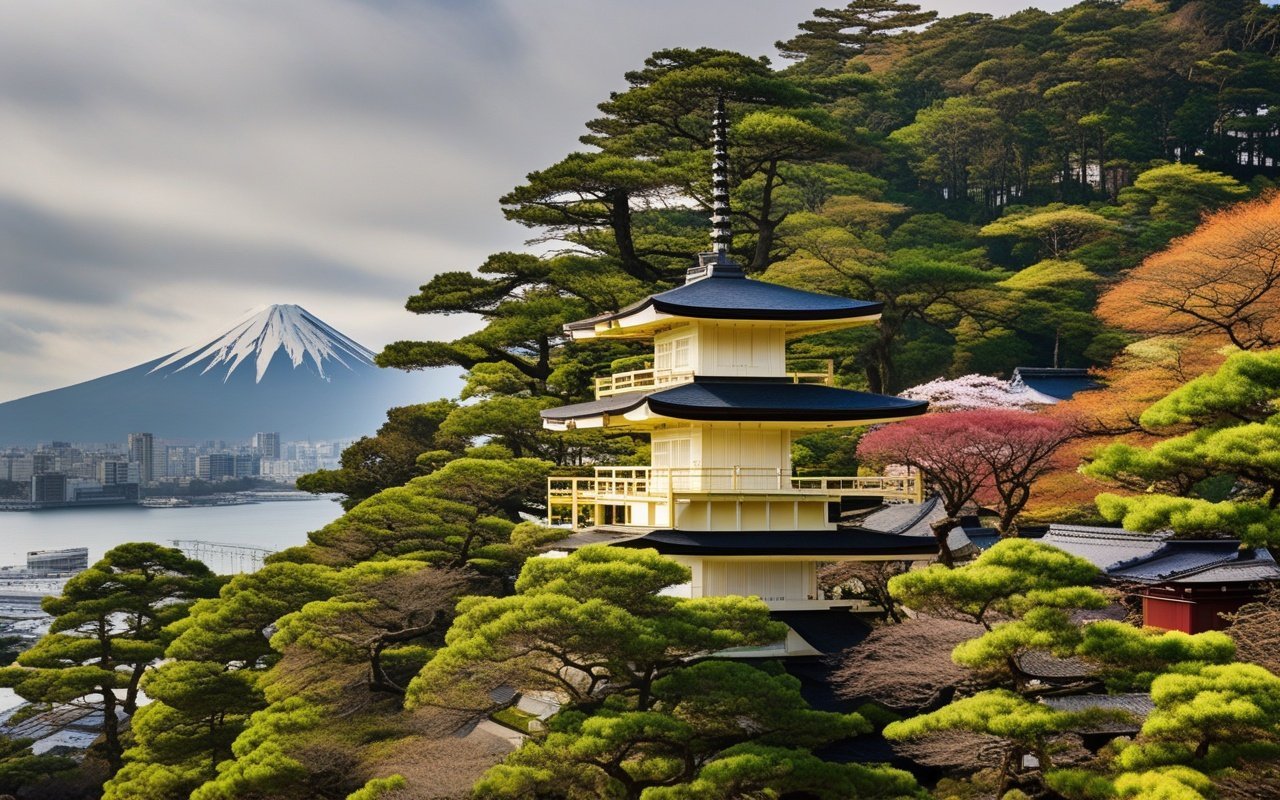
  • Kanagawa Scam Prevention Guide 2026 — Common Tourist…

    Kanagawa Scam Prevention Guide 2026 — Common Tourist…

    Kanagawa Scam Prevention Guide 2026 — Common Tourist Scams & How to Avoid Them

    Overview

    Common Scams and How to Avoid Them

    1. The Overpriced Bar / Host Club Scam

    How it works: A friendly person near a station or entertainment district invites you to a bar or club, claiming it has “special prices” or “English-speaking staff.” After entering, you are charged exorbitant amounts — ¥50,000-¥200,000 for a few drinks — and pressured to pay.

    Where it happens:

    • Isezaki-cho (Yokohama) — the city’s main entertainment district
    • Areas near Kawasaki Station
    • Dobuita Street (Yokosuka) — some bars targeting military personnel

    Prevention tips:

    • Never follow touts — any legitimate establishment does not need to solicit customers on the street
    • Research in advance — use Google Maps reviews to find reputable bars
    • Check prices before entering — legitimate bars display prices outside
    • Trust your instincts — if it feels like a scam, walk away
    • Use hotel recommendations — your concierge can recommend safe establishments
    • Stick to well-known chains — izakaya chains (Watami, Torikizoku, Shirokiya) have fixed, reasonable prices

    2. The “Your Hotel Has Closed” Taxi Scam

    How it works: A taxi driver (or someone posing as one) tells you your hotel has closed or is under renovation, then offers to take you to an “alternative” hotel — which is actually a partner establishment charging inflated rates.

    Prevention tips:

    • Use only official taxis — look for the illuminated “Taxi” sign on the roof and the green license plates
    • Use ride-hailing apps — GO, Uber, and DiDi show the route and estimated fare upfront
    • Confirm with your hotel — call your hotel directly if the driver makes claims about closures
    • Show the address in Japanese — have your hotel’s business card with its address in Japanese
    • Pay by credit card — if possible, to create a record of the transaction

    3. The Fake Monk / Temple Donation Scam

    How it works: A person dressed as a Buddhist monk approaches you in a tourist area, shows a “donation list,” and asks for money for their temple. They may offer a prayer bead or charm in exchange.

    Where it happens:

    • Approaches near Kamakura’s major temples (Hase-dera, Tsurugaoka Hachimangu)
    • Enoshima Island pedestrian areas
    • Walking paths near Hakone’s tourist sites

    How to tell the difference:

    • Real Buddhist monks in Japan do NOT solicit donations from tourists on the street
    • Real monks do NOT approach individuals directly for money
    • Official temple donations go into clearly marked offering boxes
    • The “donation list” is almost always fake

    What to do:

    • Politely say “Iie, kekkō desu” (No, thank you) and walk away
    • Do not engage in conversation
    • Report persistent solicitors to the nearest koban

    Kanagawa Scam Prevention Guide scenery and attractions

    4. The “Free Gift” Street Vendor Scam

    How it works: Someone offers you a “free” gift — a fan, keychain, or small trinket. Once you accept, they demand payment for it or for an accompanying “donation.”

    Prevention tips:

    • Politely decline any unsolicited gifts on the street
    • Do not touch items offered by street vendors
    • A simple “No thank you” (Iie, kekkō desu) is sufficient

    5. The Counterfeit Goods Trap

    How it works: Street vendors in tourist areas sell counterfeit brand goods (watches, bags, electronics) at “unbelievably low” prices, Buying or even possessing counterfeit goods is illegal in Japan and can result in fines or confiscation.

    Prevention tips:

    • Only buy from established stores
    • If the price seems too good to be true for a luxury brand, it is counterfeit
    • Do not buy electronics from street vendors — they are often defective or non-functional

    6. The “Too Cheap” Taxi Fare

    How it works: Unlicensed drivers (white license plates instead of green) offer cheaper rides, especially near event venues or late at night.

    How to identify a legitimate taxi:

    • Green license plate — commercial vehicles (white plates are private vehicles)
    • Illuminated “Taxi” sign on the roof
    • Meter visible from the back seat
    • Driver in uniform — most taxi drivers wear a shirt and tie

    Never get into a car with a white license plate that offers paid rides — these are unlicensed and potentially dangerous.


    General Prevention Strategies

    Before You Go

    • Research common scams — awareness is your best defense
    • Save emergency numbers — 110 (police), 119 (ambulance)
    • Download ride-hailing apps — GO, Uber, DiDi
    • Share your itinerary — let someone know your plans

    In Tourist Areas

    • Walk confidently — even if you are lost, appearing uncertain can attract scammers
    • Avoid street touts — any legitimate business does not need to solicit on the street
    • Use ATMs inside banks or convenience stores — avoid standalone ATMs in dark areas
    • Keep your phone and wallet secure — especially in crowds and on trains
    • Trust your instincts — if something feels wrong, it probably is

    If You Are Scammed

    1. Do not panic — your safety comes first
    2. Do not pay under threat — your safety is more important than money
    3. Get to a safe location — enter a convenience store, hotel, or station
    4. Call 110 — report the incident to police
    5. Call your embassy — for additional support
    6. Contact your bank — to cancel compromised cards
    7. File a police report — needed for insurance claims

    What to Do If Approached

    Situation Safe Response
    Someone offers you a “free” gift “Iie, kekkō desu” — walk away
    Someone invites you to a bar “Iie, kekkō desu” — keep walking
    Taxi driver claims your hotel is closed Call your hotel to confirm
    “Monk” asks for donation Say “No” and walk away
    Someone asks you to sign a petition Politely decline
    Stranger asks where you are staying Do not disclose your accommodation details

    Safe Nightlife in Kanagawa

    Recommended Areas

    For a safe and enjoyable night out:

    Area Recommendation Why
    Noge, Yokohama ✅ Highly recommended Local izakayas, friendly atmosphere, no touts on main streets
    Minato Mirai, Yokohama ✅ Very safe Well-lit, patrolled, upscale restaurants and bars
    Kannai, Yokohama ✅ Safe Quiet evenings, waterfront walks
    Kamakura (Komachi-dori) ✅ Safe Shops close early but well-lit until 9PM

    Areas to Exercise Caution

    Area Caution Level Notes
    Isezaki-cho, Yokohama ⚠️ Exercise caution Entertainment district — touts late at night
    Kawasaki Station East ⚠️ Exercise caution Some touts near pachinko parlors

    🇯🇵 Useful Japanese Phrases for Scam Situations

    English Japanese Pronunciation
    No, thank you いいえ、結構です Iie, kekkō desu
    I am not interested 興味がありません Kyōmi ga arimasen
    Please leave me alone 一人にしてください Hitori ni shite kudasai
    I will call the police 警察を呼びます Keisatsu wo yobimasu
    Go away! 行ってください! Itte kudasai!

    Kanagawa Scam Prevention — detailed view


    Frequently Asked Questions

    Q: How can I stay informed during an emergency in Japan?
    A: Download the Safety Tips app by the Japan Tourism Agency for earthquake and tsunami warnings in English. Register with your embassy for emergency notifications. NHK World provides English-language disaster coverage. Most mobile phones in Japan receive emergency alerts automatically (J-ALERT) with English text.

    Q: What are the most important emergency numbers?
    A: Dial 110 for police and 119 for ambulance or fire services. English-speaking operators are available 24/7. For non-emergency police assistance, visit a koban (police box) — there are over 6,000 in Kanagawa. The Japan Helpline (0570-000-911) offers 24/7 English support for tourists.

    Q: Where are emergency shelters in Kanagawa?
    A: Emergency shelters (hinanjo) are located at schools, community centers, and public halls. The Safety Tips app shows the nearest shelter on a map. Major evacuation centers include Yokohama Arena (capacity 17,000) and Yokohama International Stadium (72,000). Yellow and green signs mark shelter locations throughout the city.

    Q: What should I include in my emergency kit?
    A: Carry a small day-bag with: water bottle, snacks, portable charger, whistle, copy of passport and hotel address in Japanese, and ¥10,000-20,000 in small bills. Convenience stores stock emergency supplies, During typhoon season (June-October), also pack a rain jacket and waterproof bag for electronics.

    Q: Is travel insurance recommended for Kanagawa?
    A: Yes, comprehensive travel insurance is strongly recommended. It covers medical emergencies (including hospital visits), trip cancellation, lost luggage, and emergency evacuation. Some Japanese hospitals require upfront payment or proof of insurance before treatment. Keep your insurance card and a digital copy of your policy accessible at all times.
    My personal exploration of Kanagawa has been incredibly rewarding, and I encourage every traveler to experience these places firsthand.

    Kanagawa Scam Prevention Guide 2026 — Co… is your starting point for exploring this part of Kanagawa. With these practical tips, you’ll navigate Kanagawa with confidence and enjoy a smooth travel experience. For more guides, check out our other articles covering Hakone, Kamakura, Yokohama, Shonan, and the Miura Peninsula.


    What to Bring

    Smart travelers to Kanagawa pack light and bring layers. The weather can shift from warm to cool within a day. A portable WiFi device or SIM card is essential for navigation. Bring a small notebook for recommendations. Hand sanitizer and tissues are useful. Consider packing a foldable tote bag for souvenirs.

    Conclusion

    Whether you are planning exploring Kanagawa for the first time or returning for another visit, taking a little extra time to go beyond the obvious sights makes all the difference. During my visit I went with a rough plan and found that leaving room to wander made the trip far more memorable. I hope this guide helps you build an itinerary that fits your pace, and that your time in Kanagawa leaves you with memories worth coming back for.
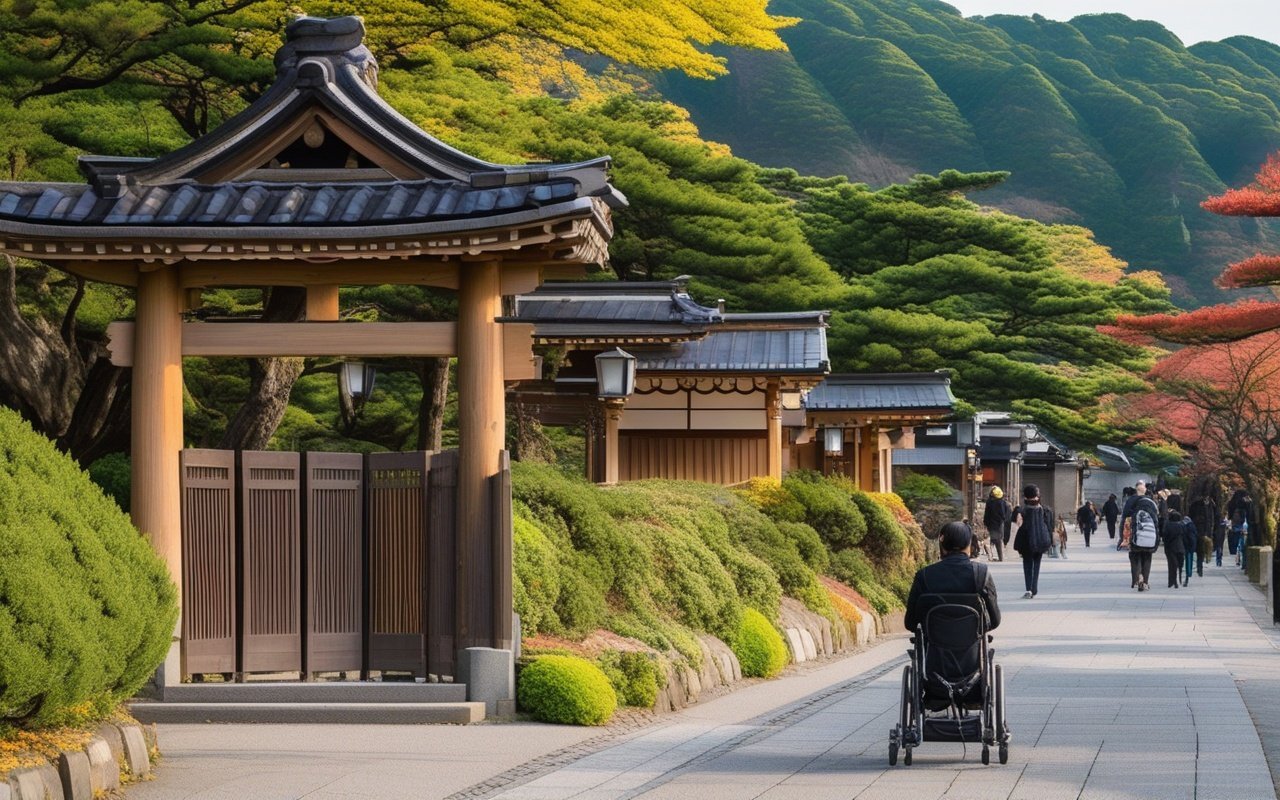
  • Kanagawa Onsen Guide: Hot Spring Ryokan & Day Baths 2026

    Kanagawa Onsen Guide: Hot Spring Ryokan & Day Baths 2026

    Kanagawa Onsen Accommodation — Hot Spring Ryokan & Day-Use Baths

    Overview

    Hakone Onsen Areas

    Area Water Type Best For Access
    Hakone-Yumoto Simple thermal Largest selection, easy access, first-timers 85 min from Shinjuku (Romancecar)
    Gora Sulfate spring Luxury ryokan, high-quality alkaline springs 40 min from Hakone-Yumoto (Tozan Railway)
    Miyanoshita Simple thermal Classic onsen town atmosphere 20 min from Hakone-Yumoto
    Sengokuhara Chloride spring Scenic views, fewer crowds Bus from Hakone-Yumoto
    Lake Ashi area Sulfuric spring Stunning lake/Mt Fuji views Bus from Hakone-Yumoto or Moto-Hakone

    Onsen Water Types in Hakone

    Hakone has 16 distinct onsen sources (gensen), each with different mineral compositions. Here’s a breakdown of the main types you’ll encounter:

    Water Type Key Minerals Feel Best For Locations
    Simple thermal Sodium, calcium Gentle on skin Sensitive skin, first-timers Hakone-Yumoto, Miyanoshita
    Sulfate spring Sulfur, calcium Silky smooth Skin beautification Gora, Kowakudani
    Chloride spring Salt, magnesium Retains heat Warming the body Sengokuhara
    Iron spring Iron, bicarbonate Warmer feel Anemia, fatigue Odawara area

    Note: The sulfuric smell you sometimes notice near Owakudani is volcanic gas, not the onsen source itself. Most Hakone onsen are odorless. Don’t let the sulfur reputation put you off — your actual bathing experience will be clean and fresh.

    Onsen Accommodation by Experience Type

    Luxury Ryokan with In-Room Onsen

    Property Area Water Type Private Onsen Rate/person
    Hakone Ginyu Gora Sulfate spring All rooms have open-air bath ¥50,000–100,000
    Kinnotake Sengokuhara Sengokuhara Chloride spring In-room tub with Fuji view ¥45,000–90,000
    Gora Kadan Gora Sulfate spring Select rooms; shared onsen also ¥80,000–150,000

    Mid-Range with Great Onsen Facilities

    Property Onsen Feature Rate/person
    Hakone Suimeisou Large garden rotenburo (outdoor bath), two types of indoor baths ¥20,000–35,000
    Fujiya Hotel Historic Roman bath (not onsen), plus Japanese onsen wing ¥40,000–80,000
    Yama no Chaya Intimate rotenburo with forest view ¥15,000–22,000

    Budget Onsen Options (Day-Use)

    Facility Type Price Hours Highlights
    Tenzan Onsen (Miyanoshita) Large public ¥1,500 10 AM–10 PM River-view rotenburo, 3 different baths
    Hakone Yuryo (Miyanoshita) Private + public ¥2,500 public, ¥3,600 private 10 AM–9 PM English-friendly, tattoo-friendly, bookable private baths
    Yunessun (Miyanoshita) Theme park ¥4,500 adults, ¥3,000 kids 9 AM–7 PM Family-friendly, wine/coffee novelty baths
    Hakone Hot Spa Esperanto (Gora) Public ¥2,000 10 AM–8 PM Multi-level, indoor/outdoor baths

    Onsen Etiquette: A Practical Guide

    Step by Step

    1. Enter changing room: Remove shoes. Strip completely. Place clothes in basket or locker.
    2. Wash thoroughly: Use the shower station (small stool, handheld shower). Wash everything — hair, body, between toes. You must be perfectly clean before entering the bath.
    3. Enter onsen: Gently step into the bath. Fold your small towel and place it on your head or beside the bath — never in the water.
    4. Soak: 10–15 minutes per session is standard. Exit, cool down, re-enter if you like.
    5. After: Towel off. Return to changing room. Moisturize — onsen water is mineral-rich and can dry your skin.

    Pro Tips

    • Towel on head: This is the traditional style. It keeps your hair dry and signals relaxation.
    • Drink water: Onsen soaking dehydrates you. Most facilities have water coolers in the changing area.
    • Tattoo policy: Increasingly relaxed. Hakone Yuryo allows tattoos. Tenzan Onsen restricts them. Always check individual policies.
    • Swimsuits: Not allowed in traditional onsen. Yunessun’s novelty baths are the exception.
    • Best times for empty baths: Early morning (6–8 AM) or late evening (9–11 PM). The busiest time is 6–8 PM, right after check-in and before dinner.

    Seasonal Onsen Guide

    Each season transforms the onsen experience completely. Here’s when to visit based on what you’re after:

    Season Outdoor Temp Water Temp Experience Best For
    Winter (Dec–Feb) 2–8°C 42°C Snow-view rotenburo, steaming contrast in cold air Peak onsen season — book 2–3 months ahead
    Spring (Mar–May) 10–20°C 41°C Cherry blossoms near outdoor baths Photogenic onsen
    Summer (Jun–Aug) 25–35°C 40°C Cool evening dips, river views Best deals — ryokan discount 30–40%
    Autumn (Sep–Nov) 10–18°C 42°C Autumn leaves over rotenburo Most scenic season — my personal favorite

    My recommendation: I visited Gora Kadan in November and the view from the rotenburo overlooking maples in full autumn color was worth every yen. If budget is a concern, November weekdays offer autumn colors at off-peak prices — the sweet spot for value.

    Budget tip: Monday to Thursday stays are typically 20–30% cheaper than Friday–Sunday. Summer offers the deepest discounts at 30–40% off peak rates. Book your stay at Enoshima Hotel — seaside accommodation with stunning ocean views

    Getting There

    To Hakone-Yumoto: Odakyu Romancecar from Shinjuku (85 minutes, ¥1,240). Many ryokan offer free shuttle buses from the station. To Gora: From Hakone-Yumoto, take the Hakone Tozan Railway (40 minutes). This area has the highest concentration of luxury ryokan.

    To Yugawara (budget alternative): JR Tokaido Line from Tokyo to Yugawara Station (90 minutes, ¥1,980). Yugawara is quieter and more affordable.

    To Odawara area: JR Tokaido Shinkansen from Tokyo (35 minutes, ¥3,600), then local bus. Several day-use onsen facilities are clustered here.

    Yugawara: The Affordable Alternative

    Yugawara is often called “Hakone’s little sister” — the same volcanic hot spring water at roughly half the price. I spent a weekend at a family-run minshuku here last fall and paid ¥14,000 per night for a tatami room with dinner and breakfast included.

    Aspect Hakone Yugawara
    Nightly rate (mid-range) ¥20,000–35,000 ¥10,000–18,000
    Onsen variety 16 sources 5 main sources
    Crowd level Busy year-round Quieter
    English support Widely available Limited
    Access from Tokyo 85 min (Romancecar) 90 min (JR)

    Recommended in Yugawara:

    Yugawara is ideal for budget-conscious travelers who still want an authentic onsen experience. The town is smaller and less touristy — more of a local’s retreat than an international destination.

    What to Expect

    Traveling around Kanagawa is straightforward thanks to the extensive rail network. Trains run frequently from early morning until around midnight. Expect to walk a fair amount – comfortable shoes are essential. Many temples and shrines have uneven stone paths and stairs. Ticket machines at stations have an English language option. If you get lost, station staff are helpful and many speak basic English. Taxis are reliable but expensive; only use them for short trips or when trains have stopped.

    Nearby Recommendations

    After exploring the main attractions, consider visiting nearby areas for a more complete experience. Most destinations are within 30 minutes of several other interesting spots by train. Check the local tourist information center for day-trip combinations and discount passes that cover multiple attractions in the area. Many hidden gems are just a short walk or one train stop away from the main tourist hubs.

    Local Tips

    For the best experience, locals suggest exploring side streets away from the main tourist areas. Some of the best restaurants and shops are hidden down narrow alleys. Ask your accommodation staff for their personal recommendations – they often know the best local spots not found in guidebooks. If you see a line of locals waiting outside a restaurant, join it – it’s usually worth the wait.

    Packing Essentials

    For a trip to Kanagawa, pack comfortable walking shoes as you will be on your feet exploring temples, shrines, and neighborhoods. A reusable water bottle is essential – tap water is safe to drink and there are public fountains at major stations and parks. A small umbrella or light rain jacket is useful year-round, as rain can arrive unexpectedly. Power banks are recommended since you will rely on your phone for maps and translation. A small daypack for daily essentials makes sightseeing much more convenient.

    Money-Saving Tips

    Kanagawa offers many ways to save money without sacrificing experience. Purchase a day pass if you plan to visit multiple attractions in one area. Eat lunch at local department store basements (depachika) where prepared foods are high quality and reasonably priced. Look for discount tickets at convenience store ticketing machines. Consider staying in business hotels or capsule hotels in less central locations for significant savings. Many museums and temples offer discounts for students and seniors.n

    Frequently Asked Questions

    Q: What’s the difference between a ryokan and an onsen hotel?
    A: Ryokan = tatami floors, futon beds, and kaiseki dinner. Onsen hotel = can be Western-style room with hot spring access. The onsen quality is similar — choose based on whether you want the full tatami/futon/kaiseki experience (ryokan) or a more familiar Western-style room (onsen hotel).

    Q: Do I need a room with private onsen?
    A: Not at all. Shared onsen in ryokan are excellent and part of the experience. Private reservable baths (¥1,000–3,000 for 45 minutes) are great for couples, families, or anyone uncomfortable with public bathing. About 60% of mid-range and above ryokan offer them.

    Q: What should I bring to an onsen?
    A: Nothing — ryokan provide everything: towels (large and small), yukata (worn to and from the bath), soap, shampoo, conditioner, and basic skincare products, Bring your own moisturizer as onsen water can dry skin.

    Q: Are onsen accommodations expensive?
    A: From ¥8,000 to ¥150,000+ per person. Weekday stays at mid-range properties (¥15,000–25,000) offer the best value. Consider it an experience, not just a place to sleep.

    Q: What’s the best season for onsen?
    A: Winter (December–February) is peak season — the contrast between cold air and hot water is unmatched. Autumn offers the most scenic views. Summer has the best prices.

    Insider Tips

    Booking Strategy

    • Book 2–3 months ahead for winter weekends (peak season)
    • Weekday stays are 20–30% cheaper — Monday to Thursday offers the best value
    • Use Japanese booking sites like Rakuten Travel or Jalan for better deals than English-language sites — I saved ¥8,000 per night on a Hakone Suimeisou stay this way

    What to Pack

    • Moisturizer — onsen mineral water dries skin
    • Water bottle — stay hydrated between soaks
    • Cash — many smaller ryokan and onsen facilities prefer cash

    Time Management

    • Check-in: usually 3–4 PM. Arrive 30 minutes early to complete paperwork
    • Kaiseki dinner: served 6–7 PM. Don’t be late — meals are served course by course
    • Morning bath: 5–6 AM opening is the quietest time
    • Check-out: 10 AM. Plan to maximize your morning soak

    The ultimate Kanagawa onsen experience: a Hakone ryokan in January, outdoor bath (rotenburo) in 2°C air and 42°C water, followed by a 10-course kaiseki dinner featuring seasonal local ingredients. Whether you splurge on Gora Kadan or opt for a budget-friendly day at Tenzan Onsen, the hot springs of Kanagawa offer a uniquely Japanese experience that rewards slowing down and soaking in — literally — everything the region has to offer.

    Three takeaways:

    1. Winter is best — the cold-air/hot-water contrast is the most satisfying onsen experience
    2. Try different water types — one night in Gora (sulfate) and one in Sengokuhara (chloride) to compare
    3. Use day-onsen as a trial — visit Tenzan Onsen or Hakone Yuryo before committing to a full ryokan stay

    Smart travelers to Kanagawa pack light and bring layers. The weather can shift from warm to cool within a day. A portable WiFi device or SIM card is essential for navigation. Bring a small notebook for recommendations. Hand sanitizer and tissues are useful. Consider packing a foldable tote bag for souvenirs.

    Conclusion

    exploring Kanagawa for its onsen can be as relaxed or as packed as you want it to be, and I have found that the best visits leave room for both planning and spontaneity. During my visit I went with a rough plan and found that leaving room to wander made the trip far more memorable. Use this guide to sort out the logistics in advance, then let the day surprise you — Kanagawa rewards travelers who stay curious.

  • Kanagawa Summer Guide 2026 — Beaches, Fireworks & Summer…

    Kanagawa Summer Guide 2026 — Beaches, Fireworks & Summer…

    This guide provides essential travel tips and practical advice for navigating Kanagawa Prefecture. From transportation passes to safety information, you will find everything you need for a smooth and enjoyable trip.

    Having visited these locations multiple times, I’ve gathered practical insights that go beyond typical tourist information.

    💬 Traveler’s Note: I visited in the summer and the coastal breeze made the heat perfectly bearable. I recommend starting your day early to enjoy the beaches before the midday crowds arrive.

    Introduction

    Summer in Kanagawa means beaches, fireworks, and festivals. This guide covers the best beaches, major summer events, heat management tips, and how to make the most of the vibrant summer season.

    🏖️ Kanagawa’s Best Beaches: A Detailed Comparison

    Summer in Kanagawa means the Shonan coast comes alive. Here’s how the main beaches compare:

    Beach Vibe Activities Best For Crowd Level
    Yuigahama (Kamakura) Family-friendly Swimming, paddleboarding First-timers High
    Shichirigahama (Kamakura) Surfer vibe Surfing, windsurfing Active visitors Moderate
    Kugenuma (Fujisawa) Volleyball central Beach volleyball, BBQ Groups High
    Chigasaki (Chigasaki) Relaxed surf Surfing, cafe hopping Couples Moderate
    Isshiki (Hayama) Pristine Swimming, snorkeling Quality seekers Low
    Zushi (Zushi) Quiet residential Swimming, fishing Families Low

    Kanagawa Summer Guide 2026

    Overview

    Summer (June-August) means beach season on the Shonan coast. Swimmers and surfers crowd the beaches from July through August, Evening fireworks light up Yokohama Harbor. This guide covers beaches, fireworks, heat survival, and crowd navigation.

    Best Beaches

    Yuigahama (Kamakura) has gentle waves — ideal for families. Shichirigahama offers surfing and windsurfing. Kugenuma (Fujisawa) features volleyball. Chigasaki has relaxed surf culture. Isshiki (Hayama) offers the cleanest water. Beach season July 1-August 31, lifeguards 9 AM-5 PM.

    Fireworks

    Yokohama Sparkling Twilight (July, 15,000 shells) — best viewed from Yamashita Park. Kamakura Fireworks (early August, 4,000 shells) at Yuigahama. Enoshima Fireworks (multiple August dates). Arrive 2-3 hours early.

    Summer Food

    Fresh shirasu rice bowls, kakigori shaved ice, beer garden rooftops, nagashi somen cold noodles, hiyashi chuka cold ramen.

    Heat Survival

    Carry a hand fan. Drink Pocari Sweat. Avoid outdoors 12 PM-3 PM. SPF 50+ sunscreen, Cooling towels (¥300-500). Watch for heatstroke signs.

    Practical notes

    Visit on weekdays. Enoden queues 10 AM-3 PM. Go to beaches before 9 AM or after 4 PM, Morning activities are most comfortable. Evenings are perfect for fireworks and beer gardens.nnKanagawa Summer Guide 2026 — Beaches, Fireworks & Summer... — Overview

    Access

    Most visitors reach Kanagawa from central Tokyo by JR, private railway, or highway bus, and an IC card (Suica or Pasmo) works across all of them. From my experience, leaving Tokyo before the morning rush keeps the journey relaxed, and station luggage lockers are handy if you arrive early.

    🎆 Fireworks Festival Guide: Where, When, and How to Watch

    Festival Date Shells Best Viewing Spot Arrival Time
    Yokohama Sparkling Twilight Mid-July 15,000 Yamashita Park 2 hours early
    Kamakura Fireworks Early August 4,000 Yuigahama Beach 2 hours early
    Enoshima Fireworks Multiple August dates 3,000 Enoshima Island 1.5 hours early
    Odawara Komagataze Early August 5,000 Odawara Port 1.5 hours early

    Insider tips:

    • Bring a blue tarp (¥300 at Daiso) to claim ground space
    • Convenience store bento boxes beat festival food prices by 50%
    • The best photos are taken from a side angle, not directly under the shells
    • Trains run extra services during fireworks — but expect 30-60 minute waits after the show ends
    • Consider booking a hotel within walking distance (Yokohama’s waterfront hotels charge premium but save you the train nightmare)

    🌡️ Heat Survival Guide: Staying Cool in Kanagawa Summer

    Kanagawa summers average 28-33°C with 70-85% humidity. Heatstroke is a real risk. Here’s your survival kit:

    What to Carry Daily

    Item Purpose Price
    Pocari Sweat (500ml) Electrolyte replacement ¥150 (vending machine)
    Cooling towel Wrist/neck cooling ¥300-500 (drugstore)
    Hand fan Immediate cooling ¥200 (100-yen shop)
    SPF 50+ sunscreen UV protection ¥1,000-1,500
    UV umbrella Shade on the go ¥1,000-2,000
    Portable battery fan Continuous airflow ¥2,000-3,000 (Yodobashi)

    Daily Schedule for Summer

    • 6-9 AM: Outdoor activities (beach, temples, hiking) — this is your window
    • 9 AM-12 PM: Museums, shopping, indoor attractions
    • 12-3 PM: Avoid outdoors entirely. Have lunch in air conditioning, rest at hotel
    • 3-5 PM: Secondary outdoor window (beach late afternoon is delightful)
    • 5 PM+: Beer gardens, evening festivals, night illuminations

    Heatstroke symptoms to watch for: Dizziness, headache, nausea, muscle cramps. If you experience these, move to shade immediately, drink water with salt, and cool your neck with a wet towel.

    🍜 Summer Food Guide

    Dish Description Where to Try Price
    Kakigori Shaved ice with syrup Any beach house ¥400-600
    Hiyashi chuka Cold ramen with toppings Ramen shops in Yokohama ¥800-1,200
    Nagashi somen Cold noodles flowing in bamboo Hakone ryokan (requires booking) ¥1,500-2,500
    Shirasu don Fresh whitebait rice bowl Kamakura’s Komachi-dori ¥800-1,200
    Beer garden Rooftop drinking Yokohama Landmark Tower ¥1,500 (drink set)

    Unique find: The beer garden atop Yokohama’s Landmark Tower (69th floor, ¥3,000 for all-you-can-drink 90 minutes) offers Mount Fuji views at sunset. Operates July-August. Reserve 1-2 weeks ahead.

    How to Get There

    To Shonan beaches: JR Tokaido Line from Tokyo to Kamakura (1 hour) or Fujisawa (50 minutes). From Fujisawa, take the Enoden tram to beaches.

    To Enoshima during summer: Odakyu Limited Express from Shinjuku to Katase-Enoshima (65 minutes). Summer weekends are very crowded — take early morning trains.

    To Yokohama fireworks events: JR Tokaido Line to Yokohama Station (25 minutes). Major fireworks events (August) attract huge crowds — arrive 2 hours early.

    To Hakone for summer: Odakyu Romancecar from Shinjuku to Hakone-Yumoto (85 minutes). Book Romancecar seats 1 month ahead for summer weekends.

    To Kamakura (summer temples): JR Yokosuka Line from Tokyo (1 hour). Early morning (before 9 AM) avoids the worst heat and crowds.

    Nearby Recommendations

    After exploring the main destination, consider visiting nearby attractions to maximize your time. Most areas in Kanagawa are within 20-30 minutes of each other by train. Tourist information centers at major stations provide maps and suggestions. Consider purchasing a day pass if you plan to visit multiple locations. Many hidden gems are just a few minutes off the main tourist path.

    Local Tips

    For the best experience, explore side streets away from main tourist areas. Some of the best restaurants and shops are tucked away in narrow alleys. Ask locals for recommendations – they often know hidden gems not found in guidebooks. If you see a line of locals waiting outside a restaurant, join it. Carry cash as many small shops and restaurants are cash-only.

    Money-Saving Tips

    Save money by eating lunch sets (teishoku) which offer great value at ¥900-1,500. Purchase day passes for unlimited train travel in specific areas. Convenience stores provide affordable meals and snacks. Book attractions online in advance for potential discounts. Many museums offer reduced admission during certain days or hours. Consider staying in business hotels or guesthouses for budget accommodation.

    Packing Essentials

    Pack comfortable walking shoes as most exploration is done on foot. Bring a reusable water bottle – tap water is safe throughout Japan. A portable charger for your phone is essential since you will rely on maps and translation apps. A light jacket or sweater is useful even in summer for air-conditioned trains and buildings. Pack a small umbrella for unexpected rain showers.

    Dos and Don’ts

    Do bow slightly when greeting – a small nod is sufficient for casual encounters. Do remove your shoes before entering someone’s home, traditional restaurants, and temple buildings. Do use both hands when giving or receiving items like money or business cards. Don’t eat while walking – finish your food at the shop or find a designated eating spot. Don’t tip – service charges are included in Japan. Don’t blow your nose in public – it’s considered rude.

    What to Expect

    Expect a mix of modern convenience and traditional culture. Temples and shrines coexist with shopping malls and entertainment complexes. Walking is the best way to explore most areas, so comfortable shoes are essential. Wifi is available at most stations and tourist facilities. Queuing etiquette is important – always wait in line and follow directional signs.

    Conclusion

    Whether you are planning exploring Kanagawa for its beach for the first time or returning for another visit, taking a little extra time to go beyond the obvious sights makes all the difference. During my visit I went with a rough plan and found that leaving room to wander made the trip far more memorable. I hope this guide helps you build an itinerary that fits your pace, and that your time in Kanagawa leaves you with memories worth coming back for.