Introduction
Staying warm during Kanagawa winters is about smart layering and knowing where to find indoor comfort. From heated kotatsu tables in traditional accommodations to cozy cafes and onsen hopping, this guide helps you stay warm and enjoy winter.
Seasonal Highlights in Kanagawa
Each season in Kanagawa brings unique attractions and experiences that make多次 visits rewarding. The prefecture’s diverse geography — from coastal Shonan to mountainous Hakone — means there is always something in bloom, something to harvest, or a festival to enjoy regardless of when you visit.
Best Activities by Season
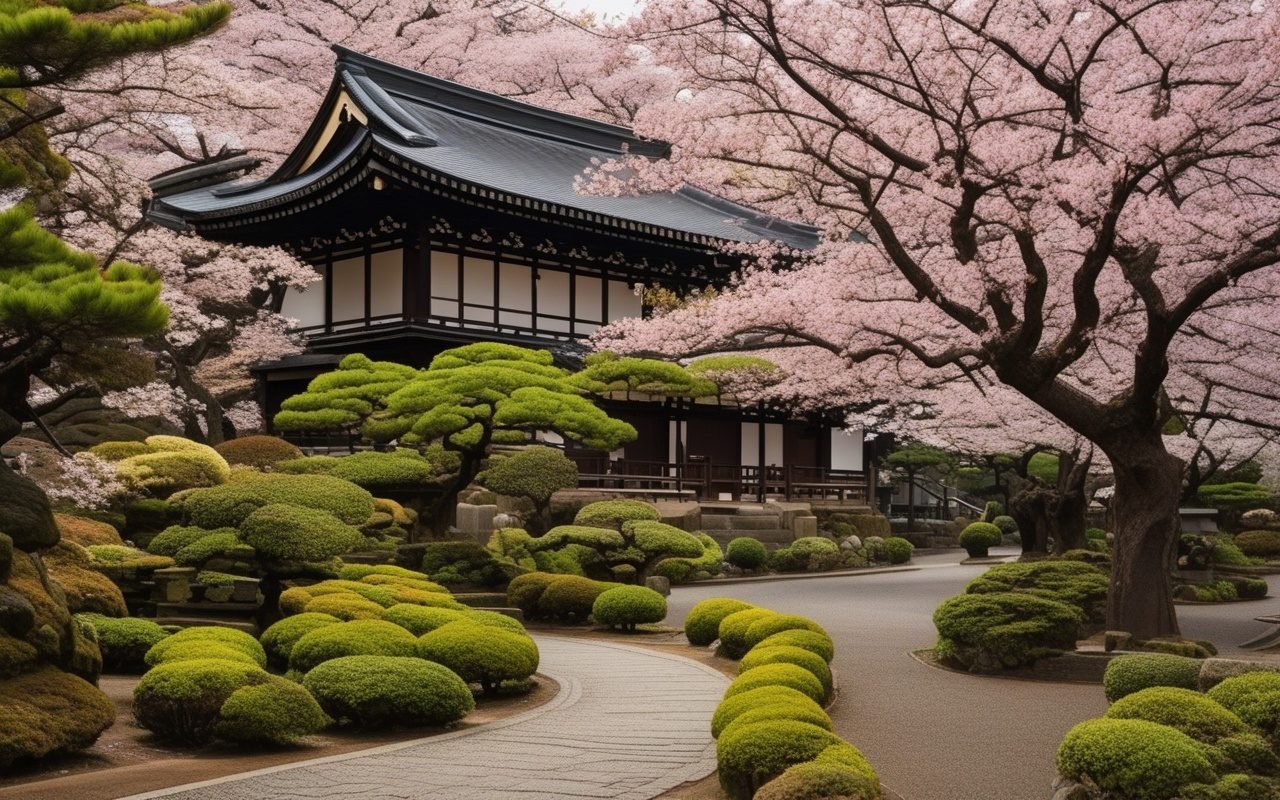
Planning your activities around the season enhances your Kanagawa experience, Spring calls for cherry blossom viewing along the Enoden tram line and hiking in the Tanzawa Mountains. Summer is perfect for beach days at Shonan and evening fireworks displays. Autumn offers spectacular foliage viewing in Hakone and Kamakura. Winter provides the clearest Mount Fuji views and relaxing onsen experiences.
Practical Travel Tips for This Season
Packing appropriately for the season makes a significant difference in comfort. Regardless of season, comfortable walking shoes are essential as many attractions involve walking on uneven paths at temples and shrines. Check the seasonal event calendar before your trip and book popular restaurants and accommodations in advance during peak seasons like cherry blossom and autumn foliage periods.
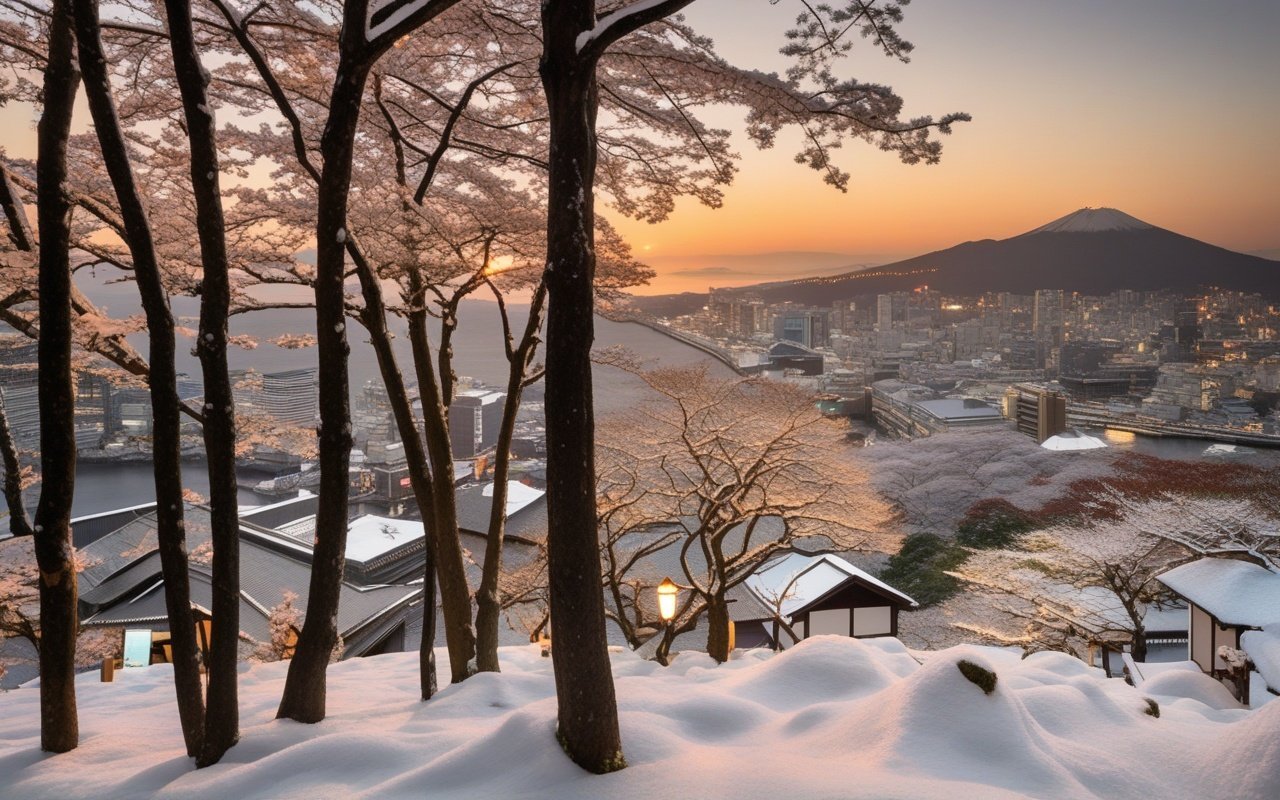
Winter in Kanagawa offers excellent views of Mount Fuji on clear days — the crisp air provides the best visibility of the season. Head to Enoshima’s Sea Candle observation deck or Hakone’s Lake Ashi for postcard-perfect Fuji views with snow-capped peaks.
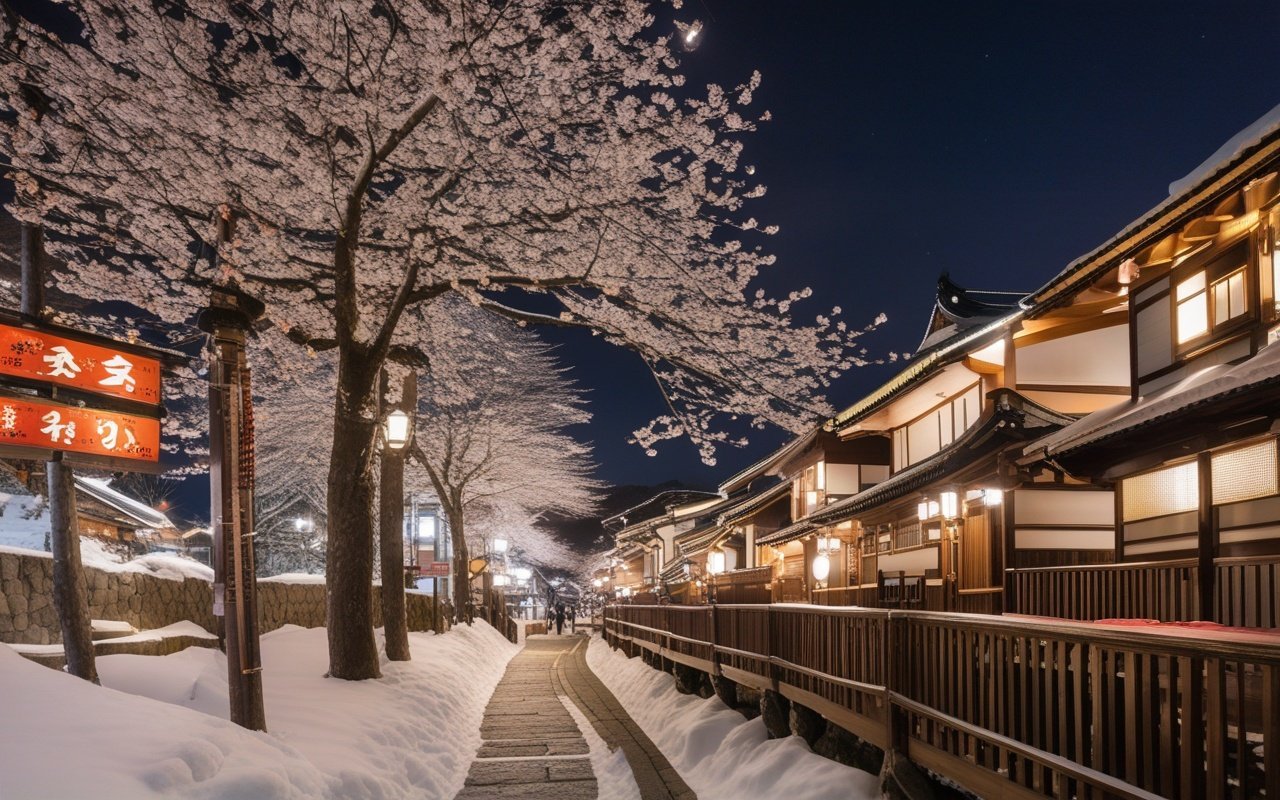
Winter illuminations transform Kanagawa’s parks and gardens. Highlights include Yokohama’s Minato Mirai Winter Lights (November-February), Sagamiko Illumillion (one of Japan’s largest light displays), and Kamakura’s Tsurugaoka Hachimangu with its seasonal decorations.
Kanagawa Winter Warmth Guide 2026
Overview
Kanagawa winters are cold but manageable. Temperatures 2-12°C (36-54°F). Dry air and coastal wind can make it feel colder. This guide helps you stay warm.
Dressing
Layer: thermal base, sweater mid, windproof coat outer. Accessories: hat, gloves, scarf — they make a dramatic difference.
Japanese buildings have different heating — central heating is rare. Homes and small restaurants average 18-20°C (64-68°F). Hotels are better heated.
Warm Activities
Onsen (winter is best season — outdoor baths with cold air and hot water sublime). Hot food oden, nabemono, ramen, nabe at izakaya. Indoor museums, aquariums, shopping.
Winter Dining
Iekei ramen in Yokohama (thick pork broth). Oden specialty shops in Kamakura. Nabe restaurants. Cozy kissaten in Kannai.
Staying Healthy
Dry air — carry lip balm and hand cream. Wash hands. Face mask if feeling a cold. Stay hydrated.nn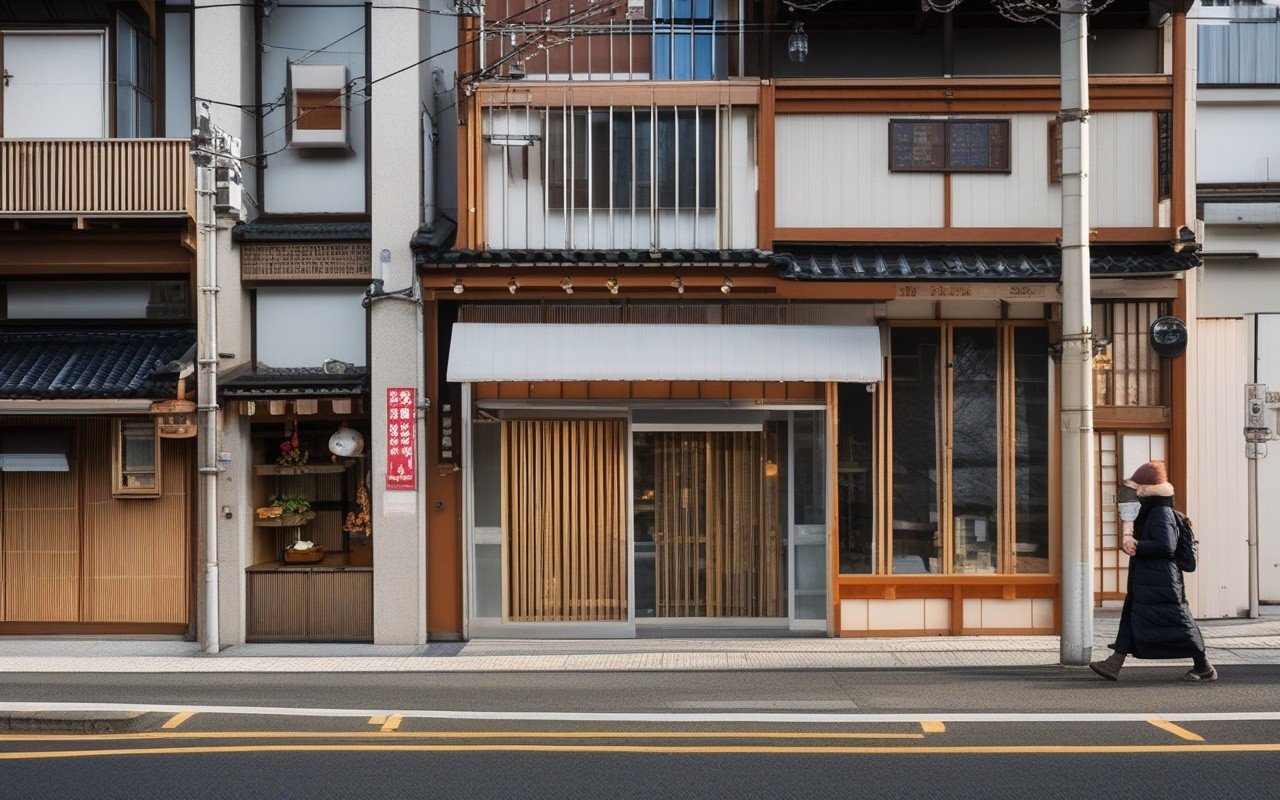
Frequently Asked Questions
Q: Q: What is the best season to visit Kanagawa?
A: A: Spring (March-May) and autumn (September-November) offer the most comfortable weather for outdoor activities, Spring brings cherry blossoms along the Enoden line and in Kamakura’s temple gardens. Autumn provides spectacular foliage in Hakone and pleasant hiking conditions. Summer offers beaches and festivals but is hot and humid. Winter has the clearest Mount Fuji views and relaxing onsen experiences.
Q: Q: How should I dress for this season?
A: A: In spring/autumn: layers are essential as temperatures vary — a light jacket or sweater with a t-shirt works well. Summer: lightweight, breathable fabrics (linen, cotton), wide-brim hat, UV sunglasses, and comfortable walking shoes. Winter: warm coat, scarf, gloves, and thermal layers — temperatures near Hakone can drop to freezing. Regardless of season, comfortable walking shoes are non-negotiable.
Q: Q: What seasonal events should I not miss?
A: A: Spring: cherry blossom viewing at Tsurugaoka Hachimangu (Kamakura) and Odawara Castle. Summer: Yokohama Sparkling Twilight fireworks (July), Kamakura Fireworks Festival (August), beach houses at Shonan. Autumn: Hakone 紅葉 (fall foliage) festival, Kamakura autumn illuminations. Winter: Hakone Illumination, illuminations at Yokohama’s Minato Mirai.
Q: Q: How does weather affect transportation?
A: A: Trains and buses operate normally in most weather conditions, but during typhoons (peak August-September) or heavy snow (rare in coastal areas, possible in Hakone), services may be delayed or suspended. Check the operator’s website or Twitter feed for real-time updates. JR East provides English service alerts on their website.
Q: Q: What seasonal foods should I try?
A:** A: Spring: strawberry sweets, sakura-flavored treats, fresh bamboo shoots. Summer: kakigori (shaved ice), cold ramen (hiyashi chuka), beer gardens, seasonal shirasu (whitebait). Autumn: roasted chestnuts, sweet potatoes, grilled sanma (Pacific saury). Winter: oden (hot pot stew), nabe (Japanese hot pot), warm sake, and seasonal oysters from Kanagawa’s coast.
Practical Warmth Strategies I Have Learned Through Experience
After several Kanagawa winters, I have refined my warmth strategy through trial and error. Here is what actually works.
The Three-Layer System (Proven)
Japanese winter requires a specific layering approach because indoor heating is inconsistent:
- Base layer: Uniqlo Heattech Ultra Warm (¥2,990) or merino wool thermal. Do not skip this — standard cotton undershirts are insufficient when indoor temperatures hover around 16-18°C.
- Mid layer: A cashmere or wool sweater. Synthetic fleece works but does not breathe as well for walking between indoor and outdoor spaces.
- Outer layer: A down or synthetic-insulated coat that is windproof. The coastal wind in Yokohama and Kamakura makes it feel 3-5°C colder than the thermometer suggests.
The mistake I made: My first winter, I wore a heavy parka but cheap cotton base layer. I was cold indoors and sweaty outside, Switching to a thermal base layer + lighter but quality coat solved this completely.
Onsen as a Warmth Strategy
Onsen is not just a luxury — it is a practical winter warmth strategy. A 30-minute soak in an outdoor onsen raises your core body temperature for 2-3 hours afterward. I plan my winter days around an onsen visit in the late afternoon (3-4 PM), which keeps me warm through the coldest part of the evening.
Best budget option: Tenzan Onsen in Hakone-Yumoto offers a riverside outdoor bath with no time limit for ¥1,500. Bring your own towel or rent one for ¥200.
Warm Food That Actually Works
- Iekei ramen in Yokohama: The thick pork broth (tonkotsu-shoyu) has a high fat content that provides sustained warmth. I recommend Yoshimuraya near Yokohama Station (¥850 for a bowl).
- Oden: Available at convenience stores (¥200-400 per item) and specialty shops. The daikon radish and boiled eggs in soy-based broth are warming and filling.
- Nabe hot pot: Many izakaya serve nabe in winter. Order the motsunabe (offal hot pot) at a Kyushu-style izakaya for a rich, warming experience.
- Amazake: A sweet, non-alcoholic fermented rice drink sold at winter festivals and some convenience stores. ¥150 for a warm cup.
Indoor Warm Spots Beyond Onsen
Not every day can include onsen. Here are other warm indoor destinations:
- Yokohama Cosmo World: The indoor sections of this amusement park are heated. The ferris wheel cars have space heaters.
- Kamakura Museum of Modern Art: Well-heated galleries with excellent exhibitions. ¥900 admission.
- Cafe de Crin in Yokohama: A classic kissaten with thick curtains and a coal stove. Coffee ¥600, toast sets ¥800.
- Hakone Open-Air Museum: Parts of the museum are outdoor, but the indoor Picasso Pavilion and the foot-bath cafe provide warm respite.
Health Maintenance in Dry Winter Air
Kanagawa winter air is dry (humidity drops to 30-40%). This causes practical problems:
- Dry hands: Carry hand cream. Drugstores sell excellent Japanese brands like Yuskina (¥800) or Nivea (¥400).
- Chapped lips: Lip balm with SPF is essential — the winter sun reflecting off buildings in Yokohama causes sunburn on lips.
- Static shock: Wool clothing + dry air = constant static. Carry a small metal object (key, coin) to discharge before touching door handles.
- Hydration: You dehydrate faster in cold weather because you do not feel thirsty. Drink water regularly — convenience stores sell 2L bottles for ¥100.
Conclusion
The details in this guide come from real visits, and the biggest lesson I took away was that the best experiences in Kanagawa rarely fit neatly into a checklist. During my visit I went with a rough plan and found that leaving room to wander made the trip far more memorable. Plan the essentials, keep your schedule flexible, and you will leave Kanagawa wanting to return.