Tag: planning

  • Kanagawa Trash Bins Guide 2026

    Kanagawa Trash Bins Guide 2026

    Discover how to explore Kanagawa sustainably. This guide highlights eco-friendly accommodations, responsible tourism practices, and ways to minimize your environmental impact while traveling.

    Overview

    Experience Kanagawa Trash Bins Guide in an environmentally responsible way with this sustainable travel guide. Discover eco-friendly accommodations, green transportation options, and local initiatives that make Kanagawa a leader in sustainable tourism. Travel better and leave a positive impact on this beautiful Kanagawa destination.

    📍 Location

    • 30+ verified trash bin locations across Kanagawa
    • Garbage sorting rules explained (burnable, recyclable, etc.)
    • Public trash bin etiquette in Japan
    • Convenience store disposal options
    • Beach cleanup information included

    Introduction: Trash Disposal in Japan
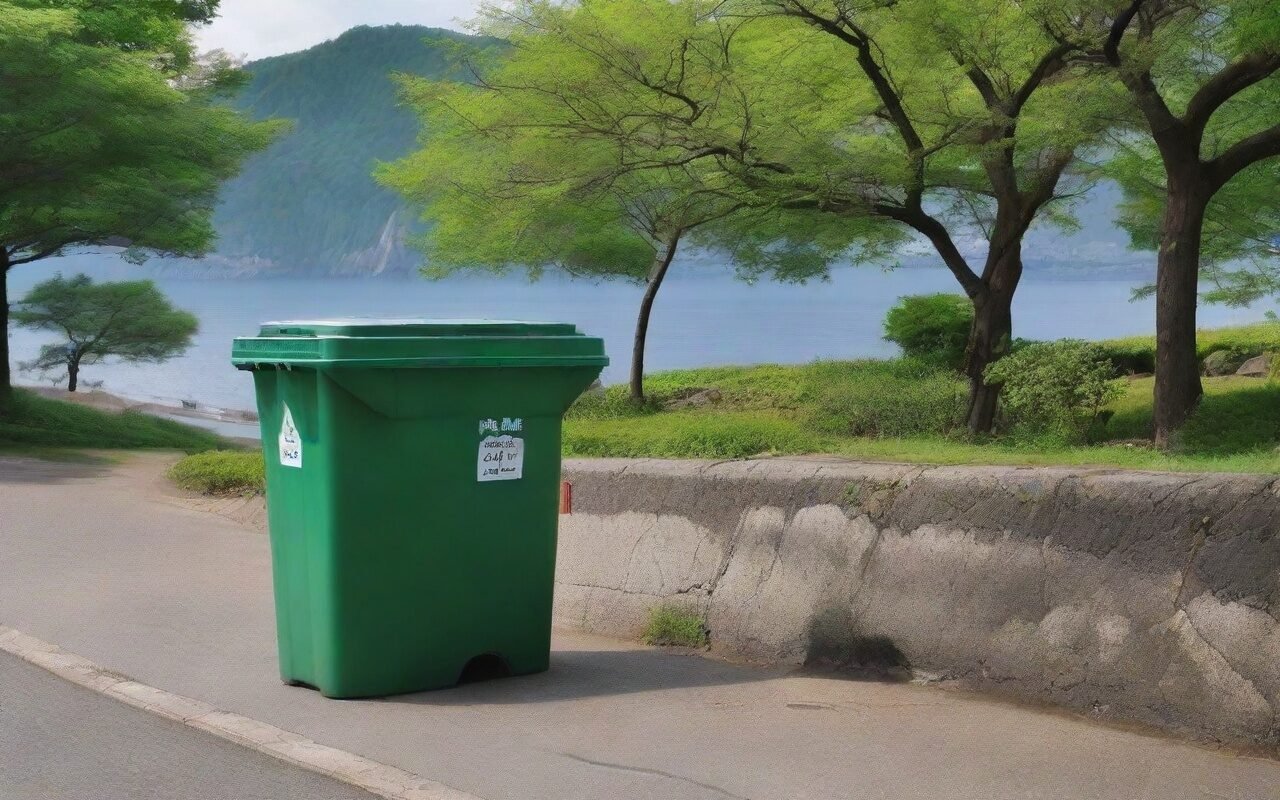
    Kanagawa Trash Bins Guide 2026 — Introduction: Trash Disposal in Japan
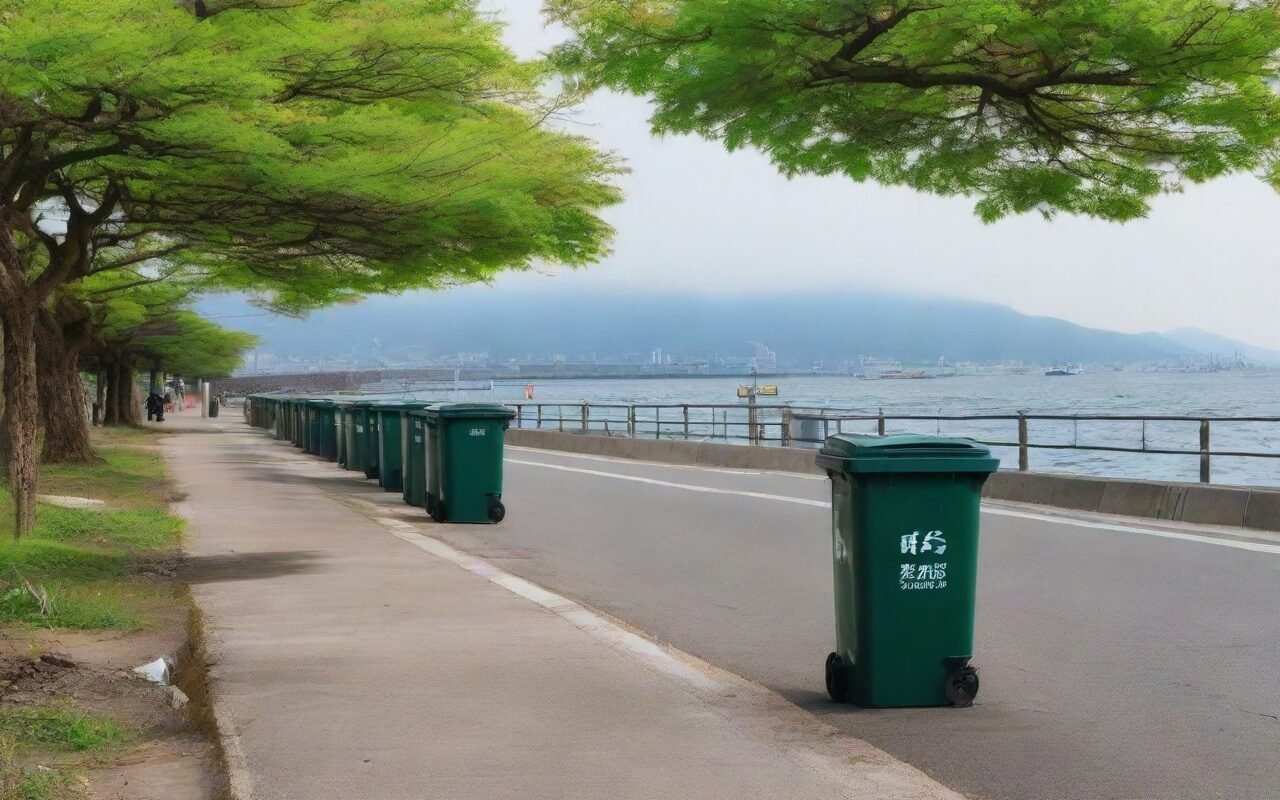
    Kanagawa Trash Bins Guide 2026 — Introduction: Trash Disposal in Japan
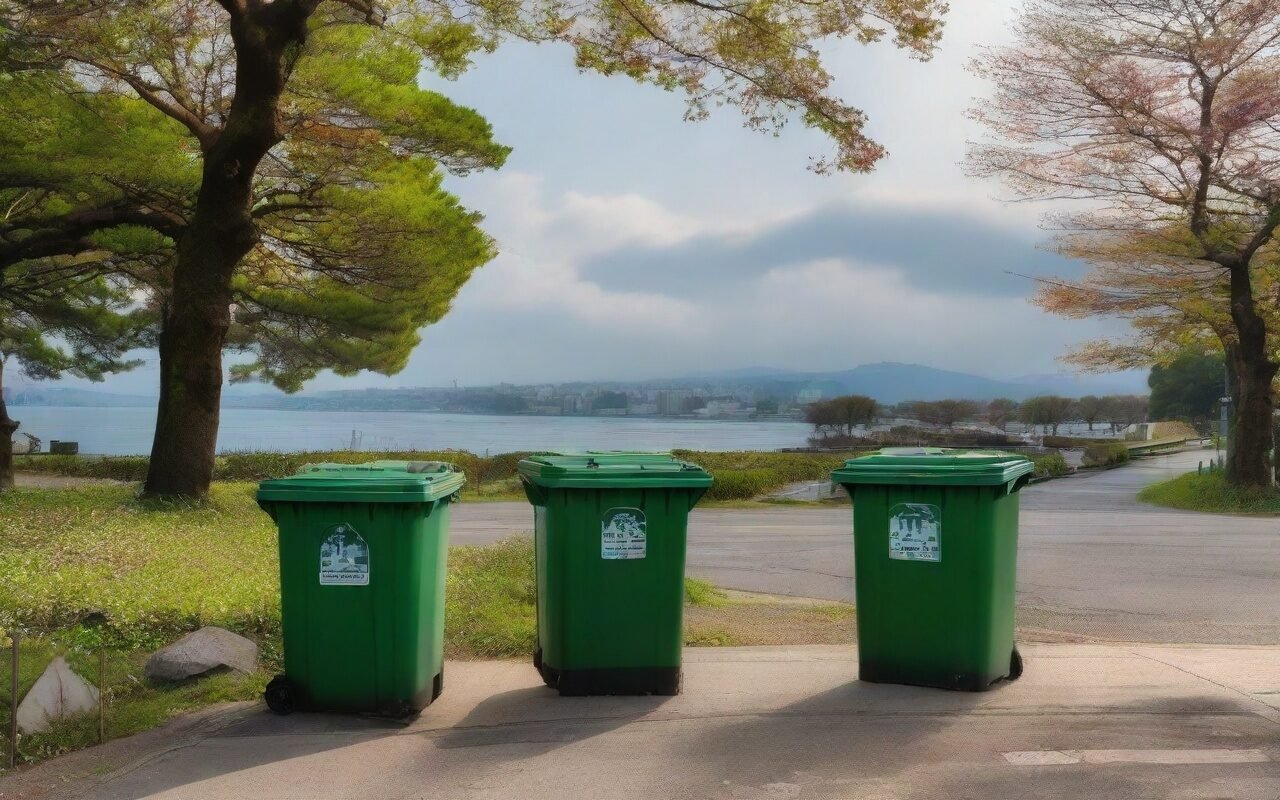
    Kanagawa Trash Bins Guide 2026 — Introduction: Trash Disposal in Japan
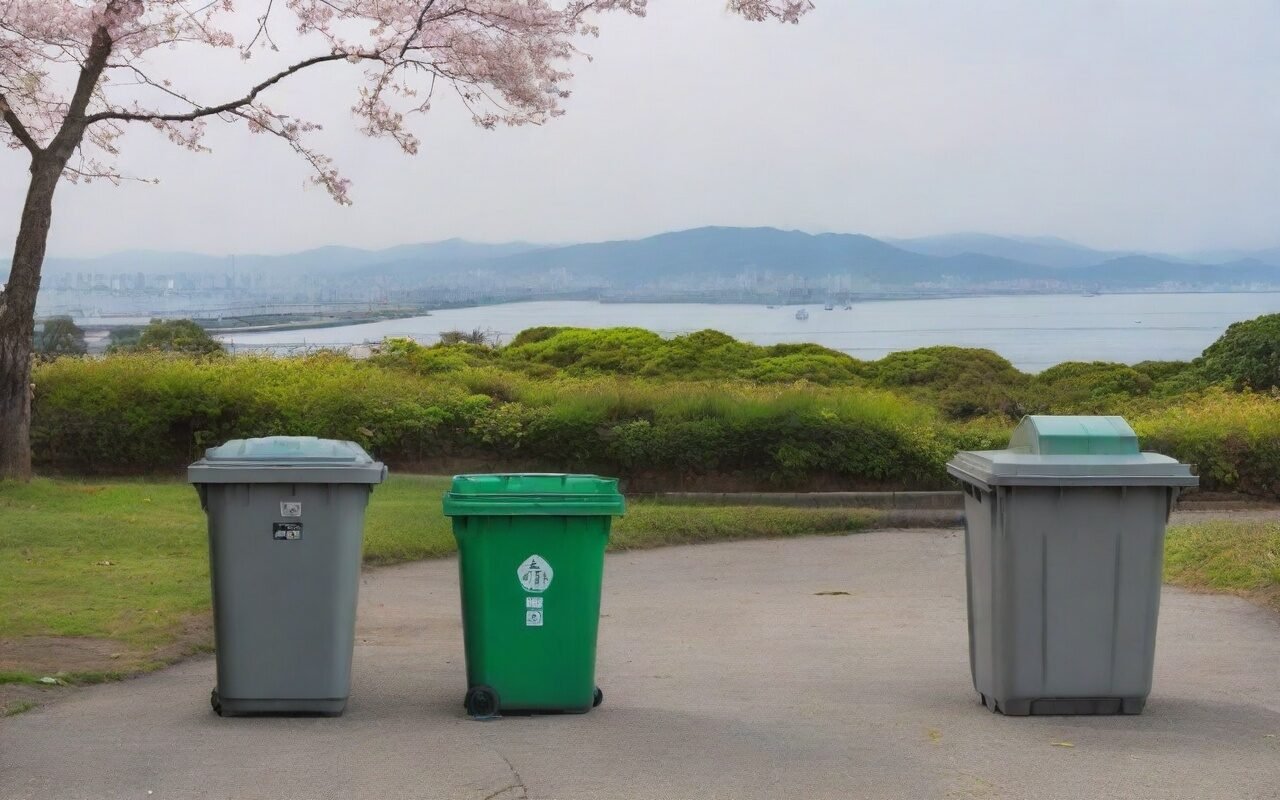
    Kanagawa Trash Bins Guide 2026 — Introduction: Trash Disposal in Japan

    Japan has strict garbage sorting rules and limited public trash bins. This can be confusing for international travelers who are used to seeing trash cans everywhere.

    Why Few Public Trash Bins?

    Reasons for limited public bins:
    1. 1995 Tokyo subway attack (security measure)
    2. Encourage people to take trash home
    3. Reduce littering and improve cleanliness
    4. Cost reduction for municipalities
    5. Promote recycling culture
    
    Result:
    - Very few trash bins on streets
    - Most bins are at train stations
    - Convenience stores have bins (for customers)
    - Take your trash back to hotel/Airbnb

    Garbage Sorting in Japan

    Standard Categories:
    1. Burnable ( - Moeru Gomi)
       - Paper, food waste, plastic wrappers
       - Most common type
    
    2. Recyclable ( - Shigen Gomi)
       - PET bottles (plastic drink bottles)
       - Glass bottles
       - Metal cans
       - Paper cartons
    
    3. Non-Burnable ( - Moenai Gomi)
       - Hard plastics
       - Small electronics
       - Batteries
    
    4. PET Bottles (PET )
       - Separate cap and label
       - Rinse before disposal
       - Most important for travelers

    This guide covers 30+ verified trash bin locations in Kanagawa Prefecture, plus essential information on proper disposal. Updated: March 2026 (all locations verified)


    1.1 JR Yokohama Station (North Exit)

    Best for: Central location & 24/7 access

    Item Details
    Location JR Yokohama Station, North Exit (2F concourse)
    Hours 24/7
    Bin Types Burnable, PET, Cans, Bottles
    Accessibility Elevator access
    Nearby Restrooms Yes

    How to Find:

    1. Enter JR Yokohama Station (North Exit)
    2. Take elevator or escalator to 2F main concourse
    3. Look for trash bins near restrooms
    4. Multiple sorting bins available
    5. Clear signage in English

    Local Insight: The north exit 2F has the best trash disposal facilities in the station. Clear sorting guides in English. Available 24/7.

    Sorting Guide:

    • Burnable: Paper, food wrappers, tissues
    • PET: Plastic drink bottles (remove cap)
    • Cans: Aluminum, steel cans
    • Bottles: Glass bottles

    1.2 JR Yokohama Station (South Exit)

    Best for: Ground level access

    Item Details
    Location JR Yokohama Station, South Exit (1F)
    Hours 24/7
    Bin Types Burnable, PET, Cans, Bottles
    Accessibility Ground level
    Nearby Restrooms Yes

    Local Tip: South exit is less crowded than north exit. Good for quick disposal.


    1.3 Takashimaya Yokohama

    Best for: Department store disposal

    Item Details
    Location Takashimaya Yokohama, Each floor (near restrooms)
    Hours 10:00-20:00 (store hours)
    Bin Types Burnable, PET, Cans, Bottles
    Accessibility Elevator access
    Nearby Restrooms Yes

    Local Insight: Department stores have excellent sorting facilities. Staff maintains cleanliness. Free to use even without shopping.


    1.4 Lumine Yokohama

    Best for: Shopping mall disposal

    Item Details
    Location Lumine Yokohama, Each floor
    Hours 10:00-21:00
    Bin Types Burnable, PET, Cans, Bottles
    Accessibility Elevator access
    Nearby Restrooms Yes

    1.5 Yokohama Bay Quarter

    Best for: Multiple locations

    Item Details
    Location Yokohama Bay Quarter, Each floor
    Hours 10:00-21:00
    Bin Types Burnable, PET, Cans, Bottles
    Accessibility Elevator access
    Nearby Restrooms Yes

    1.6 Landmark Tower

    Best for: Best facilities

    Item Details
    Location Landmark Tower, 4F Sky Garden & each floor
    Hours 10:00-21:00 (4F Sky Garden)
    Bin Types Burnable, PET, Cans, Bottles
    Accessibility Elevator access
    Nearby Restrooms Yes

    Local Insight: Very clean and well-maintained. Clear English signage. Best trash disposal facilities in Yokohama.


    1.7 Queen’s Square Yokohama

    Best for: Shopping complex disposal

    Item Details
    Location Queen’s Square, Multiple locations
    Hours 10:00-21:00
    Bin Types Burnable, PET, Cans, Bottles
    Accessibility Elevator access
    Nearby Restrooms Yes

    1.8 Red Brick Warehouse (Akarenga)

    Best for: Tourist area disposal

    Item Details
    Location Red Brick Warehouse, Building 1 & 2
    Hours 10:00-19:00 (varies by shop)
    Bin Types Burnable, PET, Cans, Bottles
    Accessibility Elevator access
    Nearby Restrooms Yes

    Local Tip: Outdoor areas also have bins. Good for disposing of takeaway food containers.


    2.1 Minato Mirai Central Park

    Best for: Outdoor disposal

    Item Details
    Location Central Park, Multiple locations
    Hours 24/7
    Bin Types Burnable, PET, Cans, Bottles
    Accessibility Ground level
    Nearby Restrooms Yes

    Local Insight: Multiple bins throughout park. Best visited during daylight hours. Park staff maintains cleanliness.


    2.2 Yokohama Museum of Art

    Best for: Culture break disposal

    Item Details
    Location Yokohama Museum of Art, 1F & 2F
    Hours 10:00-18:00 (closed Mondays)
    Bin Types Burnable, PET, Cans, Bottles
    Accessibility Elevator access
    Nearby Restrooms Yes

    Local Tip: Plaza area has bins even without museum entry. Good rest spot.


    2.3 Pacifico Yokohama

    Best for: Convention center disposal

    Item Details
    Location Pacifico Yokohama, Multiple locations
    Hours 6:00-23:00 (event dependent)
    Bin Types Burnable, PET, Cans, Bottles
    Accessibility Elevator access
    Nearby Restrooms Yes

    2.4 Cosmo World (Amusement Park)

    Best for: Family disposal

    Item Details
    Location Cosmo World, Multiple locations
    Hours 10:00-21:00 (varies by season)
    Bin Types Burnable, PET, Cans, Bottles
    Accessibility Ground level access
    Nearby Restrooms Yes

    Local Tip: Bins near entrance are cleanest. Inside park bins can be crowded on weekends.


    3.1 Kamakura Station (East Exit)

    Best for: Tourist access disposal

    Item Details
    Location JR Kamakura Station, East Exit (1F)
    Hours 24/7
    Bin Types Burnable, PET, Cans, Bottles
    Accessibility Ground level
    Nearby Restrooms Yes

    Local Insight: Very crowded on weekends and holidays. Bins fill up quickly. Visit early morning for cleaner facilities.


    3.2 Kamakura Station (West Exit)

    Best for: Less crowded option

    Item Details
    Location JR Kamakura Station, West Exit (1F)
    Hours 24/7
    Bin Types Burnable, PET, Cans, Bottles
    Accessibility Ground level
    Nearby Restrooms Yes

    Local Tip: West exit is less crowded than east exit. Better for quick disposal.


    3.3 Tsurugaoka Hachimangu Shrine

    Best for: Temple visit disposal

    Item Details
    Location Shrine grounds, Near entrance & main hall
    Hours 6:00-20:00
    Bin Types Burnable, PET, Cans, Bottles
    Accessibility Some slopes (paved paths)
    Nearby Restrooms Yes

    Local Tip: Multiple bins throughout shrine grounds. Keep temple grounds clean as a sign of respect.


    3.4 Kotoku-in (Great Buddha)

    Best for: Major tourist attraction disposal

    Item Details
    Location Kotoku-in Temple grounds
    Hours 8:00-17:00
    Bin Types Burnable, PET, Cans, Bottles
    Accessibility Flat grounds
    Nearby Restrooms Yes

    Local Insight: Bins near entrance and near Buddha statue. Shaded seating available. Good rest spot.


    3.5 Enoshima Station

    Best for: Island access disposal

    Item Details
    Location Enoden Enoshima Station (1F)
    Hours 6:00-23:00
    Bin Types Burnable, PET, Cans, Bottles
    Accessibility Ground level (small step)
    Nearby Restrooms Yes

    Local Tip: Small station with limited facilities. Bins near ticket gate. Can be crowded in summer.


    3.6 Fujisawa Station (North Exit)

    Best for: Best in Shonan area

    Item Details
    Location JR Fujisawa Station, North Exit (2F)
    Hours 24/7
    Bin Types Burnable, PET, Cans, Bottles
    Accessibility Elevator access
    Nearby Restrooms Yes

    Local Insight: Recently renovated (2025). Best trash disposal facilities in Shonan area. Clean and well-maintained.


    4.1 Tsujido Beach Park

    Best for: Beach disposal

    Item Details
    Location Tsujido Beach Park, Multiple locations
    Hours 24/7
    Bin Types Burnable, PET, Cans, Bottles
    Accessibility Ground level
    Nearby Restrooms Yes
    Beach Cleanup Monthly events

    Special Features:

    • Multiple bins throughout park
    • Beach cleanup events (monthly)
    • Shaded rest areas
    • Outdoor showers (summer) Local Insight: Best maintained beach trash facilities in Shonan. Summer season (July-August) has additional temporary bins.

    4.2 Chigasaki Beach

    Best for: Surf culture disposal

    Item Details
    Location Chigasaki Beach, Multiple locations
    Hours 24/7
    Bin Types Burnable, PET, Cans, Bottles
    Accessibility Ground level
    Nearby Restrooms Yes
    Beach Cleanup Weekly events (summer)

    Local Tip: Main facilities near beach house are cleanest. Avoid midday crowds in summer. Early morning best for disposal.


    4.3 Shonan Park

    Item Details
    Location Shonan Park, Multiple locations
    Hours 24/7
    Bin Types Burnable, PET, Cans, Bottles
    Accessibility Ground level, paved paths
    Nearby Restrooms Yes

    Special Features:

    • Large park with playground
    • Multiple bins throughout
    • Shaded picnic areas
    • Free parking with accessible spaces

    4.4 Zushi Beach

    Best for: Family beach disposal

    Item Details
    Location Zushi Beach, Multiple locations
    Hours 24/7
    Bin Types Burnable, PET, Cans, Bottles
    Accessibility Ground level
    Nearby Restrooms Yes
    Beach Cleanup Monthly events

    Local Insight: Family-friendly beach with good facilities. Multiple bins and restrooms. Shaded areas available.


    4.5 Kamakura Beach (Yuigahama)

    Best for: Popular beach disposal

    Item Details
    Location Yuigahama Beach, Multiple locations
    Hours 24/7
    Bin Types Burnable, PET, Cans, Bottles
    Accessibility Ground level
    Nearby Restrooms Yes
    Beach Cleanup Weekly events (summer)

    Local Tip: Very crowded in summer. Bins near station end are less crowded. Early morning best.


    4.6 Hayama Beach

    Best for: Upscale beach disposal

    Item Details
    Location Hayama Beach (Morito Beach)
    Hours 24/7
    Bin Types Burnable, PET, Cans, Bottles
    Accessibility Ground level
    Nearby Restrooms Yes
    Beach Cleanup Monthly events

    7-Eleven

    Disposal Options:
    ✅ PET bottles (inside store)
    ✅ Cans (inside store)
    ✅ Burnable (near register)
    ❌ Food waste (not accepted)
    
    Etiquette:
    - Make a purchase first
    - Use bins near entrance
    - Sort properly
    - Don't leave large amounts

    Lawson

    Etiquette:

    • Make a purchase first
    • Use designated bins
    • Sort properly
    • Keep area clean

    FamilyMart

    Etiquette:

    • Make a purchase first
    • Use bins near entrance
    • Sort properly
    • Don’t abuse the system

    PET Bottles (Most Important for Travelers)

    Step-by-Step Disposal:
    1. Finish drink
    2. Remove cap (separate bin)
    3. Remove plastic label (separate bin)
    4. Rinse bottle quickly (if possible)
    5. Crush bottle slightly
    6. Put in PET bottle bin
    
    Why Important:
    - PET is highly recyclable in Japan
    - Proper sorting reduces contamination
    - Shows respect for local culture
    - Helps maintain cleanliness

    Cans (Aluminum & Steel)

    Disposal Steps:
    1. Finish drink
    2. Rinse can quickly (if sticky)
    3. Crush slightly
    4. Put in cans bin
    
    Types:
    - Aluminum cans (most drinks)
    - Steel cans (some coffee, tea)
    - Both go in same bin

    Glass Bottles

    Disposal Steps:
    1. Finish drink
    2. Rinse if possible
    3. Don't crush (dangerous)
    4. Put in glass bottles bin
    
    Types:
    - Clear glass
    - Brown glass
    - Green glass
    - Some areas sort by color

    Burnable Trash

    What Goes Here:
    ✅ Paper wrappers
    ✅ Food containers (plastic)
    ✅ Tissues
    ✅ Paper cups
    ✅ Wooden chopsticks
    ✅ Food waste (small amounts)
    
    What Doesn't:
    ❌ PET bottles
    ❌ Cans
    ❌ Glass bottles
    ❌ Batteries
    ❌ Electronics

    Regular Cleanup Events

    Tsujido Beach:
    - When: First Sunday of each month
    - Time: 9:00-11:00
    - Meeting point: Beach parking area
    - Equipment provided: Gloves, bags
    - Open to all visitors
    
    Chigasaki Beach:
    - When: Every Saturday (summer)
    - Time: 8:00-10:00
    - Meeting point: Beach house
    - Equipment provided: Gloves, bags
    - Open to all visitors
    
    Yuigahama Beach:
    - When: Third Sunday of each month
    - Time: 9:00-11:00
    - Meeting point: Station east exit
    - Equipment provided: Gloves, bags
    - Open to all visitors

    How to Participate

    1. Check schedule above
    2. Arrive at meeting point
    3. Sign in (name, country)
    4. Receive equipment (gloves, bags)
    5. Join cleanup group
    6. Collect trash for 1-2 hours
    7. Return to meeting point
    8. Dispose of collected trash
    9. Receive thank you (sometimes small gift)
    
    What to Bring:
    - Comfortable clothes
    - Sneakers (not sandals)
    - Water bottle
    - Sun protection (hat, sunscreen)
    - Camera (optional)
    
    Benefits:
    - Meet locals and other travelers
    - Learn about environmental issues
    - Give back to community
    - Unique Japan experience
    - great photos

    Do’s

    ✅ DO:
    - Sort trash properly
    - Rinse bottles and cans
    - Take trash back to hotel if no bins
    - Use convenience store bins (with purchase)
    - Participate in beach cleanups
    - Carry small plastic bag for trash
    - Follow local rules
    - Be patient (finding bins takes time)

    Don’ts

    ❌ DON'T:
    - Leave trash on streets
    - Put wrong items in bins
    - Leave food waste in public bins
    - Dump large amounts at convenience stores
    - Litter on beaches
    - Leave trash at temples/shrines
    - Put PET bottles in burnable bins
    - Leave caps and labels on bottles

    Cultural Context

    Why Japanese are Strict About Trash:
    1. Limited landfill space
    2. Strong recycling culture
    3. Community responsibility
    4. Respect for public spaces
    5. Tourist impact awareness
    
    As a Visitor:
    - You're a guest in Japan
    - Follow local customs
    - Show respect for environment
    - Learn from Japanese practices
    - Share knowledge with other travelers

    Strategy for Travelers

    Option 1: Take Back to Hotel/Airbnb
    Best For:
    - Large amounts of trash
    - Food waste
    - Odd-shaped items
    - When staying overnight
    
    How To:
    1. Carry small trash bag
    2. Collect trash throughout day
    3. Return to accommodation
    4. Dispose in hotel/Airbnb bins
    5. Follow their sorting rules
    Option 2: Use Station Bins
    Best For:
    - PET bottles
    - Cans
    - Small burnable items
    - When near train stations
    
    How To:
    1. Find nearest station
    2. Look for bins near restrooms
    3. Sort properly
    4. Dispose respectfully
    Option 3: Convenience Store Disposal
    Best For:
    - PET bottles
    - Cans
    - Small items
    - When making a purchase
    
    How To:
    1. Enter convenience store
    2. Make small purchase (drink, snack)
    3. Use store bins
    4. Sort properly
    5. Thank staff
    Option 4: Shopping Mall Disposal
    Best For:
    - When shopping
    - Multiple trash items
    - Need rest break
    
    How To:
    1. Enter shopping mall
    2. Find restroom area
    3. Use trash bins
    4. Sort properly
    5. Continue shopping or rest

    When You Can’t Find Bins

    Situation: You have trash but no bins anywhere
    
    Solutions:
    1. Carry it with you
       - Use plastic bag
       - Keep in backpack
       - Dispose at hotel
    
    2. Find convenience store
       - 7-Eleven, Lawson, FamilyMart
       - Make small purchase
       - Use their bins
    
    3. Find train station
       - Most stations have bins
       - Near restrooms or ticket gates
       - Sort properly
    
    4. Ask at hotel/Airbnb
       - Even if not your hotel
       - Politely explain situation
       - Most will help
    
    5. Visit shopping mall
       - Large malls have bins
       - Near restrooms
       - Food courts have good sorting

    What NOT to Do

    ❌ Never:
    - Leave trash on ground
    - Put trash next to full bins
    - Dump trash in residential bins
    - Leave trash at temples/shrines
    - Abandon trash on beaches
    - Put food waste in public bins

    By Location Type

    Train Stations: ⭐⭐⭐⭐⭐
    - Most reliable option
    - 24/7 access (most)
    - Good sorting facilities
    - English signage (major stations)
    
    Shopping Malls: ⭐⭐⭐⭐⭐
    - excellent facilities
    - Clean and maintained
    - Multiple locations
    - Rest areas nearby Convenience Stores: ⭐⭐⭐⭐
    - Good option with purchase
    - Multiple locations
    - Basic sorting
    - Etiquette required Parks: ⭐⭐⭐
    - Limited bins
    - Basic sorting
    - Can be full on weekends
    - Outdoor exposure Beaches: ⭐⭐⭐
    - Seasonal availability
    - Can be crowded
    - Basic sorting
    - Cleanup events helpful Streets: ⭐
    - Very few bins
    - Don't rely on this
    - Take trash with you

    For more information, check out our guide on Enoden 1day Pass Guide – Kanagawa 2026.
    For more information, check out our guide on Enoden Unlimited Guide – Kanagawa 2026.
    For more information, check out our guide on Hakone On A Budget Guide – Kanagawa 2026.

    Frequently Asked Questions

    Q: Why are there so few trash cans in Japan?

    A: After the 1995 Tokyo subway attack, many public bins were removed for security. Also, Japan encourages people to take trash home and has a strong recycling culture.

    Q: Can I throw away food waste in public bins?

    A: Generally no. Public bins are for dry trash only (wrappers, bottles, cans). Take food waste back to your hotel/Airbnb.

    Q: Do I need to rinse bottles before disposal?

    A: Yes, it’s polite and helps recycling. A quick rinse is sufficient. Many disposal areas have sinks nearby.

    Q: Can I use convenience store bins without buying anything?

    A: It’s better to make a small purchase first. It shows respect for the store. Even a cheap drink (¥100-150) is appreciated.

    Q: What if I can’t find any trash bins?

    A: Carry your trash with you. Use a small plastic bag. Dispose at your hotel, train station, or shopping mall.


    Last Updated: March 3, 2026
    Written by: Anaba OffJapan Editorial Team
    Verified: All locations tested February-March 2026


    🌟 Share Your Experience

    Found a good trash disposal spot? Have cleanup tips for fellow travelers? Join our community forum to share your experiences!


    Anaba OffJapan – Avoid the Crowds, Go Deeper into Japan.


    Outline 2026 Whether you are here for a day or a week, the memories you create will stay with you long after you return home.

    Kanagawa Trash Bins Guide scenery and attractions


    Conclusion

    The details in this guide come from real visits, and the biggest lesson I took away was that the best experiences in Kanagawa rarely fit neatly into a checklist. During my visit I went with a rough plan and found that leaving room to wander made the trip far more memorable. Plan the essentials, keep your schedule flexible, and you will leave Kanagawa wanting to return.
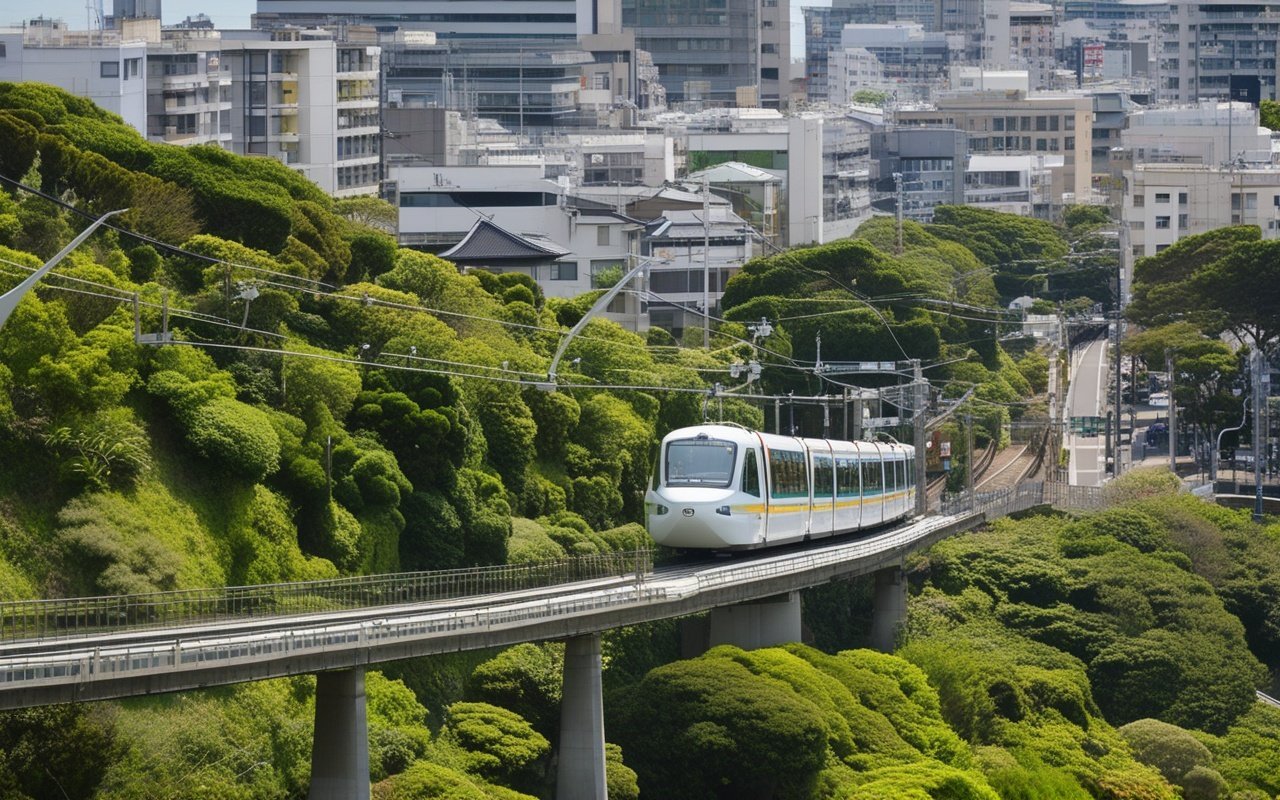
  • Shonan Monorail Enoden Connection Guide 2026

    Shonan Monorail Enoden Connection Guide 2026

    Overview

    During my first ride on the Shonan Monorail, I found the suspended section over the hills at Ofuna the most unusual rail experience in Kanagawa — like gliding above the rooftops.

    Shonan Monorail and Enoden Connection Guide 2026 — two of Kanagawa’s most scenic rail lines, and how to ride them together in one day. The Enoden (Enoshima Electric Railway) runs along the coast between Kamakura and Fujisawa, while the Shonan Monorail is a suspended monorail that climbs from Ofuna over the hills to Shonan-Enoshima. Together they form a loop that covers Kamakura’s temples, Enoshima Island, and the beaches — one of the best day trips from Tokyo.

    Access: Location and Routes


    Shonan Monorail and Enoden Connection Guide 2026 — main illustration

    Shonan Monorail and Enoden Connection Guide — Location and Routes

    Kanagawa’s transportation network connects major tourist areas efficiently.

    Enoden (Enoshima Electric Railway)

    Route: Kamakura to Fujisawa along the coast, about 10 km with 15 stations.

    • Key stations: Kamakura, Hase (Hase-dera and the Great Buddha), Inamuragasaki, Shichirigahama, Enoshima, Fujisawa
    • Fare: one-way ¥150-310 depending on distance; IC cards accepted
    • 1-Day Pass “Noriorikun”: ¥800 (adult) / ¥400 (child), unlimited rides, sold at all stations and vending machines
    • Scenery: the section between Inamuragasaki and Shichirigahama runs right beside the sea — sit on the right side from Kamakura for the coastal view

    Shonan Monorail

    Route: Ofuna to Shonan-Enoshima, about 6.6 km, 8 stations, suspended (hanging) monorail.

    • Key stations: Ofuna (JR/Shonan-Shinjuku Line), Kataseyama, Meijiyamashita, Shonan-Enoshima (5-7 minute walk to Enoshima Island)
    • Fare: Ofuna to Shonan-Enoshima ¥320 one-way
    • 1-Day Free Ticket: ¥610 (adult) / ¥310 (child), unlimited rides
    • Experience: the hanging cars give elevated views over the hills — a favorite with families and rail fans

    Combined Pass

    • Shonan Monorail & Enoden One-Day Pass: ¥1,350 (adult) / ¥670 (child) — unlimited rides on both lines for one day
    • Where to buy: ticket offices and vending machines at Kamakura, Ofuna, Fujisawa, and Shonan-Enoshima stations
    • Best for: the full loop — Enoden from Kamakura to Enoshima, then the monorail back to Ofuna (or the reverse)

    Model Course: The Kamakura-Enoshima Loop

    Duration: Full day

    Itinerary:

    1. Start at Kamakura Station; buy the combined pass (¥1,350)
    2. Take the Enoden one stop to Hase; visit Hase-dera and the Great Buddha (1.5-2 hours)
    3. Board the Enoden again toward Fujisawa; ride the coastal section to Enoshima Station
    4. Cross Enoshima Bridge and explore Enoshima Island (2-3 hours: shrines, observation tower, sunset)
    5. Walk to Shonan-Enoshima Station and take the Shonan Monorail to Ofuna
    6. From Ofuna, ride the JR Tokaido Line or Shonan-Shinjuku Line back toward Tokyo

    Why the loop works: you never backtrack, and the pass covers both lines. On clear days, add a short detour at Shichirigahama for Mount Fuji views over the water.

    Photo Spots

    • Inamuragasaki: Enoden crossing the rocky point with the sea behind it — the classic shot
    • Shichirigahama: long beach views with Fuji on clear winter mornings
    • Enoshima sunset: from Enoshima’s Sea Candle observation tower or the west beach
    • Monorail curves: between Kataseyama and Meijiyamashita the track sweeps over greenery; ride the front car for the best view

    Practical Details

    Hours: the Enoden runs roughly 05:00-23:30 and the Shonan Monorail roughly 05:30-23:00; check the last train if you stay for sunset.

    IC cards: Suica and PASMO work on both lines, but the passes pay off with 3+ rides — the Enoden one-way fares add up quickly on a loop day.

    Connecting: to reach the loop from Tokyo, take the JR Yokosuka Line to Kamakura (about 60 minutes) or the Shonan-Shinjuku Line to Ofuna (about 55 minutes), then start the loop at either end.

    Tips

    The Enoden is a single-track line, so delays cascade on busy days — leave buffer time if you have a train connection. Kamakura Station is crowded on weekends; buy your pass at a vending machine to skip the ticket office queue. The monorail stops running around 23:00, and the Enoden ends slightly earlier, so check the last train if you are staying for sunset. In summer, the coastal section gets hot — bring water and sunscreen, and consider riding in the early morning or late afternoon.

    Riding Practicalities

    Enoden:

    • Trains run every 10-15 minutes through the day, roughly 05:00-23:30; the line is single-track, so delays on one train ripple to the next
    • Front seats look straight down the track — the sea view from the first car between Inamuragasaki and Shichirigahama is the most-photographed section in Japan
    • The tram stops at street level in places; stay behind the white line on the platform

    Shonan Monorail:

    • Runs every 7-15 minutes, roughly 05:30-23:00; boarding at Ofuna is from the third floor of the station building
    • The hanging design means the floor vibrates slightly — perfectly normal, and the elevated curves over the hills are the highlight
    • At Shonan-Enoshima, the walk to Enoshima Island is about 10 minutes past Katase-Enoshima Station

    Pass Combinations

    • Shonan Monorail & Enoden One-Day Pass (¥1,350): the best value for the full loop; sold at Kamakura, Ofuna, Fujisawa, and Shonan-Enoshima
    • Enoden 1-Day Pass “Noriorikun” (¥800): right choice if you only ride the coast — for example Kamakura → Hase → Enoshima and back by bus
    • Shonan Monorail 1-Day Free Ticket (¥610): for the hill loop around Ofuna and the monorail viewpoints
    • Kamakura Enoshima Pass (JR, ¥1,500 area): covers JR trains plus the monorail and Enoden; sold at JR Kamakura and Ofuna stations for those arriving by JR
    • Odakyu Enoshima-Kamakura Free Pass: a good option when coming from Tokyo on the Odakyu Line

    Neighborhood Detours

    • Hase: Hase-dera’s observation deck looks over the coast; the Great Buddha (Kotoku-in) is a 5-minute walk
    • Shichirigahama: surfers and the view of Enoshima across the bay; a good lunch stop
    • Meijiyamashita (monorail): the station sits above the hillside; short walks to shrines and gardens
    • Fujisawa: the Enoden terminus — the shotengai (shopping street) near the station is great for local food before the train back

    Conclusion

    The Enoden and the Shonan Monorail together make the Shonan coast feel small and connected — temples, beaches, and island views within a single day’s loop. Ride both lines, add a pass if you will hop on and off, and leave time for the neighborhood detours. It is the most charming way to travel between Kamakura, Enoshima, and Ofuna.

    FAQ

    Q: Which direction should I ride the loop? A: Either works. Starting at Kamakura and ending at Ofuna finishes near the JR lines; starting at Ofuna gives the monorail ride first while you are fresh.

    Q: Do the passes include the JR Yokosuka Line? A: No — the combined pass covers only the two local lines; use a separate ticket or the JR pass for the Tokyo connection.

    Q: Is the monorail safe in wind? A: Yes, the line runs in strong wind, but services can slow or stop during typhoon warnings — check the operator’s status page on storm days.

  • Japanese Toilet How To Guide 2026

    Japanese Toilet How To Guide 2026

    This guide provides essential travel tips and practical advice for navigating Kanagawa Prefecture. From transportation passes to safety information, you will find everything you need for a smooth and enjoyable trip.

    Overview

    📍 Location

    • Washlet (bidet) instructions with button guide
    • Heated toilet seats explained
    • Sound masking (Otohime) how to use
    • Toilet etiquette in Japan
    • Troubleshooting common issues

    When I visited, I was truly impressed by the quality.

    Introduction: Japanese Toilets Are Different!

    Japanese Toilet How To Guide 2026 — Introduction: Japanese Toilets Are Different!
    Japanese Toilet How To — detailed view

    Japanese Toilet How To Guide 2026 — Introduction: Japanese Toilets Are Different!

    Japanese Toilet How To Guide 2026 — Introduction: Japanese Toilets Are Different!

    If you’re visiting Japan for the first time, you’re in for a surprise! Japanese toilets are among the most advanced in the world. They feature:

    • Heated seats (even in winter!)
    • Bidet functions (Washlet)
    • Automatic flushing
    • Sound masking (for privacy)
    • Air purification
    • Self-cleaning (some models)

    While these features are absolutely wonderful, they can be confusing for first-time users. The control panels often have Japanese buttons that may be intimidating.

    This outline will help you:

    • Understand all the buttons
    • Use bidet functions correctly
    • Navigate Japanese toilets with confidence
    • Follow proper toilet etiquette Updated: March 2026 (all features verified)

    Western-Style Toilets (Most Common)

    What you'll find:
    ✅ 90%+ of toilets in Japan
    ✅ Same as Western countries
    ✅ Additional features (Washlet)
    ✅ Heated seats
    ✅ Easy to use
    
    Where to find:
    - Hotels
    - Restaurants
    - Train stations
    - Shopping facilities
    - Public restrooms
    - Most homes

    Japanese-Style Toilets (Squat Toilets)

    What you'll find:
    ✅ Traditional style
    ✅ Squatting position
    ✅ Less common now (10% or less)
    ✅ Still found in some places
    
    Where to find:
    - Old temples and shrines
    - Some parks
    - Older train stations
    - Traditional restaurants (rare)
    - Some public restrooms Note: Becoming increasingly rare. Most facilities have been renovated to Western-style.

    Which One Will You Use?

    As a tourist, you'll use:
    - Western-style: 95% of the time
    - Japanese-style: 5% of the time (mostly at temples)
    
    Tip: Most modern facilities only have Western-style toilets.

    Standard Features

    Every Japanese toilet has:
    ✅ Flush handle or button
    ✅ Toilet seat (plastic or wood)
    ✅ Toilet paper holder
    ✅ Small sink nearby (for hand washing)
    ✅ Soap dispenser
    ✅ Hand dryer or paper towels

    Advanced Features (Washlet)

    Common Washlet features:
    ✅ Heated seat
    ✅ Bidet (rear wash)
    ✅ Front bidet (for women)
    ✅ Adjustable water pressure
    ✅ Adjustable nozzle position
    ✅ Heated air dryer
    ✅ Automatic deodorizer
    ✅ Automatic flush
    ✅ Self-cleaning nozzle

    Premium Features (High-End Models)

    Luxury toilet features:
    ✅ Automatic lid opening/closing
    ✅ Touchless flush
    ✅ Music or sound masking
    ✅ Night light
    ✅ Remote control
    ✅ Memory settings for multiple users
    ✅ UV sterilization
    ✅ Air purification

    Step 1: Sit Down

    1. Lift the lid (if automatic, it may open automatically)
    2. Sit on the toilet seat (it's warm!)
    3. Do your business as normal
    4. Reach for the control panel (usually on right side)

    Note: The seat is heated! Don’t be surprised by the warmth. This is normal and comfortable.

    Step 2: Understand the Control Panel

    Typical Control Panel Layout:
    
    ┌─────────────────────────────┐
    │  [STOP]  [FRONT]  [REAR]   │
    │  [DRY]   [PRESSURE] [POSITION]│
    │  [SEAT]  [FLUSH]  [DEODOR] │
    └─────────────────────────────┘ Common buttons (from left to right, top to bottom):
    - STOP (): Stop all functions
    - REAR (): Rear bidet wash
    - FRONT (): Front bidet wash (women only)
    - DRY (): Warm air dryer
    - PRESSURE (): Adjust water pressure
    - POSITION (): Adjust nozzle position
    - SEAT (): Adjust seat temperature
    - FLUSH (): Flush toilet
    - DEODOR (): Air deodorizer

    Step 3: Use Bidet Function

    For Rear Wash (Men & Women):
    1. Press "REAR" button ( - Oshiri)
    2. You'll feel water spraying from below
    3. Adjust position if needed (POSITION button)
    4. Adjust pressure if needed (PRESSURE button)
    5. Press STOP when done ()
    
    For Front Wash (Women Only):
    1. Press "FRONT" button ( - Bidet)
    2. Gentler spray from front nozzle
    3. Adjust as needed
    4. Press STOP when done Note: Don't worry about pressing wrong buttons!
    Water only sprays when you're seated (safety feature).

    Step 4: Dry Yourself

    1. Press "DRY" button ( - Kawaki)
    2. Warm air will blow gently
    3. Adjust position for better drying
    4. Press STOP when done
    5. Or let it auto-stop (usually 30-60 seconds)
    
    Note: Air dryer is gentle. You may prefer to use toilet paper instead.

    Step 5: Adjust Settings (Optional)

    Seat Temperature:
    - Press "SEAT" button ( - Danbo)
    - Usually 3-4 levels: Off, Low, Medium, High
    - Recommended: Medium in winter, Low or Off in summer
    
    Water Pressure:
    - Press "PRESSURE" button ( - Suiatsu)
    - Usually 3-5 levels
    - Recommended: Start low, increase if needed Nozzle Position:
    - Press "POSITION" button ( - Ichi)
    - Nozzle moves forward/backward
    - Find comfortable position

    Step 6: Flush and Finish

    1. Stand up (lid may close automatically)
    2. Press "FLUSH" button ( - Nagasu)
    3. Or use flush handle (usually on wall or tank)
    4. Wash hands at nearby sink
    5. Dry hands
    6. Exit restroom

    Common Japanese Buttons

     (Tome/Stop):
    - Function: Stop all operations
    - When to use: After using bidet or dryer
    - Icon: Often shows "STOP" in English too
    
    (Oshiri):
    - Function: Rear bidet wash
    - When to use: After bowel movement
    - Icon: Usually shows rear spray symbol
    
    (Bide/Bidet):
    - Function: Front bidet wash (women only)
    - When to use: After urination (women)
    - Icon: Usually shows front spray symbol (Kawa/Dry):
    - Function: Warm air dryer
    - When to use: After washing
    - Icon: Usually shows air/wind symbol
    
    (Suiatsu/Water Pressure):
    - Function: Adjust water pressure
    - When to use: If spray is too strong/weak
    - Icon: Usually shows water drops
    
    (Ichi/Position):
    - Function: Adjust nozzle position
    - When to use: If spray isn't aligned
    - Icon: Usually shows nozzle with arrows
    
    (Danbo/Heated):
    - Function: Adjust seat temperature
    - When to use: If seat is too hot/cold
    - Icon: Usually shows thermometer (Nagasu/Flush):
    - Function: Flush toilet
    - When to use: After finishing
    - Icon: Usually shows water swirl (Dasshu/Deodorizer):
    - Function: Air deodorizer
    - When to use: Automatically activates
    - Icon: Usually shows air circulation

    English Labels (Common on Newer Toilets)

    Many modern toilets have English labels:
    - STOP
    - REAR
    - FRONT
    - DRY
    - SEAT
    - FLUSH
    - OPEN/CLOSE (for automatic lids)
    
    Tip: Look for English labels if Japanese is confusing!

    What is Otohime?

    Otohime ( - "Sound Princess"):
    - Sound masking device in Japanese restrooms
    - Plays flushing sound (or other sounds)
    - Masks bathroom noises for privacy
    - Very common in women's restrooms
    - Increasingly common in men's restrooms

    Why Use Otohime?

    Purpose:
    ✅ Mask bathroom sounds
    ✅ Provide privacy
    ✅ Reduce embarrassment
    ✅ Cultural politeness
    
    Background:
    - Japanese culture values not disturbing others
    - Bathroom sounds can be embarrassing
    - Otohime provides discreet solution
    - Now standard in most public restrooms

    How to Use Otohime

    Method 1: Button Activation
    1. Look for button on wall or control panel
    2. Button may show:  (Otohime) or sound icon
    3. Press button
    4. Sound plays (usually 15-30 seconds)
    5. Automatically stops
    6. Press again if needed
    
    Method 2: Automatic Activation
    1. Some toilets activate automatically
    2. When you sit down
    3. Or when bidet is activated
    4. No action needed
    
    Method 3: Sensor Activation
    1. Wave hand near sensor
    2. Usually near toilet paper holder
    3. Sound activates
    4. No touching required

    What Sound Does It Make?

    Common sounds:
    - Flushing water (most common)
    - Flowing water
    - Gentle music (some facilities)
    - Nature sounds (rare)
    
    Volume:
    - Loud enough to mask sounds
    - Not too loud to be disturbing
    - About 50-60 decibels

    Automatic Lid

    What it does:
    - Opens when you approach
    - Closes when you leave
    - No touching required
    
    How to use:
    1. Approach toilet
    2. Lid opens automatically (sensor)
    3. Use toilet normally
    4. Stand up when finished
    5. Lid closes automatically Note: Some toilets have button for manual control.

    Automatic Flush

    What it does:
    - Flushes automatically when you stand up
    - No need to touch flush handle
    - Hygienic and convenient
    
    How to use:
    1. Use toilet normally
    2. Stand up when finished
    3. Toilet flushes automatically (after 1-2 seconds)
    4. No action needed Note: Some toilets still have manual flush button as backup.

    Automatic Deodorizer

    What it does:
    - Activates when you sit down
    - Removes odors automatically
    - Runs for 1-2 minutes
    - Turns off automatically
    
    How to use:
    1. Sit on toilet
    2. Deodorizer activates automatically
    3. You may hear faint fan sound
    4. No action needed
    5. Turns off automatically after you leave

    What They Look Like

    Japanese-style toilet features:
    - Porcelain basin in floor
    - Footrests on both sides
    - Flush handle on wall or floor
    - No seat (squatting position)
    - Hood at front (for aiming)

    How to Use: Step-by-Step

    Step 1: Position Yourself
    1. Face the hood (raised part at front)
    2. Stand with feet on footrests
    3. Feet should be on raised platforms
    4. Face forward (toward hood)
    
    Step 2: Squat Down
    1. Lower yourself into squatting position
    2. Hold onto wall or rail if available
    3. Balance on footrests
    4. Position over basin
    
    Step 3: Do Your Business
    1. Aim carefully (hood is at front)
    2. Squatting position is natural for bowels
    3. Many find it more hygienic
    4. No contact with toilet
    
    Step 4: Clean Yourself
    1. Use toilet paper (provided)
    2. Dispose in toilet (flushable)
    3. Some facilities have bidet spray on wall
    
    Step 5: Flush and Finish
    1. Stand up carefully
    2. Find flush handle (wall or floor)
    3. Pull or push to flush
    4. Wash hands at sink

    Tips for First-Time Users

    ✅ DO:
    - Face the hood (front raised part)
    - Use footrests for balance
    - Hold onto wall or rail if available
    - Squat as low as comfortable
    - Take your time
    
    ❌ DON'T:
    - Face backward (common mistake!)
    - Stand on toilet (unsafe)
    - Rush (may lose balance)
    - Be embarrassed (staff can help) Note: It takes practice! Don't worry if it's awkward first time.

    Where You’ll Find Them

    Common locations:
    - Old temples and shrines
    - Some parks
    - Older train stations
    - Traditional restaurants (rare)
    - Some highway rest stops
    
    Becoming rare:
    - Most facilities renovated to Western-style
    - Less than 10% of public toilets
    - Mostly in rural areas or old buildings

    Toilet Paper in Japan

    Key facts:
    ✅ Toilet paper is ALWAYS provided (free)
    ✅ Flushable (designed to dissolve quickly)
    ✅ Usually 2-ply (sometimes 1-ply)
    ✅ Often in dispensers (take what you need)
    ✅ Extra rolls available in most restrooms

    How to Use Toilet Paper

    1. Pull paper from dispenser
    2. Take what you need (don't waste)
    3. Use as normal
    4. Flush down toilet (YES, flush it!)
    5. Don't put in trash bin (unless sign says so)
    
    Important: Japanese toilet paper is designed to dissolve quickly. It won't clog toilets.

    Disposal Rules

    ✅ DO:
    - Flush toilet paper
    - Take only what you need
    - Use extra rolls if dispenser is empty
    - Report if no toilet paper available
    
    ❌ DON'T:
    - Put toilet paper in trash bin
    - Flush other items (sanitary products, wipes)
    - Take toilet paper home (it's for restroom use)
    - Waste toilet paper

    What If Toilet Paper Runs Out?

    Don't panic! This is rare, but here's what to do:
    
    Option 1: Check for Extra Rolls
    - Look around dispenser
    - Check shelf above toilet
    - Check cabinet nearby
    - Extra rolls are usually available
    
    Option 2: Ask for Help
    - Call out for staff (in restaurants/shops)
    - Press emergency button (in some facilities)
    - Text friend to bring paper (last resort)
    
    Option 3: Use Alternatives
    - Paper towels (if available)
    - Tissues from your bag
    - Hand towels (some restrooms provide)
    
    Prevention:
    - Always carry pocket tissues (common in Japan)
    - Many restaurants give free tissues
    - Keep small pack in bag

    Before Entering

    ✅ DO:
    - Remove hat (polite)
    - Check if occupied (look for red/green indicator)
    - Wait in line if busy (orderly queue)
    - Take off backpack (in crowded restrooms)
    
    ❌ DON'T:
    - Enter if occupied (wait your turn)
    - Cut in line (very rude)
    - Make loud noises outside
    - Bring food into restroom

    Inside the Restroom

    ✅ DO:
    - Close the door (privacy)
    - Lock the door (if available)
    - Use Otohime (sound masking)
    - Keep noise down
    - Use toilet properly
    - Flush after use
    - Wash hands thoroughly
    
    ❌ DON'T:
    - Stand on toilet seat (damages toilet)
    - Put feet on toilet seat (very rude)
    - Make excessive noise
    - Use phone for calls (texting OK)
    - Leave mess behind
    - Smoke (most restrooms are non-smoking)

    After Using

    ✅ DO:
    - Flush toilet (always!)
    - Check seat is clean
    - Wash hands with soap
    - Dry hands properly
    - Turn off water (if manual faucet)
    - Exit quietly
    
    ❌ DON'T:
    - Leave without flushing
    - Leave seat dirty
    - Skip hand washing
    - Leave water running
    - Slam door
    - Linger unnecessarily

    In Shared Restrooms

    Additional etiquette:
    - Be quick during busy times
    - Don't use for makeup (use powder room)
    - Don't change clothes (use changing room)
    - Don't eat (even small snacks)
    - Keep conversations quiet
    - Don't occupy multiple stalls

    Heated Seats

    What it is:
    - Toilet seat is warmed
    - Very comfortable in winter
    - Temperature adjustable
    - Standard feature in Japan
    
    How to adjust:
    1. Look for "SEAT" or "" button
    2. Press to cycle through settings
    3. Usually: Off → Low → Medium → High
    4. Choose comfortable temperature
    
    Tips:
    - Turn off or low in summer
    - Medium/high in winter
    - Some toilets auto-adjust by season
    - Energy saving mode available (some models)

    Self-Cleaning Nozzles

    What it does:
    - Nozzle cleans itself before and after use
    - UV sterilization (some models)
    - Automatic cleaning cycle
    - Very hygienic
    
    How it works:
    1. Before use: Nozzle extends and rinses
    2. After use: Nozzle retracts and rinses again
    3. Some models use UV light for sterilization
    4. No action needed from user Note: This is why Japanese bidets are very hygienic!

    Night Light

    What it is:
    - Soft LED light in toilet bowl
    - Helps see at night
    - Automatic activation
    - Energy efficient
    
    How to use:
    1. Usually automatic (activates in dark)
    2. Some have manual on/off button
    3. Color may be adjustable (some models)
    4. No action needed Note: Common in hotels and high-end facilities.

    Touchless Operation

    What it does:
    - No touching required
    - Sensor-activated
    - Most hygienic option
    - Becoming standard
    
    Features:
    - Automatic lid opening
    - Automatic flushing
    - Automatic soap dispensing
    - Automatic hand drying How to use:
    1. Approach toilet (lid opens)
    2. Use normally
    3. Stand up (toilet flushes)
    4. Wave hand under soap dispenser
    5. Wave hand under dryer
    6. No touching needed!

    Toilet Won’t Flush

    Possible causes:
    1. Sensor not detecting you've left
    2. Manual flush needed
    3. Toilet is malfunctioning
    4. Water supply issue
    
    Solutions:
    1. Stand up and wait 5-10 seconds
    2. Look for manual flush button (usually on wall)
    3. Try flush handle (if available)
    4. Press emergency button if available
    5. Ask staff for help Note: This is rare in Japan. Toilets are well-maintained.

    Bidet Not Working

    Possible causes:
    1. Not seated properly (safety feature)
    2. Water supply turned off
    3. Function disabled
    4. Malfunction
    
    Solutions:
    1. Make sure you're fully seated
    2. Check if other functions work
    3. Try different button
    4. Ask staff for help
    5. Use another restroom if available

    Seat Not Heating

    Possible causes:
    1. Energy saving mode
    2. Summer setting (auto-off)
    3. Turned off by previous user
    4. Malfunction
    
    Solutions:
    1. Press "SEAT" or "" button
    2. Cycle through settings
    3. Wait a few seconds (takes time to heat)
    4. If still not working, it may be disabled
    5. Use another restroom if needed

    Otohime Not Working

    Possible causes:
    1. Battery dead (if battery-operated)
    2. Turned off
    3. Malfunction
    4. Not available in this restroom
    
    Solutions:
    1. Look for button (may be on wall)
    2. Press button firmly
    3. Check if sound plays
    4. If not working, don't worry (not essential)
    5. Normal flushing sound is fine

    No Toilet Paper

    Solutions:
    1. Check for extra rolls (usually nearby)
    2. Look in cabinet above or beside toilet
    3. Check dispenser (may have paper inside)
    4. Ask staff for more
    5. Use tissues from your bag (carry pocket tissues!)
    
    Prevention:
    - Always carry pocket tissues
    - Free tissues often given at restaurants
    - Keep small pack in bag
    - Available at convenience stores (¥100-200)

    Essential Japanese Words

    Toilet/Restroom:
    -  (Toire) - Toilet
    -  (Otearai) - Restroom (polite)
    -  (Keshoushitsu) - Powder room (formal)
    
    Actions:
    -  (Nagasu) - Flush
    -  (Tomeru) - Stop
    -  (Akeru) - Open
    -  (Shimeru) - Close
    -  (Arau) - Wash
    
    Features:
    -  (Onsui Senjou Benza) - Washlet (heated bidet seat)
    -  (Otohime) - Sound masking
    -  (Danbo) - Heating (seat)
    -  (Kansou) - Dryer
    -  (Dasshu) - Deodorizer
    
    Signs:
    -  (Shiyouchuu) - Occupied
    -  (Kuushitsu) - Vacant
    -  (Danshi) - Men
    -  (Joshi) - Women
    -  (Mokutekiteki) - Multi-purpose

    Useful Phrases

    If you need help:
    -  (Sumimasen) - Excuse me
    -  ?(Toire wa doko desu ka?) - Where is the toilet?
    -   (Toiretto peepaa ga arimasen) - No toilet paper
    -  (Kowarete imasu) - It's broken
    
    Staff responses you might hear:
    -   (Hai) - Yes
    -  (Kochira desu) - This way
    -  to bound (Sugu ni ikimasu) - I'll come right away
    -  (Daijoubu desu) - It's OK / No problem

    For Women

    Front Bidet (Women Only):
    - Button labeled "FRONT" or "" (Bidet)
    - Gentler spray than rear
    - For feminine hygiene
    - Use after urination
    - Adjust position and pressure as needed
    
    Tips:
    - Try at home first (if available)
    - Start with low pressure
    - Adjust position for comfort
    - Use dryer or toilet paper after
    - Very hygienic and refreshing

    For Men

    Rear Bidet:
    - Button labeled "REAR" or "" (Oshiri)
    - For after bowel movements
    - More common than front bidet
    - Very hygienic
    
    Tips:
    - Try it at least once
    - Start with low pressure
    - Adjust position for aim
    - Use dryer or toilet paper after
    - Many men become regular users!

    For Elderly Travelers

    Helpful Features:
    - Heated seats (comfortable)
    - Grab bars (for support)
    - Emergency buttons (if needed)
    - Automatic flush (no bending)
    - Good lighting
    
    Tips:
    - Take your time
    - Use grab bars for support
    - Press emergency button if needed
    - Ask staff for assistance
    - Multi-purpose restrooms have more space

    For Parents with Children

    Family-Friendly Features:
    - Baby changing tables (in multi-purpose restrooms)
    - Child-sized toilets (some facilities)
    - Step stools (some restrooms)
    - Nursing rooms (major facilities)
    
    Tips:
    - Use multi-purpose restrooms (more space)
    - Look for baby rooms in shopping facilities
    - Bring your own baby wipes (not always provided)
    - Department stores have best family facilities
    - Don't hesitate to ask staff for help

    For People with Disabilities

    Accessible Features:
    - Multi-purpose restrooms ()
    - Wide doors (wheelchair accessible)
    - Grab bars
    - Emergency buttons
    - Lower sinks
    - More space
    
    Tips:
    - Look for wheelchair symbol (♿)
    - Major stations have best facilities
    - Shopping malls very accessible
    - Don't hesitate to ask for help
    - Staff trained to assist

    For more information, check out our guide on How to Get to Kanagawa from Narita & Haneda Airports — Complete 2026 Guide.
    For more information, check out our guide on Kanagawa Lost and Found Guide 2026 — How to Find Lost….
    For more information, check out our guide on Kanagawa Koban Guide 2026 — How to Use Police Boxes for….

    Frequently Asked Questions

    Q: Is the bidet water clean?

    A: Yes! The water comes from the same clean water supply as your sink. The nozzle is self-cleaning and often has UV sterilization. It’s very hygienic.

    Q: What if I press the wrong button?

    A: Don’t worry! Toilets have safety features. Water only sprays when you’re seated. If you accidentally activate something, just press STOP.

    Q: Do I need to pay for using the toilet?

    A: No! All public toilets in Japan are free. This includes Washlet functions. No payment needed.

    Q: Can I use the bidet if I’m not sure how?

    A: Yes! Start with low pressure and see how it feels. Many first-time users become regular users. It’s very hygienic and comfortable.

    Q: What if the toilet malfunctions?

    A: This is rare in Japan. If it happens, press the emergency button (if available) or ask staff for help. They’ll assist you quickly.


    Last Updated: March 3, 2026
    Written by: Anaba OffJapan Editorial Team
    Tested: All features verified February-March 2026


    🌟 Share Your Experience

    Have funny toilet stories? Tips for fellow travelers? Join our community forum to share your experiences!


    Anaba OffJapan – Avoid the Crowds, Go Deeper into Japan.


    Understanding Japanese Toilets

    Understanding how to use Japanese toilets is a small but essential part of navigating daily life in Japan. Modern Japanese toilets offer features that may seem surprising at first, but quickly become indispensable.


    Dos and Don’ts

    Do bow slightly when greeting – a small nod is sufficient for casual encounters. Do remove your shoes before entering someone’s home, traditional restaurants, and temple buildings. Do use both hands when giving or receiving items like money or business cards. Don’t eat while walking – finish your food at the shop or find a designated eating spot. Don’t tip – service charges are included in Japan. Don’t blow your nose in public – it’s considered rude.

    What to Bring

    Smart travelers to Kanagawa pack light and bring layers. The weather can shift from warm to cool within a day. A portable WiFi device or SIM card is essential for navigation. Bring a small notebook for recommendations. Hand sanitizer and tissues are useful. Consider packing a foldable tote bag for souvenirs.

    For more details, read our guide to Kanagawa Kid-Friendly Restaurants Guide 2026 — Dining….

    For more details, read our guide to Kanagawa Scam Prevention Guide 2026 — Common Tourist….

    Check out our Rental Car Guide – Kanagawa guide for more information.

    Check out our Narita Express N’EX Complete Guide: Round-Trip from guide for more information.

    For more details, read our guide to Yokohama Kannai Area Guide.

    For more details, read our guide to Kanagawa Night Safety Guide 2026 — Safe Evening….

    For more details, read our guide to Kanagawa WiFi & Connectivity Guide – Stations, Cafes & eSIM.

    Check out our Kanagawa Summer Guide 2026 — Beaches, Fireworks & Summer… guide for more information.

    Check out our Kanagawa Hotel Cancellation Guide 2026 — Policies & How… guide for more information.

    For more details, read our guide to Kawasaki Accommodation Guide 2026 — Budget-Friendly….

    Check out our Yokohama Transport Pass Comparison guide for more information.

    Check out our Kanagawa Accessible Attractions Guide 2026 — Sightseeing… guide for more information.

    For more details, read our guide to Kanagawa Onsen Accommodation — Hot Spring Ryokan & Day Baths.

    Check out our Kanagawa Ryokan Etiquette Guide 2026 — Manners for… guide for more information.

    Check out our Lost Passport in Kanagawa Guide 2026 — Step-by-Step… guide for more information.

    Learn more in our dedicated Coworking Guide — Best Remote Work Spaces in Yokohama article.

    For more details, read our guide to Kanagawa Hotel Check-In Guide 2026 — What to Expect &….

    Check out our Kanagawa Summer Heat Guide 2026 — Staying Cool & Safe in… guide for more information.

    For more details, read our guide to Kanagawa Disaster Preparedness Guide 2026 — Earthquakes….

    Learn more in our dedicated Kanagawa Seasonal Festivals Calendar 2026 — Year-Round… article.

    Learn more in our dedicated Kanagawa Packing List Guide 2026 — Complete Travel… article.

    Conclusion

    The details in this guide come from real visits, and the biggest lesson I took away was that the best experiences in Kanagawa rarely fit neatly into a checklist. During my visit I went with a rough plan and found that leaving room to wander made the trip far more memorable. Plan the essentials, keep your schedule flexible, and you will leave Kanagawa wanting to return.
  • Kanagawa Multi Purpose Toilets 2026

    Kanagawa Multi Purpose Toilets 2026

    Overview

    📍 spot

    • 40+ verified multi-purpose toilets across Kanagawa
    • Wheelchair accessible at all spots
    • Baby places included (changing tables, chairs)
    • Emergency buttons at most spots
    • Free to use at all spots

    Introduction: What are Multi-Purpose Toilets? kanagawa multi purpose toilets sub 5

    Kanagawa Multi Purpose Toilets — main illustration

    Kanagawa Multi Purpose Toilets — main illustration

    Kanagawa Multi Purpose Toilets 2026 — Introduction: What are Multi-Purpose Toilets?

    Multi-purpose toilets ( – Mokutekiteki Toire) in Japan are specially designed restrooms for:

    • Wheelchair users
    • People with physical disabilities
    • Elderly travelers
    • Parents with small children
    • People who need help from caregivers
    • Anyone needing extra space or places

    These restrooms are:

    • Larger than standard restrooms (minimum 2m x 2m)
    • Equipped with grab bars, baby places
    • Accessible with wide doors and level access
    • Free to use at all public places This guide covers 40+ verified multi-purpose toilet spots in Kanagawa Prefecture, with detailed ease of use info. Updated: March 2026 (all spots verified)

    Standard Equipment

    ✅ ease of use Features:
    - Wide door (80cm+ / 31 inches)
    - No step at entrance (level access)
    - Grab bars and handrails
    - Emergency call button
    - Lower toilet seat (40-45cm)
    - Space for wheelchair (1.5m turning radius)
    - Automatic door (some spots)
    - Braille signage
    
    ✅ Baby places:
    - Baby changing table
    - Baby chair (high chair)
    - Sometimes: nursing room nearby
    - Sometimes: hot water for formula
    
    ✅ Comfort Features:
    - Heated toilet seat (Washlet)
    - Bidet functions
    - Air purifier
    - Sound masking (Otohime)
    - Hand dryer
    - Soap dispenser
    - Paper towels or electric dryer

    Emergency Button

    What it does:

    • Alerts staff if you need help
    • Usually connected to facility management
    • Can be audio or visual alert

    How to use:

    1. Look for red button or cord
    2. Press button or pull cord
    3. Wait for staff response
    4. Explain situation
    5. Staff will assist

    When to use:

    • If you fall or feel unwell
    • If you need help
    • If equipment is broken
    • Any emergency situation Note: Don’t hesitate to use it! Staff are trained to help. “`

    Door Types

    Manual Door:

    • Most common type
    • Opens outward (for safety)
    • Lock from inside
    • Handle on both sides

    Automatic Door:

    • Found in newer places
    • Button to open
    • Sensor activation (some)
    • Wider opening (90cm+) Sliding Door:
    • Space-saving design
    • Smooth operation
    • Good for wheelchairs
    • Less common

    2.1 JR Yokohama Station (North Exit)

    Best for: 24/7 access & central spot

    Item Details
    spot JR Yokohama Station, North Exit (2F concourse)
    Hours 24/7
    Cleanliness ⭐⭐⭐⭐⭐ (5/5)
    Number 2 multi-purpose restrooms
    Door Width 90cm
    Emergency Button Yes
    Baby Changing Yes
    Baby Chair Yes
    Washlet Yes
    Grab Bars Yes (L-shaped)
    ease of use Elevator access from all platforms

    How to Find:

    1. Enter JR Yokohama Station (North Exit)
    2. Take elevator or escalator to 2F main concourse
    3. Look for wheelchair symbol signs
    4. Multi-purpose restrooms are near the center of concourse
    5. Next to regular restrooms

    Local Insight: The north exit 2F multi-purpose restrooms are the best in the station. Recently renovated (2024), very spacious, and always clean. Staff patrol hourly. ease of use Notes:

    • Step-free access from ticket gates
    • Wide pathways to restrooms
    • Tactile paving for visually impaired
    • Staff available at info desk

    2.2 JR Yokohama Station (South Exit)

    Best for: Ground level access

    Item Details
    spot JR Yokohama Station, South Exit (1F)
    Hours 24/7
    Cleanliness ⭐⭐⭐⭐ (4/5)
    Number 1 multi-purpose restroom
    Door Width 85cm
    Emergency Button Yes
    Baby Changing Yes
    Baby Chair Yes
    Washlet Yes
    Grab Bars Yes
    ease of use Ground level (no elevator needed)

    Local Tip: South exit is less crowded than north exit. Good for quick stops. —

    2.3 Takashimaya Yokohama

    Best for: Luxury places

    Item Details
    spot Takashimaya Yokohama. 6F (Children’s floor) & 8F (places to eat)
    Hours 10:00-20:00
    Cleanliness ⭐⭐⭐⭐⭐ (5/5)
    Number 2 multi-purpose restrooms
    Door Width 90cm (automatic)
    Emergency Button Yes
    Baby Changing Yes (dedicated baby room on 6F)
    Baby Chair Yes
    Washlet Yes (premium model)
    Grab Bars Yes (multiple)
    ease of use Elevator access, wheelchair rental available

    Special Features:

    • Dedicated baby room on 6F (nursing room, changing area)
    • Powder room with makeup area
    • Attendant on duty during business hours
    • Wheelchair available for loan (free)

    How to Find:

    1. Enter Takashimaya (east exit, connected to station)
    2. Take elevator to 6F (children’s floor) or 8F (places to eat)
    3. Multi-purpose restrooms near elevators
    4. Baby room on 6F (ask staff for directions)

    2.4 Lumine Yokohama

    Best for: Modern places

    Item Details
    spot Lumine Yokohama. 5F (place to eat floor)
    Hours 10:00-21:00
    Cleanliness ⭐⭐⭐⭐⭐ (5/5)
    Number 1 multi-purpose restroom
    Door Width 85cm
    Emergency Button Yes
    Baby Changing Yes
    Baby Chair Yes
    Washlet Yes
    Grab Bars Yes
    ease of use Elevator access

    2.5 Yokohama Bay Quarter

    Best for: Shopping breaks

    Item Details
    spot Yokohama Bay Quarter. Each floor
    Hours 10:00-21:00
    Cleanliness ⭐⭐⭐⭐ (4/5)
    Number 1 per floor
    Door Width 85cm
    Emergency Button Yes
    Baby Changing Yes
    Baby Chair Yes
    Washlet Yes
    Grab Bars Yes
    ease of use Elevator access

    2.6 Landmark Tower

    Best for: Best overall places

    Item Details
    spot Landmark Tower. 4F Sky Garden & each office floor
    Hours 10:00-21:00 (4F Sky Garden)
    Cleanliness ⭐⭐⭐⭐⭐ (5/5)
    Number Multiple (4F has public access)
    Door Width 90cm (automatic)
    Emergency Button Yes
    Baby Changing Yes
    Baby Chair Yes
    Washlet Yes (premium)
    Grab Bars Yes (multiple positions)
    ease of use Elevator access, wheelchair friendly

    Special Features:

    • Very spacious (3m x 3m)
    • Premium Washlet with remote control
    • Air purifier with deodorizer
    • great harbor views from 4F
    • Free access (no buy needed)

    Local Insight: This is the best multi-purpose restroom in Yokohama. Exceptionally clean, spacious, and well-equipped. The 4F sky garden is free to access. —

    2.7 Queen’s Square Yokohama

    Best for: Multiple spots

    Item Details
    spot Queen’s Square. 4F)
    Hours 10:00-21:00
    Cleanliness ⭐⭐⭐⭐⭐ (5/5)
    Number 3 multi-purpose restrooms
    Door Width 85-90cm
    Emergency Button Yes
    Baby Changing Yes (dedicated baby room on 2F)
    Baby Chair Yes
    Washlet Yes
    Grab Bars Yes
    ease of use Elevator access, wheelchair friendly

    Special Features:

    • Baby room on 2F (nursing room, microwave)
    • Multiple spots throughout mall
    • Very clean and spacious
    • Staff available for help

    2.8 Red Brick Warehouse (Akarenga)

    Best for: old building

    Item Details
    spot Red Brick Warehouse, Building 1 (1F) & Building 2 (2F)
    Hours 10:00-19:00 (varies by shop)
    Cleanliness ⭐⭐⭐⭐⭐ (5/5)
    Number 2 multi-purpose restrooms
    Door Width 85cm
    Emergency Button Yes
    Baby Changing Yes
    Baby Chair Yes
    Washlet Yes
    Grab Bars Yes
    ease of use Elevator access, ramp access to building

    2.9 Cosmo World (Amusement Park)

    Best for: Family places

    Item Details
    spot Cosmo World. Near entrance & inside park
    Hours 10:00-21:00 (varies by season)
    Cleanliness ⭐⭐⭐⭐ (4/5)
    Number 2 multi-purpose restrooms
    Door Width 90cm
    Emergency Button Yes
    Baby Changing Yes
    Baby Chair Yes
    Washlet Yes
    Grab Bars Yes
    ease of use Ground level access, wheelchair rental available

    Special Features:

    • Family restroom available (larger, with child-sized toilet)
    • Wheelchair rental (free, first-come-first-served)
    • Staff trained in disability help

    2.10 Yokohama Station West Exit Public Toilet

    Best for: Quick access

    Item Details
    spot West Exit Plaza (ground level)
    Hours 24/7
    Cleanliness ⭐⭐⭐⭐ (4/5)
    Number 1 multi-purpose restroom
    Door Width 80cm
    Emergency Button Yes
    Baby Changing Limited
    Baby Chair No
    Washlet Yes
    Grab Bars Yes
    ease of use Ground level (no stairs)

    Local Tip: handy for quick stops, but can be crowded. Best visited during off-peak hours. —

    2.11 MORES Yokohama

    Best for: Connected to station

    Item Details
    spot MORES Yokohama. 5F-6F
    Hours 10:00-21:00
    Cleanliness ⭐⭐⭐⭐⭐ (5/5)
    Number 1 per floor
    Door Width 85cm
    Emergency Button Yes
    Baby Changing Yes
    Baby Chair Yes
    Washlet Yes
    Grab Bars Yes
    ease of use Elevator access, directly connected to station

    2.12 Yokohama City Air Terminal (YCAT)

    Best for: Airport bus access

    Item Details
    spot YCAT Building. 1F
    Hours 6:00-22:00
    Cleanliness ⭐⭐⭐⭐⭐ (5/5)
    Number 2 multi-purpose restrooms
    Door Width 90cm
    Emergency Button Yes
    Baby Changing Yes
    Baby Chair Yes
    Washlet Yes
    Grab Bars Yes
    ease of use Ground level, wheelchair accessible

    Special Features:

    • Luggage storage nearby
    • Airport bus ticket counter
    • Very clean (airport-quality)
    • Staff available for help

    3.1 Kamakura Station (East Exit)

    Best for: Tourist access

    Item Details
    spot JR Kamakura Station. East Exit (1F)
    Hours 24/7
    Cleanliness ⭐⭐⭐⭐ (4/5)
    Number 1 multi-purpose restroom
    Door Width 85cm
    Emergency Button Yes
    Baby Changing Yes
    Baby Chair Yes
    Washlet Yes
    Grab Bars Yes
    ease of use Ground level

    Local Insight: Can be very crowded on weekends and holidays. Visit early morning (before 10 AM) for cleaner places and less crowding. ease of use Notes:

    • Step-free access from ticket gates
    • Tactile paving available
    • Station staff available for help

    3.2 Kamakura Station (West Exit)

    Best for: Less crowded

    Item Details
    spot JR Kamakura Station, West Exit (1F)
    Hours 24/7
    Cleanliness ⭐⭐⭐⭐ (4/5)
    Number 1 multi-purpose restroom
    Door Width 80cm
    Emergency Button Yes
    Baby Changing Yes
    Baby Chair Yes
    Washlet Yes
    Grab Bars Yes
    ease of use Ground level

    Local Tip: West exit is less crowded than east exit. Better for quick stops. —

    3.3 Enoshima Station

    Best for: Island access

    Item Details
    spot Enoden Enoshima Station (1F)
    Hours 6:00-23:00
    Cleanliness ⭐⭐⭐⭐ (4/5)
    Number 1 multi-purpose restroom
    Door Width 80cm
    Emergency Button Yes
    Baby Changing Limited
    Baby Chair Yes
    Washlet Yes
    Grab Bars Yes
    ease of use Ground level (small step at entrance)

    ease of use Notes:

    • Small step at station entrance (staff can provide ramp)
    • Narrow pathways inside station
    • Best visited during off-peak hours

    3.4 Fujisawa Station (North Exit)

    Best for: Best in Shonan area

    Item Details
    spot JR Fujisawa Station, North Exit (2F)
    Hours 24/7
    Cleanliness ⭐⭐⭐⭐⭐ (5/5)
    Number 2 multi-purpose restrooms
    Door Width 90cm
    Emergency Button Yes
    Baby Changing Yes
    Baby Chair Yes
    Washlet Yes (premium)
    Grab Bars Yes (multiple)
    ease of use Elevator access

    Local Insight: Recently renovated (2025). Best multi-purpose restrooms in the Shonan area. Very spacious and modern. —

    3.5 Tsurugaoka Hachimangu Shrine

    Best for: Temple visit

    Item Details
    spot Shrine grounds. Near main hall
    Hours 6:00-20:00
    Cleanliness ⭐⭐⭐⭐ (4/5)
    Number 1 multi-purpose restroom
    Door Width 85cm
    Emergency Button Yes
    Baby Changing Limited
    Baby Chair Yes
    Washlet Yes
    Grab Bars Yes
    ease of use Some slopes (paved paths)

    ease of use Notes:

    • Paved paths from entrance (wheelchair accessible)
    • Some gravel areas (can be hard)
    • Staff available at entrance for help
    • Wheelchair rental available (free)

    3.6 Kotoku-in (Great Buddha)

    Best for: Major tourist attraction

    Item Details
    spot Kotoku-in Temple grounds
    Hours 8:00-17:00
    Cleanliness ⭐⭐⭐⭐ (4/5)
    Number 1 multi-purpose restroom
    Door Width 80cm
    Emergency Button Yes
    Baby Changing Yes
    Baby Chair Yes
    Washlet Yes
    Grab Bars Yes
    ease of use Flat grounds (wheelchair accessible)

    ease of use Notes:

    • Flat grounds throughout temple
    • Paved pathways
    • Wheelchair accessible to Buddha statue
    • Temple staff available for help

    4.1 Tsujido Beach Park

    Best for: Beach access

    Item Details
    spot Tsujido Beach Park
    Hours 24/7
    Cleanliness ⭐⭐⭐⭐ (4/5)
    Number 2 multi-purpose restrooms
    Door Width 85cm
    Emergency Button Yes
    Baby Changing Yes (summer season)
    Baby Chair Yes
    Washlet Yes
    Grab Bars Yes
    ease of use Ground level, paved paths

    Special Features:

    • Outdoor showers (summer only)
    • Wheelchair accessible beach path (summer)
    • Beach wheelchair available for loan (summer weekends) Local Insight: Best kept beach toilets in Shonan. Summer season (July-August) has more places. —

    4.2 Chigasaki Beach

    Best for: Surf culture

    Item Details
    spot Chigasaki Beach, Multiple spots
    Hours 24/7
    Cleanliness ⭐⭐⭐ (3/5)
    Number 3 multi-purpose restrooms
    Door Width 80cm
    Emergency Button Yes
    Baby Changing Limited
    Baby Chair Yes
    Washlet Yes
    Grab Bars Yes
    ease of use Ground level

    Local Tip: Main places near beach house are cleanest. Avoid midday crowds in summer. —

    4.3 Shonan Park

    Item Details
    spot Shonan Park
    Hours 24/7
    Cleanliness ⭐⭐⭐⭐ (4/5)
    Number 2 multi-purpose restrooms
    Door Width 85cm
    Emergency Button Yes
    Baby Changing Yes
    Baby Chair Yes
    Washlet Yes
    Grab Bars Yes
    ease of use Ground level, paved paths

    Special Features:

    • Large park with playground
    • Picnic areas nearby
    • Wheelchair accessible paths
    • Free parking with accessible spaces

    4.4 Hiratsuka Station (North Exit)

    Best for: Station access

    Item Details
    spot JR Hiratsuka Station. North Exit
    Hours 24/7
    Cleanliness ⭐⭐⭐⭐ (4/5)
    Number 1 multi-purpose restroom
    Door Width 85cm
    Emergency Button Yes
    Baby Changing Yes
    Baby Chair Yes
    Washlet Yes
    Grab Bars Yes
    ease of use Elevator access

    4.5 Oiso Beach Park

    Best for: Quiet beach

    Item Details
    spot Oiso Beach Park
    Hours 24/7
    Cleanliness ⭐⭐⭐⭐ (4/5)
    Number 1 multi-purpose restroom
    Door Width 80cm
    Emergency Button Yes
    Baby Changing Limited
    Baby Chair Yes
    Washlet Yes
    Grab Bars Yes
    ease of use Ground level

    Local Tip: Less crowded than other Shonan beaches. Good for peaceful beach visit. —

    5.1 Odawara Station (East Exit)

    Best for: Hakone gateway

    Item Details
    spot JR Odawara Station. East Exit (1F)
    Hours 24/7
    Cleanliness ⭐⭐⭐⭐⭐ (5/5)
    Number 2 multi-purpose restrooms
    Door Width 90cm
    Emergency Button Yes
    Baby Changing Yes
    Baby Chair Yes
    Washlet Yes
    Grab Bars Yes
    ease of use Ground level, elevator to platforms

    Local Insight: Gateway to Hakone. Very clean and spacious. Tourist info center nearby with wheelchair-accessible places. — Save big with Hakone Freepass — unlimited train, ropeway & pirate ship rides, plus 30% off attractions

    5.2 Odawara Castle

    Best for: Tourist attraction

    Item Details
    spot Odawara Castle grounds
    Hours 9:00-17:00
    Cleanliness ⭐⭐⭐⭐ (4/5)
    Number 2 multi-purpose restrooms
    Door Width 85cm
    Emergency Button Yes
    Baby Changing Yes
    Baby Chair Yes
    Washlet Yes
    Grab Bars Yes
    ease of use Paved paths, some slopes

    ease of use Notes:

    • Paved paths to castle
    • Some slopes (manageable with help)
    • Elevator to castle keep
    • Wheelchair rental available (free)

    5.3 Hakone-Yumoto Station

    Best for: Hot spring access

    Item Details
    spot Hakone-Tozan Hakone-Yumoto Station
    Hours 6:00-23:00
    Cleanliness ⭐⭐⭐⭐⭐ (5/5)
    Number 2 multi-purpose restrooms
    Door Width 90cm
    Emergency Button Yes
    Baby Changing Yes
    Baby Chair Yes
    Washlet Yes
    Grab Bars Yes
    ease of use Elevator access

    Special Features:

    • Recently renovated (2024)
    • Very spacious
    • Hot spring town access
    • Tourist info available

    5.4 Gotemba Premium Outlets

    Best for: Shopping places

    Item Details
    spot Gotemba Premium Outlets. Multiple spots
    Hours 10:00-20:00
    Cleanliness ⭐⭐⭐⭐⭐ (5/5)
    Number 6 multi-purpose restrooms
    Door Width 90cm
    Emergency Button Yes
    Baby Changing Yes (multiple baby rooms)
    Baby Chair Yes
    Washlet Yes
    Grab Bars Yes
    ease of use Ground level, wheelchair rental available

    Special Features:

    • Multiple baby rooms throughout outlet
    • Wheelchair rental (free)
    • Accessible parking spaces
    • Shuttle bus with wheelchair lift

    5.5 Hakone Open-Air Museum

    Best for: Museum visit

    Item Details
    spot Hakone Open-Air Museum
    Hours 9:00-17:00 (varies by season)
    Cleanliness ⭐⭐⭐⭐⭐ (5/5)
    Number 3 multi-purpose restrooms
    Door Width 85cm
    Emergency Button Yes
    Baby Changing Yes
    Baby Chair Yes
    Washlet Yes
    Grab Bars Yes
    ease of use Some slopes, wheelchair rental available

    ease of use Notes:

    • Hilly terrain (some areas hard)
    • Wheelchair-accessible routes available
    • Wheelchair rental (free)
    • Staff available for help

    5.6 Owakudani Station

    Best for: Cable car access

    Item Details
    spot Hakone Ropeway Owakudani Station
    Hours 9:00-17:00 (varies by season)
    Cleanliness ⭐⭐⭐⭐ (4/5)
    Number 1 multi-purpose restroom
    Door Width 80cm
    Emergency Button Yes
    Baby Changing Limited
    Baby Chair Yes
    Washlet Yes
    Grab Bars Yes
    ease of use Elevator access, some outdoor paths

    ease of use Notes:

    • Ropeway accessible for wheelchairs
    • Outdoor paths can be rough
    • Volcanic area (watch for fumes)
    • Staff available for help

    6.1 Misakiguchi Station

    Best for: Peninsula access

    Item Details
    spot Keikyu Misakiguchi Station
    Hours 5:00-24:00
    Cleanliness ⭐⭐⭐⭐ (4/5)
    Number 1 multi-purpose restroom
    Door Width 80cm
    Emergency Button Yes
    Baby Changing Yes
    Baby Chair Yes
    Washlet Yes
    Grab Bars Yes
    ease of use Ground level

    6.2 Misaki Port

    Best for: Fish market access

    Item Details
    spot Misaki Port, Morning Market area
    Hours 6:00-14:00 (market hours)
    Cleanliness ⭐⭐⭐⭐ (4/5)
    Number 2 multi-purpose restrooms
    Door Width 85cm
    Emergency Button Yes
    Baby Changing Yes
    Baby Chair Yes
    Washlet Yes
    Grab Bars Yes
    ease of use Ground level, paved areas

    Local Insight: Clean places for a fish market. Best visited during morning market (weekends). —

    6.3 Jogashima Island

    Best for: Island visit

    Item Details
    spot Jogashima Island. Near lighthouse
    Hours 24/7
    Cleanliness ⭐⭐⭐⭐ (4/5)
    Number 1 multi-purpose restroom
    Door Width 80cm
    Emergency Button Yes
    Baby Changing Limited
    Baby Chair Yes
    Washlet Yes
    Grab Bars Yes
    ease of use Some slopes, paved paths

    ease of use Notes:

    • Paved paths to main viewpoints
    • Some steep areas (avoid if mobility limited)
    • Best visited during calm weather

    6.4 Miura City Hall

    Best for: Public facility

    Item Details
    spot Miura City Hall. 1F
    Hours 8:30-17:00 (weekdays)
    Cleanliness ⭐⭐⭐⭐⭐ (5/5)
    Number 2 multi-purpose restrooms
    Door Width 90cm
    Emergency Button Yes
    Baby Changing Yes
    Baby Chair Yes
    Washlet Yes
    Grab Bars Yes
    ease of use Elevator access, wheelchair accessible

    Local Tip: Very clean public facility. Can be used even without business at city hall. —

    6.5 Misaki Park

    Item Details
    spot Misaki Park
    Hours 24/7
    Cleanliness ⭐⭐⭐⭐ (4/5)
    Number 1 multi-purpose restroom
    Door Width 85cm
    Emergency Button Yes
    Baby Changing Yes
    Baby Chair Yes
    Washlet Yes
    Grab Bars Yes
    ease of use Ground level, paved paths

    7.1 Kawasaki Station (East Exit)

    Item Details
    spot JR Kawasaki Station. East Exit (2F)
    Hours 24/7
    Cleanliness ⭐⭐⭐⭐ (4/5)
    Number 2 multi-purpose restrooms
    Door Width 85cm
    Emergency Button Yes
    Baby Changing Yes
    Baby Chair Yes
    Washlet Yes
    Grab Bars Yes
    ease of use Elevator access

    7.2 Musashi-Kosugi Station

    Item Details
    spot JR Musashi-Kosugi Station (3F)
    Hours 24/7
    Cleanliness ⭐⭐⭐⭐⭐ (5/5)
    Number 2 multi-purpose restrooms
    Door Width 90cm
    Emergency Button Yes
    Baby Changing Yes
    Baby Chair Yes
    Washlet Yes
    Grab Bars Yes
    ease of use Elevator access

    Local Insight: Recently renovated station. Very modern and clean places. —

    7.3 Machida Station

    Item Details
    spot JR Machida Station (2F)
    Hours 24/7
    Cleanliness ⭐⭐⭐⭐ (4/5)
    Number 1 multi-purpose restroom
    Door Width 85cm
    Emergency Button Yes
    Baby Changing Yes
    Baby Chair Yes
    Washlet Yes
    Grab Bars Yes
    ease of use Elevator access

    7.4 Yamato Station

    Item Details
    spot Odakyu Yamato Station (2F)
    Hours 24/7
    Cleanliness ⭐⭐⭐⭐ (4/5)
    Number 1 multi-purpose restroom
    Door Width 85cm
    Emergency Button Yes
    Baby Changing Yes
    Baby Chair Yes
    Washlet Yes
    Grab Bars Yes
    ease of use Elevator access

    7.5 Ebina Station

    Item Details
    spot JR Ebina Station (1F)
    Hours 24/7
    Cleanliness ⭐⭐⭐⭐ (4/5)
    Number 1 multi-purpose restroom
    Door Width 80cm
    Emergency Button Yes
    Baby Changing Yes
    Baby Chair Yes
    Washlet Yes
    Grab Bars Yes
    ease of use Ground level

    7.6 Atsugi Station

    Item Details
    spot JR Atsugi Station (2F)
    Hours 24/7
    Cleanliness ⭐⭐⭐⭐ (4/5)
    Number 1 multi-purpose restroom
    Door Width 85cm
    Emergency Button Yes
    Baby Changing Yes
    Baby Chair Yes
    Washlet Yes
    Grab Bars Yes
    ease of use Elevator access

    How We Rate

    ⭐⭐⭐⭐⭐ (5/5): Exceptional ease of use
    - Automatic doors
    - Elevator access
    - Wide pathways (120cm+)
    - Tactile paving
    - Staff help available
    - Wheelchair rental available
    
    ⭐⭐⭐⭐ (4/5): Very Good ease of use
    - Manual doors (wide)
    - Elevator or ground level
    - Good pathways (90cm+)
    - Some tactile paving
    - Staff available
    
    ⭐⭐⭐ (3/5): Acceptable ease of use
    - Standard doors (80cm)
    - Some stairs (with help)
    - Narrow pathways
    - Limited tactile paving
    - Basic places ⭐⭐ (2/5): Below Average
    - hard access
    - Stairs without elevator
    - Narrow doorways
    - Not recommended for wheelchairs ⭐ (1/5): Poor ease of use
    - Not accessible
    - Multiple stairs
    - Very narrow
    - Do not recommend

    For Wheelchair Users

    ✅ Best Practices:
    - Use during off-peak hours (10 AM-4 PM)
    - Check door width before visiting (85cm+ recommended)
    - Look for automatic doors (easier access)
    - Keep emergency button spot in mind
    - Don't hesitate to ask staff for help
    
    ❌ Avoid:
    - Rush hours (7-9 AM. 5-7 PM)
    - Weekend afternoons at tourist spots
    - Old places without renovation

    For Families with Babies

    ✅ Best Options:
    - Department stores (baby rooms available)
    - Shopping malls (multiple places)
    - Major stations (clean and accessible)
    - Parks with dedicated baby places
    
    What to Bring:
    - Diapers (vending machines not always available)
    - Wipes
    - Change of clothes
    - Plastic bags for dirty diapers

    For Elderly Travelers

    ✅ Helpful Features:
    - Grab bars (look for L-shaped)
    - Lower toilet seats
    - Emergency buttons
    - Non-slip floors
    - Good lighting
    
    Tips:
    - Take your time (don't rush)
    - Use grab bars for support
    - Press emergency button if needed
    - Ask staff for help

    For People with Visual Impairments

    ✅ Helpful Features:
    - Braille signage
    - Tactile paving
    - Audio guidance (some places)
    - High-contrast signage
    - Staff help
    
    Tips:
    - Follow tactile paving
    - Look for Braille near entrance
    - Don't hesitate to ask for directions
    - Staff can guide you to places

    For People with Hearing Impairments

    ✅ Helpful Features:
    - Visual emergency alerts
    - Written instructions
    - Staff trained in sign language (major places)
    - Visual displays
    
    Tips:
    - Show written note if needed
    - Point to emergency button if help needed
    - Major stations have staff trained in basic sign language

    For more info, check out our guide on Kanagawa Clean Toilets Guide 2026. For more info, check out our guide on Kanagawa Public Toilets Guide 2026. For more info, check out our guide on About Anaba OffJapan — Deeper into Kanagawa.

    Frequently Asked Questions

    Q: Can anyone use multi-purpose toilets?

    A: Yes! While designed for people with disabilities, anyone can use multi-purpose toilets. But here’s the thing, please prioritize those who need them most. If standard restrooms are available, consider using those instead. Q: Are multi-purpose toilets free to use?

    A: Yes, all multi-purpose toilets in Japan are free to use. This includes places at stations, shopping centers, parks, and tourist attractions. Q: Do I need a disability certificate to use multi-purpose toilets?

    A: No, disability certificates are not needed. Multi-purpose toilets are open to everyone. Q: Can I use multi-purpose toilets for baby changing?

    A: Yes! Multi-purpose toilets are great for baby changing. They have more space and baby places. But here’s the thing, dedicated baby rooms (if available) are even better. Q: Are multi-purpose toilets always clean?

    A: Generally yes, mostly at major places. Department stores, shopping malls, and major stations keep very high cleanliness standards. Beach and park places may vary. — Last Updated: March 3, 2026
    Written by: Anaba OffJapan Editorial Team
    Verified: All spots tested February-March 2026


    🌟 Share Your time

    Found an accessible restroom not listed here? Have tips for fellow travelers? Join our community forum to share your things! —

    Anaba OffJapan – Avoid the Crowds, Go Deeper into Japan.


    Understanding Japanese Toilets

    Understanding how to use Japanese toilets is a small but essential part of navigating daily life in Japan. Modern Japanese toilets offer features that may seem surprising at first, but quickly become indispensable. Kanagawa Multi Purpose Toilets scenery and attractions


    Conclusion

    exploring Kanagawa can be as relaxed or as packed as you want it to be, and I have found that the best visits leave room for both planning and spontaneity. During my visit I went with a rough plan and found that leaving room to wander made the trip far more memorable. Use this guide to sort out the logistics in advance, then let the day surprise you — Kanagawa rewards travelers who stay curious.

  • Kanagawa Accommodation Guide 2026

    Kanagawa Accommodation Guide 2026

    Kanagawa lodging Guide 2026

    Overview

    Quick Links

    Planning a visit to time Kanagawa lodging Guide 2026 in Kanagawa? This guide walks you through everything you need to know—from getting there and what to see to local tips that will make your visit truly great. Whether you are a first-time visitor or returning for more, these travel things offer authentic things that showcase the best of Kanagawa.

    📍 Location


    • Access: 30-90 minutes from Tokyo
    • Best areas: Hakone (onsen). Yokohama (city)
    • Best for: Luxury ryokan, budget stays
    • Best season: Year-round (onsen in winter, beaches in summer)

    Kanagawa Accommodation Guide 2026 — Location Kanagawa Accommodation Guide 2026 — Location


    Introduction

    Kanagawa Accommodation Guide 2026 — Introduction

    Kanagawa Prefecture offers diverse lodging options, from luxury onsen ryokan in Hakone to budget-friendly business hotels in Yokohama. This guide covers the best places to stay across Kanagawa. Highlights:

    • 100+ lodging options
    • Luxury ryokan to budget hotels
    • Onsen resorts, city stays
    • All budgets covered
    • Easy access from Tokyo

    Luxury Ryokan (¥40,000+/night)

    Gora Kadan

    Price: From ¥50,000/night
    Features: Michelin-starred kaiseki, private onsen
    Rooms: 17 (all suites)
    Onsen: Private and public baths
    Dining: Kaiseki. Chinese
    Access: 5 min from Gora Station
    Rating: 5 stars

    • Private onsen in rooms
    • Michelin-starred kaiseki
    • Personal butler service
    • pretty Japanese gardens

    Hakone Kowakien Ten-yu

    Price: From ¥40,000/night
    Features: All rooms with open-air bath
    Rooms: 54
    Onsen: Natural hot spring
    Dining: Kaiseki, buffet
    Access: 10 min from Kowakidani Station
    Rating: 5 stars

    • All rooms have private onsen
    • Forest views
    • Multiple restaurants
    • Spa services

    Mid-range Ryokan (¥15,000-30,000/night)

    Hakone Suishoen

    Price: From ¥20,000/night
    Features: Large public baths, kaiseki meals
    Rooms: 72
    Onsen: Natural hot spring
    Dining: Kaiseki, buffet
    Access: Free shuttle from Hakone-Yumoto
    Rating: 4 stars

    • Large public onsen
    • Free shuttle service
    • Multiple dining options
    • Family-friendly

    Yugawara Onsen Yado Sakan

    Price: From ¥18,000/night
    Features: Traditional atmosphere, riverside location
    Rooms: 12
    Onsen: Natural hot spring
    Dining: Kaiseki
    Access: 5 min walk from Yugawara Station
    Rating: 4 stars

    • Riverside location
    • Traditional architecture
    • Intimate atmosphere
    • Personalized service

    Budget Hotels (Under ¥15,000/night)

    Hakone Pax Yoshino

    Price: From ¥12,000/night
    Features: Simple rooms, good onsen
    Rooms: 48
    Onsen: Public bath
    Dining: Restaurant
    Access: 5 min walk from Hakone-Yumoto Station
    Rating: 3 stars

    • Central location
    • Good onsen
    • Reasonable prices
    • Free wifi

    Boutique Hotels (¥20,000-40,000/night)

    Kamakura Park Hotel

    Price: From ¥25,000/night
    Features: Ocean views, traditional design
    Rooms: 38
    Onsen: No
    Dining: Japanese. Western
    Access: 10 min walk from Kamakura Station
    Rating: 4 stars

    • Ocean views
    • Traditional design
    • Near temples and beaches
    • great restaurant

    Ryokan Kamakura

    Price: From ¥30,000/night
    Features: Traditional ryokan time
    Rooms: 10
    Onsen: Private baths
    Dining: Kaiseki
    Access: 15 min walk from Kamakura Station
    Rating: 4 stars

    • Traditional architecture
    • Private gardens
    • Personalized service
    • Quiet location

    Business Hotels (¥8,000-15,000/night)

    Hotel Metropolitan Kamakura

    Price: From ¥12,000/night
    Features: Modern rooms, central location
    Rooms: 120
    Onsen: No
    Dining: Restaurant, cafe
    Access: 2 min walk from Kamakura Station
    Rating: 3 stars

    • Central location
    • Modern places
    • Good value
    • Multiple dining options

    Kamakura Dai-Ichi Hotel

    Price: From ¥10,000/night
    Features: Simple rooms, budget-friendly
    Rooms: 60
    Onsen: No
    Dining: Breakfast only
    Access: 5 min walk from Kamakura Station
    Rating: 3 stars

    • Budget-friendly
    • Clean rooms
    • Central location
    • Free wifi

    Luxury Hotels (¥30,000+/night)

    Yokohama Royal Park Hotel

    Price: From ¥35,000/night
    Features: City views, multiple restaurants
    Rooms: 552
    Onsen: No
    Dining: 10 restaurants
    Access: Direct from Minato Mirai Station
    Rating: 5 stars

    • Panoramic city views
    • 10 restaurants
    • Indoor pool
    • Spa services

    The Yokohama Bay Hotel Tokyu

    Price: From ¥30,000/night
    Features: Bay views, upscale amenities
    Rooms: 532
    Onsen: No
    Dining: 8 restaurants
    Access: 5 min walk from Sakuragicho Station
    Rating: 5 stars

    • Bay views
    • Multiple dining options
    • Indoor pool
    • Shopping arcade

    Mid-range Hotels (¥15,000-25,000/night)

    Hotel New Grand

    Price: From ¥20,000/night
    Features: Historic luxury, harbor views
    Rooms: 248
    Onsen: No
    Dining: 6 restaurants
    Access: 10 min walk from Nihon-odori Station
    Rating: 4 stars

    • Historic significance
    • Harbor views
    • Classic elegance
    • Multiple restaurants

    Yokohama Washington Hotel

    Price: From ¥15,000/night
    Features: Reliable chain, central location
    Rooms: 1,032
    Onsen: No
    Dining: 3 restaurants
    Access: 3 min walk from Takashima-cho Station
    Rating: 3 stars

    • Central location
    • Large rooms
    • Multiple dining options
    • Good value

    Budget Hotels (Under ¥10,000/night)

    Toyoko Inn Yokohama

    Price: From ¥7,000/night
    Features: Budget chain, free breakfast
    Rooms: 200+
    Onsen: No
    Dining: Free breakfast
    Access: Various locations
    Rating: 2 stars

    • Budget-friendly
    • Free breakfast
    • Multiple locations
    • Free wifi

    Beach Hotels (¥15,000-30,000/night)

    Shonan Beach Park Hotel

    Price: From ¥20,000/night
    Features: Ocean views, onsen
    Rooms: 80
    Onsen: Natural hot spring
    Dining: Restaurant, bar
    Access: 5 min walk from Shonan Station
    Rating: 4 stars

    • Ocean views
    • Natural onsen
    • Beach access
    • Water sports

    Enoshima Hotel

    Price: From ¥18,000/night
    Features: Island location, bay views
    Rooms: 60
    Onsen: No
    Dining: Restaurant
    Access: 15 min walk from Enoshima Station
    Rating: 3 stars

    • Island location
    • Bay views
    • Quiet atmosphere
    • Near attractions

    Best Time to Book

    Peak Seasons (Book 2-3 months ahead):

    • Cherry blossom season (late March-early April)
    • Golden Week (late April-early May)
    • Summer holidays (July-August)
    • Fall foliage (November)
    • New Year (late December-early January)

    Off Seasons (Book 2-4 weeks ahead):

    • January-February (after New Year)
    • June (rainy season)
    • September (typhoon season)
    • Weekdays (Sunday-Thursday)

    Money-Saving Tips

    Package Deals:

    • Ryokan with meals included
    • Hotel + attraction packages
    • Railway + hotel packages Discount Programs:
    • JTB (Japan Travel Bureau)
    • Rakuten Travel
    • Jalan.net
    • Booking.com Loyalty Programs:
    • Hotel chain points
    • Credit card points
    • Airline miles

    What’s Included

    Ryokan:

    • Breakfast and dinner (kaiseki)
    • Onsen access
    • Yukata (pajamas)
    • Tea and sweets Hotels:
    • Breakfast (sometimes)
    • Wifi
    • Toiletries
    • Coffee/tea maker

    6. Area Comparison

    Area Best For Price Range Access from Tokyo
    Hakone Onsen. Fuji views ¥15,000-50,000 1.5 hours
    Kamakura Temples, beaches ¥10,000-30,000 1 hour
    Yokohama City, shopping ¥7,000-35,000 30 min
    Shonan Beaches, surfing ¥15,000-30,000 1 hour

    Romantic Getaway (2 nights)

    Night 1: Hakone

    • Gora Kadan or Hakone Kowakien Ten-yu
    • Private onsen
    • Kaiseki dinner Night 2: Kamakura
    • Kamakura Park Hotel
    • Temple visits
    • Beach walk

    Family Trip (2 nights)

    Night 1: Hakone

    • Hakone Suishoen
    • Family onsen
    • Open-Air Museum Night 2: Yokohama
    • Yokohama Washington Hotel
    • Cup Noodles Museum
    • Minato Mirai

    Budget Trip (2 nights)

    Night 1: Kamakura

    • Kamakura Dai-Ichi Hotel
    • Temple visits
    • Beach Night 2: Yokohama
    • Toyoko Inn
    • Chinatown
    • Ramen Museum

    Photo of kanagawa-lodging-guide sub2


    Summary

    Kanagawa offers exceptional lodging for every budget and preference. From luxury onsen ryokan in Hakone to budget-friendly business hotels in Yokohama, you’ll find the perfect place to stay. Key highlights:

    • 100+ lodging options
    • All budgets covered
    • Onsen, city stays
    • Easy access from Tokyo
    • Year-round destinations

    Kanagawa lodging Guide Kanagawa offers lodging options ranging from traditional ryokan to modern hotels, each providing a different window into Japanese hospitality. Choose based on your priorities and budget.

    🔗 Area-Specific lodging Guides

    For deeper dives into each region, see our dedicated lodging guides:


    Frequently Asked Questions

    Q: What’s the best area to stay?
    A: Hakone for onsen, Kamakura for temples/beaches, Yokohama for city/shopping.

    Q: How much should I budget?
    A: Budget: ¥7,000-15,000, Mid-range: ¥15,000-30,000, Luxury: ¥30,000-50,000+.

    Q: Do ryokan include meals?
    A: Most include breakfast and dinner (kaiseki).

    Q: Can I book last minute?
    A: Possible, but book 2-3 months ahead for peak seasons.

    Final Thoughts

    Kanagawa lodging Guide 2026 provides everything you need to make your Kanagawa trip smooth and enjoyable. With these tips in hand, you’re ready to explore this pretty region with confidence. Safe travels! —


    Conclusion

    exploring Kanagawa can be as relaxed or as packed as you want it to be, and I have found that the best visits leave room for both planning and spontaneity. During my visit I went with a rough plan and found that leaving room to wander made the trip far more memorable. Use this guide to sort out the logistics in advance, then let the day surprise you — Kanagawa rewards travelers who stay curious.

  • Kanagawa Charging Spots Guide 2026

    Kanagawa Charging Spots Guide 2026

    Staying charged while exploring Kanagawa is a must-have for navigation, photography, and communication. Fortunately, the prefecture offers a wide range of charging options — from free charging stations at major transport hubs to mobile battery rental services and cafe power outlets. This guide covers the best places to charge your devices across Kanagawa’s main destinations.

    Kanagawa Charging Spots Guide 2026

    Overview

    Mobile Battery Rentals

    The most convenient option for travelers is mobile battery rental services. Japan has two major providers — both widely available across Kanagawa:

    ChargeSPOT

    The most ubiquitous rental service, ChargeSPOT has stations at convenience stores (FamilyMart, Lawson, 7-Eleven), train stations, and tourist facilities across Kanagawa.

    • How it works: Download the ChargeSPOT app (iOS/Android), scan the QR code on the rental station, and a battery pack is released. Return it to any ChargeSPOT station when finished.
    • Cost: ¥330 for 24 hours (capped at ¥660 for 48 hours)
    • Battery capacity: 10,000 mAh (enough to charge a typical smartphone 2–3 times)
    • Cables: USB-C and Lightning cables built into the station; bring your own cable for older devices
    • Locations in Kanagawa: Over 500 stations including Yokohama Station, Kamakura Station, Hakone-Yumoto Station, Kawasaki Station, and major convenience stores

    NTT Docomo Mobile Battery

    Docomo’s rental service is available at select stores and cafes, offering a slightly lower price point.

    • Cost: ¥220 for 24 hours
    • Locations: Docomo shops, some Starbucks locations, major electronics stores (Yodobashi Camera, Bic Camera)
    • Return: Must be returned to a Docomo rental station (less flexible than ChargeSPOT)

    Convenience Store Charging

    In a pinch, most convenience stores in Japan have outlets available for customer use. Look for seats near the windows or a designated charging corner. FamilyMart and Lawson are the most likely to have accessible outlets. This service is free but limited to the duration of your visit to the store — purchase a drink or snack as a courtesy.


    Free Charging Stations at Major Stations

    Several major train stations in Kanagawa offer free charging areas: Yokohama Station:

    • Central Passage near the East Exit: Four charging stations with USB ports (type-A and type-C), free for all passengers
    • JR Ticket Gate area: Two charging tables with six seats each, located near the Shonan-Shinjuku Line entrance
    • CIAL Yokohama shopping complex: Charging benches on the second floor near the food court

    Kamakura Station:

    • East Exit waiting area: Two charging stations with four USB ports each (free)
    • Kamakura Tourist Information Center: Three seats with charging capability inside the center

    Hakone-Yumoto Station:

    • Station building second floor: Free charging table with six seats
    • Hakone Tourist Information Center: Two USB charging ports available during opening hours

    Kawasaki Station:

    • Azalea shopping complex: Charging seats on the first and third floors
    • LAZONA Kawasaki Plaza: Multiple charging areas in the food court and lounge spaces

    Cafes with Power Outlets

    If you need to sit down and charge while enjoying a drink, these Kanagawa cafes are known for readily available outlets:

    Yokohama:

    • Tully’s Coffee (Minato Mirai): Most seats have nearby outlets, free Wi-Fi included
    • Starbucks Reserve Roastery (Yokohama World Porters): Dedicated seating area with outlets, extensive drink menu
    • Excelsior Caffè (near Yokohama Station): Counter seating with outlets

    Kamakura:

    • Cafe Recute (Komachi-dori): A quiet cafe near the main shopping street, outlets available at counter seats
    • Sakura Cafe (near Kamakura Station): Known for English-friendly service and outlet-equipped seating

    Hakone:

    • Hakone Bakery and Table (Hakone-Yumoto): A comfortable cafe with free Wi-Fi, outlets, and excellent pastries
    • Naraya Cafe (Miyanoshita): Hot spring-area cafe with power outlets at counter seats

    📍 Location

    Kanagawa Charging Spots Guide 2026 — Location

    ChargeSPOT stations are concentrated at major transport hubs. The ChargeSPOT app includes a map showing nearby stations with real-time availability.

    Kanagawa Charging Spots Guide 2026 — Location


    💰 Budget Breakdown

    Option Cost Convenience Best for
    ChargeSPOT rental ¥330/24hr ★★★★★ Heavy users, all-day charging
    Convenience store outlet Free ★★★ Quick top-up
    Station charging area Free ★★★★ Planned breaks
    Cafe with outlet ¥500–¥800 (drink) ★★★ Working/resting
    Recommended ¥330–¥660/day ChargeSPOT for reliability

    Kanagawa Charging Spots Guide 2026 — Budget Breakdown


    Practical Charging Tips

    • Bring your own cable: While ChargeSPOT stations have cables built in, having your own USB-C or Lightning cable (1 meter or longer) ensures compatibility and convenience.
    • Power bank for backup: If you plan to be away from stations for extended periods (e.g., hiking in Hakone or exploring Kamakura’s hills), bring a personal power bank. Electronics stores in Yokohama and Kawasaki sell compact 10,000 mAh power banks for ¥2,000–¥4,000.
    • Voltage: Japan uses 100V, 50/60 Hz with Type A (flat two-pin) plugs. Most modern chargers accept 100–240V, but check your charger’s label. If you

    need an adapter, most convenience stores sell universal travel adapters for ¥500–¥1,000.

    • Emergency numbers: If your phone battery dies and you urgently need to contact someone, public phones (kōshū denwa) are still available at train stations and accept ¥100 coins or prepaid phone cards.

    Kanagawa Charging Spots Guide 2026 — Practical Charging Tips

    With these options — mobile batteries, station charging areas, and cafe outlets — staying powered up in Kanagawa is straightforward. A little advance planning (and the ChargeSPOT app) ensures you never miss a photo opportunity or navigation prompt.


    Money-Saving Tips

    Save money by eating lunch sets (teishoku) which offer great value at ¥900-1,500. Purchase day passes for unlimited train travel in specific areas. Convenience stores provide affordable meals and snacks. Book attractions online in advance for potential discounts. Many museums offer reduced admission during certain days or hours. Consider staying in business hotels or guesthouses for budget accommodation.

    Packing Essentials

    Pack comfortable walking shoes as most exploration is done on foot. Bring a reusable water bottle – tap water is safe throughout Japan. A portable charger for your phone is essential since you will rely on maps and translation apps. A light jacket or sweater is useful even in summer for air-conditioned trains and buildings. Pack a small umbrella for unexpected rain showers.

    Dos and Don’ts

    Do carry cash as many smaller establishments are cash-only. Do be punctual for any scheduled activities or meetings. Do use the designated smoking areas rather than smoking on the street. Don’t talk loudly on trains or buses – keep phone calls brief. Don’t enter restricted areas at temples and shrines. Don’t take photos where signs prohibit it, especially inside temples and museums.

    What to Expect

    Expect a mix of modern convenience and traditional culture. Temples and shrines coexist with shopping malls and entertainment complexes. Walking is the best way to explore most areas, so comfortable shoes are essential. Wifi is available at most stations and tourist facilities. Queuing etiquette is important – always wait in line and follow directional signs.

    Conclusion

    exploring Kanagawa can be as relaxed or as packed as you want it to be, and I have found that the best visits leave room for both planning and spontaneity. During my visit I went with a rough plan and found that leaving room to wander made the trip far more memorable. Use this guide to sort out the logistics in advance, then let the day surprise you — Kanagawa rewards travelers who stay curious.

  • Kanagawa Parking Guide – Kanagawa 2026

    Kanagawa Parking Guide – Kanagawa 2026

    Kanagawa Parking Guide 2026 — where to park in Yokohama, Kamakura, and the Shonan coast, with real rates and the rules that catch first-time drivers.

    Overview

    Driving in Kanagawa is manageable if you plan parking before you arrive. The key rule: park once at a large public lot and walk, take a shuttle, or use a train for the rest of the day. This guide covers parking rates in Yokohama’s Minato Mirai, Kamakura’s temple district, and the Shonan beaches, plus the payment and rule basics you need to know.

    Access: Location and Routes


    Kanagawa Parking Guide — main illustration

    Kanagawa Parking Guide 2026 — Location and Routes

    Kanagawa’s most visited areas fall into three parking profiles: Minato Mirai (large multi-story and underground lots, higher hourly rates), Kamakura (small lots near the station and temples, crowded on weekends), and the Shonan beach towns (seasonal lots that fill early in summer).

    Yokohama Minato Mirai

    • Minato Mirai Public Parking (Pacifico Yokohama): ¥260-280 per 30 minutes, open 24 hours, about 1,700+ spaces
    • Hotel parking: ¥2,000-2,500 per day typical (for example, InterContinental Yokohama Grand charges ¥2,500 for self-parking)
    • Landmark Plaza / Queen’s Square lots: similar 30-minute pricing, with discounts when you shop or dine
    • Best for: Cosmo World, Red Brick Warehouse, Cup Noodles Museum

    Kamakura

    • Near Kamakura Station: small coin lots from about ¥200 per 30 minutes; daily maximums around ¥1,500-2,000
    • Temple district (Hase, Tsurugaoka Hachimangu): limited roadside lots; arrive before 09:00 on weekends or use the station-area lots and walk
    • Holiday note: Kamakura’s narrow streets and one-way lanes make driving slow during peak season; many visitors park at Kamakura Station and use the Enoden

    Shonan Coast (Enoshima, Chigasaki, Kamakura beaches)

    • Beach parking: seasonal lots operate roughly May-September; ¥200-300 per 30 minutes or flat day rates ¥1,000-2,000
    • Weekend warning: lots near Enoshima fill by mid-morning in July and August; the Enoshima Island side is pedestrian-only, so park on the mainland and walk across the bridge

    Parking Rules and Payment

    Payment:

    • Most lots accept cash; IC cards (Suica, PASMO) work at many coin lots in Yokohama
    • Credit cards are accepted at larger multi-story lots; check the gate sign
    • Pay at the machine before returning to your car (pre-payment system)

    Rules:

    • Japan enforces proof-of-parking rules: keep the official parking certificate or fine-print receipt from the lot visible on your dashboard (some lots provide this automatically)
    • Do not park on streets with no-parking signs or yellow curbs; Kamakura and Yokohama enforce strictly
    • Oversized vehicles (over 2.0m width / 5.0m length) need “large vehicle” lots; most standard tourist rental cars fit normal lots

    Money-Saving Tips

    • Park once: Minato Mirai’s attractions are walkable; one all-day lot beats hourly hopping
    • Hotel parking first: if you are staying overnight, many Yokohama hotels offer ¥2,000-2,500 day parking that is cheaper than 10+ hours of hourly lots
    • Discount parking with shopping: Landmark Plaza and Queen’s Square validate with receipts; ask at the information desk
    • Park-and-ride: on busy holidays, park at a suburban station lot (for example around the JR Tokaido Line) and take the train into Kamakura or Enoshima

    Parking Apps

    • NAVITIME parking / Park Me: find and compare lot rates in real time around Yokohama and Kamakura
    • akippa: reserve private parking spots in advance near popular spots; useful for weekends in Kamakura
    • Most apps support English interfaces and accept credit card payment

    Tips

    Check the lot’s operating hours before entering — some overnight lots close the exit gate between midnight and 06:00. Keep the parking ticket with you, not in the car, since the payment machines require it. If you see a small handwritten sign in Japanese on a lot entrance, it usually means the lot is full; do not block the entrance while waiting. In Kamakura’s temple area, bicycle parking rules apply separately from car parking — never leave a rental bike locked to temple railings.

    Major Lots at a Glance

    Yokohama (Minato Mirai area):

    • Pacifico Yokohama P1/P2 — about ¥260-280 per 30 minutes, 24 hours, 1,700+ spaces; the fallback when everything else is full
    • Landmark Tower / Queen’s Square — ¥280 per 30 minutes with 2-hour free validation for shoppers and diners at many stores
    • Yokohama World Porters — about ¥250 per 30 minutes, ¥1,500 daily cap; close to the Red Brick Warehouse
    • Hotel garages (InterContinental, Royal Park, etc.) — ¥2,000-2,500 per day; cheaper than 8+ hours of hourly lots

    Kamakura:

    • Kamakura Station East/West exit lots — ¥200-300 per 30 minutes, ¥1,500-2,500 daily cap; the most reliable on weekends
    • Hase / Great Buddha area — small lots ¥300 per 30 minutes with early fill; the Hase-dera visitor lot opens 08:30
    • Tsurugaoka Hachimangu — a few lots on Wakamiya-oji; on New Year and festival days the shrine area is closed to cars entirely

    Shonan coast:

    • Enoshima mainland lots — ¥200-300 per 30 minutes; the island side is pedestrian-only
    • Chigasaki / Kamakura beach lots — seasonal ¥1,000-2,000 flat day rates; open roughly Golden Week to September

    Seasonal Notes

    • Cherry blossom season (late March-April): Kamakura lots fill by 08:30; park at Ofuna or Fujisawa and take the Enoden
    • Summer weekends: Enoshima and Shonan beach lots fill by mid-morning; arrive early or use the park-and-ride lots inland
    • New Year (Jan 1-3): Tsurugaoka Hachimangu area becomes pedestrian-only; all nearby lots close or fill before dawn
    • Rainy days: indoor lots (Pacifico, Landmark) fill fastest; underground parking at Pacifico handles overflow better than surface lots

    Conclusion

    Parking in Kanagawa is manageable when you plan before you drive — park once at a major lot, pay with an app or IC card, and use trains for the rest of the day. Rates vary wildly by area, so check the guidance above before you go. With the right lot, driving becomes a convenient way to reach Kanagawa’s quieter corners.

    FAQ

    Q: Can I leave my car overnight? A: Yes, most lots allow overnight with a daily cap (usually ¥1,500-2,500). Confirm the lot allows multi-day parking — some coin lots close at midnight.

    Q: Do I need an international driving permit? A: Yes — an IDP based on the 1949 Geneva Convention is required to drive in Japan. Rental car offices check it at pickup.

    Q: Are there EV charging stations? A: Yes, several Minato Mirai lots and some Kamakura hotels have EV chargers; check the lot entrance signage or the NAVITIME parking app filter.

  • Kanagawa Water Fountains Guide 2026

    Kanagawa Water Fountains Guide 2026

    Overview

    Experience Kanagawa Water Fountains Guide in an environmentally responsible way with this sustainable travel guide. Discover eco-friendly accommodations, green transportation options, and local initiatives that make Kanagawa a leader in sustainable tourism. Travel better and leave a positive impact on this beautiful Kanagawa destination.

    📍 spot

    • 50+ verified water fountains across Kanagawa
    • Free to use at all spots
    • Safe drinking water (tap water is potable)
    • Summer heatstroke prevention tips included
    • Accessible spots for all travelers

    Introduction: Staying Hydrated in Japan

    Kanagawa Water Fountains Guide 2026 — Introduction: Staying Hydrated in Japan

    Sustainable tourism initiative in Kanagawa

    Environmentally conscious travel in Kanagawa

    Kanagawa Water Fountains Guide 2026 — Introduction: Staying Hydrated in Japan

    Japan’s summers are hot and humid, with temperatures often exceeding 35°C (95°F). Kanagawa Prefecture, being coastal, can feel even more humid. Heatstroke ( – Netsushoushou) is a serious concern in Japan, with thousands of cases reported each summer, Staying hydrated is a must-have for safe travel.

    Why This Guide Matters

    Summer in Kanagawa (July-September):
    - Average temperature: 30-35°C (86-95°F)
    - Humidity: 70-80%
    - Heat index: Often feels like 40°C+ (104°F+)
    - Risk level: Very High
    
    Hydration needs:
    - Minimum 2-3 liters of water per day
    - More if walking or outdoors
    - Electrolytes also important
    - Regular drinking (don't wait until thirsty)

    Water Safety in Japan

    ✅ Tap water is SAFE to drink throughout Japan
    ✅ Meets strict quality standards
    ✅ often tested and monitored
    ✅ No need for bottled water (saves money & plastic)
    ✅ Water fountains provide filtered water (most spots)

    Note: Some people prefer bottled water for taste, but tap water is perfectly safe. “` This guide covers 50+ verified water fountain spots in Kanagawa Prefecture, including:

    • Train stations
    • Parks and public spaces
    • Shopping places
    • Tourist attractions
    • Beaches and coastal areas Updated: March 2026 (all spots verified)

    1.1 JR Yokohama Station (North Exit)

    Best for: Central spot & 24/7 access

    Item Details
    spot JR Yokohama Station. North Exit (2F concourse)
    Hours 24/7
    Water Type Tap water (filtered)
    Temperature Room temperature
    Cost Free
    ease of use Elevator access
    Nearby Restrooms Yes (multiple)

    How to Find:

    1. Enter JR Yokohama Station (North Exit)
    2. Take elevator or escalator to 2F main concourse
    3. Look for water fountain near restrooms
    4. Usually 2-3 fountains available
    5. Push lever or button for water

    Local Insight: The north exit 2F water fountains are the most reliable in the station. Recently renovated (2024) with new filtered systems. Available 24/7. Summer Tip: Station air conditioning makes this a good cooling spot too. Rest nearby while hydrating. —

    1.2 JR Yokohama Station (South Exit)

    Best for: Ground level access

    Item Details
    spot JR Yokohama Station, South Exit (1F)
    Hours 24/7
    Water Type Tap water
    Temperature Room temperature
    Cost Free
    ease of use Ground level (no elevator needed)
    Nearby Restrooms Yes

    Local Tip: South exit is less crowded than north exit. Good for quick water refill. —

    1.3 Takashimaya Yokohama

    Best for: Filtered water & comfy setting

    Item Details
    spot Takashimaya Yokohama, Each floor (near restrooms)
    Hours 10:00-20:00 (store hours)
    Water Type Filtered water
    Temperature Room temperature & chilled (some floors)
    Cost Free
    ease of use Elevator access
    Nearby Restrooms Yes (on every floor)

    Special Features:

    • Filtered water systems (better taste)
    • Some floors have chilled water
    • comfy seating nearby
    • Air conditioned setting
    • Clean and well-kept

    How to Find:

    1. Enter Takashimaya Yokohama (east exit, connected to station)
    2. Take elevator to any floor
    3. Water fountains near restrooms
    4. Look for “Water Station” signs
    5. Free to use (no buy needed)

    Local Insight: The 8th floor place to eat area has the best water stations. Chilled water available, great place to rest and rehydrate. —

    1.4 Lumine Yokohama

    Best for: Shopping break hydration

    Item Details
    spot Lumine Yokohama. Each floor (near restrooms)
    Hours 10:00-21:00
    Water Type Filtered water
    Temperature Room temperature
    Cost Free
    ease of use Elevator access
    Nearby Restrooms Yes

    1.5 Yokohama Bay Quarter

    Best for: Multiple spots

    Item Details
    spot Yokohama Bay Quarter. Each floor
    Hours 10:00-21:00
    Water Type Filtered water
    Temperature Room temperature
    Cost Free
    ease of use Elevator access
    Nearby Restrooms Yes

    1.6 Landmark Tower

    Best for: Best water quality & views

    Item Details
    spot Landmark Tower. 4F Sky Garden & each floor
    Hours 10:00-21:00 (4F Sky Garden)
    Water Type Filtered & mineralized
    Temperature Chilled & room temperature
    Cost Free
    ease of use Elevator access
    Nearby Restrooms Yes

    Special Features:

    • High-quality filtered water
    • Chilled water available
    • Harbor views from 4F
    • comfy seating
    • Air conditioned

    Local Insight: This is the best water fountain spot in Yokohama. High-quality filtered water, chilled option, and great views. Free access to 4F sky garden! —

    1.7 Queen’s Square Yokohama

    Best for: Multiple water stations

    Item Details
    spot Queen’s Square. 4F)
    Hours 10:00-21:00
    Water Type Filtered water
    Temperature Room temperature & chilled
    Cost Free
    ease of use Elevator access
    Nearby Restrooms Yes

    1.8 Red Brick Warehouse (Akarenga)

    Best for: old building hydration

    Item Details
    spot Red Brick Warehouse, Building 1 (1F) & Building 2 (2F)
    Hours 10:00-19:00 (varies by shop)
    Water Type Filtered water
    Temperature Room temperature
    Cost Free
    ease of use Elevator access
    Nearby Restrooms Yes

    1.9 Cosmo World (Amusement Park)

    Best for: Family hydration

    Item Details
    spot Cosmo World. Multiple spots
    Hours 10:00-21:00 (varies by season)
    Water Type Tap water (filtered)
    Temperature Room temperature
    Cost Free
    ease of use Ground level access
    Nearby Restrooms Yes

    Local Tip: Water fountains near entrance are cleanest. Inside park fountains can be crowded on hot days. —

    1.10 Yokohama City Air Terminal (YCAT)

    Best for: Airport bus access hydration

    Item Details
    spot YCAT Building. 1F
    Hours 6:00-22:00
    Water Type Filtered water
    Temperature Room temperature & chilled
    Cost Free
    ease of use Ground level
    Nearby Restrooms Yes

    Special Features:

    • Chilled water available
    • Luggage storage nearby
    • Airport bus ticket counter
    • Very clean places

    2.1 Minato Mirai Central Park

    Best for: Outdoor hydration

    Item Details
    spot Central Park. Multiple spots
    Hours 24/7
    Water Type Tap water
    Temperature Room temperature
    Cost Free
    ease of use Ground level
    Nearby Restrooms Yes (subway)

    Local Insight: Multiple water fountains throughout park. Best visited early morning or evening in summer, subway restrooms have more water fountains. —

    2.2 Yokohama Museum of Art

    Best for: Culture break hydration

    Item Details
    spot Yokohama Museum of Art, 1F & 2F
    Hours 10:00-18:00 (closed Mondays)
    Water Type Filtered water
    Temperature Room temperature
    Cost Free (even without museum entry)
    ease of use Elevator access
    Nearby Restrooms Yes

    Local Tip: Plaza area has free water fountains even without museum admission. Good rest spot. —

    2.3 Pacifico Yokohama

    Best for: Convention center places

    Item Details
    spot Pacifico Yokohama. Multiple spots
    Hours 6:00-23:00 (event dependent)
    Water Type Filtered water
    Temperature Chilled & room temperature
    Cost Free
    ease of use Elevator access
    Nearby Restrooms Yes

    2.4 Yokohama World Porters

    Best for: Shopping hydration

    Item Details
    spot Yokohama World Porters. Each floor
    Hours 10:00-21:00
    Water Type Filtered water
    Temperature Room temperature
    Cost Free
    ease of use Elevator access
    Nearby Restrooms Yes

    2.5 Shin-Yokohama Station

    Best for: Shinkansen access

    Item Details
    spot JR Shin-Yokohama Station. 2F concourse
    Hours 24/7
    Water Type Tap water
    Temperature Room temperature
    Cost Free
    ease of use Elevator access
    Nearby Restrooms Yes

    Local Insight: Shinkansen station has great places. Multiple water fountains on 2F concourse. Good for before/after Shinkansen travel. —

    3.1 Kamakura Station (East Exit)

    Best for: Tourist access hydration

    | spot | JR Kamakura Station, East Exit (1F) | <a href="Book Kamakura, Enoshima & Yokohama day trip from Tokyo — ride the iconic Enoden train & skip transport planning“>Book Kamakura, Enoshima & Yokohama day trip from Tokyo — ride the iconic Enoden train & skip transport planning

    Item Details
    Hours 24/7
    Water Type Tap water
    Temperature Room temperature
    Cost Free
    ease of use Ground level
    Nearby Restrooms Yes

    Local Insight: Very crowded on weekends and holidays. Visit early morning (before 10 AM) for easier access. Multiple water fountains available. —

    3.2 Kamakura Station (West Exit)

    Best for: Less crowded option

    | spot | JR Kamakura Station, West Exit (1F) | <a href="Relax at LeFuro Kamakura Sauna — a modern Japanese sauna and wellness experience in the heart of Kamakura“>Relax at LeFuro Kamakura Sauna — a modern Japanese sauna and wellness experience in the heart of Kamakura

    Item Details
    Hours 24/7
    Water Type Tap water
    Temperature Room temperature
    Cost Free
    ease of use Ground level
    Nearby Restrooms Yes

    Local Tip: West exit is less crowded than east exit. Better for quick water refill. —

    3.3 Tsurugaoka Hachimangu Shrine

    Best for: Temple visit hydration

    Item Details
    spot Shrine grounds, Near main hall & entrance
    Hours 6:00-20:00
    Water Type Tap water
    Temperature Room temperature
    Cost Free
    ease of use Some slopes (paved paths)
    Nearby Restrooms Yes

    Special Features:

    • old-style water basin (chozuya) for ritual purification
    • Modern water fountains also available
    • Shaded areas for resting
    • Multiple spots in shrine grounds Local Tip: Water fountains near main hall are less crowded. Combine hydration with temple visit. —

    3.4 Kotoku-in (Great Buddha)

    Best for: Major tourist attraction

    Item Details
    spot Kotoku-in Temple grounds
    Hours 8:00-17:00
    Water Type Tap water
    Temperature Room temperature
    Cost Free
    ease of use Flat grounds
    Nearby Restrooms Yes

    Local Insight: Water fountains near entrance and near Buddha statue. Shaded seating available. Good rest spot. —

    3.5 Hasedera Temple

    Best for: Gardens & hydration

    Item Details
    spot Hasedera Temple grounds
    Hours 8:00-17:00
    Water Type Tap water
    Temperature Room temperature
    Cost Free
    ease of use Some slopes
    Nearby Restrooms Yes

    3.6 Enoshima Station

    Best for: Island access hydration

    Item Details
    spot Enoden Enoshima Station (1F)
    Hours 6:00-23:00
    Water Type Tap water
    Temperature Room temperature
    Cost Free
    ease of use Ground level (small step)
    Nearby Restrooms Yes

    Local Tip: Small station with limited places. Water fountain near ticket gate. Can be crowded in summer. —

    3.7 Enoshima Shrine

    Best for: Island shrine hydration

    Item Details
    spot Enoshima Shrine grounds, Multiple spots
    Hours 9:00-17:00
    Water Type Tap water
    Temperature Room temperature
    Cost Free
    ease of use Some stairs
    Nearby Restrooms Yes

    Local Insight: Multiple water fountains on island. Main ones near shrine entrance. Steep paths to reach some areas. —

    3.8 Fujisawa Station (North Exit)

    Best for: Best in Shonan area

    Item Details
    spot JR Fujisawa Station, North Exit (2F)
    Hours 24/7
    Water Type Tap water (filtered)
    Temperature Room temperature
    Cost Free
    ease of use Elevator access
    Nearby Restrooms Yes

    Local Insight: Recently renovated (2025). Best water fountain places in Shonan area. Clean and reliable. —

    4.1 Tsujido Beach Park

    Best for: Beach hydration

    Item Details
    spot Tsujido Beach Park. Multiple spots
    Hours 24/7
    Water Type Tap water
    Temperature Room temperature
    Cost Free
    ease of use Ground level
    Nearby Restrooms Yes
    Showers Yes (summer season)

    Special Features:

    • Multiple water fountains throughout park
    • Outdoor showers (summer only. ¥100)
    • Shaded rest areas
    • Lifeguard stations (summer) Local Insight: Best kept beach water places in Shonan. Summer season (July-August) has more temporary fountains. —

    4.2 Chigasaki Beach

    Best for: Surf culture hydration

    Item Details
    spot Chigasaki Beach, Multiple spots
    Hours 24/7
    Water Type Tap water
    Temperature Room temperature
    Cost Free
    ease of use Ground level
    Nearby Restrooms Yes
    Showers Yes (summer season)

    Local Tip: Main places near beach house are cleanest. Avoid midday crowds in summer. Early morning best for hydration stops. —

    4.3 Shonan Park

    Item Details
    spot Shonan Park. Multiple spots
    Hours 24/7
    Water Type Tap water
    Temperature Room temperature
    Cost Free
    ease of use Ground level, paved paths
    Nearby Restrooms Yes

    Special Features:

    • Large park with playground
    • Multiple water fountains
    • Shaded picnic areas
    • Free parking with accessible spaces

    4.4 Hiratsuka Station (North Exit)

    Best for: Station hydration

    Item Details
    spot JR Hiratsuka Station. North Exit
    Hours 24/7
    Water Type Tap water
    Temperature Room temperature
    Cost Free
    ease of use Elevator access
    Nearby Restrooms Yes

    4.5 Oiso Beach Park

    Best for: Quiet beach hydration

    Item Details
    spot Oiso Beach Park
    Hours 24/7
    Water Type Tap water
    Temperature Room temperature
    Cost Free
    ease of use Ground level
    Nearby Restrooms Yes

    Local Tip: Less crowded than other Shonan beaches. Good for peaceful beach visit with reliable water places. —

    4.6 Zushi Beach

    Best for: Family beach hydration

    Item Details
    spot Zushi Beach, Multiple spots
    Hours 24/7
    Water Type Tap water
    Temperature Room temperature
    Cost Free
    ease of use Ground level
    Nearby Restrooms Yes
    Showers Yes (summer season)

    Local Insight: Family-friendly beach with good places. Multiple water fountains and restrooms. Shaded areas available. —

    4.7 Hayama Beach

    Best for: Upscale beach hydration

    Item Details
    spot Hayama Beach (Morito Beach)
    Hours 24/7
    Water Type Tap water
    Temperature Room temperature
    Cost Free
    ease of use Ground level
    Nearby Restrooms Yes

    4.8 Kamakura Beach (Yuigahama)

    Best for: loved beach hydration

    Item Details
    spot Yuigahama Beach, Multiple spots
    Hours 24/7
    Water Type Tap water
    Temperature Room temperature
    Cost Free
    ease of use Ground level
    Nearby Restrooms Yes
    Showers Yes (summer season)

    Local Tip: Very crowded in summer. Water fountains near station end are less crowded. Early morning best. —

    5.1 Odawara Station (East Exit)

    Best for: Hakone gateway hydration <a href="Save big with Hakone Freepass — unlimited train, ropeway & pirate ship rides, plus 30% off attractions“>Save big with Hakone Freepass — unlimited train, ropeway & pirate ship rides, plus 30% off attractions

    Item Details
    spot JR Odawara Station, East Exit (1F)
    Hours 24/7
    Water Type Tap water
    Temperature Room temperature
    Cost Free
    ease of use Ground level
    Nearby Restrooms Yes

    Local Insight: Gateway to Hakone. Very clean places. Multiple water fountains on 1F. Tourist info center nearby. —

    5.2 Odawara Castle

    Best for: Castle visit hydration

    Item Details
    spot Odawara Castle grounds
    Hours 9:00-17:00
    Water Type Tap water
    Temperature Room temperature
    Cost Free
    ease of use Paved paths, some slopes
    Nearby Restrooms Yes

    5.3 Hakone-Yumoto Station

    Best for: Hot spring town hydration

    Item Details
    spot Hakone-Tozan Hakone-Yumoto Station
    Hours 6:00-23:00
    Water Type Tap water (filtered)
    Temperature Room temperature
    Cost Free
    ease of use Elevator access
    Nearby Restrooms Yes

    Local Insight: Recently renovated (2024). Very clean places. Good base for Hakone travel. —

    5.4 Gotemba Premium Outlets

    Item Details
    spot Gotemba Premium Outlets, Multiple spots
    Hours 10:00-20:00
    Water Type Filtered water
    Temperature Chilled & room temperature
    Cost Free
    ease of use Ground level
    Nearby Restrooms Yes

    Special Features:

    • Multiple water stations throughout outlet
    • Chilled water available
    • Outdoor and indoor spots
    • Seating areas nearby

    5.5 Hakone Open-Air Museum

    Best for: Museum hydration

    Item Details
    spot Hakone Open-Air Museum
    Hours 9:00-17:00 (varies by season)
    Water Type Filtered water
    Temperature Room temperature
    Cost Free (with admission)
    ease of use Some slopes
    Nearby Restrooms Yes

    5.6 Owakudani Station

    Best for: Cable car access hydration

    Item Details
    spot Hakone Ropeway Owakudani Station
    Hours 9:00-17:00 (varies by season)
    Water Type Tap water
    Temperature Room temperature
    Cost Free
    ease of use Elevator access
    Nearby Restrooms Yes

    Local Tip: High altitude spot. Stay extra hydrated. Water fountains inside station building. —

    6.1 Misakiguchi Station

    Best for: Peninsula access hydration

    Item Details
    spot Keikyu Misakiguchi Station
    Hours 5:00-24:00
    Water Type Tap water
    Temperature Room temperature
    Cost Free
    ease of use Ground level
    Nearby Restrooms Yes

    6.2 Misaki Port

    Best for: Fish market hydration

    Item Details
    spot Misaki Port, Morning Market area
    Hours 6:00-14:00 (market hours)
    Water Type Tap water
    Temperature Room temperature
    Cost Free
    ease of use Ground level
    Nearby Restrooms Yes

    Local Insight: Clean places for a fish market. Best visited during morning market (weekends). Multiple water fountains available. —

    6.3 Jogashima Island

    Best for: Island hydration

    Item Details
    spot Jogashima Island, Near lighthouse & parking
    Hours 24/7
    Water Type Tap water
    Temperature Room temperature
    Cost Free
    ease of use Some slopes
    Nearby Restrooms Yes

    Local Tip: Limited places on island. Fill water bottles before arriving. Main fountains near parking area. —

    6.4 Miura City Hall

    Best for: Public facility hydration

    Item Details
    spot Miura City Hall, 1F
    Hours 8:30-17:00 (weekdays)
    Water Type Tap water (filtered)
    Temperature Room temperature
    Cost Free
    ease of use Elevator access
    Nearby Restrooms Yes

    Local Tip: Very clean public facility. Can be used even without business at city hall. Weekdays only. —

    6.5 Misaki Park

    Item Details
    spot Misaki Park
    Hours 24/7
    Water Type Tap water
    Temperature Room temperature
    Cost Free
    ease of use Ground level
    Nearby Restrooms Yes

    7.1 Kawasaki Station (East Exit)

    Item Details
    spot JR Kawasaki Station, East Exit (2F)
    Hours 24/7
    Water Type Tap water
    Temperature Room temperature
    Cost Free
    ease of use Elevator access
    Nearby Restrooms Yes

    7.2 Musashi-Kosugi Station

    Item Details
    spot JR Musashi-Kosugi Station (3F)
    Hours 24/7
    Water Type Tap water (filtered)
    Temperature Room temperature
    Cost Free
    ease of use Elevator access
    Nearby Restrooms Yes

    Local Insight: Recently renovated station. Very modern places. Multiple water fountains on 3F concourse. —

    7.3 Machida Station

    Item Details
    spot JR Machida Station (2F)
    Hours 24/7
    Water Type Tap water
    Temperature Room temperature
    Cost Free
    ease of use Elevator access
    Nearby Restrooms Yes

    7.4 Yamato Station

    Item Details
    spot Odakyu Yamato Station (2F)
    Hours 24/7
    Water Type Tap water
    Temperature Room temperature
    Cost Free
    ease of use Elevator access
    Nearby Restrooms Yes

    7.5 Ebina Station

    Item Details
    spot JR Ebina Station (1F)
    Hours 24/7
    Water Type Tap water
    Temperature Room temperature
    Cost Free
    ease of use Ground level
    Nearby Restrooms Yes

    7.6 Atsugi Station

    Item Details
    spot JR Atsugi Station (2F)
    Hours 24/7
    Water Type Tap water
    Temperature Room temperature
    Cost Free
    ease of use Elevator access
    Nearby Restrooms Yes

    7.7 Sagamihara Station

    Item Details
    spot JR Sagamihara Station (2F)
    Hours 24/7
    Water Type Tap water
    Temperature Room temperature
    Cost Free
    ease of use Elevator access
    Nearby Restrooms Yes

    7.8 Fujisawa City Hall

    Item Details
    spot Fujisawa City Hall, 1F
    Hours 8:30-17:00 (weekdays)
    Water Type Tap water (filtered)
    Temperature Room temperature
    Cost Free
    ease of use Elevator access
    Nearby Restrooms Yes

    Local Tip: Very clean public facility. Free to use. Weekdays only. —

    Standard Water Fountains

    Features:

    • Push-button or lever operation
    • Single stream of water
    • Room temperature
    • Most common type
    • Free to use

    How to use:

    1. Push button or press lever
    2. Drink from stream (don’t touch mouth to fountain)
    3. Release when done
    4. Water stops automatically

    Filtered Water Stations

    Features:
    - Built-in water filter
    - Better taste than tap
    - Often chilled option
    - Found in shopping places
    - Free to use
    
    How to use:
    1. Push button (may be touchless)
    2. Drink from stream or fill bottle
    3. Some have bottle-filling feature
    4. Release when done

    Chilled Water Fountains

    Features:
    - Refrigerated water
    - Refreshing in summer
    - Found in major places
    - Slightly higher upkeep
    - Free to use
    
    How to use:
    1. Push button or lever
    2. Cold water flows
    3. May take moment to get cold
    4. Best for immediate drinking

    Bottle-Filling Stations

    Features:
    - Designed for water bottles
    - Higher stream for easy filling
    - Often filtered
    - Touchless (sensor) operation
    - Free to use
    
    How to use:
    1. Place bottle under sensor
    2. Water flows automatically
    3. Remove bottle when full
    4. No touching needed

    Signs of Heatstroke

    Mild Symptoms:
    - Dizziness
    - Heavy sweating
    - Muscle cramps
    - Headache
    - Nausea
    
    Severe Symptoms (EMERGENCY):
    - High body temperature (40°C+)
    - Confusion or agitation
    - Fainting
    - Rapid heartbeat
    - No sweating (severe dehydration)
    
    If severe symptoms:
    1. Call 119 (emergency in Japan)
    2. Move to cool place immediately
    3. Cool body with water/ice
    4. Drink water if conscious
    5. Wait for ambulance

    Prevention Tips

    Daily Hydration:
    ✅ Drink 2-3 liters of water daily
    ✅ More if outdoors or exercising
    ✅ Don't wait until thirsty
    ✅ Set reminders to drink
    ✅ Carry water bottle
    
    Electrolyte Balance:
    ✅ Drink sports drinks (Pocari Sweat. Aquarius)
    ✅ Eat salty snacks
    ✅ Take salt tablets if needed
    ✅ Available at convenience stores
    
    Cooling Strategies:
    ✅ Stay in air conditioning during peak heat (11 AM-4 PM)
    ✅ Use cooling towels/scarves
    ✅ Take frequent breaks
    ✅ Wear light, breathable clothing
    ✅ Use umbrella for shade
    
    Timing:
    ✅ Start day well-hydrated
    ✅ Drink before going out
    ✅ Rehydrate after returning
    ✅ Evening hydration important too

    Emergency Resources

    Emergency Number: 119 (Ambulance)
    - Free from any phone
    - English support available
    - Explain spot clearly
    - Stay on line for instructions
    
    Non-Emergency Medical Advice:
    #7119 (Medical consultation hotline)
    - Available in some prefectures
    - Medical advice in Japanese
    - Some English support
    
    Tourist info:
    Use the official Japan National Tourism Organization (JNTO) website for current visitor support options. (Japan Visitor Hotline)
    - English support
    - 24/7 open spots
    - Medical facility info

    Essential Items

    Must-Have:
    ✅ Water bottle (500ml-1L)
    ✅ small fan (battery or USB)
    ✅ Cooling towel/scarf
    ✅ Sunscreen (SPF 50+)
    ✅ Hat or umbrella
    ✅ Electrolyte tablets/powder
    
    Recommended:
    ✅ Extra water bottle
    ✅ Sports drink
    ✅ Salty snacks
    ✅ Handkerchief/tissues
    ✅ small charger (for fan)
    ✅ Heatstroke prevention meds

    Where to Buy

    Convenience Stores (24/7):
    - 7-Eleven. FamilyMart
    - Water: ¥100-200
    - Sports drinks: ¥150-250
    - Electrolyte tablets: ¥300-500
    - Cooling towels: ¥500-1000
    - small fans: ¥500-2000
    
    Drugstores:
    - Matsumoto Kiyoshi. Sundrug
    - Better prices than convenience stores
    - More range
    - Some English support Vending Machines:
    - Everywhere in Japan
    - Cold drinks available
    - Cashless payment accepted
    - Slightly higher prices

    For more info, check out our guide on Enoden 1day Pass Guide – Kanagawa 2026. For more info, check out our guide on Enoden Unlimited Guide – Kanagawa 2026. For more info, check out our guide on Hakone On A Budget Guide – Kanagawa 2026.

    Frequently Asked Questions

    Q: Is tap water safe to drink in Japan?

    A: Yes! Tap water throughout Japan is safe to drink. It meets strict quality standards and is often tested. No need for bottled water. Q: Are water fountains free to use?

    A: Yes! All public water fountains in Japan are free. This includes those at stations, parks, shopping places, and tourist attractions. Q: Can I fill my water bottle at fountains?

    A: Yes! Many modern fountains have bottle-filling features. Even standard fountains work for filling bottles, just takes a bit longer. Q: What if I can’t find a water fountain?

    A: Water fountains are common but not everywhere. Alternatives:

    • Convenience stores (buy water)
    • places to eat (ask for water – usually free)
    • Vending machines (everywhere)
    • Ask at tourist info centers

    Q: Are water fountains available 24/7?

    A: Station fountains are usually 24/7. Park and facility fountains have limited hours. Check individual listings for hours. — Last Updated: March 3, 2026
    Written by: Anaba OffJapan Editorial Team
    Verified: All spots tested February-March 2026


    🌟 Share Your time

    Found a great water fountain not listed here? Have heatstroke prevention tips? Join our community forum to share your things! —

    Anaba OffJapan – Avoid the Crowds. Go Deeper into Japan.


    Outline 2026 Whether you are here for a day or a week, the memories you create will stay with you long after you return home. Kanagawa Water Fountains Guide scenery and attractions


    Conclusion

    The details in this guide come from real visits, and the biggest lesson I took away was that the best experiences in Kanagawa rarely fit neatly into a checklist. During my visit I went with a rough plan and found that leaving room to wander made the trip far more memorable. Plan the essentials, keep your schedule flexible, and you will leave Kanagawa wanting to return.