Tag: planning

  • Kanagawa Barrier-Free Transport Guide 2026 — Accessible…

    Kanagawa Barrier-Free Transport Guide 2026 — Accessible…

    I have compiled information gathered through on-site visits and personal verification.

    Introduction

    Navigating Kanagawa‘s public transport with mobility needs is increasingly accessible. This guide covers wheelchair-friendly stations, staff assistance services, and accessible taxis to help you travel with confidence.

    Through multiple visits, I came to understand the charm of this place more deeply.

    🚃 Railway Accessibility: Line by Line

    Railway Elevator Access Wheelchair Spaces Staff Assistance Notes
    JR Tokaido Line ✅ All stations ✅ First car ✅ 24/7 Best option for accessible travel
    JR Yokosuka Line ✅ Major stations ✅ First car Kamakura accessible
    JR Keihin-Tohoku ✅ All stations ✅ First car Connects Yokohama to Tokyo

    | Odakyu Romancecar | ✅ Major stations | ✅ Cars 4 & 8 | ✅ Pre-bookable | Reserve wheelchair space 3 days ahead |

    Kanagawa Barrier-Free Transport Guide 2026

    Overview

    Kanagawa’s public transport is increasingly barrier-free. This guide helps navigate trains, buses, and taxis with mobility needs.

    JR East

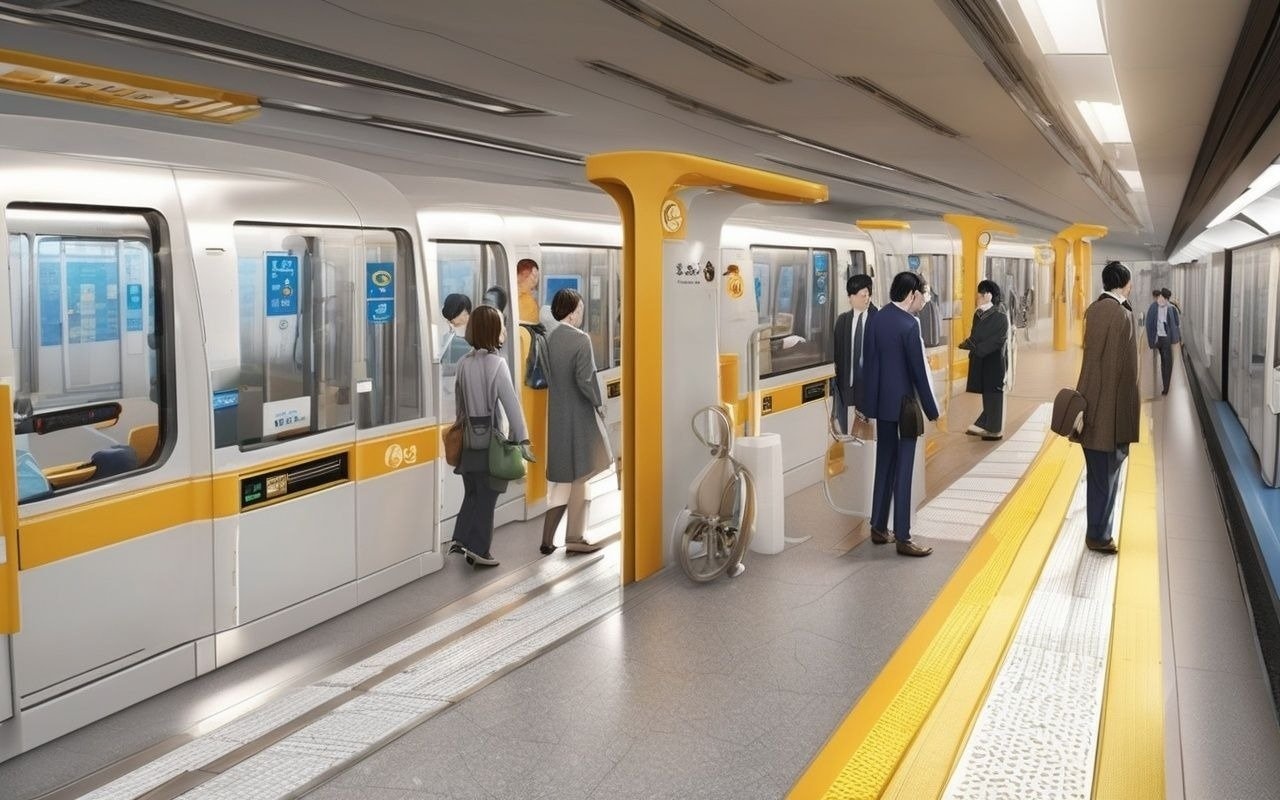
    Elevators at all major stations. Tactile paving on platforms. Priority seating near doors. Staff assistance available — ask at ticket gate. Accessible ticket gates (wider gates) marked with wheelchair symbol.

    Private Railways

    Odakyu: elevators at major stations. Keikyu: elevators at most stations. Enoden: some stations have ramps. Shonan Monorail: elevators at Ofuna, limited elsewhere.

    Buses

    City buses: most have ramps or kneeling function. Front door boarding for wheelchair users. Priority seating area. Announce stops visually and audibly.

    Taxis

    Some taxis are wheelchair accessible — request in advance. GO app allows requesting accessible vehicles. Standard taxis can accommodate folding wheelchairs.

    Staff Assistance

    Station staff are trained to assist — press the intercom button at station entrances. JR East offers assistance booking in advance (English available). Ticket gate staff can guide to correct platform.nnKanagawa Barrier scenery and attractions
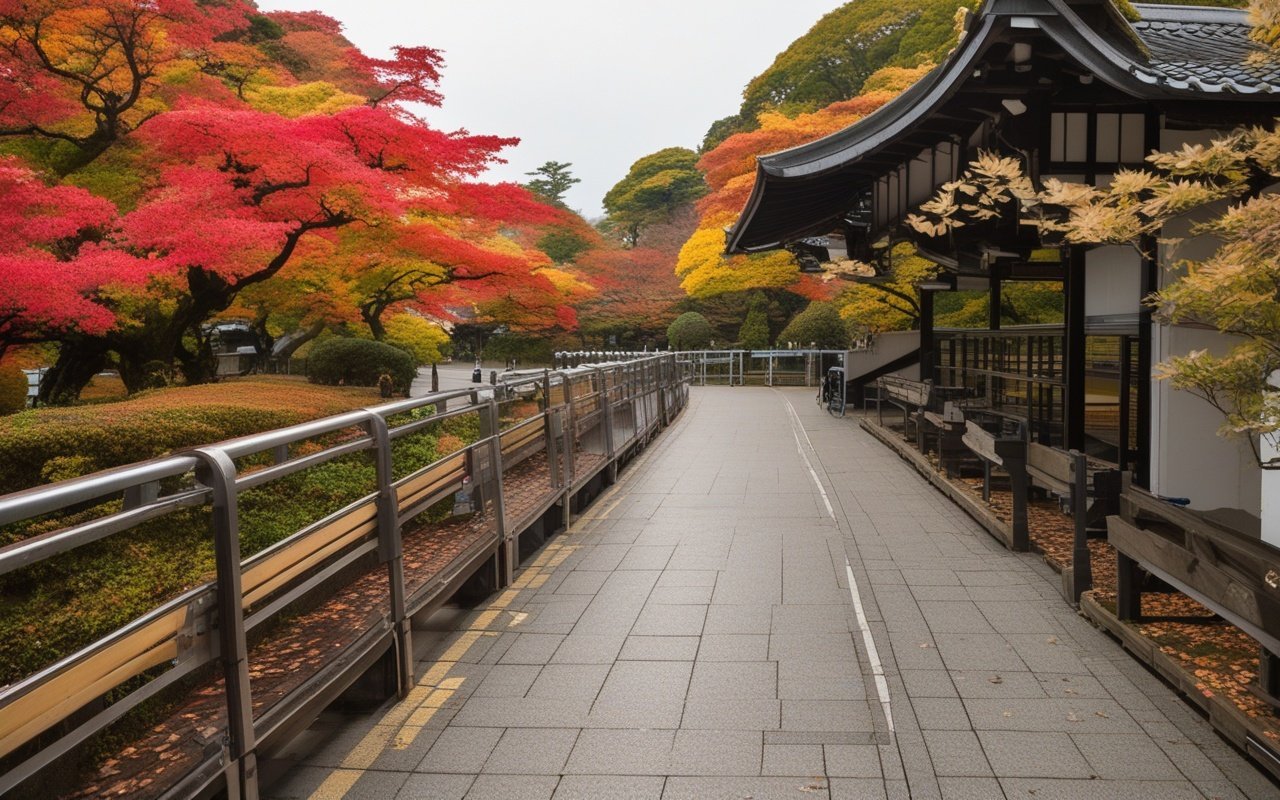
    🚌 Bus Accessibility: What You Need to Know

    Bus Type Ramp/Kneeling Priority Seating Audio/Visual Announcements Wheelchair Space
    City buses (Yokohama, Kawasaki) ✅ Kneeling function ✅ 4-6 seats ✅ Both ⚠️ Limited
    Highway buses (Hakone, Haneda) ❌ Steps only
    Tourist loop buses ⚠️ Some have ramp ⚠️ ⚠️ ⚠️ Check individual
    Hakone Tozan Bus ❌ Steps ✅ Audio

    How to board a city bus with a wheelchair:

    1. Wait at the bus stop and signal the driver as the bus approaches
    2. The driver will activate the kneeling function (bus lowers on the front side)
    3. Board through the front door — the driver will assist
    4. Park in the wheelchair space (fold up seats in the priority area)
    5. Tell the driver your stop — they will help you exit

    🚕 Accessible Taxis in Kanagawa

    Company Accessible Vehicles Booking Method Advance Notice
    Japan Taxi (GO app) ✅ 200+ in Kanagawa GO app → Filter “Accessible” 30 min ahead
    Yokohama Taxi ✅ 50+ 1 hour ahead
    Kamakura Taxi ⚠️ 5-10 2 hours ahead
    MK Taxi (Overseas visitor friendly) ✅ 100+ (all Yokohama) Phone or app 30 min ahead

    GO app accessible taxi instructions:

    1. Download the GO app (English interface available)
    2. Enter your destination
    3. Tap “Filter” → toggle “Accessible vehicle” (車椅子対応)
    4. Request the ride — the app will match you with an accessible taxi

    🛄 Station Staff Assistance: How to Use It

    JR East provides free mobility assistance at all staffed stations. Here’s how it works: Advance booking (recommended):

    1. Visit JR East’s English website (jreast.co.jp)
    2. Navigate to “Station Staff Assistance”
    3. Fill in: date, time, origin station, destination station, type of assistance needed
    4. Staff will meet you at the ticket gate, accompany you to the platform, help you board, and arrange staff at the destination to meet you on arrival

    Same-day (intercom system):

    1. Look for the intercom button at the station entrance (marked with a bell icon)
    2. Press and state your needs (“I need assistance to the platform, please”)
    3. Staff will come to you with a portable ramp if needed
    4. They will accompany you to the correct platform and ensure you board safely

    Key phrase: “Sumimasen, kurumaisu de ekiin no tasuke ga hitsuyō desu” (Excuse me, I need station staff assistance with my wheelchair) — show this to staff if they don’t speak English.

    When to Go

    Each season in Kanagawa offers a different experience. Spring brings cherry blossoms and mild weather. Summer is beach season with festivals and fireworks. Autumn offers stunning fall foliage and comfortable temperatures. Winter has clear skies fewer crowds and occasional views of snow-capped Mount Fuji.

    Tips for Accessible Travel in Kanagawa

    • Book assistance in advance: JR East offers free mobility assistance — reserve at least one day ahead via their English website or at the station.
    • Carry a communication card: Print a Japanese-language card explaining your needs (wheelchair user, need elevator, etc.) — show it at station counters.
    • Download the Barrier-Free Map app: Available in English, it covers Kanagawa’s major tourist areas with detailed accessibility info.
    • Avoid rush hours: Trains are extremely crowded 7:30-9 AM and 5-7 PM on weekdays. Plan travel outside these windows.
    • Portable ramps: Some temples and smaller shops have portable ramps — always ask staff before assuming a location is inaccessible.

    Practical Day-Trip Accessibility Guide

    Yokohama Day Trip (Best for accessibility)

    1. Start at Yokohama Station (full elevator access)
    2. Walk to SOGO department store (connected by skybridge, wheelchair accessible)
    3. Visit Cup Noodles Museum (all floors accessible, wheelchair loan available)
    4. Walk through Minato Mirai (flat, paved paths, accessible restrooms at regular intervals)
    5. Visit Red Brick Warehouse (elevator to second floor)
    6. Return via Minatomirai Line (all stations have elevators)
      Total walking: ~2 km on flat terrain

    Kamakura Day Trip (Partial accessibility)

    1. Arrive at Kamakura Station (elevators to all platforms)
    2. Visit Tsurugaoka Hachimangu (ramp to main hall, portable ramp at side entrance)
    3. Walk Komachi-dori (flat but crowded on weekends)
    4. Visit Great Buddha (flat path, ramp to viewing platform)
    5. Avoid: Enoden tram to Hase-dera (Enoden stations have no wheelchair access)
      Alternative: Take a taxi from Kamakura Station to Hase-dera (¥1,000-1,500, about 10 minutes)

    Hakone Day Trip (Requires planning)

    1. Take Odakyu Romancecar from Shinjuku (wheelchair space in cars 4 & 8, book 3 days ahead)
    2. At Hakone-Yumoto, request station staff assistance to the Tozan Railway platform
    3. Ride Tozan Railway to Gora (request assistance at each transfer point)
    4. Take Hakone Ropeway (staff will slow gondola for boarding)
    5. Lake Ashi Cruise (ramp to lower deck, wheelchair tie-downs available)
    6. Return via same route
      Note: Contact Hakone Tourist Information at least 48 hours ahead to arrange assistance at each point.

    How to Get There

    From Tokyo Station to Yokohama: Take the JR Tokaido Line (25 minutes, ¥590) or JR Keihin-Tohoku Line (35 minutes). Yokohama Station has full elevator access. From Shinjuku to Kamakura: JR Shonan-Shinjuku Line direct to Kamakura Station (55 minutes, ¥950). Elevators to all platforms. From Shinjuku to Hakone: Odakyu Romancecar to Hakone-Yumoto (85 minutes, ¥2,470 reserved). All cars have wheelchair spaces. From Tokyo to Enoshima: JR Yokosuka Line to Kamakura, then transfer to Enoden tram (low-floor cars on some services).

    What I learned from experience is that carrying cash is still essential for smaller restaurants and temples.

    Frequently Asked Questions

    Q: Q: Which Kanagawa stations are fully wheelchair accessible?
    A: A: Yokohama, Kawasaki, Kamakura, Ofuna, Fujisawa, and Odawara — elevators to all platforms, accessible restrooms, tactile paving. Avoid Enoden stations — none are wheelchair accessible.

    Q: Q: How do I book wheelchair assistance at JR stations?
    A:
    A: Two options: (1) Book online via JR East’s English website 24+ hours ahead (recommended). (2) Use the intercom button at the station entrance for same-day help. They’ll send staff with a portable ramp.

    Q: Q: Are Kanagawa taxis wheelchair accessible?
    A: A: Use the GO app (filter “Accessible vehicle”) to request accessible taxis. MK Taxi also has accessible vehicles. Standard taxis can fold wheelchairs into the trunk.

    Q: Q: Can I visit temples with mobility needs?
    A:
    A: Tsurugaoka Hachimangu (ramp to main hall) and Sankeien Garden (wheelchair loan) are accessible. Most other temples have steps. Contact individual temples for specific accessibility info.

    Q: Q: What should I do in an emergency?
    A:** A: Safety Tips app for alerts. 110 (police), 119 (ambulance). Major stations have multilingual assistance. Download before arrival.

    Summary: Getting Around Kanagawa with Mobility Needs

    Kanagawa’s public transport is progressively becoming more accessible, with JR East leading the way in station staff assistance and elevator installation. Yokohama and other major cities offer the most accessible experience, while Enoden and Hakone’s mountain railways remain challenging.

    Three takeaways for accessible transport:

    1. Book JR staff assistance in advance — it’s free and ensures someone meets you at every step
    2. Use the GO app for accessible taxis — it’s the most reliable way to find a wheelchair-accessible vehicle
    3. Stick to JR lines for the most consistent accessibility — avoid Enoden and local buses when possible

    For more, see our Wheelchair Accessible Guide and Accessibility Resources Guide. For specific destinations, see our Kanagawa Accessible Attractions Guide.

    Kanagawa Barrier-Free Transport Guide 20… is your starting point for exploring this part of Kanagawa. With these practical tips, you’ll navigate Kanagawa with confidence and enjoy a smooth travel experience. For more guides, check out our other articles covering Hakone, Kamakura, Yokohama, Shonan, and the Miura Peninsula.


    Packing Essentials

    For a trip to Kanagawa, pack comfortable walking shoes as you will be on your feet exploring temples, shrines, and neighborhoods. A reusable water bottle is essential – tap water is safe to drink. A small umbrella or light rain jacket is useful year-round. Power banks are recommended since you will rely on your phone for maps. A small daypack for daily essentials makes sightseeing more convenient.

    Conclusion

    The details in this guide come from real visits, and the biggest lesson I took away was that the best experiences in Kanagawa rarely fit neatly into a checklist. During my visit I went with a rough plan and found that leaving room to wander made the trip far more memorable. Plan the essentials, keep your schedule flexible, and you will leave Kanagawa wanting to return.
  • Kanagawa Hotel Check-In Guide 2026 — What to Expect &…

    Kanagawa Hotel Check-In Guide 2026 — What to Expect &…

    Introduction

    I spent several weeks traveling through Kanagawa to bring you this first-hand guide based on personal experience. Checking into a Japanese hotel can feel unfamiliar for first-time visitors. This guide walks you through the process, required documents, payment methods, and cultural nuances — so you can check in smoothly and start enjoying Kanagawa.

    📋 Step-by-Step Check-In Process

    At a Standard Business Hotel

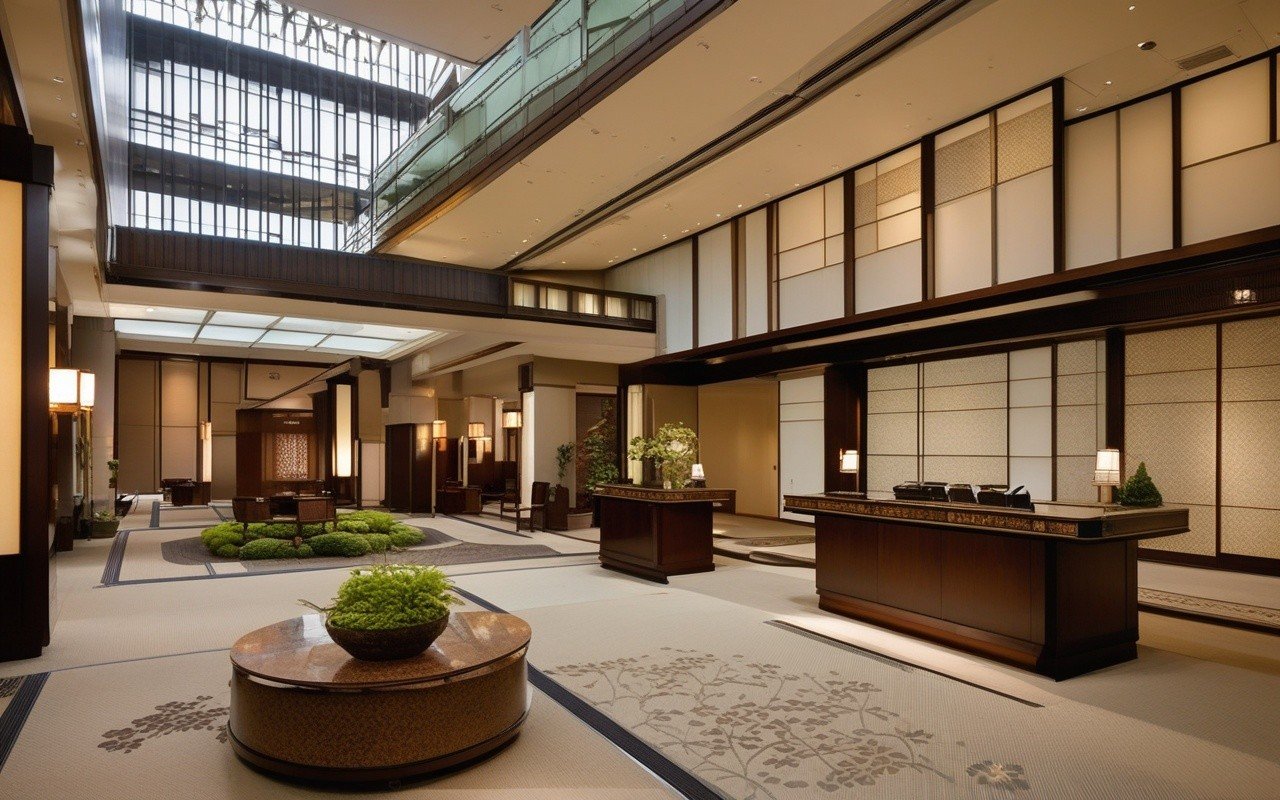
    1. Enter and approach front desk (usually visible from entrance). Staff will greet you with “Irasshaimase!”
    2. Present your passport (required by law for foreign guests). They will scan or photocopy it.
    3. Fill out a registration card — name, address (hotel address works), passport number, duration of stay, signature. Some hotels use a digital tablet.
    4. Payment: Most hotels pay at check-in. Credit card or cash accepted. Some require a credit card imprint for incidentals.

    Kanagawa Hotel Check-In Guide 2026

    Overview

    Japanese hotel check-in has specific procedures, Knowing what to expect makes arrival smooth.

    Documents

    Passport required by law (all hotels must register foreign guests). Most hotels take a photocopy. Some email registration in advance. Fill out name, address, passport number, duration of stay.

    Check-In Times

    Standard: 3 PM (business hotels may allow from 2 PM). Ryokan: 3-5 PM. Early arrival: luggage can be stored from any time. Late arrival: inform hotel if arriving after 8-10 PM.

    Payment

    Pay at check-in (some hotels pay at check-out). Credit cards widely accepted. Cash OK. Some budget places are cash-only. Hotels may ask for a deposit or credit card imprint.

    Luggage

    Luggage forwarding (takkyubin) — hotels accept delivery for guests arriving after bags. Forward luggage to next hotel at front desk. Coin lockers at stations.

    Room Features

    Control panel by bed for lights and AC. Safe (usually digital, set your own code). Fridge (often empty, mini-bars are not automatic). Yukata/robe in closet. Slippers at room entrance.

    Connectivity

    Free WiFi in all hotels. Password at check-in or in room guide. Ethernet in some older business hotels.nnKanagawa Hotel Check scenery and attractions

    At a Ryokan (More Ceremonial)

    Step Details
    Remove shoes At entrance. Place in provided shoe locker (get the key)
    Wait in lounge Served tea + sweet on a tray. Staff will bring check-in documents to you
    Choose yukata Some ryokan have a selection rack — pick your size and preferred pattern
    Onsen schedule Staff will explain meal times, onsen hours, and bath rotation schedule
    Room escort A staff member will walk you to your room, explain the room features (safe, AC, hot water)

    Total time: 15-30 minutes (yes, it’s slow — that’s intentional)

    At a Capsule Hotel

    1. Shoe locker at entrance (remove shoes immediately)
    2. Check-in at counter (same process as business hotel)
    3. Locker assignment — store your luggage in the locker. Keep only essentials in a small bag
    4. Pajama change — put on provided sleepwear
    5. Access to pod area — some require a keycard even for your floor
    6. Pod assignment — usually first-come on the floor, not a specific pod number

    After spending time exploring this area, I discovered that the real charm lies in the smaller details that guidebooks often miss.

    🆔 Required Documents for Foreign Guests Japanese law requires ALL hotels to register foreign guests. You must present:

    Document Required? Notes
    Passport ✅ Always They will photocopy or scan it
    Visa (if applicable) ✅ If on visa Hotel records visa type and expiry
    Booking confirmation ❌ Not required Helpful if there’s a dispute about room type
    Credit card ✅ Recommended Some budget places are cash-only
    Address in Japan ✅ On registration card First night’s hotel address is acceptable

    Data privacy: Hotels are required to keep this information for 3 years by law. It is not shared with third parties except for law enforcement requests. Reputable hotels handle this discreetly.

    💳 Payment: What to Know Before You Arrive

    Payment Method Accepted at Notes
    Major credit cards (Visa/MC/Amex) Almost all hotels Most common method
    Cash (JPY) All hotels (some budget only) 7-11 ATMs accept intl cards
    Suica/Pasmo IC card Some business hotels Only for room charges, not deposit
    Alipay/WeChat Pay Major chains only Increasingly available
    Traveler’s cheques ❌ Not accepted Exchange at bank first

    Tourist Tax

    Some Kanagawa cities charge an accommodation tax:

    • Yokohama: ¥100-500/night (varies by room rate)
    • Kamakura: ¥200/night
    • Hakone: Included in room rate — no additional charge

    This is collected at check-in and is separate from your booking fee. Pay in cash if necessary.

    🧳 Luggage Forwarding (Takkyubin)

    This is the single best travel hack for Kanagawa. Here’s how it works:

    Step Details
    1. Fill out the forwarding slip at your hotel’s front desk Name, next hotel address, desired arrival date
    2. Pay the fee (¥1,500-2,500 per suitcase) Hotels can add it to your bill
    3. Leave your suitcase with the front desk by 10 AM It must be ready for pickup by 10 AM
    4. Arrive at your next hotel that evening Your suitcase will be waiting at the front desk

    Carry-on essentials: Keep a change of clothes, toiletries, chargers, and valuables in your daypack. Your suitcase arrives 8-12 hours later.

    Between luggage delivery: Use the Yamato Transport (black cat logo) counters at convenience stores. Fill out the same form. ¥1,800 for a standard suitcase.

    How to Get There

    To hotels near Yokohama Station: JR Tokaido Line or Keihin-Tohoku Line from Tokyo Station to Yokohama (25-35 minutes). Most business hotels are within 3-5 minutes walk from the station exits.

    To hotels in Kamakura: JR Yokosuka Line from Tokyo to Kamakura Station (1 hour). Hotels are clustered near the station and along Wakamiya-oji.

    To hotels in Hakone-Yumoto: Odakyu Romancecar from Shinjuku (85 minutes) or JR Tokaido Line to Odawara then local train. Hotels near the station offer convenient access.

    To hotels in Fujisawa/Shonan: JR Tokaido Line from Tokyo to Fujisawa (50 minutes). Budget hotels near the station are convenient for Enoshima and Shonan beaches. I found that having a prepaid IC card saved me significant time navigating between attractions.

    Frequently Asked Questions

    Q: Q: What time is check-in at Japanese hotels?
    A: A: Standard: 3 PM. Business hotels (Toyoko Inn, APA) strictly enforce this. Ryokan: 3-5 PM. Early arrivals can leave luggage (free) and explore. Late arrivals (after 8 PM): inform the hotel in advance — some lock the front desk after midnight.

    Q: Q: What if I arrive at the hotel before check-in time?
    A:
    A: Drop your luggage at the front desk (free at all hotels). Go explore! Come back at 3 PM, walk to your room, and your bags will be waiting. Hotels have systems to track early luggage.

    Q: Q: Do I need my booking confirmation printed?
    A: A: Digital is fine. Show the confirmation email on your phone. The hotel will find your reservation by name and passport number. A printed copy is good backup if your phone dies.

    Q: Q: What documents do hotels ask foreign guests to complete?
    A:
    A: Registration card: name, address (any address is fine), passport number, duration of stay, signature. Some hotels use tablets. Your passport will be scanned — this is required by Japanese immigration law, not optional.

    Q: Q: How does luggage forwarding work exactly?
    A:** A: Ask the front desk for a takkyubin slip. Fill in your next hotel’s address and desired arrival date. Pay (¥1,500-2,500). Drop your suitcase by 10 AM. It arrives at your next hotel by evening — you travel hands-free. Yamato Transport (black cat logo) is the main service.

    Summary: Master Check-In, Master Your Trip

    Japanese hotel check-in is straightforward once you know the process, Bring your passport, expect 3 PM check-in, and don’t be afraid to ask the front desk questions — Japanese hotel staff are among the most helpful in the world.

    Three takeaways for your check-in:

    1. Always carry your passport — Japanese law requires hotels to scan it. No exceptions.
    2. Use luggage forwarding between hotels — it’s cheap (¥1,500-2,500) and liberating
    3. Ask questions at the front desk — they can recommend restaurants, book taxis, and arrange attraction tickets For more practical guides, see our Business Hotel Guide and Luggage Storage Guide.

    Best Time to Visit

    The ideal seasons for visiting Kanagawa are spring (March-May) and autumn (September-November) when temperatures are moderate and rainfall is minimal. Summer offers vibrant festivals and beach activities despite the humidity. Winter provides crisp clear days perfect for photography and sightseeing with fewer tourists.

    What to Expect

    Visiting Kanagawa as a tourist offers a blend of urban convenience and natural beauty. Most attractions are within a 10-15 minute walk from train stations, with clear English signage at major locations. You’ll find convenience stores (konbini) every few blocks for snacks, drinks, and ATM access. Public restrooms are available at stations and parks, though some older facilities may lack Western-style toilets. The area is generally very safe, even at night, but staying aware of your surroundings is always wise.

    Nearby Recommendations

    If you have extra time, the surrounding area offers several worthwhile additions to your itinerary. Local tourist information centers can provide maps and suggestions for combining nearby attractions into an efficient route. Many areas offer combination tickets that save money compared to buying individual admission tickets. Consider extending your stay to explore neighboring towns and villages.

    Local Tips

    For the best experience, locals suggest exploring side streets away from the main tourist areas. Some of the best restaurants and shops are hidden down narrow alleys. Ask your accommodation staff for their personal recommendations – they often know the best local spots not found in guidebooks. If you see a line of locals waiting outside a restaurant, join it – it’s usually worth the wait.n

    Conclusion

    Whether you are planning exploring Kanagawa for its hotel for the first time or returning for another visit, taking a little extra time to go beyond the obvious sights makes all the difference. During my visit I went with a rough plan and found that leaving room to wander made the trip far more memorable. I hope this guide helps you build an itinerary that fits your pace, and that your time in Kanagawa leaves you with memories worth coming back for.

  • Kanagawa Scam Prevention Guide 2026 — Common Tourist…

    Kanagawa Scam Prevention Guide 2026 — Common Tourist…

    Kanagawa Scam Prevention Guide 2026 — Common Tourist Scams & How to Avoid Them

    Overview

    Common Scams and How to Avoid Them

    1. The Overpriced Bar / Host Club Scam

    How it works: A friendly person near a station or entertainment district invites you to a bar or club, claiming it has “special prices” or “English-speaking staff.” After entering, you are charged exorbitant amounts — ¥50,000-¥200,000 for a few drinks — and pressured to pay.

    Where it happens:

    • Isezaki-cho (Yokohama) — the city’s main entertainment district
    • Areas near Kawasaki Station
    • Dobuita Street (Yokosuka) — some bars targeting military personnel

    Prevention tips:

    • Never follow touts — any legitimate establishment does not need to solicit customers on the street
    • Research in advance — use Google Maps reviews to find reputable bars
    • Check prices before entering — legitimate bars display prices outside
    • Trust your instincts — if it feels like a scam, walk away
    • Use hotel recommendations — your concierge can recommend safe establishments
    • Stick to well-known chains — izakaya chains (Watami, Torikizoku, Shirokiya) have fixed, reasonable prices

    2. The “Your Hotel Has Closed” Taxi Scam

    How it works: A taxi driver (or someone posing as one) tells you your hotel has closed or is under renovation, then offers to take you to an “alternative” hotel — which is actually a partner establishment charging inflated rates.

    Prevention tips:

    • Use only official taxis — look for the illuminated “Taxi” sign on the roof and the green license plates
    • Use ride-hailing apps — GO, Uber, and DiDi show the route and estimated fare upfront
    • Confirm with your hotel — call your hotel directly if the driver makes claims about closures
    • Show the address in Japanese — have your hotel’s business card with its address in Japanese
    • Pay by credit card — if possible, to create a record of the transaction

    3. The Fake Monk / Temple Donation Scam

    How it works: A person dressed as a Buddhist monk approaches you in a tourist area, shows a “donation list,” and asks for money for their temple. They may offer a prayer bead or charm in exchange.

    Where it happens:

    • Approaches near Kamakura’s major temples (Hase-dera, Tsurugaoka Hachimangu)
    • Enoshima Island pedestrian areas
    • Walking paths near Hakone’s tourist sites

    How to tell the difference:

    • Real Buddhist monks in Japan do NOT solicit donations from tourists on the street
    • Real monks do NOT approach individuals directly for money
    • Official temple donations go into clearly marked offering boxes
    • The “donation list” is almost always fake

    What to do:

    • Politely say “Iie, kekkō desu” (No, thank you) and walk away
    • Do not engage in conversation
    • Report persistent solicitors to the nearest koban

    Kanagawa Scam Prevention Guide scenery and attractions

    4. The “Free Gift” Street Vendor Scam

    How it works: Someone offers you a “free” gift — a fan, keychain, or small trinket. Once you accept, they demand payment for it or for an accompanying “donation.”

    Prevention tips:

    • Politely decline any unsolicited gifts on the street
    • Do not touch items offered by street vendors
    • A simple “No thank you” (Iie, kekkō desu) is sufficient

    5. The Counterfeit Goods Trap

    How it works: Street vendors in tourist areas sell counterfeit brand goods (watches, bags, electronics) at “unbelievably low” prices, Buying or even possessing counterfeit goods is illegal in Japan and can result in fines or confiscation.

    Prevention tips:

    • Only buy from established stores
    • If the price seems too good to be true for a luxury brand, it is counterfeit
    • Do not buy electronics from street vendors — they are often defective or non-functional

    6. The “Too Cheap” Taxi Fare

    How it works: Unlicensed drivers (white license plates instead of green) offer cheaper rides, especially near event venues or late at night.

    How to identify a legitimate taxi:

    • Green license plate — commercial vehicles (white plates are private vehicles)
    • Illuminated “Taxi” sign on the roof
    • Meter visible from the back seat
    • Driver in uniform — most taxi drivers wear a shirt and tie

    Never get into a car with a white license plate that offers paid rides — these are unlicensed and potentially dangerous.


    General Prevention Strategies

    Before You Go

    • Research common scams — awareness is your best defense
    • Save emergency numbers — 110 (police), 119 (ambulance)
    • Download ride-hailing apps — GO, Uber, DiDi
    • Share your itinerary — let someone know your plans

    In Tourist Areas

    • Walk confidently — even if you are lost, appearing uncertain can attract scammers
    • Avoid street touts — any legitimate business does not need to solicit on the street
    • Use ATMs inside banks or convenience stores — avoid standalone ATMs in dark areas
    • Keep your phone and wallet secure — especially in crowds and on trains
    • Trust your instincts — if something feels wrong, it probably is

    If You Are Scammed

    1. Do not panic — your safety comes first
    2. Do not pay under threat — your safety is more important than money
    3. Get to a safe location — enter a convenience store, hotel, or station
    4. Call 110 — report the incident to police
    5. Call your embassy — for additional support
    6. Contact your bank — to cancel compromised cards
    7. File a police report — needed for insurance claims

    What to Do If Approached

    Situation Safe Response
    Someone offers you a “free” gift “Iie, kekkō desu” — walk away
    Someone invites you to a bar “Iie, kekkō desu” — keep walking
    Taxi driver claims your hotel is closed Call your hotel to confirm
    “Monk” asks for donation Say “No” and walk away
    Someone asks you to sign a petition Politely decline
    Stranger asks where you are staying Do not disclose your accommodation details

    Safe Nightlife in Kanagawa

    Recommended Areas

    For a safe and enjoyable night out:

    Area Recommendation Why
    Noge, Yokohama ✅ Highly recommended Local izakayas, friendly atmosphere, no touts on main streets
    Minato Mirai, Yokohama ✅ Very safe Well-lit, patrolled, upscale restaurants and bars
    Kannai, Yokohama ✅ Safe Quiet evenings, waterfront walks
    Kamakura (Komachi-dori) ✅ Safe Shops close early but well-lit until 9PM

    Areas to Exercise Caution

    Area Caution Level Notes
    Isezaki-cho, Yokohama ⚠️ Exercise caution Entertainment district — touts late at night
    Kawasaki Station East ⚠️ Exercise caution Some touts near pachinko parlors

    🇯🇵 Useful Japanese Phrases for Scam Situations

    English Japanese Pronunciation
    No, thank you いいえ、結構です Iie, kekkō desu
    I am not interested 興味がありません Kyōmi ga arimasen
    Please leave me alone 一人にしてください Hitori ni shite kudasai
    I will call the police 警察を呼びます Keisatsu wo yobimasu
    Go away! 行ってください! Itte kudasai!

    Kanagawa Scam Prevention — detailed view


    Frequently Asked Questions

    Q: How can I stay informed during an emergency in Japan?
    A: Download the Safety Tips app by the Japan Tourism Agency for earthquake and tsunami warnings in English. Register with your embassy for emergency notifications. NHK World provides English-language disaster coverage. Most mobile phones in Japan receive emergency alerts automatically (J-ALERT) with English text.

    Q: What are the most important emergency numbers?
    A: Dial 110 for police and 119 for ambulance or fire services. English-speaking operators are available 24/7. For non-emergency police assistance, visit a koban (police box) — there are over 6,000 in Kanagawa. The Japan Helpline (0570-000-911) offers 24/7 English support for tourists.

    Q: Where are emergency shelters in Kanagawa?
    A: Emergency shelters (hinanjo) are located at schools, community centers, and public halls. The Safety Tips app shows the nearest shelter on a map. Major evacuation centers include Yokohama Arena (capacity 17,000) and Yokohama International Stadium (72,000). Yellow and green signs mark shelter locations throughout the city.

    Q: What should I include in my emergency kit?
    A: Carry a small day-bag with: water bottle, snacks, portable charger, whistle, copy of passport and hotel address in Japanese, and ¥10,000-20,000 in small bills. Convenience stores stock emergency supplies, During typhoon season (June-October), also pack a rain jacket and waterproof bag for electronics.

    Q: Is travel insurance recommended for Kanagawa?
    A: Yes, comprehensive travel insurance is strongly recommended. It covers medical emergencies (including hospital visits), trip cancellation, lost luggage, and emergency evacuation. Some Japanese hospitals require upfront payment or proof of insurance before treatment. Keep your insurance card and a digital copy of your policy accessible at all times.
    My personal exploration of Kanagawa has been incredibly rewarding, and I encourage every traveler to experience these places firsthand.

    Kanagawa Scam Prevention Guide 2026 — Co… is your starting point for exploring this part of Kanagawa. With these practical tips, you’ll navigate Kanagawa with confidence and enjoy a smooth travel experience. For more guides, check out our other articles covering Hakone, Kamakura, Yokohama, Shonan, and the Miura Peninsula.


    What to Bring

    Smart travelers to Kanagawa pack light and bring layers. The weather can shift from warm to cool within a day. A portable WiFi device or SIM card is essential for navigation. Bring a small notebook for recommendations. Hand sanitizer and tissues are useful. Consider packing a foldable tote bag for souvenirs.

    Conclusion

    Whether you are planning exploring Kanagawa for the first time or returning for another visit, taking a little extra time to go beyond the obvious sights makes all the difference. During my visit I went with a rough plan and found that leaving room to wander made the trip far more memorable. I hope this guide helps you build an itinerary that fits your pace, and that your time in Kanagawa leaves you with memories worth coming back for.

  • Kanagawa Night Safety Guide 2026 — Safe Evening…

    Kanagawa Night Safety Guide 2026 — Safe Evening…

    Overview

    Rated: Night Safety by Area

    Area Safety Rating Best For After 10 PM
    Yokohama — Minato Mirai ★★★★★ Illuminated waterfront walks, dinner Very safe, well-lit until late
    Yokohama — Yamashita Park ★★★★★ Night harbor views Safe, some areas quieter
    Yokohama — China Town ★★★★☆ Evening food exploration Moderate — restaurants close by 9 PM
    Yokohama — Noge ★★★★☆ Izakaya hopping Safe on main streets; stick to busy areas
    Yokohama — Isezaki-cho ★★★☆☆ Shopping Avoid — touts and less reputable bars
    Kamakura — Komachi-dori ★★★★★ Evening dining Very safe but most shops close by 8 PM
    Kamakura — Tsurugaoka Hachimangu ★★★★☆ Night lights events Very safe during events; quiet otherwise
    Enoshima ★★★★☆ Sunset + evening walk Safe until the last Enoden train (11 PM)
    Hakone ★★★★☆ Onsen ryokan evening Very safe in resort areas; dark on mountain roads
    Kawasaki — Station Area ★★★☆☆ Shopping, dining Exercise caution near pachinko parlors
    Shonan Beaches (summer) ★★★☆☆ Evening beach walk Quiet; limited lighting on some beaches

    Best Safe Night Activities

    🌃 Yokohama Night lights

    Yokohama’s waterfront is amazing after dark:

    Activity Location Best Time Safety
    Minato Mirai夜景 Minato Mirai waterfront Sunset-11 PM ★★★★★
    Yokohama Bay Cruise Yokohama Port Evening cruises (1-2 hours) ★★★★★
    Yokohama Landmark Tower Sky Garden Landmark Tower 69F Until 9 PM (last entry 8:30 PM) ★★★★★
    Yamashita Park night walk Yamashita Park Until 10 PM ★★★★★
    Cosmo World Ferris Wheel Minato Mirai Until 9-10 PM (seasonal) ★★★★★

    🏮 Kamakura Evening things

    Activity Location Best Time Safety
    Komachi-dori dinner Kamakura Station East 5-8 PM ★★★★★
    Tsurugaoka Hachimangu night Main shrine approach During special lights ★★★★★
    Yuigahama evening walk Near Kamakura Station Sunset-7 PM (summer) ★★★★☆

    ♨️ Hakone Evening Onsen

    Onsen Location Hours Safety
    Yunessun Hakone-Yumoto 9 AM-7 PM (winter). 9 AM-8 PM (summer) ★★★★★
    Tenzan Onsen Gora area 10 AM-10 PM (last entry 9 PM) ★★★★★
    Hakone Yuryo Miyanoshita 10 AM-9 PM ★★★★★

    🌊 Shonan / Enoshima Evening

    Activity Location Best Time Safety
    Enoshima Sea Candle Enoshima Island Until 8 PM (last entry 7:30 PM) ★★★★☆
    Shonan Beach sunset walk Shichirigahama. Kugenuma Sunset-7 PM ★★★★☆
    Enoden evening ride Kamakura to Fujisawa Until 11 PM ★★★★★

    Night Transportation

    Last Train Times

    Knowing the last train times is critical for a smooth evening:

    Line Last Train (approx.) Frequency Until Last Train
    JR Tokaido Line (Tokyo-Yokohama-Odawara) 12:00 AM-12:30 AM Every 5-10 min until 11 PM. then every 15-20 min
    JR Yokosuka Line (Tokyo-Yokohama-Kurihama) 11:45 PM-12:15 AM Every 10-15 min until 10 PM
    JR Keihin-Tohoku Line (Omiya-Yokohama-Ofuna) 12:00 AM-12:30 AM Every 5-10 min
    Odakyu Line (Shinjuku-Odawara) 11:30 PM-12:00 AM Every 10-15 min
    Keikyu Line (Shinagawa-Misakiguchi) 11:30 PM-12:00 AM Every 10-15 min
    Enoden (Kamakura-Fujisawa) 10:45 PM-11:15 PM Every 12-15 min
    Shonan Monorail (Ofuna-Enoshima) 10:30 PM-11:00 PM Every 10-15 min
    Tokyu Toyoko Line (Shibuya-Yokohama) 12:15 AM-12:45 AM Every 5-10 min

    ⚠️ IMPORTANT: Enoden stops running earlier than most lines — the last train from Kamakura is around 11:00 PM. If you are in Enoshima or Kamakura after this time, you will need a taxi.

    Taxis at Night

    • Availability: Taxis are available at major stations throughout the night
    • Fares: Night surcharge (20% extra) applies from 10 PM to 5 AM
    • From Kamakura to Yokohama: about ¥6,000-8,000
    • From Enoshima to Kamakura: about ¥3,000-4,000
    • From Hakone to Odawara: about ¥4,000-5,000

    Ride-Hailing Apps

    App Coverage Notes
    GO Greater Tokyo area incl. Kanagawa Most popular. English interface available
    Uber Central Yokohama, limited suburban Available but fewer drivers than GO
    DiDi Yokohama area Good for Chinese-speaking users

    Kanagawa Night Safety Guide scenery and attractions


    Night Safety Tips

    General Night Safety

    • Stick to well-lit streets — main roads in Kanagawa are generally well-lit and safe
    • Avoid shortcuts through dark alleys — even in safe Kanagawa, stick to main routes
    • Walk purposefully — appearing confident deters unwanted attention
    • Keep your phone charged — for maps and emergencies
    • Share your location — share your real-time location with a friend or family member
    • Travel in groups when possible — there is safety in numbers

    For Solo Travelers

    • Choose centrally found lodging — close to train stations
    • Inform hotel staff — let them know your rough plans for the evening
    • Carry your hotel’s business card — with address in Japanese for taxi drivers
    • Stick to recommended areas — see the Night Safety Ratings table above
    • Avoid alcohol overconsumption — be mindful of your limits when alone

    For Female Travelers

    Japan is generally very safe for female travelers at night, but:

    • Women-only train carriages — available during morning rush hours (pink signs)
    • Avoid isolated areas — even in safe districts
    • Trust your instincts — if an area feels uncomfortable, leave
    • Staffed lodging — choose hotels with 24-hour front desk over Airbnbs for solo female travel
    • Emergency whistle — a small whistle can attract attention if needed

    What to Do If You Miss the Last Train

    Option 1: Take a Taxi

    Taxi stands are found at every major train station. At night, you may need to walk to the nearest taxi stand rather than hailing one on the street. Approximate taxi fares from popular night areas:

    From To Fare (night rate)
    Kamakura Yokohama ¥6,000-8,000
    Kamakura Tokyo ¥15,000-20,000
    Enoshima Kamakura ¥3,000-4,000
    Hakone Odawara ¥4,000-5,000
    Noge Yokohama Station ¥1,500-2,000

    Option 2: Ride-Hailing Apps

    Check the GO app for availability. Night surge pricing applies but is generally reasonable.

    Option 3: Late-Night Bus Services

    Some routes operate late-night buses, mainly from Tokyo to Yokohama:

    • Keikyu Bus: Late-night services from Shinagawa to Yokohama
    • Odakyu Highway Bus: Late-night services from Shinjuku to Odawara/Hakone

    Option 4: Stay Overnight

    If you are far from your lodging and taxis are expensive:

    • Karaoke boxes (like Big Echo. Maneki Neco) — open 24 hours. ¥2,000-4,000 for the night
    • Manga/internet cafes (like Manga Souko. Manboo!) — private booths with shower places. ¥2,000-3,000 for the night
    • 24-hour cafes — some cafes in Yokohama are open 24 hours

    Safe Nightlife tips

    Izakaya Hopping in Noge

    Noge is Yokohama’s most atmospheric drinking district:

    • Sakura-dori — main street with dozens of izakayas
    • Noge Central — covered shopping arcade with small bars
    • Uo-tana — seafood-focused local chain

    Minato Mirai Evening

    • World Porters — shopping and dining until 9 PM
    • Red Brick Warehouse — restaurants and events until 9 PM
    • Hotel bars — many hotels have great bars with harbor views

    Kamakura Evening Dining

    • Komachi-dori restaurants — most close by 8-9 PM
    • Kamakura Station area — some restaurants open until 10 PM
    • Yokohama-bound travelers — take the last Enoden to Ofuna, then JR to Yokohama

    🇯🇵 Night-Time Japanese Phrases

    English Japanese Pronunciation
    What time is the last train?. 終電は何時ですか? Shūden wa nanji desu ka?
    Where is the taxi stand? タクシー乗り場はどこですか? Takushī noriba wa doko desu ka?
    Please take me to this hotel このホテルまでお願いします Kono hoteru made onegai shimasu
    Is it safe to walk here? ここを歩いても安全ですか? Koko wo aruite mo anzen desu ka?
    I missed the last train 終電を逃しました Shūden wo nogashimashita

    Kanagawa Night Safety — detailed view


    Frequently Asked Questions

    Q: How can I stay informed during an emergency in Japan?
    A: Download the Safety Tips app by the Japan Tourism Agency for earthquake and tsunami warnings in English. Register with your embassy for emergency notifications. NHK World provides English-language disaster coverage. Most mobile phones in Japan receive emergency alerts automatically (J-ALERT) with English text. Q: What are the most important emergency numbers?
    A: Dial 110 for police and 119 for ambulance or fire services. English-speaking operators are available 24/7. For non-emergency police help, visit a koban (police box) — there are over 6,000 in Kanagawa. The Japan Helpline (0570-000-911) offers 24/7 English support for tourists. Q: Where are emergency shelters in Kanagawa?
    A: Emergency shelters (hinanjo) are found at schools, community centers, and public halls. The Safety Tips app shows the nearest shelter on a map. Major evacuation centers include Yokohama Arena (capacity 17,000) and Yokohama International Stadium (72,000). Yellow and green signs mark shelter locations throughout the city. Q: What should I include in my emergency kit?
    A: Carry a small day-bag with: water bottle, copy of passport and hotel address in Japanese, and ¥10,000-20,000 in small bills. Convenience stores stock emergency supplies, During typhoon season (June-October), also pack a rain jacket and waterproof bag for electronics. Q: Is travel insurance recommended for Kanagawa?
    A: Yes, comprehensive travel insurance is strongly recommended. It covers medical emergencies (including hospital visits), trip cancellation, lost luggage, and emergency evacuation. Some Japanese hospitals need upfront payment or proof of insurance before treatment. Keep your insurance card and a digital copy of your policy accessible at all times. My personal exploration of Kanagawa has been incredibly rewarding, and I encourage every traveler to time these places firsthand.

    Final Thoughts

    Kanagawa Night Safety Guide 2026 — Safe … is your starting point for exploring this part of Kanagawa. With these practical tips, you’ll navigate Kanagawa with confidence and enjoy a smooth travel time. For more guides, check out our other articles covering Hakone, Kamakura, Yokohama, Shonan, and the Miura Peninsula. —

    Packing Essentials

    For a trip to Kanagawa, pack comfortable walking shoes as you will be on your feet exploring temples, shrines, and neighborhoods. A reusable water bottle is essential – tap water is safe to drink. A small umbrella or light rain jacket is useful year-round. Power banks are recommended since you will rely on your phone for maps. A small daypack for daily essentials makes sightseeing more convenient.

    Conclusion

    exploring Kanagawa for its night can be as relaxed or as packed as you want it to be, and I have found that the best visits leave room for both planning and spontaneity. During my visit I went with a rough plan and found that leaving room to wander made the trip far more memorable. Use this guide to sort out the logistics in advance, then let the day surprise you — Kanagawa rewards travelers who stay curious.

  • Kanagawa Summer Heat Guide 2026 — Staying Cool & Safe in…

    Kanagawa Summer Heat Guide 2026 — Staying Cool & Safe in…

    Introduction

    Summers in Kanagawa can be intensely hot and humid, but with proper preparation you can still enjoy everything the region offers. This guide covers heat management strategies, cooling spots, and summer-specific tips.

    Seasonal Highlights in Kanagawa

    Each season in Kanagawa brings unique attractions and experiences that make多次 visits rewarding. The prefecture’s diverse geography — from coastal Shonan to mountainous Hakone — means there is always something in bloom, something to harvest, or a festival to enjoy regardless of when you visit.

    Best Activities by Season

    Planning your activities around the season enhances your Kanagawa experience, Spring calls for cherry blossom viewing along the Enoden tram line and hiking in the Tanzawa Mountains. Summer is perfect for beach days at Shonan and evening fireworks displays. Autumn offers spectacular foliage viewing in Hakone and Kamakura. Winter provides the clearest Mount Fuji views and relaxing onsen experiences.

    Practical Travel Tips for This Season

    Packing appropriately for the season makes a significant difference in comfort. Regardless of season, comfortable walking shoes are essential as many attractions involve walking on uneven paths at temples and shrines. Check the seasonal event calendar before your trip and book popular restaurants and accommodations in advance during peak seasons like cherry blossom and autumn foliage periods.
    Summer in Kanagawa means fireworks and festivals. Major hanabi events include Yokohama Sparkling Twilight (July), Kamakura Fireworks Festival (August), and Odawara Komagataze Fireworks (August). Arrive 2-3 hours early for good viewing spots.

    The Shonan beaches are the main summer attraction, with Zushi and Kamakura’s Yuigahama being the most popular. Beach houses (umino-ie) operate from July to August, offering food, drinks, and rental equipment. Expect crowds on weekends and during Obon week (August 13-16).

    Kanagawa Summer Heat Guide 2026

    Overview

    Kanagawa summers are hot and humid. Temperatures exceed 30°C (86°F) in July-August with humidity making it feel hotter. This guide helps you stay cool and safe.

    Daily Strategy

    Morning (before 11 AM): best for outdoor activities. Midday (11 AM-3 PM): seek air-conditioned spaces — museums, shopping, cafes. Late afternoon (3-5 PM): heat eases, Evening (after 5 PM): perfect for outdoor dining, beer gardens, fireworks.

    Keeping Cool

    Hand fan or portable fan (¥300-2000). Cooling towels (¥300-500) on neck and wrists. Drink Pocari Sweat before thirsty. Avoid alcohol/caffeine during peak heat.

    Best AC Spots

    Landmark Tower Sky Garden, Minato Mirai shopping, Cup Noodles Museum, Ramen Museum, Yokohama Museum of Art, department stores, chain cafes.

    What to Carry

    SPF 50+ sunscreen, wide-brim hat, UV sunglasses, water bottle, cooling towel, portable fan. Reapply sunscreen every 2 hours.

    Heatstroke Signs

    Dizziness, headache, nausea, muscle cramps, heavy sweating or hot dry skin. If experienced: shade, water, cool body, fan. Call 119 if severe.nnKanagawa Summer Heat Guide 2026 — Staying Cool & Safe in... — Overview

    Access

    Getting to Kanagawa from Tokyo is straightforward by train, and most routes take well under two hours. During my trips I relied on an IC card for every connection and kept a bus timetable saved on my phone as backup. If you are staying overnight, look for accommodation near the station to save time.

    Frequently Asked Questions

    Q: Q: What is the best season to visit Kanagawa?
    A: A: Spring (March-May) and autumn (September-November) offer the most comfortable weather for outdoor activities, Spring brings cherry blossoms along the Enoden line and in Kamakura’s temple gardens. Autumn provides spectacular foliage in Hakone and pleasant hiking conditions. Summer offers beaches and festivals but is hot and humid. Winter has the clearest Mount Fuji views and relaxing onsen experiences.

    Q: Q: How should I dress for this season?
    A:
    A: In spring/autumn: layers are essential as temperatures vary — a light jacket or sweater with a t-shirt works well. Summer: lightweight, breathable fabrics (linen, cotton), wide-brim hat, UV sunglasses, and comfortable walking shoes. Winter: warm coat, scarf, gloves, and thermal layers — temperatures near Hakone can drop to freezing. Regardless of season, comfortable walking shoes are non-negotiable.

    Q: Q: What seasonal events should I not miss?
    A: A: Spring: cherry blossom viewing at Tsurugaoka Hachimangu (Kamakura) and Odawara Castle. Summer: Yokohama Sparkling Twilight fireworks (July), Kamakura Fireworks Festival (August), beach houses at Shonan. Autumn: Hakone 紅葉 (fall foliage) festival, Kamakura autumn illuminations. Winter: Hakone Illumination, illuminations at Yokohama’s Minato Mirai.

    Q: Q: How does weather affect transportation?
    A:
    A: Trains and buses operate normally in most weather conditions, but during typhoons (peak August-September) or heavy snow (rare in coastal areas, possible in Hakone), services may be delayed or suspended. Check the operator’s website or Twitter feed for real-time updates. JR East provides English service alerts on their website.

    Q: Q: What seasonal foods should I try?
    A:** A: Spring: strawberry sweets, sakura-flavored treats, fresh bamboo shoots. Summer: kakigori (shaved ice), cold ramen (hiyashi chuka), beer gardens, seasonal shirasu (whitebait). Autumn: roasted chestnuts, sweet potatoes, grilled sanma (Pacific saury). Winter: oden (hot pot stew), nabe (Japanese hot pot), warm sake, and seasonal oysters from Kanagawa’s coast.

    Surviving and Thriving in Kanagawa Summer: What I Learned

    Kanagawa summers are no joke — temperatures hit 35°C with humidity over 80%. But summer also offers the best festivals, beach days, and evening atmosphere of any season. Here is how to enjoy it without suffering.

    Daily Schedule That Works

    After one miserable August afternoon trying to visit Kamakura’s temples at noon, I restructured my summer days entirely: 6:00-10:00 AM — Outdoor activities (golden window)
    This is your best window for temple visits, hiking, or walking tours. The temperature is under 28°C, humidity is lower, and crowds are thin. I visit Kamakura’s Great Buddha (¥300) and Hase-dera (¥400) during this window — both open at 8 AM.

    10:00 AM-3:00 PM — Indoor survival (AC zone)
    Do not fight the midday heat. Plan indoor activities:

    • Yokohama Cup Noodles Museum (¥500, 10 AM-6 PM)
    • Landmark Tower Sky Garden (¥1,000, air-conditioned observation deck)
    • Yokohama Museum of Art (¥500, 10 AM-6 PM)
    • Department store basements (depachika) for food crawling
    • Chain cafes (Doutor, Starbucks, Tully’s) for cooling breaks

    3:00 PM-5:00 PM — Transition window
    The heat eases but UV remains high. Good for covered shopping streets (Kamakura Komachi-dori has awnings along much of its length).

    5:00 PM onwards — Prime summer time
    This is when Kanagawa comes alive. Beer gardens open on rooftops, fireworks displays begin, and the ocean breeze makes coastal areas comfortable.

    Cooling Gear That Actually Works

    I tested multiple cooling methods during last August’s heatwave. Here is what I recommend:

    • Cooling towel: ¥300 at any drugstore. Wet, wring out, snap to activate. Around neck and wrists. Effective for about 1 hour before rewetting.
    • Portable fan: Neck-type fans (¥2,000-3,000) are hands-free and surprisingly effective. The Xiaomi portable fan (¥1,800 on Amazon Japan) is quiet and lasts 4 hours on medium.
    • UV-cut umbrella: More common in Japan than hats. ¥1,000-2,000 at any convenience store. Provides shade and keeps you 2-3°C cooler.
    • Cooling spray: ¥500-800 at drugstores. Spray on clothes (not skin) for instant cooling. Lasts about 30 minutes.
    • Hydration strategy: Drink 500ml of water or sports drink (Pocari Sweat, Aquarius) every hour during outdoor activity. Convenience stores sell 500ml bottles for ¥100-150.

    Best Air-Conditioned Retreats

    When you need serious cooling, head to these spots:

    Spot Location AC Power Cost
    Landmark Tower Sky Garden Yokohama ❄️❄️❄️❄️❄️ ¥1,000
    Cup Noodles Museum Yokohama ❄️❄️❄️❄️ ¥500
    Doutor Coffee (any branch) Everywhere ❄️❄️❄️ ¥200-400
    Yokohama subway Underground ❄️❄️❄️❄️ ¥200-500
    Department store food halls Major stations ❄️❄️❄️❄️ Free entry
    Cinema complexes Shibuya/Yokohama ❄️❄️❄️❄️❄️ ¥1,800-2,000

    Summer Festival Survival

    Summer fireworks in Kanagawa are spectacular but crowded. Here is how to survive:

    • Arrive 2 hours early with a picnic blanket to claim your spot
    • Bring a small fan, water, and insect repellent (mosquitoes are active at dusk)
    • Wear light yukata (¥3,000-5,000 rental) — the loose fit is actually cooler than Western clothing in humid weather
    • Know the last train time from the nearest station — post-fireworks queues can take 30-60 minutes

    Heatstroke Warning Signs

    Heatstroke is a real risk in Kanagawa summers. Know the signs:

    • Early: Dizziness, muscle cramps, heavy sweating
    • Moderate: Headache, nausea, pale skin, rapid pulse
    • Severe: Hot dry skin (sweating stops), confusion, loss of consciousness

    Action: At the first sign, stop activity, find air conditioning, drink water with salt (or Pocari Sweat), and cool your neck and wrists with cold water. If severe symptoms: call 119 (English-speaking operators available).

    Packing Essentials

    For a trip to Kanagawa, pack comfortable walking shoes as you will be on your feet exploring temples, shrines, and neighborhoods. A reusable water bottle is essential – tap water is safe to drink. A small umbrella or light rain jacket is useful year-round. Power banks are recommended since you will rely on your phone for maps. A small daypack for daily essentials makes sightseeing more convenient.

    Conclusion

    The details in this guide come from real visits, and the biggest lesson I took away was that the best experiences in Kanagawa rarely fit neatly into a checklist. During my visit I went with a rough plan and found that leaving room to wander made the trip far more memorable. Plan the essentials, keep your schedule flexible, and you will leave Kanagawa wanting to return.
  • Kanagawa Disaster Preparedness Guide 2026 — Earthquakes…

    Kanagawa Disaster Preparedness Guide 2026 — Earthquakes…

    Overview

    Access

    Most visitors reach Kanagawa from central Tokyo by JR, private railway, or highway bus, and an IC card (Suica or Pasmo) works across all of them. From my experience, leaving Tokyo before the morning rush keeps the journey relaxed, and station luggage lockers are handy if you arrive early.

    Natural Disasters in Kanagawa

    Earthquakes

    Kanagawa sits in an active seismic zone. While most earthquakes are minor tremors that pass without incident, being prepared for a major earthquake is everyone’s responsibility.

    Earthquake intensity scale used in Japan:

    Scale Sensation What to Do
    1-3 Light shaking No action needed
    4 Moderate shaking, items may move Stay alert, watch for falling objects
    5- (Upper 5) Strong shaking, difficult to walk Take cover under sturdy furniture
    5+ (Lower 5) Very strong, furniture falls Evacuate if in unsafe building
    6-7 Violent shaking, buildings may collapse Evacuate to open area immediately

    Typhoons

    Typhoon season runs from June to October, with peak activity in August and September. Kanagawa’s coastal location makes it vulnerable to typhoon landfalls.

    Typhoon warning levels:

    • Advisory (注意報): Strong winds expected — stay informed
    • Warning (警報): Hazardous conditions expected — cancel outdoor plans
    • Emergency Warning (特別警報): Extreme danger — evacuate immediately

    Tsunamis

    A tsunami can follow a large earthquake near the coast. Kanagawa’s coastal areas (Shonan beaches, Miura Peninsula, Yokohama waterfront) have tsunami evacuation routes.

    Tsunami warning levels:

    • Advisory: Waves up to 0.5m — stay away from coast
    • Warning: Waves up to 3m — evacuate coastal areas
    • Major Warning: Waves over 3m — evacuate to higher ground immediately

    Before Your Trip

    Essential Preparations

    1. Download the Safety Tips app — Japan Tourism Agency’s official disaster app (English)
    2. Register with your embassy — free emergency notification service
    3. Save emergency numbers — 110 (police), 119 (ambulance/fire)
    4. Know your hotel’s evacuation plan — check the evacuation route map on your hotel room door
    5. Identify nearby evacuation shelters — use the Safety Tips app or ask your hotel

    What to Pack in Your Day Bag

    • Water bottle — stay hydrated during emergencies
    • Snacks — energy bars or dried food
    • Portable charger — keep your phone charged
    • Whistle — to signal for help if trapped
    • Copy of passport — keep separate from the original
    • Emergency cash — ¥10,000-20,000 in small bills
    • Hotel business card — shows your hotel address in Japanese

    During an Earthquake

    If Indoors

    1. Drop, Cover, and Hold On — get under a sturdy table or desk
    2. Stay away from windows — glass can shatter
    3. Protect your head and neck — use your arms or a cushion
    4. Do not use elevators — power may fail
    5. Stay inside — falling debris is a major danger outside

    If Outdoors

    1. Move away from buildings — glass, signs, and bricks may fall
    2. Move away from utility poles and trees — they can fall
    3. Find an open space — parks and plazas are safest
    4. Follow instructions — listen to announcements and police directions
    5. Beware of tsunamis — if near the coast, move to higher ground immediately

    After the Shaking Stops

    1. Check for injuries — help others if safe to do so
    2. Turn off gas if you smell it — open windows and evacuate
    3. Listen for official information — Japanese authorities issue English updates via the Safety Tips app
    4. Prepare for aftershocks — smaller earthquakes often follow
    5. Follow evacuation orders — if instructed to evacuate, go to the designated shelter

    During a Typhoon

    Before the Typhoon Arrives

    1. Stay indoors — do not go sightseeing
    2. Stock up on supplies — food, water, batteries (available at convenience stores)
    3. Charge all devices — power outages may occur
    4. Secure loose items — bring in anything that could blow away
    5. Check transportation — trains and buses may suspend service

    During the Typhoon

    1. Stay away from windows and glass doors
    2. Do not go outside — flying debris is dangerous
    3. Listen to official information — via TV, radio, or Safety Tips app
    4. Be prepared for flooding — move to higher floors if water rises
    5. Do not use elevators — power may fail

    After the Typhoon

    1. Check for damage — inspect your surroundings carefully
    2. Avoid flooded areas — water may be electrically charged or contaminated
    3. Check transportation status — railways resume service gradually
    4. Contact your hotel or embassy — let someone know you are safe

    Emergency Shelters in Kanagawa

    Finding a Shelter

    Emergency shelters (hinanjo) are designated in every neighborhood:

    • Schools (gymnasiums)
    • Community centers
    • Public halls
    • Some temples and shrines

    How to find the nearest shelter:

    • Safety Tips app — shows shelters on a map
    • Google Maps — search “避難所” or “evacuation shelter”
    • Ask your hotel staff
    • Follow signs — yellow and green signs mark shelter locations

    Major Evacuation Centers

    Area Shelter Capacity
    Yokohama Yokohama Arena 17,000
    Yokohama Yokohama International Stadium 72,000
    Kamakura Kamakura City Hall 2,000
    Fujisawa Fujisawa City Gymnasium 3,500
    Hakone Hakone Town Hall 1,000

    Essential Disaster Apps

    App Features Language
    Safety Tips Earthquake/tsunami warnings, shelter finder, weather alerts, emergency phrasebook English, Chinese, Korean
    NHK World Live disaster coverage in English English
    Google Maps Offline maps, shelter search English
    Yurekuru Call Earthquake early warnings (push notifications) Japanese (useful for alerts)

    Kanagawa Disaster Preparedness — detailed view


    🇯🇵 Emergency Japanese Phrases

    English Japanese Pronunciation
    Earthquake! 地震です! Jishin desu!
    Tsunami! 津波です! Tsunami desu!
    Evacuate! 避難してください! Hinan shite kudasai!
    Is everyone safe? みんな大丈夫ですか? Minna daijōbu desu ka?
    Where is the shelter? 避難所はどこですか? Hinanjo wa doko desu ka?
    I need water 水が必要です Mizu ga hitsuyō desu
    I need help 助けてください Tasukete kudasai

    Kanagawa Disaster Preparedness Guide scenery and attractions


    Packing Essentials

    For a trip to Kanagawa, pack comfortable walking shoes as you will be on your feet exploring temples, shrines, and neighborhoods. A reusable water bottle is essential – tap water is safe to drink. A small umbrella or light rain jacket is useful year-round. Power banks are recommended since you will rely on your phone for maps. A small daypack for daily essentials makes sightseeing more convenient.

    For more details, see our guide to Kanagawa Budget Accommodation Guide 2026 — Hostels….

    Conclusion

    Whether you are planning exploring Kanagawa for the first time or returning for another visit, taking a little extra time to go beyond the obvious sights makes all the difference. During my visit I went with a rough plan and found that leaving room to wander made the trip far more memorable. I hope this guide helps you build an itinerary that fits your pace, and that your time in Kanagawa leaves you with memories worth coming back for.

  • Miura Peninsula Travel Guide 2026 — Guide for…

    Miura Peninsula Travel Guide 2026 — Guide for…

    Overview

    I visited Miura Peninsula several times to explore its hiking trails, tuna ports, and coastal charm. This guide combines my favorite routes and local discoveries for your trip., and practical know-how for a smooth journey.

    🐟 Food & Tuna Cuisine

    Miura is famous for its tuna (maguro) — Misaki Port is one of Japan’s largest tuna fishing ports. The local cuisine centers around fresh seafood, with tuna served as sashimi, donburi, and even in curry.

    Must-Try Foods

    • Misaki Tuna Donburi — Fresh tuna over rice, served at dozens of port-side places to eat
    • Misaki Morning Market Tuna — The freshest catch available at the early market
    • Unused Fish Lunches — A sustainable dining trend using locally caught underutilized species
    • Miura Strawberry Picking — Seasonal strawberries (January–May) from local farms

    Food Guides

    🏖 Coastal Spots & Scenery

    Jogashima Island

    Connected to the mainland by a bridge. Jogashima offers dramatic coast views, and stunning sunset views. The island is also known for its unique geological formations. – Jogashima Hiking Trail Guide

    Misaki Port

    The working port of Misaki offers a lively early market, and a charming walking course perfect for a half-day excursion. – Misaki Port Walking Guide

    Pretty Spots

    🎆 Seasonal Events

    Miura’s calendar is filled with season fun:

    Season Event Months
    Spring Strawberry picking at local farms January–May
    Summer Miura Fireworks Festival August
    Autumn Tuna festivals and harvest events October–November
    Year-round Misaki Port market Daily

    For detailed event info:

    ♻️ Sustainable Travel

    Miura Peninsula is at the forefront of sustainable food tourism in Kanagawa. The Unused Fish Project addresses the issue of bycatch by promoting underutilized fish species in local places to eat. This initiative reduces food waste while with visitors a unique culinary time. – Miura Unused Fish Lunches — Where to try sustainable seafood

    🗺 Sample Itineraries

    Half-Day Trip: Misaki Port & Tuna Lunch

    • Morning: Visit Misaki Morning Market (arrive by 9 AM)
    • Lunch: Tuna donburi at a port-side place to eat
    • Afternoon: Walk the Misaki Port walking course
    • See: Misaki Port Access Guide

    Full-Day Adventure: Cycling + Jogashima

    • Morning: Start cycling from Keikyu Misakiguchi Station
    • Midday: Break for lunch at Misaki Port
    • Afternoon: see Jogashima trails and lighthouse
    • Evening: Sunset at Jogashima
    • See: Miura Peninsula Cycling Route

    Weekend Getaway: Fishing + Camping

    Access Information

    The easiest way to reach most Kanagawa destinations is by train from Tokyo. The Shinkansen reaches Odawara in 35 minutes, while local and express trains serve Yokohama, Kamakura, and the Shonan coast. Buses are available for mountain and coastal areas not served by rail. Check the specific access section for detailed route information.

    What to Expect

    Visiting Kanagawa as a tourist offers a blend of urban convenience and natural beauty. Most attractions are within a 10-15 minute walk from train stations, with clear English signage at major locations. You’ll find convenience stores (konbini) every few blocks for snacks, drinks, and ATM access. Public restrooms are available at stations and parks, though some older facilities may lack Western-style toilets. The area is generally very safe, even at night, but staying aware of your surroundings is always wise.

    Nearby Recommendations

    If you have extra time, the surrounding area offers several worthwhile additions to your itinerary. Local tourist information centers can provide maps and suggestions for combining nearby attractions into an efficient route. Many areas offer combination tickets that save money compared to buying individual admission tickets. Consider extending your stay to explore neighboring towns and villages.

    Local Tips

    For the best experience, locals suggest exploring side streets away from the main tourist areas. Some of the best restaurants and shops are hidden down narrow alleys. Ask your accommodation staff for their personal recommendations – they often know the best local spots not found in guidebooks. If you see a line of locals waiting outside a restaurant, join it – it’s usually worth the wait.n

    Frequently Asked Questions

    Q: Is Miura Peninsula a good place for first-time visitors to Japan?
    A: Miura is better suited to repeat visitors or those staying in Kanagawa for a week or more. It offers real coastal Japan away from crowds, but English signs are few. If short on time, pick Kamakura or Hakone first. Miura shines on your second visit. Q: What’s the best way to save money in Miura?
    A: The Keikyu Line offer “Miura Hiking Pass” (¥2,100 from Shinagawa) which includes unlimited train travel in the area — great value. For food, the Misaki Morning Market has the best tuna at wholesale prices, Bring cash — many small places to eat and market stalls don’t accept cards. Q: How do I get around Miura Peninsula without a car?
    A: The Keikyu Line is the main transport artery, connecting Misakiguchi Station to Tokyo in 70 minutes. Local buses serve Jogashima and coastal areas but run infrequently (every 30-60 minutes). Renting a bicycle from Misakiguchi Station (¥1,000-2,000/day) is the best way to see the peninsula at your pace. Q: Is tuna safe to eat raw at the Misaki early market?
    A: Absolutely. Misaki Port is one of Japan’s largest tuna ports, and the early market tuna is some of the freshest you’ll find anywhere. The tuna is kept cold from boat to market. For the safest choice, buy from stalls where locals line up. Q: Can I visit Jogashima and do fishing in one day?
    A: Yes, but it requires an early start. Take the first Keikyu train from Shinagawa (arrive Misakiguchi by 8:30 AM). bus to Jogashima for morning hiking, then head to Misaki Port for tuna lunch and afternoon fishing charter (2-3 hours). Return to Tokyo by 7 PM. For a relaxed time, split across two days. My personal travel of Kanagawa has been incredibly rewarding, and I encourage every traveler to time these places firsthand.

    Seasonal tips

    The Miura Peninsula offers different things by season, Spring (March-May) brings strawberry picking and cherry blossoms. Summer (June-August) is beach season, with the best swimming at Miura Beach. Autumn (September-November) offers the clearest skies for hiking and the Miura Fishery Festival. Winter (December-February) is the best time for fresh tuna at Misaki Port — the winter catch is famously fatty and flavorful.

    Final Thoughts

    This guide is your starting point for seeing this part of Kanagawa. With these useful tips, you’ll navigate Kanagawa with confidence and enjoy a smooth travel time. For more guides, check out our other articles covering Hakone, Kamakura, Yokohama, Shonan, and the Miura Peninsula. —

    Conclusion

    Whether you are planning exploring the Miura Peninsula for the first time or returning for another visit, taking a little extra time to go beyond the obvious sights makes all the difference. During my visit to the Miura Peninsula I went with a rough plan and found that leaving room to wander made the trip far more memorable. I hope this guide helps you build an itinerary that fits your pace, and that your time in Kanagawa leaves you with memories worth coming back for.

  • Enoshima Family Day Guide 2026 — Fun for All Ages

    Enoshima Family Day Guide 2026 — Fun for All Ages

    Overview

    Introduction

    A family day trip to Enoshima offers the perfect blend of nature, culture, and seaside fun I recently visited Enoshima with my niece and nephew, and we spent the entire day exploring the aquarium, climbing the Sea Candle observation tower, and eating fresh seafood by the harbor. We went for the dolphin show first — it was the highlight for the kids — and spent the afternoon paddling at the beach.. This guide covers the aquarium, island exploration, beaches, and practical tips for visiting with children.

    🐬 Enoshima Aquarium: A Complete Day Out

    The aquarium is the centerpiece of any family trip to Enoshima. Here’s what you need to know:

    Show Duration Best Seats Times (varies) Kids’ Rating
    Dolphin Show 20 min Front 5 rows (splash zone!) 11 AM, 1:30 PM, 3 PM ⭐⭐⭐⭐⭐
    Sea Lion Show 15 min Middle rows 10:30 AM, 12:30 PM, 2:30 PM ⭐⭐⭐⭐
    Feeding Time (penguins) 10 min Glass viewing area 11:30 AM, 2 PM ⭐⭐⭐⭐⭐
    Touch Pool Open all day Available 10 AM-4 PM Any time ⭐⭐⭐⭐⭐

    Family tips for the aquarium:

    • Arrive at opening (9 AM) for the quietest experience
    • Visit the touch pool first — it gets crowded after 11 AM
    • The jellyfish exhibition is mesmerising for all ages (dark room, but babies may find it soothing)
    • The cafe has high chairs and kids’ meal sets (¥700-1,000)
    • Stroller rental: Free at entrance (lightweight, easy to maneuver)
    • Nursing room: Ground floor, next to the entrance — well-equipped
    • Souvenir shop: Kids-friendly items from ¥300 (small animal erasers, keychains)

    🏝️ Enoshima Island Family Walk

    Stop Time Needed Kid-Friendly? Activities
    Enoshima Shrine 20 min ✅ (short visit) See ema (votive tablets), fortune slips
    Sea Candle (Observation Tower) 30 min ✅ (elevator) Panoramic bay views, touch screens
    Samuel Cocking Garden 20 min ✅ (flat paths) Flowers, greenery, photo ops
    Iwaya Caves 30 min ⚠️ (dark, narrow) Adventure for older kids (5+)
    Coastal Path 20 min walk ✅ (stroller ok upper path) Scenic views, sea breezes

    Recommended family route:

    1. Take the escalator (¥400 round trip / ¥200 one way) to the top — saves carrying kids up hundreds of steps
    2. Visit Sea Candle first (elevator, fine for strollers)
    3. Walk through Samuel Cocking Garden (flat, stroller-friendly)
    4. Descend via the coastal path (paved, scenic, gradual slope)
    5. Stop at Enoshima Shrine main hall on the way down
    6. Lunch at the shrine-side restaurants (several have high chairs)

    Stroller warning: The upper island paths are well-paved, but the steps are numerous. Baby carrier is recommended for the Iwaya Caves descent (steep stairs). The escalator covers 4 sections but still has 10-20 steps between sections.

    🏖️ Beach Time: Katase Beach for Families

    Feature Details
    Season July 1 – August 31 (lifeguards 9 AM-5 PM)
    Wave type Gentle (safe for young children)
    Rental Umbrella (¥2,000), beach chair (¥1,000)
    Food Beach houses sell ramen, kakigori, drinks
    Changing Free outdoor shower, paid changing rooms (¥500)
    Toilets Public toilets near beach entrance

    Best family beach spot: The area near the Enoshima Island bridge (west side) has the gentlest waves and is less crowded than the main beach area. Arrive before 9 AM to claim a good spot.

    🍽️ Family Dining on Enoshima

    Restaurant Location Kid Menu High Chair Price
    Enoshima Aquarium Cafe Inside aquarium ✅ ¥700-1,000 ¥1,000-1,500
    Kamakura-en (shrine side) Main island street ✅ ¥500-800 kids set ¥1,000-2,000
    Shirasuya (specialty) Main island street ❌ (shirasu) ¥1,500-2,500
    Gusto Fujisawa Near Fujisawa Station ✅ ¥500-700 + toy ¥700-1,500
    Street food stalls Main island street Takeaway friendly N/A ¥300-800

    Kids’ favorite: The octopus crackers (tako-sen) made fresh at street stalls — watch them press a whole octopus into a cracker! A fun spectacle and tasty snack (¥300-500).

    How to Get There

    From Shinjuku to Enoshima: Take the Odakyu Limited Express from Shinjuku to Katase-Enoshima Station (65 minutes, ¥620). This is the most direct route.

    From Tokyo to Enoshima: JR Tokaido Line to Fujisawa Station (50 minutes), then transfer to the Enoden tram to Enoshima Station (10 minutes). The Enoden ride is a fun experience for kids.

    From Yokohama to Enoshima: JR Tokaido Line to Ofuna, transfer to Shonan Monorail to Enoshima (45 minutes total). The monorail is suspended and offers great views.

    Getting around Enoshima: The island is mostly walkable but has many steps. Use the escalators (4 sections, ¥400 total) for easier access to the top.

    Recommended Itinerary

    Full-Day Family Plan (8-10 hours)

    Time Activity Cost Notes for Kids
    9:00 AM Arrive at Katase-Enoshima Station ¥620 Fun train ride along the coast
    9:15 AM Enoshima Aquarium (arrive at opening) ¥2,200 adult / ¥1,100 child Dolphin show @ 11 AM is the highlight
    11:45 AM Lunch at Aquarium Cafe ¥1,000-1,500 Kids meal sets ¥700-1,000
    1:00 PM Enoshima Island via escalator (¥400) ¥400 Escalator is fun — kids love it!
    1:30 PM Sea Candle observation deck ¥600 adult / ¥300 child Elevator to top, great views
    2:30 PM Samuel Cocking Garden ¥300 adult / free child Flat paths, flowers, photo ops
    3:30 PM Island descent via coastal path Free Paved, gradual slope, scenic
    4:00 PM Katase Beach (if warm) or street food Free Octopus crackers ¥300-500
    5:00 PM Return to train station ¥620 Nap time on train ride back

    Total cost: ¥5,000-6,000 per adult, ¥2,500-3,000 per child (including transport, aquarium, Sea Candle, and food)

    Tips for Keeping Kids Happy

    • Bring snacks: The island has limited food options after 4 PM
    • Use the bathroom before heading up the escalator: The only convenient restroom on upper island is at Samuel Cocking Garden
    • Skip the Iwaya Caves if your child is under 5: The caves are dark, narrow, and involve steep stairs
    • Bring a hat: The upper island has minimal shade on sunny days
    • Plan nap time: The train ride back is naturally calming — aim to depart by 4:30 PM for a nap on the train

    Budget Breakdown

    Item Cost (per person)
    Transport (Shinjuku→Enoshima round trip) ¥1,240
    Aquarium admission (adult/child) ¥2,200 / ¥1,100
    Sea Candle + Garden (adult/child) ¥900 / ¥300
    Island escalator (round trip) ¥400
    Lunch ¥1,000-1,500
    Snacks + drinks ¥500-1,000
    Total per adult ¥5,240-6,240
    Total per child ¥3,540-4,040

    Money-Saving Tips

    • Bring your own snacks and water: Saves ¥500-1,000 per person
    • Visit the free observation deck at Enoshima Station instead of Sea Candle (free, but lower view)
    • Pack lunch: Have a picnic on Katase Beach (convenience stores sell bento boxes ¥300-500)
    • Look for combination tickets: The aquarium sometimes offers bundle deals with Sea Candle (¥2,600 adult / ¥1,300 child)

    🎒 What to Pack for a Family Day Trip to Enoshima

    Packing right makes the difference between a stressful and a smooth family outing. Here’s your checklist:

    Essentials

    • Sunscreen: The beach area has limited shade. Apply before you leave and bring a bottle for reapplication. ¥800-1,500 at drugstores.
    • Hats: Wide-brimmed hats for adults and kids. The sun reflecting off the water is intense.
    • Water bottles: Bring refillable bottles. There are water fountains near the aquarium entrance and at the base of the island escalator.
    • Snacks: Pack crackers, fruit pouches, and small treats. Convenience stores near Katase-Enoshima Station charge standard prices.
    • Change of clothes: Kids WILL get wet at the beach, splash zone at the dolphin show, or from dripping kakigori. Pack a full change.

    For Babies and Toddlers

    • Baby carrier: Essential for the island. Strollers work on the main street and aquarium, but the upper island (Sea Candle, Samuel Cocking Garden, coastal path) has steps and uneven paths.
    • Changing pad: The aquarium’s nursing room is well-equipped, but island restrooms may not have changing tables.
    • Light blanket: For covering a sleeping baby during late afternoon returns.

    For Older Kids (5-12)

    • Water shoes: For the beach and touch pool. ¥500-1,000 at drugstores in Fujisawa.
    • Small backpack: Let them carry their own snacks and souvenirs. Builds independence and keeps them occupied.
    • Camera or phone: Kids love documenting their own adventures. A cheap waterproof camera (¥2,000-3,000 at electronics stores) is a great investment.

    Weather Preparation

    • Rain gear: If rain is forecast, bring umbrellas and raincoats. The aquarium is fully indoor, but moving between attractions requires walking outdoors.
    • Cooling towels: In summer (July-August), cooling towels (¥300-500 at convenience stores) are a lifesaver.
    • Hand warmers: In winter (December-February), the Sea Candle observation deck is windy and cold.

    If you are planning a trip, Enoshima Rainy Day Guide 2026 — Indoor Activities & Alternative Plans offers practical tips and insights. For more family-friendly inspiration, see our Enoshima Aquarium Guide and the Kamakura & Enoshima Area Guide, which map out the full coastal area.

    Frequently Asked Questions

    Q: Q: Is Enoshima stroller-friendly?
    A: A: Partially. The aquarium and main street are fully stroller-friendly. The island has steps and escalator gaps — use a baby carrier for upper areas. The Sea Candle has an elevator.

    Q: Q: What is the best time of year for a family visit?
    A:
    A: April-May and September-October for comfortable weather and manageable crowds. Summer (July-August) is beach season and very busy. Weekday visits are always better than weekends.

    Q: Q: Are there restaurants suitable for children on Enoshima?
    A: A: Yes. The main street has ramen, fried shrimp, and rice bowl options kid-friendly. The aquarium cafe has children’s meals. Street food (octopus crackers, isobe-age) is fun for kids.

    Q: Q: Can we see Mount Fuji from Enoshima?
    A:
    A: On clear winter mornings, the view from the Sea Candle observation deck offers spectacular Mount Fuji views. Summer haze usually obscures it by 10 AM.

    Q: Q: How much time do we need for Enoshima?
    A:** A: Full day: 2-3 hours aquarium + 2-3 hours island + lunch + beach = 7-8 hours. Half-day: aquarium + main shrine + lunch = 4-5 hours. With young children, aim for half-day and return after naptime.

    Packing Essentials

    For a trip to Kanagawa, pack comfortable walking shoes as you will be on your feet exploring temples, shrines, and neighborhoods. A reusable water bottle is essential – tap water is safe to drink. A small umbrella or light rain jacket is useful year-round. Power banks are recommended since you will rely on your phone for maps. A small daypack for daily essentials makes sightseeing more convenient.

    Conclusion

    Our family day on Enoshima flew by — the dolphin show at the aquarium, the elevator ride up the Sea Candle, and fresh octopus crackers by the harbor were the highlights for the kids. With an early start and the stroller-friendly route I mapped out in this guide, the island is surprisingly manageable even with young children. It is one of the easiest and most memorable family day trips from Tokyo.

  • Kanagawa Baby-Friendly Travel Guide 2026 — Traveling…

    Kanagawa Baby-Friendly Travel Guide 2026 — Traveling…

    Introduction

    Traveling with a baby in Kanagawa is manageable with preparation. Japan is exceptionally baby-friendly, with excellent public facilities for families. This guide covers nursing rooms, stroller access, and baby gear rental.

    What struck me most during my visit was how welcoming the local atmosphere felt — it’s something you can only truly appreciate in person.

    💬 Traveler’s Note: I visited Yokohama Station’s nursing room on my first day traveling with my daughter and was amazed by how private and spotless it was. I recommend downloading the station floor maps in advance — it saved us from wandering around with a tired baby.

    🍼 Nursing Rooms in Kanagawa: Complete Guide

    Nursing rooms (ベビールーム / 授乳室) in Kanagawa are well-equipped and free to use. Here’s where to find them:

    Location Nursing Room Quality Changing Table Hot Water Private Booth
    Yokohama Station ⭐⭐⭐⭐⭐

    | Kamakura Station | ⭐⭐⭐⭐ | ✅ | ✅ | ❌ |

    Kanagawa Baby-Friendly Travel Guide 2026

    Overview

    Traveling with a baby in Kanagawa is manageable with preparation. Japan is exceptionally baby-friendly — public facilities for families are excellent.

    Nursing Rooms

    Found at: all major train stations, department stores, shopping centers, large attractions, museums. Equipped with chair, sink, power outlets. Free to use. Signs marked with baby symbol.

    Baby Changing

    All restrooms in department stores and stations have baby changing tables. Some older facilities may not — use department stores as backup. Carry a portable changing mat.

    Stroller Use

    Major attractions, shopping centers, and wide sidewalks are stroller-friendly. Temples and shrines: expect steps — baby carrier recommended. Trains: elevators at all major stations. Buses: front door, fold stroller.

    Baby Gear Rental

    Baby strollers: available at Baby Cal (delivery to hotel). Baby carriers: available via same service. Formula and diapers: available at all drugstores and supermarkets.

    Family Hotels

    Look for hotels with: children’s amenities pack, baby bed request (crib), larger rooms for families. Ryokan with private onsen are excellent for families with babies.nnKanagawa Baby scenery and attractions

    🛒 Baby Gear Rental: What You Need and Where

    Item Rental Cost Where to Rent Notes
    Stroller ¥3,000-5,000/week BabyCal.jp (delivery to hotel) Lightweight umbrella type best for Japan
    Baby carrier ¥1,500-3,000/week BabyCal.jp Essential for temples and crowded trains
    Crib Free (request) Hotels and ryokan Request at booking — limited availability
    Baby bathtub Ask at hotel Some ryokan provide Not always available — check in advance
    Baby monitor ¥1,000-2,000/week BabyCal.jp Useful if child sleeps early in hotel
    Car seat ¥3,000-5,000/week BabyCal.jp Only needed if renting a car

    Best practice: Rent through BabyCal.jp — they deliver to your hotel and pick up from your last hotel. Reserve 1-2 weeks in advance.

    👶 Feeding Baby in Kanagawa

    Formula and Baby Food

    Item Where to Buy Price Notes
    Formula (liquid ready-to-feed) Drugstores, some conbini ¥300-500/can Pigeon and Meiji brands common
    Formula powder Drugstores, supermarkets ¥1,500-2,500/can Wider selection at larger stores
    Baby food jars Drugstores, supermarkets ¥200-400/jar Japanese brands (Kewpie, Pigeon) in vegetable/fish/rice varieties
    Baby water Conbini, drugstores ¥100-200/bottle Low-mineral water specifically for formula
    Baby snacks Conbini, drugstores ¥150-300/pack Rice crackers, teething biscuits, fruit puree pouches

    Tap Water Safety

    Japanese tap water is safe for formula preparation. If you prefer bottled, look for “baby water” (ベビーウォーター) at drugstores — it’s low-mineral and specifically for infants.

    Restaurant Feeding Tips

    • Most restaurants allow bottle-feeding at the table
    • Booby-feeding: use nursing rooms (not at the table unless discreet)
    • Baby food can be brought into restaurants (confirm with staff)
    • Request hot water (お湯 oyu) for warming bottles — staff will provide it

    🧳 Packing Checklist for Baby Travel

    Carry-On Diaper Bag

    • [ ] 5-6 diapers (more than you think you need)
    • [ ] Portable changing mat
    • [ ] Wipes (full pack)
    • [ ] 2 changes of clothes
    • [ ] Nursing cover
    • [ ] Bottle + formula or pre-made formula
    • [ ] Baby food pouches + spoon
    • [ ] Small toy/teether
    • [ ] Sun hat
    • [ ] Wet bag for soiled clothes

    Checked Luggage

    • [ ] Diapers for the trip (or buy at drugstore — Japanese diapers are excellent)
    • [ ] Baby carrier
    • [ ] Nightlight (hotel rooms are very dark; US-style nightlights sometimes hard to find)
    • [ ] Bath thermometer (if baby is particular about bath temperature)
    • [ ] Baby laundry detergent (if doing laundry at hotel coin laundry)

    🚼 Baby at the Onsen: What You Need to Know

    Taking a baby to an onsen (Japanese hot spring) can be wonderful, but has specific guidelines:

    • Age restrictions: Most onsen accept babies who are not yet toilet-trained. Yunessun has no restrictions. Some traditional ryokan restrict children under 6 in shared onsen.
    • Private family bath (kazoku-buro): Book a private bath (¥1,000-3,000/45 min) for the most relaxed experience with baby.
    • Gear: Bring swim diapers (not allowed in shared baths, fine in private). Bring a small towel.
    • Temperature: Onsen water is 40-43°C — too hot for baby’s sensitive skin. Keep dips to 2-3 minutes max.
    • Hydration: Onsen dehydrates. Offer water before and after.
    • Yunessun option: The theme-park onsen allows swimsuits and has family pools with cooler water — perfect introductory onsen for families.

    How to Get There

    From Tokyo to Yokohama with a baby: JR Tokaido Line from Tokyo Station (25 minutes). Yokohama Station has elevators, nursing rooms, and baby-changing facilities. Minato Mirai Line has stroller space.

    From Shinjuku to Hakone with a baby: Odakyu Romancecar (85 minutes, reserved seats). The train has clean restrooms with changing tables. Book seats in the rear cars for quieter ride. Avoid peak holiday times.

    From Tokyo to Enoshima Aquarium: JR Tokaido Line to Fujisawa, then Enoden tram. The Enoden can get very crowded — use a baby carrier instead of stroller on this line.

    From Shinjuku to Kamakura: JR Shonan-Shinjuku Line direct (55 minutes). Kamakura Station has elevator access. Use a baby carrier for temple visits due to stone steps.

    Nearby Recommendations

    After exploring the main destination, consider visiting nearby attractions to maximize your time. Most areas in Kanagawa are within 20-30 minutes of each other by train. Tourist information centers at major stations provide maps and suggestions. Consider purchasing a day pass if you plan to visit multiple locations. Many hidden gems are just a few minutes off the main tourist path.

    Local Tips

    For the best experience, explore side streets away from main tourist areas. Some of the best restaurants and shops are tucked away in narrow alleys. Ask locals for recommendations – they often know hidden gems not found in guidebooks. If you see a line of locals waiting outside a restaurant, join it. Carry cash as many small shops and restaurants are cash-only.

    Budget Planning

    A daily budget of ¥8,000-12,000 covers mid-range dining, local transport, and one paid attraction. Budget travelers can manage on ¥5,000-7,000 per day using convenience store meals and free attractions like parks and temples. Use an IC card (Suica/Pasmo) for seamless payment across all transit networks. Exchange cash at banks for better rates than airport counters.

    What to Bring

    A daypack for daily essentials makes sightseeing more convenient. Bring a WiFi device or SIM card for navigation. Sunscreen and a hat are essential during warmer months. A small notebook and pen are useful for writing down directions or recommendations. Pack a foldable tote bag for souvenirs and grocery purchases.

    Dos and Don’ts

    Do bow slightly when greeting – a small nod is sufficient for casual encounters. Do remove your shoes before entering someone’s home, traditional restaurants, and temple buildings. Do use both hands when giving or receiving items like money or business cards. Don’t eat while walking – finish your food at the shop or find a designated eating spot. Don’t tip – service charges are included in Japan. Don’t blow your nose in public – it’s considered rude.

    What to Expect

    Expect a mix of modern convenience and traditional culture. Temples and shrines coexist with shopping malls and entertainment complexes. Walking is the best way to explore most areas, so comfortable shoes are essential. Wifi is available at most stations and tourist facilities. Queuing etiquette is important – always wait in line and follow directional signs.

    Conclusion

    Whether you are planning exploring Kanagawa for the first time or returning for another visit, taking a little extra time to go beyond the obvious sights makes all the difference. During my visit I went with a rough plan and found that leaving room to wander made the trip far more memorable. I hope this guide helps you build an itinerary that fits your pace, and that your time in Kanagawa leaves you with memories worth coming back for.

  • Kanagawa Hotel Cancellation Guide 2026 — Policies & How…

    Kanagawa Hotel Cancellation Guide 2026 — Policies & How…

    Introduction

    Understanding hotel cancellation policies in Japan can save you money and stress. This guide covers the different policies across accommodation types, free cancellation windows, and how to handle cancellations during emergencies like typhoons.

    I recommend checking cancellation policies carefully before booking — my experience with different hotel types revealed surprising differences in flexibility and fees.

    Types of Accommodation Available

    Ka[KaKanagawa/articles/kanagawa-capsule-hotel-guide/)ffers a diverse range of accommodation options to suit every budget and preference. From luxury ryokan with private onsens in Hakone to budget-friendly capsule hotels near Yokohama Station, travelers can find exactly what they need. Business hotels are the most common choice for solo travelers, offering clean, compact rooms with essential amenities.

    Booking Tips and Best Practices

    Booking accommodation in Kanagawa is straightforward, but a few tips can help you secure the best rates. Weekday stays are significantly cheaper than weekends, especially at ryokan and resort properties, Booking directly through the hotel’s website often provides better cancellation terms than third-party platforms, and many properties offer member-only discounts. Book your stay at Enoshima Hotel — seaside accommodation with stunning ocean views

    What to Look for in Each Area

    Kanagawa Hotel Cancellation Guide 2026

    Overview

    Japanese hotel cancellation policies are strict, especially at ryokan, Understanding them prevents unexpected charges.

    Standard Policies

    Business hotels (Toyoko Inn, APA): free cancellation 1 day before. 80% charge on day of. No-show: 100%.

    Mid-range hotels: free 3-7 days before. 50-80% charge 1 day before.

    Ryokan/high-end: free 7-14 days before. 50% charge 3-7 days before. 80-100% charge 1-2 days before. Peak season: 100% from 7 days before.

    Peak Season Rules

    Golden Week (Apr 29-May 5): 100% cancellation from 7-14 days before. Cherry blossom season: similar to Golden Week. New Year’s (Dec 30-Jan 3): strictest policies.

    How to Cancel Without Fees

    Cancel within free period. Use booking platform’s free cancellation filter. Consider refundable rate (higher price but flexible). Some travel insurance covers cancellation.

    Disputes

    If you need to cancel due to illness: contact hotel directly, explain situation, some waive fees. Travel insurance: file claim with doctor’s note. Force majeure: during typhoons/earthquakes, many hotels waive fees.nnKanagawa Hotel Cancellation Guide 2026 — Policies & How... — Overview

    When to Go

    Each season in Kanagawa offers a different experience. Spring brings cherry blossoms and mild weather. Summer is beach season with festivals and fireworks. Autumn offers stunning fall foliage and comfortable temperatures. Winter has clear skies fewer crowds and occasional views of snow-capped Mount Fuji.

    Frequently Asked Questions

    Q: Q: Is this service/amenity easy to find in Kanagawa?
    A: A: Yes, most practical services in Kanagawa are well-distributed and clearly signposted. Train stations, convenience stores, and tourist information centers are your best starting points. Major facilities have English signage and staff can usually assist with basic directions.

    Q: Q: Are there free alternatives available?
    A:
    A: Many facilities offer free alternatives. Coin lockers charge ¥300-700 per use but some tourist centers offer free short-term storage. Public restrooms are free throughout Kanagawa. Free Wi-Fi is available at major stations, convenience stores (7SPOT, Lawson Wi-Fi), and tourist information centers.

    Q: Q: What payment methods are accepted?
    A: A: IC cards (Suica/Pasmo) are accepted at most facilities including lockers, parking meters, and bicycle rentals. Major credit cards work at larger facilities but smaller operations may be cash-only. Always carry ¥5,000-10,000 in small bills for coin lockers and vending machines.

    Q: Q: Is this service accessible for non-Japanese speakers?
    A:
    A: Most major facilities in Kanagawa have English signage and instructions. Tourist-oriented services offer multilingual support. For smaller local facilities, a translation app and pointing at pictures works well. Save key Japanese phrases like “sumimasen” (excuse me) and “arigatou gozaimasu” (thank you).

    Q: Q: What are the operating hours I should know?
    A:** A: Most services operate during standard business hours (9:00-18:00), but convenience stores are 24/7. Coin lockers at major stations are accessible during station hours (usually 5:00-24:00). Public restrooms in parks may close at sunset. Always check specific facility hours online before visiting.

    Real-World Cancellation Scenarios

    Understanding cancellation policies on paper is one thing — knowing how they actually play out is another. Here are common situations travelers face in Kanagawa and how to handle them based on my experience.

    Scenario: Booking a Hakone Ryokan for Peak Foliage Season

    Most Hakone ryokan charge 50% cancellation fee from 7 days before, and 100% from 3 days before during November (autumn foliage season). If you cancel 5 days before due to a typhoon forecast, the ryokan may waive the fee if the Japan Meteorological Agency has issued a warning. However, if the weather is clear but you simply change your mind, the fee applies strictly.

    My advice: When booking a ryokan for peak season, choose a property that offers free cancellation up to 7 days before, even if the nightly rate is slightly higher (¥2,000-5,000 more). This flexibility saved me over ¥30,000 on two occasions when plans changed unexpectedly.

    Scenario: Train Delays

    If JR or Odakyu lines have significant delays (30+ minutes), contact the hotel immediately. Many Japanese hotels are understanding about documented train delays from major operators. Note the train line and delay time — a photo of the station notice board is helpful evidence.

    Pro tip: Book accommodations with free cancellation up to 5 PM on the day of arrival. Business hotel chains like Toyoko Inn and APA Hotel offer this option. This gives you a full day of flexibility.

    Scenario: Illness During Your Stay

    Contact the hotel directly (not the booking platform). Japanese hospitality culture (omotenashi) means hotels often have discretion to waive fees for genuine emergencies. A doctor’s note from a Japanese clinic carries significant weight.

    Insurance note: Travel insurance that covers “cancellation for any reason” costs 30-50% more but is worth it for expensive ryokan bookings over ¥50,000.

    Scenario: Typhoon or Natural Disaster

    When Typhoon Hagibis hit Kanagawa in 2019, I was booked at a Kamakura guesthouse. I called directly when JR suspended Tokaido Line services, and the owner immediately waived the fee without paperwork. Direct communication with property owners is almost always more effective than going through booking platforms during emergencies.

    Practical Checklist Before Booking

    1. Free cancellation window: Note the exact date by which you can cancel without penalty
    2. Payment timing: Some ryokan charge your card immediately, others at check-in
    3. Travel insurance: Confirm your policy covers accommodation cancellation. Many credit cards offer complimentary insurance up to ¥1,000,000

    Packing Essentials

    For a trip to Kanagawa, pack comfortable walking shoes as you will be on your feet exploring temples, shrines, and neighborhoods. A reusable water bottle is essential – tap water is safe to drink. A small umbrella or light rain jacket is useful year-round. Power banks are recommended since you will rely on your phone for maps. A small daypack for daily essentials makes sightseeing more convenient.

    Conclusion

    Whether you are planning exploring Kanagawa for its hotel for the first time or returning for another visit, taking a little extra time to go beyond the obvious sights makes all the difference. During my visit I went with a rough plan and found that leaving room to wander made the trip far more memorable. I hope this guide helps you build an itinerary that fits your pace, and that your time in Kanagawa leaves you with memories worth coming back for.