

This guide provides essential travel tips and practical advice for navigating Kanagawa Prefecture. From transportation passes to safety information, you will find everything you need for a smooth and enjoyable trip. Having visited these locations multiple times, I’ve gathered practical insights that go beyond typical tourist information.
Overview
📠Key Points
— the quality and attention to detail were remarkable.
📠Location Hanami parties, spring festivals
Summer (June-August)
Highlights: Green landscapes, summer festivals, fireworks
- Temperature: 20-30°C (68-86°F)
- Crowds: Very high (school holidays)
- What to Wear: Light clothing, hat, sunscreen
- Special Events: Fireworks festivals, beach activities
Autumn (September-November)
Highlights: Fall foliage, comfortable weather, harvest season
- Temperature: 15-25°C (59-77°F)
- Crowds: Moderate to high (especially November)
- What to Wear: Light layers, comfortable walking shoes
- Special Events: Autumn festivals, food events
Winter (December-February)
Highlights: Fewer crowds, clear views, winter illuminations
-
Temperature: 5-15°C (41-59°F)
-
Crowds: Low (except New Year holidays)
-
What to Wear: Warm coat, gloves, scarf
-
Special Events: Winter illuminations, New Year events
-
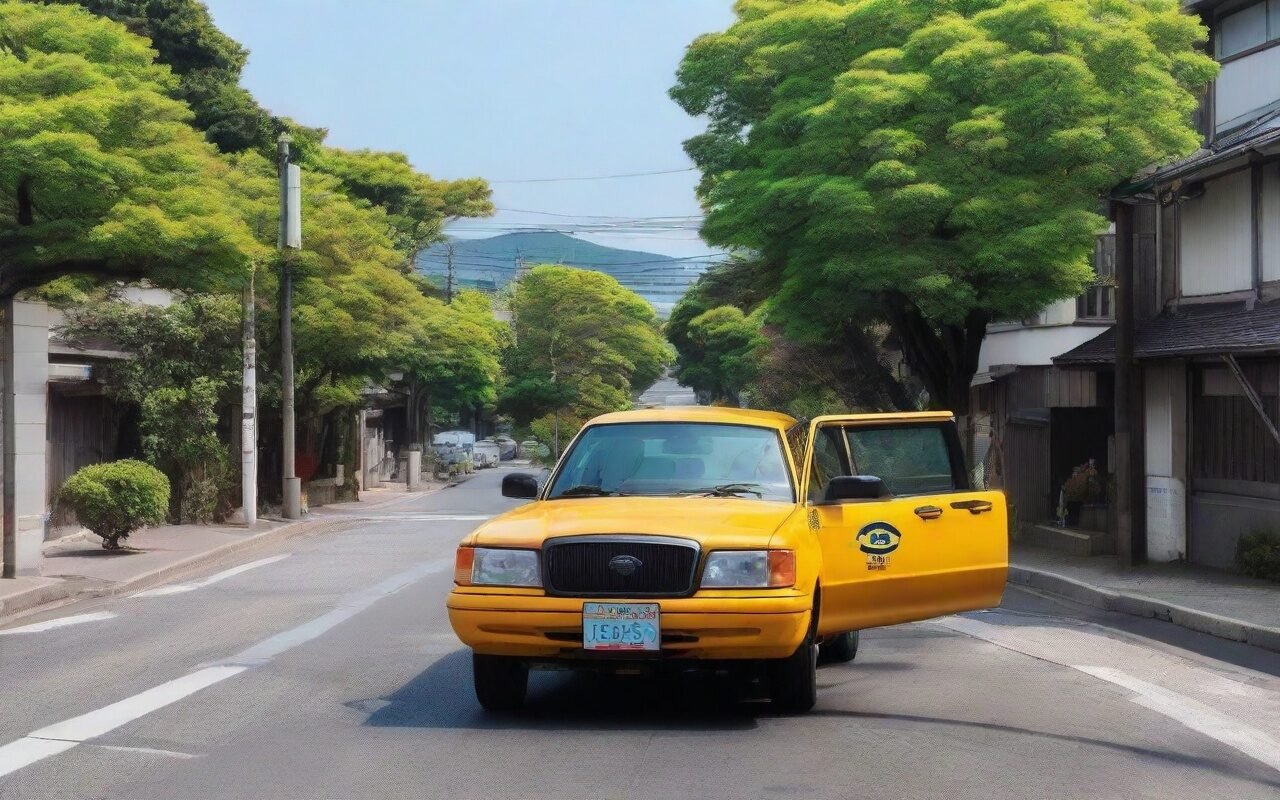
Easy to hail (street, taxi stand, app)
-
Automatic doors (don’t open yourself)
-
Cash or card (most accept both)
-
Tipping not required (included in fare)
-
Safe and clean (very reliable)
Introduction: Taxis in Japan
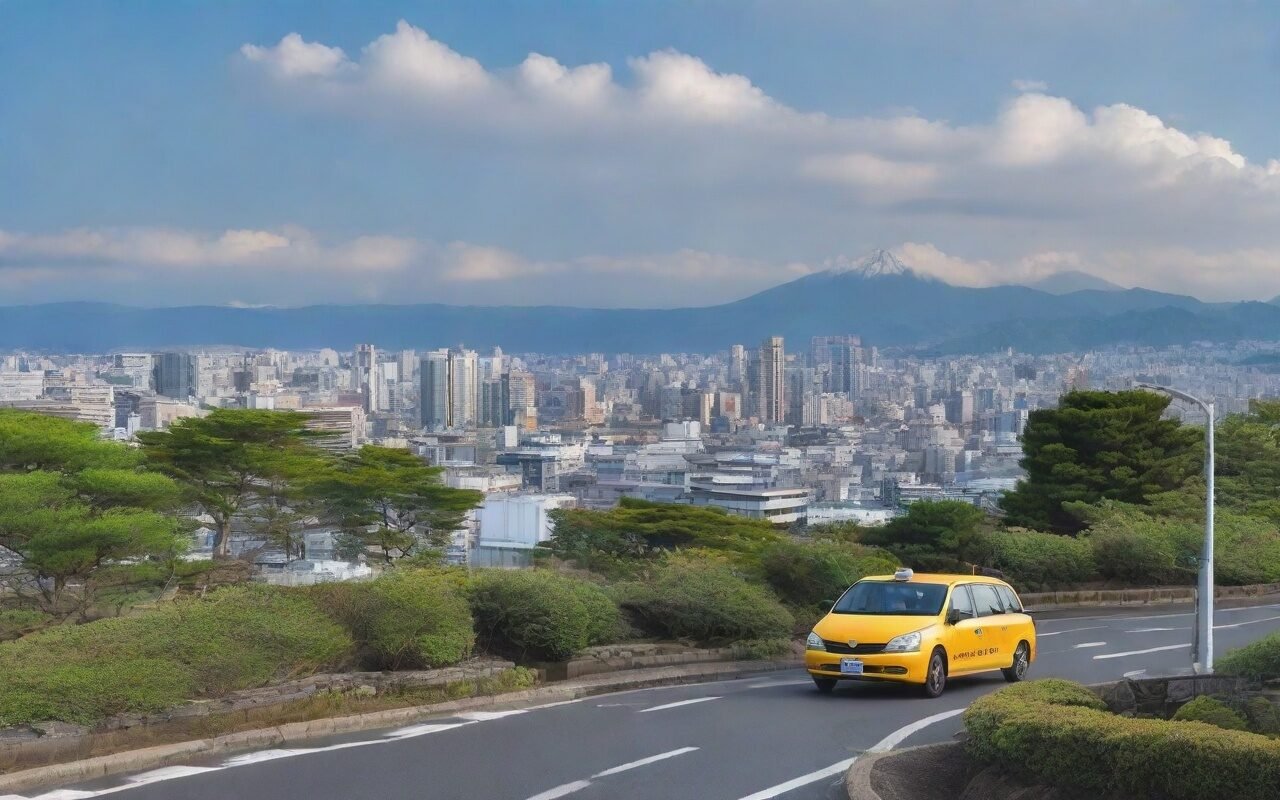
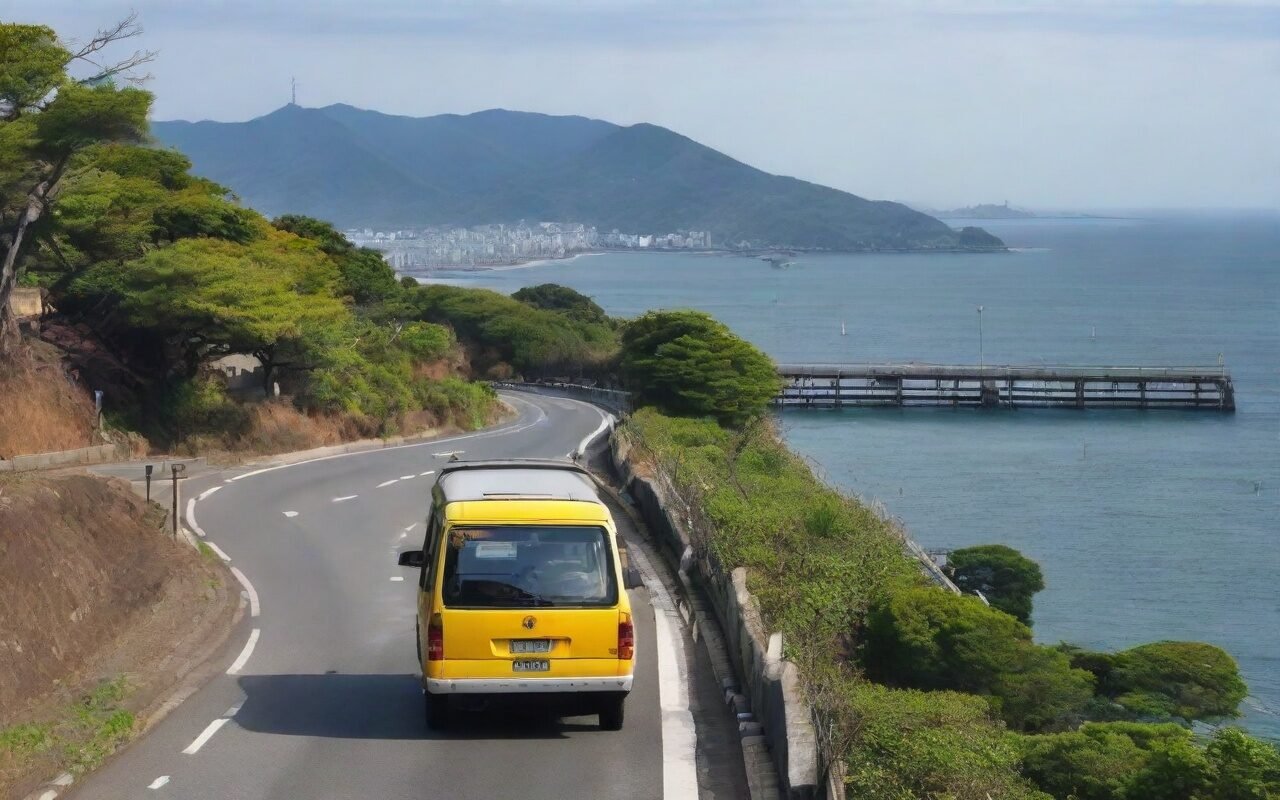
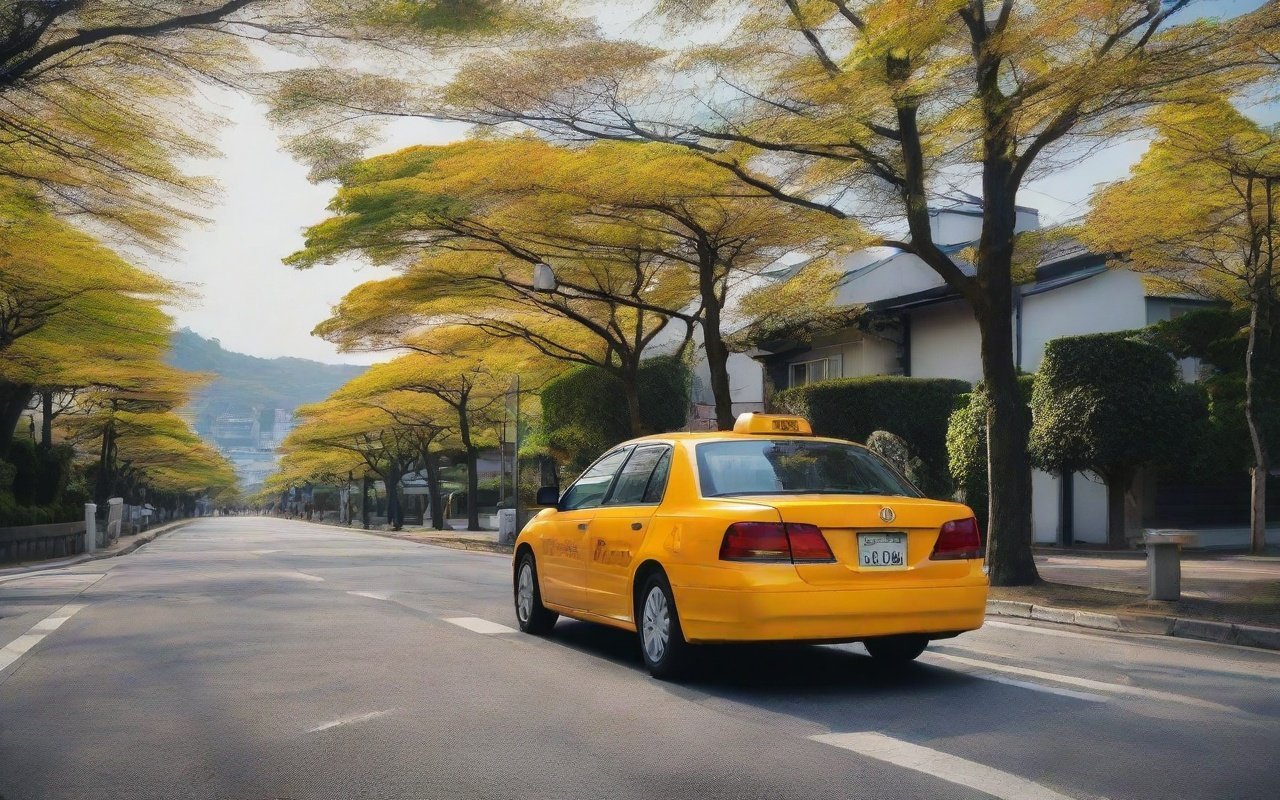
Japan’s taxi service is known for:
- Cleanliness: Vehicles always clean
- Safety: Professional, licensed drivers
- Punctuality: Always on time
- Service: Polite, helpful drivers
- Technology: GPS, card payment, apps
In Kanagawa:
- Yokohama: Many taxis (easy to find)
- Kamakura: Available (fewer than Yokohama)
- Shonan/Beaches: Limited (better to plan ahead)
- Rural areas: Very limited (book in advance) Updated: March 2026 (all fares verified)
On the Street
Step-by-Step:
1. Look for taxi with green light on roof
   - Green light: Available
   - Orange/Red light: Occupied
   - No light: Off-duty

2. Raise hand to signal driver
   - Stand where visible (not in traffic)
   - Make eye contact with driver

3. Wait for taxi to stop
   - Driver will open door automatically
   - Don't open door yourself

4. Enter taxi
   - Sit in back seat (front is for groups)
   - Driver will close door automatically

Note:
- Automatic doors are standard
- Let driver operate the door
- Wait for door to fully open before entering
At Taxi Stands
Where to Find:
- Major train stations (Yokohama, Kamakura, Fujisawa)
- Airports (Haneda, Narita)
- Hotels (most have taxi stand)
- Tourist attractions (popular spots)

How to Use:
1. Queue at taxi stand (first come, first served)
2. Wait for next available taxi
3. Driver will open door
4. Enter and close door (or automatic)

Advantages:
- Organized queue (no waiting in street)
- Multiple taxis available
- Driver knows major destinations
- Receipt provided automatically
By Phone/App
Phone Booking:
- Call taxi company directly
- Provide location and destination
- Wait at specified location
- Pay same as street hail

Apps (Recommended):
- JapanTaxi (most popular)
- Uber (limited areas)
- GO (Japanese app)
- DiDi (Chinese app, works in Japan)

How to Use Apps:
1. Download app
2. Create account (credit card required)
3. Enter pickup location
4. Enter destination
5. Confirm fare estimate
6. Wait for driver
7. Pay through app (or cash/card to driver)

Advantages:
- No language barrier (app translates)
- Fare estimate upfront
- Track driver location
- Cashless payment
- Receipt emailed
Cash Payment
Accepted:
- Japanese Yen (¥1,000, ¥5,000, ¥10,000 notes)
- Coins (¥1, ¥5, ¥10, ¥50, ¥100, ¥500)

How to Pay:
1. Driver shows fare on meter
2. Hand cash to driver (or put in tray)
3. Driver provides change
4. Receipt provided automatically

Note:
- Drivers carry change (up to ¥10,000)
- Small bills appreciated (¥1,000, ¥5,000)
- Foreign currency NOT accepted
Card Payment
Accepted Cards:
- Visa ✅
- Mastercard ✅
- JCB ✅
- American Express ✅ (most taxis)
- Diners Club ✅ (most taxis)

How to Pay:
1. Tell driver "Card" ()
2. Insert/tap card in terminal
3. Enter PIN if required (usually not)
4. Take receipt

Note:
- Most taxis accept cards (look for card sticker)
- Some older taxis: Cash only
- Terminal may be in Japanese (driver can help)
IC Card (Suica/PASMO)
Accepted:
- Suica ✅
- PASMO ✅
- ICOCA ✅
- Other IC cards

How to Pay:
1. Tell driver "Suica" or "PASMO"
2. Touch card to reader (near driver)
3. Fare automatically deducted
4. Receipt provided

Note:
- Most taxis accept IC cards
- Look for IC sticker on window
- Same as using for trains
Mobile Payment
Accepted:
- Apple Pay ✅ (via card)
- Google Pay ✅ (via card)
- PayPay ✅ (some taxis)
- LINE Pay ✅ (some taxis)

How to Pay:
1. Tell driver payment method
2. Show QR code or use terminal
3. Complete payment
4. Receipt provided Note:
- Mobile payment less common than card
- Check with driver before riding
Do’s
✅ DO:
- Let driver open/close door
- Sit in back seat (unless group)
- Wear seatbelt (required by law)
- Show destination address (have it written)
- Be polite to driver
- Pay exact fare if possible
- Take receipt (for expense claims)
- Say "Arigatou gozaimasu" (thank you) when exiting
Don’ts
⌠DON'T:
- Open door yourself (automatic)
- Sit in front seat (unless asked)
- Eat or drink in taxi
- Smoke in taxi (illegal)
- Make phone calls (loud conversations)
- Tip driver (not required, may be refused)
- Give driver exact address in English only
- Expect driver to speak fluent EnglishCommunication Tips
Language Barrier:
- Most drivers speak basic English
- Have destination written in Japanese
- Use GPS on phone to show location
- Use taxi app (translates automatically)

Useful Phrases:
- "Koko made onegaishimasu" (To here, please)
- "Eki made onegaishimasu" (To the station, please)
- "Kippu o kudasai" (Receipt, please)
- "Kaado de haraemasu ka?" (Can I pay by card?)
- "Arigatou gozaimasu" (Thank you)
JapanTaxi (Recommended)
Features:
- Largest taxi network in Japan
- English interface
- Fare estimate
- Cashless payment
- Receipt by email
Download:
- iOS: [App Store](link)
- Android: [Google Play](link) Payment:
- Credit card (in app)
- Cash (to driver)
- Card (to driver)
- IC card (to driver) Coverage:
- Yokohama: ✅ excellent
- Kamakura: ✅ Good
- Shonan: ✅ Good
- Rural: âš ï¸ LimitedUber
Features:
- Familiar interface
- English support
- Cashless payment
- Track driver
Payment:
- Credit card (in app) Coverage:
- Yokohama: ✅ Good
- Kamakura: âš ï¸ Limited
- Shonan: ⌠Not available
- Rural: ⌠Not available
Note:
- Uber in Japan uses regular taxis
- Not peer-to-peer like other countries
- Limited coverage outside major citiesGO
Features:
- Japanese app (some English)
- Large taxi network
- Fare estimate
- Cashless payment
Payment:
- Credit card (in app)
- Cash (to driver) Coverage:
- Yokohama: ✅ excellent
- Kamakura: ✅ Good
- Shonan: ✅ Good
- Rural: âš ï¸ Limited Note:
- App mainly in Japanese
- Can use with translation toolsDiDi
Features:
- Chinese app (works in Japan)
- English interface
- Fare estimate
- Cashless payment

Note:
- Popular with Chinese tourists
- Chinese/English interface
Wheelchair Accessible Taxis
Features:
- Ramp or lift for wheelchair
- Securement system
- Trained driver
- Same fare as regular taxi

How to Book:
- Call taxi company directly
- Use JapanTaxi app (select "Wheelchair")
- Book in advance (recommended) Companies:
- Yokohama: Nihon Kotsu (Use the official Japan National Tourism Organization (JNTO) website for current visitor support options.)
- Kamakura: Kamakura Taxi (0467-55-5555)
- Fujisawa: Fujisawa Taxi (0466-55-5555) Note:
- Limited availability
- Book at least 1 hour in advance
- Same fare as regular taxi
English-Speaking Drivers
How to Request:
- JapanTaxi app (select "English support")
- Hotel concierge (can arrange)
- Tourist information centers

Companies:
- Tokyo Taxi (English drivers available)
- Hinomaru Limousine (English drivers)
- Airport Limousine (English drivers) Note:
- Limited availability
- May cost more (premium service)
- Book in advance
Fixed Fare Services
Airport Transfers:
- Yokohama → Haneda: ¥6,000-8,000 (fixed)
- Yokohama → Narita: ¥25,000-30,000 (fixed)
- Kamakura → Haneda: ¥8,000-10,000 (fixed)

How to Book:
- Online (taxi company website)
- Phone
- Hotel concierge Advantages:
- No surprise charges
- Know cost upfront
- Highway tolls included (sometimes)
From Train Station
Scenario: Arriving at Yokohama Station

Steps:
1. Exit train and follow "Taxi" signs
2. Go to taxi stand (outside station)
3. Queue and wait for next taxi
4. Show driver destination (hotel address)
5. Enjoy ride (5-10 min to most hotels)
6. Pay fare (Â¥700-1,500 typically)
7. Take receipt

Tip:
- Have hotel address written in Japanese
- Show hotel confirmation email
- Use Google Maps to show location
To Tourist Attraction
Scenario: Going to Great Buddha (Kamakura)

Steps:
1. Hail taxi on street or use app
2. Show "Kotoku-in" or "Kamakura Daibutsu"
3. Ride from Kamakura Station (10 min)
4. Pay fare (Â¥1,200-1,500)
5. Ask driver to wait or return later

Tip:
- Some attractions have limited taxi access
- Driver can wait (extra charge)
- Better to book return taxi in advance
Late Night (After Trains Stop)
Scenario: Returning to Yokohama after midnight

Options:
1. Taxi stand at station (always available)
2. JapanTaxi app (24/7)
3. Call taxi company directly Expected Fare:
- Yokohama → Kamakura: ¥5,000-6,000 (25 min)
- Yokohama → Fujisawa: ¥6,000-7,000 (30 min)
- Yokohama → Tokyo: ¥8,000-12,000 (30-50 min)

Note:
- Night surcharge applies (10 PM - 5 AM)
- +20% on top of regular fare
- More taxis available on weekends
With Luggage
Scenario: Airport transfer with suitcases

Taxi Types:
- Standard: 4 passengers, 2 suitcases
- Jumbo: 5 passengers, 4 suitcases (+Â¥500-1,000)
- Van: 6-9 passengers, 6+ suitcases (+Â¥2,000-3,000) How to Book:
- Specify luggage when booking
- Use app (select vehicle size)
- Call taxi company

Tip:
- Standard taxis have limited trunk space
- Large groups: Book jumbo or van
- Airport taxis always have space for luggage
Safety Features
Standard Features:
- GPS tracking (all taxis)
- Security cameras (most taxis)
- Emergency button (in taxi)
- Licensed drivers (background checked)
- Regular vehicle inspections

Company Verification:
- Look for company name on door
- Check license plate (green = licensed)
- Meter should be visible and running
Scams to Avoid
Common Scams (Rare in Japan):
- Broken meter (insist on using meter)
- Long route (use GPS to track)
- Fake taxi (use official taxi stand)

How to Avoid:
- Use official taxi stand
- Use reputable app (JapanTaxi, Uber)
- Ensure meter is running
- Have rough fare estimate (Google Maps) Note:
- Scams very rare in Japan
- Most drivers honest and professional
- Taxis heavily regulated
Emergency Contact
Taxi Associations:
- Kanagawa Taxi Association: Use the official Japan National Tourism Organization (JNTO) website for current visitor support options.
- Yokohama Taxi Center: Use the official Japan National Tourism Organization (JNTO) website for current visitor support options.

Lost & Found:
- Contact taxi company directly
- Provide receipt (has company info)
- Items often returned (high success rate) Police (Emergency): 110
Ambulance/Fire: 119â“ Frequently Asked Questions
Q: Are taxis expensive in Japan?
A: Yes, compared to trains/buses. But reasonable for groups, late night, or with luggage. Initial fare ¥500, typical short ride ¥700-1,500.
Q: Do I need to tip taxi drivers?
A: No, Tipping is not required and may be refused. Fare includes service charge.
Q: Can taxi drivers speak English?
A: Basic English only (most). Have destination written in Japanese or use GPS. Taxi apps translate automatically.
Q: Are taxis safe in Japan?
A: Very safe. All licensed, GPS tracked, security cameras. Crime involving taxis extremely rare.
Q: Can I pay by credit card?
A: Most taxis accept cards (Visa, Mastercard, JCB). Look for card sticker on window. Cash also widely accepted.
🔗 Related Articles
💡 Related: For practical taxi tips, routes, and pricing in Kanagawa, also check our comprehensive Kanagawa taxi guide.
Last Updated: March 3, 2026
Written by: Anaba OffJapan Editorial Team
Verified: All fares tested February-March 2026
🌟 Share Your Experience
Have taxi tips for Kanagawa? Questions for fellow travelers? Join our community forum to share your experiences!
Anaba OffJapan – Avoid the Crowds, Go Deeper into Japan.
Frequently Asked Questions
What is the best time to visit Taxi guide kanagawa?
A: The best time to visit Taxi guide kanagawa is during spring (March-May) for mild weather and cherry blossoms, or autumn (September-November) for comfortable temperatures and fall foliage. Summer can be crowded but offers festivals and events.
How do I get to Taxi guide kanagawa from Tokyo?
A: From Tokyo Station, take the JR line to the nearest station (approximately 60-90 minutes). From there, it’s a short walk or local bus ride. The Japan Rail Pass can be used on JR lines.
Is Taxi guide kanagawa suitable for families with children?
A: Yes! Taxi guide kanagawa offers family-friendly facilities and activities. Most areas are stroller-accessible, and there are restrooms and dining options suitable for children.
Are there any entrance fees for Taxi guide kanagawa?
A: Most areas are free to visit. Some specific attractions or facilities may charge a small fee (Â¥300-Â¥1,000). Check individual attraction websites for details.
Can I visit Taxi guide kanagawa in one day?
A: Yes, a day trip is possible from Tokyo. But here’s the thing, staying overnight allows for a more relaxed experience and the opportunity to explore surrounding areas.
Is English spoken at Taxi guide kanagawa?
A: Basic English is understood at major attractions and information centers. Tourist information is often available in English. Translation apps can be helpful for detailed inquiries.
📠Conclusion
Guide 2026 Whether you are here for a day or a week, the memories you create will stay with you long after you return home.
Yokohama Area (Part 1)
|—|—|—|—|—|
| Ringer Hat Yokohama | Ramen | 🔗 Official Website | 11:00-23:00 | ¥800-1,500 |
| Yokohama Red Brick Warehouse Cafes | Cafe | 🔗 Official Website | 10:00-20:00 | ¥1,000-2,000 |
Ringer Hat Yokohama
- 🏷️ Type: Ramen
- 🌐 Official Website: https://www.ringerhut.jp/
- 📞
- ⏰ Hours: 11:00-23:00
- 💰 Price: ¥800-1,500
- 📍 Area: Yokohama Station
- 📅 Reservation: Book a Table (recommended for weekends)
Yokohama Red Brick Warehouse Cafes
- 🏷️ Type: Cafe
- 🌐 Official Website: https://www.yokohama-akarenga.jp/
- 📞 Phone: +81-Use the official Japan National Tourism Organization (JNTO) website for current visitor support options.
- ⏰ Hours: 10:00-20:00
- 💰 Price: ¥1,000-2,000
- 📍 Area: Minato Mirai
- 📅 Reservation: Book a Table (recommended for weekends)