Tag: winter

  • Kanagawa Winter Guide 2026 — Illuminations, Onsen &…

    Kanagawa Winter Guide 2026 — Illuminations, Onsen &…

    Introduction

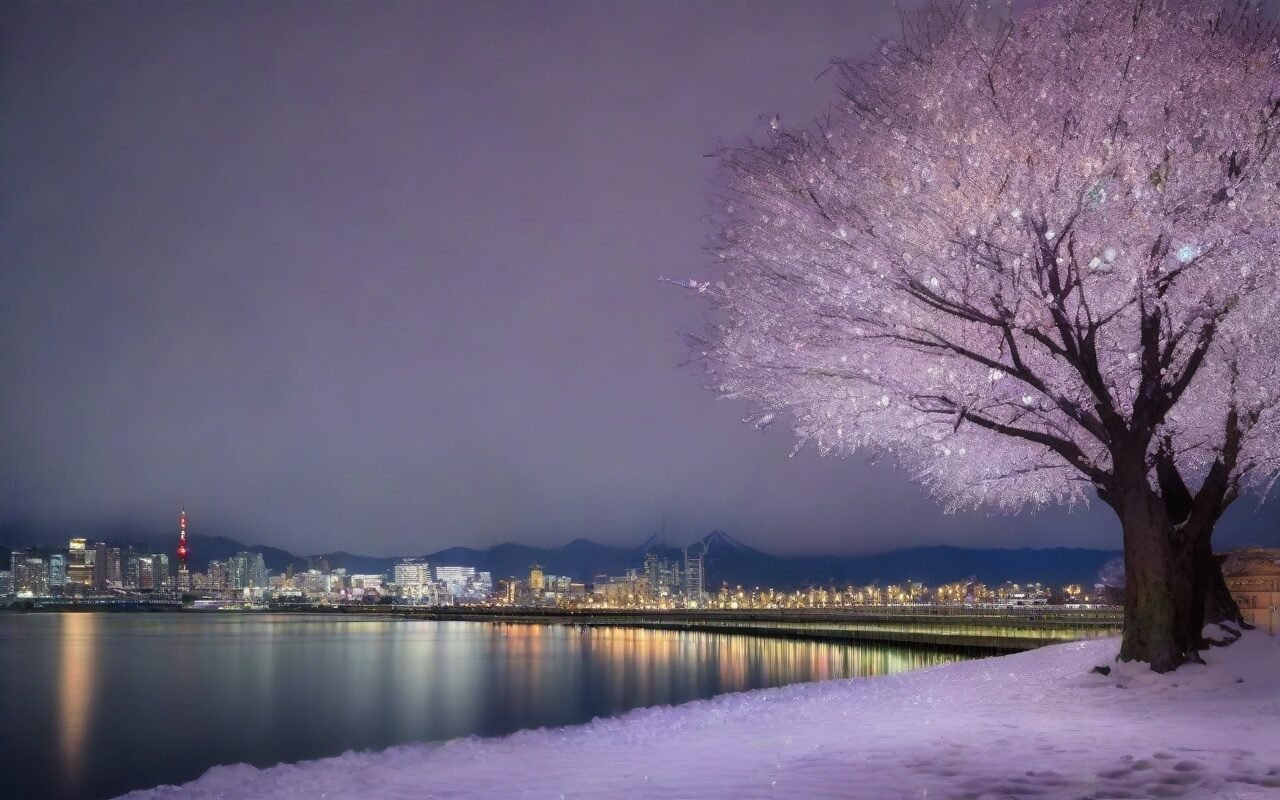
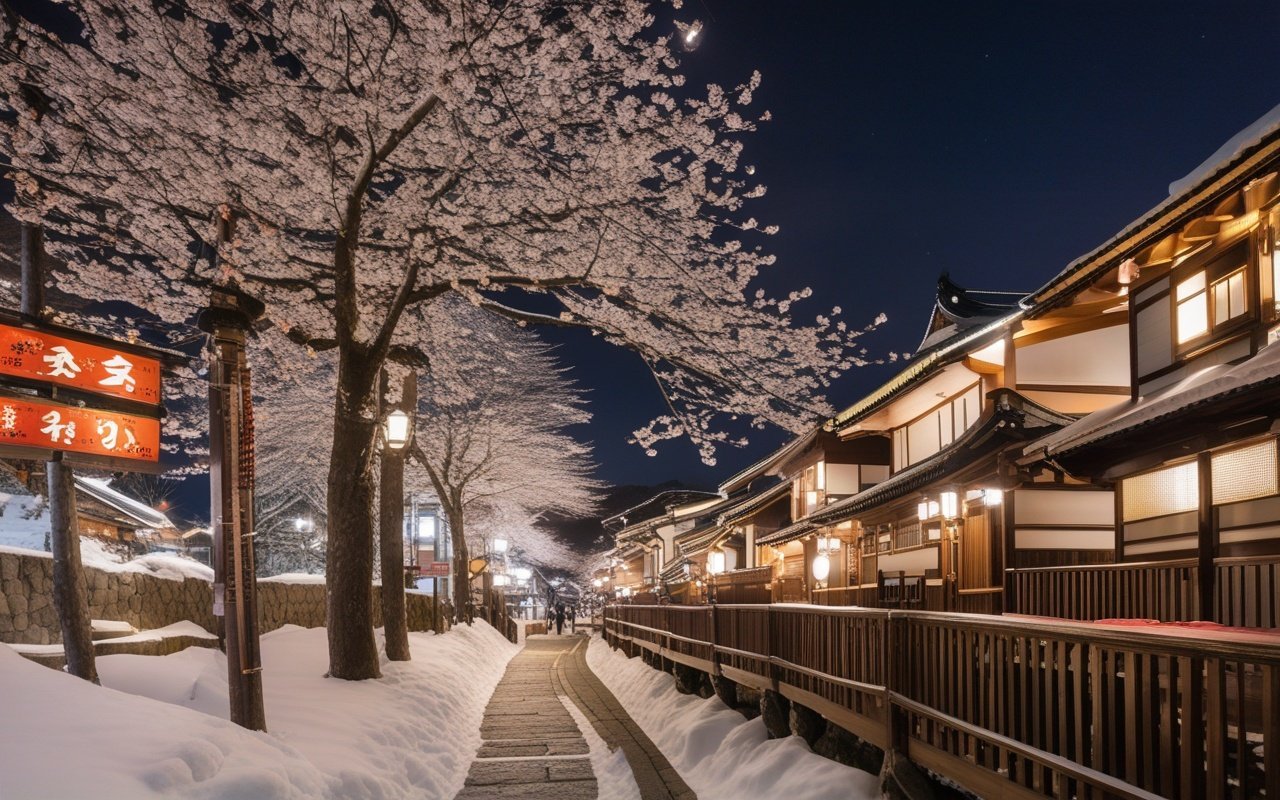
    Winter in Kanagawa offers the clearest Mount Fuji views, peaceful temples, and excellent onsen experiences. This guide covers winter activities, illuminations, and tips for staying warm while enjoying the season.

    ❄️ Winter Illuminations: Where to Go and When

    Winter in Kanagawa means spectacular light displays. Here’s the definitive list:

    Illumination Location Dates Lights Entry Best Night
    Minato Mirai Winter Lights Yokohama Nov-Feb 10M+ LEDs Free Weekday evenings
    Sagamiko Illumillion Sagamiko Oct-Apr 6M+ LEDs ¥1,500 Wednesday (least crowded)
    Hakone Illumination Hakone Gora Nov-Feb 300K LEDs Free Late December
    Kamakura Winter Special Hase-dera Dec only Candlelight ¥400 First week of Dec
    Odawara Castle Night Odawara Dec 100K+ LEDs Free Weekends

    My recommended winter evening route (Yokohama):

    1. Start at Landmark Tower Sky Garden (69th floor, ¥1,000) for a sunset panorama — arrive 4 PM for the transition from day to night
    2. Walk down to the waterfront promenade as the LEDs turn on at 5 PM

    Kanagawa Winter Guide 2026

    Overview

    Winter (December-February) transforms Kanagawa into a wonderland of illuminations and onsen warmth. Yokohama sparkles with millions of LED lights. Hakone’s hot springs steam invitingly. Fewer crowds and crisp air offer a different Kanagawa experience.

    Weather

    December 5-12°C, January 2-10°C (coldest), February 3-11°C. Snow rare in Yokohama but possible in Hakone highlands. Pack warm layers, coat, gloves, hat.

    Illuminations

    Yokohama Minato Mirai (November-February) — 10 million+ LEDs. Best from Landmark Tower Sky Garden. Kamakura’s Hase-dera winter light-up in December. Hakoke starry skies.

    Onsen

    Winter is best onsen season. Recommended: Tenzan Onsen (river view), Hakone Yuryo (private baths), Yunessun (theme park). Many ryokan offer day-use.

    Winter Food

    Oden hot pot, nabe hot pot dishes, fresh Miura oysters, iekei ramen in Yokohama.

    Practical notes

    Lowest crowds of any season. Quiet in Kamakura weekdays. Less crowded onsen except New Year’s (Jan 1-3). Best hotel deals of the year.nnKanagawa Winter Guide 2026 — Illuminations, Onsen &... — Overview
    Access

    Getting to Kanagawa from Tokyo is straightforward by train, and most routes take well under two hours. During my trips I relied on an IC card for every connection and kept a bus timetable saved on my phone as backup. If you are staying overnight, look for accommodation near the station to save time.

    ♨️ Winter Onsen Guide: Where to Bathe

    Winter is the absolute best season for onsen. The contrast between freezing air and 42°C mineral water is a quintessential Japanese experience. Here are my top picks:

    Day-Use Onsen (No Stay Required)

    Onsen Type Price Water Quality Atmosphere
    Tenzan Onsen (Sengokuhara) River-view outdoor ¥1,500 Alkaline Serene river setting
    Hakone Yuryo (Miyanoshita) Private bath ¥3,600/80min Na-Cl spring Intimate, bookable
    Yunessun (Miyanoshita) Theme park style ¥4,500 Various Novelty (wine, coffee baths)
    Kowakudani Onsen (Kowakudani) Traditional ¥1,200 Simple spring Local favorite

    My strategy for an onsen day in Hakone:

    • 9 AM: Arrive at Hakone-Yumoto Station
    • 10 AM: Tenzan Onsen (morning outdoor bath with river view — 2 hours)
    • 12 PM: Lunch in Sengokuhara (soba or seasonal kaiseki)
    • 1:30 PM: Hakone Yuryo (private bath — 80 minutes of pure relaxation)
    • 3 PM: Yunessun for the wine bath novelty (1 hour)
    • 4:30 PM: Return to Hakone-Yumoto for sunset onsen souvenirs
    • Total onsen cost: ¥1,500 + ¥3,600 + ¥4,500 = ¥9,600

    Onsen etiquette reminder: Wash thoroughly before entering the bath. Towels stay outside the water. Tattoos may be restricted — check individual policies. Hakone Yuryo explicitly allows tattoos in private baths.

    🦪 Winter Food: What to Eat and Where

    Dish Best Place Price Season
    Oden (hot pot stew) Kamakura’s Komachi-dori stalls ¥400-800 Dec-Feb
    Nabe (Japanese hot pot) Any ryokan dinner Included Winter
    Miura oysters (grilled) Misaki Port oyster cabins ¥1,000-1,500/6-8pcs Dec-Mar
    Iekei ramen (rich broth) Yoshikura (Yokohama) ¥1,000-1,300 Year-round
    Warm sake Hakone brewery tastings ¥500-800/glass Winter special

    The Miura oyster cabins deserve special mention. These rustic wooden shacks along Misaki Port operate December-March. You choose your oysters from tanks, and they’re grilled over charcoal right in front of you. The smoky flavour paired with the cold winter air and a glass of local sake is unforgettable. Arrive before 11 AM on weekends to avoid the 1-hour queue.

    📸 Winter Photography Spots

    Subject Best Location Best Time Tip
    Snow-capped Fuji Enoshima Sea Candle 7-9 AM (sunrise side) Clear winter mornings only
    Illuminated harbour Yokohama Rinko Park 5-6 PM (blue hour) Use tripod, 4-second exposure
    Winter sunset Lake Ashi, Hakone 3:30-4:30 PM Snow-capped Fuji visible from NW shore
    Temple in snow Tsurugaoka Hachimangu After snowfall Rare — check forecast
    Night lights reflection Yokohama Bay 6-8 PM Reflection pools perfect for symmetry

    🧥 Winter Packing Checklist

    Item Purpose Notes
    Thermal base layer Retain body heat Uniqlo Heattech ¥1,500
    Wool sweater Mid insulation Layer over thermal
    Waterproof winter coat Wind + rain protection Uniqlo ¥5,000-8,000
    Gloves Hand warmth Touchscreen-compatible preferred
    Scarf Neck protection A must for onsen visits (cold walk back)
    Warm socks Foot warmth in shoes Two pairs recommended
    Hat/beanie Head heat loss prevention 30% of body heat lost through head
    Hand warmers (kairo) Pocket heat 100-yen shop, ¥200/pair, last 8 hours
    Lip balm Dry air protection Winter air is very dry in Japan

    Temperature Guide

    • December: 5-12°C — brisk but comfortable with a coat
    • January: 2-10°C — coldest month. Clear days are beautiful but cold
    • February: 3-11°C — gradually warming. Plum blossoms begin appearing

    Frequently Asked Questions

    Q: Q: Does it snow in Kanagawa in winter?
    A: A: Snow is rare on the coast (Yokohama, Kamakura: 1-2 days/year, light dusting that melts by noon). Hakone highlands receive 10-20cm of snow, with occasional heavier falls. Snowfall in Hakone makes the scenery magical but check road and ropeway status before traveling.

    Q: Q: Are Christmas events worth visiting?
    A:
    A: Yes — Yokohama’s Red Brick Warehouse Christmas market (mid-November to late December) is the best in Kanagawa with imported German mulled wine, festive food, and artisan gifts. The Minato Mirai Winter Lights synchronize with Christmas music on weekends. Kamakura’s Hase-dera offers a Buddhist-style winter illumination — quieter and more contemplative.

    Q: Q: What’s the cheapest time for accommodation?
    A: A: January 7 – February 28 (post-New Year to pre-cherry blossom) offers the lowest hotel prices in Kanagawa. Expect 30-50% discounts versus spring/fall peak. Hakone ryokan are particularly affordable during this period.

    Q: Q: Are Kamakura’s temples worth visiting in winter?
    A:
    A: Absolutely — winter offers a completely different atmosphere. The bare branches of gingko trees at Tsurugaoka Hachimangu create beautiful silhouettes. Fewer visitors mean you can have the main courtyard to yourself. Temples close earlier (4-4:30 PM) so plan accordingly.

    Q: Q: What New Year’s events happen in Kanagawa?
    A:** A: Hatsumode (first shrine visit of the year) is a major tradition. Tsurugaoka Hachimangu receives 2M+ visitors January 1-3. Expect massive queues but incredible atmosphere. Alternative: Hakone Shrine on Lake Ashi is less crowded and offers spectacular New Year sunrise views.

    Winter Experiences Worth Bundling Up For

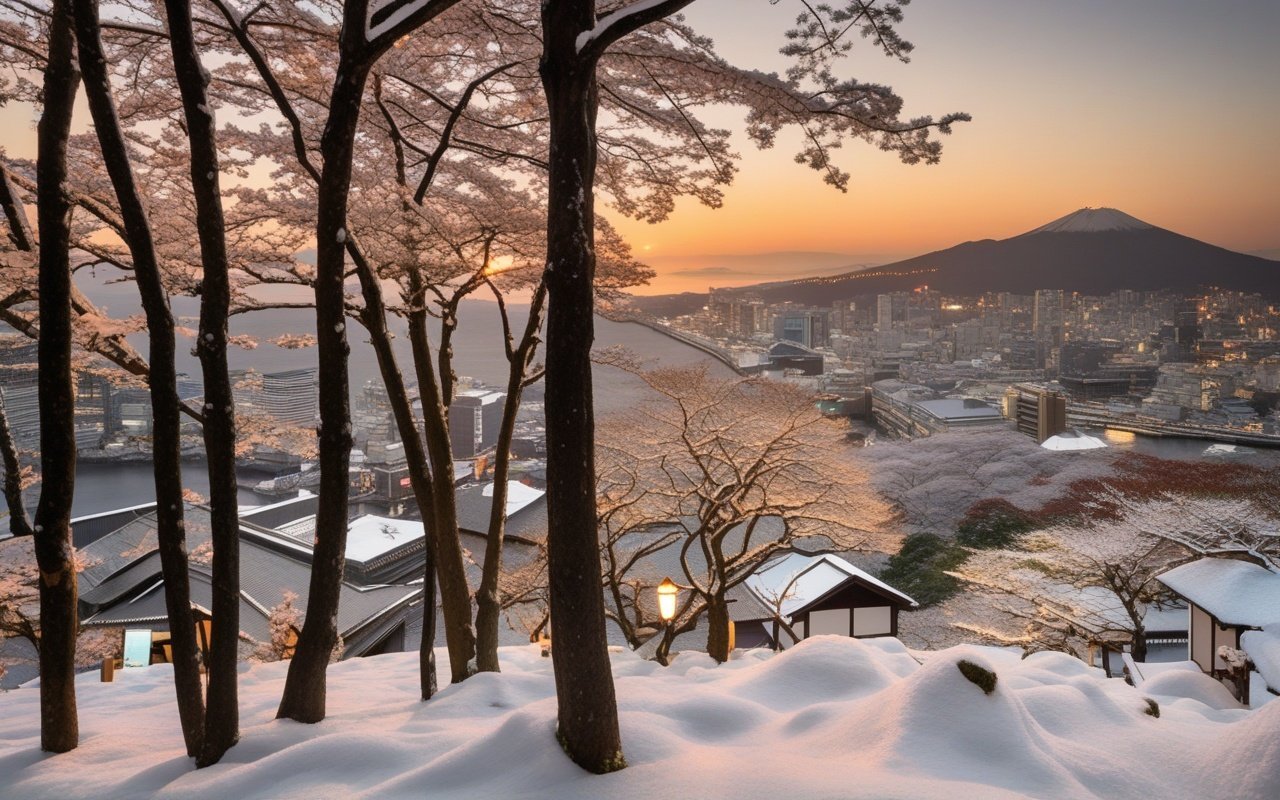
    Winter in Kanagawa has a quiet magic that summer crowds never see. The air is crisp, the skies are clear, and Mount Fuji dominates the horizon with snow-capped authority. Here are the experiences I return to every winter.

    Hakone Onsen Hopping in December

    There is no better time for onsen than winter. The contrast between freezing air (2-5°C) and 42°C spring water creates a sensation that is almost meditative. I recommend the “onsen hop” strategy: start at Tenzan Onsen in the morning (river-view outdoor bath, ¥1,500), visit Hakone Yuryo for a private bath at noon (¥3,600 for 80 minutes), and finish at Yunessun for the novelty of coffee and wine baths in the afternoon (¥4,500). Each offers a completely different atmosphere.

    Practical tip: Buy a Hakone Free Pass (¥6,100 for 2 days) which includes discounts at many onsen facilities, Bring two small towels — one for entering the bath area and one dry towel for after. Onsen etiquette in winter means leaving your shoes at the entrance and your modesty at the curtain.

    Yokohama Winter Illuminations Walking Route

    The Minato Mirai Winter Lights run from November to February, featuring over 10 million LED lights. My recommended walking route starts at Landmark Tower Sky Garden (69th floor, ¥1,000) for a panoramic view of the illuminated city, then walks down to the waterfront promenade past the Cosmo Clock 21 ferris wheel, and ends at the Red Brick Warehouse with its Christmas market (November-December). The entire walk takes about 45 minutes at a leisurely pace.

    Insider tip: The illumination timing varies — check the official website before going. Weekday evenings (Monday-Thursday) are significantly less crowded than weekends. The best photos are taken during “blue hour” (30 minutes after sunset), which in December is around 4:30 PM.

    Kamakura’s Winter Serenity

    Winter weekdays in Kamakura offer something precious: solitude. I visited Tsurugaoka Hachimangu on a Tuesday in January and had the main courtyard virtually to myself. The winter sun cast long shadows through the gingko trees, and the only sounds were crows and the crunch of gravel underfoot. Hase-dera offers special winter night illuminations in December, with the temple’s hundreds of jizo statues lit by candlelight.

    Practical note: Temples close earlier in winter (4:00-4:30 PM vs 5:00-5:30 PM in summer). Plan your visits accordingly. Kamakura’s Komachi-dori shopping street is less crowded but some shops close on winter weekdays.

    Miura Oyster Cabins

    Winter is oyster season on the Miura Peninsula, and the local shacks (koya) are a destination unto themselves. These rustic wooden huts overlooking Tokyo Bay serve freshly grilled oysters (¥1,000-1,500 for a plate of 6-8), oyster rice bowls, and local sake. The smoky warmth of the charcoal grill, the salty sea air, and the sweet taste of just-harvested oysters make this a quintessential Kanagawa winter experience.

    Getting there: Take the Keikyu Line to Misaki-guchi Station, then a 10-minute bus ride to the Misaki Port area. The oyster cabins operate from December to March. Weekend lunch is the busiest time — arrive before 11 AM.

    Summary: Winter in Kanagawa — The Season of Quiet Beauty

    Winter is Kanagawa’s best-kept secret. Fewer crowds, lowest prices of the year, clearest Mount Fuji views, and the unique pleasure of onsen in cold weather make this a compelling season for travelers who value quality over quantity.

    Three takeaways for your winter trip:

    1. Go for onsen, stay for illuminations: The onsen-illumination combination is unique to winter — a daytime soak followed by an evening light walk
    2. January is the sweet spot: Post-New Year (Jan 7 onwards) through February offers the lowest prices and fewest crowds
    3. Don’t skip Kamakura: Winter weekdays at Kamakura’s temples offer a peaceful atmosphere that summer visitors never experience

    For specific guides, see our Hakone Onsen Guide, Yokohama Winter Illuminations, and Kamakura Winter Temple Guide. For accommodation deals, browse our Winter Hotel Deals.

    Conclusion

    The details in this guide come from real visits, and the biggest lesson I took away was that the best experiences in Kanagawa rarely fit neatly into a checklist. During my visit I went with a rough plan and found that leaving room to wander made the trip far more memorable. Plan the essentials, keep your schedule flexible, and you will leave Kanagawa wanting to return.
  • Kanagawa Winter Warmth Guide 2026 — Staying Comfortable…

    Kanagawa Winter Warmth Guide 2026 — Staying Comfortable…

    Introduction

    Staying warm during Kanagawa winters is about smart layering and knowing where to find indoor comfort. From heated kotatsu tables in traditional accommodations to cozy cafes and onsen hopping, this guide helps you stay warm and enjoy winter.

    Seasonal Highlights in Kanagawa

    Each season in Kanagawa brings unique attractions and experiences that make多次 visits rewarding. The prefecture’s diverse geography — from coastal Shonan to mountainous Hakone — means there is always something in bloom, something to harvest, or a festival to enjoy regardless of when you visit.

    Best Activities by Season

    Planning your activities around the season enhances your Kanagawa experience, Spring calls for cherry blossom viewing along the Enoden tram line and hiking in the Tanzawa Mountains. Summer is perfect for beach days at Shonan and evening fireworks displays. Autumn offers spectacular foliage viewing in Hakone and Kamakura. Winter provides the clearest Mount Fuji views and relaxing onsen experiences.

    Practical Travel Tips for This Season

    Packing appropriately for the season makes a significant difference in comfort. Regardless of season, comfortable walking shoes are essential as many attractions involve walking on uneven paths at temples and shrines. Check the seasonal event calendar before your trip and book popular restaurants and accommodations in advance during peak seasons like cherry blossom and autumn foliage periods.
    Winter in Kanagawa offers excellent views of Mount Fuji on clear days — the crisp air provides the best visibility of the season. Head to Enoshima’s Sea Candle observation deck or Hakone’s Lake Ashi for postcard-perfect Fuji views with snow-capped peaks.

    Winter illuminations transform Kanagawa’s parks and gardens. Highlights include Yokohama’s Minato Mirai Winter Lights (November-February), Sagamiko Illumillion (one of Japan’s largest light displays), and Kamakura’s Tsurugaoka Hachimangu with its seasonal decorations.

    Kanagawa Winter Warmth Guide 2026

    Overview

    Kanagawa winters are cold but manageable. Temperatures 2-12°C (36-54°F). Dry air and coastal wind can make it feel colder. This guide helps you stay warm.

    Dressing

    Layer: thermal base, sweater mid, windproof coat outer. Accessories: hat, gloves, scarf — they make a dramatic difference.

    Japanese buildings have different heating — central heating is rare. Homes and small restaurants average 18-20°C (64-68°F). Hotels are better heated.

    Warm Activities

    Onsen (winter is best season — outdoor baths with cold air and hot water sublime). Hot food oden, nabemono, ramen, nabe at izakaya. Indoor museums, aquariums, shopping.

    Winter Dining

    Iekei ramen in Yokohama (thick pork broth). Oden specialty shops in Kamakura. Nabe restaurants. Cozy kissaten in Kannai.

    Staying Healthy

    Dry air — carry lip balm and hand cream. Wash hands. Face mask if feeling a cold. Stay hydrated.nnKanagawa Winter Warmth Guide 2026 — Staying Comfortable... — Overview

    Frequently Asked Questions

    Q: Q: What is the best season to visit Kanagawa?
    A: A: Spring (March-May) and autumn (September-November) offer the most comfortable weather for outdoor activities, Spring brings cherry blossoms along the Enoden line and in Kamakura’s temple gardens. Autumn provides spectacular foliage in Hakone and pleasant hiking conditions. Summer offers beaches and festivals but is hot and humid. Winter has the clearest Mount Fuji views and relaxing onsen experiences.

    Q: Q: How should I dress for this season?
    A:
    A: In spring/autumn: layers are essential as temperatures vary — a light jacket or sweater with a t-shirt works well. Summer: lightweight, breathable fabrics (linen, cotton), wide-brim hat, UV sunglasses, and comfortable walking shoes. Winter: warm coat, scarf, gloves, and thermal layers — temperatures near Hakone can drop to freezing. Regardless of season, comfortable walking shoes are non-negotiable.

    Q: Q: What seasonal events should I not miss?
    A: A: Spring: cherry blossom viewing at Tsurugaoka Hachimangu (Kamakura) and Odawara Castle. Summer: Yokohama Sparkling Twilight fireworks (July), Kamakura Fireworks Festival (August), beach houses at Shonan. Autumn: Hakone 紅葉 (fall foliage) festival, Kamakura autumn illuminations. Winter: Hakone Illumination, illuminations at Yokohama’s Minato Mirai.

    Q: Q: How does weather affect transportation?
    A:
    A: Trains and buses operate normally in most weather conditions, but during typhoons (peak August-September) or heavy snow (rare in coastal areas, possible in Hakone), services may be delayed or suspended. Check the operator’s website or Twitter feed for real-time updates. JR East provides English service alerts on their website.

    Q: Q: What seasonal foods should I try?
    A:** A: Spring: strawberry sweets, sakura-flavored treats, fresh bamboo shoots. Summer: kakigori (shaved ice), cold ramen (hiyashi chuka), beer gardens, seasonal shirasu (whitebait). Autumn: roasted chestnuts, sweet potatoes, grilled sanma (Pacific saury). Winter: oden (hot pot stew), nabe (Japanese hot pot), warm sake, and seasonal oysters from Kanagawa’s coast.

    Practical Warmth Strategies I Have Learned Through Experience

    After several Kanagawa winters, I have refined my warmth strategy through trial and error. Here is what actually works.

    The Three-Layer System (Proven)

    Japanese winter requires a specific layering approach because indoor heating is inconsistent:

    • Base layer: Uniqlo Heattech Ultra Warm (¥2,990) or merino wool thermal. Do not skip this — standard cotton undershirts are insufficient when indoor temperatures hover around 16-18°C.
    • Mid layer: A cashmere or wool sweater. Synthetic fleece works but does not breathe as well for walking between indoor and outdoor spaces.
    • Outer layer: A down or synthetic-insulated coat that is windproof. The coastal wind in Yokohama and Kamakura makes it feel 3-5°C colder than the thermometer suggests.

    The mistake I made: My first winter, I wore a heavy parka but cheap cotton base layer. I was cold indoors and sweaty outside, Switching to a thermal base layer + lighter but quality coat solved this completely.

    Onsen as a Warmth Strategy

    Onsen is not just a luxury — it is a practical winter warmth strategy. A 30-minute soak in an outdoor onsen raises your core body temperature for 2-3 hours afterward. I plan my winter days around an onsen visit in the late afternoon (3-4 PM), which keeps me warm through the coldest part of the evening.

    Best budget option: Tenzan Onsen in Hakone-Yumoto offers a riverside outdoor bath with no time limit for ¥1,500. Bring your own towel or rent one for ¥200.

    Warm Food That Actually Works

    • Iekei ramen in Yokohama: The thick pork broth (tonkotsu-shoyu) has a high fat content that provides sustained warmth. I recommend Yoshimuraya near Yokohama Station (¥850 for a bowl).
    • Oden: Available at convenience stores (¥200-400 per item) and specialty shops. The daikon radish and boiled eggs in soy-based broth are warming and filling.
    • Nabe hot pot: Many izakaya serve nabe in winter. Order the motsunabe (offal hot pot) at a Kyushu-style izakaya for a rich, warming experience.
    • Amazake: A sweet, non-alcoholic fermented rice drink sold at winter festivals and some convenience stores. ¥150 for a warm cup.

    Indoor Warm Spots Beyond Onsen

    Not every day can include onsen. Here are other warm indoor destinations:

    • Yokohama Cosmo World: The indoor sections of this amusement park are heated. The ferris wheel cars have space heaters.
    • Kamakura Museum of Modern Art: Well-heated galleries with excellent exhibitions. ¥900 admission.
    • Cafe de Crin in Yokohama: A classic kissaten with thick curtains and a coal stove. Coffee ¥600, toast sets ¥800.
    • Hakone Open-Air Museum: Parts of the museum are outdoor, but the indoor Picasso Pavilion and the foot-bath cafe provide warm respite.

    Health Maintenance in Dry Winter Air

    Kanagawa winter air is dry (humidity drops to 30-40%). This causes practical problems:

    • Dry hands: Carry hand cream. Drugstores sell excellent Japanese brands like Yuskina (¥800) or Nivea (¥400).
    • Chapped lips: Lip balm with SPF is essential — the winter sun reflecting off buildings in Yokohama causes sunburn on lips.
    • Static shock: Wool clothing + dry air = constant static. Carry a small metal object (key, coin) to discharge before touching door handles.
    • Hydration: You dehydrate faster in cold weather because you do not feel thirsty. Drink water regularly — convenience stores sell 2L bottles for ¥100.

    Conclusion

    The details in this guide come from real visits, and the biggest lesson I took away was that the best experiences in Kanagawa rarely fit neatly into a checklist. During my visit I went with a rough plan and found that leaving room to wander made the trip far more memorable. Plan the essentials, keep your schedule flexible, and you will leave Kanagawa wanting to return.
  • Japanese Oden Winter Guide 2026

    Japanese Oden Winter Guide 2026

    Japanese Oden Winter Guide 2026

    Overview

    Discover the best food and drink experiences that Japanese Oden Winter Guide has to offer. From hidden local gems to popular dining destinations, this guide takes you through the culinary landscape of Japanese in Kanagawa Prefecture. Whether you are a first-time visitor or a returning food enthusiast, you will find something to satisfy your cravings.

    Access

    Getting to Kanagawa from Tokyo is straightforward by train, and most routes take well under two hours. During my trips I relied on an IC card for every connection and kept a bus timetable saved on my phone as backup. If you are staying overnight, look for accommodation near the station to save time.

    📍 Location

    Noge sits southwest of Sakuragicho Station between the bayfront towers and classic drinking alleys. Follow elevated pedestrian signs toward “Noge” instead of cutting through private parking behind live houses.

    The Magic of Dashi Broth

    The soul of Oden lies in the broth. In Kanagawa, many shops use dashi made from niboshi (dried sardines) caught in the nearby Sagami Bay. This gives the broth a distinct, savory depth that improves the longer it simmers. Some historic shops in Yokohama have broths that have been topped up and simmering for decades, creating a complex flavor profile known as “ancient dashi.”

    Must-Try Ingredients

    When ordering Oden at a resrestaurant convenience store, look for these classics:

    1. Daikon: Large, thick slices of radish. A perfect piece should be translucent and melt in your mouth.
    2. Chikuwa: Tube-shaped fish cake with a bouncy texture.
    3. Satsuma-age: Fried fish paste, often containing vegetables like burdock root or shiso leaf.
    4. Konjac: A jelly-like yam cake known for its firm, rubbery texture. It has almost no calories but absorbs the broth’s flavor beautifully.
    5. Mochi-Kin Chakuwa: Fried fish cake wrapped around a piece of mochi rice cake, When you bite into it, the stretchy cheese-like mochi expands—a unique texture experience.

    Counters photograph best when steam backlights the first skewer you lift; ask before using flash because some shops keep mood lighting low for regulars.

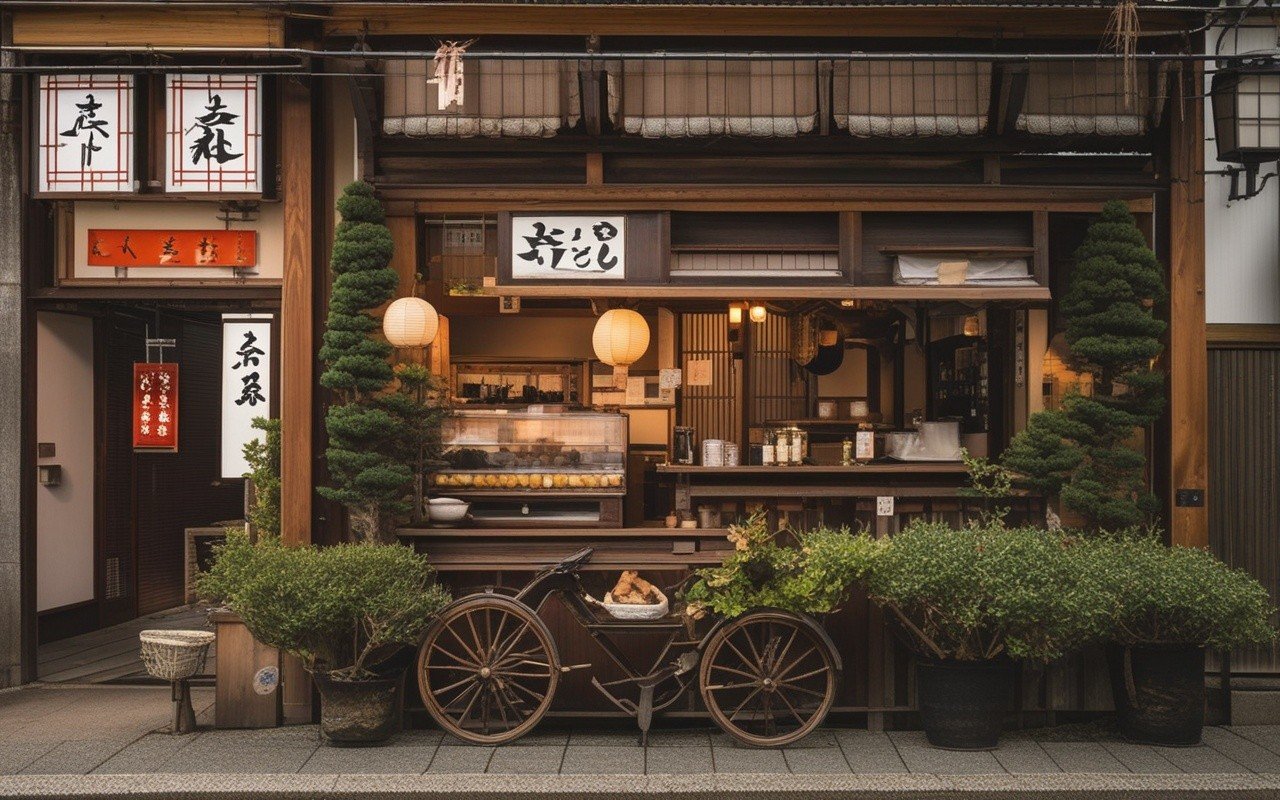
    Noge tachinomi doorway in winter with a long wooden counter and simmering pots seen from the alley

    Where to Eat Oden

    Tachinomi (Standing Bars) in Yokohama’s Noge District

    The Noge area is famous for its “Tachinomi” culture. These standing bars offer Oden alongside warm sake. It is a great way to mingle with locals after a long day of sightseeing. The atmosphere is lively, loud, and incredibly welcoming.

    • Tip: Order “Karashi” (Japanese mustard) to add a spicy kick to your ingredients.

    Convenience Stores (Konbini)

    Don’t underestimate the Oden at 7-Eleven, Lawson, or FamilyMart! The “Konbini Oden” is a phenomenon in itself—high quality, incredibly affordable (often ¥100-$0.70 per item), and available 24/7. It is the perfect budget meal for backpackers.

    Chains photograph trays more cleanly after midnight rotations when staff consolidate pots; daytime shots work if you keep reflections off the sneeze guard.

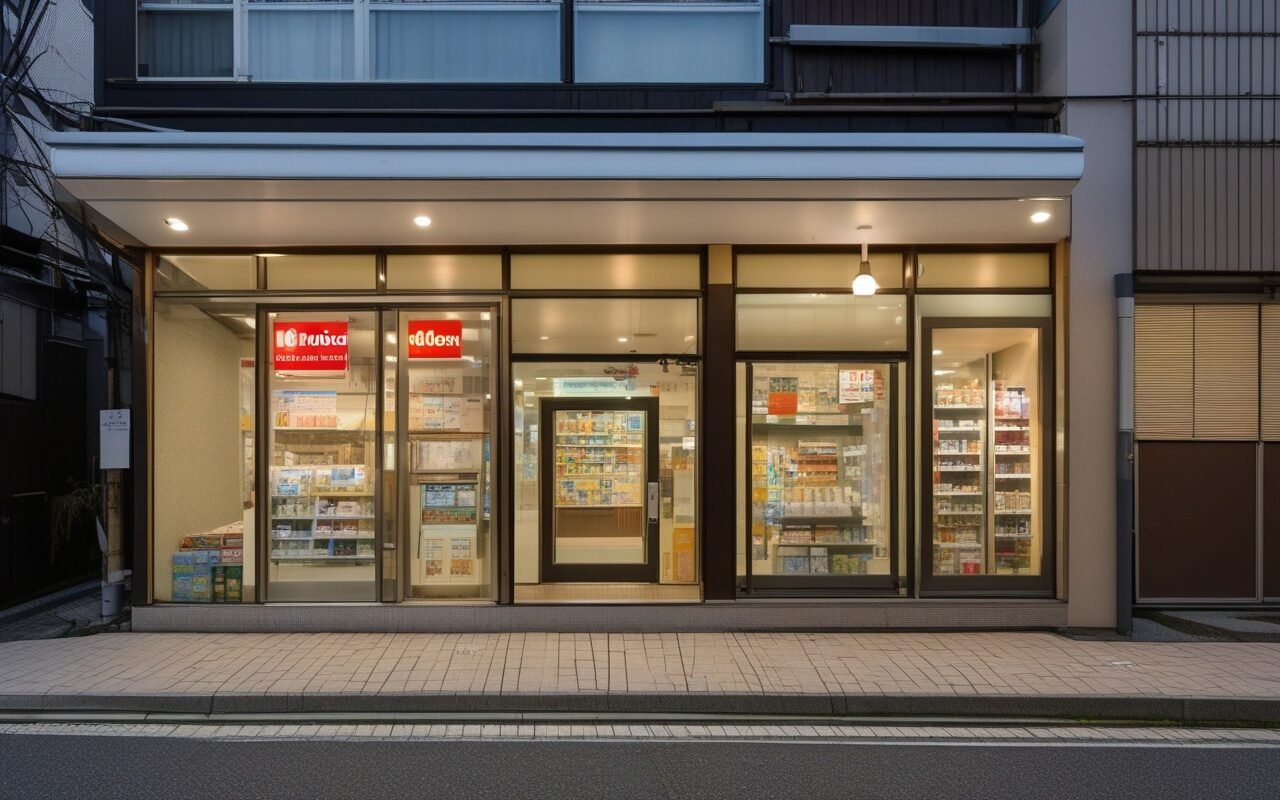
    Japanese convenience store exterior at winter dusk with warm window light typical of konbini oden

    Building a Balanced Oden Tray in Kanagawa Winter

    Start with daikon and konjac anchors because they absorb broth slowly while you queue for skewers that finish faster. Add one fried item such as satsuma-age early so the crust softens to your preferred texture before broth temperatures drop on outdoor-facing counters. Egg halves should look gently stained brown; chalk-white albumen usually means recent replenishment rather than long simmer, which is fine at konbini but less ideal at specialty shops advertising overnight pots.

    Noge standing bars often rotate broth salinity after rainstorms because customers drink more beer and request extra mustard heat; taste before blanketing karashi across everything, When ordering daikon seconds, say “ooki me” if you want the core cut with more fiber versus “chu-toro bu” for softer center slices—vendors recognize the playful jargon and smile. Tachinomi counters may expect you to stack empty skewers in provided bins; never point tips upward in shared containers because it mirrors funeral incense imagery and unsettles older regulars.

    Convenience-store oden after midnight shifts toward unsold pieces being discounted; quality stays regulated by chains, yet texture variance increases. Hotel microwave misuse turns mochi-kinchaku into explosive surprises—always vent lids if staff allows reheating. Hydrate between salty rounds because Kanagawa winter wind dehydrates faster than snow-country travelers expect.

    Expand winter food planning with hot-spring evenings in Kanagawa onsen guide when drizzle replaces frost, detour through Kanagawa rainy day spots for indoor backup plans, or contrast broth-heavy nights with lighter izakaya picks in Noge izakaya complete guide. Vegetarians should scan ingredient charts because fish cake blends hide in seemingly simple blocks.

    Carry a compact pouch for receipts if your employer reimburses meals; tachinomi registers still print narrow slips that smudge in wet pockets. Finally, thank cooks with “gochisousama” audibly enough for them to hear over vent fans—winter oden is part theater, part community radiator, and manners keep the steam welcoming for the next traveler through the noren.

    Where to Find the Best Oden in Kanagawa

    Noge District, Yokohama

    Noge is Yokohama’s most famous drinking district, and its oden shops are legendary. Oden no Hige has been serving oden since 1958 from a tiny counter seating only 8 people. Their broth is lighter than average, allowing the individual ingredients to shine. Must-tries include their daikon (simmered for 3 hours) and their handmade satsuma-age.

    Noge Oden Yokocho is an alley of 6–8 oden shops, each specializing in a different ingredient. You can hop between shops, ordering one or two items at each. Most shops open at 5 PM and close when they run out—typically around 10 PM.

    Kamakura Station Area

    Kamakura Oden Honpo near the station offers oden in a more refined setting, with a focus on Kyoto-style clear broth. Their seasonal oden uses Kamakura-grown vegetables alongside traditional ingredients.

    Convenience Store Oden

    FamilyMart, 7-Eleven, and Lawson all offer oden from October through March. A typical bowl with 4–5 ingredients costs ¥400–¥600. The quality is surprisingly good—the broth is carefully formulated and ingredients are kept at the optimal temperature.

    Pro tip: Ask for extra broth („osuimono omake“) to enjoy the rich dashi flavor. Convenience store staff will usually add an extra ladleful at no charge.

    Oden Ingredients Guide

    Ingredient Texture Flavor Best With
    Daikon (大根) Soft, translucent Absorbs broth Karashi mustard
    Egg / Tamago (玉子) Firm white, creamy yolk Rich, savory Soy sauce
    Konnyaku (こんにゃく) Jelly-like, chewy Neutral Miso paste
    Chikuwa (竹輪) Springy, firm Subtle fish Straight
    Satsuma-age (薩摩揚げ) Spongy, porous Fish cake Karashi mustard
    Hanpen (半片) Fluffy, cloud-like Light fish Ponzu sauce
    Goboten (ごぼう天) Crunchy, fibrous Burdock root Soy sauce
    Grilled tofu (豆腐) Firm, porous Soy, absorbs broth Green onion

    Oden Broth Variations

    Region Broth Color Key Ingredients Flavor Profile
    Kanto (Kanagawa) Dark brown Dark soy sauce, bonito, kombu Rich, savory
    Kansai (Osaka/Kyoto) Light brown Light soy sauce, kombu Subtle, delicate
    Kyushu Clear Salt, kombu, chicken Simple, clean

    Kanagawa shops offer a mix of Kanto and Kansai styles, depending on the shop’s heritage and the chef’s preference.

    Oden Etiquette and Enjoyment

    At standing bars: Oden at standing bars (tachinomi) is a fast, social experience. Order 2–3 pieces at a time rather than your entire meal at once. This ensures each piece is at the optimal temperature. Eat standing at the counter and make room for others. Most standing bars accept cash only and expect you to settle your tab when you leave.

    At specialty shops: Sit-down oden shops encourage a more leisurely pace. Order your first round (3–4 pieces), then order additional pieces as you go. The broth is continuously simmered, and the deeper flavors emerge as the evening progresses. Staff may offer you extra broth („osuimono“) free of charge—always accept.

    At convenience stores: Konbini oden is self-service. Use the provided tongs to select your ingredients, place them in a bowl, and bring to the register. The staff will add broth and ring up your order. Eat at the designated standing counter inside the store—do not eat while walking. Dispose of your bowl and chopsticks in the store’s designated waste bin.

    Oden vocabulary:

    • “Kore to kore o kudasai” — Please give me this and this
    • “Osui wa ikaga desu ka?” — Would you like some extra broth?
    • “Karashi wa arimasu ka?” — Do you have mustard?
    • “Motto nite kudasai” — Please simmer it longer (for harder ingredients like daikon)

    Oden year-round: While traditionally a winter dish, oden’s popularity has led to year-round availability at specialty shops in Noge and at large convenience stores in tourist areas. Summer oden uses a lighter broth and is served at room temperature rather than piping hot. The ingredients remain the same, but the lighter preparation is refreshing in hot weather.

    Health considerations: Oden is relatively healthy—low in calories (a typical bowl of 4–5 ingredients contains 200–350 calories), moderate in protein (10–15g), and high in sodium (800–1,200mg). The daikon provides fiber and vitamin C, while the fish cakes contribute protein and omega-3 fatty acids.

    Making Oden at Home

    Oden is surprisingly easy to prepare. Here is a basic recipe:

    1. Bring 1 liter of dashi (kombu + bonito) to a simmer
    2. Add 3 tbsp soy sauce, 2 tbsp mirin, 1 tbsp sake, 1 tsp salt
    3. Add hard ingredients first: daikon (parboiled), eggs (boiled), konnyaku
    4. Simmer 30 minutes on low heat
    5. Add medium ingredients: chikuwa, satsuma-age, hanpen
    6. Simmer another 15 minutes
    7. Add tofu and green vegetables (if using)
    8. Simmer 5 more minutes and serve

    The broth improves if made a day ahead and reheated.

    Frequently Asked Questions (FAQ)

    Q: Is oden available year-round or only in winter?
    A: While oden is traditionally a winter dish (typically available October through March), some specialty shops in Noge and convenience stores offer it year-round. The best quality and widest variety are found in colder months.

    Q: What is the spicy mustard served with oden?
    A: That is “karashi”—Japanese spicy mustard. It is significantly spicier than Western mustard and clears the sinuses quickly. Use sparingly at first. It is typically provided in a small squeeze tube or jar at the counter.

    Q: How many pieces should I order?
    A: A typical meal consists of 4–6 pieces. Start with daikon and egg as your base, then add one fried item (satsuma-age) and one protein (chikuwa or hanpen).

    Q: Can I take konbini oden to my hotel?
    A: Convenience store oden is meant to be eaten immediately at the standing counter. Some stores refuse to sell oden for takeaway because the broth continues to cook the ingredients and the texture changes. Respect the store’s policy.

    Q: Is there a vegetarian version of oden?
    A: Traditional oden broth is made with dashi from dried fish and sometimes chicken. But here’s the thing, some modern shops offer “vegan oden” using kombu-based broth. Look for shops advertising “vegan” or “yasai oden” in Noge.


    Conclusion

    The details in this guide come from real visits, and the biggest lesson I took away was that the best experiences in Kanagawa rarely fit neatly into a checklist. During my visit I went with a rough plan and found that leaving room to wander made the trip far more memorable. Plan the essentials, keep your schedule flexible, and you will leave Kanagawa wanting to return.
  • Kanagawa Winter Illuminations Guide 2026

    Kanagawa Winter Illuminations Guide 2026

    Kanagawa‘s winter illuminations transform the prefecture into a dazzling display of light from November through February. From the bustling Christmas market at Yokohama’s Akarenga (Red Brick Warehouse) to the serene LED-lit gardens of Hakone and the 200-meter light tunnel in Kawasaki, each venue offers a unique seasonal experience. Winter in Kanagawa is cold but magical — the crisp air makes the lights sparkle brighter, and the variety of illumination events means there is something for every taste.
    This guide covers the best winter illuminations across Kanagawa, with 2026 dates, access details, and practical tips for enjoying each venue.

    Kanagawa Winter Illuminations Guide 2026

    Overview

    1. Yokohama Christmas Market

    The illuminated Akarenga (Red Brick Warehouse) provides a stunning backdrop for the Yokohama Christmas Market, with its warm lights reflecting off the waterfront.

    Kanagawa Winter Illuminations — detailed view

    Kanagawa Winter Illuminations Guide scenery and attractions

    Thousands of LED lights transform the Akarenga Park into a magical winter wonderland, drawing visitors from across the Tokyo metro area.

    Kanagawa Winter Illuminations Guide — visitor highlights

    The Christmas market’s tree lighting ceremony features a 12-meter tree decorated with over 10,000 LED lights — the centerpiece of the entire event.

    Kanagawa Winter Illuminations Guide surrounding area and access

    Evening crowds gather at the market’s wooden vendor stalls, enjoying German-style mulled wine and seasonal treats under the glow of the illuminations.

    The Yokohama Christmas Market at Akarenga Park is the centerpiece of Kanagawa’s winter illumination season. Inspired by traditional German Christmas markets, it features wooden vendor stalls, mulled wine, live music, and a stunning tree lighting ceremony.

    Dates: November 15 – December 25, 2026
    Location: Akarenga Park, Yokohama
    Access: 5-minute walk from JR Sakuragicho Station or 8-minute walk from Bashamichi Station (Minatomirai Line)
    Hours: 11:00 AM – 9:00 PM (illumination lights on from sunset)
    Admission: Free (food and drinks purchased separately)

    Highlights:

    • 30+ wooden vendor stalls selling German-style crafts, ornaments, and gifts
    • Glühwein (spiced mulled wine, ¥700) served in collectible ceramic boots — a popular souvenir
    • A 12-meter Christmas tree decorated with over 10,000 LED lights, illuminated in a daily ceremony at 5:30 PM
    • Live music performances on weekends (4:00–7:00 PM): brass bands, choirs, and jazz ensembles
    • German food specialties: bratwurst (¥800), pretzels (¥500), roasted almonds (¥600), and stollen (¥1,200)

    Pro tip: Visit on a weekday evening (Monday–Thursday) for significantly smaller crowds. Weekend evenings can have queues of 15–30 minutes for mulled wine and food stalls. The lights are most atmospheric between 5:00 PM and 7:00 PM when the winter sky transitions from blue to black.

    Combine with: Dinner at one of the waterfront restaurants in the Red Brick Warehouse building. The second-floor restaurants offer heated terrace seating with views of both the Christmas market and the Minato Mirai skyline.


    2. Yokohama Minato Mirai Illumination

    Alongside the Christmas market, the Minato Mirai waterfront district is decorated with coordinated illuminations that cover the entire bay area — from the Landmark Tower to the Cosmo Clock 21 Ferris wheel.

    Dates: November 1 – February 28, 2027
    Location: Minato Mirai 21 district (entire waterfront area)
    Hours: 5:00 PM – 11:00 PM
    Admission: Free

    Highlights:

    • The “Blue Light Walk” along the Kishamichi Promenade — 20,000 blue LED lights suspended above the 2 km path
    • The Cosmo Clock 21 Ferris wheel illuminated in seasonal colors (red and green for Christmas, gold for New Year, pink for Valentine’s Day)
    • The Landmark Tower Sky Garden (69th floor, ¥1,000) offers a bird’s-eye view of the entire illumination — the windows reflect the city lights in a spectacular display

    Pro tip: Walk the Kishamichi Promenade from Cosmo World to Shinko Pier around 6:00 PM to experience the illumination in both its early evening and full-night phases. The reflection of the lights on the calm water of the bay is the most photogenic spot.


    3. Hakone Gora Park Illumination

    Hakone’s illumination takes a different approach from the urban displays — it integrates 1 million LED lights into the natural landscape of Gora Park, creating a magical garden of light.

    Dates: December 1 – February 28, 2027
    Location: Gora Park, Hakone
    Access: Hakone Tozan Cable Car to Gora Station (2-minute walk)
    Hours: 4:30 PM – 9:00 PM
    Admission: ¥520

    Highlights:

    • The central pond is surrounded by lights that reflect on the water, creating the illusion of a second, upside-down garden
    • A “light tunnel” through the bamboo grove — the sound of rustling bamboo combined with the changing LED colors creates a multi-sensory experience
    • The rose garden, dormant in winter, is outlined with warm white LED lights that trace the garden’s geometric patterns
    • A small night cafe serves hot chocolate (¥400), hot sake (¥500), and oden (¥600)

    Pro tip: Visit on a clear evening for the chance to see Mount Fuji silhouetted against the starry sky beyond the illuminated garden. The best viewing conditions are December–January. Combine your visit with dinner at a nearby onsen ryokan in Gora. Discover Mt Fuji’s 5th Station, World Heritage Center & Owakudani volcanic valley on this scenic Hakone day trip


    4. Kawasaki Christmas Illumination

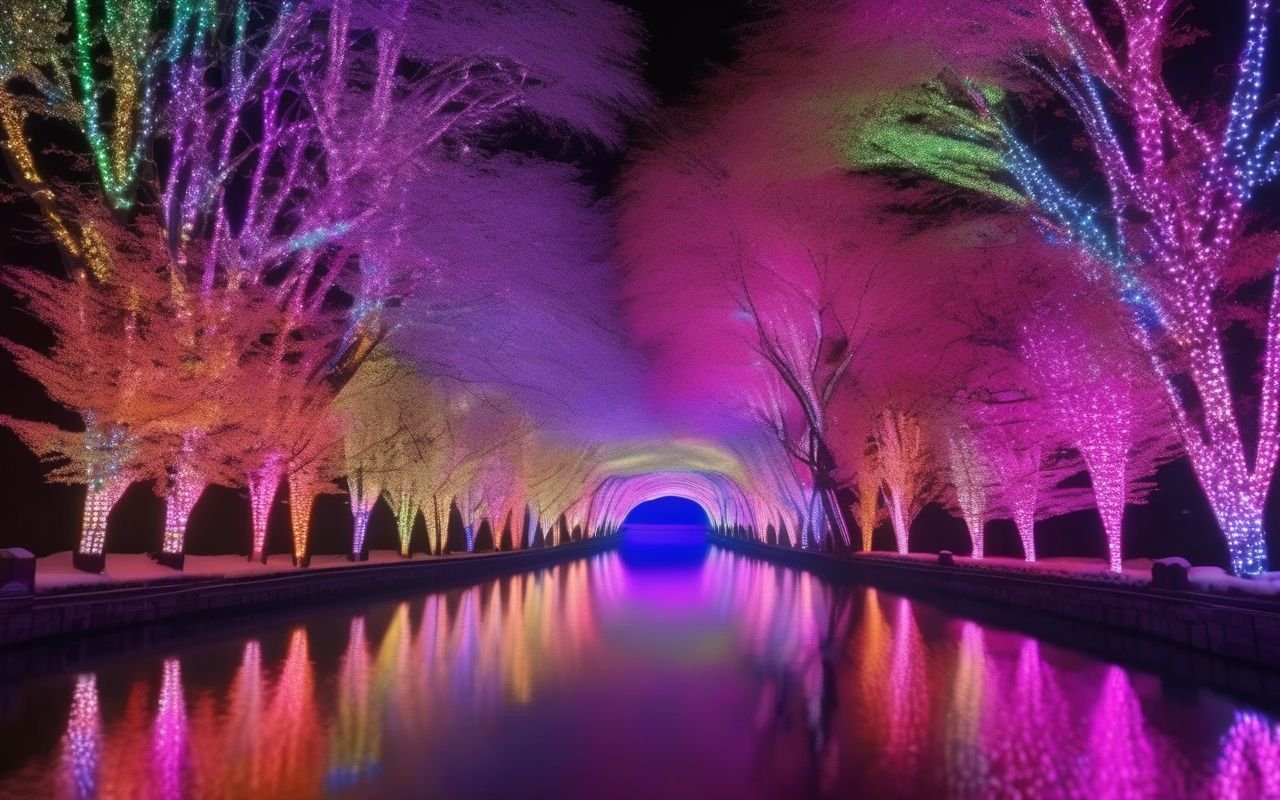
    Kawasaki Station’s East Exit is transformed into a 200-meter-long light tunnel that arches over the main pedestrian walkway. Dates: November 20 – January 3, 2027
    Location: Kawasaki Station East Exit, Main Pedestrian Walkway
    Access: JR Kawasaki Station (direct from Tokyo Station, 15 minutes)
    Hours: 5:00 PM – 10:00 PM
    Admission: Free

    Highlights:

    • The 200-meter tunnel features 500,000 LED lights in a timed sequence — colors shift from warm gold to cool blue to festive rainbow every 10 minutes
    • Shopping access to LAZONA Kawasaki Plaza and Azalea shopping complex (open until 9:00 PM)
    • Photo stations with seasonal backdrops (free)
    • Restaurant discounts offered at participating venues in the station area (show your photo of the illumination)

    Pro tip: The light tunnel is least crowded between 5:00 PM (when it opens) and 6:30 PM. After 7:00 PM, the crowds thicken. Weekday evenings are much quieter than weekends.


    5. Kamakura Enoden Illumination (Enoshima)

    The Enoden train line and Enoshima Island collaborate on a winter illumination that highlights the coastal landscape. Dates: December 1 – January 3, 2027
    Location: Enoshima Island, Samuel Cocking Garden, and along the Enoden train route
    Hours: 5:00 PM – 9:00 PM
    Admission: Free (Samuel Cocking Garden ¥500)

    Highlights: The Enoshima Sea Candle observation tower is illuminated in changing colors visible from the Shonan coast. The Samuel Cocking Garden is decorated with star-shaped lights. The Enoden trains operating during this period have interior lights dimmed to enhance the view of the coastal illuminations.


    📍 Event Calendar

    Event Location Dates Scale Admission Best for
    Yokohama Christmas Market Akarenga Park Nov 15–Dec 25 ★★★★★ Free Christmas atmosphere
    Minato Mirai Illumination Waterfront Nov 1–Feb 28 ★★★★★ Free Romantic walk
    Hakone Gora Park Gora Park Dec 1–Feb 28 ★★★ ¥520 Scenic garden lights
    Kawasaki Light Tunnel Station East Nov 20–Jan 3 ★★★ Free Quick after-work visit
    Enoshima Illumination Sam, Cocking Garden Dec 1–Jan 3 ★★ ¥500 Coastal views

    📍 Access from Tokyo

    Destination Best Route Travel Time Cost (one-way)
    Yokohama (Minato Mirai) JR to Sakuragicho 30 min ¥480
    Hakone (Gora) Odakyu Romancecar to Hakone-Yumoto + Cable Car 100 min ¥1,890 + ¥430
    Kawasaki JR to Kawasaki 15 min ¥210
    Enoshima Odakyu to Katase-Enoshima 65 min ¥650

    📍 Warm Food Options

    Winter illuminations are best enjoyed with warm food and drinks:

    • Oden (¥500–800): Available at convenience stores and at Hakone Gora Park’s night cafe. A warming mix of boiled eggs, daikon, konnyaku, and fish cakes in soy broth.
    • Ramen (¥800–1,200): Yokohama is famous for Iekei Ramen — thick noodles in a pork-based broth. Try it at a shop near Minato Mirai before or after the illumination walk. Visit the Shin-Yokohama Ramen Museum — taste ramen from across Japan & explore the history of this iconic dish
    • Hot chocolate (¥400–600): Available at all venues. The Hakone Gora Park version is especially rich.
    • Roasted sweet potato (¥200–300): From street vendors near Kawasaki Station and at the Yokohama Christmas Market.
    • Amazake (¥300–500): A warm, sweet, non-alcoholic fermented rice drink available at Hakone and Enoshima venues.

    Updated: March 2026 Kanagawa’s winter illuminations transform the prefecture into a dazzling display of light from November through February. From the bustling Christmas market at Yokohama’s Akarenga to the serene LED-lit gardens of Hakone, each venue offers a unique seasonal experience. Plan your visits on weekday evenings for the best experience with fewer crowds, and pair each illumination with the local food specialties that make winter in Kanagawa truly special.


    Frequently Asked Questions

    Q: When can I see the best seasonal scenery here?
    A: If you are timing your visit for natural beauty, late March to early April brings cherry blossoms, June-July features vibrant hydrangeas and fresh greenery, and November showcases spectacular autumn colors. Each season offers a different perspective on the landscape.

    Q: How long does it take to get here from Tokyo?
    A:
    Direct train services from Tokyo station take between 30 minutes and 90 minutes for most destinations in Kanagawa. The Shinkansen reaches Odawara in just 35 minutes. Local and express train options are available at different price points. Bus services are also available for some locations.

    Q: Is this destination manageable as a day trip from Tokyo?
    A: Yes, all destinations in this guide work well as day trips. Plan to arrive by late morning to see the main highlights. For a relaxed pace including lunch and optional detours, allow 6-8 hours. If you have more time, extending your stay overnight lets you explore at a leisurely pace and enjoy evening attractions.

    Q: Do I need any special skills or equipment to enjoy this destination?
    A:
    Most attractions in this guide are accessible to visitors of all backgrounds and fitness levels. Well-maintained paths, clear signage, and English information make navigation easy. For activities requiring specific gear (hiking shoes, swimwear, etc.), recommendations are included in the relevant sections above.

    The activities here are designed to match every pace — from meditative mornings to action-packed afternoons — ensuring your time in Kanagawa is exactly what you want it to be.

    Conclusion

    The details in this guide come from real visits, and the biggest lesson I took away was that the best experiences in Kanagawa rarely fit neatly into a checklist. During my visit I went with a rough plan and found that leaving room to wander made the trip far more memorable. Plan the essentials, keep your schedule flexible, and you will leave Kanagawa wanting to return.