
Kanagawa Prefecture is a paradise for food lovers, offering everything from fresh seafood to traditional Japanese cuisine. This guide introduces the best dining experiences across the region.
Overview
Discover the best food and drink experiences that Japanese Dango Shops Kanagawa Guide has to offer. From hidden local gems to popular dining destinations, this guide takes you through the culinary landscape of Japanese in Kanagawa Prefecture. Whether you are a first-time visitor or a returning food enthusiast, you will find something to satisfy your cravings.
Popular Varieties
Mitarashi Dango
Skewers of white dango glazed with a sweet and savory soy sauce syrup. The sauce is thickened with potato starch and grilled until bubbly. This is the most iconic flavor and a must-try for first-timers.
Kusa Dango
Green dumplings flavored with mugwort (yomogi). They have an earthy, herbal aroma that pairs perfectly with green tea. They are often coated with soybean flour (kinako).
Goma Dango
Coated in a mixture of roasted black sesame seeds and sugar for a nutty crunch. The sesame seeds provide a rich aroma that complements the mild rice flavor.
Best Dango Spots
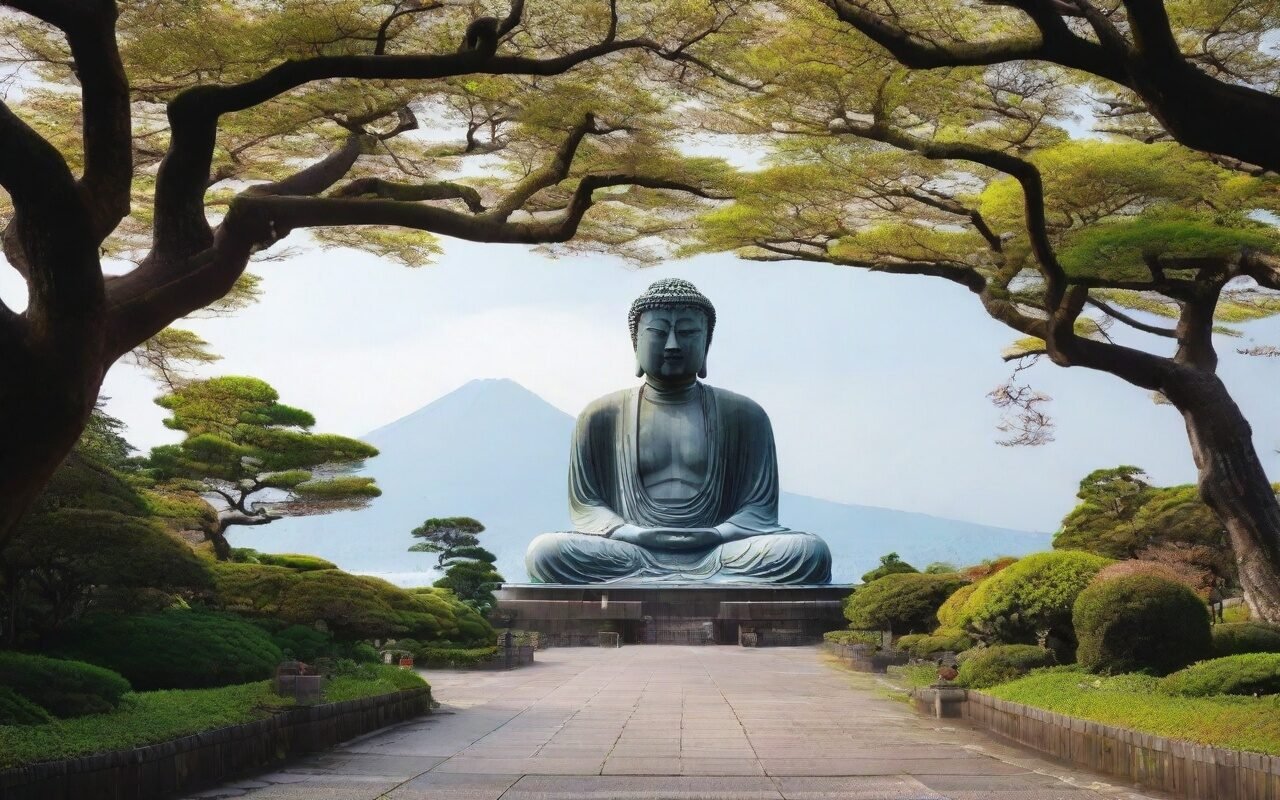
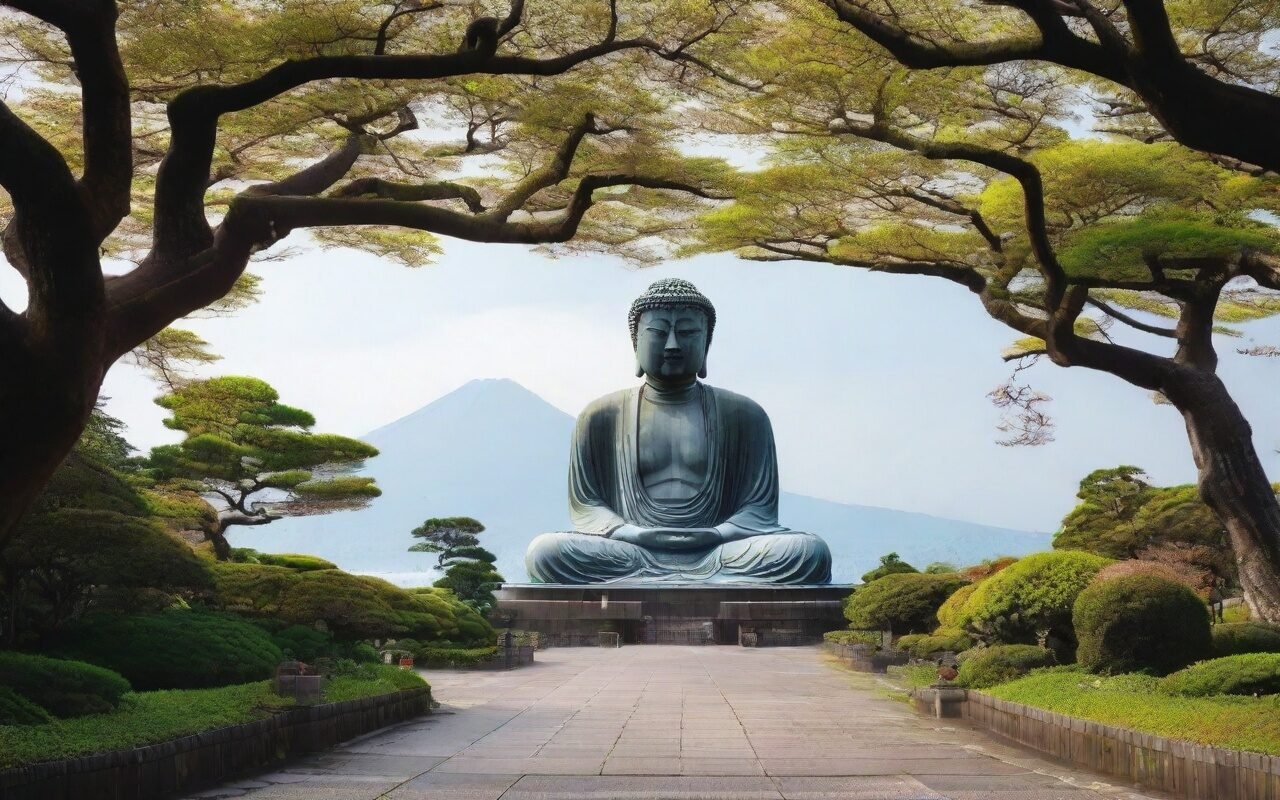
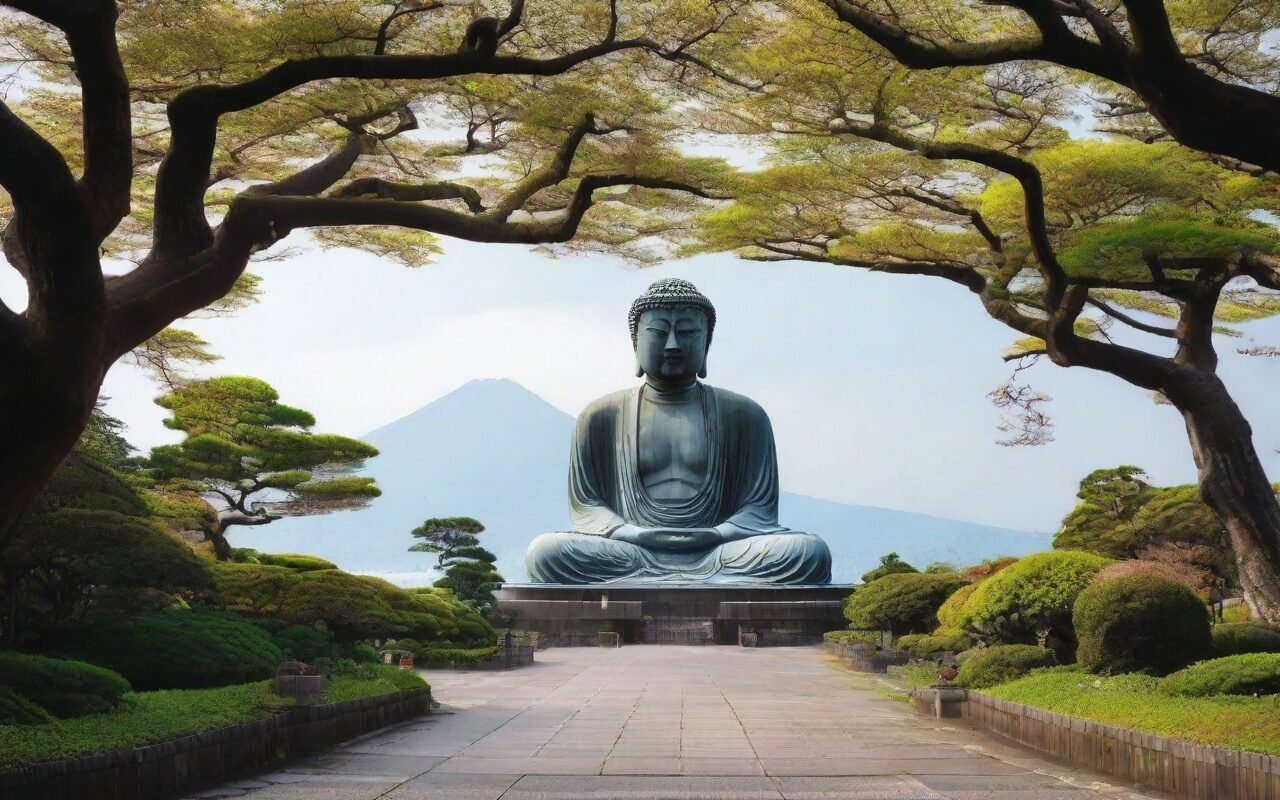
Dango are round, chewy dumplings made from rice flour (mochiko). They are skewered and often grilled or steamed. Dango has been a beloved snack in Japan for centuries and is deeply tied to tea culture and shrine visits. For travelers, it is a perfect energy boost while walking the long paths of Tsurugaoka Hachimangu.
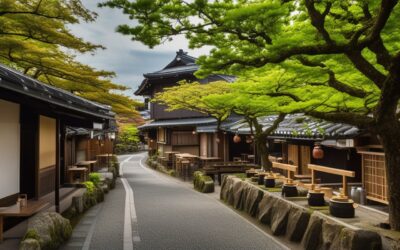
Tsurugaoka Hachimangu Approach
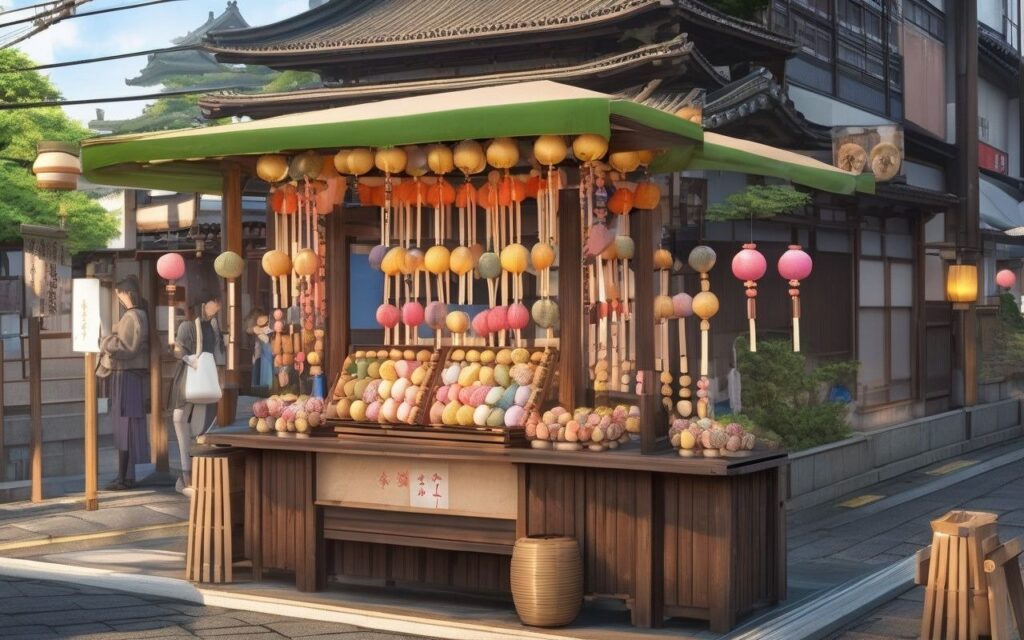
The main path leading to the shrine is lined with shops selling warm, freshly grilled dango.
- Kamakura Specialty: Look for “Chochin Dango” (Lantern Dango). These are shaped like a lantern—flat and wide in the middle—and are a local specialty dating back to the samurai era.
Enoshima Island
Near the bridge to the island, you can find shops selling “Sakura Dango”—pink and white dango wrapped in a pickled cherry blossom leaf. The salty leaf contrasts beautifully with the sweet bean paste inside.
Cultural Note
There is a famous Japanese proverb: “Hana yori dango” (Dango rather than flowers). It means people prefer practical benefits (like food) over aesthetic elegance, When you taste these delicious dumplings after a long hike, you will understand exactly why this proverb exists!
Skewer Strategy on Crowded Shrine Approaches
Tsurugaoka Hachimangu mornings look peaceful in photos, yet the dango line often zigzags across stone dust and stroller wheels. Buy one skewer type at a time so you can finish before the glaze sets stiff in cold air, then rejoin the queue if you want a second flavor rather than juggling three sticks while climbing steps. Enoshima bridge gusts cool mitarashi sauce into tacky armor; face the wind when eating so hair does not dive into syrup.
Sakura-leaf wraps look delicate but carry assertive salt—take small bites so the red bean center balances instead of overwhelming. Photographers should step aside from shop doorways; masters appreciate when you pay first, eat in the marked zone, then shoot empty skewers artfully in hand. Seasonal pink-and-white stacks sell out faster on school trip days; weekday afternoons offer calmer grills with fresher char.
Cash remains essential on rural shrine satellites even when Kamakura Station shops take cards. Coin purses speed everyone behind you. Trash discipline matters because public cans barely exist; returning sticks is part of the purchase contract vendors quietly enforce.
Pair dango routes with broader sweet literacy through Traditional wagashi sweets Kanagawa for counter-service pacing, or weave tea context from Retro kissaten culture guide when you want seated breaks between skewers. Kamakura temple guide helps map stair counts so you know when sugar energy actually becomes necessary rather than habitual snacking.
Evening festival stalls sometimes reuse oil longer than weekday shops; if flavors taste flat, switch vendors rather than risking unhappy stomachs before long Enoden rides home. Hydrate with unsweetened tea between glazed skewers because stacked sugar hides thirst until you are already on a swaying train. Dango rewards patience, small bites, and respect for the skewer as both utensil and souvenir prop—just not one you take home.
How Dango Is Made
Understanding the craftsmanship behind dango deepens the appreciation of this simple snack: Step 1: Fresh mochiko (sweet rice flour) is mixed with water and kneaded into a smooth, pliable dough. The ratio of flour to water determines the final texture—more water produces softer dango, while less water creates a firmer, chewier texture.
Step 2: The dough is rolled into small balls (typically 2–3 cm in diameter) and boiled in water until they float to the surface, Floating indicates they are cooked through—usually 3–5 minutes depending on size.
Step 3: The boiled dango are immediately plunged into ice water to stop the cooking process and set the texture. This step is crucial for achieving the signature springy chewiness.
Step 4: The dango are skewered (3–5 pieces per skewer) and grilled over charcoal until lightly charred and crispy on the outside while remaining soft inside. Step 5: The skewers are brushed with the appropriate sauce or topping.
Dango and Festivals in Kanagawa
Dango is an essential part of Japanese festival culture, and Kanagawa’s festivals feature distinctive dango offerings:
| Festival | Location | Month | Special Dango |
|---|---|---|---|
| Tsurugaoka Hachimangu Reitaisai | Kamakura | September | Hanami dango (3-color) |
| Enoshima Tenno Festival | Enoshima | July | Mitarashi dango with seaweed |
| Odawara Hojo Festival | Odawara | May | Kinako dango with matcha salt |
| Hiratsuka Tanabata Festival | Hiratsuka | August | Star-shaped anko dango |
During these festivals, dango stalls set up along the approach paths, and the smell of charcoal-grilled skewers mixes with the sounds of festival music. Prices at festival stalls are typically ¥50–¥100 higher than stationary shops, but the atmosphere is part of the experience.
Dango Storage and Transport
Fresh dango is best eaten immediately, but if you want to take some home:
- Mitarashi dango: Can be stored at room temperature for up to 6 hours (the glaze prevents drying)
- Anko dango: Will keep for 12–24 hours in a cool place; refrigerate for up to 2 days
- Kinako dango: Best eaten within 2 hours—the soybean powder absorbs moisture and becomes clumpy
For longer transport, vacuum-packed dango is available at station souvenir shops. These last 2–3 weeks at room temperature and are an excellent light souvenir.
Beyond the Main Spots: Hidden Dango Gems in Kanagawa
Fujisawa Enoden Line Shops
The Enoden train line connecting Kamakura to Fujisawa passes several small stations with local dango shops that rarely appear in guidebooks. Hase Dango (near Hase Station) has been making mitarashi dango by hand since 1952. Their skewers are notably larger than average and brushed with a house-made sauce fermented for three days. At ¥180 per skewer, they are exceptional value.
Odawara Station Souvenir Shops
Odawara’s station building houses several confectionery shops selling “Odawara Dango”—a local variation made with locally produced sweet rice and wrapped in bamboo leaves. The leaves impart a subtle grassy aroma that complements the sweet soy glaze.
Planning Your Dango Tasting Tour
Kamakura area route
Start at Tsurugaoka Hachimangu approach (Nakamise-dori), where several dango stalls operate daily from 9 AM to 5 PM. Try the mitarashi dango from the stall on the left side of the approach—their sauce recipe has not changed since 1972. Continue to Komachi-dori where you will find anko dango and kinako dango at multiple stalls. The best value is the three-skewer set (¥500) that includes one of each flavor.
Enoshima route
Walk across the bridge from Enoshima Station to the island. The approach to the Enoshima Sea Candle has several dango stalls offering unique island variations. Try the shio dango (salt dango, ¥300)—the salt crystals on the grilled surface create a savory-sweet contrast that pairs perfectly with the ocean breeze.
Seasonal timing: Dango is available year-round, but the experience differs by season, Spring dango (cherry blossom flavored) is available March–May. Summer dango is lighter and less sweet, often served chilled. Autumn dango incorporates chestnut and sweet potato flavors. Winter dango is grilled over higher heat, creating a smokier flavor.
Budget: A thorough dango tasting session costs ¥1,500–¥2,000 per person, including 4–5 different types. Dango is one of the most affordable food experiences in Kanagawa, making it accessible for budget-conscious travelers.
Pairing: Most dango stalls do not serve drinks, but nearby vending machines sell green tea and hojicha. For a more complete experience, buy dango from a stall and bring it to a nearby tea shop that allows outside food. Some Kamakura tea houses specifically accommodate this practice and offer tea-only service (¥400–¥600) for customers who bring their own sweets.
Dango Etiquette and Practical Tips
When buying dango at a shrine approach or station stall, follow these simple guidelines:
- Eat immediately: Dango is best within 10 minutes of being grilled. The texture stiffens and the sauce congeals as it cools
- Use the provided skewer wrapper: Hold the bottom half of the skewer with the paper wrapper to keep your hands clean
- Don’t bite through the skewer: Slide the dango balls off with your teeth rather than biting through the stick
- Dispose of skewers properly: Return used skewers to the shop’s designated bin
Seasonal Dango in Kanagawa
Dango varieties change with the seasons in Kanagawa:
| Season | Variety | Where to Find |
|---|---|---|
| Spring (Mar–May) | Sakura Dango | Enoshima, Tsurugaoka Hachimangu |
| Summer (Jun–Aug) | Mizu Dango (chilled) | Kamakura backstreet shops |
| Autumn (Sep–Nov) | Kuri Dango (chestnut) | Odawara Station shops |
| Winter (Dec–Feb) | Kinako Dango (roasted soybean) | Fujisawa Enoden stalls |
Pairing Dango with Local Tea
A complete dango experience is enhanced by the right tea pairing, Traditional sweet dango varieties pair beautifully with hojicha (roasted green tea), whose toasty notes balance the sweetness. Mitarashi dango, with its savory soy glaze, is better complemented by sencha (steamed green tea), which cleanses the palate between skewers.
Many Kamakura tea shops offer dango and tea sets for ¥500–¥700. Retro cafes in the retro-kissaten style also occasionally offer dango as a side to their hand-drip coffee—a fusion worth trying for the cultural mashup alone.
Frequently Asked Questions (FAQ)
Q: What is the best time to try dango in Kanagawa?
A: Dango is available year-round, but the experience varies by season, Spring (March–May) offers cherry blossom flavored dango, summer features lighter chilled varieties, autumn incorporates chestnut flavors, and winter dango has a smokier grilled taste.
Q: How much does dango cost in Kanagawa?
A: A single skewer typically costs ¥150–¥300 depending on the variety and location. Set menus with 3 different flavors cost around ¥500. A thorough dango tasting tour costs ¥1,500–¥2,000 per person.
Q: Where are the best places to try dango near Kamakura?
A: The approach to Tsurugaoka Hachimangu (Nakamise-dori) has several dango stalls open daily from 9 AM to 5 PM. The stall on the left side of the approach has been using the same sauce recipe since 1972.
Q: Is dango suitable for vegetarians?
A: Most traditional dango (mitarashi, kusa, kinako) is made from rice flour and is vegetarian-friendly. However, some varieties may use dashi in the sauce — always ask the vendor if you have dietary restrictions.
Q: Can I take dango home as a souvenir?
A: Fresh dango is best eaten within hours, but vacuum-packed dango available at station souvenir shops lasts 2–3 weeks at room temperature and makes an excellent light souvenir.
Conclusion
exploring Kanagawa for its dango can be as relaxed or as packed as you want it to be, and I have found that the best visits leave room for both planning and spontaneity. During my visit I went with a rough plan and found that leaving room to wander made the trip far more memorable. Use this guide to sort out the logistics in advance, then let the day surprise you — Kanagawa rewards travelers who stay curious.