
Japanese Oden Winter Guide 2026
Overview
Discover the best food and drink experiences that Japanese Oden Winter Guide has to offer. From hidden local gems to popular dining destinations, this guide takes you through the culinary landscape of Japanese in Kanagawa Prefecture. Whether you are a first-time visitor or a returning food enthusiast, you will find something to satisfy your cravings.
Access
Getting to Kanagawa from Tokyo is straightforward by train, and most routes take well under two hours. During my trips I relied on an IC card for every connection and kept a bus timetable saved on my phone as backup. If you are staying overnight, look for accommodation near the station to save time.
📍 Location
Noge sits southwest of Sakuragicho Station between the bayfront towers and classic drinking alleys. Follow elevated pedestrian signs toward “Noge” instead of cutting through private parking behind live houses.
The Magic of Dashi Broth
The soul of Oden lies in the broth. In Kanagawa, many shops use dashi made from niboshi (dried sardines) caught in the nearby Sagami Bay. This gives the broth a distinct, savory depth that improves the longer it simmers. Some historic shops in Yokohama have broths that have been topped up and simmering for decades, creating a complex flavor profile known as “ancient dashi.”
Must-Try Ingredients
When ordering Oden at a resrestaurant convenience store, look for these classics:
- Daikon: Large, thick slices of radish. A perfect piece should be translucent and melt in your mouth.
- Chikuwa: Tube-shaped fish cake with a bouncy texture.
- Satsuma-age: Fried fish paste, often containing vegetables like burdock root or shiso leaf.
- Konjac: A jelly-like yam cake known for its firm, rubbery texture. It has almost no calories but absorbs the broth’s flavor beautifully.
- Mochi-Kin Chakuwa: Fried fish cake wrapped around a piece of mochi rice cake, When you bite into it, the stretchy cheese-like mochi expands—a unique texture experience.
Counters photograph best when steam backlights the first skewer you lift; ask before using flash because some shops keep mood lighting low for regulars.
Where to Eat Oden
Tachinomi (Standing Bars) in Yokohama’s Noge District
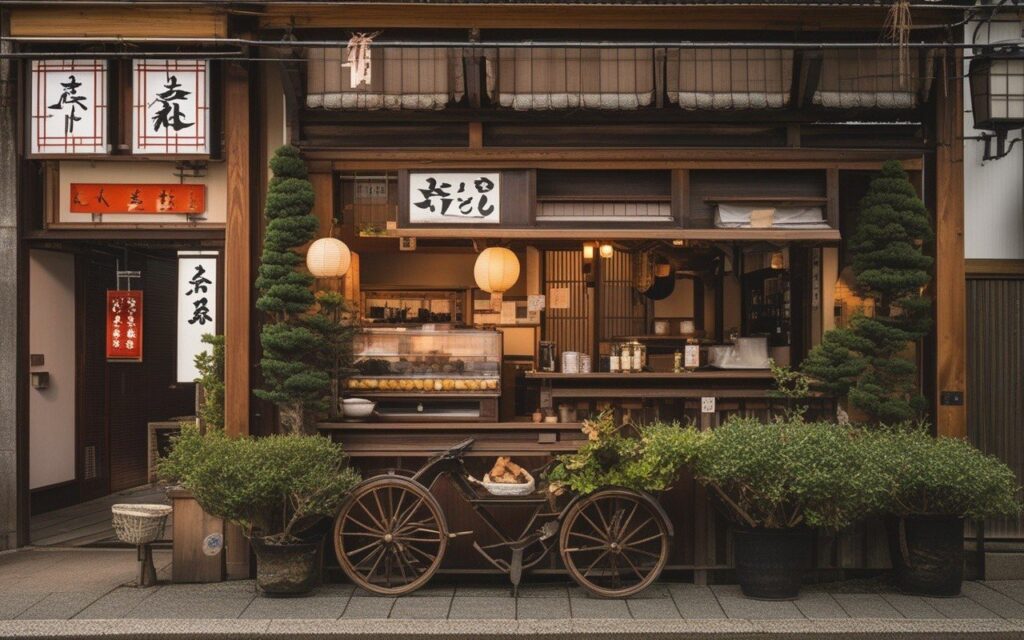
The Noge area is famous for its “Tachinomi” culture. These standing bars offer Oden alongside warm sake. It is a great way to mingle with locals after a long day of sightseeing. The atmosphere is lively, loud, and incredibly welcoming.
- Tip: Order “Karashi” (Japanese mustard) to add a spicy kick to your ingredients.
Convenience Stores (Konbini)
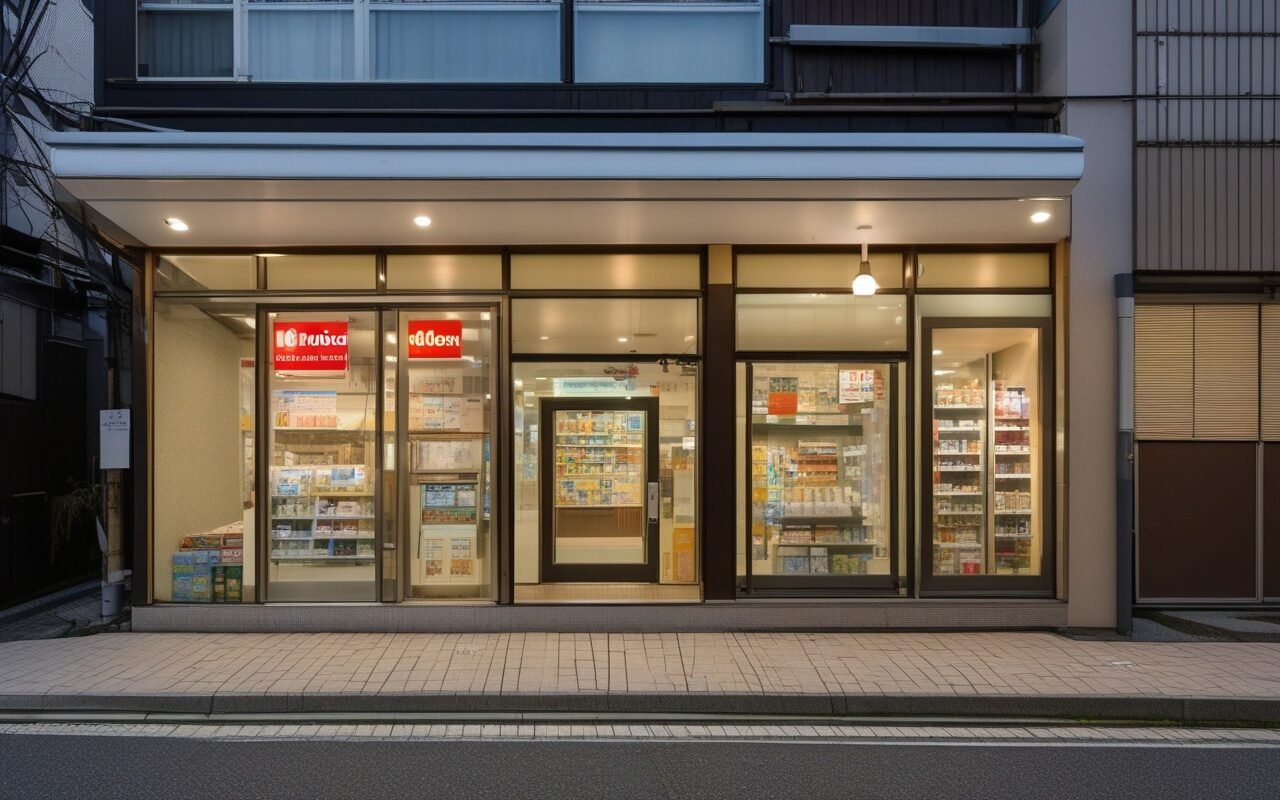
Don’t underestimate the Oden at 7-Eleven, Lawson, or FamilyMart! The “Konbini Oden” is a phenomenon in itself—high quality, incredibly affordable (often ¥100-$0.70 per item), and available 24/7. It is the perfect budget meal for backpackers.
Chains photograph trays more cleanly after midnight rotations when staff consolidate pots; daytime shots work if you keep reflections off the sneeze guard.
Building a Balanced Oden Tray in Kanagawa Winter
Start with daikon and konjac anchors because they absorb broth slowly while you queue for skewers that finish faster. Add one fried item such as satsuma-age early so the crust softens to your preferred texture before broth temperatures drop on outdoor-facing counters. Egg halves should look gently stained brown; chalk-white albumen usually means recent replenishment rather than long simmer, which is fine at konbini but less ideal at specialty shops advertising overnight pots.
Noge standing bars often rotate broth salinity after rainstorms because customers drink more beer and request extra mustard heat; taste before blanketing karashi across everything, When ordering daikon seconds, say “ooki me” if you want the core cut with more fiber versus “chu-toro bu” for softer center slices—vendors recognize the playful jargon and smile. Tachinomi counters may expect you to stack empty skewers in provided bins; never point tips upward in shared containers because it mirrors funeral incense imagery and unsettles older regulars.
Convenience-store oden after midnight shifts toward unsold pieces being discounted; quality stays regulated by chains, yet texture variance increases. Hotel microwave misuse turns mochi-kinchaku into explosive surprises—always vent lids if staff allows reheating. Hydrate between salty rounds because Kanagawa winter wind dehydrates faster than snow-country travelers expect.
Expand winter food planning with hot-spring evenings in Kanagawa onsen guide when drizzle replaces frost, detour through Kanagawa rainy day spots for indoor backup plans, or contrast broth-heavy nights with lighter izakaya picks in Noge izakaya complete guide. Vegetarians should scan ingredient charts because fish cake blends hide in seemingly simple blocks.
Carry a compact pouch for receipts if your employer reimburses meals; tachinomi registers still print narrow slips that smudge in wet pockets. Finally, thank cooks with “gochisousama” audibly enough for them to hear over vent fans—winter oden is part theater, part community radiator, and manners keep the steam welcoming for the next traveler through the noren.
Where to Find the Best Oden in Kanagawa
Noge District, Yokohama
Noge is Yokohama’s most famous drinking district, and its oden shops are legendary. Oden no Hige has been serving oden since 1958 from a tiny counter seating only 8 people. Their broth is lighter than average, allowing the individual ingredients to shine. Must-tries include their daikon (simmered for 3 hours) and their handmade satsuma-age.
Noge Oden Yokocho is an alley of 6–8 oden shops, each specializing in a different ingredient. You can hop between shops, ordering one or two items at each. Most shops open at 5 PM and close when they run out—typically around 10 PM.
Kamakura Station Area
Kamakura Oden Honpo near the station offers oden in a more refined setting, with a focus on Kyoto-style clear broth. Their seasonal oden uses Kamakura-grown vegetables alongside traditional ingredients.
Convenience Store Oden
FamilyMart, 7-Eleven, and Lawson all offer oden from October through March. A typical bowl with 4–5 ingredients costs ¥400–¥600. The quality is surprisingly good—the broth is carefully formulated and ingredients are kept at the optimal temperature.
Pro tip: Ask for extra broth („osuimono omake“) to enjoy the rich dashi flavor. Convenience store staff will usually add an extra ladleful at no charge.
Oden Ingredients Guide
| Ingredient | Texture | Flavor | Best With |
|---|---|---|---|
| Daikon (大根) | Soft, translucent | Absorbs broth | Karashi mustard |
| Egg / Tamago (玉子) | Firm white, creamy yolk | Rich, savory | Soy sauce |
| Konnyaku (こんにゃく) | Jelly-like, chewy | Neutral | Miso paste |
| Chikuwa (竹輪) | Springy, firm | Subtle fish | Straight |
| Satsuma-age (薩摩揚げ) | Spongy, porous | Fish cake | Karashi mustard |
| Hanpen (半片) | Fluffy, cloud-like | Light fish | Ponzu sauce |
| Goboten (ごぼう天) | Crunchy, fibrous | Burdock root | Soy sauce |
| Grilled tofu (豆腐) | Firm, porous | Soy, absorbs broth | Green onion |
Oden Broth Variations
| Region | Broth Color | Key Ingredients | Flavor Profile |
|---|---|---|---|
| Kanto (Kanagawa) | Dark brown | Dark soy sauce, bonito, kombu | Rich, savory |
| Kansai (Osaka/Kyoto) | Light brown | Light soy sauce, kombu | Subtle, delicate |
| Kyushu | Clear | Salt, kombu, chicken | Simple, clean |
Kanagawa shops offer a mix of Kanto and Kansai styles, depending on the shop’s heritage and the chef’s preference.
Oden Etiquette and Enjoyment
At standing bars: Oden at standing bars (tachinomi) is a fast, social experience. Order 2–3 pieces at a time rather than your entire meal at once. This ensures each piece is at the optimal temperature. Eat standing at the counter and make room for others. Most standing bars accept cash only and expect you to settle your tab when you leave.
At specialty shops: Sit-down oden shops encourage a more leisurely pace. Order your first round (3–4 pieces), then order additional pieces as you go. The broth is continuously simmered, and the deeper flavors emerge as the evening progresses. Staff may offer you extra broth („osuimono“) free of charge—always accept.
At convenience stores: Konbini oden is self-service. Use the provided tongs to select your ingredients, place them in a bowl, and bring to the register. The staff will add broth and ring up your order. Eat at the designated standing counter inside the store—do not eat while walking. Dispose of your bowl and chopsticks in the store’s designated waste bin.
Oden vocabulary:
- “Kore to kore o kudasai” — Please give me this and this
- “Osui wa ikaga desu ka?” — Would you like some extra broth?
- “Karashi wa arimasu ka?” — Do you have mustard?
- “Motto nite kudasai” — Please simmer it longer (for harder ingredients like daikon)
Oden year-round: While traditionally a winter dish, oden’s popularity has led to year-round availability at specialty shops in Noge and at large convenience stores in tourist areas. Summer oden uses a lighter broth and is served at room temperature rather than piping hot. The ingredients remain the same, but the lighter preparation is refreshing in hot weather.
Health considerations: Oden is relatively healthy—low in calories (a typical bowl of 4–5 ingredients contains 200–350 calories), moderate in protein (10–15g), and high in sodium (800–1,200mg). The daikon provides fiber and vitamin C, while the fish cakes contribute protein and omega-3 fatty acids.
Making Oden at Home
Oden is surprisingly easy to prepare. Here is a basic recipe:
- Bring 1 liter of dashi (kombu + bonito) to a simmer
- Add 3 tbsp soy sauce, 2 tbsp mirin, 1 tbsp sake, 1 tsp salt
- Add hard ingredients first: daikon (parboiled), eggs (boiled), konnyaku
- Simmer 30 minutes on low heat
- Add medium ingredients: chikuwa, satsuma-age, hanpen
- Simmer another 15 minutes
- Add tofu and green vegetables (if using)
- Simmer 5 more minutes and serve
The broth improves if made a day ahead and reheated.
Frequently Asked Questions (FAQ)
Q: Is oden available year-round or only in winter?
A: While oden is traditionally a winter dish (typically available October through March), some specialty shops in Noge and convenience stores offer it year-round. The best quality and widest variety are found in colder months.
Q: What is the spicy mustard served with oden?
A: That is “karashi”—Japanese spicy mustard. It is significantly spicier than Western mustard and clears the sinuses quickly. Use sparingly at first. It is typically provided in a small squeeze tube or jar at the counter.
Q: How many pieces should I order?
A: A typical meal consists of 4–6 pieces. Start with daikon and egg as your base, then add one fried item (satsuma-age) and one protein (chikuwa or hanpen).
Q: Can I take konbini oden to my hotel?
A: Convenience store oden is meant to be eaten immediately at the standing counter. Some stores refuse to sell oden for takeaway because the broth continues to cook the ingredients and the texture changes. Respect the store’s policy.
Q: Is there a vegetarian version of oden?
A: Traditional oden broth is made with dashi from dried fish and sometimes chicken. But here’s the thing, some modern shops offer “vegan oden” using kombu-based broth. Look for shops advertising “vegan” or “yasai oden” in Noge.
Conclusion
The details in this guide come from real visits, and the biggest lesson I took away was that the best experiences in Kanagawa rarely fit neatly into a checklist. During my visit I went with a rough plan and found that leaving room to wander made the trip far more memorable. Plan the essentials, keep your schedule flexible, and you will leave Kanagawa wanting to return.