Key Points
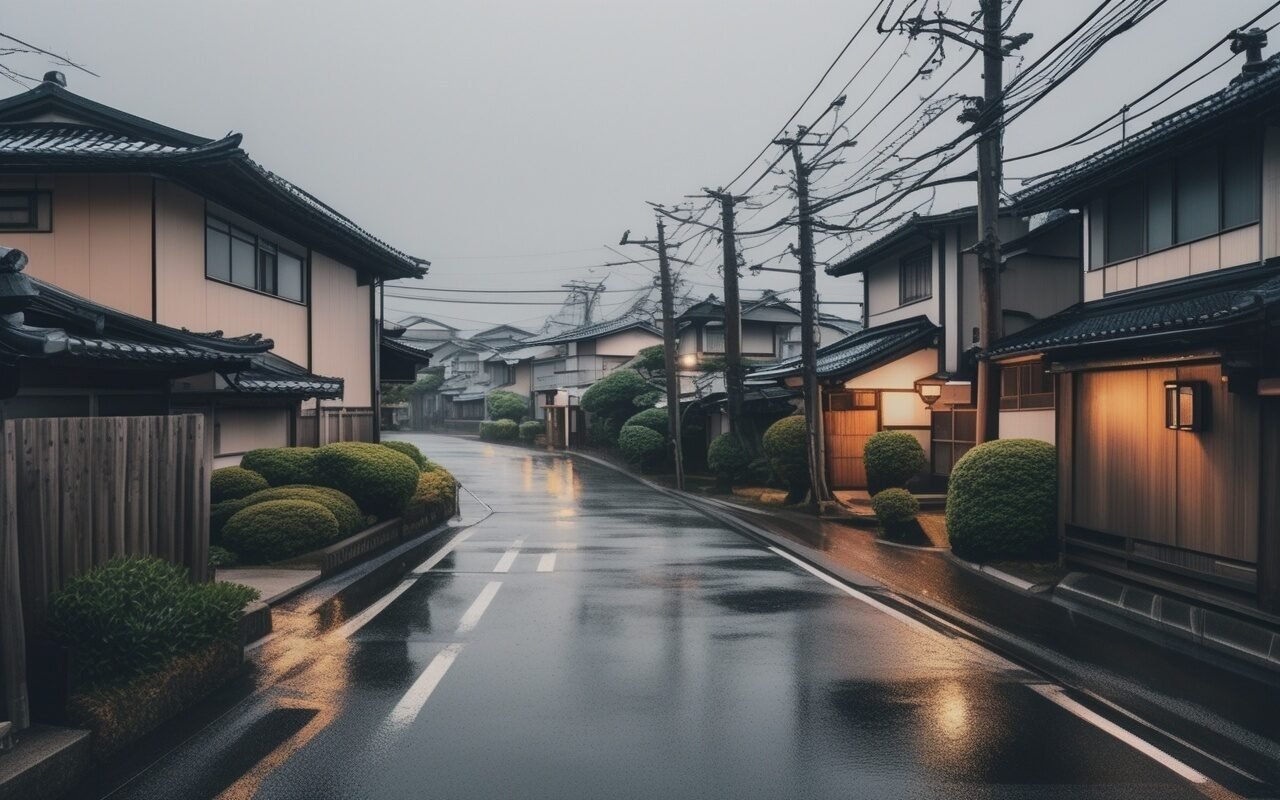
- Perfect for: Travelers visiting during rainy season (June-July) or typhoon season
- Duration: Full day itineraries available
- Best for: Families, couples, solo travelers
- Budget: ¥2,000-8,000 per person
Overview
Kanagawa offers numerous indoor attractions perfect for rainy days. From world-class museums to traditional craft experiences, you can enjoy a full day even when the weather is poor.
This guide covers the best indoor spots across Yokohama, Kamakura, Hakone, and other areas.
1. Cup Noodles Museum Yokohama
Overview: Interactive museum where you can create your own custom Cup Noodles.
Highlights:
- Design your own noodle cup with custom ingredients
- Learn about the history of instant ramen
- Factory tour showing the production process
- Gift shop with exclusive flavors
Practical Information:
- Location: Yokohama Minatomirai
- Access: 5 minutes from Minatomirai Station
- Hours: 10:00-18:00 (closed Tuesdays)
- Fee: Free entry, noodle making ¥500
- Time needed: 1-2 hours
2. Yokohama Red Brick Warehouse
Overview: Historic warehouse converted into shopping and dining complex.
Highlights:
- Unique shops selling local crafts and souvenirs
- Multiple restaurants with harbor views
- Event space with rotating exhibitions
- Beautiful architecture for indoor photography
Practical Information:
- Access: 5 minutes from Bashamichi Station
- Hours: 11:00-20:00 (varies by shop)
- Fee: Free entry
3. Yokohama World Porters
Overview: Large shopping complex with over 180 shops and restaurants.
Highlights:
- Fashion, electronics, and specialty stores
- Indoor playground for children
- Cinema complex
- Rooftop garden (covered)
4. Kamakura Museum of National Treasures
Overview: Museum housing important cultural artifacts from Kamakura's history.
Highlights:
- Samurai swords and armor
- Buddhist statues and paintings
- Historical documents
- Beautiful traditional architecture
Practical Information:
- Location: Near Tsurugaoka Hachimangu
- Hours: 9:00-16:30 (closed Mondays)
- Fee: ¥500 adults
- Time needed: 1 hour
5. Kamakura Kokuhin-kan (Treasure House)
Overview: Museum showcasing Kamakura's Buddhist art treasures.
Highlights:
- National Treasure statues
- Rotating exhibitions
- Peaceful garden views from inside
- English audio guides available
Practical Information:
- Hours: 9:00-16:30
- Fee: ¥500
6. Komachi-dori Shopping Street
Overview: Covered shopping street with traditional and modern shops.
Highlights:
- Traditional Japanese sweets shops
- Local craft stores
- Tea houses with indoor seating
- Umbrella shops (buy a traditional wagasa!)
7. Hakone Open-Air Museum (Indoor Sections)
Overview: Famous museum with extensive indoor galleries.
Highlights:
- Picasso Pavilion with 319 works
- Contemporary art exhibitions
- Indoor sculpture galleries
- Foot bath (covered area)
Practical Information:
- Access: Hakone Tozan Railway
- Hours: 9:00-17:00
- Fee: ¥1,600 adults
- Time needed: 2-3 hours
8. Hakone Venetian Glass Museum
Overview: Beautiful museum showcasing Venetian glass art.
Highlights:
- 100+ years of Venetian glass art
- Beautiful indoor gardens
- Glass-making demonstrations
- Gift shop with unique pieces
Practical Information:
- Hours: 9:00-17:30
- Fee: ¥1,500
9. Hakone Onsen (Indoor Hot Springs)
Overview: Traditional hot spring baths - perfect for rainy days.
Highlights:
- Multiple indoor baths
- Private family baths available
- Relaxation areas
- Traditional ryokan experience
Recommended Onsen:
- Tenzan Onsen (day trip available)
- Hakone Yuryo (luxury experience)
- Many ryokans offer day-use baths
10. Kawasaki La Cittadella
Overview: Italian-themed entertainment complex with cinema and shops.
Highlights:
- 13-screen cinema
- Shopping arcade
- Restaurants and cafes
- Indoor game center
11. Mitsui Shopping Park LaLaport
Overview: Large suburban shopping mall with everything under one roof.
Highlights:
- 200+ shops
- Food court with local specialties
- Indoor playground
- Cinema
12. Yokohama Ramen Museum
Overview: Theme park dedicated to Japanese ramen from across Japan.
Highlights:
- 9 famous ramen shops from different regions
- Replicated 1958 Tokyo streetscape
- Ramen making workshops
- Small portion tasting available (mini ramen)
- Original souvenir cups
Practical Information:
- Location: Shin-Yokohama
- Access: 5 minutes from Shin-Yokohama Station
- Hours: 11:00-22:00 (last order 21:30)
- Fee: ¥310 entry + ramen ¥800-1,200
- Time needed: 1-2 hours
13. Yokohama Chinatown Indoor Food Tour
Overview: Explore Chinatown's indoor restaurants and shops during rainy weather.
Highlights:
- Over 500 restaurants and shops in the area
- Indoor food courts with regional Chinese cuisine
- Traditional tea houses with tasting experiences
- Cooking classes available (reservation required)
- Covered shopping arcades
Recommended Restaurants:
- Good Luck Tea House: Traditional dim sum
- Manneken: Famous Belgian waffles (Japanese-Chinese fusion)
- Rakan: Authentic Sichuan cuisine
Practical Information:
- Access: 5 minutes from Motomachi-Chukagai Station
- Best time: 11:00-14:00 or 17:00-20:00
- Budget: ¥1,000-3,000 per person
14. Traditional Craft Workshops
Available Workshops:
- Kamakura-bori lacquerware painting: Create your own lacquered bowl (2 hours, ¥3,000)
- Yosegi-zaiku wooden mosaic craft: Traditional Hakone craft (1.5 hours, ¥2,500)
- Glass blowing in Hakone: Make your own glassware (1 hour, ¥4,000)
- Calligraphy experiences: Learn Japanese writing (1 hour, ¥2,000)
Booking Information:
- Most workshops require advance reservation
- English instructions available at major locations
- Finished products can be taken home as souvenirs
- Group discounts available (4+ people)
15. Tea Ceremony Experiences
Highlights:
- Traditional tea ceremony in Kamakura temples
- Matcha making workshops
- Japanese sweets pairing (wagashi)
- English explanations available
- Seasonal variations (cherry blossom tea in spring, etc.)
Recommended Locations:
- Kamakura Tea House: Near Tsurugaoka Hachimangu
- Hakone Open-Air Museum: Tea room with garden views
- Yokohama Nojima-kan: Historic Western-style building
Practical Information:
- Duration: 45-90 minutes
- Fee: ¥1,500-3,000 (includes tea and sweets)
- Reservation: Recommended (walk-ins sometimes available)
Half-Day Course (Yokohama)
Morning (10:00-12:00):
- Cup Noodles Museum: Custom noodle making experience
Lunch (12:00-13:30):
- Yokohama Ramen Museum: Try 3 different regional styles
Afternoon (13:30-16:00):
- Red Brick Warehouse: Shopping and harbor views from inside
Total Budget: ¥3,000-5,000 per person
Full-Day Course (Kamakura)
Morning (9:00-11:00):
- Kamakura Museum of National Treasures: Samurai artifacts
Lunch (11:00-12:30):
- Komachi-dori: Traditional Japanese sweets and street food
Afternoon (12:30-15:00):
- Temple indoor attractions and gardens (covered areas)
Late Afternoon (15:00-16:30):
- Tea ceremony experience at local tea house
Total Budget: ¥4,000-6,000 per person
Full-Day Course (Hakone)
Morning (9:00-11:30):
- Open-Air Museum indoor galleries: Picasso Pavilion
Lunch (11:30-13:00):
- Hakone local cuisine: Soba and seasonal dishes
Afternoon (13:00-15:00):
- Venetian Glass Museum: Beautiful indoor exhibitions
Late Afternoon (15:00-17:00):
- Onsen experience: Traditional hot spring relaxation
Total Budget: ¥5,000-8,000 per person
What to Bring
- Compact umbrella: Available at convenience stores (¥500-800)
- Waterproof bag: For electronics and documents
- Extra socks: In case of wet feet
- Small towel: For drying hands and face
- Plastic bags: For wet items
Transportation Tips
- Most attractions accessible by train (covered stations)
- Covered walkways in major tourist areas
- Taxi available for short distances (¥500-1,500)
- Day passes available for unlimited train travel
Best Season for Indoor Activities
- Rainy season: June-July (plum rain season)
- Typhoon season: August-October (occasional heavy rain)
- Winter rain: December-February (cold but less crowded)
Money-Saving Tips
- Indoor attraction passes: Yokohama City Pass (¥1,000/day)
- Museum combination tickets: Hakone Museum Pass (¥2,000)
- Rainy day discounts: Some attractions offer special rates
- Free indoor spots: Temple gardens, shopping arcades
16. Yokohama Archives Museum
- Highlights: Historical documents and photographs
- Fee: Free
- Time needed: 30-60 minutes
17. Kamakura Literature Museum
- Highlights: Japanese literary history and manuscripts
- Fee: ¥300
- Time needed: 1 hour
18. Hakone Checkpoint Museum
- Highlights: Edo period history and artifacts
- Fee: ¥500
- Time needed: 45 minutes
Rainy Day Accommodation Guide
When the weather is poor, choosing the right accommodation can make your trip more enjoyable. Here are recommendations for rainy day stays in Kanagawa.
Yokohama Bay Hotel Tokyu
- Location: Minatomirai waterfront
- Features: Harbor views from rooms, indoor pool, spa
- Rainy day perks: Direct access to shopping mall, multiple restaurants
- Budget: ¥15,000-30,000/night
Kamakura Ryokan Experience
- Location: Near Tsurugaoka Hachimangu
- Features: Traditional tatami rooms, onsen baths, kaiseki dining
- Rainy day perks: Indoor cultural activities, tea ceremony, garden views
- Budget: ¥20,000-50,000/night
Hakone Onsen Resort
- Location: Hakone mountain area
- Features: Natural hot springs, mountain views, traditional architecture
- Rainy day perks: Multiple indoor baths, spa treatments, cultural programs
- Budget: ¥25,000-60,000/night
Spring (March-May)
- Yokohama Flower Festival: Indoor flower exhibitions
- Kamakura Buddha Special Tours: Extended indoor viewing hours
- Tea Ceremony Spring Events: Matcha tasting with seasonal sweets
Summer (June-August)
- Hakone Glass Art Festival: Indoor exhibitions and workshops
- Yokohama Jazz Festival: Indoor venues throughout the city
- Kamakura Lantern Festival: Evening indoor-outdoor combination event
Autumn (September-November)
- Kanagawa Art Week: Museum special exhibitions
- Hakone Food Festival: Indoor cooking demonstrations
- Yokohama International Film Festival: Multiple cinema venues
Winter (December-February)
- Yokohama Illumination: Covered viewing areas
- Kamakura New Year Temple Visits: Indoor prayer halls
- Hakone Winter Onsen Festival: Special bath experiences
Train Coverage
Most major stations in Kanagawa have covered platforms and direct access to shopping areas:
- Yokohama Station: Direct connection to 3 shopping malls
- Kamakura Station: Covered walkway to Komachi-dori
- Hakone-Yumoto Station: Direct access to onsen hotels
Bus Services
- Yokohama City Bus: Covered bus stops at major attractions
- Hakone Tozan Bus: Direct service to indoor attractions
- Kamakura Enoden Bus: Scenic route with covered waiting areas
Taxi Services
- Available at all major stations
- Average fare: ¥500-1,500 for short distances
- English-speaking drivers available at tourist information centers
Navigation
- Google Maps: Indoor maps of major stations
- Japan Transit Planner: Real-time train information
- Kanagawa Tourism App: Indoor attraction guide
Translation
- Google Translate: Camera translation for menus and signs
- VoiceTra: Voice translation for conversations
- Imiwa?: Japanese dictionary with offline support
Weather
- Japan Weather: Detailed hourly forecasts
- Rain Radar: Real-time precipitation tracking
- Typhoon Info: Seasonal storm tracking
Why Visit Kanagawa on Rainy Days
Many travelers assume that rain ruins their travel plans, but Kanagawa offers unique advantages during wet weather:
Fewer Crowds
Popular attractions like the Cup Noodles Museum and Hakone Open-Air Museum see 30-50% fewer visitors during rainy days. This means shorter lines, more photo opportunities, and a more relaxed atmosphere.
Better Photography
Indoor lighting creates excellent conditions for museum photography. Soft natural light from windows illuminates exhibits beautifully, and reflections on wet surfaces create stunning outdoor shots between buildings.
Authentic Local Experience
Rainy days reveal the everyday life of Kanagawa residents. Visit local shopping arcades, neighborhood cafes, and community centers to experience authentic Japanese culture away from tourist crowds.
Seasonal Specialties
Many restaurants offer rainy day specials:
- Hot sake tastings at traditional izakayas
- Seasonal soups featuring local ingredients
- Warm desserts like sweet potato treats and matcha lattes
Cultural Immersion
Indoor activities like tea ceremony, calligraphy, and craft workshops provide deeper cultural understanding than typical sightseeing. These experiences create lasting memories and unique souvenirs.
Conclusion
Rainy days in Kanagawa offer unique opportunities to enjoy indoor attractions without the crowds. From world-class museums to traditional craft experiences, you can create memorable experiences regardless of weather.
Top Recommendations:
- For families: Cup Noodles Museum + Ramen Museum
- For culture lovers: Kamakura museums + tea ceremony
- For relaxation: Hakone onsen + indoor galleries
Don't let rain ruin your Kanagawa adventure - embrace the indoor experiences and discover a different side of this beautiful region!
Final Tips:
- Check attraction websites for temporary closures
- Book popular workshops in advance
- Carry cash (some small shops don't accept cards)
- Enjoy the slower pace that rainy days bring
- Use rainy days as an opportunity to explore local neighborhoods
- Try indoor activities you might skip on sunny days
- Take advantage of shorter lines at popular attractions
- Visit convenience stores for umbrella purchases and hot snacks
- Ask hotel concierge for personalized rainy day recommendations
- Consider booking a day spa for ultimate relaxation
- Explore underground shopping areas in major cities
- Visit local libraries and bookstores for cultural immersion
- Download offline maps before heading out
- Pack a portable phone charger for extended indoor navigation
- Bring a good book for cafe waiting times
- Learn basic Japanese phrases for restaurant ordering
- Try regional specialty dishes unique to each area
- Take photos of indoor architecture and art installations
- Visit local museums on free admission days
- Join guided indoor tours for deeper cultural understanding
Comprehensive Visitor Guide
This detailed section provides essential information for planning your visit to kanagawa-rainy-day-spots. Whether you are a first-time visitor or returning traveler, this guide covers everything you need to know for an authentic and enjoyable experience in Kanagawa.
What Makes This Destination Special
Kanagawa Rainy Day Spots offers unique experiences that cannot be found elsewhere in Japan. The area combines traditional culture with modern amenities, creating an authentic yet comfortable environment for international visitors. Local residents take pride in sharing their heritage with guests from around the world.
Detailed Seasonal Guide
Spring (March-May)
Spring is one of the most popular seasons for visiting this area. Cherry blossoms typically bloom from late March to early April, creating spectacular scenery throughout the region. Temperatures range from 10-20°C (50-68°F), making it comfortable for walking tours and outdoor activities.
- Highlights: Cherry blossoms, spring festivals, fresh seasonal food
- Crowds: High during peak blossom season (late March-early April)
- What to Wear: Light jacket, layers, comfortable walking shoes
- Special Events: Hanami parties, temple ceremonies, food festivals
Summer (June-August)
Summer brings lush greenery and vibrant energy to the area. Temperatures range from 20-30°C (68-86°F), with higher humidity. This is the season for beach activities, mountain hiking, and evening festivals.
- Highlights: Green landscapes, summer festivals, fireworks, beach access
- Crowds: Very high during school holidays (late July-August)
- What to Wear: Light clothing, hat, sunscreen, umbrella
- Special Events: Fireworks festivals, beach events, night illuminations
Autumn (September-November)
Autumn is arguably the best season for visiting. Fall foliage peaks in November, creating stunning scenery. Temperatures range from 15-25°C (59-77°F), perfect for outdoor exploration.
- Highlights: Fall foliage, comfortable weather, harvest season food
- Crowds: Moderate to high (especially November weekends)
- What to Wear: Light layers, comfortable walking shoes, camera
- Special Events: Autumn festivals, food events, cultural performances
Winter (December-February)
Winter offers a peaceful experience with fewer crowds. Temperatures range from 5-15°C (41-59°F). Clear days provide excellent views of Mount Fuji and distant landscapes.
- Highlights: Fewer crowds, clear views, winter illuminations
- Crowds: Low (except New Year holidays)
- What to Wear: Warm coat, gloves, scarf, hand warmers
- Special Events: New Year shrine visits, winter light-ups, hot springs
Practical Transportation Guide
By Train:
- Direct access from Tokyo Station (30-60 minutes)
- IC cards (Suica, PASMO) accepted
- English announcements on most lines
- Rush hours: 7:30-9:00 AM, 5:00-7:00 PM (avoid if possible)
By Bus:
- Local buses connect major attractions
- Day passes available for unlimited rides
- English route maps at tourist centers
- Frequency: Every 10-20 minutes during daytime
By Car:
- Rental cars available at major stations
- Parking: 500-1,500 yen per day
- Navigation systems with English available
- Toll roads: ETC cards accepted
Accommodation Recommendations
Budget Options (3,000-8,000 yen/night):
- Business hotels near major stations
- Hostels and guesthouses
- Capsule hotels for solo travelers
Mid-Range Options (8,000-20,000 yen/night):
- Traditional ryokan with breakfast
- Modern business hotels with amenities
- Apartment-style accommodations
Luxury Options (20,000+ yen/night):
- Historic ryokan with hot springs
- International chain hotels
- Boutique hotels with local character
Dining and Food Culture
Local cuisine reflects the region's geography and history. Seafood is prominent in coastal areas, while mountain regions offer wild vegetables and traditional preservation methods.
Must-Try Local Dishes:
- Fresh seafood at local markets
- Traditional Japanese set meals (teishoku)
- Regional specialties unique to the area
- Seasonal limited-time offerings
Dining Etiquette:
- Say "itadakimasu" before eating
- Use chopsticks properly
- Tipping is not customary
- Many restaurants accept credit cards now
Money-Saving Tips
Transportation Passes:
- Day passes for unlimited travel
- Multi-day passes for extended stays
- Foreign visitor discounts available
Attraction Discounts:
- Combined tickets for multiple sites
- Free admission days at museums
- Student and senior discounts
Food Savings:
- Lunch sets are cheaper than dinner
- Convenience stores offer quality meals
- Local markets have fresh, affordable options
Safety and Emergency Information
Emergency Numbers:
- Police: 110
- Fire/Ambulance: 119
- Tourist Hotline: Use the official Japan National Tourism Organization (JNTO) website for current visitor support options. (English support)
Medical Facilities:
- Major hospitals with English support
- Clinics near tourist areas
- Pharmacy chains with multilingual staff
General Safety:
- Japan is one of the safest countries
- Keep valuables secure
- Follow local guidelines and signage