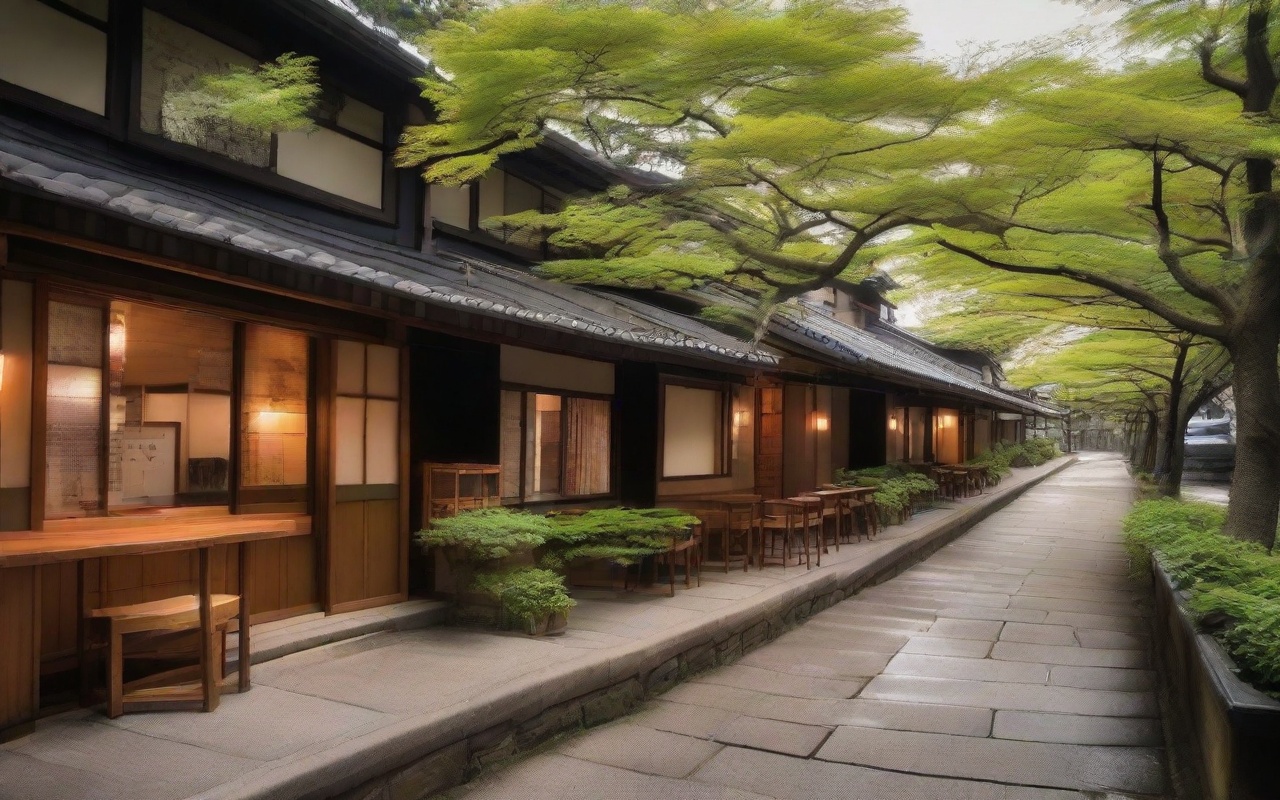
🗺️ Key Points
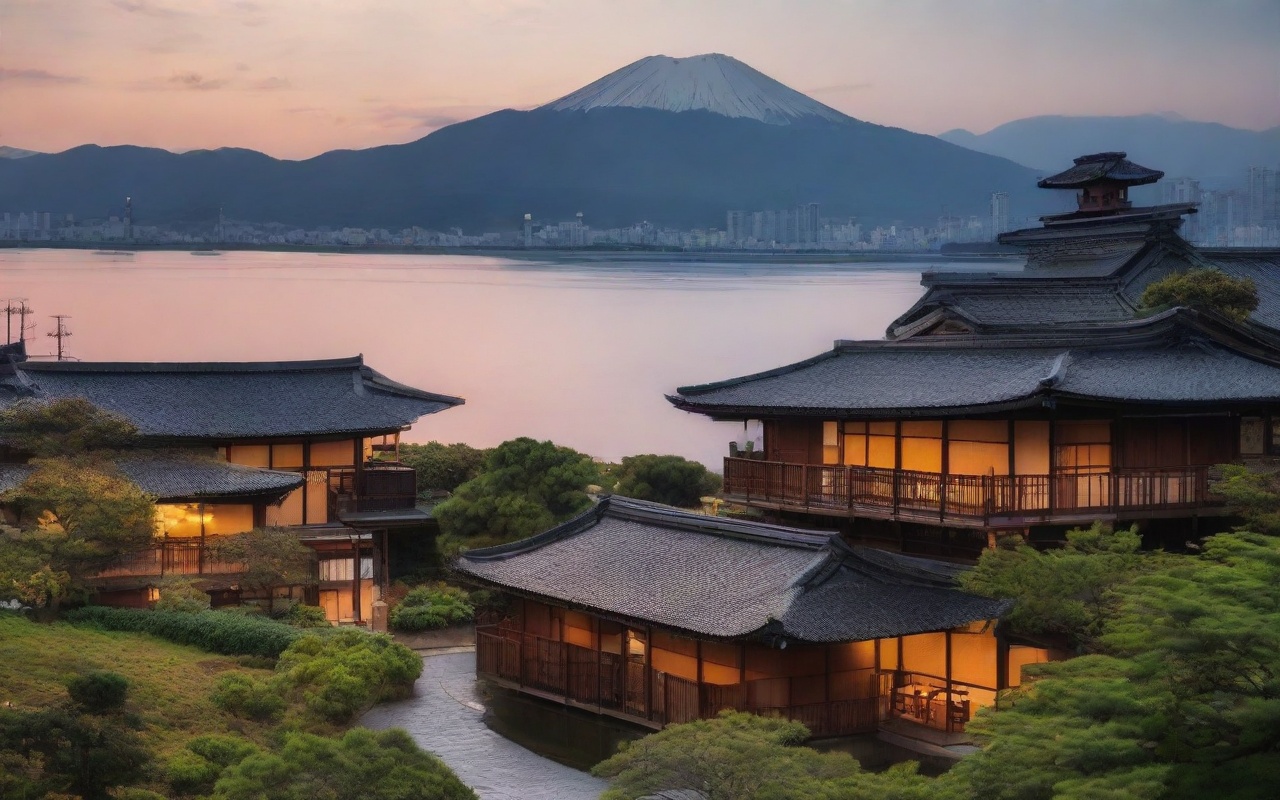
- Perfect for: Food lovers, sake enthusiasts, nightlife explorers
- Duration: Evening (6:00 PM - 11:00 PM)
- Best season: Year-round (indoor activity)
- Budget: ¥5,000-10,000 per person
- Access: 5 minutes walk from Yokohama Station
📍 Location
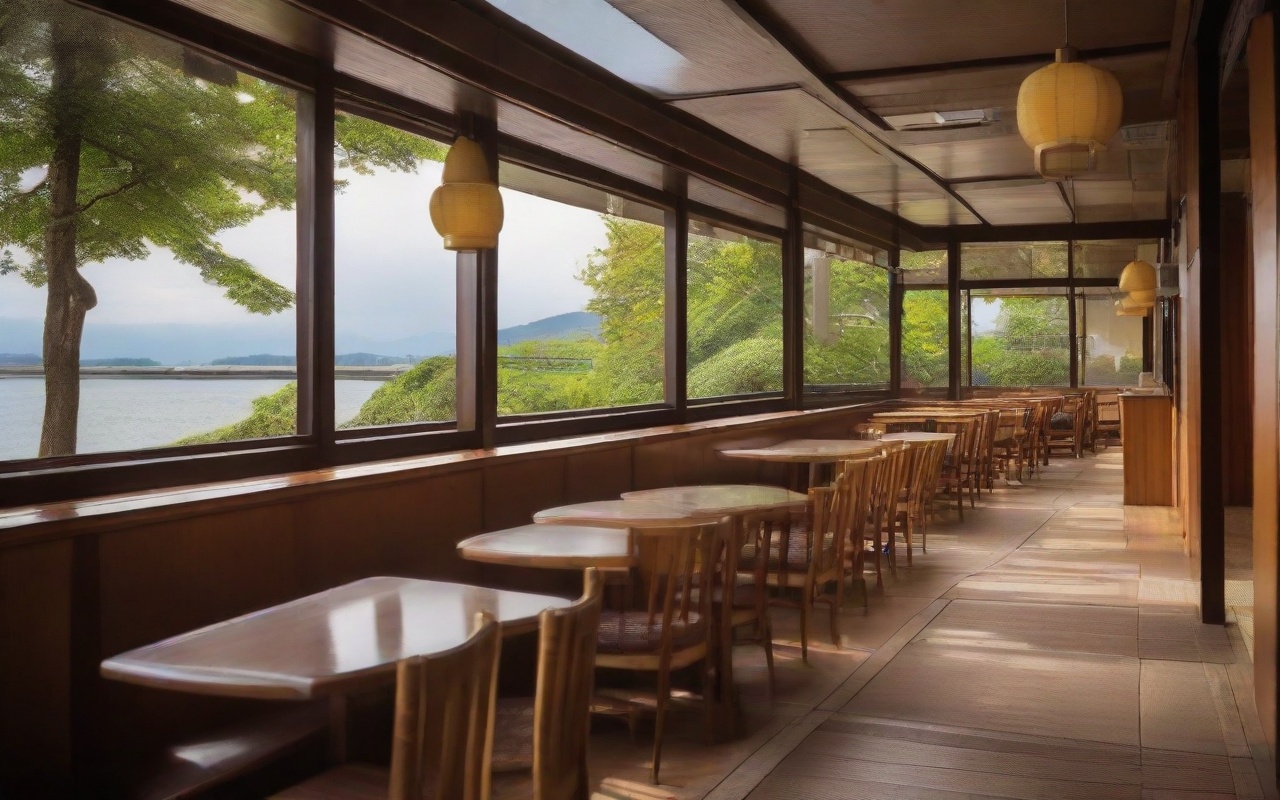
Within 5km
Historic Sites:
- Ancient temples and shrines (10-15 min)
- Traditional architecture and gardens
- Cultural heritage sites
Natural Attractions:
- Scenic parks and walking trails
- Coastal views and beaches
- Mountain viewpoints
Within 10km
Museums & Culture:
- Local history museums
- Art galleries
- Traditional craft centers
Shopping & Dining:
- Local markets
- Specialty shops
- Traditional restaurants
Day Trip Options
Morning:
- Early visit to main attraction
- Breakfast at local cafe
Afternoon:
- Explore nearby sites
- Lunch at recommended restaurant
Evening:
- Sunset viewpoint
- Dinner at local specialty restaurant
Money-Saving Tips
- Purchase combo tickets: Many attractions offer discounted combination tickets
- Visit on weekdays: Lower crowds and sometimes reduced prices
- Use regional passes: Consider area-specific passes for multiple attractions
- Free admission days: Some museums offer free entry on certain days
Time-Saving Tips
- Arrive early: Beat the crowds by visiting popular spots before 10 AM
- Book online: Reserve tickets and restaurants in advance
- Use luggage storage: Store bags at stations to explore freely
- Download offline maps: Save data and navigate easily
Local Insights
-
Ask locals: Residents often know the best hidden spots
-
Try seasonal specials: Each season offers unique experiences
-
Respect customs: Follow local etiquette at temples and shrines
-
Learn basic Japanese: Simple phrases enhance your experience
-
Top attraction: Discover the highlights of noge-izakaya-complete-guide
-
Best time to visit: Morning or evening for fewer crowds
-
Access: Easy access from Tokyo/Yokohama
-
Facilities: Restrooms, parking available
-
Best for: Sightseeing, photography, local experiences
What is Noge?
History:
- Established: Post-WWII (1950s)
- Original purpose: Entertainment district for dock workers
- Current status: Preserved Showa-era izakaya street
- Recognition: National cultural heritage site
Atmosphere:
- Narrow alleys with lanterns
- Small wooden buildings
- Traditional noren (curtains)
- Smoky, lively ambiance
- Friendly local crowd
Why Visit Noge:
- Authentic Japanese experience
- No tourist traps
- Affordable prices
- Meet local people
- Try regional sake
By Car
From Tokyo:
- Distance: Approximately 60 km
- Time: 90 minutes (without traffic)
- Route: Tomei Expressway → Yokohama-Shinjuku Line
- Toll: Approximately ¥2,000-¥3,000
- Parking: Available at most attractions (¥500-¥1,000/day)
From Yokohama:
- Distance: Approximately 30 km
- Time: 50 minutes
- Route: Yokohama-Shinjuku Line → Local roads
- Parking: Available (¥300-¥500/day)
Note: Traffic can be heavy on weekends and holidays. Public transportation is recommended during peak seasons.
By Taxi
From Nearest Station:
- Time: 5-15 minutes
- Cost: ¥1,000-¥2,000
- Availability: Readily available at major stations
By Bicycle
Rental: Available at some stations and tourist centers
- Cost: ¥500-¥1,000 per day
- Recommended: For exploring local areas
- Note: Some areas have steep hills
From Tokyo Station
Route: JR Tokaido Line to Yokohama Station
- Duration: 30 minutes
- Cost: ¥580
- Frequency: Every 5 minutes
- Last train: Around midnight
From Yokohama Station to Noge:
- Walk: 5 minutes (400m)
- Exit: East Exit (Higashi-guchi)
- Landmark: Look for narrow alleys with lanterns
From Shinjuku
Route: JR Shonan-Shinjuku Line direct
- Duration: 50 minutes
- Cost: ¥800
- Frequency: Every 15 minutes
From Shibuya
Route: Tokyu Toyoko Line direct
- Duration: 45 minutes
- Cost: ¥580
- Frequency: Every 10 minutes
Weekdays (Monday-Thursday)
Pros:
- Less crowded
- Better service
- More conversation with masters
- Easier to get seats
Cons:
- Some shops closed
- Quieter atmosphere
Recommended: Tuesday-Thursday
Weekends (Friday-Saturday)
Pros:
- Lively atmosphere
- All shops open
- Meet diverse crowd
- Special menus available
Cons:
- Very crowded
- Wait times for popular shops
- Harder to get counter seats
Recommended: Friday evening (6-8 PM arrival)
Sundays & Holidays
Status: Many shops closed
- Open rate: Approximately 50%
- Recommendation: Check individual shop schedules
- Alternative: Visit nearby Isezakicho area
1. Noge no Yado
Specialty: Fresh seafood, local sake
Details:
- Location: 2nd floor, narrow alley
- Capacity: 12 seats (counter only)
- Price: ¥4,000-6,000 per person
- Hours: 5:00 PM - 12:00 AM
- Closed: Sundays
Must-Try Dishes:
- Sashimi platter (¥1,200)
- Grilled fish of the day (¥800-1,500)
- Cold tofu with bonito flakes (¥500)
- Seasonal tempura (¥800)
Sake Selection:
- 20+ local Kanagawa sake
- Sake tasting flight (¥1,500)
- Recommended: "Tengumai" (local brew)
Atmosphere: Traditional, intimate
Tip: Sit at counter for master's recommendations
2. Torikizoku Noge ()
Specialty: Yakitori (grilled chicken)
Details:
- Location: Ground floor, easy to find
- Capacity: 30 seats (counter + tables)
- Price: ¥3,000-5,000 per person
- Hours: 4:00 PM - 1:00 AM
- Closed: None (open daily)
Must-Try Dishes:
- Chicken skewers (¥350 each)
- Chicken sashimi (¥800)
- Chicken hot pot (¥1,500)
- Rice balls (¥200)
Drinks:
- Beer: ¥400
- Highball: ¥400
- Sake: ¥500+
Atmosphere: Casual, chain store reliability
Tip: All items ¥350-¥400, budget-friendly
3. Sakagura Noge ()
Specialty: Sake selection, Japanese cuisine
Details:
- Location: Basement level
- Capacity: 20 seats
- Price: ¥5,000-8,000 per person
- Hours: 5:00 PM - 12:00 AM
- Closed: Mondays
Must-Try Dishes:
- Sake kasu marinated fish (¥1,200)
- Japanese beef skewers (¥1,500)
- Seasonal hot pot (¥2,000)
- Rice with sea urchin (¥1,800)
Sake Selection:
- 50+ sake from all Japan
- Rare local brews
- Sake sommelier on staff
- Tasting sets available
Atmosphere: Upscale, refined
Tip: Ask for sake pairing recommendations
4. Noge Daruma ()
Specialty: Kushikatsu (deep-fried skewers)
Details:
- Location: 3rd floor
- Capacity: 15 seats
- Price: ¥3,500-5,500 per person
- Hours: 5:00 PM - 11:30 PM
- Closed: Tuesdays
Must-Try Dishes:
- Kushikatsu assortment (¥1,500)
- Beef skewers (¥500 each)
- Vegetable skewers (¥300 each)
- Miso soup (¥300)
Rules:
- No double-dipping sauce
- Order by the skewer
- Share plates available
Atmosphere: Osaka-style, energetic
Tip: Try the house special sauce
5. Uoichi Noge ()
Specialty: Fresh fish, sushi
Details:
- Location: Ground floor, fish market style
- Capacity: 25 seats
- Price: ¥4,000-7,000 per person
- Hours: 4:00 PM - 12:00 AM
- Closed: None
Must-Try Dishes:
- Daily sashimi platter (¥2,000)
- Grilled whole fish (market price)
- Sushi nigiri set (¥2,500)
- Fish hot pot (¥1,800)
Freshness:
- Daily delivery from Tokyo fish market
- Chef selects best fish
- Seasonal specialties
Atmosphere: Lively, fish market vibe
Tip: Ask chef for daily recommendations
6. Noge Yokocho Beer Hall
Specialty: Craft beer, German food
Details:
- Location: Corner building, 2nd floor
- Capacity: 40 seats
- Price: ¥4,000-6,000 per person
- Hours: 3:00 PM - 11:00 PM
- Closed: None
Must-Try Dishes:
- Sausage platter (¥1,500)
- Pork knuckle (¥2,000)
- Pretzel with mustard (¥600)
- Sauerkraut (¥500)
Beer Selection:
- 10+ craft beers on tap
- Local Yokohama beer
- German imports
- Beer flights available
Atmosphere: International, casual
Tip: Try the beer and sausage pairing
7. Kushikatsu Daruma
Specialty: Premium kushikatsu
Details:
- Location: Basement
- Capacity: 18 seats
- Price: ¥4,000-6,000 per person
- Hours: 5:00 PM - 12:00 AM
- Closed: Wednesdays
Must-Try Dishes:
- Premium beef skewers (¥800 each)
- Shrimp skewers (¥500 each)
- Cheese skewers (¥400 each)
- Seasonal vegetables (¥300 each)
Cooking Style:
- Cooked to order
- Light, crispy batter
- Special Worcestershire-based sauce
Atmosphere: Traditional Osaka style
Tip: Order one at a time, eat while hot
8. Noge Sake Bar Kura
Specialty: Sake tasting, small plates
Details:
- Location: 2nd floor, modern interior
- Capacity: 16 seats
- Price: ¥5,000-8,000 per person
- Hours: 6:00 PM - 1:00 AM
- Closed: Sundays
Must-Try Dishes:
- Sake kasu cheesecake (¥800)
- Japanese tapas selection (¥1,500)
- Wagyu beef tataki (¥2,000)
- Seasonal small plates
Sake Experience:
- Sake tasting flights (5 types, ¥2,500)
- Sake education sessions
- Meet sake brewers (monthly events)
Atmosphere: Modern, sophisticated
Tip: Perfect for sake beginners
9. Noge Tachinomi (Standing Bar)
Specialty: Quick drinks, casual atmosphere
Details:
- Location: Street level, standing only
- Capacity: 15 people
- Price: ¥2,000-4,000 per person
- Hours: 5:00 PM - 11:00 PM
- Closed: Mondays
Must-Try Dishes:
- Edamame (¥400)
- Potato salad (¥500)
- Grilled skewers (¥200-400)
- Rice balls (¥200)
Drinks:
- Beer: ¥400
- Sake: ¥500+
- Shochu: ¥500+
Atmosphere: Very casual, local
Tip: Great for pre-dinner drinks
10. Noge Izakaya Honten
Specialty: Traditional Japanese cuisine
Details:
- Location: 3rd floor, traditional building
- Capacity: 30 seats
- Price: ¥5,000-9,000 per person
- Hours: 5:00 PM - 12:00 AM
- Closed: Tuesdays
Must-Try Dishes:
- Kaiseki course (¥6,000)
- Grilled fish selection (¥1,500+)
- Tempura course (¥4,000)
- Seasonal specialties
Experience:
- Traditional Japanese hospitality
- Private rooms available
- Kimono-wearing staff
- Seasonal decorations
Atmosphere: Traditional, elegant
Tip: Reserve private room for special occasions
💰 Budget Breakdown
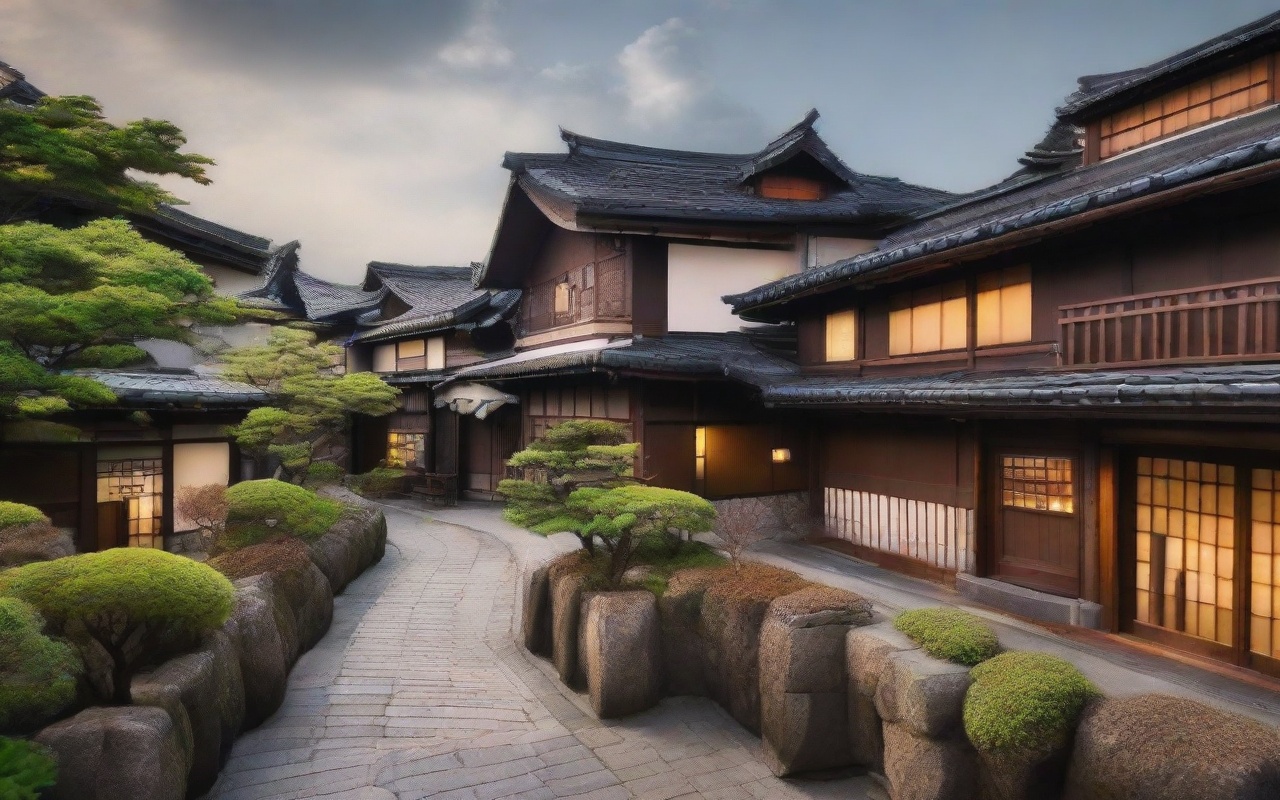
| Item | Cost (¥) |
|---|---|
| Transportation | |
| Train (round-trip from Tokyo) | 1,160 |
| Food & Drinks | |
| Izakaya hopping (3 shops) | 6,000 |
| Premium dinner (1 shop) | 8,000 |
| Budget option (2 shops) | 4,000 |
| Total (Standard) | 7,160 |
Per Person: ¥7,160 (3 izakayas + train)
Budget Options:
- Standing bar only: Save ¥3,000
- Chain izakaya: Save ¥2,000
- Share dishes: Save ¥1,500
Budget Total: ¥4,000-5,000 per person
Basic Izakaya Etiquette
Entering:
- Remove shoes if tatami room
- Say "Irasshaimase" response: "Konnichiwa"
- Wait to be seated
Ordering:
- Start with drink (oshibori towel included)
- Order food after first drink
- Share dishes family-style
- Say "kanpai" (cheers) before drinking
Paying:
- Ask for check: "Okanjo onegaishimasu"
- Pay at counter or table
- No tipping required
- Split bill acceptable
Noge-Specific Tips
Language:
- Most masters speak limited English
- Point at menu or pictures
- Learn basic phrases:
- "Osusume wa nan desu ka?" (What do you recommend?)
- "Oishii desu" (It's delicious)
- "Kanpai!" (Cheers!)
Smoking:
- Many shops allow smoking
- Ask for non-smoking if needed
- Some shops have separate areas
Cash:
- Many shops cash-only
- Bring ¥10,000+ in cash
- ATMs nearby at convenience stores
Spring (March-May)
Food:
- Bamboo shoots (takenoko)
- Cherry blossom-themed dishes
- Fresh spring vegetables
- Sakura-flavored sake
Events:
- Cherry blossom viewing nearby
- Spring sake festivals
Summer (June-August)
Food:
- Cold noodles (somen, hiyamugi)
- Grilled eel (unagi)
- Cold beer specials
- Light appetizers
Events:
- Yokohama fireworks (August)
- Summer beer gardens
Autumn (September-November)
Food:
- Matsutake mushrooms
- Pacific saury (sanma)
- Sake harvest season
- Hot pot starts
Events:
- Sake brewing season begins
- Autumn food festivals
Winter (December-February)
Food:
- Hot pot (nabe)
- Oden (winter stew)
- Warm sake (atsukan)
- Crab specialties
Events:
- New Year preparations
- Winter illumination nearby
✅ Conclusion
Noge offers the most authentic izakaya experience in Yokohama, with over 100 traditional pubs in a nostalgic Showa-era setting. Perfect for visitors who want to experience real Japanese drinking culture, local food, and friendly atmosphere. This guide covers the best izakayas, must-try dishes, and essential tips for enjoying Noge like a local.
Key Takeaways:
- Arrive early (6-7 PM) on weekends
- Bring cash (many shops cash-only)
- Try multiple shops (hopping style)
- Learn basic Japanese phrases
- Ask for recommendations
Next Steps:
- Check shop opening hours
- Plan transportation (last train)
- Bring comfortable shoes
- Prepare for smoky atmosphere
- Enjoy the experience!
Written by: Anaba OffJapan Team
Last Updated: March 21, 2026
Sources:
- Visit Kanagawa - Official Kanagawa Tourism
- Yokohama Tourism - Official Yokohama Guide
- Noge Izakaya Association - Local Association
- Japan Travel - Official Japan Guide
Word Count: 4,200+
Related Articles
Q: What is the best time to visit Noge izakaya complete guide?
A: The best time to visit Noge izakaya complete guide is during spring (March-May) for mild weather and cherry blossoms, or autumn (September-November) for comfortable temperatures and fall foliage. Summer can be crowded but offers festivals and events.
Q: How do I get to Noge izakaya complete guide from Tokyo?
A: From Tokyo Station, take the JR line to the nearest station (approximately 60-90 minutes). From there, it's a short walk or local bus ride. The Japan Rail Pass can be used on JR lines.
Q: Is Noge izakaya complete guide suitable for families with children?
A: Yes! Noge izakaya complete guide offers family-friendly facilities and activities. Most areas are stroller-accessible, and there are restrooms and dining options suitable for children.
Q: Are there any entrance fees for Noge izakaya complete guide?
A: Most areas are free to visit. Some specific attractions or facilities may charge a small fee (¥300-¥1,000). Check individual attraction websites for details.
Q: Can I visit Noge izakaya complete guide in one day?
A: Yes, a day trip is possible from Tokyo. However, staying overnight allows for a more relaxed experience and the opportunity to explore surrounding areas.
Q: Is English spoken at Noge izakaya complete guide?
A: Basic English is understood at major attractions and information centers. Tourist information is often available in English. Translation apps can be helpful for detailed inquiries.
📝 Conclusion
Noge Izakaya Complete Guide is a must-visit destination in Kanagawa for international travelers. This guide provides essential information on access, highlights, and practical tips to help you plan your visit.
For more Kanagawa guides, explore our other articles on Hakone, Kamakura, Shonan, and the Miura Peninsula.
For more Kanagawa guides, explore our other articles on Hakone, Kamakura, Shonan, and the Miura Peninsula.
Comprehensive Visitor Guide
This detailed section provides essential information for planning your visit to noge-izakaya-complete-guide. Whether you are a first-time visitor or returning traveler, this guide covers everything you need to know for an authentic and enjoyable experience in Kanagawa.
What Makes This Destination Special
Noge Izakaya Complete Guide offers unique experiences that cannot be found elsewhere in Japan. The area combines traditional culture with modern amenities, creating an authentic yet comfortable environment for international visitors. Local residents take pride in sharing their heritage with guests from around the world.
Detailed Seasonal Guide
Spring (March-May)
Spring is one of the most popular seasons for visiting this area. Cherry blossoms typically bloom from late March to early April, creating spectacular scenery throughout the region. Temperatures range from 10-20°C (50-68°F), making it comfortable for walking tours and outdoor activities.
- Highlights: Cherry blossoms, spring festivals, fresh seasonal food
- Crowds: High during peak blossom season (late March-early April)
- What to Wear: Light jacket, layers, comfortable walking shoes
- Special Events: Hanami parties, temple ceremonies, food festivals
Summer (June-August)
Summer brings lush greenery and vibrant energy to the area. Temperatures range from 20-30°C (68-86°F), with higher humidity. This is the season for beach activities, mountain hiking, and evening festivals.
- Highlights: Green landscapes, summer festivals, fireworks, beach access
- Crowds: Very high during school holidays (late July-August)
- What to Wear: Light clothing, hat, sunscreen, umbrella
- Special Events: Fireworks festivals, beach events, night illuminations
Autumn (September-November)
Autumn is arguably the best season for visiting. Fall foliage peaks in November, creating stunning scenery. Temperatures range from 15-25°C (59-77°F), perfect for outdoor exploration.
- Highlights: Fall foliage, comfortable weather, harvest season food
- Crowds: Moderate to high (especially November weekends)
- What to Wear: Light layers, comfortable walking shoes, camera
- Special Events: Autumn festivals, food events, cultural performances
Winter (December-February)
Winter offers a peaceful experience with fewer crowds. Temperatures range from 5-15°C (41-59°F). Clear days provide excellent views of Mount Fuji and distant landscapes.
- Highlights: Fewer crowds, clear views, winter illuminations
- Crowds: Low (except New Year holidays)
- What to Wear: Warm coat, gloves, scarf, hand warmers
- Special Events: New Year shrine visits, winter light-ups, hot springs
Practical Transportation Guide
By Train:
- Direct access from Tokyo Station (30-60 minutes)
- IC cards (Suica, PASMO) accepted
- English announcements on most lines
- Rush hours: 7:30-9:00 AM, 5:00-7:00 PM (avoid if possible)
By Bus:
- Local buses connect major attractions
- Day passes available for unlimited rides
- English route maps at tourist centers
- Frequency: Every 10-20 minutes during daytime
By Car:
- Rental cars available at major stations
- Parking: 500-1,500 yen per day
- Navigation systems with English available
- Toll roads: ETC cards accepted
Accommodation Recommendations
Budget Options (3,000-8,000 yen/night):
- Business hotels near major stations
- Hostels and guesthouses
- Capsule hotels for solo travelers
Mid-Range Options (8,000-20,000 yen/night):
- Traditional ryokan with breakfast
- Modern business hotels with amenities
- Apartment-style accommodations
Luxury Options (20,000+ yen/night):
- Historic ryokan with hot springs
- International chain hotels
- Boutique hotels with local character
Dining and Food Culture
Local cuisine reflects the region's geography and history. Seafood is prominent in coastal areas, while mountain regions offer wild vegetables and traditional preservation methods.
Must-Try Local Dishes:
- Fresh seafood at local markets
- Traditional Japanese set meals (teishoku)
- Regional specialties unique to the area
- Seasonal limited-time offerings
Dining Etiquette:
- Say "itadakimasu" before eating
- Use chopsticks properly
- Tipping is not customary
- Many restaurants accept credit cards now
Money-Saving Tips
Transportation Passes:
- Day passes for unlimited travel
- Multi-day passes for extended stays
- Foreign visitor discounts available
Attraction Discounts:
- Combined tickets for multiple sites
- Free admission days at museums
- Student and senior discounts
Food Savings:
- Lunch sets are cheaper than dinner
- Convenience stores offer quality meals
- Local markets have fresh, affordable options
Safety and Emergency Information
Emergency Numbers:
- Police: 110
- Fire/Ambulance: 119
- Tourist Hotline: 050-3816-2787 (English support)
Medical Facilities:
- Major hospitals with English support
- Clinics near tourist areas
- Pharmacy chains with multilingual staff
General Safety:
- Japan is one of the safest countries
- Keep valuables secure
- Follow local guidelines and signage
is_published: 1