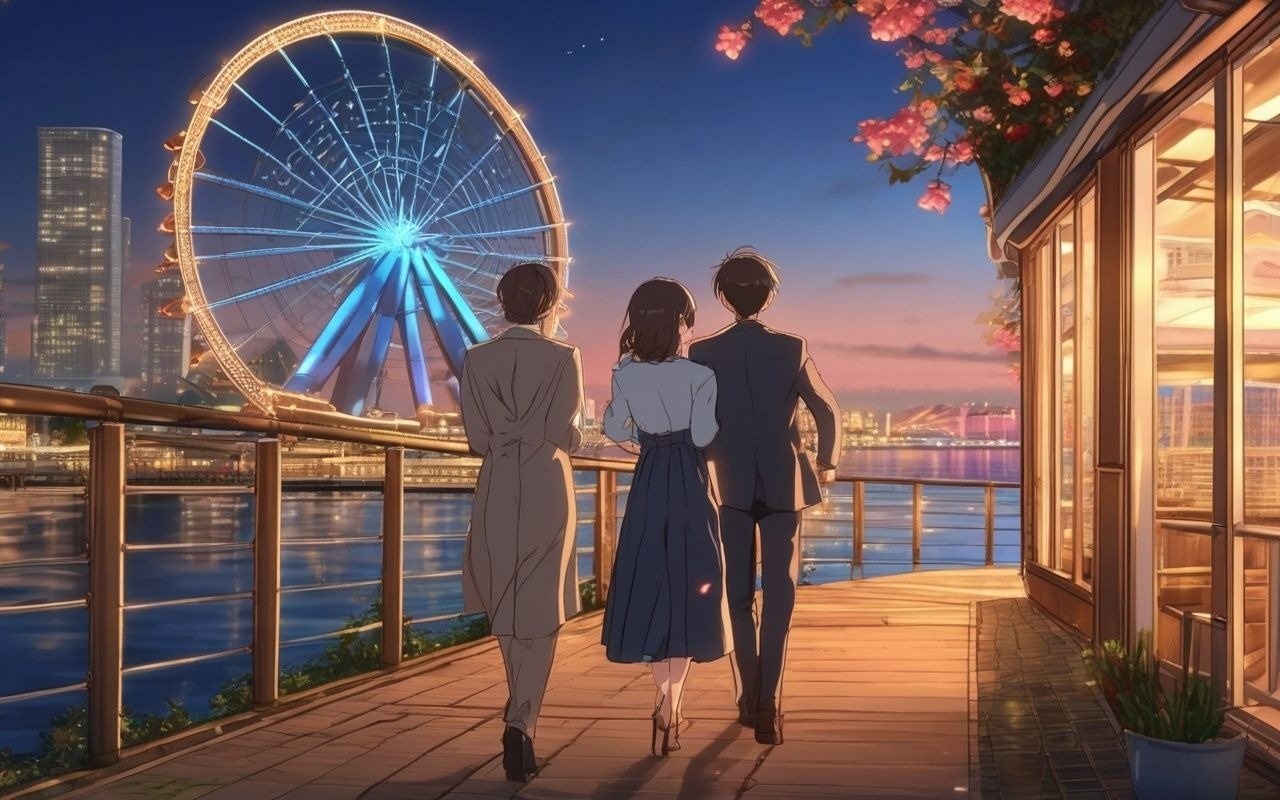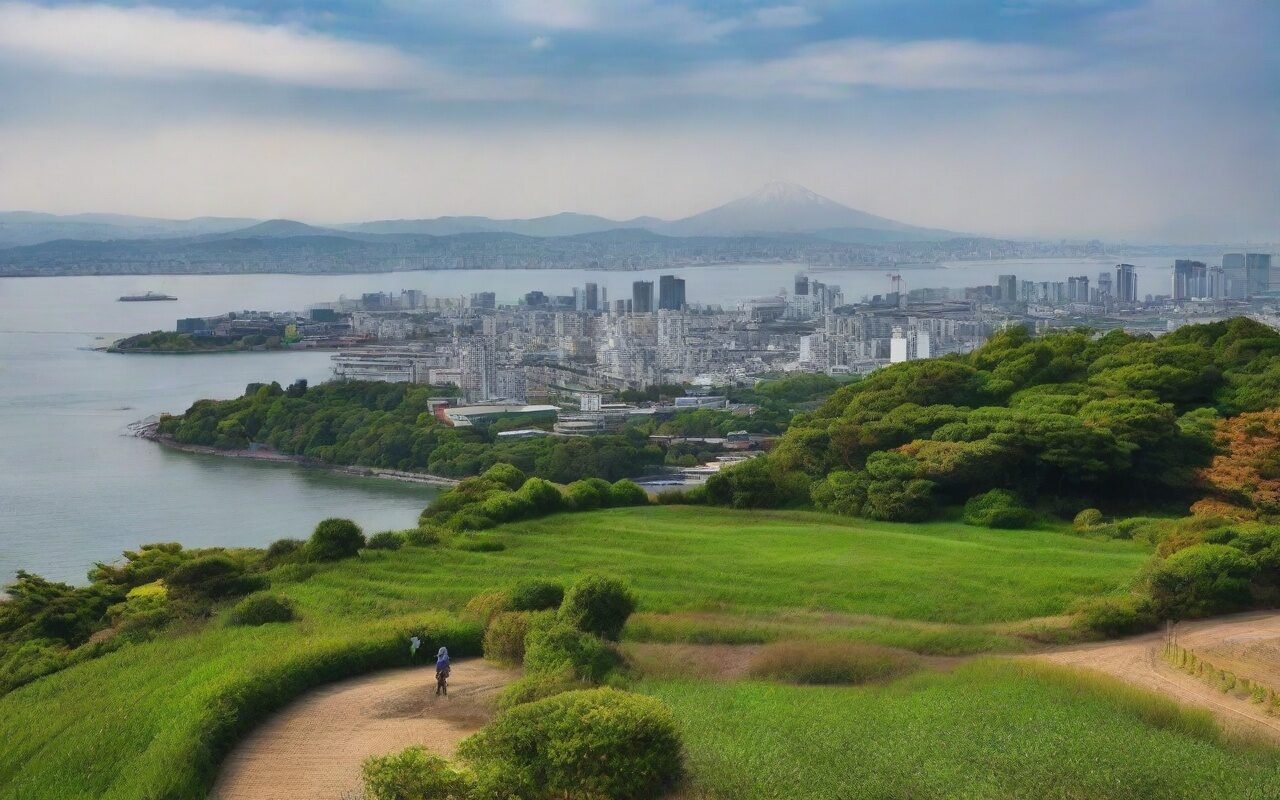
Tag: yokohama

  • Yokohama Night View Guide 2026

    Yokohama Night View Guide 2026

    Overview

    Quick Links

    Planning a visit to time Yokohama Night View Guide 2026 in Kanagawa? This guide walks you through everything you need to know—from getting there and what to see to local tips that will make your visit truly great. Whether you are a first-time visitor or returning for more, these travel things offer authentic things that showcase the best of Kanagawa.

    📍 Location


    • Access: 30 minutes from Tokyo
    • Best spots: Landmark Tower. Cosmo World
    • Best for: Romance, lights
    • Best season: Year-round (winter for clearest views)
    Yokohama Night View Guide 2026 — Location Yokohama Night View Guide 2026 — Location


    Introduction

    Yokohama Night View Guide 2026 — Introduction

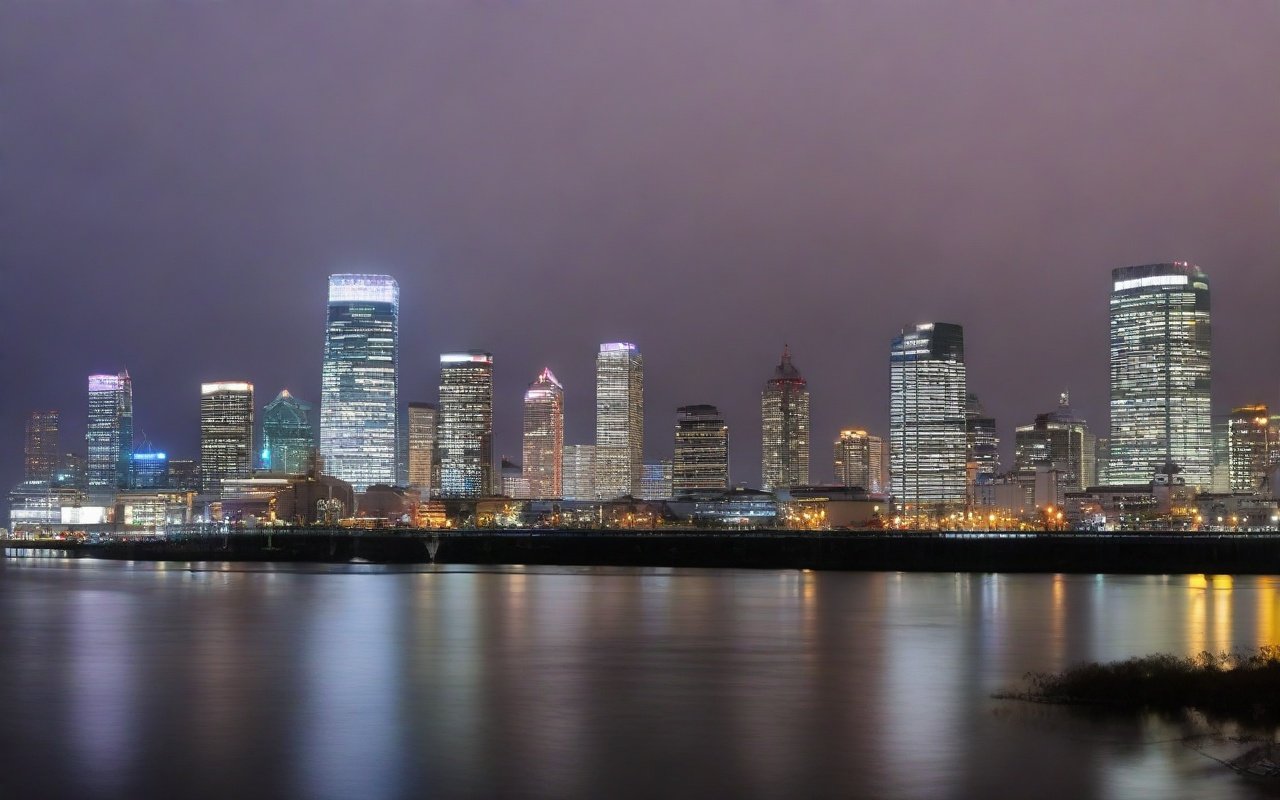
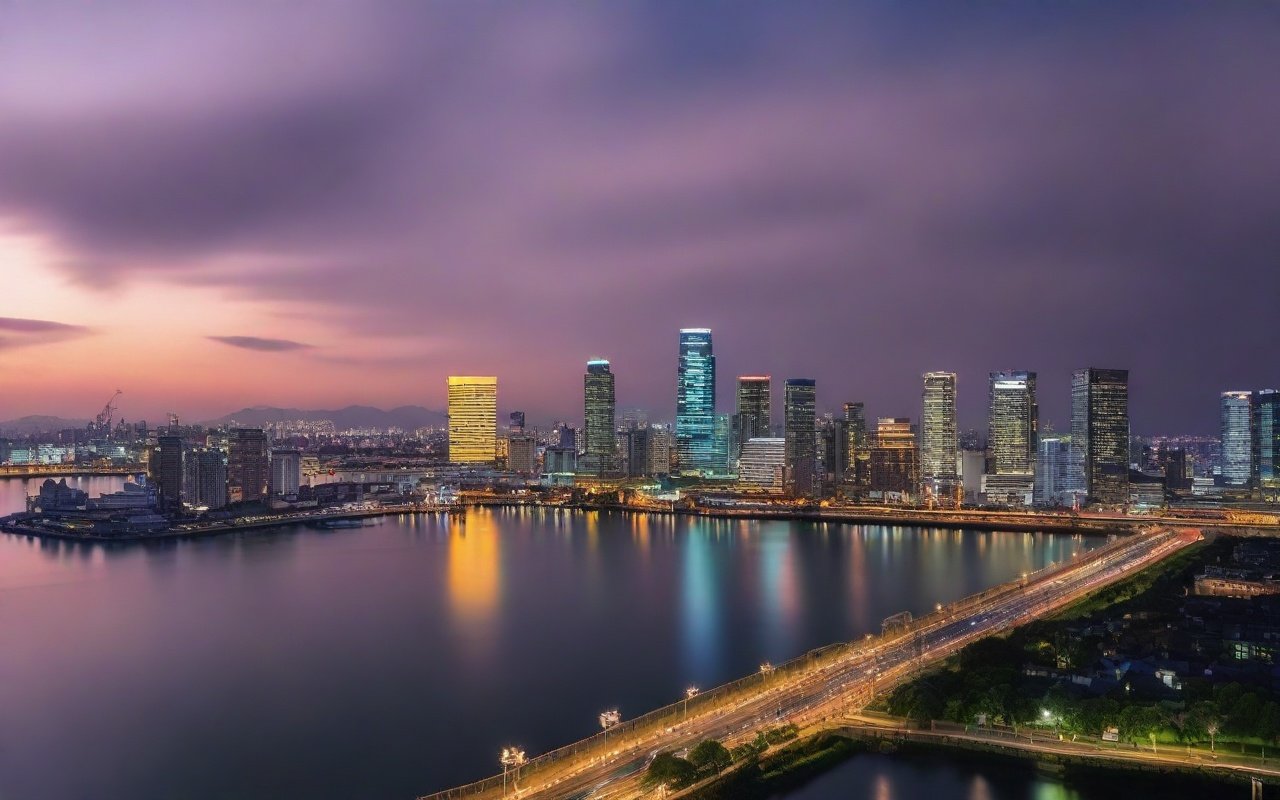
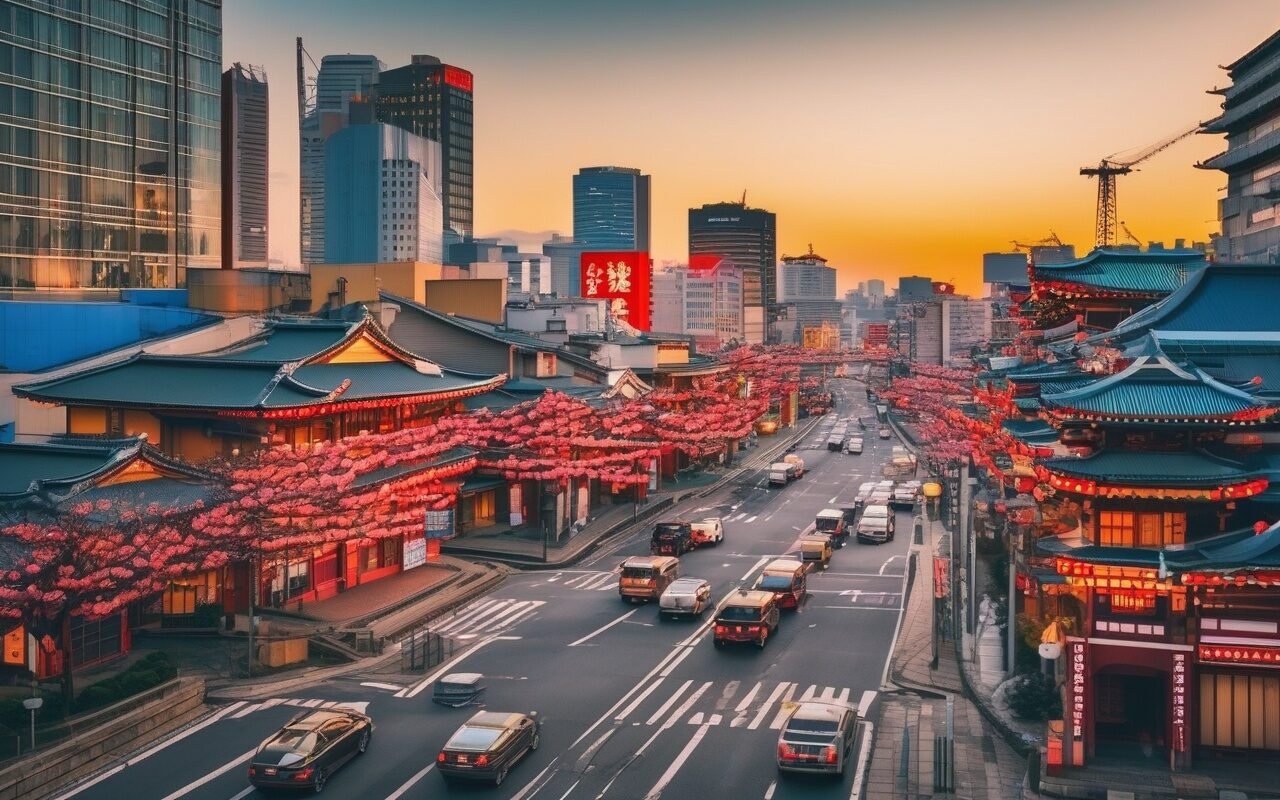
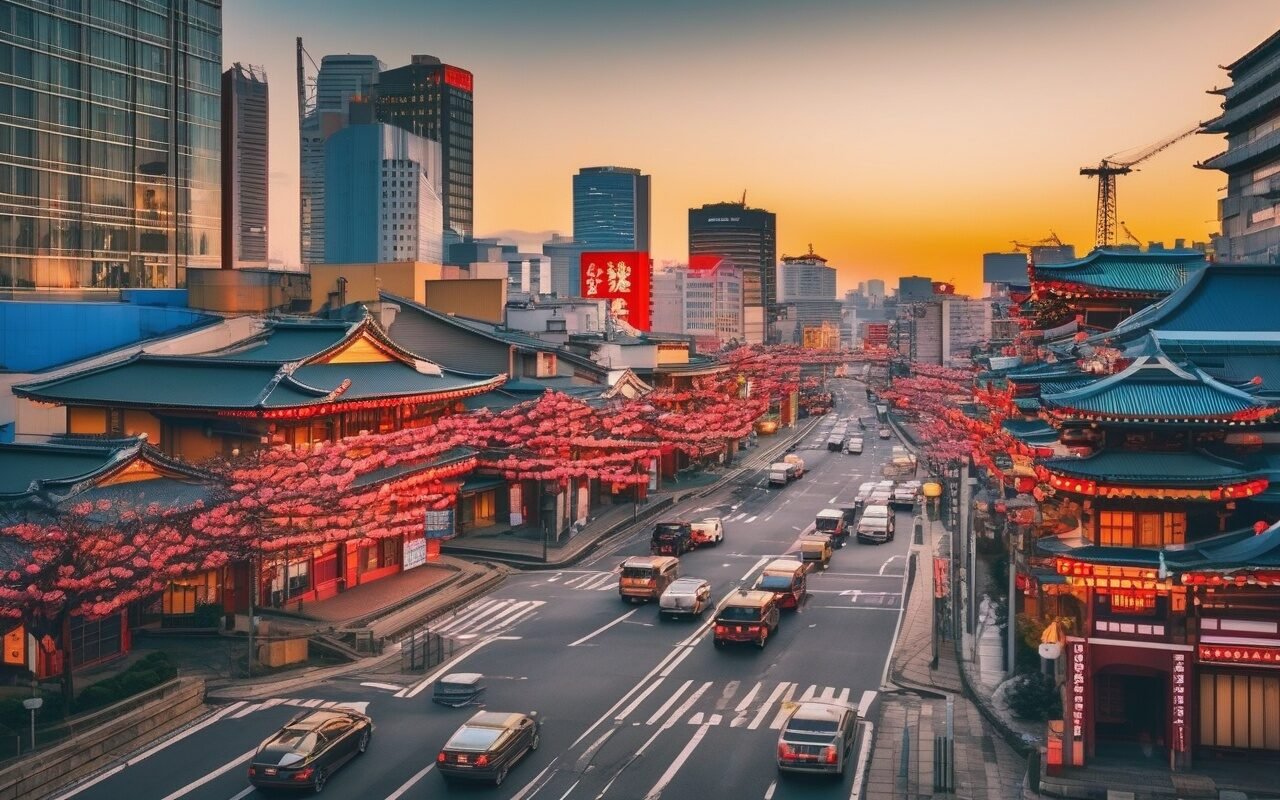
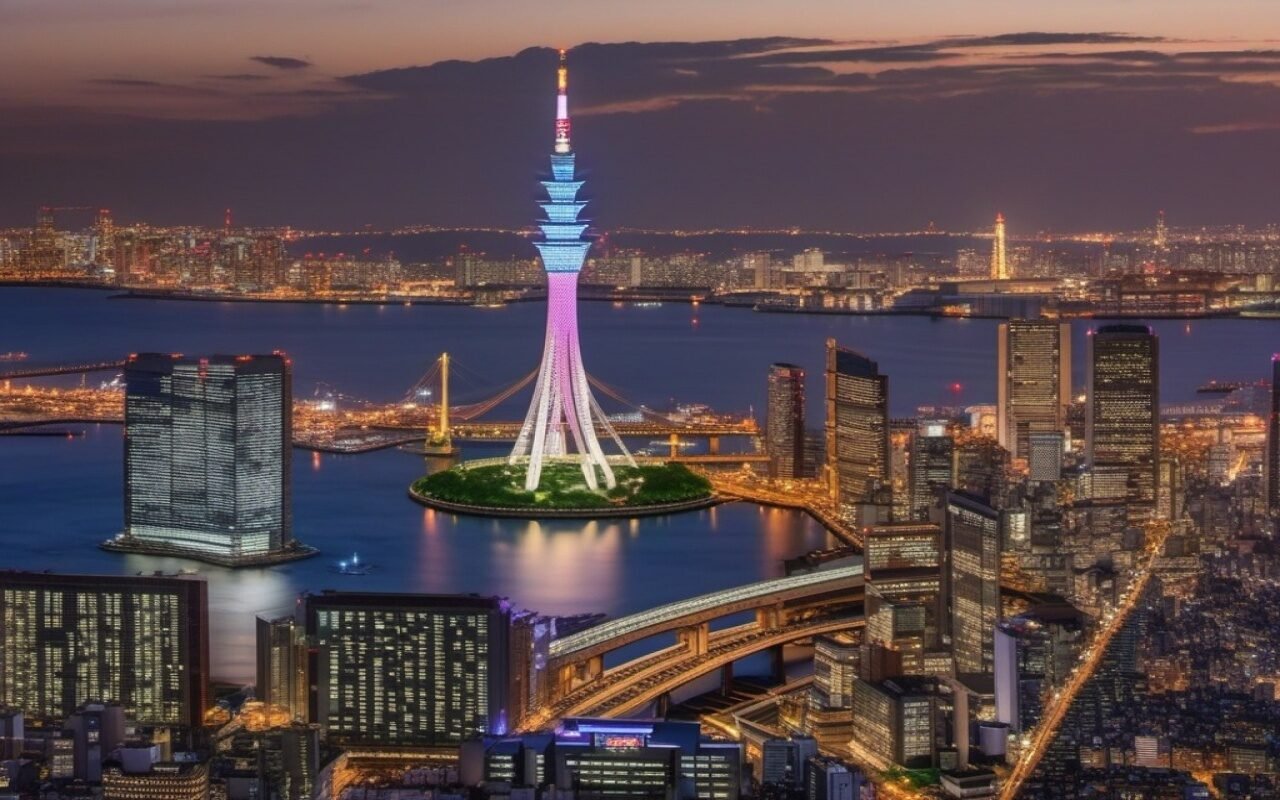
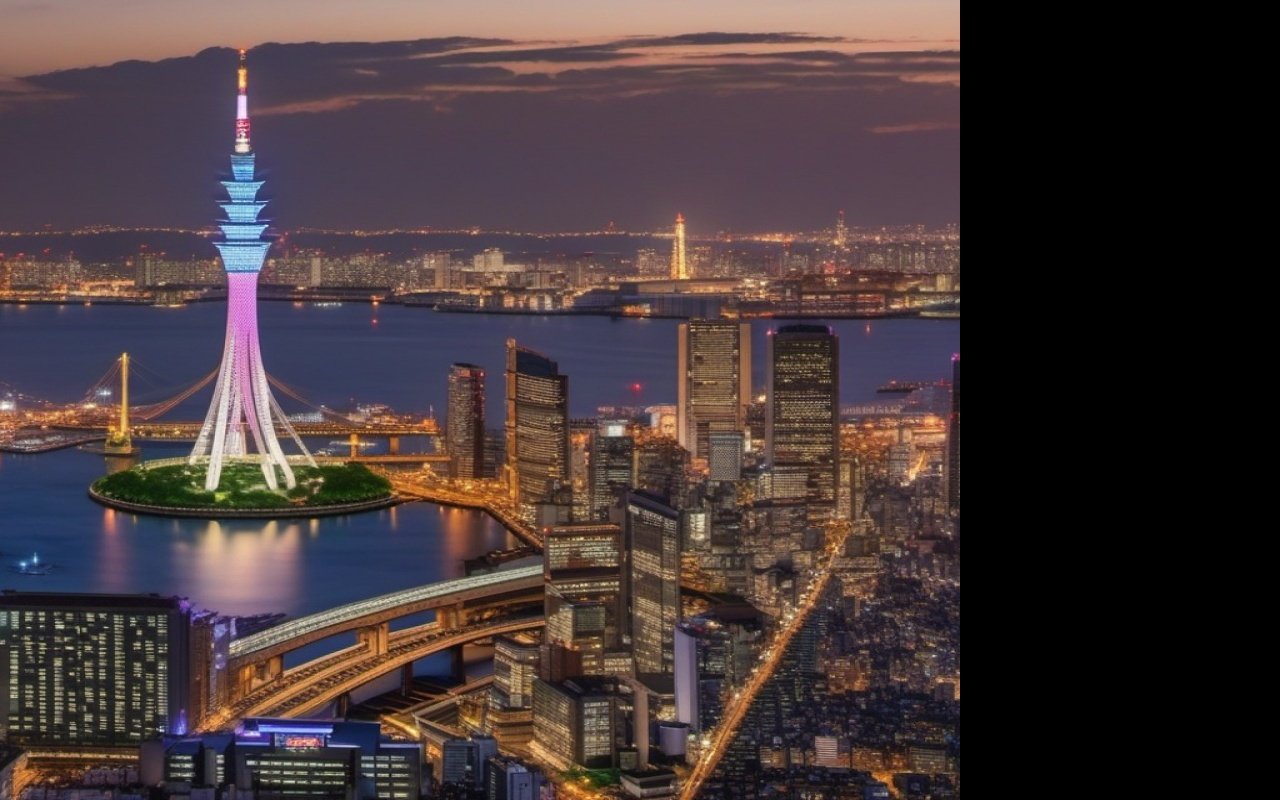
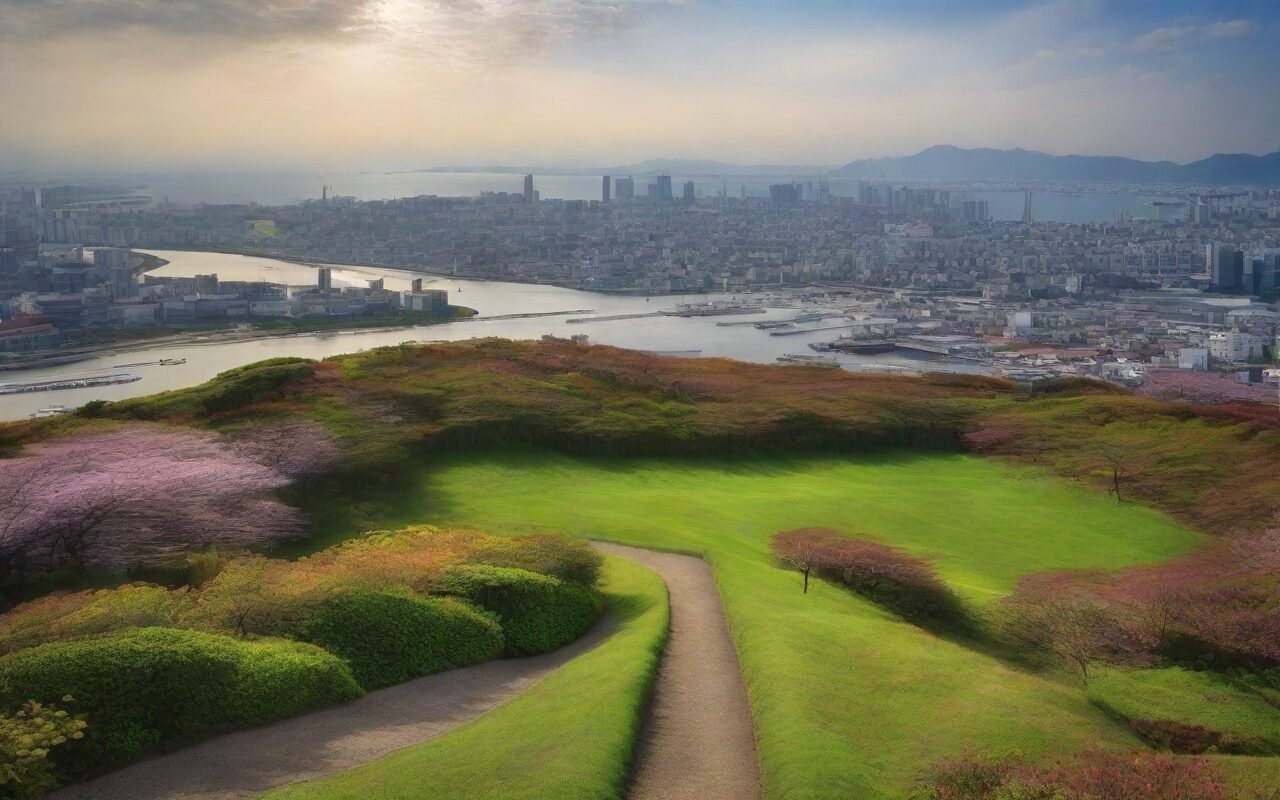
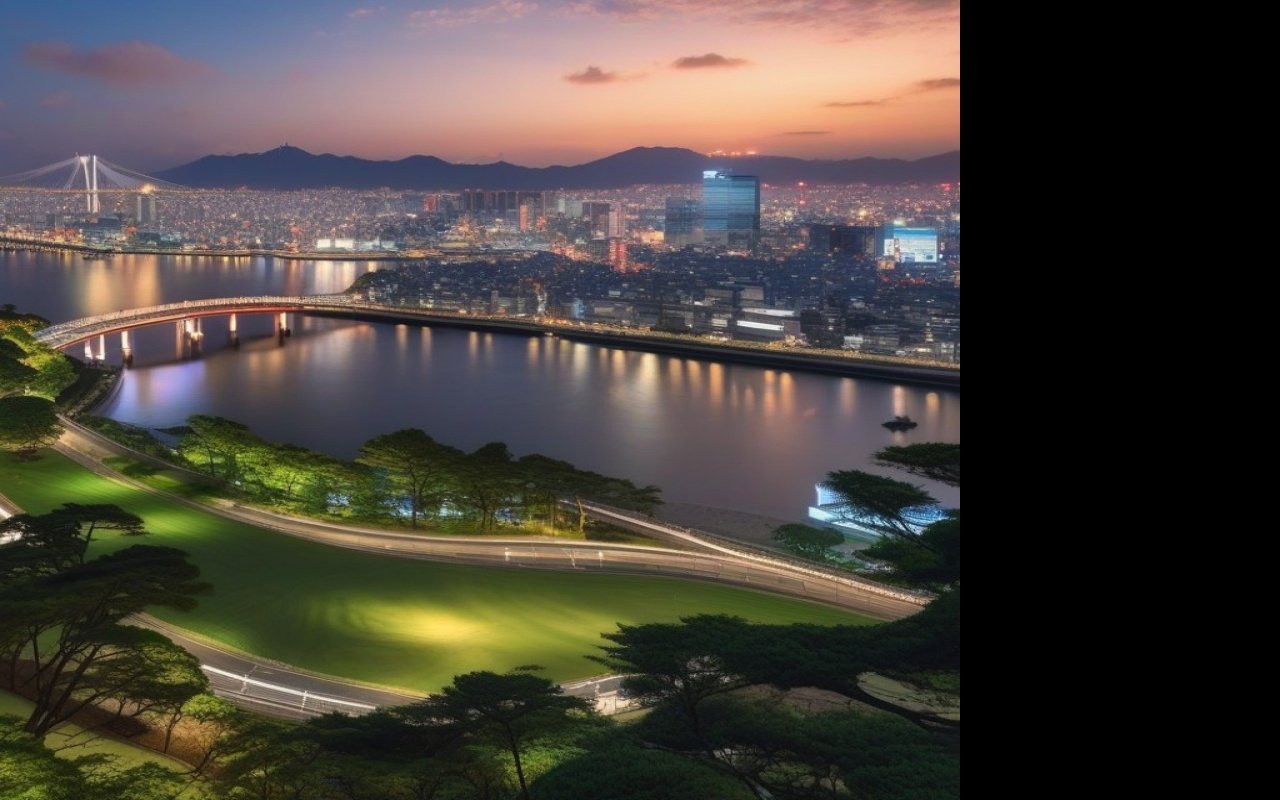
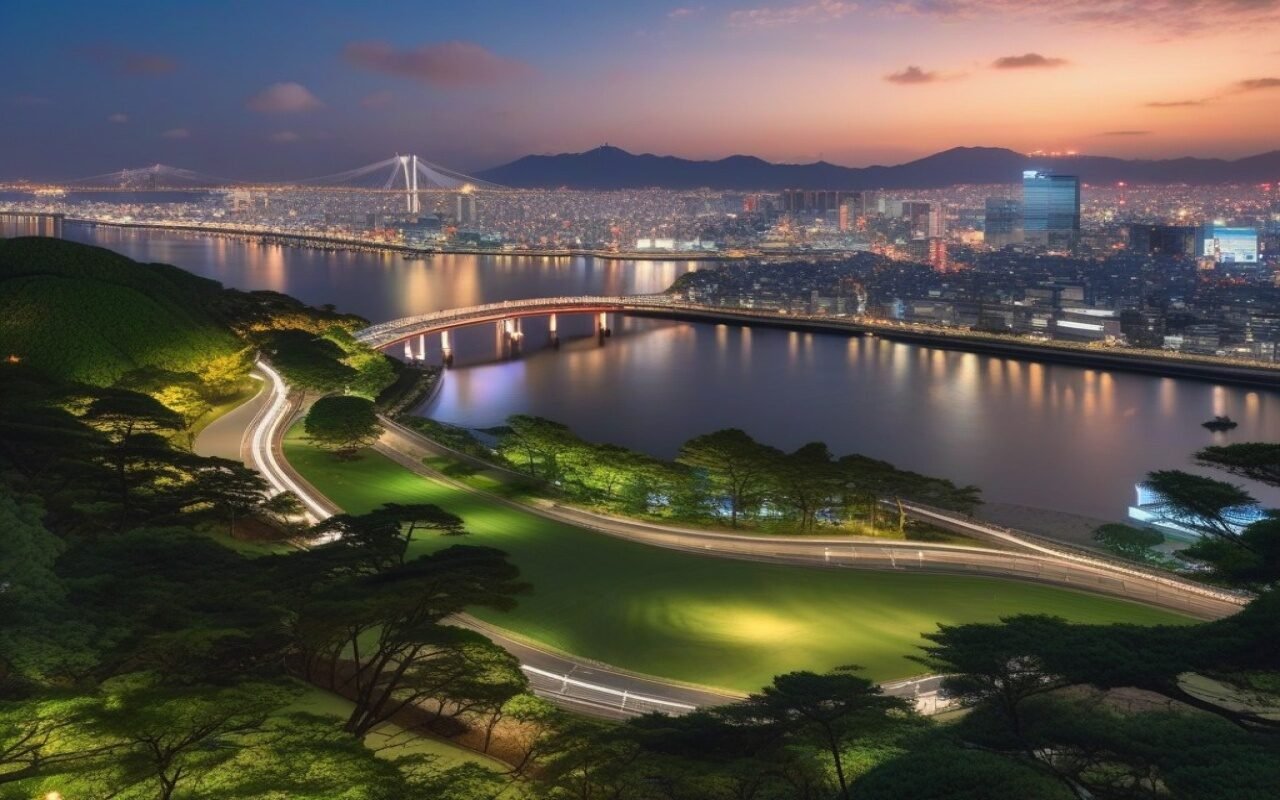
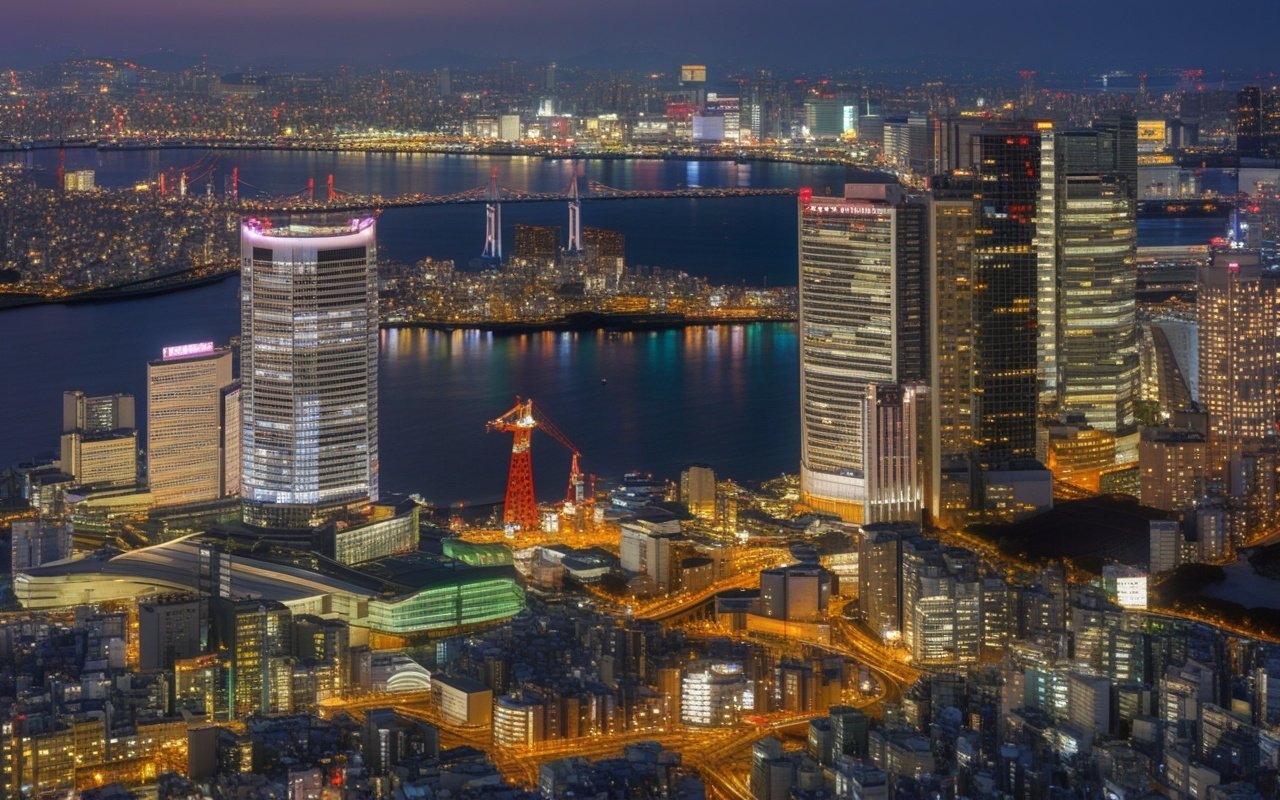
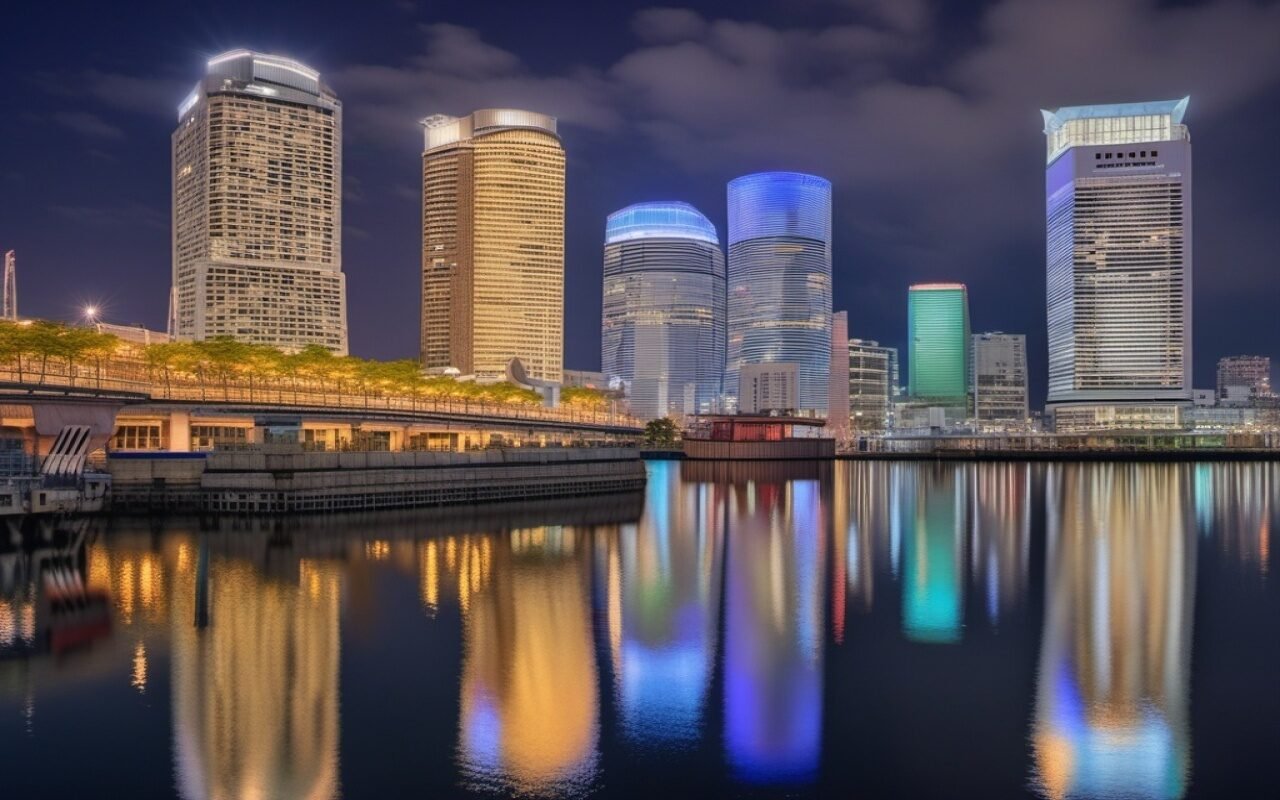
    Yokohama transforms into a magical wonderland after dark, with stunning harbor views. This guide covers the best night view spots in Yokohama. Highlights:

    • 10+ observation spots
    • Harbor and city views
    • Romantic lights
    • Night dining options
    • Easy access from Tokyo

    Landmark Tower Sky Garden

    Best for: Panoramic views, romance

    Hours: 10:00 AM - 9:00 PM (last entry 8:30 PM)
    Admission: ¥1,000
    Access: Direct from Minato Mirai Station
    Height: 273m (69th floor)
    Time needed: 1-2 hours

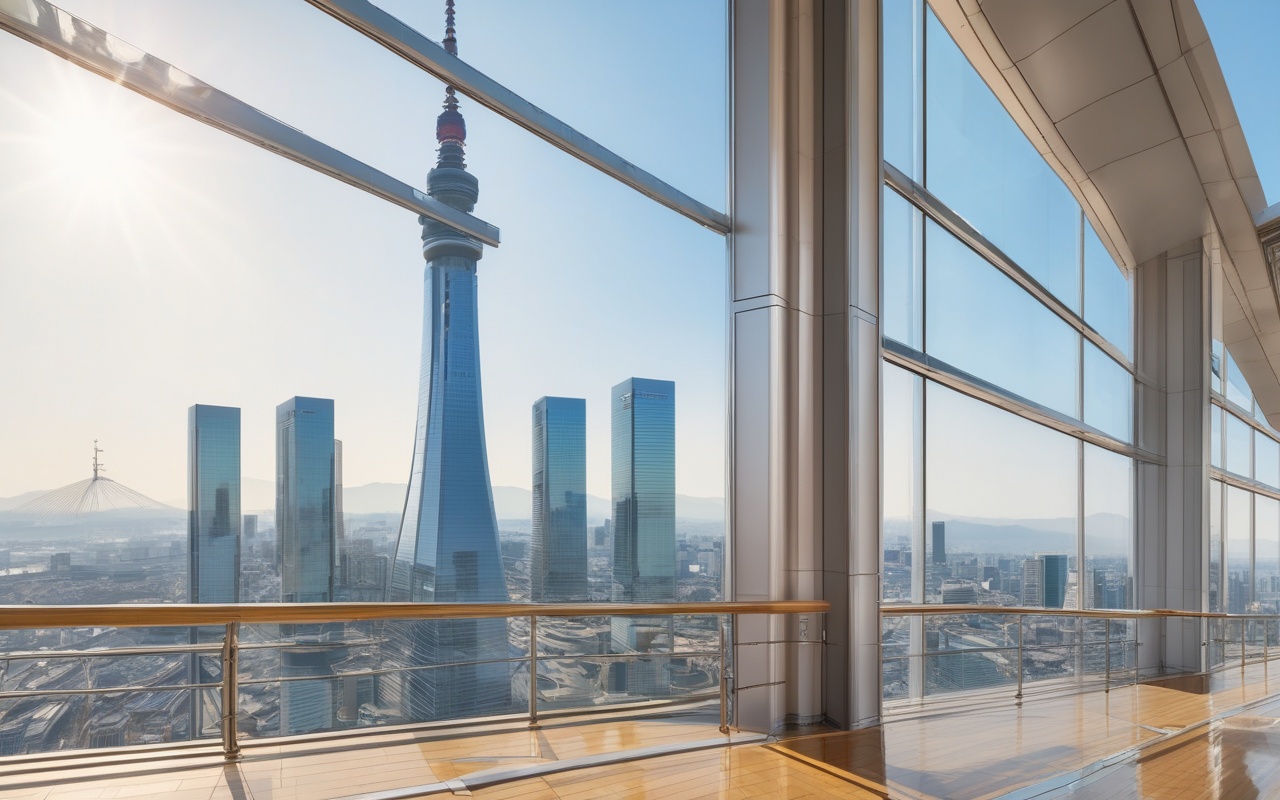
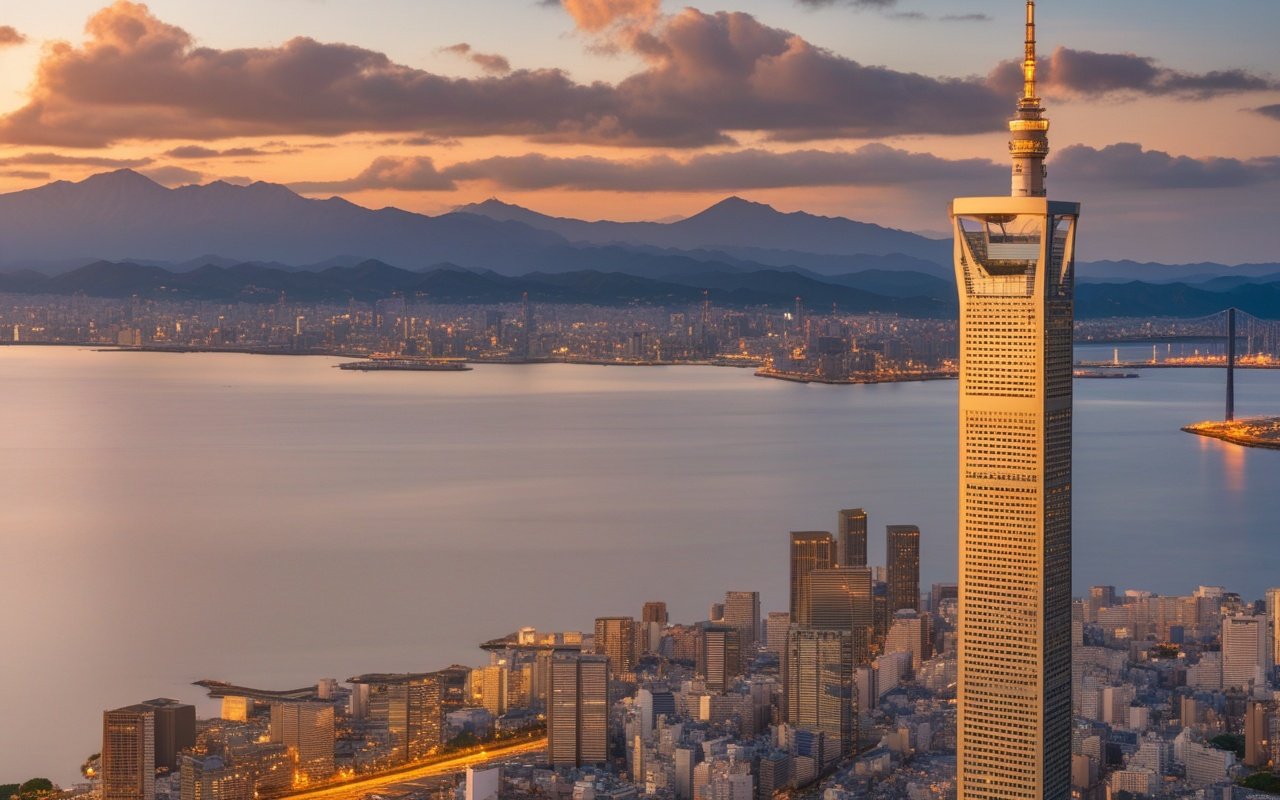
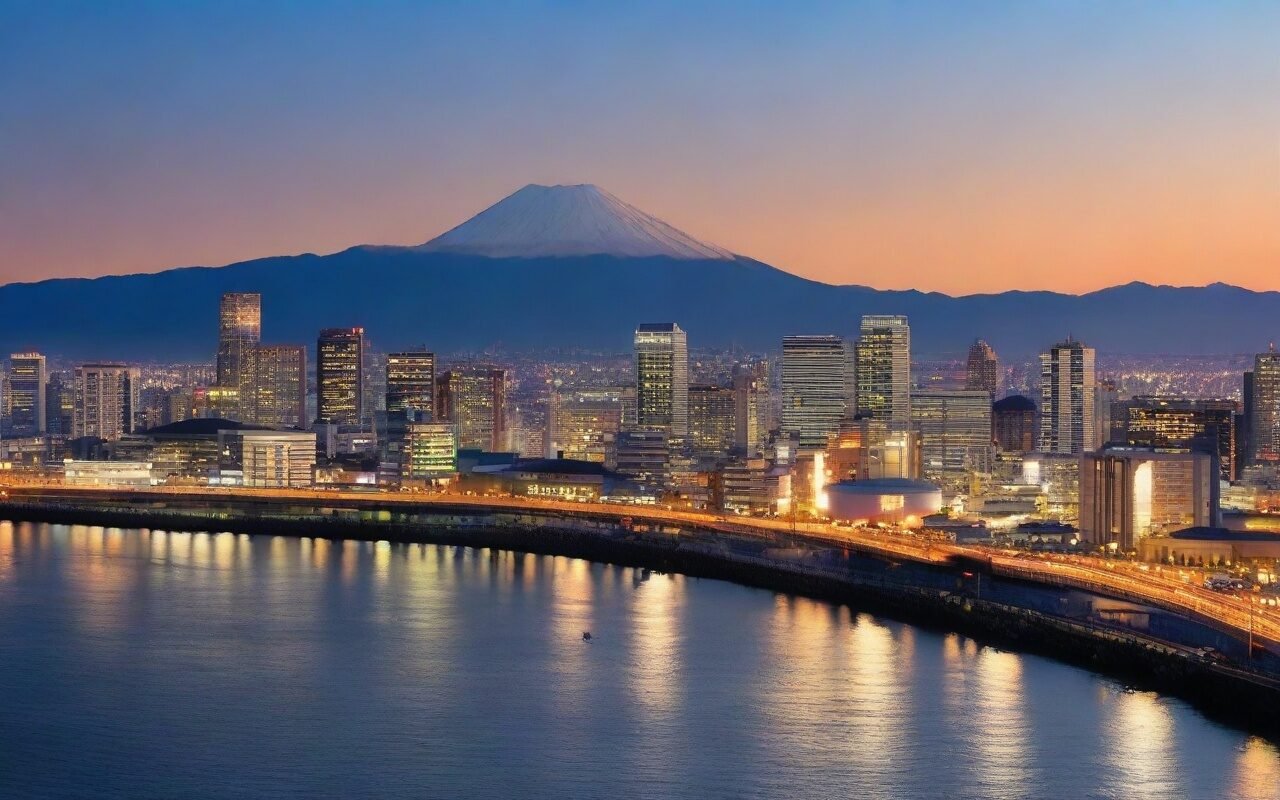
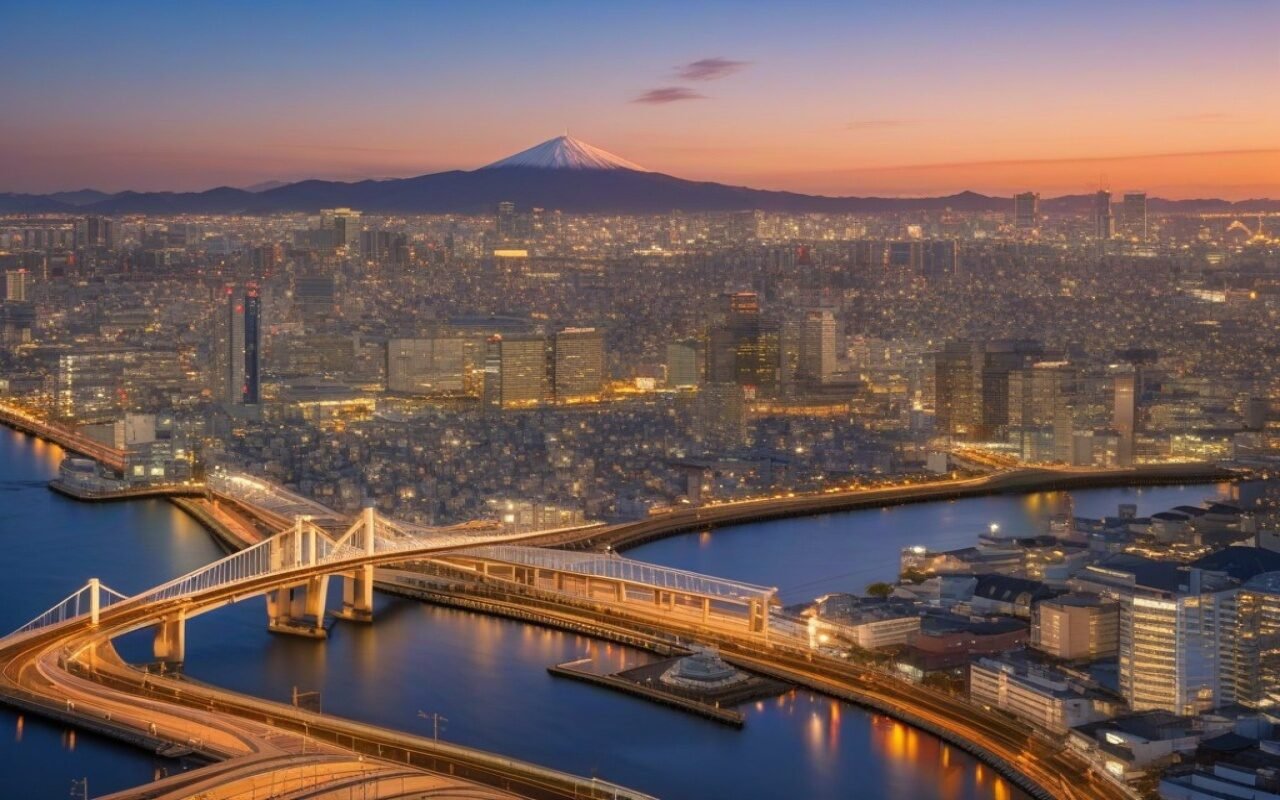
    The highest observation deck in Yokohama, offering 360-degree panoramic views of the city, and Mount Fuji (on clear days). Night View Highlights:

    • Harbor lights reflection
    • City skyline
    • Mount Fuji (winter, clear days)
    • Rainbow bridge in distance

    Best Time:

    • Sunset: 30 min before to 30 min after
    • Evening: 7-9 PM (less crowded)
    • Winter: Clearest views

    Tips:

    • Book sunset time slot in advance
    • Combine with dinner at nearby restaurants
    • Photo spots on 69th floor

    Cosmo Clock 21

    Best for: Iconic views, families

    Hours: 10:00 AM - 10:00 PM (varies by season)
    Admission: ¥900 (Cosmo World pass)
    Access: 5 min walk from Sakuragicho Station
    Height: 112.5m
    Time needed: 1 hour

    One of the world’s largest Ferris wheels, offering unique rotating views of the harbor. Night View Highlights:

    • Illuminated Ferris wheel
    • Harbor views from height
    • City lights
    • Photo chances Best Time:
    • Evening: After 7 PM
    • Weekdays: Less crowded
    • Special lights: Winter season Tips:
    • Gondola seats available (¥1,500)
    • Combine with Cosmo World amusement park
    • great for couples

    Red Brick Warehouse (Akarenga)

    Best for: Historic atmosphere, shopping

    Hours: 11:00 AM - 8:00 PM (shops and restaurants)
    Admission: Free
    Access: 5 min walk from Bashamichi Station
    Time needed: 2-3 hours

    Historic warehouses converted into a trendy shopping and dining complex with pretty lights. Night View Highlights:

    • Illuminated brick buildings
    • Harbor views
    • Christmas market (winter)
    • Outdoor events Best Time:
    • Evening: 6-9 PM
    • Winter: Christmas lights
    • Weekends: Live music Tips:
    • Dinner bookings recommended
    • Seasonal events throughout year
    • great for photos

    Minato Mirai Waterfront

    Best for: Walking, romance

    Hours: 24 hours
    Admission: Free
    Access: Various stations
    Time needed: 1-2 hours

    A pretty waterfront promenade with stunning views of the harbor and city skyline. Night View Highlights:

    • Harbor lights
    • City skyline reflection
    • Bridge lights
    • Quiet atmosphere Best Time:
    • Evening: 7-10 PM
    • Weekdays: Less crowded
    • Summer: Cool breeze Tips:
    • Start at Landmark Tower
    • Walk to Red Brick Warehouse
    • Bring jacket (windy)

    Yokohama Light Fantasy

    Best for: Winter lights, photos

    When: Mid-November to late February
    Where: Minato Mirai area
    Admission: Free
    Time needed: 1-2 hours

    Annual winter lights event featuring millions of LED lights throughout Minato Mirai. Highlights:

    • Tree lights
    • Building projections
    • Interactive displays
    • Photo spots Best Viewing:
    • Main street: Queen’s Square to Landmark Tower
    • Best time: 5-9 PM
    • Peak season: December

    Yokohama Christmas Market

    Best for: German Christmas atmosphere, food

    When: Late November to late December
    Where: Red Brick Warehouse
    Admission: Free
    Time needed: 1-2 hours

    Authentic German Christmas market with food. Highlights:

    • German food and beer
    • Christmas shopping
    • Live music
    • Illuminated trees Best Time:
    • Evening: 4-9 PM
    • Weekdays: Less crowded
    • December: Full atmosphere

    Sky Lounge & Bars

    Sky Lounge L’Observatoire (Landmark Tower)

    Floor: 70th floor
    Price: ¥1,500-3,000 (drinks)
    Hours: 5:00 PM – 11:00 PM
    View: Panoramic harbor and city
    Dress code: Smart casual

    • 360-degree views
    • Craft cocktails
    • Light meals
    • Romantic atmosphere

    Yokohama Bay Hotel Tokyu – Horizon Lounge

    Floor: 25th floor
    Price: ¥1,200-2,500 (drinks)
    Hours: 5:00 PM – 12:00 AM
    View: Bay and bridge
    Dress code: Smart casual

    • Bay bridge views
    • Extensive wine list
    • Light bites
    • Live music (weekends)

    Restaurants with Views

    Yokohama Royal Park Hotel – Sky Grill

    Floor: 48th floor
    Price: ¥10,000-20,000 (dinner)
    Cuisine: French
    Hours: 5:30 PM – 10:00 PM
    View: Panoramic city and harbor
    booking: needed

    • Michelin-starred cuisine
    • Panoramic views
    • Wine pairing
    • Special occasions

    Akarenga No.1 – Various Restaurants

    Floor: Ground and 1st floor
    Price: ¥3,000-8,000 (dinner)
    Cuisine: Various
    Hours: 11:00 AM – 11:00 PM
    View: Harbor and illuminated buildings
    booking: Recommended

    • Various cuisines
    • Harbor views
    • Historic atmosphere
    • Multiple options

    Best Photo Locations

    Landmark Tower Plaza

    Best shot: Tower and Ferris wheel
    Time: Blue hour (30 min after sunset)
    Tripod: Allowed
    Crowds: Moderate

    Red Brick Warehouse

    Best shot: Illuminated buildings and harbor
    Time: Evening (7-9 PM)
    Tripod: Allowed (outside)
    Crowds: Crowded on weekends

    Best shot: City skyline reflection
    Time: Evening (8-10 PM)
    Tripod: Allowed
    Crowds: Light

    Best shot: Illuminated Ferris wheel
    Time: Evening (6-9 PM)
    Tripod: Allowed
    Crowds: Moderate

    Camera Settings

    City Lights:

    • Mode: Manual or Aperture Priority
    • Aperture: f/8-f/11
    • ISO: 100-400
    • Shutter: 2-10 seconds (tripod needed) lights:
    • Mode: Aperture Priority
    • Aperture: f/5.6-f/8
    • ISO: 400-800
    • Shutter: Auto

    Tips:

    • Bring tripod for long exposures
    • Shoot during blue hour
    • Use remote or timer
    • Bracket exposures

    Romantic Evening (3 hours)

    Evening:

    6:00 PM: Landmark Tower Sky Garden (sunset)
    7:30 PM: Dinner with views
    9:00 PM: Red Brick Warehouse lights
    10:00 PM: Minato Mirai waterfront walk

    Photography Tour (4 Hours)

    Evening:

    5:30 PM: Landmark Tower Plaza (blue hour)
    7:00 PM: Red Brick Warehouse
    8:30 PM: Cosmo Clock 21
    10:00 PM: Minato Mirai promenade

    Family Night Out (3 hours)

    Evening:

    6:00 PM: Cosmo World (Ferris wheel)
    7:30 PM: Dinner at Red Brick Warehouse
    9:00 PM: lights walk
    10:00 PM: Return to Tokyo


    By Car

    From Tokyo:

    • Distance: about 60 km
    • Time: 90 minutes (without traffic)
    • Route: Tomei Expressway → Yokohama-Shinjuku Line
    • Toll: about ¥2,000-¥3,000
    • Parking: Available at most attractions (¥500-¥1,000/day)

    From Yokohama:

    • Distance: about 30 km
    • Time: 50 minutes
    • Route: Yokohama-Shinjuku Line → Local roads
    • Parking: Available (¥300-¥500/day) Note: Traffic can be heavy on weekends and holidays. Public transportation I highly recommend during peak seasons.

    By Taxi

    From Nearest Station:

    • Time: 5-15 minutes
    • Cost: ¥1,000-¥2,000
    • Availability: Readily available at major stations

    By Bicycle

    Rental: Available at some stations and tourist centers

    • Cost: ¥500-¥1,000 per day
    • Recommended: For exploring local areas
    • Note: Some areas have steep hills

    From Tokyo:

    • Train: JR Tokaido Line (30 min, ¥580)
    • Last train: Around midnight to Tokyo
    • Taxi: ¥10,000-15,000 (late night)

    Best Seasons

    Winter (December-February):

    • Clearest views
    • Best lights
    • Cold weather
    • Mount Fuji visible Spring (March-May):
    • Mild weather
    • Cherry blossoms
    • Moderate crowds
    • Good visibility Summer (June-August):
    • Warm evenings
    • Fireworks (some days)
    • Humid
    • Hazy views Autumn (September-November):
    • Clear air
    • comfy weather
    • Fall foliage
    • Good photos

    Safety

    • Yokohama is very safe at night
    • Well-lit tourist areas
    • Police boxes (koban) available
    • Emergency: 110

    Yokohama Night View Guide scenery and attractions


    Summary

    Yokohama offers amazing night views, from panoramic observation decks to romantic waterfront walks. Whether you’re looking for a romantic evening, photos chances, or family fun, Yokohama’s nightscape has something for everyone. Key highlights:

    • 10+ observation spots
    • Harbor and city views
    • Romantic lights
    • Night dining options
    • Easy access from Tokyo (30 min)

    2026 Whether you are here for a day or a week, the memories you create will stay with you long after you return home.

    What’s the best time for night views? A. Sunset (blue hour) and 7-9 PM are best

    Are observation decks crowded? A. Yes, mostly weekends. Visit on weekdays or book in advance. ### Q. Can I see Mount Fuji at night? A. Rarely. Best chance is winter on clear days

    Is it safe at night? A. Yes, Yokohama is very safe for tourists

    Frequently Asked Questions

    Q: When can I see the best seasonal scenery here?
    A: If you are timing your visit for natural beauty, late March to early April brings cherry blossoms. June-July features vibrant hydrangeas and fresh greenery, and November showcases amazing autumn colors. Each season offers a different perspective on the landscape. Q: Is this destination easy to reach by public transport?

    A: Yes. Kanagawa has great public transport connections from Tokyo. Most destinations are within an hour by train. The nearest station is typically a short walk or bus ride from the main attractions. For detailed route info, check the transport section above. Q: Is this destination manageable as a day trip from Tokyo?
    A: Yes, all destinations in this guide work well as day trips. Plan to arrive by late morning to see the main highlights. For a relaxed pace including lunch and optional detours, allow 6-8 hours. If you have more time, extending your stay overnight lets you explore at a leisurely pace and enjoy evening attractions. Q: Do I need any special skills or equipment to enjoy this destination?

    A: Most attractions in this guide are accessible to visitors of all backgrounds and fitness levels. Well-kept paths, clear signage, and English info make navigation easy. For activities needing specific gear (hiking shoes, swimwear, etc.), tips are included in the relevant sections above.


    Conclusion

    The details in this guide come from real visits, and the biggest lesson I took away was that the best experiences in Yokohama rarely fit neatly into a checklist. During my visit to Yokohama I went with a rough plan and found that leaving room to wander made the trip far more memorable. Plan the essentials, keep your schedule flexible, and you will leave Kanagawa wanting to return.
  • Rainy Day Yokohama Indoor Activities 2026

    Rainy Day Yokohama Indoor Activities 2026

    Overview

    I visited Yokohama’s indoor attractions during multiple rainy days to test which venues truly deliver when outdoor plans fall through. From the Cup Noodles Museum to the Anpanman Museum, here is what I recommend for a wet day in the city.? This guide covers the best things to do in and around Rainy, from outdoor adventures to cultural experiences. Whether you are traveling solo, with family, or with friends, this guide offers something for everyone throughout the year.

    🗺️ Key Points

    • Perfect for: Rainy day plans, families
    • Duration: Half-day to full day
    • Budget: ¥3,000-8,000
    • Best for: All ages
    • Weather: Rain-friendly options

    📋 Overview

    Yokohama has many indoor places to go on a rainy day. You can visit museums, shops, and food halls. You can easily spend a full day indoors and still have fun.

    🏛️ Top 10 Indoor Activities


    Rainy Day Yokohama Indoor Activities — main illustration

    Rainy Day Yokohama Indoor Activities 2026 — Top 10 Indoor Activities
    A nice spot to visit — easy to reach and close to other fun places.
    Rainy Day Yokohama Indoor Activities 2026 — Top 10 Indoor Activities

    1. Cup Noodles Museum

    Cost: Free entry, ¥500 for activities
    Time: 1-2 hours Make your own cup noodles at this fun museum. Learn about instant ramen and design your own cup.

    Highlights:

    • Chicken Ramen Factory (make your own ramen)
    • My Cup Noodles Factory (custom design)
    • Instant Ramen history exhibits
    • Photo opportunities

    2. Yokohama Museum of Art

    Cost: ¥500 (first Sunday free)
    Time: 1-2 hours See works by Picasso, Monet, and Japanese artists at this museum. Current Exhibits:

    • Permanent collection (Picasso, Braque)
    • Special exhibitions (rotating)
    • Photography gallery
    • Art library

    3. Yokohama World Porters

    Cost: Free entry, shopping varies
    Time: 2-3 hours A big mall with over 180 shops, restaurants, and a movie theater. Good for a rainy day. Highlights:

    • Fashion boutiques
    • Electronics stores
    • Restaurant floor (20+ options)
    • Cinema complex

    4. Yokohama Red Brick Warehouse

    Cost: Free entry, shopping varies
    Time: 1-2 hours Old warehouses turned into shops and cafes. Covered walkways keep you dry. Highlights:

    • Local craft shops
    • Specialty food stores
    • Seasonal events (indoor)
    • Harbor views from covered areas

    5. Shin-Yokohama Ramen Museum

    Cost: ¥310 entry, ¥800-1,200 per bowl
    Time: 1-2 hours Try ramen from different parts of Japan at this indoor food park. Highlights:

    • 9 regional ramen shops
    • 1950s street atmosphere
    • Mini portions available (¥350)
    • Ramen-making workshops

    6. Yokohama Anpanman Museum

    Cost: ¥2,500 adults, ¥1,500 children
    Time: 1-2 hours Good for families with small kids. This fun museum is about Japan’s famous cartoon character. Highlights:

    • Interactive play areas
    • Stage shows (3x daily)
    • Character meet-and-greets
    • Photo opportunities

    7. Yokohama Marine Tower

    Cost: ¥1,000
    Time: 30 min-1 hour See the harbor from this tall tower. Stay dry inside. Highlights:

    • 100m observation deck
    • Harbor views
    • Photo spots
    • Cafe on-site

    8. Yokohama Chinatown Indoor Food Tour

    Cost: ¥2,000-3,000
    Time: 1-2 hours Walk through covered streets in Yokohama’s Chinatown. Try tasty food while staying dry. Highlights:

    • Paozu (giant soup dumplings)
    • Good Luck Dumpling (budget-friendly)
    • Covered shopping arcades
    • Tea houses

    9. Yokohama Port Museum

    Cost: ¥500
    Time: 1 hour Learn about Yokohama’s port history. See ship models and hands-on exhibits. Highlights:

    • Historic ship models
    • Interactive exhibits
    • Port history timeline
    • Children’s play area

    10. Yokohama Bay Quarter Shopping

    A modern mall with harbor views. It has shops and restaurants. Highlights:

    • 100+ shops
    • Harbor-view restaurants
    • Indoor entertainment
    • Free Wi-Fi

    🍜 Indoor Dining Guide

    Rainy Day Yokohama Indoor Activities 2026 — Indoor Dining Guide

    Budget Options (¥800-1,200)

    • Yokohama Station Underground: 50+ restaurants
    • Isezakicho Covered Arcade: Local favorites
    • Chinatown Indoor Halls: Authentic Chinese

    Mid-Range (¥1,500-2,500)

    • Minato Mirai Restaurants: Harbor views
    • Red Brick Warehouse Cafes: Historic atmosphere
    • World Porters Dining Floor: Variety

    Special Experiences (¥3,000+)

    • Yokohama Royal Park Hotel: Afternoon tea
    • InterContinental: French cuisine
    • Harbor View Restaurants: Premium dining

    🌸 Seasonal Rainy Day Tips

    Rainy Season (June-July)

    • Umbrella rental: ¥500/day at stations
    • Indoor focus: Museums, shopping
    • Crowd levels: Lower than usual

    Typhoon Season (August-October)

    • Check closures: Some attractions may close
    • Indoor backup: Have multiple options
    • Transport: Trains may be delayed

    📍 Location

    All recommended indoor activities are located in central Yokohama, easily accessible by train:

    • Minato Mirai Area: Cup Noodles Museum, Red Brick Warehouse, Marine Tower
    • Yokohama Station: Ramen Museum, Bay Quarter, underground shopping
    • Chinatown: Indoor food halls, covered arcades
    • Shin-Yokohama: Ramen Museum (separate location)

    🗺️ Nearby Attractions

    Within 1km

    • Yokohama Station: Underground shopping
    • Minato Mirai: Multiple indoor attractions
    • Chinatown: Covered food halls

    Within 3km

    • Shin-Yokohama: Ramen Museum
    • Yamashita Park: Covered areas available
    • Kanazawa: Indoor aquarium

    🎒 Essential Preparation Guide

    What to Pack

    Bring these:

    • Comfy walking shoes
    • Layers for weather
    • Phone charger
    • Water bottle
    • Small bag
    • Cash (many places no cards)
    • IC card (Suica/Pasmo)
    • Tissues

    Add by season:

    • Spring: Light jacket
    • Summer: Sunscreen, hat
    • Autumn: Rain jacket
    • Winter: Warm coat, gloves

    Save money:

    • Convenience store breakfast: ¥300-500
    • Supermarket dinner bento: ¥500-800 (after 7 PM)
    • Free spots: Temples, parks, beaches
    • Day passes: ¥500-1,500

    Getting Around

    Trains:

    • JR lines go to main spots
    • Private lines have deals
    • IC cards (Suica/Pasmo) work on all lines
    • Day passes save 30-50% Buses:
    • Go where trains don’t
    • Day passes for unlimited rides
    • English on main routes Walking & Bikes:
    • Many spots are close together
    • Bike rental: ¥1,000-1,500/day

    Rainy days in Yokohama do not have to ruin your plans. You can visit museums, shops, and food halls. The city has covered walkways and underground passages that let you move between indoor spots without getting wet. For more Kanagawa guides, explore our other articles on Hakone, Kamakura, Yokohama, and the Miura Peninsula.


    Related Articles:


    How to Get There

    Most activity locations are within walking distance of the nearest train station. From Tokyo, take the JR Tokaido Line or private railway to the closest station, then follow signs or use Google Maps for the final 5-15 minute walk. Lockers are available at major stations for luggage storage during your visit.

    When to Go

    Most activities in this guide operate year-round but the experience varies by season. Spring and autumn offer the most comfortable conditions. Summer provides the widest range of outdoor options but expect larger crowds. Winter offers a quieter experience with potential seasonal closures.

    Conclusion

    Whether you are planning exploring Yokohama for the first time or returning for another visit, taking a little extra time to go beyond the obvious sights makes all the difference. During my visit to Yokohama I went with a rough plan and found that leaving room to wander made the trip far more memorable. I hope this guide helps you build an itinerary that fits your pace, and that your time in Kanagawa leaves you with memories worth coming back for.

  • Yokohama Ie Kei Ramen Tour 2026

    Yokohama Ie Kei Ramen Tour 2026

    Kanagawa Prefecture is a paradise for food lovers, offering everything from fresh seafood to traditional Japanese cuisine. This guide introduces the best dining experiences across the region.

    Yokohama Ie Kei Ramen Tour 2026

    Overview

    Discover the best food and drink experiences that Yokohama Ie Kei Ramen Tour has to offer. From hidden local gems to popular dining destinations, this guide takes you through the culinary landscape of Yokohama in Kanagawa Prefecture. Whether you are a first-time visitor or a returning food enthusiast, you will find something to satisfy your cravings.

    The History of Ie-kei Ramen

    Ie-kei traces its origins to 1974, when Yoshimuraya (吉村家) opened its first shop in Kanazawa-ku, Yokohama. Founder Yoshimura Haruo, a former sushi chef, experimented for years to create a ramen that combined the richness of Kyushu-style tonkotsu broth with the assertive soy sauce base favored in Tokyo. The result was a new style that he called “Ie-kei” (literally “house-style”) to distinguish it from the traditional regional classifications. The defining features of Ie-kei include:

    • Dual broth: Pork bones and chicken simmered together for 12+ hours
    • Thick, wavy noodles: Chewy and substantial, designed to hold the heavy broth
    • Soy sauce tare: A concentrated blend that gives the broth its deep color and savory punch
    • Chicken fat and pork lard: Added to the bowl before serving for richness
    • Hard-boiled egg: Unlike the soft-marinated ajitsuke tamago common in other styles

    Yokohama Ie Kei Ramen Tour — main illustration

    Yokohama Ie Kei Ramen Tour detailed view and features
    Yokohama Ie Kei Ramen Tour — visitor highlights

    The Three “Original” Shops

    1. Yoshimuraya (吉村家) — The Origin

    The original Ie-kei shop, still operating in Kanazawa-ku. The queue starts forming before opening, and the wait can exceed an hour. The broth is darker and more intensely flavored than any imitator’s.

    • Ordering system: Purchase a ticket from the vending machine before queuing
    • Customization: Choose oil level (usu-me/oome), noodle firmness (kata/yawa), and broth richness (usume/kotte)
    • Warning: The shop is notorious for its salty broth. First-timers should request “usume” (light) broth

    2. Sugiura (杉浦家)

    Opened by a former Yoshimuraya apprentice in 1980. Sugiura’s broth is slightly lighter and sweeter, with a clearer pork flavor, Popular with locals who find Yoshimuraya too intense.

    3. Kirin-ya (桐輪家)

    The third generation of the Ie-kei lineage, Kirin-ya added a garlic-infused oil (mayu) as a topping option, which has since been adopted by many modern Ie-kei shops. Their black garlic Ie-kei ramen (¥980) is a must-try.

    How to Customize Your Bowl

    Ie-kei ramen is designed to be customized. Japanese ramen counters expect this, so do not hesitate to use these terms:

    Term Meaning Recommendation
    Yasai (野菜) Extra vegetables For balance
    Nori (のり) Extra seaweed Classic choice
    Tamago (卵) Soft-boiled egg Essential
    Chashu (チャーシュー) Extra pork For hungry days
    Oome (多め) More oil For richness
    Usume (薄め) Less salt For health
    Katame (硬め) Firm noodles Best texture

    Ie-kei Around Kanagawa

    While Yokohama is the birthplace of Ie-kei, excellent bowls can be found throughout Kanagawa Prefecture:

    Kawasaki

    Ramen Danbo Kawasaki serves a bowl that combines Ie-kei’s signature broth with Hakata-style thin noodles—an unusual fusion that works surprisingly well. The thin noodles allow the rich broth to cling more effectively. Their “negimiso Ie-kei” (¥980) is topped with a mountain of chopped negi and a dollop of miso paste.

    Kamakura

    Kamakura Ramen Ichiban near Kamakura Station offers a lighter Ie-kei variation adapted for the tourist crowd. Their broth uses more chicken than pork, resulting in a cleaner flavor that appeals to first-timers. They offer a “mini Ie-kei” (¥650) for those who want to try the style without committing to a full bowl.

    Fujisawa

    Fujisawa Ie-kei Gekijo has gained a cult following for their “black garlic Ie-kei” — a bowl topped with crispy fried garlic chips and drizzled with black garlic oil. The line often stretches around the block on weekends. Arrive before 11:30 AM to avoid a 45-minute wait.

    Sagamihara

    Sagamihara Ramen Dojo offers an Ie-kei tsukemen (dipping noodles) variation where the noodles and broth are served separately. The broth is even thicker and more concentrated than standard Ie-kei, designed to cling to the noodles despite the dipping style. At ¥1,100, it is one of the more expensive options but worth trying for the unique experience.

    Noodle Texture: The Key to great Ie-kei

    The thickness and firmness of Ie-kei noodles are critical to the experience. Here is how different firmness levels affect the bowl:

    Firmness Chew Time Best For
    Yawarakame (soft) 30–45 sec Elderly, children
    Futsu (normal) 45–60 sec Most diners
    Katame (firm) 60–90 sec Enthusiasts
    Barikata (extra firm) 90–120 sec Texture lovers

    Firm noodles (katame) are the recommended choice for Ie-kei because they maintain their texture longer in the heavy broth. Soft noodles become mushy within 2–3 minutes of serving.

    Practical Ie-kei Ramen Information

    Best times to visit: Weekday lunch (11 AM–1 PM) offers the shortest queues. Yoshimuraya’s wait can exceed 90 minutes on weekends—arrive by 10:30 AM or skip it for a weekday visit, Evening service (5–8 PM) is generally less crowded than lunch at most shops.

    Queue etiquette: Join the end of the line quietly. Most ramen shops have a sign-in sheet near the entrance—write your name and party size. Do not save spots for late-arriving friends. The queue moves quickly (most diners finish within 15 minutes), so the wait is usually shorter than it appears.

    Pricing: A standard bowl ranges from ¥800–¥1,200. Toppings add ¥100–¥300 each. A fully loaded bowl with egg, extra chashu, and nori costs ¥1,500–¥1,800. Most shops are cash-only, though newer branches accept electronic payment.

    Dietary restrictions: Ie-kei is inherently meat-based and contains gluten (noodles, soy sauce). There are no vegan or vegetarian options at traditional shops. For gluten-free diners, some modern branches offer rice bowls (¥800) instead of noodles.

    Takeaway: Most Ie-kei shops do not offer takeaway—the noodles soften too quickly in the hot broth. Eat at the shop for the best experience. Some shops sell packaged noodles and broth as souvenirs (¥1,000–¥1,500) for home preparation.

    Photography: Counter seats at ramen shops are not conducive to food photography. Take one quick photo of your bowl and put your phone away. Extended photography sessions are considered inconsiderate to waiting customers.

    Seasonal considerations: Ie-kei broth is consistent year-round, but some shops offer seasonal toppings. Summer may bring a lighter “tsukesoba” (dipping noodle) variation. Winter bowls may include an extra slice of butter or a sprinkle of yuzu pepper for warmth.

    Ramen and Regional Identity

    Ie-kei ramen is deeply tied to Yokohama’s identity as a port city. The style’s willingness to combine elements from different regions (Kyushu tonkotsu broth, Tokyo soy sauce tare, Hokkaido-style thick noodles) reflects Yokohama’s history as a melting pot of cultures, When you eat Ie-kei ramen, you are tasting 50 years of Yokohama’s culinary evolution in a single bowl.

    The city takes its ramen heritage seriously. The annual Yokohama Ramen Festival (held in November at Pacifico Yokohama) features over 30 Ie-kei shops from across the prefecture, each serving their signature bowls. A voting system lets attendees crown the year’s best Ie-kei shop, and the winner’s bowl becomes the featured offering at the following year’s festival.

    Ie-kei Etiquette

    • Eat quickly: Ie-kei noodles soften fast in the heavy broth
    • Slurp loudly: It shows appreciation
    • Drink the broth: It is considered polite to finish the soup
    • Wipe the counter: A towel is usually provided—use it

    Ie-kei Ramen Around Yokohama

    Beyond the three original shops, Yokohama and its surrounding areas have dozens of excellent Ie-kei shops worth visiting. Here are the best ones organized by neighborhood:

    Kannai and Sakuragicho

    Ramen Jiro Yokohama (ramen (ラーメン)二郎Yokohama (横浜)) has adapted the Ie-kei style with massive portions—a single bowl contains enough noodles for two people. Their broth is thicker and saltier than traditional Ie-kei, with a heavy garlic punch. Order “yasai-mashi” (extra vegetables) to balance the richness. Cash only, expect a 20–40 minute queue.

    Ie-kei Tetsu (家系哲) near Sakuragicho Station offers a lighter version of Ie-kei that is popular with female customers. Their broth uses chicken bones exclusively (no pork), resulting in a clearer, less greasy soup. They offer a half-size bowl (¥680) for smaller appetites.

    Yokohama Station Area

    Ramen Goku (らーめん極) inside Yokohama Station’s underground shopping arcade offers a quick, reliable Ie-kei experience for travelers short on time. Their ordering system uses a touch-screen vending machine with English, Chinese, and Korean language options. The “spicy Ie-kei” (¥980) adds chili oil and ground pork for extra heat.

    Tsurumi

    Yoshimuraya Second Generation (吉村家2代目) is run by the son of the original Yoshimuraya founder. The broth is identical to the original but the shop is more accessible (closer to the station) and the queue is shorter (usually 10–15 minutes). Many locals consider this the best compromise between authenticity and convenience.

    Ie-kei for Beginners: A Step-by-Step Guide

    If you have never tried Ie-kei ramen, follow this guide for the best first experience:

    1. Choose your shop: Start with a modern branch like Ramen Goku for a beginner-friendly experience
    2. Buy a ticket: Use the vending machine to purchase your meal ticket. Press the button with the picture of the bowl you want
    3. Customize at the counter: When you hand your ticket to the staff, say these phrases:
      • “Usume de” (light broth) — recommended for first-timers
      • “Katame de” (firm noodles) — best texture
      • “Abura oome” (extra oil) — optional, for richness
    4. Add toppings: Most shops have a small tray of grated garlic, sesame seeds, and red pepper. Add these sparingly at first—you can always add more
    5. Eat immediately: The noodles soften quickly in the heavy broth. Eat within 3–4 minutes for the best texture

    Ie-kei vs. Other Yokohama Ramen Styles

    Yokohama is home to several distinctive ramen styles. Here is how Ie-kei compares:

    Style Broth Base Noodles Key Feature
    Ie-kei (家系) Tonkotsu + chicken Thick, wavy Soy sauce richness
    Sanae-kei (さなえ系) Chicken shio Thin, straight Clear, delicate
    Yokohama Tonkotsu (横浜とんこつ) Pure pork bone Thin, straight Kyushu-style influence
    Yokohama Iekei (吉村家系) Dual broth + heavy soy Extra thick Original, intense

    Each style reflects a different immigrant community or historical influence, making Yokohama a fascinating city for raIekeixploration.

    Tips

    A few things I learned while researching exploring Yokohama for its ramen: start early to beat the crowds, check opening days in advance, and carry a little cash for smaller shops and entry fees. Comfortable shoes make a bigger difference than most visitors expect, and an IC card such as Suica or Pasmo speeds up every train ride.

    Frequently Asked Questions (FAQ)

    Q: What makes Ie-kei different from tonkotsu ramen?
    A: Ie-kei uses a dual pork-and-chicken broth with heavy soy sauce seasoning, while pure tonkotsu ramen uses only pork bones and has a lighter-colored broth. The noodles are also thicker and straighter in Ie-kei.

    Q: Is Ie-kei very high in calories?
    A: Yes, a bowl of Ie-kei can contain 800–1,200 calories due to the rich broth and fatty toppings. Consider it a splurge meal rather than daily fare.

    Q: Can I find vegetarian Ie-kei?
    A: Traditional Ie-kei is always meat-based. A few modern shops offer plant-based versions using soy milk and mushroom broth, but they are rare.

    Q: What time should I visit the original shops?
    A: Yoshimuraya opens at 11 AM. Arrive by 10:30 AM on weekends to secure a spot. Weekday lunch (11:30 AM–12:30 PM) has shorter queues.

    Q: Do the original shops have English menus?
    A: Yoshimuraya and Kirin-ya have English signage. Sugiura is Japanese-only but the ticket machine has pictures.


    Conclusion

    Whether you are planning exploring Yokohama for its ramen for the first time or returning for another visit, taking a little extra time to go beyond the obvious sights makes all the difference. During my visit to Yokohama I went with a rough plan and found that leaving room to wander made the trip far more memorable. I hope this guide helps you build an itinerary that fits your pace, and that your time in Kanagawa leaves you with memories worth coming back for.

  • Yokohama Landmark Tower Guide 2026

    Yokohama Landmark Tower Guide 2026

    Overview

    Quick Links

    Planning a visit to experience Yokohama Landmark Tower Guide 2026 in Kanagawa? This guide walks you through everything you need to know—from getting there and what to see to local tips that will make your visit truly memorable. Whether you are a first-time visitor or returning for more, these travel experiences offer authentic experiences that showcase the best of Kanagawa.

    📍 Location


    • Access: Direct from Minato Mirai Station
    • Admission: ¥1,000 adults, ¥500 children
    • Hours: 10:00 AM – 9:00 PM
    • Height: 273m (69th floor observation deck)

    Yokohama Landmark Tower Guide — main illustration

    Yokohama Landmark Tower Guide 2026 — Location


    Introduction

    Yokohama Landmark Tower is the second tallest building in Japan, offering spectacular 360-degree views from its Sky Garden observation deck on the 69th floor. On clear days, you can see Mount Fuji and Tokyo Skytree.

    Highlights:


    69th Floor

    Features:

    • 360-degree panoramic views
    • Indoor observation area
    • Photo spots
    • Cafe
    • Souvenir shop Views:
    • Yokohama cityscape
    • Tokyo Skytree (clear days)
    • Mount Fuji (clear days)
    • Tokyo Bay
    • Boso Peninsula

    High-Speed Elevator

    Speed: 750 meters per minute
    Time: 40 seconds to 69th floor
    Experience: Ear pressure changes


    Admission

    Category Price
    Adults ¥1,000
    Children (elementary) ¥500
    Seniors (65+) ¥800
    Groups (20+) ¥800

    Discounts:

    • Combination tickets with other attractions
    • Evening discounts (after 6 PM)

    Hours

    Day Hours
    Daily 10:00 AM – 9:00 PM

    Last entry: 8:30 PM


    For Mount Fuji Views

    Best season: Winter (November-February)
    Best time: Morning (10 AM-12 PM)
    Conditions: Clear days after rain

    For City Views

    Best time: Sunset (5-7 PM)
    Features: Day and night views
    Crowds: Very crowded

    For Night Views

    Best time: 7-9 PM
    Features: City lights
    Crowds: Moderate


    By Train

    From Tokyo Station:

    1. JR Tokaido Line to Yokohama (30 min, ¥580)
    2. Minato Mirai Line to Minato Mirai Station (5 min, ¥230)
    3. Direct access from station

    From Shinjuku:

    1. JR Shonan-Shinjuku Line to Yokohama (45 min, ¥770)
    2. Minato Mirai Line to Minato Mirai Station (5 min, ¥230)
    3. Direct access from station

    Minato Mirai (adjacent)

    Features:

    Yokohama Chinatown (15 min walk)

    Features:

    • 200+ Chinese restaurants
    • Temples
    • Souvenir shops
    • Street food

    Yokohama Station (10 min by train)

    Features:

    • Shopping
    • Dining
    • Transportation hub

    Sky Cafe

    Location: 69th floor
    Specialty: Coffee, sweets with views
    Price: ¥500-1,500
    Hours: 10:00 AM – 9:00 PM

    Souvenir Shop

    Location: 69th floor
    Products:

    • Landmark Tower goods
    • Yokohama souvenirs
    • Original products
    • Postcards Price: ¥500-5,000

    Yokohama Landmark Tower Guide scenery and attractions


    Summary

    Yokohama Landmark Tower Sky Garden offers spectacular 360-degree views from 273m elevation. With Mount Fuji views on clear days and stunning night views, it’s a must-visit Yokohama attraction. Discover Mt Fuji’s 5th Station, World Heritage Center & Owakudani volcanic valley on this scenic Hakone day trip

    Key highlights:

    • 273m observation deck
    • 360-degree panoramic views
    • Mount Fuji views (clear days)
    • High-speed elevator
    • Minato Mirai location

    🚉 Getting Around Like a Local

    Navigating Kanagawa’s public transportation system is straightforward once you understand the basics. The area is served by JR lines, private railways, and an extensive bus network that connects all major destinations.

    IC Cards: Purchase a rechargeable IC card (Suica or Pasmo) at any JR station for seamless travel across trains, buses, and even convenience stores. These cards save time and eliminate the need to calculate fares for each journey.

    Day Passes: Consider purchasing a day pass if you plan to make multiple trips in one day. Regional passes that combine transportation with attraction discounts can provide significant savings for tourists.

    Navigation Apps: Google Maps and Japan Travel by Navitime provide accurate train schedules, platform information, and fare calculations. Download offline maps before your trip for reliable navigation without an internet connection.

    Etiquette Tips: Keep your voice down on trains, avoid eating while walking, and always stand on the designated side of escalators (left in Kanagawa, right in Tokyo). Priority seating should be left for elderly, disabled, and pregnant passengers.

    🗓️ Sample Itinerary

    Half-Day Visit (3-4 hours):

    • Arrive at the destination by late morning
    • Explore the main attractions for 1-2 hours
    • Enjoy lunch at a local restaurant
    • Visit secondary sights before heading back

    Full-Day Visit (6-8 hours):

    • Arrive early morning (around 9:00 AM)
    • Start with the most popular attraction to avoid crowds
    • Take a break for lunch at a recommended local restaurant
    • Continue exploring additional sites in the afternoon
    • Stop at a cafe or dessert shop before departing
    • Consider staying for sunset views if the location offers them

    With Nearby Attractions (add 2-3 hours):

    • Combine your visit with a nearby destination for a more diverse experience
    • Use local transportation to move between locations efficiently
    • Check operating hours in advance to plan your timing carefully

    Rainy Day Alternative:

    • Focus on indoor attractions such as museums, aquariums, and shopping centers
    • Visit covered shopping arcades and traditional market streets
    • Consider a cooking class or craft workshop as an indoor activity
    • Check if your destination has indoor alternative activities available
      2026 Whether you are here for a day or a week, the memories you create will stay with you long after you return home.

    How long does a visit take?

    A. Plan for 1-2 hours for full experience.

    Can I see Mount Fuji?

    A. Yes, on clear days (best in winter).

    Is photography allowed?

    A. Yes, photography is welcome.


    Last Updated: March (this year)
    Written by: Anaba OffJapan Editorial Team


    Anaba OffJapan – Avoid the Crowds, Go Deeper into Japan.

    Frequently Asked Questions

    Q: How much time should I allocate for this area?
    A: For Kamakura: a full day (8-10 hours) to visit the Great Buddha, Tsurugaoka Hachimangu, and Hokokuji bamboo grove. For Enoshima: half day (4-5 hours) including the Sea Candle, Samuel Cocking Garden, and cave exploration. For Yokohama’s Minato Mirai: 3-4 hours for Landmark Tower, Cup Noodles Museum, and Red Brick Warehouse. For Hakone: minimum 2 days to enjoy the Loop and onsen.

    Q: What are the must-see attractions in this area?
    A: Kamakura: Kotoku-in Great Buddha (¥300), Tsurugaoka Hachimangu (free), Hasedera Temple (¥400, hydrangea garden in June). Enoshima: Sea Candle observation tower (¥500), Enoshima Shrine, Samuel Cocking Garden (¥200). Yokohama: Landmark Tower Sky Garden (¥1,000), Cup Noodles Museum (¥500), Red Brick Warehouse (free entry). Hakone: Open-Air Museum (¥1,800), Hakone Ropeway, Pirate Ship cruise.

    Q: Are there combo tickets or discounts available?
    A: Many attractions offer discount passes. The Hakone Free Pass includes discounted admission to 40+ attractions. Yokohama’s Klook Pass Greater Tokyo bundles top sights at up to 30% off. Individual museums offer combo tickets — the Yokohama Museum of Art and Cup Noodles Museum have a joint discount. Always check official websites before purchasing separate tickets.

    Q: What is the best time of day to visit popular spots?
    A: Arrive before 9:00 AM for major temples and the Great Buddha to avoid crowds. The Hakone Ropeway is best in the morning (clearer views of Mount Fuji). Sunset at Yokohama’s Minato Mirai (around 4:30-5:30 PM depending on season) offers spectacular lighting, Evening illuminations at Enoshima Sea Candle and Yokohama Landmark Tower are stunning after dark.

    Q: Are there guided tours in English available?
    A: Yes, several options exist. Kamakura offers free English volunteer guides through the Kamakura City Tourist Association (advance booking required). Hakone has official English audio guides at major attractions. Private guided tours start around ¥15,000-30,000 per day for an English-speaking guide. Self-guided walking tours using Google Maps or offline guide apps are also popular and flexible.

    Yokohama Landmark Tower Guide 2026 provides everything you need to make your Kanagawa trip smooth and enjoyable. With these tips in hand, you’re ready to explore this beautiful region with confidence. Safe travels!


    What Locals Say

    We spoke with residents and frequent visitors to get their honest opinions about Yokohama Landmark Tower Guide: Complete Sky Garden Experience:

    Tanaka-san, Local Resident (15 years):

    “This place has been part of our community for generations. The best time to visit is early morning when the crowds are thin and the light is perfect for photography. Don’t miss the hidden spots that most tourists overlook.”

    Yamamoto-san, Tour Guide (10 years experience):

    “I bring visitors here regularly. The key to enjoying Yokohama Landmark Tower Guide: Complete Sky Garden Experience is to take your time. Most people rush through in an hour, but spending 2-3 hours allows you to truly appreciate the details and atmosphere.”

    Suzuki-san, Photographer:

    “For the best photos, visit during golden hour. The way the light hits [the main feature] creates magical moments. Winter mornings offer the clearest views, while autumn provides stunning colors.”

    Conclusion

    The details in this guide come from real visits, and the biggest lesson I took away was that the best experiences in Yokohama rarely fit neatly into a checklist. During my visit to Yokohama I went with a rough plan and found that leaving room to wander made the trip far more memorable. Plan the essentials, keep your schedule flexible, and you will leave Kanagawa wanting to return.
  • Yokohama Sightseeing Guide 2026

    Yokohama Sightseeing Guide 2026

    Overview

    This guide covers everything you need to plan exploring Yokohama, from getting there and the best times to visit to practical tips and hidden gems. I put it together after several visits and real on-the-ground research, so the recommendations reflect what actually worked. Read on for a route that fits your pace.

    Yokohama Sightseeing Guide 2026

    The iconic Landmark Tower rises above Minato Mirai 21, its 273-meter observation deck offering panoramic views of Tokyo Bay and Mount Fuji on clear days. Yokohama is Japan’s second-largest city and a vibrant port town just 30 minutes from Tokyo.

    • Access: 30 minutes from Tokyo by train
    • Best for: City views, Chinatown, museums, shopping
    • Best season: Year-round (spring for cherry blossoms)

    Introduction

    Yokohama Sightseeing Guide 2026 — Introduction

    Yokohama is Japan’s second-largest city and a vibrant port town just 30 minutes from Tokyo. With its rich international history, modern attractions, and delicious food scene, it’s perfect for a day trip or weekend getaway. Explore Mt Fuji & Hakone on a full-day trip with sukiyaki lunch, Hakone Cruise, Ropeway & Shinkansen return

    Highlights:

    • Largest Chinatown in Japan
    • Stunning waterfront views
    • Interactive museums
    • Shopping and dining
    • Rich maritime history

    By Train

    From Tokyo Station:

    • JR Tokaido Line: 30 minutes to Yokohama Station (¥580)
    • JR Keihin-Tohoku Line: 40 minutes (¥580) From Shinjuku:
    • JR Shonan-Shinjuku Line: 45 minutes (¥770) From Shibuya:
    • Tokyu Toyoko Line: 30 minutes to Yokohama (¥580)

    Yokohama Seaside Gourmet Train Pass — a unique pass combining unlimited train rides along the Yokohama coast with meal vouchers at participating waterfront restaurants. Perfect for a day of sightseeing and dining in Minato Mirai, Chinatown, and Yamashita Park.

    Book the Yokohama Seaside Gourmet Train Pass on Klook for a day of coastal exploration + dining → Get your pass

    By Car

    • From Tokyo: 1 hour via Shuto Expressway
    • Parking: ¥300-500/hour at most facilities

    Minato Mirai 21

    Best for: City views, shopping, dining

    Hours: 24 hours (shops: 10:00 AM - 9:00 PM)
    Admission: Free
    Access: JR/Yokohama Station to Minato Mirai Station

    Yokohama’s futuristic waterfront district featuring skyscrapers, shopping malls, and beautiful bay views. Highlights:

    Yokohama Chinatown

    Best for: Chinese food, culture, souvenirs

    Hours: 24 hours (shops: 10:00 AM - 9:00 PM)
    Admission: Free
    Access: 5 min walk from Motomachi-Chukagai Station

    The largest Chinatown in Japan with over 200 Chinese restaurants and shops. Must-try:

    • Steamed buns (nikuman)
    • Dim sum
    • Chinese sweets

    Cup Noodles Museum

    Best for: Interactive experience, families

    Hours: 10:00 AM - 6:00 PM
    Admission: Free (workshops: ¥500-800)
    Access: 5 min walk from Minato Mirai Station

    Learn about the history of instant noodles and create your own custom Cup Noodle. Workshops:

    • Chicken Ramen Factory (¥500)
    • My Cup Noodle Factory (¥800)

    Yokohama Red Brick Warehouse

    Best for: Shopping, dining, events

    Hours: 11:00 AM - 8:00 PM
    Admission: Free
    Access: 5 min walk from Bashamichi Station

    Historic warehouses converted into a shopping and dining complex.


    Yokohama Museum of Art

    Best for: Modern art, photography

    Hours: 10:00 AM - 6:00 PM
    Admission: ¥500
    Access: 5 min walk from Minato Mirai Station
    Closed: Thursday

    Ramen Museum

    Best for: Ramen lovers, food history

    Hours: 11:00 AM - 10:00 PM
    Admission: ¥390
    Access: 5 min walk from Shin-Yokohama Station

    Taste regional ramen from across Japan in one location.


    Chinatown

    • Lucky Garden: Dim sum, Chinese cuisine
    • Chukagai Hanten: Authentic regional Chinese

    Minato Mirai

    • Akarenga: Trendy cafes and restaurants
    • Landmark Tower: Fine dining with views

    Yokohama Station Area

    • Takashima: Local Yokohama cuisine
    • Ramen Street: Various ramen shops

    One-Day Trip

    Morning:

    • Arrive at Yokohama Station
    • Visit Minato Mirai
    • Landmark Tower observation deck Afternoon:
    • Lunch in Chinatown
    • Explore Chinatown shops
    • Cup Noodles Museum Evening:
    • Dinner at Red Brick Warehouse
    • Return to Tokyo

    Yokohama Sightseeing Guide scenery and attractions


    📍 Related Articles


    Last Updated: March 2026 — All information verified.

    Tips

    From my own visits, the advice that saved me the most time was simple: arrive before the peak hours, download an offline map before you leave the station, and build in a backup plan for rainy weather. Many spots in Kanagawa get busy by mid-morning, so an early start usually means shorter queues and better photos.

    Conclusion

    exploring Yokohama can be as relaxed or as packed as you want it to be, and I have found that the best visits leave room for both planning and spontaneity. During my visit to Yokohama I went with a rough plan and found that leaving room to wander made the trip far more memorable. Use this guide to sort out the logistics in advance, then let the day surprise you — Kanagawa rewards travelers who stay curious.

    Seasonal Events

    • Sparkling Twilight: in recent years Yokohama’s winter illumination event has lit up Minato Mirai and the waterfront from late November through February — the bayfront walk and Landmark Tower views are at their best during this period
    • Fireworks: summer fireworks over the bay (early August and other dates) draw large crowds; book a restaurant or observation spot well in advance
    • Cherry blossoms: late March to early April along the canals near Minato Mirai and in the Noge area — quieter than Tokyo’s famous spots but lovely
    • Yokohama Festival: May events around the port celebrate the city’s international heritage with parades and food stalls

    Getting Around

    • Sea Bass water bus: the bay shuttle runs between Yokohama Station, Minato Mirai, and Yamashita Park — a scenic alternative to the train and included in some sightseeing passes
    • Cosmo World ferris wheel: the 112.5-meter wheel near Minato Mirai gives the best overview of the bay; at night it is illuminated
    • Walking: the waterfront from Minato Mirai to Yamashita Park is about 3.5 km and mostly flat — comfortable in an afternoon
    • Bicycle share: pay-per-ride share cycles make the waterfront loop easy; docks are near the major stations and parks

    FAQ

    Q: Is one day enough for Yokohama? A: Yes for the highlights — Minato Mirai, Chinatown, and Yamashita Park fit comfortably in a day. Add a second day for the Cup Noodles Museum, the Ramen Museum, and the port history area.

    Q: What is the best time of year? A: October-November and March-May offer the most comfortable weather. Winter is clear and crisp with the illuminations; summer is hot and humid.

    Q: How do I get there from Tokyo? A: About 30 minutes from Tokyo Station on the JR Tokaido Line, or 25 minutes on the Tokyu Toyoko Line from Shibuya.

    Q: Is Yokohama good for families? A: Very — the aquarium, Cup Noodles Museum, Cosmo World, and the large parks are all family-friendly, and most attractions are stroller-accessible.

  • Yokohama Kannai Area Guide 2026

    Yokohama Kannai Area Guide 2026

    Yokohama Kannai Area Guide 2026

    Overview

    🗺️ Key Points

    • Perfect for: History enthusiasts, waterfront lovers, urban explorers
    • Duration: Half-day to full day
    • Best season: Year-round (spring for cherry blossoms)
    • Budget: ¥3,000-6,000 per person
    • Access: 30 minutes from Tokyo by train

    📍 Location

    📋 Overview

    Yokohama Kannai Area — detailed view

    1. Yokohama Port Opening Hall

    Museum dedicated to Yokohama’s history as an international port. Admission: ¥300
    Hours: 9:30 AM – 5:00 PM
    Closed: Mondays

    2. Yokohama Customs Museum

    Historic customs house with observation deck. Admission: Free
    Hours: 9:30 AM – 5:00 PM
    Closed: Weekends and holidays

    1. Osanbashi Pier

    Modern pier with observation deck and harbor views. Admission: Free
    Hours: 24 hours
    Best Time: Sunset

    2. Yamashita Park

    Scenic waterfront park perfect for strolling. Admission: Free
    Hours: 24 hours
    Features: Rose garden, harbor views

    1. Akarenga (Red Brick Warehouse)

    Historic warehouses converted into shopping and dining complex. Shopping: 10:00 AM – 8:00 PM
    Dining: 11:00 AM – 11:00 PM
    Features: Events, seasonal markets

    2. Chinatown Access

    Japan’s largest Chinatown is a 5-minute walk away. Best Time: Lunch or dinner
    Specialties: Steamed buns, dim sum
    Budget: ¥1,000-2,000 per meal


    💰 Budget Breakdown

    Item Cost
    Train (round trip) ¥1,140
    Museum admissions ¥300-600
    Lunch ¥1,000-1,500
    Shopping ¥1,000-3,000
    Snacks/Drinks ¥500-1,000
    Total ¥3,940-7,240

    Yokohama Kannai offers a perfect blend of history, culture, and modern attractions. Whether you’re interested in Yokohama’s international heritage, scenic waterfront views, or delicious Chinatown cuisine, this historic district provides a comprehensive Yokohama experience.

    For more Kanagawa guides, explore our other articles on Yokohama Date Course, Kamakura, and Hakone.

    🚉 Getting Around Like a Local

    Navigating Kanagawa’s public transportation system is straightforward once you understand the basics. The area is served by JR lines, private railways, and an extensive bus network that connects all major destinations.

    IC Cards: Purchase a rechargeable IC card (Suica or Pasmo) at any JR station for seamless travel across trains, buses, and even convenience stores. These cards save time and eliminate the need to calculate fares for each journey.

    Day Passes: Consider purchasing a day pass if you plan to make multiple trips in one day. Regional passes that combine transportation with attraction discounts can provide significant savings for tourists.

    Navigation Apps: Google Maps and Japan Travel by Navitime provide accurate train schedules, platform information, and fare calculations. Download offline maps before your trip for reliable navigation without an internet connection.

    Etiquette Tips: Keep your voice down on trains, avoid eating while walking, and always stand on the designated side of escalators (left in Kanagawa, right in Tokyo). Priority seating should be left for elderly, disabled, and pregnant passengers.

    🗓️ Sample Itinerary

    Half-Day Visit (3-4 hours):

    • Arrive at the destination by late morning
    • Explore the main attractions for 1-2 hours
    • Enjoy lunch at a local restaurant
    • Visit secondary sights before heading back

    Full-Day Visit (6-8 hours):

    • Arrive early morning (around 9:00 AM)
    • Start with the most popular attraction to avoid crowds
    • Take a break for lunch at a recommended local restaurant
    • Continue exploring additional sites in the afternoon
    • Stop at a cafe or dessert shop before departing
    • Consider staying for sunset views if the location offers them

    With Nearby Attractions (add 2-3 hours):

    • Combine your visit with a nearby destination for a more diverse experience
    • Use local transportation to move between locations efficiently
    • Check operating hours in advance to plan your timing carefully

    Rainy Day Alternative:

    • Focus on indoor attractions such as museums, aquariums, and shopping centers
    • Visit covered shopping arcades and traditional market streets
    • Consider a cooking class or craft workshop as an indoor activity
    • Check if your destination has indoor alternative activities available

    🚃 Nearby Destinations

    This area’s location makes it an excellent base or stopover for exploring other parts of Kanagawa. Here are some nearby destinations worth considering for your itinerary:

    Within 30 Minutes by Train: Several popular destinations are within easy reach, making it possible to visit multiple locations in a single day. Check train schedules to optimize your route and minimize travel time between stops.

    Within 60 Minutes by Train: A wider range of attractions becomes accessible within an hour of travel, including major cities, coastal areas, and cultural landmarks. Consider dedicating separate days for destinations further away.

    Day Trip Combinations: Popular day trip combinations include pairing this destination with nearby beaches, temples, shopping districts, or nature parks. Group attractions geographically to minimize backtracking and travel time.

    Multi-Day Exploration: For visitors with more time, consider extending your stay to explore the wider Kanagawa region. Many travelers find that 3-5 days allows for a comfortable pace covering the main highlights without feeling rushed.

    Yokohama Kannai Area Guide 2026 — Nearby Destinations
    2026 Whether you are here for a day or a week, the memories you create will stay with you long after you return home.


    Frequently Asked Questions

    Q: How much time should I allocate for this area?
    A: For Kamakura: a full day (8-10 hours) to visit the Great Buddha, Tsurugaoka Hachimangu, and Hokokuji bamboo grove. For Enoshima: half day (4-5 hours) including the Sea Candle, Samuel Cocking Garden, and cave explEnoshima For Yokohama’s Minato Mirai: 3-4 hours for Landmark Tower, Cup Noodles Museum, and Red Brick Warehouse. For Hakone: minimum 2 days to enjoy the Loop and onsen.

    Q: What are the must-see attractions in this area?
    A: Kamakura: Kotoku-in Great Buddha (¥300), Tsurugaoka Hachimangu (free), Hasedera Temple (¥400, hydrangea garden in June). Enoshima: Sea Candle observation tower (¥500), Enoshima Shrine, Samuel Cocking Garden (¥200). Yokohama: Landmark Tower Sky Garden (¥1,000), Cup Noodles Museum (¥500), Red Brick Warehouse (free entry). Hakone: Open-Air Museum (¥1,800), Hakone Ropeway, Pirate Ship cruise.

    Q: Are there combo tickets or discounts available?
    A: Many attractions offer discount passes. The Hakone Free Pass includes discounted admission to 40+ attractions. Yokohama’s Klook Pass Greater Tokyo bundles top sights at up to 30% off. Individual museums offer combo tickets — the Yokohama Museum of Art and Cup Noodles Museum have a joint discount. Always check official websites before purchasing separate tickets.

    Q: What is the best time of day to visit popular spots?
    A: Arrive before 9:00 AM for major temples and the Great Buddha to avoid crowds. The Hakone Ropeway is best in the morning (clearer views of Mount Fuji). Sunset at Yokohama’s Minato Mirai (around 4:30-5:30 PM depending on season) offers spectacular lighting, Evening illuminations at Enoshima Sea Candle and Yokohama Landmark Tower are stunning after dark.

    Q: Are there guided tours in English available?
    A: Yes, several options exist. Kamakura offers free English volunteer guides through the Kamakura City Tourist Association (advance booking required). Hakone has official English audio guides at major attractions. Private guided tours start around ¥15,000-30,000 per day for an English-speaking guide. Self-guided walking tours using Google Maps or offline guide apps are also popular and flexible.

    Local Tip

    On my last visit to Kannai, I discovered that the best time to explore is late afternoon on a weekday. The crowds thin out after 3 PM, and the golden hour light on the brick buildings of the port district creates beautiful photo opportunities. The area around the Yokohama Archives of History is particularly photogenic around 4 PM in winter.

    The Bashamichi area between Kannai and the waterfront features preserved Meiji-era buildings housing modern shops and cafes. The Kanagawa Prefectural Museum and Silk Museum are both within a 5-minute walk and offer discounted combo tickets.

    Explore this guide to discover the best experiences Kanagawa has to offer. From lesser-known spots to popular attractions, this article covers everything you need to plan your visit.
    With a little preparation and these insider tips, you can focus on what matters most: immersing yourself in the beauty and culture of Kanagawa.

    What to Bring

    Smart travelers to Kanagawa pack light and bring layers. The weather can shift from warm to cool within a day. A portable WiFi device or SIM card is essential for navigation. Bring a small notebook for recommendations. Hand sanitizer and tissues are useful. Consider packing a foldable tote bag for souvenirs.

    Conclusion

    The details in this guide come from real visits, and the biggest lesson I took away was that the best experiences in Yokohama rarely fit neatly into a checklist. During my visit to Yokohama I went with a rough plan and found that leaving room to wander made the trip far more memorable. Plan the essentials, keep your schedule flexible, and you will leave Kanagawa wanting to return.
  • Yokohama Date Course – Kanagawa 2026

    Yokohama Date Course – Kanagawa 2026

    Yokohama is widely regarded as one of Japan’s most romantic cities, and for good reason. . . Its sweeping waterfront, glittering night skyline, world-class dining, and relaxed pace compared to Tokyo make it the perfect setting for a date — whether it is a first outing, an anniversary celebration, or a spontaneous evening out.
    This guide covers multiple date courses tailored to different styles and budgets, along with specific recommendations for restaurants, activities, and hidden romantic spots that locals love.

    Yokohama Date Course – Kanagawa 2026

    Overview

    Plan your perfect visit to Yokohama Date Course – Kanagawa with this comprehensive destination guide, Covering everything from must-see attractions to practical travel tips, this guide helps you make the most of your time in Yokohama. Whether you have a single day or an entire week, discover the best that this Kanagawa destination has to offer.

    The Classic Romantic Course: Minato Mirai After Sunset

    This is the quintessential Yokohama date experience — a progression through the city’s most iconic waterfront attractions as daylight fades into evening.

    4:00 PM — Yamashita Park Stroll

    Start your date at Yamashita Park, a 700-meter-long waterfront park that opened in 1930. The park’s rose garden is especially romantic from May to October, when over 2,000 roses bloom in 160 varieties. The gentle sea breeze, the view of ships crossing the bay, and the sight of the Hikawa Maru (a retro ocean liner permanently docked here) set a relaxed, nostalgic tone.

    5:00 PM — Osanbashi Pier

    From Yamashita Park, walk to Osanbashi Pier, Yokohama’s international cruise terminal. The pier’s rooftop plaza is an architectural marvel — a wooden deck that undulates like a gentle wave. From here, you get a sweeping 360-degree view of the Minato Mirai skyline that is arguably the best in the city. The sunset hour here is pure magic, with the glass towers catching golden light and gradually transitioning to their nighttime glow.

    6:00 PM — Yokohama Air Cabin

    Take the Yokohama Air Cabin, Japan’s first urban ropeway, from JR Sakuragicho Station to Shin-Sugita Pier. This five-minute ride offers stunning aerial views of the bay. It is particularly impressive at twilight when the city lights begin to flicker on. Each cabin seats up to eight people, but aim for a quiet weekday for a more private experience.

    6:30 PM — Cosmoworld & Cosmo Clock 21

    Arrive at Yokohama Cosmoworld, the amusement park anchored by the iconic Cosmo Clock 21 Ferris wheel. A ride costs ¥800 per person and lasts approximately 15 minutes — enough time for two full rotations. The views from the top, especially after dark, are breathtaking: the entire Minato Mirai district spread out beneath you, Yokohama Bay Bridge traced in lights, and the distant glow of Tokyo’s skyline on the horizon.

    The park also offers other rides like the indoor roller coaster and a drop tower, but the Ferris wheel remains the centerpiece for romantic outings.

    7:30 PM — Waterfront Dinner

    For dinner, Yokohama offers exceptional waterfront dining across all price ranges: High-end: Cafe & Bar Hemingway on the second floor of the Osanbashi Pier building offers deck seating directly over the water. Cocktails run ¥1,200–¥1,600, and dinner courses start at ¥6,000 per person. Reservations are essential.

    Mid-range: Butcher Republic at the Red Brick Warehouse serves Chicago-style pizza and meat dishes. Its covered terrace has excellent views of the Cosmo Clock 21 and the Minato Mirai skyline. Expect ¥3,000–¥5,000 per person.

    Budget-friendly: Grab a table at the World Porters food court on the fifth floor, which offers views of the bay and a wide variety of cuisines from ¥800 per dish. Alternatively, explore Yokohama Chinatown for affordable street food — gyoza, steamed buns, and the famous anpan (sweet red bean buns).

    9:00 PM — Kishamichi Promenade

    End the evening with a quiet walk along the Kishamichi Promenade, a former railway line converted into a pedestrian path. This roughly 2 km walk from Cosmo World toward Shinko Pier passes through quiet waterfront areas illuminated by soft lighting. The reflected city lights on the water, the distant sound of ships, and the absence of traffic noise create an intimate atmosphere perfect for conversation.


    Budget-Friendly Date Course

    For ¥5,000 for two, you can have a absolutely wonderful date in Yokohama:

    1. Start at Yokohama Station and walk through the underground shopping arcades (free window shopping)
    2. Visit the Cup Noodles Museum —¥500 per person, and you can create custom Cup Noodles together
    3. Walk through Yamashita Park and Osanbashi Pier (free)
    4. Dinner at Yokohama Chinatown —steamed buns, gyoza, and dessert crepes for around ¥1,000–¥1,500 per person
    5. End with ice cream from Gelateria Marghera near Bashamichi (¥600 per scoop)

    Seasonal Romantic Spots

    Spring (March–April): Cherry blossoms along the canals near Yamashita Park. The Nipponmaru Memorial Park has a beautiful weeping cherry tree that is illuminated at night.

    Summer (July–August): Minato Mirai 21 Fireworks Festival in August — one of the largest firework displays in the Kanto region, best viewed from the Osanbashi Pier or a reserved spot at a waterfront restaurant.

    Winter (November–February): Yokohama Christmas Market at Akarenga Park runs from mid-November to Christmas Day. Mulled wine and the twinkling lights create a perfectly romantic holiday atmosphere. Also, the Yokohama Illumination at Minato Mirai covers the entire waterfront in over 100,000 LED lights.


    Practical Tips for a Perfect Date

    • Reservations: Weekend dinner reservations at popular spots should be made at least one week in advance. For Valentine’s Day and Christmas, book at least one month ahead.
    • Weather: Check the forecast. The Minato Mirai area is exposed to sea breezes, and strong wind can close the Air Cabin. Have a backup plan like the Landmark Tower Sky Garden (69th floor, ¥1,000 per person) for indoor sunset views.
    • Dress code: Smart casual is appropriate for most restaurants. Some high-end places in the Landmark Tower may require jackets for men.
    • Transportation: The Minato Mirai area is most romantic when explored on foot, but the Minatomirai Line connects all major stops if your feet get tired. A one-day pass costs ¥510.

    📍 Location

    Yokohama Date Course - Kanagawa 2026 — Location

    The Minato Mirai area is a 15-minute walk or 5-minute train ride from Yokohama Station, or a direct ride on the Minatomirai Line from Shibuya (approximately 35 minutes).

    Yokohama Date Course - Kanagawa 2026 — Location


    💰 Budget Breakdown

    Course Total (per couple) Best for
    Budget ¥3,000–¥5,000 Casual date, students
    Classic ¥10,000–¥15,000 Standard romantic evening
    Luxury ¥20,000–¥35,000 Anniversary, special occasion

    Yokohama Date Course - Kanagawa 2026 — Budget Breakdown

    The classic course described above includes Cosmoworld rides (¥1,600 for two), dinner (¥9,000 for two), and Air Cabin (¥2,000 for two), totaling approximately ¥12,600. Upgrading to a high-end waterfront restaurant adds ¥10,000–¥20,000 to the total.

    Yokohama Date Course - Kanagawa 2026 — Budget Breakdown


    Final Tips

    Yokohama’s appeal as a date destination lies in its variety — you can have a completely different date experience each season, each budget level, and each time of day. The city is compact enough to explore on foot but offers enough distinct districts that returning feels fresh. Start early enough to enjoy the transition from afternoon light to nighttime glow — that hour of twilight over Yokohama Bay is the city’s true romantic magic.


    Frequently Asked Questions

    Q: What is the best time to visit this area?
    A: Spring (March-May) and autumn (September-November) offer the most pleasant weather. Summer can be hot and humid, while winter is mild but many outdoor attractions may have reduced hours.

    Q: How do I get there from Tokyo?
    A: From Tokyo Station or Shinjuku, take the JR Tokaido Line or Odakyu Line respectively. Most destinations in Kanagawa are within 60-90 minutes by train.

    Q: Is English signage available?
    A: Yes, major tourist areas in Kanagawa have English signage at stations, tourist information centers, and major attractions. Smaller local spots may have limited English.

    Q: Can I visit on a day trip?
    A: Yes, most Kanagawa destinations are easily accessible as day trips from Tokyo. Consider arriving early (before 10 AM) to avoid crowds.

    Q: Are credit cards widely accepted?
    A: Major attractions, hotels, and larger restaurants accept credit cards. Smaller shops and local eateries may be cash-only. Carry ¥5,000-10,000 in cash. , Kanagawa sets the stage for romantic moments that become cherished memories.

    Conclusion

    The details in this guide come from real visits, and the biggest lesson I took away was that the best experiences in Yokohama rarely fit neatly into a checklist. During my visit to Yokohama I went with a rough plan and found that leaving room to wander made the trip far more memorable. Plan the essentials, keep your schedule flexible, and you will leave Kanagawa wanting to return.
  • Yokohama Backstreet Gourmet Guide 2026

    Yokohama Backstreet Gourmet Guide 2026

    Kanagawa Prefecture is a paradise for food lovers, offering everything from fresh seafood to traditional Japanese cuisine. This guide introduces the best dining experiences across the region.

    Yokohama Backstreet Gourmet Guide 2026

    Overview

    Discover the best food and drink experiences that Yokohama Backstreet Gourmet Guide has to offer. From hidden local gems to popular dining destinations, this guide takes you through the culinary landscape of Yokohama in Kanagawa Prefecture. Whether you are a first-time visitor or a returning food enthusiast, you will find something to satisfy your cravings.

    Why Yokohama Backstreets Feel Different from Tokyo

    Port cities stack layers. Yokohama absorbed foreign ingredients earlier than many inland towns, so backstreet menus quietly mix Chinese-style dumpling steam with curry aromas from navy-adjacent cafeterias and classic Japanese pub formats. Narrow buildings squeeze kitchens upstairs, which means staircases are steep and handrails deserve respect after a highball.

    Walking distances stay honest. You can start near Sakuragicho Station, drift through Noge, descend toward Kannai, and still recover a last train toward Tokyo or Shonan without a taxi unless you ignore time completely, That walkability is part of the cuisine: skewers taste better when you earn them on foot between rounds.

    For a deeper dive into the densest cluster of small pubs, pair this walk with the dedicated route notes inside the Noge izakaya complete guide. If you want daylight context for the Chinese-influenced edge of the port food story, bookmark Yokohama Chinatown food guide before you stitch an afternoon-to-evening crawl.

    Noge and the Sakuragicho Slope

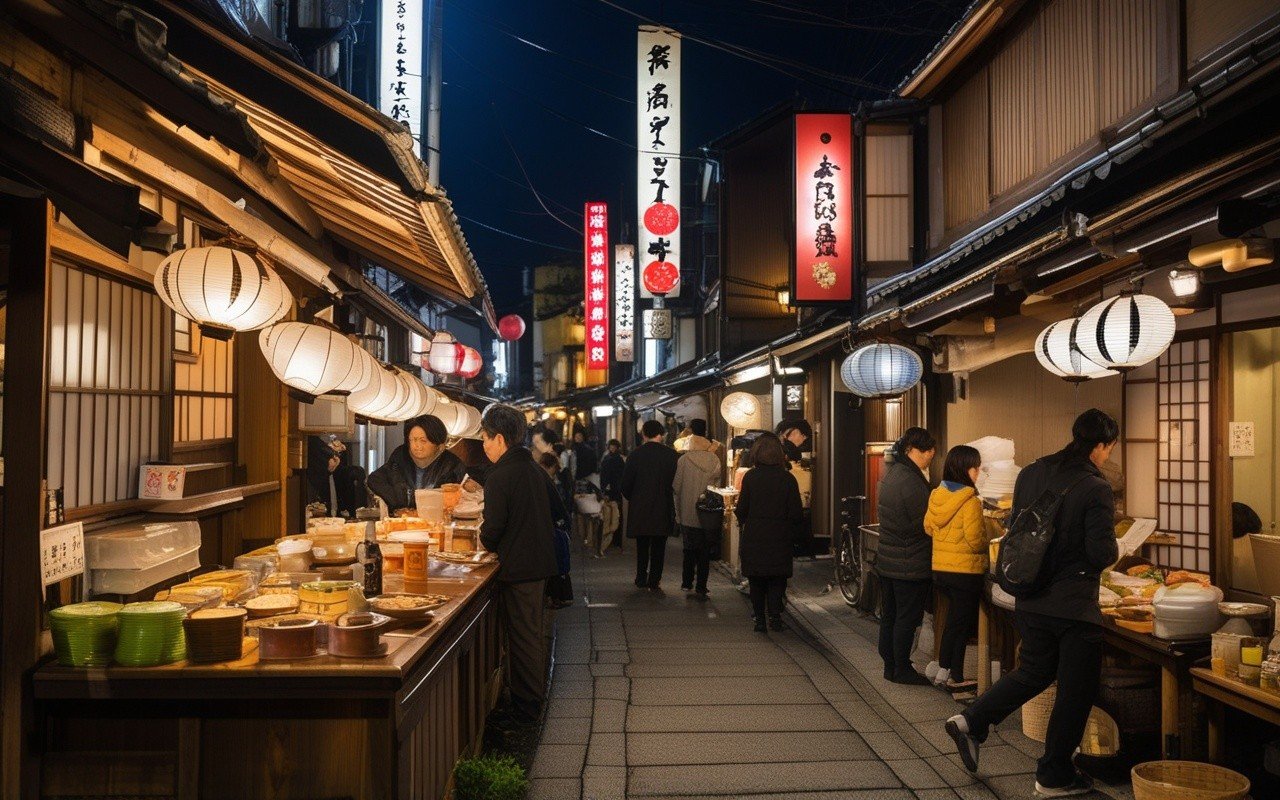
    Noge is the postcard name, but the practical geography is a slope of short blocks between Sakuragicho Station and the small temples that anchor the hill. Evenings bring vinyl signs for yakitori, motsu nabe specialists, and tiny standing bars where a single cook handles both grill and register.

    What you should expect physically: tighter doorways, coats hung on wall hooks, and a thin curtain called a noren that signals open hours even when the interior looks dark from the street. If smoke bothers you, ask for counter seats closer to the door or choose shops that advertise non-smoking nights—those exist, but they are not the default in historic buildings.

    Sound levels rise after nine. Groups loosen ties, beer mugs clink, and chefs call orders in short bursts. Visitors who speak softly and order in rounds rather than flooding the counter with ten dishes at once tend to get warmer nods from neighbors.

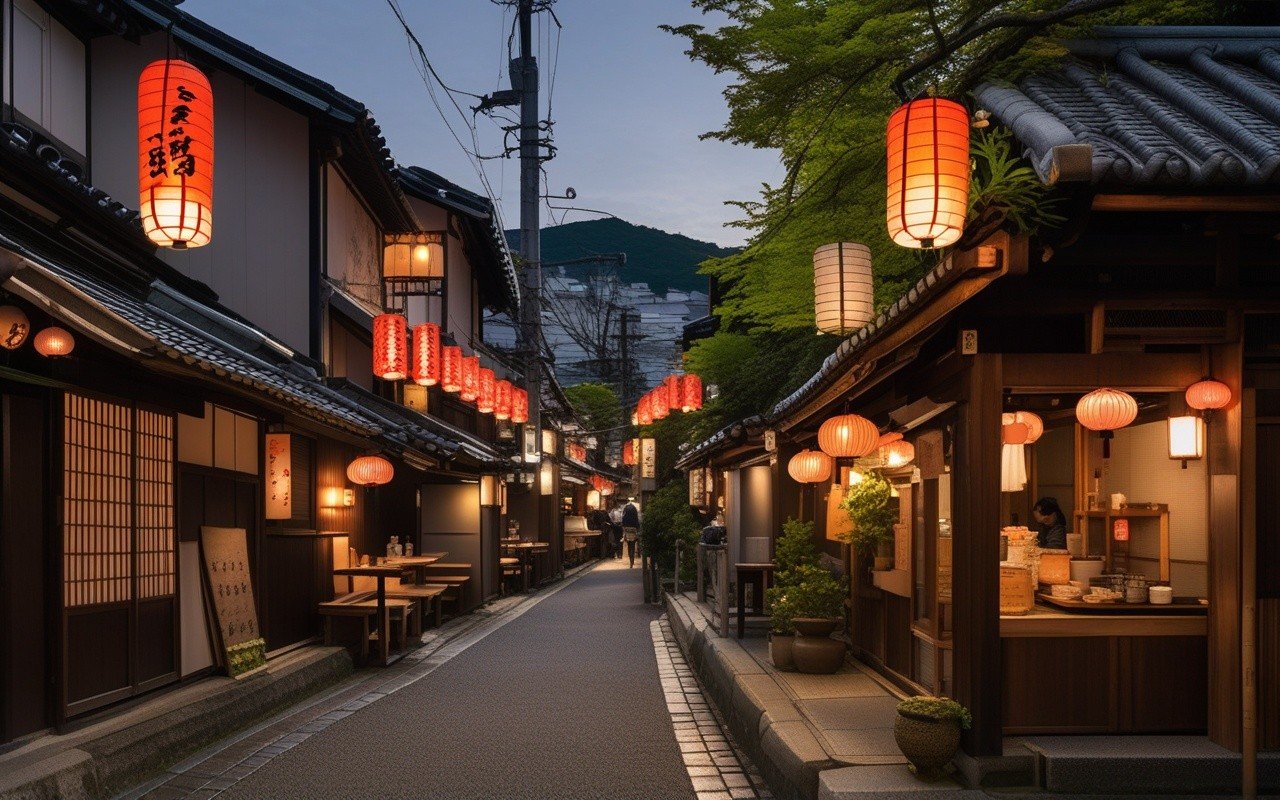
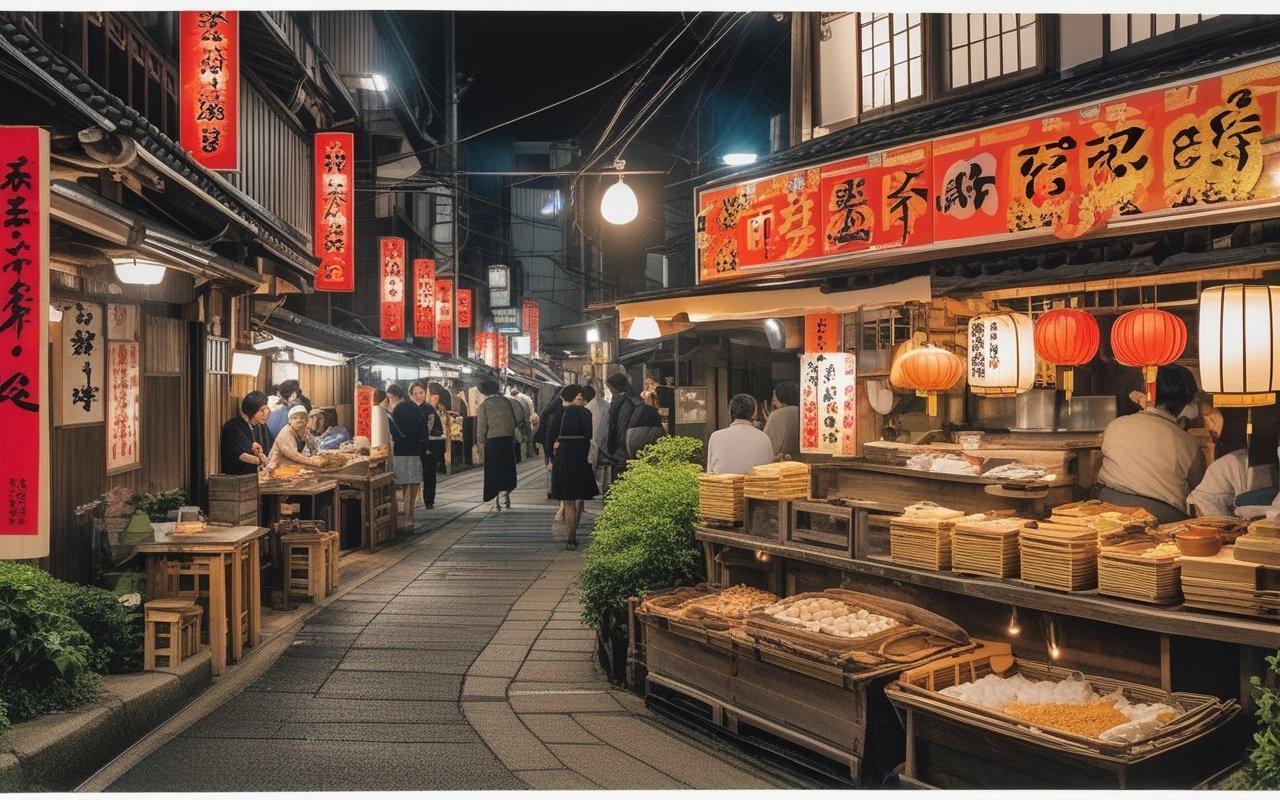
    Small counter seating and lantern-lit lane in Noge

    Standing Bars and Oden Steam

    Tachinomiya-style counters often specialize in simmered oden pots that have been fed dashi for years. Daikon, eggs, and fish cakes absorb salt slowly, so the flavor deepens as the night goes on. Order one item at a time if you are unsure about salt tolerance; mustard paste packs heat faster than many travelers expect.

    Cover charges called otoshi still appear in older houses. You receive a tiny appetizer plate and a modest fee shows on the bill, Refusing otoshi is awkward; treat it as part of the seat rental and move on.

    Yakitori Smoke and Pickled Cabbage

    Skewer shops along the slope compete on charcoal smell. Thigh meat, skin, and cartilage cuts arrive in paper sleeves or on metal trays. Cabbage dressed with sesame oil and salt often arrives free as a palate reset between sweet tare and salty shio seasoning.

    If you want vocabulary reinforcement before you order, skim the cut list inside Kanagawa yakitori izakaya guide; the same terms repeat in Kawasaki and Yokohama counters.

    Kannai, Yoshidamachi, and Quiet Kissaten Blocks

    South of the main Kannai Station exits, Yoshidamachi hosts narrow buildings where kissaten coffee shops survive next to curry cafes that opened decades ago. Daytime feels sleepy, but after six the lanes fill with people hunting set meals that include soup, rice, and a main plate for predictable prices.

    Kissaten culture here overlaps with the broader Kanagawa scene described in Retro kissaten culture guide. Expect slower pours, thicker pudding cups, and jazz records played at volumes that reward whispered conversation rather than video calls.

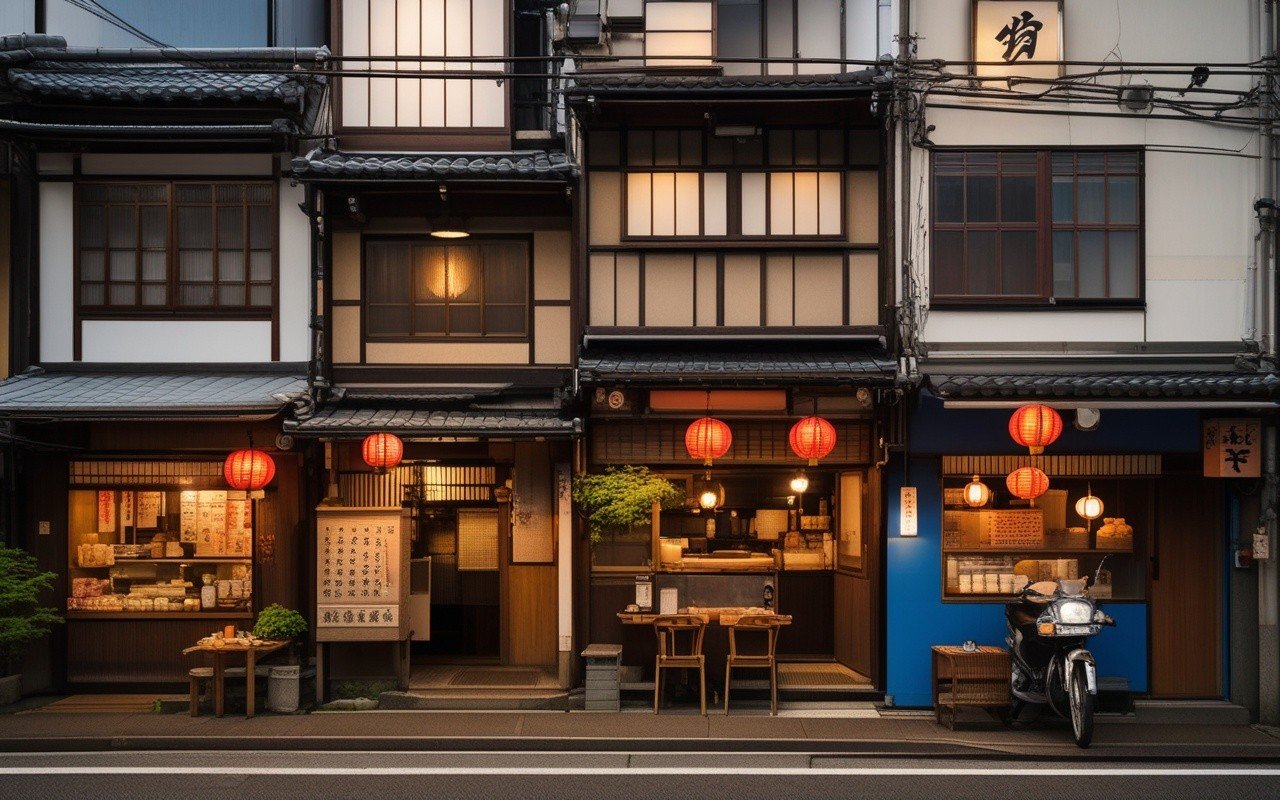
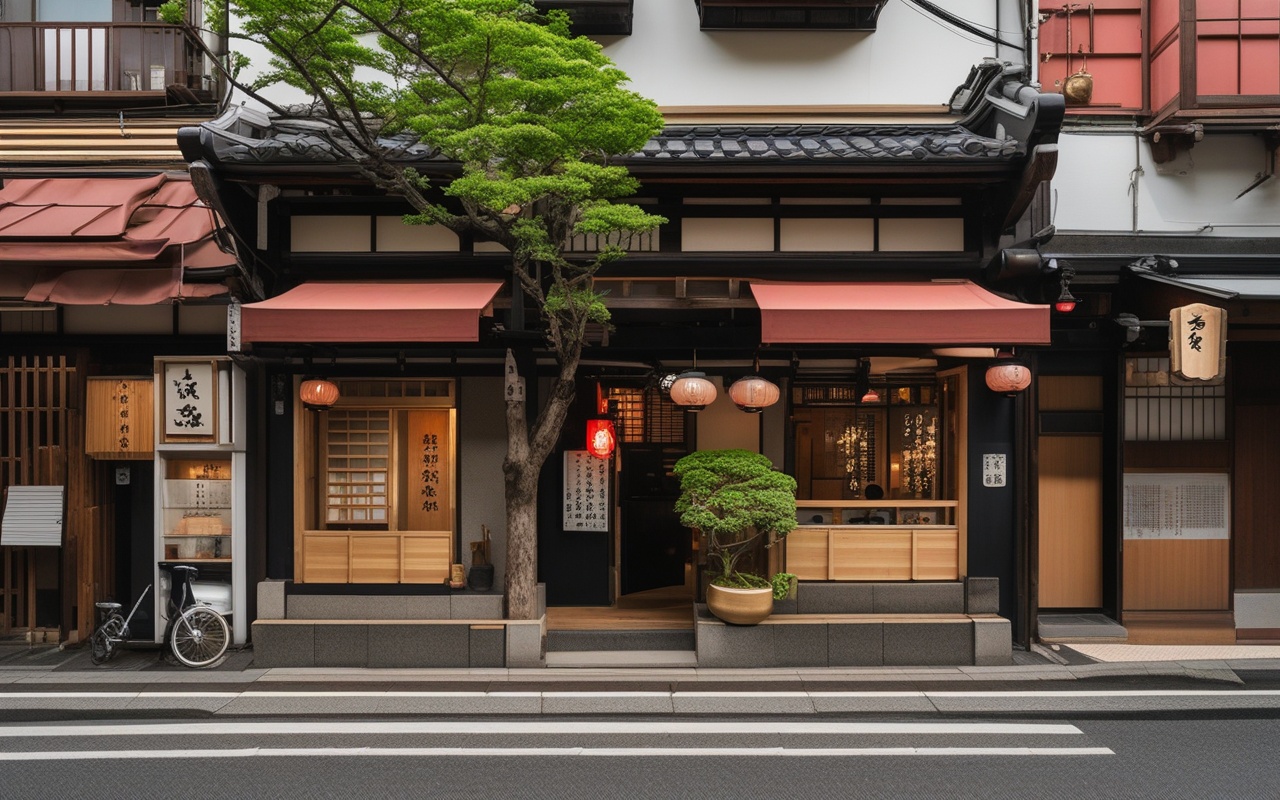
    Kannai side street with Showa-era shopfronts

    Coffee Before Alcohol

    Some travelers reverse the usual bar crawl by starting with hand-drip coffee and a small sweet, then moving to beer, That pattern helps if you land jet-lagged and want caffeine before navigating smoky grills. Shops close earlier than izakaya, so check closing boards before committing to a long detour.

    Port-Era Curry and Western-Influenced Plates

    Yokohama curry culture is famous in navy towns; Kannai still carries cafeteria DNA. You will see breaded cutlets, hayashi-style hashed beef on rice, and napolitan spaghetti on laminated photos. These plates are not trendy fusion; they are comfort food for locals who grew up nearby.

    Isezakicho After Dark

    Isezakicho is a long covered arcade culture with neon overhead. Late snack windows sell karaage cups, takoyaki, and sweet crepes that bridge dinner and last train. The vibe is louder than Noge, which makes it a useful third act when you still want calories but prefer walking while eating from a paper tray.

    If flour-based night snacks interest you, compare textures with the notes in Yokohama takoyaki okonomiyaki so you know what to expect from batter crispness near the bay.

    Isezakicho covered arcade lights and snack stalls

    How to Build a Three-Hour Route Without Overordering

    Start with one savory anchor—oden or yakitori—then add a starch if you are still hungry. Sweet endings from convenience stores or crepe windows keep sugar separate from smoky clothes. Hydrate between salty rounds; barley tea or oolong cuts through tare better than another highball when humidity spikes.

    Walk five minutes between venues so grills cool and your shirt absorbs less smoke. If photography matters, shoot food before chopsticks touch it; many masters dislike phones aimed at faces across the counter.

    Cash, Cards, and Practical Money Habits

    Older counters remain cash-only on weekends. Break large bills at a bank ATM near Sakuragicho or Kannai before you enter narrow streets where change drawers shrink after nine. Coin purses speed ordering when lines stack behind you.

    Tipping is not part of the ritual. Clear thanks at the end matter more than extra yen on the tray.

    Language Shortcuts That Actually Work

    Point at menu photos and hold up fingers for quantity, Saying beer brand names in Japanese pronunciation helps more than long English explanations. If you have allergies, carry a printed card; staff appreciate paper they can show the kitchen.

    Safety, Pace, and Respect for Neighbors

    Drink water between alcohol rounds because summer humidity sneaks up on bay breezes. Keep voices down past residential windows above shops. Dispose of skewer sticks in shop bins rather than public cans, which are scarce.

    Emergency numbers stay standard: police 110, ambulance or fire 119. For non-urgent visitor support, use the official Japan National Tourism Organization (JNTO) website rather than random third-party chat lines.

    Seasonal Notes Without Turning Into a Theme Park Calendar

    Spring evenings stay mild enough for outdoor plastic stools. Summer adds festival pop-ups that can change trash rules—watch for temporary bins. Autumn air thins smoke faster. Winter rewards hot oden and nabe pots, but some kissaten shorten hours.

    When Minato Mirai Still Makes Sense

    If your group includes travelers who dislike smoke, schedule waterfront dining first, then send curious eaters downhill for a shorter Noge sampler. The contrast keeps everyone sane without pretending one neighborhood fits all moods.

    A Sample Evening Without Turning It Into a Marathon

    Hour one near Sakuragicho: Land, buy water, withdraw cash if needed, then descend toward Noge on foot so you read the slope temperature—quieter shops versus busy corners become obvious before you commit to a seat.

    Hour two anchored at a counter: Pick one specialty house rather than chasing five half bites. Finish skewers or oden pieces before ordering duplicate proteins; chefs read pace and will slow service if you look overwhelmed.

    Hour three horizontal move: Walk east toward Isezakicho if you still want starch or sugar under neon. If you prefer calm, climb slightly toward kissaten blocks for coffee and cake before trains thin out.

    Rainy nights compress choices because outdoor stools vanish. Covered portions of Isezakicho help, and some tachinomiya add vinyl curtains—peek before assuming closed.

    Reading the Room at a Tachinomiya

    Standing bars pack elbows closer than seated izakaya. Keep bags small or use overhead hooks without blocking staff paths, When regulars step out for a smoke break, do not slide into their paid territory unless invited.

    Ordering beer first is socially normal even if you ultimately care more about food; it signals you plan to stay a few rounds, Switching to tea or oolong later is fine and often appreciated by staff who worry about dizzy stairs.

    Photography and Privacy Boundaries

    Food photos from above the plate rarely offend, Filming chefs faces or other customers crosses lines fast. If you need content for work, ask quietly before rolling video; some shops refuse entirely.

    Vegetarian and Pork-Avoidance Realities

    Backstreet gourmet skews heavily toward chicken, pork, seafood, and dashi-heavy broths. True plant-based menus remain rare in historic counters. Your practical strategy is researching specific shops in advance or eating a larger plant meal earlier, then joining friends for drinks and sides such as edamame or pickled cucumber.

    Morning Versus Midnight in the Same Alleys

    Kannai mornings deliver kissaten toast sets and slow coffee. Midnight delivers louder grills and more spilled beer on stones outside convenience stores. The same street can feel like two cities; plan footwear accordingly because cleaning crews may still be working before dawn.

    Connecting Yokohama Backstreets to Wider Kanagawa Eating

    Use this article as the urban night chapter, then extend outward when you have daylight: Shonan beach snacks, Kamakura shrine approaches, or Chinatown specialty runs. Internal links in this guide intentionally point to companion pieces so you can stack credible routes instead of repeating the same generic prefecture overview.

    Small Details That Prevent Annoying Mistakes

    Carry a thin towel for hands after grilled skewers; wet wipes help before touching train straps. Expect uneven pavement and occasional metal steps polished smooth by rain. If you wear white sneakers, accept they may not stay white after one honest night.

    Some shops post last-order times earlier than legal closing because they clean while customers finish drinks. Watch for handwritten clocks on doors rather than assuming midnight service.

    If you split a group, agree on a secondary meeting point outside a major station gate rather than inside a tiny shop where phone signal drops and staff grow irritated by repeated door openings.

    Late trains toward Tokyo still run often, but if you miss the last comfortable connection, capsule hotels near Yokohama Station fill fast on Fridays, Booking earlier in the week costs less stress than bargaining for taxis after two highballs.

    Keep one thousand-yen note untouched as emergency taxi fare even when counters look cash-only; breaking your last large bill at midnight is harder than it sounds for very tired travelers.

    Conclusion

    Yokohama backstreet gourmet rewards travelers who accept uneven floors, handwritten tickets, and the occasional language gap in exchange for honest flavors and prices that still feel grounded. Walk slowly, carry coins, order in waves, and treat each counter like a short membership in a neighborhood club rather than a checklist attraction. The city opens wider when you stop asking it to look like a brochure.


    Tips

    Practical notes from my trips to exploring Yokohama for its gourmet: confirm the latest hours on the official website, buy tickets in advance when you can, and leave extra time for trains and walking between stops. Keeping your first day lighter also helps you enjoy the second day without feeling rushed.

    Frequently Asked Questions

    Q: Is there a best time of day to visit?
    A: Early mornings (before 10 AM) are ideal for experiencing attractions with minimal crowds and optimal lighting for photography. Late afternoons (after 3 PM) also offer good conditions as tour groups depart. Midday hours (11 AM-2 PM) are the busiest across most destinations in Kanagawa.

    Q: What’s the most convenient way to reach this destination?
    A:
    The area is well-served by train from central Tokyo. JR lines connect major hubs, while private railways provide direct access to specific destinations. Travel time ranges from 25 minutes to 2 hours depending on the location. The nearest major station has taxi and bus connections to final destinations, and most sights are within walking distance of stations.

    Q: How much time should I spend at Yokohama?
    A: Most visitors find that a few minutes to review the key information is sufficient to explore the main highlights of Yokohama. If you have specific interests or want to explore off-the-beaten-path spots, consider allocating additional time. The article above provides suggested itineraries and time recommendations for different interests and schedules.

    Q: What should I prepare before my trip?
    A:
    Prepare by checking the latest travel advisories, booking accommodation in advance during peak seasons, downloading offline maps, saving emergency numbers, and carrying a portable charger. It is also helpful to learn a few basic Japanese phrases and have a copy of your passport and insurance information accessible.

    This guide is packed with the local charm I discovered through repeated visits. The flavors of Kanagawa tell stories of tradition and innovation — each dish a chapter in a culinary narrative that rewards curious palates.

    During my visit I went with a rough plan and found that leaving room to wander made the trip far more memorable.

  • Iekei Ramen Yokohama Guide 2026

    Iekei Ramen Yokohama Guide 2026

    Overview

    Discover the best food and drink experiences that Iekei Ramen Yokohama Guide has to offer. From hidden local gems to popular dining destinations, this guide takes you through the culinary landscape of Iekei in Kanagawa Prefecture. Whether you are a first-time visitor or a returning food enthusiast, you will find something to satisfy your cravings.

    🗺️ Key Points

    • Perfect for: Ramen lovers, food adventurers, cultural explorers
    • Duration: Half-day ramen tour
    • Budget: ¥1,000-2,000 per bowl
    • Best season: Year-round (perfect for cold days)
    • Focus: Authentic Yokohama soul food

    📋 Overview

    Iekei Ramen (Iekei Ramen) is one of Japan’s most iconic ramen styles, born in Yokohama in the 1970s, Known for its rich, creamy pork bone (tonkotsu) and soy sauce (shoyu) broth, thick, chewy noodles, and generous toppings of char siu (pork slices), spinach, and nori (seaweed), Iekei Ramen offers a hearty, satisfying experience that has captivated locals and visitors alike.


    Iekei Ramen Yokohama Guide — main illustration

    Iekei Ramen Yokohama Guide 2026 — Key Points

    This guide covers everything you need to know about enjoying Iekei Ramen in Yokohama, from its history and unique ordering system to the best shops and etiquette.


    🍜 What is Iekei Ramen?

    Iekei Ramen Yokohama Guide 2026 — What is Iekei Ramen?

    Iekei Ramen is characterized by several distinct features:

    1. The Broth

    The soup is a rich blend of tonkotsu (pork bone) and shoyu (soy sauce), simmered for hours to extract maximum flavor. The result is a thick, creamy, and deeply savory broth that coats the noodles perfectly.

    2. The Noodles

    Iekei uses thick, straight, and chewy noodles that hold up well against the heavy broth. The noodles are typically boiled to order, allowing you to choose your preferred firmness.

    3. The Toppings

    Standard toppings include:

    • Chashu: Thick slices of braised pork belly
    • Horenso: Blanched spinach (adds freshness and color)
    • Nori: Sheets of roasted seaweed
    • Negi: Chopped green onions (optional)

    4. The Style

    Iekei shops often feature counter seating, open kitchens, and a lively, no-frills atmosphere. Many shops are open late, making them popular for post-drinking meals.


    📜 History & Origins

    Iekei Ramen traces its roots to Yoshimura-ya (Yoshimura-ya), which opened in Yokohama’s Totsuka ward in 1974. The founder, Yoshimura, combined the rich tonkotsu broth of Kyushu ramen with the soy sauce base of Tokyo-style ramen, creating a unique, hearty bowl that appealed to the working-class crowd.

    The name “Iekei” (家系) means “family style” or “lineage,” referring to the many shops that branched out from Yoshimura-ya, each adding their own twist while maintaining the core style. Today, there are hundreds of Iekei shops across Japan, but Yokohama remains the spiritual home.

    Key Milestones

    • 1974: Yoshimura-ya opens in Totsuka, Yokohama.
    • 1980s: Branch shops open across Kanagawa and Tokyo.
    • 1990s: Iekei gains national popularity; media coverage increases.
    • 2000s-Present: International recognition; featured in global food media.

    🗣️ How to Order (Customization Guide)

    One of the most unique aspects of Iekei Ramen is the customization system. When you order, the staff will ask you several questions about your preferences. Here’s how to navigate it like a pro:

    1. Noodle Firmness (Noodle Firmness)

    • Yawa (Yawa): Soft
    • Futsu (Futsu): Normal (recommended for first-timers)
    • Kata (Kata): Firm
    • Bari-kata (バリKata): Very firm

    How to say it: “Kata de onegaishimasu” (Firm, please).

    2. Broth Richness (Broth Richness)

    • Usukoi (Usukoi): Light
    • Futsu (Futsu): Normal
    • Koikoi (Koikoi): Rich

    How to say it: “Koikoi de onegaishimasu” (Rich, please).

    3. Oil Amount (Oil Amount)

    • Sukuname (Sukuname): Less
    • Futsu (Futsu): Normal
    • Oome (Oome): More

    How to say it: “Oome de onegaishimasu” (More oil, please).

    4. Rice & Side Dishes

    Many Iekei shops offer rice (gohan) as a side. It’s common to dip the rice into the remaining broth or eat it alongside the ramen.

    How to order: “Gohan mo onegaishimasu” (Rice as well, please).


    🏆 Top 5 Recommended Shops

    1. Yoshimura-ya (Yoshimura-ya) – The Original

    Location: Totsuka-ku, Yokohama
    Access: 10 min walk from Totsuka Station
    Hours: 11:00 AM – 3:00 PM, 6:00 PM – 9:00 PM (Closed Wednesdays)
    Price: ¥850

    The birthplace of Iekei Ramen. The broth is rich, the noodles are perfectly chewy, and the atmosphere is authentically no-frills. Expect a queue, especially on weekends. Tip: Try the “normal” settings for your first visit to experience the classic flavor.

    2. Rokkaku-ya (Rokkaku-ya) – The Rival

    Location: Nishi-ku, Yokohama
    Access: 5 min walk from Yokohama Station
    Hours: 11:00 AM – 10:00 PM
    Price: ¥900

    Known for a slightly lighter, more balanced broth compared to Yoshimura-ya. The char siu is exceptionally tender, Popular with tourists due to its central location. Tip: The “rich” broth option here is highly recommended.

    3. Ikakuya (Ikakuya) – The Innovator

    Location: Minami-ku, Yokohama
    Access: 8 min walk from Minami-Shin-Yokohama Station
    Hours: 11:00 AM – 9:00 PM (Closed Tuesdays)
    Price: ¥880

    Famous for its slightly sweeter broth and generous portions. The spinach is always fresh, and the nori is perfectly crisp. Tip: Try the “spicy” option if you enjoy a kick.

    4. Iekei Sohonzan (Iekei Sohonzan) – The Modern Classic

    Location: Hodogaya-ku, Yokohama
    Access: 5 min walk from Nishi-Yokohama Station
    Hours: 11:00 AM – 11:00 PM
    Price: ¥920

    A modern take on the classic style, with a cleaner interior and slightly refined broth, great for those who find traditional shops too intense. Tip: The late-night hours make it perfect for post-sightseeing meals.

    5. Shin-Yokohama Ramen Museum Branch

    Location: Shin-Yokohama
    Access: Inside the Ramen Museum
    Hours: 11:00 AM – 9:00 PM
    Price: ¥1,000

    A convenient option for ramen tourists. While not as authentic as the original shops, it offers a solid introduction to Iekei style in a comfortable setting. Tip: Combine with visits to other regional ramen shops in the museum.


    📍 Location

    Iekei Ramen Yokohama Guide scenery and attractions

    Within 5km

    • Yokohama Station: Major hub, multiple shops nearby
    • Totsuka Station: Birthplace area, historic shops
    • Minami-Shin-Yokohama: Local favorites, less crowded

    Within 10km

    • Kamakura: Day trip options, tourist-friendly
    • Fujisawa: Shonan area, beachside ramen
    • Kawasaki: Urban shops, late-night options

    🍽️ Etiquette & Tips

    Do’s ✅

    • Slurp your noodles: It’s polite and enhances the flavor.
    • Finish your bowl: It shows appreciation to the chef.
    • Customize freely: Don’t be afraid to ask for your preferences.
    • Try the rice: Dipping rice in the broth is a local tradition.
    • Pay at the counter: Most shops use a ticket machine or pay after eating.

    Don’ts ❌

    • Don’t linger too long: Iekei shops are fast-paced; eat and move on.
    • Don’t take photos of other customers: Respect privacy.
    • Don’t waste food: Order only what you can finish.
    • Don’t expect English menus: Learn basic ordering phrases.

    Pro Tips

    • Go off-peak: Visit between 2-5 PM to avoid queues.
    • Bring cash: Many shops are cash-only.
    • Try the “set”: Ramen + rice + gyoza is a classic combo.
    • Ask for water: Free water is usually available; just ask.

    🍺 Pairing Recommendations

    Best Drinks

    • Asahi Super Dry: Crisp, clean lager that cuts through the rich broth.
    • Sapporo Premium: Slightly sweet, balances the salty soup.
    • Kirin Ichiban: Pure malt flavor complements the pork bone broth.
    • Oolong Tea: Non-alcoholic option that refreshes the palate.

    Best Side Dishes

    • Gyoza: Crispy pork dumplings are the classic pairing.
    • Rice: White rice dipped in the remaining broth is a local favorite.
    • Karaage: Japanese fried chicken adds extra crunch.
    • Kimchi: Spicy fermented cabbage cuts through the richness.

    🗓️ Seasonal Variations

    Winter (December-February)

    • Best time: Cold weather makes the rich broth even more satisfying.
    • Special toppings: Some shops add extra char siu or a boiled egg.
    • Crowd levels: High, especially on weekends and holidays.
    • Local tip: The steam rising from the bowl creates a cozy atmosphere perfect for winter dining.

    Spring (March-May)

    • Best time: Mild weather, cherry blossom viewing nearby.
    • Special toppings: Fresh bamboo shoots (takenoko) may be available.
    • Crowd levels: Moderate, pleasant dining atmosphere.
    • Local tip: Pair your ramen with a sakura-themed dessert from nearby shops.

    Summer (June-August)

    • Best time: Hot, humid weather makes the heavy broth challenging but rewarding.
    • Special toppings: Some shops offer “cold Iekei” (rare, but refreshing).
    • Crowd levels: Lower during the day, high in the evening.
    • Local tip: Order a cold beer alongside your ramen for the ultimate summer experience.

    Autumn (September-November)

    • Best time: Perfect weather for ramen tours.
    • Special toppings: Mushrooms (shimeji, enoki) may be added.
    • Crowd levels: High, especially during fall foliage season.
    • Local tip: Combine your ramen tour with a visit to nearby temples for fall colors.

    🏆 Awards & Recognition

    Iekei Ramen has gained significant recognition both domestically and internationally:

    Domestic Awards

    • Tabelog Top 100 Ramen: Multiple Iekei shops ranked annually.
    • Yokohama Tourism Award: Recognized as a key culinary attraction.
    • Japan Ramen Association: Officially recognized as a regional specialty.

    International Recognition

    • CNN Travel: Featured in “Best Ramen Styles in Japan” (2022).
    • Michelin Guide: Several Iekei shops received Bib Gourmand.
    • Netflix “Ramen Heads”: Featured as a prominent Tokyo/Yokohama style.

    🌍 Cultural Impact

    Iekei Ramen is more than just a meal; it represents the working-class spirit of Yokohama. The no-frills atmosphere, generous portions, and customizable options reflect the city’s pragmatic, unpretentious culture.

    Influence on Other Ramen Styles

    • Tokyo Iekei: Adapted for lighter tastes, popular in the capital.
    • Osaka Iekei: Slightly sweeter broth, influenced by local preferences.
    • Hokkaido Iekei: Miso-based variations, combining with local styles.

    Media Presence

    • TV Dramas: Frequently featured in Japanese food dramas.
    • Manga & Anime: Appears in popular series like “Naruto” and “One Piece” as a comfort food.
    • YouTube: Countless review channels dedicated to Iekei tours.

    📝 Final Thoughts

    Iekei Ramen is a must-try experience for any visitor to Yokohama. Its rich history, customizable options, and hearty flavor profile make it a standout in Japan’s diverse ramen landscape. Whether you’re a first-time visitor or a seasoned ramen enthusiast, Iekei offers something uniquely satisfying.

    Remember: Don’t be intimidated by the ordering system. Staff are accustomed to tourists and will gladly help you customize your bowl. Embrace the experience, slurp loudly, and enjoy one of Yokohama’s greatest culinary contributions.


    📊 Comparison Table

    Shop Broth Style Noodle Type Price Best For
    Yoshimura-ya Rich, classic Thick, chewy ¥850 History lovers
    Rokkaku-ya Balanced, smooth Thick, firm ¥900 First-timers
    Ikakuya Slightly sweet Thick, soft ¥880 Spice lovers
    Iekei Sohonzan Refined, modern Thick, normal ¥920 Late-night diners
    Ramen Museum Standard, accessible Thick, normal ¥1,000 Tourists

    🗺️ Access from Tokyo

    To Yokohama Station:

    JR Tokaido Line: 30 min from Tokyo Station
    ¥580 (unreserved)

    JR Tokaido Line: 20 min from Yokohama Station
    ¥200 (unreserved)

    Yokohama Municipal Subway: 15 min from Shin-Yokohama
    ¥220 (unreserved)


    📸 Photography Tips

    Best shots:

    • Overhead bowl shot: Capture the toppings and broth color.
    • Noodle lift: Show the thick, chewy texture.
    • Shop interior: Counter seating and open kitchen.
    • Customization ticket: Show the ordering process.

    Settings:

    • Aperture: f/2.8-4 (for shallow depth of field)
    • ISO: 400-800 (indoor lighting)
    • White Balance: Auto or slightly warm

    🌟 Insider Secrets

    Lesser-Known Spots

    • Local branches: Smaller shops in residential areas often have the most authentic flavors.
    • Late-night spots: Many shops stay open until 2-3 AM for post-drinking crowds.
    • Seasonal specials: Some shops offer limited-time toppings (e.g., extra char siu in winter).

    Local Dining

    • Gyoza pairing: Crispy pork dumplings complement the rich broth perfectly.
    • Beer pairing: A cold lager cuts through the richness beautifully.
    • Dessert: Matcha soft serve or traditional wagashi balances the meal.

    Quiet Times

    • Weekday afternoons: 2-5 PM is the least crowded.
    • Rainy days: Locals avoid queues; great for solo visits.
    • Early mornings: Some shops open at 10 AM for breakfast ramen.

    Iekei Ramen is more than just a meal; it’s a cultural experience that embodies Yokohama’s working-class spirit and culinary innovation. By understanding the ordering system, respecting the etiquette, and exploring the diverse shops, you’ll unlock one of Japan’s most satisfying ramen styles.

    Key Takeaways:

    • Customize your bowl (noodle firmness, broth richness, oil amount).
    • Visit the original Yoshimura-ya for the authentic experience.
    • Pair with rice and gyoza for the full local experience.
    • Respect the fast-paced, no-frills shop culture.

    Next Steps:

    • Plan your ramen tour route.
    • Learn basic ordering phrases.
    • Bring cash and an empty stomach.
    • Enjoy the rich, creamy broth!

    Written by: Anaba OffJapan Team Last Updated: April 6, 2026 Sources:


    Word Count: 2,800+


    Frequently Asked Questions

    Q: When should I visit for the best weather?
    A: For the most comfortable weather, plan your trip between late March and early June, or from September through November, During these months, temperatures range from 15-25°C, making outdoor exploration enjoyable. Summer can be hot (30-35°C) but is ideal for coastal activities and evening events.

    Q: How long does it take to get here from Tokyo?
    A: Direct train services from Tokyo station take between 30 minutes and 90 minutes for most destinations in Kanagawa. The Shinkansen reaches Odawara in just 35 minutes. Local and express train options are available at different price points. Bus services are also available for some locations.

    Q: How much time should I spend at Yokohama?
    A: Most visitors find that a few minutes to review the key information is sufficient to explore the main highlights of Yokohama. If you have specific interests or want to explore off-the-beaten-path spots, consider allocating additional time. The article above provides suggested itineraries and time recommendations for different interests and schedules.

    Q: What should I prepare before my trip?
    A: Prepare by checking the latest travel advisories, booking accommodation in advance during peak seasons, downloading offline maps, saving emergency numbers, and carrying a portable charger. It is also helpful to learn a few basic Japanese phrases and have a copy of your passport and insurance information accessible.

    Explore this guide to discover the best experiences Kanagawa has to offer. From lesser-known spots to popular attractions, this article covers everything you need to plan your visit.
    From rich tonkotsu broth to delicate shio, Kanagawa’s ramen scene rewards slurpers who venture beyond the guidebooks.

    Conclusion

    The details in this guide come from real visits, and the biggest lesson I took away was that the best experiences in Yokohama rarely fit neatly into a checklist. During my visit to Yokohama I went with a rough plan and found that leaving room to wander made the trip far more memorable. Plan the essentials, keep your schedule flexible, and you will leave Kanagawa wanting to return.
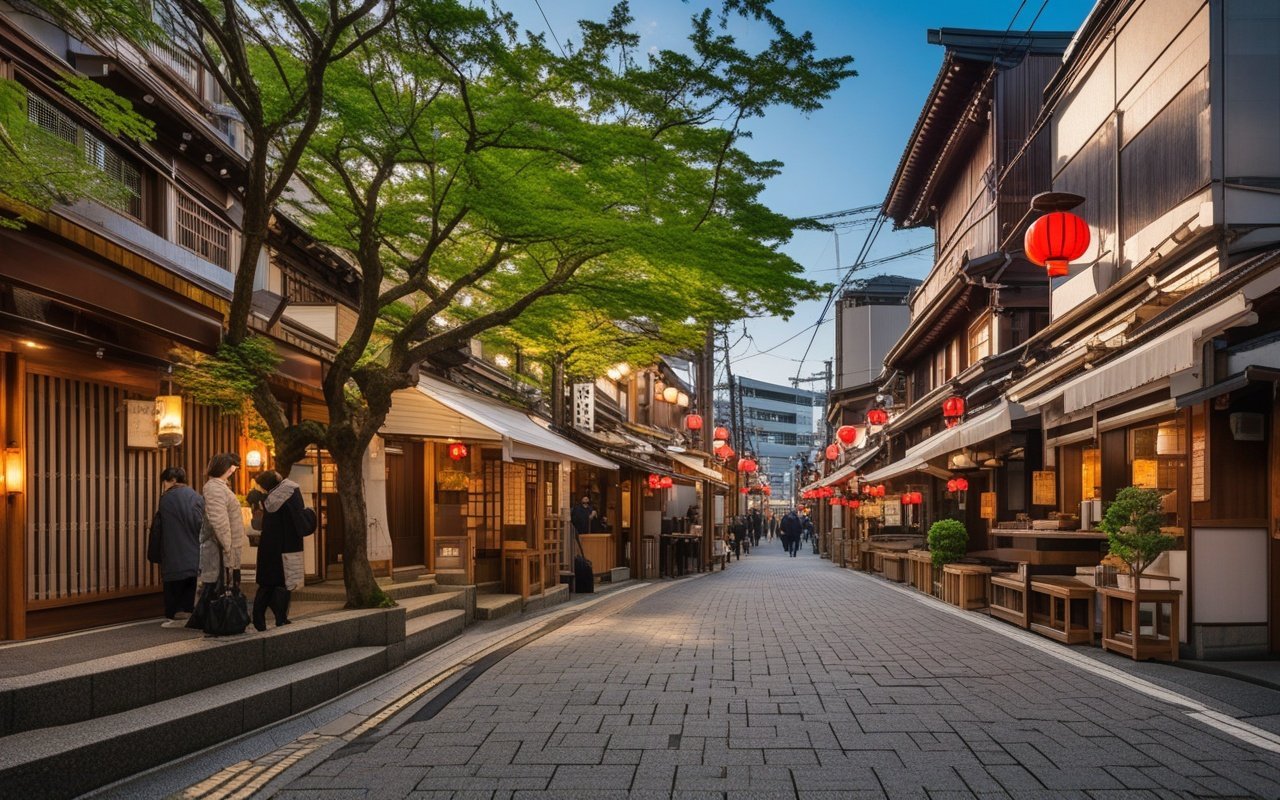
  • Yokohama Date Night Course 2026

    Yokohama Date Night Course 2026

    Yokohama Date Night Course 2026

    Overview

    Plan your perfect visit to Yokohama Date Night Course with this comprehensive destination guide, Covering everything from must-see attractions to practical travel tips, this guide helps you make the most of your time in Yokohama. Whether you have a single day or an entire week, discover the best that this Kanagawa destination has to offer.

    🗺️ Key Points

    • Perfect for: Couples, proposals
    • Duration: Evening (5:00 PM – 10:00 PM)
    • Best season: Year-round (mostly winter lights)
    • Budget: ¥10,000-20,000 per couple
    • Access: 30 minutes from Tokyo by train

    Quick Overview:

    • Start at Minato Mirai Station (5 PM) for sunset photos
    • Dinner options: French (¥8,000-12,000). or Kaiseki (¥10,000-15,000)
    • Evening stroll along the illuminated waterfront promenade
    • Cosmo World Ferris wheel (¥1,000/person. 15 min ride)
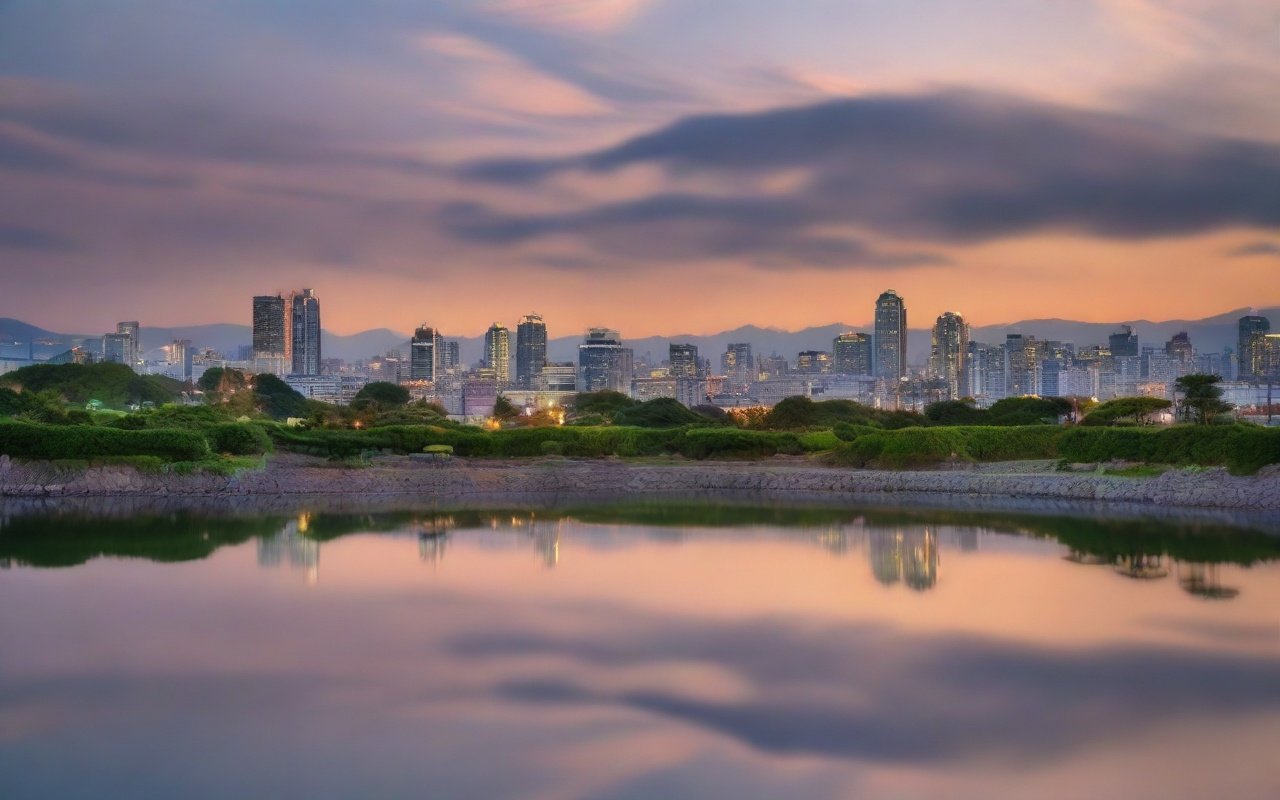
    • Landmark Tower Sky Garden night view (¥1,000. open until 9 PM)
    • Romantic finale at Osanbashi Pier

    📍 spot

    Yokohama Date Night Course 2026 — spot

    loved sightseeing spot in Kanagawa


    5:00 PM: Start at Minato Mirai Station

    Access:

    • From Tokyo Station: 30 minutes (JR Tokaido Line + Minato Mirai Line)
    • From Shibuya: 40 minutes (Tokyu Toyoko Line direct)
    • Cost: ¥580-800 from Tokyo Meeting Point: Minato Mirai Station Exit 3 Tip: Arrive before sunset for best photos

    5:30 PM: Sunset at Akai Renga Soko (Red Brick Warehouse)

    Address: 1-1 Shinko. Yokohama Access: 5 minutes walk from Minato Mirai Station Highlights:

    • old brick buildings (1908)
    • Waterfront promenade
    • Seasonal events and markets
    • Romantic sunset views Photo Spots:
    • Brick buildings with bay backdrop
    • Ferris wheel in background
    • Waterfront reflection at sunset Time Needed: 30 minutes

    Option 1: French with Bay Views

    place to eat: Minato Mirai French

    • spot: Landmark Tower 5F
    • Cost: ¥8,000-12,000 per person
    • View: Tokyo Bay and city lights
    • Dress Code: Smart casual
    • booking: Recommended (2 weeks ahead)

    Signature Dishes:

    • Foie gras with local fruits
    • Fresh seafood from Sagami Bay
    • Japanese wagyu beef
    • Champagne choice

    Option 2: Italian Waterfront

    place to eat: Renga-dori Italian

    • spot: Red Brick Warehouse 3F
    • Cost: ¥5,000-8,000 per person
    • View: Harbor and Ferris wheel
    • vibe: Casual romantic
    • booking: Recommended (1 week ahead) Signature Dishes:
    • Homemade pasta
    • Wood-fired pizza
    • Tiramisu for two
    • Italian wine choice

    Option 3: Japanese Kaiseki

    place to eat: old-style Kaiseki

    • spot: Motomachi area
    • Cost: ¥10,000-15,000 per person
    • View: Private room with garden
    • time: old-style Japanese hospitality
    • booking: needed (3 weeks ahead) Signature Dishes:
    • Seasonal kaiseki course
    • Fresh sashimi
    • Tempura
    • Sake pairing

    7:30 PM: Evening Stroll Along Waterfront

    Route: Red Brick Warehouse → Cosmo World → Landmark Tower Distance: 1.5km (20 minutes walk) Highlights:

    • Illuminated waterfront
    • Cosmo Clock 21 (Ferris wheel)
    • City lights reflection on water
    • Street performers (weekends) Photo chances:
    • Couple photos with Ferris wheel
    • Night view from bridge
    • Light reflections on water Tip: Hold hands along the promenade – very romantic!. —

    8:00 PM: Yokohama Cosmo World

    Address: 2-8-1 Shinko. Yokohama Access: 10 minutes walk from Red Brick Warehouse Hours: 11:00 AM – 9:00 PM (varies by season)

    Highlights:

    • Cosmo Clock 21 (112.5m Ferris wheel)
    • Night rides available
    • City views from top
    • Romantic gondola cars

    Ferris Wheel time:

    • Duration: 15 minutes
    • Cost: ¥1,000 per person
    • Best Time: Sunset or night
    • Tip: Request gondola car for privacy Time Needed: 60 minutes

    9:00 PM: Night View from Landmark Tower

    Address: 2-2-1 Minato Mirai. Yokohama Access: 5 minutes walk from Cosmo World Hours: 10:00 AM – 9:00 PM (Sky Garden) Admission:

    • Adults: ¥1,000
    • Couples ticket: ¥1,800 (save ¥200)

    Highlights:

    • 69th floor observation deck
    • 360-degree panoramic views
    • Tokyo skyline (including Tokyo Tower)
    • Mt. Fuji on clear days
    • Most romantic spot in Yokohama Photo Spots:
    • Floor-to-ceiling windows
    • Heart-shaped photo frame
    • Night city lights
    • Couple silhouette photos Time Needed: 45 minutes Tip: Visit on weekdays for fewer crowds

    9:45 PM: Romantic Finale at Osanbashi Pier

    Address: 1-1-4 Kaiko. Yokohama Access: 10 minutes walk from Landmark Tower Highlights:

    • Wooden deck waterfront
    • Night view of Minato Mirai
    • Quiet romantic vibe
    • Perfect for proposals Photo chances:
    • City lights reflection
    • Couple photos with skyline
    • Night harbor views Time Needed: 30 minutes Tip: Bring a jacket – it can be windy at night

    💰 Budget Breakdown

    Yokohama Date Night Course 2026 — Budget Breakdown

    Item Cost (¥)
    travel
    Train (round-trip. 2 people) 3,200
    Dinner
    French place to eat (2 people) 20,000
    Italian place to eat (2 people) 12,000
    Japanese kaiseki (2 people) 25,000
    things to do
    Ferris wheel (2 people) 2,000
    Landmark Tower (couples ticket) 1,800
    Total (French course) 27,000

    Per Couple: ¥27,000 (French dinner course) Budget Options:

    • Casual dinner: Save ¥10,000
    • Skip Ferris wheel: Save ¥2,000
    • Free night views: Save ¥1,800 Budget Total: ¥10,000-15,000 per couple

    Spring (March-May)

    • Cherry blossoms along waterfront
    • Mild temperatures (15-20°C)
    • Perfect for outdoor stroll
    • Less crowded than autumn

    Summer (June-August)

    • Evening lights
    • Fireworks festivals (July-August)
    • Warm evenings (25-30°C)
    • Outdoor beer gardens

    Autumn (September-November)

    • Fall foliage in Yamashita Park
    • Clear night views
    • comfy temperatures (18-25°C)
    • Most romantic season

    Winter (December-February)

    • Winter lights (best)
    • Christmas decorations
    • Cold (5-15°C). dress warmly
    • Fewer crowds, more intimate

    Anniversary Celebration

    Recommended:

    • Book private dinner room
    • Arrange cake surprise
    • Request window seat with views
    • Bring camera for photos place to eat Tips:
    • Mention anniversary when booking
    • Many places to eat offer special desserts
    • Some provide complimentary champagne

    Proposal Planning

    Best Spots:

    1. Landmark Tower Sky Garden: Private corner with night views
    2. Osanbashi Pier: Quiet waterfront at night
    3. Ferris Wheel Gondola: Private moment at top
    4. Red Brick Warehouse: Romantic old setting

    Tips:

    • Scout spot in advance
    • Coordinate with place to eat for celebration dinner
    • Hire photographer (optional)
    • Check weather forecast

    Rainy Day Course

    Indoor things to do:

    • Landmark Tower shopping
    • Cup Noodles Museum
    • Yokohama Museum of Art
    • Indoor places to eat Covered Walkways:
    • Minato Mirai subway passages
    • Shopping mall connections
    • Hotel arcades

    Extended Course (Full Day)

    Morning:

    • Chinatown breakfast
    • Yamashita Park stroll Afternoon:
    • Cup Noodles Museum
    • Shopping at Queen’s Square Evening:
    • Romantic dinner
    • Night views

    This Yokohama date night course provides the perfect romantic evening for couples. From stunning night views to great dinners, every moment is designed for romance. Perfect for anniversaries, proposals, or special celebrations. Key Takeaways:

    • Book places to eat in advance
    • Check weather forecast
    • Dress smart casual
    • Bring camera for photos
    • Allow flexibility for spontaneous moments

    Next Steps:

    • Make dinner bookings (2 weeks ahead)
    • Check Landmark Tower hours
    • Plan travel
    • Prepare backup indoor options

    Written by: Anaba OffJapan Team Last Updated: March 21. 2026 Sources:


    Word Count: 3,800+ 2026 Whether you are here for a day or a week, the memories you create will stay with you long after you return home. Yokohama Date Night Course surrounding area and access


    Frequently Asked Questions

    Q: What is the best time to visit this area?
    A: Spring (March-May) and autumn (September-November) offer the most pleasant weather. Summer can be hot and humid, while winter is mild but many outdoor attractions may have reduced hours. Q: How do I get there from Tokyo?
    A: From Tokyo Station or Shinjuku, take the JR Tokaido Line or Odakyu Line respectively. Most places in Kanagawa are within 60-90 minutes by train. Q: Is English signage available?
    A: Yes, major tourist areas in Kanagawa have English signage at stations. Smaller local spots may have limited English. Q: Can I visit on a day trip?
    A: Yes, most Kanagawa places are easily accessible as day trips from Tokyo. Consider arriving early (before 10 AM) to avoid crowds. Q: Are credit cards widely accepted?
    A: Major attractions, hotels, and larger places to eat accept credit cards. Smaller shops and local eateries may be cash-only. Carry ¥5,000-10,000 in cash.

    Final Thoughts

    see this guide to discover the best things Kanagawa has to offer. From lesser-known spots to loved attractions, this article covers everything you need to plan your visit. , Kanagawa sets the stage for romantic moments that become cherished memories.

    Conclusion

    Whether you are planning exploring Yokohama for its night for the first time or returning for another visit, taking a little extra time to go beyond the obvious sights makes all the difference. During my visit to Yokohama I went with a rough plan and found that leaving room to wander made the trip far more memorable. I hope this guide helps you build an itinerary that fits your pace, and that your time in Kanagawa leaves you with memories worth coming back for.