Overview
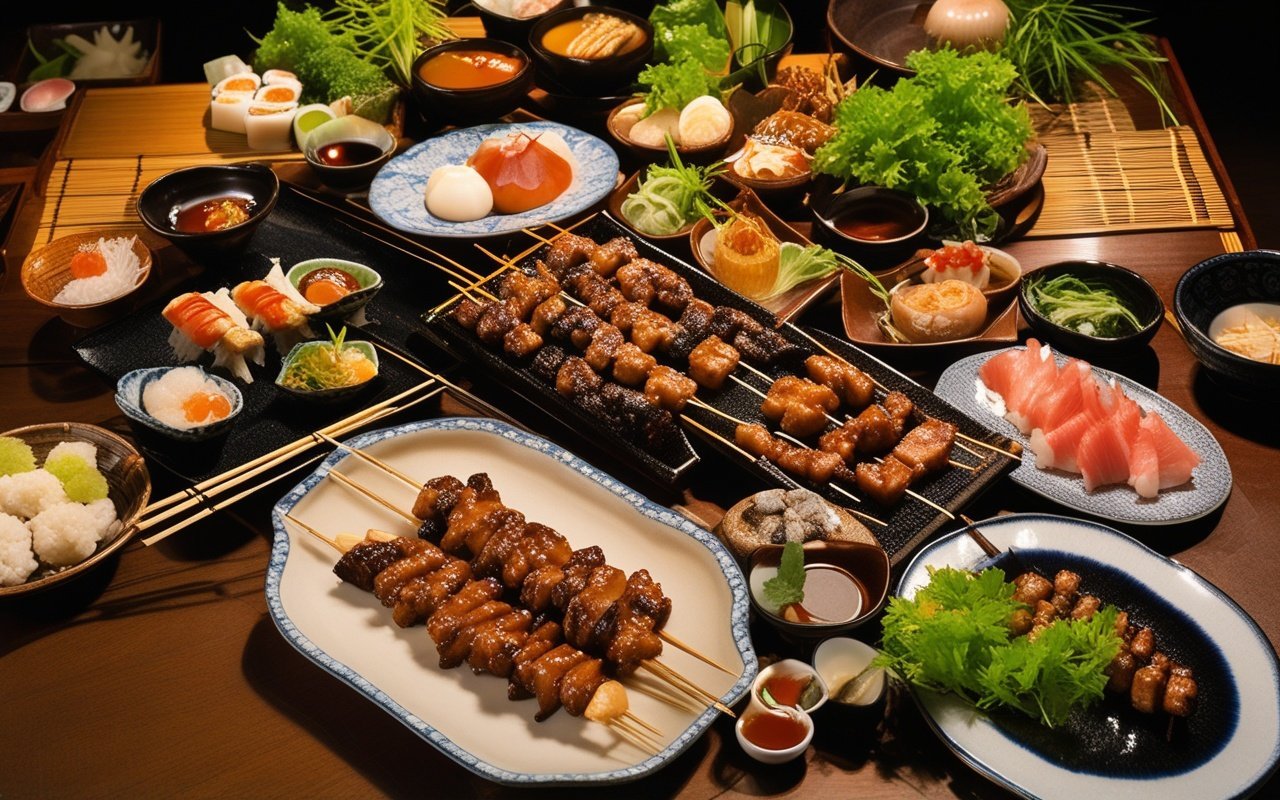
Yakitori, skewered and grilled chicken, is the heart of the Izakaya (Japanese pub) experience. In Kanagawa, areas like Kawasaki's Ekimae (station front) and Yokohama's Noge district are packed with tiny bars serving up these smoky, delicious skewers alongside cold beer. It is the best way to experience local nightlife and mingle with residents.
Understanding the Menu
Ordering Yakitori can be intimidating for foreigners. Here are the cuts you must know:
- Momo: Thigh meat. Juicy, tender, and the most popular cut.
- Negima: Chicken and leek skewers. The leek becomes sweet and caramelized on the grill.
- Teba: Chicken wings. Crispy skin on the outside, succulent meat on the inside.
- Reba: Chicken liver. Creamy and rich in iron, often served with a sprinkle of pepper.
- Nankotsu: Crunchy cartilage. A texture-heavy bite that is great with beer.
Sauce vs. Salt
Most shops will ask "Tare ka Shio ka?" (Sauce or Salt?).
- Tare (Sauce): A sweet soy-based glaze that is brushed onto the skewers. Great for first-timers.
- Shio (Salt): Simple salt seasoning. Best for high-quality chicken to taste the natural flavor of the meat.
Izakaya Etiquette
- Otoshi: You may be served a small appetizer immediately and charged a seating fee (usually ¥300-¥500). This is standard practice and covers the "cover charge."
- Pour for Others: Never pour your own drink. Pour for your neighbors, and they will reciprocate. It is a sign of camaraderie.
- Sharing: Yakitori is meant to be shared. Order a variety of cuts and place them in the center of the table for everyone to grab.
Conclusion
Yakitori is about more than just food; it is about the lively atmosphere, the clinking of glasses, and the connection with the chef grilling right in front of you. Step into a tiny Izakaya in Kawasaki tonight and you will make memories (and new friends) to last a lifetime.
History and Cultural Significance
Regional Variations: The Kanagawa Difference
- Yokohama Fusion: As a historic port city, Yokohama's food scene is a melting pot. Here, traditional recipes often blend with Chinese and Western influences, creating exciting new flavors.
- Kamakura Simplicity: In the ancient capital of Kamakura, the focus is on simplicity and mindfulness. Dishes are often prepared with Zen Buddhist principles in mind, highlighting the natural taste of the ingredients.
- Shonan Vibrancy: The coastal area of Shonan brings a relaxed, energetic vibe. Food here is often hearty and perfect for refueling after a day at the beach or surfing.
What to Look for in a Great Shop
To ensure you have the best experience, look for these signs of quality:
- Freshness: The best shops prepare their ingredients daily. Look for open kitchens where you can see the chefs at work.
- Local Ingredients: Menus that highlight produce from the Miura Peninsula or seafood from Sagami Bay are a sign of a committed chef.
- The Atmosphere: Whether it's a bustling street stall or a quiet tatami room, the setting is part of the experience.
- Popularity: A queue of locals is the ultimate recommendation. Don't be afraid to wait; it's usually worth it.
Essential Dining Etiquette
Enjoying food in Japan comes with its own set of manners. Following these will earn you respect and enhance your experience:
- "Itadakimasu": Say this before eating to express gratitude for the meal.
- Slurping: For noodles, slurping is encouraged! It enhances the flavor and shows the chef you are enjoying the dish.
- Finishing Your Plate: Try to eat everything. Leaving food can be seen as wasteful.
- "Gochisousama": Say this when you finish to thank the host or chef.
Dietary Restrictions and Allergies
Japan is working to become more accessible, but it can still be challenging for those with specific needs.
- Vegetarian/Vegan: Many dishes use dashi (fish stock). Ask for "Kombu dashi" (kelp stock) if available.
- Gluten: Wheat is common, but some places offer gluten-free alternatives like 100% buckwheat noodles. Always check first.
- Allergy Cards: Carrying a food allergy card in Japanese is highly recommended to communicate your needs effectively.
Best Time to Visit
- Lunch (11:30 AM - 1:30 PM): This is the peak time. Arrive early to beat the rush.
- Dinner: Many casual spots close by 8:00 PM, so plan ahead. Izakayas will be open later for a more relaxed evening.
- Seasonality: Ingredients change with the seasons. Ask the staff, "Shun wa nan desu ka?" (What is in season?) to discover the best flavors of the day.
Pairing with Drinks
- Green Tea: The classic choice. It cleanses the palate and aids digestion.
- Sake: For a richer experience, try local Kanagawa sake. Warm sake ("Atsukan") is perfect in winter.
- Beer: Japanese lagers are crisp and refreshing, pairing well with fried or savory dishes.
Nearby Attractions
Make a day of it by combining your meal with sightseeing.
- Historic Sites: Temples and shrines are often just a short walk away.
- Museums: Kanagawa has world-class art museums. Check their schedules before you go.
- Shopping: Look for local crafts and food souvenirs ("Omiyage") to take a piece of the culture home.
Conclusion
Experiencing the local food scene is one of the best ways to connect with Japanese culture. By seeking out these authentic spots, you are not just eating; you are participating in a centuries-old tradition of hospitality and craftsmanship. We hope this guide helps you discover the true flavors of Kanagawa.
Related Reading
Frequently Asked Questions (FAQ)
Q: Is this dish suitable for vegetarians or vegans?
A: Many traditional recipes use dashi (fish stock) or meat-based broths. However, vegetarian-friendly options are becoming more common, especially in larger cities like Yokohama. It is always best to ask the staff or check the menu for "shojin" (Buddhist vegetarian) options, which are widely available near temple areas.
Q: What is the average price range?
A: You can enjoy a high-quality meal for anywhere between ¥800 to ¥1,500 ($5 to $10 USD). Street snacks or smaller portions are even more affordable, often starting around ¥300. For a premium experience with top-grade ingredients, prices may go up to ¥2,500.
Q: Do I need to make a reservation?
A: For popular shops, especially on weekends and holidays, reservations are highly recommended. Some smaller, family-run establishments may only accept walk-ins, so arriving early is a good strategy to avoid long queues.
Q: Can I take photos inside the shop?
A: Photography policies vary by location. While many casual spots and street stalls welcome photos, some traditional establishments prefer customers to refrain from taking pictures to maintain the atmosphere. Always look for signs or ask permission before snapping away.
Q: How do I get to these locations?
A: Most spots are easily accessible by train or bus from major hubs like Tokyo or Yokohama Station. Using a Suica or Pasmo IC card makes travel seamless. For remote areas, renting a bicycle for the day is a fantastic way to explore the scenic countryside at your own pace.
Deep Dive: The Cultural Significance
History and Origins
The roots of this culinary tradition can be traced back several centuries. Originally introduced as a simple, hearty meal for working-class families, it has evolved into a beloved dish that represents the warmth and hospitality of the region. Historical records suggest that similar dishes were served in tea houses along the Tokaido road, providing sustenance to travelers journeying between Edo and Kyoto.
Regional Variations
While the base recipe remains consistent, each town in Kanagawa adds its own unique twist. Coastal areas often incorporate fresh seafood caught that morning, while mountain villages might use locally grown vegetables and wild mushrooms. This regional diversity is what makes "food tourism" in Kanagawa so exciting—you can visit multiple shops and experience a slightly different version each time!
Advanced Tips for Foodies
Pairing with Local Beverages
To truly elevate your experience, consider pairing your meal with a local drink. In the winter, a flask of warm sake (Atsukan) complements the rich flavors perfectly. During warmer months, a crisp local beer or a refreshing mug of barley tea (Mugicha) serves as an excellent palate cleanser. Don't hesitate to ask the chef for their personal recommendation—they know best what pairs well with their signature dish.
Hidden Gems to Explore
Beyond the famous spots listed in this guide, there are countless hidden gems waiting to be discovered. Look for small shops tucked away in residential neighborhoods or standing stalls near local train stations. These are often the places where locals eat, and they offer the most authentic experience you can find. Use our "Related Reading" links to explore more about these off-the-beaten-path locations.
Comprehensive Travel Guide
Getting Around
Navigating Kanagawa is a breeze thanks to its efficient public transportation network. The JR lines connect major hubs like Yokohama and Kamakura, while local buses reach the more secluded spots. For the adventurous, renting a bicycle is a popular option, allowing you to explore the scenic coastline and rural landscapes at your own pace. Many train stations offer affordable rental services, and some even provide English maps to help you plan your route.
Accommodation Options
To fully immerse yourself in the local culture, consider staying overnight. The region offers a wide range of accommodations, from modern business hotels in the city center to traditional Ryokans (Japanese inns) in the hot spring areas. Staying in a Ryokan often includes a multi-course dinner (Kaiseki) featuring local specialties, which is a fantastic opportunity to try even more of the area's culinary delights. Booking in advance is recommended, especially during peak travel seasons and holidays.
Souvenir Shopping
No trip is complete without picking up a few souvenirs. Local markets and shopping streets offer a variety of food-related gifts, such as handmade noodles, specialty sauces, and beautifully packaged sweets. Many shops offer free samples, so you can taste before you buy. Look for items that are exclusive to the region, as they make for memorable gifts for friends and family back home.
Conclusion
Kanagawa's culinary landscape is a treasure trove of flavors, history, and hospitality. Whether you are a first-time visitor or a seasoned traveler, the region's unique dishes offer a window into the heart of Japanese culture. We hope this comprehensive guide inspires you to explore beyond the usual tourist spots and discover the authentic tastes that make this area so special. Pack your bags, bring your appetite, and get ready for an unforgettable gastronomic adventure!
Ultimate Travel Guide and Tips
Planning Your Trip
To make the most of your visit, it is essential to plan ahead. Check the operating hours of the attractions you wish to visit, as some may close earlier than expected or have irregular schedules on weekdays. The local tourism website is a valuable resource for up-to-date information on events, festivals, and seasonal illuminations that can enhance your experience. Additionally, consider purchasing a regional travel pass, which can save you significant money on transportation if you plan to visit multiple locations in a single day.
Weather and Seasons
Kanagawa offers beautiful scenery in every season. Spring is famous for its cherry blossoms, making it a popular time for hanami (flower viewing) parties in local parks. Summer brings vibrant festivals and fireworks displays along the coast, while autumn showcases stunning fall foliage in the mountainous areas like Hakone. Winter offers crisp, clear views of Mount Fuji and cozy illumination events. Whichever season you choose, be sure to pack appropriate clothing and check the forecast before heading out.
Local Customs and Etiquette
Respecting local customs is key to a smooth trip. When visiting temples or shrines, remember to observe a quiet demeanor and follow the purification rituals at the entrance. Tipping is not customary in Japan, as excellent service is standard, but a simple "Arigato gozaimasu" (Thank you very much) goes a long way in showing your appreciation. When dining, saying "Itadakimasu" before the meal and "Gochisousama" afterward is a polite tradition that locals value.
Conclusion
We hope this guide has provided you with all the information you need for an unforgettable journey. Kanagawa is a region where tradition meets modernity, offering a diverse array of experiences for every type of traveler. From the historic streets of Kamakura to the futuristic skyline of Yokohama, every corner holds a new discovery. Safe travels, and enjoy every moment of your adventure in this wonderful part of Japan!