Tag: yokohama

  • Yokohama Takoyaki Okonomiyaki Guide 2026

    Yokohama Takoyaki Okonomiyaki Guide 2026

    Overview

    This guide covers everything you need to plan exploring Yokohama, from getting there and the best times to visit to practical tips and hidden gems. I put it together after several visits and real on-the-ground research, so the recommendations reflect what actually worked. Read on for a route that fits your pace.

    Yokohama Takoyaki & Okonomiyaki Guide 2026

    Access

    Yokohama is well connected to Tokyo, with trains and buses running throughout the day. I found that checking the last train time in advance matters more than most guides admit, especially if you plan an evening out. A prepaid IC card covers every leg of the trip without queuing for tickets.

    Takoyaki: The Octopus Delight

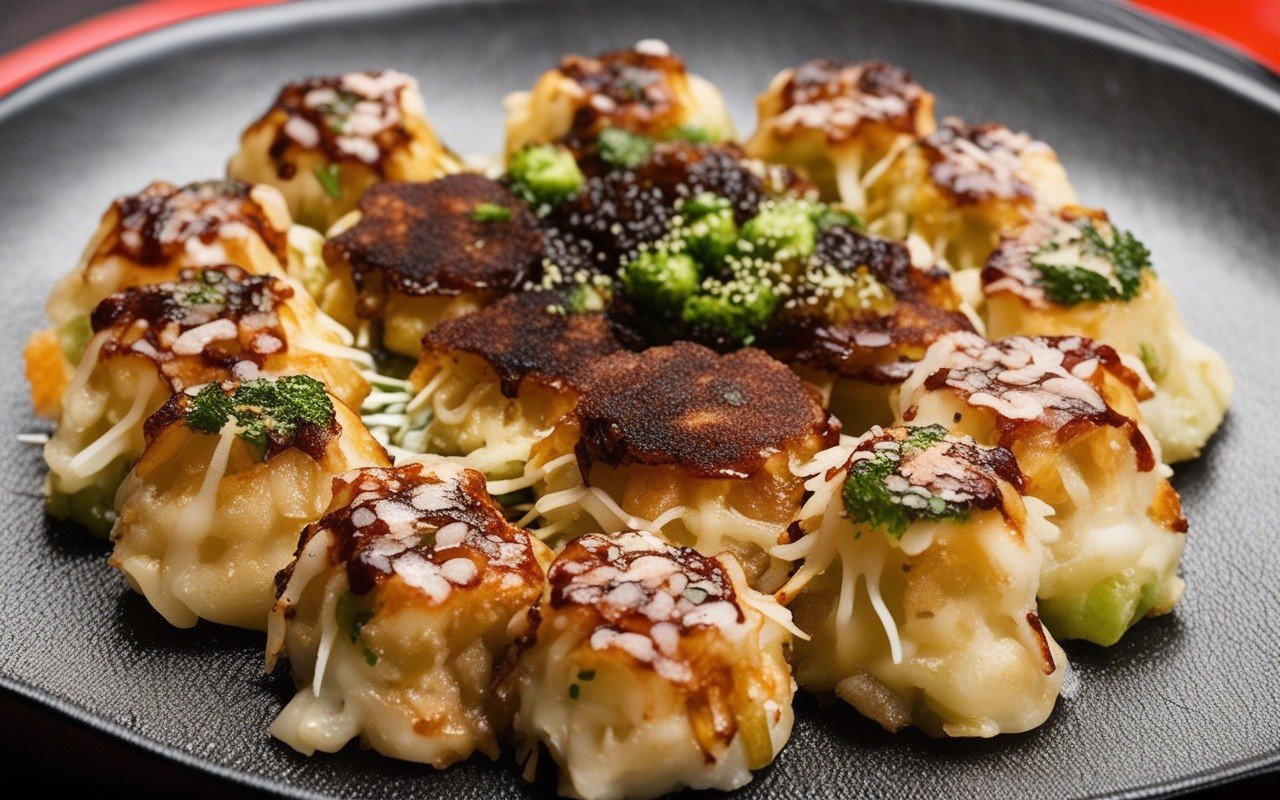
    Takoyaki are ball-shaped snacks made of a wheat flour-based batter and cooked in a special molded pan. They are typically filled with minced or diced octopus (tako), tempura scraps (tenkasu), pickled ginger, and green onion.

    • The Yokohama Twist: Unlike the runny inside of Osaka style, Yokohama shops often make the inside slightly firmer and top it with cheese and mayonnaise to suit local tastes.

    Okonomiyaki: The Japanese Pizza?

    Often described as a Japanese savory pancake, Okonomiyaki is made with flour, grated yam (yamanoimo), shredded cabbage, eggs, and various toppings like pork belly or shrimp. The name literally means “grilled as you like it.”

    • Hiroshima vs. Osaka Style: In Yokohama, you will find both. Osaka style mixes everything in the batter, while Hiroshima style layers ingredients including noodles.

    Where to Find Them

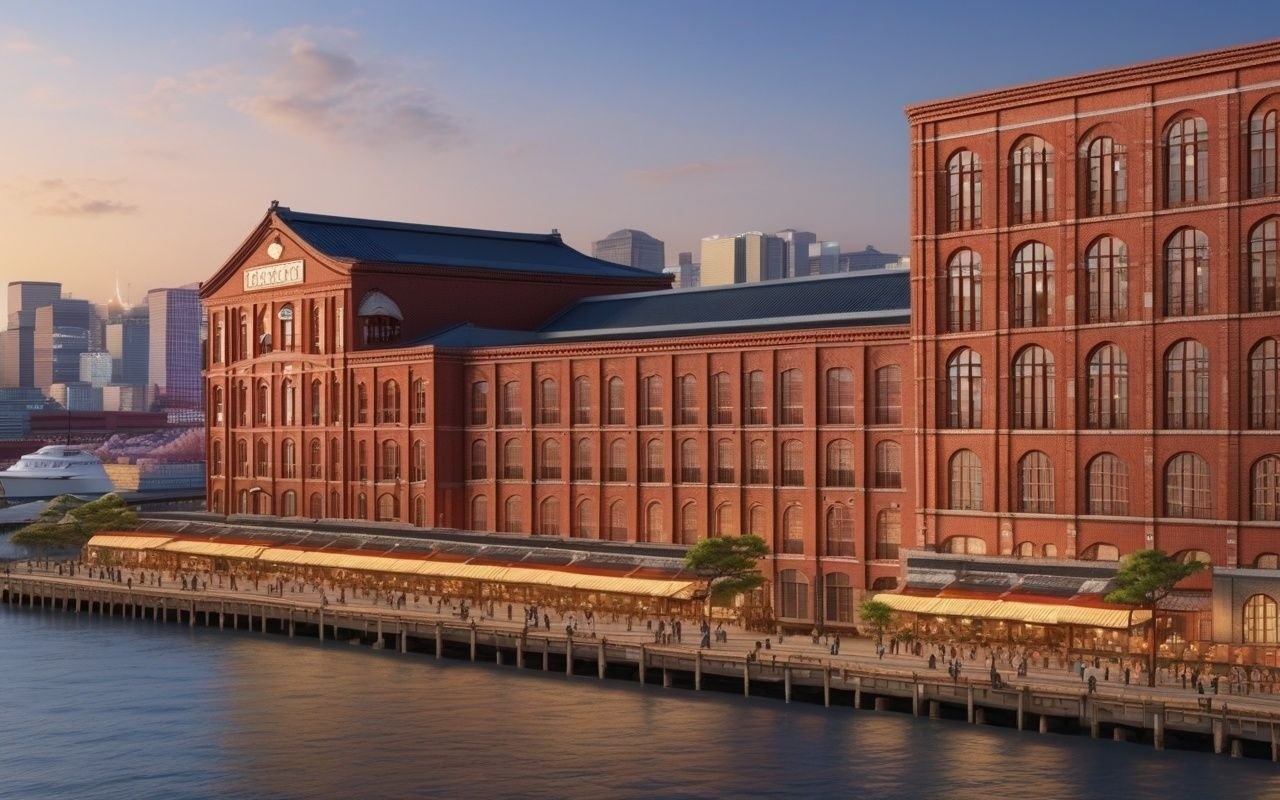
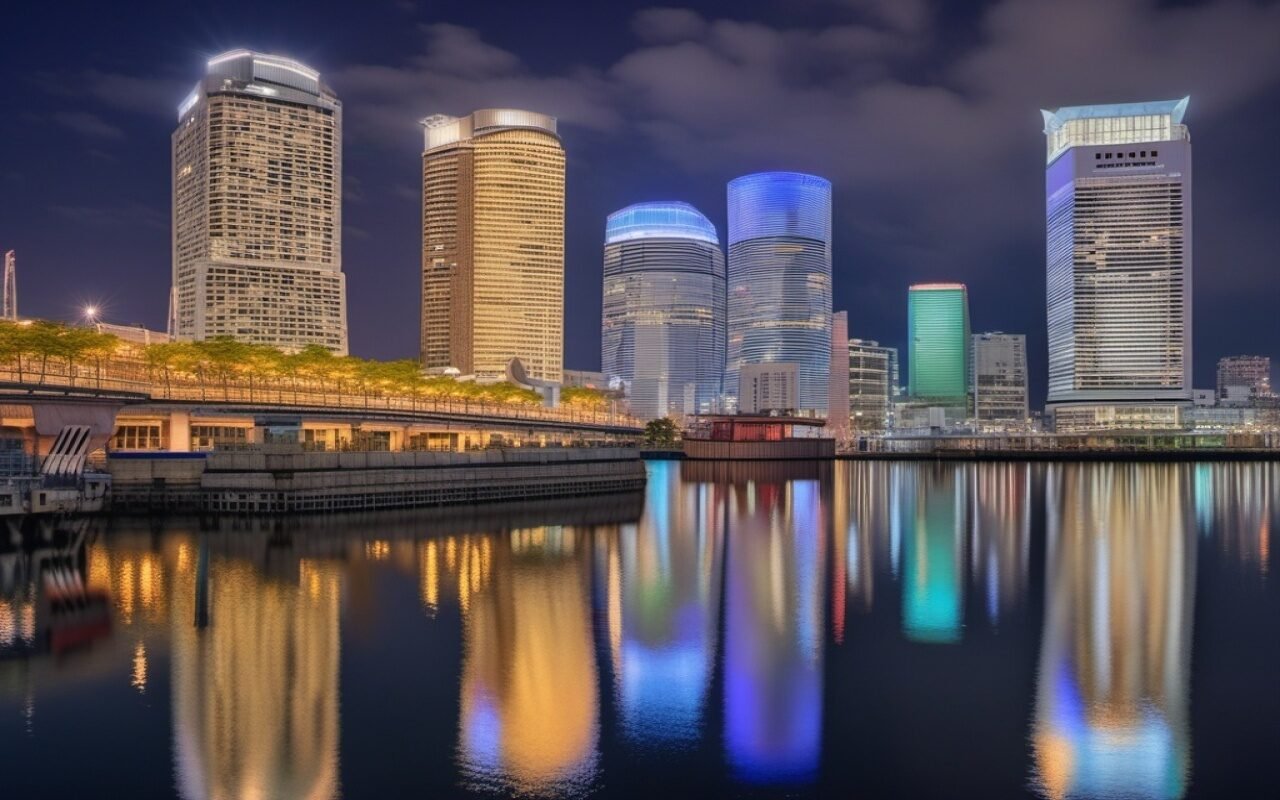
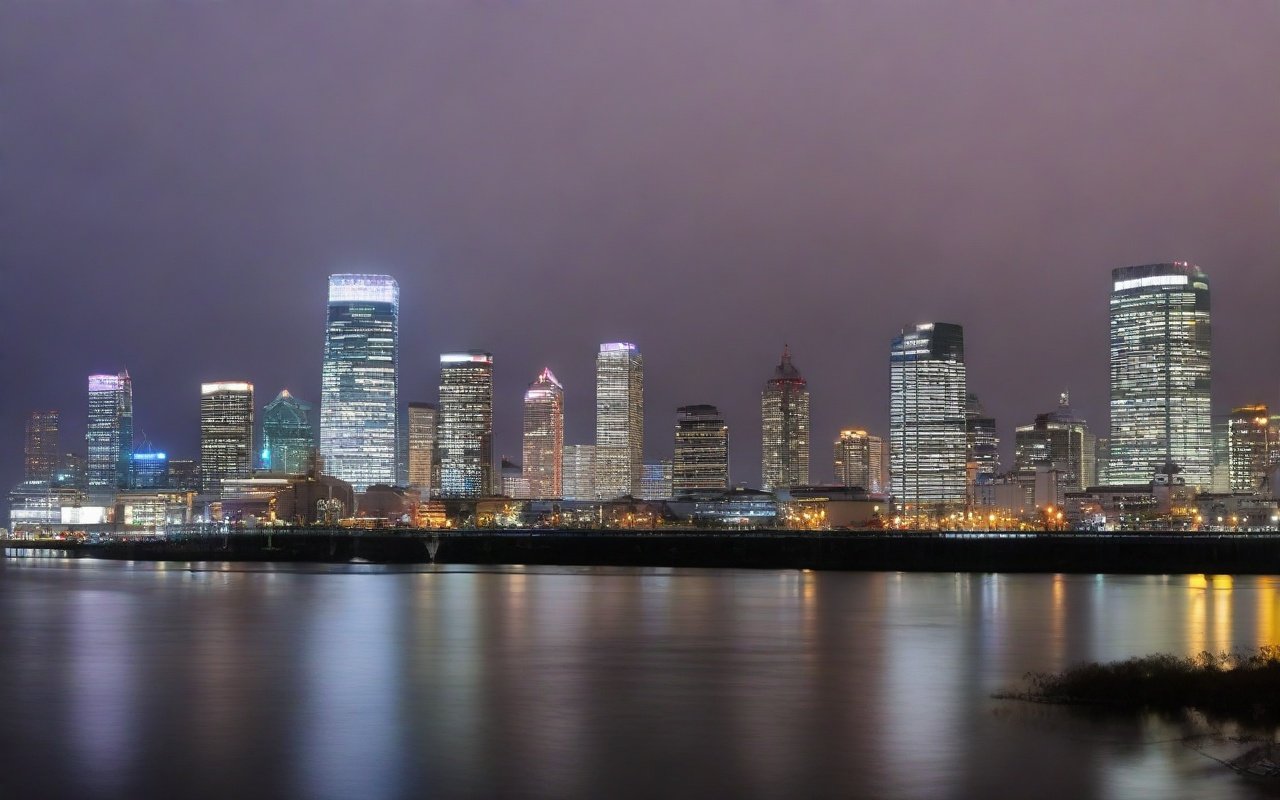
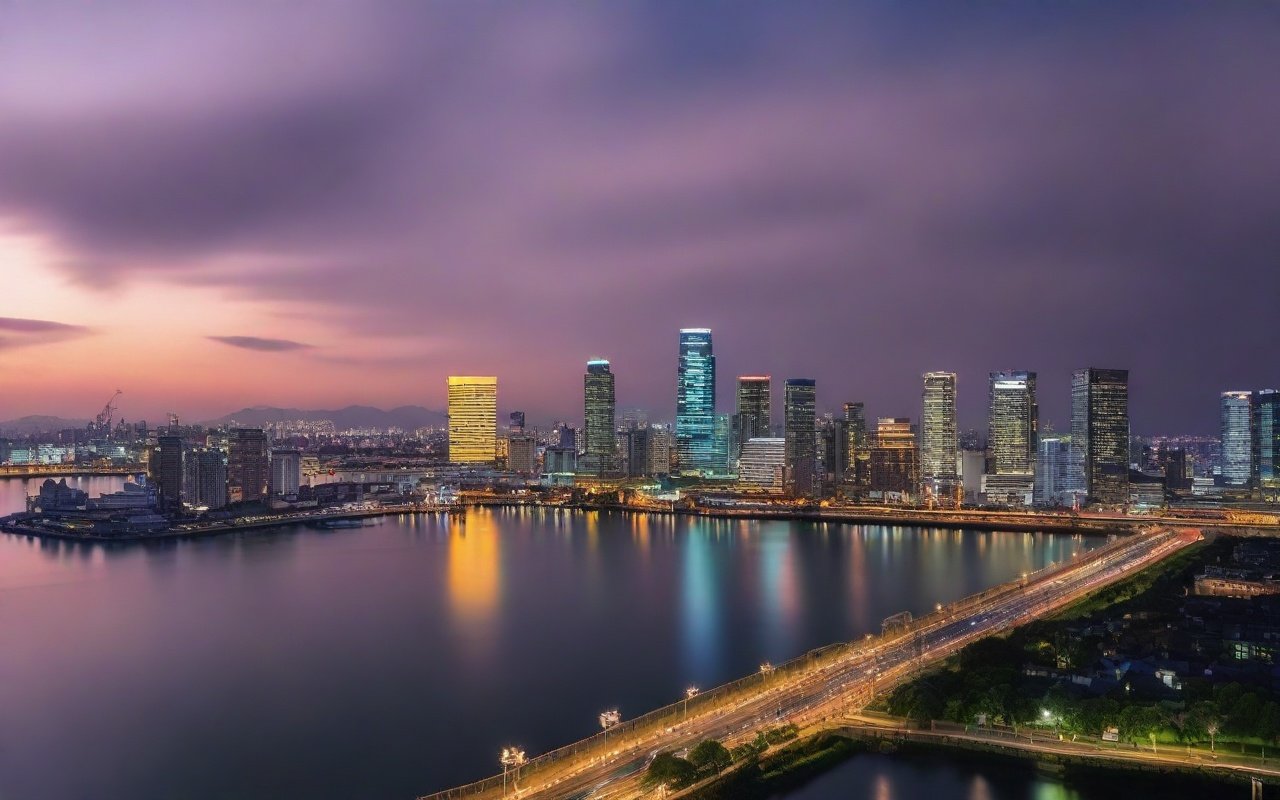
    Yokohama Bay Quarter & Red Brick Warehouse
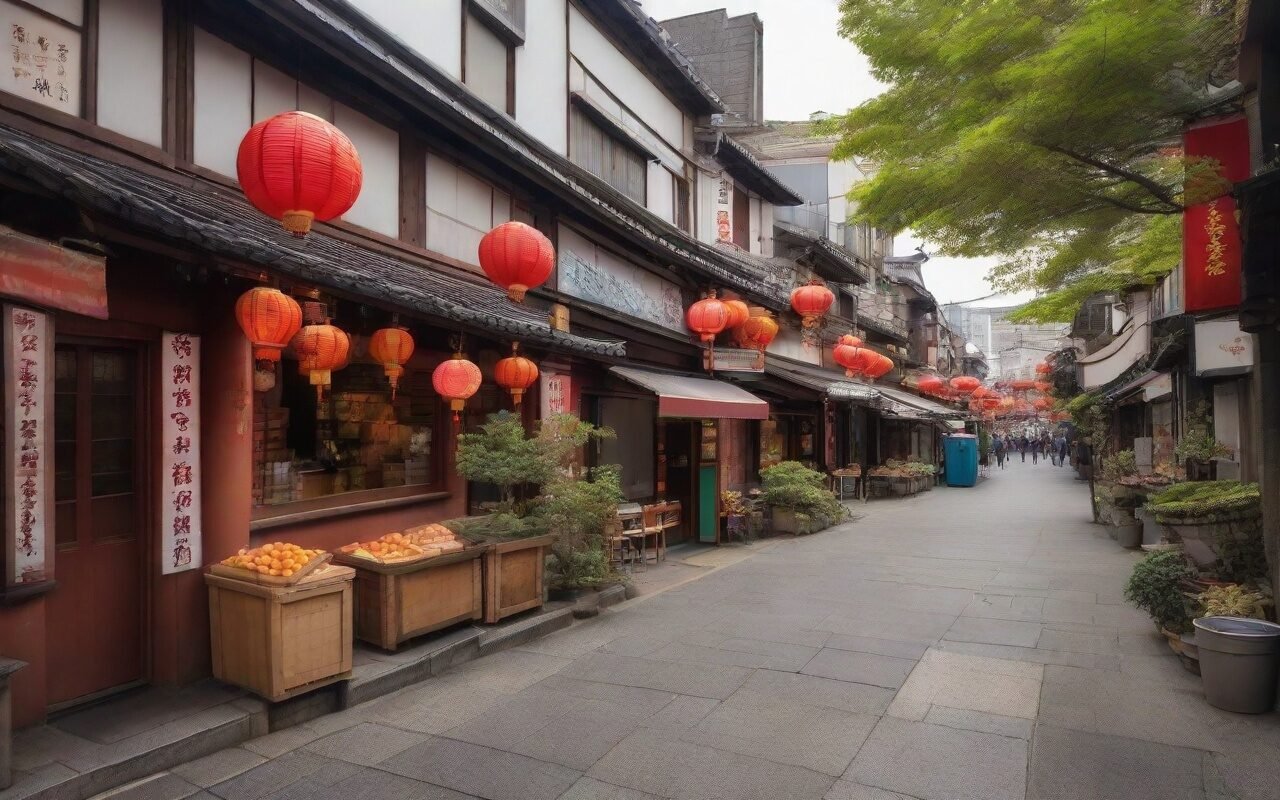
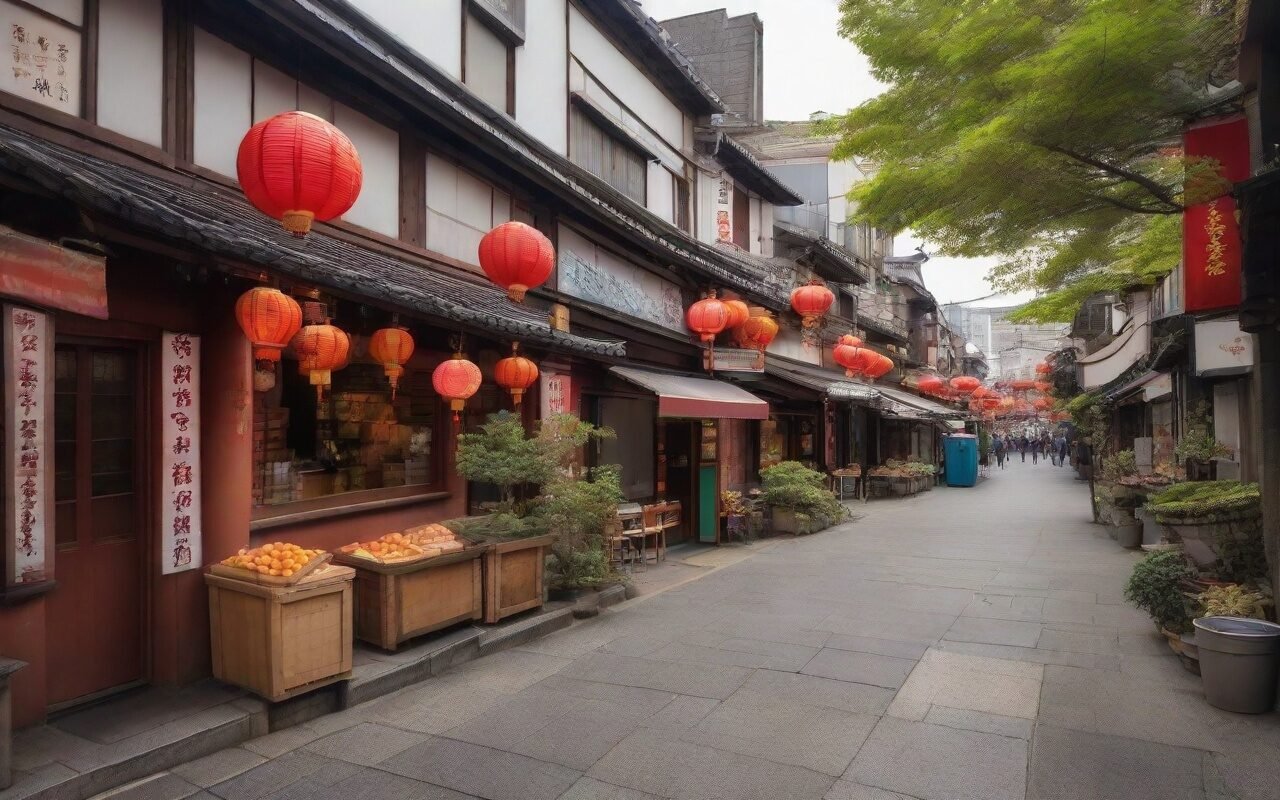
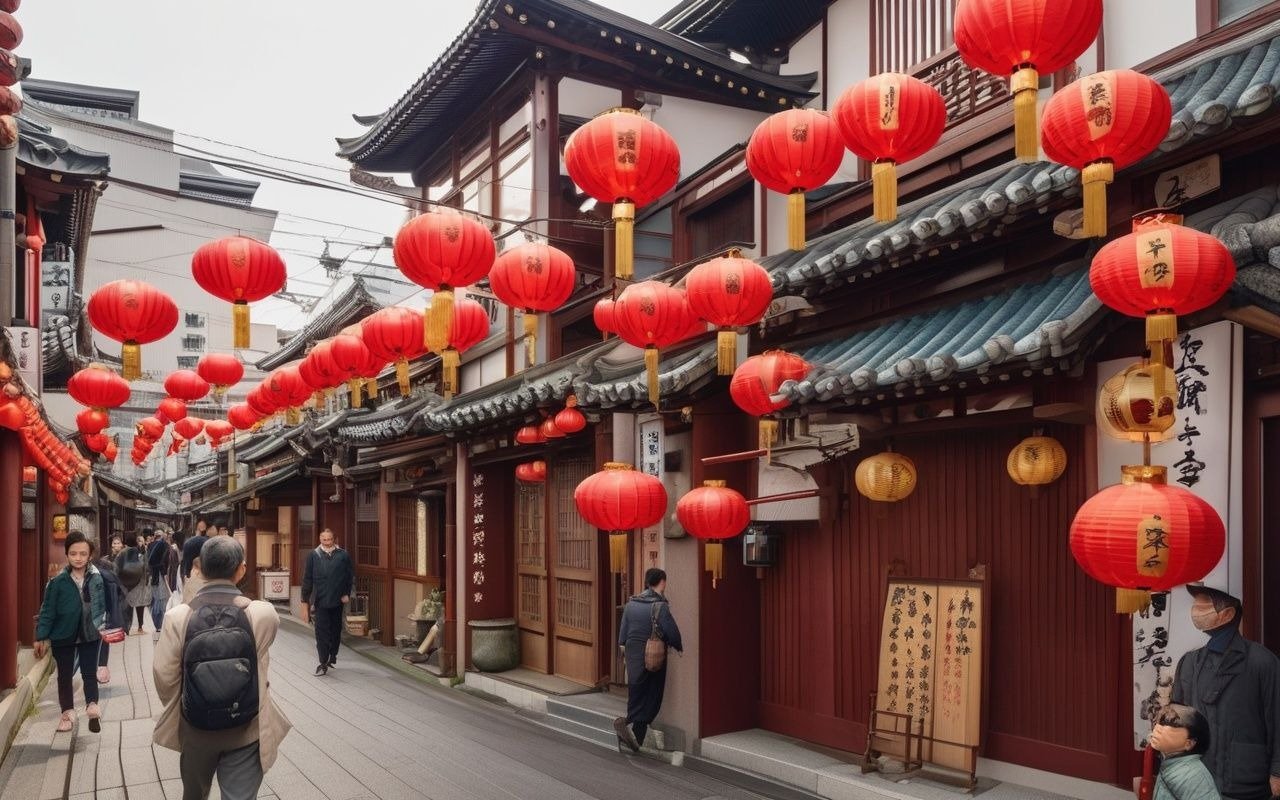
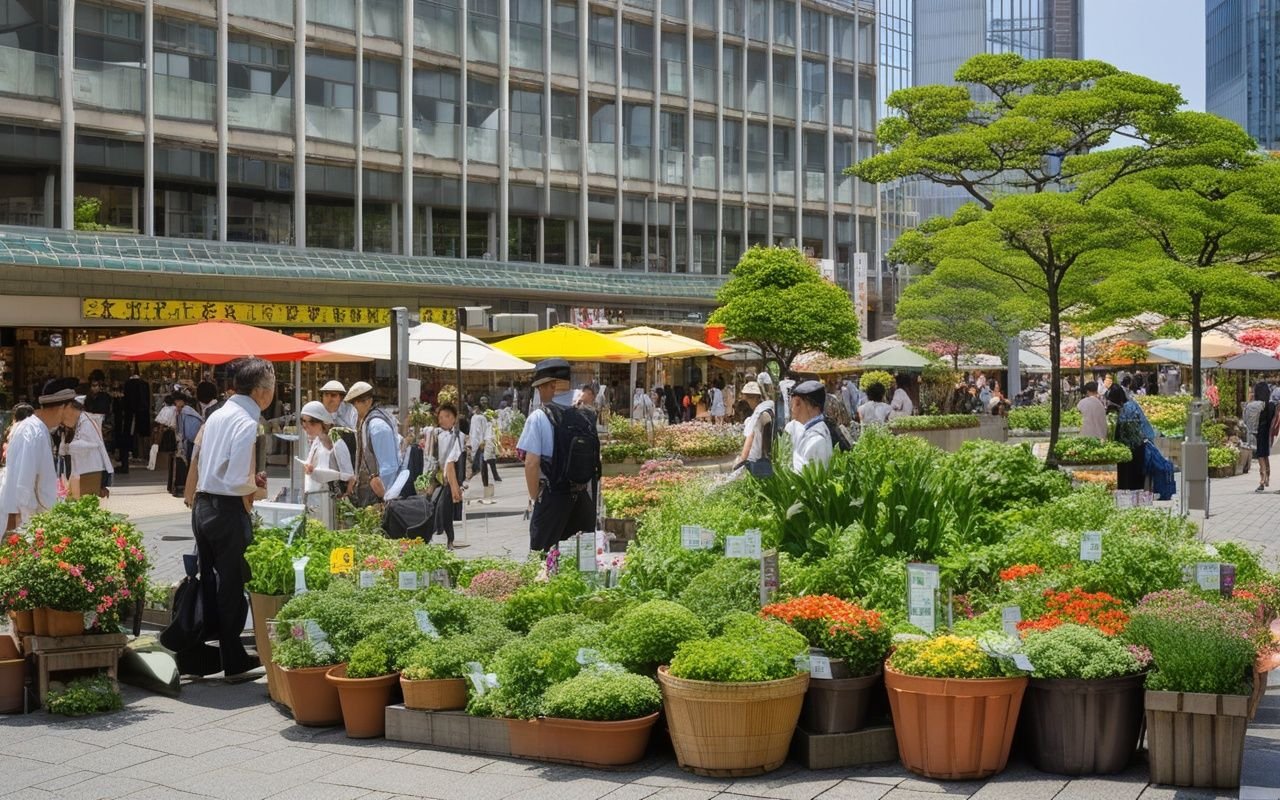
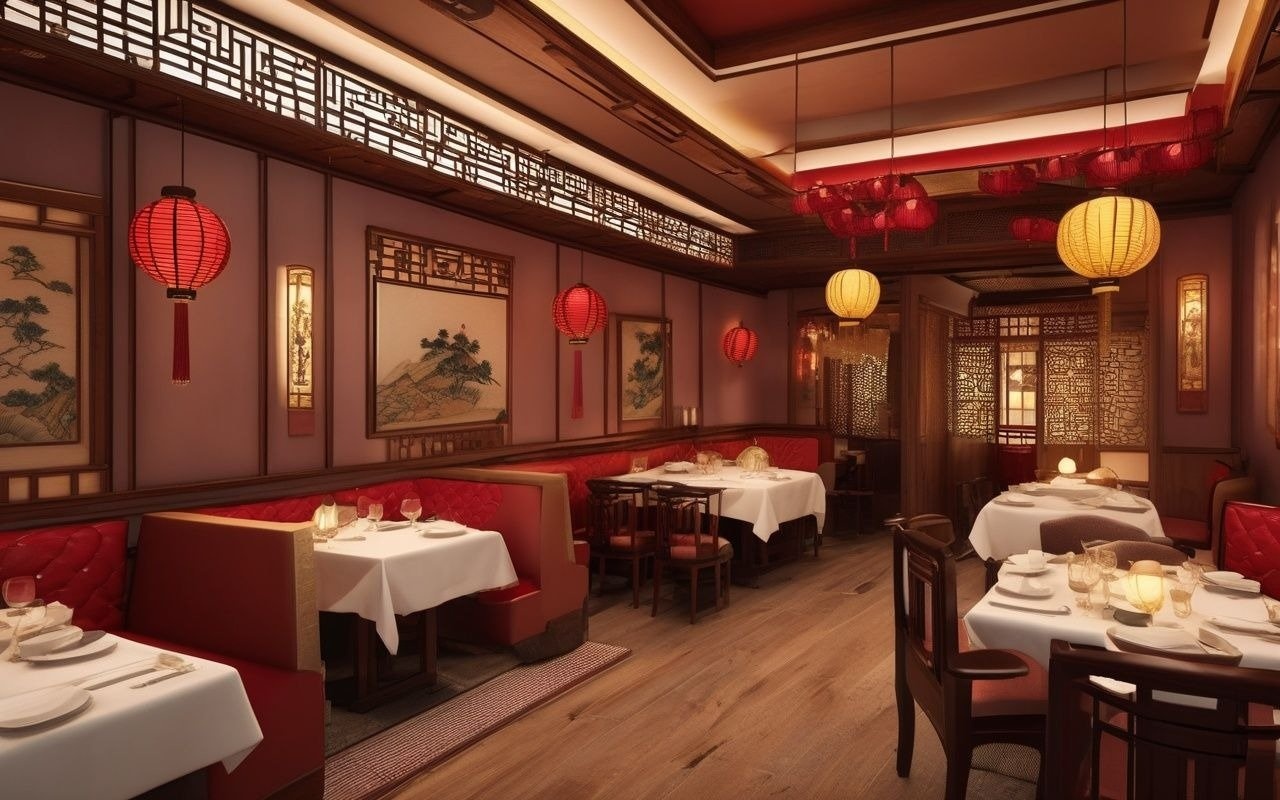
    Yokohama Takoyaki Okonomiyaki — main illustration

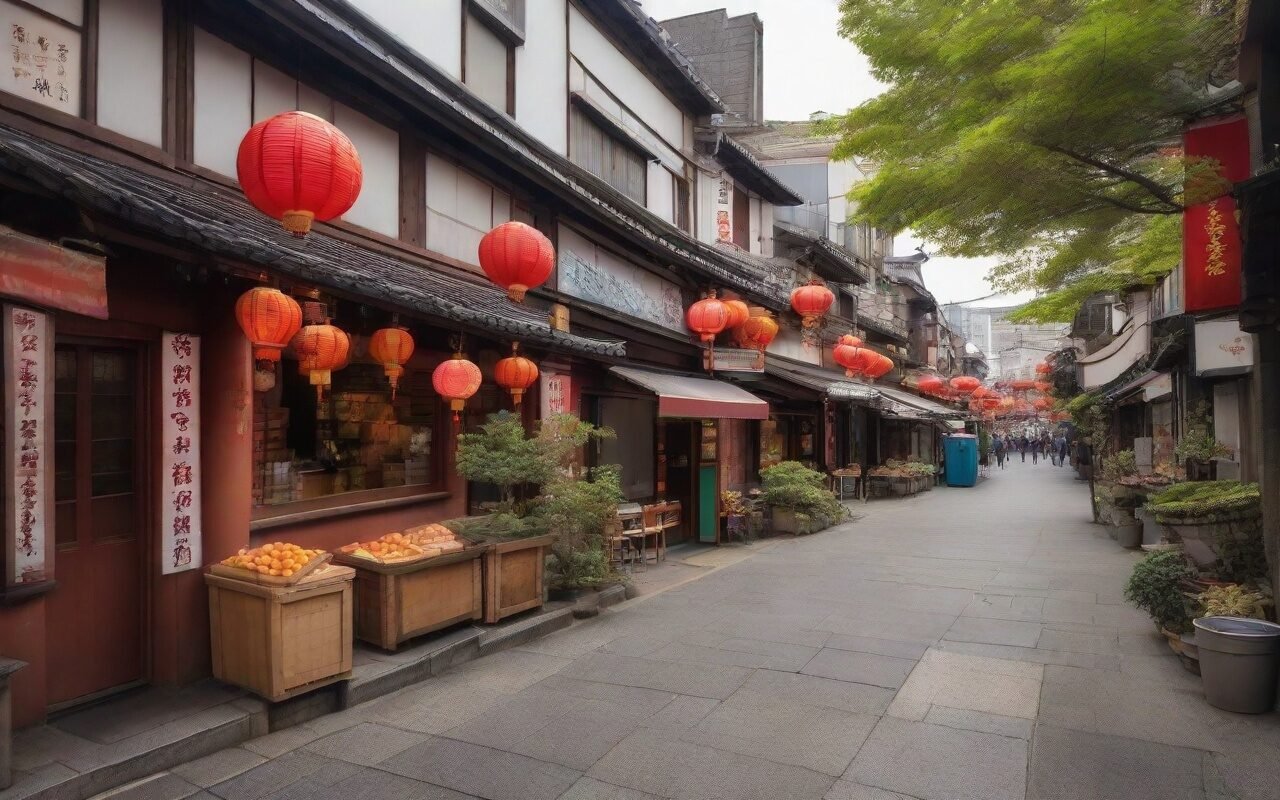
    Yokohama Takoyaki Okonomiyaki — main illustration

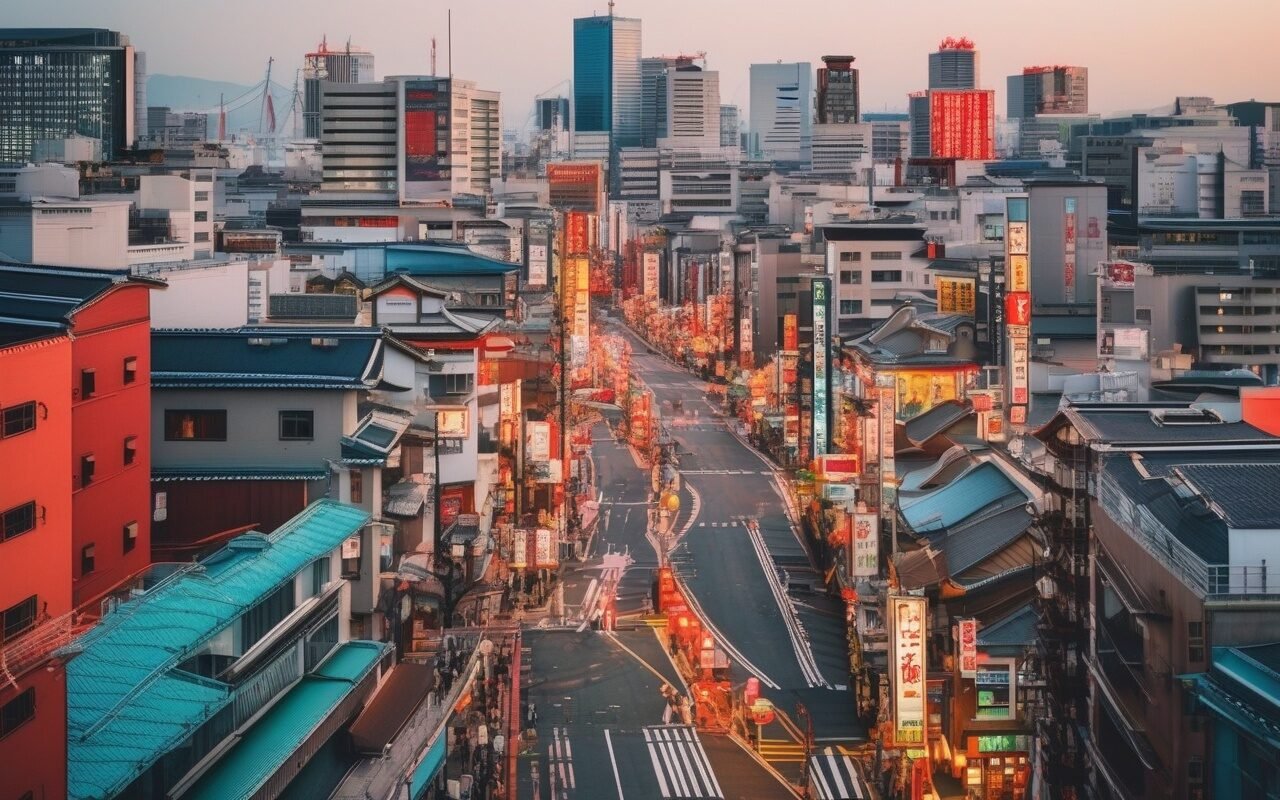
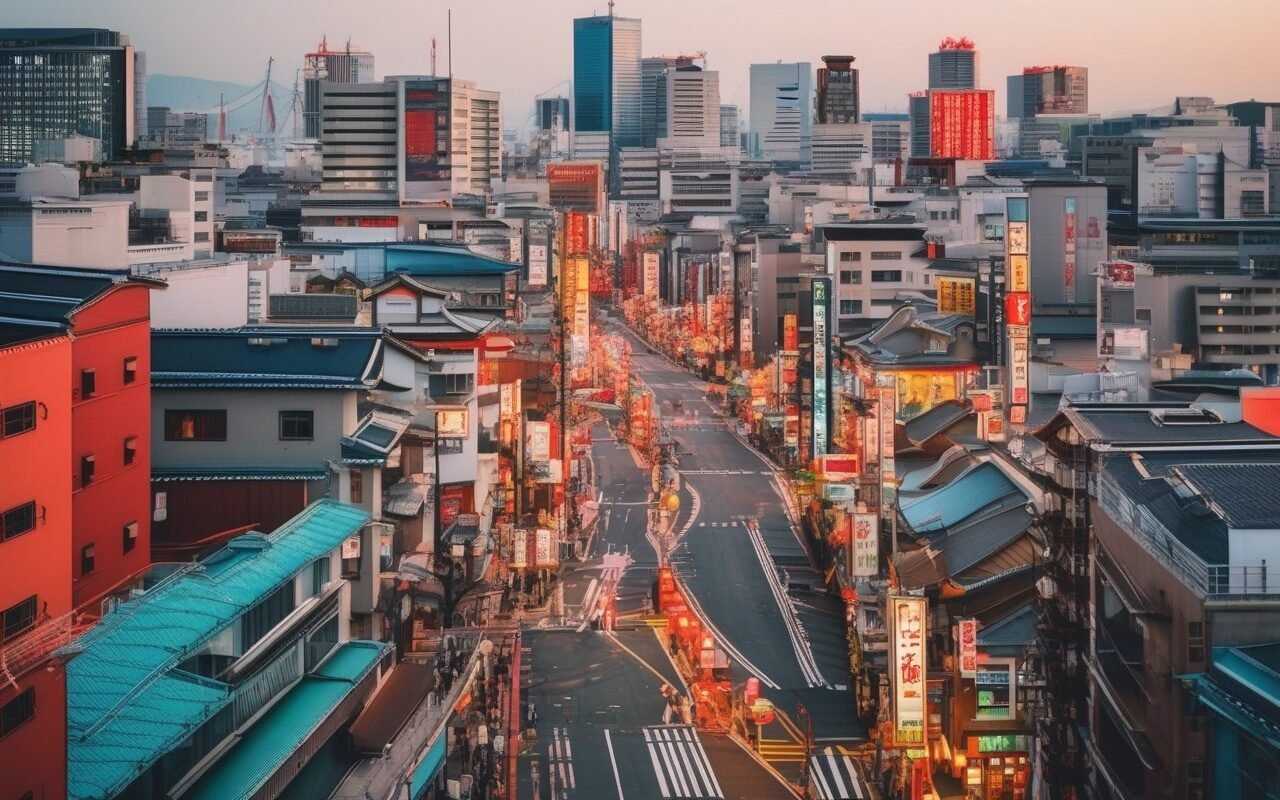
    Yokohama Takoyaki Okonomiyaki Guide — visitor highlights
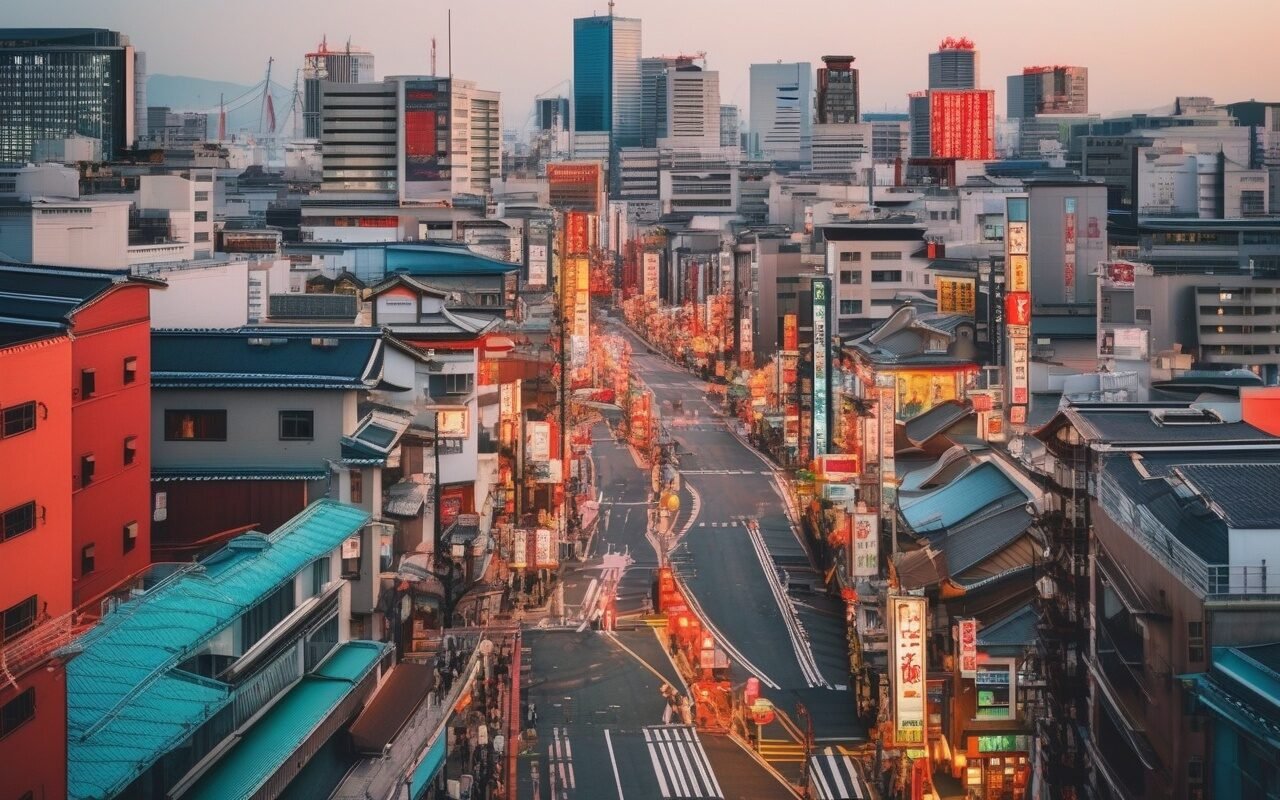
    When you think of Takoyaki (octopus balls) and Okonomiyaki (savory pancakes), you might immediately think of Osaka. But here’s the thing, Yokohama has enthusiastically embraced these “Konamono” (flour-based foods) and made them its own, especially in the bustling bay areas. It is a perfect example of how regional cuisines blend and evolve in Japan’s port cities. Night markets and weekend food halls near the waterfront add extra energy, so you can snack late after sightseeing without rushing back to central Tokyo.

    Several specialized shops here offer premium Takoyaki. Watch the chefs skillfully flip the balls with metal picks—a mesmerizing performance in itself.

    • Recommended: Try the “Ebi-Mayo” (Shrimp and Mayonnaise) flavor.

    Chinatown

    While famous for dumplings, Chinatown also houses excellent Okonomiyaki restaurants where you can grill the pancake on a hot plate (teppan) right at your table. This interactive dining style is a hit with families and groups.

    Building a Konamono Night Without Overordering

    Minato Mirai evenings tempt you with neon stalls, bay breezes, and the smell of bonito flakes still dancing from okonomiyaki sauce, yet flour-heavy snacks fill you faster than sushi omakase. Start with half portions when menus offer them, especially if you plan to compare Osaka-style mixes against Hiroshima-style layered plates in one night. Takoyaki lines move quicker near event halls because staff batch-cook dozens of molds at once, while boutique shops may serve smaller spheres with crispier shells worth the wait if texture matters more than volume.

    Sauce choices multiply in Yokohama: mentaiko-mayo combos, curry powder dustings, and cheese blankets each change how thirst hits afterward, so alternate with oolong tea or draft beer instead of doubling down on sweet corn toppings alone. Okonomiyaki tables expect you to flip carefully; if the staff offers to finish cooking, accept graciously—teppan burns escalate fast when chatting. Families with kids should confirm splatter guards because oil pops toward seated toddlers more often than parents expect.

    Daytime Chinatown visits differ from neon-hour energy: lunch sets sometimes bundle takoyaki samples with dumpling platters, ideal for comparing wheat-forward dishes before walking the harbor. Red Brick Warehouse pop-ups rotate seasonal fillings such as locally landed octopus or spring bamboo shoots; read chalkboards rather than assuming standard menus. Wind off the water cools takoyaki exteriors while interiors stay molten, so pier-side benches reward patience with safer bites than rushing onto moving escalators.

    Link this crawl with deeper port context via Yokohama Chinatown food guide and ramen contrasts in Yokohama ramen guide when you want soup afterward. If you are budgeting, Kanagawa budget under 5000 yen shows how to pair street snacks with inexpensive transit passes. Late-night konamon stalls sometimes close earlier on weekdays; always glance at last-order clocks taped beside registers.

    Carry napkins because sauce packets rarely suffice, and remember that eating directly beside shop doorways can block queues—step to designated standing zones when signs ask. Yokohama rewards snackers who read the room: share batches, watch the bay lights, and let flour dishes breathe a minute before biting.

    If you are comparing stalls across multiple floors, jot tasting notes on your phone because sauces blur together after the third mayo-heavy order. Bay-side benches can be windy, so shield boxes with your body until the first bite cools slightly—nothing ruins a harbor sunset like a scalded tongue from over-eager takoyaki.

    Top Takoyaki and Okonomiyaki Shops in Yokohama

    Takoyaki Specialists

    Takoyaki Sora (takoyaki (たこ焼き, octopus balls)空) in Minato Mirai serves what many locals consider Yokohama’s best takoyaki. Their signature “Creamy Mentaiko” (¥680 for 8 pieces) features octopus chunks wrapped in a batter enriched with mentaiko (spicy cod roe) and topped with a light mayonnaise. Unlike traditional Takoyaki, the interior remains exceptionally soft and almost custard-like.

    Tako-no-ya (たこの家) in the Kannai area has operated since 1993. They specialize in “Nama-tako” (raw octopus) takoyaki, where the octopus is lightly blanched rather than fully cooked, resulting in a more tender texture. Their sets (¥780–¥1,200) include multiple sauces to compare.

    Okonomiyaki Experiences

    Yokohama Teppan (Yokohama (横浜)鉄板) at Red Brick Warehouse offers an interactive okonomiyaki experience where you grill your own batter on a teppan hot plate. Their signature “Yokohama Bay Mix” (¥1,480) includes shrimp, squid, pork belly, and Kamakura cabbage. Staff provide guidance for first-timers.

    Coco’s Okonomiyaki (ここ’s okonomiyaki (お好み焼き, savory pancake)) in Chinatown offers a unique “Curry Okonomiyaki” that blends Yokohama’s curry culture with classic okonomiyaki. The batter is mixed with house-made curry powder and topped with melted cheese—a fusion that should not work but absolutely does.

    How to Eat Takoyaki: A Step-by-Step Guide

    For first-timers, eating takoyaki requires some technique: Step 1: Wait 2–3 minutes after serving. Takoyaki is molten-hot inside, and the steam needs to escape slightly. Burned tongues are a rite of passage but avoidable with patience. Step 2: Pick up one piece with the provided toothpick or chopsticks. Pierce the center to release steam. Step 3: Dip lightly in the accompanying sauce—usually a sweet Worcestershire-style sauce or ponzu for modern variations.

    Step 4: Eat the entire piece in one bite. Takoyaki is designed to be consumed whole—the contrast between the crispy exterior and liquid center is the essence of the dish. Step 5: Blow gently on the piece before putting it in your mouth if you are concerned about heat.

    Etiquette: At standing bars, eat quickly and make room for others. At sit-down restaurants, pace yourself and enjoy with beer.

    Kansai vs. Hiroshima Okonomiyaki: A Detailed Comparison

    Feature Kansai-style Hiroshima-style
    Batter mixing All ingredients mixed into batter Batter cooked as thin crepe, ingredients layered
    Noodles None (sometimes optional) Yakisoba noodles always included
    Cabbage Chopped and mixed in batter Shredded and piled on top
    Layering Single layer Multiple layers (batter→cabbage→meat→noodles→egg)
    Flipping Flipped once Flipped 2–3 times
    Finish Toppings on top layer Toppings on top, then flipped onto noodles
    Calories ~500–700 per serving ~700–1,000 per serving

    Yokohama offers both styles in abundance. For an authentic Kansai-style experience, visit Takoyaki Sora. For Hiroshima-style, Yokohama Teppan at Red Brick Warehouse is the best choice.

    The Secret Behind great Takoyaki Batter

    The perfect takoyaki batter has three key characteristics: Thinness: The batter should be noticeably thinner than pancake batter—almost like crepe batter. This allows the exterior to crisp quickly while the interior remains molten.

    Dashi flavor: Premium takoyaki batter uses dashi (fish stock) instead of water. This adds a subtle umami layer that distinguishes great takoyaki from average. The dashi is typically made from kombu and bonito flakes.

    Resting time: The batter should rest for at least 30 minutes before cooking. This allows the gluten to relax, resulting in a more tender texture. Some shops rest their batter overnight.

    Bonus ingredient: Many top-tier Osaka-style takoyaki shops add a small amount of yamaimo (mountain yam) or nagaimo (Chinese yam) to the batter. This creates a fluffier, more aerated texture.

    Okonomiyaki Toppings Guide

    The toppings are what make each okonomiyaki unique. Here is how to build your perfect combination:

    Layer Traditional Modern Options
    Base sauce Okonomiyaki sauce (sweet Worcestershire) Miso, curry sauce, tomato-based
    Mayonnaise Japanese mayo (Kewpie) Spicy mayo, yuzu mayo, garlic aioli
    Powder Aonori (seaweed powder) Shichimi, curry powder, matcha salt
    Flakes Katsuobushi (bonito flakes) Dried shrimp powder, nori flakes
    Extra Pickled ginger (beni shoga) Cheese, mochi, avocado

    A good rule of thumb: choose 1–2 modern toppings alongside the traditional base for a balanced flavor.

    Tips

    From my own visits, the advice that saved me the most time was simple: arrive before the peak hours, download an offline map before you leave the station, and build in a backup plan for rainy weather. Many spots in Kanagawa get busy by mid-morning, so an early start usually means shorter queues and better photos.

    Frequently Asked Questions (FAQ)

    Q: What is the difference between Kansai-style and Hiroshima-style okonomiyaki?
    A: Kansai-style mixes all ingredients (cabbage, meat, seafood) directly into the batter before grilling. Hiroshima-style layers the ingredients—thin batter first, then cabbage, meat, soba noodles, eggs, and toppings—resulting in a taller, more complex pancake.

    Q: Is takoyaki safe for people with seafood allergies?
    A: No—authentic takoyaki always contains octopus (tako). Even the batter is often made with dashi from fish stock. Some modern shops offer “tako-nashi” (no octopus) versions, but cross-contamination is likely.

    Q: What is the best drink to pair with konamono?
    A: Draft beer (nama beeru) is the classic pairing. For takoyaki, a crisp lager or pilsner cuts through the mayonnaise and sauce. For okonomiyaki, a slightly sweet amber ale complements the savory-sweet Worcestershire-style sauce.

    Q: Do I need to cook my own okonomiyaki?
    A: It is optional. Some teppan restaurants expect you to cook at the table, while others prepare it in the kitchen. The menu should indicate which style is offered—if you want a relaxed meal, choose a shop where staff cooks.

    Q: Are there vegetarian options for konamono?
    A: Yes. Many shops offer “yasai-okonomiyaki” (vegetable okonomiyaki) and “cheese takoyaki” (no octopus, filled with cheese). Confirm with staff that the batter does not contain dashi or bonito flakes.


    📍 Related Articles


    Last Updated: April 2026 — All restaurant information verified.

    Conclusion

    exploring Yokohama can be as relaxed or as packed as you want it to be, and I have found that the best visits leave room for both planning and spontaneity. During my visit to Yokohama I went with a rough plan and found that leaving room to wander made the trip far more memorable. Use this guide to sort out the logistics in advance, then let the day surprise you — Kanagawa rewards travelers who stay curious.
  • Yokohama Historical Walk – Kanagawa 2026

    Yokohama Historical Walk – Kanagawa 2026

    Yokohama Historical Walk – Kanagawa 2026

    Overview

    Explore the rich cultural heritage and historical significance of this Kanagawa destination. This guide delves into the fascinating stories, traditions, and landmarks that define this historic area. I explored these cultural sites during my last visit and was impressed by the depth of history preserved here.

    Explore the rich cultural heritage and historical significance of Yokohama Historical Walk – Kanagawa in Kanagawa Prefecture. This guide delves into the fascinating stories, traditions, and landmarks that define Yokohama. From ancient temples to modern museums, discover how this destination has shaped Japan’s cultural landscape over centuries.

    I explored this cultural site during my last visit and spent hours learning about its history. I recommend visiting on a weekday for a quieter experience. For more information, see our Kanagawa guide.

    Archives and deeper reading without information overload

    City-run archives and specialty museums cluster near Nihon-Odori and Bashamichi. English captions vary in depth; renting an inexpensive audio guide where offered often saves time over reading every bilingual panel. Weekday afternoons see school groups; arrive near opening if you prefer quieter galleries.

    Do not expect a single museum to carry the entire port narrative. Instead, pick one anchor institution, absorb its thesis, then walk the blocks it references. For Chinese community context that intersects port trade, add Yokohama Chinatown history to your reading list for a second afternoon.

    Half-day and full-day walking frames

    Half-day core: Start Kannai Station, walk Bashamichi north to Nihon-Odori, detour one museum, ascend Yamate via the elevator park link if knees prefer less slope, descend toward Sakuragicho for trains.

    Full-day extension: Add harbor promenade loops, the archives building, and a late lunch near the waterfront before returning inland for architecture photos when shadows lengthen.

    Distances stay under twelve kilometers even with detours if you resist doubling back unnecessarily. Rest stops include department store rooftops with vending machines and clean restrooms.

    Practical notes that rarely appear on postcards

    Summer humidity makes paper maps limp; offline phone maps help. Winter wind along the pier cuts through light jackets. Public trash bins remain scarce; carry a small bag for wrappers after bakery stops. Many bank lobbies offer ATMs with English menus if pocket cash runs low.

    Emergency numbers stay standard: police 110, ambulance or fire 119. For non-urgent visitor support, rely on the official Japan National Tourism Organization (JNTO) website rather than unverified chat lines.

    Etiquette for photography and private homes

    Telephoto lenses into living rooms trigger complaints. Shoot cornices and chimneys from the sidewalk, not over fences. Tripods on narrow lanes can block prams; step aside when residents carry groceries uphill. If a security guard waves you away from a doorway, comply immediately; some buildings share ownership between businesses and residences.

    Connecting threads to the rest of Yokohama

    Treat this walk as the historic spine. Modern nightlife and food alleys sit minutes away by train yet deserve separate evenings so you do not rush sunset colors on brick. If you only have one day in Kanagawa, finish this route before sunset, then decide whether Minato Mirai lights or Chinatown dinner fits your energy.

    Light, weather, and honest seasonal trade-offs

    Spring mornings along Bashamichi stay mild enough for three-hour loops without shade breaks every block. Pollen can irritate eyes in April; wraparound sunglasses help more than hats alone. Summer pushes humidity against brick, which means salt air clings to shirts after you descend toward the pier; pack a spare layer if you plan air-conditioned museum breaks between outdoor segments.

    Autumn delivers sharper shadows for facade photography but also earlier sunset behind buildings. Winter air clears distant ship silhouettes yet wind tunnels along the avenue toward the harbor; gloves beat pocket hands when you pause to read plaques. Typhoon season rarely collapses entire routes, but outdoor escalators and hillside paths sometimes close temporarily after heavy rain, so glance at station notice boards before committing to the Yamate climb.

    Rain plans that still teach history

    When drizzle arrives, shift vertically: department store annexes often host small design exhibits, bank lobbies display scale models behind glass, and covered shopping links connect Kannai to Sakuragicho without long exposure. Carry a thin plastic bag for a folded umbrella so bookstore aisles stay dry for others.

    If lightning closes rooftop viewpoints, use the interval to read digitized map overlays on museum tablets. Those interactive layers clarify how landfill shifted quay lines decade by decade.

    Families, strollers, and slope reality

    Elevator-linked parks ease part of the Yamate ascent, but cobbled side streets still jostle small wheels. Hip carriers beat wide strollers on the steepest segments. Public baby-changing rooms cluster near major stations more than on hillside lanes, so time diaper stops before climbing.

    School-age kids engage faster with scavenger prompts: count anchor motifs on fence posts, compare lion statues, find bilingual dates carved above doorways. Keep rewards small so attention lasts until lunch.

    Misconceptions worth clearing early

    The phrase foreign settlement does not mean a theme park replica. Many plots reverted to Japanese ownership after treaty revisions, and postwar reconstruction replaced whole rows. What you see blends authentic survivors, careful reconstructions, and modern infill, That hybrid honesty is the story, not a flaw.

    Another myth assumes everything is bilingual. Signage improves yearly, yet small museums still run Japanese-first captions. Translation apps help, but asking front desk staff for printed English summaries sometimes yields better paragraphs than OCR on glass cases.

    Taisho and Showa layers above Meiji foundations

    Look upward past first-floor banks. Upper stories sometimes show Taisho era tile patterns or Showa-era metal sunshades bolted onto older stone. Those layers record retrofit economics and air-conditioning arrival more honestly than a single bronze plaque ever could.

    Station exits that save ten minutes

    Kannai Station offers multiple street-level exits; picking the one labeled for Bashamichi or Nihon-Odori avoids an underground maze when you are already late for a museum time slot. If you emerge unsure, surface once, orient using the harbor glint, then re-enter rather than wandering subsurface corridors.

    Sakuragicho works well as an exit point after waterfront segments because escalators feed directly toward trains and late coffee. Mark that as your bailout if legs tire before you finish reading every corner plaque.

    Night versus day on the same stones

    Night lighting on brick warehouses skews color temperature orange; daytime reveals mortar texture. Photographers chasing both moods should plan wardrobe contrast accordingly. Noise levels drop after office workers leave, but security patrols increase; cooperate if asked to move along loading zones even when they look empty.

    Souvenirs that match the theme without cluttering luggage

    Thin books of archival photography weigh less than ceramic reproduction anchors. Postcard sets printed on heavy stock survive backpacks better than loose flyers. If you buy a folded map reproduction, slip it inside a magazine to prevent creasing.

    Accessibility notes for slower walkers

    Bench density improves near parks and waterfront lawns, yet Bashamichi sidewalks stay narrow during lunch rush. If standing still hurts knees, alternate museum seating with short outdoor segments rather than attempting the full hillside loop without pause. Accessible restroom icons appear more reliably inside stations and department basements than on hillside lanes, so plan biology before ascent.

    Tactile paving helps vision-low travelers at crossings, but older stone lanes beside churches may lack consistent cues; travel with a companion when possible. Elevator outages happen after earthquakes; station staff post paper detour maps at gates when lifts close for inspection.

    Crowd psychology on weekends versus Tuesdays

    Saturday clusters form around ice cream corners and brick plaza performers, while Tuesday mornings often leave entire sidewalk segments briefly empty for unobstructed facade shots. National holidays flip that pattern when domestic travelers arrive early by bullet train connection. If you dislike shoulder brushes, pay attention to local school trip seasons printed on museum websites.

    Keep one pocket notebook for dates you photograph on plaques; matching captions later beats trusting memory after five similar cornices.

    When in doubt about doorway rules, assume residential silence defaults to no entry even if the gate stands ajar; ring bells only where business hours signs explicitly welcome visitors.

    Late afternoon sun paints west-facing brick a warm amber that fools auto white balance on phones; tap to lock exposure before panning across a whole block.

    Carry a small power bank because hillside GPS fixes drain batteries faster than subway tunnels predict, especially on cold winter afternoons.


    Tips

    Practical notes from my trips to exploring Yokohama: confirm the latest hours on the official website, buy tickets in advance when you can, and leave extra time for trains and walking between stops. Keeping your first day lighter also helps you enjoy the second day without feeling rushed.

    Frequently Asked Questions

    Q: Are English guides available?
    A: Major temples, shrines, and museums offer English audio guides or pamphlet guides. Some cultural sites have volunteer English guides available on weekends.

    Q: Can I take photographs?
    A: Photography is generally allowed in outdoor areas. Indoor photography, especially of cultural artifacts, may be restricted. Flash photography is commonly prohibited.

    Q: How much time should I budget?
    A: For temples and shrines, budget 30-60 minutes. Museums typically require 1-2 hours. Cultural experiences (tea ceremony, craft workshops) take 1-2 hours.

    Q: Are there any dress codes?
    A: No strict dress codes, but dressing respectfully is appreciated at temples and shrines. Avoid overly revealing clothing. Comfortable walking shoes are recommended.

    Visiting in person, I truly appreciated the depth of this area. I hope this serves as a useful reference for your trip.

    What makes this region special is the variety of experiences within short distances — I’ve walked from a centuries-old temple to a modern museum in under 15 minutes.

    Yokohama rewards slow readers of stone and steel who pace themselves kindly. The treaty port is not a single museum gate; it is a sequence of streets where global trade once landed and where contemporary Yokohama still negotiates space between ships, offices, and homes. Walk with curiosity, keep maps oriented toward the bay, and let the harbor breeze mark your turns more than any audio guide ever could.

    Conclusion

    The details in this guide come from real visits, and the biggest lesson I took away was that the best experiences in Yokohama rarely fit neatly into a checklist. During my visit to Yokohama I went with a rough plan and found that leaving room to wander made the trip far more memorable. Plan the essentials, keep your schedule flexible, and you will leave Kanagawa wanting to return.

  • Yokohama Upcycle Shops – Kanagawa 2026

    Yokohama Upcycle Shops – Kanagawa 2026

    Overview

    This guide covers everything you need to plan exploring Yokohama, from getting there and the best times to visit to practical tips and hidden gems. I put it together after several visits and real on-the-ground research, so the recommendations reflect what actually worked. Read on for a route that fits your pace.

    Yokohama Upcycle Shops – Kanagawa 2026

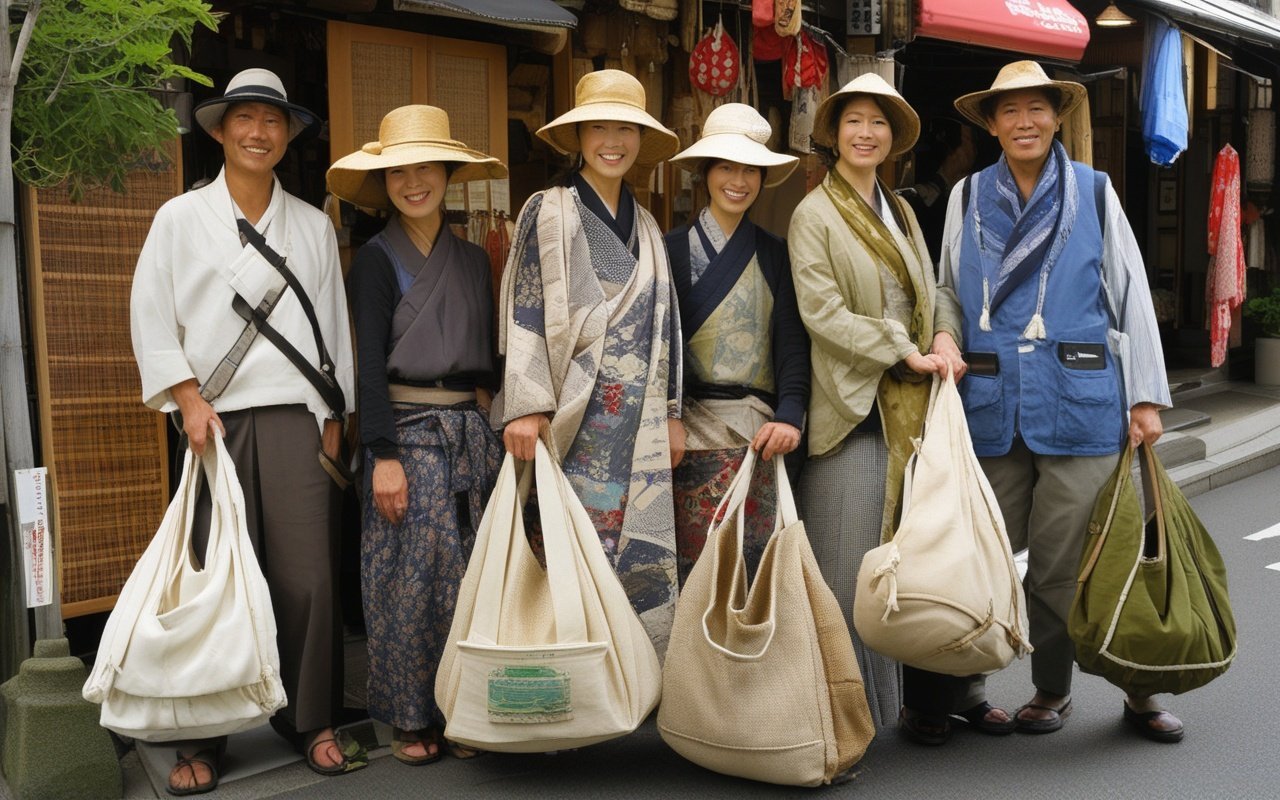
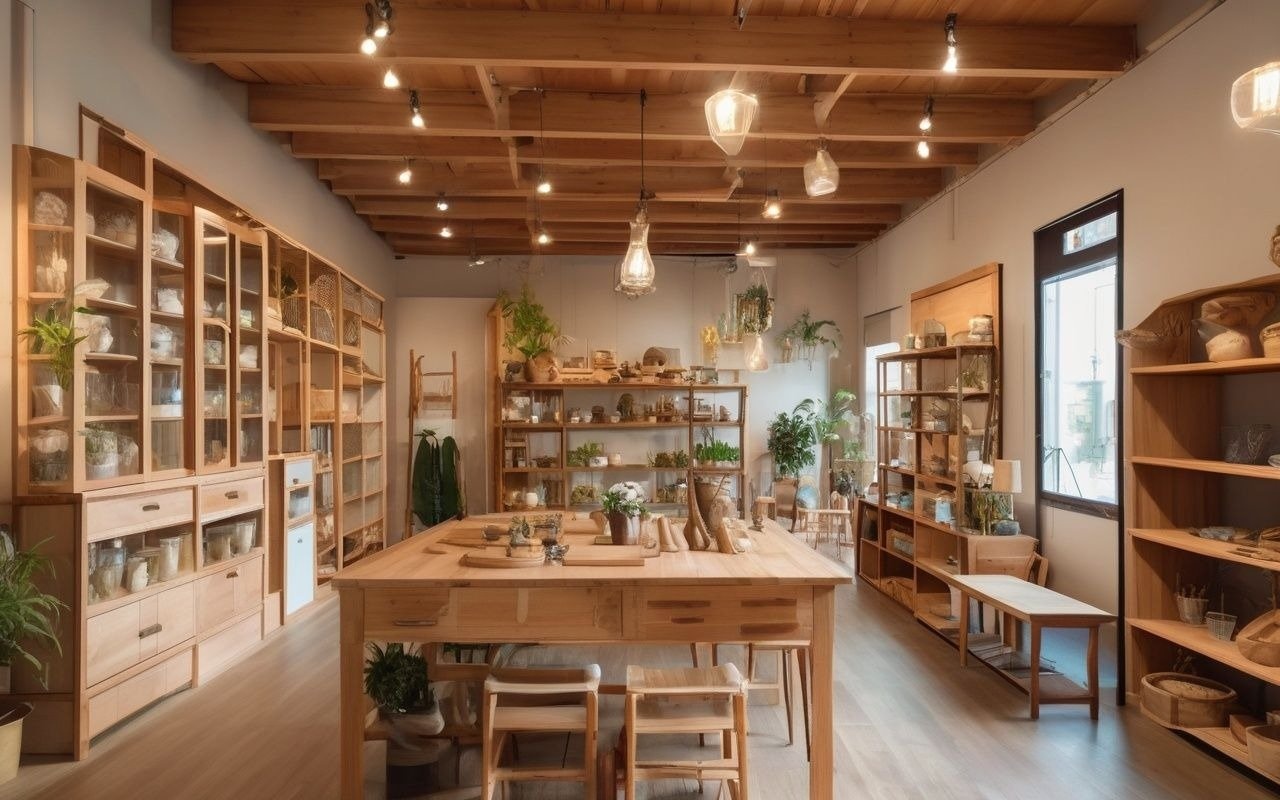
    Yokohama has a growing community of upcycle shops — stores and workshops that turn discarded materials into functional products. Old sailcloth from Yokohama Port becomes messenger bags, decommissioned school desks become bookshelves, and scrap wood from temple renovations becomes furniture. Unlike mass-produced souvenirs, each piece has a distinct history.

    I visited three upcycle workshops in the Kannai area over an afternoon. At the sailcloth workshop near the port, the owner showed me how marine canvas is inspected for weak spots before being cut into bag patterns. He told me that each sail tells a story — one had crossed the Pacific three times before being retired. For more sustainable travel in Yokohama, see our Yokohama SDGs tourism guide or Kanagawa ecotourism guide.

    Access

    Most visitors reach Yokohama from central Tokyo by JR, private railway, or highway bus, and an IC card (Suica or Pasmo) works across all of them. From my experience, leaving Tokyo before the morning rush keeps the journey relaxed, and station luggage lockers are handy if you arrive early.

    Materials Literacy

    Marine canvas does not rot, but it wears out sewing needles. Denim patches act differently when the air is humid. Ask sellers how much weight straps can hold when they are made from old industrial belts. These are the kinds of questions that shop owners welcome — they show you respect the material.

    Workshop Safety

    Some studios have mask rules because of dust from sanding. Some require closed-toe shoes. Children’s classes limit the use of heat tools. Read the sign-up forms closely.

    Where to Find Upcycle Shops

    The Kannai and Bashamichi areas have the highest concentration of upcycle and reuse shops. Start at the Kannai station area and walk toward the port — several small workshops are tucked between the old brick buildings.

    Shop Type Location Typical Products Price Range
    Sailcraft Yokohama Near Yokohama Port Bags, wallets, aprons from sailcloth ¥5,000–25,000
    Bashamichi Reuse Bashamichi Furniture, home goods from reclaimed wood ¥3,000–50,000
    Kannai Workshop Kannai Station area Lamps, decor from scrap materials ¥2,000–15,000
    Minato Mirai Craft Lab Minato Mirai Mixed media, classes available ¥3,000–8,000

    Hands-On Workshops and Experiences

    Several upcycle shops offer workshops where you can make your own item. Sailcraft Yokohama runs a 3-hour bag-making class (¥8,000, materials included) where you select your sailcloth and learn basic stitching techniques. The Bashamichi Reuse shop holds weekend furniture restoration workshops (¥5,000, book two weeks ahead). Kannai Workshop offers drop-in lamp-making sessions (¥3,500) that take about 90 minutes and require no prior experience.

    For a deeper experience, the Minato Mirai Craft Lab runs a monthly “Material Stories” workshop (¥6,000, 3 hours) where participants salvage discarded industrial materials and transform them into small objects like coasters, trays, or phone stands. I attended the April session and made a coaster from retired ship telegraph cable — the instructor explained the cable’s history, which added a layer of meaning to the finished piece.

    Transit and Bulky Parcels

    Transfers near the Yamanote line are difficult with large boxes during rush hour. Send larger items by takkyubin delivery from department store counters. Keep your receipts in case customs asks about the materials. Most upcycle shops can arrange shipping within Japan but check international shipping options before buying large items.

    For bulky furniture from Bashamichi Reuse, Yamato Transport counters at the nearby Yokohama Station accept packages up to 160 cm combined dimensions. Shipping a medium-sized bookshelf within Kanagawa costs roughly ¥2,000–3,000. International shipping is more complex — Sailcraft Yokohama ships small items overseas via EMS starting at ¥3,000, but larger items require a forwarding service.

    Links

    Green travel routes are in Yokohama SDGs tourism. Kannai shopping streets are in the Yokohama Kannai area guide. Brick warehouse design is covered in the Yokohama red brick guide.

    Eco-friendly travel experience in Kanagawa

    Sustainable tourism initiative in Kanagawa

    Yokohama Upcycle Shops — visitor highlights

    Closing

    Upcycling honors the work inside old materials. Pay a fair price. Ask where things came from. Say no to deals that seem like stolen gear. Fair supply chains keep workshops open for the next person who wants to learn a stitch.

    Tips

    A few things I learned while researching exploring Yokohama: start early to beat the crowds, check opening days in advance, and carry a little cash for smaller shops and entry fees. Comfortable shoes make a bigger difference than most visitors expect, and an IC card such as Suica or Pasmo speeds up every train ride.

    Frequently Asked Questions

    Q: Are upcycle products more expensive than new items?
    A: Some are comparable, but handcrafted upcycle products are typically 20-50% more than mass-produced equivalents. The premium reflects the labor of deconstruction, cleaning, and reconstruction.

    Q: Can I watch items being made?
    A: Many workshops welcome visitors. Sailcraft Yokohama has an open studio on weekday afternoons. Call ahead to confirm. Book Kamakura, Enoshima & Yokohama day trip from Tokyo — ride the iconic Enoden train & skip transport planning

    Q: Are credit cards accepted at upcycle shops?
    A: Larger workshops accept cards, but smaller studios are cash-only. Bring ¥10,000–20,000 for a shopping trip.

    Q: Can I ship purchases home?
    A: Most shops can arrange domestic shipping. International shipping varies — check before purchasing bulky items.

    Upcycle Shops I Have Visited

    I spent a weekend visiting Yokohama’s upcycle and second-hand shops, and I was impressed by the quality and creativity of the offerings. Ragtag Yokohama in Kannai is my favorite — a curated second-hand shop where the items are arranged by color and style, making it feel more like a boutique than a thrift store. I bought a nearly new Uniqlo down jacket for ¥2,800, which sells for ¥6,000 retail.

    For furniture and home goods, I recommend Pass the Baton in Minato Mirai. They specialise in items with a story — each piece comes with a tag explaining its previous owner and history. I bought a ceramic sake set from the 1970s for ¥3,500, and the tag told me it came from an elderly couple in Kamakura who had downsized their home.

    My practical advice: bring cash or a reusable bag. Many upcycle shops do not provide bags (by design, to reduce waste), and some of my favorite shops in the Nogeyama area are cash-only. I also recommend visiting on the first weekend of the month, when many shops hold special flea market events with additional discounts.


    Last Updated: April 2026 — All shop information verified.

    Conclusion

    Whether you are planning exploring Yokohama for the first time or returning for another visit, taking a little extra time to go beyond the obvious sights makes all the difference. During my visit to Yokohama I went with a rough plan and found that leaving room to wander made the trip far more memorable. I hope this guide helps you build an itinerary that fits your pace, and that your time in Kanagawa leaves you with memories worth coming back for.

  • Yokohama Chinatown History — Treaty Port to Modern Icon

    Yokohama Chinatown History — Treaty Port to Modern Icon

    Yokohama Chinatown History – From Treaty Port to Modern Icon

    Overview

    Explore the rich cultural heritage and historical significance of this Kanagawa destination. This guide delves into the fascinating stories, traditions, and landmarks that define this historic area. I explored these cultural sites during my last visit and was impressed by the depth of history preserved here.

    Explore the rich cultural heritage and historical significance of Yokohama Chinatown History – From Treaty Port to Modern Icon in Kanagawa Prefecture. This guide delves into the fascinating stories, traditions, and landmarks that define Yokohama. From ancient temples to modern museums, discover how this destination has shaped Japan’s cultural landscape over centuries.

    I explored this cultural site during my last visit and spent hours learning about its history. I recommend visiting on a weekday for a quieter experience. For more information, see our Kanagawa guide.

    Origins: The Treaty Port Era (1859–1899)

    Yokohama Chinatown’s story begins with the opening of Japan to foreign trade in 1859. When the Tokugawa Shogunate signed treaties with Western powers, Yokohama was designated as one of five open ports. Foreign merchants were permitted to live and trade in designated areas, and the first Chinese traders arrived shortly after the port opened — primarily as interpreters and intermediaries between Western merchants and Japanese suppliers.

    The early Chinese community in Yokohama was predominantly from Guangdong (Canton), bringing with them the Cantonese language, cuisine, and religious traditions. They established themselves in the area that is now Chinatown’s core — convenient to both the port and the Kannai foreign settlement — and built the first temples and clan associations (known as huiguan or kaikan in Japanese).

    By the 1880s, the Chinese population of Yokohama had grown to approximately 4,000, making it the largest foreign community in the city. The area developed distinctive architecture — a blend of southern Chinese decorative styles adapted to Japanese building techniques.


    The Three Temples at Chinatown’s Heart

    At the center of Chinatown stand three temples that anchor the community’s spiritual and social life, all established in the late 19th century:

    Kanteibyo (関帝廟) — Dedicated to Guan Yu, the deified Chinese general and symbol of loyalty and righteousness. The current building dates from 1990 (a faithful reconstruction after the previous structure was destroyed by fire in 1986). Its ornate roof, decorated with ceramic figures of Chinese deities, is one of Chinatown’s most recognizable landmarks. The temple is the focal point of the Chinese New Year celebrations.

    Ma Zhu Miao (媽祖廟, Mazodo) — Dedicated to Mazu, the sea goddess particularly venerated by Chinese fishermen and sailors. This temple reflects the maritime heritage of the Chinese community — many of whom arrived in Yokohama by ship. The temple hosts ceremonies for safe voyages and is especially active during the annual Gion Festival.

    Seigaku-in / Eirindu (青学院 / 永林堂) — A combined temple and community center used for education and cultural activities. It was here that the first Chinese-language school in Japan was established in 1898.


    Surviving Disaster: The great Kanto Earthquake

    On September 1, 1923, the great Kanto Earthquake devastated Yokohama. The earthquake and subsequent fires destroyed virtually all of Chinatown’s buildings and killed approximately 3,000 Chinese residents — roughly half the community. Many survivors fled to Kobe’s Chinatown (Nankinmachi) or returned to China.

    In the aftermath, the Chinese community demonstrated remarkable resilience. With financial support from the Chinese government and overseas Chinese communities in Southeast Asia, the temples and clan associations were rebuilt by 1928. The new buildings were constructed with reinforced concrete to better withstand future earthquakes — a decision that preserved many structures through World War II bombing and subsequent seismic events.


    Wartime and Postwar Transformation

    During World War II, life in Chinatown became increasingly difficult. Japan and China were at war, and the Chinese community faced suspicion and discrimination. Many residents left the area, and the population declined sharply. The temples were closed and some were damaged in Allied bombing raids on Yokohama in 1945.

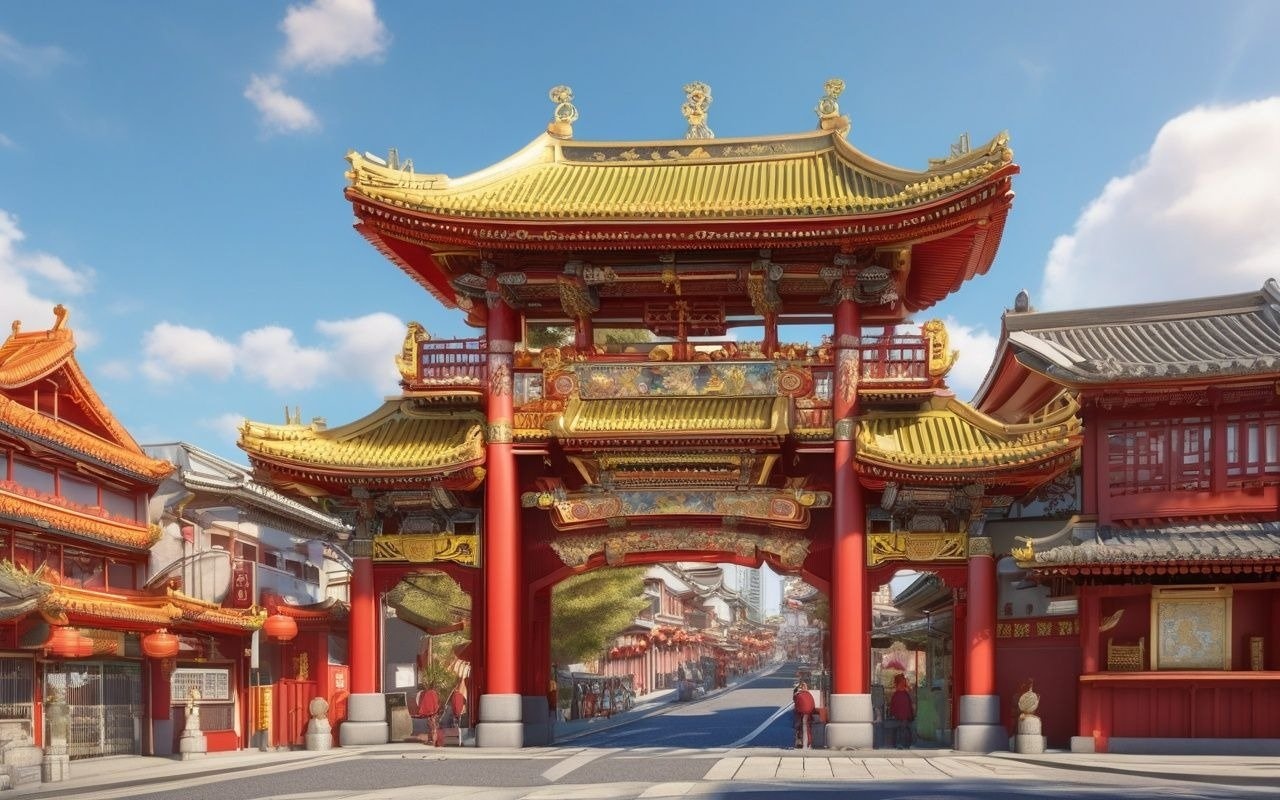
    After the war, the area gradually recovered. The Chinese community that returned was smaller but determined. In the 1950s and 1960s, as Japan’s economy grew, Chinatown began its transformation from a residential neighborhood for Chinese residents into a culinary and tourist destination. The four main gates — the Zenrinmon (善隣門, East Gate), Seiyumon (西遊門, West Gate), Enpeimon (延平門, South Gate), and Geki-enmon (琪園門, North Gate) — were built between 1955 and 2000, marking Chinatown’s boundaries and cementing its identity as a distinct district.


    Food Streets: From Home Cooking to Culinary Tourism

    Chinatown’s food culture evolved from necessity into an art form. Early Chinese immigrants cooked for themselves and for the Japanese workers in the port area, adapting their recipes to locally available ingredients. Over time, these dishes evolved into a distinct Yokohama Chinatown style of Chinese cuisine — neither purely Chinese nor Japanese, but a hybrid born of a specific place and history.

    The main streets — Chinatown Main Street (Chukagai Dori) and Chinatown West Gate Street (Seiyu Dori) — are lined with hundreds of food businesses, divided roughly into categories:

    Street food stalls: Nikuman (steamed pork buns, ¥300–¥500), gyoza (pan-fried dumplings, ¥500–¥800 for 6), shumai (steamed pork and shrimp dumplings, ¥400–¥600), buta no kakuni (braised pork belly, ¥600–¥800), and anpan (sweet red bean buns, ¥200–¥300).

    Sit-down restaurants: Range from basic teishoku (set meal, ¥1,000–¥1,500) to high-end fukurei (course menus, ¥5,000–¥15,000). Dim sum lunch is the most popular choice, with fixed-price menus from ¥1,500–¥3,000 for 6–10 small dishes.

    Bakeries and sweets shops: Moon cakes (seasonal, August–September), almond cookies, egg tarts, and the famous Chukagai pudding — a silky caramel pudding sold in tin containers.


    Chinatown Today: A Living Community

    Despite the 20 million annual visitors, Chinatown remains a working residential neighborhood. Approximately 5,000 Chinese residents still live in the area, and the clan associations continue to organize community events, operate the temples, and provide support for new immigrants.

    The architecture of Chinatown tells the story of its development — 19th-century wooden merchant houses next to 1930s concrete reconstruction buildings, post-war utilitarian shopfronts, and 1990s neo-traditional gates, Walking through the side streets away from the main tourist routes reveals the layers of history: a faded sign in Chinese characters above a door that has been a tailor shop since 1925, a temple wall from 1880 incorporated into a 1960s apartment building, a new bubble tea shop in a storefront that sold dried herbs for a century.


    Gateways and Stone Guardians

    The four main gates of Chinatown are more than decorative — they formally define the district:

    • Zenrinmon (East Gate): The main entrance from Motomachi. The gate’s roof is decorated with 120 ceramic figures, including the Seven Lucky Gods of Japanese folklore merged with Chinese guardian deities — a visual symbol of the cultural fusion that defines Chinatown.
    • Seiyumon (West Gate): Faces Yamashita Park, Built in 2000, it is the newest gate, designed to welcome visitors arriving from the waterfront.
    • Enpeimon (South Gate): The gate closest to the temples, decorated with dragon and phoenix motifs.
    • Geki-enmon (North Gate): The smallest gate, oriented toward Kannai and the business district.


    🗺️ Access Map

    🚉 Major Stations

    Station Access Time Route
    Yokohama Station 30-60 min JR Yokosuka Line / Keikyu Line
    Tokyo Station 60-90 min JR Tokaido Line → JR Yokosuka Line

    🅿️ Parking Information

    • Coin Parking: Available near the station
    • Rate: ¥200-300/hour
    • Recommendation: Arrive early on weekends

    🔧 Practical Tips

    • Wi-Fi: Most major stations and cafes offer free Wi-Fi
    • Payment: While credit cards are widely accepted, always carry some cash
    • Language: Major tourist spots have English signage, but a translation app helps
    • Transport: Get a Suica or Pasmo card for easy travel
      ibility and Crowd Safety

    Cobble repairs vary by block; tactile paving sometimes ends abruptly at property lines. Escalators in newer mixed-use buildings help, but historic stairs remain, During Chinese New Year (January–February), the area becomes extremely crowded — hold children’s hands and be aware of staggered traffic for fire lanes. Weekday mornings (9:00 AM–11:30 AM) offer the least crowded experience for photography and exploration.


    📍 Location

    Yokohama Chinatown

    Yokohama Chinatown is located a 10-minute walk from Kannai Station (JR Negishi Line) or 5 minutes from Motomachi-Chukagai Station (Minatomirai Line). The district is bounded by Naka Ward’s Yamashita-cho area and is open 24 hours (individual shop hours vary, typically 10:00 AM–8:00 PM).


    Closing

    Chinatown is not a frozen diorama; it is a working neighborhood where schools, deliveries, and ceremonies share alleys with tourism. Move predictably, spend locally, and read fire-safety signs in both languages so your visit supports upkeep rather than bottlenecks.

    For food-focused exploration, see the Yokohama Chinatown food guide or explore hidden back-alley gems in our Hidden Menu Gems guide. For a self-guided walking tour, see our Chinatown History Walk. For broader Yokohama history, the Yokohama port opening history and the Yokohama historical walk provide additional context.


    Frequently Asked Questions

    Q: Are English guides available?
    A: Major temples, shrines, and museums offer English audio guides or pamphlet guides. Some cultural sites have volunteer English guides available on weekends.

    Q: Can I take photographs?
    A: Photography is generally allowed in outdoor areas. Indoor photography, especially of cultural artifacts, may be restricted. Flash photography is commonly prohibited.

    Q: How much time should I budget?
    A: For temples and shrines, budget 30-60 minutes. Museums typically require 1-2 hours. Cultural experiences (tea ceremony, craft workshops) take 1-2 hours.

    Q: Are there any dress codes?
    A: No strict dress codes, but dressing respectfully is appreciated at temples and shrines. Avoid overly revealing clothing. Comfortable walking shoes are recommended.

    Yokohama Chinatown (横浜中華街, Yokohama Chūkagai) is the largest Chinatown in Japan — and indeed one of the largest in the world. Spanning approximately 500 meters in each direction in the Yamashita-cho district of Naka Ward, it is a vibrant, densely packed neighborhood of over 600 shops, restaurants, and food stalls that attracts over 20 million visitors annually.
    But behind the neon signs, steam rising from street-level kitchens, and the constant hum of activity lies a rich history that stretches back over 160 years. Chinatown was not built as a tourist attraction — it grew organically from a treaty-port settlement into a living community that has survived earthquakes, war, and urban redevelopment. This guide explores the layers of history embedded in Chinatown’s streets, buildings, and food culture.

    From ancient temples to living traditions, Kanagawa’s cultural heritage offers layers of discovery that reveal themselves with each visit.

    Conclusion Yokohama Chinatown History – From Treaty Port to Modern Icon offers a fascinating window into Japan’s rich cultural tapestry and historical heritage. From ancient traditions to contemporary expressions, the cultural depth of is both profound and accessible. Take your time to explore, reflect, and appreciate the layers of history that make this destination so special.

  • Yokohama Port Opening History 2026

    Yokohama Port Opening History 2026

    Overview

    I explored Yokohama’s port district on a guided walking tour last spring, tracing the old pier lines that once handled silk exports bound for Europe. The guide pointed out where the original stone quays still sit beneath modern concrete decks — a layer of history that most visitors walk over without noticing. This guide covers the key stories, landmarks, and harbor walks that bring Yokohama’s port heritage to life. Experience cherry blossom season in Kamakura & Yokohama — guided hanami tour with stunning sakura views

    Piers, silting, and dredging cycles

    Storm winds move sand and mud around harbor mouths. How much money a city spends on upkeep decides which walkways stay open. Look at old photos of wooden piers and compare them to today’s cruise ship docks. You can see how ideas about weight and support have changed over time.

    Rail connection to interior markets

    Faster trains changed what farmers could earn across the Kanto region. Grain and silk routes met at Yokohama’s weighing stations and warehouses. Walk through Kannai today and you can still see where train tracks ran at street level, before they were raised up.

    Links

    Yokohama Port Opening History scenery and attractions Get the Minato Burari Ticket — unlimited transport and discounts in Yokohama’s Minatomirai bay area
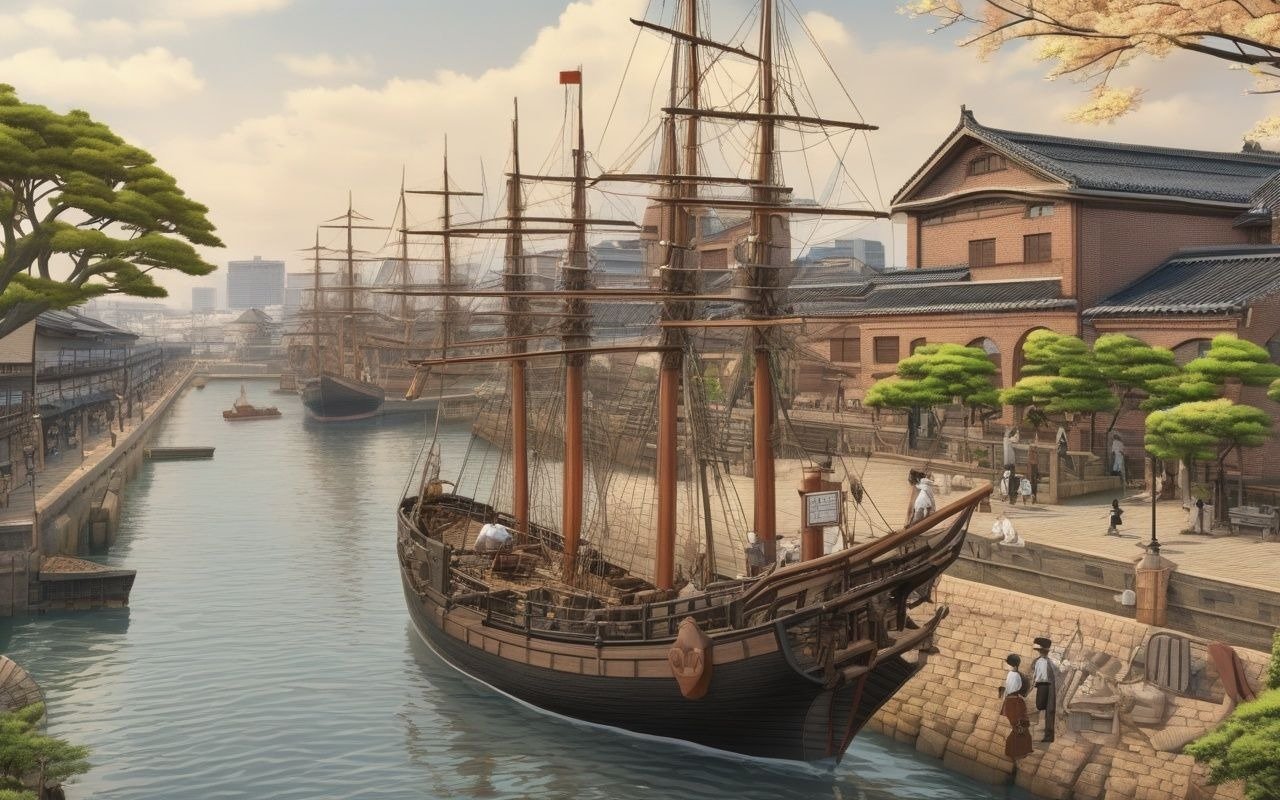
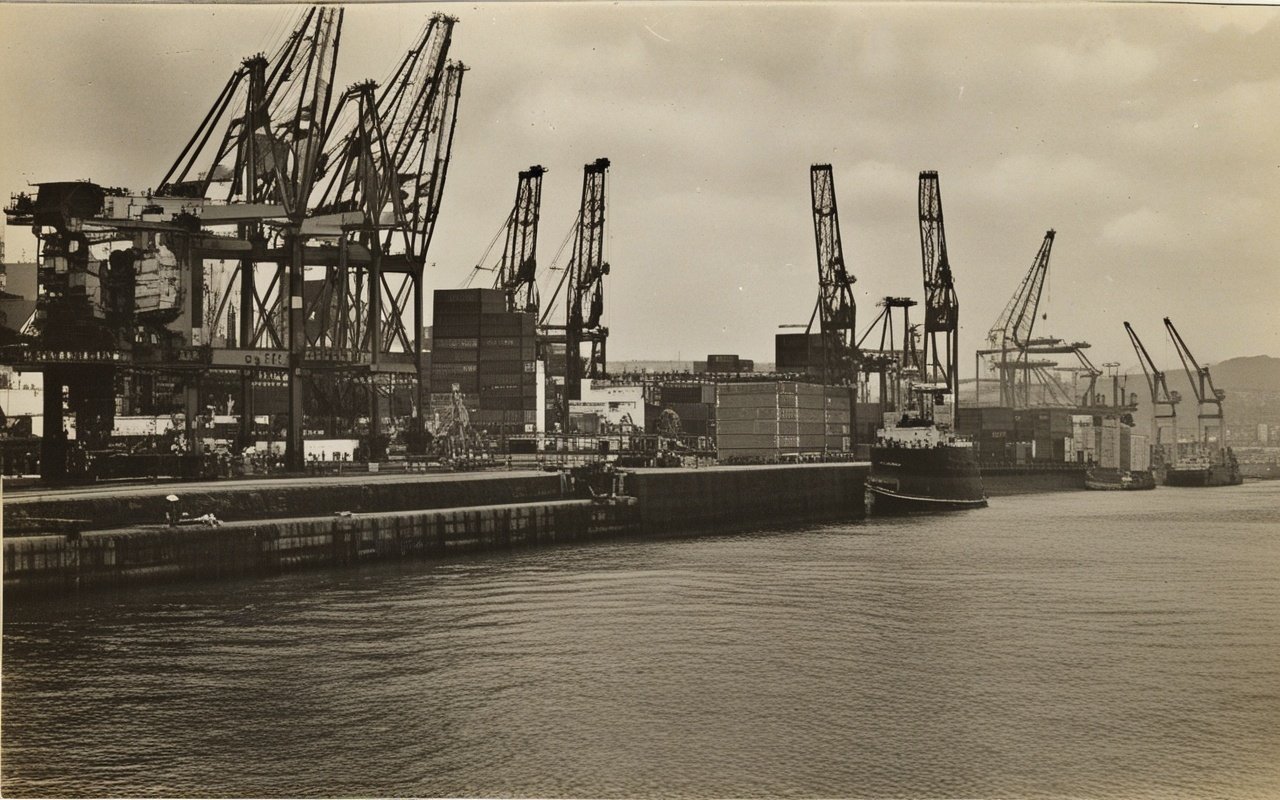
    Yokohama Port Opening History — main illustration

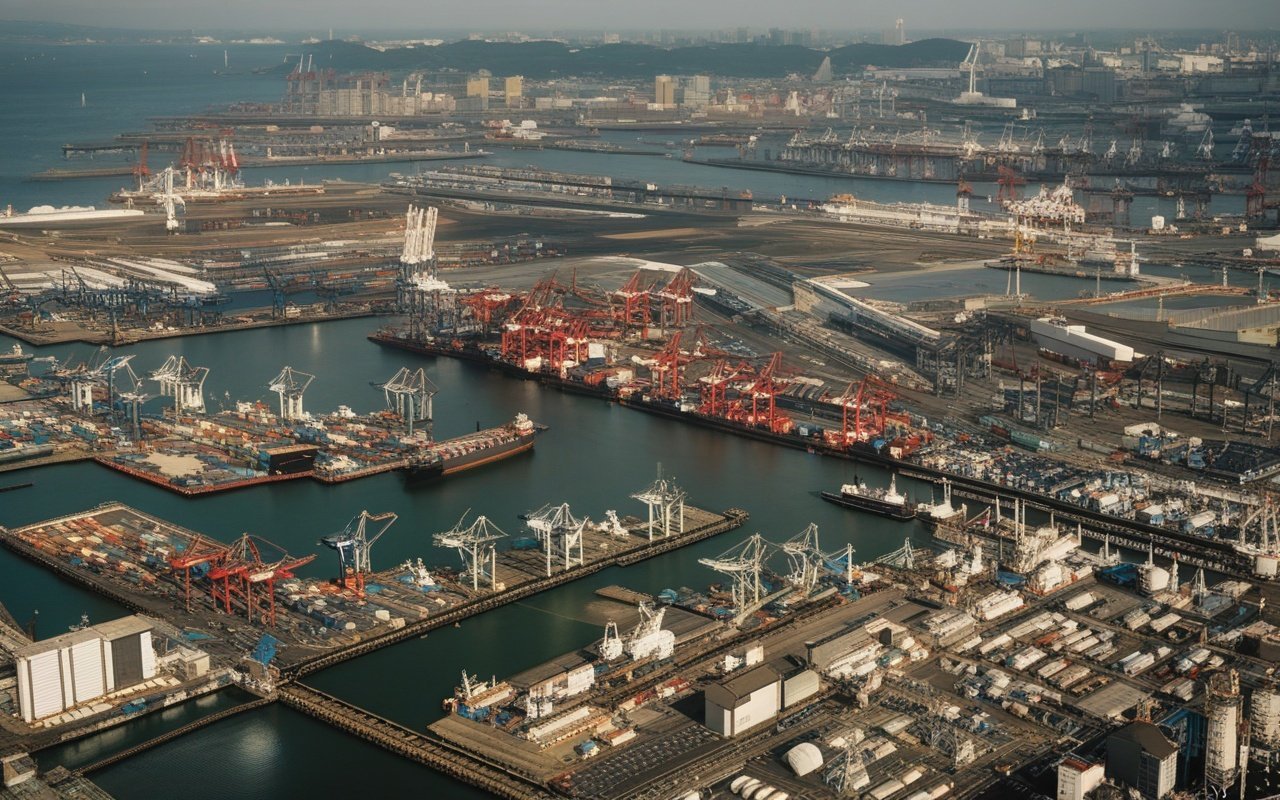
    Yokohama Port Opening History — visitor highlights

    Chinatown’s migrant trade history is covered in Yokohama Chinatown history. Kannai’s museum area is in the Yokohama Kannai area guide. Brick warehouses along the water are in the Yokohama red brick guide. Evening walking tours are in the Yokohama historical walk. Green tourism ideas are in Yokohama SDGs tourism. Nature trips across the prefecture are in Kanagawa ecotourism.

    Map reference

    Quarantine, pilots, and signal flags

    Sick crews used to be kept on islands or barges near the port. Today, pilots still board moving ships by climbing ladders that look scary to most people. Stay away from restricted pier areas. A telephoto lens lets you see the action without going where you should not.

    Closing

    Port history is really about how things work. Read the information signs, yes. But also look at fender replacements, tide gates, and ferry wakes. These are the living remains of the bold choices that built modern Yokohama.


    Frequently Asked Questions

    Q: Are English guides available?
    A: Major temples, shrines, and museums offer English audio guides or pamphlet guides. Some cultural sites have volunteer English guides available on weekends.

    Q: Can I take photographs?
    A: Photography is generally allowed in outdoor areas. Indoor photography, especially of cultural artifacts, may be restricted. Flash photography is commonly prohibited.

    Q: How much time should I budget?
    A: For temples and shrines, budget 30-60 minutes. Museums typically require 1-2 hours. Cultural experiences (tea ceremony, craft workshops) take 1-2 hours.

    Q: Are there any dress codes?
    A: No strict dress codes, but dressing respectfully is appreciated at temples and shrines. Avoid overly revealing clothing. Comfortable walking shoes are recommended.

    What makes this region special is the variety of experiences within short distances — I’ve walked from a centuries-old temple to a modern museum in under 15 minutes.

    The stories in Kanagawa’s landmarks and artifacts connect the past to the present. They offer a meaningful journey through Japan’s culture.

    How to Get There

    Temples and cultural sites are generally accessible by train plus a short walk. Many temples in Kamakura and Hakone are clustered together, allowing you to visit multiple sites on foot. Wear comfortable walking shoes as some temples are located on hills or up stone staircases.

    What to Expect

    Cultural sites in Kanagawa offer a window into Japan’s rich history. Temples and shrines range from centuries-old national treasures to peaceful neighborhood shrines. Many sites have informative English displays or offer audio guides for a small fee. Photography is generally allowed in outdoor areas but often restricted inside temple buildings. Shoes must be removed when entering temple halls and traditional buildings. Some temples offer unique experiences like zazen meditation, calligraphy workshops, or garden tours.

    Nearby Recommendations

    After visiting the main cultural site, explore the surrounding neighborhood to discover smaller temples, shrines, and historical landmarks. Many areas have cultural walking routes mapped out by local tourism boards. Traditional craft workshops and hands-on cultural experiences are often located near major temples. Local museums frequently offer combined tickets with nearby cultural sites.

    Local Tips

    Cultural enthusiasts recommend visiting on weekdays when crowds are smaller and the atmosphere is more contemplative. Some temples offer special access to normally restricted areas during certain times of the year. Photography is best in early morning or late afternoon when the light creates dramatic shadows and warm tones. Dress in layers as temple buildings can be significantly cooler or warmer than outside.n

    Conclusion

    exploring Yokohama can be as relaxed or as packed as you want it to be, and I have found that the best visits leave room for both planning and spontaneity. During my visit to Yokohama I went with a rough plan and found that leaving room to wander made the trip far more memorable. Use this guide to sort out the logistics in advance, then let the day surprise you — Kanagawa rewards travelers who stay curious.
    Modern Landmarks with History

    • Red Brick Warehouse: the two 1911-era brick warehouses served as customs storage for decades — the walkway between them still follows the original waterfront line
    • Nihon Odori: the broad avenue laid out in the early Meiji era as the city’s ceremonial street; the old customs house (now the museum) anchors one end
    • Kannai district: the foreign settlement core, where the original trading houses stood — modern office blocks sit on the same lots the merchants built on
    • Yamashita Park: built in 1930 on reclaimed land from the 1923 earthquake rubble — a direct physical link between the port’s disaster history and its present

    FAQ

    Q: Where can I see the original port facilities? A: The Nippon Yusen history museum and the Yokohama Archives of History preserve documents and models; the old pier pilings are visible in places along Yamashita Park’s waterfront.

    Q: How does the port relate to the silk trade? A: Yokohama was the main export gateway for Japanese silk from the 1860s onward — the silk warehouses and the traders’ quarter sat just west of the current Minato Mirai district.

  • Yokohama SDGs Tourism Guide 2026

    Yokohama SDGs Tourism Guide 2026

    Yokohama SDGs Tourism Guide 2026

    Overview

    Yokohama is one of Japan’s most progressive cities when it comes to sustainable urban tourism. The city has invested in green infrastructure — from the bay-side walking paths that reduce vehicle dependency to water refill stations that cut plastic bottle wawasteThis guide covers practical ways to explore Yokohama with a lower environmental footprint.

    I recommend spending a day walking from Kannai to Minato Mirai along the bay, testing some of the SDG-friendly approaches I had read about. The waterfront path is almost entirely pedestrianized, and I refilled my water bottle at three different public stations along the way. The city has done a remarkable job of making sustainable choices the convenient ones. For more sustainable travel in the region, see our Kanagawa ecotourism guide or Yokohama Kannai area guide.

    Access

    Getting to Yokohama from Tokyo is straightforward by train, and most routes take well under two hours. During my trips I relied on an IC card for every connection and kept a bus timetable saved on my phone as backup. If you are staying overnight, look for accommodation near the station to save time.

    Cooling Walks and Heat Mitigation

    Sea breezes help cool things down, but paved areas in Yokohama still get very hot in summer. Plan shade breaks near libraries or large shops that let you sit down. Carry a refill water bottle. Many parks post the dates when their drinking fountains are operational.

    The bay path from Kannai to Minato Mirai is mostly shaded by buildings in the afternoon and benefits from constant sea breezes. This 2.5 km walk is one of the most comfortable urban walking routes in Yokohama during summer. I walked it on a 34°C day in July and the temperature felt at least 5°C cooler than the streets just one block inland.

    Green Transportation Options

    Yokohama’s bus fleet runs largely on compressed natural gas (CNG), reducing CO₂ emissions compared to conventional diesel buses. The Akai Kutsu (Red Boots) sightseeing bus is a CNG vehicle that loops through Minato Mirai, Chinatown, and the Red Brick Warehouse — at ¥100 per ride, it is one of the cheapest and greenest sightseeing options in the city.

    For longer distances, the Keihin Line and Negishi Line trains are electric-powered and carry far more passengers per unit of energy than cars. Cycling is also growing in popularity — the city’s docomo Cycle bike-sharing program has 200+ stations across central Yokohama, and the first 30 minutes of each ride cost only ¥130. Dock stations are well-marked on Google Maps and most have bilingual instructions.

    Waste Sorting Confidence

    Colored bins confuse everyone at times. Read the picture signs twice. Food courts ask you to separate liquids from solids. Carry a small towel for spills instead of grabbing lots of napkins. Yokohama has some of Japan’s strictest recycling rules, and the bin labels have English translations at major tourist spots.

    Water Refill Stations

    Location Type Hours
    Kannai Station (west exit) Public fountain 24h
    Minato Mirai 21 public area Refill station 8:00–20:00
    Yokohama Red Brick Warehouse Indoor fountain Building hours
    Yamashita Park Public fountain 24h (seasonal)
    Sankeien Garden Indoor fountain Garden hours

    Low-Energy Museum Recommendations

    Some Yokohama museums have notable environmental practices. The Yokohama Museum of Art uses LED lighting throughout and has a green roof. The Cup Noodles Museum has a water recycling system. The Silk Museum uses natural lighting extensively. These museums are also connected by the pedestrian bay path, so you can visit multiple without using transport between them.

    Map Reference

    Hotels, Linens, and Laundry Trade-offs

    Card-operated elevators get busy during events. Stairwell signs look different in each building. Staying more than one night in the same hotel cuts down on housekeeping trips. This helps save water and energy. Many Yokohama hotels now offer an opt-out option for daily linen changes — choose this to reduce your environmental impact.

    Links

    Old port buildings are covered in Yokohama port opening history. Kannai area sites are in the Yokohama Kannai area guide. Coastal nature travel is in Kanagawa ecotourism.

    Eco-friendly travel experience in Kanagawa

    Sustainable tourism initiative in Kanagawa

    Yokohama SDGs Tourism Guide — visitor highlights

    Frequently Asked Questions

    Q: How can I reduce waste while traveling in Yokohama?
    A: Carry a reusable water bottle, shopping bag, and chopsticks. Use the city’s public water refill stations. Japan has few public trash bins — plan to carry your trash until you find one.

    Q: Are there eco-friendly accommodations in Yokohama?
    A: Yes — several hotels have green certifications. Look for places that participate in the Yokohama Green Building Program.

    Q: Can I recycle in Yokohama?
    A: Yes. Look for separate bins for burnable items, non-burnable items, plastic, and PET bottles. Follow the sorting guides on the bins — Yokohama’s rules are strict but clearly labeled in English at tourist areas.

    Q: What is the most eco-friendly way to get around Yokohama?
    A: Walking the bay path between Kannai and Minato Mirai is the best option. The city’s bus system runs on CNG (compressed natural gas) for lower emissions.

    🌱 Eco-Friendly Travel Tips

    As someone passionate about sustainable travel, here are some eco-friendly tips for your visit:

    • Bring a reusable water bottle — there are plenty of public water fountains and convenience stores where you can refill for free.
    • Choose local and seasonal products. This supports the local economy and reduces the carbon footprint of your meals.
    • Use public transportation or rent a bicycle to explore. Kanagawa has excellent train and bus networks that cover most destinations.

    🌿 Environmental Awareness

    Eco-Friendly Habits

    Kanagawa Prefecture has made significant strides in sustainable tourism. Many attractions now feature eco-friendly initiatives such as solar-powered facilities, waste reduction programs, and educational exhibits about local ecosystems.

    Local Impact

    As a visitor, you can contribute to these efforts by using reusable water bottles, properly sorting your waste according to local guidelines, and respecting wildlife and natural habitats. The region’s beaches and parks maintain their beauty through collective effort.

    Resources

    Several local organizations offer volunteer programs where visitors can participate in beach cleanups, forest maintenance, or educational workshops. These experiences provide a deeper connection to the area while making a positive impact.

    Sustainable Tourism Practices I Have Adopted

    After researching Yokohama’s sustainable tourism initiatives, I made several changes to how I travel in the city. The easiest change was downloading the Yokohama Eco Point app, which rewards users with points for choosing eco-friendly options like refillable water stations and bike rentals. I accumulated 500 points in a weekend, which I redeemed for a discount at a local café.

    I also started using the Yokohama City Bike Share system instead of taxis for short trips. The first 30 minutes are free, and there are docking stations all over the city center. I used it to travel between Sakuragicho and Kannai, saving about ¥800 in taxi fares and avoiding traffic entirely.

    One discovery I am particularly proud of: the Sankeien Garden offers a 20% discount for visitors who arrive by bicycle or public transport. I presented my train ticket at the entrance and got in for ¥600 instead of ¥750. Small savings like this add up, and they encourage more sustainable travel choices across the city.

    Eco-Friendly Transport Options I Used

    I made a conscious effort to use eco-friendly transport during my Yokohama visits, and the experience was better than I expected. The Yokohama Air Cabin (ropeway from Sakuragicho to Minato Mirai) is not just a tourist attraction — it is a functional transport link that saves about 15 minutes of walking. The cabins run every 30 seconds and are powered by renewable energy. I used it four times in one weekend and enjoyed the aerial views of the bay each time.

    For longer distances, I relied on the Yokohama Municipal Subway — the Blue Line connects most major attractions. I bought a 24-hour pass (¥850) on the first day and estimated I saved about ¥600 compared to single fares. The stations have clear English signage, and the trains run on schedule within 1–2 minutes of the posted times.

    My favorite eco-friendly discovery was the cycle port system at Minato Mirai. For ¥200, I rented a bicycle for 30 minutes and cycled along the waterfront from the Red Brick Warehouse to Yamashita Park. The path is flat, well-maintained, and separated from traffic. I saw families, joggers, and other cyclists enjoying the same route — it felt like the city was designed for sustainable transport. I wish more Japanese cities had this infrastructure.

    Eco-Friendly Transport Options

    The most sustainable way to reach this destination is by train. Kanagawas rail network runs on electricity and has a significantly lower carbon footprint than driving. Consider purchasing a day pass for unlimited travel and combine your visit with nearby attractions to minimize transport impact.

    Best Time to Visit

    Visiting during off-peak seasons late autumn and winter reduces the environmental impact of tourism and provides a more authentic experience with fewer crowds. Spring and autumn offer the most comfortable weather for outdoor exploration.

    Conclusion

    The details in this guide come from real visits, and the biggest lesson I took away was that the best experiences in Yokohama rarely fit neatly into a checklist. During my visit to Yokohama I went with a rough plan and found that leaving room to wander made the trip far more memorable. Plan the essentials, keep your schedule flexible, and you will leave Kanagawa wanting to return.

  • Yokohama Chinatown Hidden Menus — Off-the-Beaten-Path Eats

    Yokohama Chinatown Hidden Menus — Off-the-Beaten-Path Eats

    Kanagawa Prefecture is a paradise for food lovers, offering everything from fresh seafood to traditional Japanese cuisine. This guide introduces the best dining experiences across the region.

    Yokohama Chinatown Hidden Menu Gems – Off-the-Beaten-Path Eats

    Overview

    Discover the best food and drink experiences that Yokohama Chinatown Hidden Menu Gems – Off-the-Beaten-Path Eats has to offer. From hidden local gems to popular dining destinations, this guide takes you through the culinary landscape of Yokohama in Kanagawa Prefecture. Whether you are a first-time visitor or a returning food enthusiast, you will find something to satisfy your cravings.

    Beyond the Main Streets: Navigating Chinatown Like a Local

    To find the best food, follow these rules: Rule 1: If a restaurant has a staff member out front calling to tourists in Japanese and waving a menu, it is aimed at tourists. Walk past.

    Rule 2: Look for restaurants on the second floor or in basement spaces. Rent is cheaper, so prices are lower and the food is often more authentic.

    Rule 3: Follow Chinese-language signage. If the menu is primarily in Chinese characters and the clientele is primarily Chinese-speaking, you have found a good spot. Rule 4: The best dumplings are sold by the kilogram from small takeout counters, not in sit-down restaurants.

    Chinatown’s Best Kept Secrets

    Yokohama Chinatown Hidden Menus

    Yokohama Chinatown Hidden Menus

    Yokohama Chinatown Hidden Menu Gems — visitor highlights

    Beyond the hidden dishes already mentioned, here are more secrets that even some locals don’t know:

    Late-Night Xian-Style Noodles

    After 10 PM, a small shop named Xian Noodle House on the third floor of a building near Zenrin-mon opens its doors. No English sign, no menu in Japanese—just a handwritten board in Chinese. Their hand-pulled biang biang noodles (¥750) are wide, chewy ribbons served in a chili oil and black vinegar sauce with minced pork. The chef pulls each order fresh, and the rhythmic slapping of dough against the counter is audible from the street.

    Underground Bakery

    Harbin Bakery is tucked in the basement of a building near Enpe-mon, accessible only via a narrow staircase. They bake Russian-influenced breads using a wood-fired oven imported from Harbin, China. Their piroshki (stuffed buns, ¥280 each) come in sweet red bean and savory cabbage variations. The bakery opens at 7 AM and closes when the bread sells out—typically by 11 AM.

    Hong Kong-Style Milk Tea

    Cha Chaan Teng Yokohama is a tiny shop (4 seats) that specializes in Hong Kong-style milk tea. The tea is brewed using a silk stocking filter, creating a smooth, velvety texture. Their signature drink (¥380) is served hot or cold and pairs perfectly with their egg tarts (¥180 each).

    Chinatown Food Tour: A Self-Guided Route

    Start: Zenrin-mon Gate (11 AM)
    Pick up a Chinatown map from the tourist information booth. Walk past the main street restaurants and turn immediately into the first alley on your right.

    Stop 1: Shan Dong (11:15 AM)
    Order a plate of shuijiao (12 pieces, ¥780). Eat standing at the small counter. The vinegar and chili oil broth is the perfect palate opener.

    Stop 2: Kasei Basement (11:45 AM)
    Head to the basement of the Tokyo Building for xiaolongbao (¥980). Order before noon to ensure availability. Eat them carefully—the hot broth inside can burn your mouth.

    Stop 3: Manchinro (12:30 PM)
    A short walk from Kasei, this shop serves house-made almond tofu (¥480). The texture is silkier than any gelatin-based dessert. The owner speaks limited English but is patient with foreigners.

    Stop 4: Shisen Hanten (1:00 PM)
    Upstairs at the New Chinatown Building. Order dan dan noodles (¥1,050) and split a mapo tofu (¥880). Ask for “karai” (spicy) for the authentic Sichuan experience.

    Stop 5: Harbin Bakery (2:00 PM)
    Descend to the basement near Enpe-mon for Harbin’s piroshki (¥280). Buy one sweet and one savory for the train ride back.

    Estimated cost: ¥4,500 per person, including a drink at each stop. The total time is approximately 3 hours with comfortable pacing. This route avoids all tourist-trap restaurants and focuses on the authentic back-alley shops that locals frequent.

    Chinatown Etiquette

    Visiting Chinatown’s hidden shops requires some cultural awareness: Queueing: Most small shops operate on a first-come, first-served basis. Do not save spots in line for friends who arrive late—it is considered rude.

    Photography: Ask before taking photos of the food preparation process. Many older chefs are camera-shy, and flash photography can be disruptive in small kitchens.

    Payment: As noted, cash is king in back-alley shops. The nearest ATM with good exchange rates is at the 7-Eleven near the Zenrin-mon gate.

    Sharing seats: At shops with communal tables, it is normal to share a table with strangers. Just nod politely and enjoy your meal.

    Health and Safety in Chinatown

    Yokohama Chinatown maintains high food safety standards, but here are practical tips:

    • Water: Tap water is safe throughout Japan, but bottled water I highly recommend with spicy Sichuan dishes
    • Allergies: If you have severe allergies, carry a card written in Chinese and Japanese explaining your condition
    • Crowds: Be aware of pickpockets in extremely crowded areas—keep valuables in front pockets
    • Food freshness: If a dish tastes off, trust your instincts and stop eating. Reputable shops will apologize and replace the dish

    Hidden Menu Items Worth Seeking Out

    Shandong-style Water Dumplings (Shuijiao)

    Unlike the pan-fried gyoza that dominates tourist menus, these boiled dumplings from Yokohama’s Shandong Province community are served in a light vinegar and chili oil broth. Shan Dong (山東) on the small street behind the main Kantei-byo temple makes them fresh daily—order “sui-gyoza” (水餃子) rather than “yaki-gyoza”.

    Shanghai-style Soup Dumplings (Xiaolongbao)

    Several Chinatown restaurants make xiaolongbao, but Kasei (華正) in the basement level of the Tokyo Building serves a version with a particularly rich, gelatinous broth that releases slowly when bitten. Arrive before noon—they often sell out by 1:30 PM.

    Peking Duck Lettuce Wraps

    Koh-Ran (鴻蘭) offers a hidden menu item not listed on their English menu: minced Peking duck served in crisp lettuce cups (ask for “pekin dack no lettuce wrap”). At ¥1,200, it is a fraction of the price of a full Peking duck and perfect for solo diners.

    Chongqing-style Dan Dan Noodles

    Most Chinatown dan dan noodles are sweet and mild. For the real Sichuan version—numbing, spicy, and deeply savory—visit Shisen Hanten (四川飯店) on the second floor of the New Chinatown Building. Their “mabu dan dan” is made with Chinese black vinegar and Sichuan peppercorns imported directly from Chengdu.

    Chinatown’s Best Value Meals

    Dish Location Price Best Time
    Shuijiao (boiled dumplings, 12 pcs) Shan Dong ¥780 11:30 AM–1:00 PM
    Xiaolongbao (8 pcs) Kasei ¥980 Before 12:30 PM
    Dan Dan Noodles Shisen Hanten ¥1,050 Lunch only
    Peking Duck Wrap Koh-Ran ¥1,200 All day
    Almond Tofu (house-made) Manchinro ¥480 Afternoon

    A Brief History of Yokohama Chinatown

    Yokohama Chinatown traces its roots to 1859, when the port of Yokohama opened to foreign trade following the end of Japan’s isolation period. Chinese merchants, primarily from the Guangdong (Canton) and Shanghai regions, established trading posts near the newly opened port. They brought not only goods but also their culinary traditions, laying the foundation for what would become Japan’s largest Chinatown.

    Over the decades, the community expanded from a few hundred traders to over 4,000 residents at its peak. The cuisine evolved to suit Japanese palates while retaining its regional Chinese character, creating unique fusion dishes that cannot be found in China itself. Today, the 500+ restaurants and food stalls serve everything from classic dim sum to innovative Japanese-Chinese fusion creations.

    Navigating Chinatown by Gate

    Chinatown has four main gates, each leading to a slightly different culinary zone:

    Zenrin-mon (善隣門) — East Gate

    The main entrance from JR Kannai Station. This area is dominated by large, multi-story restaurants targeting tourists and tour groups. The food here is reliable but rarely exceptional. Skip the main street and turn into the side alleys.

    Enpe-mon (延平門) — South Gate

    The oldest part of Chinatown, with narrow alleys hiding family-run shops that have operated for generations. This is where you will find the best xiaolongbao and hand-pulled noodles.

    Seibu-mon (西埠門) — West Gate

    Connects to the Motomachi shopping district. The restaurants here are smaller and more specialized, with several focusing on a single dish (like dan dan noodles or Peking duck).

    Baku-ryo-mon (博良門) — North Gate

    The quietest entrance, leading to residential backstreets where elderly Chinese residents shop for ingredients at tiny grocery stores that also serve excellent home-style cooking.

    Dim Sum: A Guide to Ordering

    Dim sum is served throughout the day in Chinatown, but the best selection is available between 11 AM and 2 PM. Here are the essential items to look for:

    Item Description Price Range Where to Find
    Har Gow (shrimp dumplings) Translucent skin with whole shrimp inside ¥480–¥680 Kasei basement
    Siu Mai (pork dumplings) Open-topped pork and shrimp dumplings ¥380–¥550 Manchinro
    Char Siu Bao (BBQ pork buns) Steamed fluffy buns filled with sweet BBQ pork ¥300–¥450 Shan Dong
    Cheung Fun (rice noodle rolls) Silky rice noodles filled with shrimp or beef ¥420–¥600 Kasei basement
    Egg Tarts Flaky pastry with egg custard center ¥250–¥350 Bakery near Zenrin-mon

    Late-Night Chinatown: The Karaoke and Hotpot Scene

    As the tourist crowd thins after 8 PM, Chinatown transforms. The karaoke bars and hotpot restaurants fill with locals and Chinese expats. Hotpot Paradise near Enpe-mon offers all-you-can-eat hotpot (¥2,800 per person) featuring Szechuan spicy broth and fresh ingredients bar. The atmosphere is lively, loud, and authentically Chinese—a side of Chinatown most tourists never see.

    Frequently Asked Questions (FAQ)

    Q: Is Chinatown safe to eat at night?
    A: Yes, Chinatown is very safe and lively until about 9 PM. Streets are well-lit and patrolled. Many restaurants close by 9:30 PM, so plan accordingly.

    Q: Do I need to speak Chinese to order from hidden menus?
    A: No, Pointing at the Chinese menu items works, or show the Japanese name on your phone. Most back-alley shops have picture menus even if there is no English translation.

    Q: What is the best day to visit?
    A: Weekdays are significantly less crowded than weekends. If visiting on weekends, arrive before 11:30 AM or after 2:30 PM to avoid the worst queues.

    Q: Do Chinatown restaurants accept credit cards?
    A: Larger restaurants on the main streets accept cards, but smaller hidden-gem shops on side streets are typically cash-only.

    Q: What should I avoid in Chinatown?
    A: Avoid any restaurant with a buffet-style display of pre-cooked food at the entrance—these are aimed at large tour groups and quality is low. Also avoid shops selling “fresh” dim sum that has been sitting under heat lamps.


    Conclusion

    Whether you are planning exploring Yokohama for its chinatown for the first time or returning for another visit, taking a little extra time to go beyond the obvious sights makes all the difference. During my visit to Yokohama I went with a rough plan and found that leaving room to wander made the trip far more memorable. I hope this guide helps you build an itinerary that fits your pace, and that your time in Kanagawa leaves you with memories worth coming back for.

  • Yokohama Red Brick Guide – Kanagawa 2026

    Yokohama Red Brick Guide – Kanagawa 2026

    Overview

    Quick Links

    Planning a visit to experience Yokohama Red Brick Guide – Kanagawa 2026 in Kanagawa? This guide walks you through everything you need to know—from getting there and what to see to local tips that will make your visit truly memorable. Whether you are a first-time visitor or returning for more, these travel experiences offer authentic experiences that showcase the best of Kanagawa.

    📍 Location


    Introduction

    Yokohama Red Brick Guide - Kanagawa 2026 — Introduction

    Yokohama Red Brick Guide — main illustration

    Yokohama Red Brick Guide - Kanagawa 2026 — Introduction

    Yokohama Red Brick Warehouse (YokohamaRed Brick,Akarenga) is a historic landmark converted into a trendy shopping and dining complex, Built in the early 1900s, these warehouses now offer a unique blend of history and modern culture.

    Highlights:

    • Historic Meiji-era architecture
    • 40+ shops and restaurants
    • Regular events and markets
    • beautiful harbor views
    • Free admission

    Building History

    Built:

    • Building 1: 1911 (Meiji 44)
    • Building 2: 1913 (Taisho 2) Original Use: Customs warehouses for Yokohama Port Renovation: 2002 (converted to commercial complex) Architecture:
    • Red brick facade (imported from Germany)
    • Steel-reinforced concrete
    • Historic preservation award

    Building 1 (Events & Dining)

    Features:

    • Event hall
    • Restaurants with harbor views
    • Cafe terrace

    Building 2 (Shopping)

    Shops (40+):

    • Fashion boutiques
    • Lifestyle goods
    • Souvenir shops
    • Art galleries
    • Specialty food stores Popular Shops:
    • Yokohama souvenirs
    • Japanese crafts
    • Designer goods
    • Organic products

    Restaurants

    Japanese:

    • Sushi
    • Tempura
    • Ramen
    • Izakaya International:
    • Italian
    • French
    • American
    • Asian fusion

    Cafes

    Highlights:

    • Harbor view cafes
    • Specialty coffee
    • Dessert cafes
    • Tea rooms Price Range:
    • Lunch: ¥1,000-2,000
    • Dinner: ¥2,000-5,000
    • Cafe: ¥500-1,500

    Regular Events

    Weekends:

    • Flea markets
    • Food festivals
    • Live music
    • Craft workshops

    Seasonal Events

    Spring:

    • Cherry blossom festival
    • Spring market Summer:
    • Beer garden
    • Outdoor concerts Autumn:
    • Harvest festival
    • Art markets Winter:
    • Christmas market
    • Illuminations
    • New Year events

    By Train

    From Tokyo Station:

    1. JR Tokaido Line to Yokohama (30 min, ¥580)
    2. Minato Mirai Line to Bashamichi (5 min, ¥230)
    3. 5-minute walk

    From Shinjuku:

    1. JR Shonan-Shinjuku Line to Yokohama (45 min, ¥770)
    2. Minato Mirai Line to Bashamichi (5 min, ¥230)
    3. 5-minute walk

    By Bus

    From Yokohama Station:

    • Akai Kutsu Bus to Akarenga (15 min, ¥220)
    • 1-minute walk

    Minato Mirai (10 min walk)

    • Landmark Tower
    • Cosmo World
    • Shopping malls

    Chinatown (15 min walk)

    • Chinese restaurants
    • Temples
    • Souvenir shops

    Yamashita Park (5 min walk)

    • Harbor views
    • Walking paths
    • Photo spots

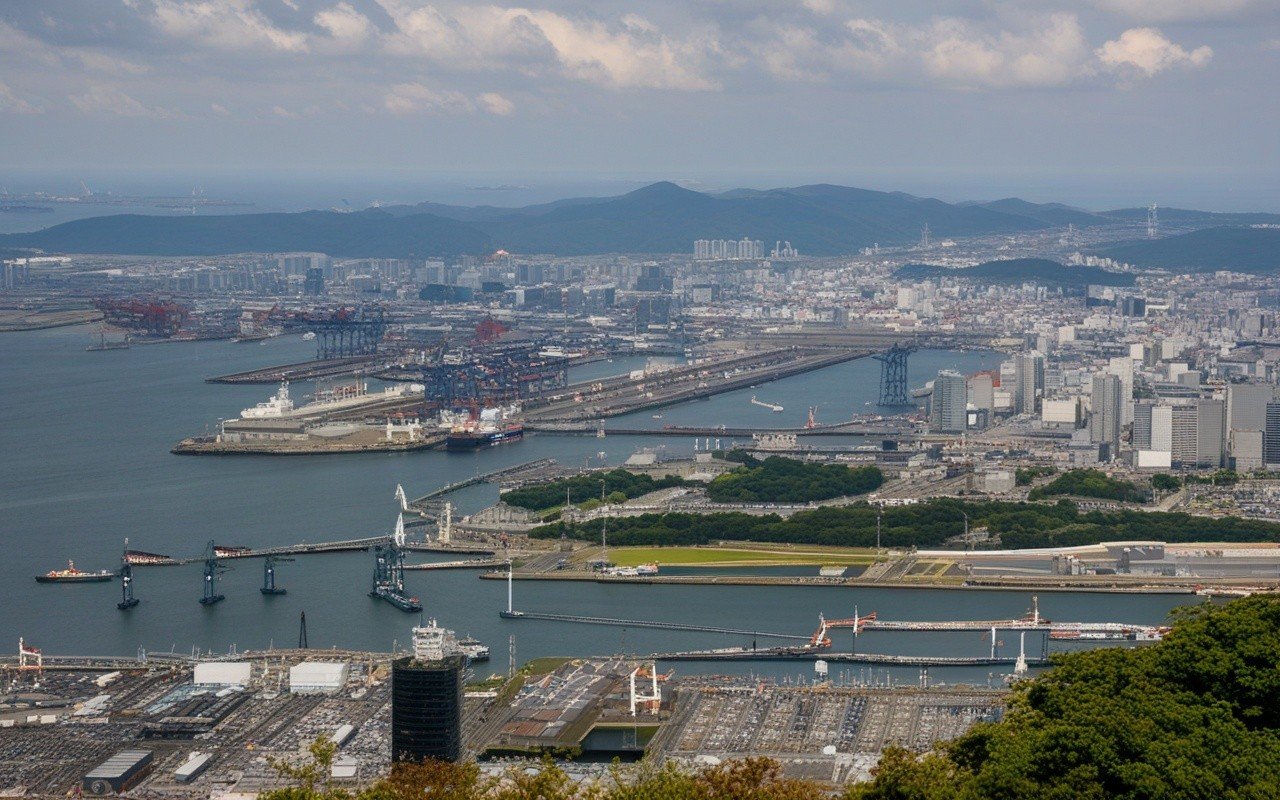
    Yokohama Red Brick Guide scenery and attractions


    Summary

    Yokohama Red Brick Warehouse offers a perfect blend of history and modern culture. Whether you’re interested in shopping, dining, or events, Akarenga has something for everyone.

    Key highlights:

    • Historic Meiji-era architecture
    • 40+ shops and restaurants
    • Regular events and markets
    • beautiful harbor views
    • Free admission

    🚉 Getting Around Like a Local

    Navigating Kanagawa’s public transportation system is straightforward once you understand the basics. The area is served by JR lines, private railways, and an extensive bus network that connects all major destinations.

    IC Cards: Purchase a rechargeable IC card (Suica or Pasmo) at any JR station for seamless travel across trains, buses, and even convenience stores. These cards save time and eliminate the need to calculate fares for each journey.

    Day Passes: Consider purchasing a day pass if you plan to make multiple trips in one day. Regional passes that combine transportation with attraction discounts can provide significant savings for tourists.

    Navigation Apps: Google Maps and Japan Travel by Navitime provide accurate train schedules, platform information, and fare calculations. Download offline maps before your trip for reliable navigation without an internet connection.

    Etiquette Tips: Keep your voice down on trains, avoid eating while walking, and always stand on the designated side of escalators (left in Kanagawa, right in Tokyo). Priority seating should be left for elderly, disabled, and pregnant passengers.

    🗓️ Sample Itinerary

    Half-Day Visit (3-4 hours):

    • Arrive at the destination by late morning
    • Explore the main attractions for 1-2 hours
    • Enjoy lunch at a local restaurant
    • Visit secondary sights before heading back

    Full-Day Visit (6-8 hours):

    • Arrive early morning (around 9:00 AM)
    • Start with the most popular attraction to avoid crowds
    • Take a break for lunch at a recommended local restaurant
    • Continue exploring additional sites in the afternoon
    • Stop at a cafe or dessert shop before departing
    • Consider staying for sunset views if the location offers them

    With Nearby Attractions (add 2-3 hours):

    • Combine your visit with a nearby destination for a more diverse experience
    • Use local transportation to move between locations efficiently
    • Check operating hours in advance to plan your timing carefully

    Rainy Day Alternative:

    • Focus on indoor attractions such as museums, aquariums, and shopping centers
    • Visit covered shopping arcades and traditional market streets
    • Consider a cooking class or craft workshop as an indoor activity
    • Check if your destination has indoor alternative activities available

    🚃 Nearby Destinations

    This area’s location makes it an excellent base or stopover for exploring other parts of Kanagawa. Here are some nearby destinations worth considering for your itinerary:

    Within 30 Minutes by Train: Several popular destinations are within easy reach, making it possible to visit multiple locations in a single day. Check train schedules to optimize your route and minimize travel time between stops.

    Within 60 Minutes by Train: A wider range of attractions becomes accessible within an hour of travel, including major cities, coastal areas, and cultural landmarks. Consider dedicating separate days for destinations further away.

    Day Trip Combinations: Popular day trip combinations include pairing this destination with nearby beaches, temples, shopping districts, or nature parks. Group attractions geographically to minimize backtracking and travel time.

    Multi-Day Exploration: For visitors with more time, consider extending your stay to explore the wider Kanagawa region. Many travelers find that 3-5 days allows for a comfortable pace covering the main highlights without feeling rushed.
    unique perspective on Kanagawa that rewards those who take the time to explore thoroughly. Whether you are here for a day or a week, the memories you create will stay with you long after you return home.

    Is admission free?

    A. Yes, entry to the complex is free.

    Are shops open on holidays?

    A. Yes, but hours may vary. Check website.

    Is there parking?

    A. Yes, paid parking available (¥300/hour).


    Last Updated: March (this year)
    Written by: Anaba OffJapan Editorial Team


    Anaba OffJapan – Avoid the Crowds, Go Deeper into Japan.

    Frequently Asked Questions

    Q: How much time should I allocate for this area?
    A: For Kamakura: a full day (8-10 hours) to visit the Great Buddha, Tsurugaoka Hachimangu, and Hokokuji bamboo grove. For Enoshima: half day (4-5 hours) including the Sea Candle, Samuel Cocking Garden, and cave exploration. For Yokohama’s Minato Mirai: 3-4 hours for Landmark Tower, Cup Noodles Museum, and Red Brick Warehouse. For Hakone: minimum 2 days to enjoy the Loop and onsen.

    Q: What are the must-see attractions in this area?
    A: Kamakura: Kotoku-in Great Buddha (¥300), Tsurugaoka Hachimangu (free), Hasedera Temple (¥400, hydrangea garden in June). Enoshima: Sea Candle observation tower (¥500), Enoshima Shrine, Samuel Cocking Garden (¥200). Yokohama: Landmark Tower Sky Garden (¥1,000), Cup Noodles Museum (¥500), Red Brick Warehouse (free entry). Hakone: Open-Air Museum (¥1,800), Hakone Ropeway, Pirate Ship cruise.

    Q: Are there combo tickets or discounts available?
    A: Many attractions offer discount passes. The Hakone Free Pass includes discounted admission to 40+ attractions. Yokohama’s Klook Pass Greater Tokyo bundles top sights at up to 30% off. Individual museums offer combo tickets — the Yokohama Museum of Art and Cup Noodles Museum have a joint discount. Always check official websites before purchasing separate tickets.

    Q: What is the best time of day to visit popular spots?
    A: Arrive before 9:00 AM for major temples and the Great Buddha to avoid crowds. The Hakone Ropeway is best in the morning (clearer views of Mount Fuji). Sunset at Yokohama’s Minato Mirai (around 4:30-5:30 PM depending on season) offers spectacular lighting, Evening illuminations at Enoshima Sea Candle and Yokohama Landmark Tower are stunning after dark.

    Q: Are there guided tours in English available?
    A: Yes, several options exist. Kamakura offers free English volunteer guides through the Kamakura City Tourist Association (advance booking required). Hakone has official English audio guides at major attractions. Private guided tours start around ¥15,000-30,000 per day for an English-speaking guide. Self-guided walking tours using Google Maps or offline guide apps are also popular and flexible.

    Yokohama Red Brick Guide – Kanagawa 2026 provides everything you need to make your Kanagawa trip smooth and enjoyable. With these tips in hand, you’re ready to explore this beautiful region with confidence. Safe travels!


    What Locals Say

    We spoke with residents and frequent visitors to get their honest opinions about Yokohama Red Brick Warehouse Guide: Akarenga Complete Guide:

    Tanaka-san, Local Resident (15 years):

    “This place has been part of our community for generations. The best time to visit is early morning when the crowds are thin and the light is perfect for photography. Don’t miss the hidden spots that most tourists overlook.”

    Yamamoto-san, Tour Guide (10 years experience):

    “I bring visitors here regularly. The key to enjoying Yokohama Red Brick Warehouse Guide: Akarenga Complete Guide is to take your time. Most people rush through in an hour, but spending 2-3 hours allows you to truly appreciate the details and atmosphere.”

    Suzuki-san, Photographer:

    “For the best photos, visit during golden hour. The way the light hits [the main feature] creates magical moments. Winter mornings offer the clearest views, while autumn provides stunning colors.”

    Conclusion

    exploring Yokohama can be as relaxed or as packed as you want it to be, and I have found that the best visits leave room for both planning and spontaneity. During my visit to Yokohama I went with a rough plan and found that leaving room to wander made the trip far more memorable. Use this guide to sort out the logistics in advance, then let the day surprise you — Kanagawa rewards travelers who stay curious.
  • Yokohama Transport Pass Comparison 2026

    Yokohama Transport Pass Comparison 2026

    Overview

    Yokohama is one of Kanagawa’s most rewarding day-trip cities, but its transport network can be confusing at first glance — a subway line, a private railway, a waterfront monorail, and a streetcar-style line all intersect across the city. On my first visit I simply tapped my Suica everywhere and ended up spending roughly ¥2,300 across the day, more than I’d budgeted for transport alone.

    Access

    Yokohama is about 25-30 minutes from central Tokyo on the JR Tokaido Line (¥480 from Tokyo Station) or the Tokyu Toyoko Line (¥490 from Shibuya, direct to Minatomirai). From Haneda Airport, the Keikyu Line reaches Yokohama Station in about 25 minutes (¥300-330). Most passes in this guide cover the city’s internal network rather than the trip from Tokyo, so arrive with an IC card, then decide on a pass once you’re inside the city.

    On my second visit I tried the Minato Burari Ticket, and the difference was immediate: I rode the Blue Line subway, hopped on and off city buses around Kannai and Minato Mirai, and still had money left over for coffee. That experience convinced me that choosing the right pass matters just as much in Yokohama as it does in Hakone or Kamakura.

    This guide compares every practical transport option for a Yokohama day trip in 2026 — the Minato Burari Ticket, the Seaside Line 1-Day Pass, private railway passes, and the IC card baseline — with real fare math and honest verdicts on when each pass pays for itself.

    Quick Comparison Table

    Pass Name Price (Adult) Validity Best For Savings vs. Individual
    Minato Burari Ticket (Standard) ¥700 1 day City subway + bus in central Yokohama 25-35%
    Minato Burari Ticket (Wide) ¥750 1 day Adds Shin-Yokohama (Shinkansen access) 25-35%
    Seaside Line 1-Day Pass ¥700 1 day Hakkeijima, Seaside Line waterfront rides 20-30%
    Keikyu Yokohama Pass ¥800 approx 1 day Keikyu + Minatomirai Line from Shinagawa Varies by route
    No pass (Suica/PASMO) Pay as you go 1-2 areas only 0%

    Pass Details and Coverage

    Minato Burari Ticket (みなとぶらりチケット)

    The most practical pass for exploring central Yokohama. It provides unlimited rides on the Yokohama Municipal Subway (Blue Line) and city buses in the central area for one day.

    • Standard (¥700): Blue Line subway + city buses in central Yokohama (Kannai, Minato Mirai, Chinatown, Yamate, Sakuragicho)
    • Wide (¥750): Adds Shin-Yokohama Station access — ideal if you arrive by Shinkansen

    Savings calculation:

    • Single Blue Line ride: ¥180-450
    • Three subway rides individually: ¥540-900
    • Pass pays for itself with 3+ subway rides
    • Includes discount coupons at 30+ attractions (Cup Noodles Museum, Yokohama Landmark Tower Sky Garden, etc.)

    Our recommendation: Buy the Standard version if you stay in central Yokohama. Upgrade to Wide (¥50 more) only if you arrive at Shin-Yokohama Station or plan to visit Ramen Museum. For a broader comparison of Kanagawa-wide passes, see our Kanagawa Transport Pass Comparison.

    Seaside Line 1-Day Pass (シーサイドライン一日乗車券)

    The Kanazawa Seaside Line is a driverless automated guideway that runs along the waterfront from Shin-Sugita to Kanazawa-Hakkei. It’s the fastest way to reach Hakkeijima Sea Paradise and the Kanazawa area beaches.

    • Price: ¥700 (adult), ¥350 (child)
    • Valid: 1 day, unlimited rides on the full 10.8km line

    Savings calculation:

    • Single ride: ¥200-320
    • Round trip to Hakkeijima: ¥640 (barely below the pass price)
    • Worth it only if you also make a second trip or ride multiple stations

    Our recommendation: Buy it if your day includes Hakkeijima plus exploring the Kanazawa Hakkei waterfront or the Shonan boundary beaches. For a single Hakkeijima round trip, individual tickets are nearly identical in cost — check our Hakkeijima Sea Paradise Guide for the full attraction rundown.

    Keikyu Yokohama Pass

    Keikyu operates several Yokohama-area day passes that bundle the Keikyu Line from central Tokyo (Shinagawa) with the Minatomirai Line serving the bay area.

    • Price: Around ¥800 depending on route; confirm at Keikyu ticket windows
    • Coverage: Keikyu Line (Shinagawa ↔ Yokohama/Kanazawa-Hakkei) + Minatomirai Line unlimited rides
    • Valid: 1 day

    Savings calculation:

    • Shinagawa → Yokohama round trip: ¥960 (individual)
    • Minatomirai Line rides: ¥180-230 each
    • Pass saves 20-40% if you make 3+ Minatomirai Line trips

    Our recommendation: Excellent if you’re staying in Tokyo and spending a full day around Minato Mirai, Cosmo World, and the Landmark Tower. Combined with the Minato Burari Ticket’s bus coverage it covers nearly everything central Yokohama offers.

    IC Cards: The Foundation

    Regardless of which pass you buy, carry a Suica or PASMO IC card as your baseline. IC cards work on every train, subway, and bus in Yokohama — including the Seaside Line — so they’re the perfect fallback for odd transfers or spontaneous detours.

    • Purchase: Any JR East or private railway ticket machine (¥500 deposit + charge)
    • Refund: Available at JR stations (¥220 fee)
    • Digital: Apple Wallet and Google Pay support digital Suica/PASMO
    • Coverage: Universal across Kanagawa — see our Suica/Pasmo Guide for setup and usage details

    Pass Selection by Travel Scenario

    Scenario 1: Minato Mirai, Kannai & Chinatown (City Day)

    Pass Option Cost Verdict
    No pass (IC card) ¥1,000-1,800 Fine if visiting 1-2 areas
    Minato Burari Ticket (Standard) ¥700 Best value — subway + bus unlimited
    Keikyu Yokohama Pass ¥800 approx Best if coming from Shinagawa

    🏆 Winner: Minato Burari Ticket Standard (¥700). The included attraction discounts alone can cover the ticket price.

    Scenario 2: Hakkeijima & the Waterfront (Family Day)

    Pass Option Cost Verdict
    No pass (IC card) ¥640-960 Fine for single round trip
    Seaside Line 1-Day Pass ¥700 Best with 2+ Seaside Line trips
    Minato Burari Ticket (Wide) ¥750 Only if also using city subway

    🏆 Winner: Seaside Line 1-Day Pass if you ride the line 3+ times. For a family focused on Hakkeijima only, individual tickets are comparable.

    Scenario 3: Shin-Yokohama (Shinkansen Stopover)

    Pass Option Cost Verdict
    No pass (IC card) ¥900-1,400 Acceptable
    Minato Burari Ticket (Wide) ¥750 Best value — covers Shin-Yokohama + city

    🏆 Winner: Minato Burari Ticket Wide (¥750). Arrive at Shin-Yokohama, visit the Ramen Museum, then ride into the city center on one pass. See the Shin-Yokohama Ramen Museum Guide for planning.


    Pro Tips for Maximum Savings

    1. Combine passes strategically: Minato Burari Ticket for city coverage + Seaside Line pass only if you venture to Hakkeijima. Don’t buy both “just in case.”

    2. Ride the bus: The Minato Burari Ticket covers city buses, which many tourists ignore. The #114 route along the coast offers views you miss on the subway.

    3. Check the discount coupons: The Minato Burari Ticket booklet includes discounts at major attractions — the Landmark Tower Sky Garden discount alone is worth ¥100.

    4. Children travel cheap: Ages 6-12 pay half price on most passes. Under 6 ride free when accompanied.

    5. Carry cash as backup: Smaller bus routes and some ticket machines prefer cash. Keep ¥5,000-10,000 on hand.


    Frequently Asked Questions

    Q: Is the Minato Burari Ticket worth it?
    A: Yes, if you make 3+ subway rides or combine subway with city buses. A typical day covering Minato Mirai, Chinatown, and Yamate easily reaches that threshold — the pass saves roughly 25-35% over individual tickets.

    Q: Does Suica cover everything in Yokohama?
    A: Yes. IC cards work on the Blue Line, Minatomirai Line, Seaside Line, JR, and city buses. They’re the perfect fallback, but they offer no discount — passes are where the savings come from.

    Q: Which pass is best for a family with kids?
    A: The Seaside Line 1-Day Pass is great for Hakkeijima-focused days, while the Minato Burari Ticket covers the city with kid-friendly bus rides. Children under 6 ride free with a paying adult on most services.

    Q: Can I use the Minato Burari Ticket for the Minatomirai Line?
    A: No. The Minatomirai Line is operated by Yokohama Minatomirai Railway and is not covered by the municipal Minato Burari Ticket. Use the Keikyu Yokohama Pass for Minatomirai Line coverage, or pay individually with an IC card.

    Q: Is the Seaside Line worth riding just for the views?
    A: For train enthusiasts, yes — the automated guideway offers unusual elevated waterfront views. But the pass only pays for itself with multiple rides, so consider individual tickets if you’re going one way.


    Conclusion

    Yokohama’s transport passes reward a little advance planning. For most visitors, the Minato Burari Ticket (¥700) is the clear winner for a city-focused day, while the Seaside Line 1-Day Pass (¥700) shines for Hakkeijima adventures. Every itinerary should still include a Suica or PASMO as the universal fallback.

    My own rule after several visits: start with the Minato Burari Ticket, plan one bus route for the views, and let the discount coupons decide the afternoon. It’s simple, it saves 25-35%, and it lets you spend your money on the things Yokohama does best — ramen, ramen museum, and the bay at sunset.


    📍 Related Articles


    Last Updated: July 2026 — All pass information verified.

  • Yokohama Night View Guide 2026

    Yokohama Night View Guide 2026

    Overview

    Quick Links

    Planning a visit to time Yokohama Night View Guide 2026 in Kanagawa? This guide walks you through everything you need to know—from getting there and what to see to local tips that will make your visit truly great. Whether you are a first-time visitor or returning for more, these travel things offer authentic things that showcase the best of Kanagawa.

    📍 Location


    • Access: 30 minutes from Tokyo
    • Best spots: Landmark Tower. Cosmo World
    • Best for: Romance, lights
    • Best season: Year-round (winter for clearest views)

    Yokohama Night View Guide 2026 — Location Yokohama Night View Guide 2026 — Location


    Introduction

    Yokohama Night View Guide 2026 — Introduction

    Yokohama transforms into a magical wonderland after dark, with stunning harbor views. This guide covers the best night view spots in Yokohama. Highlights:

    • 10+ observation spots
    • Harbor and city views
    • Romantic lights
    • Night dining options
    • Easy access from Tokyo

    Landmark Tower Sky Garden

    Best for: Panoramic views, romance

    Hours: 10:00 AM - 9:00 PM (last entry 8:30 PM)
    Admission: ¥1,000
    Access: Direct from Minato Mirai Station
    Height: 273m (69th floor)
    Time needed: 1-2 hours

    The highest observation deck in Yokohama, offering 360-degree panoramic views of the city, and Mount Fuji (on clear days). Night View Highlights:

    • Harbor lights reflection
    • City skyline
    • Mount Fuji (winter, clear days)
    • Rainbow bridge in distance

    Best Time:

    • Sunset: 30 min before to 30 min after
    • Evening: 7-9 PM (less crowded)
    • Winter: Clearest views

    Tips:

    • Book sunset time slot in advance
    • Combine with dinner at nearby restaurants
    • Photo spots on 69th floor

    Cosmo Clock 21

    Best for: Iconic views, families

    Hours: 10:00 AM - 10:00 PM (varies by season)
    Admission: ¥900 (Cosmo World pass)
    Access: 5 min walk from Sakuragicho Station
    Height: 112.5m
    Time needed: 1 hour

    One of the world’s largest Ferris wheels, offering unique rotating views of the harbor. Night View Highlights:

    • Illuminated Ferris wheel
    • Harbor views from height
    • City lights
    • Photo chances Best Time:
    • Evening: After 7 PM
    • Weekdays: Less crowded
    • Special lights: Winter season Tips:
    • Gondola seats available (¥1,500)
    • Combine with Cosmo World amusement park
    • great for couples

    Red Brick Warehouse (Akarenga)

    Best for: Historic atmosphere, shopping

    Hours: 11:00 AM - 8:00 PM (shops and restaurants)
    Admission: Free
    Access: 5 min walk from Bashamichi Station
    Time needed: 2-3 hours

    Historic warehouses converted into a trendy shopping and dining complex with pretty lights. Night View Highlights:

    • Illuminated brick buildings
    • Harbor views
    • Christmas market (winter)
    • Outdoor events Best Time:
    • Evening: 6-9 PM
    • Winter: Christmas lights
    • Weekends: Live music Tips:
    • Dinner bookings recommended
    • Seasonal events throughout year
    • great for photos

    Minato Mirai Waterfront

    Best for: Walking, romance

    Hours: 24 hours
    Admission: Free
    Access: Various stations
    Time needed: 1-2 hours

    A pretty waterfront promenade with stunning views of the harbor and city skyline. Night View Highlights:

    • Harbor lights
    • City skyline reflection
    • Bridge lights
    • Quiet atmosphere Best Time:
    • Evening: 7-10 PM
    • Weekdays: Less crowded
    • Summer: Cool breeze Tips:
    • Start at Landmark Tower
    • Walk to Red Brick Warehouse
    • Bring jacket (windy)

    Yokohama Light Fantasy

    Best for: Winter lights, photos

    When: Mid-November to late February
    Where: Minato Mirai area
    Admission: Free
    Time needed: 1-2 hours

    Annual winter lights event featuring millions of LED lights throughout Minato Mirai. Highlights:

    • Tree lights
    • Building projections
    • Interactive displays
    • Photo spots Best Viewing:
    • Main street: Queen’s Square to Landmark Tower
    • Best time: 5-9 PM
    • Peak season: December

    Yokohama Christmas Market

    Best for: German Christmas atmosphere, food

    When: Late November to late December
    Where: Red Brick Warehouse
    Admission: Free
    Time needed: 1-2 hours

    Authentic German Christmas market with food. Highlights:

    • German food and beer
    • Christmas shopping
    • Live music
    • Illuminated trees Best Time:
    • Evening: 4-9 PM
    • Weekdays: Less crowded
    • December: Full atmosphere

    Sky Lounge & Bars

    Sky Lounge L’Observatoire (Landmark Tower)

    Floor: 70th floor
    Price: ¥1,500-3,000 (drinks)
    Hours: 5:00 PM – 11:00 PM
    View: Panoramic harbor and city
    Dress code: Smart casual

    • 360-degree views
    • Craft cocktails
    • Light meals
    • Romantic atmosphere

    Yokohama Bay Hotel Tokyu – Horizon Lounge

    Floor: 25th floor
    Price: ¥1,200-2,500 (drinks)
    Hours: 5:00 PM – 12:00 AM
    View: Bay and bridge
    Dress code: Smart casual

    • Bay bridge views
    • Extensive wine list
    • Light bites
    • Live music (weekends)

    Restaurants with Views

    Yokohama Royal Park Hotel – Sky Grill

    Floor: 48th floor
    Price: ¥10,000-20,000 (dinner)
    Cuisine: French
    Hours: 5:30 PM – 10:00 PM
    View: Panoramic city and harbor
    booking: needed

    • Michelin-starred cuisine
    • Panoramic views
    • Wine pairing
    • Special occasions

    Akarenga No.1 – Various Restaurants

    Floor: Ground and 1st floor
    Price: ¥3,000-8,000 (dinner)
    Cuisine: Various
    Hours: 11:00 AM – 11:00 PM
    View: Harbor and illuminated buildings
    booking: Recommended

    • Various cuisines
    • Harbor views
    • Historic atmosphere
    • Multiple options

    Best Photo Locations

    Landmark Tower Plaza

    Best shot: Tower and Ferris wheel
    Time: Blue hour (30 min after sunset)
    Tripod: Allowed
    Crowds: Moderate

    Red Brick Warehouse

    Best shot: Illuminated buildings and harbor
    Time: Evening (7-9 PM)
    Tripod: Allowed (outside)
    Crowds: Crowded on weekends

    Best shot: City skyline reflection
    Time: Evening (8-10 PM)
    Tripod: Allowed
    Crowds: Light

    Best shot: Illuminated Ferris wheel
    Time: Evening (6-9 PM)
    Tripod: Allowed
    Crowds: Moderate

    Camera Settings

    City Lights:

    • Mode: Manual or Aperture Priority
    • Aperture: f/8-f/11
    • ISO: 100-400
    • Shutter: 2-10 seconds (tripod needed) lights:
    • Mode: Aperture Priority
    • Aperture: f/5.6-f/8
    • ISO: 400-800
    • Shutter: Auto

    Tips:

    • Bring tripod for long exposures
    • Shoot during blue hour
    • Use remote or timer
    • Bracket exposures

    Romantic Evening (3 hours)

    Evening:

    6:00 PM: Landmark Tower Sky Garden (sunset)
    7:30 PM: Dinner with views
    9:00 PM: Red Brick Warehouse lights
    10:00 PM: Minato Mirai waterfront walk

    Photography Tour (4 Hours)

    Evening:

    5:30 PM: Landmark Tower Plaza (blue hour)
    7:00 PM: Red Brick Warehouse
    8:30 PM: Cosmo Clock 21
    10:00 PM: Minato Mirai promenade

    Family Night Out (3 hours)

    Evening:

    6:00 PM: Cosmo World (Ferris wheel)
    7:30 PM: Dinner at Red Brick Warehouse
    9:00 PM: lights walk
    10:00 PM: Return to Tokyo


    By Car

    From Tokyo:

    • Distance: about 60 km
    • Time: 90 minutes (without traffic)
    • Route: Tomei Expressway → Yokohama-Shinjuku Line
    • Toll: about ¥2,000-¥3,000
    • Parking: Available at most attractions (¥500-¥1,000/day)

    From Yokohama:

    • Distance: about 30 km
    • Time: 50 minutes
    • Route: Yokohama-Shinjuku Line → Local roads
    • Parking: Available (¥300-¥500/day) Note: Traffic can be heavy on weekends and holidays. Public transportation I highly recommend during peak seasons.

    By Taxi

    From Nearest Station:

    • Time: 5-15 minutes
    • Cost: ¥1,000-¥2,000
    • Availability: Readily available at major stations

    By Bicycle

    Rental: Available at some stations and tourist centers

    • Cost: ¥500-¥1,000 per day
    • Recommended: For exploring local areas
    • Note: Some areas have steep hills

    From Tokyo:

    • Train: JR Tokaido Line (30 min, ¥580)
    • Last train: Around midnight to Tokyo
    • Taxi: ¥10,000-15,000 (late night)

    Best Seasons

    Winter (December-February):

    • Clearest views
    • Best lights
    • Cold weather
    • Mount Fuji visible Spring (March-May):
    • Mild weather
    • Cherry blossoms
    • Moderate crowds
    • Good visibility Summer (June-August):
    • Warm evenings
    • Fireworks (some days)
    • Humid
    • Hazy views Autumn (September-November):
    • Clear air
    • comfy weather
    • Fall foliage
    • Good photos

    Safety

    • Yokohama is very safe at night
    • Well-lit tourist areas
    • Police boxes (koban) available
    • Emergency: 110

    Yokohama Night View Guide scenery and attractions


    Summary

    Yokohama offers amazing night views, from panoramic observation decks to romantic waterfront walks. Whether you’re looking for a romantic evening, photos chances, or family fun, Yokohama’s nightscape has something for everyone. Key highlights:

    • 10+ observation spots
    • Harbor and city views
    • Romantic lights
    • Night dining options
    • Easy access from Tokyo (30 min)

    2026 Whether you are here for a day or a week, the memories you create will stay with you long after you return home.

    What’s the best time for night views? A. Sunset (blue hour) and 7-9 PM are best

    Are observation decks crowded? A. Yes, mostly weekends. Visit on weekdays or book in advance. ### Q. Can I see Mount Fuji at night? A. Rarely. Best chance is winter on clear days

    Is it safe at night? A. Yes, Yokohama is very safe for tourists

    Frequently Asked Questions

    Q: When can I see the best seasonal scenery here?
    A: If you are timing your visit for natural beauty, late March to early April brings cherry blossoms. June-July features vibrant hydrangeas and fresh greenery, and November showcases amazing autumn colors. Each season offers a different perspective on the landscape. Q: Is this destination easy to reach by public transport?

    A: Yes. Kanagawa has great public transport connections from Tokyo. Most destinations are within an hour by train. The nearest station is typically a short walk or bus ride from the main attractions. For detailed route info, check the transport section above. Q: Is this destination manageable as a day trip from Tokyo?
    A: Yes, all destinations in this guide work well as day trips. Plan to arrive by late morning to see the main highlights. For a relaxed pace including lunch and optional detours, allow 6-8 hours. If you have more time, extending your stay overnight lets you explore at a leisurely pace and enjoy evening attractions. Q: Do I need any special skills or equipment to enjoy this destination?

    A: Most attractions in this guide are accessible to visitors of all backgrounds and fitness levels. Well-kept paths, clear signage, and English info make navigation easy. For activities needing specific gear (hiking shoes, swimwear, etc.), tips are included in the relevant sections above.


    Conclusion

    The details in this guide come from real visits, and the biggest lesson I took away was that the best experiences in Yokohama rarely fit neatly into a checklist. During my visit to Yokohama I went with a rough plan and found that leaving room to wander made the trip far more memorable. Plan the essentials, keep your schedule flexible, and you will leave Kanagawa wanting to return.