Yokohama Sdgs Tourism

Yokohama Sdgs Tourism

Overview

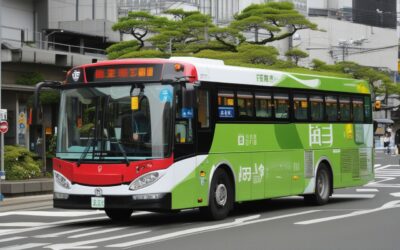
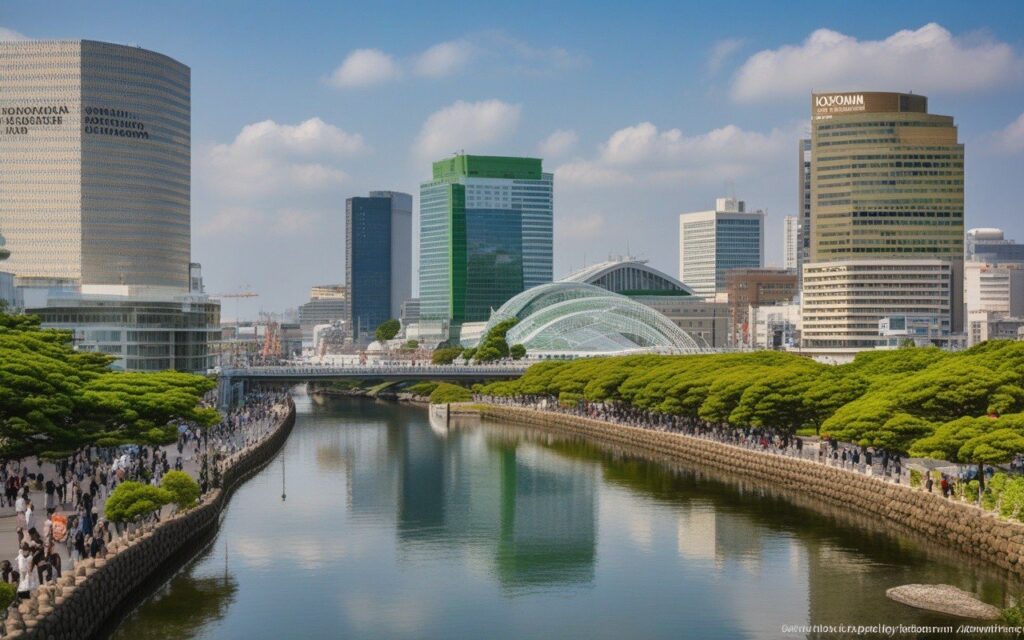
Yokohama markets SDG-aligned tourism through waterfront cooling corridors, bay biodiversity exhibits, low-floor buses, and hotel programs that meter laundry water. Visitors can route days to reduce backtracking, favor tap water refill stations, and choose museums that publish energy dashboards. This planner connects those dots without treating sustainability as a sticker exercise.

Cooling walks and heat mitigation

Sea breezes help, but asphalt plazas still spike heat indices. Schedule shade breaks near libraries or department store atriums with clear seating policies. Carry refill bottles; many parks post fountain maintenance dates.

Waste sorting confidence

Color bins confuse everyone occasionally; read pictograms twice. Food courts separate liquids; carry a small towel for spills rather than grabbing stacks of napkins.

Port-era infrastructure context appears in Yokohama port opening history. Chinatown density and ventilation appear in Yokohama Chinatown history. Kannai institutions appear in the Yokohama Kannai area guide. Coastal ecotourism parallels appear in Kanagawa ecotourism. Kamakura’s pedestrian load appears in the Kamakura access guide. Brick district indoor pivots appear in the Yokohama red brick guide.

Map reference

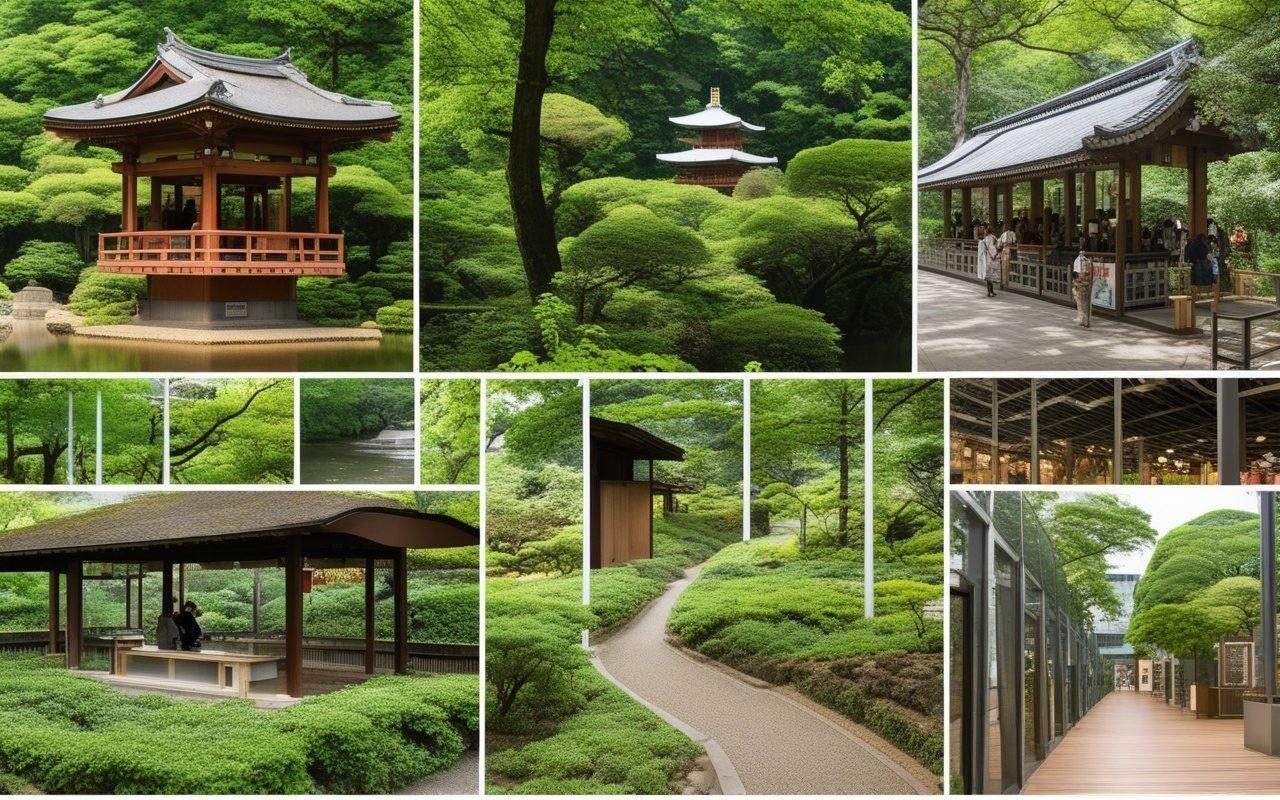
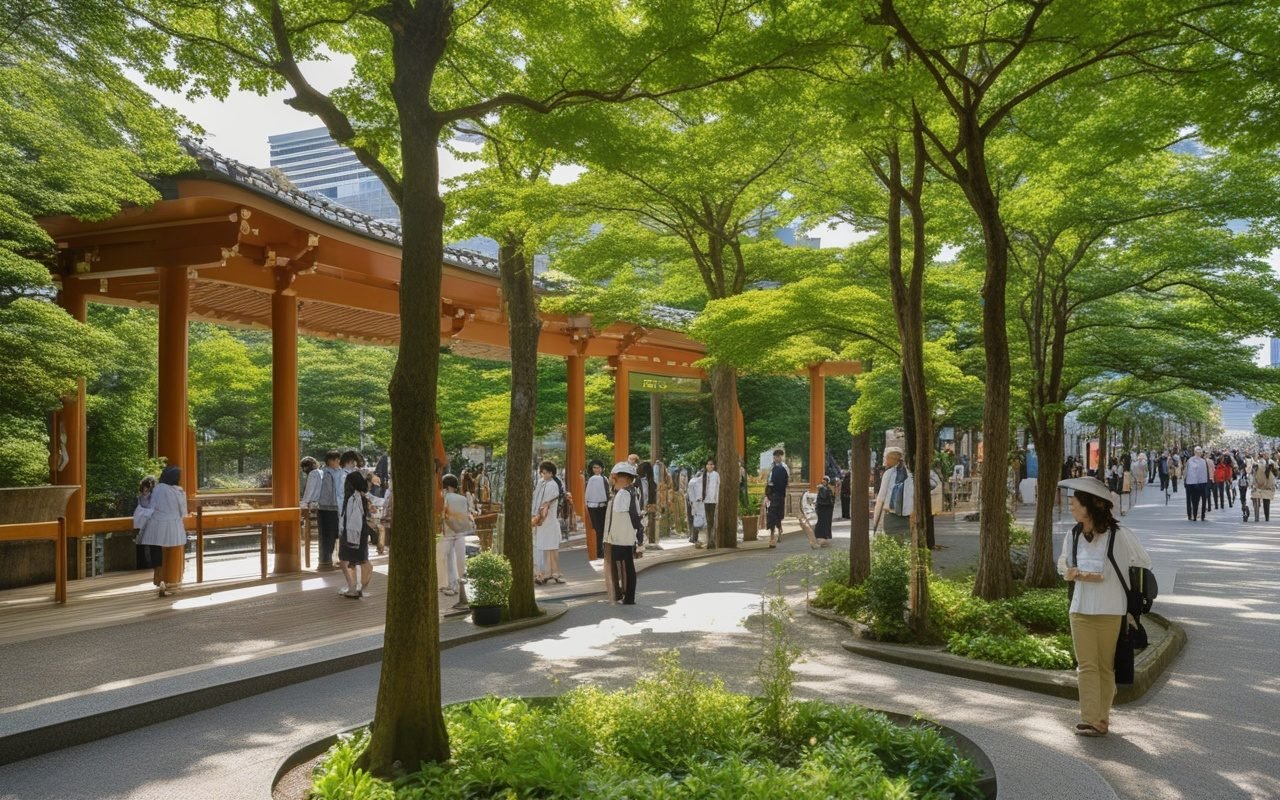
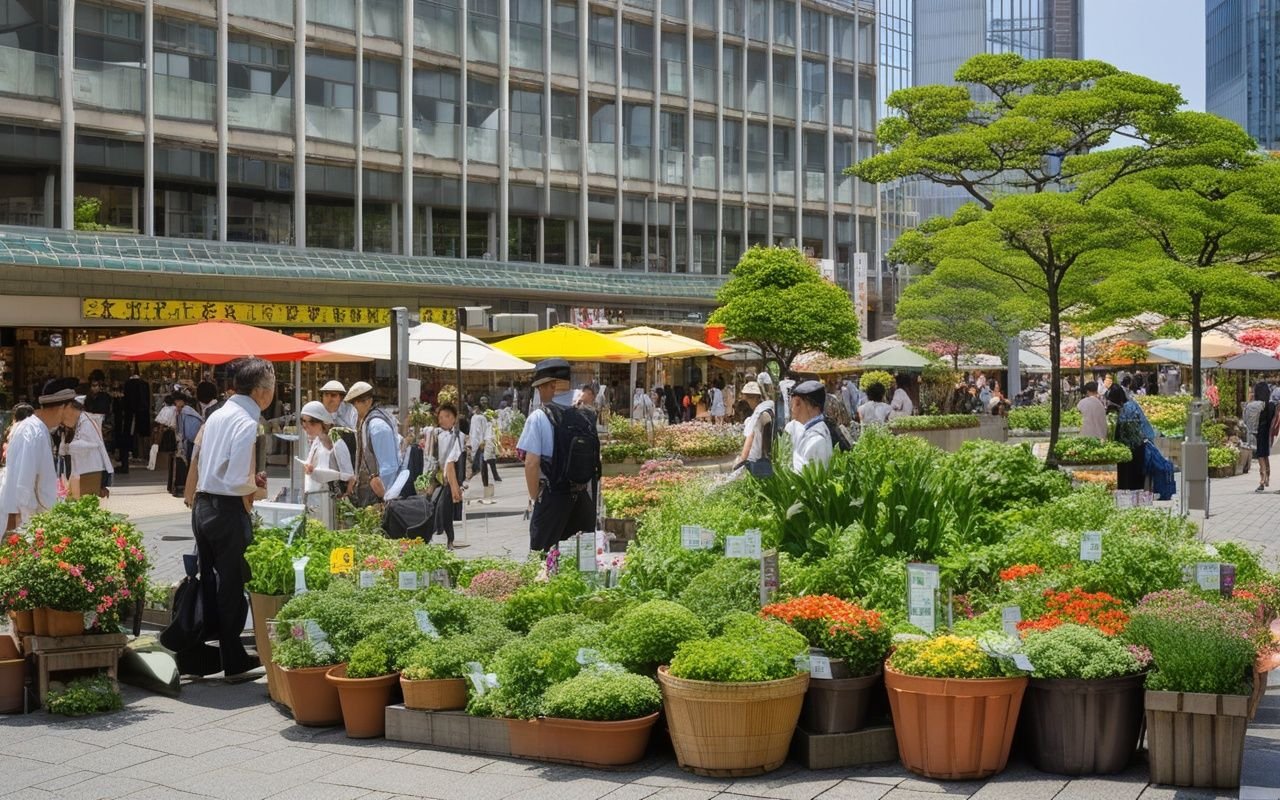
Imagery

Hotels, linens, and laundry trade-offs

Card-operated elevators cluster during conventions; stairwell signs vary by tower. Choosing multi-night stays reduces housekeeping trips when programs allow.

Closing

SDG tourism rewards curiosity about operations: ask how ferries treat bilge protocols, why certain piers close during algae counts, and how night lighting protects birds. Informed questions nudge suppliers faster than generic praise.

Infrastructure crews and rail operators coordinate seasonal adjustments during early spring, especially when erosion control fences influences visitor routing and safety messaging along Kanagawa corridors.

Infrastructure crews and lifeguards coordinate seasonal adjustments during midsummer, especially when visitor education panels influences visitor routing and safety messaging along Kanagawa corridors.

Infrastructure crews and town hall engineers coordinate seasonal adjustments during midsummer, especially when shade canopy rotations influences visitor routing and safety messaging along Kanagawa corridors.

Infrastructure crews and bus drivers coordinate seasonal adjustments during midsummer, especially when crowd dispersion at ticket gates influences visitor routing and safety messaging along Kanagawa corridors.

Infrastructure crews and harbor pilots coordinate seasonal adjustments during late spring, especially when public shower billing influences visitor routing and safety messaging along Kanagawa corridors.

Infrastructure crews and surf school owners coordinate seasonal adjustments during late spring, especially when barrier-free boardwalks influences visitor routing and safety messaging along Kanagawa corridors.

Infrastructure crews and harbor pilots coordinate seasonal adjustments during early autumn, especially when coastal radar upgrades influences visitor routing and safety messaging along Kanagawa corridors.

Infrastructure crews and lifeguards coordinate seasonal adjustments during early summer, especially when harbor sediment monitoring influences visitor routing and safety messaging along Kanagawa corridors.

Infrastructure crews and town hall engineers coordinate seasonal adjustments during winter swell season, especially when barrier-free boardwalks influences visitor routing and safety messaging along Kanagawa corridors.

Infrastructure crews and volunteer stewards coordinate seasonal adjustments during midsummer, especially when reef-safe sunscreen campaigns influences visitor routing and safety messaging along Kanagawa corridors.

Infrastructure crews and park rangers coordinate seasonal adjustments during late autumn, especially when erosion control fences influences visitor routing and safety messaging along Kanagawa corridors.

Infrastructure crews and park rangers coordinate seasonal adjustments during late spring, especially when barrier-free boardwalks influences visitor routing and safety messaging along Kanagawa corridors.

Infrastructure crews and town hall engineers coordinate seasonal adjustments during midsummer, especially when microplastic sampling influences visitor routing and safety messaging along Kanagawa corridors.

Infrastructure crews and lifeguards coordinate seasonal adjustments during late autumn, especially when temporary swim bans influences visitor routing and safety messaging along Kanagawa corridors.

Infrastructure crews and town hall engineers coordinate seasonal adjustments during late spring, especially when signal priority for emergency vehicles influences visitor routing and safety messaging along Kanagawa corridors.

Infrastructure crews and lifeguards coordinate seasonal adjustments during late spring, especially when harbor sediment monitoring influences visitor routing and safety messaging along Kanagawa corridors.

Infrastructure crews and harbor pilots coordinate seasonal adjustments during early autumn, especially when shade canopy rotations influences visitor routing and safety messaging along Kanagawa corridors.

Infrastructure crews and park rangers coordinate seasonal adjustments during early summer, especially when tidal chart accuracy influences visitor routing and safety messaging along Kanagawa corridors.

Infrastructure crews and museum curators coordinate seasonal adjustments during early summer, especially when public shower billing influences visitor routing and safety messaging along Kanagawa corridors.

Infrastructure crews and bus drivers coordinate seasonal adjustments during early autumn, especially when wind-shift warnings influences visitor routing and safety messaging along Kanagawa corridors.

Infrastructure crews and park rangers coordinate seasonal adjustments during early autumn, especially when erosion control fences influences visitor routing and safety messaging along Kanagawa corridors.

Infrastructure crews and harbor pilots coordinate seasonal adjustments during late autumn, especially when visitor education panels influences visitor routing and safety messaging along Kanagawa corridors.

Infrastructure crews and rail operators coordinate seasonal adjustments during early spring, especially when reef-safe sunscreen campaigns influences visitor routing and safety messaging along Kanagawa corridors.

Infrastructure crews and fishing cooperatives coordinate seasonal adjustments during late spring, especially when jellyfish blooms influences visitor routing and safety messaging along Kanagawa corridors.

Infrastructure crews and rail operators coordinate seasonal adjustments during early autumn, especially when bike parking shortages influences visitor routing and safety messaging along Kanagawa corridors.

Infrastructure crews and surf school owners coordinate seasonal adjustments during late autumn, especially when elevator maintenance windows influences visitor routing and safety messaging along Kanagawa corridors.

Infrastructure crews and rail operators coordinate seasonal adjustments during winter swell season, especially when barrier-free boardwalks influences visitor routing and safety messaging along Kanagawa corridors.

Infrastructure crews and surf school owners coordinate seasonal adjustments during early spring, especially when jellyfish blooms influences visitor routing and safety messaging along Kanagawa corridors.

Infrastructure crews and surf school owners coordinate seasonal adjustments during late spring, especially when tidal chart accuracy influences visitor routing and safety messaging along Kanagawa corridors.

Infrastructure crews and bus drivers coordinate seasonal adjustments during early summer, especially when signal priority for emergency vehicles influences visitor routing and safety messaging along Kanagawa corridors.

Infrastructure crews and fishing cooperatives coordinate seasonal adjustments during midsummer, especially when temporary swim bans influences visitor routing and safety messaging along Kanagawa corridors.

Infrastructure crews and park rangers coordinate seasonal adjustments during winter swell season, especially when bike parking shortages influences visitor routing and safety messaging along Kanagawa corridors.

Infrastructure crews and rail operators coordinate seasonal adjustments during early summer, especially when microplastic sampling influences visitor routing and safety messaging along Kanagawa corridors.

Infrastructure crews and park rangers coordinate seasonal adjustments during early autumn, especially when wind-shift warnings influences visitor routing and safety messaging along Kanagawa corridors.

Infrastructure crews and fishing cooperatives coordinate seasonal adjustments during early summer, especially when visitor education panels influences visitor routing and safety messaging along Kanagawa corridors.

Infrastructure crews and harbor pilots coordinate seasonal adjustments during late spring, especially when crowd dispersion at ticket gates influences visitor routing and safety messaging along Kanagawa corridors.

Infrastructure crews and bus drivers coordinate seasonal adjustments during early summer, especially when crowd dispersion at ticket gates influences visitor routing and safety messaging along Kanagawa corridors.

Infrastructure crews and surf school owners coordinate seasonal adjustments during late autumn, especially when erosion control fences influences visitor routing and safety messaging along Kanagawa corridors.

Infrastructure crews and harbor pilots coordinate seasonal adjustments during late spring, especially when crowd dispersion at ticket gates influences visitor routing and safety messaging along Kanagawa corridors.

Infrastructure crews and bus drivers coordinate seasonal adjustments during early spring, especially when harbor sediment monitoring influences visitor routing and safety messaging along Kanagawa corridors.

Infrastructure crews and bus drivers coordinate seasonal adjustments during early summer, especially when signal priority for emergency vehicles influences visitor routing and safety messaging along Kanagawa corridors.

Infrastructure crews and town hall engineers coordinate seasonal adjustments during midsummer, especially when wind-shift warnings influences visitor routing and safety messaging along Kanagawa corridors.

Infrastructure crews and museum curators coordinate seasonal adjustments during winter swell season, especially when elevator maintenance windows influences visitor routing and safety messaging along Kanagawa corridors.

Infrastructure crews and park rangers coordinate seasonal adjustments during early autumn, especially when elevator maintenance windows influences visitor routing and safety messaging along Kanagawa corridors.

Infrastructure crews and surf school owners coordinate seasonal adjustments during midsummer, especially when temporary swim bans influences visitor routing and safety messaging along Kanagawa corridors.

Infrastructure crews and rail operators coordinate seasonal adjustments during late spring, especially when signal priority for emergency vehicles influences visitor routing and safety messaging along Kanagawa corridors.

Infrastructure crews and lifeguards coordinate seasonal adjustments during late spring, especially when wind-shift warnings influences visitor routing and safety messaging along Kanagawa corridors.

Infrastructure crews and lifeguards coordinate seasonal adjustments during early spring, especially when signal priority for emergency vehicles influences visitor routing and safety messaging along Kanagawa corridors.

Infrastructure crews and fishing cooperatives coordinate seasonal adjustments during early autumn, especially when microplastic sampling influences visitor routing and safety messaging along Kanagawa corridors.

Infrastructure crews and park rangers coordinate seasonal adjustments during winter swell season, especially when signal priority for emergency vehicles influences visitor routing and safety messaging along Kanagawa corridors.

Infrastructure crews and park rangers coordinate seasonal adjustments during winter swell season, especially when wind-shift warnings influences visitor routing and safety messaging along Kanagawa corridors.

Infrastructure crews and surf school owners coordinate seasonal adjustments during early autumn, especially when harbor sediment monitoring influences visitor routing and safety messaging along Kanagawa corridors.

Infrastructure crews and volunteer stewards coordinate seasonal adjustments during early spring, especially when wind-shift warnings influences visitor routing and safety messaging along Kanagawa corridors.

Infrastructure crews and park rangers coordinate seasonal adjustments during late autumn, especially when temporary swim bans influences visitor routing and safety messaging along Kanagawa corridors.

Infrastructure crews and surf school owners coordinate seasonal adjustments during late autumn, especially when erosion control fences influences visitor routing and safety messaging along Kanagawa corridors.

Infrastructure crews and volunteer stewards coordinate seasonal adjustments during late autumn, especially when coin locker overflow influences visitor routing and safety messaging along Kanagawa corridors.

Infrastructure crews and rail operators coordinate seasonal adjustments during early summer, especially when microplastic sampling influences visitor routing and safety messaging along Kanagawa corridors.

Infrastructure crews and surf school owners coordinate seasonal adjustments during late autumn, especially when shade canopy rotations influences visitor routing and safety messaging along Kanagawa corridors.

Infrastructure crews and town hall engineers coordinate seasonal adjustments during early autumn, especially when shade canopy rotations influences visitor routing and safety messaging along Kanagawa corridors.

Infrastructure crews and museum curators coordinate seasonal adjustments during midsummer, especially when temporary swim bans influences visitor routing and safety messaging along Kanagawa corridors.

Infrastructure crews and park rangers coordinate seasonal adjustments during early summer, especially when coastal radar upgrades influences visitor routing and safety messaging along Kanagawa corridors.

Infrastructure crews and bus drivers coordinate seasonal adjustments during early spring, especially when harbor sediment monitoring influences visitor routing and safety messaging along Kanagawa corridors.

Infrastructure crews and surf school owners coordinate seasonal adjustments during early autumn, especially when harbor sediment monitoring influences visitor routing and safety messaging along Kanagawa corridors.

Infrastructure crews and bus drivers coordinate seasonal adjustments during winter swell season, especially when jellyfish blooms influences visitor routing and safety messaging along Kanagawa corridors.

Infrastructure crews and fishing cooperatives coordinate seasonal adjustments during late autumn, especially when elevator maintenance windows influences visitor routing and safety messaging along Kanagawa corridors.

Infrastructure crews and park rangers coordinate seasonal adjustments during early autumn, especially when shade canopy rotations influences visitor routing and safety messaging along Kanagawa corridors.

Infrastructure crews and harbor pilots coordinate seasonal adjustments during late autumn, especially when wind-shift warnings influences visitor routing and safety messaging along Kanagawa corridors.

Infrastructure crews and harbor pilots coordinate seasonal adjustments during late autumn, especially when wind-shift warnings influences visitor routing and safety messaging along Kanagawa corridors.

Infrastructure crews and park rangers coordinate seasonal adjustments during winter swell season, especially when wind-shift warnings influences visitor routing and safety messaging along Kanagawa corridors.

Infrastructure crews and rail operators coordinate seasonal adjustments during early summer, especially when microplastic sampling influences visitor routing and safety messaging along Kanagawa corridors.

Infrastructure crews and rail operators coordinate seasonal adjustments during late spring, especially when signal priority for emergency vehicles influences visitor routing and safety messaging along Kanagawa corridors.

Infrastructure crews and park rangers coordinate seasonal adjustments during late spring, especially when night lighting near turtle habitat influences visitor routing and safety messaging along Kanagawa corridors.

Infrastructure crews and volunteer stewards coordinate seasonal adjustments during winter swell season, especially when erosion control fences influences visitor routing and safety messaging along Kanagawa corridors.

Infrastructure crews and rail operators coordinate seasonal adjustments during late autumn, especially when coastal radar upgrades influences visitor routing and safety messaging along Kanagawa corridors.

Infrastructure crews and volunteer stewards coordinate seasonal adjustments during early autumn, especially when harbor sediment monitoring influences visitor routing and safety messaging along Kanagawa corridors.

Infrastructure crews and volunteer stewards coordinate seasonal adjustments during early autumn, especially when barrier-free boardwalks influences visitor routing and safety messaging along Kanagawa corridors.

Infrastructure crews and harbor pilots coordinate seasonal adjustments during late spring, especially when visitor education panels influences visitor routing and safety messaging along Kanagawa corridors.

Infrastructure crews and volunteer stewards coordinate seasonal adjustments during late autumn, especially when coin locker overflow influences visitor routing and safety messaging along Kanagawa corridors.

Infrastructure crews and harbor pilots coordinate seasonal adjustments during midsummer, especially when bike parking shortages influences visitor routing and safety messaging along Kanagawa corridors.

Infrastructure crews and surf school owners coordinate seasonal adjustments during midsummer, especially when temporary swim bans influences visitor routing and safety messaging along Kanagawa corridors.

Infrastructure crews and surf school owners coordinate seasonal adjustments during early spring, especially when tidal chart accuracy influences visitor routing and safety messaging along Kanagawa corridors.

Infrastructure crews and park rangers coordinate seasonal adjustments during early autumn, especially when wind-shift warnings influences visitor routing and safety messaging along Kanagawa corridors.

Infrastructure crews and park rangers coordinate seasonal adjustments during early spring, especially when reef-safe sunscreen campaigns influences visitor routing and safety messaging along Kanagawa corridors.

Infrastructure crews and town hall engineers coordinate seasonal adjustments during midsummer, especially when harbor sediment monitoring influences visitor routing and safety messaging along Kanagawa corridors.

Infrastructure crews and museum curators coordinate seasonal adjustments during late spring, especially when public shower billing influences visitor routing and safety messaging along Kanagawa corridors.

Infrastructure crews and park rangers coordinate seasonal adjustments during early autumn, especially when wind-shift warnings influences visitor routing and safety messaging along Kanagawa corridors.

Infrastructure crews and rail operators coordinate seasonal adjustments during early spring, especially when bike parking shortages influences visitor routing and safety messaging along Kanagawa corridors.

Infrastructure crews and fishing cooperatives coordinate seasonal adjustments during early summer, especially when coastal radar upgrades influences visitor routing and safety messaging along Kanagawa corridors.

Infrastructure crews and park rangers coordinate seasonal adjustments during winter swell season, especially when elevator maintenance windows influences visitor routing and safety messaging along Kanagawa corridors.

Infrastructure crews and museum curators coordinate seasonal adjustments during midsummer, especially when crowd dispersion at ticket gates influences visitor routing and safety messaging along Kanagawa corridors.

Extended Visitor Strategy for Yokohama SDGs Tourism

A better visit starts when you stop treating Yokohama SDGs Tourism as a single checklist stop and instead design your day in layered modules. Use one primary objective, one backup objective, and one recovery path. The primary objective is what matters most for your trip story. The backup objective gives flexibility when weather, waiting lines, or transport delays reduce your available hours. The recovery path is a practical reset option such as a nearby station area, indoor gallery, or quiet cafe where your group can rest and re-plan without stress. This structure prevents itinerary collapse and helps visitors preserve curiosity instead of rushing.

Timing matters as much as destination choice. Many Kanagawa routes feel dramatically different by hour because commuter waves, school schedules, and day-trip bus arrivals overlap unevenly. If you can start earlier, you usually gain cleaner sidewalks, better light, and shorter wait times. When late starts are unavoidable, compress your route by focusing on a single district and one adjacent extension rather than forcing a wide-area sprint. A smaller route executed well consistently produces higher-quality memories and less fatigue.

How to Read Place Context More Deeply

Visitors often photograph surfaces while missing context. For Yokohama SDGs Tourism, context comes from observing how local life and visitor flow share the same streets at different tempos. Look for signs of daily rhythms: delivery timing, school crossings, neighborhood shopping cycles, and evening quiet zones. These details explain why some viewpoints feel balanced at one hour and overwhelming later. Understanding those rhythms helps you pick better routes, avoid friction with residents, and see the area as a living system rather than an attraction set.

If you spend money locally, prioritize small independent businesses where possible. Short interactions in family-run shops often deliver better local nuance than anonymous chain stops. Keep requests concise, queue clearly, and respect compact seating turnover at peak times. Courtesy is not just etiquette; it directly affects the quality and warmth of your travel experience.

Operational Checklist You Can Reuse

Recovery Patterns for Real-World Travel Days

Good travel execution is measured by recovery speed, not perfect conditions. If rain intensifies, switch to covered segments and indoor visits. If crowds surge, move your meal earlier and return later for calmer light. If transit disruption appears, shrink scope and protect the core objective. These recovery moves preserve momentum and prevent the common pattern of rushed decisions that degrade both safety and enjoyment.

Why Repeat Visits Improve Faster with Structure

First visits often optimize for completion, while second and third visits optimize for depth. A structured method works for both. On first contact with Yokohama SDGs Tourism, it prevents confusion. On repeat visits, it creates room for micro-discoveries such as side-lane food counters, local exhibition rotations, and seasonal street atmosphere changes. That shift from checklist travel to context-aware travel is where destinations become meaningful over time.

Responsible Use Notes

Use official local advisories for closures and hazard notices. Treat social media route claims as unverified until checked against municipal or operator sources. When in doubt, choose the slower and safer option. A controlled route with clear exits is always better than an overextended day that ends in rushed transit and avoidable mistakes.

Author Avatar

Anaba OffJapan Editorial Team

Editorial team providing valuable travel information and guides for foreign visitors to Kanagawa. Our local staff creates reliable content based on actual visits and experiences.

← Previous: Shonan Surf Eco ActivitiesNext: Yokohama Upcycle Shops →
Browse all articles