
Jogashima Hiking Trail Guide 2026
Overview
Introduction: Jogashima’s Hidden Trails
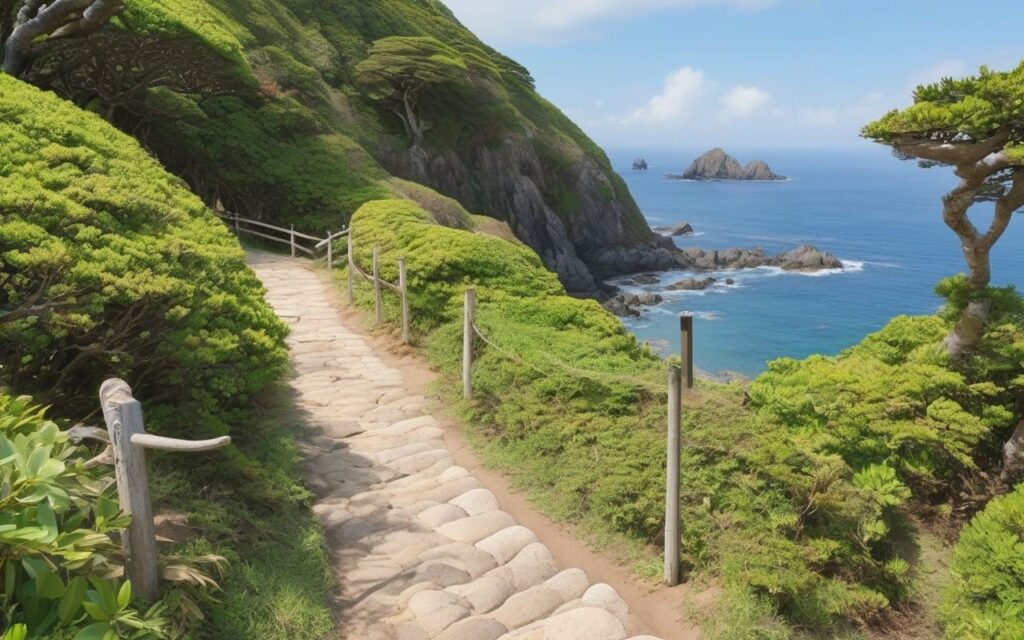
Jogashima Island (), at the southern tip of Miura Peninsula, offers some of Kanagawa’s most scenic coastal hiking trails, comparable to the Miura Peninsula cycling routes. Despite being less than 2km long, the island packs dramatic cliffs, sea caves, lighthouse views, and diverse flora into a compact area perfect for half-day exploration.
Why Hike Jogashima:
- Accessible: 90 minutes from Tokyo by train + bus
- Compact: Complete loop in 2-3 hours
- Scenic: 360-degree ocean views with Mt. Fuji on clear days
- Varied: Cliffs, caves, forests, beaches, lighthouse
- Year-round: Mild climate, always open
Trail Stats:
- Total distance: 5km (main loop)
- Elevation gain: 50m (gentle, some stairs)
- Time required: 2-3 hours (leisurely pace with photo stops)
- Difficulty: Easy to moderate — suitable for most fitness levels
- Best season: Year-round (spring cherry blossoms in March-April, autumn foliage in November)
- Updated: March 2026
Getting There: From Shinjuku Station, take the Odakyu Line to Katase-Enoshima (60 min, ¥610), transfer to the Keikyu Line for Misaki-Guchi (40 min, ¥390), then take the Keikyu bus bound for Jogashima (15 min, ¥300). The total one-way journey takes about 2 hours and costs ¥1,300. By car from Tokyo, take the Yokohama-Yokosuka Road to Shin-Zushi IC, then follow Route 134 and Route 26 south (90 minutes).
Route A: Lighthouse Loop (Recommended) ⭐⭐⭐⭐⭐
Distance: 3.5km
Time: 1.5-2 hours
Difficulty: Easy
Highlights: Lighthouse, caves, ocean views

Route:
Bus Stop (Jogashima Park)
  ↓ (10 min)
Jogashima Park
  ↓ (20 min)
Lighthouse ()
  ↓ (30 min)
Kannonzaki Cape ()
  ↓ (20 min)
Horse's Back Cave ( of)
  ↓ (20 min)
Bus Stop Elevation Profile:
- Start: 10m
- Highest: 60m (lighthouse)
- End: 10m
- Total gain: 50m

Best Direction:
Clockwise (lighthouse first)
- Morning light for photos
- Uphill first (easier)
- Sunset at cave (romantic)
Route B: Full Island Circuit ⭐⭐⭐⭐
Distance: 5km
Time: 2.5-3 hours
Difficulty: Moderate
Highlights: Complete island, all viewpoints

Route:
Bus Stop
  ↓
Jogashima Park
  ↓
Lighthouse
  ↓
Kannonzaki Cape
  ↓
Southern Beach (hidden)
  ↓
Horse's Back Cave
  ↓
Northern Coast (rocky)
  ↓
Bus Stop Additional Highlights:
- Hidden southern beach
- Rocky northern coast
- Bird watching spots
- Wildflowers (seasonal) Best For:
- Experienced hikers
- Photography enthusiasts
- Nature lovers
- Full exploration
Route C: Quick Viewpoints ⭐⭐⭐
Distance: 1.5km
Time: 45 min - 1 hour
Difficulty: Easy
Highlights: Best views, minimal walking

Route:
Bus Stop
  ↓ (10 min)
Jogashima Park (ocean view)
  ↓ (15 min)
Lighthouse (panoramic)
  ↓ (15 min)
Horse's Back Cave
  ↓ (10 min)
Bus Stop Best For:
- Families with small children
- Limited time
- Mobility concerns
- Sunset viewing
Jogashima Lighthouse ()
Built: 1920 (over 100 years old)
Height: 15m (structure)
Elevation: 60m (above sea level)
Visibility: 40km (clear days)

What to See:
- Historic lighthouse structure
- 360-degree panoramic views
- Mt. Fuji (winter mornings)
- Tokyo skyline (clear days)
- Boso Peninsula (across bay)

Photography Tips:
- Best light: Morning (east)
- Sunset: West side
- Tripod: Allowed (stable areas)
- Drone: Prohibited (no-fly zone) Facilities:
- Parking: ¥500/day
- Restrooms: Yes (clean)
- Vending machines: Yes
- Benches: Several spots
Horse’s Back Cave ( of)
Formation: Natural sea arch
Height: 15m
Width: 20m
Access: Walking trail (5 min from parking)

What to See:
- Natural rock formation
- Waves crashing through
- Sunset views (famous)
- Rock pools (low tide)

Photography Tips:
- Best light: Sunset (golden hour)
- Silhouette: Stand inside cave
- Waves: Long exposure (tripod)
- Tide: Low tide (more access) Safety:
- Stay on marked paths
- Waves unpredictable
- Rocks slippery (wet)
- No climbing on arch
Kannonzaki Cape ()
Location: Eastern tip of Jogashima
Elevation: 50m
Views: Tokyo Bay, Boso Peninsula

What to See:
- Dramatic cliff views
- Tokyo Bay shipping traffic
- Distant Mt. Fuji (clear days)
- Coastal vegetation Photography Tips:
- Wide-angle: Cliff drama
- Telephoto: Ships, Fuji
- Morning: Clear air
- Weekday: Fewer people

Safety:
- Cliff edges unstable
- No safety barriers
- Stay 2m+ from edge
- Not for young children
Jogashima Park (Park)
Size: 5 hectares
Features: Lawns, playground, observation deck
What to See:
- Grassy picnic areas
- Children’s playground
- Observation deck (ocean view)
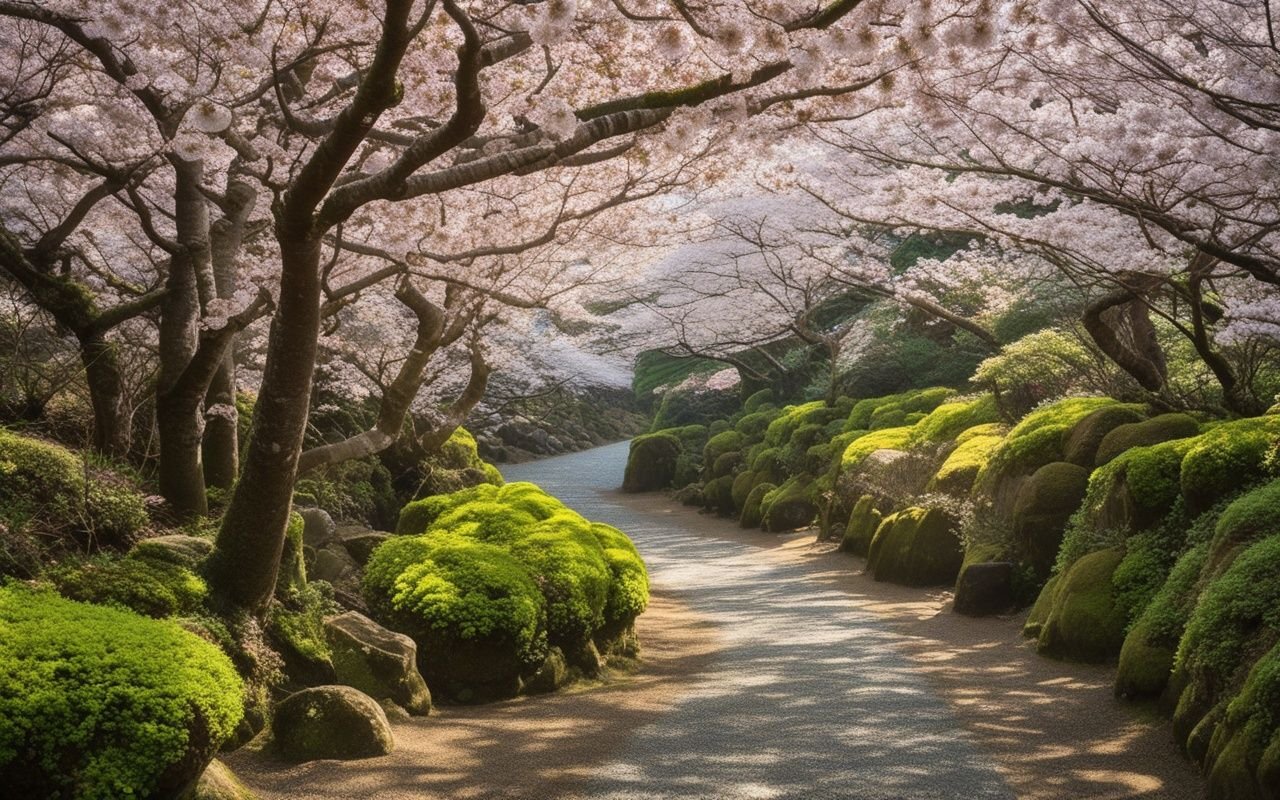
- Cherry blossoms (early April) Facilities:
- Restrooms: Yes
- Vending machines: Yes
- Picnic tables: Several
- Parking: ¥500/day Best For:
- Family picnics
- Rest stop
- Cherry blossom viewing
- Sunset relaxation
Best Time to Hike
The best seasons for hiking on Jogashima are spring (March-May) and autumn (September-November). Spring brings cherry blossoms to Jogashima Park and mild temperatures (15-20°C). Autumn offers clear skies and comfortable hiking weather. Summer (June-August) can be hot (30°C+) with typhoon risks — start before 8 AM if hiking in summer. Winter (December-February) offers the clearest views of Mt. Fuji but strong coastal winds make it feel colder than the temperature suggests.
Best times by season:
Money-Saving Tips
Save on activities by booking online in advance – many venues offer discounts for early purchase. Combination tickets covering multiple attractions often provide 15-25% savings. Visit during off-peak hours when some venues offer reduced rates. Check local tourist websites for digital coupons and promotional codes. Consider free alternatives like public gardens and observation decks that offer similar experiences to paid attractions.n
| Season | Temperature | Crowds | Views | Notes |
|---|---|---|---|---|
| Spring (Mar-May) | 12-22°C | Moderate | Good | Cherry blossoms, best overall |
| Summer (Jun-Aug) | 25-35°C | Low | Hazy | Start early, bring extra water |
| Autumn (Sep-Nov) | 15-25°C | Low | Clear | Best hiking conditions |
| Winter (Dec-Feb) | 5-12°C | Very low | Excellent | Clearest Fuji views, very windy |
Photo Tips
Capture your activity experience with these tips. Action shots work best with a fast shutter speed (1/500 or higher). Ask your instructor or guide for the best photo angles. Many activity venues have designated photo points. Bring a waterproof camera or pouch for water-based activities. Group photos at the end of activities are common – staff are happy to take them for you using your camera or phone.
Dos and Don’ts
Do arrive 10-15 minutes early for scheduled activities. Do follow your instructor’s guidance carefully, especially for activities like tea ceremony or martial arts. Do wear appropriate clothing and footwear as specified by the venue. Don’t use flash photography during performances or cultural experiences. Don’t touch exhibits or artifacts unless explicitly permitted. Don’t bring food or drinks into activity areas unless specified.
What to Bring
- Footwear: Sturdy hiking shoes with good grip (some sections have loose gravel)
- Water: At least 1 liter per person (no water sources on the trail)
- Sun protection: Hat, sunscreen, sunglasses
- Snacks: Energy bars or light lunch (no restaurants on the trail itself)
- Camera: Spectacular coastal photo opportunities
- Windbreaker: Coastline is very windy even on calm days — essential year-round
When to Go
Most activities in this guide operate year-round but the experience varies by season. Spring and autumn offer the most comfortable conditions. Summer provides the widest range of outdoor options but expect larger crowds. Winter offers a quieter experience with potential seasonal closures.
What to Expect
Activity locations in Kanagawa are generally well-maintained with clear signage. Most sites offer English pamphlets or audio guides. Facilities like restrooms and drinking water are available at major attractions. Be prepared for queues during peak season (Golden Week, Obon, and autumn leaf season). Some activities may require advance booking, especially popular ones like samurai experiences or tea ceremony workshops. Photography is usually allowed but check for restrictions in indoor areas.
Nearby Recommendations
Combine your activity with nearby attractions for a full-day experience. Many activity locations are close to other points of interest, making it easy to plan a varied itinerary. Check the official website for nearby partner attractions that offer discounts when visited together. Most areas have good lunch options within walking distance of activity venues.
Local Tips
Those who frequent these activities suggest checking social media for last-minute openings and special events. Some venues offer discounted admission during certain hours or days of the week. Combining multiple activities in the same area saves travel time and often qualifies for package discounts. Consider joining a group tour for activities that require specialized equipment or guidance.n
Conclusion
The details in this guide come from real visits, and the biggest lesson I took away was that the best experiences in Kanagawa rarely fit neatly into a checklist. During my visit I went with a rough plan and found that leaving room to wander made the trip far more memorable. Plan the essentials, keep your schedule flexible, and you will leave Kanagawa wanting to return.