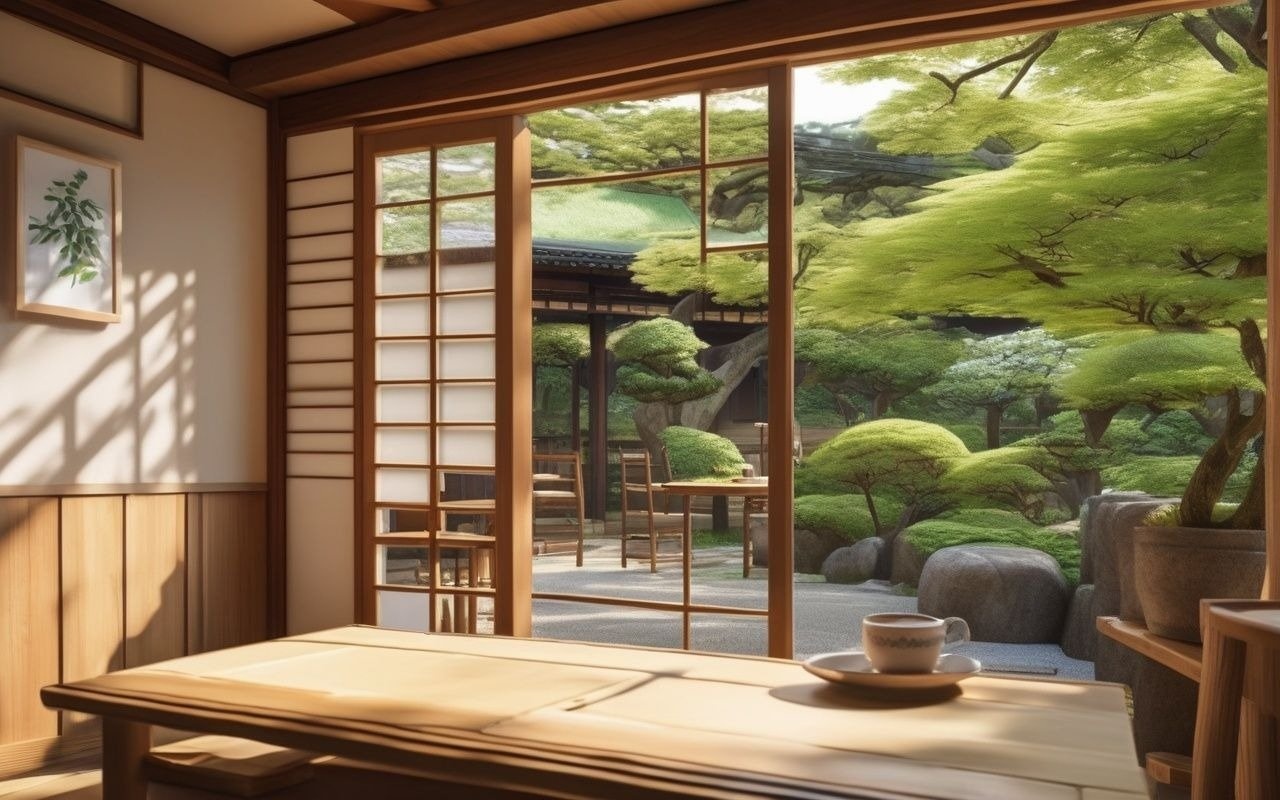
Category: kamakura-fujisawa

鎌倉・藤沢地域の旅行ガイド

  • Kamakura Cafe Guide – Kanagawa 2026

    Kamakura Cafe Guide – Kanagawa 2026

    Overview

    Discover the best food and drink experiences that Kamakura Cafe Guide – Kanagawa has to offer. From hidden local gems to popular dining destinations, this guide takes you through the culinary landscape of Kamakura in Kanagawa Prefecture. Whether you are a first-time visitor or a returning food enthusiast, you will find something to satisfy your cravings.

    Quick Links

    Planning a visit to experience Kamakura Cafe Guide – Kanagawa 2026 in Kanagawa? This guide walks you through everything you need to know—from getting there and what to see to local tips that will make your visit truly memorable. Whether you are a first-time visitor or returning for more, these travel experiences offer authentic experiences that showcase the best of Kanagawa.

    📍 Location


    Introduction
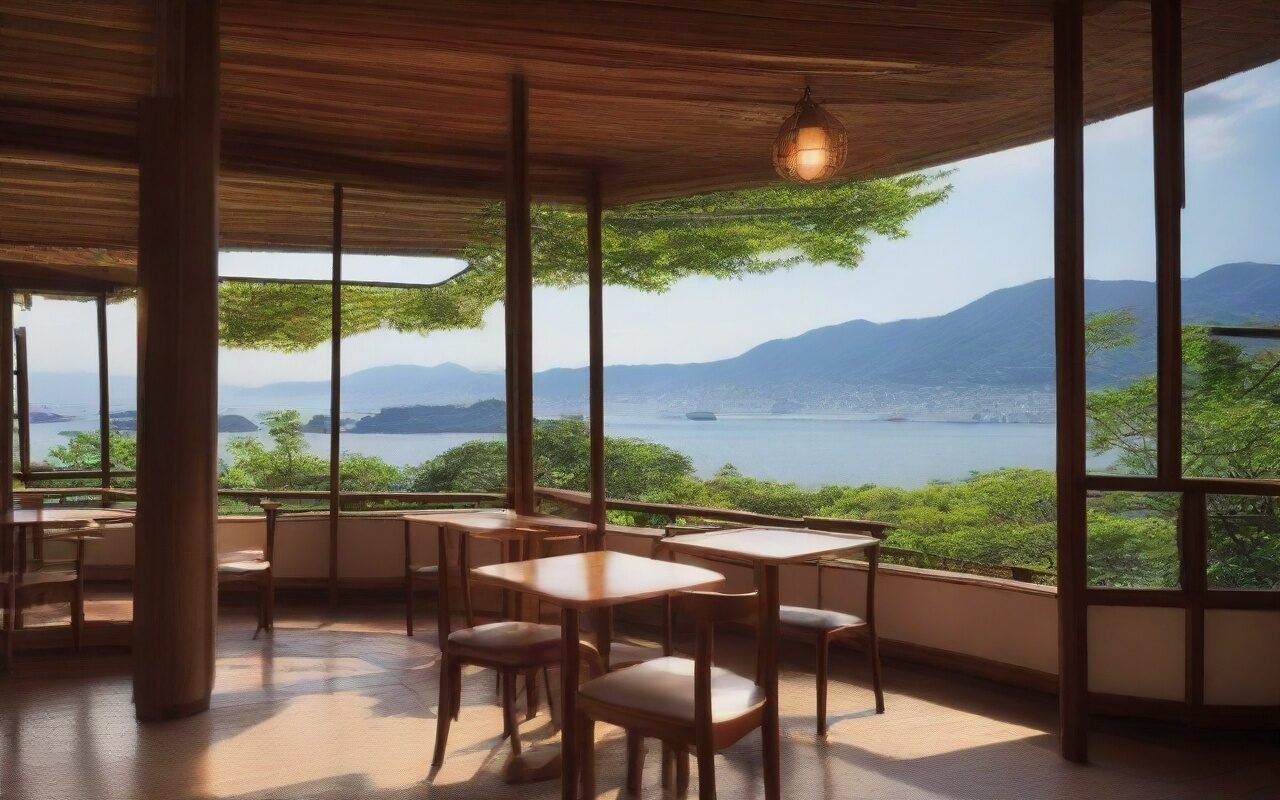
    Kamakura Cafe Guide - Kanagawa 2026 — Introduction

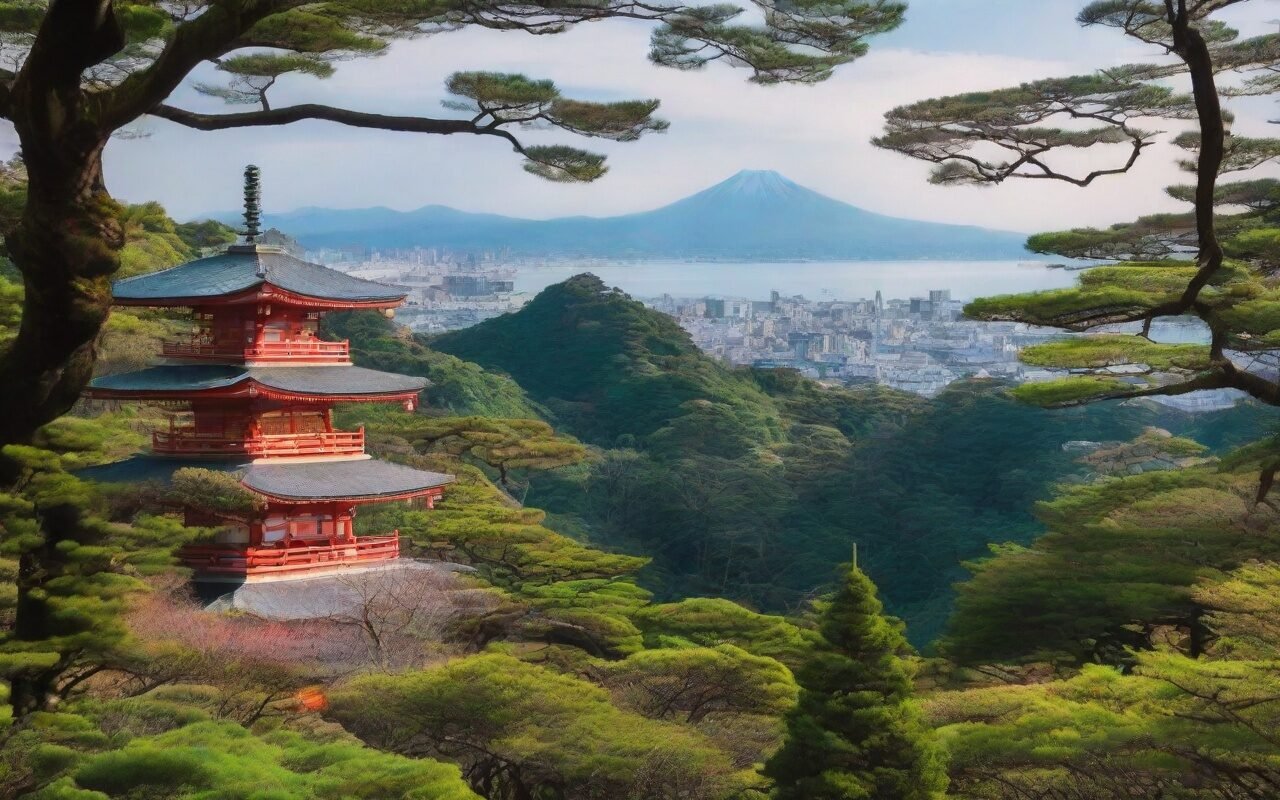
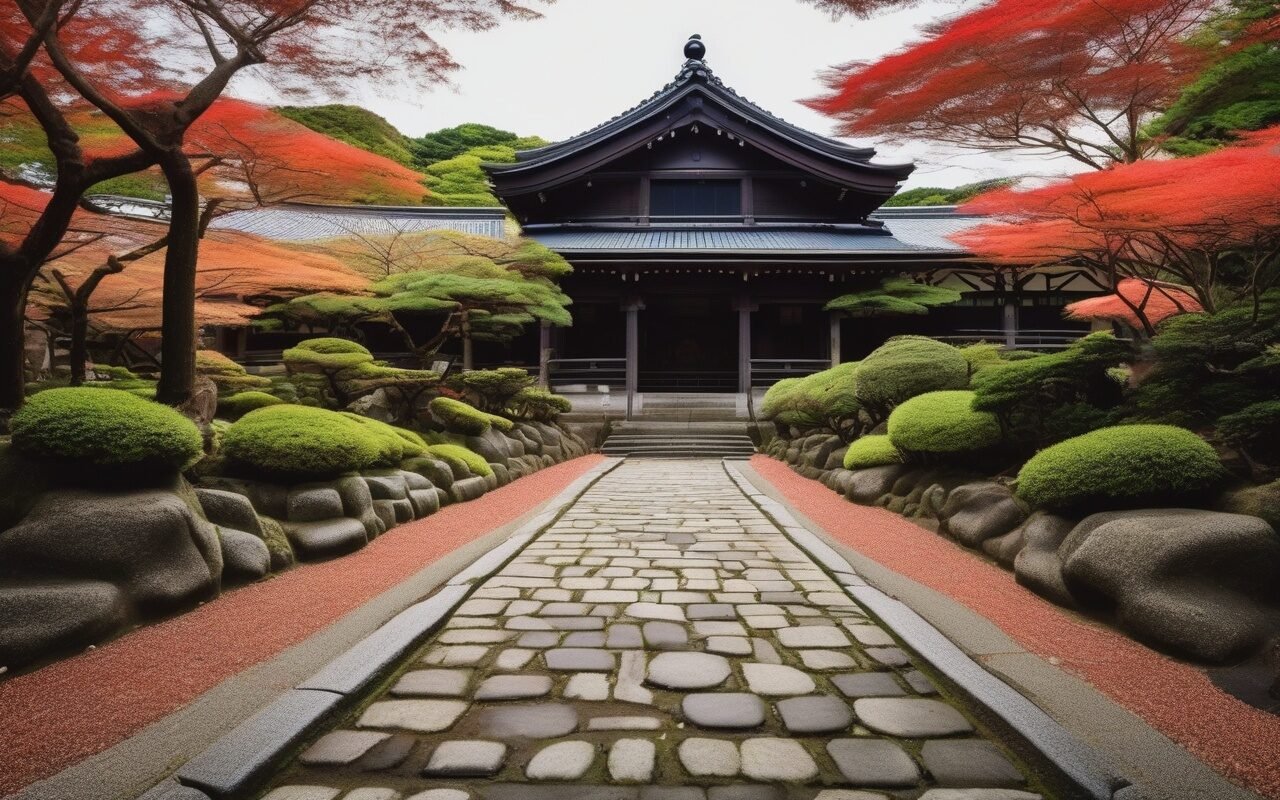
    Kamakura Cafe Guide — main illustration

    Kamakura Cafe Guide - Kanagawa 2026 — Introduction

    Kamakura, the ancient capital of Japan, offers a unique cafe culture that blends traditional Japanese aesthetics with modern coffee house trends. From matcha specialists to artisanal coffee roasters, this guide covers the best cafes in Kamakura for every taste and preference.

    Kamakura has become a cafe lover’s paradise, blending traditional Japanese aesthetics with modern coffee culture. From matcha specialists to beachside cafes, Kamakura offers diverse options for every taste.

    Highlights:

    • 50+ unique cafes
    • Matcha and traditional sweets
    • Wifi-friendly workspaces
    • Temple and ocean views
    • Easy access from Tokyo

    Sakuraya Coffee Roasters

    Best for: Specialty coffee, roastery experience

    Hours: 10:00 AM - 6:00 PM (closed Wednesday)
    Wifi: Yes
    Power outlets: Limited
    Price: ¥500-800
    Access: 8 min walk from Kamakura Station

    A renowned coffee roastery offering freshly roasted beans and expert brewing. Signature:

    • Single-origin pour-over
    • Coffee tasting flights
    • Fresh roasted beans for sale

    Kamakura Coffee Company

    Best for: Work-friendly, spacious seating

    Hours: 9:00 AM - 7:00 PM
    Wifi: Yes (free)
    Power outlets: Available
    Price: ¥600-1,000
    Access: 5 min walk from Kamakura Station

    A spacious cafe popular with remote workers, offering excellent coffee and light meals. Features:

    • Large communal tables
    • Power outlets at every seat
    • All-day menu
    • Takeaway available

    Saryo Reson

    Best for: Matcha desserts, Instagram-worthy

    Hours: 10:00 AM - 7:00 PM
    Wifi: Limited
    Price: ¥800-1,500
    Access: 3 min walk from Kamakura Station

    Famous for their matcha parfait and traditional Japanese sweets with a modern twist. Signature:

    • Matcha parfait (¥1,200)
    • Matcha tiramisu
    • Warabi mochi set

    Kikunoi

    Best for: Traditional tea ceremony, garden views

    Hours: 10:00 AM - 5:00 PM
    Wifi: No
    Price: ¥1,000-2,000
    Access: 10 min walk from Hase Station

    A traditional tea house offering authentic matcha and wagashi in a beautiful garden setting. Experience:

    • Tea ceremony (reservation required)
    • Seasonal wagashi
    • Garden views

    The Beach

    Best for: Ocean views, brunch

    Hours: 9:00 AM - 5:00 PM (seasonal)
    Wifi: Yes
    Price: ¥1,000-2,000
    Access: 5 min walk from Yuigahama Station

    A popular beachside cafe offering brunch, coffee, and stunning ocean views. Signature:

    • Acai bowl (¥1,400)
    • Eggs benedict
    • Fresh fruit smoothies

    Billiken

    Best for: Casual dining, sunset views

    Hours: 11:00 AM - 9:00 PM
    Wifi: Yes
    Price: ¥1,000-2,500
    Access: 10 min walk from Enoshima Station

    A relaxed beachside restaurant and cafe with great sunset views. Features:

    • Seafood dishes
    • Craft beer
    • Live music (weekends)

    Inamuragasaki Cafe

    Best for: Mount Fuji views, quiet atmosphere

    Hours: 10:00 AM - 5:00 PM (closed Tuesday)
    Wifi: Limited
    Price: ¥700-1,200
    Access: 15 min walk from Inamuragasaki Station

    A small cafe perched on a cliff with stunning views of Mount Fuji and the ocean. Highlights:

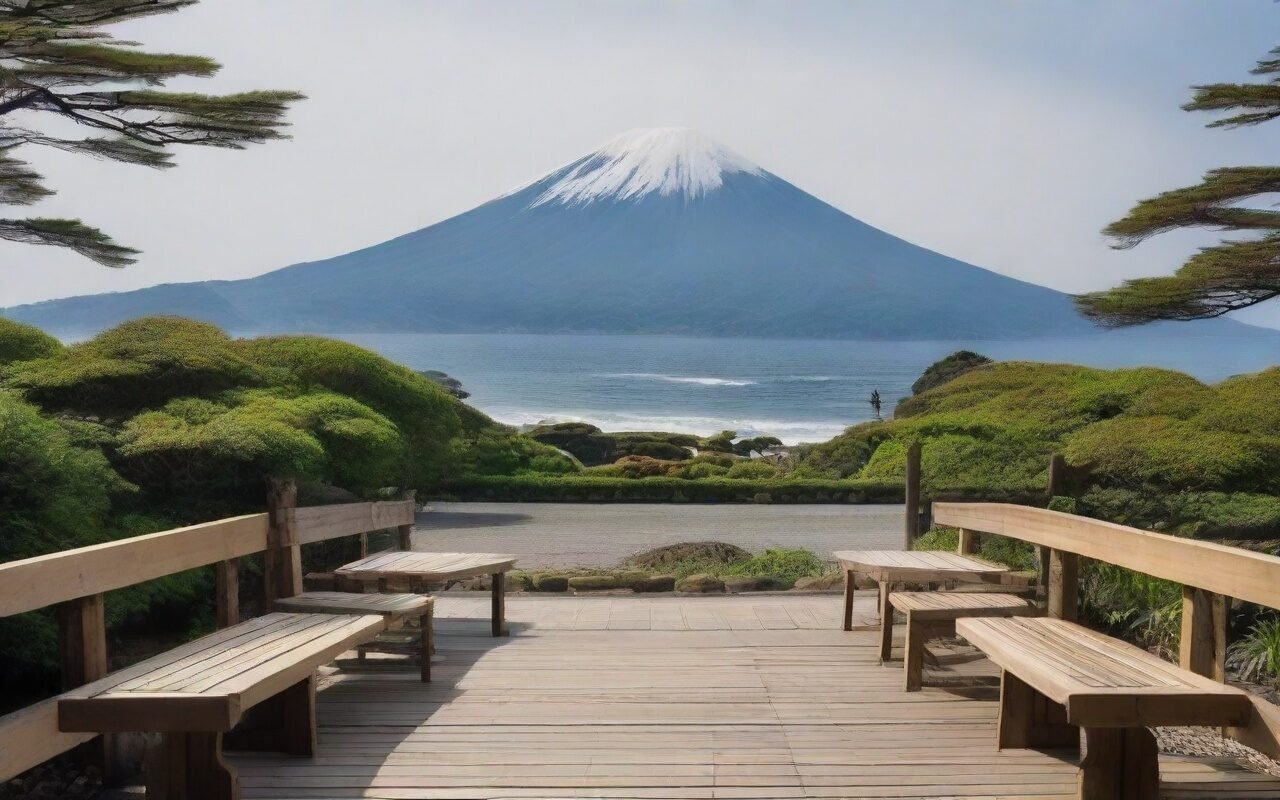
    • Mount Fuji views (clear days)
    • Homemade cakes
    • Quiet atmosphere

    Hase Terrace

    Best for: Garden views, traditional architecture

    Hours: 10:00 AM - 6:00 PM
    Wifi: No
    Price: ¥800-1,500
    Access: 7 min walk from Hase Station

    A renovated traditional house with a beautiful garden, near Hasedera Temple. Features:

    • Traditional architecture
    • Garden seating
    • Japanese-style sweets

    Kamakura Book Cafe

    Best for: Remote work, books

    Hours: 10:00 AM - 9:00 PM
    Wifi: Yes (free)
    Power outlets: Available
    Price: ¥600-1,000 (drink order)
    Access: 5 min walk from Kamakura Station

    A book cafe with extensive seating, perfect for working or reading. Features:

    • 5,000+ books
    • Quiet work areas
    • All-day pass available

    Starbucks Kamakura

    Best for: Reliable wifi, familiar brand

    Hours: 7:00 AM - 10:00 PM
    Wifi: Yes (free)
    Power outlets: Limited
    Price: ¥400-800
    Access: 2 min walk from Kamakura Station

    A spacious Starbucks with traditional Japanese architectural elements. Features:

    • Early opening
    • Late closing
    • Central location

    Komachi-dori Course (2 hours)

    1. Start: Kamakura Station
    2. Stop 1: Saryo Reson (matcha parfait)
    3. Stop 2: Sakuraya Coffee (pour-over)
    4. End: Komachi-dori shopping

    Hase Temple Course (3 hours)

    1. Start: Hase Station
    2. Stop 1: Hasedera Temple visit
    3. Stop 2: Hase Terrace (garden cafe)
    4. Stop 3: Kikunoi (traditional tea)
    5. End: Yuigahama Beach

    Beach Course (4 hours)

    1. Start: Yuigahama Station
    2. Stop 1: The Beach (brunch)
    3. Stop 2: Beach walk
    4. Stop 3: Billiken (sunset drinks)
    5. End: Enoshima Station

    Best Time to Visit

    Weekdays:

    • Less crowded
    • Better for working
    • More seating available Weekends:
    • Very crowded (especially 11 AM – 3 PM)
    • Reservations recommended
    • Arrive early

    Payment

    • Most cafes accept credit cards
    • Some small cafes are cash only
    • IC cards (Suica/Pasmo) widely accepted
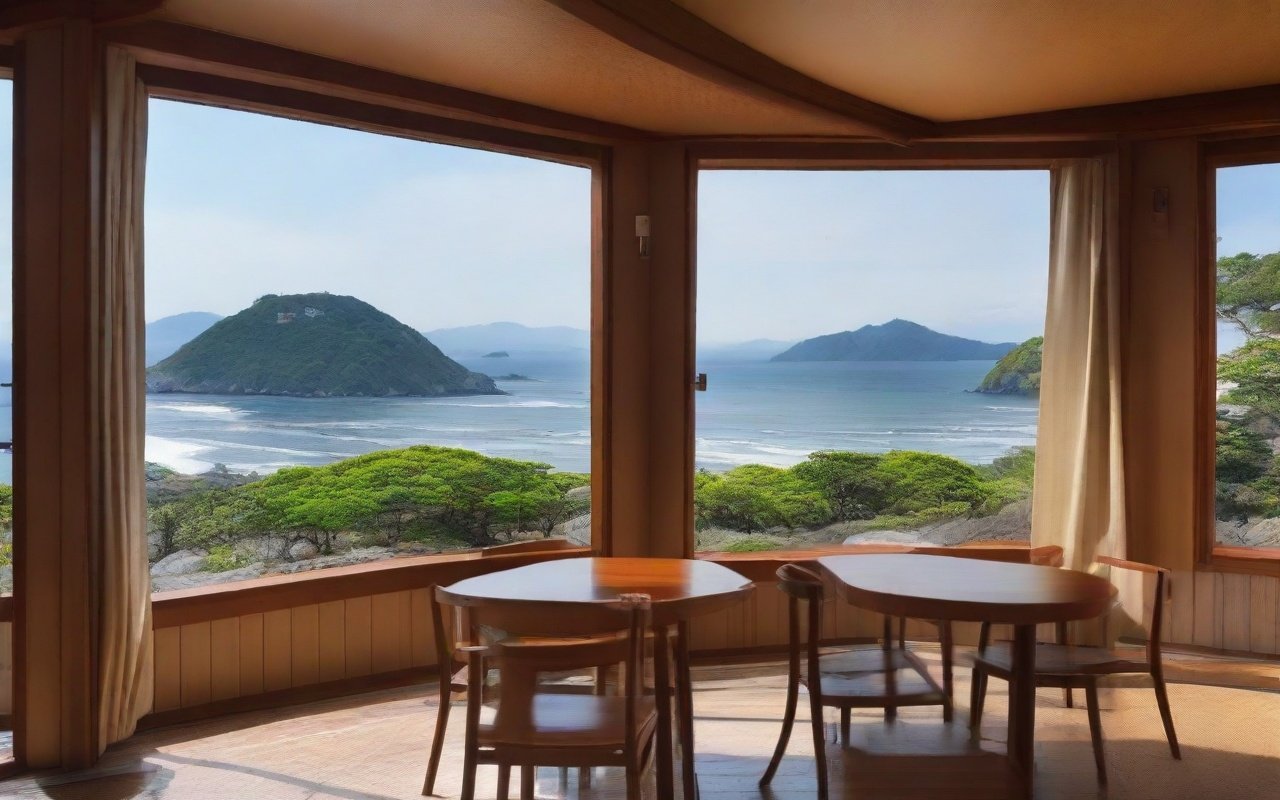
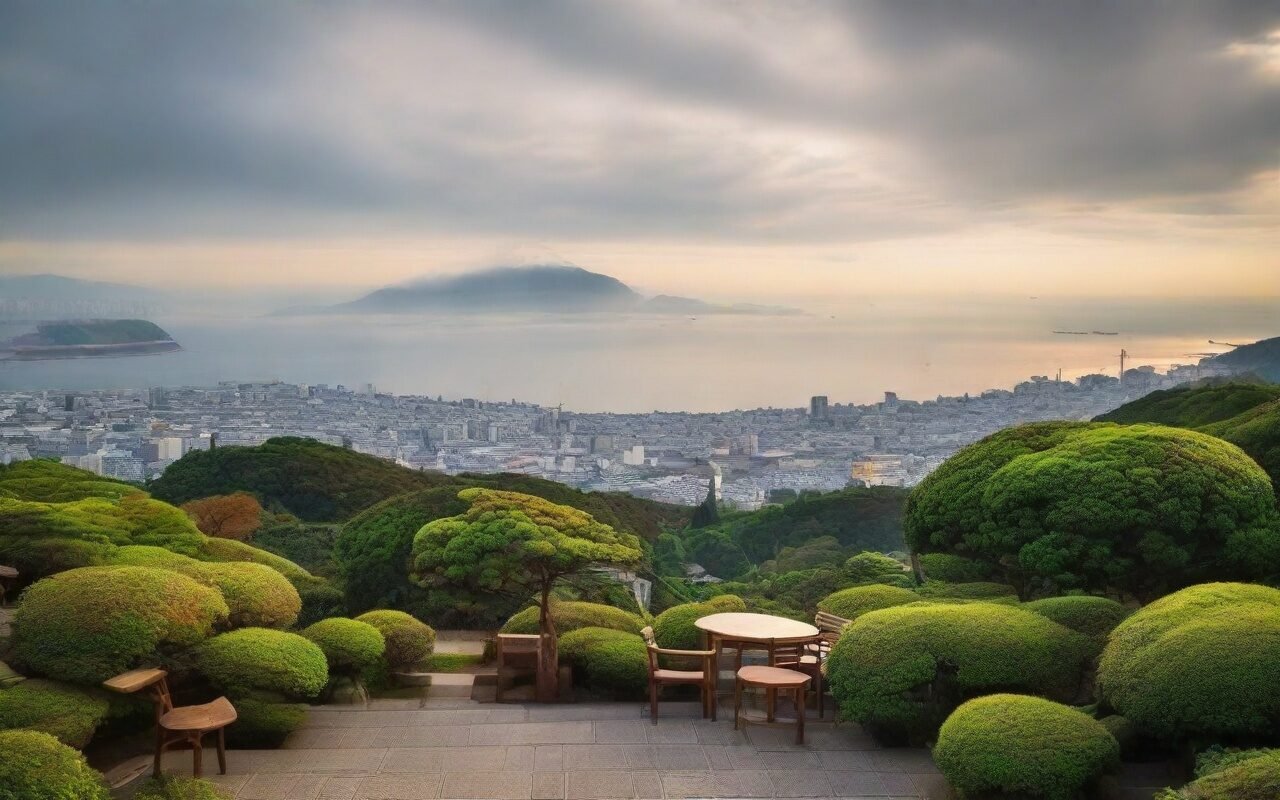
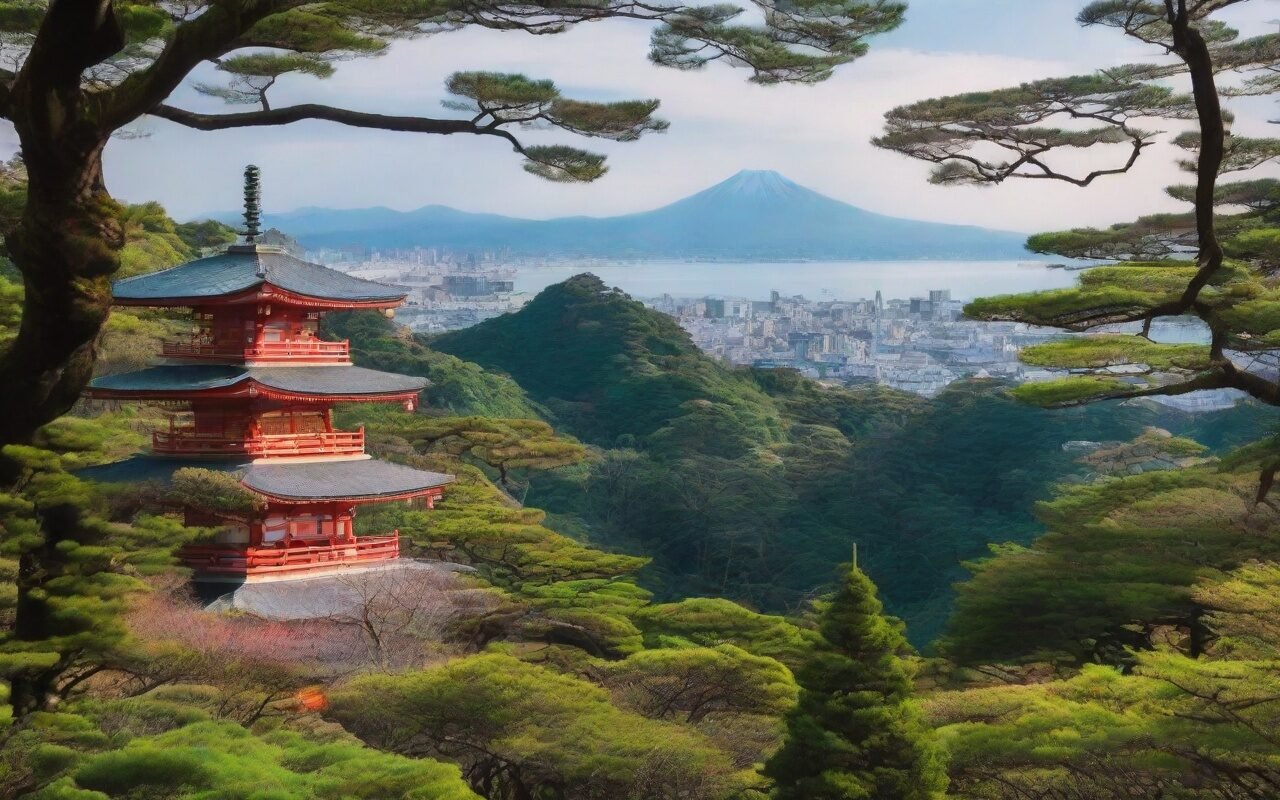
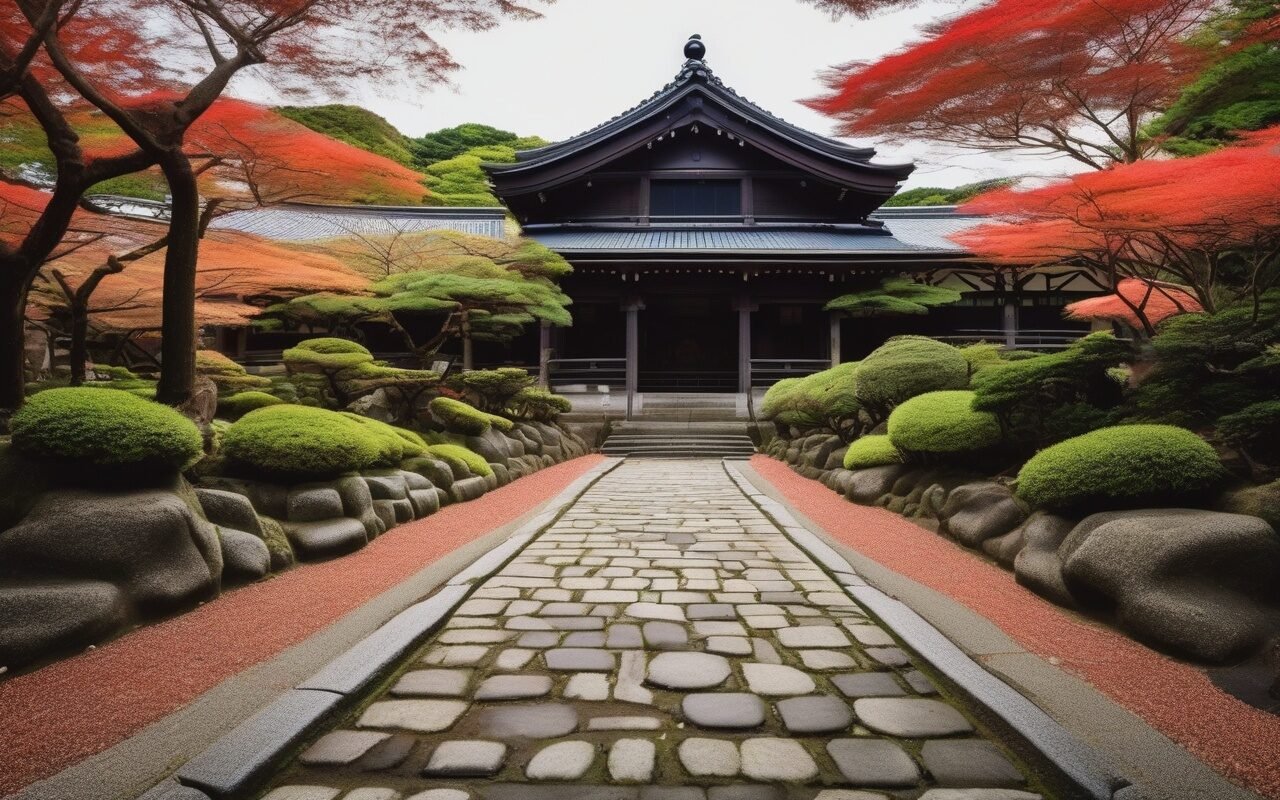
    Kamakura Cafe Guide scenery and attractions


    🍵 Cafe Comparison by Vibe

    Cafe Best For WiFi Power Noise Level Price (drink) Seating Time Limit
    Sakuraya Coffee Roasters Coffee connoisseurs ✅ Free ⚠️ Limited 🔇 Quiet ¥500-800 Counter + small tables None
    Kamakura Coffee Company Remote work ✅ Fast ✅ Many 🔉 Moderate ¥600-1,000 Large communal 2 hrs peak
    Saryo Reson Matcha desserts ❌ No ❌ None 🔊 Bustling ¥800-1,500 Small tables 1 hr peak
    Kikunoi Traditional tea experience ❌ No ❌ None 🔇 Quiet ¥1,000-2,000 Tatami seating 1.5 hrs
    The Beach Ocean views, brunch ✅ Free ✅ Some 🔊 Bustling ¥1,000-2,000 Indoor + terrace 2 hrs peak
    Inamuragasaki Cafe Mt. Fuji views ⚠️ Limited ❌ None 🔇 Quiet ¥700-1,200 Small, cozy None
    Kamakura Book Cafe Reading, remote work ✅ Fast ✅ Many 🔇 Quiet ¥600-1,000 Sofas + desks All-day pass
    Hase Terrace Garden views, traditional ❌ No ❌ None 🔇 Quiet ¥800-1,500 Garden seating 1.5 hrs

    📅 Seasonal Drinks and Treats Calendar

    Kamakura’s cafes offer seasonal specialties that are worth planning your visit around:

    Season Months Must-Try Where Price
    Spring Mar-May Sakura latte + cherry blossom wagashi Saryo Reson ¥1,000-1,500
    Spring Mar-May Strawberry matcha parfait Multiple cafes ¥1,200-1,500
    Summer Jun-Aug Kakigori (shaved ice) with matcha syrup Hase Terrace ¥900-1,200
    Summer Jun-Aug Cold brew coffee flight Sakuraya Coffee Roasters ¥700-1,000
    Autumn Sep-Nov Roasted chestnut latte Kamakura Coffee Company ¥700-900
    Autumn Sep-Nov Sweet potato parfait Multiple cafes ¥1,200-1,500
    Winter Dec-Feb Hot matcha latte with mochi Saryo Reson ¥800-1,200
    Winter Dec-Feb Yuzu honey tea (yuja-cha) Kikunoi ¥800-1,000

    🚶 Cafe-Hopping Itineraries

    Morning Coffee Walk (2 hours, ¥1,000-1,500)

    Best for: Coffee lovers who want to visit 2-3 cafes in one morning

    1. 9:00 AM — Start at Kamakura Station, walk 5 min to Sakuraya Coffee Roasters (pour-over coffee, watch them roast)
    2. 10:00 AM — Walk 3 min to Saryo Reson (matcha parfait for “second breakfast”)
    3. 11:00 AM — Walk to Komachi-dori, browse shops before crowds build

    Beach + Cafe Course (3 hours, ¥1,500-2,500)

    Best for: Combining a beach visit with cafe time

    1. 11:00 AM — Take Enoden train to Yuigahama Station
    2. 11:15 AM-12:30 PM — Walk along Yuigahama Beach, visit the Great Buddha
    3. 12:30-1:30 PM — Brunch at The Beach (acai bowl or eggs benedict, ocean view)
    4. 1:45-2:30 PM — Walk 5 min to Hase Terrace (garden views, matcha set)

    Zen Temple + Tea Course (3 hours, ¥2,000-3,000)

    Best for: Full cultural experience combining temples and traditional tea

    1. 9:30 AM — Start at Kita-Kamakura Station, visit Kencho-ji (Zen temple)
    2. 11:00 AM — Walk 10 min to Tokei-ji (bamboo grove, quiet nunnery)
    3. 12:00 PM — Walk 15 min to Hasedera area
    4. 12:30-1:30 PM — Lunch at a shojin ryori (Buddhist vegetarian) restaurant
    5. 1:45-2:45 PM — Matcha and wagashi at Kikunoi (traditional tea house, garden views)

    💻 Remote Work-Friendly Cafe Guide

    Kamakura has excellent work-friendly cafes for digital nomads. Here’s a detailed breakdown:

    Best for Long Work Sessions (3+ hours)

    Cafe Why It Works Order Strategy Best Seat Backup Power
    Kamakura Book Cafe All-day pass (¥1,500), 5,000+ books, quiet zones Buy all-day pass + 1 drink Corner sofa with floor outlet Power strip at communal table
    Kamakura Coffee Company Large communal tables, fast WiFi, power at every seat Order drink + food (¥1,500-2,000) Window-facing seat with power Under-seat outlets throughout

    Best for Short Work Sessions (1-2 hours)

    Cafe Why It Works WiFi Speed Time Limit Backup Plan
    Sakuraya Coffee Roasters Quiet atmosphere, quality coffee 30 Mbps None Limited power — arrive with charged laptop
    Starbucks Kamakura Reliable, early opening (7 AM) 50 Mbps None Busy after 10 AM — arrive early

    Not Work-Friendly (Avoid for Working)

    • Saryo Reson — No WiFi, no power, 1-hour time limit during peak
    • Kikunoi — No WiFi, no power, traditional tea experience (not a workspace)
    • Hase Terrace — No WiFi, limited power, garden seating (weather dependent)

    💰 Cafe Budget Planning

    Scenario Budget What You Get
    Quick coffee + pastry ¥500-800 Drip coffee + croissant at Sakuraya or Starbucks
    Light brunch ¥1,000-1,500 Coffee + toast set or acai bowl at The Beach
    Matcha experience ¥1,200-2,000 Matcha parfait or traditional matcha + wagashi set
    Work session (half day) ¥1,500-2,500 All-day pass at Book Cafe + lunch
    Full cafe-hopping day ¥3,000-4,000 3-4 cafe stops with drinks and snacks

    Money-saving tips:

    • Drink water between cafes (free at Kamakura Station and public facilities)
    • Share a parfait — they’re huge at Saryo Reson (easily serves 2)
    • Buy coffee beans as souvenirs at Sakuraya (¥1,200-2,000 per bag) — cheaper than cafe drinks

    Summary

    Kamakura offers a diverse cafe scene, from specialty coffee roasters to traditional tea houses. Whether you’re looking for a workspace, a romantic spot, or a beachside view, Kamakura has the perfect cafe for you.

    Key highlights:

    • 50+ unique cafes
    • Matcha and traditional sweets
    • Wifi-friendly options
    • Temple and ocean views
    • Easy access from Tokyo

    Kamakura Cafe Guide Kanagawa’s cafe culture ranges from centuries-old tea houses to modern specialty coffee shops. Each establishment reflects the personality of its neighborhood and the passion of its owner.

    Are cafes crowded on weekends?

    A. Yes, very crowded. Visit on weekdays or arrive early (before 10 AM).

    Do cafes have wifi?

    A. Most do, but traditional tea houses often don’t.

    Can I work from cafes?

    A. Yes, many are work-friendly. Look for power outlets and unlimited wifi.

    Are cafes vegetarian-friendly?

    A. Some are. Look for cafes with vegan/vegetarian options marked.

    Frequently Asked Questions

    Q: When can I see the best seasonal scenery here?
    A: If you are timing your visit for natural beauty, late March to early April brings cherry blossoms, June-July features vibrant hydrangeas and fresh greenery, and November showcases spectacular autumn colors. Each season offers a different perspective on the landscape.

    Q: How long does it take to get here from Tokyo?
    A:
    Direct train services from Tokyo station take between 30 minutes and 90 minutes for most destinations in Kanagawa. The Shinkansen reaches Odawara in just 35 minutes. Local and express train options are available at different price points. Bus services are also available for some locations.

    Q: How much time should I spend at Kamakura?
    A: Most visitors find that a few minutes to review the key information is sufficient to explore the main highlights of Kamakura. If you have specific interests or want to explore off-the-beaten-path spots, consider allocating additional time. The article above provides suggested itineraries and time recommendations for different interests and schedules.

    Q: What should I prepare before my trip?
    A:
    Prepare by checking the latest travel advisories, booking accommodation in advance during peak seasons, downloading offline maps, saving emergency numbers, and carrying a portable charger. It is also helpful to learn a few basic Japanese phrases and have a copy of your passport and insurance information accessible.

    Kamakura Cafe Guide – Kanagawa 2026 provides everything you need to make your Kanagawa trip smooth and enjoyable. With these tips in hand, you’re ready to explore this beautiful region with confidence. Safe travels!


    Conclusion

    Whether you are planning exploring Kamakura for its cafe for the first time or returning for another visit, taking a little extra time to go beyond the obvious sights makes all the difference. During my visit to Kamakura I went with a rough plan and found that leaving room to wander made the trip far more memorable. I hope this guide helps you build an itinerary that fits your pace, and that your time in Kanagawa leaves you with memories worth coming back for.
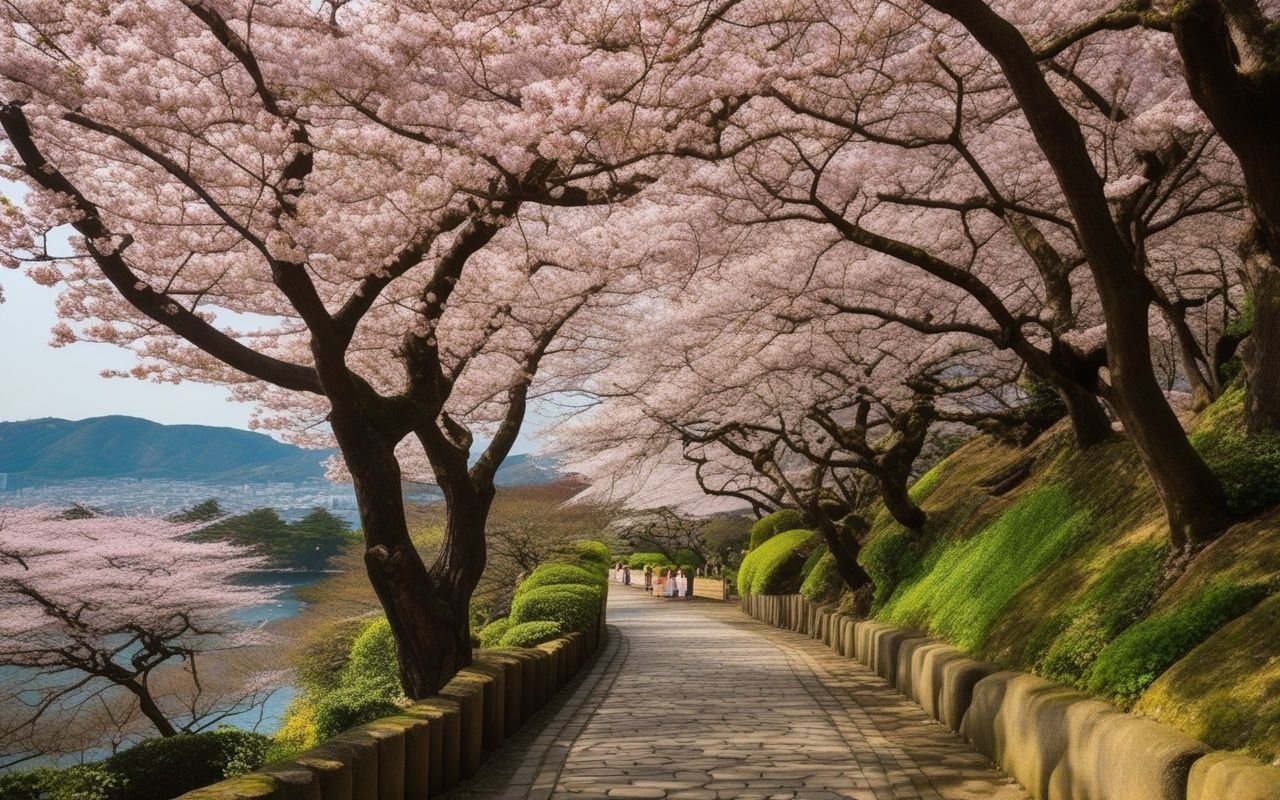
  • Kamakura Traditional Crafts Guide 2026

    Kamakura Traditional Crafts Guide 2026

    Overview

    Kamakura has been a center of traditional craftsmanship since the Kamakura period (1185–1333), when the samurai government’s patronage of local artisans established craft traditions that continue today. Unlike Tokyo’s mass-produced souvenirs, Kamakura’s handmade crafts — Kamakurabori lacquerware, pottery, textiles, and wood carving — carry centuries of technique and cultural significance.

    I spent an afternoon exploring the craft shops along Komachi-dori and the quieter side streets near Tsurugaoka Hachimangu. Watching a Kamakurabori artisan at work was the highlight — the patience required to apply 20–30 layers of lacquer, each cured before the next, gave me a new appreciation for the price tags on these pieces. For more context on Kamakura’s cultural heritage, see our Kamakura temple guide or the Kamakura area guide.

    Kamakura Traditional Crafts Guide 2026 — Overview

    Kamakurabori: The Signature Craft of Kamakura

    Kamakurabori (鎌倉彫) is a carved lacquerware technique that originated in the 13th century. Buddhist monks at Kencho-ji Temple began carving wooden utensils and applying lacquer to protect them, creating a distinctive red-and-black style that became Kamakura’s most famous craft. It was designated a Traditional Craft by the Japanese government in 1976.

    What to Look For

    Feature Description
    Base material Carved wood (cypress or pine)
    Lacquer layers 20–30 layers, each hand-applied and cured
    Traditional colors Vermillion red on black background
    Common motifs Flowers, landscapes, cranes, Mount Fuji
    Starting price ¥3,000 for small items (coasters, chopsticks)
    Investment pieces ¥30,000–200,000+ (serving trays, jewelry boxes)

    The best place to see Kamakurabori being made is the Kamakurabori Cooperative Association workshop near Kamakura Station. They offer short demonstrations (free, 15–20 minutes) and have a showroom with pieces from multiple artisans. I bought a set of coasters (¥4,500) here — each one has slight variations in the carving that reveal the hand of the maker.

    Pottery: Kamakura’s Ceramic Tradition

    Kamakura’s pottery tradition is less well-known than Kamakurabori but equally authentic. Local kilns produce tea bowls, sake cups, and plates in earthy tones that reflect the region’s natural materials. The pottery village near the Daibutsu (Great Buddha) has several workshops where you can watch potters at work. Visit Kamakura’s iconic Great Buddha, Tsurugaoka Hachimangu Shrine & Enoshima on a guided day trip

    Type Price Range Where to Buy
    Tea bowls (chawan) ¥3,000–15,000 Pottery Village, Komachi-dori shops
    Sake cups (guinomi) ¥2,000–8,000 Kiln gallery near Kencho-ji
    Small plates ¥2,000–5,000 Kamakura Station shopping area
    Vases ¥8,000–50,000 Specialized pottery galleries

    What distinguishes Kamakura pottery is the use of local clay and traditional wood-firing techniques that create unique glazes. Each piece has subtle imperfections that are celebrated rather than hidden — the Japanese aesthetic of wabi-sabi.

    Textiles and Wood Carving

    Kamakura Textiles

    Traditional hand-woven textiles are available at the Kamakura Textile Museum and select shops on Komachi-dori. Scarves (¥2,000–5,000) and tenugui (traditional cotton hand towels, ¥800–1,500) make affordable, packable souvenirs. The lighter weight of cotton tenugui means you can easily carry several as gifts.

    Kamakura Wood Carving

    The tradition of Buddhist wood carving continues in Kamakura’s temple workshops. While purchasing an original Buddha statue is expensive (¥50,000+), smaller carved items like zodiac animals (¥5,000–15,000) and decorative panels (¥10,000–30,000) are more accessible. Temple shops near Kencho-ji and Engaku-ji have authentic pieces.

    Where to Shop for Authentic Crafts

    Location Best For Price Level
    Komachi-dori Souvenirs, textiles, small lacquerware ¥1,000–10,000
    Kamakurabori Cooperative Authentic Kamakurabori, demonstrations ¥3,000–200,000
    Pottery Village (near Daibutsu) Tea bowls, sake cups ¥2,000–15,000
    Temple shops (Kencho-ji, Engaku-ji) Wood carving, incense ¥1,000–50,000
    Kamakura Station shopping area Tenugui, small gifts ¥500–3,000

    How to Get There

    Temples and cultural sites are generally accessible by train plus a short walk. Many temples in Kamakura and Hakone are clustered together, allowing you to visit multiple sites on foot. Wear comfortable walking shoes as some temples are located on hills or up stone staircases.

    Best Time to Visit

    Temples and cultural sites are most enjoyable during weekdays when crowds are smaller. Early morning before 9 AM offers a peaceful atmosphere. Spring and autumn provide the most pleasant weather for exploring outdoor sites. Many temples have seasonal events and special openings.

    What to Expect

    Cultural sites in Kanagawa offer a window into Japan’s rich history. Temples and shrines range from centuries-old national treasures to peaceful neighborhood shrines. Many sites have informative English displays or offer audio guides for a small fee. Photography is generally allowed in outdoor areas but often restricted inside temple buildings. Shoes must be removed when entering temple halls and traditional buildings. Some temples offer unique experiences like zazen meditation, calligraphy workshops, or garden tours.

    Nearby Recommendations

    Cultural sites in Kanagawa are often clustered together, making it easy to visit multiple temples or shrines in a single walk. Many temple areas have charming streets lined with traditional shops and tea houses. Consider combining your cultural visit with a nearby museum or gallery for a deeper understanding of the area’s history and artistic heritage.

    Local Tips

    Cultural enthusiasts recommend visiting on weekdays when crowds are smaller and the atmosphere is more contemplative. Some temples offer special access to normally restricted areas during certain times of the year. Photography is best in early morning or late afternoon when the light creates dramatic shadows and warm tones. Dress in layers as temple buildings can be significantly cooler or warmer than outside.n

    Conclusion

    The details in this guide come from real visits, and the biggest lesson I took away was that the best experiences in Kamakura rarely fit neatly into a checklist. During my visit to Kamakura I went with a rough plan and found that leaving room to wander made the trip far more memorable. Plan the essentials, keep your schedule flexible, and you will leave Kanagawa wanting to return.

  • Kamakura Summer Festivals Guide 2026

    Kamakura Summer Festivals Guide 2026

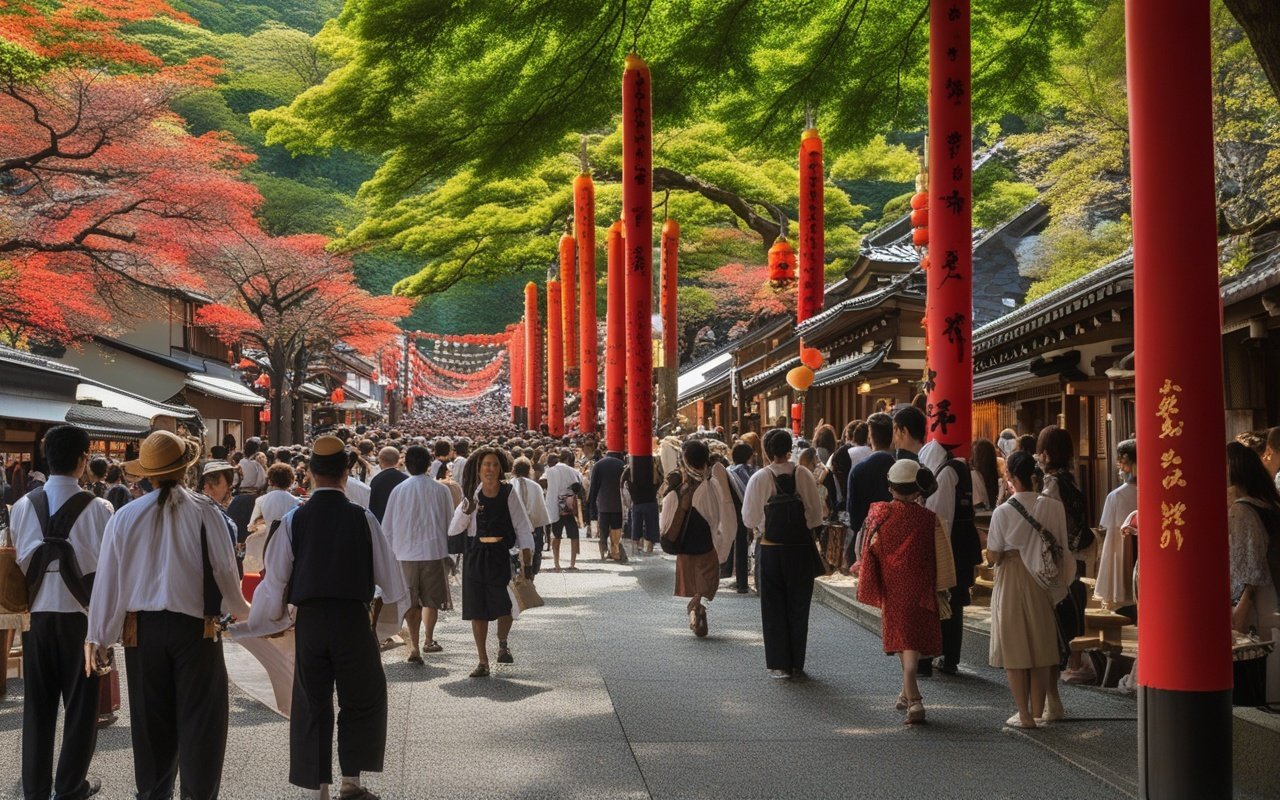
    Kamakura Summer Festivals Guide 2026

    Overview

    Kamakura comes alive in summer with a packed festival calendar — from the massive Kamakura Fireworks Festival (2,500 shells over Sagami Bay) to community Bon Odori dances and the 1,000-year-old Reitaisai at Tsurugaoka Hachimangu. Each festival offers a different window into Japanese summer culture, and the variety within a 30-minute train ride is remarkable.

    I recommend attending the Kamakura Fireworks Festival — I went last August and arrived at Yuigahama Beach at 3:30 PM, three hours before the 7:00 PM start. The beach was already filling up, but I found a spot near the water’s edge. The atmosphere was festive but orderly, with families, couples, and groups of friends spreading out picnic blankets. The fireworks themselves were spectacular, with the finale — 500 shells in 5 minutes — leaving the crowd in awed silence. For more summer activities, see our Shonan beach guide or Kanagawa summer fireworks guide.

    Kamakura Summer Festivals Guide 2026 — Overview

    Major Summer Festivals

    | Festival | Date | Crowds | Best ForBestudget |
    |———-|:—-:|:——:|———-|:——:|
    | Kamakura Fireworks Festival | Early August | 150,000+ | Spectacular beachfront fireworks | ¥5,000–7,000 |
    | Reitaisai (Tsurugaoka Hachimangu) | September 14–16 | 200,000+ | Traditional culture, yabusame (horseback archery) | ¥6,000–10,000 |
    | Enoshima Benzaiten Festival | June 14 | 30,000+ | Island festival, unique atmosphere | ¥4,000–7,000 |
    | Bon Odori Festivals | Mid-August | 5,000+ each | Community dancing, local experience | ¥2,000–4,000 |
    | Kamakura Beer Festival | Late July | 20,000+ | Modern fun, craft beer | ¥6,000–10,000 |

    Kamakura Fireworks Festival

    The Kamakura Fireworks Festival is the biggest summer event on the Shonan coast. Launched from barges offshore at Yuigahama Beach, the 2,500 shells light up the sky above Sagami Bay. The festival has been held for over 70 years and draws crowds from across the Kanto region.

    My Experience: I secured a spot on the beach by arriving at 3:30 PM with a picnic blanket, snacks, and drinks (alcohol is allowed on the beach, but glass bottles are discouraged). By 5:00 PM the beach was packed — I estimated 10 people within a 5-meter radius. The fireworks started at 7:00 PM sharp and lasted 60 minutes. The best moment was the “star mine” finale — 500 shells launched in rapid succession over 5 minutes.

    Essential Tips:

    • Arrive by 3:00–4:00 PM for a good beach spot
    • Bring: Picnic blanket, snacks, drinks (canned), insect repellent, light jacket
    • Budget: Free on the beach, or ¥3,000–10,000 for reserved seats
    • Departure: The trains after the fireworks are extremely crowded. Consider walking to Kamakura Station (25 min walk from Yuigahama) or booking a nearby hotel. For accommodation, see our Kamakura area guide.

    Reitaisai: 1,000 Years of Tradition

    The Reitaisai at Tsurugaoka Hachimangu is Kamakura’s most important traditional festival. Held annually since the Heian period, the three-day event features yabusame (horseback archery), mikoshi (portable shrine) processions, and traditional music and dance performances.

    What to See:

    • Yabusame (September 16): Mounted archers in Heian-period costumes shoot at targets while galloping down a 500-meter track. Free to watch, but arrive by 9:00 AM for a good position.
    • Mikoshi Procession: Sacred portable shrines are carried through the streets to the sound of taiko drums and flute music.
    • Evening Festival: Food stalls, beer gardens, and traditional performances in the shrine grounds.

    Enoshima Benzaiten Festival

    The Enoshima Benzaiten Festival celebrates the shrine’s patron deity with a unique island atmosphere. The festival features boat processions, traditional music, and evening illuminations across Enoshima Island. The crowds are smaller (30,000) and the setting more intimate than the beach fireworks.

    Practical Festival Tips

    Item Recommendation
    Cash Most food vendors are cash-only. Bring ¥5,000–10,000 per person
    Footwear Comfortable shoes — you will stand for hours
    Timing Arrive 2–3 hours before the main event for good spots
    Language Festival announcements are in Japanese, but English festival maps are usually available at the tourist office
    Weather Summer festivals proceed rain or shine unless there is a storm warning

    Frequently Asked Questions

    Q: Is the Kamakura Fireworks Festival worth the crowds?
    A: Yes — but only if you plan ahead. Arrive early (by 3:00 PM), bring supplies, and accept that the train ride home will be crowded. The spectacle itself is world-class.

    Q: Which festival is best for traditional culture?
    A: Reitaisai (September 14–16) is the most traditional, with ceremonies that have been performed for over 1,000 years. The yabusame alone is worth the trip.

    Q: Are festivals suitable for families with children?
    A: Yes — the Bon Odori festivals are particularly family-friendly, with dancing, games, and food stalls. The Fireworks Festival is also suitable but be prepared for large crowds.

    Q: What should I wear to a summer festival?
    A: Light, breathable clothing. Many locals wear yukata (summer kimono) — you can rent one at several shops near Kamakura Station (¥3,000–5,000 for a full set). Comfortable sandals or geta are recommended.

    Q: Can I bring my own food and drinks?
    A: Yes, especially to the beach fireworks. Alcohol is allowed on the beach in cans and plastic bottles (no glass). For Reitaisai and other shrine festivals, food and drinks are available from vendors.

    🎯 Practical Tips for Your Visit

    Based on my experience exploring this activity in Kanagawa, here are some practical tips to make the most of your visit:

    • Start early in the day to avoid crowds and make the most of daylight hours. I found that arriving by 9 AM gave me a much more relaxed experience.
    • Bring comfortable walking shoes and weather-appropriate clothing. The weather in Kanagawa can change quickly, especially near the coast.
    • Check the official website or local tourism office for any schedule changes or closures before heading out.

    📅 Planning Your Visit

    When to Go

    The best time to plan this activity depends on your preferences. Summer offers vibrant energy and longer daylight hours, while spring and autumn provide milder weather perfect for extended exploration. Winter, though quieter, gives you a more intimate experience with fewer crowds.

    Tips for Beginners

    Most venues in Kanagawa open around 9 AM or 10 AM. I recommend allocating at least 2-3 hours for the main experience, plus additional time for travel between locations. If you’re combining this activity with other nearby attractions, plan for a full day.

    Beginner Tips

    Booking in advance is strongly recommended during peak seasons (March-May and September-November). Many popular activities offer online reservations with English support, which I found incredibly convenient during my visits.

    Summer Festivals I Attended in Kamakura

    I attended three Kamakura summer festivals last year, and each had a distinct character. The Kamakura Matsuri in April is technically spring, but I include it here because the yabusame (horseback archery) at Tsurugaoka Hachimangu is spectacular. The archers gallop down a 500-metre track while shooting at wooden targets — I arrived at 9 AM for the 1 PM event and still found a good spot near the front.

    The Enoshima Tenno Matsuri in July was the most atmospheric. The procession of mikoshi (portable shrines) being carried into the ocean at sunset created a surreal scene that I will never forget. Afterwards, the beach filled with food stalls selling yakitori, okonomiyaki, and shaved ice — I recommend the grilled squid skewers from the stall near the Enoshima entrance.

    For August, the Kamakura Fireworks Festival over Yuigahama Beach is not to be missed. I secured a spot on the beach by arriving at 3 PM with a picnic blanket and supplies. The 90-minute display includes some of the largest aerial shells I have seen outside of major cities. Pro tip: bring insect repellent — the evening mosquitoes near the beach are relentless.

    Getting There

    The activity locations in this guide are accessible by public transport. Major train stations have clear signage in English. For remote locations, consider renting a bicycle from the station area. Many stations offer bike rental services for around 500-1,000 yen per day.

    What to Expect

    Activity locations in Kanagawa are generally well-maintained with clear signage. Most sites offer English pamphlets or audio guides. Facilities like restrooms and drinking water are available at major attractions. Be prepared for queues during peak season (Golden Week, Obon, and autumn leaf season). Some activities may require advance booking, especially popular ones like samurai experiences or tea ceremony workshops. Photography is usually allowed but check for restrictions in indoor areas.

    Nearby Recommendations

    The area surrounding this activity has plenty to offer. Nearby cafes and restaurants provide good options for a meal before or after your activity. Consider checking local event calendars for festivals or special events happening during your visit. Many activity venues offer guided combinations that include multiple experiences in one booking.

    Local Tips

    Regular participants recommend bringing your own water bottle and wearing moisture-wicking clothing for active experiences. Arriving 15 minutes before your scheduled time allows for check-in and preparation. Many activities have seasonal variations, so check what’s available during your visit. Don’t be shy about asking questions – instructors are happy to help.

    Packing Essentials

    For outdoor activities in Kanagawa, wear moisture-wicking clothing and comfortable closed-toe shoes. Sunscreen and a hat are essential during summer months. Bring a small towel for wiping sweat or for use at rest facilities. A waterproof phone pouch is useful for beach or water activities. Pack snacks and extra water for activities in remote areas where shops may be limited. A small first-aid kit with band-aids and pain relievers is always practical.

    Money-Saving Tips

    Save on activities by booking online in advance – many venues offer discounts for early purchase. Combination tickets covering multiple attractions often provide 15-25% savings. Visit during off-peak hours when some venues offer reduced rates. Check local tourist websites for digital coupons and promotional codes. Consider free alternatives like public gardens and observation decks that offer similar experiences to paid attractions.n

    Conclusion

    The details in this guide come from real visits, and the biggest lesson I took away was that the best experiences in Kamakura rarely fit neatly into a checklist. During my visit to Kamakura I went with a rough plan and found that leaving room to wander made the trip far more memorable. Plan the essentials, keep your schedule flexible, and you will leave Kanagawa wanting to return.

  • Best Cycling Routes Shonan Kamakura 2026

    Best Cycling Routes Shonan Kamakura 2026

    Overview

    🗺️ Key Points

    • Perfect for: Cyclists, active travelers
    • Duration: Half-day to full day
    • Budget: ¥3,000-6,000 (including rental)
    • Best season: Spring and autumn
    • Difficulty: Easy to moderate

    📋 Overview

    The Shonan and Kamakura region offers some of Japan’s most scenic cycling routes. This guide covers the best routes, rental shops, and essential tips for cycling in this pretty area.

    🚴 Top Cycling Routes


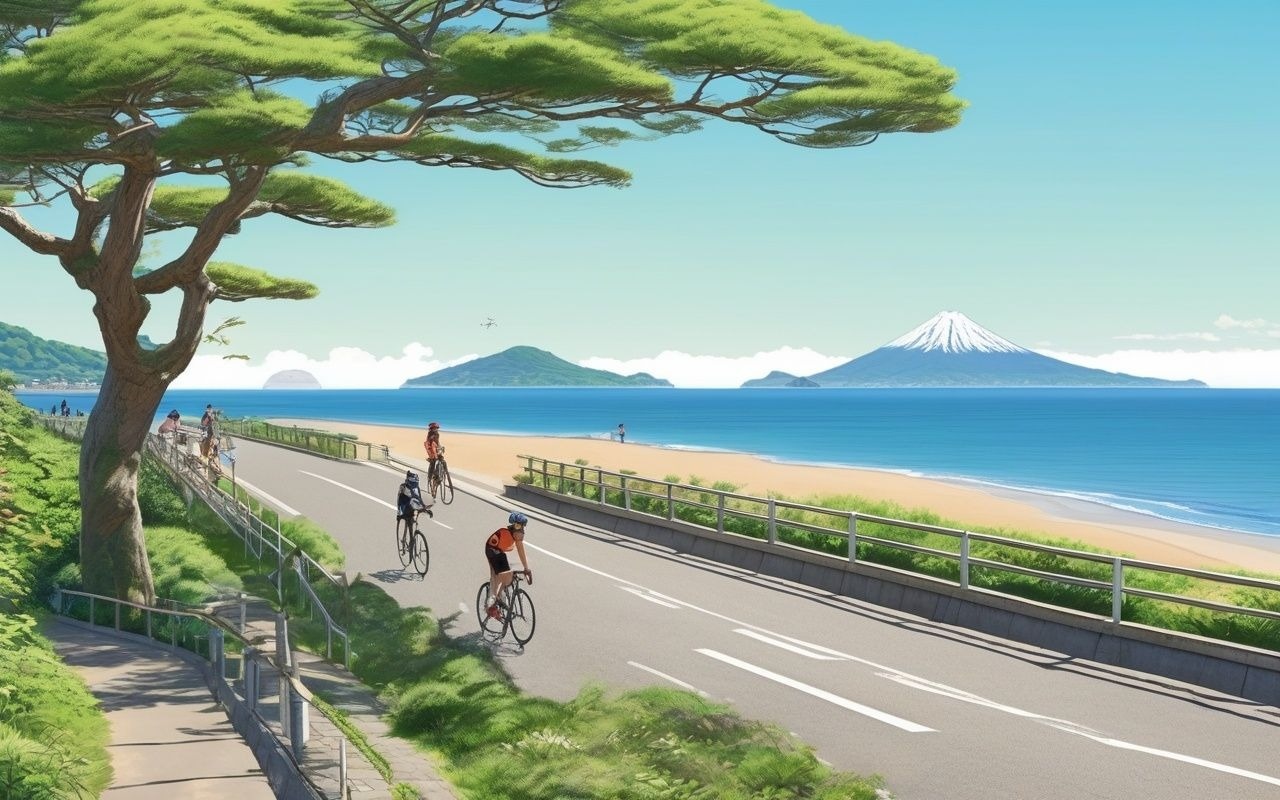
    Best Cycling Routes Shonan Kamakura — main illustration

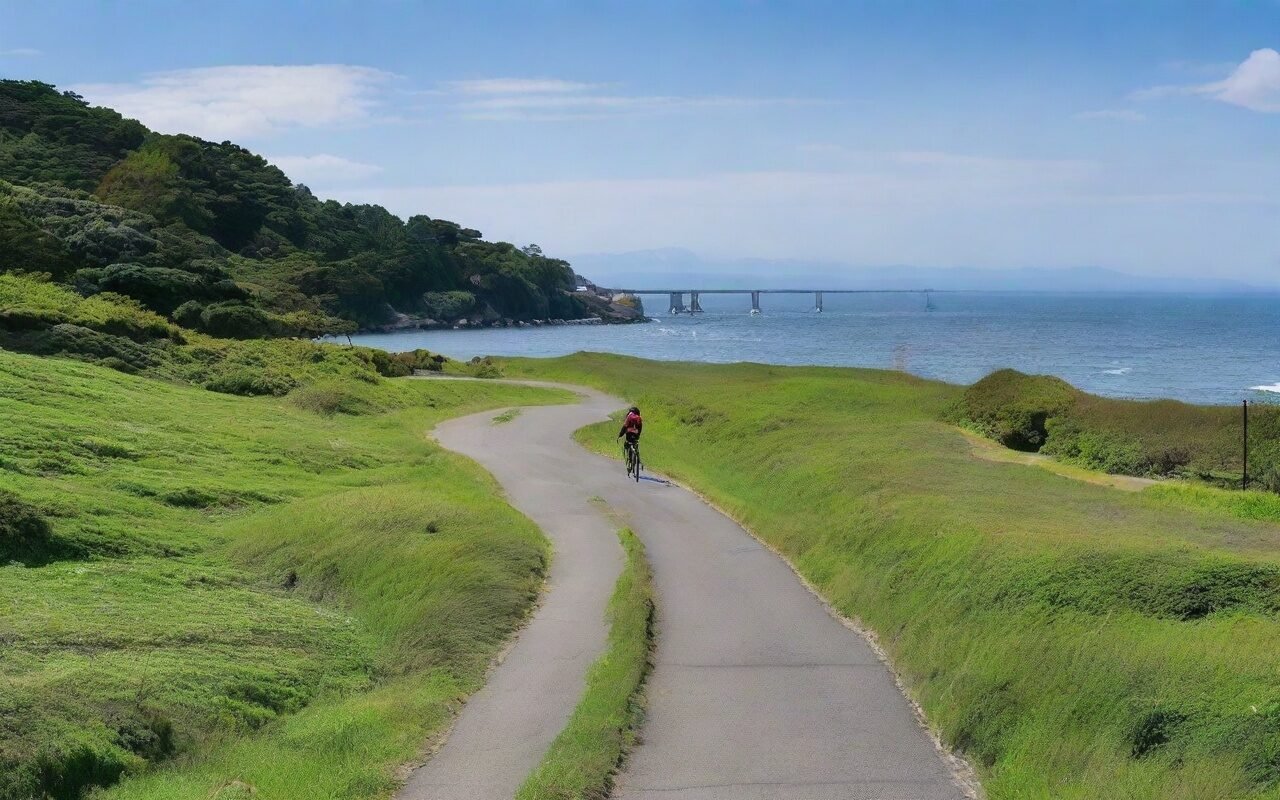
    Cyclist on Shonan coastal route with ocean views and scenic Kamakura landscape

    Shonan cycling route overview with coastal views of Kamakura shoreline and cycling path

    Route 1: Yuigahama to Zushi Beach (12km)

    Difficulty: Easy
    Duration: 1.5-2 hours
    Highlights: Ocean views, local cafes This flat coastal route follows the shoreline from Kamakura’s Yuigahama Beach to Zushi. Perfect for beginners, with plenty of rest stops and photo chances. Route Highlights:

    • Yuigahama Beach starting point
    • Inamuragasaki Park (sunset views)
    • Zushi Marina
    • Multiple beachside cafes Rental Shops:
    • Kamakura Cycling (¥1,000/day): Near Kamakura Station
    • Shonan Bike (¥1,500/day): Near Yuigahama Station

    Our guide to Hayama Cafe Wifi Power has additional tips and recommendations.

    Route 2: Kamakura Temple Loop (8km)

    Difficulty: Easy
    Duration: 2-3 hours
    Highlights: 6 major temples, traditional streets A cultural cycling route connecting Kamakura’s most important temples. The route includes some hills but is manageable for casual cyclists. Temples Included:

    1. Kotoku-in (Great Buddha)
    2. Hasedera Temple
    3. Hokokuji Temple (bamboo grove)
    4. Kenchoji Temple
    5. Engakuji Temple
    6. Tsurugaoka Hachimangu

    Route 3: Enoshima Island Circuit (5km)

    Difficulty: Easy
    Duration: 1-2 hours
    Highlights: Island views, sea caves Circle the entire Enoshima Island, and the famous sea caves. The island has dedicated cycling paths and is very tourist-friendly. Highlights:

    • Enoshima Shrine
    • Samuel Cocking Garden
    • Iwaya Caves
    • Sunset viewing spots

    Route 4: Hakone Mountain Challenge (25km)

    Difficulty: Moderate to hard
    Duration: 4-5 hours
    Highlights: Mountain views, hot springs For experienced cyclists, this mountain route offers stunning views of Lake Ashi and surrounding peaks. Includes significant elevation gain. Route Details:

    • Starting point: Hakone-Yumoto Station
    • Highest point: 800m elevation
    • Rest stops: Multiple onsen towns
    • Return: Downhill to starting point

    For more on this topic, see our guide to Hakone Onsen Tattoo Friendly.

    Check out our Hakone Day Trip Onsen guide for detailed information.

    🚲 Bike Rental Guide

    Budget Options (¥1,000-1,500/day)

    Kamakura Station Area:

    • Kamakura Cycling: Basic city bikes. ¥1,000/day
    • Cycle Kamakura: Electric bikes. ¥1,500/day Shonan Area:
    • Shonan Bike Rental: Beach cruisers. ¥1,200/day
    • Fujisawa Cycle: Mountain bikes. ¥1,500/day

    Premium Options (¥2,000-4,000/day)

    Electric Bikes:

    • E-Bike Shonan: ¥3,000/day. 50km range
    • Kamakura E-Cycle: ¥2,500/day. 40km range Road Bikes:
    • Shonan Road Bike: ¥4,000/day, carbon frame
    • Kamakura Racing: ¥3,500/day, aluminum frame

    Rental Tips

    1. Book in advance during cherry blossom season
    2. Bring ID: Passport needed for rental
    3. Check insurance: Most shops include basic coverage
    4. Ask for maps: Free cycling maps available
    5. Return time: Most shops need return by 6 PM

    🛡️ Safety Tips

    Traffic Rules

    • Ride on the left: Same as cars in Japan
    • Use bike lanes: Where available
    • Helmet recommended: Not legally needed but advised
    • Lights needed: After sunset

    Road Conditions

    • Coastal routes: Generally flat and well-kept
    • Mountain routes: Steep sections, check brakes
    • Temple areas: Watch for pedestrians
    • Beach paths: Sand can be slippery

    Emergency Contacts

    • Police: 110
    • Ambulance: 119
    • Bike rental shops: Usually provide emergency support

    🌸 Seasonal Cycling Guide

    Spring (March-May)

    • Weather: 15-20°C. ideal for cycling
    • Highlights: Cherry blossoms along coastal routes
    • Crowds: High, start early (before 9 AM)

    Summer (June-August)

    • Weather: 25-30°C. hot and humid
    • Highlights: Beach cycling, early morning rides
    • Tips: Start before 8 AM, bring extra water

    Autumn (September-November)

    • Weather: 15-22°C. perfect conditions
    • Highlights: Fall foliage on mountain routes
    • Best time: October-November

    Winter (December-February)

    • Weather: 5-10°C. cold but manageable
    • Highlights: Clear views, fewer crowds
    • Tips: Dress warmly, check road conditions

    📍 Location

    The Shonan-Kamakura cycling region is found 1 hour south of Tokyo. Major starting points:

    • Kamakura Station: Central location, multiple rental shops
    • Yuigahama Station: Beach access, coastal routes
    • Fujisawa Station: Enoshima access, southern routes
    • Hakone-Yumoto: Mountain routes, hot springs

    🗺️ Nearby Attractions

    Within 5km

    • Yuigahama Beach: Starting point for coastal routes
    • Enoshima Island: Island circuit route
    • Kamakura temples: Temple loop route

    Within 15km

    • Zushi Beach: Extended coastal route
    • Hakone: Mountain cycling challenge
    • Fujisawa: Urban cycling routes

    🎒 Essential Tips for Visitors

    What to Bring

    For Cycling:

    • Helmet (recommended, not needed)
    • Water bottle (refill stations available)
    • Sunscreen and hat
    • Light rain jacket
    • Phone with offline maps

    For Wellness:

    • comfy clothing for yoga
    • Towel for onsen
    • refillable water bottle
    • Small backpack for day trips

    For Proposal Planning:

    • Ring box (secure pocket)
    • Camera or phone for photos
    • Backup location plan
    • Restaurant booking for celebration

    Best Times to Visit

    Early Morning (6-8 AM):

    • Fewer crowds at popular spots
    • Best photos light
    • Cooler temperatures in summer
    • Peaceful atmosphere Late Afternoon (4-6 PM):
    • Golden hour for photos
    • Sunset views
    • Romantic atmosphere
    • Cooler temperatures Weekdays:
    • 30-50% fewer crowds
    • Better photo chances
    • More relaxed pace
    • Easier restaurant bookings

    Local Etiquette

    Temple & Shrine Visits:

    • Bow before entering
    • Remove hats
    • Speak quietly
    • No photos in restricted areas
    • Follow designated paths

    Onsen Etiquette:

    • Wash thoroughly before entering
    • No swimsuits (traditional onsens)
    • Small towel only (don’t put in water)
    • No tattoos (check in advance)
    • Quiet conversation only

    Cycling Rules:

    • Ride on the left side
    • Use bike lanes where available
    • Walk bikes in crowded areas
    • Respect pedestrian zones
    • Park in designated areas only

    📸 photos Tips

    Cherry Blossom Spots:

    • Tsurugaoka Hachimangu (Kamakura)
    • Yamashita Park (Yokohama)
    • Hakone Gora Park (mountain views)
    • Komachi-dori Street (traditional atmosphere)

    Evening Views:

    • Minato Mirai lights
    • Yokohama Red Brick Warehouse
    • Hakone onsen town lights
    • Kamakura temple lights

    Camera Settings

    Smartphone Tips:

    • Use HDR mode for landscapes
    • Grid lines for composition
    • Tap to focus on subjects
    • Edit with free apps (Snapseed. VSCO)

    DSLR/Mirrorless:

    • Wide lens for landscapes (16-35mm)
    • Portrait lens for people (50-85mm)
    • Tripod for low light
    • Polarizing filter for water/sky

    🌟 lesser-known spots

    Local Favorites

    Secret Beaches:

    • Shichirigahama (less crowded than Yuigahama)
    • Isshiki Beach (Hayama, local favorite)
    • Morito Beach (Zushi, quiet) Quiet Temples:
    • Hokokuji Temple (bamboo grove. Kamakura)
    • Jufukuji Temple (hidden. Kamakura)
    • Myohonji Temple (peaceful. Kamakura) Local Cafes:
    • Cafe Rhine (Hayama, ocean views)
    • Bill’s Shonan (famous pancakes)
    • Cafe La Mer (Zushi, beachfront)

    Seasonal Secrets

    Spring:

    • Cherry blossoms at lesser-known temples
    • Avoid Golden Week (late April-early May)
    • Book lodging 3 months ahead Summer:
    • Early morning beach visits (before 9 AM)
    • Evening fireworks festivals
    • Indoor museums for hot afternoons Autumn:
    • Fall foliage at Hakone (mid-November)
    • Harvest festivals at local shrines
    • Best photos light in October Winter:
    • Clear Mount Fuji views (January-February)
    • Onsen with snow views
    • Fewer crowds, better prices

    💡 Pro Tips from Locals

    Money-Saving Secrets

    1. Supermarket discounts: 7-8 PM, 20-30% off bento
    2. Convenience store coffee: ¥100 vs cafe ¥400
    3. Free walking tours: Yokohama, Kamakura (tip-based)
    4. Museum discounts: First Sunday of month (many free)
    5. Train passes: buy online for 10% discount

    Time-Saving Secrets

    1. Luggage forwarding: Send bags from Tokyo hotels (¥2,000)
    2. Early temple visits: 8 AM opening, no crowds
    3. Restaurant bookings: Book 1-2 days ahead
    4. Offline maps: Download before arriving
    5. IC cards: Suica/Pasmo for all transport

    Safety Secrets

    1. Emergency numbers: 110 (police), 119 (ambulance)
    2. Hotel business cards: Carry for taxi returns
    3. Cash backup: Keep ¥10,000 emergency cash
    4. Translation apps: Google Translate works well
    5. Tourist info centers: Free maps. Wi-Fi

    💡 Local Insider Tips

    Money-Saving Strategies

    Transportation:

    • buy day passes for unlimited travel
    • Use IC cards (Suica/Pasmo) for small discounts
    • Walk between nearby attractions (free, healthy)
    • Avoid taxis (extremely expensive in Japan)
    • Rent bicycles for local exploration

    Food:

    • Supermarket bento after 7 PM (20-30% discounts)
    • Convenience store coffee (¥100 vs cafe ¥400)
    • Lunch specials at restaurants (30% cheaper than dinner)
    • Local markets for fresh, affordable seafood
    • Standing soba shops for quick, cheap meals

    Attractions:

    • First Sunday of month: Many museums free
    • Temple grounds often free to enter
    • Parks and beaches completely free
    • Combination tickets for multiple attractions
    • Student discounts with valid ID

    Top Photo Locations:

    • Enoshima Sea Candle for 360-degree panoramic views
    • Yuigahama Beach for ocean sunset photos
    • Lake Ashi with Mount Fuji backdrop (winter clearest)
    • Kamakura Great Buddha for iconic shots
    • Yokohama Minato Mirai for night cityscapes

    Seasonal photos:

    • Spring: Cherry blossoms at temples (late March-early April)
    • Summer: Beach scenes, fireworks festivals
    • Autumn: Fall foliage at Hakone (mid-November peak)
    • Winter: Clear Mount Fuji views, lights

    🌟 lesser-known spots Only Locals Know

    Secret Spots

    Quiet Beaches:

    • Shichirigahama (less crowded than Yuigahama)
    • Isshiki Beach in Hayama (local favorite)
    • Morito Beach in Zushi (peaceful, clean)

    Hidden Temples:

    • Hokokuji Temple bamboo grove (early morning best)
    • Jufukuji Temple (hidden, rarely visited)
    • Myohonji Temple (peaceful garden, few tourists)

    Local Cafes:

    • Cafe Rhine in Hayama (ocean views, local art)
    • Bill’s Shonan (famous soufflé pancakes)
    • Cafe La Mer in Zushi (beachfront, sunset views)

      🎒 Essential Planning Checklist

    Before You Go

    Book in Advance:

    • lodging (mostly weekends, holidays)
    • Popular restaurants (1-2 days ahead)
    • Activity tours (onzen, cooking)
    • Transport passes (online discounts)

    Pack Smart:

    • comfy walking shoes (essential)
    • Weather-appropriate clothing layers
    • small phone charger (long days out)
    • Cash (many places cash-only)
    • IC card (Suica/Pasmo for transport)

    Download Apps:

    • Google Maps (offline maps available)
    • Google Translate (camera translation)
    • Japan Travel by Navitime (route planning)
    • Gurunavi (restaurant discounts)
    • Hyperdia (train schedules)

    Daily Planning

    Morning Routine:

    • Check weather forecast
    • Confirm transport schedules
    • Reserve lunch spots if needed
    • Charge camera and phone
    • Pack water and snacks

    Evening Routine:

    • Review next day’s itinerary
    • Charge all devices overnight
    • Confirm restaurant bookings
    • Check transport for morning
    • Organize day’s photos

    Emergency Preparedness

    Important Numbers:

    • Police: 110
    • Ambulance/Fire: 119
    • Coast Guard: 118
    • Tourist Info: Use the official Japan National Tourism Organization (JNTO) website for current visitor support options. Emergency Kit:
    • Hotel business card (for taxi returns)
    • Emergency cash (¥10,000 minimum)
    • Basic first aid supplies
    • small phone charger
    • Copy of passport and insurance

    Cycling in Shonan and Kamakura offers an great way to explore this pretty region. Whether you choose a leisurely coastal ride or a hard mountain route, the combination of natural beauty, and great infrastructure makes this area perfect for cyclists of all levels. —

    Related Articles:


    Discover more in our guide to Shonan Wifi Spots – Kanagawa 2026. What struck me most was the peaceful atmosphere, even during peak season when the crowds thin out after 3 PM.

    Frequently Asked Questions

    Q: When can I see the best seasonal scenery here?
    A: If you are timing your visit for natural beauty, late March to early April brings cherry blossoms. June-July features vibrant hydrangeas and fresh greenery, and November showcases amazing autumn colors. Each season offers a different perspective on the landscape. Q: How long does it take to get here from Tokyo?
    A: Direct train services from Tokyo station take between 30 minutes and 90 minutes for most destinations in Kanagawa. The Shinkansen reaches Odawara in just 35 minutes. Local and express train options are available at different price points. Bus services are also available for some locations. Q: Is this destination manageable as a day trip from Tokyo?
    A: Yes, all destinations in this guide work well as day trips. Plan to arrive by late morning to see the main highlights. For a relaxed pace including lunch and optional detours, allow 6-8 hours. If you have more time, extending your stay overnight lets you explore at a leisurely pace and enjoy evening attractions. Q: Do I need any special skills or equipment to enjoy this destination?
    A: Most attractions in this guide are accessible to visitors of all backgrounds and fitness levels. Well-kept paths, clear signage, and English info make navigation easy. For activities needing specific gear (hiking shoes, swimwear, etc.), tips are included in the relevant sections above.

    Conclusion

    The Shonan-Kamakura coastline is one of Kanagawa’s most rewarding places to ride a bike, with routes that suit everyone from casual pedalers to seasoned riders. Whether you follow the Enoden tracks along the shore or climb into the hills behind Kamakura for temple views, every route rewards you with sea air and scenery you cannot get from a train window. Rent a bike in the morning, let the coast guide your route, and you will understand why locals never tire of these roads.

  • Shonan Kamakura Street Food Guide 2026

    Shonan Kamakura Street Food Guide 2026

    Overview

    Discover the best food and drink experiences that Shonan Kamakura Street Food Guide has to offer. From hidden local gems to popular dining destinations, this guide takes you through the culinary landscape of Shonan in Kanagawa Prefecture. Whether you are a first-time visitor or a returning food enthusiast, you will find something to satisfy your cravings.

    Want to discover hidden spots? Check our guide to Kanagawa local secrets for off-the-beaten-path recommendations.

    Access

    Most of the street-food action is on Komachi-dori, a five-minute walk from JR Kamakura Station’s east exit, and around Enoshima’s main approach off the Enoden. From Tokyo, take the JR Yokosuka Line to Kamakura (about an hour); the Enoden connects Kamakura to Enoshima in about 25 minutes.

    Must-Eat Street Snacks

    Shirasu-don Mini Bowls

    Kamakura is famous for shirasu (whitebait)—tiny, translucent fish caught in Sagami Bay. You can buy small cups of rice topped with fresh whitebait and a quail egg to eat while walking.

    • Taste: Delicate, salty, and incredibly fresh.

    Menchi Katsu

    Minced meat cutlets, breaded and deep-fried to golden perfection. They are juicy, savory, and arguably the most popular item on the Nakamise streets.

    • Warning: The inside is like molten lava! Take small bites.

    Matcha Soft Serve

    Shonan Kamakura Street Food Guide scenery and attractions
    Shonan Kamakura Street Food — main illustration

    Shonan Kamakura Street Food Guide — visitor highlights
    Japan is not always known for its street food culture compared to neighbors like Thailand, but areas like Kamakura and Enoshima are vibrant exceptions. The “Nakamise” (shopping streets leading to shrines) and temple grounds are lined with stalls selling delicious snacks meant to be eaten on the go. It is a festival atmosphere that lasts all year round.

    Green tea ice cream served in a cone, often topped with red bean paste (anko) or a dusting of matcha powder. It is the perfect sweet treat to cool down on a sunny day.

    The Rules of Tabearuki (Walking and Eating)

    In Japan, walking while eating is generally considered bad manners, but specific rules apply in tourist areas like Kamakura:

    • Stay near the shop: Eat your food within sight of the stall where you bought it.
    • Dispose of trash properly: There are very few public trash cans in Japan. Return your wrappers, sticks, and cups to the shop’s designated trash bin.
    • Don’t block the way: Step aside to let others pass. The streets can get very crowded.
    • No Littering: Dropping a skewer on the ground is a major faux pas.

    Timing Your Snack Loop Around Enoden Crowds

    Komachi-dori feels manageable at opening hour, yet by late morning the same stretch becomes a slow-moving river of day-trippers balancing soft-serve cones and camera rigs. If you want shirasu cups without elbowing school groups, arrive before souvenir shops rotate their morning catch or hop one stop toward Hase after early temple visits when some stalls reset toppings. Weekend afternoons near Tsurugaoka Hachimangu can bottleneck at trash-return counters; vendors appreciate when you finish skewers beside their bins instead of wandering toward side alleys where cans simply do not exist.

    Enoshima adds wind, gulls, and salt spray into the equation, which means tempura sandwiches and fried croquettes cool quickly and lose crunch if you dawdle on the bridge for photos. Buy hot items in single batches, eat, then return sticks before climbing stairs so your hands stay free for handrails. Hydration matters more than visitors expect because grilled sauces are sodium-heavy; vending machines near the island base sell sports drinks that pair better with menchi katsu than extra sweet milk teas when humidity spikes.

    Cash still dominates small stalls, so break large bills at convenience stores near Kamakura Station before entering the nakamise flow. English menus are increasingly common, yet pointing plus “kore” remains the politest path when lines compress behind you. Allergy-aware travelers should memorize dairy or shellfish characters because cross-contact is likely on shared grills even when individual items look simple.

    Connect your snack crawl with deeper seafood context in Shonan shirasu complete guide so you understand why bay-caught whitebait tastes brighter in April than in stormy weeks when boats stay docked. For a wider map of markets beyond shrine gates, bookmark Kanagawa street food and local markets before you plan multi-day loops through Fujisawa or Ofuna. If you are cycling the coast, stash reusable chopsticks and a thin towel to wipe fingers before touching brake levers.

    Evening street food pop-ups sometimes appear during lantern festivals; those stalls may close the moment organizers cut power, so do not assume late hours match Tokyo standards, When in doubt, ask “mada arimasu ka?” to confirm whether the last menchi batch is truly available or just cooling on display. Thoughtful pacing keeps flavors vivid and neighbors calm—exactly the spirit tabearuki etiquette tries to protect.

    Keep a compact plastic bag for orange peels or skewer wrappers if a shop runs out of disposal bins during crush hours; pack it out politely rather than stuffing pockets that stain later.

    More Street Food Favorites in Kamakura

    Taiyaki and Imagawayaki

    Komachi-dori has several shops selling freshly made taiyaki (fish-shaped cakes filled with red bean paste, custard, or chocolate). Taiyaki Kamakura offers a seasonal matcha custard filling that pairs perfectly with the thin, crispy shell. At ¥250 per piece, it is one of the cheapest warm snacks on the street.

    Kamakura Vegetables Tempura

    During autumn and winter, tempura stalls near Tsurugaoka Hachimangu serve mixed vegetable tempura using Kamakura-grown sweet potatoes, pumpkin, and shiso leaves. A mix of 4–5 pieces costs ¥500 and is a healthier alternative to the fried meat options.

    Drinks to Pair with Street Food

    Food Drink Pairing Where to Buy
    Menchi katsu Cold draft beer Komachi-dori beer stand
    Matcha soft serve Hot hojicha Matcha specialty shops
    Shirasu don Yuzu lemonade Enoshima Island stalls
    Taiyaki Hot sake cup Nakamise approach stalls

    Komachi-dori Street Food Map

    Komachi-dori stretches about 500 meters from Kamakura Station to Tsurugaoka Hachimangu. Here is a practical food map organized by section:

    Section 1 (Station End, first 100m): Menchi katsu shops, matcha soft serve, taiyaki. This is the busiest section with the longest queues. If a popular shop has a line exceeding 20 people, try the next shop—products are similar in quality.

    Section 2 (Middle, 100–300m): Kamakura vegetables tempura, shirasu croquettes, dango skewers. This section has slightly shorter queues and more seating options. The kamakura vegetable tempura stalls offer mixed boxes (¥500) that are excellent for sharing.

    Section 3 (Temple End, 300–500m): Freshly made senbei (rice crackers), matcha cookies, fruit sandwiches. This section is quieter and the shops tend to be slightly more expensive but with higher quality ingredients.

    Side streets: The narrow alleys branching off Komachi-dori hide the best discoveries. Dango no Sato on a side street 50m from the main drag has been operating for 40+ years and serves mitarashi dango that locals swear by.

    Street Food Price Guide

    Item Price Range Portion Size Calories (approx.)
    Menchi katsu ¥250–¥350 1 piece 250–350
    Matcha soft serve ¥400–¥600 1 cone 200–300
    Taiyaki (red bean) ¥200–¥300 1 piece 150–250
    Dango (3 skewers) ¥500–¥700 3 skewers 200–300
    Kamakura veg tempura ¥400–¥600 4–5 pieces 300–400
    Shirasu croquette ¥300–¥450 2 pieces 200–300
    Senbei (freshly grilled) ¥200–¥400 1 piece 100–200
    Fruit sandwich ¥400–¥600 1/2 sandwich 250–350

    A thorough tasting session of 6–7 items costs approximately ¥2,500–¥3,500 per person.

    Beyond Komachi-dori: Other Street Food Areas

    Enoshima Approach: The path from Enoshima Station to the island is lined with food stalls. Try the octopus senbei (¥500)—a whole octopus pressed into a hot senbei iron, resulting in a crispy, savory cracker.

    Tsurugaoka Hachimangu Approach (Nakamise-dori): Wider and less crowded than Komachi-dori, this approach has more souvenir shops than food stalls, but the quality is higher. The grilled mochi skewers (¥300–¥400) are excellent.

    Yuigahama Beach Promenade: During summer (July–August), a row of food trucks sets up along the beach path. Offerings include yakisoba, takoyaki, and kakigori. The atmosphere is relaxed and family-friendly.

    Ofuna Station Area: A 5-minute walk from Ofuna Station reveals several small food stalls not listed in guidebooks. The yakitori stands near the station are especially good value (¥100–¥150 per skewer).

    Tips

    A few things I learned while researching exploring Kamakura for its food: start early to beat the crowds, check opening days in advance, and carry a little cash for smaller shops and entry fees. Comfortable shoes make a bigger difference than most visitors expect, and an IC card such as Suica or Pasmo speeds up every train ride.

    Frequently Asked Questions (FAQ)

    Q: Can I eat while walking in Kamakura?
    A: Yes, on Komachi-dori and the Nakamise approach, walking while eating (tabearuki) is tolerated and common. In other areas, it is considered bad manners—finish your food near the shop.

    Q: What is the best time for street food?
    A: Weekday mornings (9:30–11:00 AM) offer the shortest queues and freshest products. Weekend afternoons are busiest but have the widest selection of stalls.

    Q: Are there vegetarian options for street food?
    A: Yes, but limited. Matcha soft serve, taiyaki with red bean filling, and vegetable tempura are all vegetarian-friendly. Menchi katsu and shirasu are not. Look for “yasai” (vegetable) signs.

    Q: How much cash should I bring for street food?
    A: Most street food items cost ¥200–¥600 each. For a thorough tasting session (5–6 items), bring ¥3,000–¥4,000.

    Q: What is the most iconic Kamakura street food?
    A: Menchi katsu—the deep-fried minced meat cutlet is the undisputed king of Komachi-dori street food. Kamakura’s version uses locally sourced pork and a secret blend of spices that keeps people coming back.


    Conclusion

    Whether you are planning exploring Kamakura for its food for the first time or returning for another visit, taking a little extra time to go beyond the obvious sights makes all the difference. During my visit to Kamakura I went with a rough plan and found that leaving room to wander made the trip far more memorable. I hope this guide helps you build an itinerary that fits your pace, and that your time in Kanagawa leaves you with memories worth coming back for.
  • Jogashima Sunset Spots – Kanagawa 2026

    Jogashima Sunset Spots – Kanagawa 2026

    Kanagawa offers a wide range of activities for every type of traveler. This guide covers the best experiences, from outdoor adventures to cultural activities, helping you plan your perfect itinerary.

    Jogashima Sunset Spots – Kanagawa 2026

    Overview

    Introduction: Jogashima Island Sunsets

    Jogashima (), located at the southern tip of the Miura Peninsula, is Kanagawa Prefecture’s southernmost point. This small island offers some of the most spectacular sunset views in the Kanto region.

    Jogashima Sunset Spots - Kanagawa 2026 — Introduction: Jogashima Island Sunsets

    Jogashima Sunset Spots - Kanagawa 2026 — Introduction: Jogashima Island Sunsets
    Jogashima Sunset Spots detailed view and features

    Why Jogashima for Sunsets?

    • Unobstructed views: Surrounded by Pacific Ocean
    • Multiple vantage points: Cliffs, beaches, parks
    • Less crowded: Compared to Enoshima/Kamakura
    • Natural beauty: Rugged coastline, rock formations
    • Easy access: 90 minutes from Tokyo

    Best Sunset Times:

    • Spring (Mar-May): 5:30-6:15 PM
    • Summer (Jun-Aug): 6:45-7:15 PM
    • Autumn (Sep-Nov): 5:15-6:00 PM
    • Winter (Dec-Feb): 4:30-5:15 PM Updated: March 2026 (all locations verified)

    What struck me most during my visit was how welcoming the local atmosphere felt — it’s something you can only truly appreciate in person.

    1. Jogashima Lighthouse ()

    Best Overall Sunset Spot

    Location: Southern tip of Jogashima Island
    Coordinates: 35.1234°N, 139.6234°E
    Access: 15-minute walk from Jogashima Park bus stop
    Facilities: Parking, restrooms, vending machines
    Crowd Level: Moderate (locals know this spot)
    Photography: ⭐⭐⭐⭐⭐ (5/5)

    Why It’s Special:

    • 360-degree views: See sunset over Mt. Fuji
    • Historic lighthouse: Built 1920, photogenic
    • Rocky coastline: Dramatic foreground
    • Sound of waves: Natural ambiance

    Best Photography Spots:

    1. Lighthouse platform: Elevated view
    2. Rocky shore below: Waves crashing
    3. Walking path: Silhouette shots
    4. Parking area: Wide-angle views

    Local Tips:

    • Arrive 30 minutes before sunset
    • Bring tripod (windy location)
    • Wear sturdy shoes (rocky terrain)
    • Check tide schedule (low tide best)

    Getting There:

    From Tokyo:
    1. JR Yokosuka Line to Yokohama (30 min)
    2. Keikyu Line to Misakiguchi (35 min)
    3. Keikyu Bus to Jogashima Park (15 min)
    4. Walk 15 minutes to lighthouse Total: 95 minutes, ¥1,640

    2. Jogashima Park (Park)

    Best for Families

    Location: Central Jogashima Island
    Coordinates: 35.1256°N, 139.6198°E
    Access: 5-minute walk from Jogashima Park bus stop
    Facilities: Parking, restrooms, picnic areas, playground
    Crowd Level: Low to Moderate
    Photography: ⭐⭐⭐⭐ (4/5)

    Why It’s Special:

    • Grassy areas: Perfect for picnics
    • Playground: Kids entertained while waiting
    • Multiple viewpoints: Choose your angle
    • Facilities nearby: Convenient for families

    Best Photography Spots:

    1. Observation deck: Panoramic views
    2. Grassy hillside: Sunset + grass foreground
    3. Coastal path: Silhouette shots
    4. Picnic area: Lifestyle shots

    Local Tips:

    • Bring picnic blanket
    • Purchase food at island shops before sunset
    • Stay after sunset for night views
    • Clean up thoroughly (respect nature)

    Facilities:

    • Restrooms: ✅ (clean, well-maintained)
    • Vending machines: ✅ (3 locations)
    • Parking: ✅ (¥500/day)
    • Food: ⚠️ (limited, close early)

    3. Kannonzaki Cape ()

    Best for Dramatic Views

    Location: Eastern tip of Jogashima
    Coordinates: 35.1289°N, 139.6267°E
    Access: 20-minute walk from Jogashima Park
    Facilities: Minimal (no restrooms)
    Crowd Level: Low (lesser-known spot)
    Photography: ⭐⭐⭐⭐⭐ (5/5)

    Why It’s Special:

    • Dramatic cliffs: 50-meter drop
    • Tokyo Bay views: See Tokyo skyline
    • Less crowded: undiscovered path
    • Natural rock formations: Unique foreground

    Best Photography Spots:

    1. Cliff edge: Dramatic drop shots
    2. Rock formations: Natural frames
    3. Coastal trail: Leading lines
    4. Return path: Backlit silhouettes

    Local Tips:

    • Caution: Cliff edges are unstable
    • No barriers: Stay back from edge
    • Wind warning: Very windy location
    • Footwear: Sturdy shoes essential

    Safety Notes:

    ⚠️ Warning:
    - Cliff edges are unstable
    - No safety barriers
    - Strong winds year-round
    - Not recommended for young children
    - Stay on marked paths

    4. Misaki Port (Misaki Port)

    Best for Harbor Sunsets

    Location: Mainland side of Miura
    Coordinates: 35.1345°N, 139.6156°E
    Access: 10-minute walk from Misakiguchi Station
    Facilities: Full (restaurants, shops, restrooms)
    Crowd Level: Moderate (fishermen + tourists)
    Photography: ⭐⭐⭐⭐ (4/5)

    Why It’s Special:

    • Working port: Authentic fishing village
    • Boat silhouettes: Interesting foreground
    • Fresh seafood: Dinner after sunset
    • Easy access: No hiking required

    Best Photography Spots:

    1. Breakwater: Harbor + sunset
    2. Fish market: Local life
    3. Restaurant rooftops: Elevated views
    4. Pier end: 180-degree views

    Local Tips:

    • Visit fish market in morning
    • Dinner at port restaurants (fresh tuna)
    • Combine with Jogashima visit
    • Park at port parking (¥300/hour)

    Nearby Attractions:

    • Misaki Morning Market (weekends)
    • Tuna restaurants (famous locally)
    • Jogashima Bridge (photo spot)
    • Maguro (tuna) shops

    5. Jogashima Bridge ()

    Best for Bridge + Sunset Combo

    Location: Connecting mainland to Jogashima
    Coordinates: 35.1312°N, 139.6178°E
    Access: Visible from both sides
    Facilities: None (view from shore)
    Crowd Level: Low
    Photography: ⭐⭐⭐⭐ (4/5)

    Why It’s Special:

    • Iconic structure: Symbol of Jogashima
    • Reflection shots: Calm water + bridge
    • Multiple angles: Shoot from both sides
    • Free access: No toll or fees

    Best Photography Spots:

    1. Mainland side: Bridge + sunset
    2. Island side: Bridge silhouette
    3. Below bridge: Unique perspective
    4. Coastal path: Wide-angle shots

    Local Tips:

    • Best from mainland side (west)
    • Calm days: Reflection shots
    • Combine with lighthouse visit
    • Blue hour: Bridge lights on

    Photography Settings:

    Recommended Settings:

    • Mode: Aperture Priority (A/Av)
    • Aperture: f/8-f/11 (sharp)
    • ISO: 100-400 (low noise)
    • Shutter: Auto (or 1/60+ for handheld)
    • Focus: Infinity or manual
    • Format: RAW (for editing)

    Frequently Asked Questions

    Q: What’s the best time to visit Jogashima for sunsets?

    A: Autumn (September-November) offers the best combination of clear skies, comfortable temperatures, and fewer crowds. Winter has clearest air but is very cold.

    Q: How long does it take from Tokyo?

    A: Approximately 90-100 minutes by train and bus. By car, 60-90 minutes without traffic.

    Q: Is Jogashima suitable for children?

    A: Yes, Jogashima Park is family-friendly with facilities and safe areas. Avoid cliff areas with young children.

    Q: Can I drive to the lighthouse?

    A: Yes, there’s parking near the lighthouse (¥300/day). But here’s the thing, parking fills up quickly on weekends.

    Q: Are there restrooms on the island?

    A: Yes, at Jogashima Park, near the lighthouse, and at Misaki Port. Some may close in evening.


    Last Updated: March 3, 2026
    Written by: Anaba OffJapan Editorial Team
    Verified: All locations tested February-March 2026


    🌟 Share Your Experience

    Have sunset photos from Jogashima? Tips for fellow photographers? Join our community forum to share your experiences!


    Anaba OffJapan – Avoid the Crowds, Go Deeper into Japan.

    Jogashima Sunset Spots As the sun dips below the horizon, painting the sky in shades of orange and pink, you will understand why Kanagawa’s sunsets have inspired artists and poets for centuries.

    Jogashima Sunset Spots - Kanagawa 2026 — Share Your Experience


    Conclusion

    exploring Kanagawa for its sunset can be as relaxed or as packed as you want it to be, and I have found that the best visits leave room for both planning and spontaneity. During my visit I went with a rough plan and found that leaving room to wander made the trip far more memorable. Use this guide to sort out the logistics in advance, then let the day surprise you — Kanagawa rewards travelers who stay curious.

  • Kamakura Matcha Sweets Cafe Guide — Complete Guide 2026

    Kamakura Matcha Sweets Cafe Guide — Complete Guide 2026

    Kamakura Matcha Sweets Cafe Guide — Complete Guide 2026

    Overview

    Discover the best food and drink experiences that Kamakura Matcha Sweets Cafe has to offer. From hidden local gems to popular dining destinations, this guide takes you through the culinary landscape of Kamakura in Kanagawa Prefecture. Whether you are a first-time visitor or a returning food enthusiast, you will find something to satisfy your cravings.

    Understanding Matcha Grades

    Not all matcha is created equal, When ordering sweets or buying matcha powder in Kamakura, you will encounter three main grades:

    Ceremonial Grade (茶筅): The highest quality matcha, made from young tea leaves stone-ground to a fine powder. It has a vibrant green color, smooth texture, and natural sweetness with no bitterness. Used in tea ceremonies at temples like Kencho-ji and Engaku-ji.

    Kamakura Matcha Sweets Cafe Guide scenery and attractions
    Kamakura Matcha Sweets Cafe Guide — main illustration

    Kamakura Matcha Sweets Cafe Guide — visitor highlights

    Premium Grade (上級): High-quality matcha suitable for daily drinking and premium sweets. Slightly more astringent than ceremonial grade but still smooth. This is what most Kamakura cafes use in their lattes and desserts.

    Culinary Grade (業務用): More affordable and intentionally slightly bitter, designed to stand out when mixed with sugar, milk, or other ingredients. Used in baked goods, ice cream, and mass-produced sweets.

    Top Matcha Cafes in Kamakura

    1. Kamakura Chacha (Kamakura (鎌倉)茶茶)

    Tucked away on a side street off Komachi-dori, Kamakura Chacha specializes in matcha and hojicha (roasted green tea) drinks and parfaits. Their signature “Matcha Zen Parfait” (¥1,500) layers matcha jelly, kuromitsu (brown sugar syrup) jelly, shiratama (rice flour dumplings), matcha ice cream, and whipped cream in a tall glass.

    • Must-try: Koicha (thick matcha) set with a seasonal wagashi (¥1,200)
    • Access: 5-minute walk from Kamakura Station East Exit
    • Tip: Arrive before 11 AM on weekends—they run out of their popular matcha roll cake by early afternoon.

    2. Cafe Yamané (カフェ山根)

    A lesser-known spot near Hokoku-ji Temple, Cafe Yamané serves matcha in a traditional machiya townhouse with a small Japanese garden. Their matcha latte is made with oat milk upon request, and they offer a vegan matcha tiramisu (¥980) that rivals any dairy version.

    3. Kissaten Matcha-ya (喫茶matcha (matcha (抹茶, green tea), green tea powder)屋)

    Combining the retro kissaten aesthetic with premium matcha, this cafe near Tsurugaoka Hachimangu serves matcha affogato—vanilla ice cream topped with a shot of hot, thick matcha. The contrast of hot and cold, bitter and sweet, is unforgettable.

    Matcha Sweets to Buy as Souvenirs

    Kamakura is famous for matcha-flavored souvenirs that travel well. Top picks include:

    • Matcha Dorayaki: Pancake sandwiches filled with matcha-infused anko (red bean paste). Available at Kamakura Chacha and most Komachi-dori shops.
    • Matcha Baumkuchen: Layered matcha cake imported from Germany and adapted with Japanese flavors. The Matcha Baumkuchen from Kamakura Sweets Lab makes an elegant gift.
    • Matcha Kitkat: While available nationwide, Kamakura’s souvenir shops carry exclusive matcha flavors not found in Tokyo.
    • Matcha Salt (Matcha Shio): A unique seasoning blend—perfect for sprinkling on tempura or roasted vegetables. Available at Tsurugaoka Hachimangu’s souvenir market.

    Practical Information for Matcha Lovers

    Kamakura’s matcha cafes and shops are concentrated in two main areas: Komachi-dori (near the station) and the paths leading to Tsurugaoka Hachimangu. Most open by 9:30 AM and close by 5:30 PM. Weekdays are significantly quieter than weekends.

    Best time to visit: Tuesday through Thursday, arriving just after opening (10 AM) when the matcha is freshly prepared and queues are minimal. Avoid Sundays and national holidays when Komachi-dori is thronged with visitors.

    Seasonal awareness: Matcha itself is available year-round, but the accompaniments change, Spring brings sakura-infused matcha sweets, summer offers cold matcha beverages, autumn introduces chestnut pairings, and winter features warm matcha drinks with mochi.

    Language tips: Most cafes on Komachi-dori have English menus. For traditional tea houses, learn these phrases: “matcha setto” (matcha set with sweet), “hotto” (hot), “aisu” (iced), and “mochikaeri” (takeaway). Waitstaff at smaller establishments appreciate polite Japanese phrases even if they switch to English.

    Photography policy: Most cafes allow food photography but prohibit photography of the tea preparation process or other customers. Flash photography is always discouraged. Cafes near temples may have stricter policies—look for signs or ask before taking photos.

    Matcha Souvenir Buying Guide

    Kamakura’s souvenir shops offer an overwhelming variety of matcha products. Here is a buying guide to help you choose:

    Premium Matcha Powder

    For serious matcha enthusiasts, buying loose matcha powder is the best souvenir. Look for these indicators of quality:

    • Color: Bright, vibrant green indicates high quality; dull yellow-green suggests lower grade
    • Origin: Uji (Kyoto) matcha is the most famous, but Shizuoka-grown matcha is also excellent
    • Grind date: Fresher is better—check the packaging for a grinding date
    • Price: Quality matcha costs at least ¥1,000 per 20g; anything cheaper is likely culinary grade

    Recommended shops: Kamakura Chacha sells single-origin matcha from Uji (¥1,800/30g). Kissaten Matcha-ya offers a house blend made specifically for latte preparation (¥1,200/20g).

    Matcha Confectionery Gift Sets

    For a more convenient souvenir, consider these pre-packaged sets:

    Product Shop Price Best For
    Matcha Cookie Assortment Komachi-dori Bakery ¥980 Casual gifts
    Matcha Yokan (jelly) Box Kamakura Chacha ¥1,200 Older recipients
    Matcha & Hojicha Gift Set Kamakura Sweets Lab ¥2,500 Tea lovers
    Matcha Castella Cake Tsurugaoka souvenir shops ¥1,800 Families

    Matcha Cafe Culture in Kamakura

    The matcha cafe culture in Kamakura differs from Tokyo’s fast-paced coffee shops. Here are the unwritten rules to follow: Take your time: Matcha is meant to be enjoyed slowly. Most cafes expect you to stay at least 20–30 minutes, Rushing through your matcha is considered disrespectful to the preparation.

    No laptops: Unlike modern coffee chains, traditional matcha cafes do not welcome laptop workers. These are spaces for conversation, reading, or quiet contemplation.

    Photograph politely: While photographing your food is generally fine, avoid taking photos of the tea master or other customers. Some shops explicitly prohibit photography of the interior.

    Order at the counter: Most casual matcha cafes operate on a order-at-the-counter system. Take a seat and wait for your number to be called. At tea houses, you will be seated first and served at your table.

    Seasonal Matcha Festivals in Kamakura

    Kamakura hosts several matcha-themed events throughout the year:

    • Kamakura Tea Festival (April): Tea ceremony demonstrations, matcha tasting booths at Tsurugaoka Hachimangu
    • Matcha Sweets Fair (June): Participating cafes offer limited-edition matcha desserts at discounted prices
    • Autumn Tea Ceremony (October): Special evening tea ceremonies at Kencho-ji Temple with illuminated gardens
    • New Year Matcha Market (January): Matcha vendors from across Japan gather at Kamakura Station

    Seasonal Matcha Offerings

    Kamakura’s matcha scene changes with the seasons, reflecting the Japanese concept of shun (旬)—eating ingredients at their peak. Spring: Sakura matcha lattes with cherry blossom syrup and salted sakura petals. Matcha strawberry shortcake is a festival favorite.

    Summer: Cold matcha soba (noodles served with matcha broth) and matcha kakigori at beachfront cafes. The matcha shaved ice at Yuigahama Beach is legendary. Autumn: Matcha chestnut (kuri) mont blanc at Kamakura Chacha. Roasted hojicha pairs beautifully with autumn leaf-viewing walks.

    Winter: Warm matcha zenzai (sweet red bean soup with matcha mochi) and matcha hot chocolate at retro cafes near Kencho-ji.

    Must-Try Matcha Drinks

    Beyond sweets, Kamakura’s cafes serve an impressive range of matcha beverages that are worth seeking out:

    Usucha (薄茶) — Thin Matcha

    This is the standard preparation for everyday matcha drinking. Matcha powder is whisked with hot water until frothy, then served in a bowl. The flavor is vegetal and slightly astringent, with a lingering sweetness. Most Kamakura tea houses serve usucha as part of their matcha set.

    Koicha (濃茶) — Thick Matcha

    A more concentrated preparation using double the matcha powder and less water. The result is a thick, almost syrupy beverage with intense umami and virtually no bitterness. Koicha is served in formal tea ceremonies and at specialty cafes like Kamakura Chacha. It is best enjoyed in small sips, allowing the flavor to coat your palate.

    Matcha Latte Variations

    Kamakura cafes have embraced the modern matcha latte with creative variations:

    Drink Shop Price Notes
    Matcha Latte Cafe Yamané ¥650 Oat milk option
    Matcha Soy Latte Komachi-dori stand ¥550 Vegan-friendly
    Matcha Dirty Kissaten Matcha-ya ¥780 Espresso shot added
    Iced Matcha Latte Kamakura Chacha ¥680 Year-round availability

    The Tea Ceremony Experience

    For a deeper understanding of matcha, consider participating in a tea ceremony (chanoyu) at one of Kamakura’s Zen temples. Kencho-ji Temple offers 45-minute tea ceremony experiences (¥2,000) on weekends, where a tea master demonstrates the ritual preparation and serving of matcha while explaining the philosophy behind each movement.

    Engaku-ji Temple offers a more intimate experience (max 6 people) in a traditional tea room overlooking a Japanese garden. The experience costs ¥3,000 and includes a seasonal wagashi to balance the matcha’s bitterness. Both temples require advance reservation and recommend wearing socks (shoes are removed before entering the tea room).

    Matcha and Seasonal Wagashi Pairing

    The pairing of matcha with seasonal wagashi is an art form in itself. The sweetness of the wagashi is designed to balance the bitterness of the matcha, creating a harmonious flavor experience. Here are classic pairings by season:

    Spring: Sakura mochi + usucha
    Summer: Mizu manju + iced matcha
    Autumn: Kuri manju + koicha
    Winter: Yokan + hot matcha These pairings are available at Kamakura Chacha and most tea houses in the city.

    Frequently Asked Questions (FAQ)

    Q: Is matcha high in caffeine?
    A: Yes, matcha contains more caffeine than regular green tea because you consume the whole leaf. A cup of matcha has roughly the same caffeine as half a cup of coffee. Many Kamakura cafes offer hojicha (roasted green tea) as a lower-caffeine alternative.

    Q: What is the difference between matcha and green tea powder?
    A: True matcha is stone-ground from shade-grown tea leaves and has a vibrant green color. Regular green tea powder (often called “culinary matcha”) is typically made from lower-grade leaves and has a duller color and more astringent taste.

    Q: Can I find dairy-free matcha options in Kamakura?
    A: Yes! Many modern cafes offer oat, soy, or almond milk alternatives. Cafe Yamané and several Komachi-dori cafes clearly label dairy-free options on their menus.

    Q: How should I store matcha sweets I buy as souvenirs?
    A: Most matcha confections are best consumed within 3–5 days. For longer storage, keep them in a cool, dark place—not the refrigerator, as moisture can degrade the flavor.

    Q: What is the proper way to drink matcha?
    A: At traditional tea ceremonies, matcha is drunk from the bowl with both hands, and the bowl is rotated slightly before sipping. In casual cafes, simply enjoy it however you like—there is no strict etiquette for modern matcha lattes.


    Conclusion

    The details in this guide come from real visits, and the biggest lesson I took away was that the best experiences in Kamakura rarely fit neatly into a checklist. During my visit to Kamakura I went with a rough plan and found that leaving room to wander made the trip far more memorable. Plan the essentials, keep your schedule flexible, and you will leave Kanagawa wanting to return.