Category: kanagawa

神奈川県の旅行ガイド記事のカテゴリ

  • Yokohama Sightseeing Guide 2026

    Yokohama Sightseeing Guide 2026

    Overview

    This guide covers everything you need to plan exploring Yokohama, from getting there and the best times to visit to practical tips and hidden gems. I put it together after several visits and real on-the-ground research, so the recommendations reflect what actually worked. Read on for a route that fits your pace.

    Yokohama Sightseeing Guide 2026

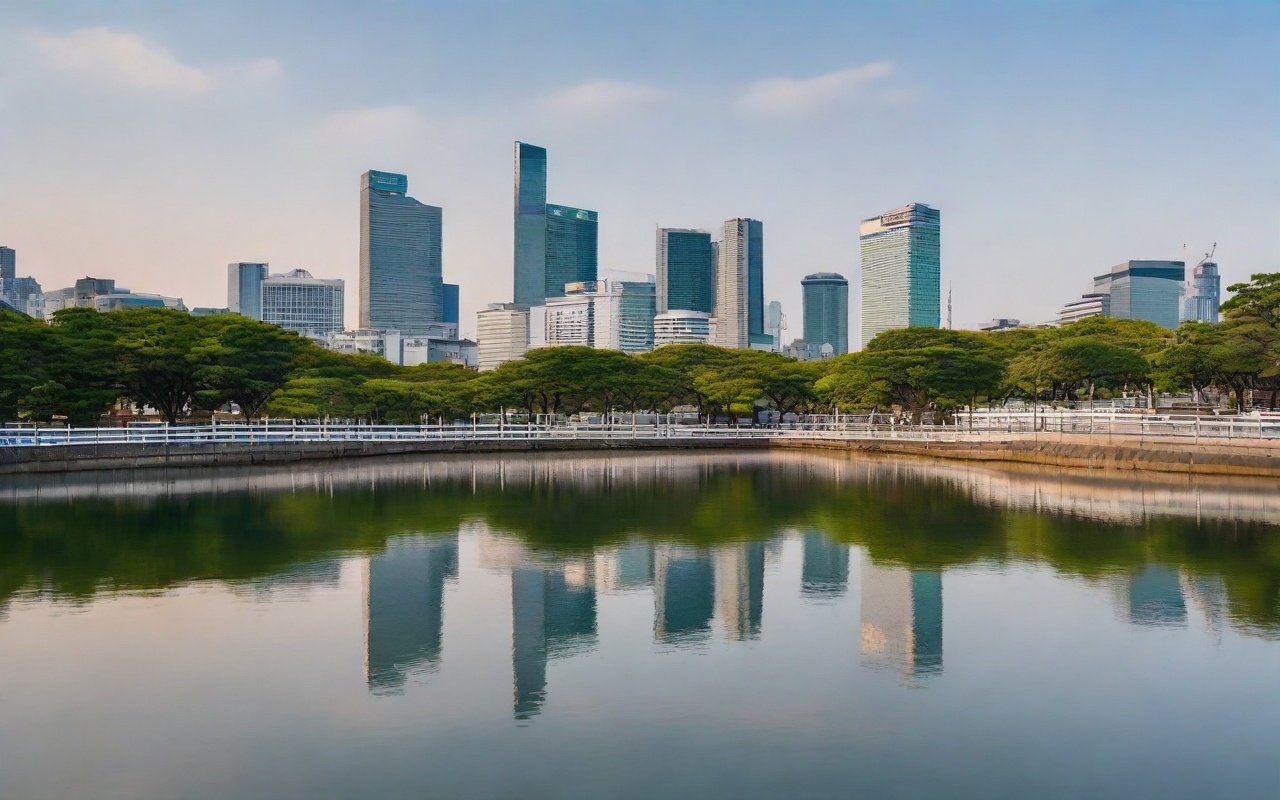
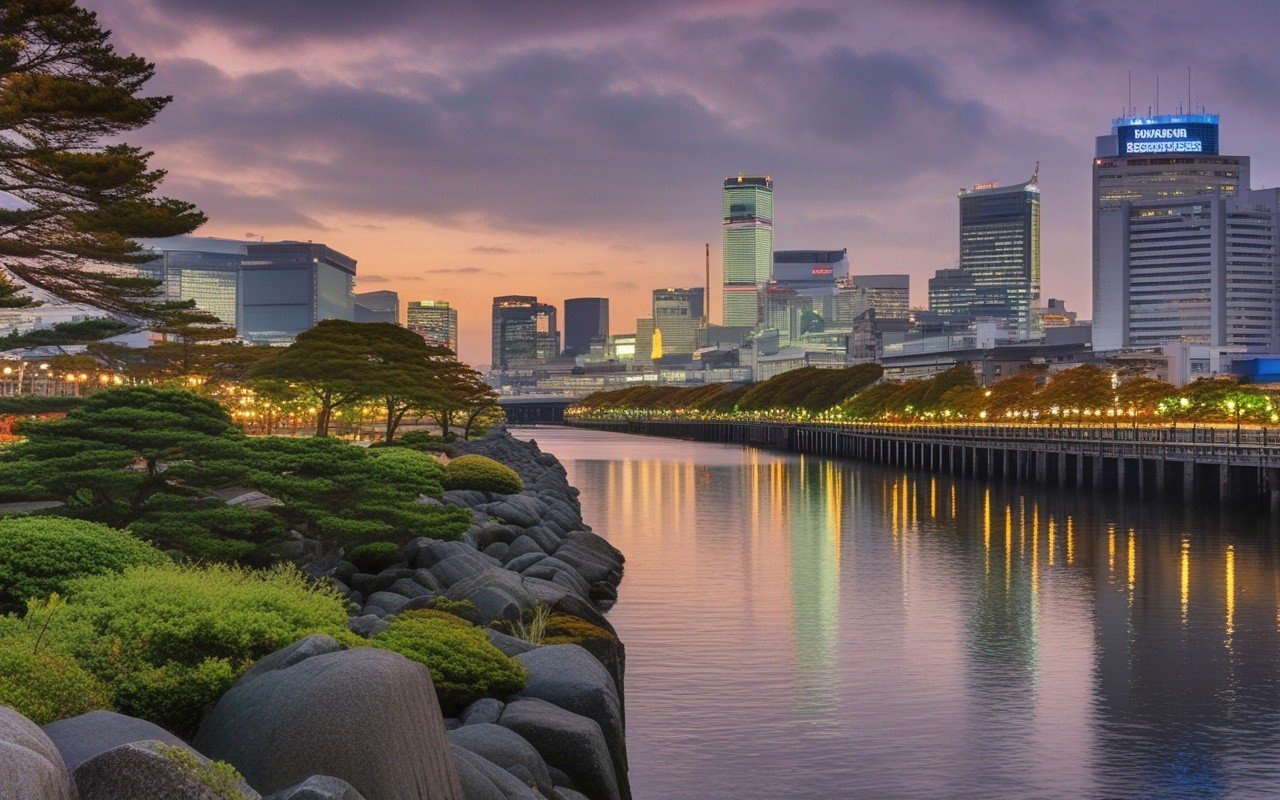
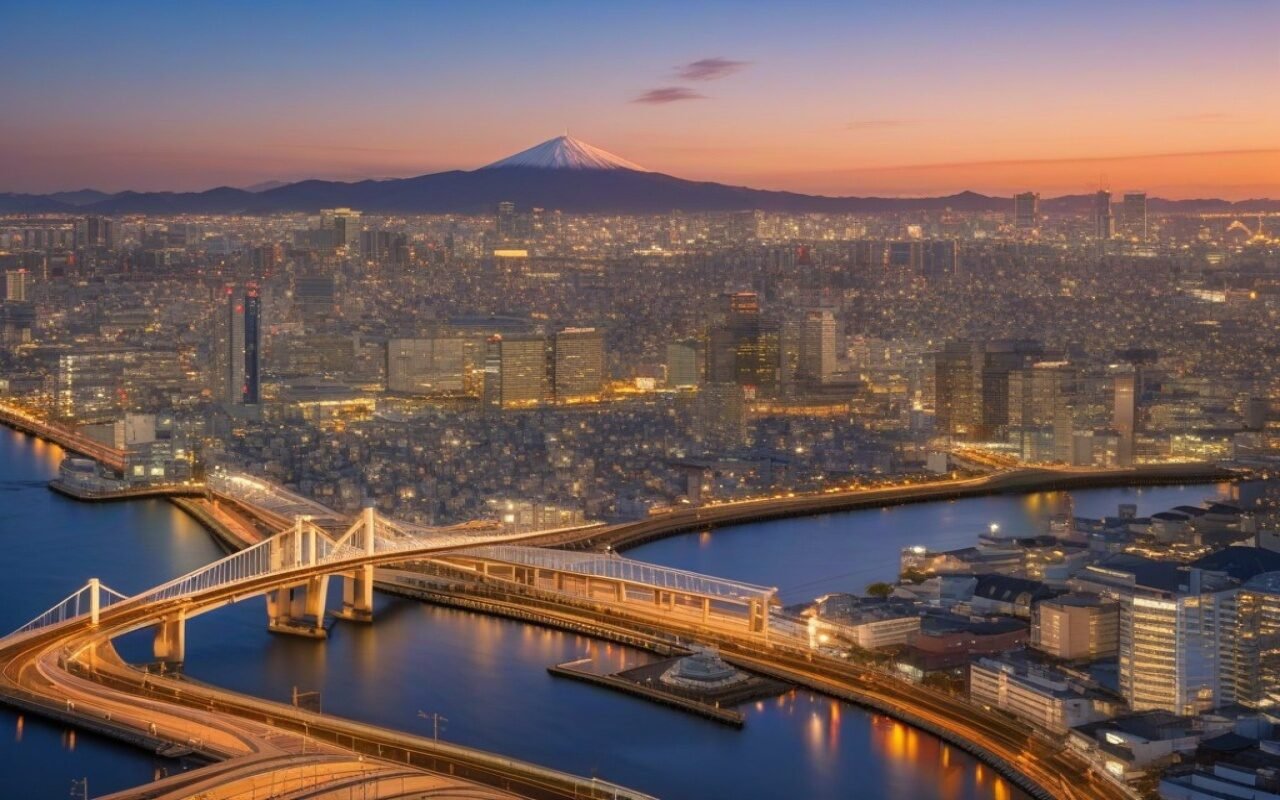
    The iconic Landmark Tower rises above Minato Mirai 21, its 273-meter observation deck offering panoramic views of Tokyo Bay and Mount Fuji on clear days. Yokohama is Japan’s second-largest city and a vibrant port town just 30 minutes from Tokyo.

    • Access: 30 minutes from Tokyo by train
    • Best for: City views, Chinatown, museums, shopping
    • Best season: Year-round (spring for cherry blossoms)

    Introduction

    Yokohama Sightseeing Guide 2026 — Introduction

    Yokohama is Japan’s second-largest city and a vibrant port town just 30 minutes from Tokyo. With its rich international history, modern attractions, and delicious food scene, it’s perfect for a day trip or weekend getaway. Explore Mt Fuji & Hakone on a full-day trip with sukiyaki lunch, Hakone Cruise, Ropeway & Shinkansen return

    Highlights:

    • Largest Chinatown in Japan
    • Stunning waterfront views
    • Interactive museums
    • Shopping and dining
    • Rich maritime history

    By Train

    From Tokyo Station:

    • JR Tokaido Line: 30 minutes to Yokohama Station (¥580)
    • JR Keihin-Tohoku Line: 40 minutes (¥580) From Shinjuku:
    • JR Shonan-Shinjuku Line: 45 minutes (¥770) From Shibuya:
    • Tokyu Toyoko Line: 30 minutes to Yokohama (¥580)

    Yokohama Seaside Gourmet Train Pass — a unique pass combining unlimited train rides along the Yokohama coast with meal vouchers at participating waterfront restaurants. Perfect for a day of sightseeing and dining in Minato Mirai, Chinatown, and Yamashita Park.

    Book the Yokohama Seaside Gourmet Train Pass on Klook for a day of coastal exploration + dining → Get your pass

    By Car

    • From Tokyo: 1 hour via Shuto Expressway
    • Parking: ¥300-500/hour at most facilities

    Minato Mirai 21

    Best for: City views, shopping, dining

    Hours: 24 hours (shops: 10:00 AM - 9:00 PM)
    Admission: Free
    Access: JR/Yokohama Station to Minato Mirai Station

    Yokohama’s futuristic waterfront district featuring skyscrapers, shopping malls, and beautiful bay views. Highlights:

    Yokohama Chinatown

    Best for: Chinese food, culture, souvenirs

    Hours: 24 hours (shops: 10:00 AM - 9:00 PM)
    Admission: Free
    Access: 5 min walk from Motomachi-Chukagai Station

    The largest Chinatown in Japan with over 200 Chinese restaurants and shops. Must-try:

    • Steamed buns (nikuman)
    • Dim sum
    • Chinese sweets

    Cup Noodles Museum

    Best for: Interactive experience, families

    Hours: 10:00 AM - 6:00 PM
    Admission: Free (workshops: ¥500-800)
    Access: 5 min walk from Minato Mirai Station

    Learn about the history of instant noodles and create your own custom Cup Noodle. Workshops:

    • Chicken Ramen Factory (¥500)
    • My Cup Noodle Factory (¥800)

    Yokohama Red Brick Warehouse

    Best for: Shopping, dining, events

    Hours: 11:00 AM - 8:00 PM
    Admission: Free
    Access: 5 min walk from Bashamichi Station

    Historic warehouses converted into a shopping and dining complex.


    Yokohama Museum of Art

    Best for: Modern art, photography

    Hours: 10:00 AM - 6:00 PM
    Admission: ¥500
    Access: 5 min walk from Minato Mirai Station
    Closed: Thursday

    Ramen Museum

    Best for: Ramen lovers, food history

    Hours: 11:00 AM - 10:00 PM
    Admission: ¥390
    Access: 5 min walk from Shin-Yokohama Station

    Taste regional ramen from across Japan in one location.


    Chinatown

    • Lucky Garden: Dim sum, Chinese cuisine
    • Chukagai Hanten: Authentic regional Chinese

    Minato Mirai

    • Akarenga: Trendy cafes and restaurants
    • Landmark Tower: Fine dining with views

    Yokohama Station Area

    • Takashima: Local Yokohama cuisine
    • Ramen Street: Various ramen shops

    One-Day Trip

    Morning:

    • Arrive at Yokohama Station
    • Visit Minato Mirai
    • Landmark Tower observation deck Afternoon:
    • Lunch in Chinatown
    • Explore Chinatown shops
    • Cup Noodles Museum Evening:
    • Dinner at Red Brick Warehouse
    • Return to Tokyo

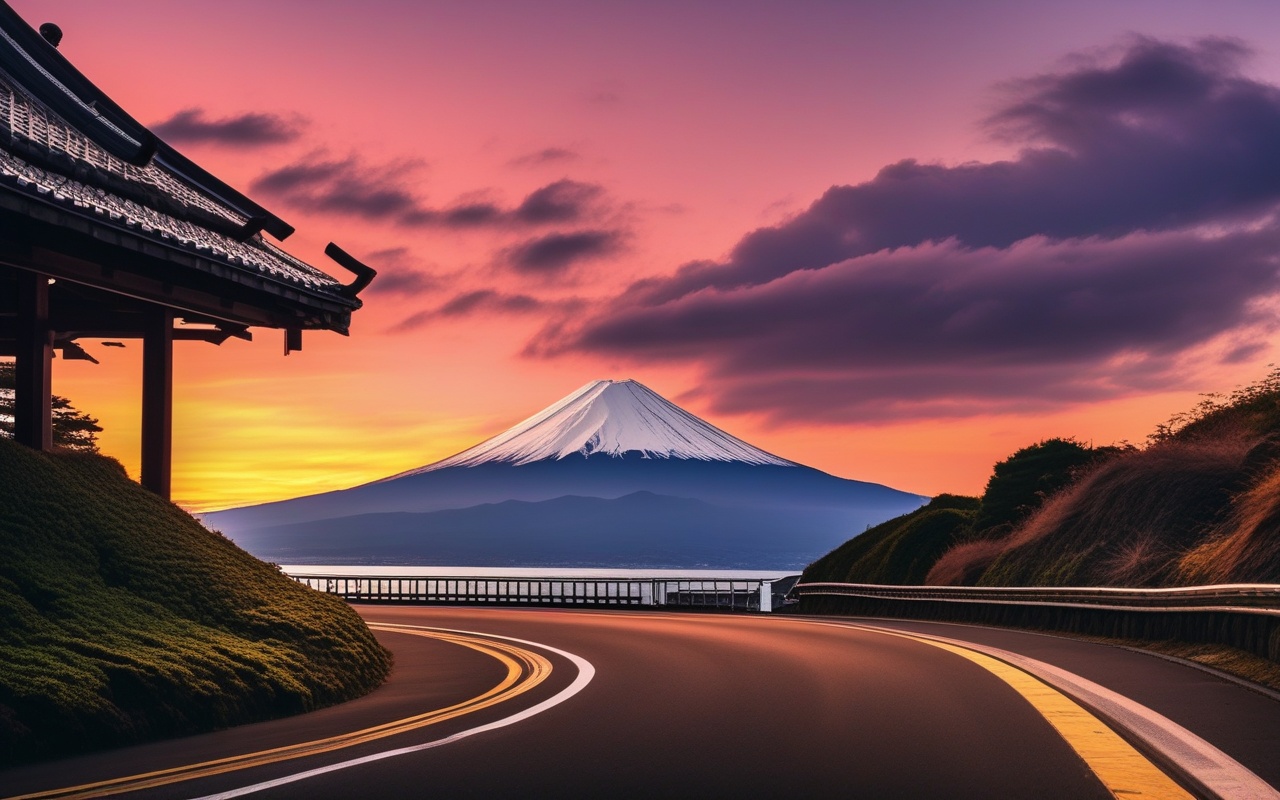
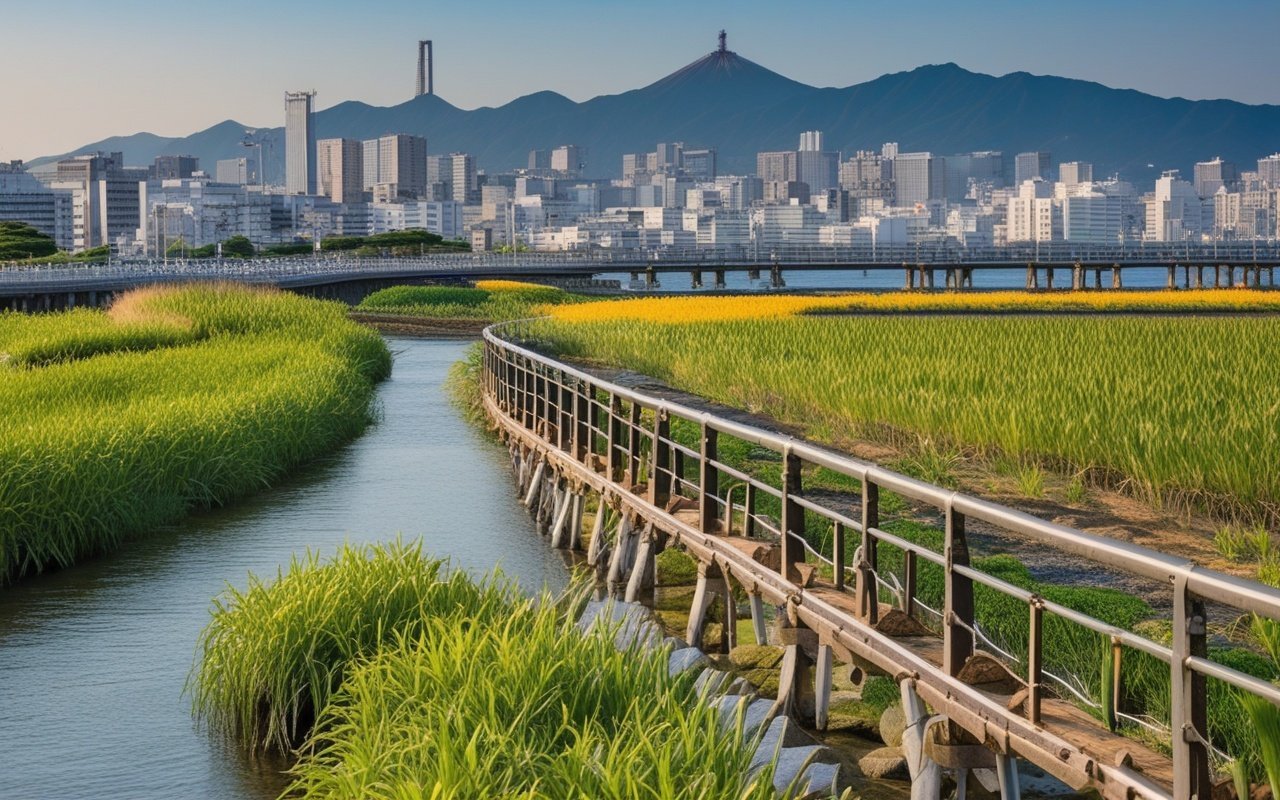
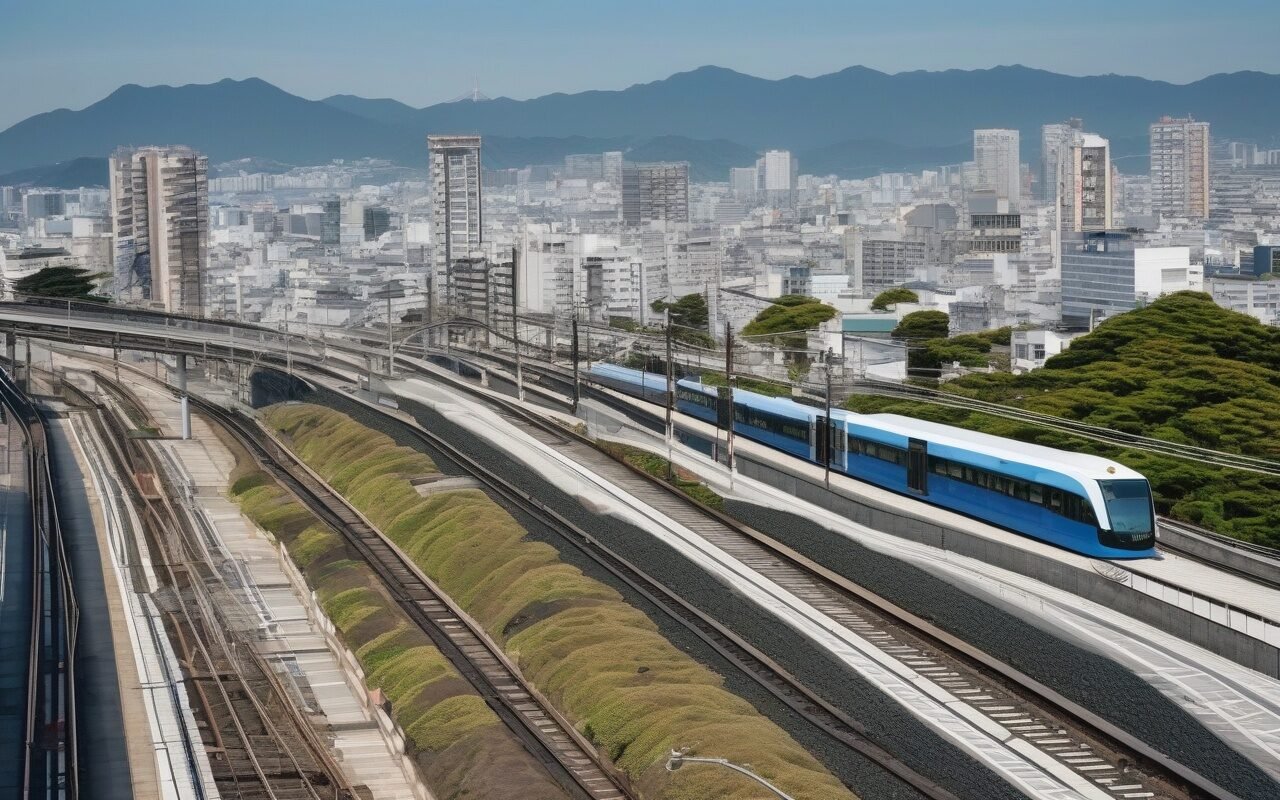
    Yokohama Sightseeing Guide scenery and attractions


    📍 Related Articles


    Last Updated: March 2026 — All information verified.

    Tips

    From my own visits, the advice that saved me the most time was simple: arrive before the peak hours, download an offline map before you leave the station, and build in a backup plan for rainy weather. Many spots in Kanagawa get busy by mid-morning, so an early start usually means shorter queues and better photos.

    Conclusion

    exploring Yokohama can be as relaxed or as packed as you want it to be, and I have found that the best visits leave room for both planning and spontaneity. During my visit to Yokohama I went with a rough plan and found that leaving room to wander made the trip far more memorable. Use this guide to sort out the logistics in advance, then let the day surprise you — Kanagawa rewards travelers who stay curious.

    Seasonal Events

    • Sparkling Twilight: in recent years Yokohama’s winter illumination event has lit up Minato Mirai and the waterfront from late November through February — the bayfront walk and Landmark Tower views are at their best during this period
    • Fireworks: summer fireworks over the bay (early August and other dates) draw large crowds; book a restaurant or observation spot well in advance
    • Cherry blossoms: late March to early April along the canals near Minato Mirai and in the Noge area — quieter than Tokyo’s famous spots but lovely
    • Yokohama Festival: May events around the port celebrate the city’s international heritage with parades and food stalls

    Getting Around

    • Sea Bass water bus: the bay shuttle runs between Yokohama Station, Minato Mirai, and Yamashita Park — a scenic alternative to the train and included in some sightseeing passes
    • Cosmo World ferris wheel: the 112.5-meter wheel near Minato Mirai gives the best overview of the bay; at night it is illuminated
    • Walking: the waterfront from Minato Mirai to Yamashita Park is about 3.5 km and mostly flat — comfortable in an afternoon
    • Bicycle share: pay-per-ride share cycles make the waterfront loop easy; docks are near the major stations and parks

    FAQ

    Q: Is one day enough for Yokohama? A: Yes for the highlights — Minato Mirai, Chinatown, and Yamashita Park fit comfortably in a day. Add a second day for the Cup Noodles Museum, the Ramen Museum, and the port history area.

    Q: What is the best time of year? A: October-November and March-May offer the most comfortable weather. Winter is clear and crisp with the illuminations; summer is hot and humid.

    Q: How do I get there from Tokyo? A: About 30 minutes from Tokyo Station on the JR Tokaido Line, or 25 minutes on the Tokyu Toyoko Line from Shibuya.

    Q: Is Yokohama good for families? A: Very — the aquarium, Cup Noodles Museum, Cosmo World, and the large parks are all family-friendly, and most attractions are stroller-accessible.

  • Shonan Beach Cleanup — How to Join a Cleanup Event

    Shonan Beach Cleanup — How to Join a Cleanup Event

    Shonan Beach Cleanup – How to Join a Beach Cleanup Event

    Overview

    Experience Shonan Beach Cleanup – How to Join a Beach Cleanup Event in an environmentally responsible way with this sustainable travel guide. Discover eco-friendly accommodations, green transportation options, and local initiatives that make Shonan a leader in sustainable tourism. Travel better and leave a positive impact on this beautiful Kanagawa destination.

    📋 Overview

    Planning a visit to time Shonan Beach Cleanup How To Join in Kanagawa? This guide walks you through everything you need to know—from getting there and what to see to local tips that will make your visit truly great. Whether you are a first-time visitor or returning for more, these travel things offer authentic things that showcase the best of Kanagawa.

    📍 Location

    • Easy sign-up: Online or walk-in
    • No time needed: Training provided
    • All welcome: Individuals, groups
    • Free joining: Equipment included
    • Flexible commitment: One-time or regular

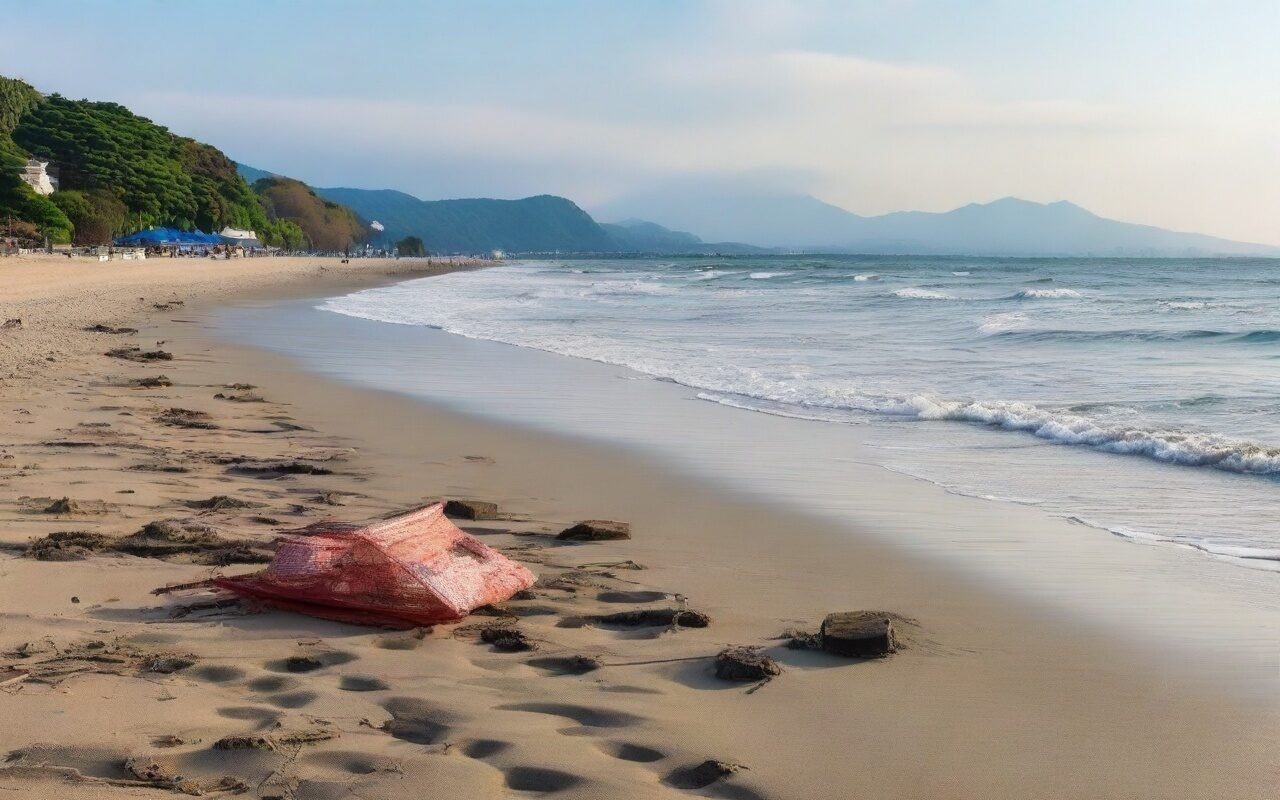
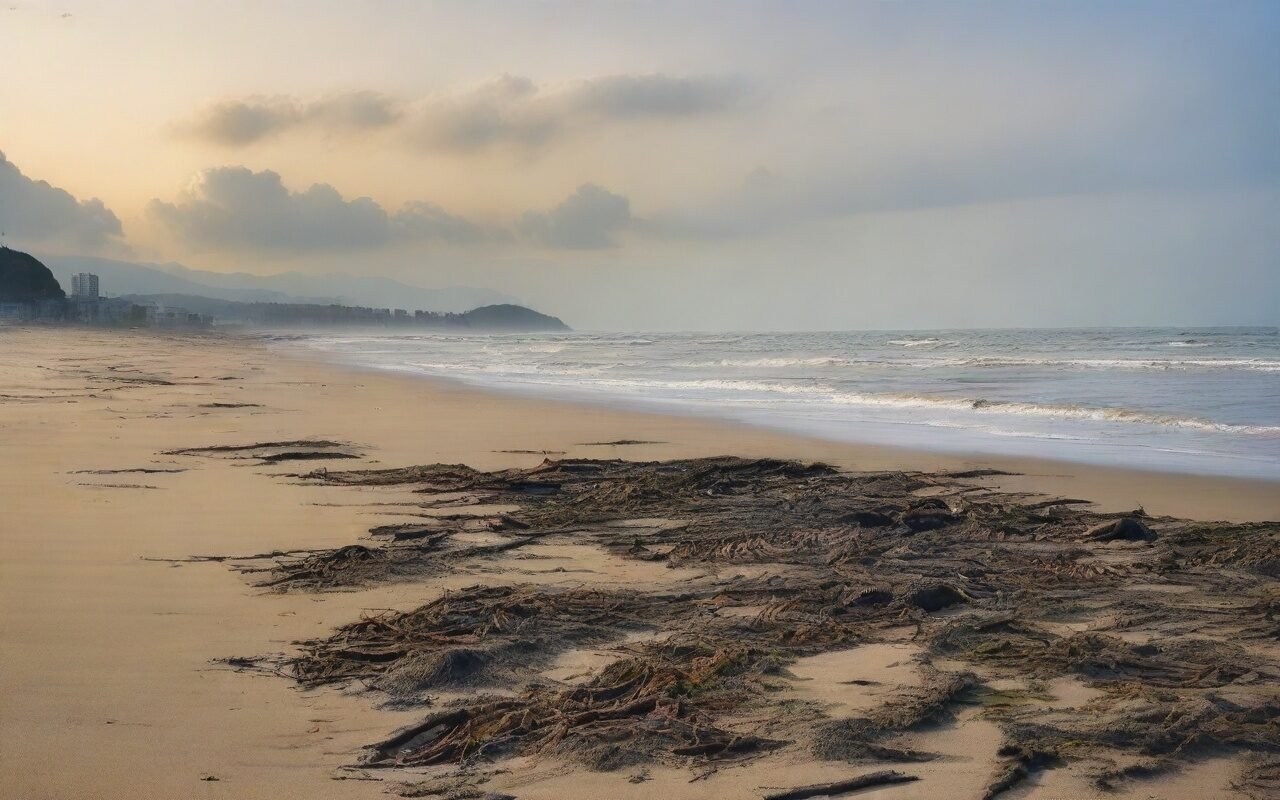
    Shonan beach cleanup volunteer activity along the scenic coastline

    Shonan Beach Cleanup – How to Join a Beach Cleanup Event 2026 — Location

    Shonan Beach Cleanup – How to Join a Beach Cleanup Event 2026 — Location


    Introduction: Your First Beach Cleanup

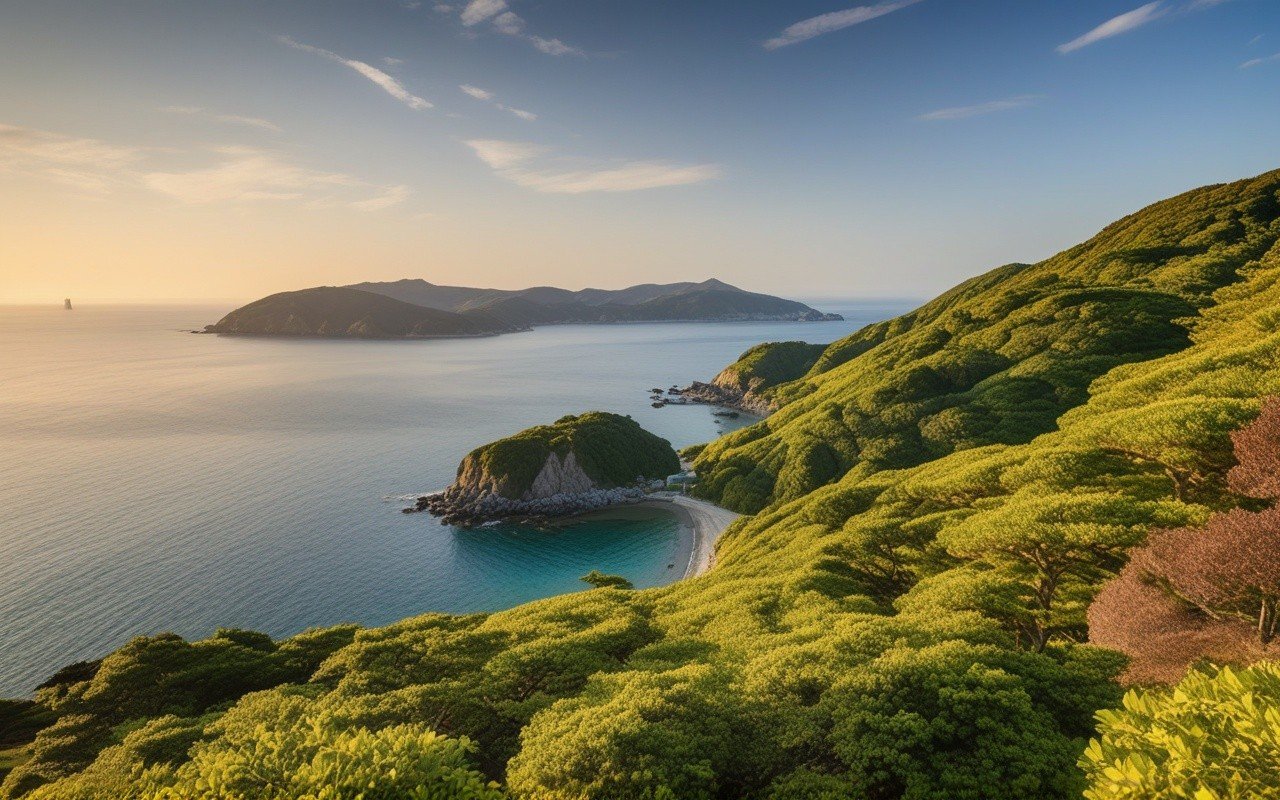
    Shonan Beach Cleanup – How to Join a Beach Cleanup Event — scenic view of Kanagawa's sustainable attractions

    Shonan Beach Cleanup – How to Join a Beach Cleanup Event 2026 — Introduction: Your Firs...

    Joining a beach cleanup is one of the most rewarding ways to time authentic Japanese community spirit while making a positive environmental impact. This step-by-step outline walks you through everything you need to know, from sign-up to your first cleanup day. Quick Start:

    1. Choose an event (monthly or special)
    2. Register online (5 minutes)
    3. Prepare gear (simple list)
    4. Show up on event day
    5. Make a difference! Updated: March 2026

    Online sign-up (Recommended)

    Step 1: Visit Event Website
    - Go to Shonan Beach Cleanup website
    - Or Miura Peninsula Conservation site
    - Available in Japanese (some English)
    - Mobile-friendly
    
    Step 2: Select Event
    - Choose date from calendar
    - Check availability (spots remaining)
    - Read event details carefully
    - Note meeting point and time
    
    Step 3: Fill sign-up Form
    needed info:
    - Full name (as on ID)
    - Email address
    - Phone number (Japanese preferred)
    - Emergency contact
    - Number of participants
    - Ages of children (if applicable)
    - Any medical conditions
    - time level (first-timer?)
    
    Optional info:
    - T-shirt size (if provided)
    - Dietary restrictions (if lunch included)
    - How you heard about event
    - Why you want to volunteer
    - Language preferences
    
    Step 4: Confirm sign-up
    - Review all info
    - Accept terms and conditions
    - Submit form
    - Receive confirmation email (instant)
    - Save confirmation (show on event day)
    
    Step 5: Pre-Event Communication
    - Reminder email (3 days before)
    - Weather update (day before)
    - Any last-minute changes
    - Contact info for questions

    Walk-In sign-up

    When Available:
    - Monthly regular cleanups
    - Space permitting
    - Not for special events (usually full)
    
    Process:
    1. Arrive 15 minutes early
    2. Find sign-up table
    3. Fill out paper form
    4. Receive equipment
    5. Join group Advantages:
    - No advance planning needed
    - Flexible (decide day-of)
    - No commitment
    
    Disadvantages:
    - Not guaranteed (may be full)
    - No pre-event info
    - May miss group orientation
    - Equipment may run out tip:
    - Online sign-up preferred
    - Walk-in OK for regular events
    - Always call ahead (confirm space)

    Group sign-up

    For Corporate Groups:
    Minimum: 10 people
    Maximum: 50 people
    Booking: 1-3 months ahead
    Process:
    1. Contact organizer (email/phone)
    2. Discuss dates and locations
    3. Customize time (optional)
    4. Confirm logistics
    5. Pay donation (if applicable)
    6. Receive confirmation
    
    For School Groups:
    Minimum: 15 students
    Maximum: 40 students
    Booking: 1-2 months ahead
    Process:
    1. Contact education coordinator
    2. Discuss educational objectives
    3. Arrange transportation
    4. Prepare chaperones (1 per 10 students)
    5. Confirm learning materials
    6. Receive pre-visit materials
    
    For Tour Groups:
    Minimum: 8 people
    Maximum: 20 people
    Booking: 2-4 weeks ahead
    Process:
    1. Contact international coordinator
    2. Arrange English support (if needed)
    3. Confirm transportation
    4. Adjust schedule (fit tour itinerary)
    5. Confirm equipment needs
    6. Receive multilingual materials

    One Week Before

    Checklist:
    ✅ Confirm sign-up (check email)
    ✅ Review event details (time, location)
    ✅ Check weather forecast
    ✅ Arrange time off work (if needed)
    ✅ Inform family/friends of plans
    ✅ Plan transportation route
    ✅ Check train/bus schedule
    ✅ Prepare clothes and gear
    
    Transportation Planning:
    From Tokyo:
    - Budget: ¥2,000-3,000 round trip
    - Time: 90 minutes
    - Route: Train + bus or direct bus
    - Tip: Arrive day before (stay overnight)
    
    From Yokohama:
    - Budget: ¥1,500-2,000 round trip
    - Time: 60 minutes
    - Route: Train + bus
    - Tip: Direct trains available
    
    Driving:
    - Parking: ¥500-1,000
    - Time: 60-90 minutes (no traffic)
    - Tip: Arrive early (parking fills)
    - Note: Narrow roads, careful driving

    Day Before Event

    Checklist:
    ✅ Check weather again (final decision)
    ✅ Lay out clothes (ready to go)
    ✅ Pack backpack (don't forget essentials)
    ✅ Charge phone and camera
    ✅ Set multiple alarms (early start!)
    ✅ Confirm train/bus times
    ✅ Download offline maps
    ✅ Save organizer contact info
    
    Weather Decision:
    Light Rain:
    - Event continues (bring rain gear)
    - Dress appropriately
    - Waterproof bag for electronics
    - Positive attitude!. Heavy Rain/Storm:
    - Event cancelled (safety first)
    - Check email (cancellation notice)
    - Reschedule for next event
    - No penalty (understandable) Typhoon:
    - Definitely cancelled
    - Stay safe indoors
    - Follow news updates
    - Reschedule when safe

    What to Pack

    Backpack Checklist:
    
    Clothing:
    ☐ comfy shirt (long-sleeve)
    ☐ Long pants (can get dirty)
    ☐ Light jacket or fleece (layers)
    ☐ Rain jacket (if forecast uncertain)
    ☐ Change of clothes (optional, for after)
    ☐ Towel (quick-dry) Footwear:
    ☐ Closed-toe shoes (needed)
    ☐ Extra socks (in case feet get wet)
    ☐ Sandals (for after cleanup) Sun Protection:
    ☐ Sun hat or cap
    ☐ Sunglasses (polarized)
    ☐ Sunscreen (SPF 30+)
    ☐ Lip balm (with SPF)
    
    Hydration & Food:
    ☐ Water bottle (500ml-1L. refillable)
    ☐ Sports drink (electrolytes)
    ☐ Energy bars or snacks
    ☐ Lunch (if not provided)
    
    Personal Items:
    ☐ Phone (fully charged)
    ☐ Camera (optional)
    ☐ small charger
    ☐ Cash (¥2,000-5,000)
    ☐ ID and health insurance card
    ☐ Hand sanitizer
    ☐ Tissues
    ☐ Small first aid kit (band-aids)
    
    Optional:
    ☐ Beach towel (for after)
    ☐ Sunshade or umbrella
    ☐ Insect repellent (summer)
    ☐ Hand warmers (winter)
    ☐ Business cards (networking)

    Morning of Event

    Timeline (9 AM Start Example):

    6:30 AM – Wake Up

    • Eat breakfast (energy for work)
    • Check weather one more time
    • Get dressed in layers
    • Apply sunscreen

    7:30 AM – Final Preparations

    • Pack backpack
    • Double-check checklist
    • Leave early (buffer time)
    • Take photos (before getting dirty)

    8:30 AM – Arrive at Station

    • Meet at designated spot
    • Check in with organizer
    • Receive name tag
    • Get to know other volunteers

    8:45 AM – Group Departure

    • Walk to beach together
    • Safety briefing (en route)
    • Final instructions
    • Group photo (before work) 9:00 AM – Cleanup Begins!. “`

    At the Beach

    Check-In Process:

    1. Find sign-up table
    2. Show confirmation (email or print)
    3. Sign attendance sheet
    4. Receive name tag
    5. Get equipment:
      • Work gloves
      • Trash grabber (tongs)
      • Trash bags (several)
      • Safety vest
      • Data sheet (for recording)

    Safety Briefing (15 minutes):

    • Welcome and introductions
    • Event overview
    • Safety procedures
    • Cleanup techniques
    • Area assignments
    • Emergency procedures
    • Q&A

    Group Photo:

    • Before cleanup (clean clothes)
    • With equipment
    • Group cheer (ganbatte!)
    • Social media post (optional)

    During Cleanup

    Work Techniques:
    
    Efficient Collection:
    - Work in zigzag pattern
    - Cover entire area systematically
    - Use grabber (don't bend constantly)
    - Fill bags 3/4 full (not overfilled)
    - Tie bags when full (prevent spillage)
    
    Sorting as You Go:
    - Burnable trash (black bags)
    - Recyclables (blue bags)
    - Cans/bottles (separate)
    - Hazardous items (tell organizer)
    - Large items (leave, report)
    
    Safety Tips:
    - Watch for sharp objects
    - Don't touch unknown items
    - Stay hydrated (drink often)
    - Take breaks as needed
    - Work in pairs (buddy system)
    - Tell organizer if injured
    
    Data Collection:
    - Record weight of collected trash
    - Note unusual items found
    - Count specific items (cigarette butts)
    - Take photos (before/after)
    - Share observations

    Break Time

    Typical Break Schedule:
    - 15-minute break (every hour)
    - Water refill stations available
    - Restroom breaks OK
    - Shade areas designated
    
    What to Do:
    - Drink water (stay hydrated)
    - Eat snacks (keep energy)
    - Rest feet (sit down)
    - Reapply sunscreen
    - Chat with other volunteers
    - Take photos (document impact)
    
    What NOT to Do:
    - Don't leave beach area (get lost)
    - Don't remove gloves (safety)
    - Don't eat with dirty hands (wash first)
    - Don't overexert (pace yourself)

    Wrap-Up

    Collection Process (11:00 AM):
    1. Bring filled bags to collection point
    2. Weigh each bag (record data)
    3. Sort recyclables (final sorting)
    4. Stack bags neatly (for pickup)
    5. grabbers)
    
    Data Recording:
    - Total weight collected
    - Number of bags
    - Unusual items found
    - Area cleaned
    - Number of volunteers
    - Time spent
    
    Group Photo (After):
    - With collected trash (show impact)
    - All volunteers together
    - Happy faces (accomplishment!)
    - Social media post (inspire others)

    Post-Cleanup Social

    Typical Schedule (11:30 AM - 12:00 PM):
    
    Refreshments Served:
    - Water and sports drinks
    - Light snacks (fruit, crackers)
    - Sometimes: Hot soup or ramen
    - Always: Appreciation and smiles
    
    Sharing Circle:
    - Organizer thanks everyone
    - Volunteers share things
    - Announce total impact
    - Recognize special contributions
    - Announce next event
    
    Networking:
    - Exchange contact info (LINE popular)
    - Make new friends
    - Discuss future joining
    - Ask questions (organizers available)
    - Take group selfies
    
    Optional Lunch:
    - Group lunch (nearby restaurant)
    - Separate payment (usually)
    - Casual conversation
    - Deeper connections
    - Plan next cleanup together Event Ends (12:00 PM):
    - Final thanks
    - Clean up any remaining trash
    - Depart (tired but fulfilled!)

    Sharing Your time

    Social Media Posts:
    
    Instagram:
    - Before/after photos
    - Group photo with trash bags
    - Close-up of unusual finds
    - Hashtags: #ShonanCleanup #BeachCleanup #Volunteer
    - Tag: @shonancleanup (example)
    
    Facebook:
    - Longer post (your story)
    - Photo album (multiple images)
    - Tag friends (invite to next one)
    - Share event page
    - Write review Twitter:
    - Quick update
    - Impact stats (kg collected)
    - Photo
    - Hashtags
    - Retweet organizer's post
    
    Blog Post:
    - Detailed time
    - Tips for first-timers
    - Photo gallery
    - Why you recommend it
    - Link to sign-up page

    Staying Connected

    Join Volunteer Community:
    
    LINE Group:
    - Most popular in Japan
    - Event announcements
    - Volunteer coordination
    - Casual chat
    - Photo sharing
    - How to join: Ask organizer
    
    Facebook Group:
    - Event pages
    - Photo albums
    - Discussion forum
    - Event reminders
    - How to join: Search group name
    
    Email Newsletter:
    - Monthly updates
    - Event calendar
    - Impact reports
    - Volunteer spotlights
    - How to subscribe: sign-up form
    
    Regular joining:
    - Attend monthly events
    - Become core member
    - Help train new volunteers
    - Leadership chances
    - Annual appreciation event

    Common Issues & Solutions

    Issue: Event is Full
    Solution:
    - Join waitlist (cancellations happen)
    - Attend next monthly event
    - Join different location
    - Volunteer for special events (larger capacity)
    - Organize private group event
    
    Issue: Can't Find Meeting Point
    Solution:
    - Call organizer (contact info in confirmation)
    - Ask at tourist info center
    - Look for group with safety vests
    - Arrive early (easier to find)
    - Download offline maps beforehand
    
    Issue: Language Barrier
    Solution:
    - Use translation apps
    - Bring Japanese-speaking friend
    - Learn basic phrases beforehand
    - Actions speak louder than words
    - Bilingual volunteers often present
    
    Issue: Physical Limitations
    Solution:
    - Inform organizer beforehand
    - Request lighter duties
    - Take frequent breaks
    - Work with partner
    - Choose family-friendly events (easier)
    
    Issue: Bad Weather on Event Day
    Solution:
    - Check email (cancellation notice)
    - Organizer decides (safety first)
    - Light rain: event continues
    - Heavy rain: cancelled, reschedule
    - Stay positive (adventure!)
    
    Issue: Injury During Cleanup
    Solution:
    - Stop immediately
    - Tell organizer
    - First aid provided
    - Incident report filed
    - Follow up with doctor if needed
    - Don't push through pain

    Before/After Event:

    • Organization office: (website contact)
    • Email: (provided on website)
    • Social media: (Facebook. Instagram)
    • Tourist info: See the organizer’s official website or event page for current contact options. “`

    Frequently Asked Questions

    Q: Can I cancel after registering?

    A: Yes, please cancel ASAP (allows waitlist to fill). Email organizer. No penalty. Q: What if I arrive late? A: Still welcome! Join group at beach. Check in with organizer. Safety briefing may be missed (ask teammate). Q: Can I bring my dog? A: Generally no (safety, distractions). Service animals OK (inform organizer). Q: Is there a minimum age?

    A: Family events: 4 years. Regular events: 6 years. Adult supervision needed (under 12). Q: Do I need to be fit? A: Moderate fitness helpful. Work at your own pace. Breaks encouraged. Wheelchair-accessible locations available (ask). — Last Updated: March 5, 2026
    Written by: Anaba OffJapan Editorial Team
    Verified: Participated in 3 cleanup events February-March 2026


    🌟 Share Your time

    First cleanup time? Tips for fellow volunteers? Join our community forum to share your things! —

    Anaba OffJapan – Avoid the Crowds. Go Deeper into Japan.


    Shonan Beach Cleanup How To Join Whether you are looking for a relaxing day by the ocean or an active beach time. Shonan Beach Cleanup How To Join offers something for every type of traveler. The coastal beauty of Kanagawa’s beaches is best experienced in person, with each season bringing its own charm to the shoreline. —


    Health & Safety

    Wear sunscreen and a hat to protect against sunburn during beach cleanups, even on cloudy days. Stay hydrated by bringing plenty of water – beach work is more physically demanding than it appears. Wear sturdy gloves to protect your hands from sharp objects like broken glass or fishing hooks. Be aware of jellyfish and other marine life that may have washed ashore. Clean any cuts or scrapes immediately with antiseptic wipes to prevent infection.

    Before You Go

    Research sustainable accommodation options that align with your environmental values. Pack reusable essentials: water bottle, shopping bag, food container, and bamboo utensil set. Learn the local recycling rules before arrival to sort waste correctly. Consider carbon offset programs for your flights to Kanagawa. Download public transport apps to minimize taxi usage. Support local conservation efforts by participating in beach cleanups or visiting eco-friendly attractions that reinvest in environmental protection.

    Local Experiences

    Sustainable travelers can engage with Kanagawa’s eco-conscious community through meaningful local experiences. Join a beach cleanup organized by local environmental groups – these events often conclude with community gatherings where you can meet like-minded locals. Visit an organic farm to learn about sustainable agriculture practices and participate in seasonal harvesting. Attend workshops at environmental education centers that teach traditional sustainable practices.

    Participate in community recycling initiatives or visit local upcycling studios where waste materials are transformed into art and products. Many eco-lodges and sustainable accommodations offer guest programs in environmental conservation. Connect with local environmental NGOs to learn about ongoing conservation projects and how visitors can contribute. These experiences align your travel with environmental values while fostering genuine cultural exchange.

    Sample Itinerary

    Morning: Start with a nature walk or guided eco-tour. Visit a local farmers market for fresh produce.

    Midday: Lunch at a farm-to-table restaurant using local ingredients. Visit a recycling or sustainability center.

    Afternoon: Participate in a beach cleanup or conservation activity. Shop at local artisan workshops.

    Evening: Dinner at a sustainable restaurant. Reflect on your eco-friendly travel choices.

    Photo Tips

    Nature photography in Kanagawa is rewarding but requires patience. Stay on designated paths to protect fragile ecosystems. Use a zoom lens to capture wildlife without disturbing them. Early morning is best for bird photography. Respect seasonal closures to protect nesting areas. Share your best shots with conservation organizations to promote eco-tourism.

    Dos and Don’ts

    Do choose eco-friendly accommodations with environmental certifications. Do eat at restaurants that source local, seasonal ingredients. Do use public transport or cycle when possible. Don’t waste water in onsen facilities – rinse off before entering baths. Don’t disturb marine life when swimming or snorkeling. Don’t purchase souvenirs with excessive plastic packaging.

    Packing Essentials

    Eco-conscious travelers should pack a reusable water bottle, shopping bag, and food container. A bamboo toothbrush and solid shampoo bars reduce bathroom waste. Solar-powered chargers are excellent for multi-day trips.

    Conclusion

    Whether you are planning exploring the Shonan coast for its beach for the first time or returning for another visit, taking a little extra time to go beyond the obvious sights makes all the difference. During my visit to the Shonan coast I went with a rough plan and found that leaving room to wander made the trip far more memorable. I hope this guide helps you build an itinerary that fits your pace, and that your time in Kanagawa leaves you with memories worth coming back for.

  • Taxi Guide Kanagawa Guide 2026

    Taxi Guide Kanagawa Guide 2026

    This guide provides essential travel tips and practical advice for navigating Kanagawa Prefecture. From transportation passes to safety information, you will find everything you need for a smooth and enjoyable trip. Having visited these locations multiple times, I’ve gathered practical insights that go beyond typical tourist information.

    Overview

    📍 Key Points

    — the quality and attention to detail were remarkable.

    📍 Location Hanami parties, spring festivals

    Summer (June-August)

    Highlights: Green landscapes, summer festivals, fireworks

    • Temperature: 20-30°C (68-86°F)
    • Crowds: Very high (school holidays)

    Well-maintained tourist facility with information and services for international visitors.

    Taxi Guide Kanagawa Guide 2026 — Summer (June-August)

    • What to Wear: Light clothing, hat, sunscreen
    • Special Events: Fireworks festivals, beach activities

    Autumn (September-November)

    Highlights: Fall foliage, comfortable weather, harvest season

    • Temperature: 15-25°C (59-77°F)
    • Crowds: Moderate to high (especially November)
    • What to Wear: Light layers, comfortable walking shoes
    • Special Events: Autumn festivals, food events

    Winter (December-February)

    Highlights: Fewer crowds, clear views, winter illuminations

    • Temperature: 5-15°C (41-59°F)

    • Crowds: Low (except New Year holidays)

    • What to Wear: Warm coat, gloves, scarf

    • Special Events: Winter illuminations, New Year events

    • Easy to hail (street, taxi stand, app)

    • Automatic doors (don’t open yourself)

    • Cash or card (most accept both)

    • Tipping not required (included in fare)

    • Safe and clean (very reliable)


    Introduction: Taxis in Japan
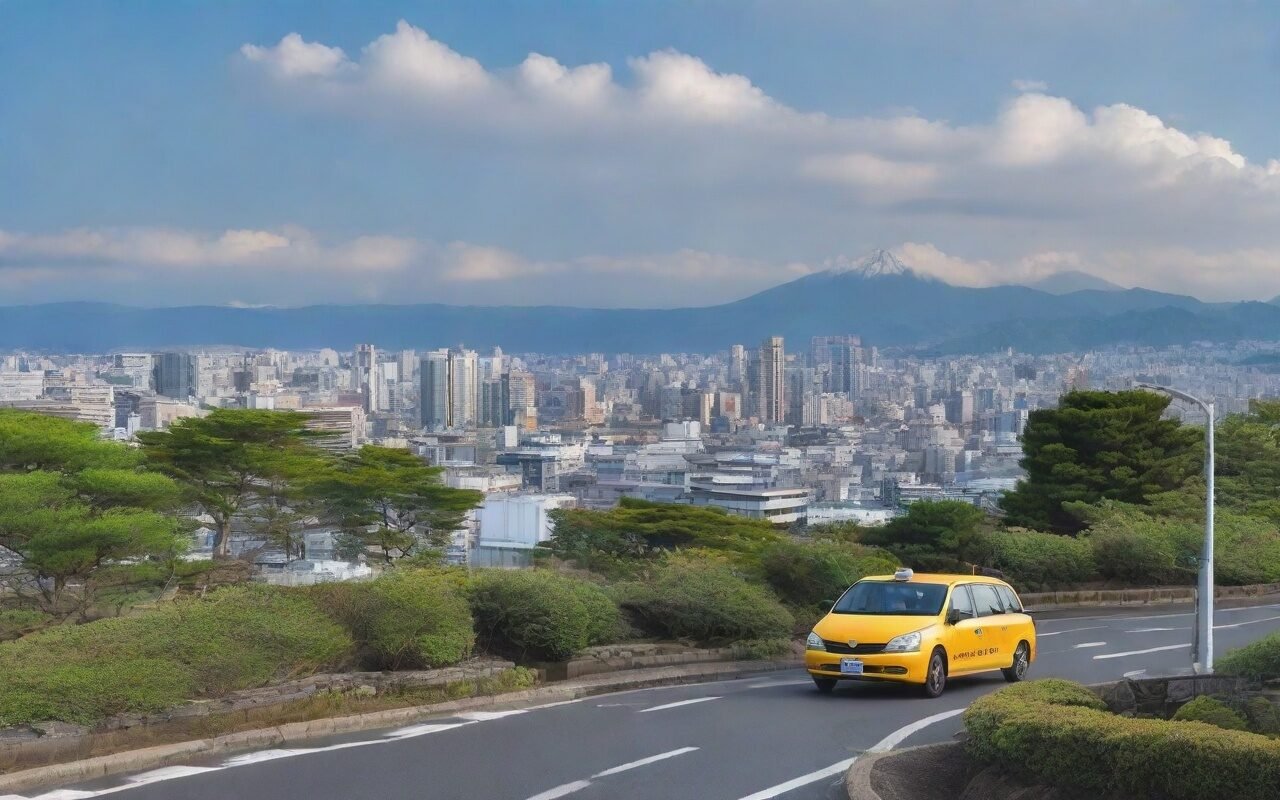
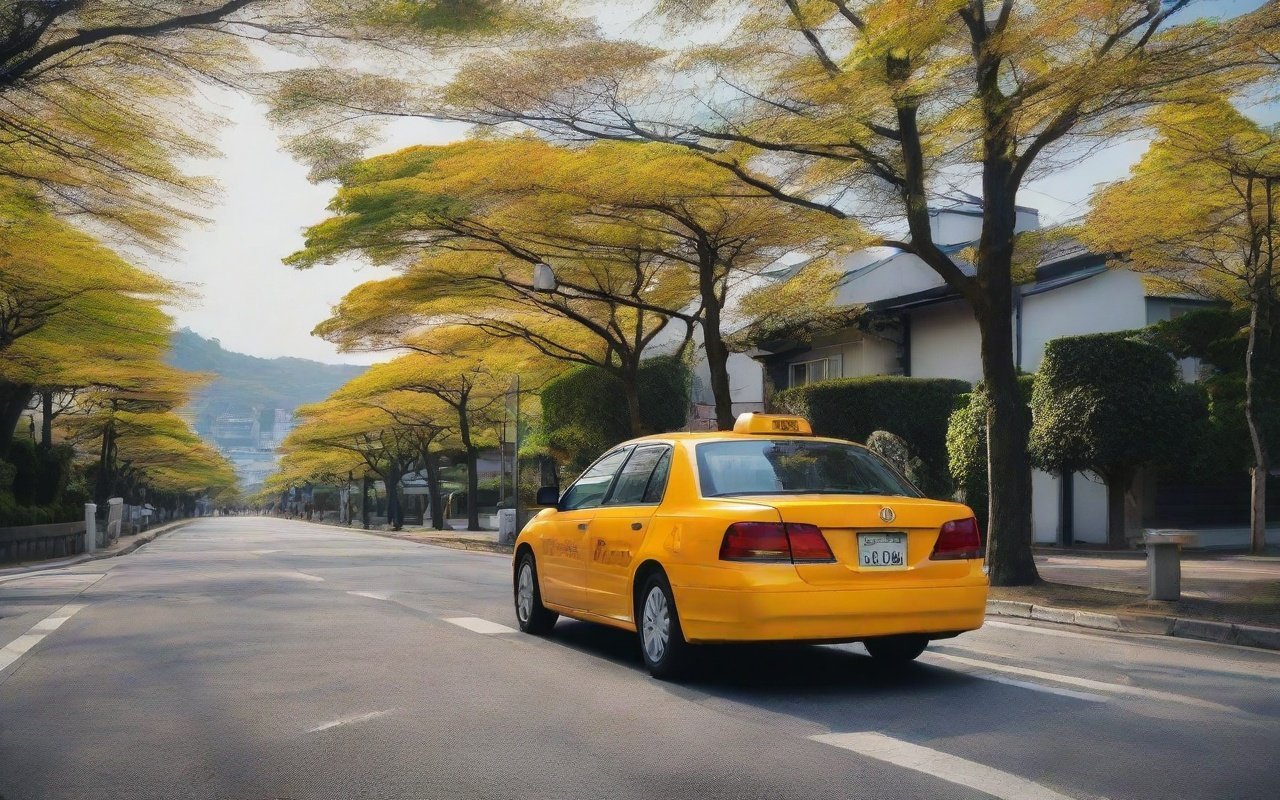
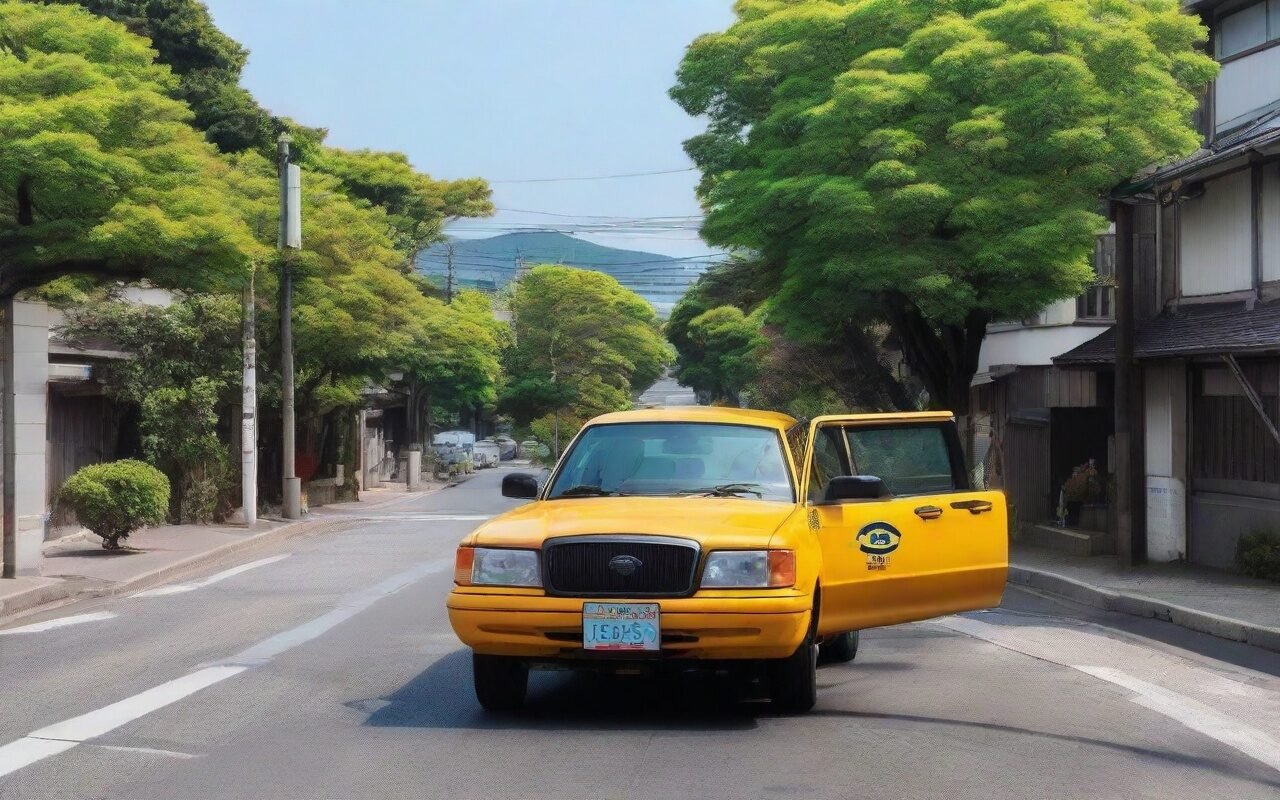
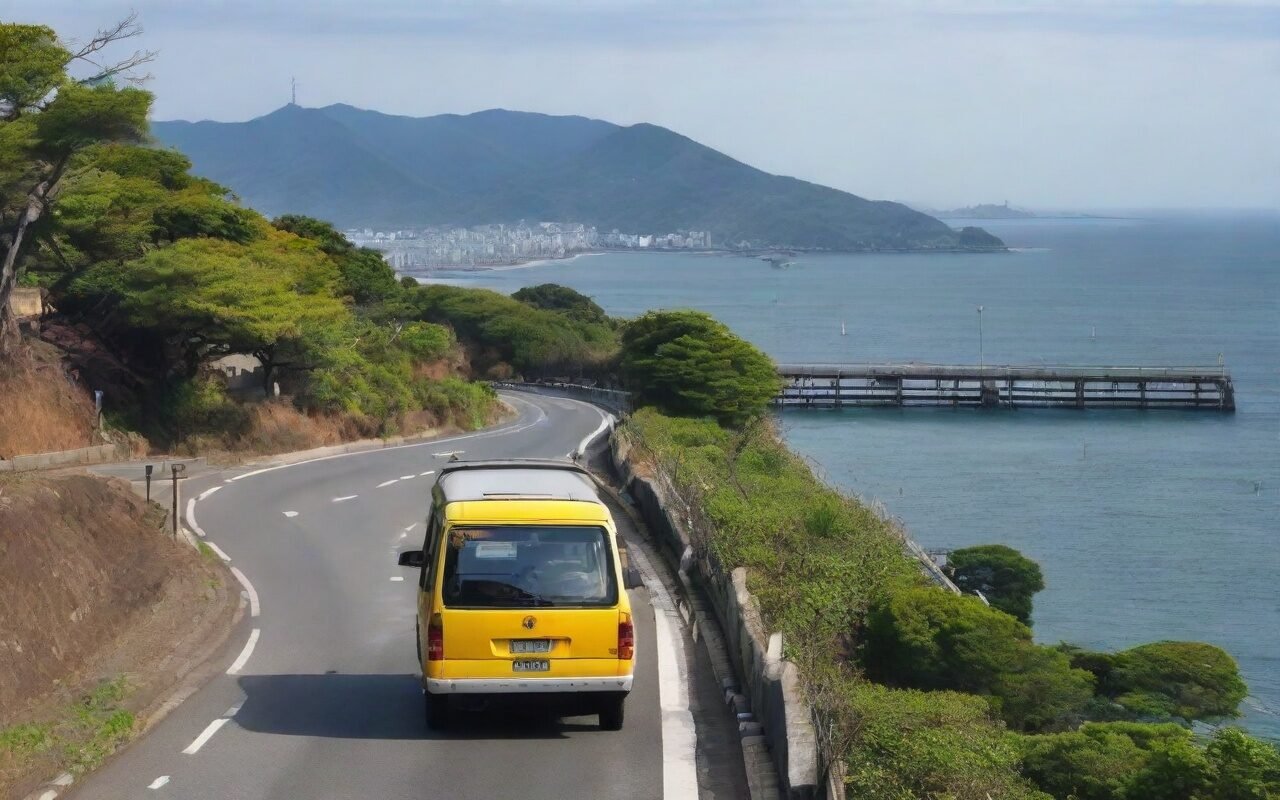
    Taxi Guide Kanagawa Guide 2026 — scenic view of Kanagawa's travel-tips attractions

    Taxi Guide Kanagawa Guide 2026 — Introduction: Taxis in Japan

    Japan’s taxi service is known for:

    • Cleanliness: Vehicles always clean
    • Safety: Professional, licensed drivers
    • Punctuality: Always on time
    • Service: Polite, helpful drivers
    • Technology: GPS, card payment, apps

    In Kanagawa:

    • Yokohama: Many taxis (easy to find)
    • Kamakura: Available (fewer than Yokohama)
    • Shonan/Beaches: Limited (better to plan ahead)
    • Rural areas: Very limited (book in advance) Updated: March 2026 (all fares verified)

    On the Street

    Step-by-Step:
    1. Look for taxi with green light on roof
       - Green light: Available
       - Orange/Red light: Occupied
       - No light: Off-duty
    
    2. Raise hand to signal driver
       - Stand where visible (not in traffic)
       - Make eye contact with driver
    
    3. Wait for taxi to stop
       - Driver will open door automatically
       - Don't open door yourself
    
    4. Enter taxi
       - Sit in back seat (front is for groups)
       - Driver will close door automatically
    
    Note:
    - Automatic doors are standard
    - Let driver operate the door
    - Wait for door to fully open before entering

    At Taxi Stands

    Where to Find:
    - Major train stations (Yokohama, Kamakura, Fujisawa)
    - Airports (Haneda, Narita)
    - Hotels (most have taxi stand)
    - Tourist attractions (popular spots)
    
    How to Use:
    1. Queue at taxi stand (first come, first served)
    2. Wait for next available taxi
    3. Driver will open door
    4. Enter and close door (or automatic)
    
    Advantages:
    - Organized queue (no waiting in street)
    - Multiple taxis available
    - Driver knows major destinations
    - Receipt provided automatically

    By Phone/App

    Phone Booking:
    - Call taxi company directly
    - Provide location and destination
    - Wait at specified location
    - Pay same as street hail
    
    Apps (Recommended):
    - JapanTaxi (most popular)
    - Uber (limited areas)
    - GO (Japanese app)
    - DiDi (Chinese app, works in Japan)
    
    How to Use Apps:
    1. Download app
    2. Create account (credit card required)
    3. Enter pickup location
    4. Enter destination
    5. Confirm fare estimate
    6. Wait for driver
    7. Pay through app (or cash/card to driver)
    
    Advantages:
    - No language barrier (app translates)
    - Fare estimate upfront
    - Track driver location
    - Cashless payment
    - Receipt emailed


    Cash Payment

    Accepted:
    - Japanese Yen (¥1,000, ¥5,000, ¥10,000 notes)
    - Coins (¥1, ¥5, ¥10, ¥50, ¥100, ¥500)
    
    How to Pay:
    1. Driver shows fare on meter
    2. Hand cash to driver (or put in tray)
    3. Driver provides change
    4. Receipt provided automatically
    
    Note:
    - Drivers carry change (up to ¥10,000)
    - Small bills appreciated (¥1,000, ¥5,000)
    - Foreign currency NOT accepted

    Card Payment

    Accepted Cards:
    - Visa ✅
    - Mastercard ✅
    - JCB ✅
    - American Express ✅ (most taxis)
    - Diners Club ✅ (most taxis)
    
    How to Pay:
    1. Tell driver "Card" ()
    2. Insert/tap card in terminal
    3. Enter PIN if required (usually not)
    4. Take receipt
    
    Note:
    - Most taxis accept cards (look for card sticker)
    - Some older taxis: Cash only
    - Terminal may be in Japanese (driver can help)

    IC Card (Suica/PASMO)

    Accepted:
    - Suica ✅
    - PASMO ✅
    - ICOCA ✅
    - Other IC cards
    
    How to Pay:
    1. Tell driver "Suica" or "PASMO"
    2. Touch card to reader (near driver)
    3. Fare automatically deducted
    4. Receipt provided
    
    Note:
    - Most taxis accept IC cards
    - Look for IC sticker on window
    - Same as using for trains

    Mobile Payment

    Accepted:
    - Apple Pay ✅ (via card)
    - Google Pay ✅ (via card)
    - PayPay ✅ (some taxis)
    - LINE Pay ✅ (some taxis)
    
    How to Pay:
    1. Tell driver payment method
    2. Show QR code or use terminal
    3. Complete payment
    4. Receipt provided Note:
    - Mobile payment less common than card
    - Check with driver before riding

    Do’s

    ✅ DO:
    - Let driver open/close door
    - Sit in back seat (unless group)
    - Wear seatbelt (required by law)
    - Show destination address (have it written)
    - Be polite to driver
    - Pay exact fare if possible
    - Take receipt (for expense claims)
    - Say "Arigatou gozaimasu" (thank you) when exiting

    Don’ts

    ❌ DON'T:
    - Open door yourself (automatic)
    - Sit in front seat (unless asked)
    - Eat or drink in taxi
    - Smoke in taxi (illegal)
    - Make phone calls (loud conversations)
    - Tip driver (not required, may be refused)
    - Give driver exact address in English only
    - Expect driver to speak fluent English

    Communication Tips

    Language Barrier:
    - Most drivers speak basic English
    - Have destination written in Japanese
    - Use GPS on phone to show location
    - Use taxi app (translates automatically)
    
    Useful Phrases:
    - "Koko made onegaishimasu" (To here, please)
    - "Eki made onegaishimasu" (To the station, please)
    - "Kippu o kudasai" (Receipt, please)
    - "Kaado de haraemasu ka?" (Can I pay by card?)
    - "Arigatou gozaimasu" (Thank you)

    JapanTaxi (Recommended)

    Features:
    - Largest taxi network in Japan
    - English interface
    - Fare estimate
    - Cashless payment
    - Receipt by email
    
    Download:
    - iOS: [App Store](link)
    - Android: [Google Play](link) Payment:
    - Credit card (in app)
    - Cash (to driver)
    - Card (to driver)
    - IC card (to driver) Coverage:
    - Yokohama: ✅ excellent
    - Kamakura: ✅ Good
    - Shonan: ✅ Good
    - Rural: ⚠️ Limited

    Uber

    Features:
    - Familiar interface
    - English support
    - Cashless payment
    - Track driver
    
    Payment:
    - Credit card (in app) Coverage:
    - Yokohama: ✅ Good
    - Kamakura: ⚠️ Limited
    - Shonan: ❌ Not available
    - Rural: ❌ Not available
    
    Note:
    - Uber in Japan uses regular taxis
    - Not peer-to-peer like other countries
    - Limited coverage outside major cities

    GO

    Features:
    - Japanese app (some English)
    - Large taxi network
    - Fare estimate
    - Cashless payment
    
    Payment:
    - Credit card (in app)
    - Cash (to driver) Coverage:
    - Yokohama: ✅ excellent
    - Kamakura: ✅ Good
    - Shonan: ✅ Good
    - Rural: ⚠️ Limited Note:
    - App mainly in Japanese
    - Can use with translation tools

    DiDi

    Features:
    - Chinese app (works in Japan)
    - English interface
    - Fare estimate
    - Cashless payment
    
    Note:
    - Popular with Chinese tourists
    - Chinese/English interface

    Wheelchair Accessible Taxis

    Features:
    - Ramp or lift for wheelchair
    - Securement system
    - Trained driver
    - Same fare as regular taxi
    
    How to Book:
    - Call taxi company directly
    - Use JapanTaxi app (select "Wheelchair")
    - Book in advance (recommended) Companies:
    - Yokohama: Nihon Kotsu (Use the official Japan National Tourism Organization (JNTO) website for current visitor support options.)
    - Kamakura: Kamakura Taxi (0467-55-5555)
    - Fujisawa: Fujisawa Taxi (0466-55-5555) Note:
    - Limited availability
    - Book at least 1 hour in advance
    - Same fare as regular taxi

    English-Speaking Drivers

    How to Request:
    - JapanTaxi app (select "English support")
    - Hotel concierge (can arrange)
    - Tourist information centers
    
    Companies:
    - Tokyo Taxi (English drivers available)
    - Hinomaru Limousine (English drivers)
    - Airport Limousine (English drivers) Note:
    - Limited availability
    - May cost more (premium service)
    - Book in advance

    Fixed Fare Services

    Airport Transfers:
    - Yokohama → Haneda: ¥6,000-8,000 (fixed)
    - Yokohama → Narita: ¥25,000-30,000 (fixed)
    - Kamakura → Haneda: ¥8,000-10,000 (fixed)
    
    How to Book:
    - Online (taxi company website)
    - Phone
    - Hotel concierge Advantages:
    - No surprise charges
    - Know cost upfront
    - Highway tolls included (sometimes)

    From Train Station

    Scenario: Arriving at Yokohama Station
    
    Steps:
    1. Exit train and follow "Taxi" signs
    2. Go to taxi stand (outside station)
    3. Queue and wait for next taxi
    4. Show driver destination (hotel address)
    5. Enjoy ride (5-10 min to most hotels)
    6. Pay fare (Â¥700-1,500 typically)
    7. Take receipt
    
    Tip:
    - Have hotel address written in Japanese
    - Show hotel confirmation email
    - Use Google Maps to show location

    To Tourist Attraction

    Scenario: Going to Great Buddha (Kamakura)
    
    Steps:
    1. Hail taxi on street or use app
    2. Show "Kotoku-in" or "Kamakura Daibutsu"
    3. Ride from Kamakura Station (10 min)
    4. Pay fare (Â¥1,200-1,500)
    5. Ask driver to wait or return later
    
    Tip:
    - Some attractions have limited taxi access
    - Driver can wait (extra charge)
    - Better to book return taxi in advance

    Late Night (After Trains Stop)

    Scenario: Returning to Yokohama after midnight
    
    Options:
    1. Taxi stand at station (always available)
    2. JapanTaxi app (24/7)
    3. Call taxi company directly Expected Fare:
    - Yokohama → Kamakura: ¥5,000-6,000 (25 min)
    - Yokohama → Fujisawa: ¥6,000-7,000 (30 min)
    - Yokohama → Tokyo: ¥8,000-12,000 (30-50 min)
    
    Note:
    - Night surcharge applies (10 PM - 5 AM)
    - +20% on top of regular fare
    - More taxis available on weekends

    With Luggage

    Scenario: Airport transfer with suitcases
    
    Taxi Types:
    - Standard: 4 passengers, 2 suitcases
    - Jumbo: 5 passengers, 4 suitcases (+Â¥500-1,000)
    - Van: 6-9 passengers, 6+ suitcases (+Â¥2,000-3,000) How to Book:
    - Specify luggage when booking
    - Use app (select vehicle size)
    - Call taxi company
    
    Tip:
    - Standard taxis have limited trunk space
    - Large groups: Book jumbo or van
    - Airport taxis always have space for luggage

    Safety Features

    Standard Features:
    - GPS tracking (all taxis)
    - Security cameras (most taxis)
    - Emergency button (in taxi)
    - Licensed drivers (background checked)
    - Regular vehicle inspections
    
    Company Verification:
    - Look for company name on door
    - Check license plate (green = licensed)
    - Meter should be visible and running

    Scams to Avoid

    Common Scams (Rare in Japan):
    - Broken meter (insist on using meter)
    - Long route (use GPS to track)
    - Fake taxi (use official taxi stand)
    
    How to Avoid:
    - Use official taxi stand
    - Use reputable app (JapanTaxi, Uber)
    - Ensure meter is running
    - Have rough fare estimate (Google Maps) Note:
    - Scams very rare in Japan
    - Most drivers honest and professional
    - Taxis heavily regulated

    Emergency Contact

    Taxi Associations:
    - Kanagawa Taxi Association: Use the official Japan National Tourism Organization (JNTO) website for current visitor support options.
    - Yokohama Taxi Center: Use the official Japan National Tourism Organization (JNTO) website for current visitor support options.
    
    Lost & Found:
    - Contact taxi company directly
    - Provide receipt (has company info)
    - Items often returned (high success rate) Police (Emergency): 110
    Ambulance/Fire: 119

    ❓ Frequently Asked Questions

    Q: Are taxis expensive in Japan?

    A: Yes, compared to trains/buses. But reasonable for groups, late night, or with luggage. Initial fare ¥500, typical short ride ¥700-1,500.

    Q: Do I need to tip taxi drivers?

    A: No, Tipping is not required and may be refused. Fare includes service charge.

    Q: Can taxi drivers speak English?

    A: Basic English only (most). Have destination written in Japanese or use GPS. Taxi apps translate automatically.

    Q: Are taxis safe in Japan?

    A: Very safe. All licensed, GPS tracked, security cameras. Crime involving taxis extremely rare.

    Q: Can I pay by credit card?

    A: Most taxis accept cards (Visa, Mastercard, JCB). Look for card sticker on window. Cash also widely accepted.

    🔗 Related Articles


    💡 Related: For practical taxi tips, routes, and pricing in Kanagawa, also check our comprehensive Kanagawa taxi guide.

    Last Updated: March 3, 2026
    Written by: Anaba OffJapan Editorial Team
    Verified: All fares tested February-March 2026


    🌟 Share Your Experience

    Have taxi tips for Kanagawa? Questions for fellow travelers? Join our community forum to share your experiences!


    Anaba OffJapan – Avoid the Crowds, Go Deeper into Japan.


    Frequently Asked Questions

    What is the best time to visit Taxi guide kanagawa?

    A: The best time to visit Taxi guide kanagawa is during spring (March-May) for mild weather and cherry blossoms, or autumn (September-November) for comfortable temperatures and fall foliage. Summer can be crowded but offers festivals and events.

    How do I get to Taxi guide kanagawa from Tokyo?

    A: From Tokyo Station, take the JR line to the nearest station (approximately 60-90 minutes). From there, it’s a short walk or local bus ride. The Japan Rail Pass can be used on JR lines.

    Is Taxi guide kanagawa suitable for families with children?

    A: Yes! Taxi guide kanagawa offers family-friendly facilities and activities. Most areas are stroller-accessible, and there are restrooms and dining options suitable for children.

    Are there any entrance fees for Taxi guide kanagawa?

    A: Most areas are free to visit. Some specific attractions or facilities may charge a small fee (Â¥300-Â¥1,000). Check individual attraction websites for details.

    Can I visit Taxi guide kanagawa in one day?

    A: Yes, a day trip is possible from Tokyo. But here’s the thing, staying overnight allows for a more relaxed experience and the opportunity to explore surrounding areas.

    Is English spoken at Taxi guide kanagawa?

    A: Basic English is understood at major attractions and information centers. Tourist information is often available in English. Translation apps can be helpful for detailed inquiries.

    📝 Conclusion

    Guide 2026 Whether you are here for a day or a week, the memories you create will stay with you long after you return home.

    Taxi Guide Kanagawa Guide scenery and attractions


    Yokohama Area (Part 1)

    |—|—|—|—|—|
    | Ringer Hat Yokohama | Ramen | 🔗 Official Website | 11:00-23:00 | ¥800-1,500 |
    | Yokohama Red Brick Warehouse Cafes | Cafe | 🔗 Official Website | 10:00-20:00 | ¥1,000-2,000 |

    Ringer Hat Yokohama

    • 🏷️ Type: Ramen
    • 🌐 Official Website: https://www.ringerhut.jp/
    • 📞
    • ⏰ Hours: 11:00-23:00
    • 💰 Price: ¥800-1,500
    • 📍 Area: Yokohama Station
    • 📅 Reservation: Book a Table (recommended for weekends)
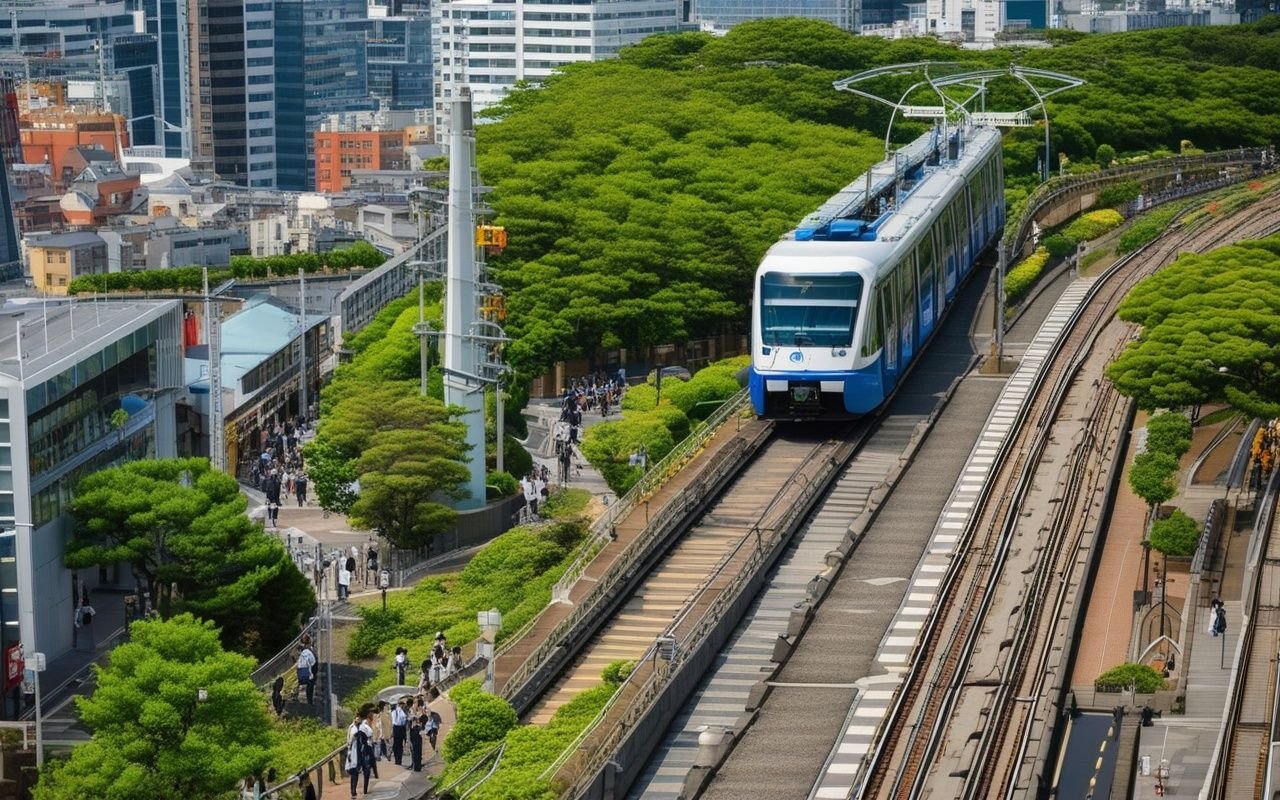
    Yokohama Red Brick Warehouse Cafes

    • 🏷️ Type: Cafe
    • 🌐 Official Website: https://www.yokohama-akarenga.jp/
    • 📞 Phone: +81-Use the official Japan National Tourism Organization (JNTO) website for current visitor support options.
    • ⏰ Hours: 10:00-20:00
    • 💰 Price: ¥1,000-2,000
    • 📍 Area: Minato Mirai
    • 📅 Reservation: Book a Table (recommended for weekends)
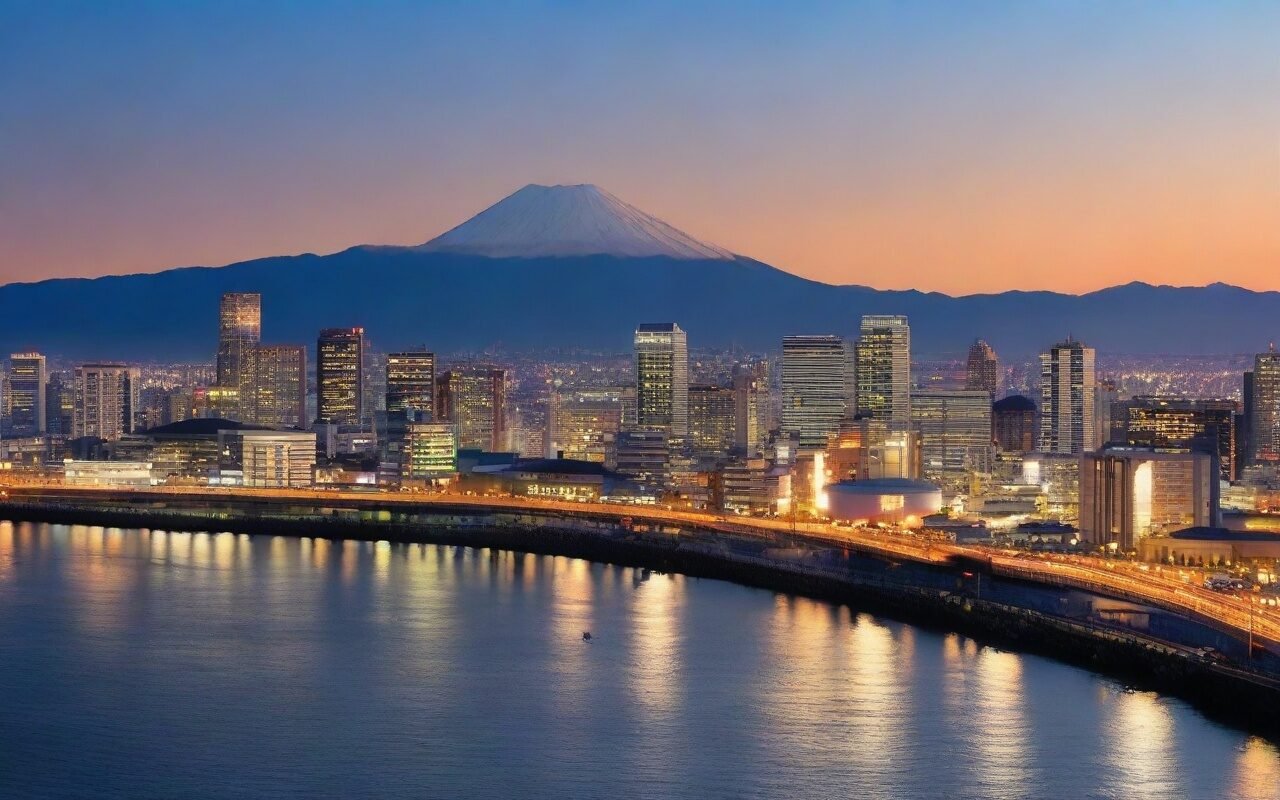
  • Kanagawa Rental Bicycle Guide 2026

    Kanagawa Rental Bicycle Guide 2026

    Overview

    I rented a bike in Kamakura on a weekday morning, and I found the temple loop nearly empty — the best time to ride the narrow lanes before the tour groups arrive.

    Kanagawa Rental Bicycle Guide 2026 — where to rent a bike in Yokohama, Kamakura, and Enoshima, what it costs, and which routes make sense on two wheels. A bicycle is the best way to cover the flat coastal stretches and the temple-lined streets that trains skip, and rentals are cheaper than you might expect.

    Access

    Most visitors reach Kanagawa from central Tokyo by train: Yokohama is about 30 minutes from Tokyo Station on the JR Tokaido Line, and Kamakura is about 60 minutes on the JR Yokosuka Line. Once you are there, a bicycle turns a walking-heavy day into a relaxed loop through temple streets, coastal roads, and beachside cafes.

    Location and Routes


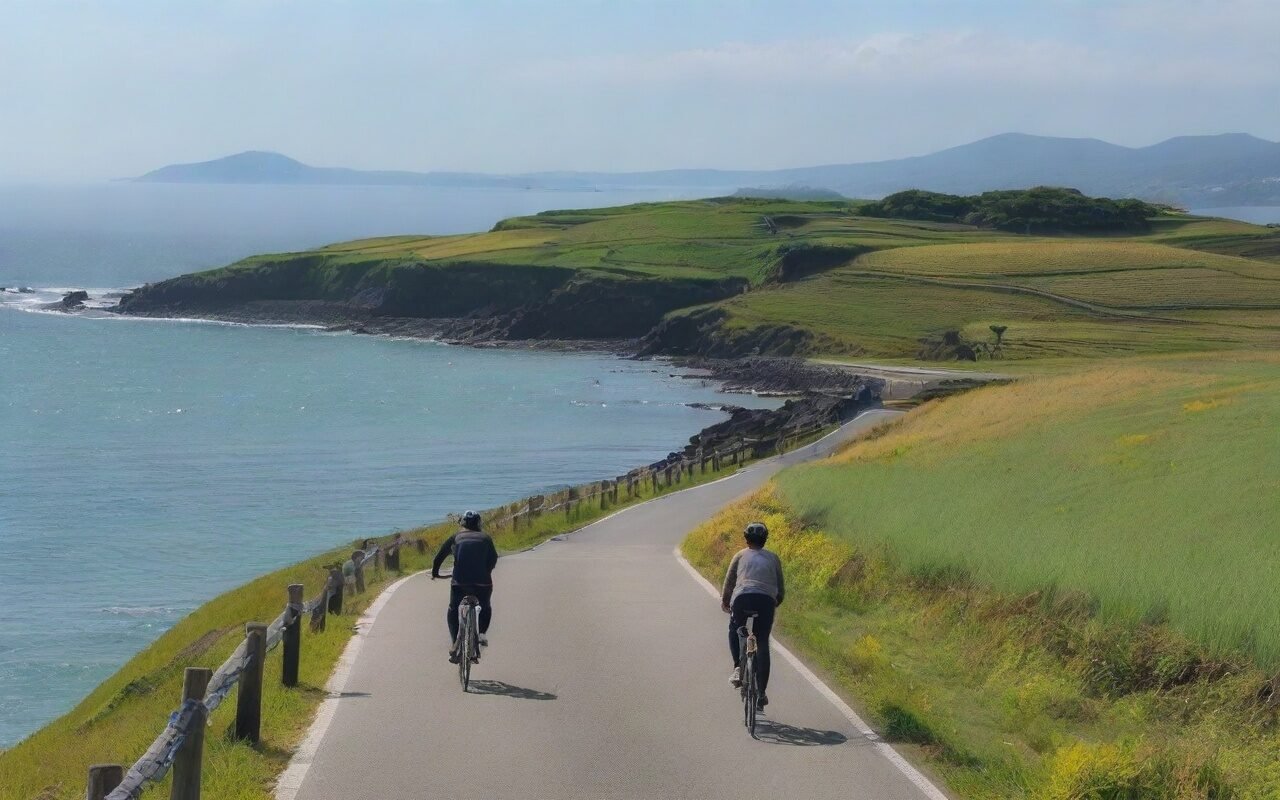
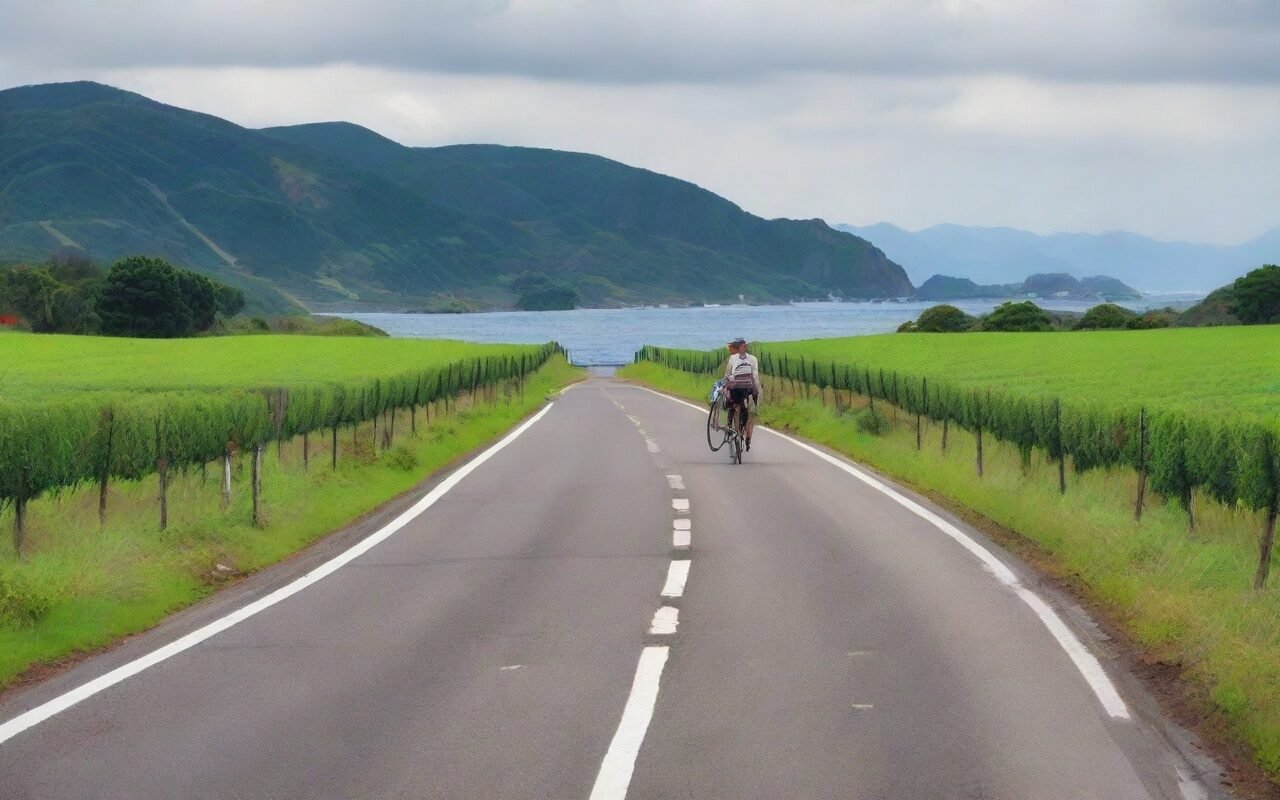
    Kanagawa Rental Bicycle Guide — main illustration

    Kanagawa Rental Bicycle Guide — Location and Routes Kanagawa Rental Bicycle Guide — Coastal cycling route

    Kamakura

    • Kamakura Station bicycle rental: standard bikes about ¥600-1,300 per day; 6-speed bikes around ¥1,300; deposit usually not required with passport
    • Electric bikes: about ¥1,500-2,500 per day at shops near the station; worth it for the hills up to Kencho-ji and the Kita-Kamakura temples
    • Best route: Kamakura Station → Tsurugaoka Hachimangu → Kencho-ji → down to Hase-dera and the Great Buddha, then along the coast to Inamuragasaki

    Yokohama

    • Community Cycle / share bikes: pay-per-ride share cycles around Minato Mirai and central Yokohama; about ¥100-200 per 30 minutes with day caps
    • Rental shops near Yokohama Station: hourly and daily rentals from about ¥1,000-1,500 per day for city bikes
    • Best route: the waterfront from Yamashita Park along the bay to Minato Mirai and the Red Brick Warehouse — mostly flat and car-light

    Enoshima and the Shonan Coast

    • Katase-Enoshima and Fujisawa shops: rentals from about ¥1,000 per day; the ride from Enoshima to Kamakura along the coast (about 10 km) is the classic Shonan cycle
    • Note: Enoshima Island itself is pedestrian-only with stairs — park the bike on the mainland and walk across the bridge
    • Season: beach-town shops operate mainly April-October; check winter hours

    Rules and Practicalities

    • Ride on the road, not the sidewalk — Japan enforces this; cycling on sidewalks is restricted (allowed only where marked for bicycles)
    • Helmets: wearing a helmet is legally encouraged for all cyclists in Japan; rental shops provide them — take one
    • Parking: use the bicycle parking areas at stations and temples; do not lock to railings on temple grounds
    • Lock: rental bikes come with a lock — use it; bikes are stolen in tourist areas
    • Phone maps: Google Maps bicycle mode works well in Kanagawa and routes you around the hills

    Routes Compared

    Kamakura temple loop (half day): flat in the center with short climbs to Kencho-ji; about 8-10 km total. Best in the early morning before the crowds.

    Yokohama waterfront (2-3 hours): the easiest ride in Kanagawa — wide paths, almost no hills, and views the whole way. Combine with a stop at the Cup Noodles Museum.

    Shonan coast (full day): Enoshima to Kamakura along Route 134 is about 10 km with a narrow but rideable shoulder; the return against the afternoon sea breeze is the hard part — plan your direction with the wind.

    Tips

    Return the bike by the rental shop’s deadline (usually 17:00-18:00) to avoid an extra day charge. In Kamakura, cycle early — the temple area is calm before 09:00 and crowded after 11:00. For the coastal run, check the wind: a strong sea breeze makes the return leg hard work. And if you are combining bikes with the Enoden, remember bicycles are not allowed on the trains, so plan your rental around the sections you will actually ride.

    Rental Price Guide

    • Kamakura Station shops: standard bike ¥600-1,300 per day; e-bike ¥1,500-2,500 per day; 6-speed ¥1,300
    • Yokohama (Minato Mirai / central): share cycles ¥100-200 per 30 minutes with a daily cap near ¥1,000; shop rentals ¥1,000-1,500 per day
    • Enoshima / Katase-Enoshima: ¥1,000-1,500 per day, with e-bikes from ¥2,000; seasonal shops April-October
    • Hakone: fewer shops; e-bikes from about ¥2,500 per day near Hakone-Yumoto — the hills are steep, so standard bikes are hard work

    Rental Procedure

    1. Bring a passport or residence card — shops require photo ID
    2. Choose your bike; most shops include a lock, basket, and helmet
    3. Fill the short rental form (name, hotel, return time)
    4. Pay — cash or IC card at most shops; credit cards at larger operators
    5. Return by the deadline (usually 17:00-18:00) to avoid a second day’s charge

    Route Details

    Kamakura temple loop (~8-10 km, half day): Kamakura Station → Tsurugaoka Hachimangu → Kencho-ji (short climb) → Hase-dera and the Great Buddha → back along Komachi-dori. Best before 09:00 — the streets are pedestrian-congested by mid-morning.

    Yokohama waterfront (~10 km, 2-3 hours): Yamashita Park → Red Brick Warehouse → Minato Mirai → back along the bay. Flat, wide, and mostly car-free; ideal for families.

    Shonan coast (~10 km one way, full day): Enoshima → Kugenuma → Chigasaki → Kamakura along the coast. Check the wind before starting — a strong sea breeze makes the return leg tough; ride into the wind first.

    Rules to Know

    • Ride on the road; sidewalks are for pedestrians (bicycles are allowed only where signs permit)
    • Helmets are encouraged and provided — wear one
    • Use the bicycle parking areas at stations and temples; never lock to railings
    • No cycling on Enoshima Island — it is pedestrian-only with stairs
    • Alcohol and cycling are treated as seriously as drunk driving in Japan — zero tolerance

    Share Cycles vs. Shop Rentals

    • Share cycles (Yokohama): pick up and drop off at any port — ideal for one-way rides like Yamashita Park to Minato Mirai; about ¥100-200 per 30 minutes with a daily cap
    • Shop rentals (Kamakura, Enoshima): fixed return location, but you keep the bike all day — better for the temple loop where you want stops
    • Which to choose: share cycles for a quick waterfront spin; shop rentals for anything longer than two hours

    Weather and Seasons

    • Spring (March-May): best cycling weather — mild and dry; Kamakura’s cherry blossom lanes are beautiful but crowded
    • Summer (June-August): hot and humid; the coastal Shonan ride is the coolest option, but the Enoshima area is packed on weekends
    • Autumn (September-November): ideal — cooler temperatures, clear skies, and fewer crowds after October
    • Winter (December-February): sunny days are comfortable; coastal winds are the main issue — check the forecast before the Shonan run
    • Rain: shops stay open but rentals slow; the temple loop is slippery on wet stone paths — consider a museum day instead

    Conclusion

    A rental bicycle is the fastest way to see more of Kanagawa in a day — Kamakura’s temples, the Shonan coast, and Enoshima are all rideable with the right bike and route. Reserve ahead on weekends, follow the shop’s rules, and start early to beat both the heat and the crowds. It is the closest thing to a local’s day out.

    FAQ

    Q: Do I need a driver’s license to rent a bicycle? A: No — bicycle rentals require only photo ID (passport or residence card).

    Q: Are helmets mandatory? A: Wearing a helmet is legally encouraged for all cyclists in Japan and is effectively expected; rental shops include one free.

    Q: Can children ride? A: Yes — most shops rent children’s bikes and some have child seats or junior e-bikes; ask when booking.

    Q: Is cycling on the Enoshima bridge allowed? A: No — the bridge and island are pedestrian-only; park your bike on the mainland side (the rental shops near Katase-Enoshima have bike parking).

    Q: What about theft? A: Use the provided lock whenever you stop; Kamakura and Enoshima see occasional bike theft in busy areas.

  • Miura Peninsula Cycling: Scenic Coastal Routes & Tips

    Miura Peninsula Cycling: Scenic Coastal Routes & Tips

    Miura Peninsula Cycling Guide – Scenic Coastal Routes & Tips

    Overview

    Plan your perfect visit to Miura Peninsula Cycling Guide – Scenic Coastal Routes & Tips with this comprehensive destination guide, Covering everything from must-see attractions to practical travel tips, this guide helps you make the most of your time in Miura. Whether you have a single day or an entire week, discover the best that this Kanagawa destination has to offer.

    Quick Links

    Planning a visit to experience Miura Peninsula Cycling Guide 2026 in Kanagawa? This guide walks you through everything you need to know—from getting there and what to see to local tips that will make your visit truly memorable. Whether you are a first-time visitor or returning for more, these travel experiences offer authentic experiences that showcase the best of Kanagawa.

    📍 Location


    • Access: 90 min from Tokyo by train
    • Rental: ¥3,000-5,000/day
    • Best routes: Coastal loop (40-60km)
    • Best season: Spring and Autumn

    Popular sightseeing spot in Kanagawa

    Miura Peninsula Cycling Guide – Scenic Coastal Routes & Tips 2026 — Location


    Introduction

    The Miura Peninsula offers some of the best cycling near Tokyo, with coastal roads, rural landscapes, and fresh seafood. This guide covers everything you need for a perfect cycling adventure.

    Highlights:

    • 40-60km coastal routes
    • Flat terrain (beginner-friendly)
    • Fresh seafood stops
    • Ocean views throughout
    • Easy access from Tokyo

    Coastal Loop (Recommended)

    Distance: 40km
    Time: 3-4 hours
    Difficulty: Easy Route:

    1. Misakiguchi Station
    2. Jogashima Bridge
    3. Misaki Port
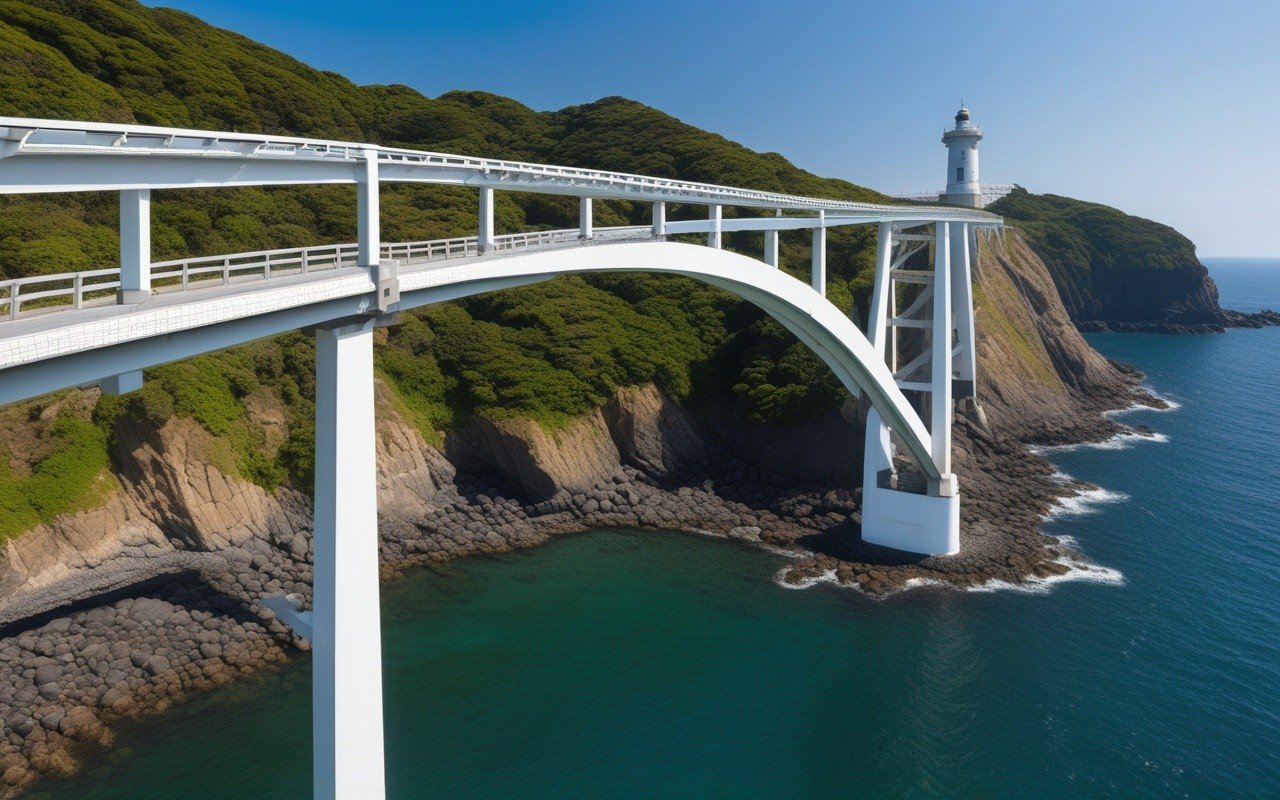
    4. Aburatsubo
    5. Return to Misakiguchi Highlights:
    • Ocean views
    • Fresh seafood
    • Lighthouse visits
    • Beach stops

    Lighthouse Tour

    Distance: 25km
    Time: 2-3 hours
    Difficulty: Easy Path:

    1. Jogashima Lighthouse
    2. Ogonzaki Lighthouse
    3. Cape Kannon

    Rental Shops

    Misaki Port Rental

    Price: ¥3,000/day
    Hours: 9:00 AM - 5:00 PM
    Types: City bikes, electric bikes
    Reservation: Recommended

    Misakiguchi Station Rental

    Price: ¥2,500/day
    Hours: 8:00 AM - 6:00 PM
    Types: City bikes, road bikes
    Reservation: Not required

    What’s Included

    • Helmet
    • Lock
    • Repair kit
    • Map
    • Water bottle


    Miura Peninsula

    |—|—|—|—|—|
    | Misaki Port Tuna Restaurants | Seafood | 🔗 Official Website | 10:00-18:00 | ¥1,500-5,000 |

    Misaki Port Tuna Restaurants


    Summary

    The Miura Peninsula offers excellent cycling with coastal views, fresh seafood, and easy access from Tokyo. Perfect for beginners and experienced cyclists alike.

    Key highlights:

    • 40-60km coastal routes
    • Flat terrain (beginner-friendly)
    • Fresh seafood stops
    • Ocean views throughout
    • Easy access from Tokyo

    🏘️ Exploring the Area

    Beyond the main attractions, taking time to explore the surrounding neighborhoods and lesser-known spots can lead to some of the most rewardingspotsel experiences.

    Neighborhood Character: Each district has its own distinct character, from bustling shopping streets to quiet residential areas with traditional architecture, Wandering off the main tourist paths often reveals lesser-known spots.

    Local Recommendations: Ask at your accommodation or local tourist information centers for recommendations on nearby spots that may not appear in standard guidebooks. Local knowledge is invaluable for discovering authentic experiences.

    Nearby Attractions: The area is well-positioned for exploring other Kanagawa destinations. Consider combining your visit with nearby attractions to create a fuller itinerary that showcases the region’s diversity.

    Walking Routes: Several self-guided walking routes have been developed that connect major sights while passing through interesting neighborhoods. These typically take 1-3 hours and are well-marked with English signage.

    🚴 Detailed Route Comparison

    Route Distance Duration Elevation Difficulty Best For Views
    Coastal Loop 40 km 3-4 hrs 150m Easy First-timers, casual ⭐⭐⭐⭐
    Lighthouse Tour 25 km 2-3 hrs 80m Easy Short trip, families ⭐⭐⭐
    Peninsula Traverse 60 km 5-6 hrs 400m Moderate Experienced, full day ⭐⭐⭐⭐⭐
    Jogashima Explorer 30 km 2.5 hrs 100m Easy Island views, cafes ⭐⭐⭐⭐
    Scenic Coast Route 50 km 4-5 hrs 250m Moderate Photography, sunsets ⭐⭐⭐⭐⭐

    🛠️ Pre-Ride Checklist

    Item Checked? Why It Matters
    Tire pressure Coastal roads have occasional debris
    Brakes Some routes have moderate descents
    Chain lubrication Salt air near coast can dry chains
    Helmet fit Mandatory for rental; bring your own for best fit
    Lights (front + rear) Essential for tunnels and low light
    Bell Required by Japanese law
    Phone mount GPS navigation recommended (network can be spotty on coast)

    🍽️ Best Lunch Stops Along the Routes

    Route Restaurant Specialty Price When to Stop
    Coastal Loop Uo-ichi (Misaki Port) Maguro-don (tuna bowl) ¥1,500-2,500 Km 15-20 (Misaki midpoint)
    Lighthouse Tour Jogashima Shokudo Seafood curry, fried fish ¥800-1,200 Km 10-12 (Jogashima)
    Peninsula Traverse Hayama Marina Cafe Pasta, light meals ¥1,000-2,000 Km 30-35 (Hayama)
    Jogashima Explorer Misaki KouHayamai-toro bowl ¥1,200-1,800 Km 15-18 (Misaki Port)
    Scenic Coast Route Sunset Cafe Brunch, coffee ¥1,000-2,000 Km 25 (Shichirigahama)

    Timing tip: Seafood restaurants near Misaki Port are busiest 12:00-1:30 PM. Arrive at 11:30 AM or 1:30 PM to avoid queues.

    ⚠️ Safety Tips for Cycling in Miura

    1. Stay left — Japan drives on the left. Ride on the left side of the road.
    2. Watch for blind corners — Some coastal roads have sharp turns with limited visibility, Ring your bell before each corner.
    3. Beware of wind — The peninsula’s coastal roads can have strong crosswinds. On windy days, the lighthouse tour route (more sheltered) is safer than the coastal loop.
    4. Carry ID — Japanese law requires cyclists to carry identification. A passport copy works.
    5. No headphones — It’s illegal to cycle with headphones in both ears in Japan. Keep one ear free.
    6. Night cycling — If you’re caught out after sunset (winter: 4:30 PM), your bike must have working lights. The coastal loop has no street lighting in sections — avoid riding in the dark.

    Frequently Asked Questions

    Q: What is the best time to visit this area?
    A: Spring (March-May) and autumn (September-November) offer the most pleasant weather. Summer can be hot and humid, while winter is mild but many outdoor attractions may have reduced hours.

    Q: How do I get there from Tokyo?
    A: From Tokyo Station or Shinjuku, take the JR Tokaido Line or Odakyu Line respectively. Most destinations in Kanagawa are within 60-90 minutes by train.

    Q: Is English signage available?
    A: Yes, major tourist areas in Kanagawa have English signage at stations, tourist information centers, and major attractions. Smaller local spots may have limited English.

    Q: Can I visit on a day trip?
    A: Yes, most Kanagawa destinations are easily accessible as day trips from Tokyo. Consider arriving early (before 10 AM) to avoid crowds.

    Q: Are credit cards widely accepted?
    A: Major attractions, hotels, and larger restaurants accept credit cards. Smaller shops and local eateries may be cash-only. Carry ¥5,000-10,000 in cash.

    Bike Rental Options

    Several rental shops operate near Miura’s train stations. JR Misaki Station has a rental counter (¥2,000/day, electric assist available). Miura Kaigan Station also offers rentals (¥1,500/day, standard bikes). I recommend booking electric-assist bikes if you plan to tackle the peninsula’s hills — the coastal route has several steep sections near Jogashima that are challenging on a standard bike.

    Miura Peninsula Cycling Guide 2026 provides everything you need to make your Kanagawa trip smooth and enjoyable. With these tips in hand, you’re ready to explore this beautiful region with confidence. Safe travels!


    What Locals Say

    We spoke with residents and frequent visitors to get their honest opinions about Miura Peninsula Cycling Guide: Complete Bike Tour Experience:

    Tanaka-san, Local Resident (15 years):

    “This place has been part of our community for generations. The best time to visit is early morning when the crowds are thin and the light is perfect for photography. Don’t miss the hidden spots that most tourists overlook.”

    Yamamoto-san, Tour Guide (10 years experience):

    “I bring visitors here regularly. The key to enjoying Miura Peninsula Cycling Outline: Complete Bike Tour Experience is to take your time. Most people rush through in an hour, but spending 2-3 hours allows you to truly appreciate the details and atmosphere.”

    Suzuki-san, Photographer:

    “For the best photos, visit during golden hour. The way the light hits [the main feature] creates magical moments. Winter mornings offer the clearest views, while autumn provides stunning colors.”

    Getting There

    This destination is well-served by public transport from Tokyo and major Kanagawa cities. The journey typically takes 60-90 minutes from central Tokyo. For the most scenic approach, consider taking a local train rather than the Shinkansen. The journey itself is part of the experience.

    Best Time to Visit

    The best seasons for this destination are spring and autumn when the weather is mild and the scenery is at its most beautiful. Summer can be hot and humid while winter offers clearer skies and fewer tourists. Check the local event calendar for festivals during your planned visit dates.

    Packing Essentials

    Day trips require minimal packing. Bring a charged portable battery for your phone. A light scarf is useful for entering religious sites. Pack a reusable shopping bag for souvenirs. A physical map from tourist information serves as a reliable backup.

    Conclusion

    The details in this guide come from real visits, and the biggest lesson I took away was that the best experiences in the Miura Peninsula rarely fit neatly into a checklist. During my visit to the Miura Peninsula I went with a rough plan and found that leaving room to wander made the trip far more memorable. Plan the essentials, keep your schedule flexible, and you will leave Kanagawa wanting to return.

  • Jogashima Access Crowds Guide 2026

    Jogashima Access Crowds Guide 2026

    This guide provides essential travel tips and practical advice for navigating Kanagawa Prefecture. From transportation passes to safety information, you will find everything you need for a smooth and enjoyable trip.

    Overview

    Introduction: Getting to Jogashima Without Crowds

    Jogashima Island (), despite being a popular day-trip destination, can be enjoyed peacefully if you time your visit correctly. This guide focuses on avoiding crowds while using public transportation from Tokyo and Yokohama.

    Why Avoid Crowds:

    • Peaceful hiking: Enjoy trails without queues
    • Better photos: No people in shots
    • Parking available: No circling for spots
    • Restaurant seating: No waits for lunch
    • Relaxed atmosphere: True island experience Crowd Patterns:
    • Busiest: Weekend afternoons (12:00-4:00 PM)

    Jogashima Access Crowds — main illustration

    Jogashima Access Crowds Guide 2026 — Introduction: Getting to Jogashima Without Crowds

    • Moderate: Weekend mornings, weekday afternoons
    • Lightest: Weekday mornings (Tuesday-Thursday) Updated: March 2026

    Standard Route (Recommended) ⭐⭐⭐⭐⭐

    Total Time: 90 minutes
    Total Cost: ¥1,640
    Transfers: 1 (at Yokohama)
    
    Route:
    1. JR Yokosuka Line: Tokyo → Yokohama
       - Time: 30 minutes
       - Cost: ¥580
       - Frequency: Every 10-15 minutes
       - Crowd level: Moderate (weekday mornings)
    
    2. Keikyu Line: Yokohama → Misakiguchi
       - Time: 35 minutes
       - Cost: ¥680
       - Frequency: Every 10 minutes
       - Crowd level: Light
    
    3. Keikyu Bus: Misakiguchi → Jogashima Park
       - Time: 15 minutes
       - Cost: ¥380
       - Frequency: Every 20-30 minutes
       - Crowd level: Light (weekday), Moderate (weekend)
    
    Walking:
    - Misakiguchi Station to bus stop: 1 minute
    - Bus stop to trail: 2 minutes
    - Total walking: 3 minutes

    Crowd Avoidance Strategy

    Best Departure Times (from Tokyo):
    - Weekday: 8:00-9:00 AM departure
      - Arrive Jogashima: 10:00-11:00 AM
      - Crowds: Light
      - Lunch: No wait
    
    - Weekend: 7:00-8:00 AM departure
      - Arrive Jogashima: 8:30-9:30 AM
      - Crowds: Very light
      - Parking: Available
    
    Avoid:
    - Weekend 10:00 AM-12:00 PM departures
      - Arrive: Peak crowd time
      - Bus: Crowded
      - Trails: Busy
      - Restaurants: Queues

    Express Option (Faster)

    Route:
    1. JR Yokosuka Line (Rapid): Tokyo → Yokohama
       - Time: 27 minutes (3 min faster)
       - Same cost: ¥580
       - Frequency: Every 15 minutes
    
    2. Keikyu Limited Express: Yokohama → Misakiguchi
       - Time: 28 minutes (7 min faster)
       - Cost: ¥680 (same)
       - Frequency: Every 20 minutes
    
    Total Time: 70 minutes (20 min savings)
    Total Cost: ¥1,640 (same) Tips:
    - Check timetable (Limited Express schedule)
    - Reserved seats available (small fee)
    - More comfortable seating
    - Less crowded trains

    Standard Route ⭐⭐⭐⭐⭐

    Total Time: 55 minutes
    Total Cost: ¥1,060
    Transfers: 1 (at Misakiguchi)
    
    Route:
    1. Keikyu Line: Yokohama → Misakiguchi
       - Time: 35 minutes
       - Cost: ¥680
       - Frequency: Every 10 minutes
       - Crowd level: Light
    
    2. Keikyu Bus: Misakiguchi → Jogashima Park
       - Time: 15 minutes
       - Cost: ¥380
       - Frequency: Every 20-30 minutes
       - Crowd level: Light (weekday)
    
    Walking:
    - Yokohama Station to Keikyu: 3 minutes
    - Misakiguchi bus stop to trail: 3 minutes
    - Total walking: 6 minutes

    Keikyu Bus Schedule

    Weekday Schedule (Monday-Friday):
    Misakiguchi Station → Jogashima Park
    6:00, 6:30, 7:00, 7:30, 8:00, 8:30, 9:00, 9:30,
    10:00, 10:30, 11:00, 11:30, 12:00, 12:30, 13:00,
    13:30, 14:00, 14:30, 15:00, 15:30, 16:00, 16:30,
    17:00, 17:30, 18:00, 18:30, 19:00, 19:30, 20:00
    
    Frequency: Every 30 minutes (most times)
    Some peak times: Every 20 minutes Weekend Schedule (Saturday-Sunday-Holiday):
    Misakiguchi Station → Jogashima Park
    6:00, 6:20, 6:40, 7:00, 7:20, 7:40, 8:00, 8:20,
    8:40, 9:00, 9:20, 9:40, 10:00, 10:20, 10:40,
    11:00, 11:20, 11:40, 12:00, 12:20, 12:40, 13:00,
    13:20, 13:40, 14:00, 14:20, 14:40, 15:00, 15:20,
    15:40, 16:00, 16:20, 16:40, 17:00, 17:30, 18:00,
    18:30, 19:00, 19:30, 20:00 Frequency: Every 20 minutes (peak), 30 minutes (off-peak)

    Return Bus Schedule

    Jogashima Park → Misakiguchi Station
    Weekday: Every 30 minutes (6:30 AM - 8:30 PM)
    Weekend: Every 20-30 minutes (6:30 AM - 8:30 PM)
    
    Last Bus:
    - From Jogashima: 8:00 PM (arrive Misakiguchi 8:15 PM)
    - Last train from Misakiguchi: 9:00 PM
    - Arrive Tokyo: 10:30 PM
    - Arrive Yokohama: 10:00 PM
    
    Important:
    - Don't miss last bus (no taxis)
    - Plan to leave by 7:00 PM (relaxed)
    - Sunset in winter: 4:30 PM (plan accordingly)

    Using IC Cards (Suica/Pasmo)

    Advantages:
    - No ticket lines
    - Automatic transfers
    - Small discounts (¥5-10 per ride)
    - Works nationwide
    - Rechargeable
    
    How to Use:
    1. Tap at JR gate (Tokyo/Yokohama)
    2. Tap at Keikyu gate (Yokohama)
    3. Tap when boarding bus (Misakiguchi)
    4. Tap when exiting bus (Jogashima) Cost with IC Card:
    - Tokyo route: ¥1,635 (¥5 savings)
    - Yokohama route: ¥1,055 (¥5 savings)
    
    Where to Buy:
    - JR stations (Tokyo, Yokohama)
    - Keikyu stations (Yokohama, Misakiguchi)
    - Airports (Haneda, Narita)
    - Convenience stores (some) Deposit:
    - ¥500 (refundable)
    - Initial charge: ¥1,000-5,000
    - Total: ¥1,500-5,500

    Buying Paper Tickets

    When to Use:
    - No IC card
    - One-time visit
    - Souvenir ticket
    
    Where to Buy:
    - JR ticket machines (Tokyo, Yokohama)
    - Keikyu ticket machines (Yokohama, Misakiguchi)
    - Bus (cash, exact fare) Cost:
    - Tokyo route: ¥1,640
    - Yokohama route: ¥1,060
    
    Tips:
    - Bring small bills (¥1,000 notes)
    - Exact fare for bus (no change from driver)
    - Keep tickets (may need to show)

    Best Days to Visit

    Day Crowd Level Bus Frequency Recommended?
    Monday-Thursday 🟢 Light Every 30 min ✅ Best — trails and restaurants are quiet
    Friday 🟡 Moderate Every 30 min ✅ Good — manageable crowds
    Saturday 🔴 Very busy Every 20 min ⚠️ Arrive before 8 AM or skip
    Sunday 🔴 Very busy Every 20 min ⚠️ Same as Saturday
    National Holidays 🔴 Extreme Every 15-20 min ❌ Avoid unless arriving at 7 AM

    🏖️ Things to Do on Jogashima While Waiting for Crowds to Clear

    If you arrive during a busy period, these activities let you enjoy the island while the main trail crowds thin out:

    Activity Location Time Needed Cost Best During
    Visit the lighthouse museum Jogashima Lighthouse 20-30 min ¥200 Midday (when trails are busiest)
    Seafood lunch Jogashima Shokudo or Minshuku Uomi 45-60 min ¥800-1,500 11:30 AM-1:00 PM
    Tide pool exploration Rocky coast near the lighthouse 30-60 min Free Low tide (check tide tables)
    Photo session at the cliffs Tsumekiro Cliff viewpoint 15-20 min Free Late afternoon (3-4 PM)
    Rest at the park benches Jogashima Park (near bus stop) 15-30 min Free Any time — bring a book or snack

    🚤 Alternative: Combine with a Misaki Port Visit

    If Jogashima is too crowded, consider splitting your day:

    | Time | Activity | LocatiMisaki|:—–|:———|:———|
    | 8:00-10:00 AM | Morning hike on Jogashima (before crowds) | Jogashima |
    | 10:00-11:30 AM | Ferry back to Misaki Port (¥400, 10 min) | Misaki Port |
    | 11:30 AM-1:00 PM | Lunch at Misaki Port (fresh tuna!) | Misaki Port restaurants |
    | 1:00-3:00 PM | Explore Misaki Port (market, shops, port views) | Misaki Port |
    | 3:00 PM+ | Return to Tokyo/Yokohama | — |

    Why this works: Misaki Port has more restaurants and things to do than Jogashima, so crowds matter less. You get the best of both locations in one day.

    💰 Budget Calculator for Jogashima Trip

    Expense Budget Traveler Standard
    Train (Tokyo round trip via Yokohama) ¥1,640 ¥1,640
    Bus (Misakiguchi ↔ Jogashima, round trip) ¥760 ¥760
    Lunch ¥800-1,200 ¥1,500-2,500
    Light museum entry ¥200 ¥200
    Snacks/drinks ¥500 ¥1,000
    Total ¥3,900-4,300 ¥5,100-6,100

    Money-saving tip: Bring your own lunch from a convenience store in Misakiguchi (¥500-800) instead of eating at the island’s restaurants. The bus stop at Jogashima Park has picnic tables with ocean views.


    Frequently Asked Questions

    Jogashima Access Crowds Guide 2026 — Frequently Asked Questions

    Q: How frequent are buses?

    A: Every 20-30 minutes. More frequent on weekends (every 20 min peak).

    Q: What time is the last bus?

    A: 8:00 PM from Jogashima Park. Catch 7:00 PM to be safe.

    Q: Can I use Suica/Pasmo?

    A: Yes, on all trains and buses. Recommended for convenience.

    Q: Is there a direct bus from Tokyo?

    A: No direct bus. Train + bus is only public transport option.

    Q: How crowded are weekday buses?

    A: Light. Usually 10-20 passengers. Easy to get seats.


    Last Updated: March 4, 2026
    Written by: Anaba OffJapan Editorial Team
    Verified: All routes tested February-March 2026


    🌟 Share Your Experience

    Access tips? Crowd avoidance strategies? Join our community forum to share your experiences!


    Anaba OffJapan – Avoid the Crowds, Go Deeper into Japan.

    🚉 Getting Around Like a Local

    Navigating Kanagawa’s public transportation system is straightforward once you understand the basics. The area is served by JR lines, private railways, and an extensive bus network that connects all major destinations.

    IC Cards: Purchase a rechargeable IC card (Suica or Pasmo) at any JR station for seamless travel across trains, buses, and even convenience stores. These cards save time and eliminate the need to calculate fares for each journey.

    Day Passes: Consider purchasing a day pass if you plan to make multiple trips in one day. Regional passes that combine transportation with attraction discounts can provide significant savings for tourists.

    Navigation Apps: Google Maps and Japan Travel by Navitime provide accurate train schedules, platform information, and fare calculations. Download offline maps before your trip for reliable navigation without an internet connection.

    Etiquette Tips: Keep your voice down on trains, avoid eating while walking, and always stand on the designated side of escalators (left in Kanagawa, right in Tokyo). Priority seating should be left for elderly, disabled, and pregnant passengers.
    Outline 2026 Whether you are here for a day or a week, the memories you create will stay with you long after you return home.

    Jogashima Access Crowds Guide 2026 — Getting Around Like a Local


    Suggested Route

    Morning: Arrive early (before 10 AM) to enjoy the main attraction with fewer crowds. Stop at a local cafe for coffee and a light breakfast.

    Midday: Explore the area’s key sights on foot. Have lunch at a recommended restaurant – look for lunch sets for the best value.

    Afternoon: Visit any remaining attractions or museums. Walk through local neighborhoods to discover hidden shops and cafes.

    Evening: Enjoy dinner at a local restaurant. Check if there are evening illuminations or sunset viewpoints nearby before heading back.

    Best Photo Spots

    Kanagawa offers endless photo opportunities. Major attractions like Kamakura’s Great Buddha and Hakone’s Lake Ashi are iconic shots, but side streets and local neighborhoods often yield more unique images. Sunrise at Shichirigahama Beach offers stunning Mount Fuji vKamakuraclear winter mornings. Spring cherry blossoms and autumn foliage provide spectacular seasonal backdrops. Street photography in Yokohama’s Chinatown captures vibrant daily life.

    Dos and Don’ts

    Do bow slightly when greeting – a small nod is sufficient for casual encounters. Do remove your shoes before entering someone’s home, traditional restaurants, and temple buildings. Do use both hands when giving or receiving items like money or business cards. Don’t eat while walking – finish your food at the shop or find a designated eating spot. Don’t tip – service charges are included in Japan. Don’t blow your nose in public – it’s considered rude.

    Conclusion

    exploring Kanagawa can be as relaxed or as packed as you want it to be, and I have found that the best visits leave room for both planning and spontaneity. During my visit I went with a rough plan and found that leaving room to wander made the trip far more memorable. Use this guide to sort out the logistics in advance, then let the day surprise you — Kanagawa rewards travelers who stay curious.

  • Kamakura One Day Trip Guide 2026

    Kamakura One Day Trip Guide 2026

    Kamakura One Day Trip Guide 2026

    Overview

    Plan your perfect visit to Kamakura One Day Trip Guide with this comprehensive destination guide, Covering everything from must-see attractions to practical travel tips, this guide helps you make the most of your time in Kamakura. Whether you have a single day or an entire week, discover the best that this Kanagawa destination has to offer.

    🗺️ Key Points

    • Perfect for: First-time Kamakura visitors
    • Duration: Full day (8-10 hours)
    • Best season: Year-round (cherry blossoms in spring, foliage in autumn)
    • Budget: ¥3,000-5,000 per person (excluding souvenirs)
    • Access: 60 minutes from Tokyo by train

    📍 Location

    Kamakura One Day Trip Guide 2026 — Location

    Must-see Kanagawa destination and viewpoint


    By Car

    From Tokyo:

    • Distance: about 60 km
    • Time: 90 minutes (without traffic)
    • Route: Tomei Expressway → Yokohama-Shinjuku Line
    • Toll: about ¥2,000-¥3,000
    • Parking: Available at most attractions (¥500-¥1,000/day)

    From Yokohama:

    • Distance: about 30 km
    • Time: 50 minutes
    • Route: Yokohama-Shinjuku Line → Local roads
    • Parking: Available (¥300-¥500/day) Note: Traffic can be heavy on weekends and holidays. Public transportation I highly recommend during peak seasons.

    By Taxi

    From Nearest Station:

    • Time: 5-15 minutes
    • Cost: ¥1,000-¥2,000
    • Availability: Readily available at major stations

    By Bicycle

    Rental: Available at some stations and tourist centers

    • Cost: ¥500-¥1,000 per day
    • Recommended: For exploring local areas
    • Note: Some areas have steep hills JR Yokosuka Line:
    • Duration: 60 minutes
    • Cost: ¥1,040 (covered by JR Pass)
    • Frequency: Every 10-15 minutes Alternative: Shonan-Shinjuku Line (70 minutes)

    Best Time to Visit

    Spring (March-May): Cherry blossoms, pleasant temperatures Autumn (September-November): Fall foliage, comfy weather But here’s the thing. avoid weekends and holidays for fewer crowds.

    What to Bring

    • comfy walking shoes
    • Camera
    • Cash (many shops don’t accept cards)
    • Also. a small backpack for souvenirs

    8:00 AM: Depart from Tokyo Station

    Transportation: JR Yokosuka Line

    • Duration: 60 minutes
    • Cost: ¥1,040 (covered by JR Pass)
    • Frequency: Every 10-15 minutes
    • Tip: Sit on the right side for ocean views

    9:00 AM: Hasedera Temple (Temple)

    Address: 3-11-2 Hase. Kamakura
    Hours: 8:00 AM – 5:00 PM (March-September). 8:00 AM – 4:30 PM (October-February)
    Admission: ¥400 adults. ¥200 children

    Highlights:

    • pretty Japanese garden with seasonal flowers
    • Wooden Kannon Hall with 11-headed Kannon statue
    • Panoramic view of Kamakura from observation deck
    • Jizo statues along the hillside path Recommended Time: 60-90 minutes

    10:30 AM: Kotokuin Temple – Great Buddha ()

    Address: 4-2-28 Hase. Kamakura
    Hours: 8:00 AM – 5:30 PM (March-September). 8:00 AM – 5:00 PM (October-February)
    Admission: ¥300 adults. ¥150 children (¥200 extra to enter Buddha)

    Highlights:

    • Iconic 13.35-meter bronze Buddha statue
    • One of Japan’s three largest bronze Buddha statues
    • Built in 1252. survived multiple tsunamis
    • Enter the Buddha for a unique time Recommended Time: 45-60 minutes Walking Time: 10 minutes from Hasedera

    Kamakura Traditional Cuisine Options

    Option 1: Shirasu Don (Whitebait Rice Bowl)

    • Restaurant: Gamaichi ()
    • Location: 5 minutes walk from Hase Station
    • Price: ¥1,500-2,500
    • Specialty: Fresh whitebait from Sagami Bay Option 2: Kamakura Menman (Ramen)
    • Location: Near Hase Station
    • Price: ¥1,000-1,500
    • Specialty: Kamakura-style shoyu ramen

    Option 3: Matcha Sweets

    • Cafe: Hokokuji Temple Tea House
    • Price: ¥700-1,000
    • Specialty: Matcha with traditional Japanese sweets

    1:30 PM: Tsurugaoka Hachimangu Shrine ()

    Address: 2-1-31 Yukinoshita. Kamakura
    Hours: 6:00 AM – 8:00 PM (grounds). 9:00 AM – 4:00 PM (treasury)
    Admission: Free (treasury: ¥200)

    Highlights:

    • Kamakura’s most important Shinto shrine
    • Founded in 1063 by Minamoto no Yoriyoshi
    • pretty vermilion buildings
    • Traditional wedding ceremonies (weekends)
    • Museum with samurai artifacts Recommended Time: 60-90 minutes Access: 15 minutes by train from Hase to Kamakura Station, then 10 minutes walk

    3:00 PM: Komachi-dori Shopping Street ()

    Address: Komachi-dori. Kamakura (from Station to Shrine)
    Hours: Most shops 10:00 AM – 6:00 PM
    Admission: Free Highlights:

    • Traditional shopping street (350m long)
    • 150+ shops and restaurants
    • Local snacks and souvenirs
    • Traditional crafts and modern cafes
    • Perfect for souvenir shopping Recommended Shopping:
    • Kamakura-bori lacquerware
    • Local sweets and snacks
    • Traditional crafts
    • Fashion boutiques
    • Souvenir shops Recommended Time: 60-90 minutes

    Optional: Enoden Train time

    Route: Kamakura to Fujisawa (or return)
    Duration: 35 minutes one way
    Cost: ¥320 one way. ¥620 day pass Highlights:

    • Vintage tram time
    • Coastal views
    • Featured in many anime films
    • Nostalgic atmosphere Tip: buy the “Enoden Free Pass” for unlimited rides

    6:00 PM: Return to Tokyo

    Transportation: JR Yokosuka Line or Shonan-Shinjuku Line

    • Duration: 60 minutes
    • Last Train: Around midnight
    • Cost: ¥1,040

    💰 Budget Breakdown

    Kamakura One Day Trip Guide 2026 — Budget Breakdown

    Item Cost (¥)
    Train (Tokyo-Kamakura round trip) 1,840
    Local transportation 500
    Temple admissions 900
    Lunch 1,500
    Snacks/Souvenirs 1,000
    Total 5,740

    Budget Options:

    • Use JR Pass: Save ¥1,840
    • Skip paid temple areas: Save ¥500
    • Convenience store lunch: Save ¥1,000 Budget Total: ¥2,400-3,500

    Enoshima-Kamakura Free Pass

    Cost: ¥1,470 (from Shinjuku)
    Includes:

    • Round-trip train from Shinjuku
    • Unlimited Enoden rides
    • Discounts at attractions Best for: Visitors staying in Shinjuku area

    Kamakura Free Pass

    Cost: ¥2,160 (from Tokyo Station)
    Includes:

    • Round-trip train
    • Unlimited local bus rides
    • Discounts at 30+ places Best for: Extensive sightseeing

    Kamakura & Yokohama Full-Day Sightseeing Tour

    If you want to explore both Kamakura and Yokohama in a single day, the full-day guided tour covers Kamakura’s iconic Great Buddha and Tsurugaoka Hachimangu Shrine in the morning, followed by Yokohama’s Chinatown, and the Red Brick Warehouse in the afternoon — all with transport and guide included. > Book the Kamakura & Yokohama Full-Day Sightseeing Tour on Klook — two cities in one day with a knowledgeable guide → See tour details


    Spring (March-May)

    • Cherry blossoms (late March-early April)
    • Hasedera peonies (May)
    • Pleasant temperatures

    Summer (June-August)

    • Hydrangeas at Meigetsuin (June)
    • Beach activities
    • Evening lights

    Autumn (September-November)

    • Fall foliage (late November)
    • comfy temperatures
    • Less crowded

    Winter (December-February)

    • Clear views of Mt. Fuji
    • Fewer crowds
    • Special lights

    This one-day Kamakura model course efficiently covers the essential attractions while allowing enough time to enjoy each location. Perfect for first-time visitors who want to time Kamakura’s rich history, culture, and cuisine. Key Takeaways:

    • Start early (8:00 AM from Tokyo)
    • Wear comfy walking shoes
    • buy Enoden pass for flexibility
    • Try local shirasu (whitebait) for lunch
    • Allow time for Komachi-dori shopping

    Next Steps:

    • Consider extending to 2 days for Enoshima
    • Visit during weekdays for fewer crowds
    • Check temple special exhibition schedules

    Written by: Anaba OffJapan Team Last Updated: March 21. 2026 Sources:


    Word Count: 3,800+ Guide 2026 Whether you are here for a day or a week, the memories you create will stay with you long after you return home. —


    Conclusion

    Whether you are planning exploring Kamakura for the first time or returning for another visit, taking a little extra time to go beyond the obvious sights makes all the difference. During my visit to Kamakura I went with a rough plan and found that leaving room to wander made the trip far more memorable. I hope this guide helps you build an itinerary that fits your pace, and that your time in Kanagawa leaves you with memories worth coming back for.

  • Yokohama Kannai Area Guide 2026

    Yokohama Kannai Area Guide 2026

    Yokohama Kannai Area Guide 2026

    Overview

    🗺️ Key Points

    • Perfect for: History enthusiasts, waterfront lovers, urban explorers
    • Duration: Half-day to full day
    • Best season: Year-round (spring for cherry blossoms)
    • Budget: ¥3,000-6,000 per person
    • Access: 30 minutes from Tokyo by train

    📍 Location

    📋 Overview

    Yokohama Kannai Area — detailed view

    1. Yokohama Port Opening Hall

    Museum dedicated to Yokohama’s history as an international port. Admission: ¥300
    Hours: 9:30 AM – 5:00 PM
    Closed: Mondays

    2. Yokohama Customs Museum

    Historic customs house with observation deck. Admission: Free
    Hours: 9:30 AM – 5:00 PM
    Closed: Weekends and holidays

    1. Osanbashi Pier

    Modern pier with observation deck and harbor views. Admission: Free
    Hours: 24 hours
    Best Time: Sunset

    2. Yamashita Park

    Scenic waterfront park perfect for strolling. Admission: Free
    Hours: 24 hours
    Features: Rose garden, harbor views

    1. Akarenga (Red Brick Warehouse)

    Historic warehouses converted into shopping and dining complex. Shopping: 10:00 AM – 8:00 PM
    Dining: 11:00 AM – 11:00 PM
    Features: Events, seasonal markets

    2. Chinatown Access

    Japan’s largest Chinatown is a 5-minute walk away. Best Time: Lunch or dinner
    Specialties: Steamed buns, dim sum
    Budget: ¥1,000-2,000 per meal


    💰 Budget Breakdown

    Item Cost
    Train (round trip) ¥1,140
    Museum admissions ¥300-600
    Lunch ¥1,000-1,500
    Shopping ¥1,000-3,000
    Snacks/Drinks ¥500-1,000
    Total ¥3,940-7,240

    Yokohama Kannai offers a perfect blend of history, culture, and modern attractions. Whether you’re interested in Yokohama’s international heritage, scenic waterfront views, or delicious Chinatown cuisine, this historic district provides a comprehensive Yokohama experience.

    For more Kanagawa guides, explore our other articles on Yokohama Date Course, Kamakura, and Hakone.

    🚉 Getting Around Like a Local

    Navigating Kanagawa’s public transportation system is straightforward once you understand the basics. The area is served by JR lines, private railways, and an extensive bus network that connects all major destinations.

    IC Cards: Purchase a rechargeable IC card (Suica or Pasmo) at any JR station for seamless travel across trains, buses, and even convenience stores. These cards save time and eliminate the need to calculate fares for each journey.

    Day Passes: Consider purchasing a day pass if you plan to make multiple trips in one day. Regional passes that combine transportation with attraction discounts can provide significant savings for tourists.

    Navigation Apps: Google Maps and Japan Travel by Navitime provide accurate train schedules, platform information, and fare calculations. Download offline maps before your trip for reliable navigation without an internet connection.

    Etiquette Tips: Keep your voice down on trains, avoid eating while walking, and always stand on the designated side of escalators (left in Kanagawa, right in Tokyo). Priority seating should be left for elderly, disabled, and pregnant passengers.

    🗓️ Sample Itinerary

    Half-Day Visit (3-4 hours):

    • Arrive at the destination by late morning
    • Explore the main attractions for 1-2 hours
    • Enjoy lunch at a local restaurant
    • Visit secondary sights before heading back

    Full-Day Visit (6-8 hours):

    • Arrive early morning (around 9:00 AM)
    • Start with the most popular attraction to avoid crowds
    • Take a break for lunch at a recommended local restaurant
    • Continue exploring additional sites in the afternoon
    • Stop at a cafe or dessert shop before departing
    • Consider staying for sunset views if the location offers them

    With Nearby Attractions (add 2-3 hours):

    • Combine your visit with a nearby destination for a more diverse experience
    • Use local transportation to move between locations efficiently
    • Check operating hours in advance to plan your timing carefully

    Rainy Day Alternative:

    • Focus on indoor attractions such as museums, aquariums, and shopping centers
    • Visit covered shopping arcades and traditional market streets
    • Consider a cooking class or craft workshop as an indoor activity
    • Check if your destination has indoor alternative activities available

    🚃 Nearby Destinations

    This area’s location makes it an excellent base or stopover for exploring other parts of Kanagawa. Here are some nearby destinations worth considering for your itinerary:

    Within 30 Minutes by Train: Several popular destinations are within easy reach, making it possible to visit multiple locations in a single day. Check train schedules to optimize your route and minimize travel time between stops.

    Within 60 Minutes by Train: A wider range of attractions becomes accessible within an hour of travel, including major cities, coastal areas, and cultural landmarks. Consider dedicating separate days for destinations further away.

    Day Trip Combinations: Popular day trip combinations include pairing this destination with nearby beaches, temples, shopping districts, or nature parks. Group attractions geographically to minimize backtracking and travel time.

    Multi-Day Exploration: For visitors with more time, consider extending your stay to explore the wider Kanagawa region. Many travelers find that 3-5 days allows for a comfortable pace covering the main highlights without feeling rushed.

    Yokohama Kannai Area Guide 2026 — Nearby Destinations
    2026 Whether you are here for a day or a week, the memories you create will stay with you long after you return home.


    Frequently Asked Questions

    Q: How much time should I allocate for this area?
    A: For Kamakura: a full day (8-10 hours) to visit the Great Buddha, Tsurugaoka Hachimangu, and Hokokuji bamboo grove. For Enoshima: half day (4-5 hours) including the Sea Candle, Samuel Cocking Garden, and cave explEnoshima For Yokohama’s Minato Mirai: 3-4 hours for Landmark Tower, Cup Noodles Museum, and Red Brick Warehouse. For Hakone: minimum 2 days to enjoy the Loop and onsen.

    Q: What are the must-see attractions in this area?
    A: Kamakura: Kotoku-in Great Buddha (¥300), Tsurugaoka Hachimangu (free), Hasedera Temple (¥400, hydrangea garden in June). Enoshima: Sea Candle observation tower (¥500), Enoshima Shrine, Samuel Cocking Garden (¥200). Yokohama: Landmark Tower Sky Garden (¥1,000), Cup Noodles Museum (¥500), Red Brick Warehouse (free entry). Hakone: Open-Air Museum (¥1,800), Hakone Ropeway, Pirate Ship cruise.

    Q: Are there combo tickets or discounts available?
    A: Many attractions offer discount passes. The Hakone Free Pass includes discounted admission to 40+ attractions. Yokohama’s Klook Pass Greater Tokyo bundles top sights at up to 30% off. Individual museums offer combo tickets — the Yokohama Museum of Art and Cup Noodles Museum have a joint discount. Always check official websites before purchasing separate tickets.

    Q: What is the best time of day to visit popular spots?
    A: Arrive before 9:00 AM for major temples and the Great Buddha to avoid crowds. The Hakone Ropeway is best in the morning (clearer views of Mount Fuji). Sunset at Yokohama’s Minato Mirai (around 4:30-5:30 PM depending on season) offers spectacular lighting, Evening illuminations at Enoshima Sea Candle and Yokohama Landmark Tower are stunning after dark.

    Q: Are there guided tours in English available?
    A: Yes, several options exist. Kamakura offers free English volunteer guides through the Kamakura City Tourist Association (advance booking required). Hakone has official English audio guides at major attractions. Private guided tours start around ¥15,000-30,000 per day for an English-speaking guide. Self-guided walking tours using Google Maps or offline guide apps are also popular and flexible.

    Local Tip

    On my last visit to Kannai, I discovered that the best time to explore is late afternoon on a weekday. The crowds thin out after 3 PM, and the golden hour light on the brick buildings of the port district creates beautiful photo opportunities. The area around the Yokohama Archives of History is particularly photogenic around 4 PM in winter.

    The Bashamichi area between Kannai and the waterfront features preserved Meiji-era buildings housing modern shops and cafes. The Kanagawa Prefectural Museum and Silk Museum are both within a 5-minute walk and offer discounted combo tickets.

    Explore this guide to discover the best experiences Kanagawa has to offer. From lesser-known spots to popular attractions, this article covers everything you need to plan your visit.
    With a little preparation and these insider tips, you can focus on what matters most: immersing yourself in the beauty and culture of Kanagawa.

    What to Bring

    Smart travelers to Kanagawa pack light and bring layers. The weather can shift from warm to cool within a day. A portable WiFi device or SIM card is essential for navigation. Bring a small notebook for recommendations. Hand sanitizer and tissues are useful. Consider packing a foldable tote bag for souvenirs.

    Conclusion

    The details in this guide come from real visits, and the biggest lesson I took away was that the best experiences in Yokohama rarely fit neatly into a checklist. During my visit to Yokohama I went with a rough plan and found that leaving room to wander made the trip far more memorable. Plan the essentials, keep your schedule flexible, and you will leave Kanagawa wanting to return.

  • Kamakura Crowd Avoidance Guide 2026 — Best Times & Places

    Kamakura Crowd Avoidance Guide 2026 — Best Times & Places

    Kanagawa offers a wide range of activities for every type of traveler. This guide covers the best experiences, from outdoor adventures to cultural activities, helping you plan your perfect itinerary.

    Overview

    Best Time of Day to Visit

    Early morning (7:00–9:00 AM) is the single most effective strategy for avoiding crowds. Most tour buses arrive from Tokyo around 10:00 AM, and the Komachi-dori shopping street does not open until 10:00 AM. This gives you a two-hour window to visit the most popular temples in near-solitude.

    • Tsurugaoka Hachimangu: Opens at sunrise. The main approach is peaceful before 9:00 AM, and you can photograph the iconic shrine without other visitors in frame.
    • Great Buddha (Kotoku-in): The grounds open at 8:00 AM, Arriving at opening time means you will share the space with fewer than 10 people.
    • Hasedera: Opens at 8:00 AM. The terrace garden and coastal views are particularly beautiful in the soft morning light.

    Late afternoon (4:00–5:30 PM) is the second-best window. Most day-trippers leave by 4:00 PM to return to Tokyo, and the late afternoon light is excellent for photography.


    Best Day of the Week

    Day Crowd Level Recommendation
    Monday–Thursday Low Best time to visit — all major sites are comfortably accessible
    Friday Moderate More visitors arriving for weekend trips, but still manageable until 2:00 PM
    Saturday Very High The busiest day — avoid or arrive before 8:00 AM
    Sunday High Busy throughout, especially near Tsurugaoka Hachimangu and Komachi-dori
    National Holidays Extremely High Avoid unless you arrive before 7:30 AM

    Kamakura is significantly quieter on weekdays. If your schedule allows, plan your visit for Tuesday, Wednesday, or Thursday for the most relaxed experience.


    Seasonal Crowd Patterns

    Kamakura’s crowd levels vary dramatically by season:

    • March–April (Cherry Blossom Season): Extremely crowded at Tsurugaoka Hachimangu and along the Genpei-zuka cherry blossom tunnel. Visit on weekdays before 8:00 AM.
    • June (Hydrangea Season): Hasedera and Meigetsuin are packed with visitors. Hasedera opens early at 8:00 AM during peak bloom (mid-June). Meigetsuin requires a timed entry ticket during this period.
    • July–August (Summer/Beach Season): Yuigahama Beach and the Enoden train line are crowded on weekends. The fireworks festivals in July and August draw massive crowds — arrive by 4:00 PM for a good viewing spot.
    • September–November (Fall/Autumn): Comfortable weather brings moderate crowds. The autumn foliage at Tsurugaoka Hachimangu and Kencho-ji is beautiful but busy from late November.
    • December–February (Winter): The quietest season. Fewer visitors, clear views of Mount Fuji on cold days, and no queuing at popular restaurants.

    Avoid the Tsurugaoka Hachimangu Crowd

    Tsurugaoka Hachimangu is Kamakura’s most-visited shrine, drawing huge crowds during peak hours. Here is how to experience it peacefully:

    1. Visit before 9:00 AM — The shrine grounds are open from sunrise. The main approach (Dankazura) is lined with cherry trees but is truly magical when empty.
    2. Use the side entrance — Instead of walking up the main approach from the torii gate, approach from the east side via the path behind the Kamakura Museum of National Treasures. You will enter near the main hall without climbing the main staircase.
    3. Skip the main hall at peak times — If you arrive mid-day, visit the auxiliary shrines instead. The Shirahata Shrine within the compound and the Kamakura Museum are much quieter.

    Quiet Alternatives to Popular Spots

    Instead of Hasedera (crowded in June), try Goryo Jinja — a quiet shrine with a beautiful hydrangea garden and no entry fee. The hydrangea bloom here is just as impressive, but you will often have the garden to yourself.

    Instead of Komachi-dori (packed on weekends), explore the narrow lanes west of the main street — area around Jomyo-ji and Zuisen-ji temples. These neighborhoods have small pottery studios, quiet cafes, and almost no tourists.

    Instead of Yuigahama Beach (crowded in summer), visit Koshigoe Beach — a quieter stretch of sand near Enoshima that is popular with locals but rarely appears in guidebooks.


    📍 Location

    Kamakura Crowd Avoidance Guide 2026 — Best Times & Places — Location

    Kamakura is approximately 50 minutes from Tokyo Station via the JR Yokosuka Line, or 60 minutes from Shinjuku via the Shonan-Shinjuku Line.

    Kamakura Crowd Avoidance Guide 2026 — Best Times & Places — Location


    💰 Budget Breakdown

    Strategy Additional Cost Time Saved Effectiveness
    Arrive before 9:00 AM Free 1–2 hours queuing ⭐⭐⭐⭐⭐
    Weekday visit Free 2–3 hours waiting ⭐⭐⭐⭐⭐
    Alternative temples Free 30–60 min per spot ⭐⭐⭐⭐
    Taxi from Kita-Kamakura ¥1,000–¥1,500 20 min walking ⭐⭐⭐
    Private guide (English) ¥15,000–¥25,000 Skip guided groups ⭐⭐⭐

    Kamakura Crowd Avoidance Guide 2026 — Best Times & Places — Budget Breakdown


    Practical Transport Tips for Avoiding Crowds

    • Take the JR Yokosuka Line from Tokyo Station instead of the Shonan-Shinjuku Line from Shinjuku — the Yokosuka Line trains are less crowded.
    • Get off at Kita-Kamakura Station (one stop before Kamakura) and walk south through Kencho-ji, Meigetsuin, and Jochi-ji temples before reaching the main areas. This reverse route avoids the main crowds.
    • Walk between sights — Kamakura is compact, Walking from Tsurugaoka Hachimangu to Kotoku-in (Great Buddha) takes 25 minutes and passes through quiet residential streets, far more pleasant than the crowded Enoden train during peak hours.
    • Use the Enoden before 10:00 AM or after 4:00 PM to avoid the packed cars.

    Kamakura is one of Japan’s most rewarding destinations when visited at the right time. By choosing early mornings, weekdays, and quiet seasons, you can experience the city’s beauty and history without the stress of overcrowding. The key is simple: go early, go on weekdays, and explore beyond the main sights.

    Kamakura Crowd Avoidance Guide 2026 — Best Times & Places — Practical Transport Tips fo...

    Frequently Asked Questions

    Q: When can I see the best seasonal scenery here?
    A: If you are timing your visit for natural beauty, late March to early April brings cherry blossoms, June-July features vibrant hydrangeas and fresh greenery, and November showcases spectacular autumn colors. Each season offers a different perspective on the landscape.

    Q: Is this destination easy to reach by public transport?
    A:
    Yes. Kanagawa has excellent public transport connections from Tokyo. Most destinations are within an hour by train. The nearest station is typically a short walk or bus ride from the main attractions. For detailed route information, check the transport section above.

    Q: Is this destination manageable as a day trip from Tokyo?
    A: Yes, all destinations in this guide work well as day trips. Plan to arrive by late morning to see the main highlights. For a relaxed pace including lunch and optional detours, allow 6-8 hours. If you have more time, extending your stay overnight lets you explore at a leisurely pace and enjoy evening attractions.

    Q: Do I need any special skills or equipment to enjoy this destination?
    A:
    Most attractions in this guide are accessible to visitors of all backgrounds and fitness levels. Well-maintained paths, clear signage, and English information make navigation easy. For activities requiring specific gear (hiking shoes, swimwear, etc.), recommendations are included in the relevant sections above.

    Recommended Time-Based Plan

    This timeline shows you exactly where to be and when for a crowd-free Kamakura experience:

    Time Activity Why This Works
    7:00 AM Arrive at Kita-Kamakura Station Station is empty, no queues
    7:15-8:00 AM Kencho-ji temple (opens at sunrise) First to enter, meditation gardens empty
    8:00-8:30 AM Meigetsuin hydrangea garden Opens at 8 AM, no line for photos
    8:45-9:15 AM Walk the Daibutsu Hiking Course trail Cool morning temperature, forest path
    9:30-10:00 AM Great Buddha (Kotoku-in) Less than 10 people at opening
    10:15-11:00 AM Hasedera temple and terrace Morning light for photos, before bus crowds
    11:00 AM-12:00 PM Komachi-dori shopping street Shops open but before lunch rush
    12:00-1:00 PM Lunch (side street restaurants) Beat the 1-2 PM lunch peak
    1:00-2:00 PM Tsurugaoka Hachimangu (via side entrance) Main hall approach is busy but side entrance is quiet
    2:00-3:00 PM Quiet temples (Jomyo-ji or Zuisen-ji) Off the tourist trail, peaceful
    3:00-4:00 PM Coffee break at quiet cafe Rest before heading back
    4:00 PM+ Enoden ride to Enoshima or return to Tokyo Trains less crowded after 4 PM

    For a half-day visit (arriving later): Start at 10 AM with the Great Buddha, skip Komachi-dori during lunch, and focus on 2-3 main sights + 1 alternative temple. Use the Enoden after 4 PM to avoid crowds.

    For more Kamakura tips, see our Kamakura Area Guide, Kamakura One Day Trip, and Kamakura Temple Guide.

    Packing Essentials

    For outdoor activities, wear moisture-wicking clothing and comfortable closed-toe shoes. Sunscreen and a hat are essential during summer. A small towel is useful for wiping sweat. A waterproof phone pouch is useful for water activities. Pack snacks and extra water for remote areas.

    Conclusion

    Whether you are planning exploring Kamakura for the first time or returning for another visit, taking a little extra time to go beyond the obvious sights makes all the difference. During my visit to Kamakura I went with a rough plan and found that leaving room to wander made the trip far more memorable. I hope this guide helps you build an itinerary that fits your pace, and that your time in Kanagawa leaves you with memories worth coming back for.

  • Miura Peninsula Cycling — Aburatsubo & Jogashima Course 2026

    Miura Peninsula Cycling — Aburatsubo & Jogashima Course 2026

    Miura Peninsula Cycling Route – Aburatsubo & Jogashima Course

    Overview

    Experience Miura Peninsula Cycling Route – Aburatsubo & Jogashima Course in an environmentally responsible way with this sustainable travel guide. Discover eco-friendly accommodations, green transportation options, and local initiatives that make Miura a leader in sustainable tourism. Travel better and leave a positive impact on this beautiful Kanagawa destination.

    📍 spot


    Miura Peninsula offers some of the best cycling near Tokyo, with coastalcoastal fishing villages, strawberry farms, and fresh seafood. This guide covers complete cycling routes, bike rental, and how to see this lesser-known spot on two wheels.

    Cycling Advantages

    pretty Diversity:

    • Coastline: 100km of Pacific Ocean views
    • Fishing Ports: old-style working harbors
    • Farmland: Strawberry fields, vegetable farms
    • Beaches: Pristine sandy beaches

    Miura Peninsula Cycling — Aburatsubo & Jogashima Course 2026 — Cycling Advantages Environmentally conscious travel in Kanagawa

    Miura Peninsula Cycling Route detailed view and features

    • Cliffs: Dramatic coastal scenery

    Terrain:

    • Flat Sections: 60% (coastal roads)
    • Rolling Hills: 30% (gentle climbs)
    • hard Climbs: 10% (for experienced cyclists)
    • Max Elevation: 200m (manageable for intermediates)

    Traffic:

    • Weekdays: Light traffic (safe cycling)
    • Weekends: Moderate (early start recommended)
    • Road Quality: Good (well-kept)
    • Shoulders: Most roads have bike lanes

    ease of use:

    • From Tokyo: 90 minutes (train + bike)
    • Bike Transport: Trains allow folding bikes
    • Bike Rental: Available at major stations
    • Parking: Secure bike parking available

    Best Time to Cycle

    By Season:

    Season Temp Crowds Conditions Rating
    Spring (Mar-May) 15-25°C Moderate Perfect ⭐⭐⭐⭐⭐
    Summer (Jun-Aug) 25-35°C High Hot, humid ⭐⭐⭐
    Autumn (Sep-Nov) 18-28°C Moderate Ideal ⭐⭐⭐⭐⭐
    Winter (Dec-Feb) 8-18°C Low Cool, clear ⭐⭐⭐⭐

    Best Months: March-May. October-November Best Days:

    • Weekdays: Tuesday-Thursday (lightest traffic)
    • Weekends: Saturday morning (before crowds)
    • Avoid: Sunday afternoons, holidays

    Daily Timing:

    • Morning (8:00-12:00): Cool, light traffic
    • Afternoon (13:00-16:00): Warmest, more traffic
    • Evening (16:00-18:00): Sunset views, dinner

    Route 1: Coastal Loop (Beginner-Friendly)

    Distance: 40km
    Elevation Gain: 200m
    Time: 3-4 hours (with stops)
    Difficulty: ⭐⭐ (Easy-Intermediate) Route Overview:
    Misakiguchi Station → Jogashima → Misaki Port → Senju Park → Misakiguchi

    Detailed Itinerary:

    Start: Misakiguchi Station (9:00)

    • Bike Rental: Keikyu Rent-a-Cycle (¥1,500/day)
    • Preparation: Fill water bottles, apply sunscreen
    • Elevation: 0m

    Stop 1: Jogashima Island (10:00. 10km)

    • Ride: Coastal road (flat, pretty)
    • thing to do: Walk to lighthouse (5 min)
    • View: Pacific Ocean. (clear days)
    • Photo: Bridge + ocean backdrop
    • Elevation: 50m

    Stop 2: Misaki Port (11:30. 20km)

    • Ride: Through Jogashima, back to peninsula
    • Lunch: Fresh sushi (Maguro-don. ¥1,500)
    • see: Fish market (buy fresh catch)
    • Elevation: 10m

    Stop 3: Senju Park (13:30. 30km)

    • Ride: Coastal road (some hills)
    • thing to do: Park break (restroom, snacks)
    • View: Sagami Bay
    • Elevation: 100m Finish: Misakiguchi Station (14:30. 40km)
    • Ride: Return via farmland (flat)
    • Time: 1 hour
    • Elevation: 0m

    Highlights:

    • ✅ Ocean views throughout
    • ✅ Fresh seafood lunch
    • ✅ Lighthouse photo op
    • ✅ Manageable for beginners Challenges:
    • ⚠️ Some hills (200m total elevation)
    • ⚠️ Wind exposure (coastal) Bike Type: Hybrid or road bike (any type works)

    Route 2: Peninsula Circuit (Intermediate)

    Distance: 70km
    Elevation Gain: 500m
    Time: 5-7 hours (with stops)
    Difficulty: ⭐⭐⭐ (Intermediate) Route Overview:
    Misakiguchi → Jogashima → Misaki → Minamishitaura → Zushi → Misakiguchi

    Key Stops:

    Morning (8:00-12:00. 35km):

    • Misakiguchi → Jogashima → Misaki Port
    • Same as Route 1 (first half)
    • Lunch at Misaki Port

    Afternoon (13:00-17:00. 35km):

    • Misaki → Minamishitaura (coastal, pretty)
    • Minamishitaura → Zushi (longest climb. 150m)
    • Zushi → Misakiguchi (coastal, flat finish)

    Highlights:

    • ✅ Full peninsula circumnavigation
    • ✅ Varied terrain (flat + hills)
    • ✅ Multiple lunch options
    • ✅ Achievement (70km accomplishment) Challenges:
    • ⚠️ Longer distance (endurance needed)
    • ⚠️ One significant climb (150m)
    • ⚠️ Full day commitment Bike Type: Road bike recommended (efficiency)

    Route 3: Lighthouse Challenge (Advanced)

    Distance: 100km
    Elevation Gain: 1,000m
    Time: 7-9 hours
    Difficulty: ⭐⭐⭐⭐ (Advanced) Route Overview:
    Complete peninsula + all lighthouses + inland villages For: Experienced cyclists seeking challenge

    Rental Shops

    1. Keikyu Rent-a-Cycle (Misakiguchi Station)

    Best Option: Most handy, good quality

    • spot: Misakiguchi Station (exit, turn right)
    • Hours: 9:00-17:00 (daily)
    • Price: ¥1,500/day (electric assist: ¥2,500)
    • Deposit: ¥5,000 (or passport + credit card)
    • Bikes: 20+ available (hybrid, road)
    • Languages: Japanese, basic English
    • booking: Recommended (weekends)
    • Phone: Check each shop’s official site or rental portal; numbers are not listed here. Bike Types:
    • Hybrid: ¥1,500/day (most loved)
    • Electric Assist: ¥2,500/day (recommended for hills)
    • Road Bike: ¥2,000/day (for experienced)
    • Mountain Bike: ¥2,000/day (off-road capability)
    • Kids Bike: ¥1,000/day (ages 6-12)

    Included:

    • Helmet (mandatory)
    • Lock (mandatory)
    • Repair kit (pump, spare tube)
    • Map (cycling routes)
    • Phone holder (optional)

    2. Miura Kanko Rent-a-Cycle

    Alternative: Larger choice, English support

    • spot: Misaki Port (10 min from Misakiguchi)
    • Price: ¥1,800/day
    • Bikes: 30+ (higher quality)
    • English: Better support
    • Delivery: Can deliver to your hotel

    3. Zushi Station Rentals

    For: Starting from Zushi side

    • spot: Zushi Station (west side)
    • Price: ¥1,500/day
    • Bikes: 15 available

    Rental Tips

    booking:

    • When: 1 week ahead (weekends), 2-3 days (weekdays)
    • How: Online or phone
    • Deposit: Credit card or cash
    • Cancellation: Free up to 24 hours before

    Bike choice:

    • Beginners: Electric assist (makes hills easy)
    • Intermediate: Hybrid (versatile)
    • Advanced: Road bike (fastest)
    • Families: Mix of adult + kids bikes

    Fitting:

    • Seat Height: Leg almost straight at bottom
    • Handlebar: comfy reach
    • Test Ride: 2-3 min around station
    • Adjustments: Ask staff (they’re helpful)

    Cycling-Friendly lodging

    1. Hotel New Akao (Misaki)

    Best for Cyclists: Bike storage, repair station

    • Price: ¥10,000-20,000/night
    • Bike Storage: Secure indoor room
    • Repair Station: Tools, pump available
    • Laundry: Same-day service
    • Breakfast: Early breakfast (for early starts)
    • Onsen: Hot spring (post-ride relaxation)

    2. Minamishitaura Guesthouse

    Budget Option: Cyclist-owned, social

    • Price: ¥4,000-8,000/night (dorm/private)
    • Bike Storage: Free, secure
    • Kitchen: Self-catering available
    • Community: Meet other cyclists
    • Owner: Cyclist (route advice)

    3. Zushi Marina Hotel

    Mid-Range: Marina views, bike-friendly

    • Price: ¥12,000-25,000/night
    • Bike Storage: Available
    • spot: Near Route 2
    • place to eat: On-site dining

    Cyclist-Friendly places to eat

    Breakfast (before 9:00):

    • Convenience Stores: 7-Eleven, banana)
    • Cafes: Limited early opening (check hours)
    • Hotels: Most serve breakfast (7:00-9:00)

    Lunch (12:00-14:00):

    • Misaki Port: Fresh sushi (Maguro-don. ¥1,500)
    • Minamishitaura: Seafood places to eat (¥1,500-2,500)
    • Convenience Stores: Quick option (¥500-1,000)

    Dinner (18:00-20:00):

    • Misaki: Fishing port places to eat (fresh catch)
    • Zushi: range (Italian, cafes)
    • Hotel places to eat: handy (post-ride tired)

    Water Stops

    Refill spots:

    • Convenience Stores: Free refill (polite ask)
    • Parks: Water fountains (Senju Park)
    • places to eat: Ask politely (most oblige)
    • Vending Machines: Throughout peninsula (¥120-150)

    How Much to Carry:

    • Minimum: 1 bottle (500ml)
    • Recommended: 2 bottles (1L total)
    • Summer: 3 bottles (1.5L. electrolytes)

    Electrolytes:

    • Summer: Essential (prevent cramping)
    • Brands: Pocari Sweat. Aquarius (convenience stores)
    • DIY: Salt + sugar + water (emergency)

    Traffic Rules

    Japanese Cycling Laws:

    • Ride on Left: Same as cars (mandatory)
    • Stop Signs: Full stop (not rolling stop)
    • Traffic Lights: Obey (red = stop)
    • Sidewalks: Walk bike (don’t ride)
    • Night Riding: Light mandatory (rental includes)

    Hand Signals:

    • Left Turn: Left arm extended left
    • Right Turn: Left arm bent upward
    • Stopping: Left arm bent downward
    • Hazard: Point to hazard

    Safety Gear

    Mandatory:

    • ✅ Helmet (rental includes)
    • ✅ Lock (rental includes)
    • ✅ Light (if riding near dusk) Recommended:
    • ✅ Gloves (grip, protection)
    • ✅ Sunglasses (eye protection)
    • ✅ High-vis vest (visibility)
    • ✅ Bell (alert pedestrians)

    Cycling Etiquette

    Do:

    • ✅ Ride single file (on narrow roads)
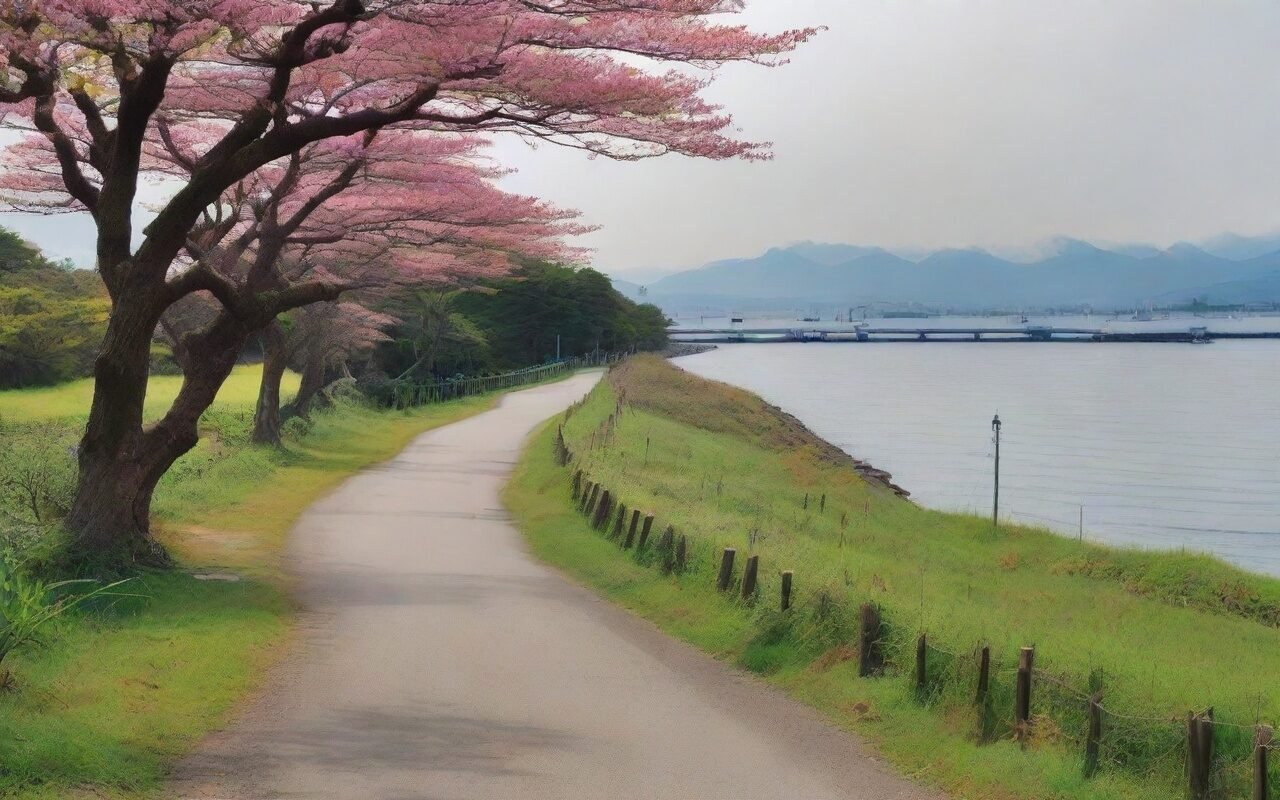
    • ✅ Greet other cyclists (“Konnichiwa”)
    • ✅ Yield to pedestrians
    • ✅ Lock bike when leaving
    • ✅ Respect private property

    Don’t:

    • ❌ Ride abreast (blocks traffic)
    • ❌ Speed in villages (max 20km/h)
    • ❌ Litter (carry trash back)
    • ❌ Trespass (stay on public roads)
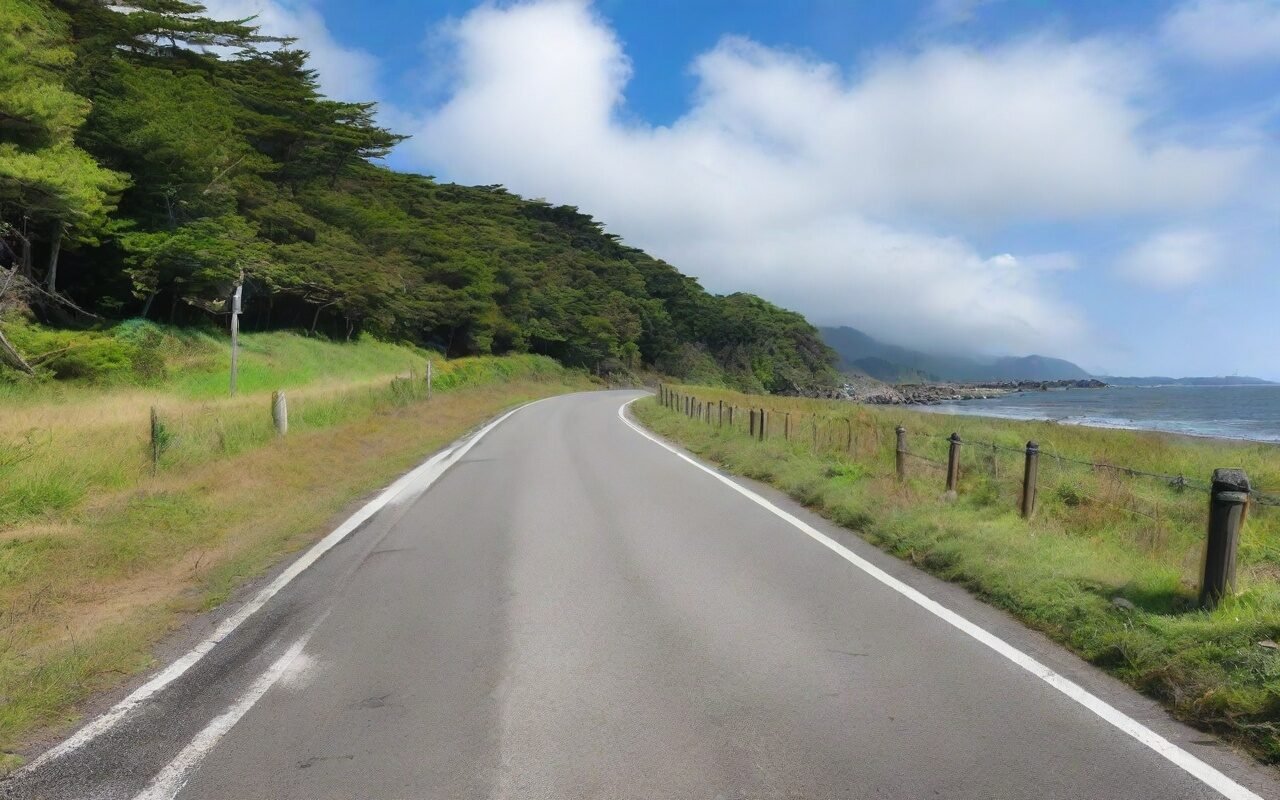
    • ❌ Ride intoxicated (illegal)
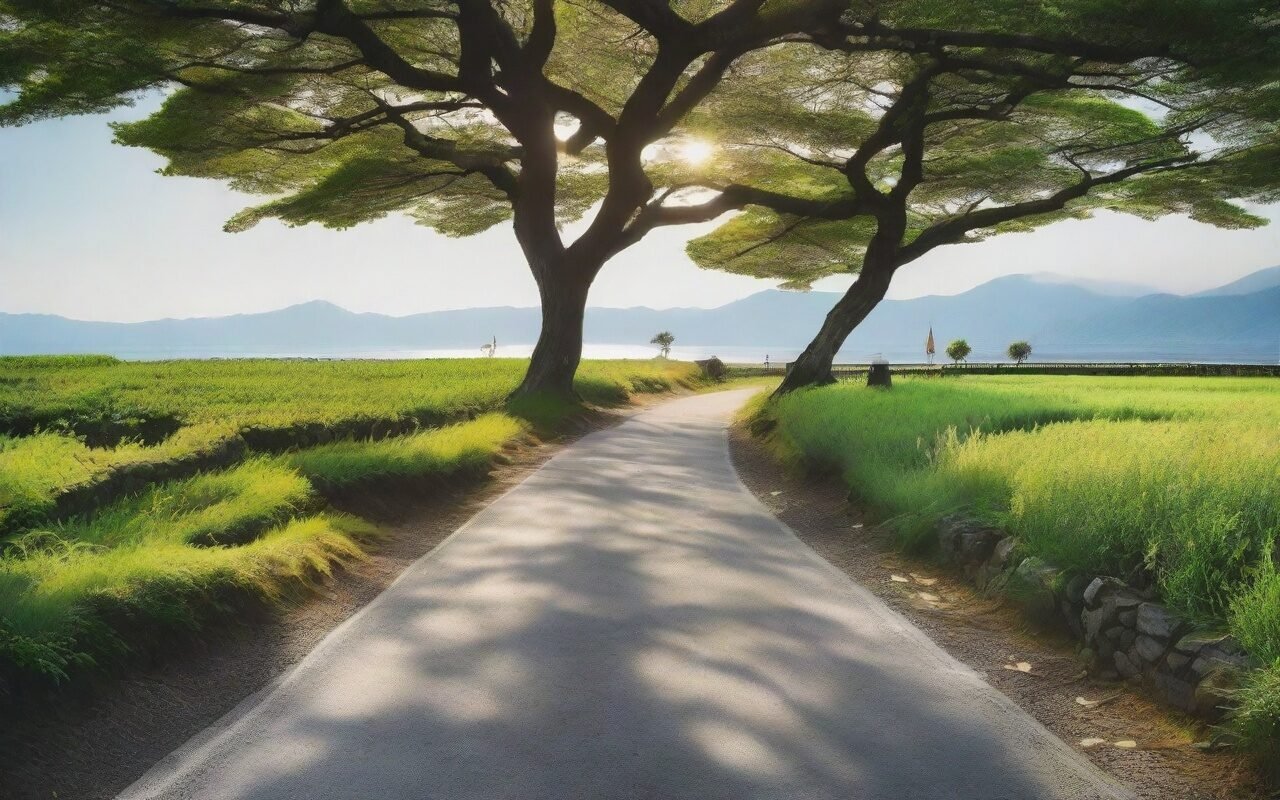
    Essential Gear

    Navigation:

    • Smartphone with GPS (Google Maps)
    • Backup: Paper map (rental provides)
    • Phone holder (handlebar mount) Repair:
    • Spare tube (rental includes)
    • Mini pump (rental includes)
    • Tire levers (rental includes)
    • Multi-tool (optional)

    Personal:

    • Sunscreen (SPF 30+)
    • Lip balm (with SPF)
    • Sunglasses
    • Cash (¥5,000-10,000)
    • ID. credit card
    • Phone, small charger

    Clothing:

    • Cycling shorts (padded, comfy)
    • Moisture-wicking jersey
    • Light jacket (wind, rain)
    • Change of clothes (for after)

    Optional Gear

    Comfort:

    • Cycling gloves (grip, protection)
    • Neck gaiter (sun, wind)
    • Arm warmers (variable weather) Performance:
    • Cycling computer (speed, distance)
    • Heart rate monitor
    • Clipless pedals (if experienced) Convenience:
    • Handlebar bag (easy access)
    • Saddle bag (storage)
    • Water bottle cage (extra)

    Day Trip from Tokyo

    7:00: Depart Tokyo (JR Yokosuka Line)
    8:30: Arrive Misakiguchi, rent bike
    9:00: Start cycling (Coastal Loop)
    12:00: Lunch at Misaki Port (sushi)
    14:30: Finish cycling, return bike
    15:00: see Misaki Port (fish market)
    17:00: Depart Misakiguchi
    18:30: Arrive Tokyo Total: 11 hours. ¥12,000-18,000

    Overnight Cycling Trip

    Day 1:
    8:00: Depart Tokyo
    10:00: Arrive Misakiguchi, rent bike
    10:30: Start cycling (Peninsula Circuit)
    13:00: Lunch at Minamishitaura
    17:00: Arrive Zushi, check into hotel
    19:00: Dinner, onsen (relaxation)

    Day 2:
    8:00: Breakfast
    9:00: Continue cycling (coastal route)
    12:00: Lunch at Zushi Beach
    14:00: Return bike, see Zushi
    17:00: Depart for Tokyo
    18:30: Arrive Tokyo Total: 2 days. ¥25,000-40,000

    Emergency Contacts

    Miura Peninsula Cycling — Aburatsubo & Jogashima Course 2026 — Emergency Contacts

    Important Numbers:

    • Police: 110
    • Ambulance: 119
    • JR East: Use the official Japan National Tourism Organization (JNTO) website for current visitor support options. – Keikyu Line: Use the official Japan National Tourism Organization (JNTO) website for current visitor support options. – Tourist Info: Use the official Japan National Tourism Organization (JNTO) website for current visitor support options. Bike Shops (for repairs):
    • Miura Cycle: Contact via official website or storefront (Misaki). – Zushi Bike: Contact via official website or storefront (Zushi). Miura Peninsula Cycling Route detailed view and features

    Miura Peninsula

    |—|—|—|—|—|
    | Misaki Port Tuna places to eat | Seafood | 🔗 Official Website | 10:00-18:00 | ¥1,500-5,000 |

    Misaki Port Tuna places to eat


    Summary

    Route Distance Elevation Time Difficulty
    Coastal Loop 40km 200m 3-4h ⭐⭐ Easy
    Peninsula Circuit 70km 500m 5-7h ⭐⭐⭐ Intermediate
    Lighthouse Challenge 100km 1,000m 7-9h ⭐⭐⭐⭐ Advanced

    Bottom Line: Miura Peninsula offers great cycling with coastal views, fresh seafood, and manageable terrain. Coastal Loop (40km) is perfect for beginners, while Peninsula Circuit (70km) challenges intermediates. Rent electric-assist bike (¥2,500) if concerned about hills. Best season is spring (March-May) and autumn (October-November). Budget ¥12,000-25,000 for day trip. Best For: Cycling enthusiasts, day trips from Tokyo Budget: ¥12,000-40,000 (day trip to overnight) Time Needed: Half-day to 2 days Best Season: March-May. October-November


    Related Articles:

    Frequently Asked Questions

    Q: What is the best time to visit this region?
    A: Spring (March-May) and autumn (September-November) offer the most pleasant weather. Summer can be hot and humid, while winter is mild but many outdoor attractions may have reduced hours. Q: How do I get there from Tokyo?
    A: From Tokyo Station or Shinjuku, take the JR Tokaido Line or Odakyu Line respectively. Most places in Kanagawa are within 60-90 minutes by train. Q: Is English signage available?
    A: Yes, major tourist areas in Kanagawa have English signage at stations. Smaller local spots may have limited English. Q: Can I visit on a day trip?
    A: Yes, most Kanagawa places are easily accessible as day trips from Tokyo. Consider arriving early (before 10 AM) to avoid crowds. Q: Are credit cards widely accepted?
    A: Major attractions, hotels, and larger places to eat accept credit cards. Smaller shops and local eateries may be cash-only. Carry ¥5,000-10,000 in cash.

    Final Thoughts

    Miura Peninsula Cycling Route 2026 provides everything you need to make your Kanagawa trip smooth and enjoyable. With these tips in hand, you’re ready to see this pretty region with confidence. Safe travels! —

    Miura Peninsula Cycling Route Cycling through Kanagawa reveals a side of Japan that is easy to miss from a train window. The freedom of two wheels allows you to discover hidden corners and connect with the landscape at your own pace.

    Conclusion

    exploring the Miura Peninsula for its cycling can be as relaxed or as packed as you want it to be, and I have found that the best visits leave room for both planning and spontaneity. During my visit to the Miura Peninsula I went with a rough plan and found that leaving room to wander made the trip far more memorable. Use this guide to sort out the logistics in advance, then let the day surprise you — Kanagawa rewards travelers who stay curious.