Category: kanagawa

神奈川県の旅行ガイド記事のカテゴリ

  • Kamakura Crowd Avoidance Guide 2026 — Best Times & Places

    Kamakura Crowd Avoidance Guide 2026 — Best Times & Places

    Kanagawa offers a wide range of activities for every type of traveler. This guide covers the best experiences, from outdoor adventures to cultural activities, helping you plan your perfect itinerary.

    Overview

    Best Time of Day to Visit

    Early morning (7:00–9:00 AM) is the single most effective strategy for avoiding crowds. Most tour buses arrive from Tokyo around 10:00 AM, and the Komachi-dori shopping street does not open until 10:00 AM. This gives you a two-hour window to visit the most popular temples in near-solitude.

    • Tsurugaoka Hachimangu: Opens at sunrise. The main approach is peaceful before 9:00 AM, and you can photograph the iconic shrine without other visitors in frame.
    • Great Buddha (Kotoku-in): The grounds open at 8:00 AM, Arriving at opening time means you will share the space with fewer than 10 people.
    • Hasedera: Opens at 8:00 AM. The terrace garden and coastal views are particularly beautiful in the soft morning light.

    Late afternoon (4:00–5:30 PM) is the second-best window. Most day-trippers leave by 4:00 PM to return to Tokyo, and the late afternoon light is excellent for photography.


    Best Day of the Week

    Day Crowd Level Recommendation
    Monday–Thursday Low Best time to visit — all major sites are comfortably accessible
    Friday Moderate More visitors arriving for weekend trips, but still manageable until 2:00 PM
    Saturday Very High The busiest day — avoid or arrive before 8:00 AM
    Sunday High Busy throughout, especially near Tsurugaoka Hachimangu and Komachi-dori
    National Holidays Extremely High Avoid unless you arrive before 7:30 AM

    Kamakura is significantly quieter on weekdays. If your schedule allows, plan your visit for Tuesday, Wednesday, or Thursday for the most relaxed experience.


    Seasonal Crowd Patterns

    Kamakura’s crowd levels vary dramatically by season:

    • March–April (Cherry Blossom Season): Extremely crowded at Tsurugaoka Hachimangu and along the Genpei-zuka cherry blossom tunnel. Visit on weekdays before 8:00 AM.
    • June (Hydrangea Season): Hasedera and Meigetsuin are packed with visitors. Hasedera opens early at 8:00 AM during peak bloom (mid-June). Meigetsuin requires a timed entry ticket during this period.
    • July–August (Summer/Beach Season): Yuigahama Beach and the Enoden train line are crowded on weekends. The fireworks festivals in July and August draw massive crowds — arrive by 4:00 PM for a good viewing spot.
    • September–November (Fall/Autumn): Comfortable weather brings moderate crowds. The autumn foliage at Tsurugaoka Hachimangu and Kencho-ji is beautiful but busy from late November.
    • December–February (Winter): The quietest season. Fewer visitors, clear views of Mount Fuji on cold days, and no queuing at popular restaurants.

    Avoid the Tsurugaoka Hachimangu Crowd

    Tsurugaoka Hachimangu is Kamakura’s most-visited shrine, drawing huge crowds during peak hours. Here is how to experience it peacefully:

    1. Visit before 9:00 AM — The shrine grounds are open from sunrise. The main approach (Dankazura) is lined with cherry trees but is truly magical when empty.
    2. Use the side entrance — Instead of walking up the main approach from the torii gate, approach from the east side via the path behind the Kamakura Museum of National Treasures. You will enter near the main hall without climbing the main staircase.
    3. Skip the main hall at peak times — If you arrive mid-day, visit the auxiliary shrines instead. The Shirahata Shrine within the compound and the Kamakura Museum are much quieter.

    Quiet Alternatives to Popular Spots

    Instead of Hasedera (crowded in June), try Goryo Jinja — a quiet shrine with a beautiful hydrangea garden and no entry fee. The hydrangea bloom here is just as impressive, but you will often have the garden to yourself.

    Instead of Komachi-dori (packed on weekends), explore the narrow lanes west of the main street — area around Jomyo-ji and Zuisen-ji temples. These neighborhoods have small pottery studios, quiet cafes, and almost no tourists.

    Instead of Yuigahama Beach (crowded in summer), visit Koshigoe Beach — a quieter stretch of sand near Enoshima that is popular with locals but rarely appears in guidebooks.


    📍 Location
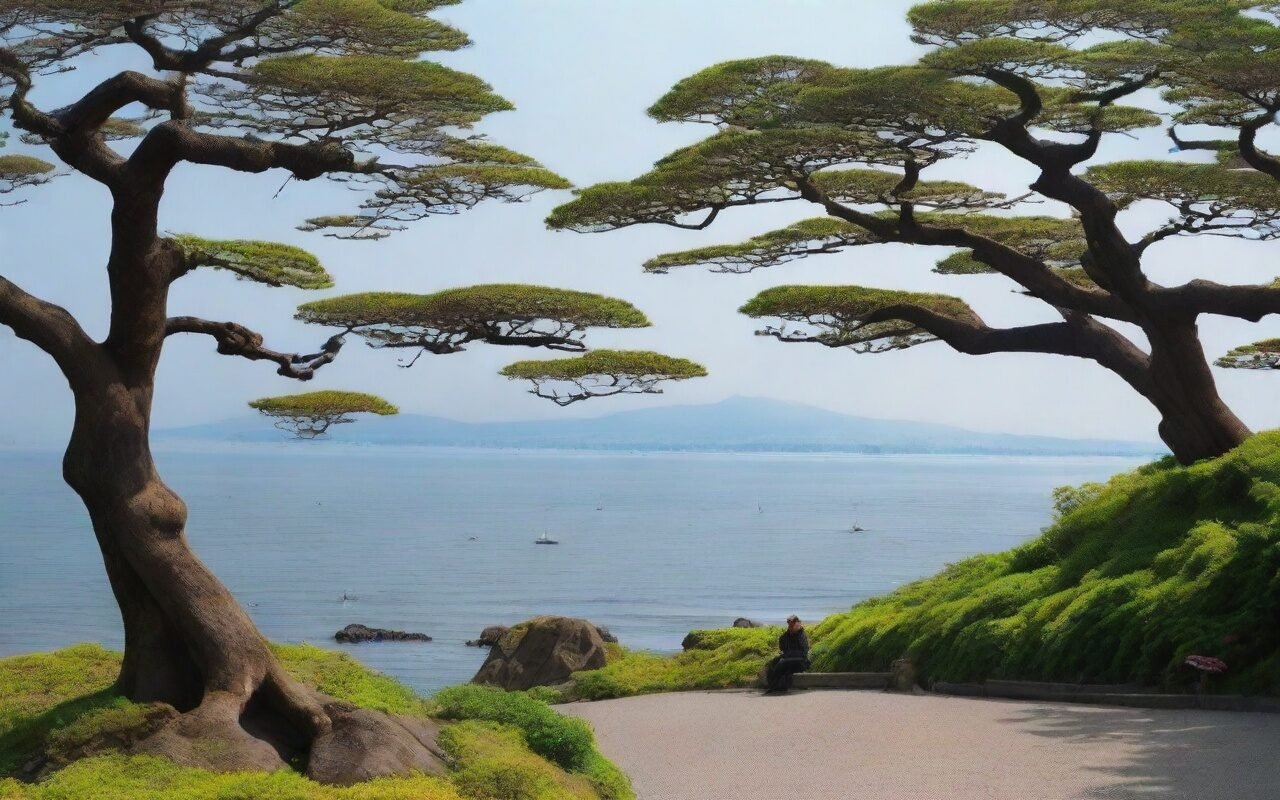
    Kamakura Crowd Avoidance Guide 2026 — Best Times & Places — Location

    Kamakura is approximately 50 minutes from Tokyo Station via the JR Yokosuka Line, or 60 minutes from Shinjuku via the Shonan-Shinjuku Line.
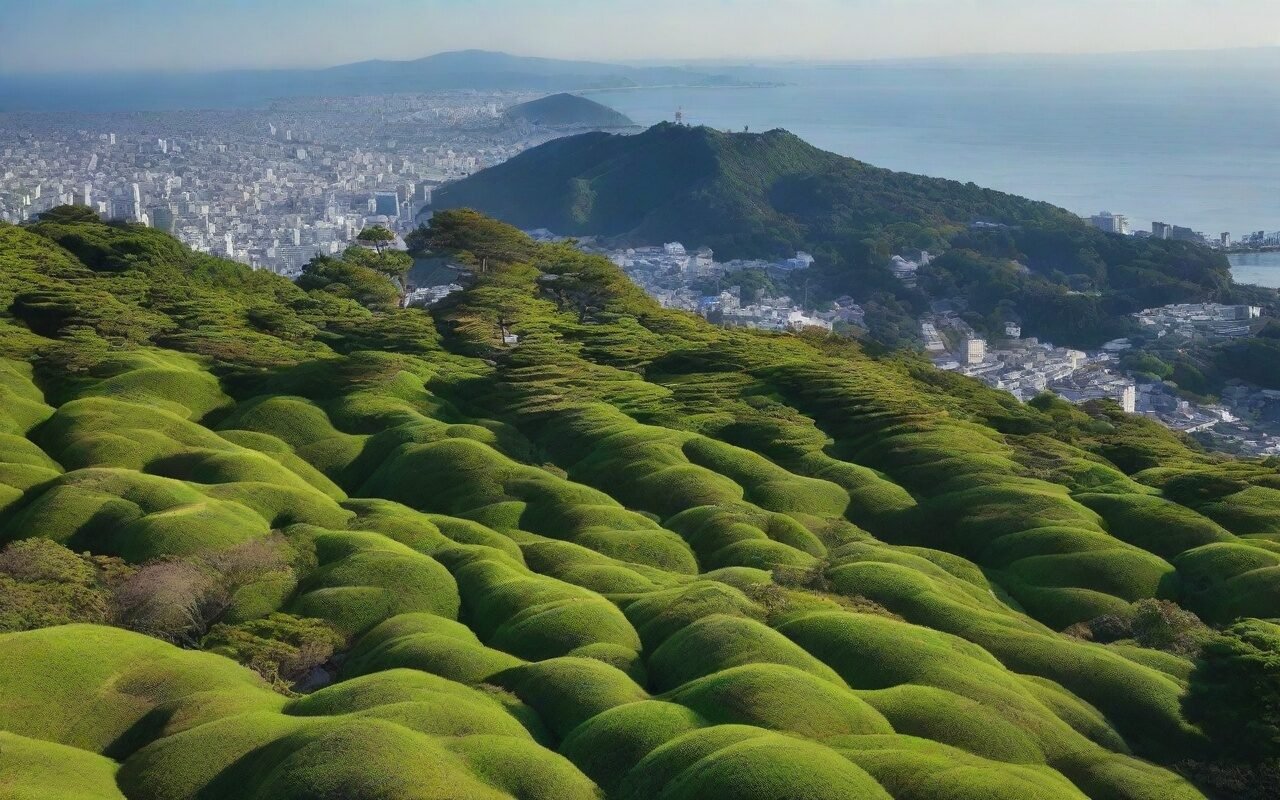
    Kamakura Crowd Avoidance Guide 2026 — Best Times & Places — Location


    💰 Budget Breakdown

    Strategy Additional Cost Time Saved Effectiveness
    Arrive before 9:00 AM Free 1–2 hours queuing ⭐⭐⭐⭐⭐
    Weekday visit Free 2–3 hours waiting ⭐⭐⭐⭐⭐
    Alternative temples Free 30–60 min per spot ⭐⭐⭐⭐
    Taxi from Kita-Kamakura ¥1,000–¥1,500 20 min walking ⭐⭐⭐
    Private guide (English) ¥15,000–¥25,000 Skip guided groups ⭐⭐⭐

    Kamakura Crowd Avoidance Guide 2026 — Best Times & Places — Budget Breakdown


    Practical Transport Tips for Avoiding Crowds

    • Take the JR Yokosuka Line from Tokyo Station instead of the Shonan-Shinjuku Line from Shinjuku — the Yokosuka Line trains are less crowded.
    • Get off at Kita-Kamakura Station (one stop before Kamakura) and walk south through Kencho-ji, Meigetsuin, and Jochi-ji temples before reaching the main areas. This reverse route avoids the main crowds.
    • Walk between sights — Kamakura is compact, Walking from Tsurugaoka Hachimangu to Kotoku-in (Great Buddha) takes 25 minutes and passes through quiet residential streets, far more pleasant than the crowded Enoden train during peak hours.
    • Use the Enoden before 10:00 AM or after 4:00 PM to avoid the packed cars.

    Kamakura is one of Japan’s most rewarding destinations when visited at the right time. By choosing early mornings, weekdays, and quiet seasons, you can experience the city’s beauty and history without the stress of overcrowding. The key is simple: go early, go on weekdays, and explore beyond the main sights.
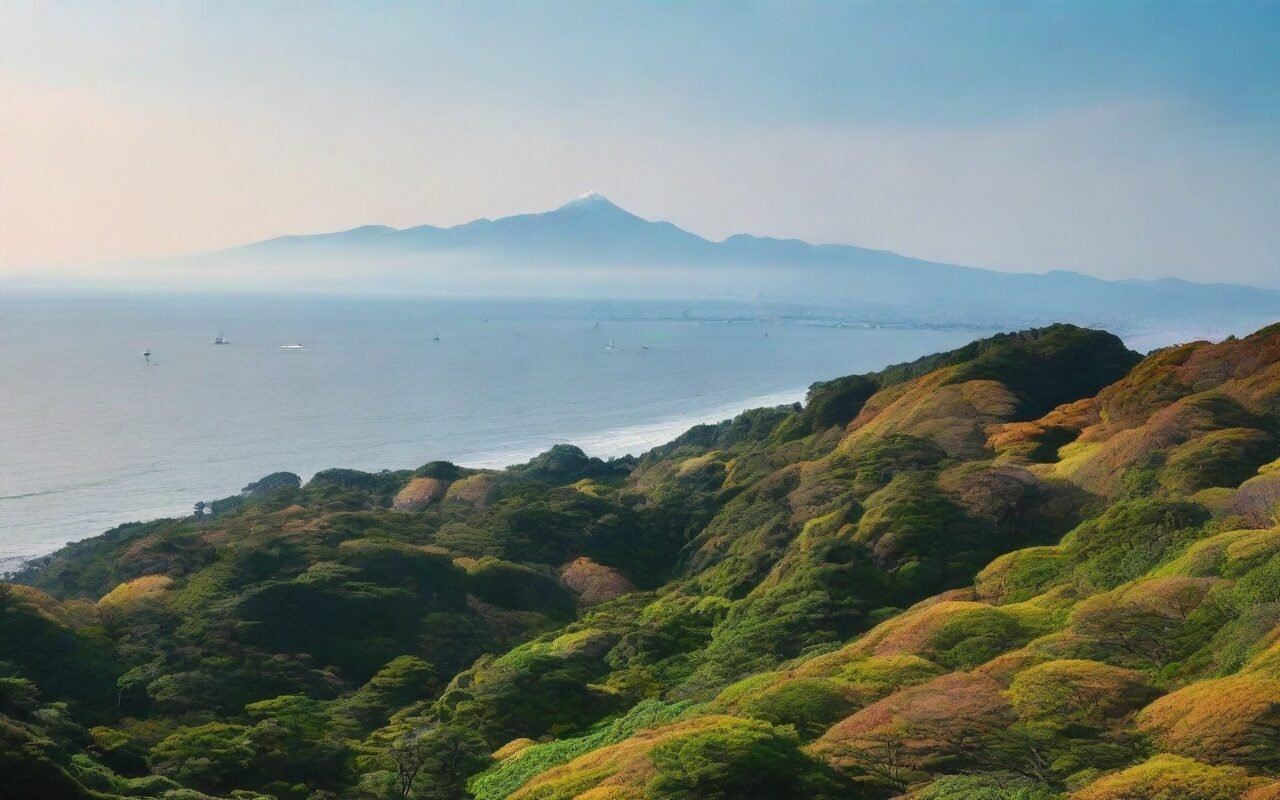
    Kamakura Crowd Avoidance Guide 2026 — Best Times & Places — Practical Transport Tips fo...

    Frequently Asked Questions

    Q: When can I see the best seasonal scenery here?
    A: If you are timing your visit for natural beauty, late March to early April brings cherry blossoms, June-July features vibrant hydrangeas and fresh greenery, and November showcases spectacular autumn colors. Each season offers a different perspective on the landscape.

    Q: Is this destination easy to reach by public transport?
    A:
    Yes. Kanagawa has excellent public transport connections from Tokyo. Most destinations are within an hour by train. The nearest station is typically a short walk or bus ride from the main attractions. For detailed route information, check the transport section above.

    Q: Is this destination manageable as a day trip from Tokyo?
    A: Yes, all destinations in this guide work well as day trips. Plan to arrive by late morning to see the main highlights. For a relaxed pace including lunch and optional detours, allow 6-8 hours. If you have more time, extending your stay overnight lets you explore at a leisurely pace and enjoy evening attractions.

    Q: Do I need any special skills or equipment to enjoy this destination?
    A:
    Most attractions in this guide are accessible to visitors of all backgrounds and fitness levels. Well-maintained paths, clear signage, and English information make navigation easy. For activities requiring specific gear (hiking shoes, swimwear, etc.), recommendations are included in the relevant sections above.

    Recommended Time-Based Plan

    This timeline shows you exactly where to be and when for a crowd-free Kamakura experience:

    Time Activity Why This Works
    7:00 AM Arrive at Kita-Kamakura Station Station is empty, no queues
    7:15-8:00 AM Kencho-ji temple (opens at sunrise) First to enter, meditation gardens empty
    8:00-8:30 AM Meigetsuin hydrangea garden Opens at 8 AM, no line for photos
    8:45-9:15 AM Walk the Daibutsu Hiking Course trail Cool morning temperature, forest path
    9:30-10:00 AM Great Buddha (Kotoku-in) Less than 10 people at opening
    10:15-11:00 AM Hasedera temple and terrace Morning light for photos, before bus crowds
    11:00 AM-12:00 PM Komachi-dori shopping street Shops open but before lunch rush
    12:00-1:00 PM Lunch (side street restaurants) Beat the 1-2 PM lunch peak
    1:00-2:00 PM Tsurugaoka Hachimangu (via side entrance) Main hall approach is busy but side entrance is quiet
    2:00-3:00 PM Quiet temples (Jomyo-ji or Zuisen-ji) Off the tourist trail, peaceful
    3:00-4:00 PM Coffee break at quiet cafe Rest before heading back
    4:00 PM+ Enoden ride to Enoshima or return to Tokyo Trains less crowded after 4 PM

    For a half-day visit (arriving later): Start at 10 AM with the Great Buddha, skip Komachi-dori during lunch, and focus on 2-3 main sights + 1 alternative temple. Use the Enoden after 4 PM to avoid crowds.

    For more Kamakura tips, see our Kamakura Area Guide, Kamakura One Day Trip, and Kamakura Temple Guide.

    Packing Essentials

    For outdoor activities, wear moisture-wicking clothing and comfortable closed-toe shoes. Sunscreen and a hat are essential during summer. A small towel is useful for wiping sweat. A waterproof phone pouch is useful for water activities. Pack snacks and extra water for remote areas.

    Conclusion

    Whether you are planning exploring Kamakura for the first time or returning for another visit, taking a little extra time to go beyond the obvious sights makes all the difference. During my visit to Kamakura I went with a rough plan and found that leaving room to wander made the trip far more memorable. I hope this guide helps you build an itinerary that fits your pace, and that your time in Kanagawa leaves you with memories worth coming back for.
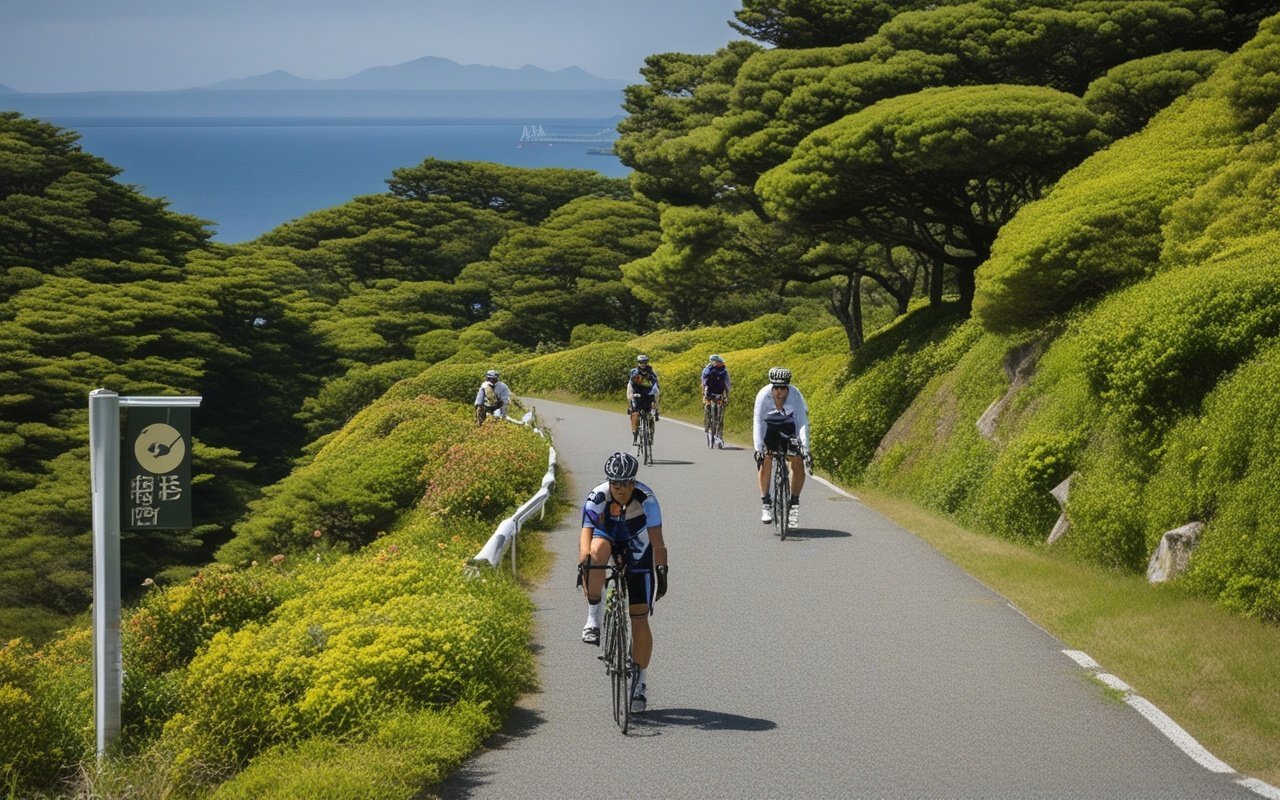
  • Miura Peninsula Cycling — Aburatsubo & Jogashima Course 2026

    Miura Peninsula Cycling — Aburatsubo & Jogashima Course 2026

    Miura Peninsula Cycling Route – Aburatsubo & Jogashima Course

    Overview

    Experience Miura Peninsula Cycling Route – Aburatsubo & Jogashima Course in an environmentally responsible way with this sustainable travel guide. Discover eco-friendly accommodations, green transportation options, and local initiatives that make Miura a leader in sustainable tourism. Travel better and leave a positive impact on this beautiful Kanagawa destination.

    📍 spot


    Miura Peninsula offers some of the best cycling near Tokyo, with coastalcoastal fishing villages, strawberry farms, and fresh seafood. This guide covers complete cycling routes, bike rental, and how to see this lesser-known spot on two wheels.

    Cycling Advantages

    pretty Diversity:

    • Coastline: 100km of Pacific Ocean views
    • Fishing Ports: old-style working harbors
    • Farmland: Strawberry fields, vegetable farms
    • Beaches: Pristine sandy beaches

    Miura Peninsula Cycling — Aburatsubo & Jogashima Course 2026 — Cycling Advantages Environmentally conscious travel in Kanagawa

    Miura Peninsula Cycling Route detailed view and features

    • Cliffs: Dramatic coastal scenery

    Terrain:

    • Flat Sections: 60% (coastal roads)
    • Rolling Hills: 30% (gentle climbs)
    • hard Climbs: 10% (for experienced cyclists)
    • Max Elevation: 200m (manageable for intermediates)

    Traffic:

    • Weekdays: Light traffic (safe cycling)
    • Weekends: Moderate (early start recommended)
    • Road Quality: Good (well-kept)
    • Shoulders: Most roads have bike lanes

    ease of use:

    • From Tokyo: 90 minutes (train + bike)
    • Bike Transport: Trains allow folding bikes
    • Bike Rental: Available at major stations
    • Parking: Secure bike parking available

    Best Time to Cycle

    By Season:

    Season Temp Crowds Conditions Rating
    Spring (Mar-May) 15-25°C Moderate Perfect ⭐⭐⭐⭐⭐
    Summer (Jun-Aug) 25-35°C High Hot, humid ⭐⭐⭐
    Autumn (Sep-Nov) 18-28°C Moderate Ideal ⭐⭐⭐⭐⭐
    Winter (Dec-Feb) 8-18°C Low Cool, clear ⭐⭐⭐⭐

    Best Months: March-May. October-November Best Days:

    • Weekdays: Tuesday-Thursday (lightest traffic)
    • Weekends: Saturday morning (before crowds)
    • Avoid: Sunday afternoons, holidays

    Daily Timing:

    • Morning (8:00-12:00): Cool, light traffic
    • Afternoon (13:00-16:00): Warmest, more traffic
    • Evening (16:00-18:00): Sunset views, dinner

    Route 1: Coastal Loop (Beginner-Friendly)

    Distance: 40km
    Elevation Gain: 200m
    Time: 3-4 hours (with stops)
    Difficulty: ⭐⭐ (Easy-Intermediate) Route Overview:
    Misakiguchi Station → Jogashima → Misaki Port → Senju Park → Misakiguchi

    Detailed Itinerary:

    Start: Misakiguchi Station (9:00)

    • Bike Rental: Keikyu Rent-a-Cycle (¥1,500/day)
    • Preparation: Fill water bottles, apply sunscreen
    • Elevation: 0m

    Stop 1: Jogashima Island (10:00. 10km)

    • Ride: Coastal road (flat, pretty)
    • thing to do: Walk to lighthouse (5 min)
    • View: Pacific Ocean. (clear days)
    • Photo: Bridge + ocean backdrop
    • Elevation: 50m

    Stop 2: Misaki Port (11:30. 20km)

    • Ride: Through Jogashima, back to peninsula
    • Lunch: Fresh sushi (Maguro-don. ¥1,500)
    • see: Fish market (buy fresh catch)
    • Elevation: 10m

    Stop 3: Senju Park (13:30. 30km)

    • Ride: Coastal road (some hills)
    • thing to do: Park break (restroom, snacks)
    • View: Sagami Bay
    • Elevation: 100m Finish: Misakiguchi Station (14:30. 40km)
    • Ride: Return via farmland (flat)
    • Time: 1 hour
    • Elevation: 0m

    Highlights:

    • ✅ Ocean views throughout
    • ✅ Fresh seafood lunch
    • ✅ Lighthouse photo op
    • ✅ Manageable for beginners Challenges:
    • ⚠️ Some hills (200m total elevation)
    • ⚠️ Wind exposure (coastal) Bike Type: Hybrid or road bike (any type works)

    Route 2: Peninsula Circuit (Intermediate)

    Distance: 70km
    Elevation Gain: 500m
    Time: 5-7 hours (with stops)
    Difficulty: ⭐⭐⭐ (Intermediate) Route Overview:
    Misakiguchi → Jogashima → Misaki → Minamishitaura → Zushi → Misakiguchi

    Key Stops:

    Morning (8:00-12:00. 35km):

    • Misakiguchi → Jogashima → Misaki Port
    • Same as Route 1 (first half)
    • Lunch at Misaki Port

    Afternoon (13:00-17:00. 35km):

    • Misaki → Minamishitaura (coastal, pretty)
    • Minamishitaura → Zushi (longest climb. 150m)
    • Zushi → Misakiguchi (coastal, flat finish)

    Highlights:

    • ✅ Full peninsula circumnavigation
    • ✅ Varied terrain (flat + hills)
    • ✅ Multiple lunch options
    • ✅ Achievement (70km accomplishment) Challenges:
    • ⚠️ Longer distance (endurance needed)
    • ⚠️ One significant climb (150m)
    • ⚠️ Full day commitment Bike Type: Road bike recommended (efficiency)

    Route 3: Lighthouse Challenge (Advanced)

    Distance: 100km
    Elevation Gain: 1,000m
    Time: 7-9 hours
    Difficulty: ⭐⭐⭐⭐ (Advanced) Route Overview:
    Complete peninsula + all lighthouses + inland villages For: Experienced cyclists seeking challenge

    Rental Shops

    1. Keikyu Rent-a-Cycle (Misakiguchi Station)

    Best Option: Most handy, good quality

    • spot: Misakiguchi Station (exit, turn right)
    • Hours: 9:00-17:00 (daily)
    • Price: ¥1,500/day (electric assist: ¥2,500)
    • Deposit: ¥5,000 (or passport + credit card)
    • Bikes: 20+ available (hybrid, road)
    • Languages: Japanese, basic English
    • booking: Recommended (weekends)
    • Phone: Check each shop’s official site or rental portal; numbers are not listed here. Bike Types:
    • Hybrid: ¥1,500/day (most loved)
    • Electric Assist: ¥2,500/day (recommended for hills)
    • Road Bike: ¥2,000/day (for experienced)
    • Mountain Bike: ¥2,000/day (off-road capability)
    • Kids Bike: ¥1,000/day (ages 6-12)

    Included:

    • Helmet (mandatory)
    • Lock (mandatory)
    • Repair kit (pump, spare tube)
    • Map (cycling routes)
    • Phone holder (optional)

    2. Miura Kanko Rent-a-Cycle

    Alternative: Larger choice, English support

    • spot: Misaki Port (10 min from Misakiguchi)
    • Price: ¥1,800/day
    • Bikes: 30+ (higher quality)
    • English: Better support
    • Delivery: Can deliver to your hotel

    3. Zushi Station Rentals

    For: Starting from Zushi side

    • spot: Zushi Station (west side)
    • Price: ¥1,500/day
    • Bikes: 15 available

    Rental Tips

    booking:

    • When: 1 week ahead (weekends), 2-3 days (weekdays)
    • How: Online or phone
    • Deposit: Credit card or cash
    • Cancellation: Free up to 24 hours before

    Bike choice:

    • Beginners: Electric assist (makes hills easy)
    • Intermediate: Hybrid (versatile)
    • Advanced: Road bike (fastest)
    • Families: Mix of adult + kids bikes

    Fitting:

    • Seat Height: Leg almost straight at bottom
    • Handlebar: comfy reach
    • Test Ride: 2-3 min around station
    • Adjustments: Ask staff (they’re helpful)

    Cycling-Friendly lodging

    1. Hotel New Akao (Misaki)

    Best for Cyclists: Bike storage, repair station

    • Price: ¥10,000-20,000/night
    • Bike Storage: Secure indoor room
    • Repair Station: Tools, pump available
    • Laundry: Same-day service
    • Breakfast: Early breakfast (for early starts)
    • Onsen: Hot spring (post-ride relaxation)

    2. Minamishitaura Guesthouse

    Budget Option: Cyclist-owned, social

    • Price: ¥4,000-8,000/night (dorm/private)
    • Bike Storage: Free, secure
    • Kitchen: Self-catering available
    • Community: Meet other cyclists
    • Owner: Cyclist (route advice)

    3. Zushi Marina Hotel

    Mid-Range: Marina views, bike-friendly

    • Price: ¥12,000-25,000/night
    • Bike Storage: Available
    • spot: Near Route 2
    • place to eat: On-site dining

    Cyclist-Friendly places to eat

    Breakfast (before 9:00):

    • Convenience Stores: 7-Eleven, banana)
    • Cafes: Limited early opening (check hours)
    • Hotels: Most serve breakfast (7:00-9:00)

    Lunch (12:00-14:00):

    • Misaki Port: Fresh sushi (Maguro-don. ¥1,500)
    • Minamishitaura: Seafood places to eat (¥1,500-2,500)
    • Convenience Stores: Quick option (¥500-1,000)

    Dinner (18:00-20:00):

    • Misaki: Fishing port places to eat (fresh catch)
    • Zushi: range (Italian, cafes)
    • Hotel places to eat: handy (post-ride tired)

    Water Stops

    Refill spots:

    • Convenience Stores: Free refill (polite ask)
    • Parks: Water fountains (Senju Park)
    • places to eat: Ask politely (most oblige)
    • Vending Machines: Throughout peninsula (¥120-150)

    How Much to Carry:

    • Minimum: 1 bottle (500ml)
    • Recommended: 2 bottles (1L total)
    • Summer: 3 bottles (1.5L. electrolytes)

    Electrolytes:

    • Summer: Essential (prevent cramping)
    • Brands: Pocari Sweat. Aquarius (convenience stores)
    • DIY: Salt + sugar + water (emergency)

    Traffic Rules

    Japanese Cycling Laws:

    • Ride on Left: Same as cars (mandatory)
    • Stop Signs: Full stop (not rolling stop)
    • Traffic Lights: Obey (red = stop)
    • Sidewalks: Walk bike (don’t ride)
    • Night Riding: Light mandatory (rental includes)

    Hand Signals:

    • Left Turn: Left arm extended left
    • Right Turn: Left arm bent upward
    • Stopping: Left arm bent downward
    • Hazard: Point to hazard

    Safety Gear

    Mandatory:

    • ✅ Helmet (rental includes)
    • ✅ Lock (rental includes)
    • ✅ Light (if riding near dusk) Recommended:
    • ✅ Gloves (grip, protection)
    • ✅ Sunglasses (eye protection)
    • ✅ High-vis vest (visibility)
    • ✅ Bell (alert pedestrians)

    Cycling Etiquette

    Do:

    • ✅ Ride single file (on narrow roads)
    • ✅ Greet other cyclists (“Konnichiwa”)
    • ✅ Yield to pedestrians
    • ✅ Lock bike when leaving
    • ✅ Respect private property

    Don’t:

    • ❌ Ride abreast (blocks traffic)
    • ❌ Speed in villages (max 20km/h)
    • ❌ Litter (carry trash back)
    • ❌ Trespass (stay on public roads)
    • ❌ Ride intoxicated (illegal)

    Essential Gear

    Navigation:

    • Smartphone with GPS (Google Maps)
    • Backup: Paper map (rental provides)
    • Phone holder (handlebar mount) Repair:
    • Spare tube (rental includes)
    • Mini pump (rental includes)
    • Tire levers (rental includes)
    • Multi-tool (optional)

    Personal:

    • Sunscreen (SPF 30+)
    • Lip balm (with SPF)
    • Sunglasses
    • Cash (¥5,000-10,000)
    • ID. credit card
    • Phone, small charger

    Clothing:

    • Cycling shorts (padded, comfy)
    • Moisture-wicking jersey
    • Light jacket (wind, rain)
    • Change of clothes (for after)

    Optional Gear

    Comfort:

    • Cycling gloves (grip, protection)
    • Neck gaiter (sun, wind)
    • Arm warmers (variable weather) Performance:
    • Cycling computer (speed, distance)
    • Heart rate monitor
    • Clipless pedals (if experienced) Convenience:
    • Handlebar bag (easy access)
    • Saddle bag (storage)
    • Water bottle cage (extra)

    Day Trip from Tokyo

    7:00: Depart Tokyo (JR Yokosuka Line)
    8:30: Arrive Misakiguchi, rent bike
    9:00: Start cycling (Coastal Loop)
    12:00: Lunch at Misaki Port (sushi)
    14:30: Finish cycling, return bike
    15:00: see Misaki Port (fish market)
    17:00: Depart Misakiguchi
    18:30: Arrive Tokyo Total: 11 hours. ¥12,000-18,000

    Overnight Cycling Trip

    Day 1:
    8:00: Depart Tokyo
    10:00: Arrive Misakiguchi, rent bike
    10:30: Start cycling (Peninsula Circuit)
    13:00: Lunch at Minamishitaura
    17:00: Arrive Zushi, check into hotel
    19:00: Dinner, onsen (relaxation)

    Day 2:
    8:00: Breakfast
    9:00: Continue cycling (coastal route)
    12:00: Lunch at Zushi Beach
    14:00: Return bike, see Zushi
    17:00: Depart for Tokyo
    18:30: Arrive Tokyo Total: 2 days. ¥25,000-40,000

    Emergency Contacts

    Miura Peninsula Cycling — Aburatsubo & Jogashima Course 2026 — Emergency Contacts

    Important Numbers:

    • Police: 110
    • Ambulance: 119
    • JR East: Use the official Japan National Tourism Organization (JNTO) website for current visitor support options. – Keikyu Line: Use the official Japan National Tourism Organization (JNTO) website for current visitor support options. – Tourist Info: Use the official Japan National Tourism Organization (JNTO) website for current visitor support options. Bike Shops (for repairs):
    • Miura Cycle: Contact via official website or storefront (Misaki). – Zushi Bike: Contact via official website or storefront (Zushi). Miura Peninsula Cycling Route detailed view and features

    Miura Peninsula

    |—|—|—|—|—|
    | Misaki Port Tuna places to eat | Seafood | 🔗 Official Website | 10:00-18:00 | ¥1,500-5,000 |

    Misaki Port Tuna places to eat


    Summary

    Route Distance Elevation Time Difficulty
    Coastal Loop 40km 200m 3-4h ⭐⭐ Easy
    Peninsula Circuit 70km 500m 5-7h ⭐⭐⭐ Intermediate
    Lighthouse Challenge 100km 1,000m 7-9h ⭐⭐⭐⭐ Advanced

    Bottom Line: Miura Peninsula offers great cycling with coastal views, fresh seafood, and manageable terrain. Coastal Loop (40km) is perfect for beginners, while Peninsula Circuit (70km) challenges intermediates. Rent electric-assist bike (¥2,500) if concerned about hills. Best season is spring (March-May) and autumn (October-November). Budget ¥12,000-25,000 for day trip. Best For: Cycling enthusiasts, day trips from Tokyo Budget: ¥12,000-40,000 (day trip to overnight) Time Needed: Half-day to 2 days Best Season: March-May. October-November


    Related Articles:

    Frequently Asked Questions

    Q: What is the best time to visit this region?
    A: Spring (March-May) and autumn (September-November) offer the most pleasant weather. Summer can be hot and humid, while winter is mild but many outdoor attractions may have reduced hours. Q: How do I get there from Tokyo?
    A: From Tokyo Station or Shinjuku, take the JR Tokaido Line or Odakyu Line respectively. Most places in Kanagawa are within 60-90 minutes by train. Q: Is English signage available?
    A: Yes, major tourist areas in Kanagawa have English signage at stations. Smaller local spots may have limited English. Q: Can I visit on a day trip?
    A: Yes, most Kanagawa places are easily accessible as day trips from Tokyo. Consider arriving early (before 10 AM) to avoid crowds. Q: Are credit cards widely accepted?
    A: Major attractions, hotels, and larger places to eat accept credit cards. Smaller shops and local eateries may be cash-only. Carry ¥5,000-10,000 in cash.

    Final Thoughts

    Miura Peninsula Cycling Route 2026 provides everything you need to make your Kanagawa trip smooth and enjoyable. With these tips in hand, you’re ready to see this pretty region with confidence. Safe travels! —

    Miura Peninsula Cycling Route Cycling through Kanagawa reveals a side of Japan that is easy to miss from a train window. The freedom of two wheels allows you to discover hidden corners and connect with the landscape at your own pace.

    Conclusion

    exploring the Miura Peninsula for its cycling can be as relaxed or as packed as you want it to be, and I have found that the best visits leave room for both planning and spontaneity. During my visit to the Miura Peninsula I went with a rough plan and found that leaving room to wander made the trip far more memorable. Use this guide to sort out the logistics in advance, then let the day surprise you — Kanagawa rewards travelers who stay curious.

  • Shonan Pet Friendly Spots 2026

    Shonan Pet Friendly Spots 2026

    Overview

    Dog-Friendly Beaches

    Shonan Dog Beach (Fujisawa)

    Located a 15-minute walk from Katase-Enoshima Station, Shonan Dog Beach is a dedicated off-leash area for dogs. The beach is separated from the main swimming areas, so dogs can run freely without disturbing other beachgoers.

    • Season: May 1 – September 30 (the rest of the year, leashed dogs are allowed on regular beaches)
    • Hours: 9:00 AM – 5:00 PM
    • Fee: ¥1,100 per dog (includes bag for waste disposal)
    • Facilities: Freshwater showers for dogs (free), water bowls along the path, shaded rest area for owners
    • Rules: Dogs must be vaccinated (proof not usually checked but recommended to carry records). Aggressive dogs are not permitted.
    • Crowds: Weekday mornings are the quietest; weekends can get busy, especially in August

    Pro tip: Bring a towel for your dog and a change of clothes for yourself. The combination of sand and seawater means a messy ride home without preparation.

    Zaimokuza Dog-Friendly Area (Kamakura)

    The eastern end of Zaimokuza Beach in Kamakura allows leashed dogs year-round (except during the official swimming season, July 1 – August 31, when dogs are prohibited on all swimming beaches). This area is quieter than the main Yuigahama beach and has fewer people, making it a good alternative. What particularly impressed me during my visit was how strongly the local character remains preserved.

    Pet-Friendly Parks

    Enoshima Island Park

    Dogs on leashes are welcome throughout Enoshima Island. The paths from the bridge to the Samuel Cocking Garden are wide and well-paved, and many outdoor cafes on the island have water bowls for dogs. The observation deck at the Sea Candle allows leashed dogs (carry your dog on the elevator).

    Kamakura Hiking Trails

    Several of Kamakura’s hiking trails are dog-friendly. The Daibutsu Hiking Course (connecting the Great Buddha to Kenchoji Temple) is suitable for well-behaved dogs on leashes. The trail is approximately 3 km and takes 45–60 minutes with frequent shade stops, Bring plenty of water for your dog — the trail has no water fountains.

    Shonan Seaside Park

    A long, narrow park running along the coast between Kamakura and Fujisawa, Shonan Seaside Park has a dedicated dog-run area near the Enoshima end. The park also has benches, water fountains, and plenty of grassy areas for picnics.


    Pet-Friendly Cafes

    Dog Cafe Mocha (Fujisawa)

    A dedicated dog cafe where you can play with resident dogs or bring your own. The cafe has an indoor play area, a small outdoor garden, and a menu with dog-friendly treats (¥300–¥500) as well as human food (¥600–¥1,200). Location: 5-minute walk from Fujisawa Station
    Hours: 10:00 AM – 7:00 PM
    Fee: ¥1,000 per hour (includes one drink)

    Cafe Hana (Kamakura)

    A small, quiet cafe near Kamakura Station that welcomes well-behaved dogs. The owner keeps a jar of dog treats behind the counter, and there is a water bowl at the entrance. The cafe serves light meals and excellent coffee (¥500–¥800).

    Pet policy: Dogs must stay on leash and are allowed only in the indoor seating area (not the tatami room). Maximum one dog per table.

    Seaside Cafe Monsoon (Enoshima)

    A spacious restaurant with outdoor terrace seating that allows dogs. The terrace has a spectacular view of the sunset over Enoshima’s coastline. The menu features Western-Japanese fusion dishes (¥1,200–¥2,000). Reserve ahead for a terrace table.


    Pet-Friendly Accommodation

    Several hotels and inns in the Shonan area accept pets:

    • Hotel Enoshima: Pet-friendly rooms on the first floor, with a small dog-run area in the garden. ¥3,000 supplement per dog. Reservations required — only 3 pet-friendly rooms available.
    • Kamakura Guesthouse Shiro: Accepts small dogs (under 10 kg) with advance notice. ¥2,000 supplement. The guesthouse has a small garden where dogs can exercise.

    📍 Location

    Shonan Pet Friendly Spots 2026 — Location

    All major pet-friendly spots are within walking distance of the Enoden train line. Note that dogs must be carried in a carrier on the Enoden train — a small, soft-sided carrier that fits under your seat is required.

    Shonan Pet Friendly Spots 2026 — Location


    💰 Budget Breakdown

    Item Cost
    Dog beach fee ¥1,100
    Pet carrier for train ¥2,000–¥5,000 (one-time purchase)
    Dog treats at cafe ¥300–¥500
    Pet-friendly accommodation supplement ¥2,000–¥3,000/night
    Day trip cost (pet surcharges) ¥1,000–¥2,500

    Shonan Pet Friendly Spots 2026 — Budget Breakdown


    When to Go

    Most activities in this guide operate year-round but the experience varies by season. Spring and autumn offer the most comfortable conditions. Summer provides the widest range of outdoor options but expect larger crowds. Winter offers a quieter experience with potential seasonal closures.

    Practical Tips for Traveling with Pets

    • Train rules: Dogs must be in a carrier on all trains in Japan — including the Enoden, JR lines, and private railways. The carrier must be leak-proof and well-ventilated. Dogs are not permitted on buses.
    • Vaccination records: Carry your dog’s rabies vaccination certificate. Japan is rabies-free, and proof of vaccination may be requested by authorities or pet-friendly facilities.
    • Summer heat: The Shonan coast can be extremely hot in July and August. Walk your dog early in the morning (before 9:00 AM) or in the evening (after 5:00 PM). Paved surfaces can burn paw pads — test the temperature with your hand before walking.
    • Waste disposal: Always carry waste bags and dispose of them in designated bins. Japanese pet owners are very conscientious about cleanup, and failure to do so reflects poorly on all pet travelers.
    • Water: Bring a collapsible water bowl and a bottle of water for your dog. Not all public water fountains are at a height accessible to dogs.

    Shonan Pet Friendly Spots 2026 — Practical Tips for Traveling with Pets

    Shonan is one of the most welcoming areas in Japan for pet owners. With a little advance planning — checking pet policies, reserving pet-friendly accommodation, and bringing the right equipment — you and your pet can enjoy an absolutely wonderful day at the beach, in the parks, and at the cafes along this beautiful coastline.


    Frequently Asked Questions

    Q: Which months offer the best conditions for exploring?
    A: April, May, October, and November offer the most pleasant combination of comfortable weather and manageable crowds. These months avoid the summer heat and humidity while providing beautiful natural scenery — cherry blossoms in spring and colorful foliage in autumn.

    Q: Is this destination easy to reach by public transport?
    A:
    Yes. Kanagawa has excellent public transport connections from Tokyo. Most destinations are within an hour by train. The nearest station is typically a short walk or bus ride from the main attractions. For detailed route information, check the transport section above.

    Q: Is this destination manageable as a day trip from Tokyo?
    A: Yes, all destinations in this guide work well as day trips. Plan to arrive by late morning to see the main highlights. For a relaxed pace including lunch and optional detours, allow 6-8 hours. If you have more time, extending your stay overnight lets you explore at a leisurely pace and enjoy evening attractions.

    Q: Do I need any special skills or equipment to enjoy this destination?
    A:
    Most attractions in this guide are accessible to visitors of all backgrounds and fitness levels. Well-maintained paths, clear signage, and English information make navigation easy. For activities requiring specific gear (hiking shoes, swimwear, etc.), recommendations are included in the relevant sections above.

    After multiple visits to Kanagawa, . . The Shonan coast — stretching from Kamakura through Enoshima to Fujisawa — is one of the most pet-friendly areas in Kanagawa. With dedicated dog beaches, pet-friendly parks, cafes that welcome four-legged guests, and accommodation that accepts animals, Shonan makes it easy to include your pet in your travel plans. This guide covers the best spots for pets and their owners along the coast.

    The activities here are designed to match every pace — from meditative mornings to action-packed afternoons — ensuring your time in Kanagawa is exactly what you want it to be.

    Packing Essentials

    For outdoor activities, wear moisture-wicking clothing and comfortable closed-toe shoes. Sunscreen and a hat are essential during summer. A small towel is useful for wiping sweat. A waterproof phone pouch is useful for water activities. Pack snacks and extra water for remote areas.

    For more details, see our guide to Kamakura Rainy Season Hydrangea Guide.

    For more details, see our guide to Kamakura Summer Festivals Guide.

    Learn more in our dedicated Kamakura Rainy Day Activities: Top 10 Indoor Spots article.

    For more details, read our guide to Miura Fishing Experience – Kanagawa.

    Learn more in our dedicated Misaki Port Walking Guide article.

    Learn more in our dedicated Jogashima Photography Guide article.

    For more details, read our guide to Ofuna Kannon Hidden Hike – Kanagawa.

    Learn more in our dedicated Shonan Wifi Spots – Kanagawa article.

    For more details, read our guide to Tanzawa-Oyama Hiking Guide 2026 — Best Day Hikes from Tokyo.

    Check out our Sagamihara & Lake Sagami Guide — Nature Escape from Tokyo guide for more information.

    For more details, read our guide to Miura Fishing Seasons Guide.

    Learn more in our dedicated Yokohama English Garden Guide article.

    For more details, read our guide to Yokohama Day Onsen & Spa Guide 2026 — Urban Hot Springs….

    Learn more in our dedicated Kanagawa Tanabata Festival Highlights – Hiratsuka & Kamakura article.

    Conclusion

    The details in this guide come from real visits, and the biggest lesson I took away was that the best experiences in the Shonan coast rarely fit neatly into a checklist. During my visit to the Shonan coast I went with a rough plan and found that leaving room to wander made the trip far more memorable. Plan the essentials, keep your schedule flexible, and you will leave Kanagawa wanting to return.

  • Hakone Souvenirs Local Specialties 2026

    Hakone Souvenirs Local Specialties 2026

    Hakone Souvenirs Local Specialties 2026

    Overview

    Discover the best food and drink experiences that Hakone Souvenirs Local Specialties has to offer. From hidden local gems to popular dining destinations, this guide takes you through the culinary landscape of Hakone in Kanagawa Prefecture. Whether you are a first-time visitor or a returning food enthusiast, you will find something to satisfy your cravings.

    📍 Location I found that visiting during weekday mornings offered the most relaxed experience, something I confirmed over multiple trips.


    The Yosegi-zaiku craft involves arranging different colored woods into intricate geometric patterns. Hakone offers unique souvenirs ranging from traditional crafts to local food specialties. This guide covers the best souvenirs, where to buy them, and what makes each item special.

    1. Hakone Yosegi-zaiku (Woodwork)

    What It Is: Traditional marquetry craft using different colored woods Items:

    • Boxes (¥3,000-30,000)
    • Trays (¥2,000-10,000)

    Hakone Souvenirs Local Specialties 2026 — 1. Hakone Yosegi-zaiku (Woodwork) Hakone Souvenirs Local Specialties — main illustration

    Hakone Souvenirs Local Specialties detailed view and features

    • Coasters (¥1,000-3,000)
    • Chopsticks (¥500-2,000) Where to Buy:
    • Hakone Yosegi-zaiku Museum (Gora)
    • Traditional craft shops (Hakone-Yumoto)
    • Department stores (Odawara) Why Special: 200+ year tradition, durable Best For: Home decor. Black Eggs (Kuro-tamago)

    What It Is: Hard-boiled eggs cooked in Owakudani’s sulfur springs Price: ¥500 for 5 eggs Where to Buy:

    • Owakudani Station (only location)
    • Cannot be bought elsewhere Legend: Eating one egg adds 7 years to your life Best For: Unique time, snack Note: Cannot take home (best eaten fresh)

    3. Hakone Glass

    What It Is: Hand-blown glassware with modern designs Items:

    • Glasses (¥2,000-5,000)
    • Vases (¥3,000-15,000)
    • Ornaments (¥1,000-3,000)
    • Jewelry (¥2,000-10,000) Where to Buy:
    • Hakone Venetian Glass Museum shop
    • Glass studios (Gora. Sengokuhara)
    • Craft shops Why Special: Unique designs, pretty Best For: Home decor. Kamaboko (Fish Cake)

    What It Is: Steamed fish paste. Hakone specialty Items:

    • Standard kamaboko (¥500-1,000)
    • Decorative kamaboko (¥1,000-3,000)
    • Flavored varieties (¥600-1,200) Where to Buy:
    • Suzuhiro Kamaboko Museum (Odawara)
    • Train stations (Odawara. Hakone-Yumoto)
    • Supermarkets Best For: Food lovers, affordable Shelf Life: 1-2 weeks (refrigerated)

    5. Umeshu (Plum Wine)

    What It Is: Japanese plum wine. Hakone specialty Price: ¥1,000-5,000 per bottle Where to Buy:

    • Liquor stores (Hakone-Yumoto)
    • Souvenir shops
    • Odawara Station Varieties:
    • Standard umeshu (sweet)
    • Dry umeshu
    • Aged umeshu (premium) Best For: Alcohol lovers, gifts Note: Check customs limits for your country

    6. Tea (Hakone Cha)

    What It Is: Local green tea from Hakone mountains Price: ¥1,000-5,000 per 100g Where to Buy:

    • Tea shops (Hakone-Yumoto)
    • Souvenir shops
    • Tea houses Varieties:
    • Sencha (standard)
    • Matcha (powdered)
    • Genmaicha (with rice) Best For: Tea lovers, lightweight Shelf Life: 6-12 months (sealed)

    7. Wood Carvings

    What It Is: Hand-carved wooden figures and decorations Items:

    • Animals (¥1,000-5,000)
    • Dolls (¥2,000-10,000)
    • Masks (¥1,500-5,000)
    • Decorative items (¥1,000-3,000) Where to Buy:
    • Craft shops (Gora)
    • Souvenir shops
    • Woodworking studios Why Special: Handcrafted, traditional Best For: Home decor. Local Sweets

    What It Is: Traditional Japanese confections Items:

    • Manju (steamed buns. ¥500-1,000)
    • Yokan (jelly. ¥600-1,500)
    • Senbei (rice crackers. ¥400-800)
    • Cookies (Hakone-themed. ¥500-1,000) Where to Buy:
    • Sweet shops (Hakone-Yumoto)
    • Train stations
    • Souvenir shops Best For: Food lovers, shareable Shelf Life: 1-4 weeks (varies by item)

    9. Onsen Products

    What It Is: Onsen-themed souvenirs Items:

    • Bath salts (¥500-1,500)
    • Onsen water (¥300-500)
    • Towels (¥500-1,000)
    • Soap (¥300-800) Where to Buy:
    • Onsen gift shops
    • Souvenir shops
    • Supermarkets Best For: Onsen lovers, practical Best Brands: Hakone Onsen. Tenzan Onsen

    10. Art Prints & Postcards

    What It Is: Art featuring Hakone scenery Items:

    • Postcards (¥100-300 each)
    • Prints (¥1,000-5,000)
    • Calendars (¥1,000-2,000)
    • Books (¥1,500-3,000) Where to Buy:
    • Museum shops
    • Art galleries
    • Bookstores Best For: Art lovers, affordable Best Subjects: Mount Fuji, fall foliage

    Hakone-Yumoto

    Best For: Traditional crafts, one-stop shopping Shops:

    Gora

    Best For: Art, unique items Shops:

    • Craft Studios: Glass, woodwork
    • Art Galleries: Prints, paintings
    • Museum Shops: Quality souvenirs Access: Hakone Tozan Railway. Gora Station

    Owakudani

    Best For: Black eggs, volcanic souvenirs Shops:

    • Black Egg Shop: Only location
    • Souvenir Shops: Volcanic themed items
    • Food Stalls: Local snacks Access: Hakone Ropeway. Owakudani Station

    Lake Ashi (Togendai. Moto-Hakone)

    Best For: Lake-themed items, quick shopping Shops:

    • Pirate Ship Terminal: Souvenirs
    • Hotel Shops: Quality items
    • Vending Machines: Drinks, snacks Access: Hakone Sightseeing Cruise. Bus

    Budget Shopping (Under ¥5,000)

    Items:

    • Black eggs (¥500)
    • Kamaboko (¥500-1,000)
    • Postcards (¥100-300)
    • Bath salts (¥500-1,000)
    • Local sweets (¥500-1,000) Where: Train stations, vending machines Total: ¥2,000-5,000

    Mid-Range Shopping (¥5,000-20,000)

    Items:

    • Yosegi-zaiku boxes (¥5,000-10,000)
    • Glassware (¥3,000-8,000)
    • Umeshu (¥2,000-5,000)
    • Tea (¥2,000-5,000)
    • Wood carvings (¥3,000-8,000) Where: Craft shops, specialty stores Total: ¥15,000-30,000

    Luxury Shopping (¥20,000+)

    Items:

    • Premium Yosegi-zaiku (¥20,000-50,000)
    • Art pieces (¥20,000-100,000)
    • Aged umeshu (¥10,000-30,000)
    • Glass art (¥15,000-50,000)
    • Tea sets (¥20,000-50,000) Where: Galleries, department stores Total: ¥50,000-200,000+

    Eligibility

    Who: Foreign tourists (non-Japanese residents) Minimum buy: ¥5,000 (before tax) at participating stores Discount: 10% consumption tax refund

    How to Get Tax-Free

    1. Bring passport (needed)
    2. Shop at tax-free stores (look for sign)
    3. Show passport at checkout
    4. Sign form (tax-free form)
    5. Keep items sealed (don’t open until leaving Japan)

    Participating Stores

    • Department stores: Most are tax-free
    • Museum shops: Many are tax-free
    • Craft shops: Some are tax-free
    • Convenience stores: Not tax-free

    International Shipping

    Services:

    • Japan Post: Reliable, affordable
    • Yamato Transport: Fast, tracking
    • DHL/FedEx: Express, expensive Cost: ¥2,000-10,000 (depending on size/weight) Time: 3-10 days (varies by country)

    Domestic Shipping

    Services:

    • Yamato (Kuroneko): Most popular
    • Japan Post: Affordable
    • Sagawa: Fast Cost: ¥800-2,000 (within Japan) Time: 1-2 days

    Shipping Restrictions

    Cannot Ship:

    • Black eggs (perishable)
    • Fresh food (perishable)
    • Large quantities (customs issues)
    • Alcohol (check customs limits) Can Ship:
    • Woodwork
    • Glassware
    • Packaged food
    • Tea (sealed)

    Best Time to Shop

    Best:

    • Weekday mornings: Less crowded
    • After onsen: Relaxed shopping
    • End of trip: No carrying around Avoid:
    • Weekend afternoons: Very crowded
    • Rainy days: Indoor shops packed
    • Last minute: Limited selection

    Payment Methods

    Accepted:

    • Cash: Universal
    • Credit cards: Most shops
    • IC cards (Suica. Pasmo): Some shops
    • Mobile payment: Increasing Recommended: Bring cash (some shops cash-only)

    Bargaining

    Not Common:

    • Fixed prices in most shops
    • Department stores (no bargaining)
    • Museum shops (no bargaining) Possible:
    • Flea markets (sometimes)
    • Direct from artisans (sometimes)
    • Large purchases (ask politely)

    Hakone Souvenirs Local Specialties detailed view and features


    Summary

    Hakone Souvenirs Local Specialties 2026 — Summary

    Souvenir Price Range Best For Where to Buy
    Yosegi-zaiku ¥1,000-30,000 Crafts. Gora
    Black Eggs ¥500 (5 pcs) time Owakudani only
    Glassware ¥1,000-15,000 Home decor Museums, studios
    Kamaboko ¥500-1,000 Food, museums
    Umeshu ¥1,000-5,000 Alcohol, gifts Liquor stores
    Tea ¥1,000-5,000 Tea lovers, health Tea shops
    Wood Carvings ¥1,000-10,000 Decor, collectors Craft shops
    Sweets ¥400-1,500 Food, shareable Sweet shops
    Onsen Products ¥300-1,500 Practical, affordable Onsen shops
    Art Prints ¥100-5,000 Art, lightweight Museums

    Bottom Line: Hakone offers unique souvenirs from traditional crafts to local food. Yosegi-zaiku woodwork is the most iconic, while black eggs are the most unique. Budget ¥5,000-20,000 for quality souvenirs. Best For: Traditional crafts, unique gifts Budget: ¥2,000-50,000+ (depending on items) Shopping Time: 1-3 hours


    Related Articles:

    Frequently Asked Questions

    Q: Which months offer the best conditions for exploring?
    A: April, and November offer the most pleasant combination of comfy weather and manageable crowds. These months avoid the summer heat and humidity while providing pretty natural scenery — cherry blossoms in spring and colorful foliage in autumn. Q: How long does it take to get here from Tokyo?
    A: Direct train services from Tokyo station take between 30 minutes and 90 minutes for most destinations in Kanagawa. The Shinkansen reaches Odawara in just 35 minutes. Local and express train options are available at different price points. Bus services are also available for some locations. Q: How much time should I spend at Hakone?
    A: Most visitors find that a few minutes to review the key info is sufficient to explore the main highlights of Hakone. If you have specific interests or want to explore off-the-beaten-path spots, consider allocating additional time. The article above provides suggested itineraries and time tips for different interests and schedules. Q: What should I prepare before my trip?
    A: Prepare by checking the latest travel advisories, booking lodging in advance during peak seasons, and carrying a small charger. It is also helpful to learn a few basic Japanese phrases and have a copy of your passport and insurance info accessible.


    Hakone Souvenirs Local Specialties The best souvenirs are the ones that carry a story. Kanagawa’s local specialties and crafts are deeply connected to the region’s geography and culture, making each item a meaningful keepsake.

    Conclusion

    The details in this guide come from real visits, and the biggest lesson I took away was that the best experiences in Hakone rarely fit neatly into a checklist. During my visit to Hakone I went with a rough plan and found that leaving room to wander made the trip far more memorable. Plan the essentials, keep your schedule flexible, and you will leave Kanagawa wanting to return.

  • Kanagawa Organic Guide – Kanagawa 2026

    Kanagawa Organic Guide – Kanagawa 2026

    Kanagawa Organic Guide – Kanagawa 2026

    Overview

    Experience Kanagawa Organic Guide – Kanagawa in an environmentally responsible way with this sustainable travel guide. Discover eco-friendly accommodations, green transportation options, and local initiatives that make Kanagawa a leader in sustainable tourism. Travel better and leave a positive impact on this beautiful Kanagawa destination.

    For answers to common questions, check our Kanagawa accommodation FAQ.## Quick Links

    Planning a visit to time Kanagawa Organic Guide – Kanagawa 2026 in Kanagawa? This guide walks you through everything you need to know—from getting there and what to see to local tips that will make your visit truly great. Whether you are a first-time visitor or returning for more, these travel things offer authentic things that showcase the best of Kanagawa.

    📍 spot


    • Access: 30-90 minutes from Tokyo
    • Best for: Organic food, sustainability
    • Top areas: Hayama. Hakone
    • Best season: Year-round (spring/fall for markets)

    Sustainable tourism initiative in Kanagawa

    Kanagawa Organic Guide - Kanagawa 2026 — spot


    Introduction

    📍 Organic Farm spots

    find organic farms and natural food stores across Kanagawa for your self-guided tour.

    📍 View on Google Maps

    Kanagawa Organic Guide - Kanagawa 2026 — Organic Farm spots

    Kanagawa Prefecture is a leader in sustainable tourism and organic living, with many eco-friendly things from organic farms to zero-waste cafes. This guide covers the best sustainable things in Kanagawa. Highlights:

    • Organic farmers markets
    • Eco-friendly cafes
    • Sustainable lodging
    • Green things to do
    • Local initiatives

    Setagaya Boroichi (Kamakura)

    Best for: Organic produce, local crafts

    When: 15-16th of every month
    Hours: 9:00 AM - 4:00 PM
    Where: Kamakura Station area
    Access: 5 min walk from Kamakura Station

    A old-style market featuring local farmers selling organic produce and handmade crafts. What to Find:

    • Organic vegetables
    • Local fruits
    • Homemade jams
    • Handmade crafts
    • Food stalls Tips:
    • Arrive early (best choice)
    • Bring cash (many vendors cash-only)
    • Bring refillable bags

    Hayama Farmers Market

    Best for: Organic produce, community vibe

    When: First and third Sunday of month
    Hours: 10:00 AM - 3:00 PM
    Where: Hayama Community Center
    Access: 15 min bus from Zushi Station

    A community-focused market with organic produce from local farms. What to Find:

    • Certified organic vegetables
    • Free-range eggs
    • Artisan bread
    • Local honey
    • Organic skincare Tips:
    • Talk to farmers (many speak English)
    • Try seasonal specialties
    • Combine with Hayama beach visit

    Brown Rice Cafe (Kamakura)

    Best for: Macrobiotic cuisine, vegan options

    Hours: 11:00 AM - 7:00 PM (closed Tuesday)
    Price: ¥1,000-2,000
    Access: 10 min walk from Kamakura Station
    Features: Organic, vegan

    A pioneer in macrobiotic dining, serving organic brown rice bowls and seasonal vegetables. Signature:

    • Brown rice bowl set (¥1,500)
    • Seasonal vegetable curry
    • Organic sweets
    • Herbal tea Features:
    • 100% organic ingredients
    • Vegan options
    • Macrobiotic philosophy
    • Peaceful vibe

    Green Garden Cafe (Hayama)

    Best for: Organic brunch, garden setting

    Hours: 10:00 AM - 5:00 PM (closed Wednesday)
    Price: ¥1,200-2,500
    Access: 10 min walk from Hayama Station
    Features: Organic, garden

    A charming cafe with organic ingredients and pretty garden seating. Signature:

    • Organic brunch plate (¥1,800)
    • Fresh salad bowls
    • Homemade bread
    • Organic coffee Features:
    • Garden seating
    • Local ingredients
    • Pet-friendly
    • Workshop events

    Zero Waste Cafe (Yokohama)

    Best for: Zero waste, sustainability education

    Hours: 11:00 AM - 8:00 PM (closed Monday)
    Price: ¥1,000-2,000
    Access: 5 min walk from Sakuragicho Station
    Features: Zero waste, educational

    A cafe committed to zero waste practices and sustainability education. Signature:

    • Zero waste lunch set (¥1,500)
    • Bulk bin shopping
    • refillable container discounts
    • Sustainability workshops Features:
    • Zero waste practices
    • Bulk ingredients
    • Composting program
    • Educational events

    Eco Ryokan (Hakone)

    Best for: old-style stay, eco-practices

    Price: From ¥25,000/night
    Features: Solar power, onsen
    Access: 10 min from Hakone-Yumoto Station
    Certification: Green Key Japan

    A old-style ryokan committed to sustainable practices and organic cuisine. Eco Features:

    • Solar power generation
    • Organic kaiseki meals
    • Natural onsen (no chemicals)
    • Recycling program
    • Local sourcing time:
    • old-style tatami rooms
    • Organic kaiseki dining
    • Natural hot spring
    • Garden meditation

    Beach House (Zushi)

    Best for: Eco-beach stay, surfing

    Price: From ¥15,000/night
    Features: Solar power, surfboards
    Access: 5 min walk from Zushi Station
    Certification: Eco-Tourism Japan

    A beachside guesthouse with eco-friendly practices and surf culture. Eco Features:

    • Solar water heating
    • Organic breakfast
    • Bike rentals
    • Beach cleanup events
    • Surfboard sharing time:
    • Beachfront spot
    • Organic breakfast
    • Surf lessons
    • Community vibe

    Beach Cleanup (Shonan)

    Best for: Volunteering, community

    When: First Sunday of every month
    Time: 9:00 AM - 11:00 AM
    Where: Yuigahama Beach
    Access: 5 min walk from Kamakura Station
    Cost: Free

    Monthly beach cleanup organized by local volunteers and surf shops. What to Expect:

    • Beach cleanup (2 hours)
    • Meet locals and expats
    • Learn about marine conservation
    • Refreshments provided Tips:
    • Bring gloves (provided if needed)
    • Wear comfy clothes
    • All ages welcome
    • No sign-up needed

    Organic Farm time (Hadano)

    Best for: Farming time, education

    When: Weekends (booking needed)
    Time: 10:00 AM - 3:00 PM
    Where: Hadano organic farms
    Access: 30 min bus from Hadano Station
    Cost: ¥5,000 (includes lunch)

    time organic farming with local farmers and learn about sustainable agriculture. What to Expect:

    • Farm tour
    • Harvesting time
    • Organic lunch
    • Q&A with farmers Tips:
    • Wear comfy clothes
    • Bring hat and sunscreen
    • booking needed
    • English support available

    Forest Bathing (Hakone)

    Best for: Wellness, nature connection

    When: Daily (guided tours on weekends)
    Time: 9:00 AM - 12:00 PM
    Where: Hakone forest trails
    Access: 15 min bus from Hakone-Yumoto
    Cost: ¥3,000 (guided). Free (self-guided)

    time the Japanese practice of shinrin-yoku (forest bathing) in Hakone’s pretty forests. What to Expect:

    • Guided forest walk
    • Breathing exercises
    • Mindfulness practice
    • Tea ceremony Tips:
    • Wear comfy shoes
    • Bring water
    • Suitable for all fitness levels
    • photos welcome

    Organic Food Shops

    Natural Harmony (Kamakura)

    Hours: 10:00 AM – 7:00 PM
    Access: 8 min walk from Kamakura Station
    Features: Organic produce, natural products

    • Organic vegetables
    • Bulk grains and nuts
    • Natural skincare
    • Eco-friendly household items
    • Vegan products Muji (Yokohama)

    Hours: 10:00 AM – 9:00 PM
    Access: Direct from Yokohama Station
    Features: Minimalist, sustainable products

    • Organic cotton clothing
    • Natural skincare
    • Eco-friendly household items
    • Bulk food section
    • Recycling program

    Zero Waste Shops

    Loop (Kamakura)

    Hours: 11:00 AM – 7:00 PM (closed Tuesday)
    Access: 5 min walk from Kamakura Station
    Features: Package-free shopping, refills

    • Bulk foods
    • Refillable cleaning products
    • refillable items
    • Natural cosmetics
    • Workshops

    Getting Around Sustainably

    By Bicycle:

    • Rental shops available in Kamakura. Zushi
    • Cost: ¥1,000-2,000/day
    • Many hotels offer free bikes
    • Flat terrain in coastal areas

    By Train/Bus:

    • Extensive rail network
    • Day passes available
    • IC cards (Suica/Pasmo) accepted
    • Most attractions accessible by public transport By Foot:
    • Many attractions within walking distance
    • Pedestrian-friendly areas
    • Walking tours available

    Car-Sharing

    Times Car Plus:

    • spots: Kamakura. Hakone
    • Cost: From ¥1,500/hour
    • booking: App needed
    • Good for: Remote areas, groups

    Local Programs

    Kamakura Green Project:

    • Community gardens
    • Composting program
    • Educational workshops
    • Volunteer chances Shonan Surf & Environmental:
    • Beach cleanups
    • Ocean conservation
    • Surfboard recycling
    • Education programs Hakone Eco-Tourism:
    • Sustainable tourism certification
    • Local guide training
    • Conservation projects
    • Cultural preservation

    How to join

    As a Tourist:

    • Join beach cleanups
    • Support local businesses
    • Use public transport
    • Reduce plastic use
    • Respect nature

    As a Resident:

    • Join community gardens
    • join in recycling
    • Attend workshops
    • Volunteer for events
    • Support local farmers

    One-Day Eco Tour

    Morning:

    • Hayama Farmers Market (organic breakfast)
    • Beach cleanup (Yuigahama) Afternoon:
    • Organic lunch at Brown Rice Cafe
    • Temple visit (walking)
    • Zero Waste Shop shopping Evening:
    • Organic dinner
    • Return to Tokyo Carbon Footprint: Minimal (public transport, walking)

    Weekend Eco Retreat

    Day 1:

    • Organic farm time (Hadano)
    • Check into eco ryokan (Hakone)
    • Natural onsen
    • Organic kaiseki dinner Day 2:
    • Forest bathing
    • Local craft shopping
    • Return to Tokyo Carbon Footprint: Low (train, local bus)

    Kanagawa Organic Guide scenery and attractions


    Summary

    Kanagawa is a leader in sustainable tourism, with many eco-friendly things from organic farming to zero-waste cafes. Whether you’re interested in organic food, eco-lodging, or environmental things to do, Kanagawa has something for every conscious traveler. Key highlights:

    • Organic farmers markets
    • Eco-friendly cafes
    • Sustainable lodging
    • Green things to do
    • Local initiatives

    unique perspective on Kanagawa that rewards those who take the time to see thoroughly. Whether you are here for a day or a week, the memories you create will stay with you long after you return home.

    Frequently Asked Questions

    Q: Are organic products expensive?
    A: Slightly higher than conventional, but reasonable for quality.

    Q: Do farmers market vendors speak English?
    A: Some do, mostly in tourist areas. Translation apps help.

    Q: Are eco-lodging comfy?
    A: Yes, many offer luxury with sustainability.

    Q: How can I reduce my carbon footprint?
    A: Use public transport, support local, reduce plastic.

    Final Thoughts

    Kanagawa Organic Guide – Kanagawa 2026 provides everything you need to make your Kanagawa trip smooth and enjoyable. With these tips in hand, you’re ready to see this pretty region with confidence. Safe travels! —


    Conclusion

    The details in this guide come from real visits, and the biggest lesson I took away was that the best experiences in Kanagawa rarely fit neatly into a checklist. During my visit I went with a rough plan and found that leaving room to wander made the trip far more memorable. Plan the essentials, keep your schedule flexible, and you will leave Kanagawa wanting to return.

  • Odawara Castle Town Guide 2026

    Odawara Castle Town Guide 2026

    Odawara Castle Town Guide 2026

    Overview

    Explore the rich cultural heritage and historical significance of Odawara Castle Town Guide in Kanagawa Prefecture. This guide delves into the fascinating stories, traditions, and landmarks that define Odawara. From ancient temples to modern museums, discover how this destination has shaped Japan’s cultural landscape over centuries.

    Access

    Most visitors reach Odawara from central Tokyo by JR, private railway, or highway bus, and an IC card (Suica or Pasmo) works across all of them. From my experience, leaving Tokyo before the morning rush keeps the journey relaxed, and station luggage lockers are handy if you arrive early.

    The History of Odawara Castle

    Odawara Castle’s history begins in the early 15th century, when the Omori clan constructed a fortification on the site. The castle reached its peak under the Late Hōjō clan, who ruled the Kanto region from 1495 to 1590. The Hōjō expanded Odawara into one of the largest castle complexes in Japan, with massive stone walls and a network of surrounding fortifications.

    In 1590, Toyotomi Hideyoshi laid siege to Odawara Castle with an army of over 150,000 soldiers — one of the largest military campaigns in Japanese history. The siege lasted three months and ended with the Hōjō’s surrender. Hideyoshi’s victory consolidated his control over all of Japan. The castle was later awarded to Tokugawa Ieyasu, who used it as a defensive post on the Tokaido road.

    The original castle structures were lost over time — destroyed by earthquakes, fires, and finally dismantled under the Meiji government’s castle abolition order. The current five-tiered castle keep was reconstructed in 1960 using traditional methods and materials, based on historical records, old photographs, and surviving architectural fragments.


    Inside the Castle Keep

    The castle keep (tenshukaku) houses a museum across its five floors, each dedicated to a different aspect of the castle’s history and culture.

    First floor: A large diorama of the castle as it appeared during the Hōjō period, showing the full extent of the fortifications including the outer moats, secondary keeps, and samurai residences. Information panels in Japanese and English explain the castle’s layout and siege history.

    Second floor: Samurai armor and weaponry exhibit. Highlights include a full suit of Hōjō-era armor, matchlock muskets used during the siege, and a collection of Japanese swords ranging from the Kamakura period to the Edo period. Interactive displays let you try on replicas of samurai helmets.

    Third floor: Daily life in a feudal castle. Exhibits include reconstructed living quarters, tea ceremony utensils, maps of the castle town, and tools used by castle craftsmen.

    Fourth floor: A gallery of castle-related art, including folding screens depicting the Tokaido road and woodblock prints of Odawara from the Edo period.

    Fifth floor (observation deck): Panoramic views of Odawara city, Sagami Bay, and — on clear days — Mount Fuji to the west. This is the highest public viewpoint in the area, and the sunset hour is particularly spectacular.

    Admission to the keep is ¥510 for adults, ¥300 for elementary and junior high school students. Combination tickets with the adjacent Odawara Castle Samurai Museum are available for ¥720. Experience the way of the samurai in Tokyo — learn sword techniques and bushido traditions


    The Castle Grounds and Gardens

    Beyond the keep, the castle grounds offer several attractions worth exploring: Odawara Castle Park surrounds the keep with walking paths, cherry trees, and seasonal flower gardens. The park is famous for its 300+ cherry blossom trees that bloom in late March to early April, and for the wisteria trellises that flower in May.

    The Ninja Gate (known as Gōkuraku-mon or “Paradise Gate”) is one of the few original castle structures still standing, Built in the 17th century using the kōraimon style (a gate with a roofed watchtower on top), it was designated an Important Cultural Property in 1935. Despite the nickname, there is no evidence that ninja ever used this gate — the name likely comes from the relief of a sword-wielding figure that resembles a ninja.

    The Ume (Plum) Grove contains over 300 plum trees that bloom from late January through February. The contrast of white and pink blossoms against the castle’s white walls makes for stunning photographs.

    The Hojo Godaiko Drum Tower near the main entrance displays a giant drum used for festivals and is a popular photo spot.


    Castle Town Stroll

    The area surrounding Odawara Castle retains the atmosphere of a traditional castle town. Several streets have been preserved with wooden shopfronts, and you can find:

    • Kamaboko (fish cake) shops: Odawara is famous for kamaboko, a steamed fish paste product. Try it fresh at Suzuhiro Kamaboko near the station, or buy vacuum-packed varieties as souvenirs.
    • Sake breweries: The Odawara area has several small sake breweries using local spring water from the nearby Hakone mountains. Odawara Sake Brewery offers tastings (¥500 for 3 samples). Book your ticket to the Hakone Open-Air Museum — a stunning outdoor sculpture park with mountain views
    • Mochi and sweet shops: Nakaya near the castle gate sells kurikinton (sweet chestnut paste) and sakuramochi (cherry blossom rice cakes) seasonally.

    Seasonal Highlights

    Season Event Timing
    Spring Cherry blossoms (300+ trees) Late March–early April
    Late winter Plum blossoms at Ume Grove Late January–February
    Summer Odawara Summer Festival (fireworks) First Saturday in August
    Autumn Chrysanthemum exhibition November
    Year-round Castle illumination (night) Dusk–9:00 PM

    📍 Location

    Odawara Castle Town Guide 2026 — Location

    Odawara Castle is a 10-minute walk from Odawara Station, which is served by the Tokaido Shinkansen (35 minutes from Tokyo Station, ¥3,570 one-way) and the Tokaido Main Line (65 minutes, ¥1,490 one-way). From Hakone-Yumoto, take the Hakone Tozan Railway to Odawara (15 minutes, included in the Hakone Free Pass).

    Odawara Castle Town Guide 2026 — Location


    💰 Budget Breakdown

    Item Price
    Shinkansen round trip (Tokyo) ¥7,140
    Castle keep admission ¥510
    Samurai Museum combo ¥720
    Sake tasting ¥500
    Kamaboko souvenir ¥800–¥1,500
    Lunch in castle town ¥1,000–¥2,000
    Total per person ¥4,000–¥6,500 (local train) / ¥9,500–¥12,000 (Shinkansen)

    Odawara Castle Town Guide 2026 — Budget Breakdown


    Nearby Recommendations

    Temples and shrines in Kanagawa are often clustered together. Many areas have charming streets with traditional shops and tea houses. Consider combining your visit with a nearby museum for historical context.

    Local Tips

    Visit just after opening for the most peaceful experience. Temple gardens are designed to be viewed from specific angles. Renting an audio guide enhances understanding. Weekday visits mean smaller crowds.

    Money-Saving Tips

    Many cultural sites offer online booking discounts. Temple fees are typically ¥200-500. Free English guided tours are available at major temples on weekends. Student and senior discounts are commonly available.

    Packing Essentials

    Dress respectfully with covered shoulders and knees. Comfortable socks are important for frequent shoe removal. A coin purse is useful for offering donations. A goshuincho (temple stamp book) makes a wonderful souvenir.

    Dos and Don’ts

    Do bow when entering and leaving temples and shrines. Do purify yourself at the temizuya (water pavilion) before approaching a shrine. Do dress modestly with covered shoulders and knees at religious sites. Don’t take photos inside temple buildings where signs prohibit it. Don’t touch or lean on sacred objects or structures. Don’t walk on the raised edges of tatami mats – walk on the floorboards or center of the mat.

    What to Expect

    Cultural sites in Kanagawa offer deep historical insights. Temples and shrines range from national treasures to local neighborhood shrines. Many have informative English displays. Photography is allowed outdoors but restricted inside buildings. Shoes must be removed in temple halls. Some temples offer meditation or calligraphy workshops.

    Conclusion

    Whether you are planning exploring Odawara for its castle for the first time or returning for another visit, taking a little extra time to go beyond the obvious sights makes all the difference. During my visit to Odawara I went with a rough plan and found that leaving room to wander made the trip far more memorable. I hope this guide helps you build an itinerary that fits your pace, and that your time in Kanagawa leaves you with memories worth coming back for.
  • Kanagawa Trash Bins Guide 2026

    Kanagawa Trash Bins Guide 2026

    Discover how to explore Kanagawa sustainably. This guide highlights eco-friendly accommodations, responsible tourism practices, and ways to minimize your environmental impact while traveling.

    Overview

    Experience Kanagawa Trash Bins Guide in an environmentally responsible way with this sustainable travel guide. Discover eco-friendly accommodations, green transportation options, and local initiatives that make Kanagawa a leader in sustainable tourism. Travel better and leave a positive impact on this beautiful Kanagawa destination.

    📍 Location

    • 30+ verified trash bin locations across Kanagawa
    • Garbage sorting rules explained (burnable, recyclable, etc.)
    • Public trash bin etiquette in Japan
    • Convenience store disposal options
    • Beach cleanup information included

    Introduction: Trash Disposal in Japan

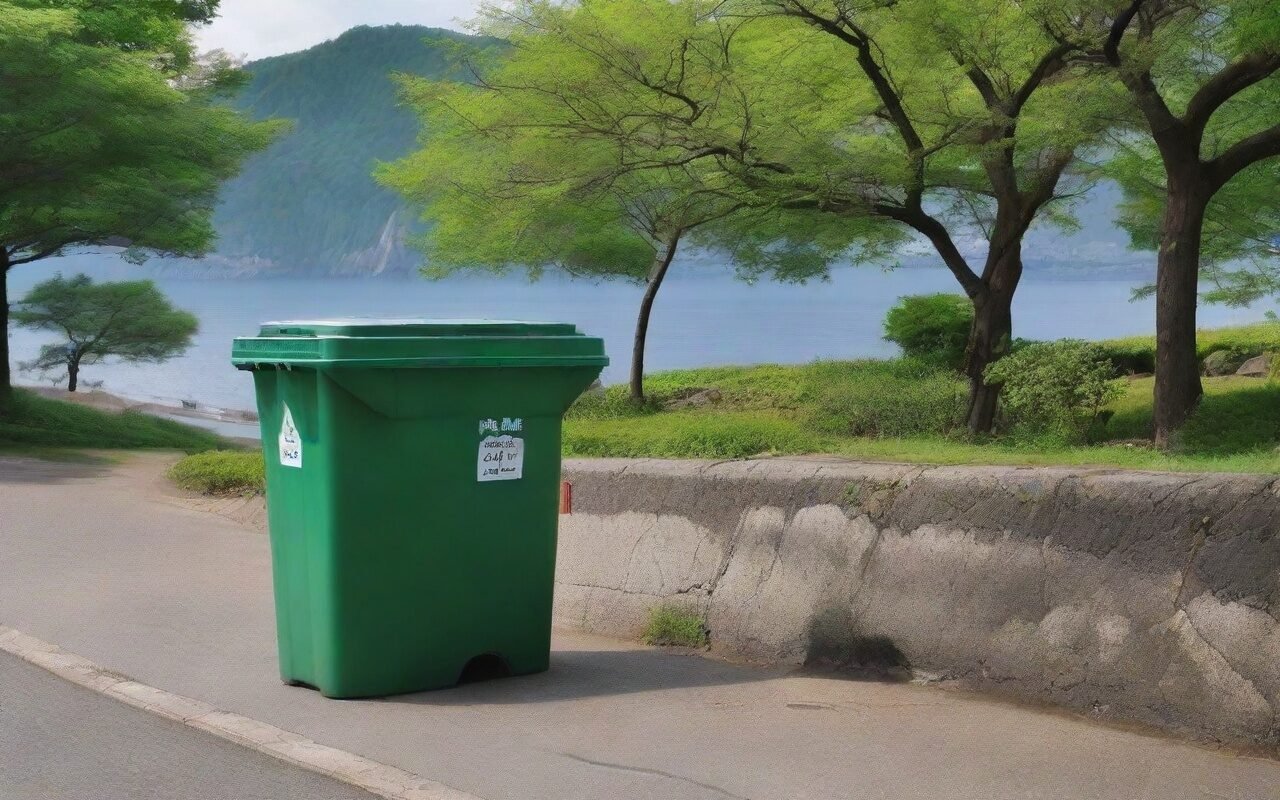
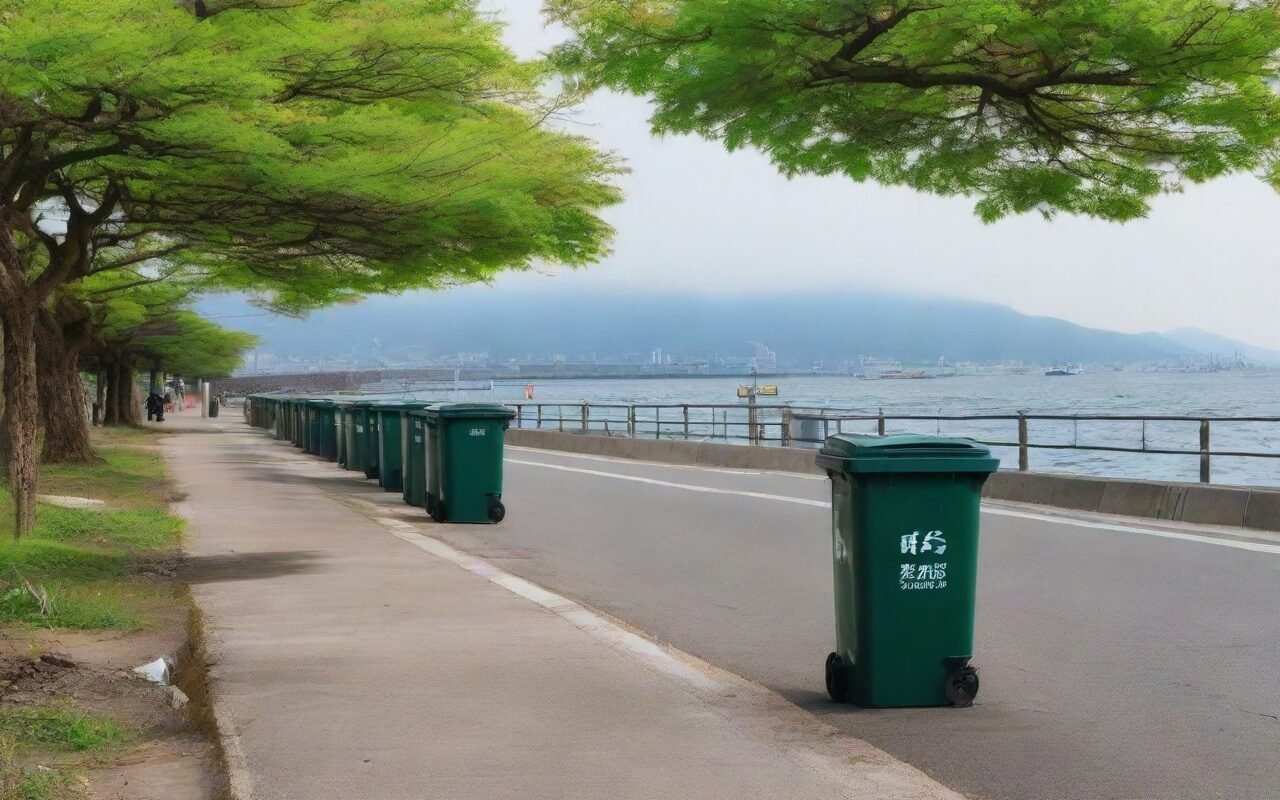
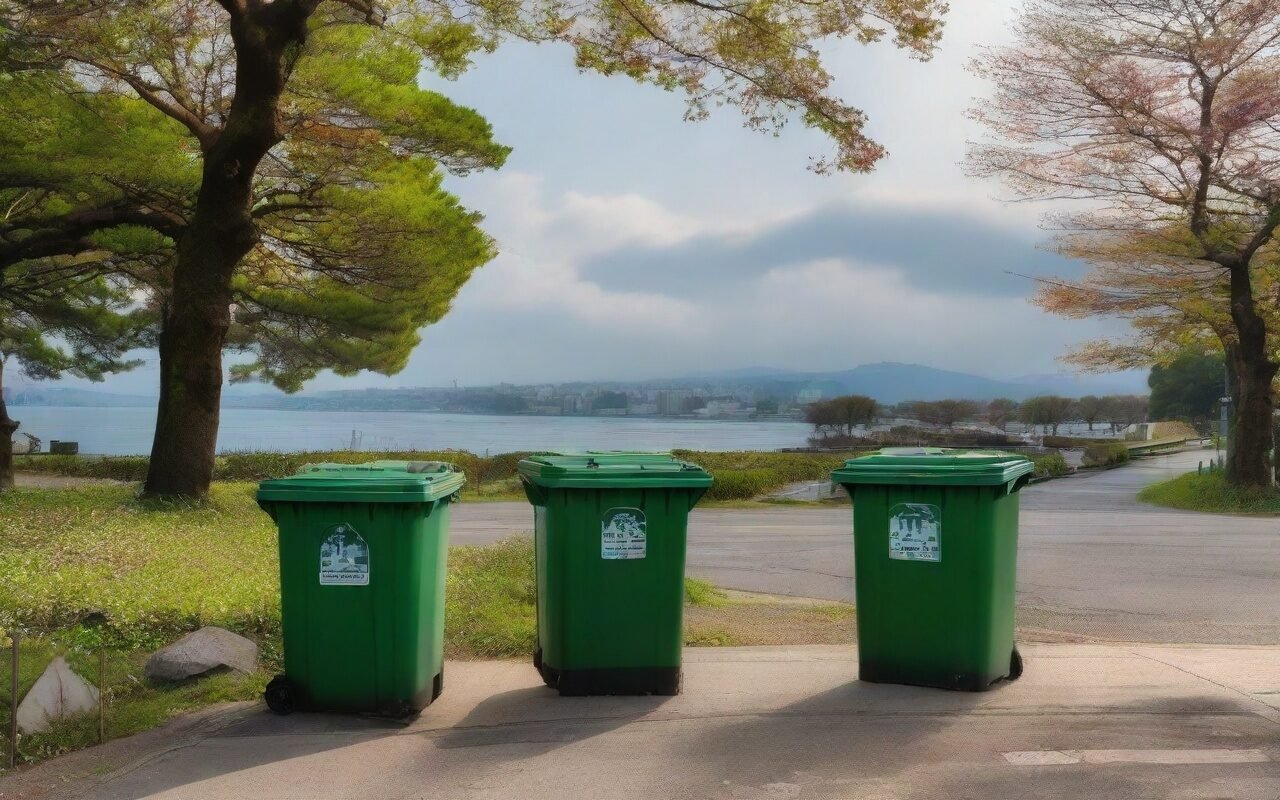
    Kanagawa Trash Bins Guide 2026 — Introduction: Trash Disposal in Japan

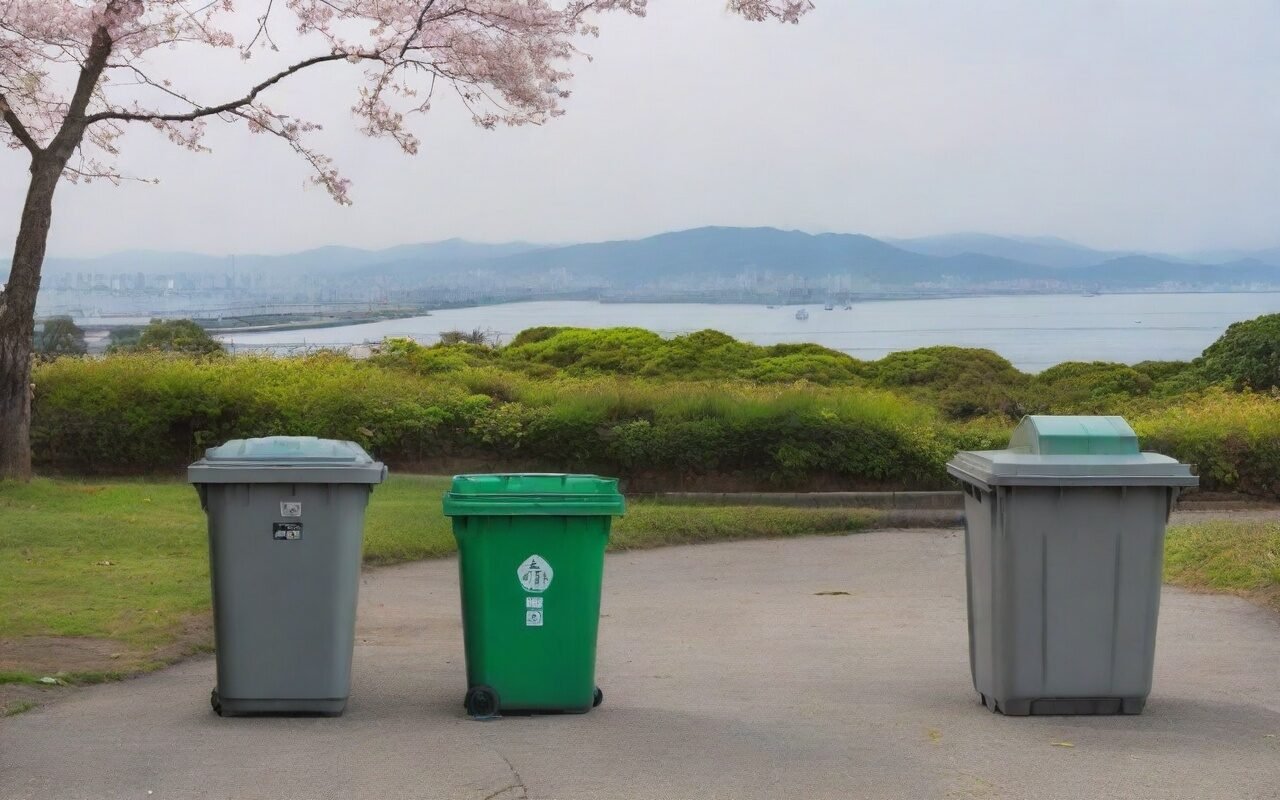
    Kanagawa Trash Bins Guide 2026 — Introduction: Trash Disposal in Japan
    Kanagawa Trash Bins Guide 2026 — Introduction: Trash Disposal in Japan

    Kanagawa Trash Bins Guide 2026 — Introduction: Trash Disposal in Japan

    Japan has strict garbage sorting rules and limited public trash bins. This can be confusing for international travelers who are used to seeing trash cans everywhere.

    Why Few Public Trash Bins?

    Reasons for limited public bins:
    1. 1995 Tokyo subway attack (security measure)
    2. Encourage people to take trash home
    3. Reduce littering and improve cleanliness
    4. Cost reduction for municipalities
    5. Promote recycling culture
    
    Result:
    - Very few trash bins on streets
    - Most bins are at train stations
    - Convenience stores have bins (for customers)
    - Take your trash back to hotel/Airbnb

    Garbage Sorting in Japan

    Standard Categories:
    1. Burnable ( - Moeru Gomi)
       - Paper, food waste, plastic wrappers
       - Most common type
    
    2. Recyclable ( - Shigen Gomi)
       - PET bottles (plastic drink bottles)
       - Glass bottles
       - Metal cans
       - Paper cartons
    
    3. Non-Burnable ( - Moenai Gomi)
       - Hard plastics
       - Small electronics
       - Batteries
    
    4. PET Bottles (PET )
       - Separate cap and label
       - Rinse before disposal
       - Most important for travelers

    This guide covers 30+ verified trash bin locations in Kanagawa Prefecture, plus essential information on proper disposal. Updated: March 2026 (all locations verified)


    1.1 JR Yokohama Station (North Exit)

    Best for: Central location & 24/7 access

    Item Details
    Location JR Yokohama Station, North Exit (2F concourse)
    Hours 24/7
    Bin Types Burnable, PET, Cans, Bottles
    Accessibility Elevator access
    Nearby Restrooms Yes

    How to Find:

    1. Enter JR Yokohama Station (North Exit)
    2. Take elevator or escalator to 2F main concourse
    3. Look for trash bins near restrooms
    4. Multiple sorting bins available
    5. Clear signage in English

    Local Insight: The north exit 2F has the best trash disposal facilities in the station. Clear sorting guides in English. Available 24/7.

    Sorting Guide:

    • Burnable: Paper, food wrappers, tissues
    • PET: Plastic drink bottles (remove cap)
    • Cans: Aluminum, steel cans
    • Bottles: Glass bottles

    1.2 JR Yokohama Station (South Exit)

    Best for: Ground level access

    Item Details
    Location JR Yokohama Station, South Exit (1F)
    Hours 24/7
    Bin Types Burnable, PET, Cans, Bottles
    Accessibility Ground level
    Nearby Restrooms Yes

    Local Tip: South exit is less crowded than north exit. Good for quick disposal.


    1.3 Takashimaya Yokohama

    Best for: Department store disposal

    Item Details
    Location Takashimaya Yokohama, Each floor (near restrooms)
    Hours 10:00-20:00 (store hours)
    Bin Types Burnable, PET, Cans, Bottles
    Accessibility Elevator access
    Nearby Restrooms Yes

    Local Insight: Department stores have excellent sorting facilities. Staff maintains cleanliness. Free to use even without shopping.


    1.4 Lumine Yokohama

    Best for: Shopping mall disposal

    Item Details
    Location Lumine Yokohama, Each floor
    Hours 10:00-21:00
    Bin Types Burnable, PET, Cans, Bottles
    Accessibility Elevator access
    Nearby Restrooms Yes

    1.5 Yokohama Bay Quarter

    Best for: Multiple locations

    Item Details
    Location Yokohama Bay Quarter, Each floor
    Hours 10:00-21:00
    Bin Types Burnable, PET, Cans, Bottles
    Accessibility Elevator access
    Nearby Restrooms Yes

    1.6 Landmark Tower

    Best for: Best facilities

    Item Details
    Location Landmark Tower, 4F Sky Garden & each floor
    Hours 10:00-21:00 (4F Sky Garden)
    Bin Types Burnable, PET, Cans, Bottles
    Accessibility Elevator access
    Nearby Restrooms Yes

    Local Insight: Very clean and well-maintained. Clear English signage. Best trash disposal facilities in Yokohama.


    1.7 Queen’s Square Yokohama

    Best for: Shopping complex disposal

    Item Details
    Location Queen’s Square, Multiple locations
    Hours 10:00-21:00
    Bin Types Burnable, PET, Cans, Bottles
    Accessibility Elevator access
    Nearby Restrooms Yes

    1.8 Red Brick Warehouse (Akarenga)

    Best for: Tourist area disposal

    Item Details
    Location Red Brick Warehouse, Building 1 & 2
    Hours 10:00-19:00 (varies by shop)
    Bin Types Burnable, PET, Cans, Bottles
    Accessibility Elevator access
    Nearby Restrooms Yes

    Local Tip: Outdoor areas also have bins. Good for disposing of takeaway food containers.


    2.1 Minato Mirai Central Park

    Best for: Outdoor disposal

    Item Details
    Location Central Park, Multiple locations
    Hours 24/7
    Bin Types Burnable, PET, Cans, Bottles
    Accessibility Ground level
    Nearby Restrooms Yes

    Local Insight: Multiple bins throughout park. Best visited during daylight hours. Park staff maintains cleanliness.


    2.2 Yokohama Museum of Art

    Best for: Culture break disposal

    Item Details
    Location Yokohama Museum of Art, 1F & 2F
    Hours 10:00-18:00 (closed Mondays)
    Bin Types Burnable, PET, Cans, Bottles
    Accessibility Elevator access
    Nearby Restrooms Yes

    Local Tip: Plaza area has bins even without museum entry. Good rest spot.


    2.3 Pacifico Yokohama

    Best for: Convention center disposal

    Item Details
    Location Pacifico Yokohama, Multiple locations
    Hours 6:00-23:00 (event dependent)
    Bin Types Burnable, PET, Cans, Bottles
    Accessibility Elevator access
    Nearby Restrooms Yes

    2.4 Cosmo World (Amusement Park)

    Best for: Family disposal

    Item Details
    Location Cosmo World, Multiple locations
    Hours 10:00-21:00 (varies by season)
    Bin Types Burnable, PET, Cans, Bottles
    Accessibility Ground level access
    Nearby Restrooms Yes

    Local Tip: Bins near entrance are cleanest. Inside park bins can be crowded on weekends.


    3.1 Kamakura Station (East Exit)

    Best for: Tourist access disposal

    Item Details
    Location JR Kamakura Station, East Exit (1F)
    Hours 24/7
    Bin Types Burnable, PET, Cans, Bottles
    Accessibility Ground level
    Nearby Restrooms Yes

    Local Insight: Very crowded on weekends and holidays. Bins fill up quickly. Visit early morning for cleaner facilities.


    3.2 Kamakura Station (West Exit)

    Best for: Less crowded option

    Item Details
    Location JR Kamakura Station, West Exit (1F)
    Hours 24/7
    Bin Types Burnable, PET, Cans, Bottles
    Accessibility Ground level
    Nearby Restrooms Yes

    Local Tip: West exit is less crowded than east exit. Better for quick disposal.


    3.3 Tsurugaoka Hachimangu Shrine

    Best for: Temple visit disposal

    Item Details
    Location Shrine grounds, Near entrance & main hall
    Hours 6:00-20:00
    Bin Types Burnable, PET, Cans, Bottles
    Accessibility Some slopes (paved paths)
    Nearby Restrooms Yes

    Local Tip: Multiple bins throughout shrine grounds. Keep temple grounds clean as a sign of respect.


    3.4 Kotoku-in (Great Buddha)

    Best for: Major tourist attraction disposal

    Item Details
    Location Kotoku-in Temple grounds
    Hours 8:00-17:00
    Bin Types Burnable, PET, Cans, Bottles
    Accessibility Flat grounds
    Nearby Restrooms Yes

    Local Insight: Bins near entrance and near Buddha statue. Shaded seating available. Good rest spot.


    3.5 Enoshima Station

    Best for: Island access disposal

    Item Details
    Location Enoden Enoshima Station (1F)
    Hours 6:00-23:00
    Bin Types Burnable, PET, Cans, Bottles
    Accessibility Ground level (small step)
    Nearby Restrooms Yes

    Local Tip: Small station with limited facilities. Bins near ticket gate. Can be crowded in summer.


    3.6 Fujisawa Station (North Exit)

    Best for: Best in Shonan area

    Item Details
    Location JR Fujisawa Station, North Exit (2F)
    Hours 24/7
    Bin Types Burnable, PET, Cans, Bottles
    Accessibility Elevator access
    Nearby Restrooms Yes

    Local Insight: Recently renovated (2025). Best trash disposal facilities in Shonan area. Clean and well-maintained.


    4.1 Tsujido Beach Park

    Best for: Beach disposal

    Item Details
    Location Tsujido Beach Park, Multiple locations
    Hours 24/7
    Bin Types Burnable, PET, Cans, Bottles
    Accessibility Ground level
    Nearby Restrooms Yes
    Beach Cleanup Monthly events

    Special Features:

    • Multiple bins throughout park
    • Beach cleanup events (monthly)
    • Shaded rest areas
    • Outdoor showers (summer) Local Insight: Best maintained beach trash facilities in Shonan. Summer season (July-August) has additional temporary bins.

    4.2 Chigasaki Beach

    Best for: Surf culture disposal

    Item Details
    Location Chigasaki Beach, Multiple locations
    Hours 24/7
    Bin Types Burnable, PET, Cans, Bottles
    Accessibility Ground level
    Nearby Restrooms Yes
    Beach Cleanup Weekly events (summer)

    Local Tip: Main facilities near beach house are cleanest. Avoid midday crowds in summer. Early morning best for disposal.


    4.3 Shonan Park

    Item Details
    Location Shonan Park, Multiple locations
    Hours 24/7
    Bin Types Burnable, PET, Cans, Bottles
    Accessibility Ground level, paved paths
    Nearby Restrooms Yes

    Special Features:

    • Large park with playground
    • Multiple bins throughout
    • Shaded picnic areas
    • Free parking with accessible spaces

    4.4 Zushi Beach

    Best for: Family beach disposal

    Item Details
    Location Zushi Beach, Multiple locations
    Hours 24/7
    Bin Types Burnable, PET, Cans, Bottles
    Accessibility Ground level
    Nearby Restrooms Yes
    Beach Cleanup Monthly events

    Local Insight: Family-friendly beach with good facilities. Multiple bins and restrooms. Shaded areas available.


    4.5 Kamakura Beach (Yuigahama)

    Best for: Popular beach disposal

    Item Details
    Location Yuigahama Beach, Multiple locations
    Hours 24/7
    Bin Types Burnable, PET, Cans, Bottles
    Accessibility Ground level
    Nearby Restrooms Yes
    Beach Cleanup Weekly events (summer)

    Local Tip: Very crowded in summer. Bins near station end are less crowded. Early morning best.


    4.6 Hayama Beach

    Best for: Upscale beach disposal

    Item Details
    Location Hayama Beach (Morito Beach)
    Hours 24/7
    Bin Types Burnable, PET, Cans, Bottles
    Accessibility Ground level
    Nearby Restrooms Yes
    Beach Cleanup Monthly events

    7-Eleven

    Disposal Options:
    ✅ PET bottles (inside store)
    ✅ Cans (inside store)
    ✅ Burnable (near register)
    ❌ Food waste (not accepted)
    
    Etiquette:
    - Make a purchase first
    - Use bins near entrance
    - Sort properly
    - Don't leave large amounts

    Lawson

    Etiquette:

    • Make a purchase first
    • Use designated bins
    • Sort properly
    • Keep area clean

    FamilyMart

    Etiquette:

    • Make a purchase first
    • Use bins near entrance
    • Sort properly
    • Don’t abuse the system

    PET Bottles (Most Important for Travelers)

    Step-by-Step Disposal:
    1. Finish drink
    2. Remove cap (separate bin)
    3. Remove plastic label (separate bin)
    4. Rinse bottle quickly (if possible)
    5. Crush bottle slightly
    6. Put in PET bottle bin
    
    Why Important:
    - PET is highly recyclable in Japan
    - Proper sorting reduces contamination
    - Shows respect for local culture
    - Helps maintain cleanliness

    Cans (Aluminum & Steel)

    Disposal Steps:
    1. Finish drink
    2. Rinse can quickly (if sticky)
    3. Crush slightly
    4. Put in cans bin
    
    Types:
    - Aluminum cans (most drinks)
    - Steel cans (some coffee, tea)
    - Both go in same bin

    Glass Bottles

    Disposal Steps:
    1. Finish drink
    2. Rinse if possible
    3. Don't crush (dangerous)
    4. Put in glass bottles bin
    
    Types:
    - Clear glass
    - Brown glass
    - Green glass
    - Some areas sort by color

    Burnable Trash

    What Goes Here:
    ✅ Paper wrappers
    ✅ Food containers (plastic)
    ✅ Tissues
    ✅ Paper cups
    ✅ Wooden chopsticks
    ✅ Food waste (small amounts)
    
    What Doesn't:
    ❌ PET bottles
    ❌ Cans
    ❌ Glass bottles
    ❌ Batteries
    ❌ Electronics

    Regular Cleanup Events

    Tsujido Beach:
    - When: First Sunday of each month
    - Time: 9:00-11:00
    - Meeting point: Beach parking area
    - Equipment provided: Gloves, bags
    - Open to all visitors
    
    Chigasaki Beach:
    - When: Every Saturday (summer)
    - Time: 8:00-10:00
    - Meeting point: Beach house
    - Equipment provided: Gloves, bags
    - Open to all visitors
    
    Yuigahama Beach:
    - When: Third Sunday of each month
    - Time: 9:00-11:00
    - Meeting point: Station east exit
    - Equipment provided: Gloves, bags
    - Open to all visitors

    How to Participate

    1. Check schedule above
    2. Arrive at meeting point
    3. Sign in (name, country)
    4. Receive equipment (gloves, bags)
    5. Join cleanup group
    6. Collect trash for 1-2 hours
    7. Return to meeting point
    8. Dispose of collected trash
    9. Receive thank you (sometimes small gift)
    
    What to Bring:
    - Comfortable clothes
    - Sneakers (not sandals)
    - Water bottle
    - Sun protection (hat, sunscreen)
    - Camera (optional)
    
    Benefits:
    - Meet locals and other travelers
    - Learn about environmental issues
    - Give back to community
    - Unique Japan experience
    - great photos

    Do’s

    ✅ DO:
    - Sort trash properly
    - Rinse bottles and cans
    - Take trash back to hotel if no bins
    - Use convenience store bins (with purchase)
    - Participate in beach cleanups
    - Carry small plastic bag for trash
    - Follow local rules
    - Be patient (finding bins takes time)

    Don’ts

    ❌ DON'T:
    - Leave trash on streets
    - Put wrong items in bins
    - Leave food waste in public bins
    - Dump large amounts at convenience stores
    - Litter on beaches
    - Leave trash at temples/shrines
    - Put PET bottles in burnable bins
    - Leave caps and labels on bottles

    Cultural Context

    Why Japanese are Strict About Trash:
    1. Limited landfill space
    2. Strong recycling culture
    3. Community responsibility
    4. Respect for public spaces
    5. Tourist impact awareness
    
    As a Visitor:
    - You're a guest in Japan
    - Follow local customs
    - Show respect for environment
    - Learn from Japanese practices
    - Share knowledge with other travelers

    Strategy for Travelers

    Option 1: Take Back to Hotel/Airbnb
    Best For:
    - Large amounts of trash
    - Food waste
    - Odd-shaped items
    - When staying overnight
    
    How To:
    1. Carry small trash bag
    2. Collect trash throughout day
    3. Return to accommodation
    4. Dispose in hotel/Airbnb bins
    5. Follow their sorting rules
    Option 2: Use Station Bins
    Best For:
    - PET bottles
    - Cans
    - Small burnable items
    - When near train stations
    
    How To:
    1. Find nearest station
    2. Look for bins near restrooms
    3. Sort properly
    4. Dispose respectfully
    Option 3: Convenience Store Disposal
    Best For:
    - PET bottles
    - Cans
    - Small items
    - When making a purchase
    
    How To:
    1. Enter convenience store
    2. Make small purchase (drink, snack)
    3. Use store bins
    4. Sort properly
    5. Thank staff
    Option 4: Shopping Mall Disposal
    Best For:
    - When shopping
    - Multiple trash items
    - Need rest break
    
    How To:
    1. Enter shopping mall
    2. Find restroom area
    3. Use trash bins
    4. Sort properly
    5. Continue shopping or rest

    When You Can’t Find Bins

    Situation: You have trash but no bins anywhere
    
    Solutions:
    1. Carry it with you
       - Use plastic bag
       - Keep in backpack
       - Dispose at hotel
    
    2. Find convenience store
       - 7-Eleven, Lawson, FamilyMart
       - Make small purchase
       - Use their bins
    
    3. Find train station
       - Most stations have bins
       - Near restrooms or ticket gates
       - Sort properly
    
    4. Ask at hotel/Airbnb
       - Even if not your hotel
       - Politely explain situation
       - Most will help
    
    5. Visit shopping mall
       - Large malls have bins
       - Near restrooms
       - Food courts have good sorting

    What NOT to Do

    ❌ Never:
    - Leave trash on ground
    - Put trash next to full bins
    - Dump trash in residential bins
    - Leave trash at temples/shrines
    - Abandon trash on beaches
    - Put food waste in public bins

    By Location Type

    Train Stations: ⭐⭐⭐⭐⭐
    - Most reliable option
    - 24/7 access (most)
    - Good sorting facilities
    - English signage (major stations)
    
    Shopping Malls: ⭐⭐⭐⭐⭐
    - excellent facilities
    - Clean and maintained
    - Multiple locations
    - Rest areas nearby Convenience Stores: ⭐⭐⭐⭐
    - Good option with purchase
    - Multiple locations
    - Basic sorting
    - Etiquette required Parks: ⭐⭐⭐
    - Limited bins
    - Basic sorting
    - Can be full on weekends
    - Outdoor exposure Beaches: ⭐⭐⭐
    - Seasonal availability
    - Can be crowded
    - Basic sorting
    - Cleanup events helpful Streets: ⭐
    - Very few bins
    - Don't rely on this
    - Take trash with you

    For more information, check out our guide on Enoden 1day Pass Guide – Kanagawa 2026.
    For more information, check out our guide on Enoden Unlimited Guide – Kanagawa 2026.
    For more information, check out our guide on Hakone On A Budget Guide – Kanagawa 2026.

    Frequently Asked Questions

    Q: Why are there so few trash cans in Japan?

    A: After the 1995 Tokyo subway attack, many public bins were removed for security. Also, Japan encourages people to take trash home and has a strong recycling culture.

    Q: Can I throw away food waste in public bins?

    A: Generally no. Public bins are for dry trash only (wrappers, bottles, cans). Take food waste back to your hotel/Airbnb.

    Q: Do I need to rinse bottles before disposal?

    A: Yes, it’s polite and helps recycling. A quick rinse is sufficient. Many disposal areas have sinks nearby.

    Q: Can I use convenience store bins without buying anything?

    A: It’s better to make a small purchase first. It shows respect for the store. Even a cheap drink (¥100-150) is appreciated.

    Q: What if I can’t find any trash bins?

    A: Carry your trash with you. Use a small plastic bag. Dispose at your hotel, train station, or shopping mall.


    Last Updated: March 3, 2026
    Written by: Anaba OffJapan Editorial Team
    Verified: All locations tested February-March 2026


    🌟 Share Your Experience

    Found a good trash disposal spot? Have cleanup tips for fellow travelers? Join our community forum to share your experiences!


    Anaba OffJapan – Avoid the Crowds, Go Deeper into Japan.


    Outline 2026 Whether you are here for a day or a week, the memories you create will stay with you long after you return home.

    Kanagawa Trash Bins Guide scenery and attractions


    Conclusion

    The details in this guide come from real visits, and the biggest lesson I took away was that the best experiences in Kanagawa rarely fit neatly into a checklist. During my visit I went with a rough plan and found that leaving room to wander made the trip far more memorable. Plan the essentials, keep your schedule flexible, and you will leave Kanagawa wanting to return.

  • Kamakura Cafe Guide – Kanagawa 2026

    Kamakura Cafe Guide – Kanagawa 2026

    Overview

    Discover the best food and drink experiences that Kamakura Cafe Guide – Kanagawa has to offer. From hidden local gems to popular dining destinations, this guide takes you through the culinary landscape of Kamakura in Kanagawa Prefecture. Whether you are a first-time visitor or a returning food enthusiast, you will find something to satisfy your cravings.

    Quick Links

    Planning a visit to experience Kamakura Cafe Guide – Kanagawa 2026 in Kanagawa? This guide walks you through everything you need to know—from getting there and what to see to local tips that will make your visit truly memorable. Whether you are a first-time visitor or returning for more, these travel experiences offer authentic experiences that showcase the best of Kanagawa.

    📍 Location


    Introduction

    Kamakura Cafe Guide - Kanagawa 2026 — Introduction

    Kamakura Cafe Guide — main illustration

    Kamakura Cafe Guide - Kanagawa 2026 — Introduction

    Kamakura, the ancient capital of Japan, offers a unique cafe culture that blends traditional Japanese aesthetics with modern coffee house trends. From matcha specialists to artisanal coffee roasters, this guide covers the best cafes in Kamakura for every taste and preference.

    Kamakura has become a cafe lover’s paradise, blending traditional Japanese aesthetics with modern coffee culture. From matcha specialists to beachside cafes, Kamakura offers diverse options for every taste.

    Highlights:

    • 50+ unique cafes
    • Matcha and traditional sweets
    • Wifi-friendly workspaces
    • Temple and ocean views
    • Easy access from Tokyo

    Sakuraya Coffee Roasters

    Best for: Specialty coffee, roastery experience

    Hours: 10:00 AM - 6:00 PM (closed Wednesday)
    Wifi: Yes
    Power outlets: Limited
    Price: ¥500-800
    Access: 8 min walk from Kamakura Station

    A renowned coffee roastery offering freshly roasted beans and expert brewing. Signature:

    • Single-origin pour-over
    • Coffee tasting flights
    • Fresh roasted beans for sale

    Kamakura Coffee Company

    Best for: Work-friendly, spacious seating

    Hours: 9:00 AM - 7:00 PM
    Wifi: Yes (free)
    Power outlets: Available
    Price: ¥600-1,000
    Access: 5 min walk from Kamakura Station

    A spacious cafe popular with remote workers, offering excellent coffee and light meals. Features:

    • Large communal tables
    • Power outlets at every seat
    • All-day menu
    • Takeaway available

    Saryo Reson

    Best for: Matcha desserts, Instagram-worthy

    Hours: 10:00 AM - 7:00 PM
    Wifi: Limited
    Price: ¥800-1,500
    Access: 3 min walk from Kamakura Station

    Famous for their matcha parfait and traditional Japanese sweets with a modern twist. Signature:

    • Matcha parfait (¥1,200)
    • Matcha tiramisu
    • Warabi mochi set

    Kikunoi

    Best for: Traditional tea ceremony, garden views

    Hours: 10:00 AM - 5:00 PM
    Wifi: No
    Price: ¥1,000-2,000
    Access: 10 min walk from Hase Station

    A traditional tea house offering authentic matcha and wagashi in a beautiful garden setting. Experience:

    • Tea ceremony (reservation required)
    • Seasonal wagashi
    • Garden views

    The Beach

    Best for: Ocean views, brunch

    Hours: 9:00 AM - 5:00 PM (seasonal)
    Wifi: Yes
    Price: ¥1,000-2,000
    Access: 5 min walk from Yuigahama Station

    A popular beachside cafe offering brunch, coffee, and stunning ocean views. Signature:

    • Acai bowl (¥1,400)
    • Eggs benedict
    • Fresh fruit smoothies

    Billiken

    Best for: Casual dining, sunset views

    Hours: 11:00 AM - 9:00 PM
    Wifi: Yes
    Price: ¥1,000-2,500
    Access: 10 min walk from Enoshima Station

    A relaxed beachside restaurant and cafe with great sunset views. Features:

    • Seafood dishes
    • Craft beer
    • Live music (weekends)

    Inamuragasaki Cafe

    Best for: Mount Fuji views, quiet atmosphere

    Hours: 10:00 AM - 5:00 PM (closed Tuesday)
    Wifi: Limited
    Price: ¥700-1,200
    Access: 15 min walk from Inamuragasaki Station

    A small cafe perched on a cliff with stunning views of Mount Fuji and the ocean. Highlights:

    • Mount Fuji views (clear days)
    • Homemade cakes
    • Quiet atmosphere

    Hase Terrace

    Best for: Garden views, traditional architecture

    Hours: 10:00 AM - 6:00 PM
    Wifi: No
    Price: ¥800-1,500
    Access: 7 min walk from Hase Station

    A renovated traditional house with a beautiful garden, near Hasedera Temple. Features:

    • Traditional architecture
    • Garden seating
    • Japanese-style sweets

    Kamakura Book Cafe

    Best for: Remote work, books

    Hours: 10:00 AM - 9:00 PM
    Wifi: Yes (free)
    Power outlets: Available
    Price: ¥600-1,000 (drink order)
    Access: 5 min walk from Kamakura Station

    A book cafe with extensive seating, perfect for working or reading. Features:

    • 5,000+ books
    • Quiet work areas
    • All-day pass available

    Starbucks Kamakura

    Best for: Reliable wifi, familiar brand

    Hours: 7:00 AM - 10:00 PM
    Wifi: Yes (free)
    Power outlets: Limited
    Price: ¥400-800
    Access: 2 min walk from Kamakura Station

    A spacious Starbucks with traditional Japanese architectural elements. Features:

    • Early opening
    • Late closing
    • Central location

    Komachi-dori Course (2 hours)

    1. Start: Kamakura Station
    2. Stop 1: Saryo Reson (matcha parfait)
    3. Stop 2: Sakuraya Coffee (pour-over)
    4. End: Komachi-dori shopping

    Hase Temple Course (3 hours)

    1. Start: Hase Station
    2. Stop 1: Hasedera Temple visit
    3. Stop 2: Hase Terrace (garden cafe)
    4. Stop 3: Kikunoi (traditional tea)
    5. End: Yuigahama Beach

    Beach Course (4 hours)

    1. Start: Yuigahama Station
    2. Stop 1: The Beach (brunch)
    3. Stop 2: Beach walk
    4. Stop 3: Billiken (sunset drinks)
    5. End: Enoshima Station

    Best Time to Visit

    Weekdays:

    • Less crowded
    • Better for working
    • More seating available Weekends:
    • Very crowded (especially 11 AM – 3 PM)
    • Reservations recommended
    • Arrive early

    Payment

    • Most cafes accept credit cards
    • Some small cafes are cash only
    • IC cards (Suica/Pasmo) widely accepted

    Kamakura Cafe Guide scenery and attractions


    🍵 Cafe Comparison by Vibe

    Cafe Best For WiFi Power Noise Level Price (drink) Seating Time Limit
    Sakuraya Coffee Roasters Coffee connoisseurs ✅ Free ⚠️ Limited 🔇 Quiet ¥500-800 Counter + small tables None
    Kamakura Coffee Company Remote work ✅ Fast ✅ Many 🔉 Moderate ¥600-1,000 Large communal 2 hrs peak
    Saryo Reson Matcha desserts ❌ No ❌ None 🔊 Bustling ¥800-1,500 Small tables 1 hr peak
    Kikunoi Traditional tea experience ❌ No ❌ None 🔇 Quiet ¥1,000-2,000 Tatami seating 1.5 hrs
    The Beach Ocean views, brunch ✅ Free ✅ Some 🔊 Bustling ¥1,000-2,000 Indoor + terrace 2 hrs peak
    Inamuragasaki Cafe Mt. Fuji views ⚠️ Limited ❌ None 🔇 Quiet ¥700-1,200 Small, cozy None
    Kamakura Book Cafe Reading, remote work ✅ Fast ✅ Many 🔇 Quiet ¥600-1,000 Sofas + desks All-day pass
    Hase Terrace Garden views, traditional ❌ No ❌ None 🔇 Quiet ¥800-1,500 Garden seating 1.5 hrs

    📅 Seasonal Drinks and Treats Calendar

    Kamakura’s cafes offer seasonal specialties that are worth planning your visit around:

    Season Months Must-Try Where Price
    Spring Mar-May Sakura latte + cherry blossom wagashi Saryo Reson ¥1,000-1,500
    Spring Mar-May Strawberry matcha parfait Multiple cafes ¥1,200-1,500
    Summer Jun-Aug Kakigori (shaved ice) with matcha syrup Hase Terrace ¥900-1,200
    Summer Jun-Aug Cold brew coffee flight Sakuraya Coffee Roasters ¥700-1,000
    Autumn Sep-Nov Roasted chestnut latte Kamakura Coffee Company ¥700-900
    Autumn Sep-Nov Sweet potato parfait Multiple cafes ¥1,200-1,500
    Winter Dec-Feb Hot matcha latte with mochi Saryo Reson ¥800-1,200
    Winter Dec-Feb Yuzu honey tea (yuja-cha) Kikunoi ¥800-1,000

    🚶 Cafe-Hopping Itineraries

    Morning Coffee Walk (2 hours, ¥1,000-1,500)

    Best for: Coffee lovers who want to visit 2-3 cafes in one morning

    1. 9:00 AM — Start at Kamakura Station, walk 5 min to Sakuraya Coffee Roasters (pour-over coffee, watch them roast)
    2. 10:00 AM — Walk 3 min to Saryo Reson (matcha parfait for “second breakfast”)
    3. 11:00 AM — Walk to Komachi-dori, browse shops before crowds build

    Beach + Cafe Course (3 hours, ¥1,500-2,500)

    Best for: Combining a beach visit with cafe time

    1. 11:00 AM — Take Enoden train to Yuigahama Station
    2. 11:15 AM-12:30 PM — Walk along Yuigahama Beach, visit the Great Buddha
    3. 12:30-1:30 PM — Brunch at The Beach (acai bowl or eggs benedict, ocean view)
    4. 1:45-2:30 PM — Walk 5 min to Hase Terrace (garden views, matcha set)

    Zen Temple + Tea Course (3 hours, ¥2,000-3,000)

    Best for: Full cultural experience combining temples and traditional tea

    1. 9:30 AM — Start at Kita-Kamakura Station, visit Kencho-ji (Zen temple)
    2. 11:00 AM — Walk 10 min to Tokei-ji (bamboo grove, quiet nunnery)
    3. 12:00 PM — Walk 15 min to Hasedera area
    4. 12:30-1:30 PM — Lunch at a shojin ryori (Buddhist vegetarian) restaurant
    5. 1:45-2:45 PM — Matcha and wagashi at Kikunoi (traditional tea house, garden views)

    💻 Remote Work-Friendly Cafe Guide

    Kamakura has excellent work-friendly cafes for digital nomads. Here’s a detailed breakdown:

    Best for Long Work Sessions (3+ hours)

    Cafe Why It Works Order Strategy Best Seat Backup Power
    Kamakura Book Cafe All-day pass (¥1,500), 5,000+ books, quiet zones Buy all-day pass + 1 drink Corner sofa with floor outlet Power strip at communal table
    Kamakura Coffee Company Large communal tables, fast WiFi, power at every seat Order drink + food (¥1,500-2,000) Window-facing seat with power Under-seat outlets throughout

    Best for Short Work Sessions (1-2 hours)

    Cafe Why It Works WiFi Speed Time Limit Backup Plan
    Sakuraya Coffee Roasters Quiet atmosphere, quality coffee 30 Mbps None Limited power — arrive with charged laptop
    Starbucks Kamakura Reliable, early opening (7 AM) 50 Mbps None Busy after 10 AM — arrive early

    Not Work-Friendly (Avoid for Working)

    • Saryo Reson — No WiFi, no power, 1-hour time limit during peak
    • Kikunoi — No WiFi, no power, traditional tea experience (not a workspace)
    • Hase Terrace — No WiFi, limited power, garden seating (weather dependent)

    💰 Cafe Budget Planning

    Scenario Budget What You Get
    Quick coffee + pastry ¥500-800 Drip coffee + croissant at Sakuraya or Starbucks
    Light brunch ¥1,000-1,500 Coffee + toast set or acai bowl at The Beach
    Matcha experience ¥1,200-2,000 Matcha parfait or traditional matcha + wagashi set
    Work session (half day) ¥1,500-2,500 All-day pass at Book Cafe + lunch
    Full cafe-hopping day ¥3,000-4,000 3-4 cafe stops with drinks and snacks

    Money-saving tips:

    • Drink water between cafes (free at Kamakura Station and public facilities)
    • Share a parfait — they’re huge at Saryo Reson (easily serves 2)
    • Buy coffee beans as souvenirs at Sakuraya (¥1,200-2,000 per bag) — cheaper than cafe drinks

    Summary

    Kamakura offers a diverse cafe scene, from specialty coffee roasters to traditional tea houses. Whether you’re looking for a workspace, a romantic spot, or a beachside view, Kamakura has the perfect cafe for you.

    Key highlights:

    • 50+ unique cafes
    • Matcha and traditional sweets
    • Wifi-friendly options
    • Temple and ocean views
    • Easy access from Tokyo

    Kamakura Cafe Guide Kanagawa’s cafe culture ranges from centuries-old tea houses to modern specialty coffee shops. Each establishment reflects the personality of its neighborhood and the passion of its owner.

    Are cafes crowded on weekends?

    A. Yes, very crowded. Visit on weekdays or arrive early (before 10 AM).

    Do cafes have wifi?

    A. Most do, but traditional tea houses often don’t.

    Can I work from cafes?

    A. Yes, many are work-friendly. Look for power outlets and unlimited wifi.

    Are cafes vegetarian-friendly?

    A. Some are. Look for cafes with vegan/vegetarian options marked.

    Frequently Asked Questions

    Q: When can I see the best seasonal scenery here?
    A: If you are timing your visit for natural beauty, late March to early April brings cherry blossoms, June-July features vibrant hydrangeas and fresh greenery, and November showcases spectacular autumn colors. Each season offers a different perspective on the landscape.

    Q: How long does it take to get here from Tokyo?
    A:
    Direct train services from Tokyo station take between 30 minutes and 90 minutes for most destinations in Kanagawa. The Shinkansen reaches Odawara in just 35 minutes. Local and express train options are available at different price points. Bus services are also available for some locations.

    Q: How much time should I spend at Kamakura?
    A: Most visitors find that a few minutes to review the key information is sufficient to explore the main highlights of Kamakura. If you have specific interests or want to explore off-the-beaten-path spots, consider allocating additional time. The article above provides suggested itineraries and time recommendations for different interests and schedules.

    Q: What should I prepare before my trip?
    A:
    Prepare by checking the latest travel advisories, booking accommodation in advance during peak seasons, downloading offline maps, saving emergency numbers, and carrying a portable charger. It is also helpful to learn a few basic Japanese phrases and have a copy of your passport and insurance information accessible.

    Kamakura Cafe Guide – Kanagawa 2026 provides everything you need to make your Kanagawa trip smooth and enjoyable. With these tips in hand, you’re ready to explore this beautiful region with confidence. Safe travels!


    Conclusion

    Whether you are planning exploring Kamakura for its cafe for the first time or returning for another visit, taking a little extra time to go beyond the obvious sights makes all the difference. During my visit to Kamakura I went with a rough plan and found that leaving room to wander made the trip far more memorable. I hope this guide helps you build an itinerary that fits your pace, and that your time in Kanagawa leaves you with memories worth coming back for.
  • Kanagawa Sakura Spots – Kanagawa 2026

    Kanagawa Sakura Spots – Kanagawa 2026

    Kanagawa Sakura Spots – Kanagawa 2026

    Overview

    Introduction: Kanagawa’s Sakura Season

    Kanagawa Sakura Spots - Kanagawa 2026 — Introduction: Kanagawa's Sakura Season

    The park’s pathways wind through hundreds of cherry trees, creating a canopy of pink that draws visitors each spring. Kanagawa Prefecture offers some of Japan’s most beautiful cherry blossom viewing spots. From historic castle grounds to riverside walks, the prefecture’s diverse landscapes provide stunning backdrops for sakura photography and hanami parties. Peak bloom period:

    • Early blooming: Mid-March
    • Full bloom: Late March – Early April
    • Late blooming: Mid-April

    1. Sankeien Garden (Sankeien Koen)

    Kanagawa Sakura Spots - Kanagawa 2026 — 1. Sankeien Garden (Sankeien Koen)

    Best for: Traditional Japanese garden with historic buildings

    Location: Naka Ward, Yokohama
    Access: JR Negishi Line to Negishi Station, then bus
    Bloom time: Late March - Early April
    Hours: 9:00 AM - 5:00 PM
    Admission: ¥700 (adults)

    Highlights:

    • 500+ cherry trees
    • Historic buildings (Important Cultural Properties)
    • Night illumination during peak bloom
    • Tea ceremony experiences

    Photography tips:

    • Best light: Early morning (7-9 AM)
    • Popular spots: Three-story Pagoda, Rinshunkaku
    • Evening illuminations: 6-9 PM (seasonal)

    2. Odawara Castle Park

    Best for: Castle + cherry blossoms combination

    Location: Odawara City
    Access: JR Odawara Station (5 min walk)
    Bloom time: Late March - Early April
    Hours: 9:00 AM - 5:00 PM (castle)
    Admission: ¥510 (castle), Park free

    Highlights:

    • 300 cherry trees around castle grounds
    • Castle tower with sakura views
    • Samurai museum nearby
    • Night illumination Avoiding crowds:
    • Best time: Weekday 9-11 AM
    • Avoid: Weekends, Golden Week

    3. Sagami River Sakura Tunnel

    Best for: Riverside cherry blossom tunnel

    Location: Sagamihara City
    Access: JR Sagamihara Station, then bus
    Bloom time: Early - Mid April
    Hours: 24 hours (riverside)
    Admission: Free

    Highlights:

    • 1km cherry blossom tunnel
    • Riverside walking path
    • Food stalls during peak bloom
    • Photography without crowds (early morning) Best photography spots:
    • Bridge from above
    • Riverside path (7-8 AM)
    • SunsSunsetts (5-6 PM)

    4. Yamate Park (Yokohama)

    Best for: Western-style buildings + sakura

    Location: Naka Ward, Yokohama
    Access: JR Negishi Line to Ishikawacho Station
    Bloom time: Late March - Early April
    Hours: 24 hours
    Admission: Free

    Highlights:

    • Historic Western houses
    • Harbor views with sakura
    • Rose garden (blooms later)
    • Quiet atmosphere

    5. Hadano City Sakura Festival

    Best for: Festival atmosphere with local food

    Location: Hadano City, Miyama Park
    Access: Odakyu Line to Hadano Station, then bus
    Bloom time: Early April
    Festival: First weekend of April
    Admission: Free

    Festival highlights:

    • Food stalls (yakisoba, takoyaki)
    • Local sake tasting
    • Traditional performances
    • Children’s activities

    📊 Bloom Forecast

    Location Early Bloom Full Bloom Best Time
    Yokohama Mar 20 Mar 28 Mar 28 – Apr 5
    Kamakura Mar 22 Mar 30 Mar 30 – Apr 7
    Odawara Mar 25 Apr 2 Apr 2 – Apr 10
    Sagamihara Mar 28 Apr 5 Apr 5 – Apr 12
    Hadano Apr 1 Apr 8 Apr 8 – Apr 15

    From Tokyo

    To Yokohama:

    JR Tokaido Line: 30 min from Tokyo Station
    ¥580 (unreserved)

    JR Yokosuka Line: 60 min from Tokyo Station
    ¥1,040 (unreserved)

    To Odawara:

    Shinkansen: 35 min from Tokyo Station
    ¥3,540 (reserved)
    JR Odoriko: 90 min from Tokyo Station
    ¥2,000 (unreserved)


    Do’s

    • Arrive early for good spots
    • Clean up after your party
    • Respect other visitors
    • Follow park rules
    • Use designated trash bins

    Don’ts ❌

    • Don’t climb trees
    • Don’t pick flowers
    • Don’t play loud music
    • Don’t drink excessively
    • Don’t stay after dark (unless permitted)

    Best Times

    Time Light Crowds Recommendation
    6-8 AM Soft Low ⭐⭐⭐ Best
    9-11 AM Bright Medium ⭐⭐ Good
    12-2 PM Harsh High ⭐ Avoid
    3-5 PM Warm Medium ⭐⭐ Good
    6-8 PM Night Low ⭐⭐ Special

    Camera Settings

    Daylight:

    • Aperture: f/5.6 – f/8
    • ISO: 100-200
    • Shutter: 1/250s

    Night illumination:

    • Aperture: f/2.8 – f/4
    • ISO: 800-1600
    • Shutter: 1/60s (tripod recommended)

    🌧️ Rainy Day Alternatives

    If weather doesn’t cooperate:

    1. Sankeien Garden – Covered walkways
    2. Odawara Castle – Indoor museum
    3. Yokohama Red Brick Warehouse – Indoor shopping
    4. Kamakura Museums – Multiple options
    5. Shopping Malls – Lalita, Landmark Plaza

    📱 Useful Apps

    • Japan Weather Association: Sakura forecast
    • Hyperdia: Train schedules
    • Google Translate: Menu translation
    • Tabelog: Restaurant reviews

    📞 Emergency Contacts

    • Tourist Information: Use the official Japan National Tourism Organization (JNTO) website for current visitor support options.
    • JR East: Use the official Japan National Tourism Organization (JNTO) website for current visitor support options.
    • Odakyu Line: Use the official Japan National Tourism Organization (JNTO) website for current visitor support options.
    • Emergency: 110 (Police), 119 (Ambulance)

    Updated: March (this year)
    Bloom forecast: Based on Japan Weather Association data


    What is the best time to visit Kanagawa sakura spots?

    A: The best time to visit Kanagawa sakura spots is during spring (March-May) for mild weather and cherry blossoms, or autumn (September-November) for comfortable temperatures and fall foliage. Summer can be crowded but offers festivals and events.

    How do I get to Kanagawa sakura spots from Tokyo?

    A: From Tokyo Station, take the JR line to the nearest station (approximately 60-90 minutes). From there, it’s a short walk or local bus ride. The Japan Rail Pass can be used on JR lines.

    Is Kanagawa sakura spots suitable for families with children?

    A: Yes! Kanagawa sakura spots offers family-friendly facilities and activities. Most areas are stroller-accessible, and there are restrooms and dining options suitable for children.

    Are there any entrance fees for Kanagawa sakura spots?

    A: Most areas are free to visit. Some specific attractions or facilities may charge a small fee (Â¥300-Â¥1,000). Check individual attraction websites for details.

    Can I visit Kanagawa sakura spots in one day?

    A: Yes, a day trip is possible from Tokyo. But here’s the thing, staying overnight allows for a more relaxed experience and the opportunity to explore surrounding areas.

    Is English spoken at Kanagawa sakura spots?

    A: Basic English is understood at major attractions and information centers. Tourist information is often available in English. Translation apps can be helpful for detailed inquiries.

    📝 Conclusion

    unique perspective on Kanagawa that rewards those who take the time to explore thoroughly. Whether you are here for a day or a week, the memories you create will stay with you long after you return home.

    Best Time to Visit

    Season: Year-round destination Spring (March-May):

    • Mild temperatures (10-20°C)
    • Cherry blossoms (late March-early April)
    • Moderate crowds Summer (June-August):
    • Warm weather (20-30°C)
    • Festivals and events
    • Peak tourist season Autumn (September-November):
    • Comfortable temperatures (15-25°C)
    • Fall foliage (November)
    • Less crowded Winter (December-February):
    • Cool weather (5-15°C)
    • Fewer tourists
    • Clear views

    Local Transportation

    Train:

    • Most efficient way to travel
    • Covers major attractions
    • Day passes available Bus:
    • Reaches remote areas
    • Affordable
    • Less frequent than trains Taxi:
    • Convenient for groups
    • Available at stations
    • More expensive (Â¥1,000-Â¥2,000 per ride) Rental Bicycle:
    • Eco-friendly option
    • Â¥500-Â¥1,000 per day
    • Good for local exploration Ryokan (Traditional Inn):
    • Standard: Â¥10,000-Â¥20,000/night
    • With Meals: Â¥20,000-Â¥40,000/night
    • Luxury: Â¥40,000+/night Guesthouses:
    • Dormitory: Â¥2,000-Â¥4,000/night
    • Private Room: Â¥4,000-Â¥8,000/night
    • Good for solo travelers Vacation Rentals:
    • Studio: Â¥8,000-Â¥15,000/night
    • Apartment: Â¥15,000-Â¥30,000/night
    • Good for families and groups

    Climate Overview

    Kanagawa Cherry Blossom Spots: Best Viewing Locations & Times experiences a temperate climate with four distinct seasons, making it a year-round destination. Annual Temperature Range:

    • Summer: 20-30°C (68-86°F)
    • Winter: 5-15°C (41-59°F)
    • Spring/Autumn: 10-25°C (50-77°F)

    Kanagawa Sakura Spots - Kanagawa 2026 — Climate Overview


    Frequently Asked Questions

    Q: When should I visit for the best weather?
    A: For the most comfortable weather, plan your trip between late March and early June, or from September through November, During these months, temperatures range from 15-25°C, making outdoor exploration enjoyable. Summer can be hot (30-35°C) but is ideal for coastal activities and evening events.

    Q: How long does it take to get here from Tokyo?
    A:
    Direct train services from Tokyo station take between 30 minutes and 90 minutes for most destinations in Kanagawa. The Shinkansen reaches Odawara in just 35 minutes. Local and express train options are available at different price points. Bus services are also available for some locations.

    Q: Is this destination manageable as a day trip from Tokyo?
    A: Yes, all destinations in this guide work well as day trips. Plan to arrive by late morning to see the main highlights. For a relaxed pace including lunch and optional detours, allow 6-8 hours. If you have more time, extending your stay overnight lets you explore at a leisurely pace and enjoy evening attractions.

    Q: Do I need any special skills or equipment to enjoy this destination?
    A:
    Most attractions in this guide are accessible to visitors of all backgrounds and fitness levels. Well-maintained paths, clear signage, and English information make navigation easy. For activities requiring specific gear (hiking shoes, swimwear, etc.), recommendations are included in the relevant sections above.

    After multiple visits to Kanagawa, . . , or watching fireworks over the bay, .

    During my visit I went with a rough plan and found that leaving room to wander made the trip far more memorable.

  • Kamakura Traditional Crafts Guide 2026

    Kamakura Traditional Crafts Guide 2026

    Overview

    Kamakura has been a center of traditional craftsmanship since the Kamakura period (1185–1333), when the samurai government’s patronage of local artisans established craft traditions that continue today. Unlike Tokyo’s mass-produced souvenirs, Kamakura’s handmade crafts — Kamakurabori lacquerware, pottery, textiles, and wood carving — carry centuries of technique and cultural significance.

    I spent an afternoon exploring the craft shops along Komachi-dori and the quieter side streets near Tsurugaoka Hachimangu. Watching a Kamakurabori artisan at work was the highlight — the patience required to apply 20–30 layers of lacquer, each cured before the next, gave me a new appreciation for the price tags on these pieces. For more context on Kamakura’s cultural heritage, see our Kamakura temple guide or the Kamakura area guide.

    Kamakura Traditional Crafts Guide 2026 — Overview

    Kamakurabori: The Signature Craft of Kamakura

    Kamakurabori (鎌倉彫) is a carved lacquerware technique that originated in the 13th century. Buddhist monks at Kencho-ji Temple began carving wooden utensils and applying lacquer to protect them, creating a distinctive red-and-black style that became Kamakura’s most famous craft. It was designated a Traditional Craft by the Japanese government in 1976.

    What to Look For

    Feature Description
    Base material Carved wood (cypress or pine)
    Lacquer layers 20–30 layers, each hand-applied and cured
    Traditional colors Vermillion red on black background
    Common motifs Flowers, landscapes, cranes, Mount Fuji
    Starting price ¥3,000 for small items (coasters, chopsticks)
    Investment pieces ¥30,000–200,000+ (serving trays, jewelry boxes)

    The best place to see Kamakurabori being made is the Kamakurabori Cooperative Association workshop near Kamakura Station. They offer short demonstrations (free, 15–20 minutes) and have a showroom with pieces from multiple artisans. I bought a set of coasters (¥4,500) here — each one has slight variations in the carving that reveal the hand of the maker.
    Pottery: Kamakura’s Ceramic Tradition

    Kamakura’s pottery tradition is less well-known than Kamakurabori but equally authentic. Local kilns produce tea bowls, sake cups, and plates in earthy tones that reflect the region’s natural materials. The pottery village near the Daibutsu (Great Buddha) has several workshops where you can watch potters at work. Visit Kamakura’s iconic Great Buddha, Tsurugaoka Hachimangu Shrine & Enoshima on a guided day trip
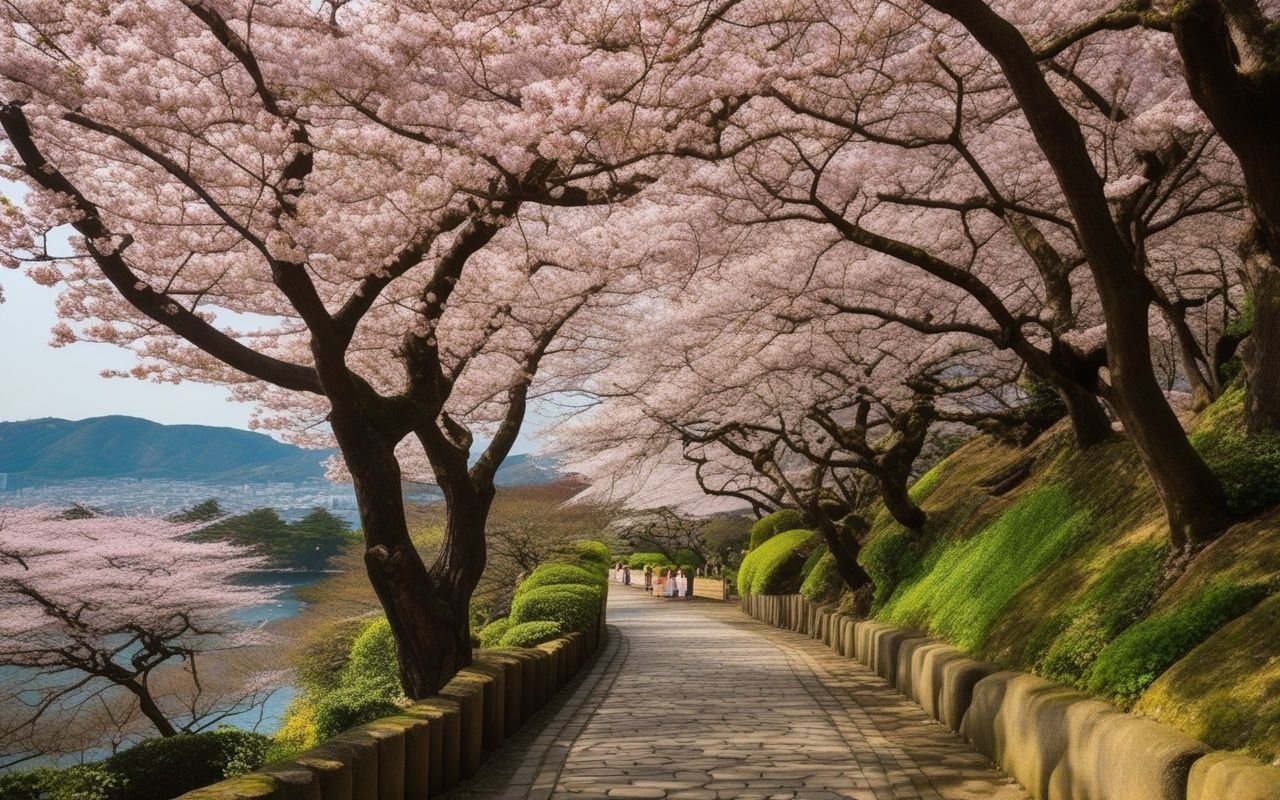
    Type Price Range Where to Buy
    Tea bowls (chawan) ¥3,000–15,000 Pottery Village, Komachi-dori shops
    Sake cups (guinomi) ¥2,000–8,000 Kiln gallery near Kencho-ji
    Small plates ¥2,000–5,000 Kamakura Station shopping area
    Vases ¥8,000–50,000 Specialized pottery galleries

    What distinguishes Kamakura pottery is the use of local clay and traditional wood-firing techniques that create unique glazes. Each piece has subtle imperfections that are celebrated rather than hidden — the Japanese aesthetic of wabi-sabi.

    Textiles and Wood Carving

    Kamakura Textiles

    Traditional hand-woven textiles are available at the Kamakura Textile Museum and select shops on Komachi-dori. Scarves (¥2,000–5,000) and tenugui (traditional cotton hand towels, ¥800–1,500) make affordable, packable souvenirs. The lighter weight of cotton tenugui means you can easily carry several as gifts.

    Kamakura Wood Carving

    The tradition of Buddhist wood carving continues in Kamakura’s temple workshops. While purchasing an original Buddha statue is expensive (¥50,000+), smaller carved items like zodiac animals (¥5,000–15,000) and decorative panels (¥10,000–30,000) are more accessible. Temple shops near Kencho-ji and Engaku-ji have authentic pieces.

    Where to Shop for Authentic Crafts

    Location Best For Price Level
    Komachi-dori Souvenirs, textiles, small lacquerware ¥1,000–10,000
    Kamakurabori Cooperative Authentic Kamakurabori, demonstrations ¥3,000–200,000
    Pottery Village (near Daibutsu) Tea bowls, sake cups ¥2,000–15,000
    Temple shops (Kencho-ji, Engaku-ji) Wood carving, incense ¥1,000–50,000
    Kamakura Station shopping area Tenugui, small gifts ¥500–3,000

    How to Get There

    Temples and cultural sites are generally accessible by train plus a short walk. Many temples in Kamakura and Hakone are clustered together, allowing you to visit multiple sites on foot. Wear comfortable walking shoes as some temples are located on hills or up stone staircases.

    Best Time to Visit

    Temples and cultural sites are most enjoyable during weekdays when crowds are smaller. Early morning before 9 AM offers a peaceful atmosphere. Spring and autumn provide the most pleasant weather for exploring outdoor sites. Many temples have seasonal events and special openings.

    What to Expect

    Cultural sites in Kanagawa offer a window into Japan’s rich history. Temples and shrines range from centuries-old national treasures to peaceful neighborhood shrines. Many sites have informative English displays or offer audio guides for a small fee. Photography is generally allowed in outdoor areas but often restricted inside temple buildings. Shoes must be removed when entering temple halls and traditional buildings. Some temples offer unique experiences like zazen meditation, calligraphy workshops, or garden tours.

    Nearby Recommendations

    Cultural sites in Kanagawa are often clustered together, making it easy to visit multiple temples or shrines in a single walk. Many temple areas have charming streets lined with traditional shops and tea houses. Consider combining your cultural visit with a nearby museum or gallery for a deeper understanding of the area’s history and artistic heritage.

    Local Tips

    Cultural enthusiasts recommend visiting on weekdays when crowds are smaller and the atmosphere is more contemplative. Some temples offer special access to normally restricted areas during certain times of the year. Photography is best in early morning or late afternoon when the light creates dramatic shadows and warm tones. Dress in layers as temple buildings can be significantly cooler or warmer than outside.n

    Conclusion

    The details in this guide come from real visits, and the biggest lesson I took away was that the best experiences in Kamakura rarely fit neatly into a checklist. During my visit to Kamakura I went with a rough plan and found that leaving room to wander made the trip far more memorable. Plan the essentials, keep your schedule flexible, and you will leave Kanagawa wanting to return.