
Misaki Port Access – Kanagawa 2026
Overview
Introduction: Getting to Misaki Port
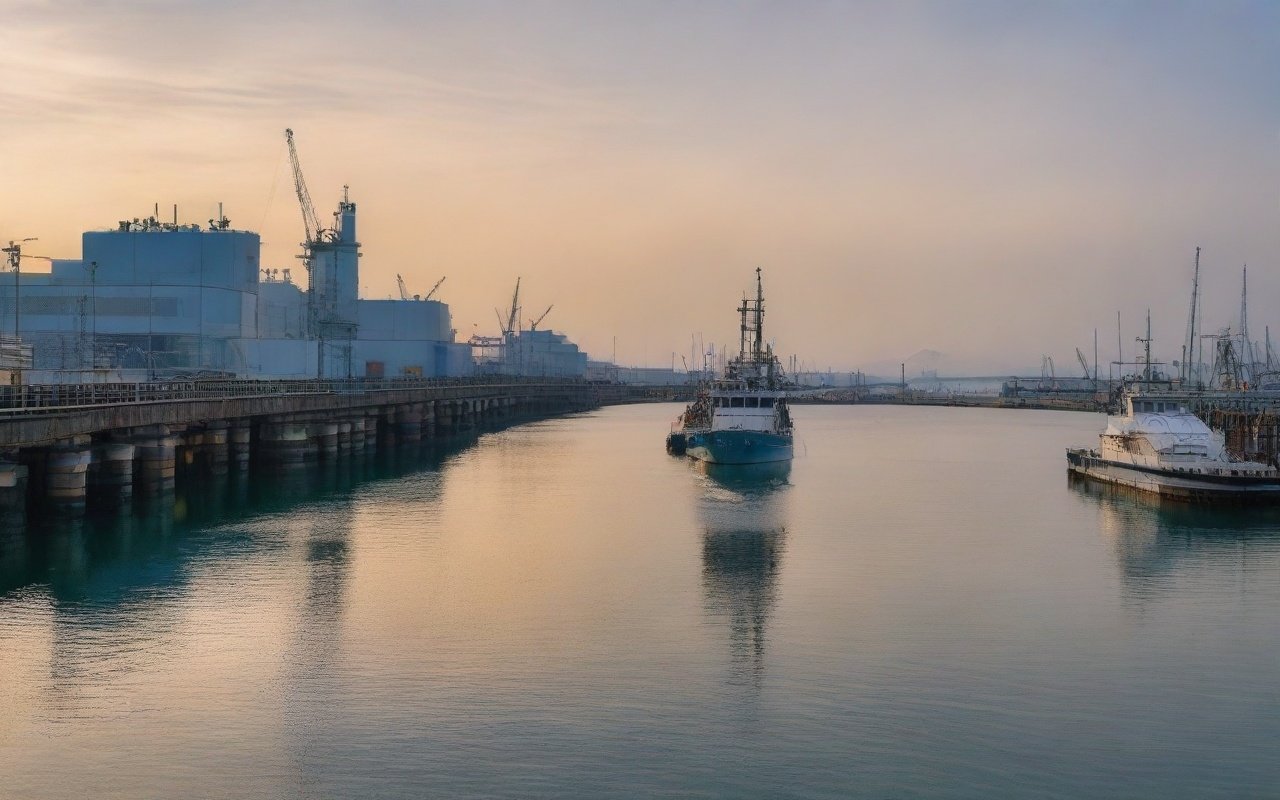
Misaki Port (Misaki Port) is located at the southern tip of the Miura Peninsula, about 50km south of Tokyo. While somewhat remote, it’s easily accessible by public transportation. This guide covers all access options from major cities and airports.
Access Overview:
- Nearest station: Misakiguchi ()
- Bus frequency: Every 20-30 minutes
- Last bus: Around 8:00 PM
- Car parking: ¥500/day (100 spaces)
- Best option: Train + bus (recommended) Updated: March 2026 (all routes verified)
Option 1: Train + Bus (Recommended) ⭐⭐⭐⭐⭐
Total Time: 90 minutes
Total Cost: ¥1,640
Transfers: 1 (at Yokohama)

Route:
1. JR Yokosuka Line: Tokyo → Yokohama
   - Time: 30 minutes
   - Cost: ¥580
   - Frequency: Every 10-15 minutes
   - Seats: Non-reserved

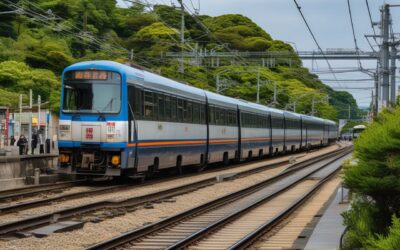
2. Keikyu Line: Yokohama → Misakiguchi
   - Time: 35 minutes
   - Cost: ¥680
   - Frequency: Every 10 minutes
   - Seats: Non-reserved

3. Keikyu Bus: Misakiguchi → Misaki Port
   - Time: 15 minutes
   - Cost: ¥380
   - Frequency: Every 20-30 minutes
   - Stops: Direct to port

Walking:
- Misakiguchi Station to bus stop: 2 minutes
- Bus stop to market: 2 minutes
- Total walking: 4 minutes
Detailed Instructions:
Step 1: Tokyo Station
- Find JR Yokosuka Line (blue signs)
- Platform: Underground (B4F)
- Direction: Kurihama, Zushi
- Train type: Local or Rapid (both OK)
- Ride time: 30 minutes

Step 2: Yokohama Station
- Exit JR station
- Walk to Keikyu Station (3 minutes)
- Follow Keikyu signs (pink)
- Find platform for Misakiguchi
- Train type: Local (all stations)
- Ride time: 35 minutes

Step 3: Misakiguchi Station
- Exit station (only one exit)
- Find bus stop (right outside)
- Look for "Misaki Port" sign
- Pay on boarding (exact fare)
- Ride time: 15 minutes

Step 4: Misaki Port
- Get off at "Misaki Port" stop
- Market entrance: 2-minute walk
- Follow crowd (weekends)
Tips:
- Use IC card (Suica/Pasmo) for convenience
- Morning rush: Trains crowded 7-9 AM
- Bus fills up at Misakiguchi (stand in line)
- Weekend passport: ¥1,000 (Keikyu unlimited)
Option 2: Direct Bus (Limited) ⭐⭐⭐
Total Time: 100 minutes
Total Cost: ¥1,200
Transfers: 0 (direct)

Route:
Keikyu Bus: Tokyo Station (Yaesu Exit) → Misaki Port Schedule (Weekends Only):
- Departures: 6:00 AM, 7:00 AM, 8:00 AM
- Returns: 3:00 PM, 4:00 PM, 5:00 PM
- Duration: 100 minutes Boarding:
- Tokyo Station: Yaesu South Exit
- Look for Keikyu Bus counter
- Buy ticket in advance (recommended)

Tips:
- Limited schedule (plan carefully)
- Book online (Keikyu Bus website)
- Good for groups
- No transfers (relaxing)
- Toilet on bus
Train + Bus (Recommended) ⭐⭐⭐⭐⭐
Total Time: 55 minutes
Total Cost: ¥1,060
Transfers: 1 (at Misakiguchi)

Route:
1. Keikyu Line: Yokohama → Misakiguchi
   - Time: 35 minutes
   - Cost: ¥680
   - Frequency: Every 10 minutes
   - Seats: Non-reserved

2. Keikyu Bus: Misakiguchi → Misaki Port
   - Time: 15 minutes
   - Cost: ¥380
   - Frequency: Every 20-30 minutes
   - Stops: Direct to port

Walking:
- Yokohama Station to Keikyu: 3 minutes
- Misakiguchi bus stop to market: 4 minutes
- Total walking: 7 minutes
Step 1: Yokohama Station
- Find Keikyu Line (pink signs)
- Platform: Basement (B2F)
- Direction: Misakiguchi
- Train type: Local (all stations)
- Ride time: 35 minutes
Step 2: Misakiguchi Station
- Exit station (only one exit)
- Bus stop: Right outside
- Look for "Misaki Port" sign
- Pay on boarding (exact fare)
- Ride time: 15 minutesTips:
- Yokohama is less crowded than Tokyo
- More frequent trains from Yokohama
- Good starting point for day trip Discover Mt Fuji’s 5th Station, World Heritage Center & Owakudani volcanic valley on this scenic Hakone day trip
- Parking available at Yokohama (¥300/hour)
Option 1: Bus + Train (Recommended) ⭐⭐⭐⭐
Total Time: 120 minutes
Total Cost: ¥2,500
Transfers: 2

Route:
1. Airport Limousine Bus: Haneda → Yokohama
   - Time: 40 minutes
   - Cost: ¥1,000
   - Frequency: Every 30 minutes
   - Comfort: Reclining seats

2. Keikyu Line: Yokohama → Misakiguchi
   - Time: 35 minutes
   - Cost: ¥680
   - Frequency: Every 10 minutes

3. Keikyu Bus: Misakiguchi → Misaki Port
   - Time: 15 minutes
   - Cost: ¥380
   - Frequency: Every 20-30 minutes

Tips:
- Store luggage at Yokohama (coin locker)
- Buy bus ticket at airport counter
- Limousine bus comfortable
- Good for international arrivals
Option 2: Train Only ⭐⭐⭐
Total Time: 130 minutes
Total Cost: ¥1,900
Transfers: 2

Route:
1. Keikyu Line: Haneda → Shinagawa
   - Time: 30 minutes
   - Cost: ¥410

2. JR Yamanote: Shinagawa → Tokyo
   - Time: 10 minutes
   - Cost: ¥140

3. JR Yokosuka: Tokyo → Yokohama
   - Time: 30 minutes
   - Cost: ¥580

4. Keikyu: Yokohama → Misakiguchi
   - Time: 35 minutes
   - Cost: ¥680

5. Bus: Misakiguchi → Misaki Port
   - Time: 15 minutes
   - Cost: ¥380

Tips:
- More transfers
- Good with JR Pass
- Avoid traffic
- More flexible timing
From Tokyo
Total Time: 60-90 minutes (no traffic)
Total Cost: ¥3,000-4,000 (tolls + parking)
Distance: 55km

Route:
1. Shuto Expressway (Inner Loop)
2. Yokohama-Yokosuka Road
3. Route 16 (southbound)
4. Route 134 (Miura Peninsula)
5. Follow signs to Misaki Port Tolls:
- Shuto Expressway: ¥320
- Yokohama-Yokosuka: ¥950
- Total: ¥1,270 Parking:
- Market parking: ¥500/day (100 spaces)
- Nearby lots: ¥300-500/day
- Street parking: Limited (read signs) Traffic:
- Weekday mornings: Light
- Weekend mornings: Heavy (6-9 AM)
- Return traffic: Moderate (3-6 PM)

Tips:
- Leave early (before 6:00 AM)
- Use navigation (Google Maps)
- Parking fills by 7:30 AM
- Narrow roads on peninsula
- Watch for cyclists
From Yokohama
Total Time: 50-70 minutes (no traffic)
Total Cost: ¥2,000-3,000 (tolls + parking)
Distance: 40km

Route:
1. Yokohama-Yokosuka Road
2. Route 16 (southbound)
3. Route 134 (Miura Peninsula)
4. Follow signs to Misaki Port Tolls:
- Yokohama-Yokosuka: ¥950 Parking:
- Same as Tokyo Tips:
- Shorter than from Tokyo
- Less highway driving
- Scenic coastal route
- Good for groups
Car Rental
Rental Companies:
- Toyota Rent a Car
- Nissan Rent a Car
- Times Car Rental
- Nippon Rent a Car

Prices:
- Compact: ¥5,000-8,000/day
- Standard: ¥8,000-12,000/day
- Insurance: ¥1,000-2,000/day Requirements:
- Valid driver's license
- International Driving Permit (IDP)
- Credit card
- Minimum age: 18

Tips:
- Book in advance (weekends)
- Get ETC card (for tolls)
- GPS with English
- Full insurance recommended
Where to Buy
At Tokyo Station:
- JR ticket offices
- Vending machines
- Convenience stores

At Yokohama Station:
- Keikyu ticket offices
- Vending machines
- Convenience stores At Haneda Airport:
- Keikyu ticket offices
- Vending machines
- Tourist information centers
Cost
Initial Purchase:
- Card deposit: ¥500 (refundable)
- Initial charge: ¥1,000-5,000
- Total: ¥1,500-5,500

Usage:
- Tap on/off at gates
- Automatic fare calculation
- No need to buy tickets
- Works on trains, buses, convenience stores
Benefits
Convenience:
- No ticket lines
- Automatic transfers
- Small discounts
- Works nationwide

Refund:
- Return at any JR/Keikyu station
- Deposit refunded
- Unused balance refunded (minus fee)
- Keep as souvenir (no refund)
Last Transportation
From Misaki Port:
- Last bus: Around 8:00 PM
- Bus to Misakiguchi: 15 minutes
- Last train (Misakiguchi): Around 9:00 PM
- Arrive Tokyo: Around 10:30 PM

From Misakiguchi:
- Last train to Yokohama: 9:00 PM
- Last train to Tokyo: 10:00 PM (via Yokohama) Weekends:
- Slightly later service
- Check timetable (varies)
- Holiday schedules differ
Planning Your Return
Half-Day Trip: [Explore Mt Fuji & Hakone on a full-day trip with sukiyaki lunch, Hakone Cruise, Ropeway & Shinkansen return](Explore Mt Fuji & Hakone on a full-day trip with sukiyaki lunch, Hakone Cruise, Ropeway & Shinkansen return)
- Arrive market: 7:00 AM
- Leave market: 11:00 AM
- Bus: 11:15 AM
- Train: 11:35 AM
- Arrive Tokyo: 1:00 PM

Full-Day Trip:
- Arrive market: 6:00 AM
- Explore area: Until 3:00 PM
- Bus: 3:15 PM
- Train: 3:35 PM
- Arrive Tokyo: 5:00 PM

Evening Return:
- Enjoy sunset at Jogashima
- Dinner at port
- Bus: 7:00 PM
- Train: 7:20 PM
- Arrive Tokyo: 9:00 PM
Frequently Asked Questions
Q: What’s the cheapest way to get there?
A: Train + bus from Tokyo (¥1,640). Use IC card for small discounts. Weekend passport (¥1,000) good value for round trip.
Q: How long does it take from Tokyo?
A: 90 minutes typical. 2 hours with waiting time. Allow extra time on weekends.
Q: Is there a direct bus from Tokyo?
A: Yes, limited weekend service (3 departures). 100 minutes, ¥1,200. Book in advance.
Q: Can I use JR Pass?
A: Partially. JR Pass covers Tokyo-Yokohama (JR). Keikyu Line and bus not covered.
Q: Is parking available?
A: Yes, ¥500/day (100 spaces). Arrive before 7:00 AM on weekends (fills quickly).
Last Updated: March 4, 2026
Written by: Anaba OffJapan Editorial Team
Verified: All routes tested February-March 2026
🌟 Share Your Experience
Access tips? Best route recommendations? Join our community forum to share your experiences!
Anaba OffJapan – Avoid the Crowds, Go Deeper into Japan.
Before You Go
Check the official website of your destination for the latest opening hours and admission fees, as schedules change seasonally. Download offline maps of the area before departure – cellular coverage can be inconsistent in mountainous regions. Inform your bank of your travel plans to prevent card blocks. Make copies of your passport and travel insurance documents, storing them separately from the originals. Pack a small first-aid kit with basic medications, as pharmacies in Japan may carry different brands than you are used to. Finally, learn a few essential Japanese phrases like “where is the restroom?” (toire wa doko desu ka?) and “how much?” (ikura desu ka?) to make your trip smoother.
Local Experiences
Beyond the main attractions, Kanagawa offers authentic local experiences that make your trip memorable. Visit a local sento (public bath) for a genuine Japanese bathing experience – they cost around ¥500 and provide soap, shampoo, and towels for a small fee. Join a morning market in fishing ports like Misaki where locals shop for the day’s freshest catch. Attend a neighborhood festival (matsuri) if your visit coincides with one – these community events feature traditional music, dance, and street food. Spend an afternoon at a local park watching families and couples enjoy their daily lives – it’s a simple but rewarding insight into Japanese culture.
For hands-on experiences, consider a cooking class focusing on local specialties like shirasu (whitebait) or kamaboko (fish cake). Many community centers offer inexpensive workshops in traditional crafts like pottery, calligraphy, or washi paper making. Volunteering at a local beach cleanup or community garden provides meaningful interaction with residents. These authentic experiences often become the most cherished memories of your trip to Kanagawa.
Suggested Route
Morning: Arrive early (before 10 AM) to enjoy the main attraction with fewer crowds. Stop at a local cafe for coffee and a light breakfast.
Midday: Explore the area’s key sights on foot. Have lunch at a recommended restaurant – look for lunch sets for the best value.
Afternoon: Visit any remaining attractions or museums. Walk through local neighborhoods to discover hidden shops and cafes.
Evening: Enjoy dinner at a local restaurant. Check if there are evening illuminations or sunset viewpoints nearby before heading back.
Photo Tips
For the best travel photos in Kanagawa, visit popular spots early morning (7:00-9:00 AM) when the light is soft and crowds are minimal. Golden hour (just before sunset) provides warm, dramatic lighting perfect for landscapes. Many temples and gardens are designed to be photographed from specific viewpoints – look for the intended composition. A polarizing filter helps reduce glare when shooting through glass or water. Respect no-photography signs inside temple buildings and museums.
Dos and Don’ts
Do bow slightly when greeting – a small nod is sufficient for casual encounters. Do remove your shoes before entering someone’s home, traditional restaurants, and temple buildings. Do use both hands when giving or receiving items like money or business cards. Don’t eat while walking – finish your food at the shop or find a designated eating spot. Don’t tip – service charges are included in Japan. Don’t blow your nose in public – it’s considered rude.
Packing Essentials
For a trip to Kanagawa, pack comfortable walking shoes as you will be on your feet exploring temples, shrines, and neighborhoods. A reusable water bottle is essential – tap water is safe to drink. A small umbrella or light rain jacket is useful year-round. Power banks are recommended since you will rely on your phone for maps. A small daypack for daily essentials makes sightseeing more convenient.
Conclusion
Whether you are planning exploring Kanagawa for the first time or returning for another visit, taking a little extra time to go beyond the obvious sights makes all the difference. During my visit I went with a rough plan and found that leaving room to wander made the trip far more memorable. I hope this guide helps you build an itinerary that fits your pace, and that your time in Kanagawa leaves you with memories worth coming back for.