
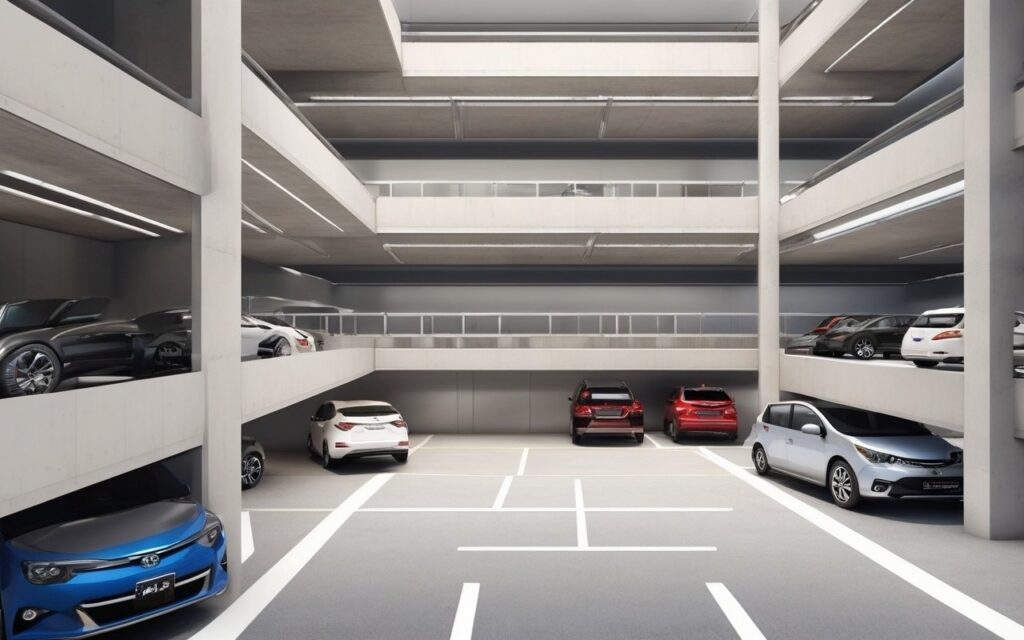
Kanagawa Parking Guide 2026 — where to park in Yokohama, Kamakura, and the Shonan coast, with real rates and the rules that catch first-time drivers.
Overview
Driving in Kanagawa is manageable if you plan parking before you arrive. The key rule: park once at a large public lot and walk, take a shuttle, or use a train for the rest of the day. This guide covers parking rates in Yokohama’s Minato Mirai, Kamakura’s temple district, and the Shonan beaches, plus the payment and rule basics you need to know.
Access: Location and Routes
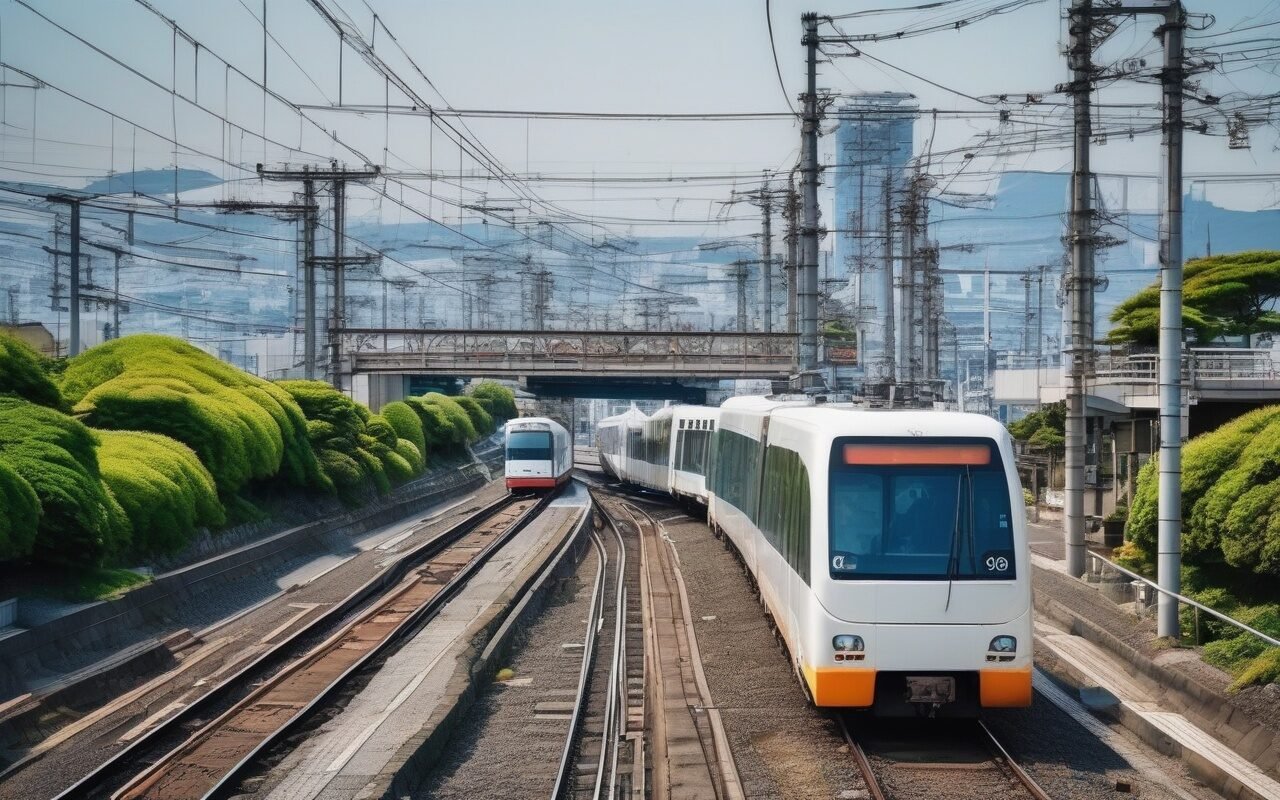
Kanagawa’s most visited areas fall into three parking profiles: Minato Mirai (large multi-story and underground lots, higher hourly rates), Kamakura (small lots near the station and temples, crowded on weekends), and the Shonan beach towns (seasonal lots that fill early in summer).
Yokohama Minato Mirai
- Minato Mirai Public Parking (Pacifico Yokohama): ¥260-280 per 30 minutes, open 24 hours, about 1,700+ spaces
- Hotel parking: ¥2,000-2,500 per day typical (for example, InterContinental Yokohama Grand charges ¥2,500 for self-parking)
- Landmark Plaza / Queen’s Square lots: similar 30-minute pricing, with discounts when you shop or dine
- Best for: Cosmo World, Red Brick Warehouse, Cup Noodles Museum
Kamakura
- Near Kamakura Station: small coin lots from about ¥200 per 30 minutes; daily maximums around ¥1,500-2,000
- Temple district (Hase, Tsurugaoka Hachimangu): limited roadside lots; arrive before 09:00 on weekends or use the station-area lots and walk
- Holiday note: Kamakura’s narrow streets and one-way lanes make driving slow during peak season; many visitors park at Kamakura Station and use the Enoden
Shonan Coast (Enoshima, Chigasaki, Kamakura beaches)
- Beach parking: seasonal lots operate roughly May-September; ¥200-300 per 30 minutes or flat day rates ¥1,000-2,000
- Weekend warning: lots near Enoshima fill by mid-morning in July and August; the Enoshima Island side is pedestrian-only, so park on the mainland and walk across the bridge
Parking Rules and Payment
Payment:
- Most lots accept cash; IC cards (Suica, PASMO) work at many coin lots in Yokohama
- Credit cards are accepted at larger multi-story lots; check the gate sign
- Pay at the machine before returning to your car (pre-payment system)
Rules:
- Japan enforces proof-of-parking rules: keep the official parking certificate or fine-print receipt from the lot visible on your dashboard (some lots provide this automatically)
- Do not park on streets with no-parking signs or yellow curbs; Kamakura and Yokohama enforce strictly
- Oversized vehicles (over 2.0m width / 5.0m length) need “large vehicle” lots; most standard tourist rental cars fit normal lots
Money-Saving Tips
- Park once: Minato Mirai’s attractions are walkable; one all-day lot beats hourly hopping
- Hotel parking first: if you are staying overnight, many Yokohama hotels offer ¥2,000-2,500 day parking that is cheaper than 10+ hours of hourly lots
- Discount parking with shopping: Landmark Plaza and Queen’s Square validate with receipts; ask at the information desk
- Park-and-ride: on busy holidays, park at a suburban station lot (for example around the JR Tokaido Line) and take the train into Kamakura or Enoshima
Parking Apps
- NAVITIME parking / Park Me: find and compare lot rates in real time around Yokohama and Kamakura
- akippa: reserve private parking spots in advance near popular spots; useful for weekends in Kamakura
- Most apps support English interfaces and accept credit card payment
Tips
Check the lot’s operating hours before entering — some overnight lots close the exit gate between midnight and 06:00. Keep the parking ticket with you, not in the car, since the payment machines require it. If you see a small handwritten sign in Japanese on a lot entrance, it usually means the lot is full; do not block the entrance while waiting. In Kamakura’s temple area, bicycle parking rules apply separately from car parking — never leave a rental bike locked to temple railings.
Major Lots at a Glance
Yokohama (Minato Mirai area):
- Pacifico Yokohama P1/P2 — about ¥260-280 per 30 minutes, 24 hours, 1,700+ spaces; the fallback when everything else is full
- Landmark Tower / Queen’s Square — ¥280 per 30 minutes with 2-hour free validation for shoppers and diners at many stores
- Yokohama World Porters — about ¥250 per 30 minutes, ¥1,500 daily cap; close to the Red Brick Warehouse
- Hotel garages (InterContinental, Royal Park, etc.) — ¥2,000-2,500 per day; cheaper than 8+ hours of hourly lots
Kamakura:
- Kamakura Station East/West exit lots — ¥200-300 per 30 minutes, ¥1,500-2,500 daily cap; the most reliable on weekends
- Hase / Great Buddha area — small lots ¥300 per 30 minutes with early fill; the Hase-dera visitor lot opens 08:30
- Tsurugaoka Hachimangu — a few lots on Wakamiya-oji; on New Year and festival days the shrine area is closed to cars entirely
Shonan coast:
- Enoshima mainland lots — ¥200-300 per 30 minutes; the island side is pedestrian-only
- Chigasaki / Kamakura beach lots — seasonal ¥1,000-2,000 flat day rates; open roughly Golden Week to September
Seasonal Notes
- Cherry blossom season (late March-April): Kamakura lots fill by 08:30; park at Ofuna or Fujisawa and take the Enoden
- Summer weekends: Enoshima and Shonan beach lots fill by mid-morning; arrive early or use the park-and-ride lots inland
- New Year (Jan 1-3): Tsurugaoka Hachimangu area becomes pedestrian-only; all nearby lots close or fill before dawn
- Rainy days: indoor lots (Pacifico, Landmark) fill fastest; underground parking at Pacifico handles overflow better than surface lots
Conclusion
Parking in Kanagawa is manageable when you plan before you drive — park once at a major lot, pay with an app or IC card, and use trains for the rest of the day. Rates vary wildly by area, so check the guidance above before you go. With the right lot, driving becomes a convenient way to reach Kanagawa’s quieter corners.
FAQ
Q: Can I leave my car overnight? A: Yes, most lots allow overnight with a daily cap (usually ¥1,500-2,500). Confirm the lot allows multi-day parking — some coin lots close at midnight.
Q: Do I need an international driving permit? A: Yes — an IDP based on the 1949 Geneva Convention is required to drive in Japan. Rental car offices check it at pickup.
Q: Are there EV charging stations? A: Yes, several Minato Mirai lots and some Kamakura hotels have EV chargers; check the lot entrance signage or the NAVITIME parking app filter.