Tag: nature

  • Miyagase Lake & Kiyokawa: Kanagawa’s Mountain Playground

    Miyagase Lake & Kiyokawa: Kanagawa’s Mountain Playground

    Overview

    When Tokyo residents talk about a “nature escape,” they usually mean Hakone or Kamakura. But there is a third option that locals quietly prefer: Miyagase Lake, a vast mountain reservoir in the far northwest of Kanagawa, surrounded by the Tanzawa range and the small village of Kiyokawa. It is 90 minutes from Shinjuku, yet it feels a world away.

    Miyagase Lake was created in 2001 when the Miyagase Dam — at 156 meters, one of Japan’s tallest — was completed on the Nakatsu River. The reservoir is roughly 4.6 km long, and its shoreline is ringed with parkland, walking paths, picnic lawns, and a handful of well-run activity bases. Because the area is far from the shinkansen and has no direct rail link, the crowds never reach Kamakura levels even at the height of summer.

    This guide covers the lake’s best activities — canoeing, SUP, cycling, and dam watching — plus the surrounding Kiyokawa village, where you can taste local pork, tea, and mountain vegetables.


    📍 Getting There

    By Train and Bus

    1. Odakyu Line to Hon-Atsugi Station (60 min from Shinjuku, around ¥900) — Take a Limited Express bound for Odawara or Hakone-Yumino and get off at Hon-Atsugi. From the north exit, take the Kanagawa Chuo Kotsu bus bound for Miyagase (about 60 minutes, around ¥700 one way). Get off at the Miyagase terminal.
    2. JR Sagami Line route — From Hashimoto or Atsugi stations, local buses also reach the lake, but the Hon-Atsugi route is the most frequent and easiest to follow.

    By Car

    • Tomei Expressway, Atsugi IC — About 45 minutes from the interchange, mostly on well-maintained mountain roads.
    • Chuo Expressway, Sagamiko IC — About 40 minutes, useful if approaching from the west.
    • Parking — The main lakeside lots charge ¥300-500 on weekends and holidays, and are free on weekdays. Summer weekends fill by 10:00.

    🛶 Canoe and SUP on the Lake

    The Experience

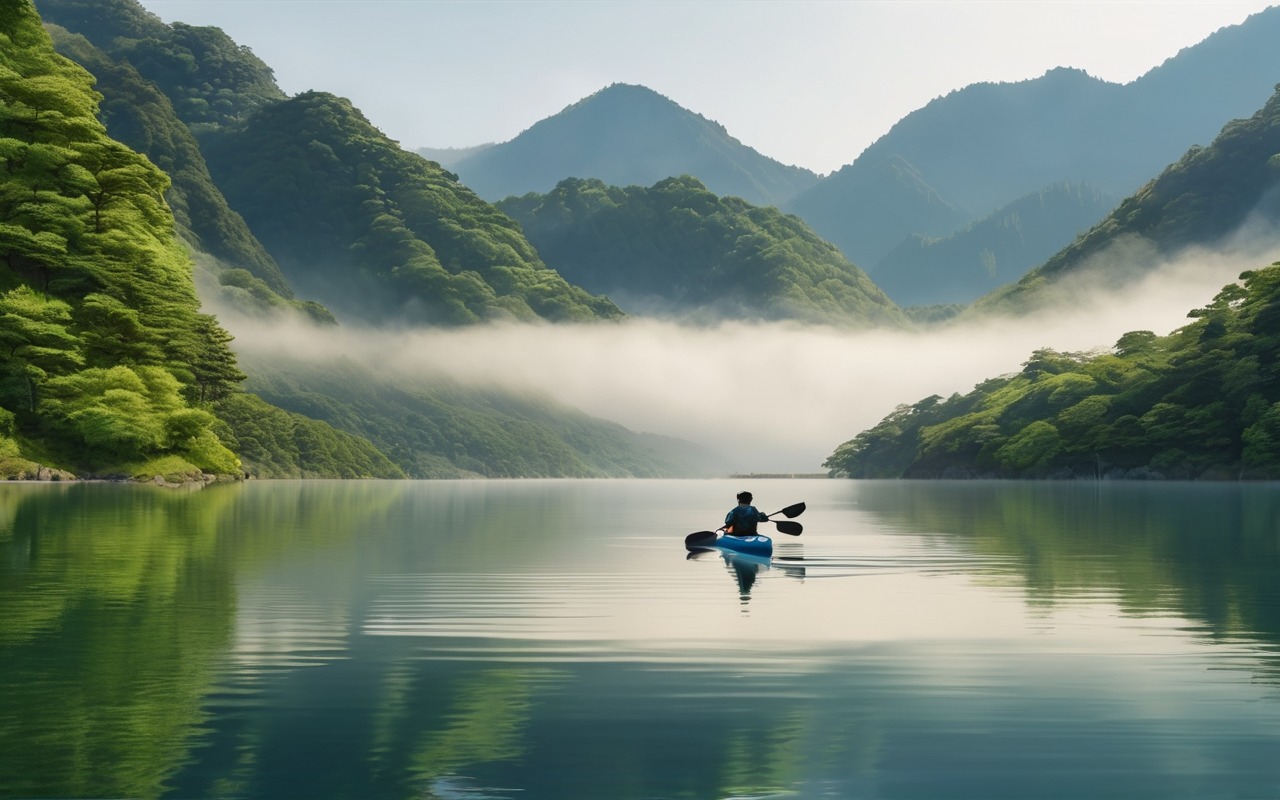
    Miyagase Lake is one of the few places in Kanagawa where you can paddle on open, mountain-ringed water without ocean waves. The water is calm in the morning, and the reflections of the surrounding peaks are stunning. I arrived on a clear June weekday, rented a kayak for two hours, and paddled from the canoe base toward the dam. With no engine noise and only the occasional bird call, it was one of the most peaceful mornings I have spent in Kanagawa.

    Rental Bases and Prices

    • Miyagase Lake Canoe Base — The main rental point on the eastern shore. Kayaks around ¥500 per 2 hours, Canadian canoes around ¥1,000 per 2 hours, and SUPs around ¥1,000 per 2 hours. Life jackets and paddles are included.
    • Weekday bonus — Lake-use fees are often waived on weekdays, making a weekday paddle a genuine bargain.
    • Group SUP — Large “mega SUP” boards that carry 6-8 people are available for groups. Prices start around ¥30,000 for a session; book in advance.

    Practical Notes for Paddling

    • Reserve ahead in summer — On sunny weekends, the fleet sells out by mid-morning.
    • What to bring — Swimsuit or quick-dry clothing, sunscreen, and a change of clothes. The base has changing rooms and lockers.
    • Skill level — Beginners are welcome; instructors give a short onshore lesson before you launch.

    🌊 The Dam and the Discharge Show

    Why the Dam Is Worth Seeing

    The Miyagase Dam is an engineering landmark, and unlike many Japanese dams, it is genuinely visitor-friendly. The dam site includes a free exhibition hall, an inclined elevator that carries pedestrians up to the dam crest, and — on select days — a spectacular sightseeing discharge where millions of liters of water pour through the gates.

    Standing on the dam crest with the reservoir on one side and the Nakatsu valley hundreds of meters below on the other is the kind of view that makes you appreciate why Japanese tourists bring their families here. I timed a visit to the November discharge, and the roar of the water was genuinely impressive.
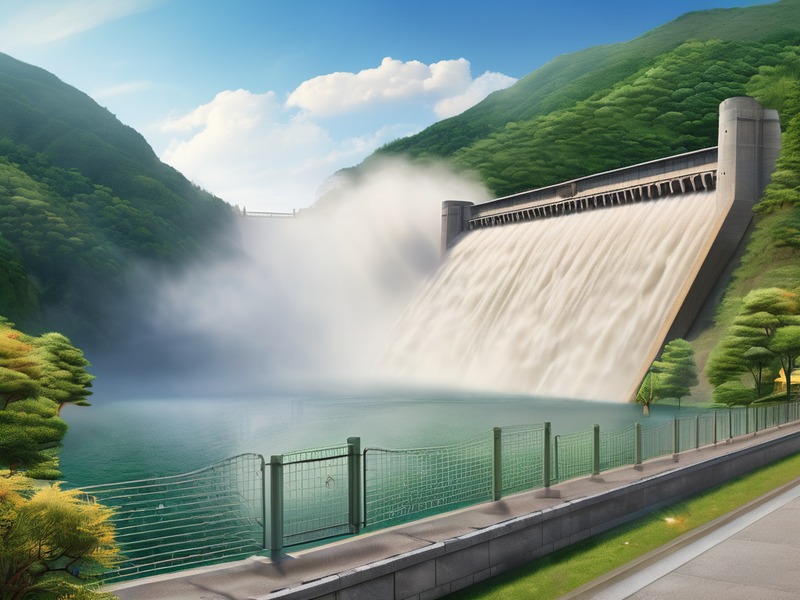
    Miyagase Dam with sightseeing discharge

    What to See

    1. The inclined elevator — A cable-drawn car that climbs the dam face (around ¥500 round trip for adults). The views from the crest are the payoff.
    2. Water and Energy Hall — A free exhibition about the dam, hydroelectric power, and the river system. Good on rainy days.
    3. The sightseeing discharge — Roughly 6-minute shows at 11:00 and 14:00 on scheduled days (typically Wednesday and select weekends from April to November). Check the current schedule on the dam’s official page, as winter shows are suspended.
    4. The observation deck — Panoramic views over the lake and the Tanzawa range beyond.

    🚴 Cycling Around the Lake

    The Loop

    A paved road circles Miyagase Lake, and while it has some respectable climbs, it is a favorite of local cyclists for a reason: quiet traffic, gorgeous views, and a finish at a lakeside cafe. The full loop is about 25 km and takes 2-3 hours at a touring pace.

    I rented a bike on a weekday morning and rode the eastern shore first, when the light was still soft on the water. The climbs were steady rather than brutal, and the downhill runs along the western shore were worth every pedal.

    Rental and Practical Notes

    • Bike rental — Rental bikes are available near the main lakeside park in season (around ¥1,000-2,000 per day). Helmets are included.
    • Electric bikes — If you want the views without the climbing, e-bikes are the smart choice and rent for about ¥2,500-3,500 per day.
    • Bring snacks and water — The lakeside has a few shops and vending machines, but they are clustered near the dam and the canoe base. Carry supplies for the remote stretches.

    🧺 Lakeside Parks, Playgrounds, and Camping

    The Lakeside Experience

    The shoreline around Miyagase is dotted with lawns, playgrounds, and picnic areas that make the lake a favorite for families. Even if you do nothing more than spread a blanket and watch the light move across the water, the day is well spent.
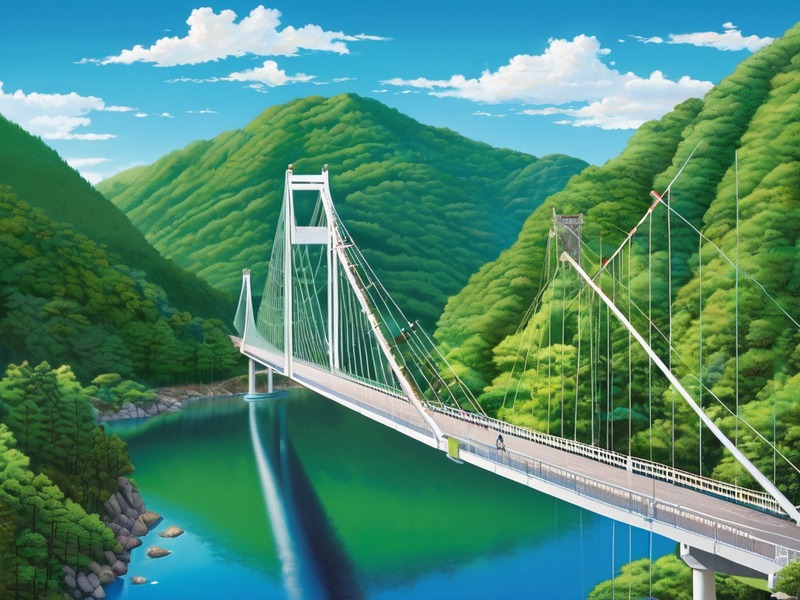
    Mizunosato suspension bridge over Miyagase Lake

    • Miyagase Lakeside Park — The main green space, with a large lawn, a children’s playground, and a splash area for hot summer days.
    • Mizunosato Grand Suspension Bridge — A 315-meter suspension bridge crossing the lake’s narrow upper reach. The walk takes about 15 minutes each way and offers the best lake panorama accessible on foot.
    • Camping and barbecue — Designated barbecue and camping areas operate along the shore from spring through autumn. Fire pits and tables are provided at the main sites; check the local office for fees (typically ¥1,000-3,000 per site).

    If You Have Kids

    • The splash area, the inclined elevator, and the suspension bridge are the three biggest hits with children.
    • The lakeside park’s playground equipment is shaded and well maintained.

    🥾 Kiyokawa Village: Mountain Life and Local Food

    The Village

    Kiyokawa is the only village in Kanagawa Prefecture, a small community tucked into the mountains above the lake. It is known for two things that taste better than they sound: Kiyokawa Megumi pork, raised on local feed, and Kiyokawa tea, grown on the steep sunny slopes of the valley.

    I stopped at a village farm stand on my way down from the lake and left with a bag of fresh mushrooms, a bottle of local tea, and a pork cutlet sandwich made that morning. The whole village moves at a slower pace, and it shows in the food.

    What to Try

    • Kiyokawa Megumi pork — Available at the roadside station (Michi-no-Eki Kiyokawa) and local restaurants. The tonkatsu and pork-shabu dishes are the standouts.
    • Kiyokawa tea — Green tea grown and processed in the village. Try a tea soft serve at the roadside station in summer.
    • Mushrooms and mountain vegetables — The village is a major producer of shiitake mushrooms and seasonal mountain greens.

    🎄 The Winter Wonderland: Miyagase Christmas

    The December Event

    Every December, the lakeside park hosts “Miyagase Christmas: Everyone’s Tree,” one of the most popular illumination events in the region. A massive Christmas tree rises over the lake, surrounded by light tunnels and a winter market. On clear nights, the lights reflect across the water with the Tanzawa mountains behind — a scene that draws visitors from across the Kanto plain.

    The event runs roughly from early December through Christmas Day, with lights switching on at dusk (around 17:00). Weekend evenings are busy, so arrive by late afternoon to secure parking and a good view.


    🗓️ Sample Itinerary: Miyagase in a Day

    Morning (9:00-13:00)

    1. 9:00 — Depart Hon-Atsugi Station by bus.
    2. 10:00 — Arrive at the lake. Rent a kayak or SUP and paddle for two hours.
    3. 12:30 — Lunch of soba or local pork at the lakeside restaurant.

    Afternoon (13:30-17:30)

    1. 13:30 — Ride the inclined elevator to the dam crest and visit the exhibition hall.
    2. 15:00 — Walk the suspension bridge, then stop for tea at the Kiyokawa roadside station.
    3. 16:30 — Buy local souvenirs and take the bus back toward Hon-Atsugi.

    If You Have More Time


    📅 Seasonal Notes

    • Spring (Mar-May): Cherry blossoms along the shore, fresh green on the mountains, and the first calm paddling days.
    • Summer (Jun-Aug): The busiest season. Cooler than the city, with kayaking, SUP, and the splash area in full swing.
    • Autumn (Sep-Nov): The best season for color and clarity. The November discharge shows and the foliage walks are not to be missed.
    • Winter (Dec-Feb): Quiet and cold, with the Christmas illumination as the big draw. Many rental facilities close or shorten hours.

    💡 Practical Tips

    1. Check the discharge schedule — The sightseeing discharge runs on specific days only. It is the highlight of many visits, so plan around it.
    2. Bring layers — The mountains are noticeably cooler than Tokyo, especially in the morning and evening.
    3. Carry cash — The roadside station and some lakeside vendors prefer cash, though major facilities now accept cards.
    4. Watch the last bus — Service back to Hon-Atsugi ends in the early evening. If you miss it, taxis are scarce; plan your exit.
    5. Book summer activities in advance — Kayaks, SUPs, and barbecue sites sell out on sunny weekends.

    Conclusion

    Miyagase Lake is Kanagawa’s best-kept secret for a reason: it offers everything a mountain playground should — calm water for paddling, quiet roads for cycling, a dam worth seeing in its own right, and a village that feeds you properly — without any of the crowds of the coastal tourist hubs. It is close enough for a day trip, remote enough to feel like an escape, and different in every season. Bring a paddle, a picnic, or just a good book, and let the mountains do the rest.

    FAQ

    Q: Can I reach Miyagase Lake without a car?
    A: Yes. Buses run from Hon-Atsugi Station on the Odakyu Line (about 60 minutes). The service is reliable but roughly hourly, so plan around the timetable.

    Q: Is the lake suitable for beginners at canoeing and SUP?
    A: Absolutely. The water is calm, rentals include life jackets and paddles, and staff give a short onshore lesson before you launch.

    Q: When is the best time to see the dam discharge?
    A: The sightseeing discharge runs on scheduled days from roughly April to November, typically around 11:00 and 14:00. Winter shows are suspended.

    Q: How much does a day at Miyagase cost?
    A: Around ¥4,000-5,000 per person by public transport: bus ¥1,400 round trip, kayak ¥500-1,000, lunch ¥1,200, and the inclined elevator ¥500.
  • Sagamihara & Lake Sagami Guide — Nature Escape from Tokyo

    Sagamihara & Lake Sagami Guide — Nature Escape from Tokyo

    Sagamihara & Lake Sagami Outdoor Guide 2026 — Nature Escape from Tokyo

    Overview

    Overview of Sagamihara & Lake Sagami

    Detail Information
    Location Northern Kanagawa Prefecture (bordering Tokyo)
    Key areas Lake Sagami (Sagamiko), Lake Tsukui, Sagamihara City
    Nearest station Sagamiko Station (JR Chuo Line)
    Travel time from Tokyo 60-90 minutes by train
    Main season April–November (outdoor activities), December–April (Illumillion)
    Difficulty range Easy (lake walks) to Moderate (mountain hiking)

    Walking around the area, I discovered so much charm that guidebooks alone cannot convey.

    💬 Traveler’s Note: I visited Lake Sagami on a crisp autumn morning and tried the lakeside cycling loop before the rental shops got busy. I recommend starting at Sagamiko Station and riding counterclockwise — the path stays flat and you catch the morning light on the water the whole way.

    Getting There

    By Train (Recommended)

    Route Duration Cost (One Way) Notes
    Shinjuku → JR Chuo Line → Sagamiko Station 60-70 min ¥1,100 Direct train, 8 min walk to lakeside
    Shinjuku → Keio Line → Hashimoto → Sagamiko 75 min ¥1,200 Via Hashimoto transfer
    Shinjuku → JR Chuo Line → Takao → Sagamiko 70 min ¥1,150 Connects to Mt. Takao hiking

    By Highway Bus

    Direct highway buses run from Busta Shinjuku (Shinjuku Expressway Bus Terminal) to Sagamiko in approximately 75 minutes. This is a comfortable option if you prefer not to deal with train transfers.

    By Car

    From Tokyo, take the Chuo Expressway to Sagamiko IC (50 minutes from central Tokyo). Parking is available at the Sagamiko MORI MORI resort (¥500-1,000/day). Note that traffic can be heavy on weekends and holiday afternoons.


    Outdoor Activities

    1. Sagamiko MORI MORI Resort

    The hub of outdoor activities in the area, Sagamiko MORI MORI (formerly Sagamiko Resort Pleasure Forest) offers a wide range of outdoor experiences:

    Activity Details Price
    Camping Tent sites, cabins, and wooden cottages ¥3,000-15,000/night
    BBQ (Wild Cooking Garden) Equipment rental available, bring your own food ¥1,000-3,000
    Adventure Course (Muscle Monster) Giant outdoor climbing obstacle course ¥2,500
    Kids’ Adventure (Picasso’s Eggs) Child-friendly climbing and obstacle course ¥1,500
    Boat Rental Rowboats and pedal boats on Lake Sagami ¥1,500-2,500/hour
    Sagamiko Onsen Hot spring bath with lake views ¥1,200

    Hours: 9:00-17:00 (weekdays), 9:00-18:00 (weekends). Check ahead for seasonal variations.

    2. Hiking Trails

    The area around Lake Sagami serves as a gateway to the mountains west of Mount Takao, offering several excellent hiking routes:

    Trail Duration Distance Difficulty Best For
    Takao-to-Sagamiko Ridge 4-5 hours 10 km Moderate Ridge walking, views
    Mt. Kobotoke-Shiroyama 3-4 hours 7 km Moderate Panoramic views, fewer crowds
    Lake Sagami Loop 1.5-2 hours 5 km Easy Families, photo walks
    Mt. Kagenobu 4-5 hours 8 km Moderate Forest hiking, wildlife

    Takao-to-Sagamiko Route: This point-to-point hike starts at Takaosanguchi Station (Keio Line), passes over the summit of Mount Takao (599m), continues along the ridge to Mount Kobotoke-Shiroyama, and descends toward Lake Sagami. It exits near Sagamiko Station (JR Chuo Line), making it a perfect one-way hike with train access at both ends.

    Lake Sagami Loop: A flat, well-maintained walking path around the lake. Perfect for families, casual walkers, and photographers. The path is paved and passes several rest areas with views of the lake and surrounding mountains.

    3. Cycling

    The roads around Lake Sagami and the nearby Tanzawa foothills are popular with recreational cyclists. The loop around the lake is approximately 10 km and offers gentle elevation changes suitable for casual cyclists. More experienced riders can extend their route toward the Tanzawa mountain passes, but be prepared for significant climbs. Bike rental: Available at Sagamiko MORI MORI (¥1,500/half day). Bring your own bike for the best experience.

    4. Fishing

    Lake Sagami is known for bass fishing, attracting anglers from across the Kanto region, Fishing is permitted from the shore or by boat (rentals available at the resort). A fishing license is required and can be purchased at local tackle shops near the lake.


    Attractions

    Sagamiko Illumillion (Winter Only)

    From late November to April, the resort transforms into one of the Kanto region’s most spectacular illumination displays. Over 6 million LEDs turn the forest and lakeside into a magical light show.

    Detail Information
    Period Late November – April
    Hours 17:00-21:00
    Admission ¥1,500
    Best time Weekday evenings (avoid weekends for the lightest crowds)

    Retro Vending Machine Collection

    One of the area’s most unique lesser-known spots is the Used Tire Market Sagamihara Store (中古タイヤ市場 相模原店), which features a massive collection of retro 1960s-70s vending machines. These vintage machines serve hot food like udon, soba, ramen, and even hamburgers — a true piece of Japanese pop culture history. Location: Near Sagamihara Station. Tip: Bring small change (¥100 and ¥500 coins) as some machines don’t accept bills.

    Lake Tsukui (Tsukui-ko)

    Just a short distance from Lake Sagami, this quieter lake formed by the Shiroyama Dam offers beautiful views, hiking trails, and the ruins of Tsukui Castle — particularly impressive during cherry blossom season in spring. Access: 15 minutes by bus from Sagamiko Station. Best time: Late March-April for cherry blossoms.


    Seasonal Highlights

    Season What to See Best Activities
    Spring (March-May) Cherry blossoms at Lake Tsukui, fresh greenery Hiking, cycling, picnics
    Summer (June-August) Lake activities, Sagamiko Lake Fireworks Festival (August) Camping, BBQs, water sports
    Autumn (October-November) Spectacular autumn foliage, cool hiking weather Hiking, photography
    Winter (December-April) Sagamiko Illumillion, crisp mountain air Illumination viewing, onsen

    Where to Eat

    Restaurant Type Price Notes
    Sagamiko MORI MORI Food Court Casual ¥800-1,500 Located inside the resort, family-friendly
    Lakeside Restaurants Japanese ¥1,000-2,000 Several small restaurants near the dock serve fresh lake fish
    Used Tire Market (retro vending machines) Unique ¥300-800 per item Vintage vending machines serving hot food — a must-try experience
    Convenience stores near Sagamiko Station Takeaway ¥500-1,000 Good for picnic supplies

    What to Expect

    Most activities are designed to be accessible for international visitors. Staff at popular attractions are accustomed to non-Japanese speakers and can communicate through basic English or translation apps. Duration varies from 1-2 hour experiences to half-day adventures. Wear appropriate clothing – many activities involve walking or standing for extended periods. Some outdoor activities may have age or height restrictions. Always check the official website before visiting for the latest information.

    Nearby Recommendations

    The area surrounding this activity has plenty to offer. Nearby cafes and restaurants provide good options for a meal before or after your activity. Consider checking local event calendars for festivals or special events happening during your visit. Many activity venues offer guided combinations that include multiple experiences in one booking.

    Local Tips

    Regular participants recommend bringing your own water bottle and wearing moisture-wicking clothing for active experiences. Arriving 15 minutes before your scheduled time allows for check-in and preparation. Many activities have seasonal variations, so check what’s available during your visit. Don’t be shy about asking questions – instructors are happy to help.n

    Conclusion

    Whether you are planning exploring Sagami Bay for the first time or returning for another visit, taking a little extra time to go beyond the obvious sights makes all the difference. During my visit I went with a rough plan and found that leaving room to wander made the trip far more memorable. I hope this guide helps you build an itinerary that fits your pace, and that your time in Kanagawa leaves you with memories worth coming back for.

  • Tanzawa-Oyama Hiking Guide 2026 — Best Day Hikes from Tokyo

    Tanzawa-Oyama Hiking Guide 2026 — Best Day Hikes from Tokyo

    Overview

    💬 Traveler’s Note: I visited Mount Oyama on a clear late-autumn morning and explored the stone staircase through the cedar forest before the crowds arrived. I recommend taking the first cable car up — the summit views over Sagami Bay are worth the early start, and the trail is far quieter before 9 AM.

    Overview of Tanzawa-Oyama

    Detail Information
    Location Western Kanagawa Prefecture
    Area 27,000+ hectares of protected forest
    Peak Mount Hiru (1,673m)
    Season April–November (main season), December–March (winter gear required)
    Getting there 90 minutes from Shinjuku by Odakyu Line
    Difficulty range Easy (family walks) to Challenging (full-day summit hikes)

    Getting to Tanzawa-Oyama

    By Train (Recommended)

    Route Duration Cost (One Way) Notes
    Shinjuku → Odakyu Line → Shibusawa Station 90 min ¥1,100 Most common access, bus to trailheads
    Shinjuku → Odakyu Line → Hon-Atsugi Station 65 min ¥830 Access to Mount Oyama
    Shinjuku → Odakyu Romancecar → Hon-Atsugi 50 min ¥1,320 Reserved seat, comfortable

    By Car

    From Tokyo, take the Tomei Expressway to Atsugi IC (50 minutes), then follow Route 246 toward Tanzawa, Parking available at most trailheads (¥500-1,000/day).


    Best Hiking Trails

    1. Mount Oyama (Beginner-Friendly)

    Mount Oyama (1,252m) is the most popular hiking destination in Tanzawa and the easiest summit to reach. The mountain has been a sacred site for centuries and is dotted with Shinto shrines.

    Detail Information
    Duration 3-4 hours round trip
    Distance 5.5 km round trip
    Elevation gain 600m
    Difficulty Easy to Moderate
    Best season April–November

    Route:

    1. From Hon-Atsugi Station, take the bus to Oyama Cable Car Station (30 min, ¥700)
    2. Ride the Oyama Cable Car to the top station (7 min, ¥700 one way)
    3. Hike from the cable car top to the summit (45 min-1 hour)
    4. Visit Oyama Afuri Shrine (main shrine, waterfall, views)
    5. Descend via the same route or the longer womenmonomichi trail

    Highlights: Oyama Afuri Shrine, panoramic views of Sagami Bay, Mount Fuji on clear days Discover Mt Fuji’s 5th Station, World Heritage Center & Owakudani on this Hakone day trip

    2. Lake Tanzawa Loop (Easy, FLakey-Friendly)

    A flat, well-maintained walking path around Lake Tanzawa (Miyagase Lake) — perfect for families and casual walkers.

    Detail Information
    Duration 1.5-2 hours
    Distance 5 km loop
    Elevation gain Minimal (flat)
    Difficulty Easy
    Best season Year-round

    Route: From Shibusawa Station, take the bus to Lake Tanzawa (25 min, ¥500). Follow the paved path around the lake, stopping at rest areas, picnic spots, and the Miyagase Dam. Highlights: Lake views, Miyagase Dam, picnic areas, restrooms at multiple points

    3. Mount Hiru Summit (Challenging, Full Day)

    Mount Hiru (1,673m) is the highest peak in the Tanzawa range and the most rewarding hike for experienced hikers.

    Detail Information
    Duration 6-8 hours round trip
    Distance 12 km round trip
    Elevation gain 900m
    Difficulty Challenging
    Best season May–October

    Route:

    1. From Shibusawa Station, bus to the trailhead at Yabitsu Pass (40 min, ¥800)
    2. Hike from Yabitsu Pass to Mount Hiru summit (3-4 hours)
    3. Summit break (30 min-1 hour)
    4. Return via the same route or the Nabewari Pass loop

    Warning: This is a serious mountain hike, Bring proper hiking boots, at least 2 liters of water, food, rain gear, and warm layers even in summer. The temperature at the summit can be 10°C cooler than at the trailhead.

    4. Mizugasenba Plateau (Moderate, Scenic)

    A beautiful highland plateau with rolling hills and panoramic views — perfect for photographers and nature lovers.

    Detail Information
    Duration 3-4 hours round trip
    Distance 6 km
    Elevation gain 350m
    Difficulty Moderate
    Best season June–October (flowers), October–November (autumn colors)

    Route: From Shibusawa Station, bus to Tanzawa-ko (Lake Tanzawa) and follow the signs toward Mizugasenba. The trail climbs through forest before opening onto a massive plateau with 360-degree views. Highlights: Wildflowers in summer, autumn foliage, mountain views


    Trail Comparison

    Trail Duration Difficulty Best For Crowds
    Mount Oyama 3-4 hours Easy-Moderate Beginners, families, shrine visits Medium
    Lake Tanzawa Loop 1.5-2 hours Easy Families, photo walks, picnics Low
    Mount Hiru 6-8 hours Challenging Experienced hikers, summit seekers Low
    Mizugasenba Plateau 3-4 hours Moderate Photographers, nature lovers Low

    Getting to the Trailheads

    All trailheads are accessible by public transport from Shinjuku Station via the Odakyu Line. For Mount Oyama, take the Odakyu Romancecar to Hon-Atsugi Station (50 min, ¥1,320 reserved seat), then bus to Oyama Cable Car Station (30 min, ¥700). For Lake Tanzawa and Mizugasenba, take the Odakyu Line to Shibusawa Station (90 min, ¥1,100), then bus to the trailheads (25-40 min, ¥500-800). Buses run approximately once per hour — always check the return schedule before setting out, as the last bus departs as early as 4:30 PM on some routes.

    Where to Eat

    There are limited food options within the park itself. The Mount Oyama cable car top station has a restaurant serving soba noodles and set meals (¥800-1,200). Lake Tanzawa has a small shop selling snacks and drinks. For all other trails, you must bring your own food and water. After hiking, Hon-Atsugi Station has numerous restaurants and izakayas — try the local Atsugi-style ramen (¥800-1,000) for a rewarding post-hike meal.

    Safety Tips for Beginners

    • Always register your hike at the trailhead box (登山計画書) — it’s mandatory and helps rescue services if you don’t return
    • Download offline maps before heading out — cell reception is unreliable in mountain valleys
    • Check the mountain-specific weather forecast (Tanzawa-sanchi) rather than Tokyo’s forecast
    • Start early (by 8 AM) to ensure you catch the last return bus
    • Carry a whistle and headlamp even for short hikes — trails take longer than expected
    • Tell someone your planned route and expected return time

    Getting There

    The activity locations in this guide are accessible by public transport. Major train stations have clear signage in English. For remote locations, consider renting a bicycle from the station area. Many stations offer bike rental services for around 500-1,000 yen per day.

    What to Expect

    Most activities are designed to be accessible for international visitors. Staff at popular attractions are accustomed to non-Japanese speakers and can communicate through basic English or translation apps. Duration varies from 1-2 hour experiences to half-day adventures. Wear appropriate clothing – many activities involve walking or standing for extended periods. Some outdoor activities may have age or height restrictions. Always check the official website before visiting for the latest information.

    Nearby Recommendations

    Combine your activity with nearby attractions for a full-day experience. Many activity locations are close to other points of interest, making it easy to plan a varied itinerary. Check the official website for nearby partner attractions that offer discounts when visited together. Most areas have good lunch options within walking distance of activity venues.

    Local Tips

    Regular participants recommend bringing your own water bottle and wearing moisture-wicking clothing for active experiences. Arriving 15 minutes before your scheduled time allows for check-in and preparation. Many activities have seasonal variations, so check what’s available during your visit. Don’t be shy about asking questions – instructors are happy to help.n

    Conclusion

    Whether you are planning exploring Kanagawa for its hike for the first time or returning for another visit, taking a little extra time to go beyond the obvious sights makes all the difference. During my visit I went with a rough plan and found that leaving room to wander made the trip far more memorable. I hope this guide helps you build an itinerary that fits your pace, and that your time in Kanagawa leaves you with memories worth coming back for.

  • Kamakura Rainy Season Hydrangea Guide 2026

    Kamakura Rainy Season Hydrangea Guide 2026

    Kamakura Rainy Season Hydrangea Guide 2026

    Overview

    Kamakura’s rainy season (tsuyu) runs from early June to mid-July, and while the weather is unpredictable, this is when the city’s famous hydrangeas (ajisai) reach peak bloom. Over 2,500 hydrangea bushes at Meigetsu-in Temple alone create a stunning display of blues, purples, and pinks that transform temple grounds into living gardens. Explore Kamakura & Yokohama on a day tour — Great Buddha, Enoshima, Enoden train & night views from Tokyo

    I visited Meigetsu-in on a drizzly Tuesday morning in mid-June, arriving at 8:15 AM — 15 minutes after opening. The misty rain added a atmospheric quality to the hydrangeas, with water droplets clinging to the petals. By 9:30 AM the temple grounds were filling up, and by 10:00 AM the line to enter stretched down the street. The early arrival was absolutely worth it. For more Kamakura seasonal guides, see our Kamakura area guide or Kamakura temple guide.

    Kamakura Rainy Season Hydrangea Guide 2026 — Overview

    Top Hydrangea Viewing Temples

    Temple Hydrangeas Admission Best Time Crowds
    Meigetsu-in 2,500+ bushes ¥500 8:30 AM weekday Very High
    Hase-dera 30+ varieties ¥400 9:00 AM weekday Moderate
    Hokoku-ji Bamboo + hydrangea combo ¥300 9:00-11:00 AM Low-Moderate
    Kencho-ji Historic setting, fewer crowds ¥500 10:00 AM weekday Low
    Engaku-ji Zen garden setting ¥500 8:00 AM weekday Moderate

    Meigetsu-in: The Hydrangea Temple

    Meigetsu-in, known as the “Hydrangea Temple,” is the most famous spot for hydrangea viewing in Kamakura. The temple’s hillside is covered with 2,500 hydrangea bushes that bloom in overlapping waves from early June to mid-July.

    My Experience: The approach path to Meigetsu-in is lined with hydrangeas on both sides, creating a corridor of color. The main viewing area is behind the temple, where a circular path leads through the hydrangea garden. The round window (sōmon) in the main hall frames the garden perfectly — it is one of Kamakura’s most photographed views. I spent about 45 minutes here, taking photos and simply standing in the rain, which somehow made the colors more vibrant.

    Practical Tips:

    • Arrive by 8:15 AM — the temple opens at 8:00 and fills by 9:00
    • Weekdays only — weekends are unbearably crowded during peak season
    • Rain gear — bring an umbrella and waterproof shoes; the paths get muddy
    • Photography: A 70-200mm lens lets you capture close-ups of individual flowers without stepping off the path

    Hase-dera: Variety and Views

    Hase-dera’s hydrangea collection includes over 30 varieties planted along the hillside paths. The temple’s elevated location offers the bonus of ocean views framed by hydrangeas — a combination unique to this temple.

    The hydrangea path at Hase-dera is less crowded than Meigetsu-in because the temple grounds are larger. I visited on a weekday at 9:30 AM and found it comfortable, with enough space to set up a tripod in designated areas. The temple also has a small tea house where you can rest and admire the view.

    Hokoku-ji: Bamboo and Hydrangeas

    Hokoku-ji offers a quieter alternative with its combination of bamboo grove and hydrangea garden. The bamboo shades some of the hydrangeas, creating a softer, dappled light that photographers love. The temple’s matcha set (¥700) lets you enjoy tea while looking out at the garden — a moment of calm away from the crowds.

    Peak Bloom Calendar

    Period Bloom Status Best Temples Crowd Level
    June 1–10 Early bloom (30%) Hase-dera, Kencho-ji Moderate
    June 10–25 Peak bloom (80-100%) Meigetsu-in, all temples Very High
    June 25–July 5 Late peak (60-80%) Hase-dera, Hokoku-ji High
    July 5–15 Final blooms (30%) Hokoku-ji, Engaku-ji Low-Moderate

    Access and Transportation

    | Route | Time from Kamakura Station | Cost | Combine Kamakura & Enoshima sightseeing with the Atami Sea Fireworks Festival — the ultimate summer evening
    |——-|:————————-:|:—-:|
    | Meigetsu-in (bus) | 10 min + 5 min walk | ¥200 |
    | Meigetsu-in (walk) | 25 min via Komachi-dori | Free |
    | Hase-dera (Enoden) | 5 min to Hase Station + 5 min walk | ¥190 |
    | Hokoku-ji (bus) | 15 min + 5 min walk | ¥200 |

    For transport tips, see our Enoden unlimited guide or Kamakura access guide.

    What to Bring for Rainy Season Viewing

    • Umbrella (compact, wind-resistant)
    • Waterproof shoes or sandals that can handle mud
    • Zip-lock bags for camera/phone protection
    • Towel or handkerchief — temples provide shoe removal areas
    • Light waterproof jacket — humidity makes rain feel warmer than expected

    Frequently Asked Questions

    Q: When is the best time to see hydrangeas in Kamakura? Book the Hakone Kamakura Pass — unlimited travel between two regions, perfect for a multi-day Kanagawa trip
    A: Mid-June (June 10-25) is peak bloom. Visit on a weekday morning before 9:00 AM for the best experience.

    Q: Which temple has the most hydrangeas?
    A: Meigetsu-in has over 2,500 bushes, making it the clear winner. Hase-dera has the most variety (30+ types).

    Q: Is it worth visiting on a rainy day?
    A: Absolutely — rain adds a beautiful misty atmosphere and makes the colors more vibrant. Hydrangeas actually prefer damp conditions.

    Q: Are the temples open in rainy weather?
    A: Yes, all temples remain open in rain. Some outdoor areas may be closed during heavy rain for safety.

    Q: How crowded does it get?
    A: Meigetsu-in can have queues of 30-60 minutes during peak season weekends. Weekday mornings (8:00-10:00) are manageable at all temples.

    Q: Can I take photos inside the temples?
    A: Yes, outdoor photography is allowed. Indoor flash photography is prohibited at most temples. Tripods are not allowed on busy days at Meigetsu-in.

    🎯 Practical Tips for Your Visit

    Based on my experience exploring this activity in Kanagawa, here are some practical tips to make the most of your visit:

    • Start early in the day to avoid crowds and make the most of daylight hours. I found that arriving by 9 AM gave me a much more relaxed experience.
    • Bring comfortable walking shoes and weather-appropriate clothing. The weather in Kanagawa can change quickly, especially near the coast.
    • Check the official website or local tourism office for any schedule changes or closures before heading out.

    Navigating the Crowds — What Worked for Me

    Hydrangea season in Kamakura is magical but crowded. I visited Meigetsuin on a weekday morning in mid-June, arriving right at 8:30 AM opening. Even then, a queue of about 50 people had already formed. The famous hydrangea path is narrow, and visitors move in a single file — it took me about 20 minutes to walk the full route, which gave me plenty of time to appreciate the gradient of blues and purples.

    I found that the best hydrangea photos come from Tokeiji Temple, which is less crowded and has a stunning hillside garden. The rain actually enhances the colors — the water droplets on the petals create an almost iridescent effect. I recommend bringing a clear umbrella rather than a colored one, as it does not distort the light in your photographs.

    Best Hydrangea Varieties I Saw

    During my hydrangea-viewing trips to Kamakura, I made a point of identifying the different varieties. The most common is Hydrangea macrophylla (the classic mophead), with large round clusters of blue or pink flowers. The color depends on the soil pH — acidic soil produces blue flowers, while alkaline soil produces pink. At Meigetsuin, the soil is particularly acidic, creating intense blue shades that I have not seen elsewhere.

    I was also impressed by the lacecap hydrangeas (Hydrangea serrata) at Tokeiji Temple. These have flat flower heads with tiny fertile flowers in the center surrounded by larger sterile flowers. The lacecap variety is more delicate and subtle than the mophead, and I found it photographed better because the structure is visible.

    A rare variety I discovered at Hase Temple is the Hydrangea paniculata ‘Limelight’, which produces cone-shaped flower heads in pale green that fade to pink and burgundy in autumn. Unlike the common varieties that bloom only in June–July, ‘Limelight’ flowers from July through October, making it a good option for late-summer visitors. The temple has a small garden map (¥100) showing the location of each variety — I recommend buying one because the temple grounds are larger than they appear.

    Best Time to Visit

    Outdoor activities are best enjoyed in spring and autumn when temperatures are comfortable. Summer activities like swimming and surfing are popular from July to August. Some activities may close during winter months. Check operating schedules before planning your visit. Weekday mornings offer the best experience with fewer crowds.

    What to Expect

    Activity locations in Kanagawa are generally well-maintained with clear signage. Most sites offer English pamphlets or audio guides. Facilities like restrooms and drinking water are available at major attractions. Be prepared for queues during peak season (Golden Week, Obon, and autumn leaf season). Some activities may require advance booking, especially popular ones like samurai experiences or tea ceremony workshops. Photography is usually allowed but check for restrictions in indoor areas.

    Nearby Recommendations

    Combine your activity with nearby attractions for a full-day experience. Many activity locations are close to other points of interest, making it easy to plan a varied itinerary. Check the official website for nearby partner attractions that offer discounts when visited together. Most areas have good lunch options within walking distance of activity venues.

    Local Tips

    Regular participants recommend bringing your own water bottle and wearing moisture-wicking clothing for active experiences. Arriving 15 minutes before your scheduled time allows for check-in and preparation. Many activities have seasonal variations, so check what’s available during your visit. Don’t be shy about asking questions – instructors are happy to help.n

    Conclusion

    exploring Kamakura for its hydrangea can be as relaxed or as packed as you want it to be, and I have found that the best visits leave room for both planning and spontaneity. During my visit to Kamakura I went with a rough plan and found that leaving room to wander made the trip far more memorable. Use this guide to sort out the logistics in advance, then let the day surprise you — Kanagawa rewards travelers who stay curious.