Tag: odawara

  • Odawara Day Trip Guide — Castle, Sake & Hidden Temples 2026

    Odawara Day Trip Guide — Castle, Sake & Hidden Temples 2026

    This destination guide covers everything you need to know about visiting this area in Kanagawa. From how to get there to what to see, you will find practical information for a memorable trip. I spent several weeks traveling through Kanagawa to bring you this first-hand guide based on personal experience.

    Odawara Day Trip Guide 2026 — Castle, Sake, Hidden Temples & Beach

    Overview

    Plan your perfect visit to Odawara Day Trip Guide 2026 — Castle, Sake, Hidden Temples & Beach with this comprehensive destination guide, Covering everything from must-see attractions to practical travel tips, this guide helps you make the most of your time in Odawara. Whether you have a single day or an entire week, discover the best that this Kanagawa destination has to offer.

    Getting to Odawara

    Route Duration Cost (One Way) Notes
    JR Shinkansen (Tokyo→Odawara) 35 min ¥3,680 Fastest, covered by JR Pass
    JR Tokaido Line (Tokyo→Odawara) 65 min ¥1,510 Local train, cheapest option
    JR Shonan-Shinjuku Line (Shinjuku→Odawara) 75 min ¥1,760 Direct from Shinjuku
    Odakyu Romancecar (Shinjuku→Odawara) 60 min ¥1,750 Reserved seat, scenic

    Money-saving tip: If you have a JR Pass, take the Shinkansen — it adds zero additional cost and saves 30 minutes each way. If paying individually, the local JR Tokaido Line is half the price for only 30 minutes more travel time. 📖 Related: How to Get to Hakone from Tokyo · Odakyu Romancecar Guide

    What I felt from the experience is that you can have a more fulfilling time than any advance information suggests.

    Top Attractions

    1. Odawara Castle

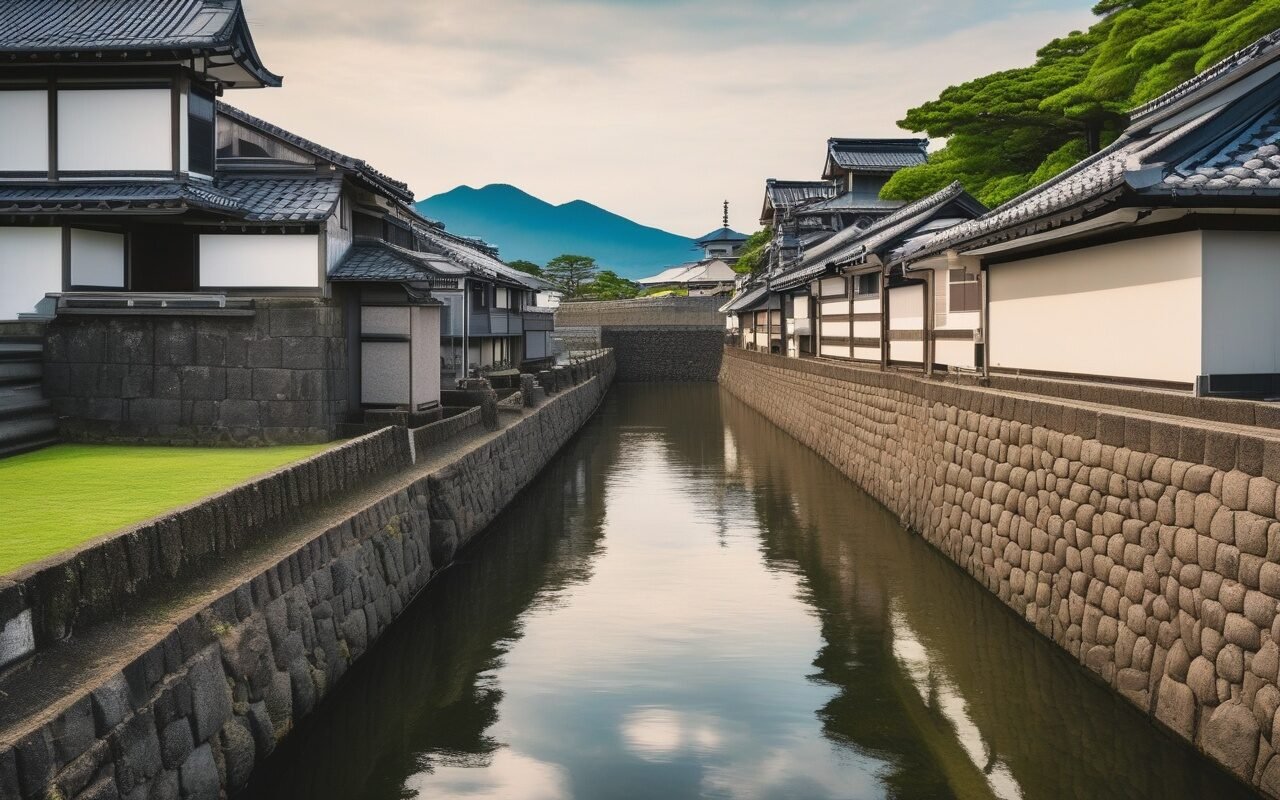
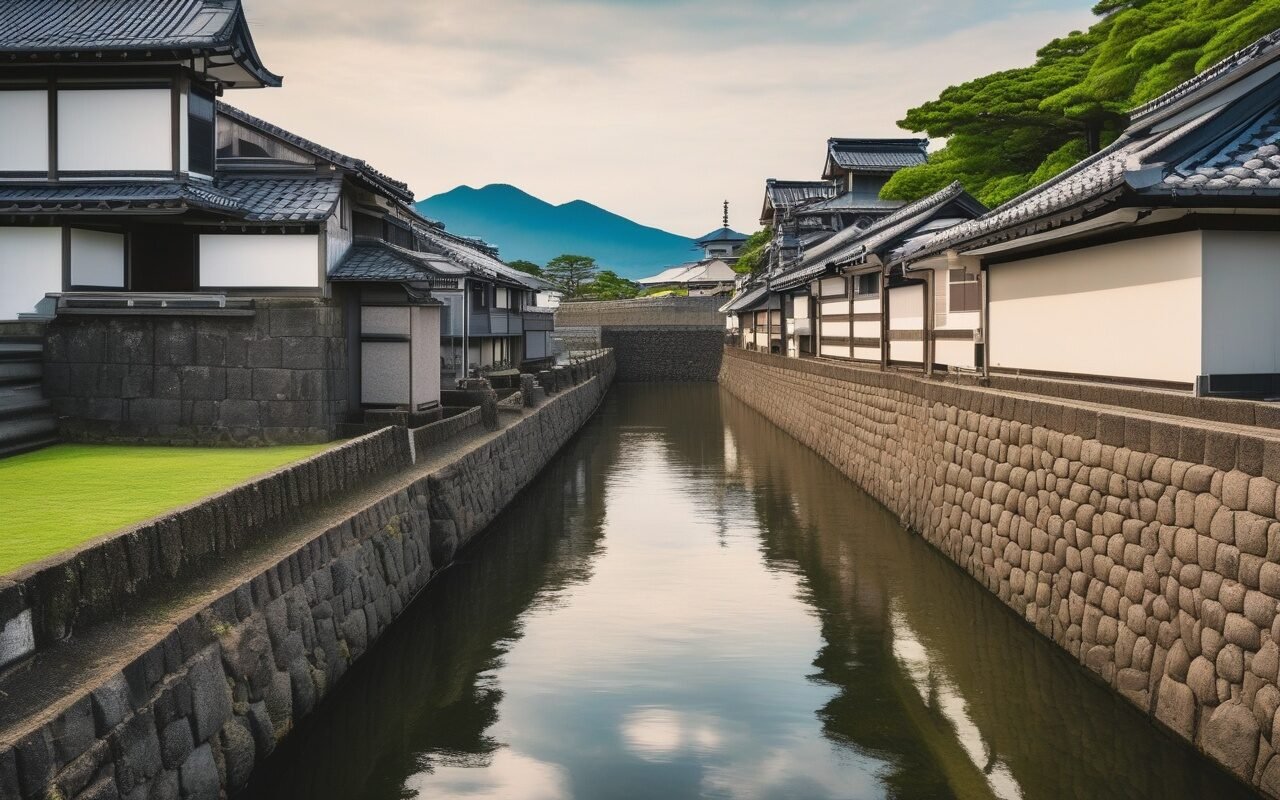
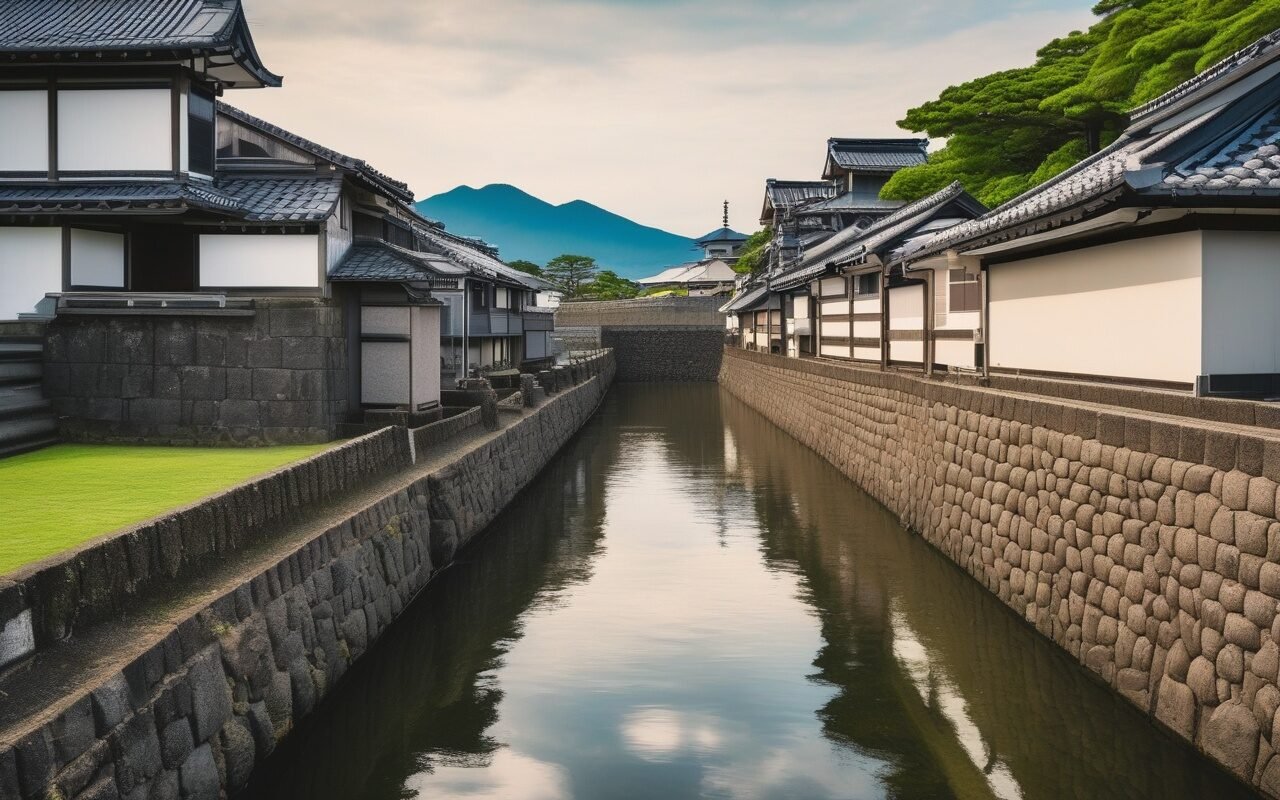
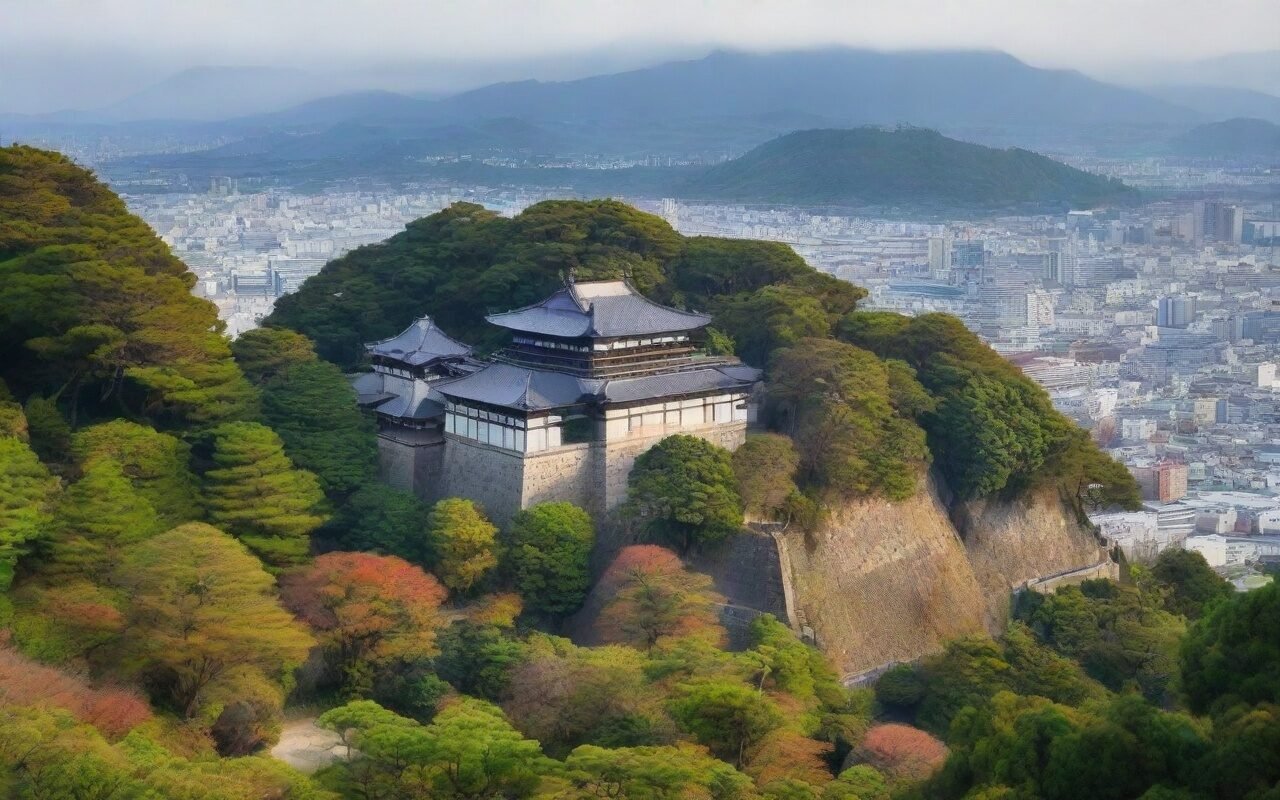
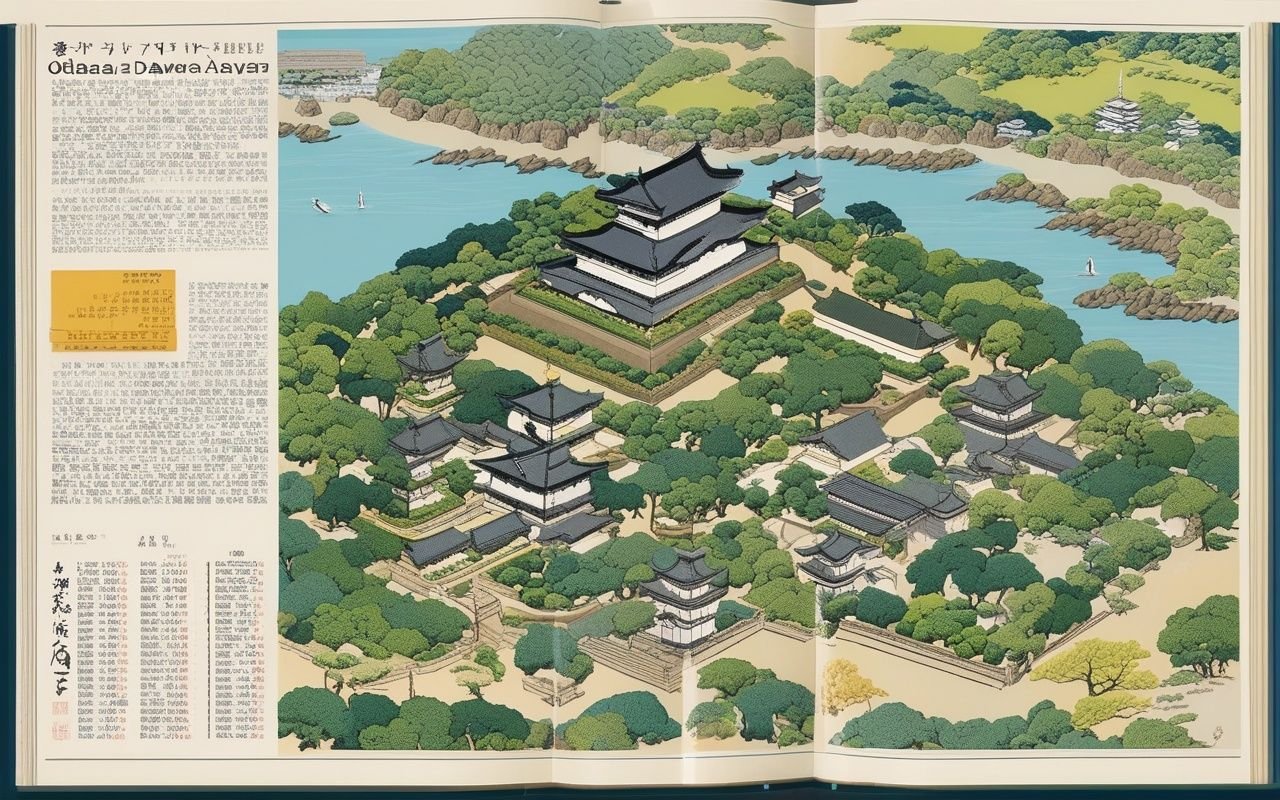
    Odawara Castle is the centerpiece of the city — a beautifully reconstructed Edo-period castle with an excellent museum inside. Unlike many Japanese castle reconstructions, Odawara’s keep is built to original specifications with modern materials.

    Detail Information
    Hours 9:00–17:00 (last entry 16:30)
    Admission ¥600 (adult), ¥200 (child)
    Access 10 min walk from Odawara Station east exit
    Elevator Yes — accessible to wheelchairs and strollers
    Highlight Samurai armor exhibits, panoramic view from top floor

    Don’t miss: The castle’s samurai armor collection on the 3rd floor — one of the best in the Kanto region. The top floor observation deck offers 360-degree views of Sagami Bay and, on clear days, Mount Fuji. 📖 Related: Odawara Castle History · Odawara Castle Town

    2. Odawara Sake Tasting

    Odawara is one of Kanagawa’s best sake regions, thanks to the pure groundwater from the nearby Hakone mountains. Several breweries offer tastings.

    Brewery Location Tasting Specialty
    Kikuzo Sake Brewery Near Odawara Station ✅ ¥500-1,000 Junmai daiginjo, seasonal sake
    Kobayashi Shuzo 15 min walk from station ✅ Free (small) Dry sake, nama (unpasteurized)
    Odawara Sake Shop Castle area ✅ ¥300/sample Local craft sake selection

    3. Hidden Shrines & Temples

    Beyond the castle, Odawara has several atmospheric shrines and temples that most tourists miss:

    Site Founded Highlights Access
    Matsubara Shrine 8th century Ancient camphor trees, main shrine (important cultural property) 20 min walk from castle
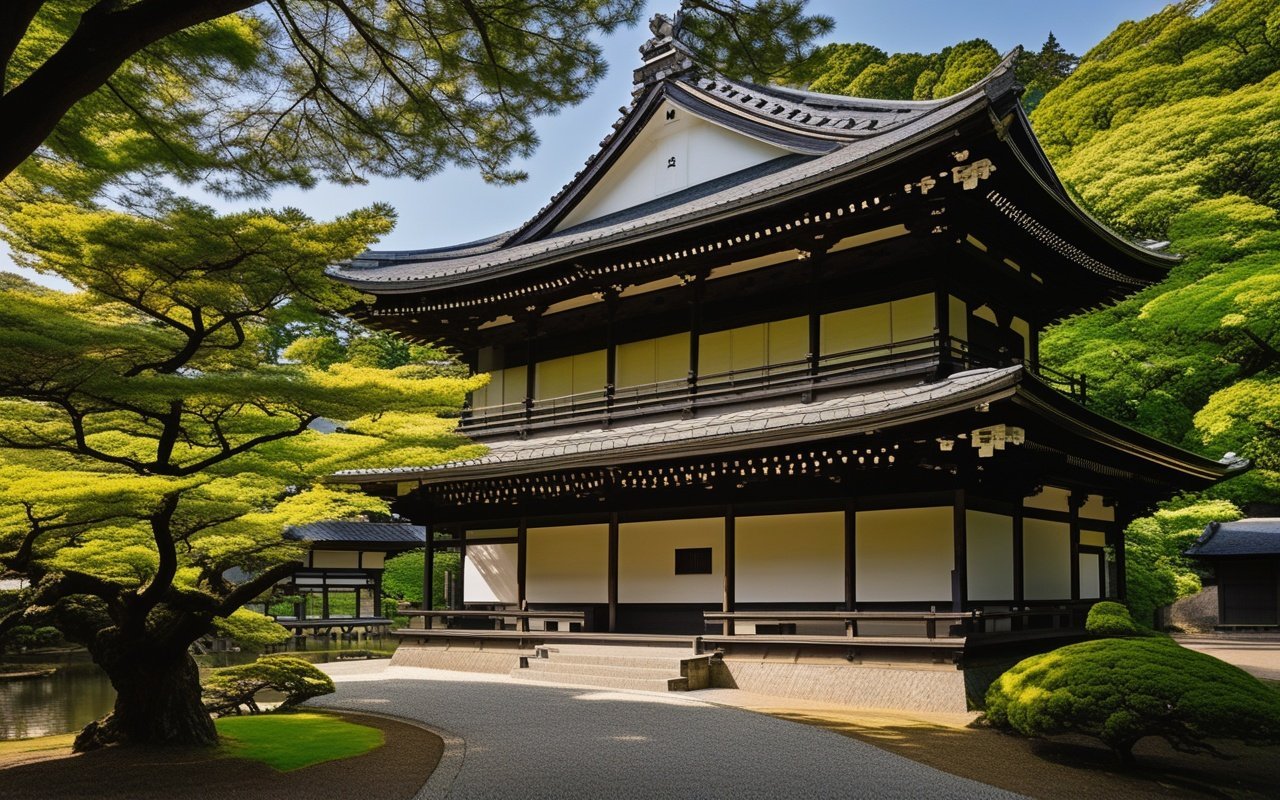
    Saionji Temple 1285 Zen garden, seasonal flowers, quiet meditation space 15 min from Odawara Station
    Gokuraku-ji 1259 Kamakura-period temple, hidden forest setting 25 min walk/bus

    📖 Related: Odawara Hidden Shrines Guide

    4. Kamaboko (Fish Cake) Culture

    Odawara is famous throughout Japan for its kamaboko — steamed fish cakes made from white fish paste. The city has 20+ kamaboko shops concentrated near the station.

    Shop Specialty Price Tasting
    Odawara Kamaboko Main Shop Traditional steamed kamaboko ¥500-1,500 ✅ Free samples
    Suzumasa Grilled kamaboko skewers ¥300-600 ✅ Hot off the grill
    Kamaboko Street 10+ shops on Castle approach Various ✅ At each shop

    Don’t miss: The grilled kamaboko skewers at Suzumasa — served hot with soy sauce and wasabi, they are a perfect walking snack while exploring the castle area. 📖 Related: Odawara Kamaboko History and Shops

    5. Black Sand Beach (Nabae Beach)

    A 20-minute walk from the castle brings you to Nabae Beach — a rare volcanic black sand beach with views of Sagami Bay and, on clear days, Mount Fuji.

    Detail Information
    Season July–August (swimming), year-round (walking)
    Access 20 min walk from Odawara Castle
    Facilities Public toilets, outdoor shower (summer only)
    Best time Sunset (golden hour over Sagami Bay)

    Sample Itinerary

    Full Day (8 hours)

    Time Activity
    9:00 AM Depart Tokyo (JR Tokaido Line)
    10:15 AM Arrive Odawara Station, walk to castle
    10:30 AM Explore Odawara Castle (2 hours)
    12:30 PM Lunch: Kamaboko tasting + seafood (¥1,000-2,000)
    2:00 PM Visit Matsubara Shrine or Saionji Temple (1 hour)
    3:00 PM Sake tasting at Kikuzo Brewery (1 hour)
    4:00 PM Nabae Beach walk (sunset photography)
    5:30 PM Return to Odawara Station
    6:00 PM Depart for Tokyo

    Budget: Approximately ¥4,000–5,500 per person (transport ¥3,020 round trip + castle ¥600 + food ¥1,500 + sake tasting ¥500)


    Where to Eat

    Restaurant Cuisine Price Area
    Uogashi Fresh seafood, sashimi sets ¥1,200-2,000 Near Odawara Station
    Suzumasa Kamaboko skewers (takeaway) ¥300-600 Castle approach
    Kikuzo Brewery Tasting Bar Sake + small plates ¥1,000-2,000 Near Station
    Odawara Soba Traditional soba noodles ¥800-1,500 Castle area

    Conclusion

    exploring Odawara for its temple can be as relaxed or as packed as you want it to be, and I have found that the best visits leave room for both planning and spontaneity. During my visit to Odawara I went with a rough plan and found that leaving room to wander made the trip far more memorable. Use this guide to sort out the logistics in advance, then let the day surprise you — Kanagawa rewards travelers who stay curious.

    FAQ

    Q: Is Odawara good for a rainy day? A: Partly — Odawara Castle and the sake breweries are fine indoors, but the beach and the hidden temples are less rewarding in heavy rain. Check the forecast and swap in the castle museum if needed.

    Q: Can I combine Odawara with Hakone? A: Yes — Odawara is the gateway to Hakone. Spend the morning at the castle, then continue to Hakone-Yumoto by train or bus for an onsen evening. Note that this makes a long day; consider overnighting in Hakone.

    Q: Where do I store luggage? A: Odawara Station has coin lockers near the east and west exits (¥300-600 depending on size), plus a luggage counter in the station building during busy seasons.

    Q: What is kamaboko? A: A steamed fish cake made in Odawara for centuries — the local specialty. Try it fresh at the shops near the station and at the castle moat stalls; it also makes a good souvenir.

  • Odawara Hidden Shrines Guide – Kanagawa 2026

    Odawara Hidden Shrines Guide – Kanagawa 2026

    Overview

    Explore the rich cultural heritage and historical significance of Odawara Hidden Shrines Guide – Kanagawa in Kanagawa Prefecture. This guide delves into the fascinating stories, traditions, and landmarks that define Odawara. From ancient temples to modern museums, discover how this destination has shaped Japan’s cultural landscape over centuries.

    Introduction: Odawara’s Spiritual Landscape

    Odawara Hidden Shrines Guide - Kanagawa 2026 — Introduction: Odawara's Spiritual Landscape

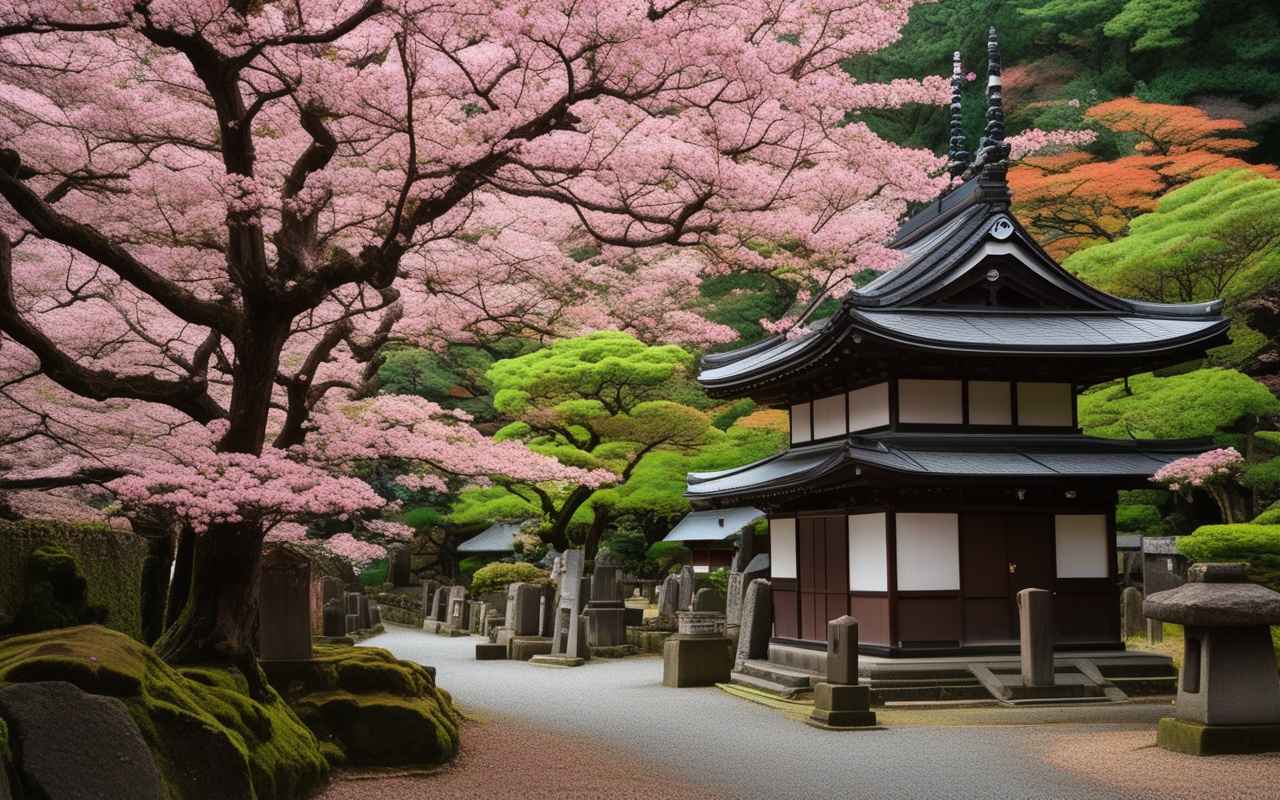
    Odawara (小田原) is best known for its castle, the stronghold of the Hojo clan during the Sengoku period. But the hills surrounding the city have been sites of worship for much longer, Ancient Shinto shrines dedicated to mountain spirits, Buddhist temples founded by wandering monks, and hidden waterfalls used for ascetic training — these are the spiritual landmarks that most visitors miss.

    What Makes These Sites Special:

    • Ancient origins: Some predate the castle by 400+ years
    • No admission fees: All are free to visit
    • Genuine atmosphere: Maintained by local communities, not tourism
    • Forest settings: Each is surrounded by protected woodland
    • Seasonal beauty: Cherry blossoms, autumn leaves, or snow Updated: May 2026 (all sites verified)

    1. Myojingatake Shrine (明神岳shrine (神社))

    Best for: Mountain setting, easiest access

    Location: Hillside overlooking Odawara
    Founded: Heian period (9th century)
    Access: 20-min walk from Odawara Station
    Admission: Free
    Deity: Mountain kami (spirit)

    Why It’s Special:

    • Dedicated to Myojingatake — the mountain spirit
    • Stone stairway lined with cedar trees (300+ years old)
    • Seasonal festivals (local communities only)
    • View of Odawara Castle from the grounds
    • No tourists (ever)

    The Approach:
    The approach path is the highlight — a mossy stone stairway that climbs through an avenue of ancient cedar trees. The oldest cedars are estimated to be 400+ years old. In spring, wild violets line the path.

    Getting There:

    From Odawara Station:
    1. Exit north toward the castle area
    2. Walk past the castle's outer moat
    3. Turn left at the second traffic light
    4. Follow the narrow road uphill
    5. Stone stairway entrance on the right Look for: Stone torii gate with weathered inscription

    2. Kotokuji Temple (虎谷寺)

    Best for: Hidden waterfall, Zen atmosphere

    Location: Mountain valley northwest of Odawara
    Founded: Muromachi period (14th century)
    Access: 30-min walk from Odawara Station
    Admission: Free
    Specialty: Hidden waterfall (滝行 site)

    Why It’s Special:

    • Secret waterfall: Small (5m) but powerful
    • Used for takigyo (waterfall ascetic training)
    • Zen garden: Small but meticulously maintained
    • Bamboo grove: Behind the main hall
    • Calligraphy: Original works by Edo-period monks

    The Waterfall:
    Located behind the temple via a 5-minute walk through bamboo forest. The waterfall drops 5m into a small pool. Monks still practice takigyo here on certain mornings. Observe quietly if you encounter them.

    Finding the Waterfall:

    1. Enter Kotokuji through the main gate
    2. Walk past the main hall (left side)
    3. Follow the path through bamboo grove
    4. Cross a small stream (stepping stones)
    5. Waterfall is 50m ahead, behind a rock outcropping ⚠️ Slippery rocks near the waterfall
    ⚠️ Do not disturb anyone practicing meditation

    3. Suiten-gu Shrine (水天宮)

    Best for: Water purification ritual, peaceful pond

    Location: East Odawara, residential area
    Founded: Edo period (17th century)
    Access: 25-min walk from Odawara Station
    Admission: Free
    Deity: Water deity, safe childbirth

    Why It’s Special:

    • Sacred pond: Filled with koi and turtles
    • Water purification: Wash coins in the spring (good fortune)
    • Local patronage: Pregnant women visit for blessings
    • Compact grounds: Easy to explore in 20 minutes
    • Quiet location: Away from all tourist routes

    The Ritual:
    At the shrine’s spring, visitors can wash their money in the flowing water for good fortune (a local tradition). Place coins in the bamboo basket, draw water from the spring, and pour it over the coins. Keep them in your wallet for prosperity.

    Getting There:

    From Odawara Station:
    1. East exit, walk toward the river
    2. Cross the Sakawa River bridge
    3. Turn right and follow the riverside path
    4. Shrine entrance is behind the post office Look for: Stone characters reading "水天宮"

    4. Sojinyama Kofun (祖神山古墳)

    Best for: Ancient burial mound, panoramic view

    Location: Hill overlooking central Odawara
    Built: Kofun period (6th century)
    Access: 15-min walk from Odawara Station
    Admission: Free
    Type: Keyhole-shaped burial mound

    Why It’s Special:

    • 1,500-year-old burial mound (predates everything)
    • Keyhole shape: Typical of Kofun period aristocracy
    • Panoramic view: Best in Odawara (castle + bay)
    • No signage in English (100% local site)
    • Cherry trees: Planted along the mound perimeter

    Historical Context:
    This kofun was built in the 6th century for a local chieftain. It’s one of the few surviving keyhole-shaped burial mounds in Kanagawa Prefecture. The site was used as a vegetable garden during the post-war period before being recognized as a historical monument.

    Getting There:

    From Odawara Station:
    1. West exit, walk toward the mountain
    2. Follow the road to Sojinyama Park
    3. Enter the park and climb the stone steps
    4. The burial mound is on the hilltop View: Odawara Castle below, Sagami Bay beyond
    Best time: Late afternoon (golden light on castle)

    5. Anrakuin Temple (安楽院)

    Best for: Hidden garden, monk cemetery

    Location: Northern Odawara, forest edge
    Founded: Kamakura period (13th century)
    Access: 40-min walk (or short bus riKamakuraission: Free
    Specialty: Moss garden and stone stupas

    Why It’s Special:

    • Moss garden: Small but extraordinarily beautiful
    • Rakan statues: 108 stone disciples of Buddha
    • Monk cemetery: Ancient stone stupas (五輪塔)
    • Forest backdrop: Temple sits at the edge of protected woodland
    • Complete solitude: Weeks may pass between visitors

    The Moss Garden:
    Smaller than Kyoto’s famous moss temples but just as beautiful. The garden is in the inner courtyard and visible from the wooden veranda. No entrance — just sit and look. The moss has been growing for 200+ years.

    Getting There:

    From Odawara Station:
    1. Bus to "Anrakuin Iriguchi" stop (15 min, ¥250)
    2. Walk 10 minutes uphill
    3. Temple entrance at the end of a gravel path
    4. Ring the bell at the entrance (caretaker may come) Alternative: 40-min walk from station (uphill)
    Best combined with: Kotokuji (nearby)

    Combined Walking Route

    Half-Day Route: Odawara Hidden Shrines (4 hours)
    Start: Odawara Station
    
    Stop 1: Myojingatake Shrine (20 min walk, 15 min visit)
       ↓ 10 min walk
    Stop 2: Sojinyama Kofun (10 min walk, 20 min visit)
       ↓ 15 min walk
    Stop 3: Suiten-gu Shrine (15 min walk, 15 min visit)
       ↓ Lunch (restaurant near station)
    Stop 4: Kotokuji Temple (bus 10 min, 30 min visit)
       ↓ 15 min walk through forest path
    Stop 5: Anrakuin Temple (30 min visit) Bus from Anrakuin back to Odawara Station (15 min)

    Practical Information

    Best Seasons

    Spring (March-April):
    ✅ Cherry blossoms at Myojingatake
    ✅ Wildflowers along forest paths
    ✅ Mild weather for walking
    
    Summer (June-August):
    ✅ Lush greenery at all sites
    ✅ Cooler in mountain temples
    ⚠️ High humidity, bring water Autumn (October-November):
    ✅ Best season — fall colors everywhere
    ✅ Clear skies, beautiful light
    ✅ Comfortable walking weather Winter (December-February):
    ✅ Fewest visitors (already few)
    ✅ Clear views from hilltops
    ❌ Cold, some sites close early

    Etiquette

    ✅ Bow at the entrance of each shrine/temple
    ✅ Observe quietly (locations are for worship, not spectacle)
    ✅ Photography welcome (no flash inside halls)
    ✅ Donate small coins (encourages local maintenance)
    ✅ Remove hats when entering shrine buildings
    ❌ No eating/drinking on sacred grounds
    ❌ Don't climb on burial mounds (kofun)
    ❌ Don't remove stones, plants, or artifacts
    ❌ Don't enter roped-off areas

    🌟 Share Your Experience

    Found a hidden shrine in Odawara? Have tips for fellow explorers? Join our community forum to share your discoveries!


    Anaba OffJapan – Avoid the Crowds, Go Deeper into Japan.


    📿 Spiritual & Cultural Background

    Understanding Shinto-Buddhist Syncretism in Odawara

    Many of Odawara’s hidden religious sites reflect Japan’s unique blend of Shinto and Buddhist traditions. Until the Meiji period (1868-1912), these two religions coexisted so closely that most temples had a shrine on their grounds and vice versa. Myojingatake Shrine, for example, has Buddhist-influenced torii gates and its mountain deity is sometimes addressed with Buddhist chants by local worshippers.

    Key Concepts for Visitors:

    • Torii gates mark the boundary between the mundane world and sacred space. Bow once before passing through.
    • Temizuya (water basin) — the purification ritual at each shrine: scoop water with the ladle, rinse left hand, then right hand, then rinse mouth (don’t drink directly from the ladle).
    • Ema (votive tablets) — write wishes on these wooden plaques and hang them at designated racks.
    • Omamori (protective amulets) — many shrines sell small cloth amulets for specific purposes: traffic safety, academic success, safe childbirth at Suiten-gu.
    • Goshuin (temple stamps) — collect red ink stamps from each temple in a dedicated book. Available at the main hall for ¥300-500 each.

    Seasonal Festivals You Can Attend

    Myojingatake Spring Festival (April 15)
    A small, intimate festival where local residents carry a portable shrine (mikoshi) up the stone stairway. No tourists attend. Visitors are welcome to watch quietly. The festival runs from 10 AM to 2 PM with traditional music and food stalls.

    Odawara Harvest Prayer (October)
    Kotokuji Temple holds a private harvest ceremony at the hidden waterfall. The public is welcome to observe from a designated area at the back of the bamboo grove. Monks chant sutras as water cascades over them — a powerful visual of living tradition.

    Suiten-gu Mizu Matsuri (August 15)
    A small water festival where the shrine’s sacred spring is ritually cleansed and blessed. Visitors can participate in the coin-washing ritual for enhanced fortune. This festival is attended by roughly 30-40 local families and has no tourist presence whatsoever.

    Shrine Etiquette Quick Guide

    Action Do Don’t
    Entering Bow once at torii gate Walk through the center (it’s for deities)
    Offering Toss coin into offering box, bow twice, clap twice, bow once Throw coins aggressively
    Praying State name and gratitude silently Make loud requests or lengthy prayers
    Photography Take photos of grounds and buildings Use flash inside main halls
    Leaving Bow once more at torii gate Turn your back on the main hall

    Odawara Hidden Shrines Guide - Kanagawa 2026 — Shrine Etiquette Quick Guide

    Odawara’s hidden shrines and temples offer a genuine spiritual journey through Kanagawa’s religious history. From a 6th-century burial mound to a moss temple with a secret waterfall, these sites reveal layers of local culture that the city’s famous castle cannot show. They are quiet, free, and waiting to be discovered.


    Frequently Asked Questions

    Q: What is the best season to plan a visit here?
    A: The ideal seasons for visiting this area are spring (March-May) and autumn (September-November), when temperatures are moderate and rainfall is minimal. Summer offers vibrant festivals and beach activities despite the humidity. Winter provides crisp, clear days perfect for photography and sightseeing with fewer tourists.

    Q: What’s the most convenient way to reach this destination?
    A:
    The area is well-served by train from central Tokyo. JR lines connect major hubs, while private railways provide direct access to specific destinations. Travel time ranges from 25 minutes to 2 hours depending on the location. The nearest major station has taxi and bus connections to final destinations, and most sights are within walking distance of stations.

    Q: How much time should I spend at Odawara?
    A: Most visitors find that a few minutes to review the key information is sufficient to explore the main highlights of Odawara. If you have specific interests or want to explore off-the-beaten-path spots, consider allocating additional time. The article above provides suggested itineraries and time recommendations for different interests and schedules.

    Q: What should I prepare before my trip?
    A:
    Prepare by checking the latest travel advisories, booking accommodation in advance during peak seasons, downloading offline maps, saving emergency numbers, and carrying a portable charger. It is also helpful to learn a few basic Japanese phrases and have a copy of your passport and insurance information accessible.

    . . My personal exploration of Kanagawa has been incredibly rewarding, and I recommend adding this region to any Japan travel itinerary — the variety of experiences within short distances is what makes it special.

    Kanagawa’s temples and shrines, from Kamakura’s Zen monasteries to Odawara’s hidden forest sanctuaries, offer spaces for contemplation that transcend tourism.

    Conclusion

    Whether you are planning exploring Kanagawa for its shrine for the first time or returning for another visit, taking a little extra time to go beyond the obvious sights makes all the difference. During my visit I went with a rough plan and found that leaving room to wander made the trip far more memorable. I hope this guide helps you build an itinerary that fits your pace, and that your time in Kanagawa leaves you with memories worth coming back for.

  • Odawara Castle History – Kanagawa 2026

    Odawara Castle History – Kanagawa 2026

    Overview

    Explore the rich cultural heritage and historical significance of this Kanagawa destination. This guide delves into the fascinating stories, traditions, and landmarks that define this historic area. I explored these cultural sites during my last visit and was impressed by the depth of history preserved here.

    Explore the rich cultural heritage and historical significance of Odawara Castle History – Kanagawa in Kanagawa Prefecture. This guide delves into the fascinating stories, traditions, and landmarks that define Odawara. From ancient temples to modern museums, discover how this destination has shaped Japan’s cultural landscape over centuries.

    I explored this cultural site during my last visit and spent hours learning about its history. I recommend visiting on a weekday for a quieter experience. For more information, see our Kanagawa guide.

    Siege Realities and Logistics

    Toyotomi campaigns leveraged overwhelming labor to build circumvallation lines and to starve corridors rather than relying on single heroic assaults, Understanding ration decay, well poisoning fears, and night raids clarifies why chronicles emphasize timing and morale as much as swordplay, Walking the modern park perimeter still hints at distance scales attackers faced under musket smoke and ash.

    Stone Foundations and Modern Interpretation

    Original ishigaki curves demonstrate classed masonry techniques where larger cornerstones anchor radii against earthquakes. Guides sometimes conflate repair layers; ask which sections retain Edo-period fabric versus postwar stabilization. Cherry blossoms crowd spring weekends; winter offers clearer sightlines to stone texture.

    Visiting Discipline
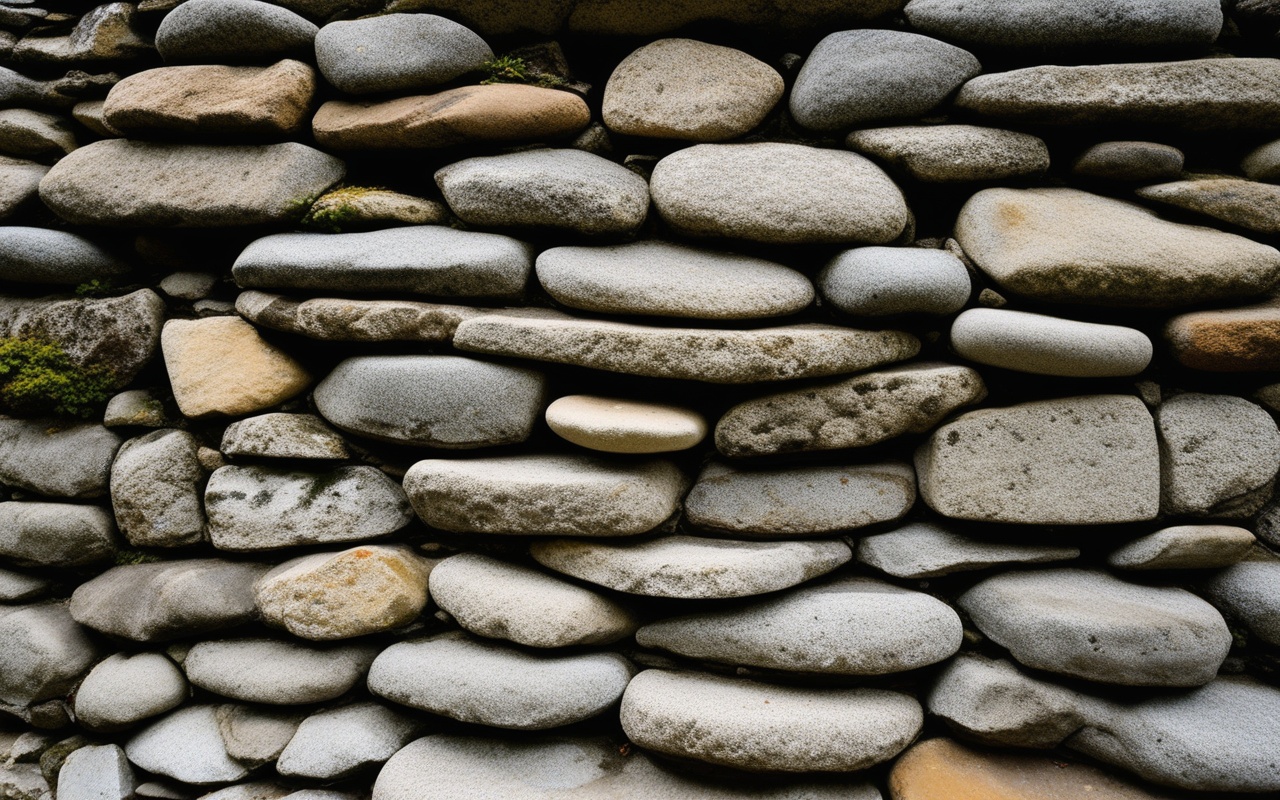
    Close view of curved stone rampart masonry with varied block sizes fitted without obvious mortar

    Moat edges are slippery; drones usually banned; interior stairs steep. Photography rules vary by floor; flash harms painted screens. Port-opening narratives that follow unification-era changes appear in Yokohama port opening history. Mountain pass context meshes with the Hakone area guide. Castle exhibits and weapons displays link to the Kanagawa museum guide. Thermal spring stops after hiking appear in the Kanagawa onsen guide. Kamakura’s warrior-era institutions differ in the Kamakura access guide framing. Sustainability-minded urban comparison appears in Yokohama SDGs tourism.


    Closing Notes

    Read the landscape as logistics, not only as backdrop, and the castle grounds gain depth beyond postcard angles. Noh stages use cypress floors that scar if tapped with hard cases. Cloakrooms exist but queues lag; travel light. Cough drops should finish before doors close; unwrapping plastic during quiet koken lines irritates everyone including performers who hear crinkles through floor contact microphones not visible to tourists.

    Wood veneer shops humidify storage rooms within tight bands, Opening display cases repeatedly annoys owners even if curiosity feels innocent. Ask once for supervised handling. Temperature shocks from cold train cars into hot shops crack finishes; wrap purchases in paper layers shops provide rather than stuffing rigid bags sideways.

    Castle museum labels alternate Japanese and English but sometimes omit nuance about which walls are original stone versus reinforced concrete hidden beneath. Ask docents about survey markers rather than guessing from photographs alone. Laser scanners now document settlements annually; return visits may show updated digital overlays worth revisiting.

    Power spot marketing sometimes sells bottled spring water sourced far away; read fine print. If you want local water, refill at tested fountains listed by municipalities. Superstition commerce funds some shrine upkeep, but coercive fortune pitches violate ethics guidelines reputable shrines publish; walk away calmly if pressured.

    Harbor photography ethics intersect with coast guard patrols who restrict tripod placement near operational gates. Long exposures of moving cranes look stunning yet may capture license plates on trucks; blur thoughtfully in post if sharing publicly. Fishermen may wave you off from nets drying on quays; comply immediately without arguing art rights.

    Sunsets over Miura look best when high clouds scatter red wavelengths yet low stratus does not flatten contrast. Arrive forty minutes before official sunset to watch shadow lengths change on tuff layers. Tripods vibration from wind gusts ruins stacks; weigh hooks help. Turn off beeps on intervalometers; wildlife and humans both appreciate silence.

    Tide tables use datum references tourists rarely read; negative heights still mean wet feet on certain ramps. Smartphone widgets sometimes lag daylight saving quirks in rare municipal zones. Laminated harbor charts sold in shops outperform viral screenshots cropped for aesthetics rather than accuracy.

    Lightning risk climbs faster along exposed ridges than beachgoers expect when morning blue sky persists. Cumulus towers by noon warrant retreat plans. Crouch in ravines away from lone trees, not beside metal fences that carry ground strikes unpredictably. Golf courses close for good reasons; do not sneak in for storm photos.

    Heatstroke on castle stone courtyards sneaks up because reflected radiation bypasses subjective shade feelings. Hats with neck capes outperform baseball caps alone. Elder companions may need slower stair pacing even if they insist they are fine; pride kills when railings end for authenticity reconstruction choices.

    Ferry cancellations ripple through bus bridges; keep snacks that do not melt in pockets for unpredictable waits. Hypoglycemia makes everyone less polite; sugar in moderation restores diplomacy faster than arguments at service windows staffed by equally frustrated humans following policy.

    Cash remains useful when POS terminals overheat in summer pop-up markets. Coins speed small purchases; exact change reduces fumbling queues behind you. Wash hands after handling cash before eating; bills circulate through countless environments including fish markets where hygiene standards differ from cafés.

    Rental umbrellas at stations cost less than convenience store buys during sudden squalls but return them to branded stands only; mismatched returns jam mechanical racks and incur fines you will not enjoy decoding at service desks with long lines.

    Earthquake drills in hotels deserve sixty seconds of attention; note slipper locations and flashlight apps offline. Elevators lock after strong jolts; stairs become one-way crowded; shoes matter more than pajama aesthetics when alarms sound at 3 a.m.

    Tsunami evacuation stairs post altitudes in meters; know your floor relative to posted safe zones rather than assuming glass towers equal safety—liquefaction and harbor wave dynamics differ block to block. Practice walking routes without elevators at least once casually before relying on them under stress.

    Drone laws tightened near ports and castles; ignorance fines sting. Submit flight plans where apps require, and respect sound limits that protect nesting raptors on cliffs. Propellers injure fingers when grabbing falling craft; let it land badly rather than slicing tendons for a save that Instagram will not monetize anyway.

    Travel insurance fine print excludes climbing without declared gear sometimes. If you plan even mild via ferrata segments, call brokers. Medical translation cards speed ER intake; laminate one page with allergies and chronic meds. Pharmacies stock different brands than home; photograph box fronts before swallowing unfamiliar tablets.

    Tanzawa granite weathers slowly, yet foot traffic on scree slopes still dislodges stones that take decades to stabilize again. Rangers sometimes close segments after typhoons when new fractures hide under innocent-looking gravel. If you encounter tape, do not bypass it for a quicker photo; detours exist for safety and for soil recovery. Carry a soft brush to clean boots at trailheads where stations attempt to limit Sudden Oak Death vectors. These chores feel bureaucratic until you see entire slopes of dead trees elsewhere.

    Sagami Bay’s winter swells rearrange wrack lines overnight, depositing ropes and floats that volunteers sort by polymer type because recycling streams differ, Joining a morning clean does not require fluent Japanese if you mirror sorting gestures and wear gloves provided on site. Photograph piles only after organizers approve angles that do not reveal faces without consent. Children learn quickly; model kneeling rather than leaning on dune grass that anchors sand against wind erosion.

    Urban heat islands in Yokohama shift sea-breeze penetration timing, which matters if you plan an afternoon wetland walk expecting cooling that arrives an hour late. Check hourly forecasts rather than day highs alone. Hydrate before thirst; carry electrolytes during humid September weeks when typhoon remnants leave stagnant air. Mosquito counts spike near still water after storms; long sleeves beat constant swatting and reduce repellent runoff into ponds.

    Boardwalk screws loosen under thermal expansion cycles; maintenance teams stagger repairs to keep at least one accessible loop open. Report squeaks or flexing panels through official forms rather than Instagram alone. Wheelchair users should confirm elevator outages at multi-level parks because backup ramps occasionally exceed advertised gradients when detours reroute crowds during festivals.

    Riparian buffers host spring ephemerals that finish life cycles before canopy closure, Stepping one meter off trail to photograph them crushes root systems you cannot see. Use a zoom lens from the tread. Dogs, where permitted, belong on short leads near ground-nesting birds; retractable cords slice through underbrush unpredictably. Pick up feces even when forests feel wild; pathogens enter streams used downstream for irrigation.

    Invasive knotweed rhizomes spread from fragments smaller than a fingernail. Never dump garden waste in parks. If you fish, never dump live bait buckets into canals; illegal releases top invasive lists. Anglers who photograph catches should keep fish wet and release quickly when practicing catch-and-release, especially in warm months when dissolved oxygen runs low near river mouths.

    Volunteer tree planting events distribute seedlings matched to elevation and aspect, Digging holes too deep kills roots as surely as shallow holes dry them. Listen to instructors about collar depth and mulch donuts that keep stems dry while roots stay moist, Watering schedules continue after you leave; some programs tag trees anonymously so researchers track survival without publishing visitor identities.

    Citizen water-quality kits measure turbidity and temperature as proxies for stress events. Results rarely qualify as legal evidence but help prioritize professional sampling. Handle vials cleanly; one greasy fingerprint skews optics. Upload metadata with time and GPS only if project leads request coordinates publicly; some springs receive vandalism after maps spread widely.

    Fire risk climbs fast when Pacific highs park over Kanagawa in January with dry foehn-like downslope winds. Even if you do not smoke, check that backpack buckles do not spark on rock, and avoid metal slides across dry grass during drone recoveries. Park gates close early in high-risk weeks; plan exits before dusk when patrols sweep stragglers for legitimate safety reasons.

    Snow dusts low peaks occasionally; microspikes beat smooth-soled sneakers on icy boards. Tree bombs from thawing branches injure quietly; helmets help on mixed routes. Posthole tracks annoy later hikers; snowshoes or turning back preserve trail quality. Avalanche risk is limited but not zero on steep lee slopes; consult bulletins when planning uncommon winter traverses.

    Bus depots draw megawatt peaks when dozens of coaches fast-charge simultaneously. Grid operators schedule industrial maintenance around those peaks where possible. Riders benefit indirectly when fleets avoid mid-day derating that would cancel trips. Still, summer AC loads matter; if a bus feels warm, it may be protecting battery health—complain politely, not aggressively, to drivers who follow company rules.

    Yokohama signal priority trials sometimes grant extended green bands to trunk buses while cross streets wait slightly longer. Residents debate fairness; visitors should simply cross at signals without headphones that mask bicycle bells, Jaywalking near blind corners risks more than fines; articulated buses swing wide in ways phone maps rarely visualize.

    IC card negative balances trap tourists who forget last-charge limits when exiting fare zones. Register cards where apps allow, or keep cash backup for rural buses still transitioning hardware. Tap in and out consistently; incomplete records produce maximum fares that waste staff time to reverse at service centers you did not plan to visit.

    Night buses run reduced frequencies while bar districts surge demand. Queues form organically; do not block taxi stands while waiting. Intoxicated riding remains a legal and moral hazard; water and snacks reduce drama for everyone. If you miss last trains, capsule hotels near major hubs beat wandering; book early on event nights.

    Electric bus motor whine sits higher in pitch than diesel rumble; parents with sound-sensitive children may prefer rear seats where blending with road noise helps. Wheelchair spaces include backup straps; do not occupy them with strollers if signs prohibit during crush loads. Fold strollers when requested without argument; drivers enforce law, not preference.

    Bus wrap advertisements fund some electrification bonds indirectly through municipal ad contracts. Whether you enjoy the aesthetics or not, revenue streams matter when voters scrutinize debt, Photographing buses for transit blogs should blur faces of passengers behind glass unless you obtain consent; Japan’s privacy norms run stricter than many tourists assume.

    Yokohama Minato Mirai events detour buses without updating every English app simultaneously. Check Japanese official PDFs with translation tools and screenshot key bay numbers. Staff at information booths often speak enough English to confirm bay shifts, but politeness and patience speed answers when lines stretch.


    Tips

    A few things I learned while researching exploring Kanagawa for its castle: start early to beat the crowds, check opening days in advance, and carry a little cash for smaller shops and entry fees. Comfortable shoes make a bigger difference than most visitors expect, and an IC card such as Suica or Pasmo speeds up every train ride.

    Frequently Asked Questions

    Q: Are English guides available?
    A: Major temples, shrines, and museums offer English audio guides or pamphlet guides. Some cultural sites have volunteer English guides available on weekends.

    Q: Can I take photographs?
    A: Photography is generally allowed in outdoor areas. Indoor photography, especially of cultural artifacts, may be restricted. Flash photography is commonly prohibited.

    Q: How much time should I budget?
    A: For temples and shrines, budget 30-60 minutes. Museums typically require 1-2 hours. Cultural experiences (tea ceremony, craft workshops) take 1-2 hours.

    Q: Are there any dress codes?
    A: No strict dress codes, but dressing respectfully is appreciated at temples and shrines. Avoid overly revealing clothing. Comfortable walking shoes are recommended. After multiple visits to Kanagawa, . . From ancient temples to living traditions, Kanagawa’s cultural heritage offers layers of discovery that reveal themselves with each visit.

    Conclusion

    Whether you are planning exploring Kanagawa for its castle for the first time or returning for another visit, taking a little extra time to go beyond the obvious sights makes all the difference. During my visit I went with a rough plan and found that leaving room to wander made the trip far more memorable. I hope this guide helps you build an itinerary that fits your pace, and that your time in Kanagawa leaves you with memories worth coming back for.
  • Odawara Kamaboko History And Shops 2026

    Odawara Kamaboko History And Shops 2026

    Overview

    Explore the rich cultural heritage and historical significance of Odawara Kamaboko History And Shops in Kanagawa Prefecture. This guide delves into the fascinating stories, traditions, and landmarks that define Odawara. From ancient temples to modern museums, discover how this destination has shaped Japan’s cultural landscape over centuries.

    The History of Odawara Kamaboko

    Kamaboko production in Odawara dates back to the Meiji era (1868–1912), when the newly built railway made it possible to transport fresh fish from the port to nearby cities. Local fishermen and processors developed techniques to transform less marketable white fish into a stable, protein-rich product that could be preserved without refrigeration.

    By the Taisho era (1912–1926), Odawara had become the foremost kamaboko producer in the Kanto region, a reputation it maintains today. The city’s kamaboko is distinguished by:

    • Sagami Bay white fish: The primary ingredient, giving the paste a natural sweetness
    • Mountain spring water: Used for washing the surimi, resulting in a purer, whiter paste
    • Traditional steaming methods: Many shops still use hinoki (cypress) steamers that impart a subtle, woody fragrance

    Odawara Kamaboko History And Shops — main illustration

    Odawara Kamaboko History And Shops — main illustration

    Odawara Kamaboko History And Shops — visitor highlights

    Planning Your Odawara Kamaboko Tour

    Recommended itinerary (half day)

    10:00 AM – Arrive at Odawara Station: Pick up a kamaboko map from the tourist information desk in the station concourse. The English version includes walking directions to all major shops.

    10:15 AM – Suzuhiro Kamaboko Museum: Start here for the historical overview. The museum takes about 30 minutes to explore. The attached shop sells exclusive museum-only products. Try the free samples at the tasting counter.

    11:00 AM – Yamayo Factory Tour: A 10-minute walk from Suzuhiro. The free 30-minute factory tour (weekdays only, reservation recommended) shows the kamaboko-making process from fish to finished product. The shop sells factory-direct products at lower prices.

    11:45 AM – Odawara Kamaboko Center: A 5-minute walk from Yamayo. This is the best place for lunch—they offer a kamaboko grilling experience (¥800) where you grill 3 skewers of chikuwa and satsuma-age over charcoal. Pair with a cold beer (¥500) for a complete meal.

    12:30 PM – Souvenir Shopping: Return to Odawara Station’s souvenir shops to purchase vacuum-sealed kamaboko for gifting. The station also sells kamaboko and local sake gift sets (¥1,500–¥3,000).

    Transportation: Odawara is 35 minutes from Tokyo Station on the Shinkansen (¥3,570) or 90 minutes on the JR Tokaido Line local train (¥1,490). All kamaboko shops mentioned are within a 15-minute walk of the station.

    Kamaboko Tasting Guide

    When visiting Odawara’s kamaboko shops, here is how to conduct your own tasting: Step 1: Start with plain ita kamaboko to appreciate the pure fish flavor. Notice the texture—it should be springy (bouncy) but not rubbery. The taste should be clean and subtly sweet, without any fishy aftertaste.

    Step 2: Try kamaboko with different toppings: plain, wasabi, soy sauce, and yuzu kosho. Each condiment highlights different aspects of the flavor. Wasabi brings out the sweetness, while yuzu kosho adds citrusy heat.

    Step 3: Compare ita kamaboko across different price points. A ¥300 board versus a ¥800 board will show clear differences in fish content, texture, and flavor complexity. Higher-priced kamaboko uses more expensive fish varieties and less filler starch.

    Step 4: Finish with chikuwa or satsuma-age to experience different textures. Chikuwa is firmer and chewier, while satsuma-age is lighter and more porous, absorbing sauces and broths.

    Kamaboko in Japanese Home Cooking

    Beyond being eaten as-is, kamaboko is a versatile ingredient in Japanese home cooking: Oden: Ita kamaboko is a classic oden ingredient. The fish cake absorbs the soy-based broth while maintaining its shape and texture. Add kamaboko during the last 10 minutes of simmering to prevent it from becoming too soft.

    Salads: Thinly sliced kamaboko adds protein and visual appeal to Japanese-style salads. Toss with wakame seaweed, cucumber, and sesame dressing for a quick side dish.

    Soba and Udon Topping: Sliced kamaboko is a common topping for hot soba and udon noodles. The contrast between the chewy noodles and springy fish cake is delightful.

    Bento Boxes: Kamaboko slices are a bento staple because they maintain their shape and flavor even when cold. Cut into flower shapes using decorative molds for a visually appealing lunch.

    Kamaboko and Health

    Kamaboko is a healthy protein option for several reasons:

    • Low in fat: Most kamaboko contains less than 3g of fat per 100g serving
    • High in protein: 12–16g of protein per serving, depending on the fish content
    • Low in calories: Approximately 90–120 calories per 100g
    • Good source of B vitamins: Especially B12 and niacin from the fish
    • Contains DHA: The fish oils provide brain-healthy omega-3 fatty acids

    When choosing kamaboko for health, look for products with higher fish content (listed first in ingredients) and lower sodium options.

    Types of Kamaboko

    Ita Kamaboko (板蒲鉾)

    The classic kamaboko shape—a semicircle of fish paste steamed on a wooden board. A high-quality ita kamaboko should have a smooth, glossy surface, a firm yet bouncy texture (called “hane” in Japanese), and a clean, sweet fish flavor without any fishy aftertaste.

    Chikuwa (竹輪)

    Tube-shaped fish cake grilled on a bamboo stick. Chikuwa has a firmer, chewier texture than ita kamaboko and is often served in oden, salads, or simply grilled with soy sauce.

    Satsuma-age (薩摩揚げ)

    Deep-fried fish paste patties that may contain vegetables, squid, or cheese. Satsuma-age from Odawara is notably lighter and less oily than versions from other regions, thanks to the high quality of the surimi base.

    Hanpen (半片)

    Soft, fluffy fish cake made with added yamaimo (mountain yam) for a marshmallow-like texture. Hanpen is often served in hot pots or lightly grilled.

    Top Kamaboko Shops in Odawara

    1. Yamayo (山与)

    Founded in 1897, Yamayo is one of Odawara’s oldest kamaboko makers. Their shop near Odawara Station offers factory-direct products at prices 20–30% lower than department store counters. Their signature “Odawara Premium” ita kamaboko (¥680 for a large board) uses only fresh Sagami Bay fish and no fillers.

    • Tasting samples: Always available at the counter
    • Factory tour: Free, 30-minute tours on weekdays (reservation required)
    • Access: 8-minute walk from Odawara Station East Exit

    2. Odawara Kamaboko Center (Odawara (小田原)かまぼこセンター)

    A one-stop destination with products from multiple local manufacturers. The center also offers:

    • Kamaboko board rentals for picnics (¥500 deposit)
    • Kamaboko grilling experience (¥800 for 3 sticks)
    • Seasonal limited-edition kamaboko (cherry blossom flavors in spring, yuzu in autumn)

    3. Suzuhiro (鈴廣)

    Odawara’s most famous kamaboko brand, operating since 1863. Their “Kamaboko Museum” near Odawara Station features a small exhibition on kamaboko history, a shop with all Suzuhiro products, and a cafe serving kamaboko-based light meals. Their “Kogane” (golden) series—topped with real gold leaf—makes an impressive gift.

    How Kamaboko Is Made

    Understanding the craft behind kamaboko deepens appreciation for this humble food. The process, while conceptually simple, requires years of practice to master.

    Step 1: Selecting and Preparing the Fish

    The best kamaboko begins with the freshest white fish. Sagami Bay provides gurnard, sea bream, and lizardfish, which are prized for their mild flavor and firm texture. The fish are filleted, deboned, and washed repeatedly in cold mountain spring water to remove impurities and excess fat. This washing process, called “shitazuri,” is crucial for achieving the characteristic white color and springy texture.

    Step 2: Grinding into Surimi

    The cleaned fish meat is ground into a fine paste (surimi) using traditional stone mills or modern grinders. Salt is added during grinding to help the fish proteins bind, creating the springy texture that kamaboko is known for. Seasonings such as mirin (sweet rice wine), sugar, and egg white may be added at this stage.

    Step 3: Shaping and Steaming

    The surimi is shaped on wooden boards (for ita kamaboko) or around bamboo sticks (for chikuwa), then steamed at precisely controlled temperatures, Traditional shops use hinoki (cypress) steamers that add a subtle woody fragrance, Steaming times vary by product but typically range from 15 to 40 minutes.

    Step 4: Cooling and Packaging

    After steaming, kamaboko is cooled gradually to prevent condensation from forming on the surface. Once cooled, it is packaged and shipped. Fresh kamaboko is typically consumed within a week, while vacuum-sealed products can last for months.

    Kamaboko as a Cultural Symbol

    Kamaboko holds a special place in Japanese culture beyond its culinary value. The semicircular shape of ita kamaboko is said to resemble the rising sun, and it is considered an auspicious food for celebrations, During osechi (New Year cuisine), kamaboko is eaten to symbolize the beginning of a new chapter.

    In Odawara, kamaboko is also used as an offering at local shrines during festivals. The Odawara Kamaboko Festival (held annually in November) features kamaboko-making demonstrations, tasting competitions, and a kamaboko-eating contest that draws participants from across Japan.

    Kamaboko and Local Sake Pairings

    Kamaboko’s mild, savory flavor makes it an excellent pairing with sake. Here are recommended combinations:

    Kamaboko Type Sake Recommendation Flavor Profile
    Ita kamaboko Junmai daiginjo Clean, fruity
    Chikuwa Honjozo Light, dry
    Satsuma-age Junmai (warm) Rich, umami
    Hanpen Sparkling sake Refreshing

    Many Odawara souvenir shops sell kamaboko and sake gift sets, making them a convenient souvenir choice. What struck me most was the meticulous preservation of the original architectural features.

    Tips

    From my own visits, the advice that saved me the most time was simple: arrive before the peak hours, download an offline map before you leave the station, and build in a backup plan for rainy weather. Many spots in Kanagawa get busy by mid-morning, so an early start usually means shorter queues and better photos.

    Frequently Asked Questions (FAQ)

    Q: Is kamaboko gluten-free?
    A: Traditional kamaboko is made from fish paste and may contain small amounts of wheat starch or soy sauce. If gluten is a concern, ask for “mugiwara-muke” (gluten-free) varieties, which some shops produce.

    Q: How long does kamaboko last?
    A: Fresh kamaboko can be refrigerated for 5–7 days. Vacuum-sealed kamaboko lasts 2–3 months unopened. Once opened, consume within 2 days.

    Q: Can I bring kamaboko through customs when leaving Japan?
    A: Yes, vacuum-sealed kamaboko is generally allowed into most countries as it is a cooked, shelf-stable product. Check your destination country’s regulations for processed fish products.

    Q: What is the best way to eat kamaboko?
    A: Ita kamaboko is delicious as-is, served with a dab of wasabi and soy sauce. It can also be lightly grilled (grill marks add a pleasant smoky note), added to hot pot, or sliced into salads.

    Q: Do kamaboko shops ship overseas?
    A: Suzuhiro and Yamayo both offer international shipping for their products via courier services. Visit their websites for details and shipping cost estimates.


    Conclusion

    exploring Odawara can be as relaxed or as packed as you want it to be, and I have found that the best visits leave room for both planning and spontaneity. During my visit to Odawara I went with a rough plan and found that leaving room to wander made the trip far more memorable. Use this guide to sort out the logistics in advance, then let the day surprise you — Kanagawa rewards travelers who stay curious.

  • Odawara Castle Town Guide 2026

    Odawara Castle Town Guide 2026

    Odawara Castle Town Guide 2026

    Overview

    Explore the rich cultural heritage and historical significance of Odawara Castle Town Guide in Kanagawa Prefecture. This guide delves into the fascinating stories, traditions, and landmarks that define Odawara. From ancient temples to modern museums, discover how this destination has shaped Japan’s cultural landscape over centuries.

    Access

    Most visitors reach Odawara from central Tokyo by JR, private railway, or highway bus, and an IC card (Suica or Pasmo) works across all of them. From my experience, leaving Tokyo before the morning rush keeps the journey relaxed, and station luggage lockers are handy if you arrive early.

    The History of Odawara Castle

    Odawara Castle’s history begins in the early 15th century, when the Omori clan constructed a fortification on the site. The castle reached its peak under the Late Hōjō clan, who ruled the Kanto region from 1495 to 1590. The Hōjō expanded Odawara into one of the largest castle complexes in Japan, with massive stone walls and a network of surrounding fortifications.

    In 1590, Toyotomi Hideyoshi laid siege to Odawara Castle with an army of over 150,000 soldiers — one of the largest military campaigns in Japanese history. The siege lasted three months and ended with the Hōjō’s surrender. Hideyoshi’s victory consolidated his control over all of Japan. The castle was later awarded to Tokugawa Ieyasu, who used it as a defensive post on the Tokaido road.

    The original castle structures were lost over time — destroyed by earthquakes, fires, and finally dismantled under the Meiji government’s castle abolition order. The current five-tiered castle keep was reconstructed in 1960 using traditional methods and materials, based on historical records, old photographs, and surviving architectural fragments.


    Inside the Castle Keep

    The castle keep (tenshukaku) houses a museum across its five floors, each dedicated to a different aspect of the castle’s history and culture.

    First floor: A large diorama of the castle as it appeared during the Hōjō period, showing the full extent of the fortifications including the outer moats, secondary keeps, and samurai residences. Information panels in Japanese and English explain the castle’s layout and siege history.

    Second floor: Samurai armor and weaponry exhibit. Highlights include a full suit of Hōjō-era armor, matchlock muskets used during the siege, and a collection of Japanese swords ranging from the Kamakura period to the Edo period. Interactive displays let you try on replicas of samurai helmets.

    Third floor: Daily life in a feudal castle. Exhibits include reconstructed living quarters, tea ceremony utensils, maps of the castle town, and tools used by castle craftsmen.

    Fourth floor: A gallery of castle-related art, including folding screens depicting the Tokaido road and woodblock prints of Odawara from the Edo period.

    Fifth floor (observation deck): Panoramic views of Odawara city, Sagami Bay, and — on clear days — Mount Fuji to the west. This is the highest public viewpoint in the area, and the sunset hour is particularly spectacular.

    Admission to the keep is ¥510 for adults, ¥300 for elementary and junior high school students. Combination tickets with the adjacent Odawara Castle Samurai Museum are available for ¥720. Experience the way of the samurai in Tokyo — learn sword techniques and bushido traditions


    The Castle Grounds and Gardens

    Beyond the keep, the castle grounds offer several attractions worth exploring: Odawara Castle Park surrounds the keep with walking paths, cherry trees, and seasonal flower gardens. The park is famous for its 300+ cherry blossom trees that bloom in late March to early April, and for the wisteria trellises that flower in May.

    The Ninja Gate (known as Gōkuraku-mon or “Paradise Gate”) is one of the few original castle structures still standing, Built in the 17th century using the kōraimon style (a gate with a roofed watchtower on top), it was designated an Important Cultural Property in 1935. Despite the nickname, there is no evidence that ninja ever used this gate — the name likely comes from the relief of a sword-wielding figure that resembles a ninja.

    The Ume (Plum) Grove contains over 300 plum trees that bloom from late January through February. The contrast of white and pink blossoms against the castle’s white walls makes for stunning photographs.

    The Hojo Godaiko Drum Tower near the main entrance displays a giant drum used for festivals and is a popular photo spot.


    Castle Town Stroll

    The area surrounding Odawara Castle retains the atmosphere of a traditional castle town. Several streets have been preserved with wooden shopfronts, and you can find:

    • Kamaboko (fish cake) shops: Odawara is famous for kamaboko, a steamed fish paste product. Try it fresh at Suzuhiro Kamaboko near the station, or buy vacuum-packed varieties as souvenirs.
    • Sake breweries: The Odawara area has several small sake breweries using local spring water from the nearby Hakone mountains. Odawara Sake Brewery offers tastings (¥500 for 3 samples). Book your ticket to the Hakone Open-Air Museum — a stunning outdoor sculpture park with mountain views
    • Mochi and sweet shops: Nakaya near the castle gate sells kurikinton (sweet chestnut paste) and sakuramochi (cherry blossom rice cakes) seasonally.

    Seasonal Highlights

    Season Event Timing
    Spring Cherry blossoms (300+ trees) Late March–early April
    Late winter Plum blossoms at Ume Grove Late January–February
    Summer Odawara Summer Festival (fireworks) First Saturday in August
    Autumn Chrysanthemum exhibition November
    Year-round Castle illumination (night) Dusk–9:00 PM

    📍 Location

    Odawara Castle Town Guide 2026 — Location

    Odawara Castle is a 10-minute walk from Odawara Station, which is served by the Tokaido Shinkansen (35 minutes from Tokyo Station, ¥3,570 one-way) and the Tokaido Main Line (65 minutes, ¥1,490 one-way). From Hakone-Yumoto, take the Hakone Tozan Railway to Odawara (15 minutes, included in the Hakone Free Pass).

    Odawara Castle Town Guide 2026 — Location


    💰 Budget Breakdown

    Item Price
    Shinkansen round trip (Tokyo) ¥7,140
    Castle keep admission ¥510
    Samurai Museum combo ¥720
    Sake tasting ¥500
    Kamaboko souvenir ¥800–¥1,500
    Lunch in castle town ¥1,000–¥2,000
    Total per person ¥4,000–¥6,500 (local train) / ¥9,500–¥12,000 (Shinkansen)

    Odawara Castle Town Guide 2026 — Budget Breakdown


    Nearby Recommendations

    Temples and shrines in Kanagawa are often clustered together. Many areas have charming streets with traditional shops and tea houses. Consider combining your visit with a nearby museum for historical context.

    Local Tips

    Visit just after opening for the most peaceful experience. Temple gardens are designed to be viewed from specific angles. Renting an audio guide enhances understanding. Weekday visits mean smaller crowds.

    Money-Saving Tips

    Many cultural sites offer online booking discounts. Temple fees are typically ¥200-500. Free English guided tours are available at major temples on weekends. Student and senior discounts are commonly available.

    Packing Essentials

    Dress respectfully with covered shoulders and knees. Comfortable socks are important for frequent shoe removal. A coin purse is useful for offering donations. A goshuincho (temple stamp book) makes a wonderful souvenir.

    Dos and Don’ts

    Do bow when entering and leaving temples and shrines. Do purify yourself at the temizuya (water pavilion) before approaching a shrine. Do dress modestly with covered shoulders and knees at religious sites. Don’t take photos inside temple buildings where signs prohibit it. Don’t touch or lean on sacred objects or structures. Don’t walk on the raised edges of tatami mats – walk on the floorboards or center of the mat.

    What to Expect

    Cultural sites in Kanagawa offer deep historical insights. Temples and shrines range from national treasures to local neighborhood shrines. Many have informative English displays. Photography is allowed outdoors but restricted inside buildings. Shoes must be removed in temple halls. Some temples offer meditation or calligraphy workshops.

    Conclusion

    Whether you are planning exploring Odawara for its castle for the first time or returning for another visit, taking a little extra time to go beyond the obvious sights makes all the difference. During my visit to Odawara I went with a rough plan and found that leaving room to wander made the trip far more memorable. I hope this guide helps you build an itinerary that fits your pace, and that your time in Kanagawa leaves you with memories worth coming back for.