
Overview
Explore the rich cultural heritage and historical significance of Odawara Hidden Shrines Guide – Kanagawa in Kanagawa Prefecture. This guide delves into the fascinating stories, traditions, and landmarks that define Odawara. From ancient temples to modern museums, discover how this destination has shaped Japan’s cultural landscape over centuries.
Introduction: Odawara’s Spiritual Landscape
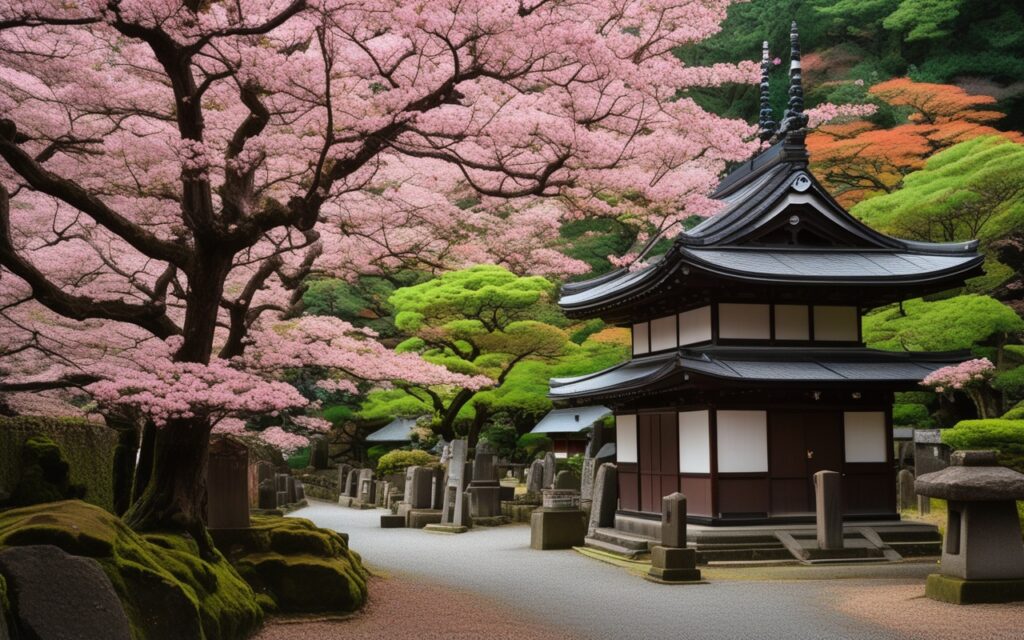
Odawara (小田原) is best known for its castle, the stronghold of the Hojo clan during the Sengoku period. But the hills surrounding the city have been sites of worship for much longer, Ancient Shinto shrines dedicated to mountain spirits, Buddhist temples founded by wandering monks, and hidden waterfalls used for ascetic training — these are the spiritual landmarks that most visitors miss.
What Makes These Sites Special:
- Ancient origins: Some predate the castle by 400+ years
- No admission fees: All are free to visit
- Genuine atmosphere: Maintained by local communities, not tourism
- Forest settings: Each is surrounded by protected woodland
- Seasonal beauty: Cherry blossoms, autumn leaves, or snow Updated: May 2026 (all sites verified)
1. Myojingatake Shrine (明神岳shrine (神社))
Best for: Mountain setting, easiest access
Location: Hillside overlooking Odawara
Founded: Heian period (9th century)
Access: 20-min walk from Odawara Station
Admission: Free
Deity: Mountain kami (spirit)
Why It’s Special:
- Dedicated to Myojingatake — the mountain spirit
- Stone stairway lined with cedar trees (300+ years old)
- Seasonal festivals (local communities only)
- View of Odawara Castle from the grounds
- No tourists (ever)
The Approach:
The approach path is the highlight — a mossy stone stairway that climbs through an avenue of ancient cedar trees. The oldest cedars are estimated to be 400+ years old. In spring, wild violets line the path.
Getting There:
From Odawara Station:
1. Exit north toward the castle area
2. Walk past the castle's outer moat
3. Turn left at the second traffic light
4. Follow the narrow road uphill
5. Stone stairway entrance on the right Look for: Stone torii gate with weathered inscription
2. Kotokuji Temple (虎谷寺)
Best for: Hidden waterfall, Zen atmosphere
Location: Mountain valley northwest of Odawara
Founded: Muromachi period (14th century)
Access: 30-min walk from Odawara Station
Admission: Free
Specialty: Hidden waterfall (滝行 site)
Why It’s Special:
- Secret waterfall: Small (5m) but powerful
- Used for takigyo (waterfall ascetic training)
- Zen garden: Small but meticulously maintained
- Bamboo grove: Behind the main hall
- Calligraphy: Original works by Edo-period monks
The Waterfall:
Located behind the temple via a 5-minute walk through bamboo forest. The waterfall drops 5m into a small pool. Monks still practice takigyo here on certain mornings. Observe quietly if you encounter them.
Finding the Waterfall:
1. Enter Kotokuji through the main gate
2. Walk past the main hall (left side)
3. Follow the path through bamboo grove
4. Cross a small stream (stepping stones)
5. Waterfall is 50m ahead, behind a rock outcropping ⚠️ Slippery rocks near the waterfall
⚠️ Do not disturb anyone practicing meditation
3. Suiten-gu Shrine (水天宮)
Best for: Water purification ritual, peaceful pond
Location: East Odawara, residential area
Founded: Edo period (17th century)
Access: 25-min walk from Odawara Station
Admission: Free
Deity: Water deity, safe childbirth
Why It’s Special:
- Sacred pond: Filled with koi and turtles
- Water purification: Wash coins in the spring (good fortune)
- Local patronage: Pregnant women visit for blessings
- Compact grounds: Easy to explore in 20 minutes
- Quiet location: Away from all tourist routes
The Ritual:
At the shrine’s spring, visitors can wash their money in the flowing water for good fortune (a local tradition). Place coins in the bamboo basket, draw water from the spring, and pour it over the coins. Keep them in your wallet for prosperity.
Getting There:
From Odawara Station:
1. East exit, walk toward the river
2. Cross the Sakawa River bridge
3. Turn right and follow the riverside path
4. Shrine entrance is behind the post office Look for: Stone characters reading "水天宮"
4. Sojinyama Kofun (祖神山古墳)
Best for: Ancient burial mound, panoramic view
Location: Hill overlooking central Odawara
Built: Kofun period (6th century)
Access: 15-min walk from Odawara Station
Admission: Free
Type: Keyhole-shaped burial mound
Why It’s Special:
- 1,500-year-old burial mound (predates everything)
- Keyhole shape: Typical of Kofun period aristocracy
- Panoramic view: Best in Odawara (castle + bay)
- No signage in English (100% local site)
- Cherry trees: Planted along the mound perimeter
Historical Context:
This kofun was built in the 6th century for a local chieftain. It’s one of the few surviving keyhole-shaped burial mounds in Kanagawa Prefecture. The site was used as a vegetable garden during the post-war period before being recognized as a historical monument.
Getting There:
From Odawara Station:
1. West exit, walk toward the mountain
2. Follow the road to Sojinyama Park
3. Enter the park and climb the stone steps
4. The burial mound is on the hilltop View: Odawara Castle below, Sagami Bay beyond
Best time: Late afternoon (golden light on castle)
5. Anrakuin Temple (安楽院)
Best for: Hidden garden, monk cemetery
Location: Northern Odawara, forest edge
Founded: Kamakura period (13th century)
Access: 40-min walk (or short bus riKamakuraission: Free
Specialty: Moss garden and stone stupas
Why It’s Special:
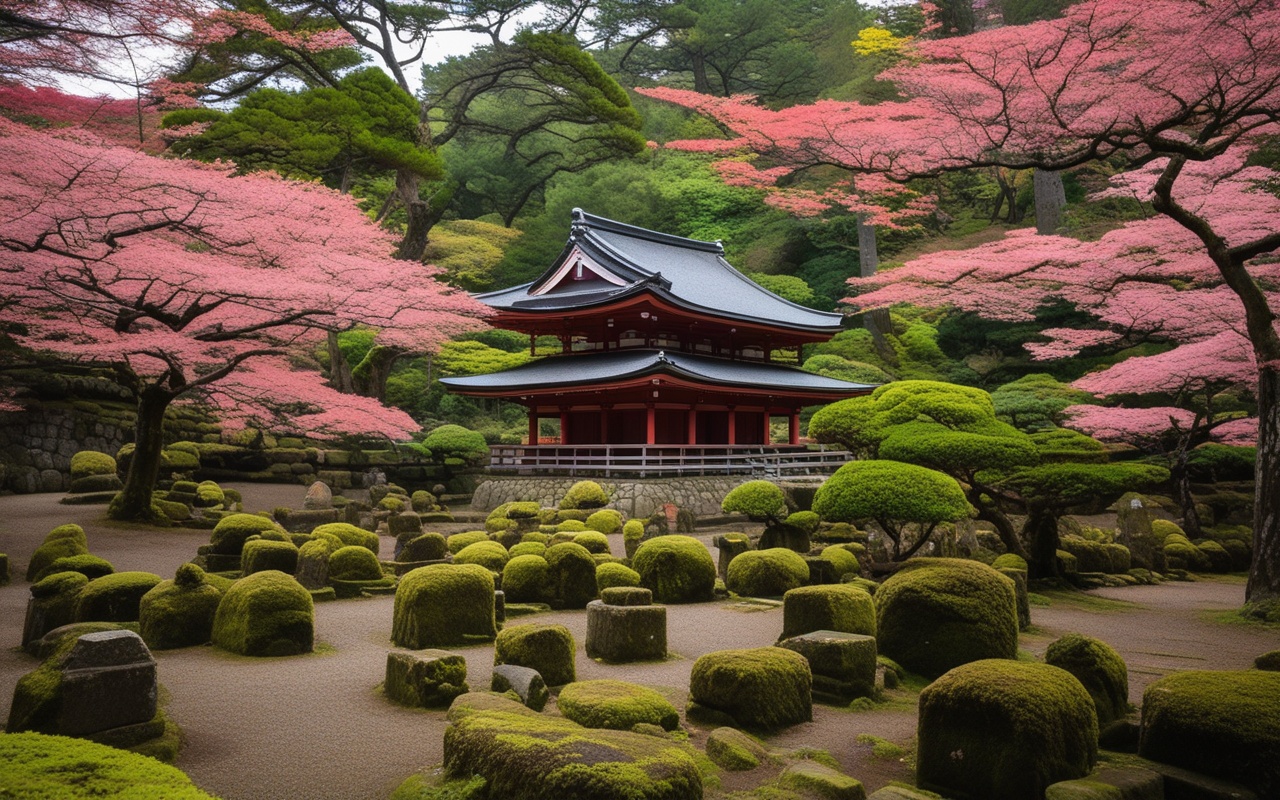
- Moss garden: Small but extraordinarily beautiful
- Rakan statues: 108 stone disciples of Buddha
- Monk cemetery: Ancient stone stupas (五輪塔)
- Forest backdrop: Temple sits at the edge of protected woodland
- Complete solitude: Weeks may pass between visitors
The Moss Garden:
Smaller than Kyoto’s famous moss temples but just as beautiful. The garden is in the inner courtyard and visible from the wooden veranda. No entrance — just sit and look. The moss has been growing for 200+ years.
Getting There:
From Odawara Station:
1. Bus to "Anrakuin Iriguchi" stop (15 min, ¥250)
2. Walk 10 minutes uphill
3. Temple entrance at the end of a gravel path
4. Ring the bell at the entrance (caretaker may come) Alternative: 40-min walk from station (uphill)
Best combined with: Kotokuji (nearby)
Combined Walking Route
Half-Day Route: Odawara Hidden Shrines (4 hours)
Start: Odawara Station

Stop 1: Myojingatake Shrine (20 min walk, 15 min visit)
   ↓ 10 min walk
Stop 2: Sojinyama Kofun (10 min walk, 20 min visit)
   ↓ 15 min walk
Stop 3: Suiten-gu Shrine (15 min walk, 15 min visit)
   ↓ Lunch (restaurant near station)
Stop 4: Kotokuji Temple (bus 10 min, 30 min visit)
   ↓ 15 min walk through forest path
Stop 5: Anrakuin Temple (30 min visit) Bus from Anrakuin back to Odawara Station (15 min)
Practical Information
Best Seasons
Spring (March-April):
✅ Cherry blossoms at Myojingatake
✅ Wildflowers along forest paths
✅ Mild weather for walking

Summer (June-August):
✅ Lush greenery at all sites
✅ Cooler in mountain temples
⚠️ High humidity, bring water Autumn (October-November):
✅ Best season — fall colors everywhere
✅ Clear skies, beautiful light
✅ Comfortable walking weather Winter (December-February):
✅ Fewest visitors (already few)
✅ Clear views from hilltops
❌ Cold, some sites close early
Etiquette
✅ Bow at the entrance of each shrine/temple
✅ Observe quietly (locations are for worship, not spectacle)
✅ Photography welcome (no flash inside halls)
✅ Donate small coins (encourages local maintenance)
✅ Remove hats when entering shrine buildings
❌ No eating/drinking on sacred grounds
❌ Don't climb on burial mounds (kofun)
❌ Don't remove stones, plants, or artifacts
❌ Don't enter roped-off areas
🌟 Share Your Experience
Found a hidden shrine in Odawara? Have tips for fellow explorers? Join our community forum to share your discoveries!
Anaba OffJapan – Avoid the Crowds, Go Deeper into Japan.
📿 Spiritual & Cultural Background
Understanding Shinto-Buddhist Syncretism in Odawara
Many of Odawara’s hidden religious sites reflect Japan’s unique blend of Shinto and Buddhist traditions. Until the Meiji period (1868-1912), these two religions coexisted so closely that most temples had a shrine on their grounds and vice versa. Myojingatake Shrine, for example, has Buddhist-influenced torii gates and its mountain deity is sometimes addressed with Buddhist chants by local worshippers.
Key Concepts for Visitors:
- Torii gates mark the boundary between the mundane world and sacred space. Bow once before passing through.
- Temizuya (water basin) — the purification ritual at each shrine: scoop water with the ladle, rinse left hand, then right hand, then rinse mouth (don’t drink directly from the ladle).
- Ema (votive tablets) — write wishes on these wooden plaques and hang them at designated racks.
- Omamori (protective amulets) — many shrines sell small cloth amulets for specific purposes: traffic safety, academic success, safe childbirth at Suiten-gu.
- Goshuin (temple stamps) — collect red ink stamps from each temple in a dedicated book. Available at the main hall for ¥300-500 each.
Seasonal Festivals You Can Attend
Myojingatake Spring Festival (April 15)
A small, intimate festival where local residents carry a portable shrine (mikoshi) up the stone stairway. No tourists attend. Visitors are welcome to watch quietly. The festival runs from 10 AM to 2 PM with traditional music and food stalls.
Odawara Harvest Prayer (October)
Kotokuji Temple holds a private harvest ceremony at the hidden waterfall. The public is welcome to observe from a designated area at the back of the bamboo grove. Monks chant sutras as water cascades over them — a powerful visual of living tradition.
Suiten-gu Mizu Matsuri (August 15)
A small water festival where the shrine’s sacred spring is ritually cleansed and blessed. Visitors can participate in the coin-washing ritual for enhanced fortune. This festival is attended by roughly 30-40 local families and has no tourist presence whatsoever.
Shrine Etiquette Quick Guide
| Action | Do | Don’t |
|---|---|---|
| Entering | Bow once at torii gate | Walk through the center (it’s for deities) |
| Offering | Toss coin into offering box, bow twice, clap twice, bow once | Throw coins aggressively |
| Praying | State name and gratitude silently | Make loud requests or lengthy prayers |
| Photography | Take photos of grounds and buildings | Use flash inside main halls |
| Leaving | Bow once more at torii gate | Turn your back on the main hall |
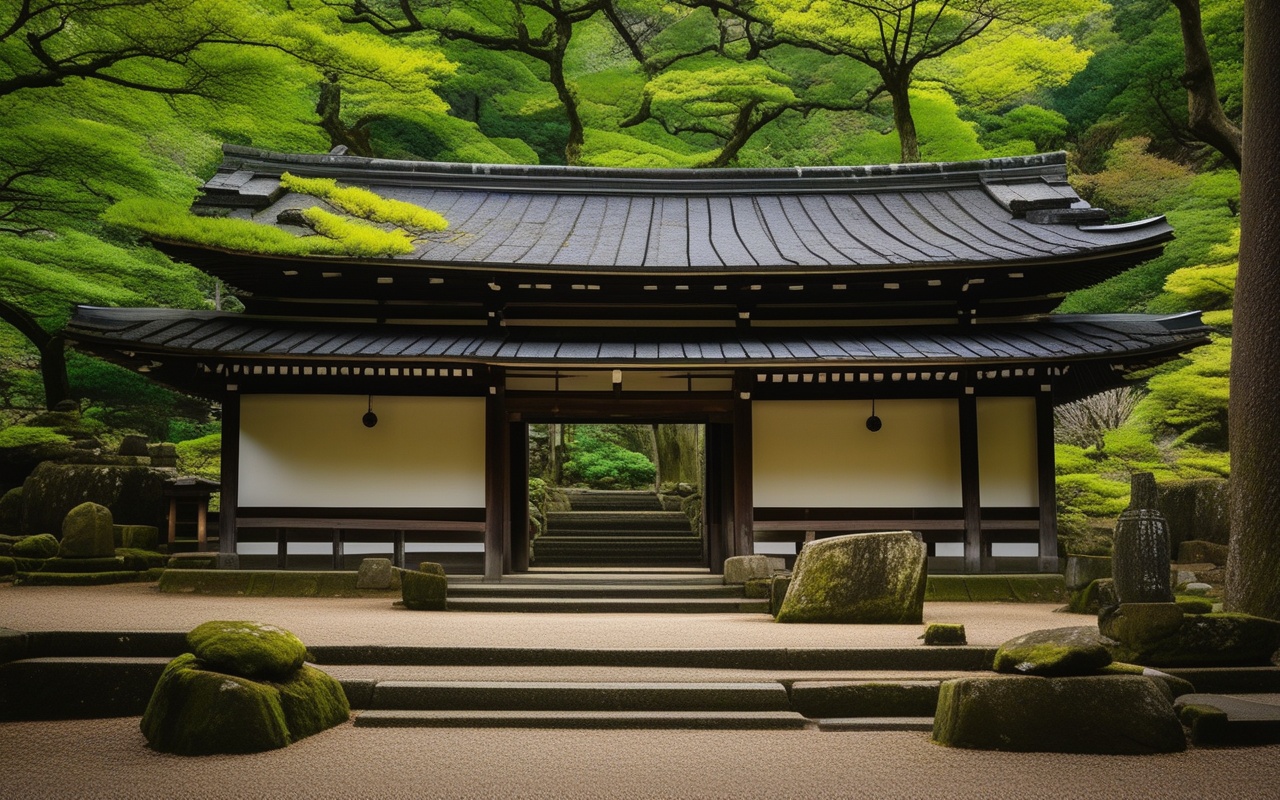
Odawara’s hidden shrines and temples offer a genuine spiritual journey through Kanagawa’s religious history. From a 6th-century burial mound to a moss temple with a secret waterfall, these sites reveal layers of local culture that the city’s famous castle cannot show. They are quiet, free, and waiting to be discovered.
Frequently Asked Questions
Q: What is the best season to plan a visit here?
A: The ideal seasons for visiting this area are spring (March-May) and autumn (September-November), when temperatures are moderate and rainfall is minimal. Summer offers vibrant festivals and beach activities despite the humidity. Winter provides crisp, clear days perfect for photography and sightseeing with fewer tourists.
Q: What’s the most convenient way to reach this destination?
A: The area is well-served by train from central Tokyo. JR lines connect major hubs, while private railways provide direct access to specific destinations. Travel time ranges from 25 minutes to 2 hours depending on the location. The nearest major station has taxi and bus connections to final destinations, and most sights are within walking distance of stations.
Q: How much time should I spend at Odawara?
A: Most visitors find that a few minutes to review the key information is sufficient to explore the main highlights of Odawara. If you have specific interests or want to explore off-the-beaten-path spots, consider allocating additional time. The article above provides suggested itineraries and time recommendations for different interests and schedules.
Q: What should I prepare before my trip?
A: Prepare by checking the latest travel advisories, booking accommodation in advance during peak seasons, downloading offline maps, saving emergency numbers, and carrying a portable charger. It is also helpful to learn a few basic Japanese phrases and have a copy of your passport and insurance information accessible.
- Kanagawa Prefectural Museum of Cultural History
- Agency for Cultural Affairs
- Wikipedia – History of Kanagawa
. . My personal exploration of Kanagawa has been incredibly rewarding, and I recommend adding this region to any Japan travel itinerary — the variety of experiences within short distances is what makes it special.
Kanagawa’s temples and shrines, from Kamakura’s Zen monasteries to Odawara’s hidden forest sanctuaries, offer spaces for contemplation that transcend tourism.
Conclusion
Whether you are planning exploring Kanagawa for its shrine for the first time or returning for another visit, taking a little extra time to go beyond the obvious sights makes all the difference. During my visit I went with a rough plan and found that leaving room to wander made the trip far more memorable. I hope this guide helps you build an itinerary that fits your pace, and that your time in Kanagawa leaves you with memories worth coming back for.