
Overview
Where to Find Public Toilets in Kanagawa
Train Stations
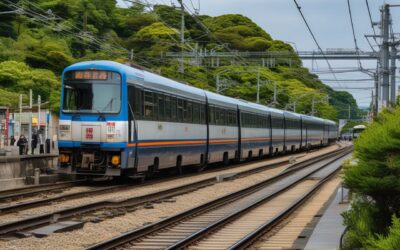
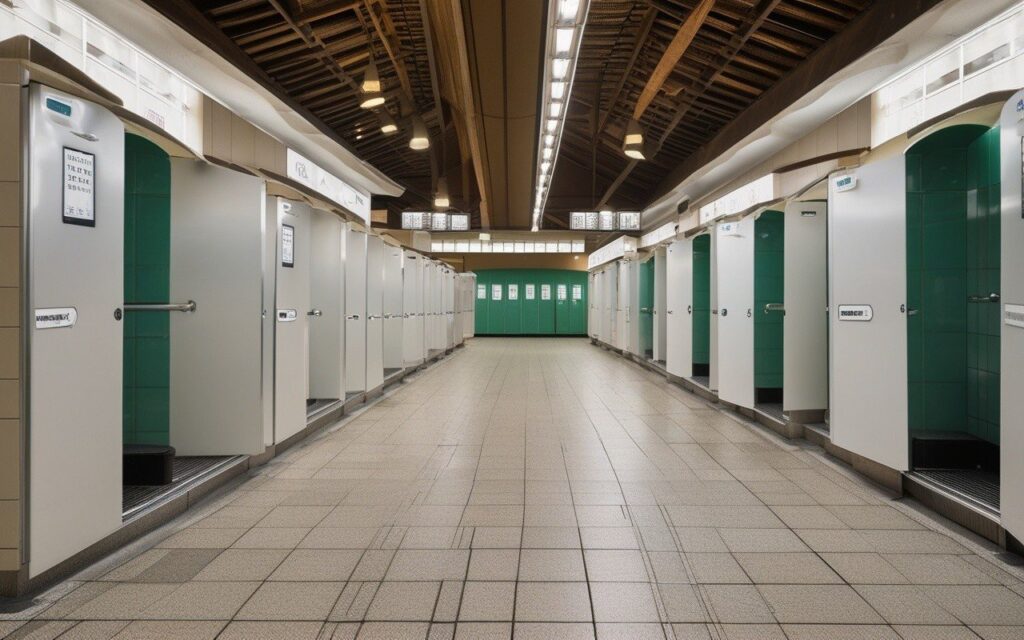
Every train station in Kanagawa has public restrooms, usually located near the ticket gates or on the platform. Major stations offer the best facilities:
Yokohama Station: Multiple restrooms throughout the station complex, including the Central Passage (East and West sides), the JR platform areas, and the Yokohama Porta underground shopping arcade. All are cleaned regularly and equipped with Western-style toilets and baby-changing stations.
Kamakura Station: Restrooms at the East Exit and West Exit. The East Exit restroom is larger and has a dedicated accessible stall. The West Exit restroom is smaller but less crowded.
Hakone-Yumoto Station: Clean restrooms on the first floor near the ticket gates and on the second floor near the observation deck. Kawasaki Station: Restrooms at the East Exit, West Exit, and in the Azalea and LAZONA shopping complexes.
Convenience Stores
Convenience stores (7-Eleven, FamilyMart, Lawson) are the most reliable option for public toilets in Japan. All have customer restrooms, usually at the back of the store. Unlike in some countries, you do not need to ask for permission or make a purchase — though it is polite to buy something small if you are a frequent user.
Note: Some convenience stores in very busy areas (e.g., near Shibuya in Tokyo) have removed their public restrooms due to misuse. In Kanagawa, this is rare, but restrooms are more reliably available in residential neighborhoods than in nightlife districts.
Parks and Public Spaces
Kanagawa’s parks have well-maintained public restrooms:
- Yamashita Park (Yokohama): Two restroom buildings — one near the Hikawa Maru entrance, one near the center of the park. Cleaned hourly during operating hours (6:00 AM–10:00 PM).
- Sankeien Garden: Restrooms at the entrance area, near the Choshu-tei farmhouse, and at the Inner Garden entrance. The main entrance restroom has the largest and cleanest facilities.
- Yuigahama Beach (Kamakura): Seasonal restrooms open during swimming season (July–August) with cold showers and basic toilets. The restrooms near Kamakura Station are better for comfort between May and October.
- Hakone Open-Air Museum: excellent restrooms at the entrance and near the Picasso Pavilion, cleaned regularly during operating hours.
Department Stores and Shopping Centers
Department stores (Takashimaya, Sogo, Marui) and shopping centers (CIAL, LAZONA) have some of the best public restrooms in Japan. They are spacious, spotlessly clean, often have separate powder rooms, and include baby-changing facilities and accessible stalls. You do not need to be a customer.
Recommended locations:
- CIAL Yokohama (connected to Yokohama Station): Spacious restrooms on the first and third floors
- LAZONA Kawasaki Plaza: Large restrooms with individual washing cubicles
-
Kamakura Komachi-dori: Several small shopping arcades have restrooms — look for signs near the public seating areas What particularly impressed me during my visit was how strongly the local character remains preserved.
Types of Toilets in Japan
Western (Sitting) Toilets
Most public toilets in Kanagawa are Western-style with heated seats and washlet functions. The control panel typically includes:
- Bidet (ビデ): Rear washing — the most commonly used function
- Oshiri (おしり): Same as bidet
- Front Bidet: For front washing (usually marked with a feminine symbol)
- Stop (止): Stops the water
- Warm Air Dryer (温風): Drying function
- Otohime / Sound Princess (音姫): Generates flushing sounds to mask bathroom noises
Using a washlet for the first time: Sit down, use the facilities as normal, then press the bidet button (marked with a rear-wash symbol, usually blue). Adjust the water pressure with the +/− buttons (start on low!). After washing, press the dryer button (warm air symbol, usually red). Use the small amount of toilet paper provided to pat dry.
Japanese (Squat) Toilets
Some older public restrooms (especially in parks, older temple buildings, and rural areas) have squat toilets. To use one:
- Face the hooded end (the direction the water flows)
- Squat over the opening, holding onto the handrail if available
- Balance carefully — it takes practice
Western toilets are now far more common, and most public facilities have at least one Western-style stall even if others are squat.
📍 Location
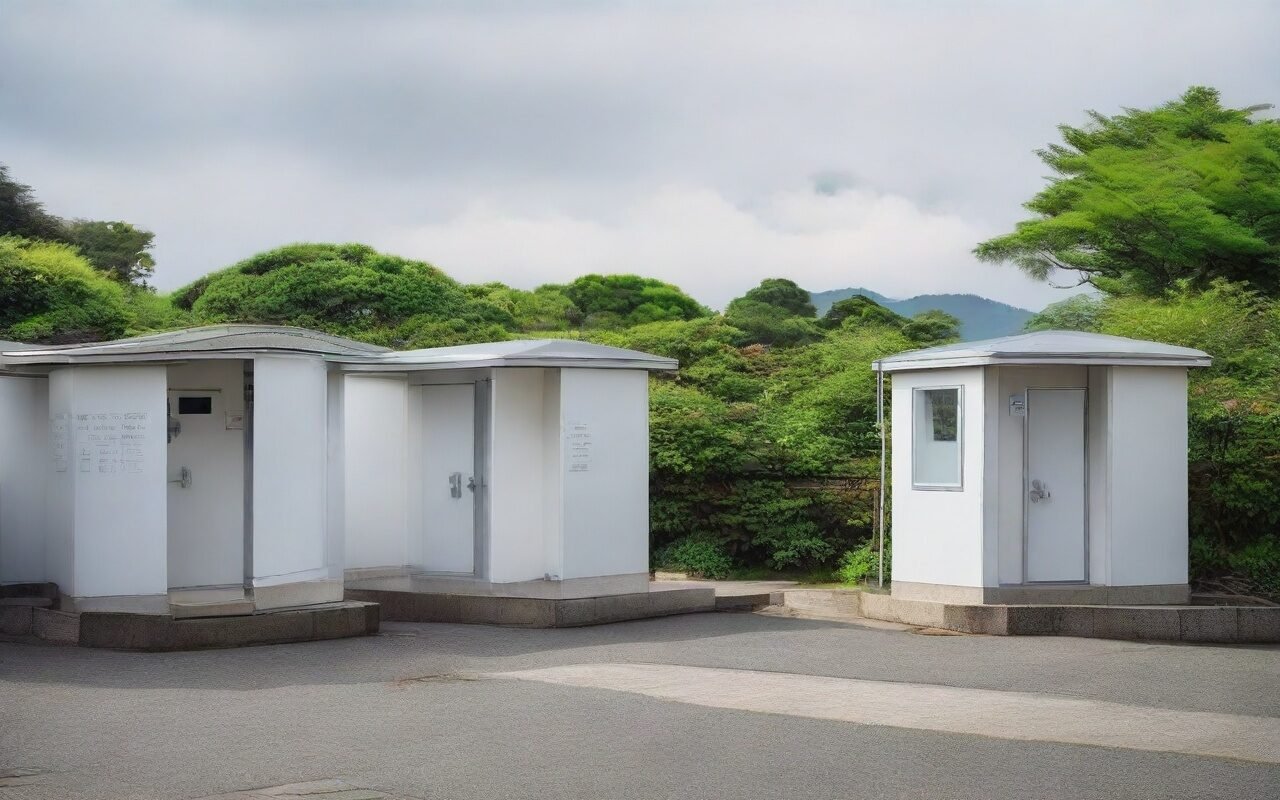
Public toilet density is highest around major transport hubs and tourist attractions. If you are hiking in Hakone or exploring Kamakura’s mountain temples, plan your restroom stops in advance. Save big with Hakone Freepass — unlimited train, ropeway & pirate ship rides, plus 30% off attractions
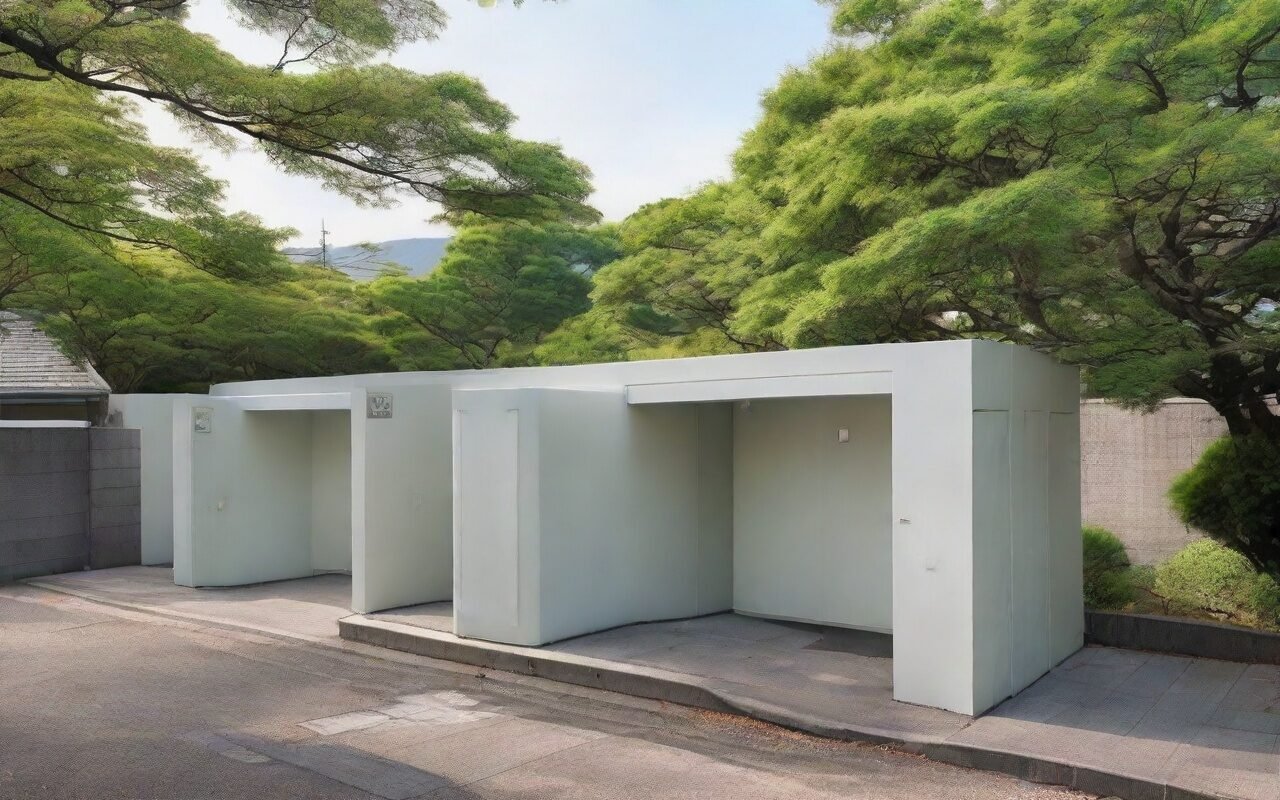
💰 Budget Breakdown
| Facility type | Cost | Cleanliness | Accessibility |
|---|---|---|---|
| Train station | Free | ★★★★ | ★★★★★ |
| Convenience store | Free | ★★★ | ★★★★ |
| Department store | Free | ★★★★★ | ★★★★★ |
| Park/public | Free | ★★–★★★ | ★★★ |
| Total daily cost | ¥0 |
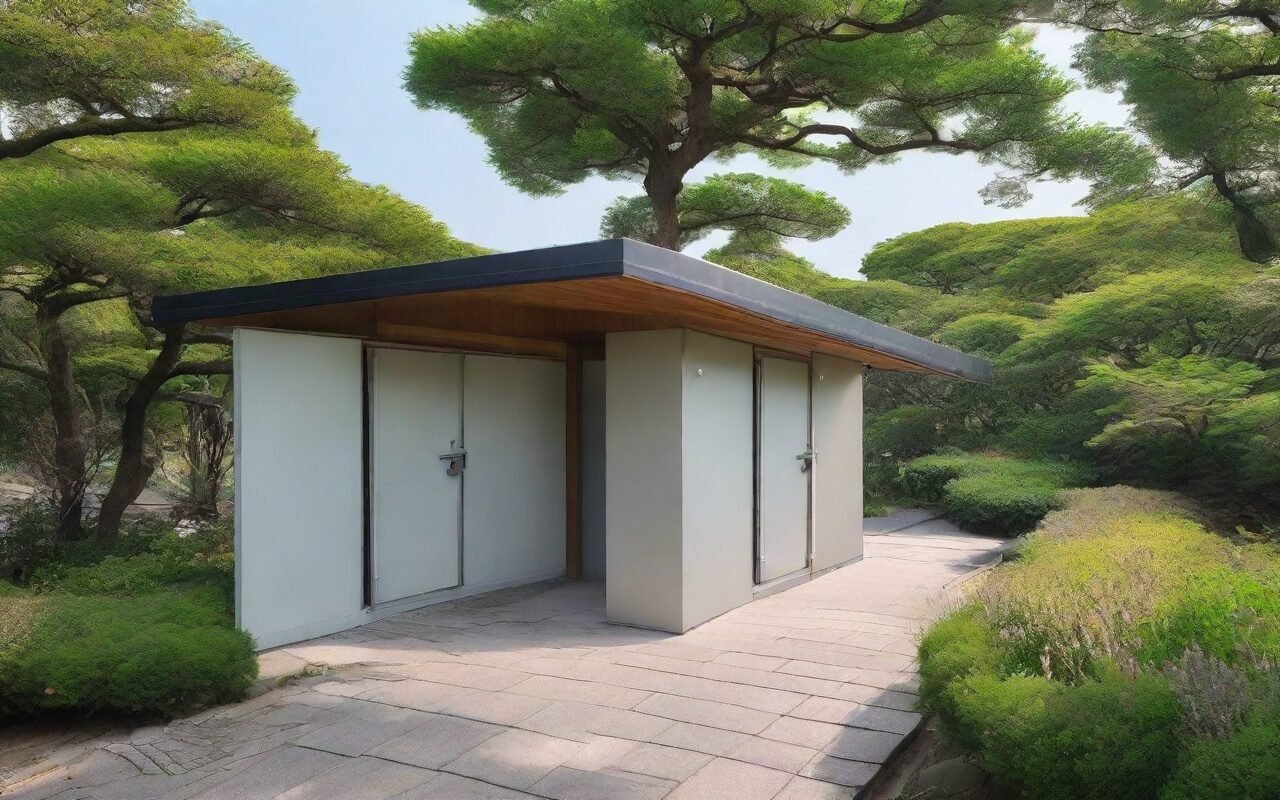
Practical Tips and Etiquette
- Carry tissue: Public restrooms may not always have toilet paper. Carry a small pack of tissues (available at any convenience store for ¥50–¥100).
- Hand drying: Many public restrooms have air dryers but no paper towels. It is common to use a personal handkerchief for drying. Japanese people always carry a hand towel.
- Flushing: Flush with the button on the wall (large button for big flush, small button for small flush) or the lever on the tank. For washlet toilets, a separate flush button is usually on the control panel.
- Sanitary disposal: Used sanitary products go in the small box next to the toilet, not in the toilet bowl. Most restrooms provide disposal bags.
- No squatting on Western toilets: This common tourist habit damages toilet seats and is considered unhygienic by Japanese standards. Use the toilet seat covers provided (or wipe the seat with the sanitizing spray available in some restrooms).
- Emergency planning: If you are planning a day of hiking in Hakone or exploring Kamakura’s mountain temples, use the restroom before leaving the station area. Toilets on hiking trails are basic (squat-style) and may not be well-maintained. Explore Kanagawa and beyond with a private car and driver — door-to-door convenience from Tokyo
Understanding Japanese public toilets is a small but essential part of navigating daily life in Japan. Modern Japanese toilets offer features that may seem surprising at first, but quickly become indispensable — many visitors find themselves missing the heated seats and washlet functions when they return home.
Frequently Asked Questions
Q: Is this service/amenity easy to find in Kanagawa?
A: Yes, most practical services in Kanagawa are well-distributed and clearly signposted. Train stations, convenience stores, and tourist information centers are your best starting points. Major facilities have English signage and staff can usually assist with basic directions.
Q: Are there free alternatives available?
A: Many facilities offer free alternatives. Coin lockers charge ¥300-700 per use but some tourist centers offer free short-term storage. Public restrooms are free throughout Kanagawa. Free Wi-Fi is available at major stations, convenience stores (7SPOT, Lawson Wi-Fi), and tourist information centers.
Q: What payment methods are accepted?
A: IC cards (Suica/Pasmo) are accepted at most facilities including lockers, parking meters, and bicycle rentals. Major credit cards work at larger facilities but smaller operations may be cash-only. Always carry ¥5,000-10,000 in small bills for coin lockers and vending machines.
Q: Is this service accessible for non-Japanese speakers?
A: Most major facilities in Kanagawa have English signage and instructions. Tourist-oriented services offer multilingual support. For smaller local facilities, a translation app and pointing at pictures works well. Save key Japanese phrases like “sumimasen” (excuse me) and “arigatou gozaimasu” (thank you).
Q: What are the operating hours I should know?
A: Most services operate during standard business hours (9:00-18:00), but convenience stores are 24/7. Coin lockers at major stations are accessible during station hours (usually 5:00-24:00). Public restrooms in parks may close at sunset. Always check specific facility hours online before visiting.
. .
Finding and using public toilets in Kanagawa is generally straightforward — Japan has some of the cleanest and most well-maintained public restrooms in the world. But here’s the thing, knowing where to find them, how to use the high-tech features, and what to expect in different settings can make your travels much more comfortable.
This guide covers public toilet locations across Kanagawa, Japanese toilet etiquette, tips for navigating the different types of toilets, and emergency planning for longer excursions.
The small details — knowing where to charge your phone, find a restroom, or stash your luggage — can make the difference between a stressful trip and a seamless journey through Kanagawa.
Conclusion
exploring Kanagawa can be as relaxed or as packed as you want it to be, and I have found that the best visits leave room for both planning and spontaneity. During my visit I went with a rough plan and found that leaving room to wander made the trip far more memorable. Use this guide to sort out the logistics in advance, then let the day surprise you — Kanagawa rewards travelers who stay curious.