Tag: temples

  • Kamakura Hidden Temples Guide 2026

    Kamakura Hidden Temples Guide 2026

    Overview

    Explore the rich cultural heritage and historical significance of Kamakura Hidden Temples Guide in Kanagawa Prefecture. This guide delves into the fascinating stories, traditions, and landmarks that define Kamakura. From ancient temples to modern museums, discover how this destination has shaped Japan’s cultural landscape over centuries.

    What “quiet temple” means in practice

    Quietness is acoustic, visual, and behavioral. Acoustically, hillside compounds interrupt the rumble of town traffic with stone walls, tree canopies, and courtyards designed to soften footsteps. Visually, narrow approaches compress perspective so that a small main hall can feel monumental when framed by moss and bamboo. Behaviorally, quietness depends on visitors lowering conversational volume, silencing notifications, and avoiding staged photography that rearranges objects or blocks narrow corridors. Many smaller temples maintain fragile moss gardens where repeated stepping would cause lasting damage; stick to obvious paving even when a corner looks photogenic.

    Because Kamakura is woven through with homes, cafés, and small workshops, the boundary between sacred and everyday space can feel porous. A gate may look monastic yet lead primarily to a private residence. Conversely, a plain lane may end at a small bell tower and washing basin that mark a genuine worship space, When in doubt, pause. If no ticket window or posted hours exist, consider viewing respectfully from the entrance rather than entering. Monks and caretakers often appreciate visitors who acknowledge uncertainty with a bow and a step back rather than those who assert entitlement to exploration.
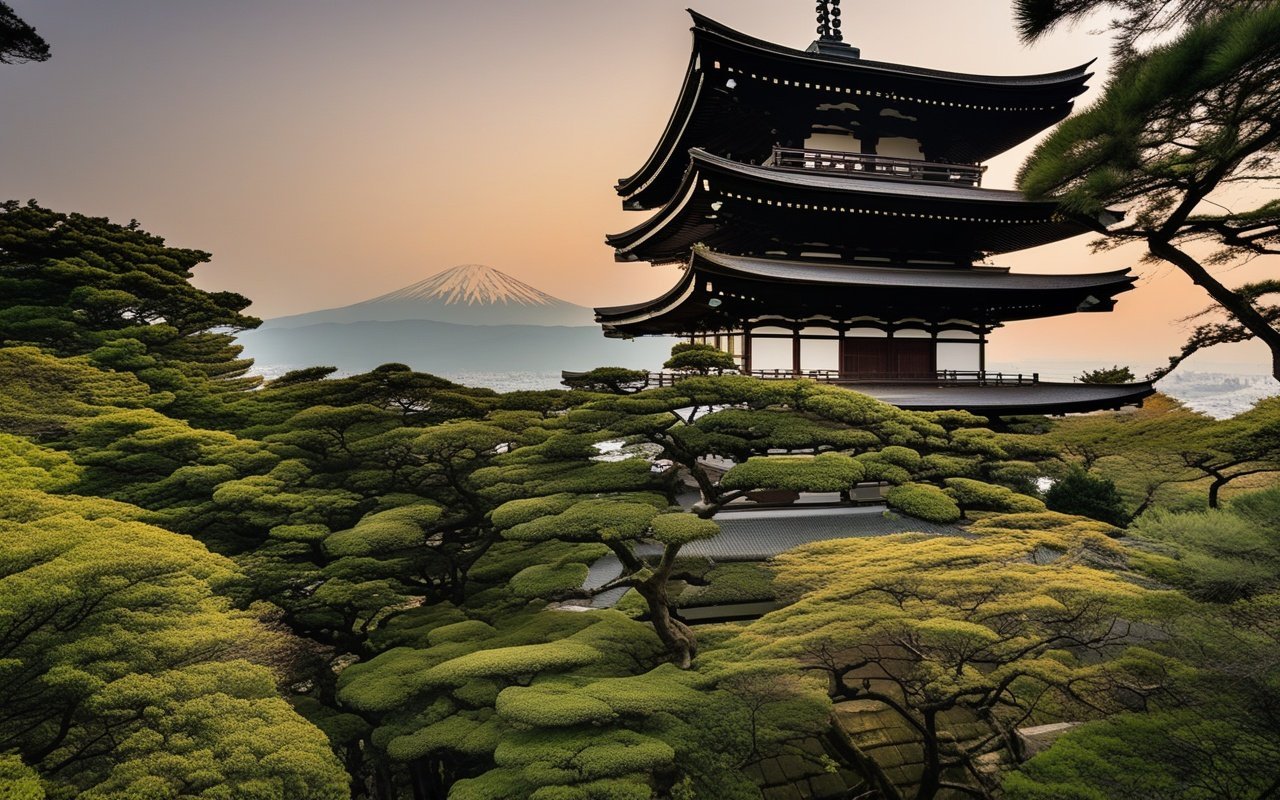
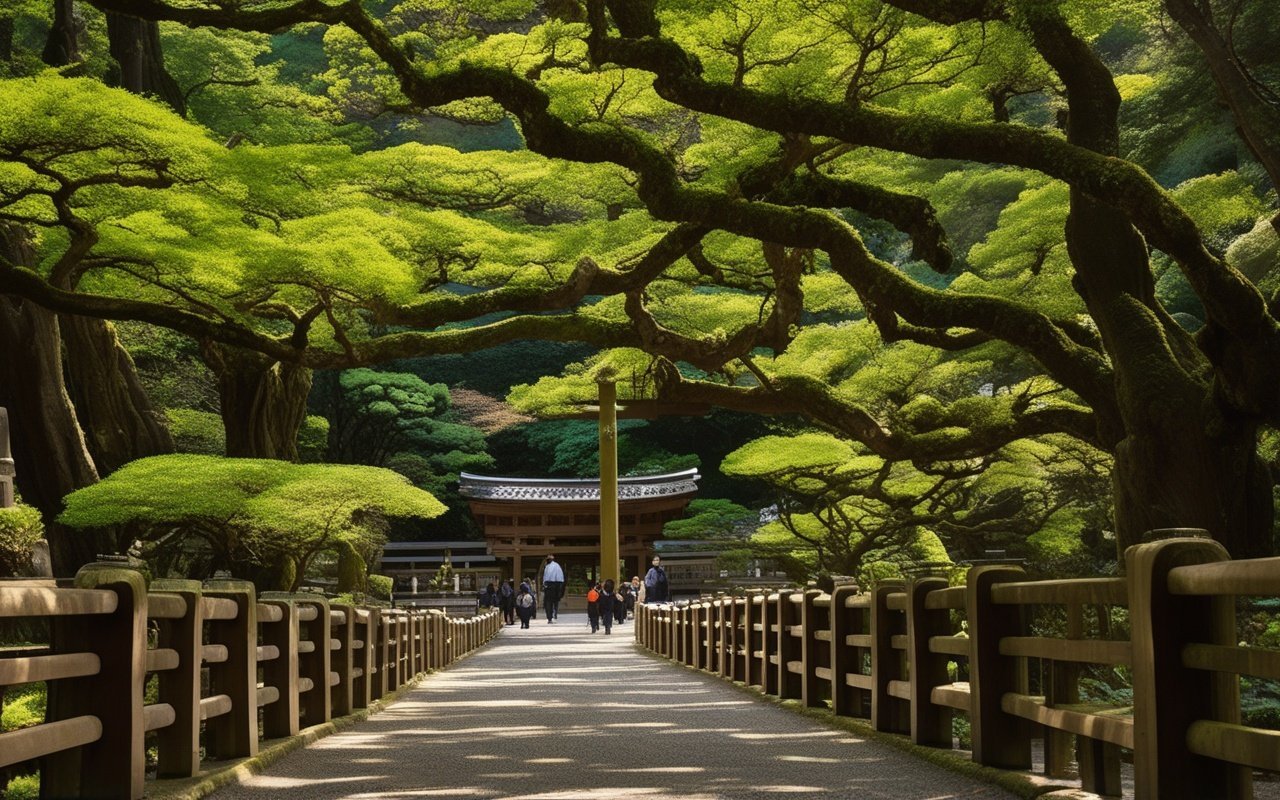
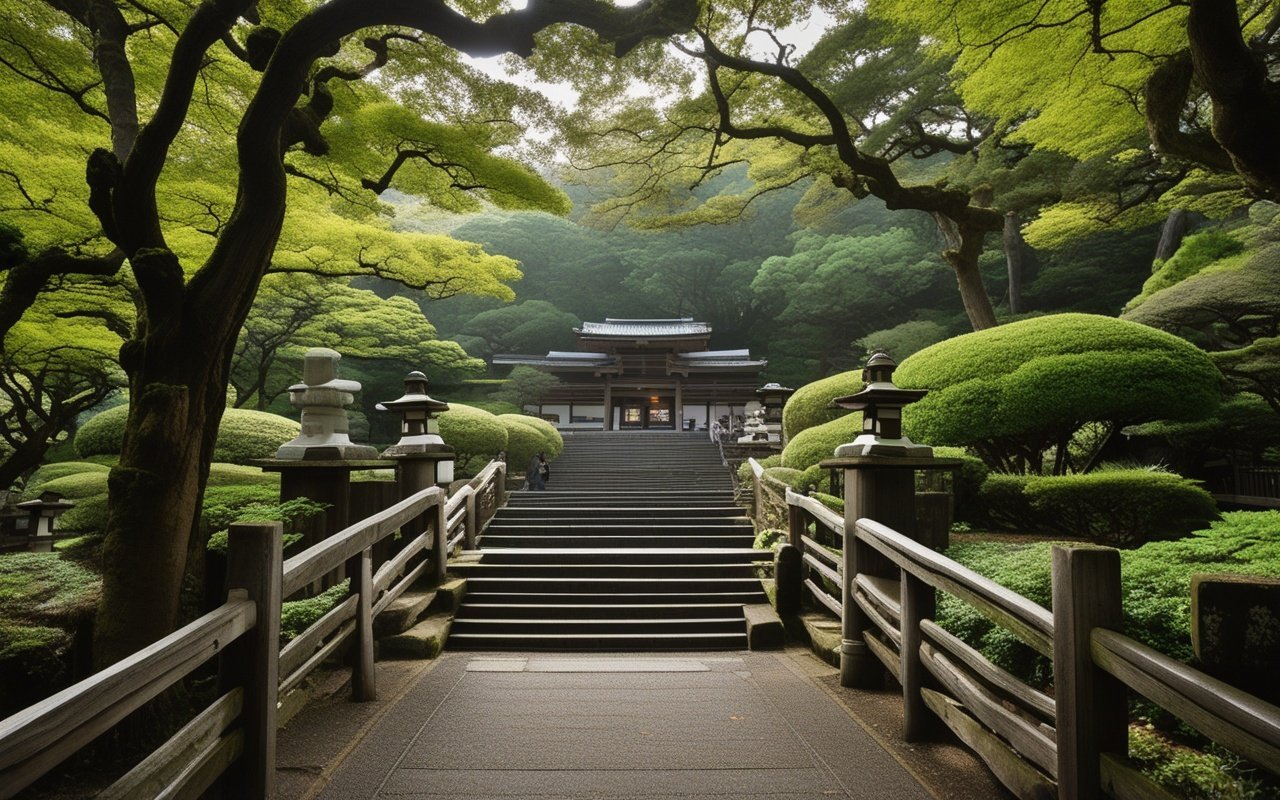
    Kamakura Hidden Temples Guide — main illustration

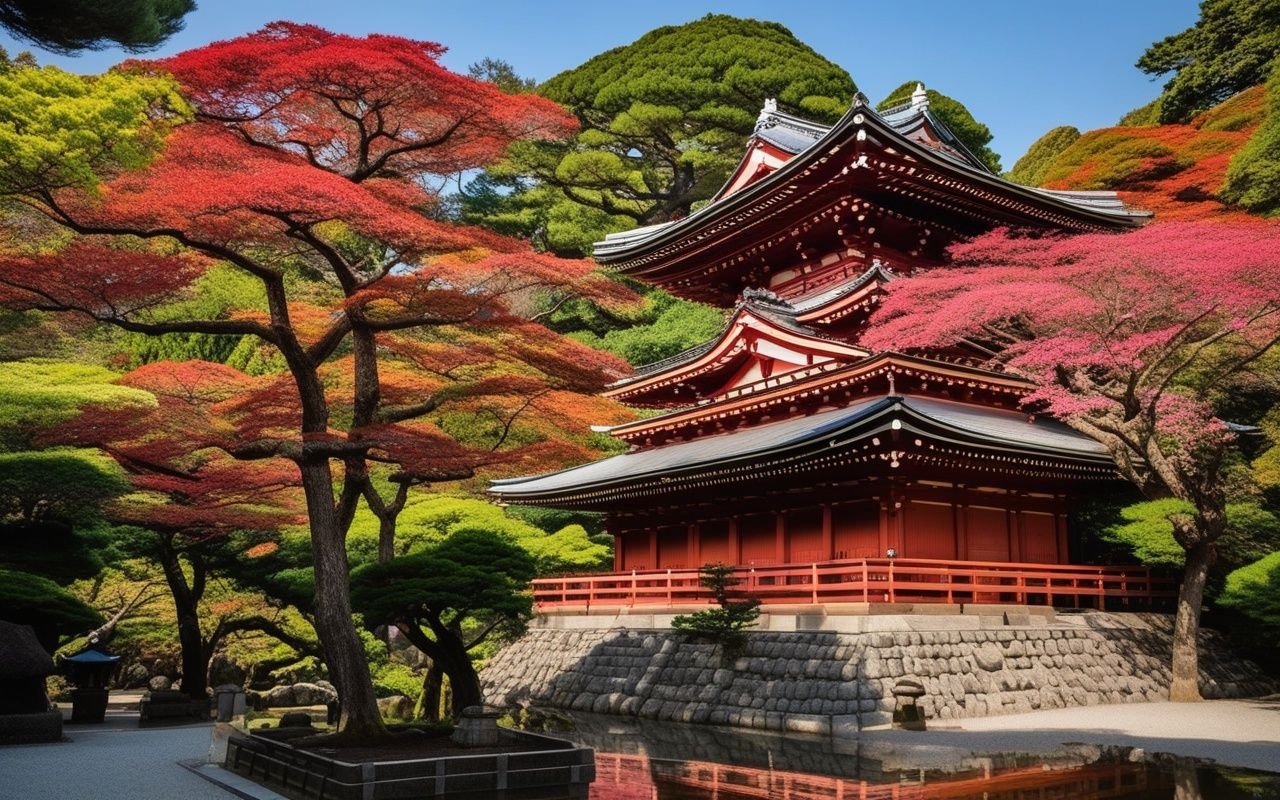
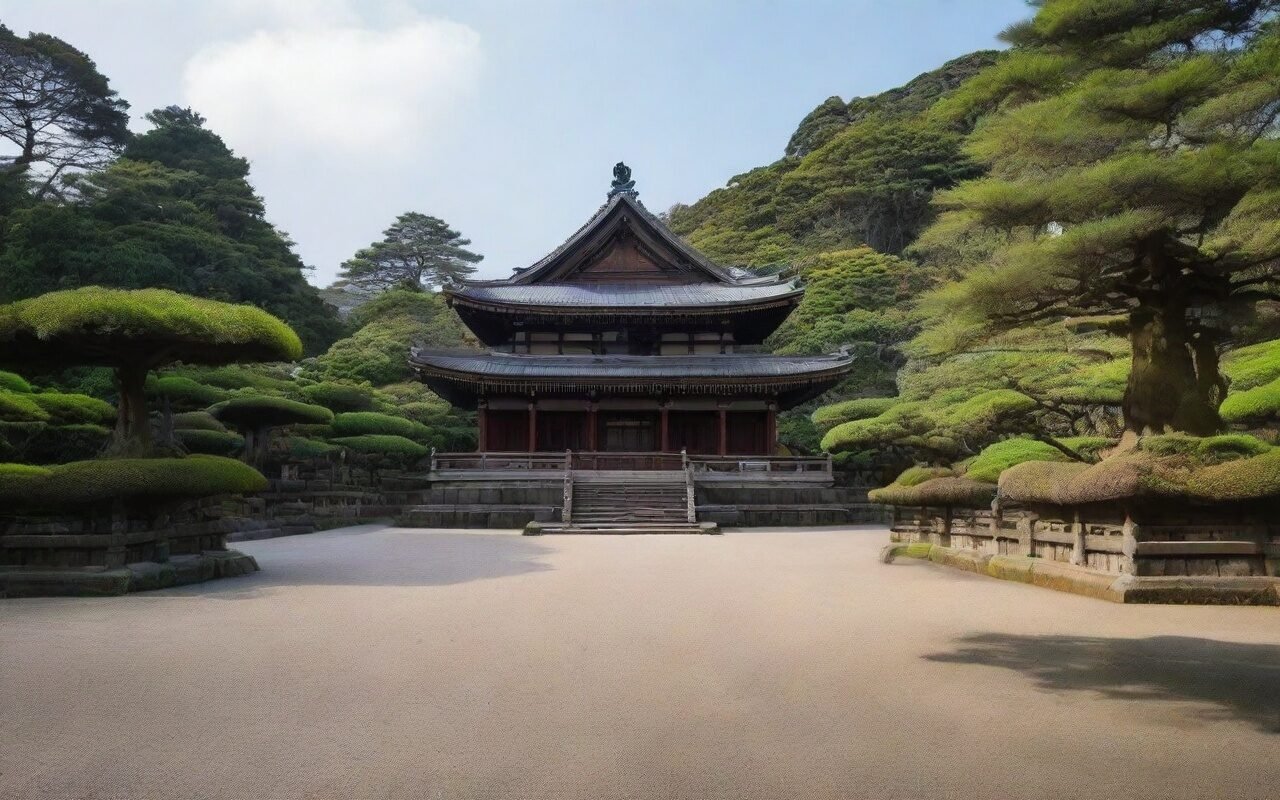
    Kamakura Hidden Temples Guide — main illustration

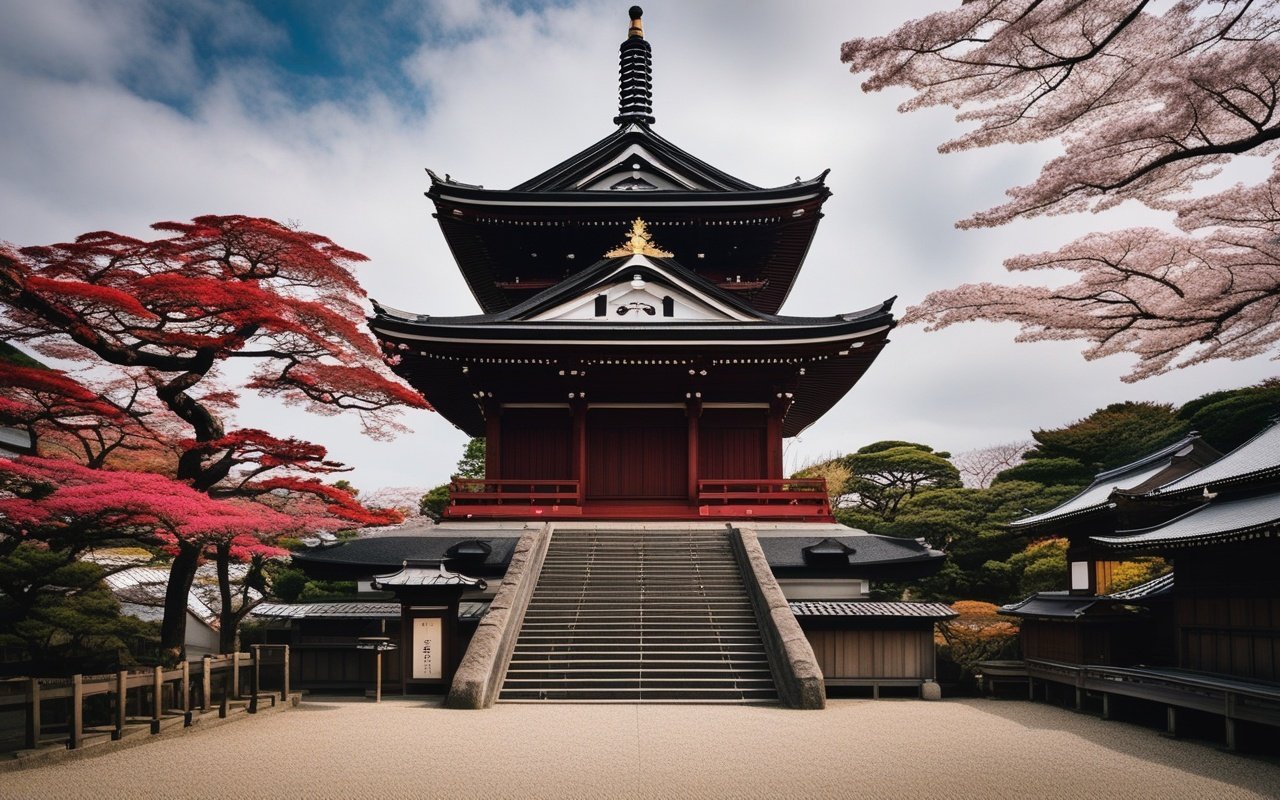
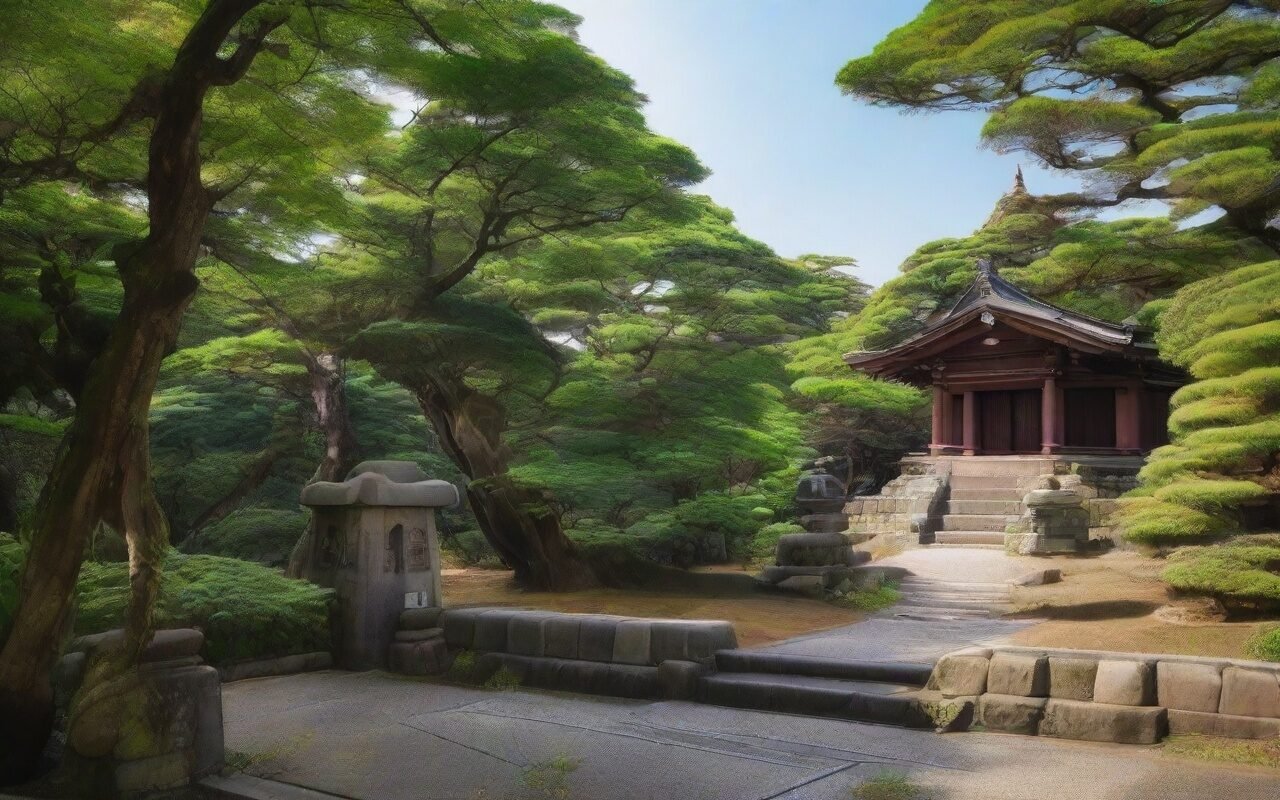
    Kamakura Hidden Temples Guide — visitor highlights

    Route thinking: ridges, valleys, and ethical pacing

    Successful hidden-temple walks often combine one modest ascent with one valley return rather than chaining multiple steep climbs. Ridge walks can yield intermittent ocean glimpses and cooler air, but they also dehydrate faster than visitors expect, especially when humidity is high. Valley returns along shaded lanes help regulate temperature and offer chances to pause at ethical businesses. If you

    are assembling logistics across rail and bus connections, the Kamakura access guide provides station-level detail that pairs well with hillside pacing decisions.

    Think in segments of forty to seventy minutes rather than marathon days. Shorter segments reduce the temptation to rush through residential areas and give you time to notice subtle markers such as seasonal flowers tied to festival calendars, freshly laundered noren curtains, or the sound of practice drums from a distant hall. Carry water even when segments look short; vending machines are not guaranteed on narrow hillside lanes. Footwear with reliable grip matters because mossy stone can be slick even when skies look clear.

    Seasonal behavior: rain, heat, and winter clarity

    Rain transforms Kamakura’s stone staircases into slow, deliberate routes. What feels brisk in dry weather becomes cautious choreography when each step requires balance. After heavy rain, some hillside paths may be closed for safety even when temples remain open at their main gates. Check local notices when possible and treat closure tape as authoritative rather than advisory. Summer heat pushes sensible schedules toward early starts and late-afternoon returns, with midday rest in cafés that understand temple walkers. For café-forward recovery planning, our Kamakura café guide highlights venues where you can decompress without overwhelming small residential streets with loud groups.

    Winter often delivers crisp air and sharper shadows, making carved details on older gates easier to read. It can also mean shorter daylight, so plan turnaround times before paths dim. Autumn leaves and spring blossoms concentrate attention on famous precincts, yet smaller compounds participate in the same seasonal drama with less crowding if you arrive early. Whenever seasonal beauty tempts you toward intrusive behavior—shaking branches for photographs, climbing retaining walls for vantage points—choose restraint. The hidden-temple experience depends on collective care.

    Etiquette as infrastructure

    Etiquette is not decorative tradition; it is part of how fragile sites survive heavy tourism. At smaller temples, staff may be minimal, That means self-regulation matters more. Common expectations include purifying hands and mouth respectfully at ladles when they are provided, not photographing interiors when signs prohibit it, and never flying drones without explicit permission. Offerings and amulets, when sold, support maintenance; purchasing them is optional, but handling objects casually is not. Treat wooden corridors and tatami spaces as sensitive surfaces: bags belong on hooks or your lap, not dragged across lacquer.

    If you encounter funerals, memorial services, or training sessions, withdraw quietly. Do not treat ceremonies as spectacle. Children can enjoy temple visits when adults model calm curiosity rather than performance. If you are traveling with a group, split into pairs through narrow gates rather than marching in a bloc that blocks residents carrying groceries or elders walking with canes.

    Photography, note-taking, and memory without harm

    Photography can be a respectful tool or a disruptive one. Wide crowds at major sites sometimes normalize aggressive camera behavior, but hidden temples amplify sound and motion in small spaces. Use silent shutters, avoid pop-up flashes, and never touch sculptures to reposition them. Tripods often create trip hazards on uneven paving; monopods may be acceptable where space allows, but ask when uncertain. Note-taking with pencil or phone can deepen observation without the noise of repeated shutter bursts, Sketching encourages slower looking and often yields more personal memories than identical social-media compositions.

    Food timing around contemplative walks

    Long hillside mornings pair well with a late breakfast or early lunch before you commit to staircases. If you prefer to eat after walking, choose compact snacks that do not litter odor along residential lanes. For fuller meals timed around temple hopping, the Shonan Kamakura street food walk offers approachable options that respect the rhythm of small kitchens and seasonal ingredients. Avoid entering temple precincts with open alcohol containers or greasy fingers; many washing basins exist for spiritual purification, not personal cleanup after street eating.

    Stewardship, donations, and long-term access

    Small temples maintain roofs, gutters, and wooden joinery against humidity and typhoon seasons. Visitor fees, amulet purchases, and posted donation boxes contribute to that work. If a site is free yet offers a donation box, consider contributing when you have been welcomed into a meaningful experience. Volunteer weed-pulling or seasonal events sometimes appear on local bulletin boards; participation can deepen context if your language skills and schedule align. Long-term access improves when tourists signal with behavior that they are allies of preservation rather than consumers of spectacle.

    Map and orientation

    Use this embed as a planning anchor near the northern basin where many hillside approaches concentrate. Zoom in and out to relate ridges to the station area before you walk.

    Visual references along the way

    When plans change: graceful pivots

    Even careful planners encounter locked gates, sudden weather, or unexpected closures tied to private services. Keep a mental shortlist of nearby alternatives drawn from broader guides rather than forcing a single destination. The Kamakura temple overview lists major complexes that can absorb overflow crowds while still teaching architectural literacy. The Great Buddha walking context helps if you decide to descend toward the Daibutsu area for open sightlines and more predictable hours. Historical curiosity pairs well with Great Buddha Kamakura history when you want narrative depth after a quiet morning.

    Deepening interpretation without overwhelming locals

    Reading beforehand helps you ask better questions and need fewer interruptions on site. Academic histories, literary essays, and conservation blogs all enrich what you notice in carvings, roof lines, and garden stones. On the ground, prioritize observation over interrogation. If a caretaker initiates conversation, respond with brevity and gratitude. Language barriers are normal; a polite tone and simple words cross farther than fluent jargon delivered impatiently.


    🗺️ Access Map

    🚉 Major Stations

    Station Access Time Route
    Kamakura Station 55-75 min JR Yokosuka Line
    Ofuna Station 50-70 min JR Yokosuka Line

    🅿️ Parking Information

    • Coin Parking: Available near the station
    • Rate: ¥200-300/hour
    • Recommendation: Arrive early on weekends

    🔧 Practical Tips

    • Wi-Fi: Most major stations and cafes offer free Wi-Fi
    • Payment: While credit cards are widely accepted, always carry some cash
    • Language: Major tourist spots have English signage, but a translation app helps
    • Transport: Get a Suica or Pasmo card for easy travel
      ibility realities on hillside routes

    Many hidden approaches assume staircases, uneven paving, and slopes without handrails. Travelers with mobility limitations may prefer valley routes with gentler grades and clearer paving, visiting smaller halls near roads rather than remote mountain gates. Some sites offer alternative entrances during festivals; others do not. Call ahead only when listings provide numbers; otherwise rely on official websites and municipal tourism updates. Honest assessment of stamina protects both visitors and rescue resources.

    Nightfall and early dusk

    Temples are generally daytime destinations, Walking hillside lanes after dark without local knowledge risks disorientation and unintended intrusion into private property. Plan to complete remote segments before dusk unless you are on a documented night opening route in urban, well-lit contexts. Carry a small flashlight for tunnels and shaded staircases that dim earlier than open streets.

    Packing list for low-impact exploration

    Pack layers, a compact towel for humidity, a reusable water bottle, a coin pouch for modest fees, and a cloth bag for purchases that avoids plastic rustle in quiet halls. Silence your phone and consider grayscale mode to reduce the temptation to document everything. A lightweight rain shell beats an umbrella on narrow staircases where wind can invert fabric into other people’s faces.

    Integrating community life respectfully

    Hidden temples exist inside neighborhoods where people sleep, study, and mourn. Keep voices low on return legs, especially near windows and narrow driveways. Avoid blocking garage doors with group photos. If you hear schoolchildren practicing instruments, treat the sound as part of the soundscape rather than a nuisance. Respectful tourism signals that visitors see residents as stakeholders, not scenery.

    Long-form walking as practice

    Consider treating a hidden-temple day as walking meditation with cultural goals rather than a trophy hunt. Select a small number of intentions: notice three roof details, learn one new plant name, identify one architectural term from your reading. Such constraints paradoxically expand attention. End the day journaling or discussing quietly over tea rather than immediately posting location-tagged stories that can unintentionally flood fragile sites.


    Closing orientation

    Kamakura’s quieter temples reward preparation, humility, and flexible pacing. They ask visitors to trade volume for depth, and speed for sensory accuracy. Anchor your logistics with the Kamakura access guide, broaden religious literacy with the Kamakura shrine and temple companion, and treat food breaks as part of the ethical rhythm using the Shonan Kamakura street food walk. When the hills close a door, history near the Daibutsu opens another through the Great Buddha Kamakura history article and its practical companion on Great Buddha walking context. Hiddenness, approached with care, becomes a shared gift rather than a secret hoarded.


    Frequently Asked Questions

    Q: What is the best time to visit this area?
    A: Spring (March-May) and autumn (September-November) offer the most pleasant weather. Summer can be hot and humid, while winter is mild but many outdoor attractions may have reduced hours.

    Q: How do I get there from Tokyo?
    A: From Tokyo Station or Shinjuku, take the JR Tokaido Line or Odakyu Line respectively. Most destinations in Kanagawa are within 60-90 minutes by train.

    Q: Is English signage available?
    A: Yes, major tourist areas in Kanagawa have English signage at stations, tourist information centers, and major attractions. Smaller local spots may have limited English.

    Q: Can I visit on a day trip?
    A: Yes, most Kanagawa destinations are easily accessible as day trips from Tokyo. Consider arriving early (before 10 AM) to avoid crowds.

    Q: Are credit cards widely accepted?
    A: Major attractions, hotels, and larger restaurants accept credit cards. Smaller shops and local eateries may be cash-only. Carry ¥5,000-10,000 in cash.

    Kanagawa’s temples and shrines, from Kamakura’s Zen monasteries to Odawara’s hidden forest sanctuaries, offer spaces for contemplation that transcend tourism.

    Conclusion

    Whether you are planning exploring Kamakura for its temple for the first time or returning for another visit, taking a little extra time to go beyond the obvious sights makes all the difference. During my visit to Kamakura I went with a rough plan and found that leaving room to wander made the trip far more memorable. I hope this guide helps you build an itinerary that fits your pace, and that your time in Kanagawa leaves you with memories worth coming back for.
  • Kamakura Shrine Temple Guide 2026

    Kamakura Shrine Temple Guide 2026

    Kamakura Shrine Temple Guide 2026

    Overview

    Kamakura is home to over 100 temples and shrines, ranging from the iconic Great Buddha to hidden forest sanctuaries. With such density, knowing which ones to prioritize can make the difference between a rushed tour and a meaningful visit. This guide covers the ten most significant sites, organized by area for efficient walking routes.

    I spent two full days exploring Kamakura’s temple and shrine circuit. Starting at Tsurugaoka Hachimangu at 7:30 AM — before the crowds arrived — let me experience the shrine’s morning ceremonies undisturbed. The contrast between the bustling main hall at midday and the quiet early morning atmosphere was striking. For more cultural context, see our Kamakura temple guide or Kamakura area guide.

    Kamakura Shrine Temple Guide 2026 — Overview

    Temple and Shrine Overview

    Temple/Shrine Admission Time Needed Best For
    Tsurugaoka Hachimangu Free 1–2h History, architecture, ceremonies
    Hase-dera ¥400 1–2h Ocean views, Kannon statue
    Great Buddha (Kotoku-in) ¥300 1h Iconic landmark
    Kencho-ji ¥500 1–2h Zen meditation, gardens
    Engaku-ji ¥500 1–2h Zen, tea ceremony, National Treasure
    Hokoku-ji ¥300 1h Bamboo grove, matcha
    Meigetsu-in ¥500 1h Hydrangeas (June peak)
    Sasuke Inari Shrine Free 30–60min Tunnel of red torii gates
    Zeniarai Benzaiten Free 30–60min Money-washing ritual
    Egara Tenjin Free 30min Academic success prayers

    Key Sites in Detail

    Tsurugaoka Hachimangu

    Kamakura’s most important shrine, founded in 1063 and moved to its current location by Minamoto no Yoritomo in 1191. The approach via the cherry-tree-lined Dankazura is one of Kamakura’s most photographed spots. I arrived at 7:30 AM and had the main hall almost to myself — by 9:00 AM the tour groups had arrived. The treasure hall (¥200) contains samurai armor and swords from the Kamakura period.

    Kencho-ji and Engaku-ji

    These two Zen temples, both founded in the 13th century, represent the pinnacle of Kamakura Zen Buddhism. Kencho-ji (ranked first among the Five Great Zen Temples) features Japan’s oldest Zen training hall. Engaku-ji houses the Shari-den, a National Treasure building from the Kamakura period. I recommend visiting Kencho-ji in the morning (opens at 8:00) and Engaku-ji in the afternoon — the light through Engaku-ji’s forest setting is beautiful in late afternoon.

    Hase-dera and the Great Buddha

    Hase-dera’s hillside location offers sweeping views of Yuigahama Beach. The temple is known for its 9-meter tall wooden Kannon statue and its collection of thousands of small jizo statues dedicated to unborn children. The Great Buddha (Kotoku-in) is a 10-minute walk from Hase-dera. At 13.35 meters tall, the bronze statue has sat in the open air since a tsunami destroyed its hall in 1498.

    Suggested Walking Routes

    Half-Day Route (4-5 sites): Tsurugaoka Hachimangu → Kencho-ji → walk south → Great Buddha → Hase-dera. Time: 4-5 hours. Best for first-time visitors.

    Full-Day Route (7-8 sites): Add Sasuke Inari (hidden torii tunnel), Zeniarai Benzaiten (money washing), and Hokoku-ji (bamboo grove + matcha). Time: 7-8 hours. Best for repeat visitors. Zen Focus Route: Kencho-ji → Engaku-ji → Jufuku-ji. Time: 3-4 hours. Best for meditation and architecture enthusiasts. For logistics, see our Kamakura access guide or Enoden unlimited guide.

    What to Expect

    Visiting historical sites in Kanagawa requires respect for local customs and traditions. Dress modestly when visiting temples and shrines – cover shoulders and knees. The atmosphere at cultural sites varies by season and time of day. Early morning visits offer a peaceful experience before crowds arrive. Many temples charge a small admission fee (¥200-500) that helps with preservation. Some sites close earlier in winter months. Check opening hours before planning your visit. Goshuin (temple stamp) books make wonderful souvenirs collected at each site.

    Nearby Recommendations

    Cultural sites in Kanagawa are often clustered together, making it easy to visit multiple temples or shrines in a single walk. Many temple areas have charming streets lined with traditional shops and tea houses. Consider combining your cultural visit with a nearby museum or gallery for a deeper understanding of the area’s history and artistic heritage.n

    Frequently Asked Questions

    Q: Which temples should I prioritize for a first visit?
    A: Tsurugaoka Hachimangu (free, central), the Great Buddha (iconic), and Hase-dera (ocean views) are the top three. Add Kencho-ji if you have time for Zen meditation.

    Q: Are English audio guides available?
    A: Yes, at Hase-dera (¥500), Kencho-ji (free app), and Engaku-ji (¥300). Tsurugaoka Hachimangu has English pamphlets (free).

    Q: What is the dress code for temples and shrines?
    A: No strict dress code, but modest clothing is appreciated. Avoid overly revealing outfits, especially at active worship sites. Remove hats before entering buildings.

    Q: How much time should I budget for temple visits?
    A: Most temples take 30-60 minutes. Major sites like Tsurugaoka Hachimangu and Hase-dera need 1-2 hours. Budget a full day for a meaningful visit to 5-6 sites.

    Q: Are there free-entry temples?
    A: Yes — Tsurugaoka Hachimangu, Sasuke Inari, Zeniarai Benzaiten, and Egara Tenjin are all free. Most others charge ¥300-500 for admission.

    💡 Visitor Information

    Here are some practical tips to help you make the most of your visit:

    • Plan your visit during weekdays for a more relaxed experience. Weekends and public holidays can be significantly busier.
    • Check the weather forecast before your trip and pack accordingly. An umbrella is always a good idea in Japan, regardless of season.
    • Most attractions offer discounts for students and seniors — carry relevant ID to take advantage of these savings.

    💡 Local Information

    This area offers a wealth of experiences for visitors throughout the year. Whether you’re interested in nature, culture, cuisine, or simply relaxing, you’ll find something that matches your interests in Kanagawa Prefecture.

    English support is generally good at major tourist attractions, train stations, and information centers. Most signs in transportation hubs and popular destinations include English translations, making navigation straightforward for international visitors. Save big with Hakone Freepass — unlimited train, ropeway & pirate ship rides, plus 30% off attractions

    Free Wi-Fi is available at many train stations, convenience stores, and tourist facilities throughout the area. I recommend downloading offline maps and translation apps before your trip as a backup, especially if you plan to explore less touristy areas.

    Which Temples to Prioritize — My Recommendations

    Over the course of several trips to Kamakura, I have visited most of its major temples and shrines. If you only have one day, here is how I would prioritize based on my own experience.

    Start at Tsurugaoka Hachimangu early — the morning light on the main approach is spectacular, and the crowd is thin before 9 AM. From there, walk to Kenchoji, which is Kamakura’s most important Zen temple. I spent an hour just sitting in the main hall, listening to the wind in the ancient cedars.

    For lunch, I recommend the soba restaurants near Kenchoji — they serve fresh-buckwheat noodles that are vastly superior to the tourist options near the station. After lunch, visit Hokokuji for its famous bamboo grove (much quieter than Kyoto’s Arashiyama). End your day at Kotokuin to see the Great Buddha just before closing, when the tour groups have left.

    Temples Worth the Extra Walk

    Beyond the famous temples, Kamakura has lesser-known sites that reward visitors willing to walk a bit further. Zuisenji Temple, a 15-minute uphill walk from Kamakura Station, is one of my favorites. The garden was designed by the temple’s founder in the 14th century and remains largely unchanged. The rock arrangement at the rear of the garden is said to represent a waterfall — I sat on the veranda for 20 minutes and felt my mind quiet in a way that only a well-designed Zen garden can achieve.

    Kaizoji Temple in the hills above Kita-Kamakura is another hidden gem. The main hall was originally built in the 13th century and has a dark, atmospheric interior with original wooden carvings. The temple is particularly beautiful in autumn, when the maple leaves frame the thatched roof of the main gate. I visited in late November and had the entire temple grounds to myself for an hour.

    Goryoji Temple, a 20-minute walk from Hase Station, has a unique three-storey pagoda that dates back to the Muromachi period. Unlike most pagodas in Japan, this one is painted in vivid vermilion and white. I climbed to the second floor for a view of the surrounding hills and the ocean beyond. The temple also has a small tea shop that serves matcha and sweets for ¥500 — a perfect rest stop before heading back down the hill.

    Conclusion

    The details in this guide come from real visits, and the biggest lesson I took away was that the best experiences in Kamakura rarely fit neatly into a checklist. During my visit to Kamakura I went with a rough plan and found that leaving room to wander made the trip far more memorable. Plan the essentials, keep your schedule flexible, and you will leave Kanagawa wanting to return.

  • Kamakura Temple Guide – Kanagawa 2026

    Kamakura Temple Guide – Kanagawa 2026

    Overview

    Explore the rich cultural heritage and historical significance of Kamakura Temple Guide – Kanagawa in Kanagawa Prefecture. This guide delves into the fascinating stories, traditions, and landmarks that define Kamakura. From ancient temples to modern museums, discover how this destination has shaped Japan’s cultural landscape over centuries.

    Quick Links

    Planning a visit to experience Kamakura Temple Guide – Kanagawa 2026 in Kanagawa? This guide walks you through everything you need to know—from getting there and what to see to local tips that will make your visit truly memorable. Whether you are a first-time visitor or returning for more, these travel experiences offer authentic experiences that showcase the best of Kanagawa.

    📍 Location


    • Access: 1 hour from Tokyo
    • Best temples: Kotoku-in, Hasedera, Kencho-ji
    • Best for: History, gardens, meditation, photography
    • Best season: Spring (cherry blossoms) and Autumn (fall foliage)

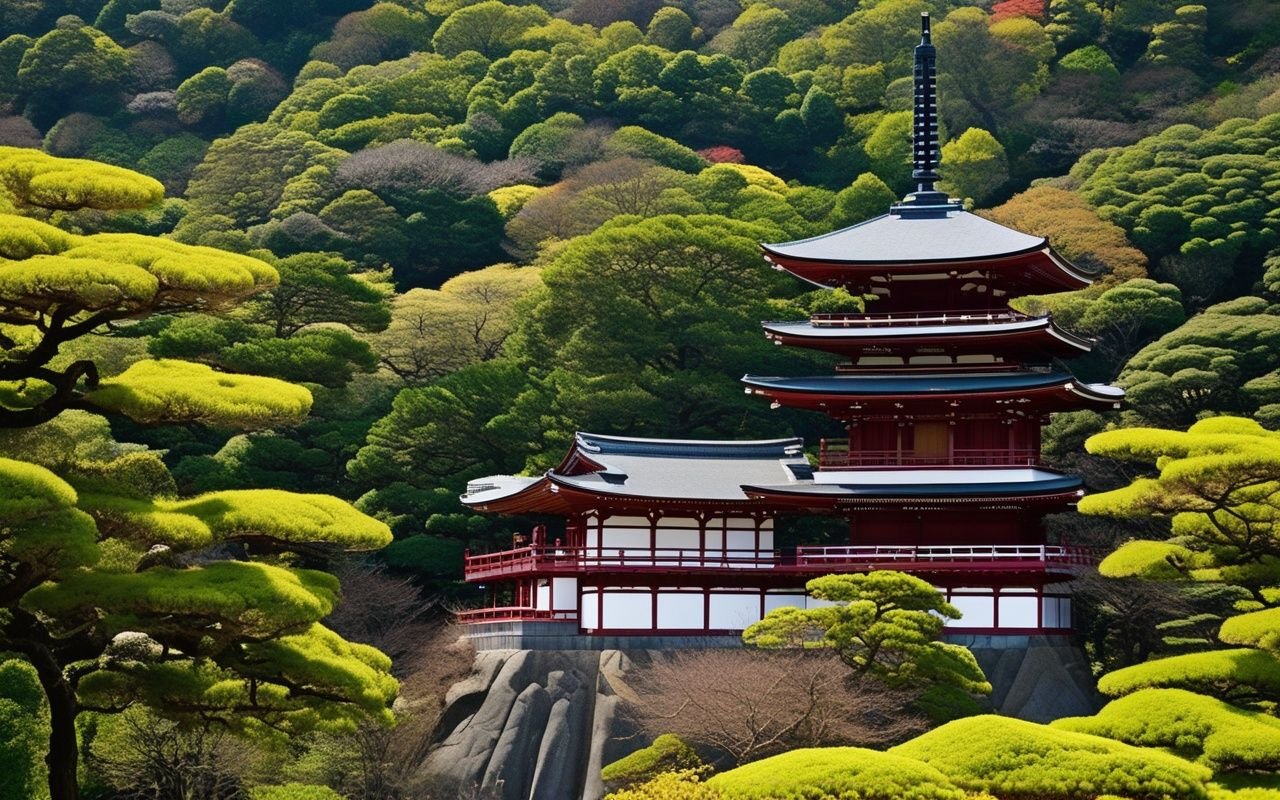
    Historic Kamakura temple with traditional Buddhist architecture and serene gardens

    Kamakura Temple Guide - Kanagawa 2026 — Location


    Introduction

    📍 Kamakura Temple Locations

    Find these temples on Google Maps to plan your walking route between sites.

    📍 View on Google Maps

    Kamakura Temple Guide - Kanagawa 2026 — Kamakura Temple Locations

    Kamakura, once the political center of Japan, is home to over 65 Buddhist temples and 19 Shinto shrines. This guide covers the must-visit temples and essential etiquette for your temple hopping experience.

    Highlights:

    • 65+ Buddhist temples
    • Iconic Great Buddha
    • beautiful temple gardens
    • Meditation experiences
    • Rich samurai history

    Kotoku-in (Great Buddha)

    Best for: Iconic photo spot, history

    Hours: 8:00 AM - 5:30 PM (Nov-Feb: 4:30 PM)
    Admission: ¥300 (¥200 for Buddha interior)
    Access: 7 min walk from Hase Station
    Time needed: 30-60 minutes

    Home to the iconic Great Buddha of Kamakura, a 13.35-meter tall bronze statue that has stood since 1252. Highlights:

    • Great Buddha (Daibutsu)
    • Buddha interior visit (¥200)
    • Temple grounds
    • Souvenir shop Tips:
    • Arrive early (crowded after 10 AM)
    • Combine with Hasedera (5 min walk)
    • Photo spots available

    Hasedera Temple

    Best for: Gardens, ocean views, flowers

    Hours: 8:00 AM - 5:00 PM (Nov-Feb: 4:30 PM)
    Admission: ¥400
    Access: 5 min walk from Hase Station
    Time needed: 1-2 hours

    A beautiful temple known for its gardens, ocean views, and seasonal flowers. Highlights:

    • Kannon Hall (main hall)
    • Cave temple (Kannon-dori)
    • Garden with pond
    • Ocean view platform
    • Seasonal flowers (hydrangea in June) Tips:
    • Wear comfortable shoes (hillside temple)
    • Best views from upper levels
    • Combine with Kotoku-in

    Kencho-ji Temple

    Best for: Zen architecture, gardens, meditation

    Hours: 8:30 AM - 5:00 PM
    Admission: ¥500 (garden: ¥300)
    Access: 15 min walk from Kita-Kamakura Station
    Time needed: 1-2 hours

    The oldest Zen temple in Kamakura, founded in 1253, featuring stunning architecture and gardens. Highlights:

    • Sanmon Gate (important cultural property)
    • Butsuden (Buddha Hall)
    • Hojo Garden (designed by Kobori Enshu)
    • Meditation sessions (reservation required) Tips:
    • Visit early morning for tranquility
    • Garden is especially beautiful in autumn
    • Meditation experience available (¥1,000)

    Engaku-ji Temple

    Best for: Zen architecture, tea ceremony

    Hours: 8:00 AM - 5:00 PM
    Admission: ¥300
    Access: 1 min walk from Kita-Kamakura Station
    Time needed: 1 hour

    One of the most important Zen temples in Japan, founded in 1282. Highlights:

    • Shariden (national treasure)
    • Butsuden (Buddha Hall)
    • Tea ceremony experiences
    • Bell tower Tips:
    • Easy access from station
    • Combine with Kencho-ji (15 min walk)
    • Tea ceremony on weekends

    Classic Course (Half Day, 4 hours)

    Morning:

    1. Kotoku-in (Great Buddha, 1 hour)
    2. Hasedera (Gardens and views, 1.5 hours)
    3. Lunch in Hase area Afternoon:
    4. Kencho-ji (Zen temple, 1.5 hours)
    5. Engaku-ji (Tea ceremony, 1 hour) Access:
    • Start: Hase Station
    • End: Kita-Kamakura Station
    • Transport: Enoden + JR

    Zen Temple Course (Half Day, 3 hours)

    Morning:

    1. Kencho-ji (1.5 hours)
    2. Engaku-ji (1 hour)
    3. Tokei-ji (30 min) Features:
    • Three important Zen temples
    • beautiful gardens
    • Meditation experience Access:
    • Start/End: Kita-Kamakura Station
    • All temples within walking distance

    Lesser-Known Spots Course (Half Day, 3 Hours)

    Morning:

    1. Meigetsu-in (Hydrangea temple, 1 hour)
    2. Enkaku-ji (Tea ceremony, 1 hour)
    3. Zuisen-ji (Garden temple, 1 hour) Features:
    • Less crowded
    • beautiful gardens
    • Authentic atmosphere Access:
    • Start: Kita-Kamakura Station
    • End: Kamakura Station


    Summary

    Kamakura Temple Guide - Kanagawa 2026 — Summary

    Kamakura’s temples offer a glimpse into Japan’s rich Buddhist heritage, from the iconic Great Buddha to serene Zen gardens. Whether you’re interested in history, architecture, or meditation, Kamakura’s temples have something for everyone.

    Key highlights:

    • 65+ Buddhist temples
    • Iconic Great Buddha
    • beautiful temple gardens
    • Meditation experiences
    • Easy access from Tokyo (1 hour)

    Kamakura Temple Guide These temples offer a window into Japan’s spiritual heritage, where centuries of tradition meet the natural beauty of Kanagawa. Take your time to explore each sacred site and appreciate the peaceful atmosphere that has drawn visitors for generations.

    How many temples should I visit in one day?

    A. 3-4 temples is comfortable for a half-day trip.

    Are temples crowded?

    A. Yes, especially on weekends and holidays. Visit early morning.

    Can I take photos?

    A. Most temples allow photos in grounds, but not inside halls.

    Is there a dress code?

    A. Modest clothing I highly recommend. Remove hats inside buildings.

    🙏 Temple Etiquette and Customs

    Understanding temple etiquette ensures a respectful visit and a more meaningful experience.

    Before Entering

    • Purify at the temizuya (water pavilion): Use the bamboo ladle to pour water over your left hand, then right hand, then rinse your mouth (don’t touch the ladle directly to your mouth).
    • Remove hats and sunglasses before entering temple buildings.
    • Bow once before passing through the temple gate (mon) — this is a sign of respect.

    At the Main Hall

    • Throw a coin (¥5 or ¥10) into the offering box before praying.
    • Bow twice, clap twice, bow once — this is the standard prayer sequence at shrines. At Buddhist temples, you simply bow quietly with your palms together (gassho).
    • Do not take photos inside the main hall unless explicitly permitted.
    • Keep your voice low — temples are active places of worship, not museums.

    At the Cemetery

    • Stay on designated paths — walking over graves is highly disrespectful.
    • Do not take photos of graves or funerary ceremonies.
    • Do not offer incense unless you understand the ritual — it may interfere with family offerings.

    Seasonal Temple Highlights

    • January: Hatsumode (first shrine visit of the year) — temples are crowded but festive
    • February: Setsubun bean-throwing ceremonies at Kencho-ji and other major temples
    • June: Hydrangea season at Meigetsu-in (arrive by 7 AM to avoid queues)
    • August: Evening illumination events at several temples
    • November: Autumn foliage at Kencho-ji garden (reservation recommended)
    • December: Year-end cleaning (osouji) at many temples — visitors welcome to watch

    📅 Sample Full-Day Temple Itinerary

    9:00 AM — Start at Kita-Kamakura Station
    9:15-10:15 AM — Engaku-ji (national treasure, tea ceremony option)
    10:30-11:45 AM — Kencho-ji (Zen meditation, gardens)
    12:00-12:45 PM — Lunch at a shojin ryori (Buddhist vegetarian) restaurant near Kencho-ji
    1:00-1:30 PM — Walk to Tokei-ji (quiet nunnery, bamboo grove)
    1:45-2:00 PM — Walk to Kamakura Station
    2:00-2:30 PM — Enoden train to Hase Station
    2:45-4:00 PM — Hasedera (ocean views, cave temple)
    4:15-4:45 PM — Kotoku-in (Great Buddha)
    5:00 PM — Enoden back to Kamakura Station, dinner in the station area Total walking: ~8 km (5 miles). Wear comfortable shoes and bring water.

    Temple Etiquette Guide

    Understanding temple etiquette ensures a respectful visit.

    Entry Preparation

    • Purify at the temizuya: Use the bamboo ladle to pour water over your left hand, then right hand, then rinse your mouth.
    • Remove hats and sunglasses before entering temple buildings.
    • Bow once before passing through the temple gate.

    Inside the Main Hall

    • Throw a coin (¥5 or ¥10) into the offering box before praying.
    • Bow twice, clap twice, bow once at shrines. At Buddhist temples, simply bow quietly with palms together.
    • No photos inside the main hall unless permitted.
    • Keep your voice low.

    Seasonal Highlights

    • January: Hatsumode (first shrine visit) — crowded but festive
    • February: Setsubun bean-throwing at Kencho-ji
    • June: Hydrangea at Meigetsu-in (arrive by 7 AM)
    • August: Evening illuminations at several temples
    • November: Autumn foliage at Kencho-ji garden

    📅 Temple Itinerary Suggestion

    9:00 AM — Start at Kita-Kamakura Station
    9:15-10:15 AM — Engaku-ji
    10:30-11:45 AM — Kencho-ji (Zen meditation)
    12:00-12:45 PM — Lunch near Kencho-ji
    1:00-1:30 PM — Walk to Tokei-ji (bamboo grove)
    2:45-4:00 PM — Hasedera (ocean views)
    4:15-4:45 PM — Kotoku-in (Great Buddha)
    5:00 PM — Enoden back to Kamakura Station Total walking: ~8 km. Wear comfortable shoes.

    🏯 Quick Temple Comparison: Which to Visit?

    Temple Best For Admission Time Needed Crowds Access
    Kotoku-in Iconic Great Buddha photo ¥300 30-45 min 🟡 Moderate 7 min walk from Hase Station
    Hasedera Gardens, ocean views ¥400 1-1.5 hours 🟡 Moderate 5 min walk from Hase Station
    Kencho-ji Zen architecture, meditation ¥500 1-1.5 hours 🟢 Quiet 15 min walk from Kita-Kamakura
    Engaku-ji National treasure, tea ceremony ¥300 45-60 min 🟢 Quiet 1 min from Kita-Kamakura Station
    Meigetsu-in Hydrangeas (June) ¥500 (Jun) / ¥300 30-45 min 🔴 Very busy (Jun) 10 min walk from Kita-Kamakura
    Tokei-ji Bamboo grove, quiet ¥300 30 min 🟢 Very quiet 12 min walk from Kita-Kamakura
    Zuisen-ji Cave garden, hillside ¥300 30-45 min 🟢 Very quiet 20 min walk from Kamakura Station

    💰 Budgeting for a Temple Day

    Expense Budget Traveler Standard Notes
    Train from Tokyo (round trip) ¥1,840 ¥1,840 JR Yokosuka Line, Tokyo→Kamakura
    Temple admissions (3-4 temples) ¥900 ¥1,500 Choose 2-3 free/low-cost + 1 main temple
    Goshuin stamps (per temple) ¥300-500 ¥300-500 Optional but recommended — beautiful souvenir
    Lunch ¥800-1,200 ¥1,500-2,500 Komachi-dori street food vs, sit-down
    Enoden train (Kamakura→Hase round) ¥380 ¥380 Day pass ¥700 if visiting multiple Enoden stops
    Tea/refreshment ¥400-600 ¥800-1,200 Matcha set at a temple cafe
    Total per person ¥4,500-5,500 ¥6,000-8,000 Very affordable day trip

    Money-saving tips:

    • Visit 2-3 temples instead of 4-5 to save on admissions and avoid temple fatigue
    • Komachi-dori street food (yakitori skewers, taiyaki, soft serve) costs ¥300-500 per item — cheaper than a sit-down lunch
    • The Enoden day pass (¥700) pays for itself if you visit Hase + Enoshima + Kamakura in one day

    📸 Best Photo Spots at Each Temple

    Temple Best Photo Spot Best Time Camera Tip
    Kotoku-in Directly in front of Great Buddha Early morning (8-9 AM) Use wide-angle lens to capture full 13m height. Include a person for scale.
    Hasedera Ocean-view platform (upper level) Late afternoon (3-4 PM) Overlooks Yuigahama Beach — clear days show Enoshima and Fuji.
    Kencho-ji Hojo Garden from the veranda Midday (11 AM-1 PM) The dry landscape garden is designed to be viewed from seated position on the veranda.
    Engaku-ji Shariden Hall (national treasure) Morning (8-10 AM) The thatched-roof hall is most photogenic with soft morning light.
    Meigetsu-in The round window (sōmon) Mid-June for hydrangeas The window frames the garden — shoot through it from inside the main hall.
    Tokei-ji Bamboo grove pathway Any time The bamboo is less famous than Kyoto’s but much less crowded.

    🙏 Temple Etiquette and Customs (Condensed Guide)

    Seasonal Highlights (Temple Etiquette Guide)

    • January: Hatsumode (first shrine visit of the year) — temples are crowded but festive
    • February: Setsubun bean-throwing ceremonies at Kencho-ji and other major temples
    • June: Hydrangea season at Meigetsu-in (arrive by 7 AM to avoid queues)
    • August: Evening illumination events at several temples
    • November: Autumn foliage at Kencho-ji garden (reservation recommended)

    🏯 Which Temples Should You Visit? A Quick Guide by Interest

    For first-time visitors (the essentials):

    • Kotoku-in (Great Buddha) — the iconic Kamakura photo. Spend 30 min, no hiking required.
    • Hasedera — stunning ocean views, seasonal flowers, and a cave temple. Allow 1.5 hours.

    For Zen and meditation enthusiasts:

    • Kencho-ji — Japan’s oldest Zen training monastery. Silent meditation sessions available (reserve ahead).
    • Engaku-ji — national treasure Shariden hall, regular zazen meditation on weekends.

    For photography lovers:

    • Meigetsu-in — the “Hydrangea Temple.” Best in June, but the round window is photogenic year-round.
    • Hasedera — ocean-view platform from the upper grounds, especially at sunset.

    For avoiding crowds:

    • Tokei-ji — a quiet nunnery with a beautiful bamboo grove, off the main tourist path.
    • Zuisen-ji — a hillside temple with a cave and dry landscape garden designed by the founder.

    🚶 Getting Between Temples: Practical Transport Tips

    Kamakura’s temples are spread across the city, but efficient public transport makes temple-hopping easy. By Enoden train (coastal line):

    • Connects Kamakura Station → Hase Station (Kotoku-in, Hasedera) → Inamuragasaki → Enoshima
    • Single fare: ¥190. Day pass: ¥700 (unlimited rides along the coast).

    By JR Yokosuka Line:

    • Kamakura Station to Kita-Kamakura Station: 3 minutes, ¥140
    • Kencho-ji and Engaku-ji are both near Kita-Kamakura Station

    Walking routes:

    • Great Buddha Loop: Kamakura Station → walk 15 min → Tsurugaoka Hachimangu → walk 20 min → Kotoku-in → walk 5 min → Hasedera → Enoden to Kamakura Station
    • Zen Temple Walk: Kita-Kamakura Station → Engaku-ji (1 min walk) → Kencho-ji (15 min walk) → Tokei-ji (10 min walk) → back to Kita-Kamakura Station Taxi: Starting fare ¥600-700. Useful for getting between distant temples or if traveling with young children.

    🎴 Goshuin (Temple Stamp) Collection Guide

    Goshuin are red ink stamps and calligraphy inscriptions collected at temples and shrines. They make a beautiful souvenir and are a meaningful way to document your temple visit.

    How to collect goshuin:

    1. Purchase a goshuincho (stamp book) at the first temple you visit — ¥1,000-1,500 at most temple offices.
    2. At each temple, find the goshuin reception desk (usually near the main hall or ticket office).
    3. Present your goshuincho and pay the fee (¥300-500 per stamp).
    4. The attendant will write the temple name, date, and stamp it — this takes 2-5 minutes.

    Temples with particularly beautiful goshuin:

    • Hasedera: Elaborate design with lotus motif
    • Kencho-ji: Zen-inspired brush calligraphy
    • Meigetsu-in: Seasonal flower accent stamps

    Tip: Bring a plastic sleeve or small bag to protect your goshuincho from rain or moisture in the onsen area.
    For more information, check out our guide on Kamakura Literary Walk – Kanagawa 2026.
    For more information, check out our guide on Kamakura Samurai History – Kanagawa 2026.
    For more information, check out our guide on Kanagawa Museum Guide – Kanagawa 2026.

    Frequently Asked Questions

    Q: Are English guides available?
    A: Major temples, shrines, and museums offer English audio guides or pamphlet guides. Some cultural sites have volunteer English guides available on weekends.

    Q: Can I take photographs?
    A: Photography is generally allowed in outdoor areas. Indoor photography, especially of cultural artifacts, may be restricted. Flash photography is commonly prohibited.

    Q: How much time should I budget?
    A: For temples and shrines, budget 30-60 minutes. Museums typically require 1-2 hours. Cultural experiences (tea ceremony, craft workshops) take 1-2 hours.

    Q: Are there any dress codes?
    A: No strict dress codes, but dressing respectfully is appreciated at temples and shrines. Avoid overly revealing clothing. Comfortable walking shoes are recommended.

    Kamakura Temple Guide – Kanagawa 2026 provides everything you need to make your Kanagawa trip smooth and enjoyable. With these tips in hand, you’re ready to explore this beautiful region with confidence. Safe travels!


    Conclusion

    Whether you are planning exploring Kamakura for its temple for the first time or returning for another visit, taking a little extra time to go beyond the obvious sights makes all the difference. During my visit to Kamakura I went with a rough plan and found that leaving room to wander made the trip far more memorable. I hope this guide helps you build an itinerary that fits your pace, and that your time in Kanagawa leaves you with memories worth coming back for.