
Overview
Introduction: Embracing the Rain
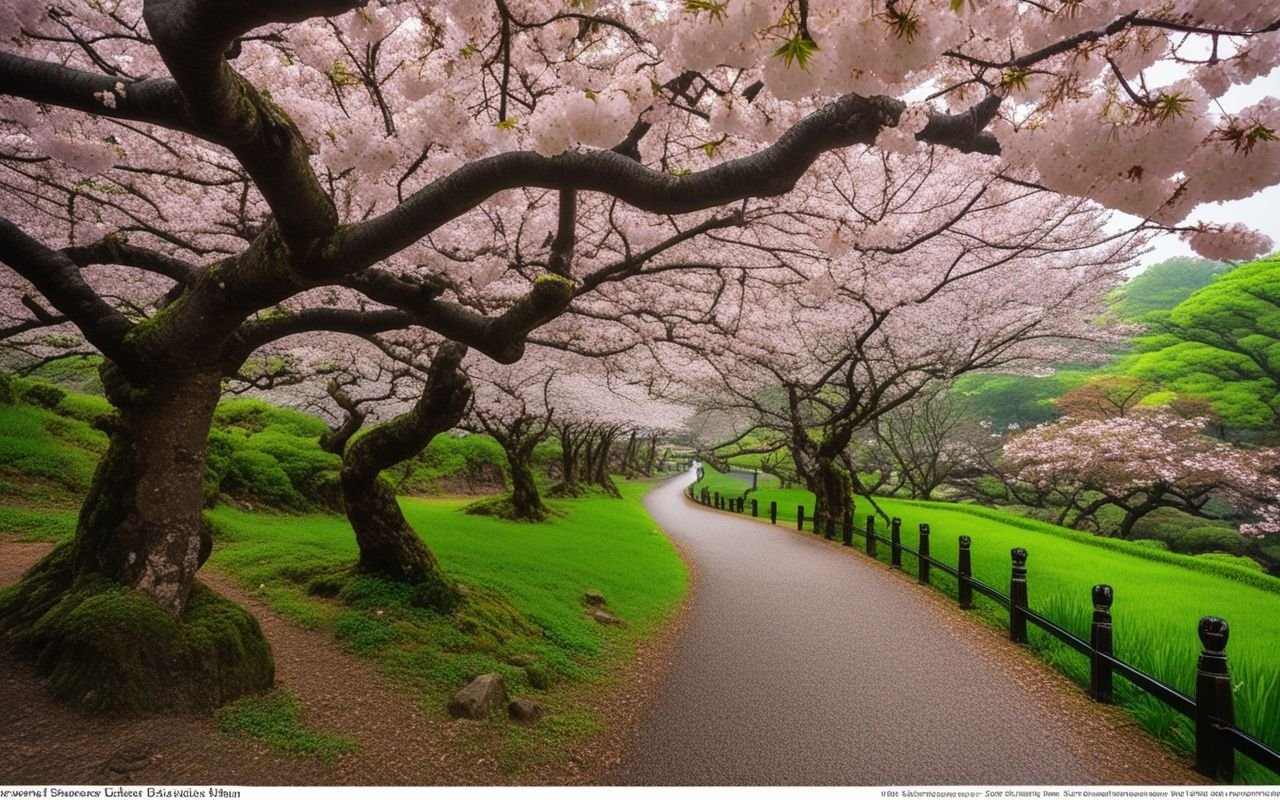
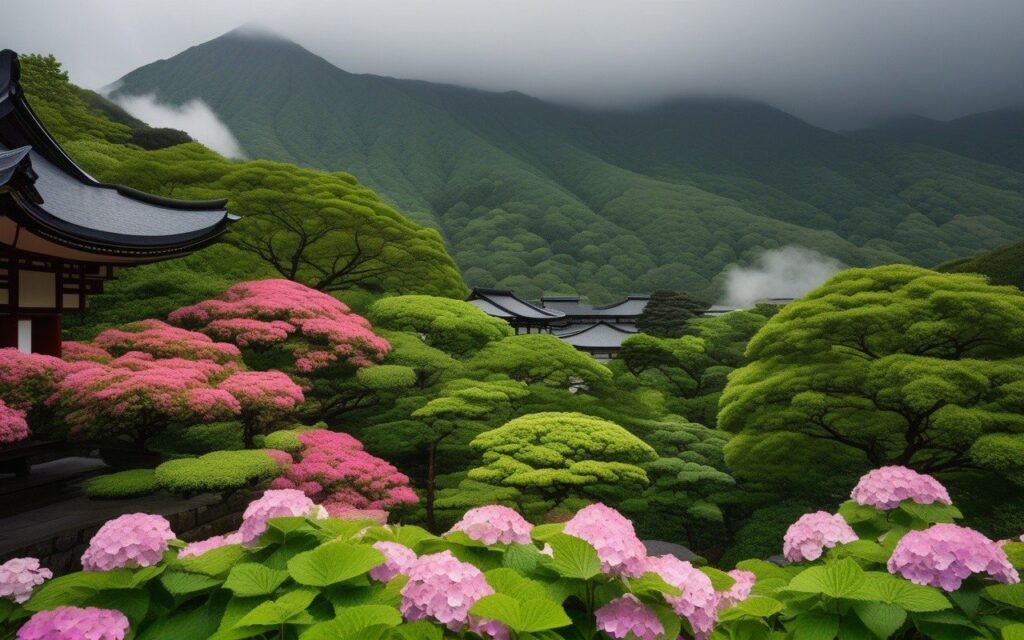
Kanagawa’s rainy season (tsuyu) offers unique beauty and fewer crowds. Hydrangeas bloom vibrantly, temples gain mystical atmosphere, and indoor attractions provide shelter. 2026 Forecast:
- Start: June 8-12
- End: July 15-20
- Rainiest period: Late June
1. Meigetsuin Temple (Kamakura)
Best for: Hydrangea viewing
Location: Kamakura
Access: JR Kamakura Station, then bus
Bloom time: Mid-June to early July
Hours: 9:00 AM - 5:00 PM
Admission: ¥300 (hydrangea season)Highlights:
- 2,500 hydrangea plants
- “Ajisai-dera” (Hydrangea Temple)
- Rainy season special opening
- photos chances Tips:
- Arrive early (before 9 AM)
- Bring umbrella
- Wear waterproof shoes
- Combine with other Kamakura temples
2. Yokohama Museum of Art
Best for: Indoor art time
Location: Minato Mirai, Yokohama
Access: JR Sakuragicho Station (5 min walk)
Hours: 10:00 AM - 6:00 PM (closed Thu)
Admission: ¥500 (varies by exhibition)Highlights:
- Contemporary art exhibitions
- Rainy season special exhibitions
- Museum shop
- Cafe with harbor views
3. Hakone Indoor Activities
Best for: Rainy day alternatives Options:
1. Hakone Venetian Glass Museum [Explore Mt Fuji & Hakone on a full-day trip with sukiyaki lunch. Ropeway & Shinkansen return](Explore Mt Fuji & Hakone on a full-day trip with sukiyaki lunch, Hakone Cruise, Ropeway & Shinkansen return)
   - Indoor glass art
   - Garden views (even in rain)
   - Admission: ¥1,500

2. Okada Museum of Art
   - Japanese art collection
   - Hot spring baths
   - Admission: ¥1,500

3. Hakone Kowakien Yunessun
   - Indoor hot spring theme park
   - Water slides
   - Admission: ¥3,500
What to Bring
Essentials:
- Compact umbrella (¥500-1,000 at convenience stores)
- Waterproof shoes or boots
- Plastic bag for wet umbrella
- Light jacket (20-25°C) Recommended:
- Waterproof phone case
- Extra socks
- Small towel
Clothing
Temperature: 20-28°C
Humidity: 80-90%

Outfit suggestions:
- Breathable fabrics (cotton, linen)
- Layers for temperature changes
- Quick-dry materials
📊 Rainy Season Calendar
| Period | Weather | Activities |
|---|---|---|
| Jun 1-10 | Increasing clouds | Outdoor sightseeing |
| Jun 11-20 | Frequent rain | Indoor activities |
| Jun 21-30 | Heavy rain | Museums, onsens |
| Jul 1-10 | Continued rain | Indoor shopping |
| Jul 11-20 | Clearing up | Hydrangea viewing |
🍜 Rainy Season Food
Comfort foods:
- Hot ramen (¥800-1,200)
- Tempura (¥1,000-2,000)
- Matcha sweets (¥500-800)
- Hot sake (¥500-1,000) Cafes for rainy days:
Yokohama: - Akarenga Terrace (covered)
- Landmark Plaza (indoor) Kamakura:
- Komachi-dori cafes (arcade)
- Temple cafes (indoor seating)
🚃 Transportation Tips
Train advantages:
- No rain exposure
- Frequent service
- Covered stations Bus considerations:
- May be crowded
- Bring umbrella
- Allow extra time Taxi options:
- Available at stations
- ¥500-1,000 for short trips
- Good for groups
📸 Rainy Season photos
Hydrangeas:
Settings:
- Aperture: f/2.8-4 (blur background)
- ISO: 400-800 (low light)
- Shutter: 1/60s or faster Tips:
- Use water droplets as feature
- Overcast sky = soft light
- Bring lens cloth
- Stone lanterns + rain
- Wet stone reflections
- Incense smoke in mist
🏛️ Indoor Activities by Area
When rain cancels outdoor plans, here are the best indoor activities across Kanagawa:
Yokohama Area
| Activity | Type | Price | Hours | Best For |
|---|---|---|---|---|
| Cup Noodles Museum | Interactive museum | ¥500 | 10 AM-6 PM | Families, ages 3+ |
| Yokohama Museum of Art | Art museum | ¥1,200 | 10 AM-6 PM | Adults, art lovers |
| Shin-Yokohama Ramen Museum | Food museum | ¥380 + ramen | 11 AM-9 PM | Foodies, all ages |
| Yokohama Cosmo World | Indoor arcade games | Free entry | 11 AM-9 PM | Teens, families |
| Landmark Tower Sky Garden | Observation deck | ¥1,000 | 10 AM-9 PM | All ages, cloudy view still impressive |
| Anpanman Museum | Kids’ play museum | ¥2,200 | 10 AM-6 PM | Toddlers (1-4) |
| Minato Mirai Shopping | Indoor mall | Free | 10 AM-9 PM | Shopping, dining |
Kamakura Area
| Activity | Type | Price | Hours | Rainy Day Suitability |
|---|---|---|---|---|
| Kamakura Museum of Literature | Literary museum | ¥300 | 9 AM-4:30 PM | ⭐⭐⭐ Full indoor |
| Kamakurabori Craft Center | Craft workshop | ¥2,000-5,000 | 10 AM-5 PM | ⭐⭐⭐ Full indoor, make a souvenir |
| Tsurugaoka Hachimangu | Shrine (covered areas) | Free | 6 AM-8 PM | ⭐⭐ Partial cover |
| Komachi-dori arcade | Covered shopping street | Free | 10 AM-6 PM | ⭐⭐⭐ Covered walkways |
Hakone Area
| Activity | Type | Price | Rainy Day Vibe |
|---|---|---|---|
| Hakone Open-Air Museum | Sculpture museum | ¥1,600 | ⭐⭐⭐ Picasso exhibit is indoor. Outdoor sculptures look dramatic in mist. |
| Okada Museum of Art | Japanese art | ¥1,500 | ⭐⭐⭐ Full indoor, extensive collection |
| Hakone Kowakien Yunessun | Indoor onsen theme park | ¥3,500 | ⭐⭐⭐⭐ Perfect rainy-day activity |
| Venetian Glass Museum | Glass art | ¥1,500 | ⭐⭐⭐ Full indoor, pretty garden visible from covered walkway |
🧥 Rainy Day Packing Checklist
| Item | Why You Need It | Where to Buy in Japan |
|---|---|---|
| Compact umbrella (¥500-1,000) | Sudden downpours, most handy | Any convenience store (FamilyMart. Lawson) |
| Waterproof shoes | Wet feet ruin a day out | Don Quijote (¥1,500-3,000) or shoe stores |
| Plastic bag for umbrella | Stores/buses don’t allow dripping umbrellas | Free at store entrances (umbrella bag dispenser) |
| Light jacket | 20-25°C. humidity makes it feel warmer | Uniqlo (¥3,000-5,000 for a packable jacket) |
| Waterproof phone case | Using GPS in rain | ¥500-1,000 at electronics stores (Yodobashi. Bic Camera) |
| Extra socks | Wet socks = misery | ¥300-500 at any convenience store |
| Small towel | Wipe off rain from seats, glasses | ¥200-300 at Daiso (100 yen shop) |
| Ziplock bags | Keep passport, phone dry | ¥100 at Daiso |
🍜 Best Rainy Day Comfort Food
| Food | Where to Find It | Price | Why It Works in the Rain |
|---|---|---|---|
| Hot ramen | Shin-Yokohama Ramen Museum or local ramen shops | ¥800-1,200 | Warm, satisfying — the ultimate rainy-day meal |
| Tempura | Tempura specialty shops in Yokohama/Kamakura | ¥1,000-2,000 | Crispy, best eaten hot and fresh |
| Matcha latte + wagashi | Kamakura cafes or Saryo Reson | ¥800-1,500 | Comforting, pairs with watching rain from a cafe window |
| Oden | Convenience stores (winter) or izakaya | ¥300-800 | Hot stew with daikon, konjac — perfect for chilly rainy days |
| Nabe (hot pot) | Nabe specialty restaurants | ¥1,500-3,000 | Communal hot pot — warms you from the inside |
| Hot sake (kanzake) | Izakaya or sake bars | ¥500-1,000 | A small cup of warm sake — the ultimate rainy-day companion |
🚃 Rainy Day Transportation Tips
| Transport Mode | Rain Impact | Tips |
|---|---|---|
| JR Trains | ✅ Run normally in most rain | Best choice — completely covered stations and platforms. Avoid rush hour (7:30-9 AM, 5-7 PM) for comfy standing. |
| Enoden Tram | ⚠️ Runs but windows fog up | The coastal views are still pretty in rain — misty ocean is atmospheric, Bring a cloth to wipe windows for photos. |
| Buses | ❌ Can be crowded | Rain increases bus demand (people prefer covered transport). Allow 10-15 min extra. Have exact change (¥210-¥250). |
| Taxis | ✅ Most handy | ¥500-1,000 for short trips. Available at stations. Use GO or Uber app (¥200-300 booking fee). Best for groups of 3-4. |
| Ferries (Hakone Lake Ashi) | ⚠️ May be cancelled in storms | Check Hakone Navigation Company website before heading out. Foggy days = limited visibility (skip if Mt. Fuji views are your priority). |
📸 Rainy Season photos Guide
Rain creates unique photo chances that sunny days don’t offer:
Hydrangea photos
| Setting | Value | Notes |
|---|---|---|
| Aperture | f/2.8-4 | Blur background for dreamy effect |
| ISO | 400-800 | Low light under overcast sky |
| Shutter speed | 1/60s or faster | Raindrops fall fast |
| White balance | Cloudy (approx. 6000K) | Warmer tones compensate for gray sky |
Tips for great hydrangea shots:
- Use water droplets on petals as a feature (close-up, f/5.6)
- Overcast sky provides soft, even light — no harsh shadows
- Bring a lens cloth — lenses fog up quickly in humidity
- Shoot from below for dramatic sky contrast
Temple and Shrine photos in Rain
- Wet stone paths create pretty reflections
- Incense smoke in mist adds atmosphere
- Covered walkways (kairo) frame the garden
- Umbrellas add color to otherwise gray scenes
📞 Useful info
Weather forecast:
- Japan Weather: www.jma.go.jp
- Rain radar: tenki.jp
- English weather: www.accuweather.com Emergency numbers:
- Police: dial 110 (free from any phone)
- Ambulance/Fire: dial 119 (free from any phone)
- Japan Helpline (English): 0570-000-911 (toll support)
- Kanagawa Tourist info Office: English support available during business hours
Last Updated: March 2026
Rainy season forecast: Japan Meteorological Corporation
A little rain should never stop you from exploring Kanagawa. With the right preparation, rainy days can offer some of the most atmospheric and great travel things — misty temple gardens, and the cozy pleasure of hot ramen on a cool afternoon. —
Yokohama Area (Part 1)
|—|—|—|—|—|
| Ringer Hat Yokohama | Ramen | 🔗 Official Website | 11:00-23:00 | ¥800-1,500 |
| Yokohama Red Brick Warehouse Cafes | Cafe | 🔗 Official Website | 10:00-20:00 | ¥1,000-2,000 |
Ringer Hat Yokohama
- 🏷️ Type: Ramen
- 🌐 Official Website: https://www.ringerhut.jp/
- 📞
- ⏰ Hours: 11:00-23:00
- 💰 Price: ¥800-1,500
- 📍 Area: Yokohama Station
- 📅 booking: Book a Table (recommended for weekends)
Yokohama Red Brick Warehouse Cafes
- 🏷️ Type: Cafe
- 🌐 Official Website: https://www.yokohama-akarenga.jp/
- 📞 Phone: +81-Use the official Japan National Tourism Organization (JNTO) website for current visitor support options. – ⏰ Hours: 10:00-20:00
- 💰 Price: ¥1,000-2,000
- 📍 Area: Minato Mirai
- 📅 booking: Book a Table (recommended for weekends)
Frequently Asked Questions
Q: What is the best season to visit Kanagawa?
A: Spring (March-May) and autumn (September-November) offer the most comfy weather for outdoor activities, Spring brings cherry blossoms along the Enoden line and in Kamakura’s temple gardens. Autumn provides amazing foliage in Hakone and pleasant hiking conditions. Summer offers beaches and festivals but is hot and humid. Winter has the clearest Mount Fuji views and relaxing onsen things. Q: How should I dress for this season?
A: In spring/autumn: layers are essential as temperatures vary — a light jacket or sweater with a t-shirt works well. Summer: lightweight, breathable fabrics (linen, cotton), wide-brim hat, UV sunglasses, and comfy walking shoes. Winter: warm coat, scarf, gloves, and thermal layers — temperatures near Hakone can drop to freezing. Regardless of season, comfy walking shoes are non-negotiable. Q: What seasonal events should I not miss?
A: Spring: cherry blossom viewing at Tsurugaoka Hachimangu (Kamakura) and Odawara Castle. Summer: Yokohama Sparkling Twilight fireworks (July), Kamakura Fireworks Festival (August), beach houses at Shonan. Autumn: Hakone 紅葉 (fall foliage) festival, Kamakura autumn lights. Winter: Hakone lights, lights at Yokohama’s Minato Mirai. Q: How does weather affect transportation?
A: Trains and buses operate normally in most weather conditions, but during typhoons (peak August-September) or heavy snow (rare in coastal areas, services may be delayed or suspended. Check the operator’s website or Twitter feed for real-time updates. JR East provides English service alerts on their website. Q: What seasonal foods should I try?
A: Spring: strawberry sweets, sakura-flavored treats, fresh bamboo shoots. Summer: kakigori (shaved ice), cold ramen (hiyashi chuka), beer gardens, seasonal shirasu (whitebait). Autumn: roasted chestnuts, sweet potatoes, grilled sanma (Pacific saury). Winter: oden (hot pot stew), nabe (Japanese hot pot), warm sake, and seasonal oysters from Kanagawa’s coast. My personal exploration of Kanagawa has been incredibly rewarding, and I encourage every traveler to time these places firsthand.
Final Thoughts
Understanding the local logistics — from train passes to local etiquette — unlocks a smoother, more enjoyable travel time across Kanagawa.
Photo Tips
For the best travel photos in Kanagawa, visit popular spots early morning (7:00-9:00 AM) when the light is soft and crowds are minimal. Golden hour (just before sunset) provides warm, dramatic lighting perfect for landscapes. Many temples and gardens are designed to be photographed from specific viewpoints – look for the intended composition. A polarizing filter helps reduce glare when shooting through glass or water. Respect no-photography signs inside temple buildings and museums.
Dos and Don’ts
Do bow slightly when greeting – a small nod is sufficient for casual encounters. Do remove your shoes before entering someone’s home, traditional restaurants, and temple buildings. Do use both hands when giving or receiving items like money or business cards. Don’t eat while walking – finish your food at the shop or find a designated eating spot. Don’t tip – service charges are included in Japan. Don’t blow your nose in public – it’s considered rude.
What to Bring
Smart travelers to Kanagawa pack light and bring layers. The weather can shift from warm to cool within a day. A portable WiFi device or SIM card is essential for navigation. Bring a small notebook for recommendations. Hand sanitizer and tissues are useful. Consider packing a foldable tote bag for souvenirs.
Conclusion
exploring Kanagawa can be as relaxed or as packed as you want it to be, and I have found that the best visits leave room for both planning and spontaneity. During my visit I went with a rough plan and found that leaving room to wander made the trip far more memorable. Use this guide to sort out the logistics in advance, then let the day surprise you — Kanagawa rewards travelers who stay curious.