Category: kanagawa

神奈川県の旅行ガイド記事のカテゴリ

  • Sagami Bay Coastal Trail – Kanagawa 2026

    Sagami Bay Coastal Trail – Kanagawa 2026

    Overview

    Access

    Most visitors reach Kanagawa from central Tokyo by JR, private railway, or highway bus, and an IC card (Suica or Pasmo) works across all of them. From my experience, leaving Tokyo before the morning rush keeps the journey relaxed, and station luggage lockers are handy if you arrive early.

    Introduction: Kanagawa’s Wild Coast
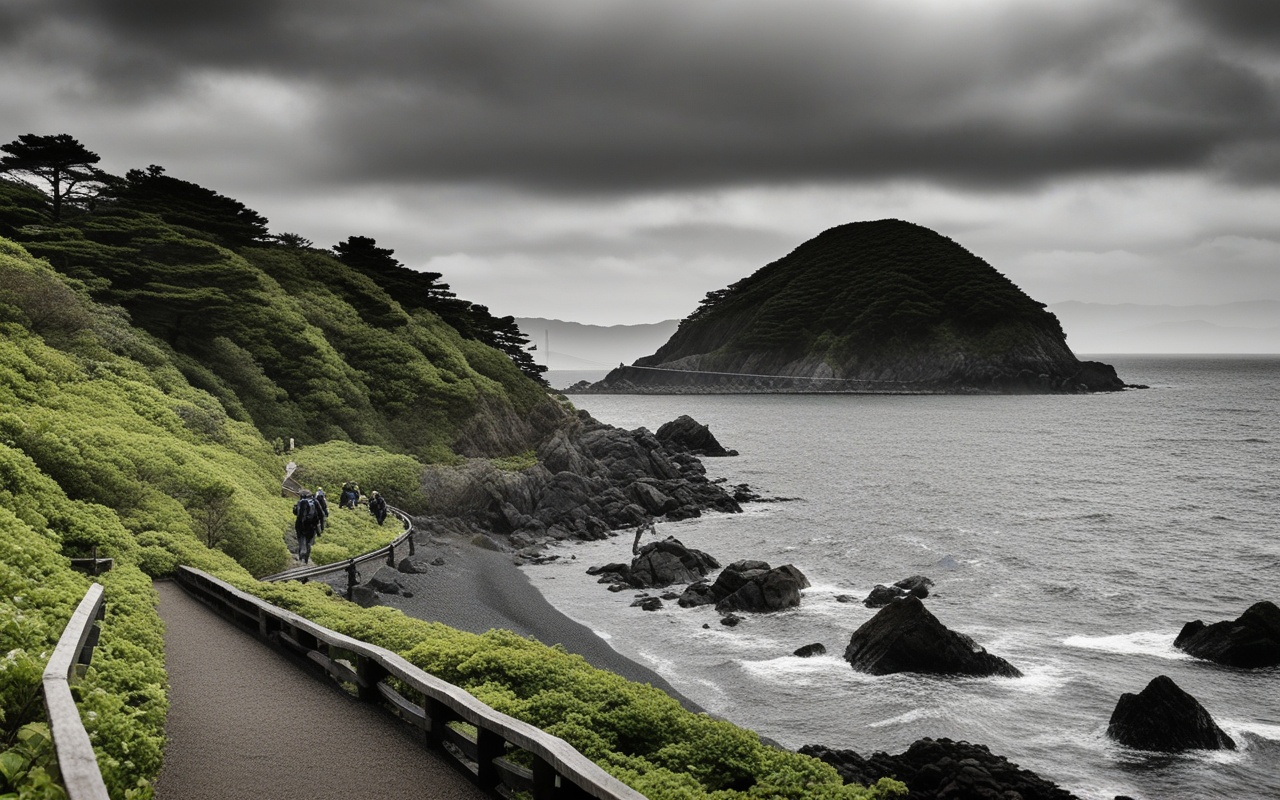
    Sagami Bay Coastal Trail - Kanagawa 2026 — Introduction: Kanagawa's Wild Coast

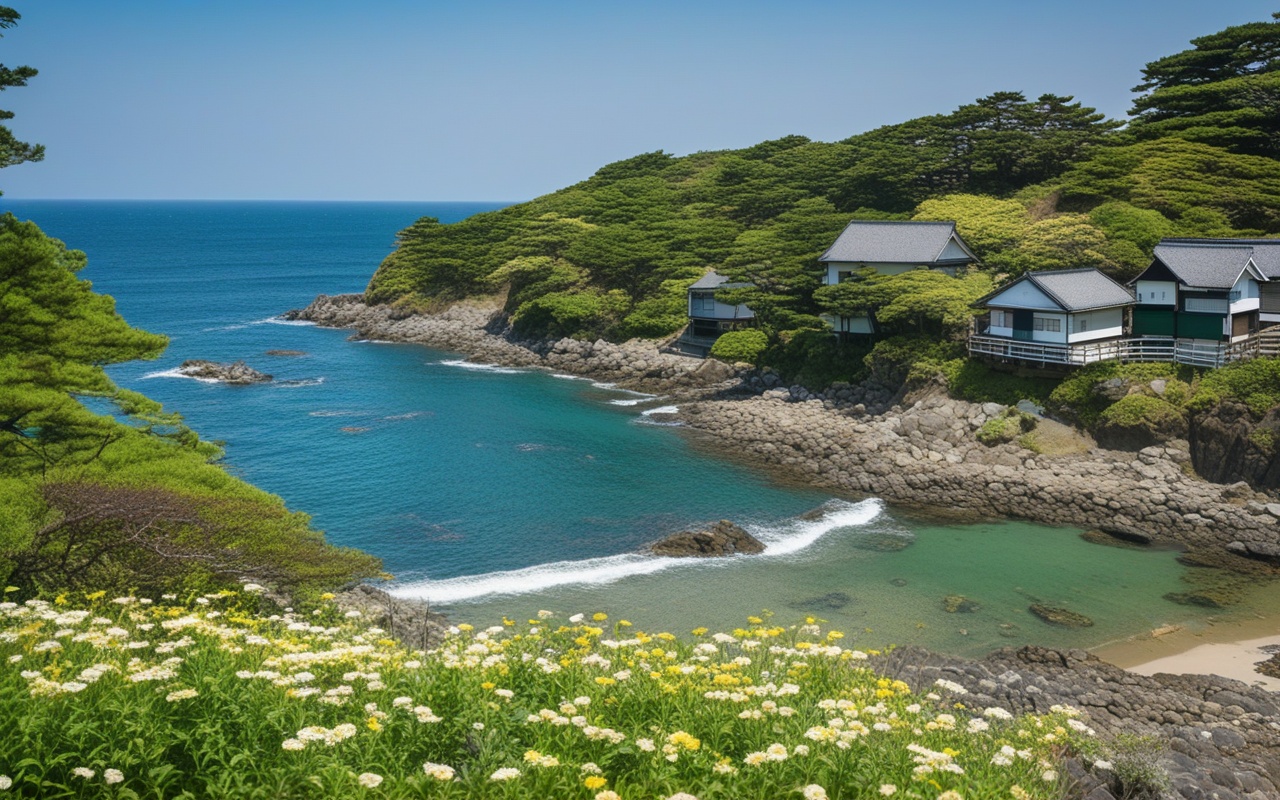
    While most visitors explore Kamakura’s temples or Enoshima’s crowded observation decks, the Sagami Bay coast offers a different kind of Kanagawa experience. This trail follows the traditional route used by fishermen to travel between villages before modern roads were built. Today, it’s a quiet hiking path through a landscape that has changed little in centuries.

    Why This Trail is Special:

    • No crowds: Some days you’ll have the trail to yourself
    • Genuine fishing villages: Working communities, not tourist shows
    • Tidal pools: excellent for exploring at low tide
    • Historical features: Old stone walls, shrines, WWII remnants
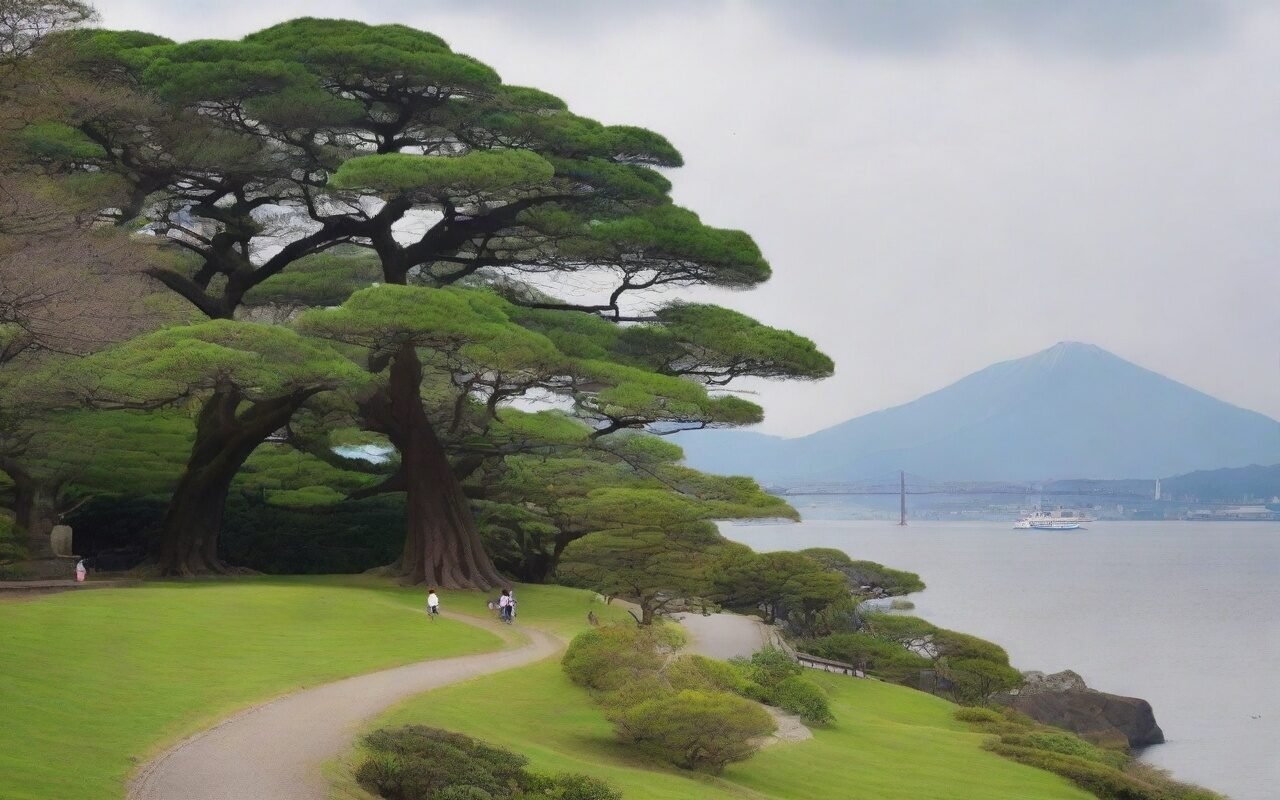
    • Coastal views: Mt. Fuji on clear days (winter)

    Trail Profile:

    Route: Misakiguchi → Aburatsubo → Nagai → JogashJogashimaach
    Length: 10km (point to point)
    Elevation: Minimal (mostly flat, some short climbs)
    Surface: Paved (40%), dirt (40%), stone steps (20%)
    Water: Bring 1L minimum (no shops on sections)


    Trail Sections

    Section 1: Misakiguchi to Aburatsubo (2km, 40 min)

    Start from Misakiguchi Station and walk west toward the coast.

    Starting Point: Keikyu Misakiguchi Station
    Direction: West toward the bay
    Surface: Residential streets → coastal path
    Highlights:

    • Small fishing shrine at the harbor
    • Working fishing boats (morning best)
    • Old stone warehouse (明治-era, now abandoned)

    GPS Waypoint: 35.1567°N, 139.6134°E (harbor entrance) First Viewpoint: After 1km, the trail meets the open bay at a small seawall. On clear days, Mt. Fuji appears across the water. A wooden bench here is a good initial rest stop.

    Section 2: Aburatsubo Village Loop (1.5km, 30 min)

    Aburatsubo is the most picturesque village on the route — a cluster of traditional houses around a natural harbor.

    Terrain: Coastal path + village lanes
    Highlights:

    • Aburatsubo Inlet: Calm, emerald water
    • Fishing boats: Colorful wooden boats
    • Village shrine: Small, unattended
    • Old well: Still used by locals
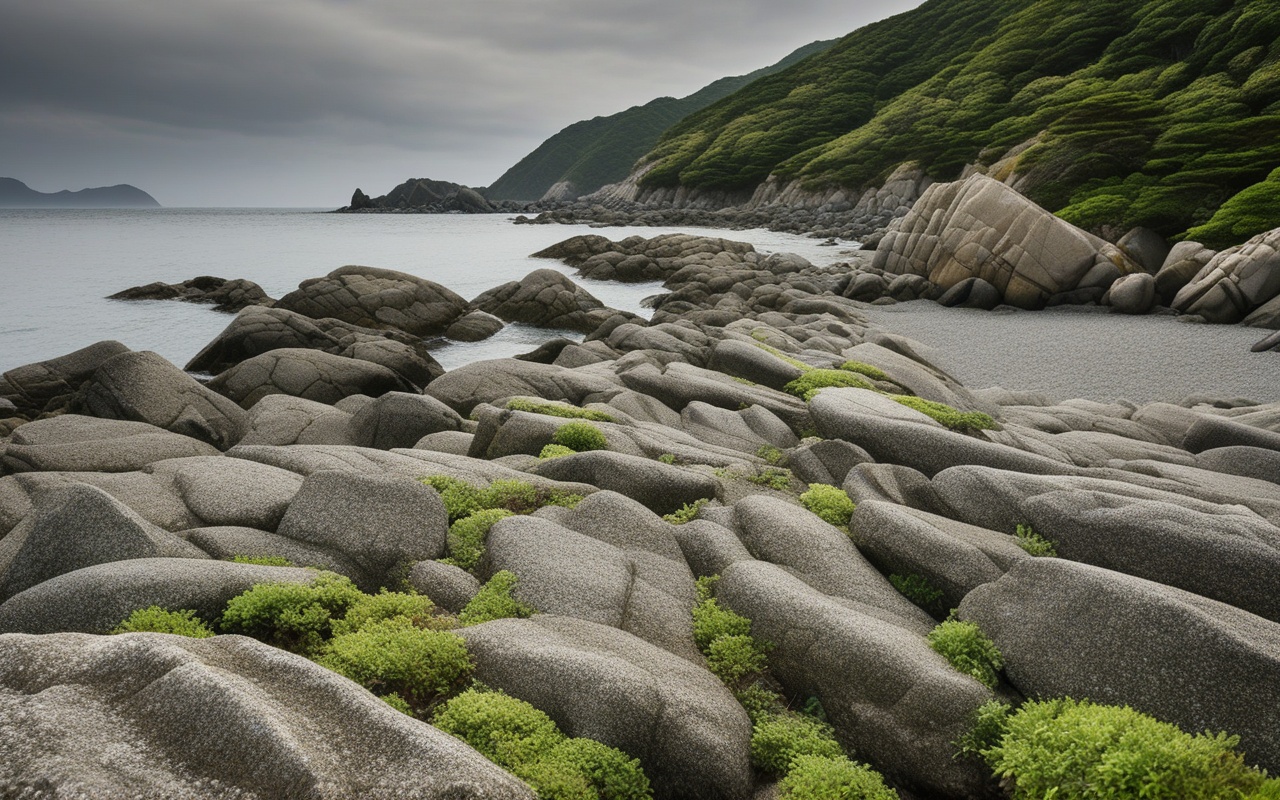
    • Tidal pool area: At low tide (best exploration)

    **
    Tidal Pools at Aburatsubo:
    At low tide, the rocky shore reveals pools with:

    • Small crabs
    • Sea anemones
    • Hermit crabs
    • Small fish
    • Various seashells

    Best time: 2 hours before low tide (check tables)

    Section 3: Aburatsubo to Nagai Coast (3km, 60 min)

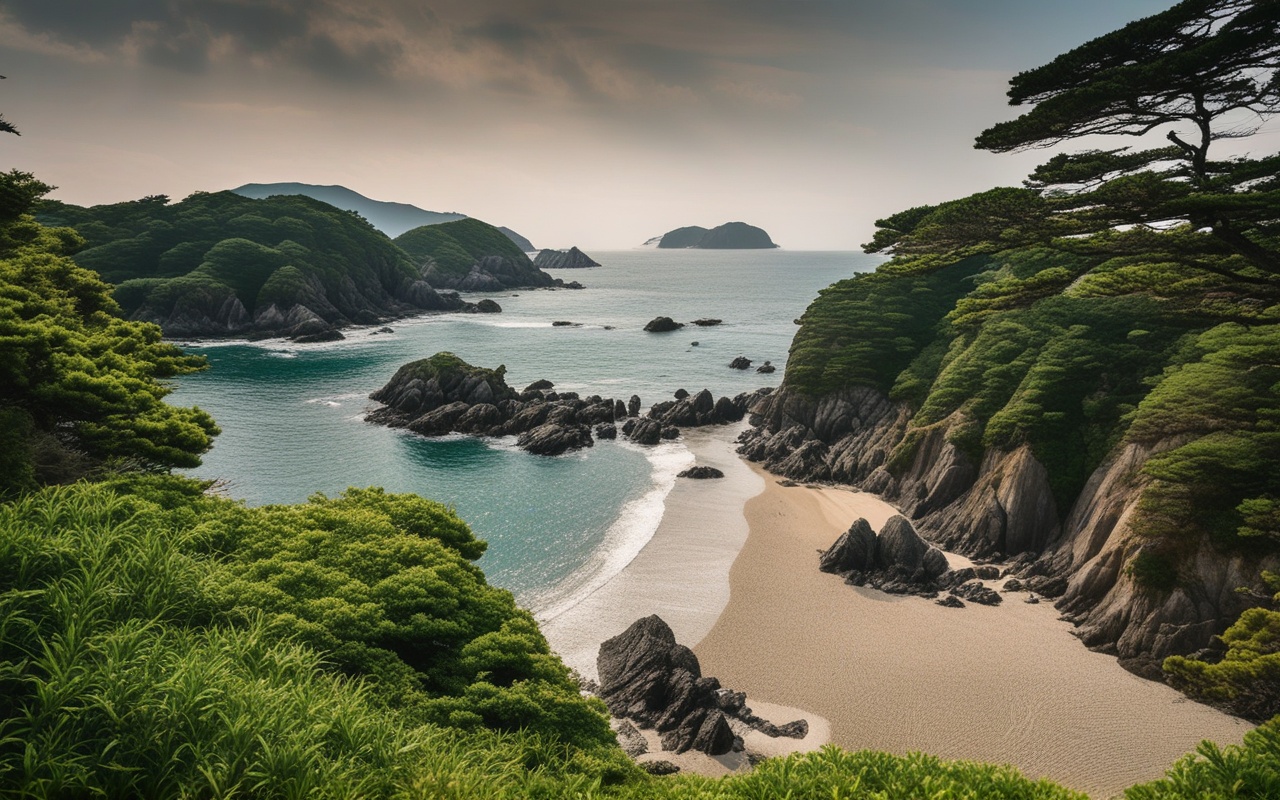
    This is the most scenic section, hugging the coastline with constant ocean views.

    Terrain: Dirt path + old stone steps
    Highlights:
    - Cliff views: 20m above the water
    - WWII bunker: Abandoned, visible from path
    - Old stone wall: Edo-era fishing boundary marker
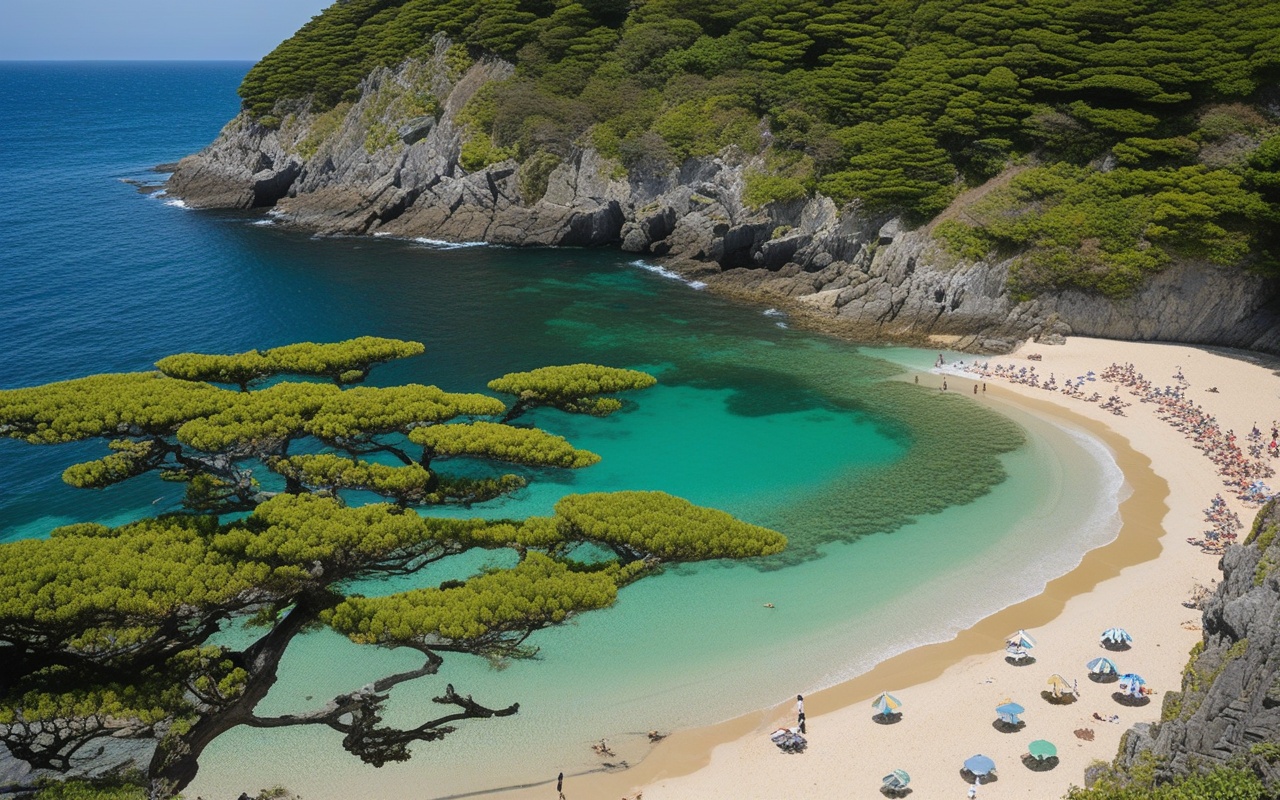
    - Small cove: Pebble beach, good for breaks
    - Wildflowers: In season (spring and autumn)

    ⚠️ Caution: This section has some narrow parts with dropoffs. Watch footing, especially after rain. The WWII bunker is unstable — observe from the path.

    Midpoint Rest: At 4.5km, a small clearing with a stone Jizo statue offers a natural rest point with shade and a view.

    Section 4: Nagai Coast (2km, 40 min)

    The trail passes through the Nagai area, where the coast opens up and the path becomes easier.

    Terrain: Flat coastal path (paved sections)
    Highlights:

    • Nagai Beach (not for swimming, rocky)
    • Tide pools (extensive at Nagai)
    • Small lighthouse
    • Abandoned fishing huts
    • Beach glass (some areas)

    Note: This section has the best tidal pool exploration

    • Go at low tide (0.5m or lower)
    • Wear water shoes (sharp rocks)
    • Bring a small net (catch and release)
    • Watch for sea urchins (don’t touch)
    • Photography: Polarizer filter essential

    Section 5: Nagai to Jogashima Approach (1.5km, 30 min)

    The final section approaches the bridge to Jogashima Island.

    Terrain: Paved path, then road
    Highlights:

    • Fisherman’s shrine: Small, with unique stone torii
    • Jogashima Bridge: Final destination
    • Sunset viewpoint: End the walk here
    • Bus stop: Return to station

    Alternative: Continue to Jogashima Island for sunset


    Seasonal Notes

    Winter (Nov-Feb) — Best Season

    ✅ Clearest views, Mt. Fuji visible
    ✅ Cool hiking temperatures
    ✅ Low tide in daylight hours
    ✅ Fewest other walkers
    ✅ Sharp light for photography
    ❌ Cold wind off the water

    Spring (Mar-May)

    ✅ Wildflowers along the trail
    ✅ Mild temperatures
    ✅ Longer daylight
    ⚠️ More haze on the water
    ⚠️ Increasing visitors

    Summer (Jun-Aug)

    ✅ Longest days
    ✅ Warm water for tide pools
    ❌ Hot, humid
    ❌ High tide during daylight
    ❌ Insects
    ❌ Typhoon risk (Sept)

    Autumn (Sep-Nov)

    ✅ Comfortable temperatures
    ✅ Fall colors (limited on coast)
    ✅ Lower humidity
    ✅ Good visibility
    Best for: Photography


    Practical Information

    What to Bring

    Essential:

    • Sturdy walking shoes
    • Water (1.5L minimum)
    • Sun protection
    • Snacks/lunch
    • Windbreaker

    Recommended:

    • Binoculars (bird watching)
    • Camera (wide lens for coast)
    • Tide table
    • Small first aid kit
    • Cash (no ATMs on trail) Optional:
    • Snorkel mask (tide pools)
    • Field guide (coastal plants)
    • Fishing line (local fishermen friendly)

    Getting There and Back

    Start (Misakiguchi Station):
    From Yokohama: Keikyu Line (35 min, ¥450)
    From Kamakura: Keikyu Line (25 min, ¥350)
    From Tokyo: JR → Yokohama → Keikyu (90 min)
    
    End (Jogashima or Nagai):
    Bus from Jogashima entrance to Misakiguchi (15 min, ¥300)
    Last bus: Varies by season (check)

    Facilities Along the Trail

    Restrooms:
    - Misakiguchi Station (before start)
    - Aburatsubo Marine Park (km 2.5)
    - Nagai area (km 6)
    - Jogashima Bridge (km 9)
    
    Water:
    - Aburatsubo visitor center
    - Nagai (small shop, limited hours)
    - Bring your own (recommended) Food:
    - Bring your own (recommended)
    - Aburatsubo has limited snacks
    - Jogashima has vending machines

    Frequently Asked Questions

    Q: Can I do this trail in running shoes?
    A: Yes, the trail is mostly smooth enough for running shoes, Hiking boots not required.

    Q: Is the trail well-marked?
    A: Some sections are better marked than others. Download the GPS track before going. Signs are in Japanese. Q: Can I bring my dog?
    A: Yes, the trail is dog-friendly. Keep leashed near villages. Q: Is there shade?
    A: Limited. About 30% of the trail has tree cover. Bring sun protection. Q: Can I swim along the trail?
    A: Some coves are swimmable. Check conditions locally. No lifeguards.


    Last Updated: May 19, 2026
    Written by: Anaba OffJapan Editorial Team
    Verified: Trail hiked April 2026


    🌟 Share Your Experience

    Hiked this trail? Found a secret cove along the way? Join our community forum to share your coastal discoveries!


    Anaba OffJapan – Avoid the Crowds, Go Deeper into Japan.


    🐟 Fishing Village Culture & Local Life

    The Sagami Bay Coastal Trail offers more than just scenic walking — it’s a living museum of Japan’s coastal heritage. The fishing villages along this route have maintained traditional practices that have largely disappeared elsewhere in Kanagawa, Observing the daily rhythms of these communities — morning boat departures, afternoon net repairs, evening family meals — provides cultural insight that no museum can replicate.

    Trail Navigation Tips

    The coastal trail is not consistently marked. While some sections have wooden signposts in Japanese, others require careful attention to stay on route. Download the GPS track before departure and carry a fully charged power bank — phone battery drains faster near the coast due to constant searching for cellular signal. Key landmarks to watch for: at the end of the Aburatsubo village road, look for a stone marker with a carved fish (next to the old well); from there, the trail continues as a dirt path between two persimmon trees. The most confusing section is the Nagai approach, where the trail briefly crosses a paved road — look for the faded red arrow painted on the utility pole at the intersection.

    Packing for the Trail

    Beyond the standard hiking essentials, the coastal trail requires specific gear:

    • Sun protection: The trail has only 30% shade coverage. A wide-brimmed hat, UPF-rated clothing, and reef-safe sunscreen are essential.
    • Footwear: Water-resistant trail runners or approach shoes are ideal. The trail includes sections where waves splash across the path at high tide.
    • Camera protection: Coastal salt spray is corrosive. Wipe down camera gear with a dry microfiber cloth after the hike.
    • Plenty of water: There are no water refill points between Misakiguchi and Jogashima. The 10km trail requires at least 1.5 liters per person.
    • Snacks: Calorie-dense food like trail mix, onigiri (rice balls), or protein bars will sustain energy through the 3-5 hour hike.

    The Five Fishing Villages

    Each village along the trail has a distinct character shaped by its geography and history. Misaki (三崎) — The largest fishing port on the Miura Peninsula, famous for its tuna fleet. Misaki processes approximately 20% of Japan’s bluefin tuna. The morning auction (5:30-7:00 AM) is a spectacle of speed and expertise — buyers inspect tuna with flashlights and bid in rapid-fire calls. Visitors can observe from a designated viewing area near the market office.

    Aburatsubo (油壺) — Named for its oil-slick-smooth harbor waters, this village has been a fishing community since the Edo period. Its name comes from “abura” (oil) and “tsubo” (jar), referring to the harbor’s protected, oil-like calm waters. The village maintains traditional methods: small wooden boats (wasen) are still repaired by hand on the shore.

    Nagai (長井) — The most rural village on the route, with a declining population of under 2,000. The village’s few remaining fishing families have diversified into tourism — offering homestay experiences and fishing tours. The community center displays photographs documenting village life since the 1920s.

    Jogashima Area — While the island itself is a designated natural park, the mainland approach has small fishing shacks where you can buy freshly caught fish directly from the fishermen. Look for the hand-painted signs near the bridge entrance.

    Local Dialect and Phrases

    The Miura Peninsula has its own dialect (Miura-ben), though it’s gradually disappearing. You might hear:

    Standard Japanese Miura-ben English
    Arigatou Ooki-ni Thank you
    Tabemashou Kuwae-mau Let’s eat
    Samui Sabi-ne Cold, isn’t it?
    Ii tenki da ne Ee tenki ya na Nice weather

    Photography Along the Trail

    Best Light Conditions:

    • Morning (7-10 AM): Sun behind you when walking south to north
    • Late afternoon (3-5 PM): Golden light on the cliffs and villages
    • Winter: Lowest sun angle, longest shadows, most dramatic light
    • After a storm: Clearest air, maximum visibility of Mt. Fuji

    Recommended Gear:

    • 24-70mm zoom for village scenes and general landscapes
    • 70-200mm telephoto for compressing coastal layers and distant fishing boats
    • Polarizing filter for cutting through coastal haze and enhancing water color
    • Tripod for long exposure seascapes (1-4 second shutter for silky water effects)
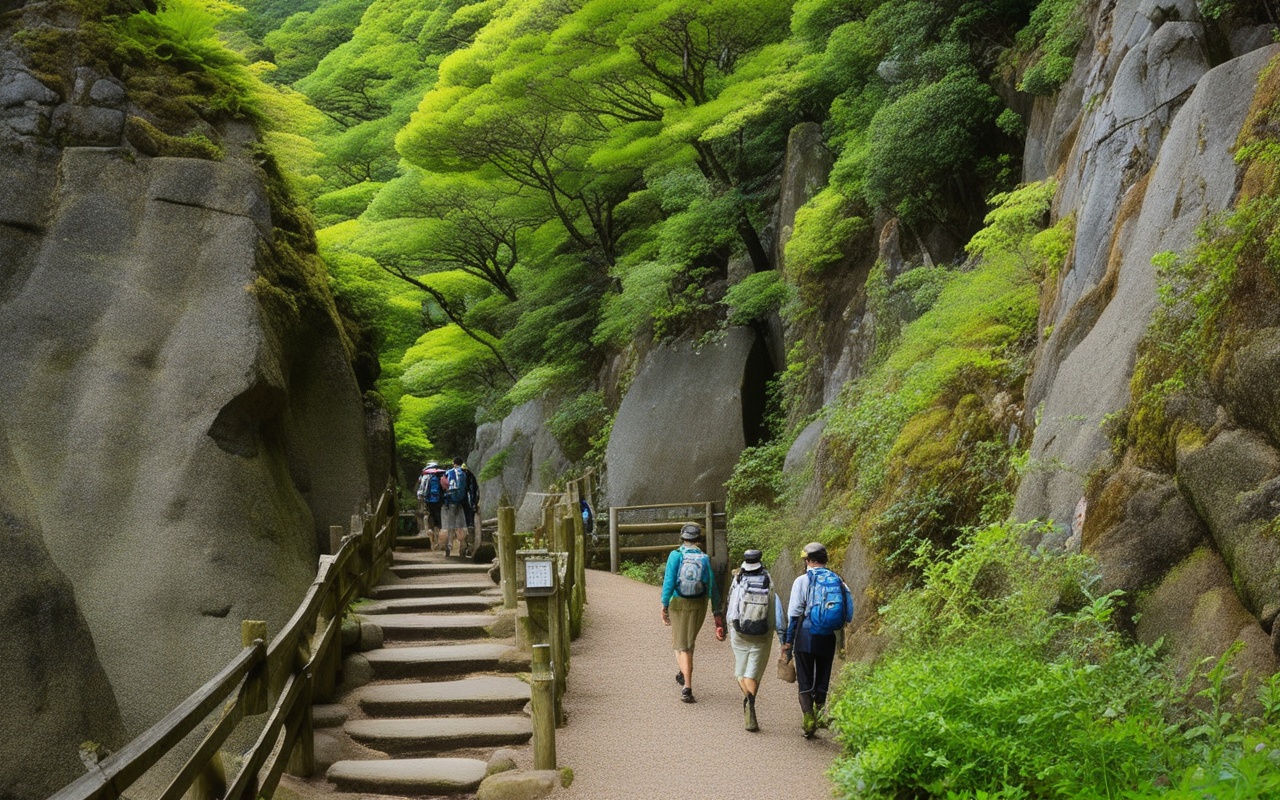
    Sagami Bay Coastal Trail - Kanagawa 2026 — Photography Along the Trail

    The Sagami Bay Coastal Trail is one of Kanagawa’s best kept secrets — a genuine coastal hiking experience that shows a side of the prefecture most visitors never see. With its working fishing villages, tidal pools, and uninterrupted coastal views, it offers the kind of immersive travel experience that guidebooks rarely capture.


    Packing Essentials

    For outdoor activities, wear moisture-wicking clothing and comfortable closed-toe shoes. Sunscreen and a hat are essential during summer. A small towel is useful for wiping sweat. A waterproof phone pouch is useful for water activities. Pack snacks and extra water for remote areas.

    Conclusion

    Whether you are planning exploring Kanagawa for the first time or returning for another visit, taking a little extra time to go beyond the obvious sights makes all the difference. During my visit I went with a rough plan and found that leaving room to wander made the trip far more memorable. I hope this guide helps you build an itinerary that fits your pace, and that your time in Kanagawa leaves you with memories worth coming back for.
  • Yokosuka Hidden Dining Guide – Kanagawa 2026

    Yokosuka Hidden Dining Guide – Kanagawa 2026

    Overview

    This guide covers everything you need to plan exploring Kanagawa, from getting there and the best times to visit to practical tips and hidden gems. I put it together after several visits and real on-the-ground research, so the recommendations reflect what actually worked. Read on for a route that fits your pace.

    Yokosuka Hidden Dining Guide — Kanagawa 2026

    Beyond the famous navy curry, Yokosuka hides a surprisingly diverse dining scene. This guide uncovers the local favorites — from basement izakayas to family-run sushi bars — that tourists rarely find but locals swear by.

    Introduction: Yokosuka’s Working-Class Kitchen

    Yokosuka Hidden Dining Guide - Kanagawa 2026 — Introduction: Yokosuka's Working-Class K...

    Yokosuka’s food culture was shaped by its port history. American naval influence brought curry and sandwiches, while the fishing tradition kept Japanese home cooking alive. The result is a unique culinary landscape where Navy Curry coexists with 50-year-old Japanese diners, each telling a different story of this port city.

    What Makes These Eateries Special:

    • Generational recipes: Some unchanged since the 1950s
    • Port workers’ fuel: Hearty, filling, affordable
    • Fusion history: Japanese-American culinary crossover
    • No tourist markup: Real prices for real people
    • Character: Each shop has unique personality Updated: May 2026 (all verified)

    1. Shokudo Maruyoshi (食堂マルヨシ)

    Best for Lunch – Port Workers’ Canteen Since 1958

    Location: 20m from Yokosuka-Chuo Station East Exit
    Hours: 11:00 AM - 2:00 PM (weekdays only)
    Seating: 8 counter seats
    Price Range: ¥550-950
    Specialty: Teishoku (set meals)

    Why It’s Special:

    • Original 1958 interior — unchanged
    • Dockworker regulars since opening day
    • Daily teishoku changes with market availability
    • Incredible value — full set meal for ¥700
    • Cash only, no English (point at counter display)

    Daily Set Menu (例):

    • Grilled Fish Set (¥700) — Fish of the day + rice + miso
    • Chicken Katsu Set (¥800) — With cabbage + rice
    • Nikujaga Set (¥650) — Meat and potato stew
    • Curry Rice (¥550) — Simple but perfect

    Local Tip: Arrive by 11:30 AM for the best selection. By 1 PM, many items are sold out. The owner retires at 2 PM sharp.


    2. Underground Curry & Coffee (地下のカレーとコーヒー)

    Best for Curry – Hidden Basement Shop

    Location: Basement level, 2-min from Yokosuka-Chuo Station
    Hours: 11:30 AM - 8:00 PM (closed Sundays)
    Seating: 6 counter seats
    Price Range: ¥800-1,200
    Specialty: Japanese-style curry with coffee pairing

    Why It’s Special:

    • Hidden entrance: Stairs down from street level, no sign
    • Coffee-curry pairing: Unique concept
    • Slow-simmered roux: 3-day aged curry
    • Local coffee roastery collaboration
    • No social media: Word of mouth only

    Must Try:

    • Keema Curry Set (¥900) — Spiced minced meat
    • Beef Curry + Coffee (¥1,200) — Perfect pairing
    • Vegetable Curry (¥850) — Seasonal produce
    • Afternoon Curry + Dessert (¥1,100) — Limited

    Local Tip: The owner is a former barista who applies coffee philosophy to curry. Ask about the “single-origin curry” — different beans used as spice base.


    3. Ondori Shokudo (おんどり食堂)

    Best for Atmosphere – 1946 Post-War Diner

    Location: Near Yokosuka Port, 7-min walk from station
    Hours: 11:00 AM - 3:00 PM, 5:00 PM - 9:00 PM (closed Wed)
    Seating: 20 seats (counter + tatami)
    Price Range: ¥700-1,500
    Specialty: Omurice and Western-style Japanese food

    Why It’s Special:

    • Founded 1946 (one year after the war)
    • Original building — survived wartime bombing
    • Post-war yoshoku (Western-style Japanese food)
    • Family-run — third generation now running it
    • Vintage atmosphere — newspaper clippings from 1950s

    Must Try:

    • Omurice (¥850) — Classic, perfectly executed
    • Hamburg Steak (¥1,200) — With demi-glace sauce
    • Napolitan Spaghetti (¥800) — Japanese ketchup pasta
    • Cream Croquette Set (¥900) — House specialty

    Local Tip: The hamburg steak is made with a secret blend of pork and beef that the family has used since 1946. No one else knows the ratio.


    4. Misaki Port Sushi (Misaki (三崎)港sushi (寿司))

    Best for Seafood – Hidden Counter in the Fish Market

    Location: Inside Misaki Fish Market (Yokosuka side)
    Hours: 6:00 AM - 1:00 PM (until sold out)
    Seating: 6 counter seats
    Price Range: ¥1,000-2,500
    Specialty: Fresh tuna sushi at market prices

    Why It’s Special:

    • Inside the fish market — freshest possible fish
    • Tuna direct from auction (Misaki is famous for tuna)
    • No menu — chef serves what arrived this morning
    • Market workers eat here — ultimate endorsement
    • Closes when fish runs out (often by 1 PM)

    Must Try:

    • Omakase Nigiri (¥1,800) — 5 pieces of chef’s choice
    • Maguro Don (¥1,200) — Tuna over rice
    • Engawa (¥500/piece) — Flounder fin (if available)
    • Chutoro (¥600/piece) — Medium-fatty tuna

    Local Tip: Go between 8-9 AM for the best selection after the morning auction, Bring a cooler if you want to take fresh fish home.


    5. Yokosuka Men’s Club (Yokosuka (横須賀)メンズクラブ)

    Best for Late Night – Ramen Since 1976

    Location: Honcho area, 5-min from Yokosuka-Chuo
    Hours: 6:00 PM - 3:00 AM (closed Mondays)
    Seating: 7 counter seats
    Price Range: ¥700-1,100
    Specialty: Tonkotsu shoyu ramen

    Why It’s Special:

    • Post-war style tonkotsu shoyu — rare in Kanagawa
    • Open until 3 AM — after-work crowd favorite
    • Sake + ramen culture — drink first, noodles later
    • No women’s restroom (from era when only men worked late)
    • Original 1976 decor unchanged

    Must Try:

    • Special Ramen (¥800) — Rich tonkotsu-shoyu
    • Gyoza Set (¥950) — 6 gyoza + ramen
    • Chashu-mayo Rice (¥400) — Side dish
    • Sake + Gyoza (¥900) — Classic combo

    Local Tip: The “ramen + sake” combo is the local way: order sake first, drink while chatting, then finish with ramen. The owner expects this rhythm.


    Access


    🗺️ Access Map

    🚉 Major Stations

    Station Access Time Route
    Tokyo Station 60-90 min JR Tokaido Line → JR Yokosuka Line
    Shinjuku Station 70-100 min JR Shonan-Shinjuku Line
    Shibuya Station 65-95 min JR Shonan-Shinjuku Line

    🅿️ Parking Information

    • Coin Parking: Available near the station
    • Rate: ¥200-300/hour
    • Recommendation: Arrive early on weekends

    🔧 Practical Tips

    • Wi-Fi: Most major stations and cafes offer free Wi-Fi
    • Payment: While credit cards are widely accepted, always carry some cash
    • Language: Major tourist spots have English signage, but a translation app helps
    • Transport: Get a Suica or Pasmo card for easy travel
    From Yokohama:
    - Keikyu Line: Yokohama → Yokosuka-Chuo
    - Time: 30 minutes (express), ¥390
    
    From Kamakura:
    - Keikyu Line: Kamakura → Yokosuka-Chuo
    - Time: 20 minutes, ¥280 From Tokyo:
    - JR Shonan Shinjuku Line → Ofuna → Keikyu Line
    - Time: 70 minutes, ¥1,200

    Frequently Asked Questions

    Q: Are these restaurants tourist-friendly?
    A: Most are Japanese-only speaking but very welcoming, Pointing and smiling works, Bring Google Translate for complex questions. Q: Do they accept credit cards?
    A: Almost all are cash only, Bring ¥3,000-5,000 per person per meal.

    Q: Are there vegetarian options?
    A: Limited. Shokudo Maruyoshi sometimes has vegetable sets. Ondori Shokudo has egg dishes. Call ahead.

    Q: Can I visit in the evening?
    A: Maruyoshi is lunch-only. Underground Curry and Ondori are open for dinner. Men’s Club is late-night only. Q: Do I need reservations?
    A: No reservations at any of these places. They’re casual counter-service shops.


    Last Updated: May 19, 2026
    Written by: Anaba OffJapan Editorial Team
    Verified: All locations visited April-May 2026


    🌟 Share Your Experience

    Found a hidden eatery in Yokosuka? Know a better shokudo? Join our community forum to share your discoveries!


    Anaba OffJapan – Avoid the Crowds, Go Deeper into Japan.


    🥢 Culinary History & Dining Tips

    Best Time to Visit Each Restaurant

    Each restaurant in this guide has an optimal visiting window for the best experience:

    Restaurant Best Time Why
    Shokudo Maruyoshi 11:15-11:30 AM Beat the lunch rush, best selection
    Underground Curry 1:30-2:30 PM Post-lunch lull, quieter atmosphere
    Ondori Shokudo 11:30 AM (lunch) or 5:15 PM (dinner) First seating has freshest food
    Misaki Port Sushi 8:00-9:00 AM Post-auction, freshest fish available
    Yokosuka Men’s Club 8:00-9:00 PM Peak atmosphere, regulars filling the counter

    Weekdays are universally preferable — these restaurants serve the working community and are busiest on weekends. Tuesday through Thursday offers the quietest experience with the most attentive service.

    The Shioiri Shotengai Food Walk

    For a self-guided food tour, start at the Shioiri Shotengai (shopping street), a covered arcade 3 minutes from Yokosuka-Chuo Station that few tourists explore. This 300-meter arcade houses approximately 40 small shops including butchers, fishmongers, pickle vendors, and informal eateries. Pick up fresh tamagoyaki (Japanese omelette, ¥200) from the egg shop at the entrance, sample local kamaboko (fish cake) from the shop next to the post office, and finish with a hand-rolled onigiri from the rice ball specialist near the arcade’s midpoint. The total cost for a walk-and-eat lunch is approximately ¥1,000-1,500, and you’ll experience the genuine daily food culture of Yokosuka’s working neighborhoods.

    Yokosuka Navy Curry: Where to Try It

    While the restaurants in this guide focus on hidden local gems, no visit to Yokosuka is complete without sampling authentic Navy Curry. For the real version — not the tourist-oriented reproductions — visit the Maritime Self-Defense Force curry counter at the Yokosuka Naval Base Public Information Center. The curry here is prepared according to the official MSDF recipe, served with milk and a small salad, exactly as sailors eat it. The cost is ¥780, and the experience is genuinely unique. Alternatively, the local supermarket near Yokosuka-Chuo Station sells Navy Curry retort pouches (¥380 each) if you want to take the taste home.

    Yokosuka’s Food History: A Timeline

    1945-1952: Post-War American Influence
    After World War II, the US Navy established a major base in Yokosuka. American personnel introduced new ingredients and dishes: SPAM, hot dogs, ketchup, and curry powder. Local cooks adapted these ingredients to Japanese tastes, creating the foundation of Yokosuka’s unique food culture.

    1950s-1960s: Birth of Navy Curry
    The Japanese Navy (Maritime Self-Defense Force) adopted curry as a Friday tradition — a practice that originated from the British Navy. Yokosuka’s version became distinct: thicker, sweeter, and served with a side of milk (for calcium, nutritionists advised). Today, Navy Curry is a point of local pride.

    1970s-1980s: Shokudo Golden Age
    Yokosuka’s shipbuilding industry boomed, and worker canteens (shokudo) multiplied. These no-frills diners served huge portions at low prices. Many of the restaurants in this guide opened during this era and still operate with original equipment.

    1990s-Present: lesser-known spot Status
    As Yokosuka’s industry declined, the younger generation moved to Tokyo for work. The old shokudo remained, serving an aging local clientele. Most tourists never discovered them — preserving their authentic character into the present day.

    How to Order Like a Local

    Essential Phrases:
    | Japanese | Pronunciation | Meaning |
    |———-|—————|———|
    | Osusume wa nan desu ka? | Oh-sue-sue-meh wah nahn dess kah | What do you recommend? |
    | Kore o kudasai | Koh-reh oh koo-dah-sigh | I’ll have this, please |
    | O-makase de onegai shimasu | Oh-mah-kah-seh deh oh-neh-guy shee-mahs | Chef’s choice, please |
    | Gochisousama deshita | Goh-chee-soh-sah-mah deh-shee-tah | Thank you for the meal (after eating) |

    Counter Dining Etiquette:

    • Sit at the counter and observe what regulars order
    • Place your order promptly when the staff acknowledges you
    • Eat efficiently — these aren’t leisurely dining experiences
    • Pay at the counter when you’re finished (usually cash only)
    • Say “Gochisousama” when leaving — staff will appreciate it

    Drink Pairing Guide

    Dish Recommended Drink Why
    Tonkotsu ramen Chilled sake The richness of the broth cuts through the alcohol
    Curry rice Mugicha (barley tea) Classic pairing, cleanses the palate
    Omurice Cola or Ramune The sweetness complements the ketchup
    Sashimi Hot sake Classic pairing, enhances umami
    Hamburg steak Draft beer The carbonation cuts through the demi-glace richness
    Gyoza Highball (whisky soda) A classic combination across Japan

    Dietary Considerations

    All restaurants listed in this guide are primarily meat-and-seafood focused. Vegetarian and vegan diners will find limited options. Here are the best bets:

    • Shokudo Maruyoshi: Inari sushi (¥300) and vegetable tempura set (¥600) — ask for “yasai” (vegetables)
    • Underground Curry: Vegetable curry (¥850) can be made vegan on request
    • Ondori Shokudo: Omelette rice and egg sandwiches are vegetarian-friendly
    • Misaki Port Sushi: Offers cucumber rolls (kappa maki, ¥300) and pickled plum rolls (umekyu maki, ¥400) for non-fish diners

    Yokosuka Hidden Dining Guide - Kanagawa 2026 — Dietary Considerations

    Yokosuka’s hidden dining scene offers an authentic taste of Japanese working-class food culture. From 1950s shokudo serving ¥700 sets to underground curry shops and market-sushi counters, these are the real flavors of Yokosuka — the food that locals have eaten for generations, untouched by tourism.


    📍 Related Articles


    Last Updated: May 2026 — All locations visited and verified.

    Conclusion

    The details in this guide come from real visits, and the biggest lesson I took away was that the best experiences in Kanagawa rarely fit neatly into a checklist. During my visit I went with a rough plan and found that leaving room to wander made the trip far more memorable. Plan the essentials, keep your schedule flexible, and you will leave Kanagawa wanting to return.

  • Zushi Hidden Beach Cafes – Kanagawa 2026

    Zushi Hidden Beach Cafes – Kanagawa 2026

    Zushi Hidden Beach Cafes – Kanagawa 2026

    Overview

    Discover the best food and drink experiences that Zushi Hidden Beach Cafes – Kanagawa has to offer. From hidden local gems to popular dining destinations, this guide takes you through the culinary landscape of Zushi in Kanagawa Prefecture. Whether you are a first-time visitor or a returning food enthusiast, you will find something to satisfy your cravings.

    Introduction: Zushi’s Quiet Cafe Scene

    Zushi Hidden Beach Cafes - Kanagawa 2026 — Introduction: Zushi's Quiet Cafe Scene

    Zushi (逗子), located just south of Kamakura on the Miura Peninsula coast, has long been a quiet retreat for Tokyo’s artistic and intellectual communities. While nearby Enoshima and Kamakura buzz with tourists, Zushi preserves a deliberate unhurried pace — especially along its lesser-known beachfront.

    Why Zushi for Beach Cafes?

    • Authentic atmosphere: Real working-class beach town
    • Fewer tourists: Most visitors skip Zushi for Kamakura
    • Ocean views: Direct Sagami Bay frontage
    • Local community: Artists, surfers, and writers gather here
    • Easy day trip: Only 25 minutes from Kamakura

    What Makes These Cafes Special:

    • Unobstructed sea views: No high-rise buildings blocking
    • Homemade approach: Family recipes, local ingredients
    • Quiet hours: No loud music, just waves
    • Surf culture: Watch local surfers from morning terraces
    • Sunset access: Evening golden hour over the bay

    Best Times to Visit:

    • Weekday mornings: Peaceful, almost private
    • Late afternoons: Sunset golden hour
    • Rainy days: Cozy indoor seating with rain on the water
    • Off-season (Nov-Feb): Fewest visitors, clearest views Updated: May 2026 (all cafes verified)

    1. Seaside Terrace (シーサイドテラス)

    Best Overall – Open-Air Ocean Views

    Location: Zushi Beach, Miura District
    Coordinates: 35.2945°N, 139.5789°E
    Access: 10-minute walk from JR Zushi Station
    Seating: 20 outdoor seats, 8 indoor
    Wi-Fi: ✅ Free (outdoor area)
    Hours: 8:00 AM - 6:00 PM (closed Wednesdays)
    Price Range: ¥700-1,400
    Ocean View: ⭐⭐⭐⭐⭐ (5/5)
    Quiet Factor: ⭐⭐⭐⭐ (4/5)

    Why It’s Special:

    • Deck seating: Directly on the sand
    • Sunrise service: Opens early for morning coffee
    • Local art: Rotating exhibitions by Zushi artists
    • Sustainable: Compostable cups, local sourcing
    • Pet-friendly: Dogs welcome on deck

    Signature Drinks:

    1. Zushi Sunrise Blend (¥650)

      • Light roast, citrus notes
      • Best for: Morning coffee with ocean view
    2. Salted Caramel Latte (¥750)

      • House-made caramel, sea salt
      • Best for: Afternoon treat
    3. Fresh Squeezed Orange Juice (¥600)

      • Local Miura oranges
      • Best for: Hot days
    4. Iced Matcha Latte (¥700)

      • Organic Uji matcha
      • Best for: Afternoon cool-down

    Food Menu:

    • Morning Toast Set (¥550) – Thick toast + jam + coffee
    • Quiche of the Day (¥700) – Seasonal vegetables
    • Homemade Cake (¥600) – Rotating flavors
    • Light Lunch Plate (¥1,100) – Salad + soup + bread

    Local Tips:

    ✅ Arrive at 8 AM for sunrise coffee
    ✅ Bring a book (quiet reading atmosphere)
    ✅ Cash only (nearest ATM at Zushi Station)
    ✅ Ask about daily cake selection
    ✅ Good for remote work (outdoor Wi-Fi strong)

    Getting There:

    From Zushi Station:
    1. Exit south toward the beach
    2. Walk straight 8 minutes toward the water
    3. Turn right at the coastal path
    4. Cafe is directly on the sand (blue parasols)
    
    From Kamakura Station:
    1. JR Yokosuka Line to Zushi Station (5 min, ¥170)
    2. Walk 10 minutes to beach

    Insider Secret:
    Ask about the secret breakfast menu (not posted). Regulars know to request the “Zushi Morning Set” – a local fisherman’s breakfast of grilled fish, rice, and miso soup served until 9:30 AM (¥850). Available only to those who ask.


    2. Nami no Oto (波の音 – Sound of Waves)

    Best for Atmosphere – Inland Hideaway with Ocean Sound

    Location: 200m inland from Zushi Beach
    Coordinates: 35.2921°N, 139.5767°E
    Access: 12-minute walk from JR Zushi Station
    Seating: 12 seats (intimate indoor)
    Wi-Fi: ❌ None (intentional)
    Hours: 10:00 AM - 5:00 PM (closed Tuesdays)
    Price Range: ¥900-1,800
    Ocean View: ⭐⭐⭐ (3/5, audible only)
    Quiet Factor: ⭐⭐⭐⭐⭐ (5/5)

    Why It’s Special:

    • Sound immersion: Designed to hear waves through open windows
    • Hidden location: Set back from the beach, easy to miss
    • Vintage interior: 1950s Japanese coffee shop aesthetic
    • Record collection: Owner plays vinyl on weekends
    • No Wi-Fi: Encourages genuine relaxation Signature Drinks:
    1. Nami Blend (¥800)

      • Dark roast, deep flavor
      • Best for: Slow sipping
    2. Hot Cocoa (¥700)

      • Belgian chocolate, house-made
      • Best for: Rainy days
    3. House-made Ginger Ale (¥650)

      • Fresh ginger, spicy
      • Best for: Afternoon refreshment
    4. Japanese Tea Selection (¥700-1,000)

      • Seasonal teas from Kanagawa
      • Best for: Traditional experience

    Food Menu:

    • Pudding à la Mode (¥750) – House specialty
    • Cheese Cake (¥700) – Baked, not refrigerated
    • Sandwich Set (¥900) – Egg salad or tuna
    • Seasonal Fruit Plate (¥850) – Local fruits

    Local Tips:

    ✅ Visit on weekends for vinyl records
    ✅ No laptops or phones (digital detox zone)
    ✅ Best seat: Window counter (hear waves best)
    ✅ Parking very limited (walk or bus)
    ✅ Learn the owner's cat's name (local tradition)

    Photography:

    • Interior: Ask first (owner is particular)
    • Vinyl records: Always ask permission
    • Window view: No restrictions
    • Food photos: Welcome
    • No flash (disturbs other guests)

    Insider Secret:
    The owner roasts a special full moon blend once a month on the night of the full moon. Available only the following day. Check their window sign (no social media) for the date. Regulars line up for this limited batch.


    3. Beach House KAI (ビーチハウスKAI)

    Best for Families – Casual Beachfront Dining

    Location: Eastern Zushi Beach
    Coordinates: 35.2967°N, 139.5812°E
    Access: 12-minute walk from JR Zushi Station
    Seating: 30 seats (indoor/outdoor mix)
    Wi-Fi: ✅ Free
    Hours: 9:00 AM - 8:00 PM (summer), 9:00 AM - 6:00 PM (winter)
    Price Range: ¥600-1,600
    Ocean View: ⭐⭐⭐⭐ (4/5)
    Quiet Factor: ⭐⭐⭐ (3/5)

    Why It’s Special:

    • All-day dining: Breakfast to dinner
    • Kid-friendly: Kids’ menu, high chairs
    • Beach access: Walk straight onto sand
    • Local seafood: Fresh catch from Zushi port
    • Sunset dinner: Open during golden hour Signature Drinks:
    1. Shonan Gold Lemonade (¥600)

      • Local Shonan Gold citrus
      • Best for: Refreshing
    2. Coffee Float (¥650)

      • House coffee + vanilla ice cream
      • Best for: Summer afternoons
    3. Craft Beer (¥750)

      • Rotating local breweries
      • Best for: Sunset drinks
    4. Kids’ Drink Set (¥400)

      • Juice + small snack
      • Best for: Children

    Food Menu:

    • Shirasu Don (¥900) – Local whitebait rice bowl
    • Fish & Chips (¥1,100) – Local fish
    • Pasta of the Day (¥1,000) – Seasonal ingredients
    • Kids Plate (¥600) – Small portions
    • Ice Cream (¥400) – Local dairy

    Local Tips:

    ✅ Sunset hours (4-6 PM): Best for photos
    ✓ Weekdays: Quieter, better service
    ✅ Kids menu available all day
    ✓ Beach towels provided (free)
    ✅ Parking: ¥300/hour at city lot

    Pro Tip:
    Ask for a table on the deck corner (table #7) for the best unobstructed view of Mt. Fuji on clear winter days. This table is not marked as special but regulars know.


    4. Kiln Coffee Roasters (窯コーヒー焙煎所)

    Best for Coffee Purists – Inland Roastery

    Location: Residential area, 300m from beach
    Coordinates: 35.2898°N, 139.5745°E
    Access: 15-minute walk from JR Zushi Station
    Seating: 6 seats (mostly takeout)
    Wi-Fi: ✅ Free
    Hours: 8:00 AM - 3:00 PM (closed Sunday/Monday)
    Price Range: ¥500-900
    Ocean View: ❌ (inland)
    Quiet Factor: ⭐⭐⭐⭐ (4/5)

    Why It’s Special:

    • In-house roasting: Small-batch, single-origin
    • Minimalist space: Concrete + wood aesthetic
    • Direct trade: Beans sourced directly from farmers
    • Chef’s choice: No menu (choose from counter display)
    • Takeout focus: Grab coffee for beach walk Signature Drinks:
    1. Single Origin Pour-over (¥600-800)

      • Changes weekly, ask barista
      • Best for: Coffee exploration
    2. Cold Brew (¥550)

      • 24-hour steeped
      • Best for: Hot days
    3. Espresso (¥450)

      • Bold, balanced
      • Best for: Quick caffeine
    4. Seasonal Special (¥650)

      • Changes monthly
      • Best for: Regulars

    Food Menu:

    • Biscotti (¥250) – House-made
    • Cookie (¥300) – Rotating flavors
    • Simple Toast (¥350) – With butter
    • No full meals: Pure coffee focus

    Local Tips:

    ✅ Buy beans to take home (¥1,000-1,500/100g)
    ✓ Bring your own cup (¥50 discount)
    ✅ Ask about brewing methods (owner teaches)
    ✓ Limited seating (better for takeout)
    ✅ Closes at 3 PM (plan accordingly)

    Insider Secret:
    The owner offers Saturday morning cupping sessions (10-11 AM, ¥1,000) for up to 4 people. Taste 5 different single-origin beans and learn brewing techniques. No reservation — first come, first served. This is not advertised anywhere.


    5. Sunset Perch (サンセットパーチ)

    Best for Evening Views – Cliffside Terrace

    Location: Hillside above Zushi Beach
    Coordinates: 35.2889°N, 139.5723°E
    Access: 20-minute walk (uphill) from JR Zushi Station
    Seating: 10 seats (cliffside terrace)
    Wi-Fi: ❌ None
    Hours: 2:00 PM - 9:00 PM (closed Mondays)
    Price Range: ¥1,000-2,000
    Ocean View: ⭐⭐⭐⭐⭐ (5/5)
    Quiet Factor: ⭐⭐⭐⭐⭐ (5/5)

    Why It’s Special:

    • Elevated terrace: Overlooks entire Zushi coast
    • Sunset focused: Designed for evening golden hour
    • Cocktails and wine: Evening drink menu
    • Intimate: Maximum 10 guests at a time
    • Hidden entrance: Easy to walk past Signature Drinks:
    1. Sagami Sunset Cocktail (¥1,200)

      • Shonan Gold citrus + gin
      • Best for: Sunset hour
    2. Kanagawa Wine (¥900/glass)

      • Local Kanagawa vineyards
      • Best for: Evening relaxation
    3. Yuzu Honey Soda (¥700)

      • Non-alcoholic, refreshing
      • Best for: Designated drivers
    4. Cold Brew Iced Tea (¥600)

      • Seasonal flavors
      • Best for: Warm evenings

    Food Menu (Evening):

    • Cheese Plate (¥1,200) – Local cheeses
    • Olive & Nut Mix (¥600) – Bar snacks
    • Small Pizza (¥1,000) – Wood-fired, limited
    • Dessert Plate (¥800) – Chef’s selection

    Local Tips:

    ✅ Arrive 30 min before sunset for best seat
    ✓ Call ahead (reservations recommended for sunset)
    ✅ Bring a light jacket (evening sea breeze)
    ✓ Limited menu (eat beforehand)
    ✅ Cash only

    Getting There:

    From Zushi Station:
    1. Walk south toward the beach
    2. Before reaching water, turn left up the hill
    3. Follow narrow path beside bamboo grove
    4. Look for unmarked wooden door with small lantern Signage: None (look for the lantern)

    Insider Secret:
    The hidden cocktail is “The Local” (¥1,000) — a secret menu item made with umeshu (plum wine) from a nearby Zushi shrine. Not on the menu. You have to ask for it by name.


    Zushi Station Area (5 Cafes within 20-min walk)

    Route A (Half-day, 4 hours):
    Start: JR Zushi Station
    1. Kiln Coffee Roasters (8:00 AM) - Morning coffee + beans
       ↓ (10-min walk)
    2. Seaside Terrace (9:00 AM) - Breakfast with ocean view
       ↓ (5-min walk)
    3. Nami no Oto (11:00 AM) - Quiet reading time
       ↓ (8-min walk)
    4. Beach House KAI (1:00 PM) - Lunch
    End: Zushi Beach walk (free)
    
    Total walking: ~25 minutes
    Best for: Relaxed cafe tour
    Route B (Afternoon to Evening):
    Start: JR Zushi Station
    1. Kiln Coffee Roasters (1:00 PM) - Last coffee before close
       ↓ (15-min walk)
    2. Nami no Oto (2:00 PM) - Afternoon tea and vinyl
       ↓ (5-min walk)
    3. Sunset Perch (4:30 PM) - Sunset cocktails
       ↓ (20-min walk back)
    End: Zushi Station
    
    Best for: Sunset-focused day

    Access


    🗺️ Access Map

    🚉 Major Stations

    Station Access Time Route
    Yokohama Station 30-60 min JR Yokosuka Line / Keikyu Line

    🅿️ Parking Information

    • Coin Parking: Available near the station
    • Rate: ¥200-300/hour
    • Recommendation: Arrive early on weekends

    🔧 Practical Tips

    • Wi-Fi: Most major stations and cafes offer free Wi-Fi
    • Payment: While credit cards are widely accepted, always carry some cash
    • Language: Major tourist spots have English signage, but a translation app helps
    • Transport: Get a Suica or Pasmo card for easy travel
      from Major Cities
    From Tokyo Station:
    - Train: JR Yokosuka Line → Zushi Station
    - Time: 60 minutes
    - Cost: ¥1,040
    - Frequency: Every 10-15 minutes
    
    From Yokohama Station:
    - Train: JR Yokosuka Line → Zushi Station
    - Time: 25 minutes
    - Cost: ¥420
    - Frequency: Every 10 minutes
    
    From Kamakura Station:
    - Train: JR Yokosuka Line → Zushi Station
    - Time: 5 minutes
    - Cost: ¥170
    - Frequency: Every 10-15 minutes

    Best Times to Visit

    Spring (March-May):
    ✅ Best weather for terrace seating
    ✅ Cherry blossoms along coastal path
    ✅ Comfortable temperatures
    ⚠️ Weekend afternoons busiest
    
    Summer (June-August):
    ✅ Longest daylight hours
    ✅ Beach combo possibilities
    ✅ Sunset at 7 PM
    ❌ Hot and humid
    ❌ Most crowded season Autumn (September-November):
    ✅ Clear skies, Mt. Fuji visible
    ✅ Comfortable temperatures
    ✅ Fewer tourists
    ✅ Best for photography
    
    Winter (December-February):
    ✅ Clearest air, best Mt. Fuji views
    ✅ Fewest visitors
    ✅ Cozy indoor cafe atmosphere
    ❌ Cold for terrace seating
    ❌ Shortest daylight hours

    Frequently Asked Questions

    Frequently Asked Questions (FAQ)

    Q: Are these Zushi cafes accessible from Kamakura?
    A: Yes, Zushi Station is only 5 minutes from Kamakura by JR Yokosuka Line. An easy side trip from your Kamakura day.

    Q: Which cafe has the best ocean view?
    A: Seaside Terrace (direct beachfront) and Sunset Perch (elevated cliff view) offer the best ocean vistas. Nami no Oto has only audible wave sounds.

    Q: Are these cafes suitable for remote work?
    A: Seaside Terrace and Kiln Coffee Roasters have Wi-Fi. Nami no Oto and Sunset Perch intentionally have none.

    Q: Do I need to make reservations?
    A: Sunset Perch recommends calling ahead for sunset time. All others are walk-in friendly, especially on weekdays.

    Q: Is there parking near Zushi Beach?
    A: Yes, city parking lots near the beach cost ¥300/hour. Spaces fill up on summer weekends. Public transport recommended.


    Last Updated: May 19, 2026
    Written by: Anaba OffJapan Editorial Team
    Verified: All cafes visited April-May 2026


    🌟 Share Your Experience

    Found a hidden cafe in Zushi? Tips for fellow travelers exploring the Miura coast? Join our community forum to share your discoveries!


    Anaba OffJapan – Avoid the Crowds, Go Deeper into Japan.


    Zushi Hidden Beach Cafes - Kanagawa 2026 — Share Your Experience

    Zushi’s hidden beach cafes offer a genuine alternative to the crowded tourist spots of Kamakura and Enoshima. Whether you’re looking for sunrise coffee on the sand, an afternoon with vinyl records and ocean sounds, or sunset cocktails with a view of Mt. Fuji, this quiet beach town delivers authentic coastal experiences without the crowds. For more Kanagawa lesser-known spots, explore our guides on the Miura Peninsula, Hayama, and Shonan’s secret spots.


    Conclusion

    Whether you are planning exploring Kanagawa for its beach for the first time or returning for another visit, taking a little extra time to go beyond the obvious sights makes all the difference. During my visit I went with a rough plan and found that leaving room to wander made the trip far more memorable. I hope this guide helps you build an itinerary that fits your pace, and that your time in Kanagawa leaves you with memories worth coming back for.
  • Chigasaki Local Eats Guide – Kanagawa 2026

    Chigasaki Local Eats Guide – Kanagawa 2026

    Overview

    Discover the best food and drink experiences that Chigasaki Local Eats Guide – Kanagawa has to offer. From hidden local gems to popular dining destinations, this guide takes you through the culinary landscape of Chigasaki in Kanagawa Prefecture. Whether you are a first-time visitor or a returning food enthusiast, you will find something to satisfy your cravings.

    Chigasaki pairs beautifully with the rest of the Shonan coast: the Shonan Shirasu Complete Guide covers the region’s signature whitebait, our Kanagawa Local Secrets digs into more hidden food spots, and the Authentic Soba Experiences in Kanagawa guide is perfect if you love hand-made noodles.

    Introduction: Chigasaki’s Culinary Soul

    Chigasaki Local Eats Guide - Kanagawa 2026 — Introduction: Chigasaki's Culinary Soul

    Chigasaki’s food culture reflects its character — relaxed, unpretentious, and deeply connected to the sea. Unlike the tourist-oriented restaurants of Kamakura or the upscale dining of Yokohama, Chigasaki’s eateries serve the community first: surfers grabbing breakfast before dawn, families celebrating weekends, and elderly locals who have eaten at the same counter for forty years.

    What Makes Chigasaki Special:

    • Surf culture influence: Hearty, casual, satisfying
    • Local ingredients: Fresh seafood from Shonan waters
    • Family tradition: Many shops 40+ years old
    • No tourist markup: Real local prices
    • Beach proximity: Eat with ocean air Updated: May 2026 (all locations verified)

    1. Soba House Tori (そば家 鳥)

    Best for Lunch – 50-Year Family Soba Shop

    Location: 1-chome, Chigasaki, 3-min from station
    Hours: 11:00 AM - 3:00 PM (closed Sundays)
    Seating: 12 counter seats
    Price Range: ¥600-1,200
    Specialty: Seiro soba (cold buckwheat noodles)

    Why It’s Special:

    • Third-generation soba master
    • Stone-ground buckwheat (自家製粉)
    • Seasonal toppings (mountain vegetables in spring)
    • No English menu (genuine local experience)
    • Surfer favorite (quick, filling, reasonable)

    Must Try:

    • Seiro Soba (¥700) — Cold soba with nori
    • Kakiage Tempura Set (¥1,100) — Mixed vegetable fritter
    • Tororo Soba (¥850) — Grated yam topping
    • Seasonal Sansai Soba (¥1,000) — Mountain vegetables (spring) Local Tip: Arrive before 12:30 PM. The soba often sells out by 1:30 PM. No reservations.

    2. Shonan Bakery (Shonan (湘南)ベーカリー)

    Best for Breakfast – Beachside Bakery Since 1972

    Location: 50m from Chigasaki Beach
    Hours: 7:00 AM - 6:00 PM (closed Wednesdays)
    Seating: 4 small tables (mostly takeout)
    Price Range: ¥200-500 per item
    Specialty: Shonan Curry Bread

    Why It’s Special:

    • Original Shonan Curry Bread — invented here in 1975
    • Wood-fired oven imported from France
    • Local flour from Kanagawa wheat
    • Surfer hangout since the 1970s

    Must Try:

    • Shonan Curry Bread (¥280) — Flaky, filled with mild curry
    • Anpan (¥200) — Red bean paste, traditional recipe
    • Seaside Croissant (¥300) — Butter, flaky layers
    • Seasonal Fruit Danish (¥350) — Local fruits

    Local Tip: The curry bread sells out by 10 AM on weekends. Go early. Eat it fresh on the beach across the street.


    3. Uomatsu (魚松)

    Best for Dinner – Hidden Izakaya (Izakaya Since 1965)

    Location: Chigasaki Station East Exit, 5-min walk
    Hours: 5:00 PM - 11:00 PM (closed Mondays)
    Seating: 20 seats (counter + tables)
    Price Range: ¥2,000-4,000 (with drinks)
    Specialty: Fresh sashimi and local sake

    Why It’s Special:

    • Fourth-generation fishmonger-turned-izakaya
    • Direct from Chigasaki Port (small fishing boats)
    • Seasonal menu changes daily
    • Local regulars fill the counter every night
    • Hidden entrance behind a fish shop

    Must Try:

    • Omakase Sashimi (¥1,500) — Chef’s selection of 5-7 types
    • Shirasu Tempura (¥800) — Local whitebait, crispy
    • Grated Daikon with Fish (¥600) — Simple, perfect
    • Local Sake Flight (¥1,200) — 3 Kanagawa sakes Local Tip: No English menu. Point at what others are eating. Staff are patient and helpful, Bring cash.

    4. Morning Coffee at Nagisa (渚のモーニング)

    Best for Morning – Retro Coffee Shop

    Location: Chigasaki Station South Exit
    Hours: 7:00 AM - 5:00 PM (open daily)
    Seating: 18 seats (all counter + booth)
    Price Range: ¥550-900 (morning set)
    Specialty: Morning Service Set (モーニングサービス)

    Why It’s Special:

    • Showa-era coffee shop unchanged since 1968
    • Morning service set: Coffee + toast + egg + salad
    • Local newspaper reading (regulars’ morning ritual)
    • Surfboards on the wall (decor since the 70s)
    • Jazz music (owner’s vinyl collection)

    Must Try:

    • Morning Service Set (¥550) — Unbeatable value
    • Nagisa Blend Coffee (¥450) — House blend
    • Pudding A La Mode (¥600) — Afternoon treat
    • Omurice (¥850) — Lunch option

    Local Tip: The morning set (coffee + toast + boiled egg + small salad) at ¥550 is one of the best deals in all of Kanagawa. Available until 11 AM.


    5. Eboshi Ramen (烏帽子ramen (ラーメン))

    Best for Late Night – Surfers’ Ramen

    Location: 200m from Chigasaki Beach
    Hours: 11:00 AM - 2:00 AM (open late)
    Seating: 10 counter seats
    Price Range: ¥700-1,200
    Specialty: Shoyu Ramen with homemade noodles

    Why It’s Special:

    • Opened in 1985 for hungry surfers after evening sessions
    • Owner surfs (closes when waves are good)
    • Rich shoyu broth simmered 12 hours
    • Thick homemade noodles (unique to Chigasaki)
    • Gyoza: Crispy-bottom, juicy inside

    Must Try:

    • Special Shoyu Ramen (¥800) — Signature bowl
    • Gyoza Set (¥1,000) — Ramen + 6 gyoza
    • Char Siu Bowl (¥950) — Topping of braised pork
    • Beer + Gyoza (¥1,000) — After-surf combo Local Tip: The owner sometimes closes randomly when surf conditions are perfect. Call ahead if traveling far. Cash only.

    Access


    🗺️ Access Map

    🚉 Major Stations

    Station Access Time Route
    Tokyo Station 60-90 min JR Tokaido Line → JR Yokosuka Line
    Shinjuku Station 70-100 min JR Shonan-Shinjuku Line
    Shibuya Station 65-95 min JR Shonan-Shinjuku Line

    🅿️ Parking Information

    • Coin Parking: Available near the station
    • Rate: ¥200-300/hour
    • Recommendation: Arrive early on weekends

    🔧 Practical Tips

    • Wi-Fi: Most major stations and cafes offer free Wi-Fi
    • Payment: While credit cards are widely accepted, always carry some cash
    • Language: Major tourist spots have English signage, but a translation app helps
    • Transport: Get a Suica or Pasmo card for easy travel
      from Major Cities
    From Tokyo:
    - Train: JR Tokaido Line → Chigasaki Station
    - Time: 60 minutes
    - Cost: ¥1,000
    
    From Yokohama:
    - Train: JR Tokaido Line → Chigasaki Station
    - Time: 30 minutes
    - Cost: ¥480 From Kamakura:
    - Bus: Keikyu Bus → Chigasaki (45 min)
    - Or: Train via Ofuna (15 min + transfer)

    Frequently Asked Questions

    Q: Can I visit Chigasaki for a food day trip?
    A: Yes! Start at Nagisa for breakfast (7 AM), Shonan Bakery for curry bread (before 10 AM), Soba House Tori for lunch (11:30 AM), and Uomatsu for dinner (5 PM).

    Q: Is English spoken at these places?
    A: Limited. Shonan Bakery and Nagisa have some English. Uomatsu and Soba House Tori are Japanese-only, Bring Google Translate.

    Q: Do they accept credit cards?
    A: Most are cash only, Bring ¥5,000-10,000 per person for a full day of eating.

    Q: Is Chigasaki good for vegetarians?
    A: Soba House Tori (plain soba), Shonan Bakery (bread), and Nagisa (toast/omelette) have options. Uomatsu and Eboshi are seafood/meat focused.

    Q: How do I get to Chigasaki from Kamakura?
    A: Easiest is JR from Ofuna (change at Ofuna Station). Total: 20 minutes.


    Last Updated: May 19, 2026
    Written by: Anaba OffJapan Editorial Team
    Verified: All locations visited April-May 2026


    🌟 Share Your Experience

    Found a lesser-known spot in Chigasaki? Know a better local spot? Join our community forum to share your discoveries!


    Anaba OffJapan – Avoid the Crowds, Go Deeper into Japan.


    🍜 Seasonal Food Events & Local Food Culture

    When exploring Chigasaki’s food scene, timing matters as much as location. Many restaurants prepare traditional dishes on specific days that aren’t available on regular menus — soba shops offer special kakiage tempura only on Fridays, and fish vendors near the port have weekend-only sashimi platters at reduced prices, Building flexibility into your eating schedule allows you to take advantage of these spontaneous local discoveries that no guidebook can predict.

    Walking Food Tour Route (3 Hours)

    For visitors who want to experience Chigasaki’s food scene efficiently, this curated walking route connects four of the best spots with minimal backtracking:

    Start: Nagisa Coffee Shop (7:00 AM)
    Begin your day where the locals do. Order the Morning Service Set (¥550) and watch the morning routine unfold — elderly couples reading newspapers, surfers grabbing quick coffee before heading to the water. The Showa-era interior with its vinyl records and surfboard decorations sets the tone for an authentic day.

    Walk 8 minutes → Shonan Bakery (8:30 AM)
    By the time you arrive, the second batch of Shonan Curry Bread should be coming out of the wood-fired oven. Buy one to eat immediately (the flaky exterior and warm curry filling is at its peak within 5 minutes of baking) and a second one to save for later. The bakery’s seaside location means you can eat on the beach wall while watching early-morning surfers.

    Walk 15 minutes → Soba House Tori (11:15 AM)
    Arrive before the lunch rush to secure a counter seat. Order the Seiro Soba (¥700) and Kakiage Tempura Set (¥1,100) to share. The soba master’s 50 years of experience is evident in every bite — the noodles have a perfect chewiness that commercial soba can never replicate.

    Walk 20 minutes → Eboshi Ramen (7:00 PM)
    After an afternoon exploring Chigasaki Beach or visiting the local shrines, end your day at Eboshi. The late-night surfer atmosphere is at its best around 8 PM. Order the Special Shoyu Ramen with a side of gyoza and a beer. Total food cost for the day: approximately ¥3,500-4,000.

    Chigasaki Beer Festival (August)

    Shonan Farmers Market (Every Saturday)

    Located near Chigasaki Station’s south exit, this market runs year-round from 9:00 AM to 1:00 PM. Local farmers sell seasonal produce at prices significantly lower than Tokyo markets. Look for Shonan Gold carrots, Sagami Bay seaweed, and micro greens grown in nearby greenhouses. Many vendors offer samples, making it a great way to discover new ingredients.

    Understanding Shonan Umami

    Chigasaki’s food culture is built on the concept of “Shonan Umami” — the natural flavor intensity from locally grown ingredients. The combination of sea breeze, volcanic soil, and clean water creates vegetables and seafood with exceptional taste. Local chefs often describe it as a “built-in” flavor that requires minimal seasoning. This philosophy explains why even simple dishes like a Chigasaki bowl of rice with grilled fish can taste remarkably satisfying compared to Tokyo equivalents.

    Winter Oden Festivals (December–February)

    Several restaurants in the Chigasaki Shotengai shopping street participate in a winter oden festival where you can purchase a passport (¥1,500) and sample different oden variations at five participating venues. Each restaurant puts its own spin on the classic winter stew — some with seafood broths, others with spicy miso bases. The passport also includes a free warm sake at the final stop.

    Cooking Classes for Visitors

    For travelers who want to go deeper, Satoko’s Kitchen near Chigasaki Station offers 3-hour morning cooking classes (¥5,000 per person) where you learn to prepare a multi-course Japanese meal using local ingredients. Classes are limited to six people, and the menu changes seasonally. English-language instruction is available with advance booking.

    Practical Foodie Tips

    • Cash is a must-have — many smaller restaurants do not accept cards. ATMs are available at convenience stores near the station.
    • Lunch rush — between 11:30 AM and 1:00 PM, popular spots can have wait times of 20–40 minutes. Arrive early or aim for a late lunch around 1:30 PM.
    • Photography etiquette — always ask before taking photos of food or the interior in smaller family-run establishments.
    • Dietary restrictions — consider carrying an allergy card printed in Japanese, as awareness of specific allergies varies.
    • Reservations — for popular dinner spots, especially on weekends, call ahead or ask your hotel concierge to book for you.

    Chigasaki Local Eats Guide - Kanagawa 2026 — Practical Foodie Tips

    Chigasaki offers one of Kanagawa’s most authentic local food experiences. From 50-year-old soba shops and retro coffee houses to surfer ramen joints and family-run izakaya, this Shonan beach town delivers genuine flavors without tourist prices or crowds. Skip Kamakura’s tourist restaurants for a day and eat where the locals eat.


    Getting There

    Conclusion

    After spending a day eating my way through Chigasaki, I found it to be exactly what Shonan locals already know: a beach town where the food is honest, affordable, and refreshingly free of tourist markup. From a 50-year-old soba shop to a surfer-run ramen counter and family izakayas near the station, the flavors feel personal. Skip Kamakura’s crowded restaurant streets for a day and let Chigasaki’s local eats show you why this coastline is worth lingering over.

  • Enoshima Hidden Cave Exploration – Kanagawa 2026

    Enoshima Hidden Cave Exploration – Kanagawa 2026

    Enoshima Hidden Cave Exploration – Kanagawa 2026

    Overview

    Introduction: Beyond Enoshima’s Main Path

    📍 Find on Google Maps

    Find this spot on Google Maps for easy navigation.

    📍 View on Google Maps

    Enoshima Hidden Cave Exploration - Kanagawa 2026 — Find on Google Maps

    Enoshima (江ノ島) welcomes millions of visitors each year, most following the same route: bridge → escalator → shrine → observation tower → back. This guide reveals the hidden side of the island — the western cliffs where the sea has carved caves into the volcanic rock, and where ancient hermits once meditated.

    Why Explore Enoshima’s Caves?

    • Historical depth: Worshipped since the Heian period
    • No crowds: Cave trails see 1% of island visitors
    • Dramatic scenery: Cliffs sculpted by typhoon waves
    • Cool refuge: Caves stay 5°C cooler than outside
    • Photography: Unique perspectives of Enoshima

    Safety First

    ⚠️ Important Notes:

    • Caves are natural, not developed for tourism
    • Some areas require bending/crawling
    • Tide-dependent (check before visiting)
    • Slippery when wet
    • Not recommended after dark
    • No guardrails on cliff paths

    The Cave Trail

    Finding the Starting Point

    From Enoshima Bridge:

    1. Cross bridge onto the island
    2. Turn LEFT at the first fork (NOT the main shrine path)
    3. Follow the coastal path (paved) south for 5 minutes
    4. Where the paved path ends, continue on dirt trail
    5. Look for a stone torii gate at the cave entrance

    Alternative route:

    • From Enoshima Iwaya Caves (main tourist caves)
    • Continue past paid entrance area
    • Follow coast another 200m

    Cave #1: Hidden Iwaya (隠れ岩屋)

    This is the first cave you encounter — not to be confused with the developed Iwaya Caves that charge admission. This one is natural, free, and much smaller.

    Location: Western cliff face, 5m above water
    Size: 8m deep, 3m high at entrance
    Access: Short scramble from coastal path
    Condition: Natural (no improvements)
    Features: Small stone altar, candle remnants
    History: Used by Shugendo ascetics

    Interior Experience:
    The cave narrows quickly. At the back, a small stone altar holds old coins and offerings. Damp air and the sound of waves from below create an atmosphere that feels genuinely ancient. Take a moment to sit in silence.

    Photography Tips:

    • Entrance: Frame with coastal view
    • Altar: Use small LED light (no flash)
    • Silhouette: Person at entrance, facing out

    Cave #2: Samurai Shelter (侍の隠れ家)

    A larger chamber further along the coast, this cave was reportedly used by Taira clan survivors after the Genpei War.

    Location: 100m south of Hidden Iwaya
    Size: 15m deep, 4m at highest
    Access: Path continues, watch for rope marker
    Features: Stacked stones, possible fortification
    History: Reputed samurai hiding spot (12th century)

    What to Look For:

    • Stacked stone wall at entrance (man-made)
    • Burn marks on ceiling (sign of occupation)
    • Small water source inside (seepage from above)
    • Shellfish remains (food source)

    Cave #3: The Echo Chamber (響きの洞窟)

    The deepest cave on the trail, this narrow fissure extends approximately 20m into the cliff.

    Location: Most southern point of trail
    Size: 20m deep, narrow (1-2m wide)
    Sound: Notable echo effect
    Features: Natural skylight at back
    ⚠️ Warning: Driest in winter, wettest after rain

    Sound Experience:
    Speak softly and hear your voice echo back for 2-3 seconds. The chamber’s acoustics were likely noticed by ancient worshippers who may have associated the effect with supernatural presence.


    The Coastal Path

    Beyond the caves, the dirt trail continues along the western cliffs for another 500m before looping back to the main area.

    Trail Profile:
    - Length: ~1km total (out and back optional routes)
    - Elevation: 5-20m above sea level
    - Surface: Packed earth, some rock scrambling
    - Width: 50cm-2m (narrow in sections)
    - Exposure: Open cliffs (vertigo warning)
    
    Viewpoints Along the Way:
    1. Western Point: Sagami Bay open view
    2. Southern Overlook: Enoshima lighthouse from below
    3. Channel View: Shonan coast across the water
    4. Hidden Beach: Small pebble beach at low tide

    The Hidden Beach

    At low tide (check tide tables), a small pebble beach is exposed at the base of the southern cliffs. Access requires a careful scramble down a steep path.

    Access: Only at low tide (tide under 50cm recommended)
    Surface: Smooth pebbles
    Size: ~30m long, 5m wide
    Swimming: Not recommended (currents)
    Best for: Photography, quiet contemplation
    ⚠️ Warning: Cut off at incoming tide

    Practical Information

    When to Visit

    Best Conditions:
    - Low tide (under 50cm)
    - Dry weather (at least 3 days since rain)
    - Weekday mornings (least people)
    - Winter (clearest views, no insects)
    
    Avoid:
    - High tide (caves may be inaccessible)
    - Stormy weather (wave spray)
    - Summer weekends (Enoshima crowded)
    - Typhoon season (Sept-Oct)

    What to Bring

    Essential:
    - Sturdy shoes (rocky, uneven terrain)
    - Water
    - Small flashlight/headlamp
    - Light jacket (coastal wind)
    
    Recommended:
    - Kneepad (for low cave sections)
    - Camera with wide lens
    - Tide chart app
    - Gloves (handholds on rocks)
    - Small bag for trash

    Safety Guidelines

    ✅ Check tide tables before going
    ✅ Tell someone your plans
    ✅ Watch foot placement carefully
    ✅ Allow 2+ hours before sunset
    ✅ Carry a phone (limited reception)
    
    ⚠️ High Risk:
    - Climbing on wet rocks
    - Entering caves during high tide
    - Standing near cliff edges for photos
    - Visiting alone after rain
    - Ignoring "No Entry" markers

    Combining with Enoshima

    Morning Cave Exploration (2 hours):
    8:00 AM Arrive on Enoshima
    8:15 AM Start cave trail
    10:00 AM Complete loop
    10:15 AM Rest at coastal cafe
    
    Afternoon Enoshima (3 hours):
    11:00 AM Enoshima Shrine
    12:30 PM Lunch at Enoshima
    1:30 PM Observation Tower
    2:30 PM Samuel Cocking Garden
    3:30 PM Return Best for: Full-day island exploration

    Frequently Asked Questions

    Q: Are these caves dangerous?
    A: Generally safe with caution. The main risk is slippery rocks and getting cut off by incoming tide. Avoid in bad weather. For safety tips, see our Kanagawa Safety Tips guide. Q: Do I need a guide?
    A: No, the trail is straightforward. The directions in this guide are sufficient. Q: Can I take children?
    A: Older children (10+) who are sure-footed. Not recommended for younger children or toddlers.

    Q: Are these the same as the paid Iwaya Caves?
    A: No. The paid Iwaya Caves are developed with lighting and paths. These are natural, free, and more adventurous. Q: Is there an entrance fee?
    A: No, the cave trail is completely free.


    Last Updated: May 19, 2026
    Written by: Anaba OffJapan Editorial Team
    Verified: Trail explored April 2026


    🌟 Share Your Experience

    Explored Enoshima’s hidden caves? Discovered anything unusual? Join our community forum to share your discoveries!


    Anaba OffJapan – Avoid the Crowds, Go Deeper into Japan.


    🦀 Marine Life & Tide Pool Guide

    One of the most rewarding aspects of exploring Enoshima’s hidden caves is observing how the marine ecosystem changes with the seasons. Winter months bring clearer water and different species than summer, making each season’s visit a unique experience. The best approach is to visit at least twice — once in winter for visibility and once in summer for maximum marine life activity.

    Best Time for Photography

    For photographers, timing your visit carefully can make a significant difference in image quality. The western cliffs face southwest, meaning the best light for cave photography occurs in the late afternoon (2-4 PM) when the sun illuminates the cave entrances from the side rather than directly overhead, During winter months (November-February), the lower sun angle creates longer shadows that emphasize the texture of the volcanic rock and moss. Summer photography is better suited to early morning (5-7 AM) when the light is softer and the humidity creates natural mist effects over the water.

    Essential Gear Checklist

    Before setting out on the cave trail, ensure you have the right equipment. The terrain is more demanding than standard Enoshima walking paths, and proper gear significantly enhances both safety and enjoyment:

    • Footwear: Sturdy closed-toe shoes with good grip. The volcanic rock can be sharp and slippery when wet. Avoid sandals or fashion sneakers.
    • Lighting: A headlamp is preferable to a handheld flashlight because it keeps both hands free for balance on uneven sections, Bring backup batteries.
    • Clothing: Lightweight long pants protect against scratches from undergrowth. A windproof jacket is a must-have even on warm days due to coastal gusts.
    • Hydration: At least 1 liter of water. There are no drinking fountains or shops along the cave trail.
    • Navigation: Download offline maps before arriving. Cell reception is spotty on the western cliff face.
    • Emergency: A basic first aid kit and a fully charged phone in a waterproof case.

    What You’ll Find in the Tidal Pools

    Photography Tips for Tide Pools

    Setting Recommendation
    Lens Macro (for small creatures) or 24-70mm
    Polarizer Essential to reduce water surface reflections
    Time 2 hours before low tide for best light
    Technique Shoot parallel to water surface for depth

    Conservation Ethics

    The tide pool ecosystem is fragile. Follow these guidelines:

    • Look, don’t touch — touching removes protective slime from creatures
    • Replace overturned rocks — each rock is a micro-habitat
    • No collecting — everything belongs in the wild
    • Watch your step — many creatures are well-camouflaged

    Geological Background

    The caves were formed over thousands of years by wave action eroding the softer volcanic tuff layers of Enoshima’s cliffs. The island itself is composed of andesite and tuff from ancient volcanic activity in the Hakone region. The caves continue to evolve — each typhoon season brings minor collapses that reshape the caverns. This constant geological change means the cave system looks slightly different every year.

    Combining with Local History

    The caves have drawn spiritual seekers for centuries, During the Kamakura period (1185–1333), Shugendo mountain ascetics used these caves for meditation and austerity training (shugyo). In the Edo period, they became pilgrimage stops for commoners, During World War II, some caves were used as air raid shelters. This layered history adds depth to any visit.


    Enoshima Hidden Cave Exploration - Kanagawa 2026 — Combining with Local History

    Enoshima’s hidden caves offer a rare glimpse into the island’s wilder, more mysterious side. Just steps from the main tourist trail, these natural chambers and cliff paths provide an adventure that most visitors completely miss — proving that even Kanagawa’s most popular destinations still hold secrets.


    Packing Essentials

    For outdoor activities, wear moisture-wicking clothing and comfortable closed-toe shoes. Sunscreen and a hat are essential during summer. A small towel is useful for wiping sweat. A waterproof phone pouch is useful for water activities. Pack snacks and extra water for remote areas.

    Conclusion

    Exploring Enoshima’s hidden caves was one of the most memorable afternoons I have spent on the island — just steps from the crowded shrine path, the western cliffs feel completely wild. Check the tide tables, wear sturdy shoes, and take your time along the coastal trail; the quiet chambers and sea-carved rock are a side of Enoshima most visitors never see.

  • Kamakura Hidden Gorge Walk – Kanagawa 2026

    Kamakura Hidden Gorge Walk – Kanagawa 2026

    Kamakura Hidden Gorge Walk – Kanagawa 2026

    Overview

    Plan your perfect visit to Kamakura Hidden Gorge Walk – Kanagawa with this comprehensive destination guide, Covering everything from must-see attractions to practical travel tips, this guide helps you make the most of your time in Kamakura. Whether you have a single day or an entire week, discover the best that this Kanagawa destination has to offer.

    Introduction: Kamakura’s Secret Stream

    Kamakura Hidden Gorge Walk - Kanagawa 2026 — Introduction: Kamakura's Secret Stream

    Kamakura was built in a valley surrounded by forested hills. Several small streams flow down from these hills, and one of them — the Namiki River — has carved a surprisingly deep gorge through the soft volcanic stone. Local residents have maintained a walking path along this stream for over a century.

    Why This Walk is Special:

    • Temperature drop: The gorge stays 3-5°C cooler
    • Sound insulation: Stream drowns out city noise
    • Hidden in plain sight: Entrance unmarked in English
    • Year-round beauty: Each season transforms the gorge
    • Free and always open

    Seasonal Highlights:

    • Spring: Cherry blossoms over the stream
    • Summer: Cool refuge from heat
    • Autumn: Maple leaves reflected in water
    • Winter: Clear stream, moss vibrant green Updated: May 2026

    Finding the Entrance

    The entrance is the hardest part — the gorge is completely invisible from the main streets.

    Starting Point: Kenchoji Temple intersection
    
    Directions:
    1. From Kamakura Station, walk toward Kenchoji Temple [Explore Kamakura & Yokohama on a day tour — Great Buddha, Enoshima, Enoden train & night views from Tokyo](Explore Kamakura & Yokohama on a day tour — Great Buddha, Enoshima, Enoden train & night views from Tokyo)
       (15 min via Komachi Street or Kannana Avenue)
    
    2. Just before Kenchoji's main gate, turn RIGHT
       onto the small residential lane
    
    3. Walk past 3 houses on your left
    
    4. Look for a narrow gap between two stone walls
       — this is the gorge entrance
    
    Entrance Markers:
       - No sign in English
       - Small wooden post (Japanese: 遊歩道入口)
       - Stone paving begins

    The Gorge Walk: Section by Section

    Section 1: The Stone Corridor (0-200m)

    The path begins as a narrow stone walkway between high stone walls. The stream runs below on your left. Moss covers the walls, and ferns grow from every crevice.

    Terrain: Flat stone paving
    Width: 1.5m
    Canopy: 90% shade
    Sound: Stream + birds
    Key feature: 3 small stone bridges cross the stream

    Photo Spot #1: The first stone bridge, looking upstream. Mossy walls frame the view.

    Section 2: The Bamboo Grove (200-400m)

    The walls open up and a bamboo grove appears on the right. The path widens and benches appear. This is the widest and brightest section.

    Terrain: Packed gravel
    Width: 2-3m
    Canopy: Partial (bamboo filters light)
    Sound: Bamboo rustling + stream
    Features: 2 wooden benches, information board (Japanese)

    Photo Spot #2: Looking up through the bamboo toward the sky. Light filters through in geometric patterns.

    Section 3: The Waterfall Zone (400-600m)

    The stream gradient increases here. A series of small waterfalls (1-2m drops) create consistent white noise. The path narrows again and gets closer to the water.

    Terrain: Stone + compacted earth
    Width: 1m
    Canopy: 70% shade
    Sound: Waterfall white noise
    Features: 3 small waterfalls, deeper pools
    ⚠️ Warning: Path can be slippery near water

    Photo Spot #3: The main waterfall (1.5m drop) with a small stone lantern beside it. Best with a slow shutter (1/15 sec).

    Section 4: The Viewpoint Exit (600-800m)

    The path climbs slightly and ends at a small overlook platform overlooking the lower valley. From here, you can see the coast in the distance on clear days.

    Terrain: Stone steps (gradual climb)
    Exit: Small wooden platform
    View: Valley opening toward the sea
    Benches: 1 at platform
    Exit path: Returns to street level (3-min walk)

    Practical Information

    Best Times to Walk

    Weekday mornings (7-9 AM):
    - Nearly empty
    - Birds most active
    - Best light for photography
    
    Weekday afternoons:
    - Some local walkers
    - Good light in bamboo section
    - Pleasant temperatures Weekends:
    - More local families
    - Still quiet by Kamakura standards [Book Kamakura, Enoshima & Yokohama day trip from Tokyo — ride the iconic Enoden train & skip transport planning](Book Kamakura, Enoshima & Yokohama day trip from Tokyo — ride the iconic Enoden train & skip transport planning)
    - Mornings recommended Avoid:
    - After dark (no lighting)
    - During/after typhoon (flood risk)
    - Summer midday (still cool but humid)

    What to Bring

    Recommended:
    - Comfortable walking shoes
    - Camera (smartphone sufficient)
    - Water
    - Light jacket (cooler in gorge)
    - Insect repellent (summer)
    
    Optional:
    - Tripod (waterfall photos)
    - Picnic snacks (benches available)
    - Bird identification guide

    Etiquette

    ✅ Keep voices low (gorge amplifies sound)
    ✅ Stay on the path
    ✅ Pack out all trash
    ✅ Photography welcome (no flash)
    ✓ Respect private property bordering path
    ❌ No smoking
    ❌ No swimming in the stream
    ❌ No climbing on mossy walls

    Combining with Nearby Temples

    The gorge walk connects naturally to several temples:

    Route A: Morning Gorge + Kenchoji (2 hours)
    1. Enter gorge from Kenchoji side (8 AM)
    2. Walk through to exit (20 min)
    3. Return to Kenchoji (5 min)
    4. Visit Kenchoji Temple (1 hour)
    Best for: First-time visitors
    
    Route B: Gorge + Engakuji Loop (2.5 hours)
    1. Enter gorge from Kenchoji side (9 AM)
    2. Exit and walk toward Engakuji (10 min)
    3. Visit Engakuji (1 hour)
    4. Return via Komachi Street
    Best for: Temple enthusiasts
    
    Route C: Full Valley Walk (3 hours)
    1. Start at Kenchoji
    2. Gorge walk (20 min)
    3. Continue to hidden bamboo grove beyond exit
    4. Small shrine above the gorge
    5. Return through residential streets
    Best for: Explorers

    Frequently Asked Questions

    Q: Is this walk suitable for elderly or children?
    A: Yes, the path is flat and well-maintained. Only the last section has a gentle climb.

    Q: How long does the walk take?
    A: The gorge itself is 20 minutes one way. Most visitors spend 30-40 minutes total, including photo stops.

    Q: Is the gorge accessible in rain?
    A: Light rain is fine and actually enhances the atmosphere. Avoid during heavy rain (slippery, flood risk).

    Q: Can I access the gorge from both ends?
    A: Yes, enter from the Kenchoji side or the upper end. The lower entrance is better marked. Q: Are there restrooms along the walk?
    A: No. Use facilities at Kamakura Station or Kenchoji Temple before starting.


    Last Updated: May 19, 2026
    Written by: Anaba OffJapan Editorial Team
    Verified: Walk confirmed April 2026


    🌟 Share Your Experience

    Discovered this hidden gorge? Have photos to share? Join our community forum to share your Kamakura lesser-known spots!


    Anaba OffJapan – Avoid the Crowds, Go Deeper into Japan.


    🌿 Flora & Fauna Along the Gorge

    The Namiki Gorge’s unique microclimate supports an extraordinary variety of plant and animal life that changes dramatically with each season. Regular visitors often remark that the gorge feels like a completely different place depending on when they visit, Understanding these seasonal patterns allows you to plan your walk for the experience you want most — whether that’s vibrant autumn colors, spring blossoms, or the deep green tranquility of summer.

    How the Gorge Was Formed

    The Namiki Gorge was carved over millennia by the Namiki River, which originates in the hills behind Kenchoji Temple. The soft volcanic tuff and loam layers of Kamakura’s geology erode relatively easily, allowing the stream to cut a channel 5-8 meters deep through the surrounding terrain. This type of gorge formation is called a “valley incision” in geological terms — the stream maintained its course while the surrounding land gradually rose due to tectonic activity. Evidence of this process can be seen in the exposed rock layers along the path, where different colored strata tell the story of volcanic eruptions from Mt. Fuji and the Hakone region over the past 100,000 years. Visit Kamakura Great Buddha, Hachimangu Shrine & Enoshima on a guided day trip from Tokyo with transport included

    Best Photography Spots

    Location Best Time Recommended Lens Subject
    First stone bridge 9-11 AM 16-35mm wide Mossy walls framing stream
    Bamboo grove 10 AM-2 PM 50mm prime Light rays through bamboo
    Main waterfall Overcast days 24-70mm Long exposure water effect
    Viewpoint exit Late afternoon 70-200mm tele Valley opening to coast

    For the waterfall shots, a neutral density filter allows exposures of 0.5-2 seconds, turning the falling water into a smooth, silky cascade. A tripod is a must-have for this technique — even the steadiest hands cannot hold a half-second exposure without blur.

    Mindfulness Walk Technique

    The gorge’s acoustic environment — layered sounds of running water, bamboo rustling, bird calls, and wind through trees — creates what sound therapists call a “natural sound bath.” To experience this fully, find a bench in the bamboo section (200-400m), close your eyes for 3 minutes, and focus only on auditory input. Notice how the stream provides a constant bass layer, bamboo adds a mid-frequency rustle, and bird calls create treble accents. Regular practice of this technique has been shown to lower cortisol levels and improve mental clarity — a free therapy session that costs nothing and is available to anyone who visits.

    Trees and Plants to Identify

    Bird Species Commonly Seen

    • Bush warbler (uguisu) — heard more than seen, classic Japanese songbird
    • Japanese white-eye (mejiro) — small, active, attracted to flowers
    • Brown-eared bulbul (hiyodori) — loud calls, fruit eater
    • great tit (shijūkara) — acrobatic, common in the trees
    • Common kingfisher (kawasemi) — rare but occasionally seen near the stream if you’re patient and quiet

    Mindfulness Walk Tips

    Treat the gorge walk as a mindfulness exercise. At the bamboo section (200-400m), pause, put away your phone, and stand still for 3 minutes. Notice the layered sounds: stream base (constant), bamboo rustling (rhythmic), bird calls (sporadic), leaves falling (random). This acoustic environment has been shown to reduce cortisol levels — effectively a natural sound bath. Many local residents visit specifically for this purpose.


    Kamakura Hidden Gorge Walk - Kanagawa 2026 — Mindfulness Walk Tips

    Kamakura Hidden Gorge Walk proves that you don’t need to leave the city center to find peace. Just minutes from the busiest tourist streets, this cool, mossy streamside path offers a quiet escape into nature — and it’s completely free. It’s the perfect 20-minute reset between temple visits.


    Conclusion

    Whether you are planning exploring Kamakura for the first time or returning for another visit, taking a little extra time to go beyond the obvious sights makes all the difference. During my visit to Kamakura I went with a rough plan and found that leaving room to wander made the trip far more memorable. I hope this guide helps you build an itinerary that fits your pace, and that your time in Kanagawa leaves you with memories worth coming back for.
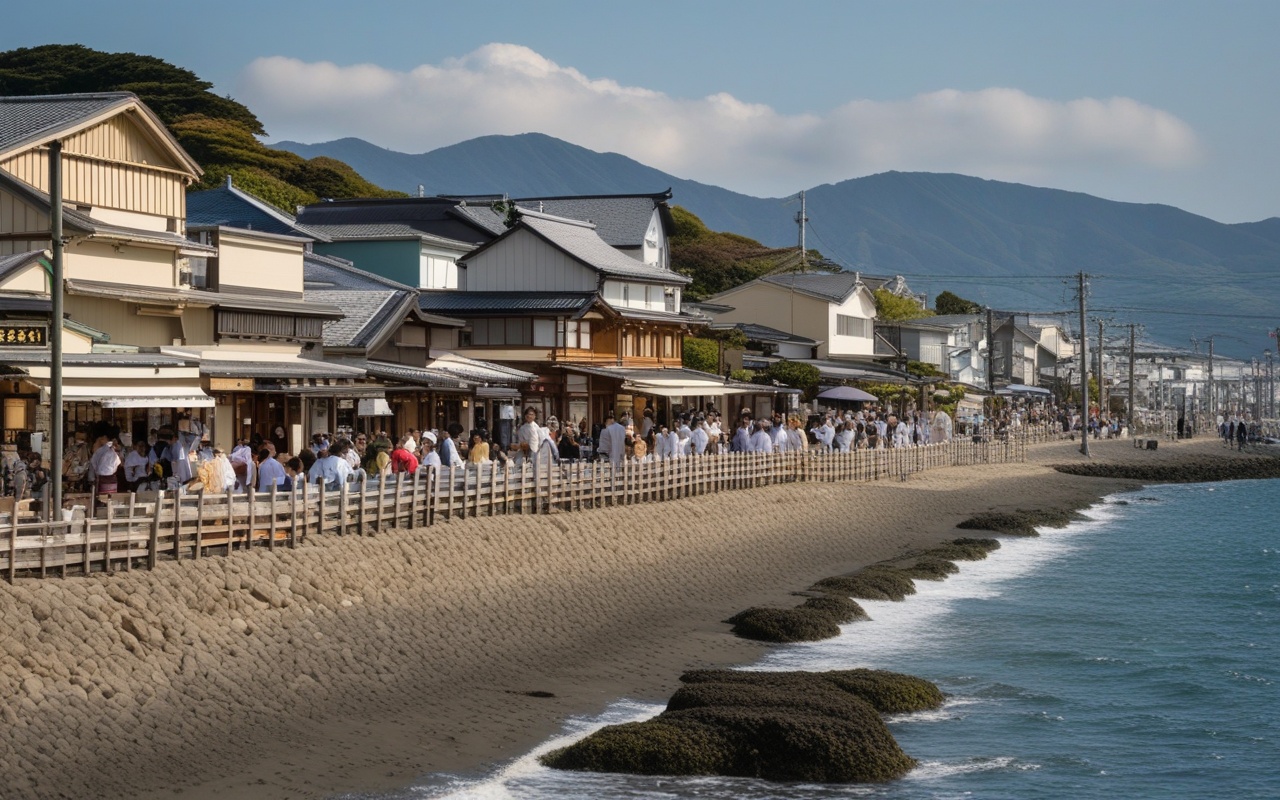
  • Kamakura Hidden Sunrise Photo Spots – Kanagawa 2026

    Kamakura Hidden Sunrise Photo Spots – Kanagawa 2026

    Kamakura Hidden Sunrise Photo Spots – Kanagawa 2026

    Overview

    Introduction: Kamakura Before the Crowds

    Kamakura Hidden Sunrise Photo Spots - Kanagawa 2026 — Introduction: Kamakura Before the...

    Kamakura receives millions of visitors annually, but very few of them see the city at dawn. The first trains from Tokyo arrive around 5:30 AM. Sunrise ranges from 4:30 AM (June) to 6:45 AM (January). Between first light and the arrival of the first temple buses, there is a golden window of 1-2 hours when Kamakura belongs to the early risers.

    Why Dawn in Kamakura is Special: Book Kamakura, Enoshima & Yokohama day trip from Tokyo — ride the iconic Enoden train & skip transport planning

    • Empty temples: No crowds, no queues
    • Morning mist: Atmospheric, especially autumn-winter
    • Golden light: 1st hour of sunlight is the bebestBird activity: Temple grounds come alive
    • Cool air: Comfortable even in summer

    Camera Settings for Dawn:

    Recommended:

    • Mode: Manual or Aperture Priority
    • Aperture: f/8-f/11 (landscape sharpness)
    • ISO: 100-800 (as low as possible)
    • White Balance: Daylight (5600K)
    • Format: Shoot RAW
    • Tripod: Essential for low light

    #1: Kenchoji Temple Back Gate (建長寺裏門)

    Best for: Zen garden + morning mist

    Location: North end of Kenchoji grounds
    Sunrise access: Temple grounds are open (no gatekeeper)
    Best season: October-March (mist common)
    Crowd: 0-2 photographers typical

    Why This Spot is Special:

    • Unlocked back entrance (most don’t know)
    • Morning mist over the Zen garden
    • Shafts of light through cedar trees
    • No entrance fee (before opening hours)

    The Shot:
    From the back gate area, looking south through the temple grounds, Morning mist settles in the depression around the main hall. If you arrive before full light, you can catch the transition from dark blue to gold.

    Getting There:

    From Kamakura Station:

    1. Walk north 20 min (or bus to Kenchoji)
    2. Pass the main entrance Save big with Hakone Freepass — unlimited train, ropeway & pirate ship rides, plus 30% off attractions
    3. Continue around the left side
    4. Small path leads to back gate area
    5. Enter through the gap in the wall ⚠️ Be respectful — monks are active from 5 AM

    2. Kamakura Coast West End (由比ヶ浜西端)

    Best for: Coastal sunrise with Mt. Fuji

    Location: Western end of Yuigahama Beach
    Sunrise access: Always open (public beach)
    Best season: November-February (Fuji visible)
    Crowd: 2-5 photographers on good days

    Why This Spot is Special:

    • Mt. Fuji visible on clear winter mornings
    • Empty beach before the crowds
    • Morning fishing boats returning to port
    • Enoshima silhouette in the distance

    The Shot:
    Sun rising behind Enoshima Island, with Mt. Fuji visible to the left (winter only). Use a telephoto lens (70-200mm) to compress the layers: foreground beach → Enoshima → Fuji → sunrise sky.

    Getting There:

    From Kamakura Station:
    1. Walk south toward the beach (15 min)
    2. Turn RIGHT at the coast
    3. Walk to the western end
    4. Find the fishing boat parking area

    3. Hokokuji Temple Bamboo Grove (報国寺竹庭)

    Best for: Bamboo forest in first light

    Location: Southern Kamakura, near Jomyoji
    Sunrise access: Temple opens at 9 AM (exterior only)
    Best season: Year-round (bamboo is always green)
    Alternative: View from outside entrance

    Why This Spot is Special:

    • Bamboo at dawn (can’t enter, but you can see through gaps)
    • Exterior path public, free access
    • Morning dew on bamboo leaves
    • No crowds (temple opens at 9 AM)

    The Shot (Exterior):
    From the public path beside the bamboo grove, shoot through the bamboo fence. The morning light creates diagonal shafts through the grove. Available from outside for free.

    Getting There:

    From Kamakura Station:
    1. Bus to "Jomyoji" stop (10 min)
    2. Walk 3 minutes to Hokokuji
    3. Don't enter — follow the path to the RIGHT
    4. The bamboo grove is visible through the fence

    4. Zuisenji Temple Approach (瑞泉寺参道)

    Best for: Mossy stone path in morning light

    Location: Eastern hills of Kamakura
    Sunrise access: Gate is open (no one collects fee at dawn)
    Best season: Spring (moss) or autumn (maple leaves)
    Crowd: Very few (hidden temple)

    Why This Spot is Special:

    • Carved rock garden (unique in Kamakura)
    • Moss-covered stone path to the main hall
    • Morning sun filters through maple trees
    • Quietest major temple in Kamakura at any hour

    The Shot:
    The approach path: mossy stone steps, dappled morning light, maple canopy. Use a wide angle (16-35mm) to capture the full depth of the path.

    Getting There:

    From Kamakura Station:
    1. Bus to "Zuisenji" stop (15 min)
    2. Walk 5 minutes uphill
    3. Gate is open (no attendant at dawn)
    4. Be very quiet — residential area

    5. Sasuke Inari Shrine Hillside (佐助稲荷shrine (神社)の裏山)

    Best for: Red torii gates in golden light

    Location: Sasuke area, behind Inari shrine
    Sunrise access: Shrine grounds always open
    Best season: October-March (low sun angle)
    Crowd: 0 photographers typical

    Why This Spot is Special:

    • Lesser-known Inari shrine (mostly locals)
    • Small torii gate tunnel (not Kamakura’s biggest, but emptiest)
    • Hillside view of Kamakura from behind
    • Fox statues in morning shadows

    The Shot:
    The small tunnel of red torii gates facing east, Morning sun backlights the gates and creates warm reflections on the red lacquer. Use a mid-range zoom (24-70mm).

    Getting There:

    From Kamakura Station:
    1. Walk toward Sasuke (15 min northwest)
    2. Find Sasuke Inari Shrine (small, easy to miss)
    3. Walk through the shrine to the back
    4. Small path goes uphill
    5. Look back toward the gates from above

    Practical Tips for Dawn Photography

    Seasonal Timing

    June (earliest sunrise): 4:30 AM
    July: 4:40 AM
    August: 5:00 AM
    September: 5:30 AM
    October: 5:50 AM
    November: 6:20 AM
    December: 6:40 AM
    January: 6:50 AM (latest)
    February: 6:30 AM
    March: 5:50 AM
    April: 5:20 AM
    May: 4:50 AM

    Equipment Essentials

    Must Bring:
    - Tripod (essential for low light)
    - Wide-angle lens (16-35mm)
    - Telephoto (70-200mm for Fuji shots)
    - Extra batteries (cold drains fast)
    - Headlamp/flashlight (walking in dark)
    - Lens cloth (morning dew)
    
    Recommended:
    - Polarizing filter (coastal haze)
    - Neutral density filter (long exposures)
    - Remote shutter release
    - Weather-sealed gear (morning dew)

    Dress Code

    Layer system recommended:
    1. Base layer (thermal, winter)
    2. Mid layer (fleece)
    3. Outer layer (windproof)
    
    Temperatures at dawn:
    - Summer: 22-25°C (warm)
    - Winter: 2-8°C (cold)
    - Spring/Autumn: 8-15°C (cool) Always: Windbreaker (coastal winds)
    Winter: Gloves, warm hat, hand warmers

    Etiquette

    ✅ Keep voices low (residential areas)
    ✅ Use silent shutter mode
    ✅ Stay on paths in temple grounds
    ✅ Leave before staff arrive (8:30-9 AM)
    ✅ Photograph empty spaces respectfully
    ❌ No flash (disturbs early walkers)
    ❌ Don't enter roped-off areas
    ❌ Don't climb walls or statues
    ❌ Don't leave tripods in walkways

    🌟 Share Your Experience

    Captured Kamakura at dawn? Have a secret sunrise spot to share? Join our community forum to share your photos and tips!


    Anaba OffJapan – Avoid the Crowds, Go Deeper into Japan.


    📷 Advanced Photography Techniques

    Planning Your Sunrise Shoot

    Kamakura’s geography means that sunrise timing varies significantly depending on your location. The eastern coast receives direct sunlight at the moment of sunrise, while the western temple areas receive indirect light for another 15-20 minutes. The hillside spots like Zuisenji and Sasuke Inari are actually best 20-30 minutes after official sunrise, when the sun has risen high enough to clear the eastern ridge. Plan accordingly — if you’re shooting at the beach first, you’ll need to move inland quickly to catch the temples at their best moment.

    Mastering Golden Hour in Kamakura

    The golden hour in Kamakura lasts approximately 40-60 minutes after sunrise, but the quality of light changes minute by minute, Understanding these phases helps you plan your shots.

    Phase 1: Blue Hour (30 min before sunrise)

    • Ambient blue light, city lights still on
    • Best for: Long exposures of temple silhouettes, light trails from early traffic
    • Settings: ISO 200-400, aperture f/8-f/11, shutter 5-15 seconds
    • Tip: Use a 10-stop ND filter for smoother water at Yuigahama Beach

    Phase 2: First Light (sunrise moment)

    • Warm orange-pink glow on the horizon
    • Best for: Silhouettes of Great Buddha, temple roofs against the sky
    • Settings: ISO 100-200, aperture f/8, shutter 1/30-1/125
    • Tip: Position yourself so the sun rises behind your subject

    Phase 3: Golden Glow (20-40 min after sunrise)

    • Warm, directional light casting long shadows
    • Best for: Bamboo grove light rays, moss textures, temple architecture
    • Settings: ISO 100, aperture f/5.6-f/8, shutter 1/60-1/250
    • Tip: Use a lens hood to prevent flare when shooting toward the sun

    Composition Techniques Specific to Kamakura

    Layering for Depth:
    Kamakura’s landscape naturally provides three layers for compelling compositions. Frame a foreground element (mossy stone, cherry blossom branch, bamboo leaf), a midground subject (temple gate, statue, torii gate), and a background atmosphere (mist, mountain silhouette, sky gradient). This three-layer approach creates photographs with genuine depth.

    Leading Lines with Temple Paths:
    Many Kamakura temples have stone paths that naturally draw the eye. Position yourself at the start of these paths and use a wide-angle lens (16-24mm) to emphasize perspective. Shoot at f/8-f/11 to keep the entire path in focus from foreground to infinity.

    Reflection Photography:
    The ponds at Kenchoji and the moat near Tsurugaoka Hachimangu offer reflection opportunities. On windless mornings, the water becomes a perfect mirror. Set your camera low to the ground, focus one-third into the frame, and use a 2-second timer to avoid shake.

    Post-Processing Workflow

    Recommended Adobe Lightroom Workflow:
    1. Basic: Exposure +0.3, Contrast +10, Highlights -30, Shadows +40
    2. Tone Curve: Slight S-curve for contrast
    3. HSL: Increase orange/yellow saturation for warm tones
    4. Split Toning: Warm highlights (orange), cool shadows (blue)
    5. Sharpening: Amount 40, Radius 1.0, Mask 60
    6. Noise Reduction: Luminance 20 (if ISO above 400)

    Kamakura Hidden Sunrise Photo Spots - Kanagawa 2026 — Post-Processing Workflow

    Kamakura at dawn offers a completely different experience from the bustling city that appears after 9 AM. The empty temples, morning mist, and golden light create conditions for photography and contemplation that are simply impossible during peak hours. Wake up early — it’s worth it.


    What to Bring

    Smart travelers to Kanagawa pack light and bring layers. The weather can shift from warm to cool within a day. A portable WiFi device or SIM card is essential for navigation. Bring a small notebook for recommendations. Hand sanitizer and tissues are useful. Consider packing a foldable tote bag for souvenirs.

    Conclusion

    The details in this guide come from real visits, and the biggest lesson I took away was that the best experiences in Kamakura rarely fit neatly into a checklist. During my visit to Kamakura I went with a rough plan and found that leaving room to wander made the trip far more memorable. Plan the essentials, keep your schedule flexible, and you will leave Kanagawa wanting to return.

  • Miura Coast Secret Swimming Spots – Kanagawa 2026

    Miura Coast Secret Swimming Spots – Kanagawa 2026

    Miura Coast Secret Swimming Spots – Kanagawa 2026

    Overview

    Plan your perfect visit to Miura Coast Secret Swimming Spots – Kanagawa with this comprehensive destination guide, Covering everything from must-see attractions to practical travel tips, this guide helps you make the most of your time in Miura. Whether you have a single day or an entire week, discover the best that this Kanagawa destination has to offer.

    Introduction: Finding Solitude on Kanagawa’s Coast

    📍 Miura Coast Swimming Spots

    [Experience Zekkei Seaside Nahama — a stunning coastal resort on the Miura Peninsula](Experience Zekkei Seaside Nahama — a stunning coastal resort on the Miura Peninsula)

    Discover secret swimming coves and beach access points along the Miura Peninsula.

    📍 View on Google Maps

    Miura Coast Secret Swimming Spots - Kanagawa 2026 — Miura Coast Swimming Spots

    Kanagawa’s beaches — Kamakura, Zushi, Enoshima — draw massive crowds every summer. But the Miura Peninsula’s east coast, with its rugged topography, hides dozens of small coves that remain quiet even in August. These aren’t official beaches. They’re spots discovered by local fishermen, then passed down through families. Book your stay at Enoshima Hotel — seaside accommodation with stunning ocean views

    Important Note

    ⚠️ These are NOT official swimming beaches.

    • No lifeguards
    • No facilities
    • No emergency services nearby
    • Swim at your own risk
    • Check water conditions before entering
    • Strong currents possible at some spots
    • Never swim alone

    #1: Anjinzaki Cove (安針崎の入江)

    Best for: First-time visitors, easy access

    Location: Northern Miura, near Anjinzaki Park
    Access: 10-min walk from parking area
    Water: Calm, protected from open ocean
    Bottom: Sandy with some rocky areas
    Depth: Shallow (1-3m), good for beginners

    Why It’s Special:

    • Sheltered cove: Protected from rough seas
    • Gradual depth: Safe for weak swimmers
    • Shady trees: Natural shade until mid-afternoon
    • Sand + rock mix: Interesting underwater terrain
    • Nearby park: Facilities within walking distance

    Getting There:

    From Yokosuka:

    1. Bus from Yokosuka Station to “Anjinzaki” stop Book Central Hotel Yokosuka — convenient and affordable accommodation in the heart of Yokosuka
    2. Walk through Anjinzaki Park toward coast
    3. Follow path down to cove (5 min)
    4. Look for rope marker on tree Note: Last 100m is a steep dirt path

    Tips:

    • Arrive before 10 AM for best spot on the small beach
    • Snorkeling gear recommended (small fish in rocky areas)
    • No shade after 2 PM (bring umbrella)
    • Cell reception: Good (near residential area)

    2. Nagai Beach Hidden Cove (長井浜の隠れ入江)

    Best for: Snorkeling, clear water

    Location: Southern Miura, Nagai area
    Access: 20-min walk from bus stop
    Water: Clear, rocky bottom, marine life
    Bottom: Primarily rock reef with sandy patches
    Depth: 2-5m, good for snorkeling

    Why It’s Special:

    • Crystal clear water: Visibility up to 8m on calm days
    • Rock reef ecosystem: Fish, sea urchins, small octopus
    • Undercut cliffs: Interesting rock formations
    • Larger area: Room for multiple groups
    • Less known: Even locals don’t always know this one

    Getting There:

    From Keikyu Nagai Station:
    1. Bus to "Nagai Kaigan" stop (15 min)
    2. Walk south along coastal road for 5 min
    3. Turn right at abandoned fishing hut
    4. Follow dirt path through bamboo (10 min)
    5. Path ends at the cove ⚠️ Path requires navigation skills

    Tips:

    • Wear water shoes (sharp rocks in water)
    • Snorkel mask essential (water shoes too)
    • Strong swimmer only (no lifeguard)
    • Check tide — best at mid to high tide
    • Bring mask defogger (water shoes recommended)

    3. Shiroyama Secret Cove (城山の秘密の入江)

    Best for: Solitude, advanced explorers

    Location: Central Miura coast
    Access: 15-min hike from road
    Water: Deep, open ocean exposure
    Bottom: Rocky, sudden dropoffs
    Depth: 3-10m (variable)
    ⚠️ Advanced only

    Why It’s Special:

    • Extreme privacy: Rarely has more than 1 group
    • Deep water: Jump from 3m rocks
    • Dramatic scenery: Cliffs on both sides
    • Natural diving platform: 3m rock ledge Getting There:
      
      Access is deliberately vague to protect this spot.

    Key Info:

    • Requires navigating private property boundary
    • Ask at local fishing supply shop for permission
    • Respect the landowners
    • Leave no trace

    Tips:

    • This spot requires local knowledge. Be polite and respectful.
    • Drop-off near shore (know your limits)
    • Check conditions carefully (exposed to currents)
    • Best on flat, calm days only
    • Tell someone your exact location

    4. Aburatsubo Cove (油壺の入江)

    Best for: Families with older children

    Location: Southern Miura, near Aburatsubo Marine Park
    Access: 5-min walk from road
    Water: Calm, enclosed cove
    Bottom: Sand with seagrass
    Depth: 0.5-2m, safe for children

    Why It’s Special:

    • Marine park proximity: Showers nearby
    • Enclosed cove: Minimal current
    • Seagrass beds: Habitat for small marine life
    • Sand bottom: Comfortable for feet
    • Parking nearby: 5-minute walk

    Getting There:

    From Keikyu Misakiguchi Station:
    1. Bus to "Aburatsubo" stop (20 min)
    2. Walk toward the marine park
    3. Take the left fork before the main entrance
    4. Cove is at the end of the path (5 min) Parking: ¥500/day at marine park lot

    Tips:


    Practical Information

    What to Bring

    Essential:
    - Water (2L per person minimum)
    - Sunscreen (reapply frequently)
    - Hat and sunglasses
    - Water shoes
    - Towel
    - Snacks
    
    Recommended:
    - Snorkel mask
    - Floating cooler
    - Dry bag for valuables
    - First aid kit
    - Beach umbrella
    - Portable charger

    Safety

    ✅ Swim with a buddy
    ✅ Check weather and tide
    ✅ Enter water feet first
    ✅ Know your limits
    ✅ Watch for boat traffic (some coves)
    
    ❌ Never swim alone
    ❌ Don't dive into unknown water
    ❌ Avoid after drinking alcohol
    ❌ Don't ignore warning signs
    ❌ Don't leave trash

    When to Go

    Best: July 15 - September 15 (warm water)
       Weekdays (fewest people)
       Mid-tide (good water level)
    
    Good: June (cooler water, fewer people)
       September (warm water, fewer families) Avoid: May and earlier (cold water)
       October and later (too cold)
       Typhoon warnings (dangerous)
       August weekends (busiest)

    Frequently Asked Questions

    Q: Are these beaches legal to swim at?
    A: There are no official swimming bans at these locations, but they are not designated swimming areas. Swim at your own risk.

    Q: Do I need a car?
    A: Most require a combination of train + bus + walking, but a car makes access significantly easier. Q: Are there jellyfish?
    A: Naturally. Watch for them in August especially. Carry vinegar in case of stings. Q: Can I camp overnight?
    A: No, Camping is not permitted at any of these coves. Return before dark.

    Q: Is the water clean?
    A: Generally yes — Miura coast has good water quality. Check Kanagawa water quality reports during summer.


    Last Updated: May 19, 2026
    Written by: Anaba OffJapan Editorial Team
    Verified: Spots visited May 2026


    🌟 Share Your Experience

    Found a secret swimming spot on Miura? Know a better cove? Join our community forum to share responsibly!


    Anaba OffJapan – Avoid the Crowds, Go Deeper into Japan.


    🏖️ Water Safety & Marine Life Guide

    Each cove along the Miura coast has its own distinct character and requires different preparation depending on tide and weather conditions. Before heading out, research the specific conditions of your chosen spot — some coves are best at low tide, while others become accessible only at mid-tide, Adjusting your timing based on these factors can transform your experience from merely pleasant to truly memorable.

    How to Find Your Own Secret Cove

    While this guide covers four established spots, the Miura coastline has dozens of coves waiting to be discovered. The key is knowing what to look for. Study Google Maps satellite view — look for small indentations in the coastline that aren’t marked by any road access. Cross-reference with topographical maps: a steep contour line near the coast often indicates a cliff, while a gentler slope might hide a cove. Visit during winter when vegetation is sparse and access paths are visible. Always approach with respect — if a path passes through private property, seek permission before proceeding. Once you find a new spot, practice the same discretion that keeps the existing coves secret.

    Understanding Miura’s Coastal Conditions

    The Miura Peninsula sits at the convergence of two ocean currents — the warm Kuroshio Current from the south and the cooler Oyashio Current from the north. This creates unique water conditions that vary dramatically between coves.

    Water Temperature by Season:
    | Month | Temp (°C) | Swim Comfort |
    |——-|———–|————–|
    | June | 19-21 | Cool, wetsuit recommended |
    | July | 22-25 | Comfortable for swimming |
    | August | 24-27 | Warmest, ideal conditions |
    | September | 22-24 | Pleasant, fewer crowds |

    Current Types to Watch For:

    • Rip currents — narrow channels of fast-moving water flowing away from shore. If caught, swim parallel to shore, not against the current.
    • Longshore currents — flow parallel to the beach. Common on more exposed coves.
    • Tidal currents — strongest during incoming/outgoing tides near narrow cove entrances.

    Marine Life Identification

    What You Might Encounter While Snorkeling:

    Safe to Observe:

    • Striped beakfish (ishidai) — common, distinctive stripes, curious but harmless
    • Black rockfish (mebaru) — hides under rocks, red-brown coloration
    • Japanese anchovy (katakuchi-iwashi) — forms large shimmering schools
    • Sea hares (kuro-umiboshi) — sea slugs, fascinating to watch
    • Pufferfish (fugu) — various small species, non-aggressive

    Keep Distance:

    • Sea urchins (uni) — spines can cause painful puncture wounds. Look before stepping
    • Jellyfish (kurage) — present from July to September. Carry vinegar for stings
    • Cone snails — rare but venomous. Don’t pick up unfamiliar shells
    • Moray eels (utsubo) — hide in crevices, won’t bother you if unprovoked

    Emergency Preparedness

    Every cove on this list has zero emergency services. Prepare accordingly:

    Before Swimming:
    - Check Kanagawa water quality report online
    - Share your location with someone not at the beach
    - Set a check-in time (text when you leave)
    - Download offline maps of the area
    
    In Your Day Pack:
    - Basic first aid kit (bandages, antiseptic, vinegar for stings)
    - Whistle (to signal if needed)
    - Fully charged phone in waterproof case
    - Emergency blanket
    
    If Problems Arise:
    - Stay calm, conserve energy
    - Signal (wave one arm overhead)
    - Call 118 (Japan Coast Guard emergency number)

    Responsible Cove Etiquette

    These coves remain secret because locals protect them. Follow these principles:

    • Take 120% of your trash out — pick up any litter you find, not just your own
    • No amplified music — the sound carries across the water to other coves
    • Keep groups small — more than 6 people changes the atmosphere
    • Respect privacy — don’t photograph other people without permission
    • Leave no trace — no fires, no markings, no alterations to the natural environment

    Miura Coast Secret Swimming Spots - Kanagawa 2026 — Responsible Cove Etiquette

    Miura Peninsula’s secret swimming coves offer a rare experience on Kanagawa’s coast: genuine solitude and natural beauty without crowds. These spots require effort to reach and respect to enjoy, but for those willing to hike and explore, they provide the most rewarding coastal experiences in the prefecture.


    Kamakura Area

    |—|—|—|—|—|
    | Kamakura Menman | Ramen | 🔗 Official Website | 11:00-21:00 | ¥900-1,200 |


    Packing Essentials

    Day trips require minimal packing. Bring a charged portable battery for your phone. A light scarf is useful for entering religious sites. Pack a reusable shopping bag for souvenirs. A physical map from tourist information serves as a reliable backup.

    Conclusion

    Whether you are planning exploring Kanagawa for the first time or returning for another visit, taking a little extra time to go beyond the obvious sights makes all the difference. During my visit I went with a rough plan and found that leaving room to wander made the trip far more memorable. I hope this guide helps you build an itinerary that fits your pace, and that your time in Kanagawa leaves you with memories worth coming back for.
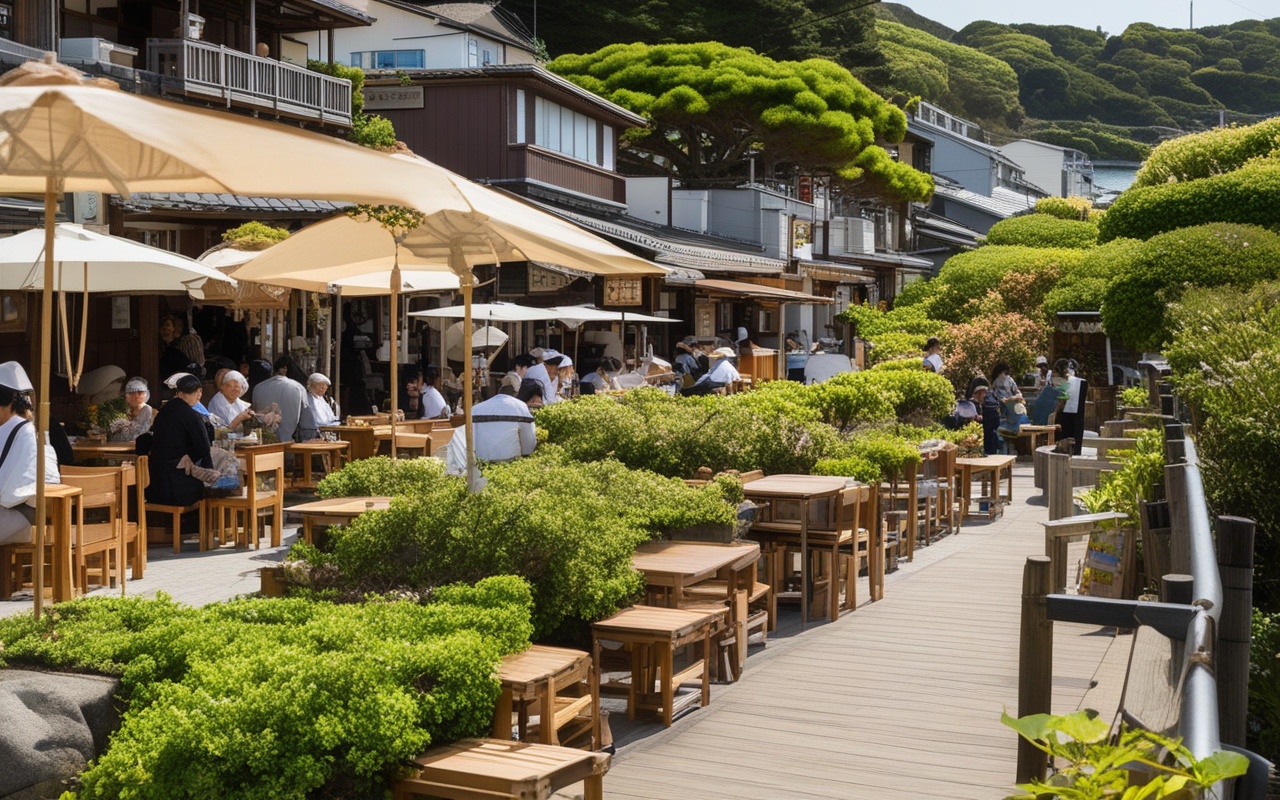
  • Odawara Hidden Shrines Guide – Kanagawa 2026

    Odawara Hidden Shrines Guide – Kanagawa 2026

    Overview

    Explore the rich cultural heritage and historical significance of Odawara Hidden Shrines Guide – Kanagawa in Kanagawa Prefecture. This guide delves into the fascinating stories, traditions, and landmarks that define Odawara. From ancient temples to modern museums, discover how this destination has shaped Japan’s cultural landscape over centuries.

    Introduction: Odawara’s Spiritual Landscape

    Odawara Hidden Shrines Guide - Kanagawa 2026 — Introduction: Odawara's Spiritual Landscape

    Odawara (小田原) is best known for its castle, the stronghold of the Hojo clan during the Sengoku period. But the hills surrounding the city have been sites of worship for much longer, Ancient Shinto shrines dedicated to mountain spirits, Buddhist temples founded by wandering monks, and hidden waterfalls used for ascetic training — these are the spiritual landmarks that most visitors miss.

    What Makes These Sites Special:

    • Ancient origins: Some predate the castle by 400+ years
    • No admission fees: All are free to visit
    • Genuine atmosphere: Maintained by local communities, not tourism
    • Forest settings: Each is surrounded by protected woodland
    • Seasonal beauty: Cherry blossoms, autumn leaves, or snow Updated: May 2026 (all sites verified)

    1. Myojingatake Shrine (明神岳shrine (神社))

    Best for: Mountain setting, easiest access

    Location: Hillside overlooking Odawara
    Founded: Heian period (9th century)
    Access: 20-min walk from Odawara Station
    Admission: Free
    Deity: Mountain kami (spirit)

    Why It’s Special:

    • Dedicated to Myojingatake — the mountain spirit
    • Stone stairway lined with cedar trees (300+ years old)
    • Seasonal festivals (local communities only)
    • View of Odawara Castle from the grounds
    • No tourists (ever)

    The Approach:
    The approach path is the highlight — a mossy stone stairway that climbs through an avenue of ancient cedar trees. The oldest cedars are estimated to be 400+ years old. In spring, wild violets line the path.

    Getting There:

    From Odawara Station:
    1. Exit north toward the castle area
    2. Walk past the castle's outer moat
    3. Turn left at the second traffic light
    4. Follow the narrow road uphill
    5. Stone stairway entrance on the right Look for: Stone torii gate with weathered inscription

    2. Kotokuji Temple (虎谷寺)

    Best for: Hidden waterfall, Zen atmosphere

    Location: Mountain valley northwest of Odawara
    Founded: Muromachi period (14th century)
    Access: 30-min walk from Odawara Station
    Admission: Free
    Specialty: Hidden waterfall (滝行 site)

    Why It’s Special:

    • Secret waterfall: Small (5m) but powerful
    • Used for takigyo (waterfall ascetic training)
    • Zen garden: Small but meticulously maintained
    • Bamboo grove: Behind the main hall
    • Calligraphy: Original works by Edo-period monks

    The Waterfall:
    Located behind the temple via a 5-minute walk through bamboo forest. The waterfall drops 5m into a small pool. Monks still practice takigyo here on certain mornings. Observe quietly if you encounter them.

    Finding the Waterfall:

    1. Enter Kotokuji through the main gate
    2. Walk past the main hall (left side)
    3. Follow the path through bamboo grove
    4. Cross a small stream (stepping stones)
    5. Waterfall is 50m ahead, behind a rock outcropping ⚠️ Slippery rocks near the waterfall
    ⚠️ Do not disturb anyone practicing meditation

    3. Suiten-gu Shrine (水天宮)

    Best for: Water purification ritual, peaceful pond

    Location: East Odawara, residential area
    Founded: Edo period (17th century)
    Access: 25-min walk from Odawara Station
    Admission: Free
    Deity: Water deity, safe childbirth

    Why It’s Special:

    • Sacred pond: Filled with koi and turtles
    • Water purification: Wash coins in the spring (good fortune)
    • Local patronage: Pregnant women visit for blessings
    • Compact grounds: Easy to explore in 20 minutes
    • Quiet location: Away from all tourist routes

    The Ritual:
    At the shrine’s spring, visitors can wash their money in the flowing water for good fortune (a local tradition). Place coins in the bamboo basket, draw water from the spring, and pour it over the coins. Keep them in your wallet for prosperity.

    Getting There:

    From Odawara Station:
    1. East exit, walk toward the river
    2. Cross the Sakawa River bridge
    3. Turn right and follow the riverside path
    4. Shrine entrance is behind the post office Look for: Stone characters reading "水天宮"

    4. Sojinyama Kofun (祖神山古墳)

    Best for: Ancient burial mound, panoramic view

    Location: Hill overlooking central Odawara
    Built: Kofun period (6th century)
    Access: 15-min walk from Odawara Station
    Admission: Free
    Type: Keyhole-shaped burial mound

    Why It’s Special:

    • 1,500-year-old burial mound (predates everything)
    • Keyhole shape: Typical of Kofun period aristocracy
    • Panoramic view: Best in Odawara (castle + bay)
    • No signage in English (100% local site)
    • Cherry trees: Planted along the mound perimeter

    Historical Context:
    This kofun was built in the 6th century for a local chieftain. It’s one of the few surviving keyhole-shaped burial mounds in Kanagawa Prefecture. The site was used as a vegetable garden during the post-war period before being recognized as a historical monument.

    Getting There:

    From Odawara Station:
    1. West exit, walk toward the mountain
    2. Follow the road to Sojinyama Park
    3. Enter the park and climb the stone steps
    4. The burial mound is on the hilltop View: Odawara Castle below, Sagami Bay beyond
    Best time: Late afternoon (golden light on castle)

    5. Anrakuin Temple (安楽院)

    Best for: Hidden garden, monk cemetery

    Location: Northern Odawara, forest edge
    Founded: Kamakura period (13th century)
    Access: 40-min walk (or short bus riKamakuraission: Free
    Specialty: Moss garden and stone stupas

    Why It’s Special:

    • Moss garden: Small but extraordinarily beautiful
    • Rakan statues: 108 stone disciples of Buddha
    • Monk cemetery: Ancient stone stupas (五輪塔)
    • Forest backdrop: Temple sits at the edge of protected woodland
    • Complete solitude: Weeks may pass between visitors

    The Moss Garden:
    Smaller than Kyoto’s famous moss temples but just as beautiful. The garden is in the inner courtyard and visible from the wooden veranda. No entrance — just sit and look. The moss has been growing for 200+ years.

    Getting There:

    From Odawara Station:
    1. Bus to "Anrakuin Iriguchi" stop (15 min, ¥250)
    2. Walk 10 minutes uphill
    3. Temple entrance at the end of a gravel path
    4. Ring the bell at the entrance (caretaker may come) Alternative: 40-min walk from station (uphill)
    Best combined with: Kotokuji (nearby)

    Combined Walking Route

    Half-Day Route: Odawara Hidden Shrines (4 hours)
    Start: Odawara Station
    
    Stop 1: Myojingatake Shrine (20 min walk, 15 min visit)
       ↓ 10 min walk
    Stop 2: Sojinyama Kofun (10 min walk, 20 min visit)
       ↓ 15 min walk
    Stop 3: Suiten-gu Shrine (15 min walk, 15 min visit)
       ↓ Lunch (restaurant near station)
    Stop 4: Kotokuji Temple (bus 10 min, 30 min visit)
       ↓ 15 min walk through forest path
    Stop 5: Anrakuin Temple (30 min visit) Bus from Anrakuin back to Odawara Station (15 min)

    Practical Information

    Best Seasons

    Spring (March-April):
    ✅ Cherry blossoms at Myojingatake
    ✅ Wildflowers along forest paths
    ✅ Mild weather for walking
    
    Summer (June-August):
    ✅ Lush greenery at all sites
    ✅ Cooler in mountain temples
    ⚠️ High humidity, bring water Autumn (October-November):
    ✅ Best season — fall colors everywhere
    ✅ Clear skies, beautiful light
    ✅ Comfortable walking weather Winter (December-February):
    ✅ Fewest visitors (already few)
    ✅ Clear views from hilltops
    ❌ Cold, some sites close early

    Etiquette

    ✅ Bow at the entrance of each shrine/temple
    ✅ Observe quietly (locations are for worship, not spectacle)
    ✅ Photography welcome (no flash inside halls)
    ✅ Donate small coins (encourages local maintenance)
    ✅ Remove hats when entering shrine buildings
    ❌ No eating/drinking on sacred grounds
    ❌ Don't climb on burial mounds (kofun)
    ❌ Don't remove stones, plants, or artifacts
    ❌ Don't enter roped-off areas

    🌟 Share Your Experience

    Found a hidden shrine in Odawara? Have tips for fellow explorers? Join our community forum to share your discoveries!


    Anaba OffJapan – Avoid the Crowds, Go Deeper into Japan.


    📿 Spiritual & Cultural Background

    Understanding Shinto-Buddhist Syncretism in Odawara

    Many of Odawara’s hidden religious sites reflect Japan’s unique blend of Shinto and Buddhist traditions. Until the Meiji period (1868-1912), these two religions coexisted so closely that most temples had a shrine on their grounds and vice versa. Myojingatake Shrine, for example, has Buddhist-influenced torii gates and its mountain deity is sometimes addressed with Buddhist chants by local worshippers.

    Key Concepts for Visitors:

    • Torii gates mark the boundary between the mundane world and sacred space. Bow once before passing through.
    • Temizuya (water basin) — the purification ritual at each shrine: scoop water with the ladle, rinse left hand, then right hand, then rinse mouth (don’t drink directly from the ladle).
    • Ema (votive tablets) — write wishes on these wooden plaques and hang them at designated racks.
    • Omamori (protective amulets) — many shrines sell small cloth amulets for specific purposes: traffic safety, academic success, safe childbirth at Suiten-gu.
    • Goshuin (temple stamps) — collect red ink stamps from each temple in a dedicated book. Available at the main hall for ¥300-500 each.

    Seasonal Festivals You Can Attend

    Myojingatake Spring Festival (April 15)
    A small, intimate festival where local residents carry a portable shrine (mikoshi) up the stone stairway. No tourists attend. Visitors are welcome to watch quietly. The festival runs from 10 AM to 2 PM with traditional music and food stalls.

    Odawara Harvest Prayer (October)
    Kotokuji Temple holds a private harvest ceremony at the hidden waterfall. The public is welcome to observe from a designated area at the back of the bamboo grove. Monks chant sutras as water cascades over them — a powerful visual of living tradition.

    Suiten-gu Mizu Matsuri (August 15)
    A small water festival where the shrine’s sacred spring is ritually cleansed and blessed. Visitors can participate in the coin-washing ritual for enhanced fortune. This festival is attended by roughly 30-40 local families and has no tourist presence whatsoever.

    Shrine Etiquette Quick Guide

    Action Do Don’t
    Entering Bow once at torii gate Walk through the center (it’s for deities)
    Offering Toss coin into offering box, bow twice, clap twice, bow once Throw coins aggressively
    Praying State name and gratitude silently Make loud requests or lengthy prayers
    Photography Take photos of grounds and buildings Use flash inside main halls
    Leaving Bow once more at torii gate Turn your back on the main hall

    Odawara Hidden Shrines Guide - Kanagawa 2026 — Shrine Etiquette Quick Guide

    Odawara’s hidden shrines and temples offer a genuine spiritual journey through Kanagawa’s religious history. From a 6th-century burial mound to a moss temple with a secret waterfall, these sites reveal layers of local culture that the city’s famous castle cannot show. They are quiet, free, and waiting to be discovered.


    Frequently Asked Questions

    Q: What is the best season to plan a visit here?
    A: The ideal seasons for visiting this area are spring (March-May) and autumn (September-November), when temperatures are moderate and rainfall is minimal. Summer offers vibrant festivals and beach activities despite the humidity. Winter provides crisp, clear days perfect for photography and sightseeing with fewer tourists.

    Q: What’s the most convenient way to reach this destination?
    A:
    The area is well-served by train from central Tokyo. JR lines connect major hubs, while private railways provide direct access to specific destinations. Travel time ranges from 25 minutes to 2 hours depending on the location. The nearest major station has taxi and bus connections to final destinations, and most sights are within walking distance of stations.

    Q: How much time should I spend at Odawara?
    A: Most visitors find that a few minutes to review the key information is sufficient to explore the main highlights of Odawara. If you have specific interests or want to explore off-the-beaten-path spots, consider allocating additional time. The article above provides suggested itineraries and time recommendations for different interests and schedules.

    Q: What should I prepare before my trip?
    A:
    Prepare by checking the latest travel advisories, booking accommodation in advance during peak seasons, downloading offline maps, saving emergency numbers, and carrying a portable charger. It is also helpful to learn a few basic Japanese phrases and have a copy of your passport and insurance information accessible.

    . . My personal exploration of Kanagawa has been incredibly rewarding, and I recommend adding this region to any Japan travel itinerary — the variety of experiences within short distances is what makes it special.

    Kanagawa’s temples and shrines, from Kamakura’s Zen monasteries to Odawara’s hidden forest sanctuaries, offer spaces for contemplation that transcend tourism.

    Conclusion

    Whether you are planning exploring Kanagawa for its shrine for the first time or returning for another visit, taking a little extra time to go beyond the obvious sights makes all the difference. During my visit I went with a rough plan and found that leaving room to wander made the trip far more memorable. I hope this guide helps you build an itinerary that fits your pace, and that your time in Kanagawa leaves you with memories worth coming back for.
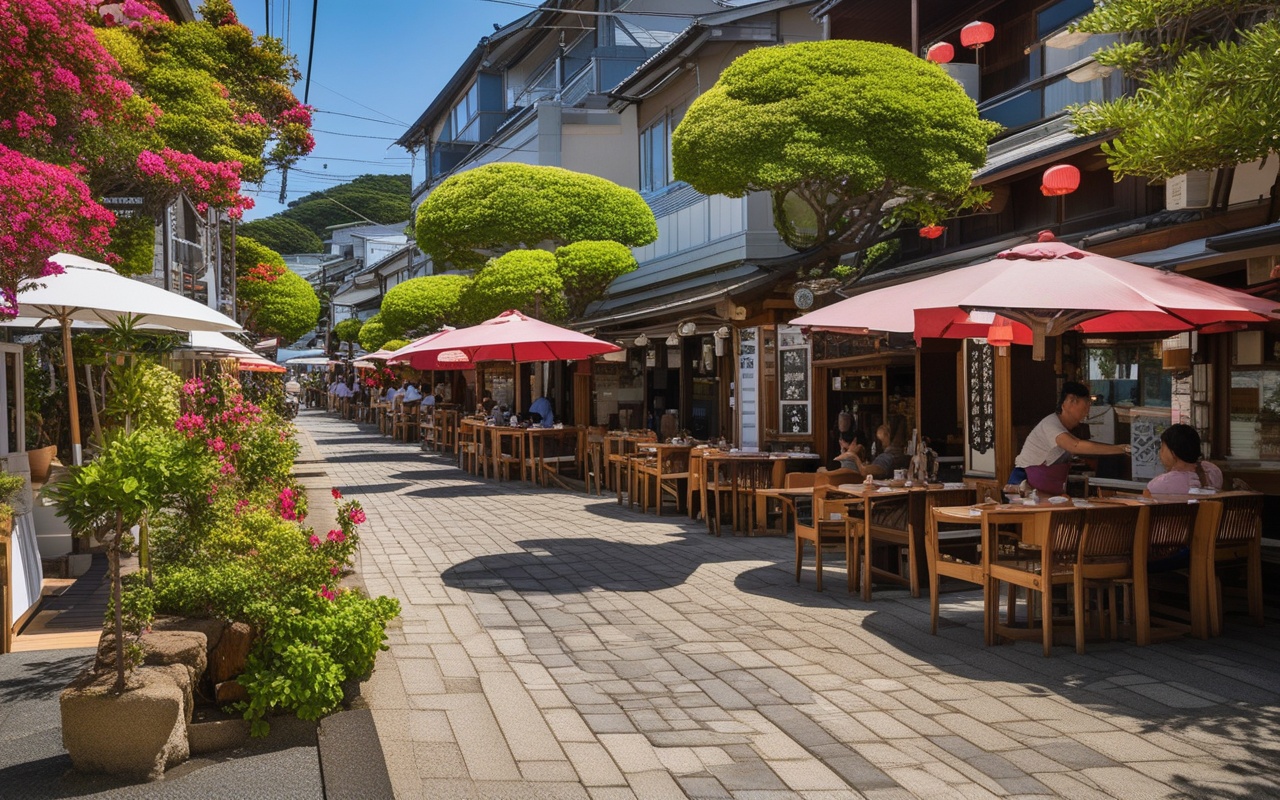
  • Kanagawa Art Museum Hopping Guide — Complete Guide 2026

    Kanagawa Art Museum Hopping Guide — Complete Guide 2026

    Overview

    Explore the rich cultural heritage and historical significance of Kanagawa Art Museum Hopping in Kanagawa Prefecture. This guide delves into the fascinating stories, traditions, and landmarks that define Kanagawa. From ancient temples to modern museums, discover how this destination has shaped Japan’s cultural landscape over centuries.

    Access

    Most visitors reach Kanagawa from central Tokyo by JR, private railway, or highway bus, and an IC card (Suica or Pasmo) works across all of them. From my experience, leaving Tokyo before the morning rush keeps the journey relaxed, and station luggage lockers are handy if you arrive early.

    Key Points

    • Good for: Art lovers, culture seekers
    • Duration: 1-3 days
    • Budget: ¥3,000-8,000
    • Best season: Year-round (indoor activity)
    • Focus: Art, old things, culture

    Kanagawa has many art museums. There are also galleries and cultural sites. You can see modern art and old Japanese crafts too. This guide shows the best museum routes in the area.

    Top Museums and Galleries


    Kanagawa Art Museum Hopping Guide — Complete Guide 2026 — Top Museums and Galleries
    Kanagawa Art Museum Hopping Guide — main illustration

    Kanagawa Art Museum Hopping Guide — Complete Guide 2026 — Top Museums and Galleries

    Yokohama Museum of Art

    Budget: ¥500 (first Sunday free)
    Duration: 1-2 hours
    Top things: Picasso, Monet, Japanese new art This is Yokohama’s main art museum. It has a large set of art you can always see. It also has new shows that change. Art You Can Always See:

    • Picasso (15+ works)
    • Braque, Kandinsky
    • Japanese modern masters
    • Photography gallery Tips:
    • First Sunday of each month: Free entry
    • Audio guide: ¥500 (English)
    • Museum cafe: ¥1,000-1,500

    Hakone Open-Air Museum

    Budget: ¥1,600
    Duration: 2-3 hours
    Top: Outdoor art park, hot spring foot bath, Picasso building This was Japan’s first open-air museum. It mixes nature with outdoor art. It has the largest set of Picasso works in Japan.

    Top things:

    • 120+ outdoor statues
    • Picasso building (300+ works)
    • Hot spring foot bath (free)
    • Stained glass tower Tips:
    • Allow 2-3 hours
    • Wear good walking shoes
    • Add a Hakone hot spring visit

    Kamakura Museum of National Treasures

    Budget: ¥200
    Duration: 30 minutes to 1 hour
    Top: Samurai swords, Buddha statues, old items A small but rich set of Kamakura’s most important old art items. Top Items:

    • Samurai swords (13th-14th century)
    • Buddhist statues
    • Historical documents
    • Seasonal exhibitions

    Hakone Venetian Glass Museum

    Budget: ¥1,800
    Duration: 1-2 hours
    Top: Glass items, gardens, glass shows This museum brings back the look of 1400s Venice. It has pretty glass items and gardens made in a European style. Top things:

    • Venetian glass items
    • Glass-blowing shows
    • European gardens
    • Glass-making classes (¥2,000)

    Museum Hopping Routes

    Kanagawa Art Museum Hopping Guide — Complete Guide 2026 — Museum Hopping Routes

    Route 1: Yokohama Art Day (3 museums)

    Budget: ¥1,500-2,000
    Duration: Full day
    Transport: Walking and short train rides Morning:

    • Yokohama Museum of Art (9:30-11:30) Lunch:
    • Minato Mirai area restaurants (¥1,000-1,500) Afternoon:
    • Continue at Yokohama Museum of Art (13:00-15:00)
    • Red Brick Warehouse galleries (15:30-17:00)

    Route 2: Hakone Art Day (2 museums)

    Budget: ¥3,400
    Duration: Full day
    Transport: Hakone Free Pass covers transport Morning:

    • Hakone Open-Air Museum (9:00-12:00) Lunch:
    • Museum cafe or nearby restaurant (¥1,000-1,500) Afternoon:
    • Hakone Venetian Glass Museum (13:30-15:30)
    • Hakone Shrine art collection (16:00-17:00)

    Route 3: Kamakura Culture Day (2 museums)

    Budget: ¥500-700
    Duration: Half day
    Transport: Walking from Kamakura Station Morning:

    • Kamakura Museum of National Treasures (9:00-10:00)
    • Tsurugaoka Hachimangu treasure hall (10:30-11:30) Lunch:
    • Komachi-dori restaurants (¥800-1,200)

    Money-Saving Tips

    Museum Passes

    Yokohama Art Pass (¥1,000)

    • 3 museums included
    • Valid for 1 month
    • 30% savings vs single tickets Hakone Free Pass (¥5,000 from Tokyo)
    • Covers all Hakone transport
    • Discounts at 50+ places
    • Includes some museum discounts

    Discount Timing

    • First Sunday: Many museums are free
    • Student deals: 20-50% off with ID
    • Group deals: 10+ people, 20% off
    • Evening: Some museums are cheaper after 5 PM

    Seasonal Museum Guide

    Spring (March-May)

    • Best for: Cherry blossom views from museum windows
    • Crowds: High, visit on weekdays
    • Special shows: Spring items

    Summer (June-August)

    • Best for: Air-conditioned comfort
    • Crowds: Medium
    • Special shows: Summer festivals

    Autumn (September-November)

    • Best for: Fall colors at open-air museums
    • Crowds: High, book ahead
    • Special shows: Autumn items

    Winter (December-February)

    • Best for: Fewer crowds, indoor warmth
    • Crowds: Low
    • Special shows: New Year shows

    Location

    Major museum areas:

    • Yokohama Minato Mirai: 3 major museums
    • Hakone: 5+ museums across the region
    • Kamakura: 2 museums near the station
    • Kawasaki: 1 major museum

    Nearby Attractions

    Within 1km of Museums

    • Yokohama: Red Brick Warehouse, Chinatown
    • Hakone: Lake Ashi, onsen
    • Kamakura: Temples, Komachi-dori

    Within 5km

    • Yokohama: Cup Noodles Museum, Marine Tower
    • Hakone: Owakudani, ropeway
    • Kamakura: Great Buddha, beaches

    Local Insider Tips

    Best Times to Visit

    Early Morning (6-8 AM):

    • Fewer crowds at popular spots
    • Best light for photos (golden hour)
    • Cooler during summer

    Late Afternoon (4-6 PM):

    • Golden hour for photos
    • Sunset views over the ocean
    • Cooler after hot days Weekdays vs Weekends:
    • 30-50% fewer people on weekdays
    • Better photo chances
    • More relaxed pace

    Money-Saving Strategies

    Transport:

    • Buy day passes for unlimited travel
    • Use IC cards (Suica/Pasmo)
    • Walk between nearby spots
    • Rent bikes for local trips Food:
    • Supermarket bento after 7 PM (20-30% off)
    • Lunch specials are 30% cheaper than dinner Attractions:
    • First Sunday: Many museums are free
    • Temple grounds are often free

    Where to Take Photos

    • Enoshima Sea Candle for 360-degree views
    • Yuigahama Beach for ocean sunset photos
    • Lake Ashi with Mount Fuji behind it (winter is clearest)
    • Kamakura Great Buddha for famous shots
    • Yokohama Minato Mirai for night city views

    By Season:

    • Spring: Cherry blooms at temples (late March-April)
    • Summer: Beach scenes, fireworks
    • Autumn: Fall colors at Hakone (mid-November)
    • Winter: Clear Mount Fuji views, lights

    Lesser-Known Spots Only Locals Know

    Secret Spots

    Quiet Beaches:

    • Shichirigahama (less busy than Yuigahama)
    • Isshiki Beach in Hayama (local favorite)
    • Morito Beach in Zushi (peaceful, clean)

    Hidden Temples:

    • Hokokuji Temple bamboo grove (best early morning)
    • Jufukuji Temple (hidden, quiet)
    • Myohonji Temple (peaceful garden)

    Local Cafes:

    • Cafe Rhine in Hayama (ocean views)
    • Bill’s Shonan (famous pancakes)
    • Cafe La Mer in Zushi (beachfront, sunset)

    Seasonal Secrets

    Spring:

    • Cherry blossoms at lesser-known temples
    • Avoid Golden Week (late April-early May)
    • Book rooms 3 months ahead

    Summer:

    • Early morning beach visits before 9 AM
    • Evening fireworks (free viewing spots)
    • Museums as afternoon escape from heat

    Autumn:

    • Fall colors at Hakone (mid-November peak)
    • Harvest festivals at shrines (free)
    • Best photo light in October Winter:
    • Clear Mount Fuji views (January-February best)
    • Onsen with snow views
    • Fewer crowds and better prices

    Essential Planning Checklist

    Before You Go

    Book Ahead:

    • Hotels (especially weekends and holidays)
    • Popular restaurants (1-2 days ahead)
    • Activity tours (onsen, cycling, cooking)
    • Transport passes (online discounts)

    Pack Smart:

    • Comfortable walking shoes
    • Weather layers
    • Portable phone charger
    • Cash (many places are cash-only)
    • IC card (Suica/Pasmo)

    Download Apps:

    • Google Maps (offline maps)
    • Google Translate (camera mode)
    • Japan Travel by Navitime
    • Gurunavi (restaurant deals)
    • Hyperdia (train schedules)

    Emergency Prep

    Key Numbers:

    • Police: 110
    • Ambulance/Fire: 119
    • Coast Guard: 118 Emergency Kit:
    • Hotel business card
    • Emergency cash (¥10,000 or more)
    • Basic first aid supplies
    • Portable phone charger
    • Copy of passport and insurance

    What to Pack

    Essentials:

    • Comfortable walking shoes
    • Weather layers
    • Portable phone charger
    • Reusable water bottle
    • Small backpack
    • Cash (many places cash-only)
    • IC card (Suica/Pasmo)
    • Pocket tissues

    Seasonal Additions:

    • Spring: Light jacket, allergy meds
    • Summer: Sunscreen, hat, cooling towel
    • Autumn: Light layers, rain jacket
    • Winter: Warm coat, gloves, scarf

    Transportation

    Train System:

    • JR lines cover major spots
    • Private lines (Tokyu, Odakyu, Keikyu) offer deals
    • IC cards work on all lines
    • Day passes save 30-50% Bus System:
    • Buses reach places trains don’t
    • Day passes for unlimited rides
    • English on major routes Walking & Cycling:
    • Many spots are close together
    • Bike rental: ¥1,000-1,500/day

    Local Neighborhood Guide

    Yokohama

    Minato Mirai:

    • New waterfront area
    • Shops, food, fun
    • Best for: First-time visitors
    • Time needed: Half day

    Chinatown:

    • Asia’s biggest Chinatown
    • 500+ food shops and stores
    • Best for: Food lovers
    • Time needed: 2-3 hours

    Yamashita Park:

    • Historic waterfront park
    • Marine Tower, Red Brick Warehouse
    • Best for: Relaxing, photos
    • Time needed: 2 hours

    Kamakura

    Komachi-dori:

    • Main shopping street
    • Street food, gifts
    • Best for: Shopping, snacks
    • Time needed: 1-2 hours Temple Area:
    • Great Buddha, Hasedera, Hokokuji
    • Cultural heart of Kamakura
    • Best for: History, peace
    • Time needed: Half day

    Beach Area:

    • Yuigahama, Zushi beaches
    • Surf culture, beach cafes
    • Best for: Ocean, relax
    • Time needed: 2-3 hours

    Hakone

    Yumoto:

    • Gateway to Hakone
    • Onsen town, restaurants
    • Best for: Hot springs, base
    • Time needed: Half day

    Lake Ashi:

    • Scenic lake, shrine, boat rides
    • Mount Fuji views (winter)
    • Best for: Nature, photos
    • Time needed: 2-3 hours

    Owakudani:

    • Volcanic valley, black eggs
    • Ropeway, hiking trails
    • Best for: Unique visit
    • Time needed: 1-2 hours

    Kanagawa has great art spots in nice settings. From the outdoor art of Hakone to the new art of Yokohama, a trip here mixes art with nice views. Use the routes and passes in this guide to save money. For more guides, see our other articles on Hakone, Kamakura, Yokohama, and the Miura Peninsula.


    Related Articles:


    Frequently Asked Questions

    Q: Is there English help?
    A: Big temples, shrines, and museums have English audio guides or pamphlets. Some have free English guides on weekends. Q: Can I take photos?
    A: Yes, outdoors. Indoor photos of art items may be limited. No flash.

    Q: How much time do I need?
    A: Temples and shrines: 30-60 minutes. Museums: 1-2 hours. Craft classes: 1-2 hours. Q: Any dress rules?
    A: No strict rules. Dress nicely at temples. No too-revealing clothes. Wear comfy shoes.

    Kanagawa has great museums. Some are big with well-known art. Others are small local shows. Both are worth a visit.

    Conclusion

    Whether you are planning exploring Kanagawa for its museum for the first time or returning for another visit, taking a little extra time to go beyond the obvious sights makes all the difference. During my visit I went with a rough plan and found that leaving room to wander made the trip far more memorable. I hope this guide helps you build an itinerary that fits your pace, and that your time in Kanagawa leaves you with memories worth coming back for.