Key Points
Money-Saving Tips
- Purchase combo tickets: Many attractions offer discounted combination tickets
- Visit on weekdays: Lower crowds and sometimes reduced prices
- Use regional passes: Consider area-specific passes for multiple attractions
- Free admission days: Some museums offer free entry on certain days
Time-Saving Tips
- Arrive early: Beat the crowds by visiting popular spots before 10 AM
- Book online: Reserve tickets and restaurants in advance
- Use luggage storage: Store bags at stations to explore freely
- Download offline maps: Save data and navigate easily
Local Insights
- Ask locals: Residents often know the best hidden spots
- Try seasonal specials: Each season offers unique experiences
- Respect customs: Follow local etiquette at temples and shrines
- Learn basic Japanese: Simple phrases enhance your experience
- Top attraction in Great Buddha Kamakura History
- Best time to visit: Morning or evening
- Access: Easy access from Tokyo/Yokohama
- Facilities: Restrooms, parking available
- Best for: Sightseeing, photography
Location
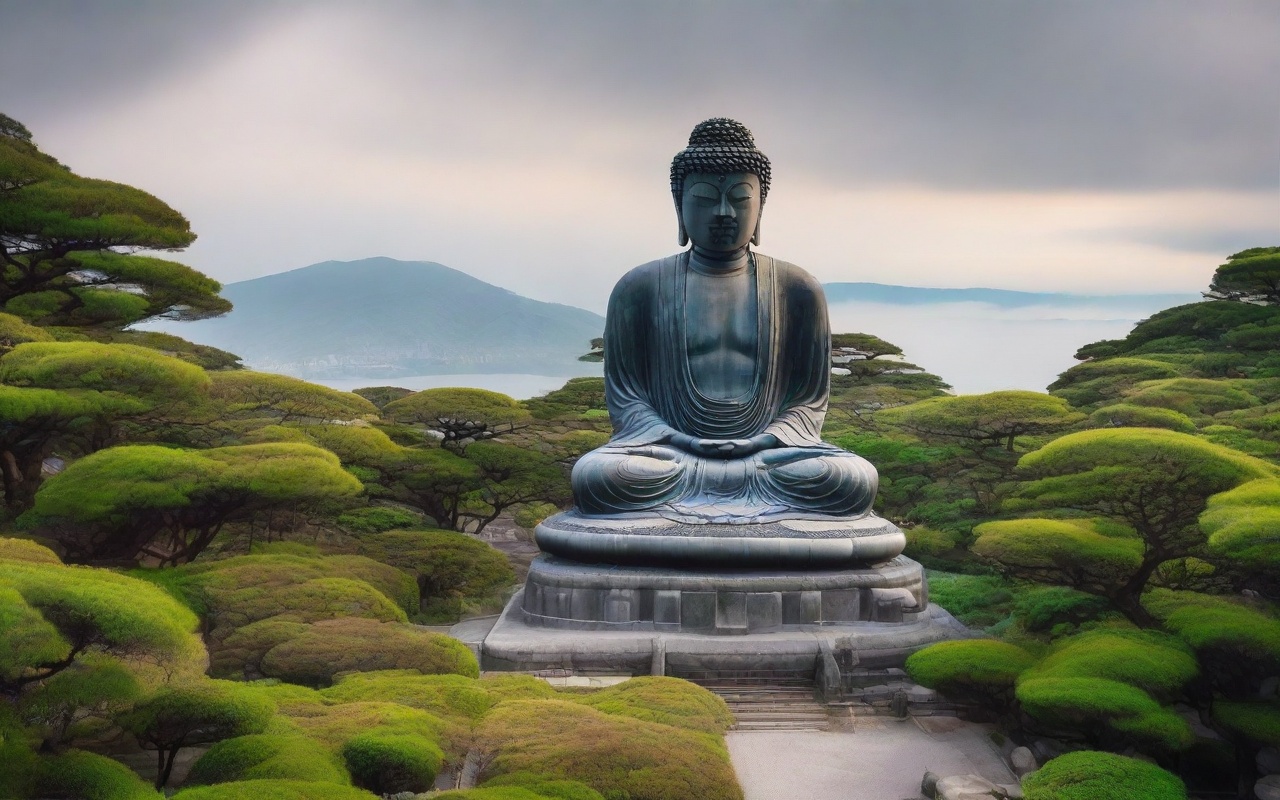
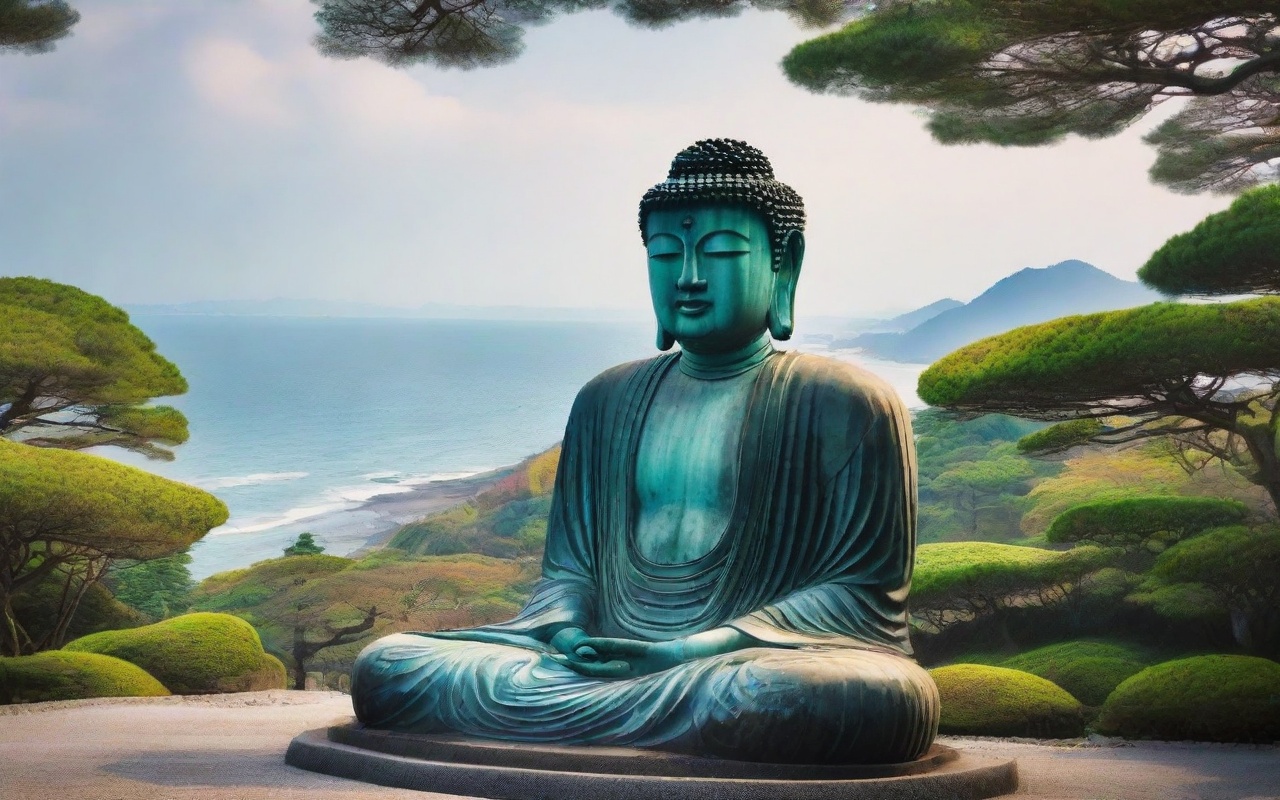
Within 5km
Historic Sites:
- Ancient temples and shrines (10-15 min)
- Traditional architecture and gardens
- Cultural heritage sites
Natural Attractions:
- Scenic parks and walking trails
- Coastal views and beaches
- Mountain viewpoints
Within 10km
Museums & Culture:
- Local history museums
- Art galleries
- Traditional craft centers
Shopping & Dining:
- Local markets
- Specialty shops
- Traditional restaurants
Day Trip Options
Morning:
- Early visit to main attraction
- Breakfast at local cafe
Afternoon:
- Explore nearby sites
- Lunch at recommended restaurant
Evening:
- Sunset viewpoint
- Dinner at local specialty restaurant
Spring (March-May)
Highlights: Cherry blossoms, mild weather, spring festivals
- Temperature: 10-20°C (50-68°F)
- Crowds: High during cherry blossom season (late March-early April)
- What to Wear: Light jacket, layers
- Special Events: Hanami parties, spring festivals
Summer (June-August)
Highlights: Green landscapes, summer festivals, fireworks
- Temperature: 20-30°C (68-86°F)
- Crowds: Very high (school holidays)
- What to Wear: Light clothing, hat, sunscreen
- Special Events: Fireworks festivals, beach activities
Autumn (September-November)
Highlights: Fall foliage, comfortable weather, harvest season
- Temperature: 15-25°C (59-77°F)
- Crowds: Moderate to high (especially November)
- What to Wear: Light layers, comfortable walking shoes
- Special Events: Autumn festivals, food events
Winter (December-February)
Highlights: Fewer crowds, clear views, winter illuminations
- Temperature: 5-15°C (41-59°F)
- Crowds: Low (except New Year holidays)
- What to Wear: Warm coat, gloves, scarf
- Special Events: Winter illuminations, New Year events
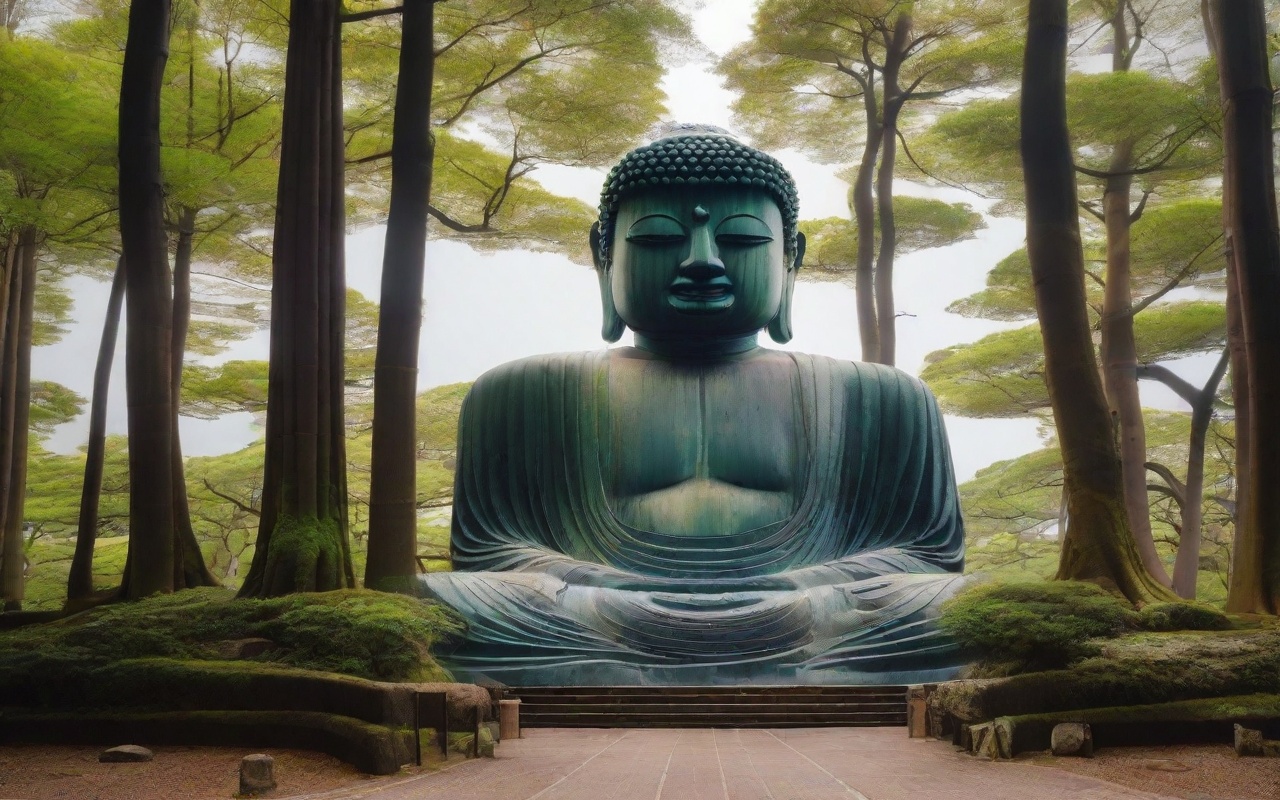
The Kamakura Great Buddha (Kamakura Daibutsu) is one of Japan's most iconic landmarks. This bronze statue of Amida Buddha has stood for over 750 years, surviving earthquakes, tsunamis, and wars. This guide covers everything you need to know about visiting this magnificent monument.
Quick Facts
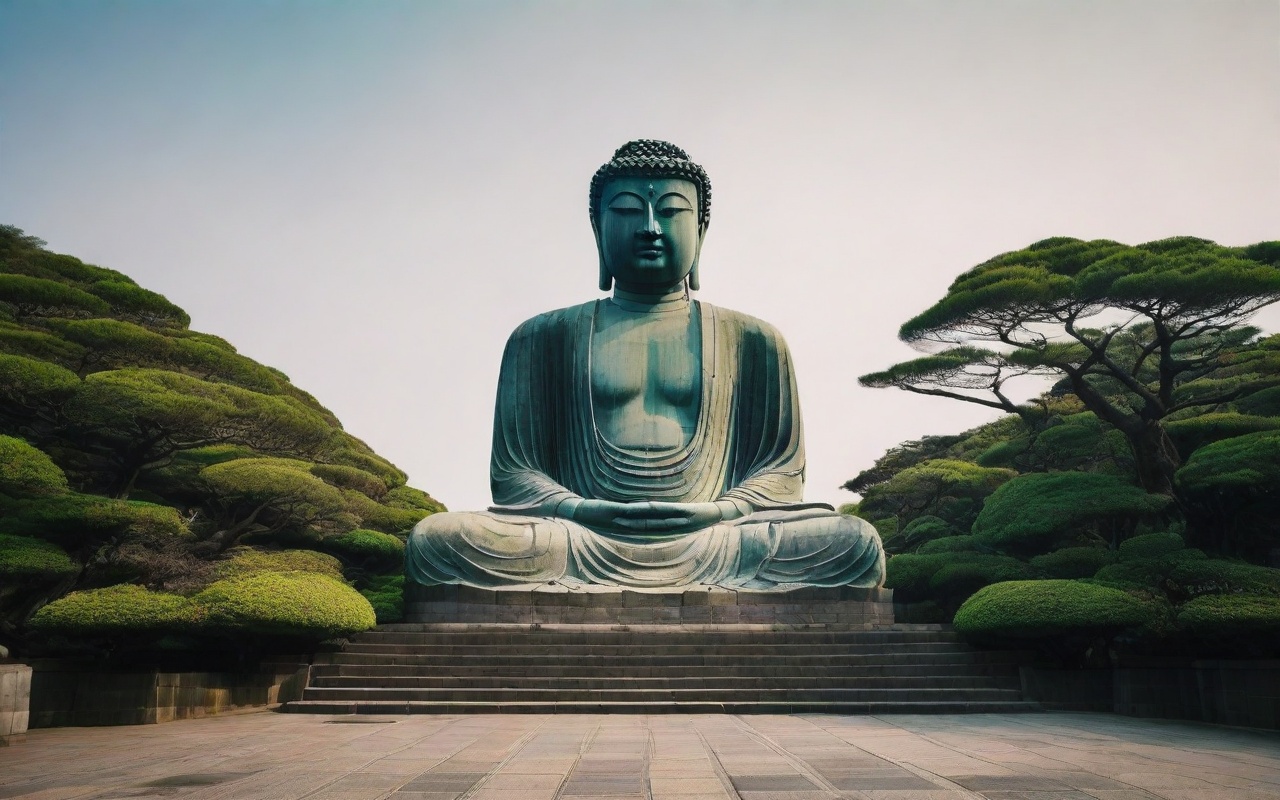
- Height: 13.35 meters (43.8 feet)
- Weight: 93 tons
- Material: Bronze
- Completed: 1252 (774 years ago)
- Location: Kotoku-in Temple, Kamakura
- Admission: ¥300 (adult), ¥150 (child)
- Hours: 8:00-17:30 (varies by season)
- Access: 10 min walk from Hase Station
Construction (1252)
Why Built:
- After a massive fire destroyed a wooden Buddha statue
- To protect people from disasters
- Symbol of peace and stability
Who Built It:
- Priest Joko (fundraiser)
- Bronze caster Onisuke Goroemon
- Supported by shogunate government
Original Structure:
- Initially housed in a wooden hall
- Hall destroyed by earthquakes (1495, 1498)
- Buddha exposed to elements since 15th century
Survival Stories
Earthquakes:
- Survived multiple major earthquakes
- 1923 Great Kanto Earthquake: Statue shifted 2 feet forward
- Engineers reinforced the base
Tsunamis:
- 1495 tsunami: Destroyed the hall, not the Buddha
- 1498 tsunami: Further damage to hall
- Buddha's hollow structure allowed water to pass through
Wars:
- Survived WWII bombing (Kamakura not targeted)
- No battle damage recorded
- Protected as cultural treasure since 1892
Restoration History
Major Restorations:
- 1960-1961: Structural reinforcement
- 1986-1993: Comprehensive restoration
- 2007-2008: Earthquake resistance upgrade
What Was Done:
- Neck reinforcement (earthquake proofing)
- Hair curl repairs (1,213 curls)
- Surface cleaning and treatment
- Drainage system improvement
Can You Go Inside?
Yes! For an additional fee, you can enter the Buddha.
Admission:
- Outside only: ¥300 (adult), ¥150 (child)
- Inside + Outside: ¥500 (adult), ¥300 (child)
What You'll See:
- Feet: Large bronze feet (view from below)
- Legs: Hollow interior structure
- Torso: Support beams and joints
- Back: Window with view of temple grounds
What You Won't See:
- Head (not accessible)
- Original construction details (hidden by restoration)
Experience:
- Narrow staircase (steep)
- Dimly lit interior
- Bronze smell (distinctive)
- Cool inside (summer relief)
Note: Not recommended for claustrophobia or mobility issues
How Was It Built?
Method: Hollow casting technique
Process:
- Built clay model
- Created mold around model
- Poured molten bronze (multiple pours)
- Removed mold
- Assembled sections (8 major sections)
- Added details (hair, robes, etc.)
Materials:
- Bronze (primary)
- Gold (original surface, now gone)
- Iron (internal supports)
Craftsmanship:
- 1,213 hair curls (each hand-cast)
- Robe folds (natural draping)
- Facial expression (serene, compassionate)
Dimensions
| Part | Measurement |
|---|---|
| Total Height | 13.35 m (43.8 ft) |
| Face Length | 2.35 m (7.7 ft) |
| Eye Length | 1.0 m (3.3 ft) |
| Mouth Width | 0.82 m (2.7 ft) |
| Ear Length | 1.90 m (6.2 ft) |
| Knee Width | 9.10 m (29.9 ft) |
| Thumb Circumference | 0.85 m (2.8 ft) |
Symbolism
Hand Position (Mudra):
- Right hand: Raised (fearlessness)
- Left hand: Palm up (meditation)
- Meaning: Protection and compassion
Facial Expression:
- Eyes: Half-closed (meditation)
- Mouth: Slight smile (compassion)
- Overall: Serene, peaceful
Hair (1,213 curls):
- Symbol of wisdom
- Each curl turns right (auspicious)
Admission & Hours
Admission Fees: | Type | Price | |------|-------| | Adult | ¥300 | | Child (6-15) | ¥150 | | Inside Buddha | +¥200 | | Group (30+) | ¥250 |
Opening Hours: | Season | Hours | |--------|-------| | Apr-Sep | 8:00-17:30 | | Oct-Mar | 8:00-17:00 |
Closed: Never open (year-round)
How to Get There
From Tokyo (60 min):
-
Tokyo Station → Kamakura Station
- JR Yokosuka Line (55 min, ¥920)
- Covered by JR Pass
-
Kamakura Station → Hase Station
- Enoden Line (6 min, ¥210)
- Not covered by JR Pass
-
Hase Station → Buddha
- 10 min walk
- Follow signs
Alternative Route:
- Shinjuku → Kamakura (Shonan-Shinjuku Line, 60 min)
- Tokyo → Kamakura (JR Pass, fastest)
By Bus:
- Kamakura Station → Daibutsu-mae (Keikyu Bus, 8 min, ¥200)
- Hase Station → Daibutsu-mae (5 min walk)
By Car:
- Parking: ¥500-1,000 per day
- Location: Temple parking lots
- Note: Crowded on weekends
Best Time to Visit
Best Seasons:
| Season | Pros | Cons |
|---|---|---|
| Spring (Mar-May) | Cherry blossoms, mild weather | Crowded (Golden Week) |
| Autumn (Sep-Nov) | Fall foliage, comfortable | Very crowded (Nov) |
| Winter (Dec-Feb) | Few crowds, clear air | Cold, short days |
| Summer (Jun-Aug) | Long days, green | Hot, humid, rainy |
Best Times of Day:
- Best: 8:00-9:00 (opening, few crowds)
- Good: 16:00-17:00 (late afternoon)
- Avoid: 10:00-15:00 (peak crowds)
Best Days:
- Best: Tuesday-Thursday (weekdays)
- Avoid: Saturday, Sunday, holidays
Kotoku-in Temple Grounds
Included with Admission:
-
Main Hall (hondo)
- Buddhist statues
- Prayer area
- Beautiful architecture
-
Temple Gardens
- Japanese landscaping
- Seasonal flowers
- Peaceful atmosphere
-
Souvenir Shop
- Buddha statues (various sizes)
- Amulets (omamori)
- Postcards, books
- Snacks, drinks
-
Temple Office
- Information
- Stamp rally (goshuin)
- Donations
Nearby Attractions (Walking Distance)
-
Hase-dera Temple (10 min walk)
- Beautiful temple grounds
- Ocean views
- Admission: ¥400
-
Enoshima Island (20 min by train)
- Shrine, caves, ocean views
- Admission: Free (some areas charged)
-
Kamakura Beach (15 min walk)
- Swimming (summer)
- Surfing (year-round)
- Free
Best Photo Spots
-
Front View (classic shot)
- Position: Directly in front
- Include: Entire Buddha, temple grounds
- Best time: Morning light
-
Side View (profile)
- Position: Left or right side
- Include: Buddha, temple buildings
- Best time: Afternoon light
-
Inside Buddha (unique perspective)
- Position: From inside looking out
- Include: Window frame, temple grounds
- Note: No flash inside
-
Details (artistic shots)
- Focus: Hair curls, hands, feet
- Include: Textures, patterns
- Best time: Any time
Camera Settings
Outside:
- Aperture: f/8-f/11 (sharp throughout)
- Shutter: 1/250+ (handheld)
- ISO: 100-400 (daylight)
Inside:
- Aperture: f/2.8-f/4 (low light)
- Shutter: 1/60+ (handheld)
- ISO: 800-1600 (dim interior)
- Flash: ❌ Not allowed
Etiquette
Allowed:
- ✅ Photography for personal use
- ✅ Tripods (without obstructing)
- ✅ Smartphone photography
Not Allowed:
- ❌ Commercial photography (without permit)
- ❌ Flash inside Buddha
- ❌ Selfie sticks (safety)
- ❌ Drones (prohibited)
What to Bring
Essentials:
- Cash (¥500-1,000 for admission, souvenirs)
- Camera (with extra battery)
- Water bottle (especially summer)
- Comfortable walking shoes
Seasonal:
- Spring/Autumn: Light jacket, layers
- Summer: Hat, sunscreen, cooling towel
- Winter: Warm coat, gloves, hand warmers
Facilities
Available:
- ✅ Restrooms (temple grounds)
- ✅ Vending machines (drinks, snacks)
- ✅ Souvenir shop
- ✅ Parking (¥500-1,000)
- ✅ Wheelchair access (limited)
Not Available:
- ❌ Restaurant (only vending machines)
- ❌ Lockers (carry belongings)
- ❌ Wi-Fi (use mobile data)
Accessibility
Wheelchair Access:
- ✅ Temple grounds (mostly accessible)
- ⚠️ Inside Buddha (not accessible, stairs)
- ✅ Restrooms (accessible)
- ⚠️ Parking (limited spaces)
Mobility Issues:
- Paved paths (mostly flat)
- Some steps (temple buildings)
- Rest areas (benches available)
Visual Impairment:
- Braille information (limited)
- Guide dogs (welcome)
- Assistance (ask temple staff)
Visiting at Wrong Time
Problem: Arriving at 11:00 on Saturday (peak crowds) Solution: Visit at 8:00 on weekday
Not Going Inside
Problem: Only viewing from outside (missing unique experience) Solution: Pay extra ¥200, go inside (if physically able)
Wrong Expectations
Problem: Expecting giant temple complex (it's modest) Solution: Combine with nearby Hase-dera, Enoshima
No Cash
Problem: Only credit cards (not accepted for admission) Solution: Bring ¥1,000 in cash
Half-Day Visit (Morning)
8:00: Arrive at Great Buddha (beat crowds) 8:30: Explore temple grounds 9:00: Go inside Buddha (optional) 9:30: Walk to Hase-dera Temple 10:30: Explore Hase-dera 12:00: Lunch in Kamakura 13:00: Return to Tokyo
Total: 5 hours, ¥2,000-3,000
Full-Day Kamakura
8:00: Great Buddha (first visit) 10:00: Hase-dera Temple 12:00: Lunch in Kamakura 13:30: Tsurugaoka Hachimangu Shrine 15:00: Komachi-dori Shopping Street 17:00: Return to Tokyo
Total: 9 hours, ¥3,000-5,000
Q: What is the best time to visit Great buddha kamakura history?
A: The best time to visit Great buddha kamakura history is during spring (March-May) for mild weather and cherry blossoms, or autumn (September-November) for comfortable temperatures and fall foliage. Summer can be crowded but offers festivals and events.
Q: How do I get to Great buddha kamakura history from Tokyo?
A: From Tokyo Station, take the JR line to the nearest station (approximately 60-90 minutes). From there, it's a short walk or local bus ride. The Japan Rail Pass can be used on JR lines.
Q: Is Great buddha kamakura history suitable for families with children?
A: Yes! Great buddha kamakura history offers family-friendly facilities and activities. Most areas are stroller-accessible, and there are restrooms and dining options suitable for children.
Q: Are there any entrance fees for Great buddha kamakura history?
A: Most areas are free to visit. Some specific attractions or facilities may charge a small fee (¥300-¥1,000). Check individual attraction websites for details.
Q: Can I visit Great buddha kamakura history in one day?
A: Yes, a day trip is possible from Tokyo. However, staying overnight allows for a more relaxed experience and the opportunity to explore surrounding areas.
Q: Is English spoken at Great buddha kamakura history?
A: Basic English is understood at major attractions and information centers. Tourist information is often available in English. Translation apps can be helpful for detailed inquiries.
Summary
| Feature | Details |
|---|---|
| Height | 13.35 m (43.8 ft) |
| Weight | 93 tons |
| Age | 774 years (since 1252) |
| Admission | ¥300 (adult), ¥150 (child) |
| Inside Visit | +¥200 |
| Hours | 8:00-17:30 (varies) |
| Access | 10 min from Hase Station |
| Best Time | 8:00 weekday, spring/autumn |
| Time Needed | 1-2 hours |
Bottom Line: The Kamakura Great Buddha is a must-visit landmark with 774 years of history. For just ¥300, you can view this magnificent bronze statue and even go inside for a unique experience. Visit early morning on weekdays for the best experience.
Best For: History lovers, photography, cultural experience, families
Budget: ¥500-1,000 per person (admission + inside visit + souvenirs)
Time Needed: 1-2 hours
Related Articles:
Conclusion
Great Buddha Kamakura History is a must-visit destination in Kanagawa for international travelers. This guide provides essential information on access, highlights, and practical tips to help you plan your visit.
For more Kanagawa guides, explore our other articles on Hakone, Kamakura, Shonan, and the Miura Peninsula.
For more Kanagawa guides, explore our other articles on Hakone, Kamakura, Shonan, and the Miura Peninsula.
Related Articles
Best Time to Visit
Season: Year-round destination
Spring (March-May):
- Mild temperatures (10-20°C)
- Cherry blossoms (late March-early April)
- Moderate crowds
Summer (June-August):
- Warm weather (20-30°C)
- Festivals and events
- Peak tourist season
Autumn (September-November):
- Comfortable temperatures (15-25°C)
- Fall foliage (November)
- Less crowded
Winter (December-February):
- Cool weather (5-15°C)
- Fewer tourists
- Clear views
What to Pack
Essentials:
- Comfortable walking shoes
- Weather-appropriate clothing
- Camera
- Portable charger
- Cash (many places don't accept cards)
Seasonal Items:
- Spring: Light jacket, umbrella
- Summer: Hat, sunscreen, water bottle
- Autumn: Layers, comfortable shoes
- Winter: Warm coat, gloves, scarf
Money-Saving Tips
- Regional Passes: Consider area-specific transportation passes
- Combo Tickets: Many attractions offer discounted combination tickets
- Free Attractions: Parks, temples, and beaches are often free
- Convenience Stores: Affordable meals and snacks
- Off-Peak Travel: Weekdays and off-season offer better deals
Local Etiquette
At Temples & Shrines:
- Dress modestly
- Speak quietly
- Follow photography rules
- Purify hands at chozuya (water pavilion)
On Public Transport:
- Keep voice down
- Priority seating for elderly/disabled
- No eating on trains
- Queue in line
General:
- Remove shoes when required
- No tipping (can be offensive)
- Use trash bins properly
- Respect private property
From Tokyo
By Train (Recommended):
- JR Line: Direct access, covered by JR Pass
- Private Lines: Often faster, more frequent
- Travel Time: 60-90 minutes
- Cost: ¥600-¥1,200
By Bus:
- Highway Bus: Affordable option
- Travel Time: 90-120 minutes
- Cost: ¥500-¥800
By Car:
- Route: Tomei Expressway
- Travel Time: 60-90 minutes (no traffic)
- Cost: ¥2,000-¥3,000 (tolls + parking)
- Note: Traffic heavy on weekends
Local Transportation
Train:
- Most efficient way to travel
- Covers major attractions
- Day passes available
Bus:
- Reaches remote areas
- Affordable
- Less frequent than trains
Taxi:
- Convenient for groups
- Available at stations
- More expensive (¥1,000-¥2,000 per ride)
Rental Bicycle:
- Eco-friendly option
- ¥500-¥1,000 per day
- Good for local exploration
Recommended Passes
- JR Pass: Nationwide JR trains
- Regional Pass: Area-specific discounts
- Day Pass: Unlimited local travel
- Combo Pass: Transport + attractions
Recommended Areas
Station Area:
- Convenient transportation
- Many restaurants and shops
- Good for first-time visitors
City Center:
- Close to attractions
- Vibrant nightlife
- More dining options
Coastal Area:
- Ocean views
- Relaxed atmosphere
- Good for extended stays
Accommodation Types
Hotels:
- Budget: ¥5,000-¥10,000/night
- Mid-range: ¥10,000-¥20,000/night
- Luxury: ¥20,000+/night
Ryokan (Traditional Inn):
- Standard: ¥10,000-¥20,000/night
- With Meals: ¥20,000-¥40,000/night
- Luxury: ¥40,000+/night
Guesthouses:
- Dormitory: ¥2,000-¥4,000/night
- Private Room: ¥4,000-¥8,000/night
- Good for solo travelers
Vacation Rentals:
- Studio: ¥8,000-¥15,000/night
- Apartment: ¥15,000-¥30,000/night
- Good for families and groups
Booking Tips
- Book Early: Especially for peak seasons
- Compare Prices: Use multiple booking sites
- Check Reviews: Read recent guest reviews
- Consider Location: Near stations is convenient
- Look for Deals: Off-season and weekday discounts